Bikesrepublic

Latest News

  • The Road Transport Department of Malaysia is implementing the Vehicle Entry Permit system for foreign-owned vehicles to enter the country.

  • It will be implemented in three phases.

  • Phase one covers vehicles entering from Singapore.

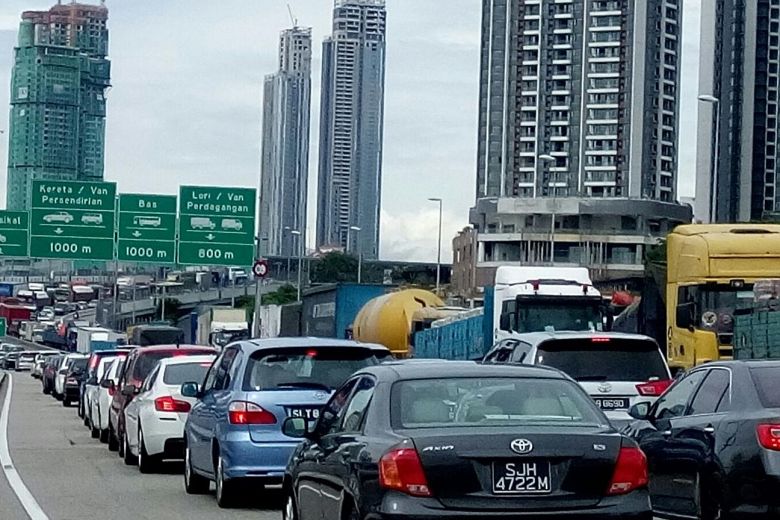
The Road Transport Department of Malaysia (JPJ – Jabatan Pengangkutan Jalan) will require all foreign owned vehicles to register for a Vehicle Entry Permit (VEP) to enter the country. The system will be implemented from October 2019.

The department will issue the VEP via an online “simple three-step action.” They also added that the program will be implemented in three phases.

Phase one commences from 1stOctober 2019. It covers vehicles entering from Singapore through Bangunan Sultan Iskandar and Kompleks Sultan Abu Bakar in Johore. The VEP-RFID tag can be installed or collected at four designated areas in Johor Bahru:

  • Gelang Patah Southbound R&R;
  • Plaza Angsana open carpark;
  • Pandan R&R;
  • Lima Kedai Toll Plaza.

Phase two involves foreign-owned vehicles entering Malaysia from Thailand, while phase three covers vehicles entering through the Malaysia-Brunei border. These two phases will be implemented “in due course.”

Each VEP is valid for five years (RM 25), although drivers can apply for a one-off permit which costs RM 10.

The RTD aims to avoid cloned vehicles from entering and being sold in Malaysia. Additionally, it prevents vehicles with outstanding summonses from leaving the country.
  • Seven vintage motorcycles were found in a Los Angeles warehouse.

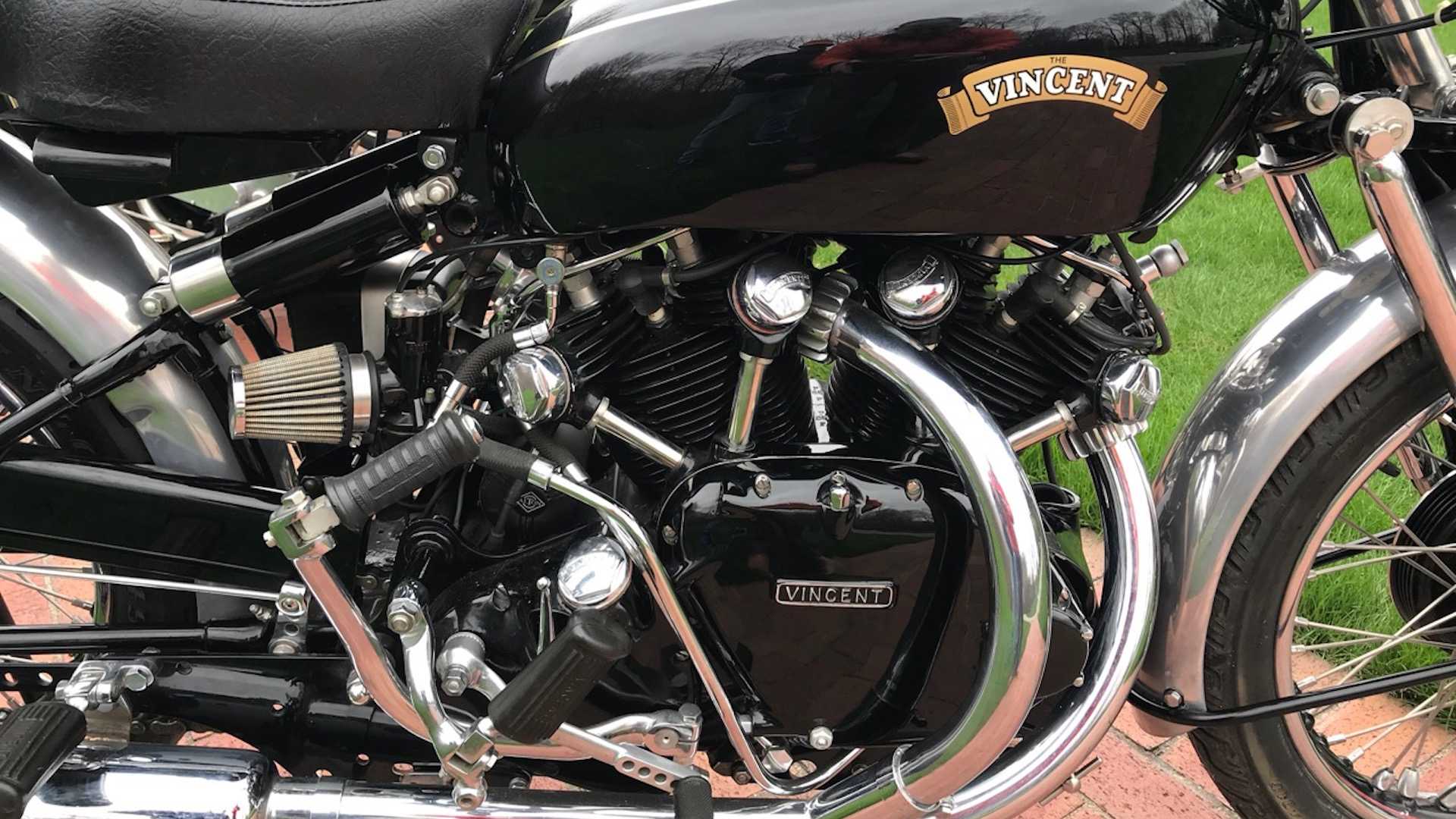
  • The discovery included six Vincent.

  • Vincents were renowed for the speed and quality.

You’re doing your laundry and checking through each pocket to make sure they’re empty. And suddenly, your hand pulls out a RM 50 note. Note the elation of that find. Now imagine discovering 7 rare vintage bikes – 6 of them being Vincent Motorcycles!

These following bikes were found in a Los Angeles warehouse after the passing of their owner. A liquidation firm has been nominated to auction the bikes and they told of an owner who had imported the bikes in the 1960s when he moved to the States. He also brought along a large cache of spare parts from the UK.

The Vincents discovered are:

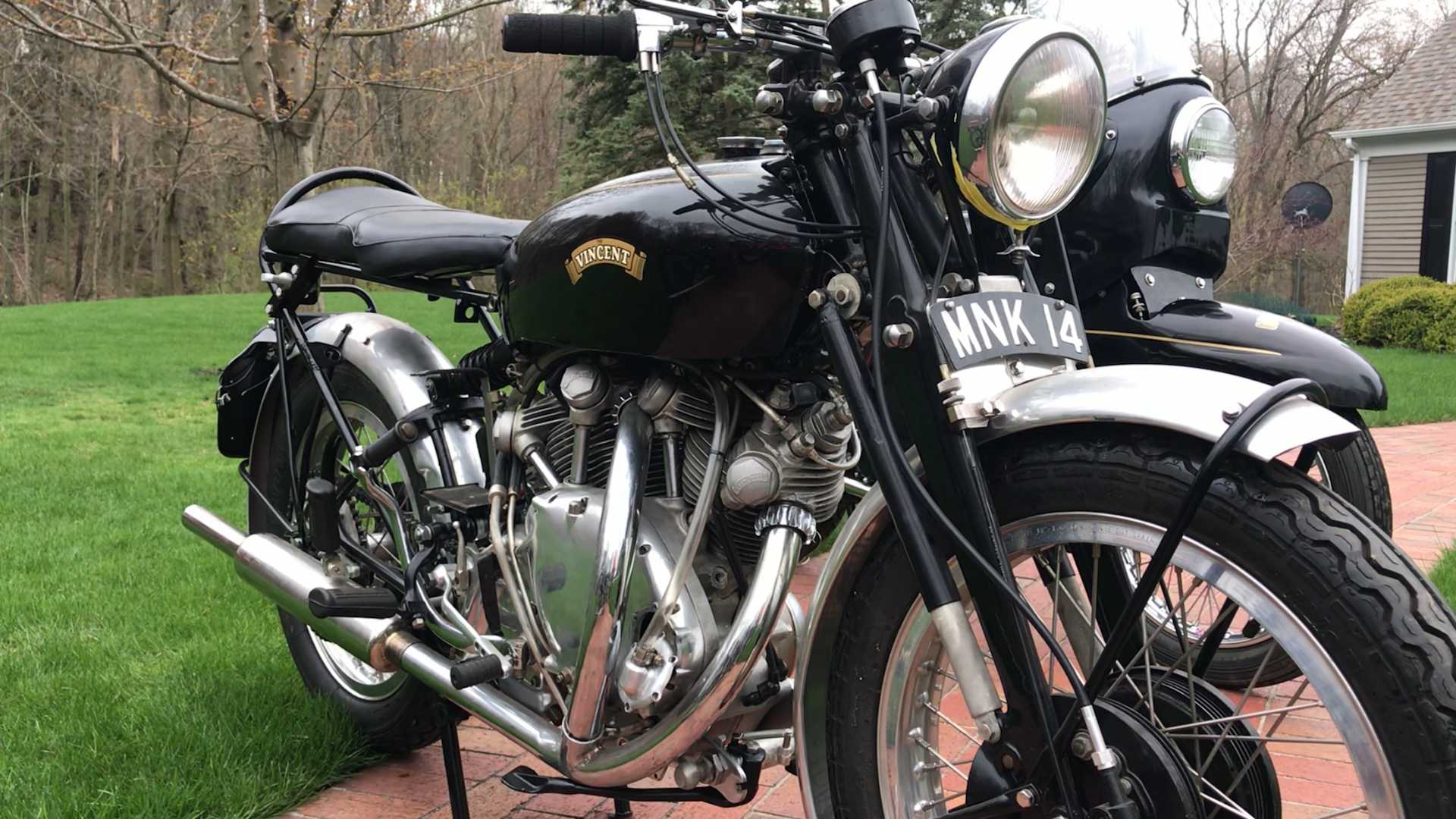
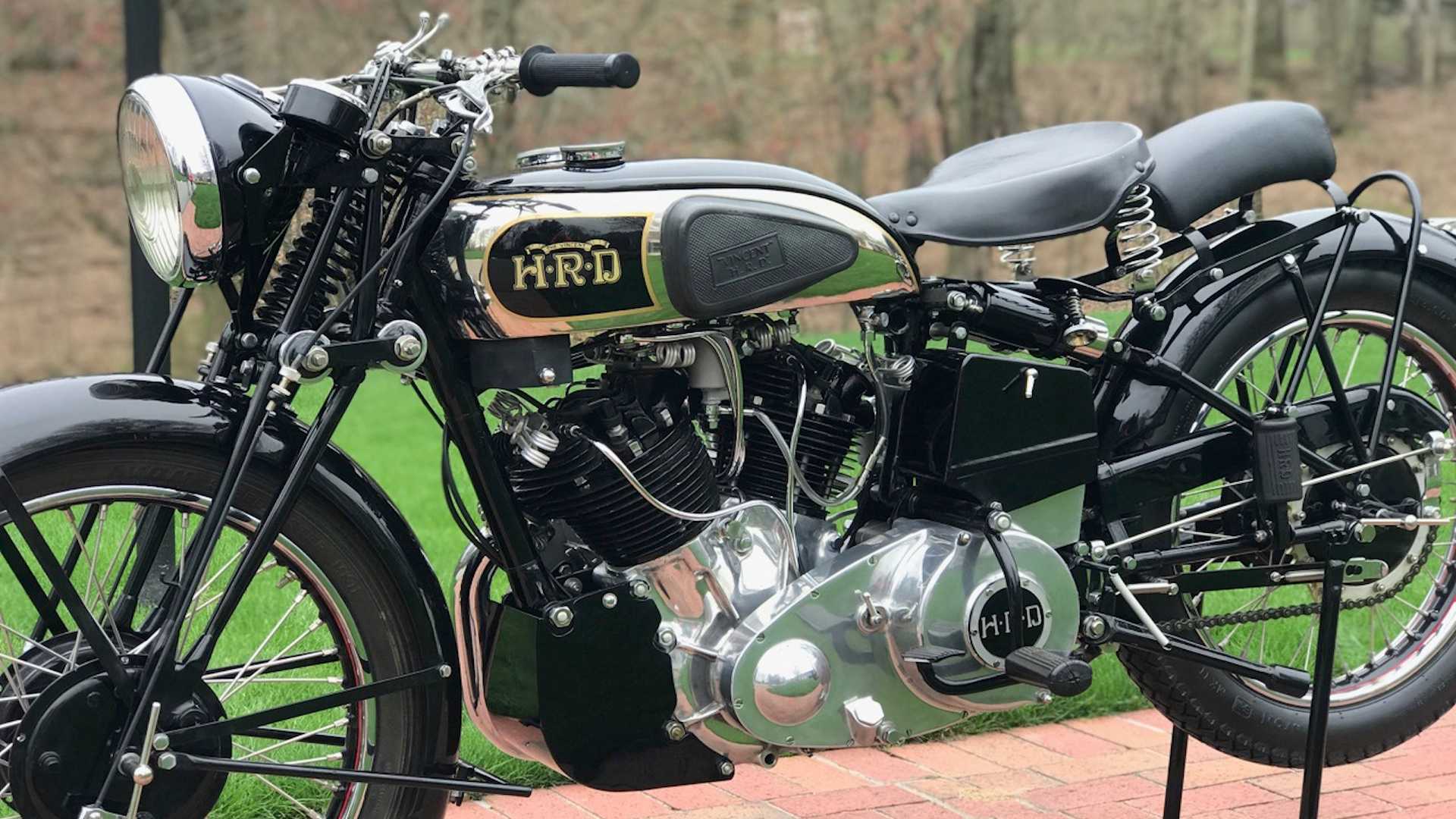
1938 Vincent Series-A HRD Twin

1938 Vincent Series-A HRD Twin – Photo credit RideApart

Vincent stopped production of the Series-A in 1939 due to WW2, then resuming business in 1946. That makes this Series-A even rarer. Only 78 Series-A were ever made, with probably only 40 to 50 still intact.

1948 Vincent Series-B Rapide

What made Vincents so much sought after? Performance. The Series-B Rapide already had a top speed of 177 km/h right out of the crate! It was the world’s fastest motorcycle of the era. Remember that this was at a time when motorcycle tyres were just a little wider than those on bicycles. Company owner Phillip Vincent and his genius chief engineer Phil Irving modified the Rapide event further, resulting in the latter Rapide which hit 201 km/h.

1950 Vincent Comet (basket case)

The liquidation company reported this bike as a basket case.

1953 Vincent Series-C “Black Shadow”

1953 Vincent Series-C Black Shadow – Photo credit RideApart

The Black Shadow and its Black Lightning racing counterpart are probably the best-known Vincents. It was a groundbreaking motorcycle when it was launched, especially in terms of its suspension and detailed quality work that’ll make modern bikes cry. Check out the picture. Vincent made only 42 Series-C, reported each at a loss to the company.

1955 Vincent Victor (replica)

1955 Vincent Victor Replica – Photo credit RideApart

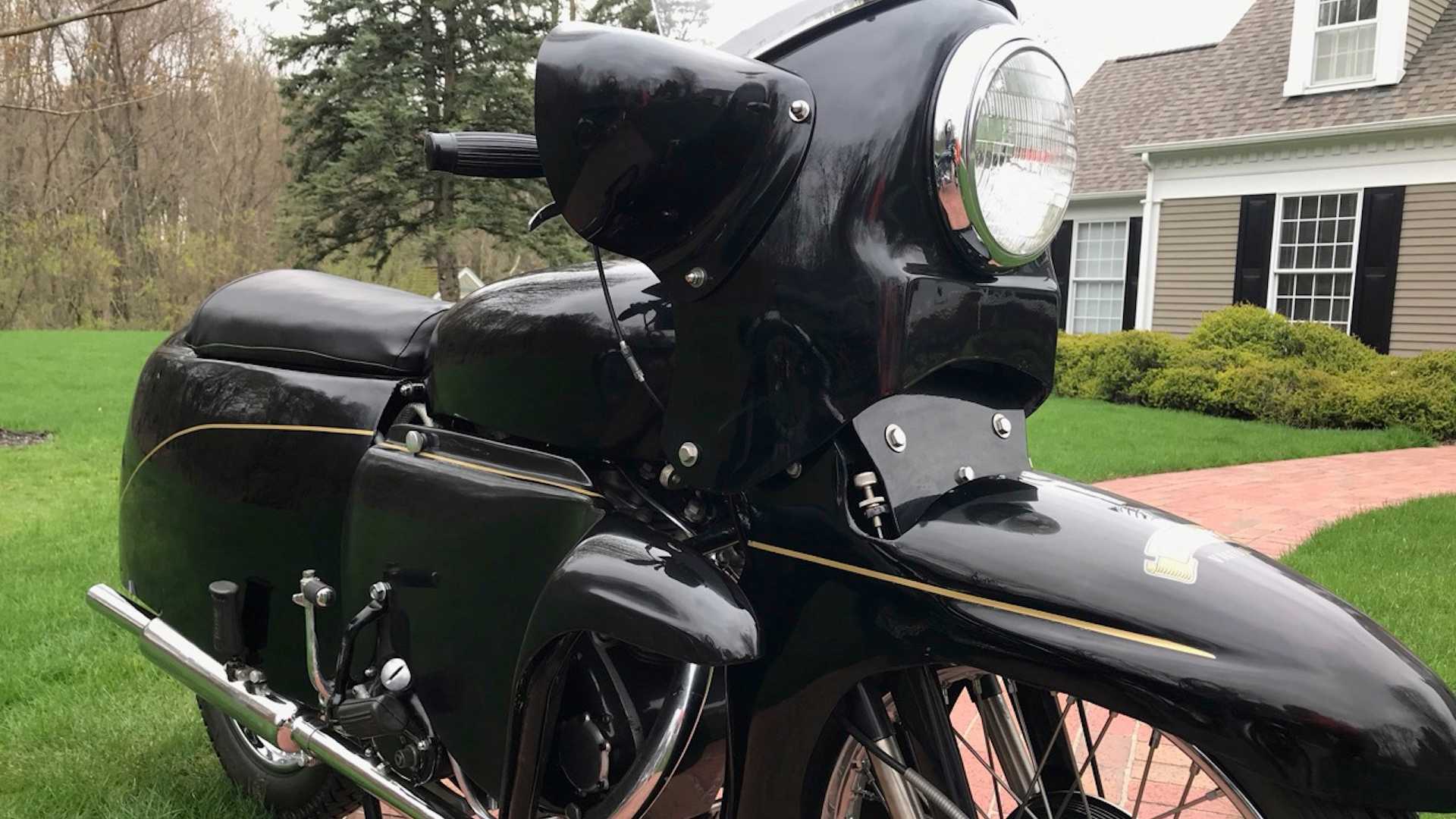
If you do some research on Vincent motorcycles, you’d find that the company’s true passion was pushing the boundaries of motorcycle technology. They already experimented with a full fairing back in 1955. There were three models: The Black Knight based on the Rapide, Black Prince based on the Shadow, and Victor based on the Comet.

The concept was too far ahead of its time, so Vincent made only 1 Victor. This owner probably couldn’t obtain one, thus he modified his Comet into this “Victor.”

1954 Vincent Rapide D/C

1954 Vincent Rapide D:C – Photo credit RideApart

These were produced one year before Vincent went under. But that didn’t mean the bike was under-built for it was still imbued with Vincent’s legendary built quality, technology and performance. Vincent kept losing money because their bikes were expensive to build and were priced much higher than the competition.

Source: RideApart

  • A track marshal was caught stealing an item from Alex Rins’s Suzuki at the Spanish MotoGP.

  • The video was uploaded to YouTube and went viral.

  • He is now forced to return the item and apologize to Rins and team.

The Jerez marshal who stole an item from the Suzuki of Alex Rins at the Spanish MotoGP 2019 has returned the item.

Alex Rins rode another incredible race on his Suzuki GSX-RR in yesterday’s Spanish MotoGP. He qualified in 9thand fought his way up the field to finish 2nd.

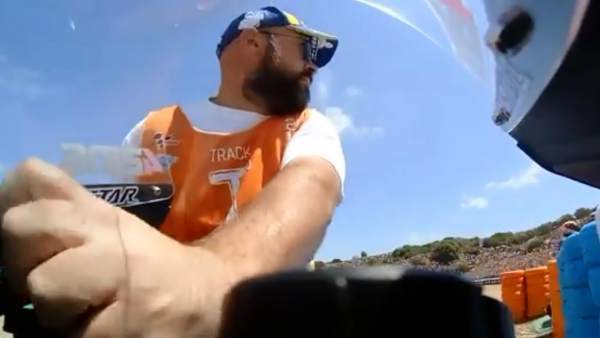
But when he parked his bike at a barrier and got off to celebrate with the fans in the stands, a track marshall reached down into Rins’s bike and removed the sweatband covering the front brake fluid reservoir. The marshall then inserted the item into his pocket as he watched Rins finished his celebrations and rode back to parc fermé.

The marshall must have forgotten that MotoGP bikes are equipped with “live” action cameras. Soon, his face and act were circulated around the world.

Alex Rins laughed it off when he was asked about it. He even joked that it’s probably selling on Wallapop (the Spanish version of Lazada) for €1,000 by then and that he’d buy it back if he saw it.

Alex can his money since the race organizer has forced the marshal to return the item. Additionally, he is required to apologize to Rins and the Suzuki Ecstar team.

  • Motorcycle drag racing is fun to participate in and watch.

  • This video shows how fast modern bikes can be even in the hands of non-pro riders.

  • Some of these modified beasts hit 100 km/h in 1 second!

We know, the first day of Ramadhan is always the hardest shock to our bodies. But here’s a motorcycle drag racing video to cheer us up. Make sure you turn up your speakers!

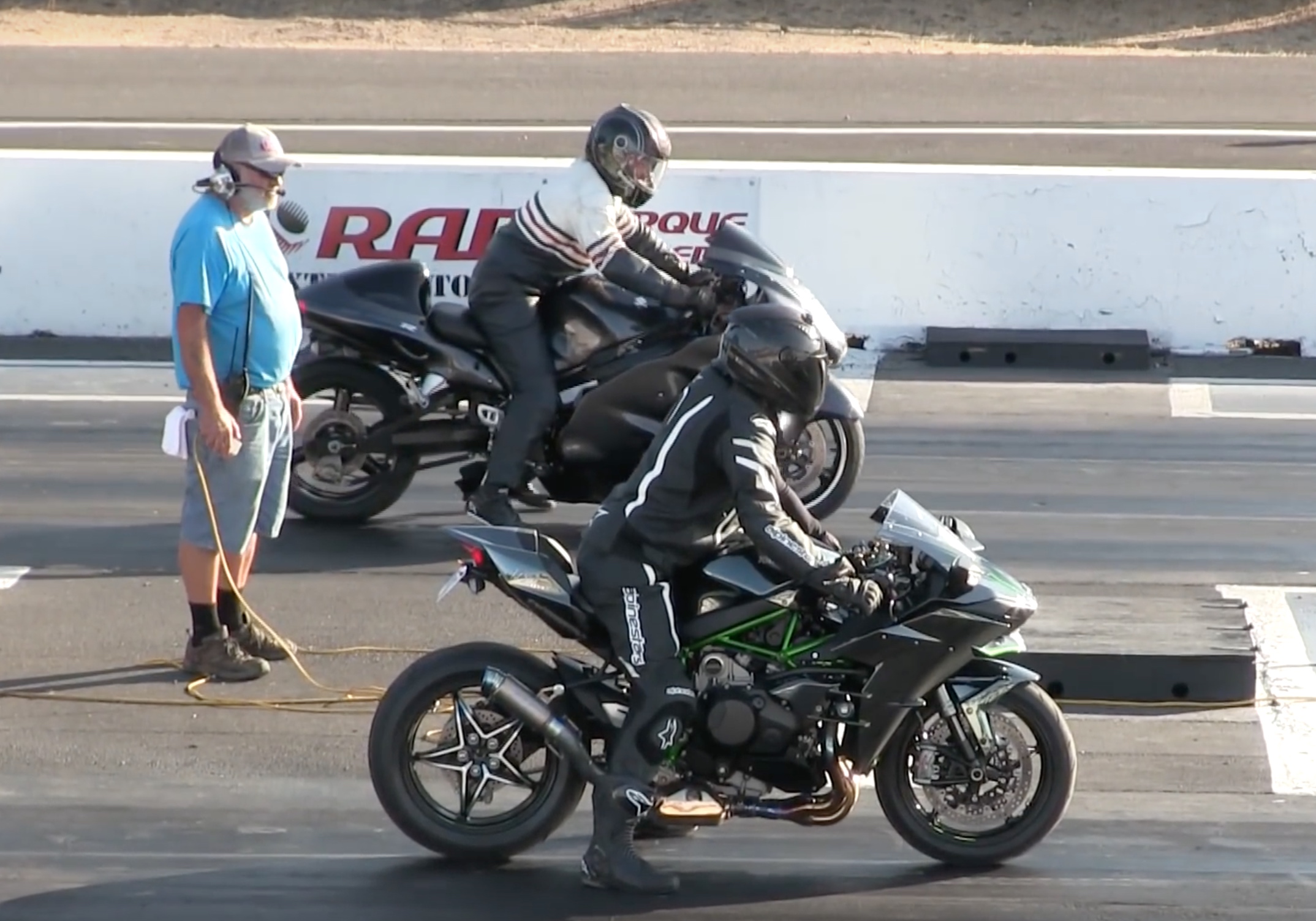
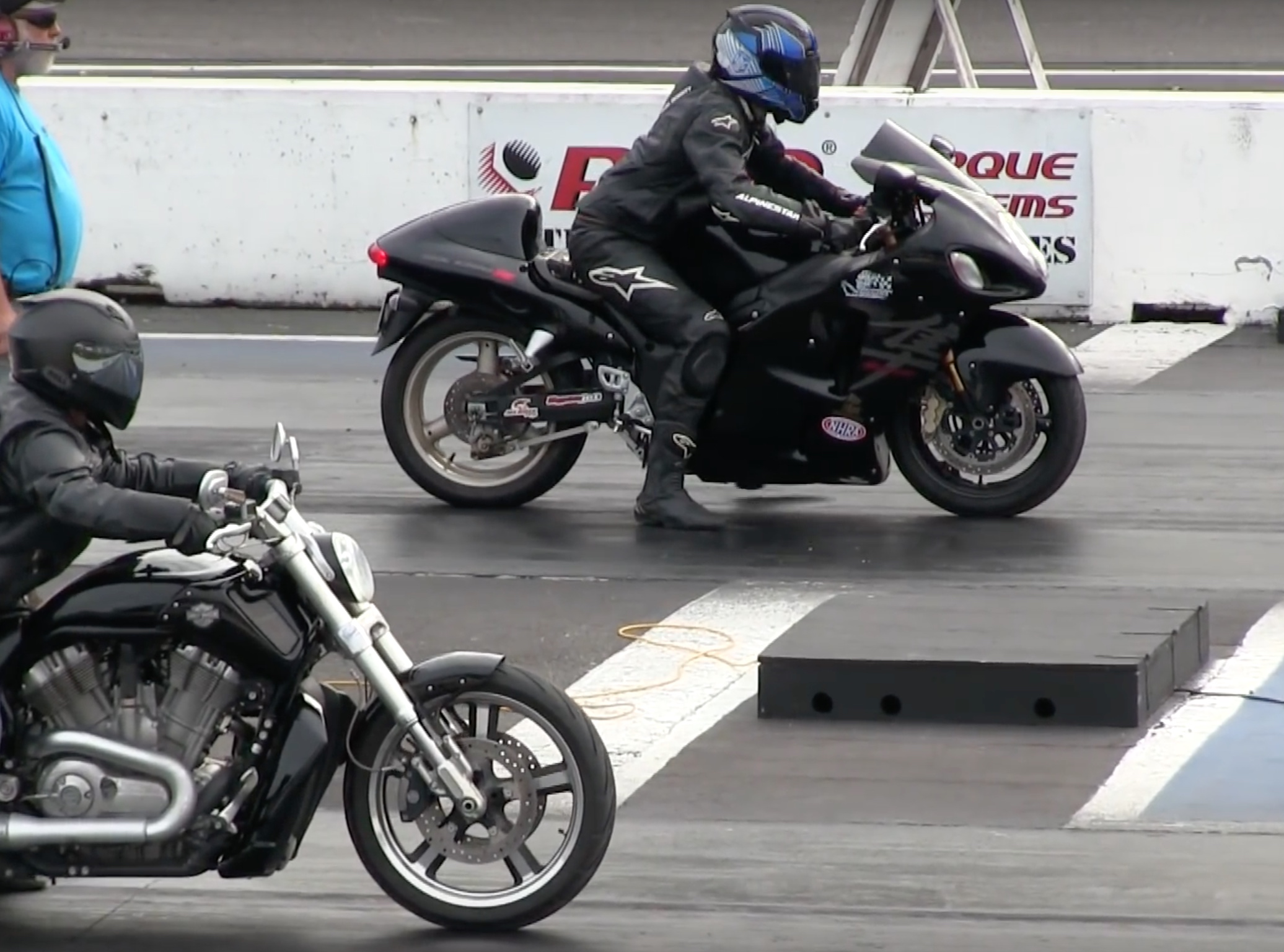
There isn’t much description except for the models of motorcycles taking part in the ultimate contest of acceleration. But it appears to be a “run what ya brung” race, where competitors enter what they rode to the event. So, you can see a variety of motorcycles that are stock, modified, turbocharged, equipped with nitrous oxide system (NOS), “dropped ‘n’ stretched,” have anti-wheelie bars installed, etc.

Some of these modified beasts hit 100 km/h in 1 second!

But we would like to highlight a number of details here:

  • The timed length is 1/4-mile, which is equivalent to 400 metres.
  • There are timing and speed sensors at different intervals along the length of the track.
  • Those numbers displayed after the finish line are the elapsed time (ET) above and speed in miles-per-hour (mph). So, you need to multiply them by 1.61 for the km/h number i.e. 167 mph X 1.61 = 268.76 km/h.
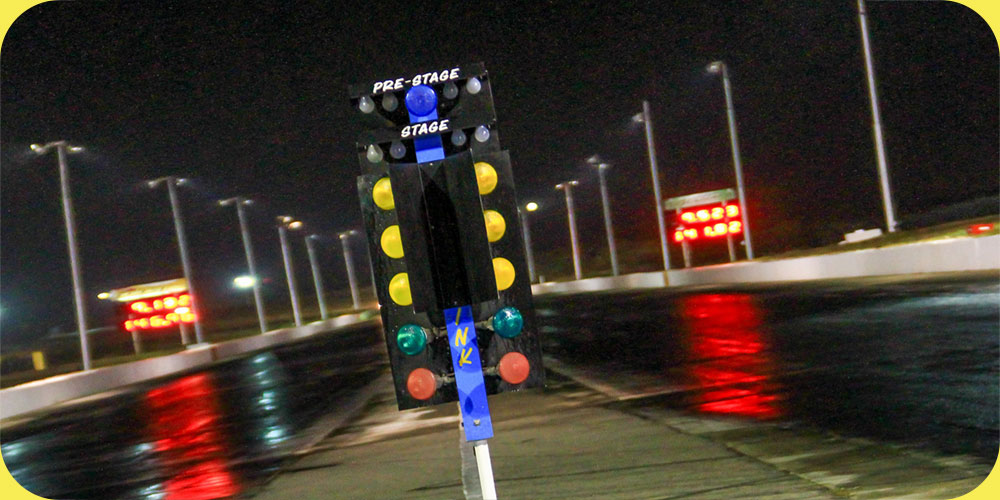
  • The starting lights are called the “Christmas tree.”

  • In professional-organized races such as these, the riders “stage” their bikes before being released.
  • Notice the box with the three holes next to rider? There’s a light/laser beam coming out of the holes.
  • There are two lines on each lane. Crossing the first line will have the front wheel cutting off the light/laser beam. This is when the bike is “pre-staged” and the PRE-STAGE lights will illuminate on the Christmas tree.
  • Moving forward a little more to cover the second hole will trigger the STAGE lights, meaning the rider is ready to go.

  • Now the Christmas tree will begin its countdown.
  • The rider launches when the green light comes on (obviously).
  • The third hole detects whether the rider crossed the light beam and white line before or after the green light came on.
  • If the rider crossed the light beam before the green light, he will be disqualified (red light on the Christmas tree).
  • The beam provides an accurate way to determine if one or both competitors jumped the start.
  • The “RT” (reaction time) is calculated electronically as the time between when the green light illuminated and rider shot past the light beam.
  • The “ET” at the end of the run stands for “elapsed time” i.e. the time between the rider took off and crossed the finish line.

It sounds complex, but it’s pretty simple. Get going as soon as the green light comes on and hold on for dear life. Motorcycle drag racing isn’t as easy as it seems, because the bikes tends to wheelie when charging hard off the line. With the front tyre bereft of weight, it’s up to the rider to shift his weight around to control the bike’s direction.

Anyhow, enjoy the video and Ramadan Mubarak from us a BikesRepublic.com.

Video source: Wheels YouTube Channel

  • Marc Marquez won the Spanish MotoGP 2019.

  • Polesitter Fabio Quartararo had gone as high up as 2nd but had to retire with mechanical problems.

  • Alex Rins finished 2nd on the Suzuki.

Marc Marquez (Repsol Honda) won the Spanish MotoGP 2019 race convincingly, but it was a heartache for Fabio Quartararo (Petronas Yamah SRT).

Staring from 3rd on the grid, Marquez blasted into the lead with the two Petronas Yamaha SRT riders, polesitter Quartararo and Franco Morbidelli trailing behind into Turn 1.

As Marquez controlled the race from the front, both satellite Yamaha riders followed closely. But on Lap 8, the reigning world champion upped his pace and started to drop the pursuing duo.

But it wasn’t long before Morbidelli’s started dropping into the clutches of his teammate Quartararo and Maverick Vinalez (Monster Energy Yamaha). Quartararo passed Morbidelli in the next lap and hunted down Marquez. Alex Rins (Suzuki Ecstar) once again rode his way up the field and passed Vinalez for 4th.

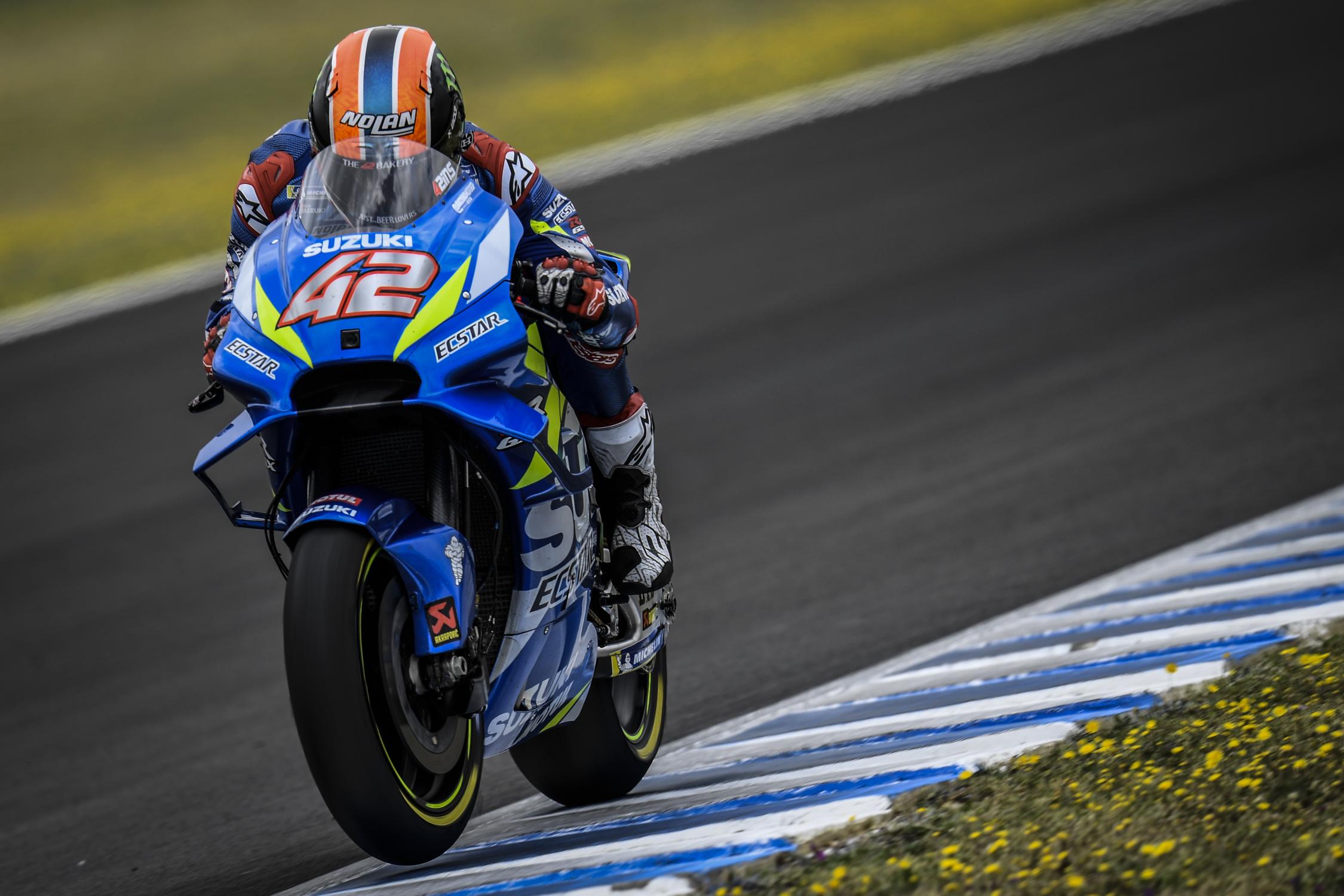
Alex Rins – Photo credit MotoGP.com

Although the Frenchman was only 0.1s slower than Marquez, the latter had opened up a 2-second lead.

Suddenly, Quartararo’s bike began to slow on Lap 16 and he pulled off the circuit to a stop. It was revealed later that his quickshifter had broken. With no way to reset the system to manual shifting, his and the team’s dream evaporated underneath the Spanish sunshine.

In the meantime, his Petronas Yamaha teammate Morbidelli started to slow drastically down the order to 6th. Rins had overtaken him by that point into 2nd while Vinalez had to defend from Andrea Dovizioso (Mission Winnow Ducati).

Maverick Vinalez – Photo credit MotoGP.com

Vinalez held on to his nerve and position at the flag to complete the podium positions.

Dovizioso finished 4th, followed by his teammate Danilo Petrucci to complete the Top 5.

Valentino Rossi (Monster Energy Yamaha) worked his way up to 6th after a disastrous qualifying which saw him starting from 13th on the grid. Morbidelli finally crossed the line in 7th; Cal Crutchlow (LCR Honda) in 8th; his teammate Takaaki Nakagami in 9th; and wildcard rider Stefan Bradl rounded out the Top 10.

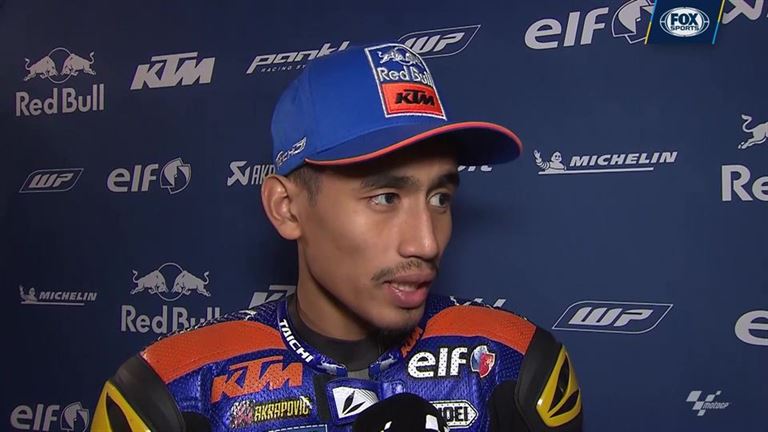
It was a race to forget for KTM as the Red Bull KTM Factory Racing riders Pol Espargaro came home in 13th followed by his teammate Johann Zarco in 14th. The Red Bull KTM Tech 3 Racing riders Miguel Oliveira took the flag in 18th in front of Hafiz Syahrin in 19th.

All pictures from MotoGP.com

  • Fabio Quartararo and Franco Morbidelli qualified 1st and 2nd at the Spanish MotoGP 2019.

  • It was the first pole position and 1-2 qualifying result for the new Petronas Yamaha SRT team.

  • Quartararo also became the youngest rider to score a pole position.

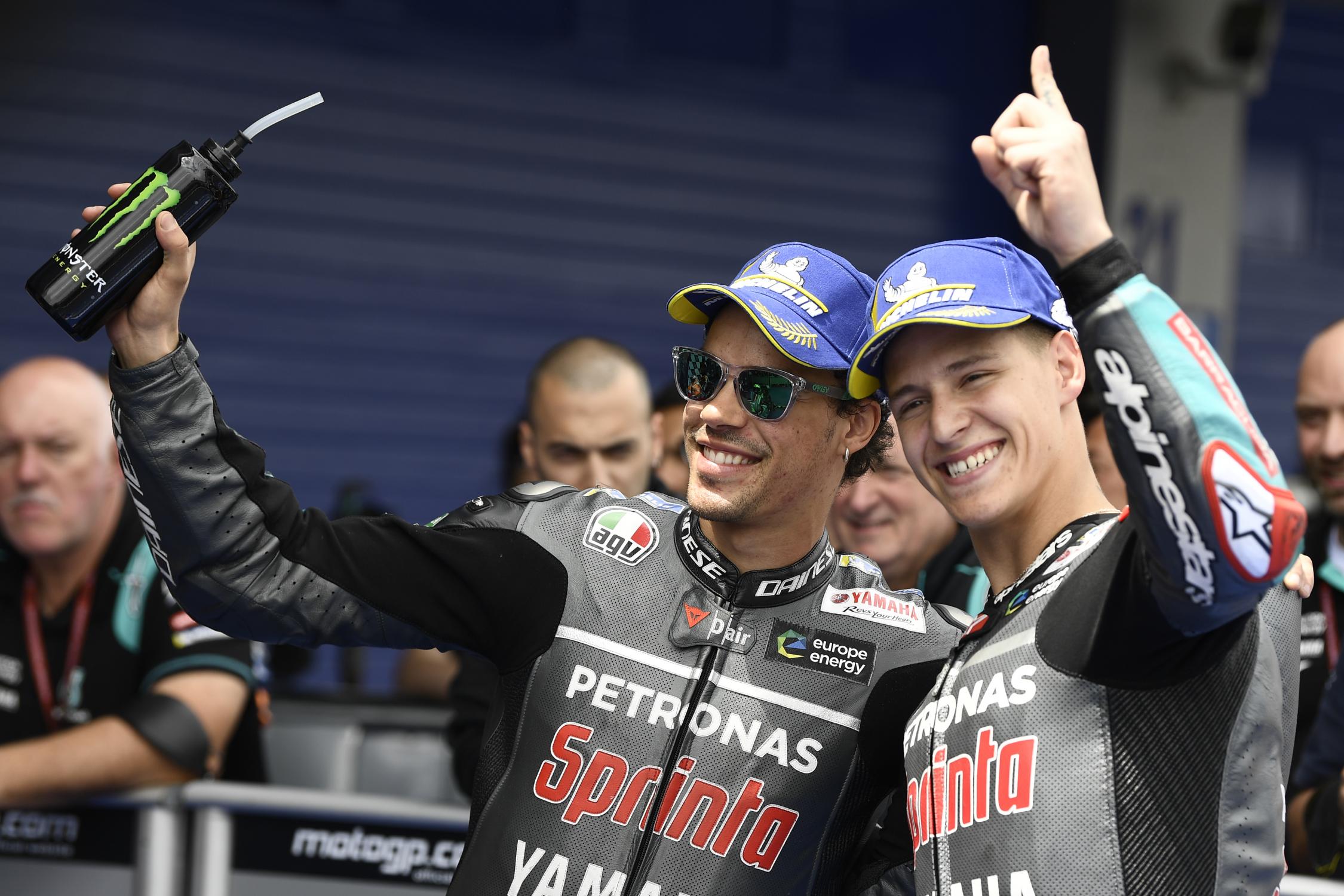
Rookie Fabio Quartararo and Franco Morbidelli qualified 1st and 2nd for today’s Spanish MotoGP. It was the first 1-2 qualifying result for the new Petronas Yamaha SRT outfit.

The results gave the fledgling team much to cheer about in just their fourth race. Both riders had been strong through the practice sessions, with Quartararo setting the leading pace.

In doing so, it was the first pole position in MotoGP for the youngster. Additionally, it reset the records as the youngest rider to achieve the feat, which was formerly held by Marc Marquez.ni

Speaking to MotoGP.com, Quartararo said that he had improved his braking from being his weakest point to his strongest.

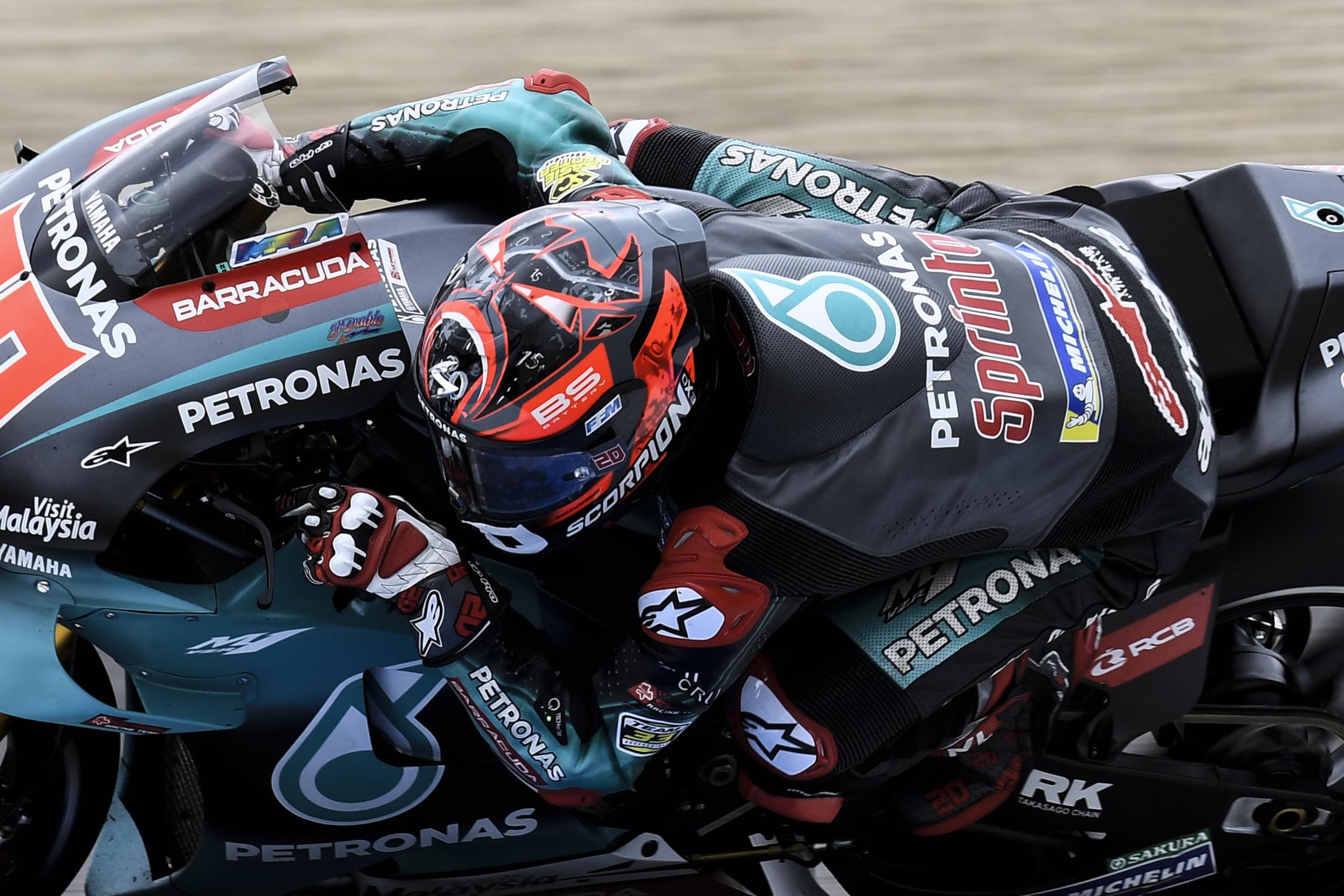
Fabio Quartararo – Photo credit MotoGP.com

The Petronas Yamaha SRT team is using the same 2019 Yamaha YZR-M1 as the Monster Energy Yamaha factory team, but they are the B-spec bikes with lower rev limits.

Quartararo’s time of 1:36.880s was almost 8/10 quicker than the old record 1:37.653s set by Cal Crutchlow in 2018.

Morbidelli put in his fastest lap of 1:36.962s, followed by Marc Marquez (Repsol Honda) at 1:36.970s, just 0.008s behind to round out the Top 3.

Andrea Doviziso (Mission Winnow Ducati) did well to qualify in 4th with a time of 1:37.018s despite the Ducati Desmosedici’s traditional dislike of the Jerez Circuit’s layout.

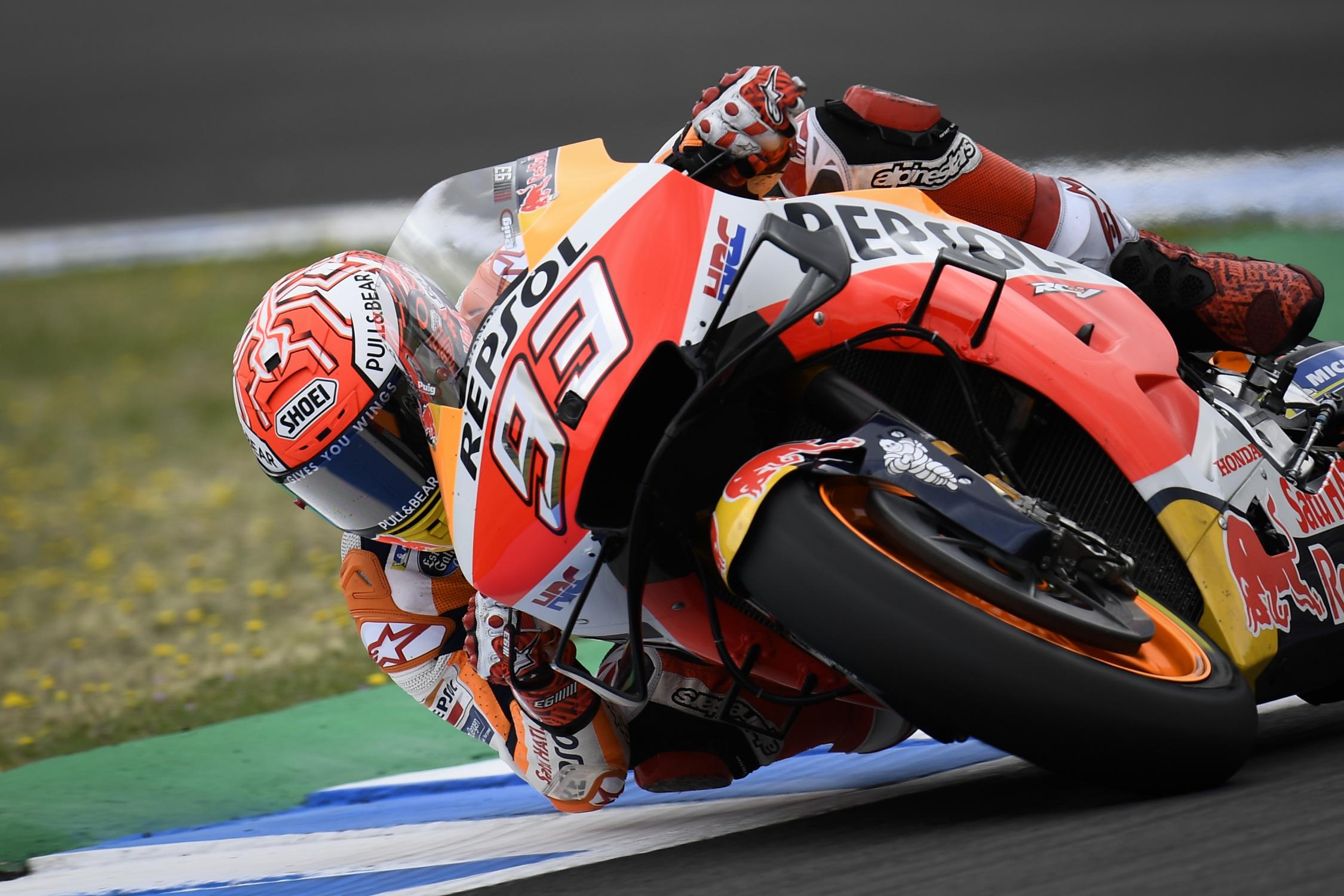
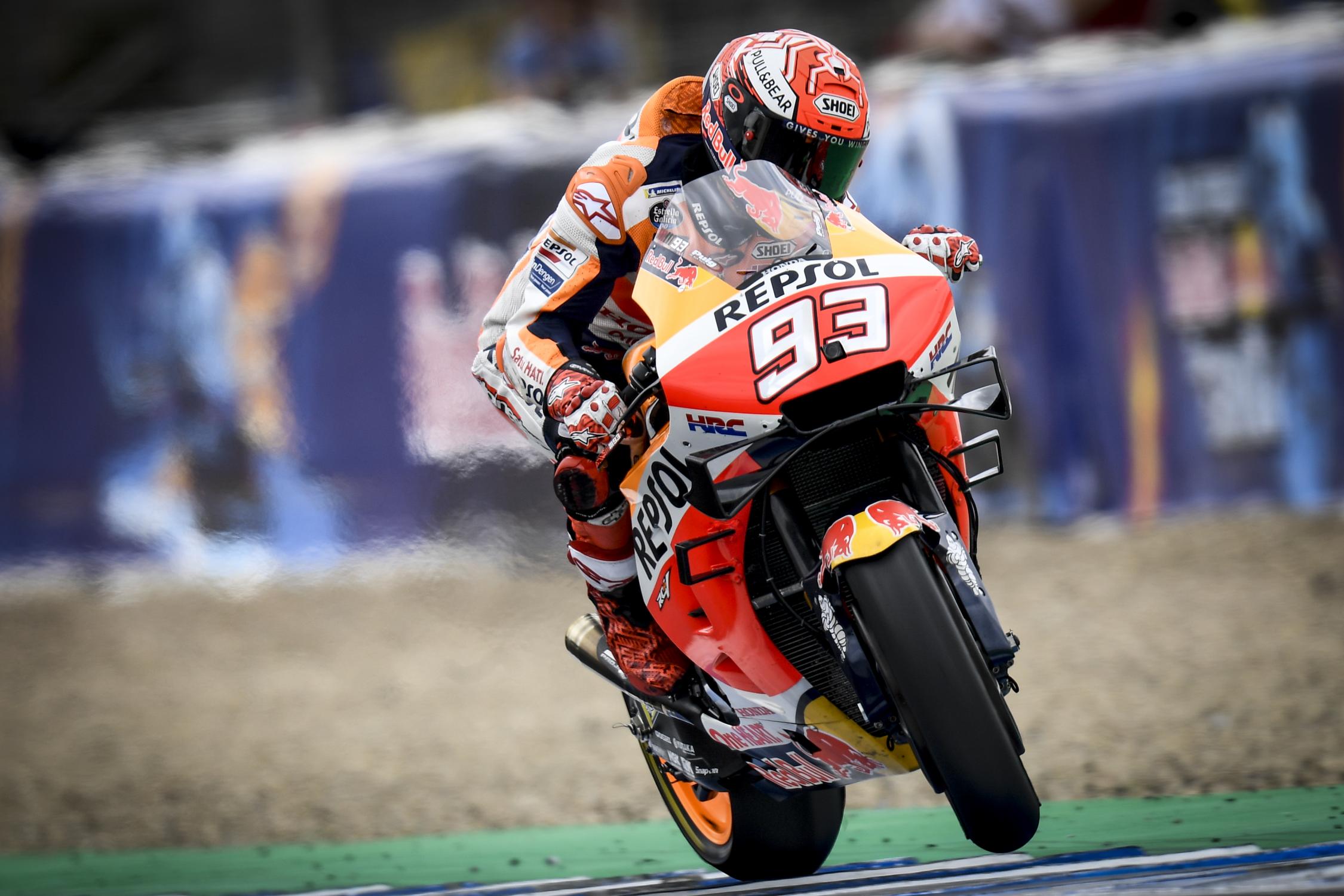
Marc Marquez – Photo credit MotoGP.com

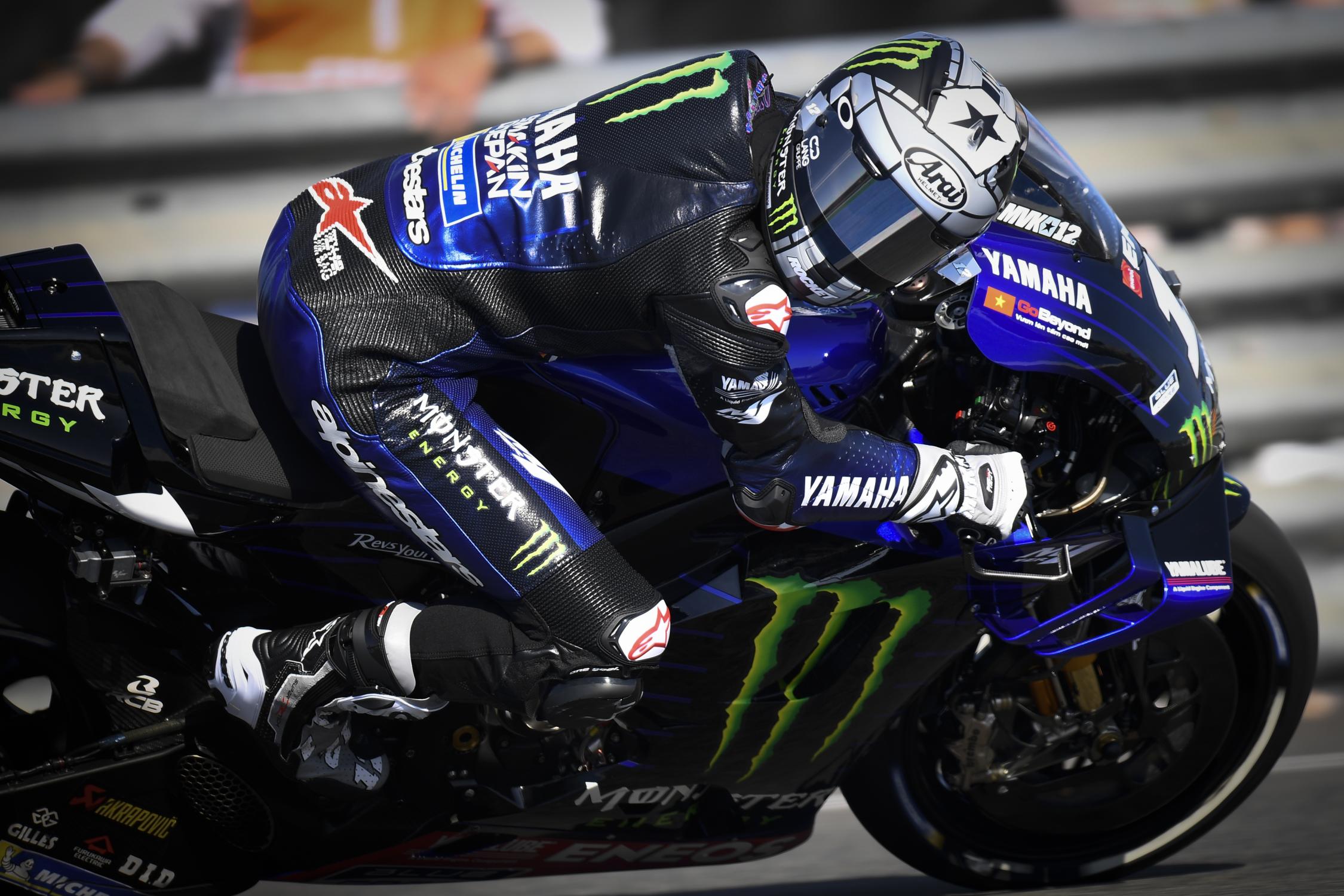
Maverick Viñalez (Monster Energy Yamaha) had struggled throughout the first three practice sessions but managed to qualify 5th. The M1 still displaying a sensitivity to changing conditions. Qualifying was carried in cooler temperatures which benefitted the tyres.

Rounding out the Top 10 are Cal Crutchlow (LCR Honda), Danilo Petrucci (Mission Winnow Ducati) Takaaki Nakagami (LCR Honda), Alex Rins (Suzuki Ecstar), Francesco Bagnaia (Pramac Ducati).

The first 16 riders qualified faster than the previous year’s lap record, showing how far MotoGP progresses by the year.

Archive

Follow us on Facebook

Follow us on YouTube