Bikesrepublic

Latest News

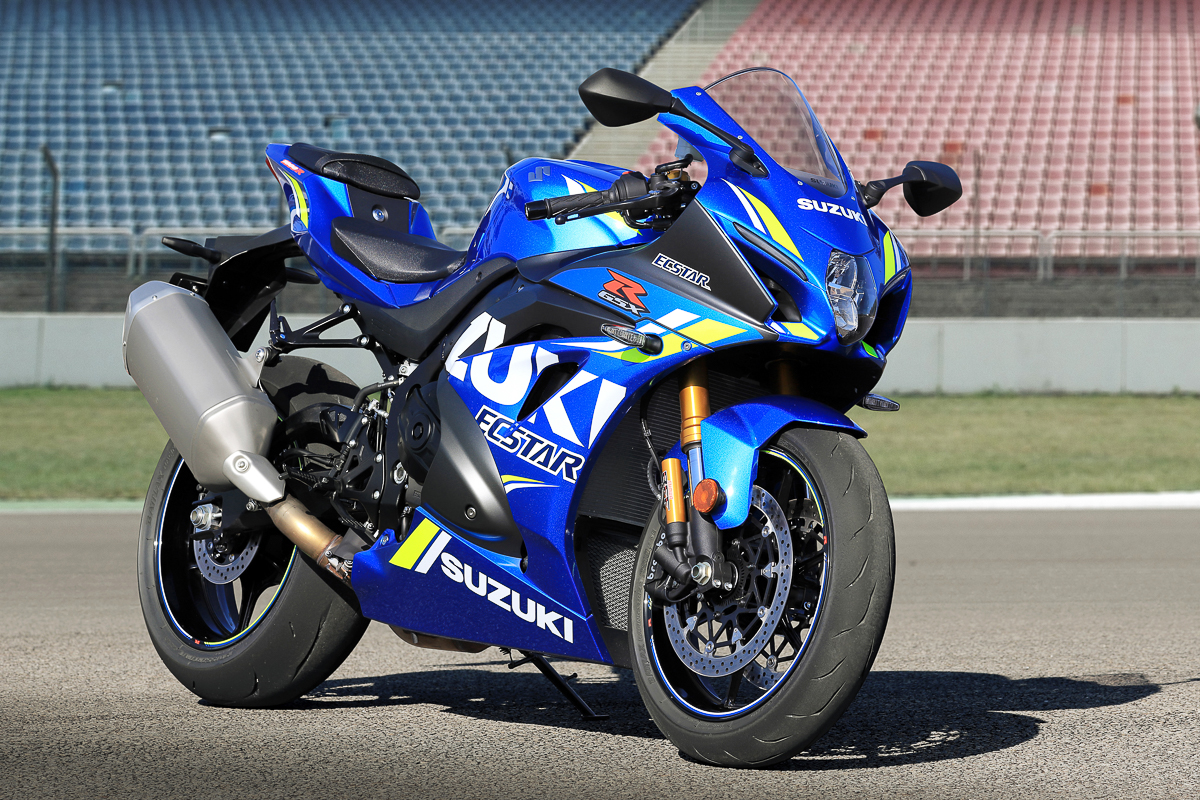
Suzuki has announced the 2018 Suzuki GSX-R1000 MotoGP replica bikes together with the Suzuki GSX-R1000R.

The launch was in conjunction with the launch of the new livery for their 2018 Suzuki GSX-RR MotoGP machines in Sepang.

The UK market will be able to get them at £13,599 (around RM74,281) and £16,099 (around RM87,937).

In conjunction with the recent unveiling of Suzuki’s latest MotoGP GSX-RR machine with new livery just a couple of days ago, the Japanese manufacturer also announced that their 2018 Suzuki GSX-R1000 and GSX-R1000R will be available in the MotoGP replica colours. (more…)

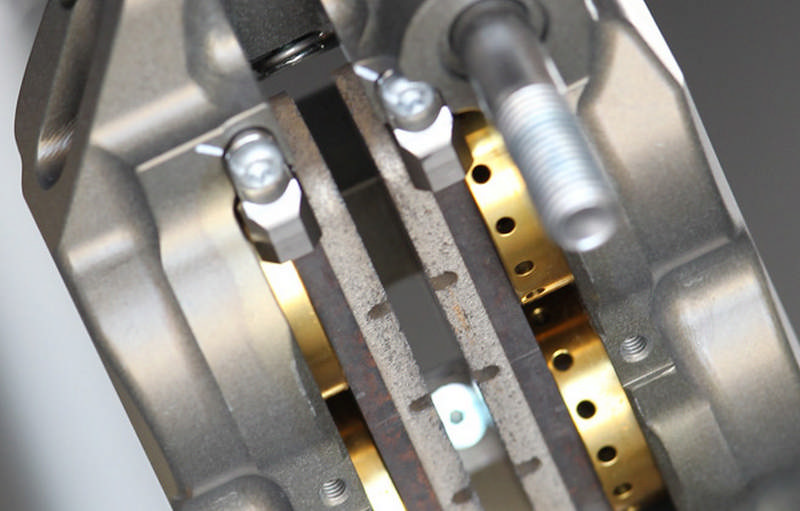
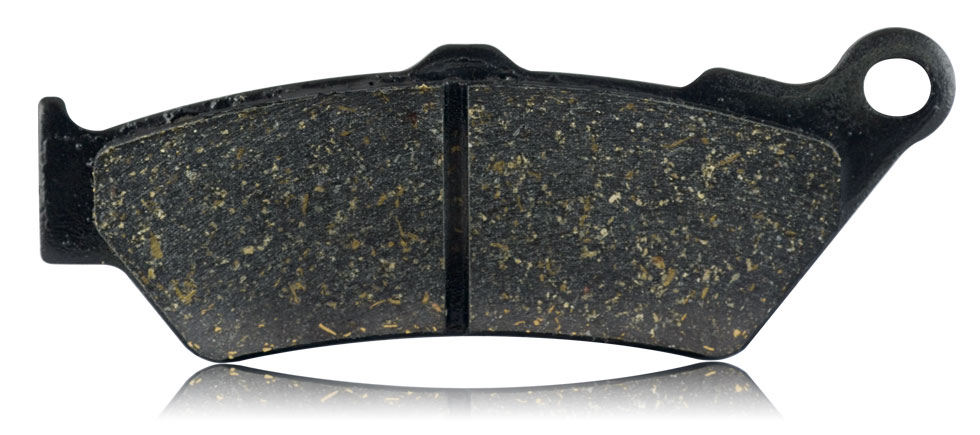
  • There are different brake pad compounds available in the market.

  • Each provides a different braking feel.

  • Find a type that suits your riding style and use of the motorcycle.

Brake pads are often overlooked for the majority of riders, “Hey as long as it stops, no problem.” Or we just ride replace the pads when the mechanic tells us that it’s time do so. It’s almost like we have no choice in it, except when it comes to paying, “Brape? (How much?)”

Perhaps, it doesn’t have to be so with a little more understanding, then we could dictate on what we actually need, instead of being led by the nose.

Brake Pad Friction Rating

Before we go further, be aware that there are two current friction ratings for brake pads, GH and HH.

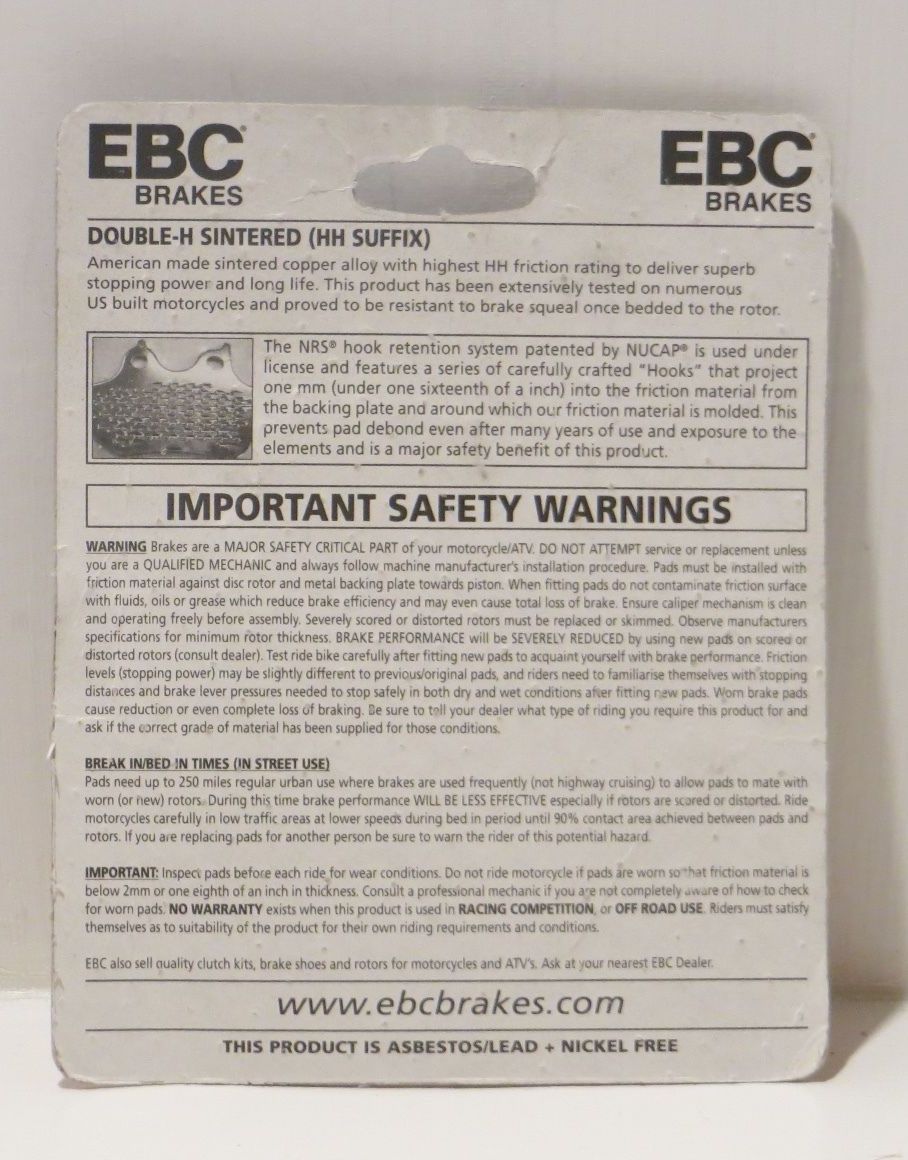
Both those letters signify the brake pad’s coefficient of friction (CoF); the first being the CoF at normal working temperature, and the second at an extreme temperature of 650 oF (343 oC). Therefore, the ratings indicate how much friction is there at certain operating temperatures. The G-rating offers between 0.45 and 0.55, while the H-rating’s CoF is from 0.55 and up. These ratings are usually stamped on the outside of the pad’s back plate, although there are manufacturers who don’t do so but specify it on the brake pads’ packing, instead.

Brake Pad Material

Having the right type of pad material determines how it feels when the brakes are applied and how it stops a bike.

Organic

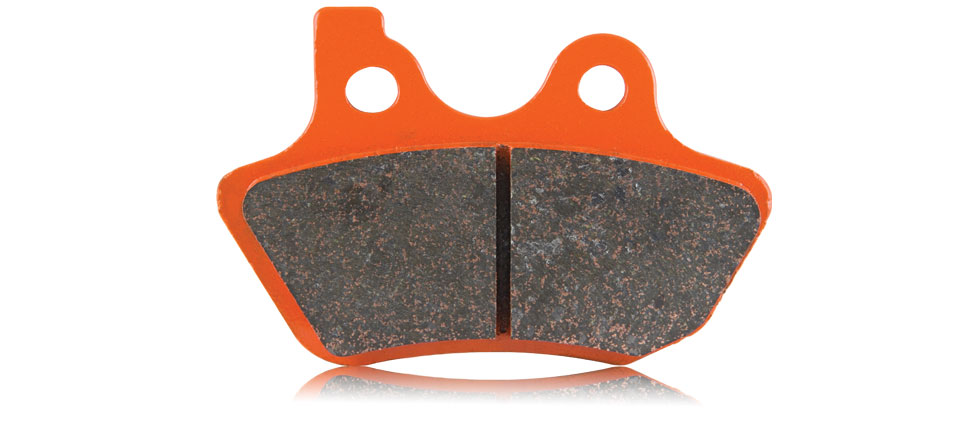
Organic pads may sound like they’re something grown without chemicals, it just means they don’t contain metal. Instead, they’re a blend of rubber, glass, carbon, aramid, Kevlar (the real contents differ among manufacturers), bonded by a resin.

Organic pads are popular among riders due to their progressive braking feel, which doesn’t “bite” aggressively. Additionally, it’s softer and doesn’t score brake discs. However, they typically wear out faster due to being soft.

Sintered

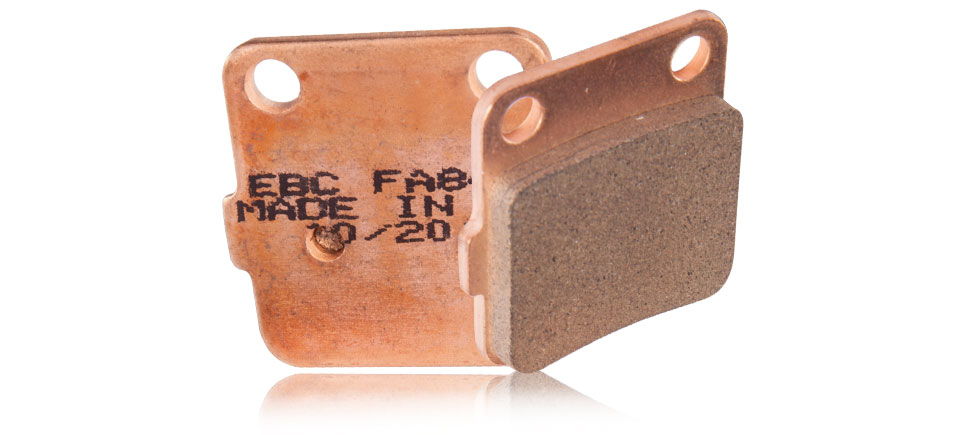
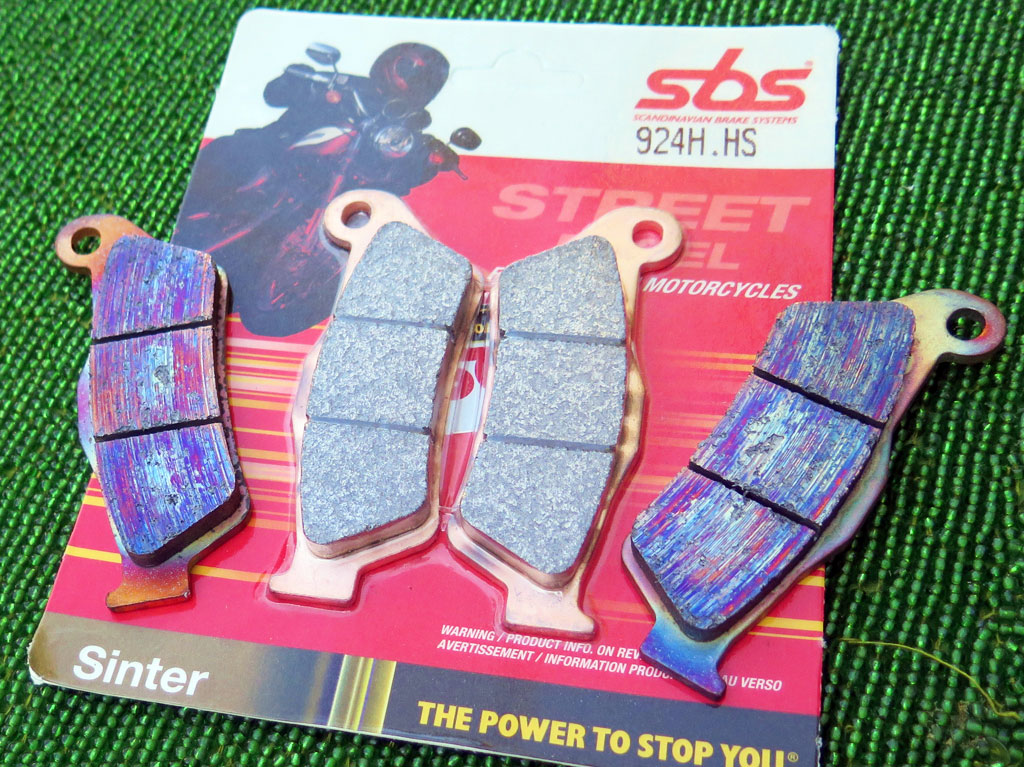
The pad material, usually copper particles, is fused to the backing plate under extreme pressure and temperature (the process is called “sintering”) to form a friction material that’s wear resistant. They can handle a wide range of conditions, hence well-suited for any type of riding including trackdays.

Sintered pads offer a stable CoF whether cold or hot, and they bite instantly. Apart from that, they are resistant to fade, perform well in the rain or mud, and usually last longer.

However, the do wear brake discs quickly. Most, if not all, motorcycles use the harder stainless steel brake discs these days. However, if you encounter deep grooves or “blueing” on your discs, you may have to consider replacing your brake pads for those of less aggressive material.

Semi-Metallic/Semi-Sintered

Manufacturers infuse organic pads with some metal material to increase the bite, durability and fade-resistance, while still maintaining the progressive feel and low disc-wear of the organic brake pads. This may be a good compromise for most riders.

Ceramic Composite

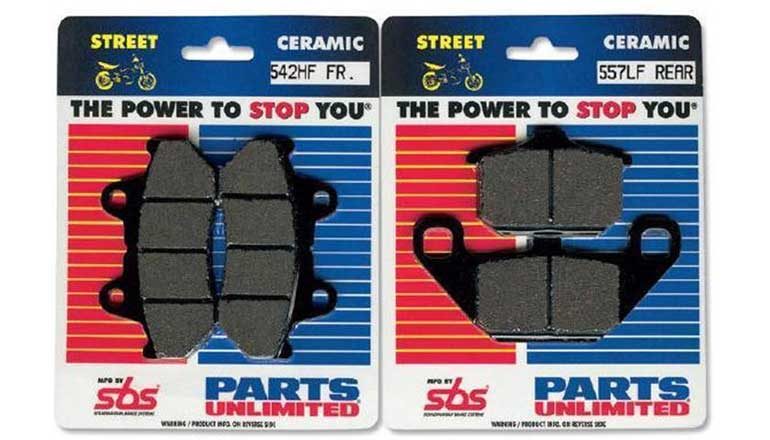
They are made by fusing high-strength ceramic fibres and ductile non-ferrous (non-iron) metal filaments at extreme pressures and heat. The metal filaments provide the initial bite while the ceramic compound provides high temperature resistance to avoid brake fade.

Besides that, the metal filaments carry away heat quickly to reduce rotor wear and deformation (disc warp).

Notes

  1. First and foremost, you should not use any brake pad which or brake lining that contains asbestos. It has been established decades ago that asbestos is carcinogenic and could cause lung cancer should you inhale the asbestos dust. Although the use of asbestos has been banned you may still encounter it in some ultra-cheap drum brake linings.
  2. If you’re replacing your brake pads for daily use, please select “STREET” or “ROAD” varieties. Racing brake pads do bite but they may have to reach a certain operating temperature to provide optimum braking.
  3. Take some time to “bed in” the new pads (usually 300 to 500 km). They need time to conform to the irregularities of your brake discs, and will not grip at their maximum when new. So keep that in mind when riding away with a new set.

  • Day Two closed with both factory Yamahas leading the pack.

  • The factory Ducatis and Hondas finished lower down the field.

  • The times from first to fifth are faster than last year’s race qualifying time.

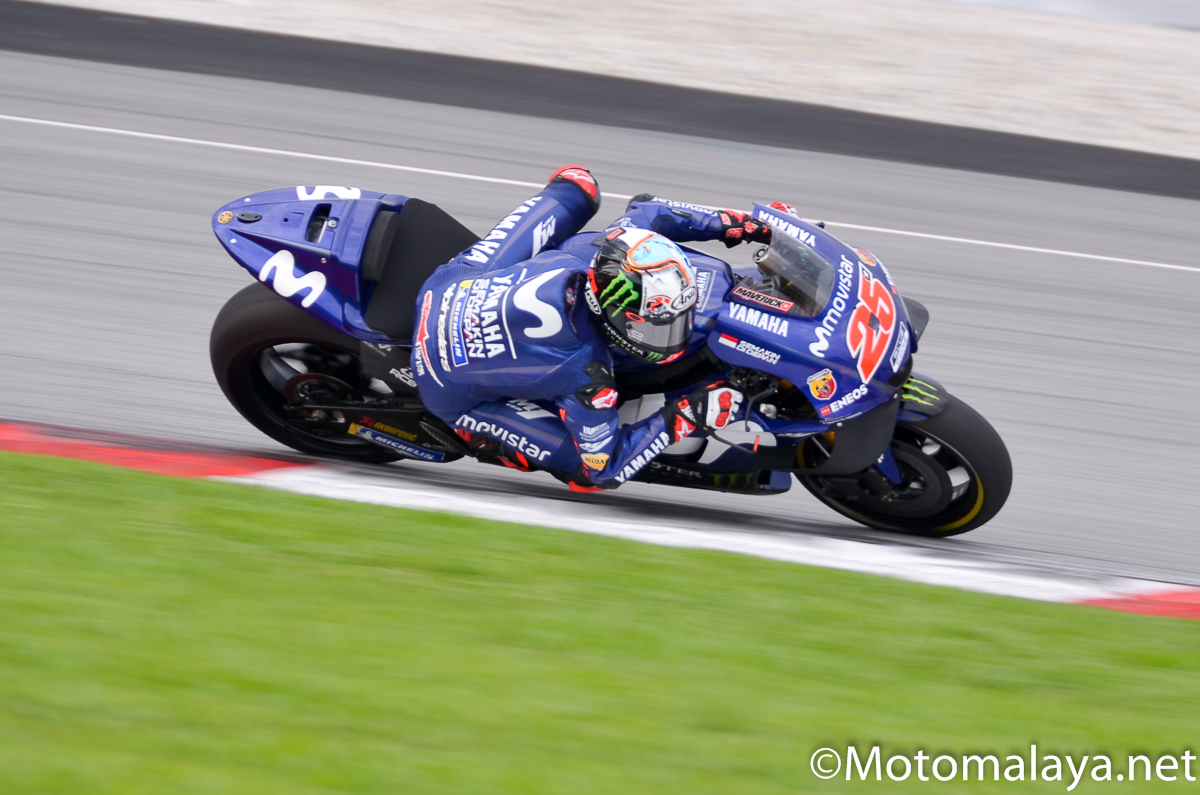
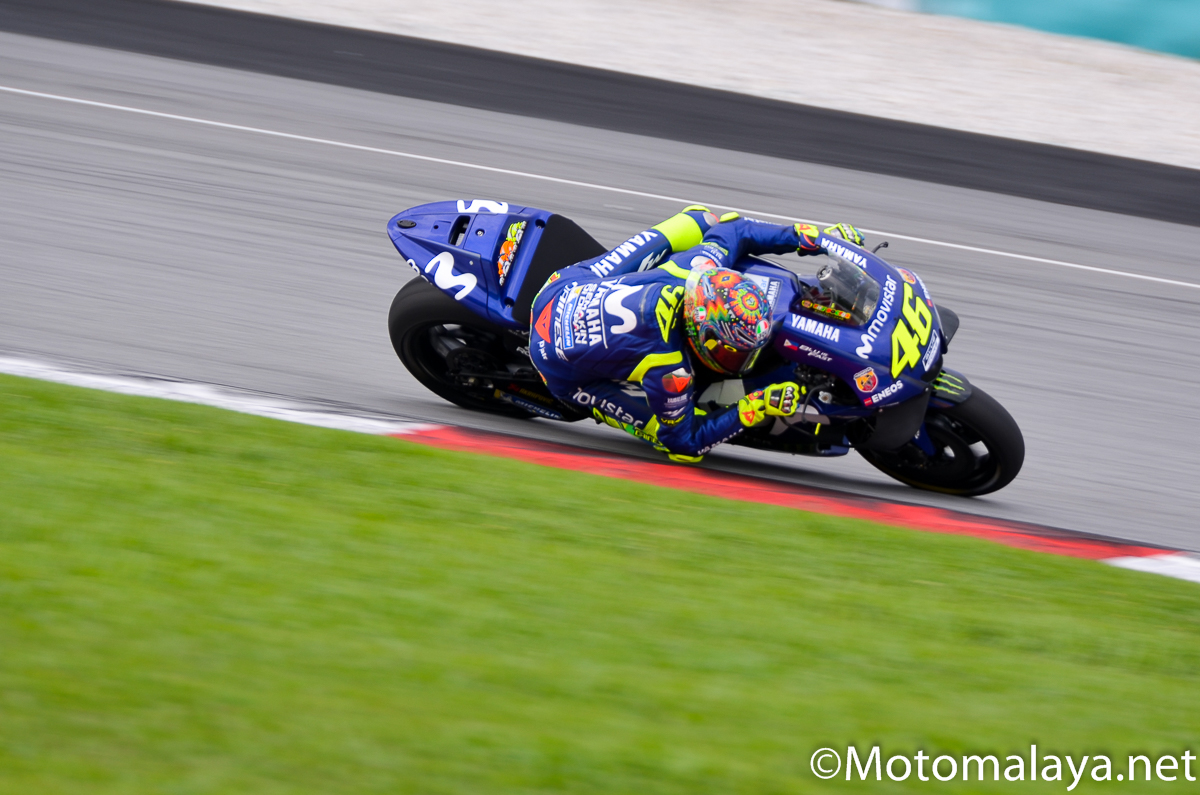
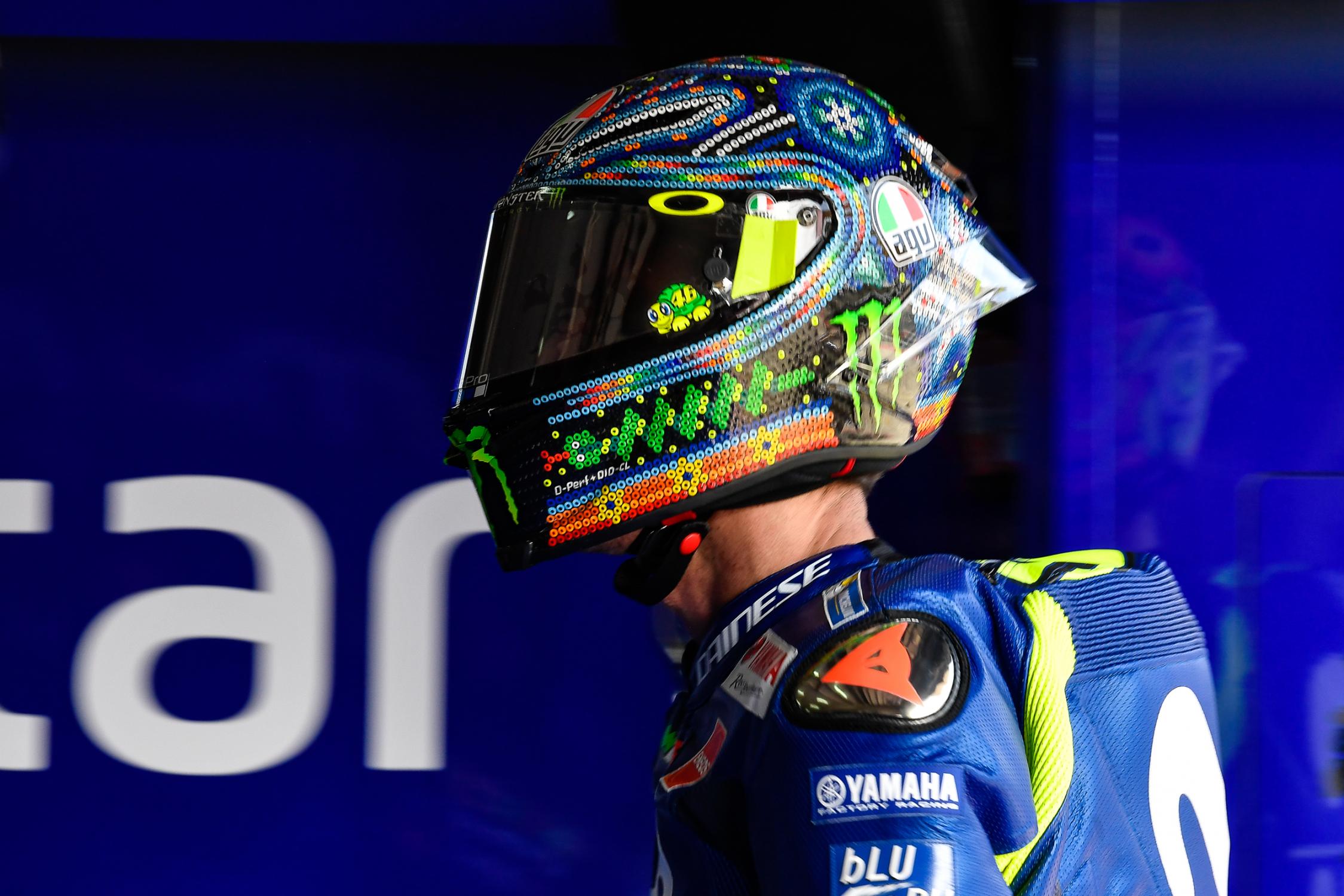
Yamaha MotoGP fans’ concerns about the team’s performance is allayed at the end of Day Two of the 2018 Sepang Official MotoGP Test, when both riders Maverick Vinalez and Valentino Rossi clocked the fasted times of the weekend so far.

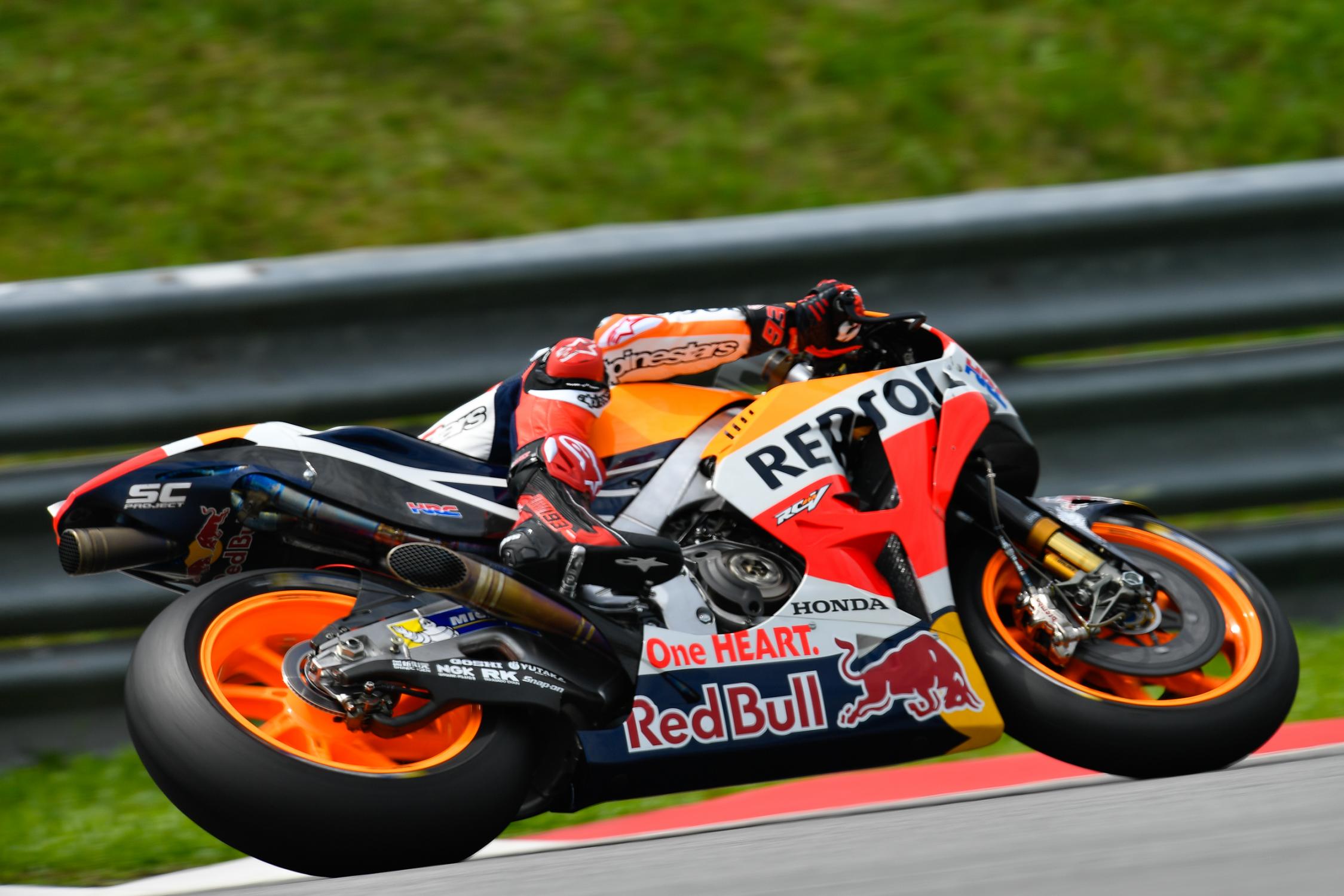
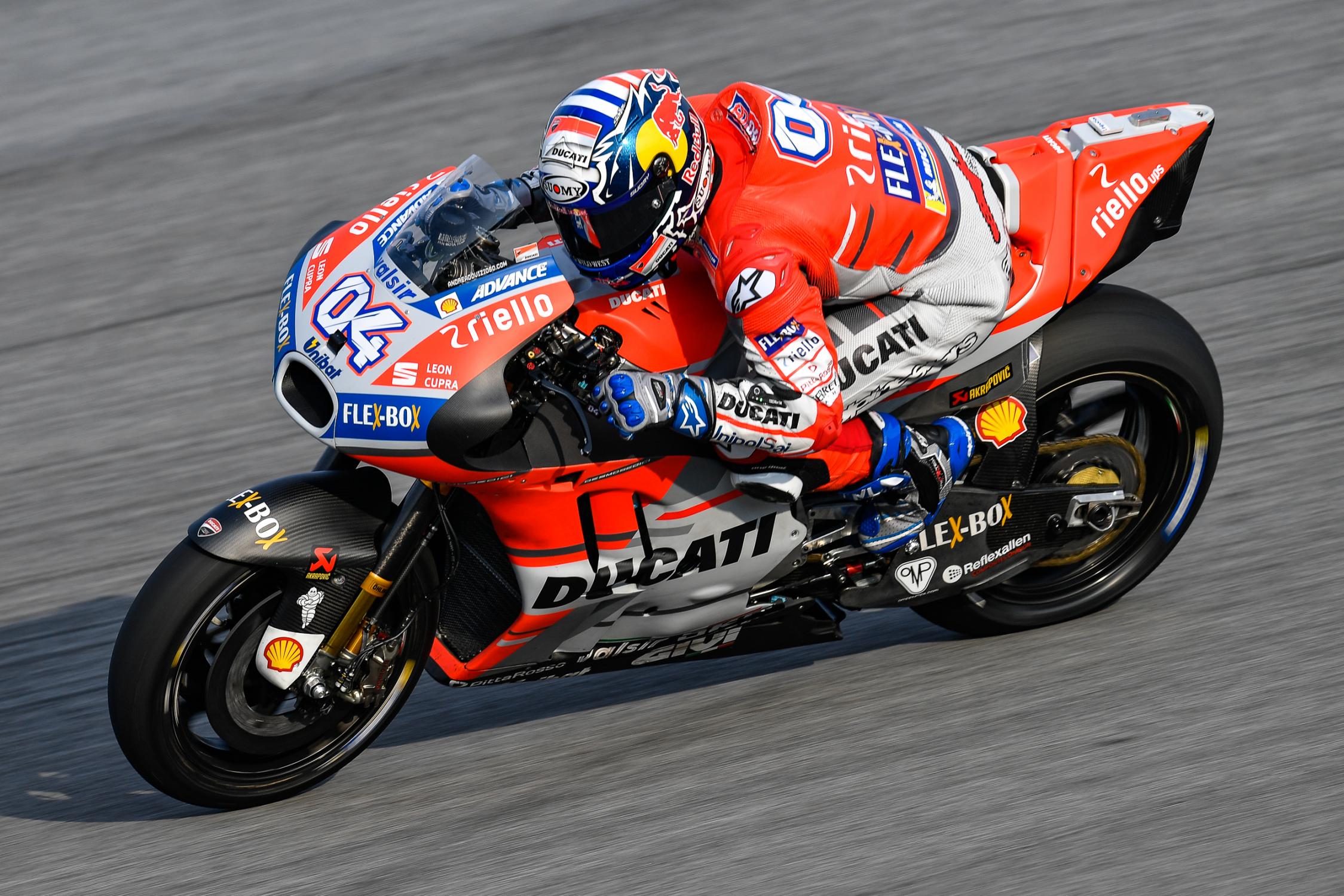
It was another mad dash with about an hour to go for the day, when almost all the riders went on track for one final session. Andrea Davizioso had held on to his fastest time from just after midday with Rossi in second and Marquez in third. The trio were the only riders who cracked the 2:00 minute mark of the day and were separated by less than 0.2 second.

Picture from MotoGP.com

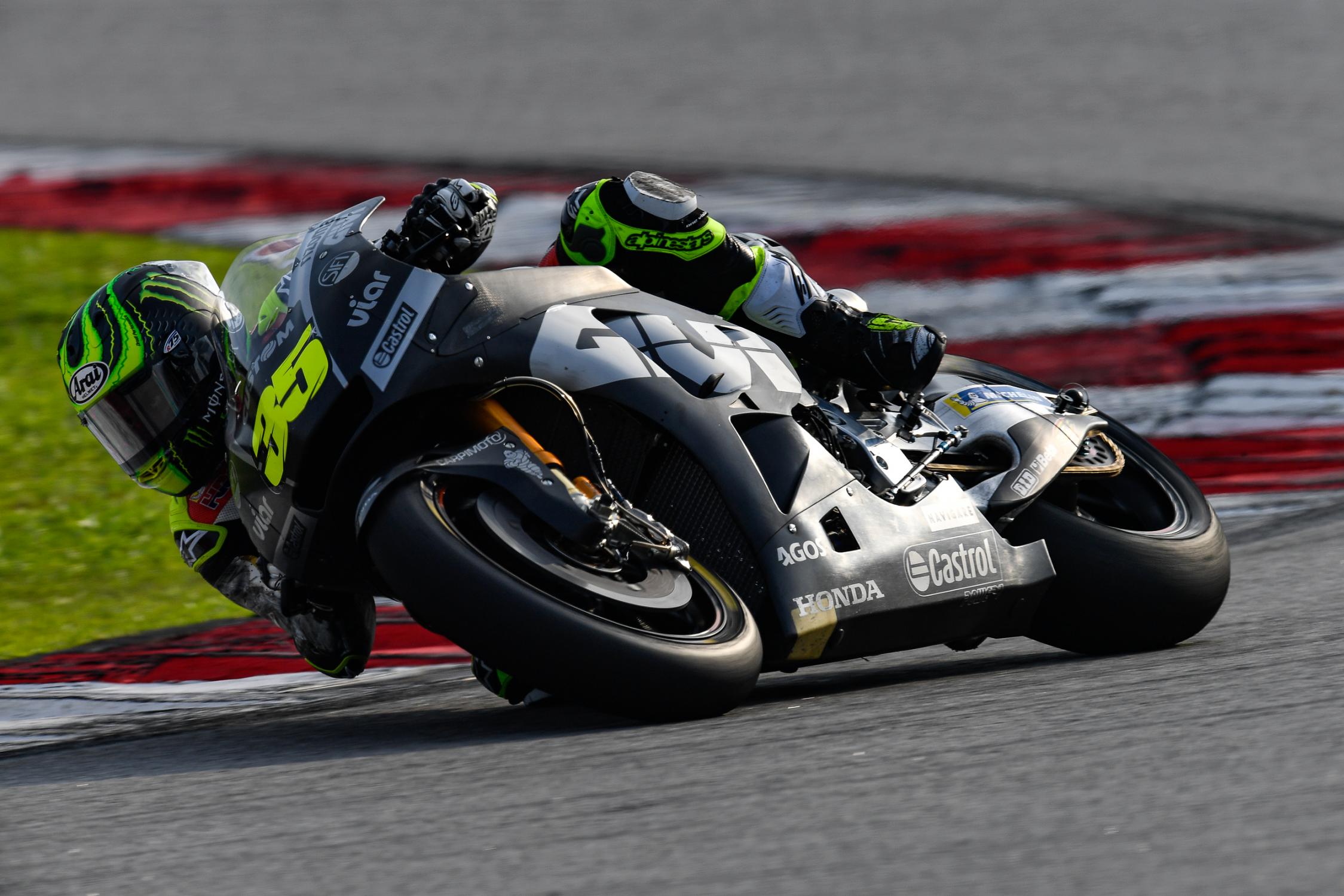
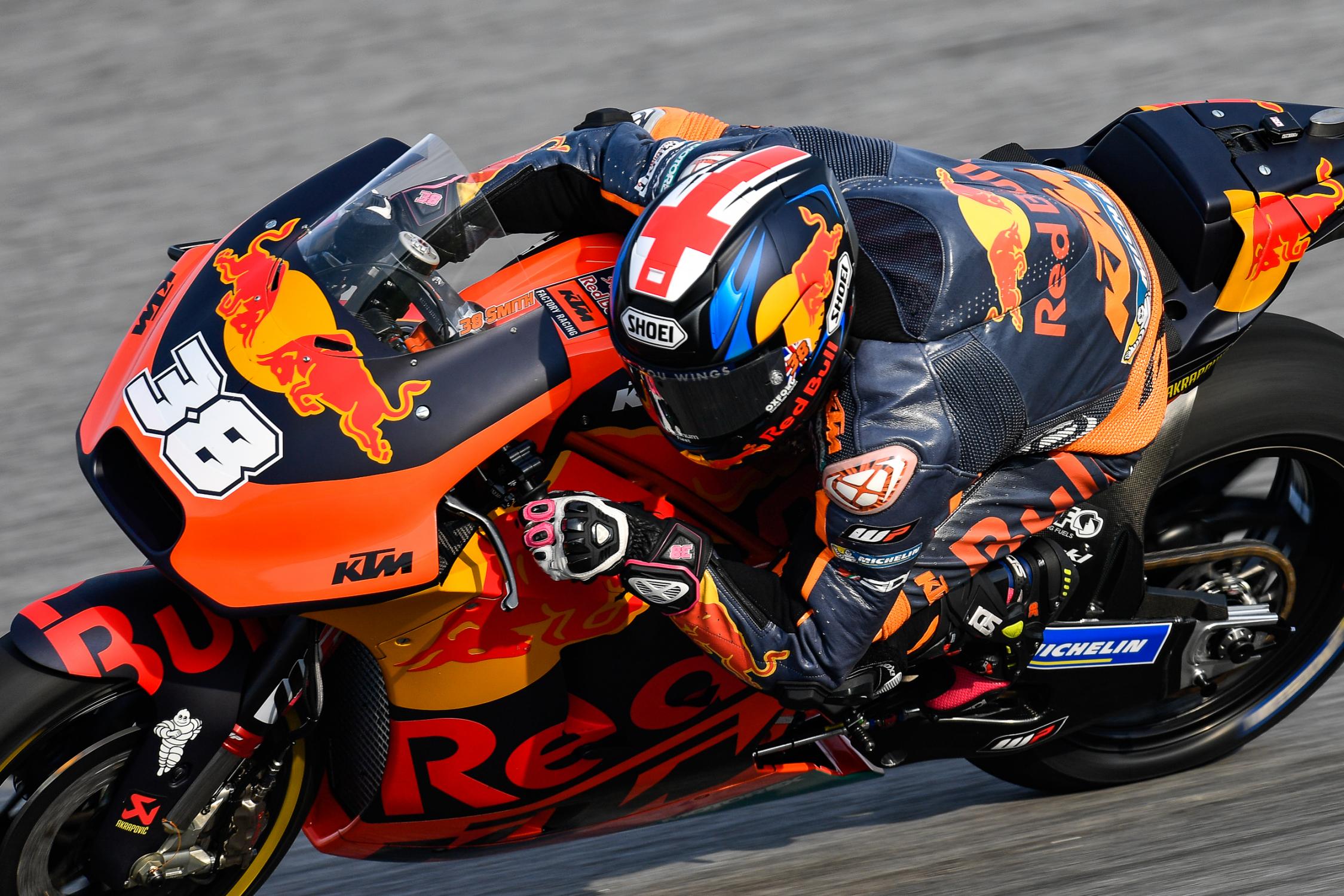
It was Marquez who first went faster by just 0.002 second ahead of Dovizioso, followed by Johann Zarco (1:59.702), then Cal Crutchlow (1:59.443). But just as everyone was looking to see if they could better their times, Rossi went ahead and posted the (then) fastest lap of 1:59.390.

Picture from MotoGP.com

But the Italian’s teammate Maverick Vinalez had other plans, as he overhauled Rossi with a superfast 1:59.355 time.

Looking at the sector times of both Yamahas, they were close to each other’s, which could either mean that we could see their characteristics, or that they were both running similar settings. They seemed to have picked up some power too, as both bikes’ top speeds were close to Doviziso’s. Besides that, word in the paddock has it that the Yamahas were running on the medium compound tyres, which means that they could go even faster on the softs in qualifying trim.

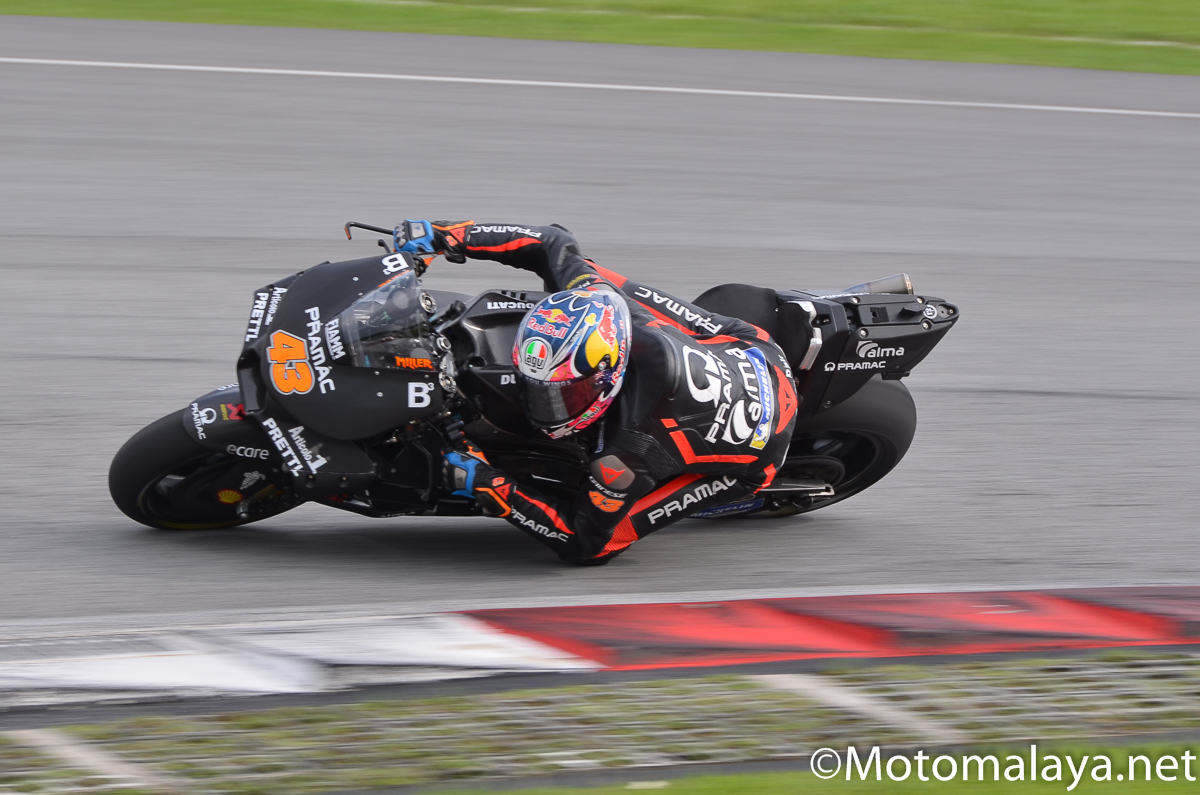
Jack Miller is having a superb time of the Alma Pramac Racing Ducati as he claimed fifth fastest with a time of 1:59.509. That time is already faster than the 2017 pole position time for the 2017 Malaysian MotoGP.

Although there are still many variables in play during any test session, the times recorded so far from first to fifth have beaten last year’s pole position time.

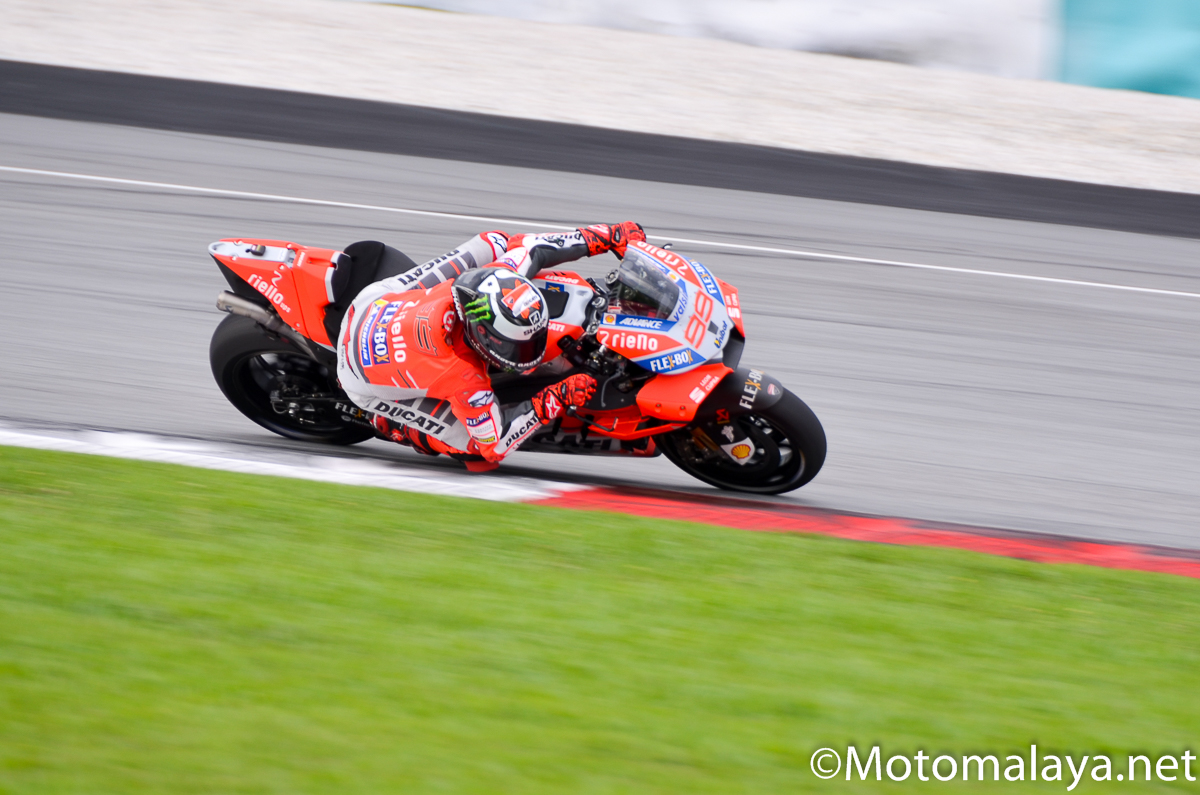
There’s a much better mix of bikes and teams within today’s Top Five, compared to yesterday’s: There are the two factory Yamahas on top, a satellite Honda team (Crutchlow) in third, a factory Ducati in fourth (Lorenzo 1;59.498), and a satellite Ducati in fifth (Miller).

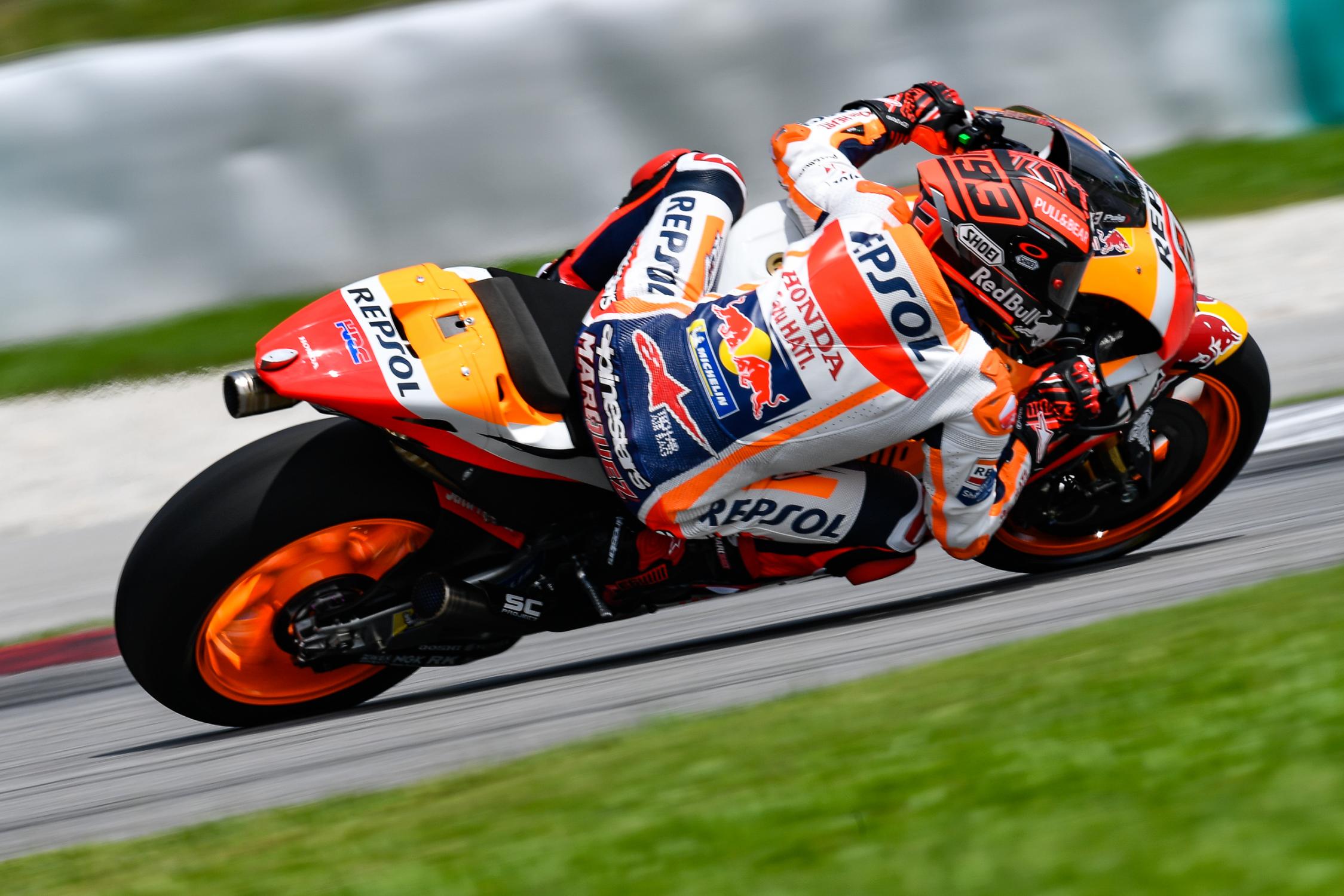
Defending champ, Marquez ended the day in seventh (1:59.730). As he had revealed yesterday, he had been testing the 2017 bike with different engine’s yesterday and the 2018 bike today.

Dovizioso went out again during the last session but couldn’t improve on his earlier time of 1:59.732 and was relegated to eighth.

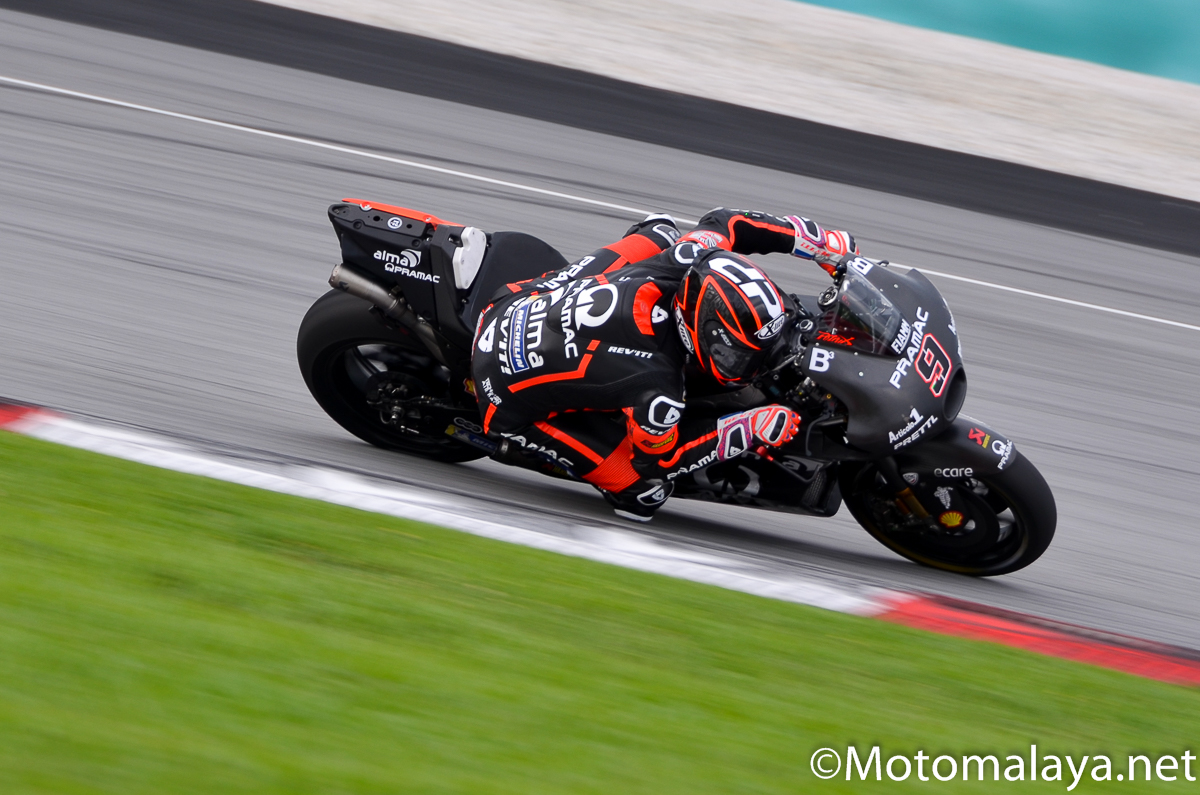
Danilo Petrucci, who’s riding the Ducati GP18 and Jack Miller’s teammate, finished in ninth after clocking his best time of 1:59.747.

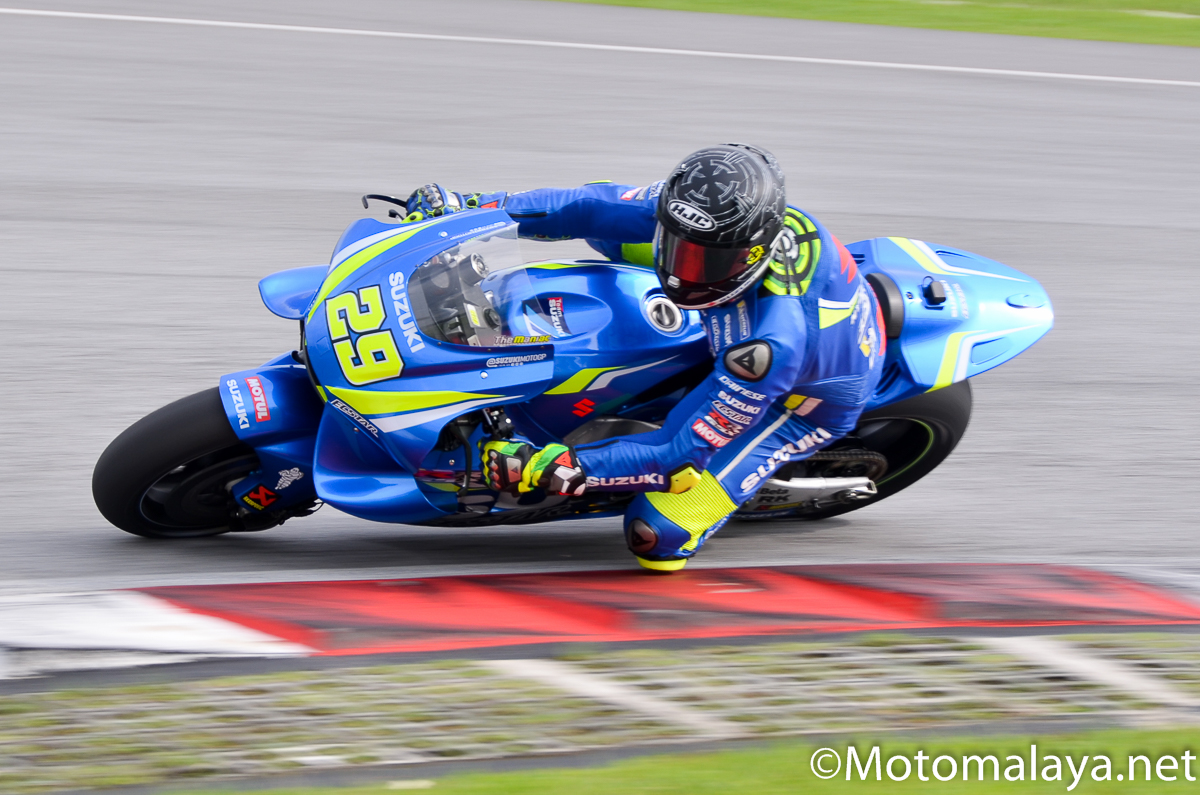
In tenth is Andrea Ianone from Team Suzuki Ecstar. He clocked a best time of 1:59.917.

Rain had stayed away throughout the day. Track temperatures climbed into the lower 40 oC, before hovering in the high thirties due to the strong breeze.

We can’t wait for tomorrow’s testing, and they’ll definitely go faster!

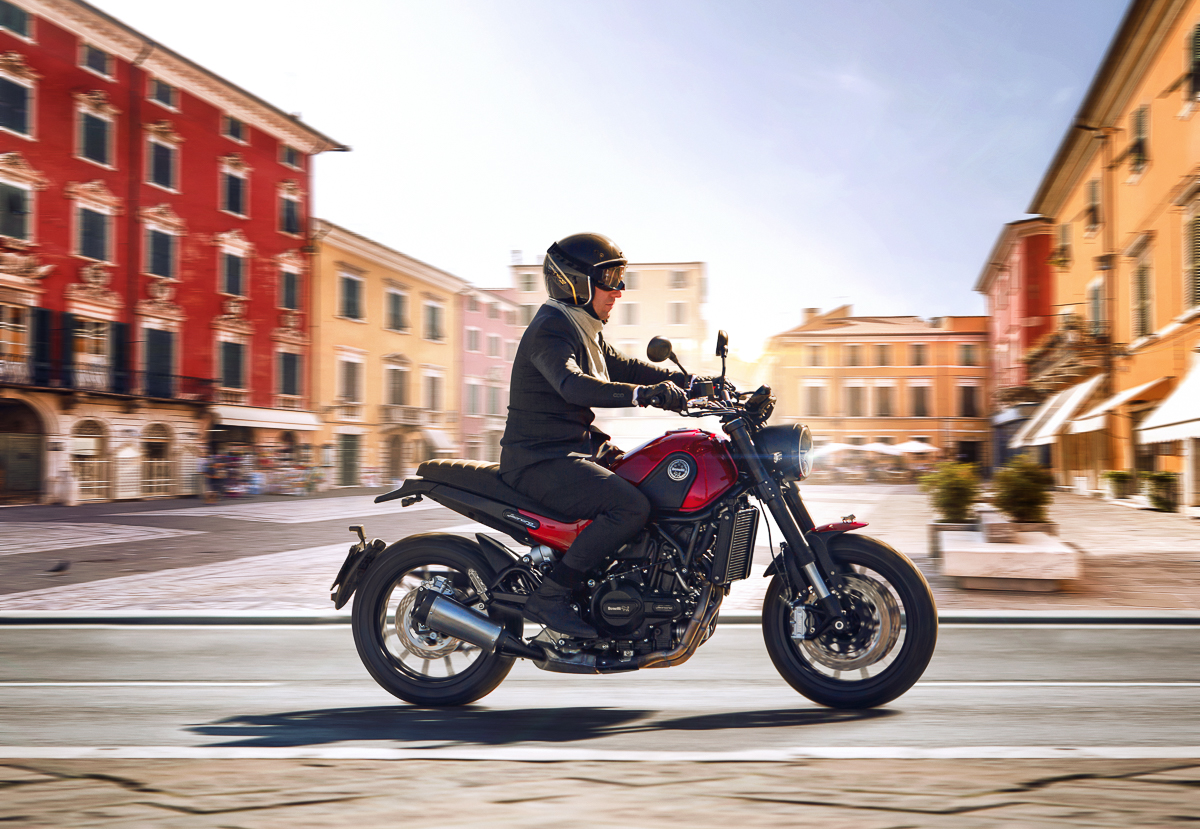
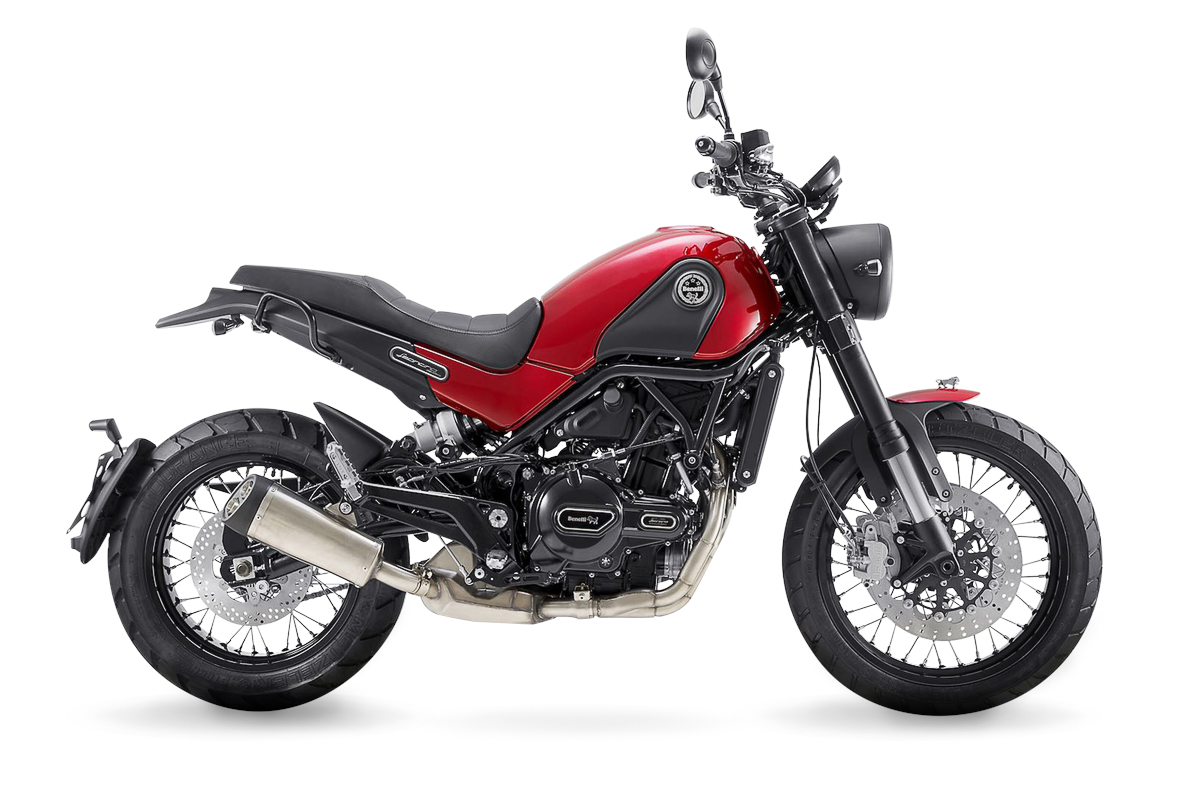
The 2018 Benelli Leoncino 500 will arrive in showrooms this coming February.

Mforce Bike Holdings has received over 1,000 bookings ever since the bike was launched back in October 2017.

Priced at RM27,999 (basic price without GST), the Leoncino 500 produces 47hp and 45Nm of torque.

Mforce Bike Holdings Sdn Bhd has announced that the 2018 Benelli Leoncino 500 will arrive this February at all authorised Benelli showrooms across the country. Ever since the bike was launched back in October last year, it has received over 1,000 booking for the Leoncino 500. Production has begun early January and will continue to do so to meet the high demand. (more…)

  • Day Two of the 2018 Sepang Official MotoGP Test started under bright sunlight.

  • Only three riders have gone under the 2:00 minute mark thus far.

  • It’s a three-way fight among Ducati, Honda and Yamaha at the moment.

Day Two if the 2018 Sepang Official MotoGP Test opens to bright sunshine and hot weather, providing the teams with a great opportunity to record some useful data.

As at 1500 hrs. (3pm), riders Valentino Rossi (Yamaha), Andrea Dovizioso and Marc Marquez (Honda) trade fastest times.

Rossi had held the fastest time of 1:59.766 going into the hour, but Dovizioso fought back to better it with a time of 1:59.732, just 0.034 second faster. Marquez, who starts testing the 2018 bike today, clocked his fastest time of 1:59.988.

Picture from MotoGP.com

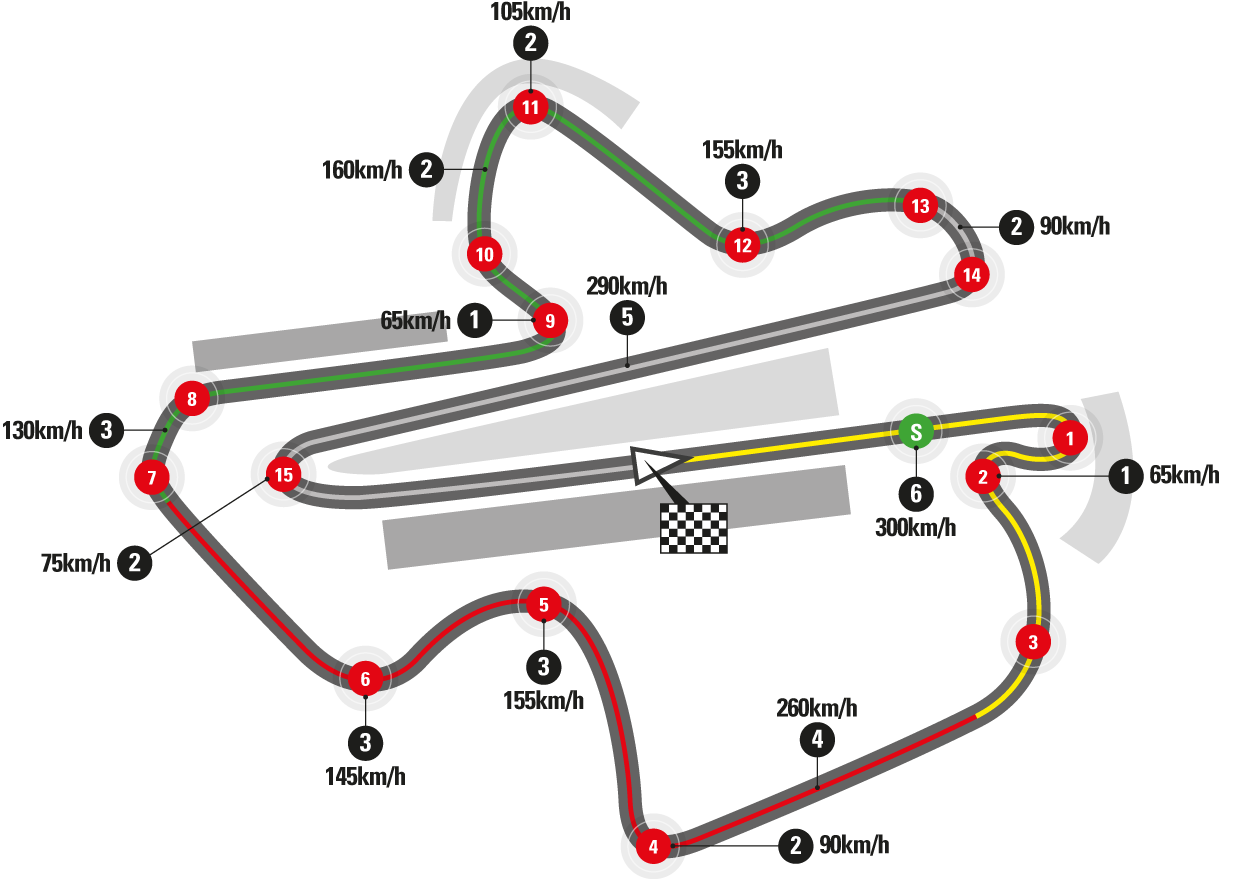
More interestingly, however, was on which part of the track was Rossi faster compared to Dovizioso. The former was fastest in Sectors 1, 3 and 4. Dovi was faster than Rossi only in Sector 2.

Please refer to the layout of the Sepang International Circuit (SIC) below.

Sector 1 (in yellow) is from the Start/Finish line to the exit of Turn 3, Sector 2 (in red) is from the exit of Turn 3 to before the entrance into Turn 7, Sector 3 (in green) is from Turn 7 to the entrance of Turn 13, and Sector 4 (in grey) is from Turn 13 back to the Start/Finish line.

Provisionally, it shows that the new Yamaha is faster in the tighter twisty sections of Sectors 1 and 3, allowing the rider to carry the speed into Sector 4.

Section 2 consists of the chute into Turn 4, then the sweeping Turns 5 and 6, before a short run into Turn 7. Dovi’s time in this Sector was 27.339 seconds, compared to Rossi’s 27.577 seconds.

Picture from MotoGP.com

A we mentioned that is really preliminary at this time of the day and the riders will definitely go faster later in the day.

Also, do remember that the riders and teams may be testing motorcycles as whole, but if we break it down, these tests are also for important for the suppliers of other components such as electronics, suspension, brakes, tyres, exhaust systems, oil and fluids in the bike; riding gear including the helmet, gloves, suit, boots and almost anything else you could think of.

Picture from MotoGP.com

Lets be honest here, how many of us really do care about the molecular properties of the petrol we use? Most of us are driven by the price of fuel and as such would simply use the cheaper RON 95. Every once in a while though there are some who will fill up on the more expensive RON97 or even Shell’s V-Power Racing under the false assumption that it “cleans up” the engine.
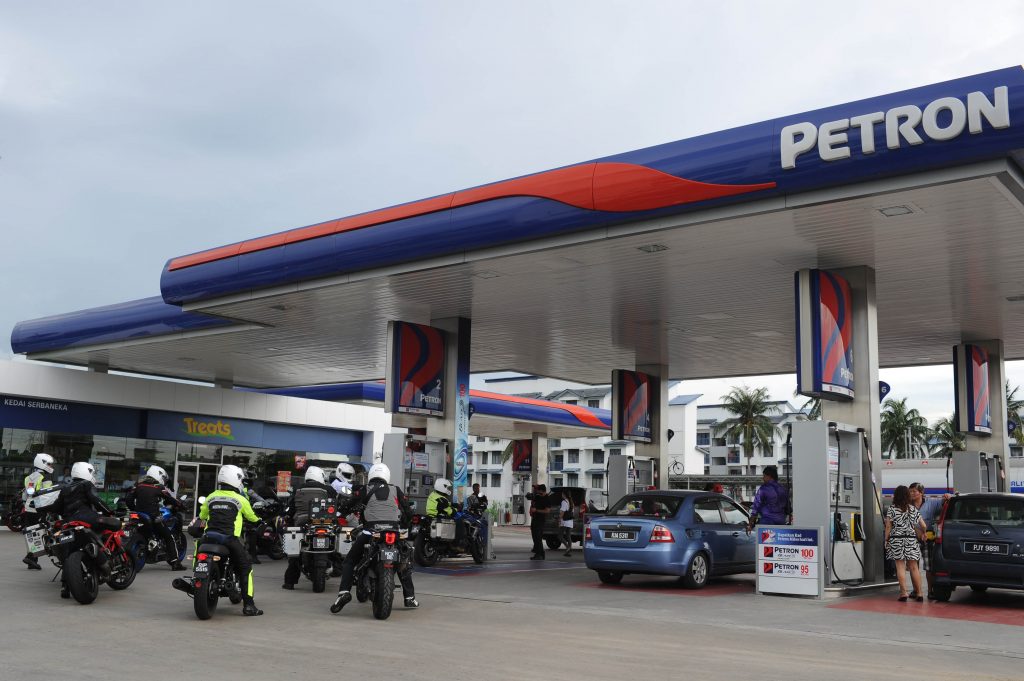
Yes that is a false belief because it is not the fuel that cleans the engine but the lubricant. What is true though is that most Malaysians are a price sensitive bunch, so the cheaper the better. But is cheaper always better though?
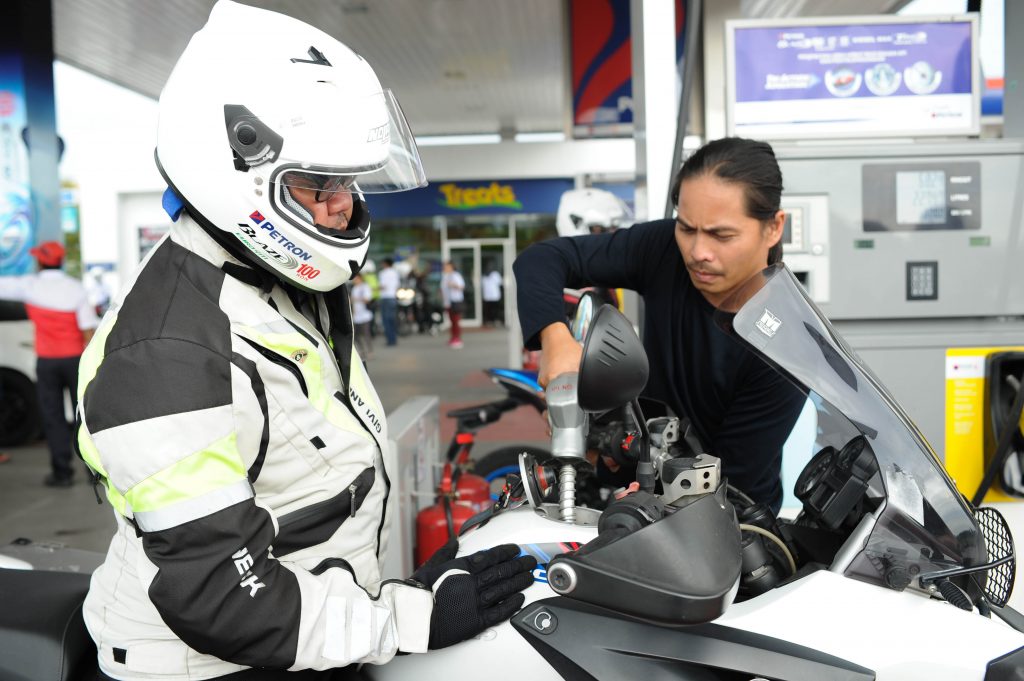
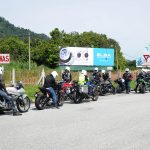
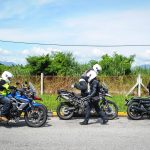
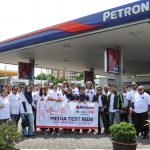
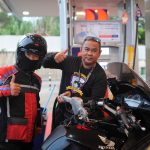
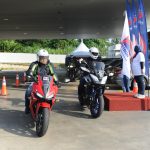
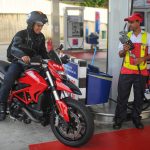
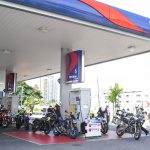
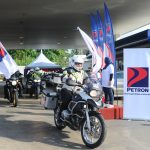
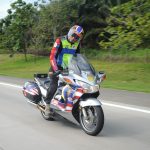
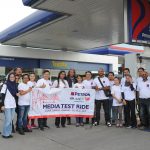
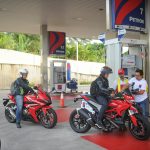
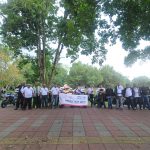
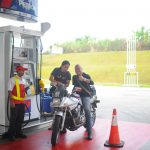
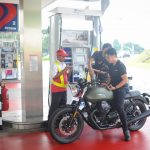
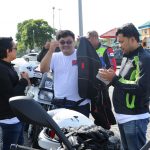
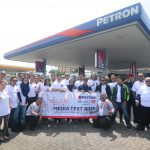
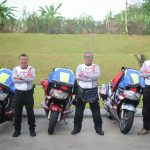
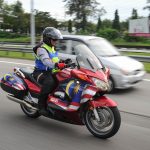
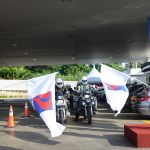
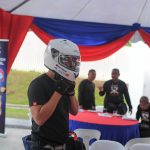
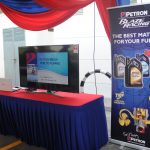
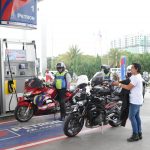
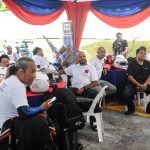
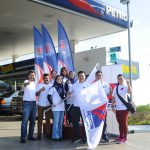
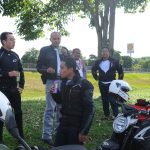
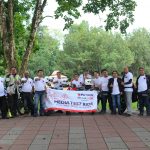
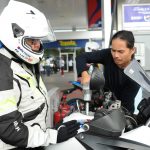
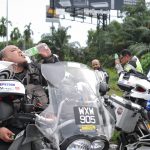
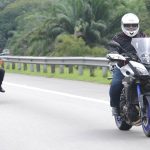
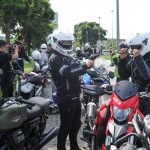
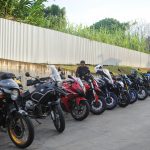
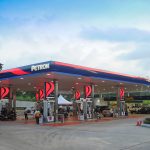
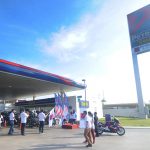
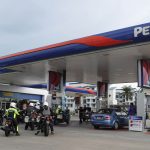
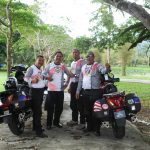
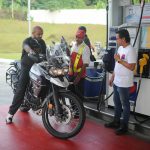
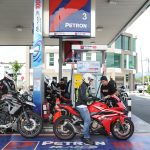
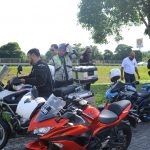
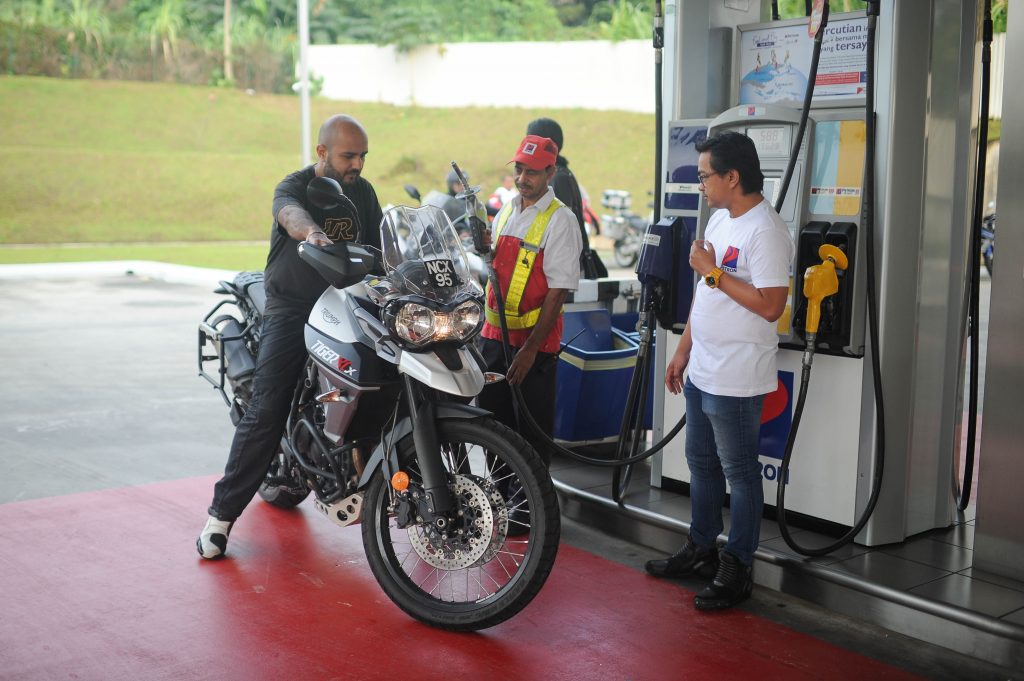
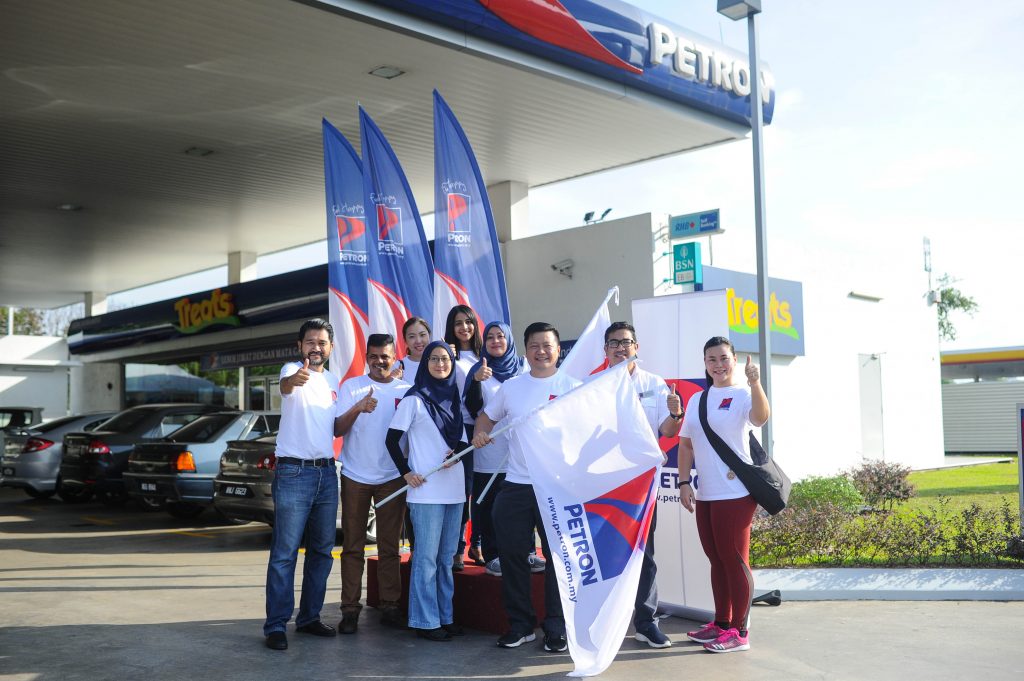
Petron recently invited us for a near 1000km ride to Penang and back via some selected stops to try out their Blaze 100 fuel. The only catch? We needed to bring our own bikes or bikes we were familiar with, and the tank must be close to empty on the morning meet at the Petron station along the MRR2 near Selayang.
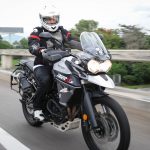
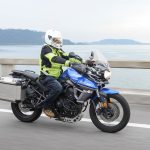
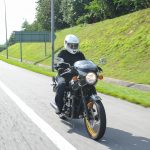
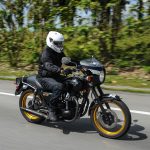
I didn’t want to ride any of my bikes because one has a puny 8 litre tank and the other is shod with Pirelli Super Corsa tyres which would have been a nightmare or worse in the rain. So I borrowed a bike which I had already rode a couple times and understood its character – the Triumph Tiger XCx.
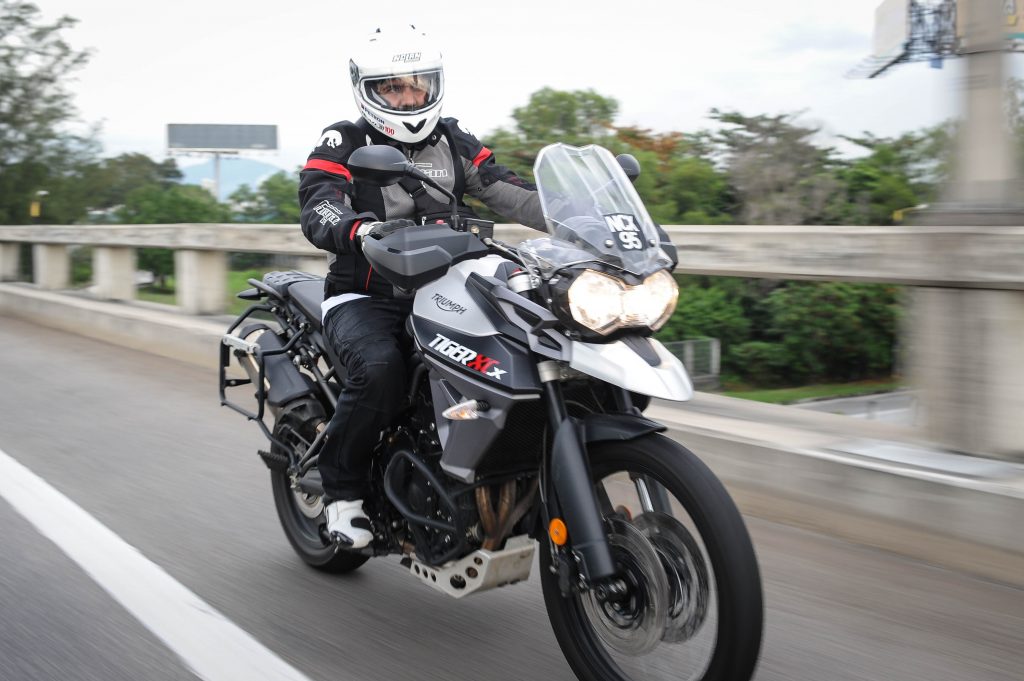
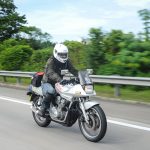
Tall and comfortable with a sweet three-cylinder engine, and cruise control too, the XCx is said to be one of the best dual-purpose bikes in the business. And the best part about the bike is most probably the engine. The 800cc, triple-cylinder engine is rich in torque and loves to rev, pulling away from tailgating cars on the highway was as simple as twisting the throttle, no downshifts necessary. Sometimes. The only drawback was that the engine tends to be thirsty if you cruise at a constant 150-160km/h. But then again, you really shouldn’t be cruising at that speed.
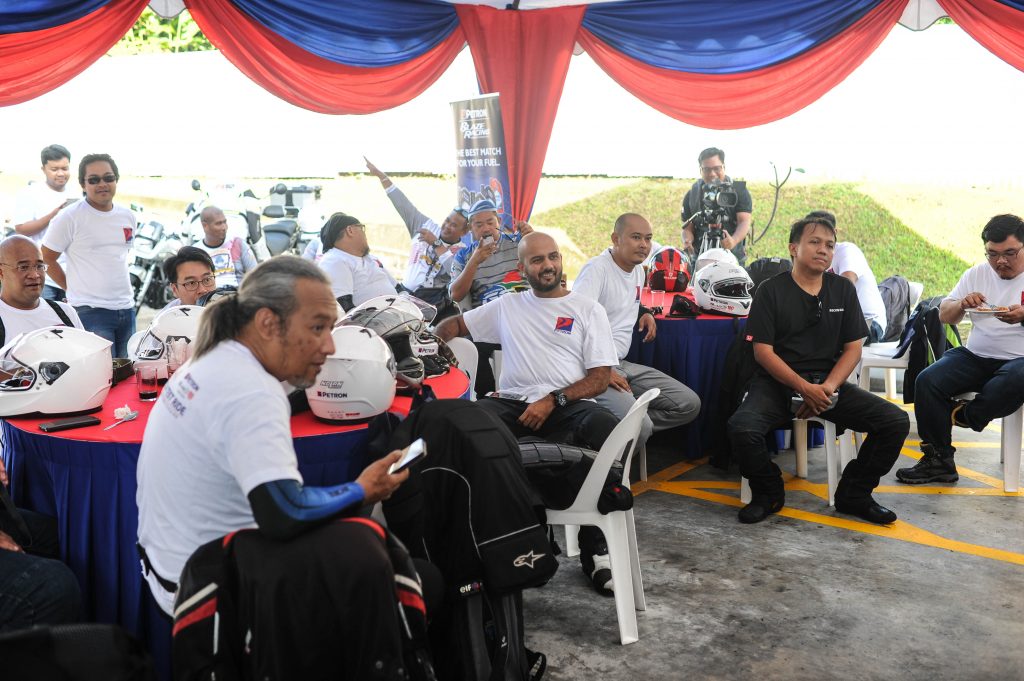
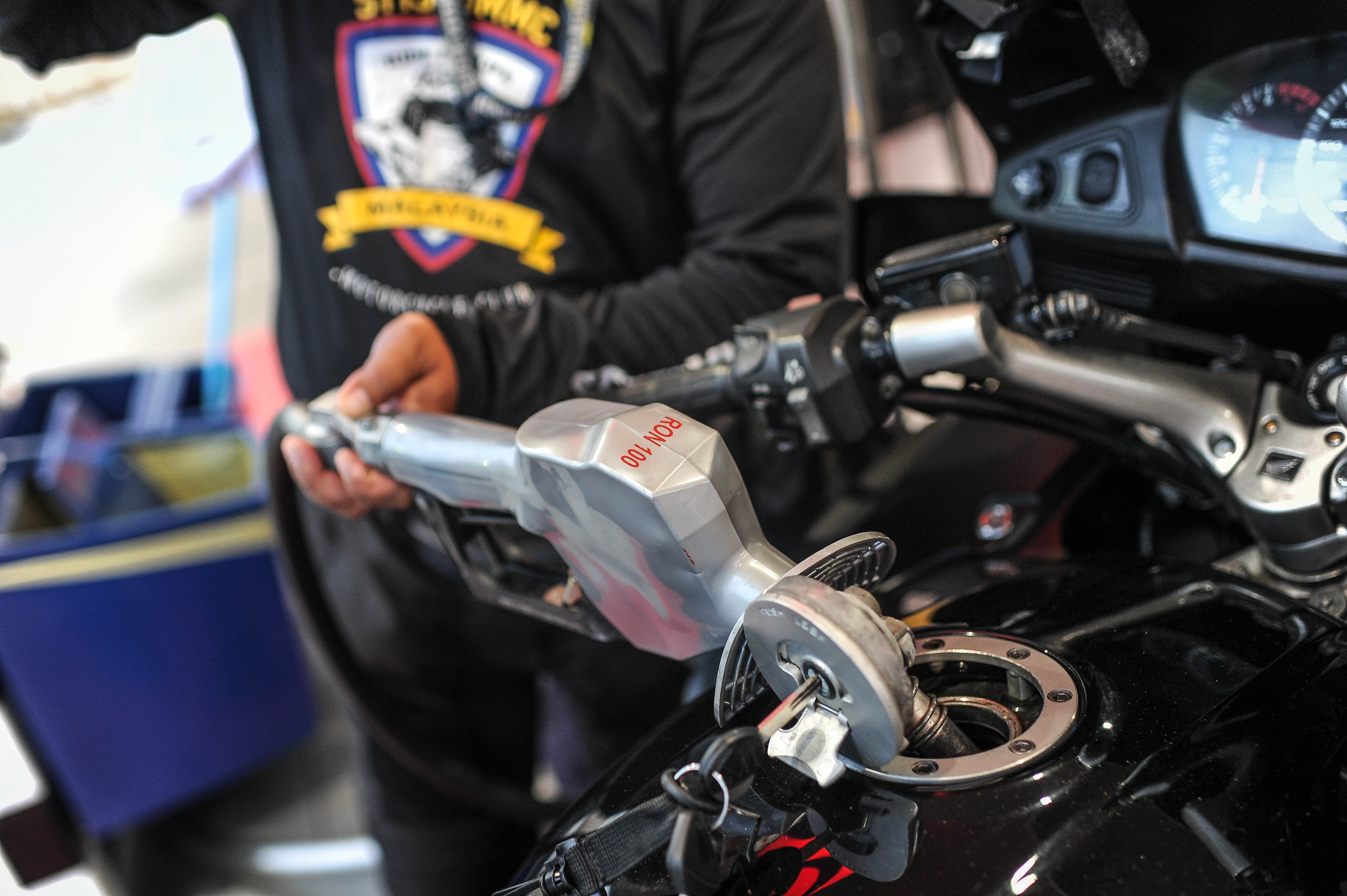
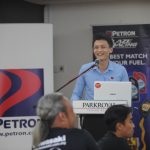
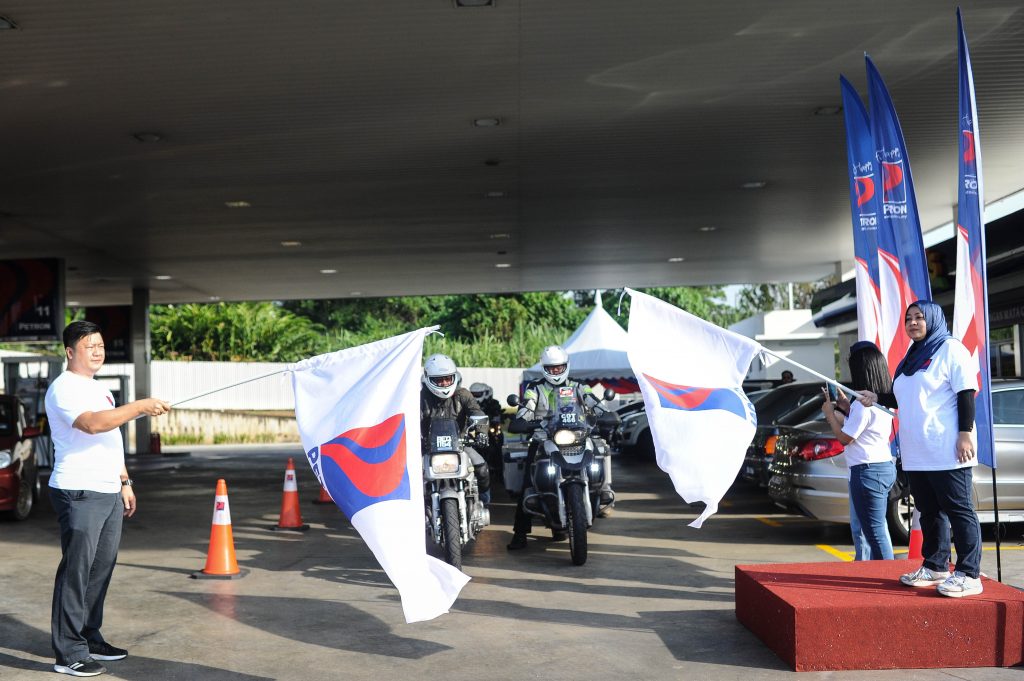
“We hope you enjoy the ride and feel the difference that the RON 100 fuel has to offer,” said one of the Petron representatives right before the flag off.
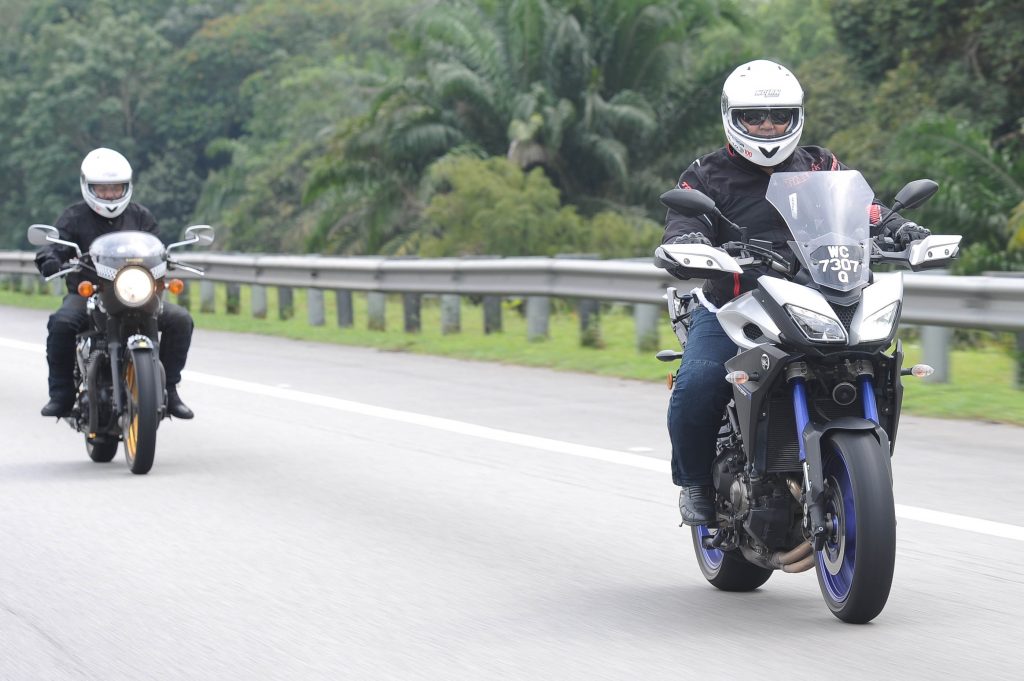
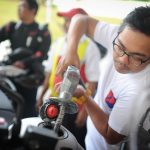
We hit the road at about 915am, with a tank full of Petron Blaze 100 (as it is officially called) super fuel, riding towards the Tapah R&R which was about 150km from where we were.
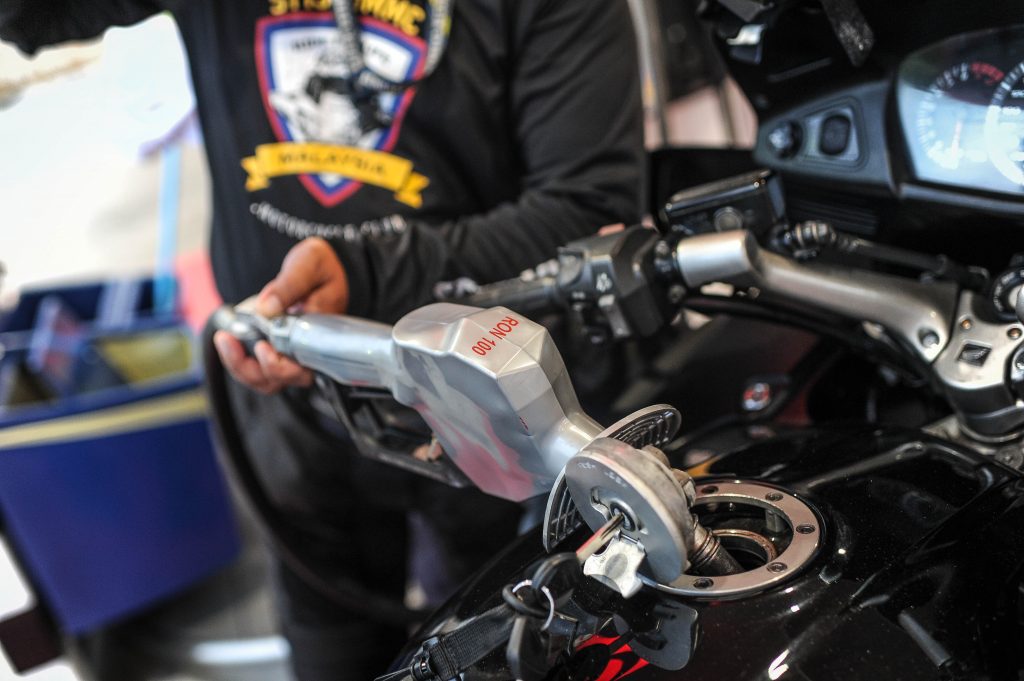
Petron’s Blaze 100 fuel is supposed to give your bike more power as it uses a special formula that gives it an edge over the rest – it’s called the “Tri-Action Advantage Formula”.
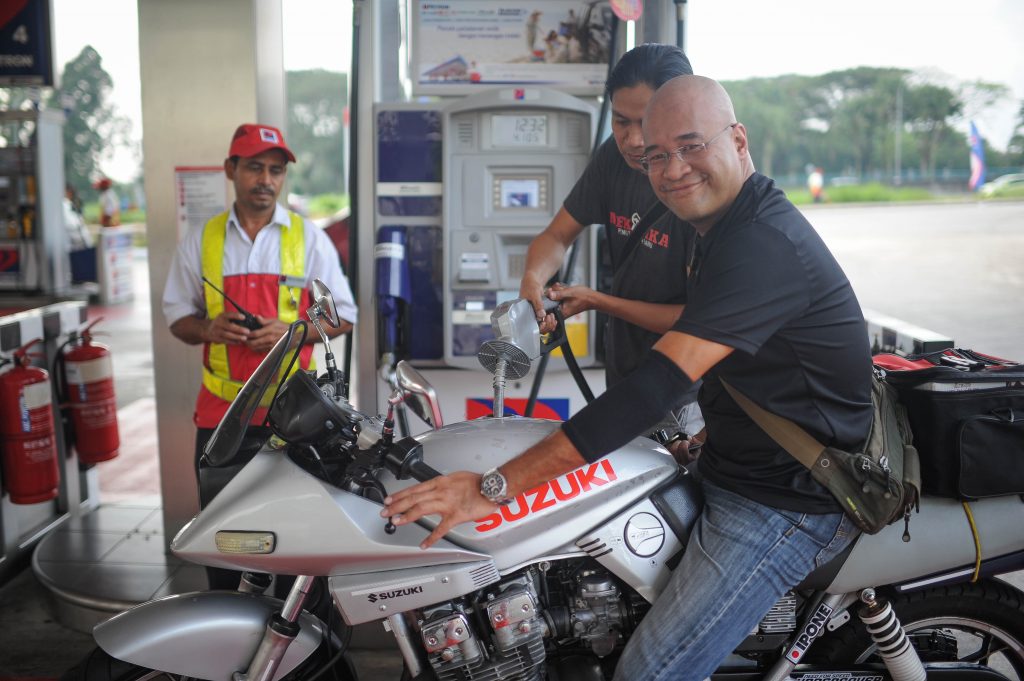
This formula sounds like your typical marketing lingo to lure you into believing that this fuel is better than the rest. But it is more than just marketing fluff, there is actually a scientific explanation to it.
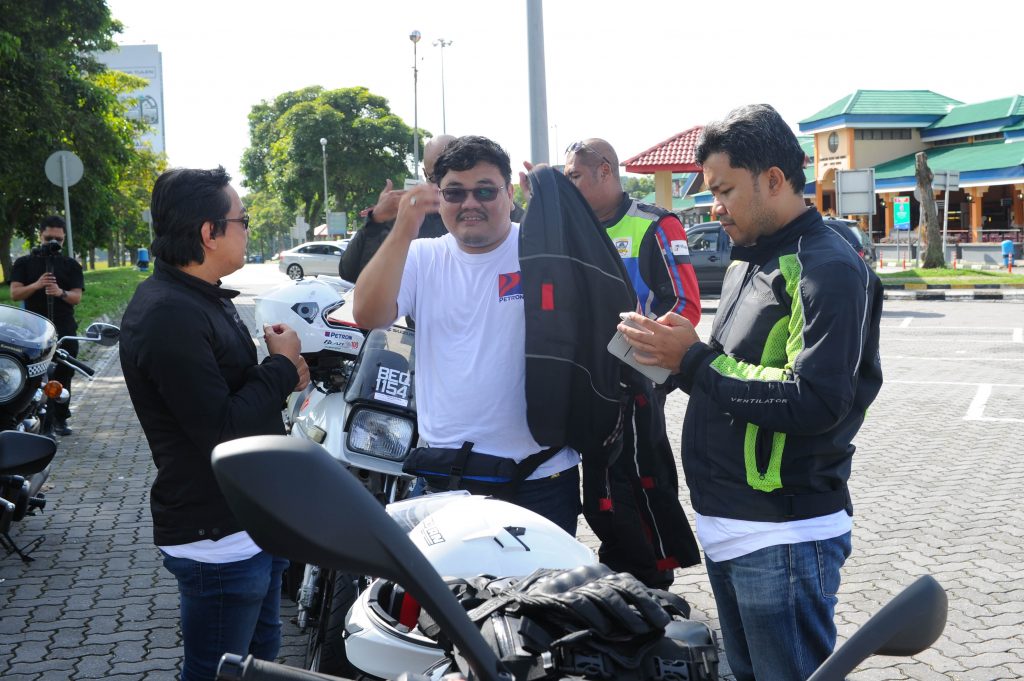
The formula promises “better power, better engine protection and better mileage” and it meets this promise by using a molecular detergent that cleans and keeps clean a dirty engine. Don’t mistake this for the detergent that you use to clean your clothes though, it is actually a molecule that keeps your fuel line clean so petrol can flow smoothly and uninterrupted. However it does not clean the internals of your engine like a good lubricant does, it simply smoothens out the fuel line so fuel flows without any particles slowing it down.
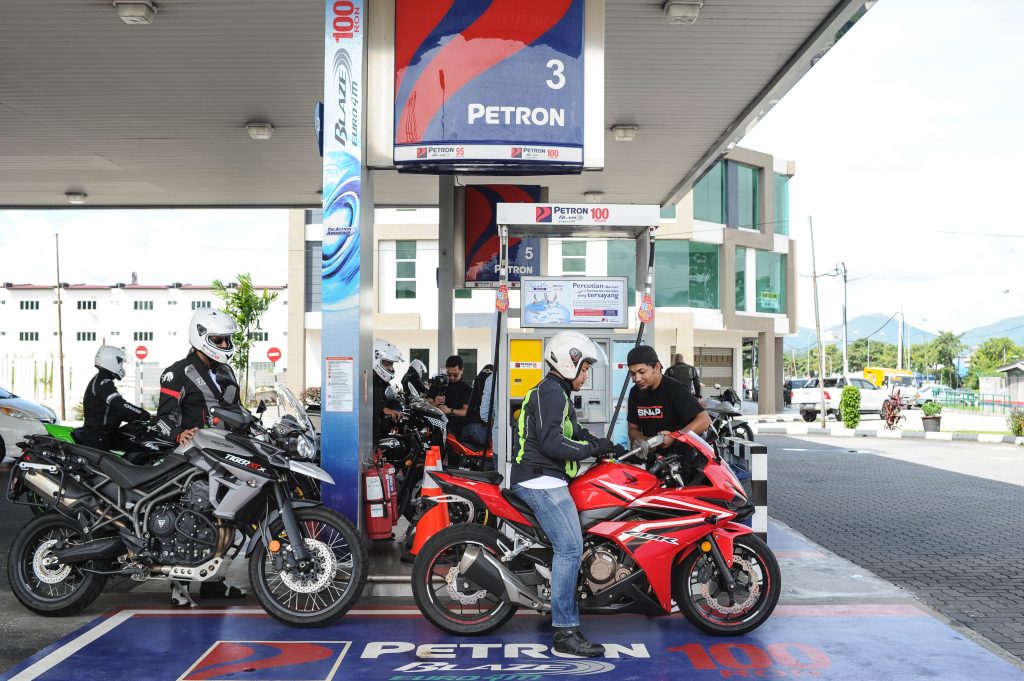
Then there is a “Friction Modifier” that reduces friction inside the piston chamber to ensure that the pistons work as they should without any particles slowing them down. And finally there is the “Combustion Enhancer”, this is the part that gives you power because it basically ensures that every molecule of fuel in the piston chamber is burnt in its entirety so that there is no wastage. And when a fuel is more combustible, the burst of energy it creates will in turn work the piston harder, and give you more power.
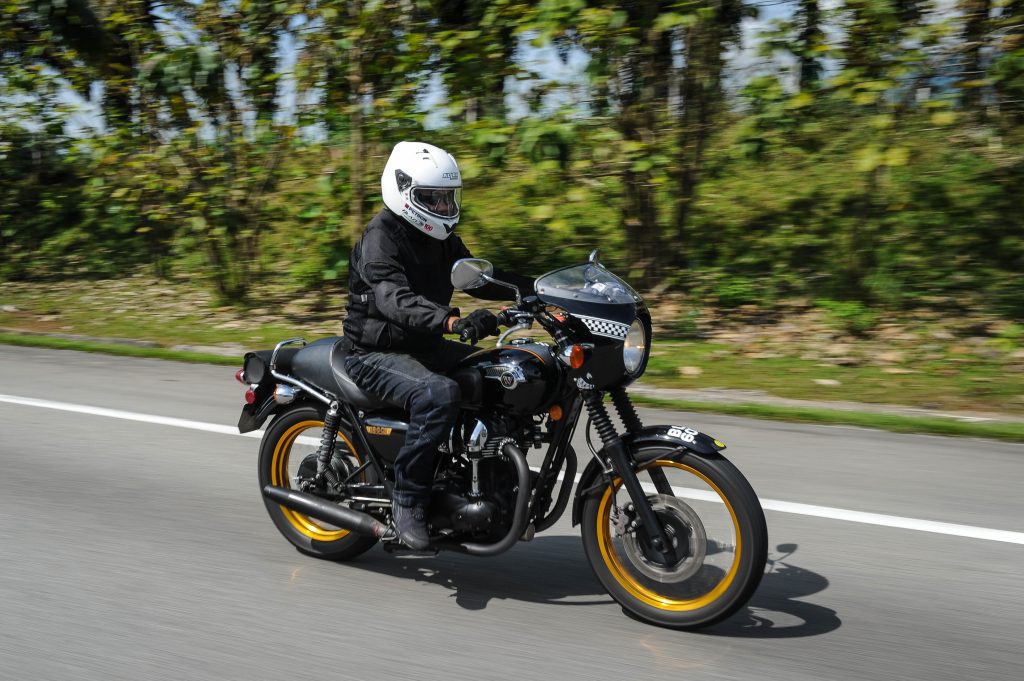
So that is the basics of Petron’s RON 100 fuel, in fact the company’s own studies have shown that the RON 100 fuel gives 6.3% improvement in power, and 2.95% improvement in torque. This study was conducted on cars in the UK but is relevant to motorcycles too. A further UK based study showed a 3.7% improvement in acceleration time, a 2% improvement in top speed, and a dyno test showed a 2.9% improvement in acceleration rate.
But did I feel the difference as soon as I got on the bike? Nope.

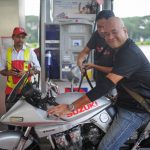
We filled up our tanks about six times throughout the journey to Penang and back. And though it was a requirement to ride according to the speed limit, well, I’ll just let you assume the best of us.
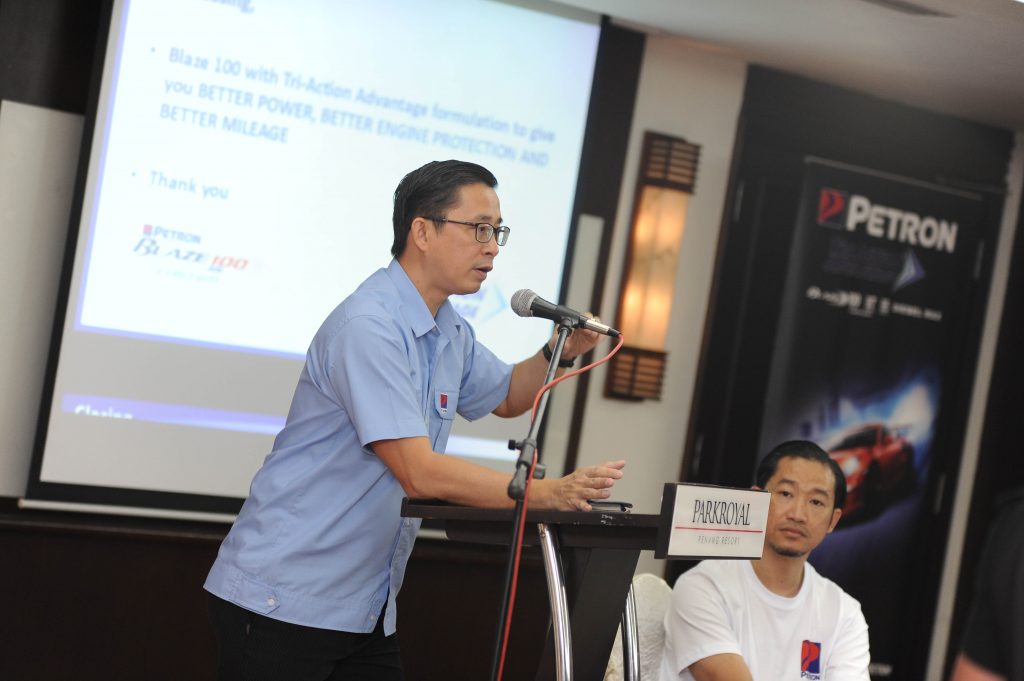
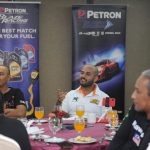
But according to the technical briefing during dinner later at night, a biker will need to fill up his tank up to eight times (!) before truly feeling the awesomeness of the RON 100 fuel. That is because the old fuel will need to be flushed out of the system, and it takes time for the micro particles to settle into the engine to truly make a difference. So filling up eight times before a difference is truly felt is a safe figure.
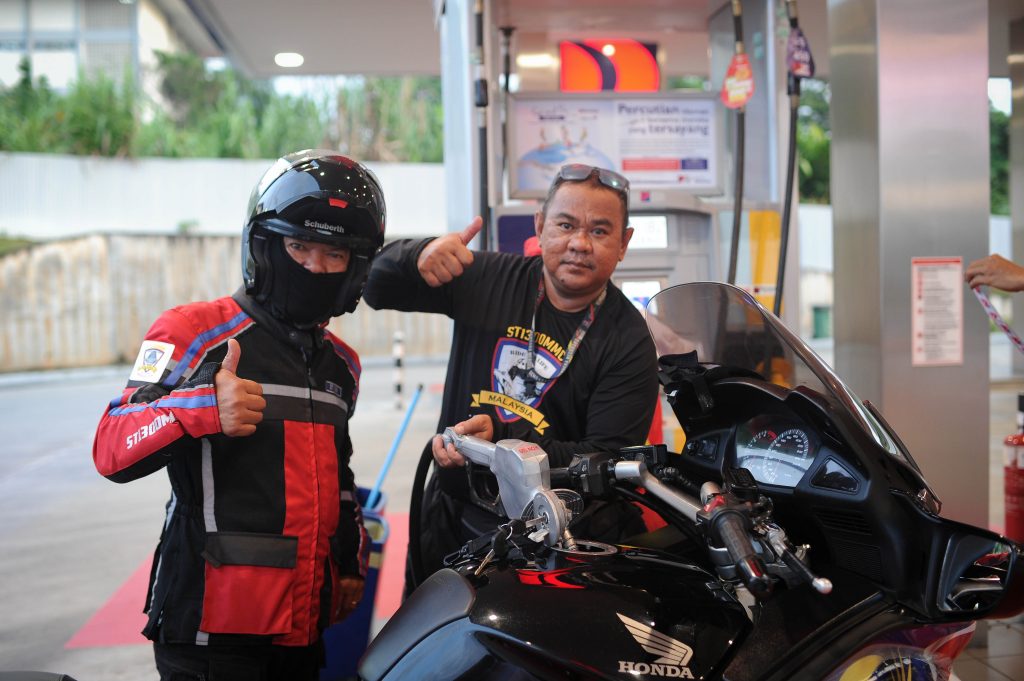
However, I will admit to something – that the bike felt lighter, more willing to rev, more ‘torquey’, and to sum it all up, more powerful on the return leg.
Of course some will say that “feel” is subjective and others may or may not feel the same, but in all honesty the bike felt more eager to accelerate. And there were instances where idiotic bus drivers would suddenly barge into the fast lane without signalling, seemingly unaware of the motorcyclist fast approaching. Well, hard braking is usually accompanied by quick downshifting and accelerating out of the danger zone (and maybe a choice finger for the bus driver, maybe) but shifting from sixth to fifth instead of fourth did the trick this time, and the bike seemed quite happy to lay down power.
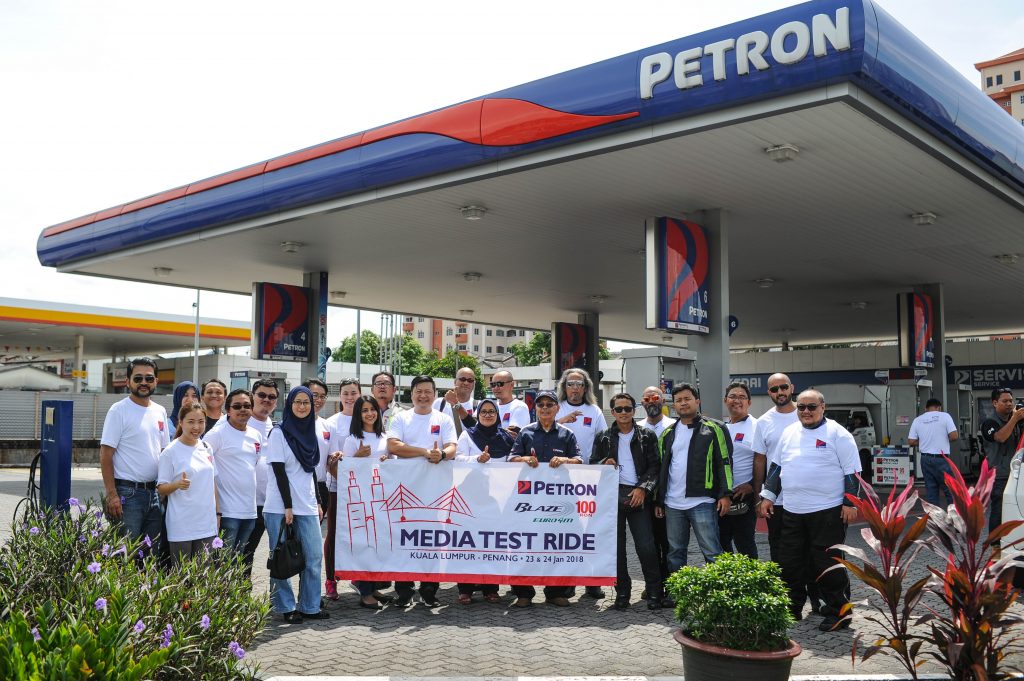
Simply put, there is no denying that the higher the RON of a particular fuel, the more combustible it is and ultimately more powerful. Petron’s RON 100 is currently the most powerful fuel in Malaysia, even more so than Shell’s V-Power Racing which is said to be RON 98. But it is also the most expensive at RM3 a litre. But for superbikes and their regular tank size, the price to pay for such impressive fuel is, well, negligible. Try it but don’t expect to feel the difference right away!

Archive

Follow us on Facebook

Follow us on YouTube