Bikesrepublic

Latest News

One of the oldest motorcycle manufacturers in the industry, Norton Motorcycles, is currently in deep financial issues with the announcement of entering administration. It seems that they’re in deep waters when it comes to unpaid taxes to the HM Revenue & Customs of around £300,000 (around RM1.59 million). (more…)

  • Here are 10 countries ranked by the highest proportion of motorcycle-related deaths.

  • The number of fatalities is staggering, running into the millions in total.

  • Most countries here don’t regulate helmet standards and don’t require motorcyclists to wear helmets.

Here’s something sobering. Motorcycle-related deaths in traffic accidents still account for the highest proportion in most – if not all – countries around the world.

But there are a number of countries in which the proportion of motorcycle-related deaths are higher. Included in this list are a number of countries we often ride to and in.

10. Paraguay – 52.2%
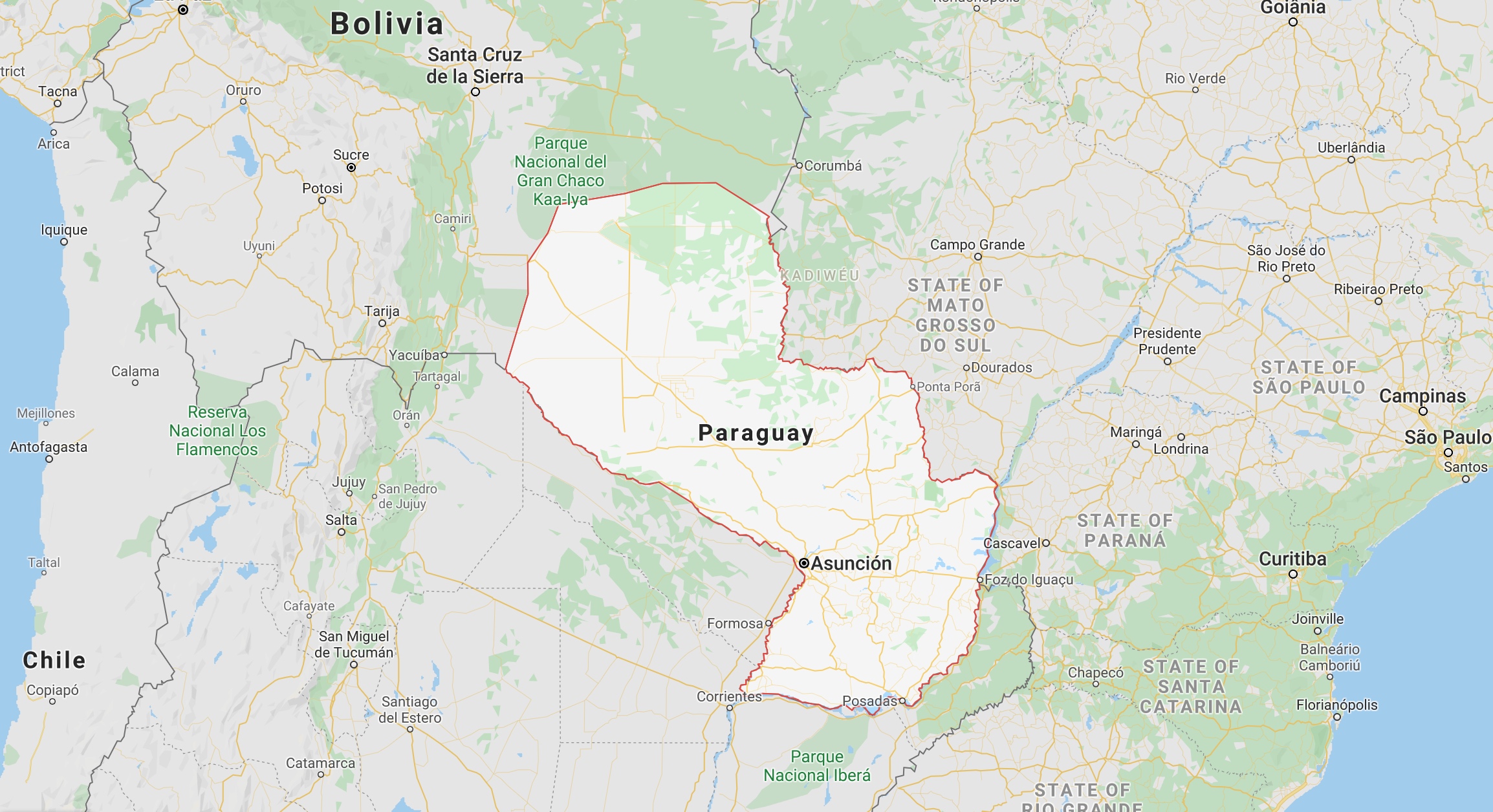
This landlocked South American country has 1.8 million registered vehicles, of nearly 560,000 are motorcycles. Although the proportion of motorcycles are only 30 percent, they contribute to 52.2% of total road fatalities. Ironically, the country practices strict enforcement of their highway code and motorcyclists are required to wear helmets.

9. Colombia – 52.5%
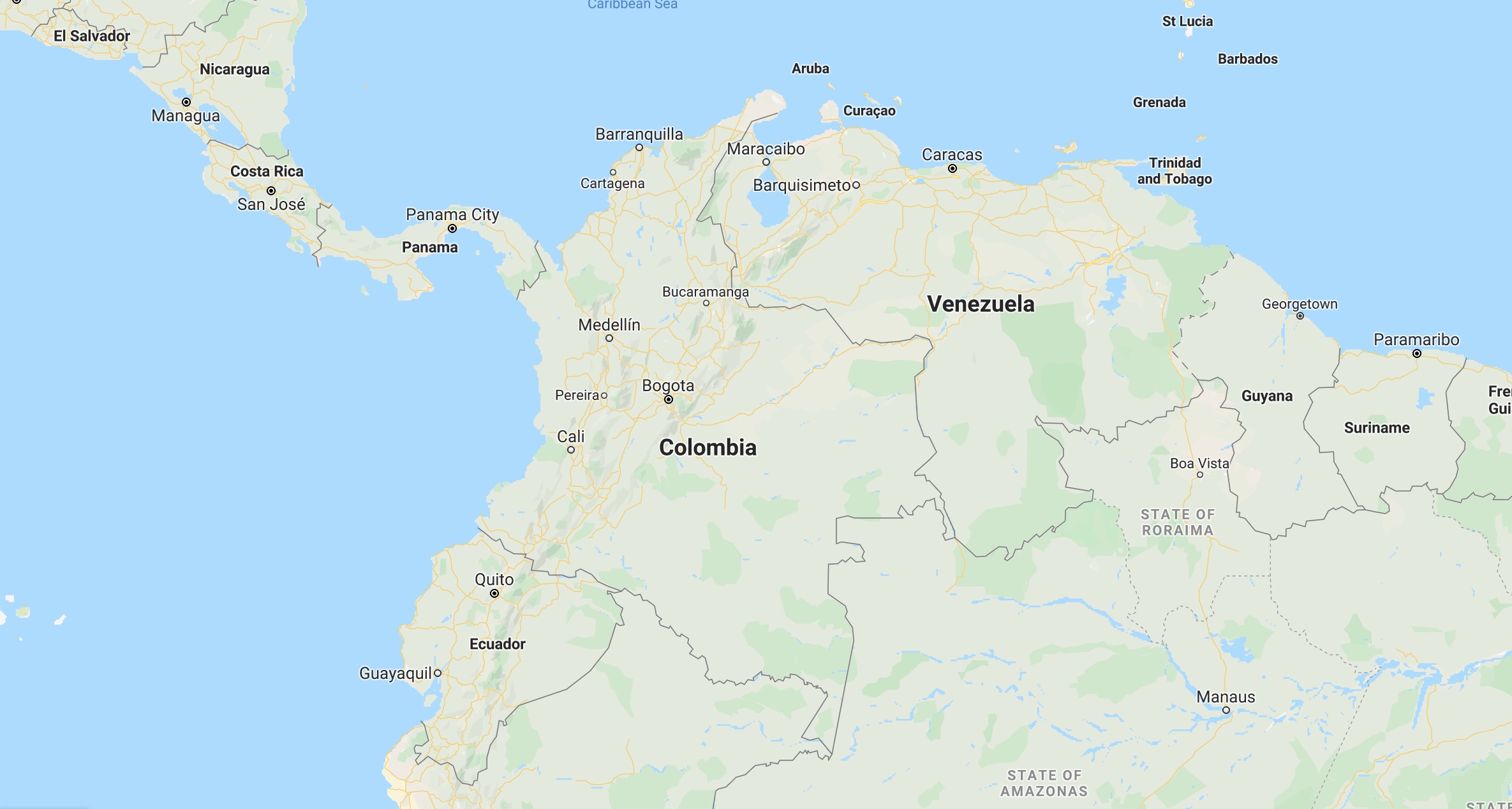
There are more motorcycles than cars in Colombia, to the tune of 55%. While helmet law isn’t enforced, 96% of riders and 80% of their passengers wear helmets. Still, the death rate is a high 52.5% percent.

8. Republic of Benin 56.5%
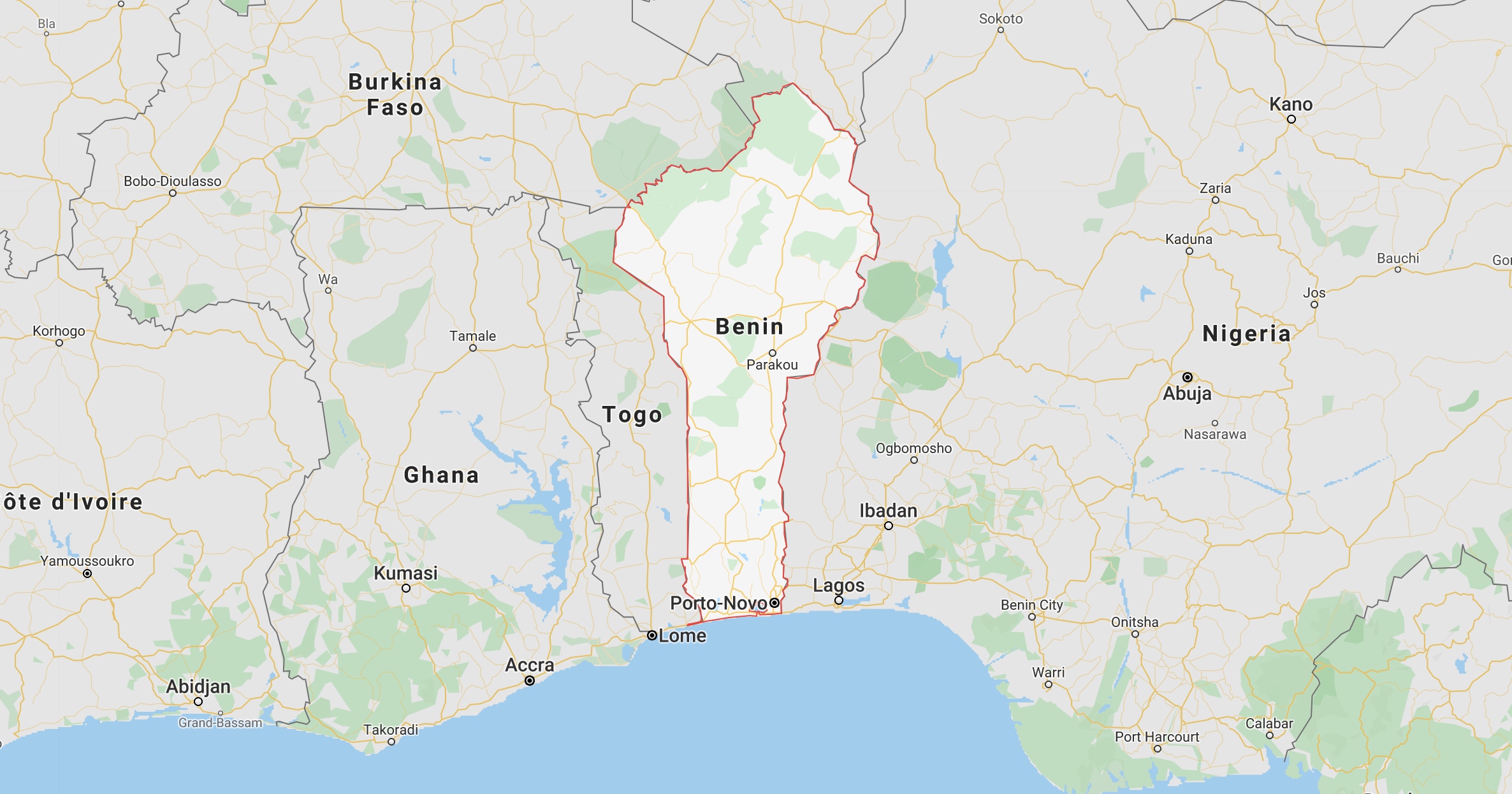
Benin is located in west Africa. Here, there are no regulations for helmet standards, nor are motorcyclists required to wear helmets. There are 195,000 motorcycles compared to 470,000 cars (41%).

7. Malaysia – 60%
According to the 2016 WHO report, Malaysia has 27,613,120 registered vehicles. 46% of those are motorcycle, totaling 12,677,041. There are helmet laws and the highway code is rather extensive. Helmet quality regulations are also tight. Yet we rank high as one among the countries with the highest number of motorcycle-related deaths in the world. We’ll leave out the why. For now.

6. Myanmar – 64.8%
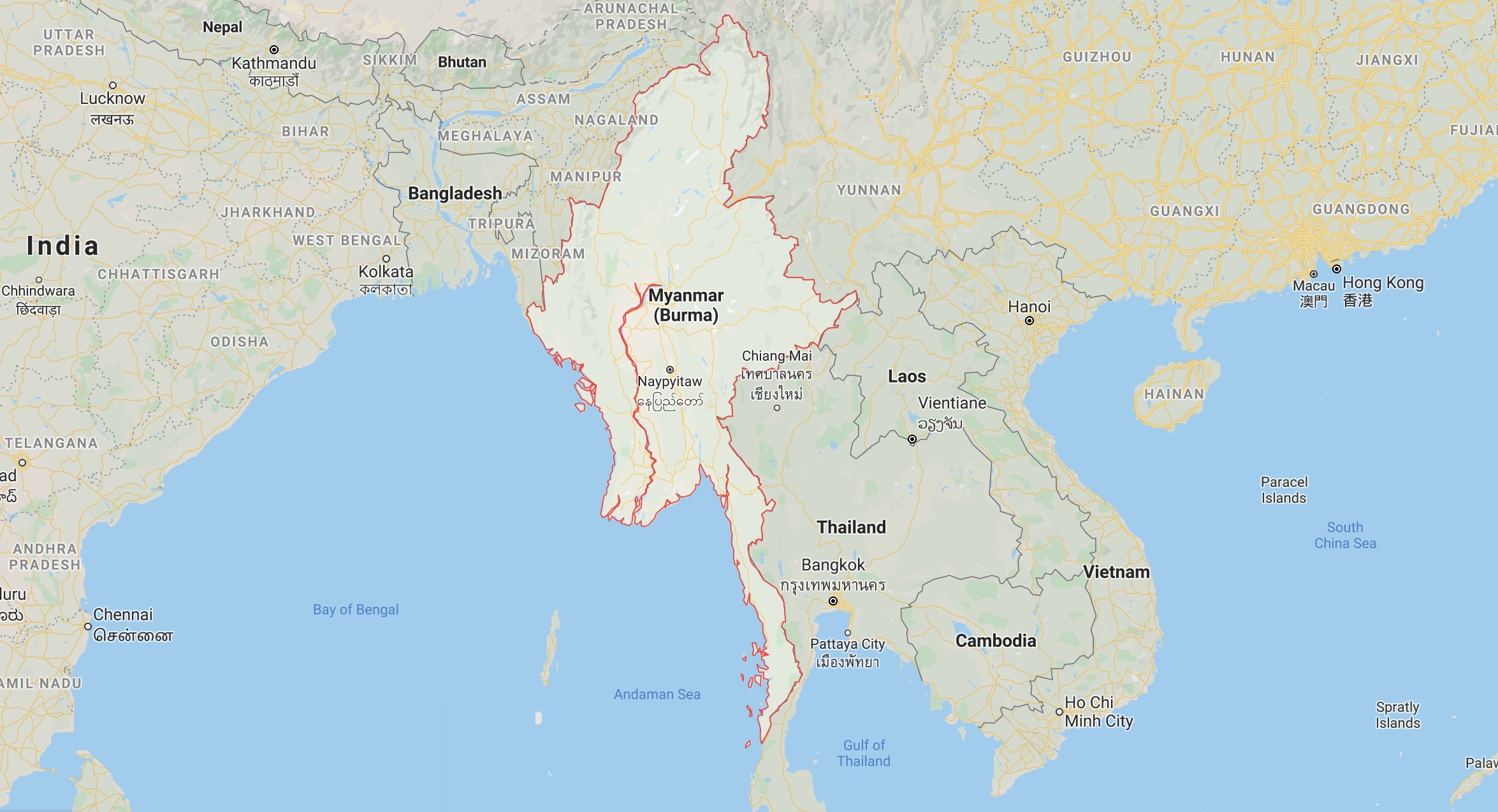
There are 5.4 million motorcycles among 6.4 million registered vehicles in this country. Like some of the countries in this list, there is no regulation on helmet quality despite the law requiring motorcycles to wear helmets.

5. Dominican Republic – 67%
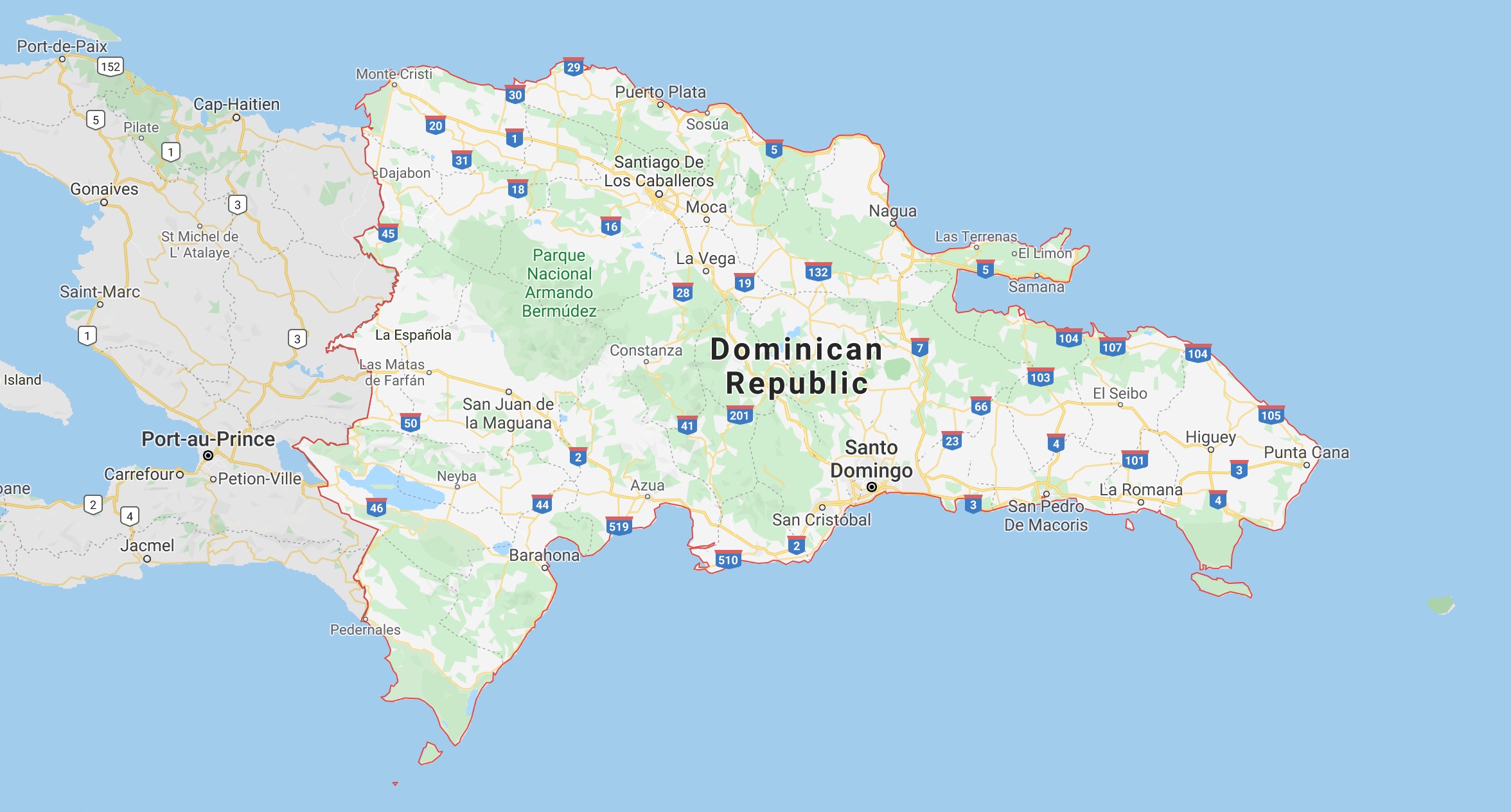
Motorcycles account for nearly 54% (2.1 million) of the total vehicles in this country. Helmet use isn’t mandatory, hence only some 27% of riders and 2% of passengers wear helmets. The Dominican Republic was ranked with the highest road accident fatality rate in the world in 2013.

4. Republic of Togo – 71.6%
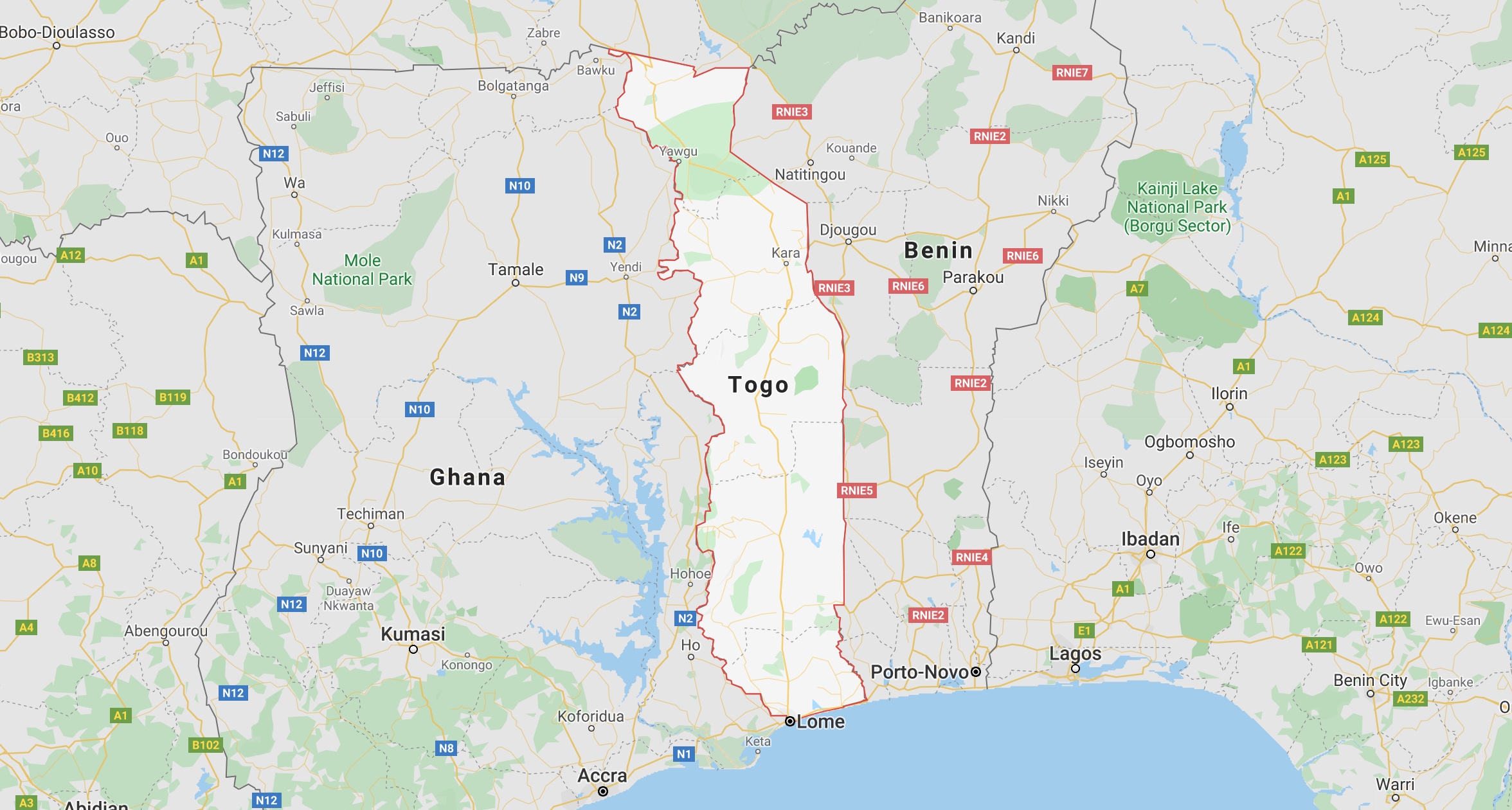
The Republic of Togo is the neighbor to the Republic of Benin. It has only 45,341 registered vehicles. The country doesn’t make helmet use mandatory and it reflects on the large number of fatalities.

3. Cambodia – 73.5%
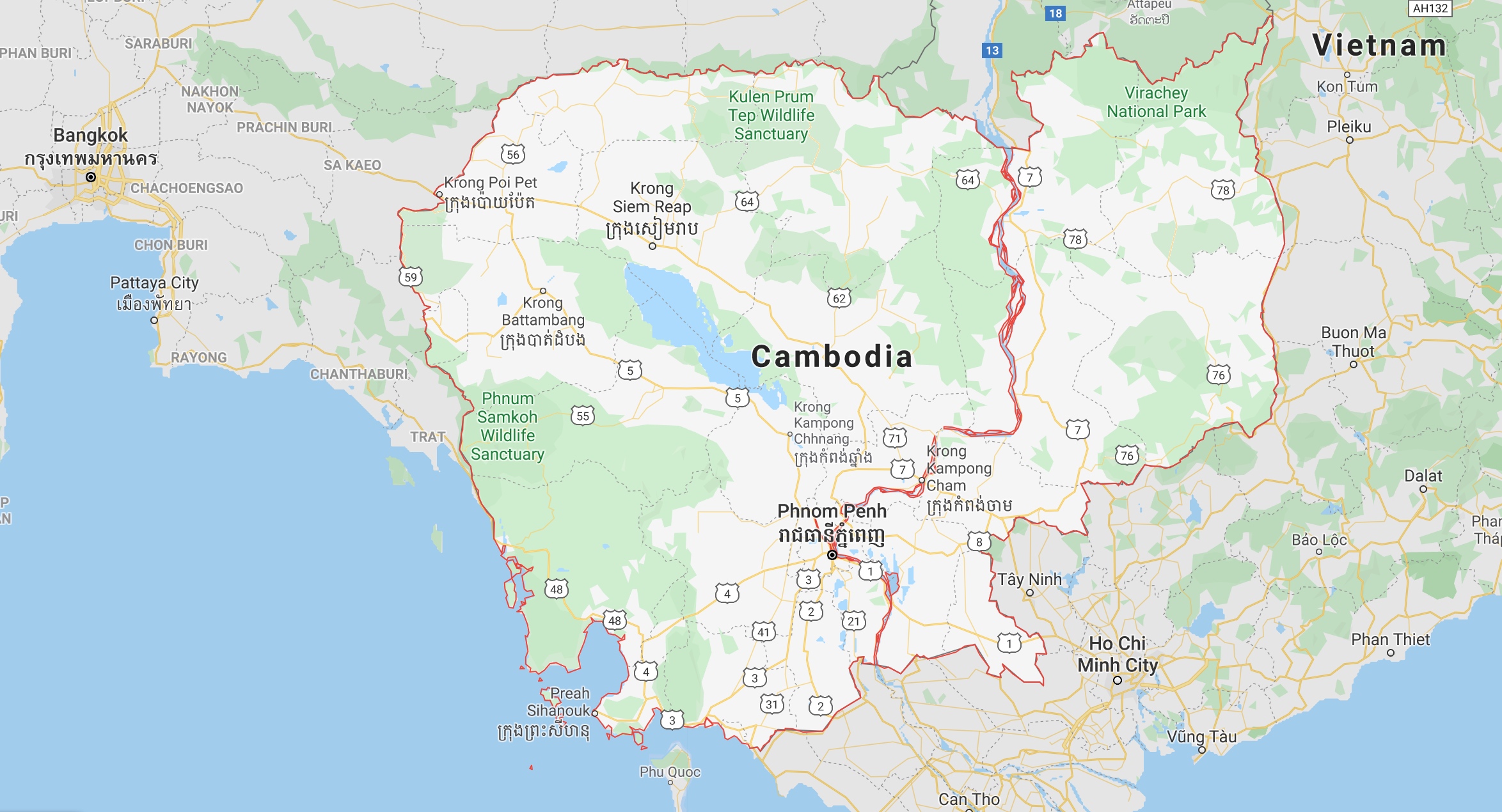
We’re into the top three. Cambodia has a total of 2,714,913 registered motorcycles. Helmet usage isn’t mandatory here. A survey held that 70% of riders wear helmets during the day but that percentage drops to only 43% at night. Additionally, 30% of the passengers put on helmets during the day but it drops to only 13% at night.

2. Indonesia – 73.6%
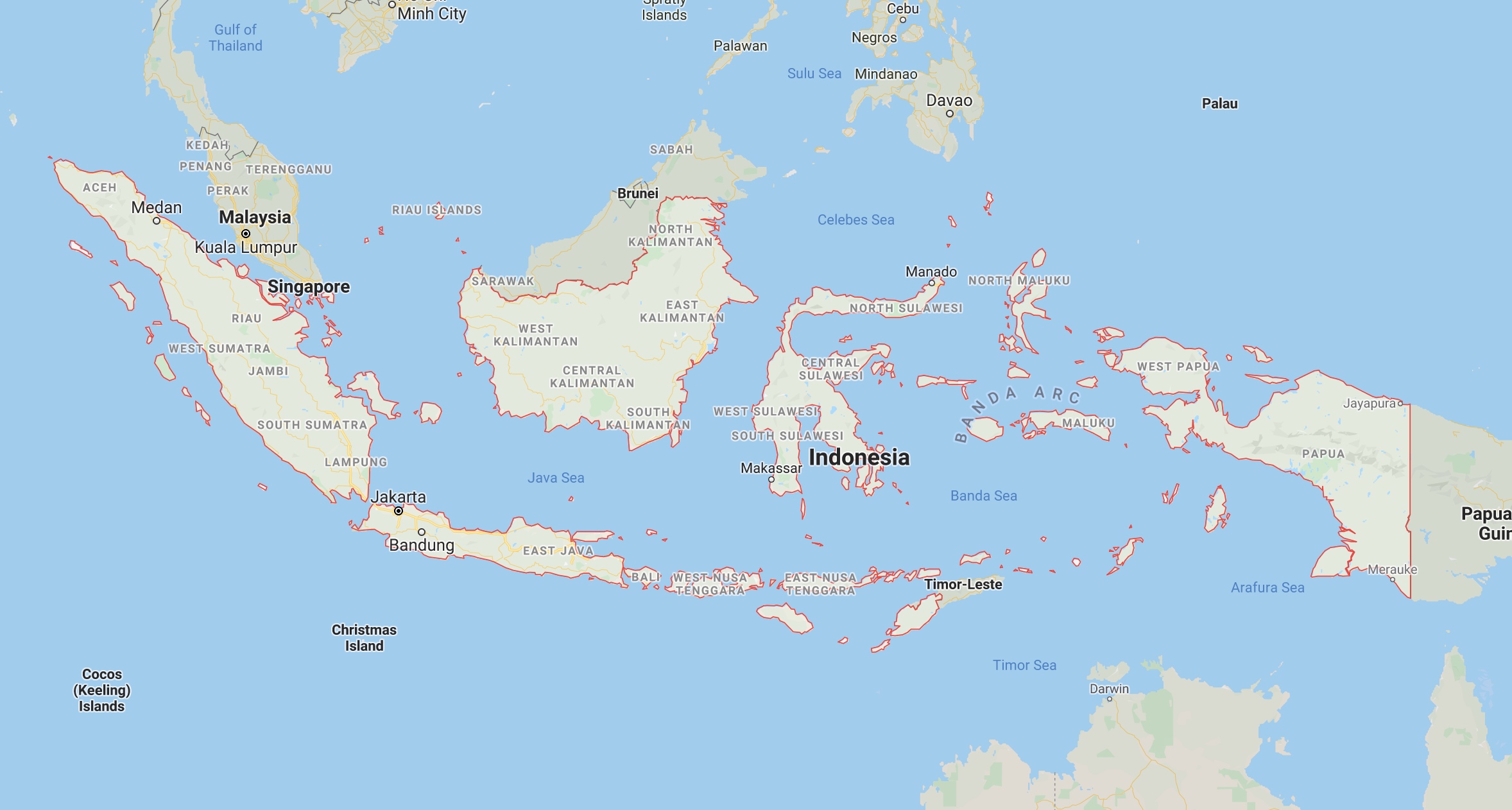
Indonesia is currently the biggest motorcycle market in the world. More than half of the country’s 250 million population own a vehicle, and more than half of that are motorcycles. Only 71% of riders wear helmets.

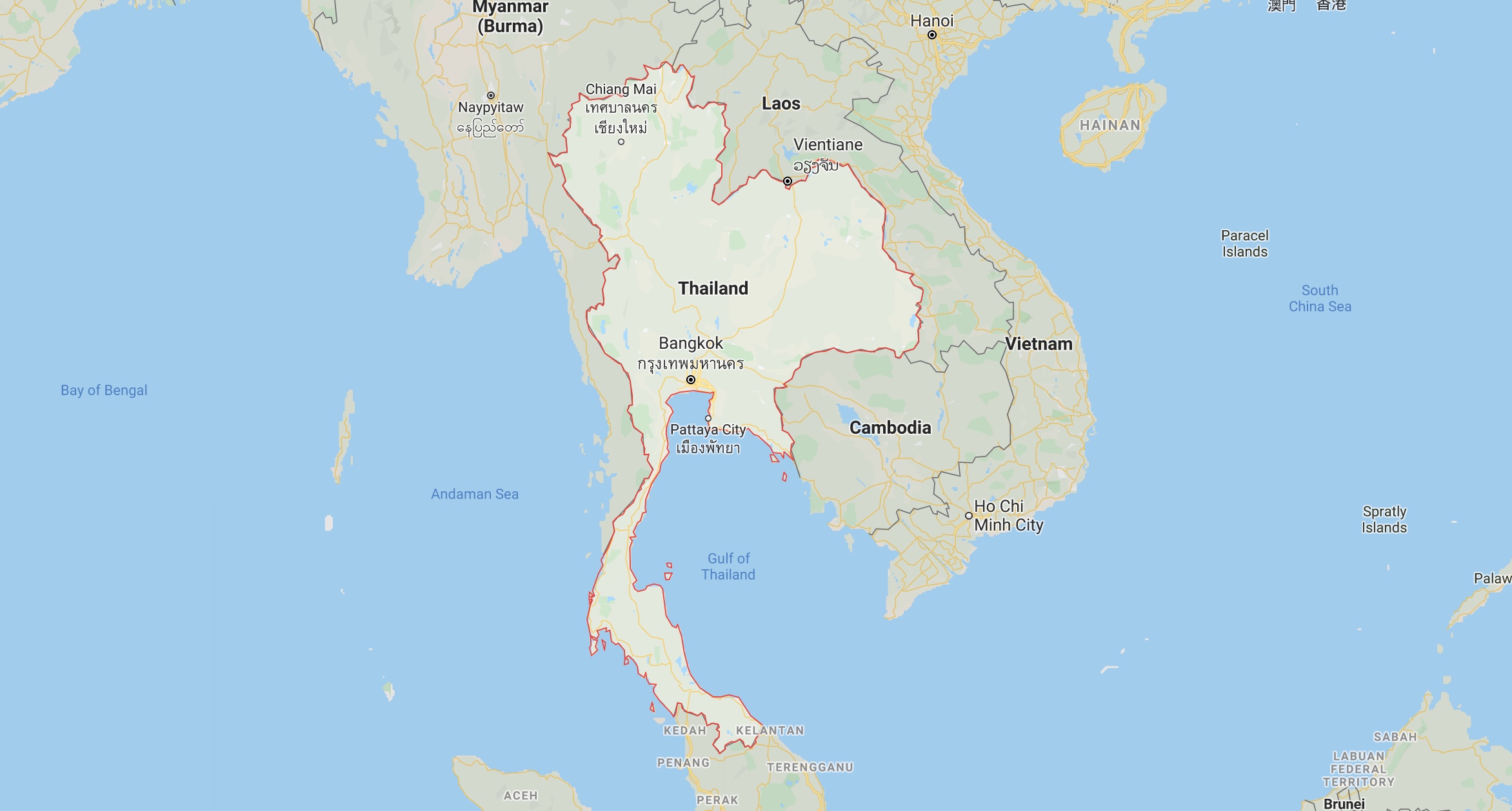
1. Thailand – 74.4%

Thailand holds the unfortunate record as having the most dangerous roads in South East Asia, Asia and additionally the most dangerous for motorcyclists. The government has encouraged motorcyclists to wear helmets, besides the passenger. There seems to be no regulations on helmet quality and standards. The percentage is staggering – almost 3 out of every four deaths were motorcycle-related.

India – 98,700 motorcycle-related fatalities
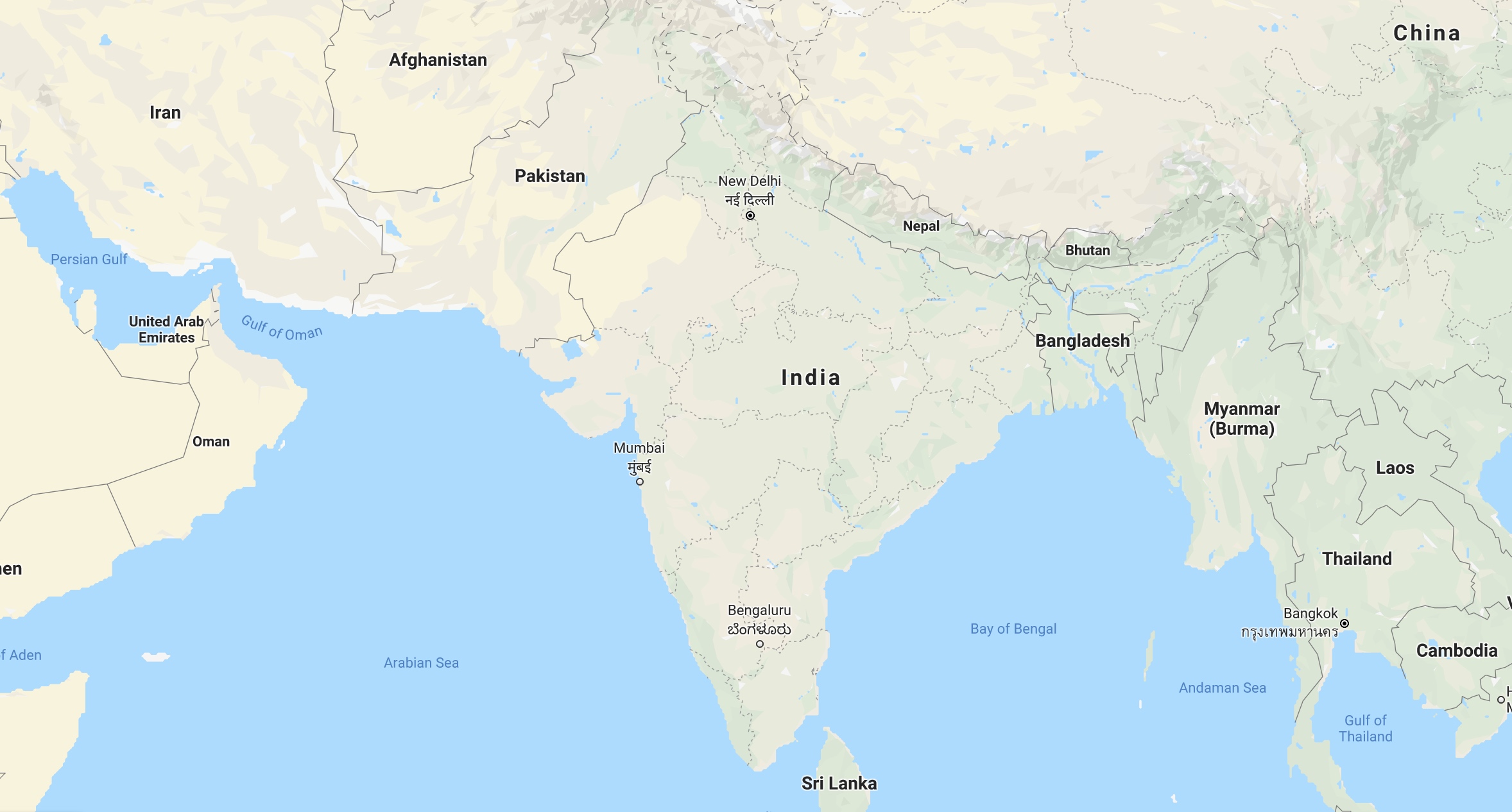
The country with the highest number of motorcycle-related deaths is India. The WHO estimates that there were 299,091 total traffic-related deaths in subcontinent, 33% of those attributed to motorcycles. While the percentage is low, it is the highest in terms of pure numbers, totaling 98,700 fatalities. The total death rate is so high that it tops the African, Americas, Eastern Mediterranean and European regions. China was second with 256,180 total deaths.
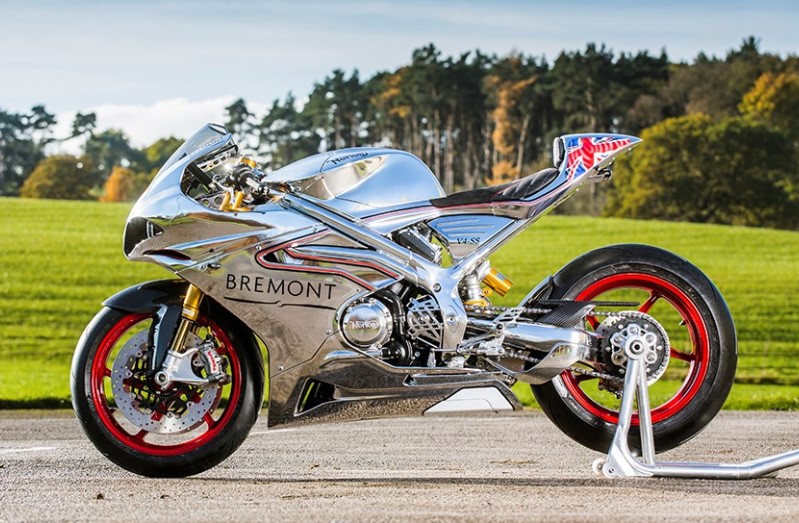
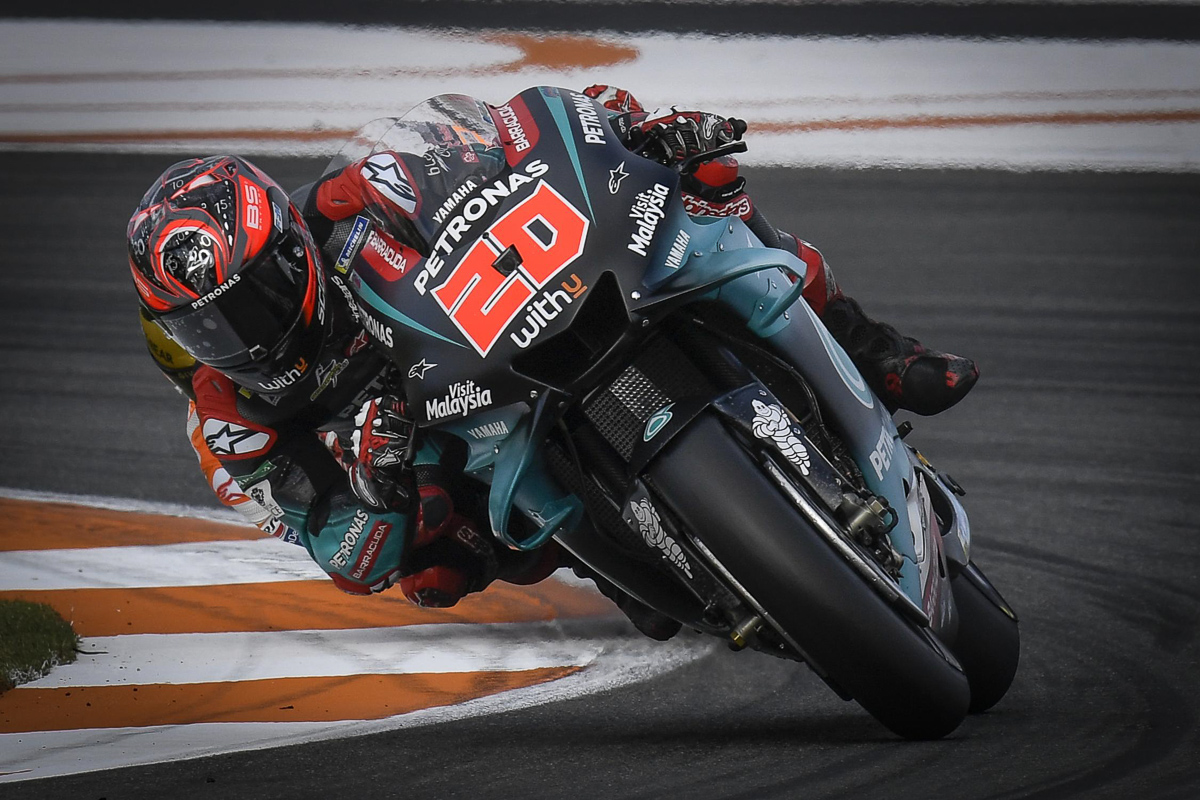
After the big news of Maverick Vinales extending his contract with the Yamaha factory MotoGP squad until the end of 2022, Fabio Quartararo announced that he will be joining Vinales on board the full factory Yamaha YZR-M1 in 2021 and 2022. (more…)

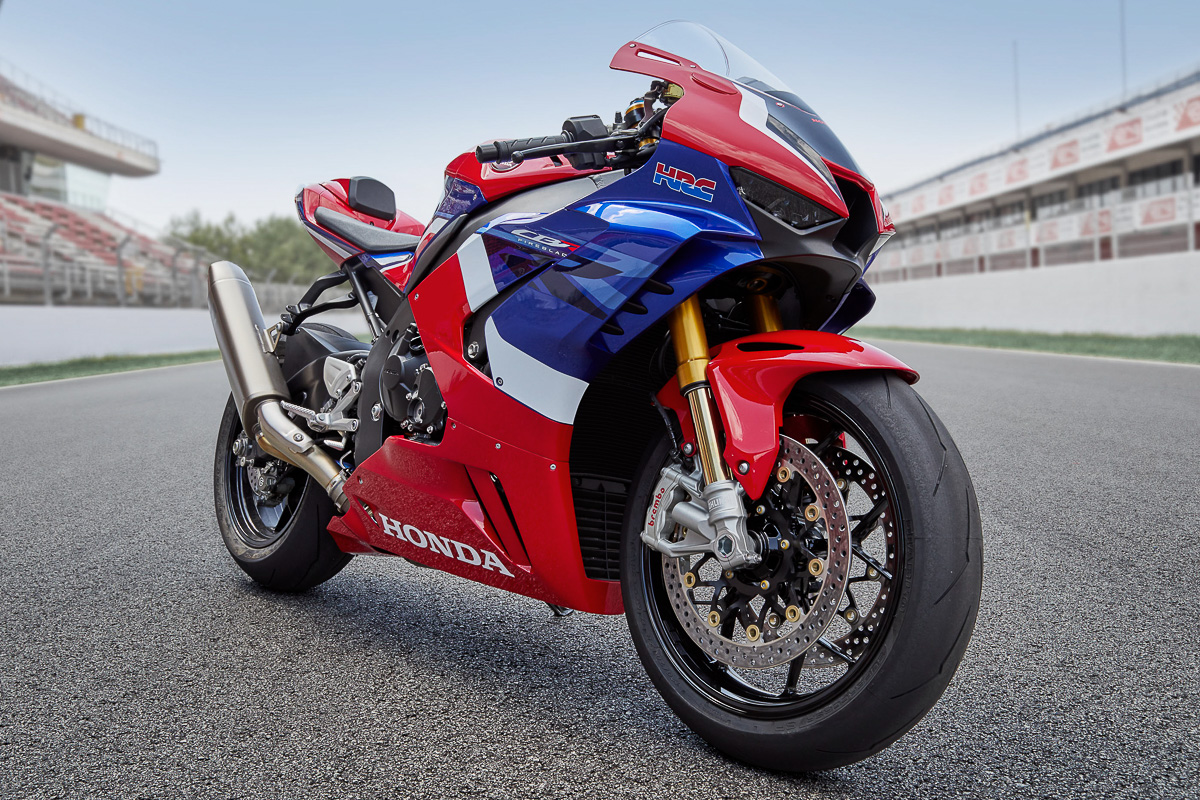
Honda has officially selected the Pirelli Diablo Supercorsa SP as the official tyre for their latest 2020 Honda CBR1000RR-R Fireblade and Fireblade SP. Recognised as the top-performing street tyre from Pirelli’s extensive range of quality rubbers, the third-gen Pirelli Diablo Supercorsa SP is highly recognized as one of the ‘good stuff’ by elite superbike riders around the globe. (more…)

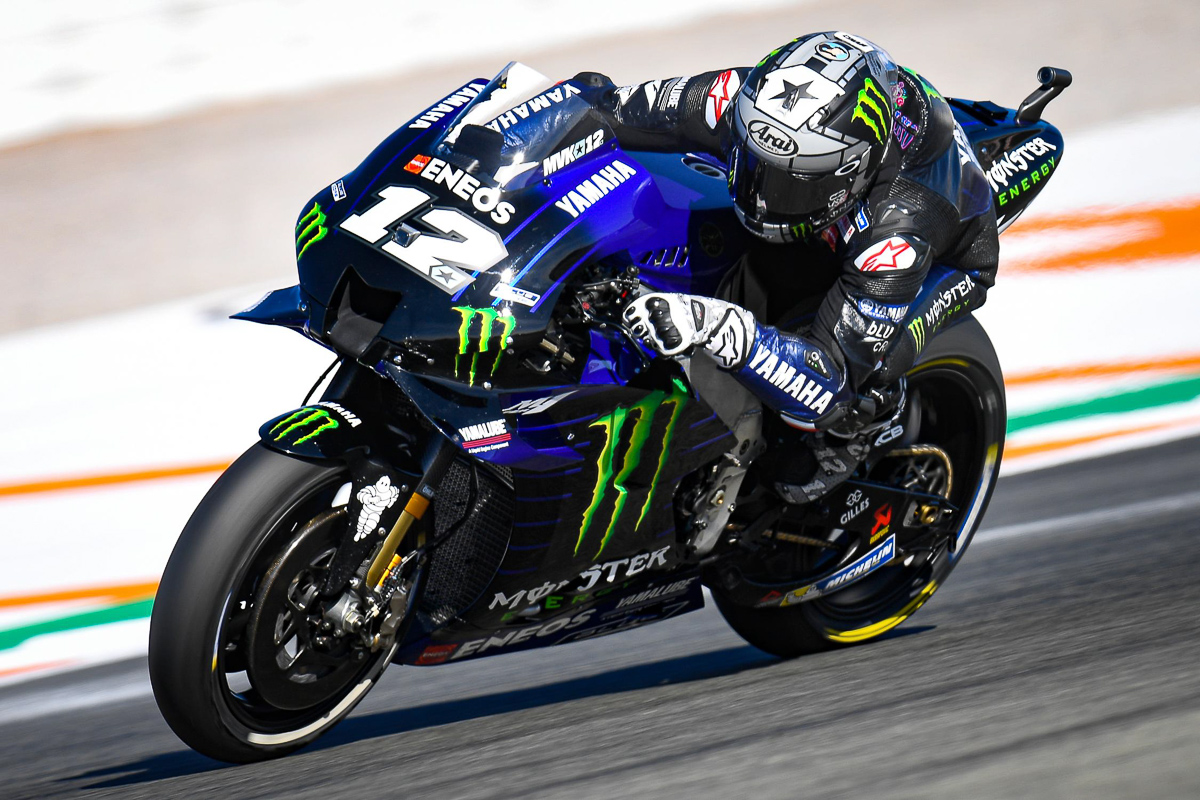
The pre-season MotoGP test session is not for another week and already Maverick Vinales is the first to strike a deal with Yamaha which will see the young Spaniard racing for the factory squad until the end of 2022.

This newly signed agreement confirms that Yamaha is confident with Maverick Vinales and his abilities to carry them forward not only the upcoming seasons but also be the front runner is winning back the championship and developing the ever-growing Yamaha YZR-M1. (more…)

  • The primary job of the exhaust system is for burned gasses to exit.

  • But it can be tuned for engine character.

  • Exhaust design influences torque and power production.

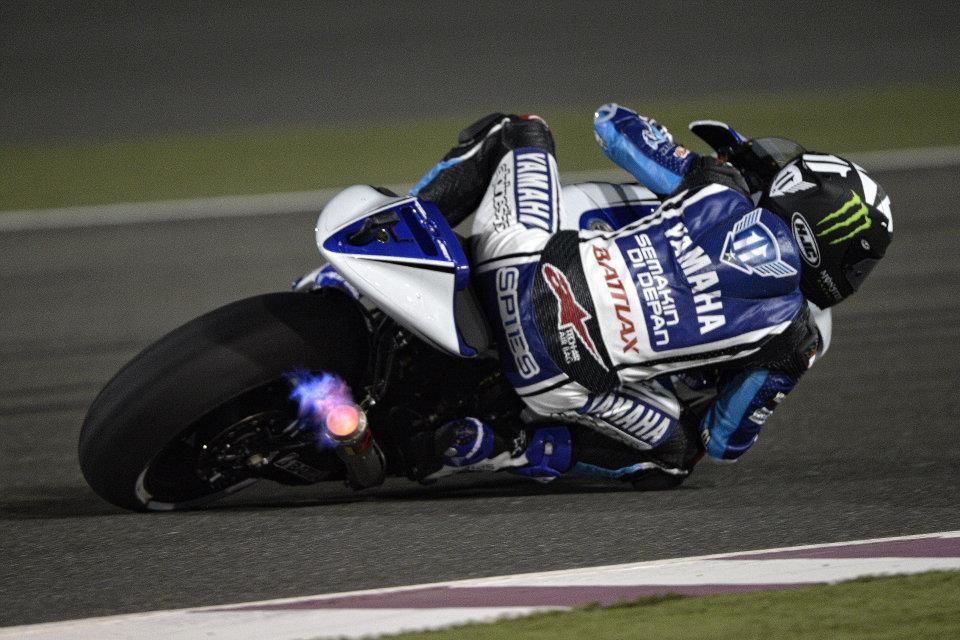
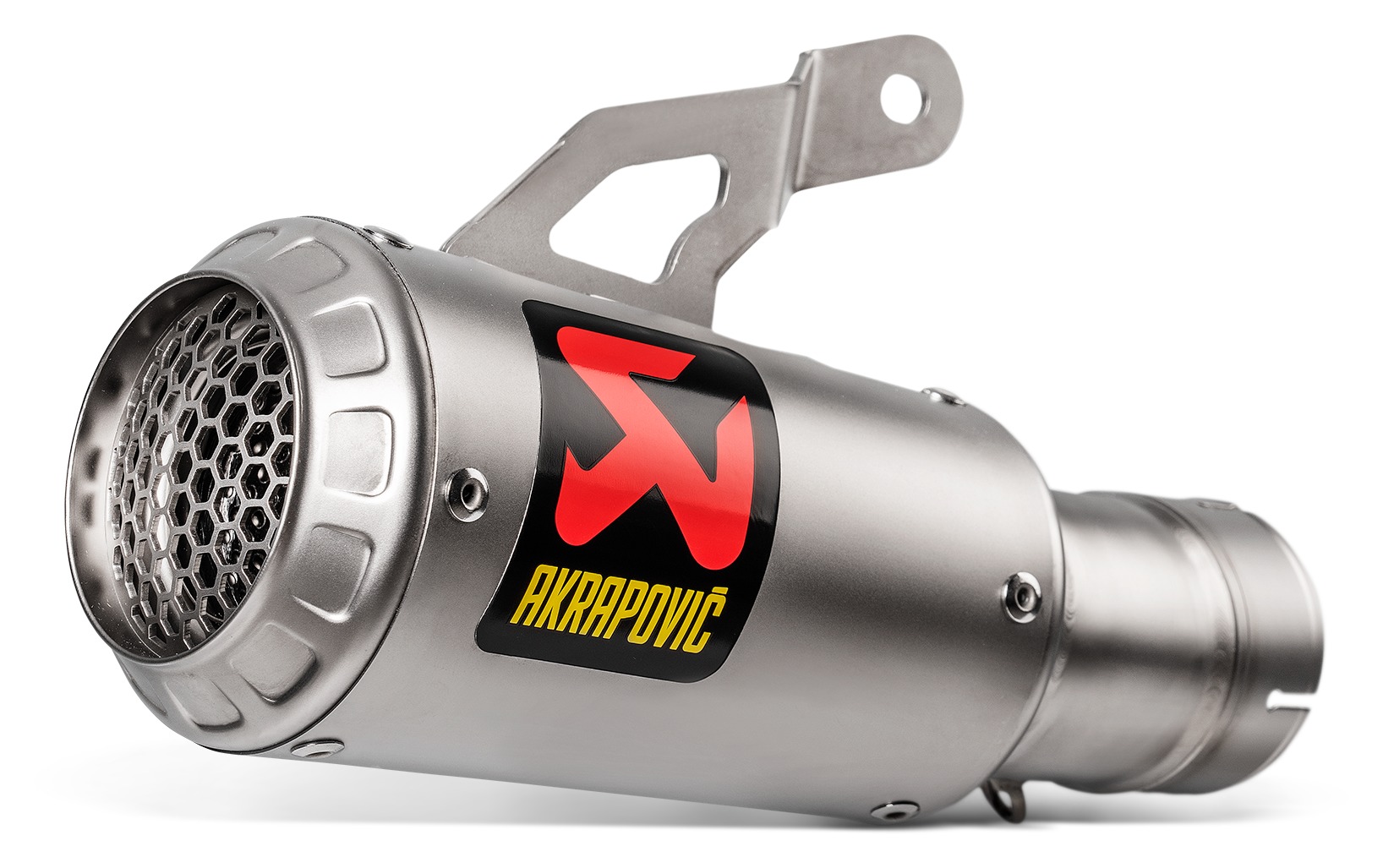
If someone asks me what an exhaust system does, the simple answer is to extract exhaust gasses from the combustion process. But truth is, exhaust systems play an immense role in an internal combustion engine’s power production.

No surprise there again, am sure but how is that done? Do we go for the shortest or longest pipe length? The smallest or largest diameter? The “softest” or “loudest” silencer? Silenced or straight flow?

What does the exhaust system do?

The exhaust system is part of a sum which gives and engine its character in terms of throttle response and power curve. An exhaust could be tuned for peak horsepower thereby sacrificing low and midrange torque, or vice versa.

The combustion process produces pressure waves. Positive waves are pressure while negative waves are suction. These waves move at the speed of sound and behaves like sound waves.

A negative wave results when the exhaust wave opens and the hot exhaust gas exits the combustion chamber. When the gas encounters a wider space, it expands. This expand products suction, in effect.

During the exhaust stroke, this suction continues to function, and the negative wave will assist in pulling in fresh charge (fuel-air mixture) into the combustion chamber. This function is called scavenging. Scavenging boosts torque as it prevents exhaust and fresh charge from mixing and pulling in fresh charge early (even when the piston is still rising at the end of the exhaust stroke) for better cylinder filling.

A proportion of these waves can be reflected back as positive waves (partly by the reverse cone on the silencer). The pressure then stuffs some of the escaping fresh charge into the combustion chamber just as the exhaust valve starts to close.

This is why pipe length and diameter are crucial. Changing the length or diameter will affect positive and negative waves, hence the engine’s character. As such, all exhaust pipes are compromises because they can only be tuned to a specific RPM range to work with whatever engine design you may have for example, VVT/VVL. Exhaust pipe tuning was even more crucial for two strokes since they have no poppet valves thereby scavenging at the wrong time means sucking out unburned gasses resulting in power loss.

Enter the powervalve

Yamaha was the first manufacturer to introduce the powervalve in their two-stroke engines. It sits just after the exhaust port and its job was to reflect pressure waves (to push or keep unburned mixture in) corresponding to different RPMs.

What has this got to do with four-stroke engines? Yamaha discovered that the same principle could be applied to four-stroke engines as well. Enter the EXUP (Exhaust Ultimate Powervalve) in the 1990 FZR1000.

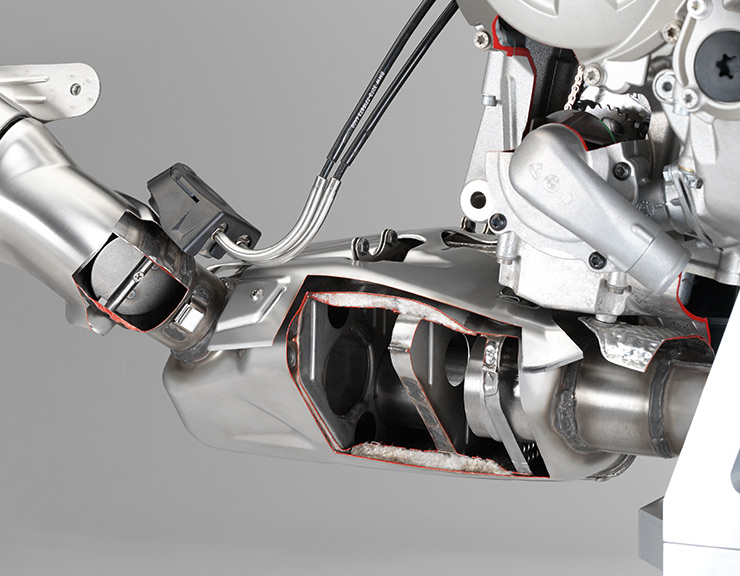
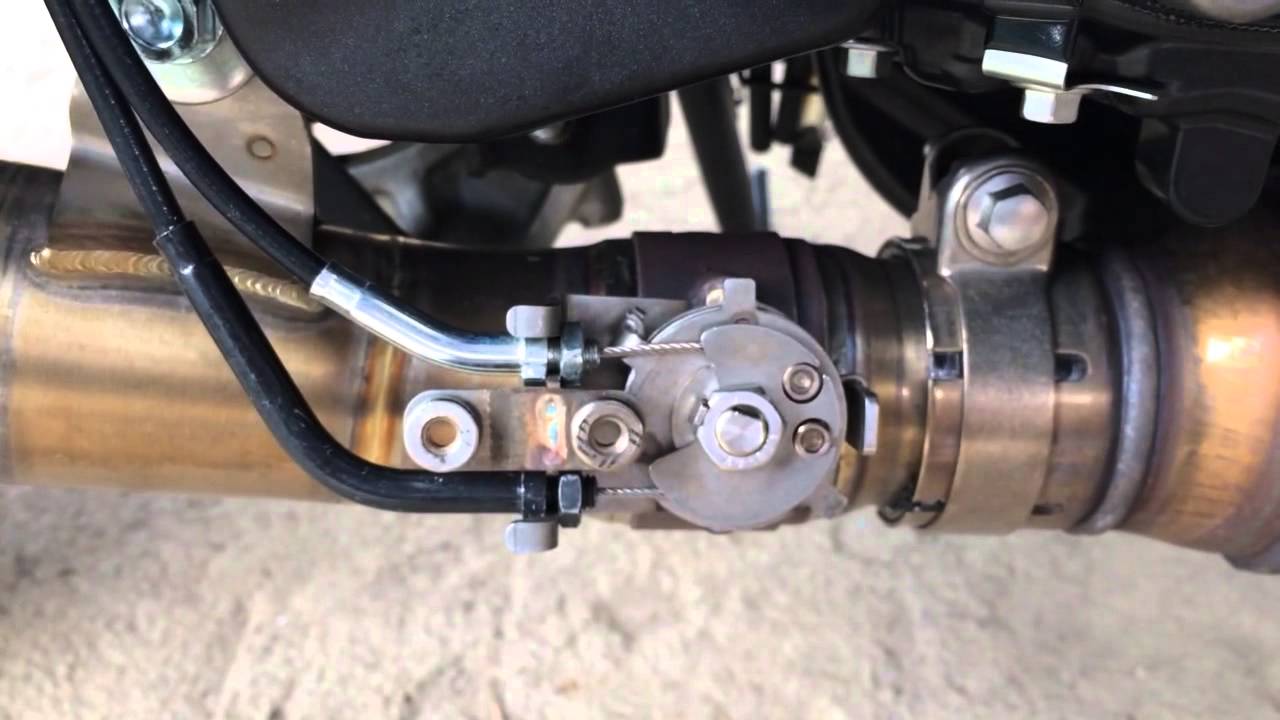
The EXUP is fitted in the exhaust downpipe after the collector (the part which combines all four exhaust headers) and catalytic converter. It’s a butterfly valve controlled by a servo and opens and closes according to engine RPM and load.

Soon, all manufacturers followed in Yamaha’s footsteps and installed their own “EXUP” in their four-stroke superbikes – just like how they developed their own powervalves in their two-stroke engines.

Note that replacing an entire exhaust system without regarding the exhaust powervalve will change the engine’s characteristics.

In fact, replacing the exhaust system needs a retuning to optimize the exhaust waves. This was why carburetors needed to be rejetted. As for modern fuel injected bikes, replacing the exhaust will change the bike’s character but will not result in extra torque and horsepower (apart from making more noise). To do so, one needs to fit a power commander and retune the engine on the dyno.

Archive

Follow us on Facebook

Follow us on YouTube