Team riders are Khairul Idham Pawi for the Moto2 class, and Ayumu Sasaki and John McPhee for the Moto3 category.
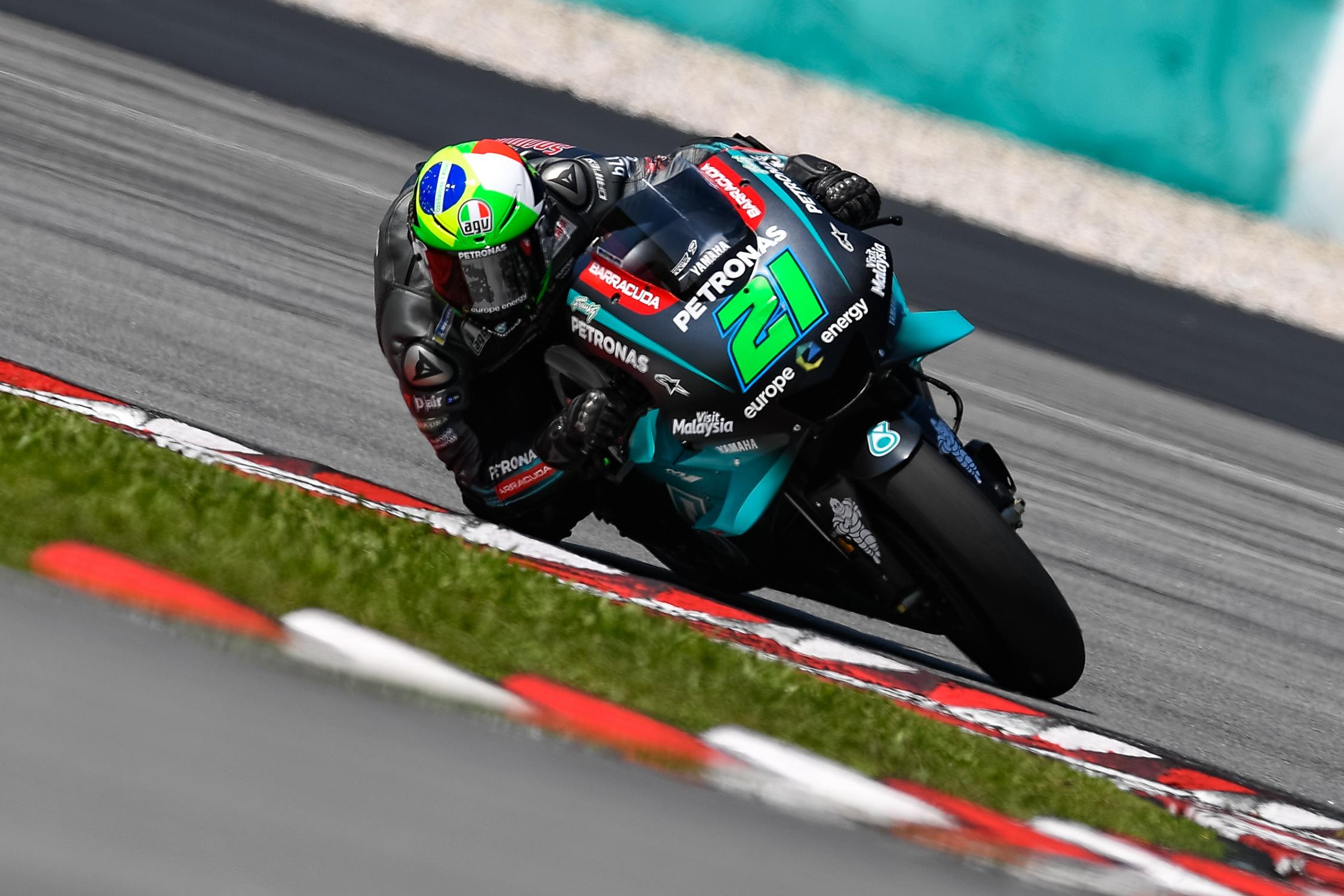
Their tests sessions followed in the footsteps of the third official MotoGP test which took place from 6thto 8thFebruary. The PETRONAS Yamaha Sepang Racing Team riders Franco Morbidelli and Fabio Quartararo put their Yamaha YZR-M1s through their paces for the upcoming season. The Yamaha factory later announced on 7thFebruary that Quartararo will also ride the 2019 Yamaha YZR-M1 like his teammate Morbidelli’s and those of the factory Yamaha team.
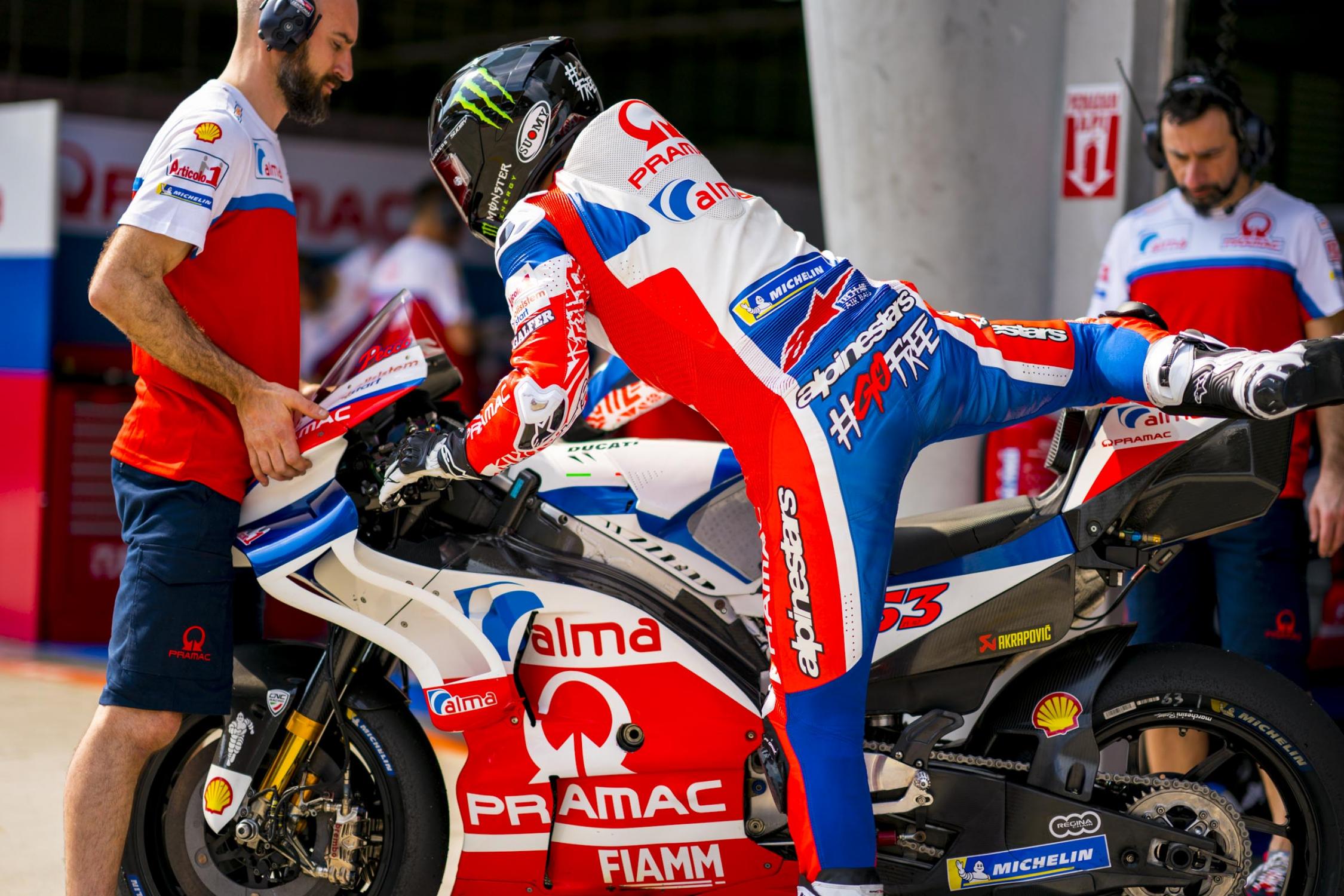
Franco Morbidelli at Sepang Winter Test 2019 – Photo credit MotoGP.com
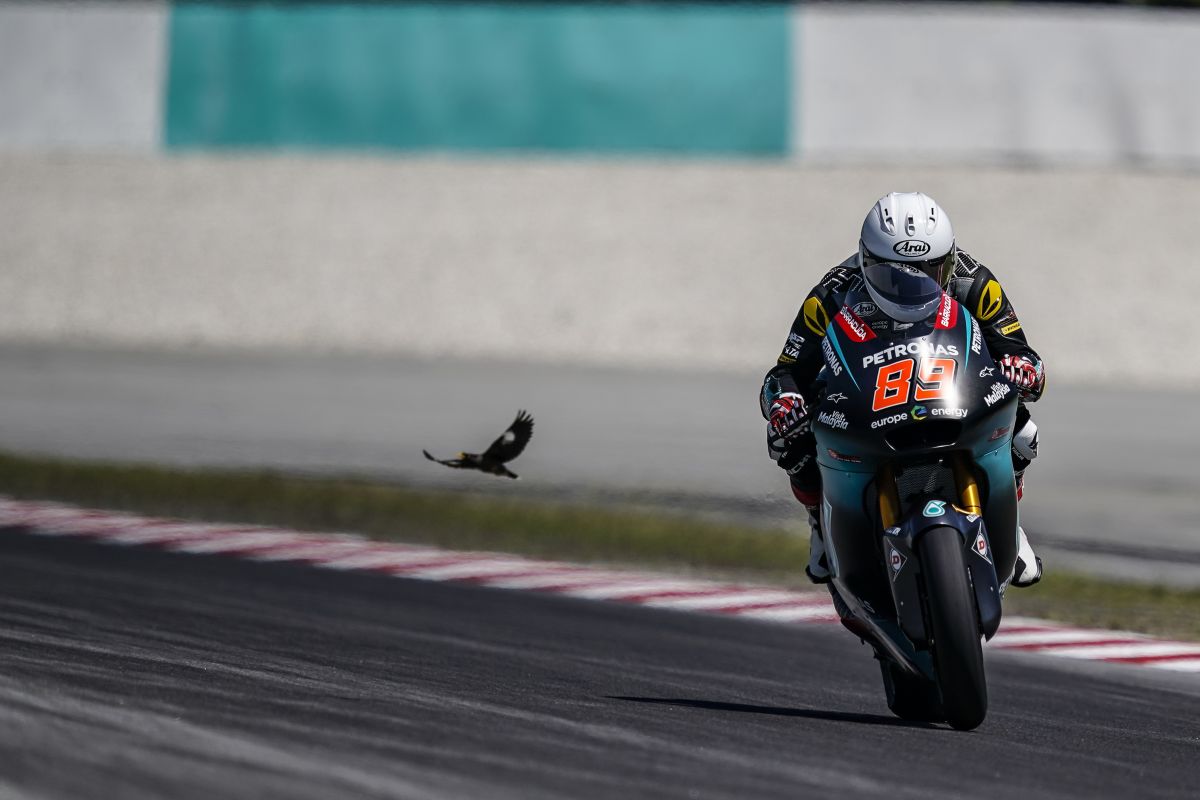
Khairul Idham Pawi #89 – Moto2
Khairul Idham Pawi and his crew continues their work on the new Kalex machine which is powered by the new Triumph three-cylinder engine. The tests will allow Pawi to familiarize himself further to the machine. He improved his pace as the day progressed.
Pawi testing new Moto2 bike – Photo credit PETRONAS Sprinta Racing Team
The tests focused on the new engine initially, before moving to chassis, geometry and suspension set-ups.
Ayumu Sasaki #71 and John McPhee #17 – Moto3
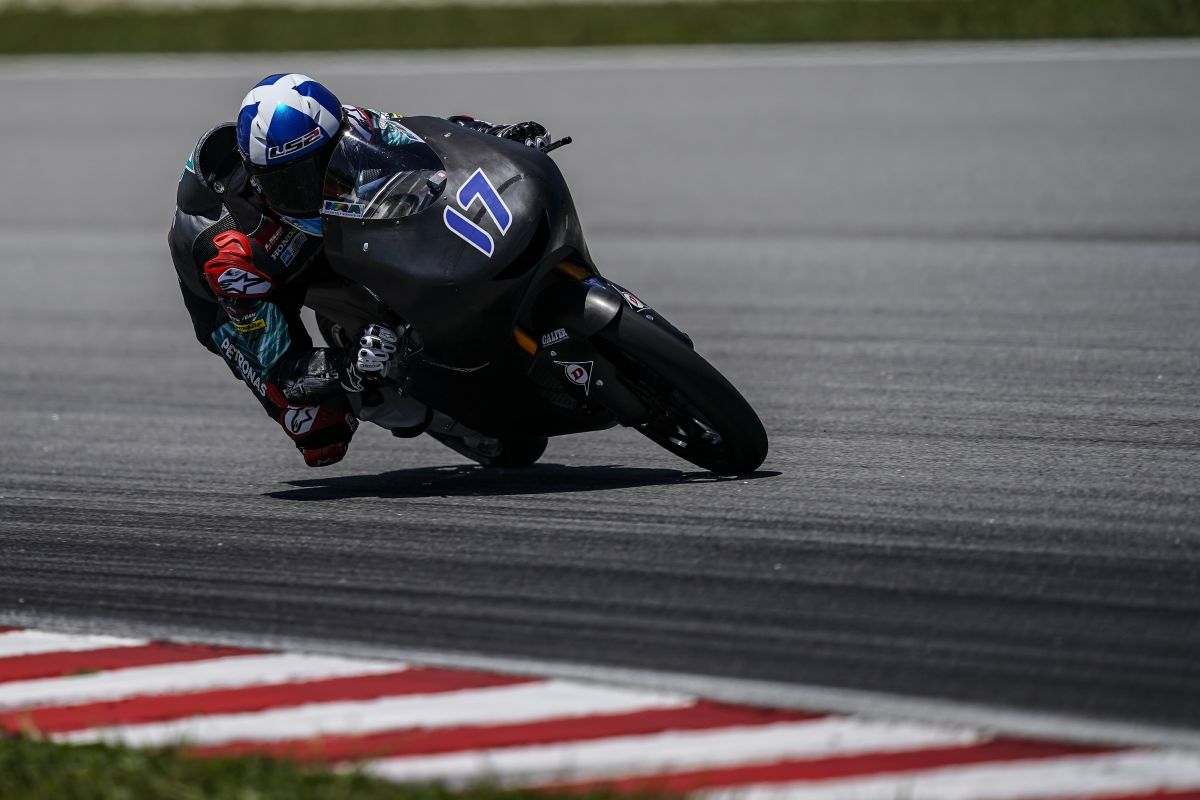
The Sasaki/McPhee pairing concentrated on obtaining the optimum motorcycle base settings on the new 2019 Honda. Work focused on learning the new engine, chassis, and chassis geometry.
McPhee testing new Moto3 bike – Photo credit PETRONAS Sprinta Racing Team
Both riders put in many laps to obtain the sizeable data required. Sasaki logged 51 laps while McPhee logged another 38.
Next Tests
Testing continues today and tomorrow. The two Moto2 and Moto3 teams will head to their official tests at Jerez, Spain beginning 20thFebruary and Losail, Qatar from 1stMarch. As for the MotoGP team, the final official pre-season test will begin from 23rdFebruary. The 2019 MotoGP season kicks off in Qatar from 10thMarch.
The MotoGP, Moto2 and Moto3 classes hold pre-season tests each year.
But there is an extra immediacy in MotoGP pre-season tests.
It’s especially crucial lately due to the limit on testing and development throughout the season.
There’s so much coverage not just for the regular MotoGP, Moto2 and Moto3 season these days. But why is pre-season testing so important?
Why do teams pay so much attention to just four sessions over three months, although the race calendar covers 19 venues worldwide over eight months?
The main objective of the pre-season tests is to discover more about the new machinery and gain the all-important data. This term is oversimplified as there are countless number of regimes that the riders, teams, the component engineers, tyre engineers, so forth need to test for and gain the required feedback.
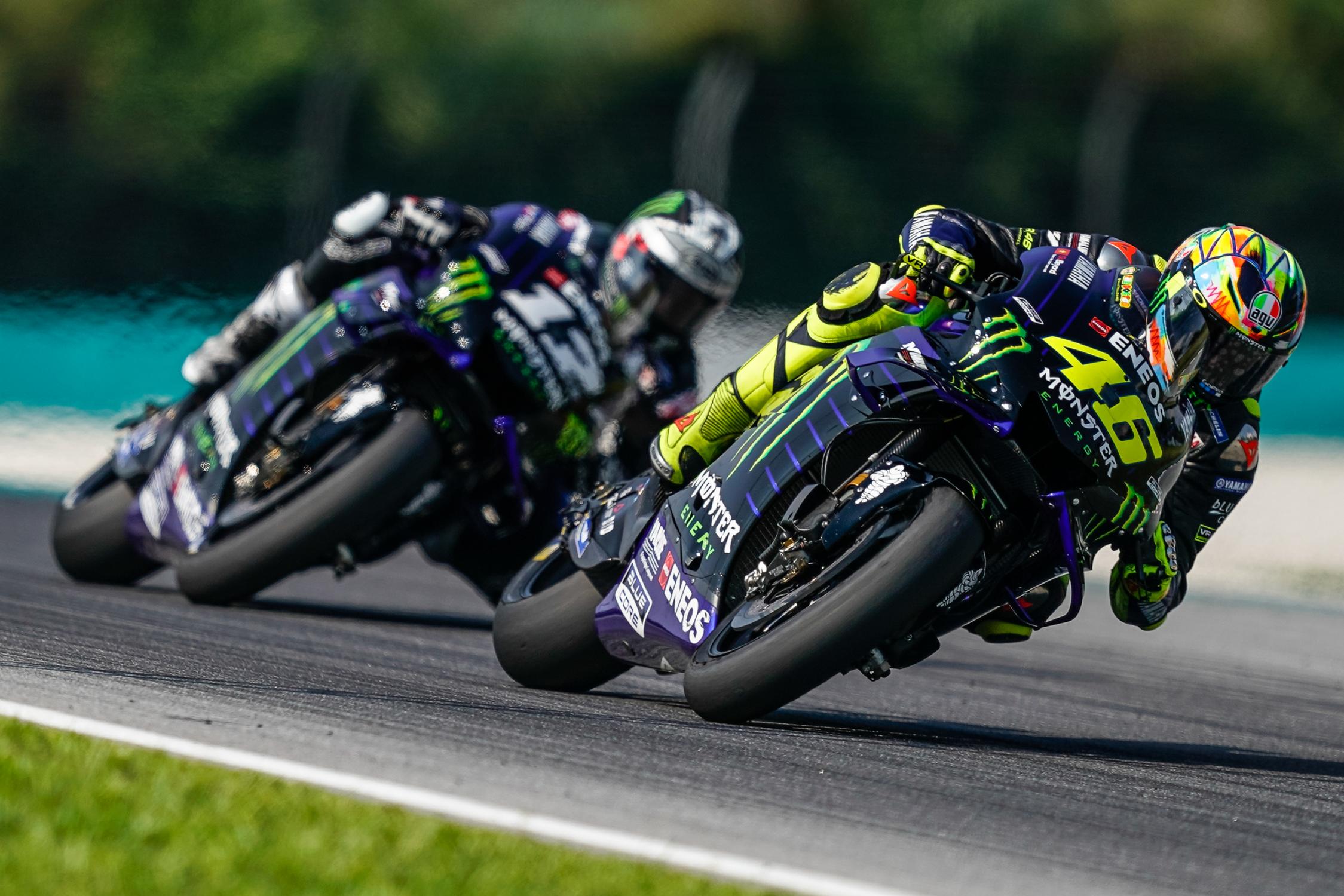
Rossi and Vinalez during the Sepang Winter Test 2019 – Photo credit MotoGP.com
The riders would put in a large number of laps on track while trying to figure out how the tyres and bike work and finding the optimal way of extracting the best performance (i.e. lap times) out of them. The team’s engineers meanwhile, need to figure out what suspension and electronic settings could unlock the bike and its components’ full potential. That data will be useful in the races to come as the teams have a basic idea of what the bike does.
Other suppliers such as helmet and racesuit makers for the riders, exhaust makers, motorcycle component makers, etc. are also keen for feedback to improve their products. This is when they can tailor a certain fit for the rider. That goes for footpeg suppliers, for instance, as well.
However, that still doesn’t explain the immediacy we see these days. That is due to the limits on testing mandated by the GP Commission.
Along with standardized technological specifications, the GP Commission limit the number of official testing events to curb the cost spent by the factory teams, besides giving less time for the bikes to “evolve” over the season.
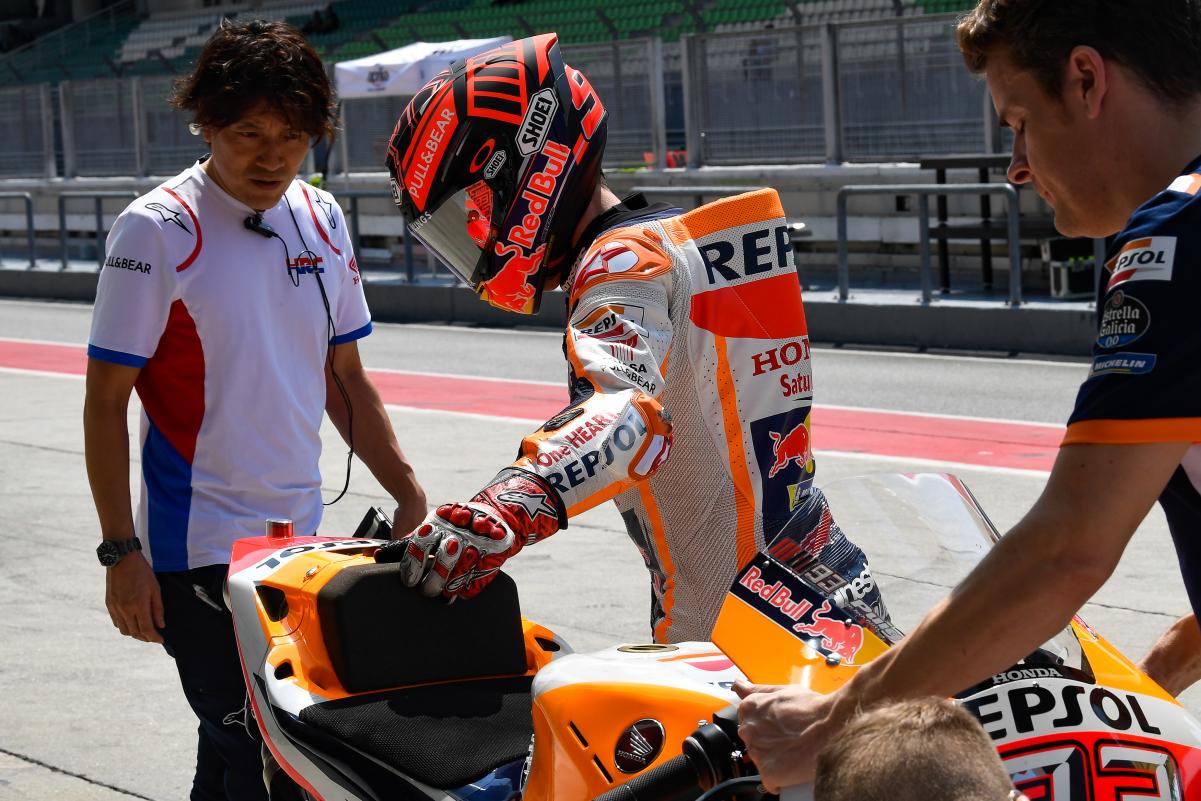
Marc Marquez at SIC test – Photo credit MotoGP.com
At the conclusion of the fourth and final pre-season test at Qatar, teams without concessions must declare the engine they will use for the entire season. When the engines are produced, they will be crated and sealed by the Grand Prix Commission. Thus, the team will need to use that engine throughout the year.
Therefore, the team is screwed for the entire year if they picked the wrong engine.
The GP Commission made this decision to keep development in check and ensures that teams with more resources (read: money) could not keep upgrading their bikes as the season progresses.
The progress we see these days come from elsewhere such as suspension tuning, electronic strategy, tyres, bike’s suitability to certain tracks and of course, rider skill.
By the way, what does it mean by “teams without concessions”? Under the rule book, teams or manufacturers who have not attained the number of podiums in dry races are given more leeway i.e. concessions to develop their motorcycles throughout the season.
Aleix Espargaro on the Aprilia RS-GP at the Sepang Winter Test 2019 – Photo credit MotoGP.com
This arrangement encourages new teams to join the MotoGP class. Indeed, manufacturers such as Ducati and Suzuki benefitted from this to challenge the Big Two of Honda and Yamaha. They are not without concessions.
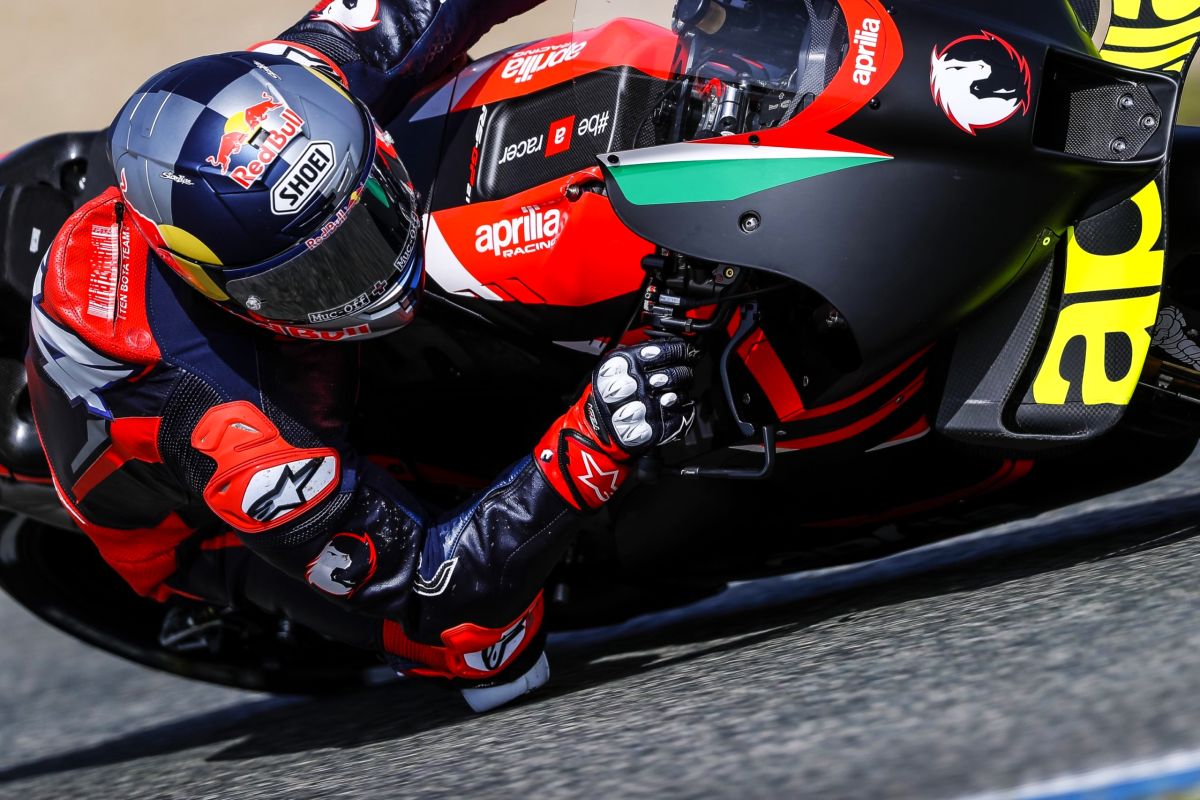
On the other hand, Aprilia and KTM are allowed more concessions in terms of fuel limits during the race, more engines per season, more testing and development, and wildcard riders. This will help to fast-track their MotoGP programs to join the upper ranks.
Miguel Oliveira on the KTM RC16 at the Sepang Winter Test 2019 – Photo credit MotoGP.com
Without this rule, the bigger manufacturers will keep staying in front, while the smaller teams or newcomers find themselves languishing at the back of the field.
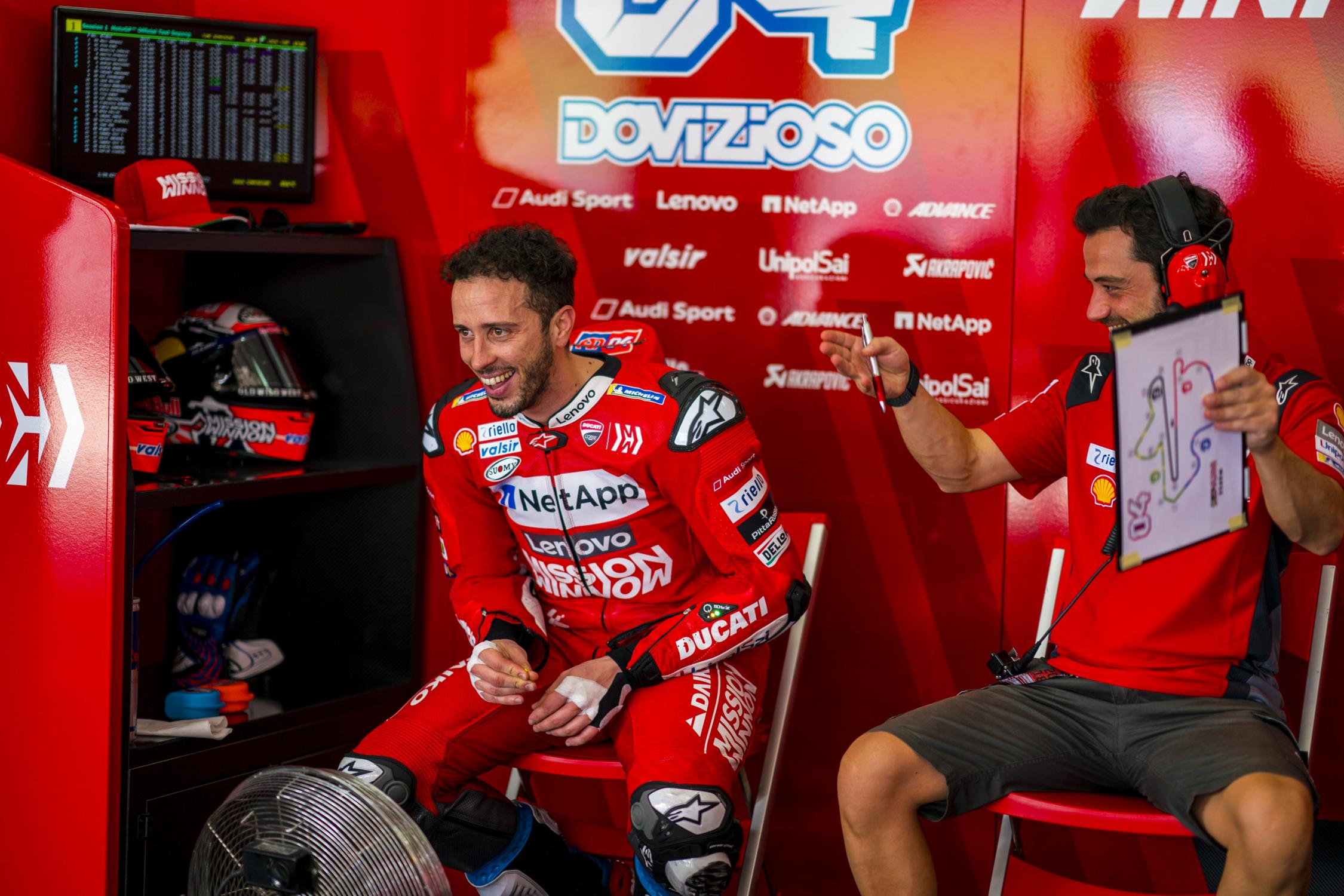
Andrea Dovizioso sharing a light moment with his crew chief during the Sepang Winter Test 2019 – Photo credit MotoGP.com
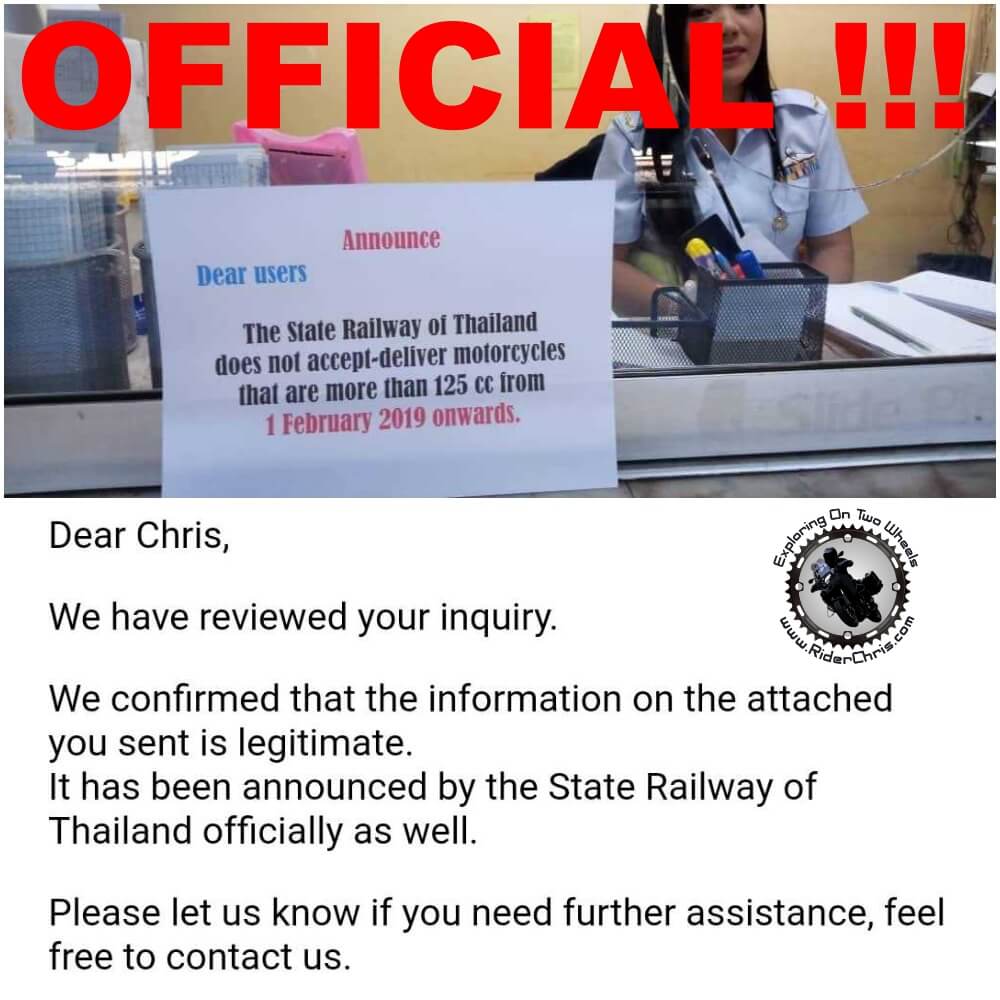
The State Railway of Thailand (SRT) no longer transports motorcycles above 125cc.
The ruling takes effect from 1stFebruary 2019.
There are Malaysian bikers who transport their bikes to Chiang Mai before riding to Mae Hong Son.
The State Railway of Thailand (SRT) announced that they will no longer transport motorcycles above 125cc. The ruling took effect from 1st February 2019.
There are Malaysian bikers who transport their motorcycles by rail through Thailand to their favourite destinations or jump-off points before continuing on their journeys. One popular destination is the northern city of Chiang Mai, from where they ride to Mae Hong Son (the infamous 1000 Corners).
Photo credit www.riderchris.com
Besides that, the bikers could relax or even sleep onboard the train instead of needing to spend 12 hours or more on the road. Doing so also saves from accruing fuel and accommodation costs along the way.
SRT did not assign reasons for the new ruling. Therefore, your speculations could be the same as ours.
This writer personally transported a BMW R 1200 GS on an SRT train in 2018. We boarded the overnight train in Bangkok bound for Hatyai. The porters weren’t friendly at all on that day for some reason and they had to lift the nearly 240kg beast into the cargo car by hand. We had to dismantle the luggage boxes and windscreen and brought them into the passenger car with us.
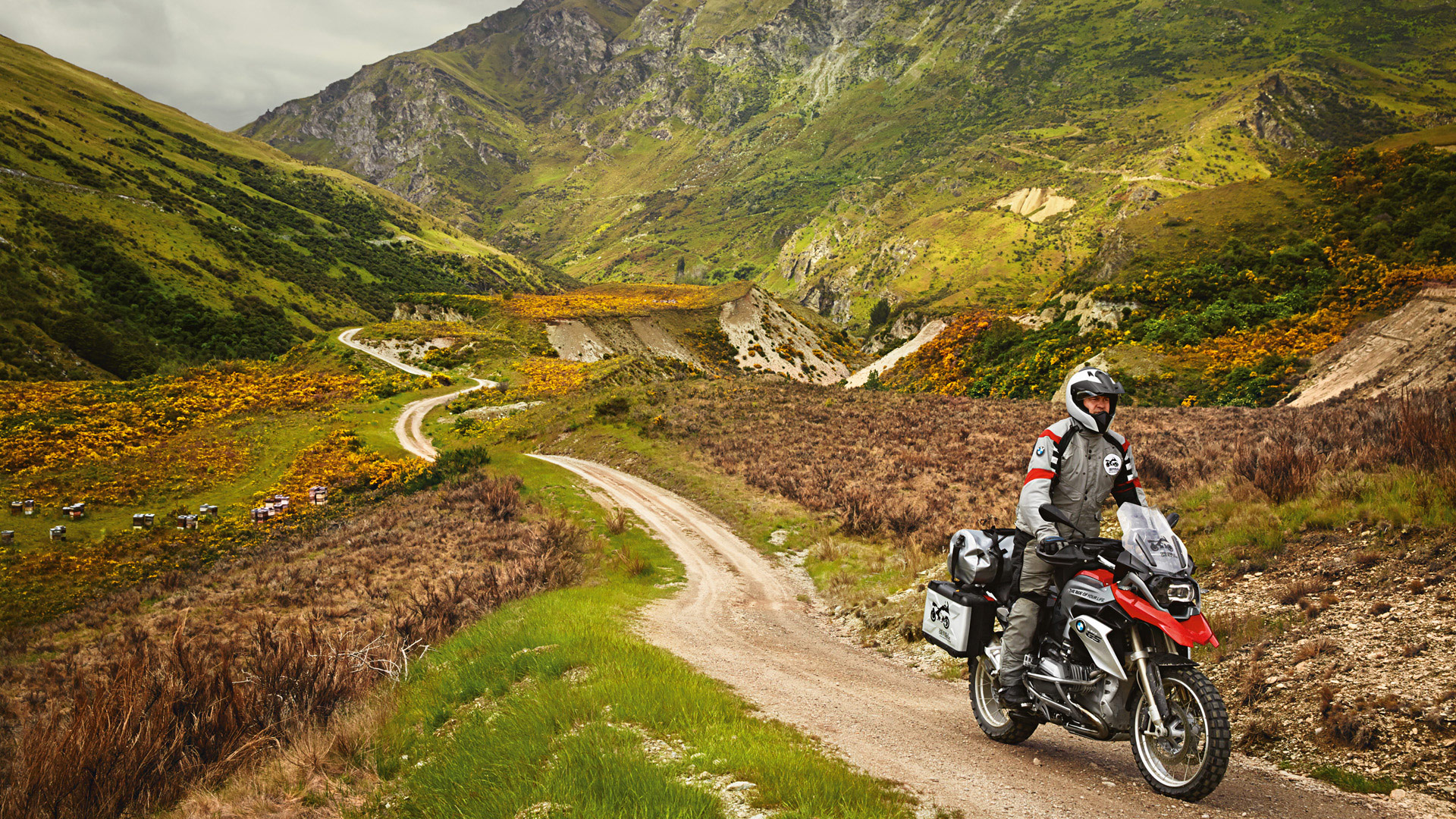
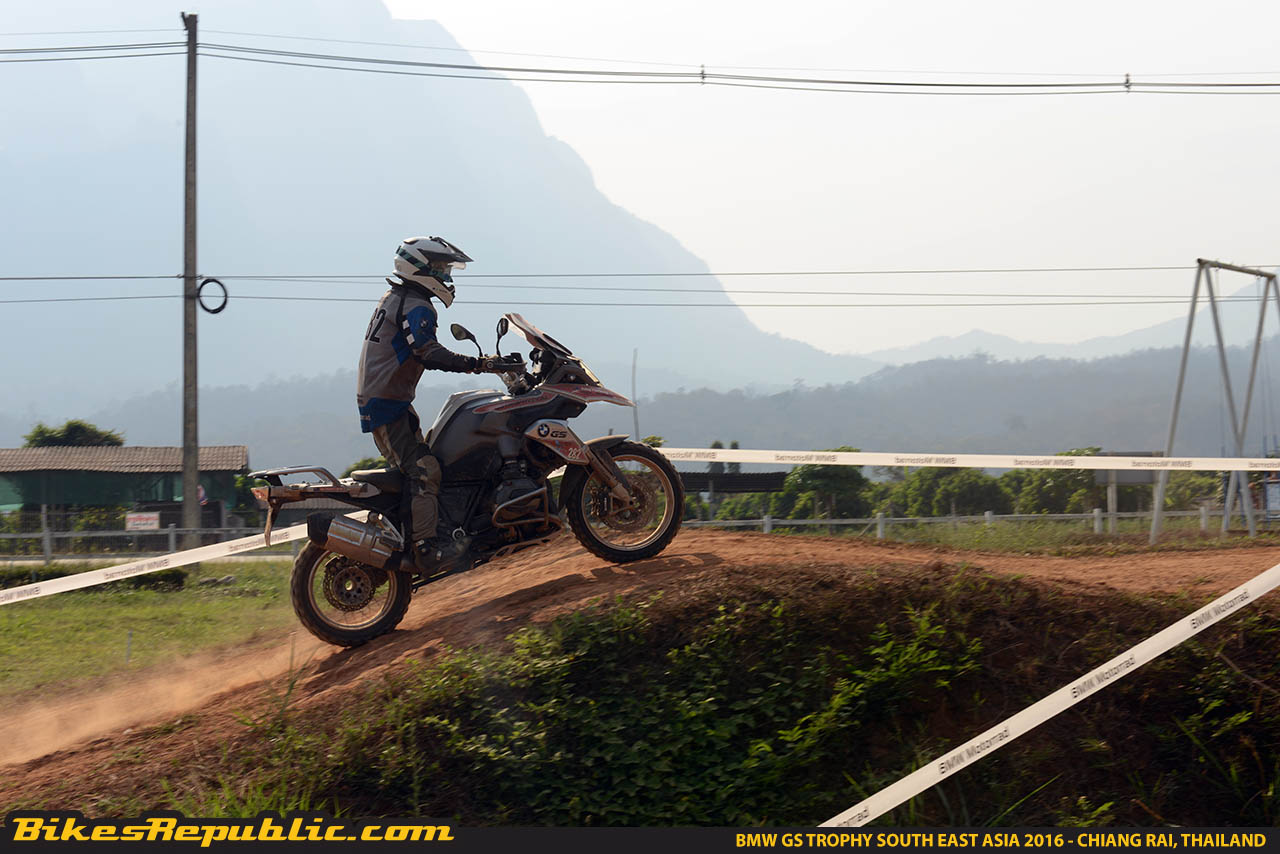
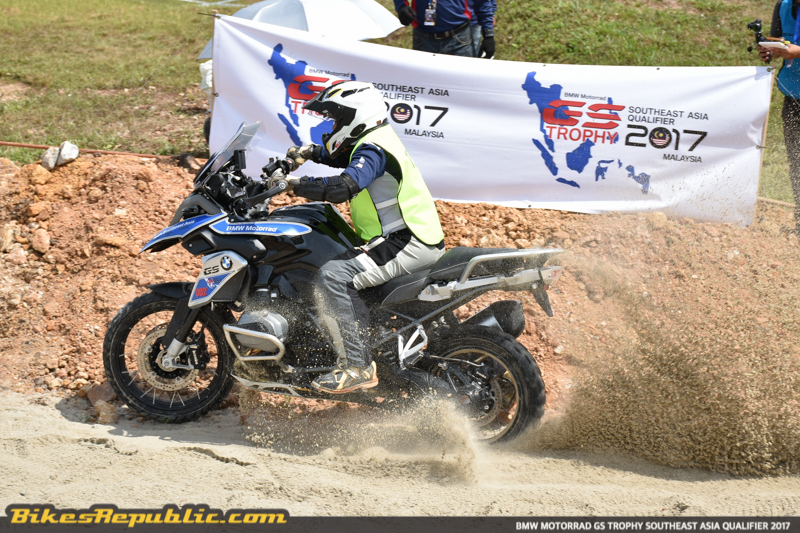
The 2020 BMW Motorrad International GS Trophy will take place in Middle Earth i.e. New Zealand.
The event is open to BMW motorcycle owners around the world.
Watch out for the Malaysian qualifying round!
The 2020 BMW Motorrad International GS Trophy will take place in Middle Earth a.k.a. New Zealand. Sorry for the Lord of the Rings reference.
The event has grown in prestige and participation over the years since its inception. Beginning from 2008 in Tunisia, it’s held bi-annually and has since visited in South Africa, Patagonia, Canada, Thailand and Mongolia. Yes, all riding paradises.
It is open to BMW motorcycle owners around the world. Each participating country holds their own qualification round to find their representatives prior to the international event. Malaysians have participated in the last two editions as part of the Southeast Asia Team and Southeast Asia Women’s Team. Each team consists of 3 persons. Participants of previous International GS Trophy are not allowed to return to the challenge. However, they are welcomed to coach their respective country’s candidates.
Inspired by BMW Motorrad’s Vice President of Sales & Marketing, Heiner Faust’s own experiences during a riding expedition in Central Asia, the competition challenge isn’t based on speed. Instead, the participants need to be skilled and smart riders, and rely on close teamwork.
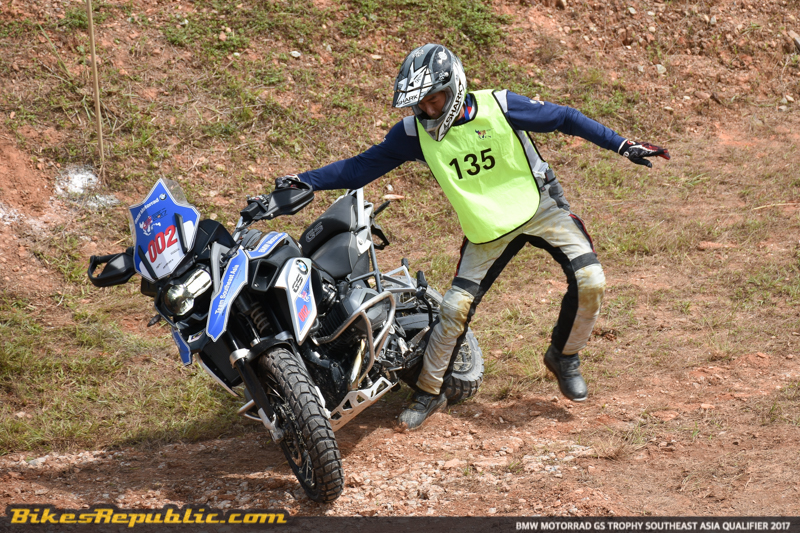
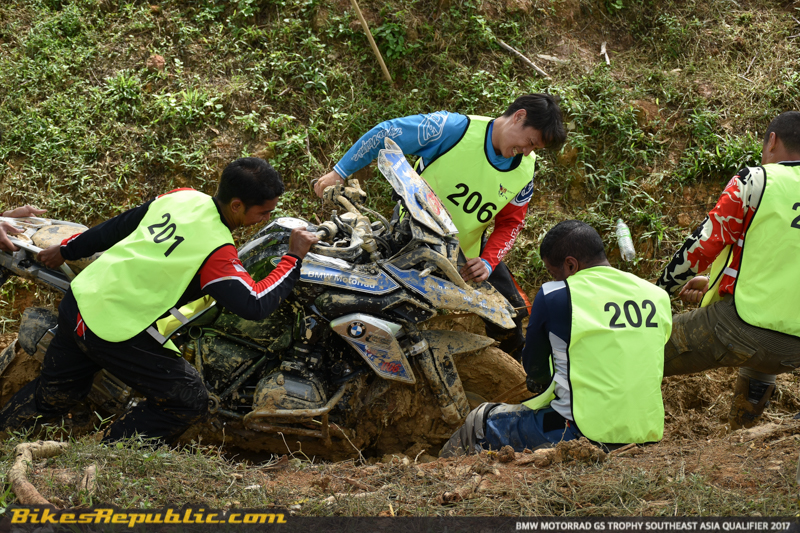
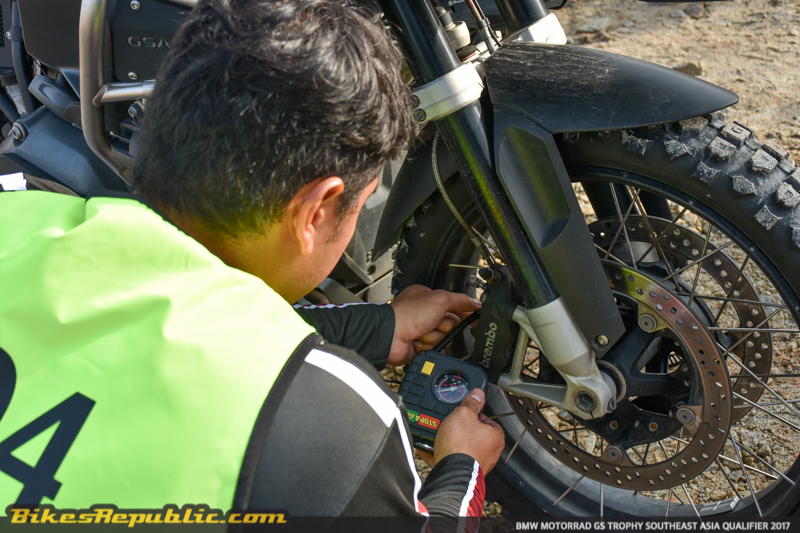
That philosophy can be seen the types of challenges faced by the participants. They include pulling the bike out of a ditch, plugging a punctured tube, riding the bike through tough terrain and situations, so forth. Additionally, they have to answer questions about geography and navigation, and knowledge of their GS.
There will a total of 19 teams in 2020, representing 30 countries. There will also be an all-female international team.
BMW Motorrad did not mention if the teams will continue to ride the R 1200 GS or progress to the new R 1250 GS. However, our guess is for the former and it’ll be great to see them put to such tough tests during the event.
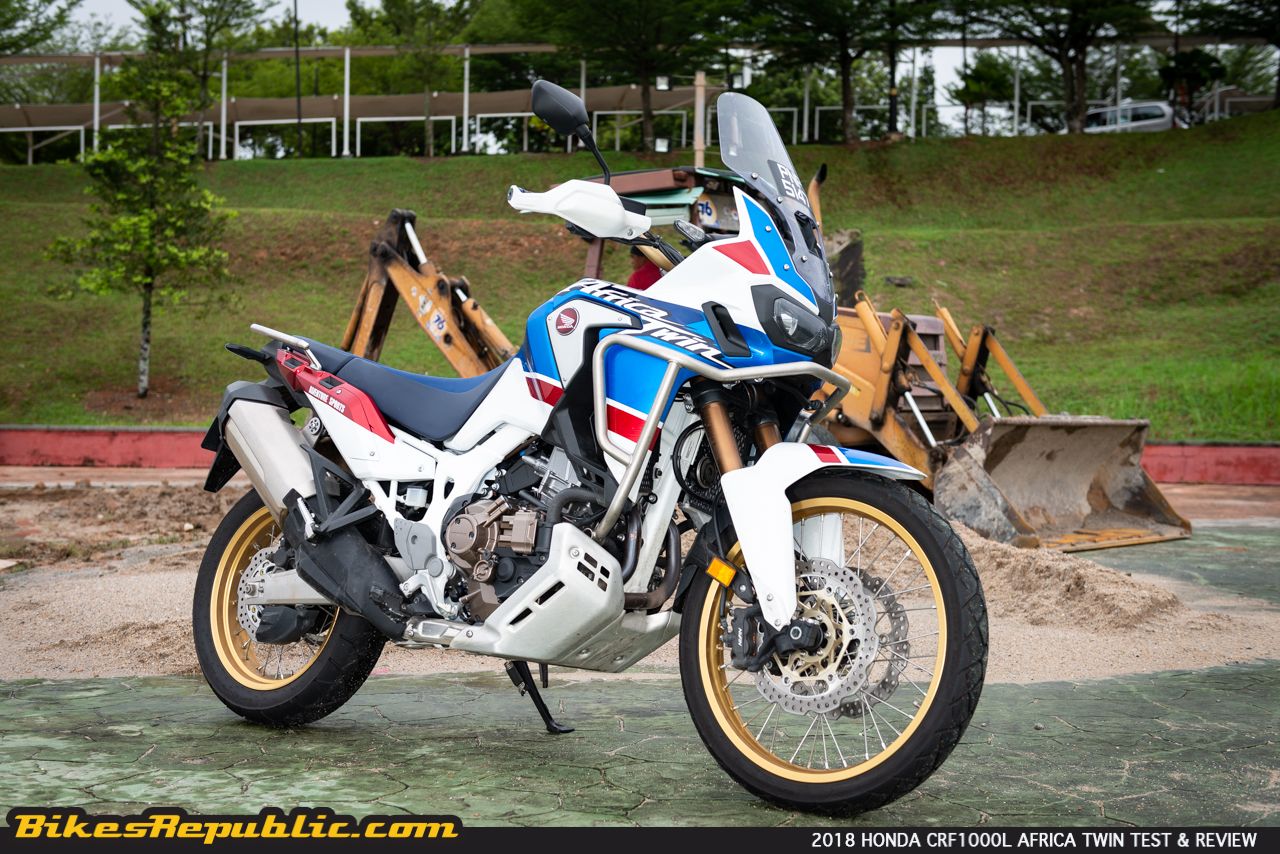
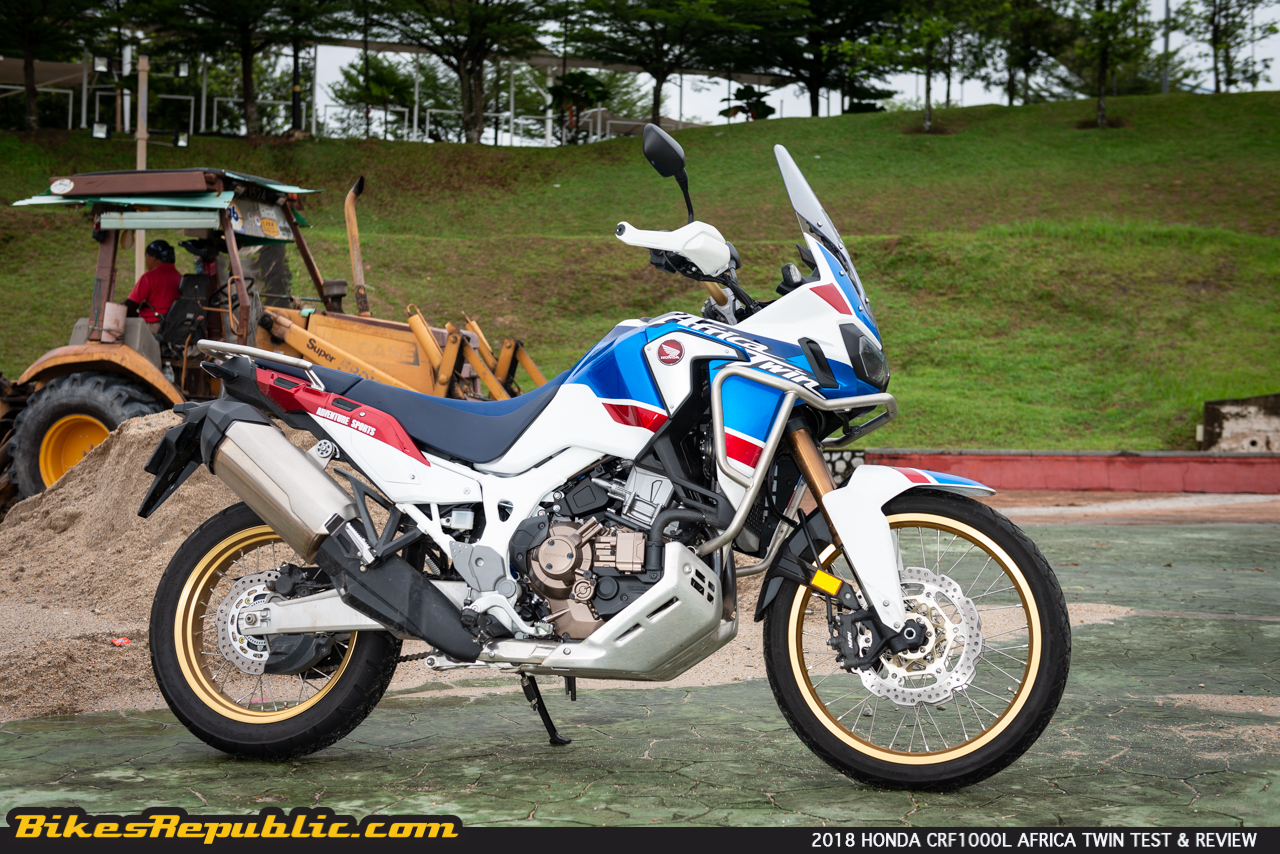
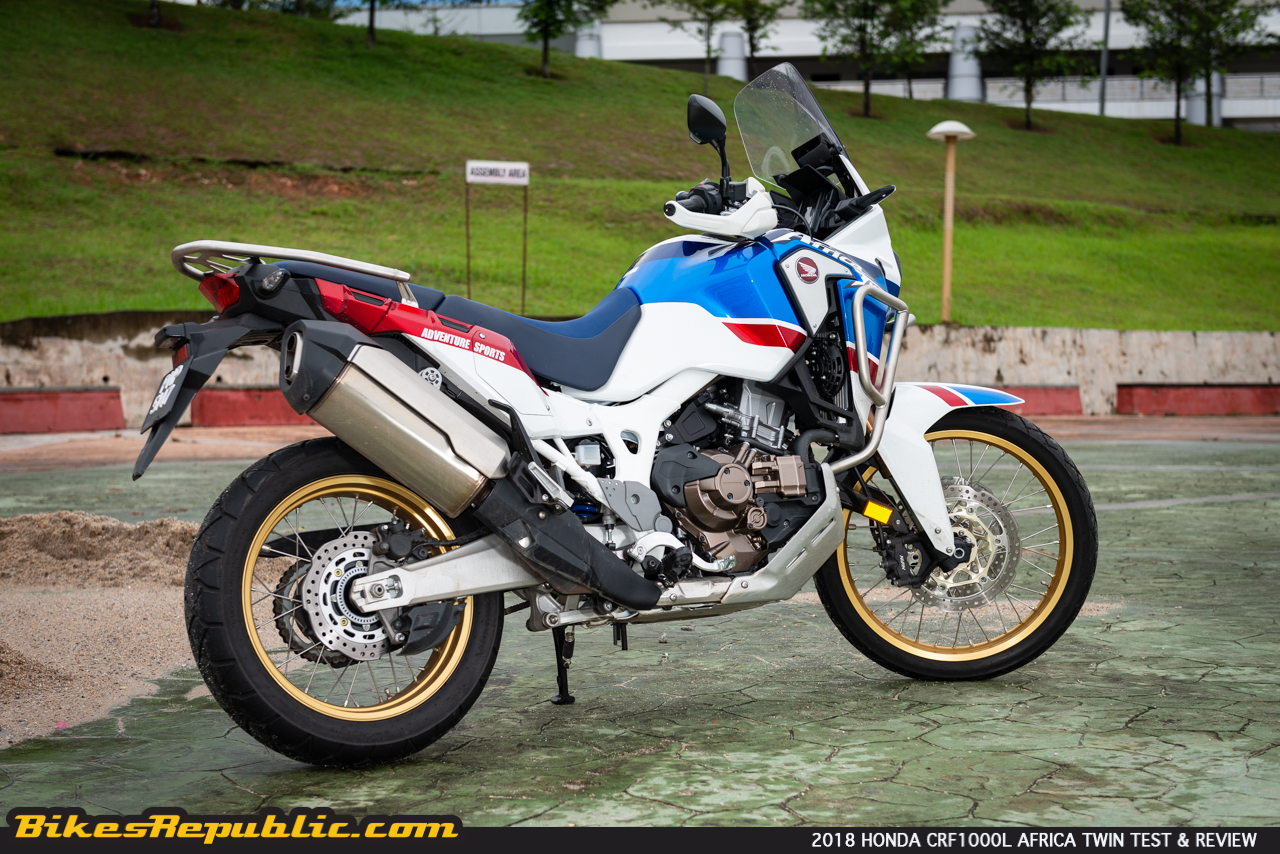
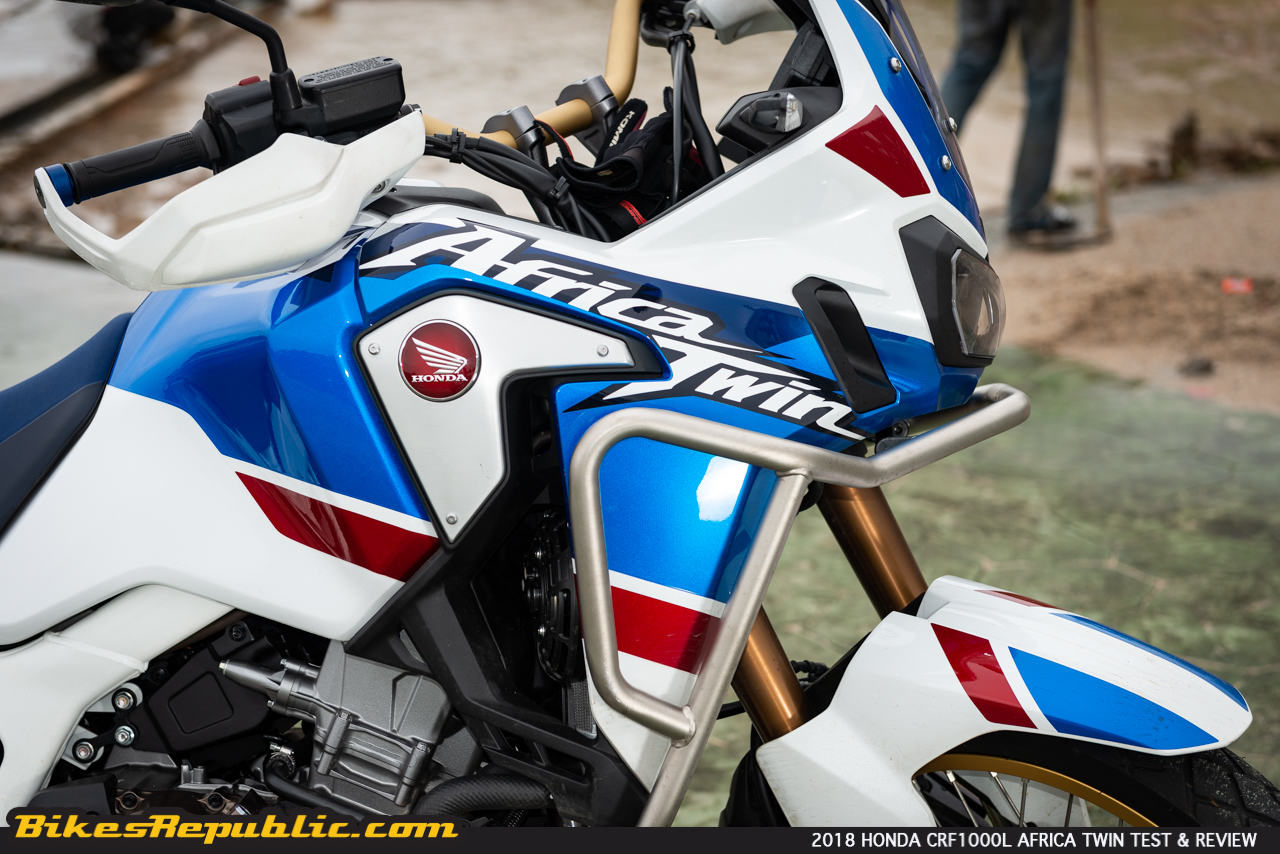
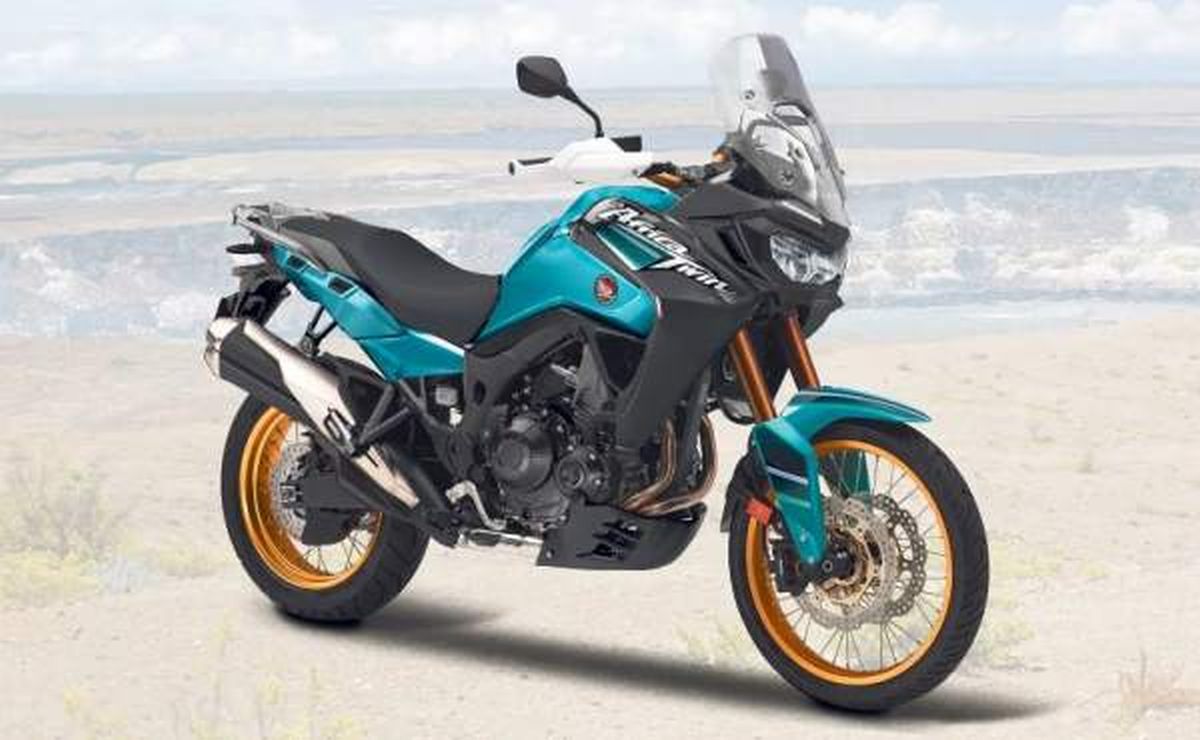
The Honda CRF1000L Africa Twin pays homage to the Africa Twin of the 90s.
This is Honda’s entrant in the heavyweight dual-sport market.
It’s big and tall, and biased towards off-road riding.
The “Africa Twin” moniker is one of the most celebrated names in motorcycling, so naturally, we were excited when Boon Siew Honda called us to pick up the new Honda CRF1000L Africa Twin.
Origins and Background
During the heydays of the Paris-Dakar Rally, the HRC-built NXR-750 tore up the Saharan dunes to four victories. It was no small feat. Being in the late-80s means there was no gimmickry of the modern bikes.
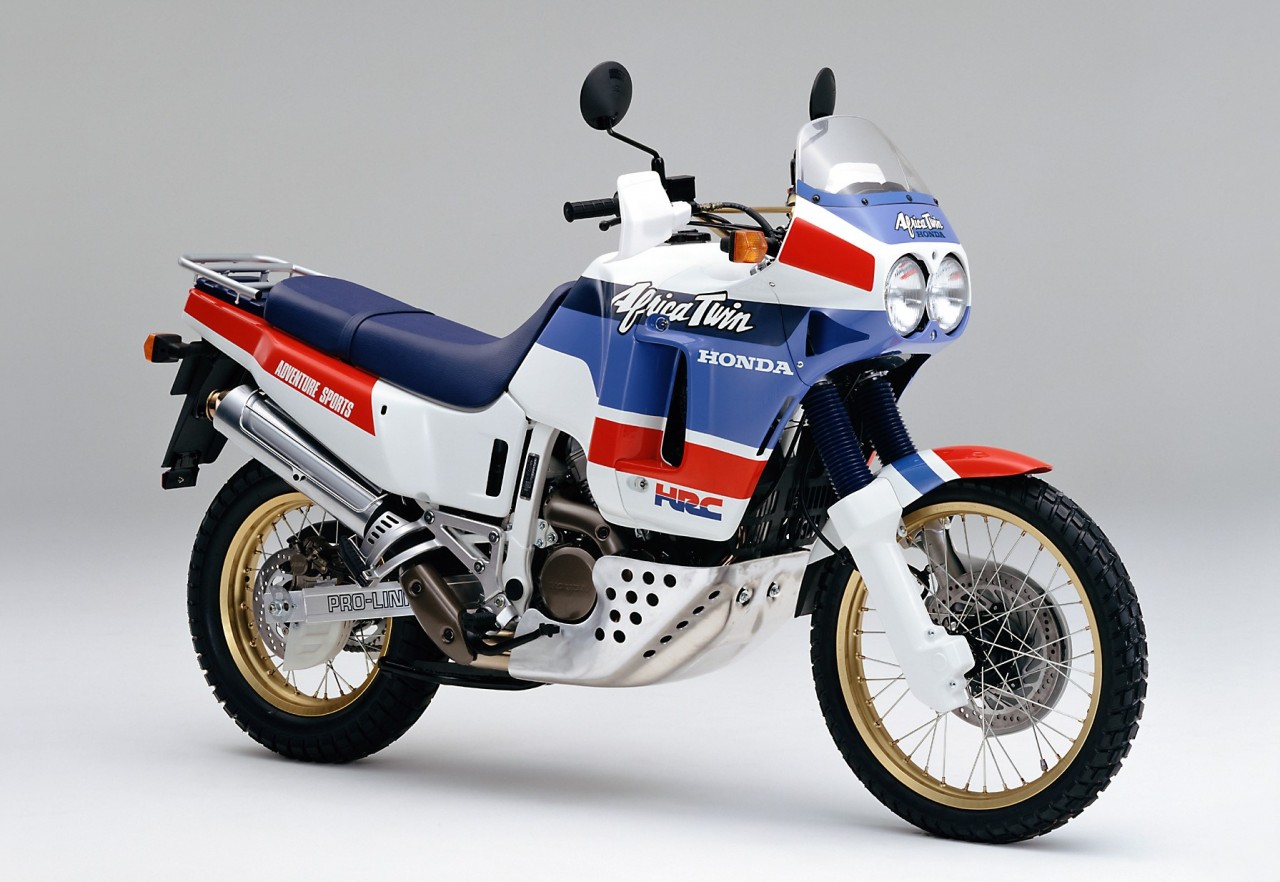
The first Honda Africa Twin was the XRV650, produced from 1988 to 1989, but the truly iconic XRV750 Africa Twin made its debut in 1989 for 1990 model year.
XRV650 Africa Twin
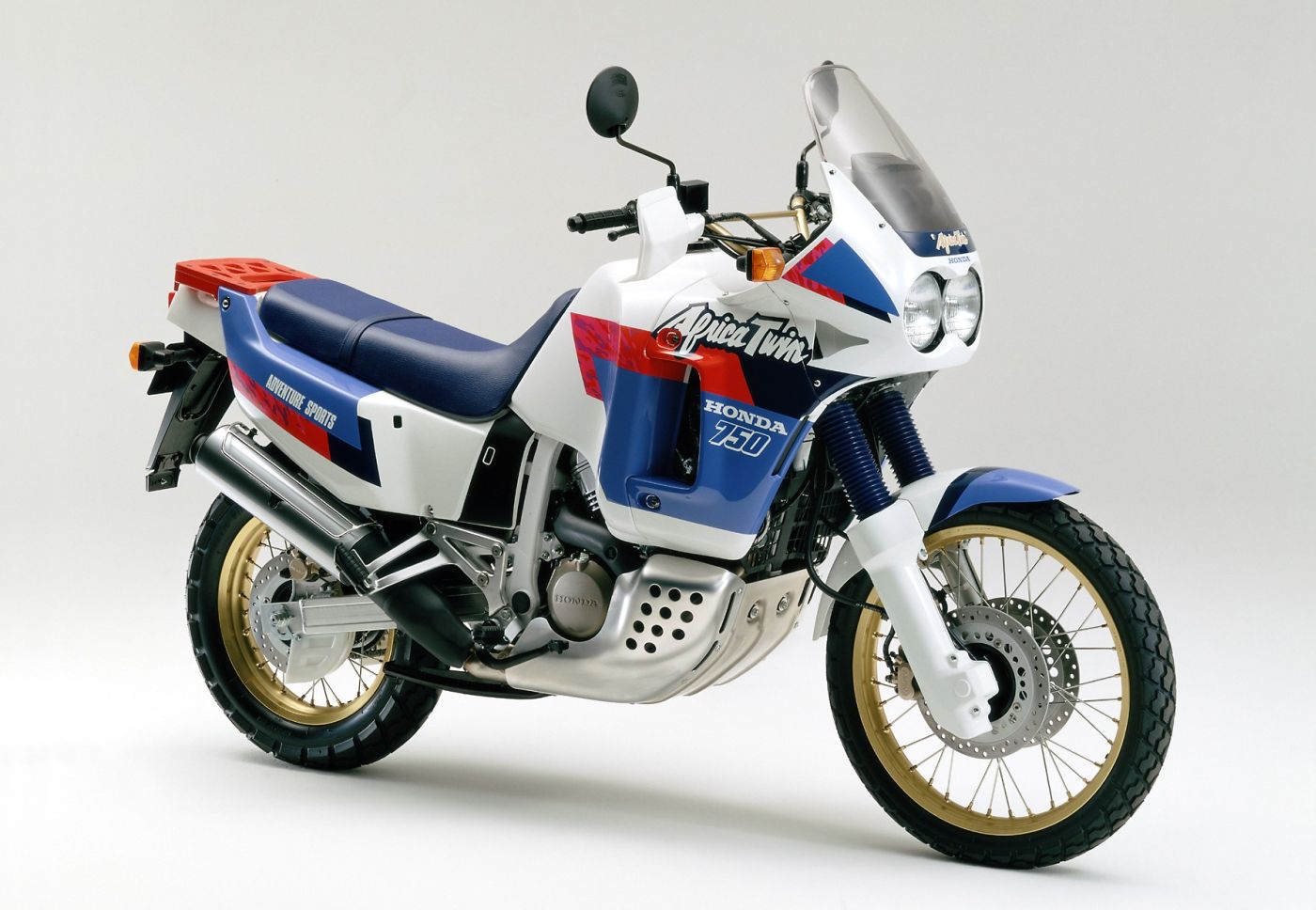
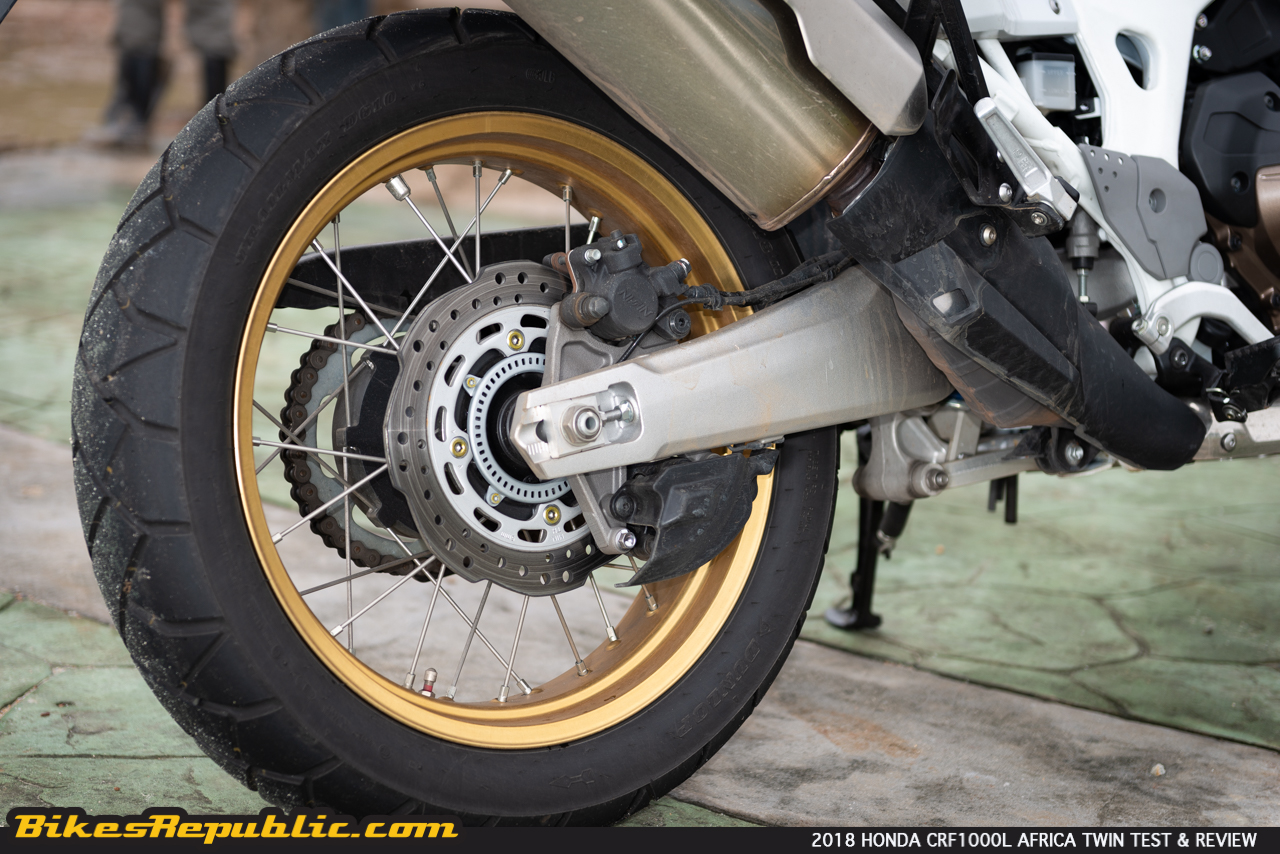
It is powered by a 752cc, four-sparkplug V-Twin (hence its name) and had all the trappings of an adventure bike including twin large headlamps, long-travel suspension, engine bash plate, wire spoked wheels, semi-off-road tyres. In short, it looked like it just got off the rally and straight into the dealerships.
XRV750 Africa Twin
Although the Africa Twin had stiff competition from the BMW R 100 GS, Yamaha Super Tenere, Cagiva Elefant, et al, the big Honda was a success. In fact, production carried on until 2003.
Introduction to the CRF1000L Africa Twin
Many fans and even motojournalists cheered when Honda announced their plans for a new Africa Twin. Heck, the romantics among us got teary-eyed when they recalled their exploits on the AT in the 90’s.
Designated as the CRF1000L Africa Twin, it’s a dual-sport more oriented towards off-road riding.
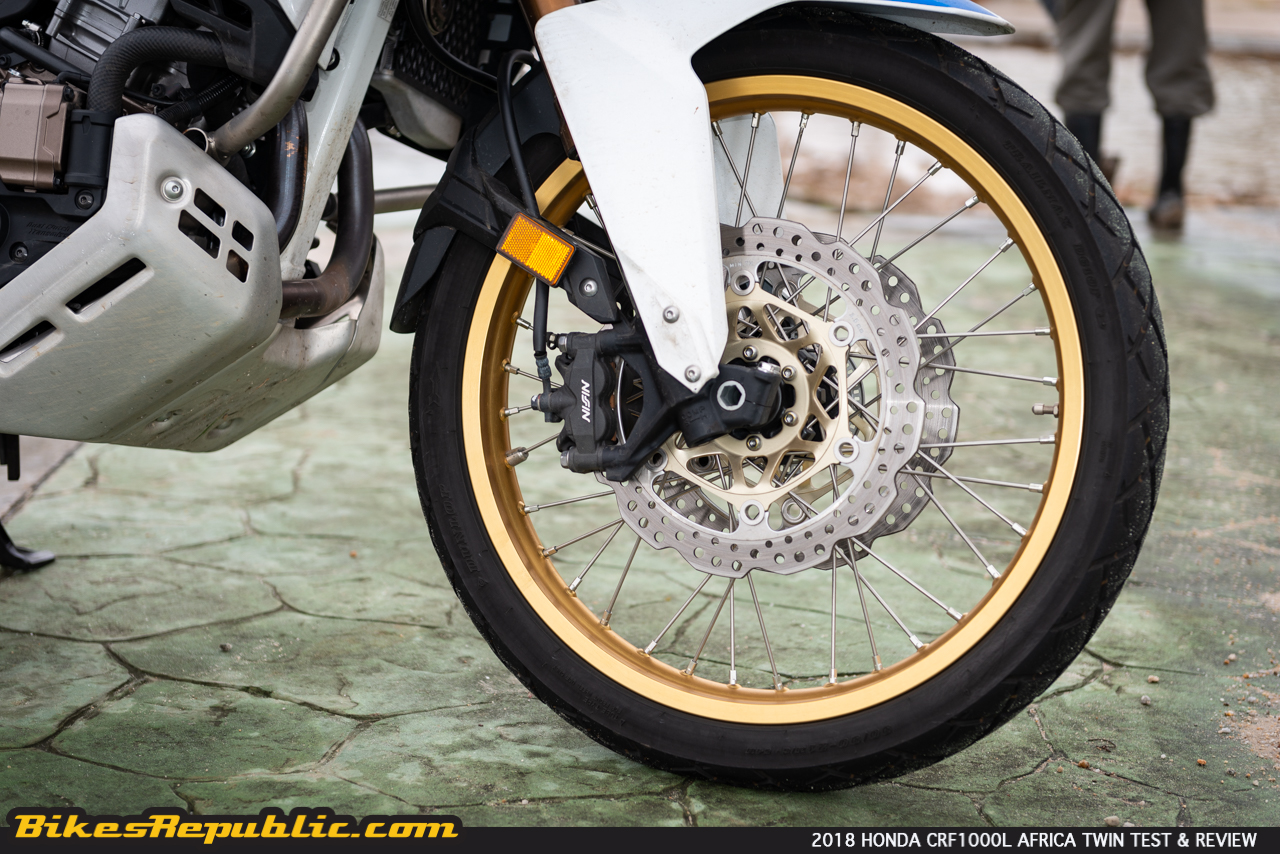
The new bike has a slim and tall front profile. Besides that, the front looks like an extended forehead above the tightly arranged headlamps. It’s the “Dakar styling” where a pace note scroller/GPS sits behind screen.
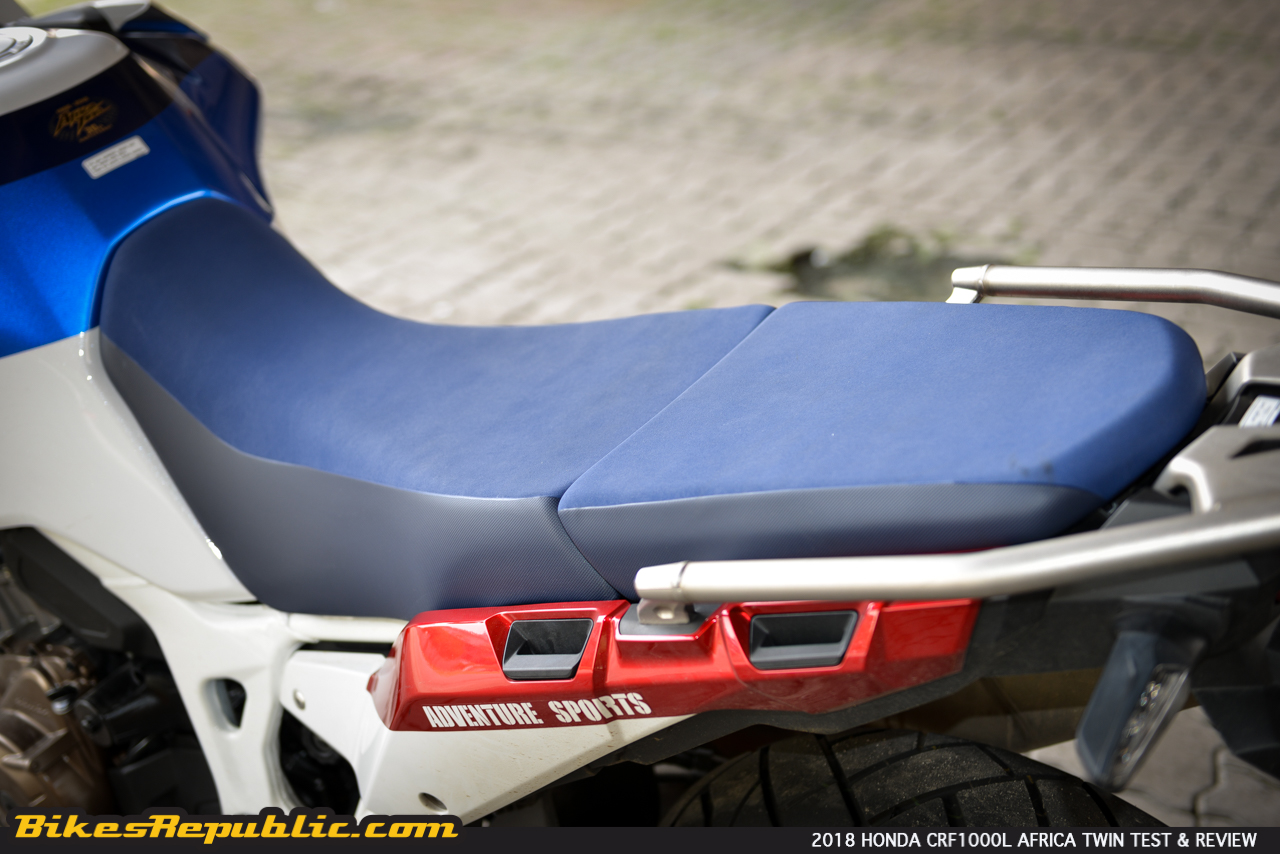
Moving back, the rear part of the bike from the head onwards invokes the profile of the XRV750. This is especially true when you view the back of the fuel tank and seat. Anyhow, we felt that Honda did a great job of amalgamating design elements of the old bike to the new.
Riding the CRF1000L Africa Twin
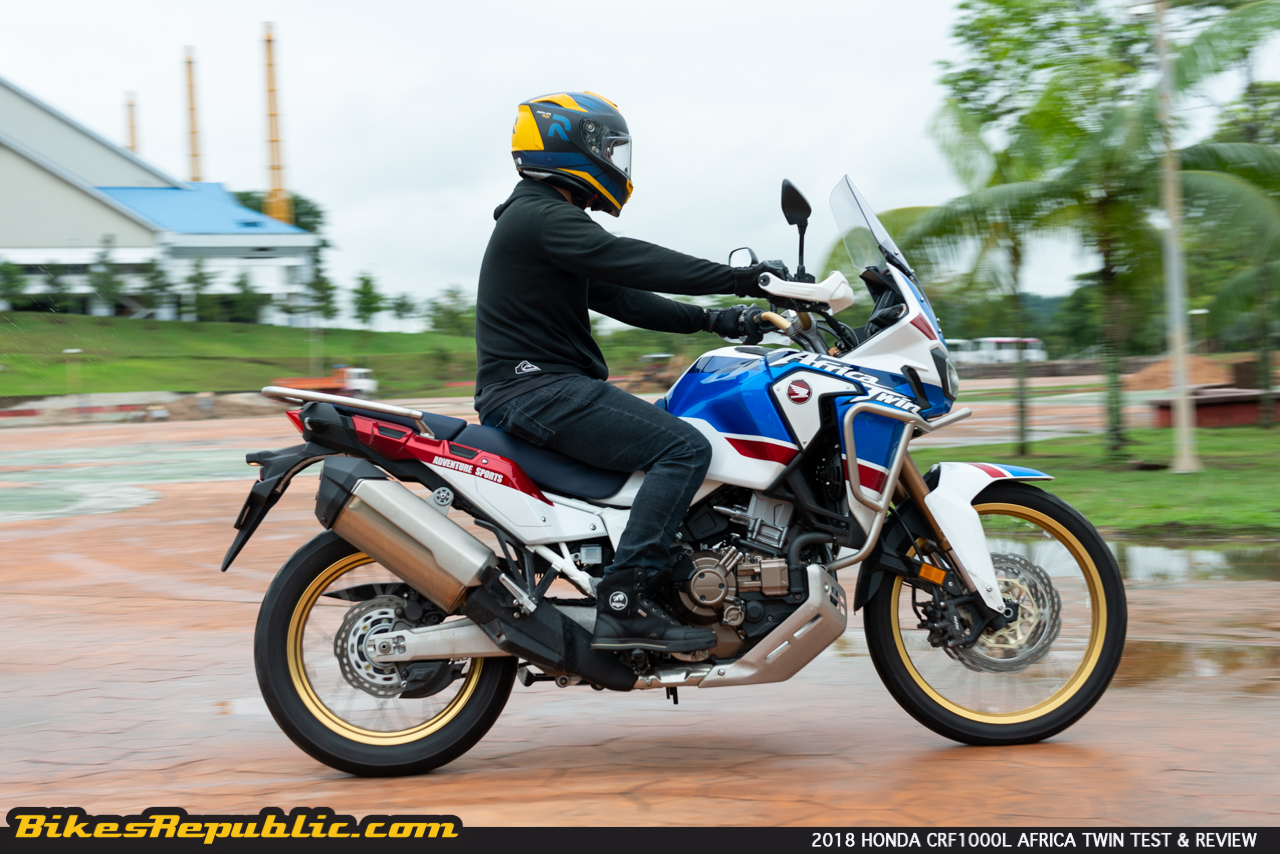
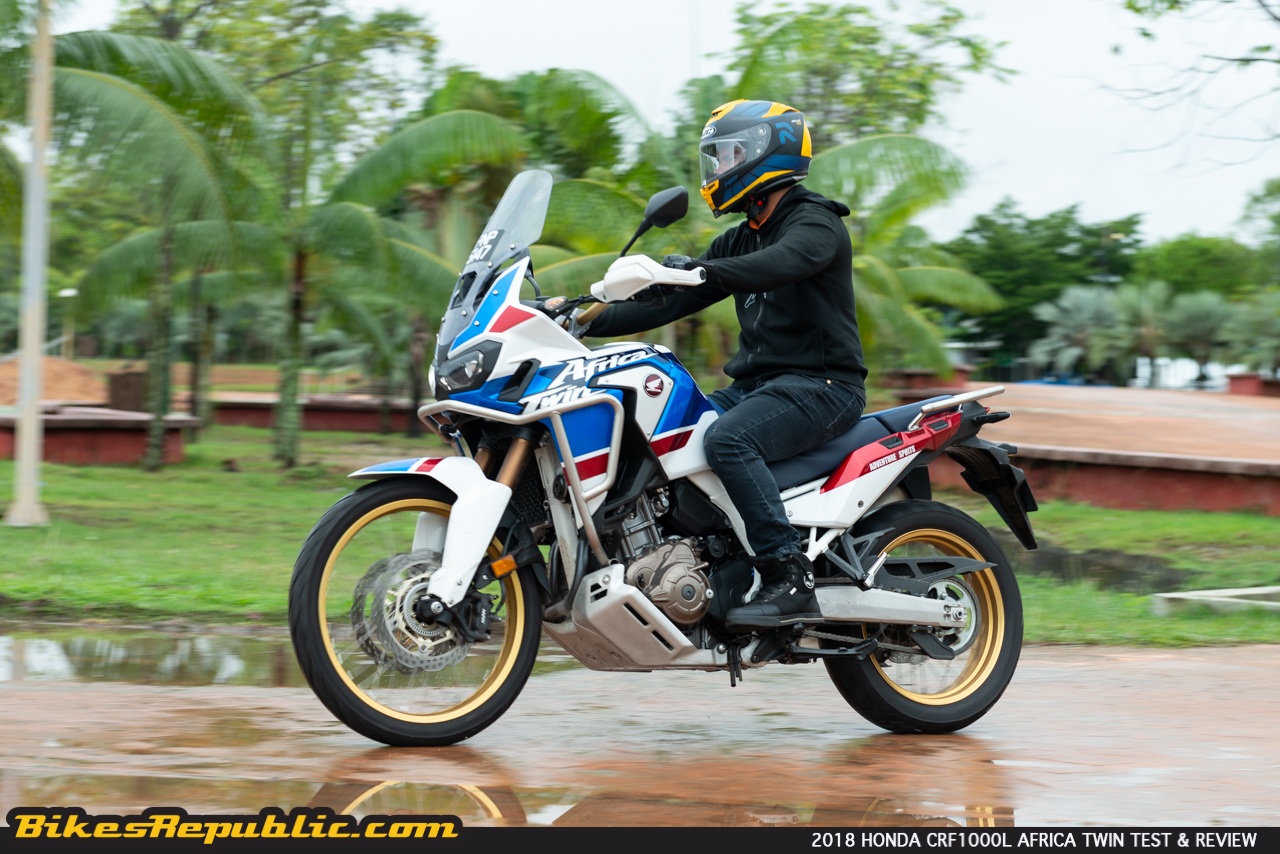
First impression? Oh my! This thing’s tall! We’ve tested plenty of tall dual-sport bikes, mind you. Of course, the Africa Twin isn’t as tall as motocrossers or enduros but it’s definitely the tallest among dual-sport bikes. Someone had adjusted the rear shock’s preload all the out to lower the rear end, but I still had to hang one leg in the air when I stopped.
I knew I should’ve worn my platform shoes. Just kidding.
However, traffic lights became my No. 1 enemy (for the moment). That’s because I had to first determine if the road was slanting to the left or right, before shifting my buttock and leg out while coming to a stop. The slim profile helped a lot, but the badly adjusted chassis meant that the handlebar was sitting too high up, making the bike feel like it’s carrying bricks on its fuel tank.
We decided to ride it to Kuantan together with the Honda X-Adv.
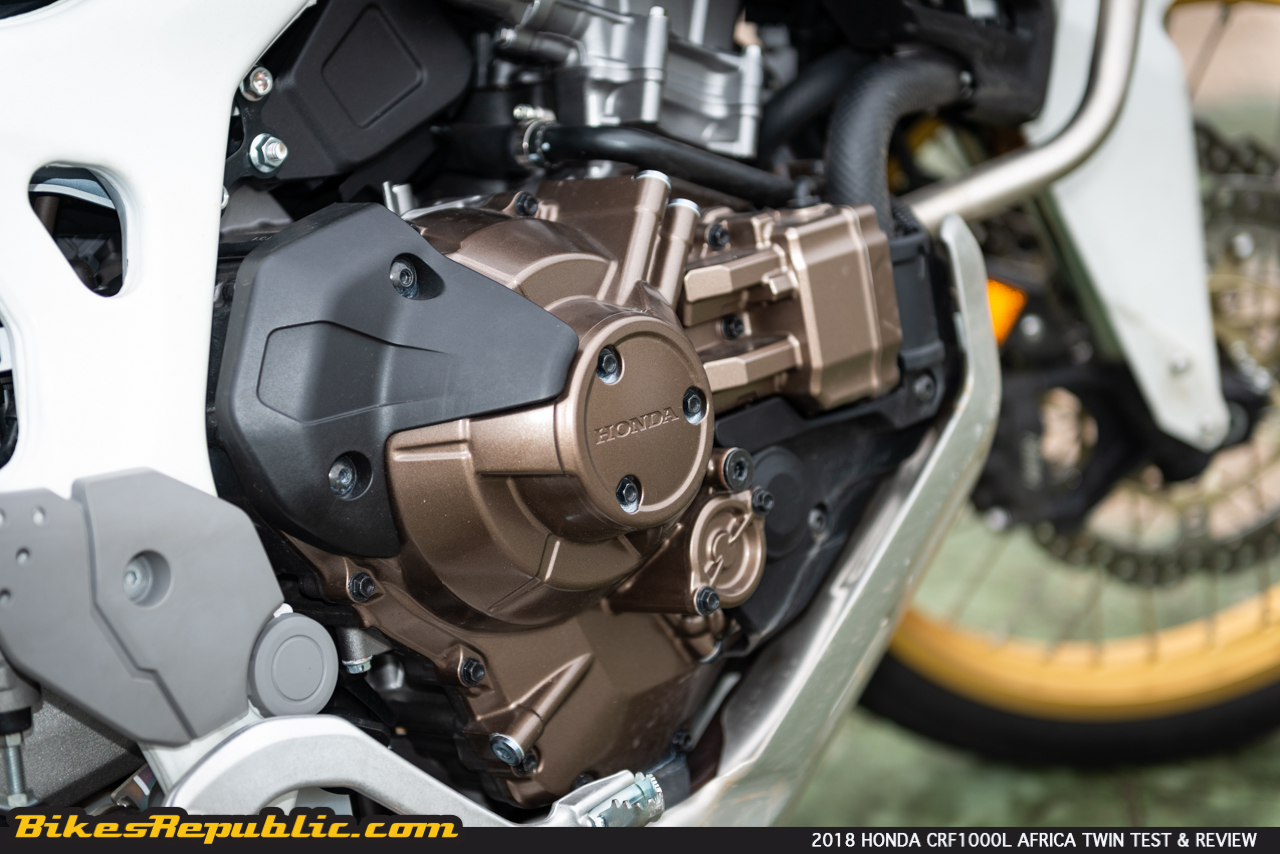
The engine’s torque was impressive, keeping the engine rolling at low revs at highway speeds. The 998cc parallel-Twin uses a 270oto mimic the firing order of a 90oV-Twin, so a smooth character was expected. It produces 94 bhp and 98 Nm of torque.
The AT picks up speed quick to the sound of a rumbling engine. Small pops accompanied the DCT upshifts.
But we wished the front end has a little more high-speed stability and the handlebar moved around at higher speeds. We could expect this of dual-sport bikes with high handlebars but the AT’s moved the most. Then again, this bike is biased towards off-roading.
As such, it didn’t like being slammed into corners. You need to brake and release early, coast a bit to let the chassis settle down before turning in. Similarly, you need to be super smooth with the gas during the lean to straight up transition. Being throttle happy will send the handlebar waggling back and forth.
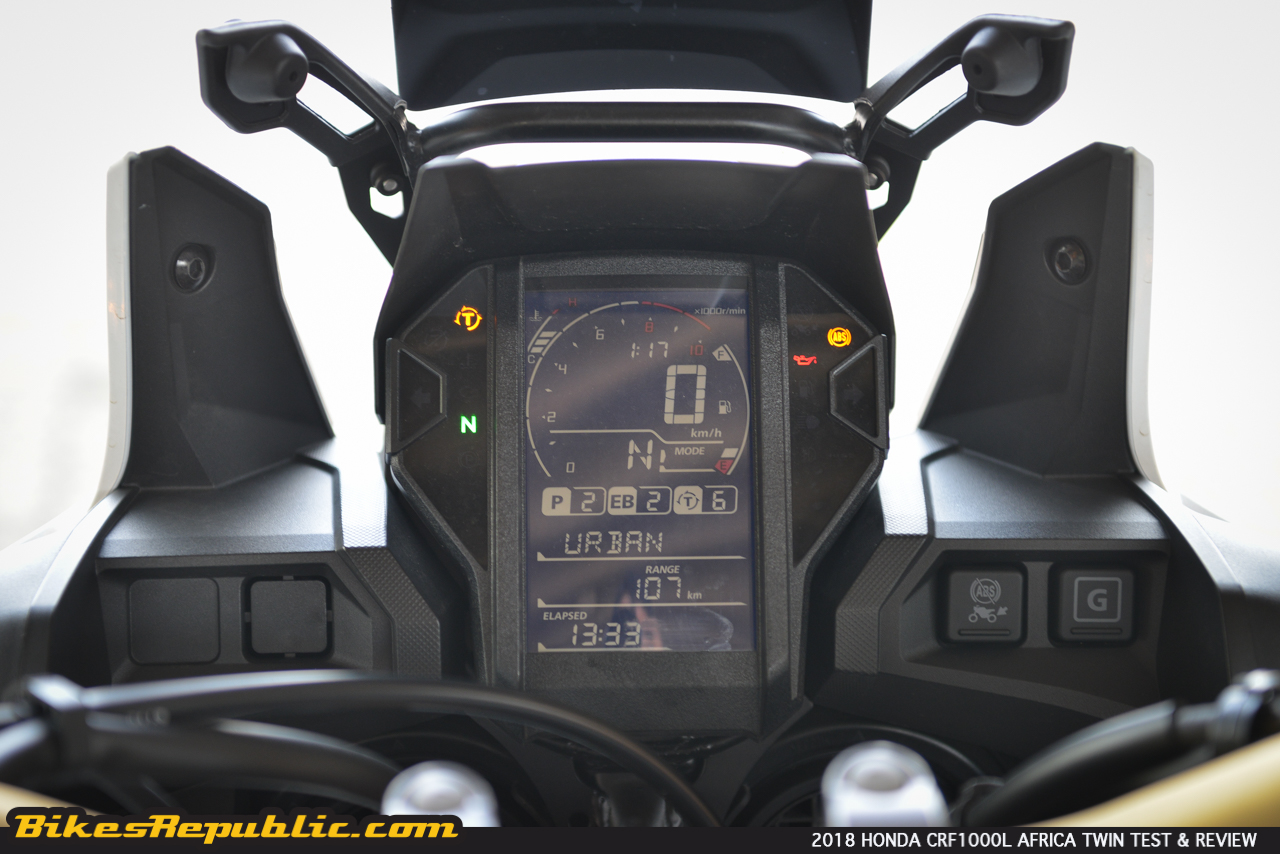
These handling traits disappear when the road turns to no road. There’s a large button marked with a “G” (for gravel) right next to the instrument panel. Pressing that switches into gravel ride mode and the corresponding levels of electronic intervention.
The softly sprung suspension absorbed the bumps easily and the bike seemed to float. Again, the bike’s slim waist was advantageous as it lets you move around while standing up.
However, it still felt top heavy for me. It possibly has to do with my height. At 167cm, I’m probably too small for the bike. A person from 180cm and up ought to reap the benefits of its ergonomics.
DCT (Dual-Clutch Transmission)
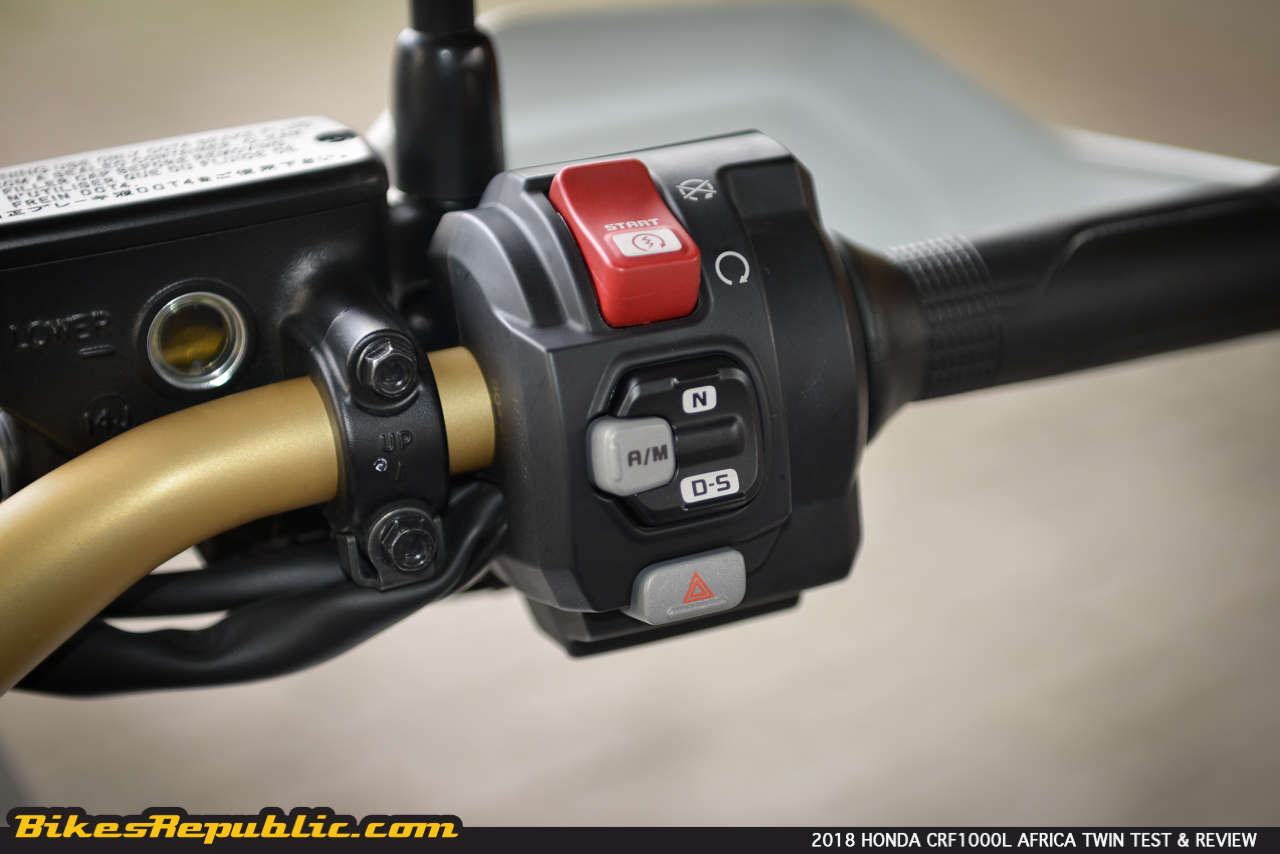
Oh yes, the test unit was fitted with Honda’s proprietary DCT (Dual Clutch Transmission). It’s actually a semi-automatic/semi-manual gearbox. The rider could select D (Drive), S (Sport) or M (Manual). N (Neutral) position needs to be selected manually.
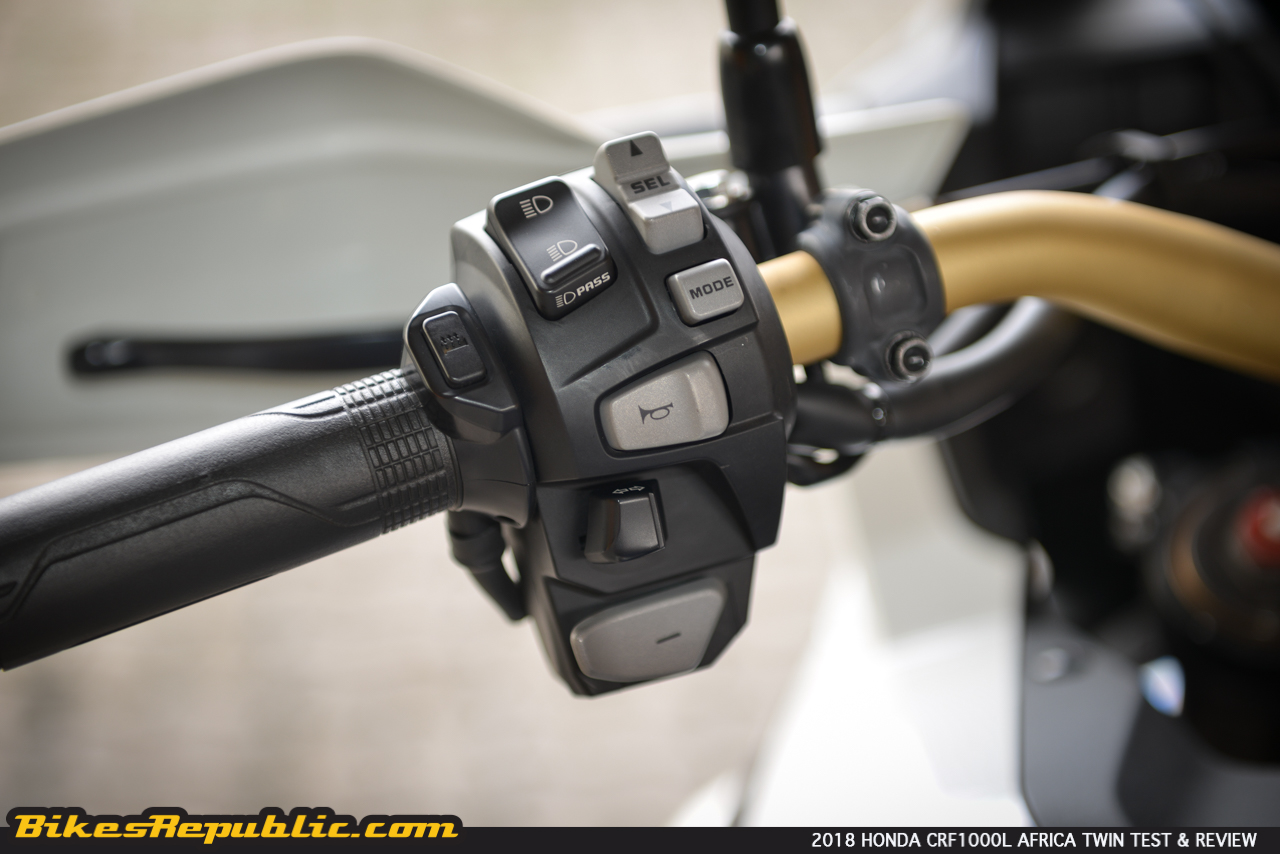
Shifting is via toggles on top and below the left switch cluster.
In D, the bike drives like a giant scooter. The transmission takes care of the upshifts and downshifts automatically. The rider can intervene at any time, but it upshifts early for smooth power and fuel savings
In S, shifting is still automatic but it will hold on to a gear until peak torque before shifting up. The gearbox will downshift when a certain limit is reached, and it will blip the throttle automatically. The rider can also intervene at any time.
In M, the rider is in charge of gear selection. The engine will also auto-blip the throttle when downshifting.
Riding the Honda CRF1000L Africa Twin with DCT
Just like the VFR1200, the Africa Twin with DCT doesn’t feature a clutch lever and gear lever. This is when you have re-learn how to ride a motorcycle.
Using the fully automatic “D” feature was convenient but bear in mind that it shifts when you least expected it to. Like upshifting in the middle of a corner or downshift when you’re rolling to a stop. We found out the hard way.
DCT Lesson No. 1
I was riding with my wife as the pillion. The transmission was in D-mode, 2ndgear as I filtered past two rows of cars. It suddenly kicked down to 1stgear without warning. But since there was no clutch lever, it felt like the engine had cut out, followed by that sickening feeling of a bike toppling over.
There was a BMW 3-Series on our left, but thankfully my reflex kicked in and I pushed out my left elbow which landed on the car’s driver side window. It held the bike up from falling onto his car!
So, lesson learned. I tried S-mode for a while then decided to just use M-mode anytime I ride.
DCT lesson No. 2
Nearing my house, I shifted into 1st(you can’t shift into N when the bike’s moving) and stopped to let a car pass. I reapplied a little bit of throttle to drive the bike up to my gate.
BUT! The engine “caught” like what happens when you release the clutch lever with no engine RPM. It put out a “CLACK!” Again, no clutch lever. My reflex tried to reopen the throttle but it didn’t catch. The bike went over on the right side like a poor tree while blasts of profanities violated my neighbours’ ears. And I swear I didn’t touch the brakes!
It meant that you can’t pussyfoot with the throttle.
Conclusion
We know, it sounds like we didn’t enjoy ourselves with the Honda CRF1000L Africa Twin. But we assure you that it was okay 75% of the time. It was too bad that the DCT and height needed too much concentration.
It’s a nice bike to ride if you’re an Africa Twin and Honda fan, not bad if otherwise.
The caveat is you need some time to learn it, especially if you opt for the DCT version. Besides that, the ergonomics really need some getting used to as it’s rather different from other dual-sport bikes we’ve ridden.
TECHNICAL SPECIFICATIONS
ENGINE
ENGINE TYPE
2-cylinder, 4-stroke, DOHC, 8-valve, liquid-cooled, parallel-Twin with 270o crankshaft
DISPLACEMENT
998 cc
BORE x STROKE
92.0 mm x 75.1 mm
POWER
93.8 hp @ 7,500 RPM
TORQUE
98 Nm @ 6,000 RPM
COMPRESSION RATIO
N/A
TRANSMISSION
Dual Clutch Transmission (DCT)
FUEL SYSTEM
Electronic fuel injection with ride-by-wire throttle
CLUTCH
Multiple-plate wet clutch with slipper feature
CHASSIS
FRAME
N/A
FRONT SUSPENSION
Showa cartridge-type upside down ø 45 mm forks, adjustable for preload, compression damping and rebound damping
REAR SUSPENSION
Monoshock with Pro-Link Arm, remote gas reservoir, remote preload adjuster, adjustable for rebound damping
SUSPENSION TRAVEL FRONT/REAR
252 mm / 240 mm
FRONT BRAKE
2x radially-mounted 4-piston monobloc calipers, ø 310 mm floating discs
REAR BRAKE
1X single-piston floating caliper, ø 260 mm brake disc
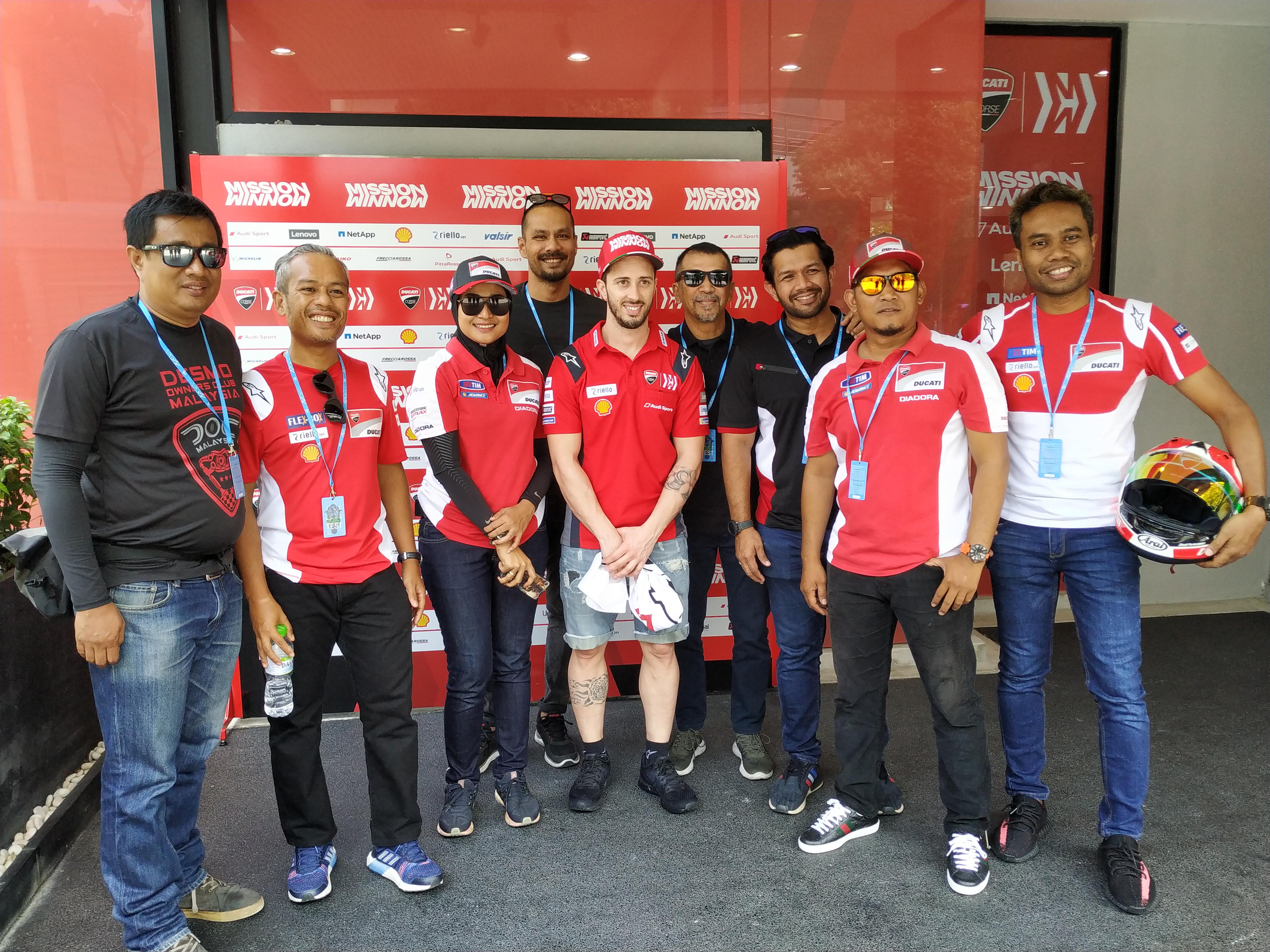
Desmo Owners Club Malaysia members were treated to a special meet and greet session during the recent Sepang Winter Test.
They saw the new Desmosedici GP19 firsthand and met with Mission Winnow Ducati riders.
The members were rewarded with the fastest ever lap record at the circuit.
Desmo Owners Club Malaysia (DOCM) members got a special treat during the MotoGP 2019 Sepang Winter Test.
The special meet and greet session was organized by Ducati Malaysia in collaboration with Shell and the Mission Winnows Ducati Team. It was held on the final day of the Sepang Pre-Season Test.
The Ducati owners were given an exclusive peek into the race operations of the team as they prepare for the new MotoGP season. They were also given a guided tour of the pits to witness the new Desmosedici GP19, firsthand.
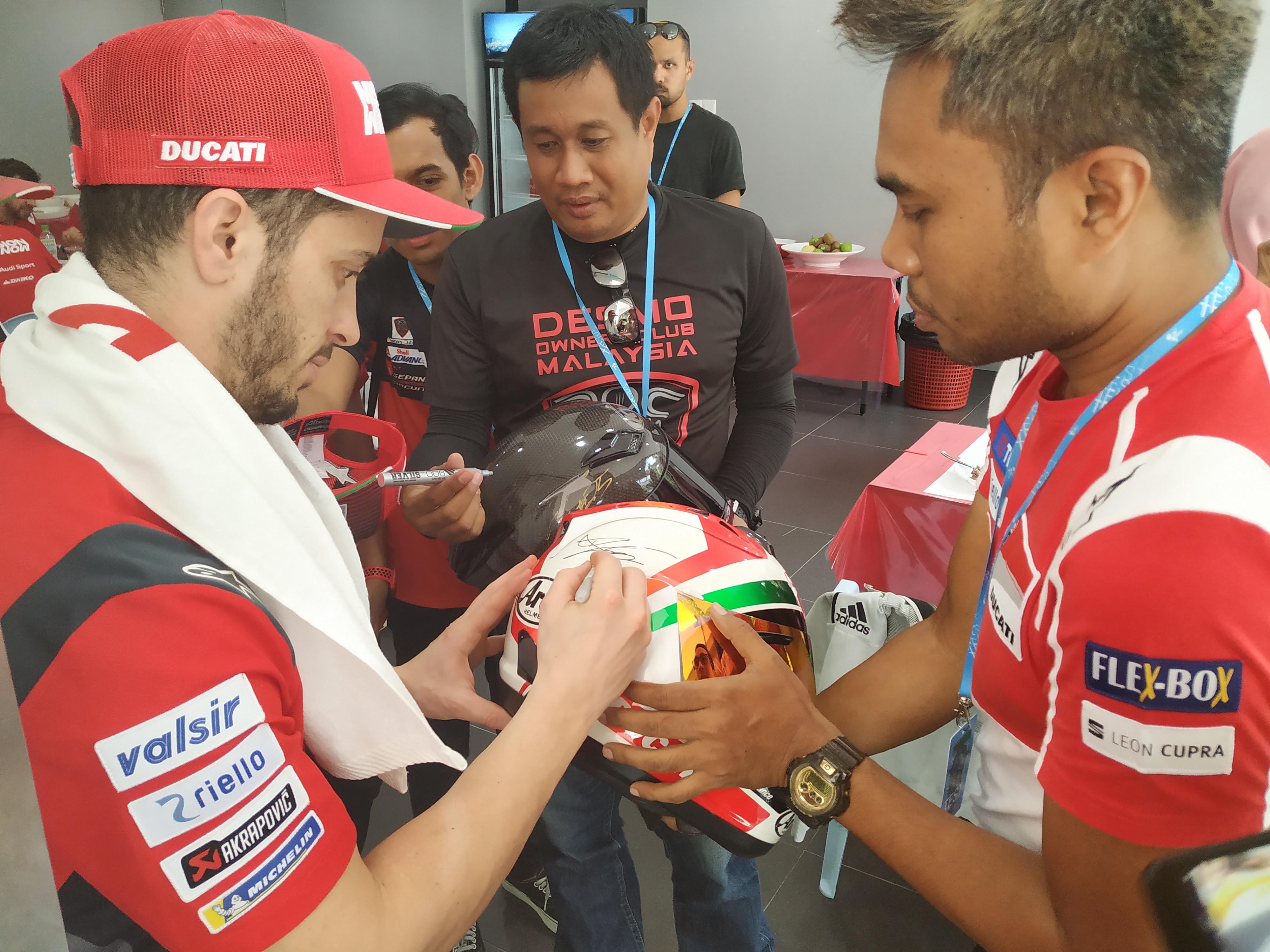
Ducati team riders Andrea Dovizioso and Danilo Petrucci then met with the DOCM members during their break. Lucky club members were picked to attend an autograph session with the riders and team members.
It was a thoroughly rewarding and proud day for the Italian bike owners as Danilo Petrucci recorded the fastest time on the timesheets. His time of 1m 58.239s was almost 0.6s faster than the 1m 58.830s record set by Jorge Lorenzo in last year’s test. Petrucci’s record means it was the fastest motorcycle to ever circulate the Sepang International Circuit.
Including Petrucci, Ducati-mounted riders were the Top 4 fastest on the final day and breaking the old record also.
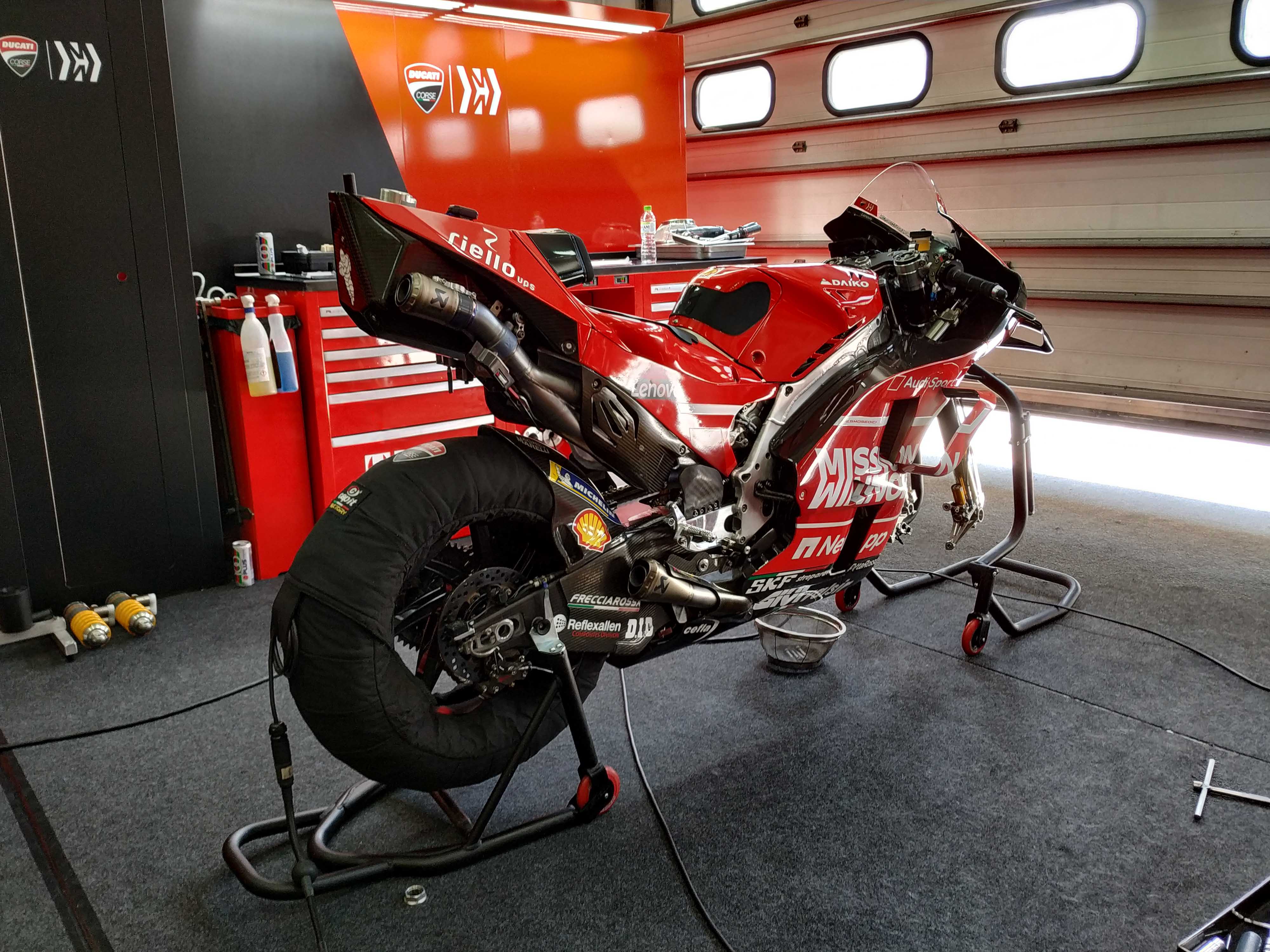
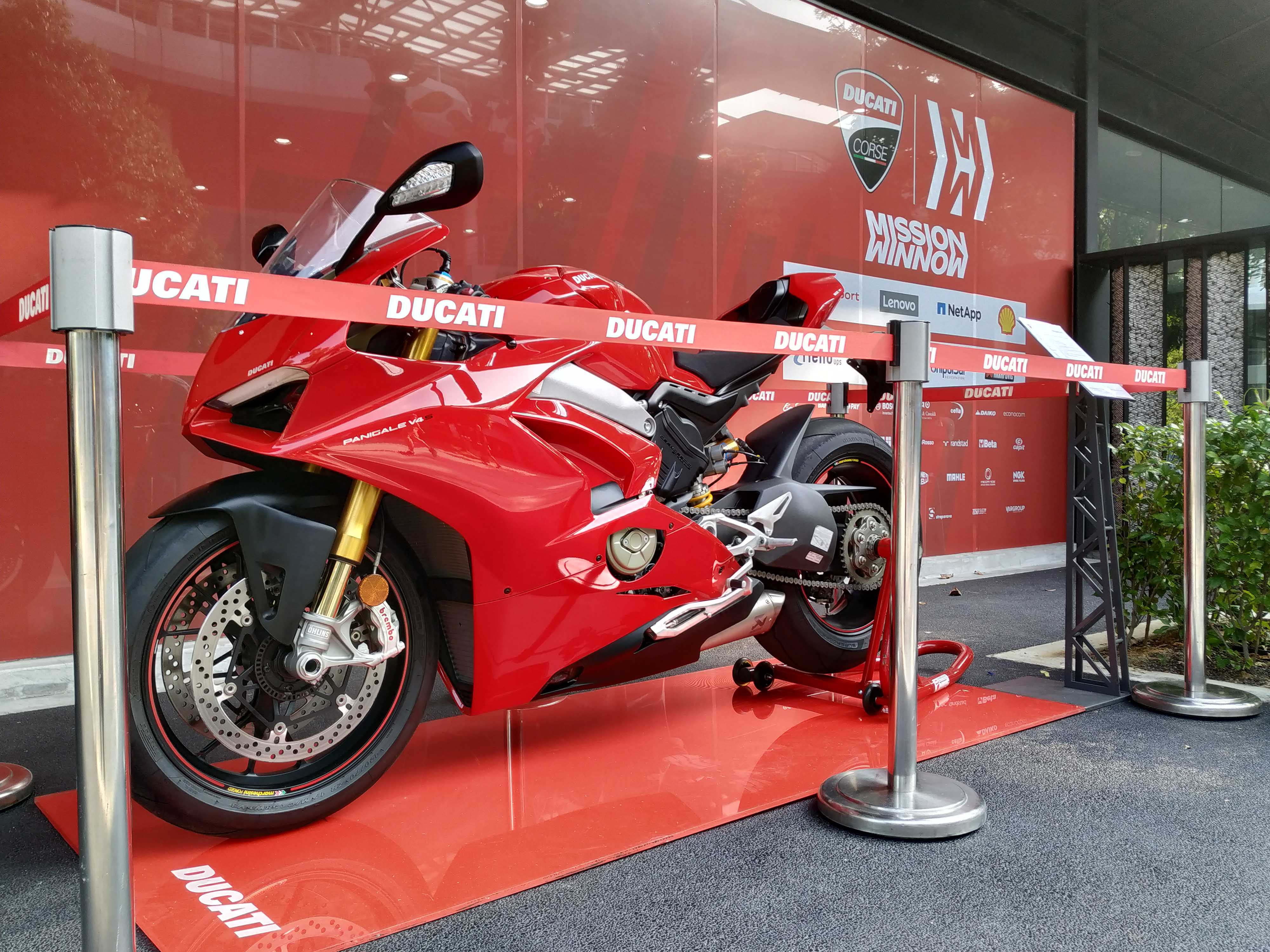
Another attraction during the session was a Panigale V4 S on display. The bike utilizes many of the technologies used in the Ducati MotoGP Desmosedici.