Bikesrepublic

Latest News

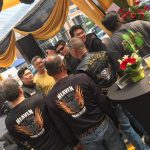
  • Heaven MC, a club founded in 2015 is made up of predominantly Harley-Davidsons but is open to riders of all types of V-Twin powered motorcycles.
  • The President says it is a fun, non-profit motorcycle club.
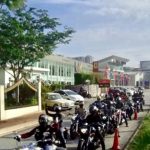
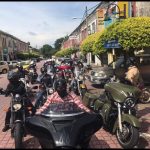
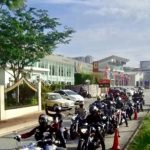
  • The club mostly organizes local rides, but also rides to Thailand up to three times a year.

Motorcycle clubs (MCs) have been all the rage ever since the motorcycle was first introduced to the world. Case in point, the oldest motorcycle club in the world is the Yonkers Motorcycle Club of New York, which was founded in the year 1903, the same year that Harley-Davidson tried to sell its first models.
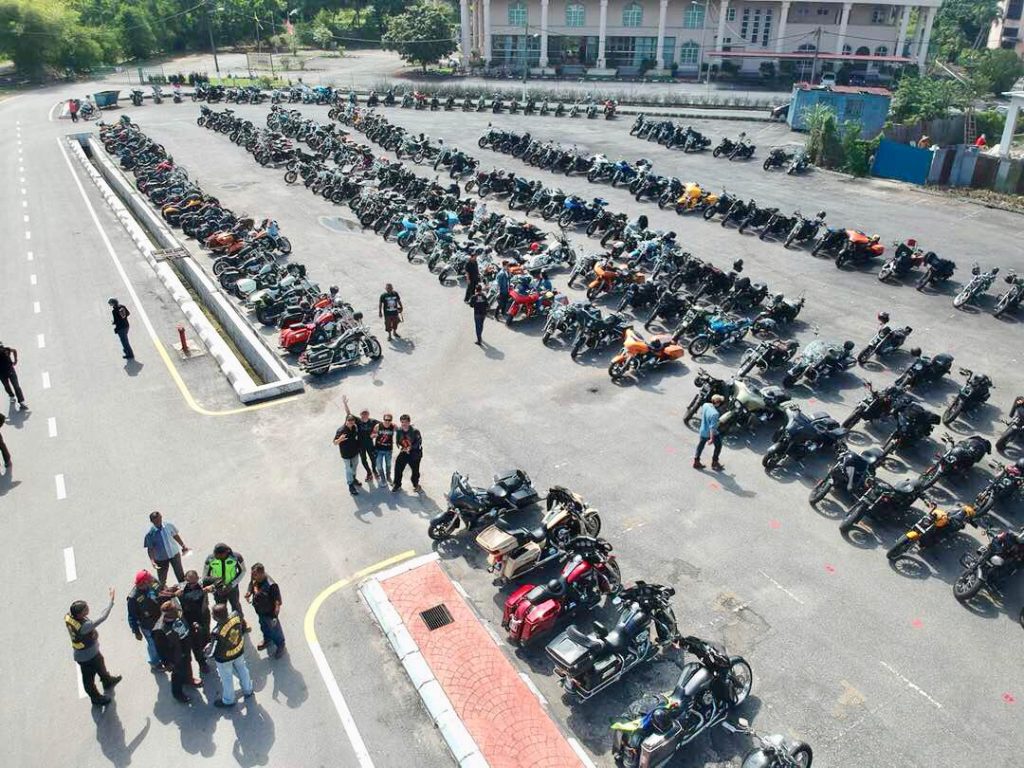
Since then, the world has seen the rise and rise of MCs either for leisure and socialization, or for criminal activities. Hells Angels, one of the most popular MCs in the world, immediately comes to mind when you put motorcycle clubs and criminal activities together in one sentence, but fact of the matter is, such MCs are the 1% of the world’s motorcycle riding community.

Malaysia too has a huge number of MCs, how many in total is unknown as there is no governing body that monitors and sanctions the MCs, but 100 clubs is easy if you consider the mopeds and scooter clubs.

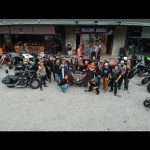
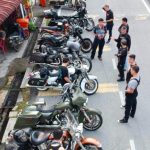
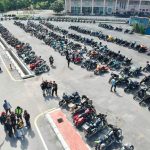
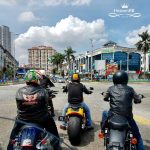
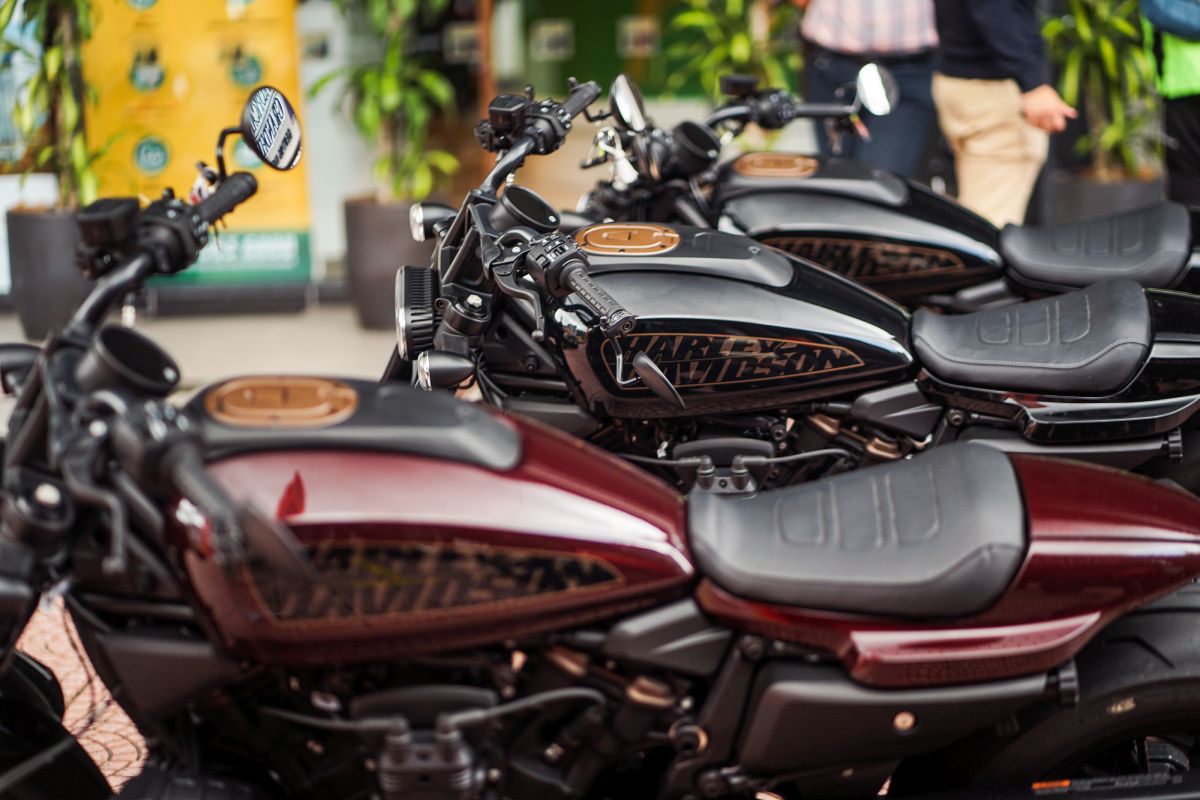
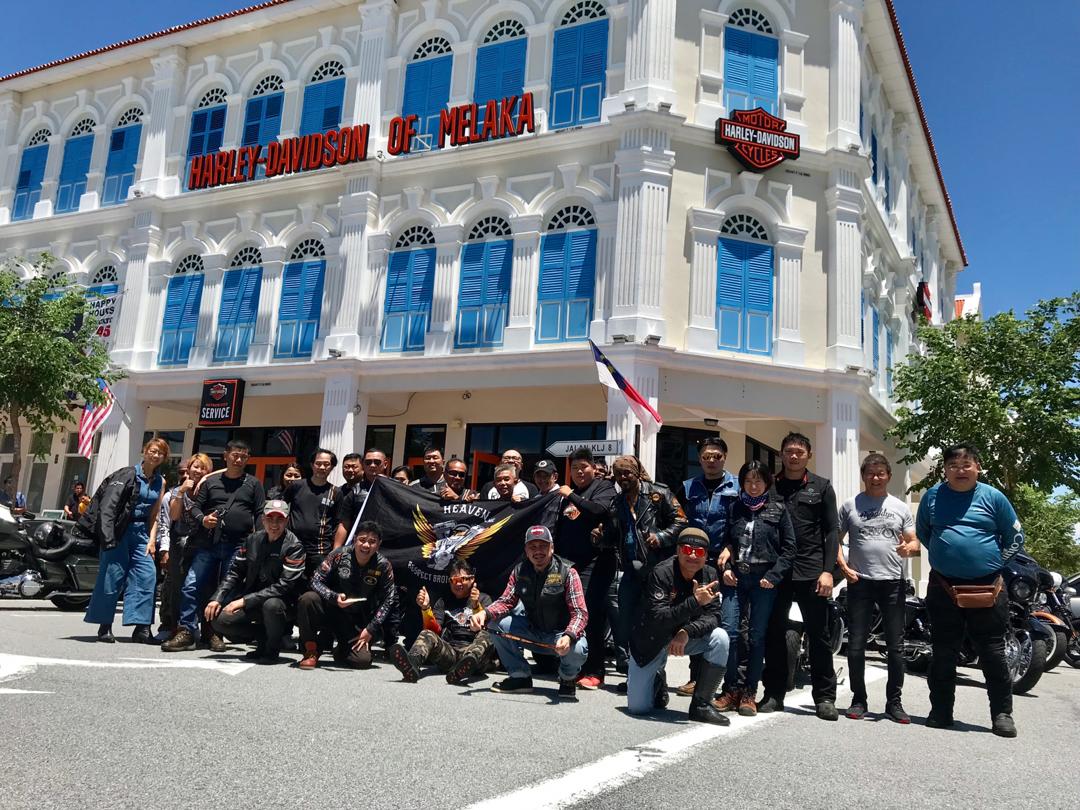
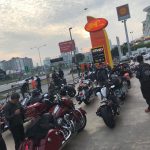
One such club is the Heaven MC, a club founded in 2015 and is made up of predominantly Harley-Davidsons but is open to riders of all types of V-Twin powered motorcycles.

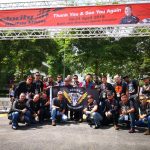
The club is headed by Nick Lum (top right), who took over as President in 2016 and is in charge of keeping the club’s 125 members occupied with weekend rides and such.
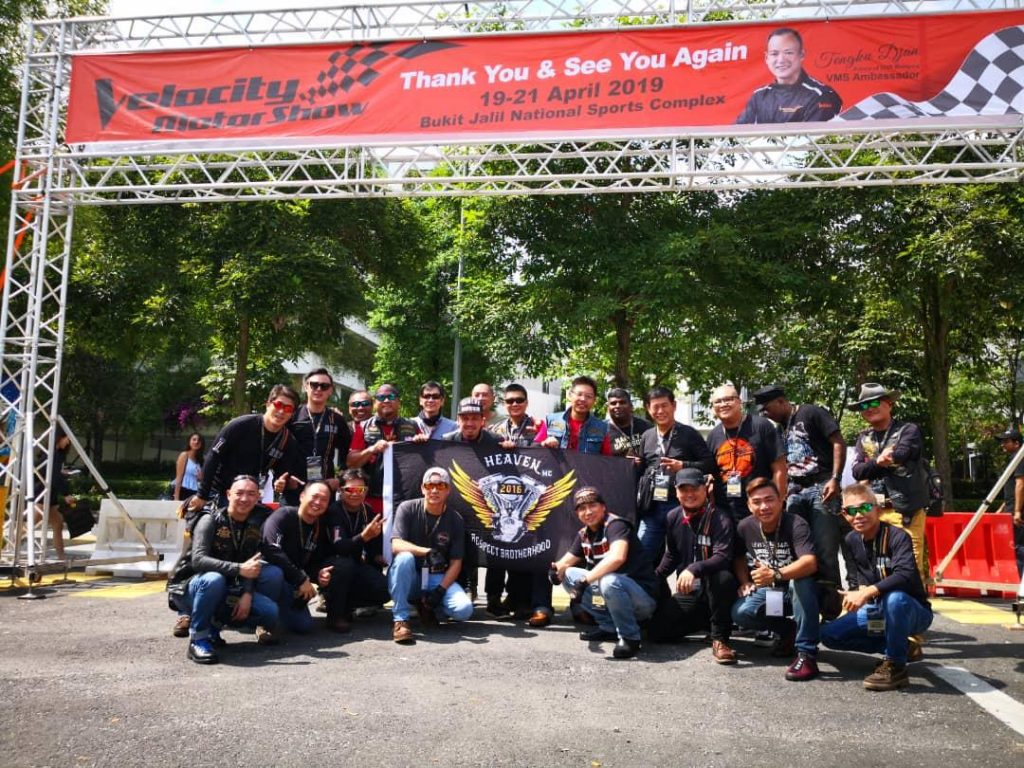
I had the pleasure of having a few brewskis with Nick last week to talk about the club he actively leads.

“The club only had 20 members when I joined with about 8 to 10 active riders. There was this one time where we organised a weekend ride but only me and this guy named Alex Locke showed up on Sunday morning. I remember us looking at each other and feeling clueless, and from then on Alex and I went out to actively recruit members,” said Nick that night at The Gasket Alley.
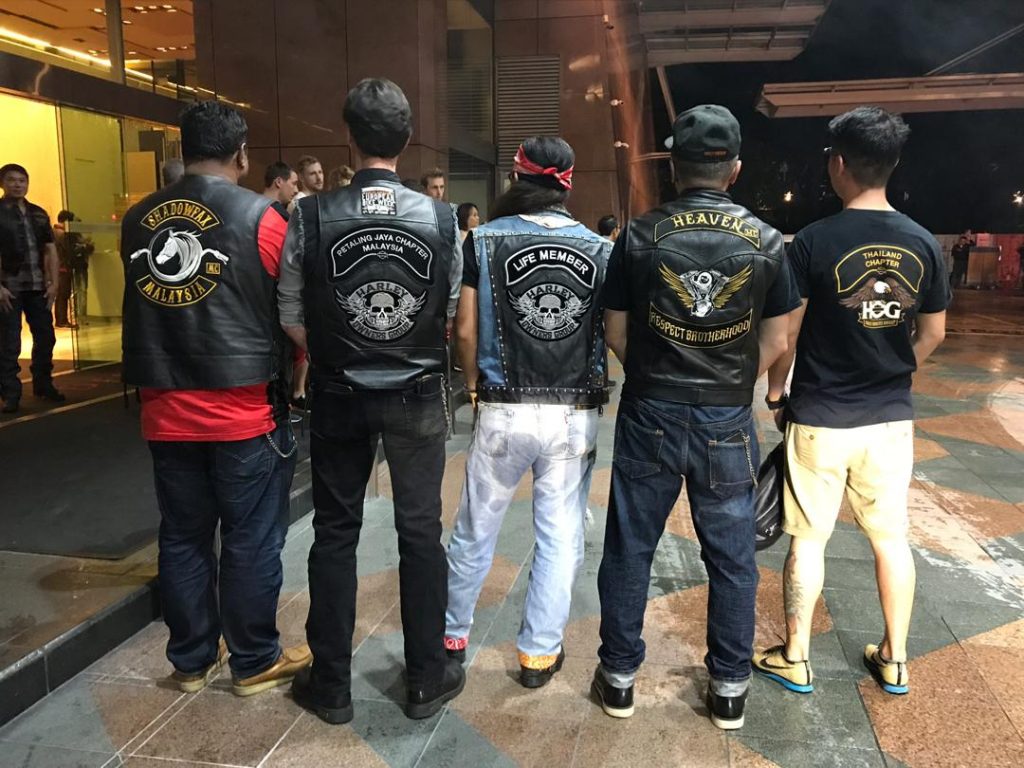
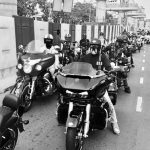
With a background in MNC marketing and the regional direct sales industry, Nick together with Alex, set out to to build and recruit members using the law of averages. “I knew that the more people we recruited, the higher the chances were of more people coming out to ride over the weekend. If we spoke to 50 people about Heaven MC and only 20% showed up over the weekend, that would be good enough for us as that is better than just two people showing up. These days we can easily get over 100 riders out for a ride, I would say we have done well,” explained Nick.
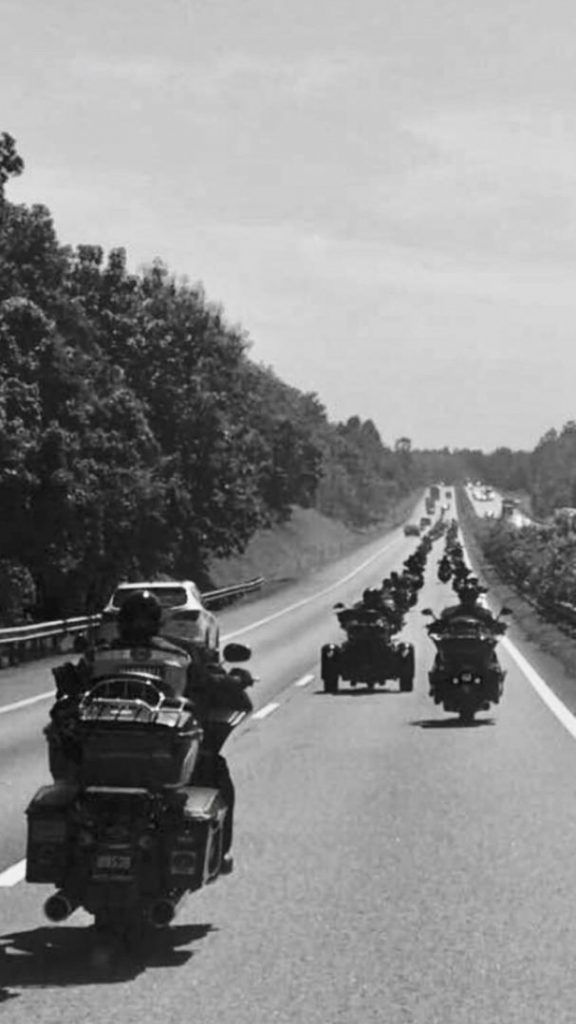
The 53 year old Nick is an active rider himself and owns a Harley-Davidson V-Rod Muscle, Road King Classic and a Street Glide CVO, and has gone through a number of Harleys in his riding career. “For me, riding a Harley-Davidson is akin to driving a Bentley or a Rolls-Royce. Not only are the bikes a symbol of status, but I also feel safe riding a Harley as I don’t need to ride fast to get satisfaction. Cars these days are way too expensive, a Harley on the other hand is also expensive for a motorcycle, but a lot more affordable and it changes your life.”
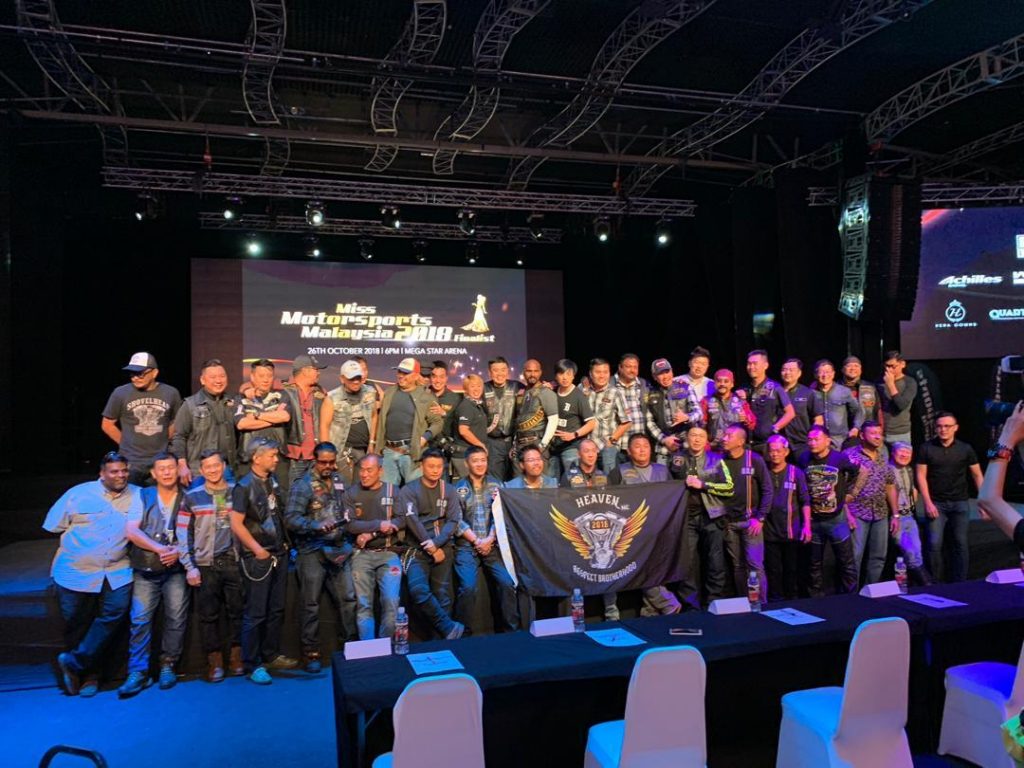
When asked about Heaven MC, the President says it is a fun, non-profit MC. The club’s most notables rides has been the inaugural ride to open the new Harley-Davidson PJ showroom where the club’s members were a part of about 500 Harley owners who rode together to celebrate the new showroom.
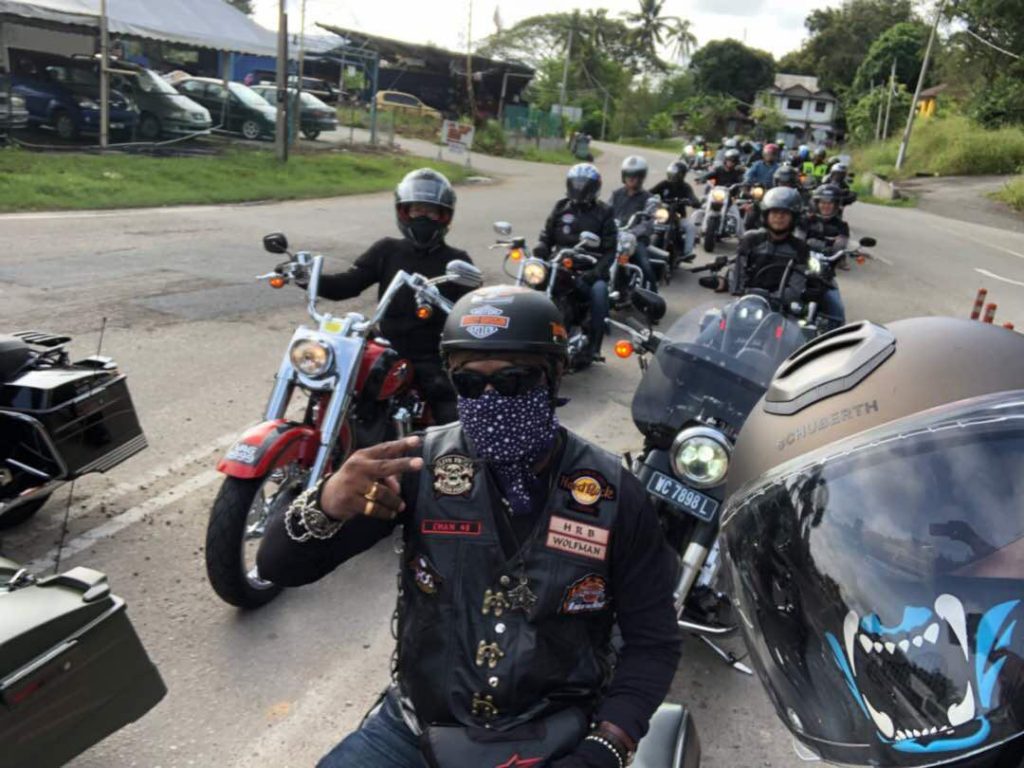
The club is open to all bikers who ride any type of V-twin motorcycle. There is no membership fees and everyone is welcome to join the weekend rides. The club actively supports events and community service and actively organizes fund raisers for any charity that needs it.
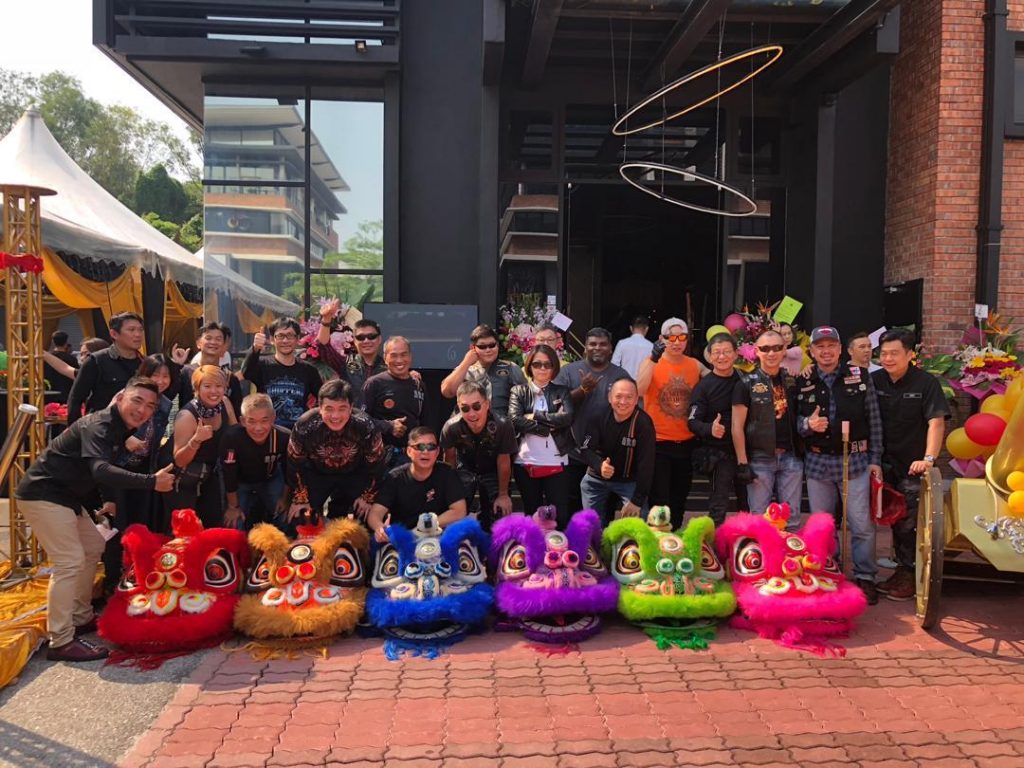
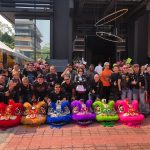
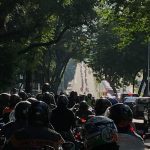
The club mostly organizes local rides, but also rides to Thailand up to three times a year. The club also recently held its annual CNY gathering to celebrate with their achievement and to share their upcoming plans. Harley-Davidson of Petaling Jaya also took part as a dealer to celebrate the annual event together with HOG of PJ to foster Harley-Davidson brotherhood. Anyone interested to join the club and its rides can get more information at the Heaven MC Facebook page.

  • We’ve put together a troubleshooting suspension symptoms guide.

  • A troubleshooting guide is easier to remember and use.

  • We continue with rebound damping as most adjustable suspension systems are fitted with it, rather than compression damping.

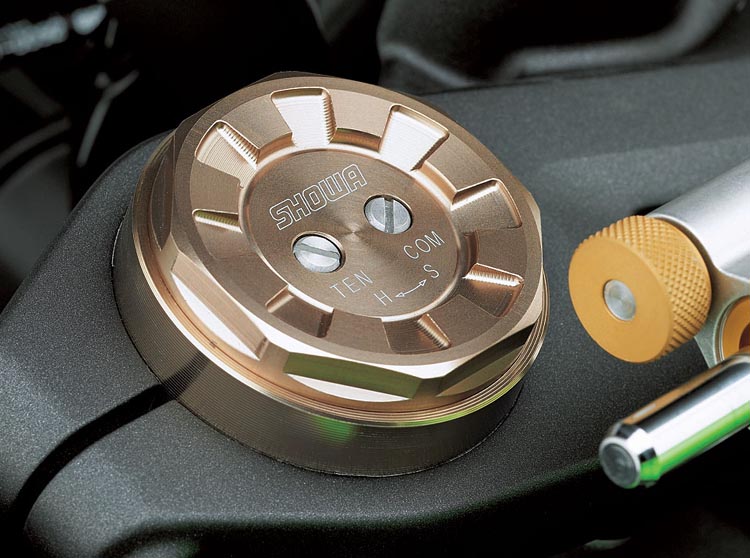
We provided a guide on troubleshooting preload adjustment yesterday (click here for the article). Today, we continue with rebound damping (or “TEN” on Japanese suspensions).

What is rebound damping?

To recap, rebound damping controls the rate at which the spring returns to its original length after being compressed. Without rebound damping, the spring will re-extend too quickly, sometimes even further than its starting length. This is what causes oscillations – that wallowing or pogoing (pumping up and down) motion.

Think of rebound damping as a brake when the spring re-extends. The more rebound damping you add, the slower the wheel goes back down, and vice versa.

The rebound damping adjuster is marked as TEN (for tension) on Showa forks
Too little rebound damping (Front)
  • The forks feel exceptionally plush when riding straight up.
  • As the pace picks up, the front starts to feel mushy and you second guess what they tyre is doing (loss of feedback).
  • As you flick the bike into a corner, the front tyre starts to chatter and lose traction. You feel the front as unstable through the handlebar.
  • The bike does not want to stabilize after countersteering it quickly into corners.
Too much rebound damping (Front)
  • The suspension “packs down,” resulting in lack of traction especially on bumpy roads.
  • Ride feels harsh, opposite of too little rebound.
  • The front tries to wiggle or tank slap when accelerating hard out of bumpy corners.
  • Continuous bumps cause the bike to ride loose (loss of compliance).
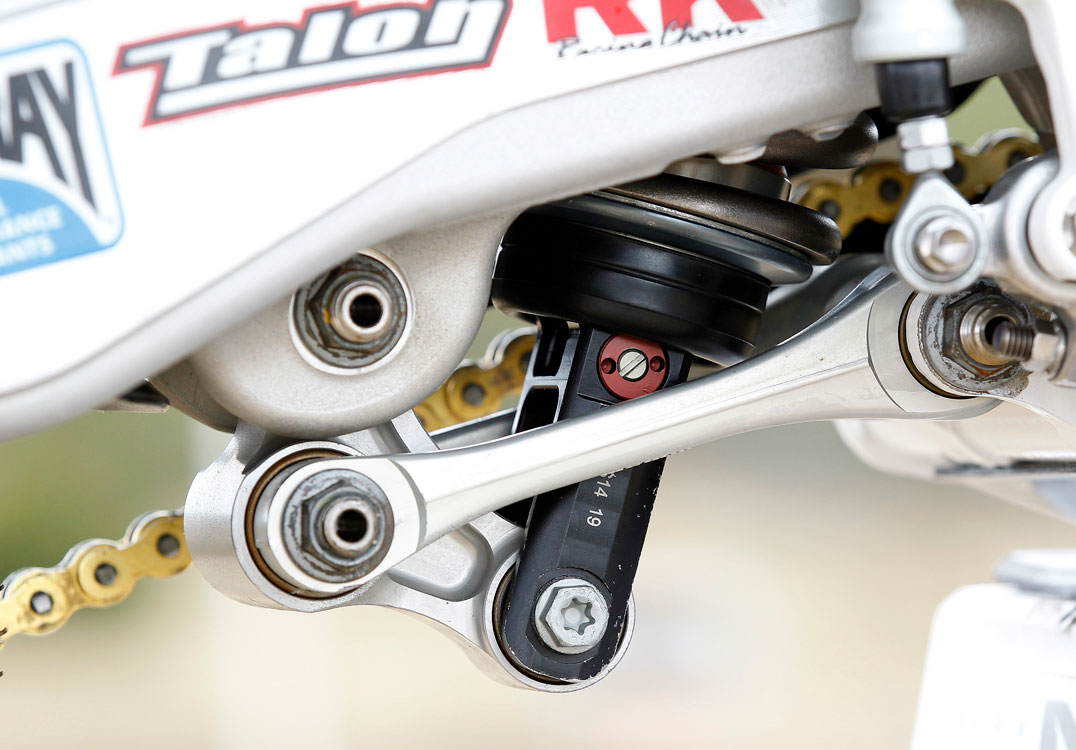
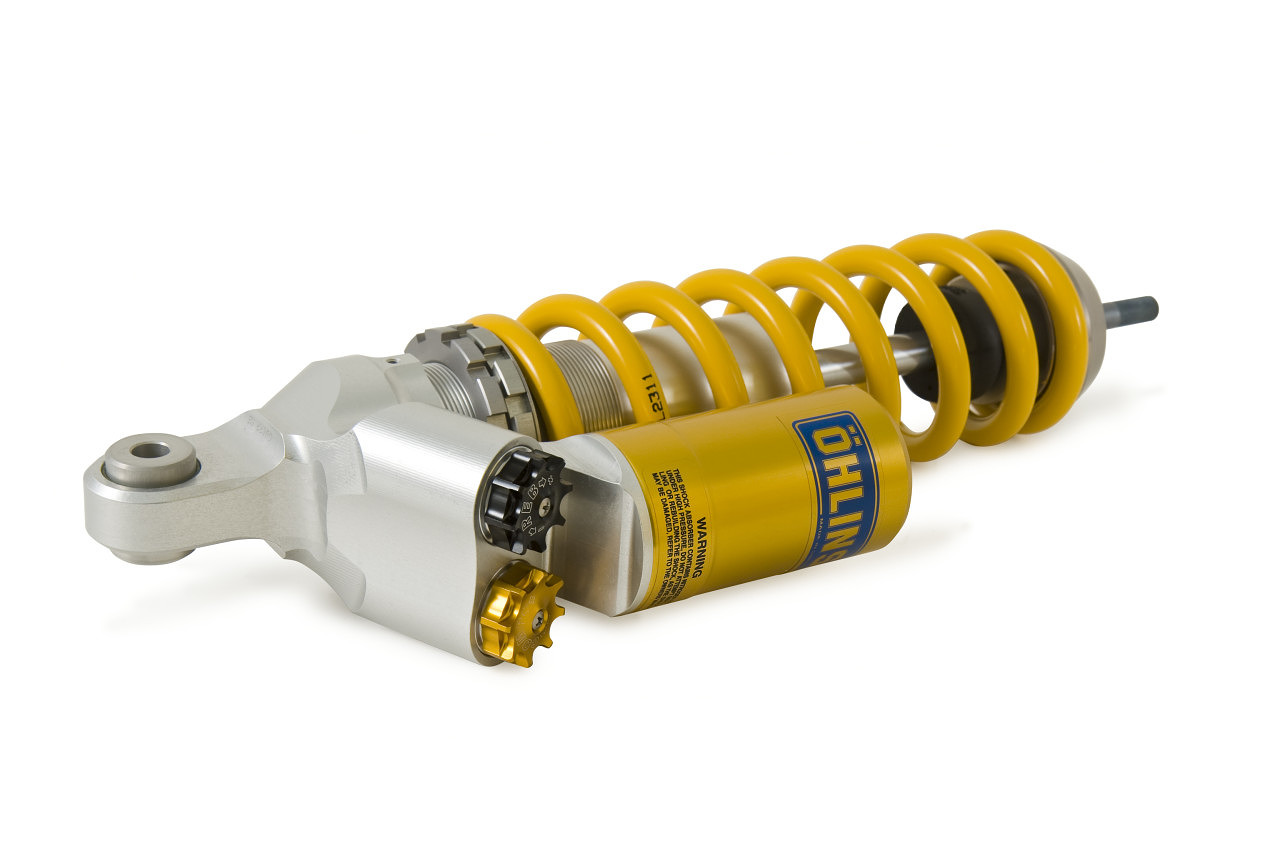
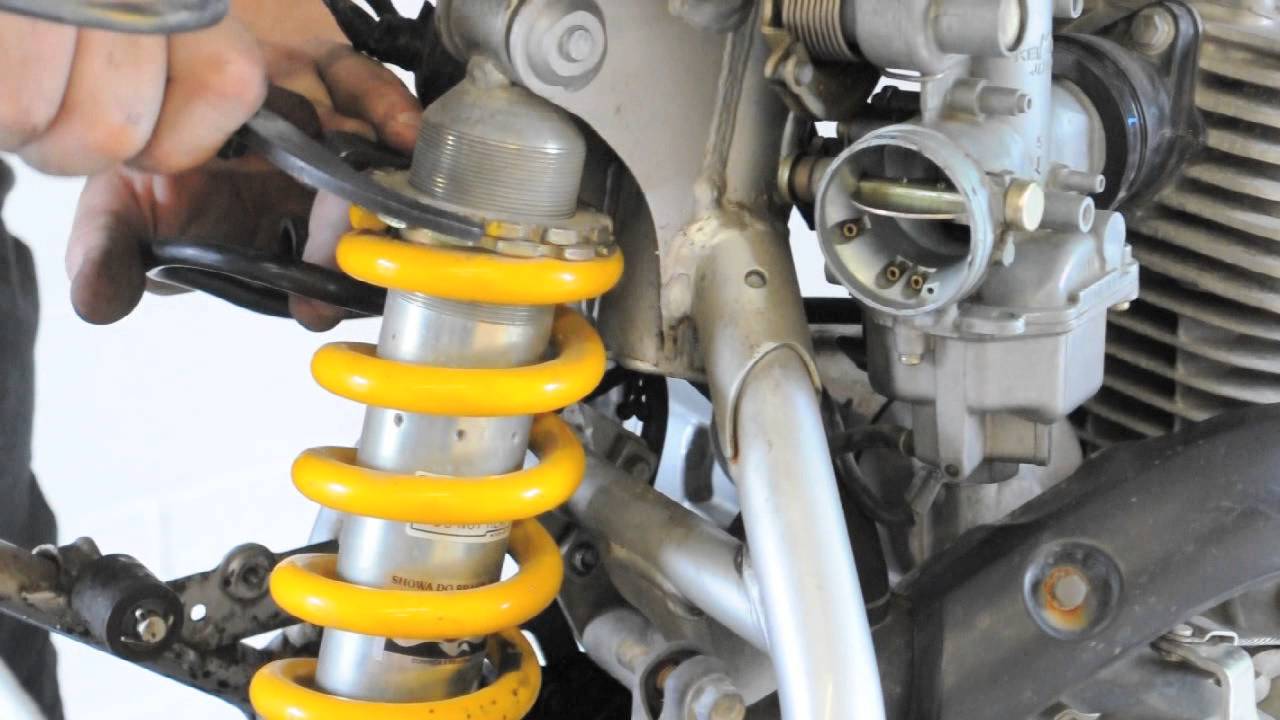
The rear shock’s rebound damping adjuster is located just underneath the spring
Too little rebound damping (Rear)
  • The ride is extra comfortable when cruising but starts to wallow and weave when encountering bumps.
  • Poor traction over bumps under hard acceleration and the wheel starts to chatter.
  • The rear suspension pumps up and down (pogoing) resulting in the chassis pitching its weight back and forth. This is especially frustrating when you are riding a bike with a short-wheelbase.
Too much rebound damping (Rear)
  • Suspension compliance becomes poor hence feels vague.
  • Traction is poor over bumps under hard acceleration.
  • The bike tends to run wide when gas is added mid-corner as it forces the front tyre to lift.
  • The rear end of the bike hops and skip when the gas is chopped.

Stay tuned for Part 3 when we troubleshoot compression damping.

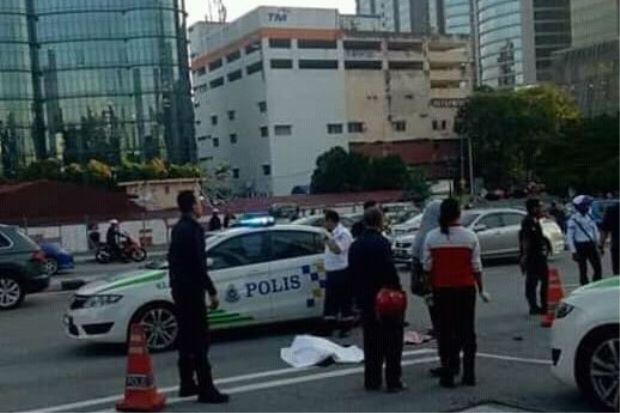
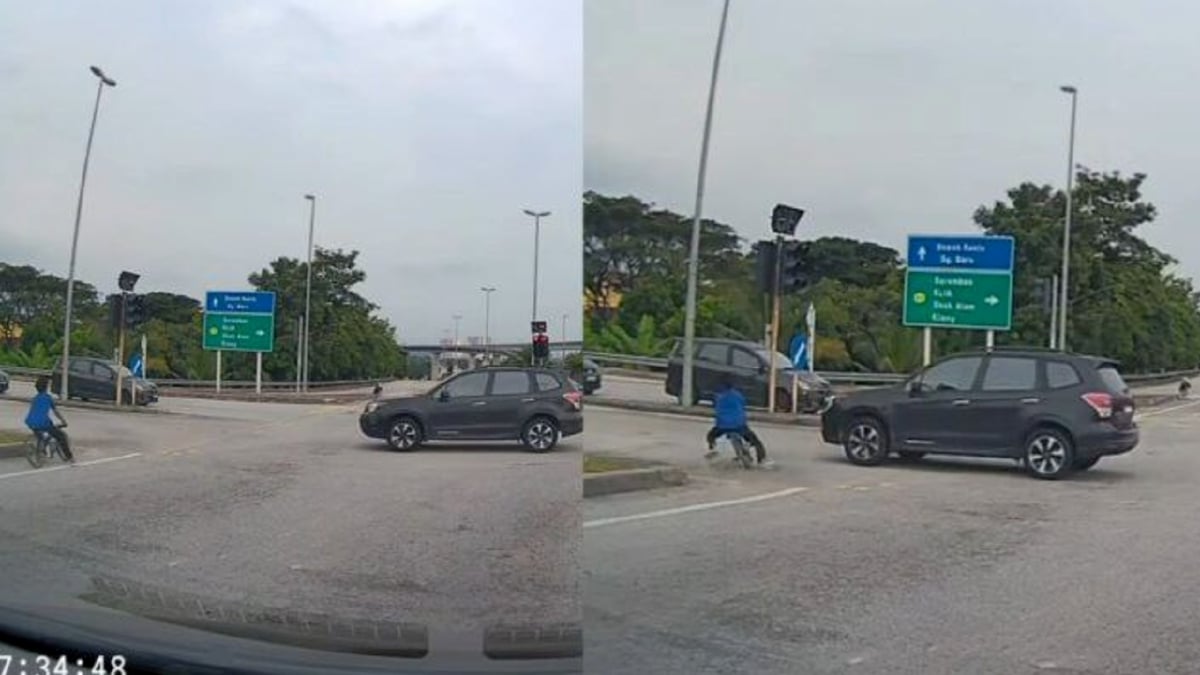
  • A taxi slammed into a motorcycle, killing an 11-year-old girl and injuring her older brother.

  • The accident happened in Bangsar early this morning (23rdJanuary).

  • We do not know what actually transpired, but we recommend that all motorcyclists ride with a sense of paranoia that other vehicle drivers do not see us.

A taxi slammed into a motorcycle, killing an 11-year-old girl.

According to The Star, 11-year-old Athierah Batricesya was riding pillion with her 18-year-old brother along Jalan Maarof, Bangsar at about 7am.

A taxi then rammed into them at a junction, throwing both occupants onto the road. Athierah suffered severe head injuries and passed away on the spot, while her brother received bruises to his left leg. The girl has been sent to the Kuala Lumpur Hospital for a post-mortem.

Kuala Lumpur Traffic Investigation and Enforcement Department head, Assistant Commissioner Zulkefly Yahya confirmed the accident when contacted by the newspaper. He also said that Athierah was a student at Sekolah Kebangsaan Bukit Bandaraya.

“The taxi driver was unhurt. The case falls under Section 41(1) of the Road Transport Act 1087 for reckless driving,” he added.

We do not know what actually transpired this fateful morning, but we as motorcyclists must always have a 360-degree awareness around us at all times. Always ride with a sense of paranoia that no other vehicle drivers see us, much less stopping or giving us the right of way.

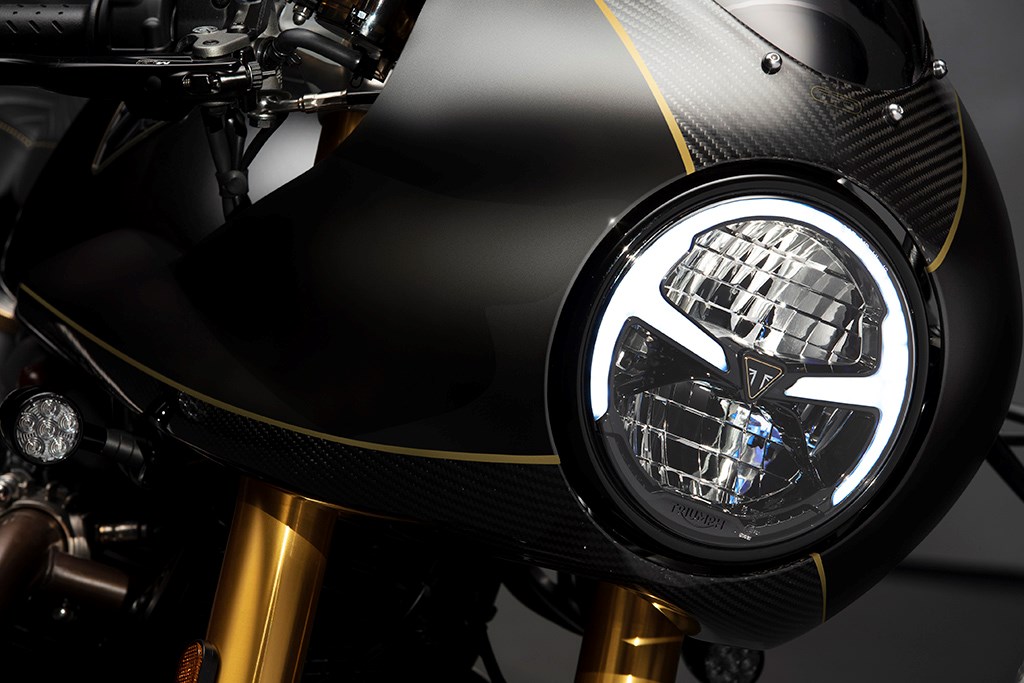
  • The 2019 Triumph Thruxton TFC breaks cover.

  • It also kickstarts the Triumph Factory Custom (TFC) range.
  • The Thruxton TFC is not just a repainted Thruxton R.

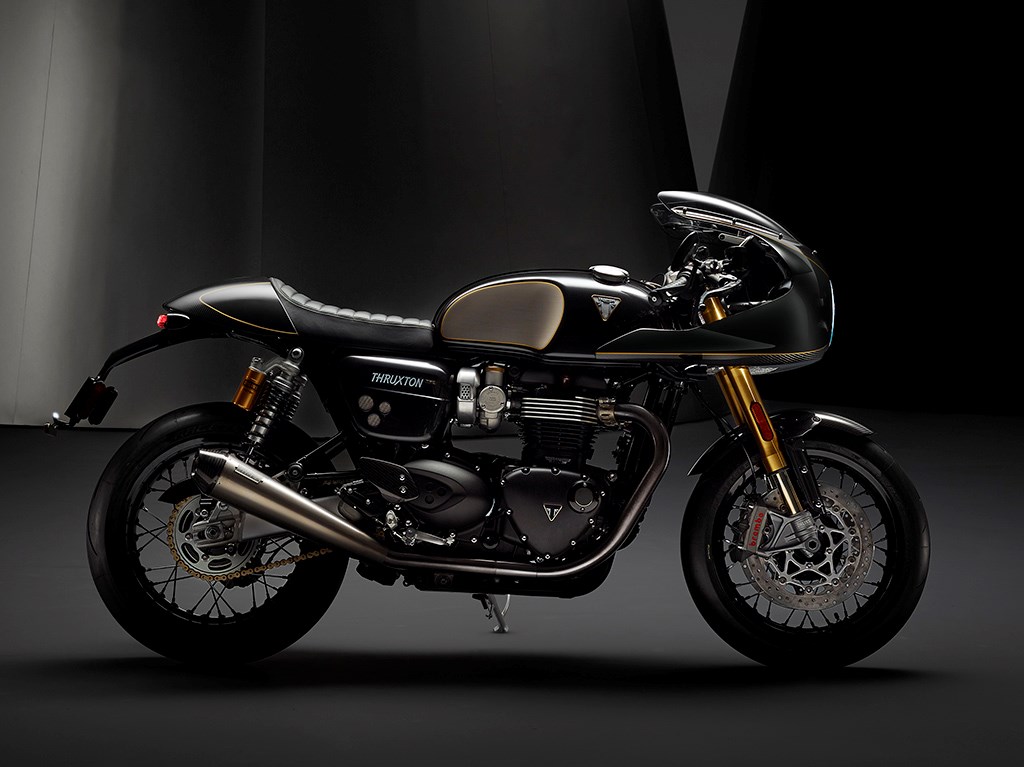
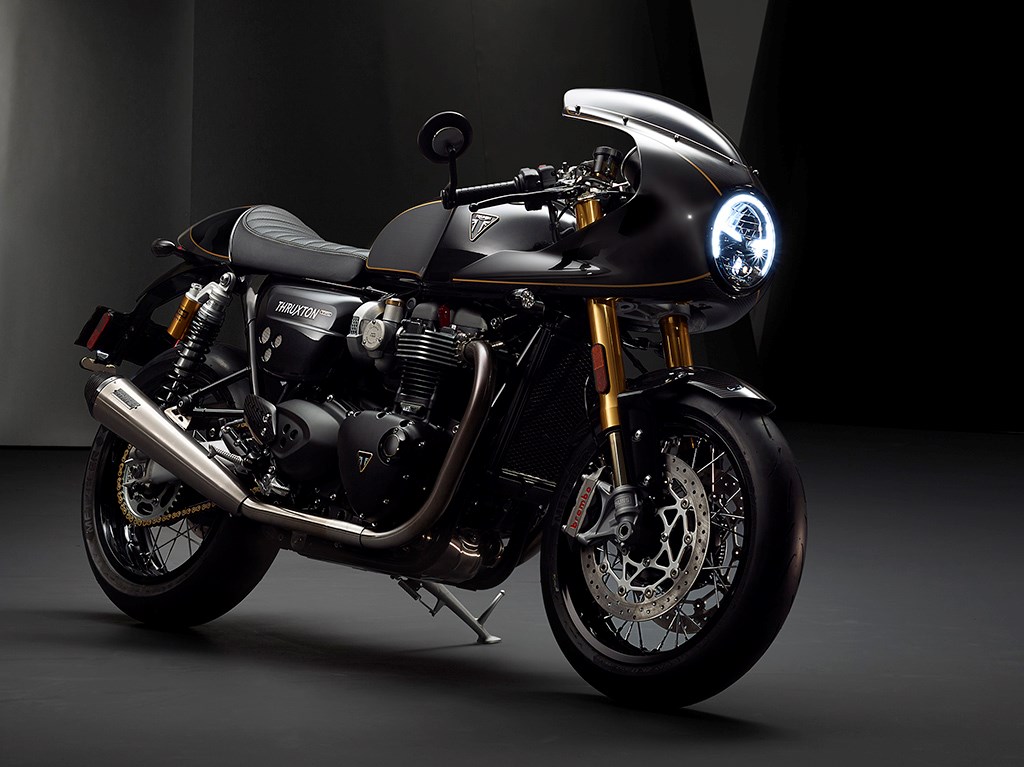
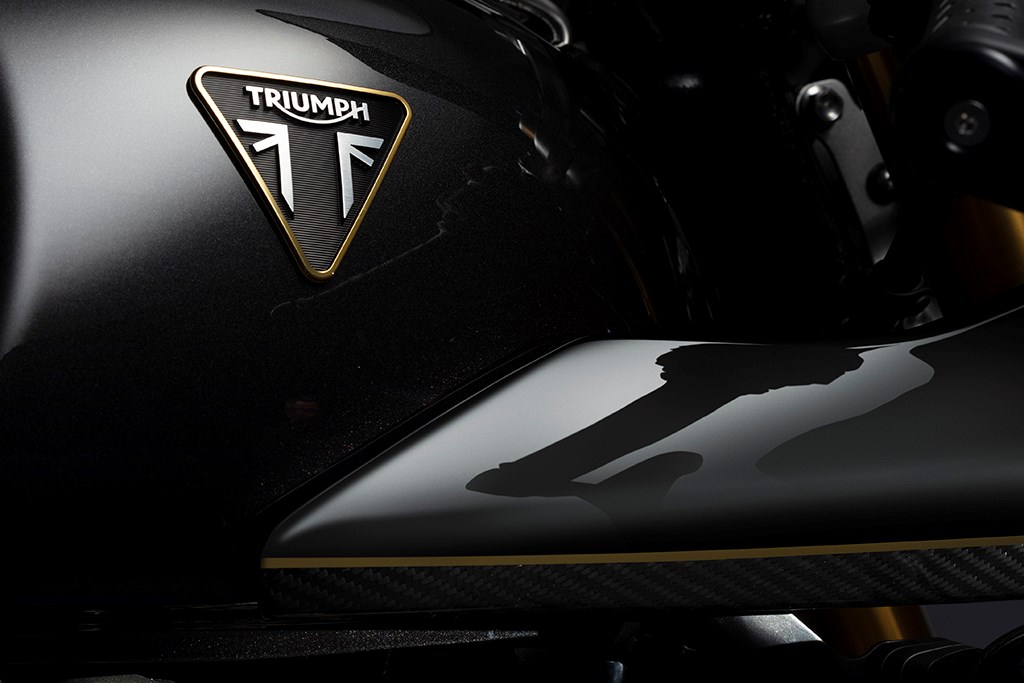
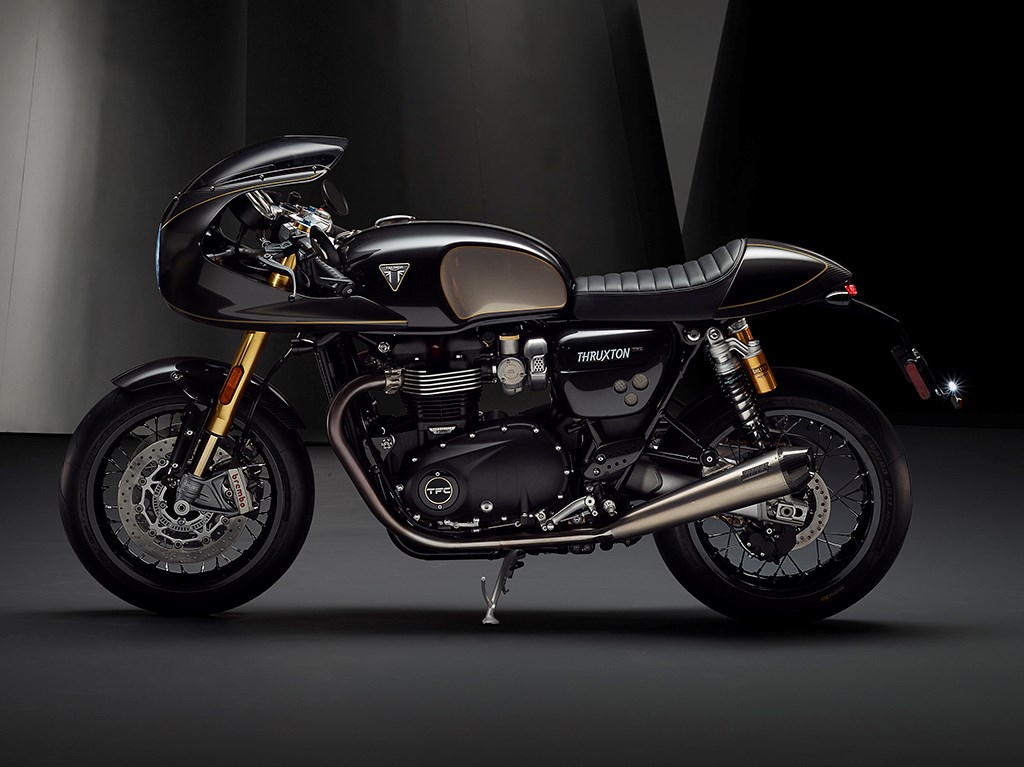
Triumph Motorcycles have launched the eye-popping and stunning 2019 Triumph Thruxton TFC. In doing so, Triumph formally launched their Triumph Factory Custom range at the same time.

The Thruxton TFC prototype was spotted undergoing road tests just earlier this month. But here it is, ready to turn heads and melt the toughest moto-hearts like diamonds to ladies.

At the same time, the Triumph Factory Custom creates custom bikes without the owners voiding warranties, having the bike butchered, spaghetti-bowl wiring, and ending up with impractical and unrideable Frankensteins. It means TFC bikes will hold their values, if not appreciate.

Styling highlights

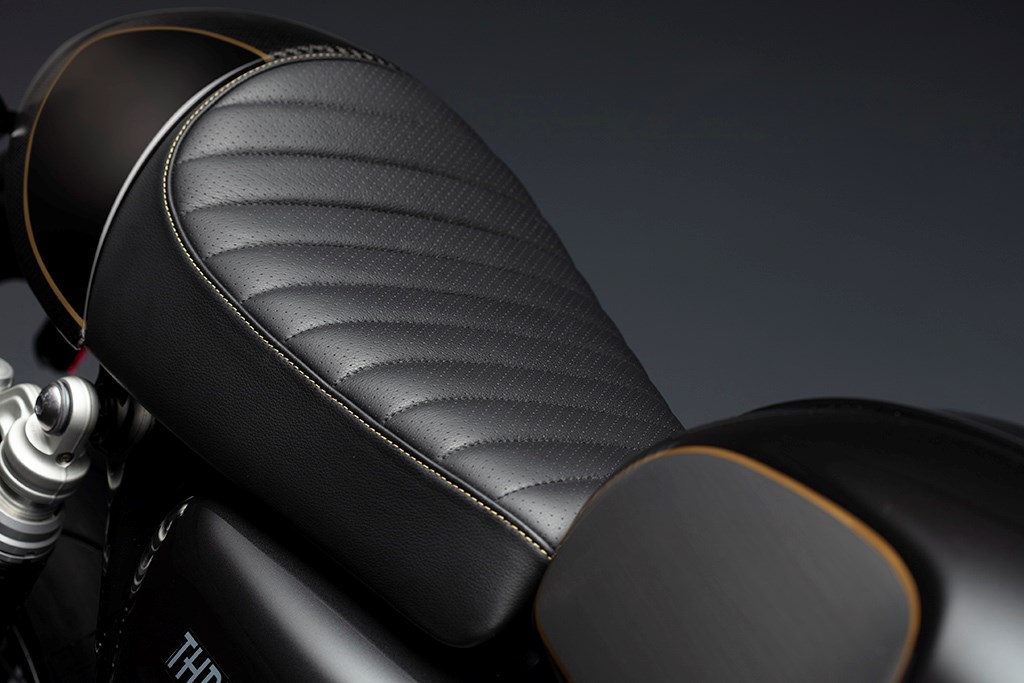
  • Carbon fibre racing “bubble” cowl, front fender, seat cowl, heel guards and exhaust silencer.
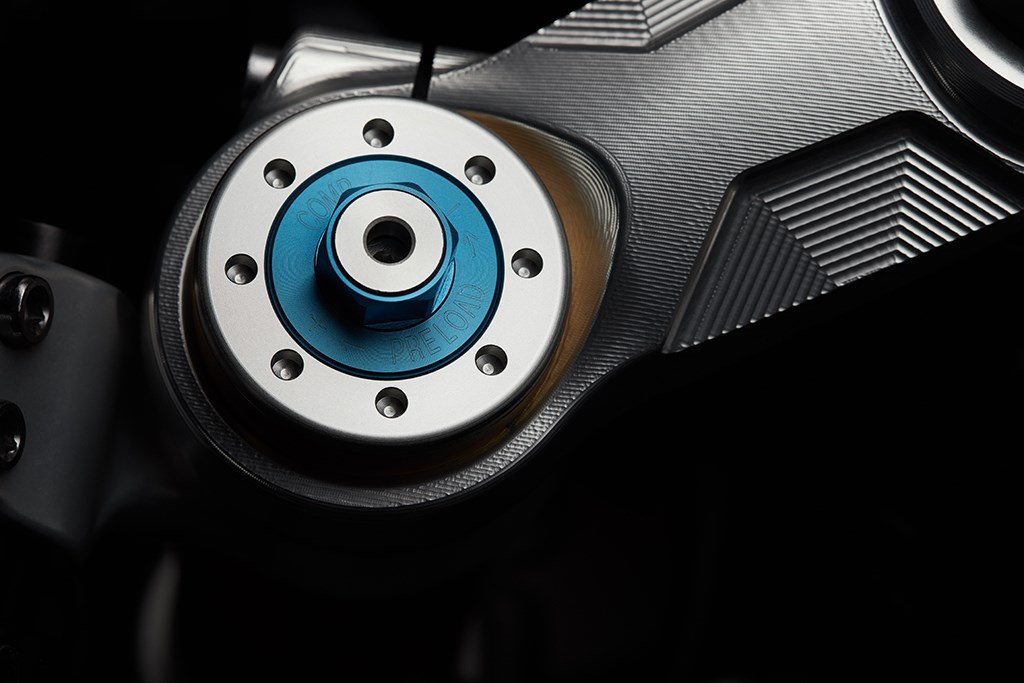
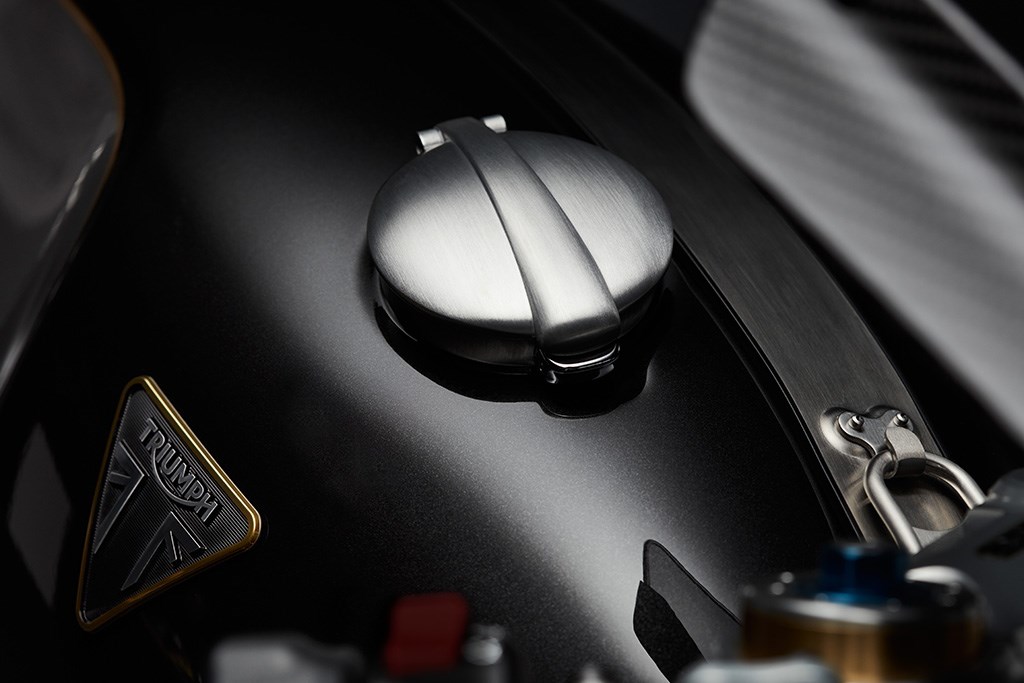
  • Details included billet top triple clamp, tinted windscreen, leather seat with stitching, billet oil filler cap.
  • LED headlight and taillight.
  • Blacked out colour scheme with gold pinstriping. (Remember JPS, anyone?)
  • Triumph didn’t just take a standard Thruxton R and repaint it, instead, the Thruxton TFC features a whole list of upgrades.

Performance upgrades

  • Lighter engine components, high compression pistons, revised ports, higher profile cams, Vance & Hines silencer add 9.8 bhp to 105 bhp. Torque is up at 115 Nm.
  • Weight is dropped to 198 kg with the carbon fibre bodywork, besides the revised engine internals.
  • Additional weight loss came from the aluminium engine cradle rails, removal of the rear mudguard, and lighter battery.

Handling upgrades

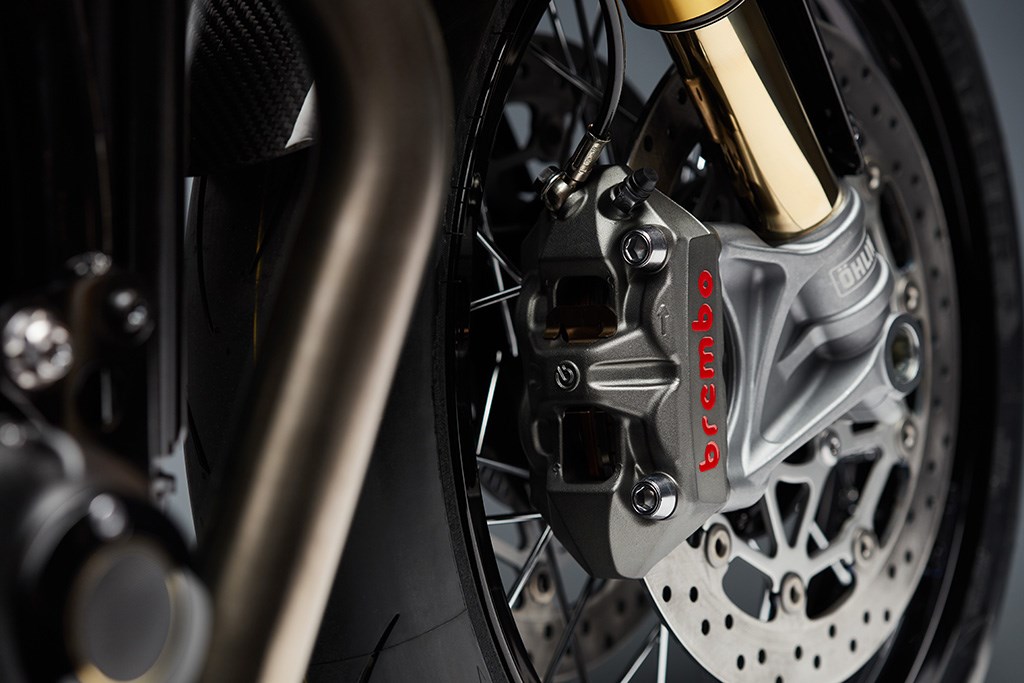
  • Fully-adjustableÖhlins NIX30 forks, an upgrade from the Showa BFF.
  • Adjustable Öhlins piggyback rear shocks.
  • Brembo M4.34 Monobloc brake calipers.
  • Updated ride modes, traction control and ABS.
  • Metzeler Racetec RR tyres.

Special package

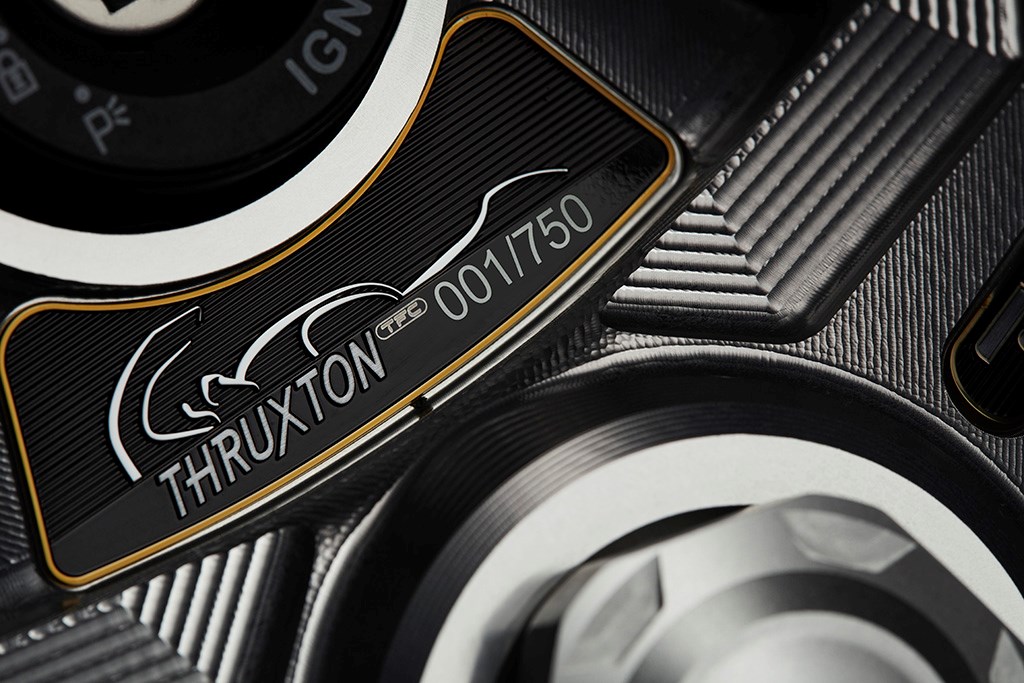
  • Only 750 will ever be built. Each bike is individually numbered.
  • TFC handover pack and certificate signed by CEO Nick Bloor.
  • Personalised custom build book.
  • TFC motorcycle cover.

We can’t wait to see the bike when it arrives at Triumph Motorcycles Malaysia! The “standard” Thruxton R is already the best cafe racer we’ve had the pleasure to test, so we can’t imagine how the Thruxton TFC is like!

PICTURE GALLERY

  • PLUS will propose to install more AES speed cameras on all their six highways.

  • If approved, installation will include the Penang Bridge.

  • But how does the AES speed camera work?

In the news

PLUS (Projek Lebuhraya Utara Selatan Berhad) will submit a proposal to the authorities to install more AES (Automated Enforcement System) speed cameras.

The concessionaire is thinking of installing more of the speed cameras on all six highways under their charge. If the proposal is approved, the cameras will also be installed on the Penang Bridge.

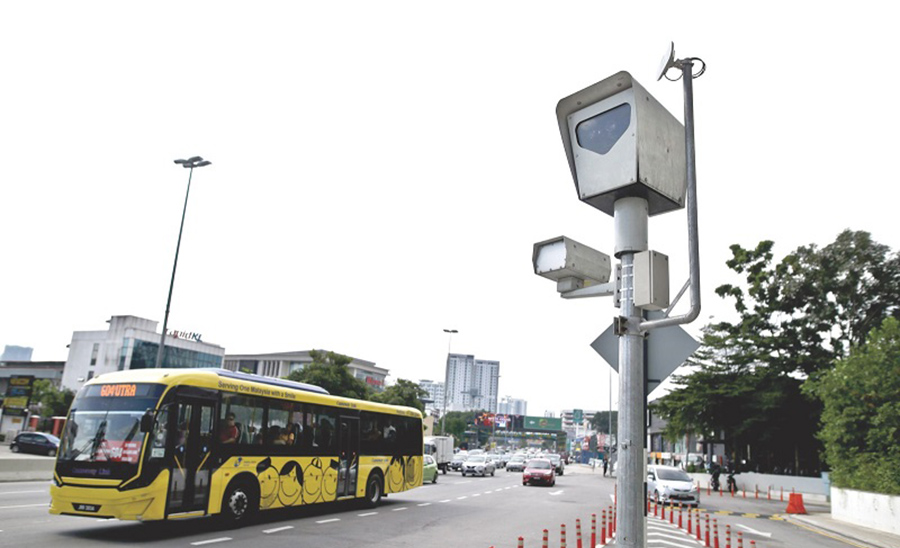
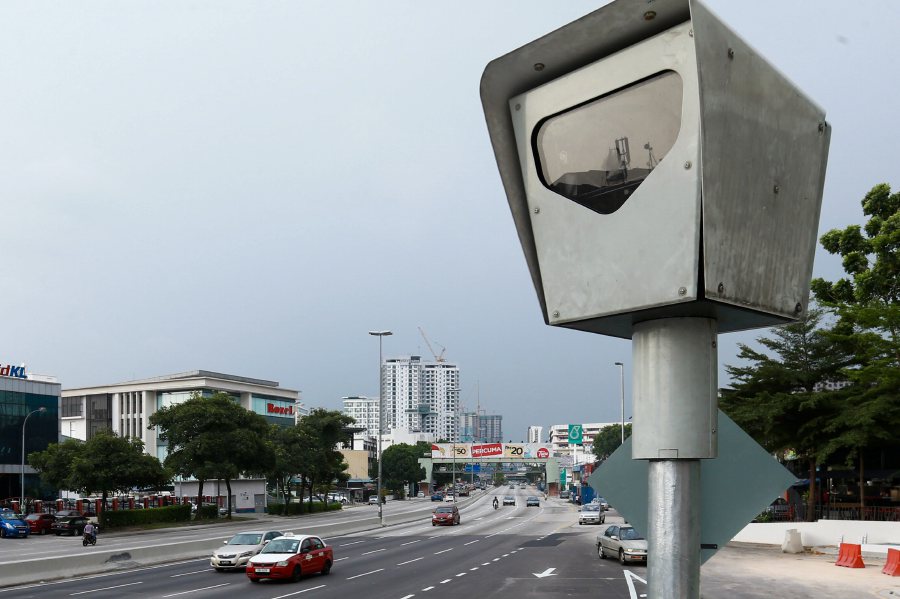
AES camera – Courtesy of NSTP/ASYRAF HAMZAH

Speaking to The Star, PLUS Managing Director Datuk Azman Ismail said the proposal is to ensure road users obey traffic laws and create road safety awareness.

Datuk Azman made the statement at the launching of Ops Selamat 14. The operation will be held from 29thJanuary to 12thFebruary in conjunction with the Chinese New Year.

How Does the AES Work?

We’ve heard some motorcyclists say that covering the motorcycle’s speedometer will avoid the AES snapping the speedometer. We didn’t know if we should laugh or cry.

The AES trigger works by determining how much time it took the vehicle to travel through a set distance. Remember the formula Speed = Distance/Time? (Please click here if you don’t.)

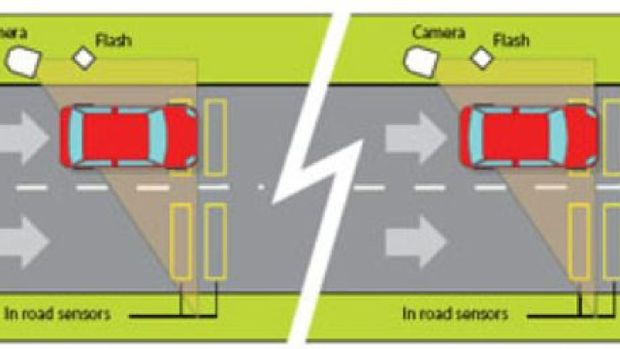
There are two types of sensors:
  1. Piezo or inductive loop sensors embedded in the road. These are to detect “slower” speeds over the limit. This system is also used to detect traffic at some intersections.
  2. A radar detector attached on the outside of the camera housing. This detects vehicles that travel at higher speeds.

For the road detectors, a pair are embedded some distance before the camera. The earlier the vehicle passes both, the faster it is travelling.

Radar works by bouncing microwaves off an object. The faster the waves return to the detector, the nearer the object is to the detector. The processing unit calculates the time difference between when the first wave was returned to the subsequent waves. The faster they come back, the faster the vehicle is travelling.

For example:

Let’s assume the two detectors or radar waves are 20 metres apart, and the car crosses in 0.5 second.

Speed = 50m/5 second = (20/1000) km/(2/3600) hr = 0.02 km/0.00014 hr = 142 km/h

CLICK! Check in MyEG for your summons.

  • We’ve put together a guide to troubleshooting suspension symptoms.

  • A troubleshooting guide is easier to remember and use.

  • We start with preload adjustment.

We touched on the basics of suspension set ups some time ago (click here for the article). We decided that a guide on troubleshooting suspension symptoms is easier to understand and remember.

Please refer to the previous article below for the basics on what suspension preload, compression damping and rebound damping.

Suspension Explained (Part 1) – Prologue

Preload adjustment

Virtually all motorcycles are fitted with it, hence it’s where we should start.

To recap, preload affects your suspension’s sag. “Adding” preload causes that end of the motorcycle to rise, and vice versa.  However, it DOES NOT adjust the suspension’s stiffness. The “stiff” impression when you crank up the preload is due to the reduced the sag. Think of sag as “freeplay.” Remember, sag DOES NOT affect the spring rate, either.

Preload adjustment affects your bike’s ride height hence chassis geometry. For example, you can have the bike turn into corners quicker by having more preload at the back or less in front. Conversely, you use less preload at the back or a little more in front for more stability in corners.

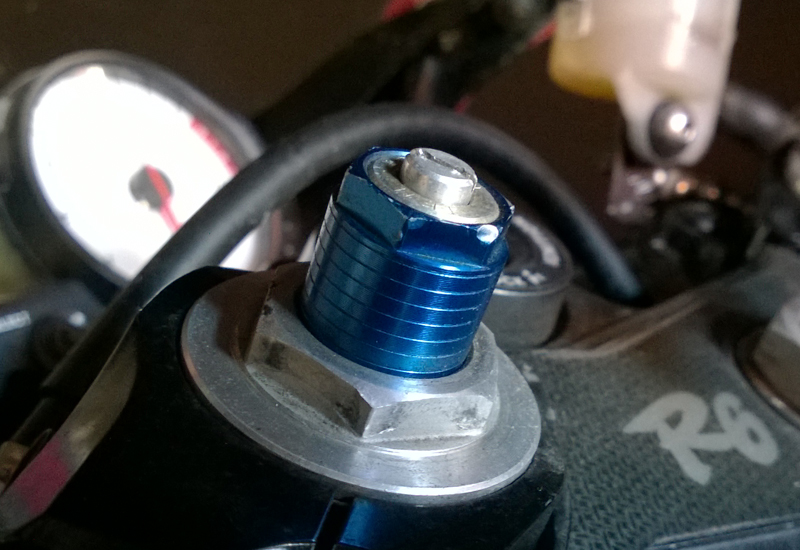
The blue bolt is the preload adjuster. The more preload you add, the fewer lines it shows
Too little preload (Front)
  • The front ride rides too low.
  • The forks bottom out too easily during hard braking or when contacting a bump.
Too much preload (Front)
  • The front rides high.
  • Feels harsh.
  • Overwhelms damping.
  • Bounces back after hitting bumps.
  • Weight is shifted to the back wheel causing sluggish turn-in.
Rear preload adjuster
Too little preload (Rear)
  • Bottoms out quickly, especially when riding with a passenger.
  • Causes the front to ride high.
  • Sluggish to turn in as weight is off the front wheel.
  • Front feels light under hard acceleration.
  • Bike tends to push wide in corners when the throttle is opened.
Too much preload (Rear)
  • The rear rides much higher than supposed to.
  • Damping is overwhelmed.
  • Feels harsh and bounces back hard after contacting bumps.

Stay tuned for Part 2 tomorrow.

Archive

Follow us on Facebook

Follow us on YouTube