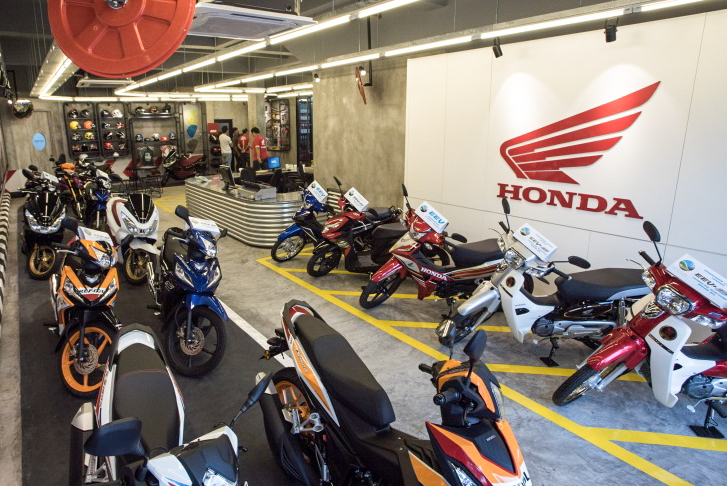
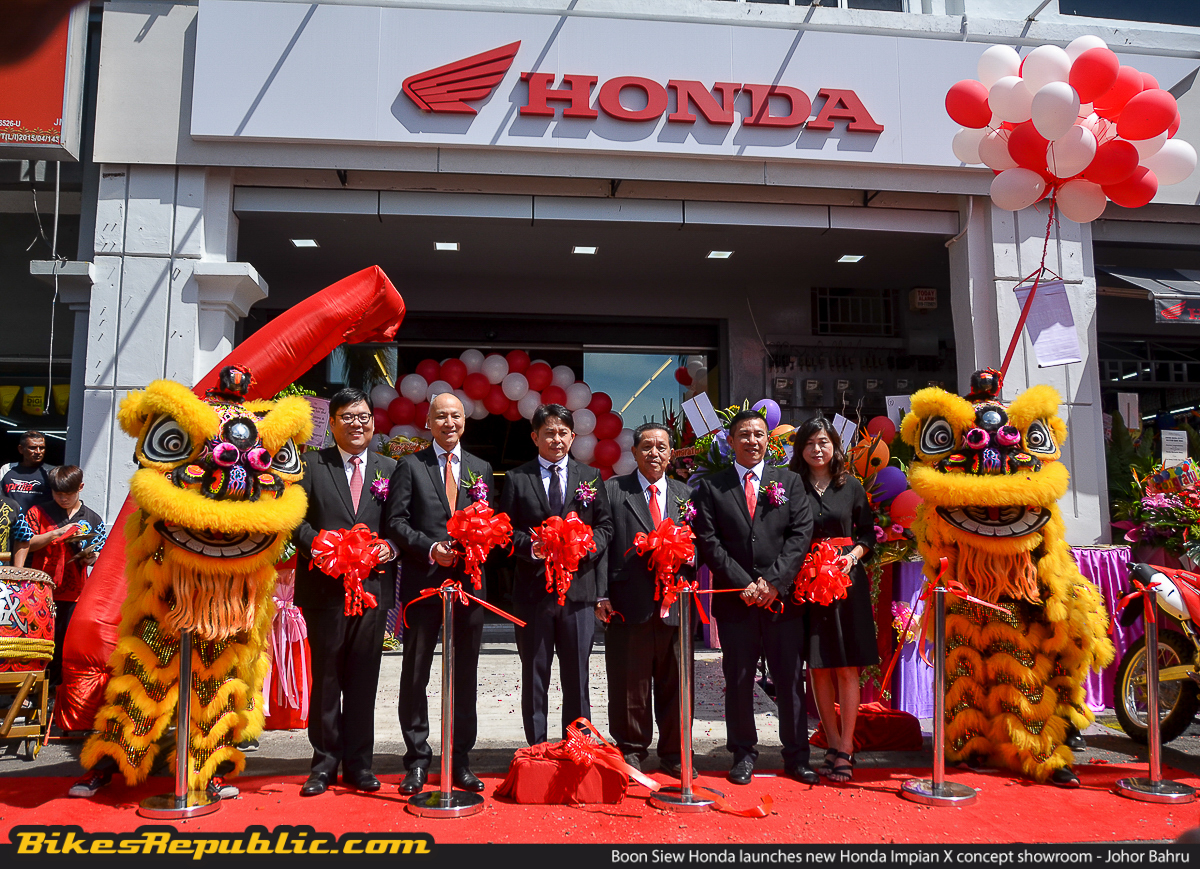
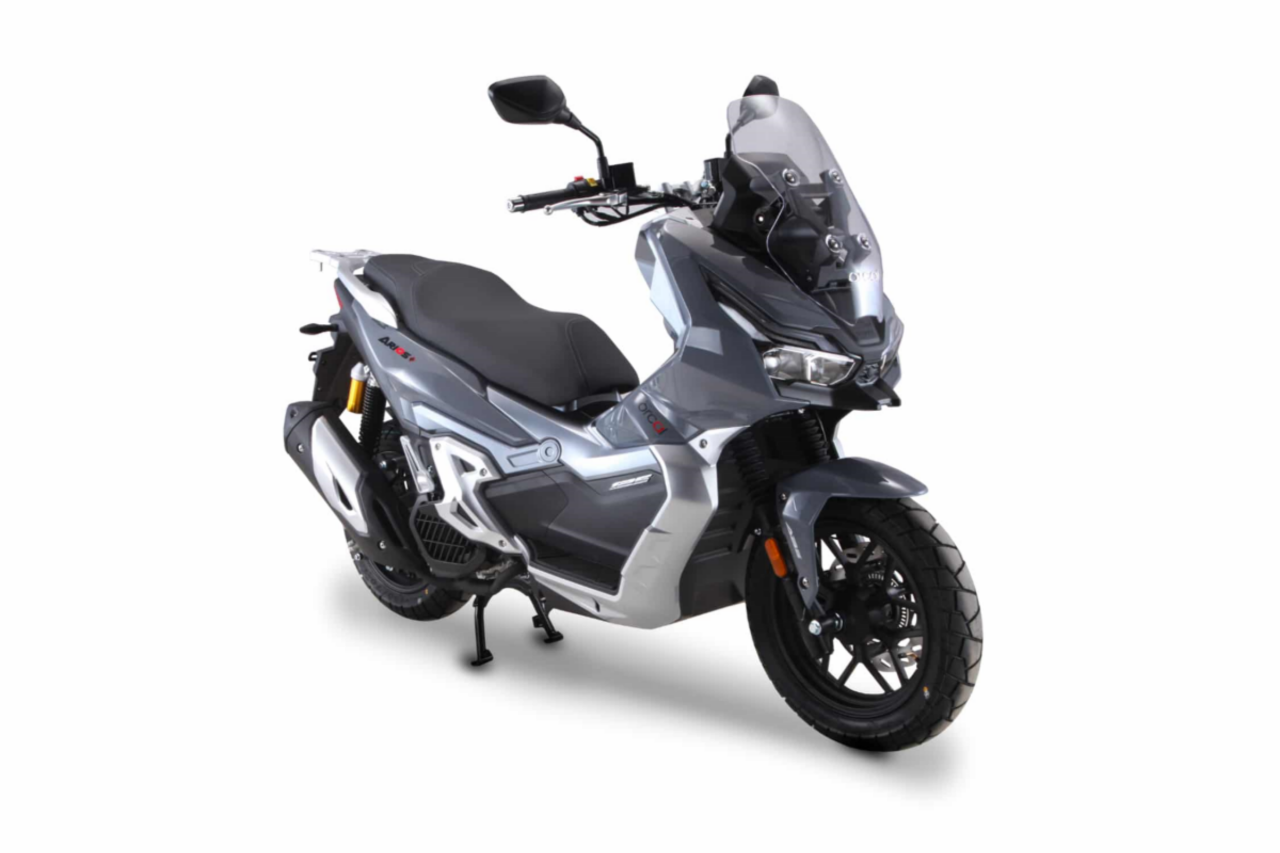
The first ever Honda Impian X showroom was recently launched last month in Johor.
The new showroom concept gives a whole new meaning and experience towards buying small capacity motorcycles here in Malaysia.
Boon Siew Honda plans to change the whole game with Impian X as their first step followed by the Honda BigWing Centres.
After the recent introduction and launch of Malaysia’s first Honda Impian X showroom in Johor, many of us were impressed by the showroom’s concept where the entire bike buying and after-sales services have been further enhanced for the benefit and comfort of all of Boon Siew Honda’s customers. (more…)
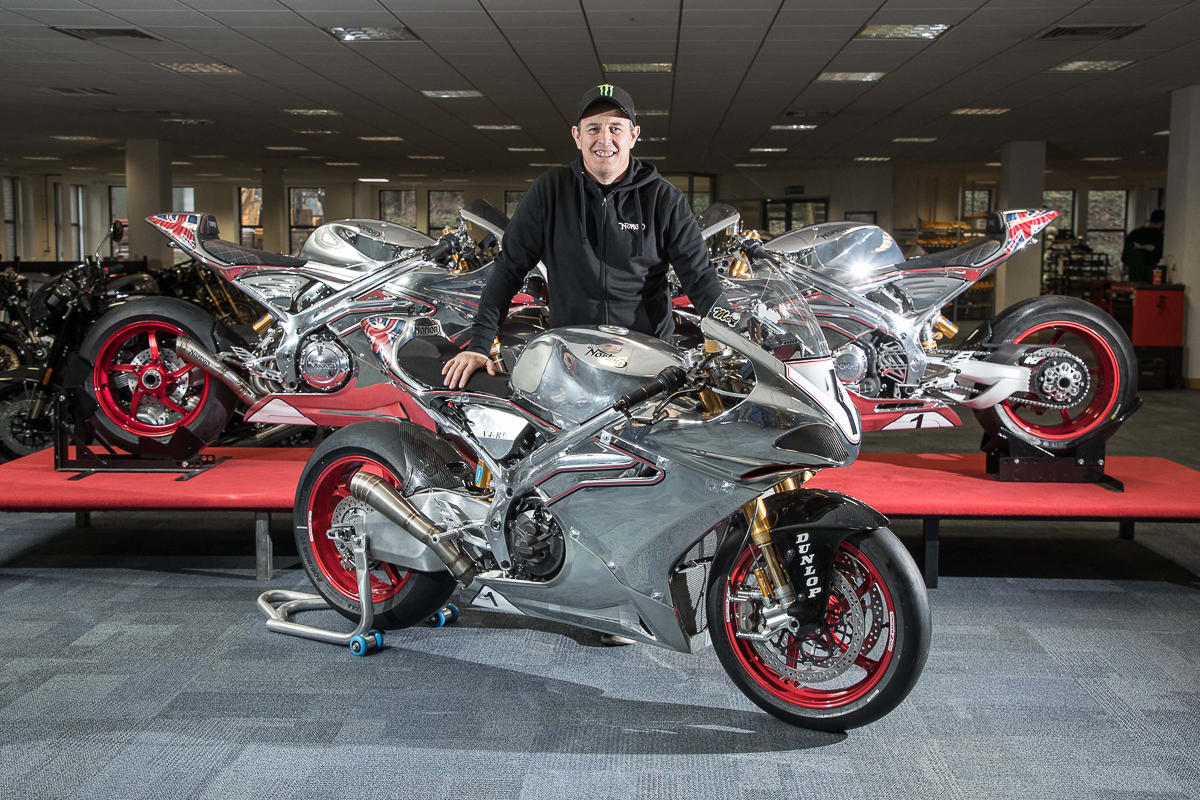
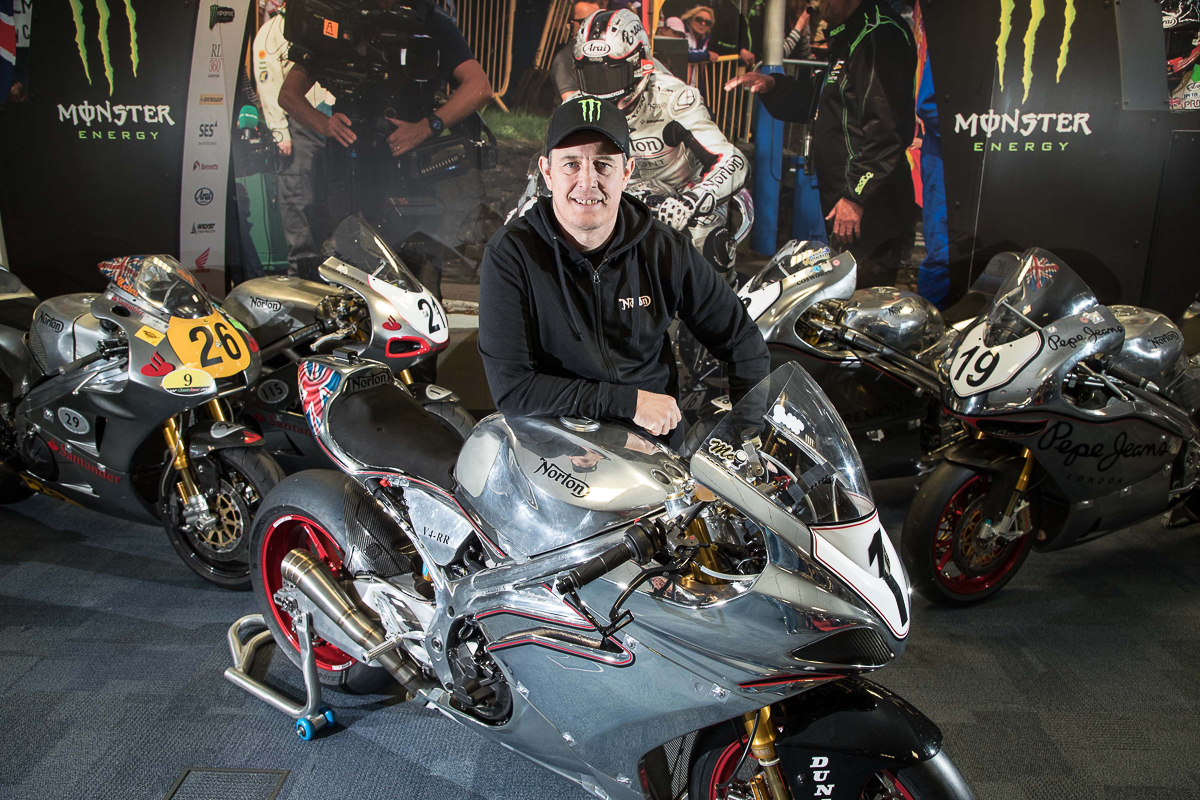
Norton Motorcycles has finally confirmed that their second rider for their 2018 Isle of Man TT campaign is John McGuinness.
To fuel things further, photos of McGuinness and the Norton V4 RR SG7 have been going around online.
The 23-time TT winner will continue his road racing career this year with Australian rider Josh Brookes.
It’s official, folks. After several rumours going around town, John McGuinness has finally confirmed his move to Norton for the 2018 Isle of Man TT. The 23-time Isle of Man TT winner will be piloting the 1,200cc Norton V4 RR together with Australian Josh Brookes. (more…)
Radial brake caliper mounting is all the rage nowadays.
But the “normal” axial-mounting is still present.
What are the benefits of mounting the caliper radially?
To rehash, we’ve seen the basic principles of the brake system in Part 1, about how the pressure from your fingers is transferred into fluid pressure, resulting in braking force.
Therefore, let’s now examine the methods of mounting the front brake caliper to the motorcycle, or more specifically, about the radial mounting arrangement that’s all the rage these days. Yes, so popular they are that even lowlife thieves couldn’t resist them.
Axial master cylinder
One, the traditional type is the “axial” master cylinder, found on almost all motorcycles with front hydraulic brakes from small to large.
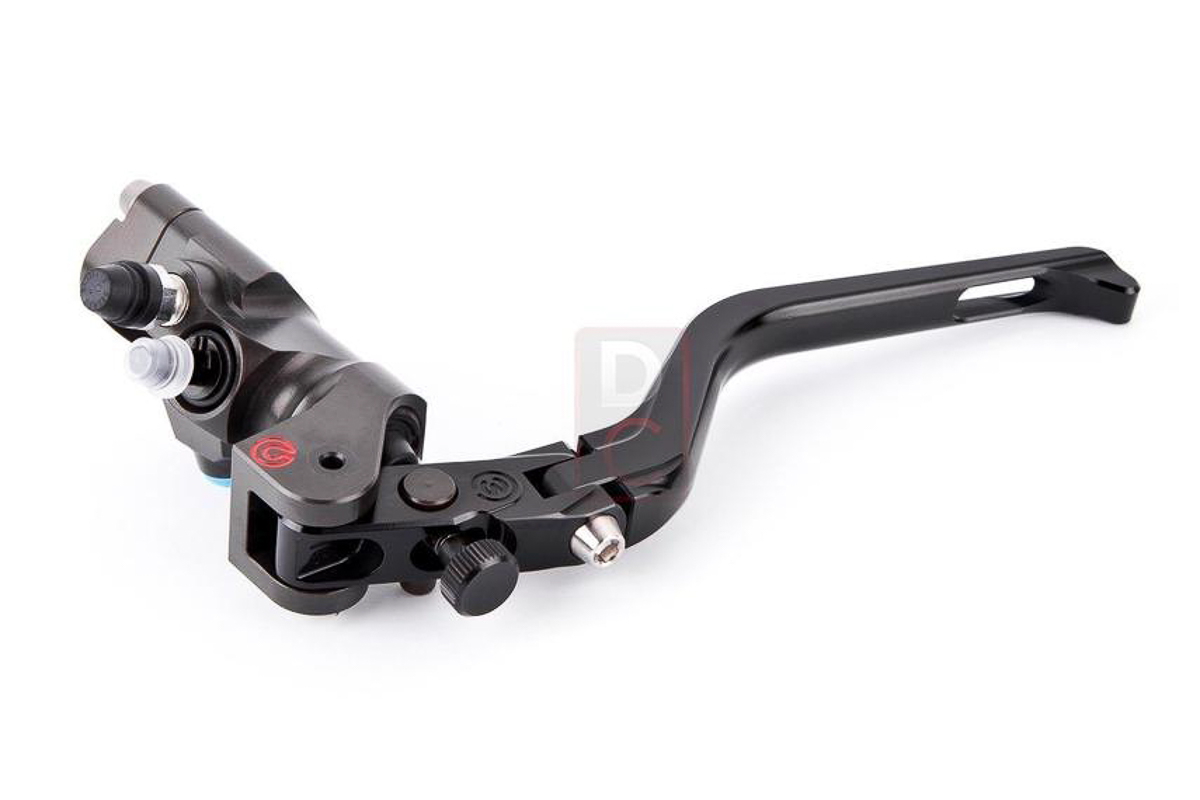
In this arrangement, the master cylinder’s bore is perpendicular to the lever’s travel, seemingly elongated to the left side viewed from the top. A protrusion on the end of the lever pushes the plunger in cylinder, forcing brake fluid into the calipers.
Radial master pump
The second and more recent type is the radial master cylinder. The master cylinder’s bore is parallel to the brake lever’s movement, looking more directly fore-and-aft when viewed from the top.
What’s the difference between the two? Other than a different type of piston movement, the radial master cylinder provides a better feel at the lever for what the brake is doing. The radial master cylinder is more rigid as there are fewer moving parts.
Axial-mount calipers
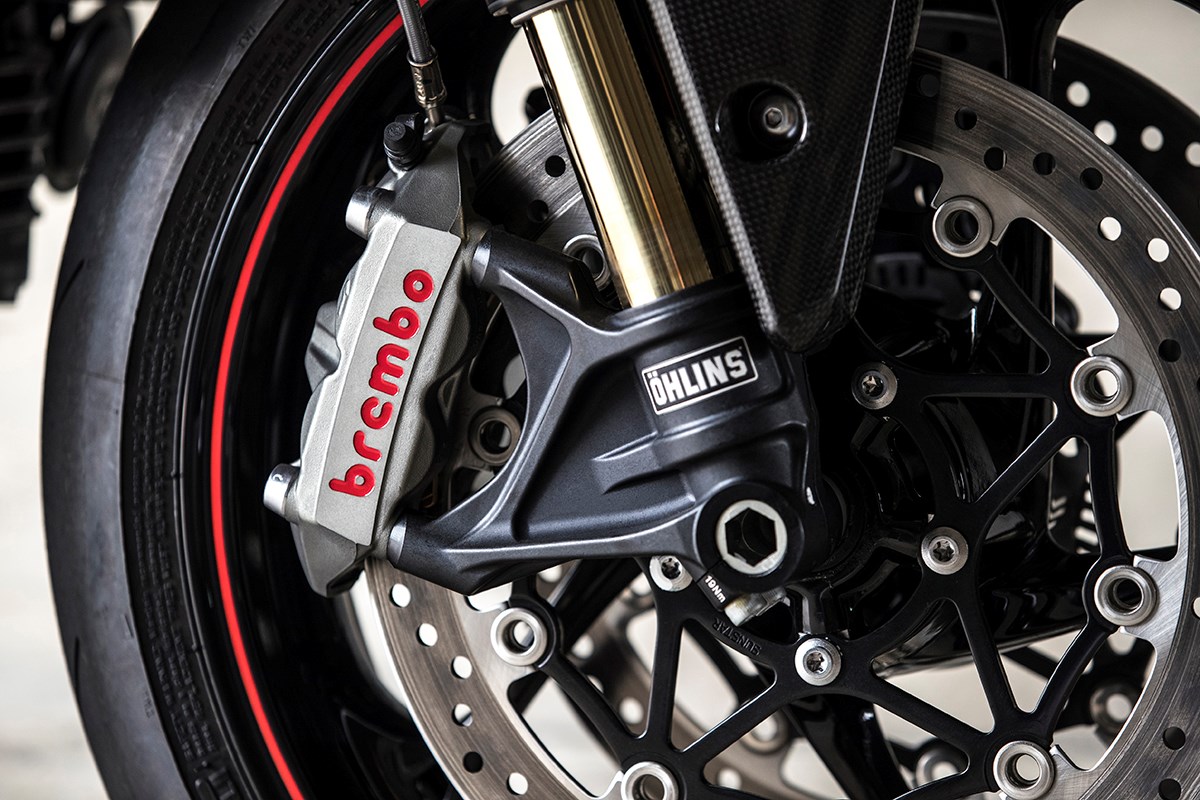
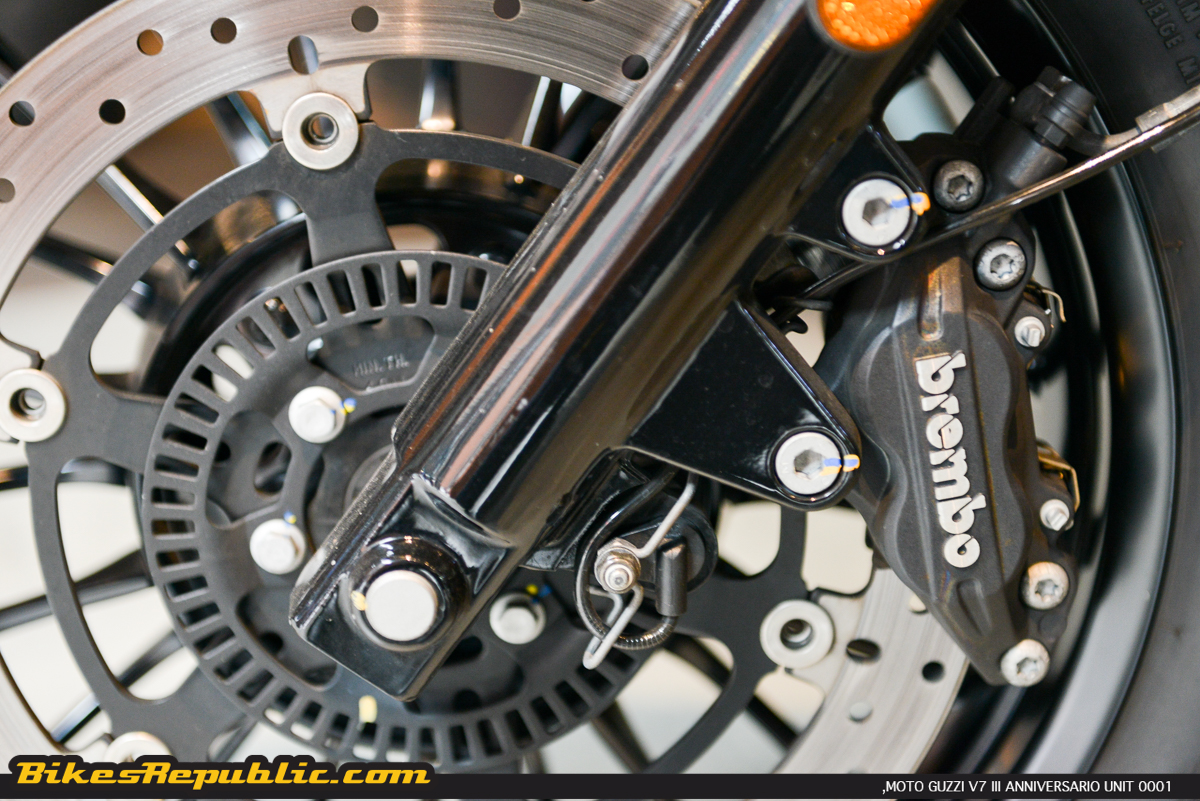
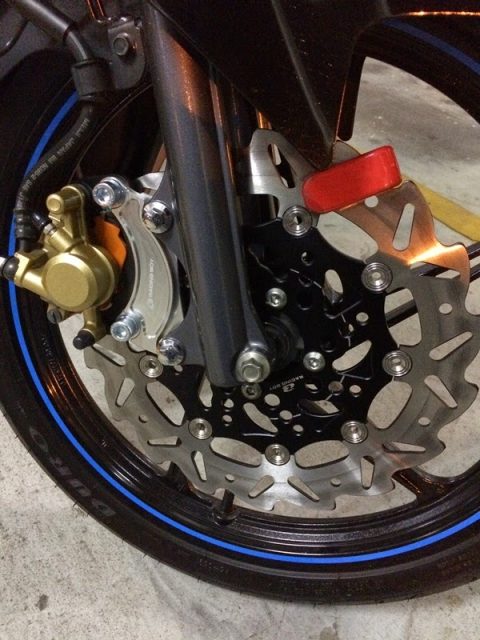
With the advent of radially-mounted brake calipers, this format has gone on to be called the “normal mounting.” The caliper is mounted to “bosses” cast into a fork’s bottom tube, with bolts that run parallel to the wheel axle.
There isn’t anything wrong with this type of mounting. However, custom brackets need to be fabricated should one want to install a larger brake disc. Other than that, there may exist a little torsional flex for lateral movement, although it’s hardly perceptible when ridden on the streets.
Radial-mount calipers
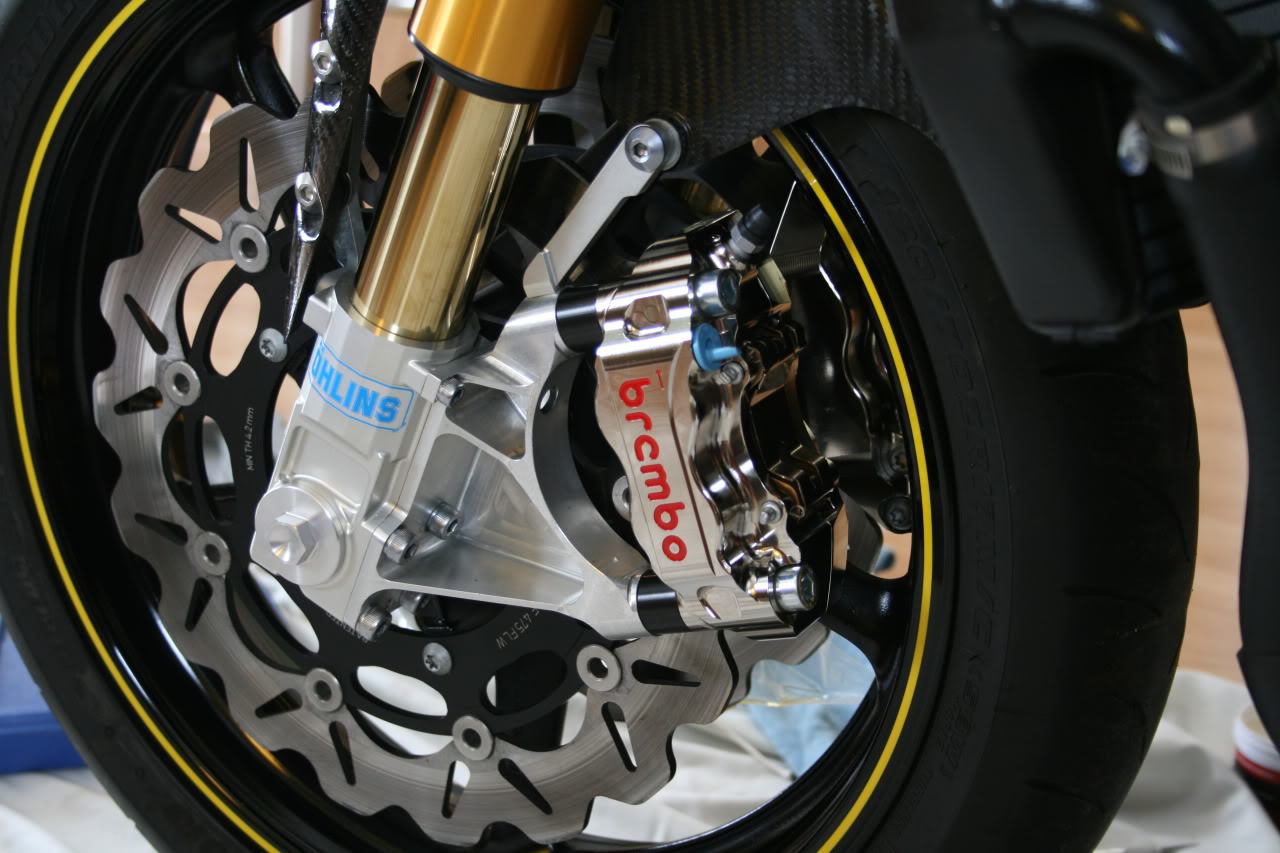
In this setup, the caliper is still mounted to bosses cast into the lower fork legs. However, the bosses are cast to allow bolts to be fitted directly from the rear, instead of from the side, and perpendicular to the wheel axle.
Being mounted this way means there is virtually no deflection because the braking forces are on the same plane as the brake disc’s rotational forces.
What are the benefits of radially-mount calipers?
First and foremost, being mounted from the rear means all the rider needs to do is install spacers and longer bolts when switching to a larger disc, instead of having to custom make a mounting bracket.
Picture from MotorMadMan
There is a myth surrounding radially-mounted calipers as having more braking power. Want us to be honest?
As we highlighted in Part 1, “brake power” is defined by the amplification of brake fluid pressure, in relation to the size of the master pump’s piston and caliper pistons’ sizes.
What radial mounting does though, with the lack of deflection, provides for a crisper feel when braking, i.e. better braking feedback, and in turn allowing for better modulation of the front brake.
Where it’s usually more important for the track than the streets.
Speaking to car drivers, most don’t understand motorcycles.
It’s mostly due to their limited knowledge about the motorcycle’s limitations, rather than having bad intentions.
It’s our responsibility as bikers to share this knowledge with other road users.
We wrote about how us as motorcyclists could annoy car drivers earlier. Those examples we cited were due to extreme instances on the rider’s part. Truth is, whether we accept the fact or otherwise, while there are many bad car drivers, there are equally bad motorcyclists. That’s why we’ve decided to put together this article of 8 Things Drivers Don’t Understand About Motorcycles.
Being humans, we always relish upon our own perspectives while being apathetic to those of others. We can’t please everyone, of course, since we’re sharing a public facility but we have to always remember about others. It’s when we don’t that we become an annoyance to others. (Compare ourselves to Japanese road users. No, don’t refer to Tokyo Drift.)
From this apathy stems misgivings about others, including some car drivers who don’t or worse, refuse to understand what motorcyclists have to go through. This is especially applicable to drivers who have never as much as ridden pillion on a motorcycle, hence they do not understand a motorcycle’s limitations.
And it’s usually this bunch who spell trouble for us motorcyclists. A note to car drivers: We are not attempting to put you down through this article. On the other hand, we hope that you understand the plight of motorcyclists.
1. Motorcycles can stop instantly
This is by far, the worse misconception about motorcycles.
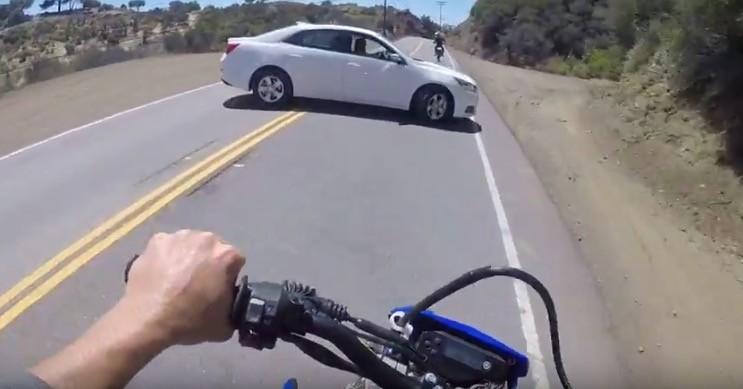
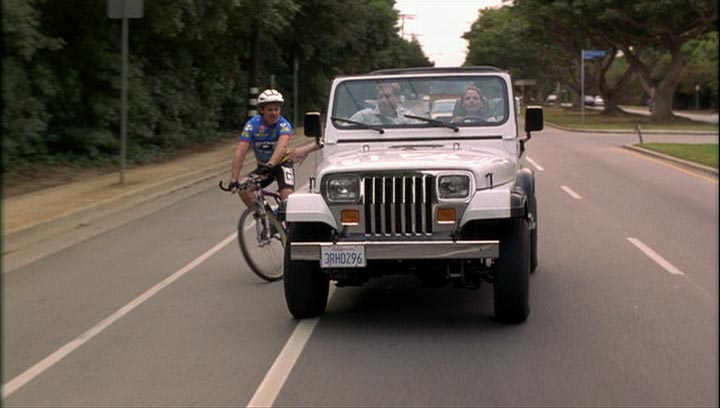
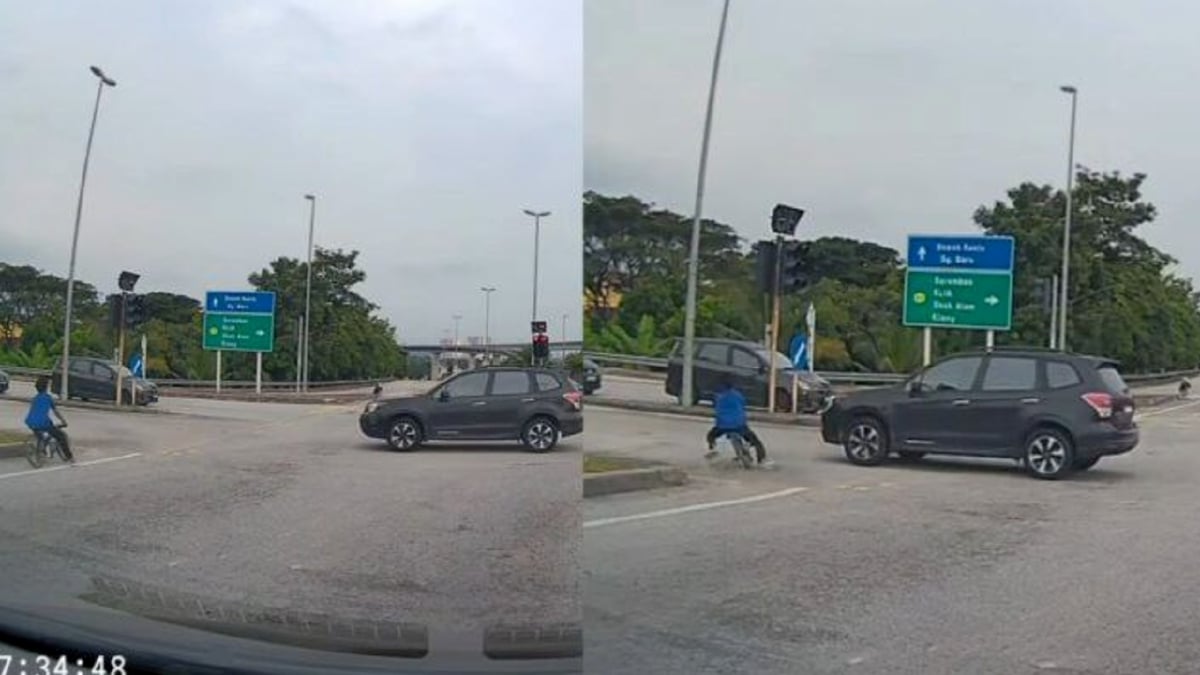
Cars drivers see us and still pull out with mere 2 metres to spare, without factoring in our closing speed. They base their impression on how they could brake in their cars and apply it to motorcycles.
While it’s true that motorcycles are smaller and lighter, hence could stop in distances that’ll shame 99% of cars out there, the key here is stopping safely in a short distance. Sure, we could just clamp down on the brakes, but we’re likely to skid out or tip over due to stopping dead too abruptly.
2. Motorcycles can avoid anything
Besides thinking that we could stop in time, drivers often pull out in front of us with the impression that we could avoid them.
Yes, a seasoned or trained rider may be able to avoid the car, but where do we avoid to if there’s no space? Into oncoming traffic?
What about riders like pakciks and makciks on old bikes? Do car drivers actually think they have the capability to do so?
From www.autoevolution.com
3. Motorcycles can brake in the middle of corners
We’re coming up to a corner, occupying the overtaking lane (that’s the right-most lane, ahem) to pass traffic.
But just as we approach 10 metres behind the car on the right side, the driver decides to pull out into the right lane to overtake the vehicle in front of him, effectively cutting us off. That leaves us with no choice but to apply hard braking while being leaned over for the corner.
Cars can brake hard in a corner and still track through as they’re not that prone to weight transfer. On a motorcycle, hard braking in the middle of the corner will result in either 1) The bike standing straight up and overshooting the corner; or 2) The front tyre skidding and dumping us on the ground (low side).
To car and other vehicle drivers, please set up your pass BEFORE the corner. It’s called looking and planning ahead.
4. Crossing the line between lanes
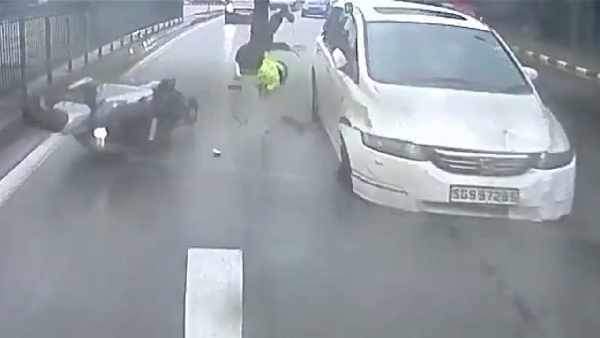
Speaking about corners, we are mystified as to why certain drivers have to put the inside portion of their vehicles into the lane beside him while negotiating corners. Some even have the mindless attitude to sweep past all three, even four lanes from the right-most to the left-most and drift back out to the right-most to make a simple CURVE, much less a corner.
This is especially prevalent on twisty highways like Karak or mountain roads like those near Genting Highlands or Cameron Highlands. What? You’re driving Formula One? Does a Formula One or any racecar driver round corners by leaving his lane? His car becomes an expensive lawnmower if he did!
If a vehicle operator couldn’t keep his vehicle in the same lane while cornering, it means he couldn’t control his vehicle effectively. Think it looks cool? No, it looks dumb.
To be fair, this applies to some bikers too.
Picture from www.allsingaporestuff.co
5. Motorcycles are slow
Really?
Speed is relative. It means while a car turtles along in a traffic jam at 10 km/h, a scooter travelling at 40 km/h is 30 km/h faster.
Out on the highways, motorcycles normally travel from 80 km/h and all the way up. The closing rates are much faster and it only takes a split second for a motorcycle to reach the car ahead.
It’s not that we’re the kings of the road, but we’d like to implore drivers to please look closely to determine our speed and closing rate before deciding to pull out.
6. Motorcycles are invisible
That leads us to vision.
In fairness, it’s how the human psyche works. Our minds can get stuck in the mode to scan for what we chose to focus on.
A driver first thinks, “Ada keter tak? (Got other cars or not?)” When his mind replies, “Takde keter, boleh jalan (No car, can move),” he will turn out in front of you, only to be surprised to find a bike honking at him or worse, having the motorcyclist fly into his car. His response will invariably be, “There wasn’t a bike. I don’t know where he came from,” although we had been there at all time.
This could still happen despite us wearing a bright jacket or being covered with bright LEDs from head to toe.
If you’re reading this, we need to condition our minds to scan for everything on the road, including all different sorts of vehicles, pedestrians, cats and dogs.
7. Not checking the mirror and surroundings
Mirrors aren’t there just for the vehicle to pass road homologation, they’re there to spot other vehicles and road users. So use them.
Also, we should inculcate the habit to glance past our shoulders before switching lanes. Another vehicle could occupy the vehicle’s blindspots. A quick glance over the shoulder allows one to determine if the sides are clear.
From the movie Clueless
8. Not signaling
For the information of car drivers, while the turnsignal switch on a motorcycle is placed next to the left thumb, reaching for it is relatively harder than flicking the signal stalk in a car. Yes, I drive too!
This is because riders with small hands and short fingers need to stretch the thumb to get at the switch, while having a finger or two on the clutch lever, while the last two holding the handlebar to control the direction of the bike, at the same time!
In a car, a driver could just flick the signal stalk at will with any of or all his fingers. So, there’s really no excuse why car drivers don’t signal!
Other bad habits
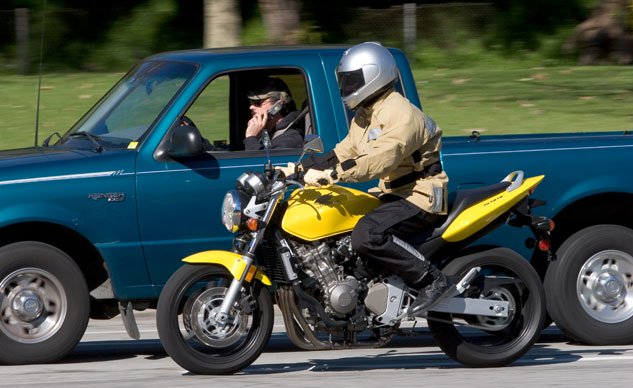
9. On the phone!
How many times have we seen drivers swerving all over the road because they were busy updating their Facebook or talking so intently on their mobile phones?! Where’s the enforcement?!
From motorcycle.com
Conclusion
These are just a few among many things that are dangerous to motorcyclists. Sure, we could always blame “That stupid driver” but the obligation is on ourselves to ride intelligently in order to avoid becoming the victim of others’ impertinence. Remember that we motorcyclists always come out worse in the event of an accident, regardless of whose fault it is.
Through this article and others to come, we hope that each of us would take a little time to advice our car driving acquaintances and family members on the limitations of motorcycles. That’s more constructive than jabbering away at social media portals that post about road accidents and end up fighting with complete strangers and trolls.
With enough determination, let’s improve road safety for everyone, Insy’Allah.
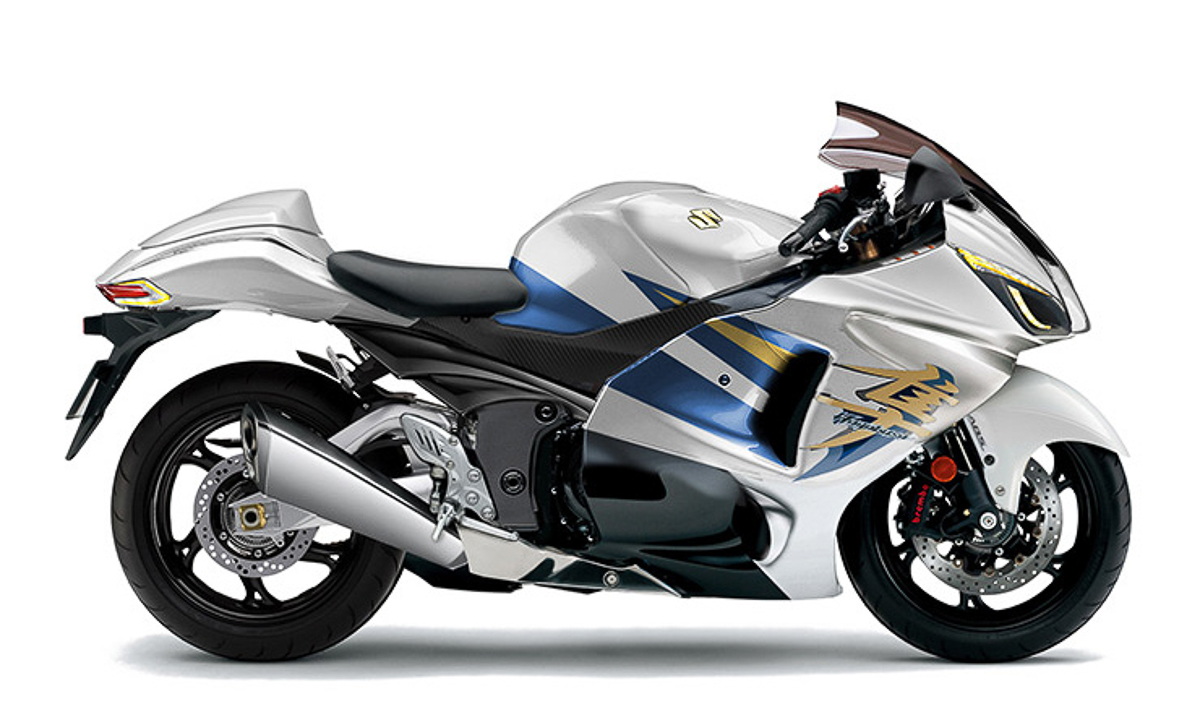
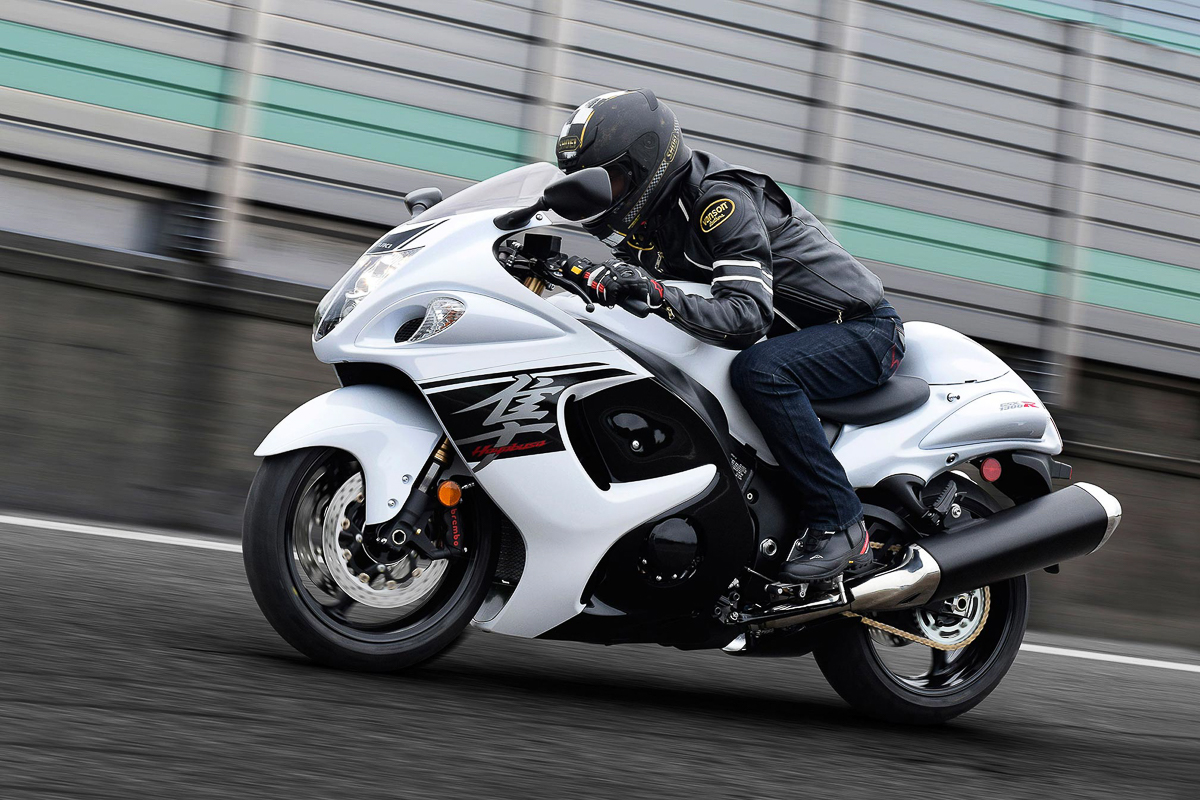
Rumours have been going around about the specs related to the 2019 Suzuki Hayabusa.
The biggest rumour surrounding the new hyperbike is the new 1,440cc four-cylinder engine which will change it into the GSX-R1400R.
Expect a completely new machine considering that the Hayabusa will celebrate its 20th anniversary next year.
There have been a lot of rumours flying around regarding the upcoming 2019 Suzuki Hayabusa which we all know is coming. While the Japanese manufacturer has been keeping a super tight lid on the new ‘bird of prey’, a lot of speculations have risen from top motorcycling experts across the globe. (more…)
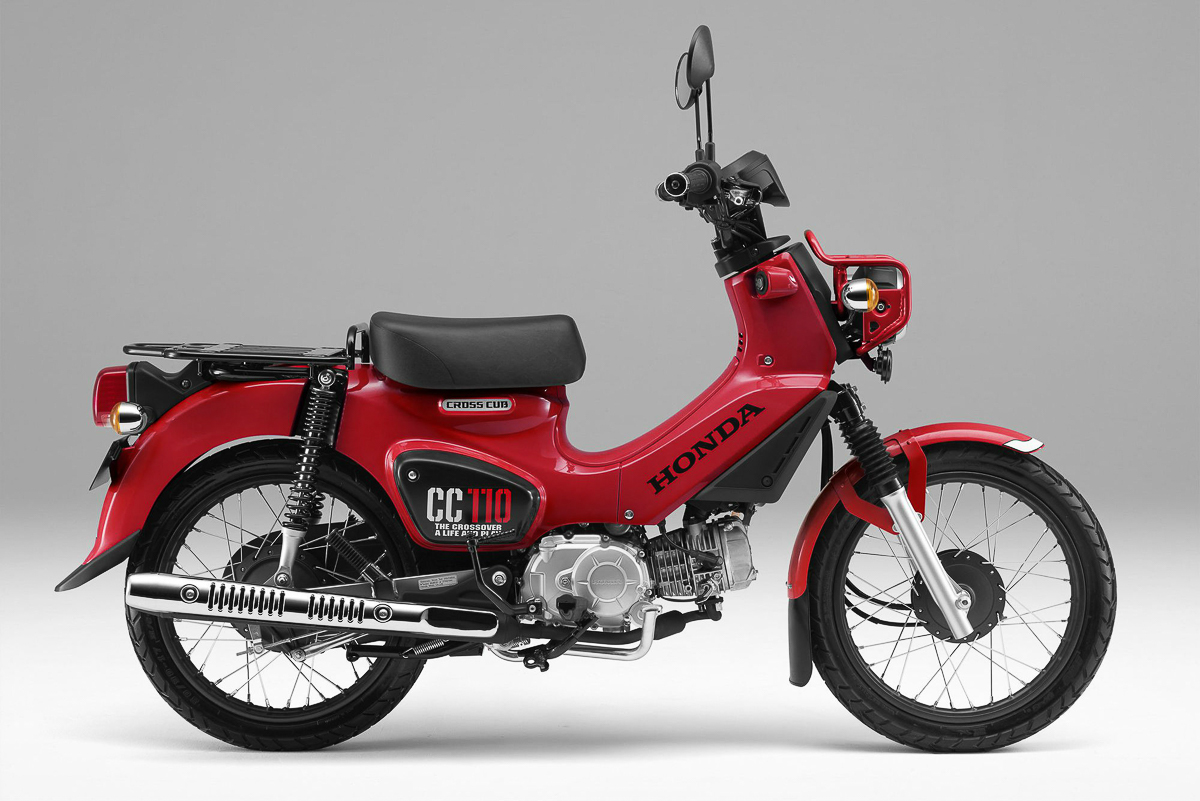
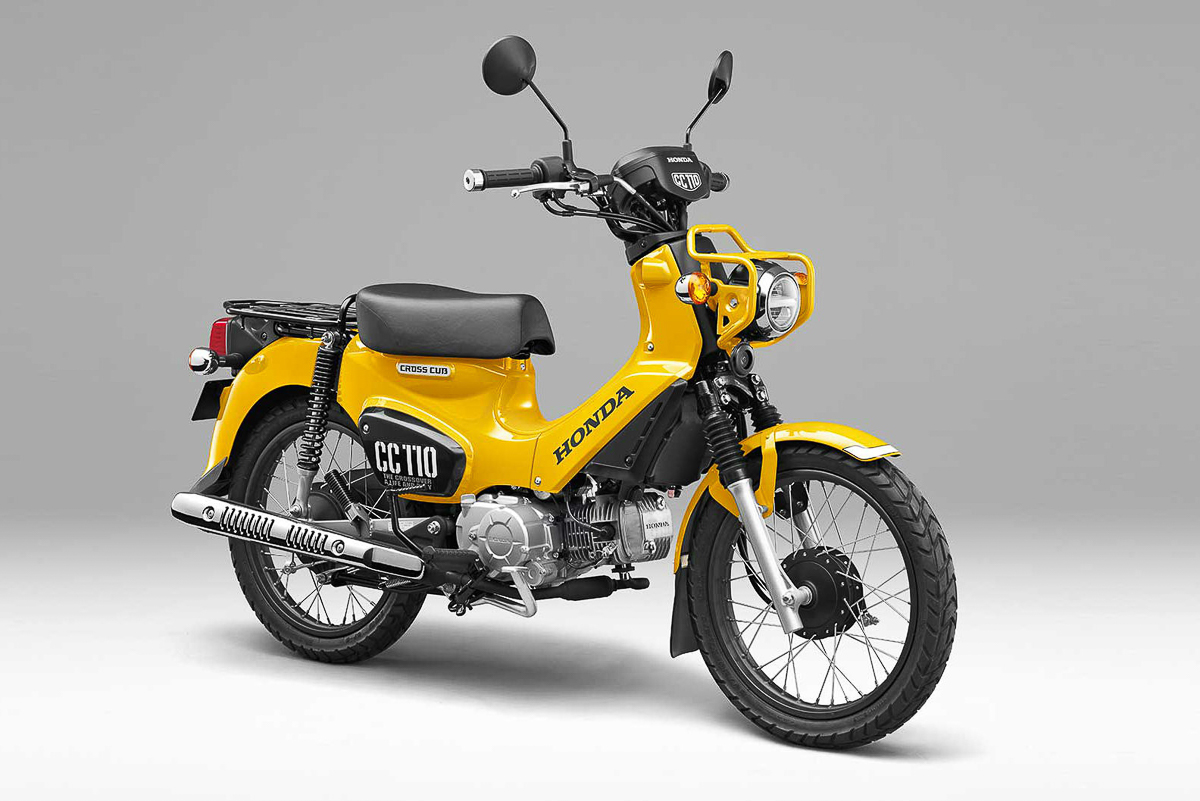
Honda Motor Co., Ltd. (Honda Motorcycles Japan) has officially launched the 2018 Honda Cross Cub 110.
The latest addition into the Super Cub family was introduced together with its smaller sibling, the Cross Cub 50.
No prices have been announced yet but they will be available in the Japanese market by the end of February.
Honda Motor Co., Ltd. (Honda Motorcycles Japan) has just launched the 2018 Honda Cross Cub 110 for their local market consumption. The all-new Cross Cub 110 was launched together with its smaller but still very interesting 50cc brother, the 2018 Honda Cross Cub 50. (more…)