Bikesrepublic

Latest News

Malaysia’s latest moped custom culture and community, Kapcai Custom, recently launched themselves with a bang thanks to their plan to give away monthly prizes to those who subscribe to their 6-month subscription plan. Now, there’s a new and cheaper plan which offers the same benefits and you definitely want to check them out. (more…)

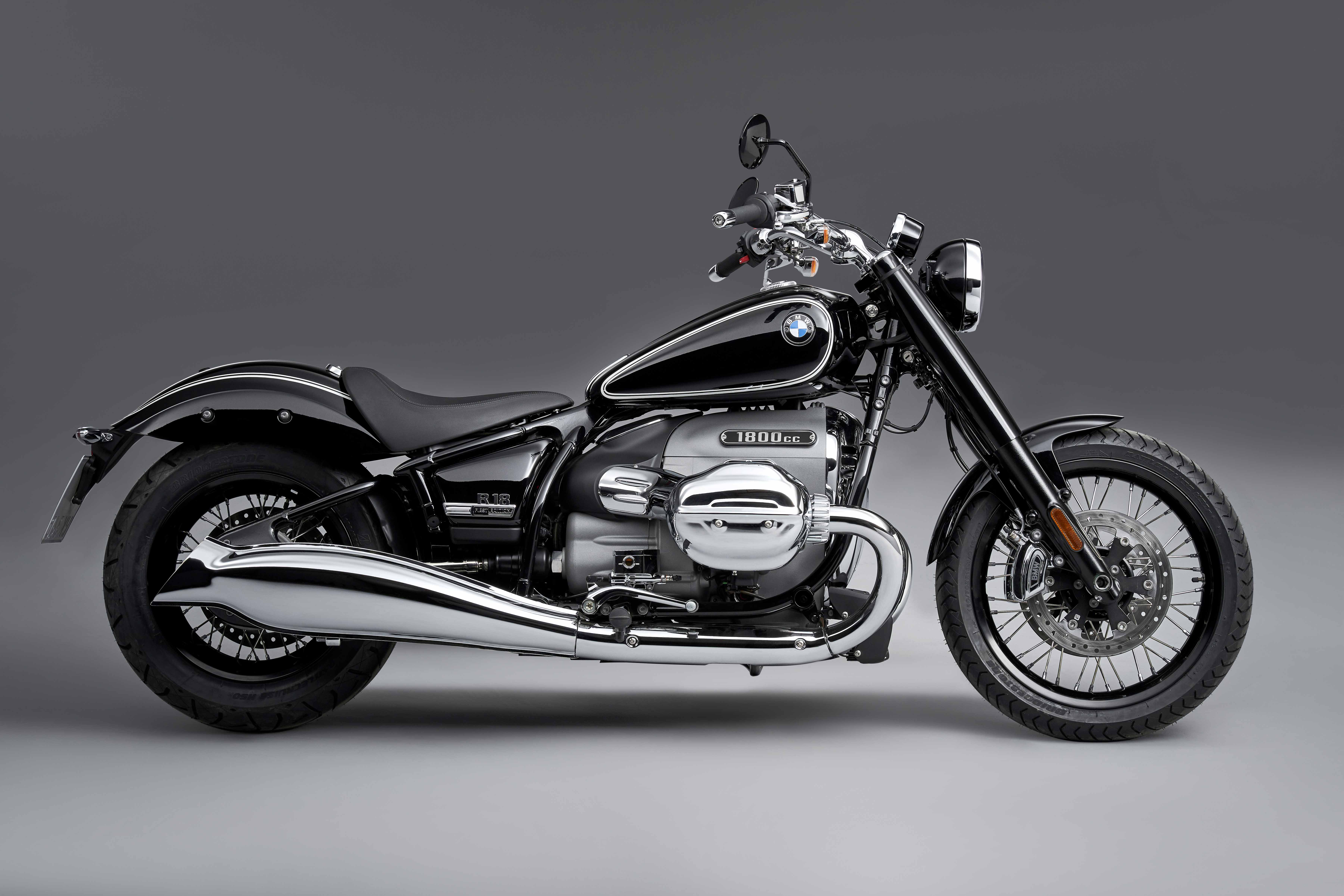
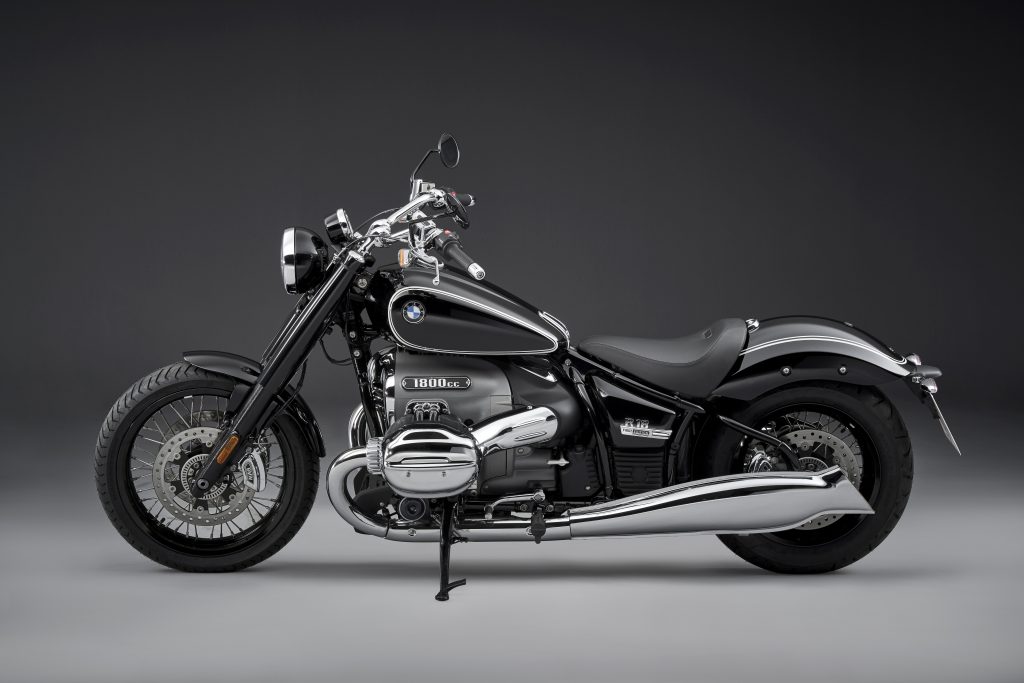
  • BMW Motorrad first introduced the R 18 some months back to the global market. 
  • The limited-edition BMW R 18 is now available in Malaysia.
  • The limited-edition model will only be available at 3 dealers nationwide. 
    Online bookings have started.

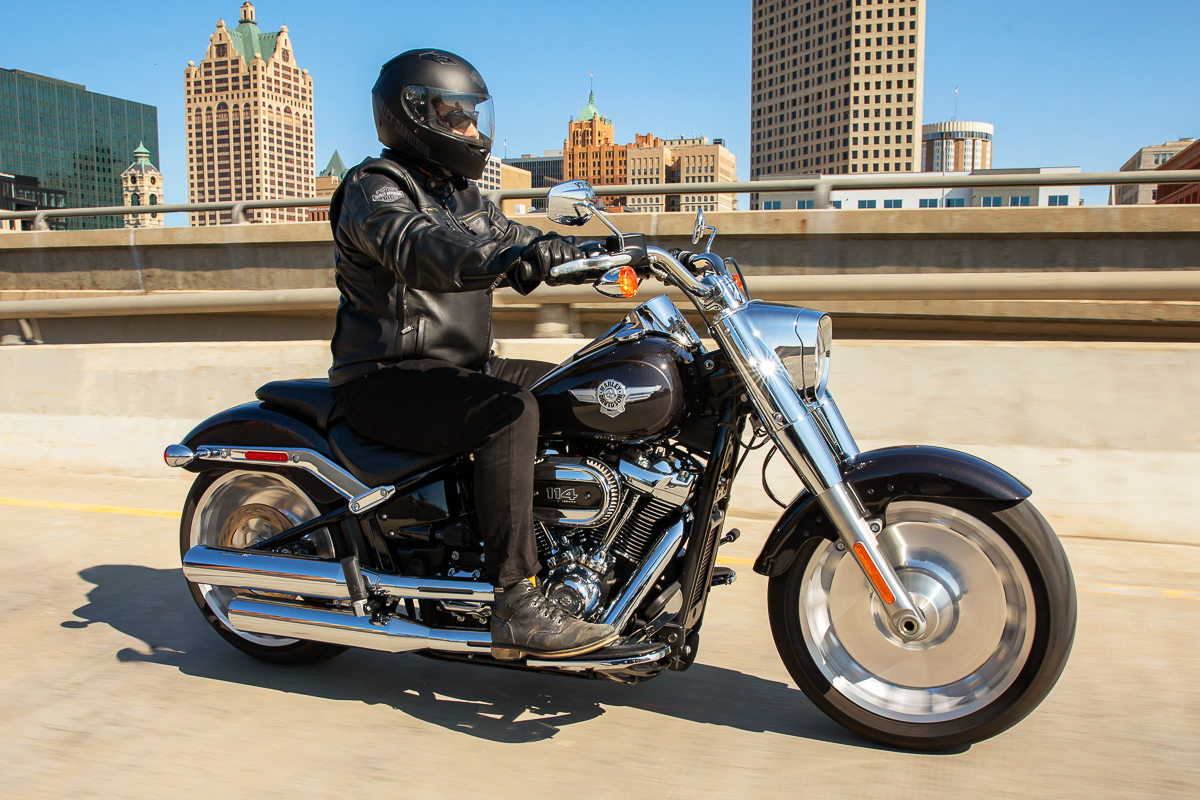
BMW Motorrad is the latest player in the cruiser market with the launch of their super seductive BMW R 18 a couple of months back.

To make its debut even grander, the first limited edition batch called the BMW R 18 First Edition will only be made in limited numbers. You can book yours online now via BMW Motorrad Malaysia! (more…)

  • The powervalve opened up a whole new performance envelope for two-strokes, especially the YPVS.

  • But what is a powervalve?

  • And no, the RX-Z isn’t equipped with one, despite being touted at RM 70,000.

We were having a chat in Facebook when the subject of the powervalve came up, centering on the YPVS (thanks Derick). It may be a thing of the past, since powervalves served the two-stroke bikes, but it’s never too late to learn, is it?

Besides, the powervalve evolved to be present in the current breed of four-stroke sportbikes, as well. We’ll get to this later.

What is a powervalve?

To understand what a powervalve is (more specifically, exhaust powervalve), and how it works, we have to have a firm grasp on the workings of a two-stroke engine. You can click here for the full article.

READ: How a Two-Stroke Engine Works

To recap quickly, a carbureted two-stroke engine uses its piston(s) to cover and uncover ports in the cylinder to induct and transfer fresh charge (fuel, 2T oil and air mixture) and exhaust spent gases. However, since the fresh charge and exhaust gases are circulating within the same cylinder, some of it will mix, resulting in loss of power. Besides that, some fresh charge will get pulled out of the combustion chamber, into the exhaust pipe, and ultimately in the environment. This was why two-strokes were banned.
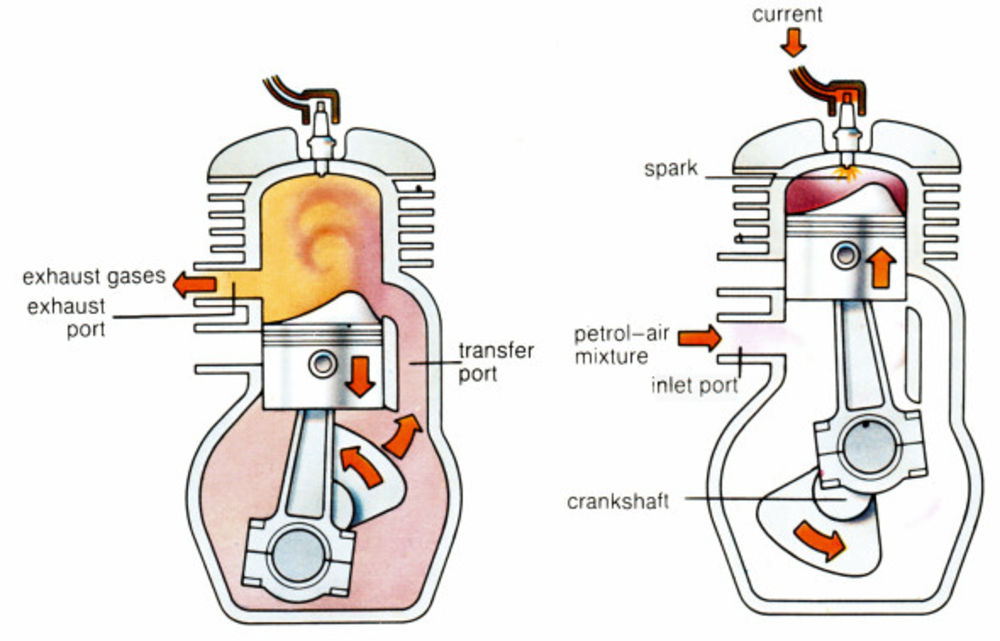
Also, the exhaust port is left wide open, meaning there’s no positive exhaust wave. Manufacturers/tuners overcame this by designing the right kind of exhaust expansion chamber to reflect some of the positive wave back to the exhaust port, in order to stuff some of the fresh charge back in.

But, there’s only so much that could be done. Hence why early two-strokes were peaky and needed to be revved to the stratosphere for any decent acceleration and power. What’s more, the powerband was as thin as a biscuit. You’d be lucky if you’d get 2,000 useful RPMs.

Enter the powervalve

It was Yamaha engineers who discovered that altering the exhaust port’s dimensions resulted in different power delivery throughout the rev range. The more the port was covered, the more low-down torque could be obtained. Partial coverage yielded mid-range torque, while the previous fully-uncovered port provided top-end power.

Awesome idea. Unfortunately, you can have only one but not the others. What do you do? The engineers devised an adjustable system.
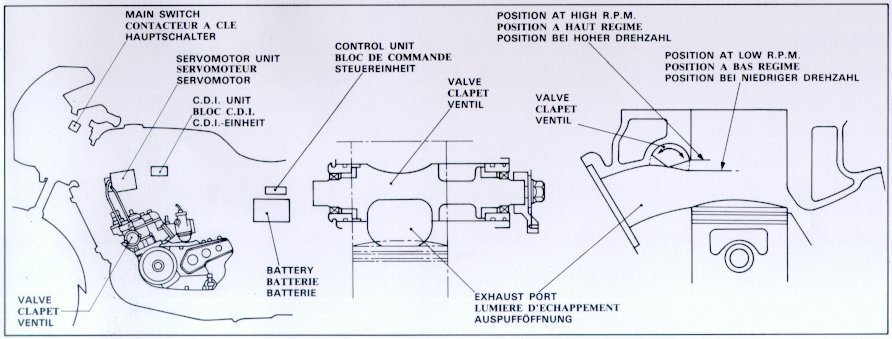
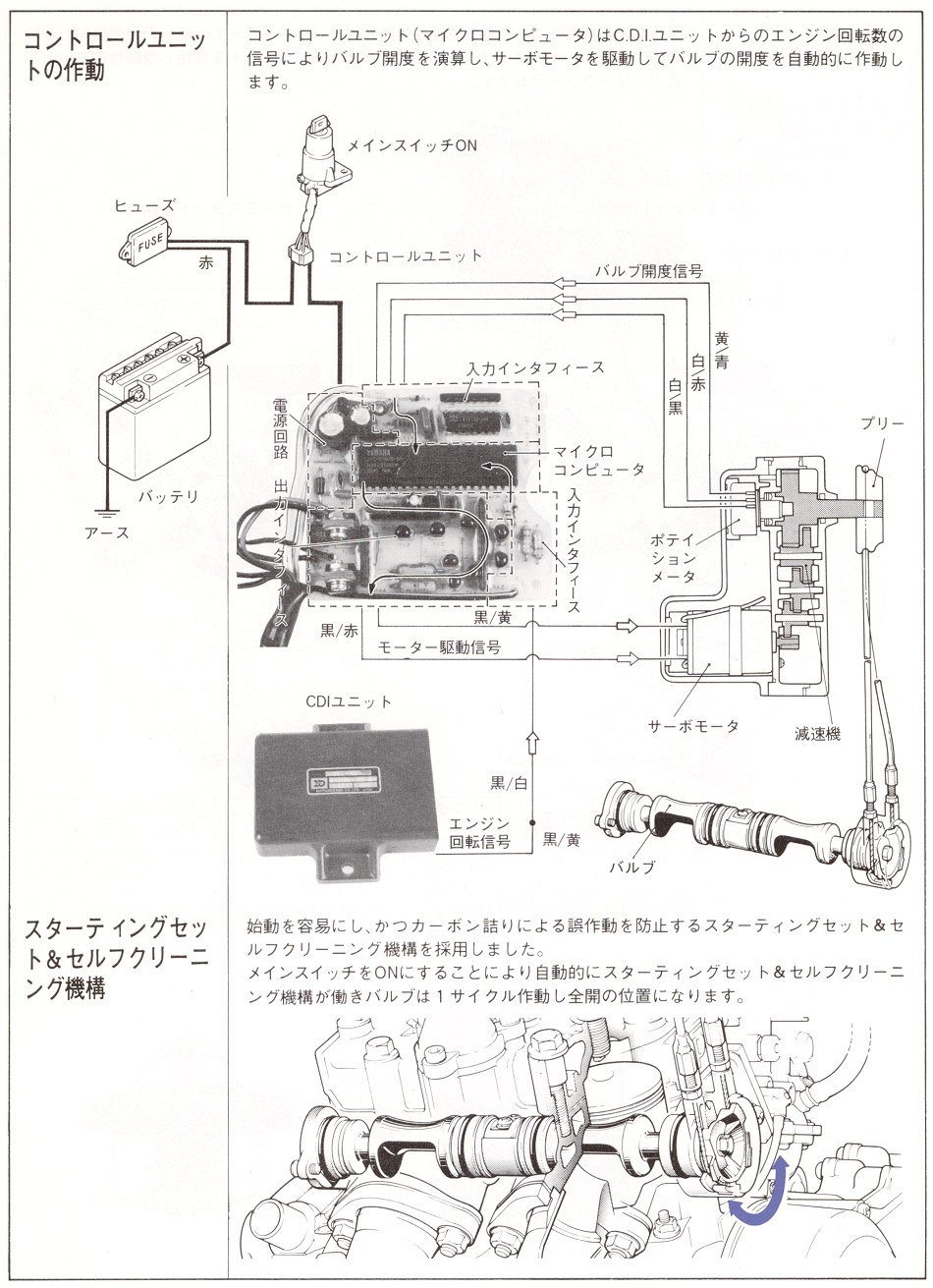
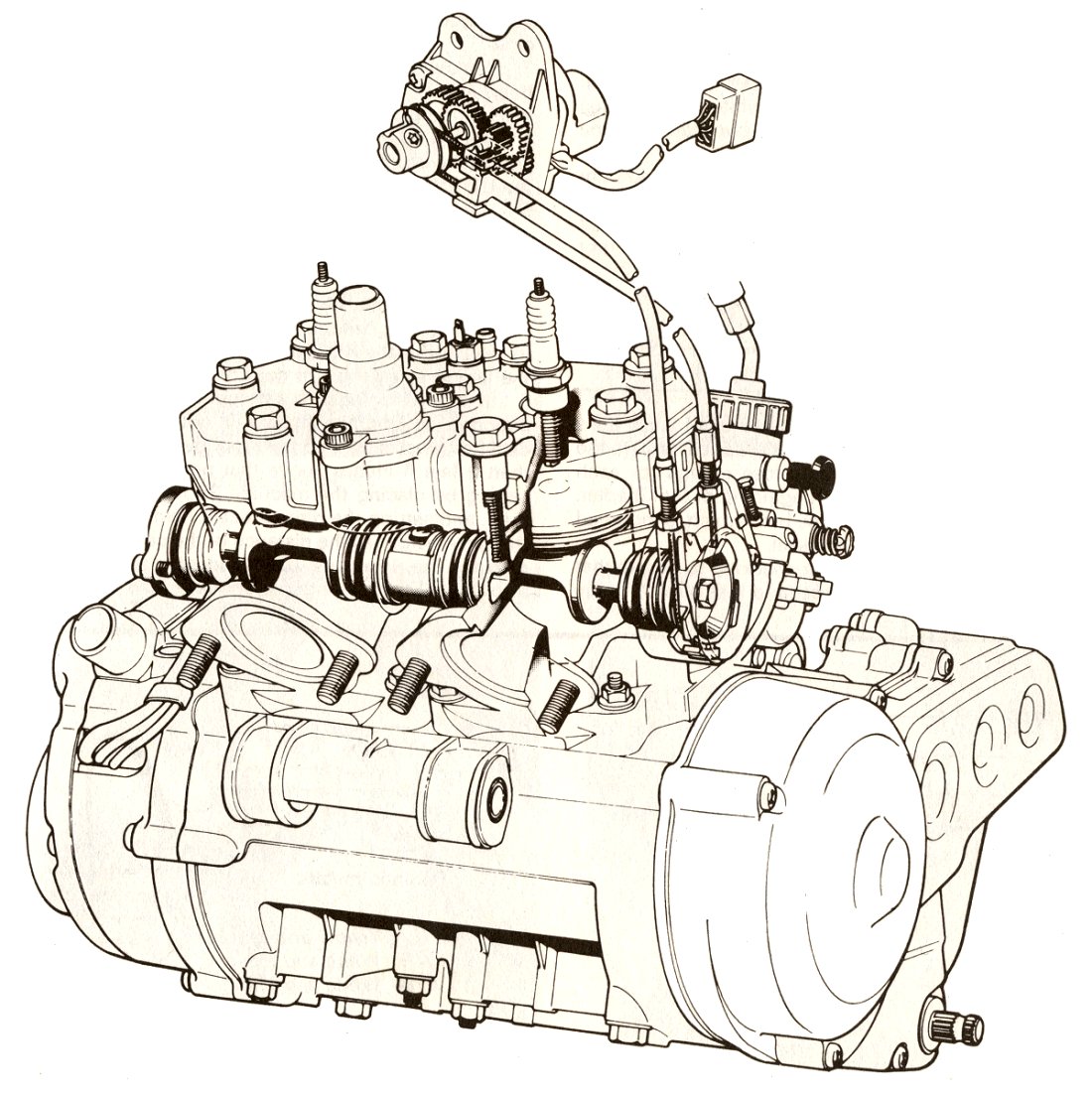
They produced a slightly oval shaft which ran across the exhaust port. Controlled by the CDI (capacitor discharge ignition) unit and other sensors, this shaft, now called “powervalve” altered the dimensions of the port. It was actuated by a cable and pulley system, powered by a servomotor.

At low RPMs, the shaft closed over the port (with a small aperture being open to let exhaust gases through). When the CDI read 3,000 RPM, it sent power to the servomotor which pulled the pulley, thereby opening up the valve a little more. 3,000 to 6,000 RPM saw a larger opening, and then opening fully above 6,000 RPM. This was why two-strokes equipped with powervalves blasted off above 6,000 along with a change of exhaust note.
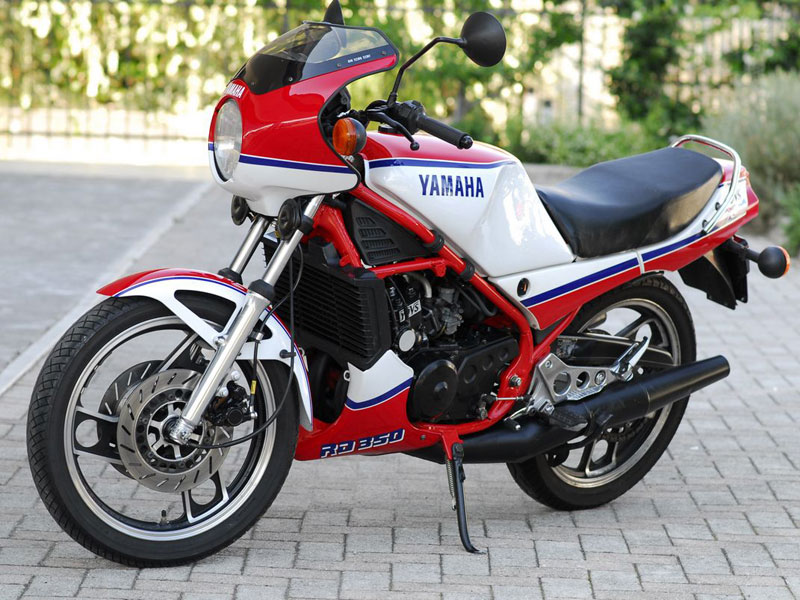
Yamaha called this system the Yamaha Powevalve System or YPVS in short. Its first production use was in the 1983 RD/RZ350 LC (or LC2 as it’s more popularly known).

The results were telling. The 1980 RD/RZ350 LC produced 47 hp at 8500 RPM and 40.2 Nm of torque at 8000 RPM. (Notice that there’s only 500 RPM spread between maximum torque and maximum horsepower – that’s the sign of a peaky engine.) The 1983 RD/RZ350 LC YPVS, on the other hand, produced 58 hp at 9000 RPM and 40.2 Nm of torque at 8000 RPM.
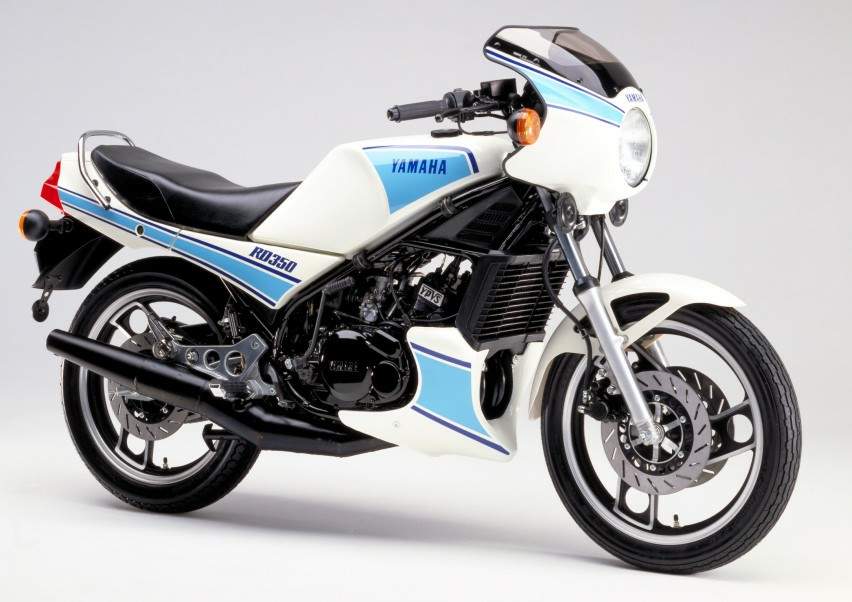
Still peaky, but what the spec sheet didn’t show was the much better low-end and midrange torque and tractability.

Yamaha had actually begun using the YPVS since 1977 in their race bikes with great results, thereby cementing their name in the history books. The YPVS gave Yamaha bikes so a great an edge that they refused to let go of two-strokes for so long.
Also note that YPVS is only available in liquid-cooled two-stroke Yamahas. So, no, the RX-Z isn’t equipped with the system despite being touted at RM 70,000.

What’s next?

Other manufacturers also began equipping their engines with powervalves of their own designs, since they had to circumvent Yamaha’s patents. We’ll cover this topic in the next part.

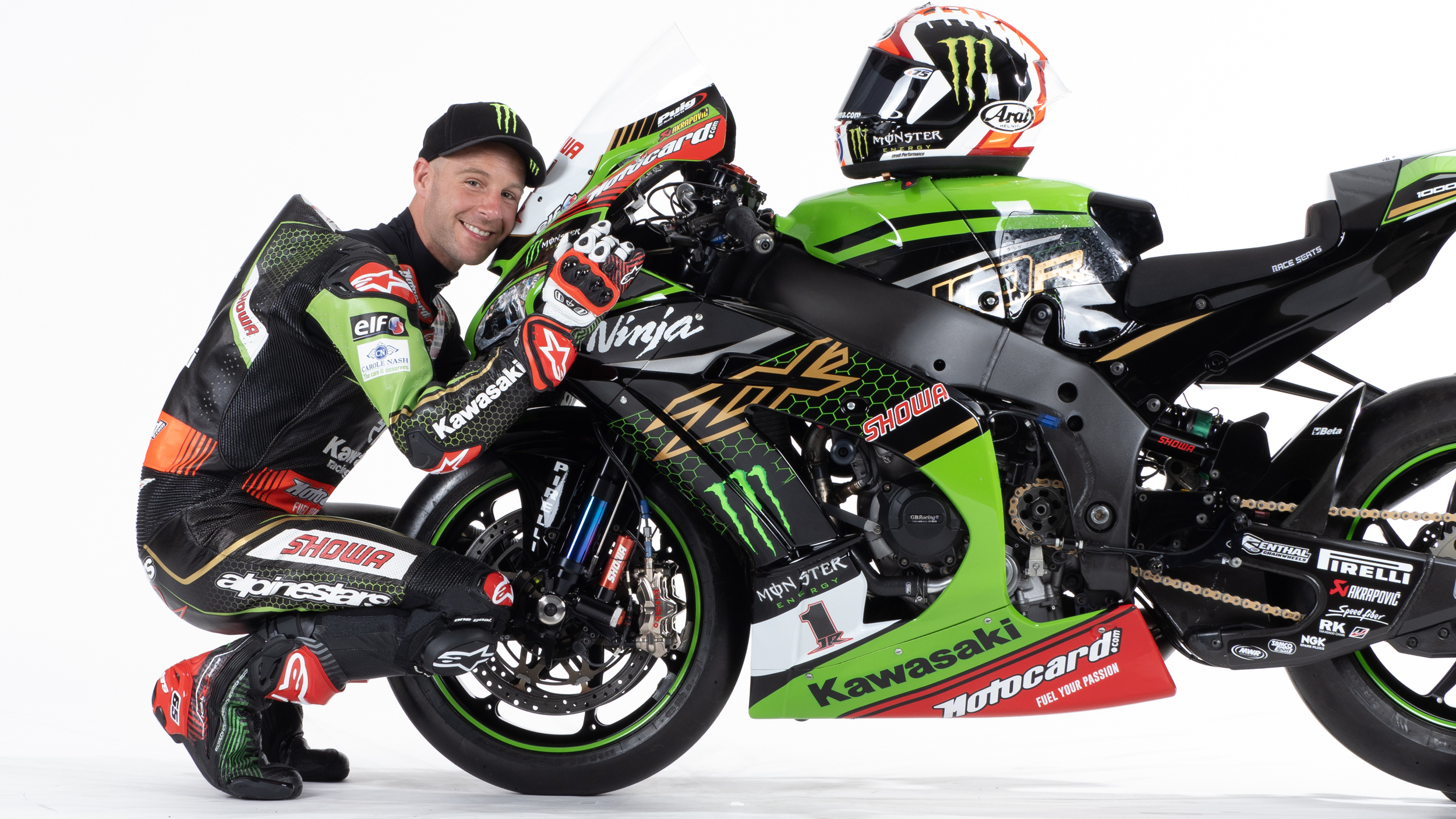
Five-time WorldSBK champion, Jonathan Rea, has signed a new multi-year contract with his current Kawasaki Racing Team WorldSBK squad. It’s rather unusual for any rider or team to commit for more than two years but if you’re as good as Rea (who took home the championship crown five years straight), your team would probably do the same to continue the fruitful relationship. (more…)

  • There’s a saying “light is right.”

  • Instead, we are always too engrossed with horsepower.

  • Let’s talk about power-to-weight ratio in this article.

We’re all so caught up by horsepower figures that we usually overlook many other areas of performance. One very important principle regards weight, or the lack of it, to be more specific which leads to the saying, “light is right,” which also corresponds to power-to-weight ratio.

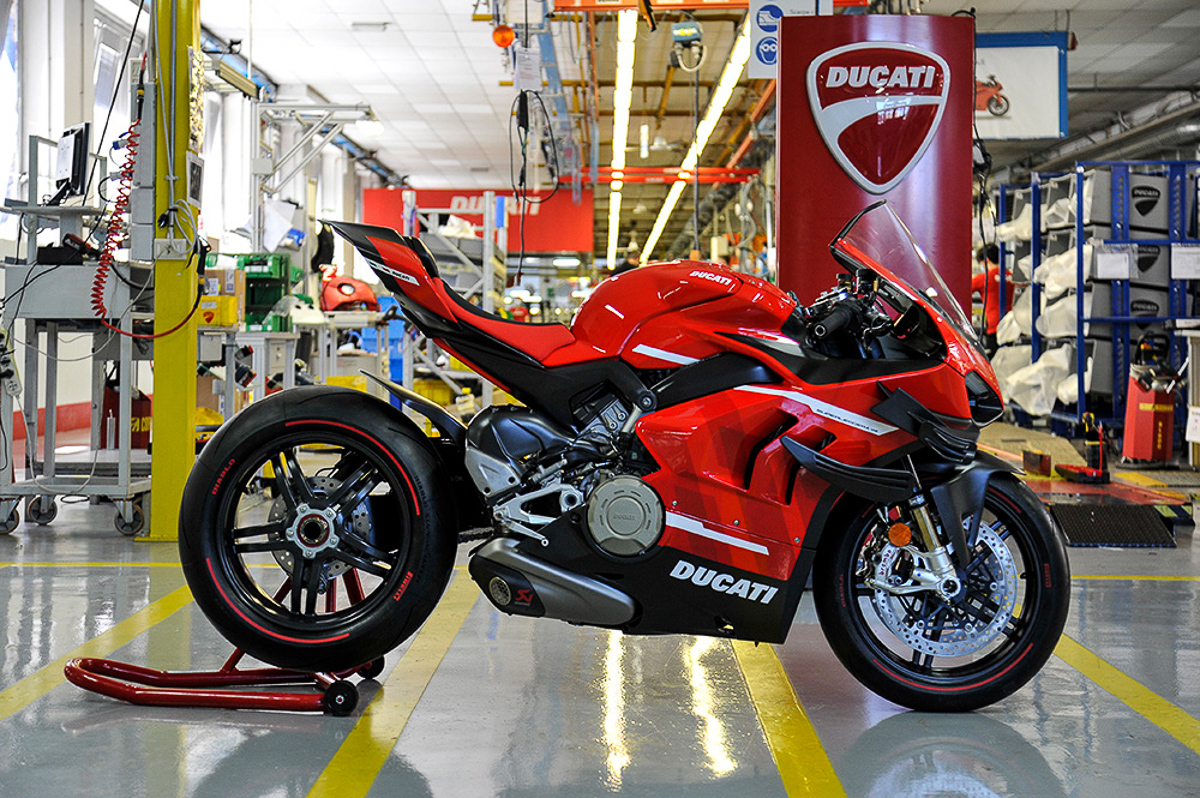
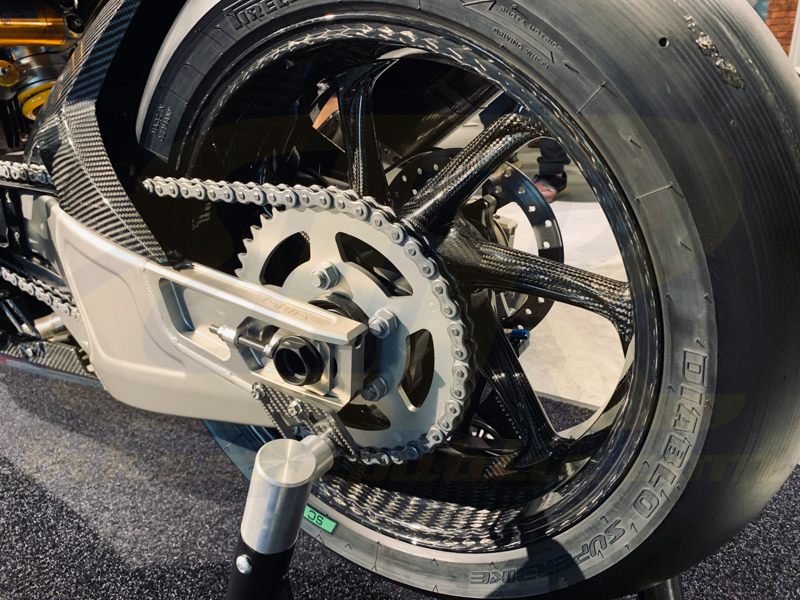
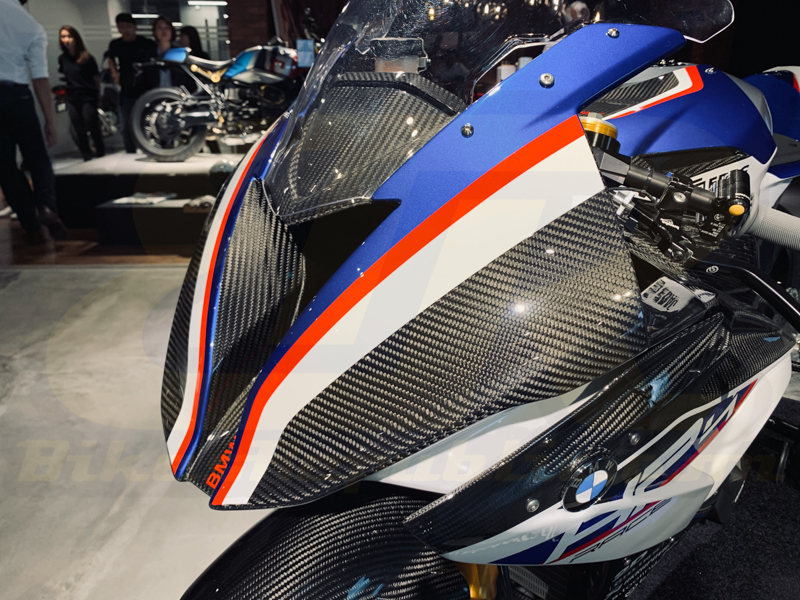
That’s what all the brow-ha-ha over the likes of the BMW S 1000 RR HP4 Race and Ducati Superleggera V4 lies.

What does lightness bring

In Newton’s Law of Motion, the lighter an object, the less force is required to make it change direction of motion. It’s all in the equation: F = ma where F is force, m is mass and a is acceleration. As such, force has a larger figure when mass is higher, acceleration being equal.

For the rider in you and I, it means that it’s easier to make a bike change directions, accelerate and decelerate.

But an even easier term to understand is “power-to-weight” ratio. It’s a simple math by dividing the engine’s horsepower to the bike’s weight. Let’s show you a few calculations so you can see for yourself.

The Weight Loss Route

Let’s take a generic 1000cc sportbike, as an example. Let’s say that the engine produces 200 hp and the bike weighs 180 kg.

So, 200 hp/ 180 kg = 1.11 hp/kg

Now, say you managed to drop some weight by swapping out the stock exhaust system with a lighter aftermarket item, shaving 15 kg in the process.

200 hp / 165 kg = 1.21 hp/kg

Now, you drop even more weight after dumping the rear passenger’s seat and the footpegs. Besides those, you removed the entire tailsection and install a tail-tidy. (Note here that we’re not encouring you to modify your bike!) You shaved another 8 kg in the process.

The power-to-weight ratio now is:

200 hp / 157 kg = 1.28 hp/kg

The Brute Power Route

For comparison’s sake, let’s assume that you don’t want to swap anything out, thereby maintaining the bike’s stock weight of 180 kg. Instead, you look to push power higher by performing modifications to the ECU, injectors, etc., which nets you an extra 10 hp.

Thus,

210 hp / 180 kg = 1.16 hp/kg

That’s lower than if you had chucked out 10 kg of weight.

Let’s try to equal 1.28 hp/kg. To reach that ratio, you would’ve to modify the engine to produce:

1.28 X 180 kg = 256

Yup, your engine needs to produce a MotoGP-level 256 hp.

Conclusion

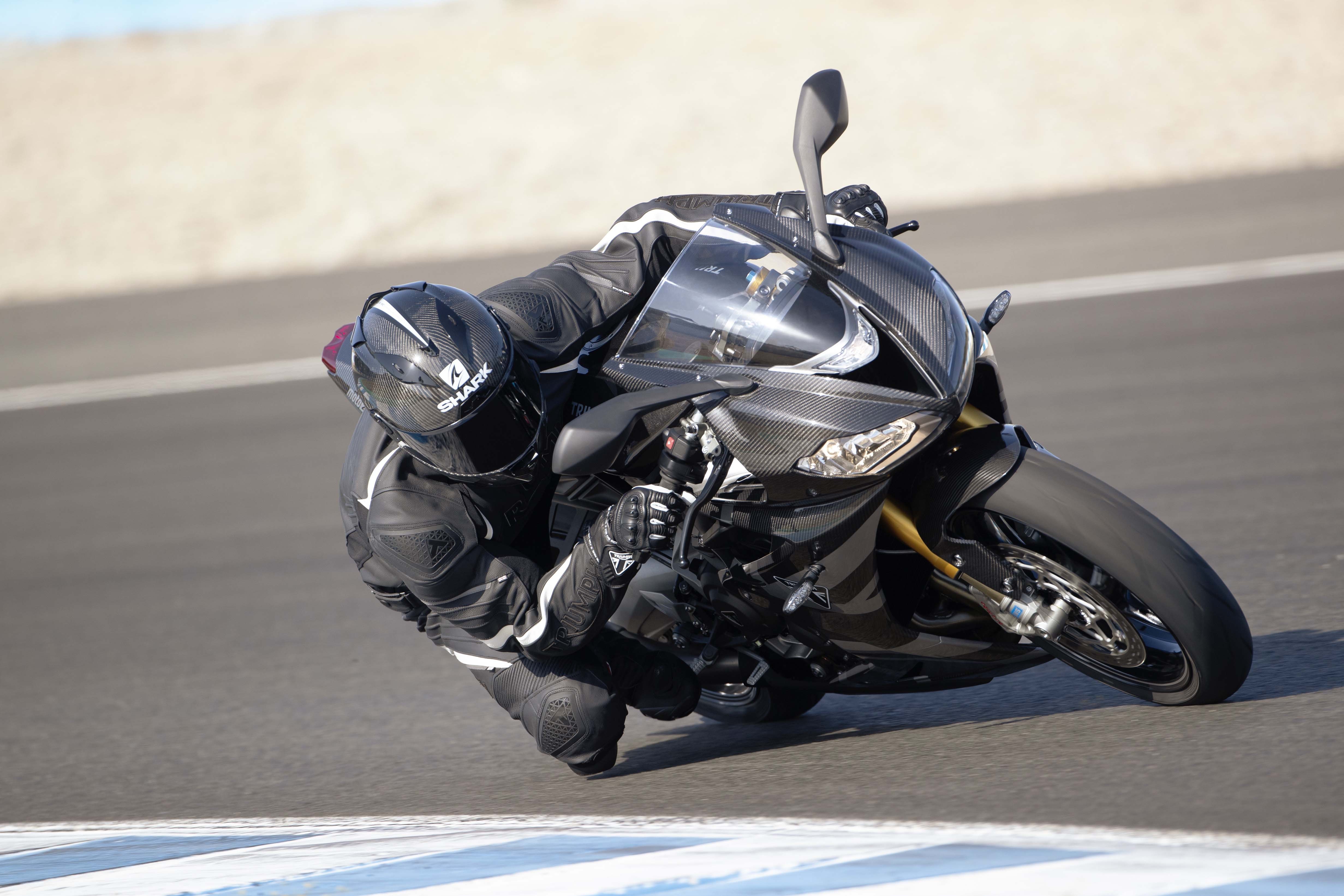
Triumph Daytona Moto2 765

As you can see above, the easiest route to making you bike go faster is by lightening it. It’s also much cheaper because you can remove superfluous parts on your bike, compared to installing go-fast stuff such as ECU, exhaust system, injectors, valves, pistons, conrods besides engine work such as porting and flow. You might as well just buy a homologation special superbike!

Additionally, and perhaps more importantly, your bike will be much easier to ride with lower weight. It’ll accelerate quicker, while saving much more engine power and fuel in the process. It’ll take less distance to brake too, saving your energy and causes your fingers and arms to tire less.

To wrap up, there’s another saying: “Losing weight is free horsepower.”

The current conditions revolving around the COVID-19 pandemic are being handled as we speak but due to its highly infectious nature, all major events that usually pull in crowds by the thousands have to be either postponed or cancelled. The latest event to fall in this growing list is sadly INTERMOT 2020. (more…)

Archive

Follow us on Facebook

Follow us on YouTube