Bikesrepublic

Global News

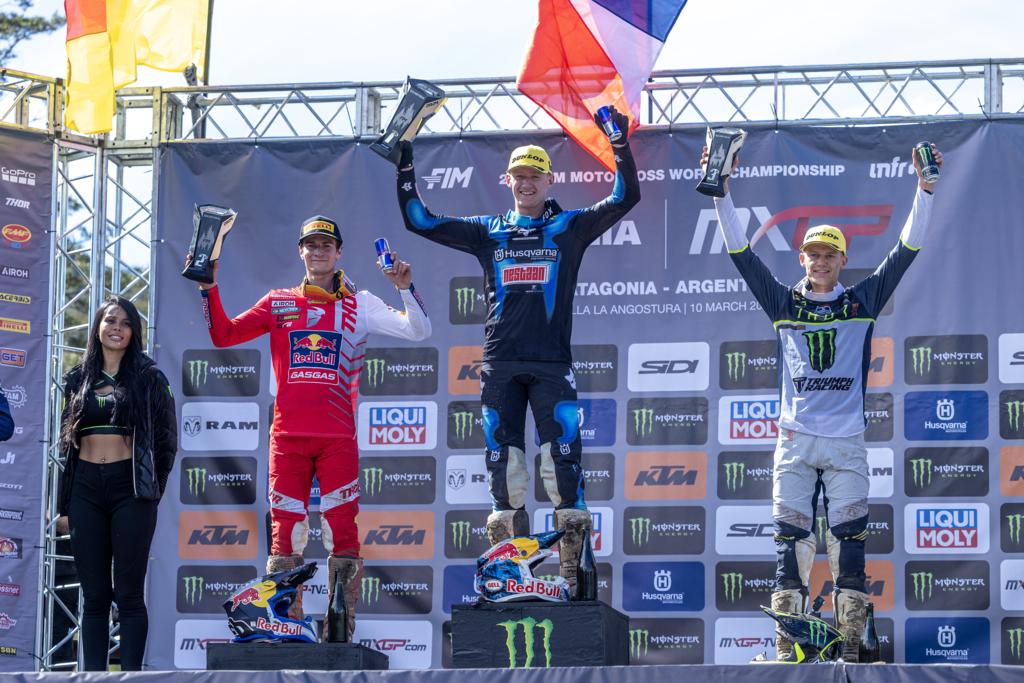
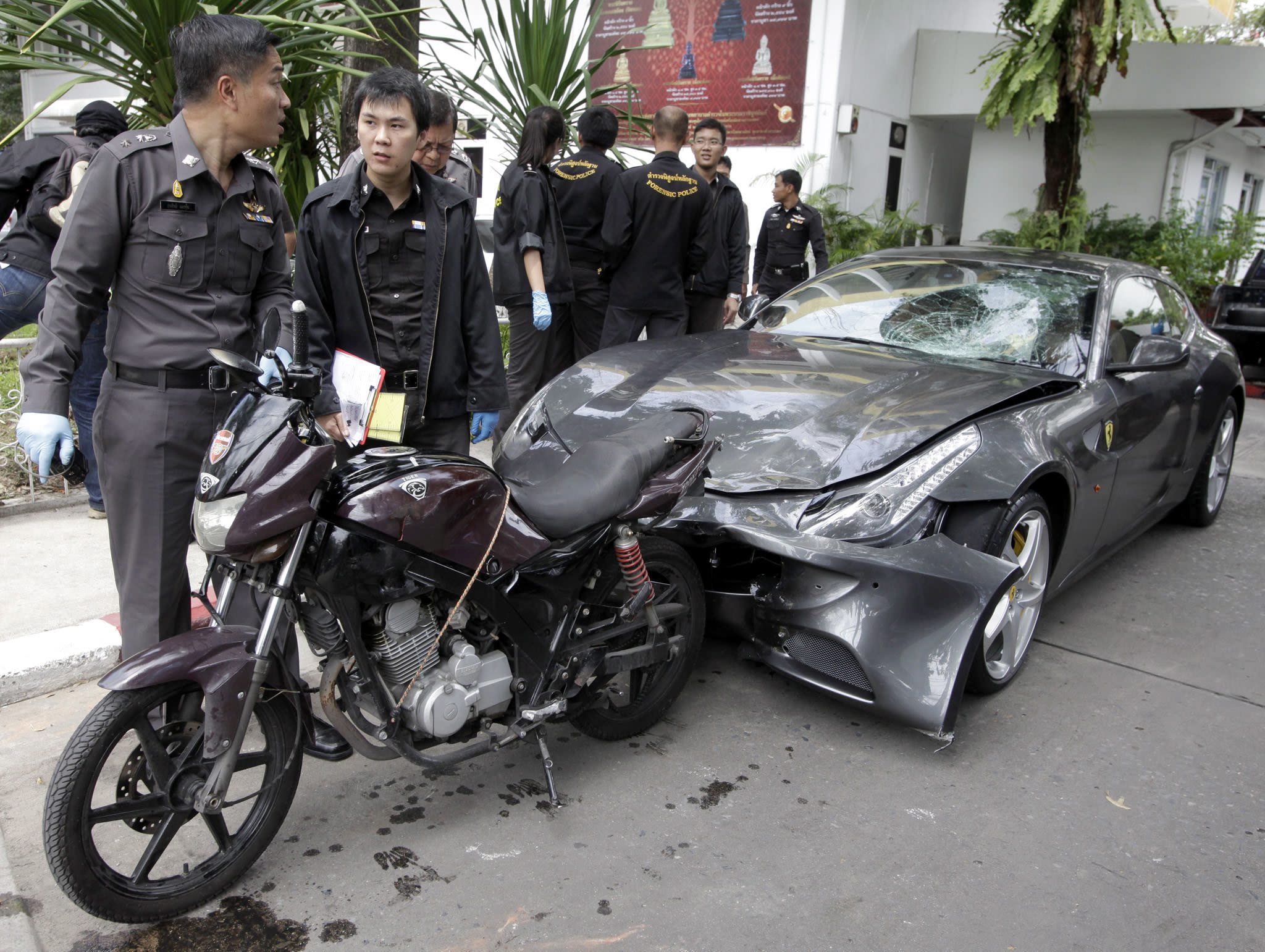
Thai Public Prosecutor is set to prosecute the country’s former police chief for allegedly helping the heir to the Red Bull energy drink company avoid murder charges. The suspect is accused of killing a police officer in a hit-and-run accident in 2012.

Thailand’s former Police Chief, Somyot Poompanmoun and seven other officers were charged with dereliction of duty and helping certain individuals to avoid punishment.

Somyot, 69, is accused of using his position as a member of the Parliament’s legal committee to help Vorayuth Yoovidhya. Somyot, however, denied the allegations to the Thai media.

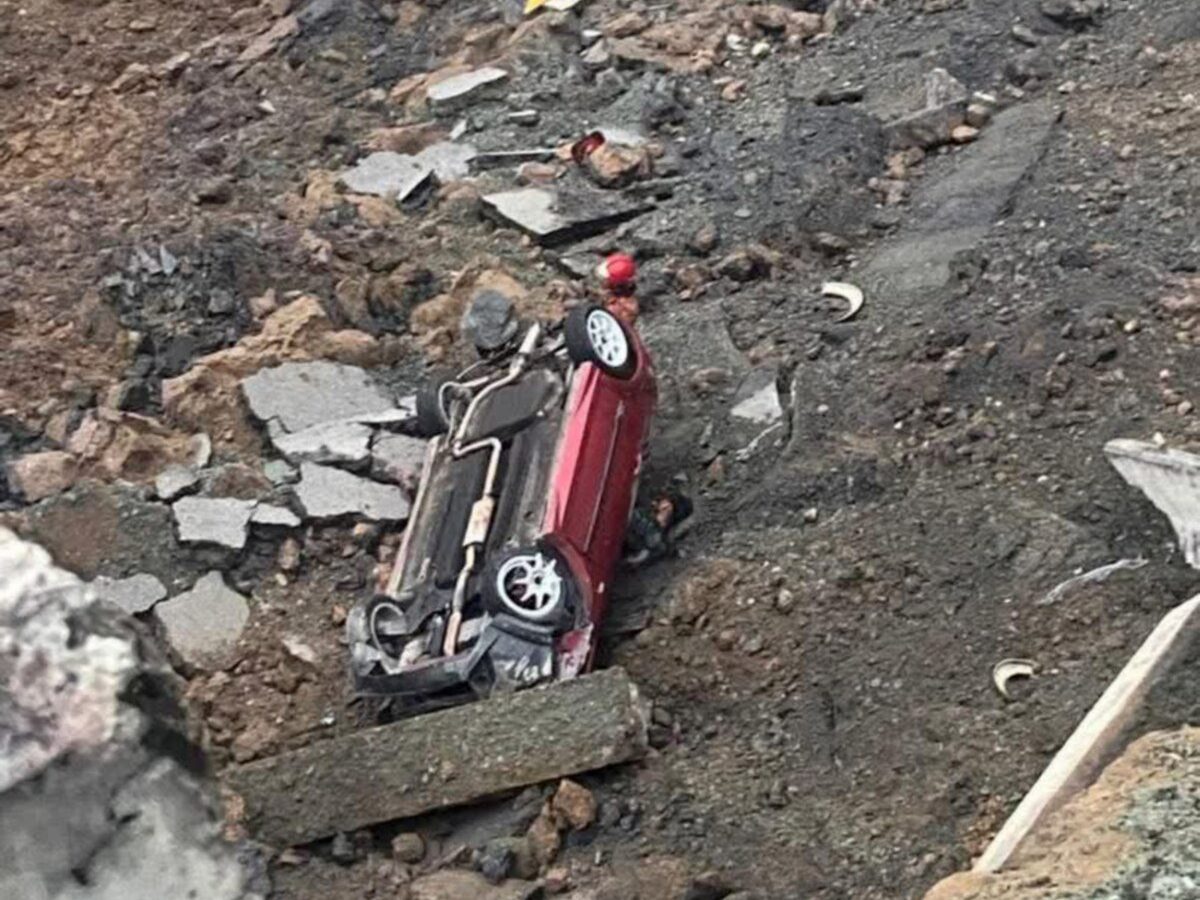
Vorayuth was accused of crashing into a policeman, Wichien Klanprasert with his Ferrari and dragging the victim’s body for tens of meters. Vorayuth then fled the scene. The accident occurred when the former was 27 years old in 2012.

Vorayuth avoided eight court summons related to the case before the authorities issued an arrest warrant five years after the incident. He has since fled abroad and his current whereabouts are unknown.

In 2020, the Thai Police said they will investigate why the criminal charges were dropped. The decision was made after public outcry to the dropping of the case.

Vorayuth’s late grandfather, Chaleo Yoovidhya was the founder of Krating Daeng energy drink (for the local market initially), who eventually became one of the founders of Red Bull (for the global market) along with Dietrich Mateschitz.

Forbes ranks the family as the second richest in Thailand with a net worth of US$33.4 billion (RM159.55 billion).

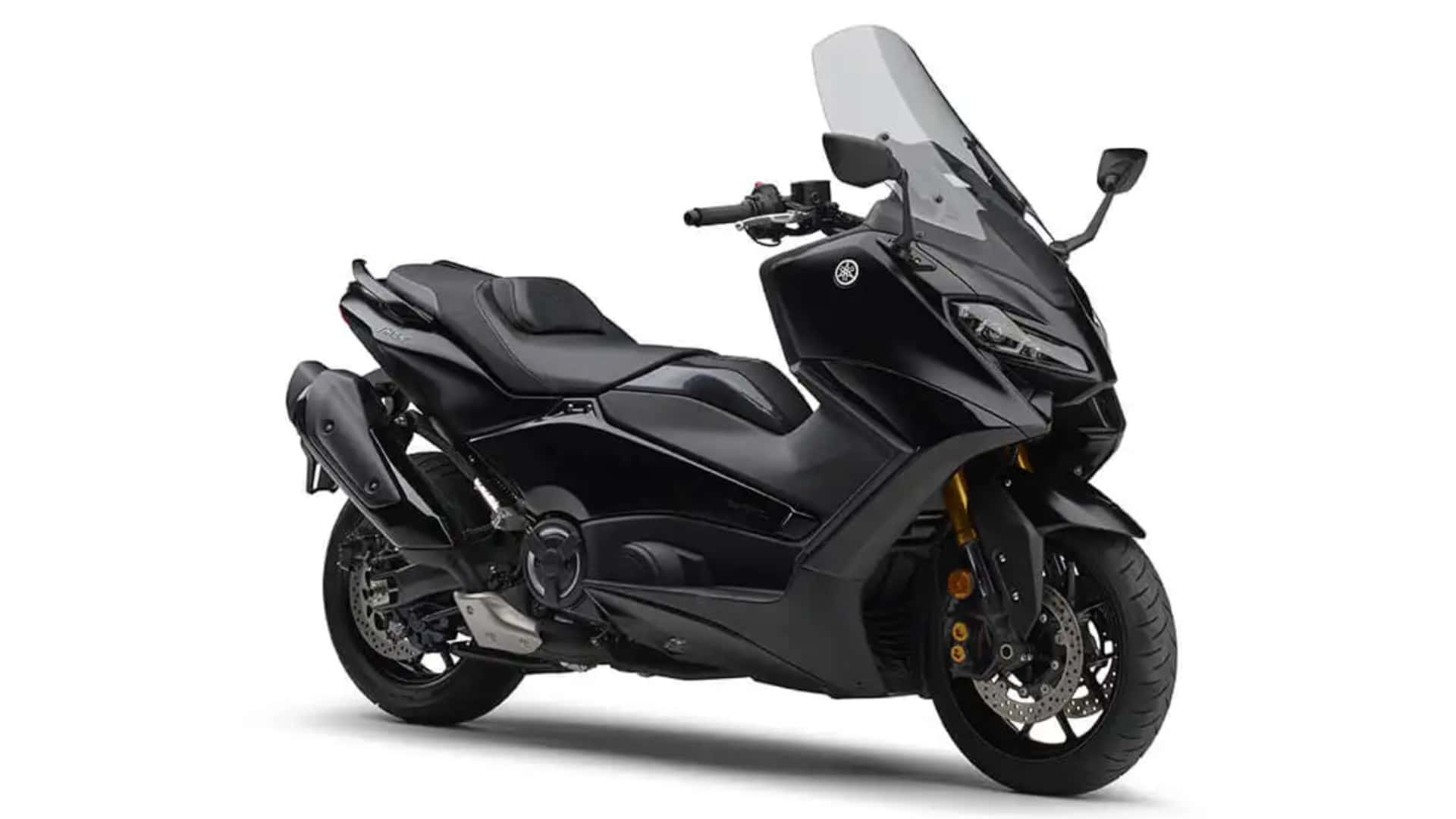
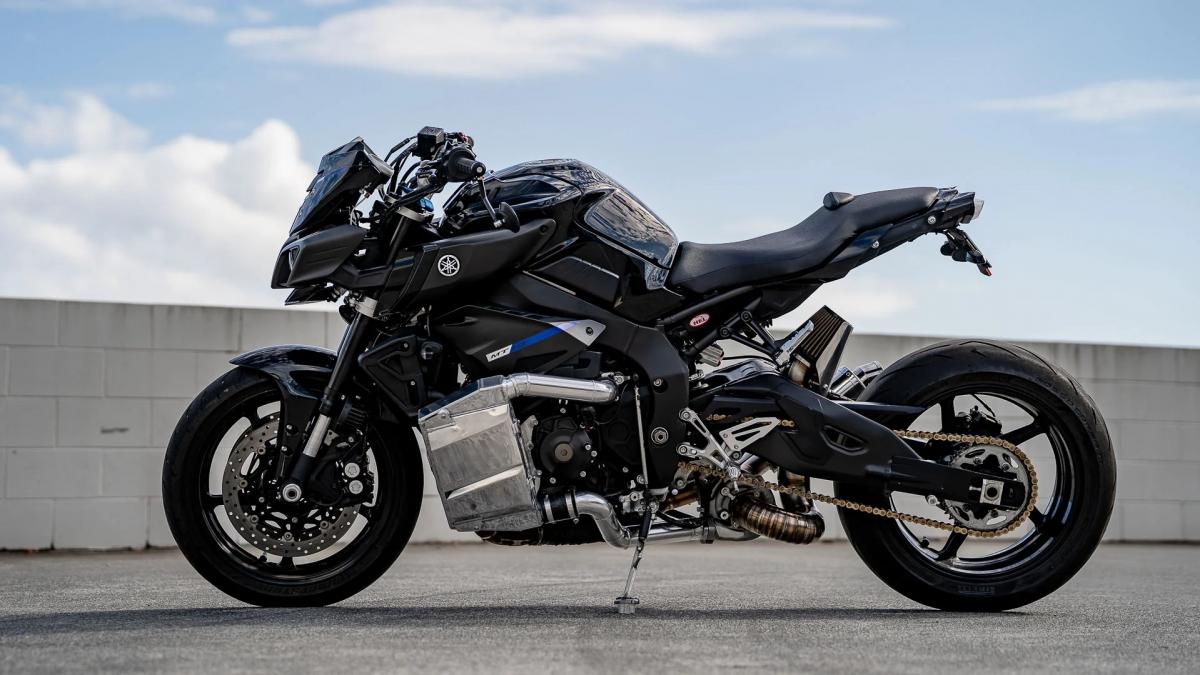
We sometimes hear things like “My bike isn’t powerful enough,” followed by, “What should I do?” Dropping in a big bore piston kit, hot cams, bigger injectors, dumping the stock exhaust for a free-flowing unit, plugging in a racing ECU are some of the ways. But that is kind of meh, is it not? But one method that is now pretty much overlooked these days is a turbo kit, like this turbocharged Yamaha MT-10.

The stock MT-10 is already doing a healthy 158 hp. Let us see what the guys at Australia based Purpose Built Motor did to this one.

They began by bolting a turbo kit to a stock MT-10 engine which has a 12:1 compression ratio, with 7 psi of boost pressure. But as the host said, they found signs of overheating and undue stress on the pistons when they pulled the engine apart. Why? One simply does not run a turbo with 12:1 compression ratio! So in the end, they scaled it back to 9.5:1 by using a CP-Carillo pistons and conrods for better reliability.

They also asked a specialist to fabricate an custom intercooler to cool the boosted air down before it enters the engine. This creates two benefits: A cooler charge (fuel/air mixture) is denser and contains more oxygen molecules; and, keeps the engine from overheating. There are two fans, one large and the other smaller, behind that intercooler which the rider can switch on or off when he needs it.

Speaking of oxygen, ducting air from the airbox will not be enough, what more the plumbing to the turbo, so the guys installed an intake with a DNA filter right above the turbo’s compressor. It sits underneath the rider, between the swingarm and the rear seat’s underside.

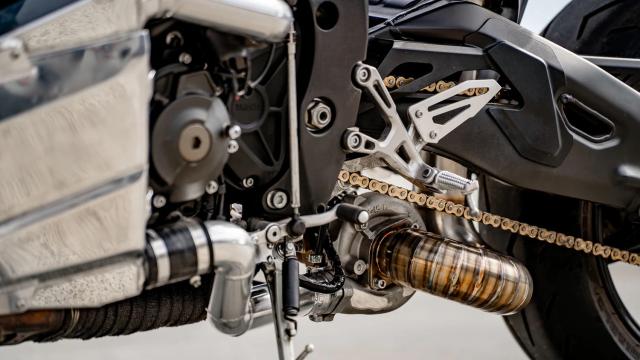
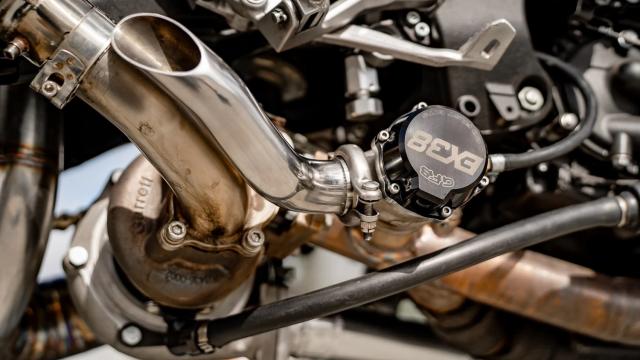
The exhaust system is of course customized, with the turbo’s wastegate fitted externally. The main exhaust pipes lead from the turbo’s impeller to a silencer, while another shorter pipe is for the wastegate to dump overpressured gas.

Purpose Built Motor also installed a longer swingarm to keep the front end down, rather than having the turbocharged Yamaha MT-10  wheelie over backwards!

What does all this achieve? Dyno tests showed 230 bhp, running on 10 psi turbo boost pressure. Er… that was with the exhaust silencer’s baffles installed. It hit 260 bhp when they removed the baffles. And remember, virtually all manufacturers print their horsepower numbers by dyno’ing their engines at the crankshaft output shaft without the transmission, so this MT-10’s power output should be betwen 260 to 290 hp if printed on a brochure!

So, fast enough for you, sir?

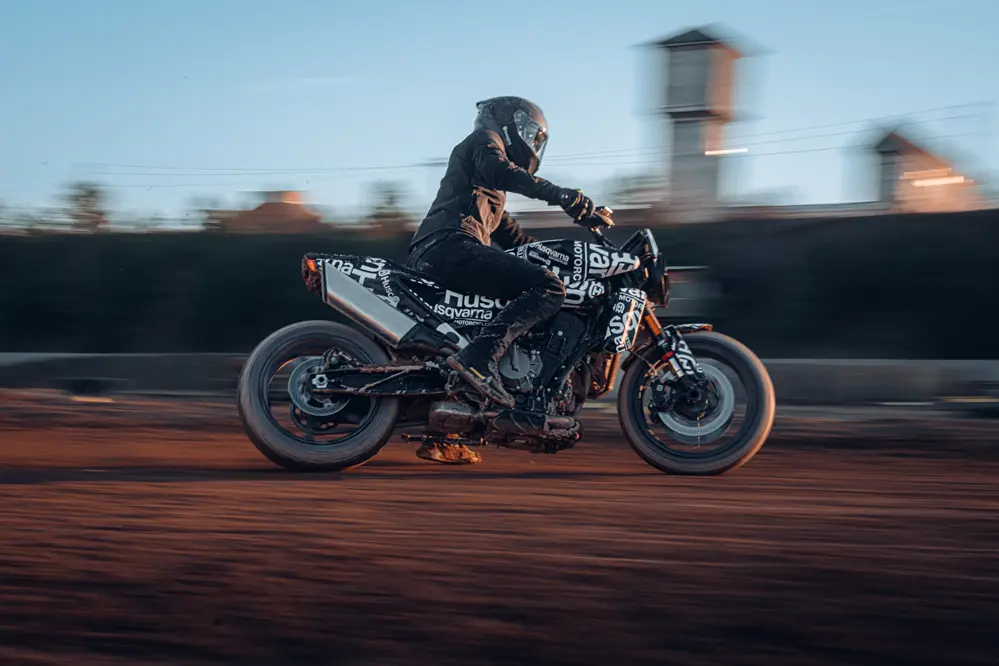
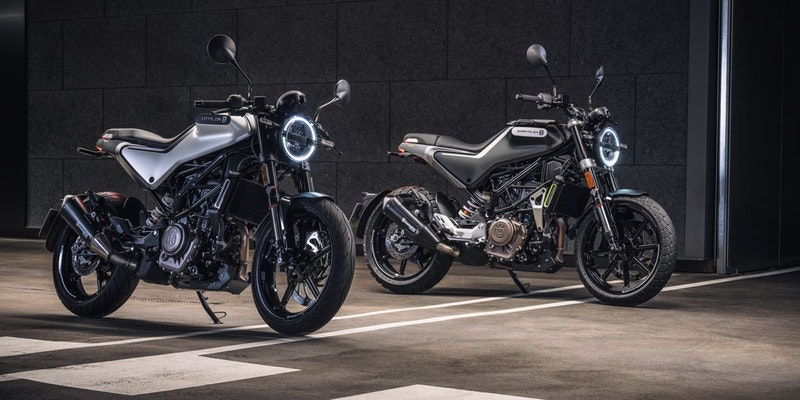
The Husqvarna Vitpilen 901 has been teased for so long that most do not even remember that they did so.

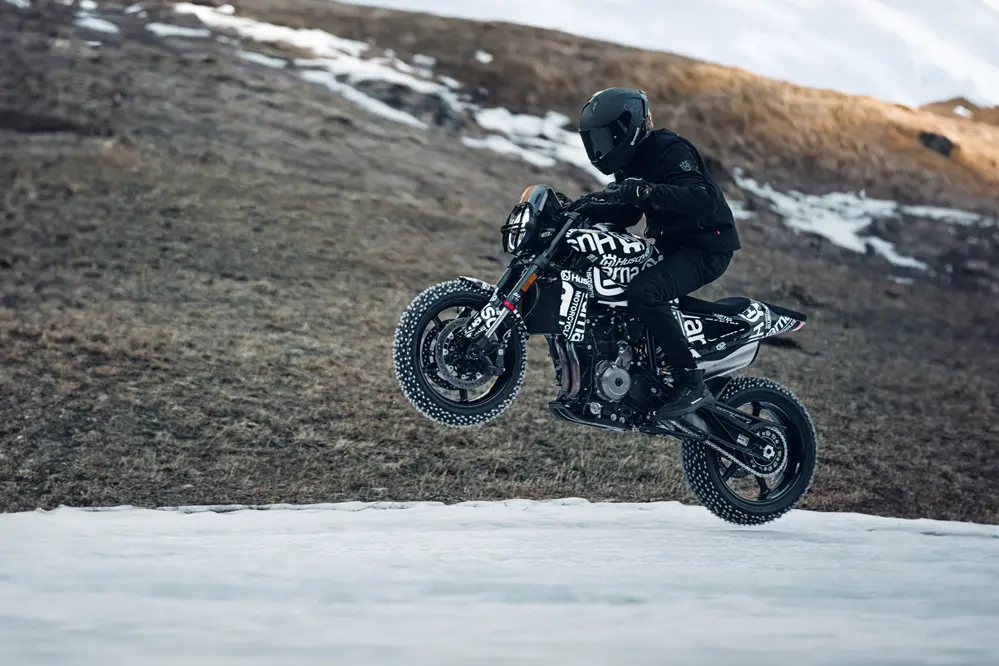
But now, Husqvarna has posted a teaser for the full “video edit” on 5 March 2024. The 30-second snippet was posted on Husqvarna’s Instagram and Facebook accounts. The 5 March video could well be the teaser to another teaser, but hey, we may just see if it is definitely a Vitpilen (cafe racer) or Svatpilen (scrambler).

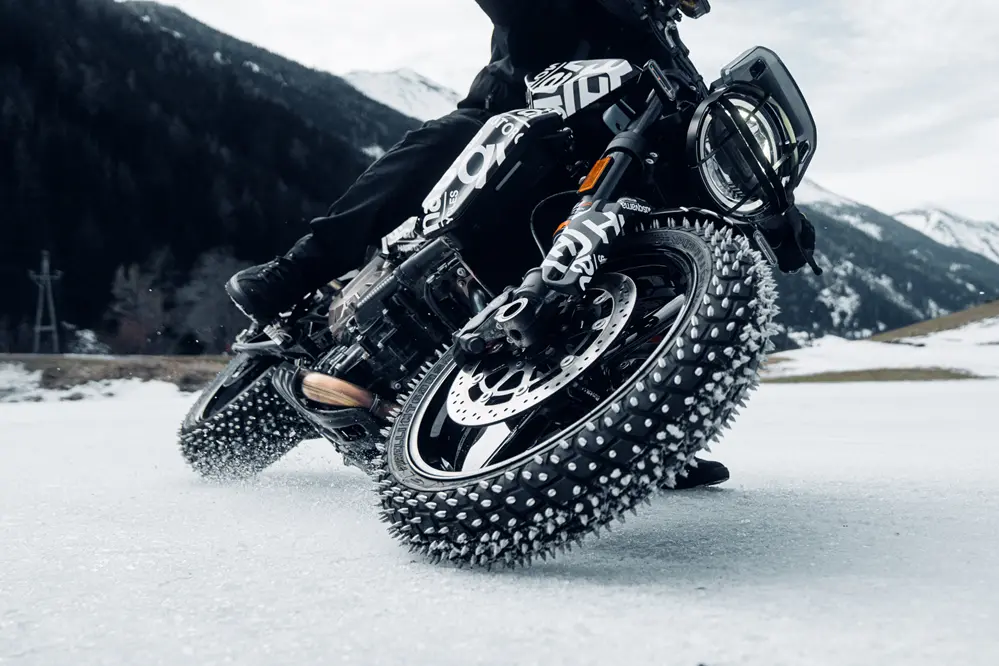
The current video shows a bike ice racing with tyres using screws as spikes. The front headlight was teased which looks akin to the Norden 901. Another shot briefly show the (aftermarket) exhaust silencer rising underneath the rear seat a.k.a. the 890 Duke. There is a shot of the front end, which shows off the WP upside down forks and Husqvarna-branded brake caliper. The rear end looks like a Duke, alright.


Of course, Husky being under the Pierer umbrella means it will share the underpinnings of the 890 Duke. That means the LC8c parallel-twin engine which kicks out 121 hp and 99 Nm. Other features will pretty much include the PASC clutch, Supermoto ABS, Ride Modes, Motor Traction Control, TFT screen. Optional extras may well be Quickshifter+, Track Mode, KTM MyRide communication suite, among others.

The Husky lineup has several nice models to choose from but they are missing a big-bore naked retro sportbike. So, that is where the Husqvarna Vitpilen 901 will fall into. However, there is no Vitpilen without a Svartpilen. As such, we can look forward to two new Huskies hitting the roads soon!


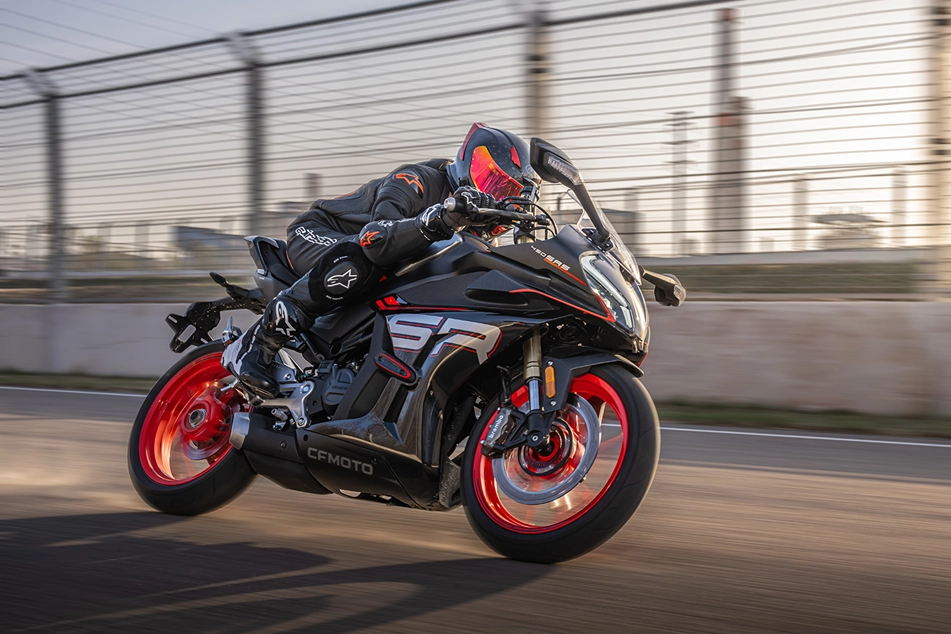
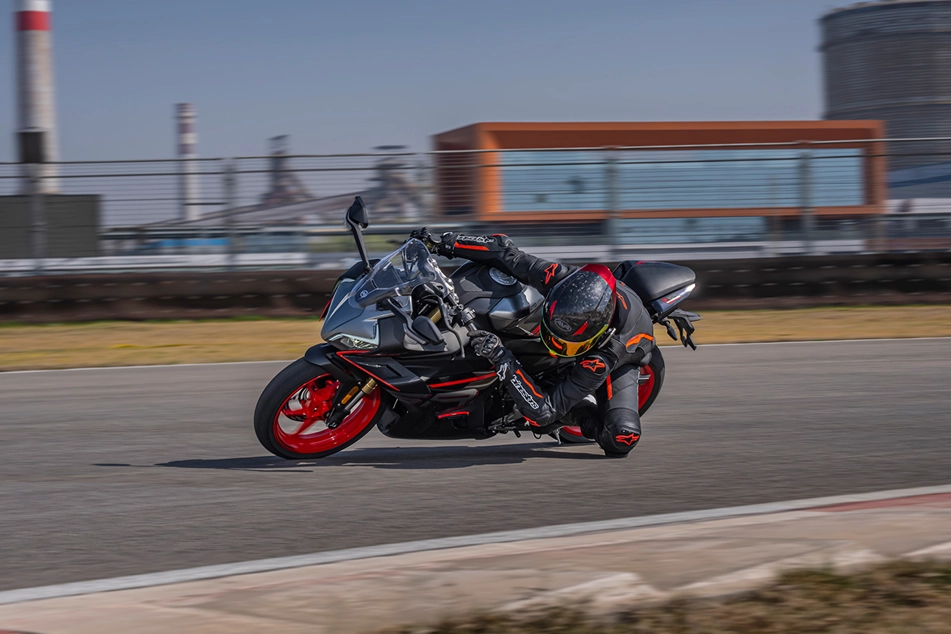
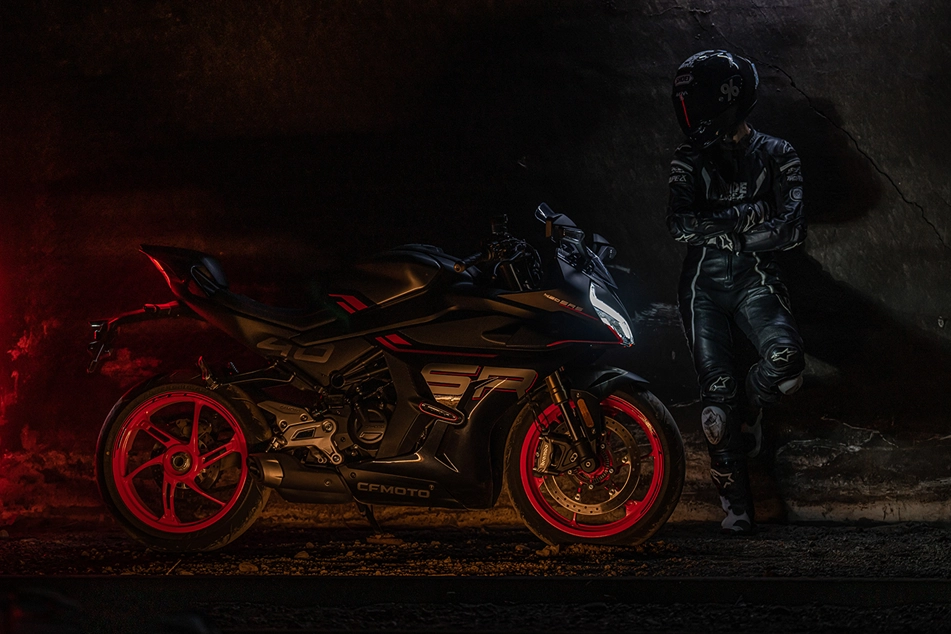
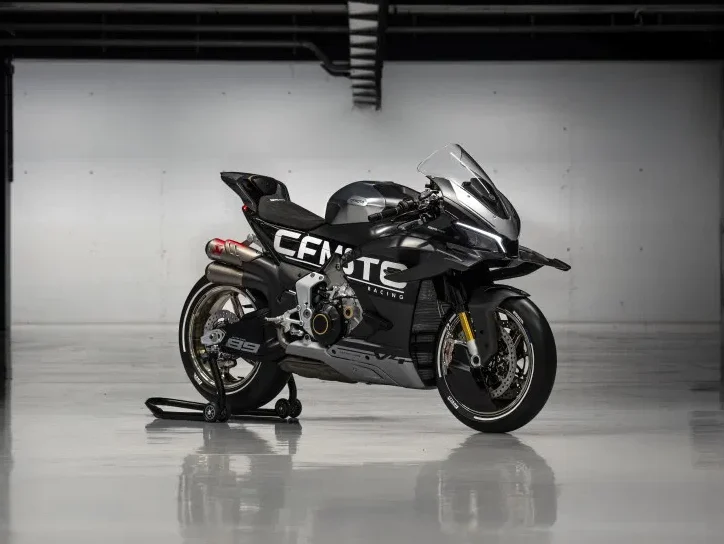
CFMoto has launched a racier version of the 450SR, called the CFMoto 450SR S.

It is powered by a 46.3bhp, 449.5cc parallel-twin engine with a 270-degree firing order (to mimic that of a 90-degree V-Twin). There are twin balancers to check engine vibes. Other features include those already on the 450SR such as winglets, and full colour TFT dash, but the main distinction here is a single-sided swingarm.

While sharing the same platform as the SR, updates to the new 450SR S further include an underslung exhaust, winglets, a bigger 240mm rear brake disc, and beefier 37mm upside down forks with damping adjustment. As with its sibling, that engine is installed in a Chro-Moly chassis which weighs just 11kg when combined with the subframe.

CFMoto claims a kerb weight of 179kg. The tank holds 14 litres of fuel, with the manufacturer claiming up nearly 300km of range.

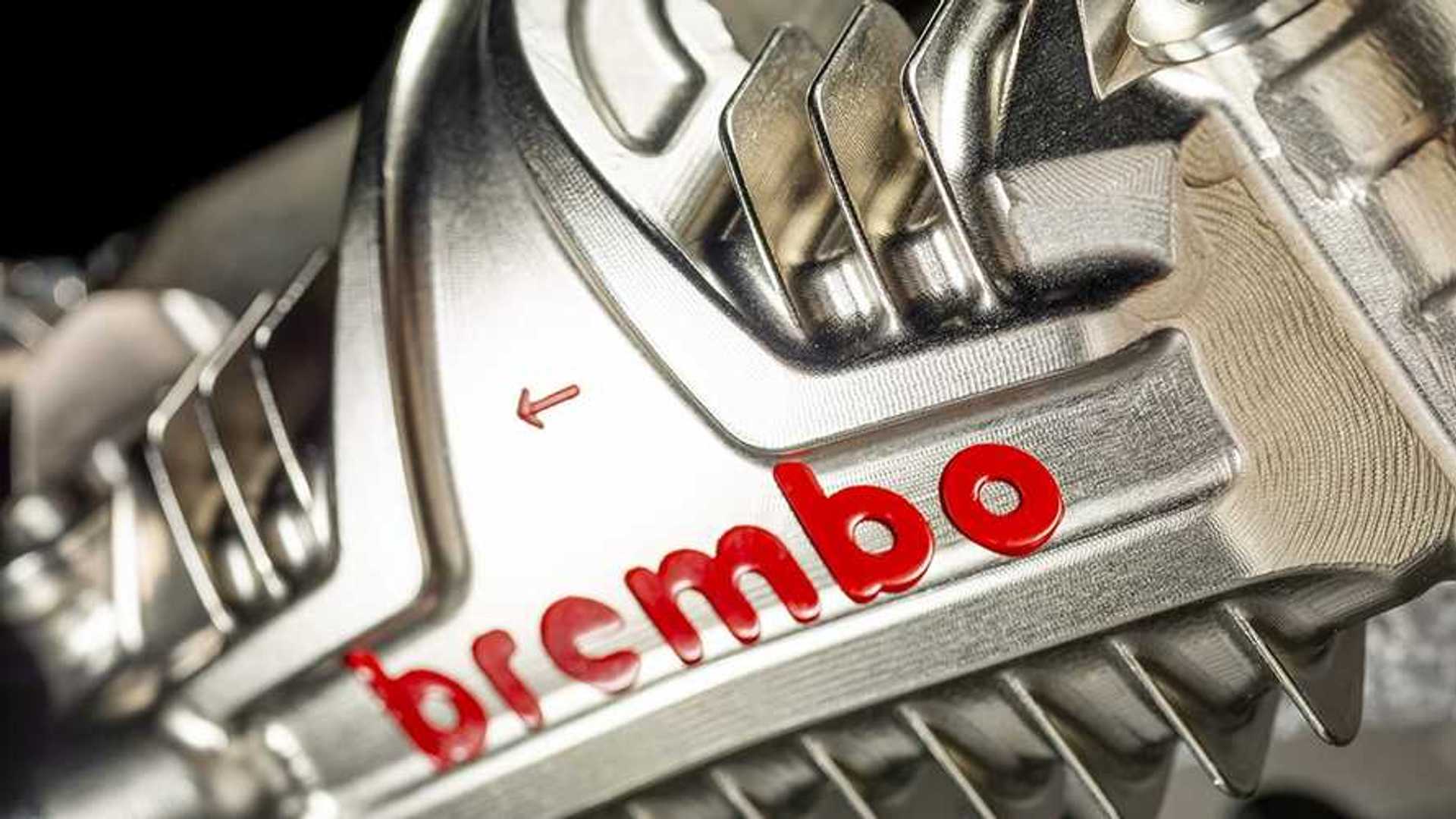
Braking power is provided by Brembo on both ends, supported with ABS.

A five inch curved TFT dash allowing you to control the traction control, and mobile connectivity. There’s also automatic headlights and an ESS emergency braking feature, which flashes the rear stop light to alert other road users of hard deceleration.

Will the CFMoto 450SR S be heading to Malaysia? We hope so!

The updated 2024 Yamaha MT-09 has been revealed.

The MT-09 is one of the best-selling naked motorcycle the world over by offering performance, low weight, styling (albeit controversial) in an affordable package. Yamaha is not resting on their laurels, hence updating it for 2024 with improved technology, new chassis components, and styling tweaks. Oh, it has some aural features too.


The most obvious update is its styling after the last exercise in 2021. However, the last updated headlamp unit was not warmly received. It was either you loved it or hated it.

Gone is the bug-eyed cyclops headlamp for 2024. Now, a rectangular LED projector headlight takes its position, while flanked with two LED positioning lamps. In fact, the entire headlamp unit has changed to which Yamaha says is more harmonious with the fuel tank.

Speaking of the tank, Yamaha has also reworked its styling to be sharper with more defined edges for a better riding position. As for those speaker vents, yes, they do emit sounds. Not your favourite songs, however, instead they allow more induction howl to come through from the air intakes. The airbox itself features revised intake trumpets to cut back on high frequency sounds while maintain a linear throttle response.

Other revisions include a new radially-mounted Brembo front brake master cylinder, revised riding position, new rear brake and gear levers, split seats (finally), revised fork settings, and new rear shock linkage to provide a better feel when cornering.

The 2024 Yamaha MT-09 sells for £10,100 in the UK.

A Triumph Tiger 660 Rally may be in the works to complete the 660 triple lineup with an adventure model.

Triumph is the master of building different models based on an existing platform. Case in point: The 400cc singles, 900cc and 1200cc twin-cylinder Bonnevilles, the 850cc, 900cc and 1200cc Tiger triples, and the best-selling 660 triples.

The fourth platform has already spawned three models, namely the Trident 660, Daytona 660, and Tiger Sport 660. The Trident is a roadster or more commonly called a naked. The Daytona is a fully-faired sportbike. And lastly the Tiger Sport 660 is a sport-tourer. Thus, a Triumph Tiger 660 Rally adventure model is glaringly missing from the lineup.

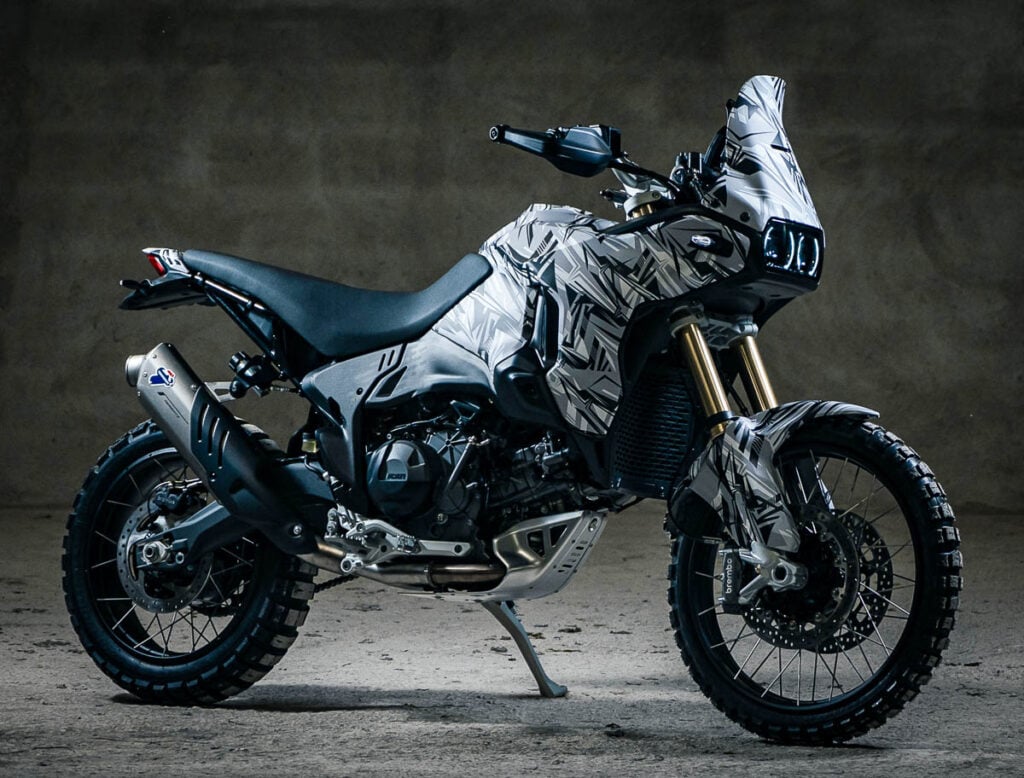
The Hinckley, UK based manufacturer is aware of this. The 700cc adventure segment is being hotly contested due to great demand. Motorcycle buyers crowd to this segment as it sits between the smaller capacity bikes and the heavier and more expensive models. Rivals include the Aprilia Tuareg 660, Honda XL750 Transalp, KTM 790 Adventure, and of course, the Yamaha Tenere 700.

Fanning this rumour is Triumph Motorcycles Mumbai with a post in their Facebook page pointing to a reveal at the 2024 EICMA motorcycle expo.  This may of course be over-enthusiasm and taken with with a pinch of salt, but Triumph is aggressive as usual in populating each segment. Only thing that remains to be seen if the final bike will have Rally and/or Rally Pro designations.

The Yamaha YZF-R1 and Yamaha YZF-R1 M will be dropped from production.

Its pending demise was confirmed in the Yamaha UK official website:

“Yamaha Motor Group, have taken the decision not to develop an EU5+ version of the R1 or R1M instead focussing on other mid-term business and product strategies that will provide future opportunities.”

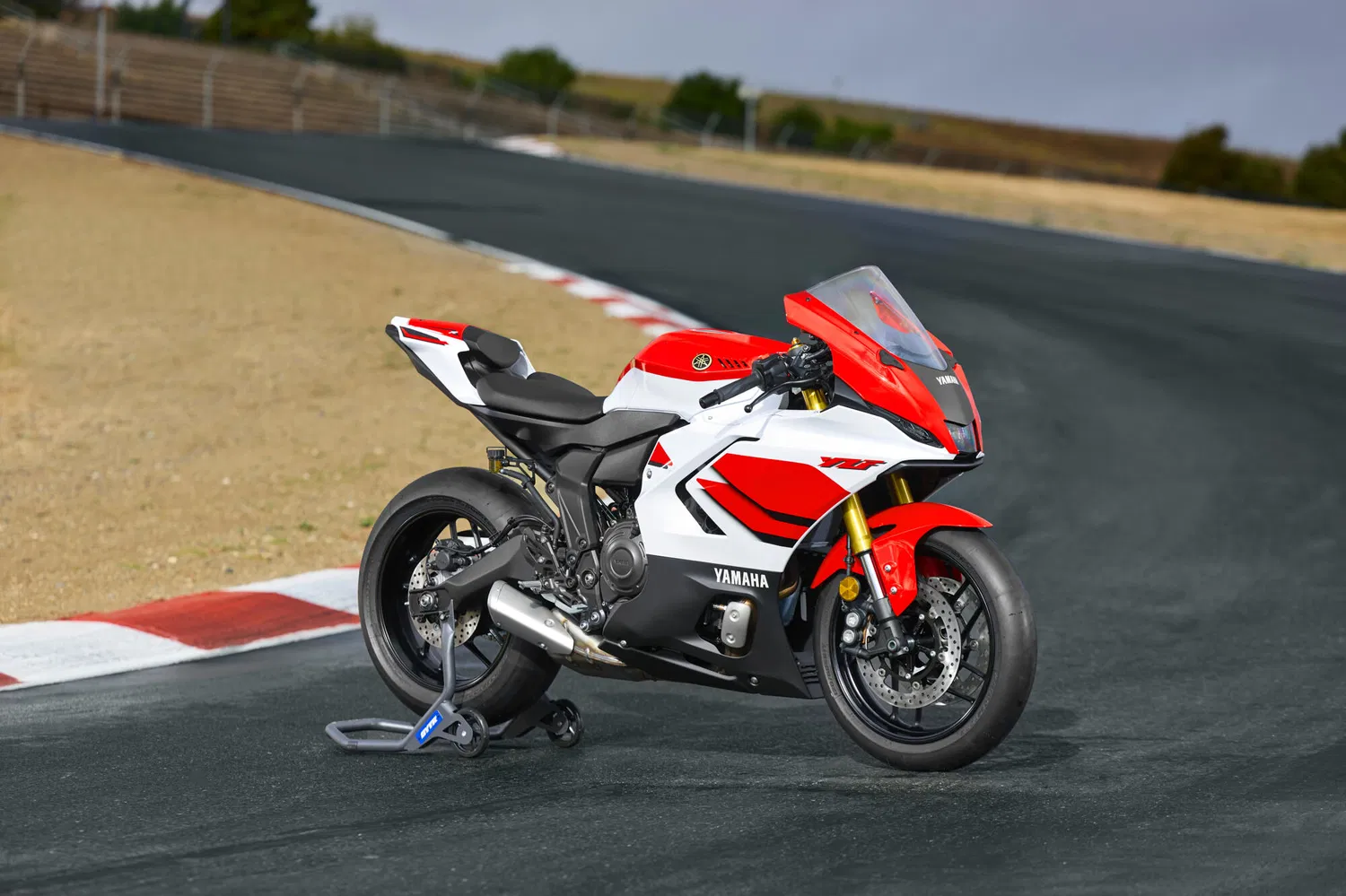
It means Yamaha follows Suzuki’s decision to axe their own 1,000cc GSX-R1000R sportbike. While shocking, it is not completely surprising as manufacturers shift toward producing more accessible and affordable motorcycles. Yamaha themselves have done so when they debuted the YZF-R7 based on the MT-07 and are launching the YZF-R9 based on the MT-09.

There are several factors that we can think of:

  • Developing an engine to meet the ultra-tough Euro 5+ emission standard will require huge resources for what may be diminishing returns. Yamaha may continue sell their existing Euro 5 compliant R1 and R1-M until 2025, though.
  • The R1 has had a great run since its inception in 1998, being the Yamaha superbike that broke the Honda CBR900’s dominance. However, it did not enjoy the sales volume as other superbikes such as the Kawasaki Ninja ZX-10R/ZX-10RR, BMW S 1000 RR (being a BMW), and Ducati Panigale in recent years.

  • The majority of riders have shifted to the more accessible and versatile sport-touring, dual-sport, adventure motorcycles. These bikes can go anywhere, carry the rider and passenger in comfort, move luggage, and can be mounted with all sorts of accessories.

  • The current and upcoming crop of superbikes are getting to a stage where riders need superhuman abilities to unlock their full potential. They are not only more powerful and faster, but have handling abilities well beyond the skills of at least 80% of motorcycle riders out there.
  • Road conditions the world over are not getting much better and the majority will never match the condition of dedicated race tracks. Trying to ride a sportbike on public roads as if they were racetracks will only prove disastrous.
  • And of course, the price. ‘Nuff said.

However, who knows if it returns as the Euro 6 compliant Yamaha YZF-R1 and Yamaha YZF-R1 M later in the decade.

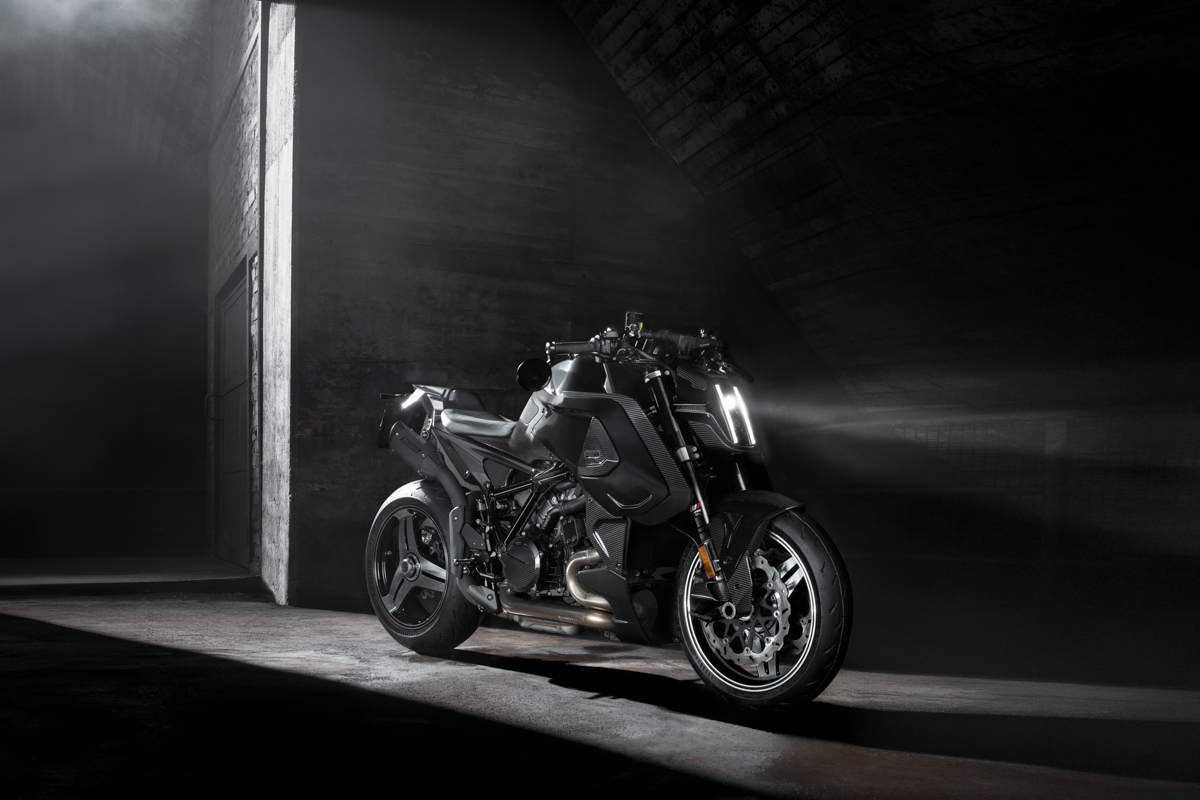
The Ducati Streetfighter V4 S already rules the roost as the most powerful non-aspirated hypernaked beast, with 208hp on tap. But the trend of cooperation with automobile manufacturers and lifestyle product makers certainly ups the style quotient to 11. Check out this Ducati Streetfighter V4 S Supreme Edition.

The apparel maker Supreme does not shy away from making bold statements. Hence the liberal use of their famous screaming red and white logos and colours on the bike.

Needless to say, it turns a er… head turning design to something extremely loud. One cannot miss the huge Supreme logo draped over fuel tank from one side to the other, plus another logo on the tail cover just to remind the rider that this is not his cousin’s Streetfighter V4 S. And oh, the wheels are painted in white without forgetting the Supreme logo, too.

Additionally the buyer may go the whole nine yards and complete the look with an Arai Corsair-X (known in Malaysia as the RX-7X) helmet, also resplendent in Supreme’s colours. This limited edition helmet was made exclusively for the Ducati Streetfighter V4 S Supreme Edition.

Mechanical and electronic aspects and features remain unchanged, including the aforementioned beasty Desmosedici Stradale V4 engine that kicks out a whopping 208hp and 133.4 Nm of torque.

The chassis consists of electronically controlled 43mm fully adjustable Öhlins NIX 30 forks up front and an Öhlins TTX 36 electronic rear shock. The anchors are twin Brembo Stylema Monoblock calipers in front (finished in red) and a floating caliper at the rear.

The entire electronic suite is featured here such as cornering traction control, wheelie control, slide control, launch control, and all sorts of other “controls” as expected of a high performance Ducati.

There is no word yet on how much the bike will sell for and availability in which markets.
After months of stagnation, Bajaj has finally introduced the eagerly awaited Pulsar NS200.

Though not yet fully introduced, a new TV commercial has shown an upgraded LED headlight featuring integrated LED DRL, signaling a departure from the previous model’s design.

The 2024 Pulsar NS200 also boasts a redesigned digital instrument console and updated switchgear, echoing the recent enhancements observed in some of the top-spec variants of Pulsar N150 and N160.

The outgoing NS200, introduced in 2012, has maintained its semi-digital instrument console with minimal changes. The new LCD digital instrument screen features Bluetooth connectivity, facilitating seamless integration with the Bajaj Ride Connect App.

Users gain access to a wealth of information, including calls, text messages, mobile signal strength, battery health, and turn-by-turn navigation. The revamped switchgear introduces a dedicated Mode button for navigating the functions of the new LCD instrument display.

The Bajaj Pulsar NS200 receives a visual makeover with sportier graphics, decals, and the introduction of new color options. The existing color palette includes Glossy Ebony Black, Metallic Pearl White, Cocktail Wine Red – White, and Pewter Grey – Blue.

While retaining much of its mechanical prowess, the NS200 continues to feature USD forks and standard dual-channel ABS. The braking system consists of 300 mm and 230 mm discs at the front and rear, respectively, along with a Nitrox mono shock absorber at the rear. Both front and rear wheels are fitted with 17-inch tires (100/80 front and 130/70 rear).

Powering the NS200 is the same 199.5 cc, single-cylinder, liquid-cooled, triple spark, 4-valve, FI DTS-i engine, delivering 24.5 PS of maximum power and 18.74 Nm of peak torque. It is mated to a 6-speed gearbox.

With these updates, the 2024 Bajaj Pulsar NS200 may see a modest price increase.

For Malaysians, the Bajaj Pulsar is known as the Modenas Pulsar since it is assembled and distributed by the national bike maker.

The Pulsar has enjoyed success since it offers good value for money. But the updates have stopped for a while and the Pulsar now looks and feels dated as compared to the competition. So it is about time that the Malaysian model is updated.

During the 2023 EICMA event in Milan, Honda unveiled the NX500 and CBR500R. Among the highlights was the revelation of a 400cc variant of the NX500, now introduced as the NX400 in Japan. Serving as the successor to the 2013 400X crossover model, the NX400 inherits its legacy while bringing forth a range of enhancements.

Also new to the range for the Japanese market is the updated CBR400R.

The 2024 NX400 emerges as a contemporary street adventure motorcycle, showcasing a refreshed design and upgraded features. Noteworthy additions to both the NX400 and CBR400R include Honda Selectable Torque Control and a vibrant 5-inch full-color TFT display. Through the integration of the Honda RoadSync app, riders can seamlessly connect their smartphones via Bluetooth, granting access to calls, messages, music, and turn-by-turn navigation.

In terms of aesthetics, the 2024 CBR400R receives a facelift with modifications to the headlamp cowl, headlight, and tail light. The incorporation of new ducts, adorned with winglets and slits on the middle cowls, enhances the bike’s sporty allure. Colour options for the CBR400R include the striking Grand Prix Red and the understated Matte Ballistic Black Metallic, the latter presenting an alluring all-black theme. These color schemes are also available for the NX400, alongside the Pearl Glare White option, adding to the visual appeal of both models.

Physically, the 2024 NX400 boasts larger dimensions, measuring 2150 × 830 × 1390mm compared to the CBR400R’s 2080 × 760 × 1145mm frame. The NX400 also features a longer wheelbase of 1435mm, while the CBR400R measures 1410mm. Additionally, the NX400 offers superior ground clearance at 150mm, compared to the CBR400R’s 130mm.

Weighing in at 5kg heavier than its counterpart, the NX400 tips the scales at 191kg.

Wheel specifications differ as well, with the NX400 sporting 19-inch front and 17-inch rear wheels, while the CBR400R opts for 17-inch wheels on both ends.

Both models feature a braking setup comprising double discs at the front and a single disc at the rear, ensuring optimal stopping power. Furthermore, the inclusion of features such as the Showa SFF-BP inverted fork and assist and slipper clutch further enhances the riding experience, building upon the foundations laid by their predecessors.

Both models also run on the same Honda 399cc, NC65E water-cooled, twin-cylinder engine. Both bikes offer the same amount of power – 46PS and 38Nm of torque, and the same gearbox with identical gearing. They also share the same 17 litre fuel tank. So the real question is whether you like to ride sitting up or a more aggressive sportier sitting position.

Full specifications are available below, and as for pricing, the CBR400R is priced at 863,500 (RM27,526) Yen while the NX400 is priced at 891,000 Yen (RM28,403). All prices do not include local taxes and are subject to change in your local market.


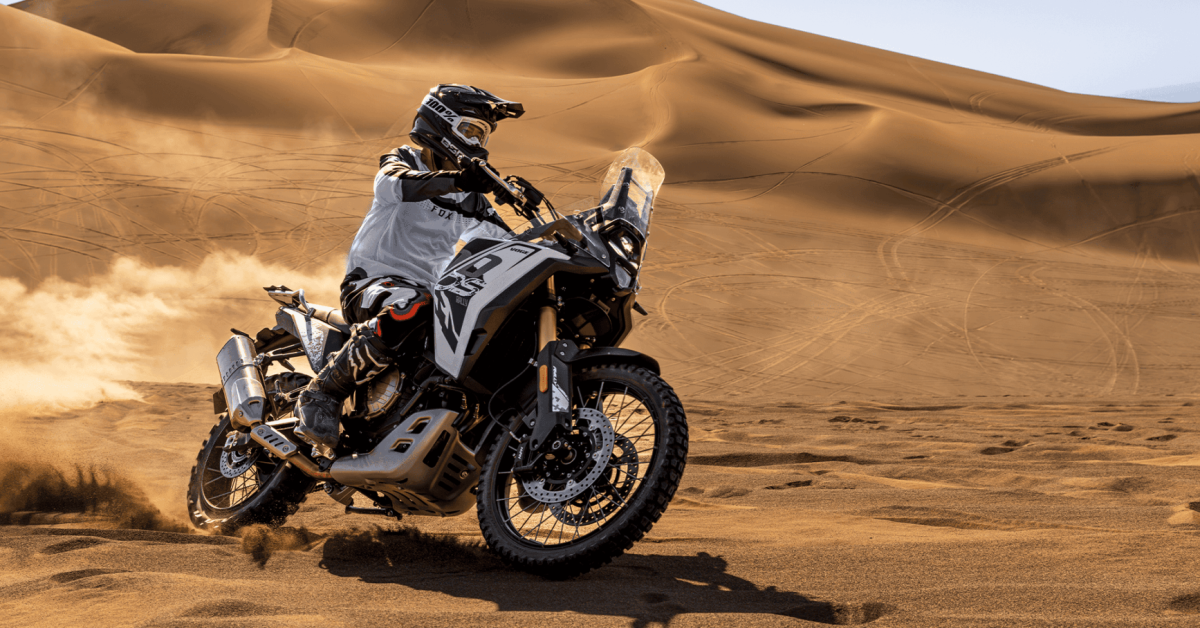
Triumph has unveiled an array of new features and upgrades for its Tiger 1200 family in 2024, elevating the range to new heights of advancement and sophistication. The enhancements encompass refined engine performance, improved comfort and ergonomics, enhanced cornering capabilities, reduced seat height with Active Preload Reduction, and vibrant new color options.

According to Triumph, the renowned 1160cc triple engine now offers an even smoother and more controlled riding experience, particularly at low speeds, while retaining its distinctive triple character derived from its T-plane crank. The engineering team at Triumph has fine-tuned the engine by modifying the crankshaft, alternator rotor, and balancer to enhance engine inertia, along with corresponding adjustments to engine calibration. These refinements result in heightened smoothness during acceleration and deceleration, especially noticeable at lower speeds. Additionally, an updated clutch design ensures a smoother engagement when shifting into first gear.

Furthermore, Triumph has prioritised all-day comfort for riders embarking on long-distance journeys with the Tiger 1200. A revised engine balancing strategy contributes to a smoother and more refined engine performance, enhancing comfort across various rider touchpoints. Borrowing from the successful Explorer models, dampened handlebars and risers have been incorporated into the GT Pro and Rally Pro, providing a smoother ride and improved mirror visibility.

The rider seat has undergone a redesign, featuring a flatter profile to offer riders more space and reduce fatigue during extended trips. Additionally, the accessory low seat, which lowers the seat position by 20mm, has been redesigned for enhanced comfort. A longer clutch lever has also been introduced to provide additional space for riders’ fingers, further enhancing comfort on extended journeys.

Triumph has raised the cornering ground clearance of the Tiger 1200 GT Pro and GT Explorer models by adjusting the footpeg positions, thereby increasing rider confidence during cornering maneuvers. The introduction of the Active Preload Reduction feature allows riders to lower the seat height by up to 20mm simply by pressing the ‘Home’ button for one second on the switch cube as the Tiger 1200 slows to a stop.

The Tiger 1200 is now available in some markets in four variants, featuring new colors for 2024. The Tiger 1200 GT Pro and GT Explorer are offered in striking Carnival Red, in addition to Snowdonia White and Sapphire Black. The Tiger 1200 Rally Pro and Rally Explorer come in stylish new Matt Sandstorm and Jet Black options, alongside the popular Matt Khaki.

Steve Sargent, Chief Product Officer, expressed enthusiasm for the 2024 updates, highlighting their potential to enhance the riding experience and expand the Tiger 1200’s global appeal. Since its debut in 2021, the latest generation Tiger 1200 has garnered significant sales success worldwide, with the Tiger 1200 GT Explorer notably chosen by Enduro World Champion Ivan Cervantes for his Guinness World Records feat of covering the greatest distance on a motorcycle in 24 hours.

The collaboration unveiled in March 2023 between BMW Motorrad Motorsport and NORDOEL has resulted in the creation of a fuel aimed at mitigating the environmental impact of racing. Through the integration of advanced technologies and sustainable production processes, a fuel has been formulated to uphold engine performance while notably curtailing CO2 emissions during production. The CO2-reduced fuel, known as RacE-Fuel WSBK R40-A, boasting a regenerative share of at least 40%, will make its official debut at the onset of the FIM Superbike World Championship (WorldSBK) season in Australia.

Initial trials with the alternative fuel were successfully conducted in January in Jerez, Spain, and Portimao, Portugal. These trials followed extensive development hours at the engine testing facilities in Munich. During the trials in southern Europe, the ROKiT BMW Motorrad WorldSBK Team, Bonovo action BMW Racing Team, and BMW Motorrad WorldSBK Test Team honed the efficiency and performance of the alternative fuel for motorsports.

The competitiveness and usability of the regenerative fuel RacE-Fuel WSBK R40-A, complying with the FIM regulations requiring a minimum of 40% “non-fossil” content for 2024, were affirmed. Consequently, RacE-Fuel WSBK R40-A stands as the pioneering regenerative fuel based on MtG (Methanol-to-Gasoline). Ongoing development endeavours seek to deepen insights from previous experiments and identify potential areas for enhancement.

Archive

Follow us on Facebook

Follow us on YouTube