Bikesrepublic

Global News

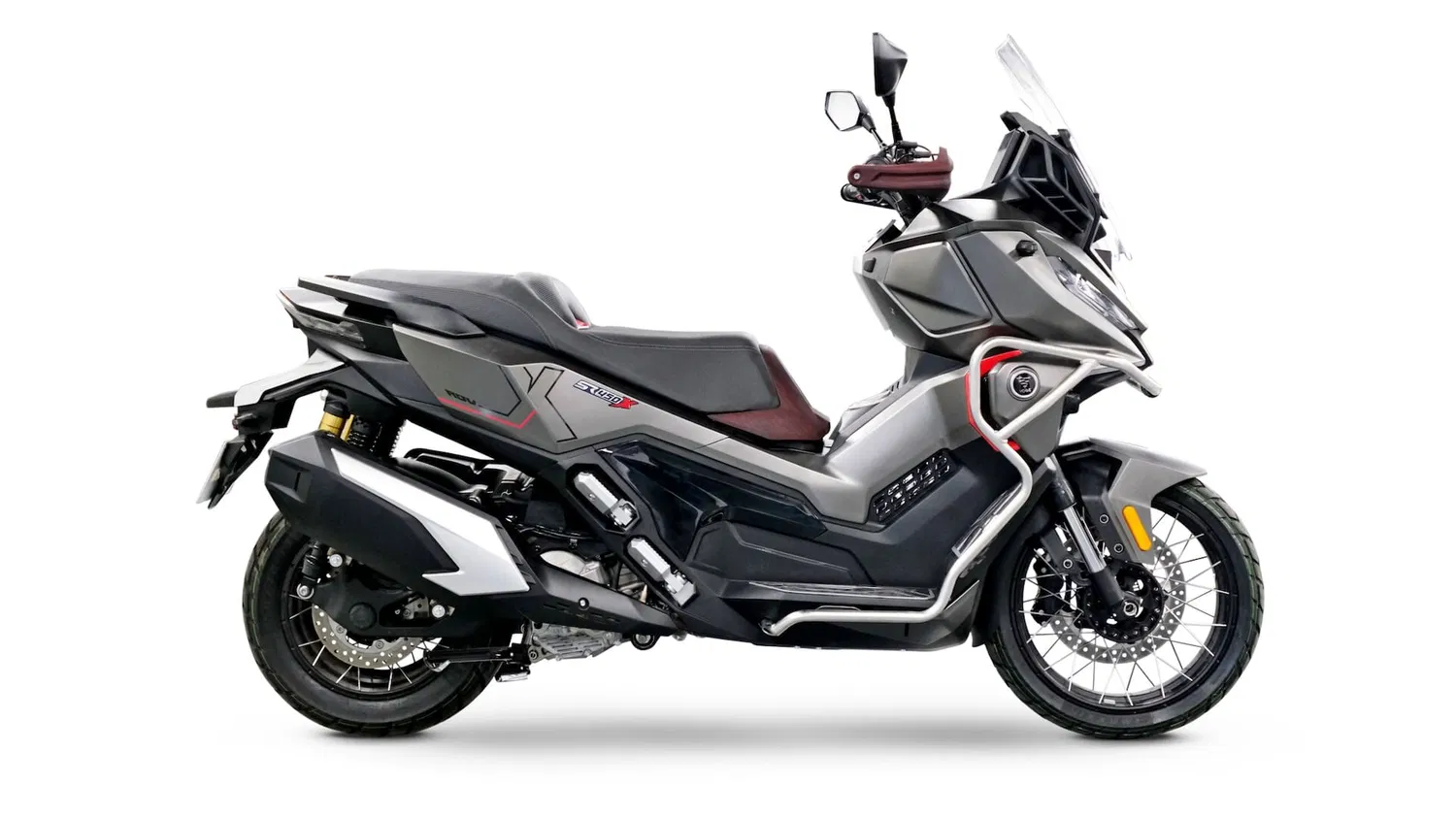
Another manufacturer is set to join (or spoil) the adventure party, namely Voge, after they launched the Voge SR450X.

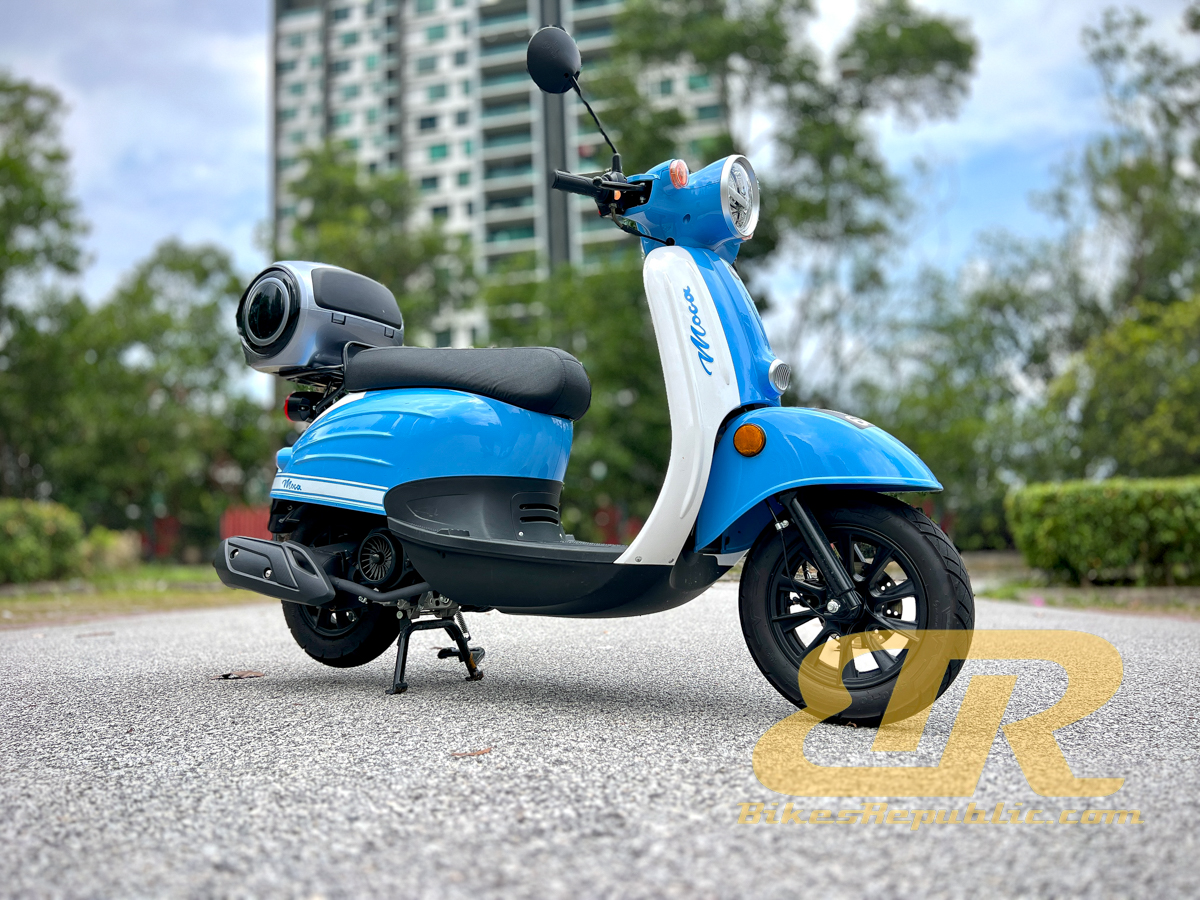
The adventure scooter has found great following not in Malaysia, apparently, as it has become a phenomenon the world over. The revolution was started by the Honda X-ADV, which was followed by the ADV350 and ADV160. Now several makers has one: Zontes, SYM, Keeway, Aveta, Moda. Even Aprilia is joining the fray by unveiling the SR GT 400 at EICMA.

But it can be seen clearly that the real fight is in the 300cc-400cc segment.

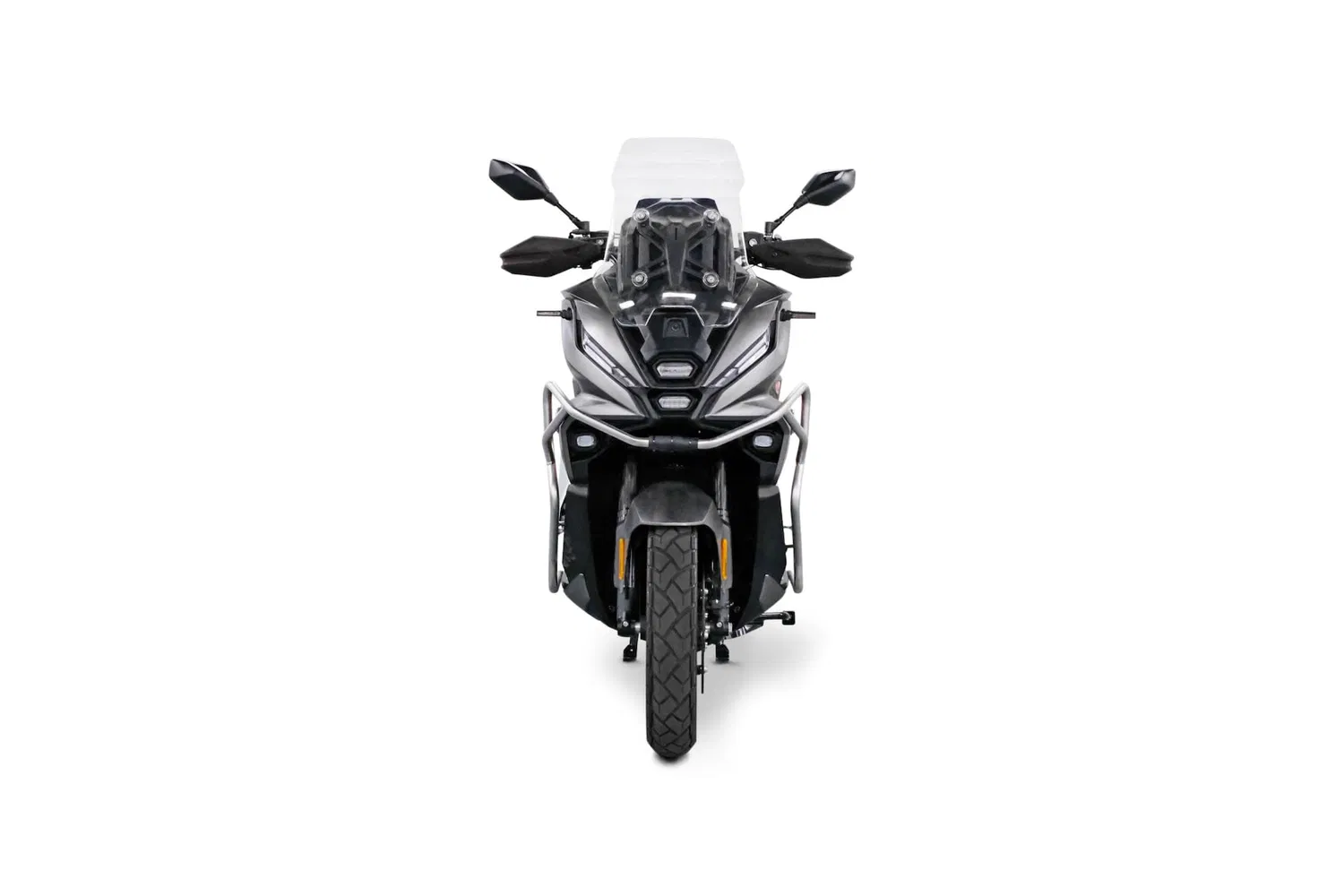
Although having a side profile similar to that of the Zontes 368G, the Voge entry has a different design language up front with its stacked main lights.

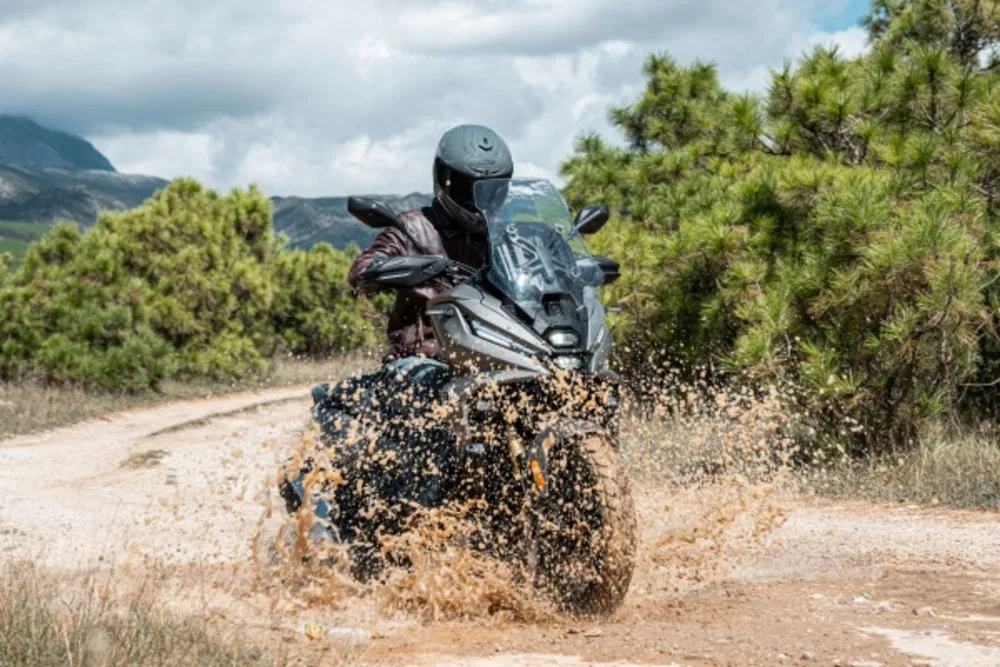
Unlike the competition, the Voge model is powered by a 398cc liquid-cooled, fuel-injected twin-cylinder engine, which produces 41.5 hp at 8,000 rpm and 43.9 Nm of torque at 5,750 rpm. Judging by being more torquey, it is apparent here that Voge is positioning the SR450X as an off-road-biased scooter.

Their press release says differently, though: “a versatile scooter designed for both urban commuting and adventure riding” and performing tasks such as “navigating city traffic, long weekend rides, or even a touch of off-road”.

Other highlights include tubeless spoked wheels, metal crash bars, an aluminium luggage rack, full LED lighting, and large underseat storage that can fit up to two helmets. It also features keyless ignition, and a lockable glove box. There are four foldable footpegs, too, like the Zontes 368G.

The chassis gets upside-down forks, adjustable KYB rear shock absorbers, and J.Juan front brake calipers.

You can bet your bottom dollar that MForce Bike Holdings will be bringing it to Malaysia.

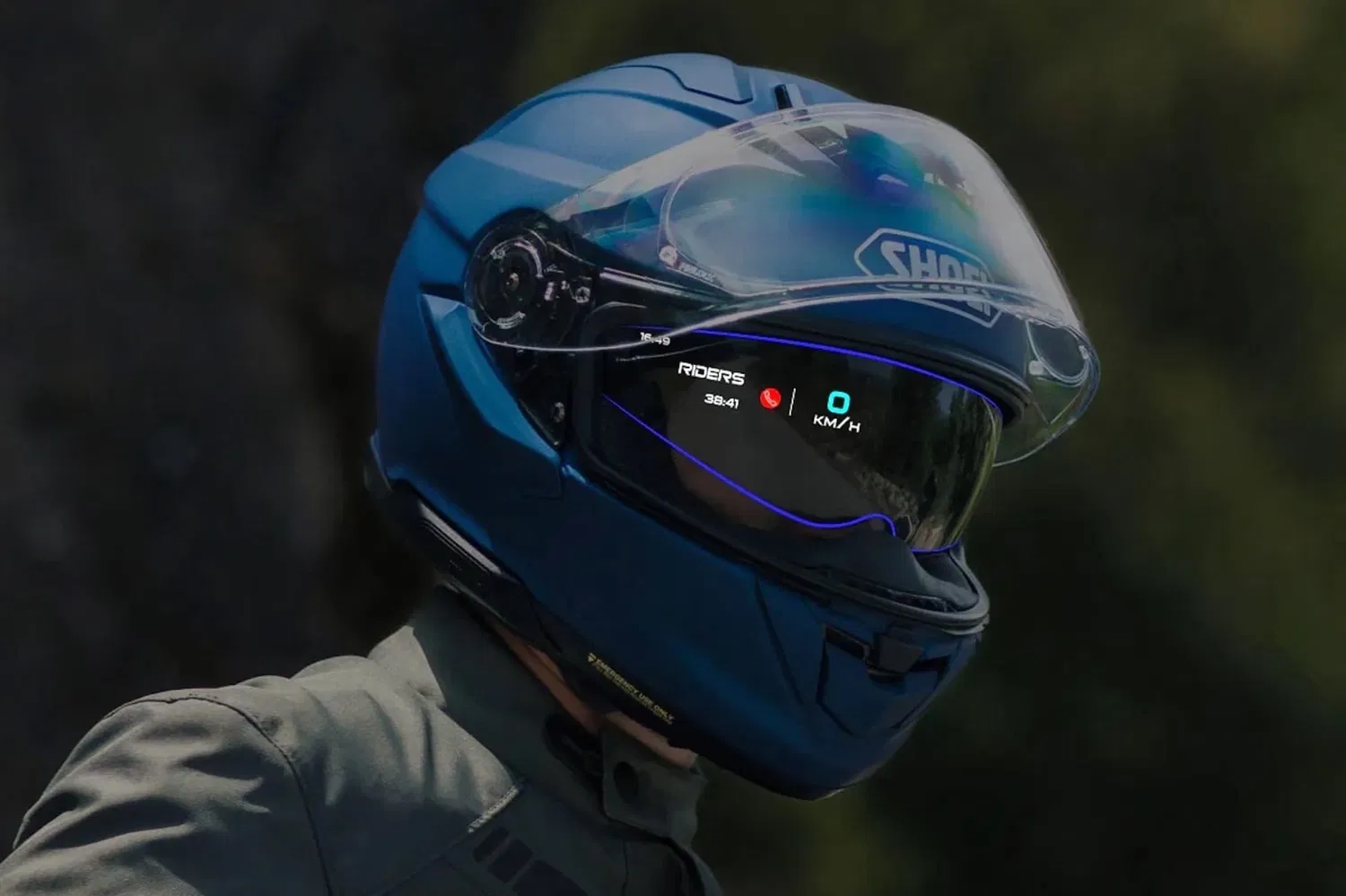
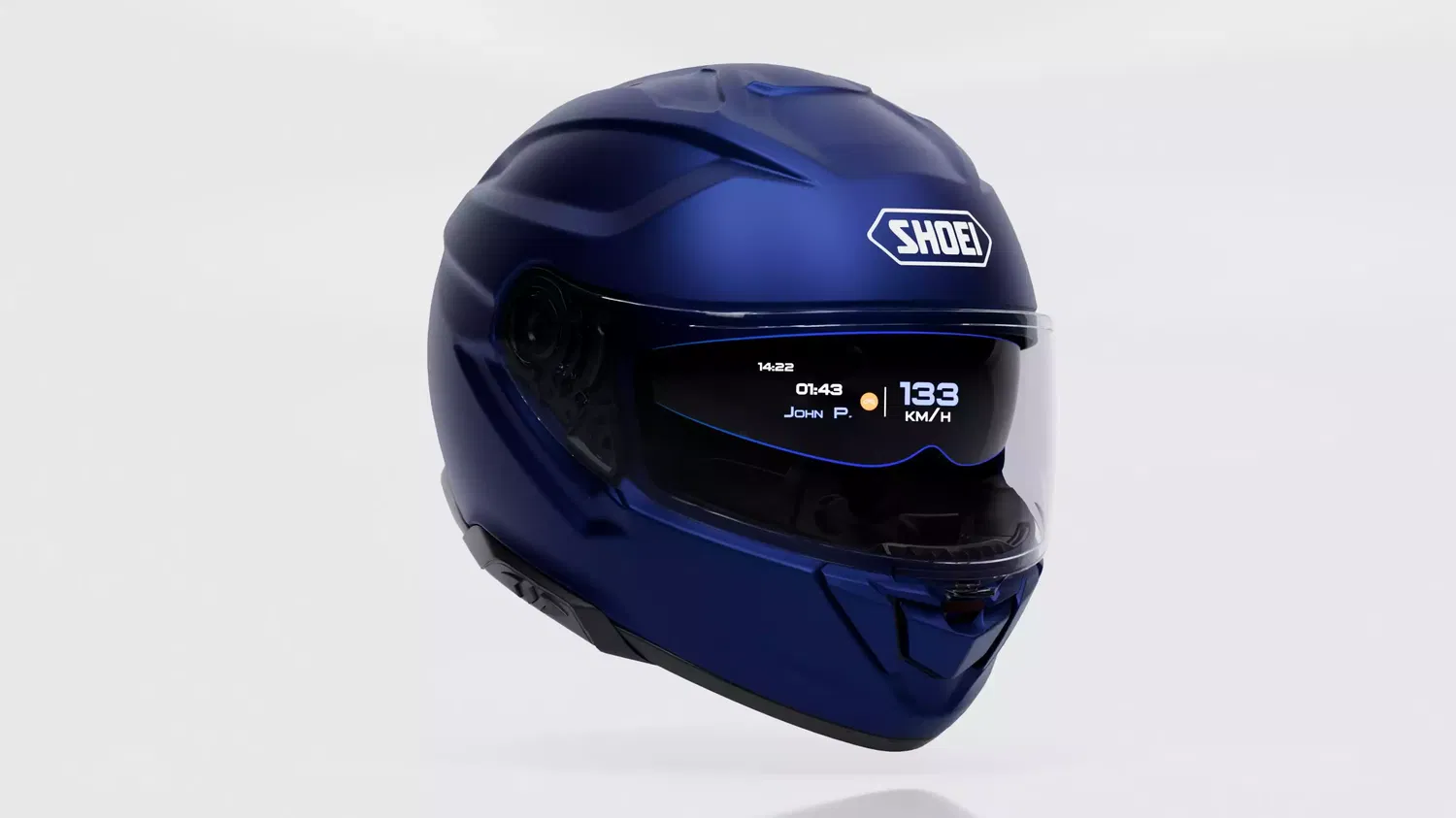
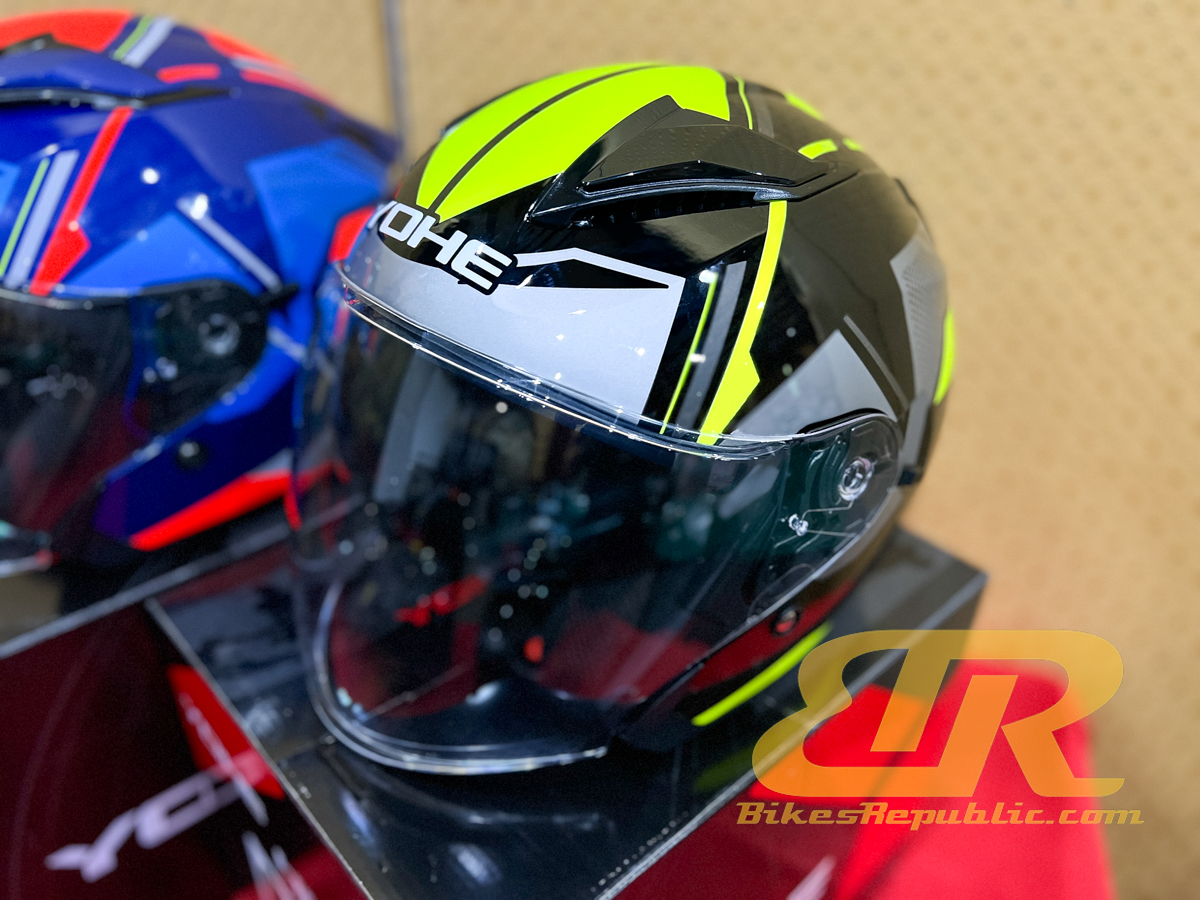
Riding a motorcycle elicits many emotions, and one of them is like flying almost in a pure sense since we are enclosed in a cage. Therefore, we have always wondered by motorcycles do not have Head Up Displays (HUD) like in a fighter jet. The Shoei GT-Air 3 Smart Helmet with HUD has just been introduced for that.

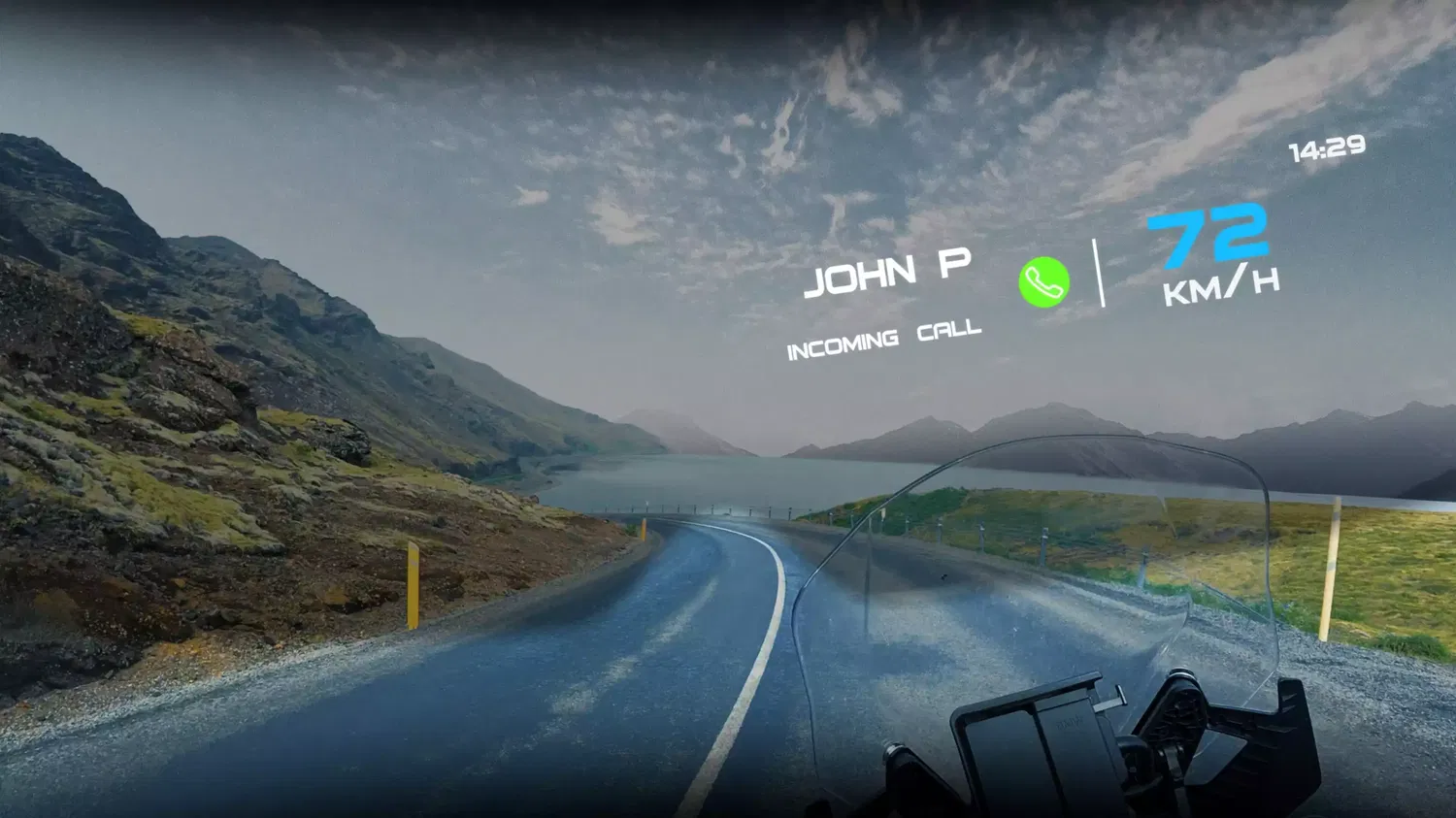
The HUD in fighter jets, some commercial airliners, (and expensive cars) project important information such as heading, speed, altitude, bank angle onto a piece of glass to keeps the pilot’s eyes up through the front of the plane without needing to look down and search for the data all the time.

This may  be a great thing for motorcyclists, too, especially when riding on a twisty road or hurtling down a highway. We do not take this lightly, especially that contemporary motorcycles, even small capacity ones now feature LCD and TFT screens that are loaded with so many features such as navigation, music streaming, and phone connectivity. Imagine glancing down to see who is calling when approaching a ravine or road intersection.

However, the human eyes can only focus on objects that are either near or far at any one time, rather than both, thus there is concern whether the data displayed via HUD in a helmet could also prove to be distracting. A picture releasd by Shoei shows that data is superimposed in “far” distance, but we can only be sure if we tried the helmet. Indeed, Shoei’s collaborator in the project, EyeLights, claimed that their technology increases reaction time by up to 32 percent.

There have been many helmets that promise such a technology in the past, including one infamous Skully. Shoei had also debuted another “smart” helmet several years ago, but it came with unwieldy attachments. This time, the Shoei GT-Air 3 Smart Helmet is more refined and appears similar to our regular everyday helmet.

The company unveiled the helmet at EICMA, incorporating EyeLights’ technology into one of its GT-Air 3 helmets. As such, the helmet is robust, comfortable, and meets both DOT and ECE 22.06 standards.

Within the technology is a communications system that allows you to issue voice commands (as is already possible on a number of comms systems) and make use of a ‘universal’ intercom system that is reportedly compatible with most other brands.

There is no word yet as to when the so-called GT-Air 3 Smart Helmet will go on sale, but when it does it will reportedly come with a price tag of €1,199 (RM5,713.00).

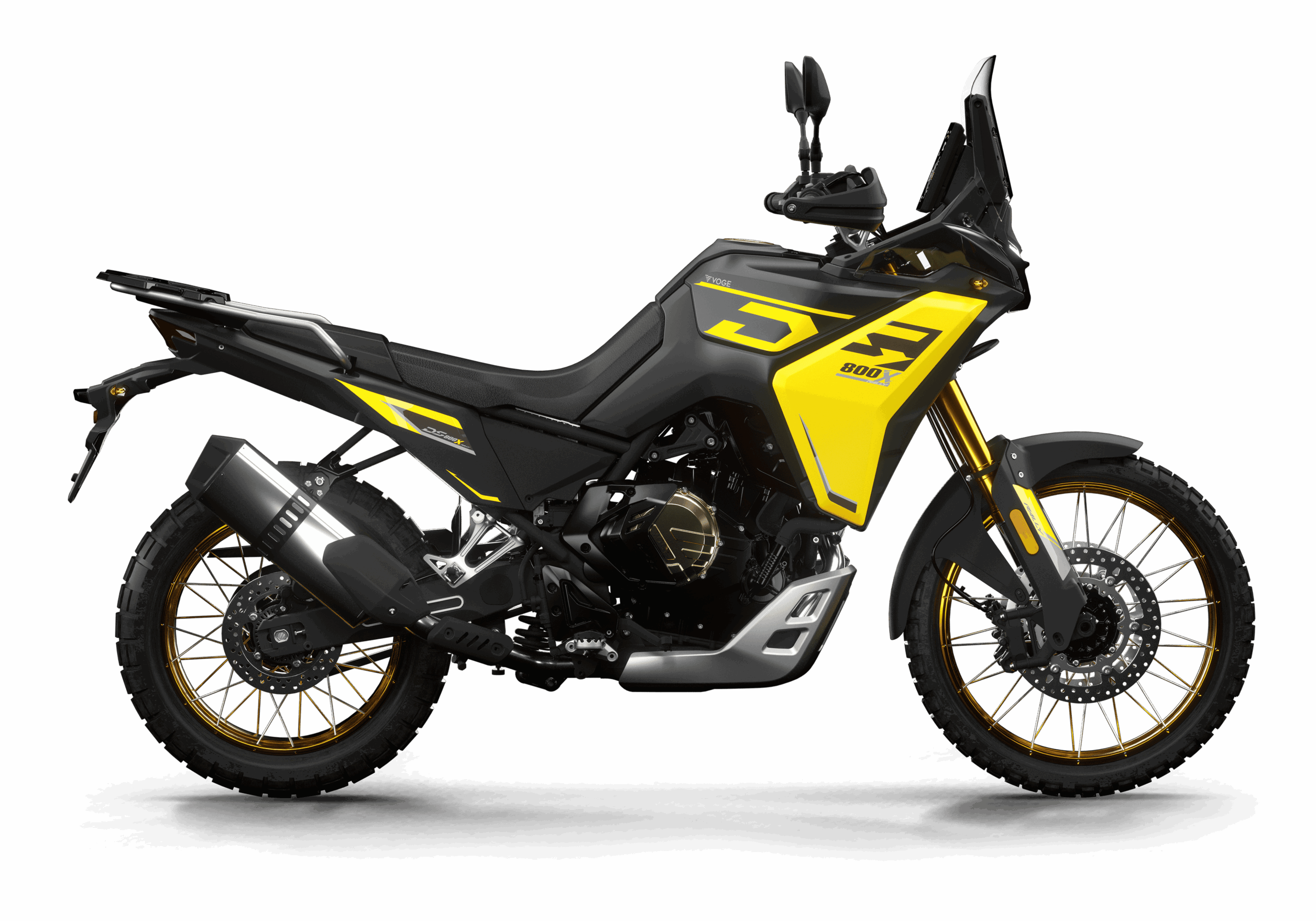
The VOGE DS800X Rally has scored a major win in the UK motorcycle market, by becoming the best-selling 750cc-1000cc adventure model in October.

According to UK-based Visordown, Voge dealerships already could not keep up with the orders for the bigger DS900X, and as such, the DS800X Rally turned out to be popular, too. It is even more impressive to see that although the latter model had only arrived in the UK in August, it had helped to push VOGE’s sales up by 165% compared to October 2024.

Additionally, VOGE’s sales surge last month was amidst a 9% drop in the overall UK motorcycle market.

VOGE’s success has also seen the brand climb the market share ladder to seventh place.

VOGE has been a major player in the adventure motorcycle segment for a few years in the UK, mainly due to their DS900X, which uses the same engine as the BMW F 900 GS.

VOGE is the high-end in-house brand of Chongqing-based Loncin Holdings, which has had a partnership with BMW for roughly 20 years, building a number of its bikes, including the current F 900 R, F 900 XR, and F 900 GS. Loncin also used to make the engines for the BMW C-series scooters and F 750, F 800, F 850.

VOGE is distributed by MForce Bike Holdings Sdn. Bhd. in Malaysia. The DS800X is set to be launched in Malaysia in 2026.

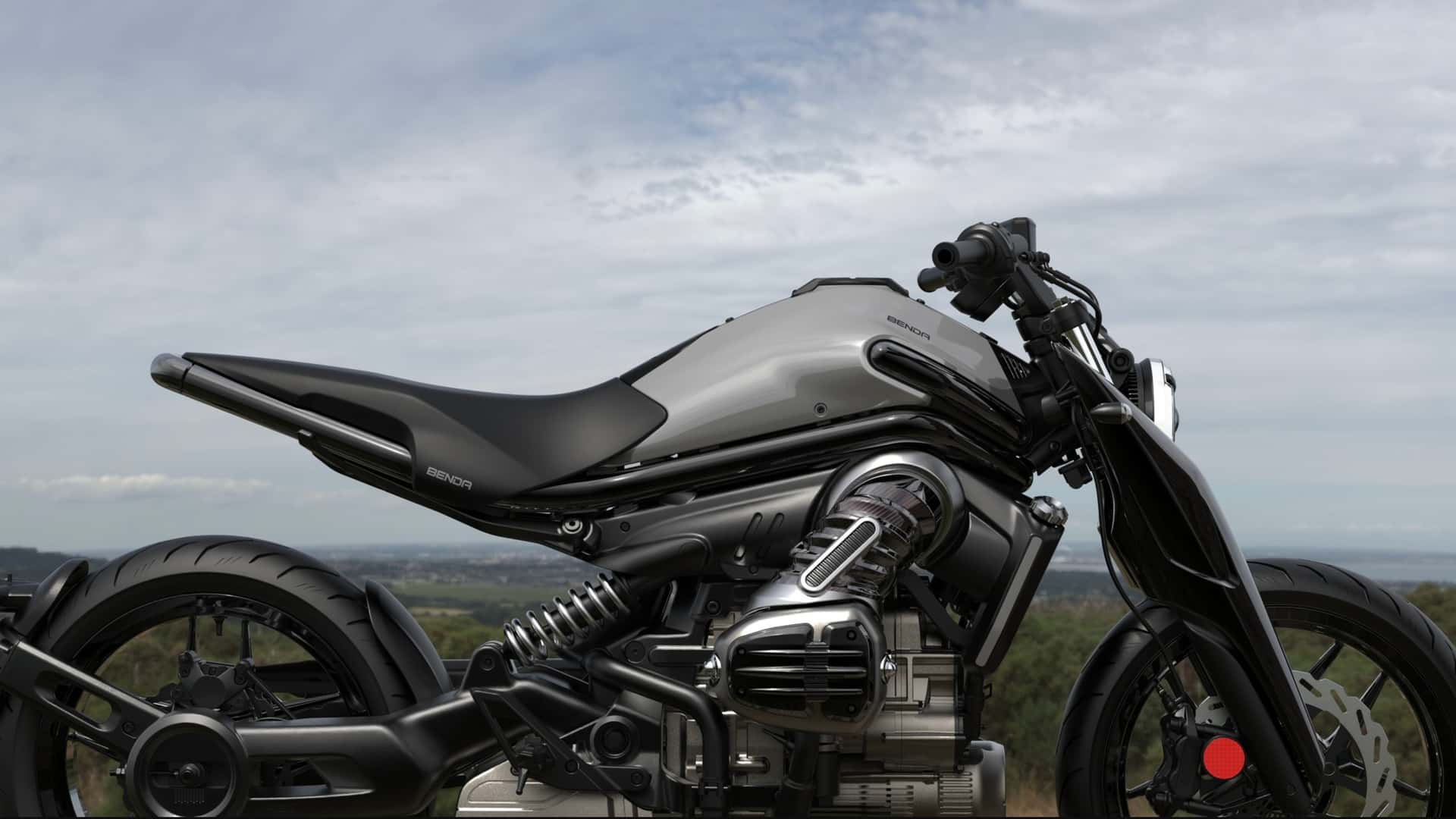
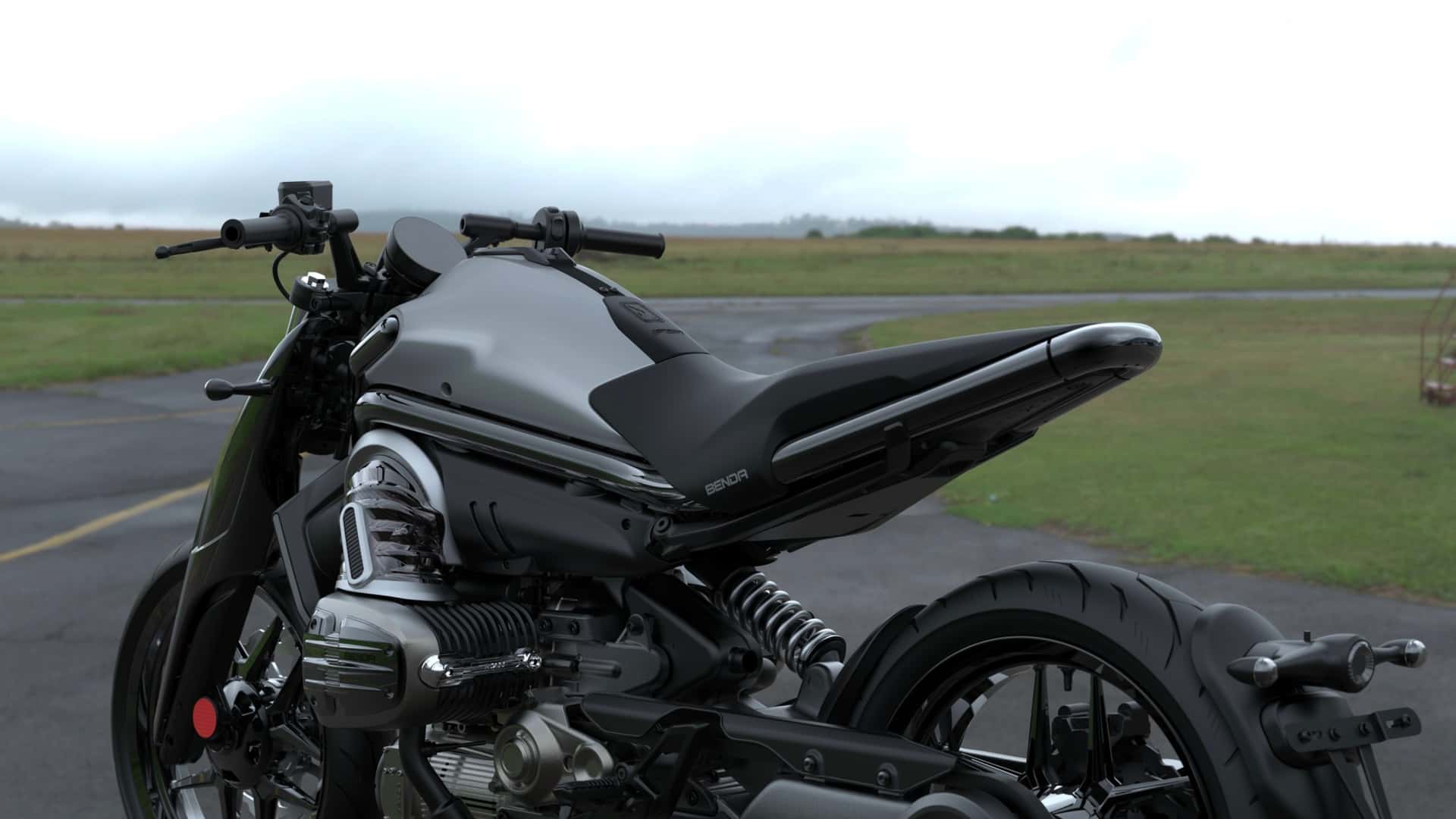
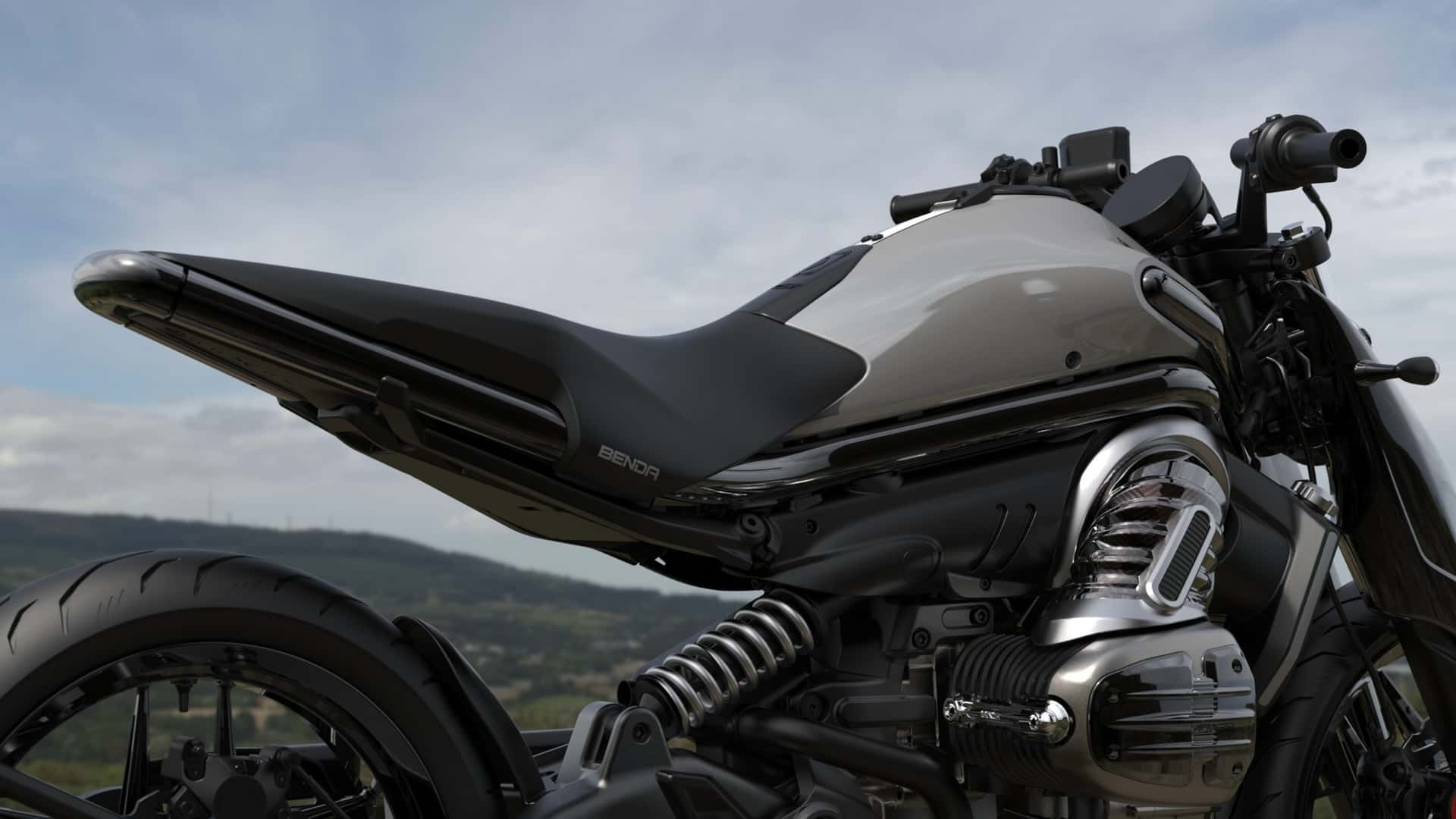
Benda distinguishes itself as a manufacturer who creates bold motorcycles. As in bold overall, both in looks and engine performance. Let us take this new Benda P51 as an example.

It was first unveiled at the Chongqing Motorcycle Expo in China before being displayed before the international crowd at EICMA 2025 in Milan, Italy.

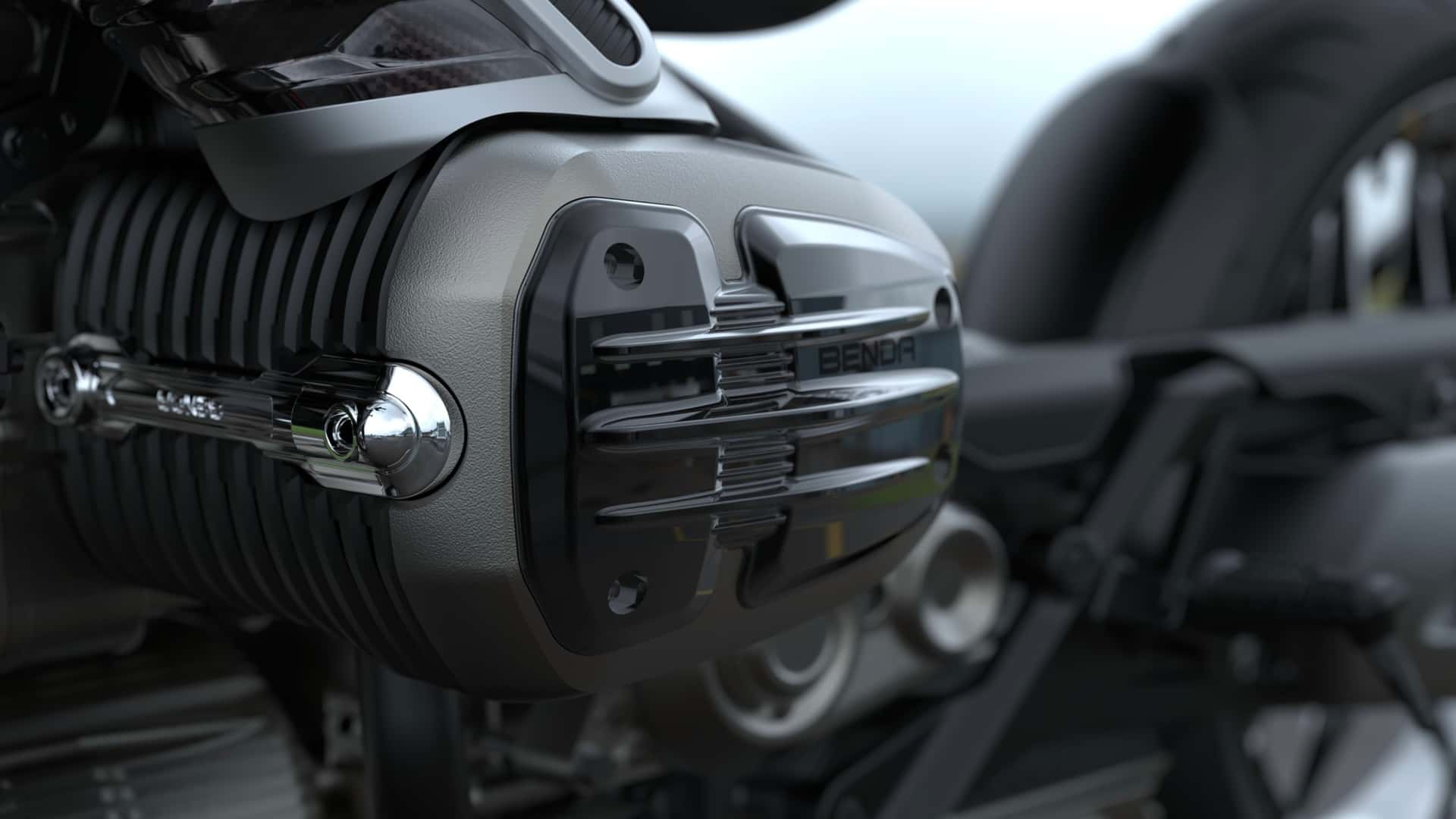
The maker says that the name was inspired by the P-51 Mustang WWII fighter plane. But whether you can see past the relevance or otherwise is another matter because the most significant feature of this bike is its engine.

That is a 250cc flat-twin or better known as a ‘Boxer.’ Ok, that was interesting point Number 1. To boost its performance, Benda mated that engine to an electric motor, making the P51 a hybrid. So far so good? Now how about 62 hp and 100 Nm when both the engine and motor work together?

62 horses put the bike in the regions of 600cc bikes, by the way. What is more, Benda claims that the P51 can accelerate from 0 to 100 km/h in just 3.7 seconds, as the motor’s output shaft is geared directly to the front sprocket. It means that this bike will out accelerate any 250cc to some 600cc bikes.

But the real advantage of the Benda P51 should be its agility. The maker claims the bike weighs just 177 kg, wet. Furthermore, the horizontal placement of the opposed engine cylinders, and the battery at the bottom promotes a low centre of gravity, something that can be fully felt especially at low speeds.

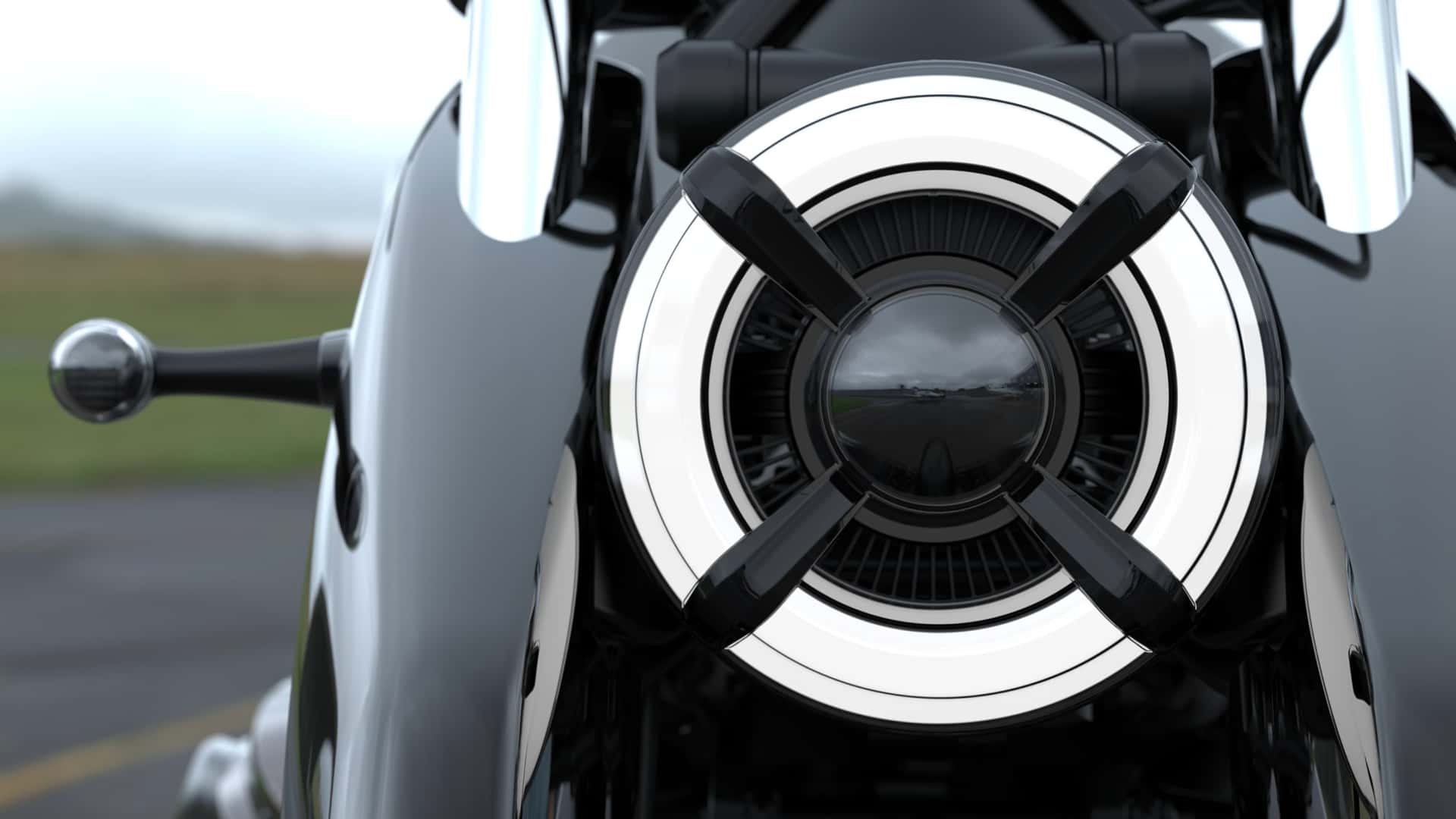
In the looks department, the bike follows Benda’s philosophy of making a statement, looking like prototypes that bigger manufacturers show off only to water down for production. Lest we forget, the headlight features an aircraft-like propeller which forms an ‘X.”

By the way, the Benda Motorcycles company is a subsidiary of the Hangzhou Saturn Power Technology Co., Ltd. who has a strategic partnership with Keeway Motorcycles. Keeway, on the other hand, is under QJMotor. Going further up, QJMotor is a subsidiary of a certain Geely Holding Group.

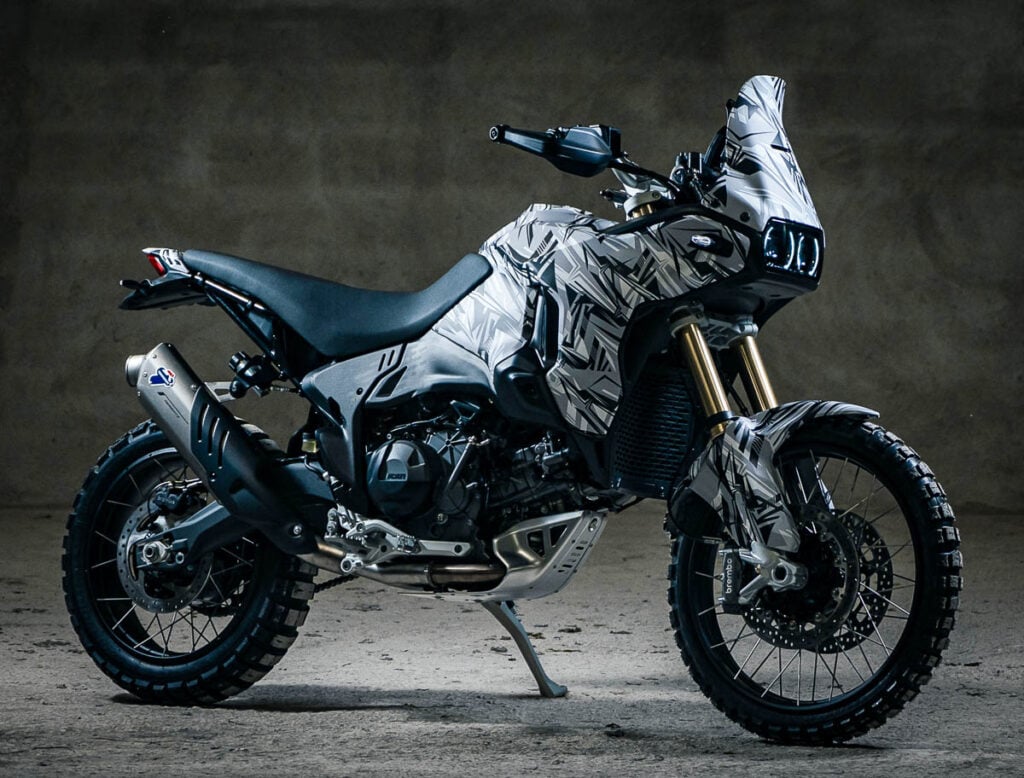
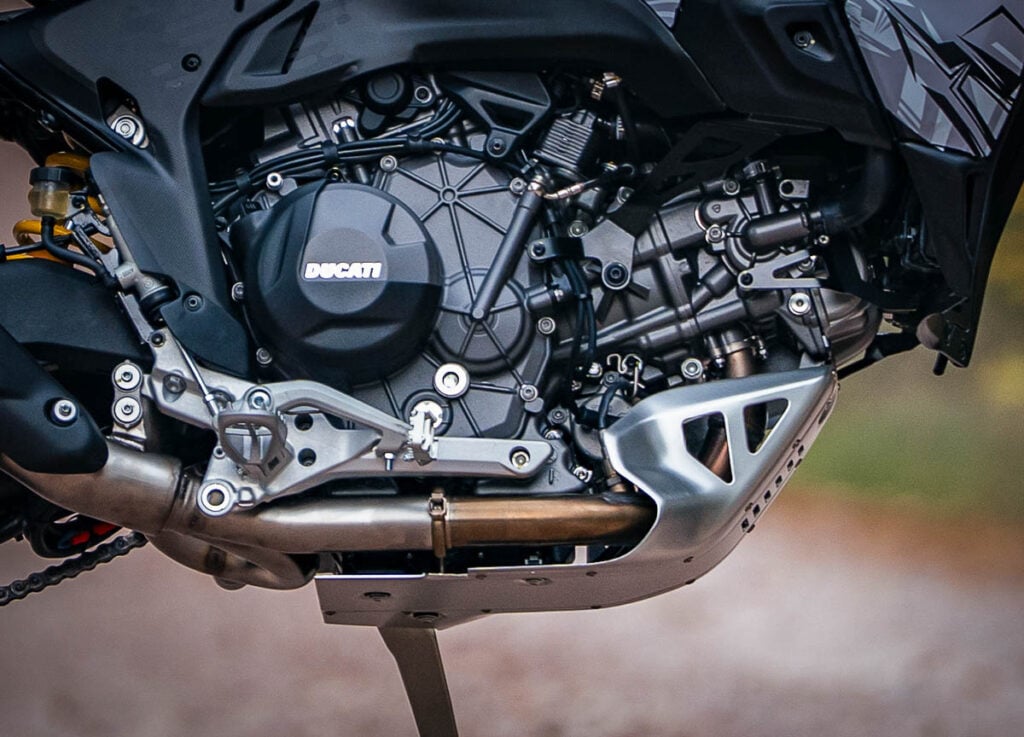
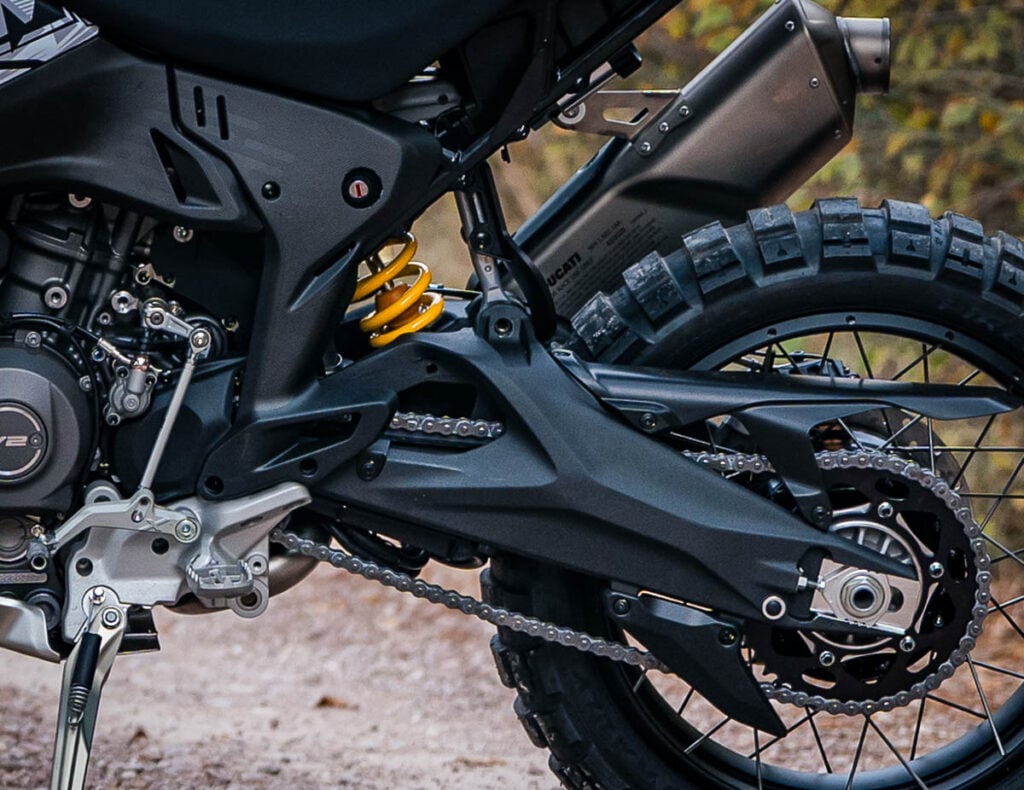
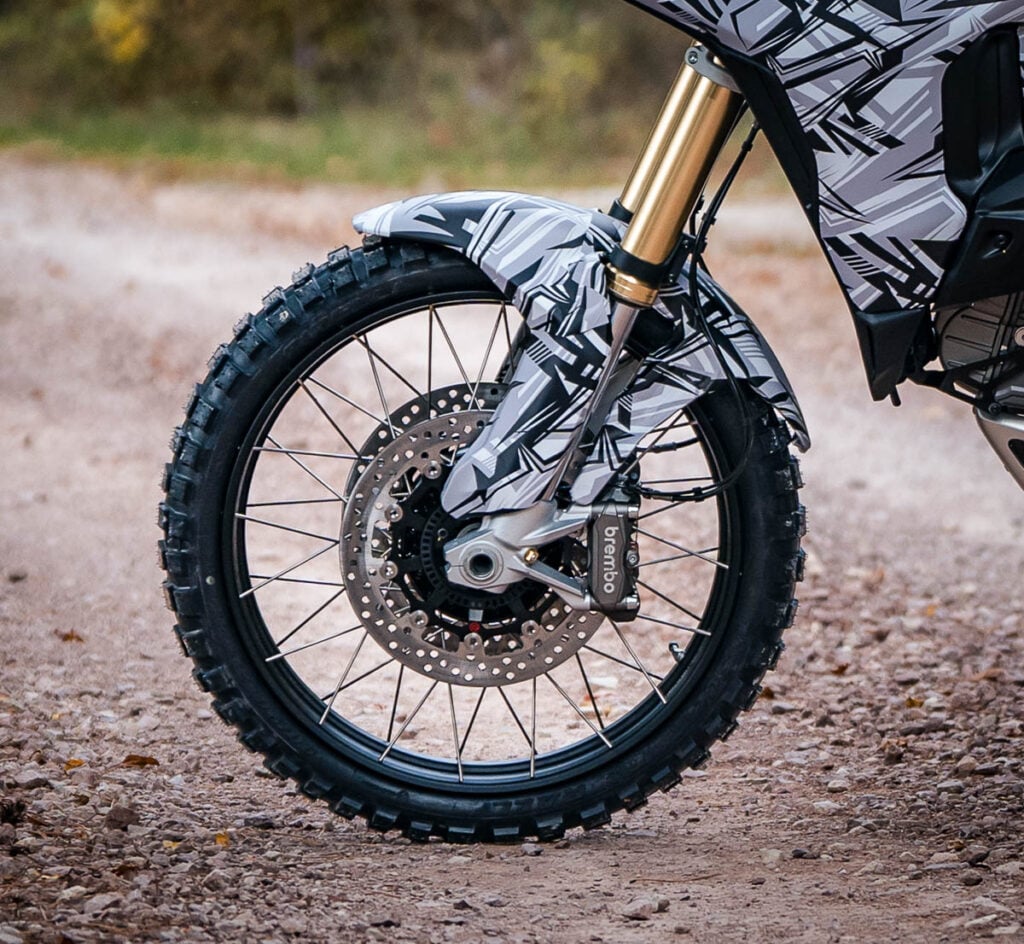
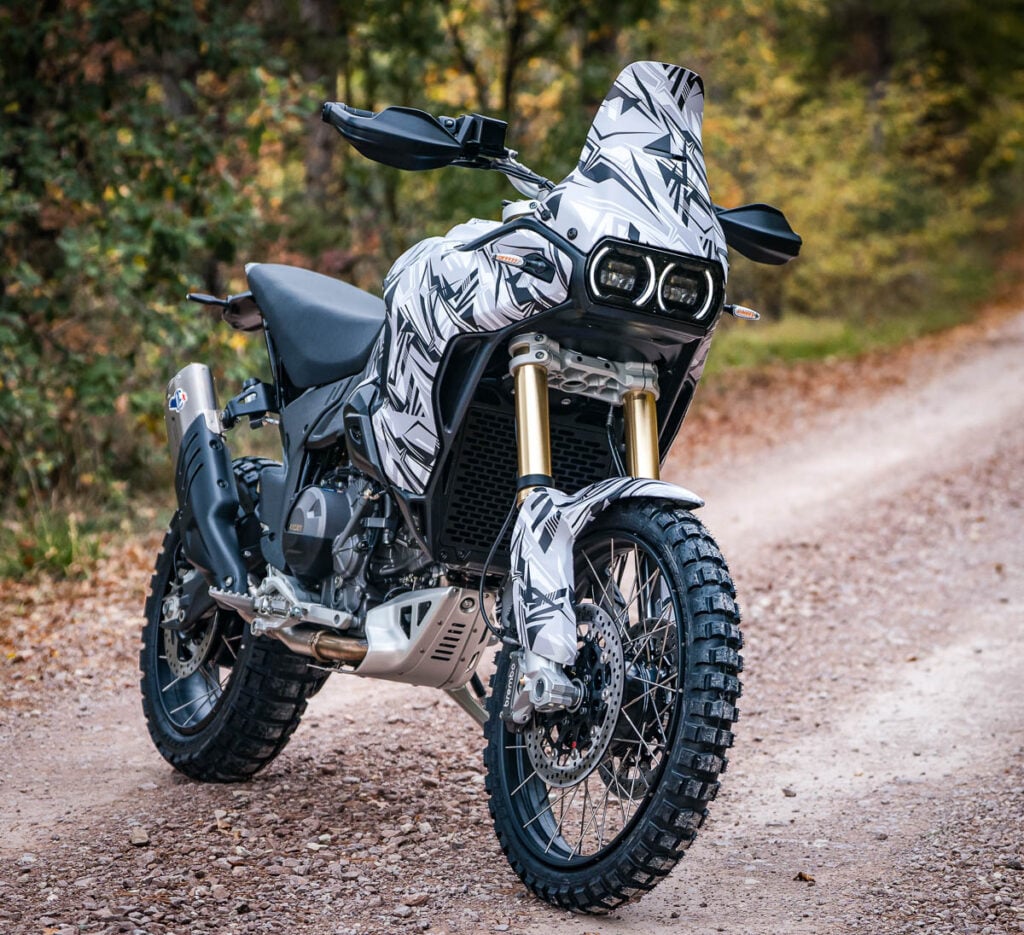
Four years after the model’s birth, the new generation 2026 Ducati DesertX V2 was unveiled at EICMA 2025. As the name suggests, it utilises the maker’s new V2 engine, besides introducing a whole host of technical upgrades.

Highlights:
  • As mentioned earlier, the engine is the new 890cc V2 with Intake Variable Timing (IVT), which replaces the current 937cc Testastretta.
  • The IVT valvetrain offers linear torque from down low to hard and quick sportbike-like engine performance at high RPMs.

  • Evidence to this is the availability of 70% of maximum torque at 3,000 RPM, before hiking up to 80% of maximum torque from 3,500 RPM.
  • Ducati says the engine produces the same peak power of 110 hp at 9,000 RPM and maximum torque of 92.9 Nm at 7,000 RPM as posted by the outgoing Testastretta.

  • Another big change is the rear suspension, where Ducati has installed a new progressive linkage arm that connects below the seat to the new and redesigned swingarm.
  • This sort of linkage was first seen on the Ducati 916 and brought over to subsequent sportbike models, but the new DesertX is the first off-road motorcycle to be fitted with it.

  • The 2026 Ducati DesertX V2 is also lighter by over 4 kg, bringing the bike’s wet weight (without fuel) down to 205.9 kg.
  • The new bike retains the current 21-inch front and 18-inch rear wheels.

  • Elsewhere, the overall silhouette is unmistakably the DesertX’s but the front DRL rings have their top and bottom cut off.
  • The new bike’s profile also looks slimmer, although the body was shrouded by camouflage.

  • The 7.95-litre spare fuel tank is also retained.
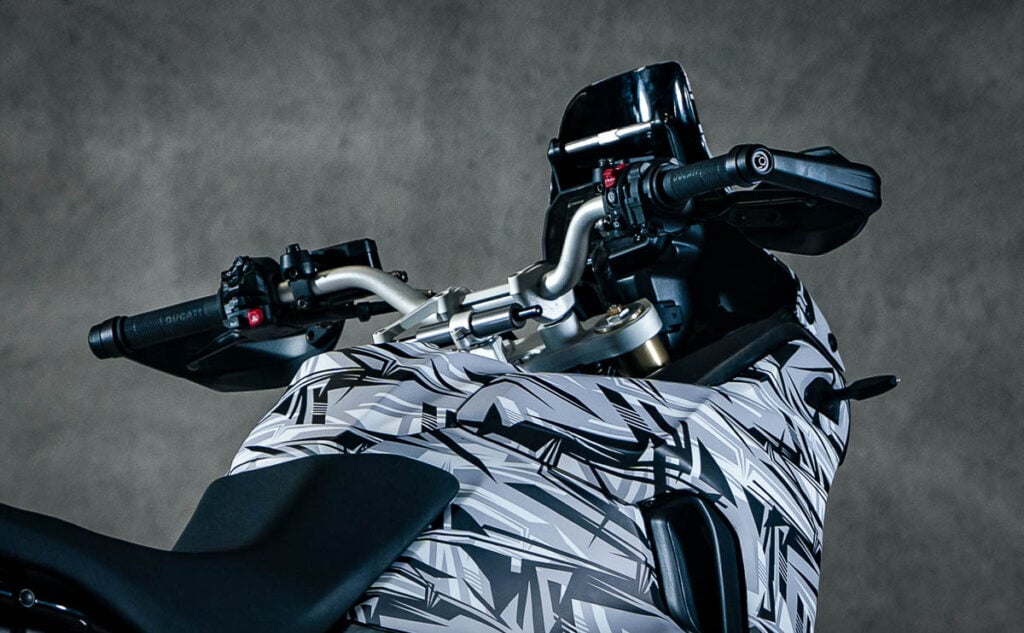
  • A new TFT screen was fitted to the prototype at EICMA, albeit set in a horizontal position compared to the vertical orientation on the original DesertX.

  • Other additions include a steering damper and GPS mounting bar.

Ducati said that they will unveiled the 2026 Ducati DesertX V2’s full specifications in February 2026, and the bike should be in overseas dealerships in May 2026.

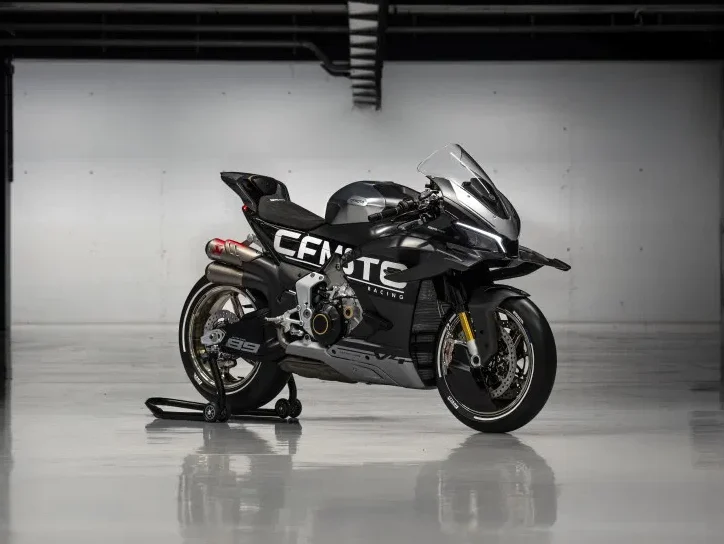
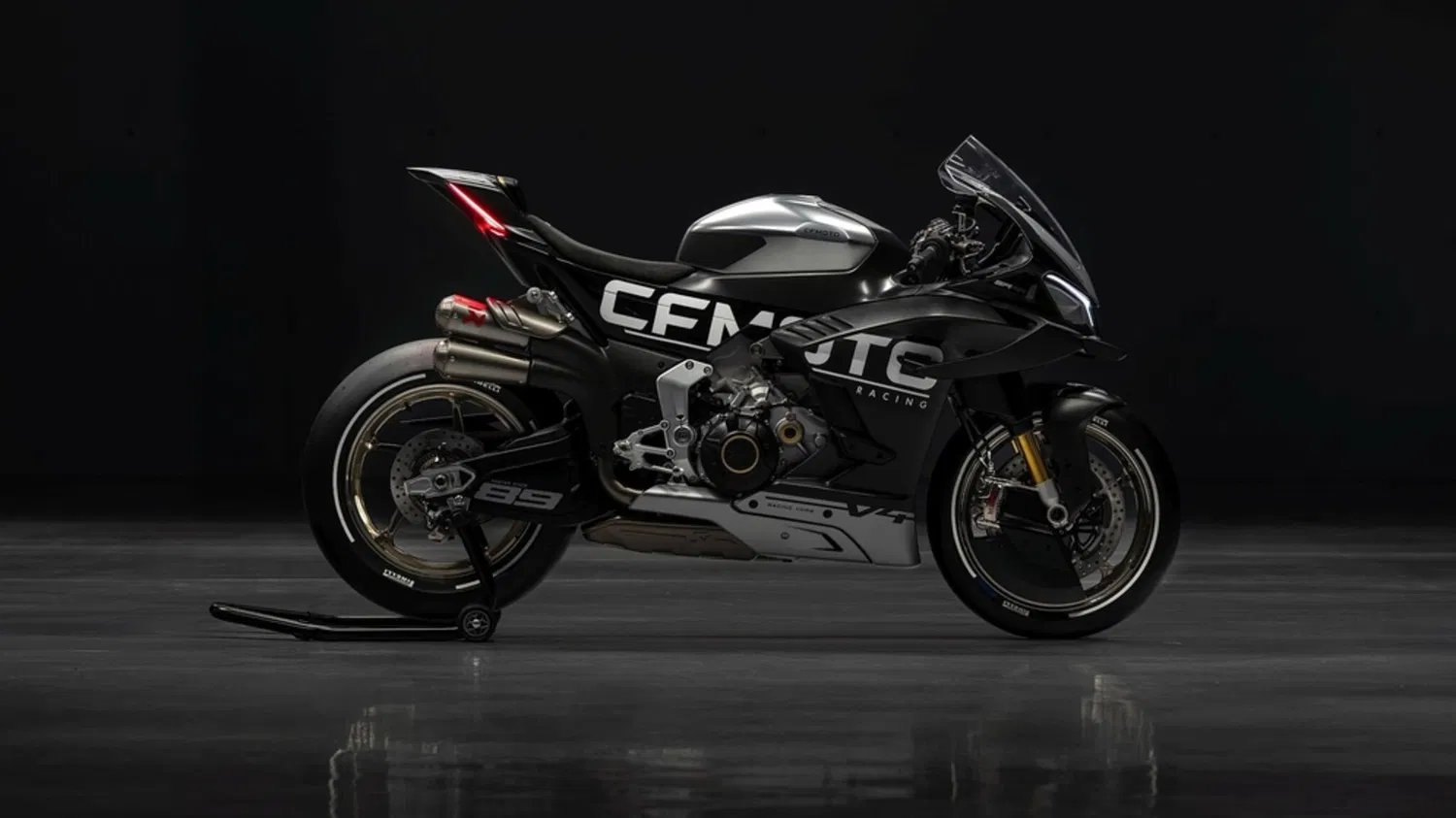
Maybe everyone knows by now that CFMoto is accelerating their model developments to the world market. Part of that relentless march is CFMoto V4 superbike which they say produces more than 210 hp.

CFMoto had actually displayed the prototype V4 engine at EICMA 2024. But the patents had been leaked a year prior to that. But an engine in nothing without a (good-looking) motorcycle and vice-versa, right?

So here is the complete prototype which looks production-ready.

The company has been racing in Moto2 and Moto3, while being missing from World Superbike, World Supersport, and of course MotoGP.

CFMoto has not indicated that the V4 SR-RR will be headed to WorldSBK, per se, but in any case, almost all motorcycle manufacturers place a superbike as their flagship model. This is because the superbike is the model that is packed with the latest features and technologies.

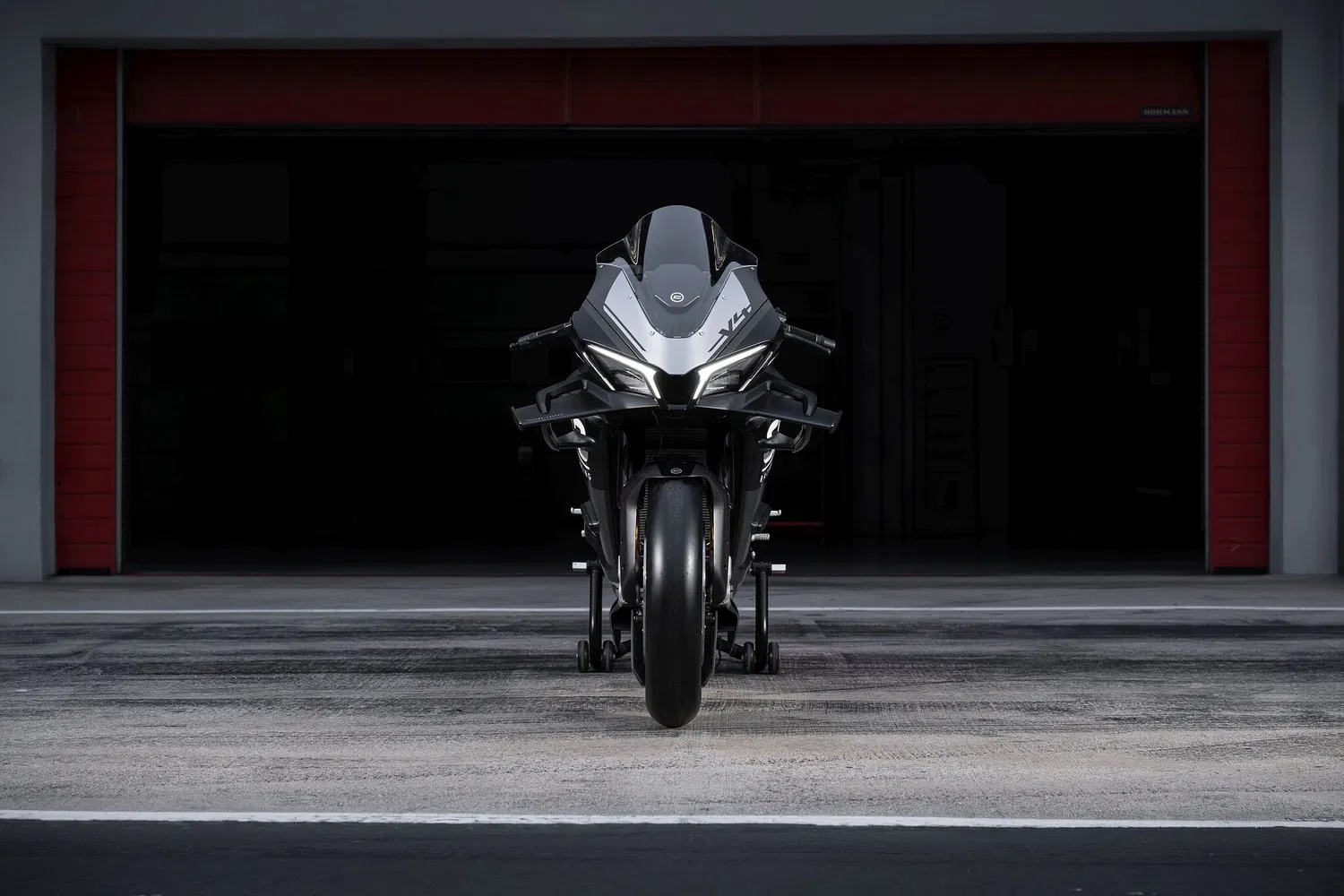
The first thing you may notice numerous winglets on the bike. Unlike those on its peers, the V4 SR-RR’s are active, meaning they change their angle of attack according to riding speed, conditions, and possibly even the selected ride mode. In fact, they already work together with the bike’s semi-active electronic suspension.

Displayed at EICMA 2025, the CFMoto V4 SR-RR was fitted with Brembo Hypure brake calipers and full-titanium exhaust system.

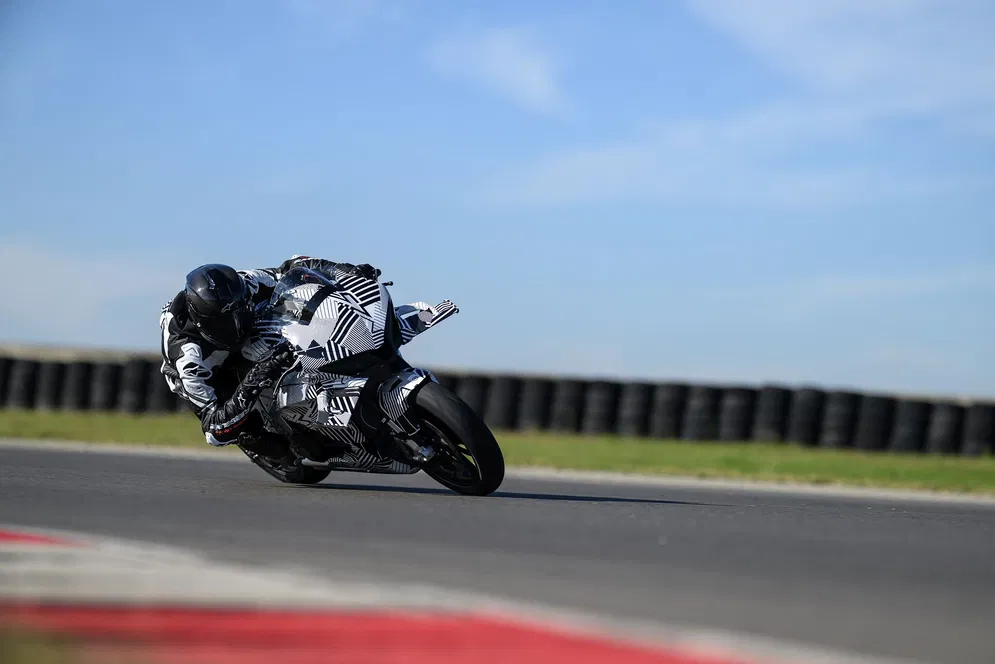
While CFMoto has not revealed the bike’s full specifications, there are pictures of it being ridden on a track. If you remember the Zoom and 675 SR, the manufacturer had also released such pictures just prior to the bike’s official debut. So, the V4 SR-RR may be coming real soon.

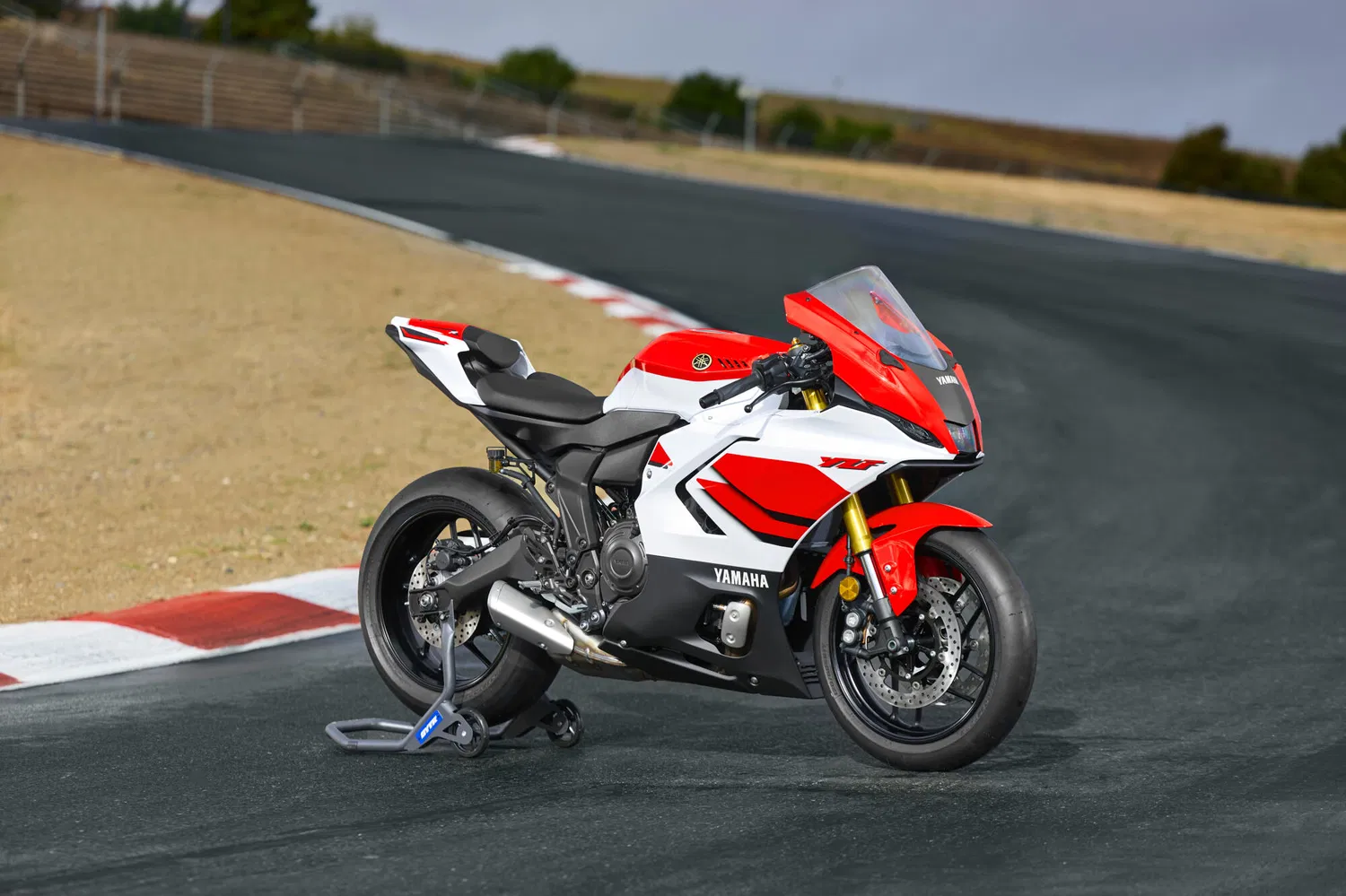
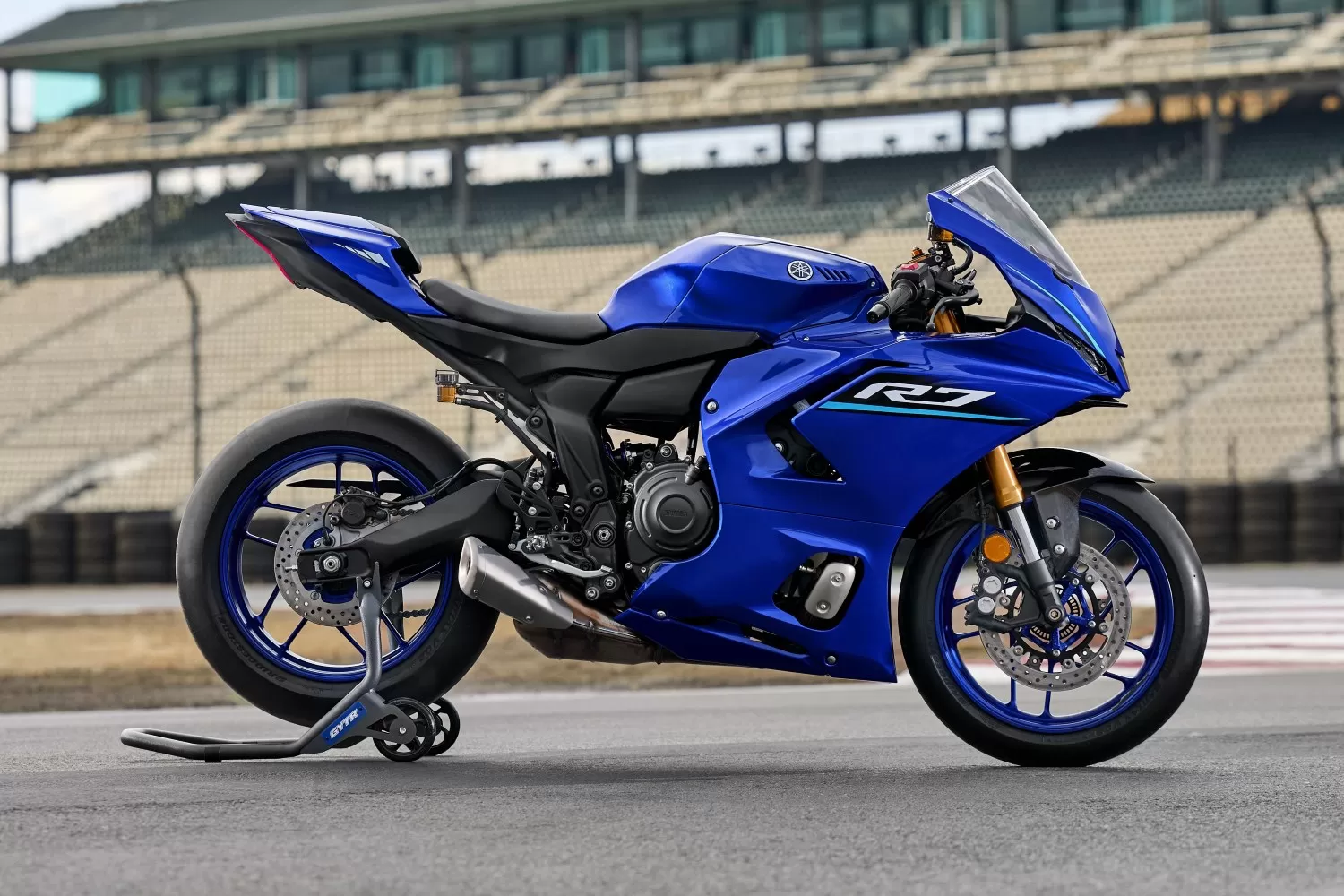
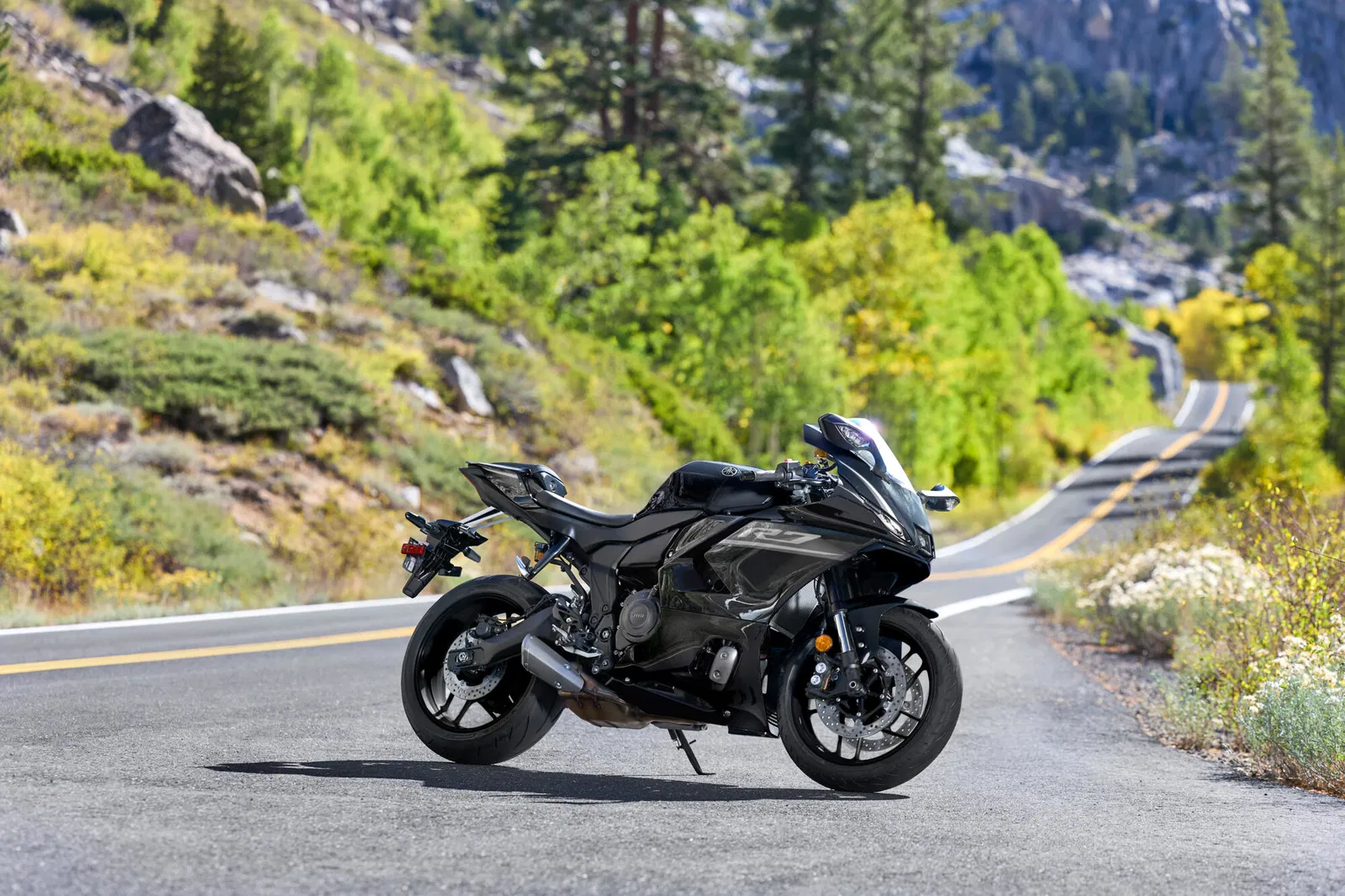
The 2026 Yamaha R7 has been revealed, now with better electronics and handling updates.

It is a good move on the manufacturer’s part, after seeing the R9 winning the World SuperSport’s manufacturer title in its inaugural season.

Highlights
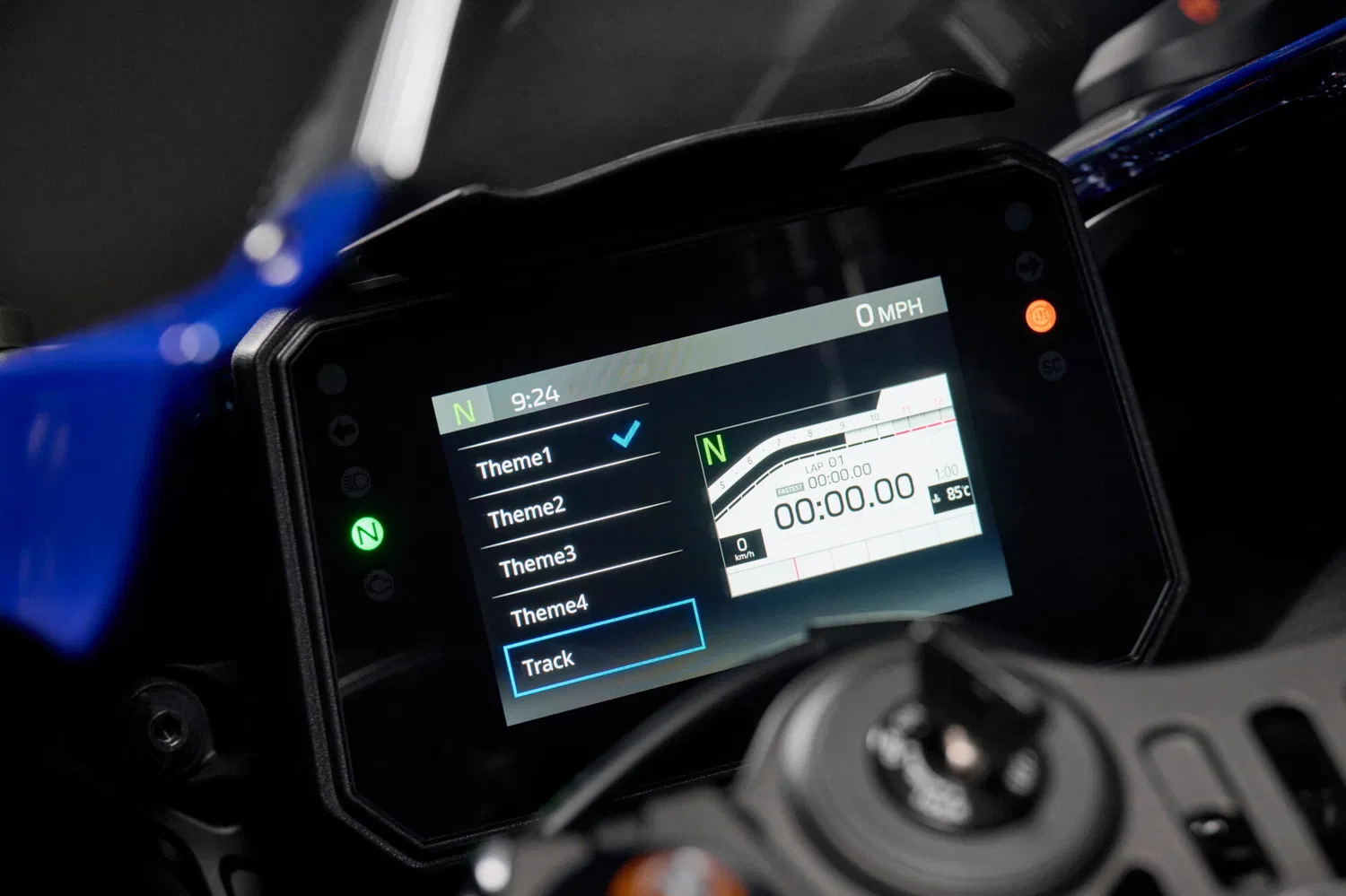
  • The biggest update is the six-axis inertial measurement unit (IMU) which in turn offers lean-angle sensitive rider aids through three ride modes, and a new three stage traction control system with slide control.
  • Additionally, there are lift control, brake control, engine brake management, and launch control.
  • As mentioned earlier, there are three riding modes: Sport, Street, Rain. There are also two slots of Custom settings, which can be set through the Yamaha MyRide app.
  • The 2026 Yamaha R7 is also fitted with the Yamaha Chip Controlled Throttle (Y-CCT) system. It was the world’s first ride-by-wire throttle system when it was introduced on the R6 in 2006.
  • Yamaha’s third-generation Quick Shift System (QSS): Setting 1 allows “clutchless upshifts while accelerating and clutchless downshifts while decelerating, and Setting 2 permitting downshifts while accelerating and upshifts while decelerating to suit a wider range of both road and track scenarios”.

  • Updated frame with changed and optimised pipe layout, diameter, thickness and reinforcement.
  • The centre brace now uses steel plates with plastic covers, and a new triple clamp.
  • Yamaha has also changed the 41mm upside-down forks’ piston rods to aluminium, which saves 350g.
  • The forks are now fully-adjustable, by the way.
  • The rims are now Spin Forged to save some weight, too.

  • Riding position has also has been revised with repositioned handlebars and a redesigned fuel tank.
  • The seat is now 5mm lower and takes the appearance of the ones on the R9 and R1.
  • The engine remains unchanged, however.
  • Yamaha has added a colourway resembling the first R7 (which was an inline-four racebike) called Anniversary White, which celebrates the maker’s 70th anniversary.

Bad new is: There is still no indication that Hong Leong Yamaha Motors will bring the R7 to Malaysia…

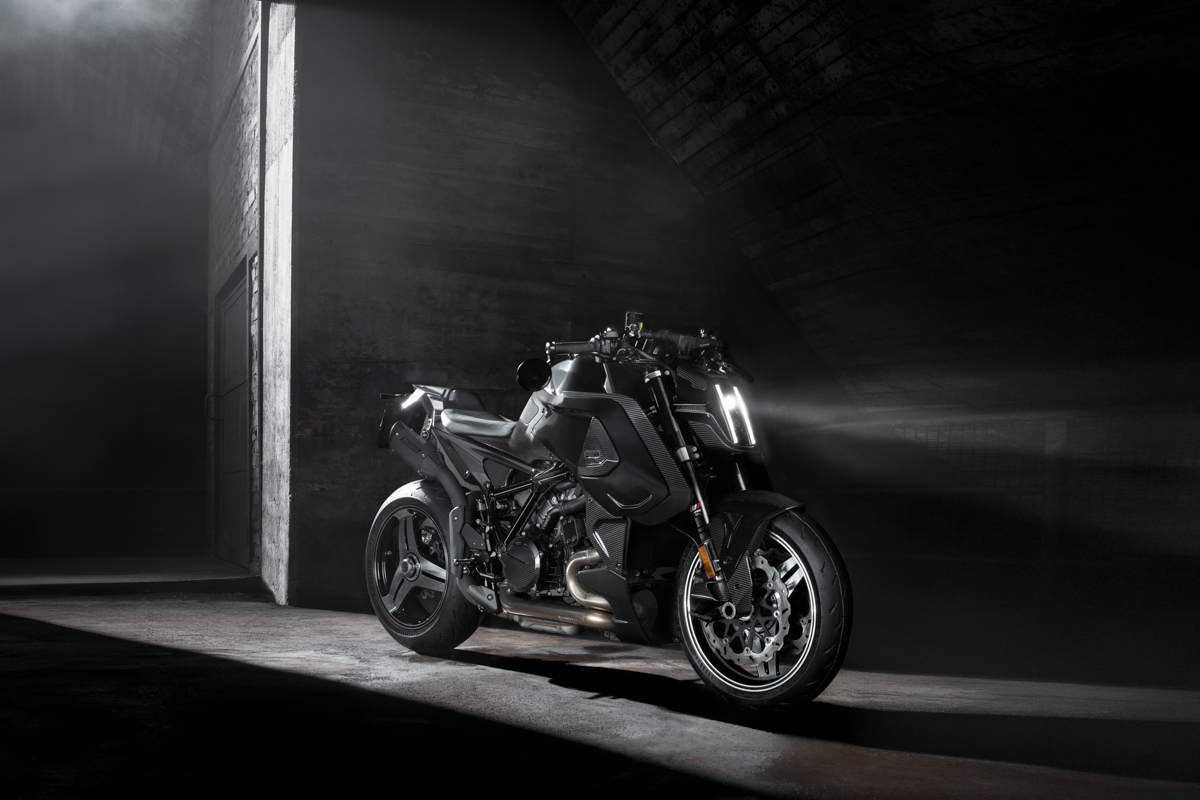
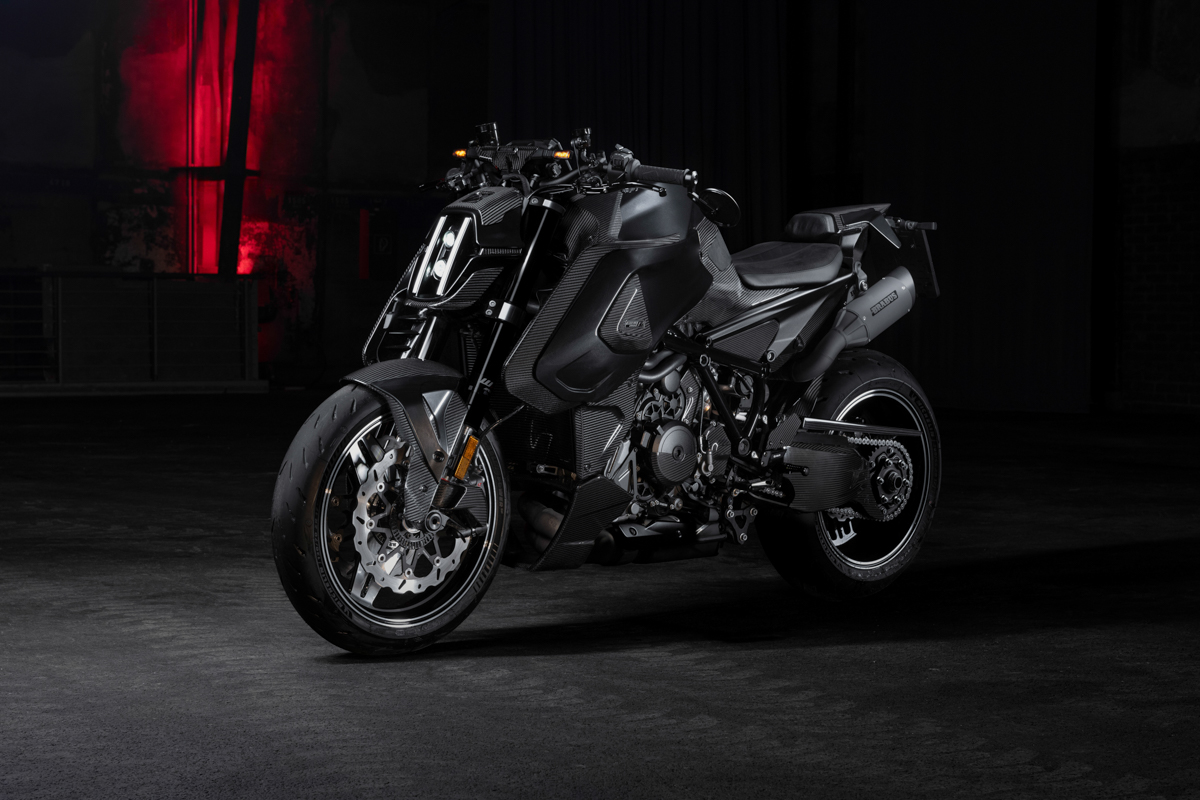
Brabus is already a name that is established as “a” (as not to offend anymore) performance brand in the luxury automotive market. What began as hotting up Mercedes-Benz vehicles to mental levels, this German establishment has progressed to a cooperation with KTM, who produce mental motorcycles in the neighbouring Austria. Since then, there have two iterations of the Brabus motorcycle, and they have just launched the Brabus 1400 R Signature Edition (1400 R SE) “hyper bike” at EICMA 2025.

The 1400 R SE is of course based on the KTM 1390 Super Duke R Evo, then taken to 11. Production is limited to only 100 bikes.

From the Brabus Press Release

With the BRABUS 1400 R SIGNATURE EDITION, BRABUS presents the latest generation of its exclusive luxury motorcycles. It is the successor to the BRABUS 1300 R and also the most powerful model of this extraordinary product series to date. Production is limited to 100 units.
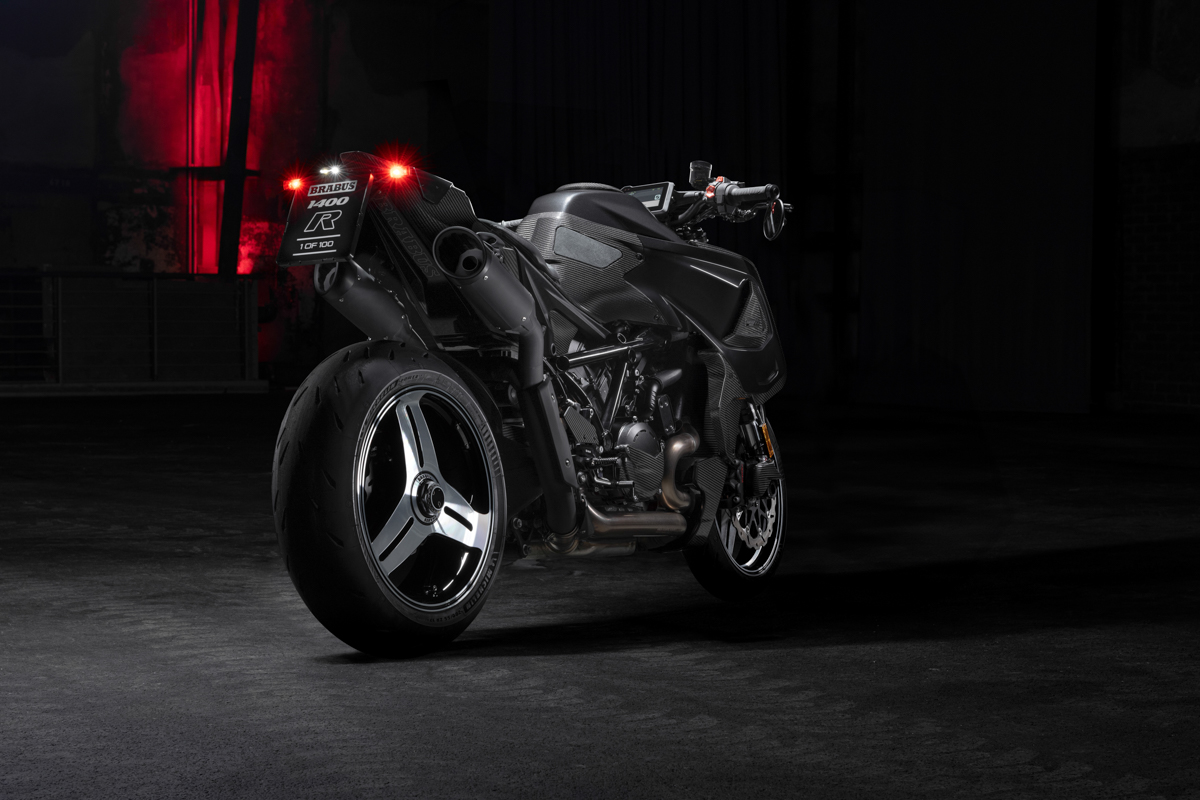
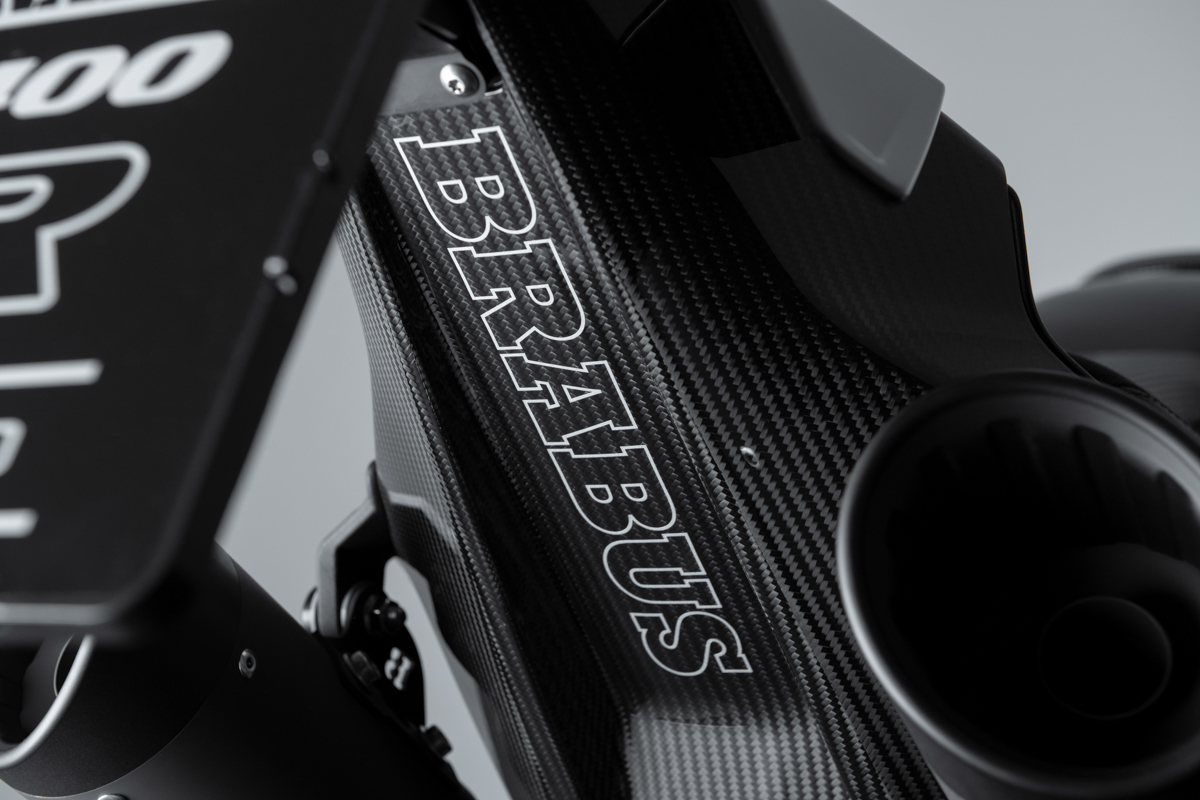
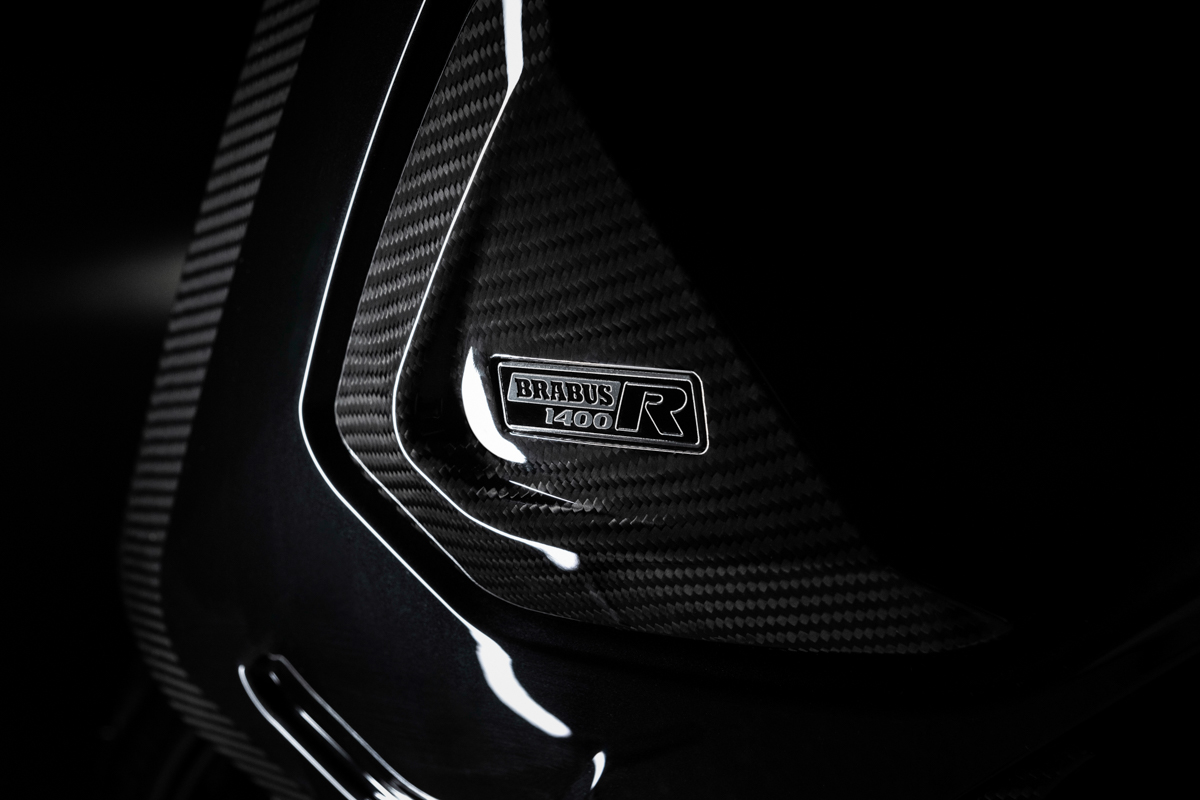
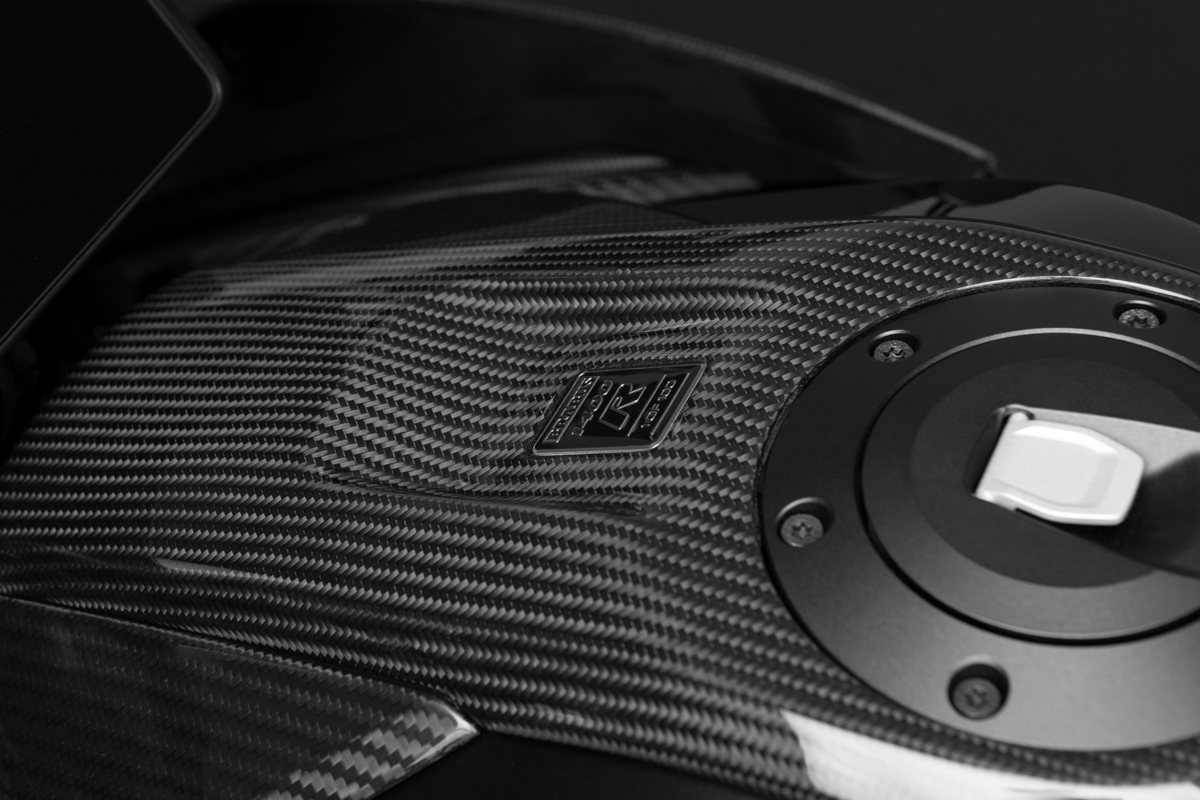
Based on the current KTM 1390 SUPER DUKE R EVO, the BRABUS 1400 R SIGNATURE EDITION embodies raw strength and modern elegance on two wheels. The new WIDESTAR bodywork featuring high-grade exposed-structure carbon components underscores the brand’s signature “Black and Bold” design language and complements the special “Midnight Veil” body color.
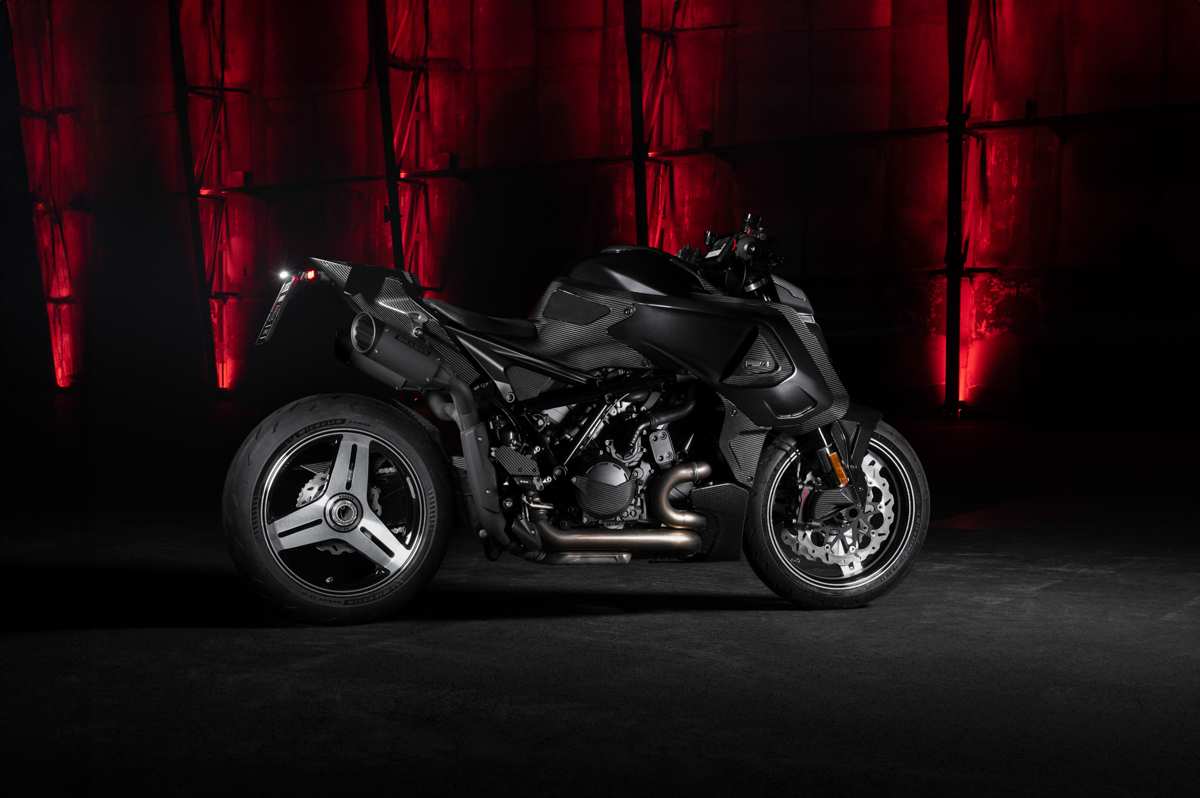
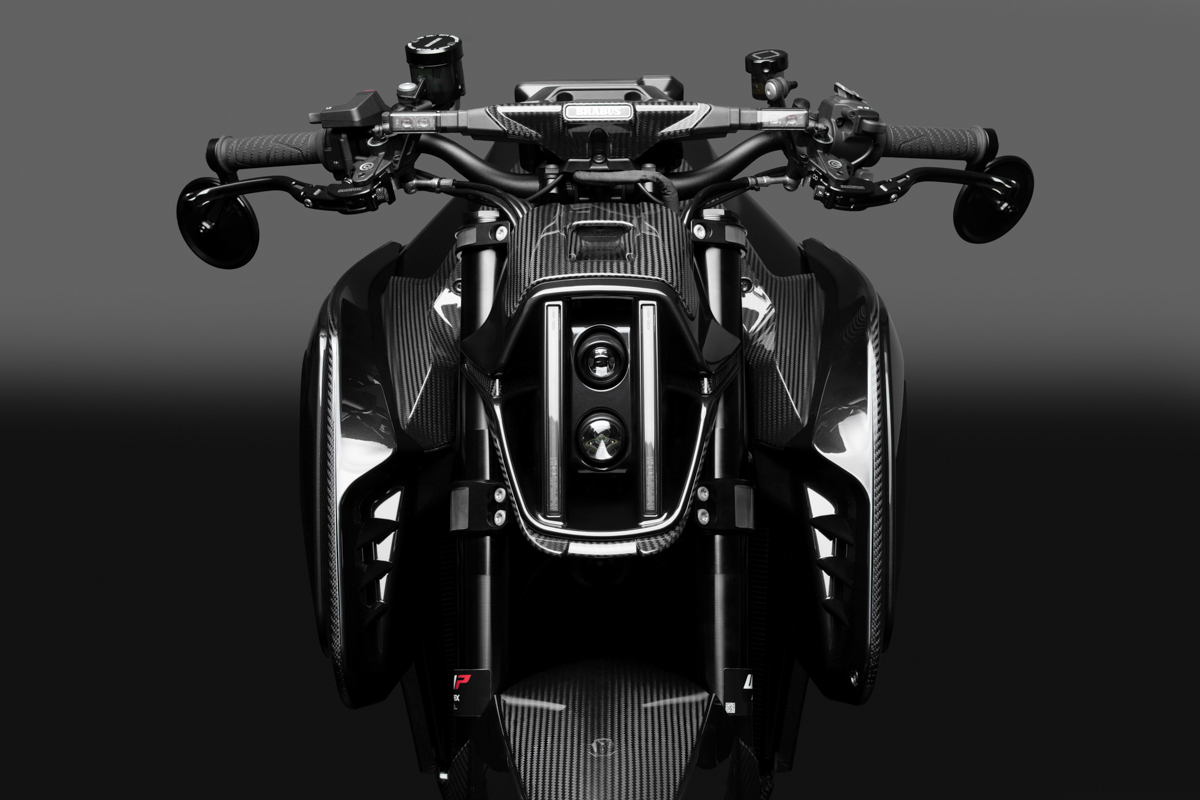
The bike’s dynamic front view is emphasized by the BRABUS carbon front fender and the mask with LED headlights and a distinctive daytime running light configuration, whose design is inspired by the BRABUS signature stripes. Additional BRABUS elements made from the same high-tech compound, such as the WIDESTAR side spoilers, fuel tank fairing and belly pan, ensure a unique “1-second wow” effect.
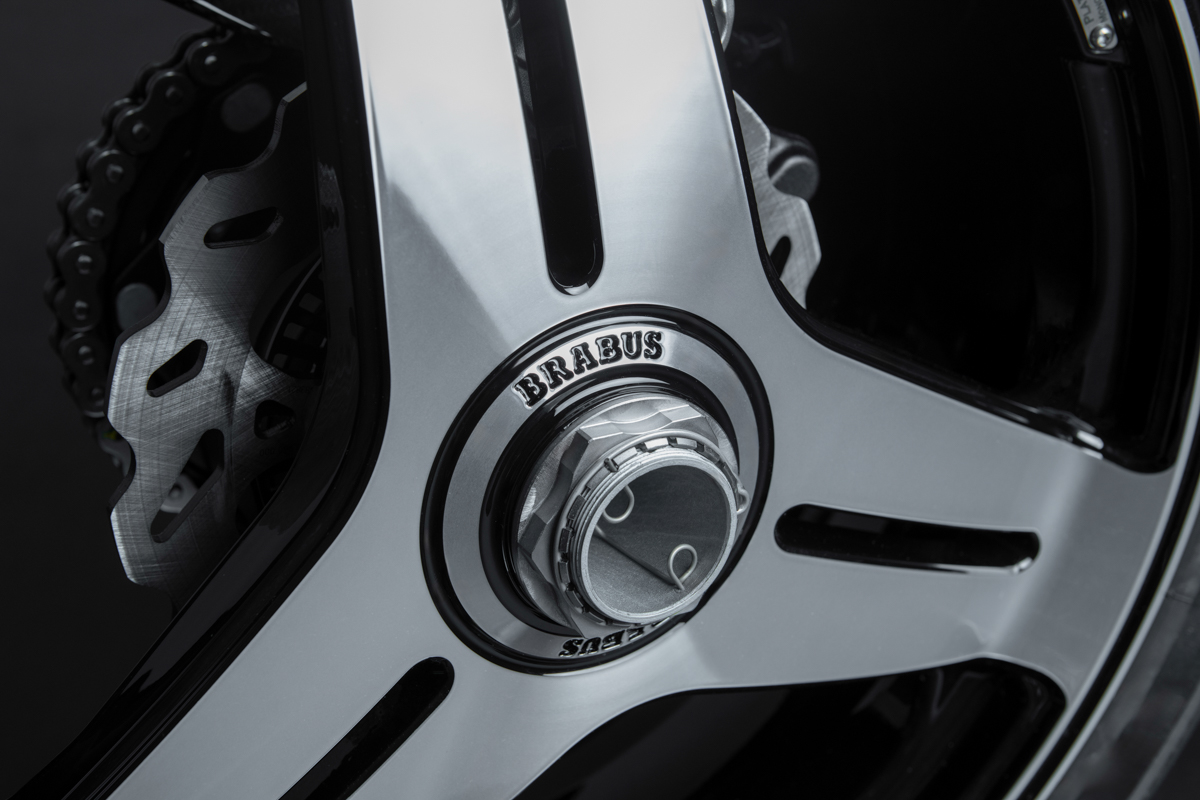
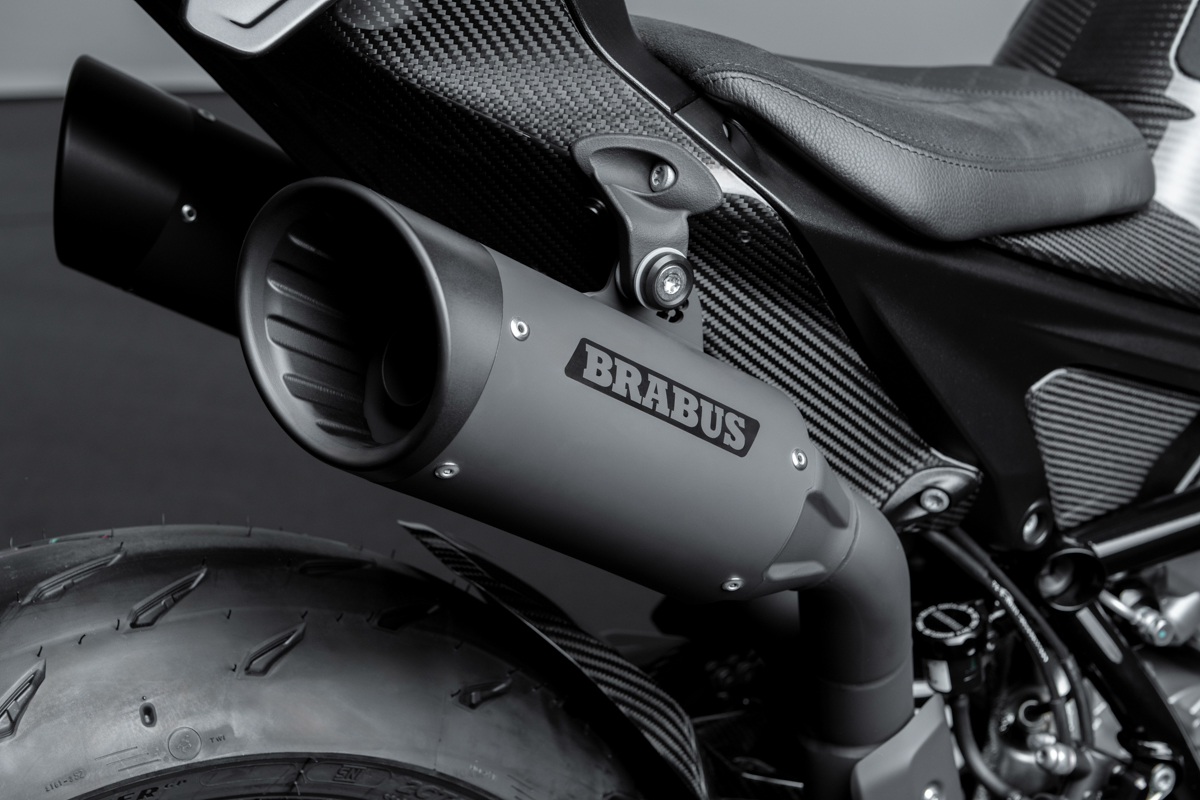
Powered by a 1,350 cc LC8 V-Twin engine, the BRABUS 1400 R SIGNATURE EDITION delivers 140 kW / 190 hp and 145 Nm (107 lb-ft) of torque. A special underseat dual-pipe exhaust underscores the Luxury Hyper Naked bike’s striking look as well as its thrilling soundscape. What is more, the raised tail also perfectly showcases the 17-inch BRABUS Monoblock II EVO “PLATINUM EDITION” wheel design.
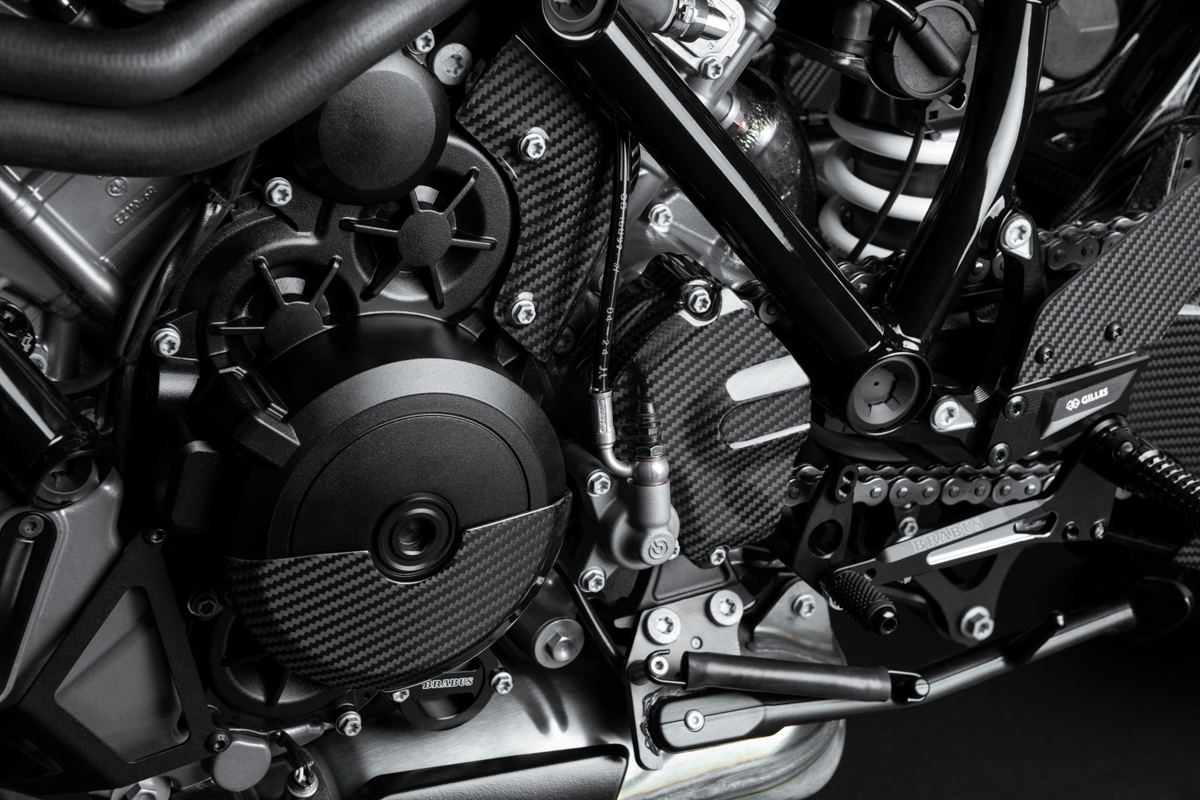
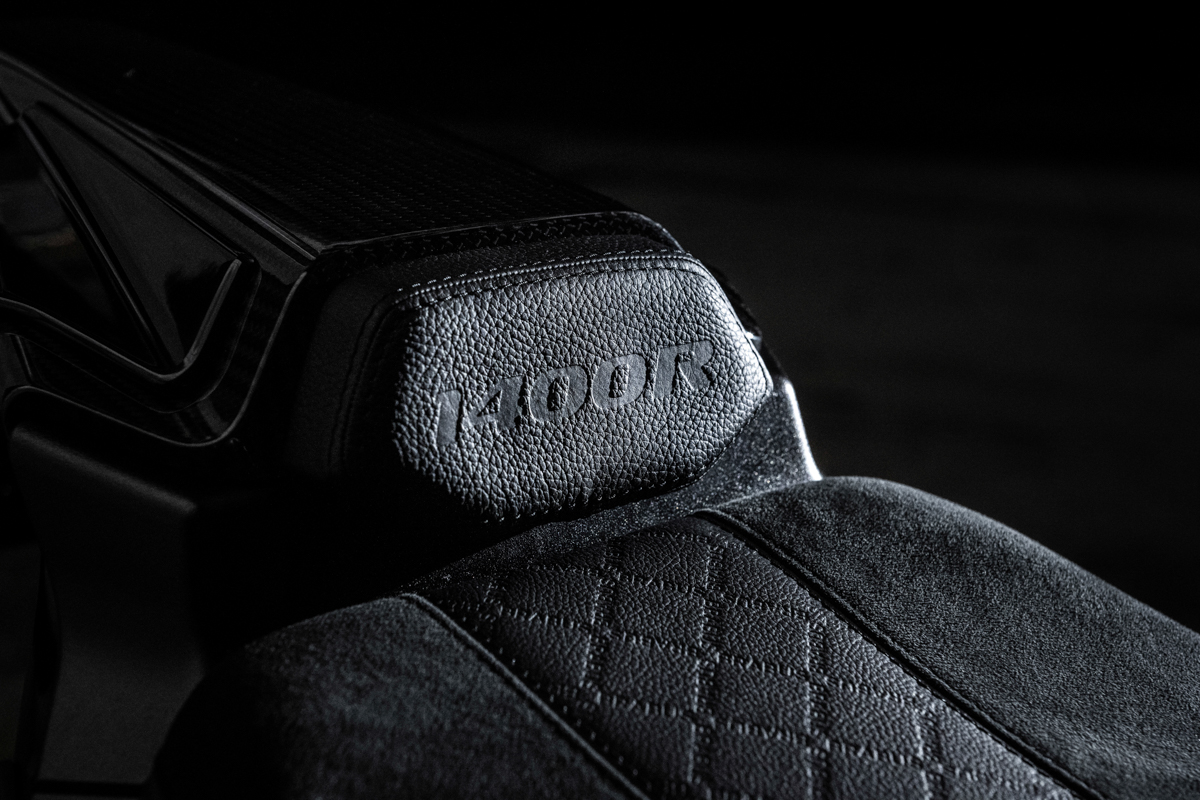
Like many bespoke luxury vehicles with BRABUS badging, the 1400 R upholstery boasts a premium combination of BRABUS Masterpiece leather and Dinamica microfiber. Embossed BRABUS logos in the center of the seat emphasize the precise craftsmanship.
The suggested retail price for the BRABUS 1400 R SIGNATURE EDITION featured here is EUR41,933 (RM202,008.03) in Germany excluding 19% VAT.
Building on the success of the BRABUS 1300 R and its exclusive limited editions, BRABUS once again combines decades of design expertise with the high-performance ethos of KTM. The BRABUS 1400 R SIGNATURE EDITION is the first Luxury Hyper Naked bike of a brand-new model series. Production is limited to only 100 units worldwide.
Every detail of its exclusive styling in the BRABUS special color “Midnight Veil,” is reminiscent of the world of BRABUS supercars. Tailor-made exposed-structure carbon components, produced using a complex prepreg process and refined with a high-gloss finish, underline the uncompromising demand for quality and performance.
The front view impresses with the BRABUS fender and the tailor-made carbon mask with a special LED headlight unit and a unique daytime running light signature inspired by the BRABUS signature stripes.
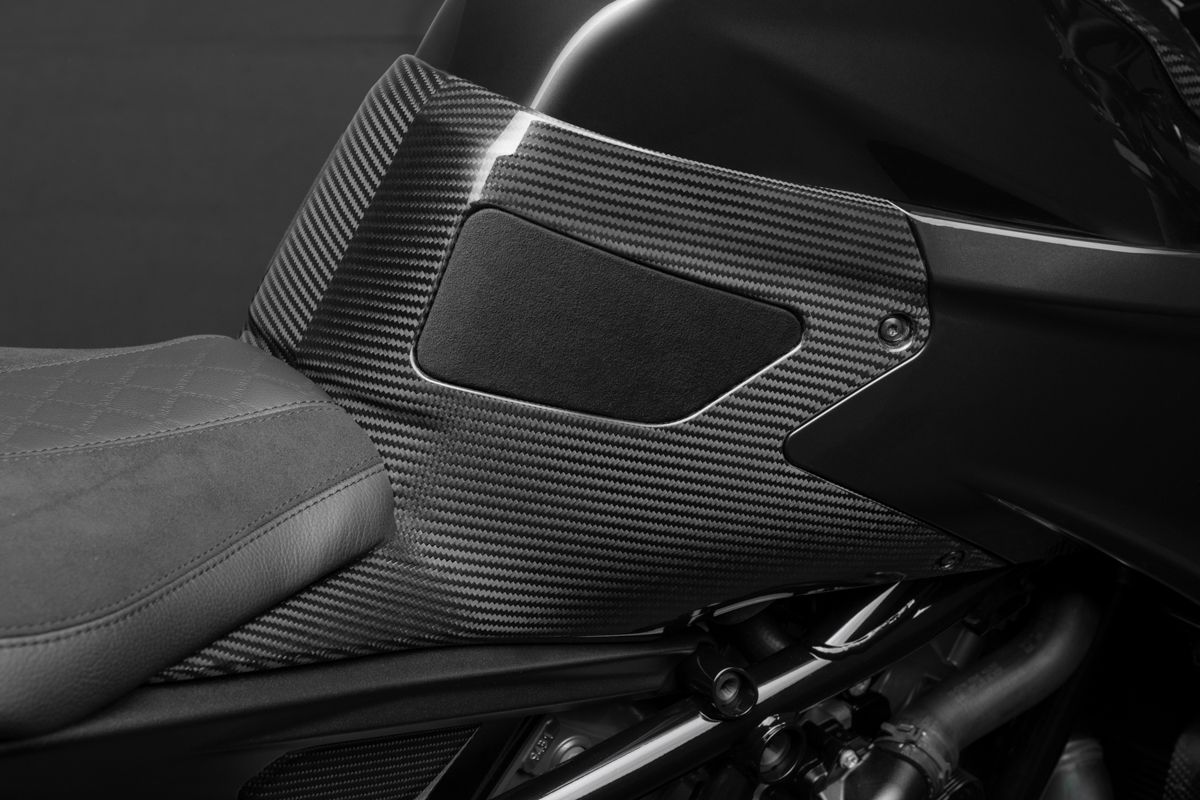
The BRABUS WIDESTAR side spoilers with sporty carbon accents not only emphasize the dynamic profile, but also give the motorcycle a powerful visual character. The design of the custom fuel tank fairing, likewise made of exposed-structure carbon fiber, with integrated Dinamica pads on the left and right, adds a unique touch of elegance. Further carbon highlights include the side fairing elements, the ignition lock cover and the belly pan.
The specialists of the BRABUS interior workshop meticulously handcrafted a bespoke driver’s seat from a brand-typical combination of BRABUS Masterpiece leather and Dinamica microfiber. Embossed BRABUS logos in the center of the seat complete the exclusive design. Form-optimized side winglets define the bike’s aerodynamics at the rear.
The BRABUS 1400 R SIGNATURE EDITION is driven by a 1,350 cm3 LC8 V-Twin engine. The two-cylinder powerhouse produces 140 kW / 190 hp and 145 Nm (107 lb-ft) of maximum torque. Operating in perfect interplay with the dual-pipe exhaust integrated under the carbon fiber undertray, it generates a thrilling soundscape that perfectly matches the bike’s emphatically aggressive look. This styling not only emphasizes the bike’s dynamic lines, but also effectively highlights the specially developed rear wheel.
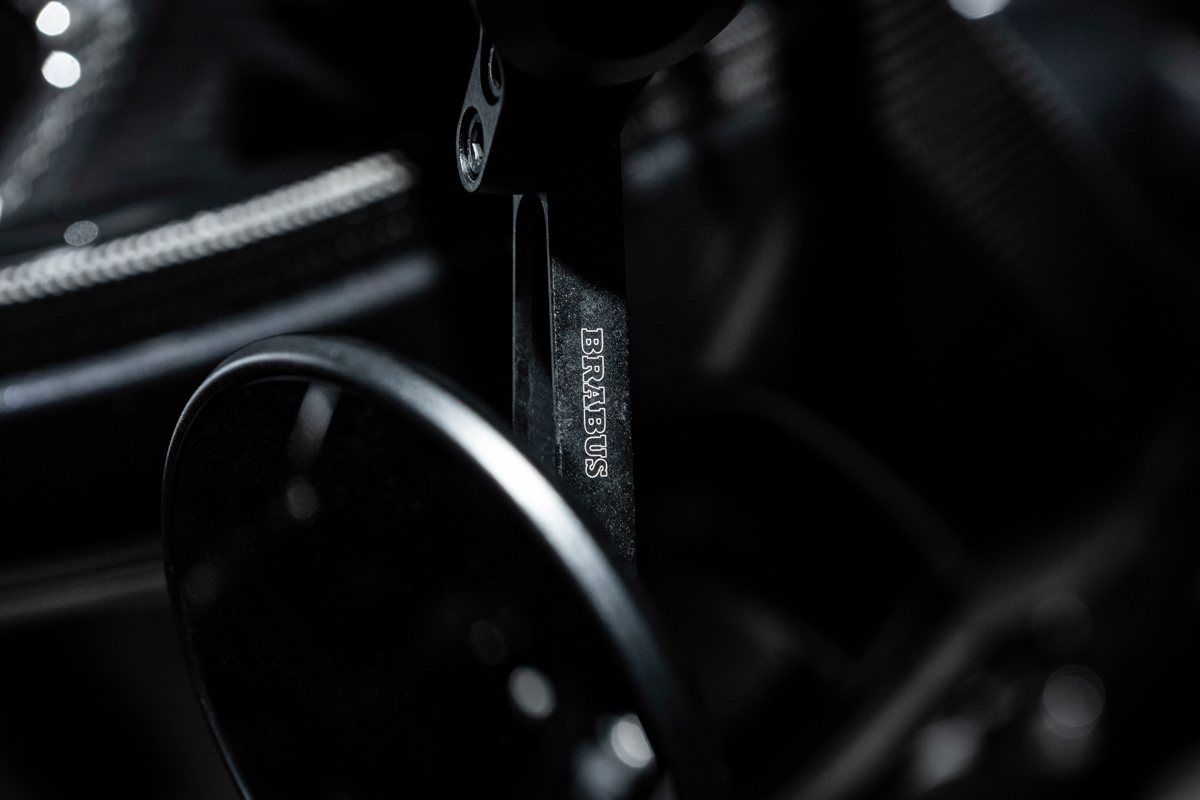
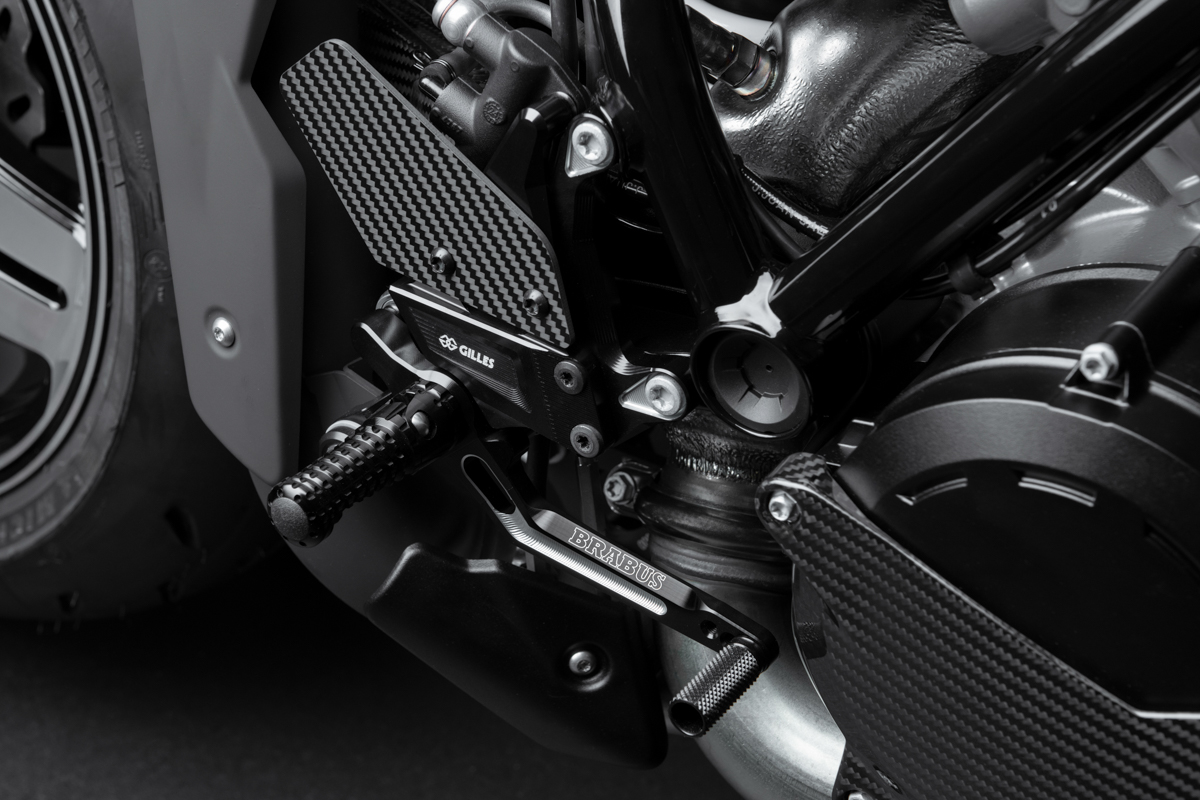
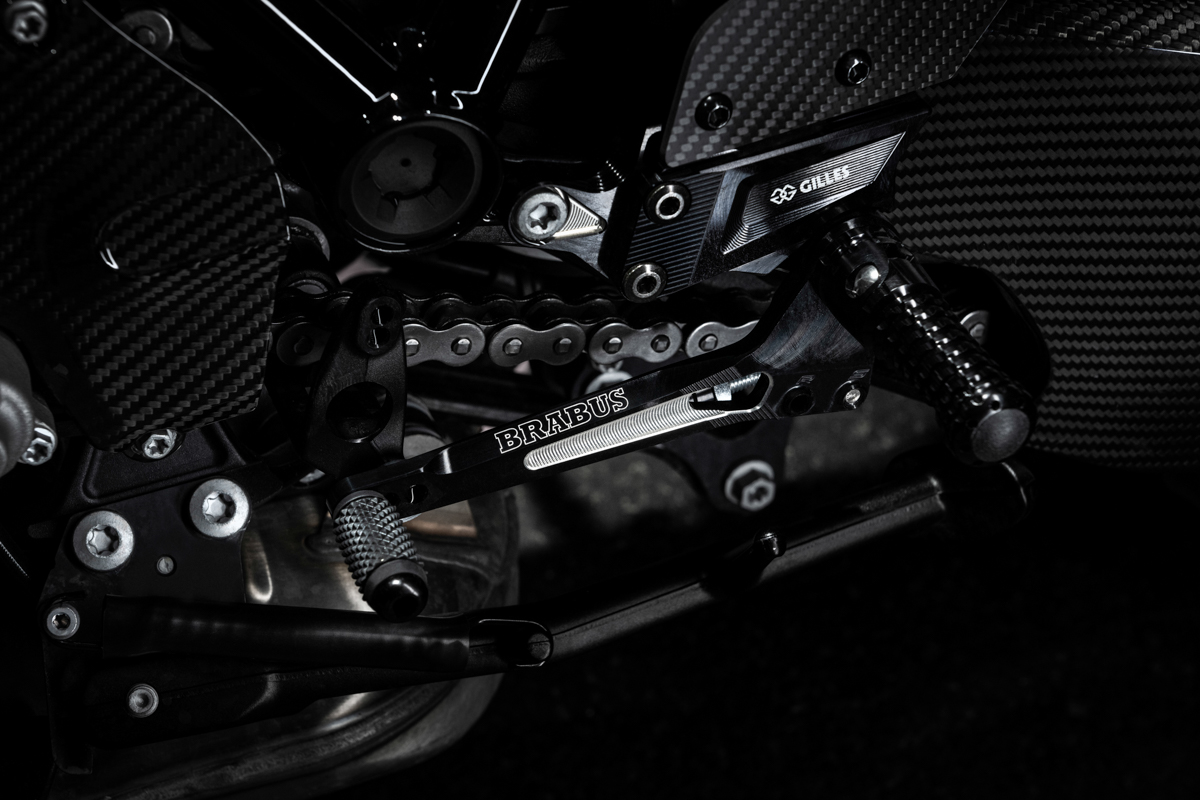
For the tailor-made wheels, the BRABUS engineers opted for the BRABUS Monoblock II EVO “PLATINUM EDITION” design in the dimensions 3.5Jx17 and 6Jx17. An homage to one of the most iconic wheel designs in the company’s longstanding history and manufactured through the use of cutting-edge forging and CNC machining technology. Additional exposed-structure carbon fiber features, such as the rear wheel cover, single swing arm cover and chain guard, complement the look.
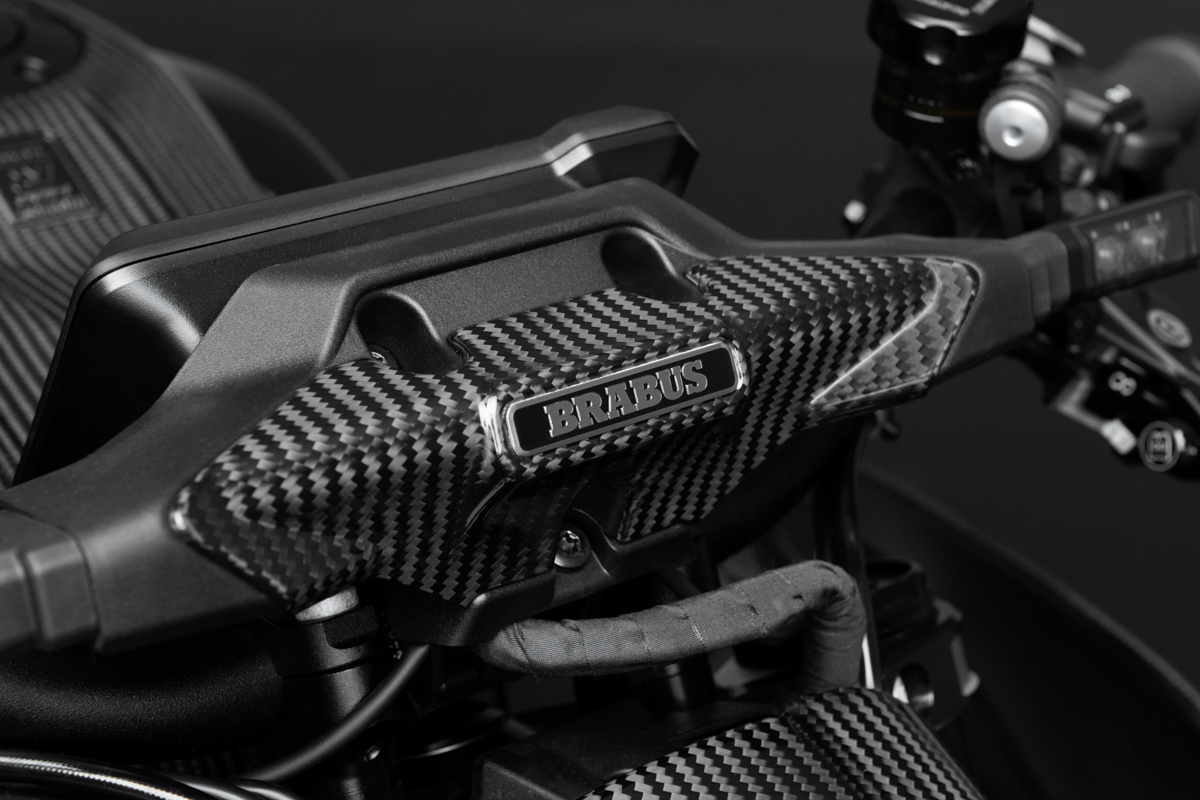
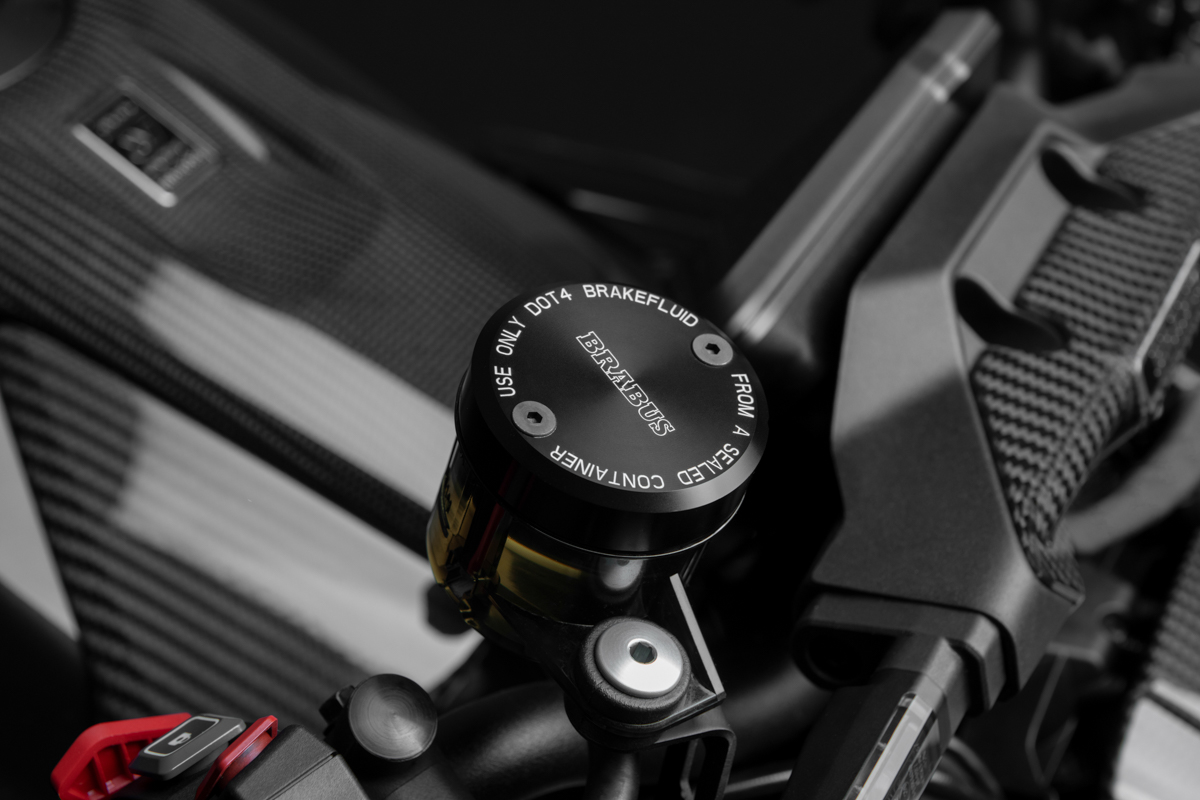
Beyond its dominating power output and unmistakable styling, the BRABUS 1400 R SIGNATURE EDITION impresses with its agile handling. The limited-edition Luxury Hyper Naked bike features the latest in Brembo’s HYPURE Four-Piston Monoblock brake system technology for optimized brake performance. The front calipers grip 320 mm (12.6 in.) Wave brake discs, while the rear calipers utilize a twin-piston floating caliper paired with a 240 mm (9.4 in.) Wave disk.
The intelligent handling is further perfected by the adaptive WP APEX Semi-Active Technology (SAT) suspension with electronically controlled magnetic valves for variable damping. At the touch of a button, the rider can choose from maximum comfort to racetrack-ready damping. In conjunction with the adjustable WP APEX SAT rear shock absorber, the BRABUS 1400 R SIGNATURE EDITION delivers exceptional riding dynamics at all times.
Courtesy of five dedicated Ride Modes, the BRABUS 1400 R SIGNATURE EDITION can be precisely adapted to a wide range of riding conditions and styles. In STREET mode, full power is readily available—with traction control and limited front wheel lift for optimal everyday usability. The SPORT setting sharpens throttle response and makes the bike noticeably more responsive. Ideal for spirited riding on dry roads. RAIN mode is optimized for wet conditions: for the best possible grip, this setting reduces power delivery and maximizes traction control. PERFORMANCE and TRACK modes are designed for maximum power delivery and offer advanced customization options for experienced riders. Including finely adjustable parameters for throttle response, traction control and damping.
A large, TFT color display provides clear access to all settings and Ride Modes and shows a special BRABUS animation when starting up.
Each unit of the BRABUS 1400 R SIGNATURE EDITION is delivered with an exclusive range of extended accessories. These include a premium, tailor-made indoor cover to keep the motorcycle protected in style as well as a high-grade BRABUS exhibition carpet. Also included is a cover in BRABUS leather as well as a carbon fiber box for the bike’s ignition key.
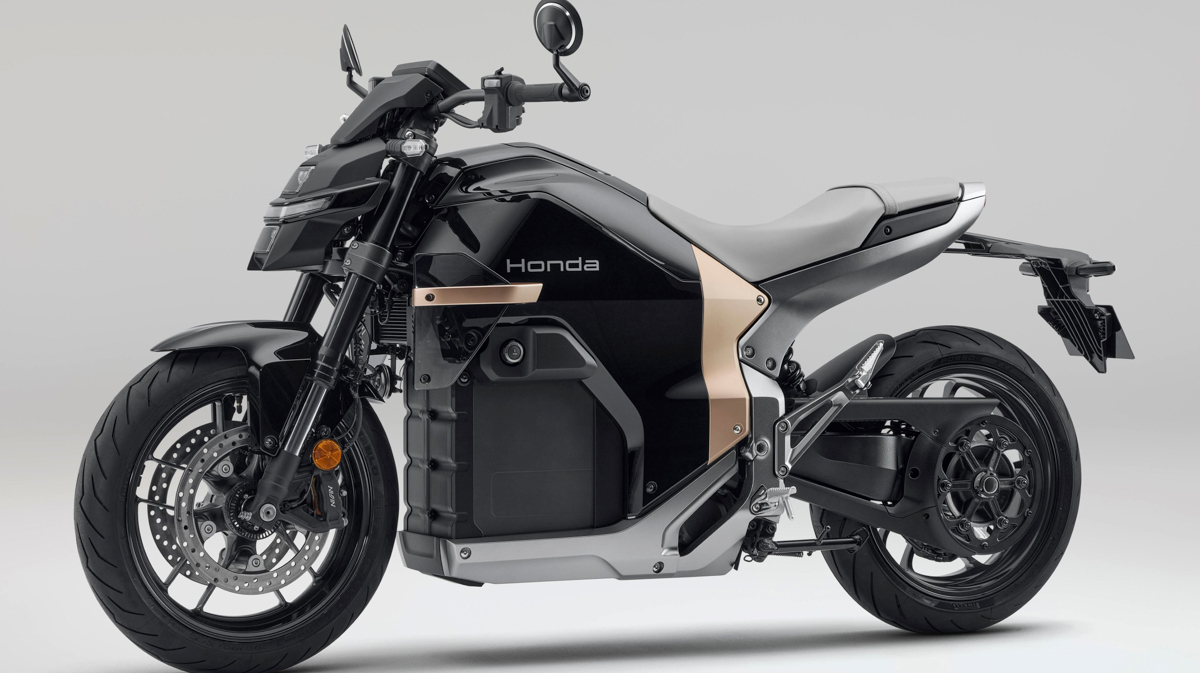
Wait, before you get confused, the Honda WN7, launched recently at EICMA 2025 is not the company’s first sojourn into the world of electrified two-wheelers. However, previous Honda’s electric two wheelers were scooters – the CUV ES made its debut as far back as 1994. There was also an electric PCX called the er… PCX Electric in 2018 but did not make its way to Malaysia.

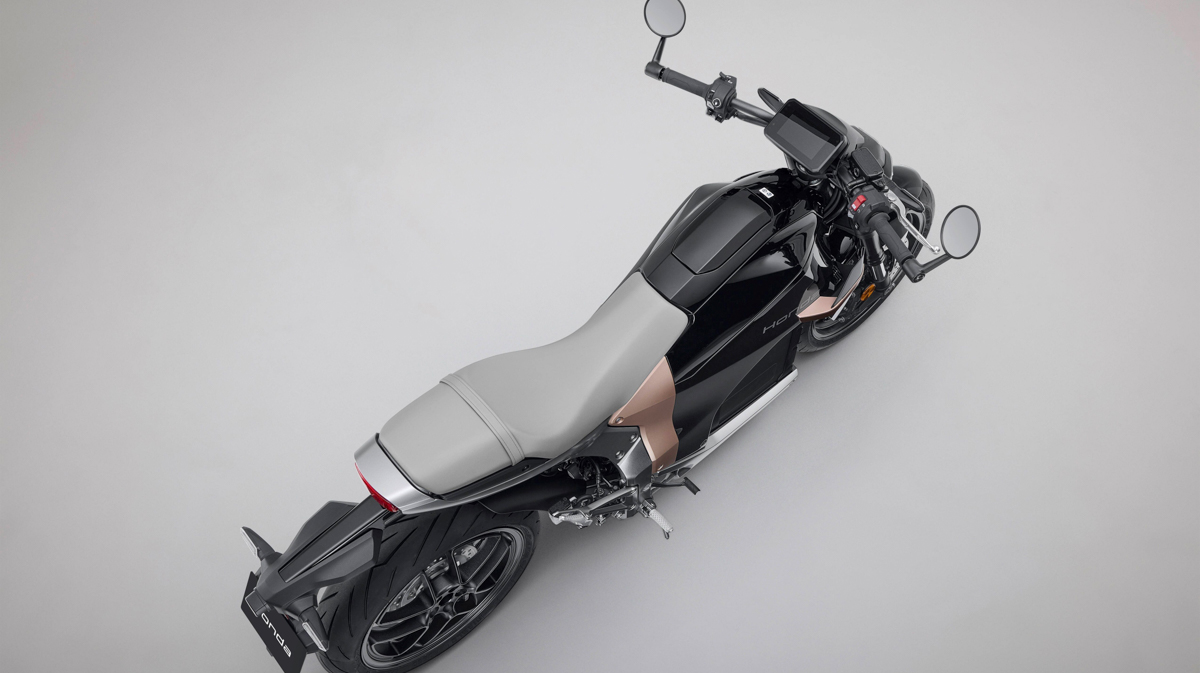
Back to the WN7, Honda positioned it as fun and agile roadster under their “Be the Wind” development concept. Checking out the spec sheets, it delivers the equivalent of 67 hp (50 kW) of maximum power and a maximum torque of 100 Nm. Do not let those numbers fool you: Electric motors deliver their torque instantaneously and it is way more fun to ride a torquey motorcycle on the road, compared to one with a peaky powerband.

From Honda’s Press Release

Development concept

The Honda WN7 is the first electric naked model in the FUN category developed under Honda’s new electric motorcycle brand direction. Its development concept, “Be the Wind,” expresses the joy of freely gliding through the air with quietness unique to an electric vehicle.

Riders can directly sense the sounds and atmosphere of their surroundings—the conversations and laughter of people on the street, the rustling of leaves—experiences not possible with ICE (internal combustion engine) models. Reflecting its developers’ passion, the WN7’s smooth yet strong torque acceleration and agile handling allows riders to enjoy the liberating feeling of riding like the wind.

Design

Aiming to refine functionality and express essence, the design features a seamless, smooth surface on the areas the rider touches, while combining a distinctive and powerful silhouette.

Its signature horizontal light bar will serve as a common design identity for Honda’s future electric motorcycles.

The WN7 also debuts a dedicated colour theme for Honda’s electric motorcycles, featuring a black-based body accented with gold component parts. Like the signature lighting, this colour theme will be adopted across upcoming global electric models.

Frameless chassis

Unlike conventional motorcycles that use a frame connecting the front and rear of the body, the WN7 adopts a frameless structure in which the centrally positioned aluminium battery case forms part of the main frame. The head pipe supporting the steering and the pivot bracket supporting the rear are both directly connected to the centrally located power unit. By eliminating the traditional frame, the WN7 achieves not only weight reduction but also greater layout flexibility, contributing significantly to its slim and compact proportions.

In addition, positioning the heavy battery pack at the center of the chassis also enhances mass centralization and agile handling.

Integrated motor-inverter unit

A newly developed, compact and lightweight water-cooled motor with an integrated inverter powers the WN7. It delivers a maximum output of 50 kW, equivalent to a 600 cc ICE motorcycle, and maximum torque of 100 Nm, comparable to a 1000 cc class ICE motorcycle. This ensures powerful yet composed performance both in city riding and on open roads.

Power from the motor is transmitted via a newly designed gearbox to a belt-drive system, which drives the rear wheel while contributing to quiet operation.

Drive battery and charging standards

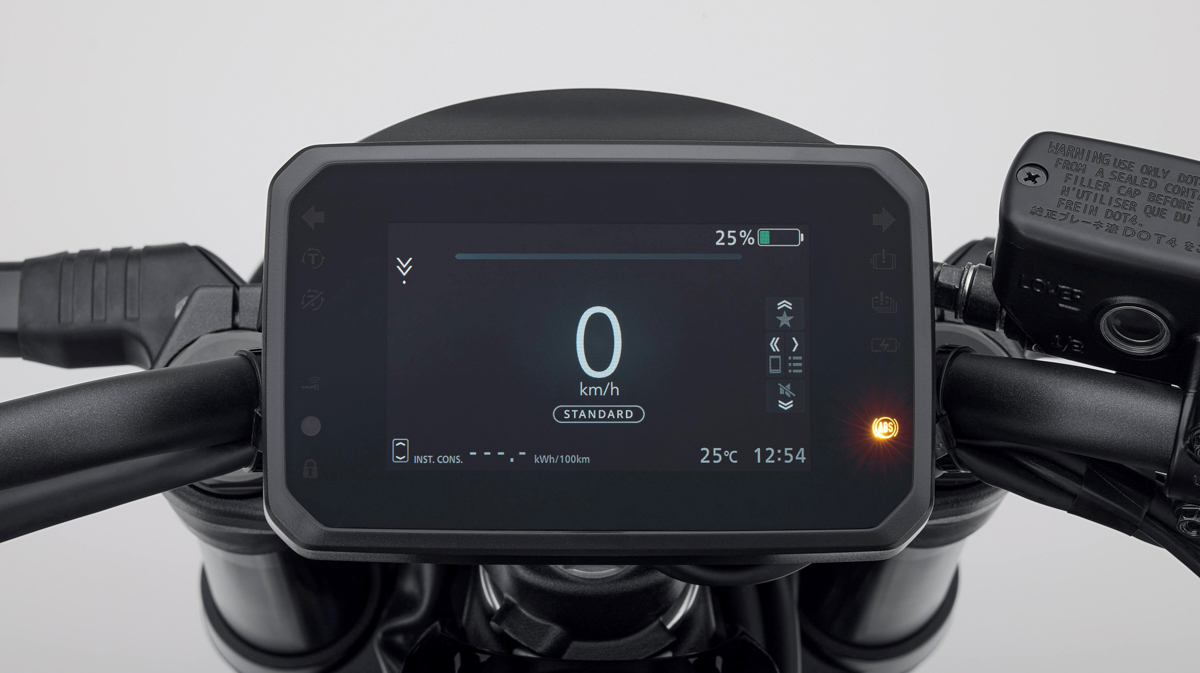
The WN7 is equipped with a newly developed 9.3 kWh fixed lithium-ion battery. It supports both CCS2 fast charging and Type 2 normal charging, compatible with standard household outlets in many regions. With a fast charger, the battery can be charged from 20% to 80% in approximately 30 minutes, allowing for quick recharging on the go and reducing the stress of waiting time.
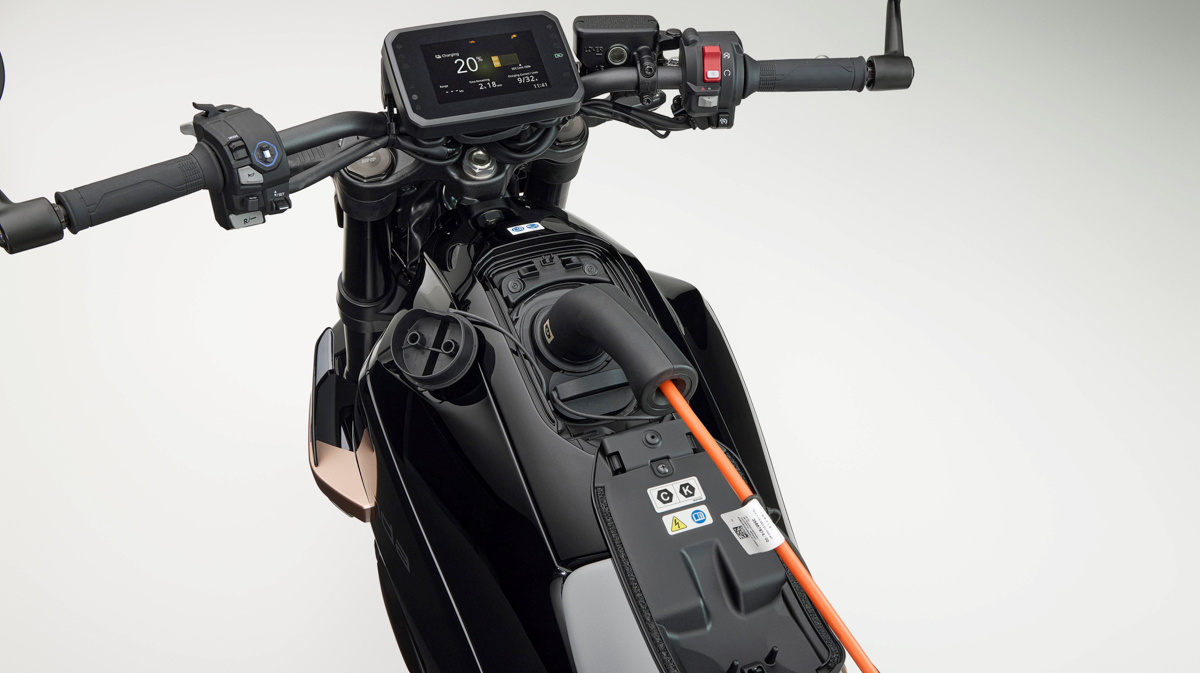
In addition, normal charging fully charges the battery from 0% to 100% in under 2.4 hours, providing a cruising range of 140 km (WMTC mode) on a full charge.

Regenerative braking, Deceleration Selector, and Walking Speed Mode

During deceleration with the throttle off, the WN7’s motor performs energy regeneration while providing regenerative braking. Riders can adjust the level of deceleration using the Deceleration Selector on the left handlebar switch, enabling smooth low-speed control with minimal brake operation or a gliding sensation with reduced deceleration—offering a new riding feel distinct from ICE motorcycles.

The WN7 is also equipped with a Walking Speed Mode, allowing the rider to move the bike forward or backward slowly using the left-hand switch and throttle—useful for parking or maneuvering in tight urban spaces.

The Honda WN7 will be produced at Honda’s Kumamoto Factory – the company’s global hub for motorcycle production. Honda will introduce the model sequentially to global markets where electrification shift is advancing, as the company accelerates electrification of motorcycles on a global scale.

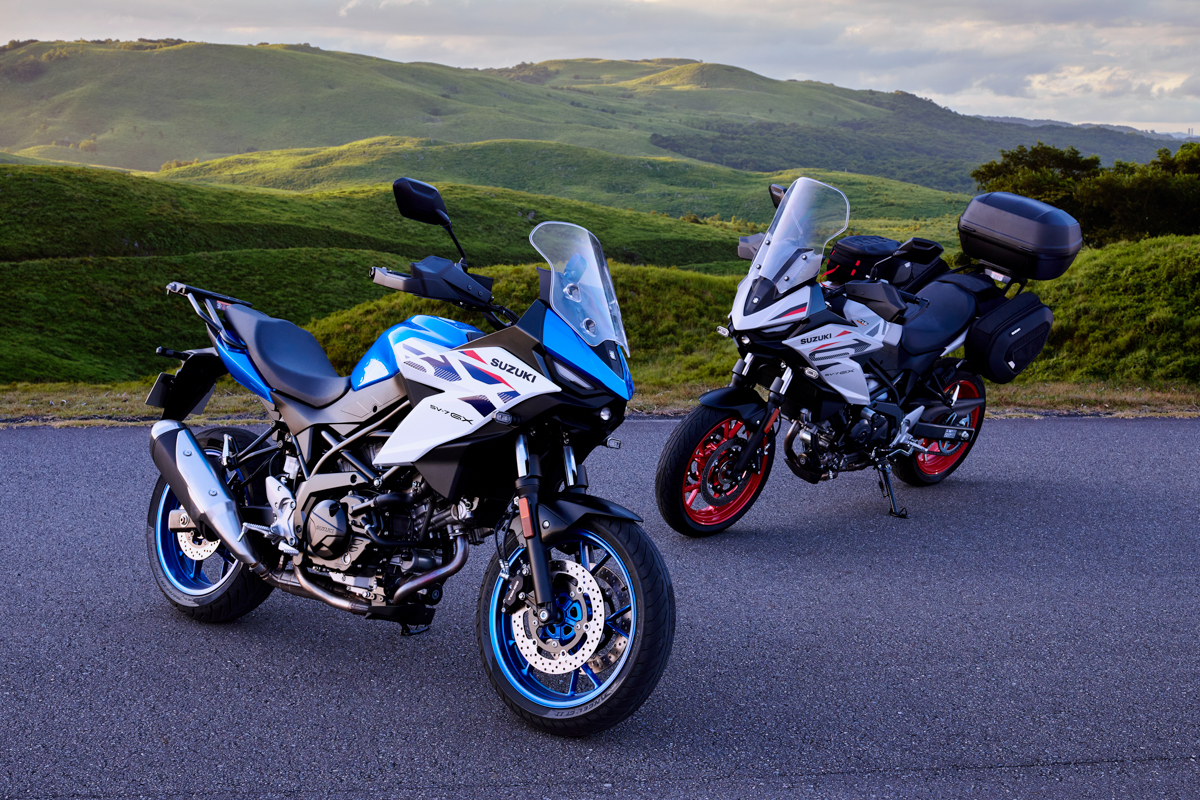
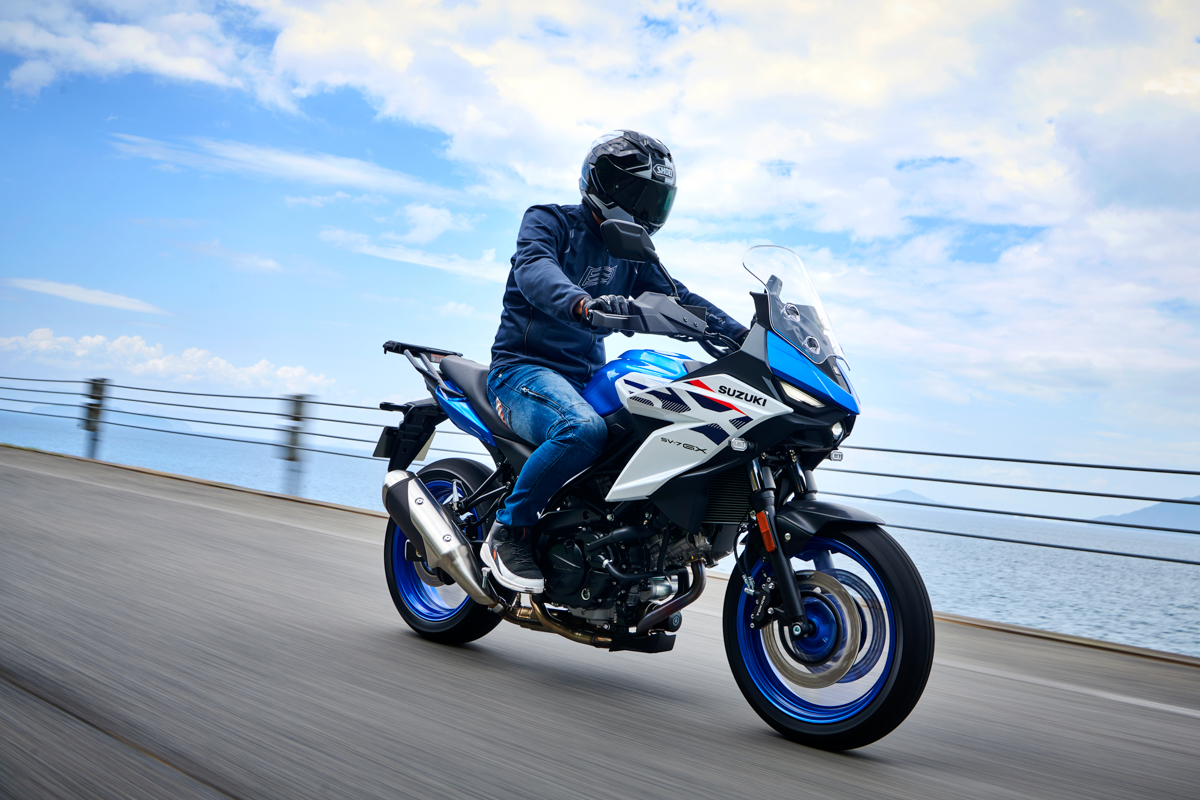
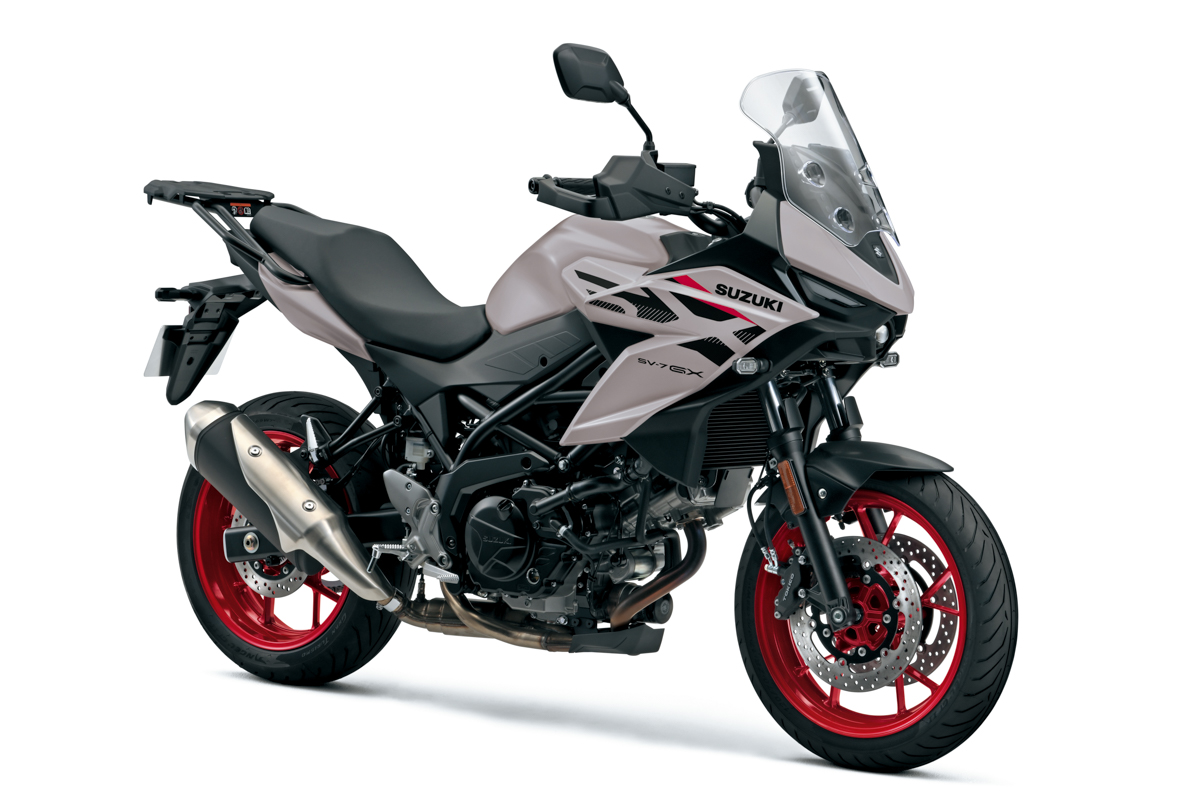
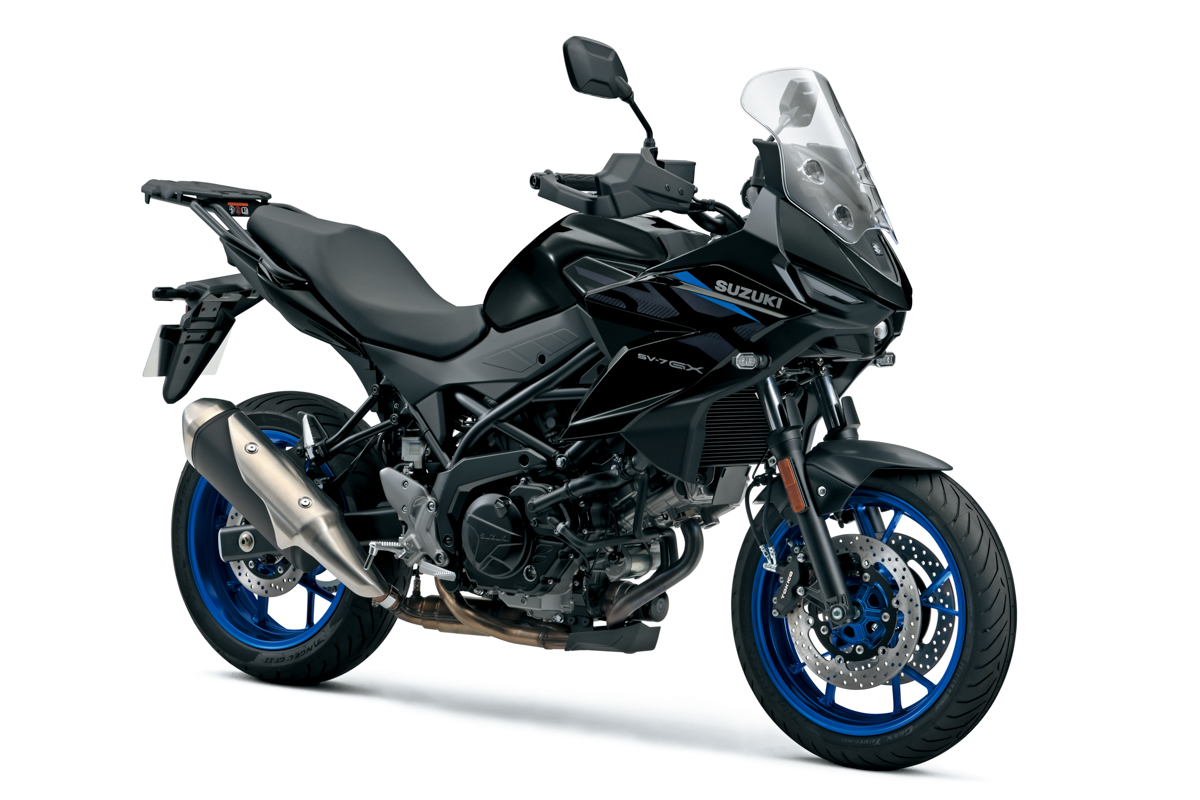
Suzuki fans rejoice! Here comes a midrange sport-tourer, the 2026 Suzuki SV-7GX, launched at EICMA 2025 recently.

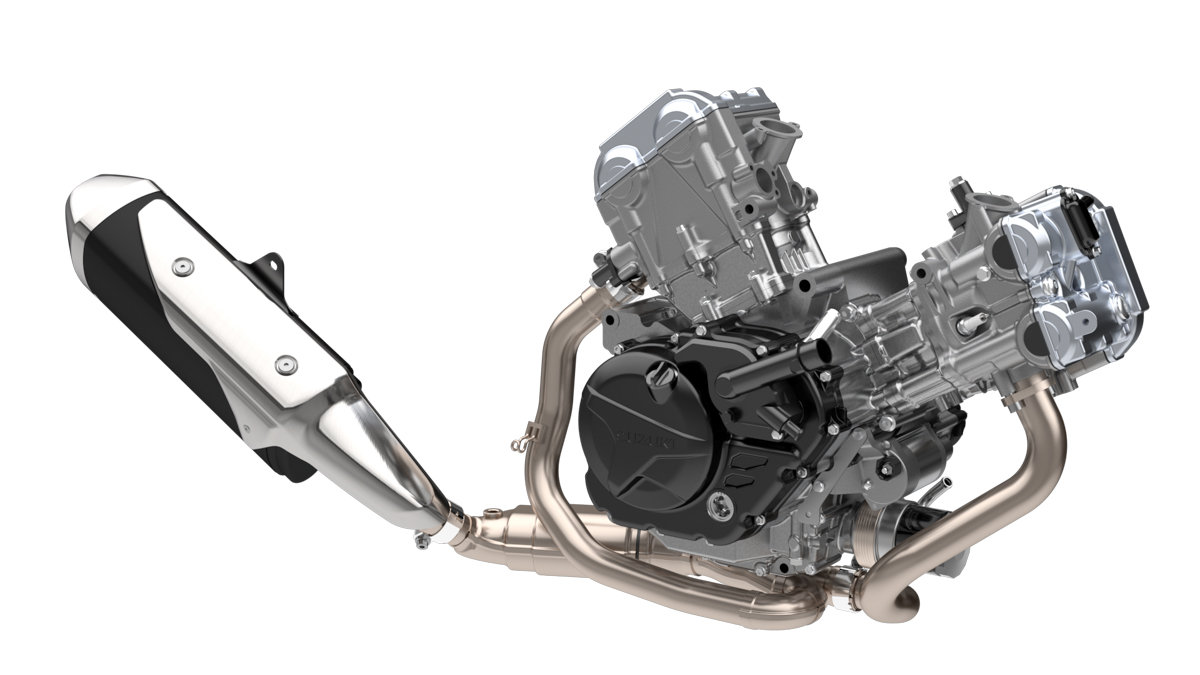
The manufacturer places the model as a crossover in their 650cc line-up, sitting in between the previous SV-650 roadster and V-Strom 650 adventure tourer. Utilising the updated version of the proven and legendary 645cc V-Twin engine, the SV-7GX is set to take you places in comfort and peace of mind.

From Suzuki’s Press Release

Suzuki has revealed a new SV-7GX, which was unveiled at Eicma in Milan, Italy.

The SV-7GX uses an updated version of Suzuki’s proven – and somewhat legendary – 645cc V-twin engine, which is now fully-compliant with the latest Euro5+ emissions regulations. Peak power is 73PS and peak torque is 64Nm. Aiding efficiency and performance is a new magneto, transmission gears, airbox, a ride-by-wire throttle, and a new exhaust system.

As the GX suffix suggests, the SV-7GX will provide a middleweight sports crossover option in the Suzuki lineup, alongside the range-topping GSX-S1000GX.

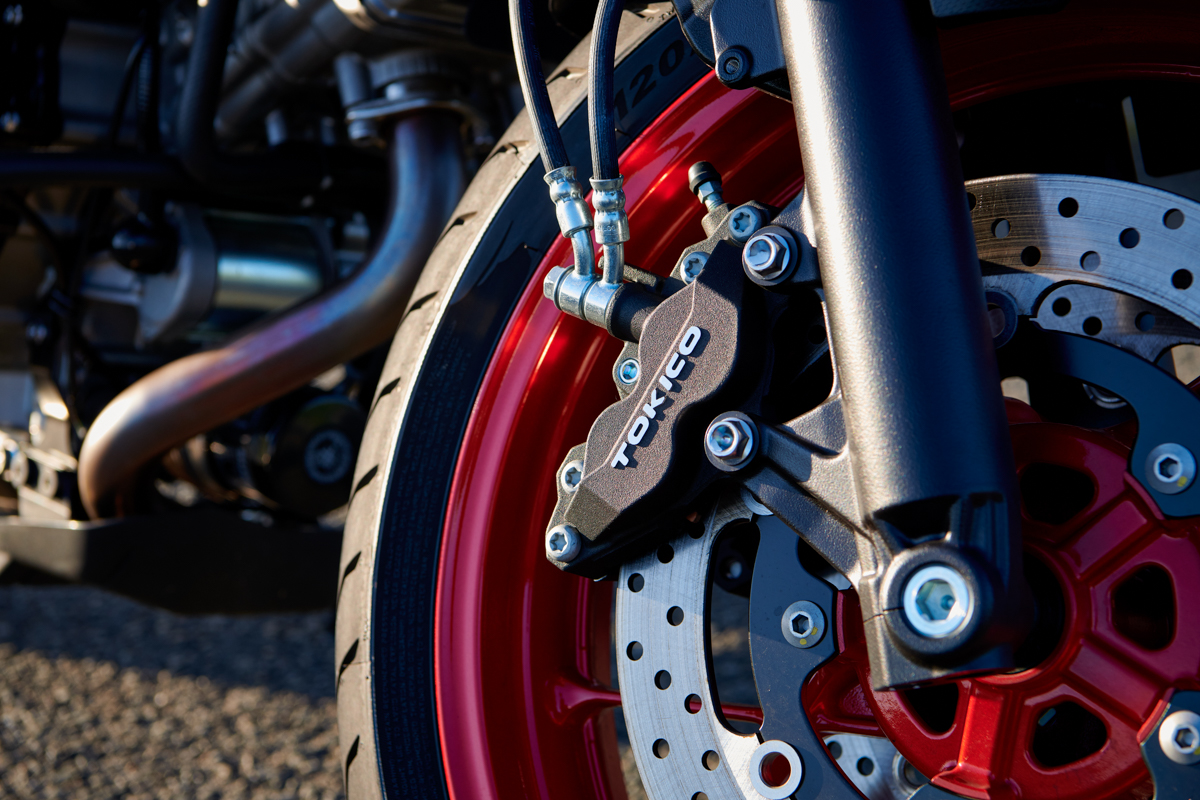
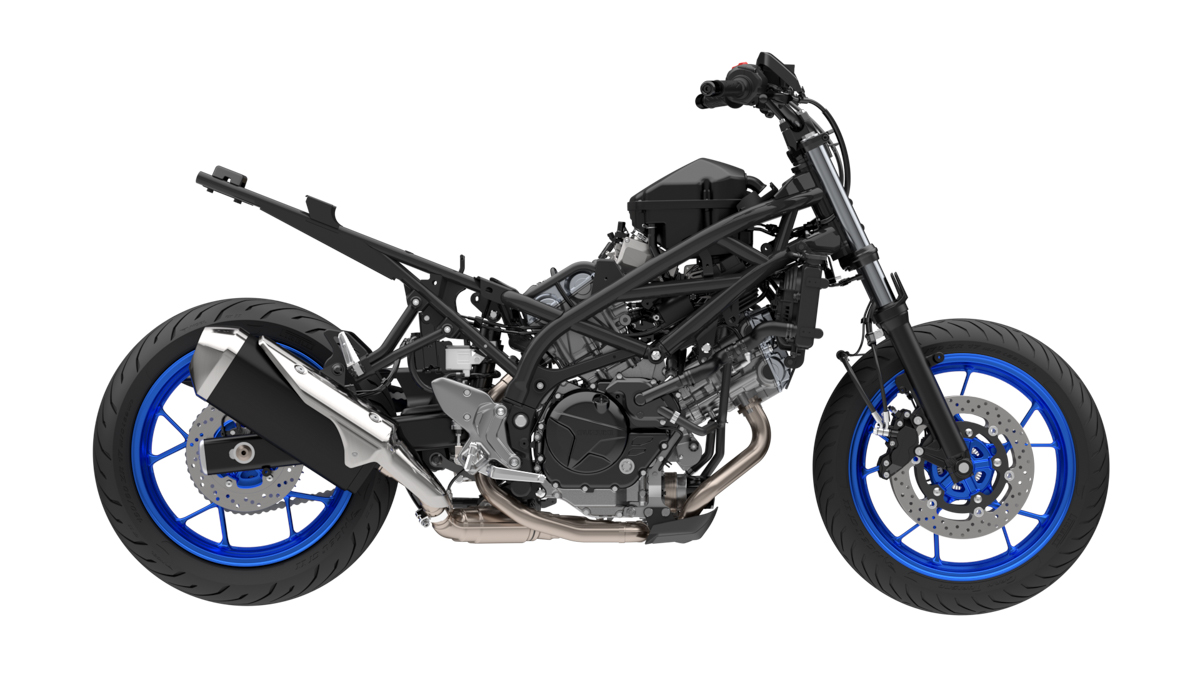
A steel trellis frame is equipped with suspension from KYB, which provides a plush ride quality designed to make it easy to cover distance in comfort on the 7GX. The seat height remains accessible for a multitude of riders at 795mm. Wheels are new cast aluminium 17”, front and rear, and are shod with Pirelli Angel GT 2 tyres. They work with the chassis to provide the sport element to the new sports crossover. Tokico calipers and twin 290mm discs provide the stopping power.

Tall, wide, tapered aluminium ‘bars provide an upright and comfortable riding position, but place weight over the front tyre enough to generate feel and allow riders to enjoy the sporty side of the 7GX when away from the motorway or dual carriageways. Handguards come as standard.

On the electronics side, smartphone connectivity comes as standard and allows riders to access everything from maps to contacts and messages from intuitive switchgear on the left handlebar. All information is displayed via a colour TFT screen, which also indicates the selected throttle map, with three to choose from, as well as the chosen traction control setting, also with three to choose from, as well as off. There’s a USB-C charging port on the left hand side. The electronics package also includes a standard-fit bi-directional quickshifter for seamless up and down gear changes.

Wind-tunnel tested bodywork shields the rider from the worst of the elements and provides aerodynamic efficiency, with styling cues taken from the bigger GSX-S1000GX. There’s a 17.4-litre fuel tank. Lighting is full LED all round, with a new asaerial design at the front for improved illumination and visibility while cornering.

An accessories catalogue includes a 45-litre top box, soft panniers, tank bags, and heated grips.

Pricing for the SV-7GX will be announced in due course, with the arrival set for late summer, 2026.

The Honda V3R E-Compressor prototype has been launched at EICMA 2025, following its concept debut at last year’s show.

As the name suggests, the V3 engine is fed by an electronically-controlled compressor to boost engine performance. Unlike the traditional belt-driven or exhaust driven compressor, the E-Compressor does not exact a penalty on engine performance, while providing boost even at low engine RPMs. Traditional compressors exhibit a pronounced ‘lag’ at low engine speeds, hence also low compressor blade speeds due to air’s inertia. When this happens, the rider will find the engine bogging at low speeds, only to find the bike suddenly taking off when boost pressure finally builds up. Riding such a bike requires the rider to keep the engine revving hard at all times. Not so with the E-Compressor as it controls the intake air pressure at all RPMs.

Honda says that such technology to allow this 900cc engine to perform at the level of a 1200cc powerplant.

From Honda’s Press Release

Honda has unveiled the V3R 900 E-Compressor Prototype equipped with a V3 engine with an electronically-controlled compressor, at EICMA 2025 (the Milan Motorcycle Shows).

In order to realize the “joy and freedom of mobility” to fulfill the Honda 2030 Vision, Honda motorcycle development team members are engaged in ongoing discussions in the effort to build attractive products that go beyond expectations of customers. The V3R 900 E- Compressor Prototype is being developed as a motorcycle model that offers new value tocustomers with unprecedented, original Honda technologies.

Under the development concept of “Non-Rail Roller Coaster,” Honda is striving to create a model that is characterised by two contrasting qualities — “guaranteed thrill” and “reassuring peace of mind” — by combining its latest technologies with know-how amassed through its long history of motorcycle development.

A slim and compact engine design was pursued with the displacement of 900cc based on the exact layout of the water-cooled 75-degree V3 engine, which Honda unveiled last year as a concept model at the EICMA 2024. Equipped with the world’s first electronically-controlled compressor for motorcycles, the engine delivers highly responsive torque even from low rpm range, by controlling compression of the intake air irrespective of engine rpm. Taking advantage of this feature, Honda is striving to develop a 900cc engine that achieves the overwhelming performance comparable to that of a 1200cc engine, while also contributing to excellent environmental performance.

The V3R 900 E-Compressor Prototype features asymmetrical side cowls, as well as a tank
emblem with the new “Honda Flagship WING” design, which is scheduled to be adopted by top-tier models sequentially starting next year.

Honda is developing the V3R 900 E-Compressor Prototype as a model that will represent a new milestone in the ongoing challenges undertaken by Honda and will enable customers to experience the unprecedented fun and excitement of riding and the joy of ownership. Honda will continue development for the mass production.

Archive

Follow us on Facebook

Follow us on YouTube