Bikesrepublic

Latest News

  • With the current influx of Chinese motorcycles into Malaysia, will Zontes make its way over?

  • Zontes produces everything in-house, apart from ABS and fuel-injection systems.

  • The manufacturer is into innovation and their motorcycles utilize high-end features.

With the influx of Chinese motorcycles to Malaysia, we wonder if another maker, Zontes, could be on the way, as well.

The Zontes website lists six models of motorcycles. Three are 310cc and the other three 250cc models. The two engines act as the platforms for the different models.

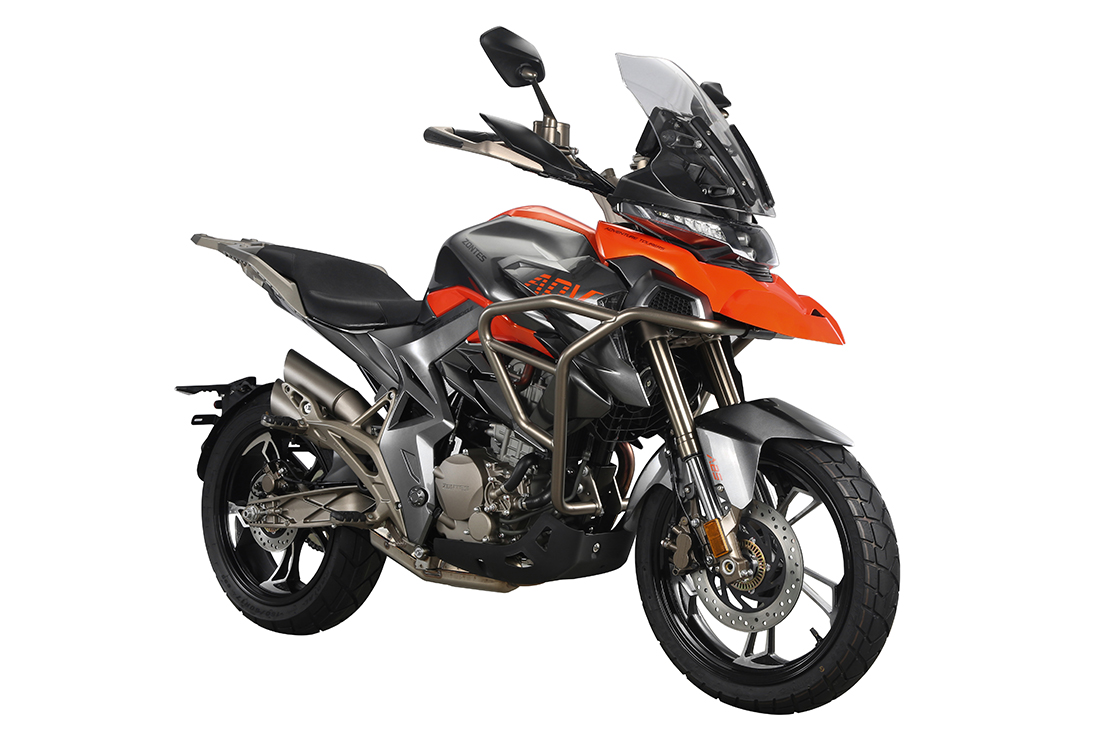
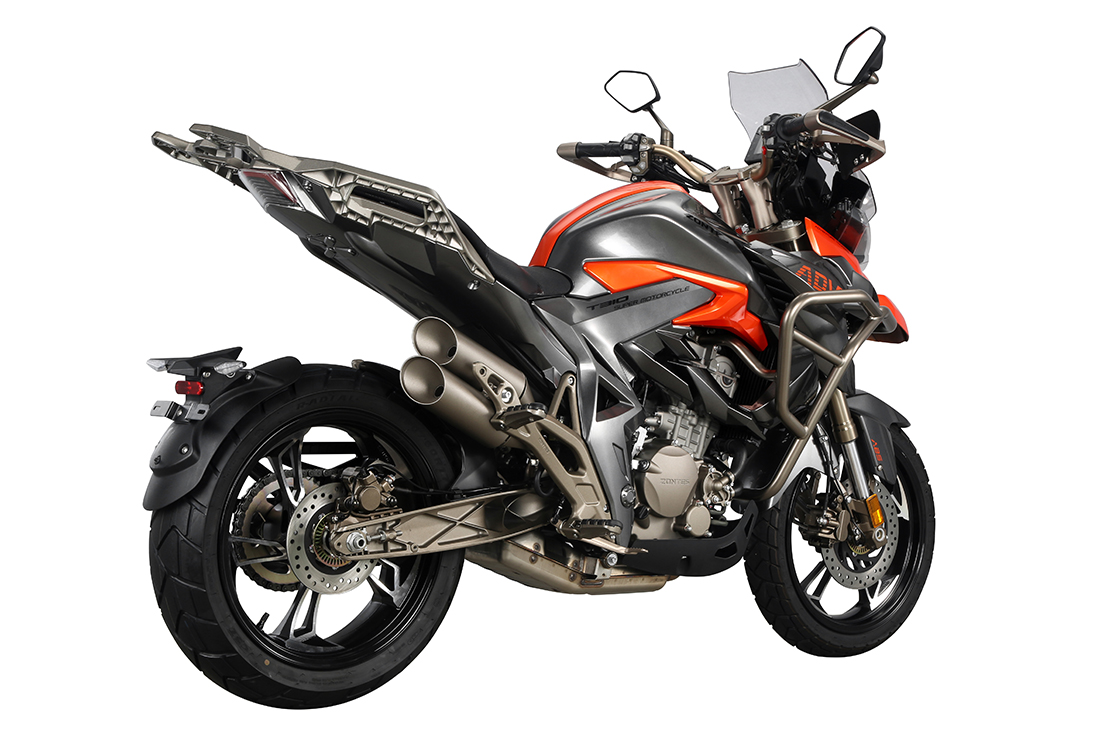
The first, called 310T, looks like a BMW GS at first glance. Indeed, Zontes positions it as a lightweight adventure-tourer. From what we could gather, it features an electrically adjustable windscreen, TFT screen, upside-down forks, and crash bars.
 

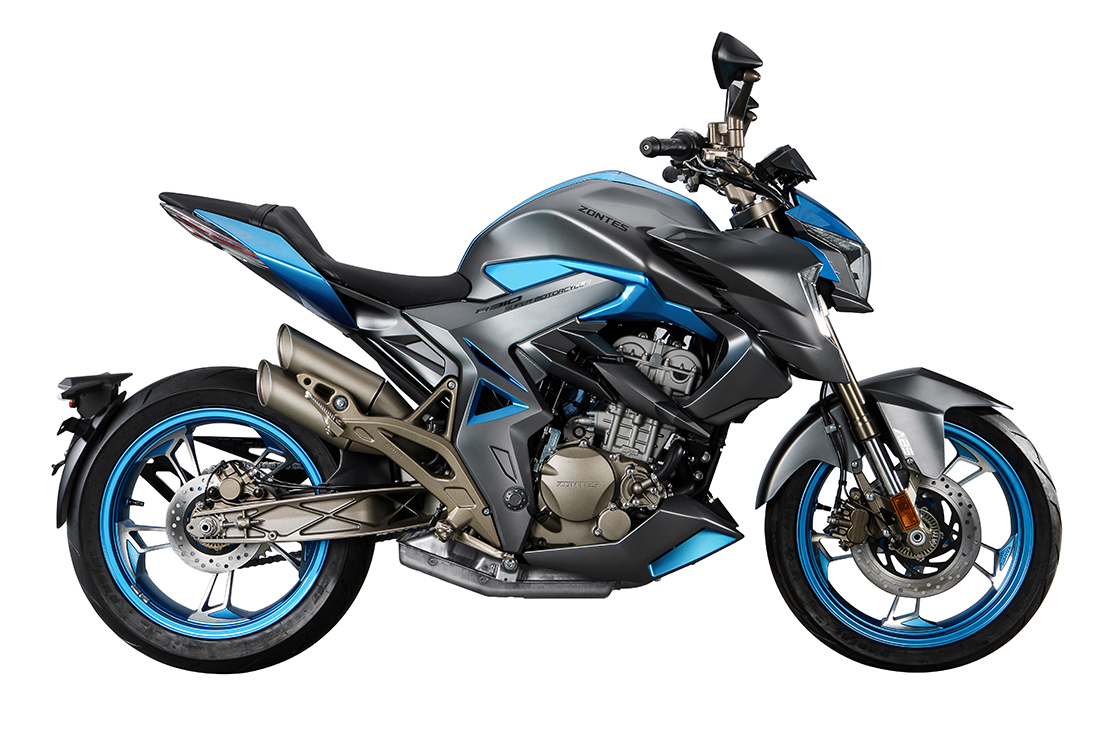
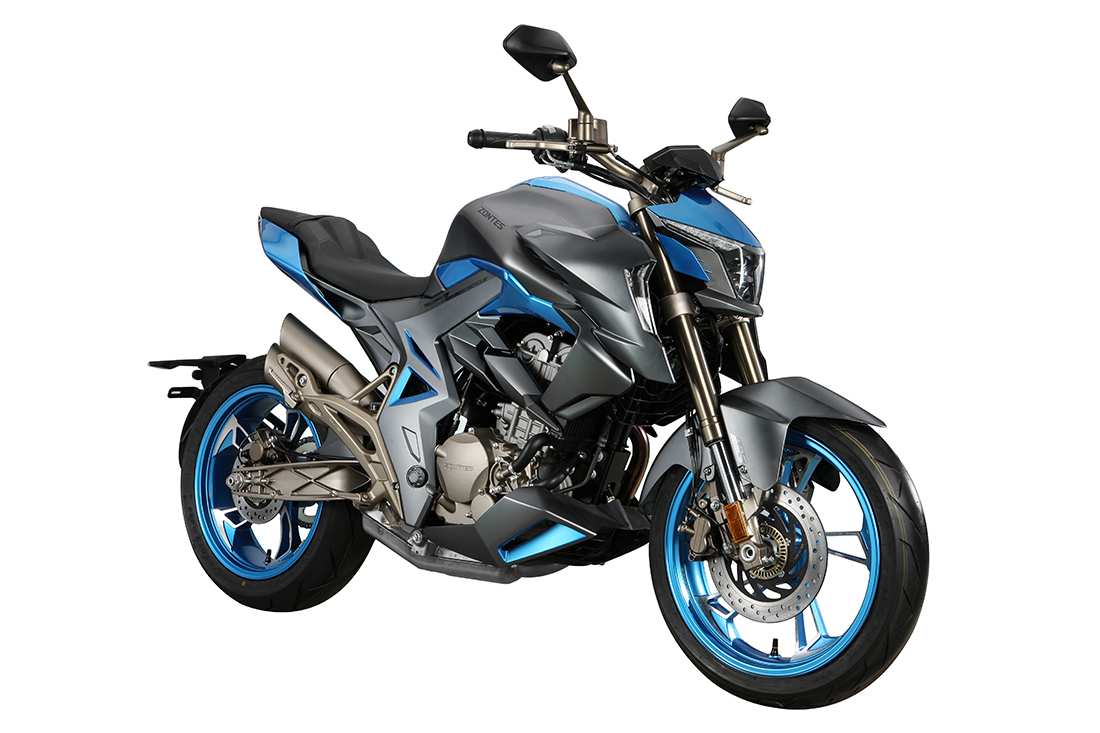
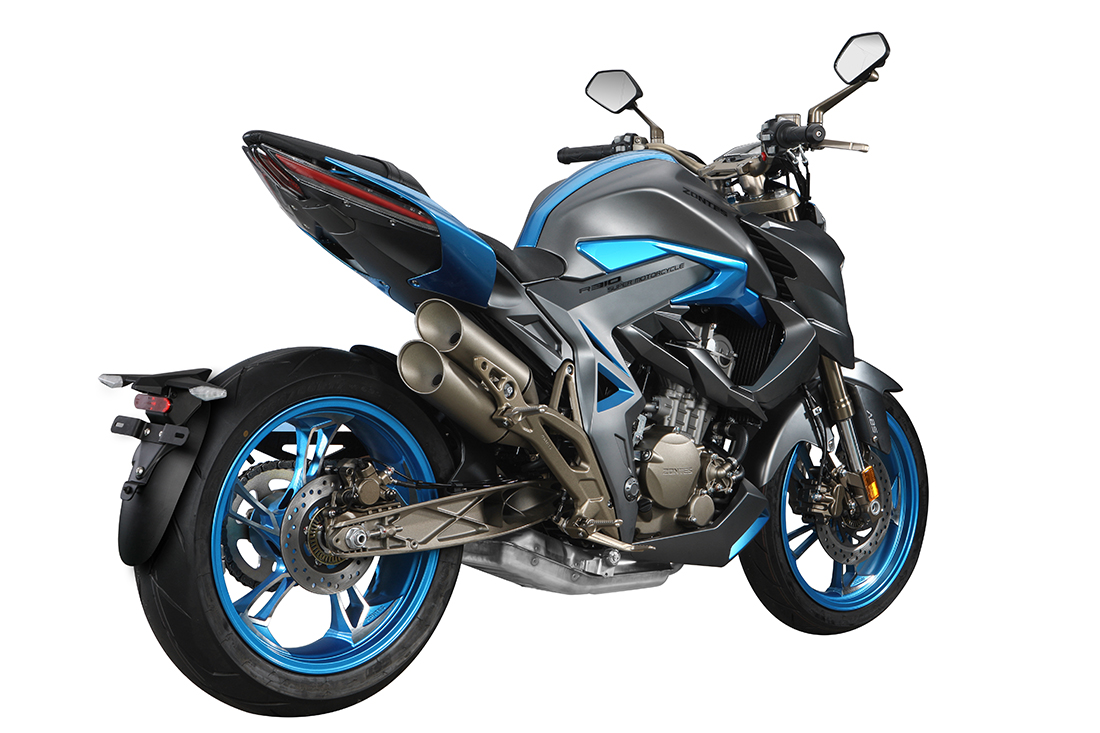
A second model is listed as the naked sport 310R. It looks like the cross between an MV Agusta and Kawasaki Z800. Its most outstanding features are the twin slash-cut exhausts pipe tips and sharp tail with embedded LED taillights. It too, features a TFT screen.
The third model is what looks like a sport-tourer called the 310X. Apart from the same componentry of the 310R, it has an electrically-adjustable windscreen, as well.
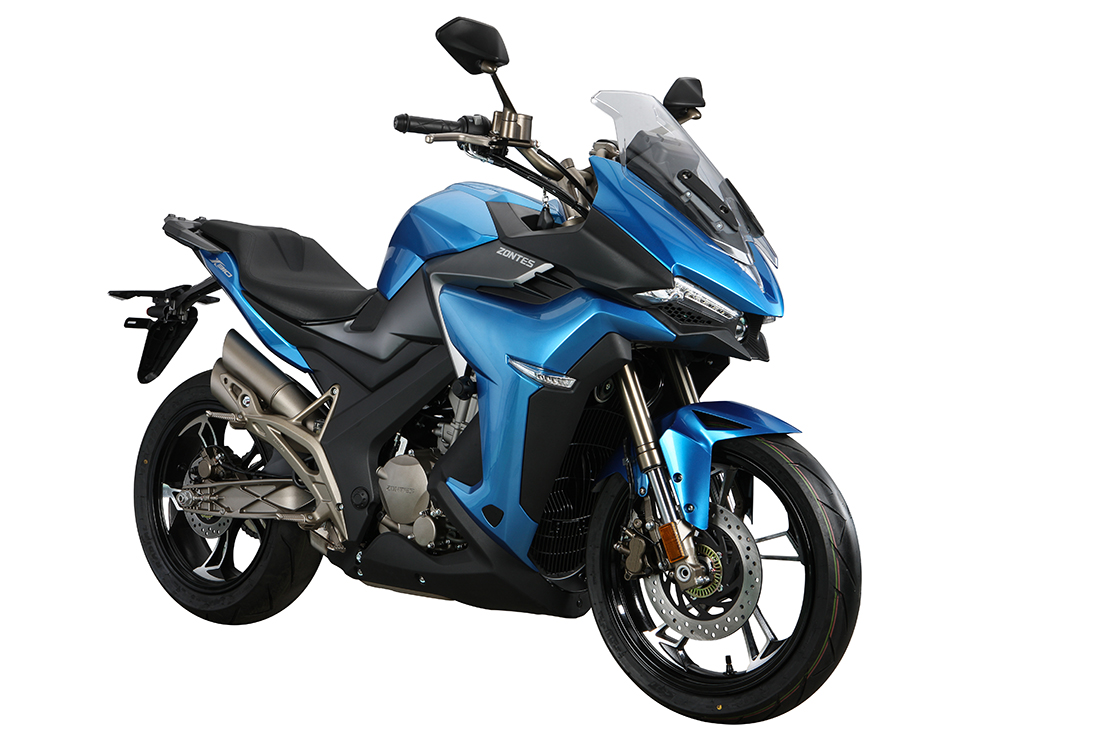
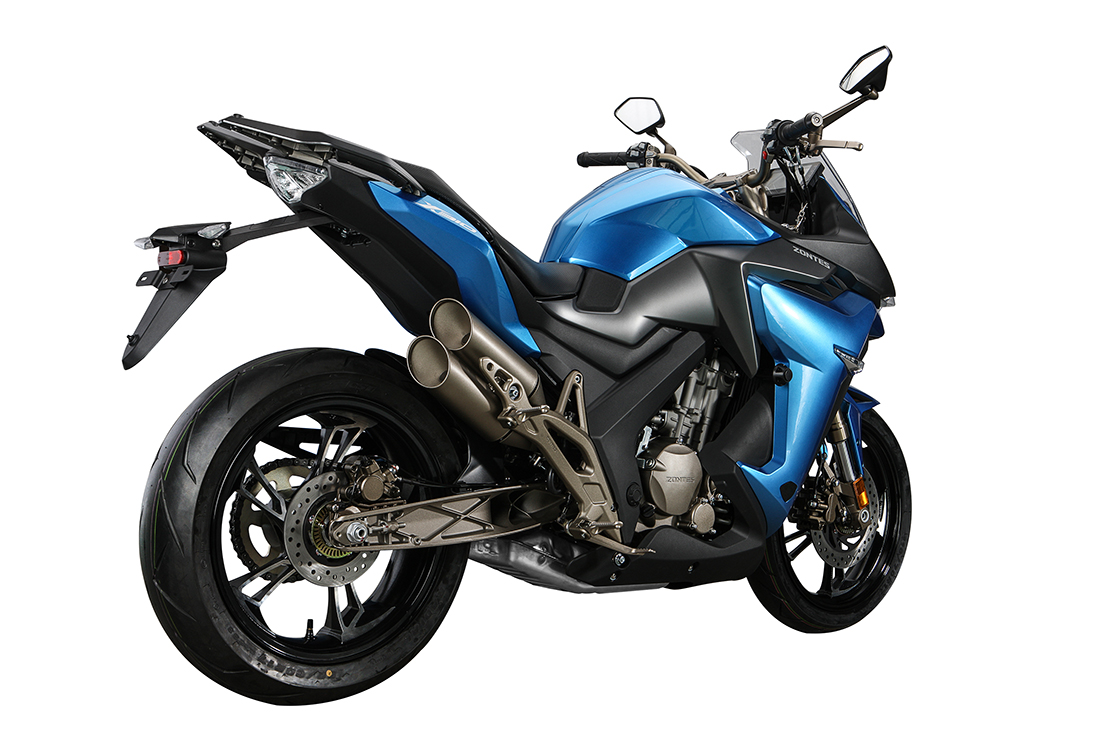
Check out the video below.

All 310 models utilize TFT screens, LED lighting, Bosch ABS and Delphi fuel injection system. Suspension systems on all three bikes are the same: upside-down forks and rear monoshock.

Zontes is currently being sold in China, the United Kingdom, South Africa, Pakistan, among other countries.

Zontes is the result of foreign joint venture with Guangdong Tayo Motorcycle Technology Co., Ltd. and founded in 2003. The company currently boasts 1,600 staff members, with 60% of them holding college degrees and above.

Guangdong Tayo’s philosophy is grounded in innovations. As such, they hold 256 styling patents, 121 patents for utility models and 36 patents for inventions. The company has also received the Technology Innovation Award three times.

Apart from sourcing brake and ABS, and fuel-injection components, the company produces almost all parts of their motorcycles in-house, including the engine. This is due to the manufacturer’s employment of robots in their manufacturing processes.

The robots are used for:
  • Aluminum alloy high pressure casting.
  • Magnetic mold-replacing injection molding.
  • Four-axis positioner frame welding.
  • Four-axis positioner silencer welding.
  • Traceless roll welding for gasoline tank.
  • Aluminum alloy surface coating.
  • Totally enclosed robot painting.
  • Seat cushion internal foaming unibody.
  • Stereoscopic warehouse with ERP system integration.

Apart from the autonomous robots, there are is a semi-automatic man-machine high precision manufacturing department.

They are in charge of:
  • Four-axis CNC machining.
  • Gear mechining and thermal treatment.
  • CNC stretch forming for the gasoline tanks.
  • Aluminum alloy low pressure casting.
  • Aluminum alloy frame welding.
  • Motorcycle and engine assembly.
  • Electric car components manufacturing and assembly.
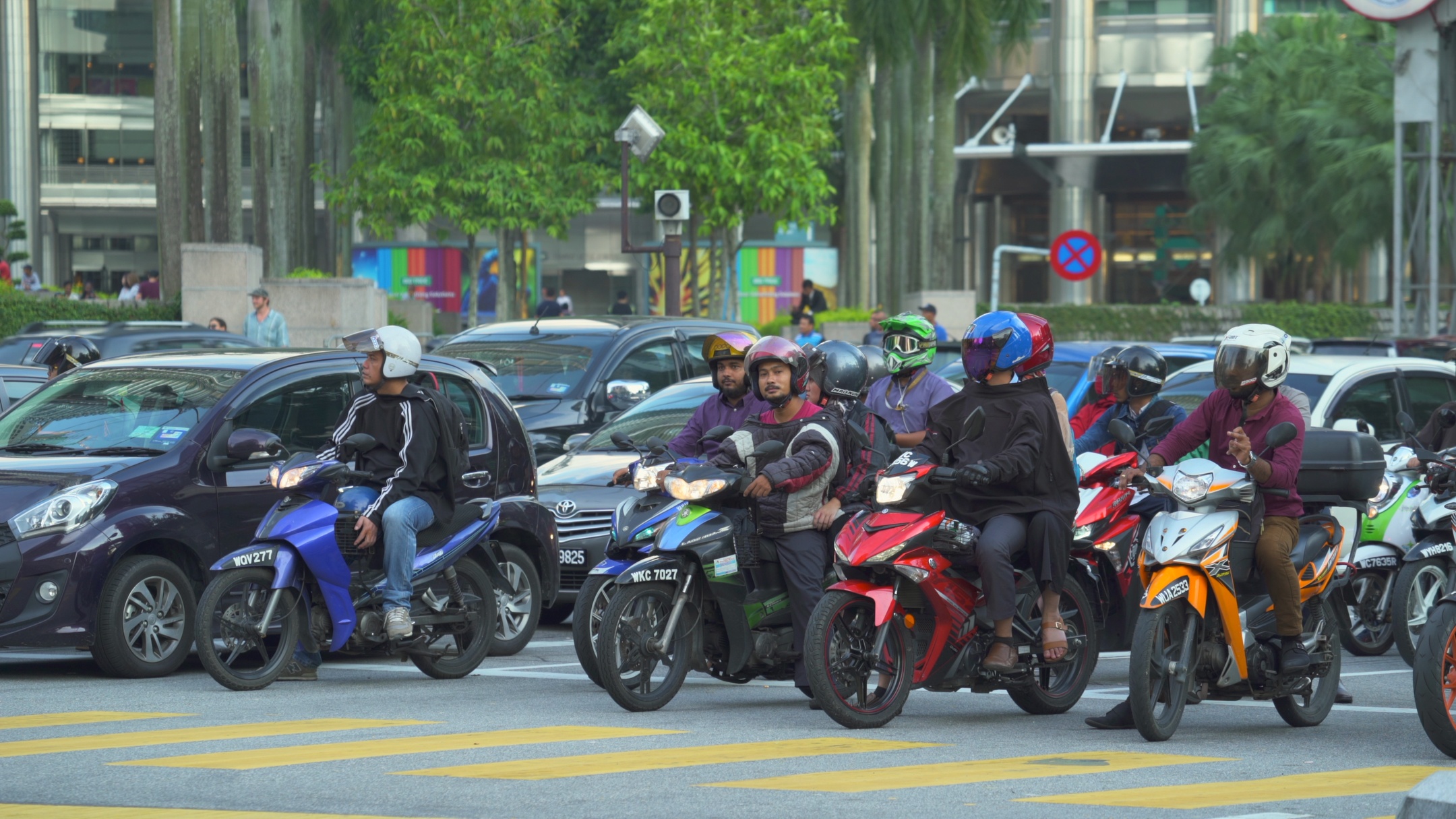
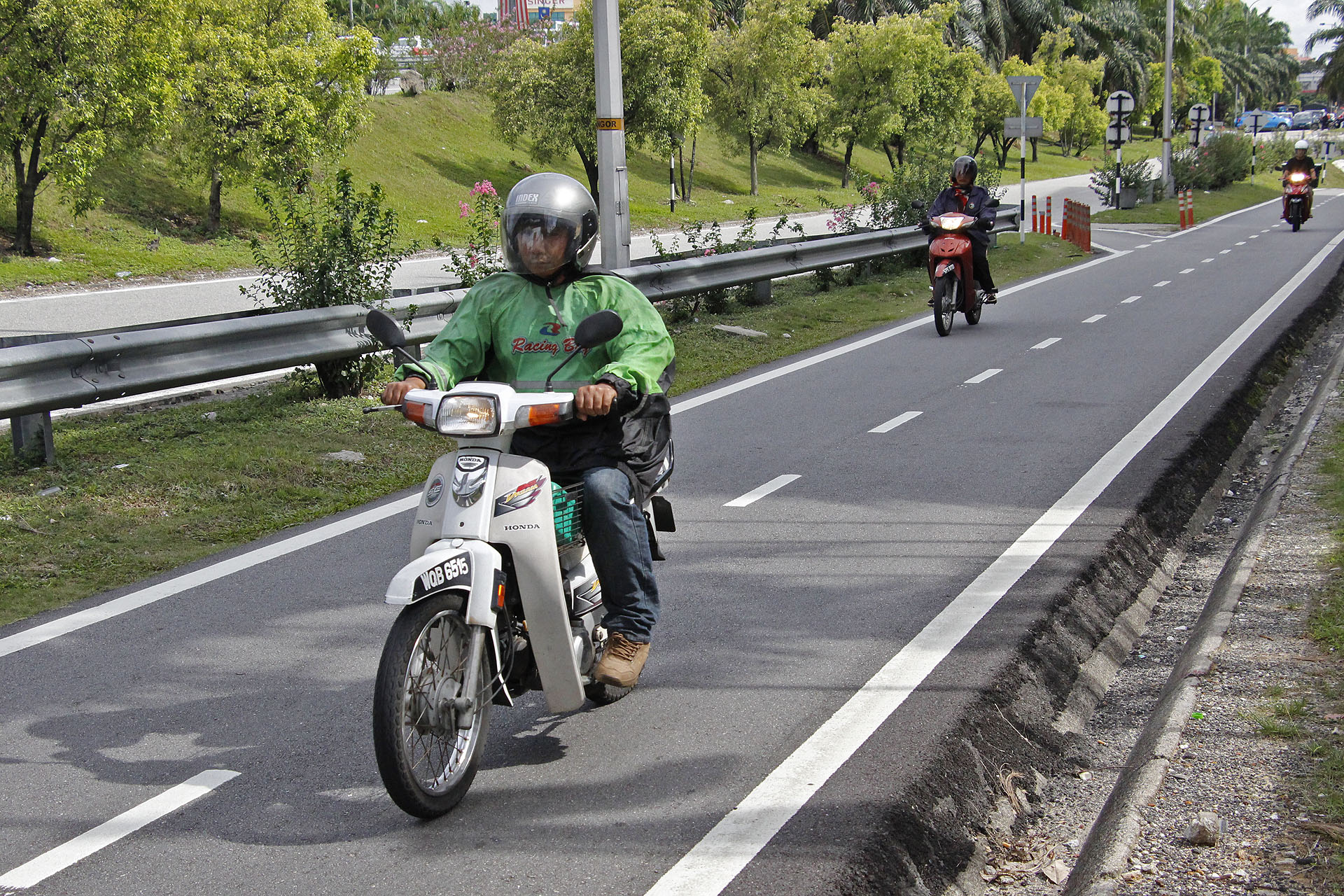
  • The Department of Road Safety (JKJR) is studying on whether to limit kapchais to 70 km/h and riding on the left side of the road only.
  • The hope that these measures will reduce the number of deaths involving motorcycle accidents.

  • To us there are more productive ways that should be pursued.

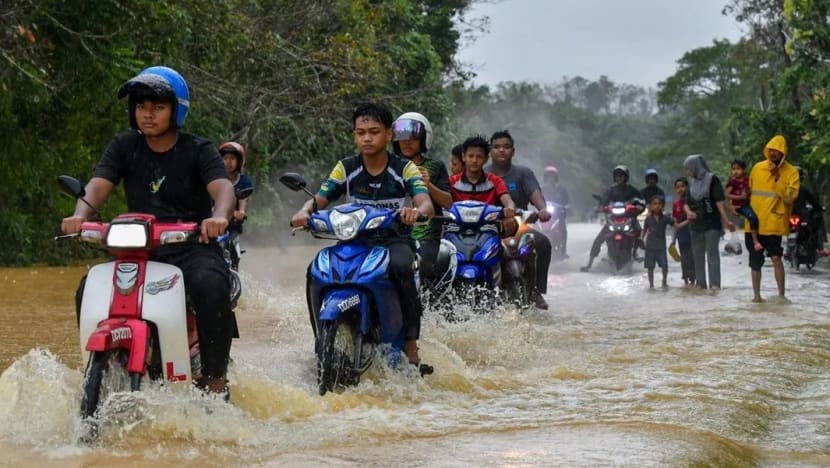
The Department of Road Safety (JKJR) is studying to limit kapchaisto 70 km/h and riding on the left side of the road to reduce deaths from motorcycle accidents.

The Backstory

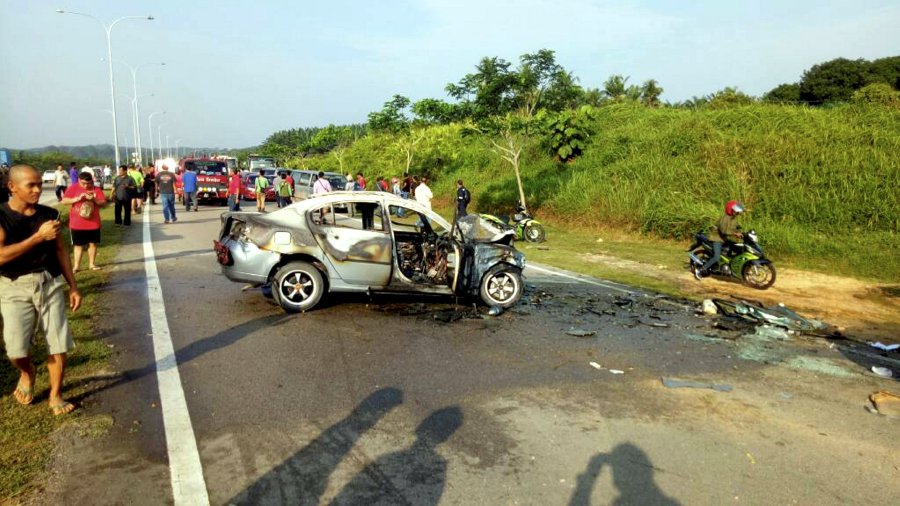
According to Bernama, the impetus to conduct the study is based on a number of factors. However, the overriding concern is about more than 60% of all deaths in traffic accidents involve motorcyclists and/or their pillions. The number translates to 6,742 fatalities in 2018 alone.

Datuk Rosli Isa, Head Directory of JKJR said the proposal calls for limiting kapchais150cc and under to a maximum speed of 70 km/h and riding only in the left lane. He added that his department will also look at the effectiveness of such measures in other countries where they have been implemented such as Hong Kong and Australia.

To Datuk Rosli, kapchaisweaving in and out of traffic exposes the occupants to dangers among heavier vehicles. Additionally, most of the cases involved motorcycles speeding.

Datuk Rosli’s proposal echoes the views of Safety First, a group of 500 Whatsapp users who met with Minister of Transport YB Anthony Loke last Wednesday.
Our Take

First and foremost, what is the percentage of those motorcycle accidents involving other vehicles as the guilty party? It seems to be a trend to apportion blame on motorcyclists every time an accident happens. It is being simplistic and unfair.
Malaysia already has a number of good laws pertaining to road usage (although they need to be updated). According to the Highway Code which every road test candidate studies, motorcycles are meant to stay on the left side of the road, 3 metres from the shoulder, anyway.

Photo credit NSTP

Yet, where is the enforcement? That is the biggest problem with Malaysia and her laws. After all, Malaysian agencies are notorious for going at it 100% when a new statute is passed, then slack off with the passing of time. There was a blitz against using mobile phones while driving at one time. Where is it now? How about the war against those who stop in the yellow box?

The honourable Datuk Rosli mentioned Australia and Hong Kong. But please bear in mind that road laws there are diligently enforced, and the culprits don’t get away with by contributing a RM 50 angpow.

If the two new laws are passed, who and how will they enforce the motorcycles’ speed limit? Who and how will they enforce against motorcycles continuing to zip around in traffic?

Okay, fine, let’s assume that kapchaisstay at 70 km/h and in the left lane.

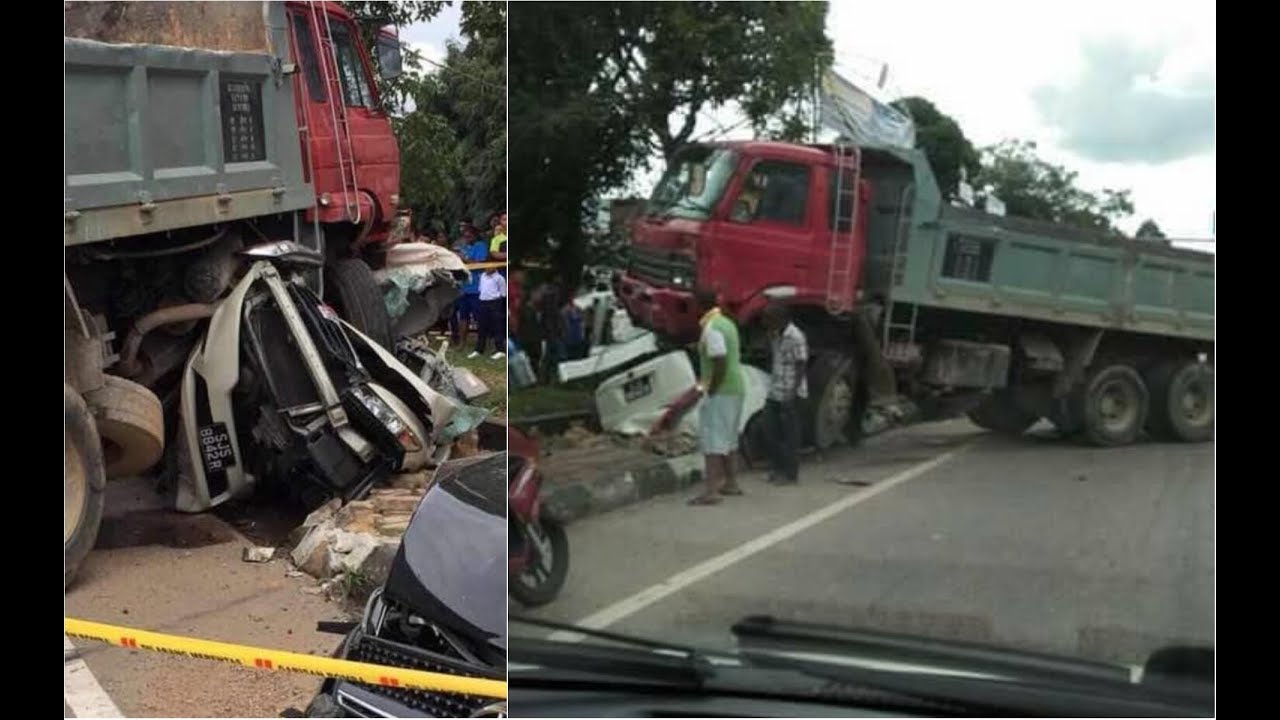
However, anyone who has travelled on Malaysian roads can attest to heavy vehicles themselves zipping around in traffic or encroaching into any lane which the driver deems as “empty.” Who are to stop them? Will the government place barricades to separate the motorcycle lane from other lanes in the city?

And speaking about heavy vehicles and the speed limit, what speed limit? Busses and trucks regularly blast by at 130 km/h. It’s going to be messy.

We are not advocating that all motorcycles should be ridden as fast they could but there has to be enforcement against all vehicles to allow the plan to work.

Apart from those, it still behoofs us to see that owners of different vehicles couldn’t get along in this country. Each party claims the right of way, but no one has the courtesy to compromise and work together.

This to us, is the biggest problem facing Malaysian road users. It’s getting to be a jungle out there but there’s nothing done to educate road users to be courteous to each other. Instead, we are left to everyone’s devices. What is this, The Purge? What happened to those Public Service Announcements on TV in the 90’s and early 2000’s?

Conclusion

We do appreciate JKJR’s concern about the lives and limbs of motorcyclists, but the plan will only work with strict enforcement.

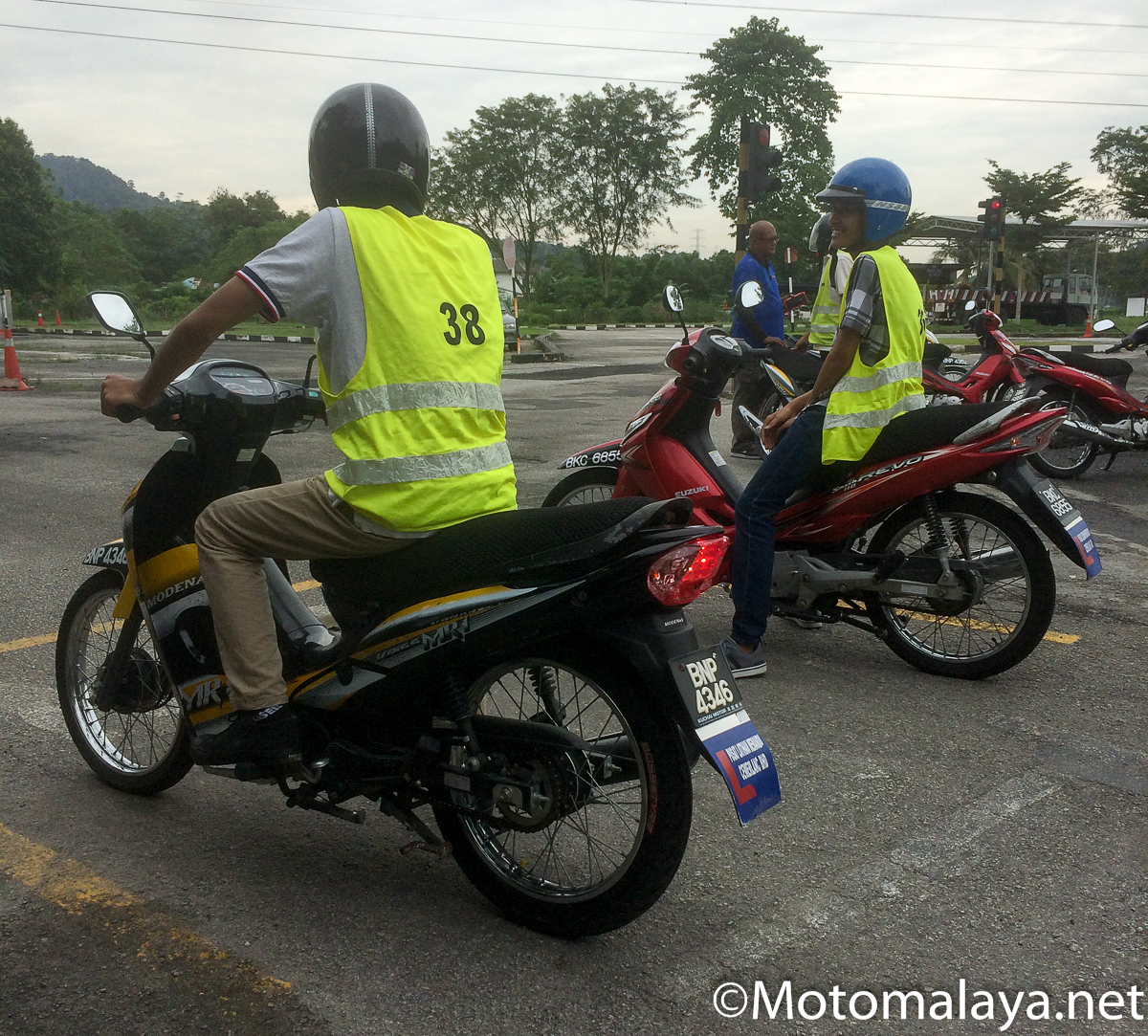
Wouldn’t it be more productive to reduce deaths by teaching proper riding techniques (by overhauling the JPJ education and licensing system), proper helmet usage, importance of safety gear, road courtesy, defensive riding, among others?

At the same time, drivers of other vehicles should also be taught on proper driving techniques.

Why not enforce current laws?

And we’ve not started about the motorcycle lanes along the Federal Highway that never seem to reopen.  That’s not including the shoddy condition of motorcycle lanes on other highways.

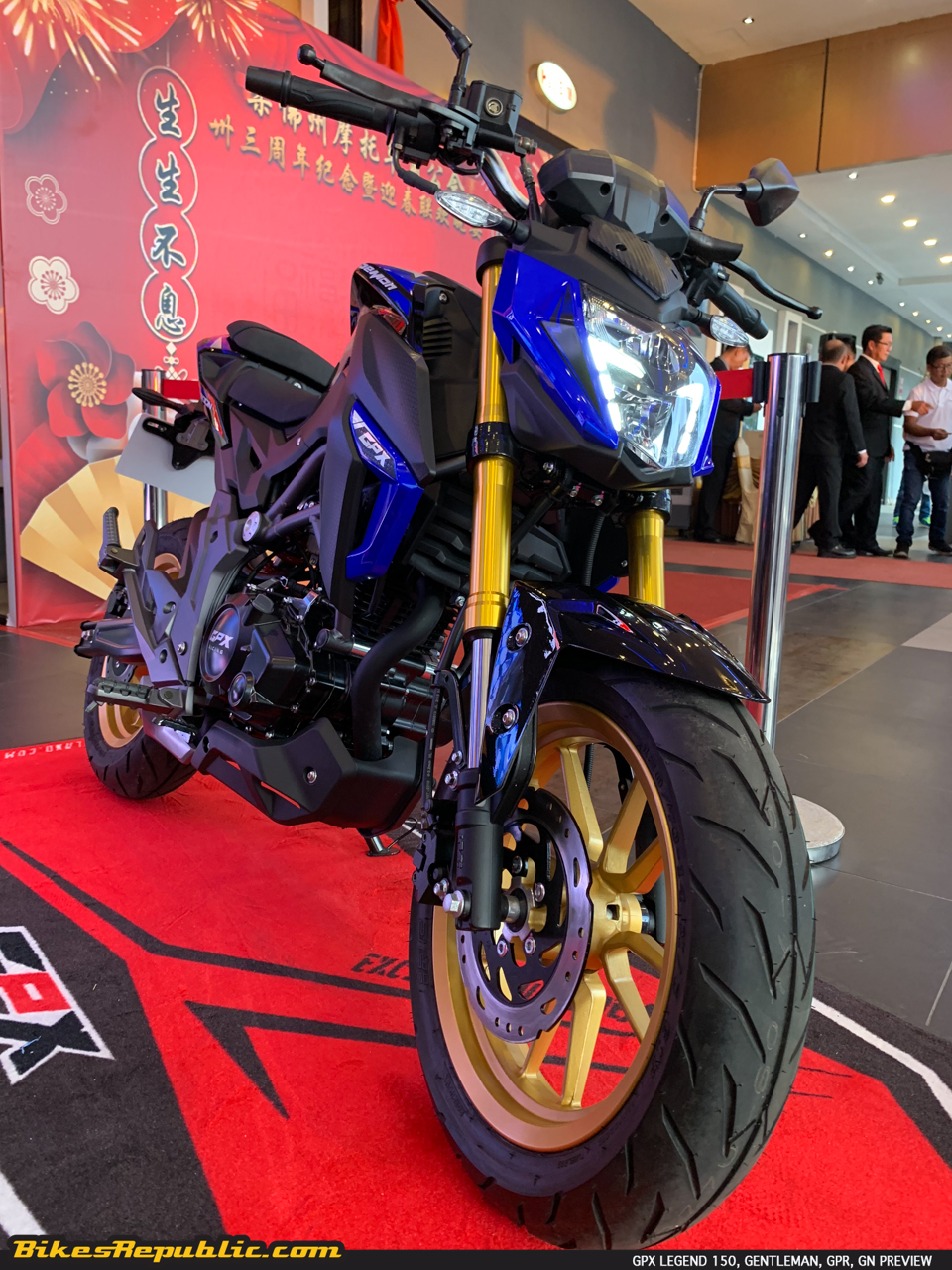
  • We previewed the GPX Legend 150, GPX Gentleman, GPX Demon GR and GPX GN Demon.

  • The bikes offer looks and performance of bigger machines at affordable prices.

  • GPX is a Thai manufacturer who produces almost all of their bikes’ components.

We were given a preview of the GPX Legend 150, GPX Gentleman, GPX Demon GR and GPX Demon GN tonight by Bike Continent Sdn. Bhd.

These GPX models represent great-looking bikes at prices that’s easier on your bank account balance. GPX also assures us that these motorcycles are built tough and reliable.

GPX is a Thai motorcycle manufacturer. They produce the frames, bodywork and other parts of the motorcycle except for the running stock. The engines are built in China, but GPX stations their Thai and Japanese engineers at the production plant to monitor the quality closely.

The manufacturer is now the 3rdlargest selling brand in Thailand by volume. They are active in organizing rides and special events for their customers, such as the mega gathering at Hard Rock Café Siam Square in Bangkok.

GPX Legend 150 (from RM 8,XXX available from April 2019)

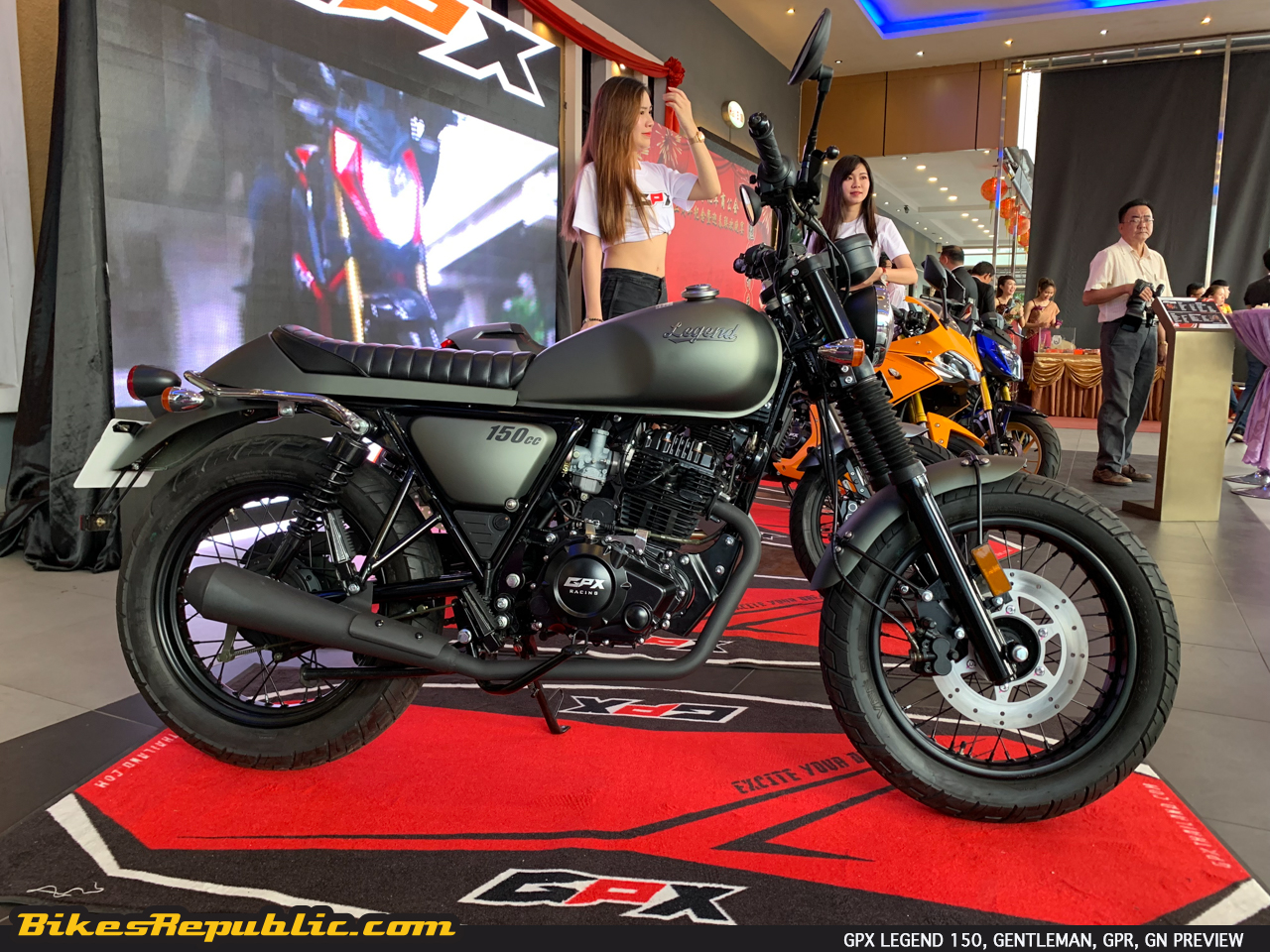
The Legend 150 is a retro model for those who like simplicity and customization. Indeed, the Legend is bare-bones in its stock form.

This model is already doing very well in Thailand, its country of origin. The customizers in that country have shown off a number of awe-inspiring customs. The long bench-seat and fuel lends that classic 1950’s look.

As such, it should bode well for motorcycle fans in Malaysia who wish to own a motorcycle which reflects their own personalities, instead of owning something which you could find anywhere.

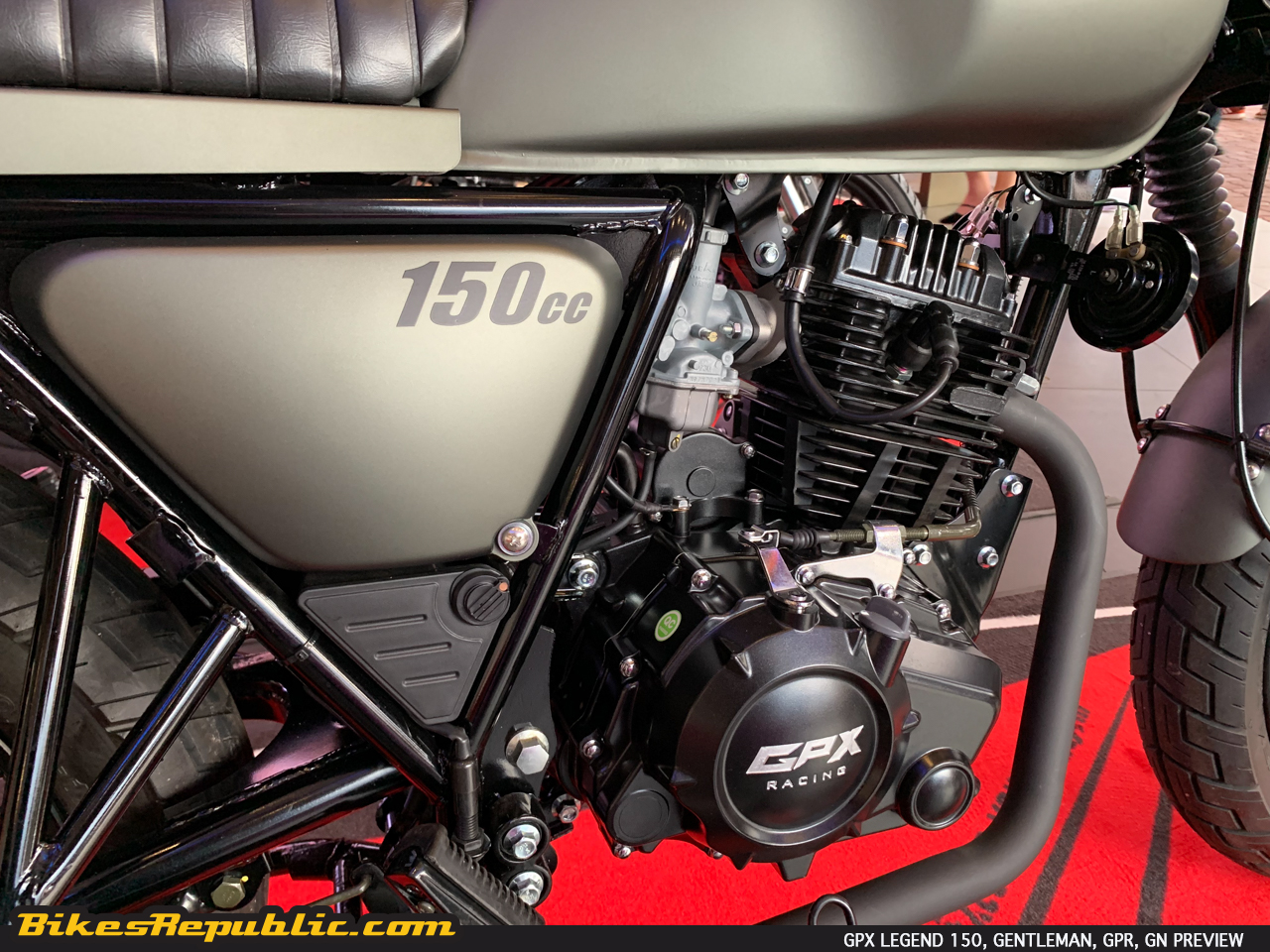
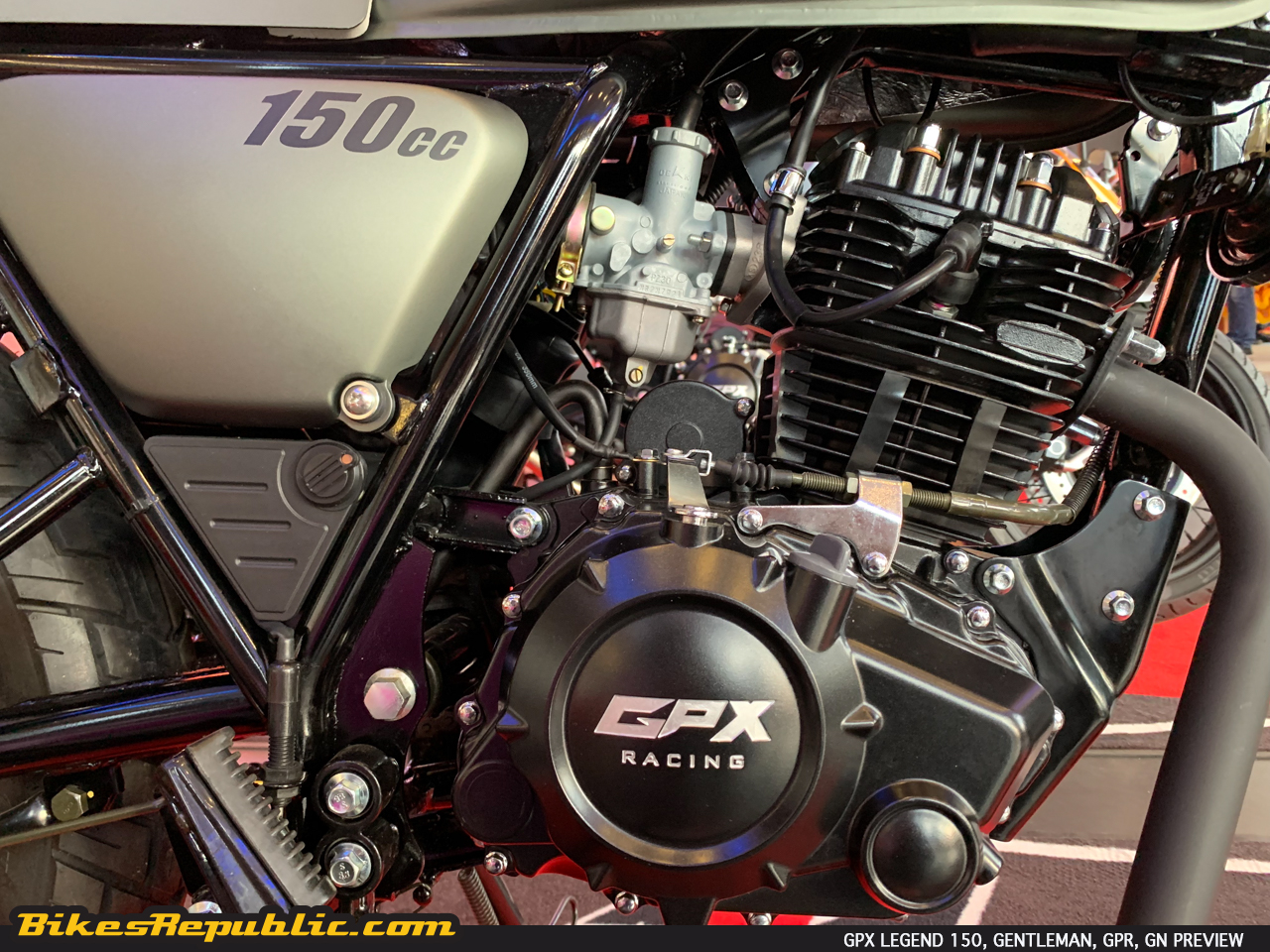
The Legend 150 is powered a 150cc, air-cooled, single-cylinder engine. From our observation, the powerplant looks solidly-built with fine finishing.

The chassis handled by a pair of telescopic forks and a pair of shocks at the rear. The frame is a welded spaceframe which utilizes the engine as a stressed member.

GPX Gentleman 200 (from RM 10,980)

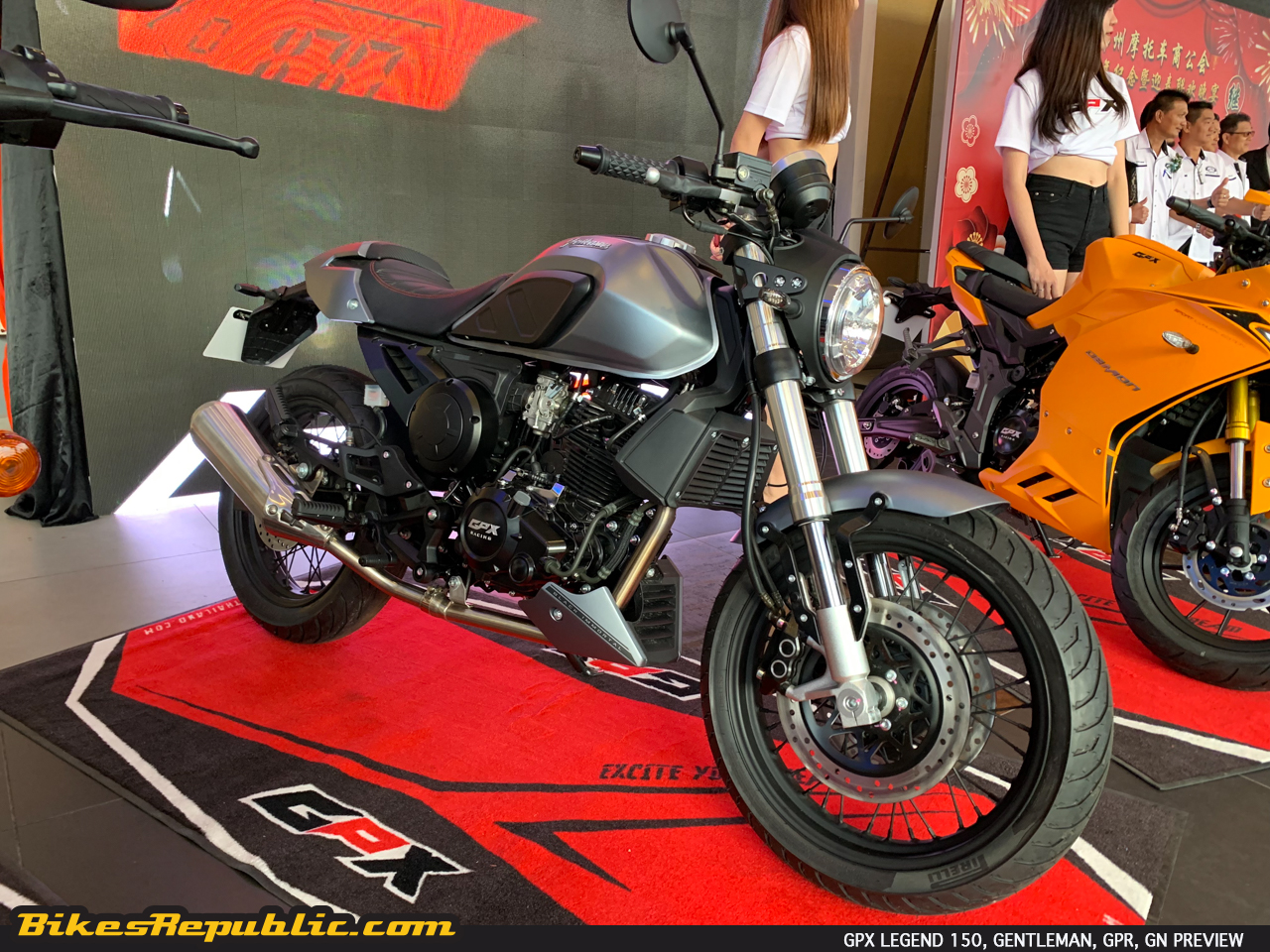
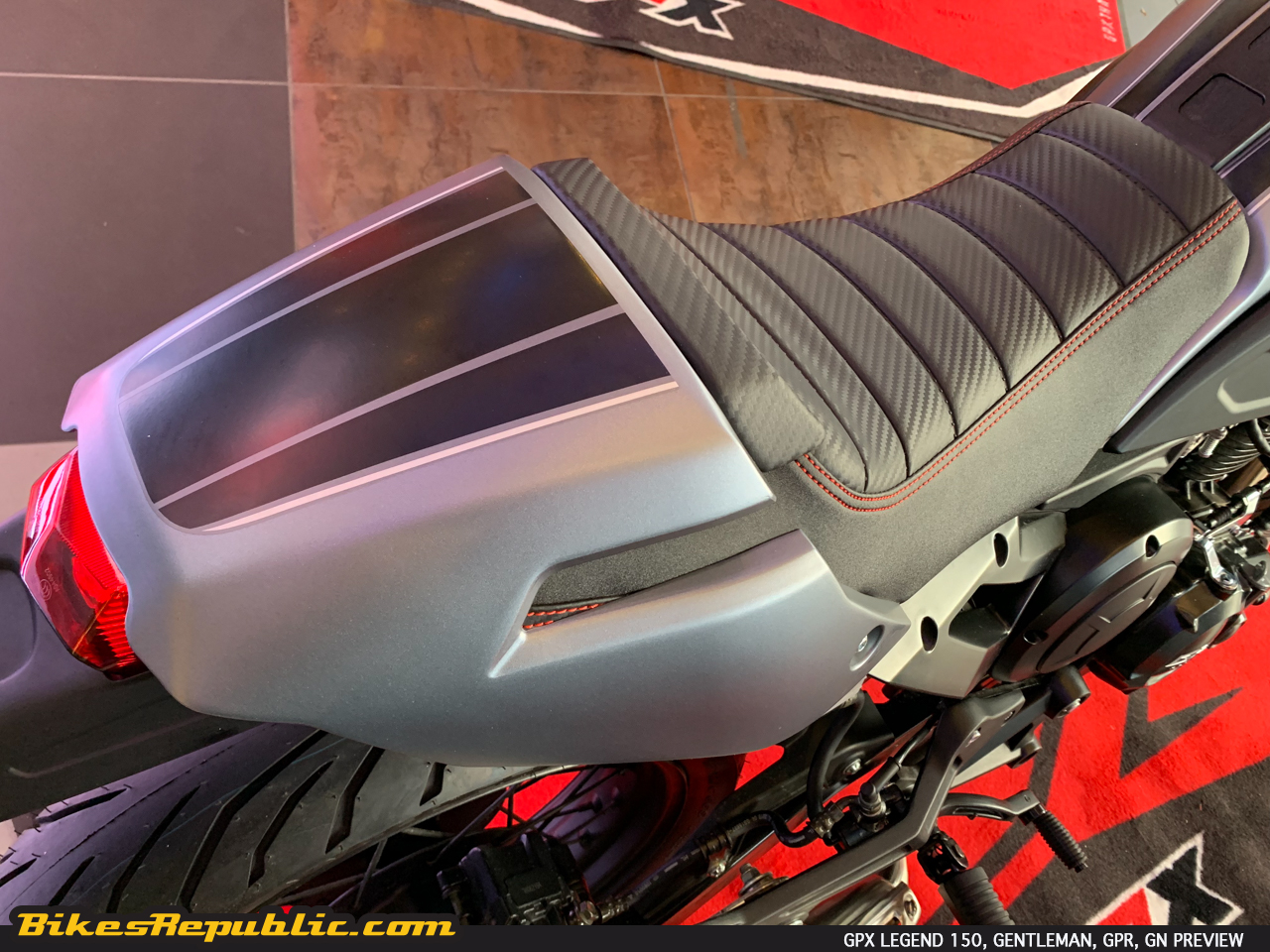
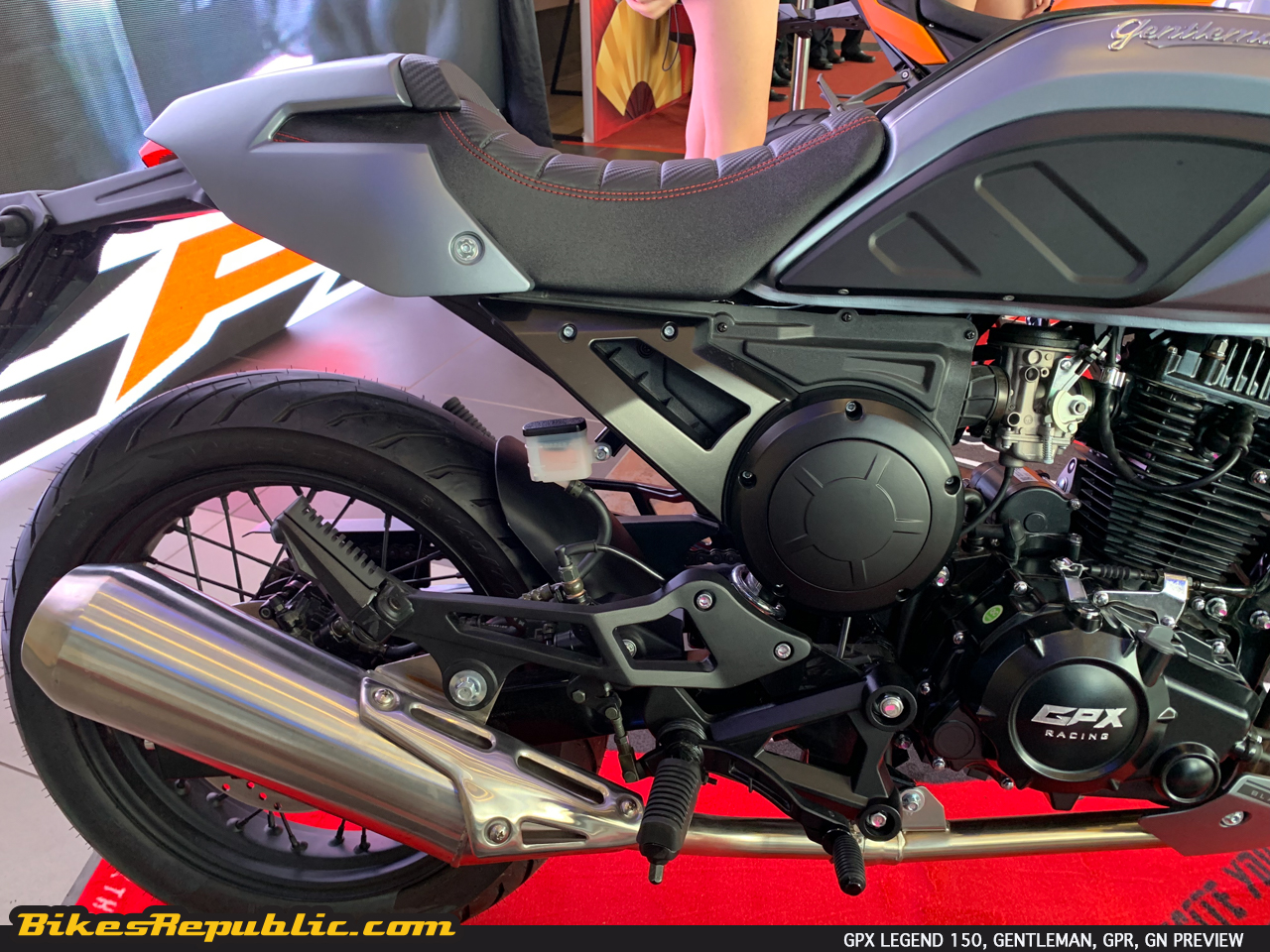
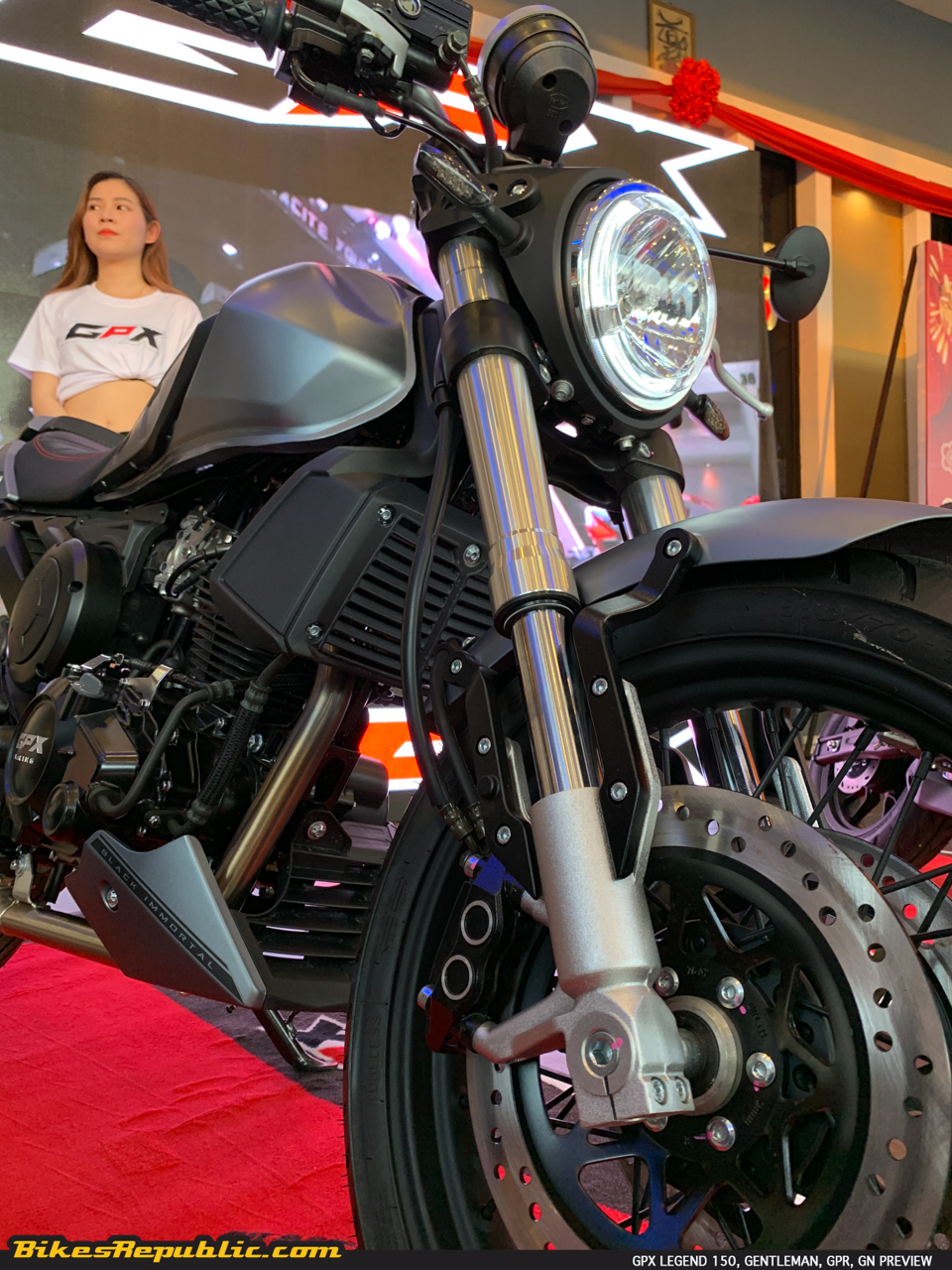
The Gentleman is GPX’s café racer in the lineup.

The model has a number of interesting features:
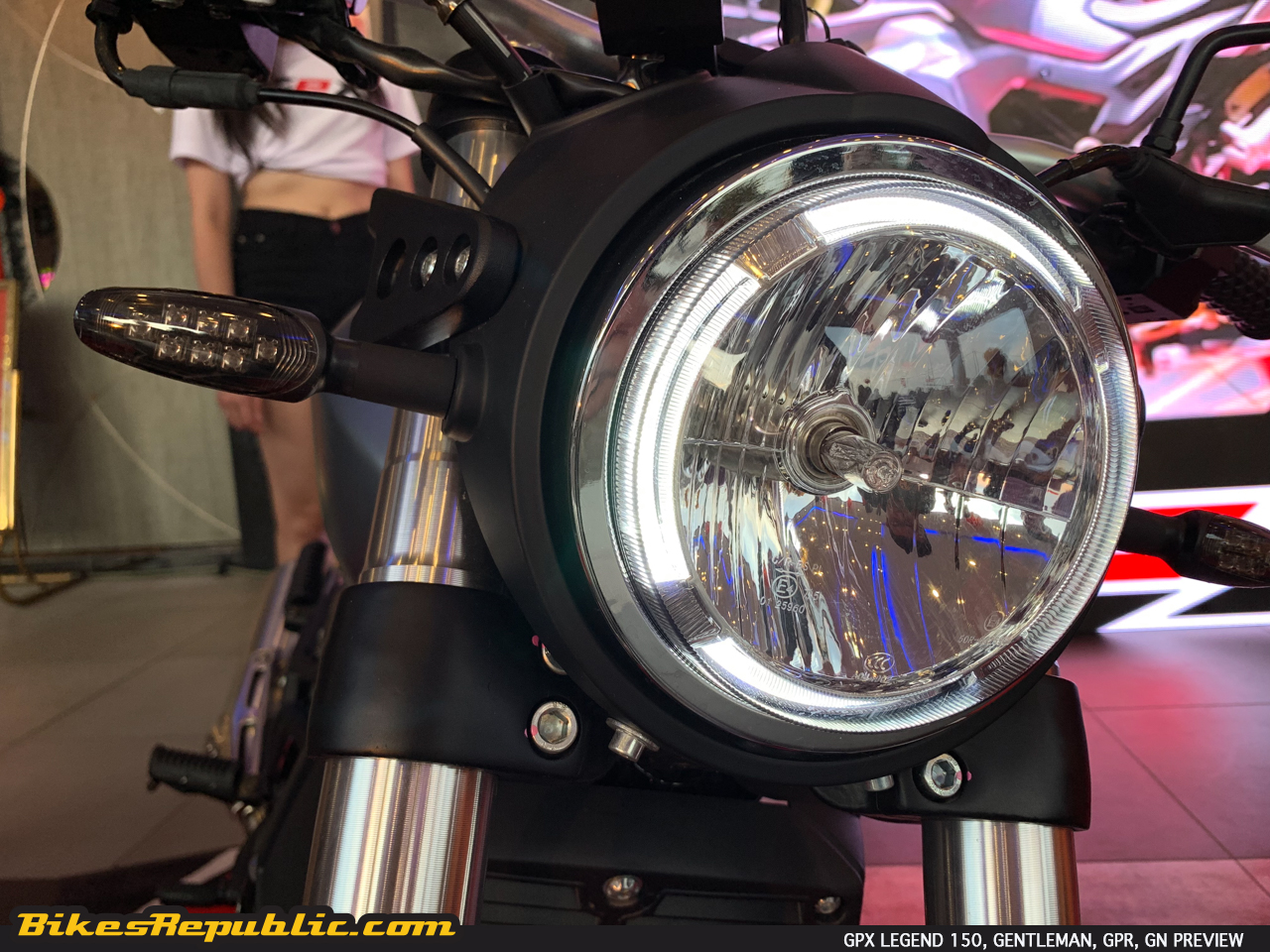
  • LED running lights and taillight.

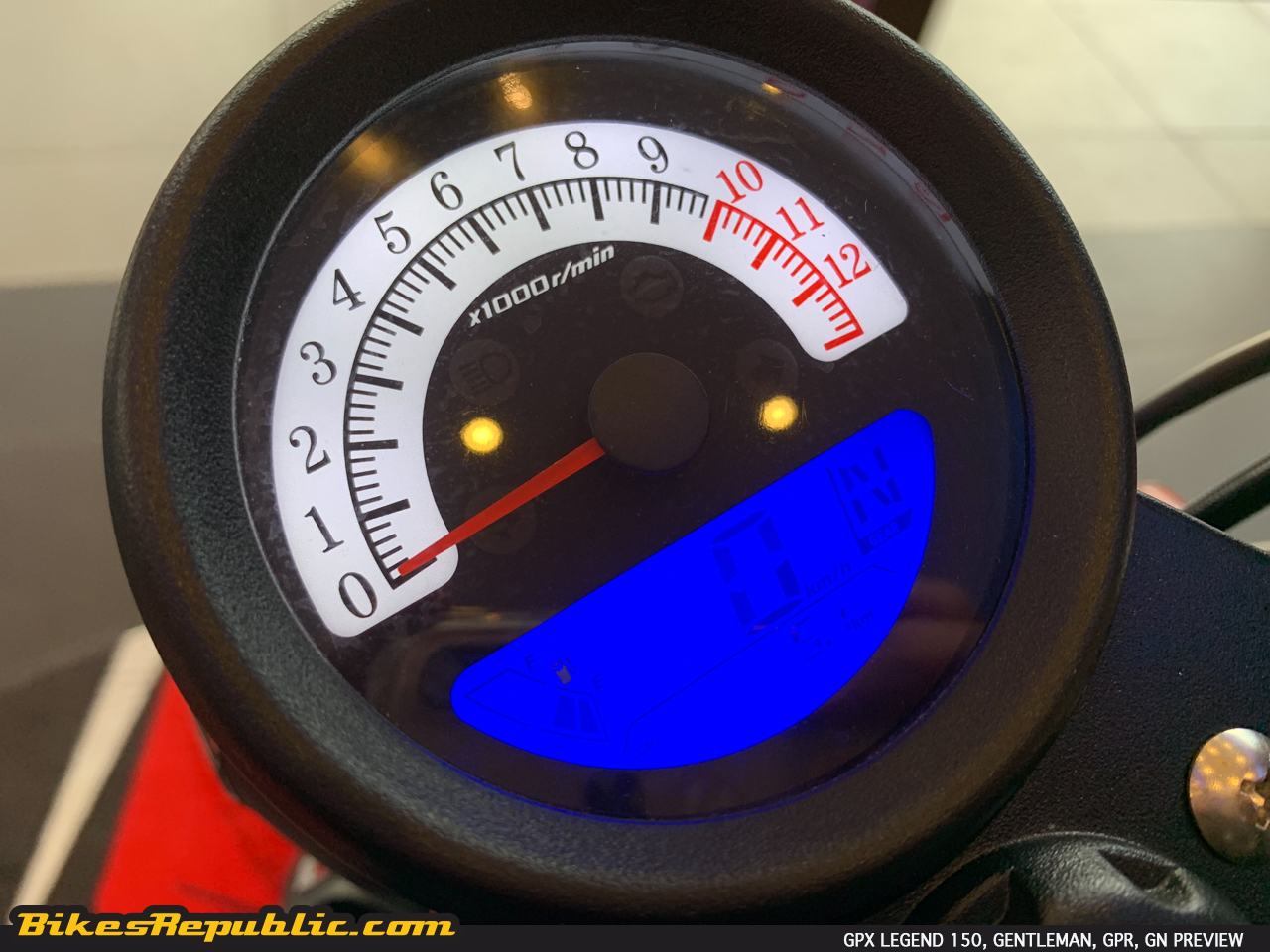
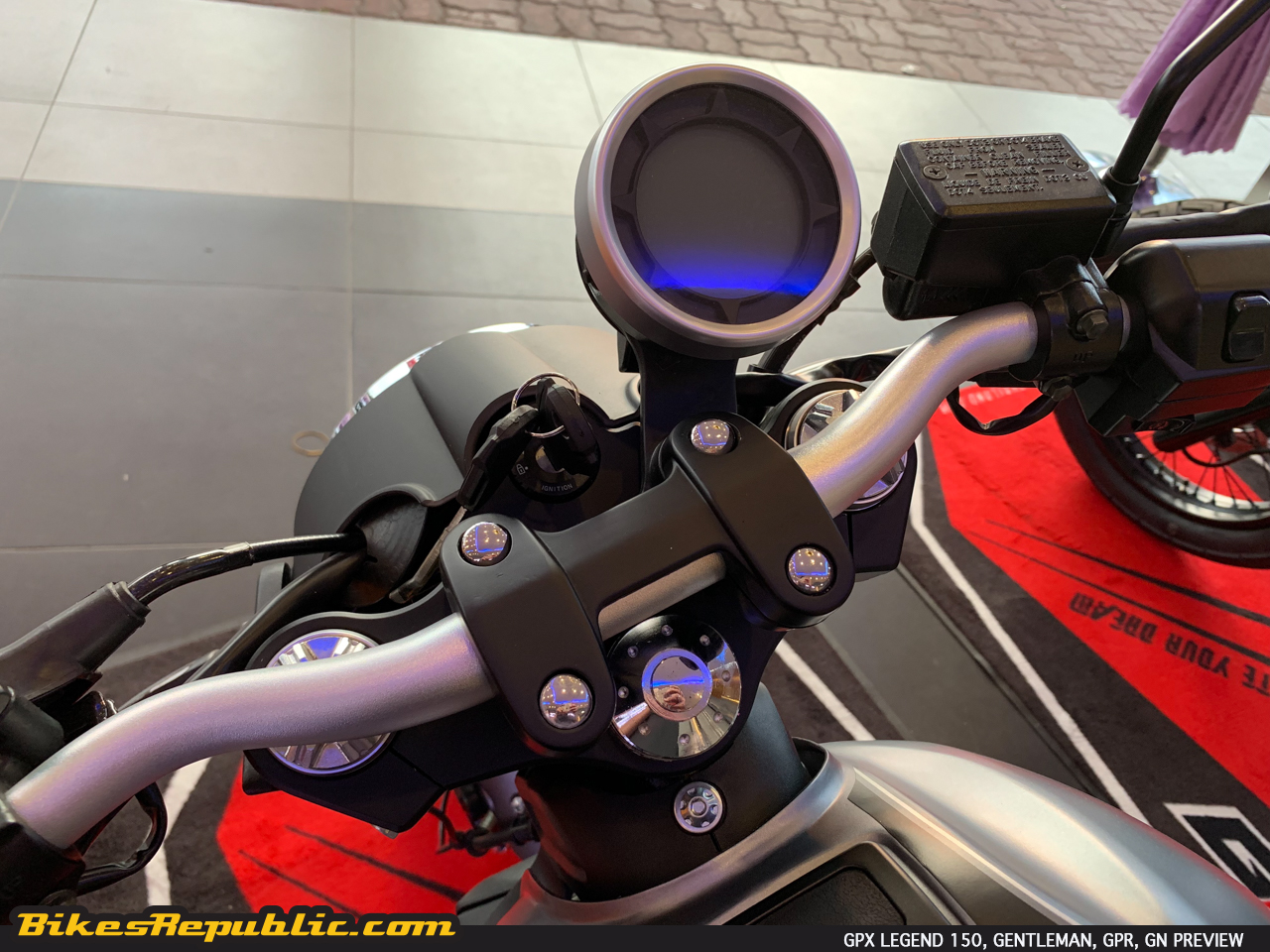
  • LCD instrument display (meter).

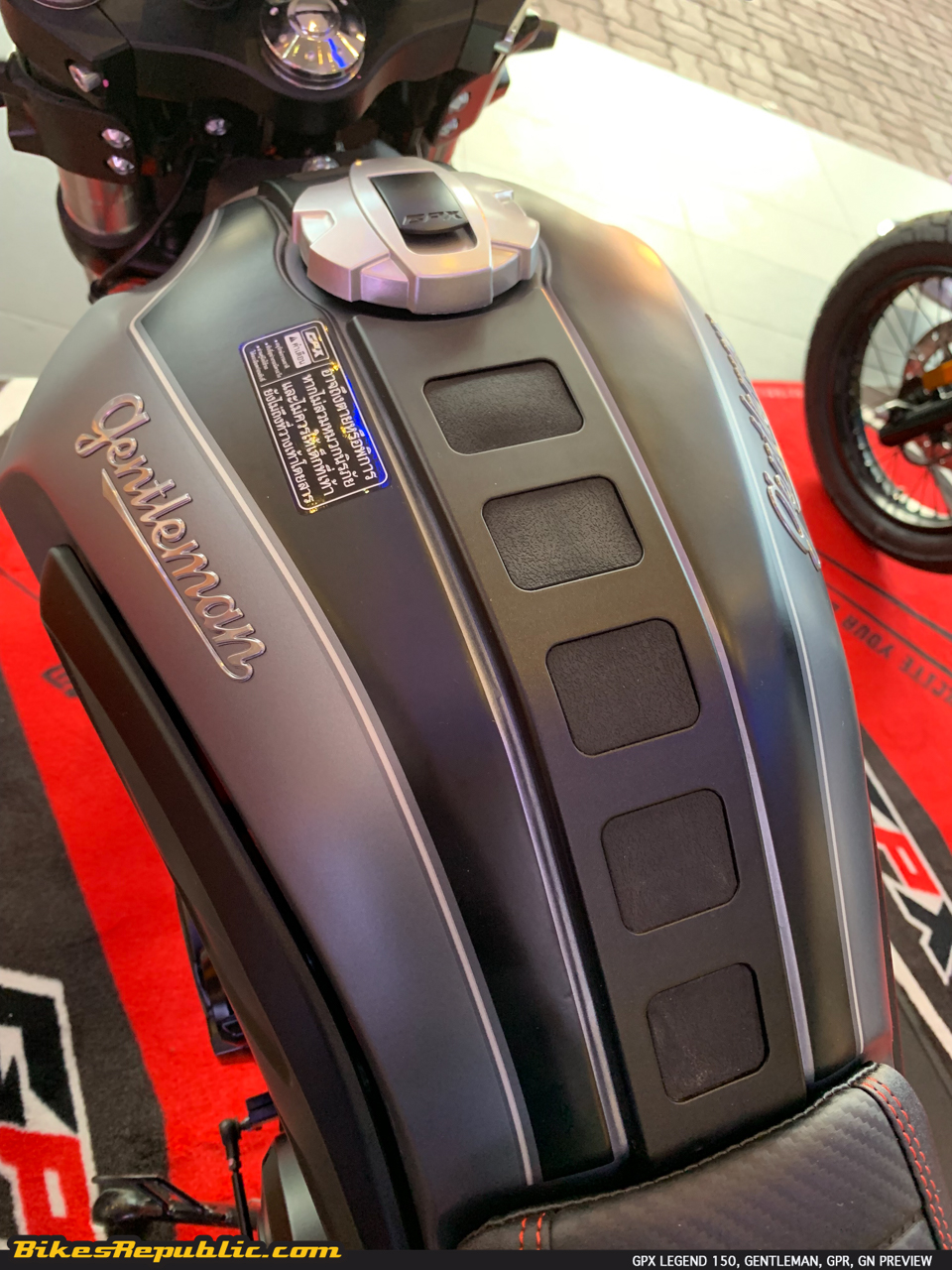
  • A shapely fuel tank with Monza-style fuel cap.

  • Stitched seats, rear seat cowl.

  • A large round airbox which kind of looks like an intake for a turbocharger.

  • Sculpted subframe and tailsection.
  • Upside-down forks.

  • Monoshock rear suspension.

The Gentleman is powered by a 200cc, air-cooled, single-cylinder engine. The quality of the components can readily be seen.

This model is also very popular in Thailand and hundreds of owners will turn up for convoys.

GPX Demon GPR 150 (from RM 9,XXX available from February 2019)

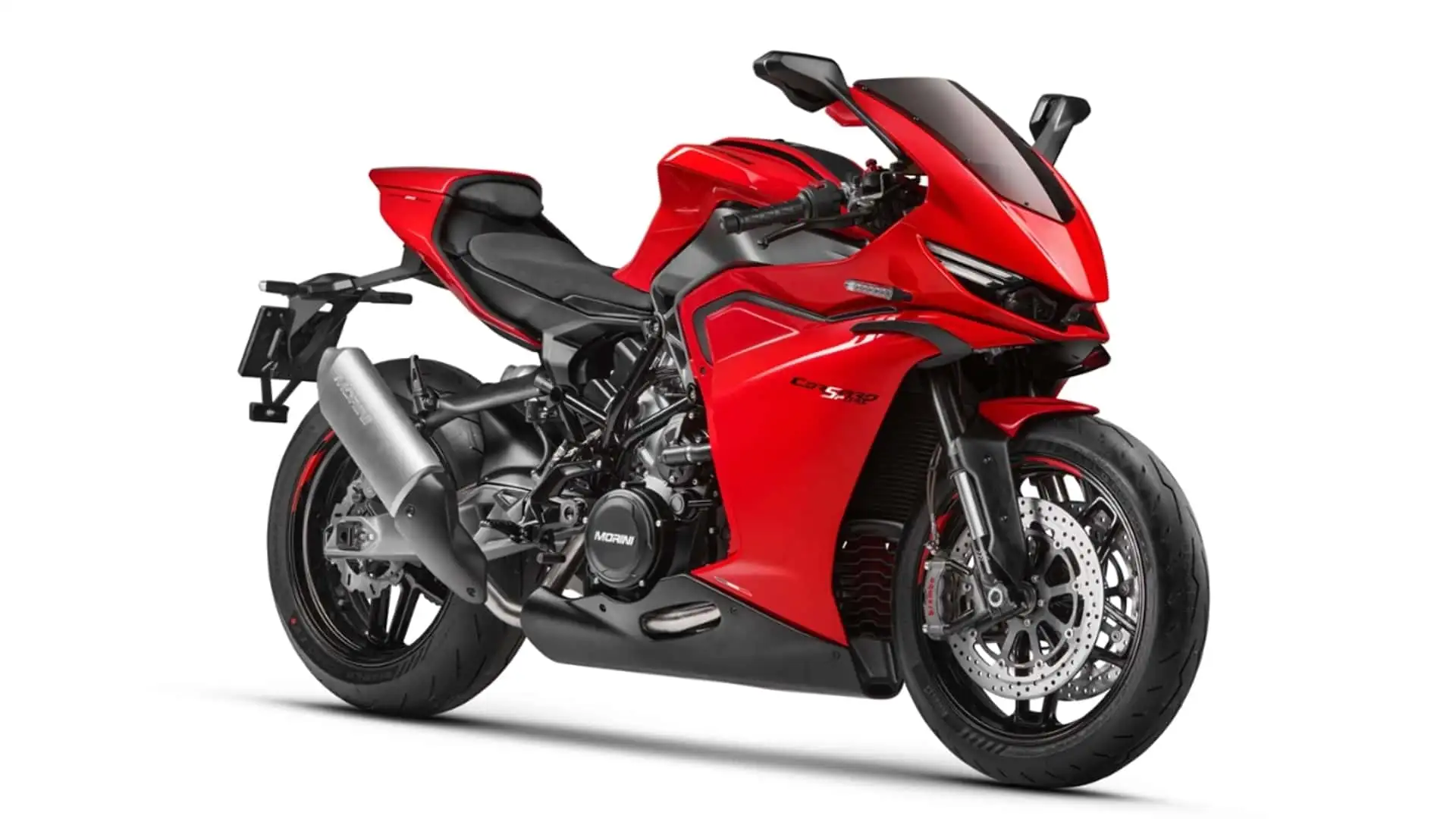
Mini-Panigale? You bet!

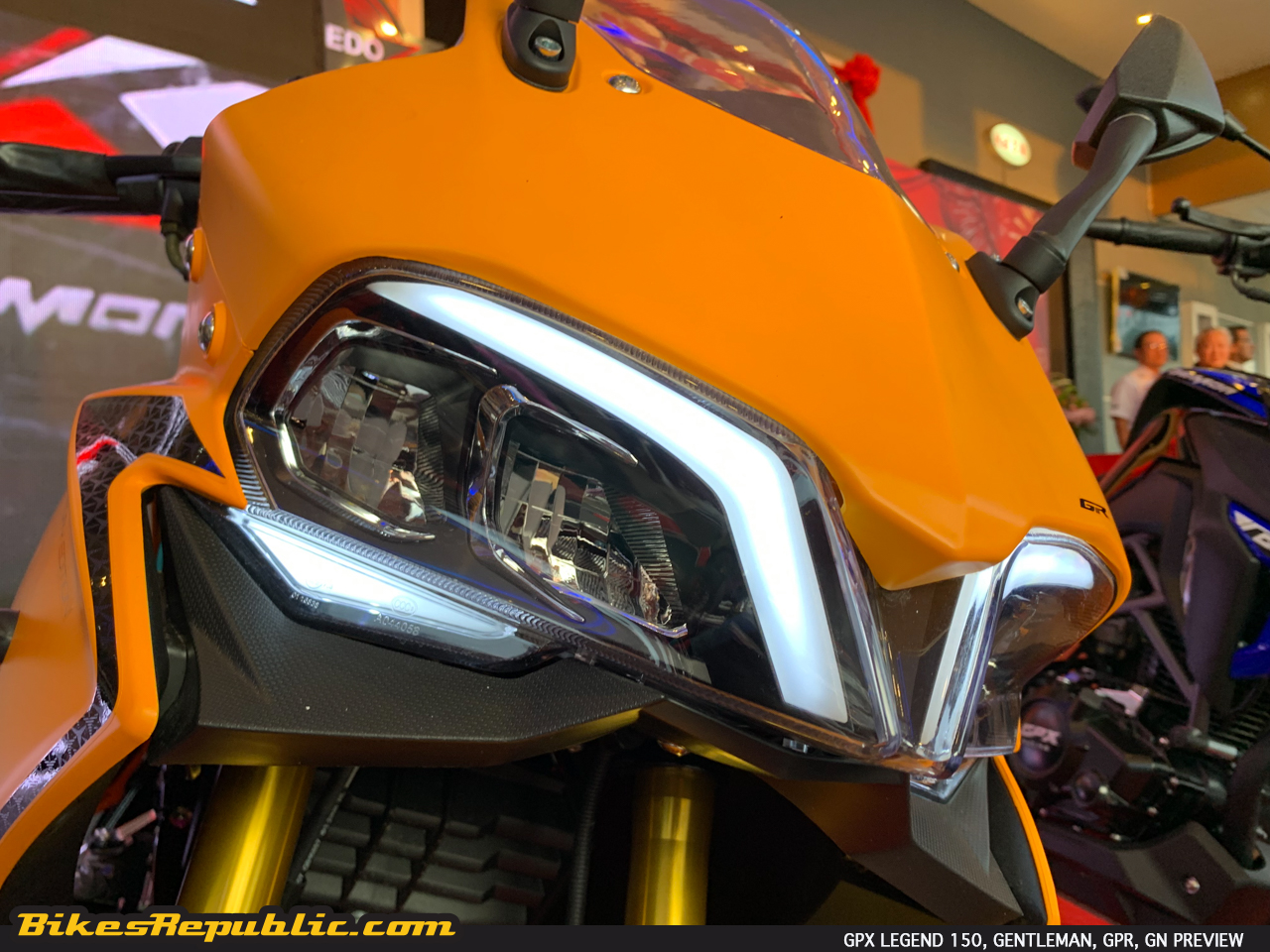
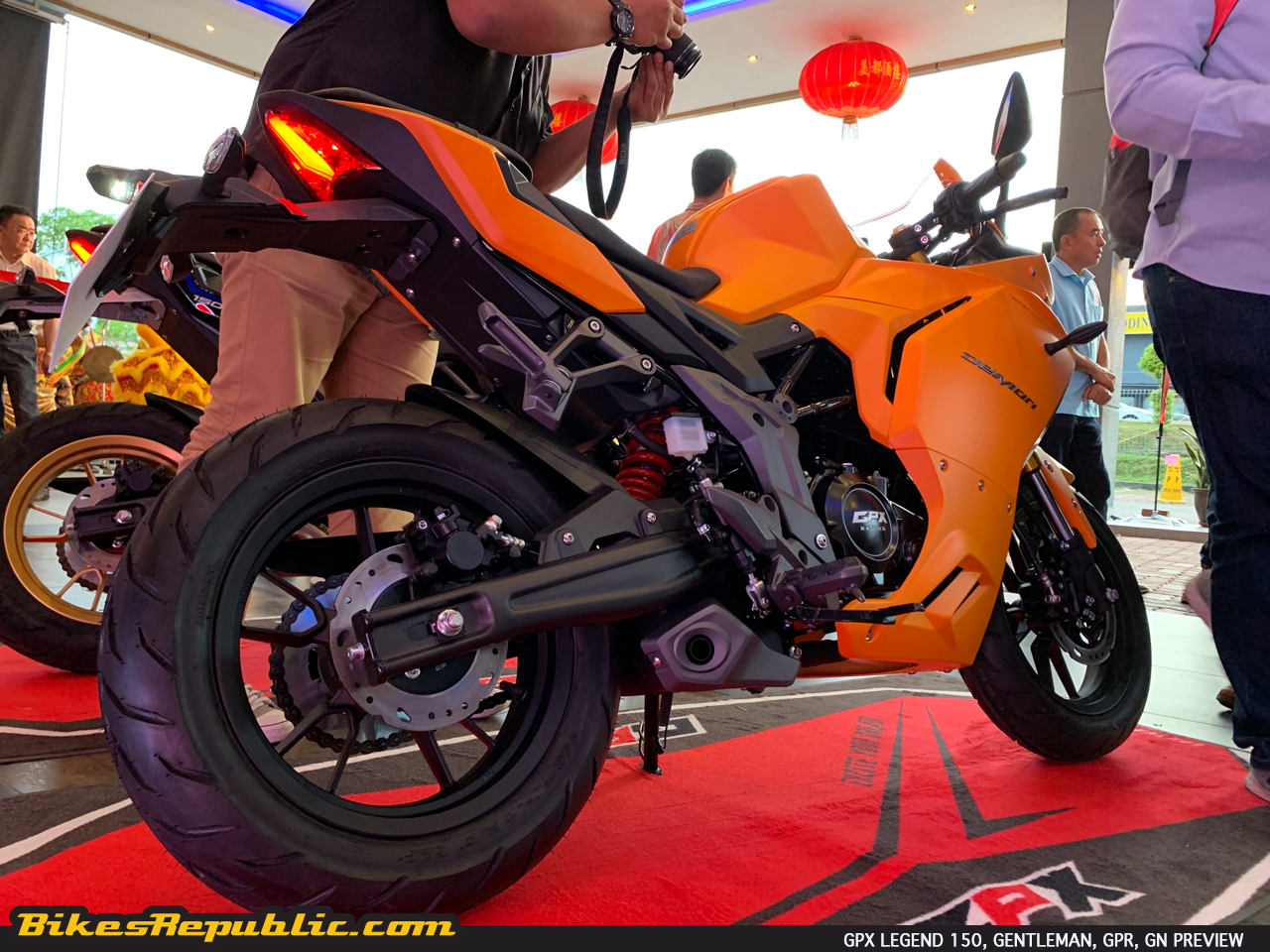
The Demon GPR’s styling takes after the already gorgeous Ducati Panigale with a number of differences.

For example, there are also LED running lights sited in where the air intakes of the Panigale are.

Key features:
  • Aggressive raptor fully-LED headlamps.

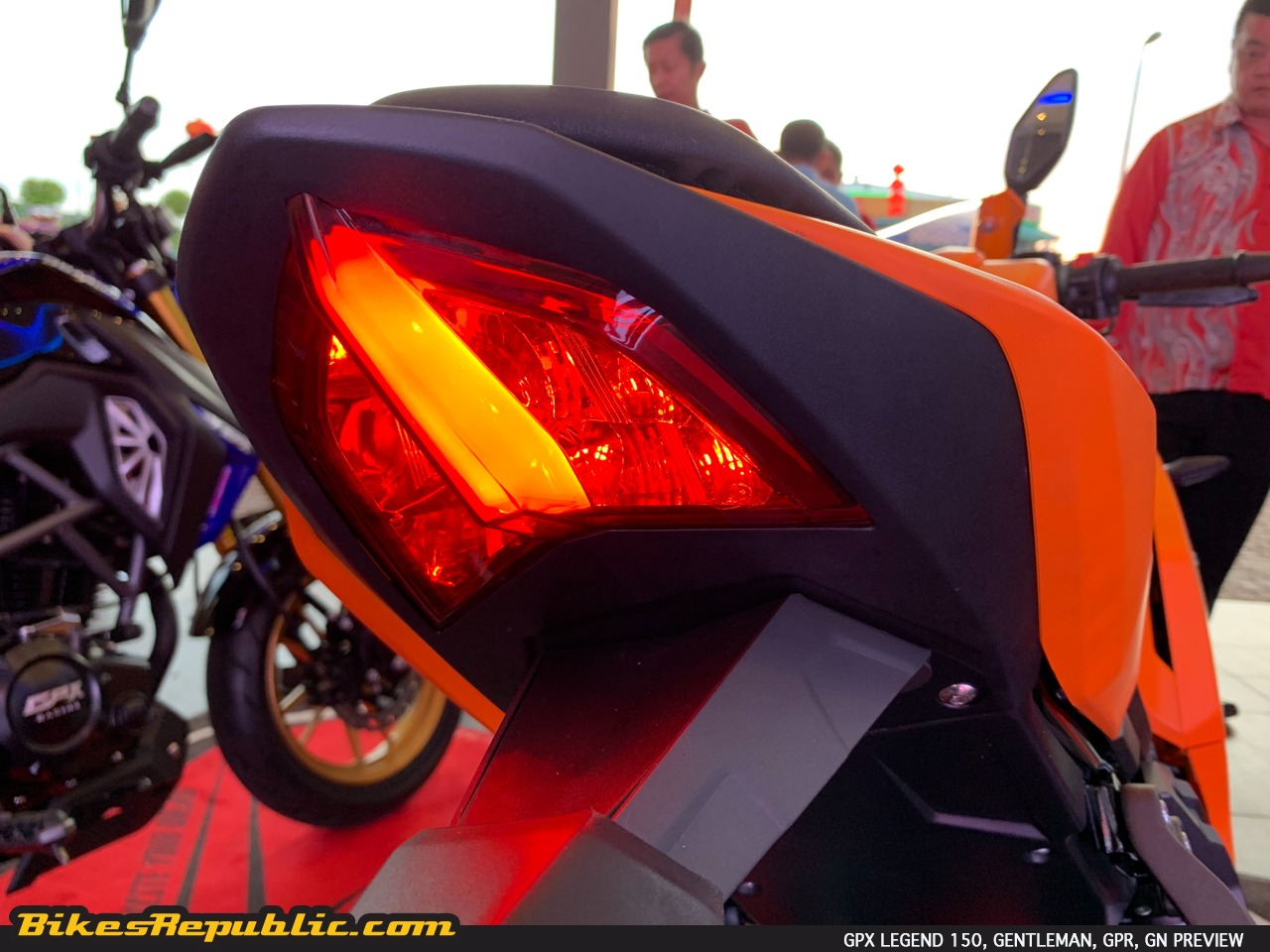
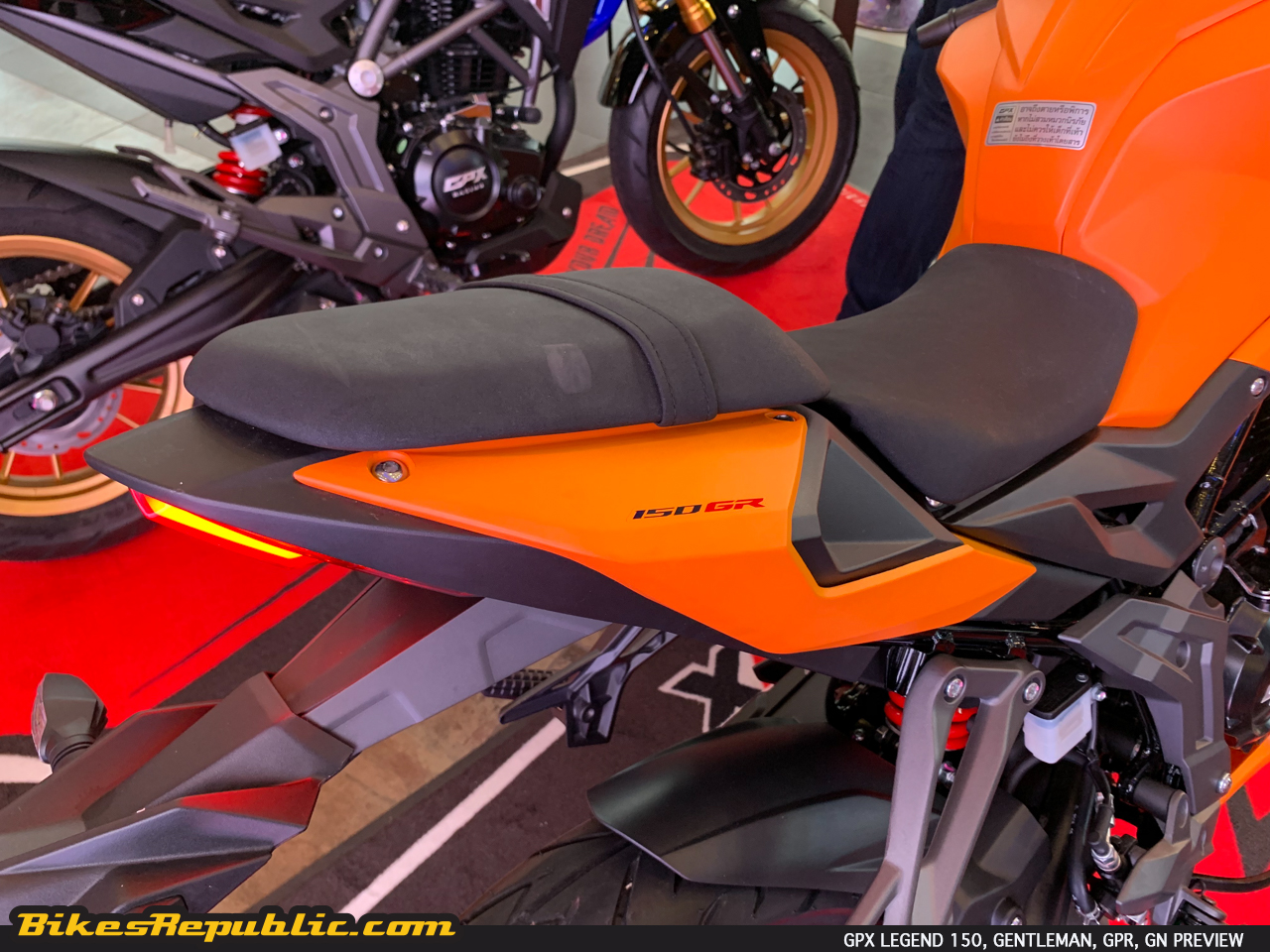
  • LED taillight.

  • Full-fairing with which has slats and vents.

  • Split, sporty seats.

  • Upside-down forks, monoshock rear suspension.
  • LCD instrument panel.

  • Steel trellis frame.
  • Cast swingarm.

The Demon GPR rolls on 14-inch cast-alloy wheels. It is powered by the same 150cc, air-cooled, single-cylinder engine of the Legend 150.

GPX Demon GN 150 (from RM 8,XXX available from March 2019)

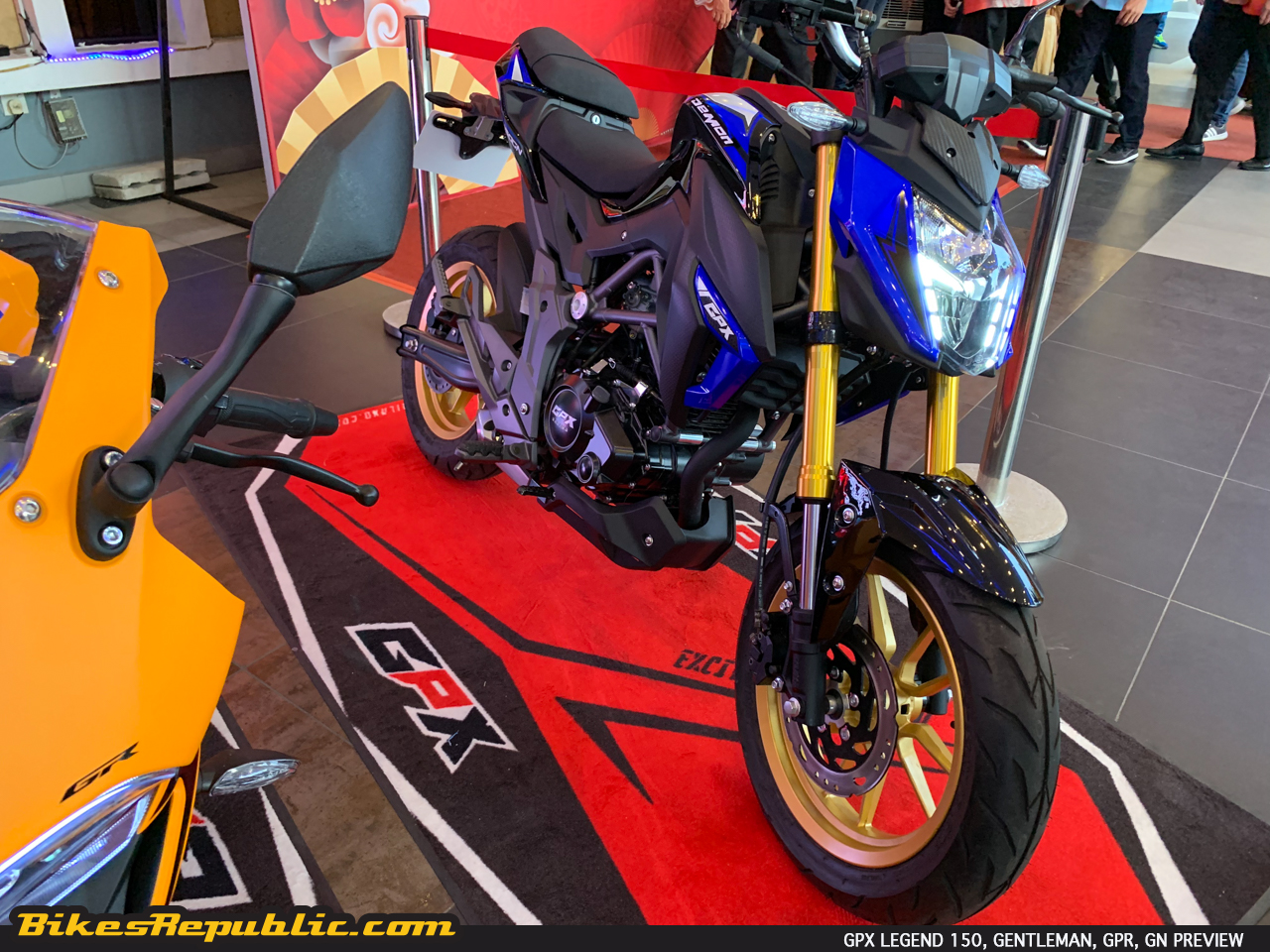
The Demon GN is the “naked” version of the Demon GPR. It takes the look of a streetfighter.

Key features:
  • Sharp fully-LED headlights.

  • Fully-LED taillight.
  • Split, sporty seats.
  • Upside-down forks, monoshock rear suspension.

  • LCD instrument panel.
  • Steel trellis frame.

The way we look at it, the Demon GN

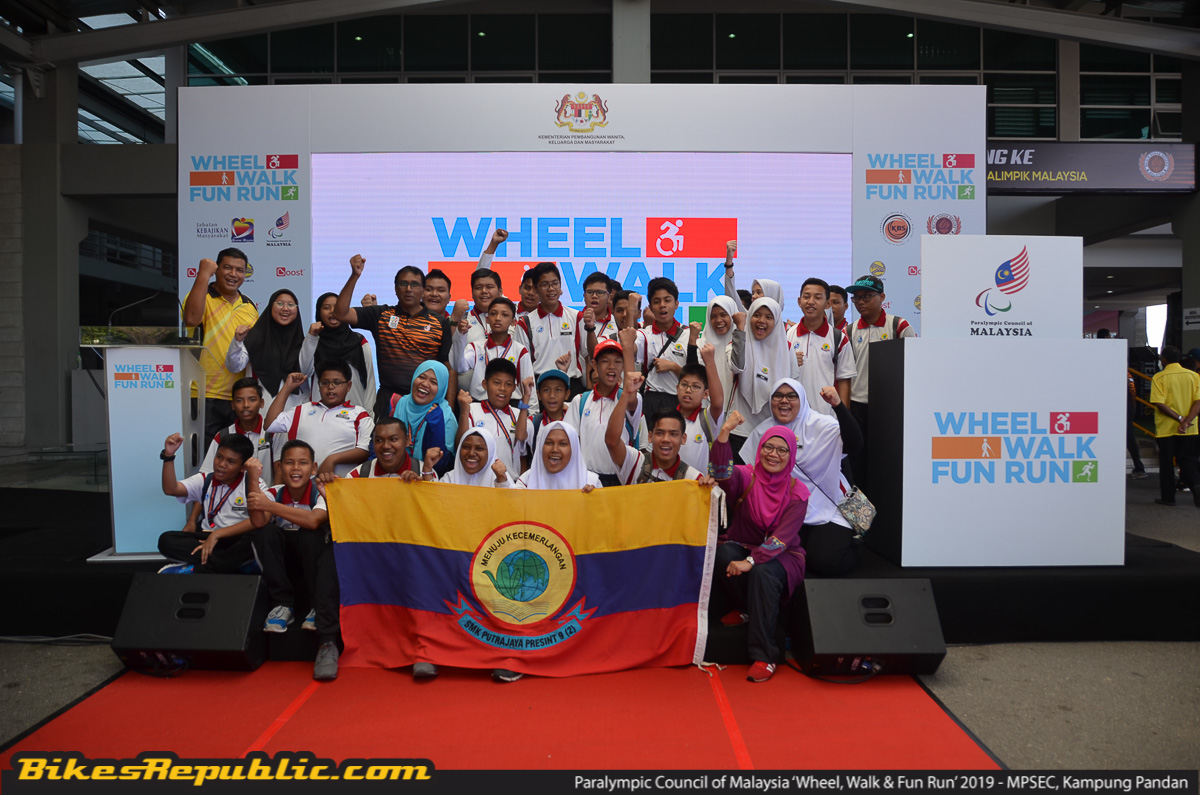
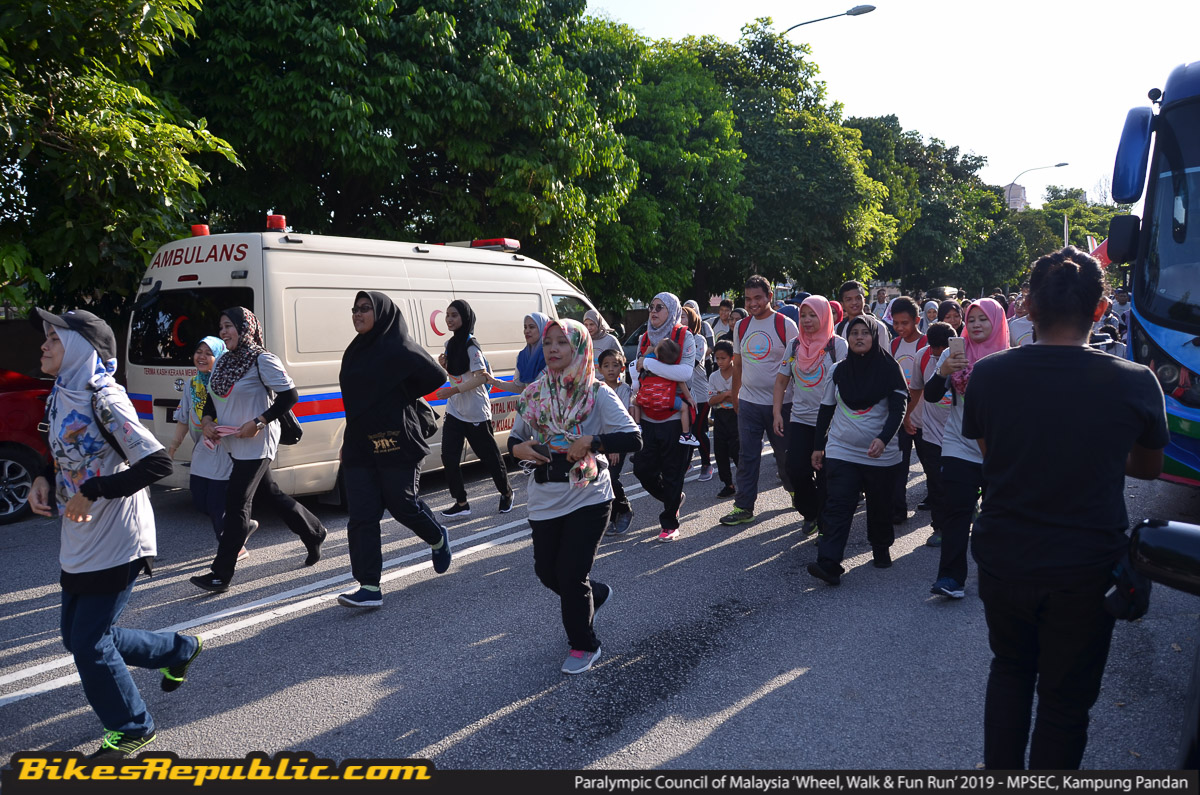
  • The ‘Wheel, Walk & Fun Run organised by the Paralympic Council of Malaysia took its course this morning in Kampung Pandan.

  • The fun run was sponsored by Naza Corporation Holdings as part of their corporate social responsibility for 2019.

  • Naza also sponsored a brand new Vespa S125 as the lucky draw grand prize giveaway.

In conjunction with the International Day of Persons with Disabilities, the Paralympic Council of Malaysia organised the very special ‘Wheel, Walk & Fun Run’ which is also sponsored by Naza Corporations Holdings. More than 1,000 folks from all walks of life gathered at the historic Malaysia Paralympic Sports Centre of Excellence Kampung Pandan where the event took place earlier this morning. (more…)

  • The new Triumph Rocket III has been spied testing.

  • A new 2500- to 2800cc, 180- to 200 bhp engine is expected.

  • The new bike looks more modern and aggressive.

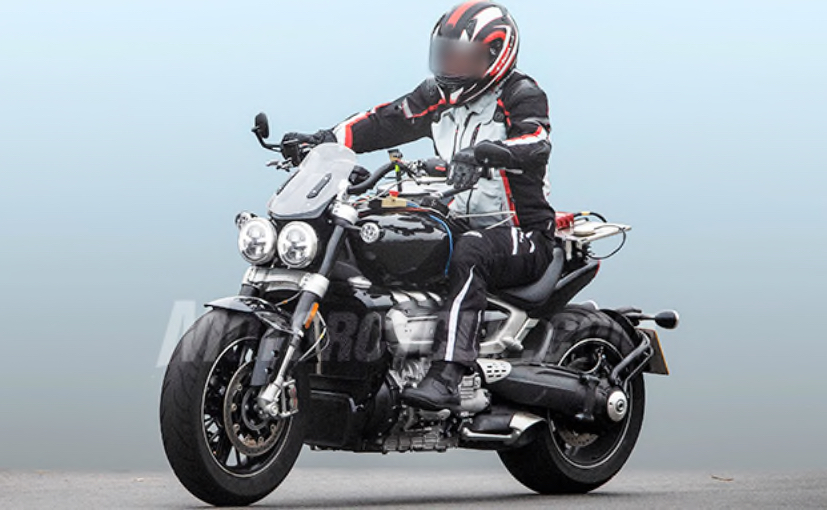
We reported earlier that a new Triumph Rocket III may be on the way. It is now confirmed as the prototype has been caught testing without camouflage.

Triumph was forced to stop production of the previous Rocket III due to Euro4 regulations. It is still being sold in the United States, however.

Possible New Triumph Rocket III Leaked

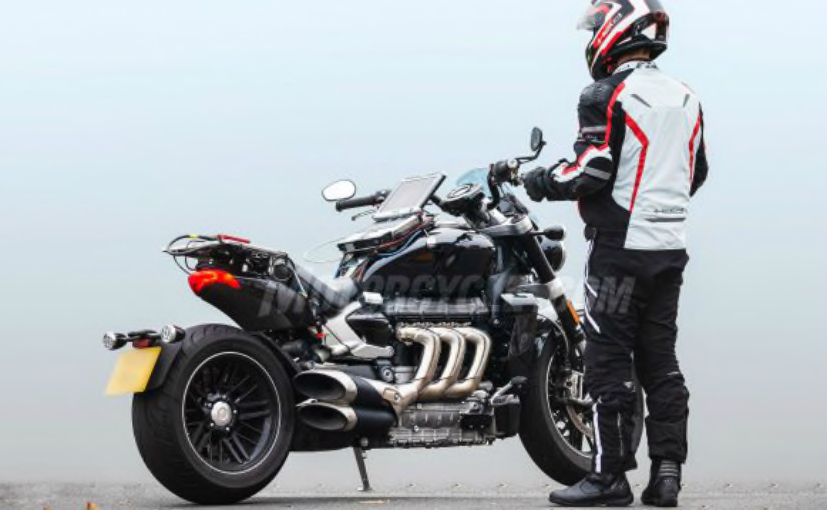
As with the leaked photo, the new bike features a new styling. The new design updates the Rocket from a classic to a thoroughbred power cruiser. Triumph had wanted to compete with the Ducati Diavel and Harley-Davidson V-Rod, so the new look is in the ballpark.

What We Can See from the Photos

The new Rocket III prototype seems ready for production.

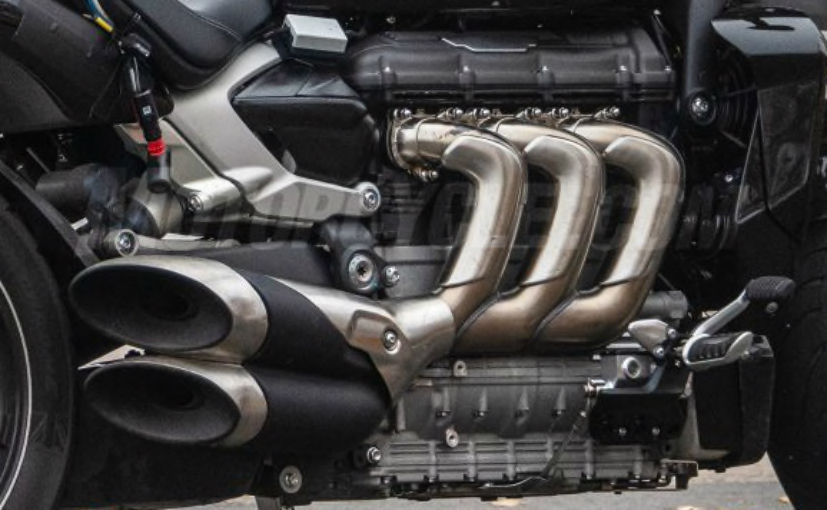
The engine cylinder head cover looks new, but the starkest detail are the exhausts. There is a new 3-into-1-into-2 piping with slash-cut tips.

The engine definitely looks bigger and the capacity should see between 2500 to 2800cc. As such, we expect the power output to fall between 180 to 200 bhp.

Photo credit motorcycle.com

The frame also appears to be new. As for the chassis, there is now a rear monoshock while the forks are upside down. Final drive is still shaft drive but the swingarm is now single-sided. Radial-mounted Brembo Monobloc calipers clamp on superbike discs.

In the styling department, the dual headlamps are retained but they are now LED. The taillight has been redesigned and it is also lit by LEDs. Besides that, the new bike looks beefier and more aggressive than its forebear.

Photo credit motorcycle.com

If you look closer at the top of the handlebar, you can see the new TFT display which first appeared on the 2019 Scrambler 1200. In which case it ought to feature Bluetooth connectivity and GoPro camera controls.

One last note. We would love to see people’s reactions when we tell them the engine capacity is 2500cc/2800cc.

  • Nicola Dutto is the first paralyzed motorcycle rider in the Dakar Rally.

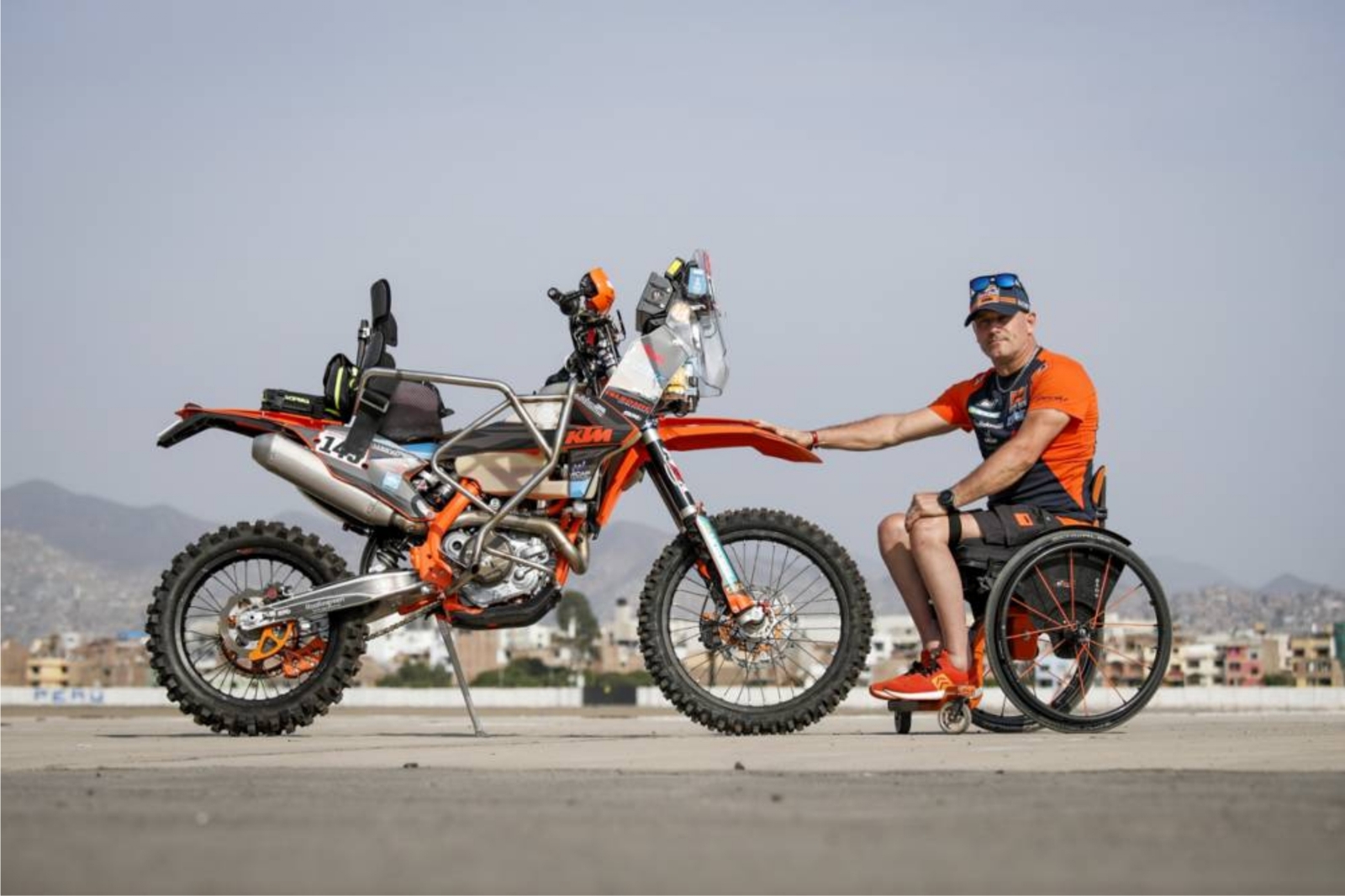
  • His KTM EXC-F 450 is specially modified for the task.

  • His team consists of another three riders for assistance.

We know how tough the Dakar Rally is on able bodied athletes, but Nicola Dutto is out to prove to himself that a paraplegic can compete in the event.

Dutto was the 2008 and 2009 European Baja Champion. Unfortunately, a crash in the 2010 European Baja in Italy left him paralyzed.

But he bounced back to race in the 2011 event in a Polaris buggy. Yet he knew that there was nothing like the man and machine synergy of riding a motorcycle. He experimented with roll cages to protect his lower body. Entering Spain’s Baja Aragon four months later, he finished 24th.


This achievement inspired Dutto to compete in the Dakar Rally as the first paraplegic.

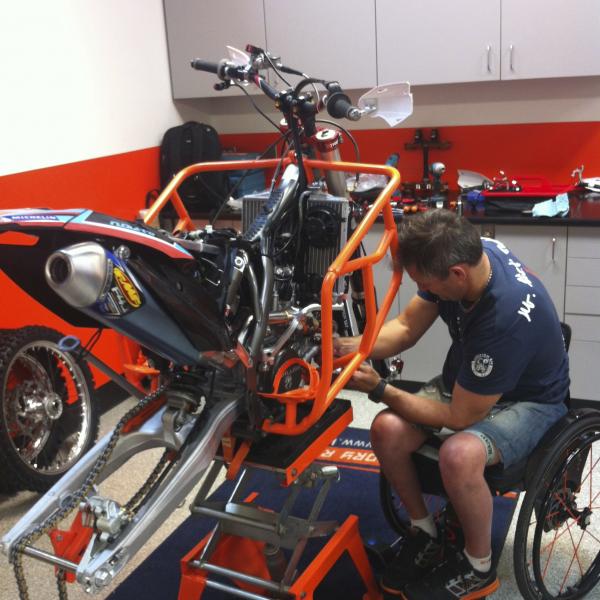
Nicola Dutto working on his KTM

To help with his disabilities, Dutto made a number of modifications to his KTM 450 EXC-F. The clutch is electric, and the rear brake lever is moved to the handlebar. wheelchair cushion specialists Vicair build a seat for support. Dutto needed protection from the punishing shocks as he is unable to stand up while off-roading in rough terrain. A roll cage is fitted to protect his lower body, while his legs are secured with a three-point harness.

However, Dutto needs to rely on his team to ride effectively. It consists of his one-time rivals Julián Villarrubia, Pablo Toral and Victor Rivera. One rider will ride ahead to scan the terrain and be Dutto’s spotter when he stops. The other two riders will help to pick Dutto up in case he falls.

Dutto is still going strong at the end of the Dakar 2019 Stage 2. Let’s look out for this extraordinary rider and his team.

Nicola Dutto riding his KTM

Archive

Follow us on Facebook

Follow us on YouTube