Bikesrepublic

Latest News

  • A total of 850 traffic summonses were issued by the Police and JPJ to motorcyclists at two different locations yesterday.

  • Offences include not using the motorcycle lane, riding without license, expired road tax, among others.

  • The number of offences is mind-bogging, to say the least.

Guthrie Corridor Highway

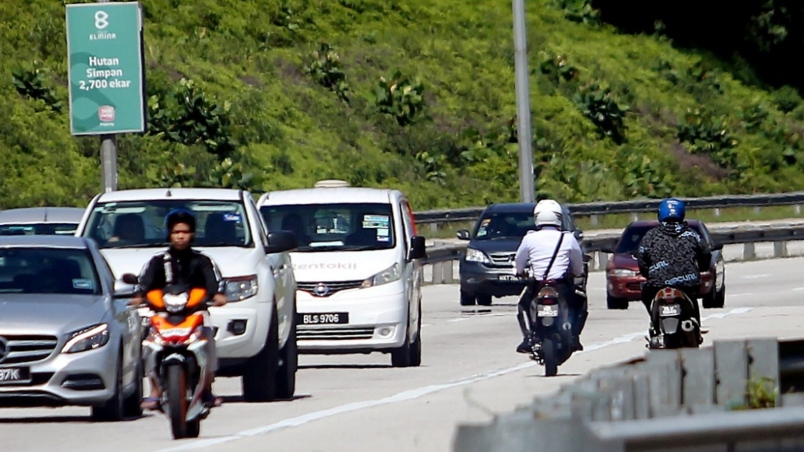
The Malaysian Traffic Police issued 232 summonses in just 3 hours to motorcyclists who did not use the motorcycle lane at Kilometre-2.5 of the Guthrie Corridor Highway. The news was reported by Kosmo! Online yesterday.

The Police sting was part of the Ops Selamat in conjunction with the Chinese New Year road safety campaign, which also involved the Road Transport Department (JPJ). While the number of motorcycle lane defaulters amounted to 232 summonses, a total of 375 were issued including other offences.

While the operations were conducted, there were several hardcore law breakers who turned back and rode against traffic flow to escape the roadblock. The Police resorted to chasing them down on their motorcycles.

One motorcyclist who rode 100 metres against traffic was chased down and found riding without a valid license.

Jalan Duta Toll Plaza

In a separate JPJ operation at the Jalan Duta Toll Plaza, a total of 475 summonses were issued while another 15 motorcycles were impounded from 9pm to 12 midnight. Offences range from not possessing valid license, not wearing a helmet, using non-regulation number plates and expired road tax.
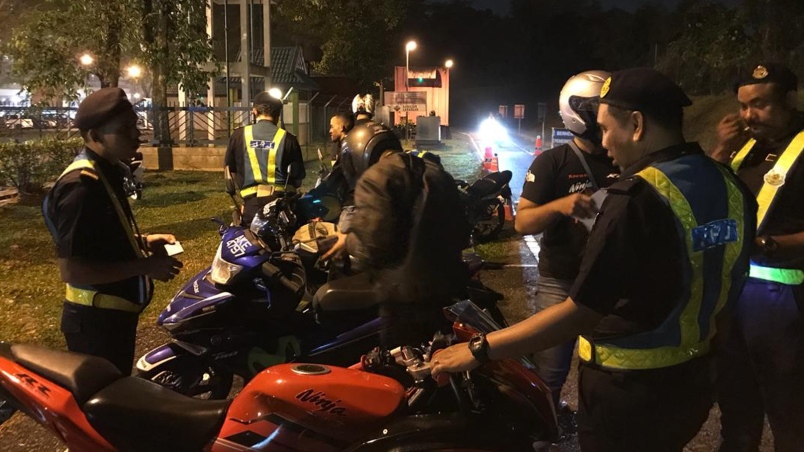
PJ roadblock at Jalan Duta Toll Plaza – Photo credit Kosmo! Online

850 summonses in the space of 3 hours each at two locations is an outrage! Where is this? Afghanistan? This is beyond alarming. What would other vehicle owners think of motorcyclists if this continues? And yet some motorcyclists are critical of how others drive.

While we do not like using the motorcycle lanes due to being shoddily designed and maintained, we still do use them when available. The need of doing so is due to both the law and safety from having to share space with larger vehicles.

Riding without valid license or road tax are offences because there is no insurance cover in case one gets into an accident. However, mishap or otherwise, the law is the law. Our roads will descend into utter chaos and anarchy if no one obeys traffic laws!

Source: Kosmo! Online. Please click on these links http://www.kosmo.com.my/negara/jpj-keluar-475-saman-dalam-operasi-motosikal-tahun-baru-cina-1.838686 and http://www.kosmo.com.my/negara/232-saman-tidak-gunakan-laluan-motosikal-dalam-tempoh-tiga-jam-1.838749 for the original photos.
  • Alpinestars published their response to the Munich Court of Appeals’ case.

  • The court sided with Dainese in their ruling.

  • Alpinestars maintains that they did not infringe on Dainese’s patents.

Alpinestars (A-Star) published their response to the recent German court decision with regards to a patent infringement case involving fellow Italian gear maker Dainese.

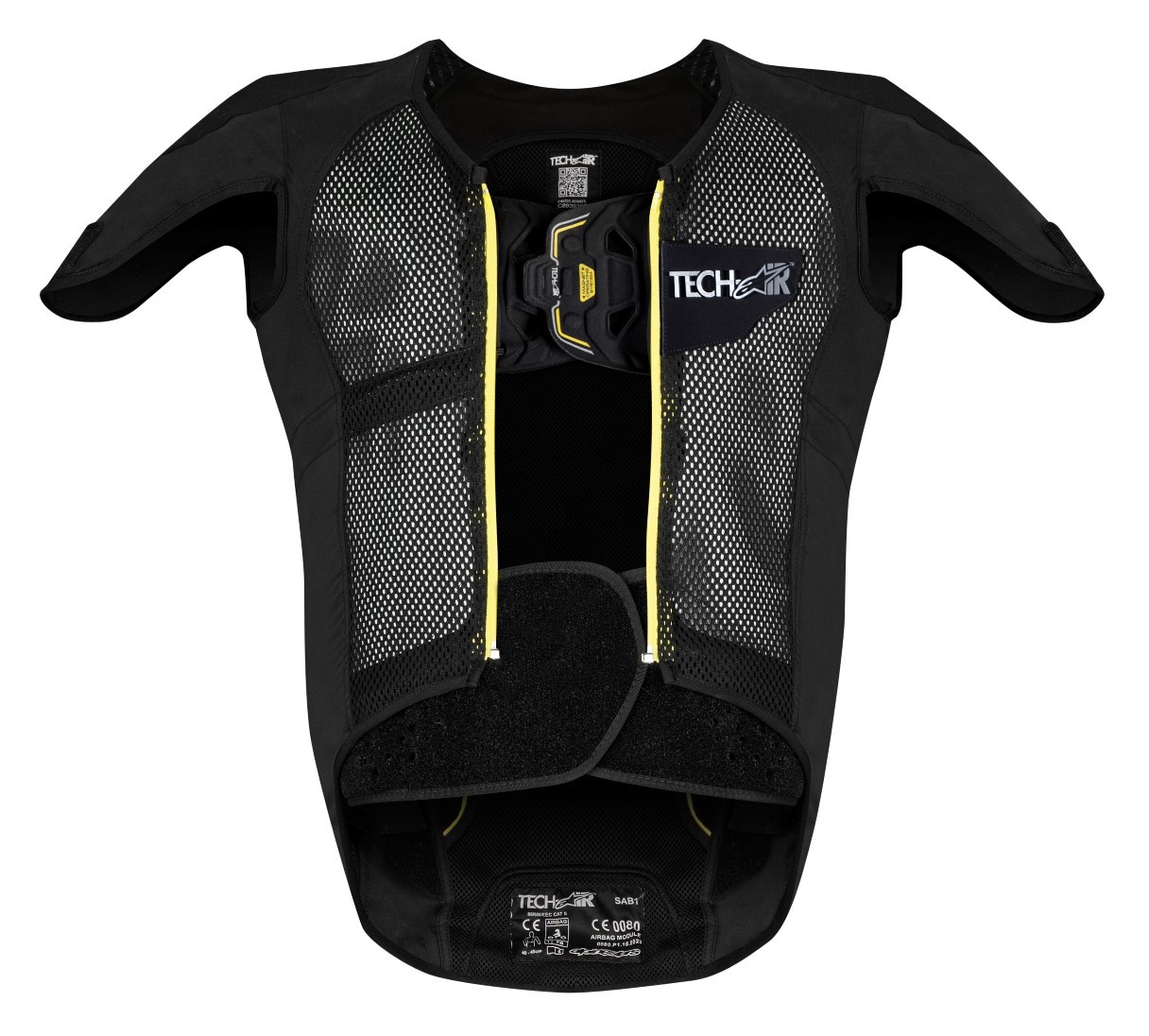
The decision by the Munich Court of Appeals will cause a huge effect to A-Stars’ Tech-Air airbag vests in the German market. In siding with Dainese, the court has issued an injunction against selling the product in the country. In addition to having their products pulled from the shelves, A-Stars also need to pay a huge sum in damages.

A-Stars is challenging Dainese’s charge that the they infringed on the latter’s patents. Judging from the wordings and language in the Press Release, the fight is not over. It’s going to be the Clash of Italian Titans.

The focal point of the contention is how the airbag vest is held in a garment.

Alpinestars’ Press Release

On February 7, 2019 the Higher Regional Court of Munich issued judgment upholding the claim that Alpinestars’ Tech-Air® vest infringes upon patent EP 2 412 257 B1 held by Dainese S.p.A.

Alpinestars wants to clarify that this action never involved the core of Alpinestars Tech-Air® technology; at no point, either past or present, has any action or patent infringement involved the electronic management, algorithm, or deployment mechanism, or any other part employed within Alpinestars entirely unique and advanced Tech-Air® technology.

Furthermore this judgment is limited to the territory of Germany only. It has no bearing on any other territories within Europe or the wider world market where Tech-Air® is available throughout Alpinestars’ Dealer network.

Originally Dainese alleged infringements based on three patents in Germany, none of them refer to Tech-Air® technology: one complaint was withdrawn by Dainese on 22nd December 2016, relating to patent EP 2 373 188, after this patent was revoked by the European Patent Office. The remaining two patents have been contested in Germany. The second, EP 2 373 190, concerning only some specific features of the air bladder used in the Tech-Air® vest, was wholly annulled by the German Federal Patent Court on 15 May 2018. Dainese appealed this decision.

The third, EP 2 412 257 B1, concerning the general installation of an inflatable air bladder construction within a ‘pocket’ of a garment, featuring elastic panels, is the point on which the patent infringement claim was upheld last week. As soon as the Court serves the written judgment, Alpinestars will study the details prior to taking any decision on its next steps.

Alpinestars needs to point out that it has an appeal pending on the validity of this patent (EP 2 412 257 B1) within the German Federal Court of Justice.

As consistently stated throughout this legal process, Alpinestars fully respects and honors third parties’ intellectual property rights and expects the same with respect to its own IP rights. Alpinestars’ highly innovative Tech-Air® products are based upon years of its in house research and development conducted by its own team of leading research and development staff.

Since the very beginning of the Tech-Air® project, which commenced in 2001, the freedom to ride with the most advanced innovations of performance protection has been the objective relentlessly pursued by Alpinestars and the result is uniquely advanced and capable technology. Tech-Air® is the world’s first airbag providing full upper torso protection in a transferable vest which incorporates a completely independent electronic management system, with no reliance on any external devices (sensors or GPS), to give accident detection and full airbag inflation before the first impact, dual charge for the track and off-road capability as demonstrated in the 2019 Dakar Rally.

Alpinestars’ Tech-Air® products represent an enormously innovative contribution to increased rider safety in motorcycling.

  • The PETRONAS Sprinta Racing Team for Moto2 and Moto3 are currently conducting private pre-season testing.

  • The tests are taking place at the team’s home track, Sepang International Circuit.

  • The tests are ahead of the first official Moto2 and Moto3 pre-season tests at Jerez.

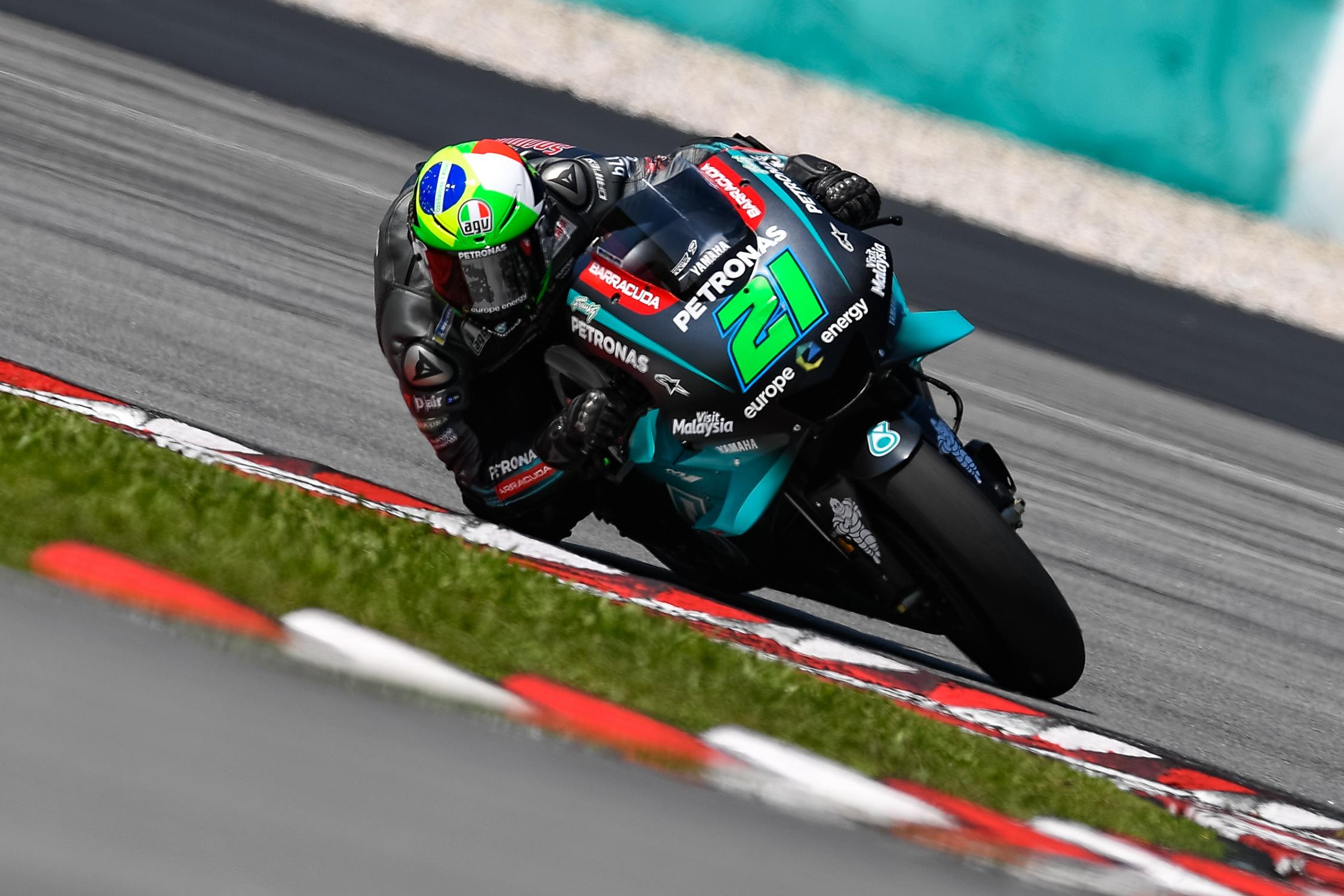
PETRONAS Sprinta Racing Teams for Moto2 and Moto3 took to the Sepang International Circuit (SIC) in private pre-season tests starting 11thFebruary. SIC is the team’s home track.

Team riders are Khairul Idham Pawi for the Moto2 class, and Ayumu Sasaki and John McPhee for the Moto3 category.

Their tests sessions followed in the footsteps of the third official MotoGP test which took place from 6thto 8thFebruary. The PETRONAS Yamaha Sepang Racing Team riders Franco Morbidelli and Fabio Quartararo put their Yamaha YZR-M1s through their paces for the upcoming season. The Yamaha factory later announced on 7thFebruary that Quartararo will also ride the 2019 Yamaha YZR-M1 like his teammate Morbidelli’s and those of the factory Yamaha team.

Franco Morbidelli at Sepang Winter Test 2019 – Photo credit MotoGP.com

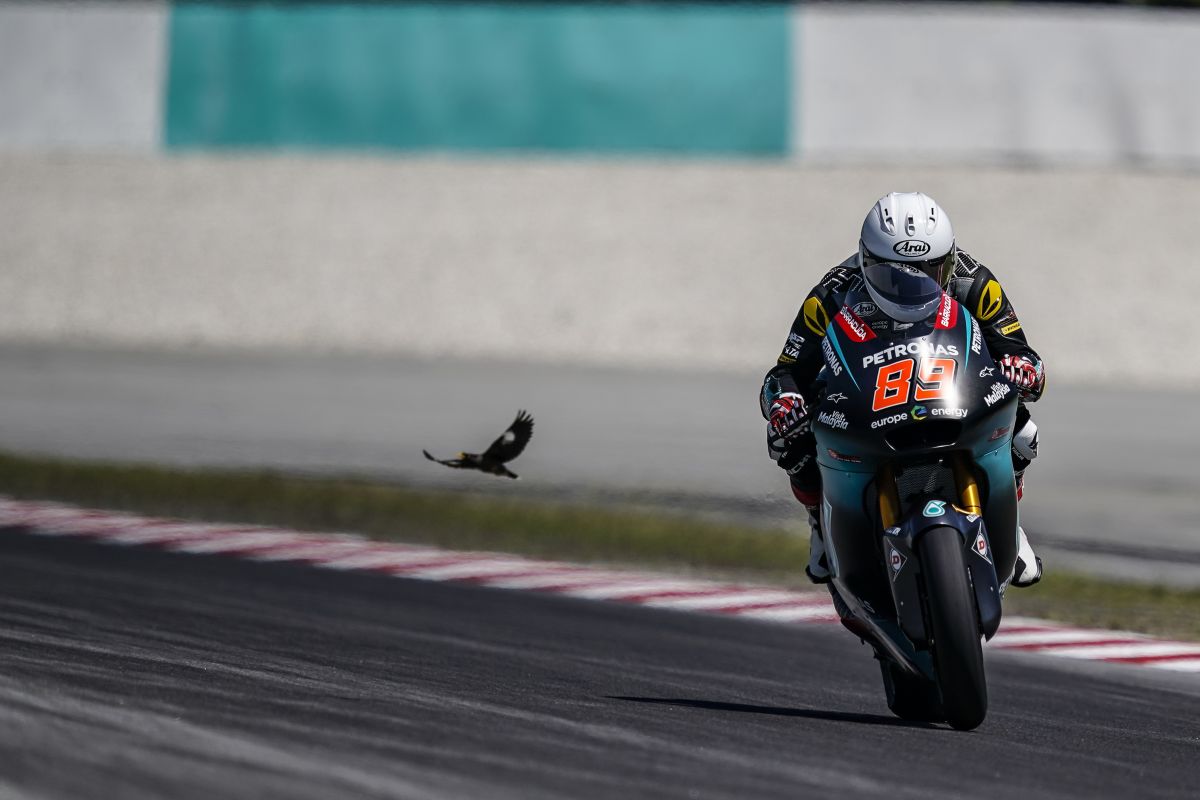
Khairul Idham Pawi #89 – Moto2

Khairul Idham Pawi and his crew continues their work on the new Kalex machine which is powered by the new Triumph three-cylinder engine. The tests will allow Pawi to familiarize himself further to the machine. He improved his pace as the day progressed.

Pawi testing new Moto2 bike – Photo credit PETRONAS Sprinta Racing Team

The tests focused on the new engine initially, before moving to chassis, geometry and suspension set-ups.

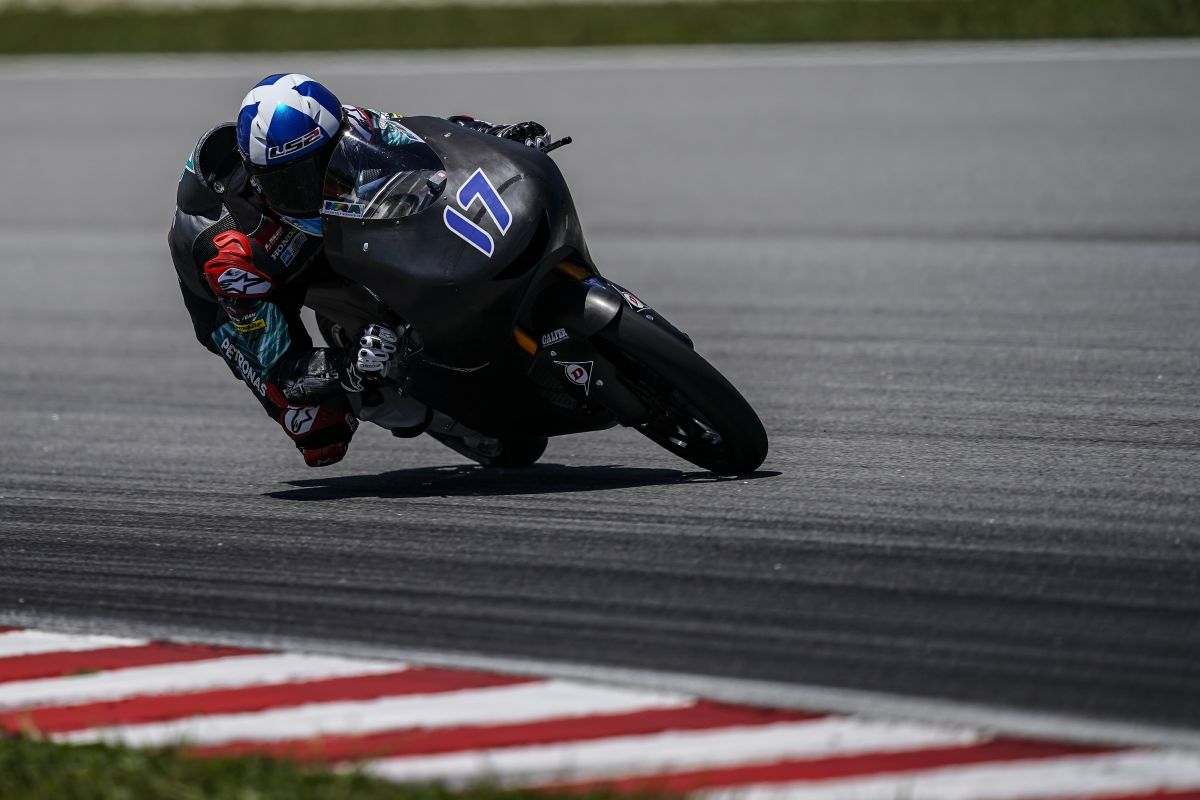
Ayumu Sasaki #71 and John McPhee #17 – Moto3

The Sasaki/McPhee pairing concentrated on obtaining the optimum motorcycle base settings on the new 2019 Honda. Work focused on learning the new engine, chassis, and chassis geometry.

McPhee testing new Moto3 bike – Photo credit PETRONAS Sprinta Racing Team

Both riders put in many laps to obtain the sizeable data required. Sasaki logged 51 laps while McPhee logged another 38.

Next Tests

Testing continues today and tomorrow. The two Moto2 and Moto3 teams will head to their official tests at Jerez, Spain beginning 20thFebruary and Losail, Qatar from 1stMarch. As for the MotoGP team, the final official pre-season test will begin from 23rdFebruary. The 2019 MotoGP season kicks off in Qatar from 10thMarch.

  • The MotoGP, Moto2 and Moto3 classes hold pre-season tests each year.

  • But there is an extra immediacy in MotoGP pre-season tests.

  • It’s especially crucial lately due to the limit on testing and development throughout the season.

There’s so much coverage not just for the regular MotoGP, Moto2 and Moto3 season these days. But why is pre-season testing so important?

Why do teams pay so much attention to just four sessions over three months, although the race calendar covers 19 venues worldwide over eight months?

The main objective of the pre-season tests is to discover more about the new machinery and gain the all-important data. This term is oversimplified as there are countless number of regimes that the riders, teams, the component engineers, tyre engineers, so forth need to test for and gain the required feedback.

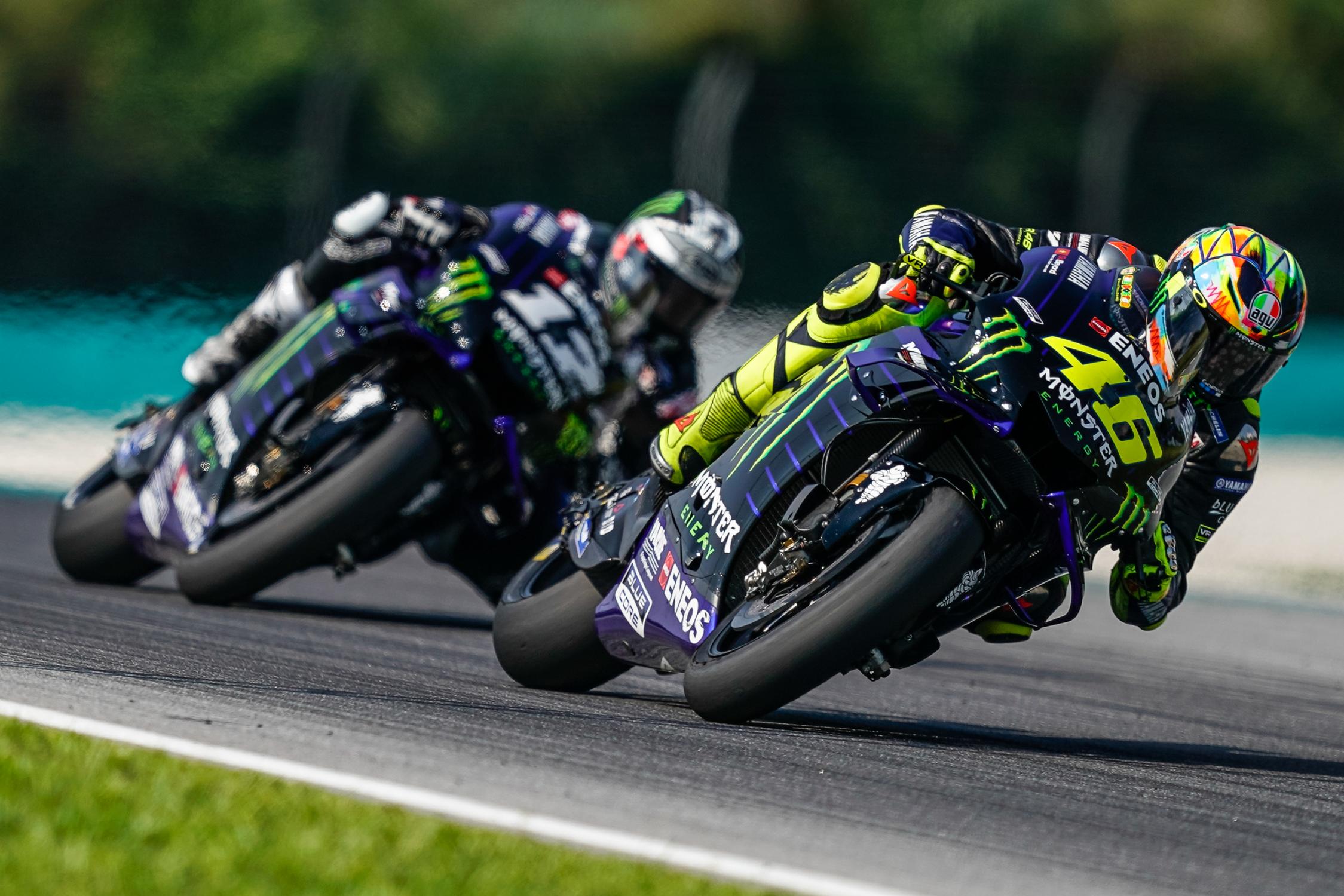
Rossi and Vinalez during the Sepang Winter Test 2019 – Photo credit MotoGP.com

The riders would put in a large number of laps on track while trying to figure out how the tyres and bike work and finding the optimal way of extracting the best performance (i.e. lap times) out of them. The team’s engineers meanwhile, need to figure out what suspension and electronic settings could unlock the bike and its components’ full potential. That data will be useful in the races to come as the teams have a basic idea of what the bike does.

Other suppliers such as helmet and racesuit makers for the riders, exhaust makers, motorcycle component makers, etc. are also keen for feedback to improve their products. This is when they can tailor a certain fit for the rider. That goes for footpeg suppliers, for instance, as well.

However, that still doesn’t explain the immediacy we see these days. That is due to the limits on testing mandated by the GP Commission.

Along with standardized technological specifications, the GP Commission limit the number of official testing events to curb the cost spent by the factory teams, besides giving less time for the bikes to “evolve” over the season.

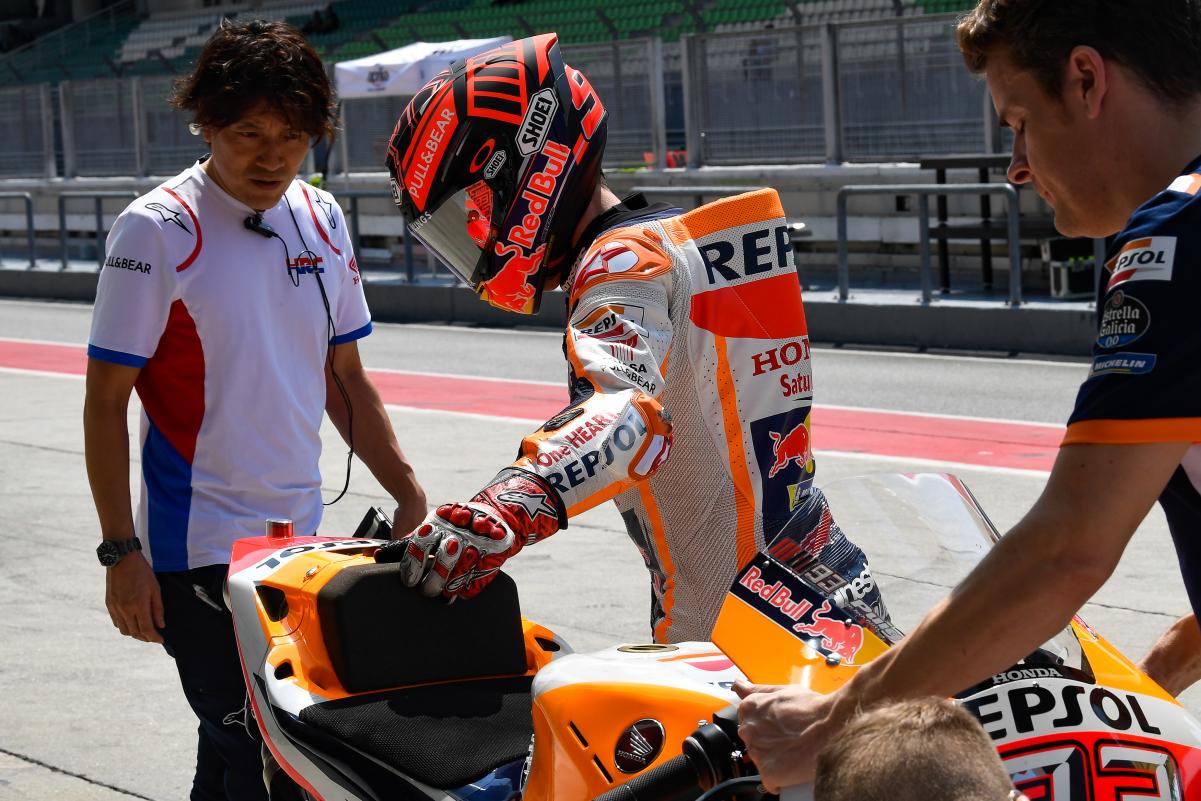
Marc Marquez at SIC test – Photo credit MotoGP.com

At the conclusion of the fourth and final pre-season test at Qatar, teams without concessions must declare the engine they will use for the entire season. When the engines are produced, they will be crated and sealed by the Grand Prix Commission. Thus, the team will need to use that engine throughout the year.

Therefore, the team is screwed for the entire year if they picked the wrong engine.

The GP Commission made this decision to keep development in check and ensures that teams with more resources (read: money) could not keep upgrading their bikes as the season progresses.

The progress we see these days come from elsewhere such as suspension tuning, electronic strategy, tyres, bike’s suitability to certain tracks and of course, rider skill.

By the way, what does it mean by “teams without concessions”? Under the rule book, teams or manufacturers who have not attained the number of podiums in dry races are given more leeway i.e. concessions to develop their motorcycles throughout the season.

Aleix Espargaro on the Aprilia RS-GP at the Sepang Winter Test 2019 – Photo credit MotoGP.com

This arrangement encourages new teams to join the MotoGP class. Indeed, manufacturers such as Ducati and Suzuki benefitted from this to challenge the Big Two of Honda and Yamaha. They are not without concessions.

On the other hand, Aprilia and KTM are allowed more concessions in terms of fuel limits during the race, more engines per season, more testing and development, and wildcard riders. This will help to fast-track their MotoGP programs to join the upper ranks.

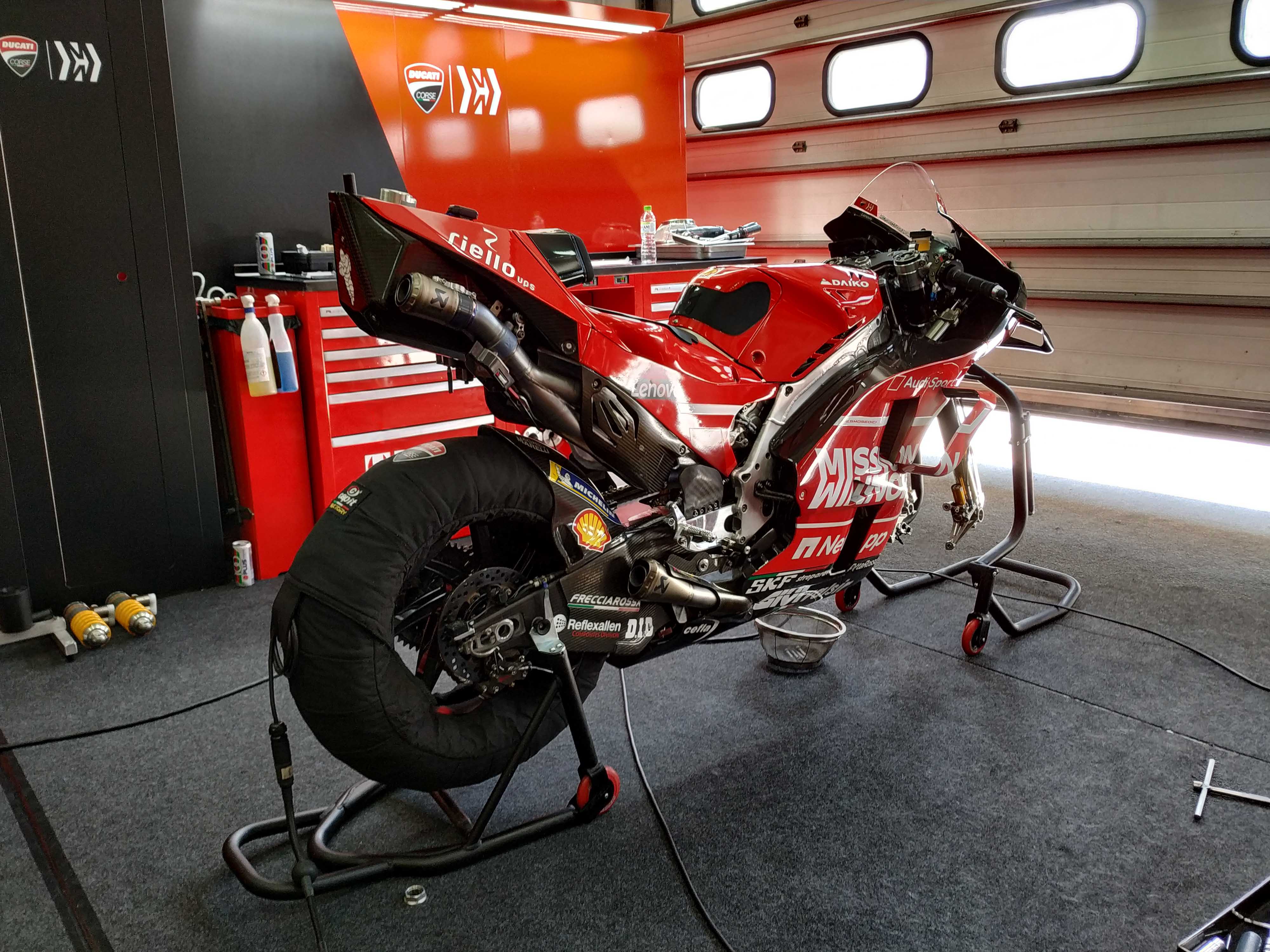
Miguel Oliveira on the KTM RC16 at the Sepang Winter Test 2019 – Photo credit MotoGP.com

Without this rule, the bigger manufacturers will keep staying in front, while the smaller teams or newcomers find themselves languishing at the back of the field.

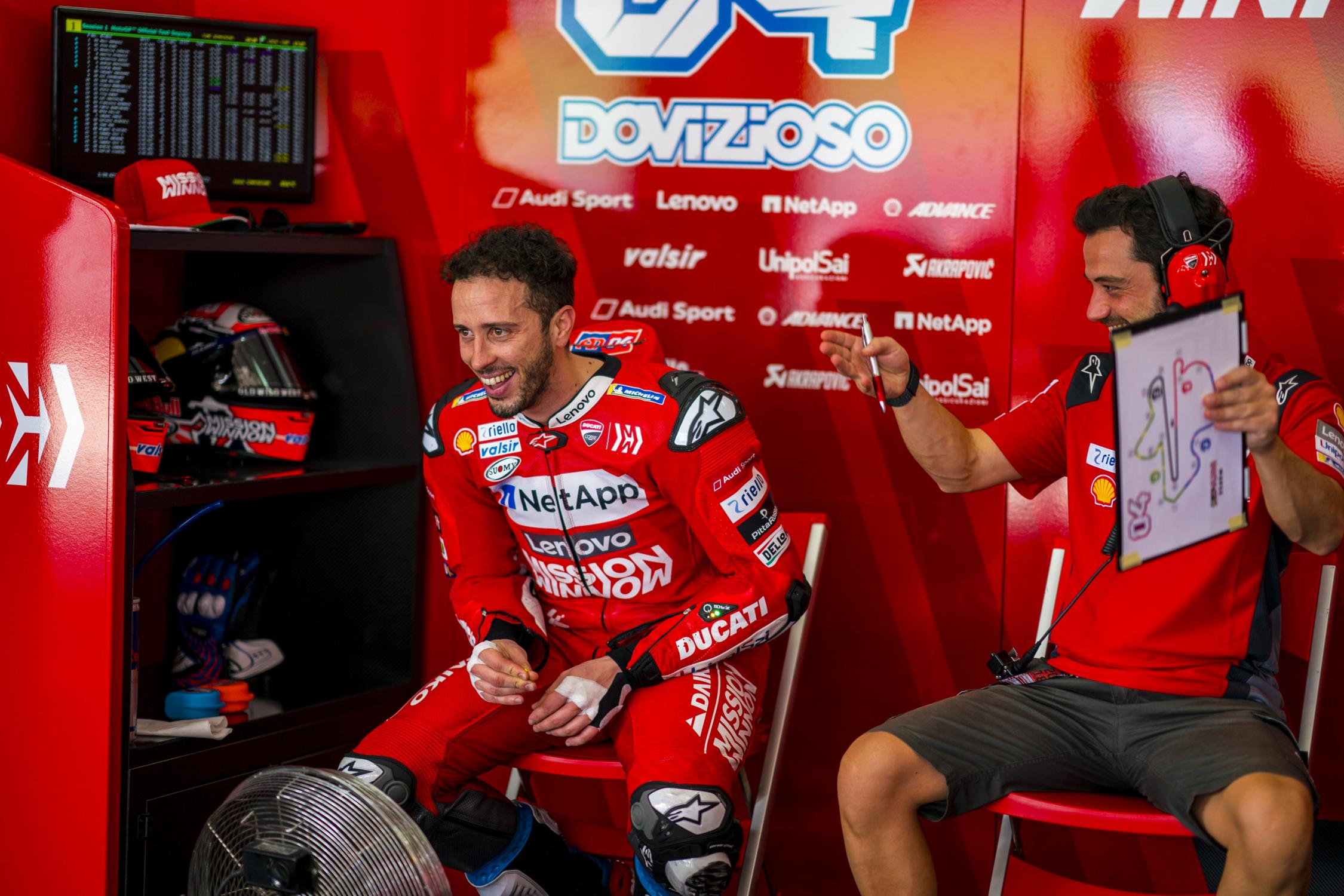
Andrea Dovizioso sharing a light moment with his crew chief during the Sepang Winter Test 2019 – Photo credit MotoGP.com

All images are originally published in MotoGP.com. Please click on this link to view the full gallery.

  • The State Railway of Thailand (SRT) no longer transports motorcycles above 125cc.

  • The ruling takes effect from 1stFebruary 2019.

  • There are Malaysian bikers who transport their bikes to Chiang Mai before riding to Mae Hong Son.

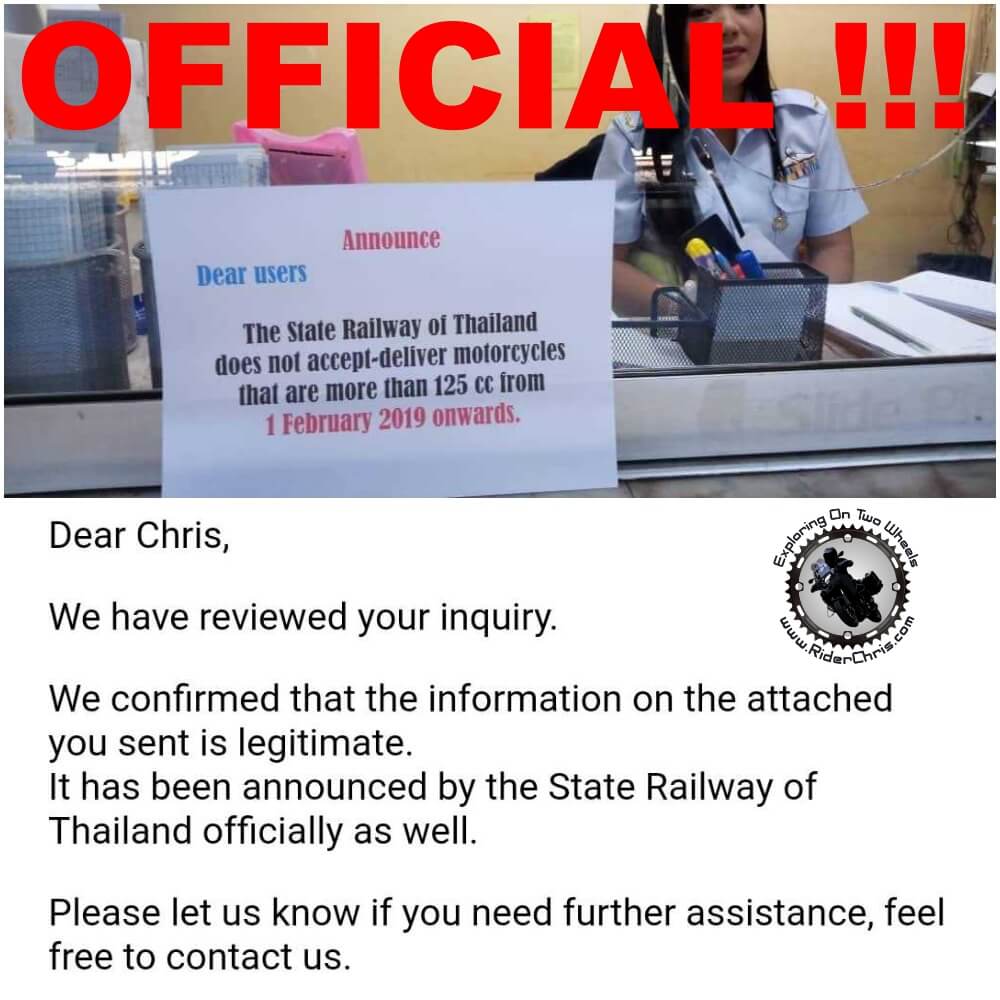
The State Railway of Thailand (SRT) announced that they will no longer transport motorcycles above 125cc. The ruling took effect from 1st February 2019.

There are Malaysian bikers who transport their motorcycles by rail through Thailand to their favourite destinations or jump-off points before continuing on their journeys. One popular destination is the northern city of Chiang Mai, from where they ride to Mae Hong Son (the infamous 1000 Corners).

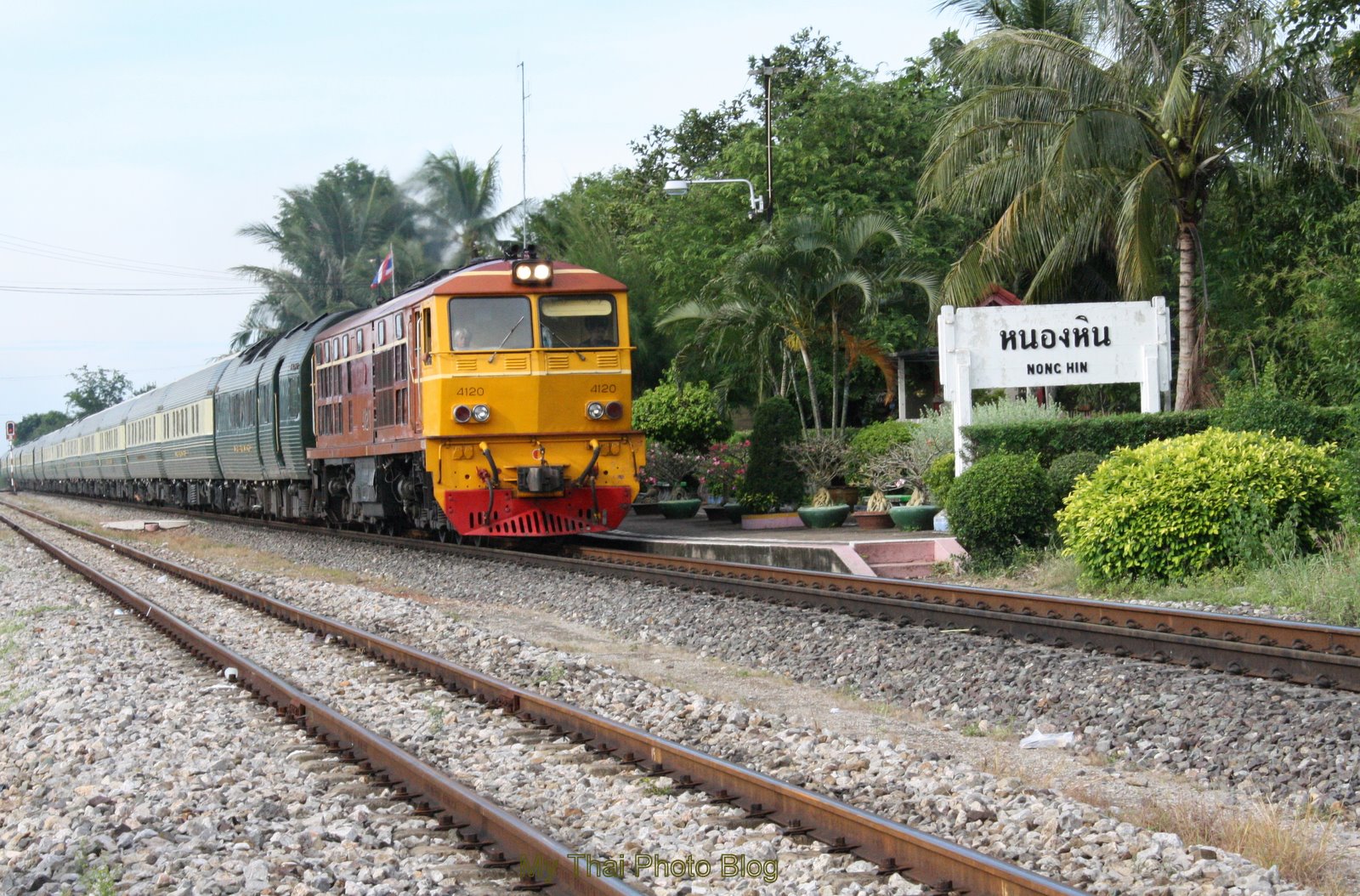
Photo credit www.riderchris.com

Besides that, the bikers could relax or even sleep onboard the train instead of needing to spend 12 hours or more on the road. Doing so also saves from accruing fuel and accommodation costs along the way.

SRT did not assign reasons for the new ruling. Therefore, your speculations could be the same as ours.

This writer personally transported a BMW R 1200 GS on an SRT train in 2018. We boarded the overnight train in Bangkok bound for Hatyai. The porters weren’t friendly at all on that day for some reason and they had to lift the nearly 240kg beast into the cargo car by hand. We had to dismantle the luggage boxes and windscreen and brought them into the passenger car with us.

The news was conveyed through www.riderchris.com. Please follow this link for more information on Thai train services https://www.riderchris.com/info/transporting-motorcycle-thailand-train/

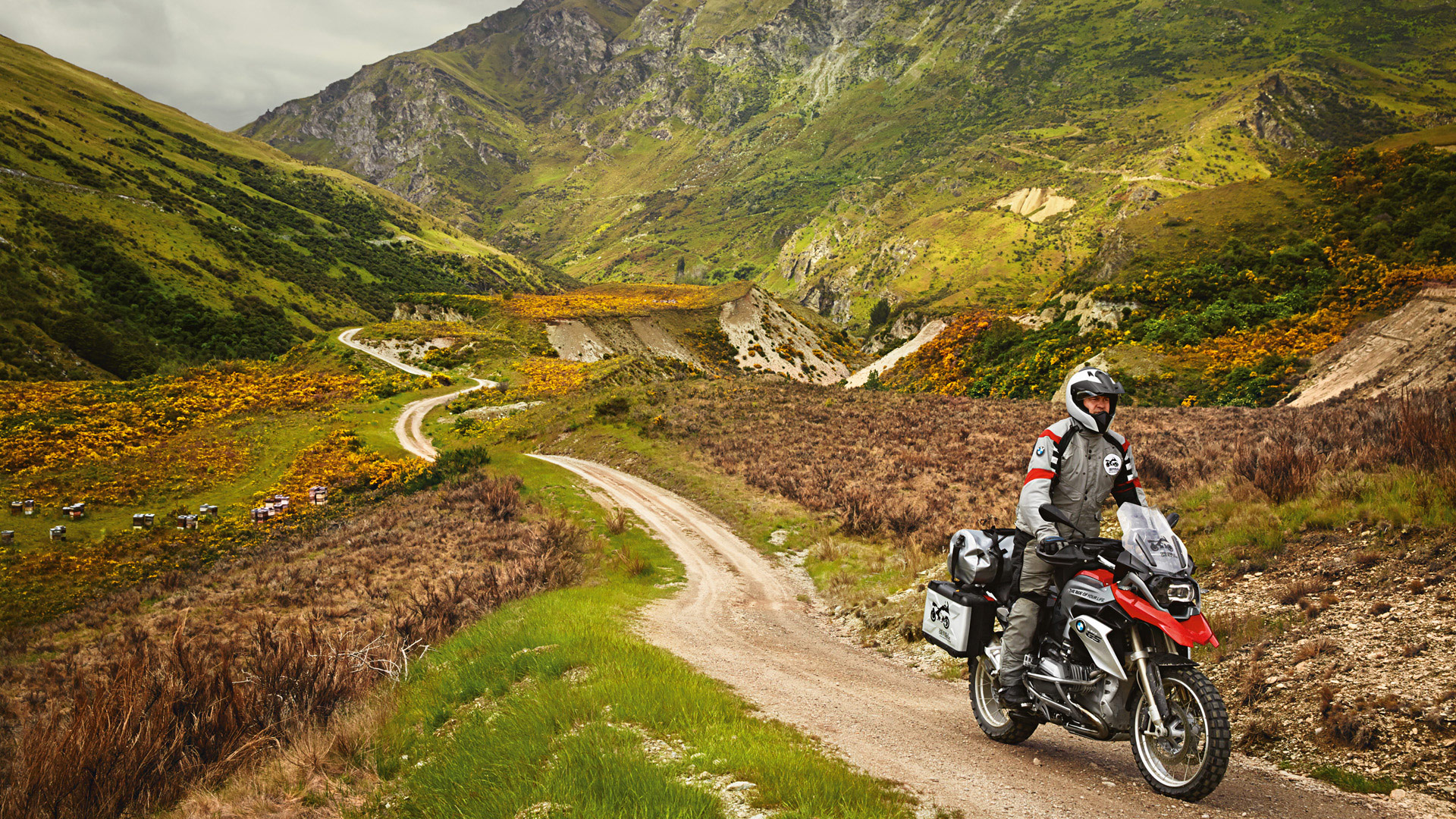
The 2020 BMW Motorrad International GS Trophy will take place in Middle Earth i.e. New Zealand.

The event is open to BMW motorcycle owners around the world.

Watch out for the Malaysian qualifying round!

The 2020 BMW Motorrad International GS Trophy will take place in Middle Earth a.k.a. New Zealand. Sorry for the Lord of the Rings reference.

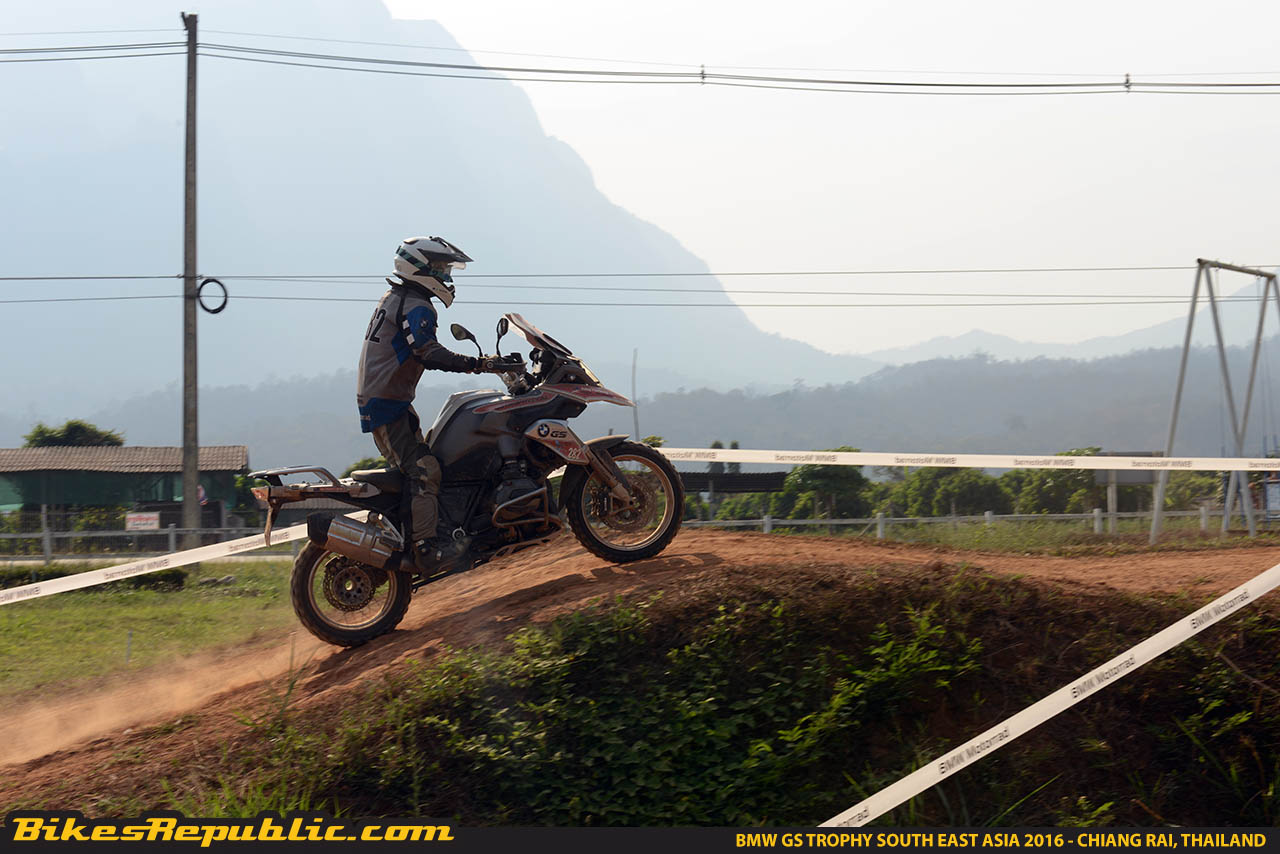
The event has grown in prestige and participation over the years since its inception. Beginning from 2008 in Tunisia, it’s held bi-annually and has since visited in South Africa, Patagonia, Canada, Thailand and Mongolia. Yes, all riding paradises.

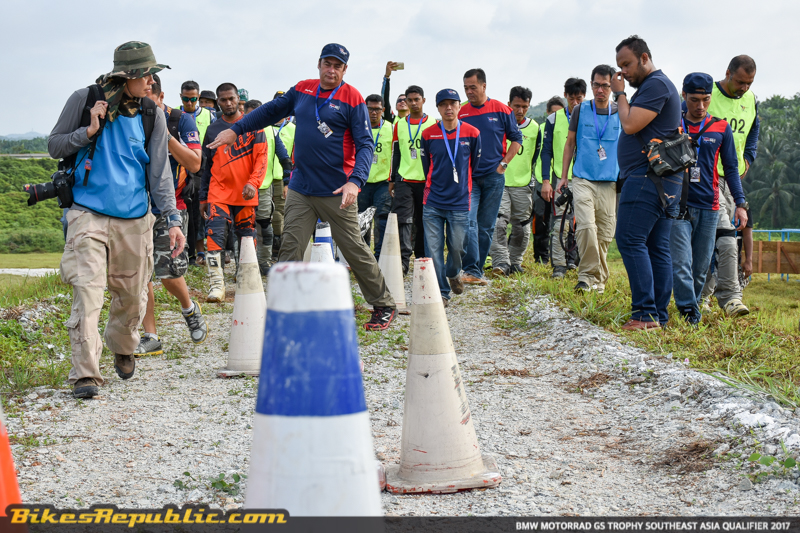
It is open to BMW motorcycle owners around the world. Each participating country holds their own qualification round to find their representatives prior to the international event. Malaysians have participated in the last two editions as part of the Southeast Asia Team and Southeast Asia Women’s Team. Each team consists of 3 persons. Participants of previous International GS Trophy are not allowed to return to the challenge. However,  they are welcomed to coach their respective country’s candidates.

Inspired by BMW Motorrad’s Vice President of Sales & Marketing, Heiner Faust’s own experiences during a riding expedition in Central Asia, the competition challenge isn’t based on speed. Instead, the participants need to be skilled and smart riders, and rely on close teamwork.

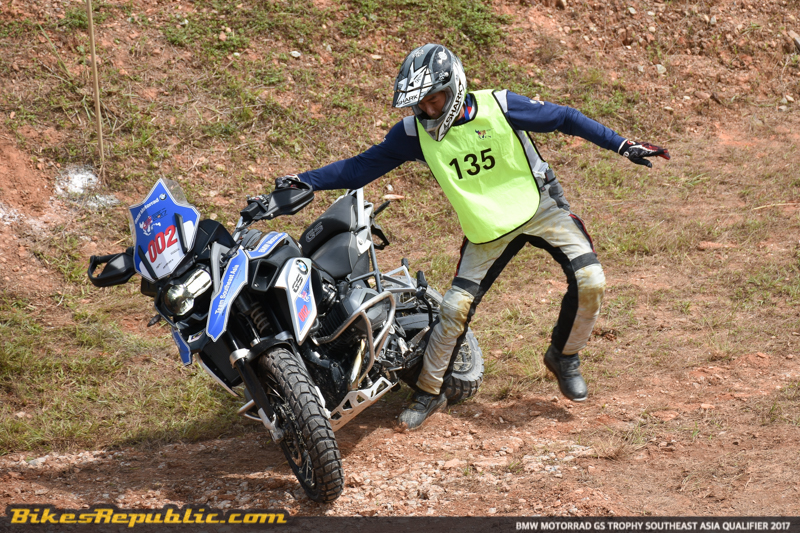
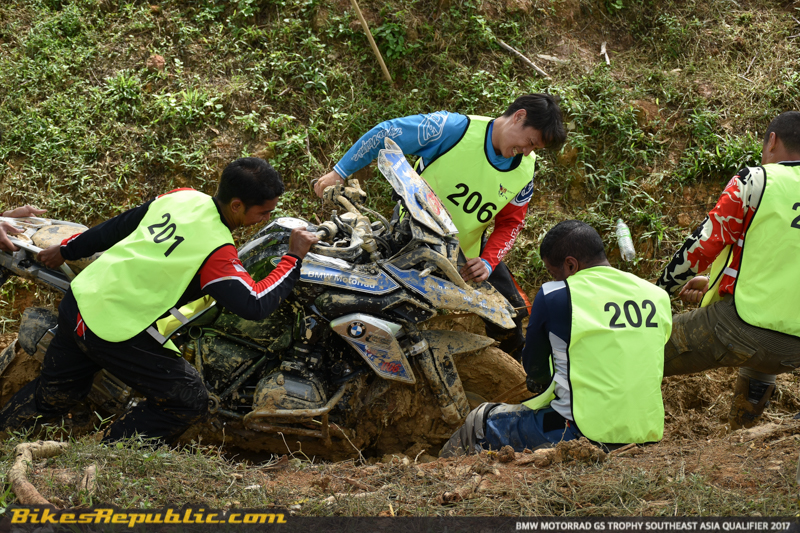
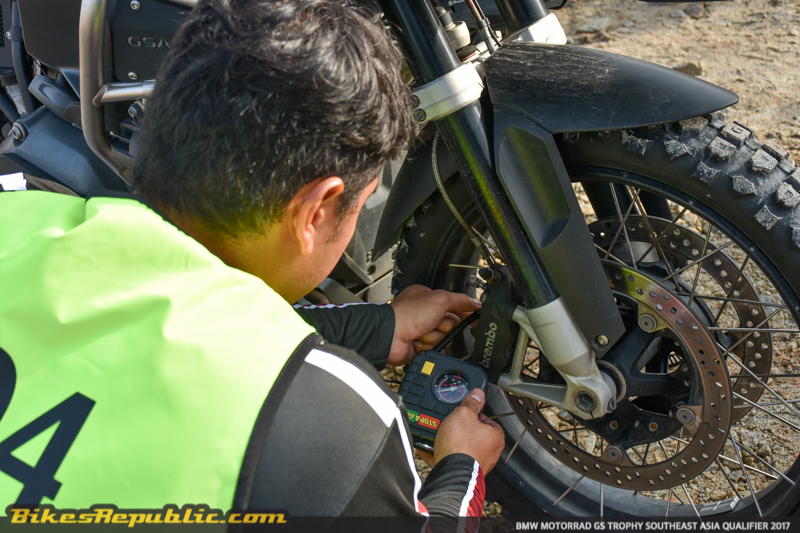
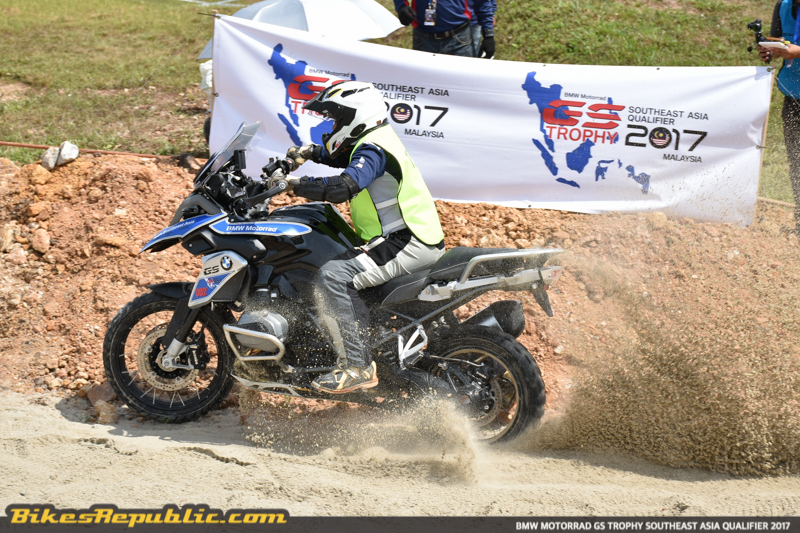
That philosophy can be seen the types of challenges faced by the participants. They include pulling the bike out of a ditch, plugging a punctured tube, riding the bike through tough terrain and situations, so forth. Additionally, they have to answer questions about geography and navigation, and knowledge of their GS.

There will a total of 19 teams in 2020, representing 30 countries. There will also be an all-female international team.

BMW Motorrad did not mention if the teams will continue to ride the R 1200 GS or progress to the new R 1250 GS. However, our guess is for the former and it’ll be great to see them put to such tough tests during the event.

Please head to https://www.brand.bmw-motorrad.com/en/experience/stories/adventure/int-gs-trophy-2020.html for more updates.

Archive

Follow us on Facebook

Follow us on YouTube