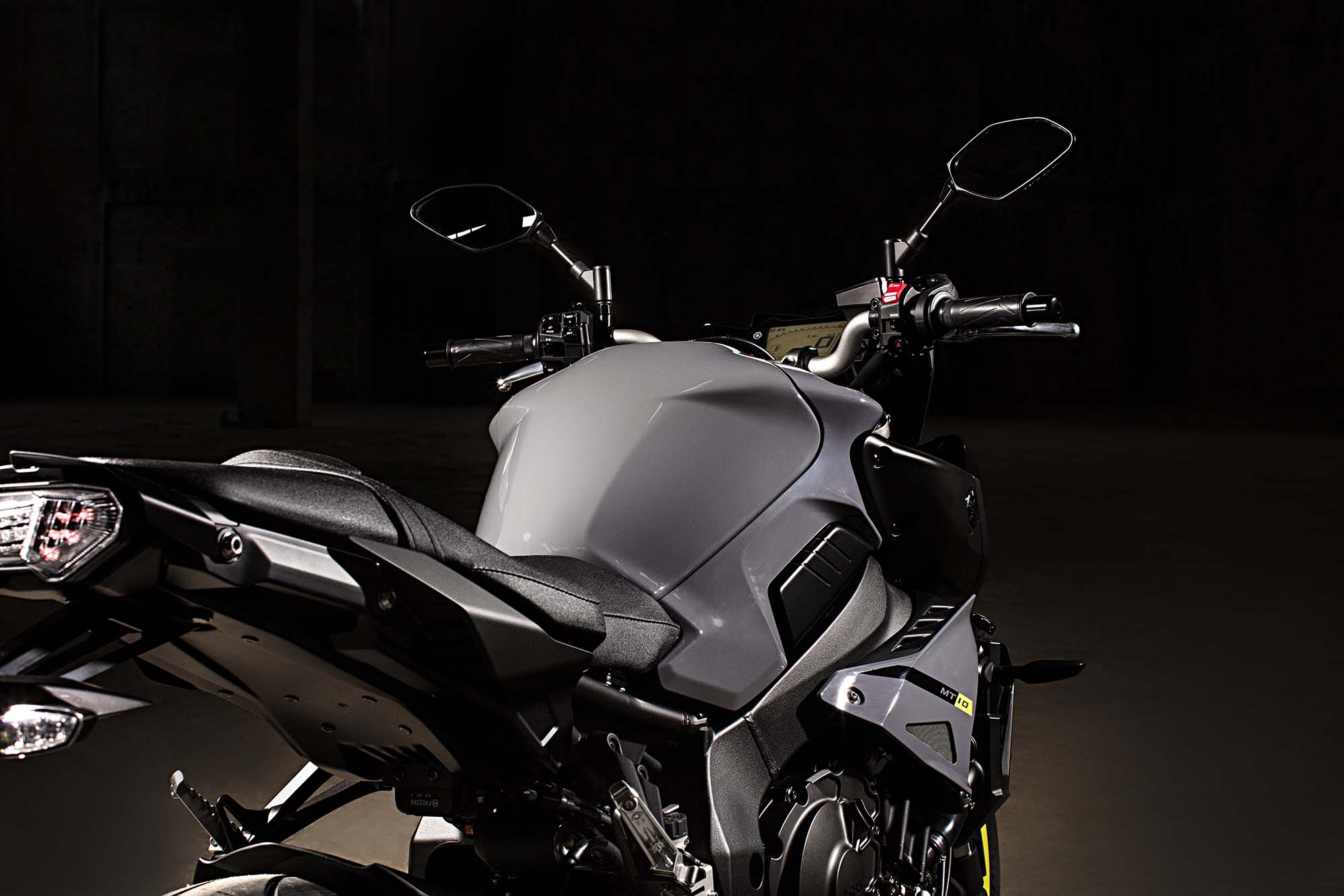
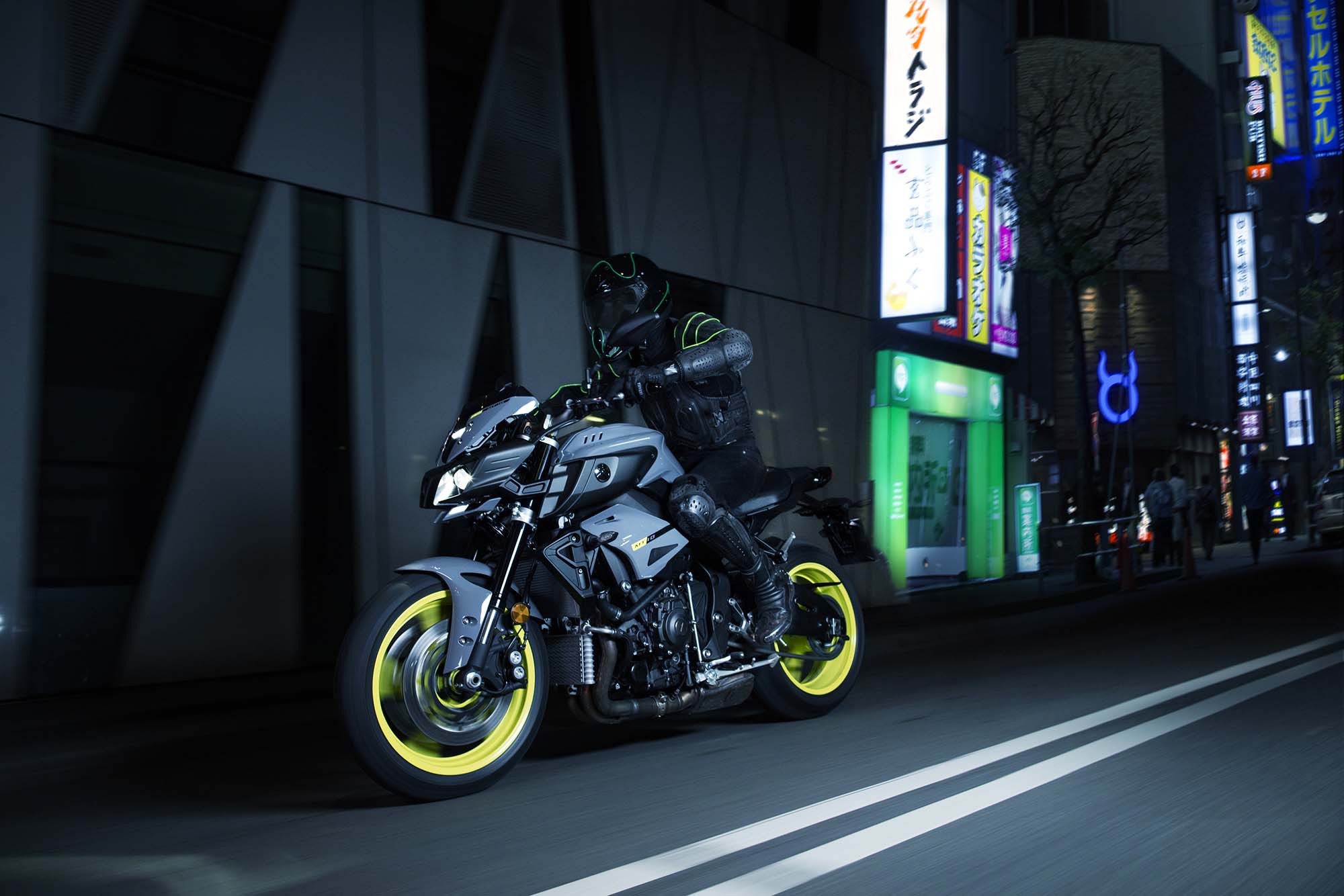
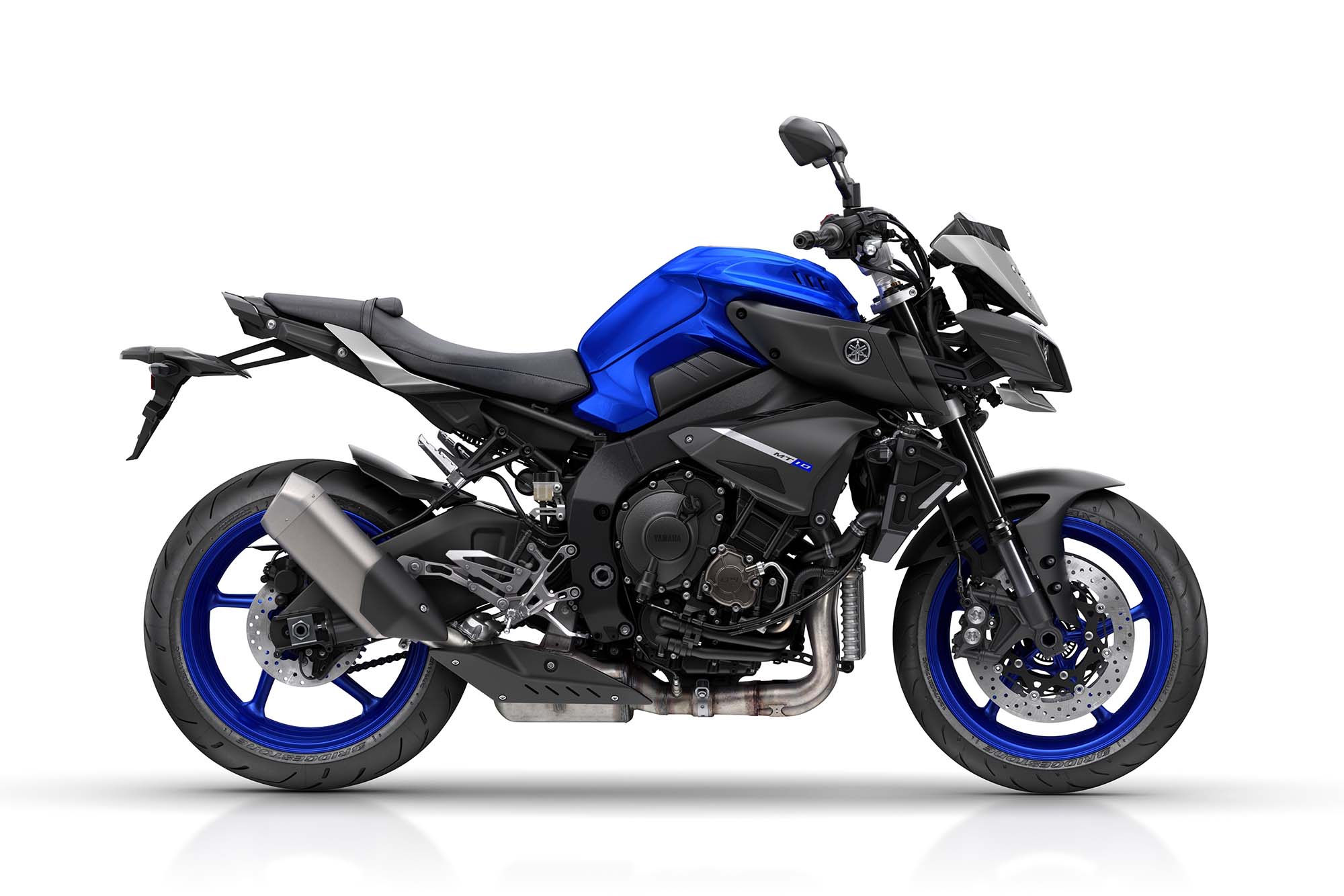
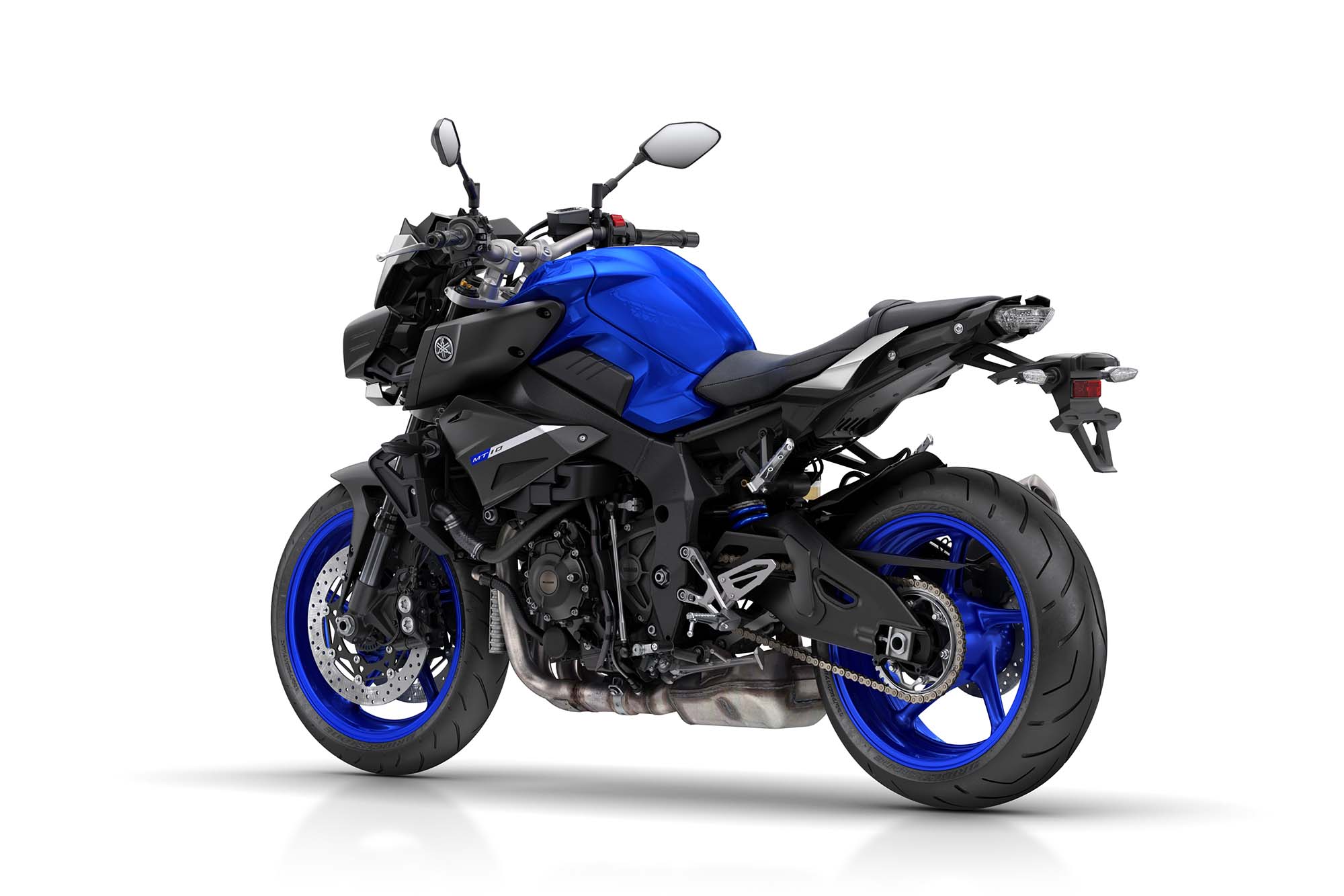
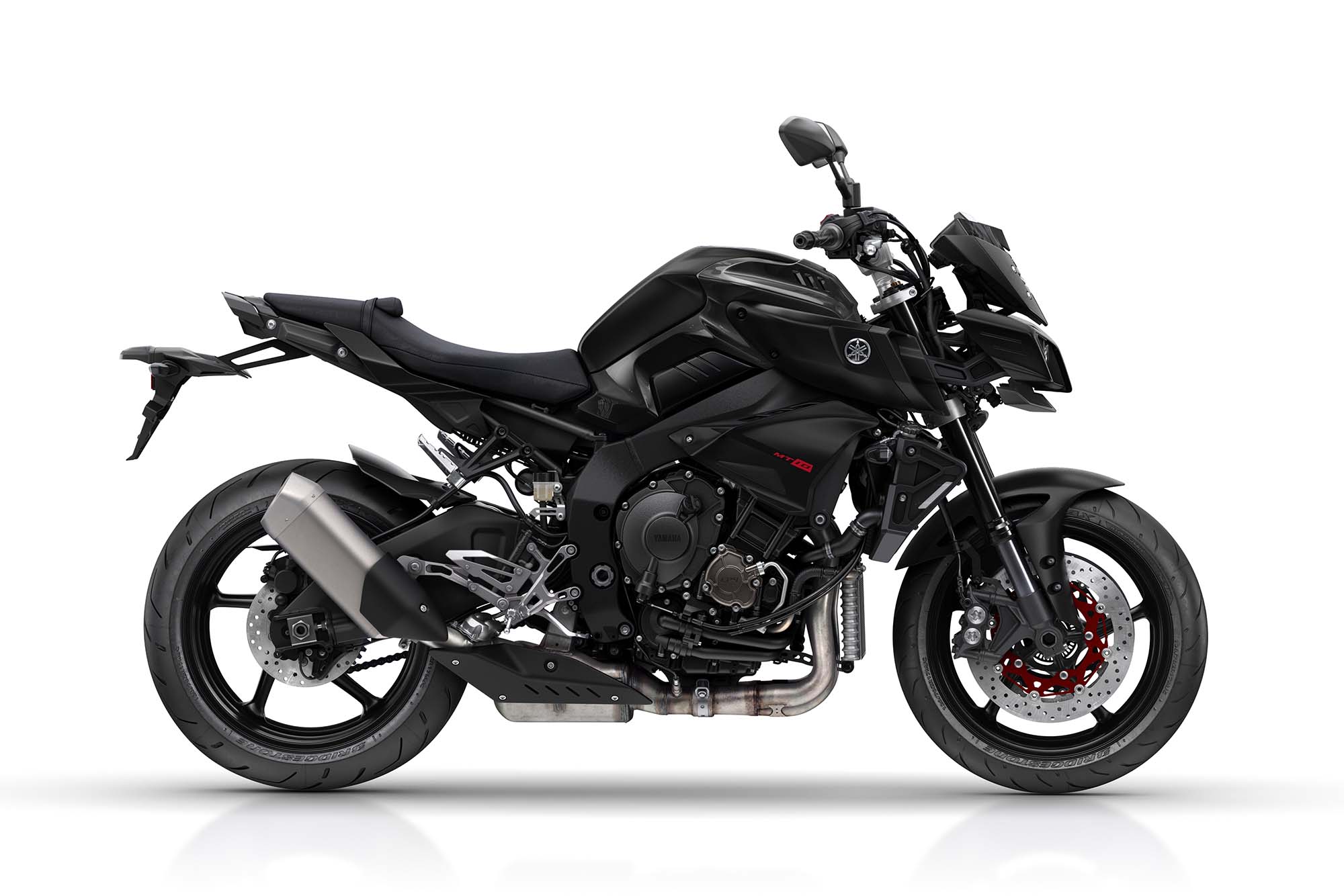
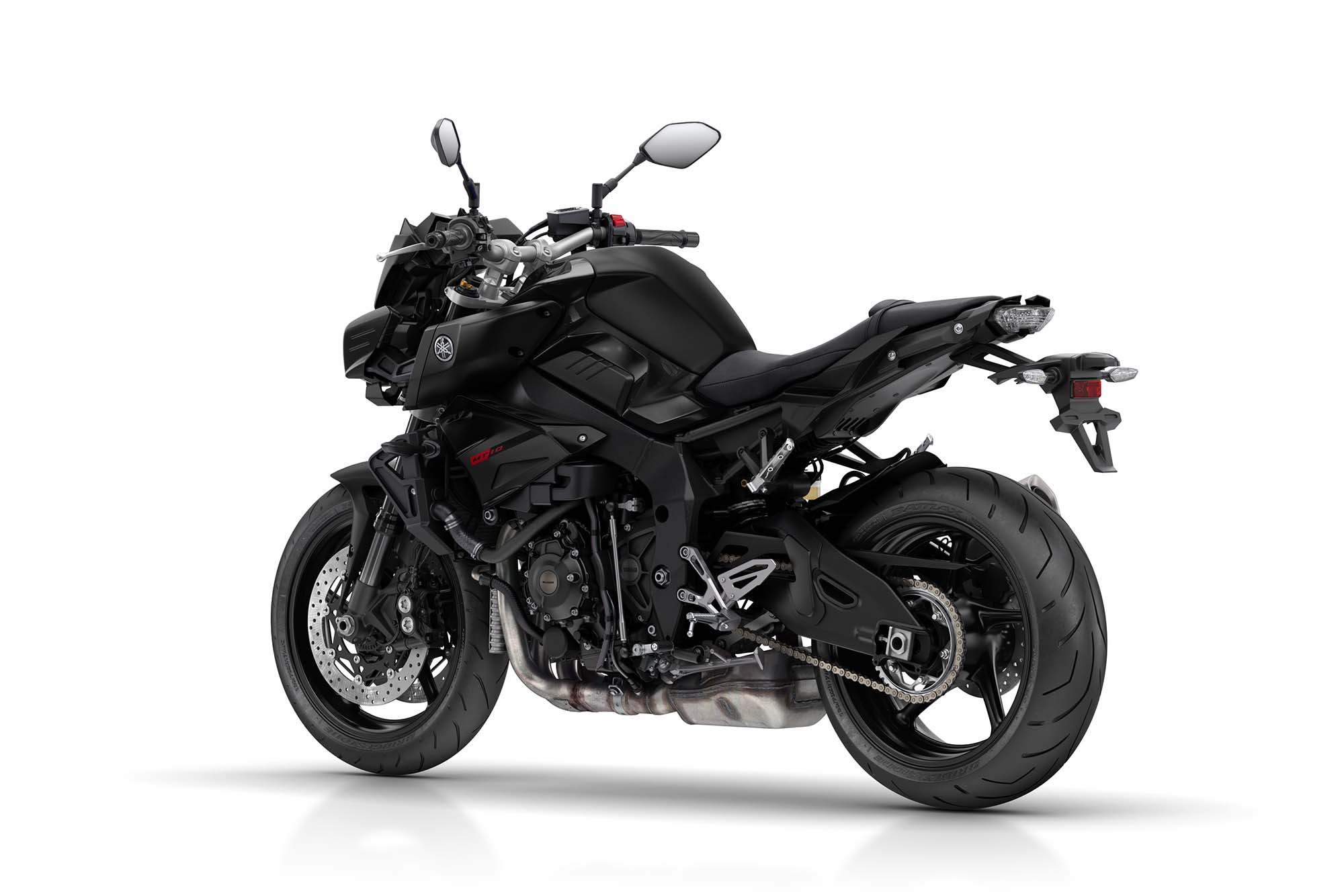
Having already set a milestone with its all-new 2015 YZF-R1, Japanese powerhouse Yamaha have opted surprise everyone by debuting the superbike’s naked offshoot during EICMA 2015.
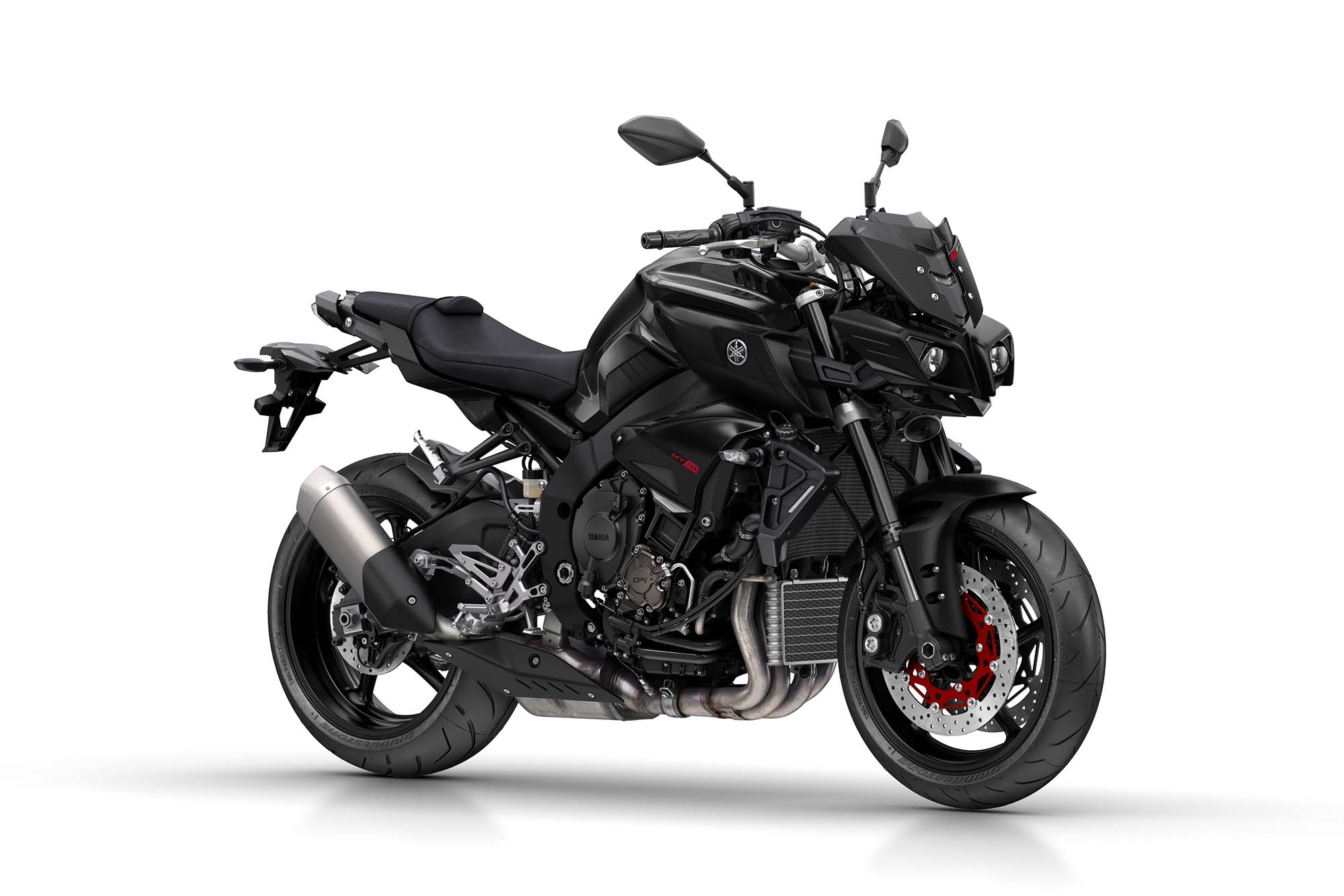
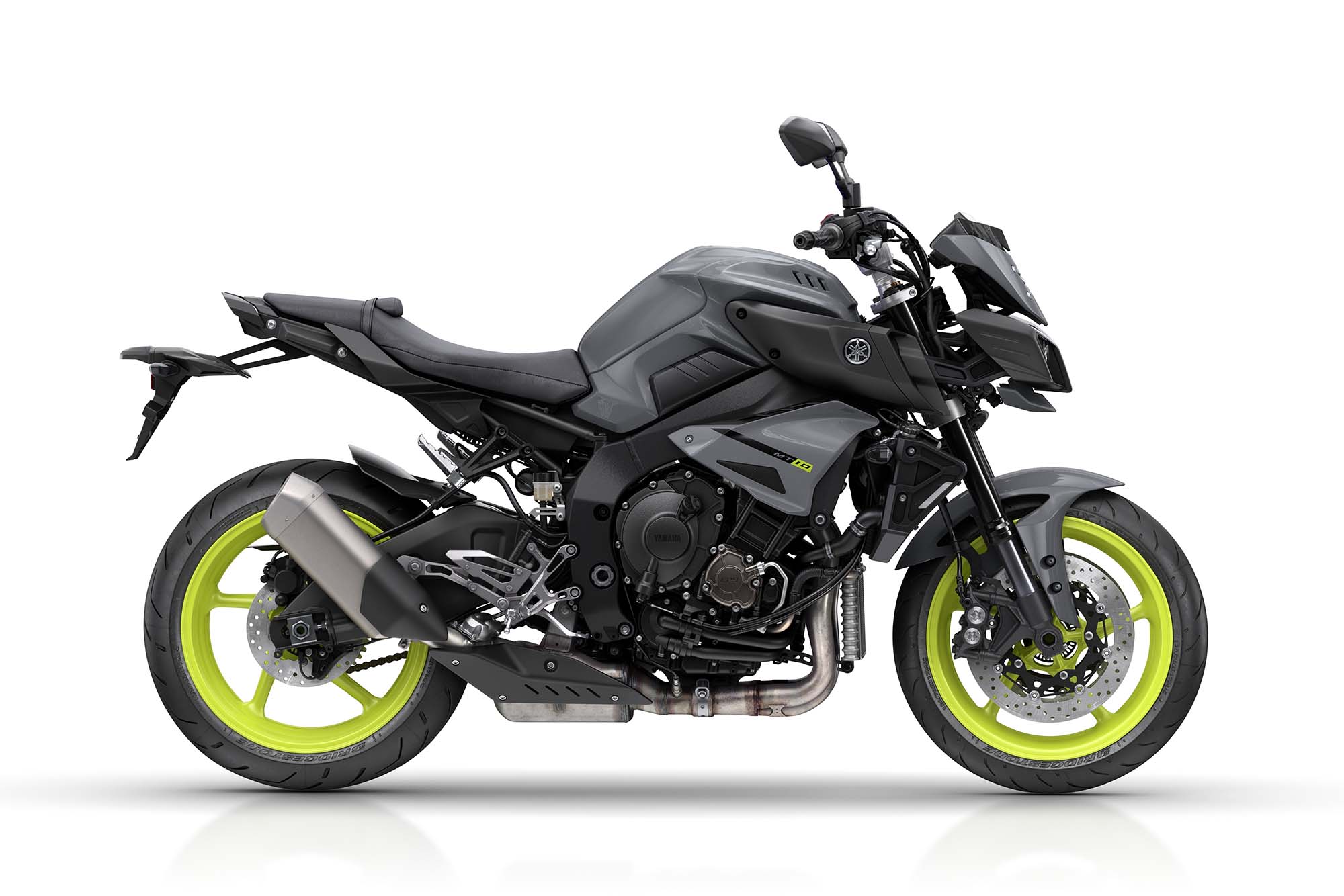
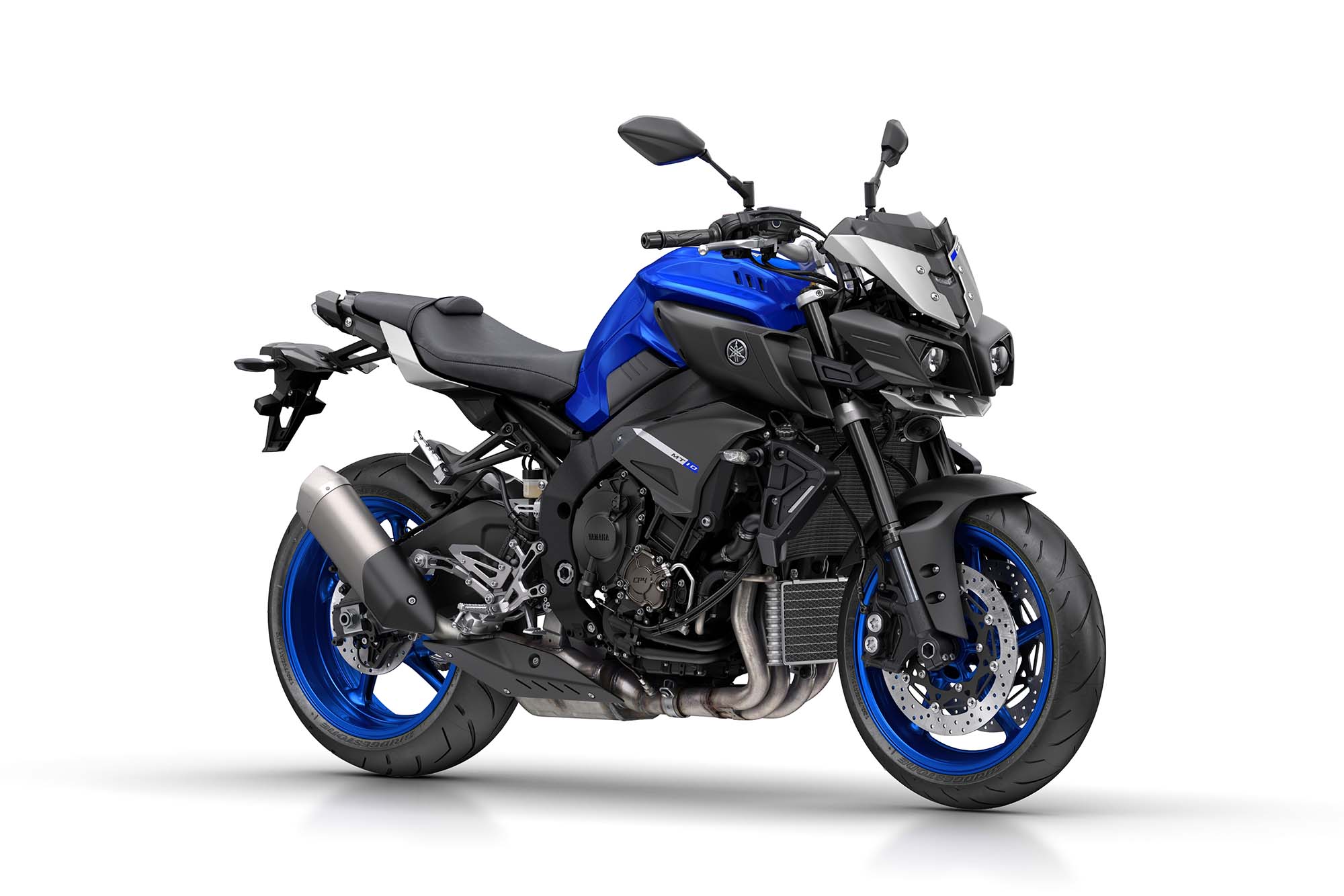
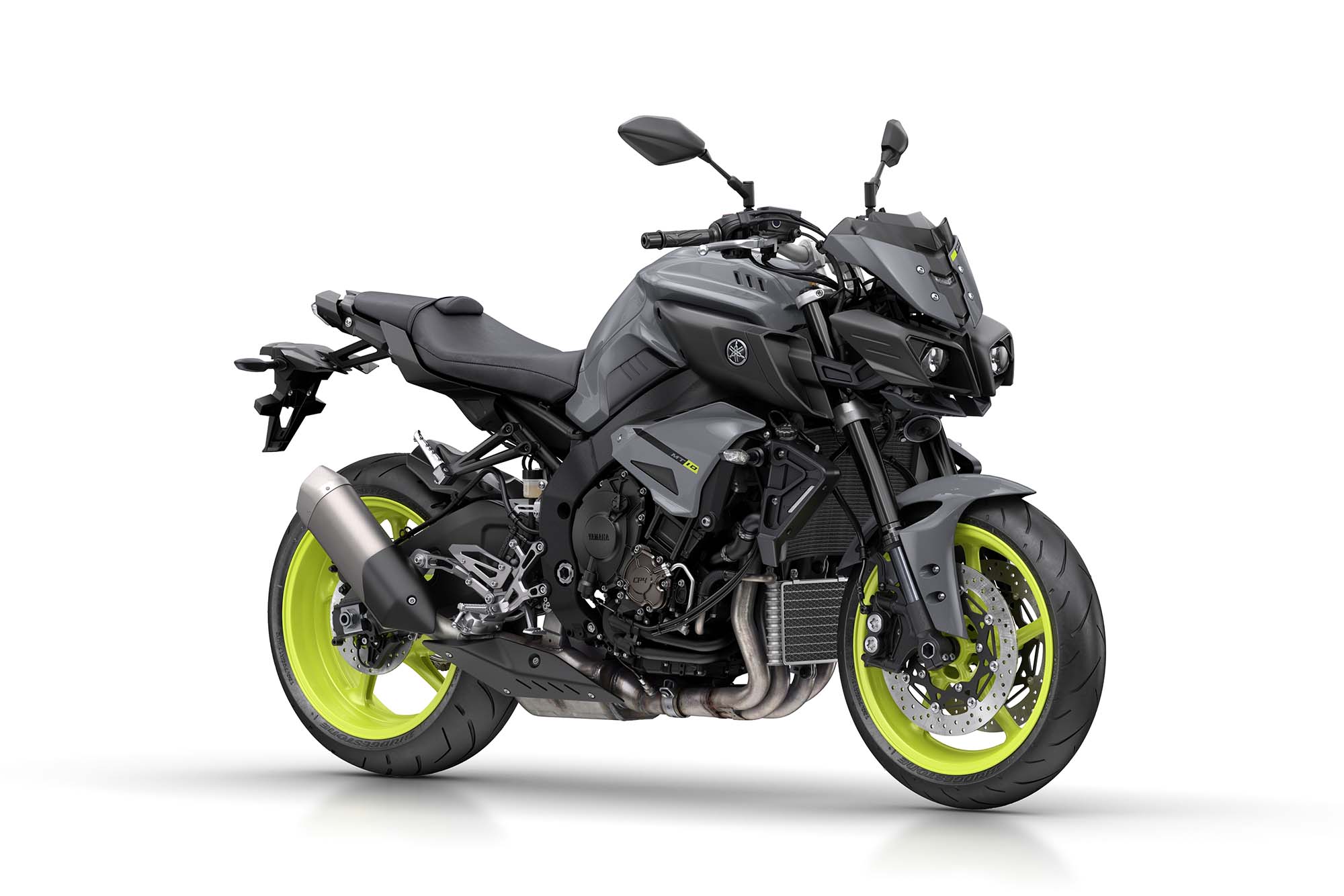
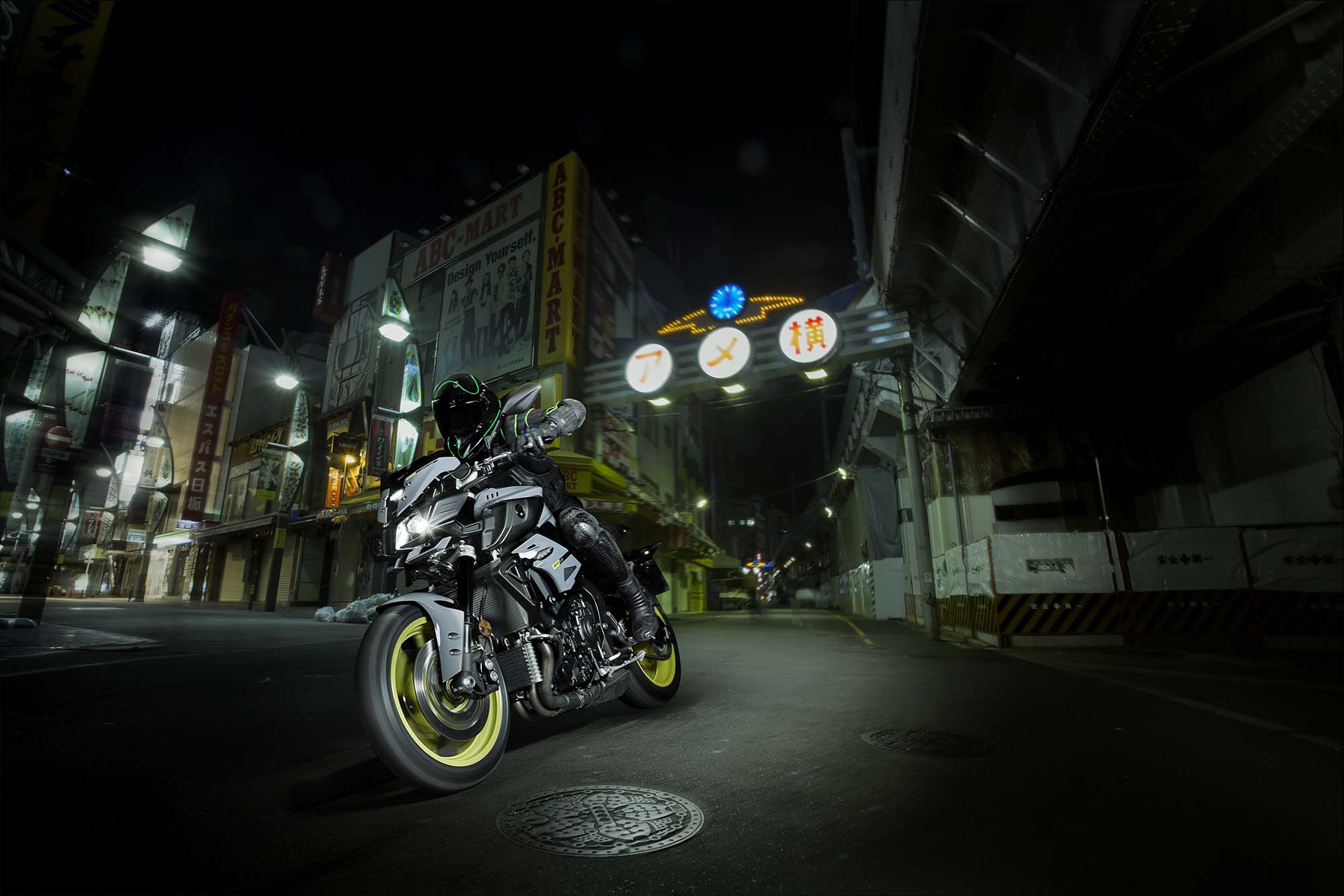
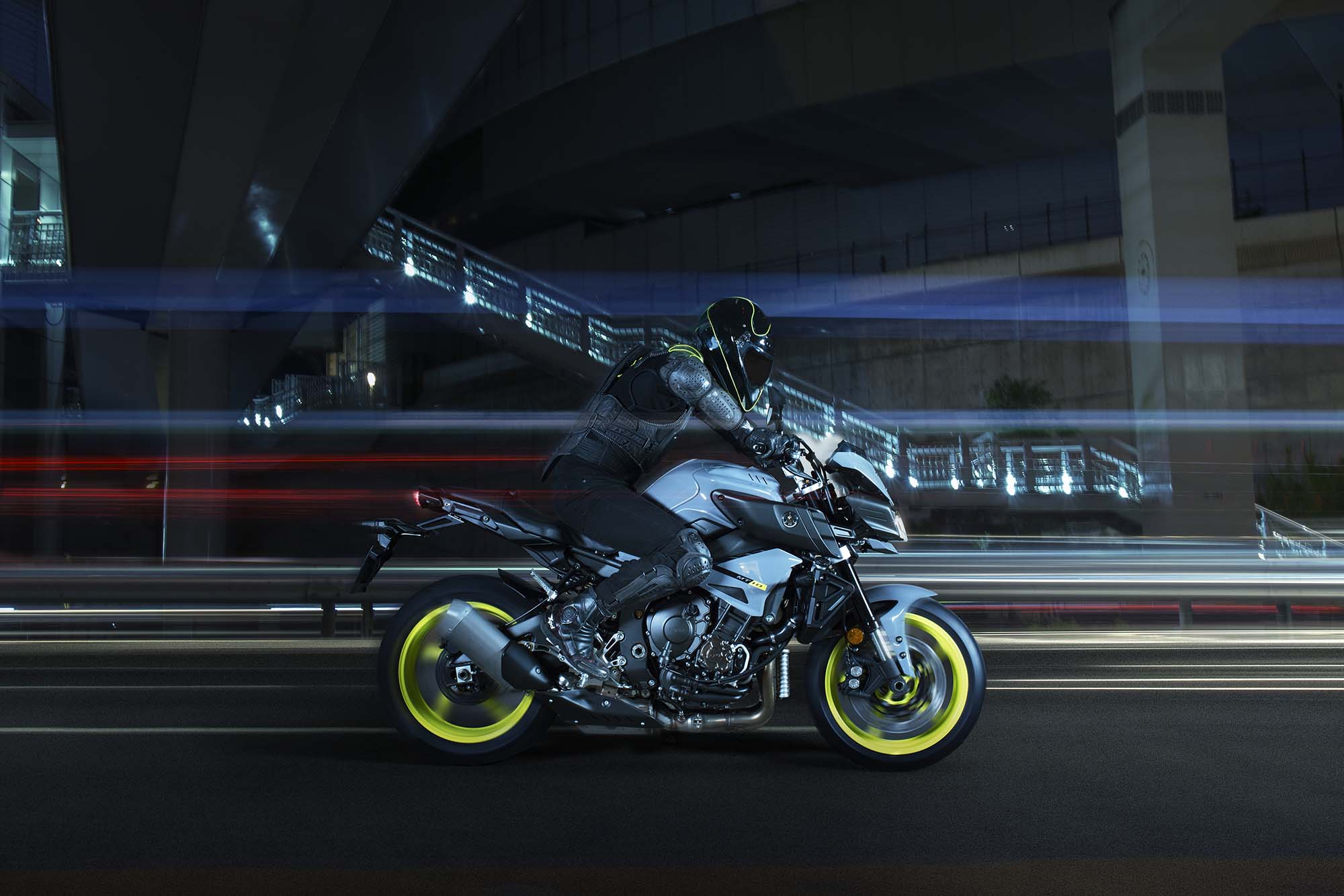
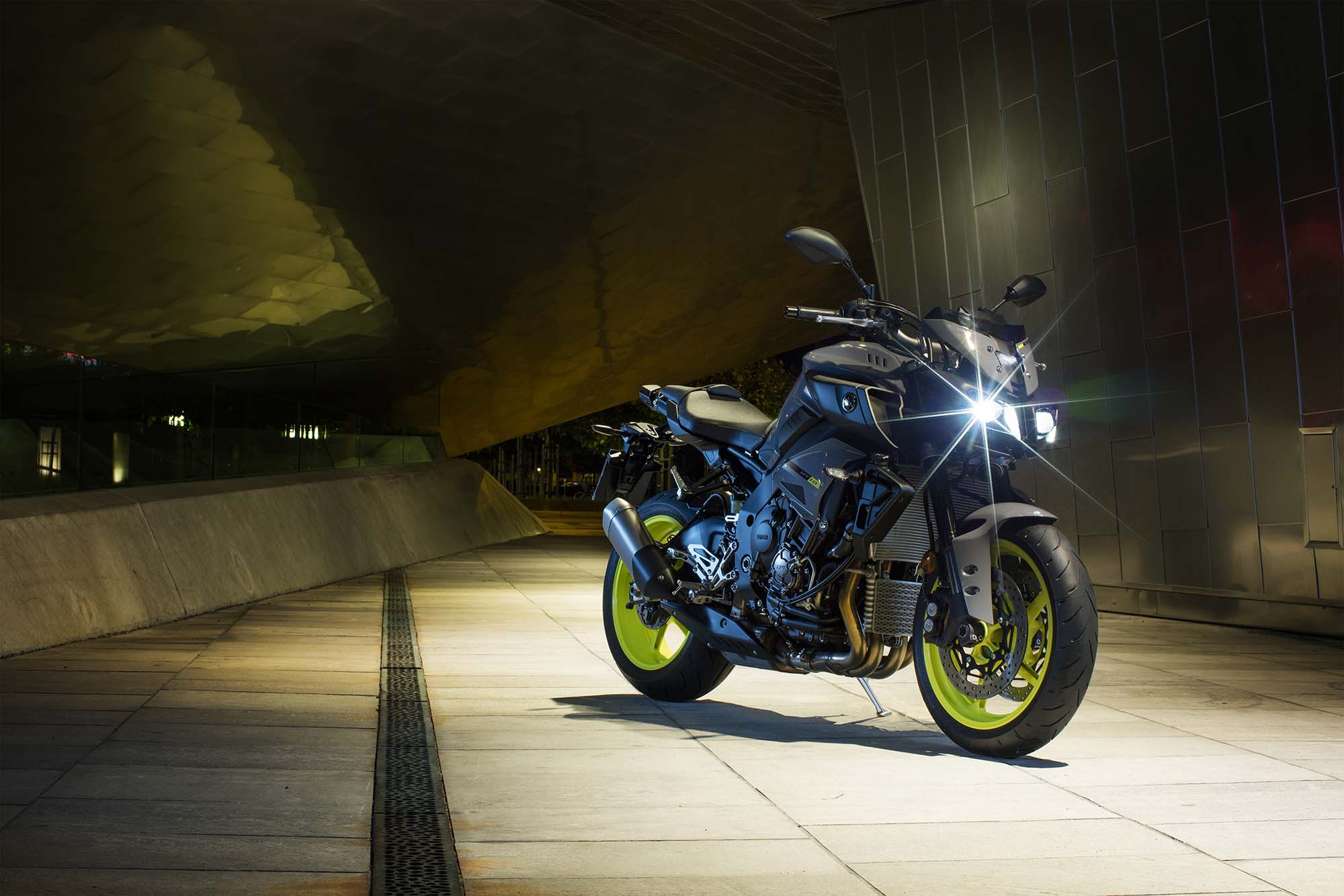
Meet the all-new Yamaha MT-10 super-naked. Essentially, this is the budget-friendly Yamaha R1S superbike as we know it reborn as a streetfighter.
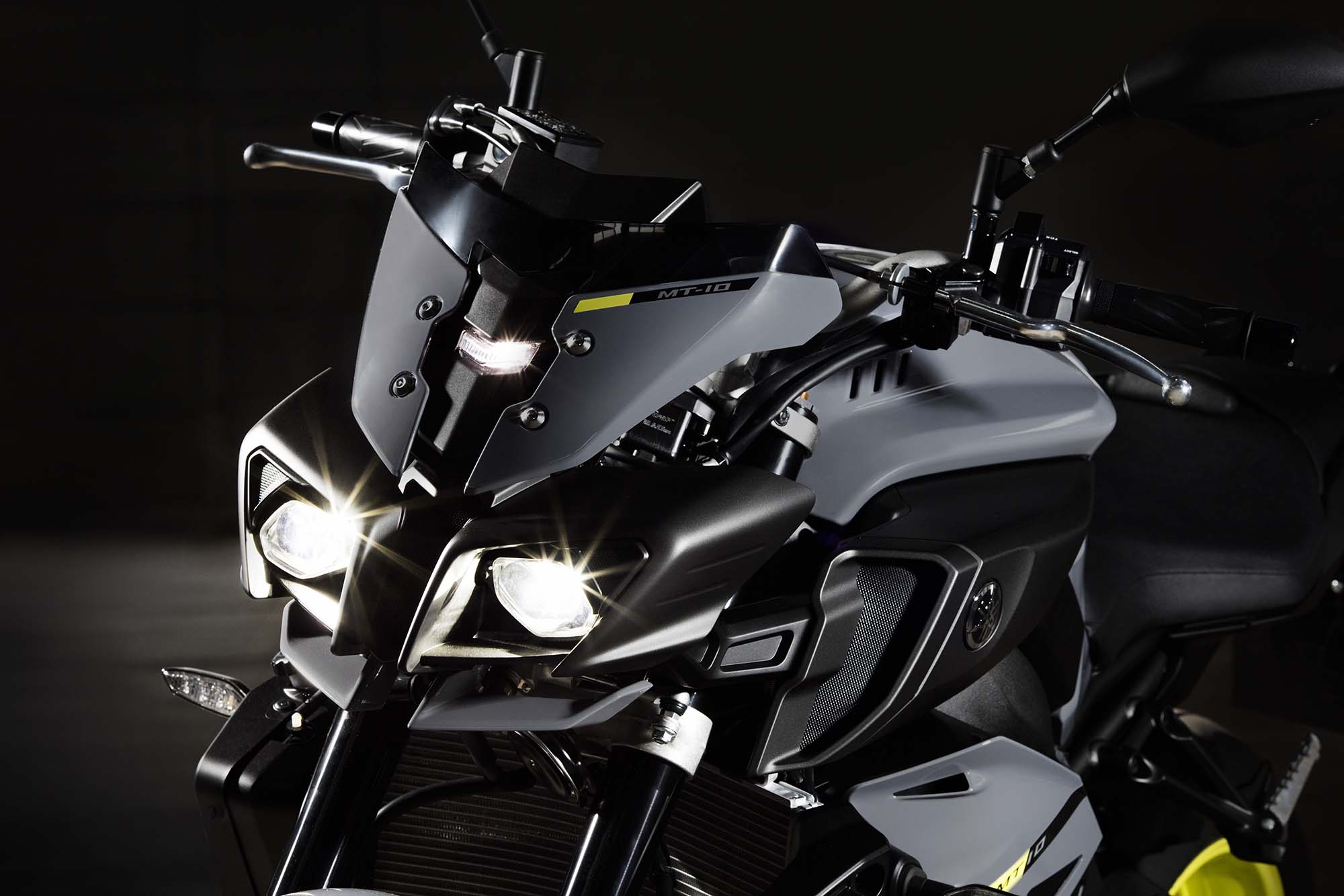
As far as its design goes, the work is rather controversial to say the least with Yamaha fans being divided over it. Nevertheless, we can’t argue at the fact that it looks rather sharp and quite futuristic, more akin to some of Yamaha’s radical concepts instead of a full-blown production bike.
More importantly, the MT-10’s arrival signals Yamaha entry into the competitive super-naked segment, and sees the brand completing its range of offerings to cover a wide spectrum of buyers. Yamaha has been absent in the high performance naked bike segment since perhaps the Fazer 1000 model.
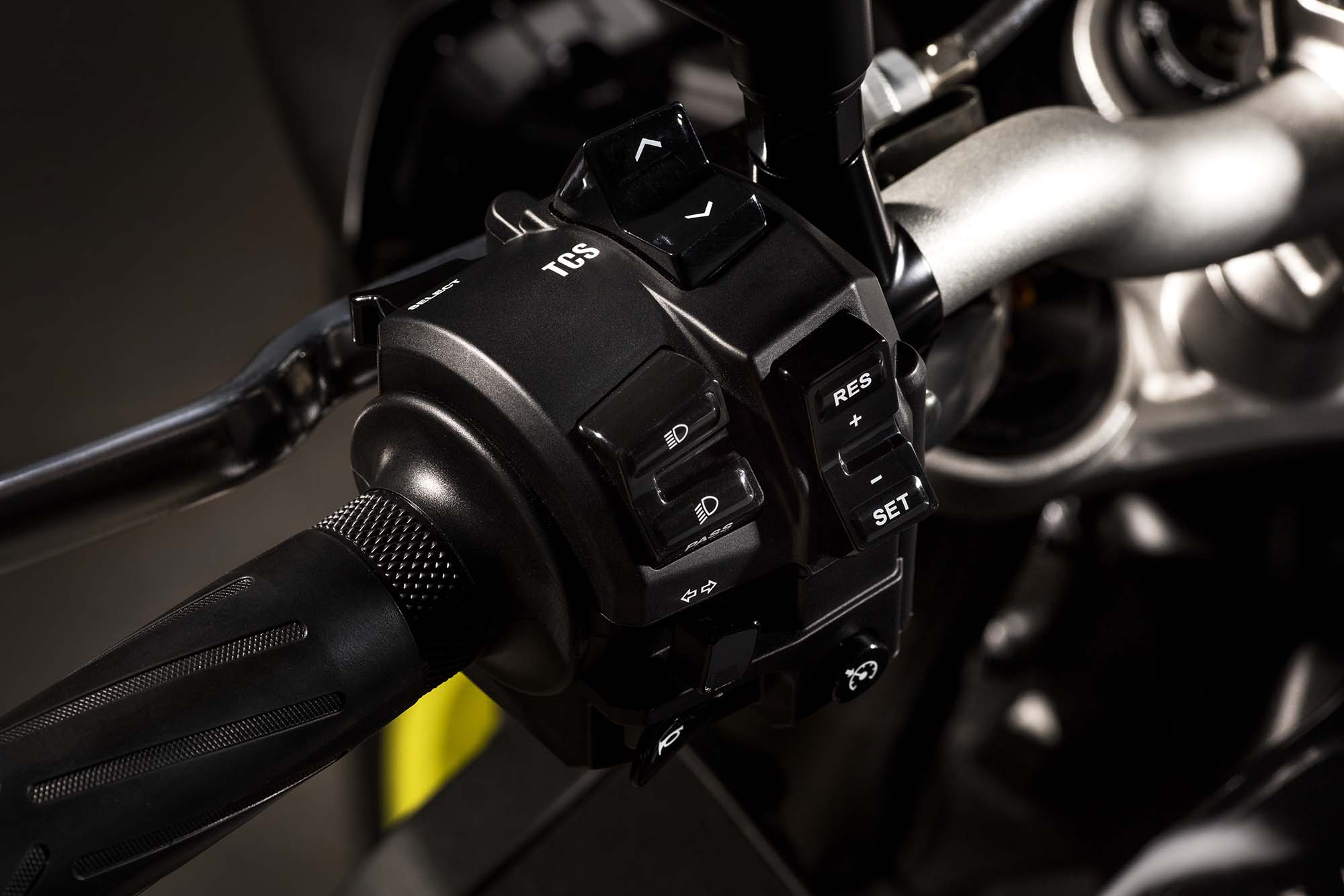
Being based on the venerable R1 superbike, the MT-10 shares the same 998cc CP4 crossplane in-line four-cylinder from its fully-faired sibling, albeit detuned ‘slightly’ with just 165hp and roughly 101.6Nm of torque. Complementing the powertrain are features such as a three-level traction control feature, a slipper clutch, as well as a cruise control function.
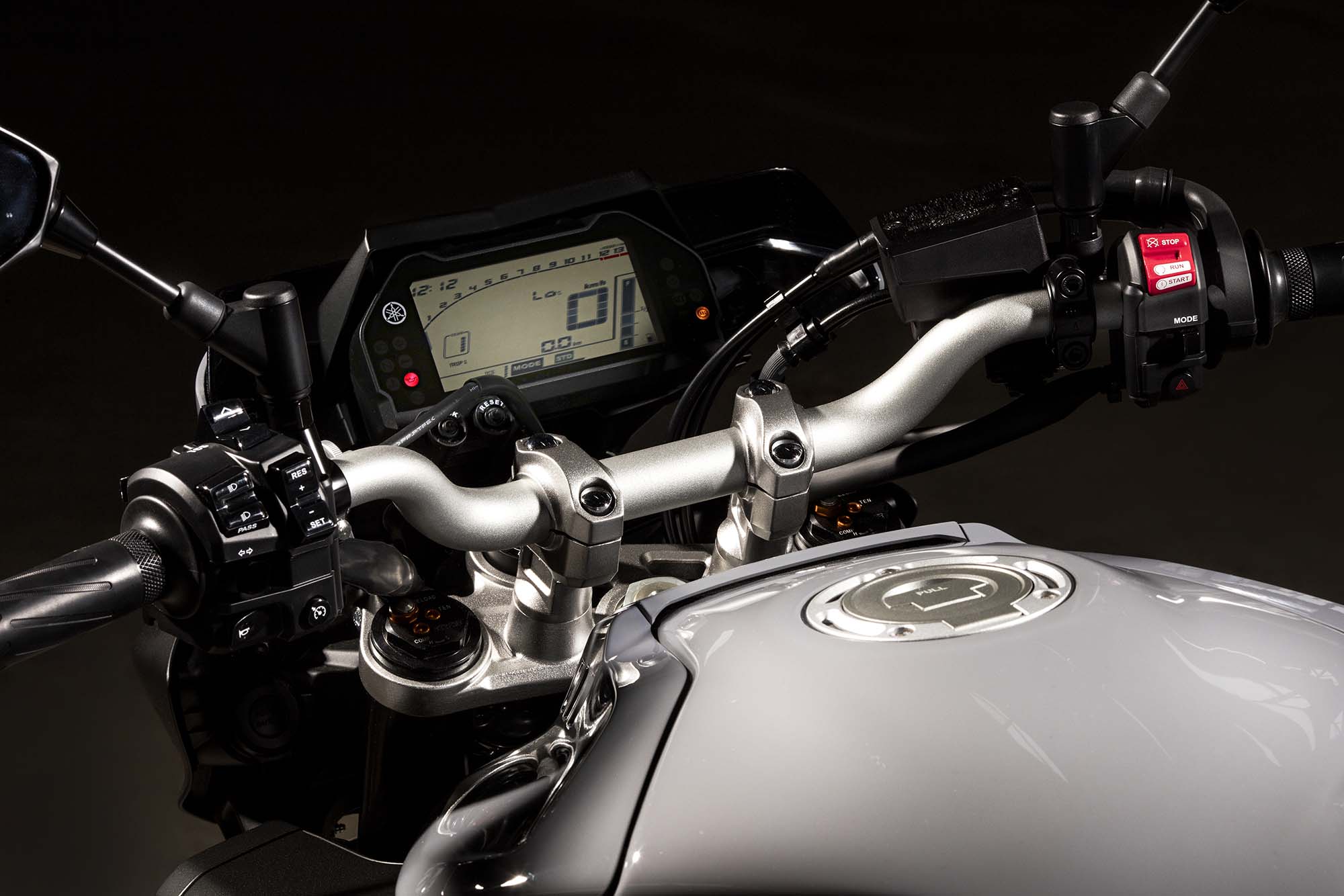
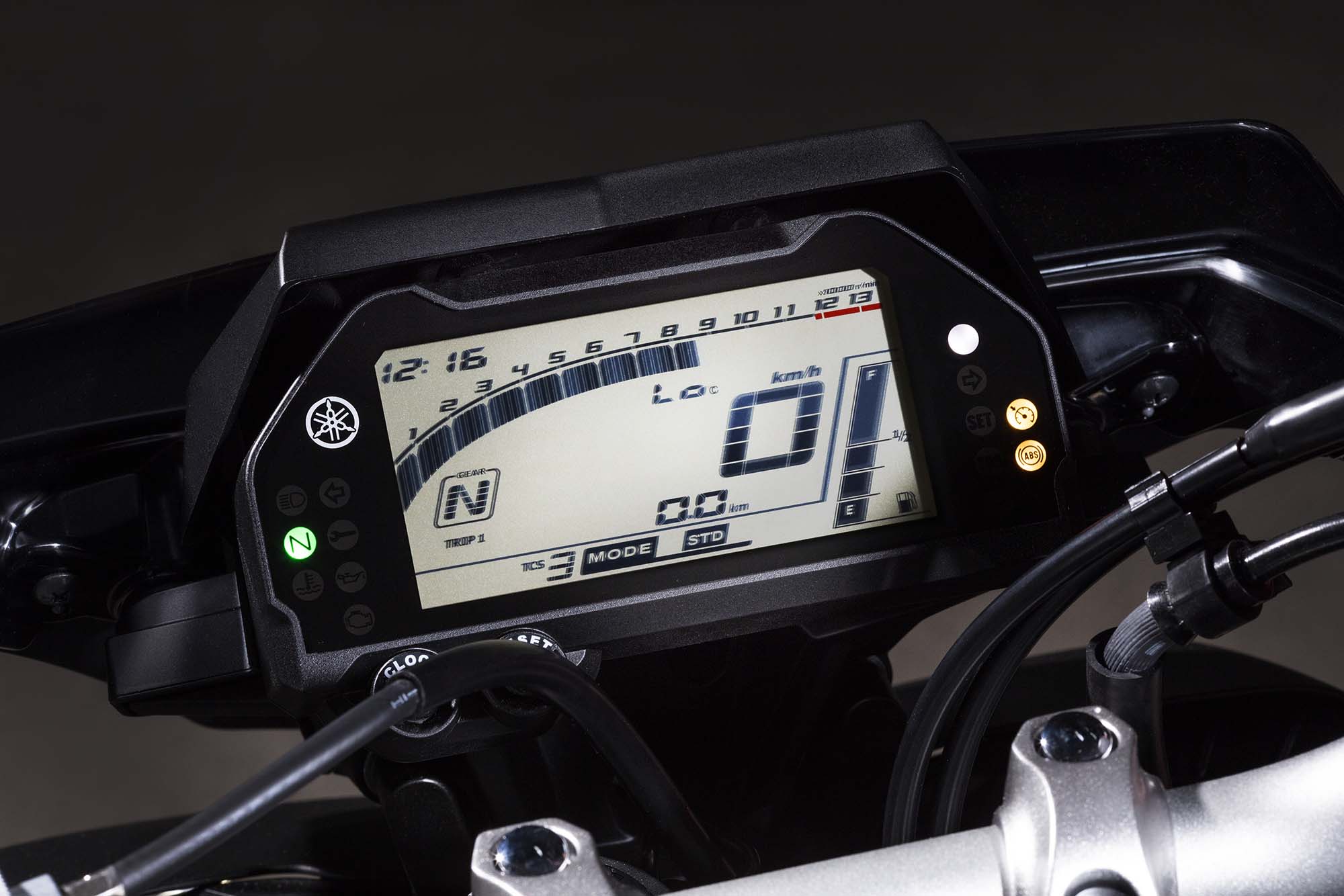
The chassis is also derived from the R1S, with the MT-10 also retaining the same suspension set and swingarm assembly. And, minus the Bosch IMU, much of the R1S’s electronics package is also retained here in the MT-10. Other notable highlights include a full LCD dash, 320mm twin floating front discs with quad-piston radial calipers combined with a single 220mm rear disc with a sliding calipers, as well as ABS.
Clearly, Yamaha has got the BMW S1000R naked in its target crosshairs, explaining the standard equipped cruise control. This being based on the budget R1S, we can also expect this MT-10 to carry a lower pricing from the flagship R1 as well. There is no doubt though that the MT-10 now sits at the top of the brand’s MT naked model range.
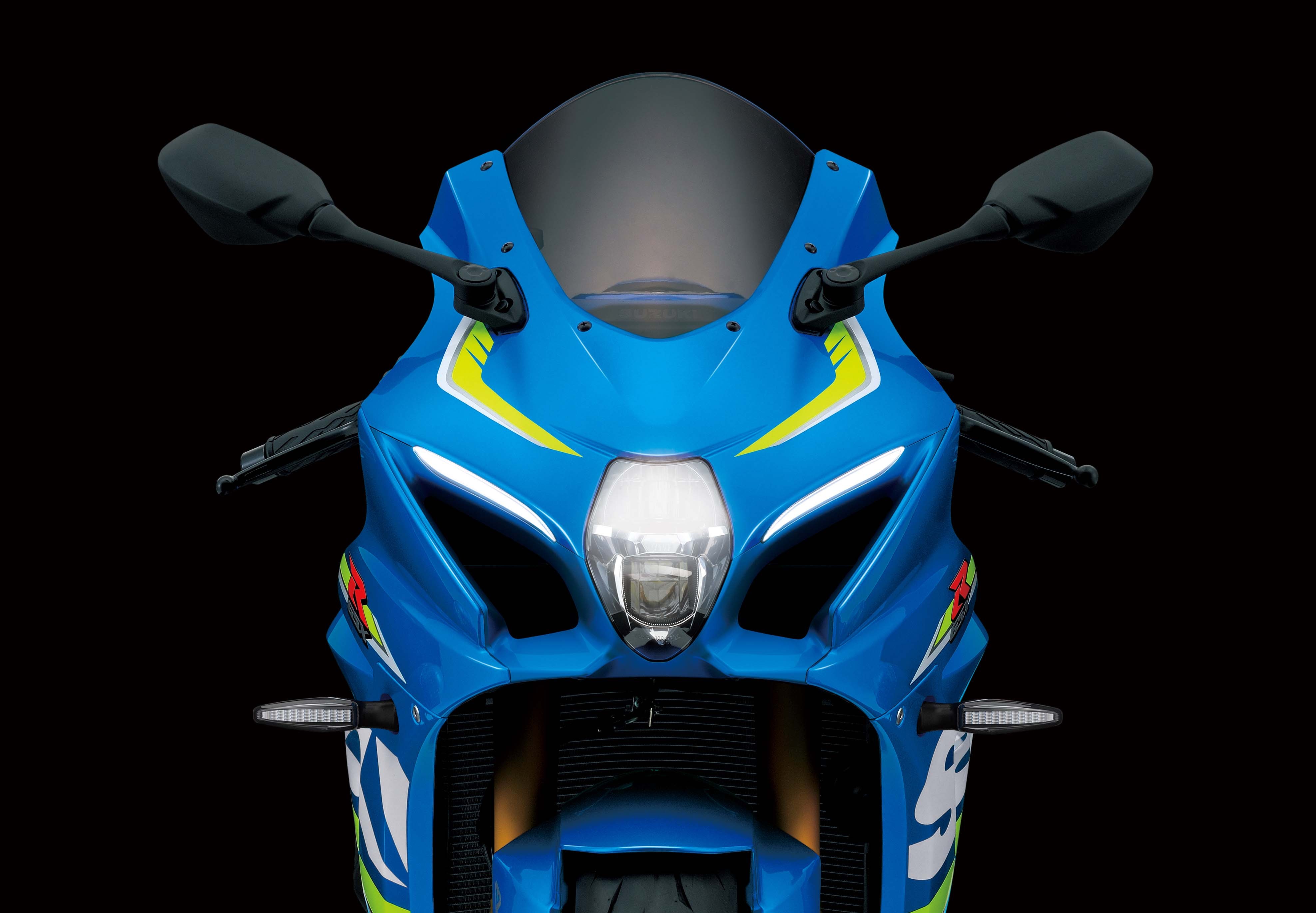
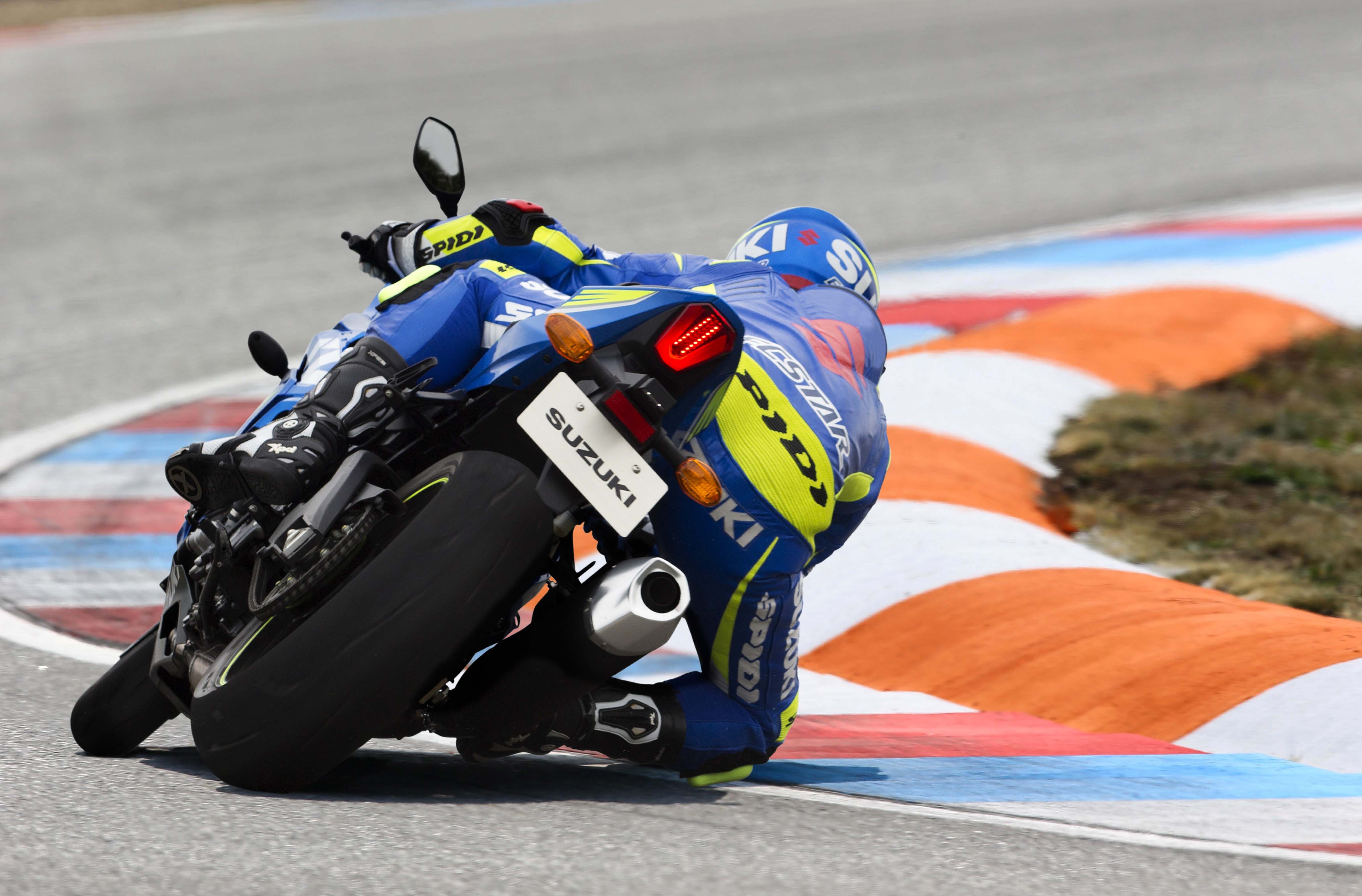
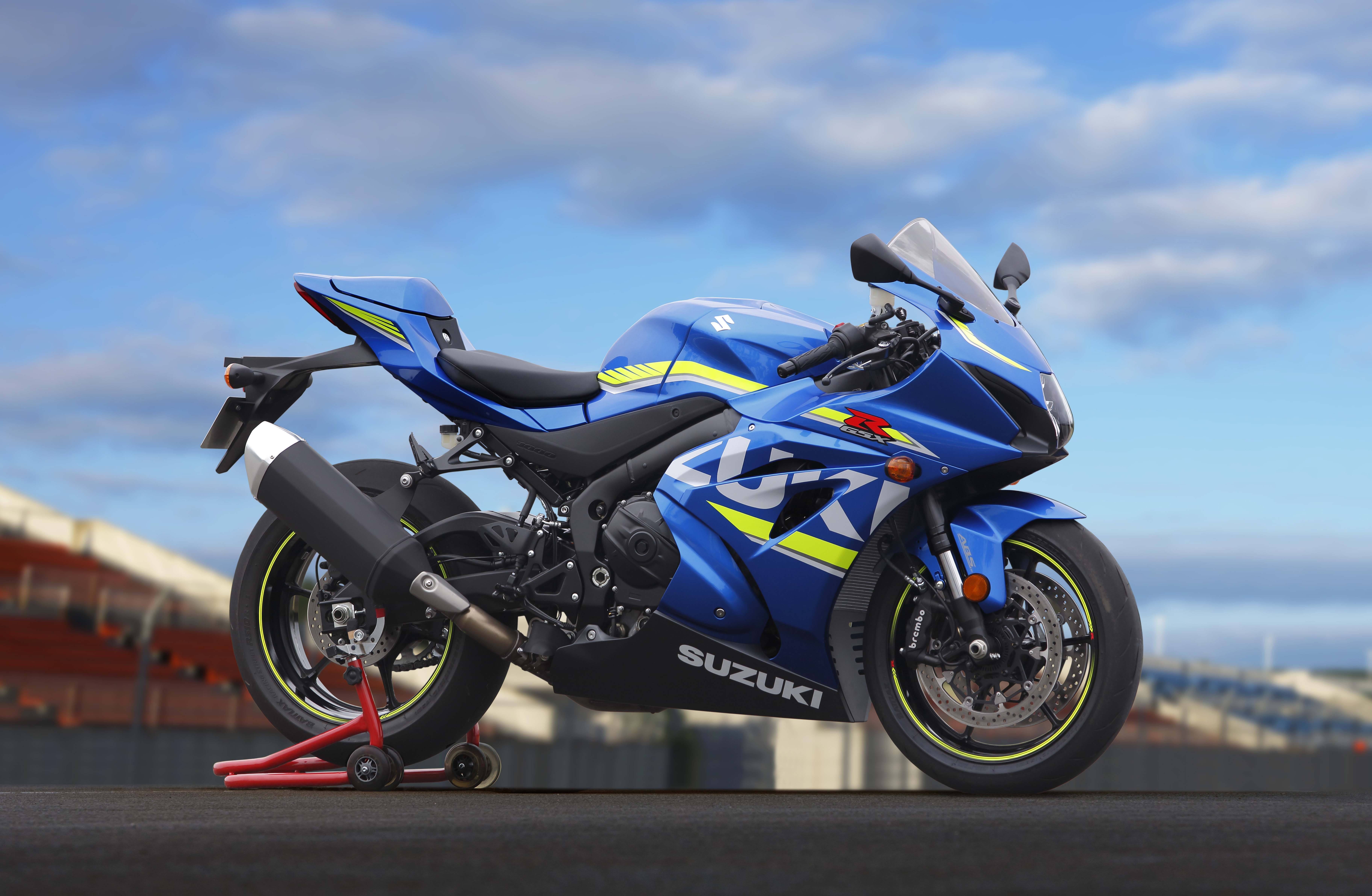
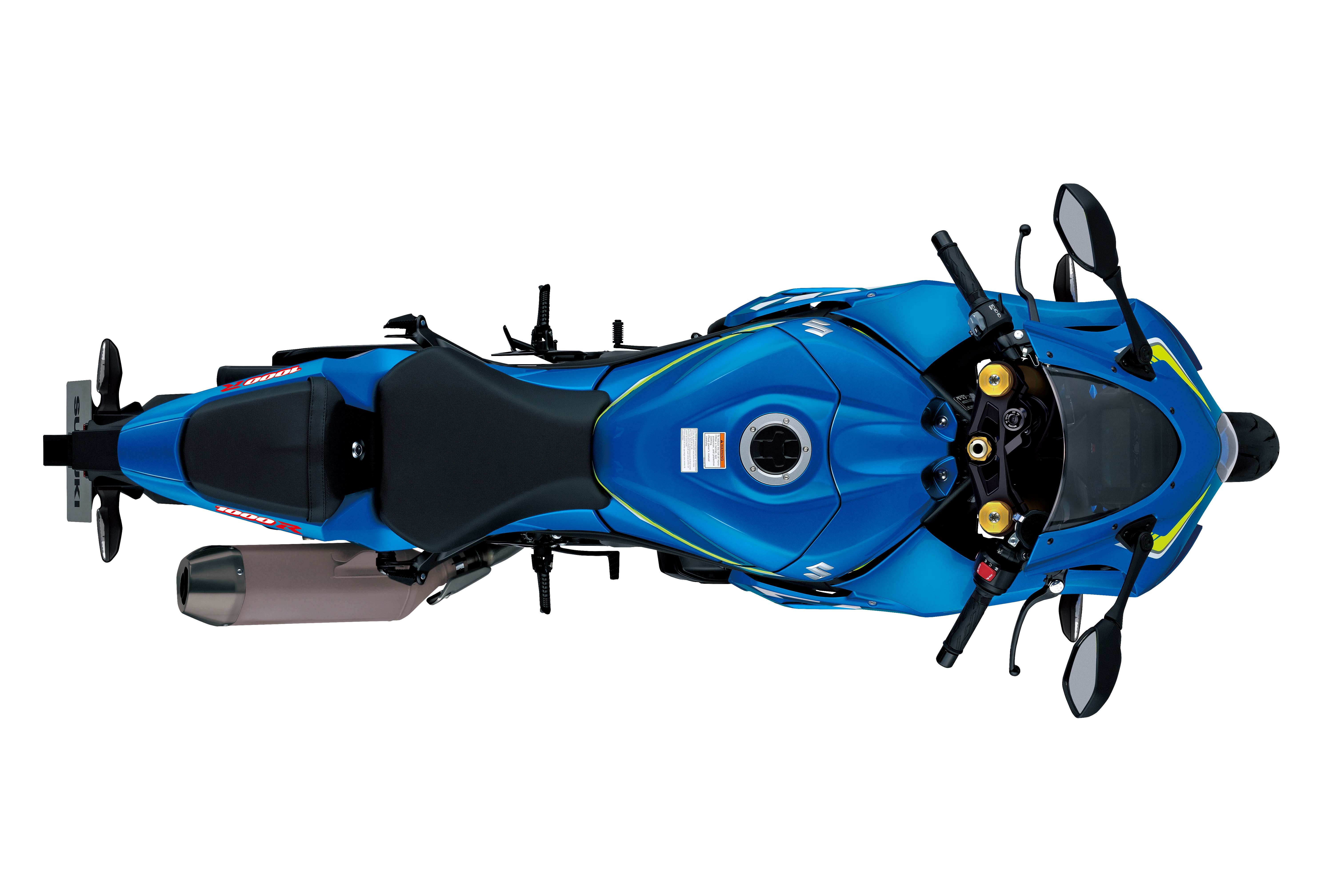
After being absent from the 2015 Tokyo Motor Show, the long wait is finally over after the covers were pulled off an all-new Suzuki GSX-R1000 superbike.
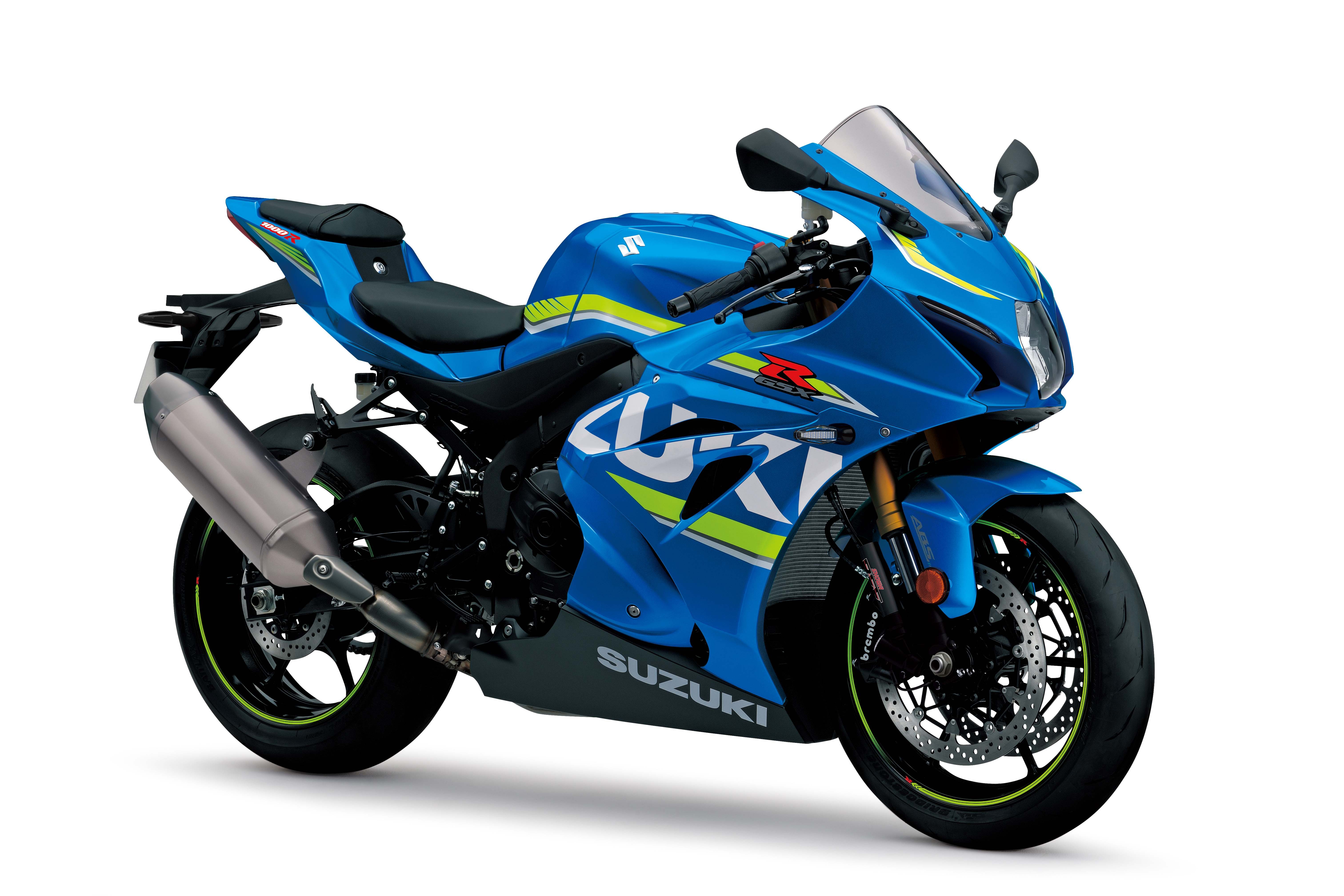
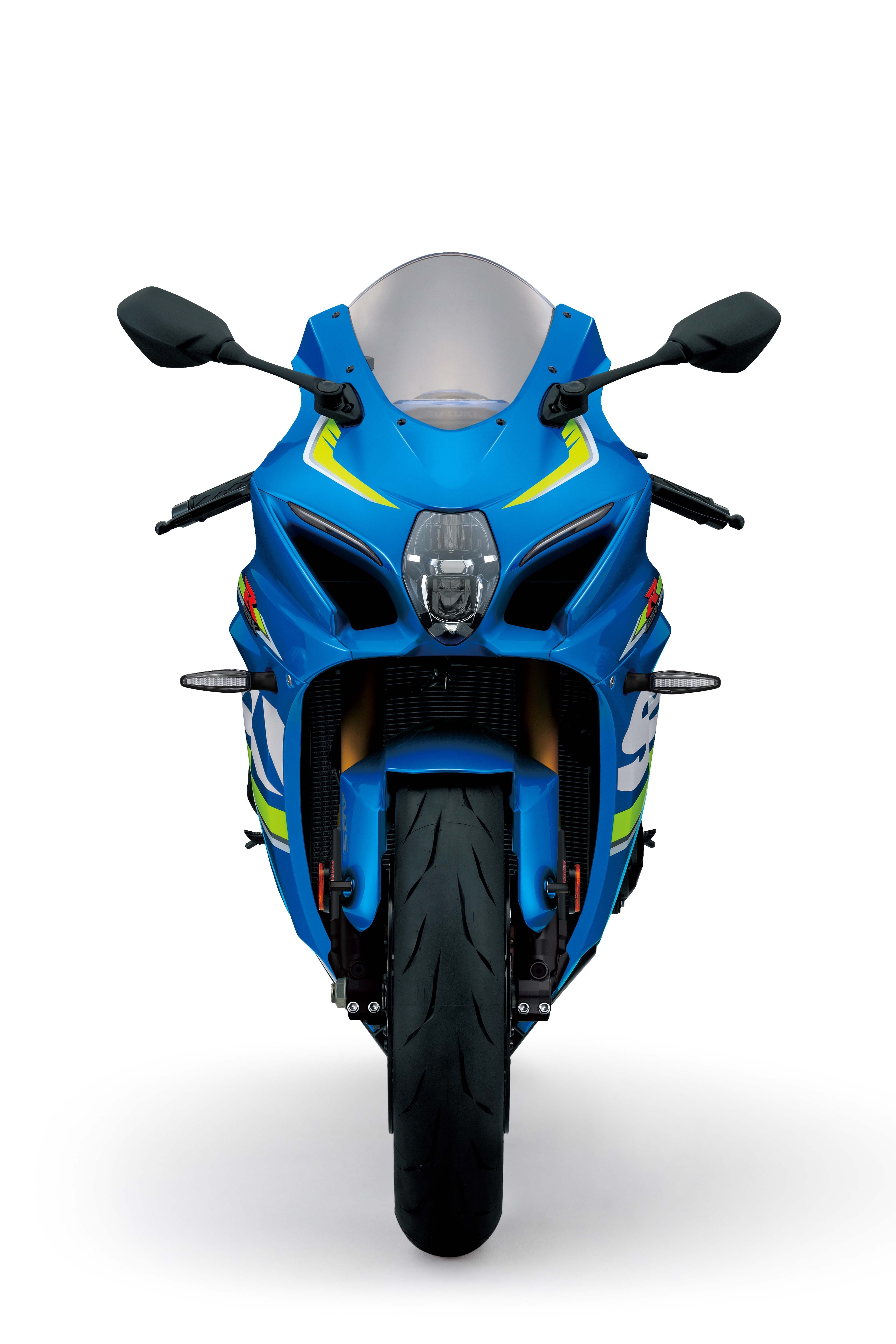
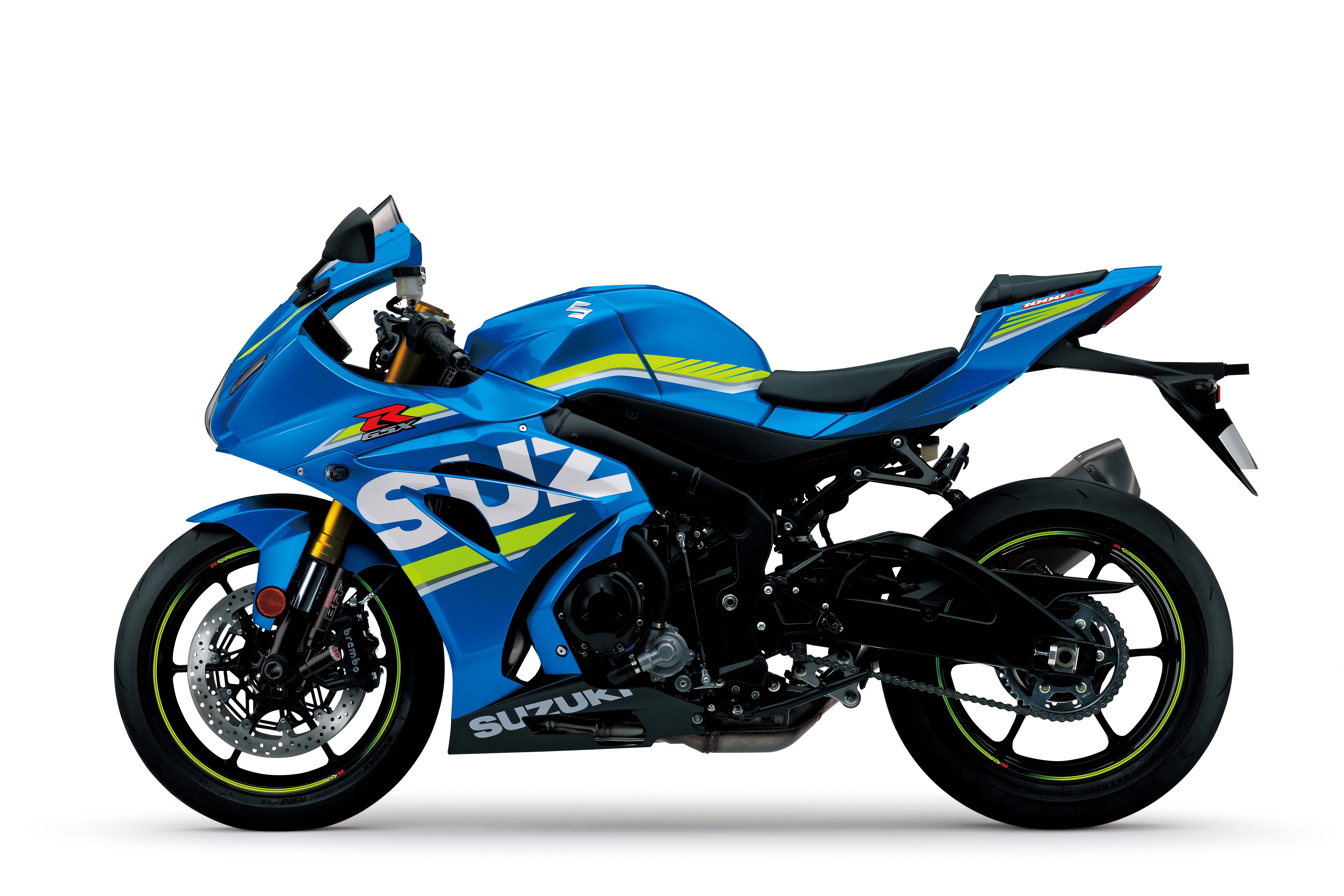
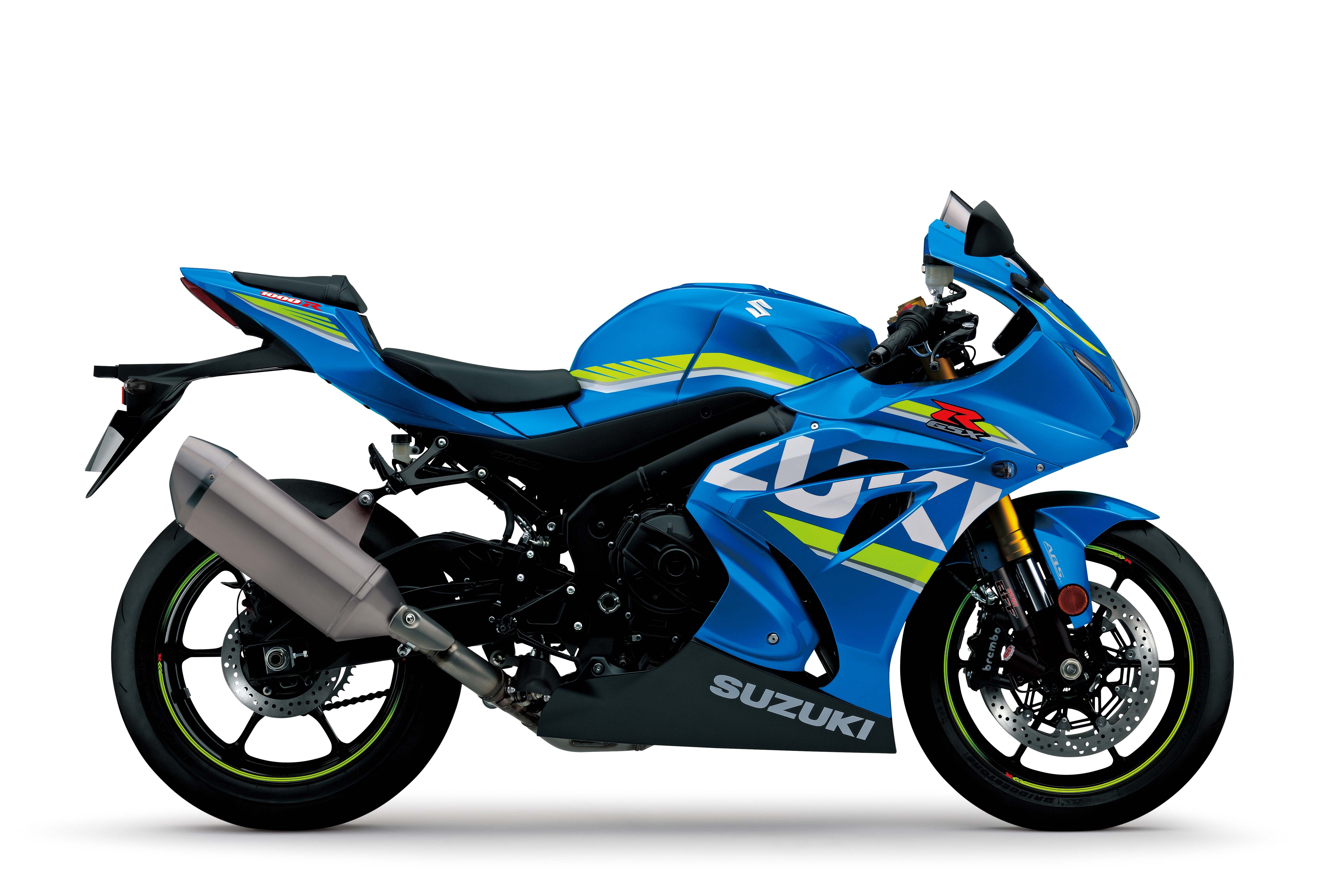
Its been a full 11 years since Suzuki fully updated the model, and this new GSX-R1000, which bears the ‘L7’ chassis code, arrives sporting plenty of new hardware and an all-new look as well.
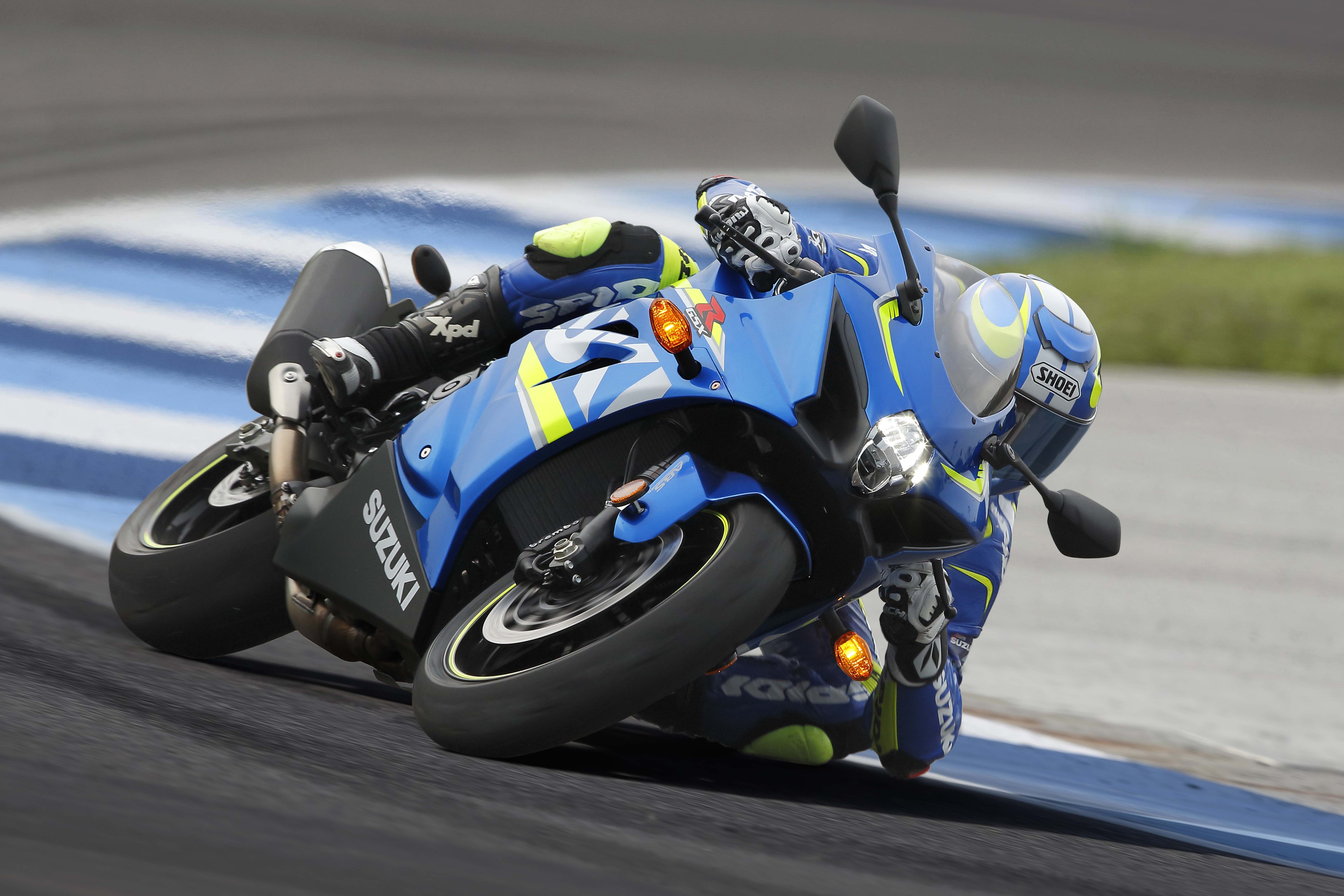
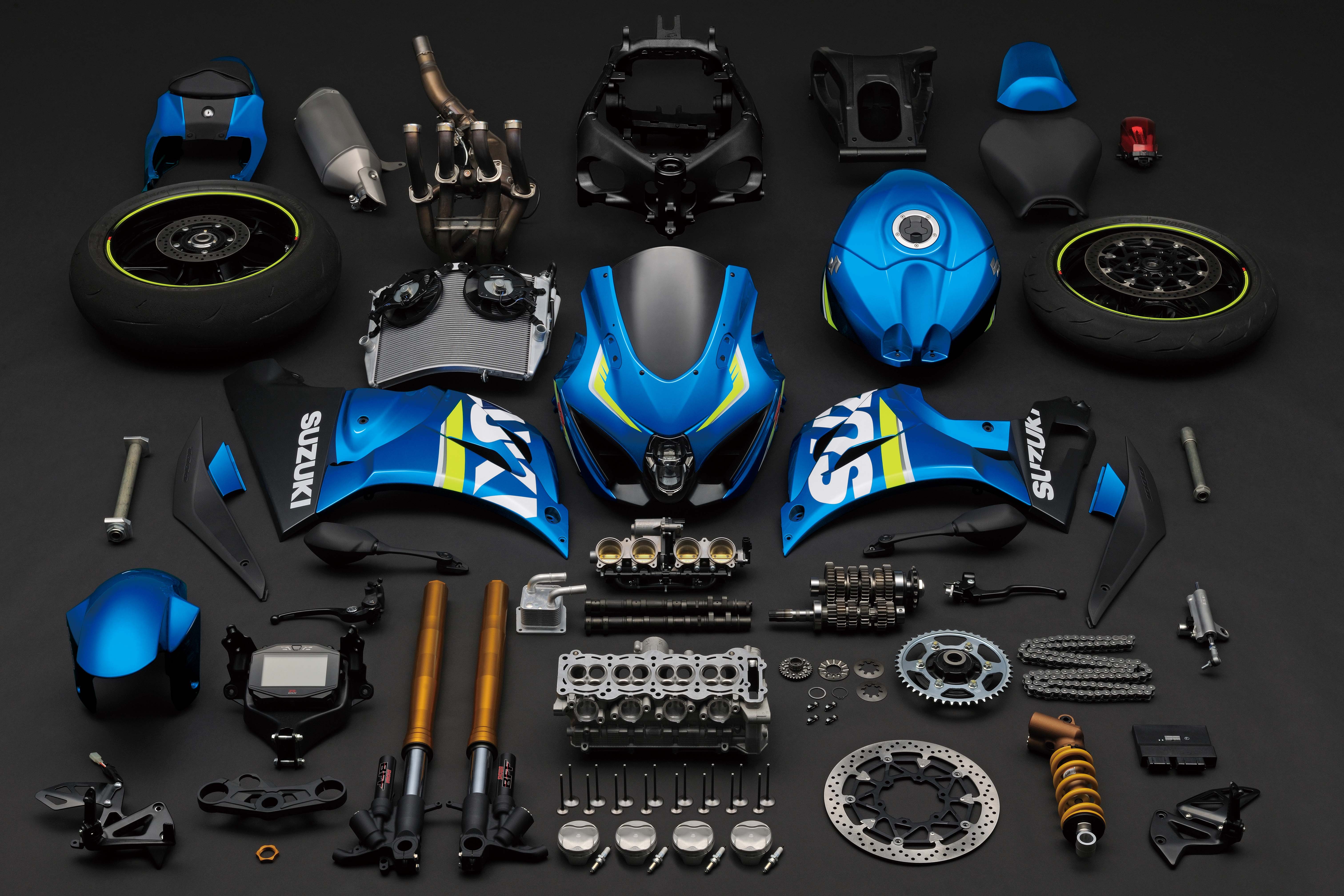
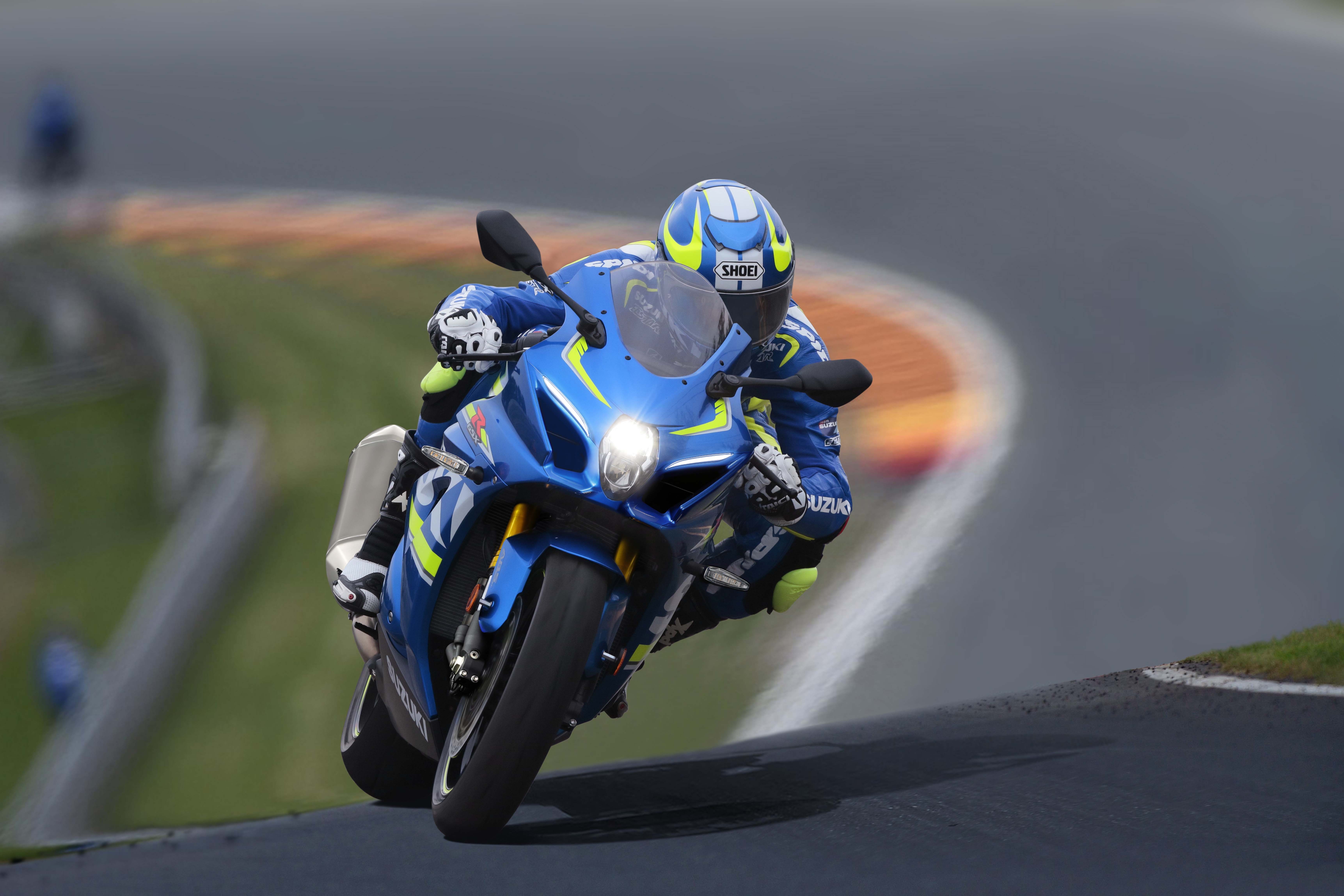
Suzuki claims this new sixth generation GSX-R1000 is the lightest, most powerful and best handling GSX-R ever built, and we have very little reason to doubt that claim. This 6th generation GSX-R1000, or better known as the ‘Gixxer’ thousand amongst fans, is also the most highly equipped version of the superbike ever built.
As far as looks go, the sixth-gen Gixxer thousand now boasts a brand new face and yet, the bike’s lines remains rather distinctively unmistakable as a Gixxer. There’s new LED lighting all round that is complimented with a new LED dash display as well, giving this new L7 Gixxer a very high-tech touch. Of course, what counts for the most is what’s beneath the pretty new metal and this sixth-gen Gixxer has got plenty to boast.
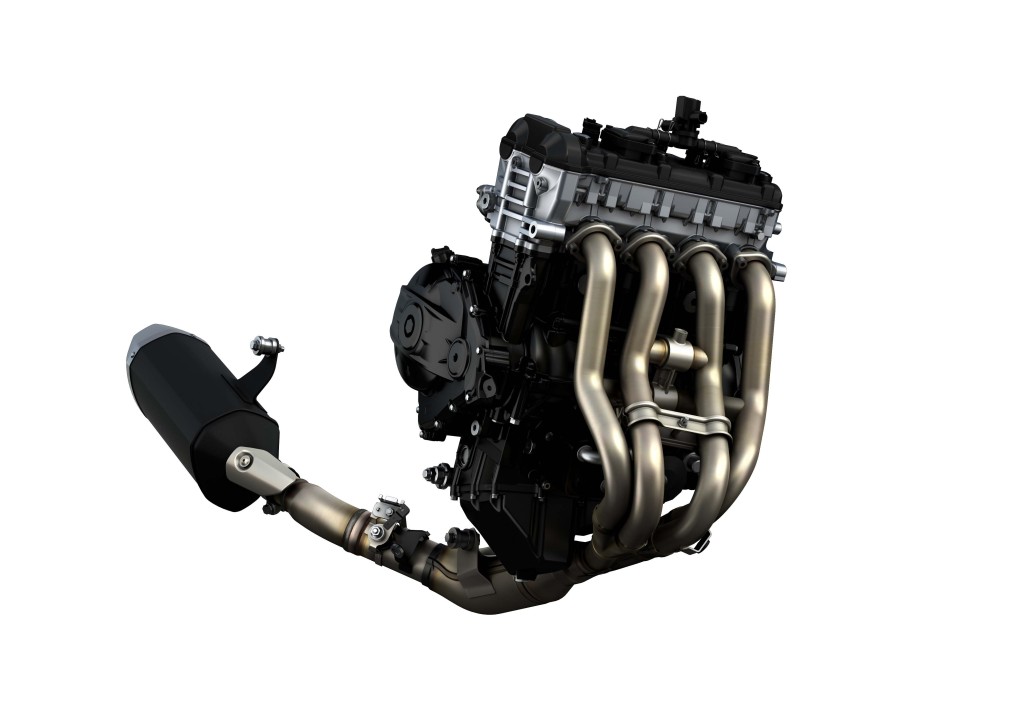
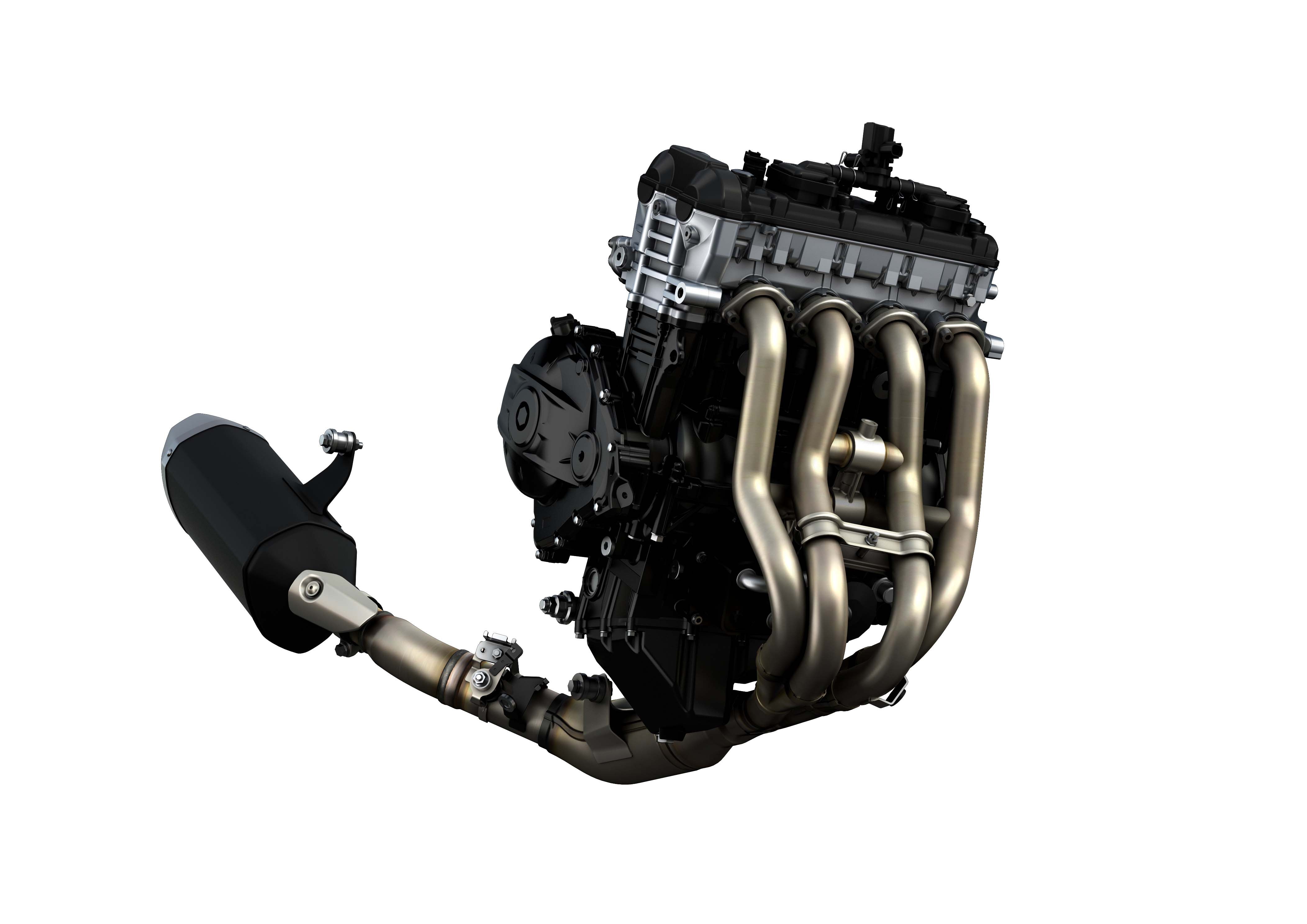
For starters, it gains with a new and improved 999cc in-line four-cylinder engine primed with variable valve timing (VVT). The S-brand’s new litre-sized screamer offers 200hp and about 111Nm of peak torque. Highlights here include Suzuki Racing Finger valve train follower rocker arm to improve valve control and allow higher rpm, while the Suzuki Exhaust Tuning-Alpha (SET-A) and Suzuki Top Feed Injector (S-TFI) systems, which all combine to make what Suzuki call their Broad Power System. Crucially though, much of these were developed off the S-brand’s GSX-RR MotoGP bike.
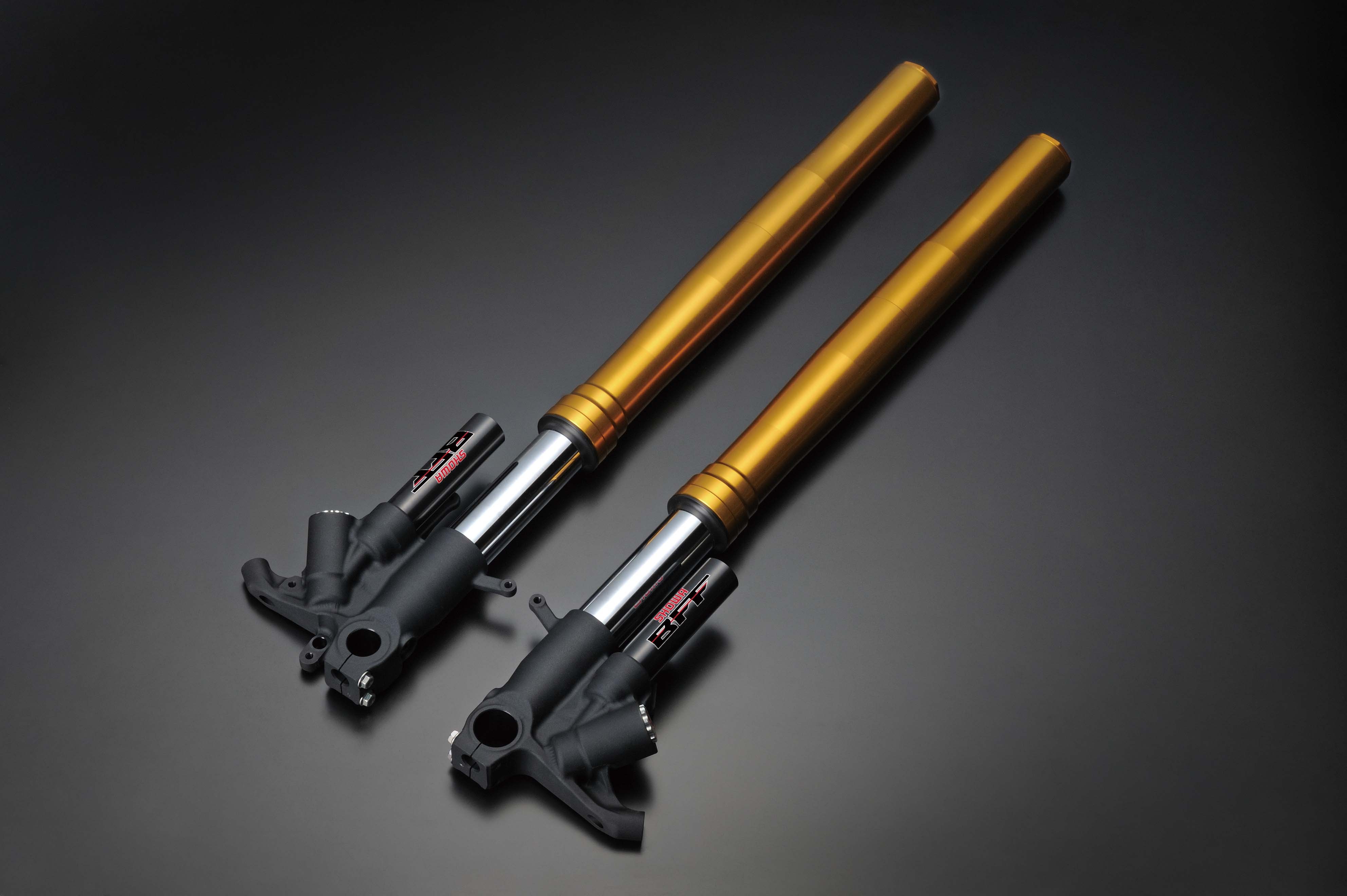
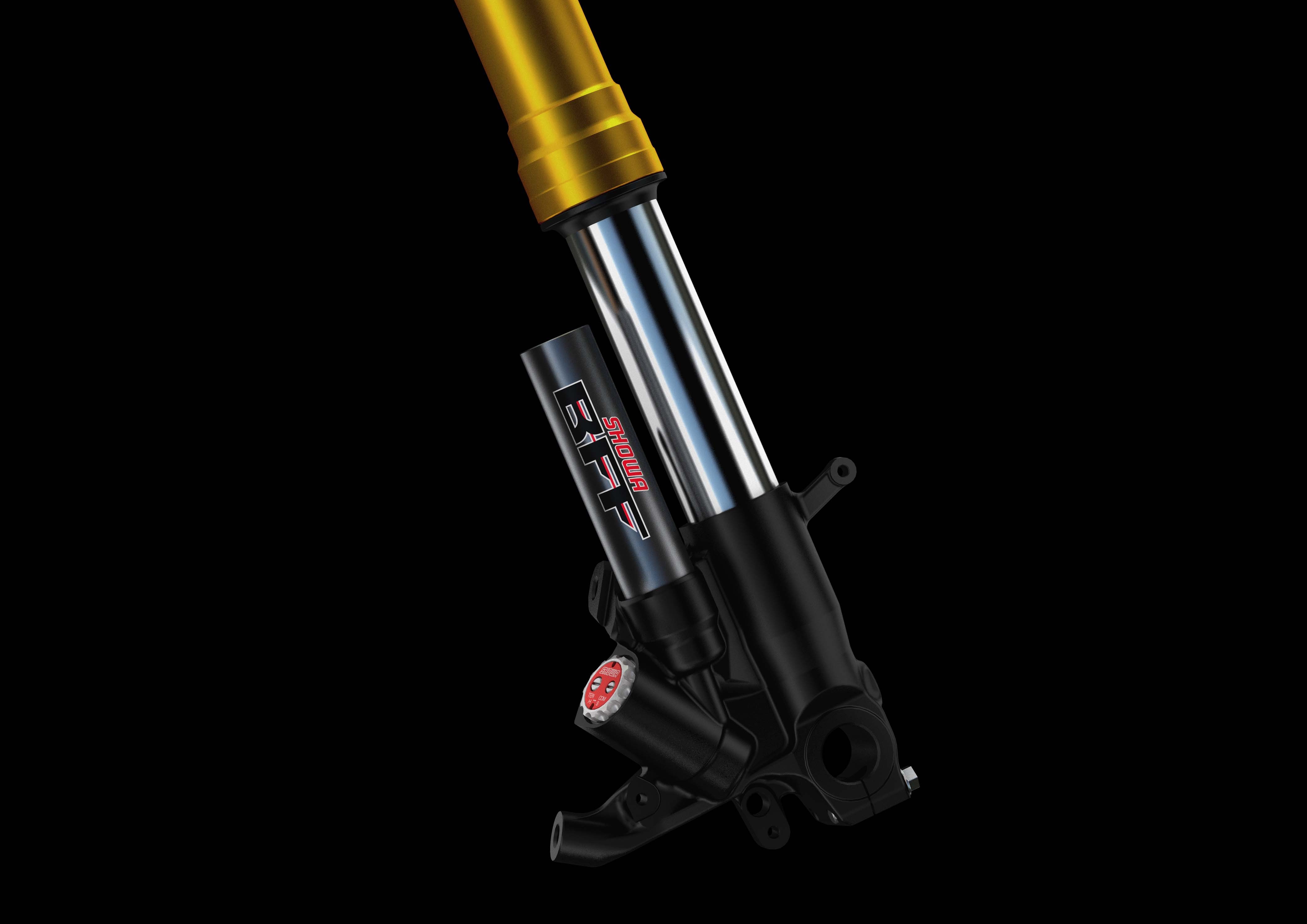
The mill is encased within an all-new chassis design made using lightweight aluminium, but the icing on its cake has to be the Showa Balance Free Front Forks (BFFF) that was first seen in the rivalling 2016 Kawasaki Ninja ZX-10R. The Gixxer takes things up a notch though by pairing that with Showa’s Balance Free Rear Cushion at the back, and if our trained eyes are correct, you even get of twin Brembo anchors up front as well.
Like the rivalling Yamaha YZF-R1 and Kawasaki ZX-10R, the new Gixxer thousand also arrives with a full array of new electronics and advanced rider aids. Things start off with a quick-shifter and auto-blipper, followed by a 10-level traction control system, launch control, as well as three different riding modes thanks to ride-by-wire, not forgetting the all-important advanced ABS suite too.
The new sixth-generation Suzuki GSX-R1000 is expected to hit markets starting early next year but prices are still undisclosed for now. Nevertheless, this is one superbike we know will stack well against its other Japanese- and European-made litre-classed rivals indeed.
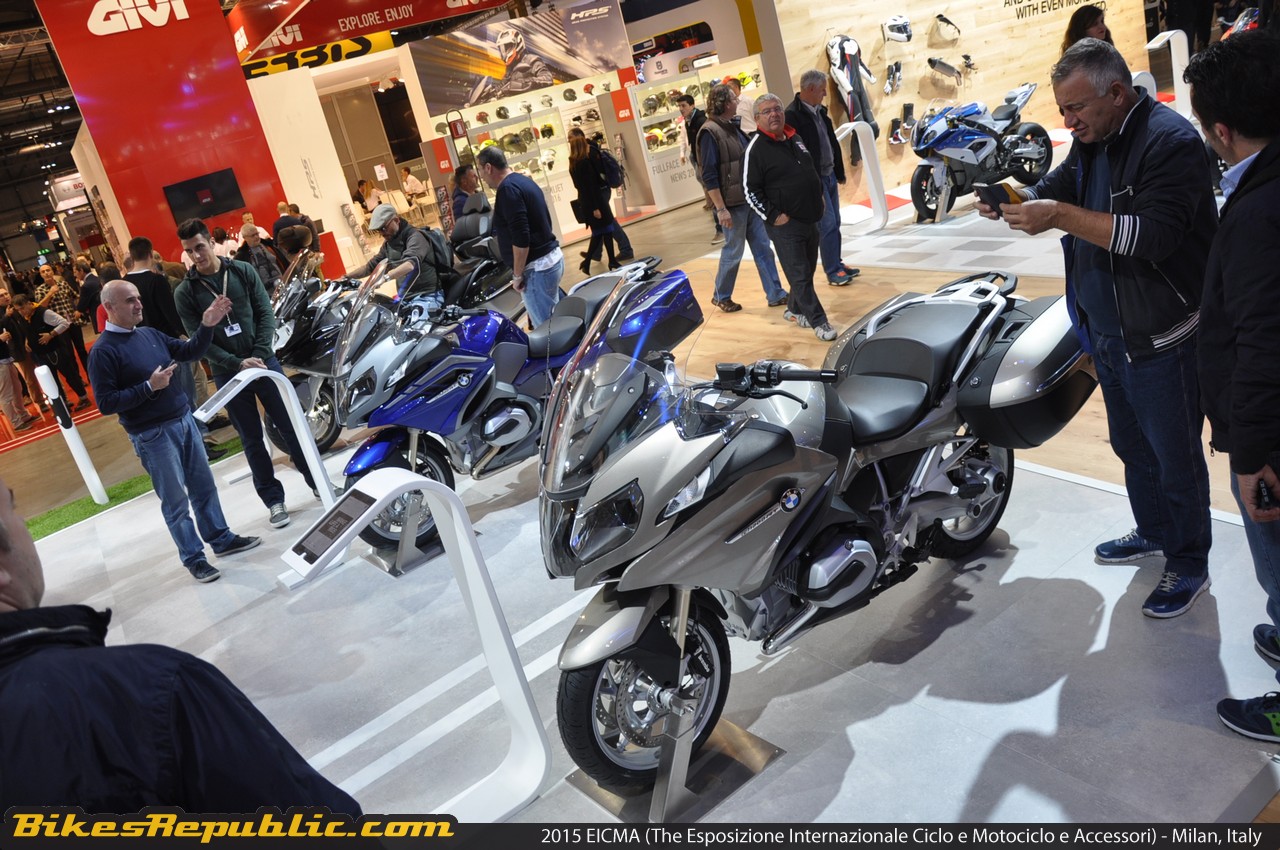
EICMA is the world’s biggest motorcycle show and BMW took the opportunity to show off its latest range of custom bikes, cruisers, tourers and even a brand spanking new, hot out of the oven, first sub-500cc motorcycle.
By the way things are looking for the German brand, 2016 is going to be another tremendous year for BMW. We break down the brand’s latest models below:
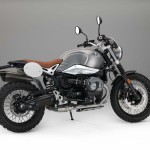
BMW R nineT Scrambler
Beautiful from all angles, the new BMW Scrambler takes the fight directly to Ducati and Triumph with its old school design and new technologies. Featuring the same air-cooled boxer engine and a host of custom upgrades, even owners of current R nineT’s are able to customise their bikes to a Scrambler.
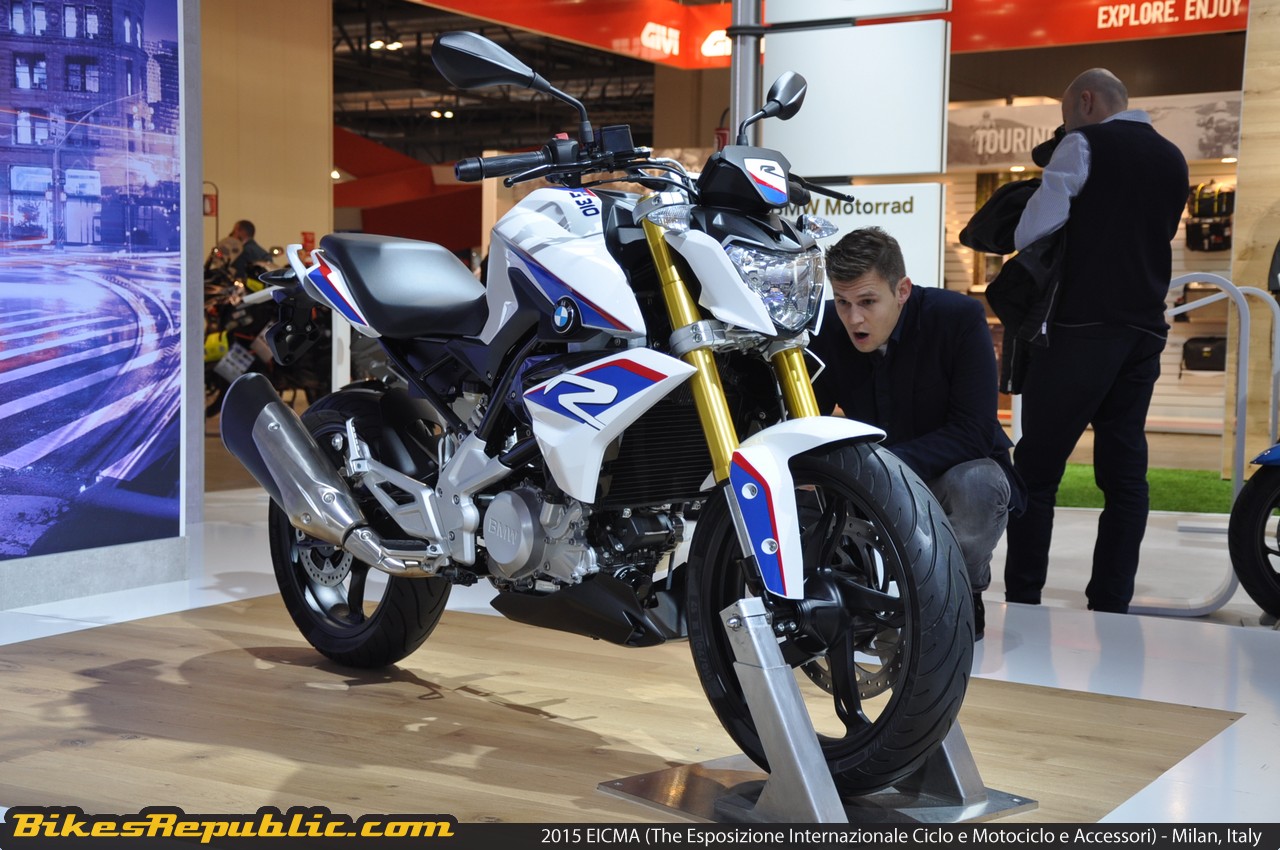
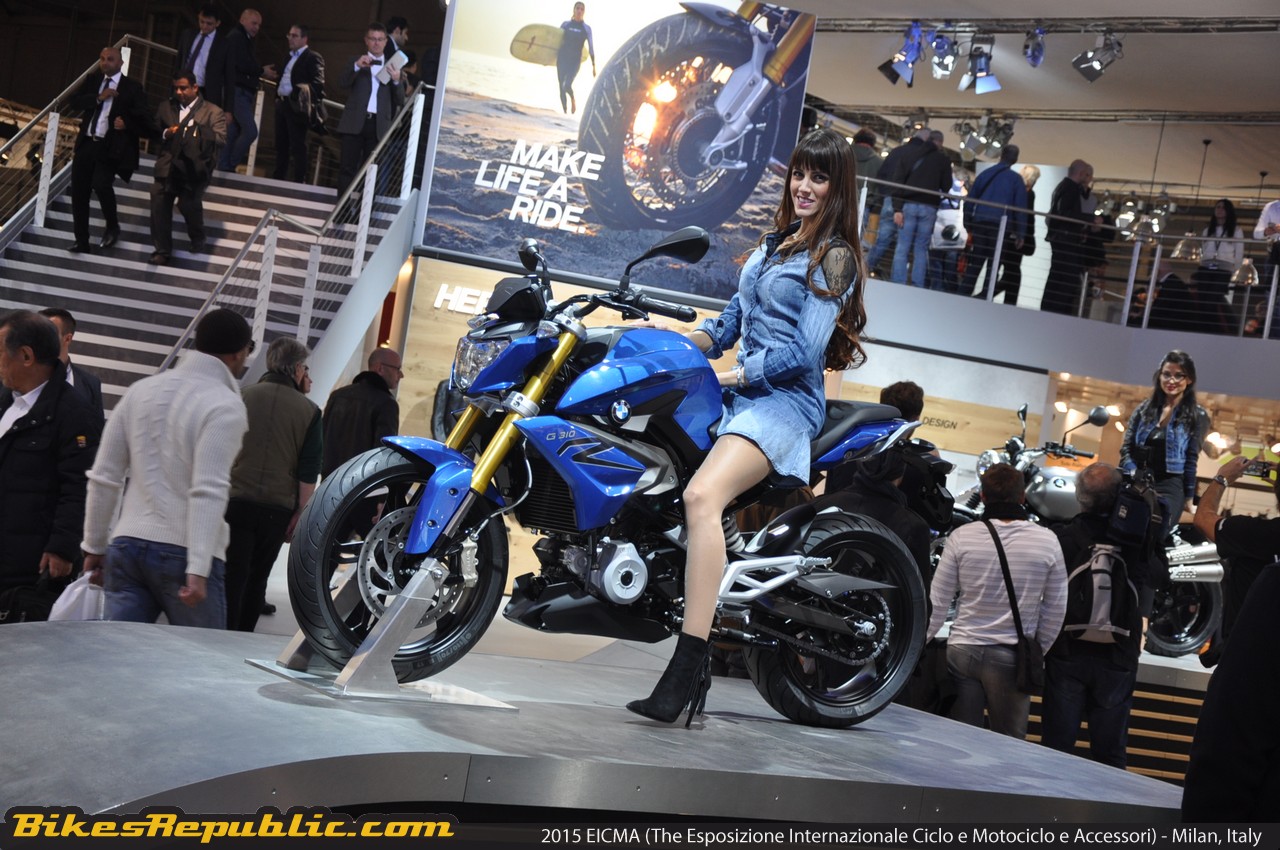
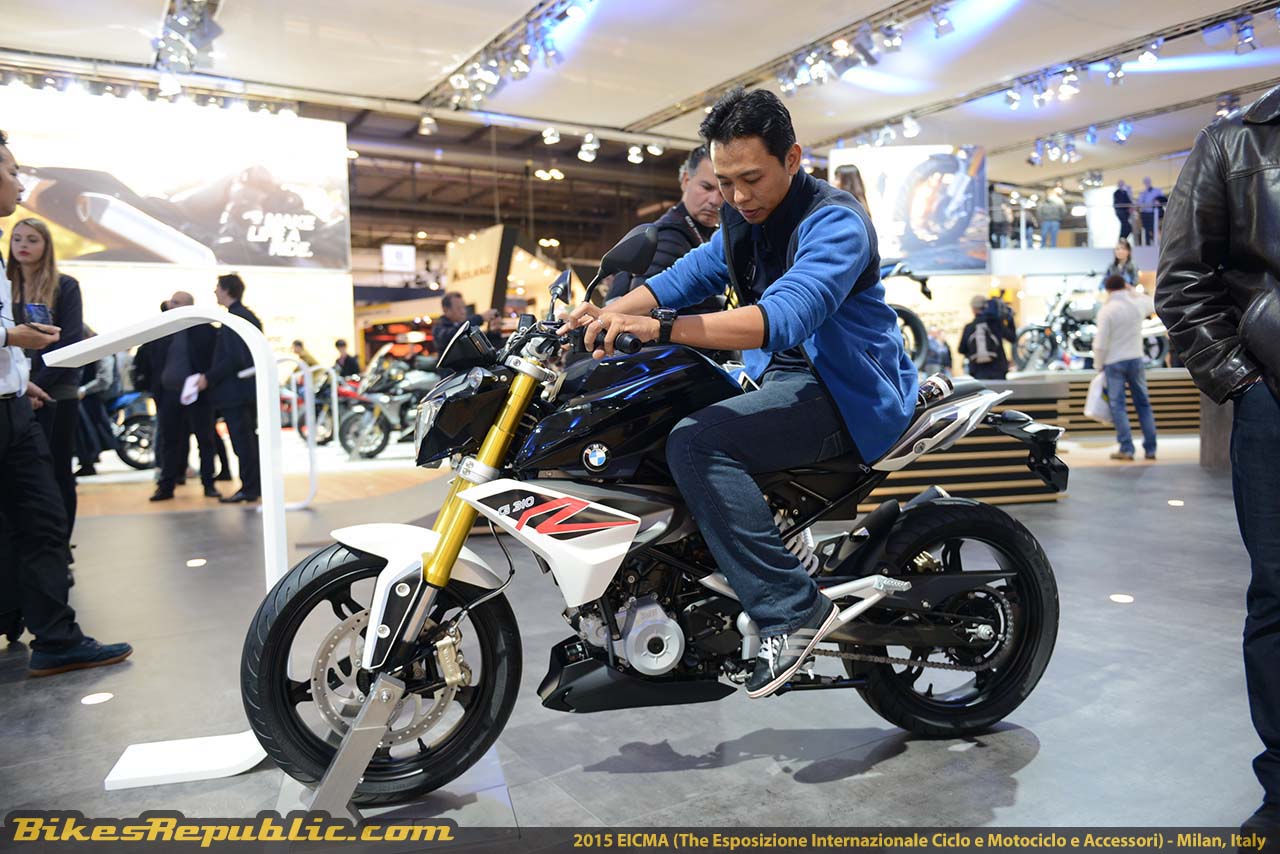
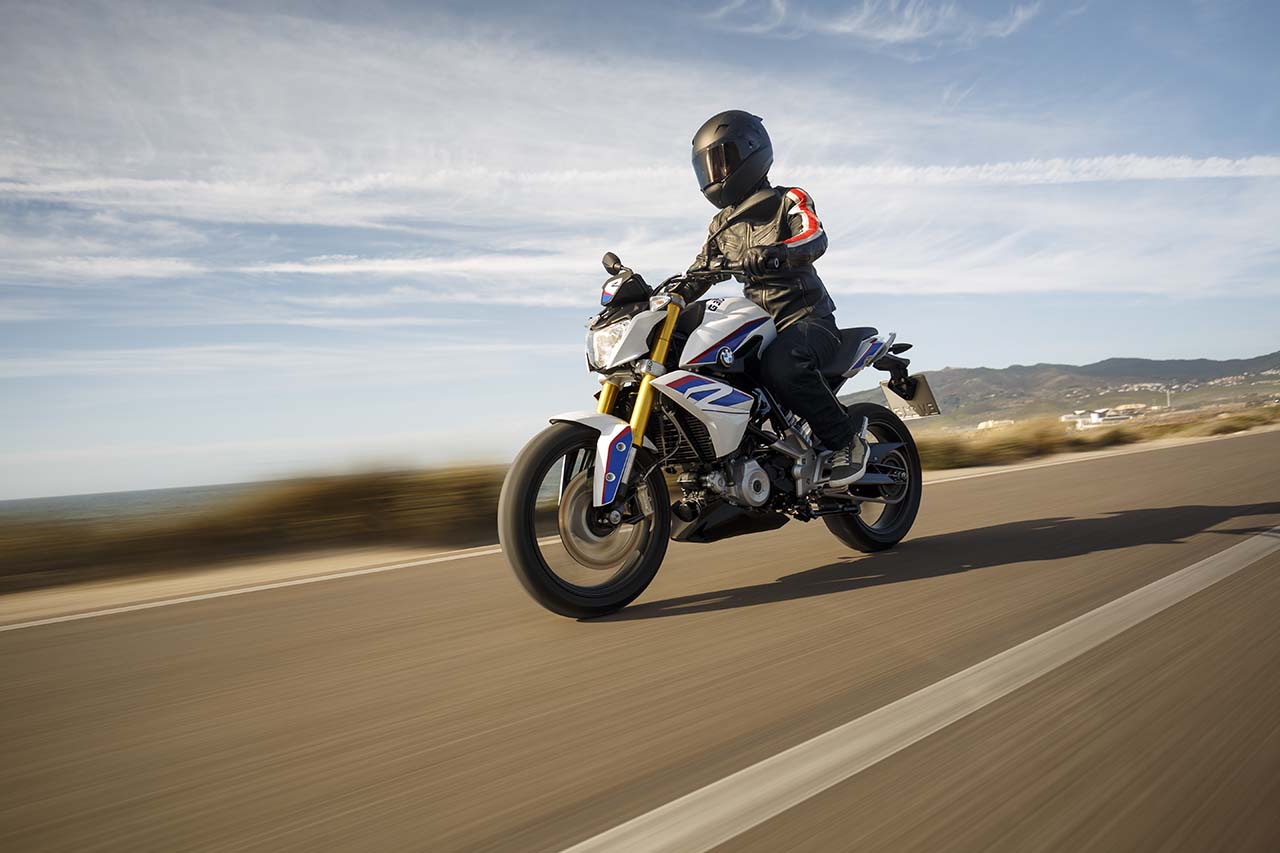
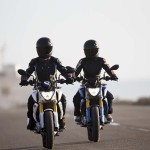
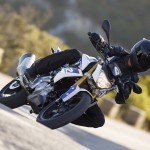
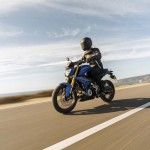
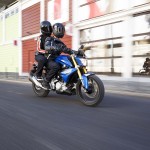
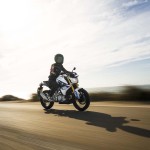
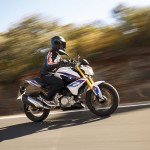
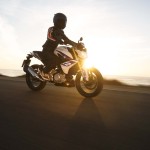
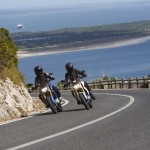
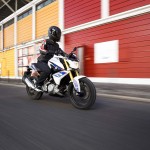
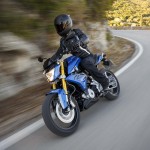
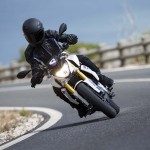
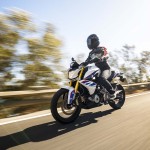
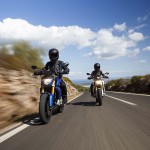
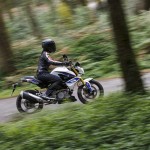
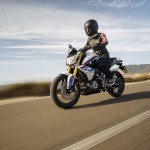
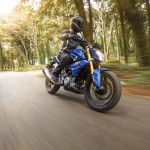
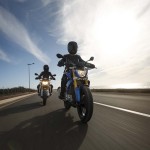
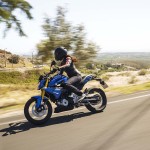
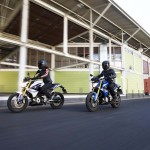
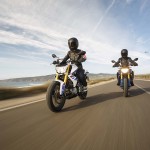
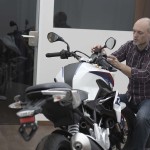
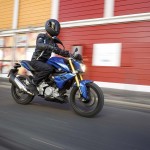
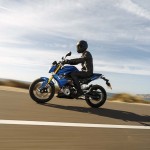
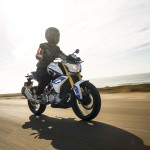
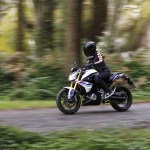
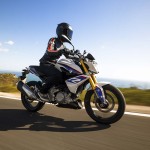
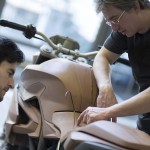
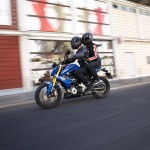
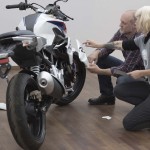
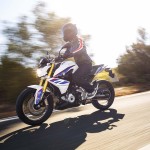
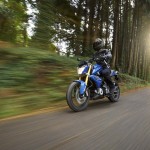
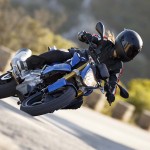
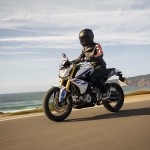
BMW’s first sub-500cc motorcycle is a good looking monster, and yes the guy’s facial expression in the picture above is justified. The medium sized 300cc bike is the ideal starter bike for just about anyone with all the right touches from BMW. It does not have too much or too little of anything, and we reckon that it is only a matter of time before BMW introduces in Malaysia. As for the price? BMW Malaysia has not given any indication, but we reckon sub-RM50,000 sounds about right to completely take the fight to the competition like the Ducati Monster 821, the KTM Duke 690 and others like the Kawasaki Z800. What makes it so great? Click here to find out.
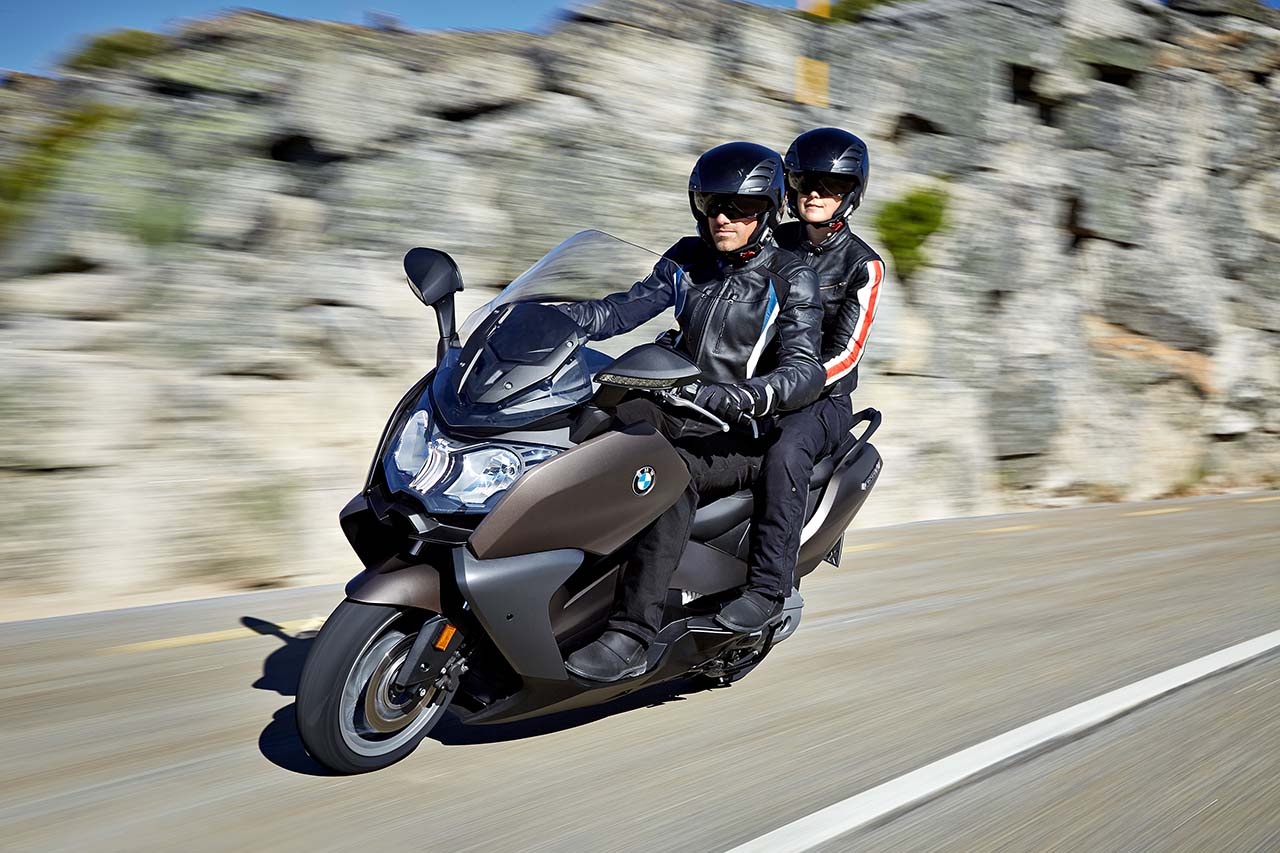
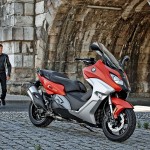
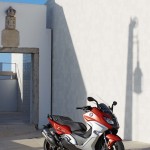
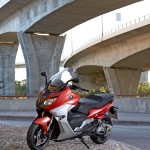
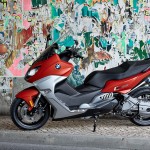
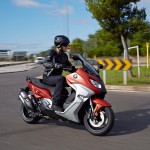
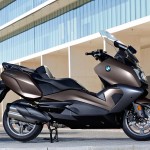
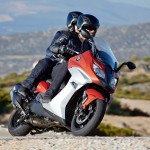
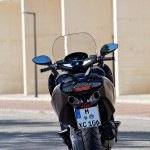
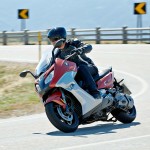
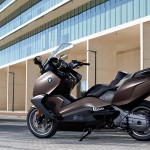
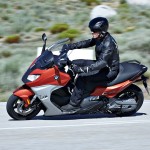
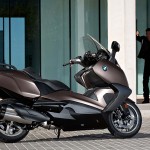
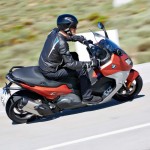
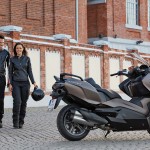
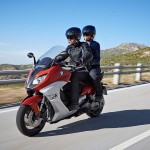
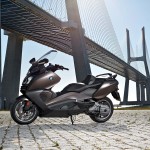
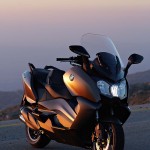
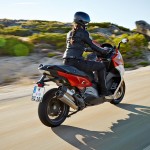
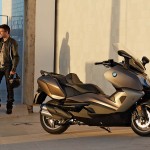
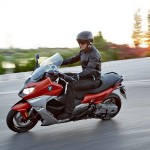
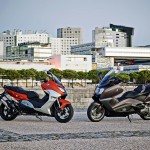
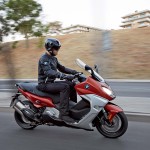
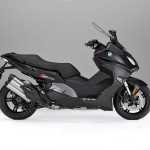
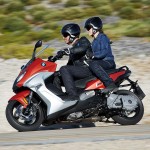
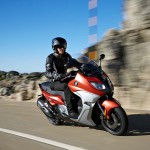
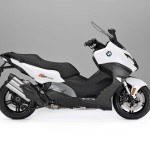
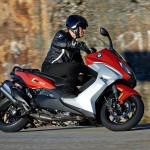
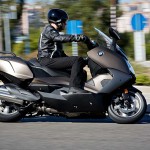
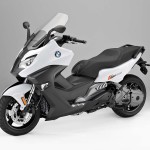
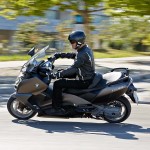
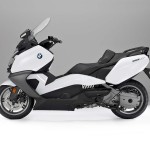
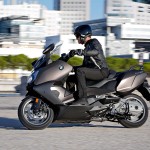
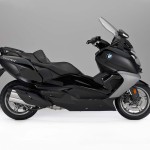
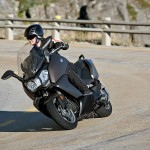
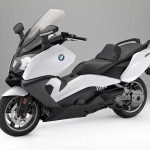
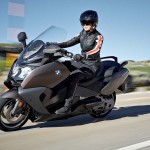
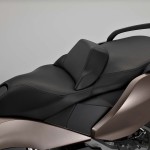
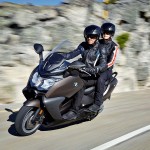
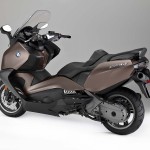
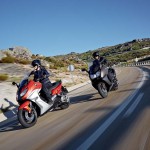
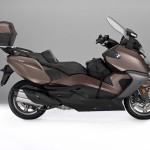
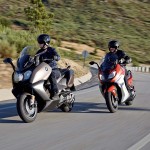
Updated BMW C650 Sport and C650 GT Scooters
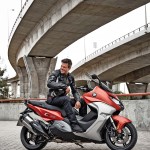
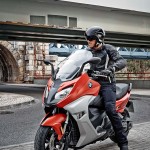
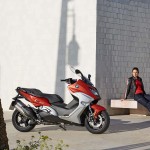
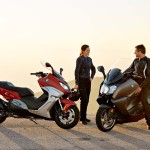
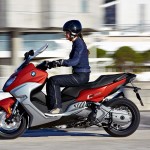
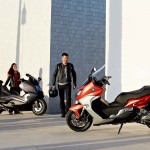
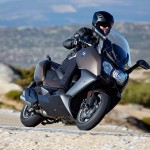
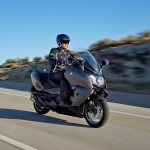
BMW’s range of maxi scooters have been hugely popular, but in Malaysia they have been somewhat reserved for the rich with a price tag of above RM60,000. They still have a good following and the trend is set to continue with updates to its engine, gearbox and overall design. We dissect the internals to see what’s new here.
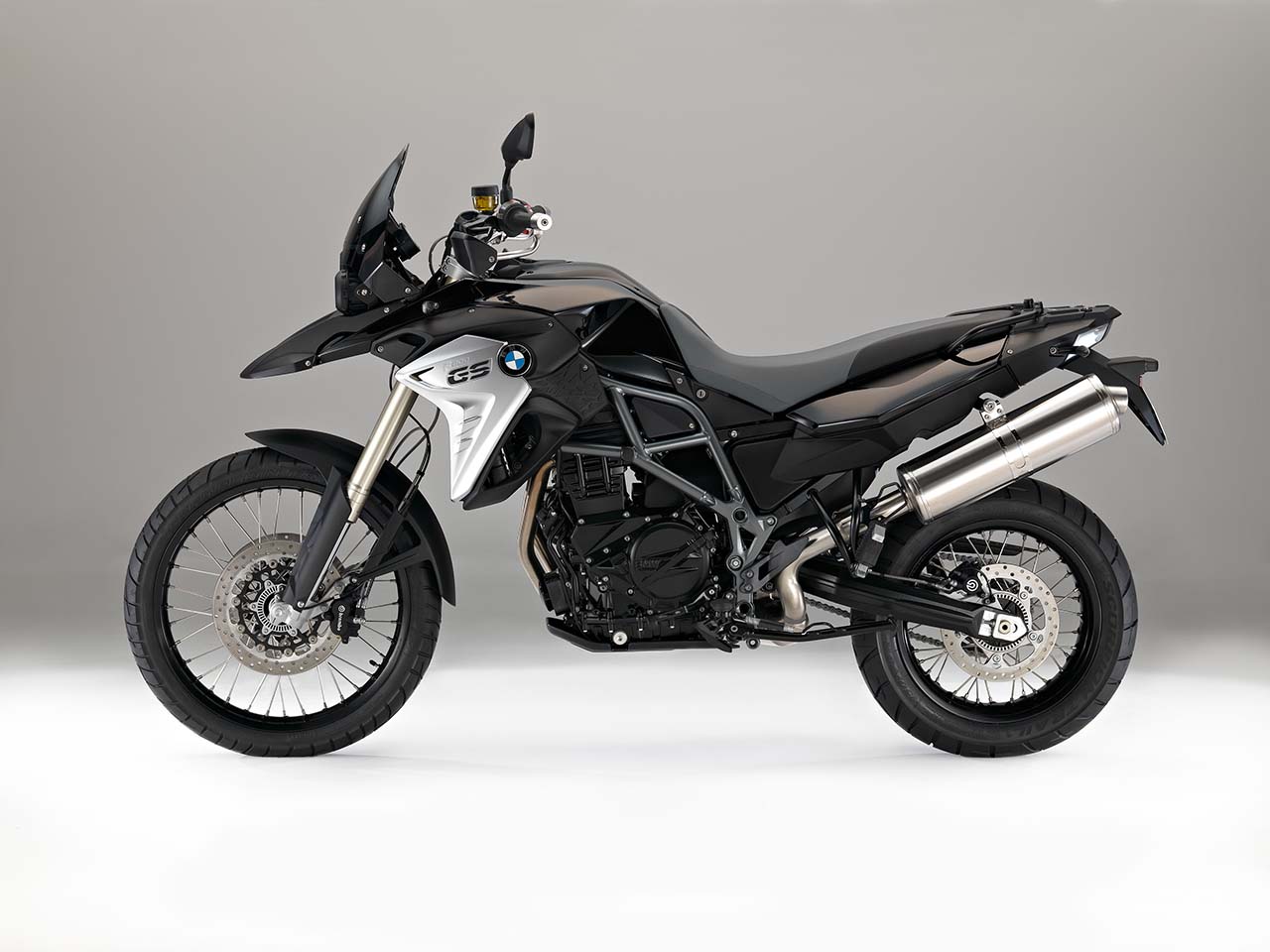
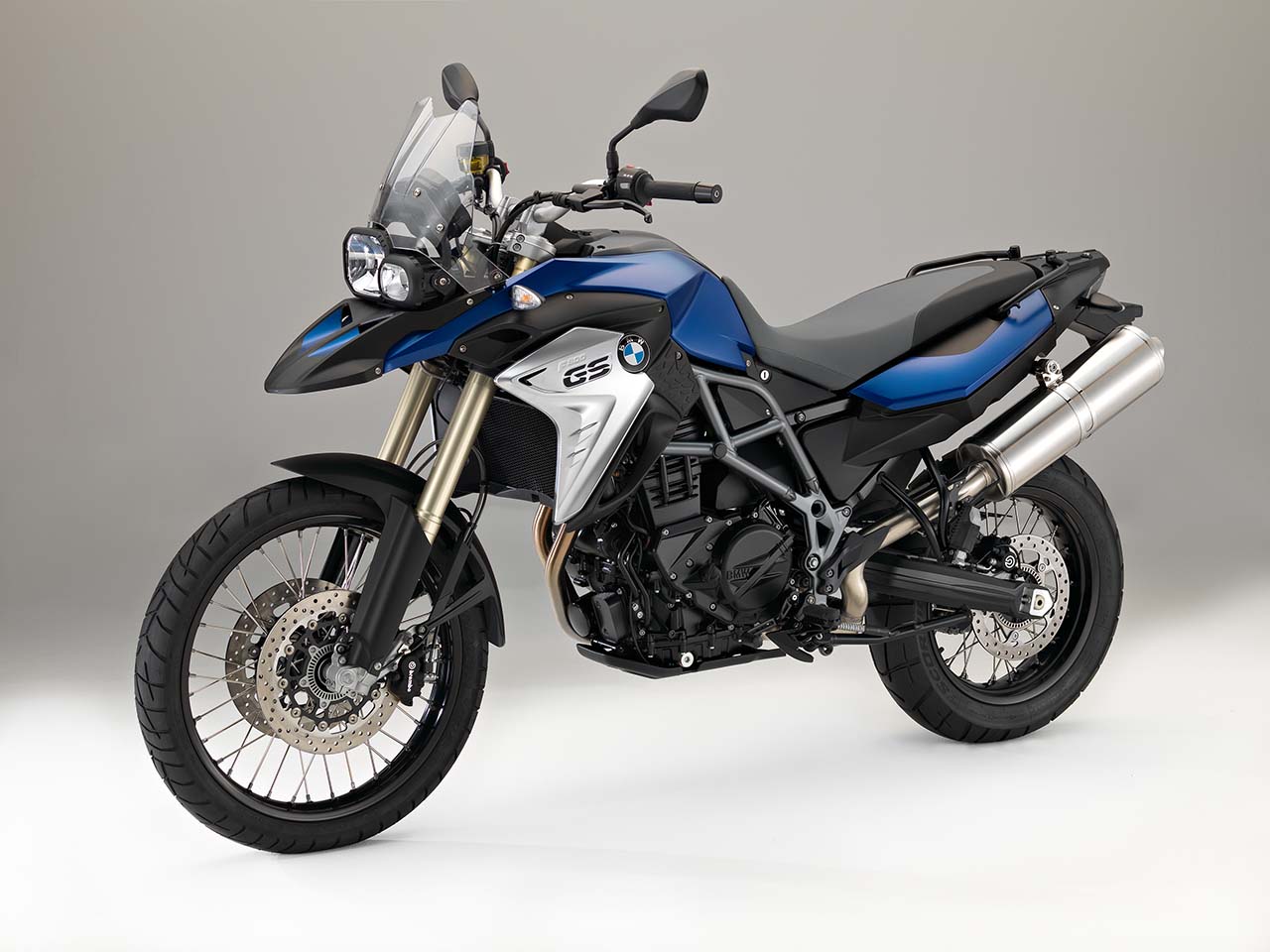
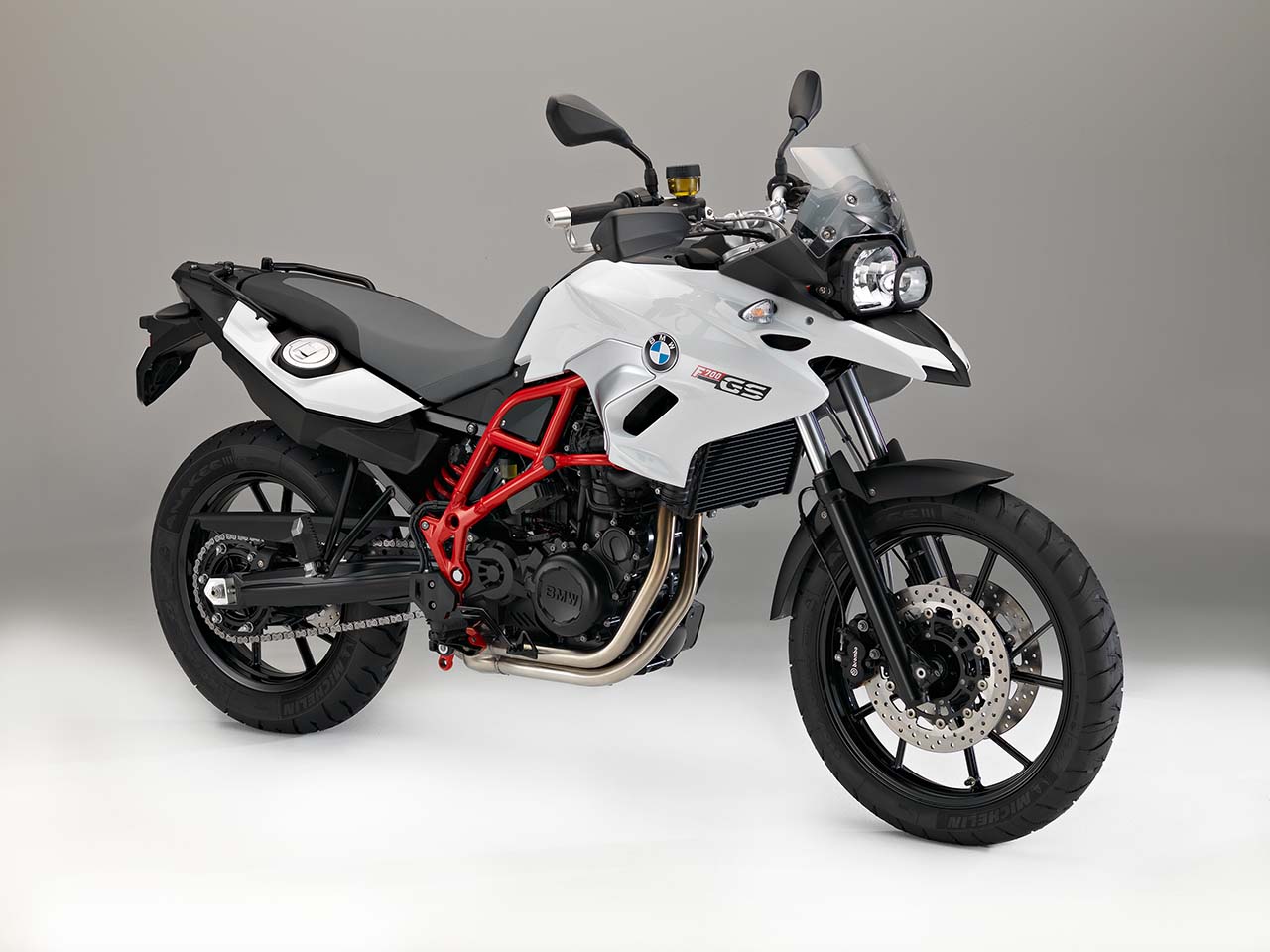
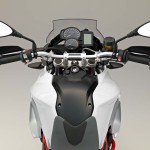
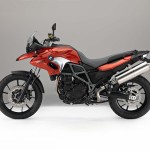
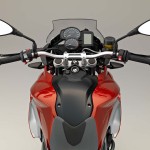
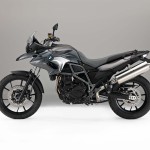
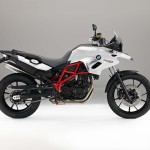
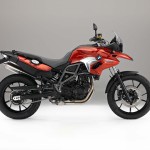
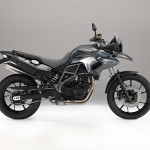
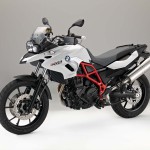
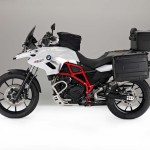
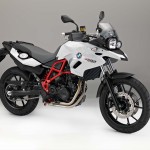
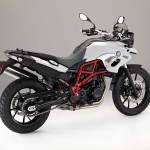
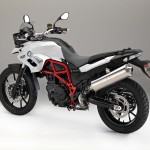
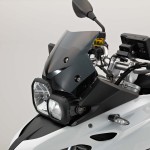
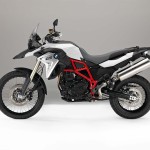
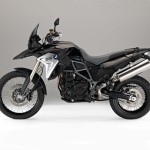
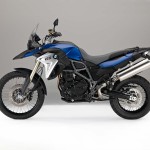
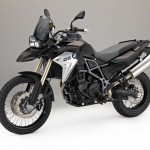
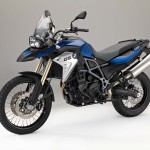
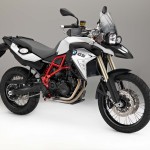
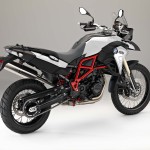
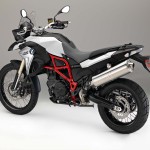
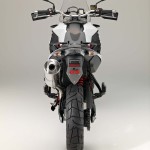
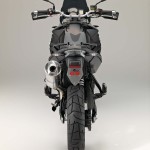
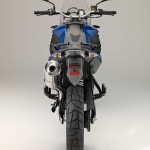
Refreshed BMW F700GS and F800GS
The F700GS and F800GS are the entry level models to BMW’s hugely successful GS range, and though the updates to the new bikes may not seem like much, they are enough to ensure that the competition has a tough time in 2016. Check out what’s new here.
BMW’s range of scooters have been due for an upgrade for a while now.
Well the upgrades have happened and the latest range were unveiled at EICMA.
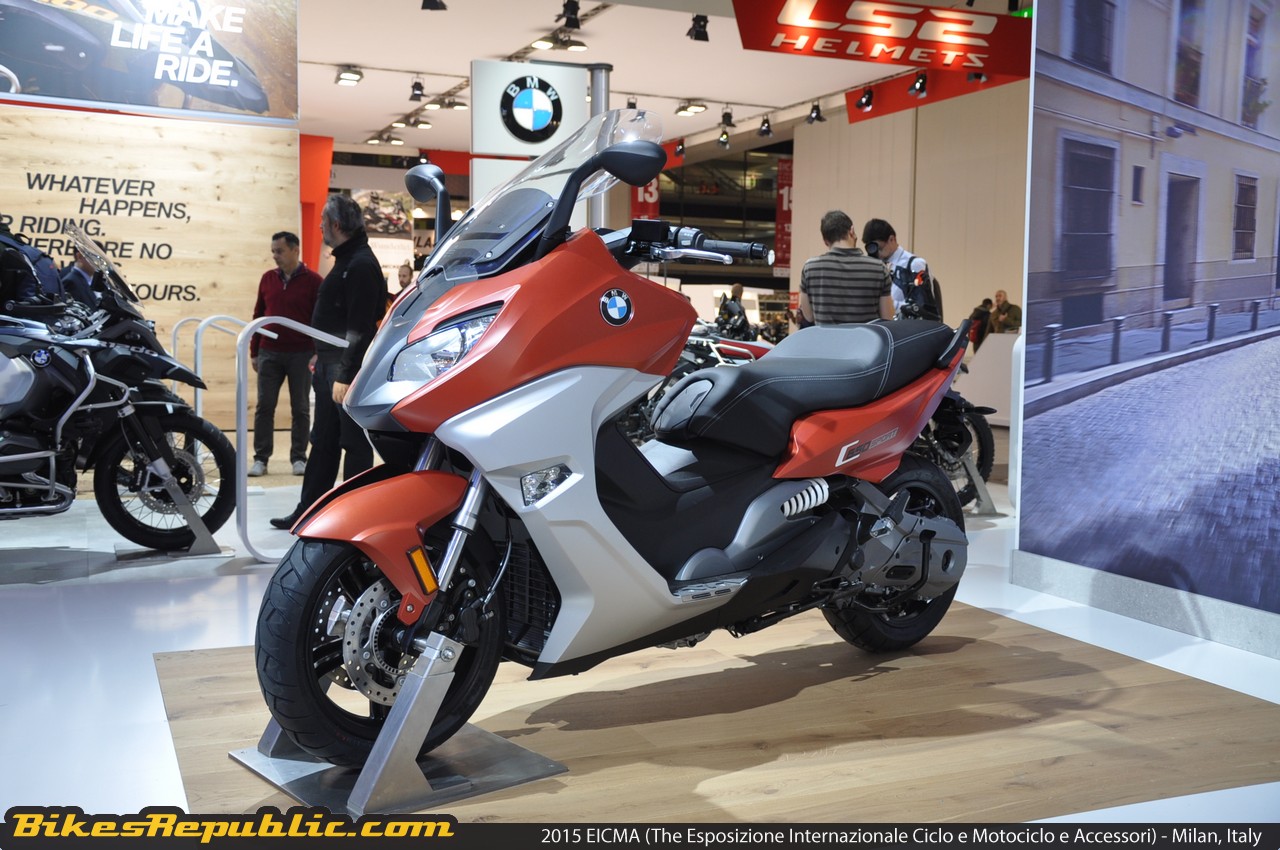
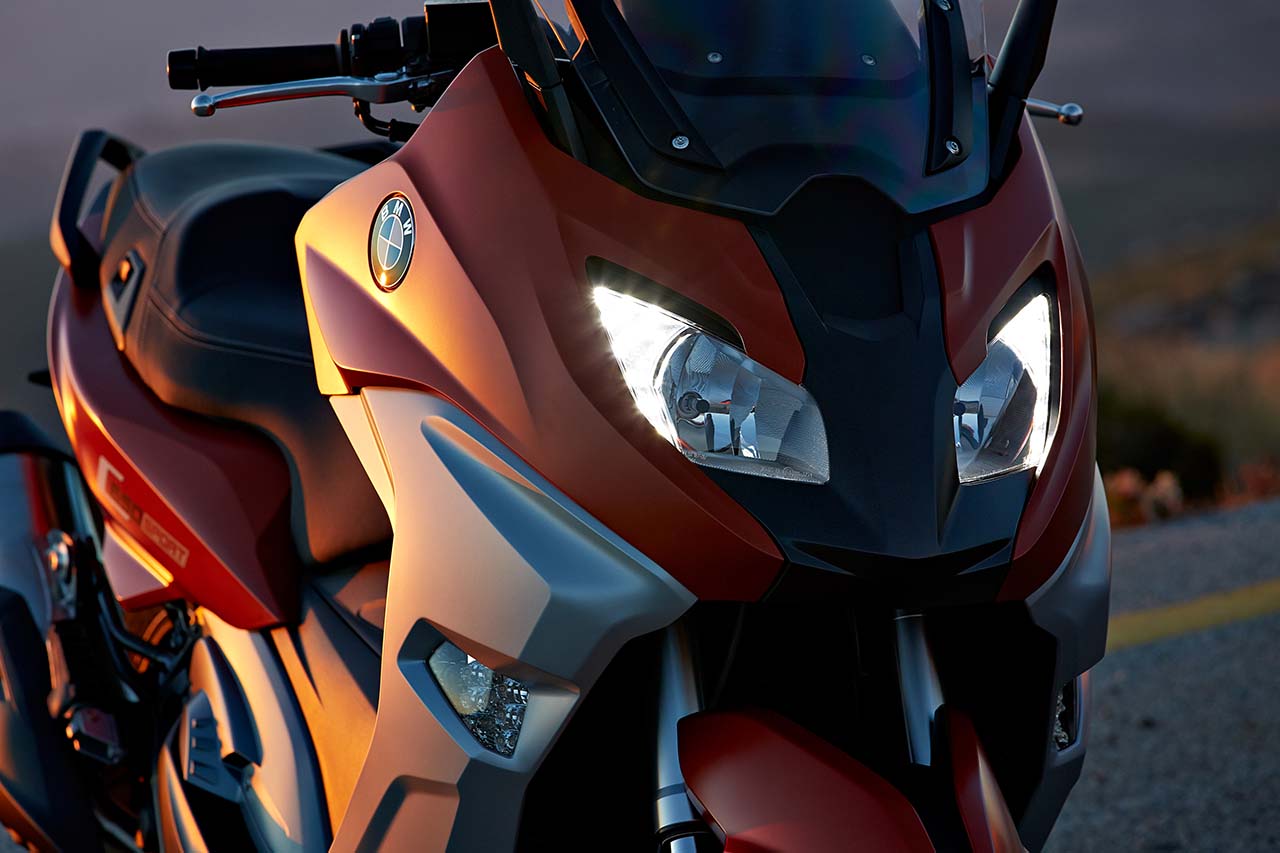
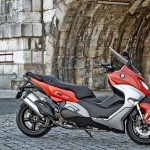
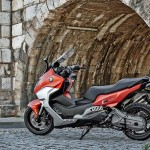
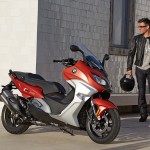
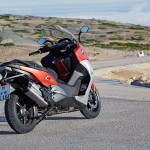
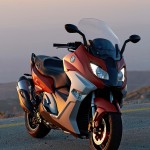
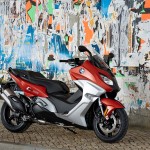
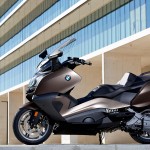
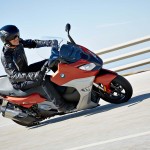
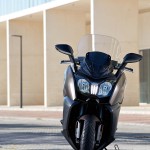
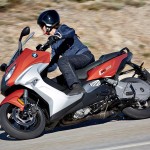
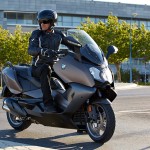
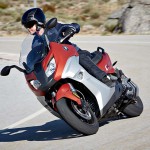
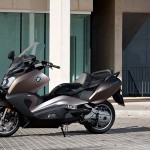
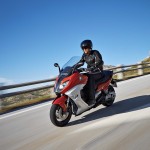
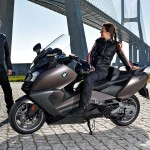
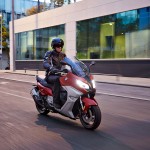
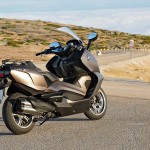
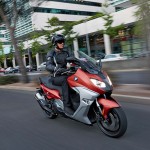
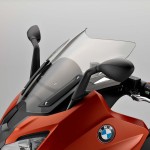
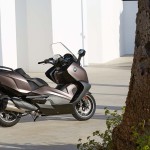
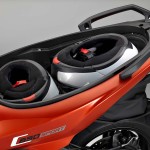
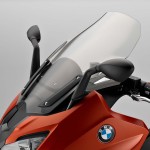
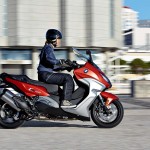
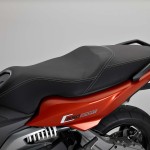
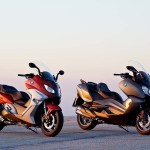
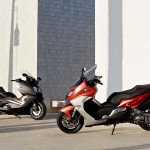
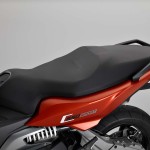
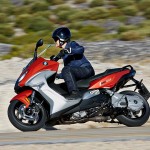
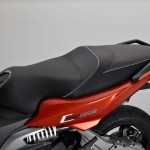
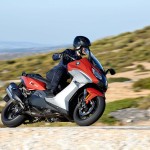
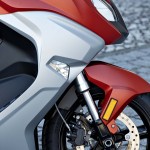
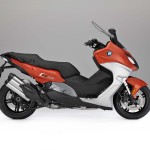
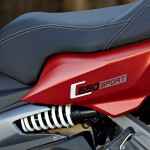
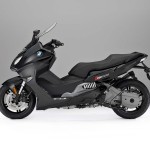
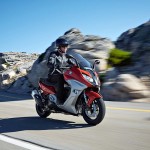
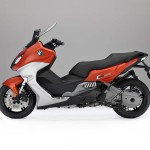
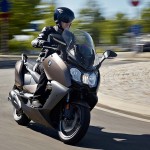
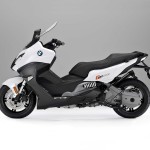
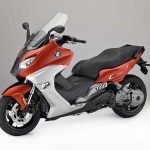
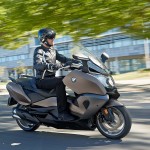
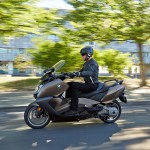
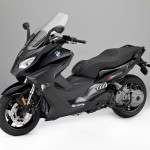
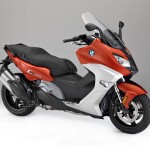
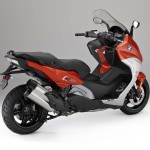
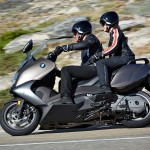
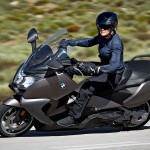
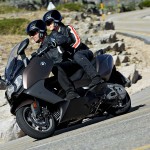
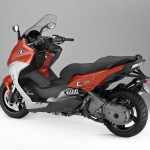
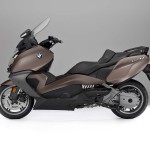
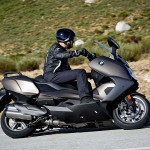
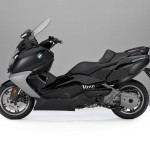
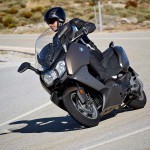
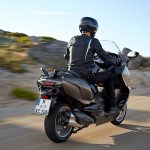
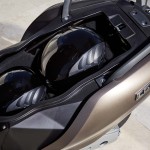
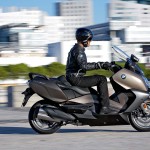
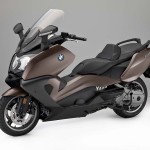
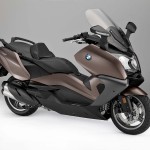
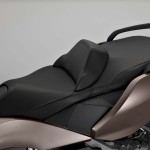
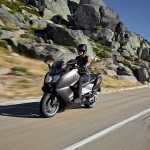
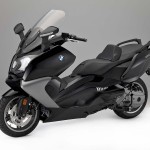
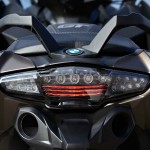
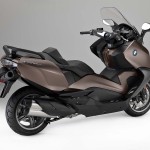
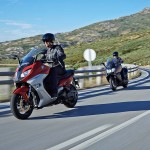
The new C650 Sport and the C650 GT feature extensively modified drivetrains, better suspension settings and a completely revised design for the C650 Sport.
Still powered by the twin-cylinder in-line 647cc engine, both models feature 60hp at 7500hp and 63Nm of torque at 6000rpm. A less powerful variant with 48hp and 54Nm has also been introduced.
Both models also feature a new CVT transmission with new clutch linings that enable optimised clutch engagement for better acceleration. This was done by changing the transmission ratio as well as by fine-tuning the centrifugal force weights.
Despite the updates to the powertrains, both models retain the same suspension construction. Both models continue to use the torsionally stiff hybrid composite structure consisting of a tubular steel bridge frame and a die-cast aluminium unit in the area of the swinging arm bearing. Also retained is the 115 millimetres spring travel which was deemed comfortable enough and a perfect compromise between sporty flair and comfort.
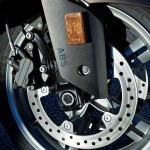
BMW has also ensured that both scooters adhere to its ‘Safety 360’ principle with the optimum design of the brake system in conjunction with the standard BMW Motored ABS Bosch 9.1 MB ensures the very highest level of active riding safety. Also standard now is the Automatic Stability Control (ASC).
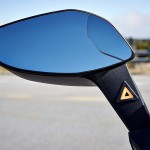
A world first feature for two-wheel vehicles have been included for both bikes with the first motorcycle rider assistance system called the Side View Assist (SVA). This new option for the C650 GT supports the rider when changing lanes by monitoring the blind spot.
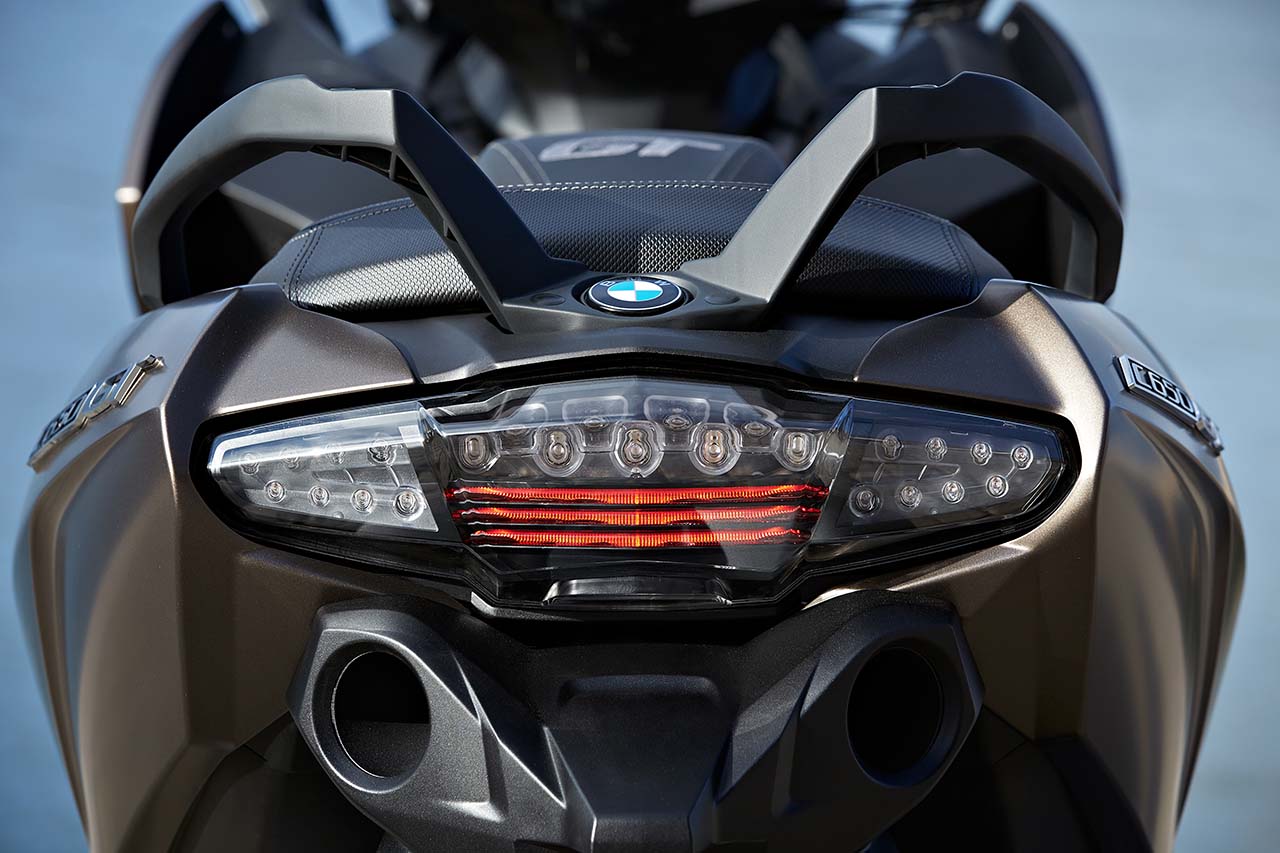
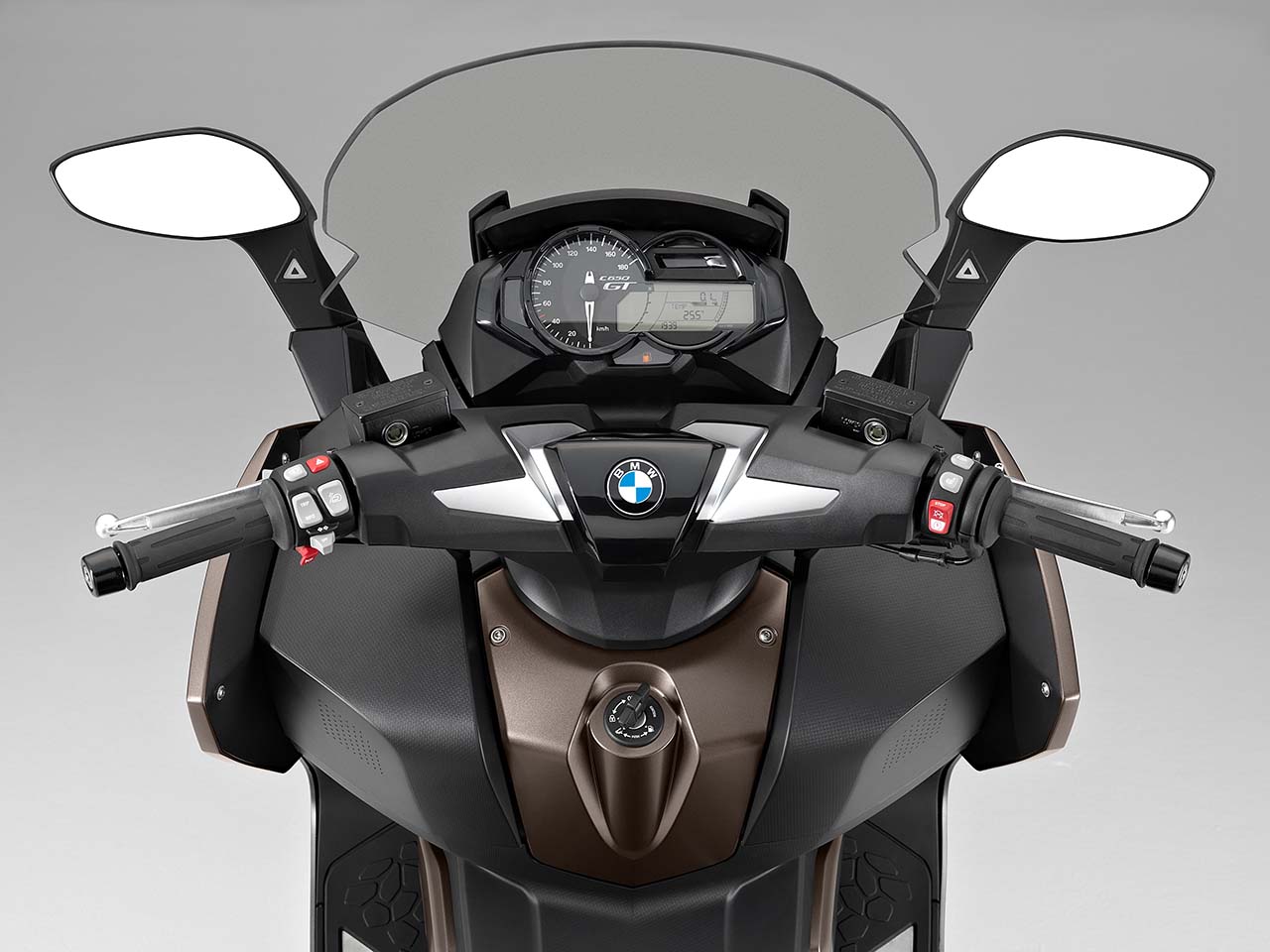
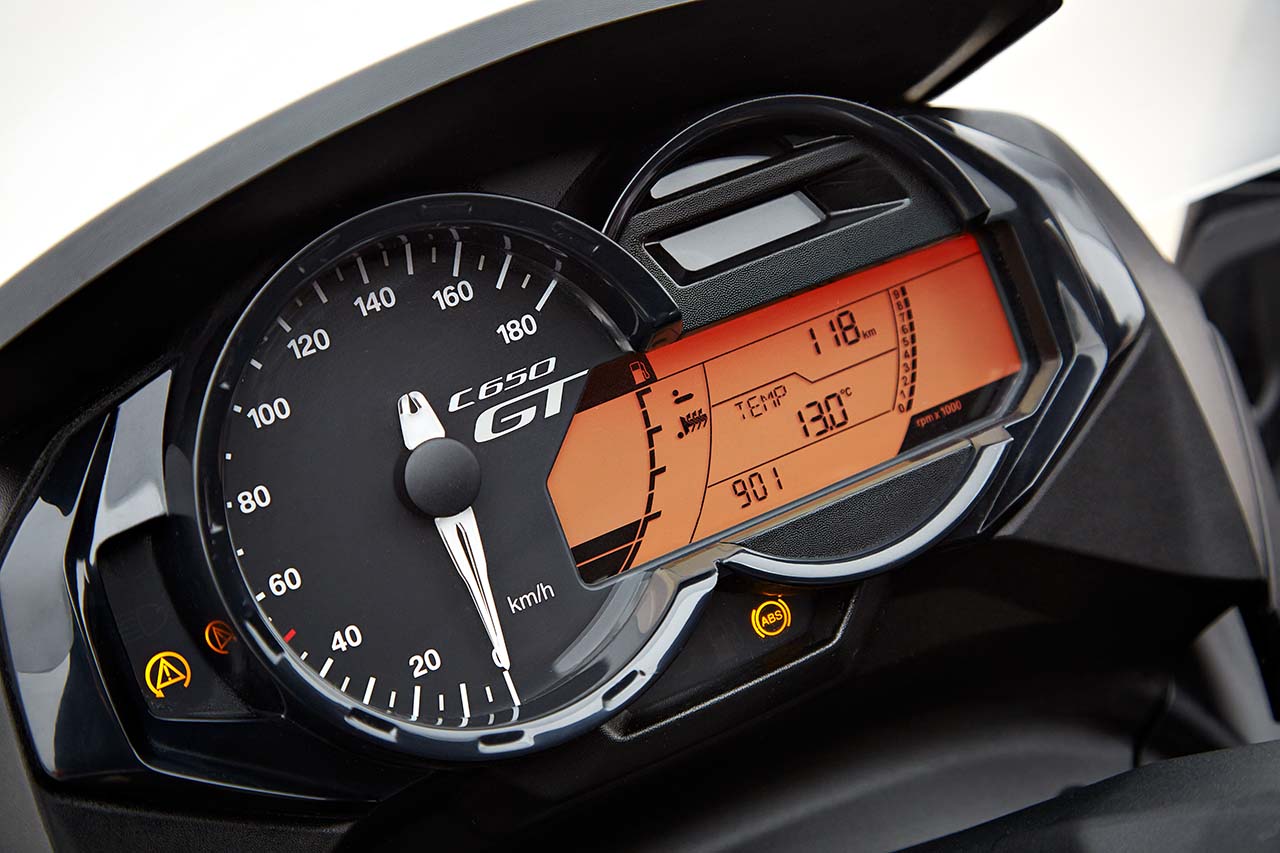
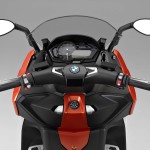
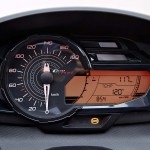
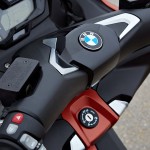
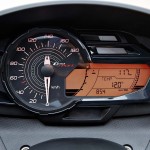
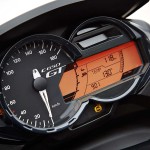
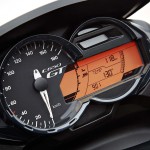
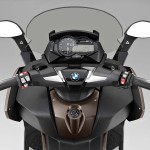
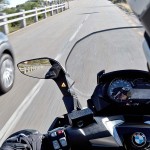
Other updates include new instrument dials, new handlebar trim, revised kinematics of the centre stand, and the automatic daytime riding light, as well as three new pain jobs that include Valencia Orange metallic matt, Lightwhite non-metallic and Blackstorm metallic.
An overview of the new features in the C 650 Sport and C 650 GT:
New CVT set-up in conjunction with revised clutch linings for more dynamic clutch engagement and a more spontaneous set-off response.
New suspension and damping set-up for an ideal compromise between
sport and comfort.
In addition to ABS, now also ASC as standard for maximum safety when
accelerating.
Completely new, dynamic design for the C 650 Sport.
Detailed stylistic fine-tuning for the C 650 GT.
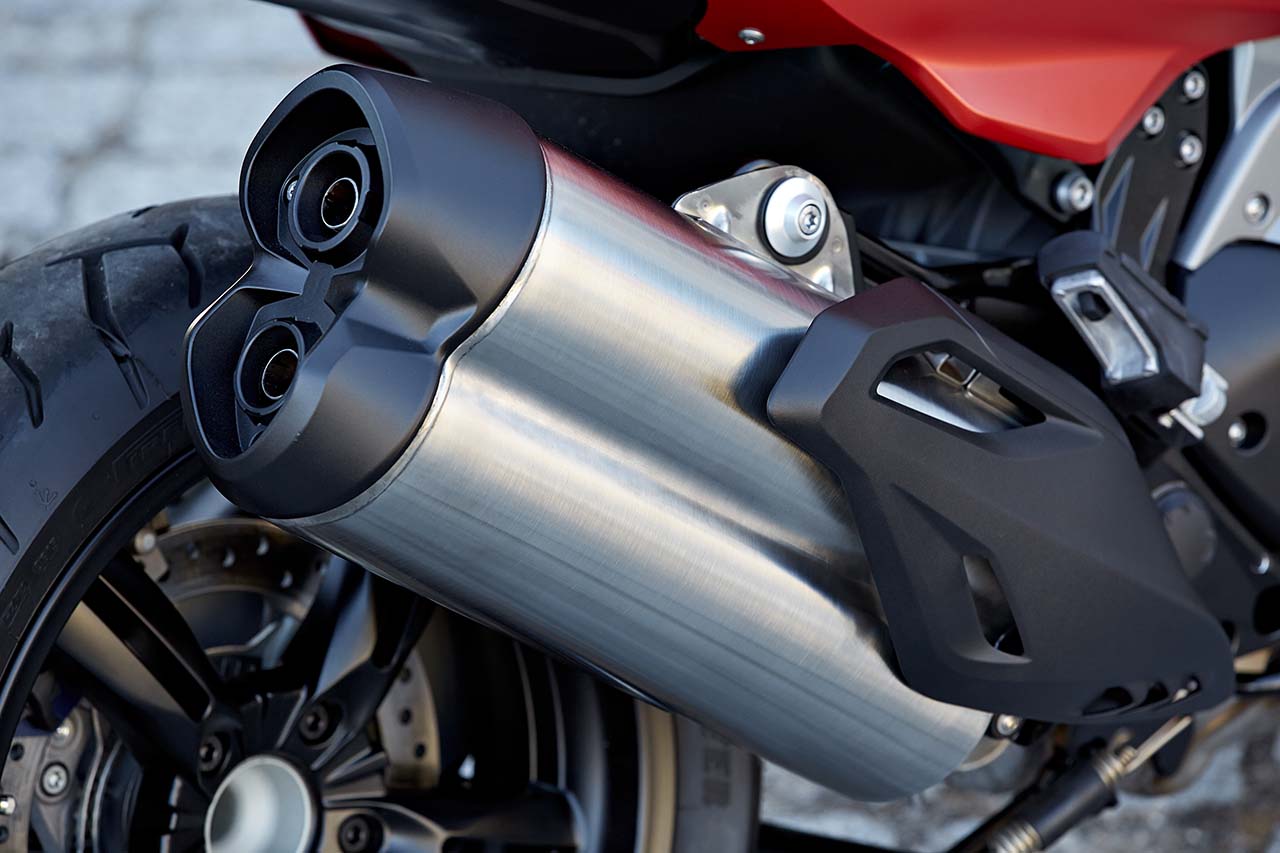
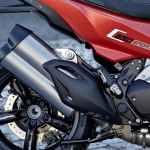
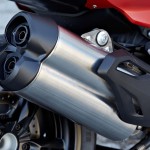
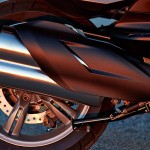
New silencer for a fuller sound and more dynamic appearance.
New instrument dial design.
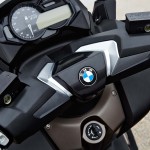
New handlebar trim elements with chrome applications.
New, higher-quality surfaces (graining effects).
Automatic daytime riding light.
Revised kinematics of the centre stand for easier use.
New rider assistance system Side View Assist (SVA) for the C 650 GT.
New paint finishes for the C 650 Sport: Valencia Orange metallic matt, Lightwhite non-metallic and Blackstorm metallic.
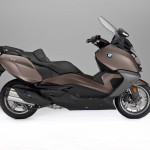
New paint finishes for the C 650 GT: Blackstorm metallic, Frozen Bronze metallic and Lightwhite non-metallic.
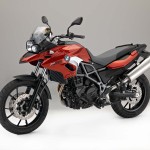
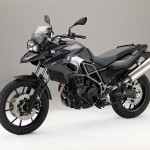
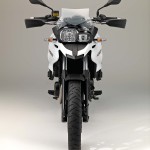
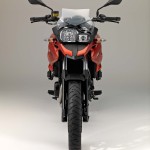
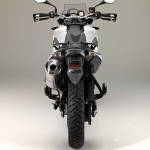
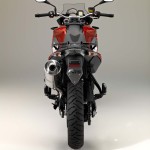
The BMW F700GS and F800GS have been hugely popular around the world. As perfect as they already are, updates to both bikes have been kept to the minimum.
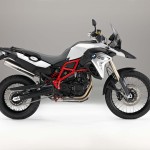
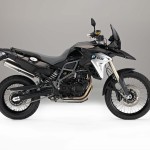
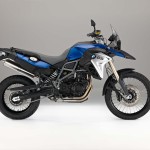
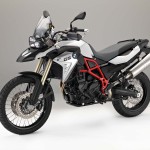
BMW F800GS
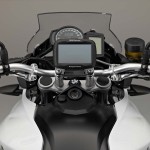
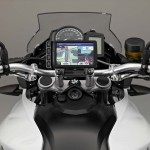
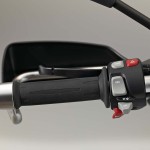
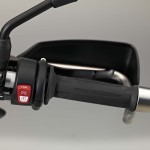
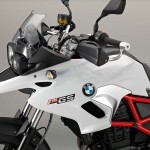
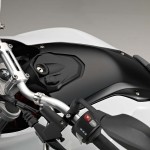
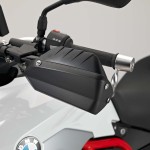
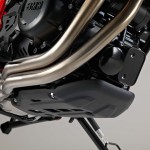
The fuel tank features a new design while a newly configured ignition lock cover has also been added. The updates further include new metallic appearance with “elaborately electroplated elements” applied to the knee covers of the F700GS and the radiator cover of the F800GS along with a partially engraved and newly configured model inscription.
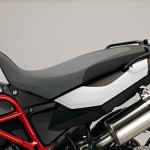
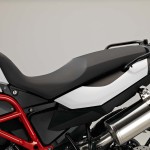
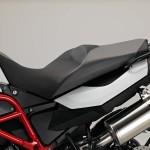
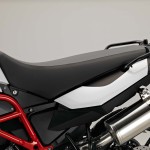
There are also new two-colour seats with five possible seat heights for both models. For those with shorter legs, there are four low seats and lowered suspension.
An overview of highlights in the new F 700 GS and F 800 GS:
New, emotional design with electroplated elements.
New F 700 GS paint finish and style variants: Light white non-metallic, Sakhir orange metallic, Mineral grey metallic.
New F 800 GS paint finish and style variants: Light white non-metallic, Black storm metallic, Racing blue metallic matt.
Five possible seat heights for each model with four seats and optional lowered suspension (ex works option).
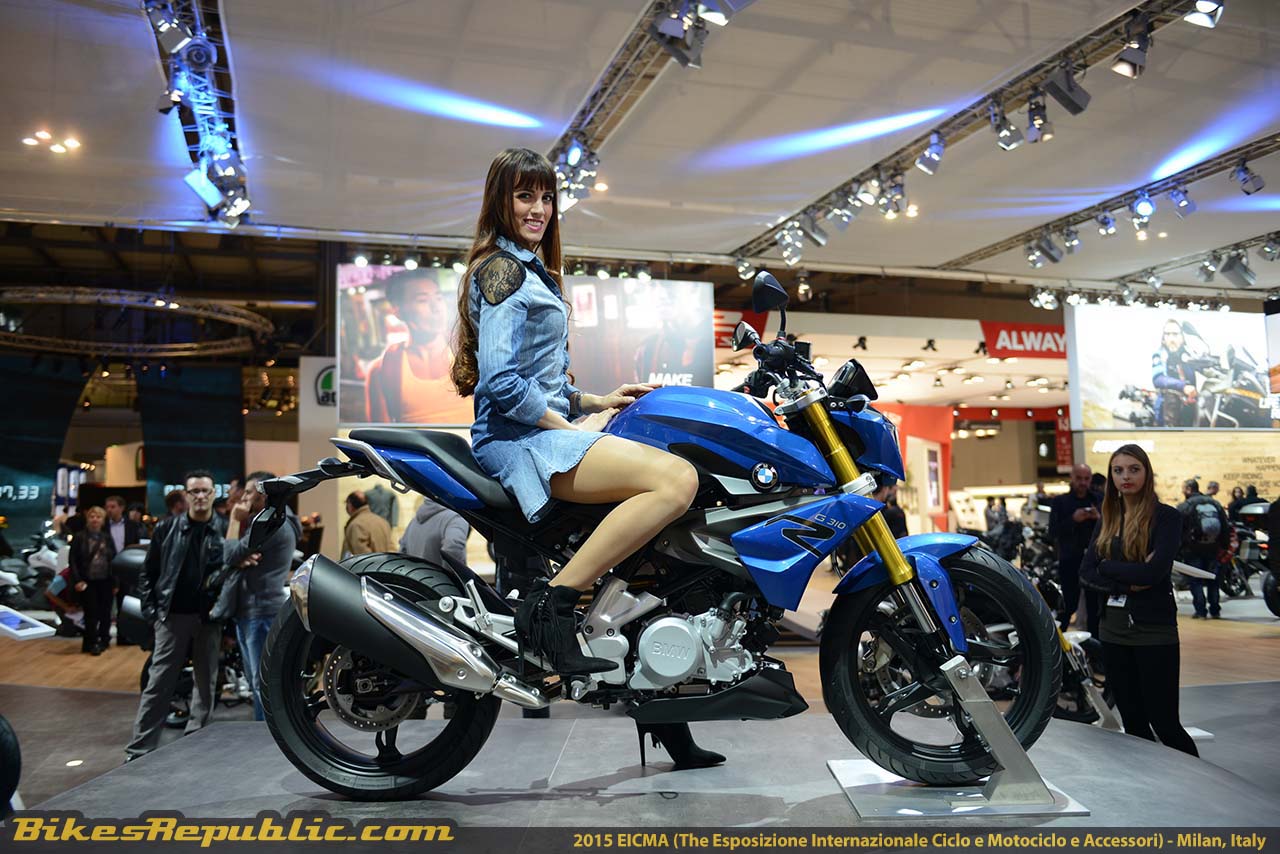
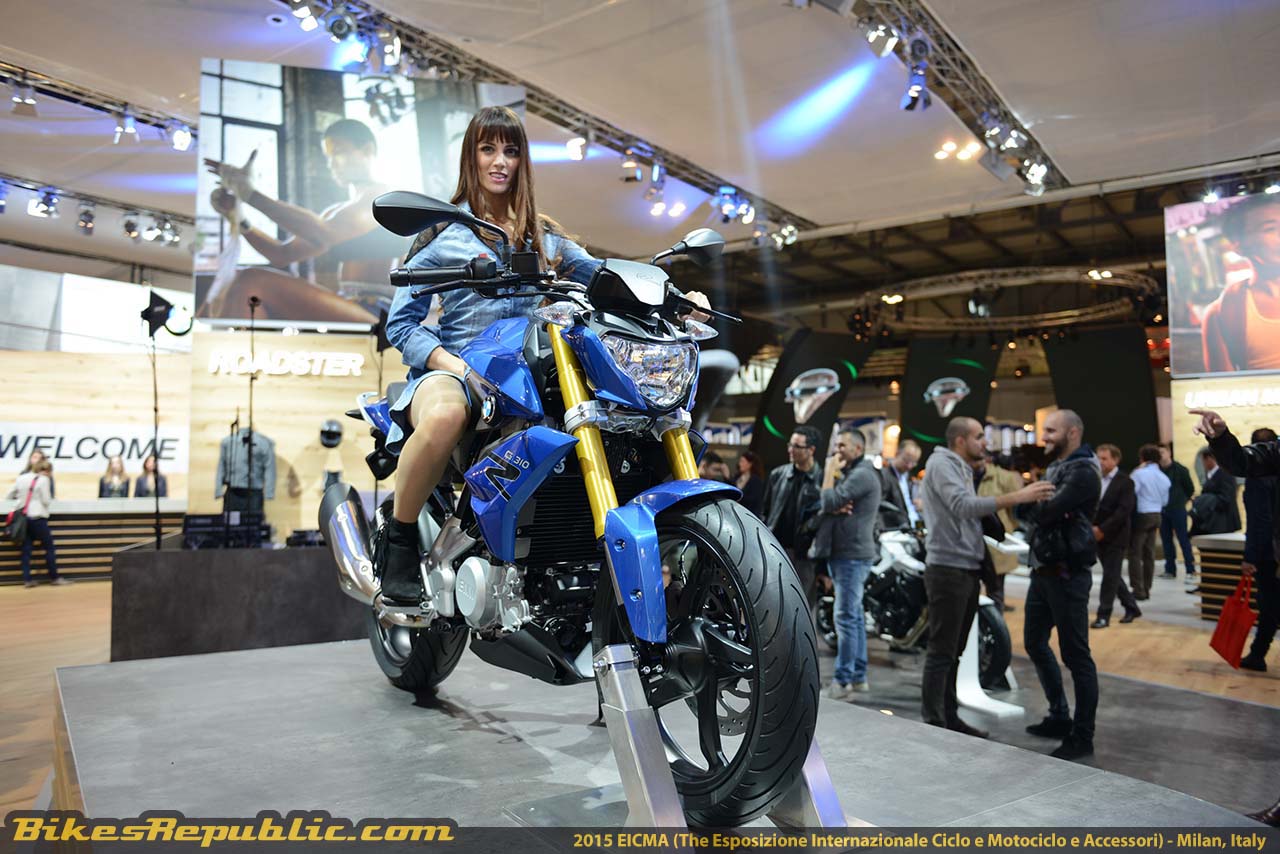
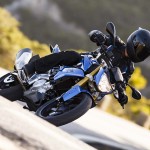
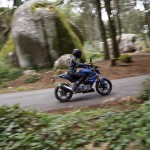
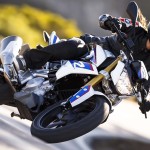
This is probably the most important bike from BMW Motorrad in recent years.
It could mark the brand’s raise to global domination as the single-cylinder bike is officially the smallest and most affordable bike in the Motorrad range.
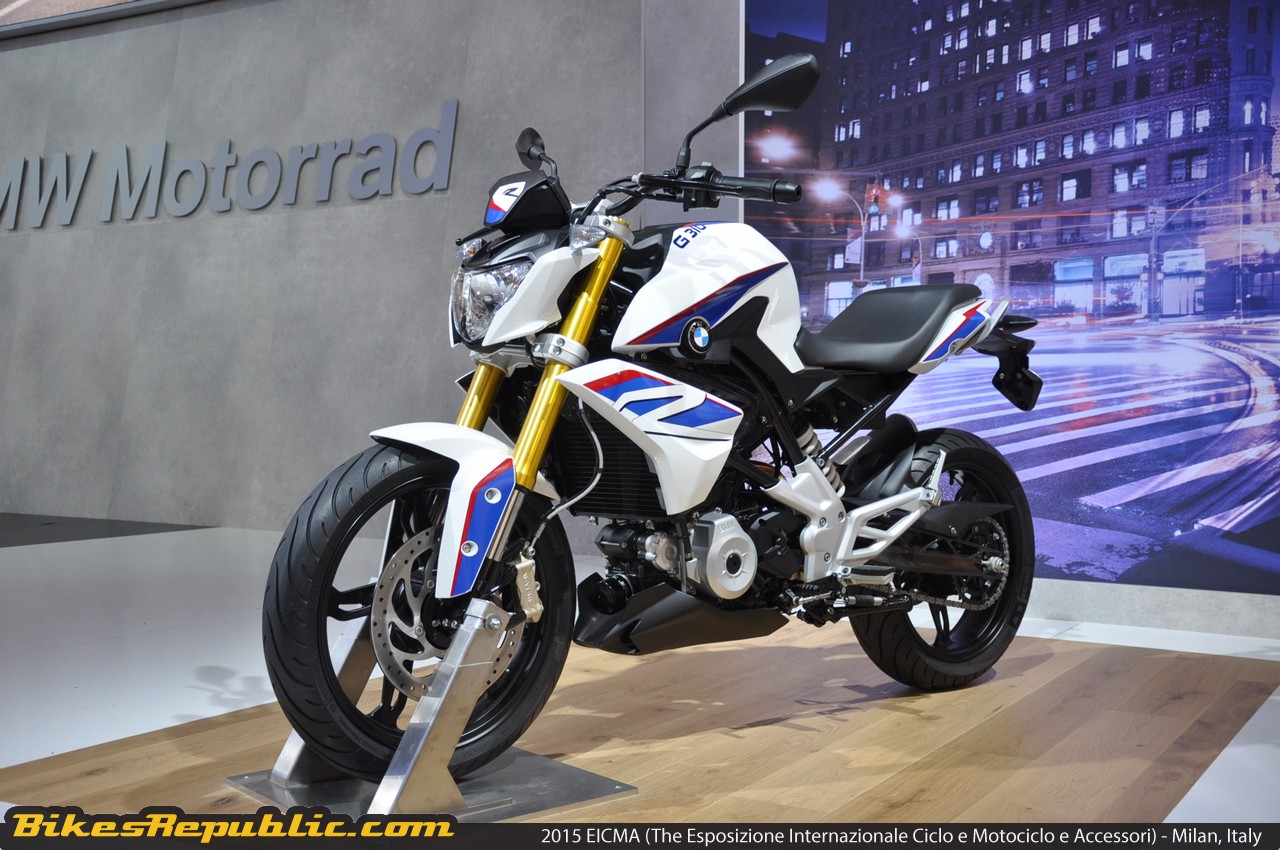
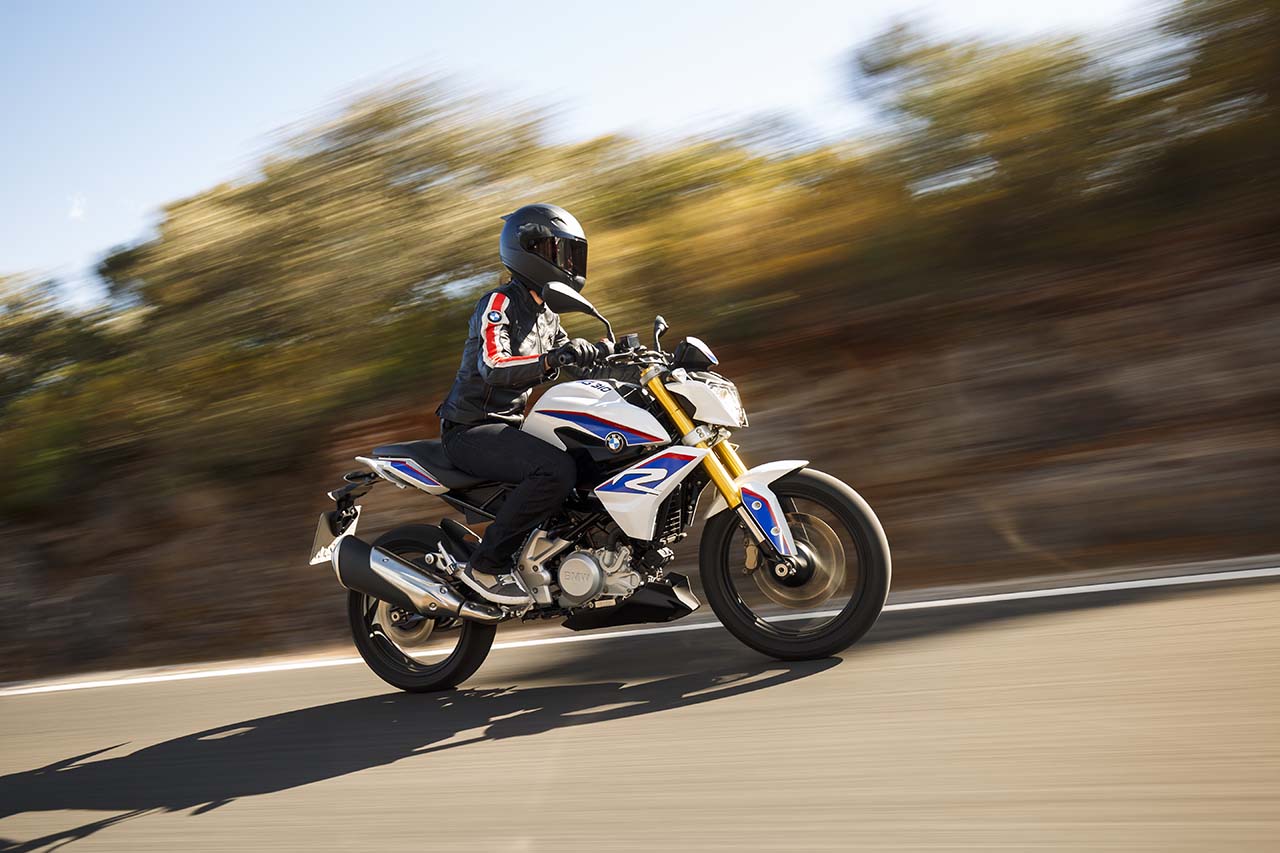
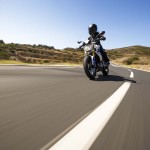
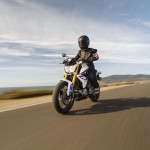
As BMW so correctly described it – it has neither too little nor too much of anything. Pragmatic in every sense of the word, the G310R offers precisely what is needed for performance and comfort both in town and on the highway.
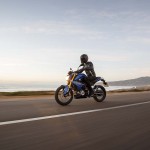
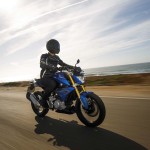
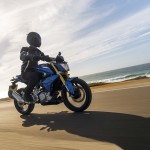
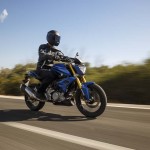
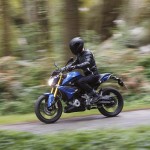
Conceived entirely from scratch, BMW says the G310R is designed specifically for the world market and is able to run on the most diverse fuel qualities. Typically BMW in its design with a hulking fuel tank, chiselled character lines, the BMW G310R has an unmistakeable visual kinship with its family members. The small headlamp is a nod to the new R models but the overall size of the bike is like no other BMW before it. In fact it feels more like one of the smaller Kawasaki models, but that is not a bad thing.
The real centrepiece of the new BMW G310R however is the all-new 313cc liquid-cooled single-cylinder engine with four valves and two overhead camshafts together with electronic fuel injection. The 313cc capacity results from a bore of 80 millimetres and a stroke of 62.1 millimetres.
To state the press release word for word, “the striking feature of the engine is its backward-tilted cylinder in open-deck design with the cylinder head turned by 180 degrees, making it possible to possible to position the intake tract at the front, viewed in the direction of travel. With an output of 34hp at 9500rpm and a maximum torque of 28Nm at 7500rpm, the engine of the new BMW G310R is a very dynamic partner in conjunction with the low unladen weight of 158.5 kilograms according to DIN.”
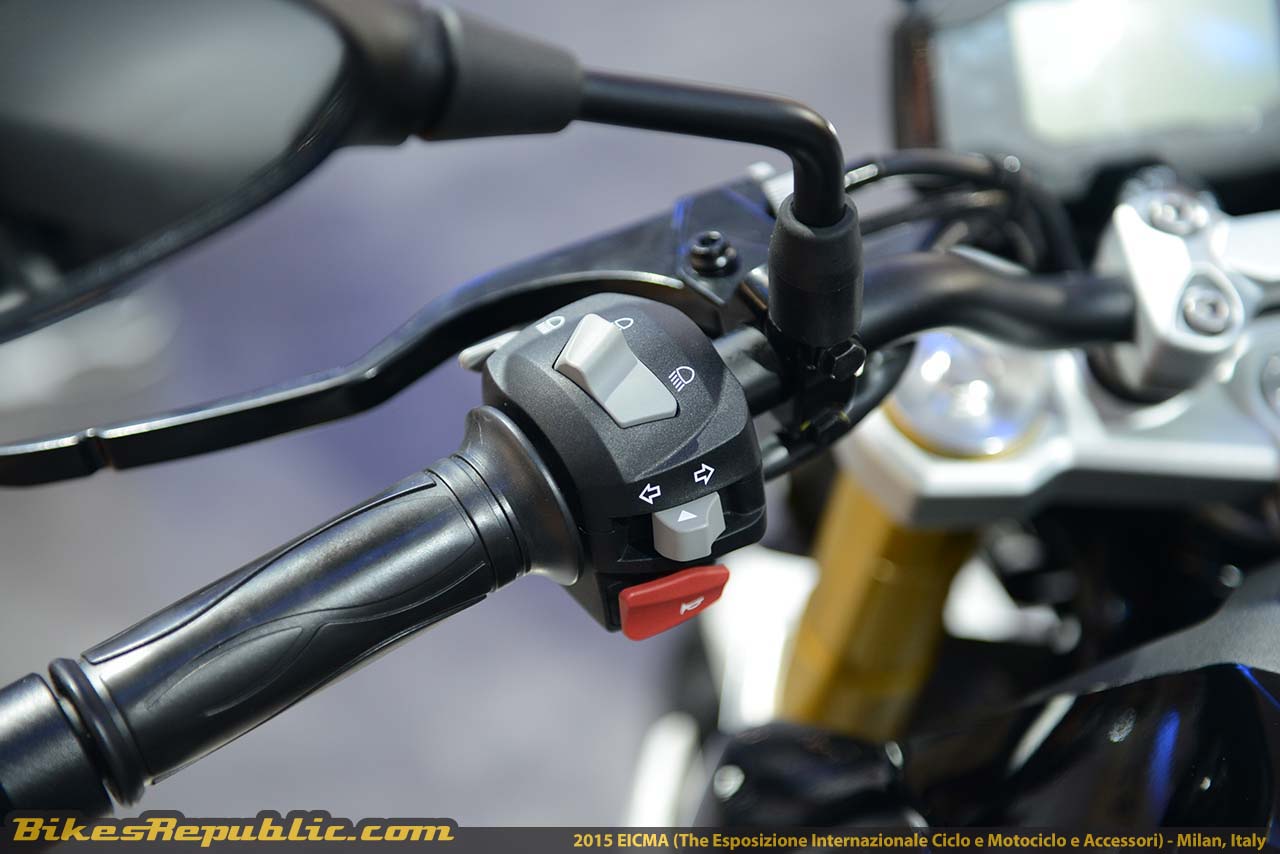
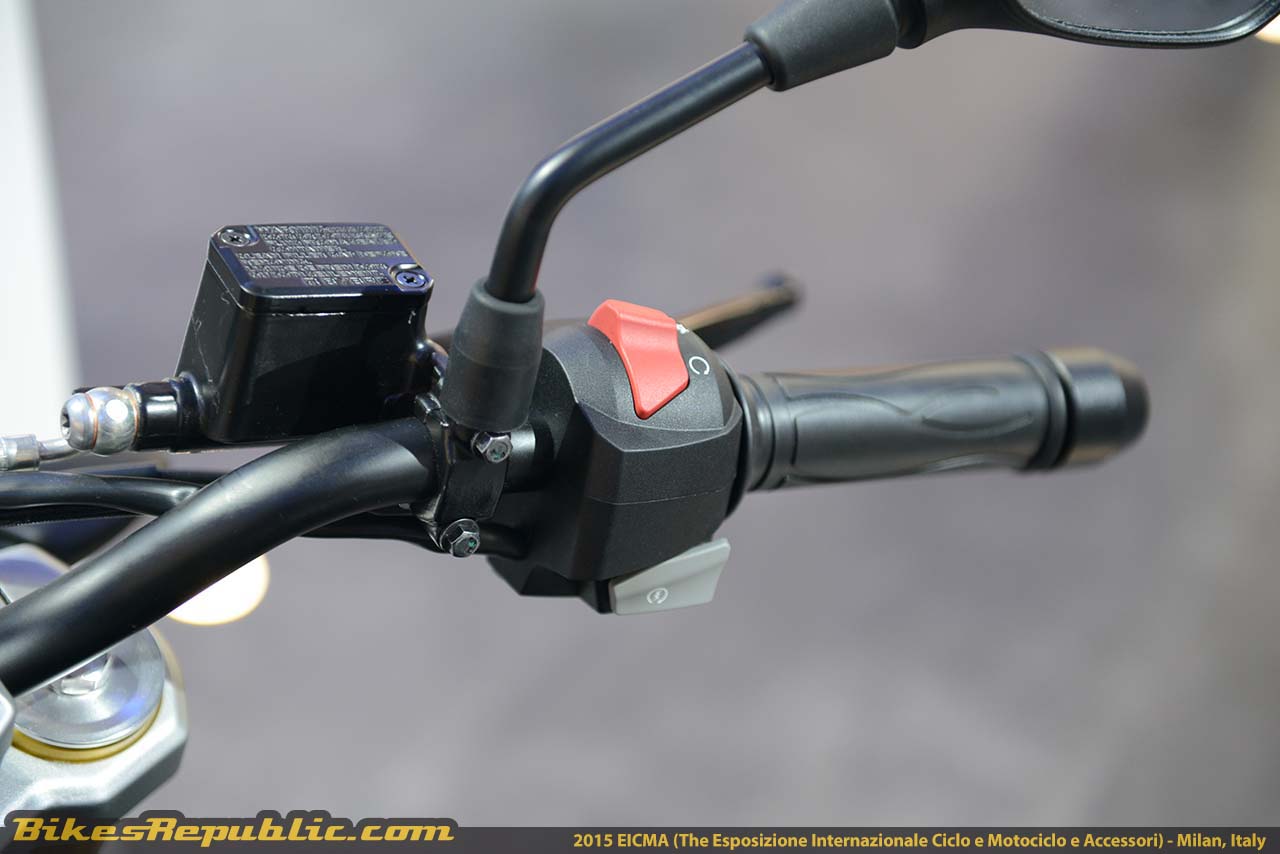
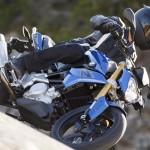
Though we are yet to ride it, a quick sit about revealed a relaxed sitting position. The switches and controls are typically BMW in the design, build and ease of operation. The BMW G310R is compact and yet taller riders will not feel too cramped.
The frame consists of a rigid tubular steel frame, upside-down fork and a long swinging arm for stability, precise steering response and sound handling.
The suspension consists of a torsionally stiff, highly robust tubular steel frame in grid structure with bolt-on rear frame. The front suspension is a upside-down fork while the rear is an aluminium swinging arm in conjunction with a spring strut that is mounted directly on it.
As for the brakes, ABS is fitted as standard with a powerful 2-channel ABS system. The front is handled by a single-disc brake with radially bolted 4-piston fixed caliber and a brake disc diameter of 300 millimetres. The rear features a 2-piston floating caliber with a 240-millimetre brake disc.
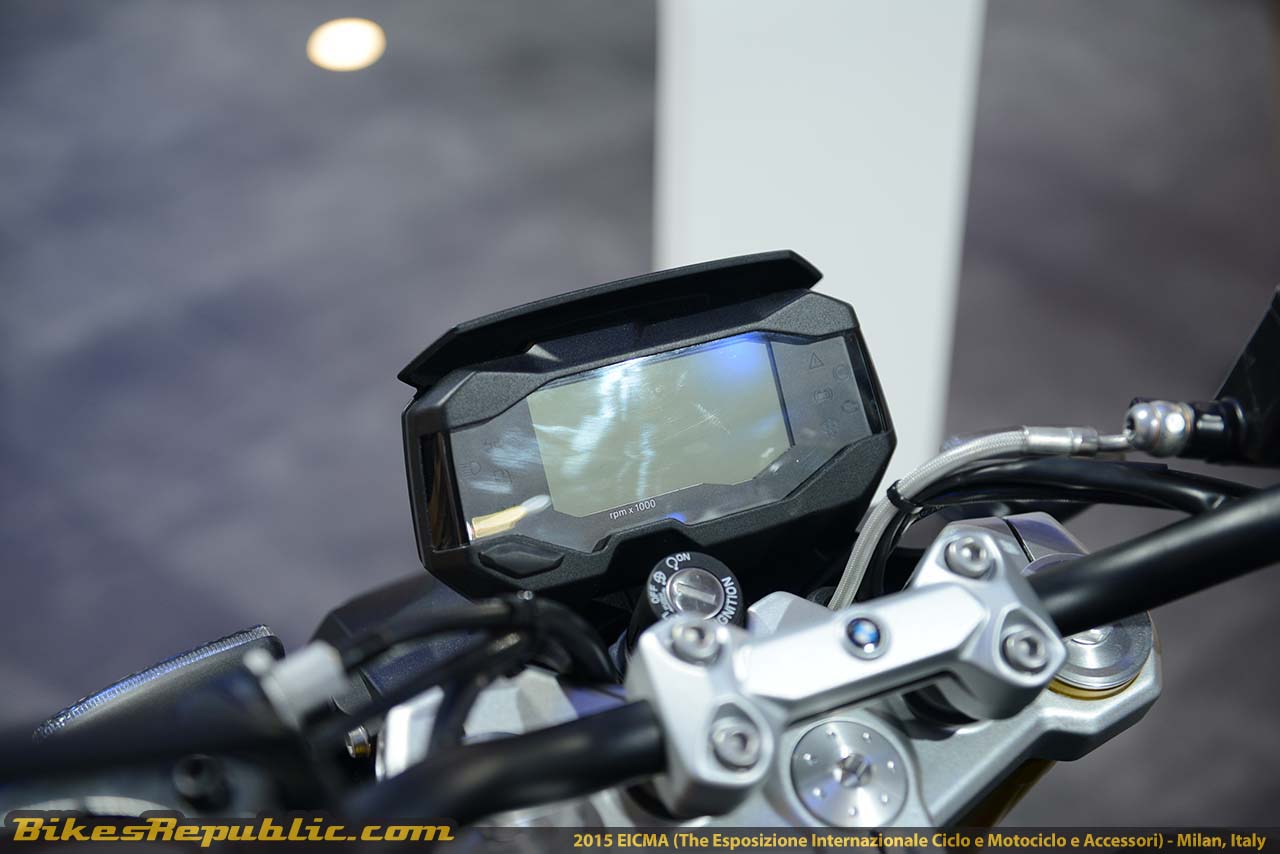
Right ahead of the rider is a large liquid crystal display that is designed to be clear under the sun, and not blinding at night.
The highlights of the new BMW G310R:
Innovative liquid-cooled single-cylinder engine with two overhead camshafts, backward-tilted cylinder and intake tract positioned at the front.
Output 25 kW (34 hp) at 9 500 rpm and a maximum torque of 28 Nm at 7 500 rpm.
Rigid tubular steel frame, upside-down fork and long swinging arm for a high degree of ride stability, precise steering response and sound handling.
Tyres 110/70 R 17 at front and 150/60 R 17 at rear.
High-performance brake system and ABS as standard.
Sophisticated ergonomics and multifunctional instrument cluster.
Low seat height of just 785 millimetres.
Dynamic roadster design with echoes of the S 1000 R.
Developed in Munich by BMW Motorrad – produced in India by cooperation partner TVS Motor Company.
Individually tailored optional accessories in the familiar high quality typical of BMW Motorrad.