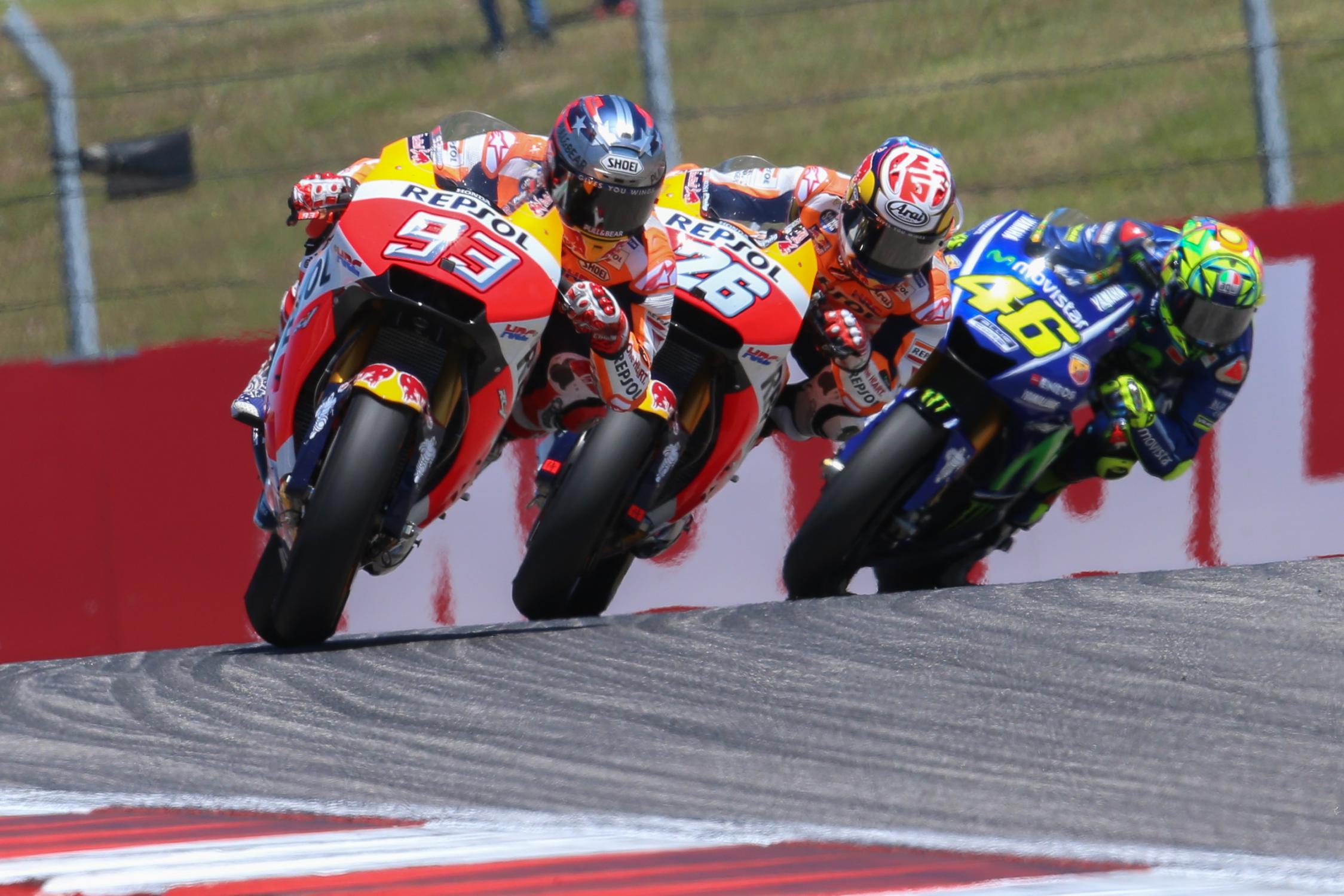
Marc Marquez (Repsol Honda) continues his MotoGP domination at the Circuit of the Americas for the fifth time in a row
Valentino Rossi (Movistar Yamaha MotoGP) race brilliantly to P2, putting him ahead of the championship title fight with 56 points
Dani Pedrosa (Repsol Honda) landed his first podium of the season after quite a few amazing battles with Marquez and Rossi throughout the race
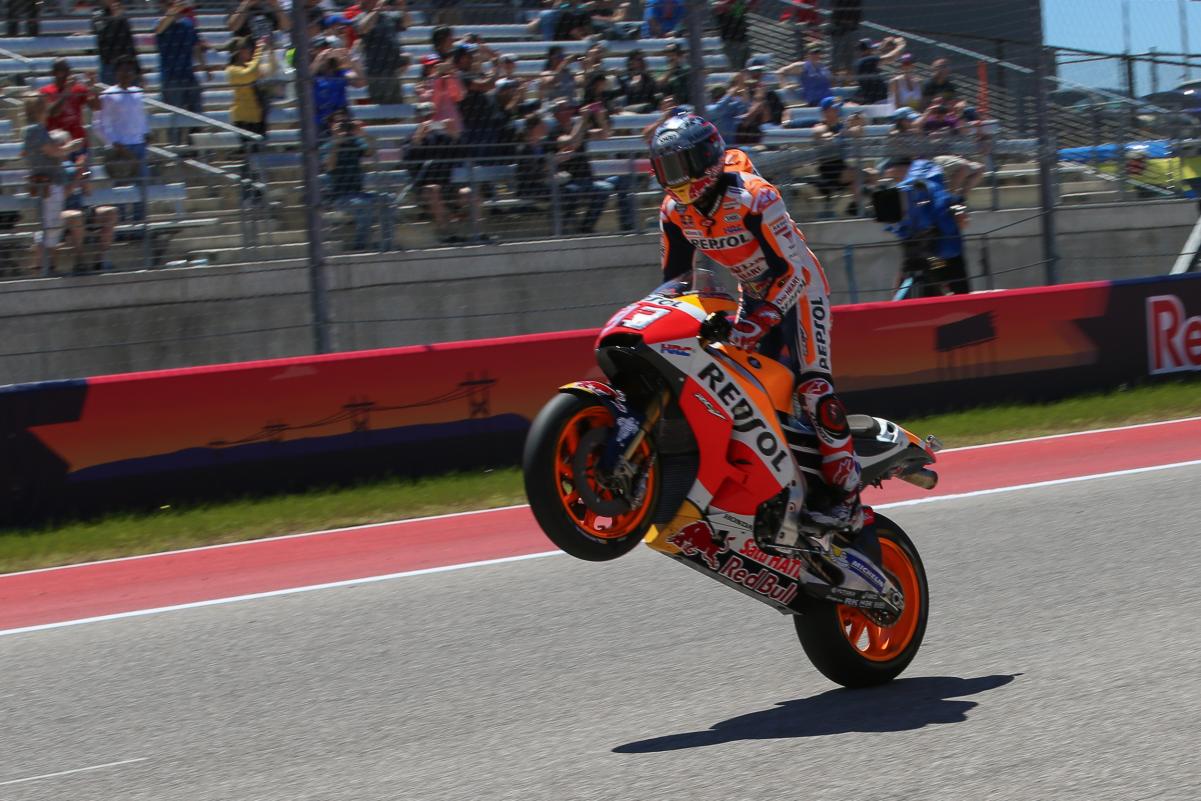
Marc Marquez, Repsol Honda
It’s official; Marc Marquez makes it five out five victories at arguably one of his favourite tracks in the race calendar, the Circuit of the Americas (COTA), Texas USA. After a brilliant qualifying session and race, it’s too early to put aside the 2016 MotoGP World Champion aside just yet for the title crown of 2017. (more…)
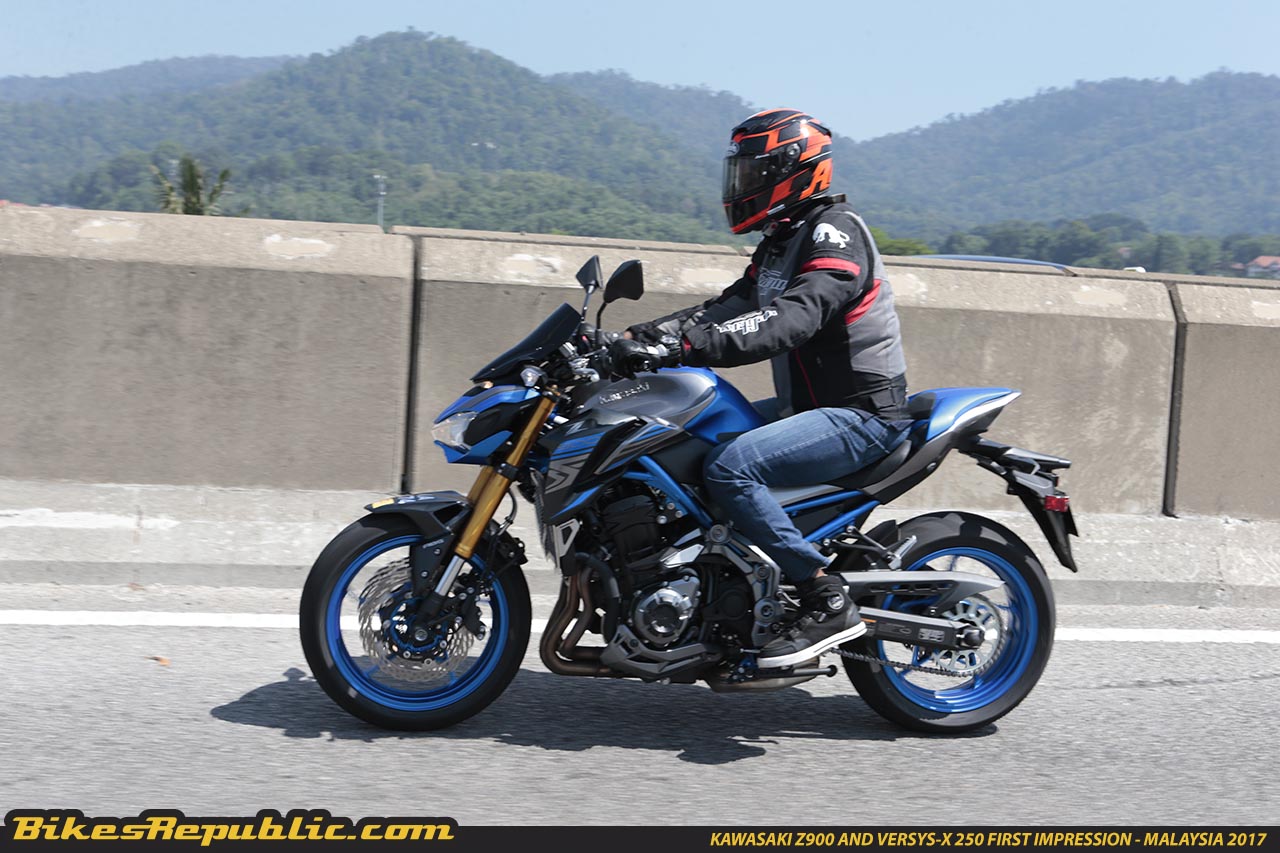
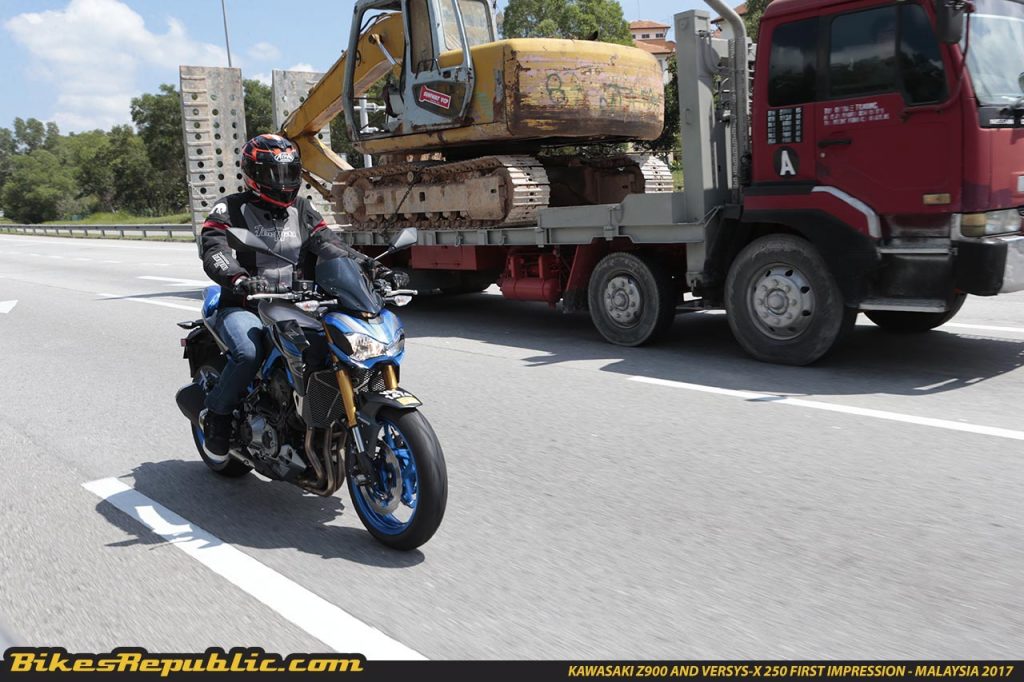
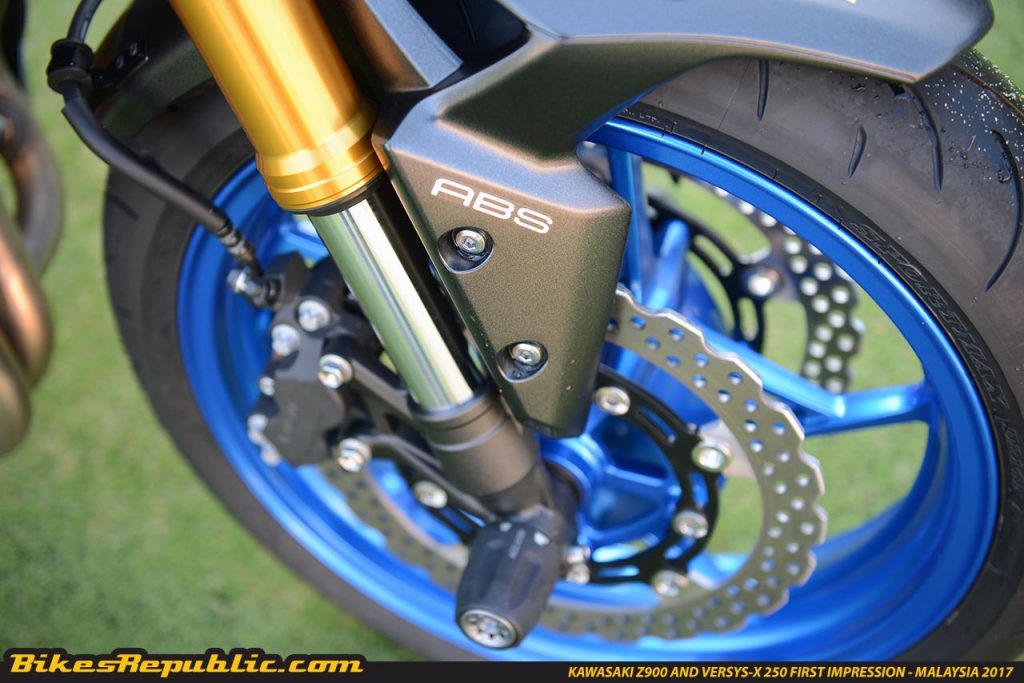
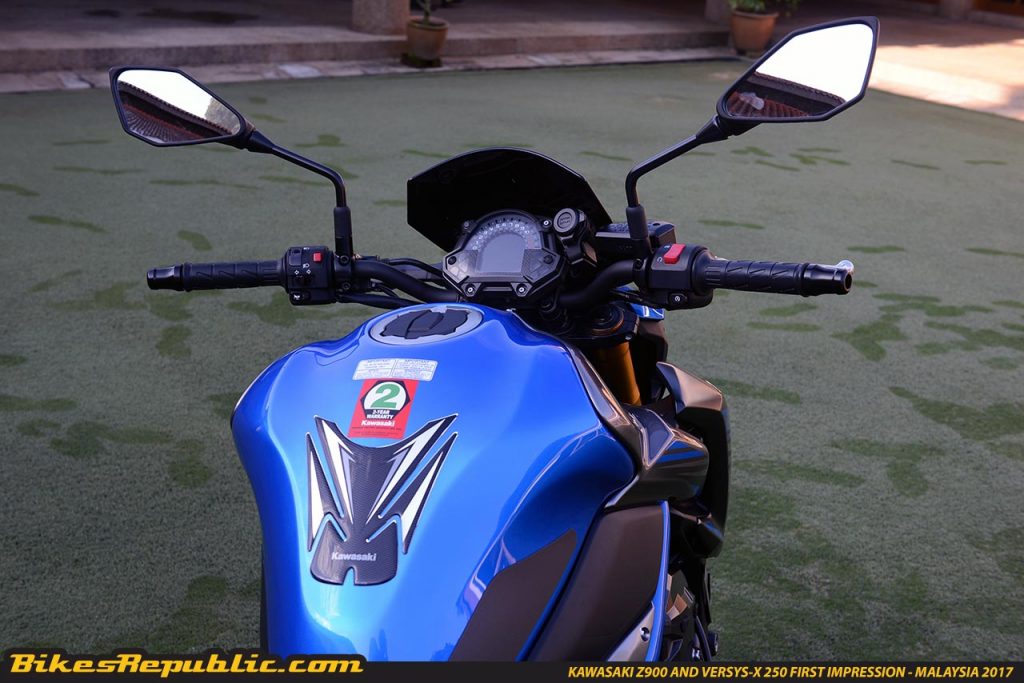
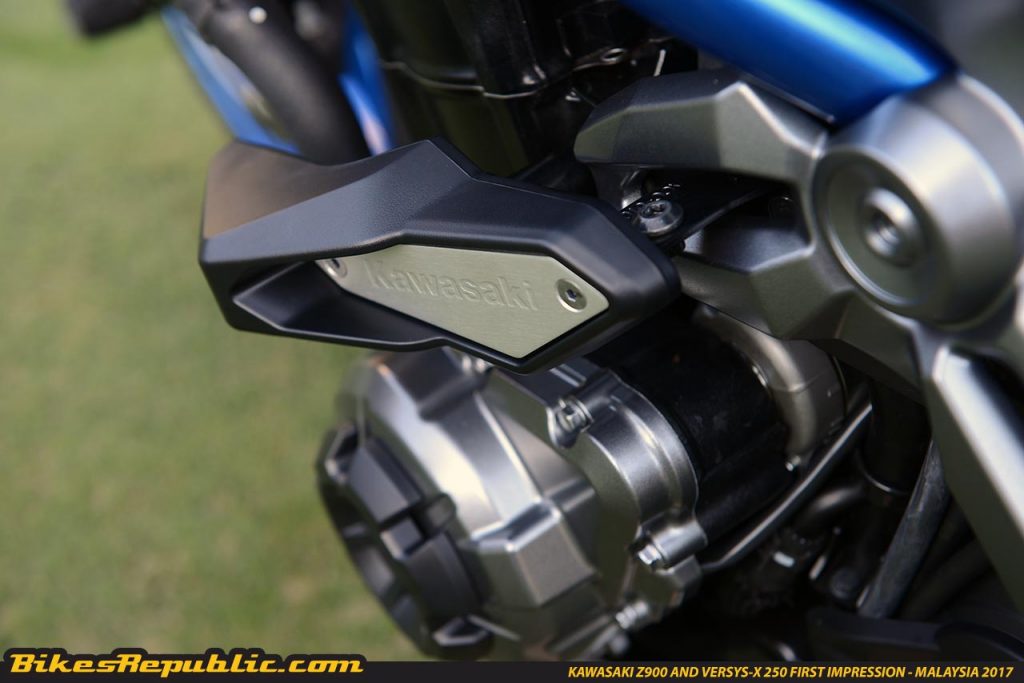
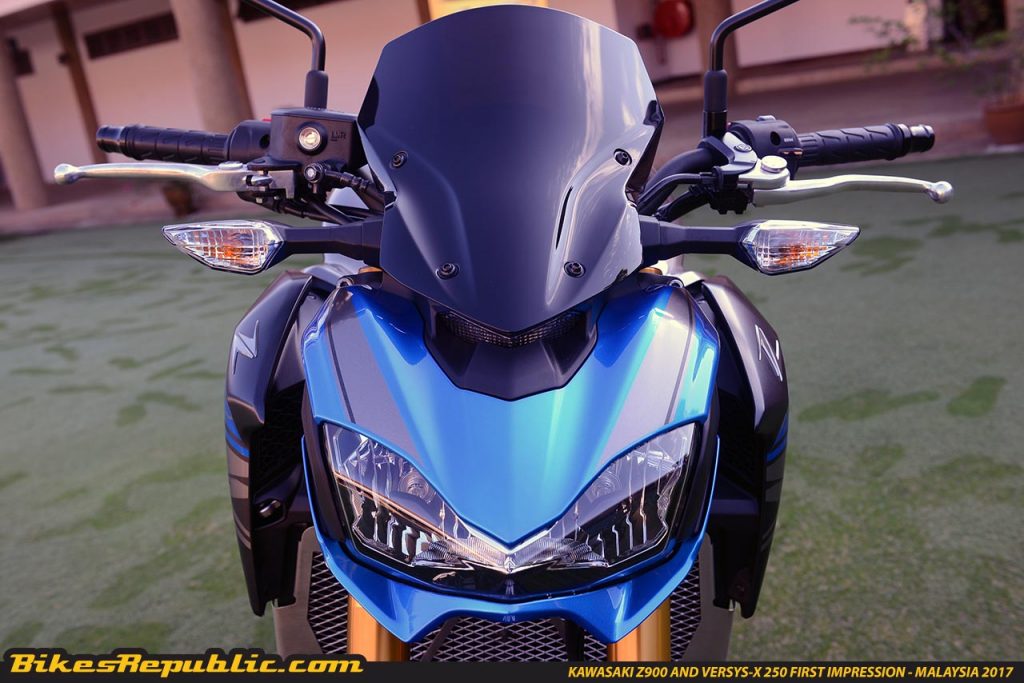
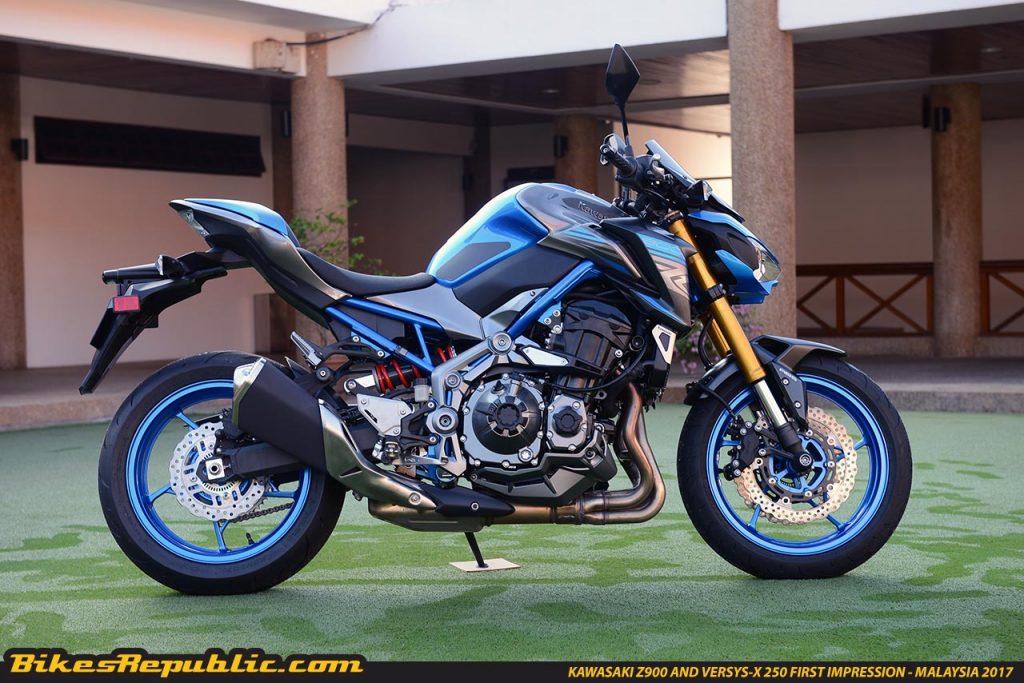
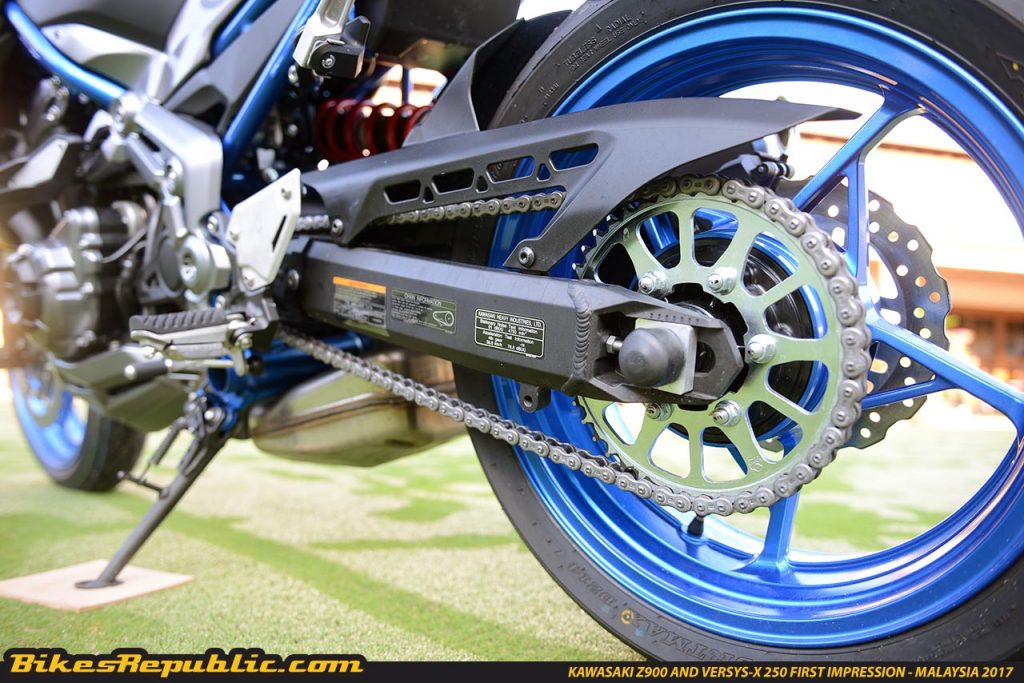
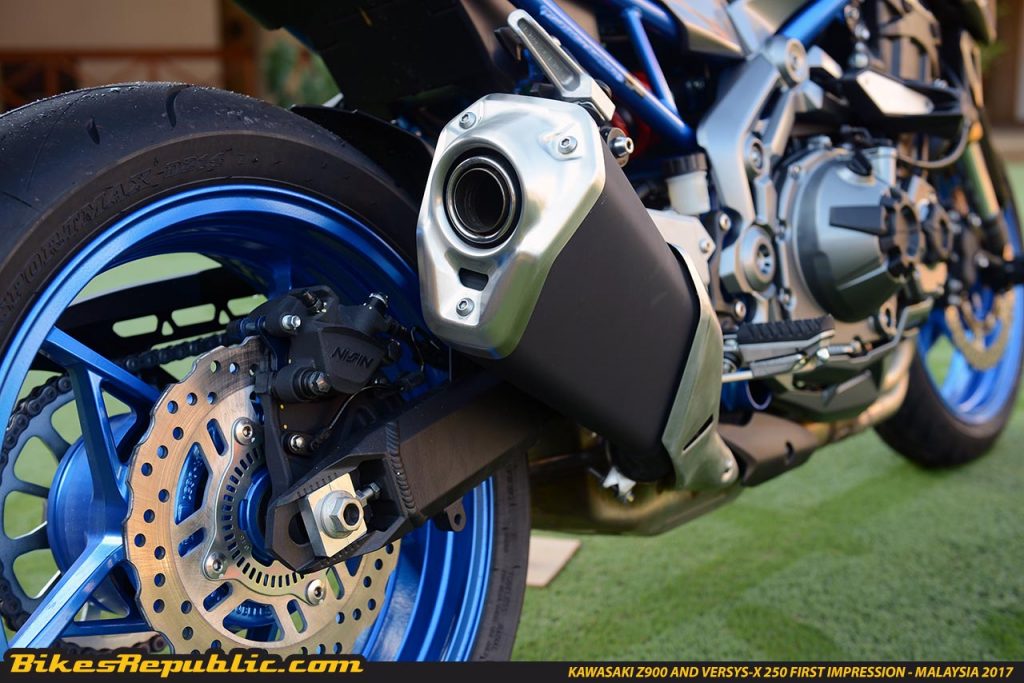
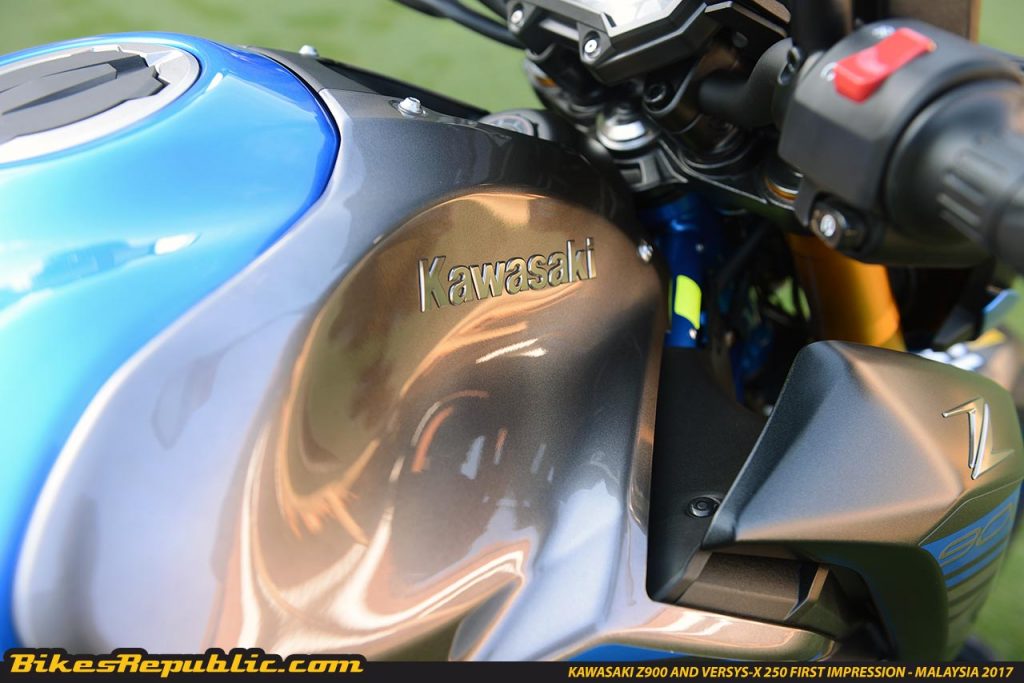
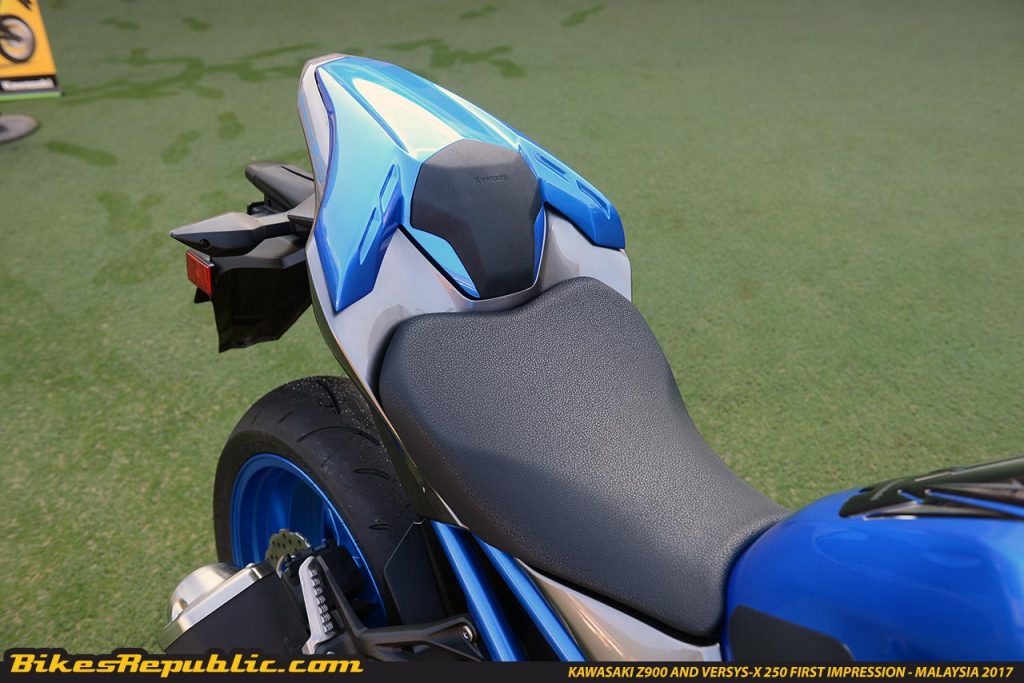
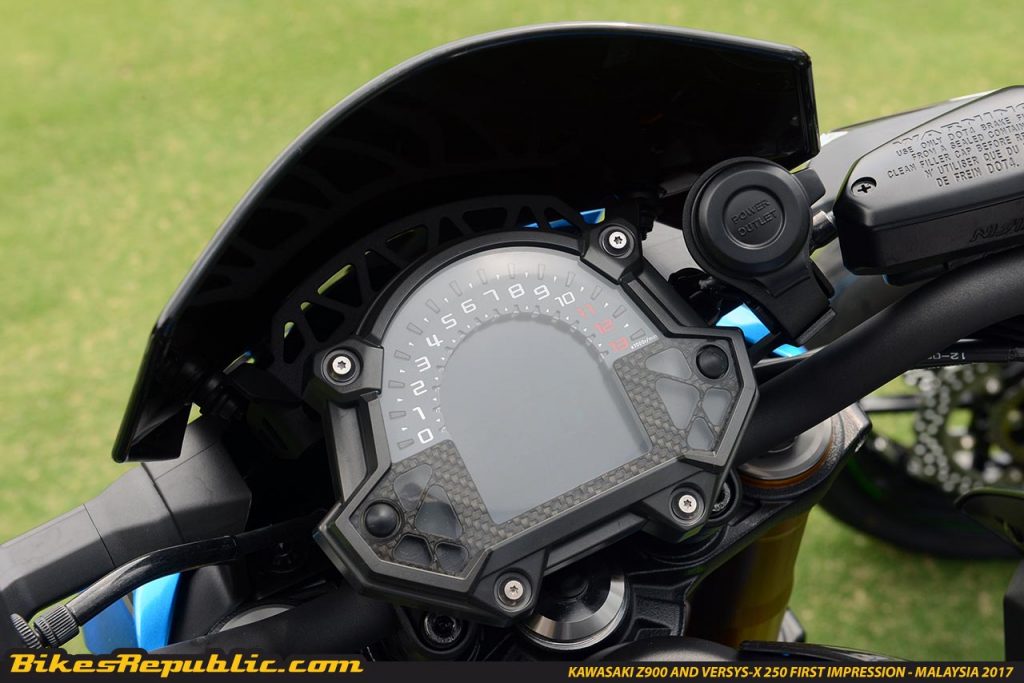
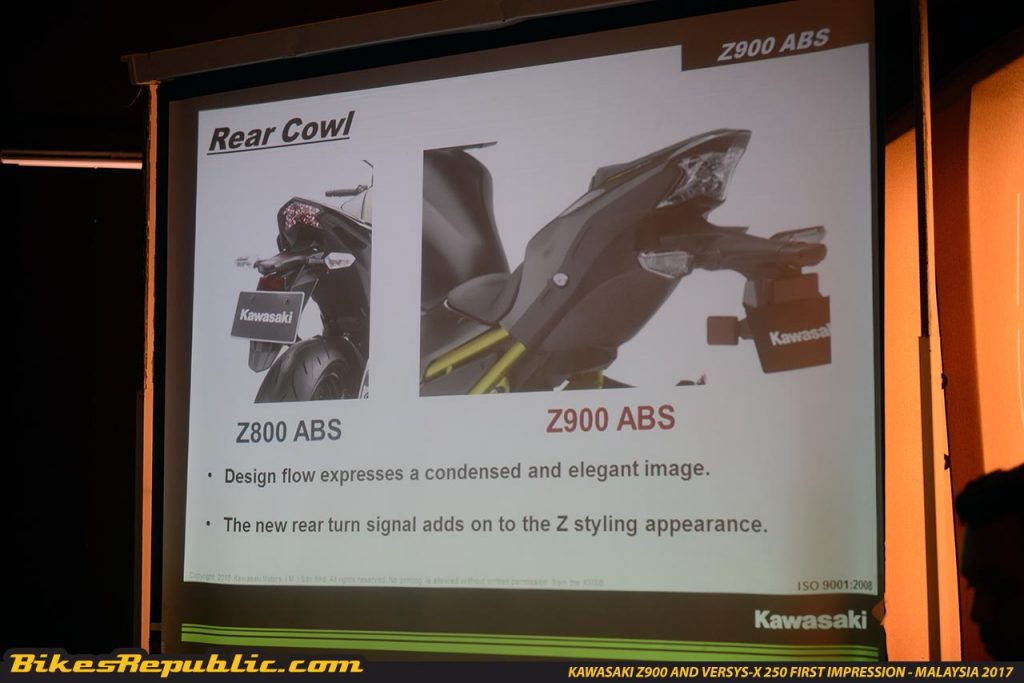
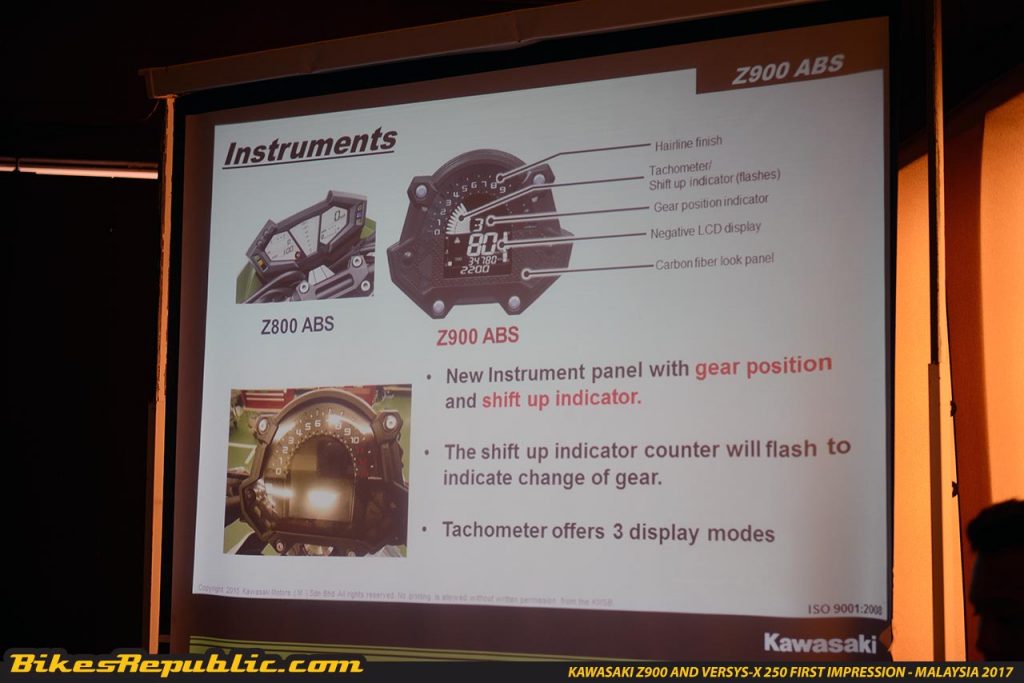
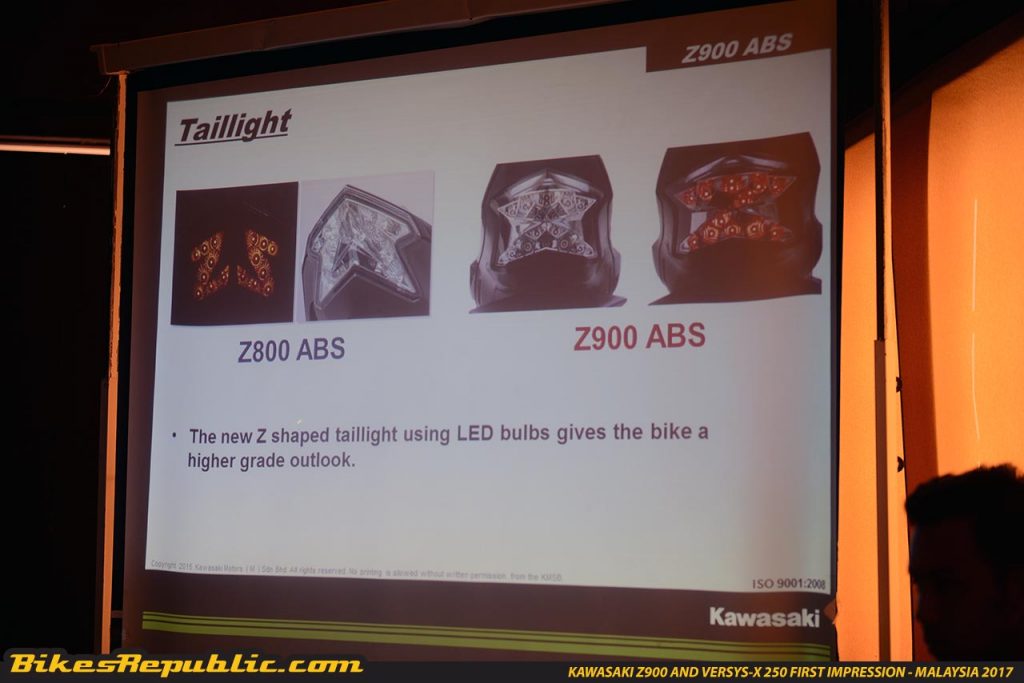
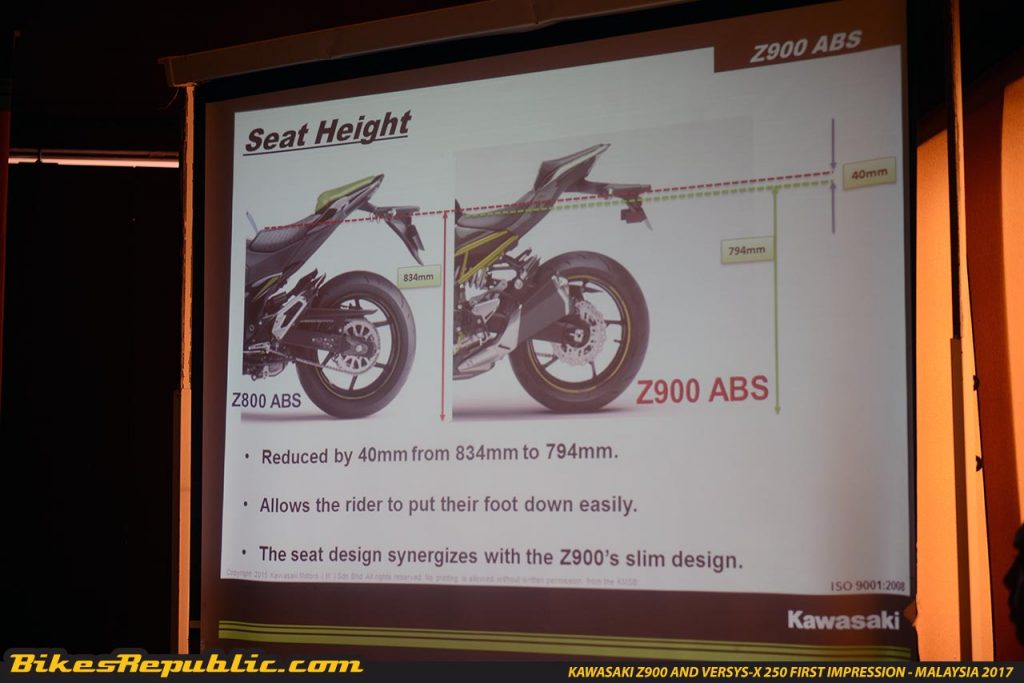
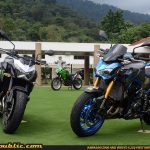
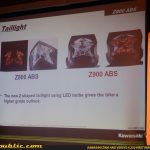
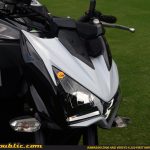
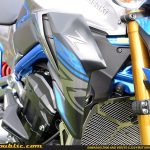
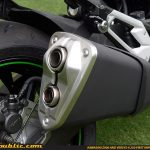
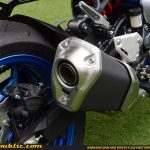
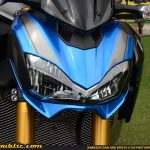
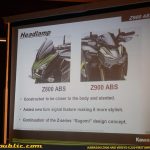
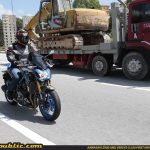
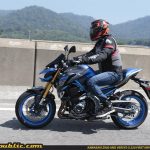
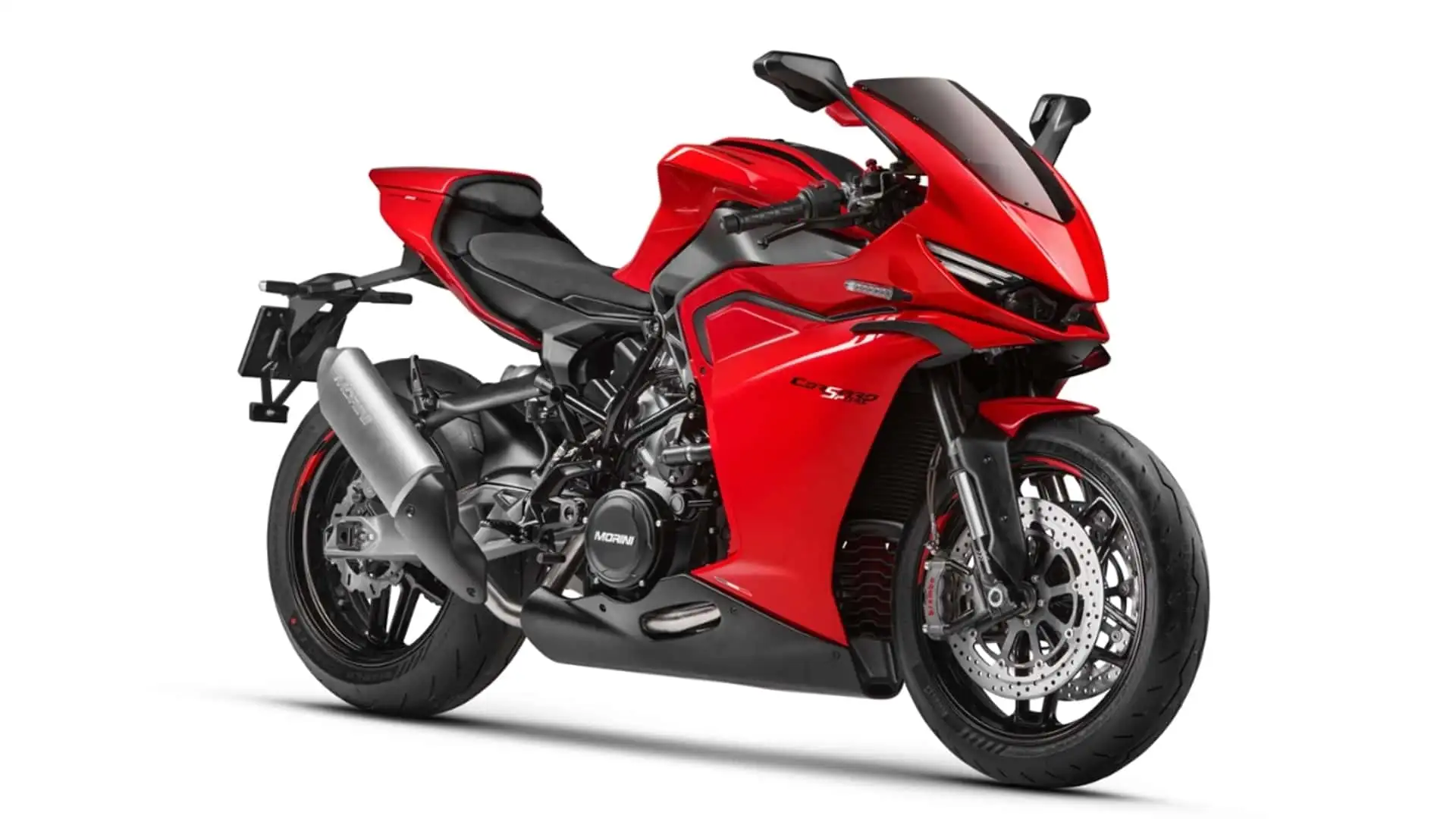
First impression of the Kawasaki Z900 and comparison against the Z800.
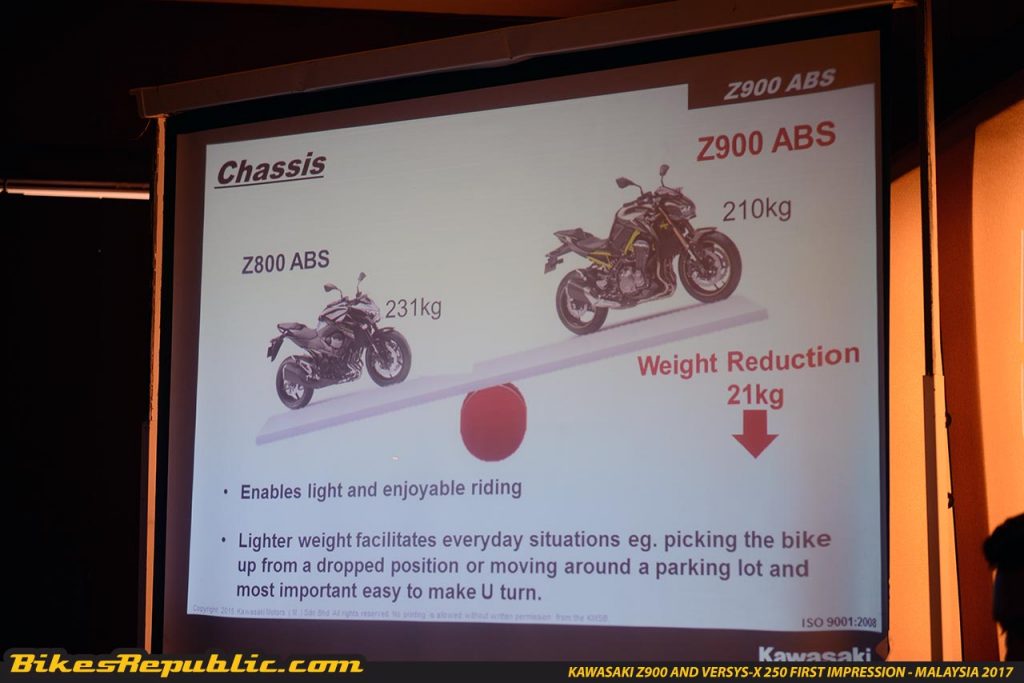
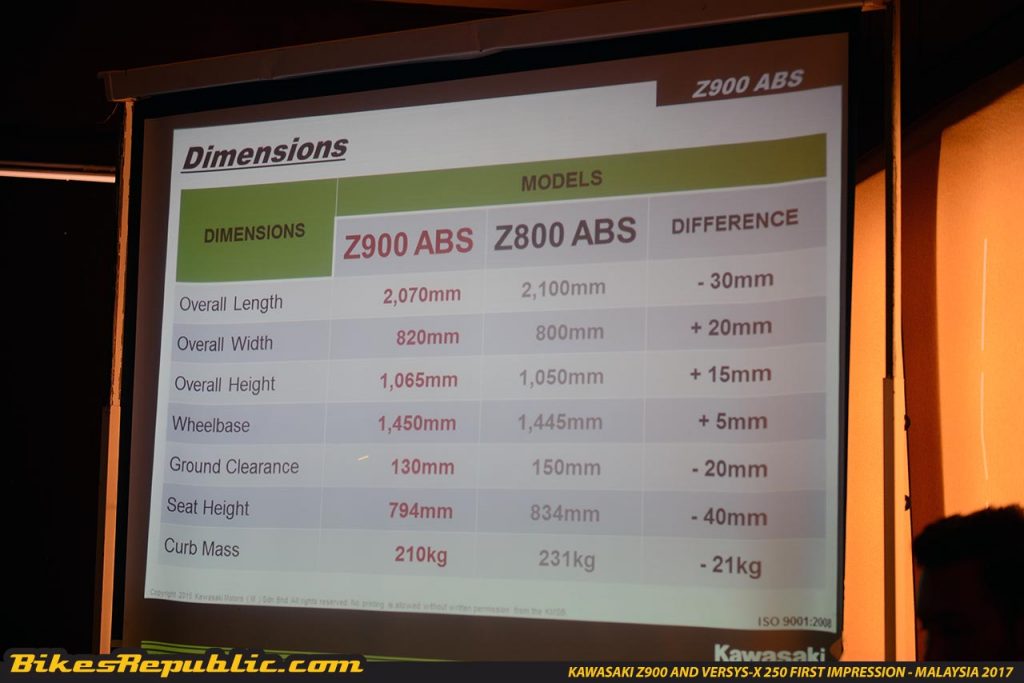
The Z900 is also a full 21 kilograms lighter than the Z800, which itself was oddly heavier than the then flagship Z1000.
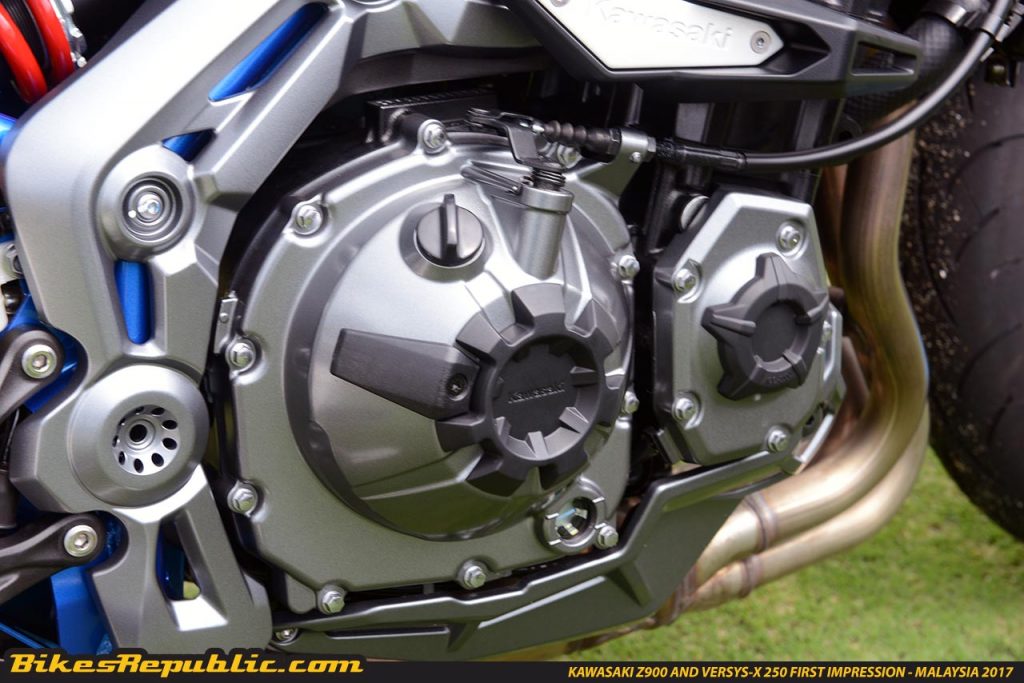
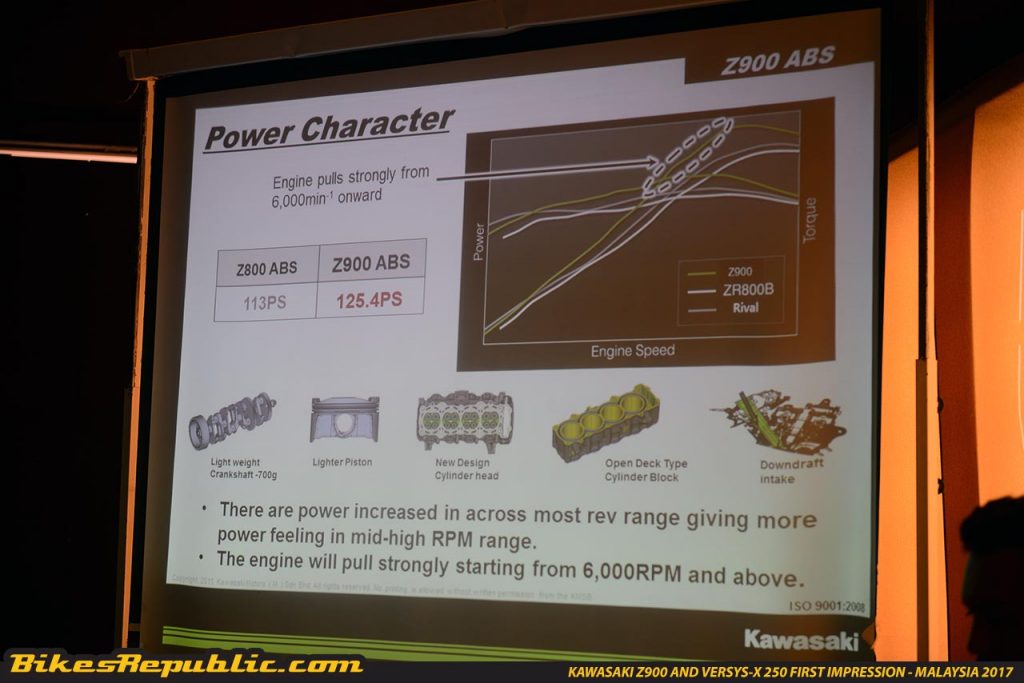
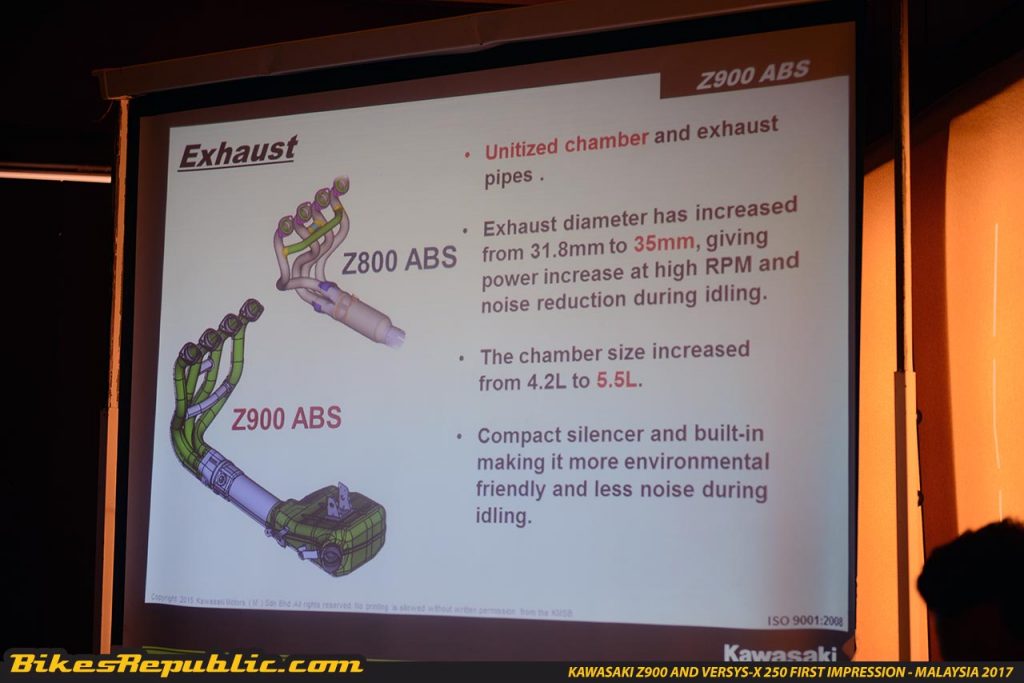
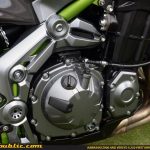
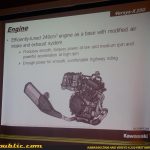
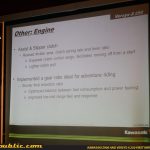
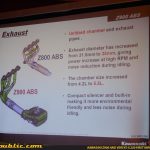
The internal upgrades include a new crankshaft that is lighter by 700 grams, lighter pistons, a new cylinder head, open deck type cylinder block and a new intake.
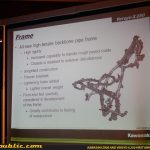
Handling was predictable; the frame is designed to have as little bends and angles as possible, which then disperses stress quickly and evenly, giving the rider the most compliant ride possible.
The Kawasaki Z800 has been quite a darling among those looking for an affordable super naked motorcycle. The awesome edgy design and a smooth powerful engine made it a good bike for the daily commute to the office and to carve up mountain roads on the weekends. But it was far from perfect.
It was heavy which made simple manoeuvres like parking and u-turns feel as difficult as stacking sand bags. Most of the weight felt as if it were centred higher up at the top of the bike, making it a “top heavy” bike – easy to drop into a corner but difficult to pick up again for the next corner. Brute strength and serious muscle was needed to really wring the best out of the Z800, not to mention serious balls. It was a great bike, but needed some improvements.
And so that is exactly what Kawasaki aimed to change with the Z900. Having recently sampled it on a short 150km ride, we are pleased to tell you that the Z900 is leaps and bounds and stars and galaxies better than the Z800. It is also the de facto flagship bike now since the Z1000 is yet to be updated, if there is to be an update at all.
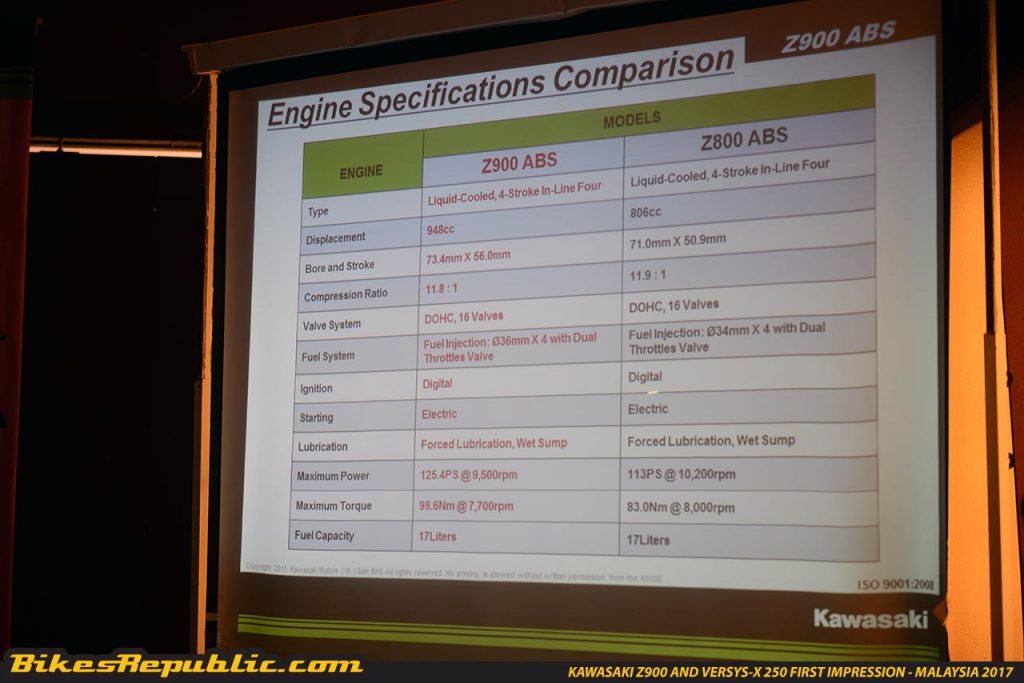
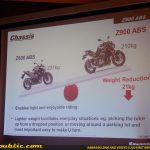
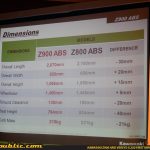
And just in case you were wondering, the Z900 is also a full 21 kilograms lighter than the Z800, which itself was oddly heavier than the then flagship Z1000.
21kg’ lighter does not sound like a lot, but you do feel the difference as soon as you get on the bike and turn a corner. It is more eager, more precise and a hell of a lot more manoeuvrable than the Z800. Heaving it around is a lot more manageable now too.
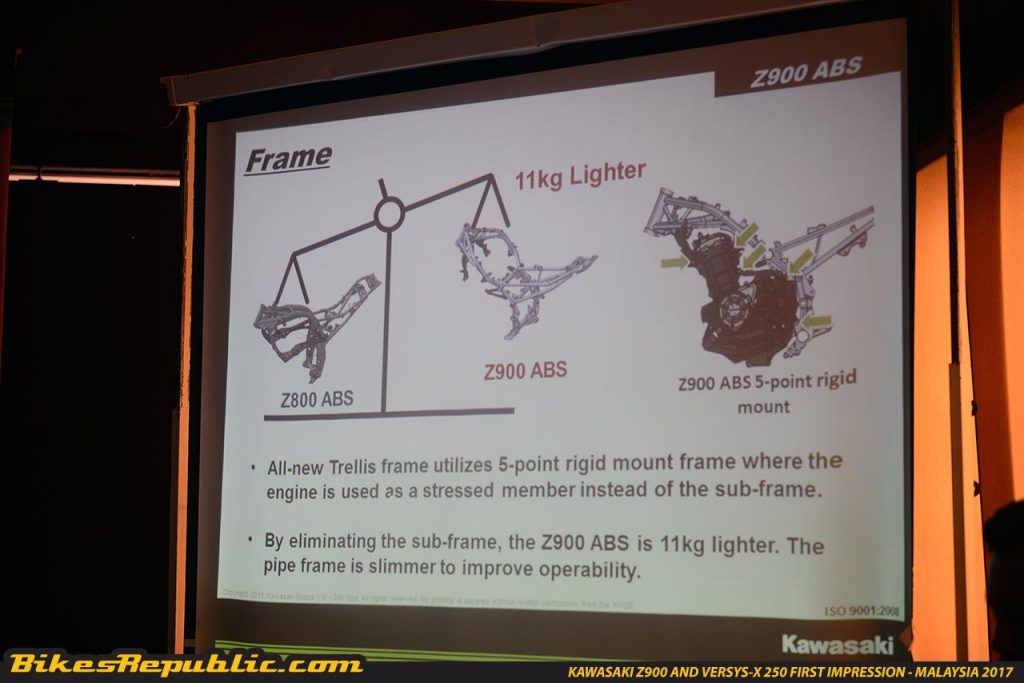
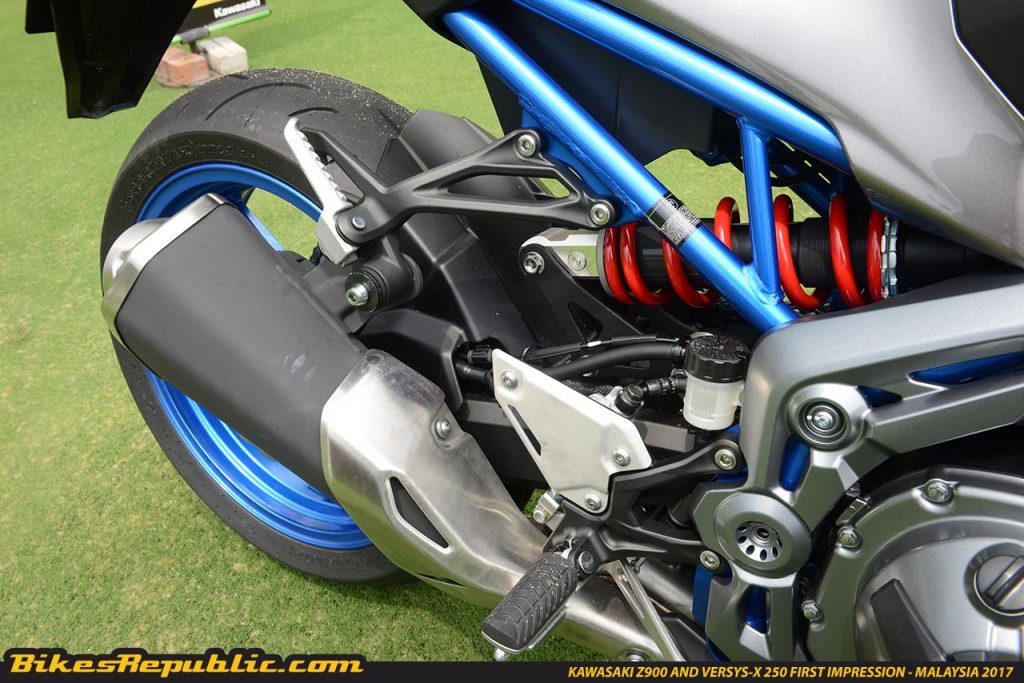
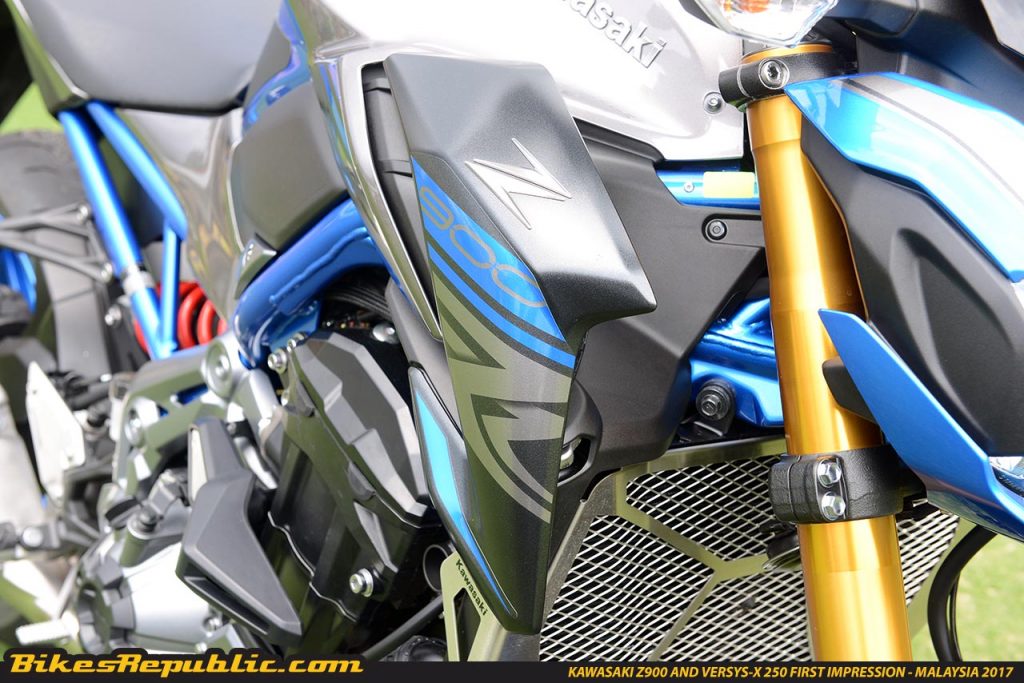
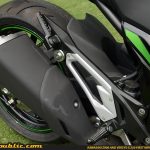
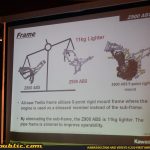
Making this possible is the new trellis frame that contributes the most to the weight savings. Not only does this frame weigh just 13.5 kilograms, but it also utilises five rigid mounting points, making it a stressed member of the frame, which in turn makes the Z900 a lot nippier than before.
Kawasaki also rid the bike of the subframe, a move that shaved a further 11kg’s off the total weight of the bike.
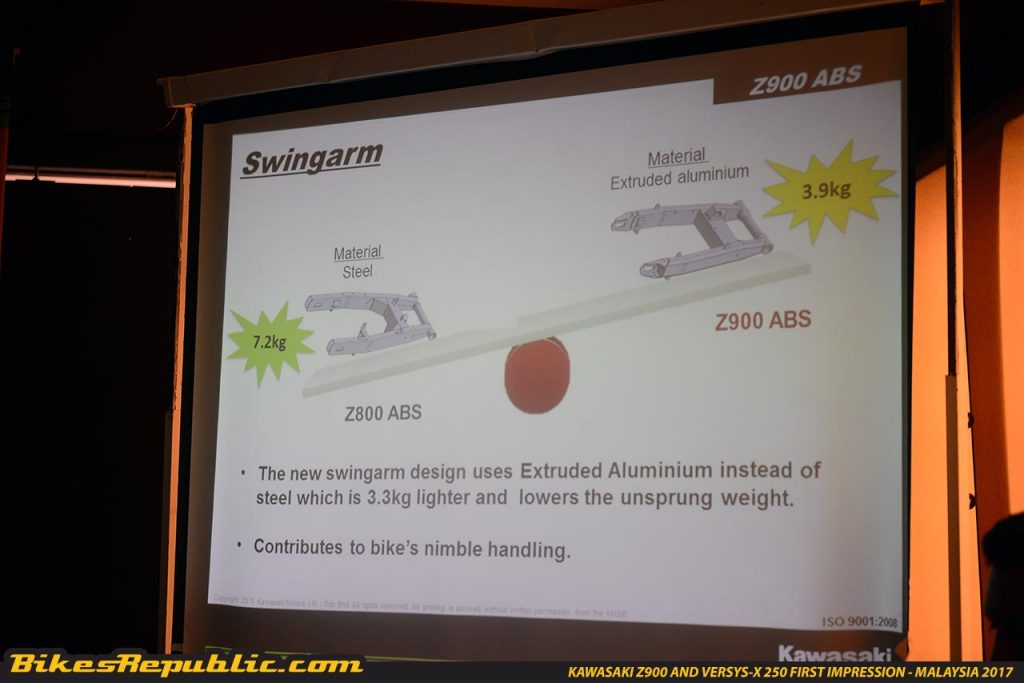
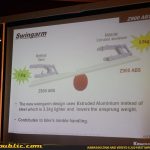
The light weight frame is further complemented by an aluminium swing arm, which shaves a further 3.3 kilograms off the total unsprung weight.
So the objective of making the Z900 a lot lighter than the Z800 was obviously achieved. But the new flagship is much more than a featherweight boxer, it packs a mighty punch too.
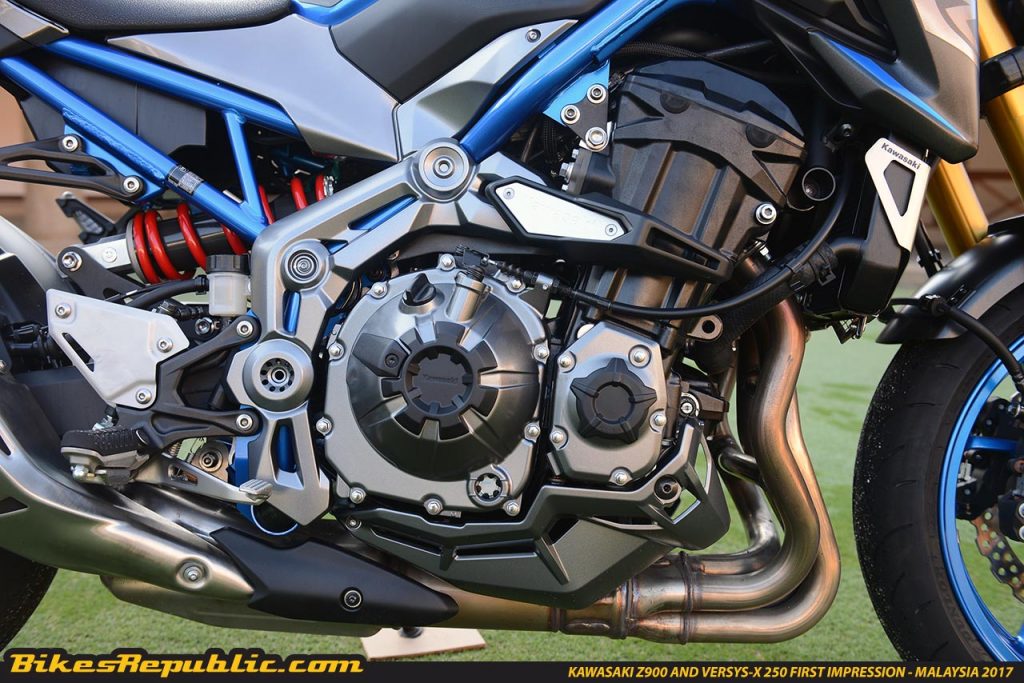
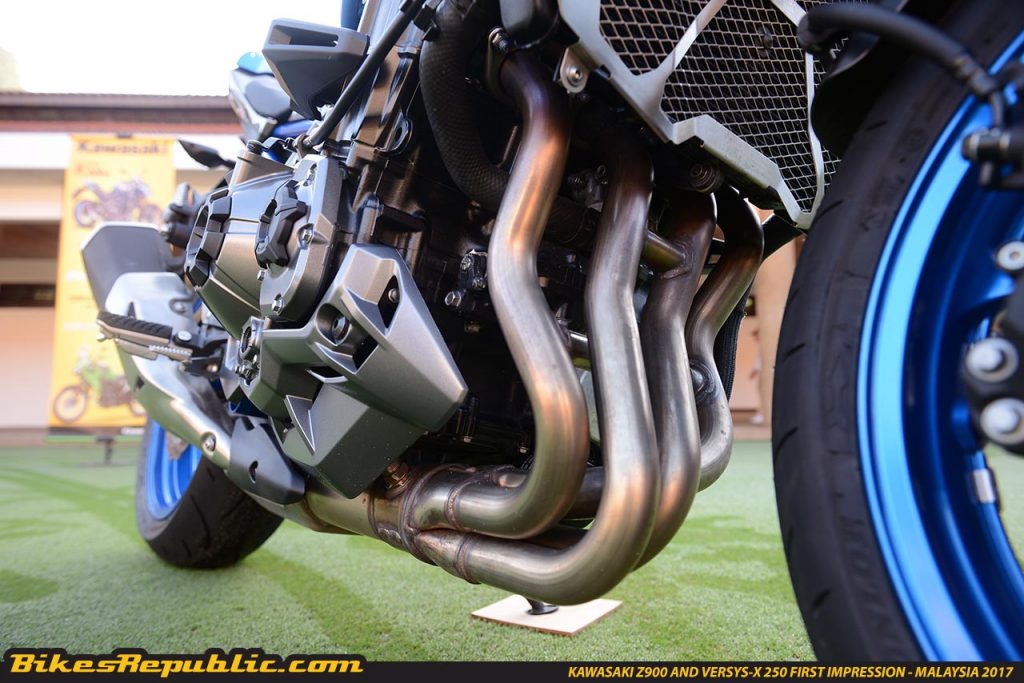
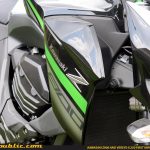
The 948cc, liquid-cooled four-stroke, inline-four-cyllinder is the other major improvement to the Z. The engine was designed to be quick-revving with most of the power stored at the mid and high-rev range.
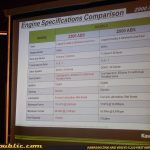
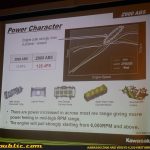
Of course, power is up from the Z800 and now stands at 123.6hp (a 12.6hp increase from the Z800) and 98.6Nm of torque (a 15.6Nm increase), but because the engine is more rev happy than before, a lot more of that power is accessible much sooner, giving the Z900 some serious pulling power through all six gears.
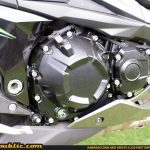
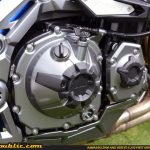
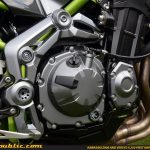
The engine has a number of internal modifications that help it achieve its livelier character, the internal upgrades include a new crankshaft that is lighter by 700 grams, lighter pistons, a new cylinder head, open deck type cylinder block and a new intake.
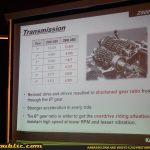
But the engine is not the only thing that has been updated, the gearbox too is all-new. The ratios have been completely reworked for shorter ratios and this contributes to the wild acceleration and explains why the Z900 is so rowdy in the first and second gear.
In fact, slicing through traffic was best done in fourth or fifth gear, any lower and it is simply too eager to burst open, but on the highway, the zippy character was brilliant. Power was constantly available in all gears, even in sixth gear it will continue to accelerate towards the 11,000rpm red line. If it is constant power you want, the Z900 has miles and miles of that.
Handling was predictable; the frame is designed to have as little bends and angles as possible, which then disperses stress quickly and evenly, giving the rider the most compliant ride possible. The suspension was at factory setting, and it did feel a tad soft and lumpy in the bends, but both front and rear suspensions are adjustable.
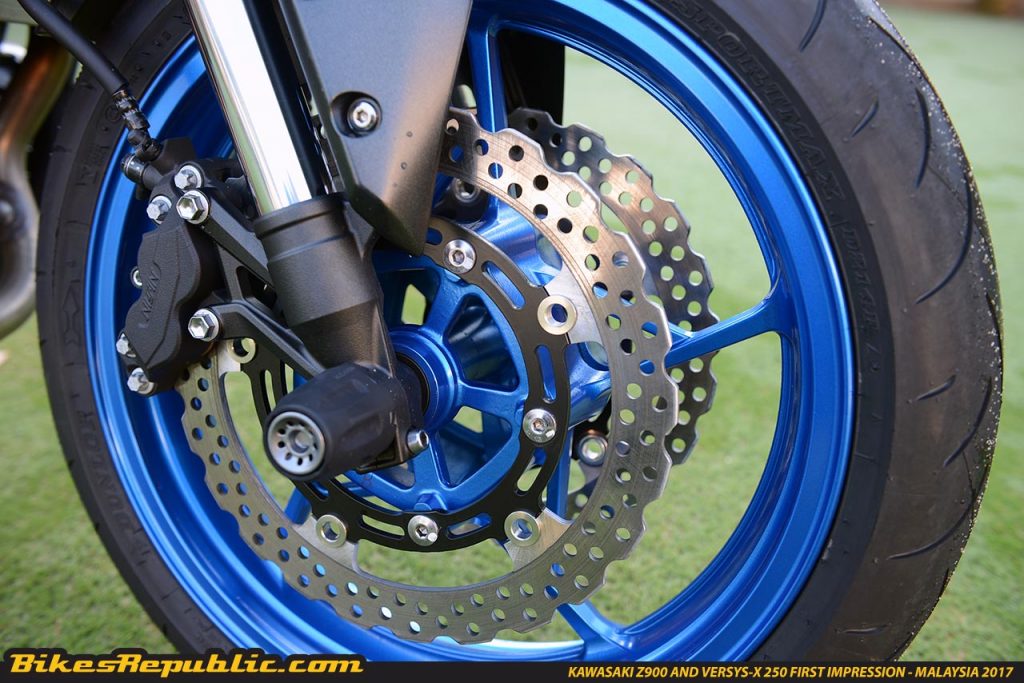
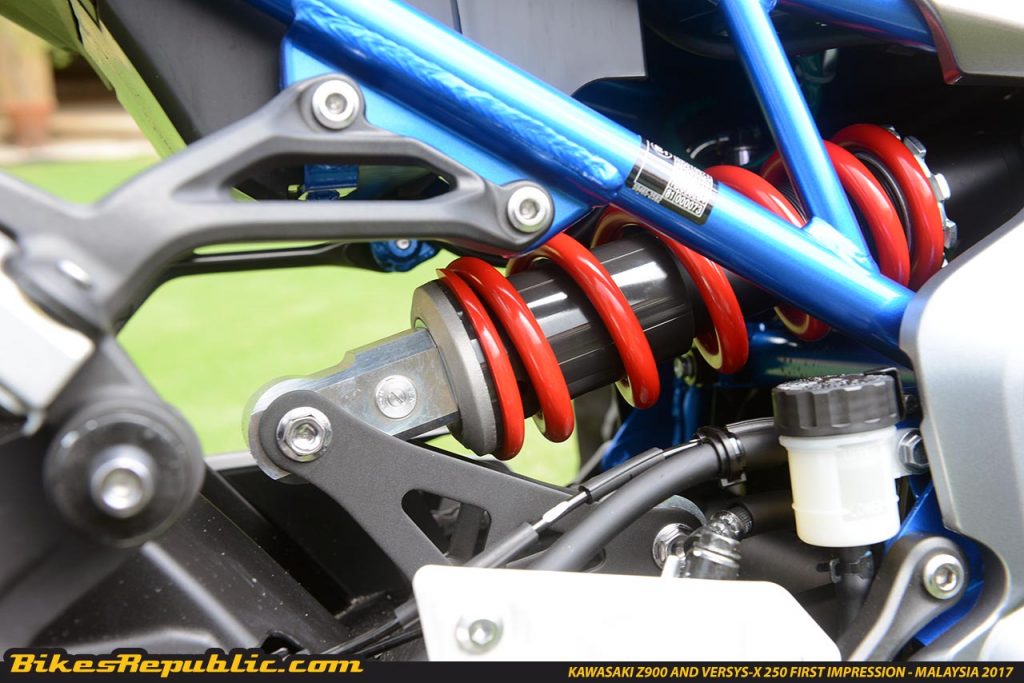
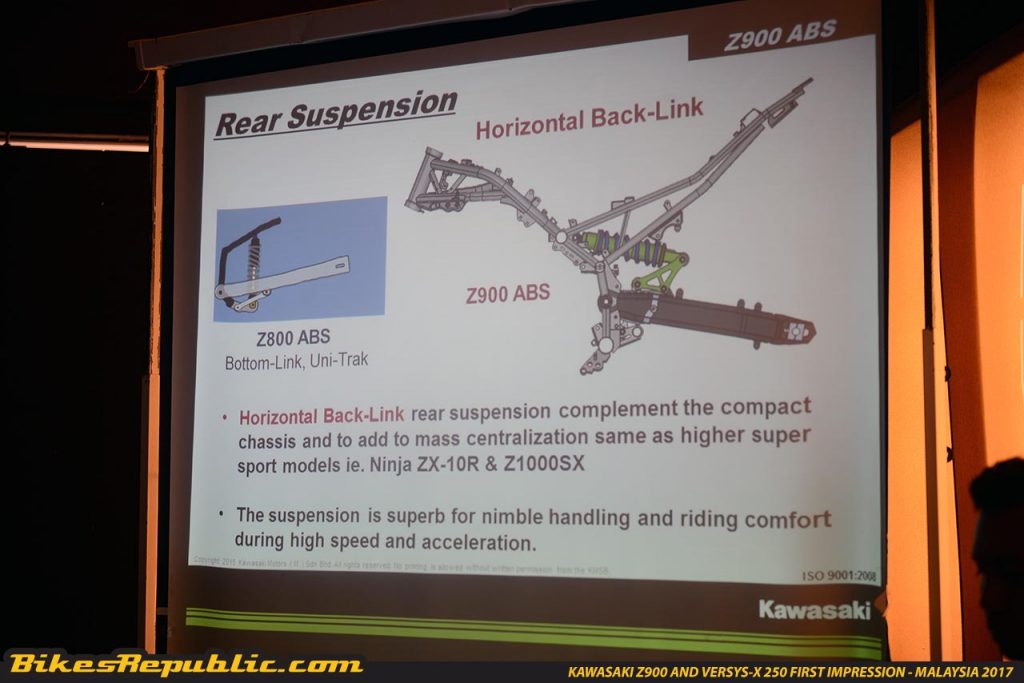
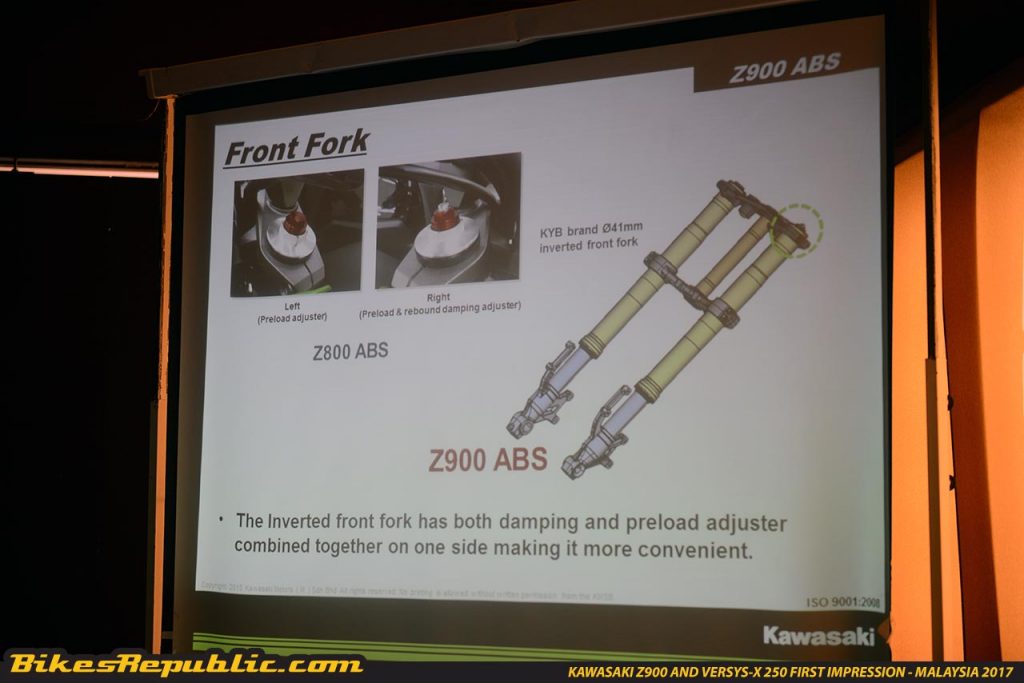
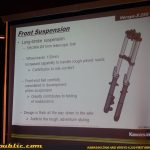
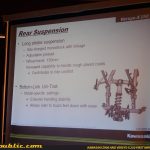
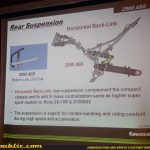
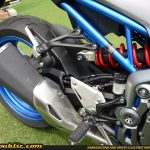
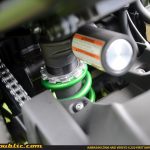
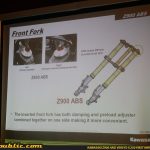
The rebound and compression of the front suspension can be adjustable via a single control on the left fork, where previously you had to adjust both forks separately, risking an imbalanced set up. The rear suspension has been redesigned and now utilises a near horizontally mounted shock that is connected to a linkage system, which in turn is connected to a lighter, stiffer swing arm. The entire rear suspension is arranged in such a way that the weight of the bike and rider is centralised, eliminating the “top-heavy” feel of the Z800. The spring is adjustable for preload by 5.5 inches.
The new engine, gearbox and suspension gives the Z900 a lot more confidence than its predecessor. You can push this bike harder than before and it has what it takes to cope with all you can ask of it. It is lighter and more willing, which means you can carry mega speeds in corners. The combination of the engine together with the slick shifting gearbox ensures you are never starved of power, that I can personally testify to since this bike will still pull when you’re well into the rev-band of the sixth gear.
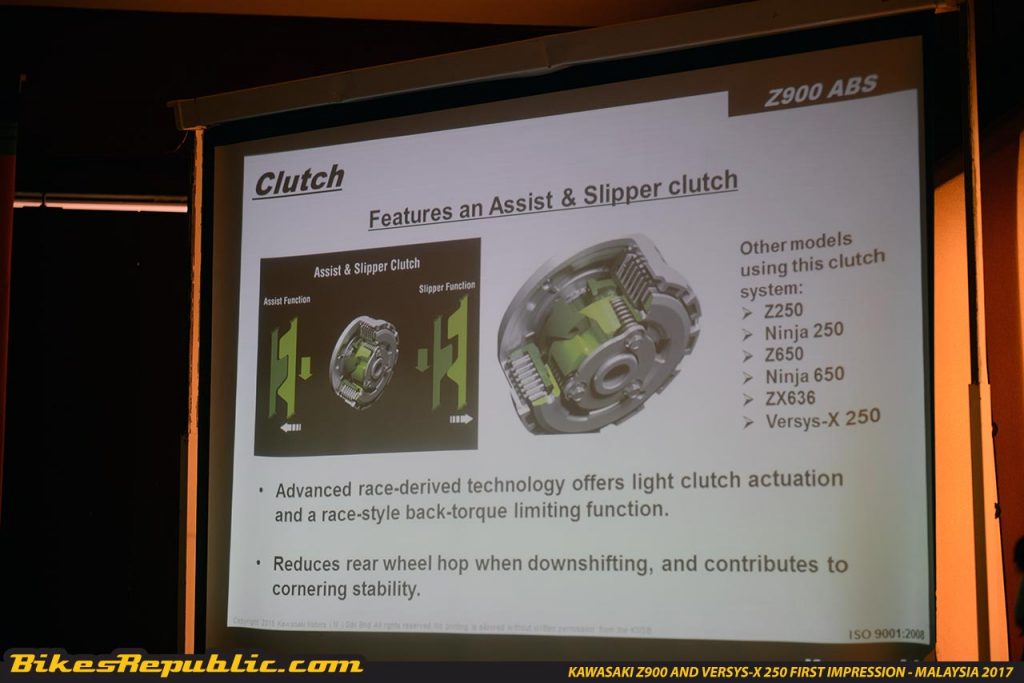
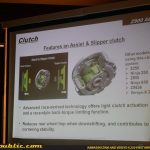
And just in case you run out of talent and approach a corner too hot, there is a new slipper clutch with assist function that ensures the rear tyre doesn’t lock up as you bang down the gears in a desperate attempt at using engine braking to slow you down. The clutch assist function makes the clutch lever extremely light, about 40-50% lighter according to personal estimates.
Kawasaki was obviously very serious about creating the best super naked in its price category, and it has come really close to doing it. Just incase the increase in power and diet program wasn’t enough, the company even carefully crafted an audible intake sound at about 6,000rpm where the Z900 sounds like it is sucking in some serious air, just like a sprint runner would at full flight.
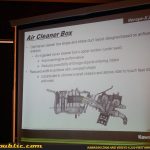
The intake funnels are of varying length (50mm for the outer pair and 150mm for the inner pair) and this offers a balance of performance and intake sound. The longer inner pair contribute towards the low-mid rpm performance, while the shorter outer pair are the ones creating the whooshing intake sound.
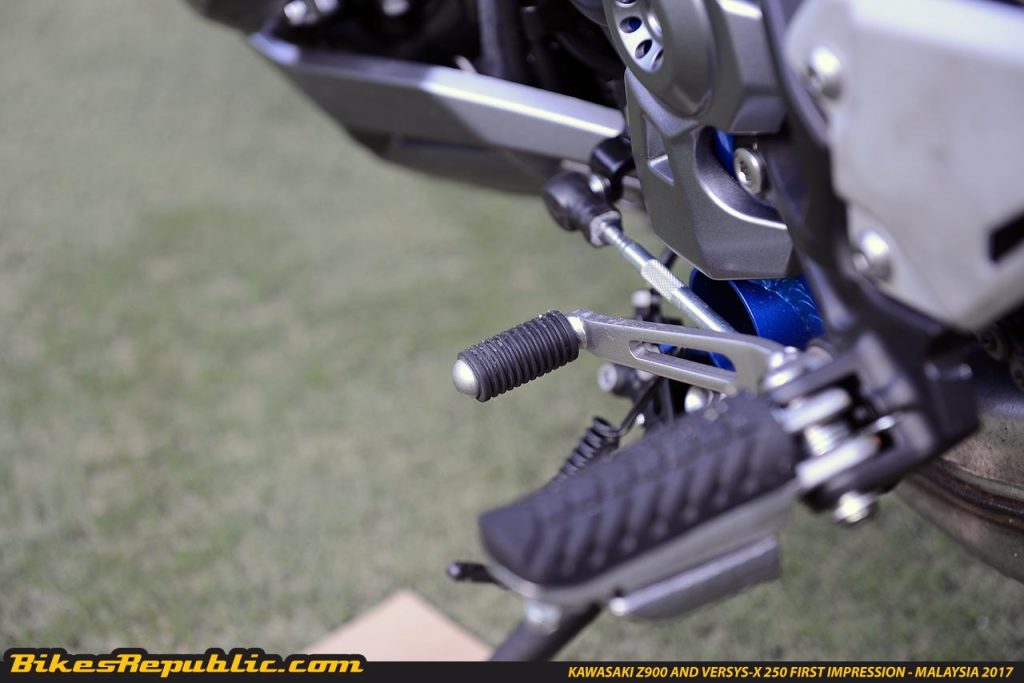
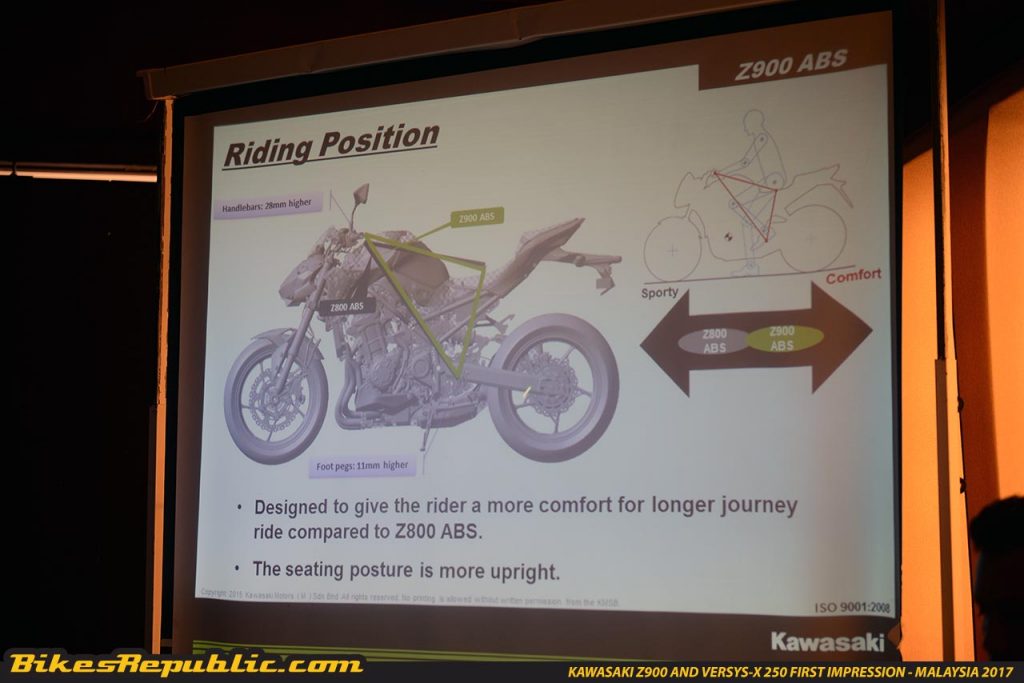
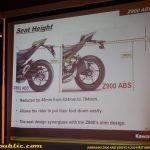
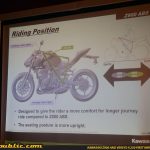
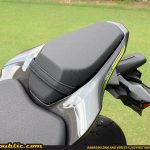
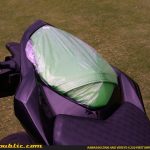
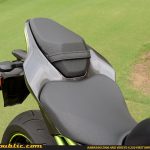
On a personal note, the Z900 is very near perfect but for a guy of my height and size, the package is let down by the Malaysian-spec bike’s low seat height arrangement which made the bike feel too cramped.
It was not very comfortable even when sitting at the edge of the seat and resting on the balls of my feet – in the so called full race mode. I’m about six-foot tall and I could not find a comfortable position on the Z900 sadly. But with such a brilliant all-round package, maybe an aftermarket seat and foot pegs relocaters will do the trick.
The Kawasaki Z900 is an altogether different animal to the Z800 it replaces, sporting a totally different character but an obvious evolution to the older bike. Priced at just RM50,959, the Z900 seems to have it all. We’ll be spending more time with it soon, so watch this space. Meanwhile, just a note to Z800 owners, it is time to think of trading up, the 900 is really the bike to have now.
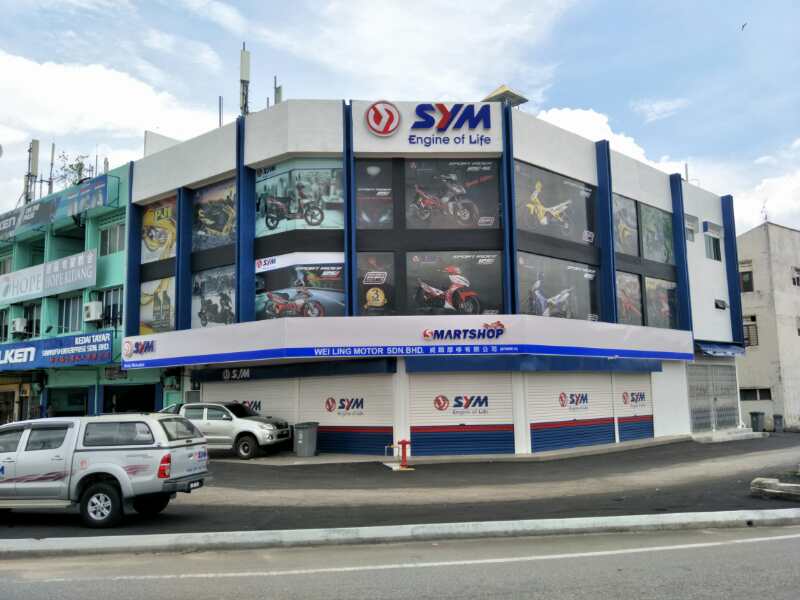
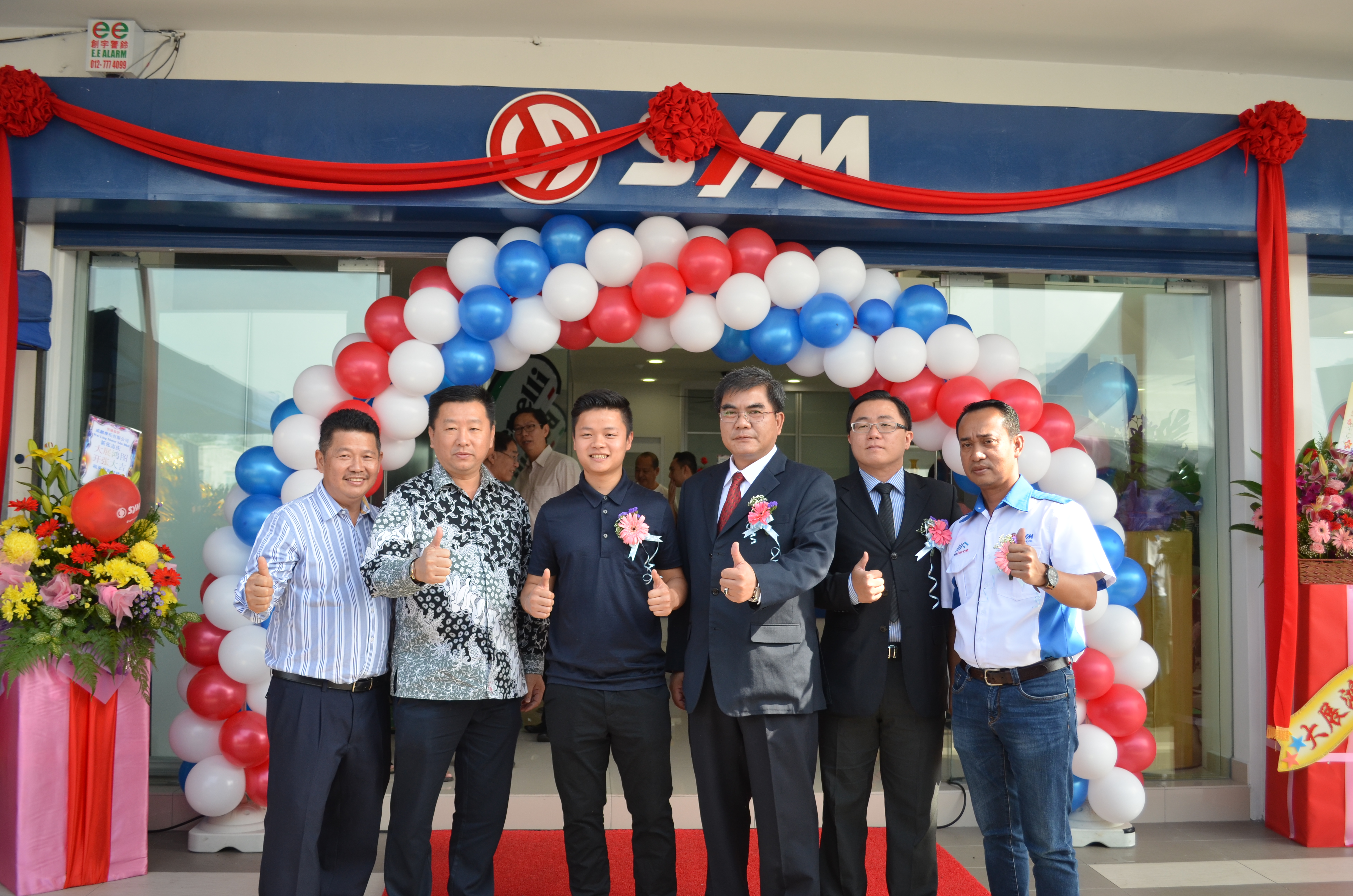
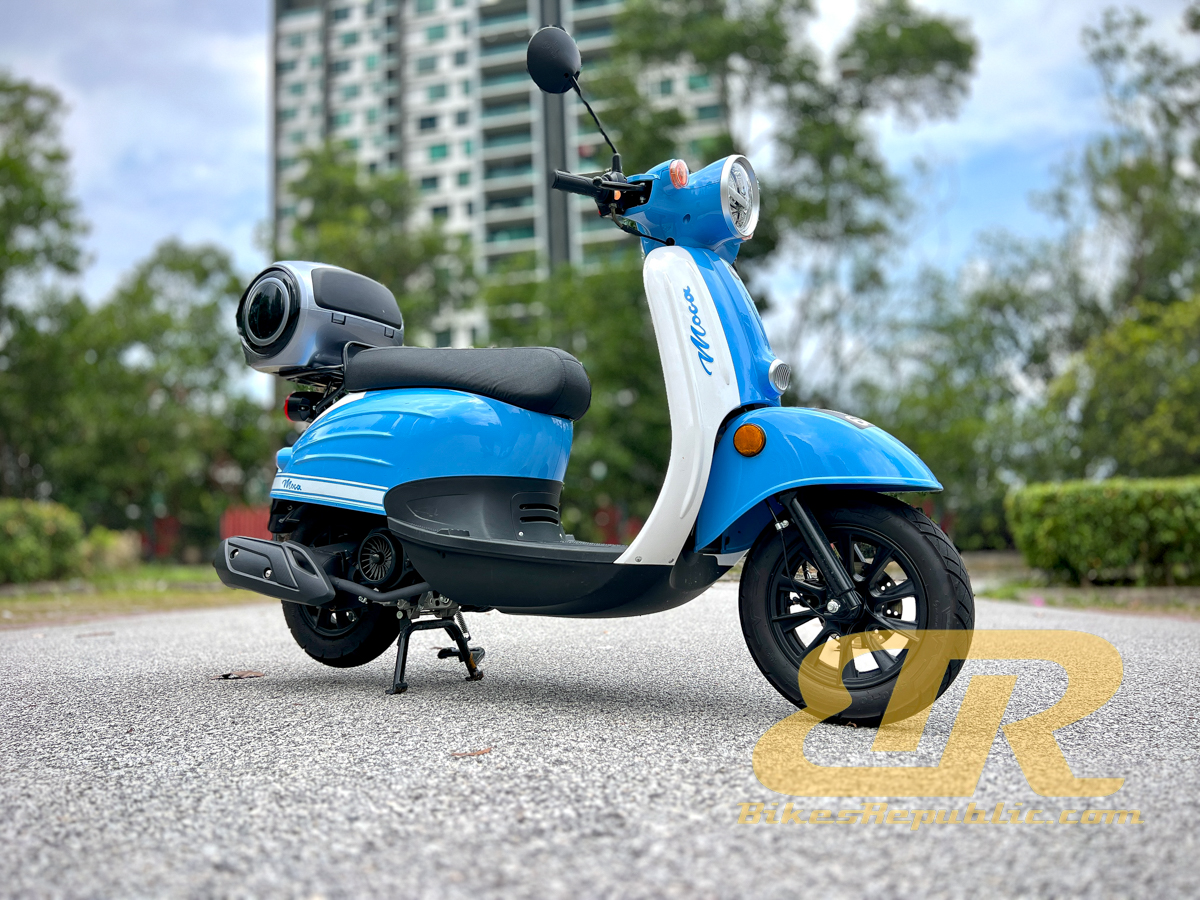
The sixth SYM Smart Shop in the country has started its operations in Kluang, Johor
The three storey showroom consists of an exclusive SYM showroom, Benelli display corner, service centre, accessories and spare parts display area
It’s a one-stop showroom that showcasing SYM full range of high quality moped and scooters and a service centre which provides after-sales services
SYM Malaysia introduces the sixth SYM Smart Shop in Malaysia and the second in Johor state today. The official opening ceremony is graced by Mr.Lu Tien Fu, General Director of Vietnam Manufacturing & Export Processing Co. Ltd, Dato’ Seri Leo Tan Lean Heah, Managing Director of MForce Bike Holdings Sdn Bhd, Mr Asri Ahmad, Operation General Manager of MForce Bike Holdings Sdn Bhd, Mr Leok Kah Ling, Managing Director of Wei Ling Motor Sdn Bhd and Mr Leok Jun Yu, General Manager of Wei Ling Motor Sdn Bhd. (more…)
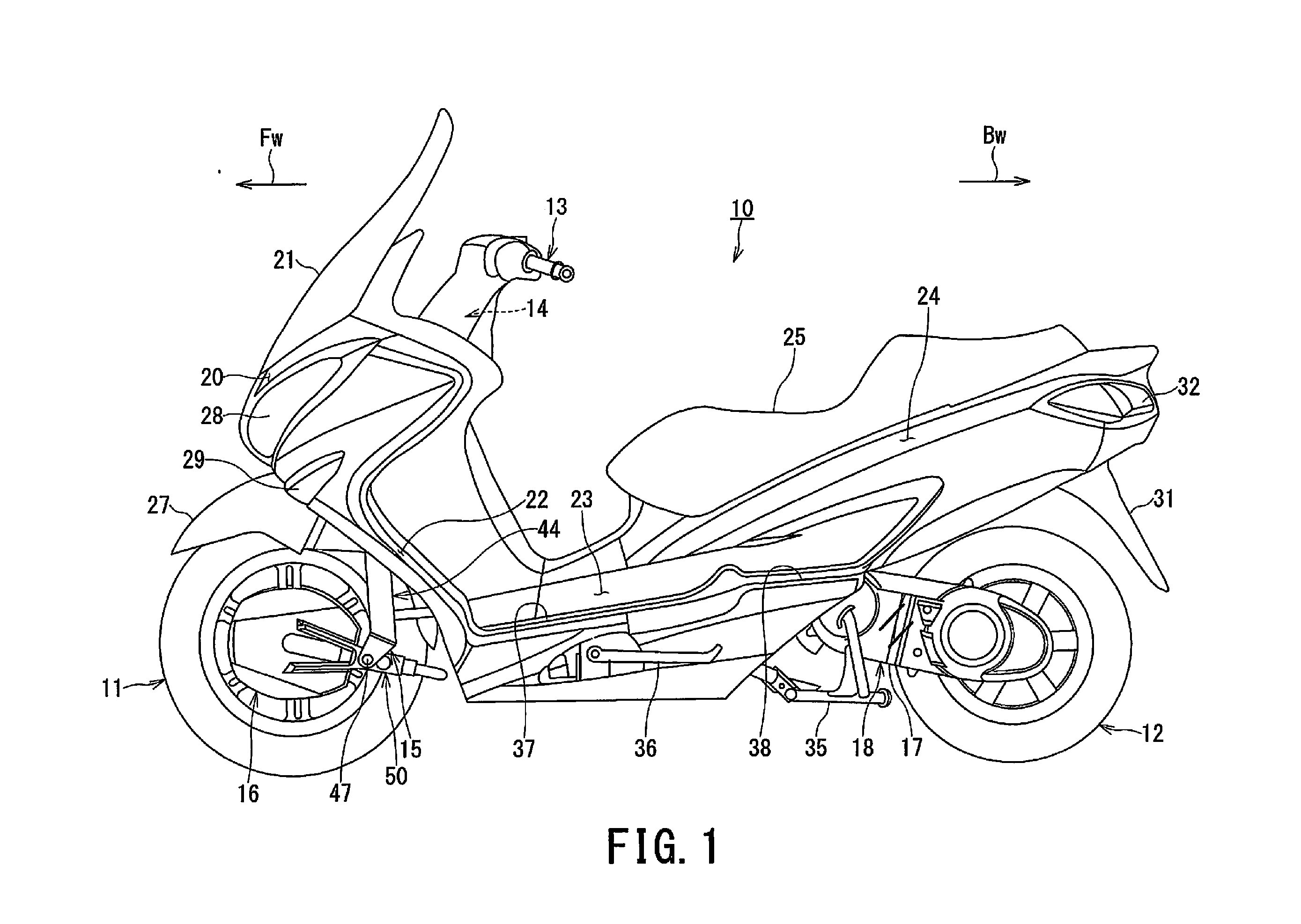
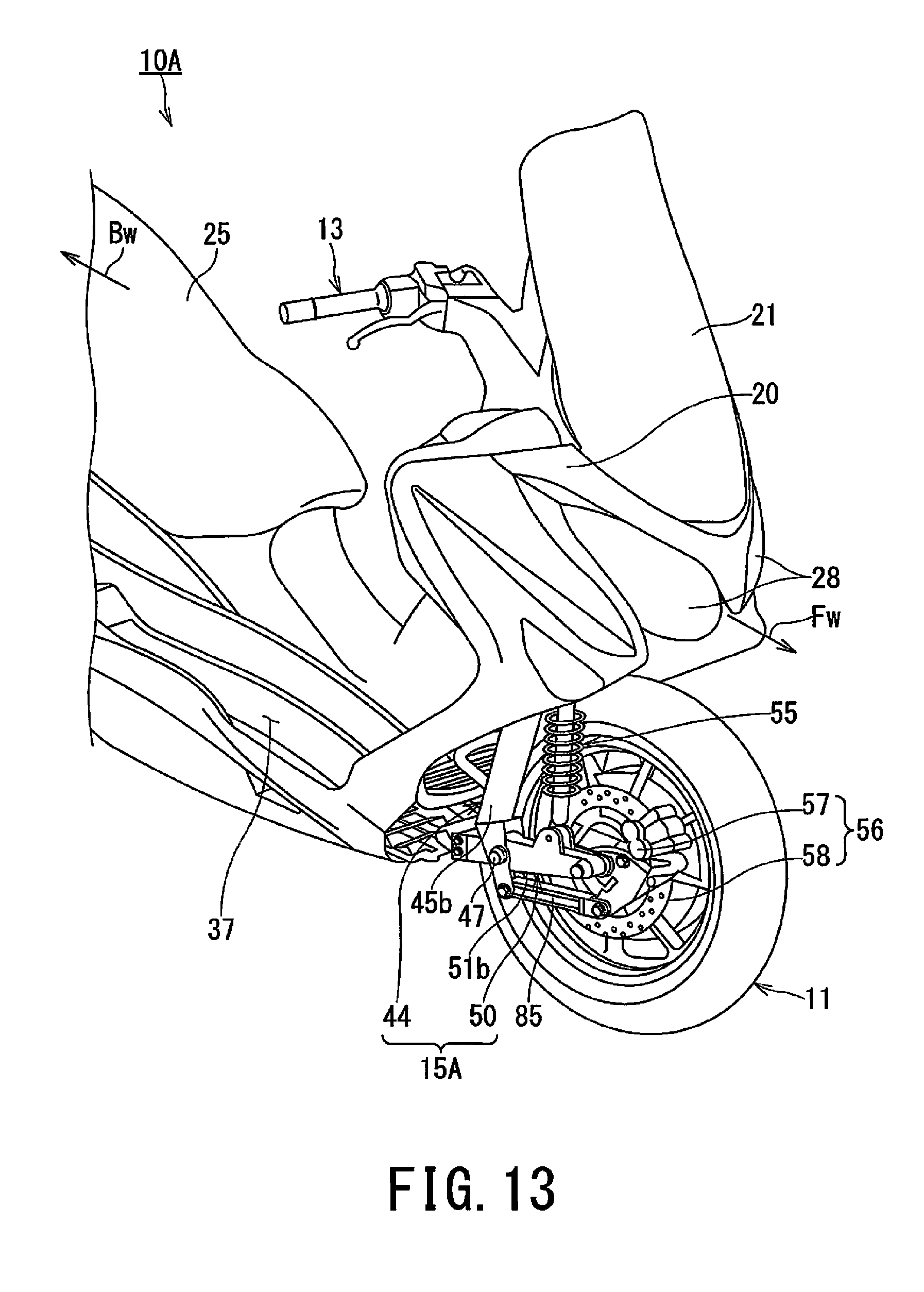
Suzuki has filed a patent for a two-wheel drive scooter recently at the US Patent and Trademark Office (USPTO)
The patent shows a hybrid scooter with an electric engine powering the front and a conventional petrol engine driving the rear tyre
The scooter design looks like the Suzuki Burgman maxi-scooter
In reference to the people at Motorcycle.com, it seems like Suzuki has their plans set for the future with this latest patent for a two-wheel drive hybrid scooter. It was stated that the patent was filed at the US Patent and Trademark Office (USPTO) in which you can see that it looks like a normal scooter apart from something fascinating drawings on the bike’s front end. (more…)
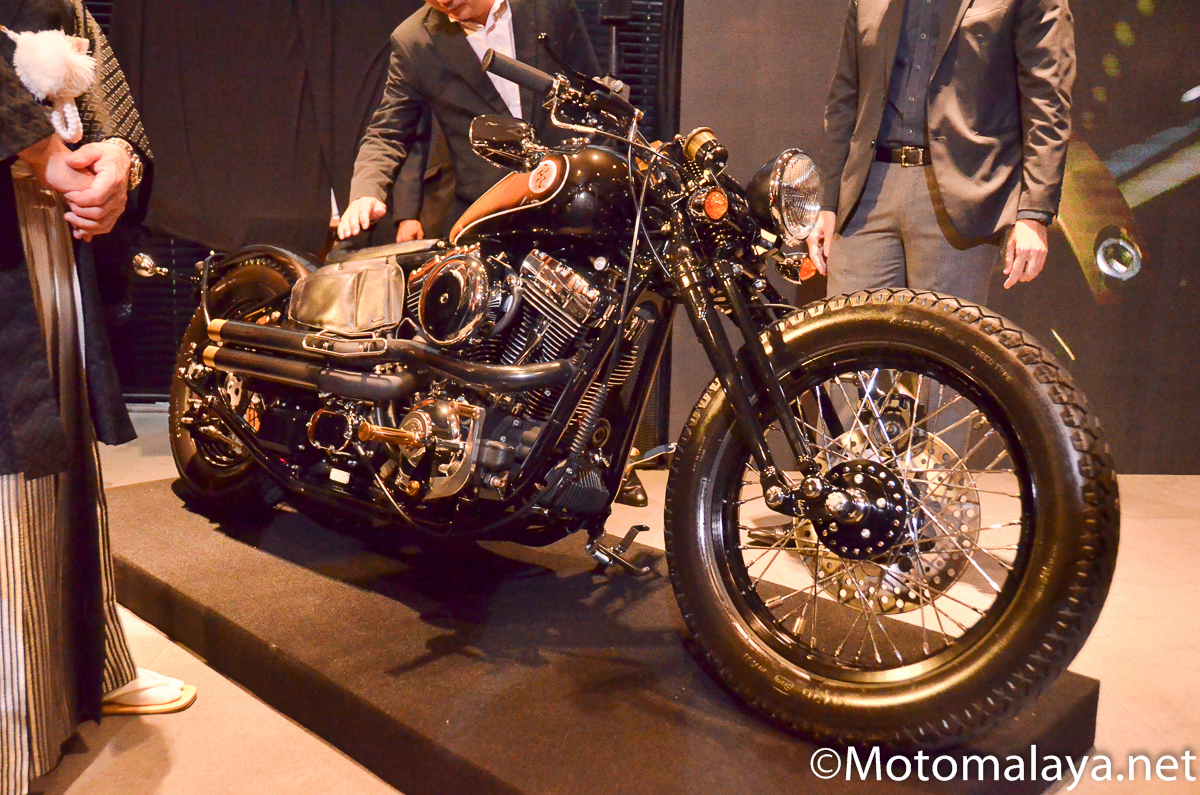
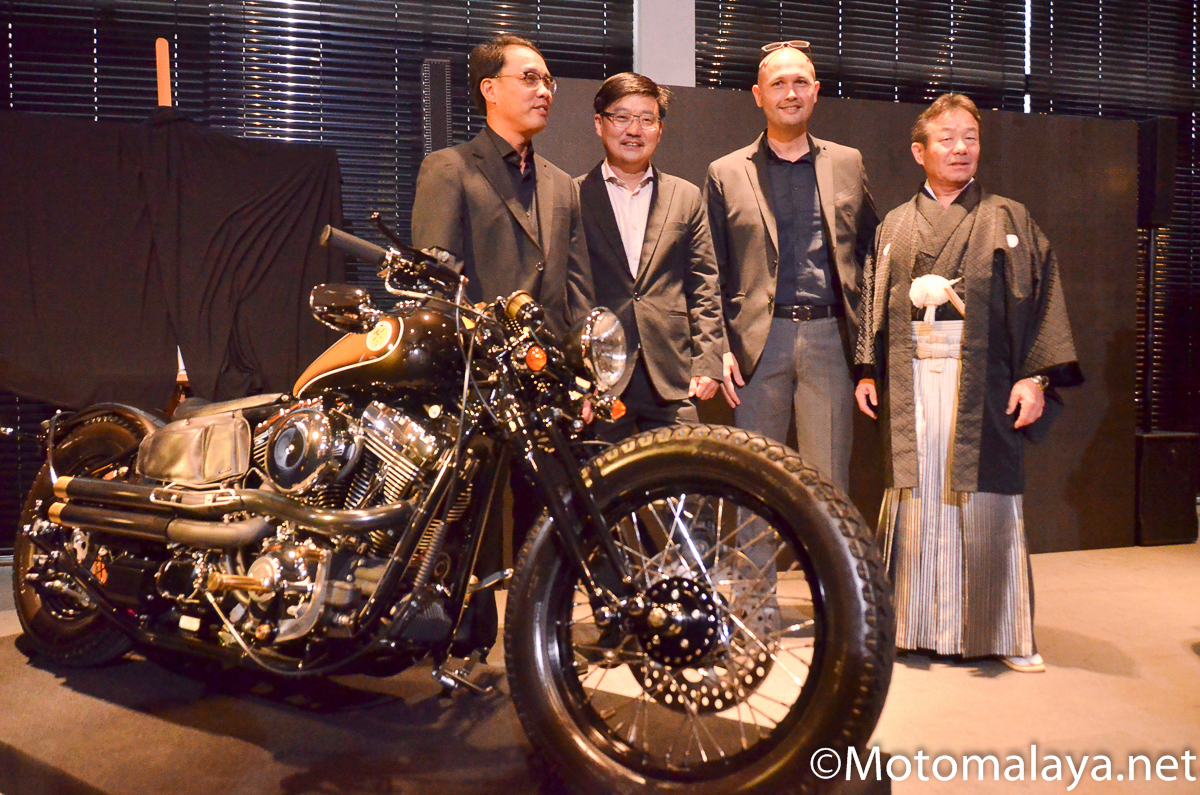
ZERO Engineering is a custom motorcycle maker from Japan that makes “Samurai Choppers” that are fully customised like the previewed Type-5, Type-6 and Type-9i.
Each bike is custom built from the ground up with S&S Cycles engines with endless customizing options
Some high profile people who own a Samurai Chopper are Brad Pitt, David Beckham and even Tony Stark in the movie “Iron Man”.
The highly acclaimed custom motorcycle maker ZERO Engineering has previewed some of its infamous Samurai Choppers here last night during the launch ceremony at the Bon Estate Sales Gallery, Bangsar. The firm behind the gorgeous and fully customised “Samurai Choppers” displayed three of its wonderful creations at the gallery yesterday; the Type-5, Type-6 and Type-9i. (more…)
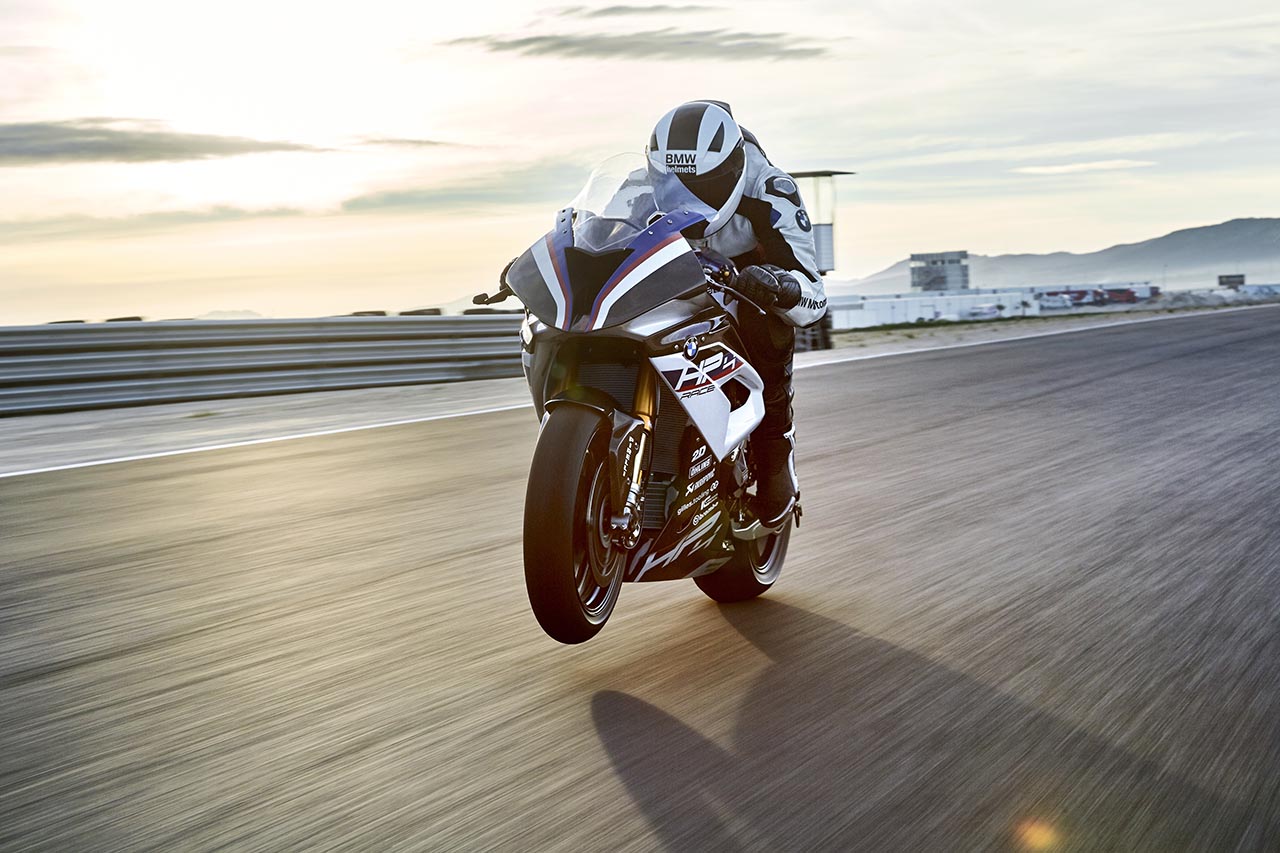
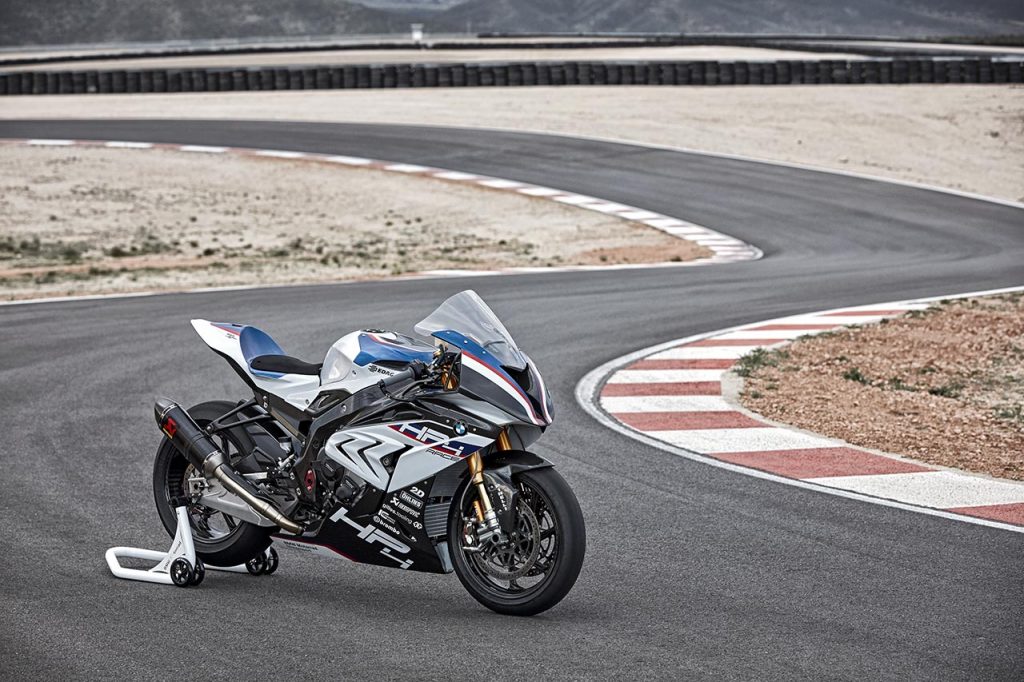
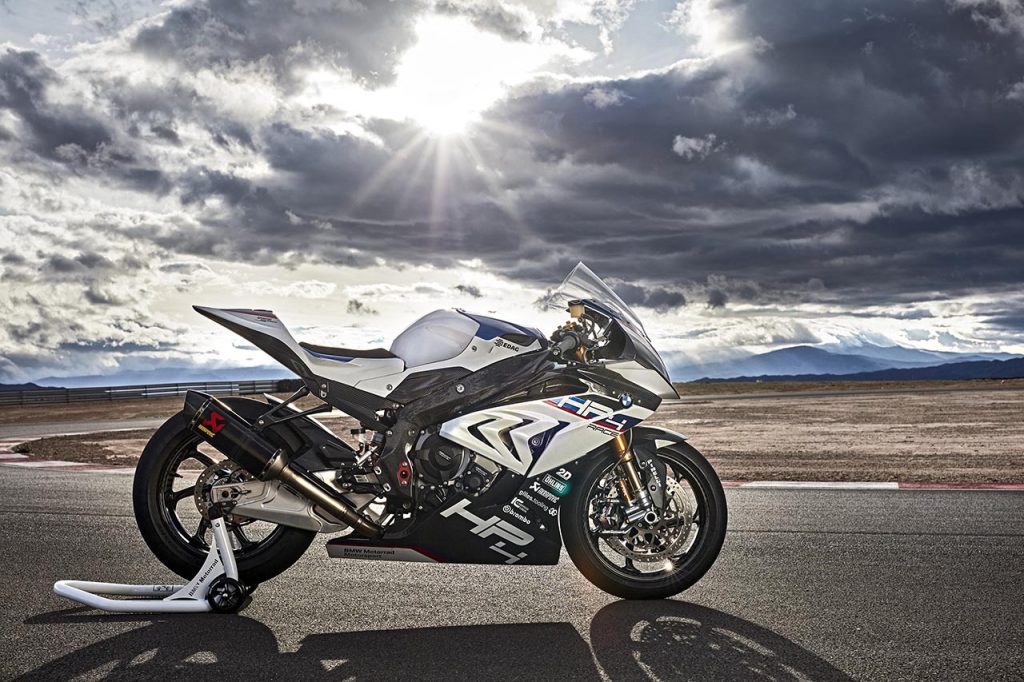
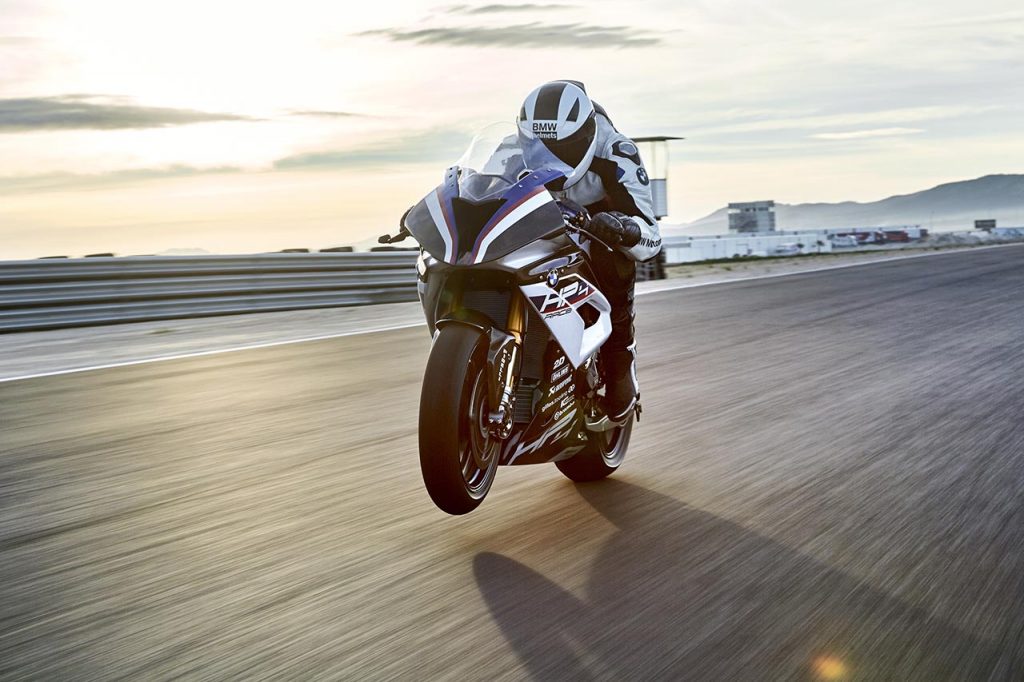
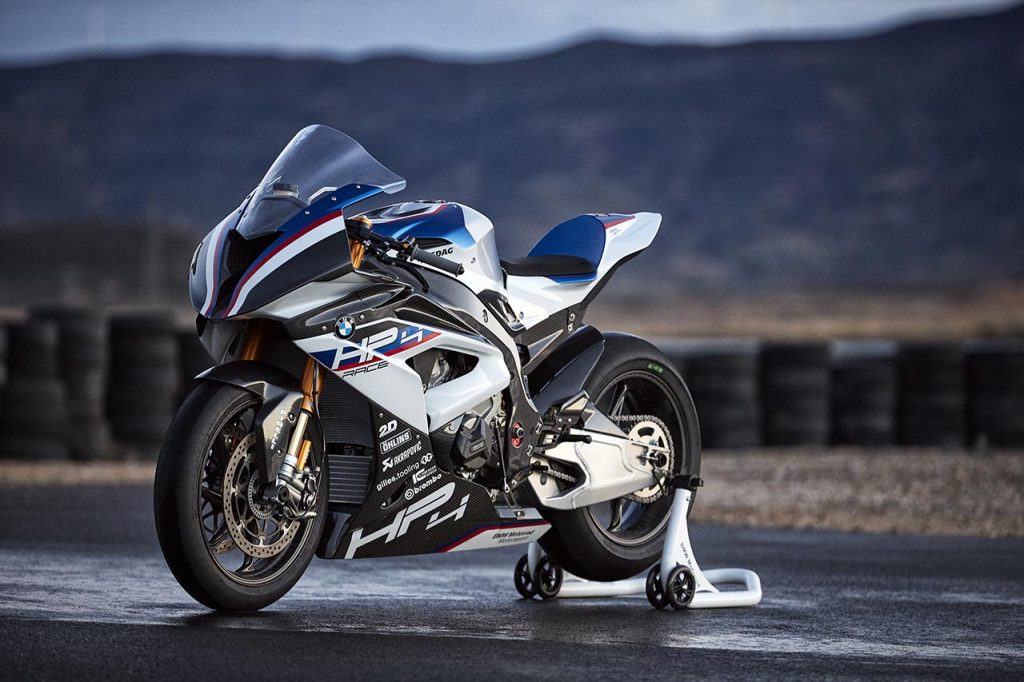
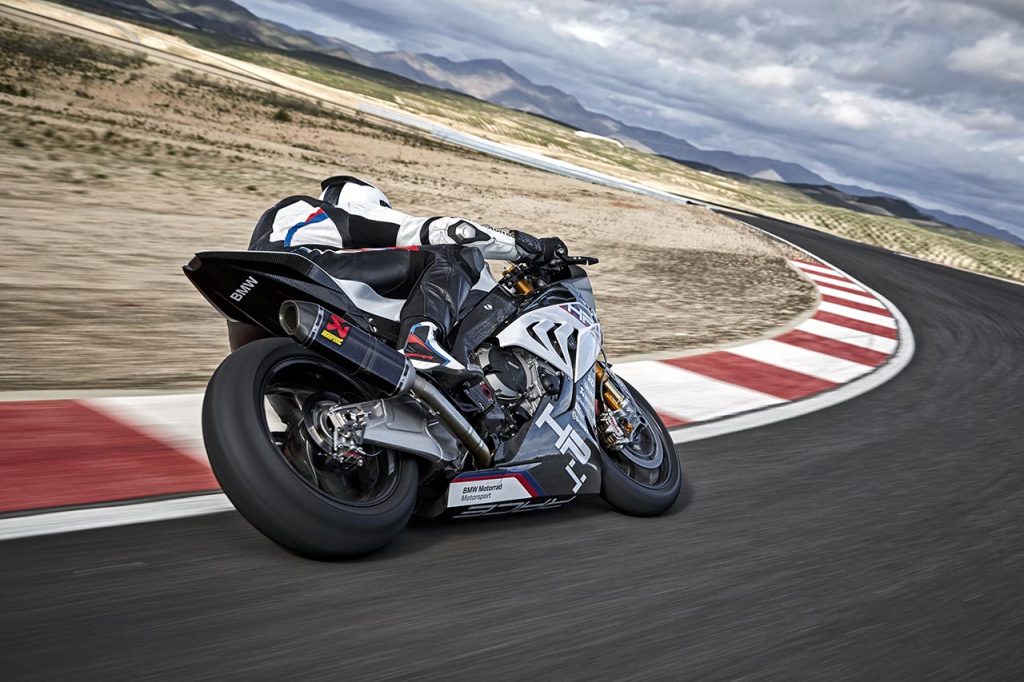
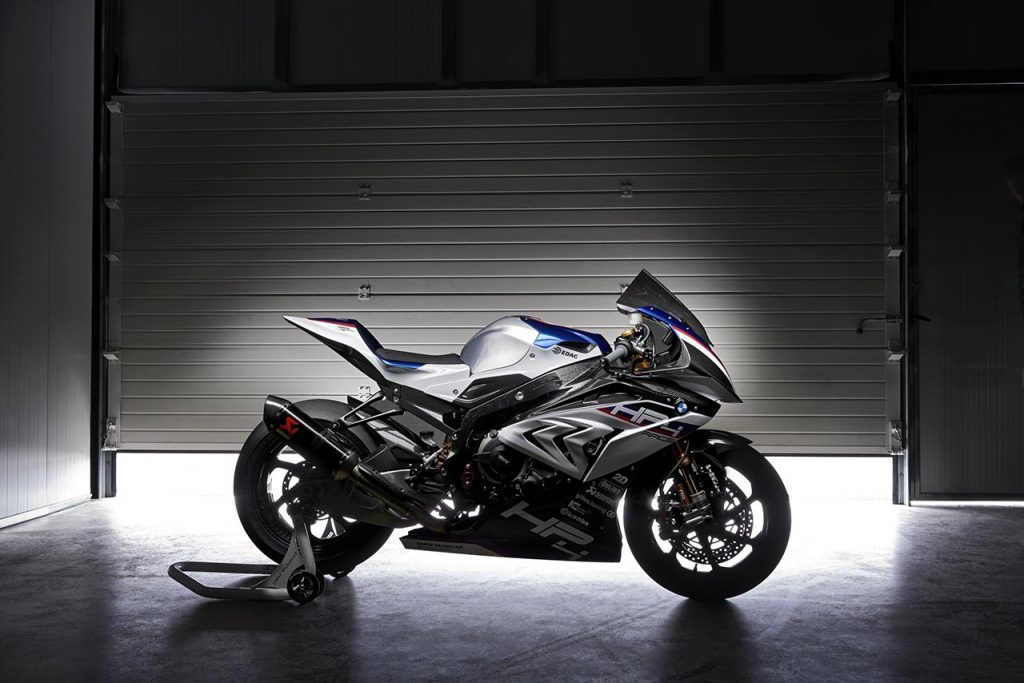
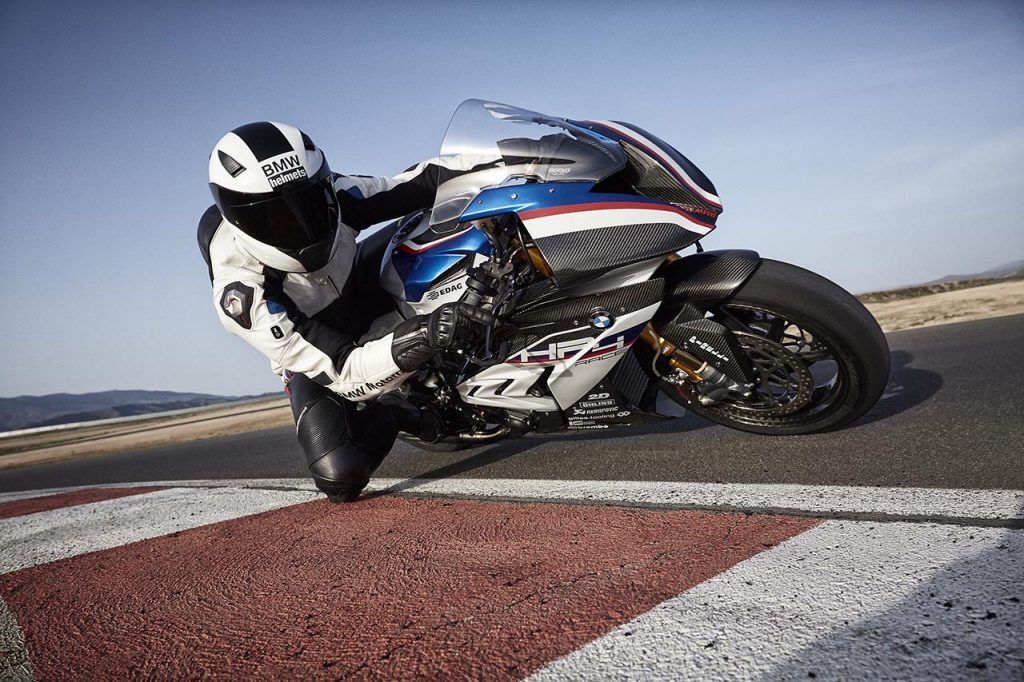
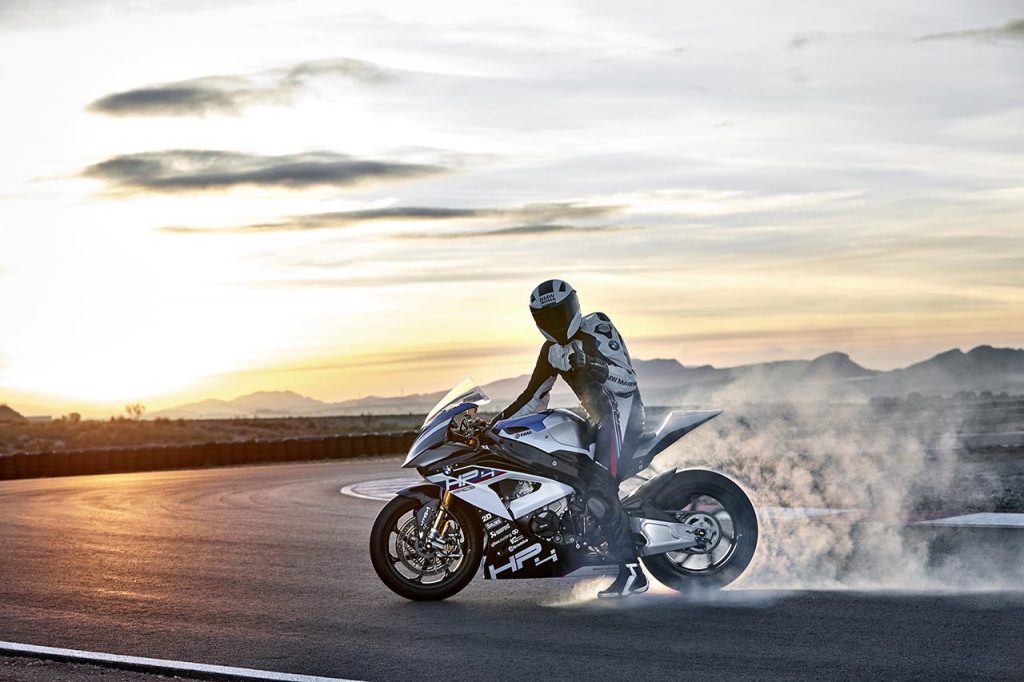
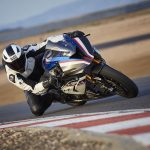
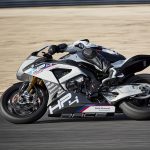
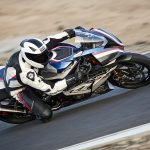
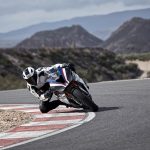
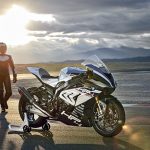
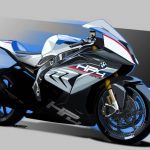
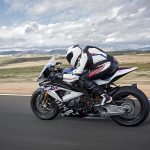
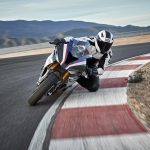
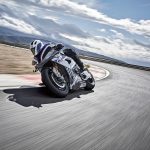
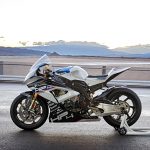
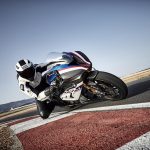
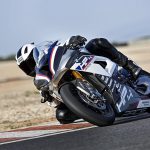
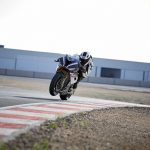
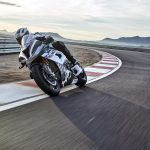
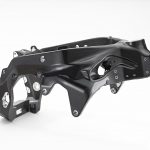
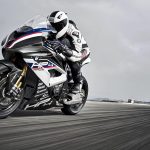
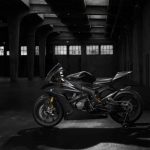
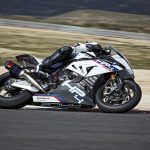
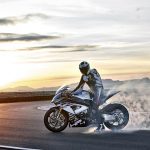
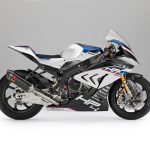
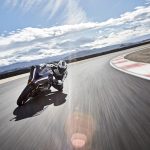
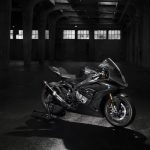
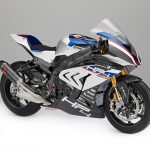
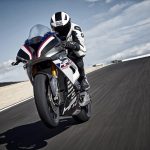
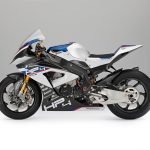
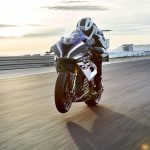
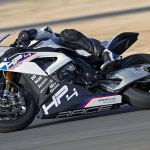
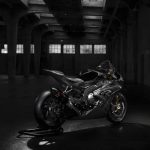
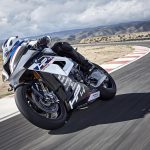
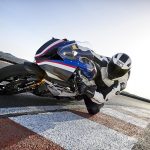
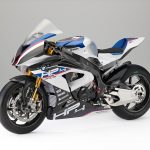
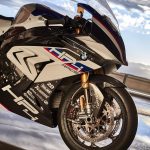
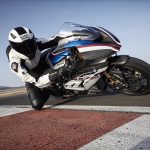
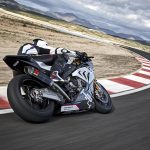
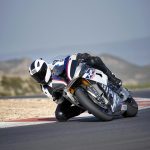
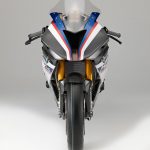
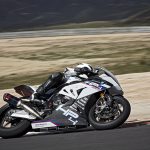
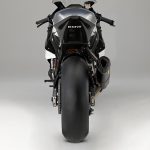
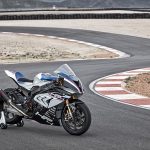
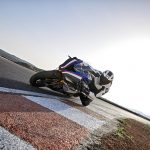
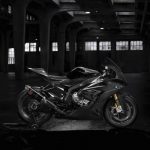
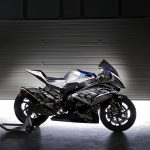
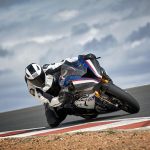
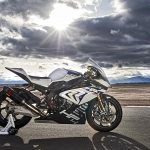
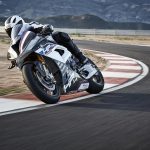
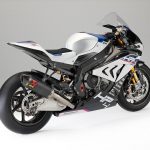
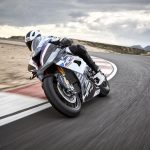
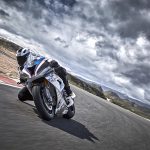
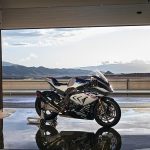
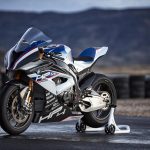
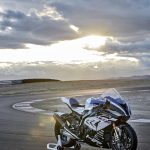
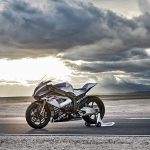
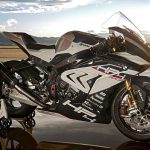
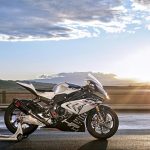
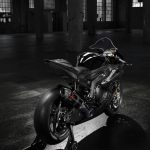
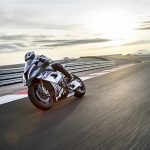
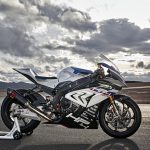
Every few years BMW Motorrad will awe the world with an engineering masterpiece, and it has officially done so again with its latest piece of engineering marvel, the BMW HP4 Race.
In its official press release, BMW says that the HP4 Race presents a purebred racing bike that is limited to just 750 units. Each one individually crafted by a small, highly specialized team, ensuring the highest level of quality.
The engine powering the HP4 Race is in the same category as the current super bike factory racing machines. The suspension of the HP4 Race is said to be even better than the race machines with its carbon fibre frame.
Weighing in at just 171 kilograms fully fueled and road ready, the HP4 Race is even lighter than the factory racing bikes currently used in the Superbike World Championship, and is only slightly heavier than MotoGP race bikes.
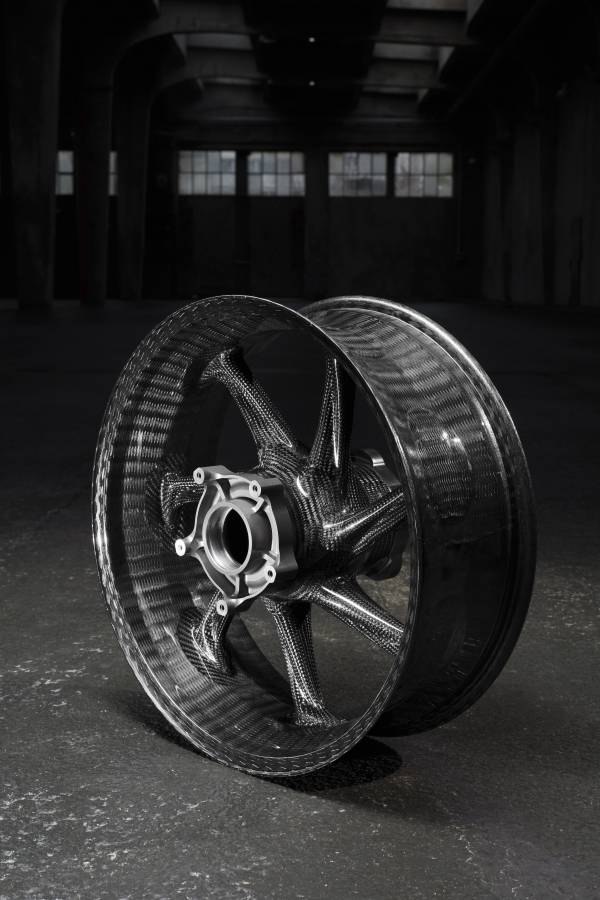
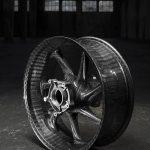
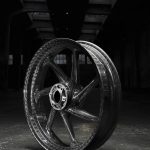
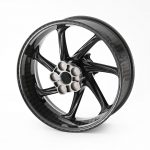
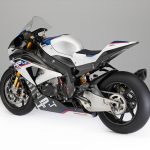
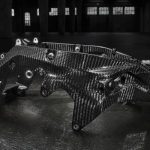
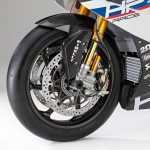
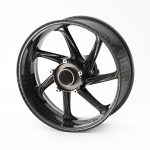
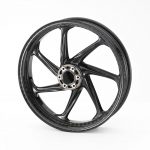
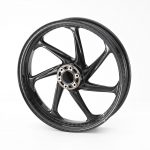
With the HP4 Race, BMW Motorrad has become the first motorcycle manufacturer in the world to present a main frame made entirely of carbon fibre, and weighs just 7.8 kilograms. The front and rear wheels are also made of this high-tech material, making the wheels 30% lighter than alloy forged wheels while retaining a deliberately rigid design.
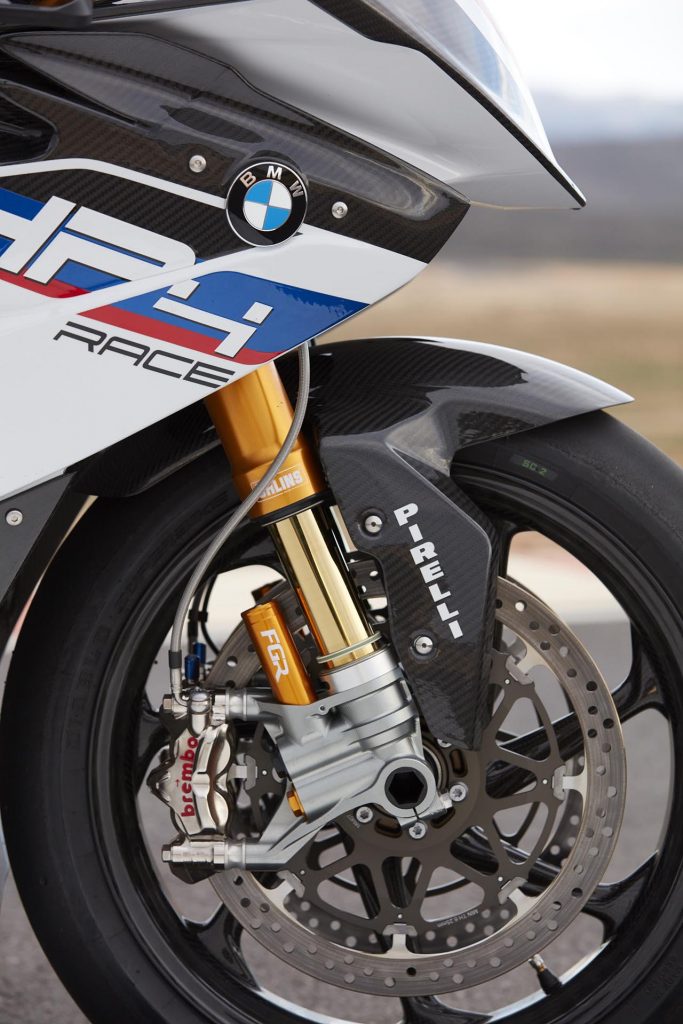
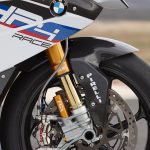
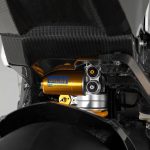
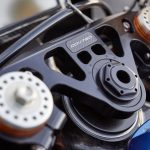
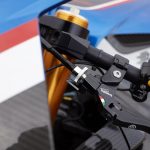
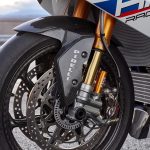
The HP4 Race uses advanced FGR300 upside-down forks and the TTX 36 GP spring struts are supplied by Ohlins. Identical parts are currently being used both in the Superbike World Championship and in MotoGP. The light alloy underslung swing arm is made of milled and sheet metal parts, and is currently also used in the Superbike World Cup.
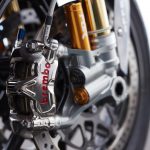
Braking power is supplied by two Brembo GP4 PR mono block brake calipers with components found in world racing championships. The calipers feature coated titanium pistons and single-piece aluminum calipers with chemically nickel-plated surface, and the discs are just 6.75mm thick with 320mm T-type racing steel brakes, making for what is currently the best combination of braking material.
The engine of the HP4 Race is a masterpiece by itself. It is a purebred racing engine similar to specifications 6.2 and 7.2 as in the Endurance and Superbike World Championships. Peak output is rated at 215hp at 13,900 rpm while max torque is rated at 120Nm at 10,000rpm. Max engine speed has been increased as compared to the engine of the S1000RR from 14,200rpm to 14,500rpm. The gearbox is a six-speed close-ratio racing box with optimized transmission ratios and various secondary ratios.
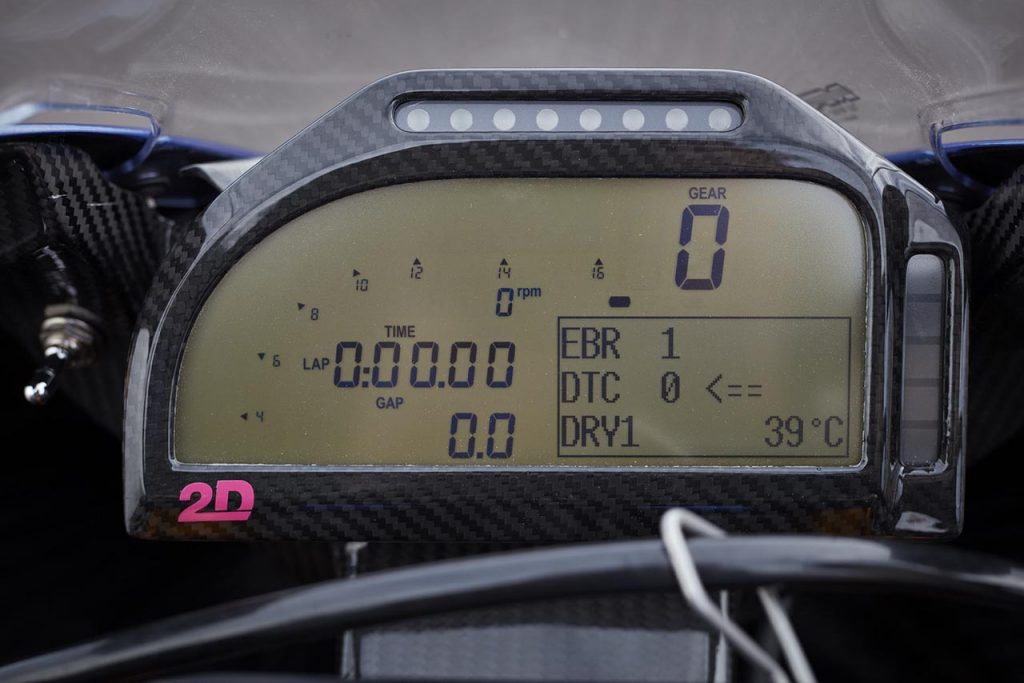
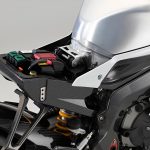
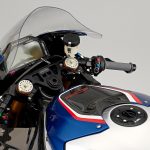
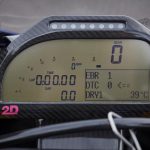
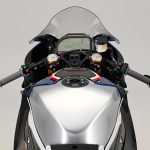
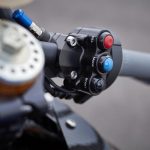
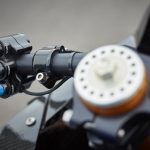
Naturally, the HP4 Race comes with an extensive package of electronic control and assistance systems as well as weight-optimised on-board electrical systems, optimized to meet racing needs. All information is displayed on the 2D dashboard with transferable data memory.
Set-up of the bike can be customized for different track layouts and road surface conditions, and this is provided by the audibly perceptible Dynamic Traction Control which is controlled by ignition cut, engine brake EBR and Wheelie Control. All of these can be manually programmed for each gear according to rider preference, allowing optimum use of the enormous riding dynamics potential offered by the new HP4 Race.
Other electronic features are the Pit Lane Limiter and Launch Control for perfect race starts.
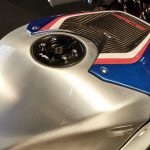
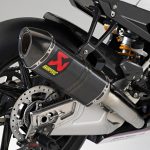
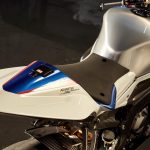
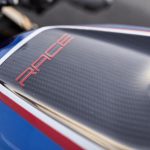
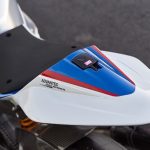
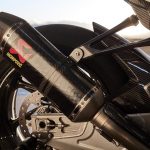
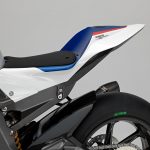
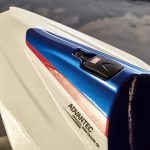
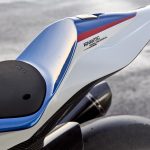
The extensive use of carbon-fibre extends from the intake silencer cover and the seat hump, while a hand-brushed aluminum fuel tank seals with a clear finish underscores the bike’s racing look.
The HP4 Race is priced at 68,000 British Pounds, and that translates to RM383,395 based on today’s exchange rate before taxes.
An overview of the highlights of the new BMW HP4 RACE:
Carbon fibre main frame in monocoque construction weighing just 7.8 kilograms.
Self-supporting carbon fibre rear frame with three-stage height adjustment function.
Carbon fibre wheels offering a weight reduction of some 30 per cent as compared to light alloy forged wheels.
Öhlins FGR 300 upside-down fork.
Öhlins TTX 36 GP spring strut.
Brembo GP4 PR monoblock brake calipers with 320 T-type racing steel brake disks (thickness: 6.75 mm) at the front.
Racing engine at World Cup level with an output of 158 kW (215 hp) at 13 900 rpm and a maximum torque of 120 Nm at 10 000 rpm.
Close-ratio racing gearbox with adapted transmission ratios.
Weight-optimised electrical system featuring light lithium-ion battery with 5 Ah.
2D dashboard and 2D data recording including logger.
Dynamic Traction Control DTC (programmable for selected gears at 15 levels).
Engine Brake EBR (programmable for selected gears at 15 levels).
Wheelie Control (programmable for selected gears).
Launch Control.
Pit Lane Limiter.
Light trim parts made of carbon fibre with snap fasteners.
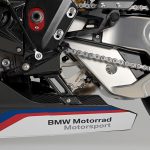
Paint finish in BMW HP Motorsport colours.
Production run of 750 units, each individually crafted.