Bikesrepublic

Latest News

If you do not know that China’s motorcycles are beginning to dominate or have already dominated certain markets, then we say, “Welcome home” from your travels through the multiverse. China has been a global manufacturing powerhouse for more than 20 years now, and riding this wave is their automotive industry.

History

Motorcycle manufacture in China first began in 1951, when the People’s Liberation Army began producing a 500cc motorcycle to meet the country’s military requirements during the Korean War. It was developed on the lines of the K500, a German model used in World War II.

Before the end of the 1970s, motorcycles produced in China were mainly used by the military services. However, the Beijing Motorcycle Factory, produced motorcycles for the general public that were based on the German pre-war BMW R71, and Russian Ural and Dnepr (in turn, based on the R71) from 1958 onwards.
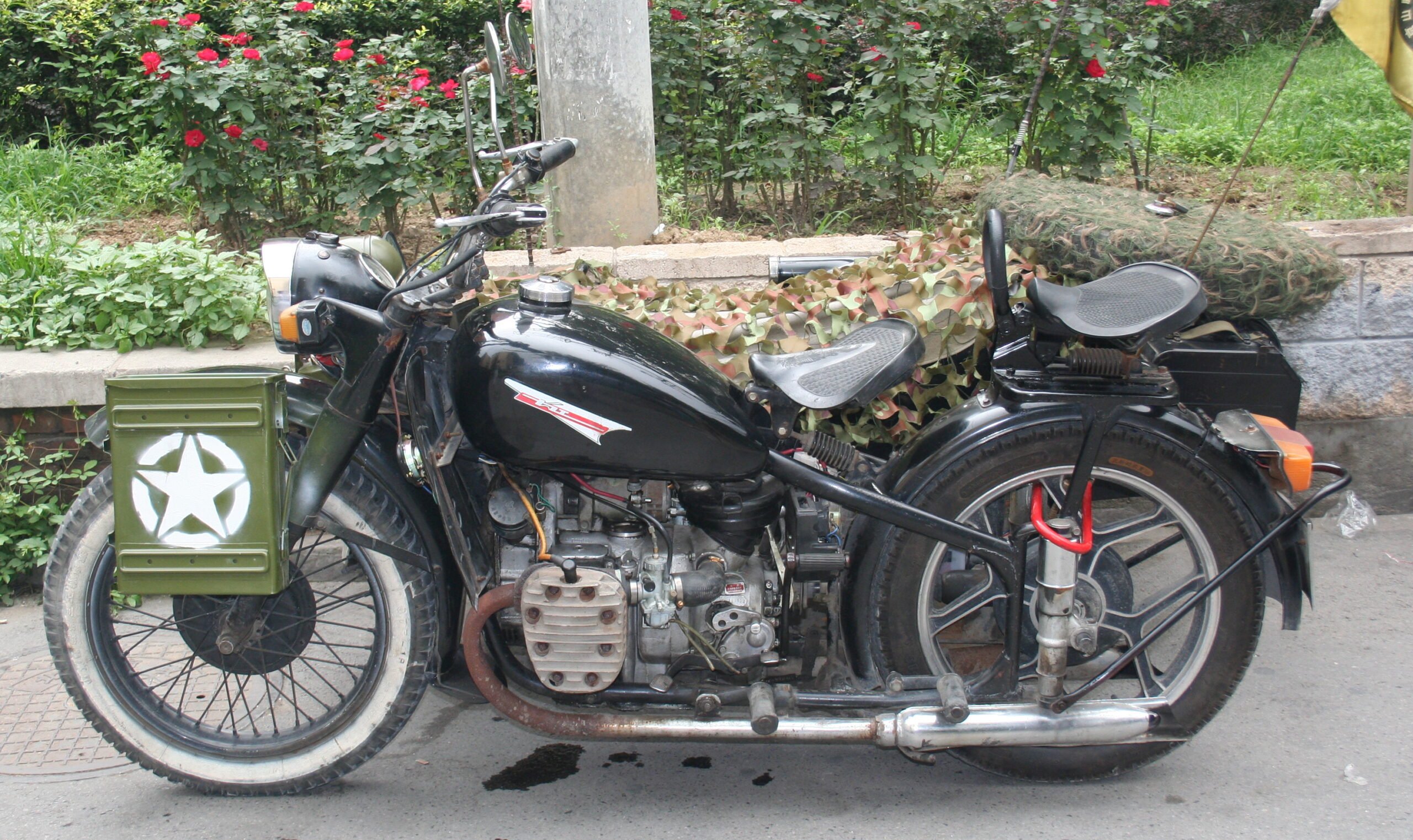
People’s Liberation Army motorcycle, Picture by Gabriele Battaglia

In 1979, in Chongqing city, military munitions factory China Jialing Industrial Company began to independently manufacture motorcycles for civilian use, ushering in the modern era of Chinese motorcycle production. In 2000, the Chinese industry took over as the biggest motorcycle producer in the world, a position that it has maintained.

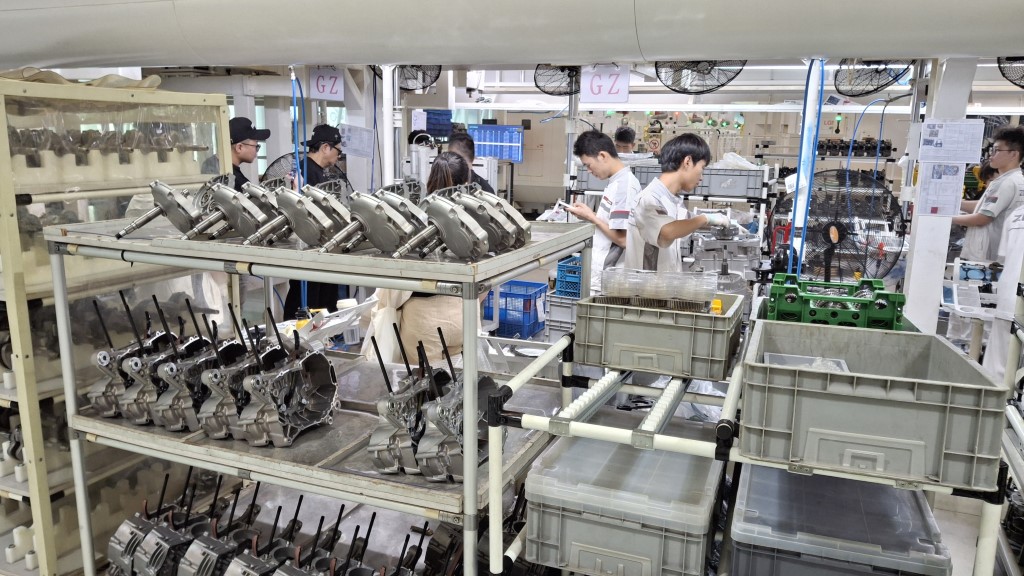
Manufacturing: The World’s Motorcycle Factory

China’s manufacturing scale is immense. In 2023, the country produced over 18.3 million motorcycles. Driven by strong domestic and international demand, production is projected to reach close to 20 million units in 2024 and maintain this upward trajectory into 2025.

A key feature of this output is the clear split between traditional and electric models. While gasoline engines remain important for export, a massive and growing portion of production is dedicated to electric two-wheelers, cementing China’s status as the global hub for both segments.
Domestic Sales: The Electric Kingdom

Within China, the story is overwhelmingly electric. The domestic market is fueled by affordable, convenient electric scooters and light motorcycles. These vehicles are not for recreation but are essential tools for daily life, serving as the primary mode of transport for millions of commuters and the backbone of the country’s vast delivery and logistics networks.

Sales figures closely mirror production, with tens of millions of units sold annually. The demand for electric models continues to surge, driven by urban mobility needs, supportive government policies for EVs, and a well-established charging infrastructure.
Exports: Conquering the World on Two Wheels

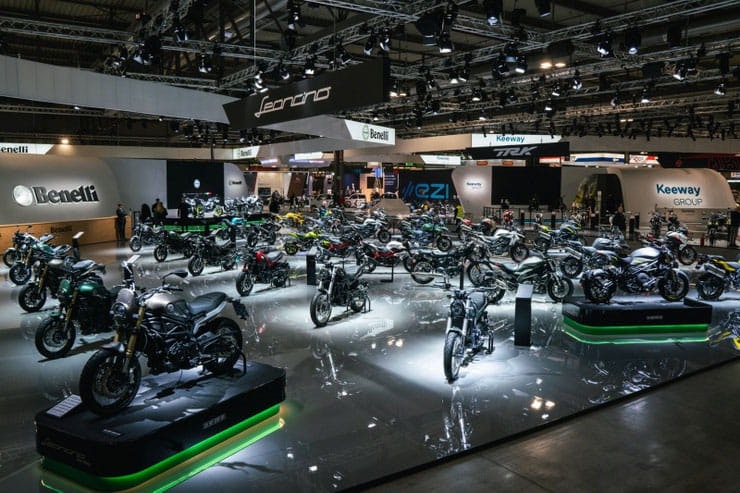
China is also the world’s top exporter. In 2023, it shipped 8.83 million motorcycles abroad. Data from the first half of 2024 shows an 11% increase, putting the country on track to export over 9.5 million units for the full year (the 2024 figures are not confirmed yet). This momentum is expected to continue, with annual exports projected to reach 11-12 million units by 2026.

These exports serve two distinct global markets:

  1. Gasoline for Developing Economies: Reliable, low-cost motorcycles are shipped in huge numbers to countries across Asia, Africa, and Latin America for everyday transport.

  2. Electric for Developed Markets: Exports of electric scooters to Europe and North America are the industry’s fastest-growing segment, with growth rates exceeding 36% as global demand for clean urban mobility explodes.
Top Brands and Manufacturers: The Key Players

There are some 200 motorcycle manufacturers in the country, consisting of a mix of state-owned giants, powerful private firms, and emerging premium brands.

  • Major Electric-Only Brands:

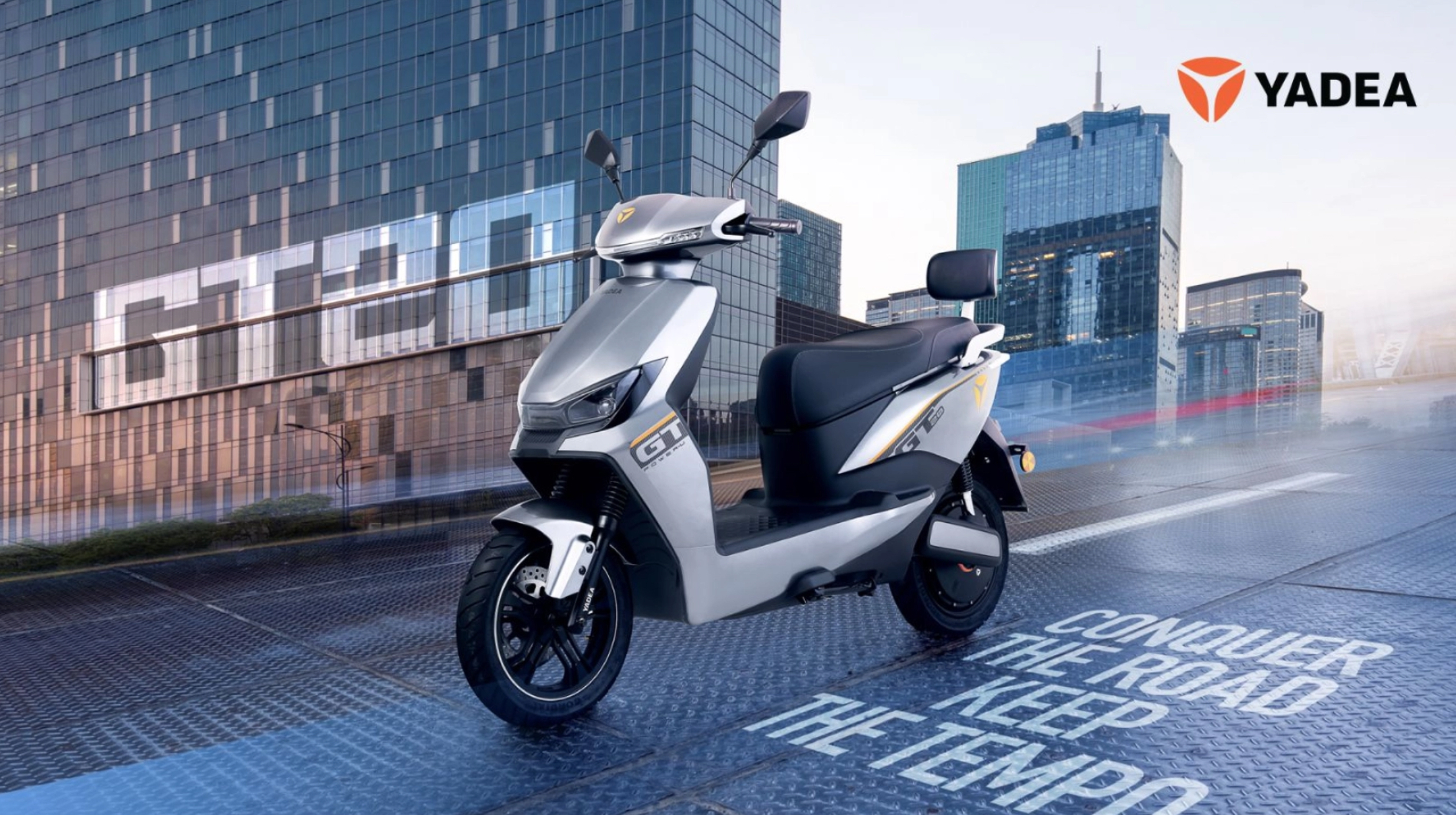
    • Yadea: A global leader in electric two-wheelers, known for its extensive range of scooters and bikes, dominating both the domestic market and international exports.

    • Aima: Another electric vehicle giant, competing directly with Yadea for market share in China and abroad with a focus on innovation and affordability.

    • Niu Technologies: Known for its smart, premium electric scooters with connectivity features, Niu has a strong presence in China and a growing footprint in Western markets.

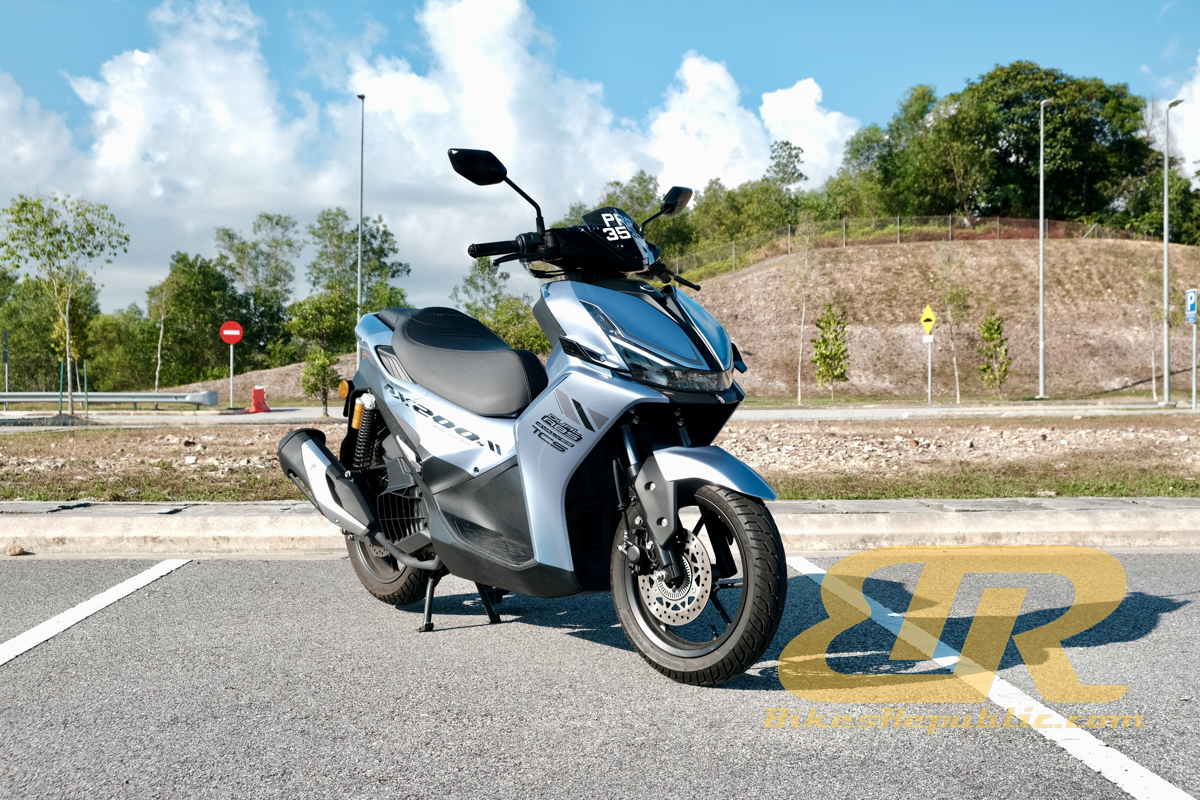
2025 QJMotor AX200s

  • Major Gasoline and Mixed Manufacturers:

    • Loncin: A massive manufacturer that produces millions of engines and vehicles annually. It is also a key production partner for international brands like BMW Motorrad.

    • Zongshen Industrial Group: A powerhouse in engine and motorcycle manufacturing, with a strong export business and a growing presence in the electric vehicle sector.

    • Lifan: A long-established player in the industry, producing a wide range of motorcycles, particularly known in export markets.

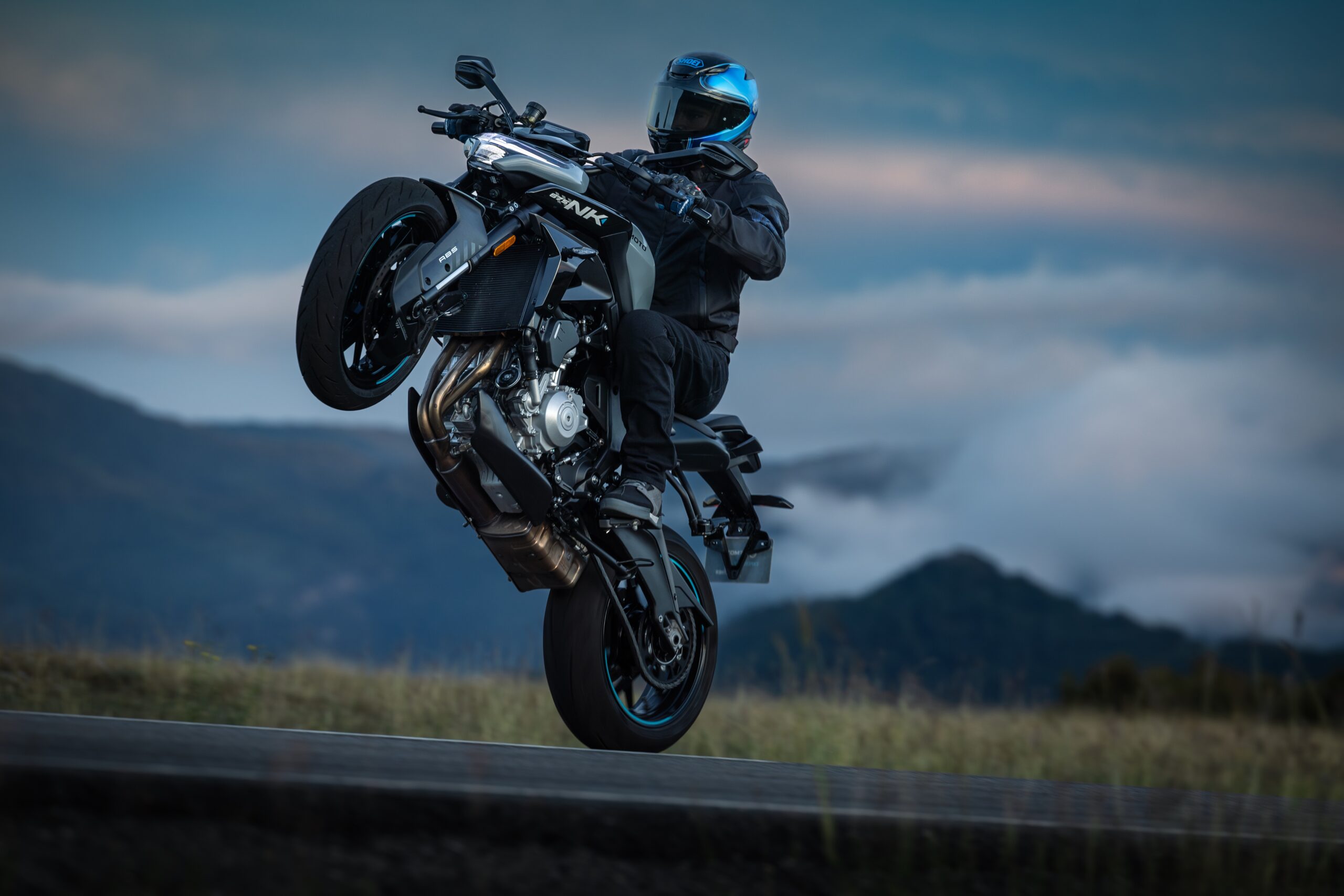
    • CFMoto: A standout brand that has successfully moved upmarket. CFMoto manufactures high-quality, larger-displacement motorcycles and is a direct competitor to established Japanese and European brands. It also has a renowned partnership with KTM.

2025: Smarter, Greener, and More Global

Looking ahead, the Chinese motorcycle industry’s strategy is clear:

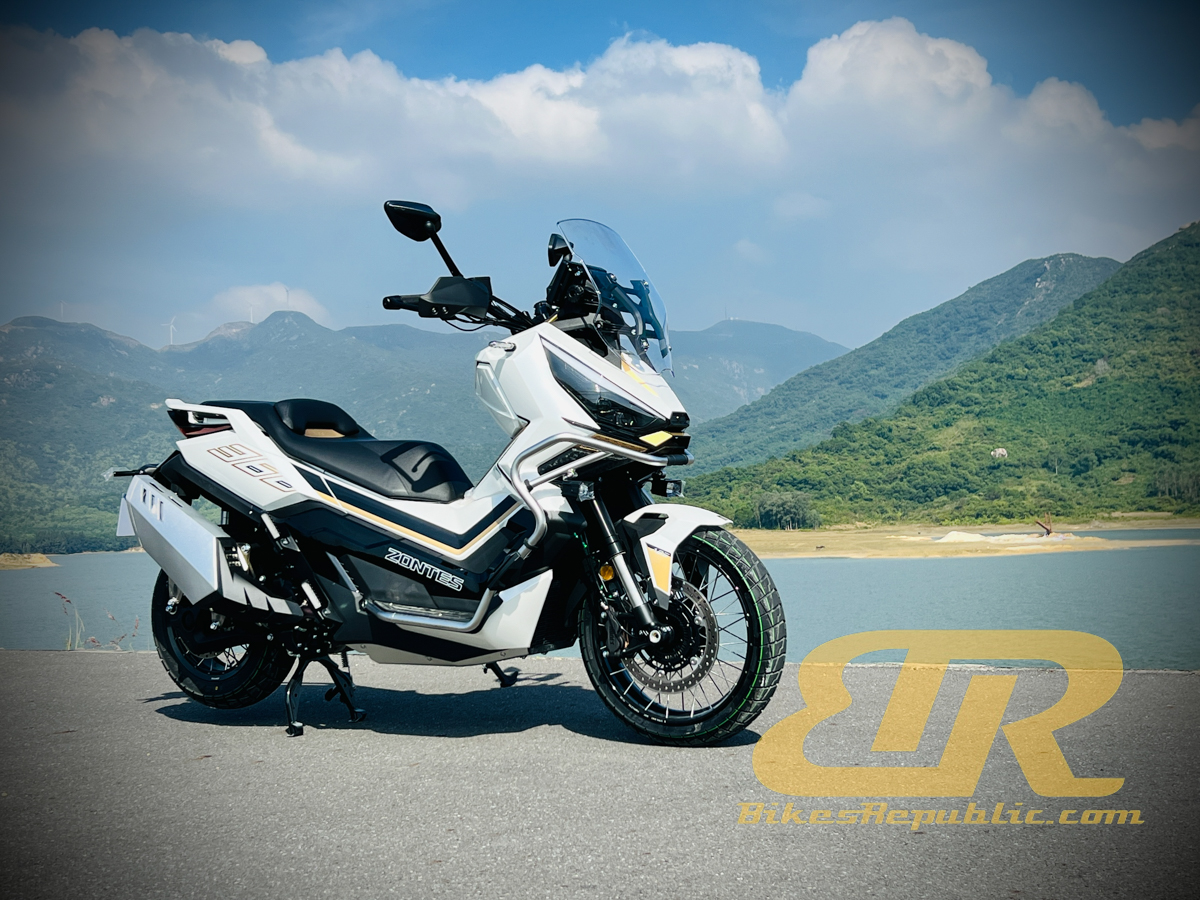
  • Moving Upmarket: Brands like CFMoto are leading the charge, showing that Chinese manufacturers can compete on quality and technology, not just price.

  • Smart Technology Integration: Features like app connectivity, advanced battery management, and rider aids will become standard, even on mid-range models.

  • Sustainable Dominance: The global shift towards electrification plays directly into China’s strengths, ensuring its position as the world’s essential source for electric two-wheelers for years to come.
The Road to 2026: Smarter, Connected, and Quality-Focused

The journey through 2026 will be defined by three key trends:

  1. Intelligent Connectivity: Motorcycles will become seamlessly integrated into the “Internet of Things.” Expect features like geo-fencing, anti-theft tracking, ride analytics, and over-the-air updates to become standard, even on mid-range models.

  2. Brand Building and Premiumization: Chinese manufacturers will continue to shed their budget-image. Following CFMoto’s lead, more brands will invest in R&D to launch premium, high-performance models that compete on a global stage for quality and design.

  3. Supply Chain Dominance: China’s control over the battery and EV supply chain will make it the most cost-effective producer of electric two-wheelers, creating a significant and lasting competitive advantage through 2026 and beyond.
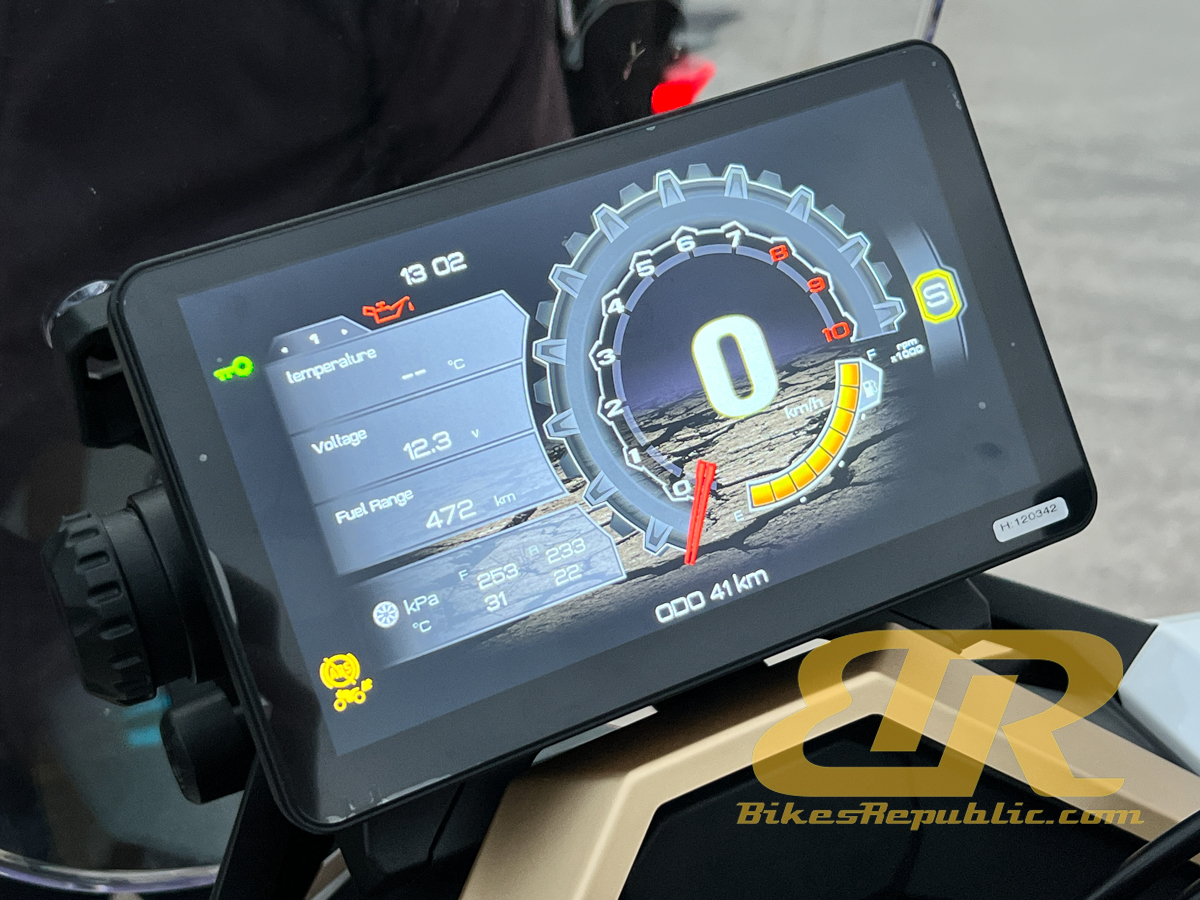
In conclusion, the Chinese motorcycle industry is not just maintaining its title as the world’s two-wheeled workshop; it is evolving into its innovation lab. By 2026, it will be recognized as a sophisticated, technology-driven industry that sets the global standard for electric mobility and challenges established players with its own high-quality brands.

Next up: A quick look at the top Chinese motorcycle manufacturers.

Are you ready for the revolution? CFMoto has just outsold established marques such as Suzuki, Ducati and KTM in France.

So okay, France is a little far from Malaysia but French motorcyclists are known to be very discerning in their choices, and are always looking out for the best performing and equipped motorcycles. Therefore, seeing them pick up on Chinese bikes that are still being maligned is interesting.

According to Moto-Station, from the period between January to September 2025, CFMoto had sold 4,741 units, which equates to 3.38% of the industry’s total sales volume. That was enough to put the manufacturer in 6th place overall, behind Honda, Yamaha, BMW, Kawasaki, and Triumph.

But CFMoto was not the only Chinese manufacturer to make a mark. Further down the list, we can see Voge, Zontes, QJMotor, Benelli, Benda, Kove, and Moto Morini.

Here are the figures, published by Moto-Station.com:

  1. Honda : 31,677 (22.58%)
  2. Yamaha : 22,485 (16.02%)
  3. BMW : 14,591  (10.4 %)
  4. Kawasaki : 11,101 (7.91 %)
  5. Triumph : 8,583 (6.12%)
  6. CFMoto : 4,741 (3.38%)
  7. Suzuki : 3,936 (2.81%)
  8. Ducati : 3,175 (2.26 %)
  9. Piaggio-Vespa : 3,119 (2.22%)
  10. Voge : 3,038 (2.17%)
  11. KTM : 2,977 (2.12 %)
  12. Zontes : 2,808 (2.0%)
  13. Aprilia : 2,637 (1.88 %)
  14. Royal Enfield : 2,625 (1.87%)
  15. Harley-Davidson : 2,053 (1.46%)
  16. Kymco : 1,846 (1.32%)
  17. Sym : 1,539 (1.10%)
  18. QJMotor : 1,212 (0.86%)
  19. Moto Guzzi : 1 104 (0,79%)
  20. Peugeot : 1 081 (0,77%)
  21. Indian : 918 (0,65%)
  22. Benelli : 877 (0.63%) – under QJMotor
  23. Orcal : 849 (0.61%)
  24. Husqvarna : 658 (0.47%)
  25. Benda : 563  (0.40%)
  26. Mash : 483 (0.34%)
  27. Sherco : 482 (0.34%)
  28. Kove : 378 (0.27%)
  29. Rieju : 223 (0.16%)
  30. Moto Morini : 139 (0.10%) – under the Zhongneng Vehicle Group
  31. MV Agusta : 127 (0,09%)

Chinese motorcycle manufacturers have been knocking on the doors of many markets for at least two decades now. Their first products were outright copies, unreliable, and good luck in finding parts. But several, including CFMoto and QJMotor, have since served as technical partners to the established brands. The former builds the KTM 790, 890, and 990 LC8c engines, while QJMotor who holds Benelli was supposed to produce smaller Harleys and MV Agustas. Loncin used to produce engines for the BMW F 750 and F850 series.

On the other hand, manufacturers such as Zontes, Kove, Benda have been pushing for the latest technologies and features at breakneck pace.

Benda LFC 700 PRO

Across the Taiwan straight, er… Taiwanese giants SYM and Kymco have kept pace. Kymco, in particular, had been producing engines for the BMW C-series of scooters.

While Chinese motorcycles have not taken over the entire market yet in Malaysia, the impact is being felt in the small cc categories, namely mopeds and scooters.
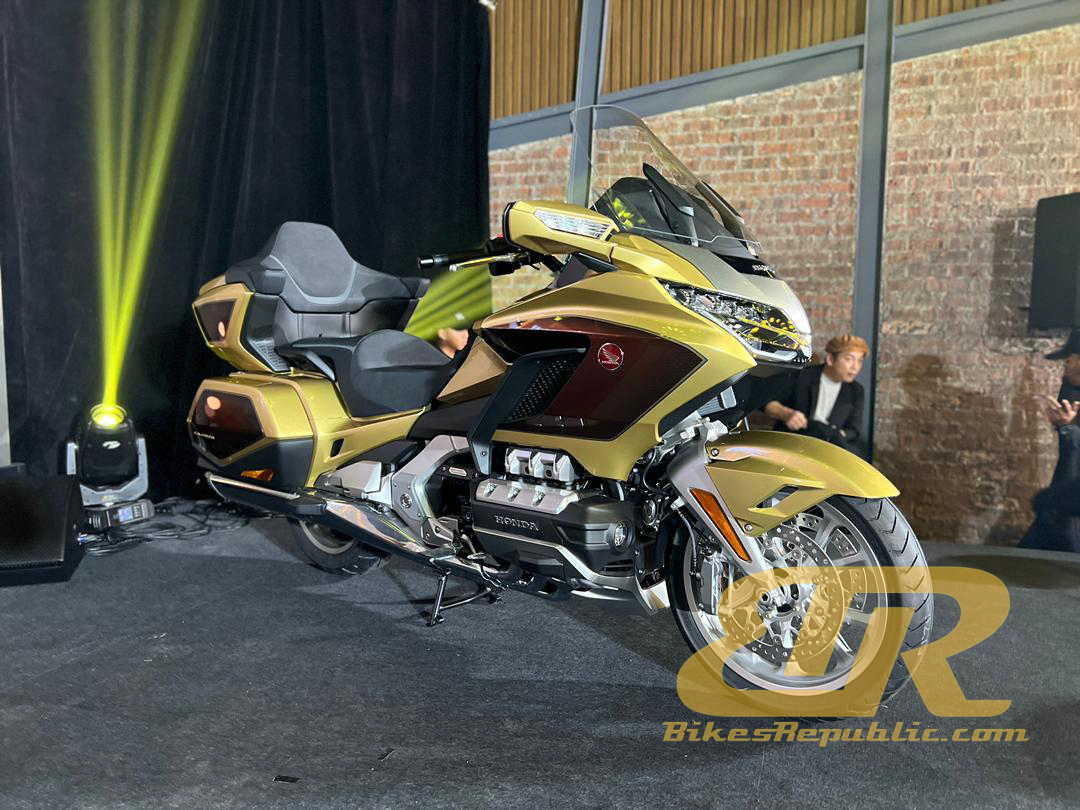
So, again, we ask: Are you ready for the revolution?


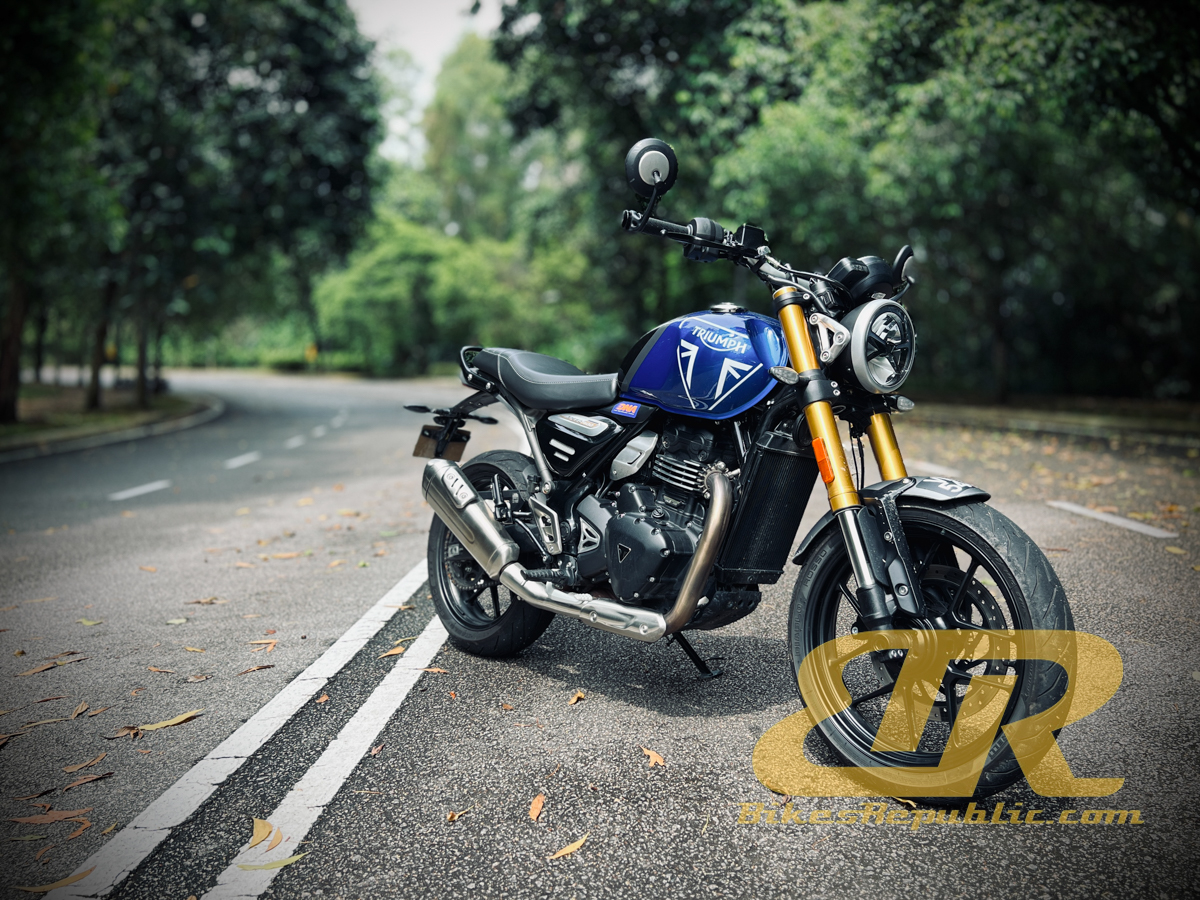
Triumph is set on a launch blitz of 29 bikes in the next 6 months. The Hinckley-based maker says it is their biggest launch programme in history.
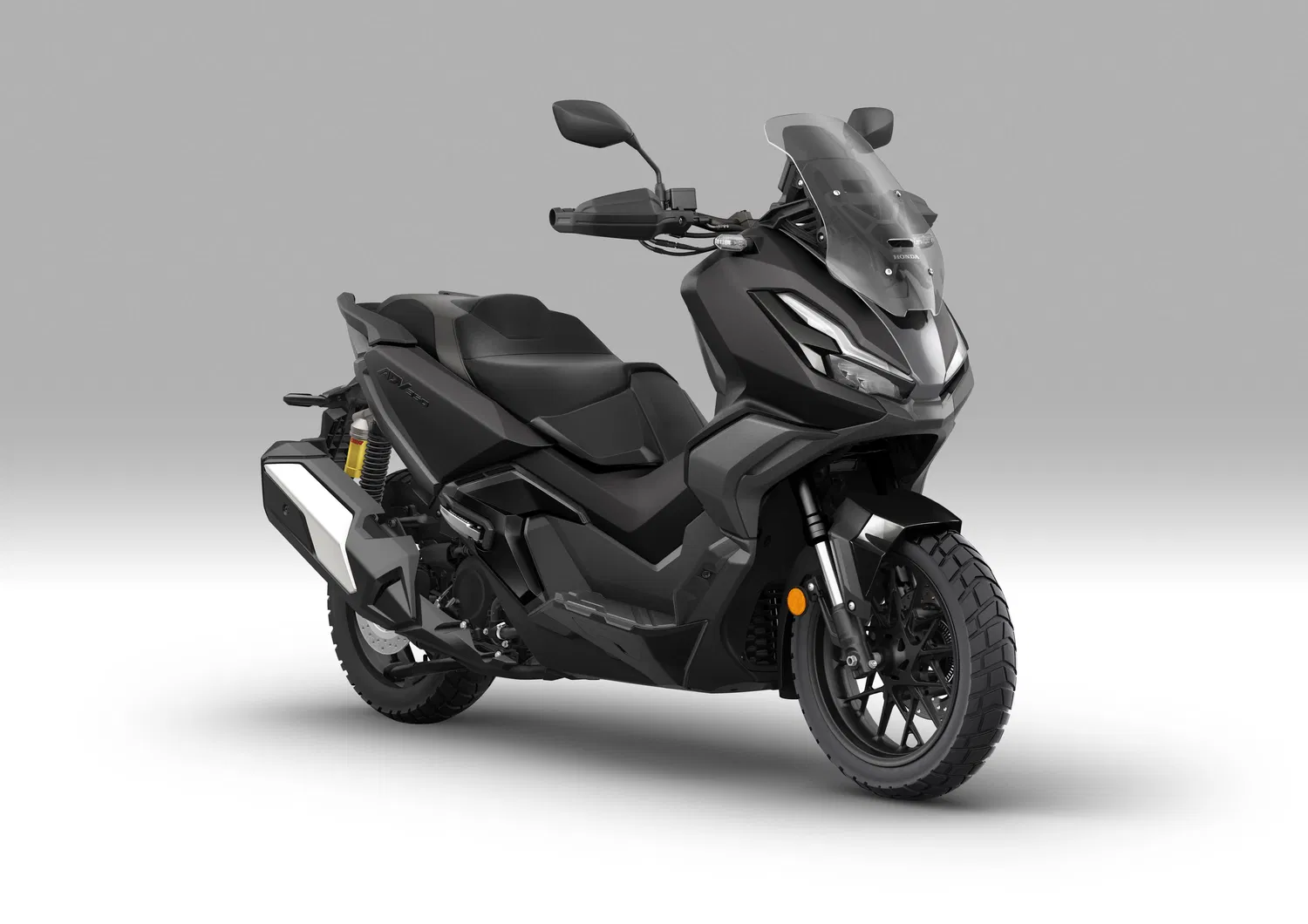
The launch follows a record sales year which saw them deliver 141,683 bikes worldwide between July 2024 and June 2025. That was a 136% sales increase since 2019, with Triumph now operating through 950 dealers across 68 countries.

The new model announcements are set to begin on October 21 with the ‘True Originals Never Settle’ campaign which hints at a shake-up in their modern classic range, followed by a second reveal titled ‘Made to Upstage’ just one week later.

Chief Commercial Officer Paul Stroud commented: “The momentum we’ve achieved over recent years is extraordinary. Our record sales, expansion into new segments, and the number of upcoming product launches all reflect the quiet optimism we feel about the future.”

“We are committed to delivering a range of motorcycles that are exciting, innovative, and built to the highest quality standards, for our customers around the world.”

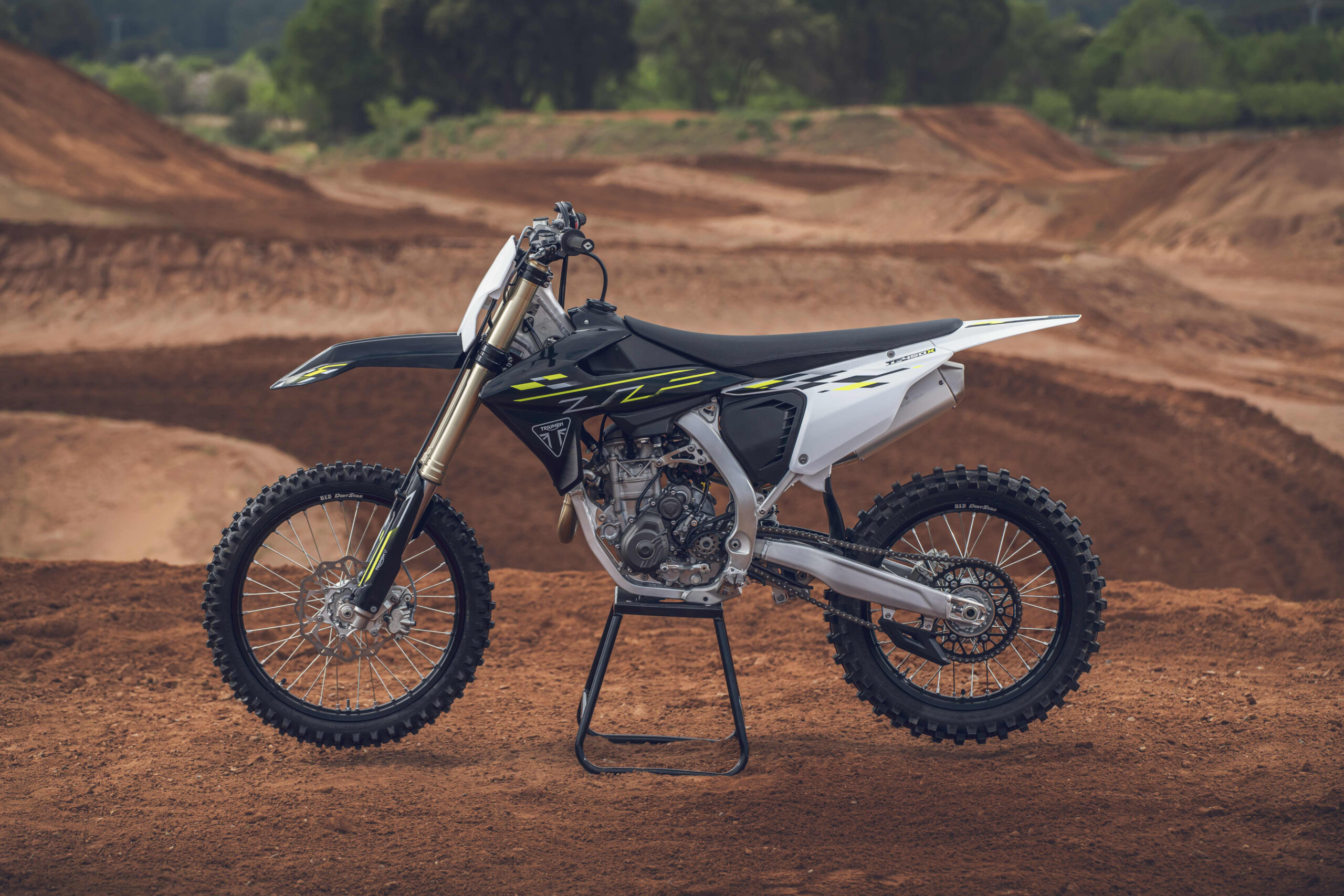
Of the 29 models planned, seven are already known, including the new TXP electric youth bike range, the TF 450-X, and two cross-country machines. The remaining 22 will comprise either entirely new models or updates to existing platforms.

Dealers worldwide will also host preview events between now and the first quarter next year.

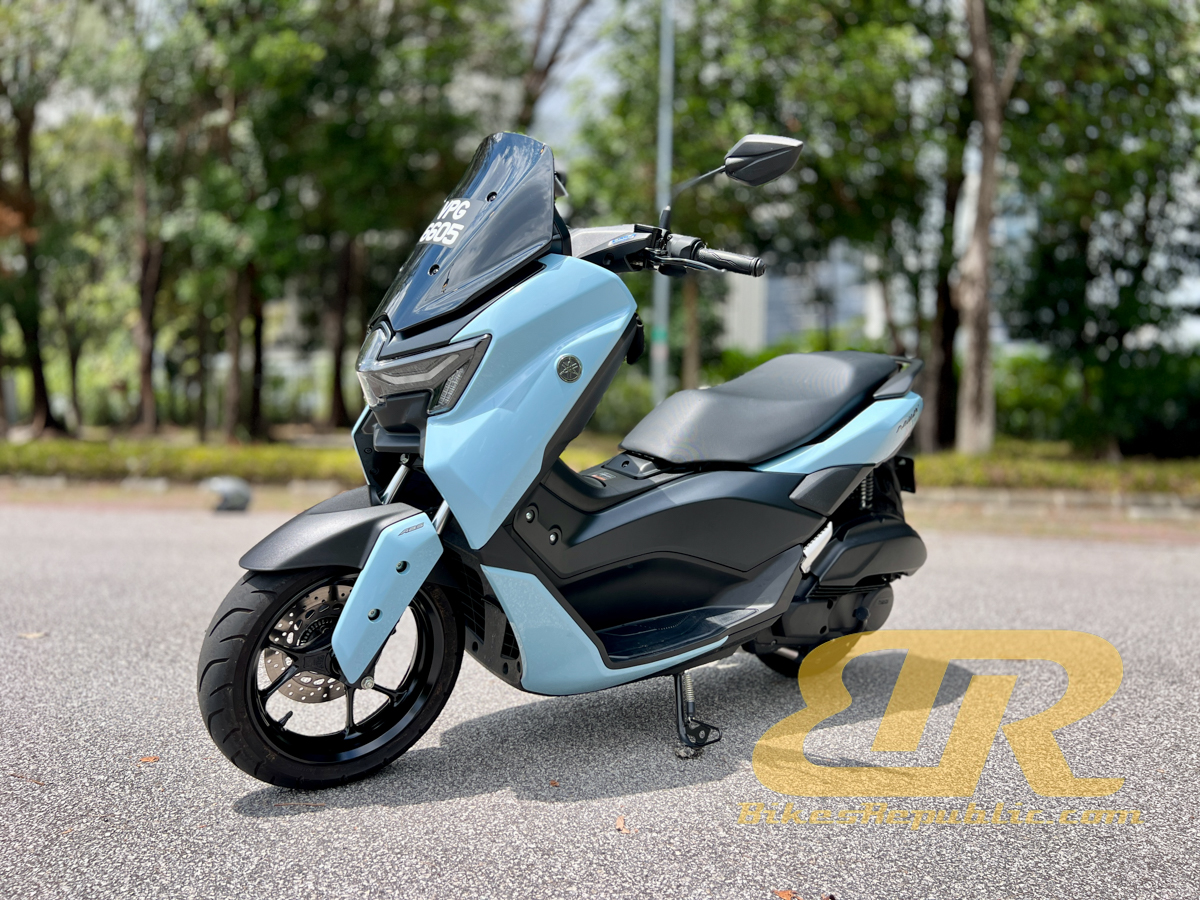
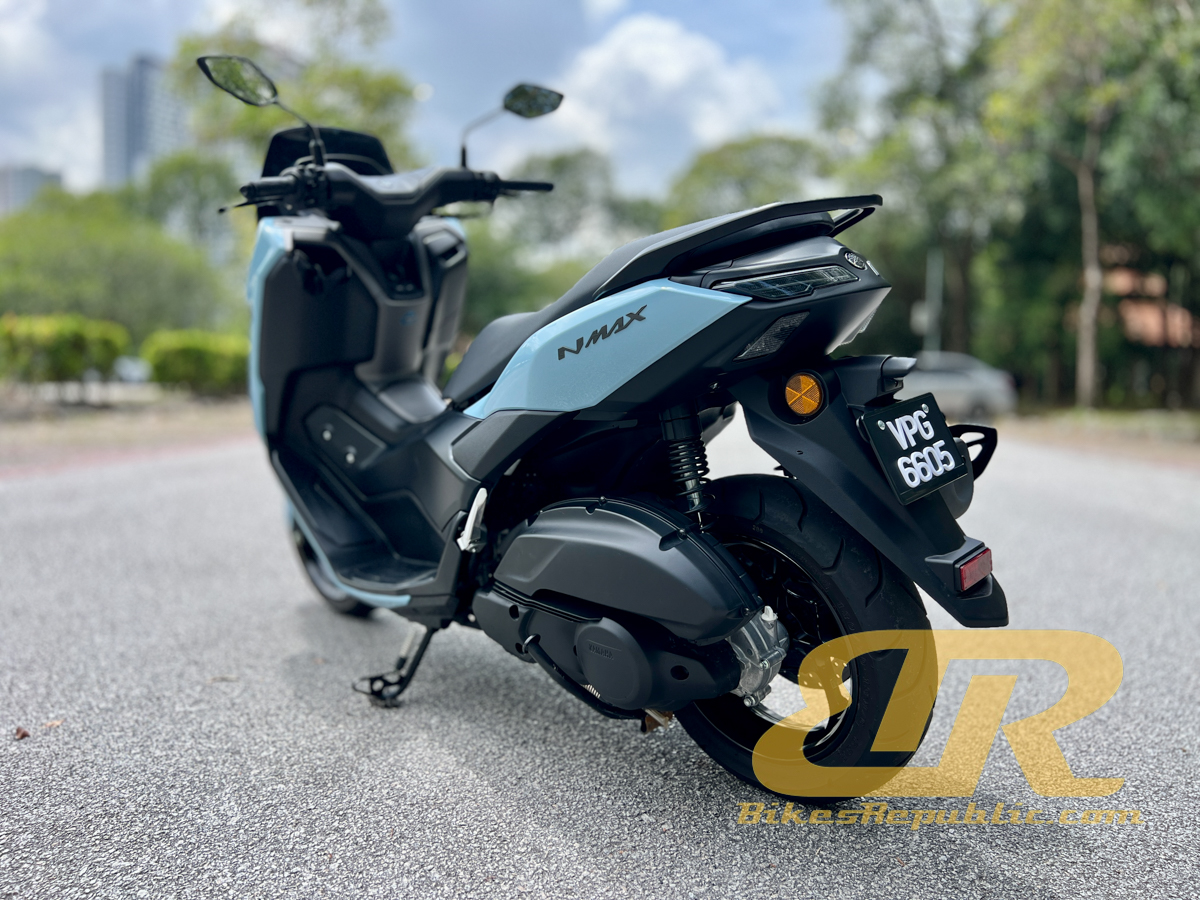
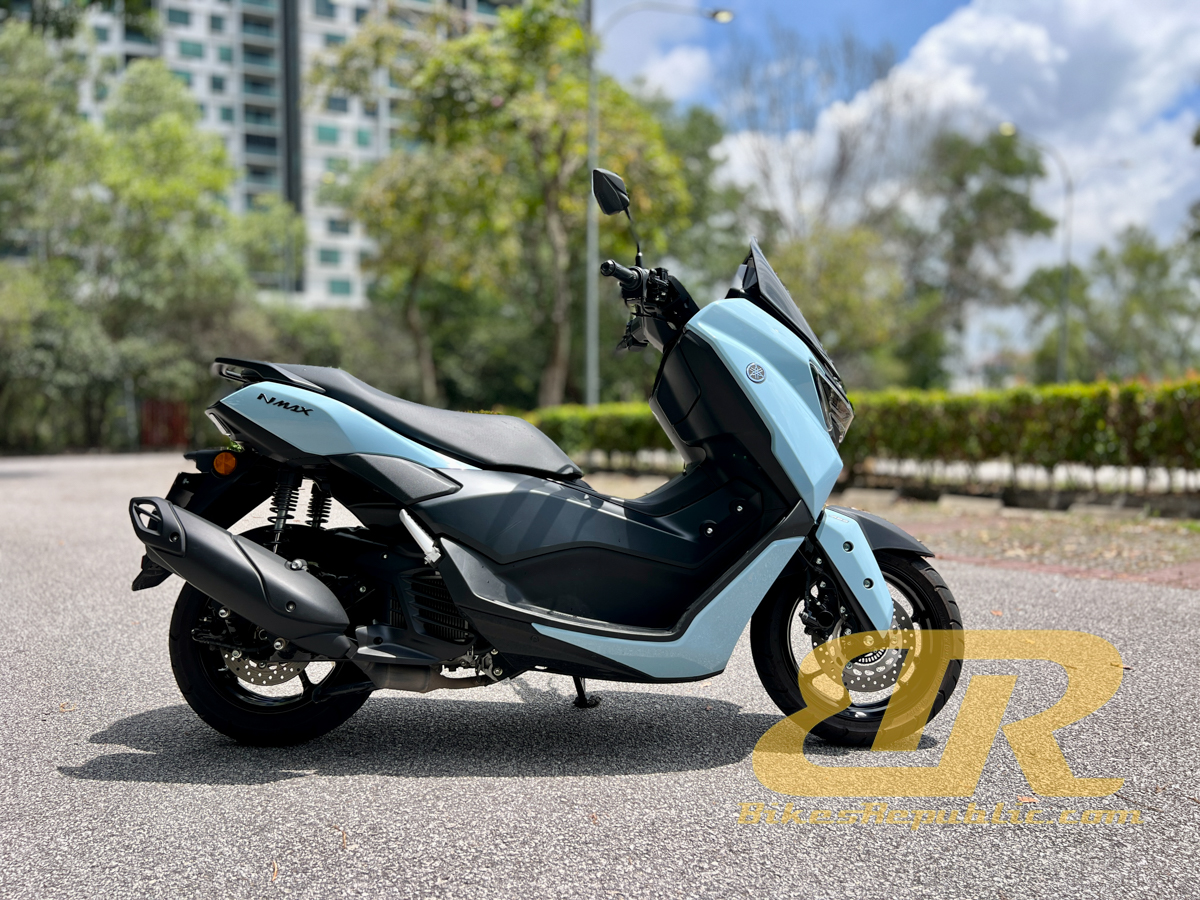
The Yamaha NMAX is one of the most ubiquitous 150cc scooters, being seen everywhere since its 2016 debut in Malaysia. Since then it has been updated to where it is now, the 2025 Yamaha NMAX.

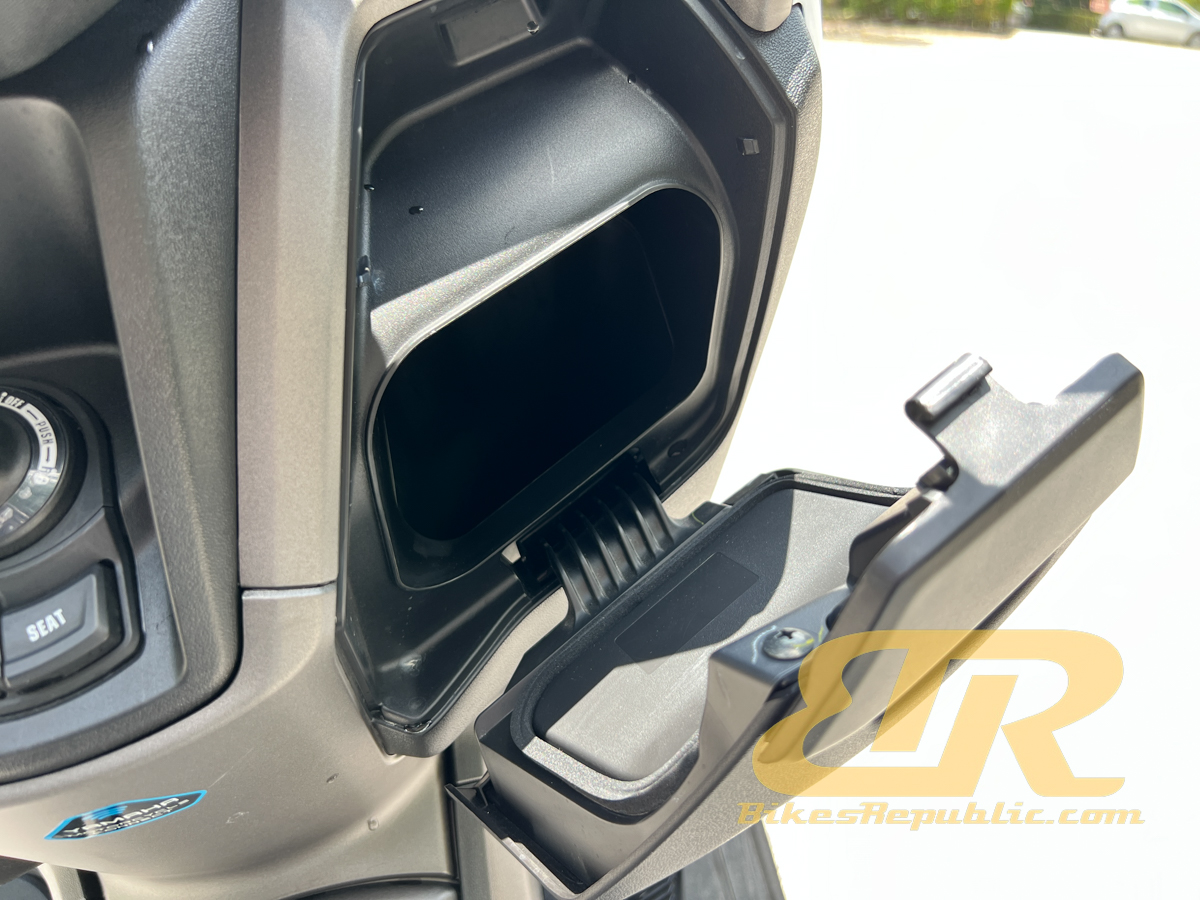
The NMAX is popular for being uncomplicated, user friendly, light on its feet, and pretty good engine perfomance especially beginning the second version. Adding to these points is the convenience that comes with scooters i.e. commendable onboard storage space.

However, we could not get past the elephant in the room, namely, the challenge posed by the large number of Chinese scooters that feature futuristic designs, more electronic gadgetery, all at lower prices.

So, can the NMAX hold its own?

What is the 2025 Yamaha NMAX?

To state the obvious, the bike is set in the 150-160cc ‘twist-and-go’ automatic scooter segment. This segment is hard-fought among manufacturers and distributors alike, as it is the most affordable to the buying public.

Compared to its Yamaha NVX stablemate, the NMAX is marketed as a more utilitarian and approachable variant, while the NVX is a sport-oriented scoot. As such, the NMAX features more storage space and comfort.

Highlights
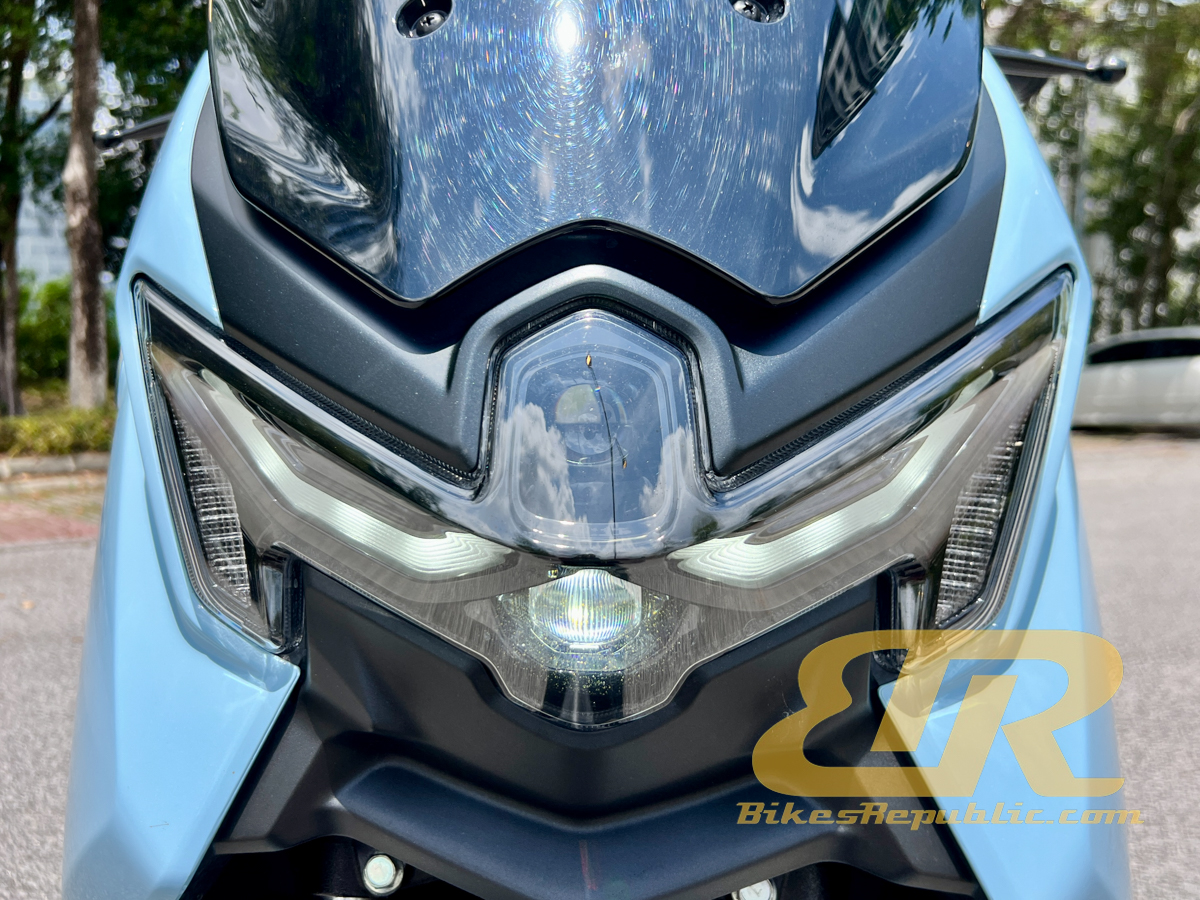
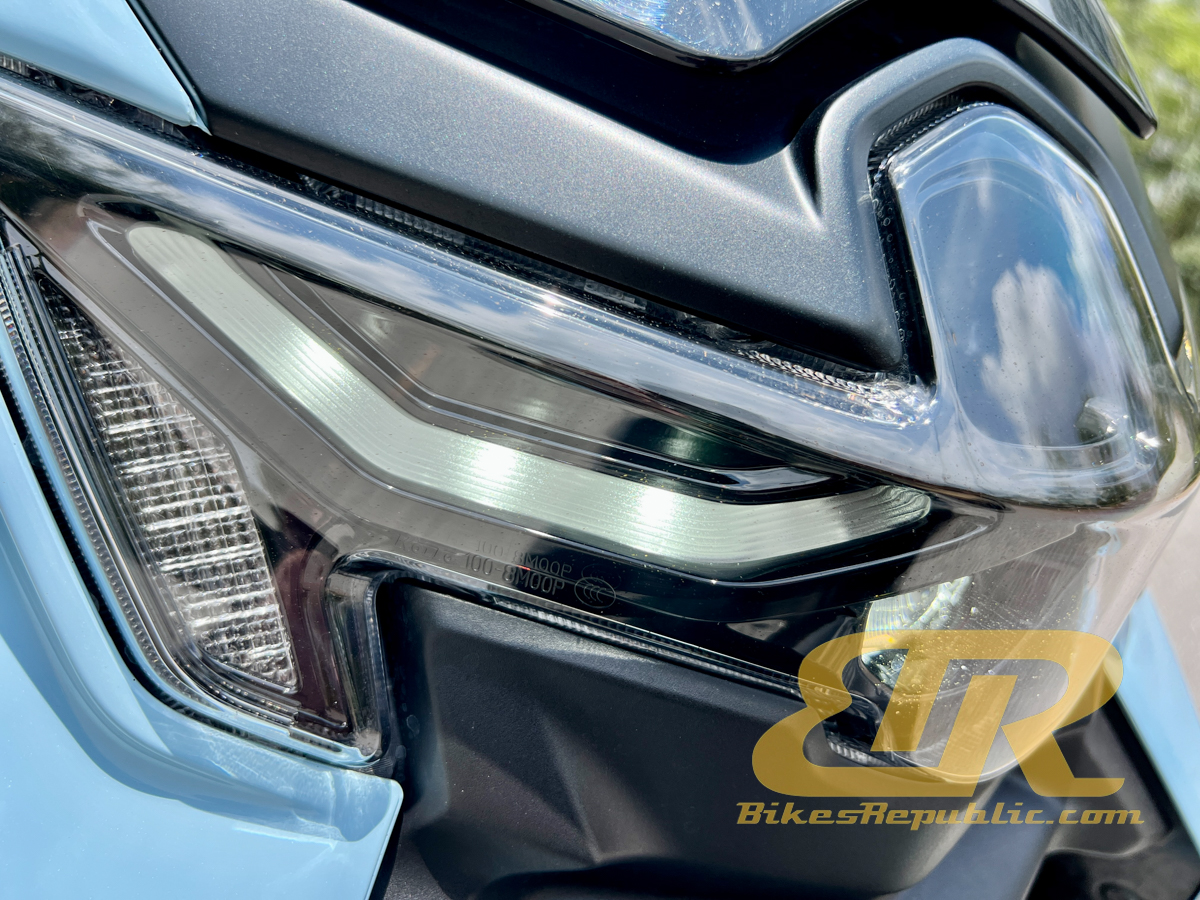
  • The 2025 model features a new headlight and tailight design over its predecessor. This new design makes the bike look sportier and more futuristic.
  • The Malaysian version is not the same as the Yamaha NMAX “Turbo” with the Yamaha Y-Shift feature, currently being sold in Malaysia.
  • Its engine remains as the Blue Core, liquid-cooled, 155cc, single-cylinder, SOHC, 4-valve with VVA (variable valve actuation) unit. It is the same engine found in the NVX and Y16ZR.

  • It produces 15.2 hp (11.3 kW) at 8,000 RPM and 14.2 Nm at 6,500 RPM.
  • Transmission is a CVT, with V-belt final drive.
  • Over to the running gear, the front suspension consists of a pair of updated telescopic forks, while the rear is suspended by a pair of shock absorbers.
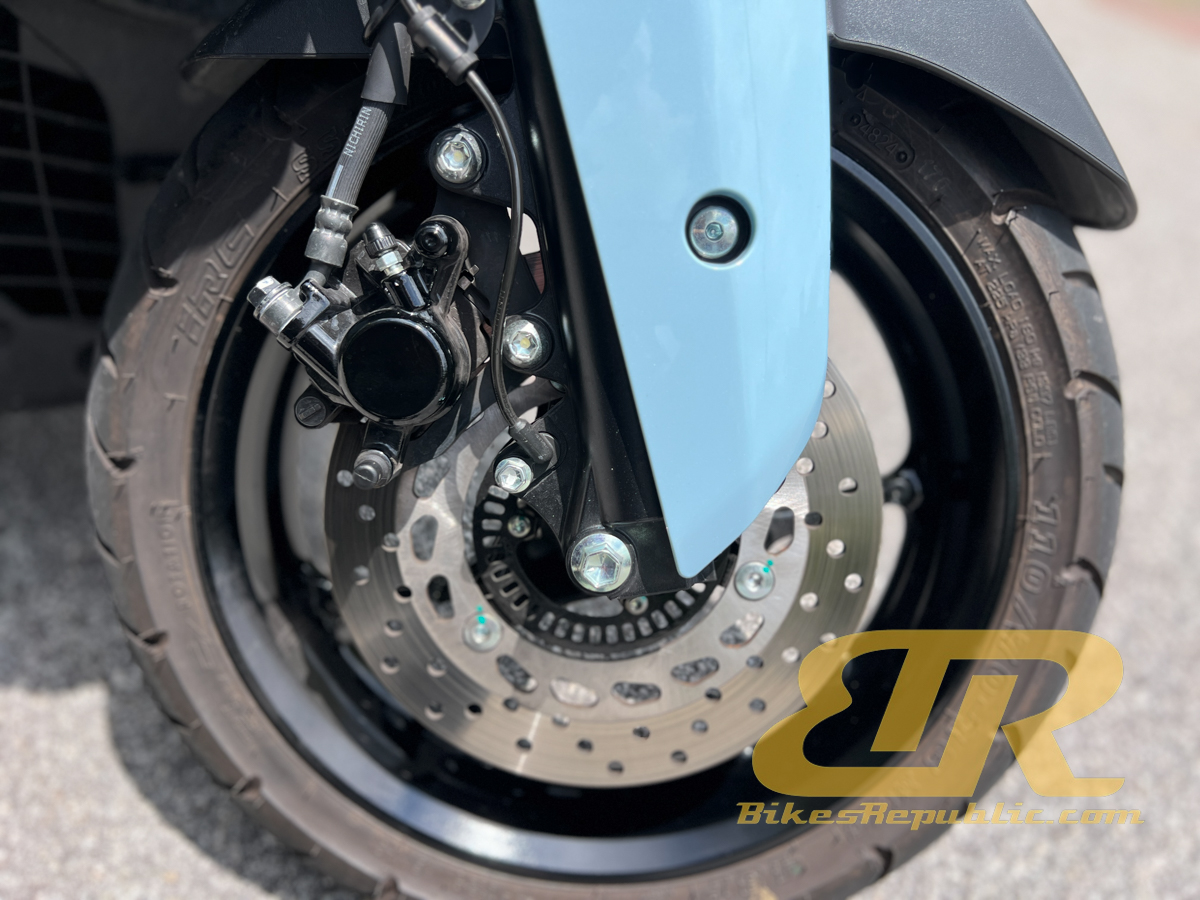
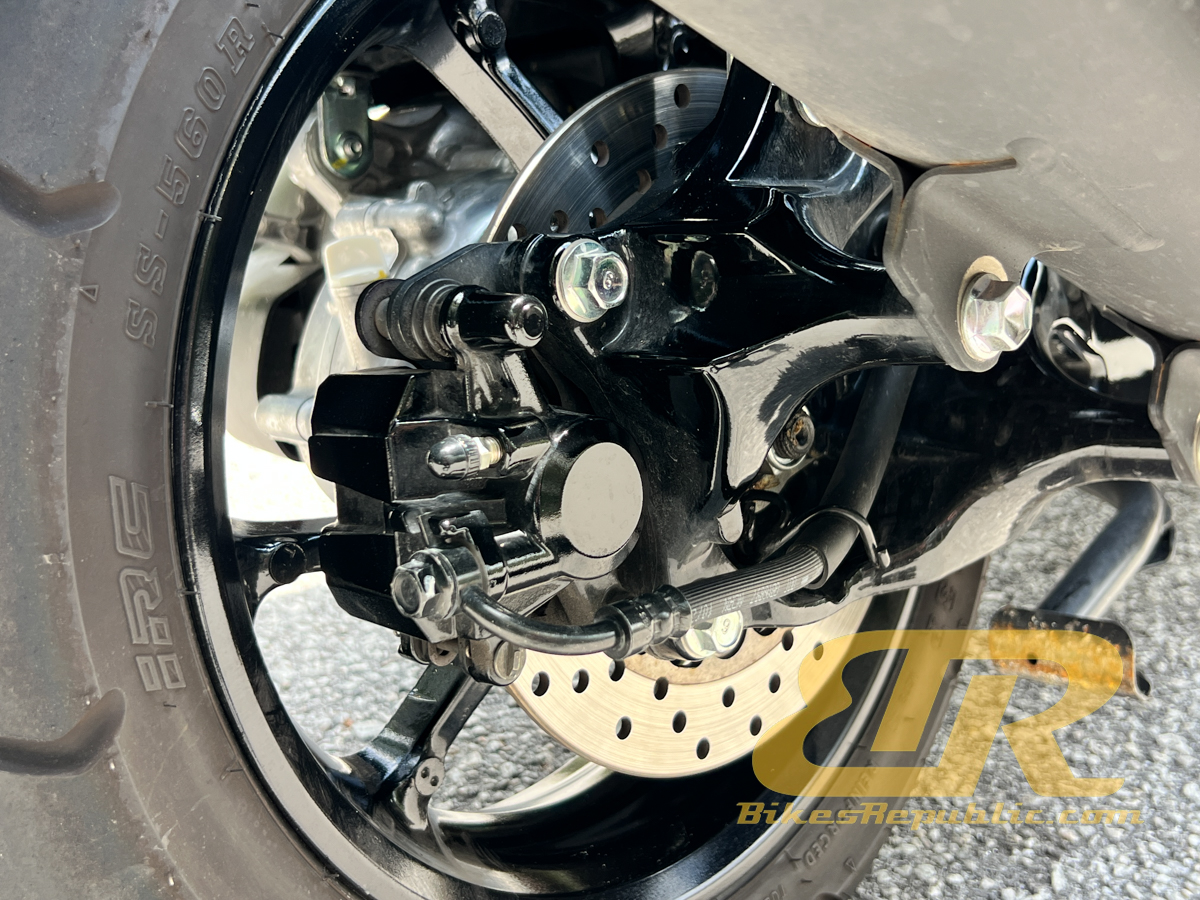
  • Braking duty is handled by single 230mm discs, front and behind.

  • Dual-channel ABS is a standard feature.
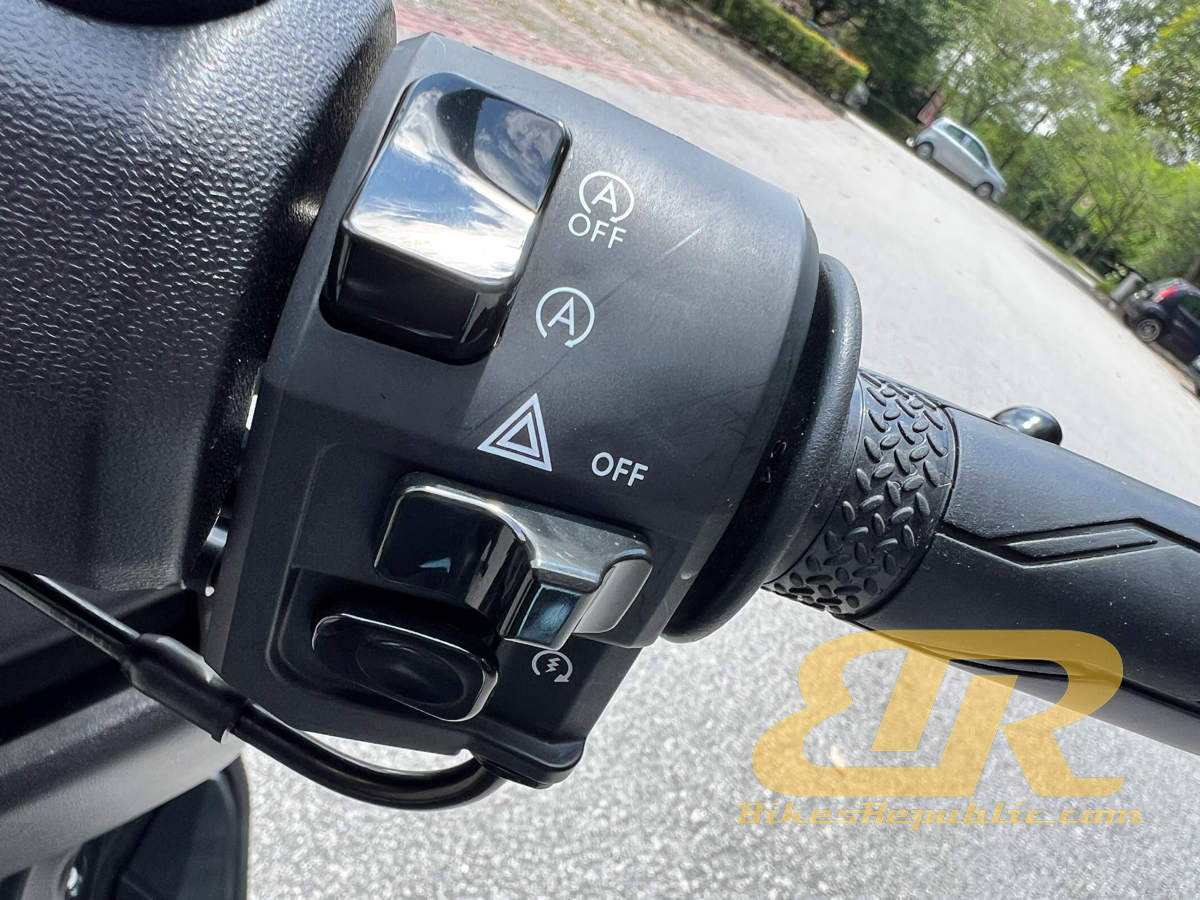
  • Electronic features include a single, large LCD screen with Y-Connect feature; keyless ignition, engine idle stop function, USB charging port, and LED lighting all-around.
  • Nominal seat height is listed as 775mm.

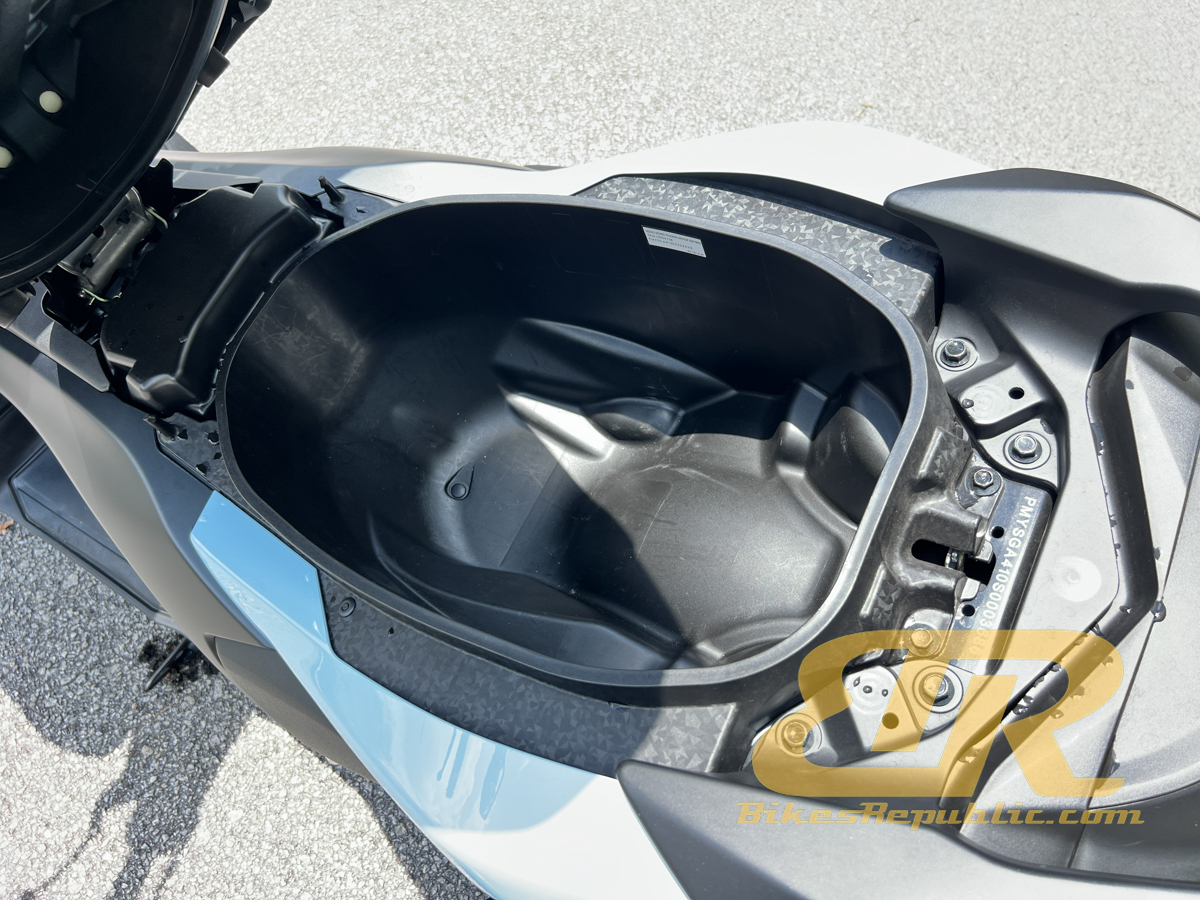
  • Bigger underseat storage, now at 25 litres.
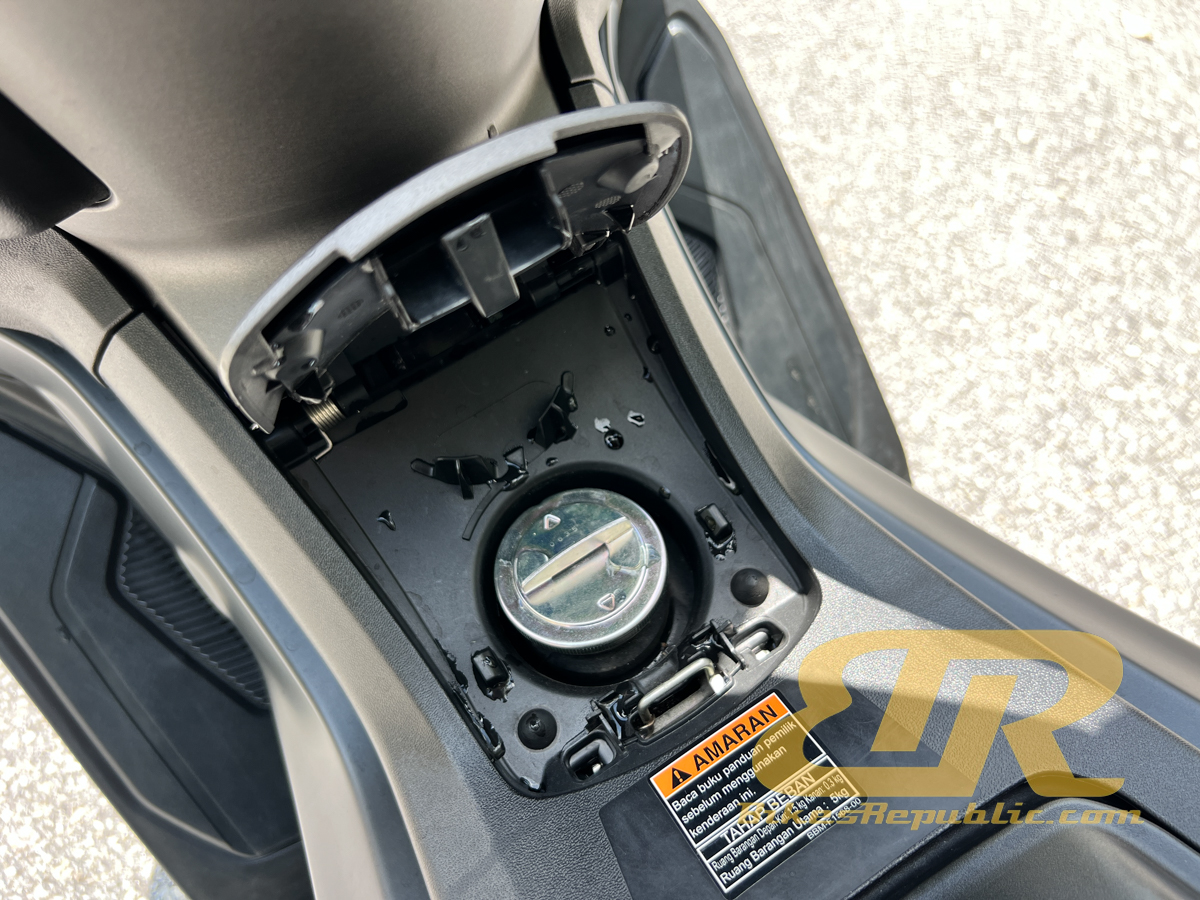
  • The fuel tank has a capacity of 7.1 litres.
  • Yamaha claims that the bike has a wet weight of 131 kg.
Riding the 2025 Yamaha NMAX

Climbing on, we found it having the same ergonomics being the same as the previous iterations, with a narrow body and seat, short reach to the handlebar, and low seat height. Our feet rested comfortably on the floorboards on either sides, with more than enough space to move them around.

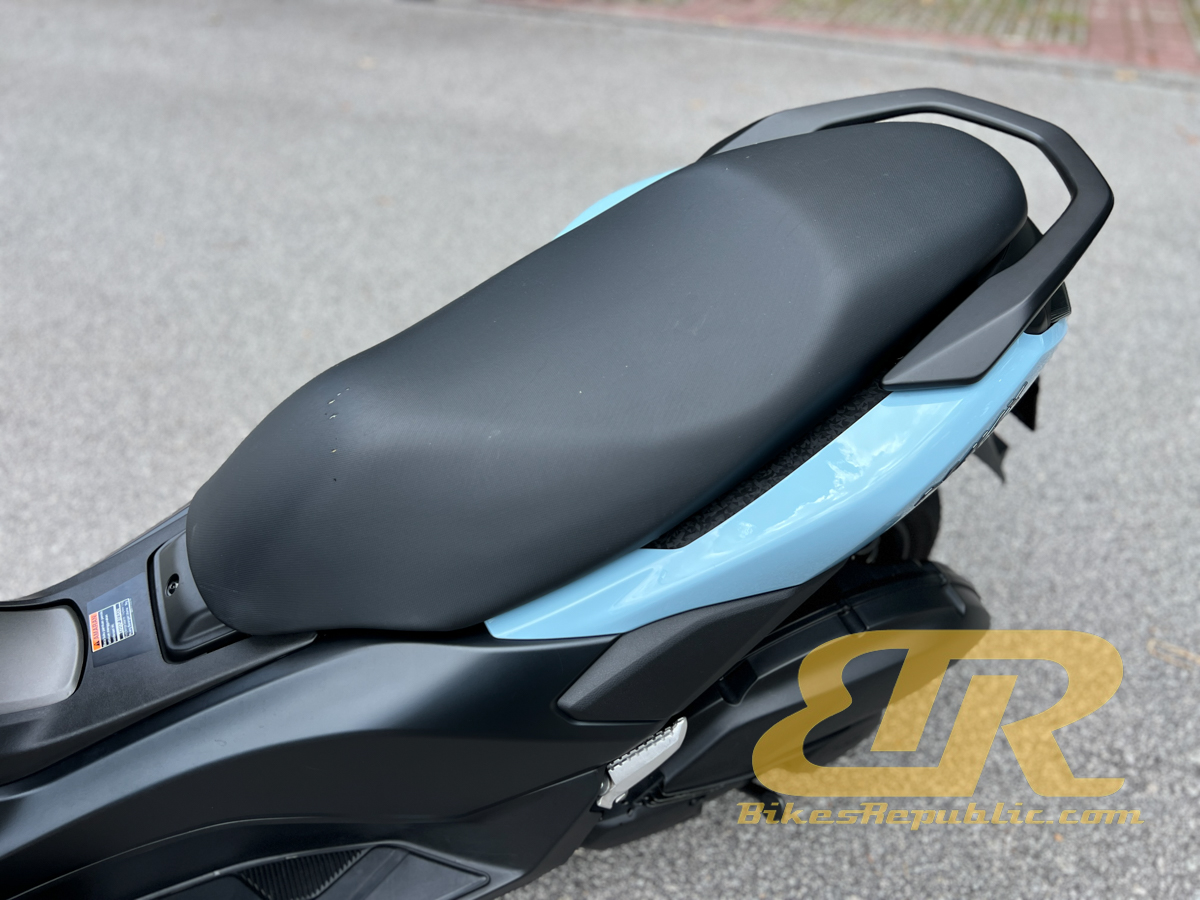
The seat cushion felt supple, although we could not remember if it was the same previously. There is enough space to move forward and back, besides good space for the pillion.

The handlebar was narrow with lots of steering lock angle, which was good for scything through traffic.

Opening up the seat reveals the larger underseat storage space which can take a backpack with a 15-inch laptop in it. However, the bag kind of ‘floats’ leaving more room underneath for a rainsuit and shoes. Unfortunately, we tried to store our jet-style open-faced helmet but to no avail. It may be able to stuff in an MS88-style helmet, though.

The engine started quickly each time, while eliciting a note that was characteristic of any single-cylinder scooter. It also revved relatively fast, but without any rough sounds.

Opening the throttle had the scooter accelerating smoothly without a hard punch like the NVX. In fact, the engine and CVT combination delivered a very linear response throughout its rev range. Closing the throttle abruptly did not have the bike slowing abruptly or on the other end of the spectrum, freewheeling forward as if you mistakenly grabbed neutral on a bike with manual transmission. This showed that Yamaha did a great job of balancing the roller weights to the engine’s torque characteristics.

With that mentioned, the engine did deliver plenty of oomph when pushed at highway speeds. It pulled and pulled (albeit smoothly) all the way to its top speed of nearly 130 km/h without feeling as if it will explode. Similarly, opening the throttle from 80 km/h saw it accelerate briskly without running out of breath – courtesy of VVA.

Small scooters such as this are blighted by short suspension travel. It is not unique to the NMAX but a given for any such scooter. As such, the rear suspension felt hard when hitting sharp bumps, but the front felt so much better now. Yamaha said that they had revised its damping rates thus it did not feel clunky or overly harsh when hitting bumps and potholes. The update also gave a lot better feel of the front tyre and what it was doing, thereby elevating our confidence in corners. Its front end was also stable without wagging back and forth in corners like it used to. Nice!

Of course, the bike is not meant to be pushed to 10/10 of its limits, what with the small-diametre tyres. Doing so is not the point of having this bike. Instead, it is meant for easy riding with the extra kick for overtaking other vehicles.

Depending on your skill level, those stock tyres provided plenty of grip both in the dry and rain. We had no qualms about hooning the bike through damp corners, what more when it was sunny.

Riding through traffic was where the NMAX truly excelled. Its dimunitive size and steering angle worked together to see off traffic and tight spaces like they did not exist, hence proving that it is a lot more fun to ride a small bike in the city.

Hong Leong Yamaha Motor loaned us the 2025 Yamaha NMAX for 7 days and we loved every moment we rode it. We commuted to work on it, we ran errands on it, we sent our children to school on it. Hey, forgot to buy something from the supermarket? Just wheel the bike out and go.

And as a plus point, we did not manage to burn through even one tank of gas despite racking on the mileage, and turning the idle stop function OFF throughout our test.

One thing we need to mention is about the bike’s build quality, which was good, as usual. There was no misaligned panels or wayward wires and cables hanging about anywhere. The headlight was also quite bright for a motorcycle of this size.

Conclusion

It was great to see that the 2025 Yamaha NMAX carries on the tradition of the first NMAX by providing an easy-riding and convenient platform, while retaining its comforts and conveniences.

Of note is the jump of RM1,700 in its recommended selling price from RM9,798 to RM11,498. This is due to inclusion of ABS, but hey, it is dual-channel which services both wheels.

Still, although costing much more than most scooters of its class these days, the 2025 Yamaha NMAX represents good value. You get an established engine, with plenty of original, OEM, and aftermarket parts support for a complete peace of mind.

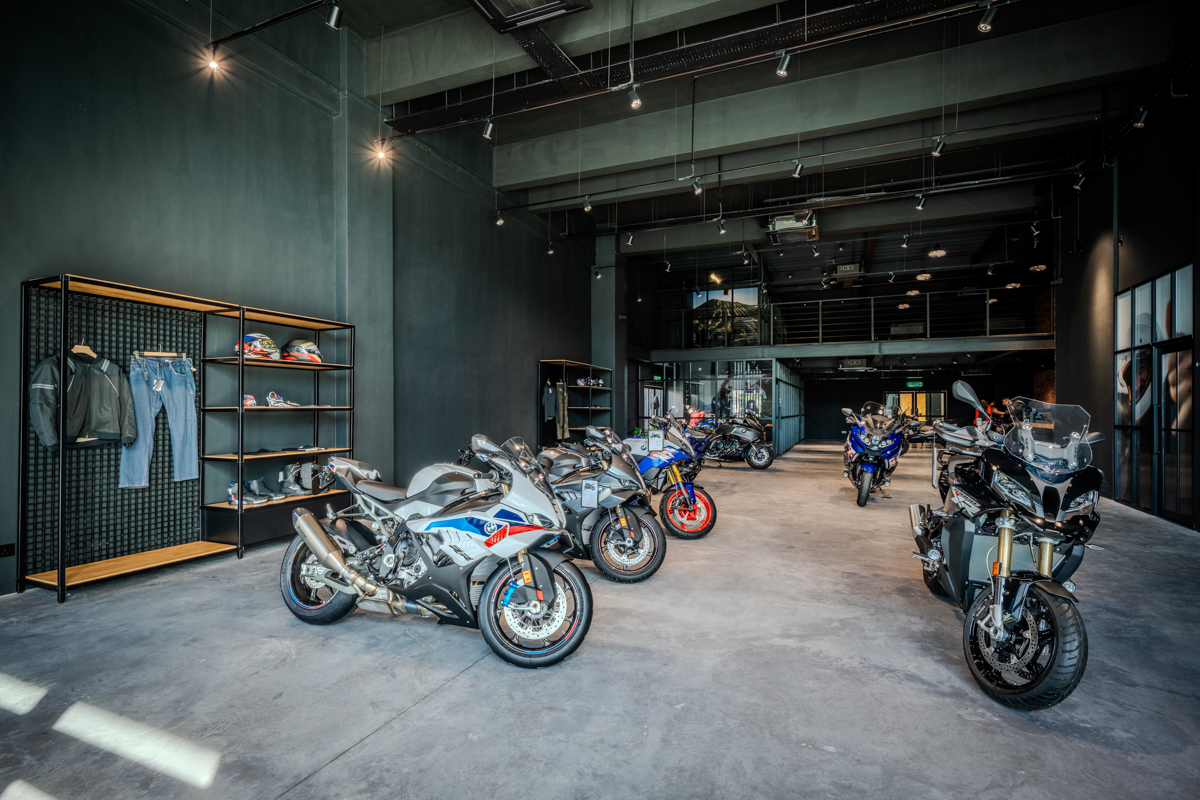
Chear Motorrad, one of BMW Motorrad’s long-standing dealer partners in Malaysia, today officially announces the relocation of its dealership home to Shah Alam, marking the debut of the first-ever BMW Motorrad New Retail Brand Experience in the country. This milestone signifies a new chapter in Chear Motorrad’s journey to better serve the growing BMW Motorrad community with enhanced customer engagement and expanded touchpoints in sales, service, and support.

Benjamin Nagel, Managing Director at BMW Group Malaysia, said, “Our promise at BMW Motorrad is clear, and that is to make every stage of the rider’s journey effortless, exciting, and truly premium. This extends beyond our diverse range of powerful motorcycles to encompass every interaction a customer has with our brand, providing the full Premium Ownership Experience at every step. The new Chear Motorrad showroom in Shah Alam embodies this promise, delivering a retail experience that goes far beyond sales and service to create a vibrant space for the riding community. Since 2011, Chear Motorrad has played a vital role within our dealer network, and we are thrilled to witness their growth as they bring the BMW Motorrad experience closer to customers in the Klang Valley and beyond.”

Dato’ Chear Kin Keong, Managing Director of Chear Motor Group, said, “Over the past decade, our journey has been defined by the trust and passion of our customers, whom we have been proud to serve. The opening of our new showroom in Shah Alam is a significant milestone for us, especially as Malaysia’s first BMW Motorrad New Retail Brand Experience. It is a reflection of our dedication to delivering the very best for Malaysia’s motorcycle community, particularly our BMW Motorrad owners. As the BMW Motorrad community grows, so do we – with an even stronger and dedicated team in place and a renewed focus on customer care, we look forward to creating more meaningful experiences for BMW Motorrad riders as we carry the spirit of ‘Make Life a Ride’ into the future.”

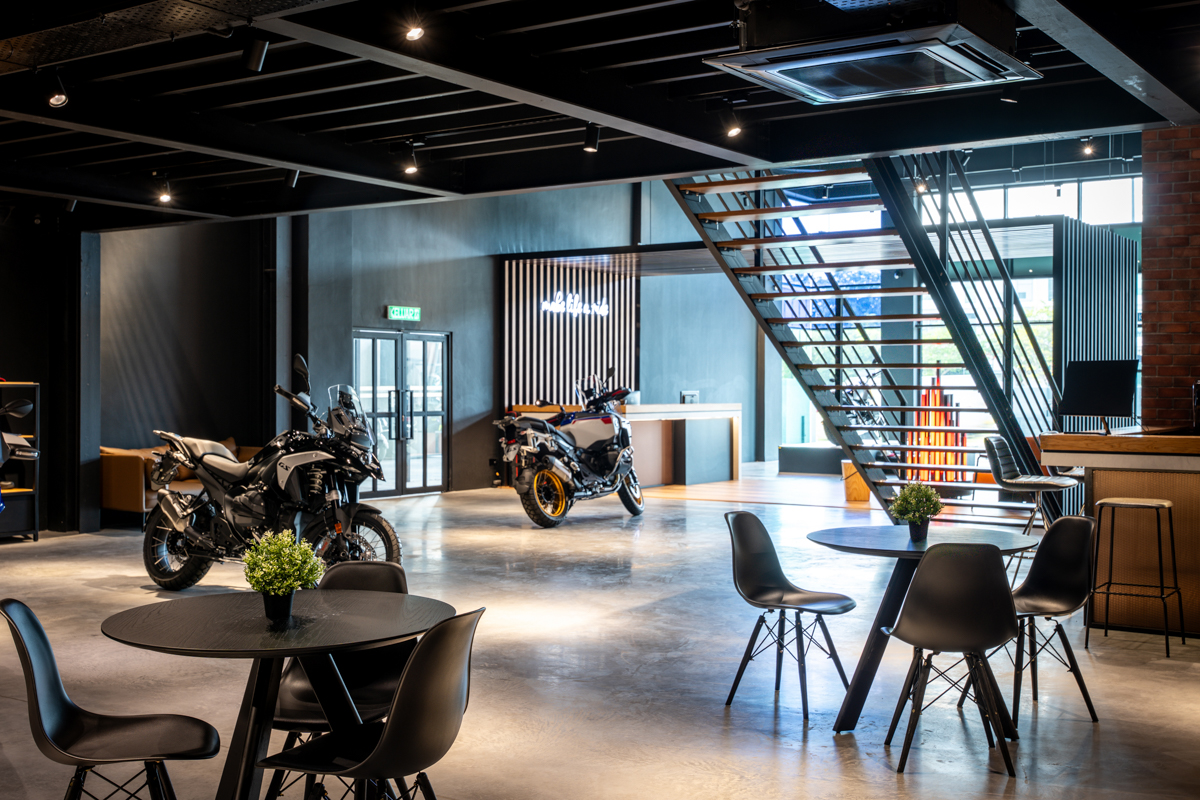
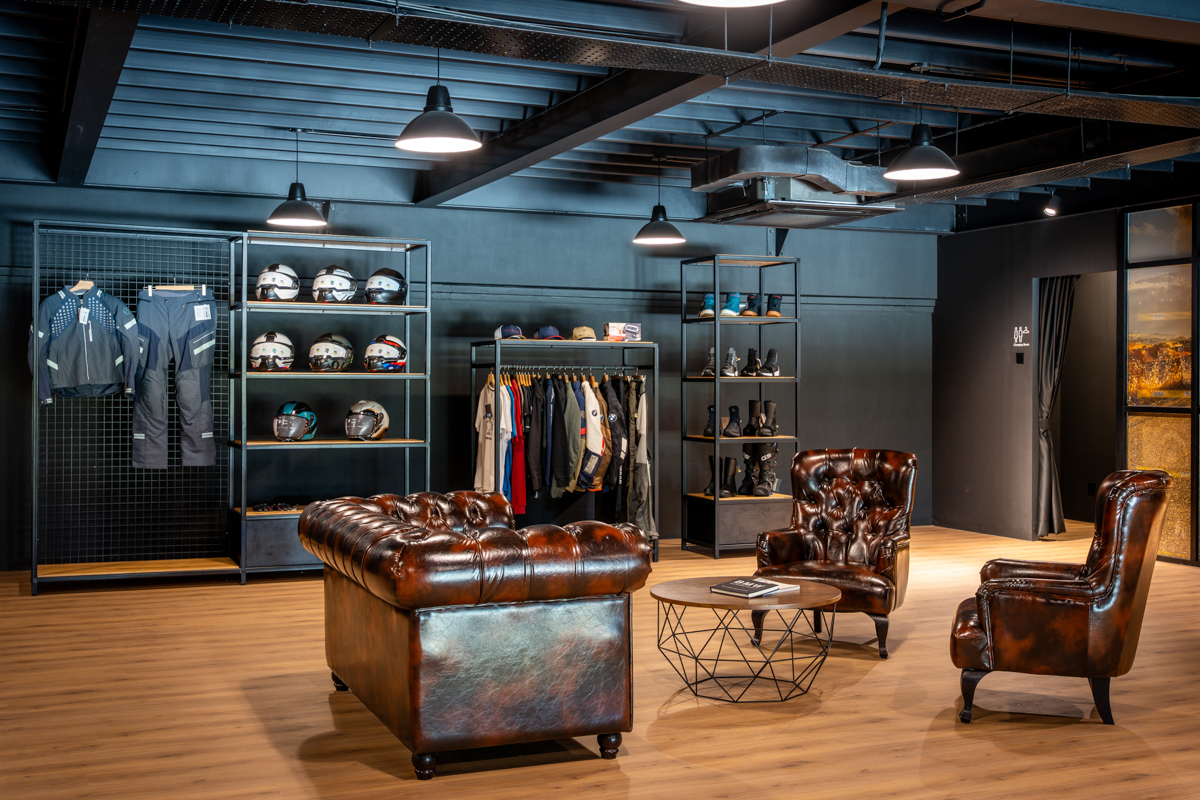
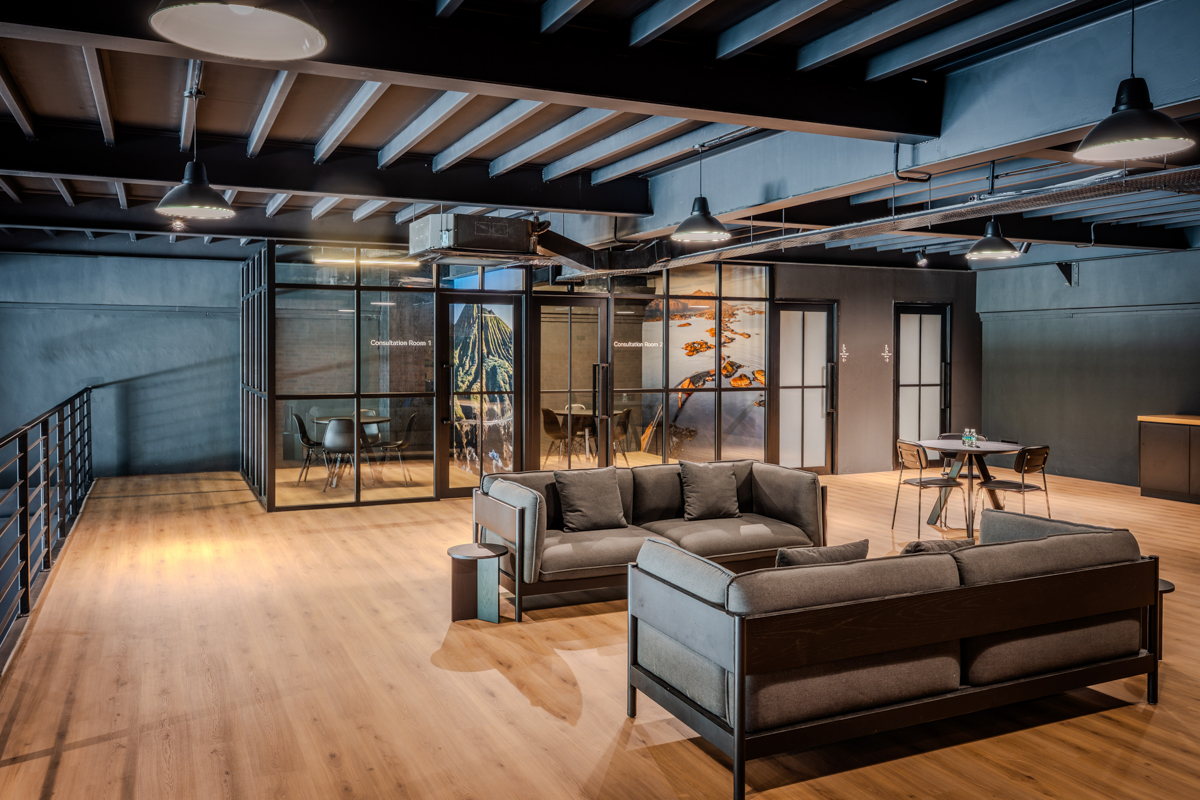
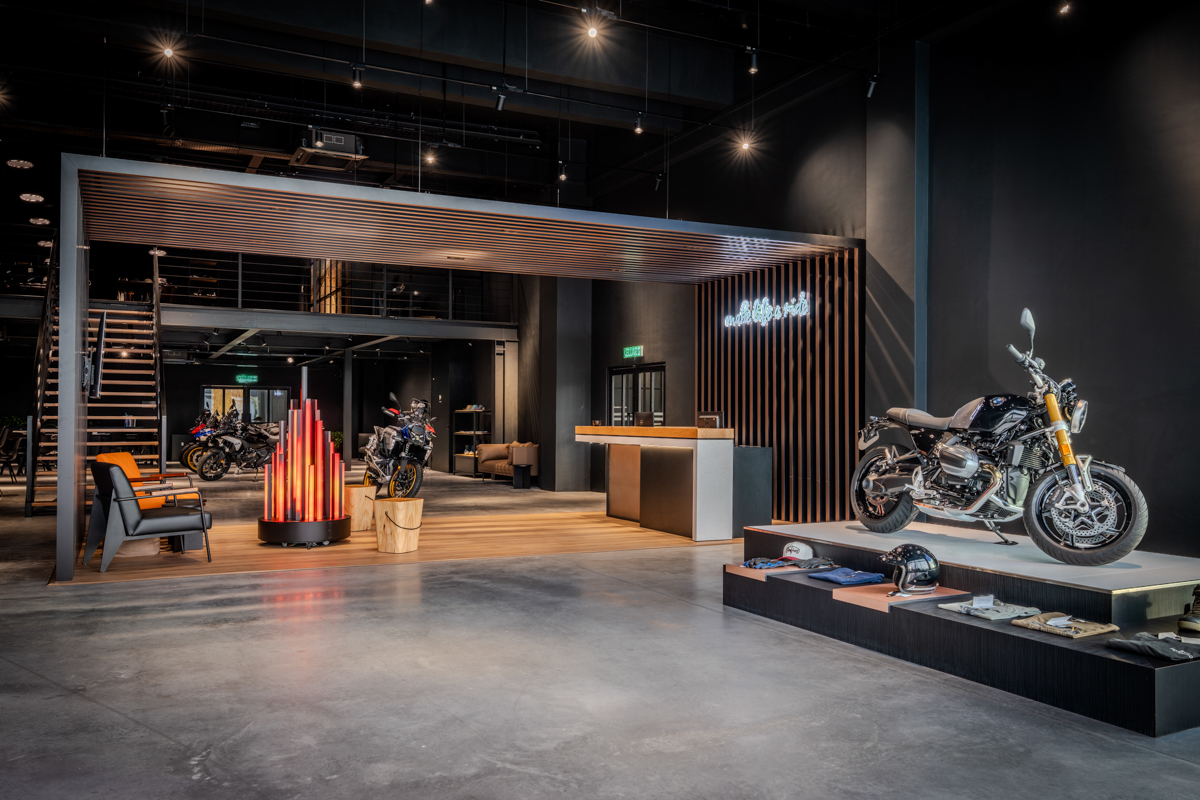
Located at No. 33 & 35, Jalan 15/23, Taman Perindustrian Tiong Nam, the newly relocated 540-square metre Chear Motorrad, previously in Puchong, is designed to be a hub for riders to explore the extensive portfolio of BMW Motorrad, service their motorcycles, or connect with the growing riding community. It is the first dealership in Malaysia to fully implement the BMW Motorrad New Retail Brand Experience, offering a contemporary space that reflects the brand’s passion for performance, lifestyle, and personalised service. The dealership space features a new dedicated service reception and coffee bar, providing a welcoming environment for customers to relax and interact, adding to the Premium Ownership Experience as a whole.

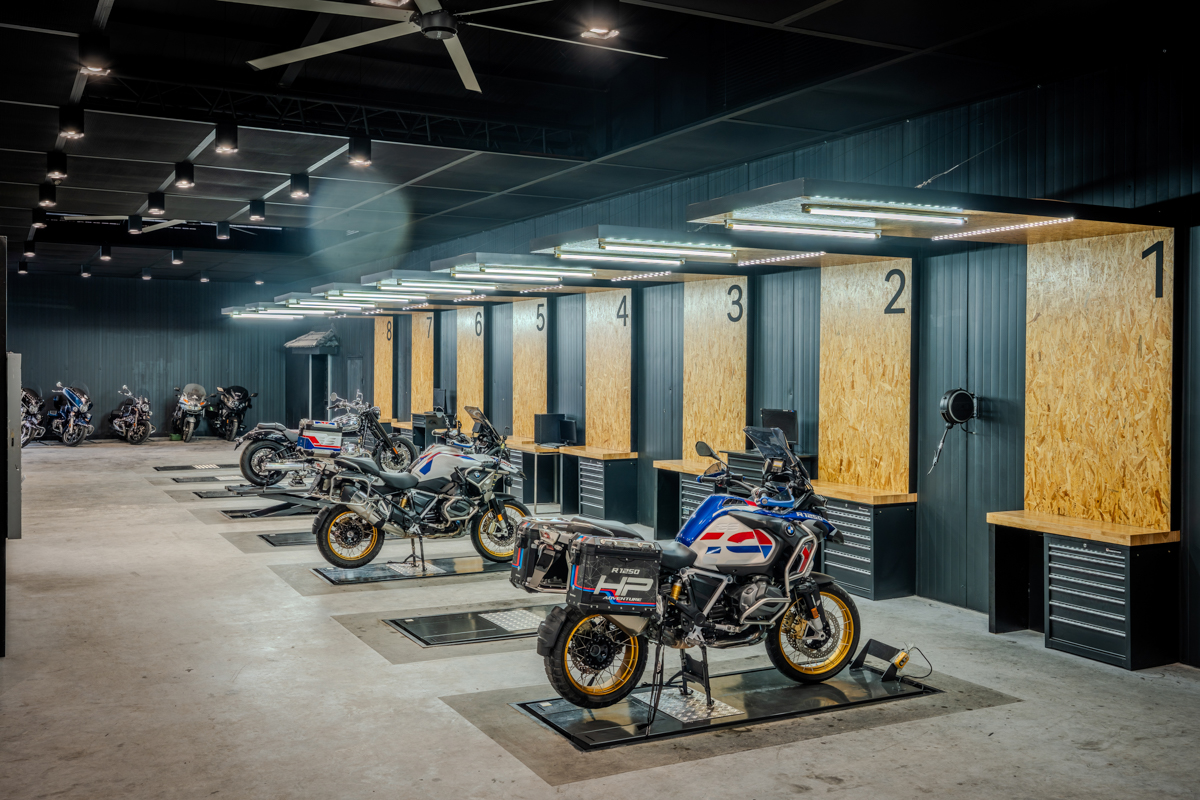
Additionally, the workshop layout concept with 10 working bays is designed to support efficient servicing, ensuring that BMW Motorrad owners receive the highest standard of care for their motorcycles and complete peace of mind. With a team of 40 across sales, service, marketing, and support, Chear Motorrad Shah Alam offers a complete Sales, Service, and Spare Parts (3S) experience under one roof, meeting the needs of both new and returning BMW Motorrad owners.

Chear Motorrad operates daily from 9:00AM to 6:00PM, Monday to Saturday. To learn more about the dealership, visit https://www.bmw-motorrad.com.my/chearmotorrad-puchong/en/home.html.

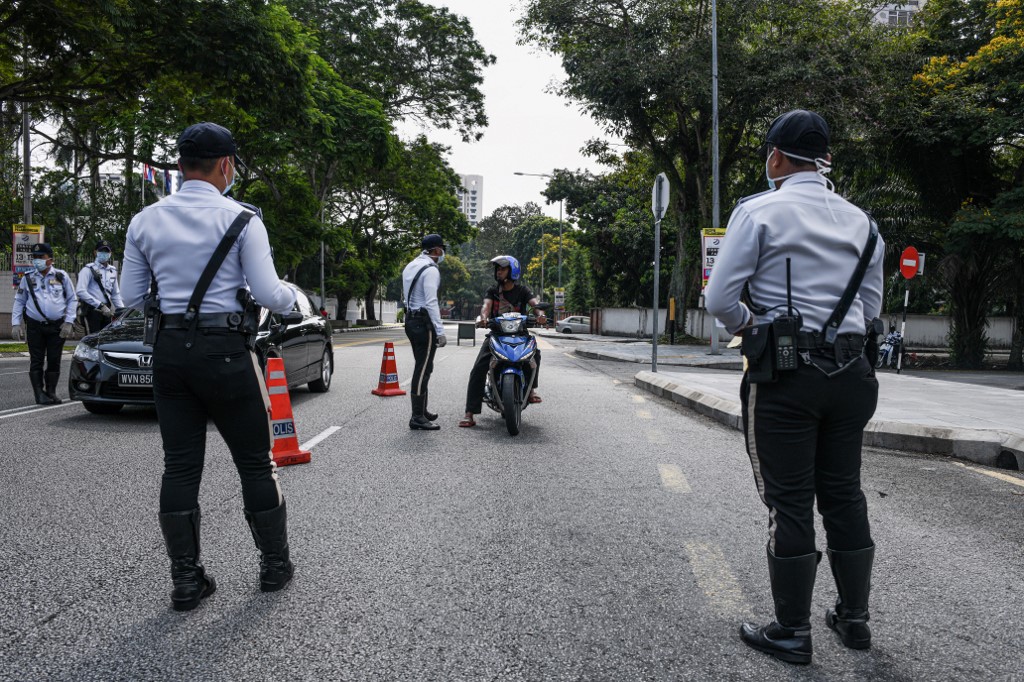
As we have published earlier, several major roads and highways will be closed or have traffic diverted for the 47th ASEAN Summit, set to take place from 26th to 28th October 2025.

A total of 6 major highways and 14 key roads will be affected, listed below.

Main highways affected:

  • Maju Expressway (MEX);
  • North-South Expressway (from Sungai Buloh to Jalan Duta);
  • ELITE Expressway (from KLIA to Putrajaya);
  • New Klang Valley Expressway (NKVE) (from Subang to Jalan Duta);
  • Guthrie Expressway;
  • KL–Seremban Expressway (from Sungai Besi to city centre).

Main KL roads affected:

  • Jalan Ampang;
  • Jalan Sultan Ismail;
  • Jalan P. Ramlee;
  • Jalan Pinang;
  • Jalan Binjai;
  • Persiaran KLCC;
  • Jalan Bukit Bintang;
  • Jalan Imbi;
  • Jalan Perak;
  • Jalan Parlimen;
  • Jalan Damansara;
  • Jalan Istana;
  • Jalan Tun Razak;
  • Jalan Kuching.

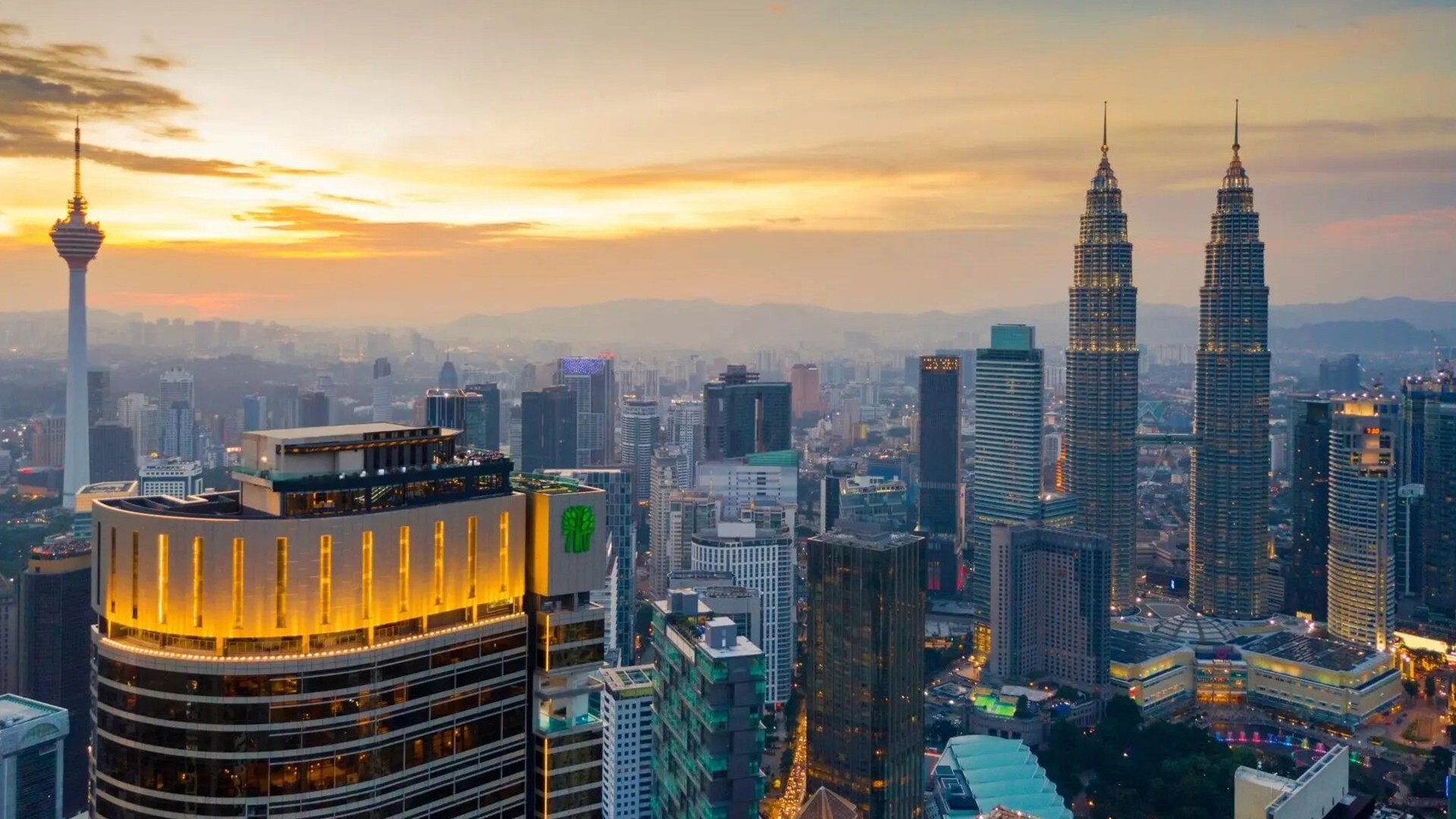
Kuala Lumpur Command and Control Centre (KLC3) said that the ‘Golden Triangle’ area surrounding KLCC is expected to experience the most significant traffic disruption. The public is advised to avoid these routes and to use public transportation such as the MRT, LRT, Monorail and buses during the summit.

It added that heavy vehicles will not be allowed to enter the city centre during peak summit hours.

The 47th ASEAN Summit is scheduled to take place from Oct 26 to 28, marking the culmination of Malaysia’s Asean Chairmanship for 2025.

The summit will bring together all 10 leaders of ASEAN member states along with dialogue partners and invited world leaders, including US president Donald Trump.

Our main worry is about traffic disruptions heading to and from the Malaysian MotoGP held at the PETRONAS Sepang International Circuit from 24 to 26 October. KLC3 had not provided the timing of the road closures, especially for the two main highways connecting to SIC, namely MEX Highway and the ELITE Expressway.

Archive

Follow us on Facebook

Follow us on YouTube