Environmental groups called for speed limits throughout the German autobahn network.
They were concerned that speeding vehicles produce more emissions.
But the country’s lawmakers shot down the idea.
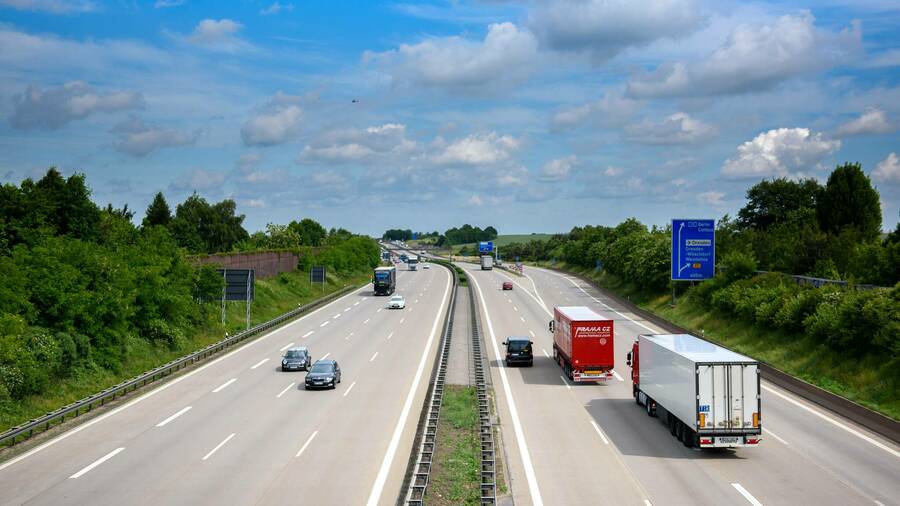
The German autobahn has a certain sense of fascination attached to it, since it’s probably the last stretch of road in the world where speed is not limited.
It’s also a symbol of pride and identity of a nation well-known for cutting edge engineering and technology. It’s somewhat like saying “our vehicles can go fast, but they are safe, too.” In fact, that’s exactly what country’s Federal Transport Minister Andreas Scheuer boasted that German highways are the safest in the world.
So, when a group called National Platform of Future Mobility recommended that speeds are culled to a 130 km/h limit, lawmakers responded with a resounding “Nein! (“No” in German)” Of the 631 votes cast in the Bundestag (parliament), 498 were against.
Interestingly, the proposal was not not made from the point of the dangers of speeding. Instead, it was due to environmental concerns that speeding vehicles consume more fuel, thereby releasing more noxious emissions compared to those cruising at “middle” speeds.
The minister’s response may seem off the mark but he countered that there are better solutions than to impose speed limits.
Truth is, the vision of blatting WFO (wide, full, open throttle) down the entire 12,993 km network around Germany is a myth. While it’s true that only 30 percent have a speed limit of 130 km/h, the rest are “limited” by what’s called “speed at your discretion.” Besides that, the limit-free zones are outside urban areas and clearly marked.
The mid-80s on were sometimes called the age of exuberance and excess. Rather than describing it, watch the Miami Vice series from that time to understand what we mean.
Bikes gained even more power, more technologies, but also became more flashy.
Without further ado, here’s the conclusion of the Motorcycles that Defined the 80s
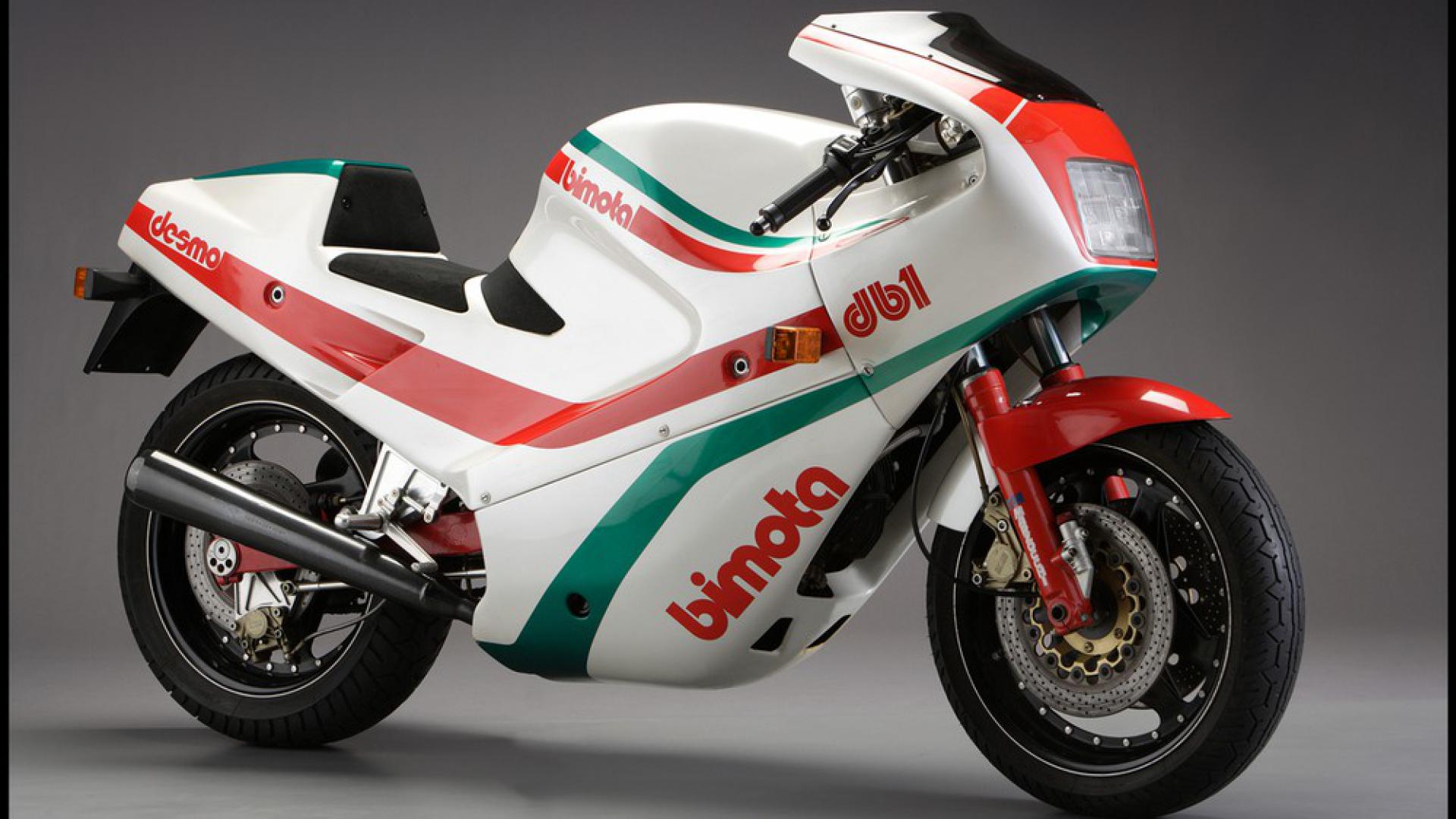
Bimota DB1 (1985)
Interestingly, the DB1 was actually commissioned by Cagiva. Ex-Ducati engineer and Bimota’s Technical Director Dr. Federico Martini designed it.
Since Cagiva was the owner ofDucati during that time, the DB1 used a 62 hp Ducati 750cc V-Twin engine. This model formed the base, the platform as the bike was also offered as the DB1J 400cc with 42 hp, DB1S with 72 hp, DB1SR with 82 hp and DB1R with 92 hp.
Just like the Ducatis to come, the frame was a chrome-molybdenum “birdcage” which hung the engine as a stressed member. The swingarm then pivots on the engine’s crankcase. Its all-enclosing bodywork seemed to have influenced Massimo Tamburini’s Ducati Paso later, which also went on to influence the 851, 888 and 900 SS
The DB1 was credited as the bike that saved Bimota from bankruptcy at the time.
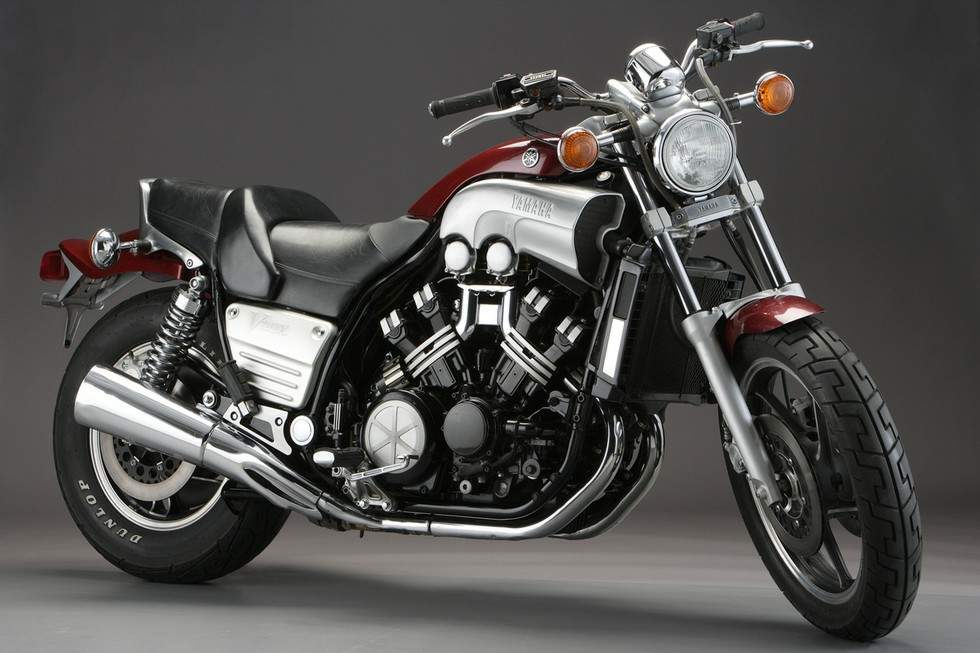
Yamaha VMAX (1985)
Oh yes! Yes yes! You want a cruiser? The VMAX was the original powercruiser and was unbeaten until the appearance of the Ducati Diavel in 2010.
It was meant to hammer other bikes into submission at traffic light GPs and blitz the quarter mile. Superbike riders would give it a wide berth when it came to a straight-line fight.
That’s because while 750cc engines in superbikes of the time produced around 100 hp, the VMAX’s 1200cc V-Four punched out 145 hp and 112.7 Nm of torque! In fact, those numbers are on par with bikes today.
It remained pretty much unchanged until a revision in 2009.
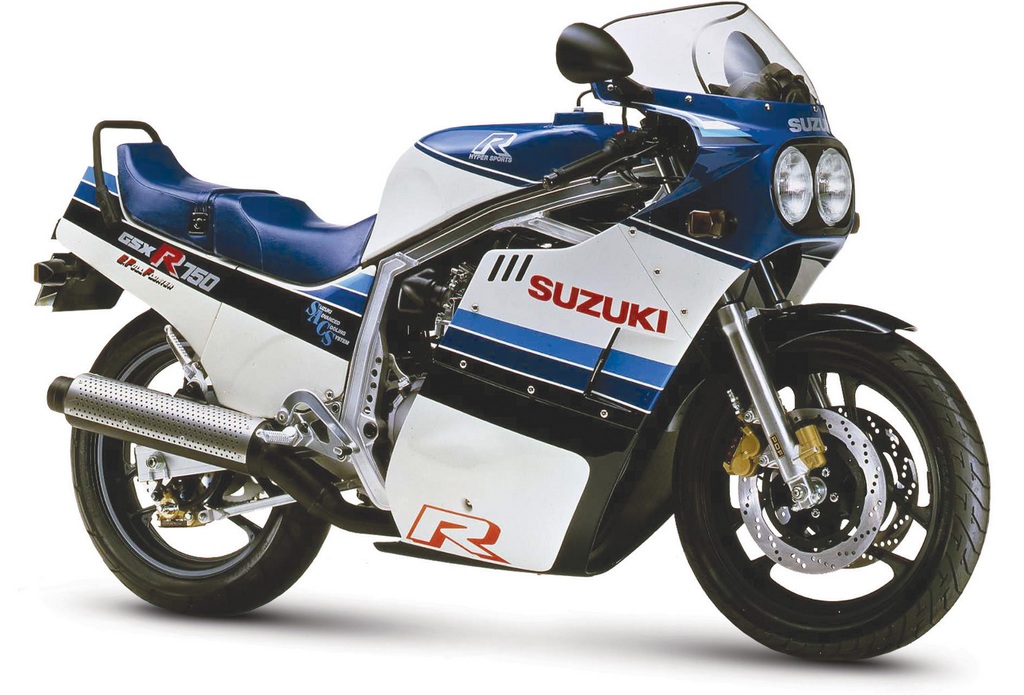
Suzuki GSX-R750 (1985)
Oh what a year! The Suzuki GSX-R750 is one of the icons in motorcycling. It’s considered groundbreaking for its influence on how future sportbikes should look like.
It had an aluminium perimeter frame, which although was not new since it debuted in the GSX-R400 in 1984, but it’s so for the 750cc class. The engine was fed by four flat slide carburettors and produced 100 hp. Suzuki engineers decided on oil-cooling to save weight against liquid-cooling. Braking also was something new with dual four-piston front calipers.
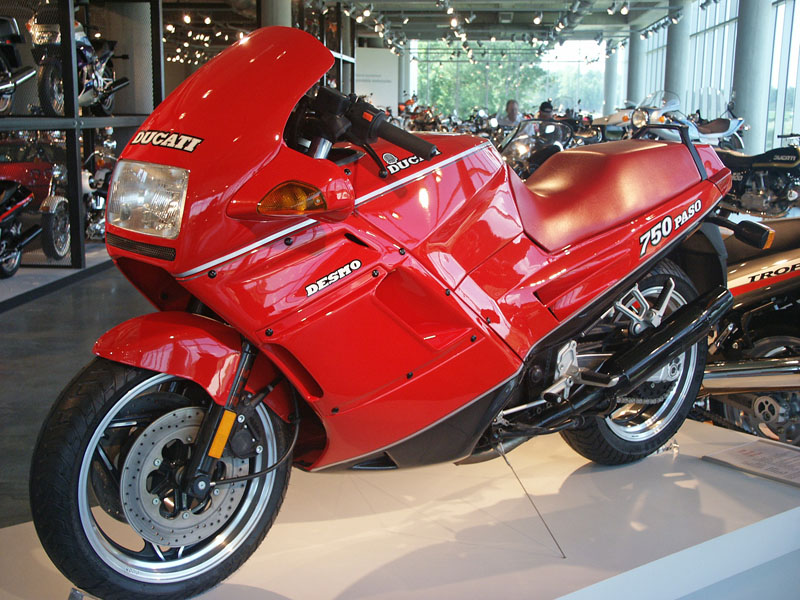
Ducati Paso (1986)
The Paso is another bike we’ve written about a number of times, because it’s designed by that great genius Massimo Tamburini. This was the first Ducati he designed after he left Bimota — the company which he co-founded.
It’s funky design was well-accepted when during its introduction but it’s now one bike which Ducati collectors would pay a ransom for.
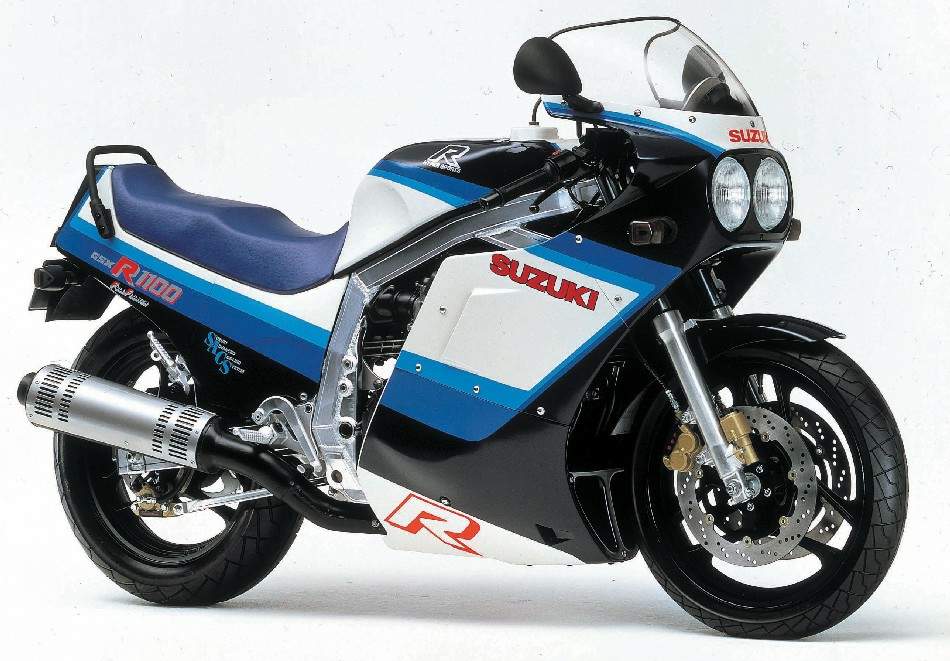
Suzuki GSX-R1100 (1986)
This bike was expected since the 750’s introduction the previous year. But what people didn’t expect was how awesome the new 1100 was going to be!
What truly made the bike popular was its power. The 1100cc, 16-valve, inline-Four produced 155 hp and 102 Nm of torque. That’s just 18 hp off the 1999 Hayabusa’s 1300cc engine!
Taking a Breather
Let’s take a breather before entering 1987. It was heaven for rock and heavy metal lovers i.e. me. But it was the year when we saw bikes that would reverberate the motorcycle industry until decades later.
You ready?
Yamaha RX-Z (1987)
Let’s start with this icon to get your attention! It was the most popular two-stroke motorcycle of all time in Malaysia, ever. Not even the TZM150 or 125ZR could supersede the mighty RX-Z.
Starting in 1985, the chassis came from the water-cooled RD125 LC YPVS, but fitted with the famous 20 hp, 133cc, air-cooled two-stroke, and mated to a five-speed gearbox. This was the start of the bike’s complete domination of Malaysian roads.
There were numerous updates down the years, including the addition of a six-speed transmission.
“The Boss” as its known after a famous advertising campaign by Hong Leong Yamaha or just the “Zed” continued to be produced and sold until 2011.
Many are still crying about its departure.
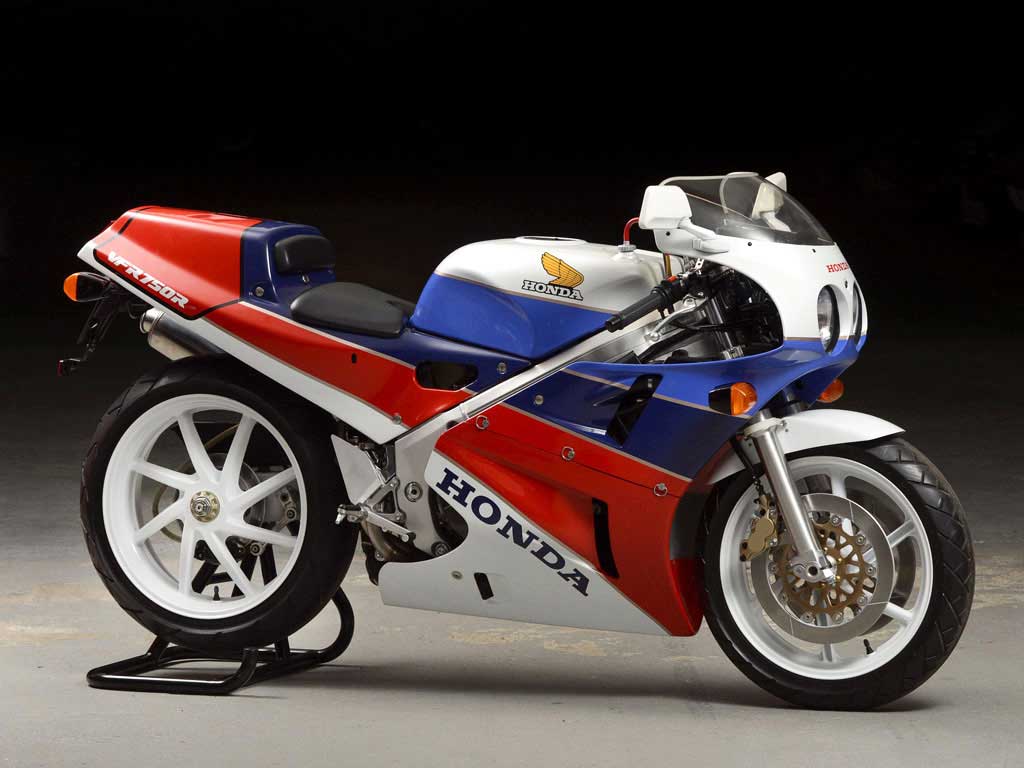
Honda VFR750R RC30 (1987)
While Honda won many times in 500cc GP, they wanted the WSBK (before it was known as WorldSBK) title, too. So, they came out with this!
The bike was meant to be a race bike from the very get-go, instead of walking the path of other manufacturers who modify their road-going bikes for racing. (It’s pretty much like what Ducati did with the Panigale V4 R this year.)
The 748cc, DOHC, V-Four used titanium conrods (piston connecting rods) — the first for a production bike — and gear-driven cams (instead of the usual chain or belt). Its firing order was also revised with a 360-degree crankshaft for the “Big Bang” effect to offer a broader spread of power. It also had a slipper clutch.
The engine produced 118 hp, and Honda sent it into battle for superbike honours.
And they were rewarded. Fred Merkel took the bike to the inaugural title in 1988 and repeated his feat in 1989, beating the Ducati 851.
32 years on and it’s still one of the best-looking race replicas ever!
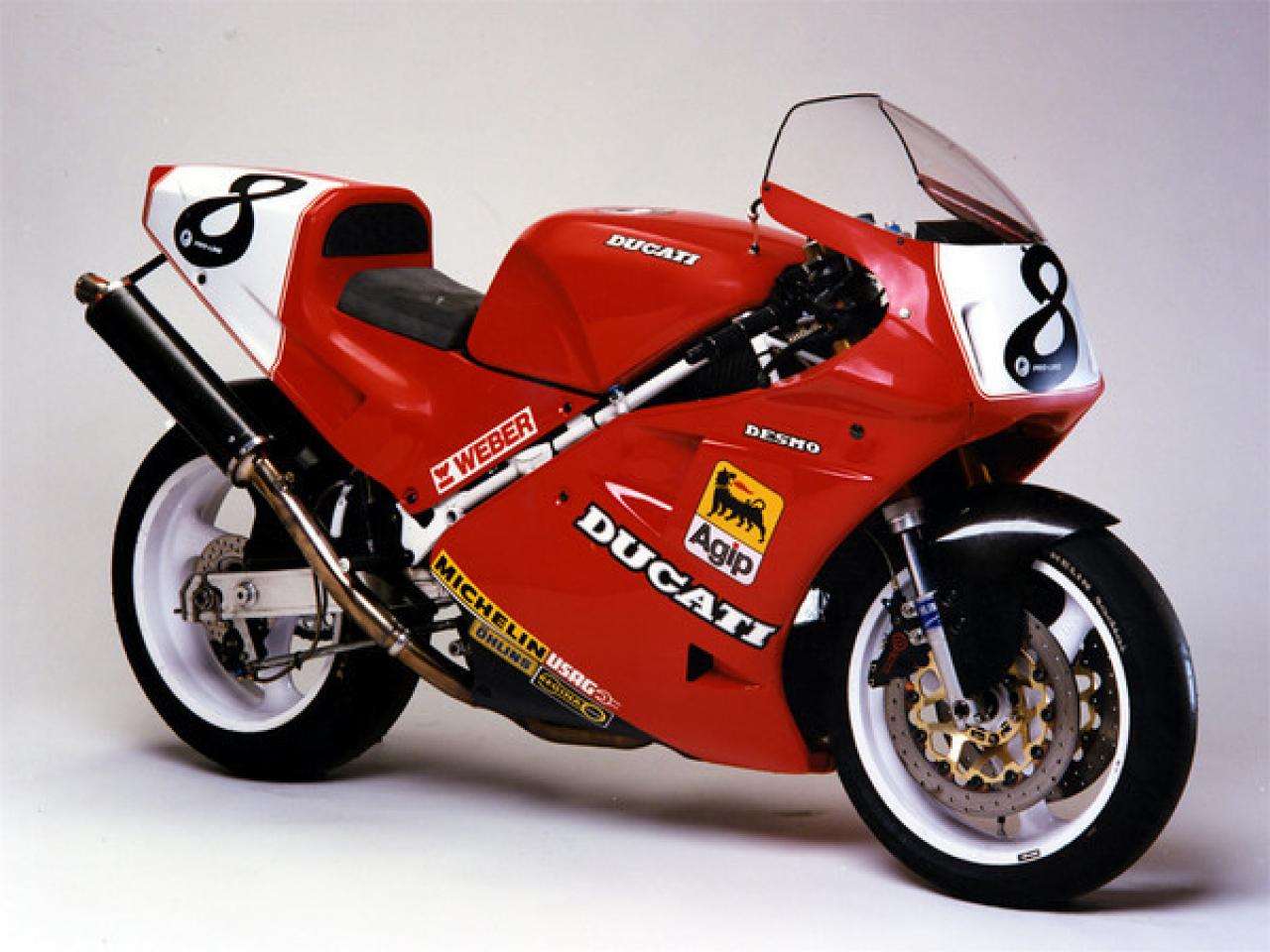
Ducati 851 (1987)
Oh yes, another icon. The 851 was a groundbreaking bike for the Italian manufacturer. After languishing for many years with the air-cooled V-Twin, engineer Massimo Bordi pushed through his design of a liquid-cooled, 4-valve per cylinder, fuel-injected V-Twin. Yes, fuel-injected. At a time when all sportbikes were carburetted.
It took a few more years of development to be competitive in World Superbike racing but it finally broke Honda’s dominance and won Raymond Roche the 1990 title. It was to be the beginning of Ducati’s dominance in superbike racing.
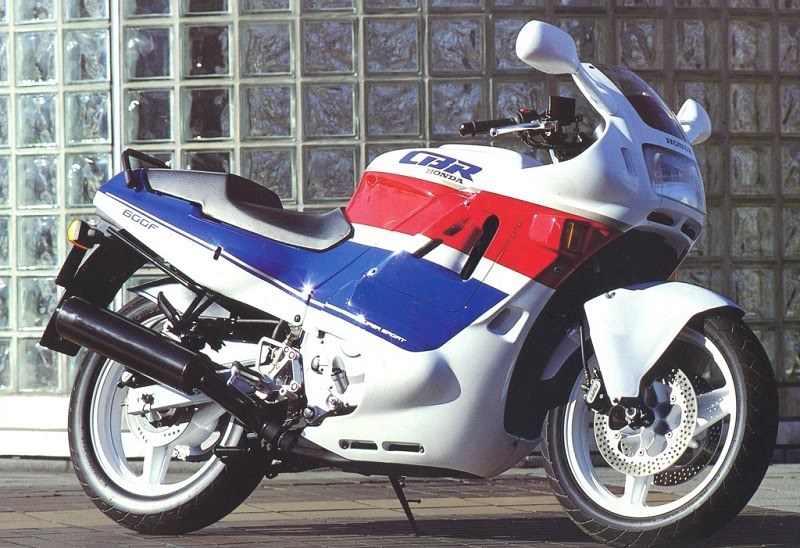
Honda CBR600F (1987)
Again, another bike very fondly remembered by many.
The CBR600F was Honda’s first fully-faired inline-Four sportbike, along with its CBR750F and CBR1000F siblings.
Honda had wanted to build a sportbike which could be ridden as a daily bike, hence the bike’s more relaxed riding position and power characteristics. Many buyers took a liking to it right away and it sold more than most sportbikes of the day. It was so popular that it went to become the CBR600F2, CBR600F3, CBR600F3F4, CBR600F3 and finally the CBR600F3F4i in 2001.
The subsequent CB/CBR650 models use engines based on the Hornet thus do not share the same lineage as the original CBR600F.
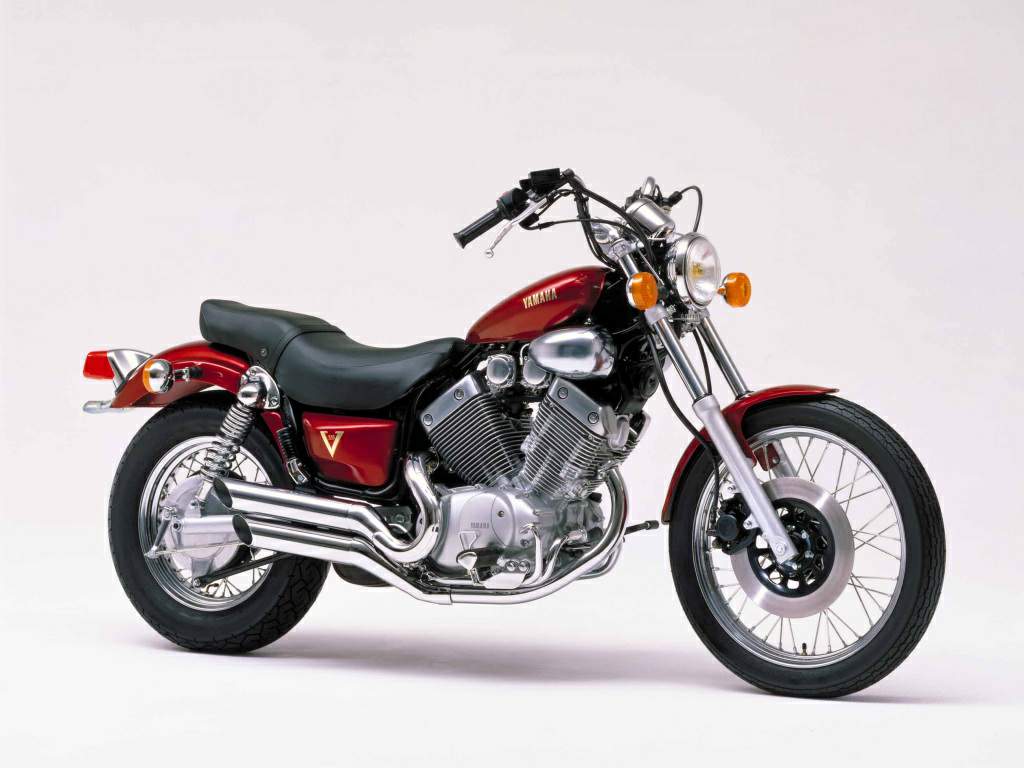
Yamaha Virago 535 (1987)
Ah yes. The Virago was a simple, mid-sized V-Twin cruiser which was meant for the masses. It’s most unique feature was the shaft final drive, instead of the usual belt or chain found in cruiserdom. The bike, also known as the XV535 along with its smaller 250cc sibling made huge inroads in the Malaysian motorcycle market in the late 90s.
Yamaha FZR1000 (1987)
The FZR1000 was one of the powerhouses of the late-80s. Its engine made a mighty 145 hp during a time when traction control wasn’t even a conceivable concept. The bike laid down 0-100 km/h in 2.9 seconds and a top speed of 269 km/h.
Oh yes, it had a 5-valve-per-cylinder head, too. Yamaha called the project “Genesis.”
BMW K1 (1988)
Image source: bmbikes.co.uk
The K1 wasn’t radical as motorcycles of the decade are but it was radical for BMW. The manufacturer wanted to show that they don’t just make bikes with Boxer engines, although the K1 was shaft driven.
While it the entire bike was covered in wraparound bodywork, it was a sport-tourer rather than a sportbike.
The 100 hp, 987cc, 16-valve, DOHC, inline-Four was fuel-injected controlled by a Bosch ECU with three-dimensional mapping, giving the bike a top speed of 240 km/h.
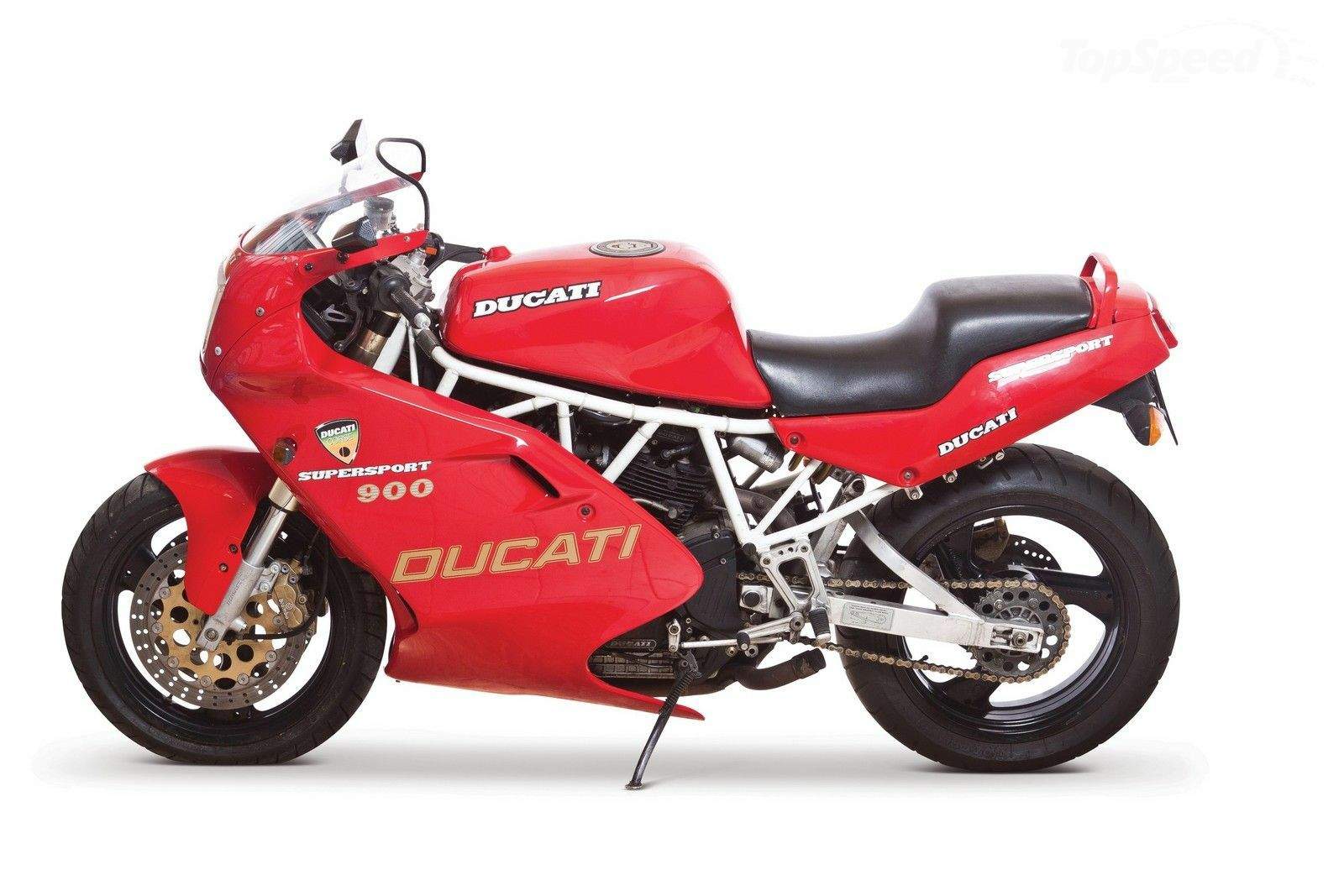
Ducati SuperSport/SS (1988)
This is the 1992 900SS
The SuperSport name had been a mainstay in Ducati’s heirloom but this particular iteration featured a new bodywork, while using the 904cc, two-valve per cylinder, 90-degree V-Twin from the Pantah. The crankcase was derived from the 851. Using a dry clutch, it gave off that signature metallic rattle that Ducati fans have come to love. The booming exhaust note was another signature feature.
Initially available with a half-fairing (900 CR) a fully-faired bike, (900SS) which looked a lot like the 851 sportbike. Ducati also produced the limited edition 900 SuperLight (SL) in 1992.
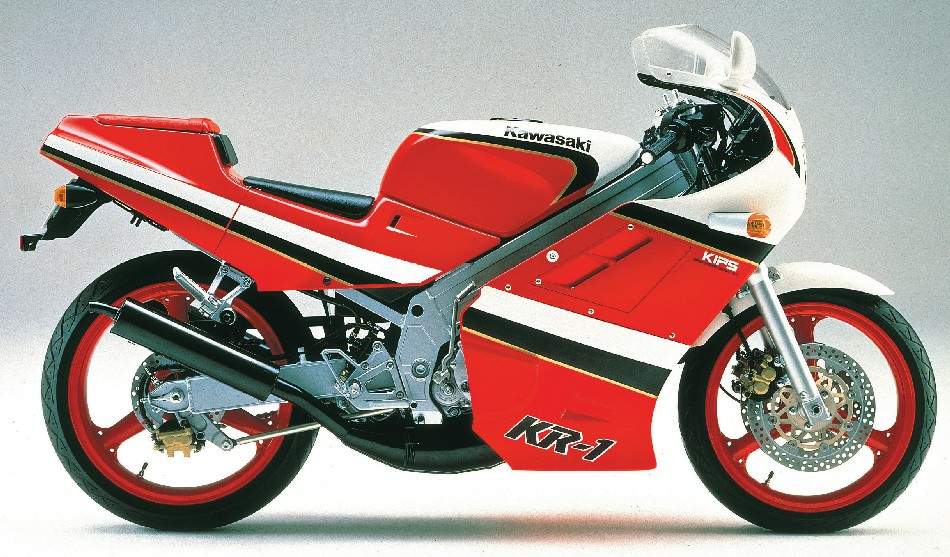
Kawasaki KR-1 and KR-1S (1988)
Believe of not, Kawasaki did produce a monster two-stroke 250. But unlike their competition, it wasn’t based on a race bike as the manufacturer doesn’t one. Despite that, the KR-1 was the most powerful and fastest production 250 two-stroke. The 249cc parallel-Twin produced 54 hp and took the bike to 225 km/h, beating out more fancied models such as the Aprilia RS250, Honda NSR250R, Suzuki RGV250 and Yamaha TZR250.
The S variant had different colour schemes and components.
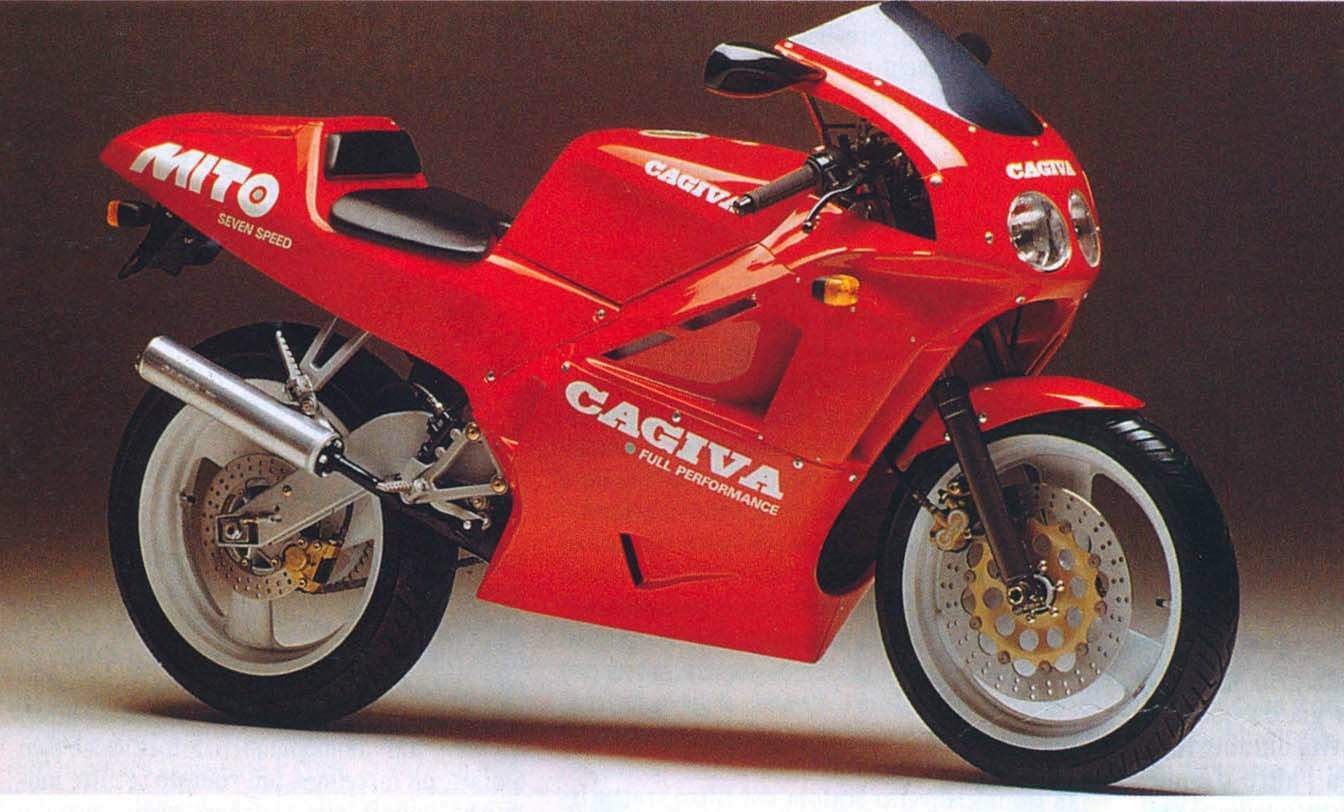
Cagiva Mito (1989)
As the decade came to a close, one bike stood out among the rest. Although not exported to the United States, the Cagiva Mito was famous and was the dream of every schoolboy everywhere else.
In fact, a young Valentino Rossi has one before he went on to become the famous racer he is now. He was given a Mito by Cagiva team boss Claudio Lusuardi in 1994 and wiped everyone on the track with it on his way to the Italian championship title.
The Mito went through a number of revisions, including getting a seven speed transmission. It also took on the look of the Ducati 916 in 1994, having been designed by Massimo Tamburini himself.
Conclusion
Well, that’s part of the 80s. There were many more great bikes but we just don’t have the space to list them all. Tell us what you’d like to see and we’d try to feature them in the future.
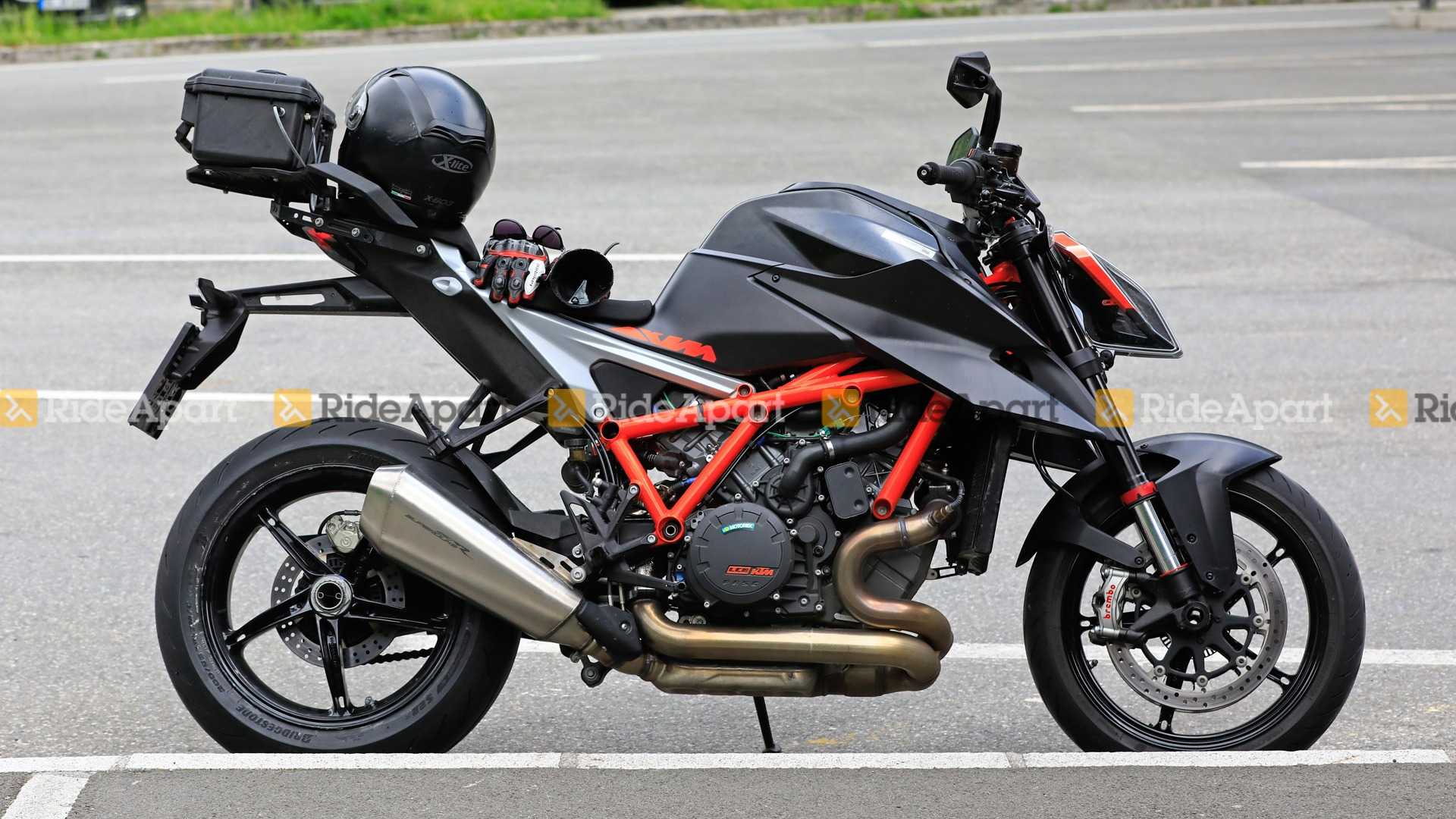
KTM has released the third #GETDUKED teaser video.
It shows a motorcycle being blatted around on a racetrack.
It should be the new 2020 KTM 1290 Super Duke R.
KTM has released the third #GETDUKED teaser video for what should be the 2020 KTM 1290 Super Duke R.
The previous two videos showed a motorcycle being built then prepared for a test on the racetrack in this video.
It shows a motorcycle blasting around a track interspersed with the typical seizure-inducing flash cutting footages of the bikes parts, including what we saw as Brembo Stylema front brake calipers, fitted to a Showa BPF-like fork lowers at 0:14. Does this mean the new Super Duke R will be more track-focused? KTM has no plans of building another fully-faired sportbike since axing the RC8 years ago.
But while the rest of the video is your standard new bike teaser fair (which is too many these days, by the way), it’s good to hear the glorious roar of the V-Twin engine.
A noteworthy feature of the 2020 bike is the aerodynamics. Taking a cue for their MotoGP efforts and also that of upcoming supernakeds, the it’ll have winglets on the radiator flanks. There were spyshots earlier and the prototype uses the kind of aluminium seat subframe first seen on the 790 Duke.
The new Super Duke R will have some stiff competition to dethrone it as the King of Supernakeds.
The video ends with the date 5th November 2019, which is the opening day of EICMA 2019.
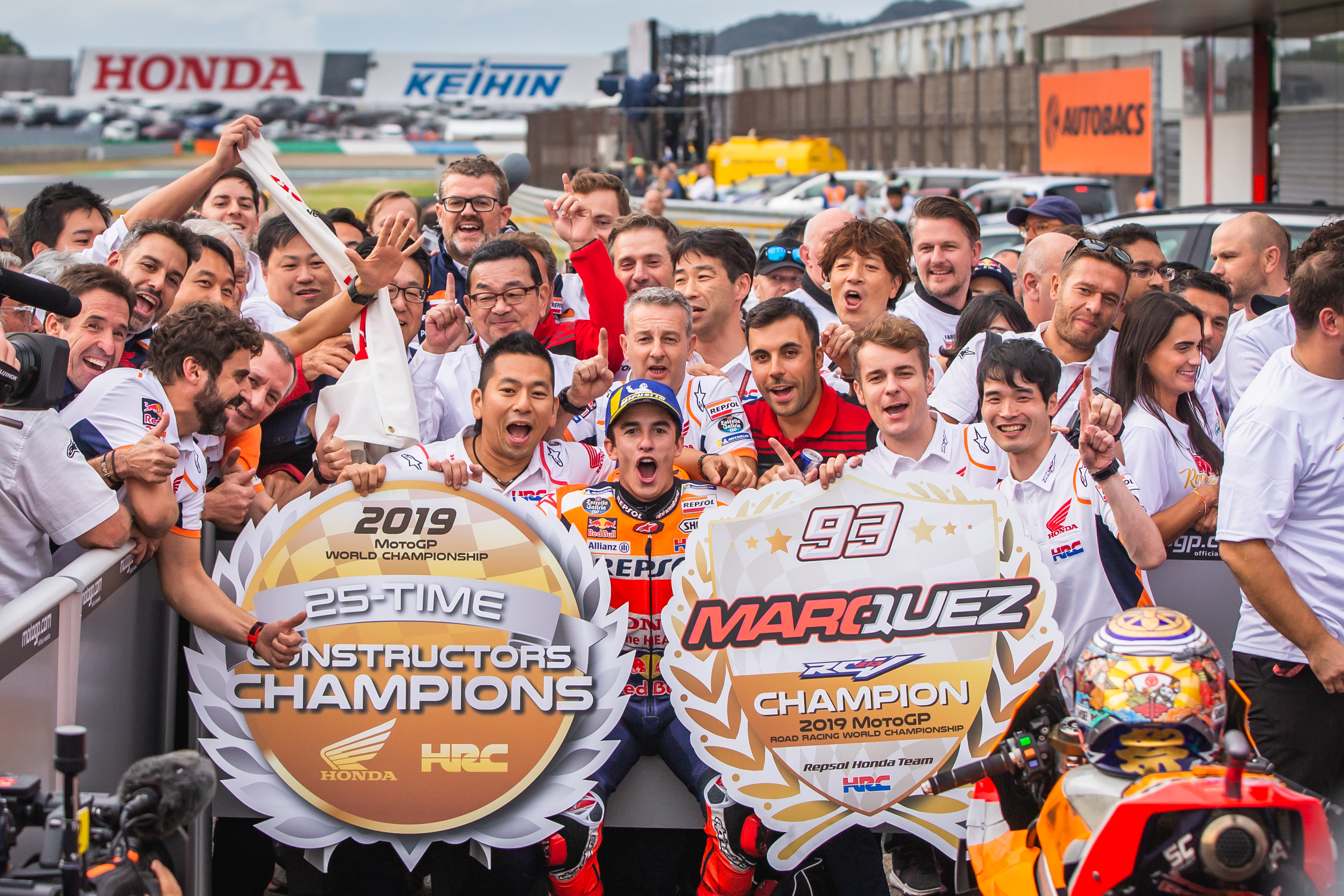
Marc Marquez won the Japanese MotoGP to give Honda their 25th Constructor’s Championship Title.
It’s a record far ahead of their rivals.
Honda won 307 races since 1966 to the present day.
Marc Marquez added another victory to his amazing 2019 season. But in doing so, Honda sealed the 2019 Constructor’s Championship. It was also Honda’s 25th Constructor’s World title in the premier class.
The title could not have come at a better venue. The Motegi Circuit is owned by Honda and is used as a test track to develop their bikes.
It was a day of breaking records of sorts for both rider and manufacturer. Having won 25 constructor’s world titles is an unprecedented record. But even more remarkable was that 20 of those were won back-to-back with the riders’ titles.
Since the RC181 in 1966 to the current RC213V, Honda grand prix machines have won a total of 307 races . It’s even more extraordinary when you consider that Honda left GP racing in 1969 and only came back in 1979. If we break that down, the win Japan was the RC213V’s seventh title, and the twelfth since GP became four-strokes and change the name to MotoGP. Additionally, it was the NSR500 that conquered the tracks between 1984 and through to 2001 with 11 titles.
That means Honda won 58.5 percent of the constructor’s championship since their return in 1979.
In contrast to Honda’s achievements, MV Agusta holds 16 championships while Yamaha has 14.
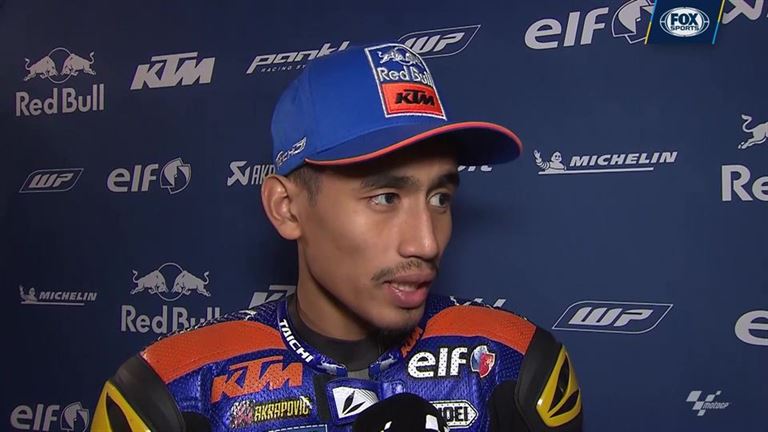
The Ministry of Youth and Sports will assist Hafizh Syahrin in his 2020 Moto2 quest.
The minister wants to ensure Hafizh’s continued presence at the world stage.
Hafizh had revealed he will not receive a salary from his team next year.
The Ministry of Youth and Sports announced that they will assist Hafizh Syahrin in his 2020 Moto2 quest.
The minister YB Syed Saddiq Syed Abdul Rahman said that the funds will be channelled through the Sepang International Circuit (SIC). He also iterated that it is the ministry’s wish to see the rider continue to campaign at the world stage.
“I spoke with Sepang International Circuit CEO Dato’ Razlan Razali and will ensure that he (Hafizh) will continue to ride in Moto2, despite Petronas being unwilling to sponsor him,” said the minister.
Hafizh had previously revealed that he will not receive a salary for riding in the Angel Nieto team next year. Conversely, he will only receive incentives should he finish on the podium. That arrangement would leave him to source for sponsors to assist in flight tickets, accommodation and training while he is overseas.
Apart from this announcement, YB Syed Saddiq also spoke up against allegations that the current government does not care about motorsports, especially after Minister of Finance YB Lim Guan Eng’s announcement of providing RM 20 million funding to develop e-sports.
He said that his ministry had provided much funding to SIC in running race teams to develop future champions.
Kawasaki I set to introduce two bikes at Tokyo Motor Show and three at EICMA.
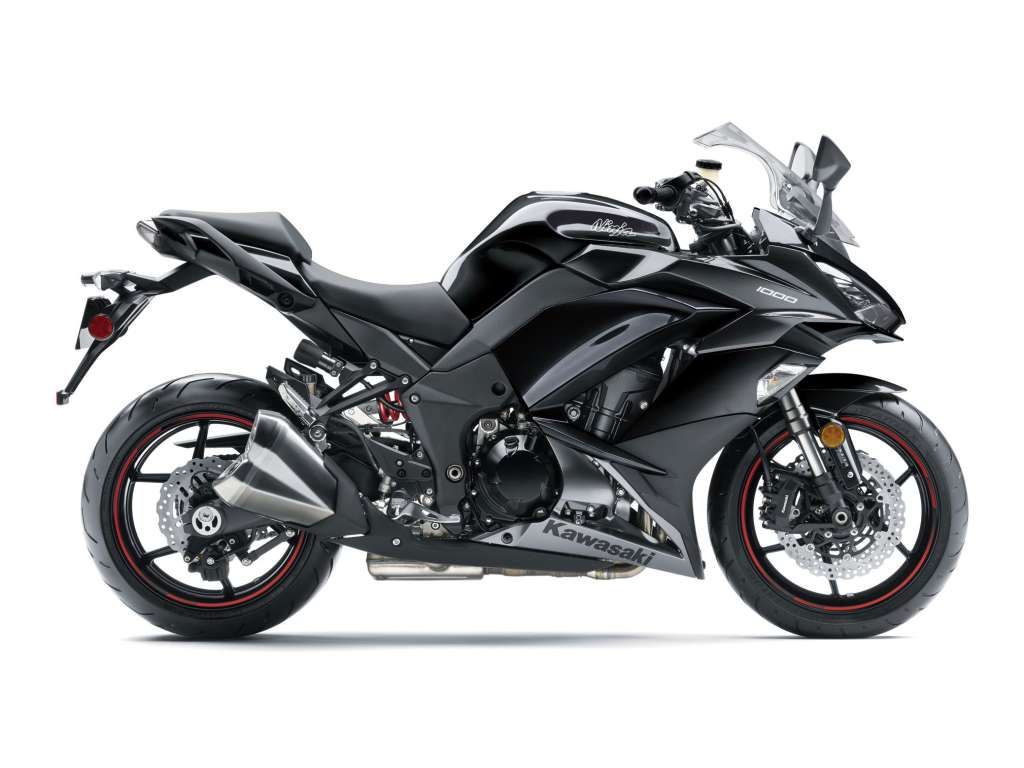
In all the excitement of the upcoming supercharged Kawasaki Z H2, there’s another bike in Team Green’s stable which has been popular through the years, and there’s an updated version — the 2020 Kawasaki Ninja 1000.
The manufacturer currently has 1000cc sport-tourers in the form of the Ninja H2 SX, Versys 1000 and the Ninja 1000 (previously known as the Z1000SX). The H2 SX was introduced last year while the Versys 1000 has been updated for this year.
So that leaves the Ninja 1000 which was last updated 2017 and compliant to Euro 4 regulations.
The new bike will be Euro 5 compliant.
Kawasaki’s plan to introduce the bike was revealed in their submission to the California Air Resources Board (CARB). Manufacturers are required to submit the emissions levels of their bikes for homologation. Another bike which had its planned introduction leaked was the 2020 BMW S 1000 XR.
Only question now is when the bike will be revealed. Kawasaki is set to debut two bikes — one of which is the Z H2 — at the Tokyo Motor Show on 23rd October (that’s just two days away!) and another three at EICMA.