Bikesrepublic

Latest News

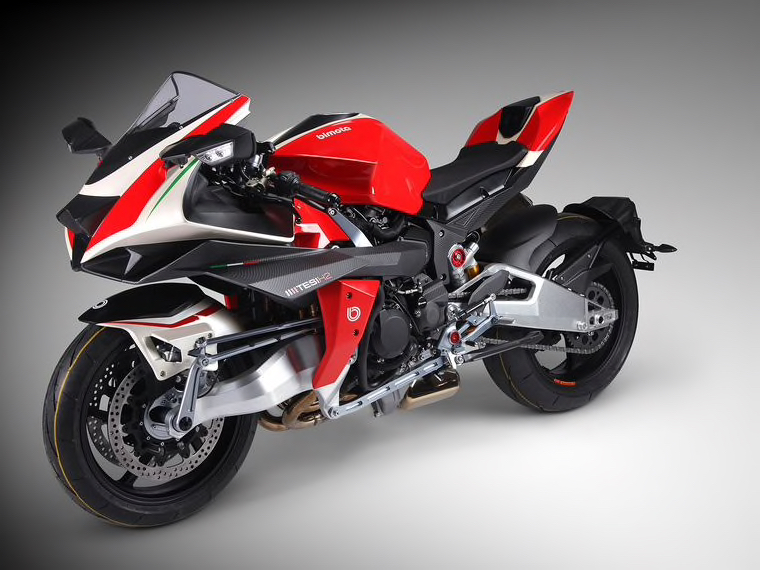
  • The Bimota Tesi H2 was launched when Kawasaki announced buying 51% of Bimota’s shares.

  • Its engine is based on the supercharged inline-Four in the Ninja H2.

  • These are the early specs of the bike.

Bimota is one company that’s seen more up and downs than a couple whose married for 30 years. It’s gone under a number of times but were rescued time and again. This time, it’s Kawasaki who handed the Rimini-based manufacturer the life jacket. They announced their buying of 51% of Bimota’s shares and unveiled the Bimota Tesi H2 at the 2019 EICMA show.

Kawasaki engines graced Bimotas before in the KB1, KB2 and finally KB3 until 1984. But this time, it’s the Ninja H2’s maniacal supercharged engine turn.
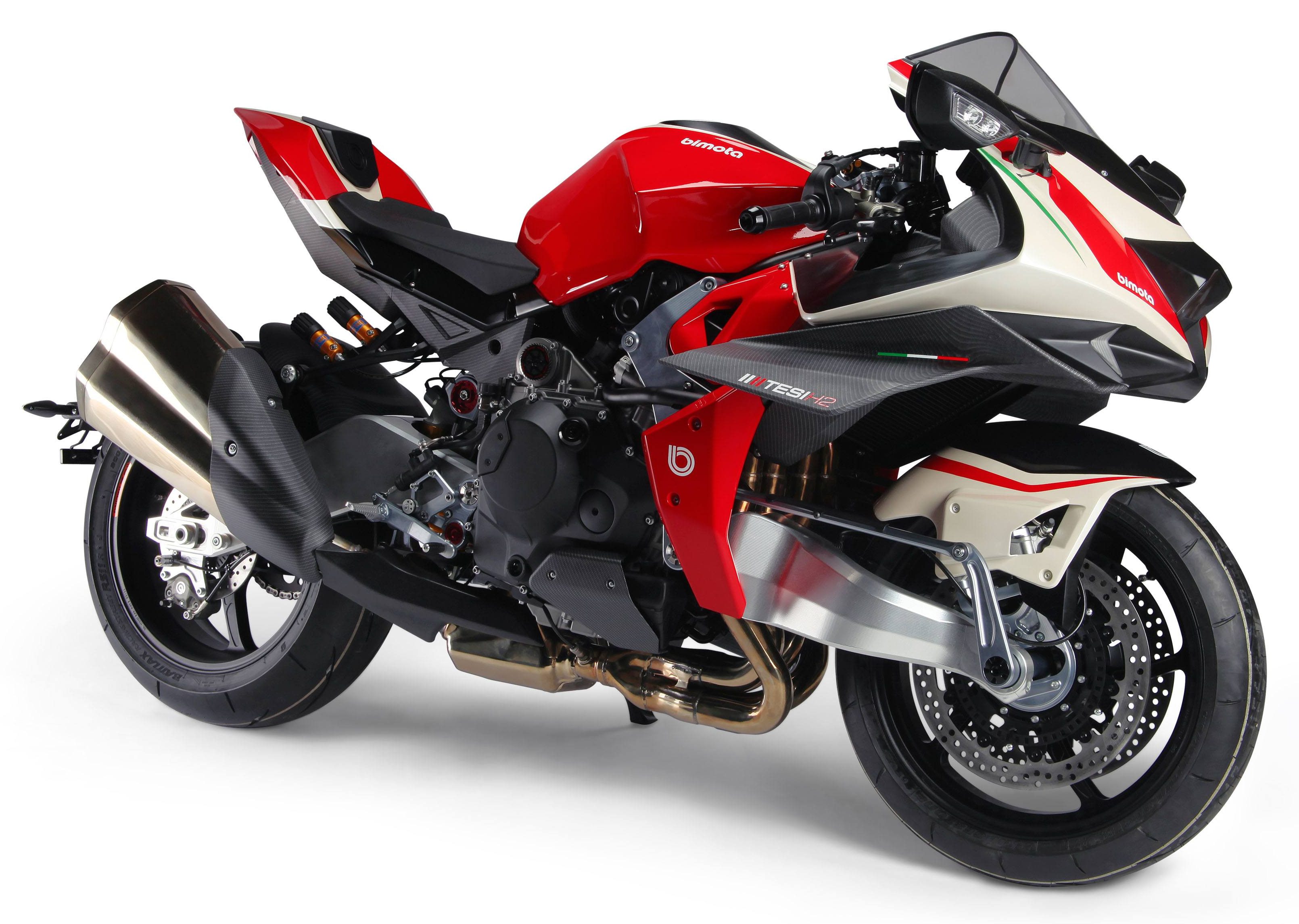
The H2’s engine platform is utilized in different guises and power outputs, ranging between 198 hp to 306 hp (without factoring in ram air) in the race only Ninja H2R. So, according to Bennets UK, the Tesi H2’s engine will be tuned to 228 hp.

The Ninja H2 is already a hefty sportbike at 238 kg, ready to ride. But the effects of the supercharger makes up for the weight penalty. There’s concern about the Tesi H2’s hub centre steering adding even more weight, but it was revealed that the bike will tip the scales at 214 kg, ready to ride. The 24 kg reduction points to the extensive use of carbon fibre.

That front swingarm may add visual length to the bike, but its overall wheelbase is actually 10 mm shorter than the H2’s.
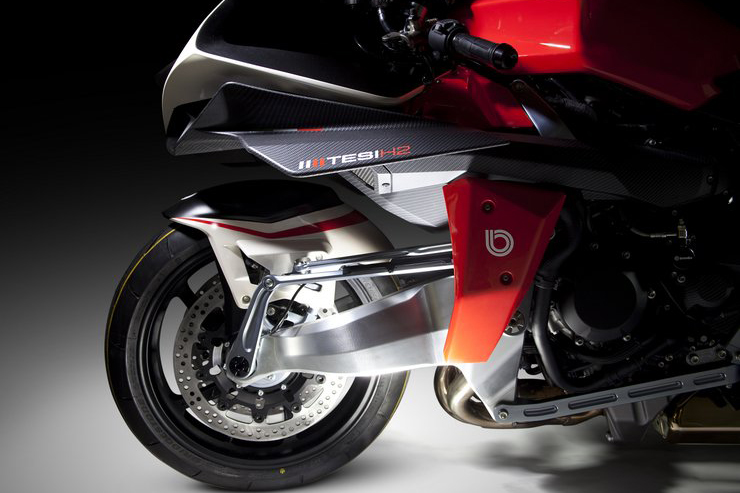
Bimota began flirting with the centre hub steering in the original Tesi 1D in 1990. Developed by designer Pierluigi Marconi as his engineering thesis (Tesi means thesis in Italian). The setup promised to revolutionise a motorcycle’s front end by removing suspension forces from steering. Forks will dive and take up lots of available stroke due to weight transfer, thereby making it difficult to turn under hard braking. Besides that, the front end’s geometry changes as the wheel moves up and down.

The concept sounds great but it produces unfamiliar feel to the rider. It’s also expensive as it doesn’t find widespread use. Still, you can be sure to get everyone’s attention when you pull up on a bike with swingarms on both ends!

The Bimota Tesi H2 is expected to cost twice more than the Kawasaki Ninja H2.
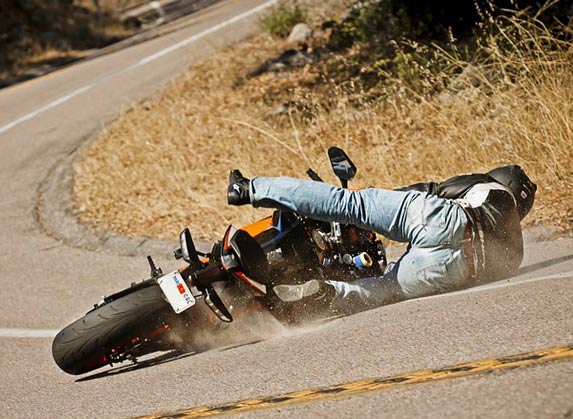
  • Normal jeans aren’t suited for motorcycle riding.

  • Saint created a material that’s 15 times stronger than steel.

  • These AA-rated riding jeans are highly resistant to abrasion.

We love jeans. Everyone does. There’s no beating the denim’s flexibility as an apparel for all occasions. They are also stronger and last longer.

But, the regular pair of jeans aren’t meant for riding a motorcycle despite being tougher than a pair of slacks. Jeans are made to made us look good and feel good on a bike, but they are not resistant to abrasion (sliding). Some of us have found out the hard way.

Saint jeans are specialized for motorcycle riders, promising to be strong and protective while being comfortable on and off the bike.

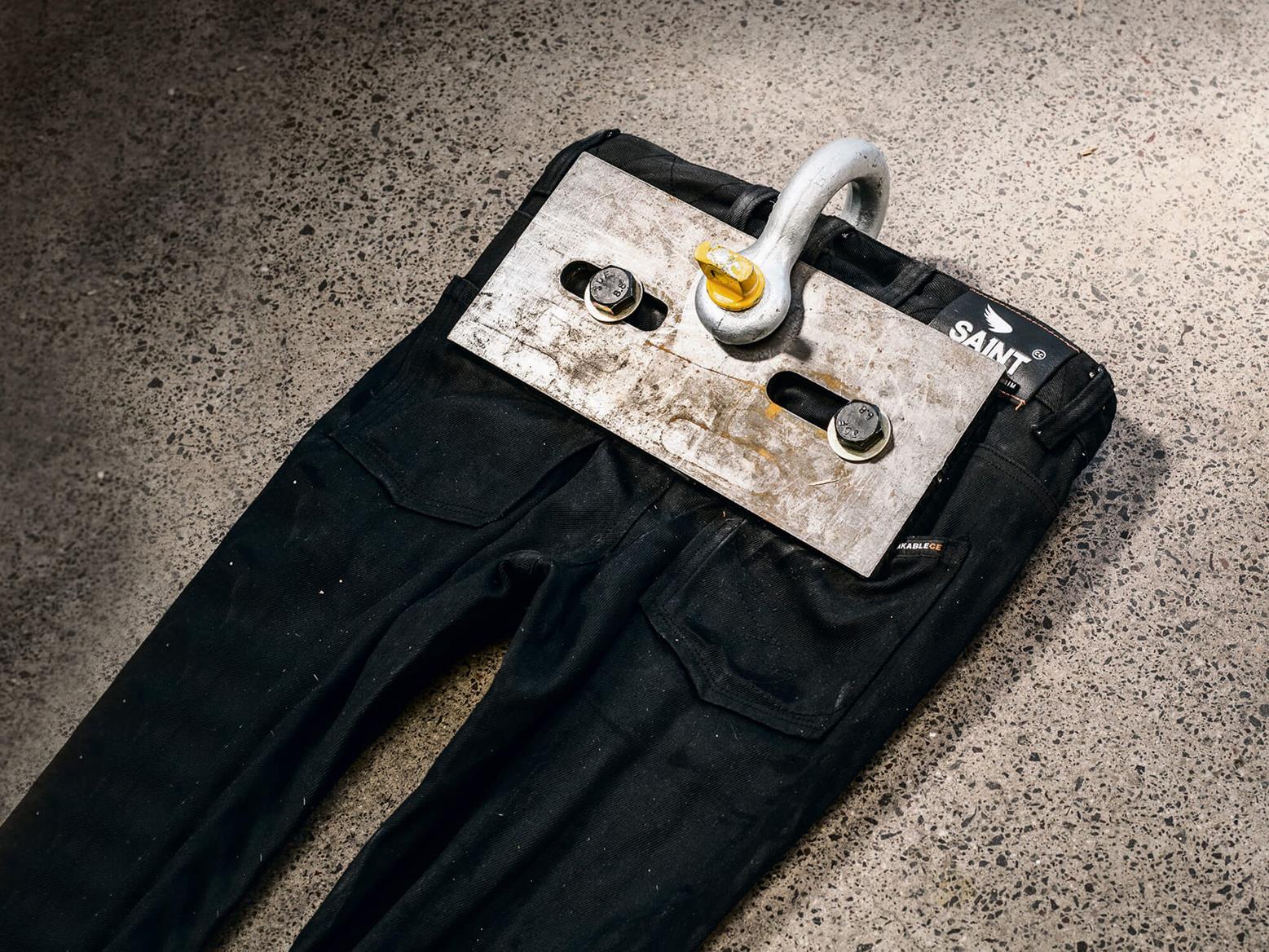
They arranged a demonstration of the strength of their new AA-rated jeans by lifting a two-tonne skip with a single layer of fabric.

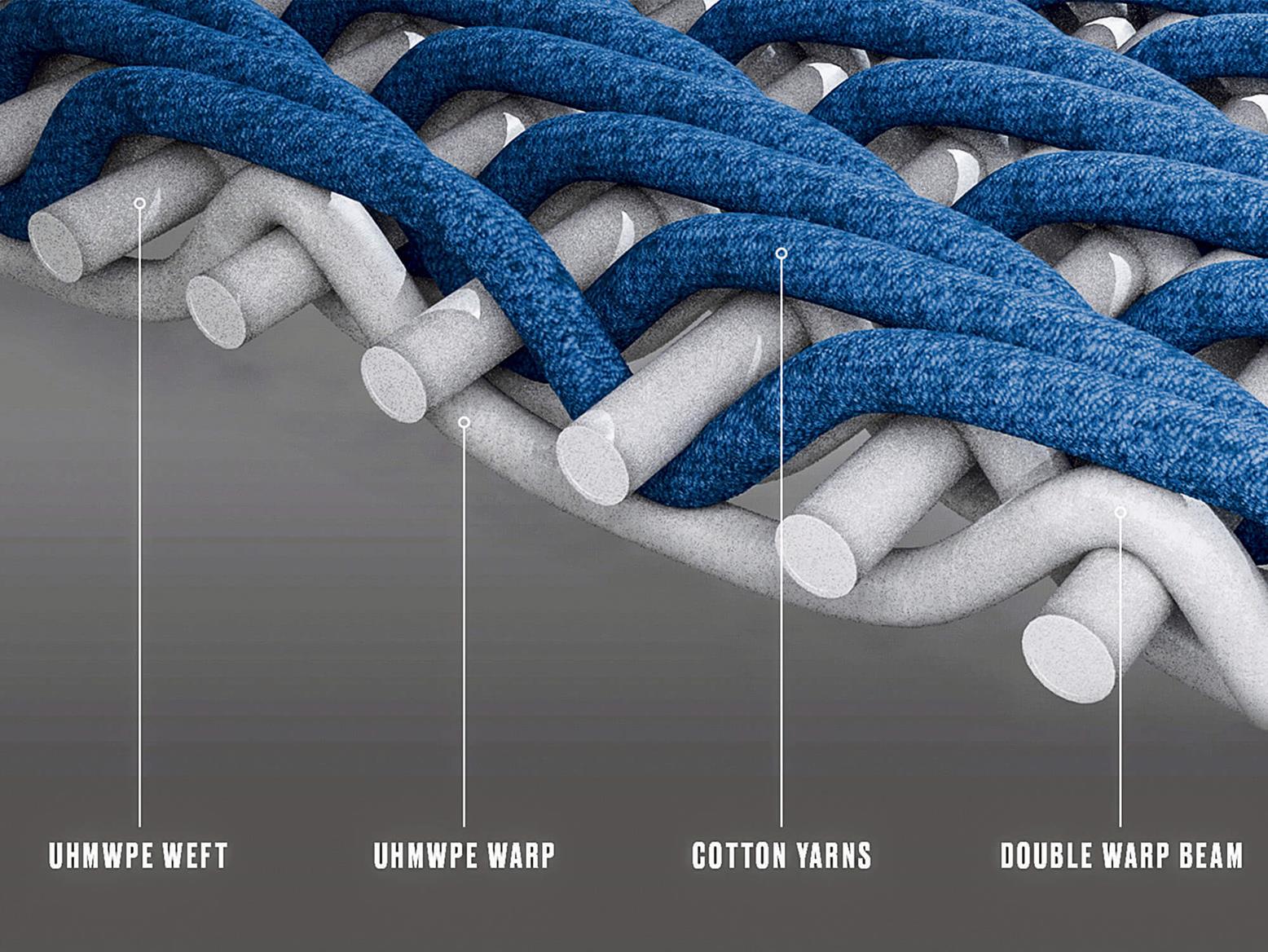
Saint uses a material called Ultra High Molecular Weight Polyethylene (UHMWPE) to achieve that strength. It’s a type of thermoplastic polyethylene named as Dyneema, which has low friction coefficient. That means it doesn’t stick and tear when sliding.

Dyneema is then weaved into the fabric along with aramid. This combination boosts abrasion resistance by 70 percent. Dyneema is so strong that using just half the amount is already twice stronger compared to regular jeans in terms of tensile strength. In fact, the material is 15 times stronger than steel.

A pair of Saint jeans aren’t cheap, but body parts such as the bum and knees have no replacement.

  • To recap, Malaysia doesn’t acknowledge DOT certified helmets.

  • Part of the reason is due to their self-certification method.

  • A lab has found a 43 percent failure rate since 2014.

Unless you’ve just returned to Earth after being “taken on a tour” by aliens, you probably already know that the Road Transport Ministry (JPJ) of Malaysia doesn’t acknowledge DOT certified helmets. It’s due to a number of reasons, but more alarmingly, testing has uncovered a 43 percent failure rate.

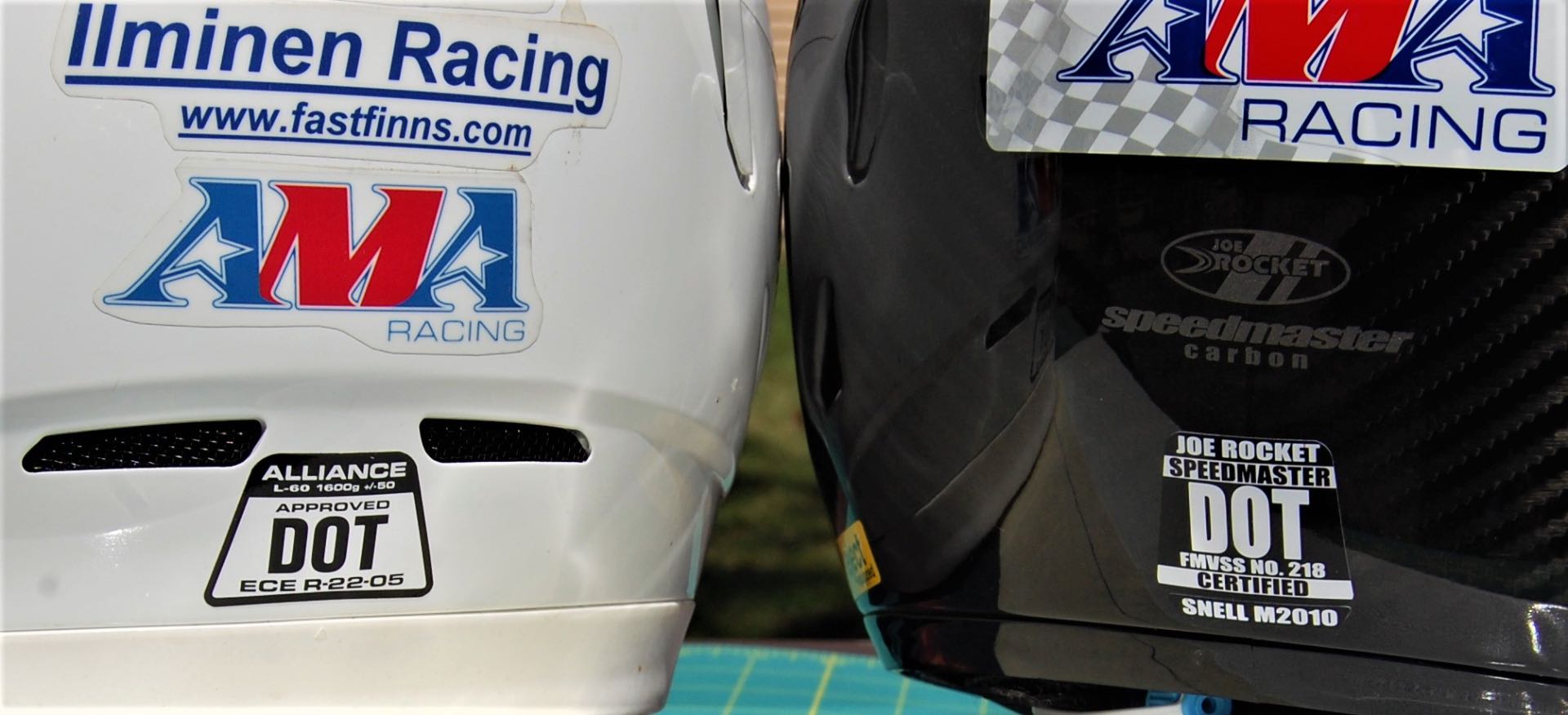
You see, DOT certification is based on trust placed by the US National Highway Traffic Safety Administration (NHTSA). As such, the manufacturers self-test the helmets to the current DOT FMVS 218 standard and apply the label. The DOT doesn’t require the helmets to be tested by an independent lab prior to sale.

ECE, SNELL Foundation, SHARP certified helmets conversely, were sent to labs for testing and certification before hitting the marketplace.

However, the NHTSA contracts the services of Act Labs to purchase batches of DOT-certified helmets from the market and test them.

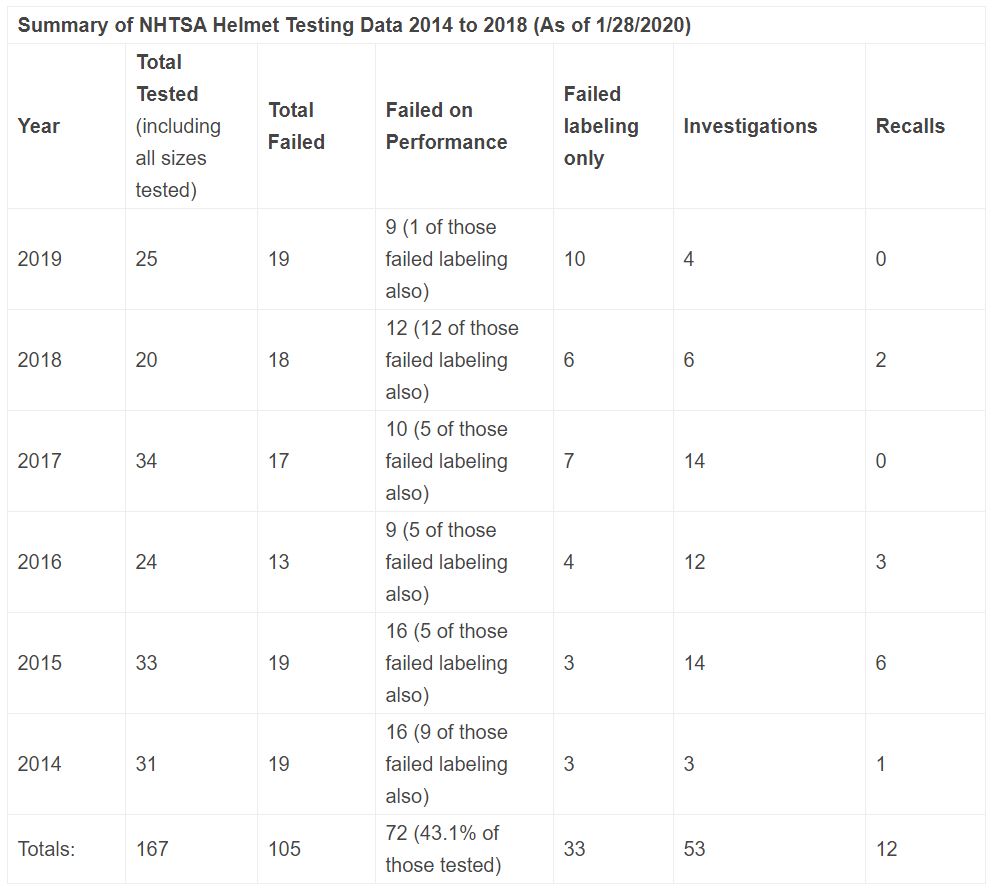
Please refer to the table below, courtesy and credit to RideApart.com.

The data averaged over 6 years from 2014 to 2019 showed that 43.1 percent had failed in testing, while 62.8 percent failed labeling regulations.

The NHTSA imposes a heavy fine of USD 5,000 per helmet that do not meet the FMVS 218 guidelines. They may also force the manufacturer to recall the helmets but only 12 of the 72 that failed were pulled off the shelves, thus far.

DO NOTE that helmets with both DOT and ECE certifications are fine, as the they were also tested to ECE standards.

The NHTSA publishes the brand, model, test results and investigation status (since 2003) in a compliance database. You can >>> click here <<< for more details.

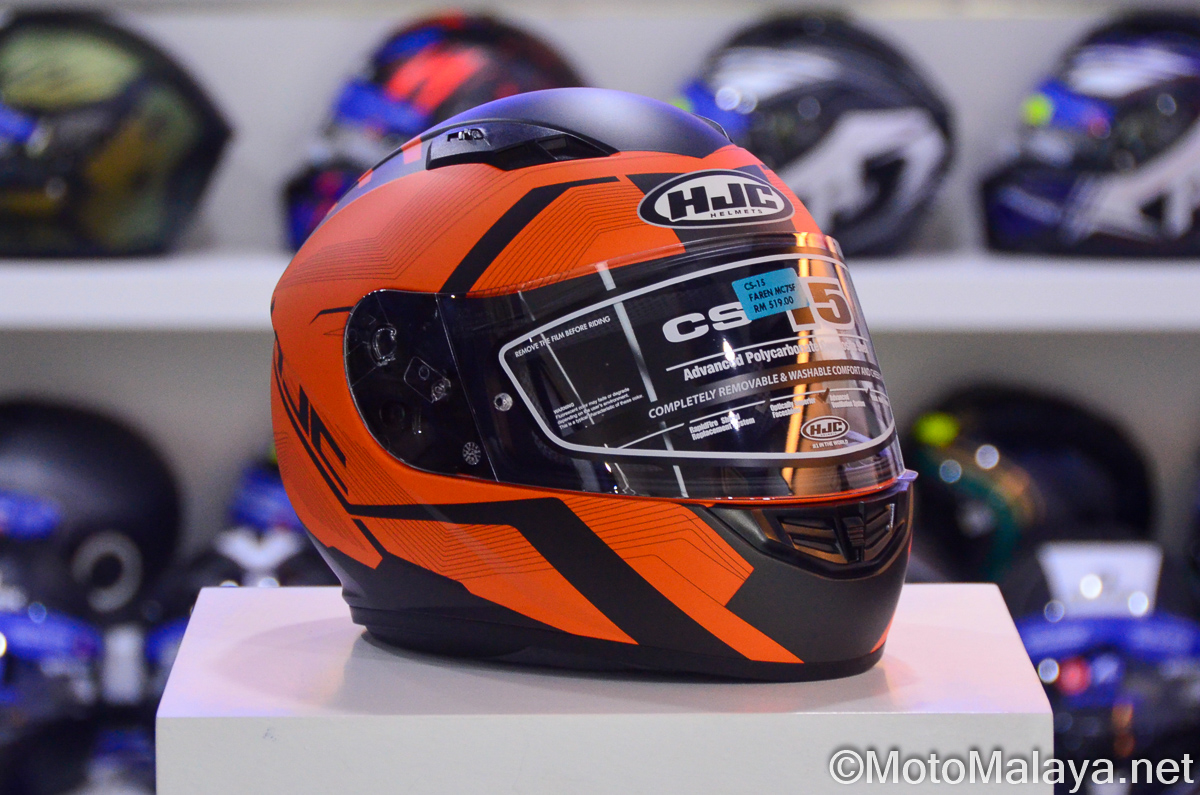
The Modenas Power Store in Kota Damansara is currently going strong with its 2020 promotions, folks. Those who service their Modenas bikes here will stand a chance to win a monthly grand prize of a brand new HJC CS-15 full-face helmet! (more…)

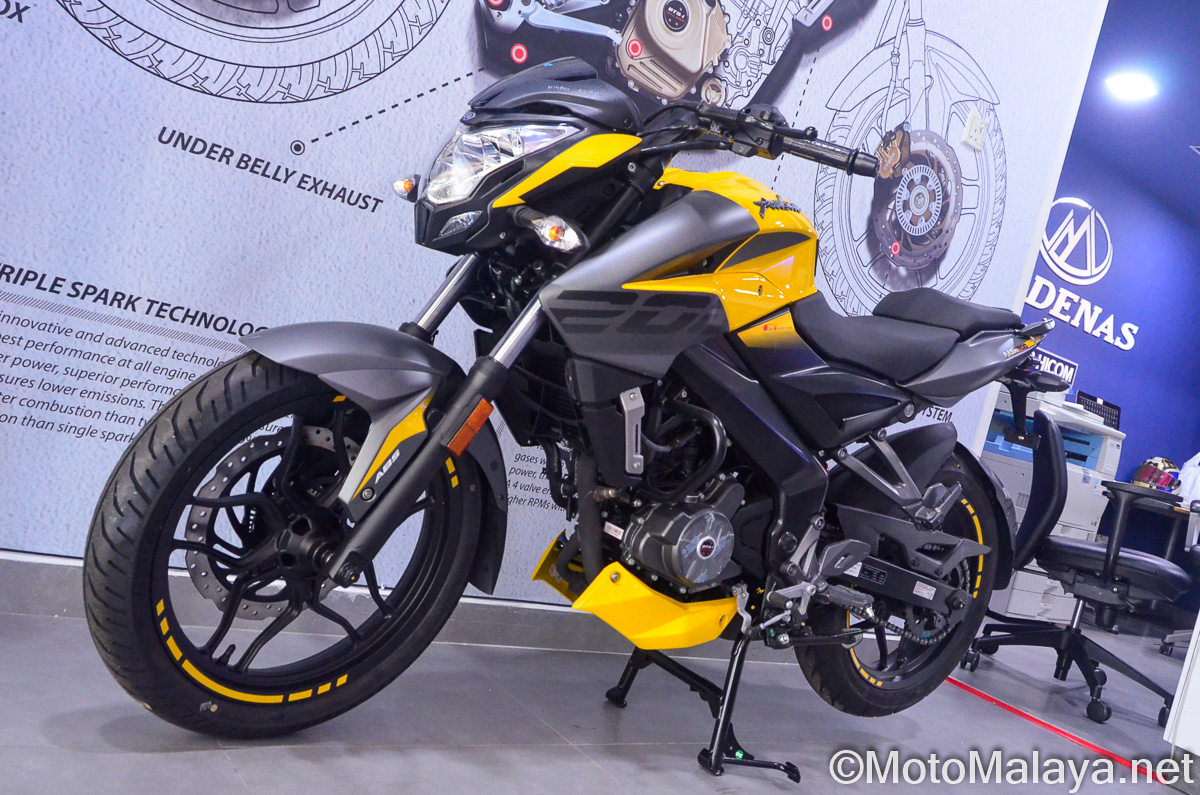
Looking for an awesome yet affordable street bike? The Modenas Power Store in Kota Damansara has just received the shipment on a bunch of brand-new 2020 Modenas Pulsar NS200 ABS and this coming weekend (15-16 February 2020) is your chance to try it out! (more…)

  • There is always something to learn when riding.

  • Sometimes these hard knock lessons can be funny.

  • The important thing is to learn from them.

I’ve had my share of hard knock lessons over the years. Oh yes, the mistakes and subsequent crashes were painful when the blood starts oozing. Looking back, though, they were funny ones when I just learned to ride. But I thankfully walked away from them.

So, here are a number of funny and painful lessons I learned. Hope you can take away from knowledge from these.

The Chicken Coop

I was 11 years-old when my family and I visited my Mum’s ex-classmates in Padang Serai, Kedah. They had a chicken farm where they harvested the eggs.

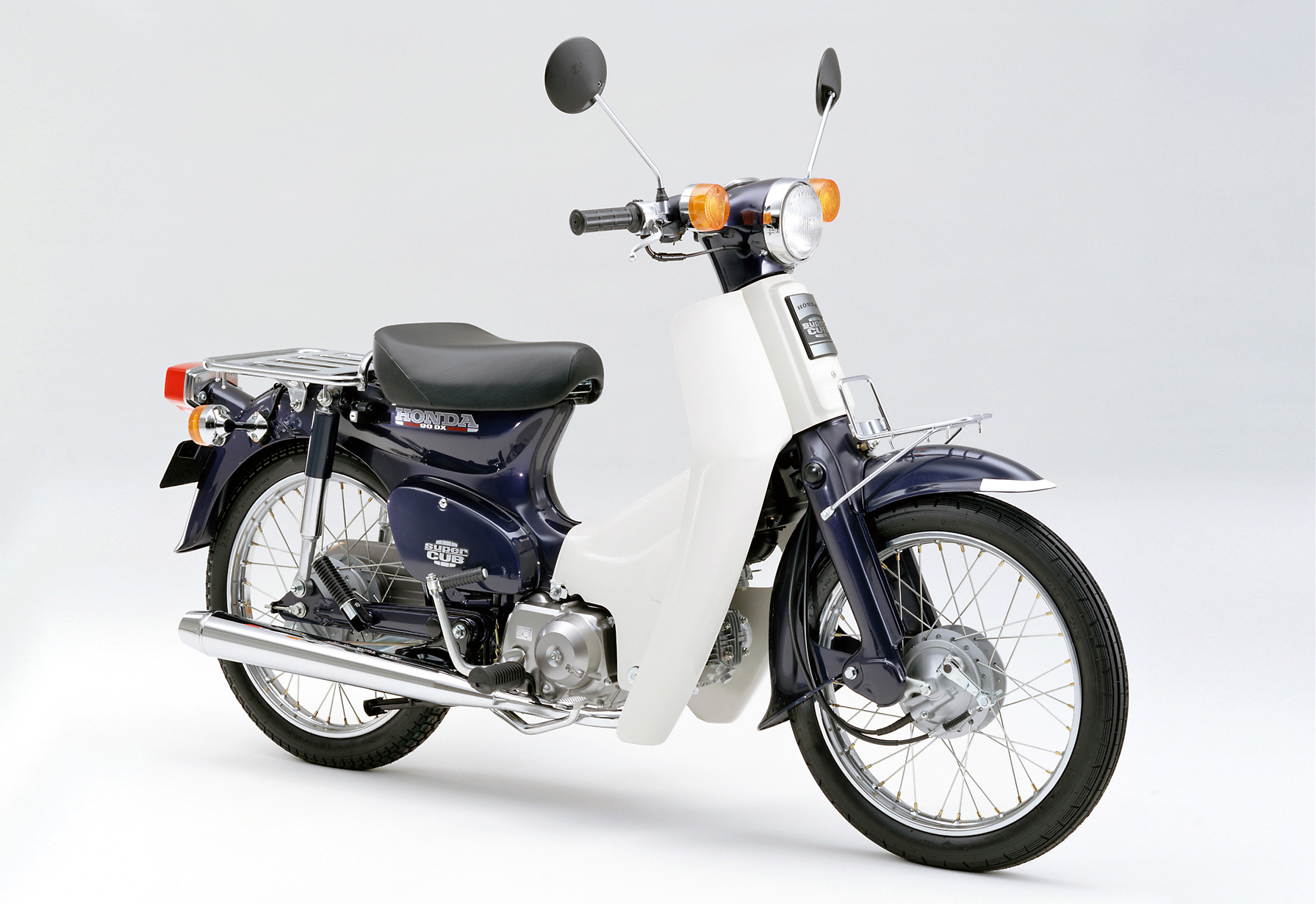
One of her friends had an old Honda C90.

His 15-year-old son taught me how to ride on the loose pebble path next to the house which wound all the way into the farm. He showed me how to accelerate, shift gears, stop. The tricky thing was, the C90 had three gears arranged like on a big bike. Step the back of the see-saw lever for first gear, step to the front for second and third.

He told me that I may not be able to handle starting off in first, so it’s better to start in second (pressing forward). I rode around a couple of times and they were confident enough to leave me alone to enjoy my new-found toy.

I woke up the next day and looked out the window. The bike was there so I asked for the key and got it without question. And off I went up and down the trail. I didn’t even have breakfast.

There’s just something about the wind in my face and hair and body that I liked. So, like all self-respecting rider, I decided to go faster.

I twisted the throttle all the way, but the bike hesitated to go faster. Remembering the advice to shift gears I slammed my foot into the back part of the lever. I had forgotten the shift pattern, see. Thus, instead of going into third, I had downshifted into first.

As soon as that happened, the engine gave out a huge roar, the rear tyre slid on the pebbles and came around.

Both bike and I slid down the path, heading for a coop. I somehow stood up halfway through the slide, but the bike continued its path and went under the coop into a pile guano. I stumbled like a runner tumbling at the finish line and smacked into the enclosure.

When I opened my eyes, I was kneeling on the ground with my face on the wire mesh of the coop and eye-to-eye with a fat chicken that was flapping its wings like a mad feather duster, screaming its lungs out. I felt something wet and sticky on torso. I thought I was bleeding but it turned out to be fresh eggs smashed onto my chest. (Egg Boy had nothing on me!)

Everyone came out of the house upon hearing the commotion.

My Mum’s friends had a look of fright at first then started laughing. My friend was doubled over with laughter. My Mum, on the other hand, was yelling everything incoherent like aliens have just attacked the world.

Lesson learned that day: Always remember how the bike works. The C90 survived, by the way.

Archive

Follow us on Facebook

Follow us on YouTube