Bikesrepublic

Latest News

TEN BIGGEST MOTORCYCLING BUNGLES (PART 1)

Mistakes don’t only happen on a personal capacity; it goes all the way to the corporate and national levels too. There are plenty of examples to cite in the history of motorcycling, but here are the ten biggest boos-boos.

1. MOTORCYCLE INFERNO
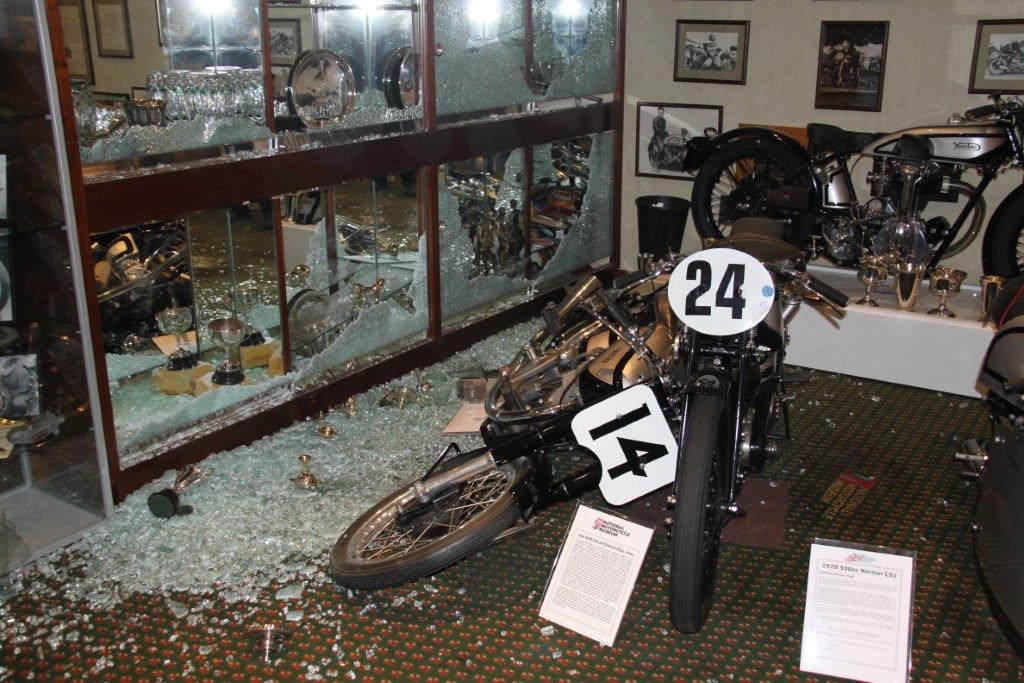
The UK’s National Motorcycle Museum at Bikenhill, Solihull, holds the largest collection of British motorcycles, totaling more than 850 bikes at the present day.

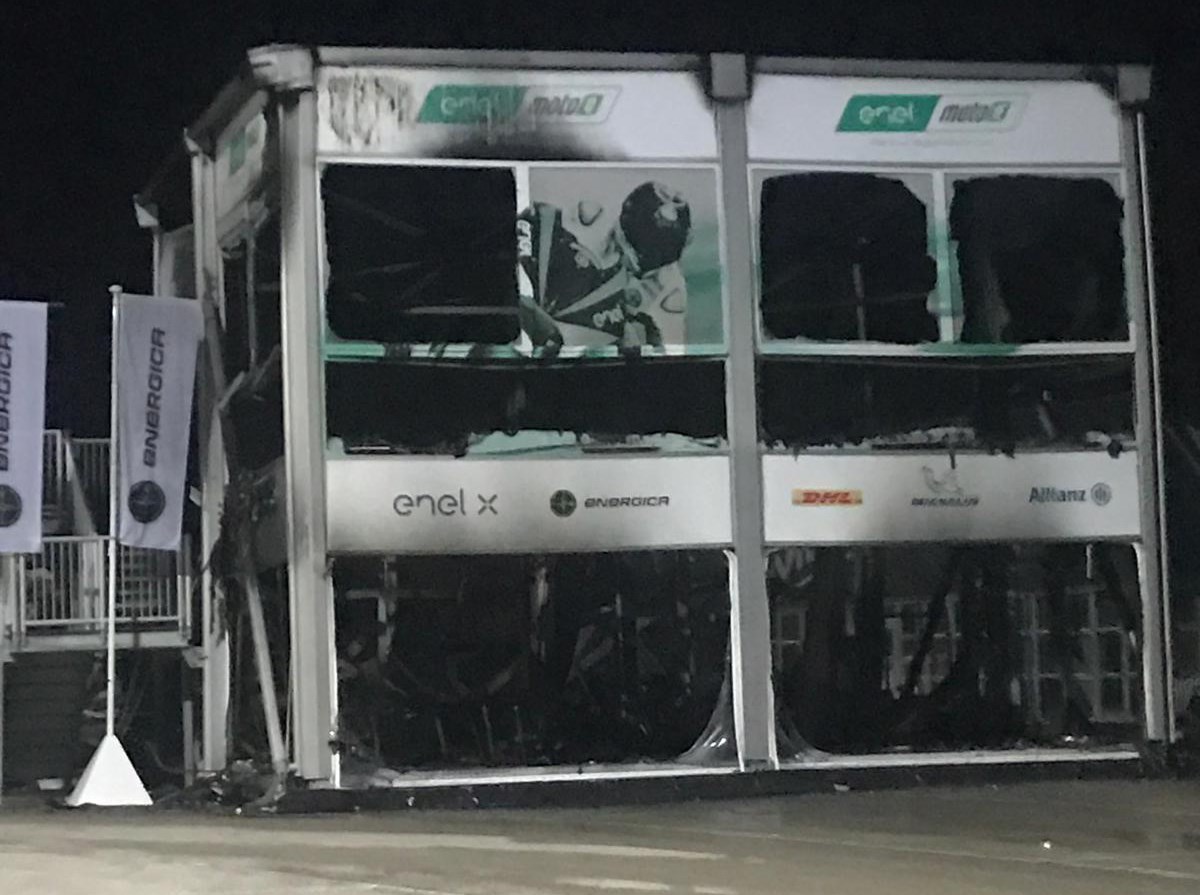
But in 2003, a fire broke out and destroyed three of the five exhibition halls. A group of people who were attending a conference at the grounds and museum staff had managed to rescue some 300 motorcycles, but a total of 380 exhibits were lost, among them the rarest and irreplaceable.
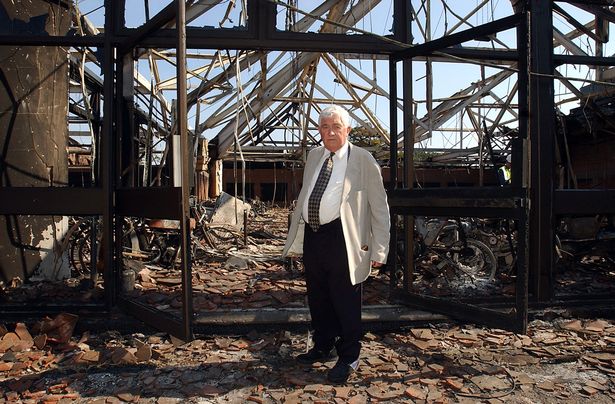
The museum has since been rebuilt at a cost of £20 million, including the installation of a £1.2 million sprinkler system. 150 destroyed and damaged motorcycles managed to be restored to showroom condition.

Cause of the fire? A worker who had gone outside for a smoking break threw a still burning cigarette butt into a pile of cardboards containing air-conditioner filters.

2. WIDOW MAKER
The Suzuki TL1000S was launched in 1997 as their answer to the Ducati 916’s domination.
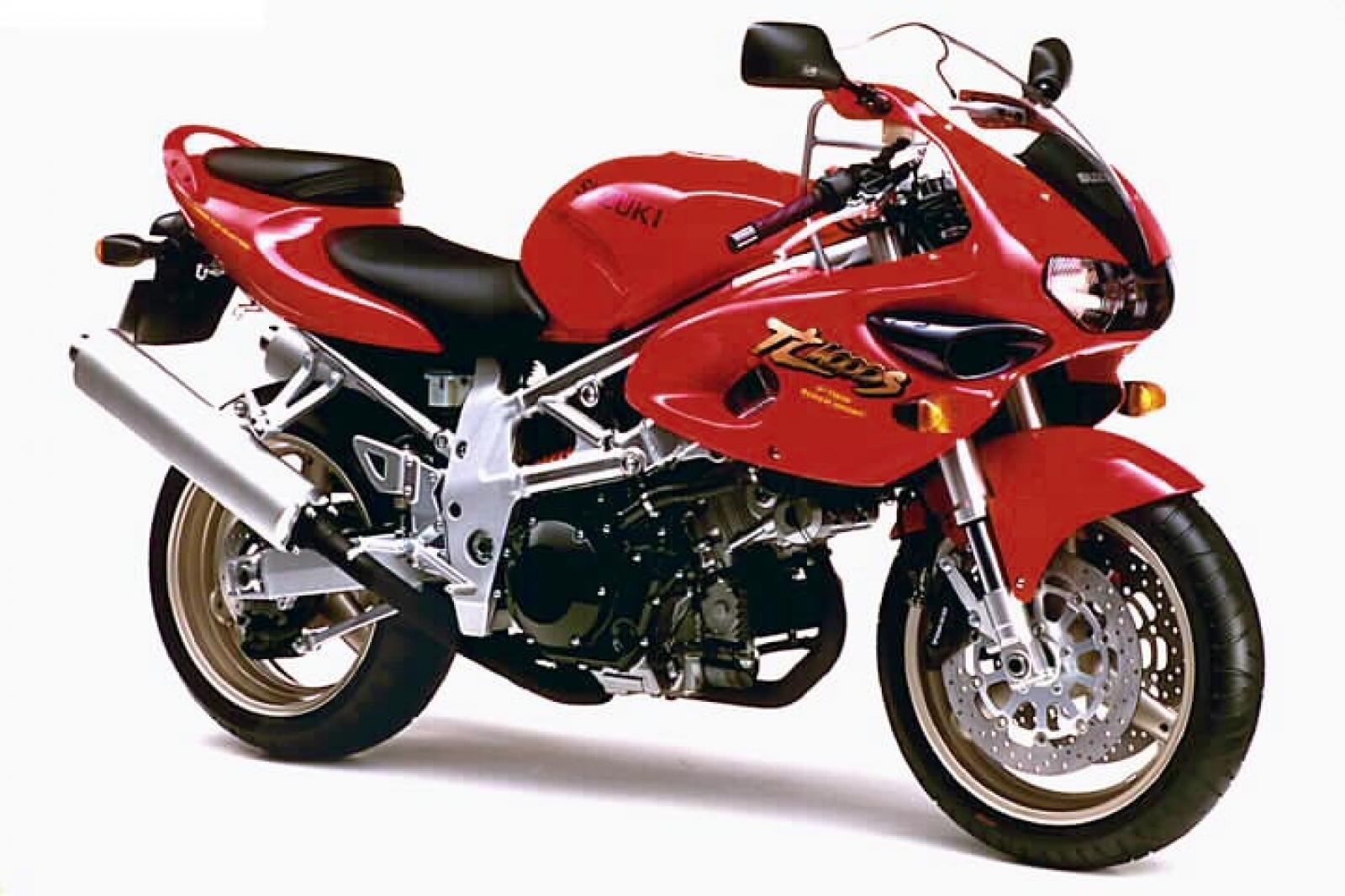
A 90-degree V-Twin needed to have its forward cylinder placed near horizontal to put some weight on the front wheel. This, however, made the entire engine longer fore-and-aft. Engineers had to find a solution to maintain a short wheelbase short wheelbase for a quick-steering bike. The compromise is usually found by shortening the swingarm.

A longer swingarm is more ideal as it allows the rear to ride faster during acceleration. A shorter swingarm has the opposite effect of not rising fast enough, causing weight to transfer off the front tyre. As a result, the bike goes wide when power is applied in mid-corner, necessitating the rider to wait until the bike is almost upright and pointed at the corner exit before opening the throttle – a time-wasting process.
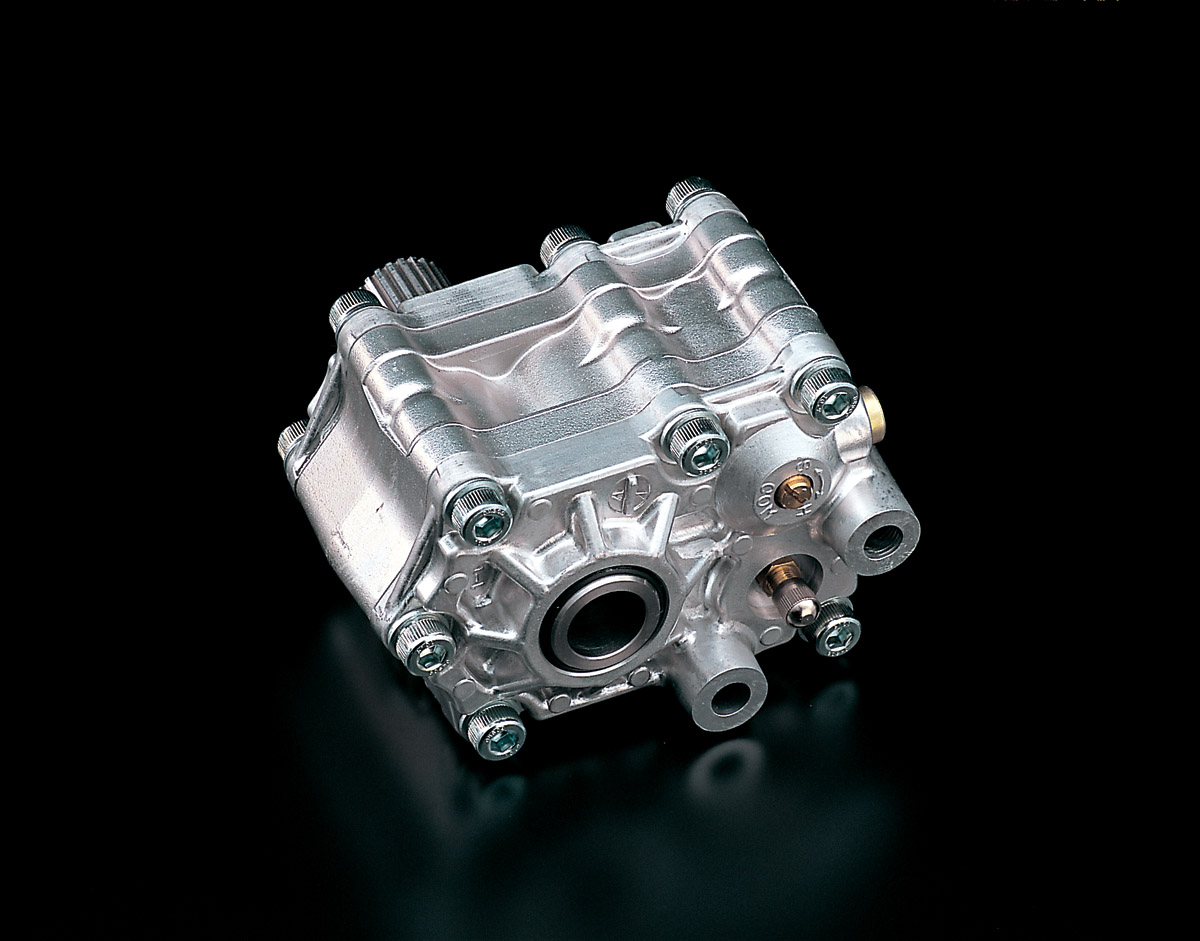
Suzuki was aware of this conundrum; hence in order to keep a longer swingarm while maintaining an overall shorter wheelbase, they worked with suspension specialists Kayaba and introduced a rotary damper. The rotary damper contained the functions of compression damping and rebound damping in one compact unit, removing the functions of the spring and shock absorber.
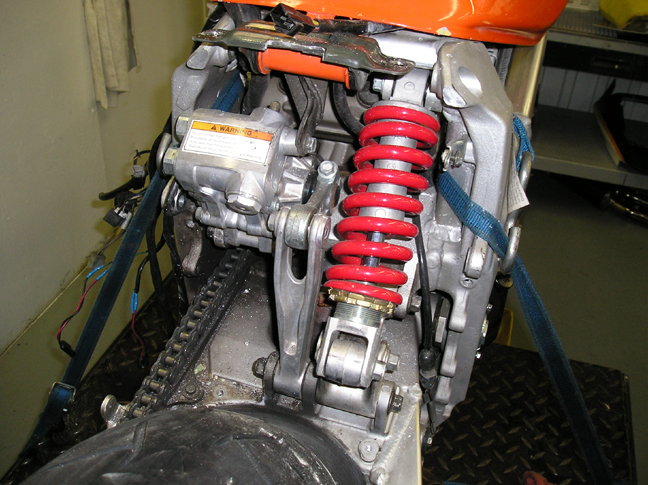
The TL1000S did well initially but then “problems” started to emerge from the UK.

The rotary damper seemed to have overheated quickly and was under-damped, which resulted in handling issues.

There were claims of tank-slappers which caused in at least one fatality, among a series of crashes. The TL1000S was soon dubbed a “widow maker.” Blame fell on the rotary damper. Suzuki decided to recall the bikes to retrofit steering dampers.
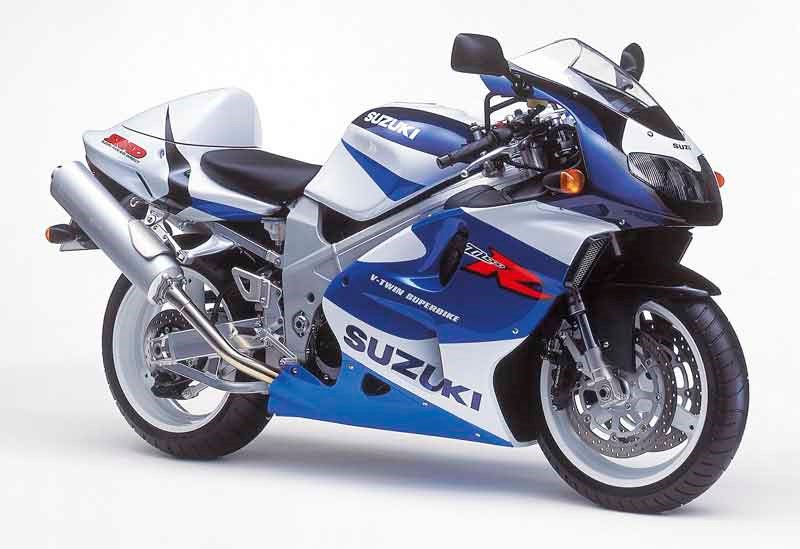
However, Suzuki went ahead and launched the fully-faired TL1000R the following year, still with the rotary damper. It was a beautiful bike but it somehow steered lazily and felt overweight.

The TL1000 series was cancelled six years later together with the rotary damper concept. That’s a shame because experienced riders maintained that the TL1000S was unstable due to its powerband, instead of a bungle with the rotary damper.

3. DOUBLE STROKE
A two-stroke produces power in every two complete piston strokes, as opposed to a four-stroke engine. Consequently, it (theoretically) produces twice the power compared to a four-stroke of the same capacity. Also, a two-stroke is lighter as it consists of fewer parts.
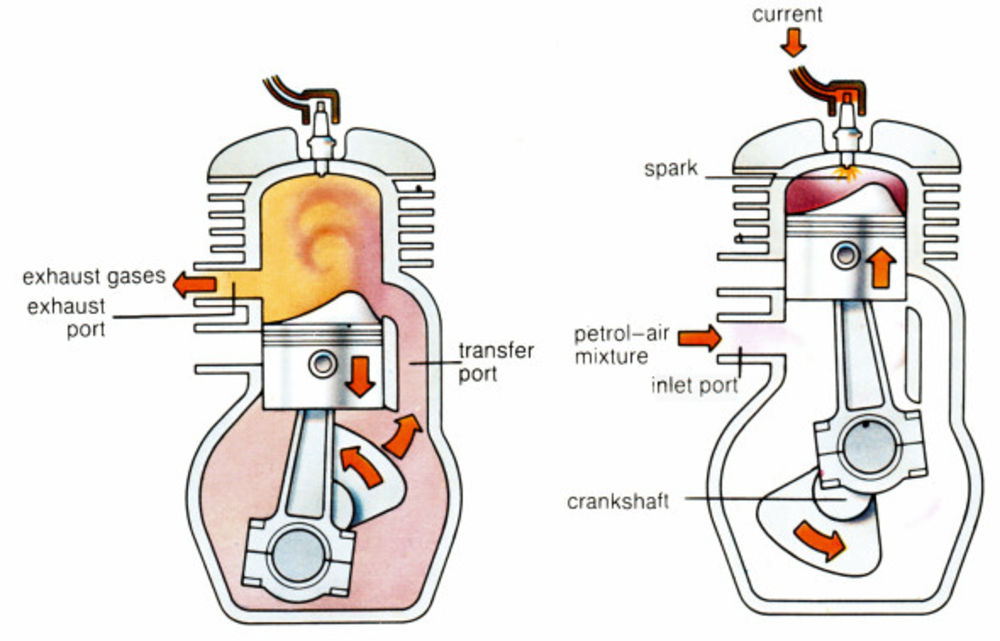
 

However, two-stroke engines are inherently filthy, as some of the unburnt fuel-air mixture seeps into the environment, in the form of the signature bluish-white smoke. The EPA and EU’s regulations on emissions were getting tougher all the time and the two-stroke’s existence was becoming endangered.

Bimota gambled (as they always did) by using fuel injection, featured in their first ever self-produced engine and introduced in the model called V-Due 500 (V-Two in Italian), in 1997. It was hailed as the 500cc GP racer with lights.
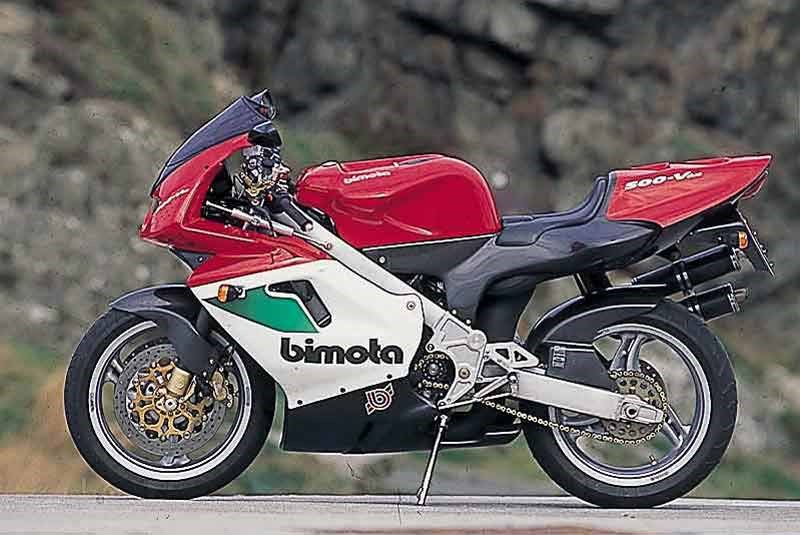
It was a Bermuda Triangle.

The V-Due’s powerband was narrower than a biscuit is thick, due to poor fuel-injection programming. The delivery was erratic at steady throttle openings, only to suddenly blast off at higher RPM’s.

If that’s not bad enough, it had the reliability of a politician. There were electrical faults, tendency to foul the sparkplugs, and piston and crank seizures (as the “2T” wasn’t premixed, instead pumped in like a 4-stroke engine’s oil).

For a bike that cost $30,000 in 1997.
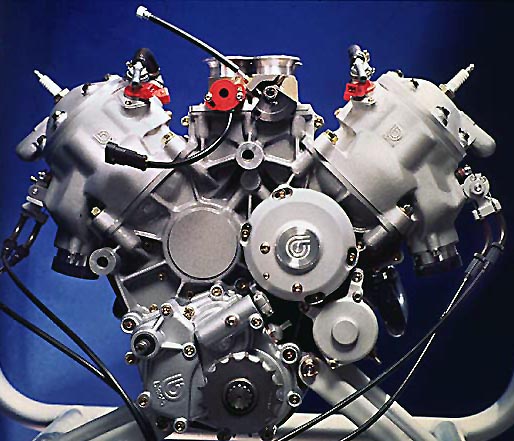
Bimota began to accept returns and released the Evoluzione upgrade in 1998, binning the fuel injection for Dell’Orto carburetors. All of Bimota’s efforts were caught up in trying to make the V-Due work.

This was one bungle the already cash-strapped Bimota couldn’t handle. They went bankrupt in 1999.

4. I’VE A BAD FEELING ABOUT THIS
Surely there were times when we thought certain decision were the best, only to lament what may have been later.

In 2003, a TV production house had approached KTM to sponsor a couple of 950 Adventure and the logistics for a round-the-world mini-series called Long Way Round, starring superstar Ewan McGregor and his buddy Charley Boorman.
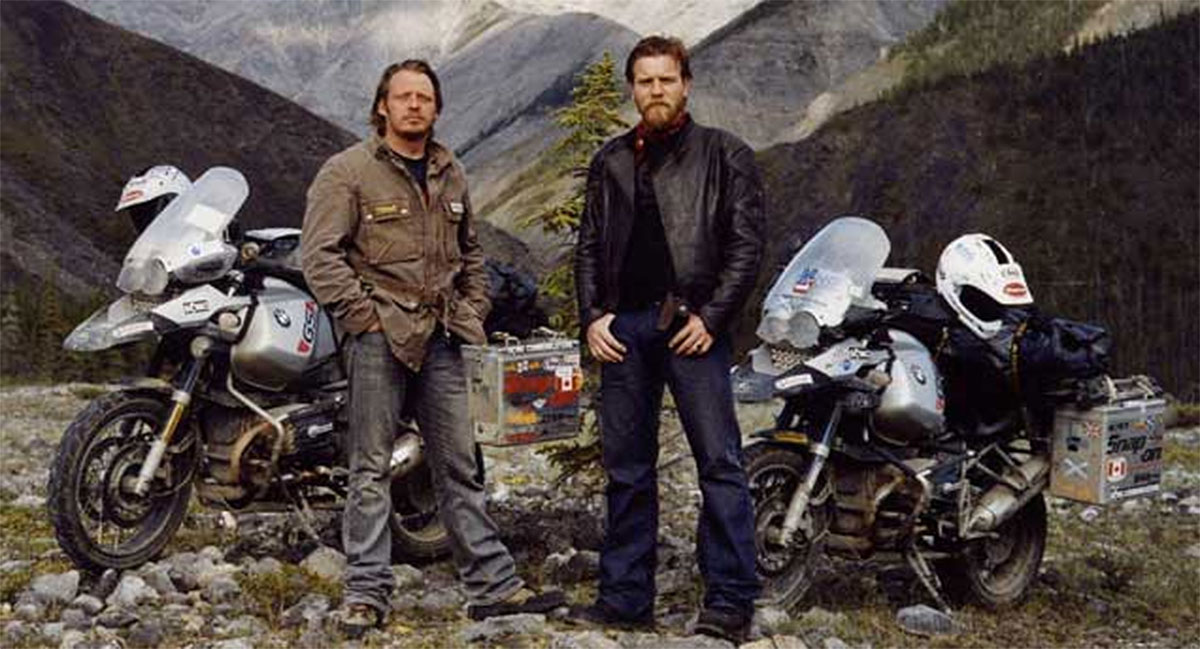
Incredibly, KTM passed up on the project, so the producers pitched the idea to BMW, instead, who jumped on it with glee. That acceptance translated to an unprecedented global awareness, besides new-found affinity to the BMW R 1200 GS.

“In an ideal world we would have loved to have supported them, but at the time we decided against it,” bemoaned a KTM spokesman of their biggest PR bungle.

5. THE (UGLY) DUCKLING
The Cagiva Group sold 51% of their shares in Ducati to the Texas Pacific Group (TPG), in 1996. Having acquired the MV Agusta brand in 1991, Cagiva decided to focus more on the legendary marque.

Massimo Tamburini, perhaps the greatest motorcycle designer who ever lived and father of the Ducati 916, went on to head the Cagiva Research Center (CRC) and produced the first MV Agusta F4 in 1998.
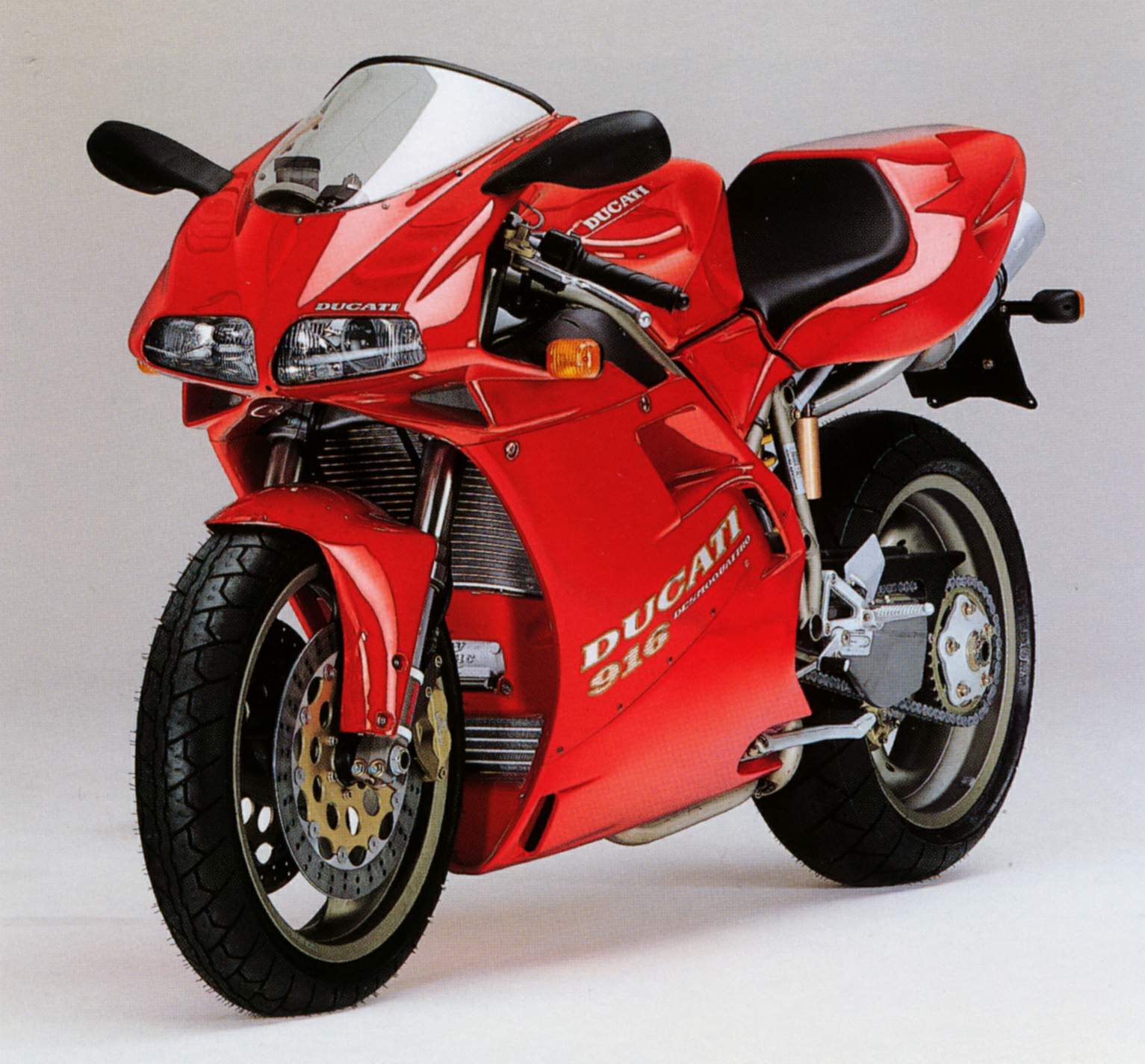
On the other side, South African Pierre Terblanche, who had designed the unique Ducati Supermoto racer, and later the ST2 and ST4 sport-tourers was put in charge of designing the Ducati 916’s replacement.

Unveiled in late-2002, it was the 999.
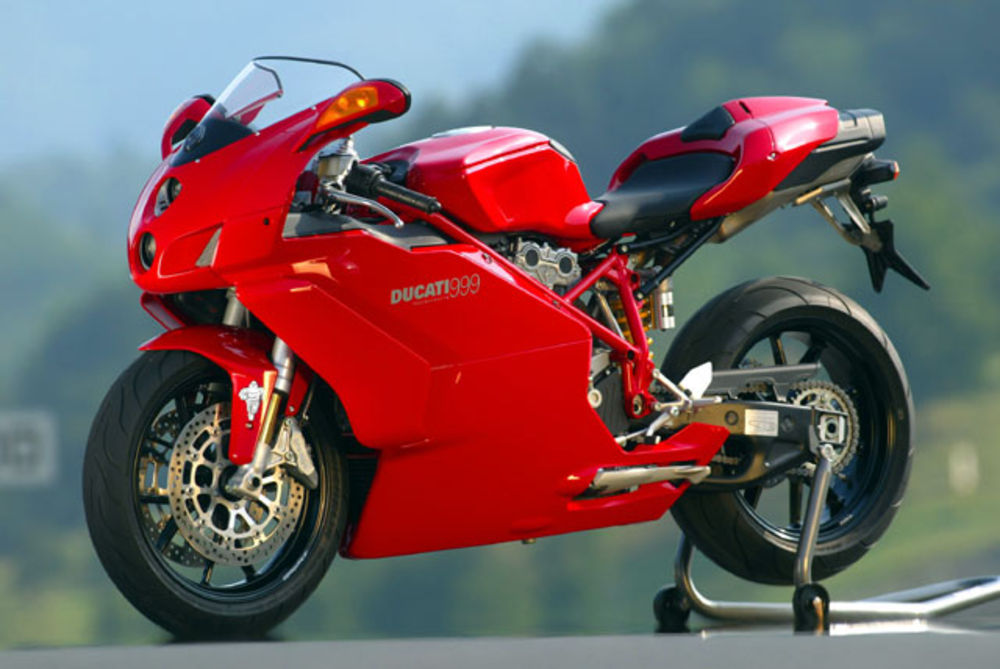
La infamia!” screamed the Ducatisti who immediately set upon it with the passion of a lynch mob, despite being a better motorcycle to ride than the 916. Almost no one liked the design. It was said that the last units of the 996 in the UK outsold the 999.

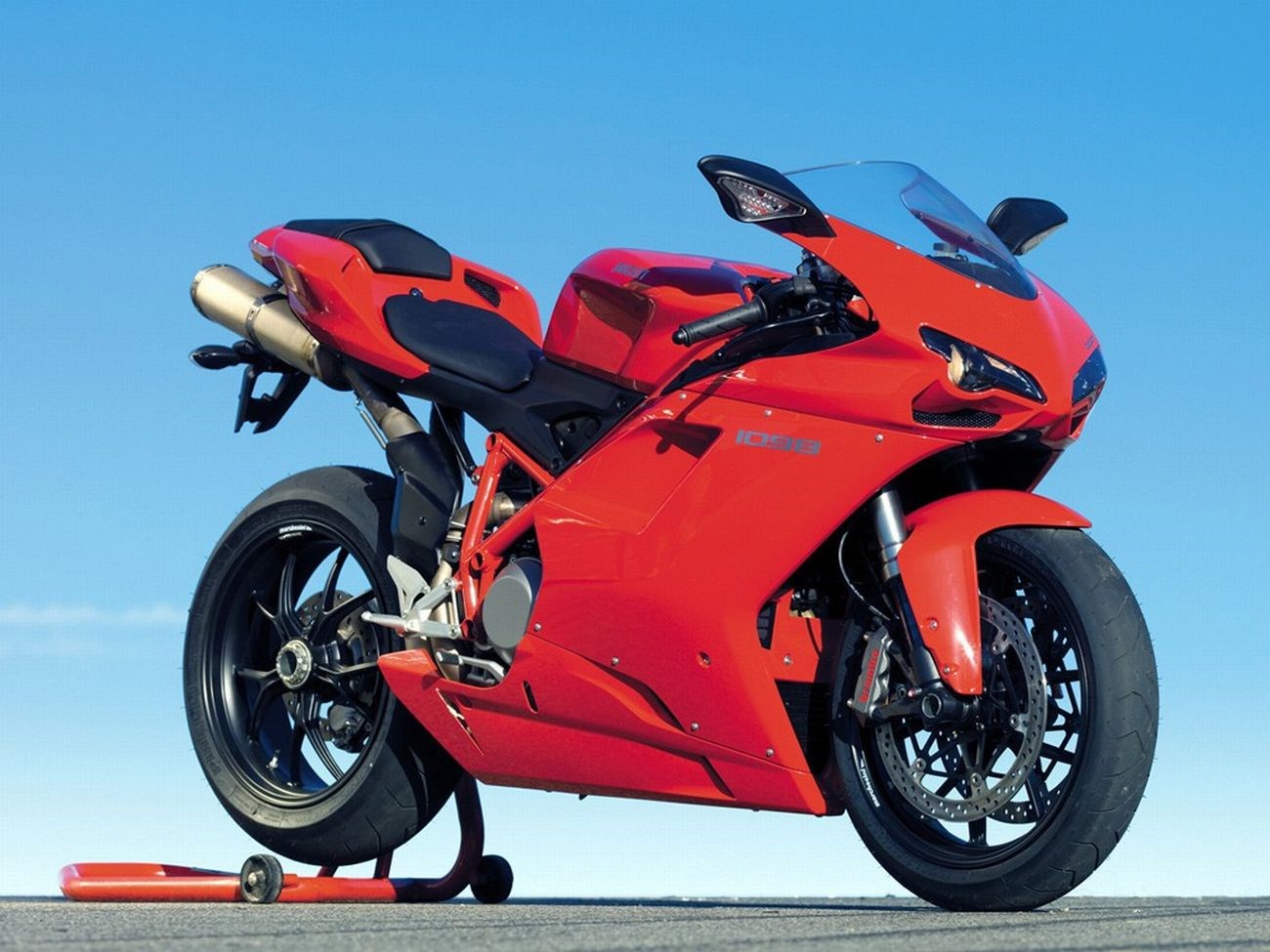
As a result of the bungle, sales for Ducati’s superbikes slumped until Ducati debuted the 1098 in 2007. Penned by Giandrea Fabbro, it was seen as the “real” update to the 916.
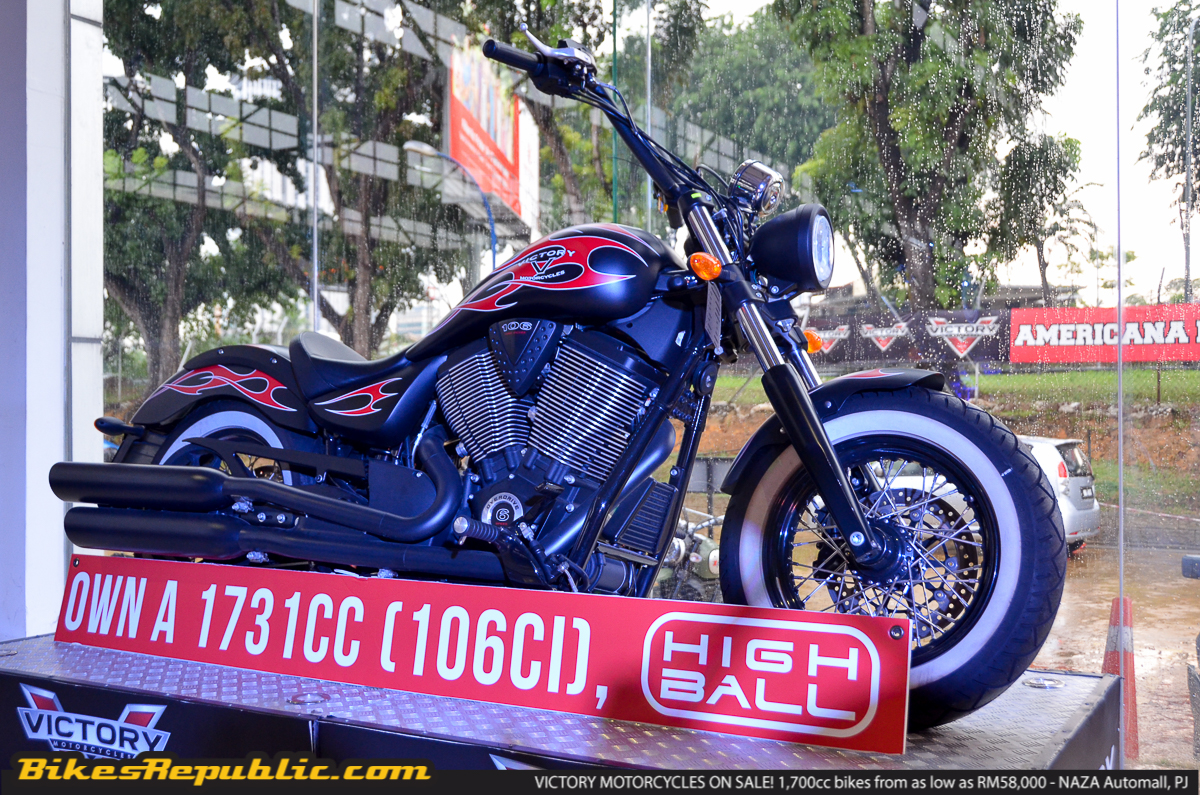
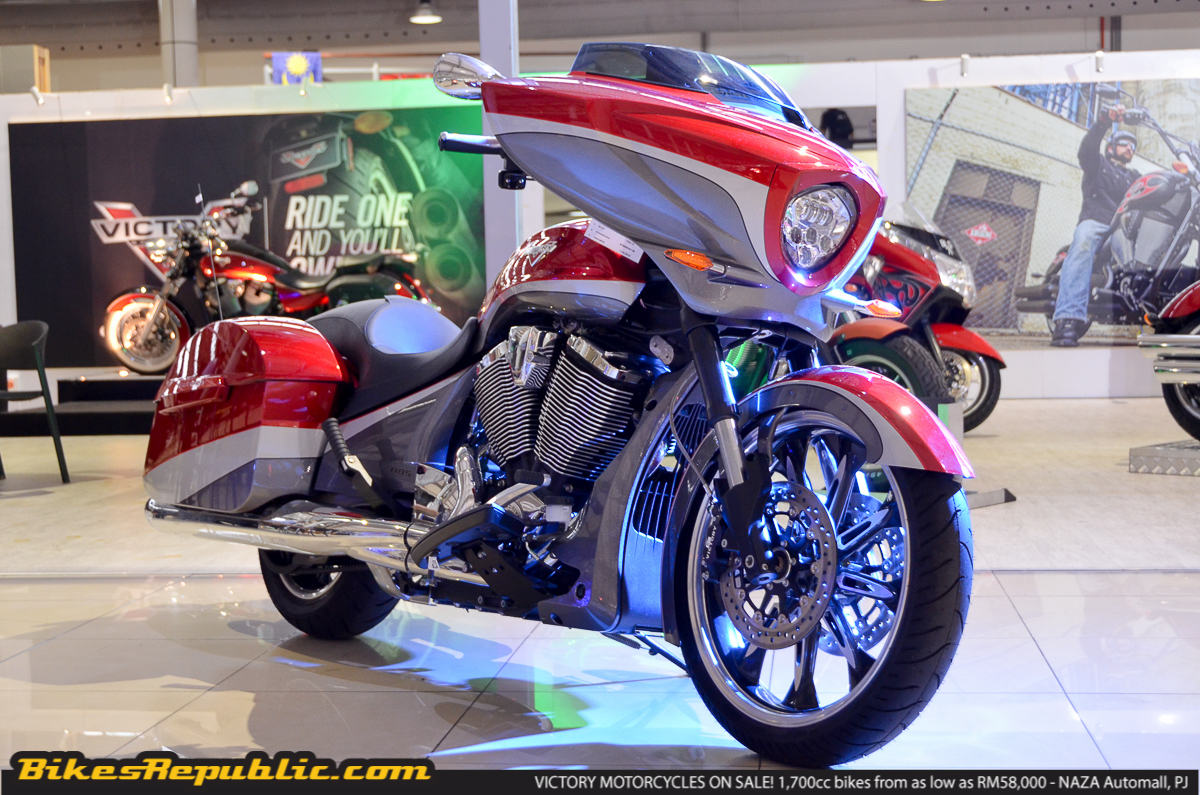
Victory Motorcycles (Malaysia) are having a huge promotion deal in conjunction with the NAZA Merdeka Autofair 2017 happening this weekend.
From 10 August 2017 until 13 August 2017, all Victory motorcycles will be on crazy sale and there are only a limited number of units available.

Those interested can actually own a 1,700cc Victory cruiser from as low as RM58,000!

In conjunction with the NAZA Merdeka Autofair 2017 which is going on from today (10 August 2017) until Sunday (13 August 2017), Victory Motorcycles are giving their final hurrah with ridiculous sales and unbelievable discounts on their premium cruisers. (more…)

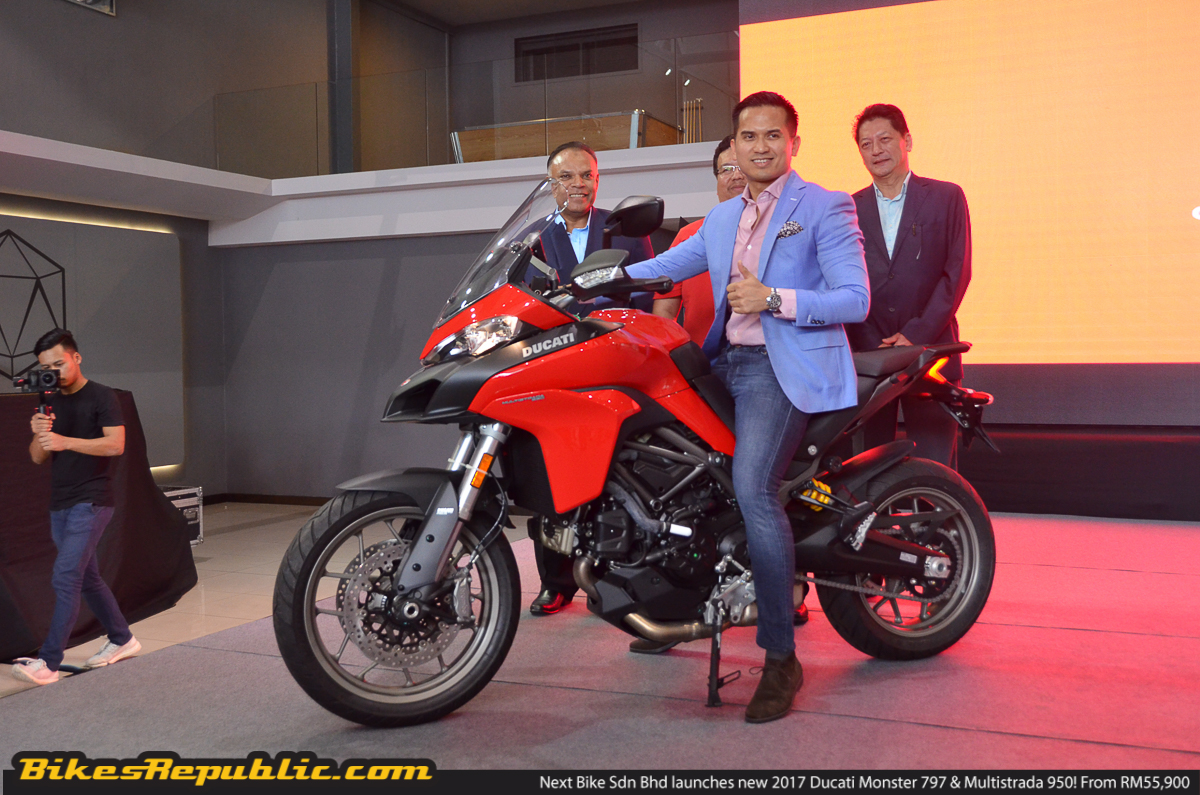
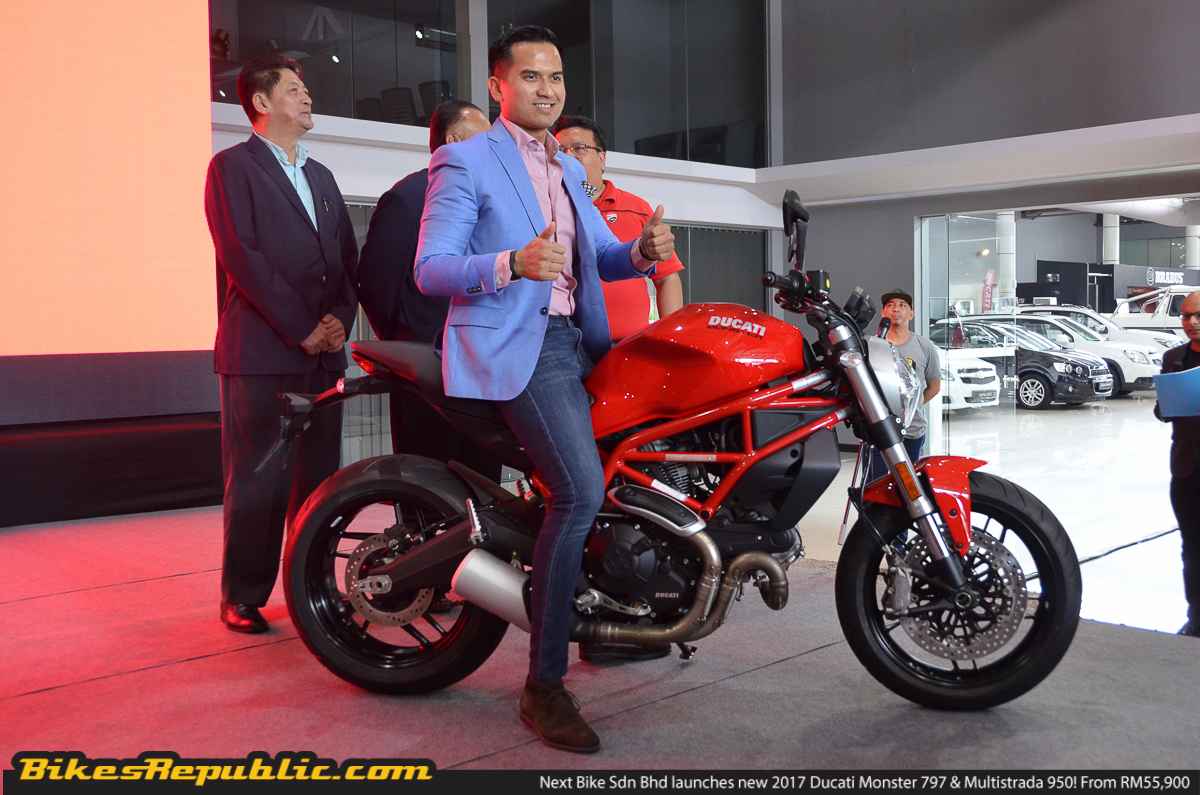
Next Bike Sdn Bhd (Ducati Malaysia) has launched their latest 2017 Ducati Monster 797 and Ducati Multistrada 950.

The two entry-level bikes from Ducati were launched earlier today at the NAZA Merdeka Autofair 2017 held at the NAZA Automall, Petaling Jaya.

The new Ducati Monster 797 is priced at RM55,900 while the new Multistrada 950 is at RM85,900 (basic priced with GST).

Next Bike Sdn Bhd, the sole importer and distributor of Ducati motorcycles here in Malaysia has launched two new entry levels bikes into their current line up.

These new bikes are the 2017 Ducati Monster 797 and Ducati Multistrada 950. The launch was held in conjunction with the NAZA Merdeka Autofair 2017 which is happening now from 10 to 13 August 2017 at the NAZA Automall, Petaling Jaya. (more…)

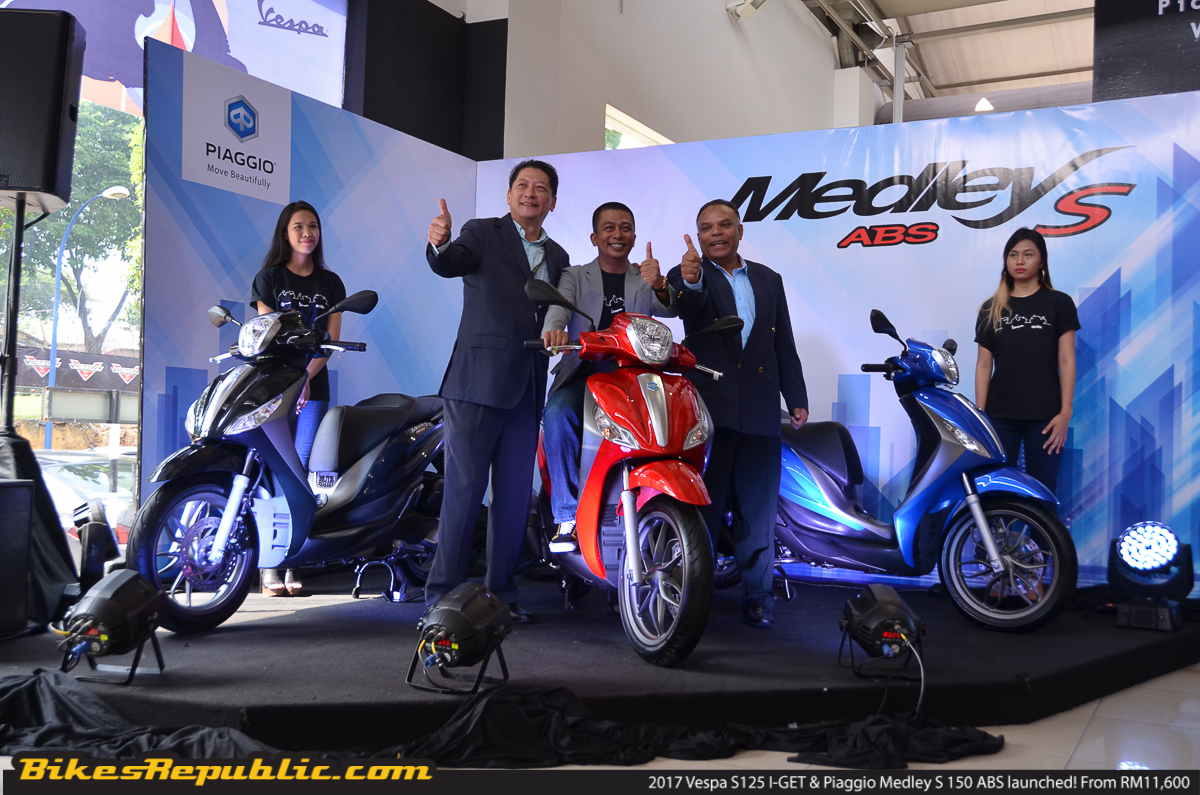
Naza Premira Sdn Bhd has launched two new exciting scooter offerings in the form of the 2017 Vespa S125 I-GET and Piaggio Medley S 150 ABS.

The new scooters were launched earlier today in conjunction of the official launch of the NAZA Merdeka Autofair 2017 located at the NAZA Automall, Petaling Jaya.

The new Vespa S125 I-GET is priced at RM11,600 while the Piaggio Medley S 150 ABS is at RM17,000 (basic prices without GST).

Naza Premira Sdn Bhd, the official distributor of Vespa and Piaggio scooters in Malaysia has just launched their latest Vespa S125 I-GET and Piaggio Medley S 150 ABS for 2017. The new scooters were just launched at the new Vespa Lifestyle Centre during the Naza Merdeka Autofair 2017 held at the Naza Automall, Petaling Jaya. (more…)

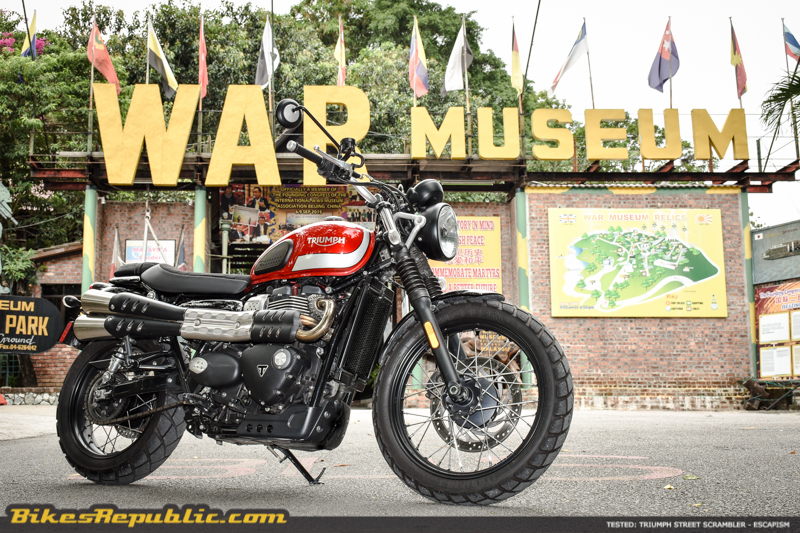
TRIUMPH STREET SCRAMBLER
HOW TO ESCAPE THE DAILY DROLL

There are many war movies. There are also many motorcycle movies. Likewise, there are war movies with motorcycles in them.

But there is one particular movie which immortalized the motorcycle in a war setting. Not so much as an implement of war, but rather as a symbol of freedom, defiance, rebellion against insurmountable odds, way before a copywriter thought up Adidas’ Impossible Is Nothing tagline.

No, not Born To Ride starring duck-face-king Jon Stamos, ‘though it was a fun movie. And not Star Wars Episode VI: Return of the Jedi either.

We are talking about that 1963 classic, The Great Escape. You probably saw it coming.

The movie was an adaptation of Paul Brickhill’s book of the same name, which told of the first-hand account of a mass escape of POWs from the Nazi Stalag Luft III camp during WWII. 

Entertainment values aside, we saw how much each man gave in the pursuit of freedom from oppression, with many ultimately paying the ultimate price. It’s a demonstration man’s indomitable spirit to be free – vanquishing walls, armed guards, machine guns, and barbed wires.

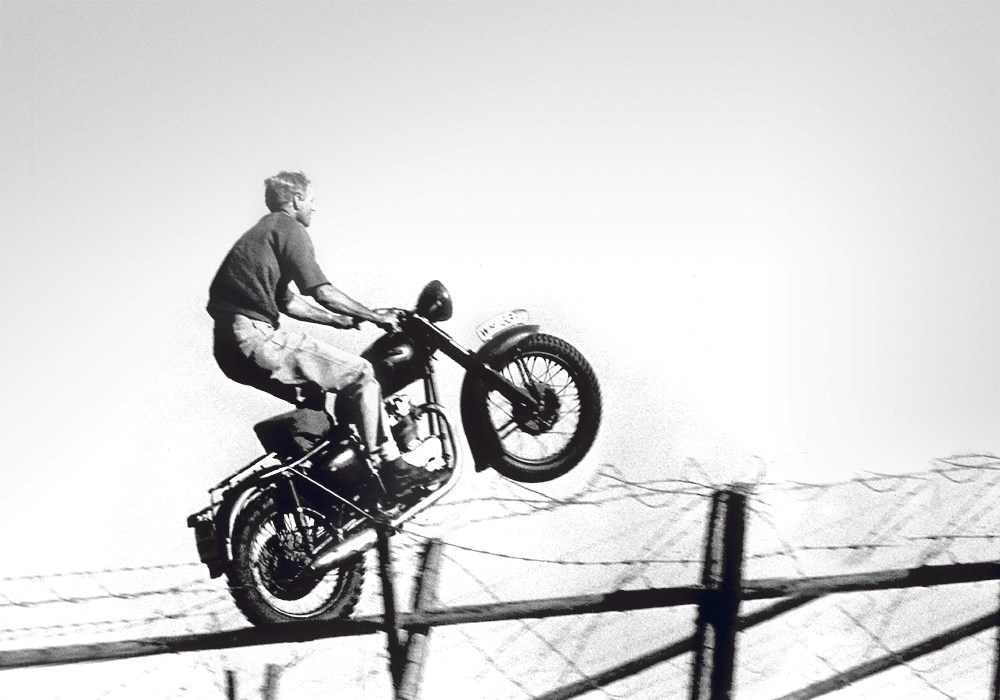
The most iconic scene was none other than of Steve McQueen’s character (stunt performed by Bud Ekins) jumping over the barbed wire fences on a Triumph TR6 Trophy, which was disguised as a BMW R75 for the movie.

I had just been bitten by the Street Triple RS bug. Fast was just a by-word for this naked sportbike. It was as agile as a 250cc, braked like it had retro rockets, flew through corners like a 125cc two-stroke racer, gripped as if the tyres were made of bubblegum. Out there, in the real world, it absolutely blew everything away. I’ve never had so much fun on a motorcycle before. And I never got over it.

Then just last week, Triumph Motorcycles Malaysia announced that their Penang branch was moving to a different location, hence an official launching was in store. Triumph Motorcycles Malaysia offered a few bikes for the ride up north, along with the RATPack (Riders Association of Triumph Motorcycles).

Still smarting from a broken heart after parting with the RS, I didn’t give much attention to which motorcycle I was assigned (Shhh… I was secretly hoping for the RS again). It turned out to be the Street Scrambler.

Arie handed over the key and said, “You’ll love this one, Bro!”

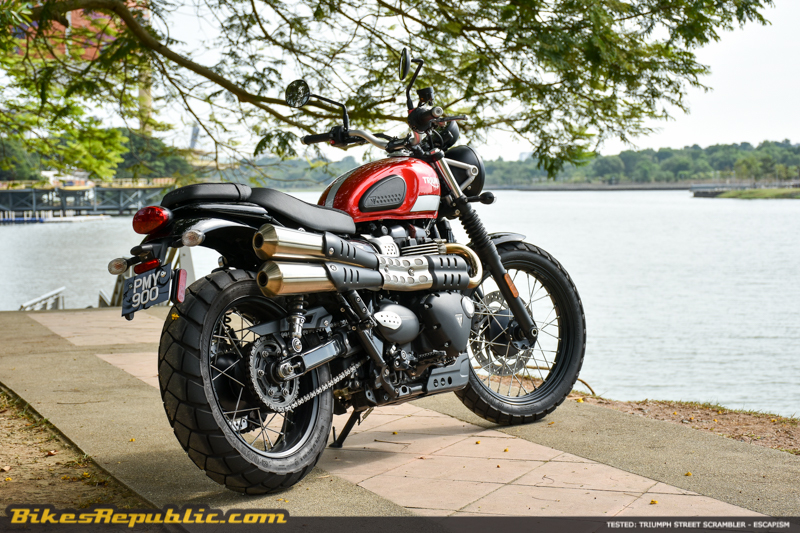
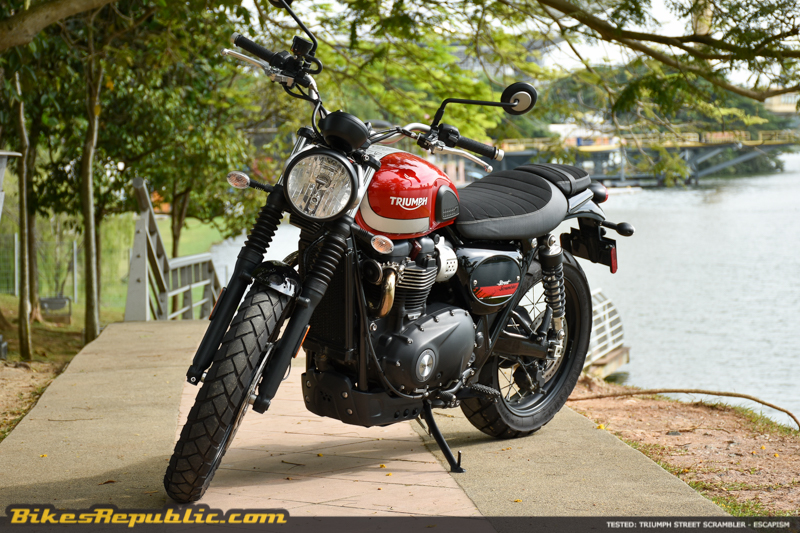
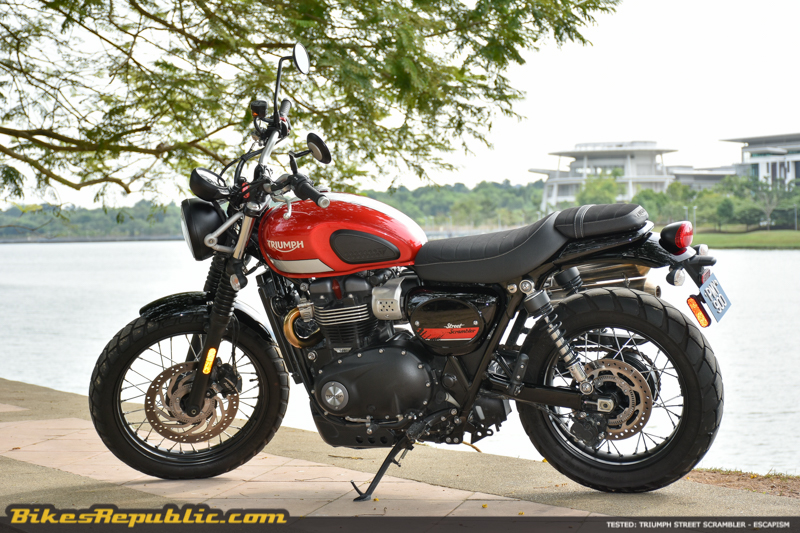
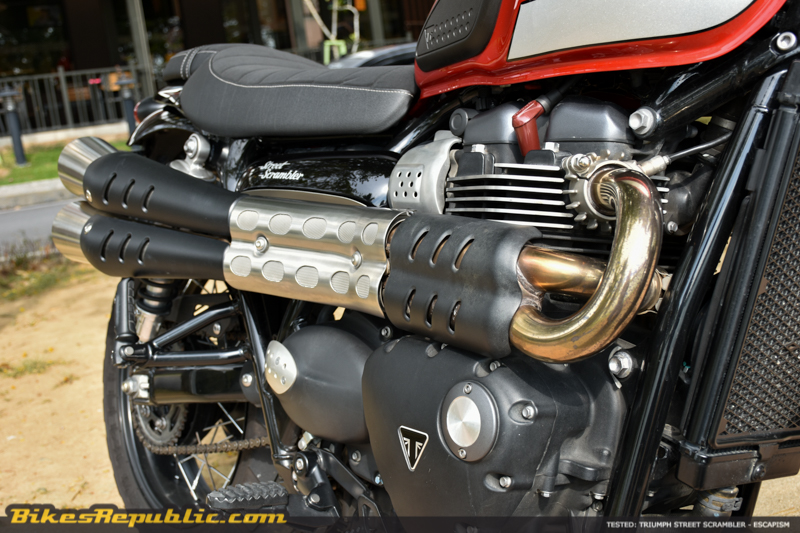
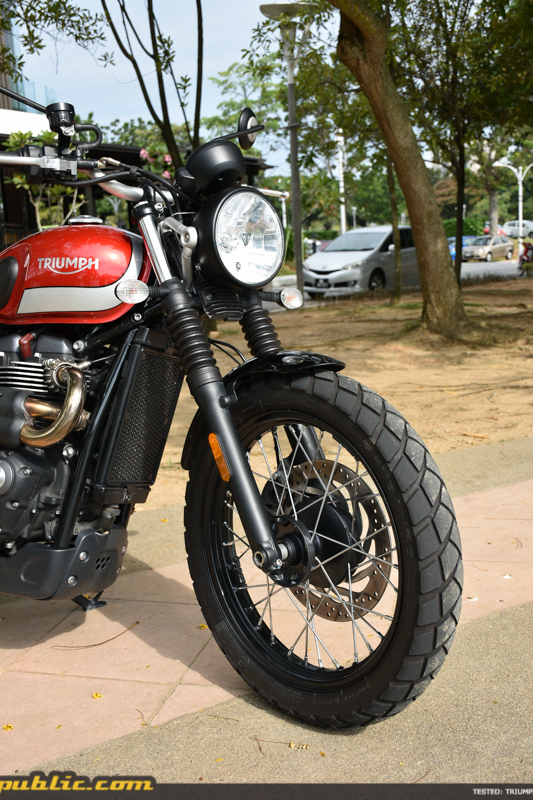
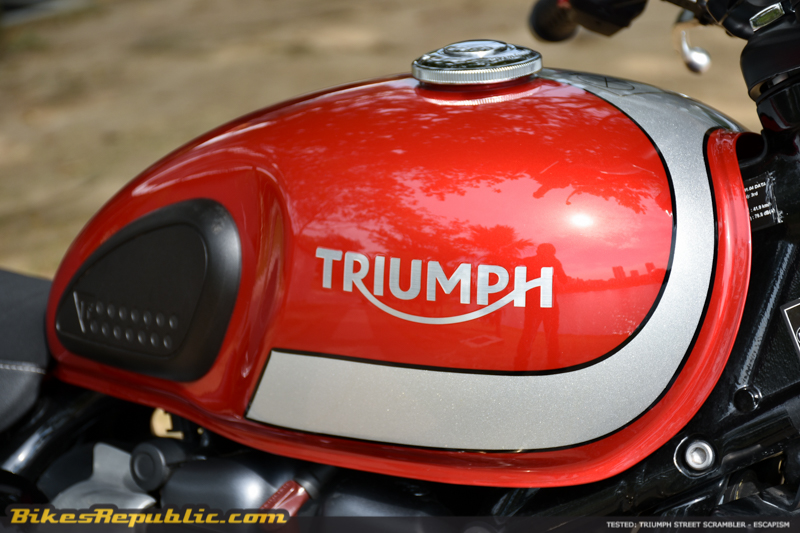
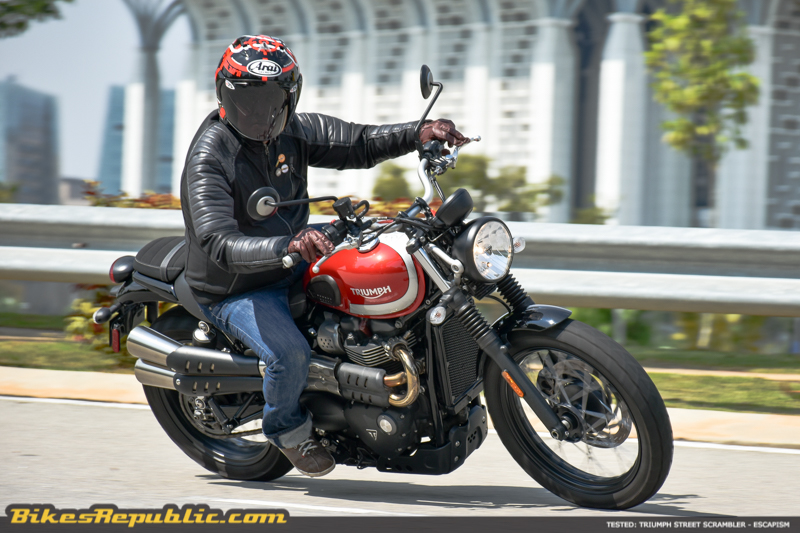
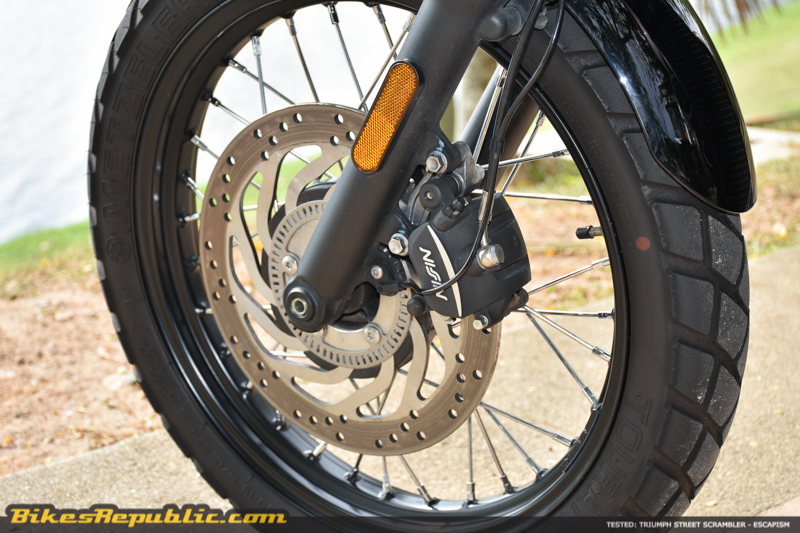
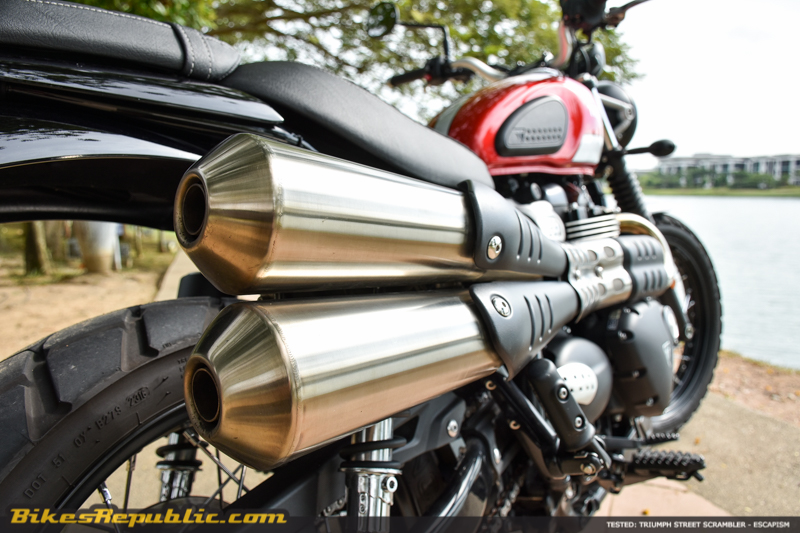
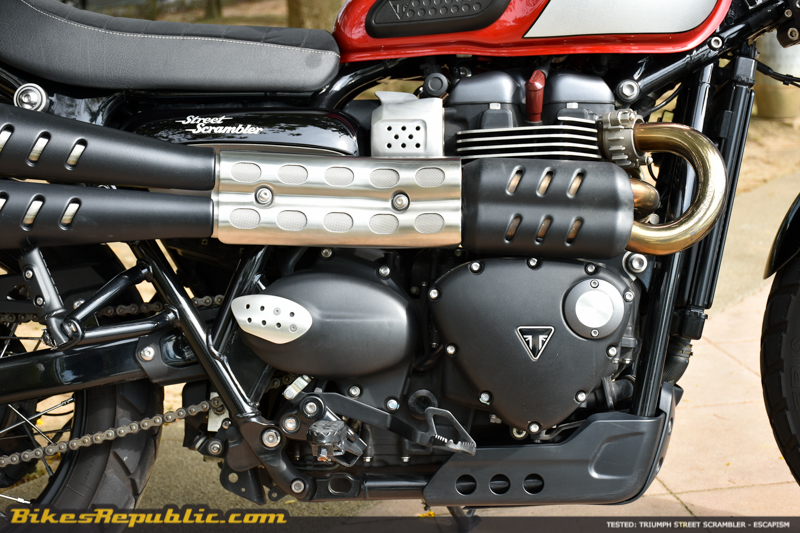
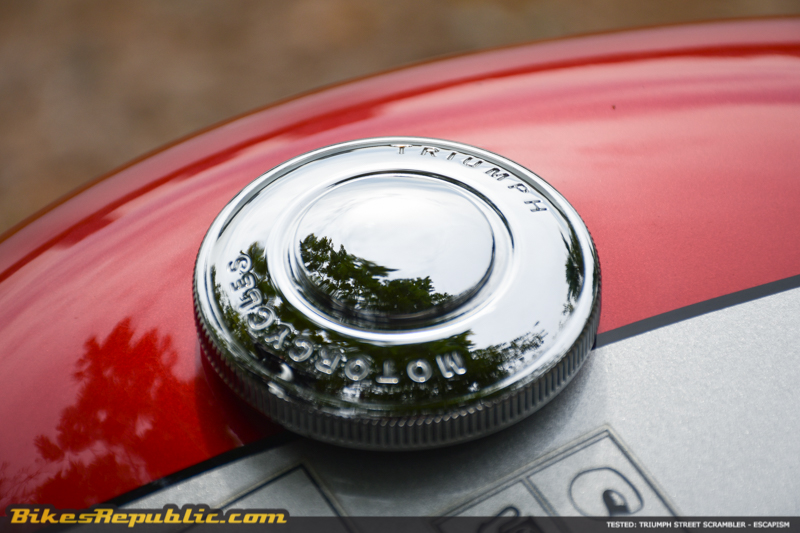
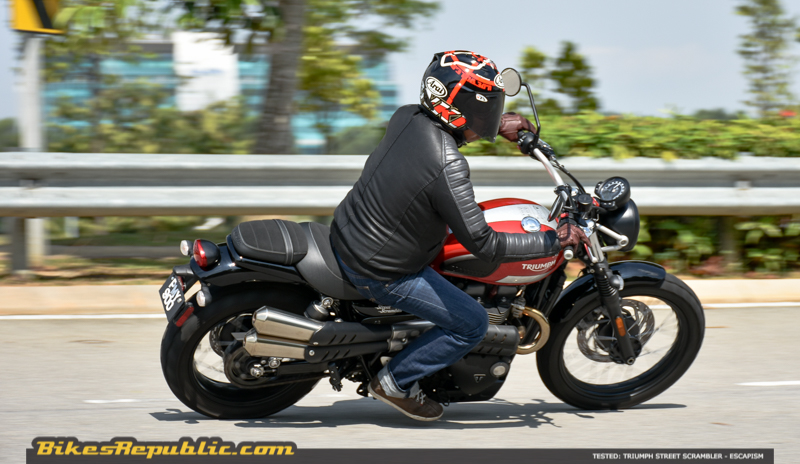
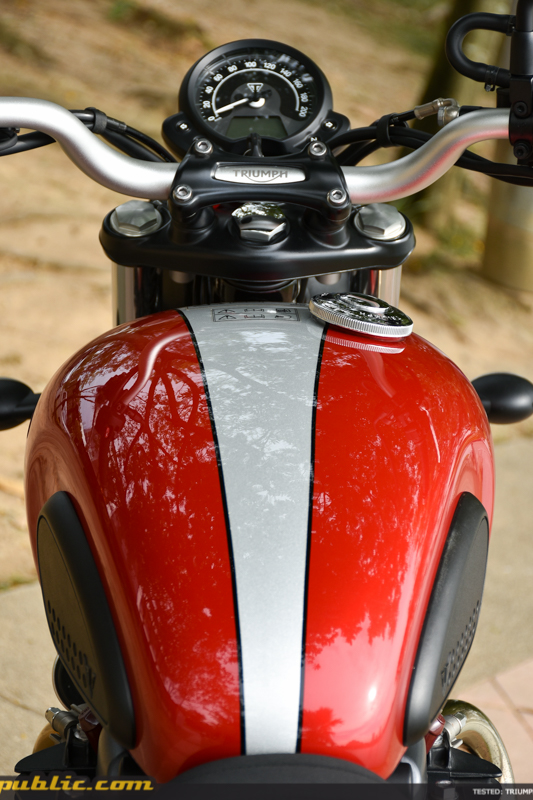
It sure looked pretty. But those two exhausts sticking out the side like cannons exuded attitude. Additionally, unlike the Street Twin, it had a 19-inch spoked front wheel, and knobbies (Metzeler Tourance adventure tyres, actually), fuel tank respendent in flaming Korosi Red. Instinct told me that although it was basically aStreet Twin, this one’s going to be naughty.

Interestingly, the Scrambler harks back to the TR6 Trophy, on which our intrepid hero jumped over the fences.

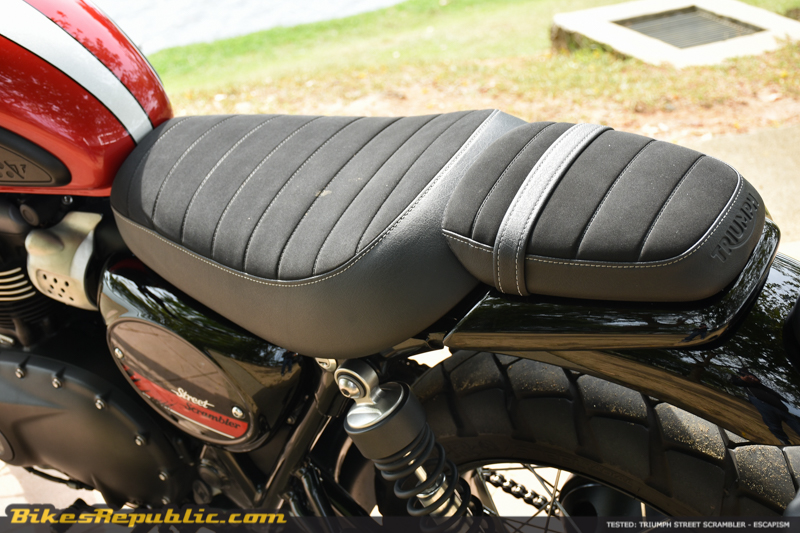
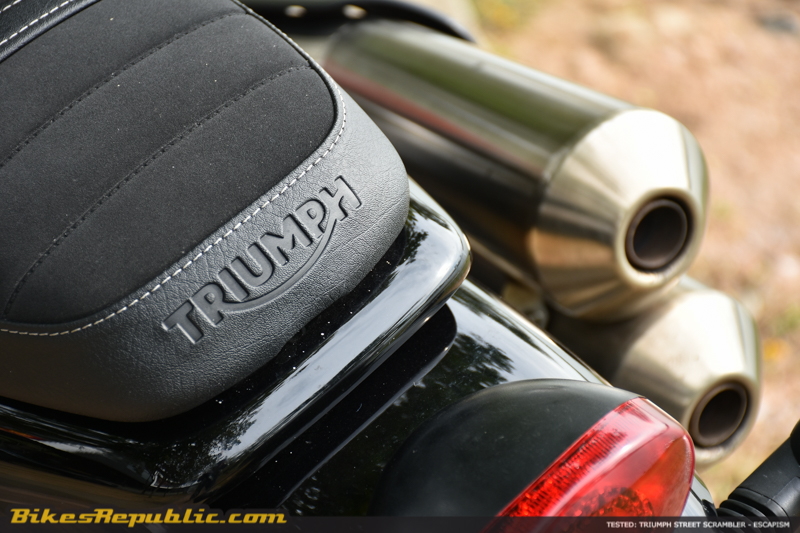
Anyway, I climbed on and the ribbed seat was truly comfortable. The handblebar felt higher and wider than the Street Twin’s. The footpegs were placed in a natural position. The ergonomics is definitely friendly to newer riders too.

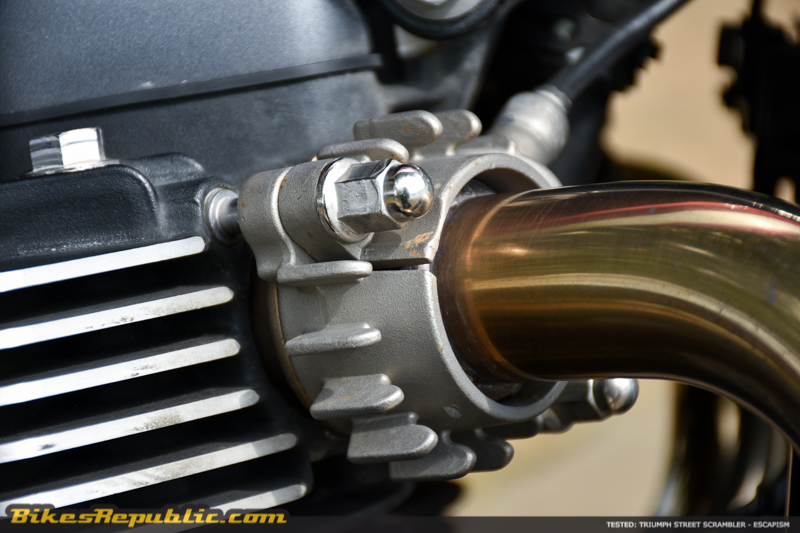
The exhaust pipes were right beneath my right thigh. Keeping my machismo, I didn’t ask Arie if it gets hot.

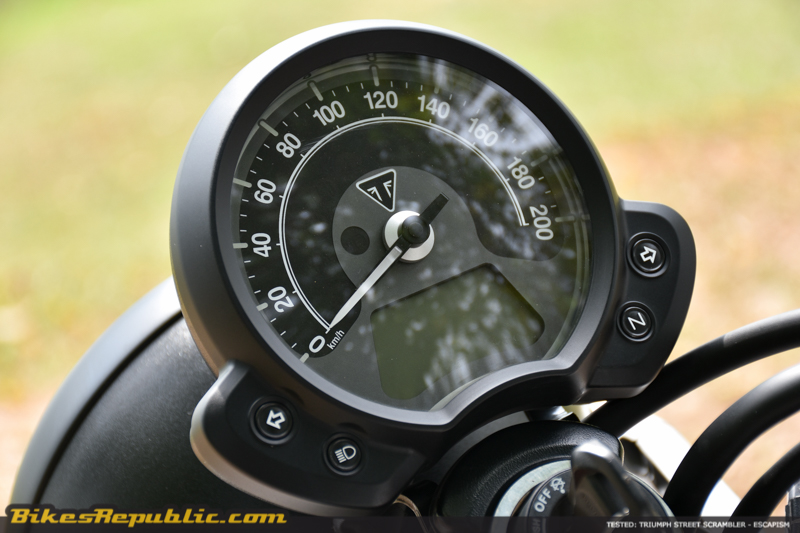
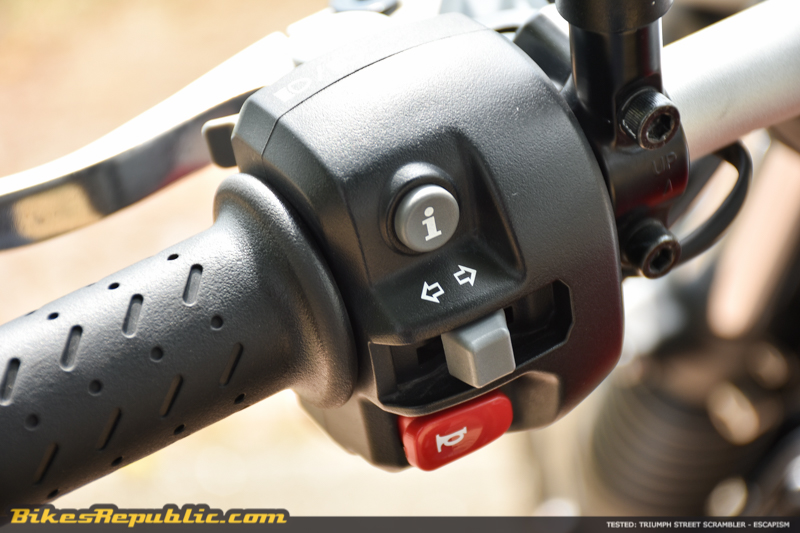
I looked at the instrument cluster and it was the familiar face on the Street Twin’s. It may look simple but the LCD screen provided plenty of useful info, including fuel range (yay!).

The engine fired up without hesitation to the familiar irregular throb of a 270-degree crank. Just the right amount of vibration was allowed through but the bike felt alive.

First gear engaged with a clack but the action was positive, the hallmark of Triumph’s transmissions. I let out the clutch, gave it throttle and BROOOOAR it took off down the road! Whoa, boy!

Its handling was instantly apparent. The 19-inch wheel may need slightly more effort (due to the centrifugal force) to get it turned but it was flick-flick-flick once you’re committed. The suspension was well-sorted as it soaked up bumps and the “knobbies” didn’t induce vibrations. Triumph had reduced the swingarm by 50mm over its sibling, resulting in a fast turning bike.

We were supposed to congregate at the Rawang R&R at 6.30am on Saturday for the ride but I couldn’t make the time and left an hour later, planning to catch up at Sungai Perak before the convoy resumed.

While filling up at the Rawang R&R, I met a gentleman who was smitten by the Scrambler. As a pattern of what was to come, the questions were, “How does it handle?” “How fast can it do?” “How many cc’s?” and most of all, “Is that exhaust hot?” Everywhere I went, people would walk up and ask questions with, “That’s a nice bike,” as the prelude while ignoring the flashier, faster, modern bikes in the vicinity. They somehow looked disappointed when told it belongs to Triumph as a demo bike.

Having slept for only two hours, I decided to take it easy and droned along at the speed limit. It was during this time I discovered many things I’ve never noticed.

Over to my right was a mountain range. The early morning sunlight had just started kissing its slopes. Thick clouds caressed the tops intimately, as if jealous of the sunlight. On the left, well, it was just oil palm estates but it was only then I  discovered that Dato’ Lee Chong Wei is the “Eco Ambassador” for a building materials company called Pentens. The morning air was cool and fresh, with which I filled lungsful of. I even flashed the “peace” sign at an AES camera (it didn’t fire).

I was in a state of zen. A huge group of Suzuki Belang 150 blew past on either side. I smiled. Solutions to deep-rooted problems started to filter in through the air, as I sang Raindrops Keep Falling on my Head to myself.

Remember the “nice bike routine”? It happened even riding! As I readied to overtake a car, my peripheral vision caught sight of this black MPV next to me in the right lane. I backed off to let it pass but it stayed put and matched my speed. I looked over to see two kids and a teenager snapping pictures on their phones. Their Mum gave me a thumbs up.

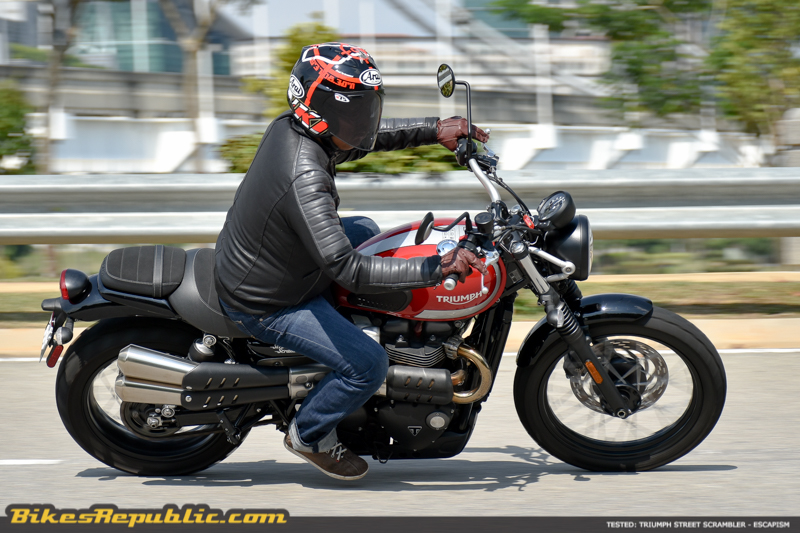
I kept on cruising, thighs far apart, arms stretched straight out. The engine was humming along, the wheels tracked perfectly over the bumps, until I passed Ipoh and started up the twisty section to the tunnel. Still minding my own business, Uncle Camry swept past two lanes directly into my path to round a curve, and braked 20 metres in front of me! He must’ve thought he was going wide.

A blast of throttle awoken the bike’s fat midrange and I slingshot past him. Speed picked up so quickly I had to push my buttocks back and crouch onto the tank. The bike charged through every turn like a naked sportbike (I kid you not!). A few corners up and I came across a group Triumph Tiger riders. I passed them on the outside of a turn and waved. Sorry guys, wasn’t trying to show off. To be fair, they had passengers and were being careful.

If the bike had felt stable when cruising straight up and down, it was disconcertingly stable when leaned fully over. Eh?

I split both lanes in the tunnel, horn blasting away. Traffic was backed up when I exited the tunnel, due to two trailers up ahead going I think I can, I think I can, side-by-side. Slicing in and out of the traffic, the brakes were super strong, despite having only a single 310mm disc gripped by a two-piston caliper up front. The forks didn’t dive all the way down when I gave the brake lever the grip of death, either.

I was now singing Turbo Love to the roar of the engine. Suddenly, there they were, those Belang riders. They stood no chance.

We fueled up at Sungai Perak R&R and continued on the trip. Man, those Tiger 800s were fast! I had to ride almost prone on the tank all the way to Juru just to keep up. Now all my misgivings about “classics” were blown away into the slipstream as the engine obliged without feeling like it wanted to go IED. Five speeds were enough, never needing me to row for the non-existent sixth gear. Windblast was surprisingly acceptable even at those speeds. I’m a highway starrrrr!!!

Reaching Prai, I gunned for the first Penang Bridge, when I should’ve turned onto the new one. All along the way, the locals thought they could teach an uncle on a “classic bike” some lessons. Hah! Hooligan mode on! Welcome to the jungle, we got fun and games!

Everywhere around Penang, other motorcyclists would crane their necks over for a good look of the Street Scrambler, and many asked the same set of questions.

Riding around Penang and later back in Kuala Lumpur also revealed how well the Street Scrambler is suited for the daily commute. There’s just power everywhere, allowing you to zap traffic with so much ease. No wonder, because maximum torque arrives at a low 2850 RPM while maximum horsepower is produced at 6000 RPM. That’s a mountain range of 3150 RPM separation between maximum torque and maximum horsepower, ensuring a flexible power delivery. It means you didn’t have to keep shifting gears while tackling the traffic. The exhausts made enough music to alert drivers, despite being stock.

Oh, before I forget, the Street Scrambler is equipped with Triumph Traction Control (TTC) and ABS that you could turn wither or both off for offroading. Triumph Malaysia had brought one for an offroad event at Mat Daling and it passed with flying colours.

And no, the high-level exhaust didn’t flambé my right thigh. It felt hot of course, but it wasn’t like touching an unprotected section of the exhaust pipe. In fact, the hot air from the radiator was hotter.

In conclusion, there are days or instances when a certain switch is flicked on and we want to go out and ride a certain way. On one day, we just want to carve canyons as  Joe Rocket. The next day we just want to cruise and soak up the environment. Or camp in the jungle by riding offroad the next week. Commuting on a motorcycle on a daily basis, in the meantime. You certainly want a bike that’s pretty but not kitschy. Heck, you could even be Justin Bieber or Miley Cyrus (God forbid!) just for a day to cheese people off (God forbid X2). Or how about dressing up dapper? Or just go out there and get away for a while?

However, super-segmented machines could do only the one thing, two max, that it had been designed for. You can’t go offroad on an R1, can you? A cruiser can’t corner like a naked sportbike, can it?

What the Street Scrambler stands for is freedom. The freedom of choice on who you want to be, how you want to be, what you want to be. Free from constrictions, free from conventions, free from barbed wires. Escapism. Or rather, The Great Escape.

And you don’t have to be Steve McQueen.

TECHNICAL SPECIFICATIONS

ENGINE
Engine type Liquid-cooled, 4-stroke, DOHC, 8-valves, 270-degree crank, parallel-Twin
Compression ratio 10.55 : 1
Bore X Stroke 84.6 mm X 80.0 mm
Displacement 900 cc
Fuel system Multipoint sequential electronic fuel injection
Maximum power 54 bhp (40.5 kW) @ 6000 RPM
Maximum torque 80 Nm @ 2850 RPM
TRANSMISSION  
Clutch Wet, multiplate, assist
Gearbox 5-speed
CHASSIS
Front suspension KYB 41mm telescopic forks, 120 mm travel
Rear suspension KYB twin shocks, adjustable for preload, 120 mm travel
Front brakes Single 310 mm disc, Nission two-piston caliper, ABS
Rear brake Single 255 mm disc, Nissin two-piston floating caliper, ABS
ABS Switchable on/off
Front tyre 100/90-19
Rear tyre 150/70-R17
FRAME & DIMENSIONS
Frame Tubular steel cradle
Swingarm Two-sided, tubular steel
Trail 109 mm
Rake 25.6 degrees
Wheelbase 1446 mm
Seat height 790 mm
Dry weight 206 kg
Fuel capacity 12 litres


Ducati has announced that their latest electronics DTC EVO package (Ducati Traction Control EVO) will be made available for older models of the 1299 Panigale.

The system which detects rear wheel spin and body position via six different axis points makes necessary adjustments to the bike’s throttle body valves, ignition and fuel injection.

The DTC EVO system is already a standard option found on the Ducati 1299 Superleggera and Ducati 1299 Panigale R Final Edition.

Looking for a very special way to upgrade your 2015 or 2016 Ducati 1299 Panigale superbikes? Why not do it in the best possible way by adding the Ducati Traction Control (DTC) EVO electronic package upgrade? (more…)

Archive

Follow us on Facebook

Follow us on YouTube