Bikesrepublic

Latest News

  • Modern motorcycles cannot run without a battery.

  • Their technology has advanced much over the years.

  • Finding out about how they work is just as important as choosing one and maintenance.

There was a point in time when a motorcycle didn’t require a battery to start, relying instead on points and condenser ignition system, but now batteries are getting ever more advanced in order provide power to starter, lighting system, electronic ignition (ECU) and coils, riding aids, other electrical and electronic systems and accessories.

It’s the battery that’s powering all those systems at the start and when the motorcycle’s charging system can’t provide enough power for example when the bike is idling for a long time at the traffic lights.
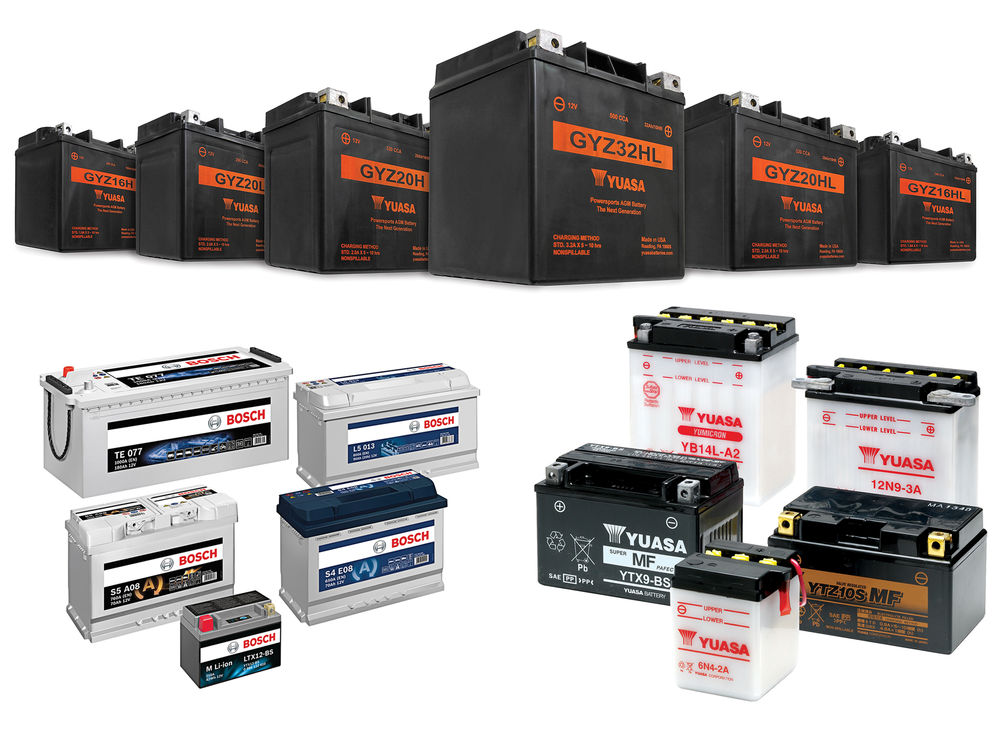
Furthermore, the battery also needs to protect the delicate electrical and electronics by absorbing voltage surges and spikes.

BASIC WORKINGS OF A BATTERY

What exactly is a battery? To put it simply, it is an electrochemical device which converts chemical energy to electrical energy.
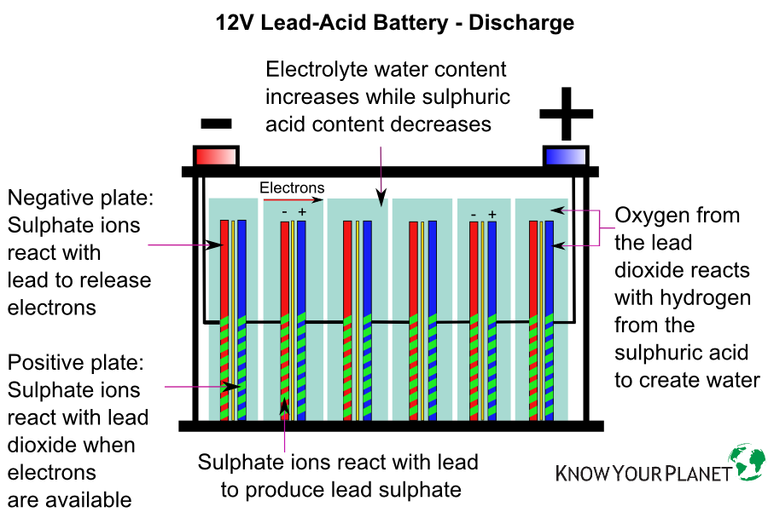
A basic 12 Volt (V) battery is made up of:

  1. Six cells that typically produce approximately 2 volts each (depending on type of cells), producing between slightly above 12.0 to 13.2 volts, in total.
  2. Each cell consists of alternatively charged positive and negative lead (Pb) plates i.e. positive, negative, and so forth. The more plates in a cell, the more current (flow of electricity – Amp) and energy capacity (ampere hours – AH).
  3. Insulators that are placed between the individual cells.
  4. The cells are then connected to each other.
  5. Electrolyte (commonly known as battery acid) which is a sulfuric acid and distilled water solution, is added to the flood the plates.
  6. The lead plates react chemically to the sulfuric acid, lead sulfate, while the acid is turned into water which in turn is split into hydrogen and oxygen.
  7. The chemical reaction releases electrons from the negative plates. The electrons (which are negative in charge) flow to the components they need to and return to the battery’s positive terminal and plates. This is what’s known as the electrical current.
  8. The electrolyte will eventually be diluted through discharge i.e. electrical usage.
  9. Charging reverses the chemical process.

TYPES OF BATTERIES

1. Wet cell

Also known as the flooded lead-acid cells battery, it was invented way back in 1859. As the name suggests, the cells are inundated in electrolyte and needs to be checked and topped-up as required from time to time, especially in our hot and humid weather.
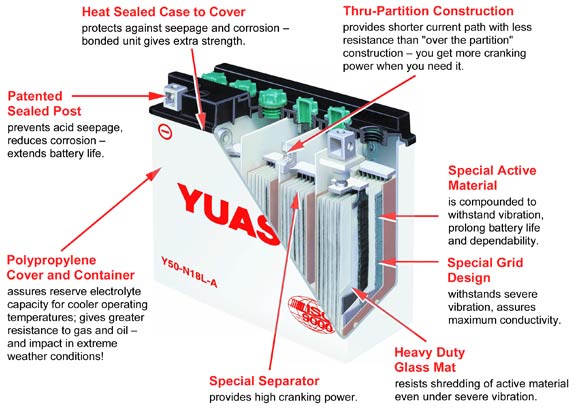
When stored in a discharged state, the heavier acid molecules sink to the bottom of the battery, causing the electrolyte to stratify (separating into layers of water and acid). When the battery is used again, most of the current will only flow around this area, wearing out the bottom parts of the plates.

Adios soon enough.

Being filled with liquid also requires the battery to be fixed in an upright position to prevent spillage. While being gradually being phased out as OEM fitment for motorcycles, they are still widely available due to their low cost.

2. Absorbed glass mat (AGM)

The AGM battery is the most common type of OEM fitment nowadays, usually produced by Yuasa for our market.
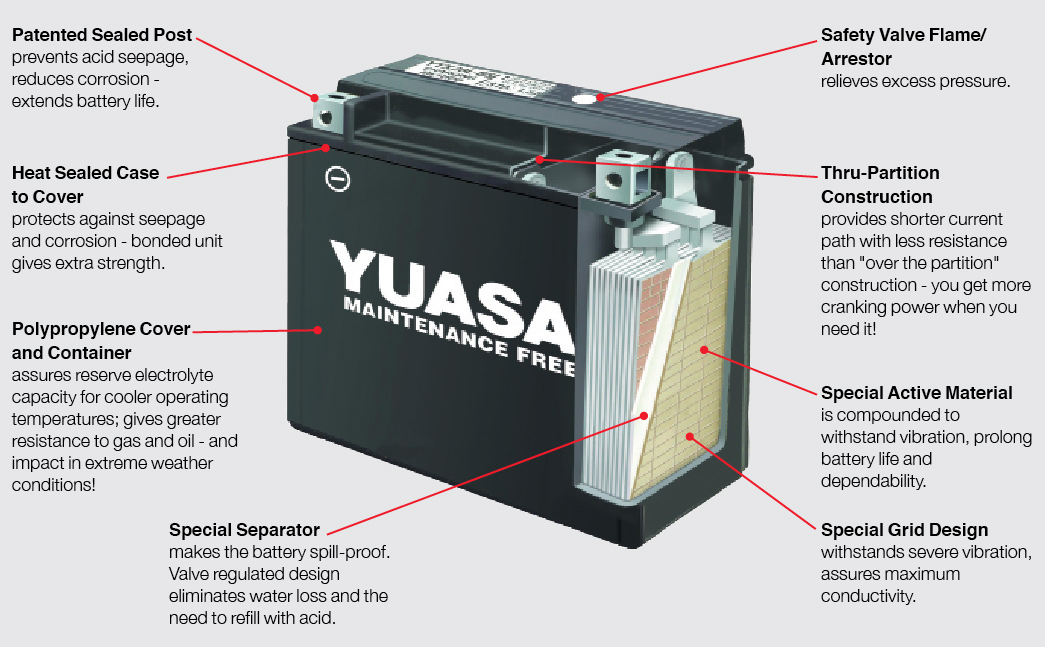
If you’ve ever replaced your OEM battery to another “maintenance-free” type, especially if it’s from Yuasa or Koyoko, chances are that it’s an AGM.

In an AGM type, the electrolyte is absorbed by a glass fibre mats that sit between cells. The mats greatly reduce evaporation and doesn’t require topping up, consequently. The electrolyte becomes the separator material, allowing the plates to be compressed together, increasing energy density compared to wet cells or gel batteries.

To reduce gas pressure build up in the casing when overcharged or discharged, the AGM battery includes a one-way blow-off valve. Due to that feature, AGM batteries also belong to the group called “valve regulated lead-acid” (VRLA) designs.

Another advantage of the mats is that the electrolyte is held in place and doesn’t slosh around or stratify like in wet cells, which means the battery could be mounted in different positions.

AGM batteries arguably have shorter lifespans since they have higher acid contents to increase standby voltage and lower water loss rate. If your AGM battery shows more than 12.56 V in an open circuit (battery not connected to anything on the bike), it means there’s more acid content. Again, while this is normal for the AGM type, it may not live long.

3. Gel battery

A gel battery, also known as gel cell, is A VRLA battery uses gellified electrolyte. Sulfuric acid is mixed with fumed silica, resulting in an immobile, gel-like mass.
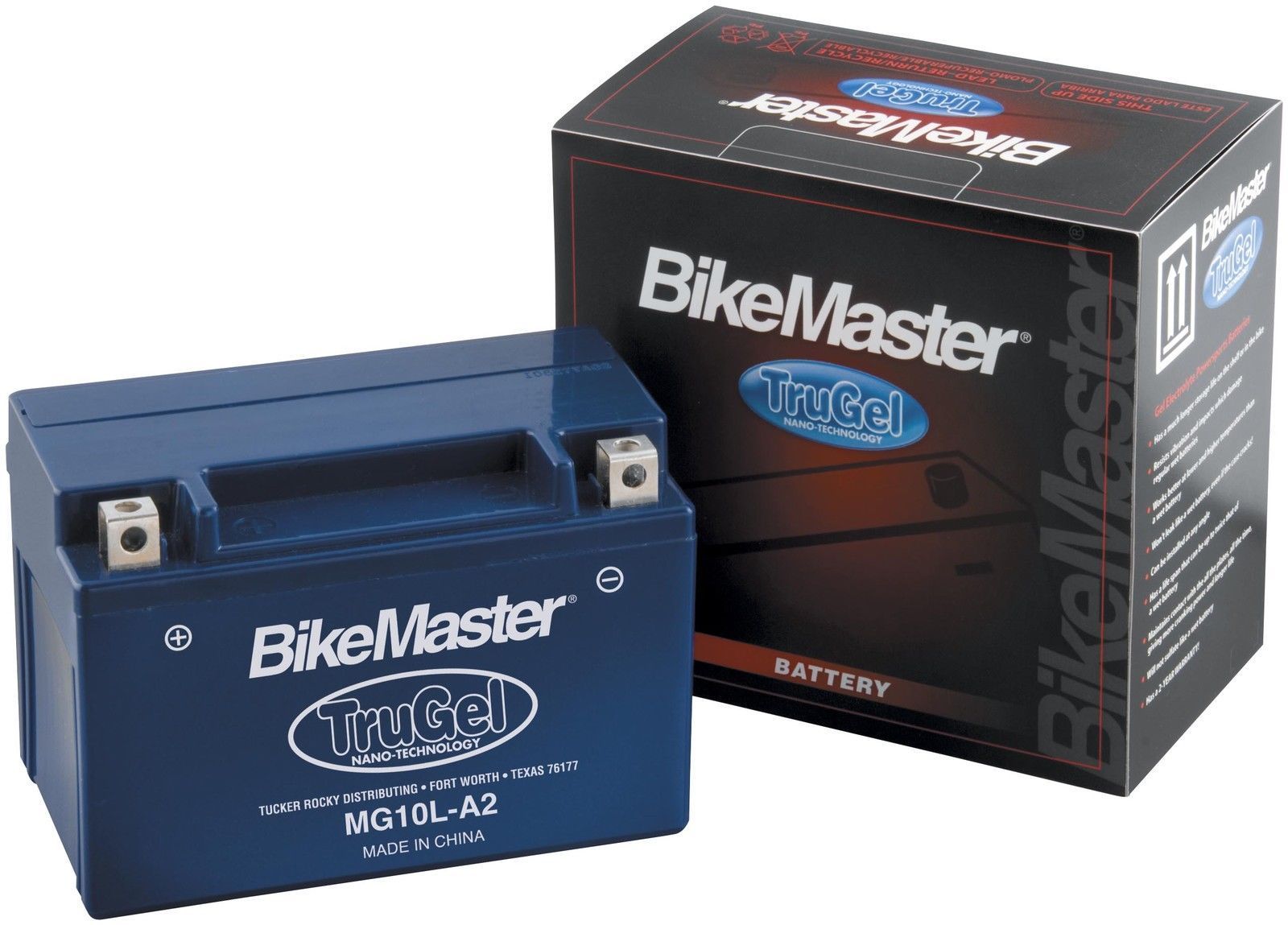
Since there’s no liquid involved, it doesn’t need to be kept upright, electrolyte evaporation is reduced, there’s no spillage and corrosion problems. Besides that, it is more shock and vibration resisitant.

4. Lithium-Ion

Li-Ion batteries are all the rage now, despite not being fitted on a widespread basis due to cost. To describe the functions of a Li-Ion battery requires an entire article by itself!
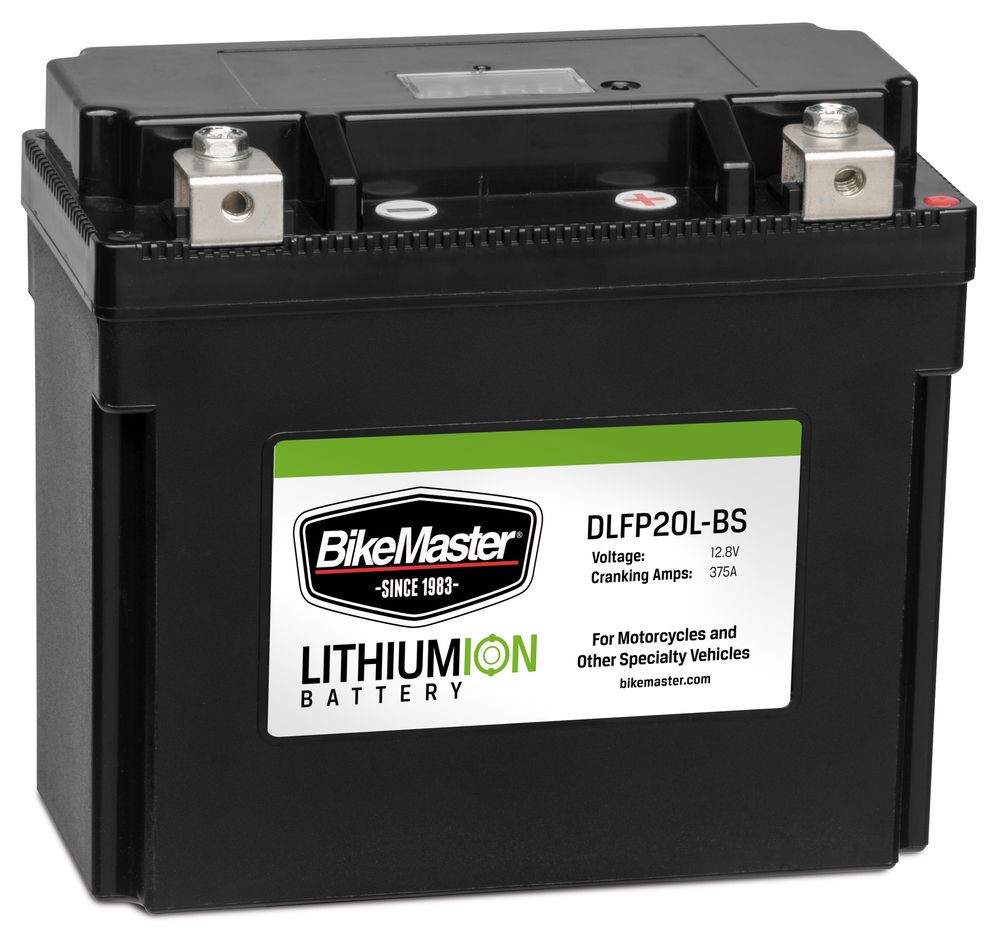
To surmise, however, the advantages of the Li-Ion compared to VRLAs are mainly substantial weight savings and better cranking pressure (CCA – Cold Cranking Ampere). Cranking pressure denotes how much stored energy is available for cranking up the engine, besides supporting the electronics and electrical systems and accessories.

Disadvantages of Li-Ion?

A discharged Li-Ion battery can’t be brought back to life unlike a VRLA. Additionally, you need to use chargers that are compatible with Li-Ion batteries, although you may also use that charger for VRLA batteries.

That’s it for Part 1, the basics. We’ll cover the subject of maintenance in the next edition.
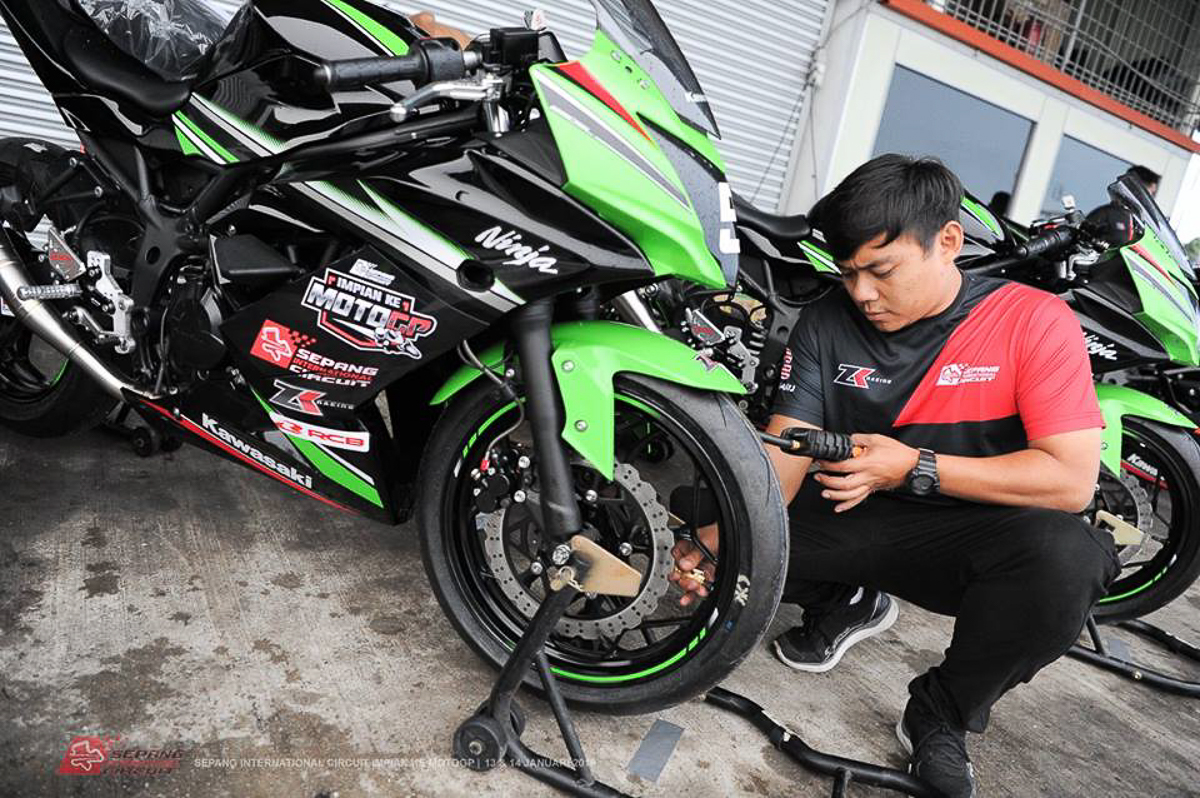
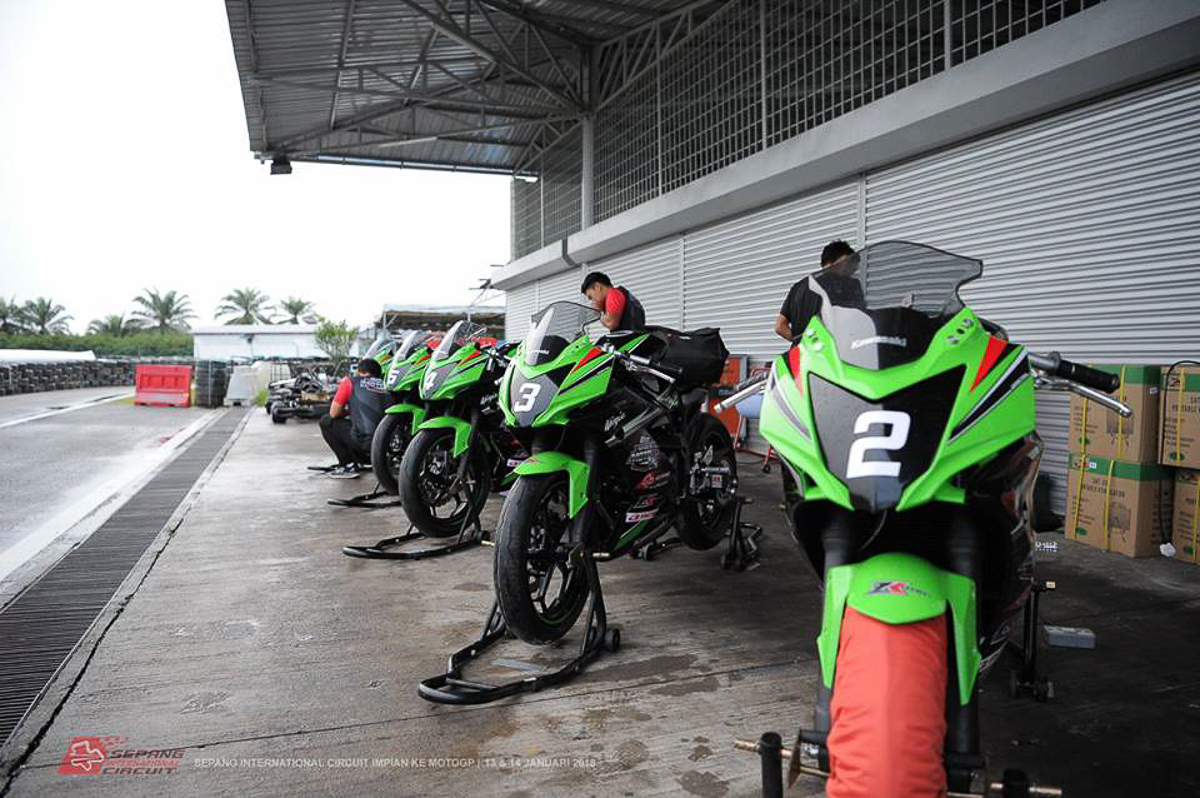
Kawasaki Motors Malaysia (KMSB) has supplied the race bikes needed for the young riders selected to undergo the Impian ke MotoGP SIC program.

A few units of the Kawasaki Ninja 250 SL streets bikes which have been tuned for racing will be used by the riders to train led by Zulfahmi Khairuddin.

Kawasaki Malaysia is known for being active in supporting the local racing scene and national motorsports industry.

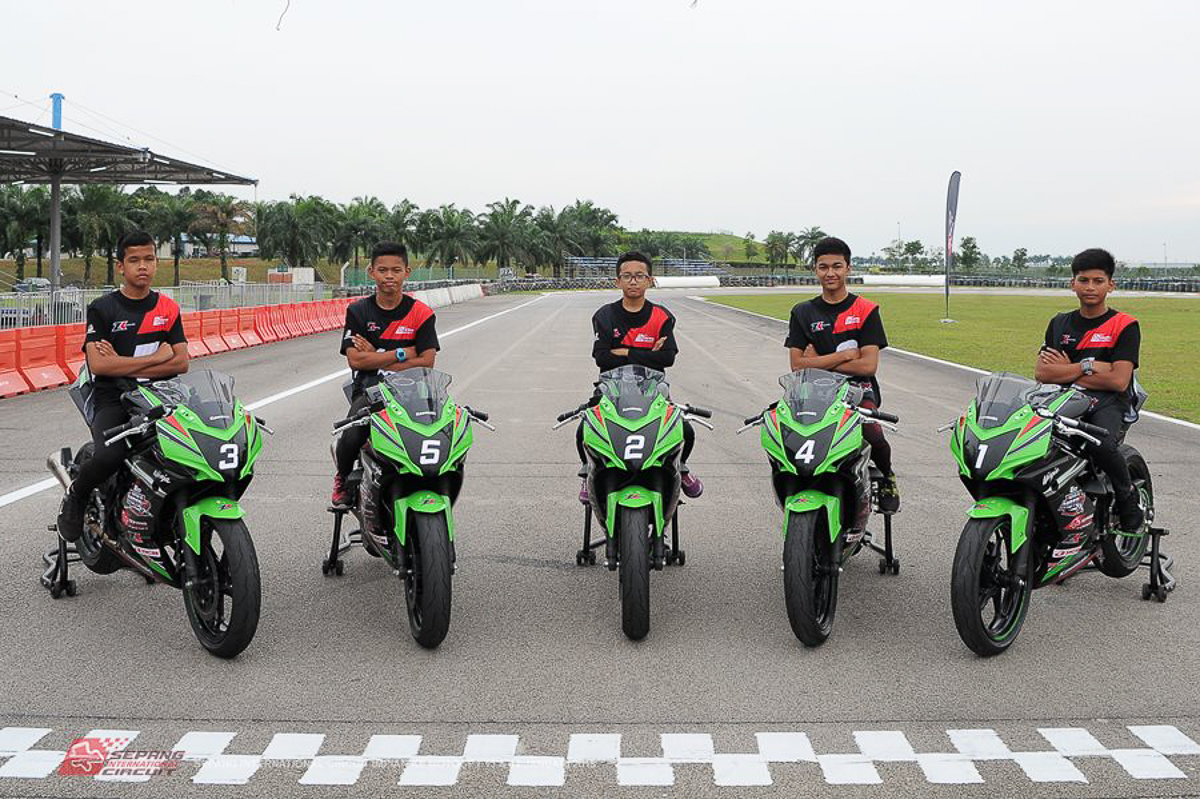
In our recent report this morning, five young riders have been chosen to join the Impian ke MotoGP or ‘Dream to MotoGP’ program organised by the Sepang International Circuit (SIC). The training program which will be spearheaded by our very own national rider Zulfahmi Khairuddin will begin in the next few weeks. (more…)

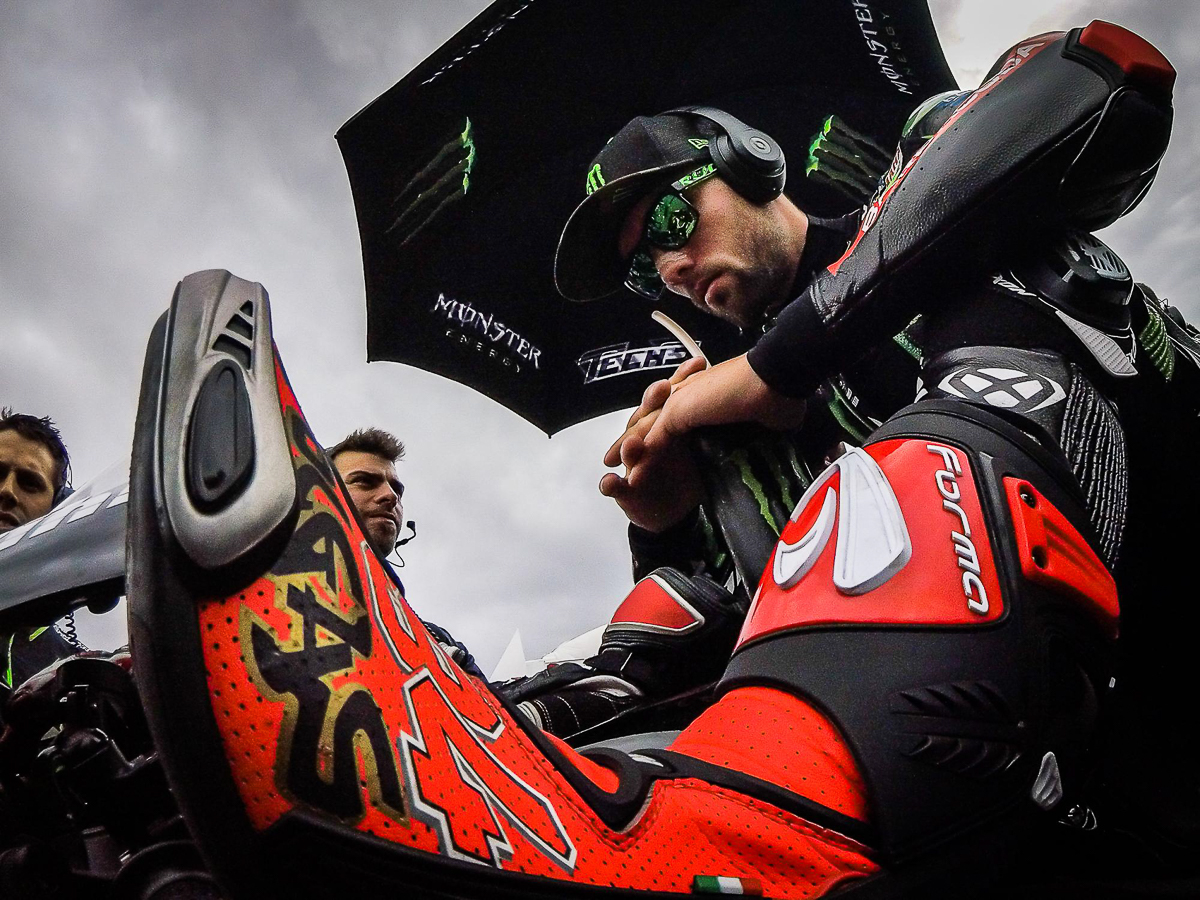
MotoGP rider Jonas Folger has announced that he will not race in the 2018 MotoGP season.

After failing to recover both physically and mentally, the 24 year old German rider made the decision even after an impressive rookie season in 2017.

Folger was diagnosed with a rare genetic disorder called Gilbert Syndrome where his liver is unable to process the body’s toxins effectively.

After a stunning performance last year during his first ever season in MotoGP, Monster Yamaha Tech 3 rider Jonas Folger has surprisingly decided to remove himself from racing for 2018. The decision came to be as the 24 year old German rider was unable to recover both physically and mentally ever since he was diagnosed with the rare Gilbert Syndrome late last season. (more…)

Five young riders have been chosen for the Impian ke MotoGP or ‘Dream to MotoGP’ program organised by Sepang International Circuit (SIC).

Riders aged 13 to 15 will undergo an intensive training regime spearheaded by national racer, Zulfahmi Khairuddin.

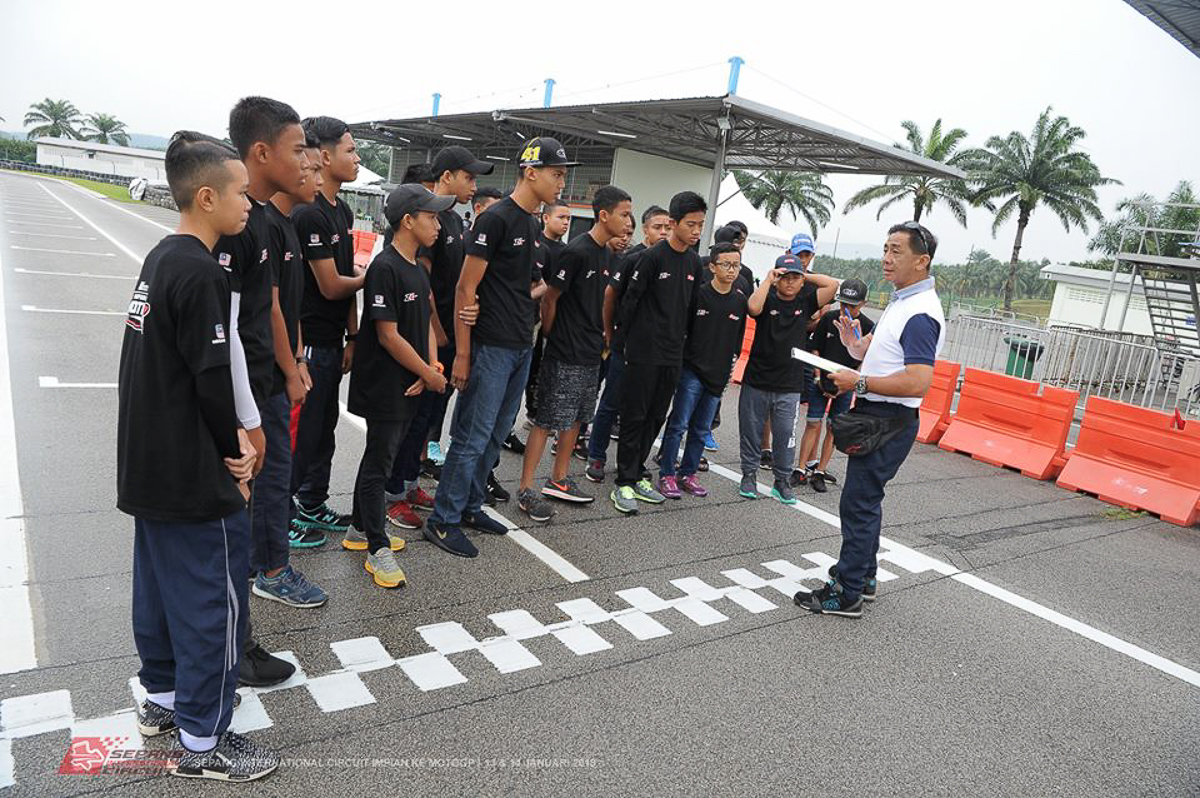
The best two riders will be given the chance to compete in the Spanish FIM CEV Repsol as well as Asia Road Racing Championship (ARRC) and Malaysia Superbike Championship (MSC).

Out of the hundreds who applied for the ‘Impian ke MotoGP’ or ‘Dream to MotoGP’ program conducted by the Sepang International Circuit, 40 worthy individuals were chosen for the selection process a few days ago at the Sepang International Go Kart Circuit. (more…)

  • How much do you have to pay if you get pulled over for a traffic offence?

  • The guide below is standardized among the PDRM, JPJ and DBKL.

  • Remember that “The more you delay, the more you pay.”

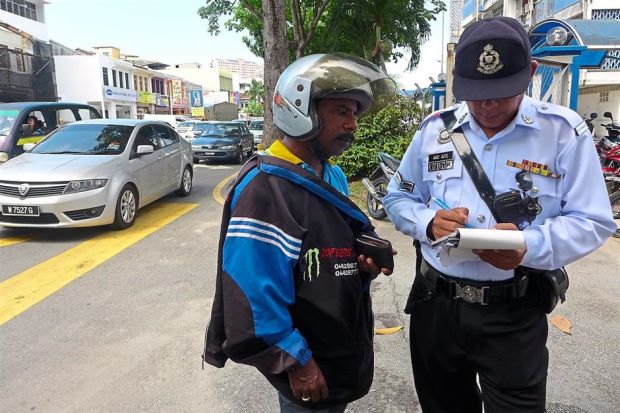
Ever wondered how much is the summons rates you need to pay if you get nicked by the traffic police for an offence? We’ve put together this PDRM Traffic Summons Rates as a general guide. You may always check to see if you’ve been summoned at the Polis DiRaja Malaysia’s (PDRM) official site or through portals such as MyEG.

First category offence Vehicle type Standardized summons rates (RM) Examples of offences
1 – 15 days 16 – 30 days 31 – 60 days
Offences relating to primary cause of accident, safety or road users, traffic congestion and public safety. All types of vehicles incl. motorcycles below 250cc 300 300 300 1. Driving above 40 km/h faster than speed limit.
2. Failure to stop at red light.
3. Using mobile phone
4. Not wearing a helmet.
5. Going against traffic.
6. Using the emergency lane except for emergency purposes.
Second category offence Vehicle type Standardized summons rates (RM) Examples of offence
1 – 15 days 16 – 30 days 31 – 60 days
Offences relating to negativve behaviour of driver and vehicle technical problem that activelu contributed to the accident, traffic congestion and public safety. All type of vehicles 150 200 300 1. Driving below 40 km/h faster than speed limit.
2. Perforing U-turn where it is prohibited.
Motorcycles below 250cc 100 150 300 3. No driving license.
4. Stopping inside the yellow box.
5. Not adhering to “No Entry” sign.
Third category offence Vehicle type Standardized summons rates (RM) Examples of offence
1 – 15 days 16 – 30 days 31 – 60 days
Vehicle technical problem which passively increases the risk of an accident, traffic congestion and public safety. All type of vehicles 100 150 250 1. Lights not working.
2. Brake light not working.
Motorcycles below 250cc 50 100 150 3. Light is not turned on.
4. Side view mirror not installed.
5. Transporting unsuitable object on vehicle.
Third category offence Vehicle type Standardized summons rates (RM) Examples of offence
1 – 15 days 16 – 30 days 31 – 60 days
Other offences not contained above that did not contribute to accident, traffic congestion and public safety. All type of vehicles 70 120 150 1. Expired driving license.
2. Did not change vehicle ownership.
Motorcycles below 250cc 50 100 150
3. Not displaying “P” sign.


As you can see, traffic offences are divided into four main categories. However, certain offences don’t appear as clear cut. Take for example if a motorcyclist is riding a 1000cc motorcycle without a B (full-B) bike license and a full-B “L” license either. His offence is categorised as “having no valid motorcycle license.” If he has an “L”-license but didn’t display the L-stickers, his offence should fall under Category Four.

Another offence motorcyclists should take not is about not riding on the motorcycle lane where available. The offence is considered not adhering to a no entry sign.

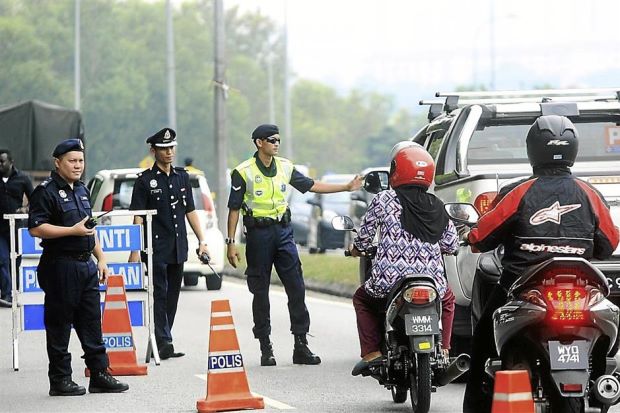
Image by thestar.my

There are non-compoundable offences, of course, such as riding with expired road tax. That would automatically mean that one is riding without insurance coverage. It’s an offence that sends one straight to the Majistrate’s Court and subject to the judge’s mercy.

Driving under the influence of alcohol or drugs could result being fined up to RM 5,000, a jail term and your license being revoked.

However, what kind of offence also depends on the issuing officer. So be nice if you get stopped.

Another thing to note is that the rates are standardised among PDRM, JPJ and DBKL. To encourage quick settlement of outstanding summons, the government has put the “The more you delay, the more you pay” initiative in place since 1st July 2013.


  • We motorcyclists always complain about car drivers.

  • But car drivers always complain about bikers too.

  • Let’s be fair to ourselves and everyone we share the roads with.

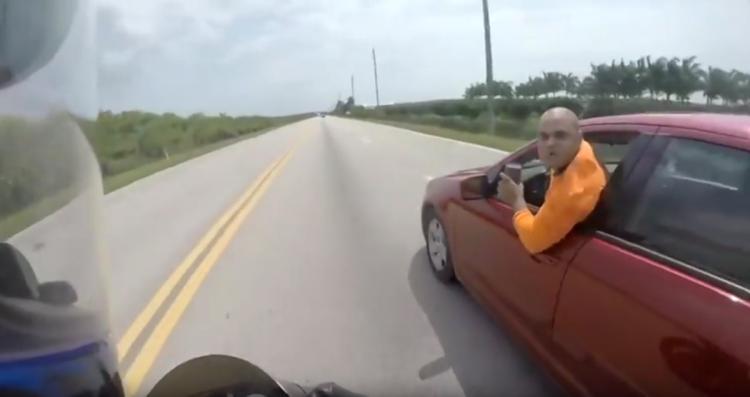
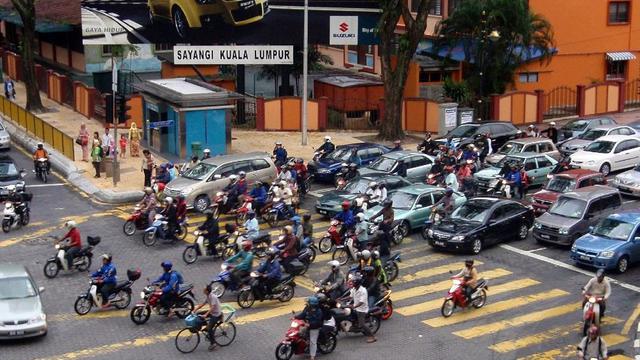
If you’ve ever commuted during the rush hour, you’d encounter all sorts of Malaysian driving and riding behaviour. Well, thing is, motorcyclists blame car drivers and drivers blame motorcyclists. It seems that Malaysian road-users don’t take responsibility and accountability of their actions, resulting in this mess we call “Malaysian traffic.”

Yes, yes, I agree, there are drivers who shouldn’t even get out of their houses, much less drive, but when I drive do I see why car drivers always blame motorcyclists for every tit-and-tat.

Take for example at the famous Pandan Roundabout. I see bikes shooting past red lights everyday – one almost got run over by a 4X4 last night, but similarly, my wife and I were almost t-boned by an Exora last week.

Let’s be fair to ourselves and society.

1. Not stopping

Number One on the list is definitely no other than this. Red means stop. Full-stop. Period. End of story, end of argument. It doesn’t matter if the roads are empty like a zombie apocalypse.

Red light: STOP.

On the other hand, a traffic light that has just turned green doesn’t make it necessary to go right away. No, it’s not a racetrack. A green light signifies that it’s go when it’s safe to do so. One should look out for another vehicle that ran the light on the other side, before moving.

And hey, car drivers, stay off your freaking horn. Green means go only when it’s safe. Jeez!

2. Riding in Large Groups

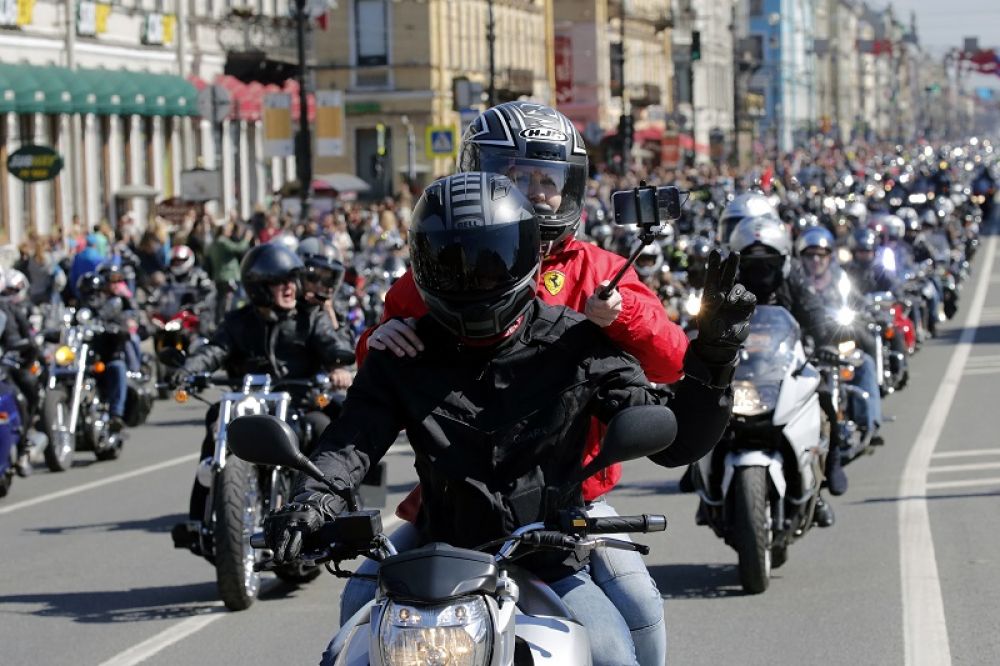
Yes, I do enjoy group riding but please, leave some room for other traffic too, unless the ride is marshalled by the traffic police. It’s just best to ride with a lead marshal, one or two runners and the last man (sweeper), while leaving the group to ride in a loose formation.
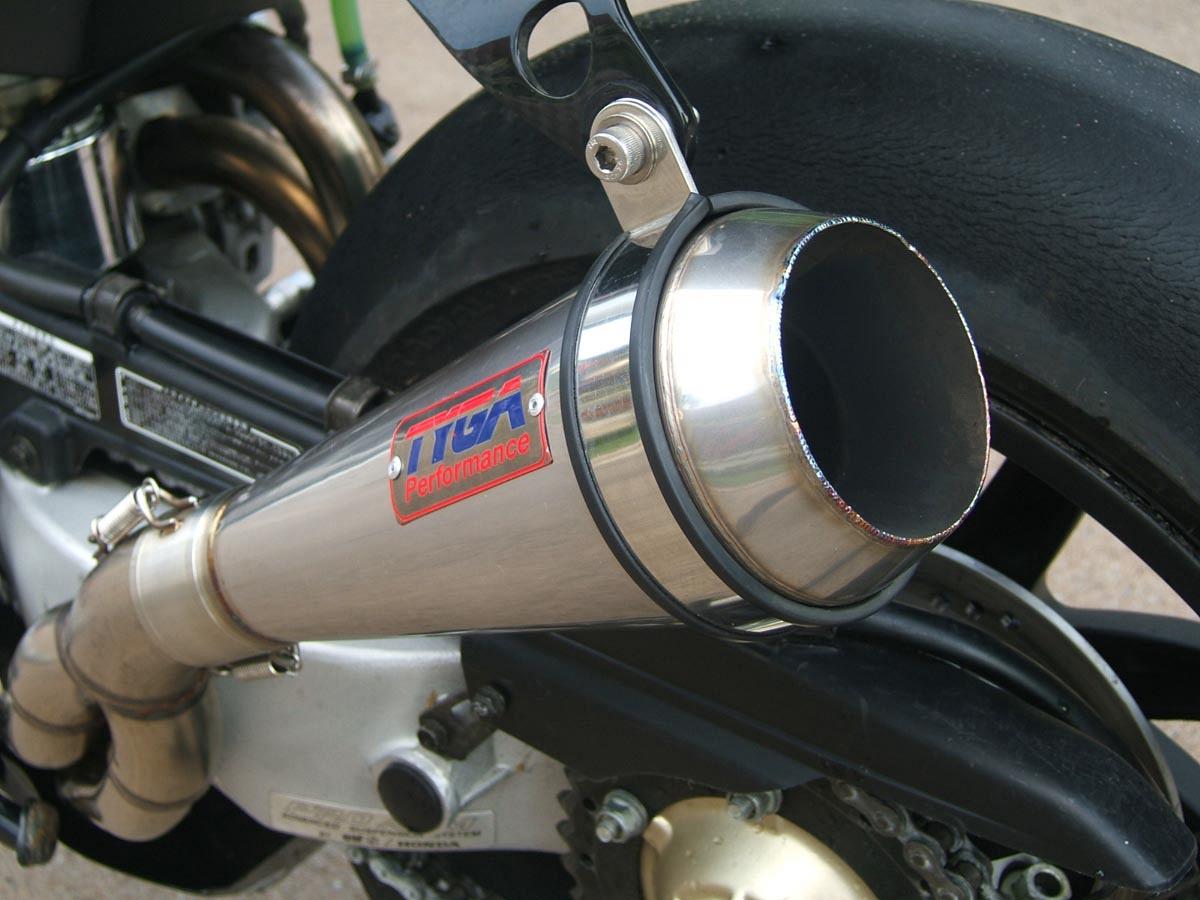
3. Pipes too loud

The “loud pipes save lives” concept is still a much-debated subject, but I’ve noticed how a slightly louder than stock exhaust is enough to announce your bike’s presence to other road users. But problem is pipes that are so loud they’ll wake the dead. What does it prove? Loud equals fast? Loud equals fun?

Sheesh. An exhaust that’s too loud will only annoy the public. There’s this group of idiots who like to blast up and down the main road in our taman, scaring old folks and babies. In Indonesia, the kampung folks will throw rocks at these guys.

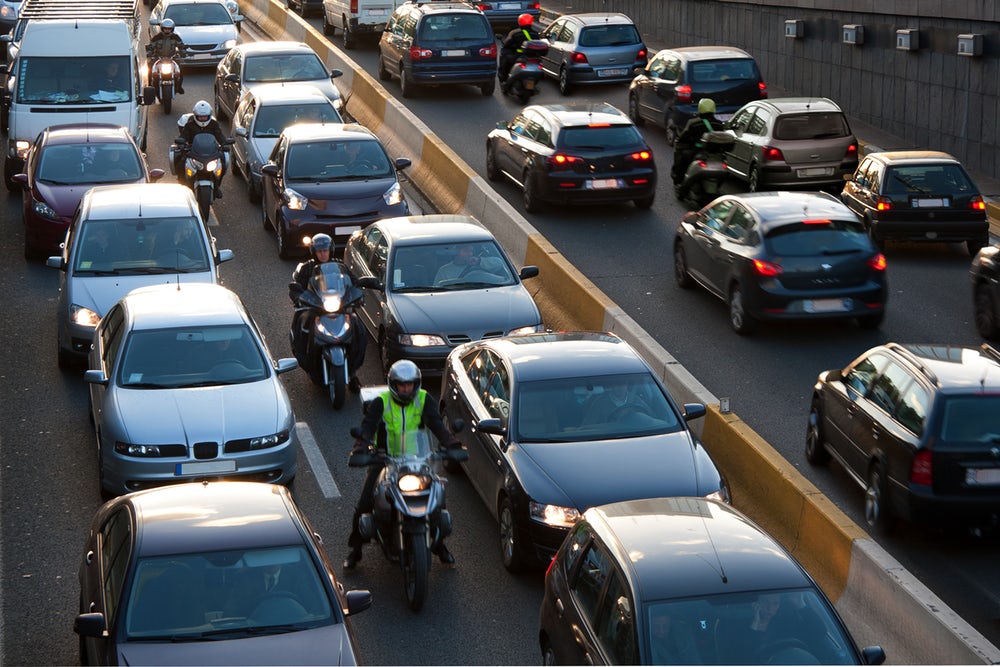
4. Jumping queue

Oh, this happens all the time.

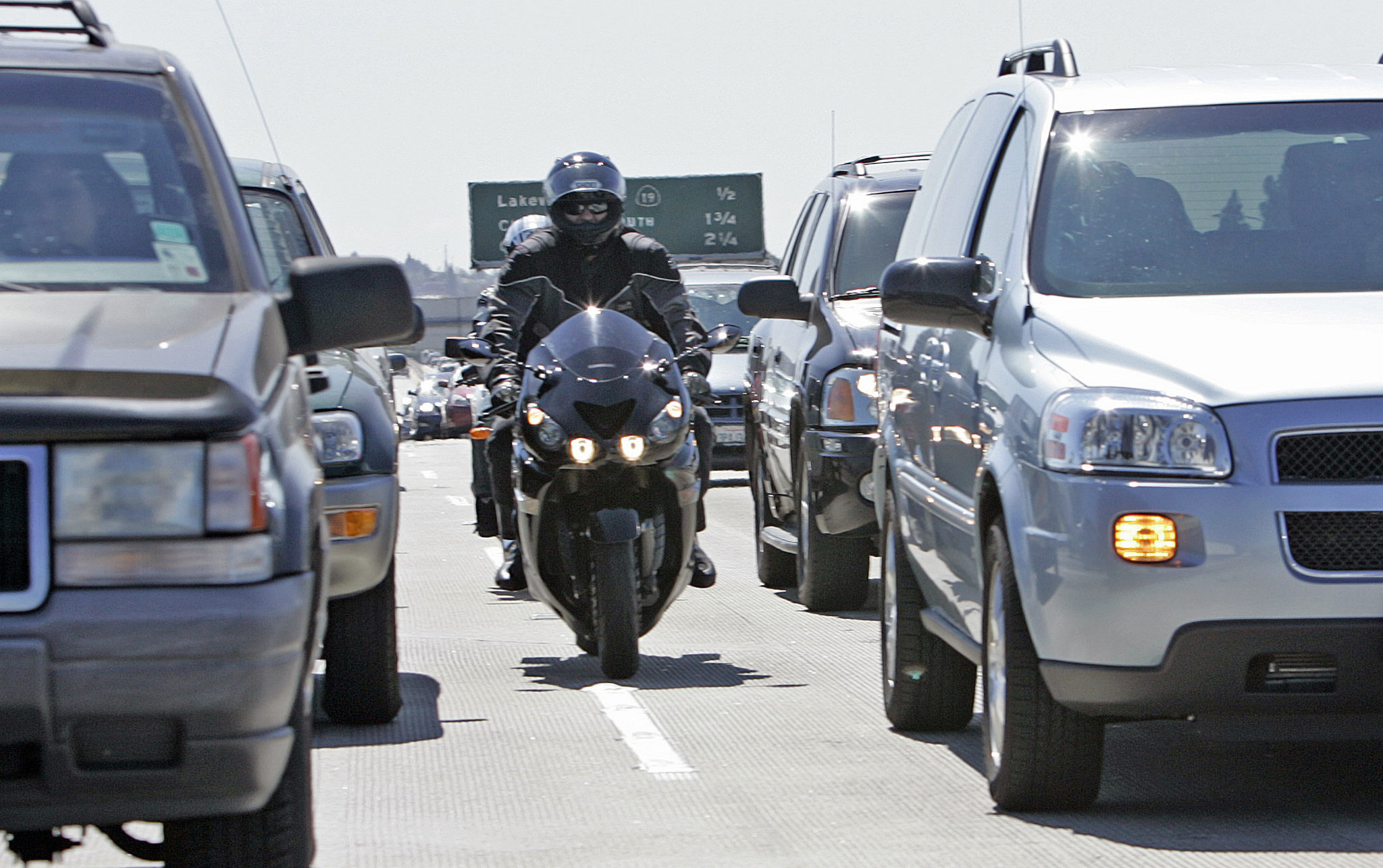
We’re a lucky bunch that traffic filtering is allowed. But we have to do it intelligently. How many times have we seen motorcyclists who’d just cut in front of car to go into the other lane without signaling or giving adequate time to the car drivers? But when a car driver does this exact same thing, these same motorcyclists get upset. Ironic.

5. Headlights too high

The motorcycle’s headlights are pre-adjusted in the factory for the majority of riders. But if you’re a heavier rider or carry a passenger and luggage, you’d best remember to adjust the headlights.

If you notice road signs are brighter instead of the road in front of you, that’s a sure indication of the need to adjust it. Adjustment is simple as the headlight adjuster is easily accessible to most bikes.

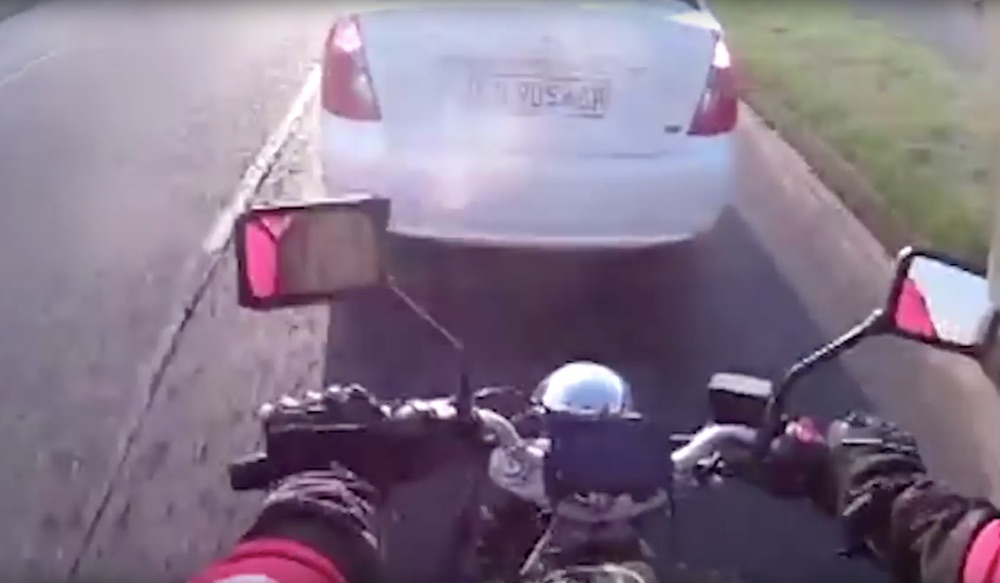
6. Tailgating

Do we really need to tailgate cars to intimidate them out of the way? Most drivers don’t understand our bikes’ performance and think they’re already faster than everyone else on the road. Tailgating them may annoy them enough to “brake test” you.

It’s easier to just more productive to overtake them quickly on their left and leave them behind. It’s not the correct thing to do but let’s not waste our energy and time.

7. Scaring car occupants

As with tailgating, let’s just pass other cars even if they hog the lanes. Passing closely on purpose or giving them an Akrapovic- or SC Project-salute (blasting of the throttle to scare them) isn’t necessary. If a car driver pissed you off, honk, overtake to the front, and just roll your head. I would dare to bet my last Ringgit with you that 99.999999% of all drivers have no idea of what wrong they did, so it’s a waste of time.

8. Riding too slow

There’s definitely nothing wrong if you ride slow, but take the left lane and stay there, allowing traffic to pass on the right. It’s common to see a slow bike occupying the overtaking lane, holding up all the traffic. It’s as unsafe as much as it’s damn annoying.

9. Riding too fast

The safest way to filter through traffic in between two slow-moving lanes is to ride no more than 30 km/h faster. That means there’s enough room for emergency avoidance and braking, while the bike is still maneuverable since it’s moving.

But when we blast past traffic at much higher speeds, the safety margin becomes slimmer and slimmer. Many car drivers have complained aobut bikers not giving a damn and continuing to blast past, despite having signaled much earlier. Why? Because the bikes were travelling way too fast. Of course, there are braindead drivers who signal and turn in right away without checking what’s behind, but that’s a different story.

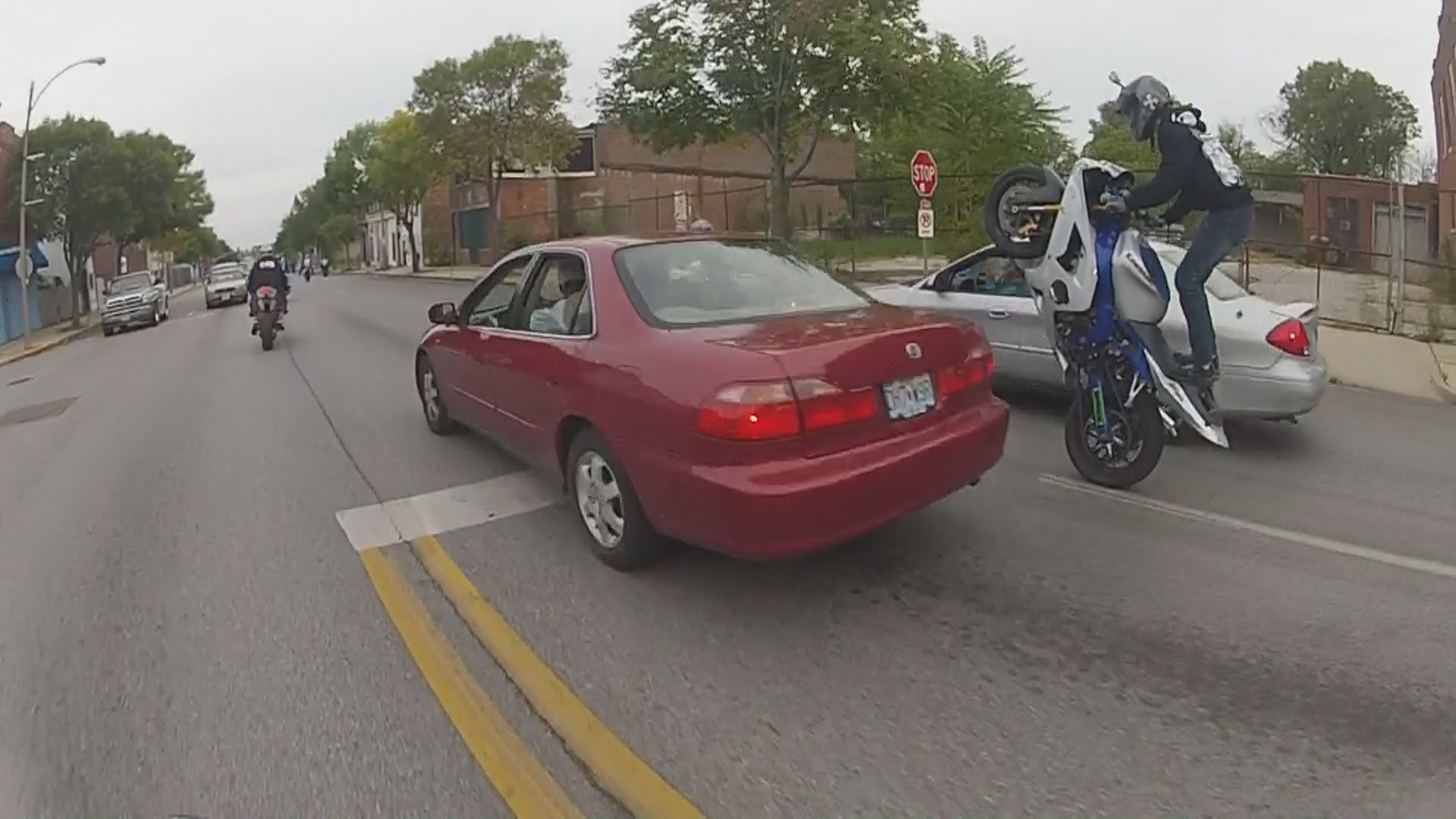
10. Pulling stunts

This is totally unacceptable and unforgivable. Pulling stunts in traffic or in public is the surest way of being branded as hooligans. And humans have this propensity to brand everyone as being the same just because of a small number of miscreants.

Stop it! Pull stunts in private spaces or on the track.

Archive

Follow us on Facebook

Follow us on YouTube