Bikesrepublic

Latest News

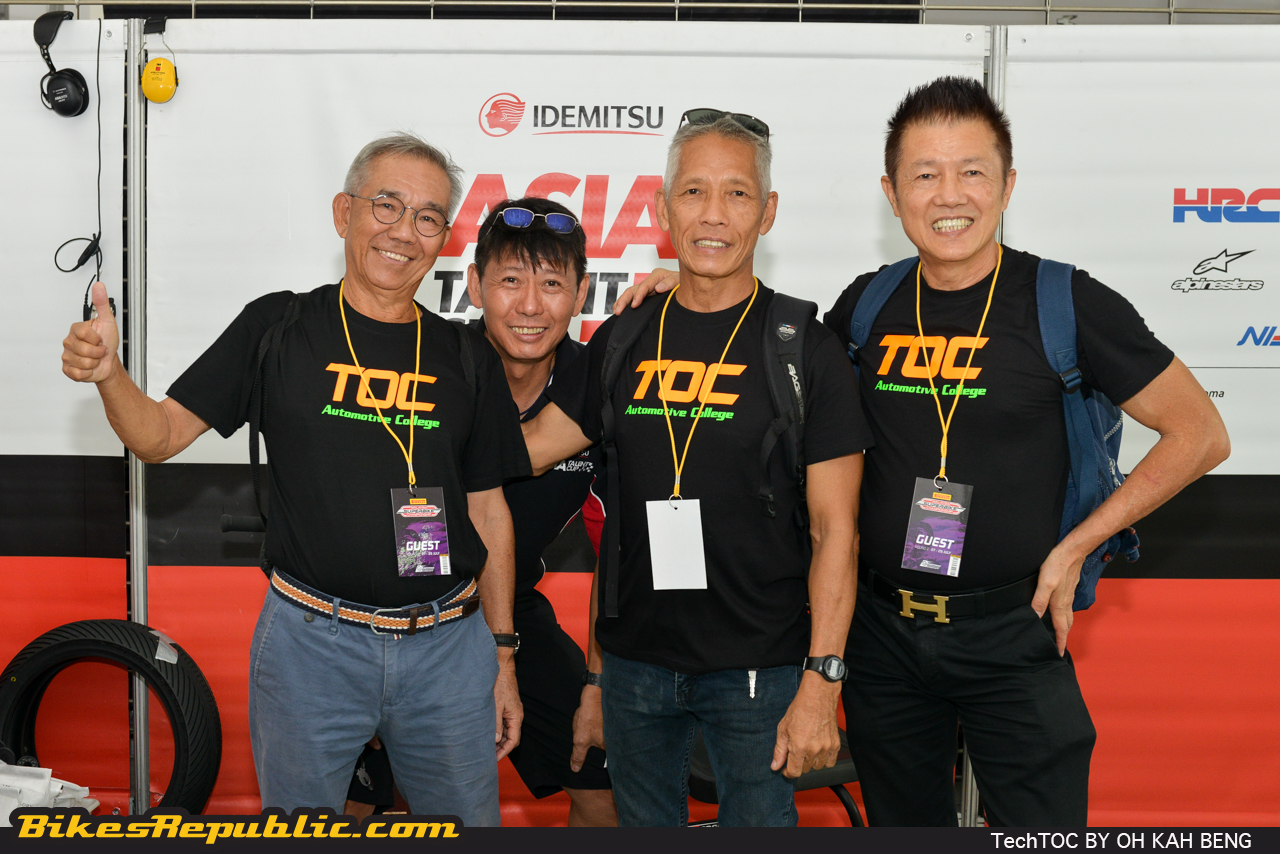
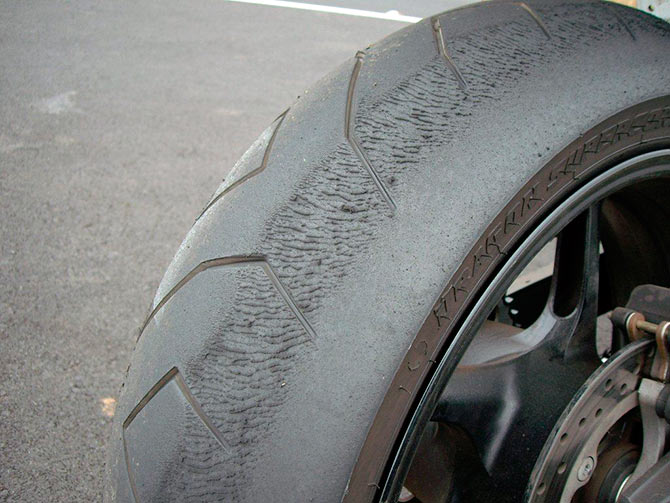
“Foreman” Oh Kah Beng answers a good question about tyre wear in this edition of TechTOC with “Foreman” Oh.
It goes without saying that your bike is only as good as the tyres it wears. Tyre wear must be kept an eye on at all times.

QUESTION:

How do I know when is the right time to change my tyres? Manufacturers say when the threads are worn to certain depth but my friends say I could use them until they look like racing tyres. Out of curiosity, how does one check the wear on racing tyres?
Ahmad Sukri – Johor Bahru

ANSWER:

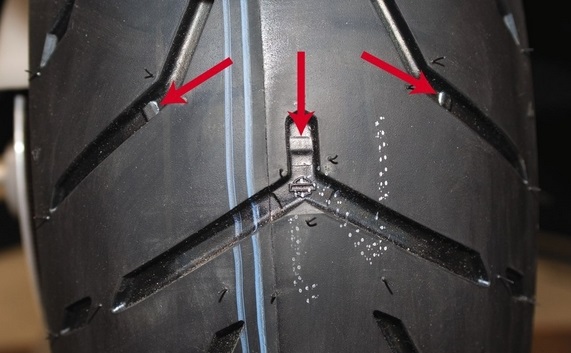
On street tyres, there are small “TWI” prints embossed on the outer edges of the thread surface to specify the locations of the respective “thread wear indicator.” Now, move your sight directly across the width of the tyre from the TWI print and you should spot a little “knob” which protrudes inside the tyre’s groove. If the surrounding tyre threads have worn down to this knob, it is time to replace the tyre. Allowing the tyre to wear beyond that indicator isn’t a good idea as there isn’t enough groove depth to evacuate water. This is considering normal wear.
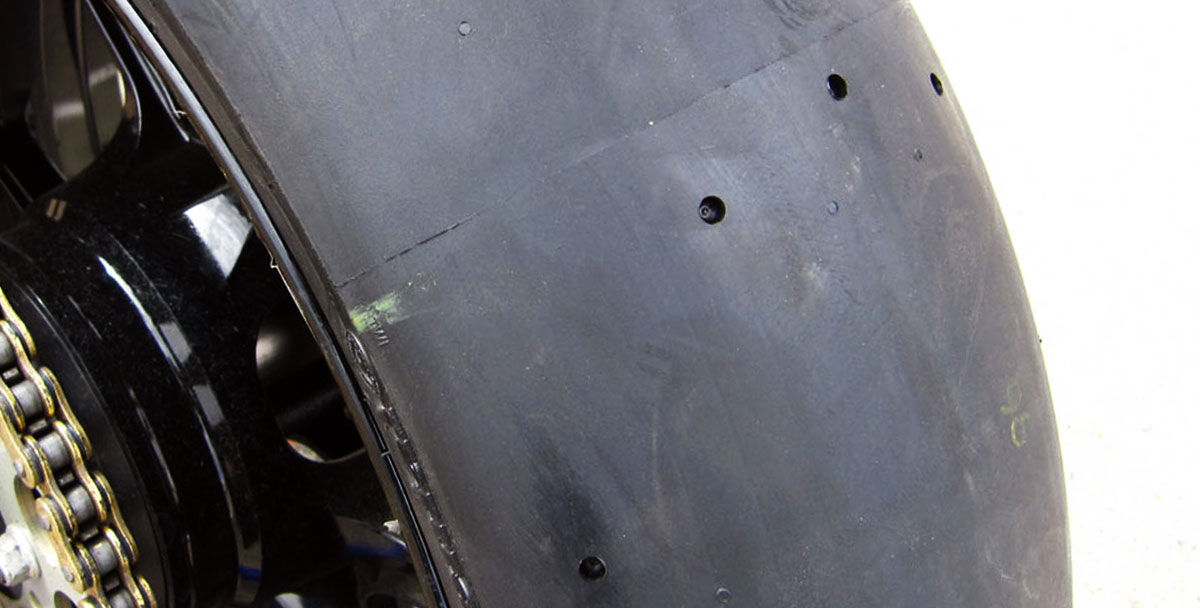
As for a slick racing tyre, the wear indicators are signified by visible pin holes from left to right across the tyre.
There are other factors that you should also consider such as age of the tires (5 years from time of manufacture), signs of abnormal wear (one side worn more than the other), signs of heavy damage (parts of the thread peel off, for example), already patched too many times, obvious signs of deterioration such as cracks.
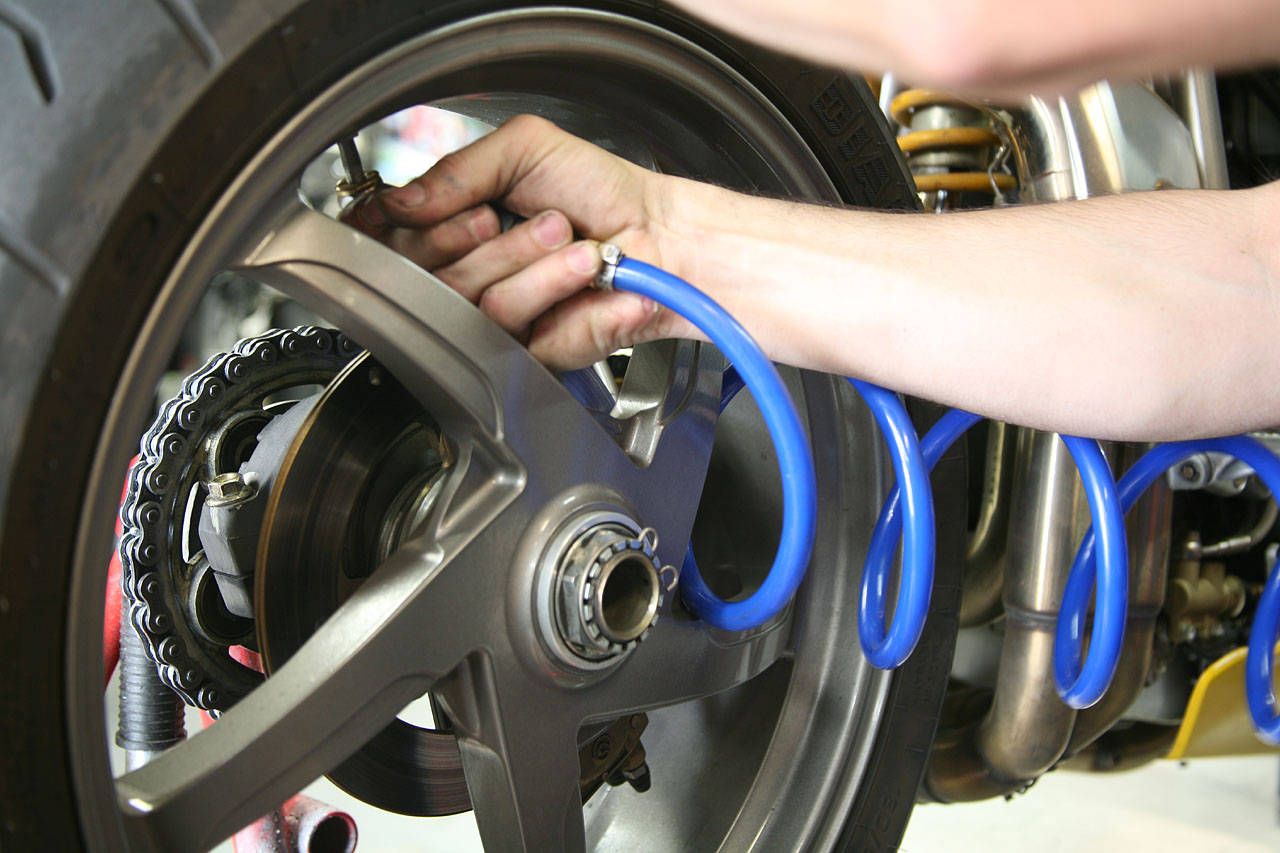
Just one word of advice, please remember to check your tyre pressure at least once a week. This is the time when you may pick up on the condition of the tyres, also.

Keep sending in your questions to me at TechTOC with Foreman Oh to stand the chance of receiving a complimentary session at Most Fun Gym.

You may follow us at Most Fun Gym – MFG through our Facebook page.

Please visit the TOC Automotive College Facebook page or their campus (map below) or call call (+603) 7960 8833 for more information. Likewise, you can find more information about the TOC Bina Bakat Program here, or email info@toc.edu.my. Please click on this link for further information on the TOC Superbike Technician Course.

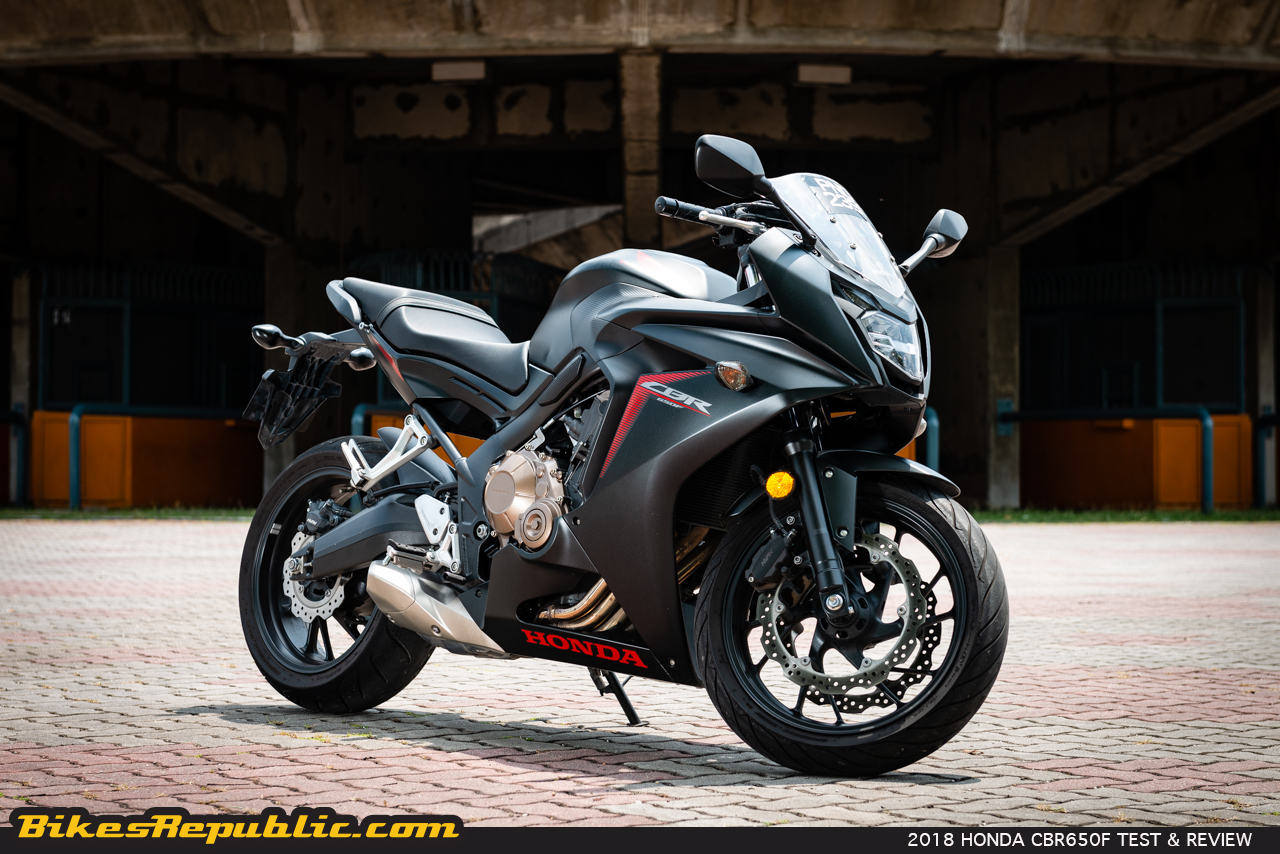
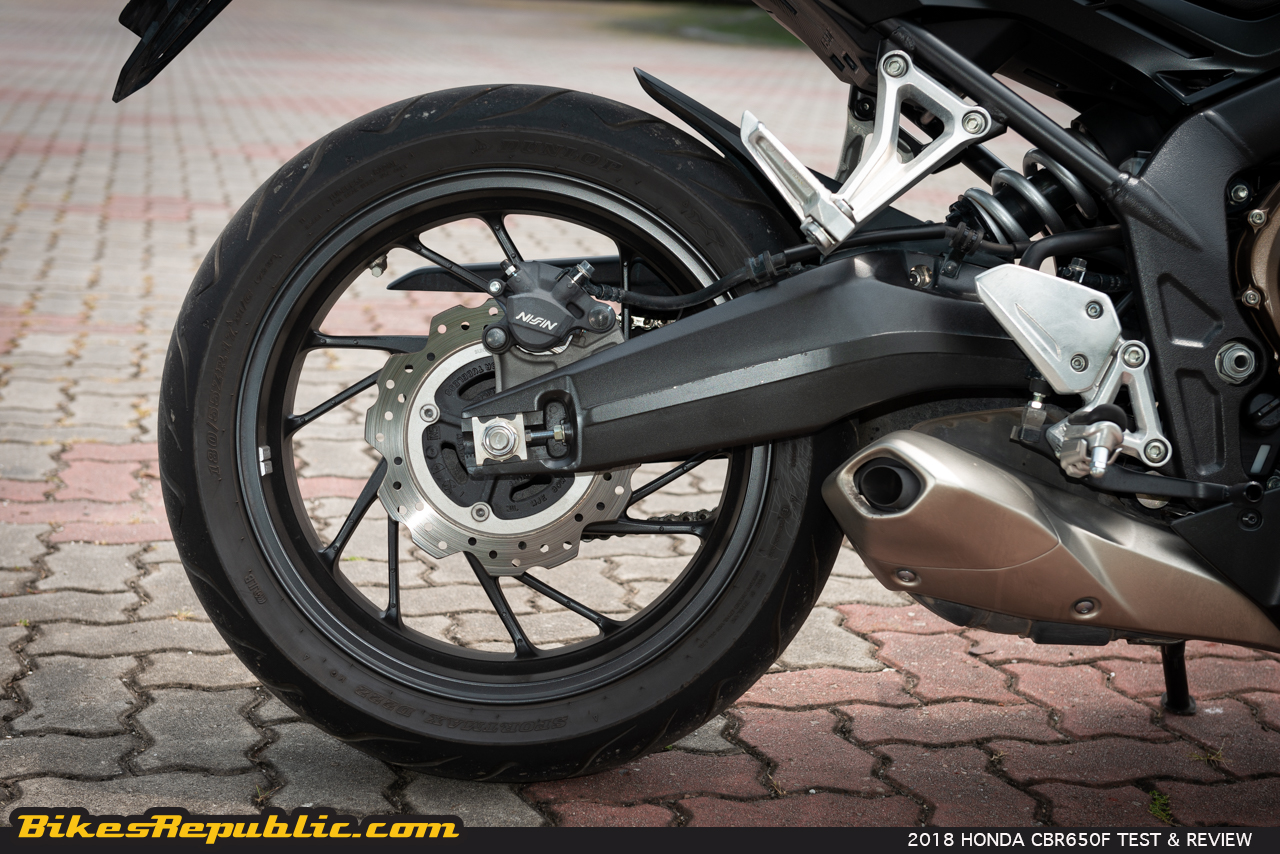
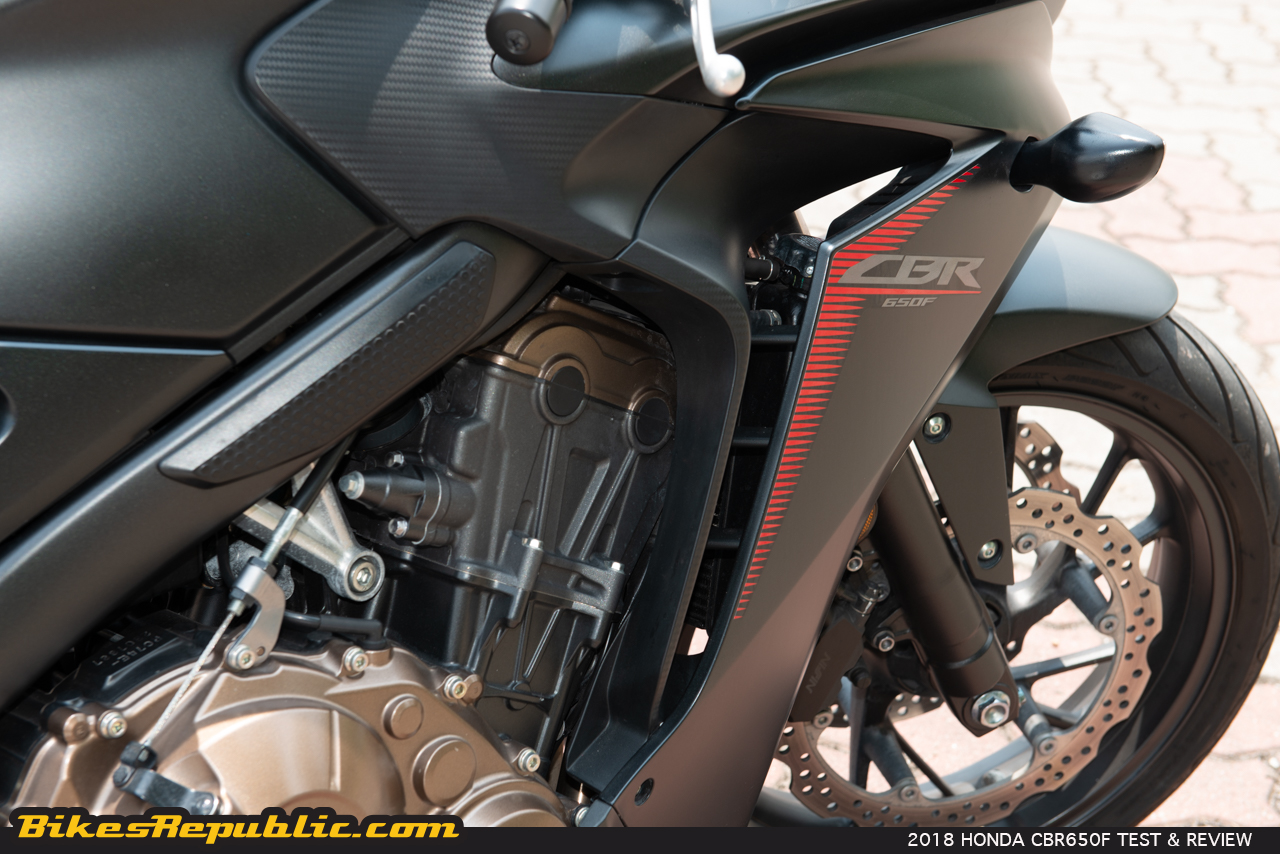
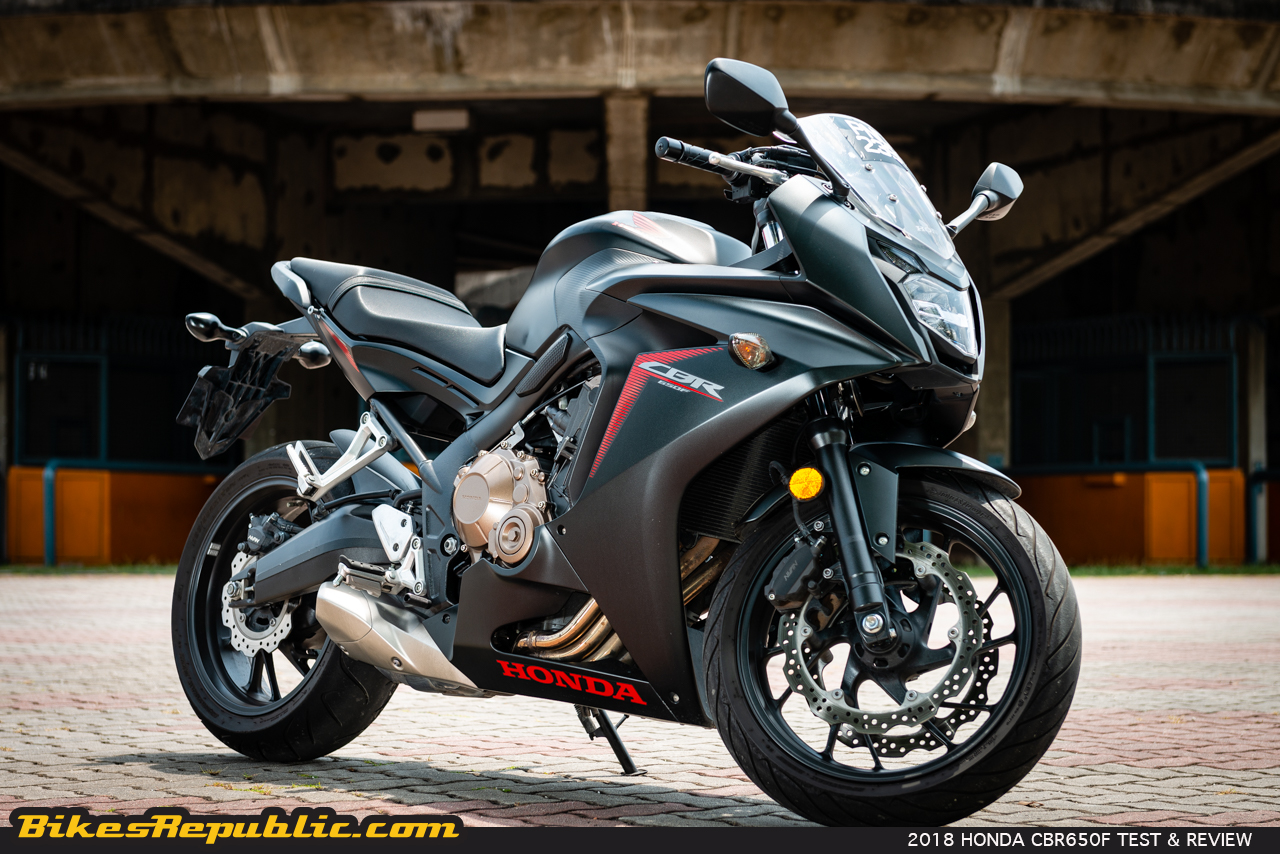
  • The 2018 Honda CBR650 is a sporty all-rounder, just like the CBR600F and CBR600RR series.

  • It should appeal greatly to beginners and advanced riders.

  • Priced from RM 44,453 (basic selling price with 0% GST).

When it comes to the hallowed “CBR” name, one conjures up images of red, white and black sportbikes howling at the redline, including the infamous CBR600F and CBR600RR that rule the middleweight class. How about this 2018 Honda CBR650F we tested here then?
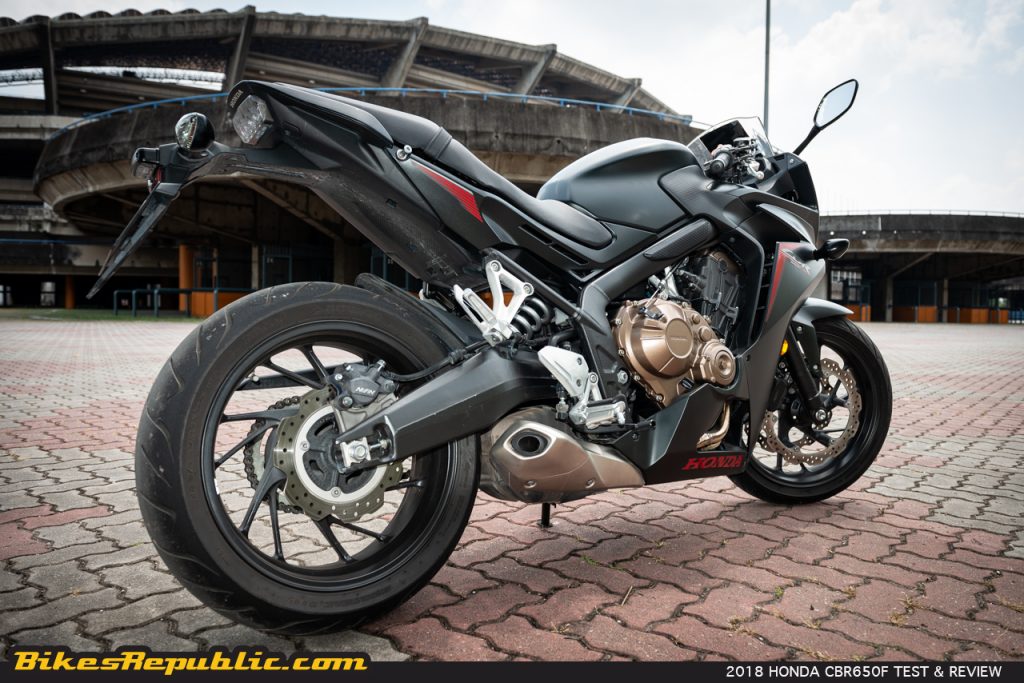
We had an earlier impression of the CBR650F during Honda’s iftar event and during the RC213-V test ride, both at the Sepang International Circuit last year.

On the track, the CBR650F was a joy to ride, due to the smooth surface (compared to public roads). I remember fondly of it being flickable and the torquey engine.

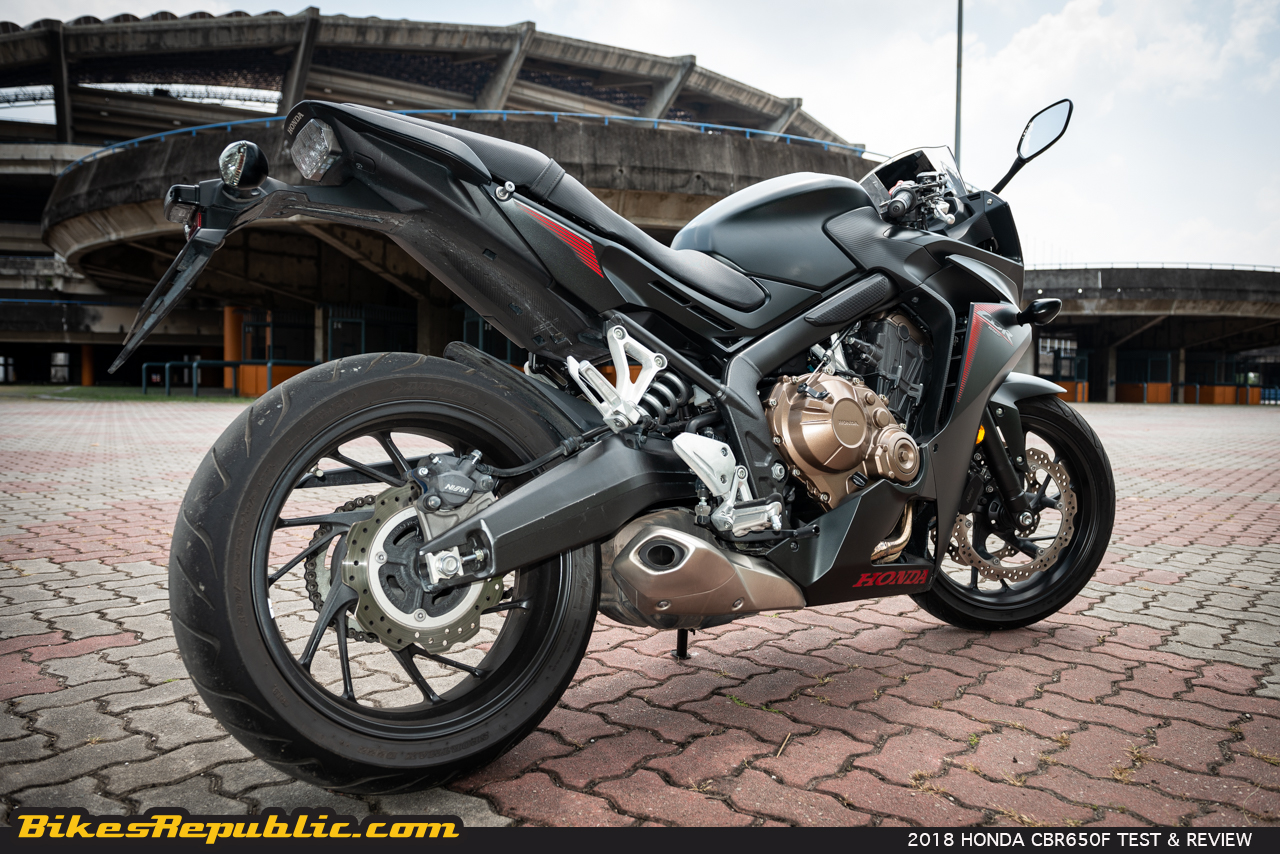
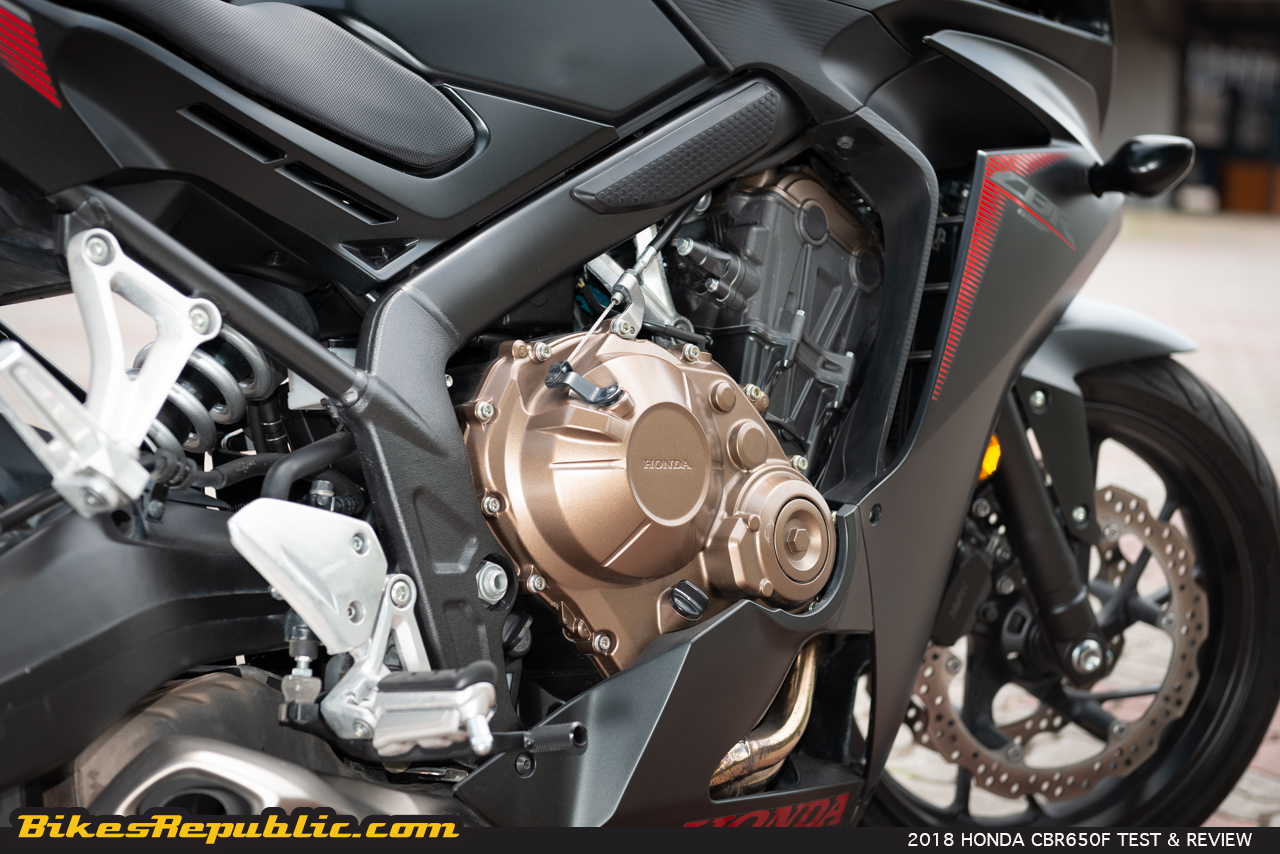
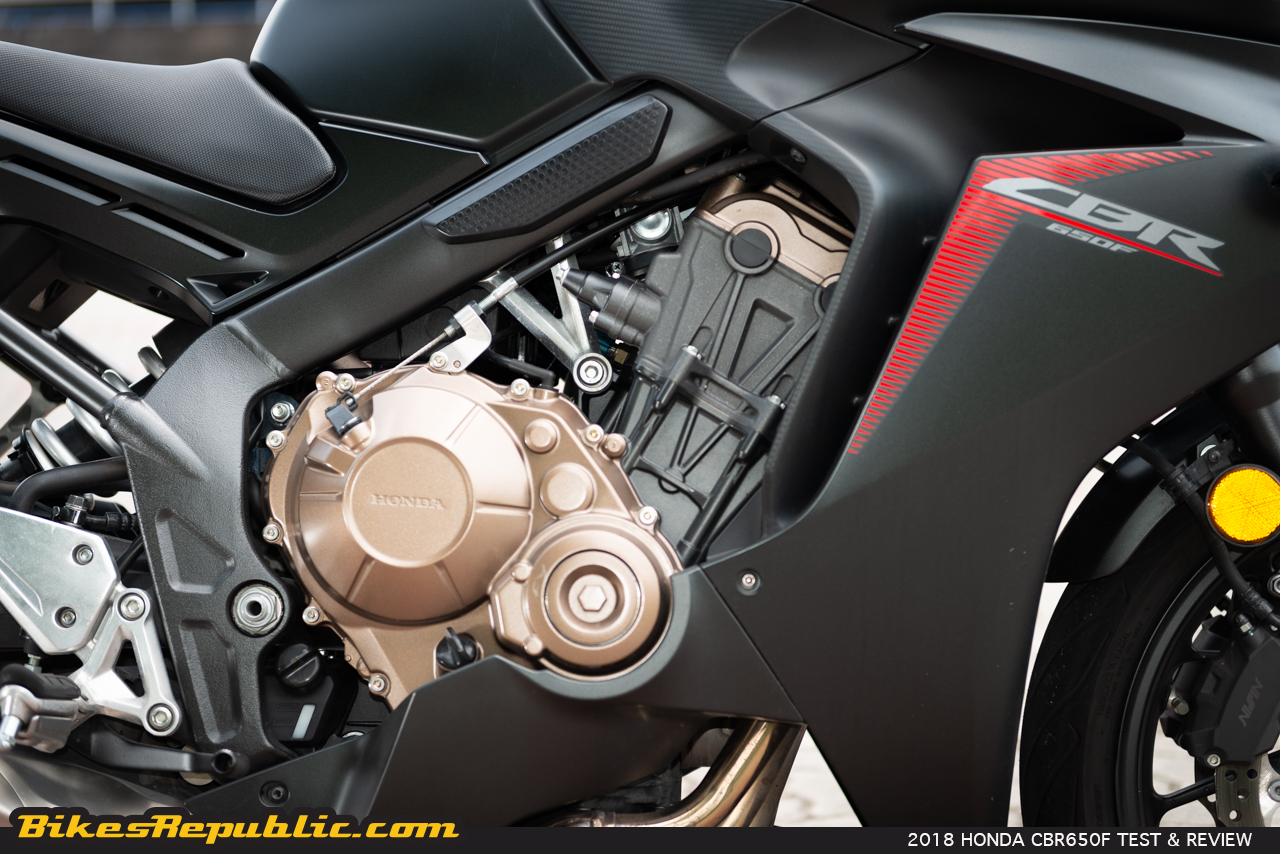
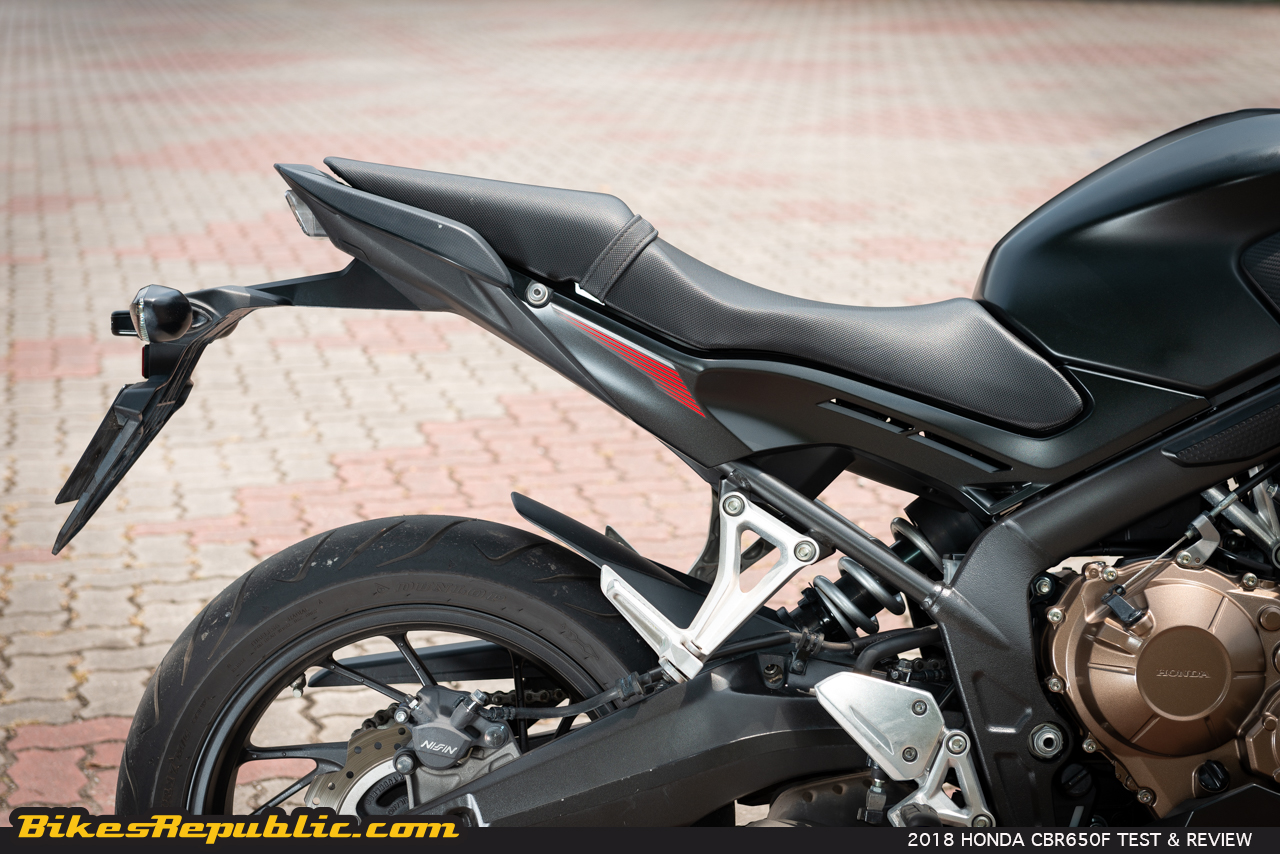
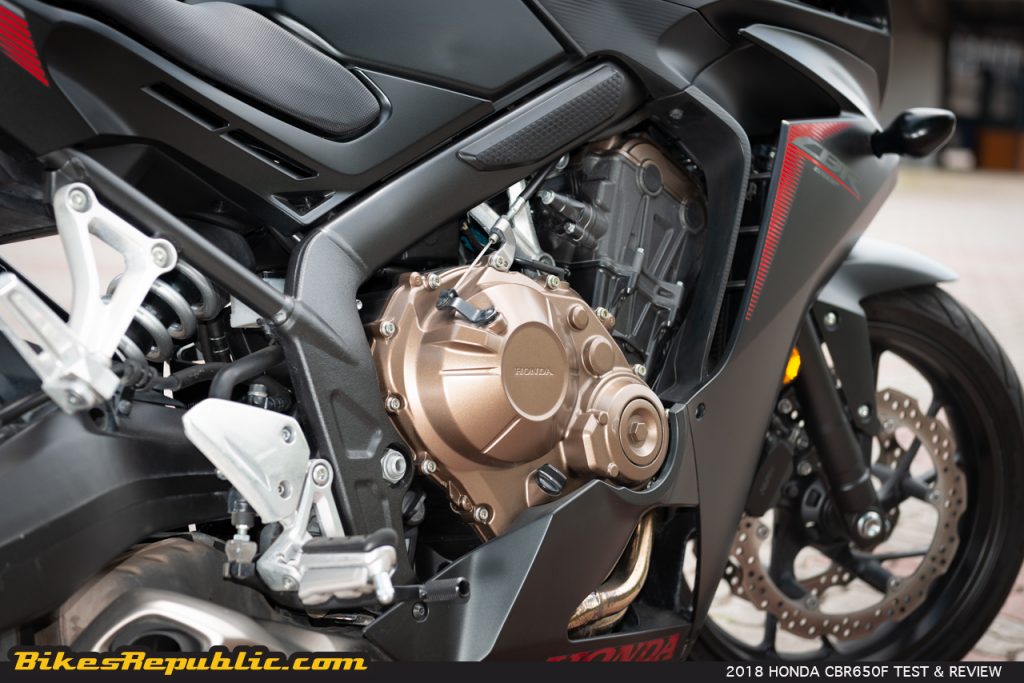
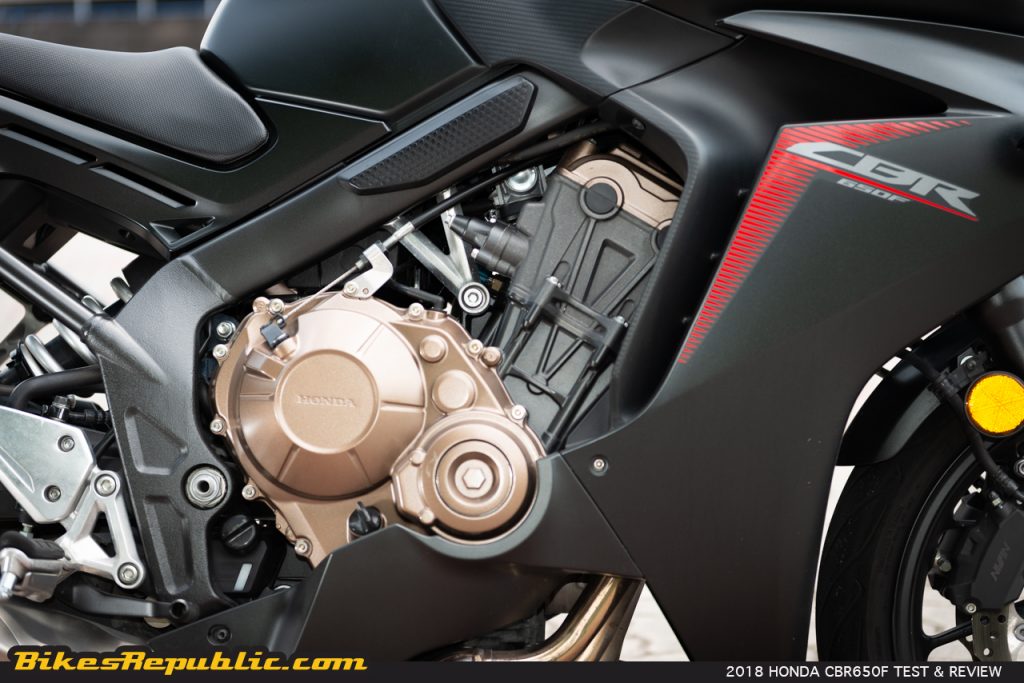
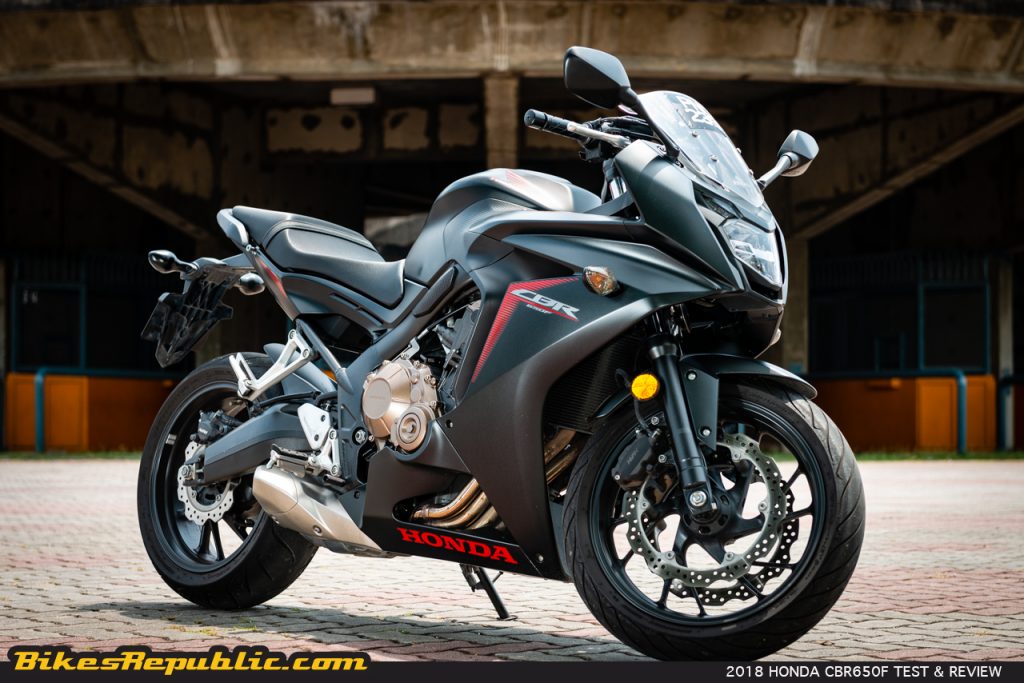
First and foremost, the bike looks great, like a pure sportbike. The bodywork leaves a number of bits exposed, such as the magnesium-coloured engine cases. The bodywork which covers the subframe is duly sculptured and gives the bike a very slim waist. The seat reminds one of the CBR600F’s.
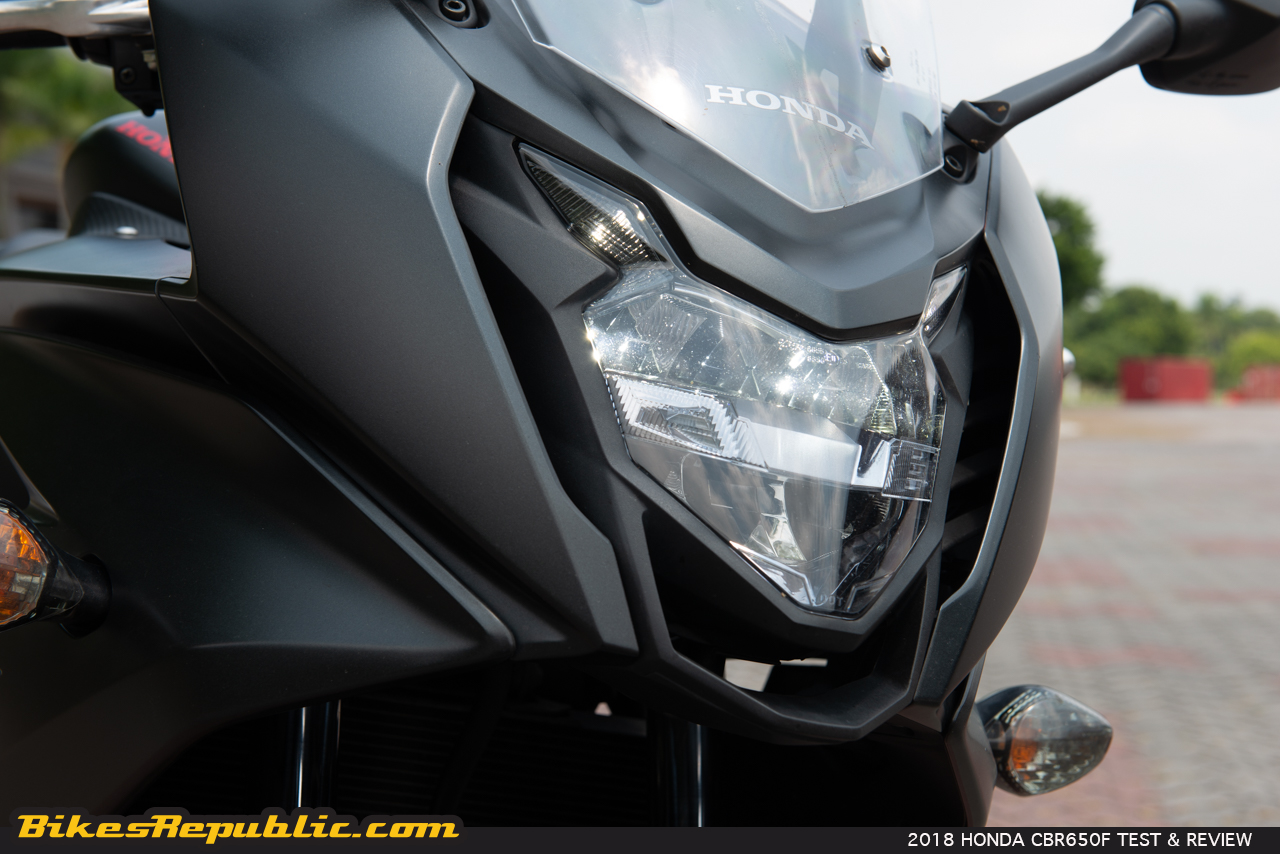
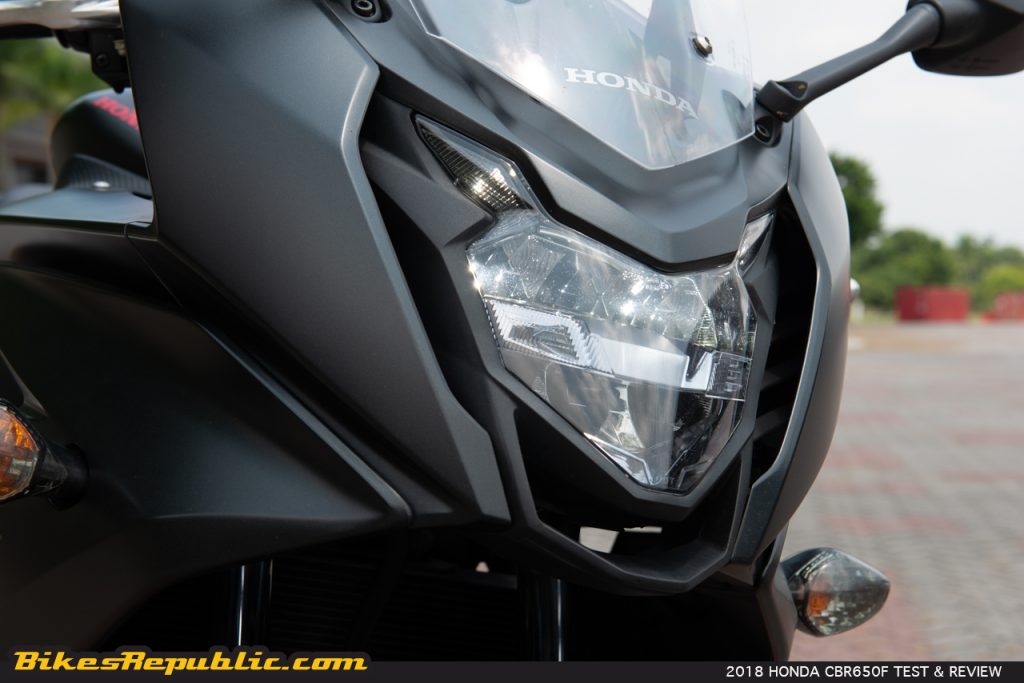
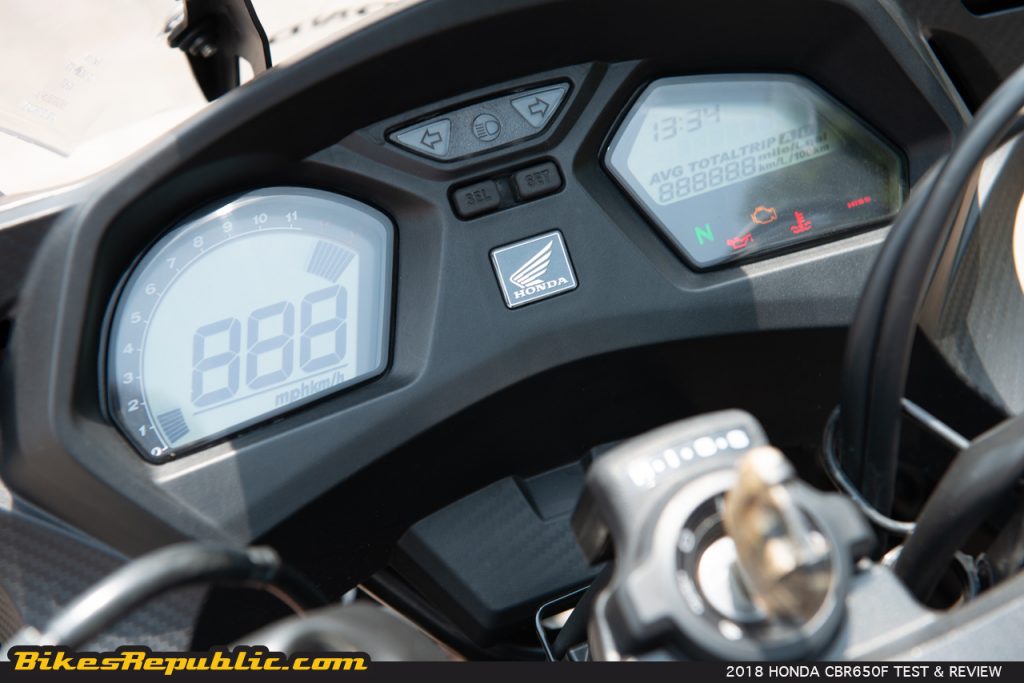
The seating position is also sporty with more weight on the front and high-mounted footpegs, hence putting your face just behind the small windscreen. There are two small LCD screens underneath that windscreen. The LED headlamp can be regarded as distinctive.
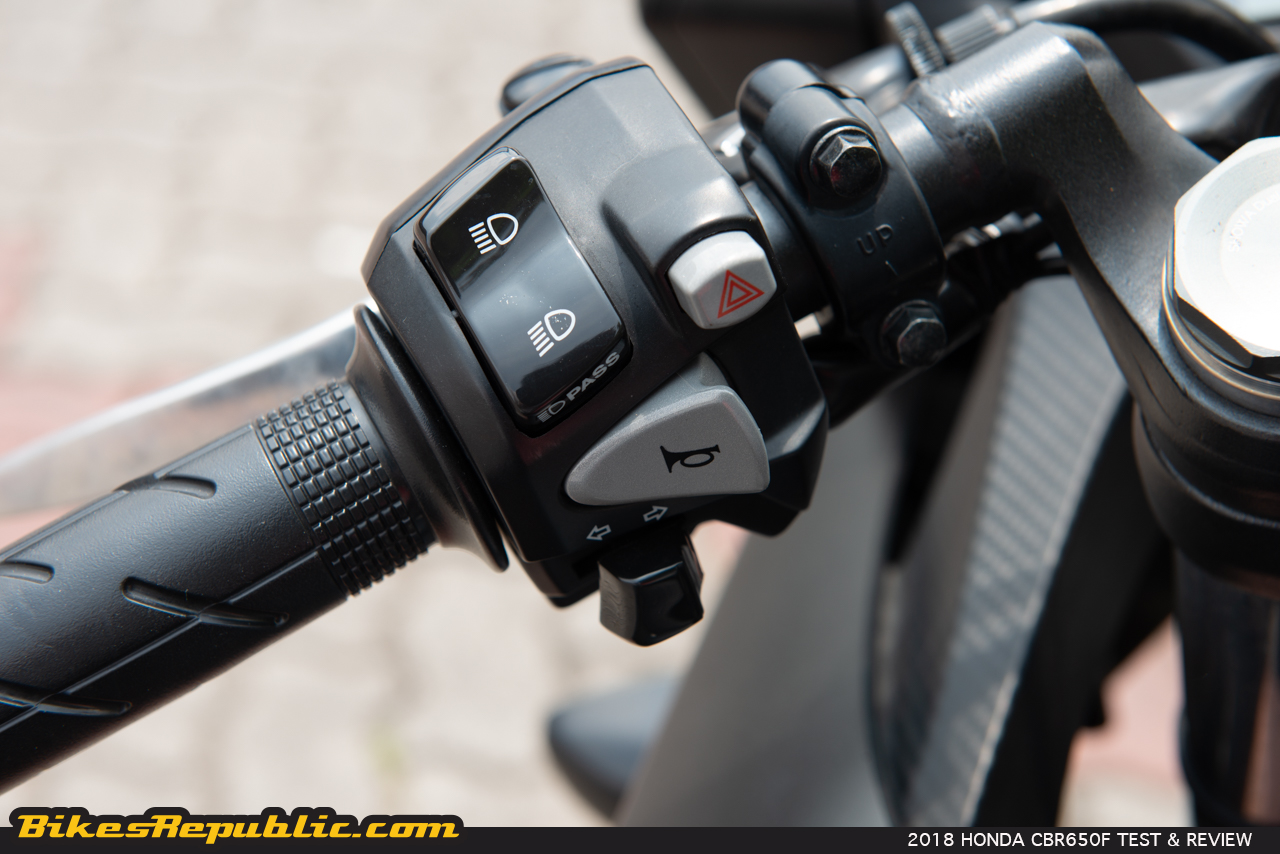
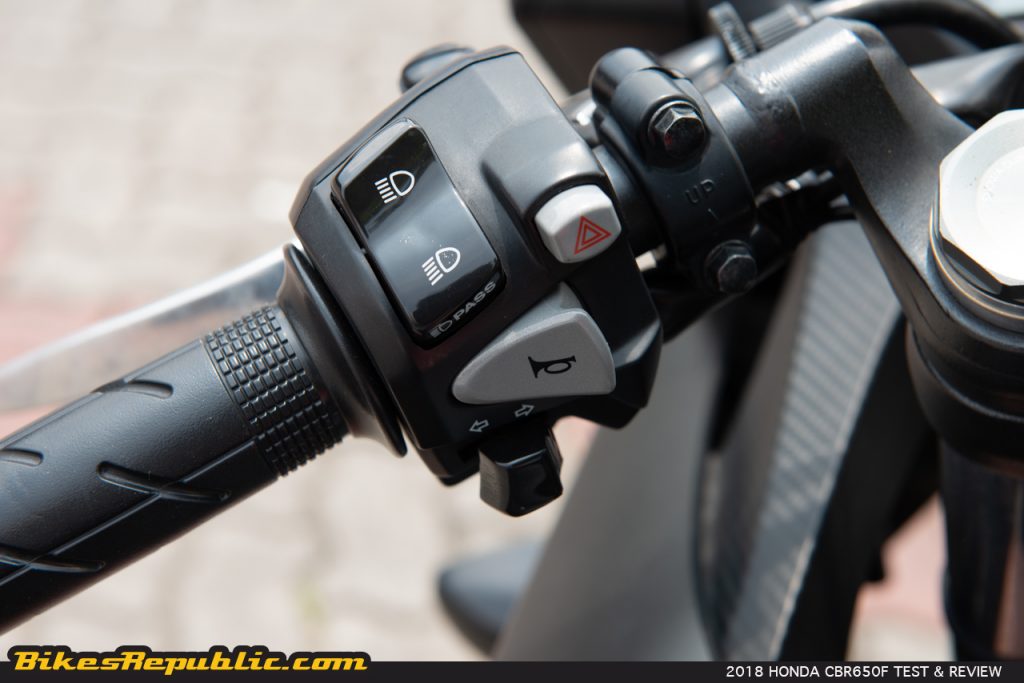
Quality as you’d expect of a Honda is readily apparent throughout the entire bike. From the paintwork to how the panels join, most cables and wires are hidden way, the switchgears don’t feel tacky. Honda always goes OCD about the tidiness of their bikes.
For a four-cylinder engine, the engine actually rumbles during idle. Blip the throttle and you’ll hear a warble from the airbox underneath the fuel tank.


You need to slip the clutch in order to pull away, not due to the engine but because there’s only a clutch cable adjuster. So, the problem is if you adjusted it to bring the clutch lever closer to the handlebar, the clutch takes a long while to engage and vice-versa. But you’ll get used to it after a while or fit an aftermarket adjustable lever

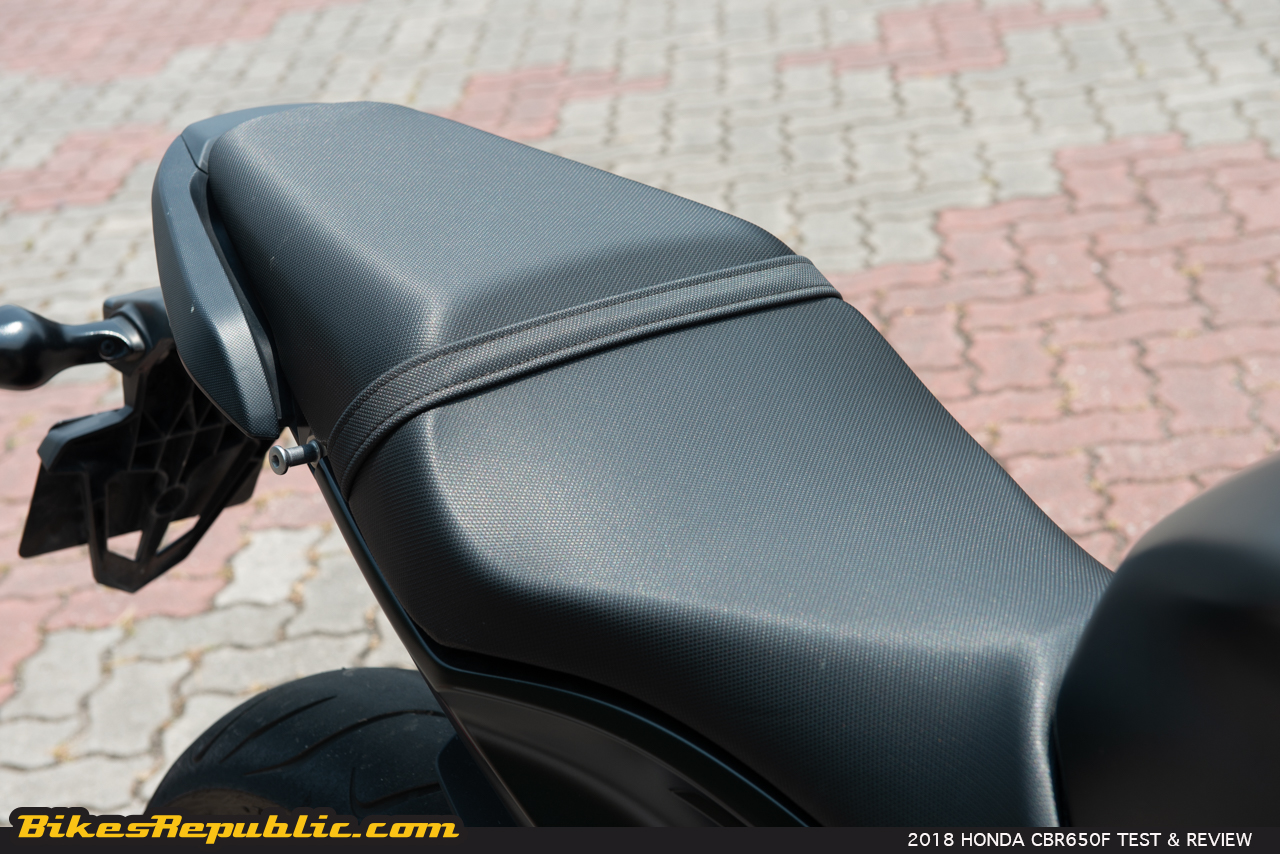
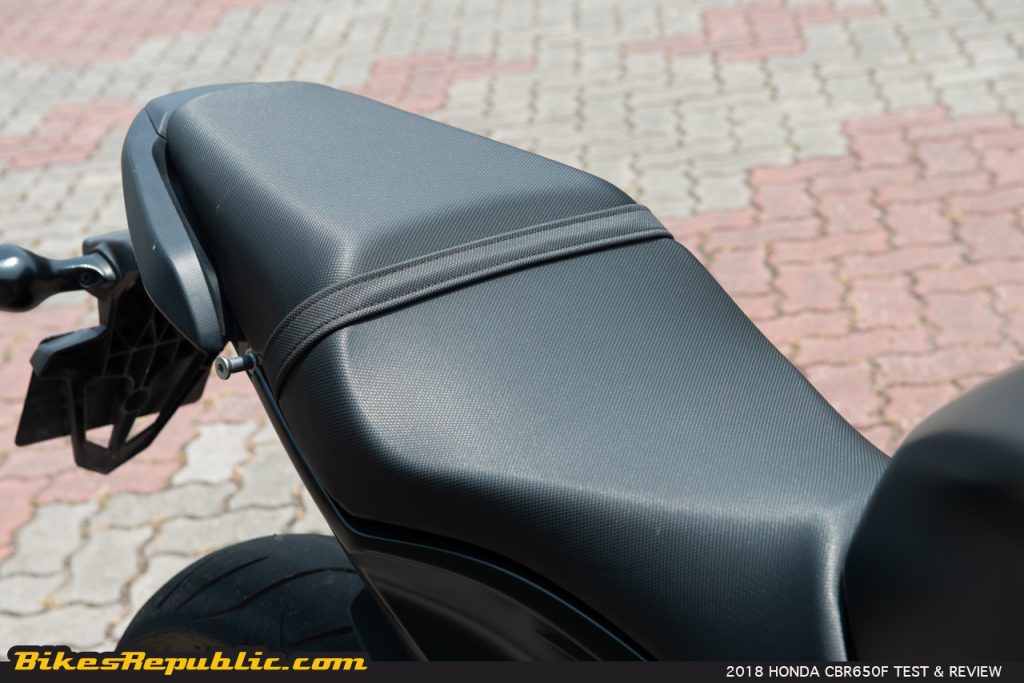
Another point scored is its low seat height, which should cater to all riders. The seat cushioning is pretty comfortable, too.
But once underway, the CBR650F’s engine belies the “stereotype” of inline-Four engines. It’s torquey! Unlike certain 600cc inline-Fours of the same class we’ve ridden, the Honda’s engine doesn’t wait until it hits midrange to be of use. Instead it charged forward as soon as the throttle was twisted.
It picks up speed really fast all the way to its top speed, without feeling strained. However, it did feel like the bike was geared short for urban and casual riding. In my personal opinion, I would reduce two teeth on the rear sprocket to give the bike longer touring legs.

On congested city streets, the smooth throttle, linear power delivery and torque makes for an easy bike to ride; meaning you’re hardly ever find yourself in the wrong gear.

The steering felt a little “heavy” at first but was because I was pressing down onto the handlebars. However, in a sporty crouch with the arms straight out, the bike was predictably nimble.
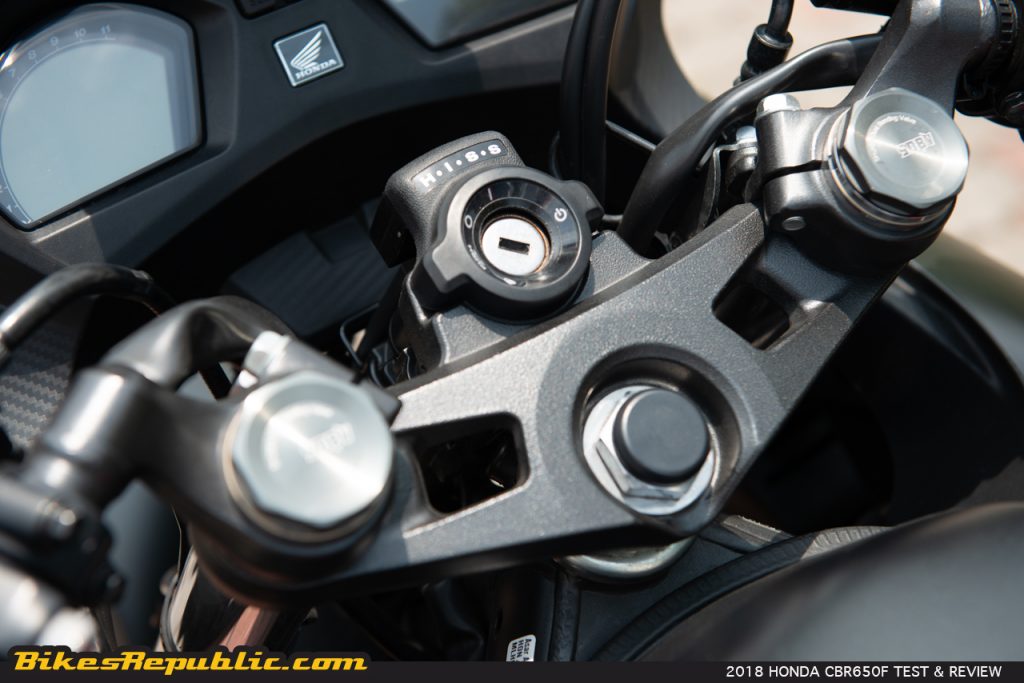
That didn’t mean the ergonomics was designed by Marquis de Sade, though.

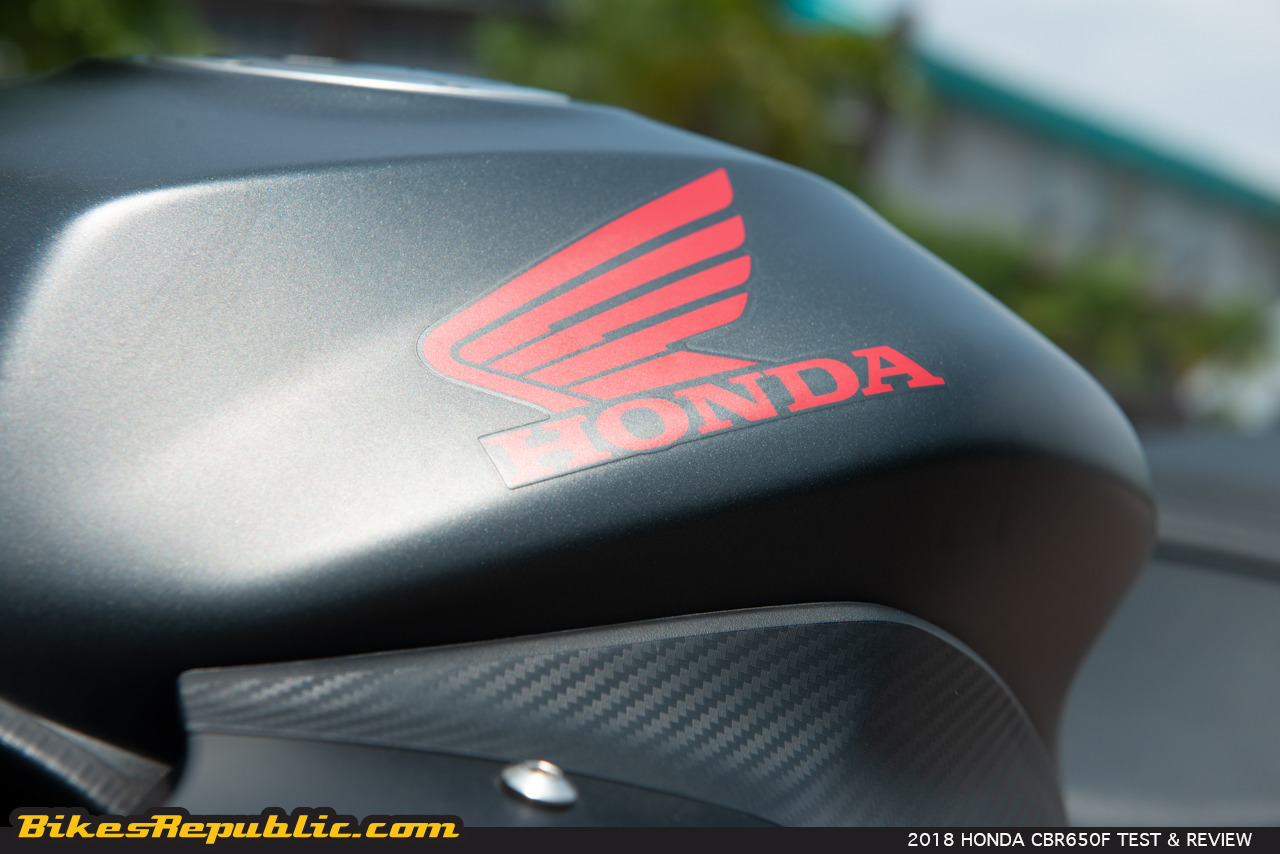
Around corners, you could do your best impression of Marc Marquez (well, maybe 30% of it). You could hang off very nicely by using the deep knee cutouts on the tank to support your lower body and the tank to support your outer arm as you carve through corners at some pretty scary speeds.
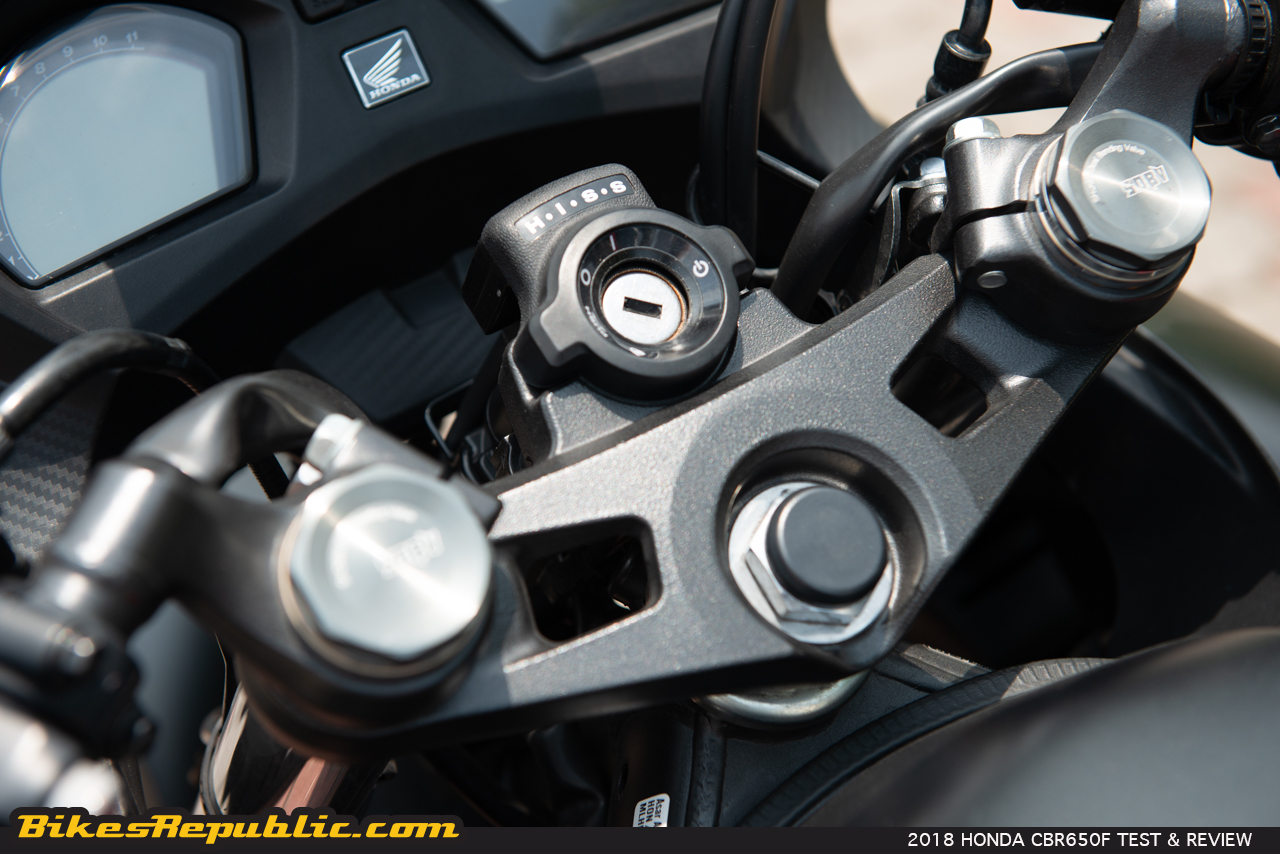
This is when the chassis showed its class as the Showa Dual Bending Valve (SDBV) forks provide good feedback to the palms of your hands while the rear shock handled damping pretty well, for a basic set up. The CBR650F was stable through corners without a tendency to either stand up or shake its handlebar.

Of course, being a basic suspension system, the bumps on KL roads are its worst enemies. Still, you don’t get kicked out of the seat.
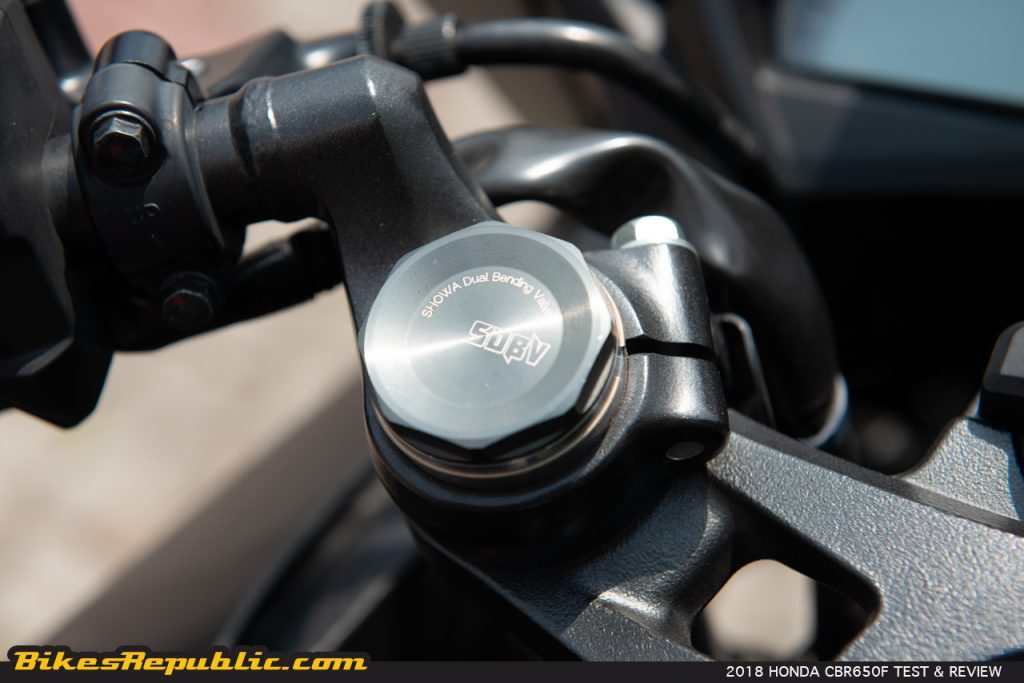
On congested city streets, the smooth throttle, linear power delivery and torque makes for an easy bike to ride; meaning you’re hardly ever find yourself in the wrong gear.

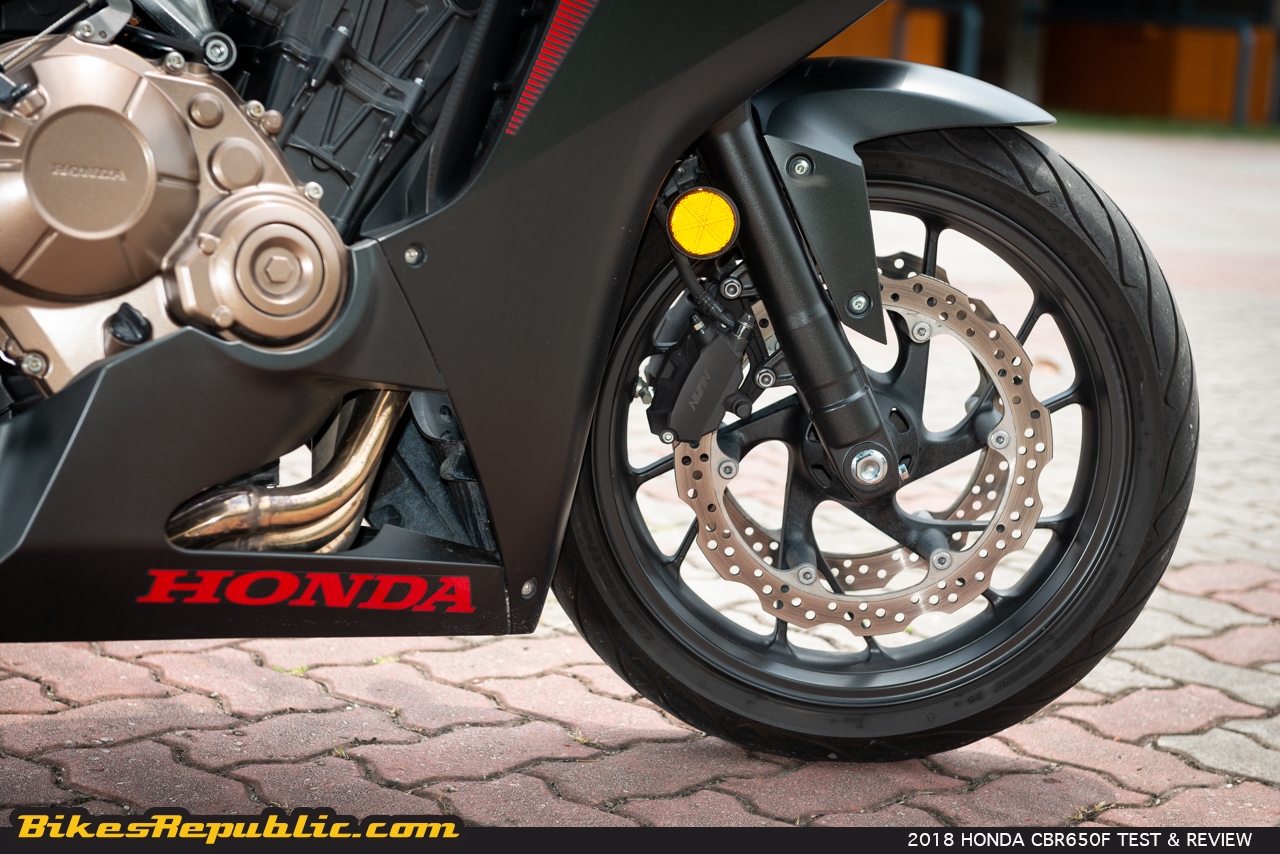
The brakes are up to the job although it lacked an initial hard bite. It’s not a problem if you came up from smaller bikes but remember to brake earlier and harder if you’re used to four-piston calipers on bigger bikes.

But what can one expect from a RM 44K bike? Öhlins, Brembos, Bosch IMU?
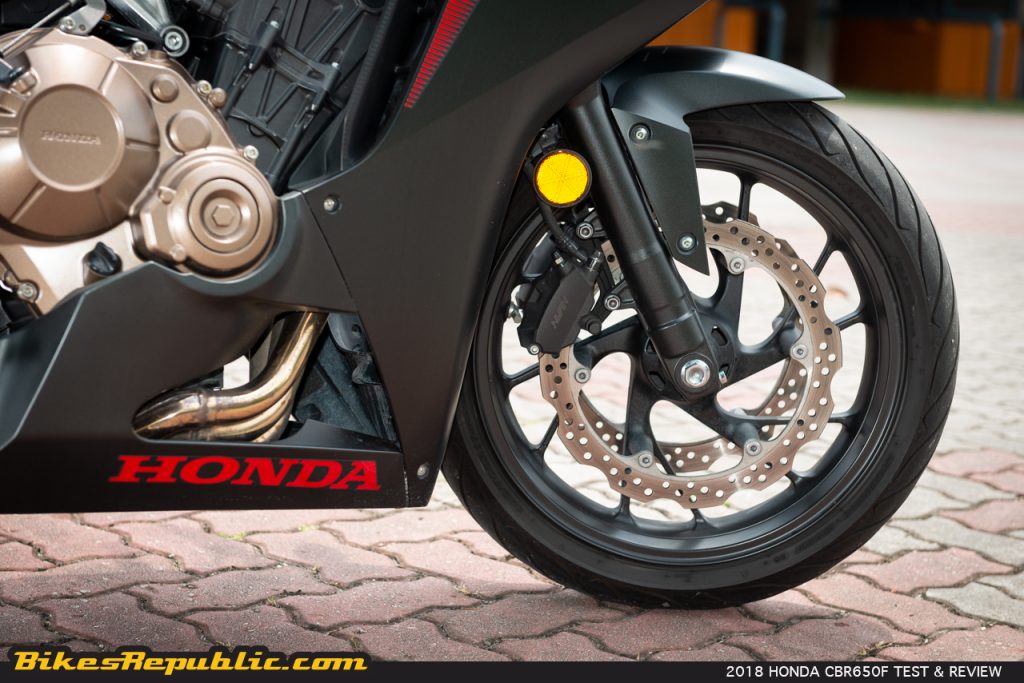
There were a couple of things that I found at odds with the bike, though. First was the LCD screens. While they aren’t difficult to decipher, I’d prefer one large screen. Secondly, I’d prefer the front brakes to have a harder bite.
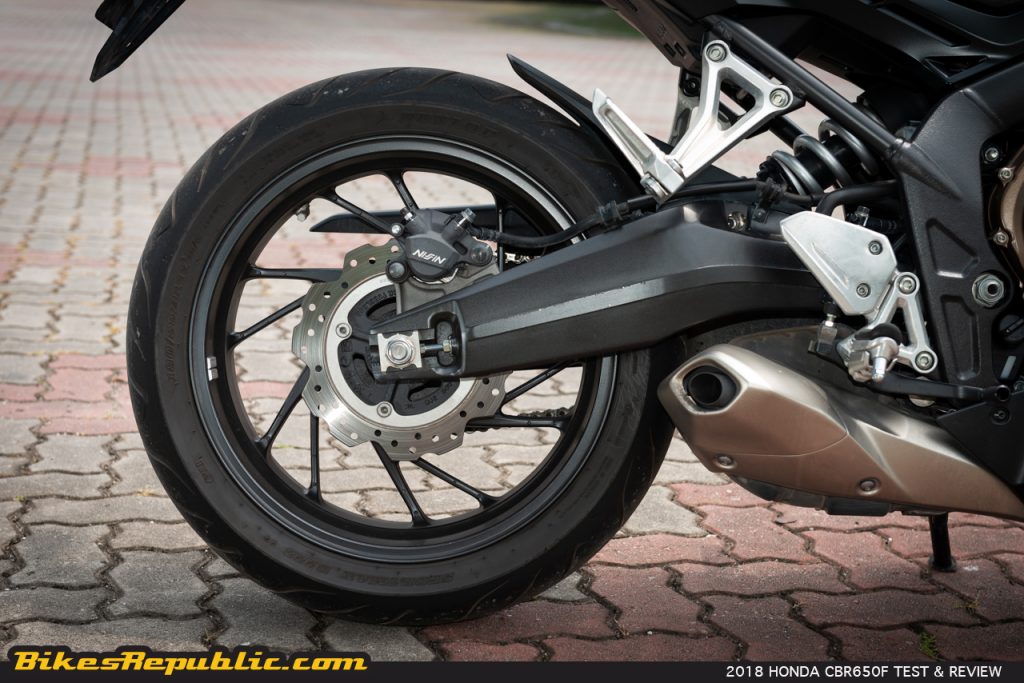
Those are just my personal opinion as the Honda CBR650F is a sweet, entry-level middleweight to ride. It has the kind of comfort and performance you’d find on the early CBR600F models. Being a simple bike, the rider could learn much from riding as you need to learn the fundamentals of motorcycle control.
Speaking about the CBR600RR, that’s a pure sportbike. The CBR650F, on the other hand sits comfortably between other anemic 600/650cc middleweights and the CBR600RR’s hardcore edge. While the former’s engine produces 120bhp, the CBR650F’s brings 90bhp (4bhp up from 2016) to the table. That’s already way more powerful than the rest of its class; it’s 20bhp more than the Kawasaki Ninja 650 and only 16bhp more than the Yamaha MT-07.
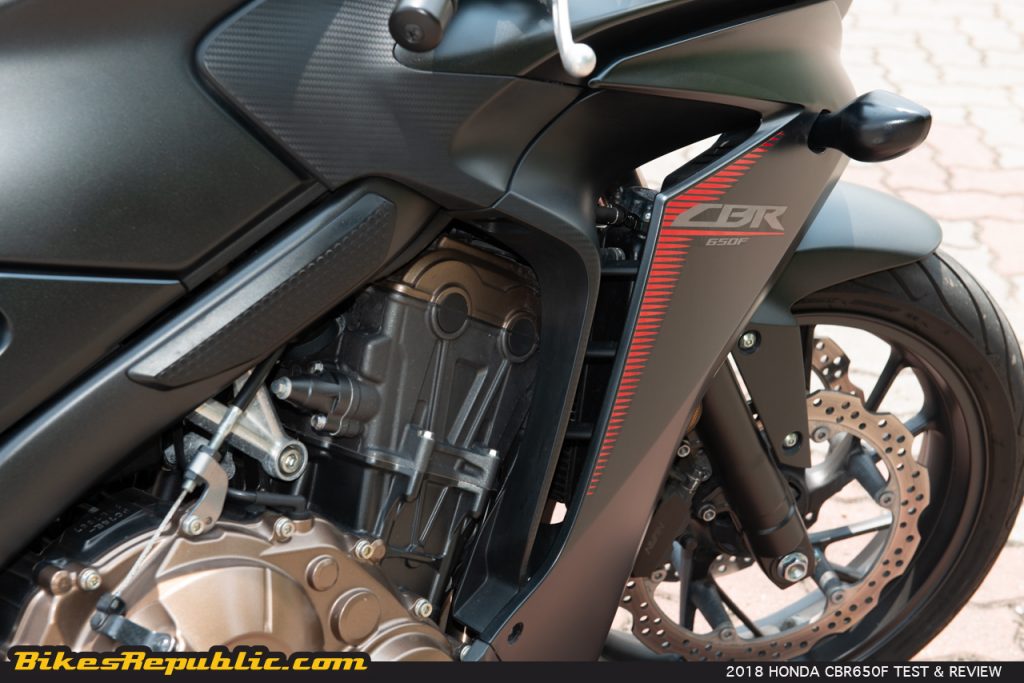
In conclusion, the 2018 Honda CBR650F is a great as a daily commuter and weekend thrill chaser. It wouldn’t be out of place on the racetrack, either. So yes, you could say the 2018 Honda CBR650F is the best of both worlds.
TECHNICAL SPECIFICATIONS

2018 HONDA CBR650F

ENGINE  
ENGINE TYPE 4-stroke, DOHC, 16-valve, liquid-cooled, inline-Four
DISPLACEMENT 648.72 cc
BORE x STROKE 67.0 mm x 46.0 mm
POWER 90 bhp (67 kW) @ 11,000 RPM
TORQUE 64 Nm @ 8,000 RPM
COMPRESSION RATIO 11.4:1
TRANSMISSION 6-speed
FUEL SYSTEM PGM-Fi programmed fuel injection
CLUTCH Multiple-plate wet clutch, cable-operated
CHASSIS  
FRAME Steel diamond
FRONT SUSPENSION ø 41 mm Showa Dual Bending Valve (SDBV) telescopic forks
REAR SUSPENSION Monoshock with adjustable spring preload
FRONT BRAKE 2 X Two-piston caliper and ø 320 mm discs
REAR BRAKE 1 X Single-piston caliper, ø 240 mm brake disc
TIRES FRONT/REAR 120/70 ZR-17; 180/55 ZR-17
STEERING HEAD ANGLE 25.5o
TRAIL 101 mm
WHEEL BASE 1,449 mm
SEAT HEIGHT 810 mm
FUEL TANK CAPACITY 17.3 litres
KERB WEIGHT 214 kg


PICTURE GALLERY
 

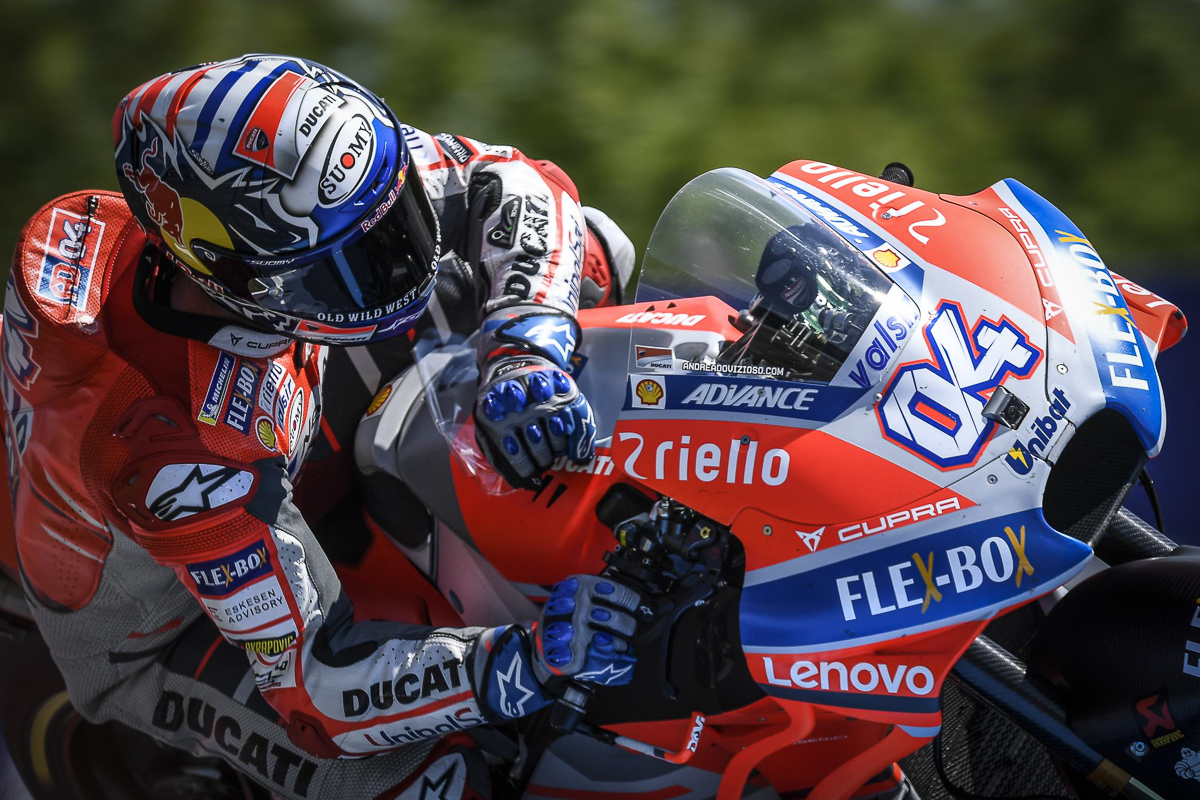
  • Andrea Dovizioso (Ducati Team) will start today’s MotoGP round in the Czech Republic from pole position.

  • Movistar Yamaha’s Valentino Rossi pulled in a last minute flyer which puts him in P2.

  • Marc Marquez (Repsol Honda) will start his 100th premier class race in P3.

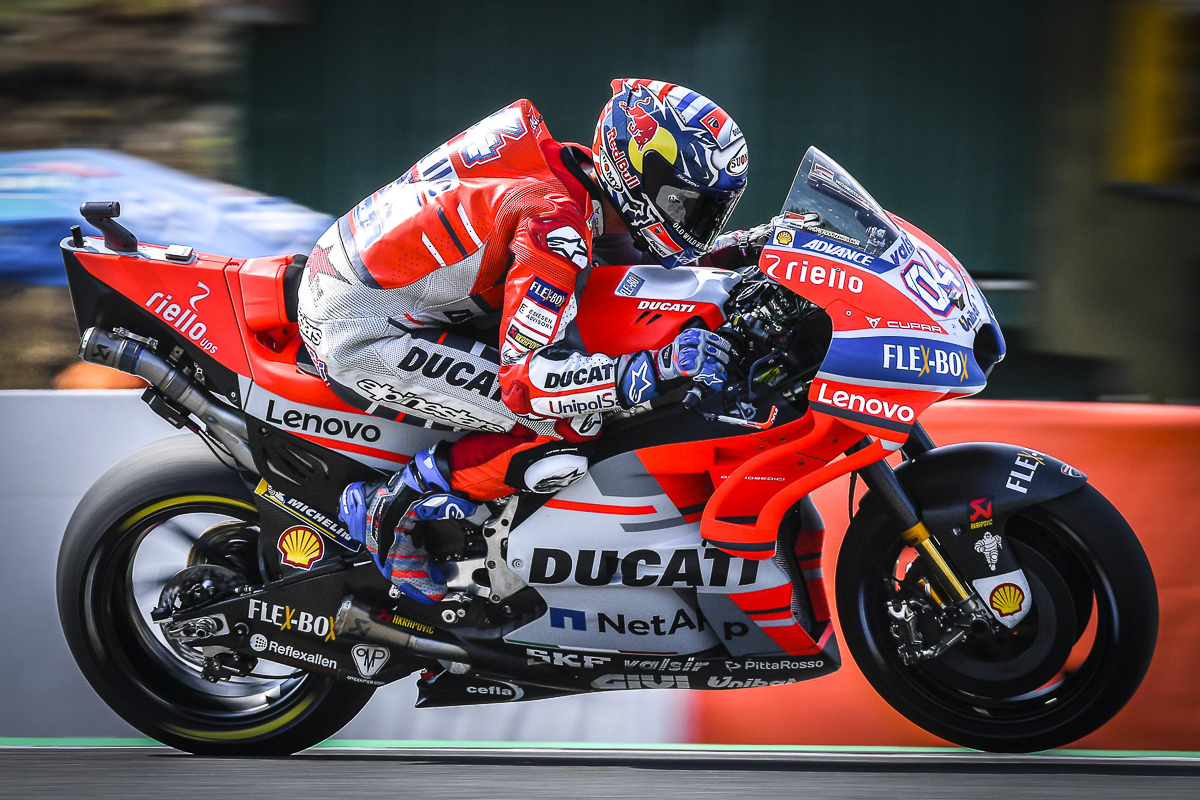
All eyes were on Repsol Honda’s Marc Marquez as he set out to make a good show for his 100th premier class appearance in MotoGP. Too bad that Ducati’s Andrea Dovizioso had to steal his limelight by storming through the qualifying session which will see him starting today’s Monster Energy Grand Prix of the Czech Republic in pole position. (more…)

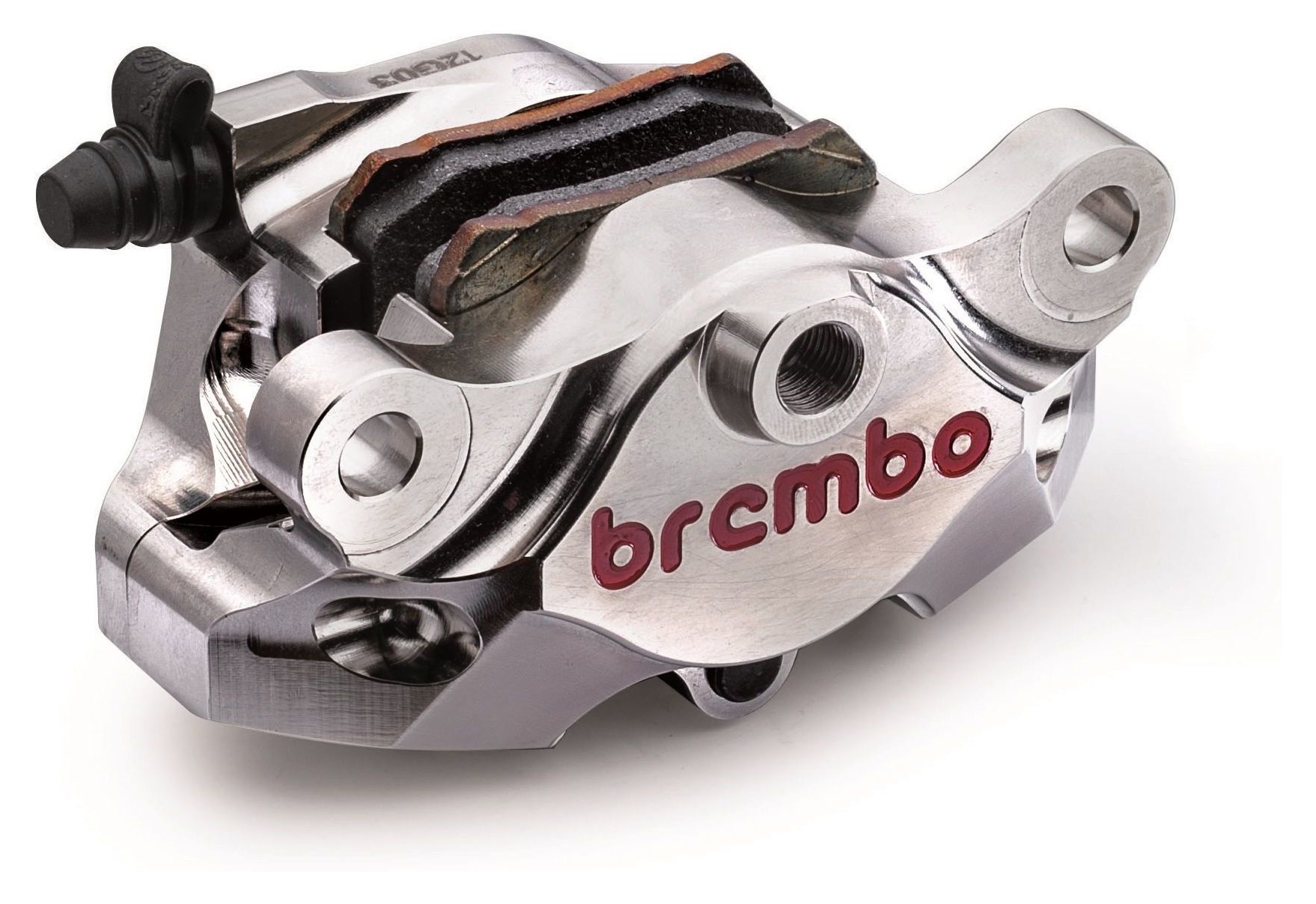
  • Brembo has issued a statement regarding a second major safety recall.

  • Some of their aftermarket rear brake calipers may be fitted with faulty brake pads.

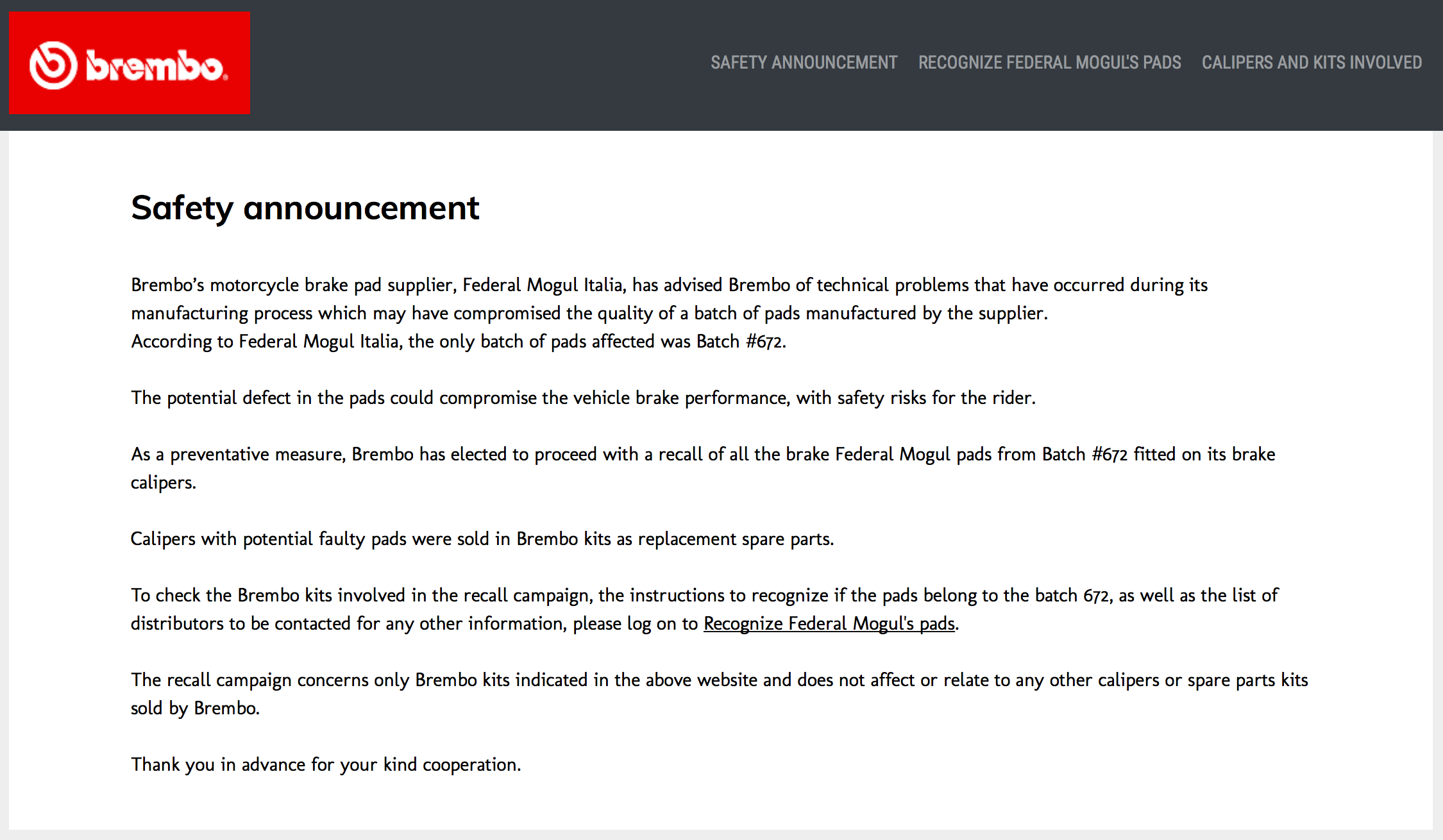
  • The brake pads from batch #672 were supplied by a third party called Federal Mogul Italia.

The preeminent Italian brake systems maker, Brembo has initiated a second major safety recall after the first one broke out in January this year (2018).

This second round follows after the storm of the first recall due to potential cracks in the 15mm or 17mm piston in PR16 radial master cylinders made between 2015 and 2017. (Please click on the link below for more information).

Brembo official statement released on PR16 master cylinder recall

Brembo says this round of safety recall affects motorcycles from Aprilia, Ducati, Husqvarna, KTM, MV Agusta, TM Racing, Moto Morini and Horex. The recall covers aftermarket fitted Brembo brakes only, so if your your stock brake system are Brembos , you are safe.

Brembo’s statement on their webpage

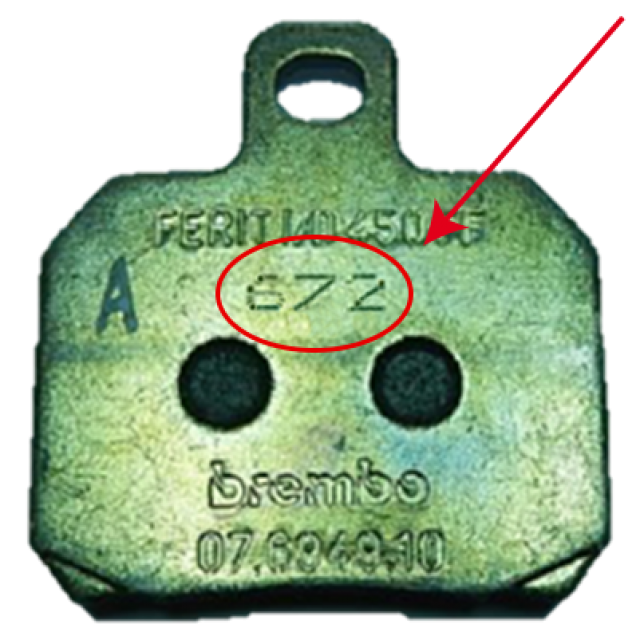
However, this second recall covers some of Brembo’s aftermarket rear brake caliper kits. The manufacturer found faults with a batch of the brake pads supplied by Federal Mogul Italia. The batch #672 number is imprinted on the brake pads’ backing plates. (Please click on this link for the instructions to check for batch #672).

Federal Mogul Italia brake pad batch #672

The pads were sold together with the rear brake calipers as spare parts.

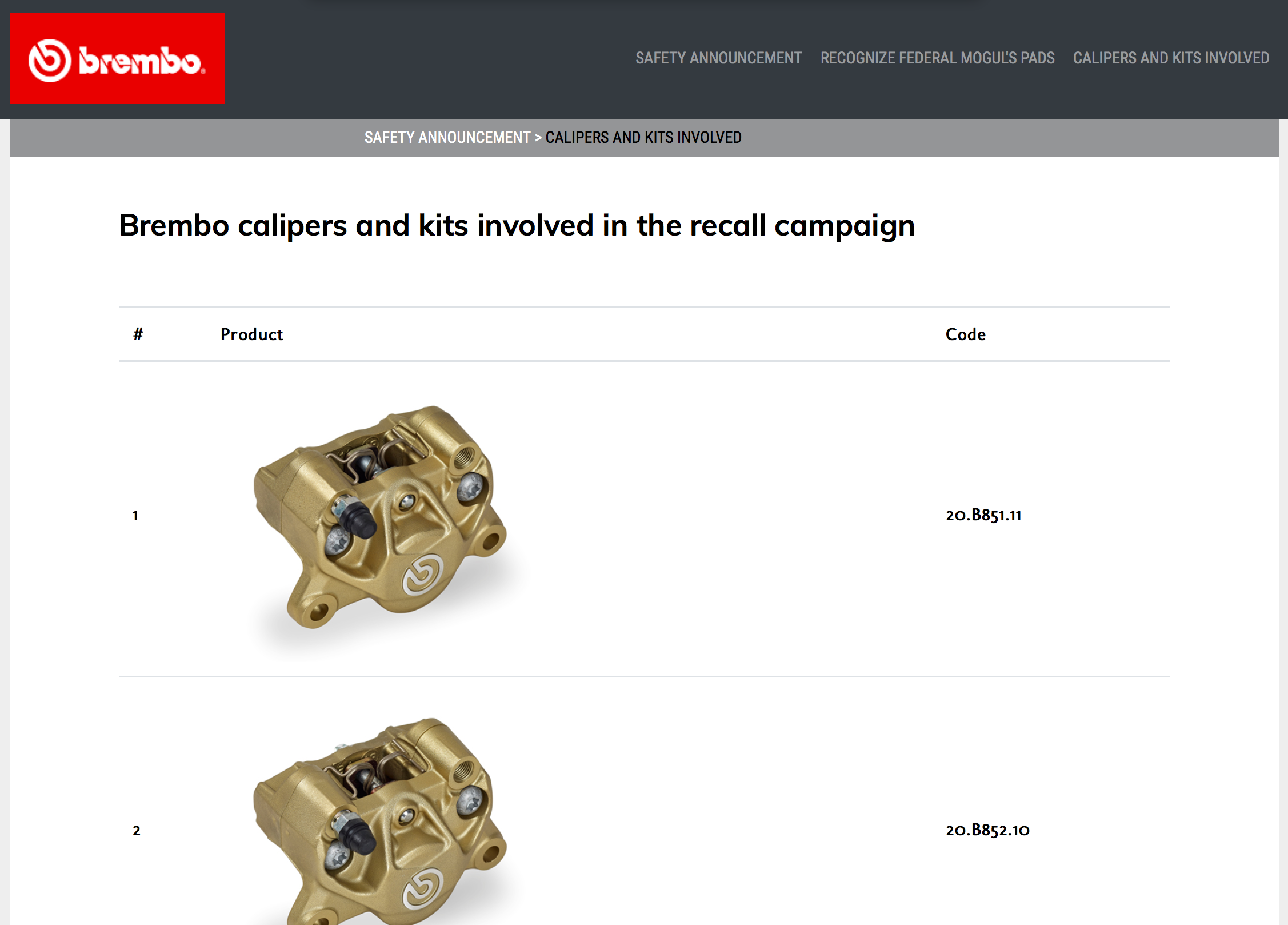
A list of the possible calipers that might be fitted the said pads. (Please click on this link.)

List of Brembo rear brake calipers that are likely affected

There was no further enlightenment of the potential effects the pads may produced except that “… they could compromise the vehicle brake performance, with safety risks for the rider.”

If you are affected by the safety recall, the manufacturer has advised that you contact your local authorized distributors listed by country below. Please note that Hodaka Motorworld is also the authorized Brembo distributor in Malaysia. As this news broke over the weekend, we shall contact our friends there on Monday, 6th August for more information.

Distributors

Country Company Contact
USA RACE TECHNOLOGIES jaime@racetechnologies.com
mary@racetechnologies.com
Japan BREMBO JAPAN K.Futatsugi@brembo.jp
Germany, Greece, Czech Republic MOTORQUALITY SpA simonecolombo@motorquality.it
Taiwan FERRANNI janet@ferranni.com.tw
Singapore, Malaysia, Vietnam, Laos, Philippines HODAKA MOTOWORLD muji@motoworld.com.sg
Thailand RIDERS CLUB rider@riderclub.co.th
China, Hong Kong STARBIKE info@bg-performance.com
Spain V2 MOTORSPORT Marc_garcia@v2ml.com
UK MODE PERFORMANCE Marc_garcia@v2ml.com
Benelux HOCO PARTS bvanderveen@hocoparts.com
Australia GAS IMPORT DSharp@gasimports.com.au
France SEMC catherine.foltzer@semc.pro
  • Stile Italiano is based in Italy and specializes in high-end classic, collectable and exotics.

  • Launched in 1999, they create café racers for themselves.

  • This Moto Guzzi CR950 took four months to build.

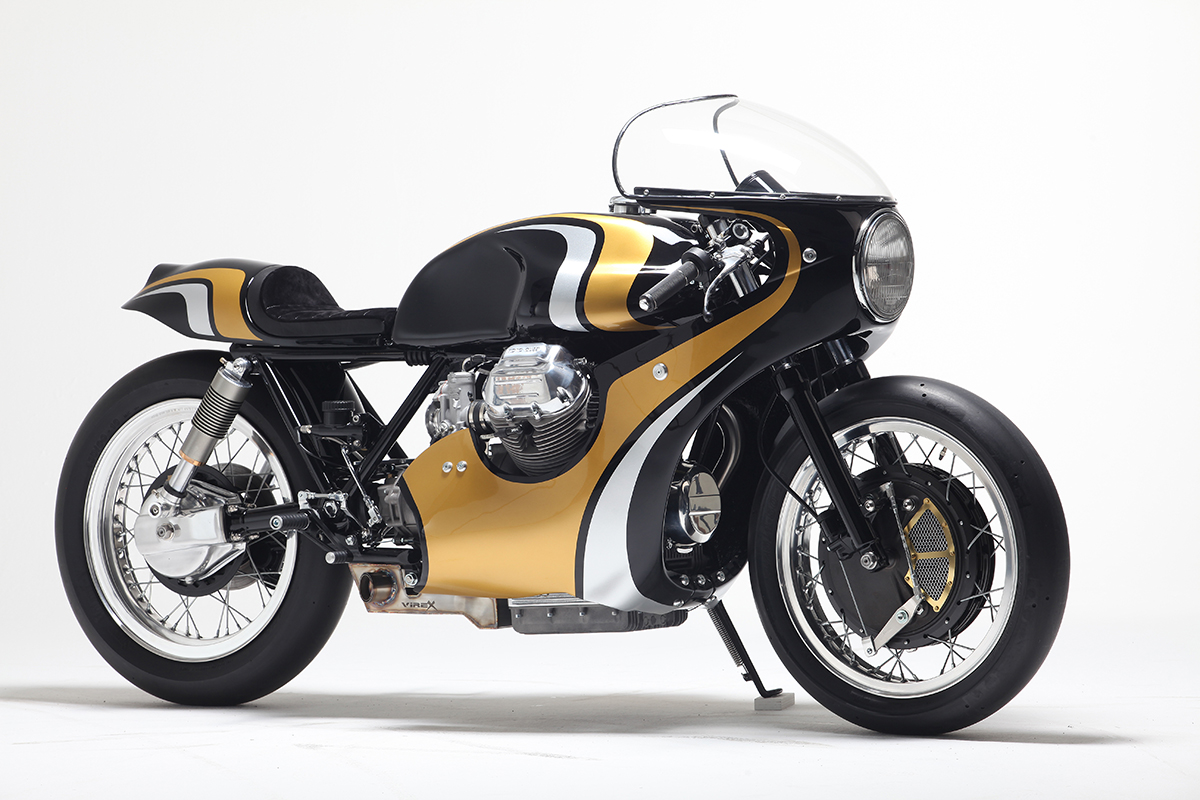
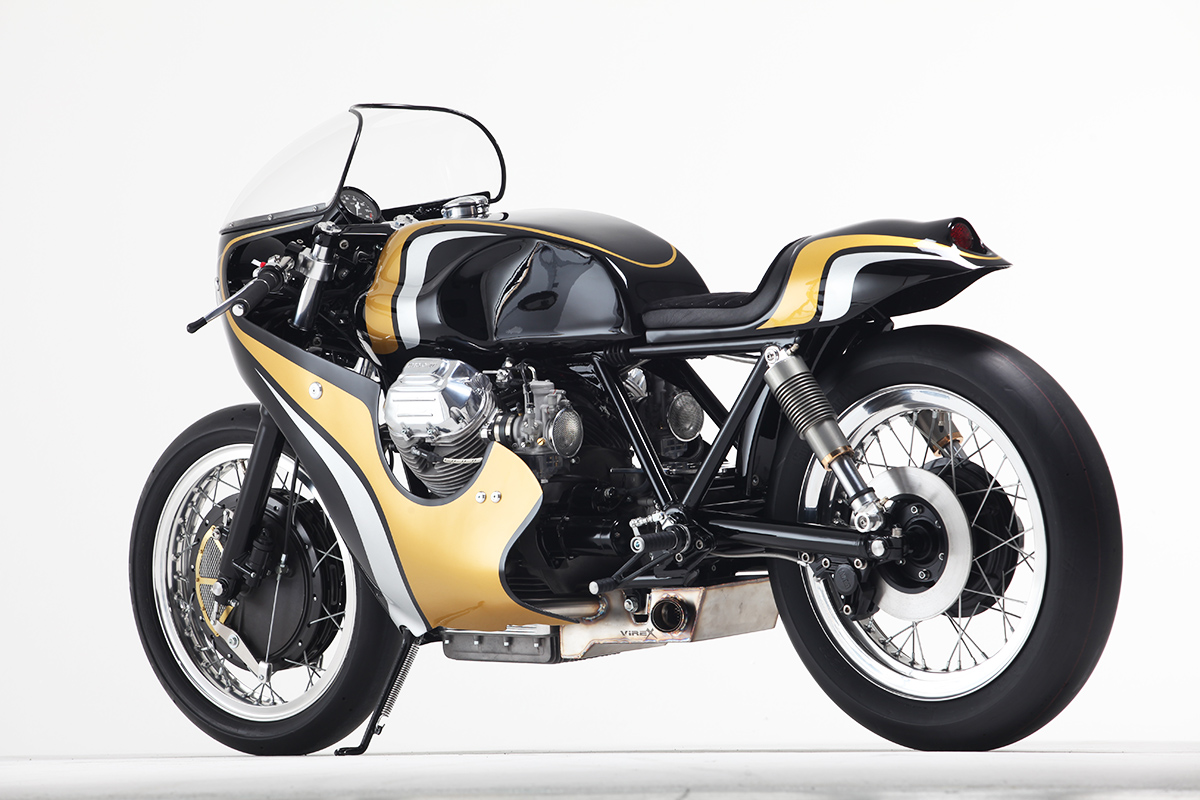
This Moto Guzzi 950 from Stile Italiano had made café racer/custom bike news some time ago, but it’s just too beautiful not to share.

Stile Italiano was launched in 1999 and specializes in selling high-end classic, collectable and exotic motorcycles and cars, which include a Ducati 900NCR Endurance racer ridden by Virginio Ferrari, Moto Guzzi 850 Le Mans Mk I, and, and, and, and…. Just too many to list! (Please click here to visit their website.)

But hidden in their workshop lies another passion – building exquisite, ball-achingly beautiful café racers.

However, Stile Italiano’s founder Gianluca Tieppolo, business parner Chritian Diana, skilled mechanic of 25 years, Loris Lession, and his team of skilled builders only build café racers for themselves. That way, they could pour their souls into their creations and conform not to what others want.

Courtesy of Max Trono

They work on mostly Moto Guzzis. This “950” here started from the Moto Guzzi 850 T3, first introduced in 1975. As Stile Italiano took the design cues from Honda’s legendary CR750 race bike, this project was then christened as “Moto Guzzi CR950.” Gianluca wanted this to be their most elegant project and chose a 70’s racebike styling.

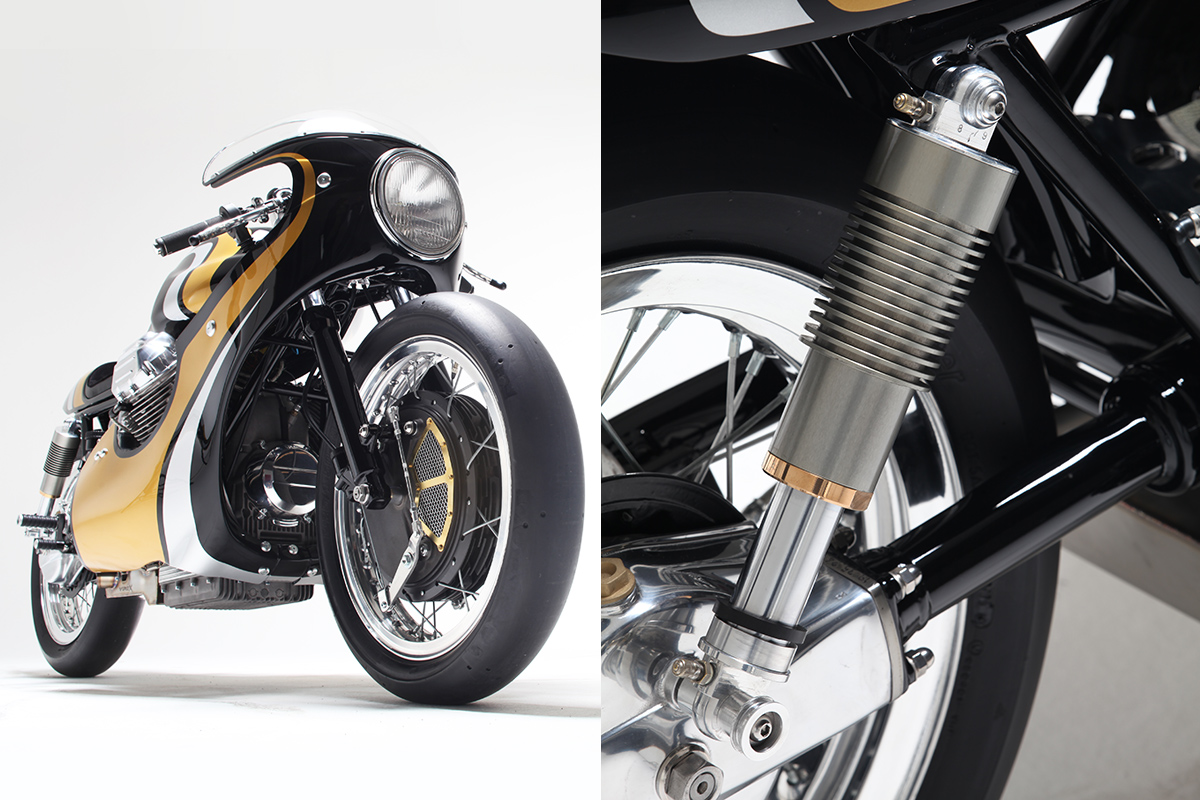
First, the Guzzi’s frame was modified to it the revised bodywork. The stock forks were replaced with a pair of 80s-era anti-dive forks, while a pair of rare FOX air shocks took up the job of suspending the rear.

Courtesy of Max Trono

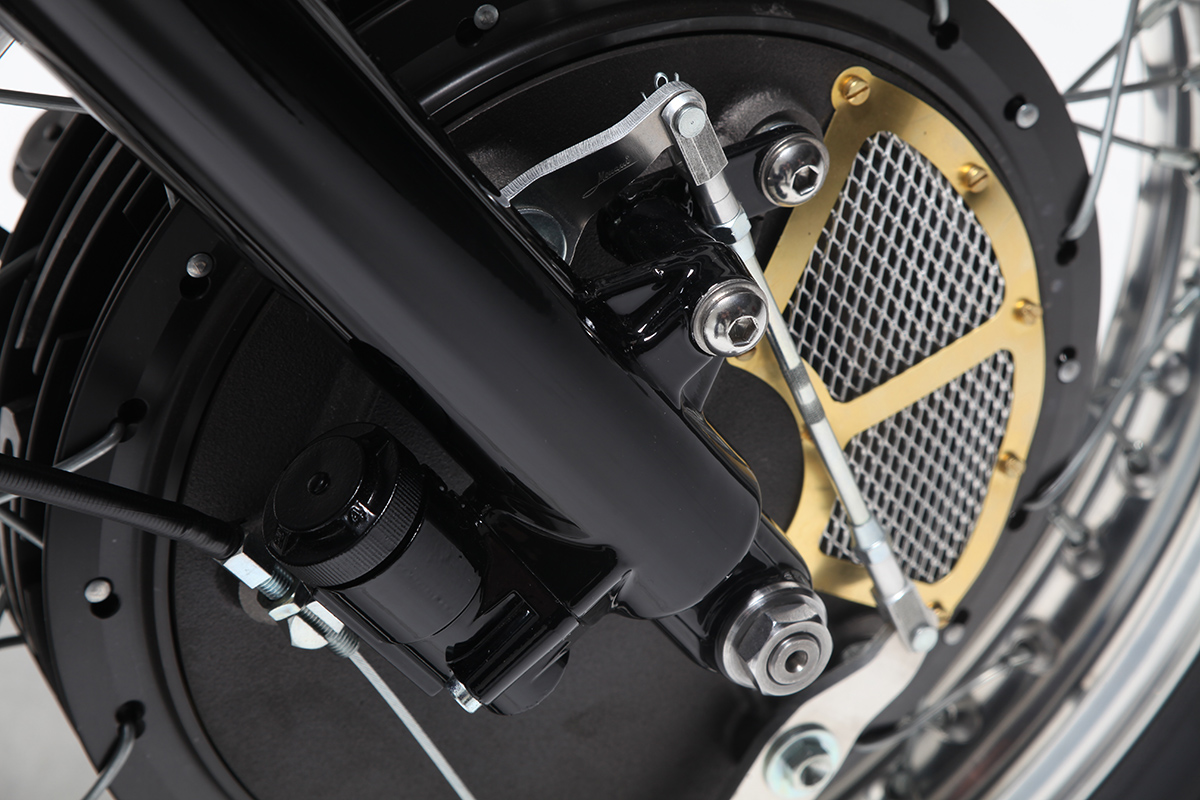
But take a closer look at that front brake. It was considered the ultimate drum brake of its time. This is a 300mm magnesium drum/hub Fontana item, usually found on the Triumph Trident racebikes of the 60’s.

Courtesy of Max Trono

Since the bodywork came from the aforementioned Honda CR750, it had to be modified to allow the engine’s transverse cylinders to poke through, creating an integral form rather than two separate “skin-and-bones” look. A new rear end was fashioned to complete the bike’s lines, instead of leaving the original 850 T3’s fender.

Courtesy of Max Trono

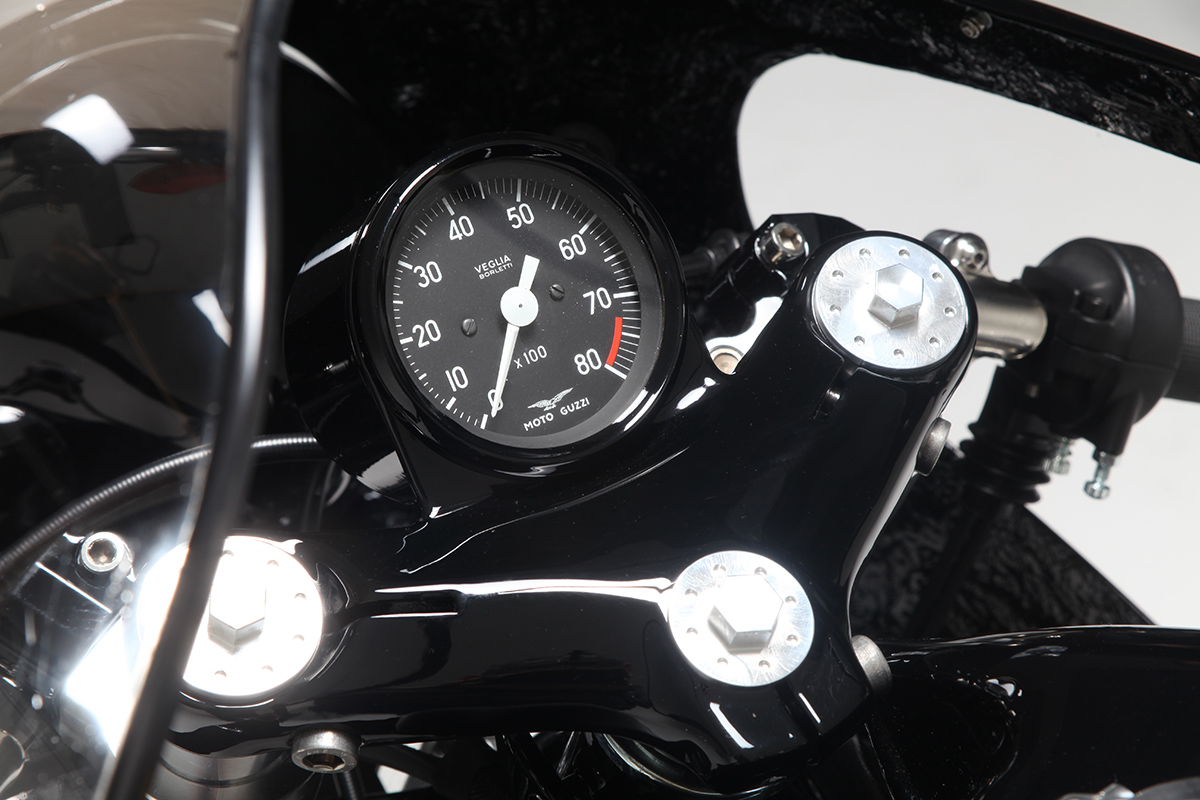
Other beautiful bits include clip-on handlebars and an original Moto Guzzi V7 tachometer. The tank is handmade from alloy and has a battery housing underneath it.

Courtesy of Max Trono

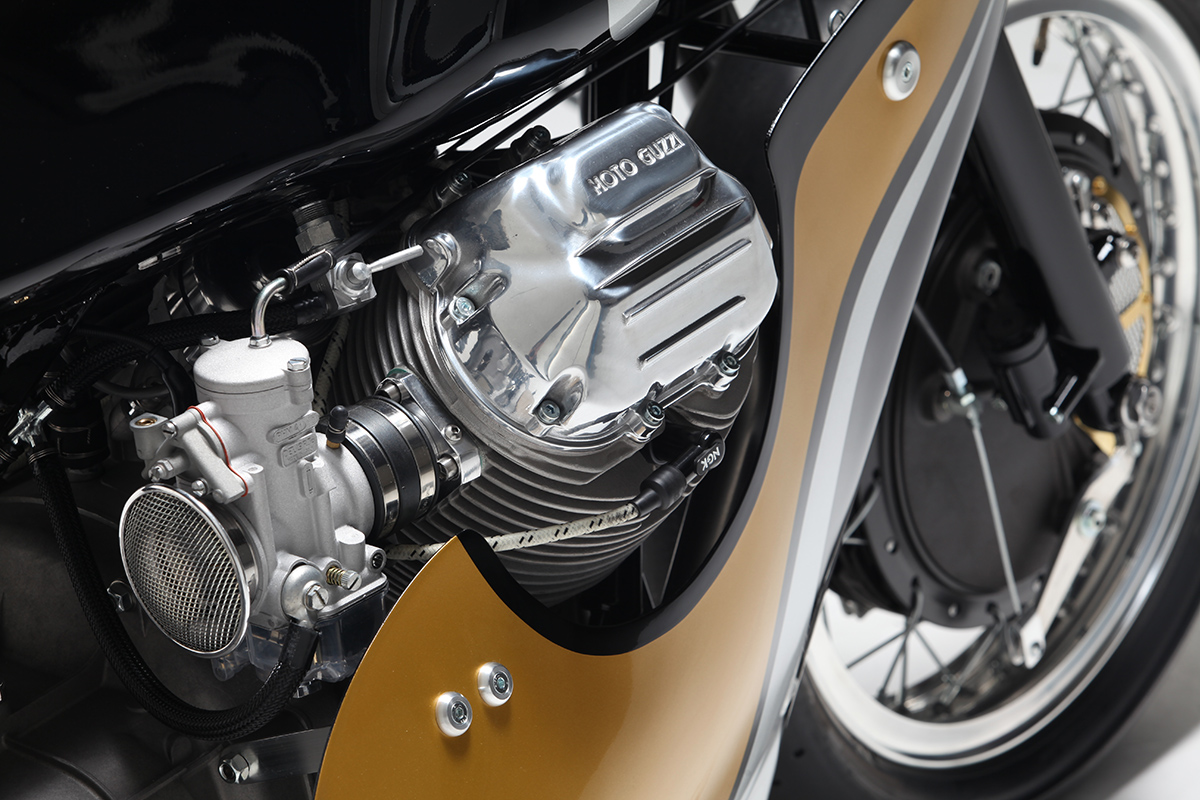
As for the engine, it has been modified from stock. The heads were ported, and the capacity increased to 950cc. The heads are twin spark using a Dyna ignition system. The original 30mm Dell’Orto VHB carburetors were changed to Dell’Orto 40mm items. Spent gasses exit through a custom Virex system whose muffler box wraps up tight underneath the bike.

Finally, when it came to completing the bike, Stilo Italiano would not compromise on the best paint scheme, fit and finish as a reflection of their shop being specialized in high-end classics. Gianluca chose the special “mirror effect” like what you’d see on a grand piano. There were touches of brass to complement the black and gold paint scheme.

It took the team a total of four months of painstaking work to complete the CR950. Worth it, in our books.

Let’s see what these guys can come up with next!

Source: Return of the Café Racers, photography by Max Trono

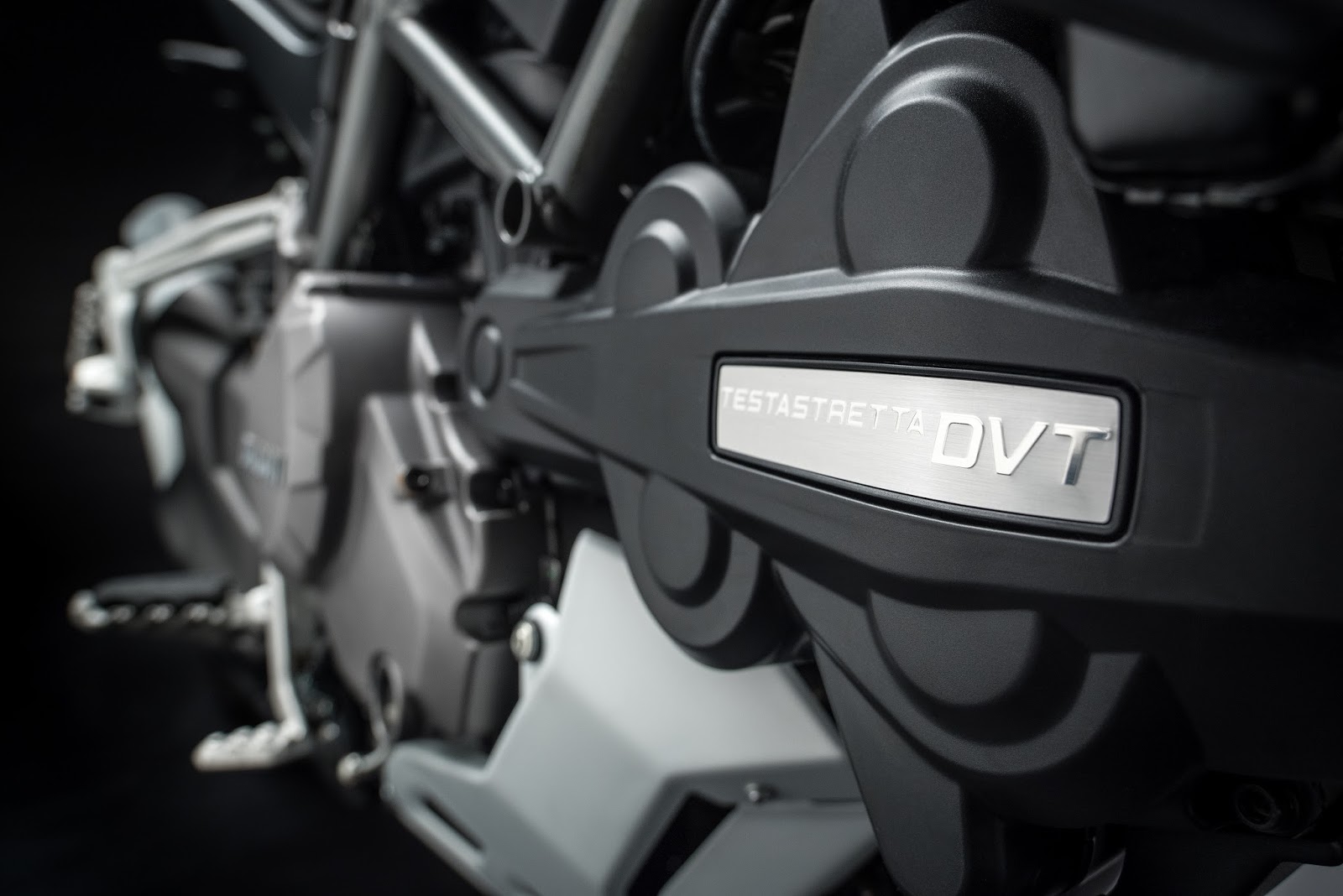
  • Ducati introduced the DVT (Desmodromic Variable Timing) in the 2015 Multistrada 1200.

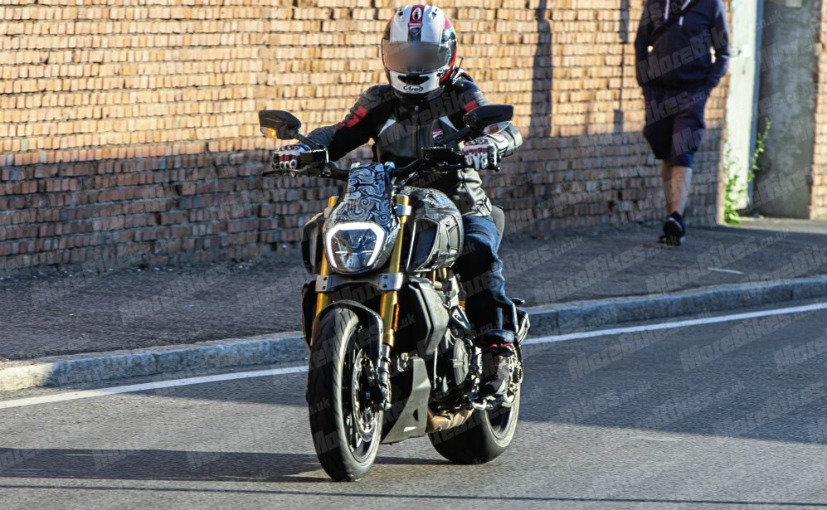
  • It will now be carried over to the 2019 Diavel 1260.

  • But what is DVT and how does it work?

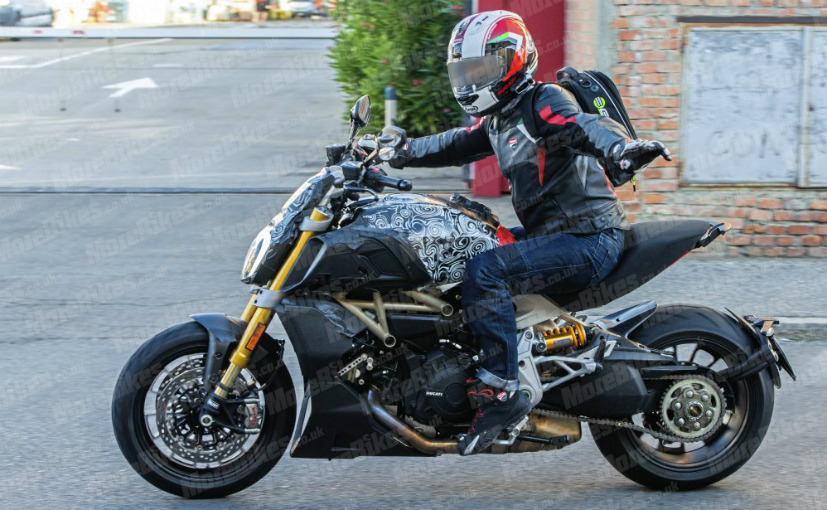
Ducati had first introduced the DVT (Desmodromic Variable Timing) in the 2015 Multistrada 1200 to a great reception and will now be carried over to the 2019 Diavel 1260, in addition to the Multistrada 1260 and XDiavel.

But what exactly is DVT and what does it do?

To understand DVT, we need to understand about valve timing.

Truth is, there are many considerations when it comes to valve timing. For one, if the intake valves open for a short duration, less fuel-air mixture can be inducted, compared to the valves being kept open longer. At low-RPMs less fuel-air mixture (also called “charge”) should be inducted for it to burn quicker, resulting in higher torque. Conversely, the valves need to be kept open longer for more charge to enter to produce higher maximum power.

Hang on, that’s not all, because there’s “valve overlap.”

The term describes the timing when both intake and exhaust valves are open together – hence “overlap.” Overlap occurs when as the exhaust valves are starting to close and the intake valves are starting to open. This way, the exiting exhaust gas causes a vacuum which helps to suck in fresh fuel-air mixture and fills the combustion chamber quickly.

So high overlap timing is the magic bullet? Not necessarily.

A racing engine profits from prolonged overlap because each piston travels 20,000 times up and down at 10,000 RPM, thus each stroke lasts merely 0.003 second. The exhaust gas is able to evacuate quickly and draw in fresh charge.

But if the same engine is used as a road bike, there will not be enough time to push all the exhaust gas out and some of it will end up being sucked back into the combustion chamber and mixed with the fresh charge, contaminating and diluting it. That’s when the bike spits, sputters and backfires. And you will end up with a bike that’s sluggish at low- and mid-RPMs.

Of course, the fuel injection ECU could shoot in very specific amounts of fuel at any given load, but there’s not much way around the engine’s basic architecture.

From this, we can deduce that the perfect engine should have less overlap for good torque at low-RPM to mid-RPM, and maximum overlap at higher-RPM for high horsepower (read: top speed).

Problem is, you can only have one cam profile for either characteristic. Take your pick.

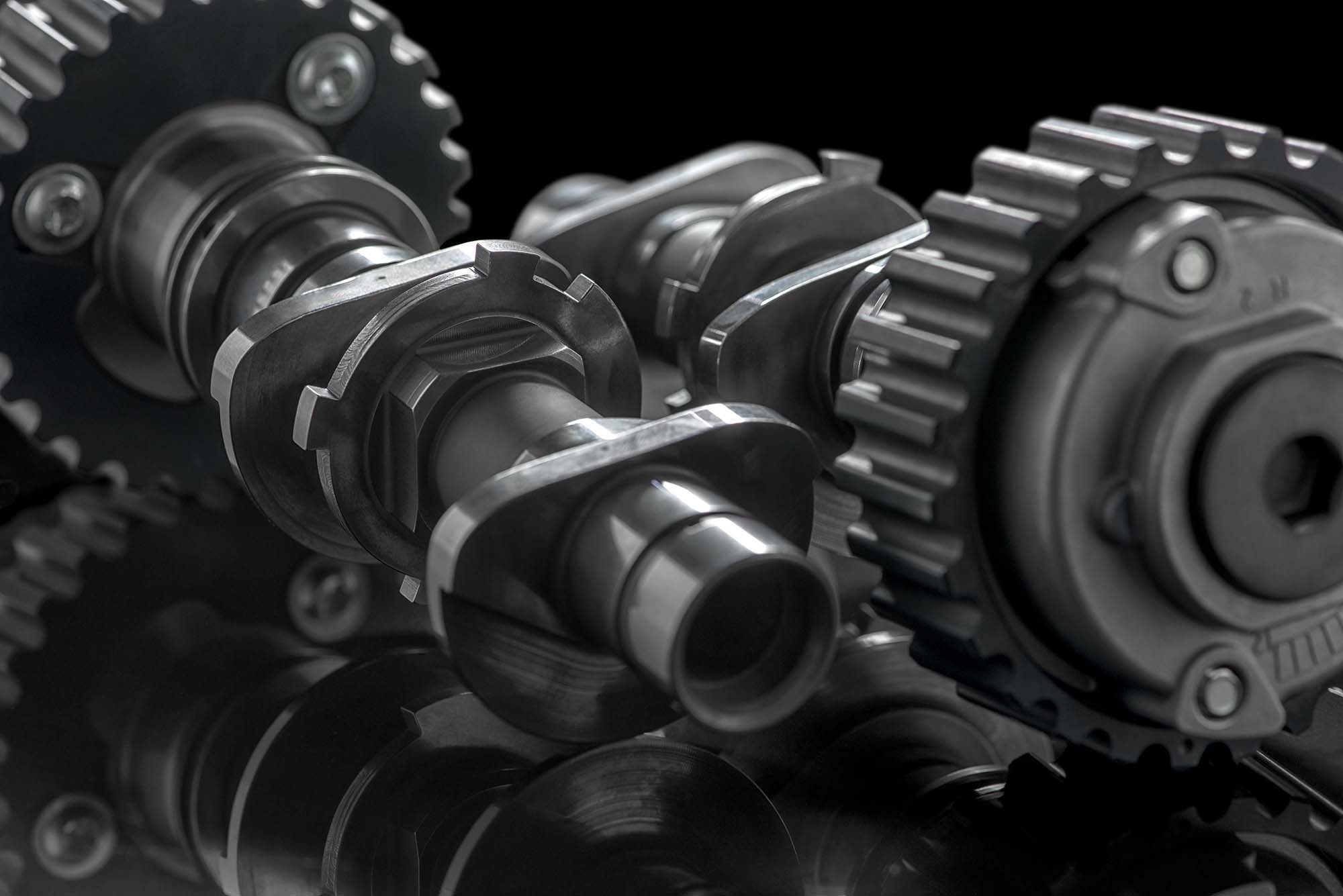
You may have heard of Honda’s VTEC (Valve Timing Electronic Control). Ducati’s DVT works on the same principle of varying valve timing but uses a different method to Honda’s copyrighted VTEC.

Ducati’s DVT uses an ECU to control valve adjusters to keep the valves totally shut; or delay, advance or prolong their opening. Each of this behavior translates to the character of the engine, resulting in a super-smooth powerband, enhanced throttle response, higher power production and optimized fuel economy.

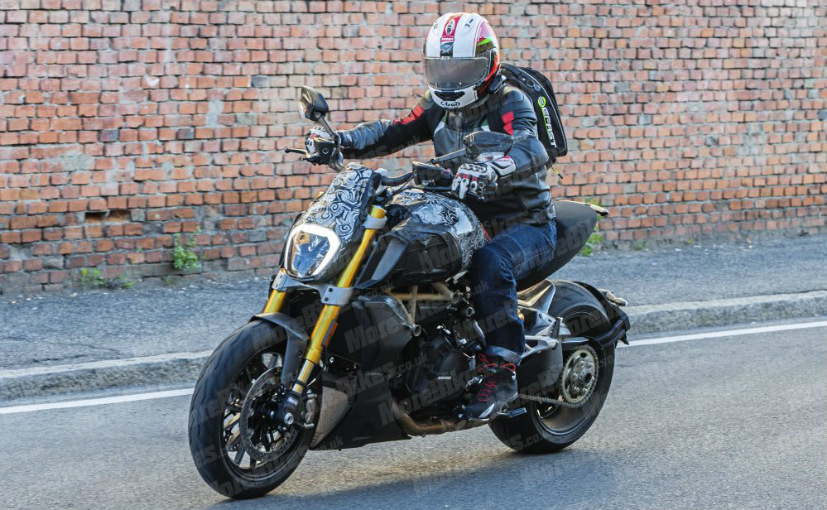
The addition of the DVT will surely make the 2019 Diavel 1260 a much better all-round power cruiser to ride. To be unveiled at EICMA 2018, is it also slated to receive Bosch’s six-axis IMU (Inertia Measurement Unit) to enhance rider aids, Ohlins suspension, Bluetooth connectivity and cosmetic updates.

Stay tuned!

Archive

Follow us on Facebook

Follow us on YouTube