Bikesrepublic

Latest News

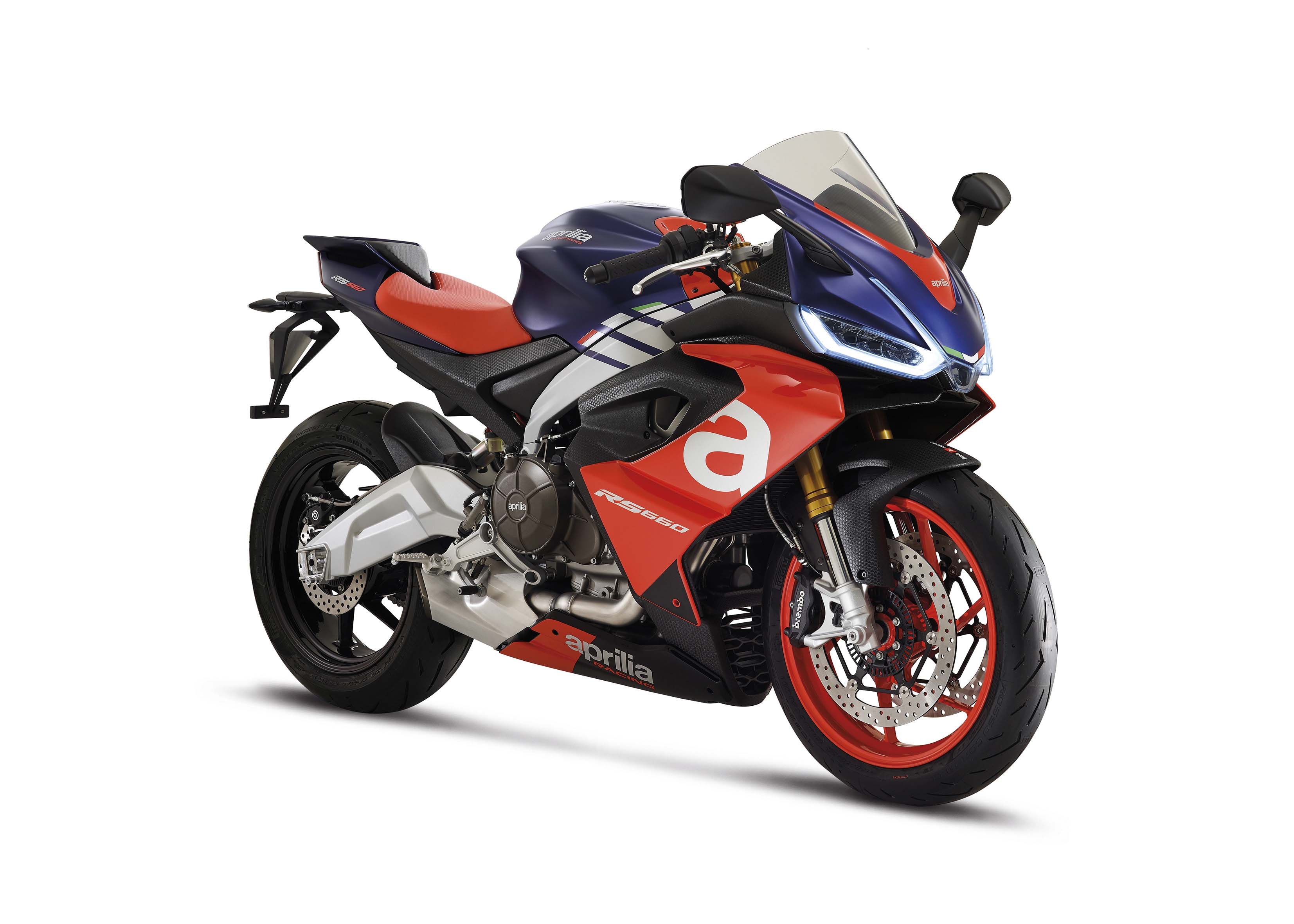
  • The 2020 Aprilia RS 660 was officially launched at EICMA 2019.

  • The 660cc, 270-degree crank, parallel-Twin puts out 100 bhp.

  • It also features the APRC electronic package.

One of the most highly-anticipated bikes, the 2020 Aprilia RS 660, breaks cover at EICMA 2019.

It’s been a full year of waiting for the new middleweight to show, and we can say that it was worth it. Because it will set the class on fire, judging from the spec sheets, just as Aprilia had touted.
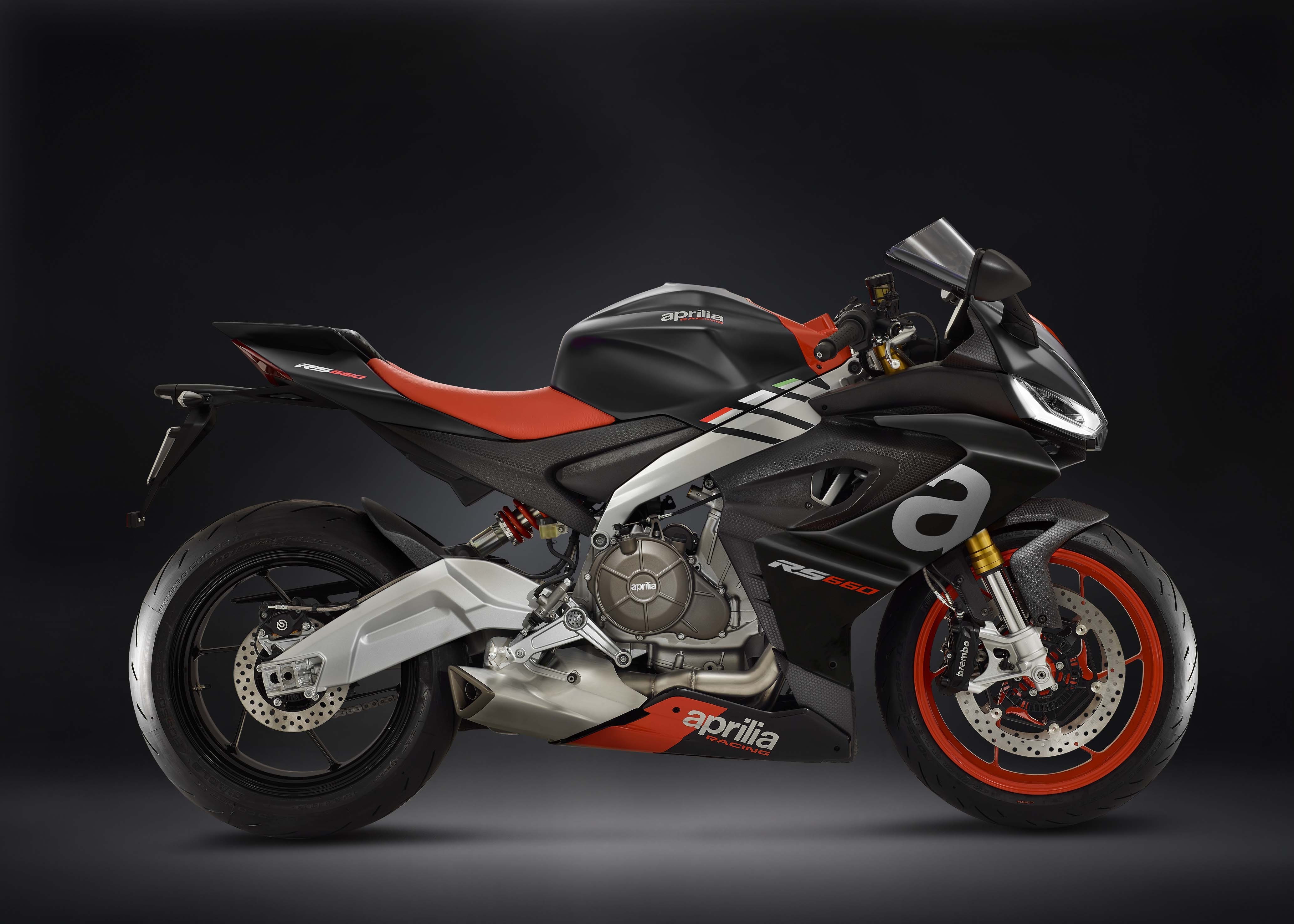
Let’s begin with the 660cc parallel-Twin. Based on the RSV4 superbike with only two front cylinders, it will produce 100 bhp. That’s unprecedented for a road going two-cylinder sub-700cc bike. Factor in a dry weight of only 168 kg and you have the class-leading power-to-weight ratio.
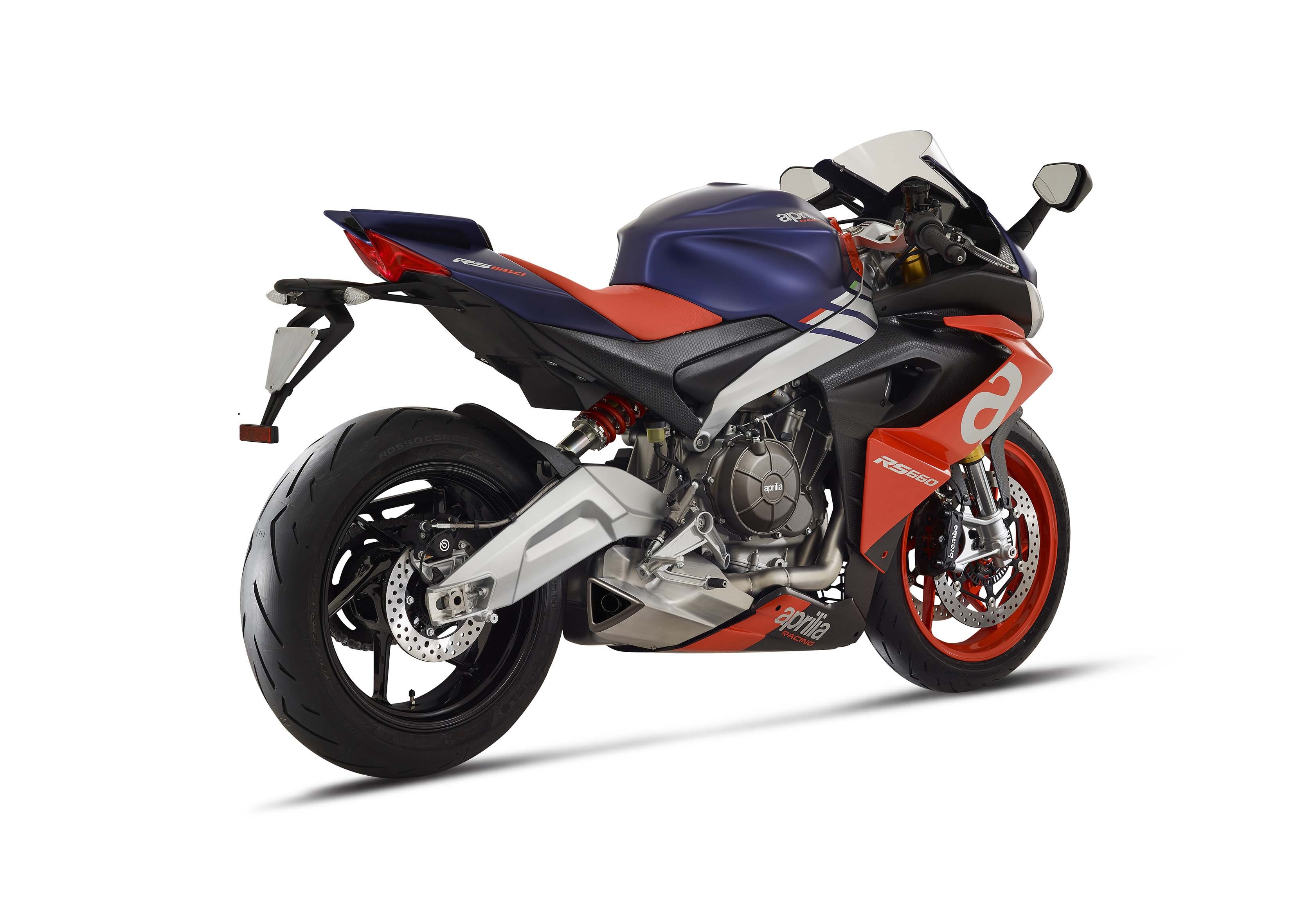
The engine shares the RSV4’s architecture, and uses a 270-degree crank to mimic the firing order of a 90-degree V-Twin. The format provides good low-end torque with linear power delivery.

But it isn’t just a powerful engine in a light bike. Aprilia also endowed the RS 660 with their signature APRC (Aprilia Performance Ride Control) electronics suite, fortified with an Inertial Measurement Unit (IMU). This gives the bike cornering ABS, lean-angle-sensitive traction control, wheelie control, among others. It’s also equipped with a bi-directional quickshifter, cruise control and power modes.

Aprilia touted that the bike will have “active aerodynamics.” Hence the RSV4 fairing design, which provides extra downforce at speed. We feel that the production bike actually looks better than the prototype revealed at last year’s EICMA.
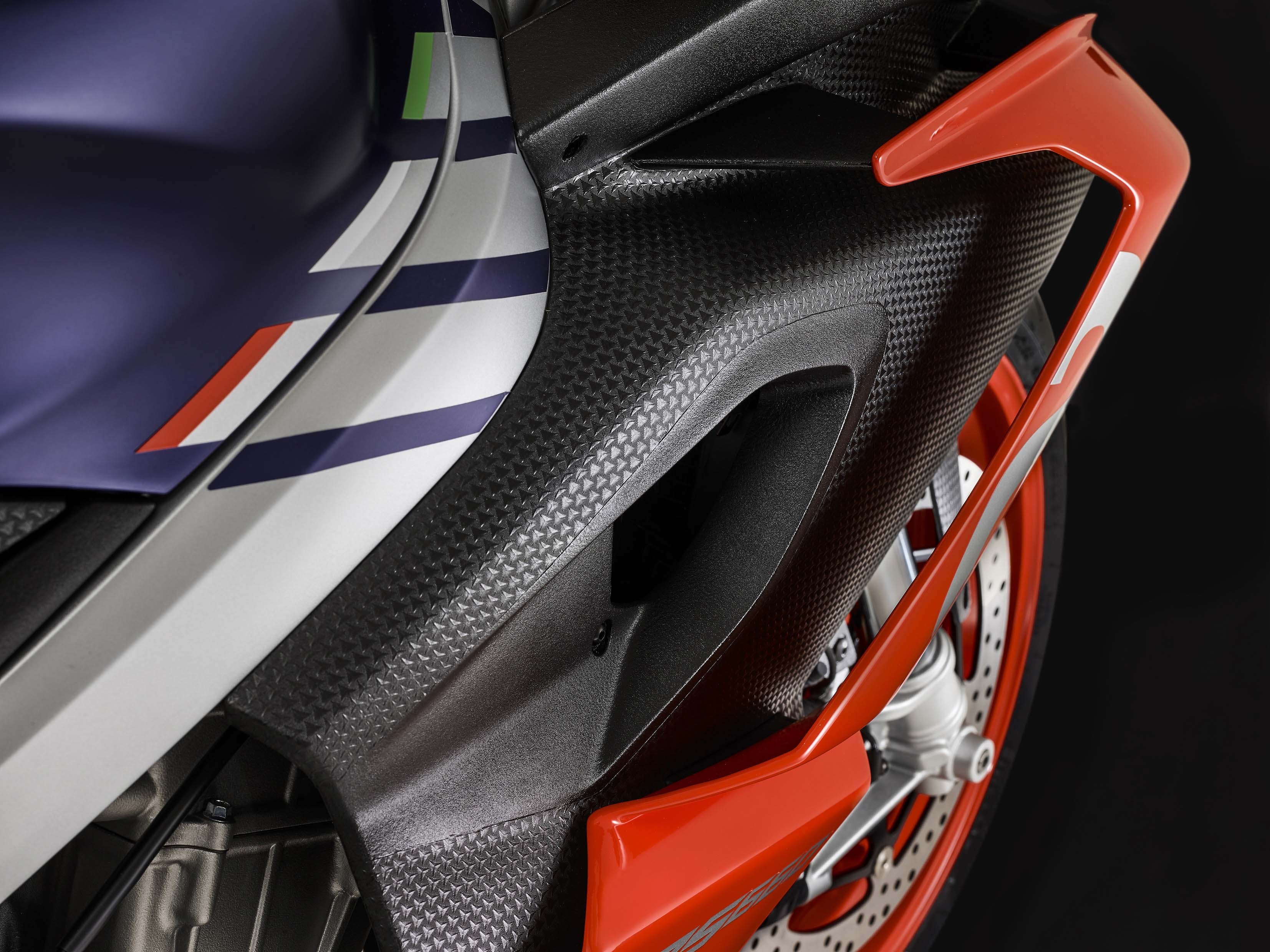
 

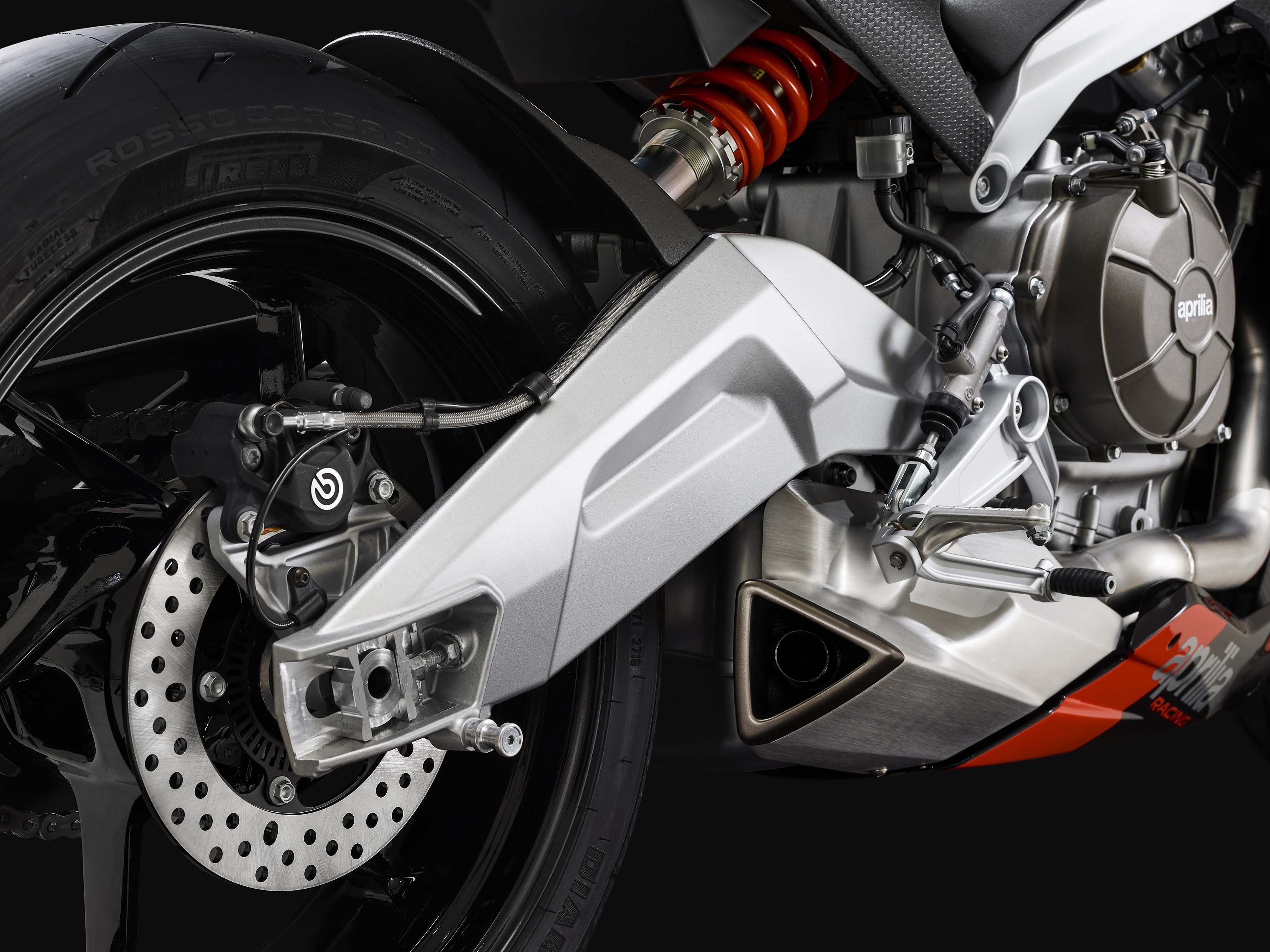
The chassis uses the engine as a fully-stressed member with the swingarm’s pivot located at the back of the crankcase. Front forks are Kayaba although there isn’t word on the rear shock. Braking duty is handled by Brembo brakes front and back.

Lighting is fully-LED including daytime running lights (DRL). A 5-inch TFT instrument panel provides multimedia connectivity.
A notable feature is the classic purple and red paint scheme.

We’ll keep you informed on when it’ll arrive and cost in Malaysia. Fingers crossed that it’s in a reasonable bracket.
  • The 2020 MV Agusta Rush 1000 is definitely extreme.

  • Its unique SC Project exhaust system gives it 209 bhp and 116 Nm.

  • It beats the Ducati Streetfighter V4 by 1 bhp.

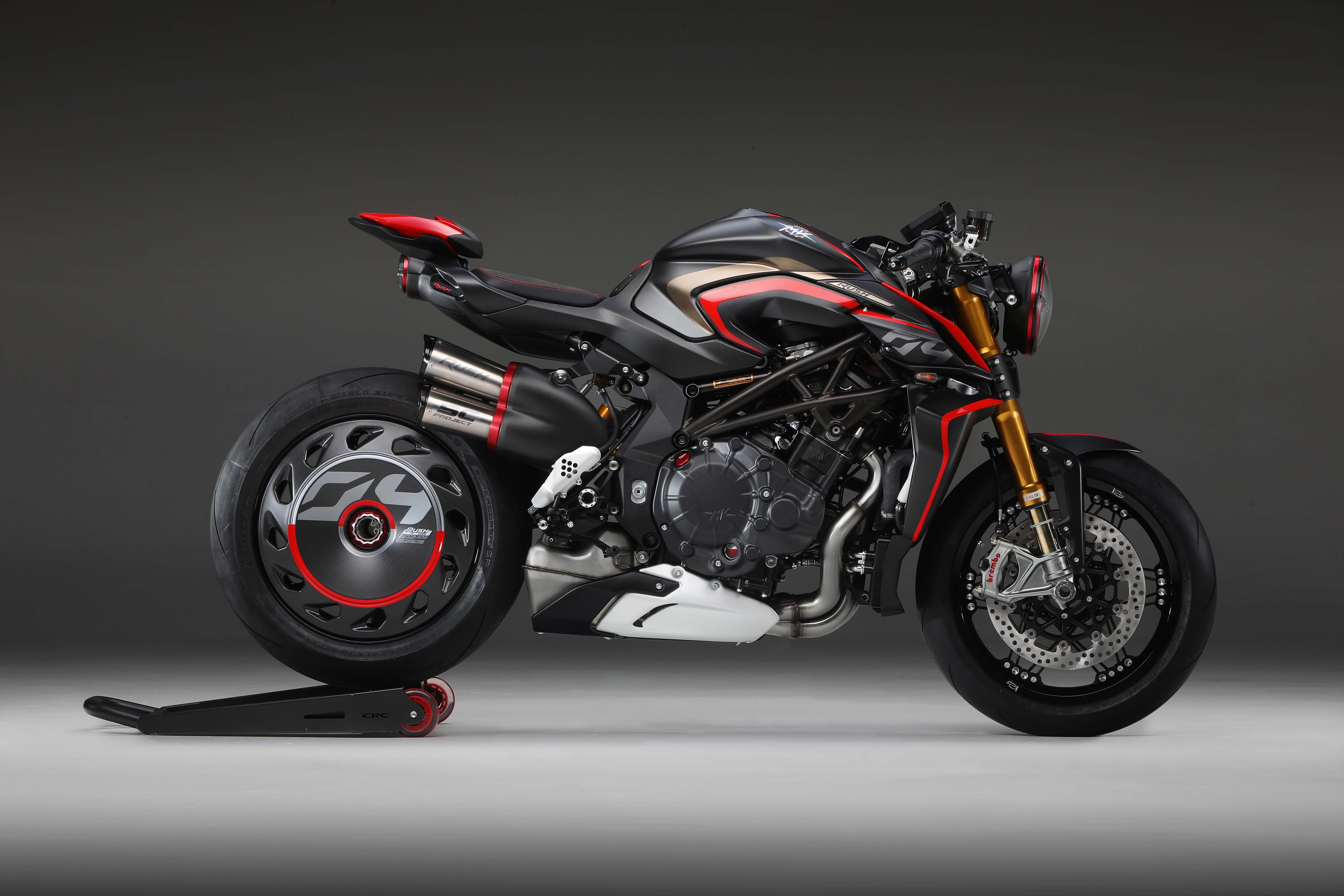
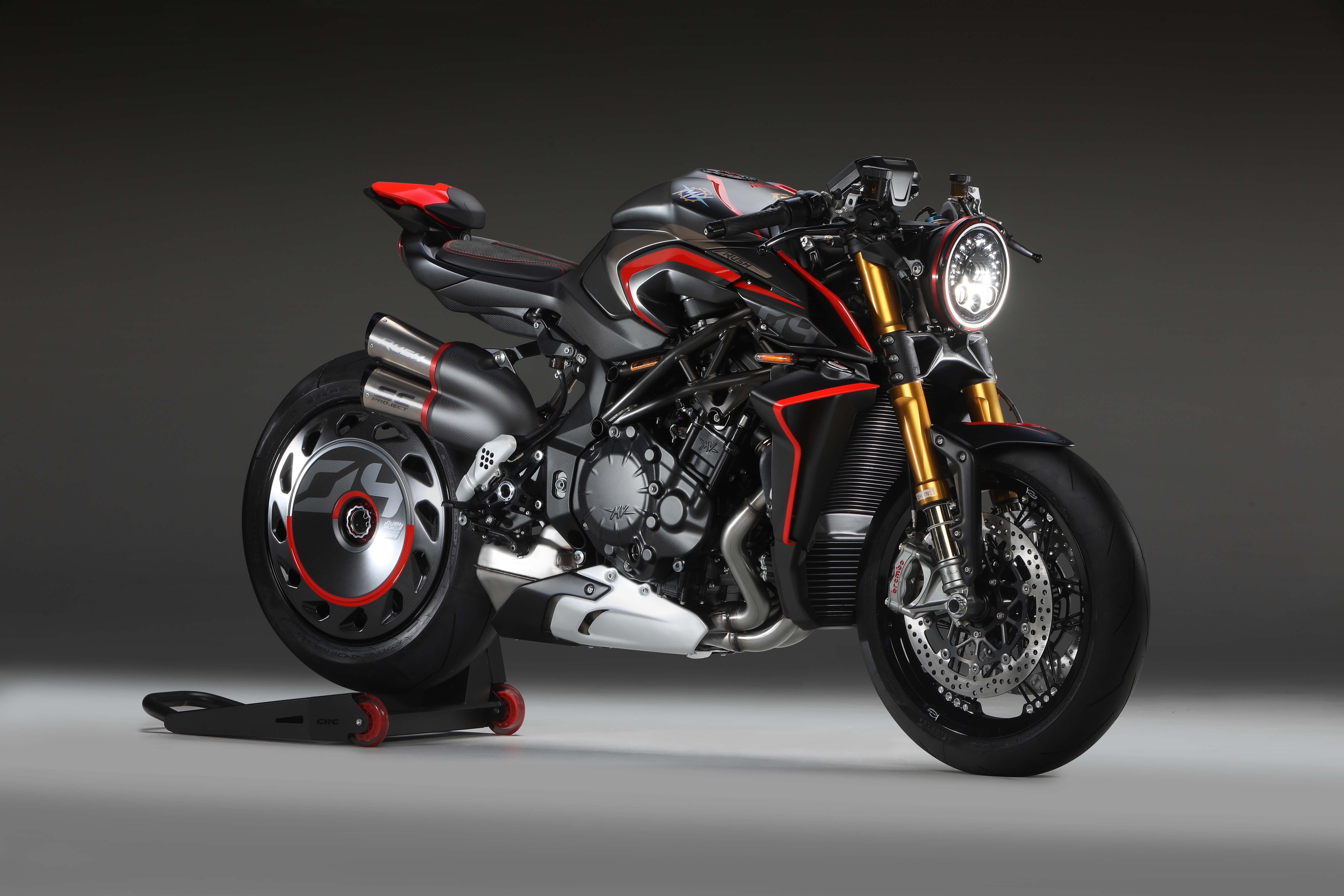
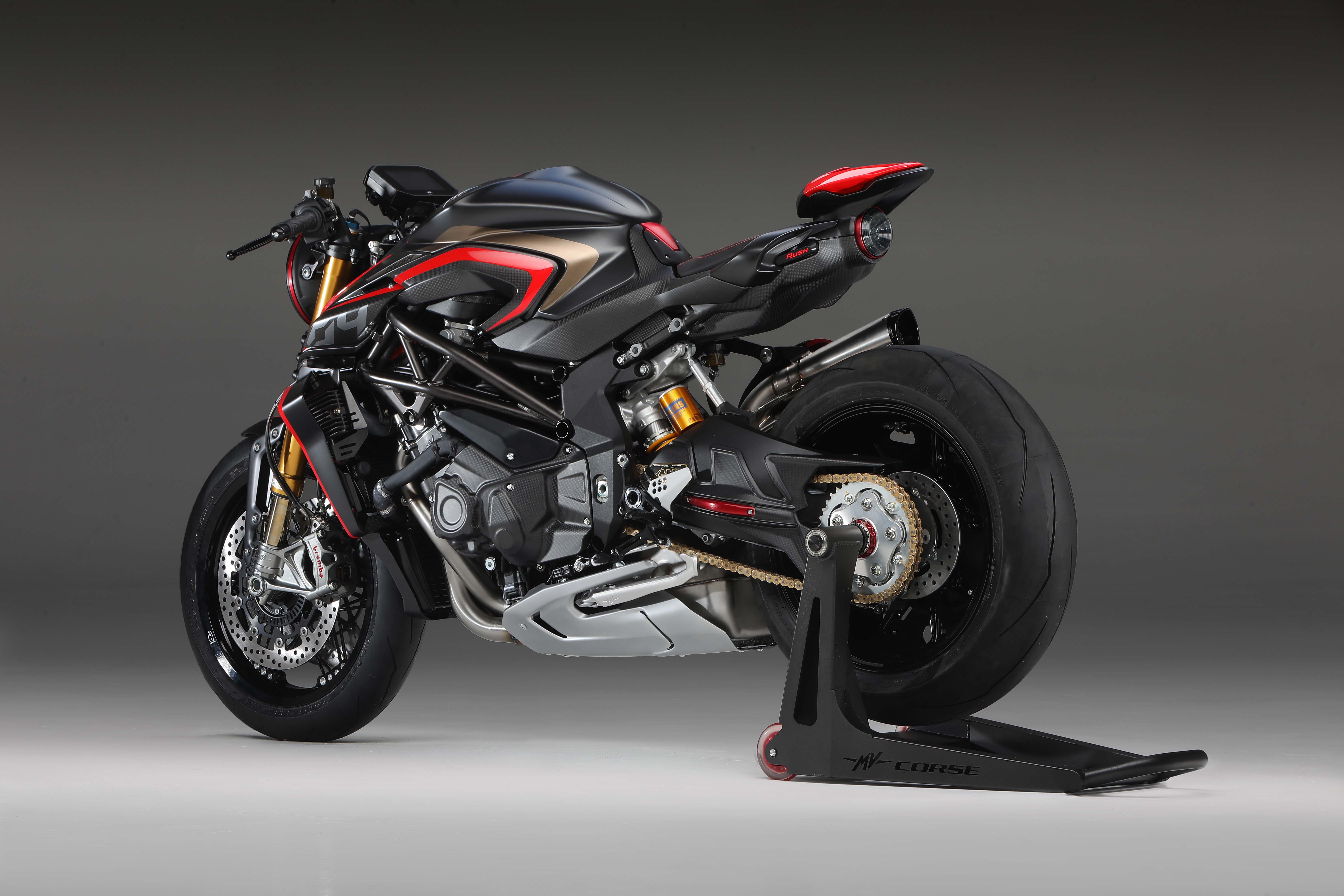
MV Agusta is nothing if not for their radical bikes, but the 2020 MV Agusta Rush 1000 is an extreme.

The manufacturer says that it’s a tribute to the drag racing scene. But without an elongated swingarm and lowered body stance, it’s more of a streetfighter. Even then, it looks like its stylists were given the free hand to go bonkers.

The Rush 1000 is based on the Brutal 1000RR but MV gave specialist exhaust makers SC Project the task of producing a unique system. Instead of being routed out the side, the dual tips exit behind the frame and just above the rear tyre.

Fitted with the pipes, the engine liberates 209 bhp and 116 Nm of torque, placing it well in the hypernaked category. In fact, it is the most powerful against the 208 bhp Ducati Streetfighter V4 and 197 bhp Kawasaki Z H2.

There’s plenty of carbon fibre to bring its weight down to 185 kg, dry. That disc-like rear wheel cover is carbon, hiding a forged-aluminium wheel.

Front brakes are Brembo Stylema 4-piston calipers gripping 320 mm discs. Öhlins electronic suspension is rightfully fitted.

No price yet, but it’s definitely going to be expensive. We wonder if MV Agusta will make a more “regular” version to challenge the Streetfighter V4.

  • The 2020 Honda Rebel is further refined.

  • More contemporary features are added included LED lighting and slipper clutch.

  • The engine is tuned for punchy torque but linear power delivery.

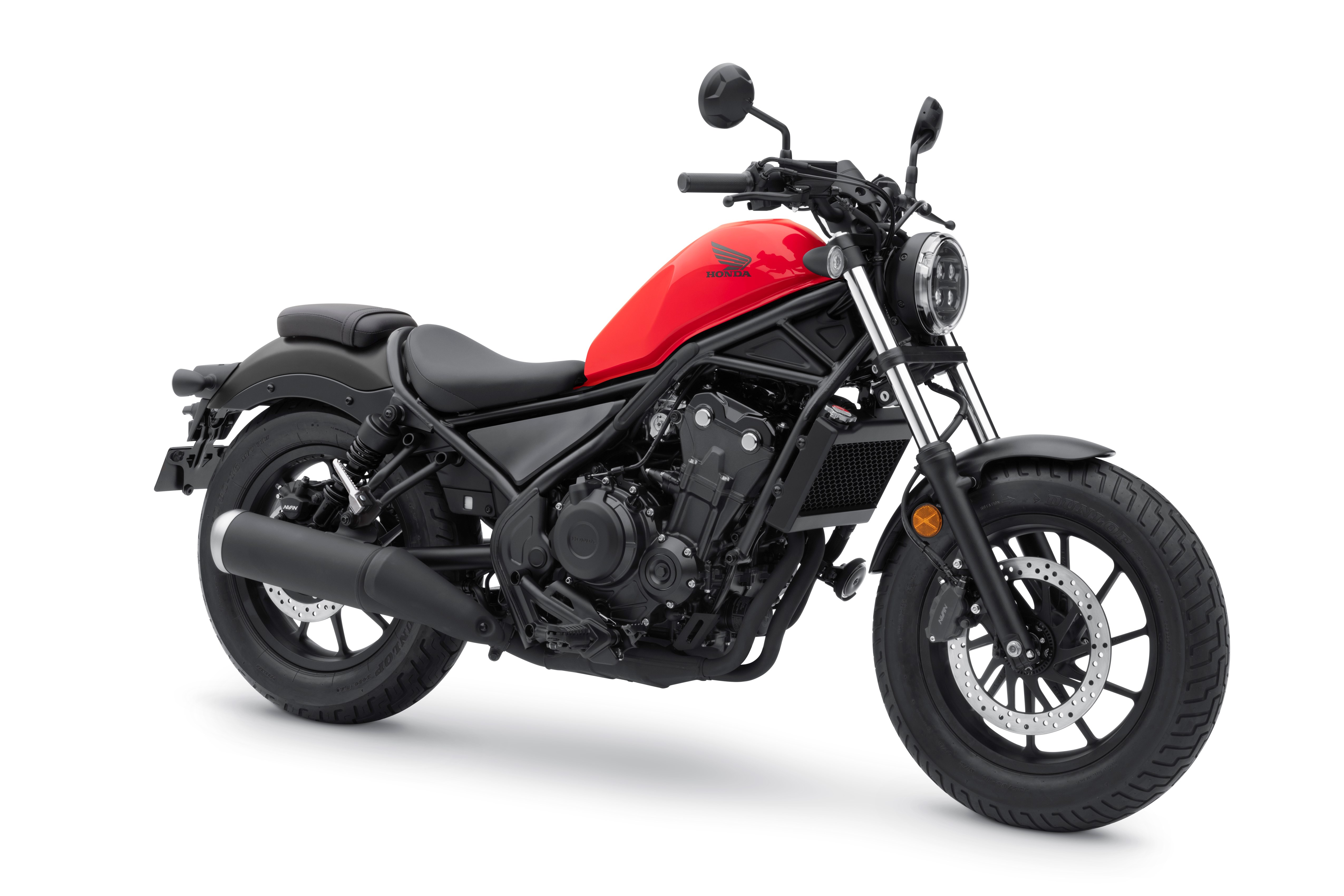
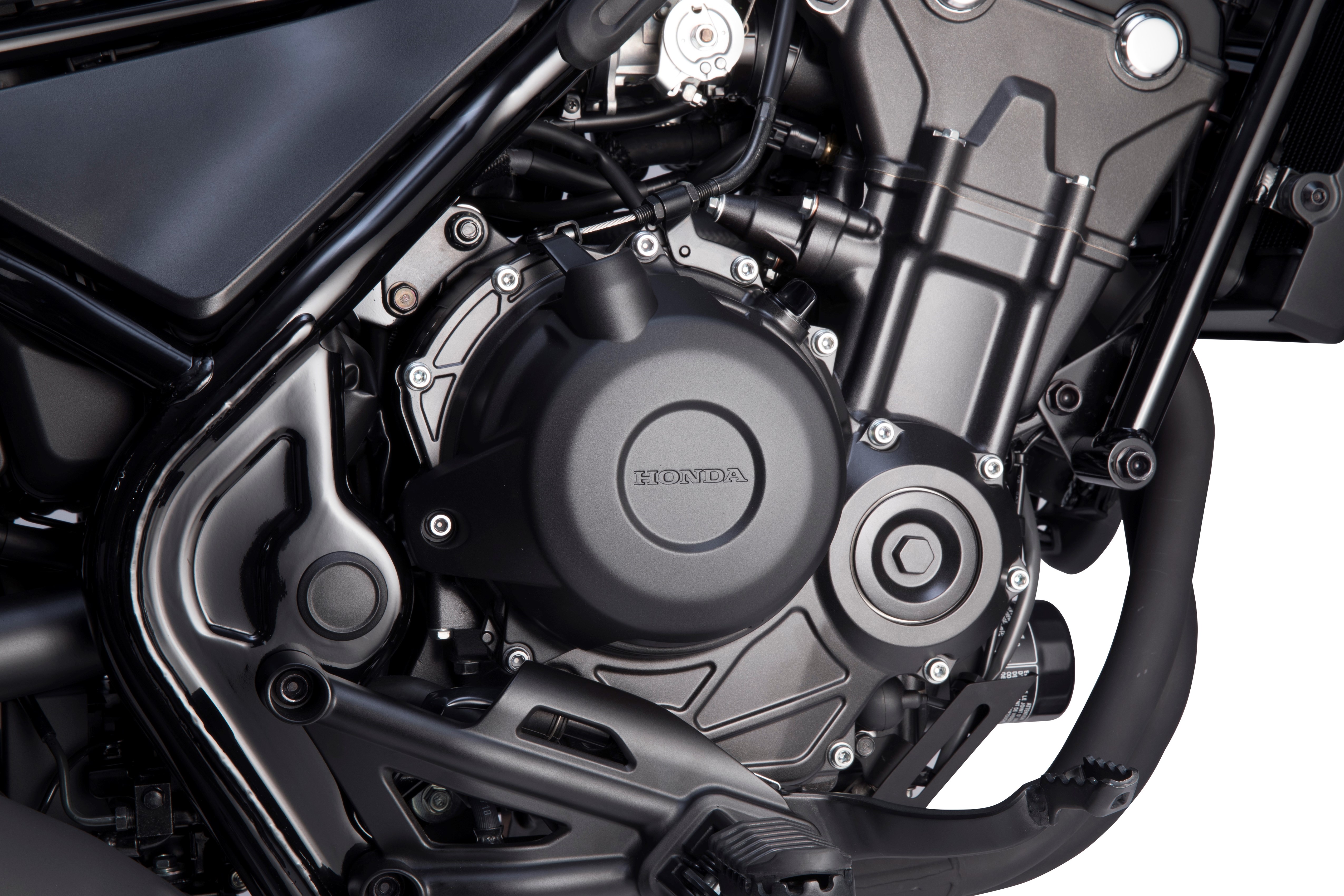
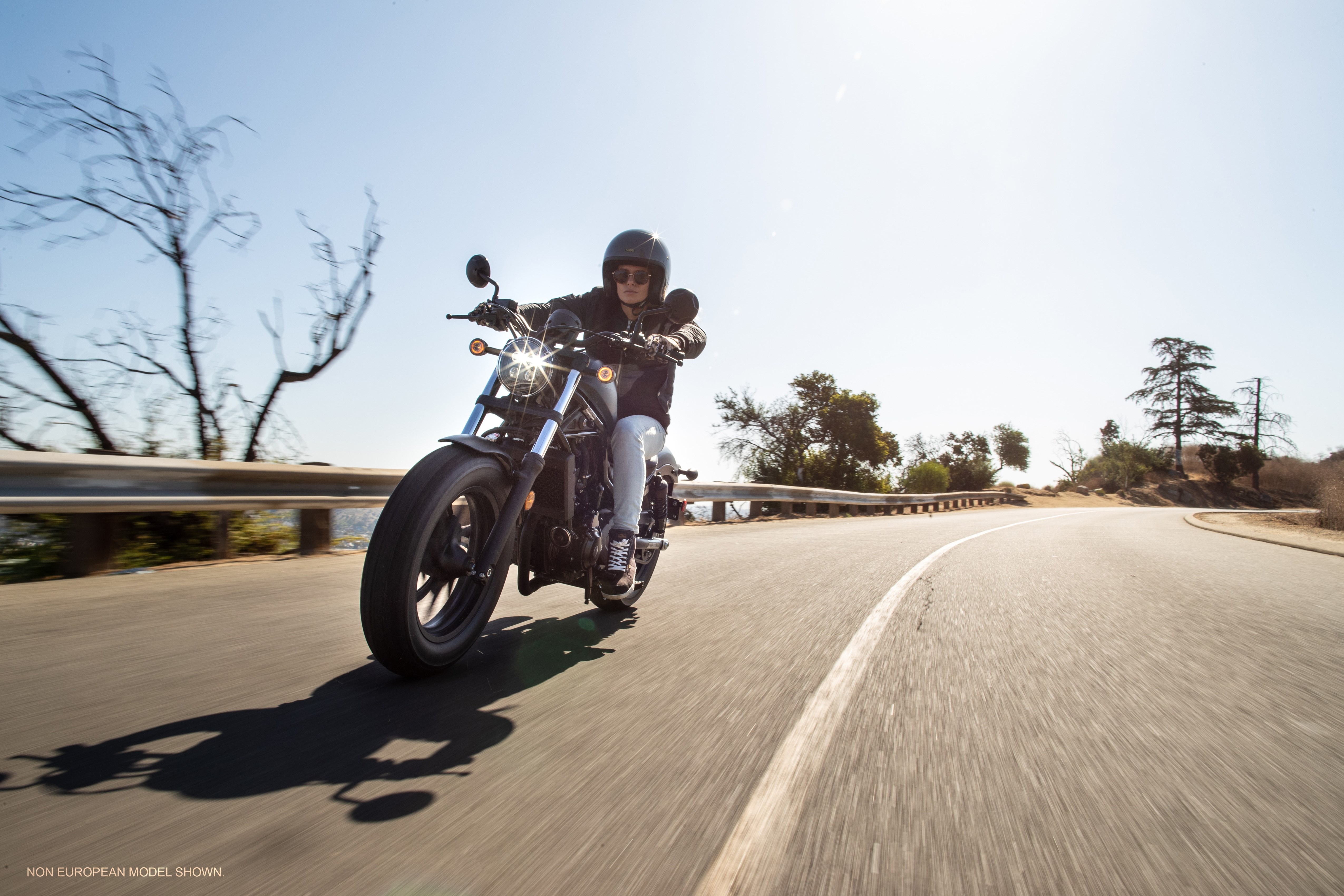
The 2020 Honda Rebel was made its European debut, with more refinements aimed to give the rider better comfort, among other things.

In making the 2020 Rebel Euro5 compliant, Honda looked at a great deal of features, also. A higher S-spec version features headlight cowl, all-black fork covers and gaiters, and a diamond-stitch style seat.
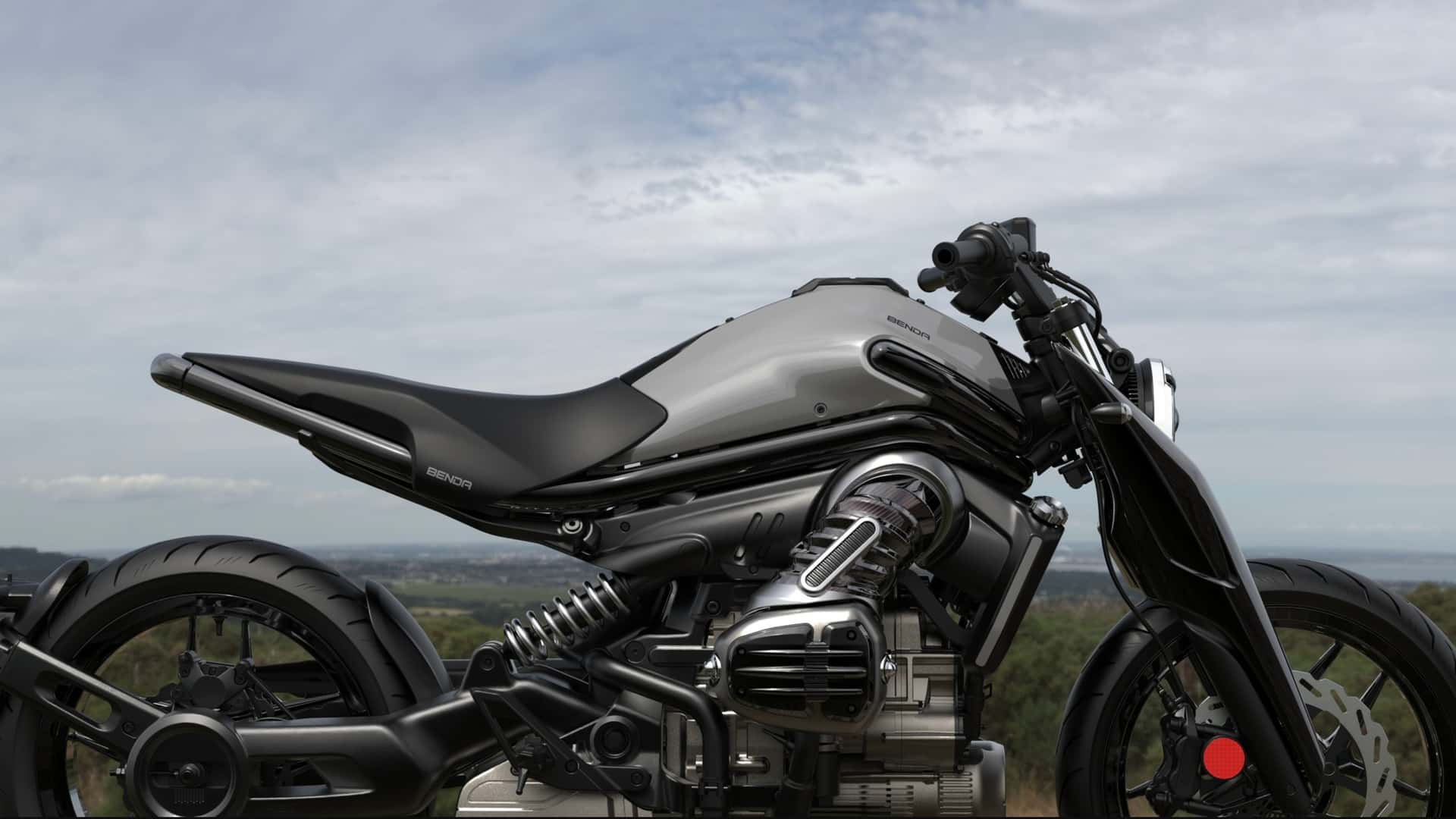
 

Honda aims the Rebel at younger riders who want a more laid-back motorcycle that’s easy to ride, has low maintenance yet with plenty of modern features. But it should also appeal to those who want cruisers that are not of the mainstream with its lean and low stripped, bobber styling, including a 11.2-litre fuel tank.

The 471cc, liquid-cooled, 8-valve, parallel-Twin engine was adapted from the CBR500R and produces strong bottom-end torque and smooth power delivery that’s less intimidating to new and casual riders. It produces 45.6 bhp (34 kW) at 8,500 RPM and 43.3 Nm of torque at 6,000 RPM.

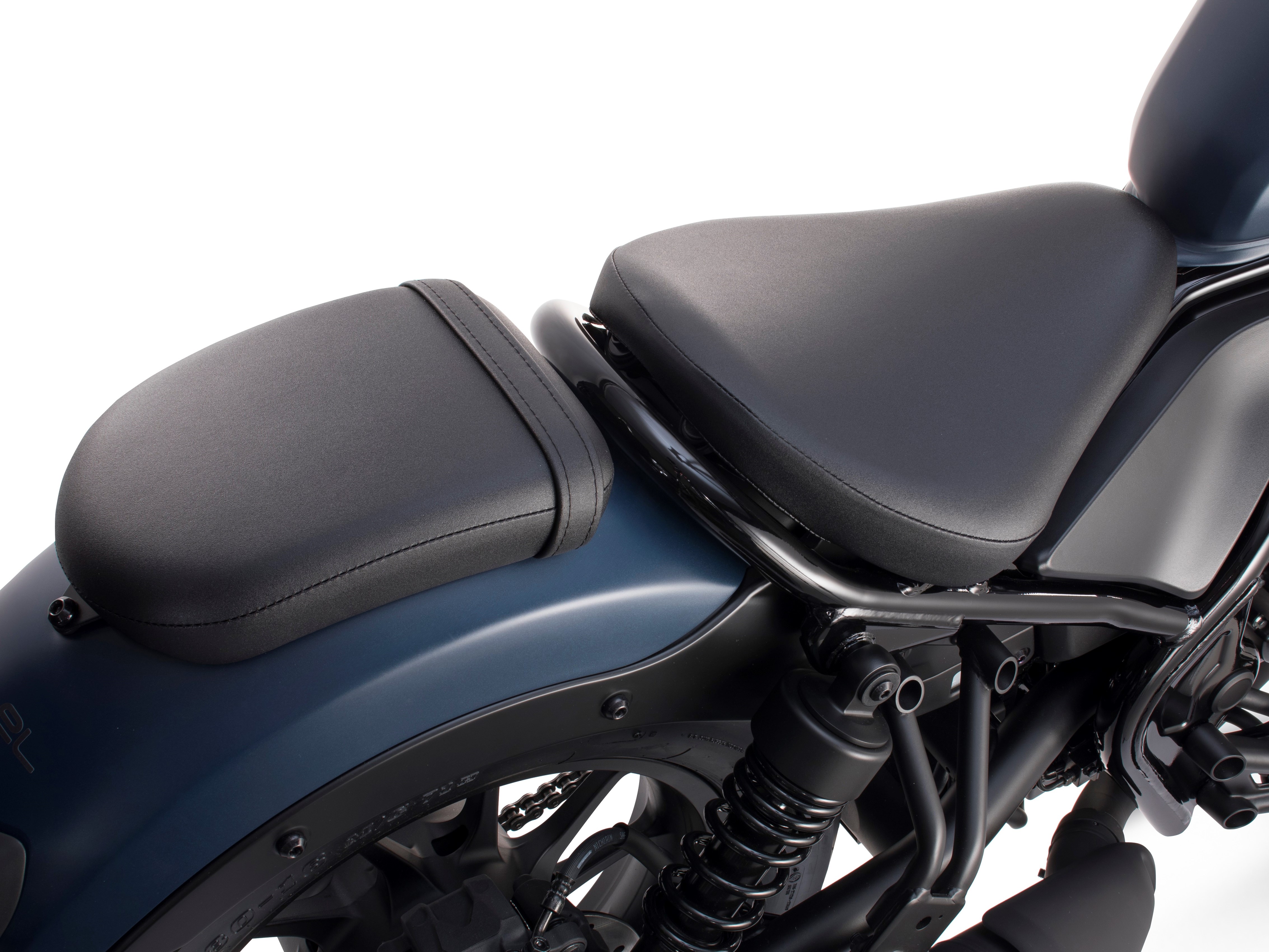
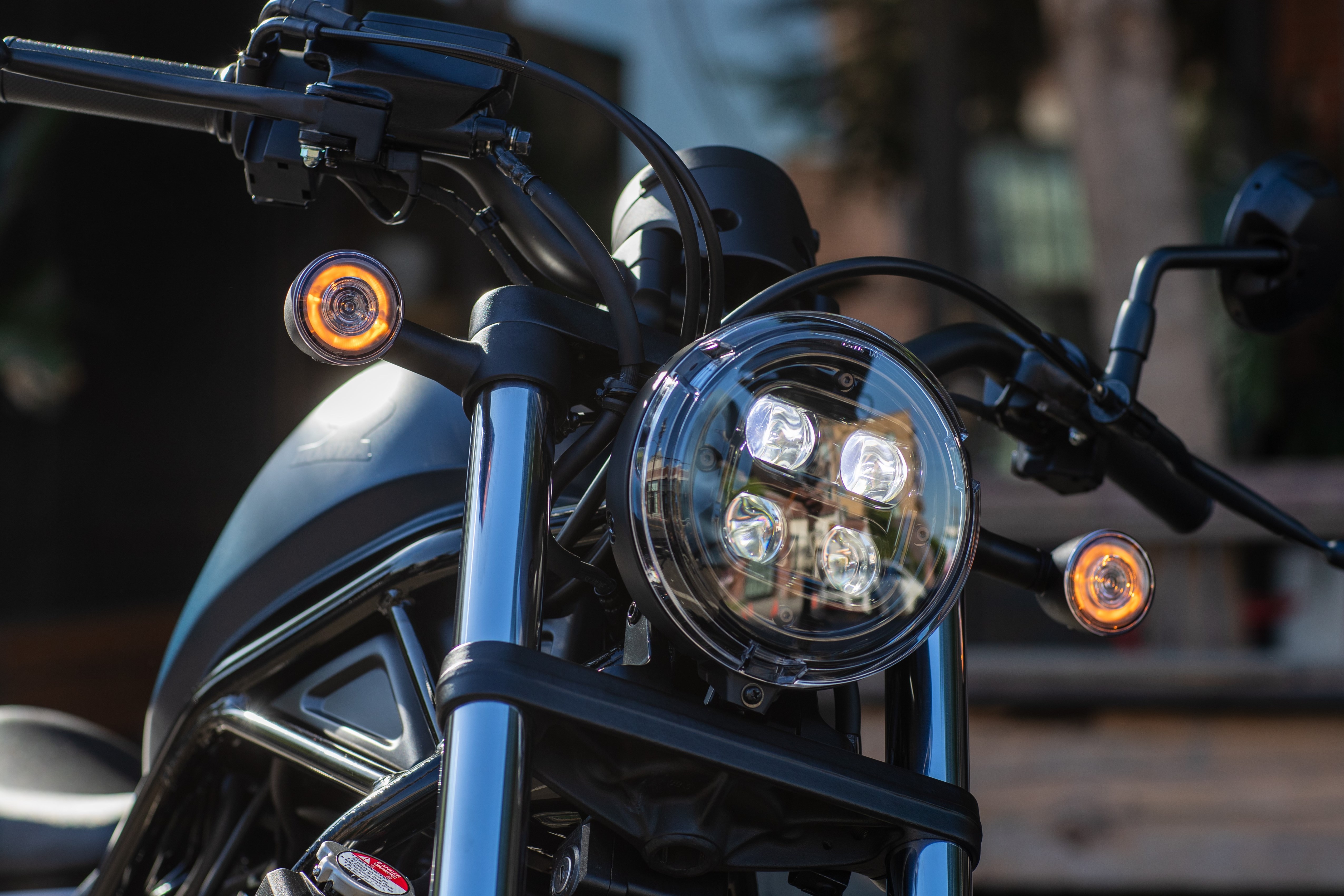
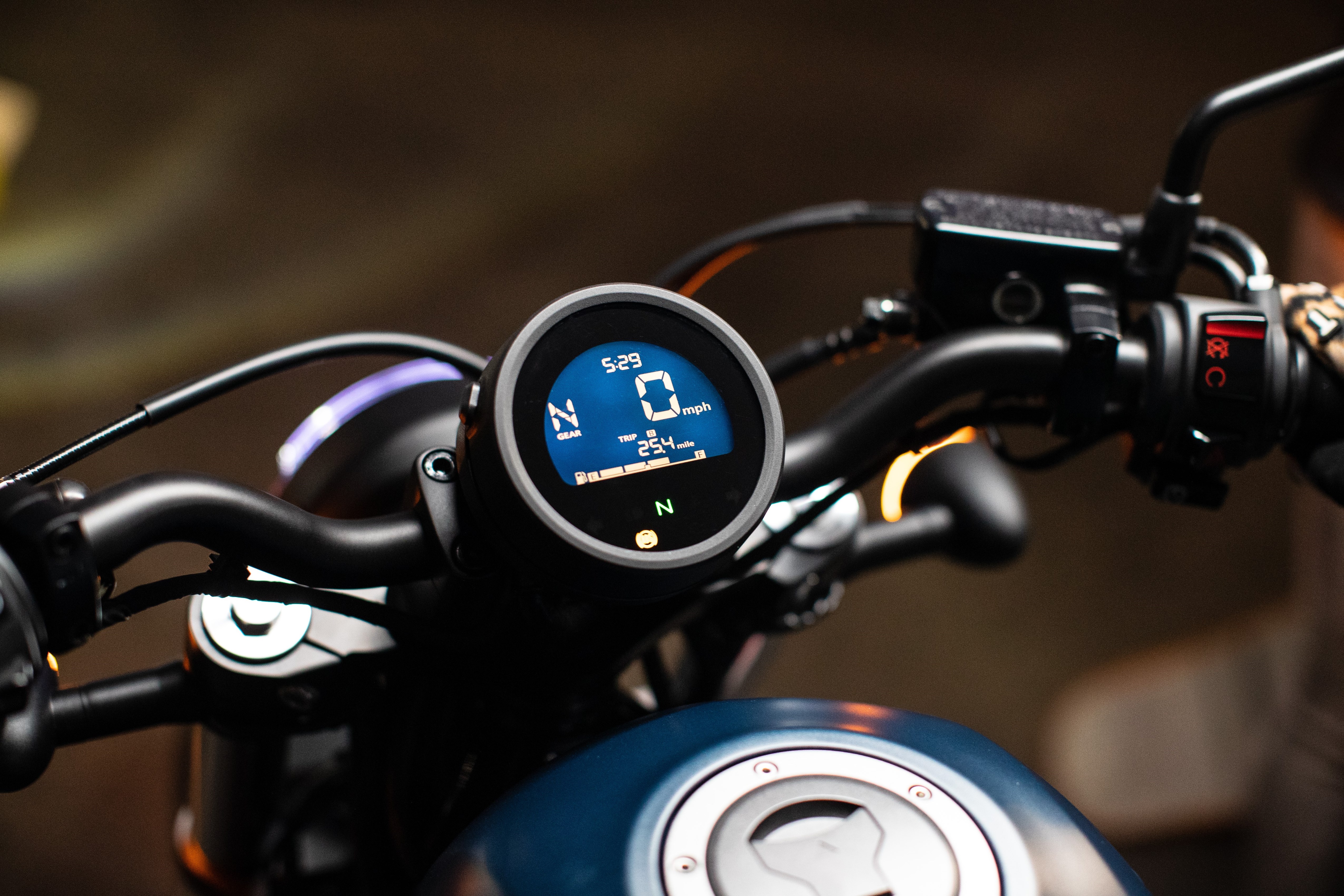
Other features include revised suspension, full-LED lighting including the turnsignals, gear position indicator, more comfortable seat and a slipper clutch.

The passenger seat and footrests can be easily detached for a more custom look (or to convince your other half that you’ll be riding alone).

  • Dego Ride and Gojek are allowed to start test runs on a limited scale in January 2020.

  • The pilot programme will determine the demand for bike e-hailing.

  • It will run for six months.

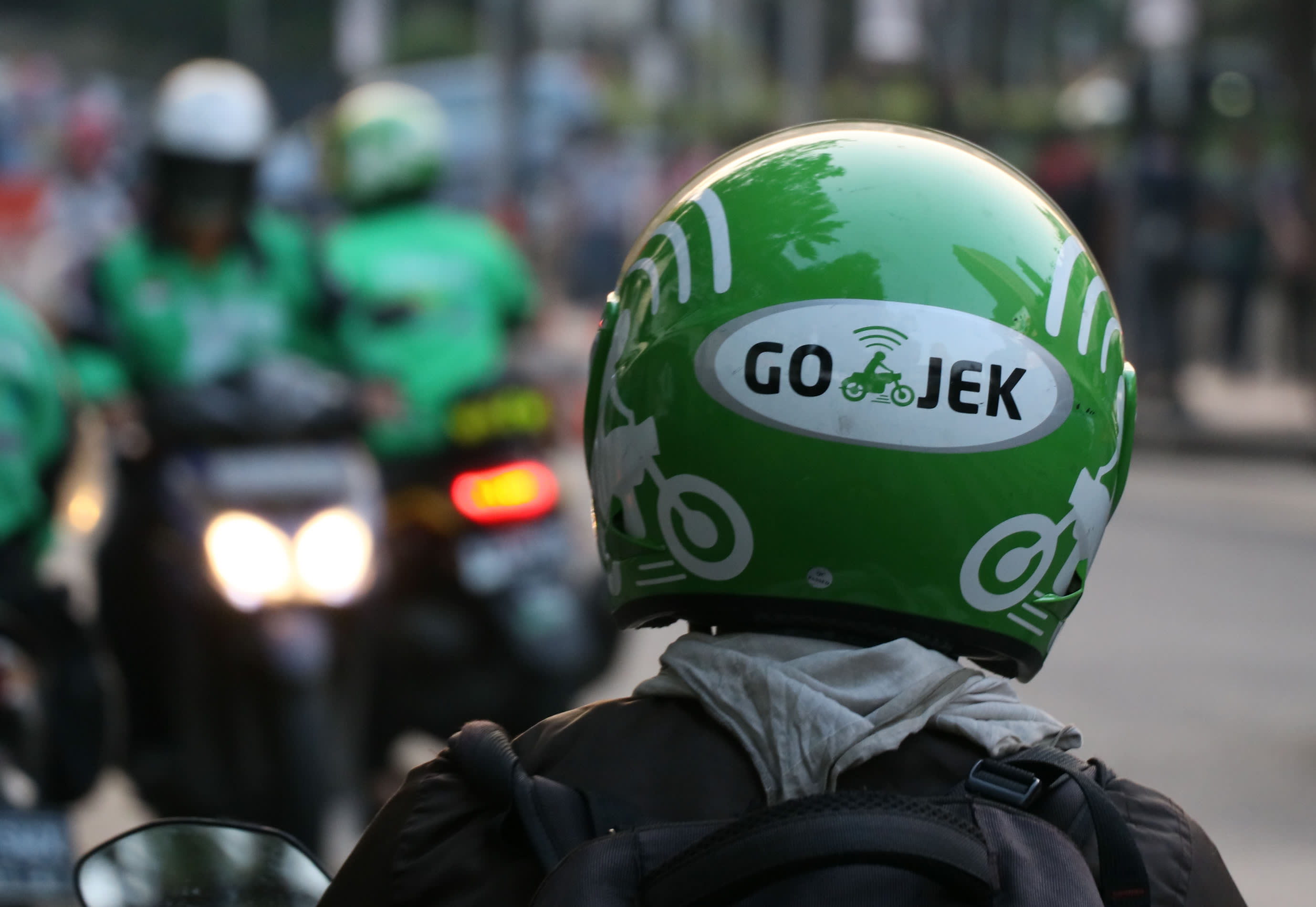
Motorcycle e-hailing service providers such as Dego Ride and Gojek are allowed to start test runs on a limited scale in January 2020.

They will begin operating based on a proof-of-concept basis to determine the demand for such service over a period of six months. This initial project will be carried out in the Klang Valley, where transport demands and woes are at their highest.

The announcement was made by Transport Minister YB Anthony Loke. He said that the proof-of-concept program will provide the government and the e-hailing firms the essential data to evaluate the service, while the government works on drafting the necessary legislation to govern motorcycle e-hailing service.

“Bike hailing will be an important component in providing a comprehensive public transport system, as a mode for first- and last-mile connectivity,” he told parliament when questioned.

In layman terms, first- and last-mile connectivity means taking another form of transport to connect you to and from the main means of transpiration i.e. MRT.

Dego Ride and Gojek are seen as the main challengers to the all-conquering Grab who bought out Uber operations in the Southeast Asian region. However, they relish the challenge and posted “Bring it on!” on their Twitter in response to the announcement.

The minister added, “Bike e-hailing will be subject to similar regulations as laid out for e-hailing,” in reference to Grab.

But Grab is hit hard by new regulations for drivers to apply for public service vehicle (PSV) license, permits and insurance besides getting health checks, apart from having their vehicles checked. Only 52% of Grabcar’s driver-partners have carried out what are required in October.

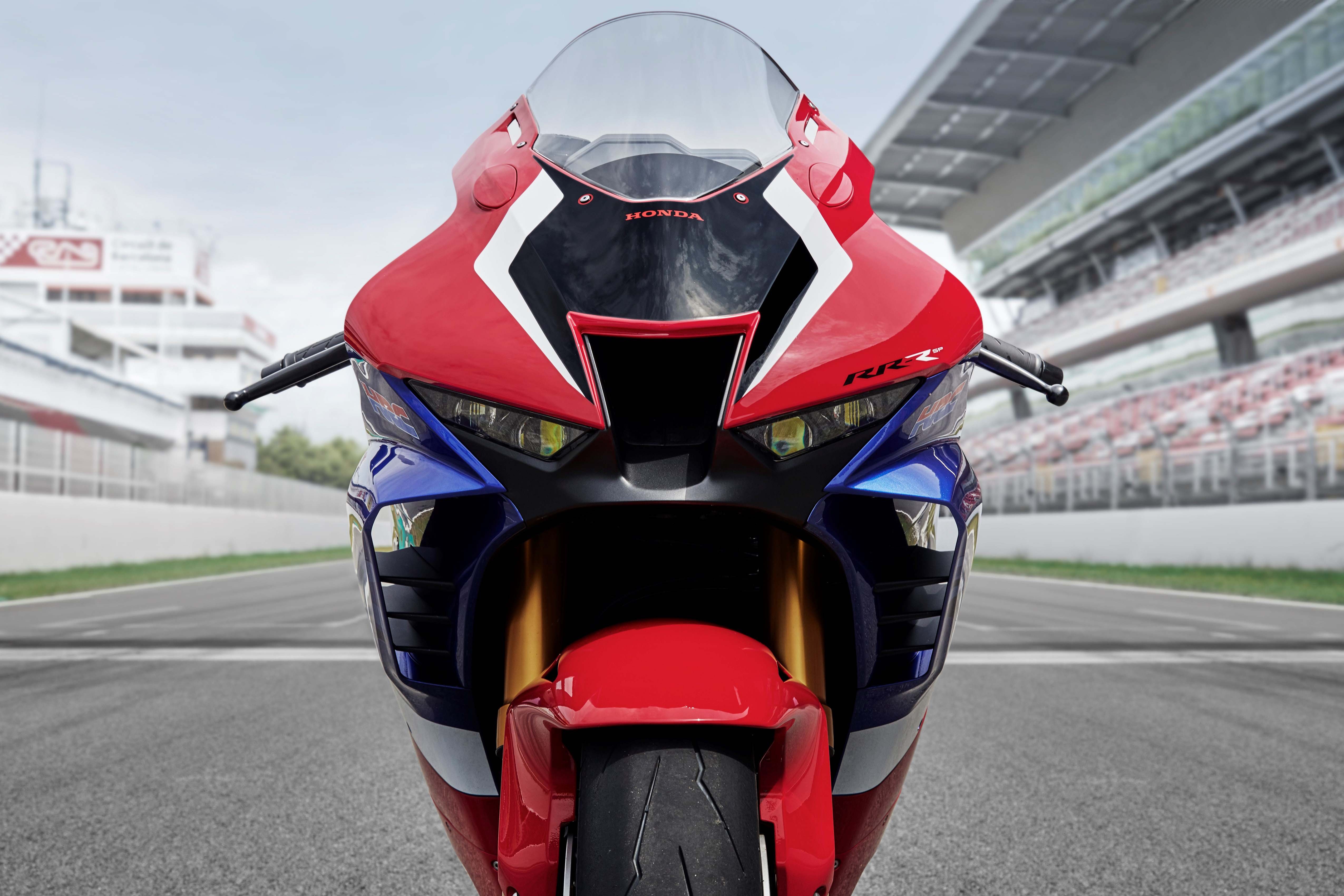
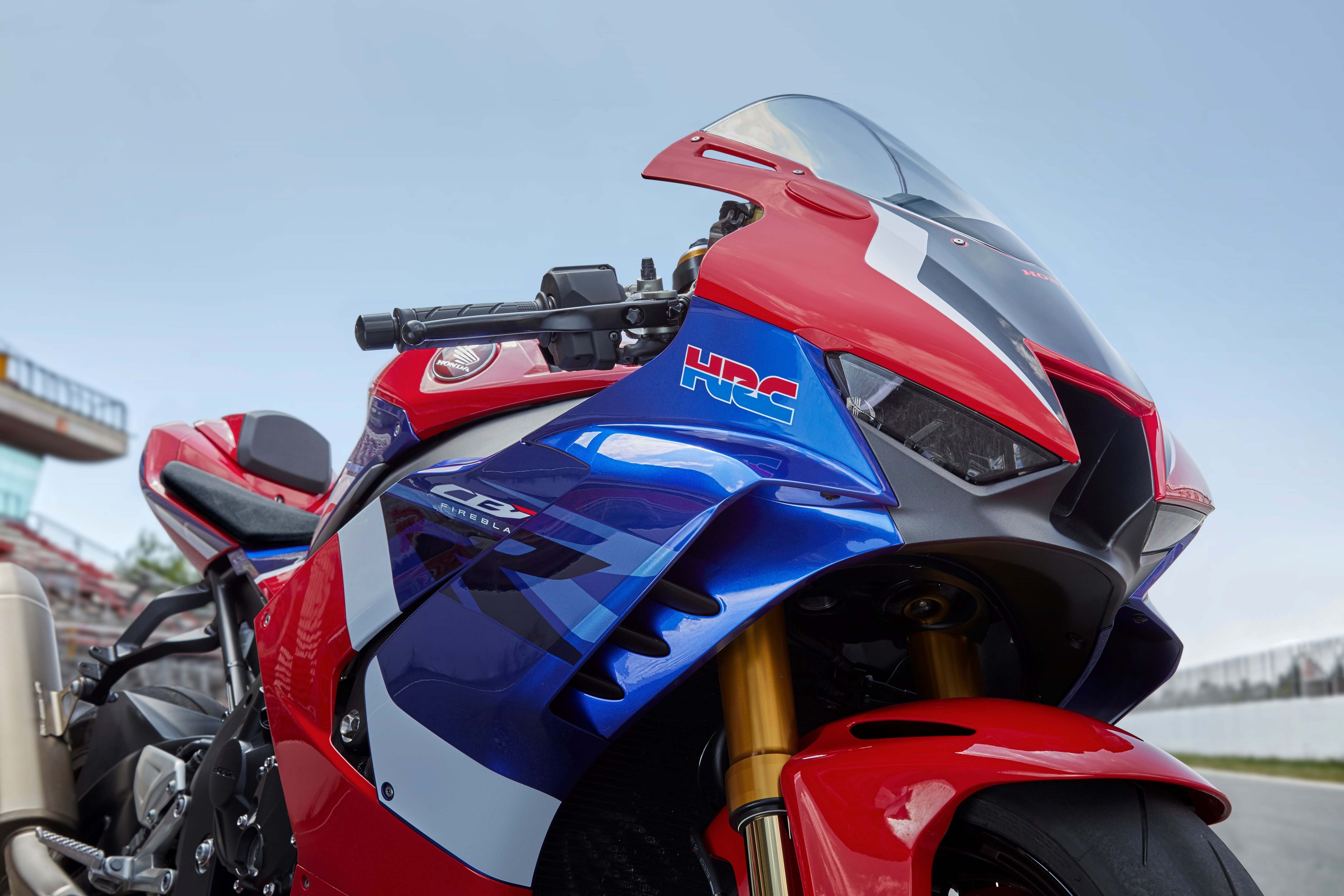
  • The highly-anticipated 2020 Honda CBR1000RR-R Fireblade debuts.

  • The engine was developed with HRC and the body features aerobodies.

  • The new engine produces 215 bhp and 113 Nm.

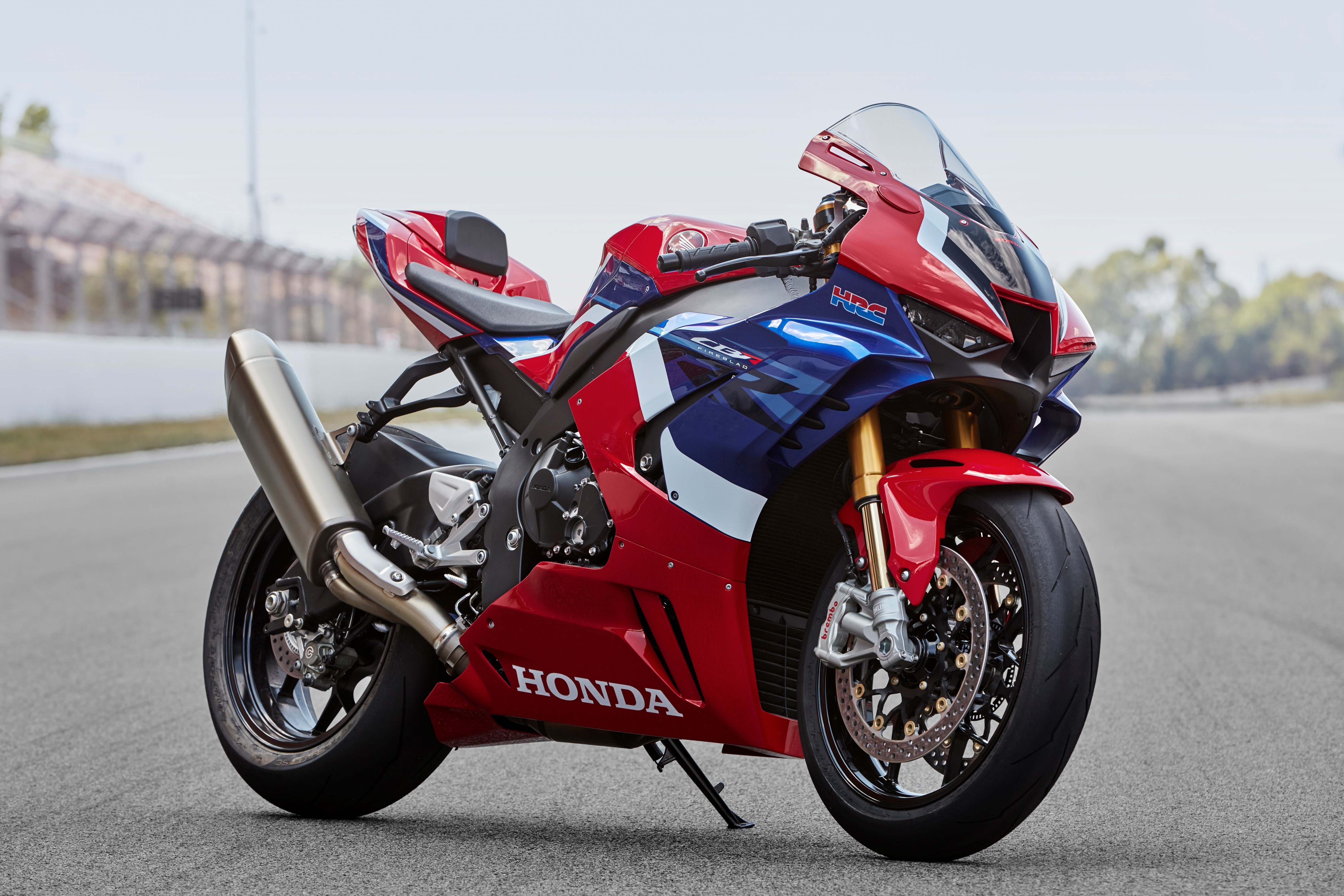
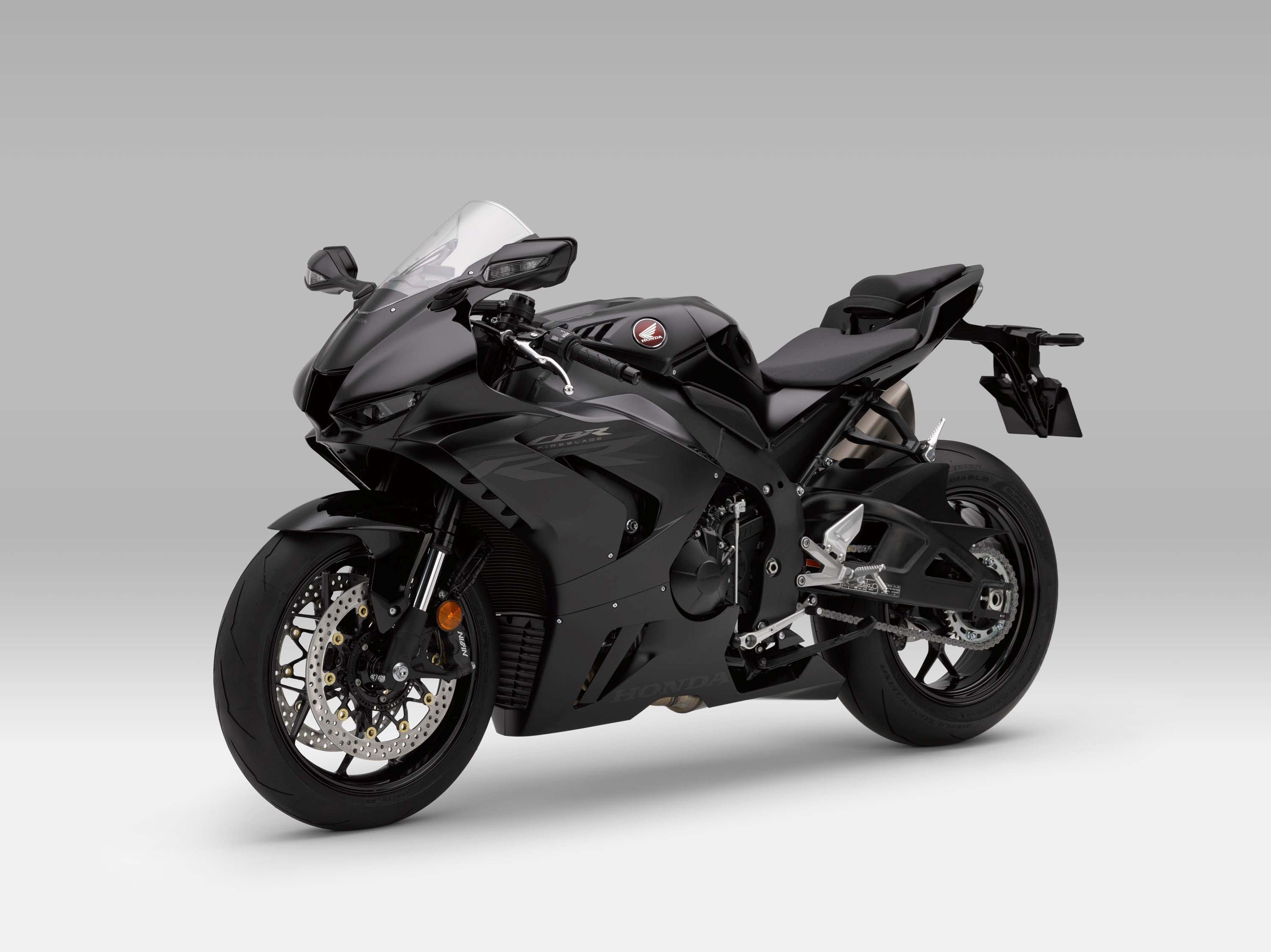
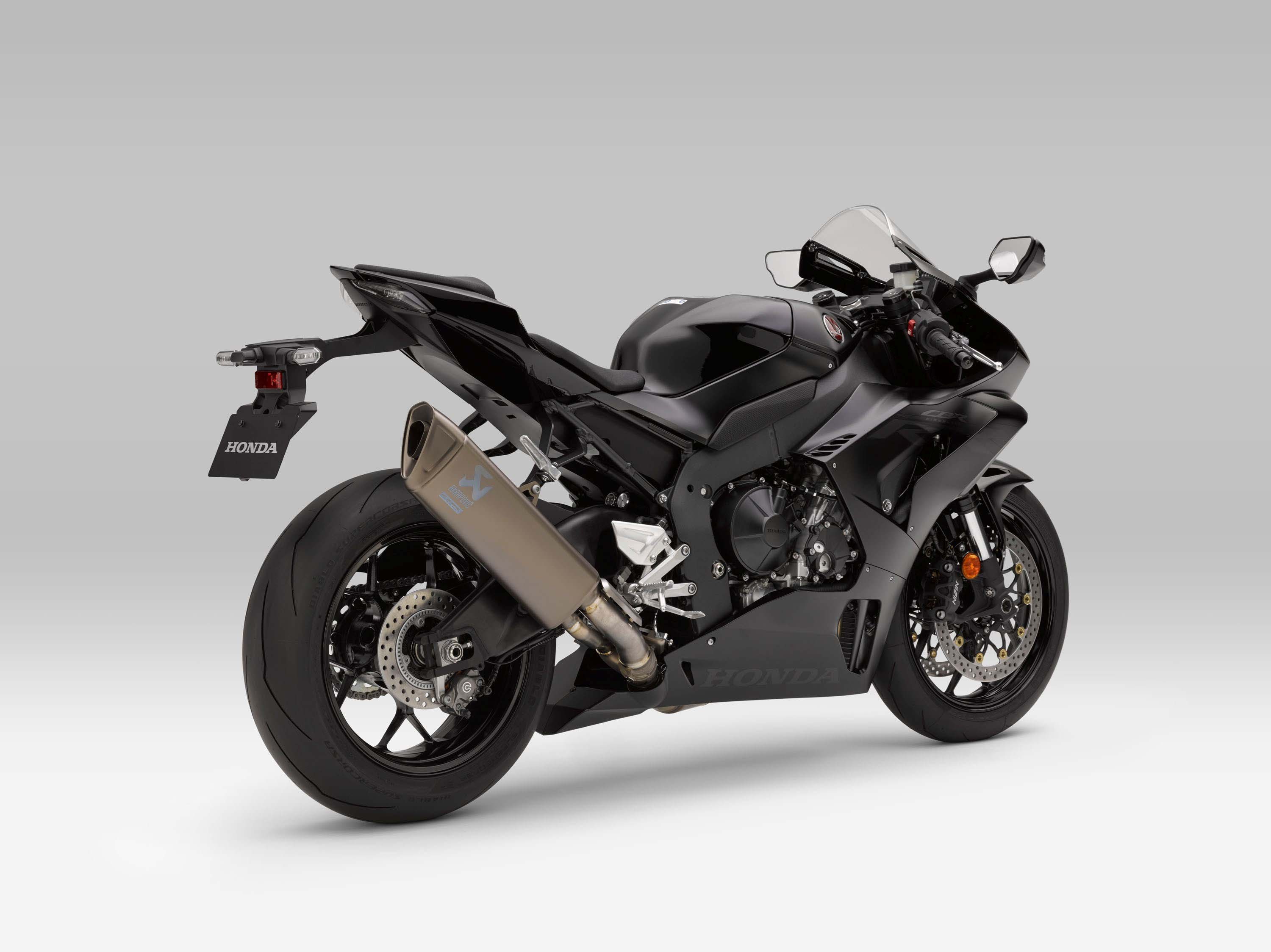
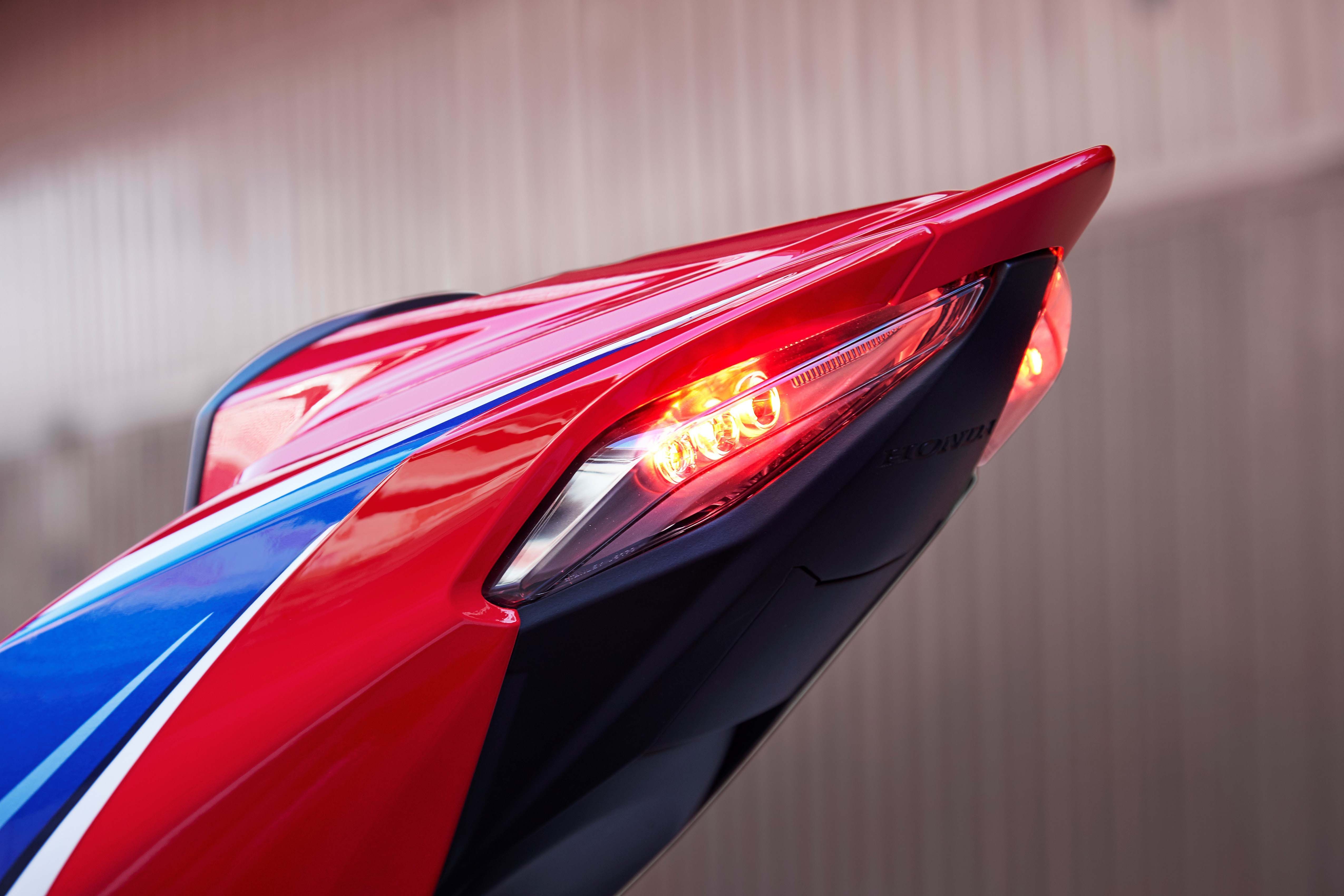
Finally, after all that waiting, the 2020 Honda CBR1000RR-R Fireblade debuts. It’s not a typo, its name has an extra “R” and the big CBR is finally in the 200bhp club.

Honda released the details of the all-new bike just before EICMA 2019 opens later today at 4pm, Malaysian time.

2020 HONDA CBR1000RR-R

As usual, there will be two models — the base CBR1000RR-R Fireblade and the higher spec’ed CBR1000RR-R SP Fireblade. The new engine is said to be co-developed with HRC, the manufacturer’s racing arm.

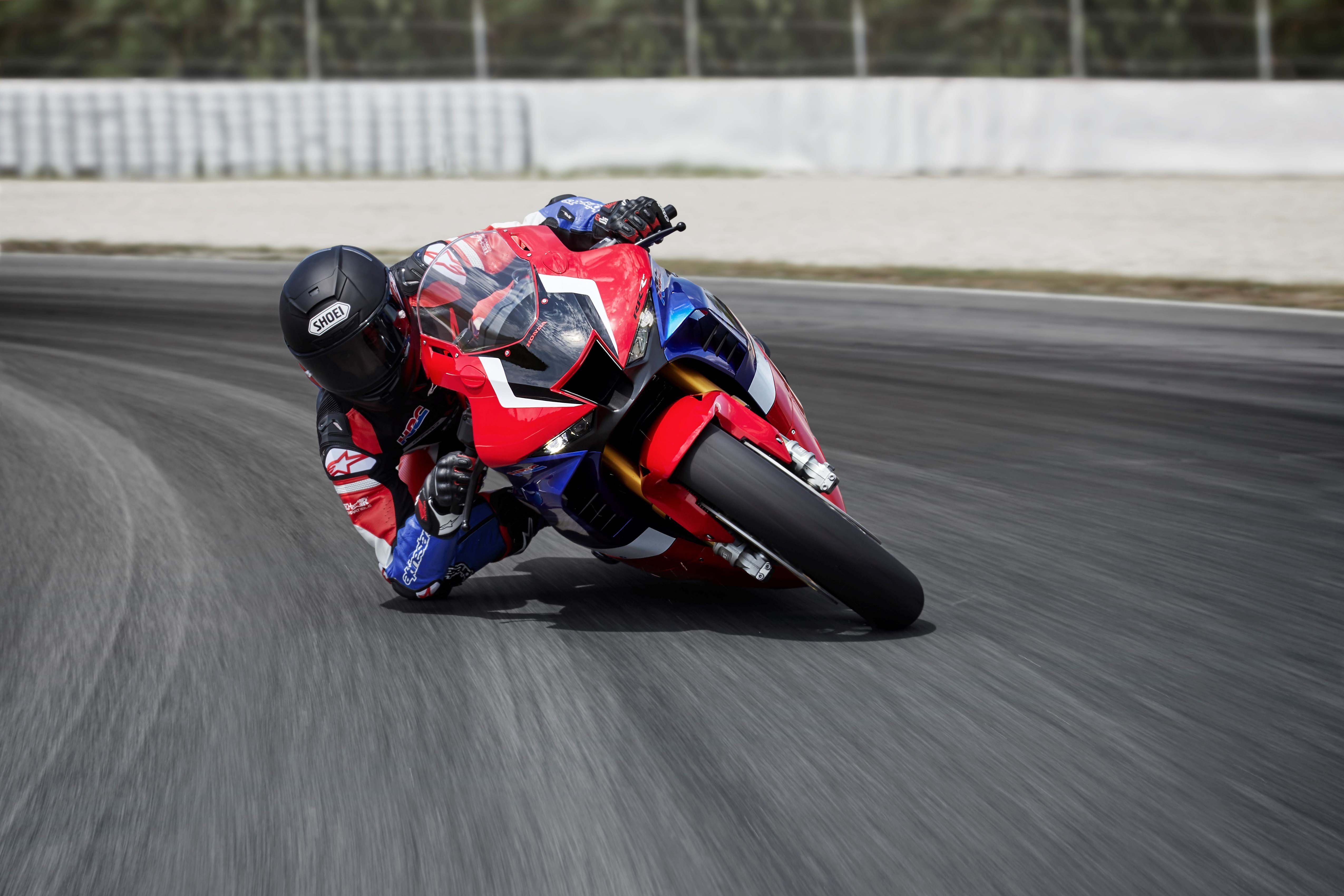
The 2020 model marks a departure from the previous flagship model. Project leader Yuzuru Ishikawa says that the battleground has moved from the streets to the track, thereby ending the “best superbike on the road” unofficial tag for the CBR1000RR.

2020 HONDA CBR1000RR-R SP

Highlights of the base model:

  • New “ultra-compact” inline-Four engine with 215 bhp (160 kW) at 14,500 RPM and 113 Nm of torque at 12,500 RPM.
  • It’s way up from the current 189 bhp, although torque is reduced by 1 Nm.
  • The engine isn’t equipped with any sort of variable valve timing or lift, as speculated, though.
2020 HONDA CBR1000RR-R SP
  • New finger-follower rocker arms for the valves.
  • Forged aluminium pistons.
  • Titanium conrods.
  • Feeding the engine is a centrally-located ram air duct in the fairing.
2020 HONDA CBR1000RR-R SP
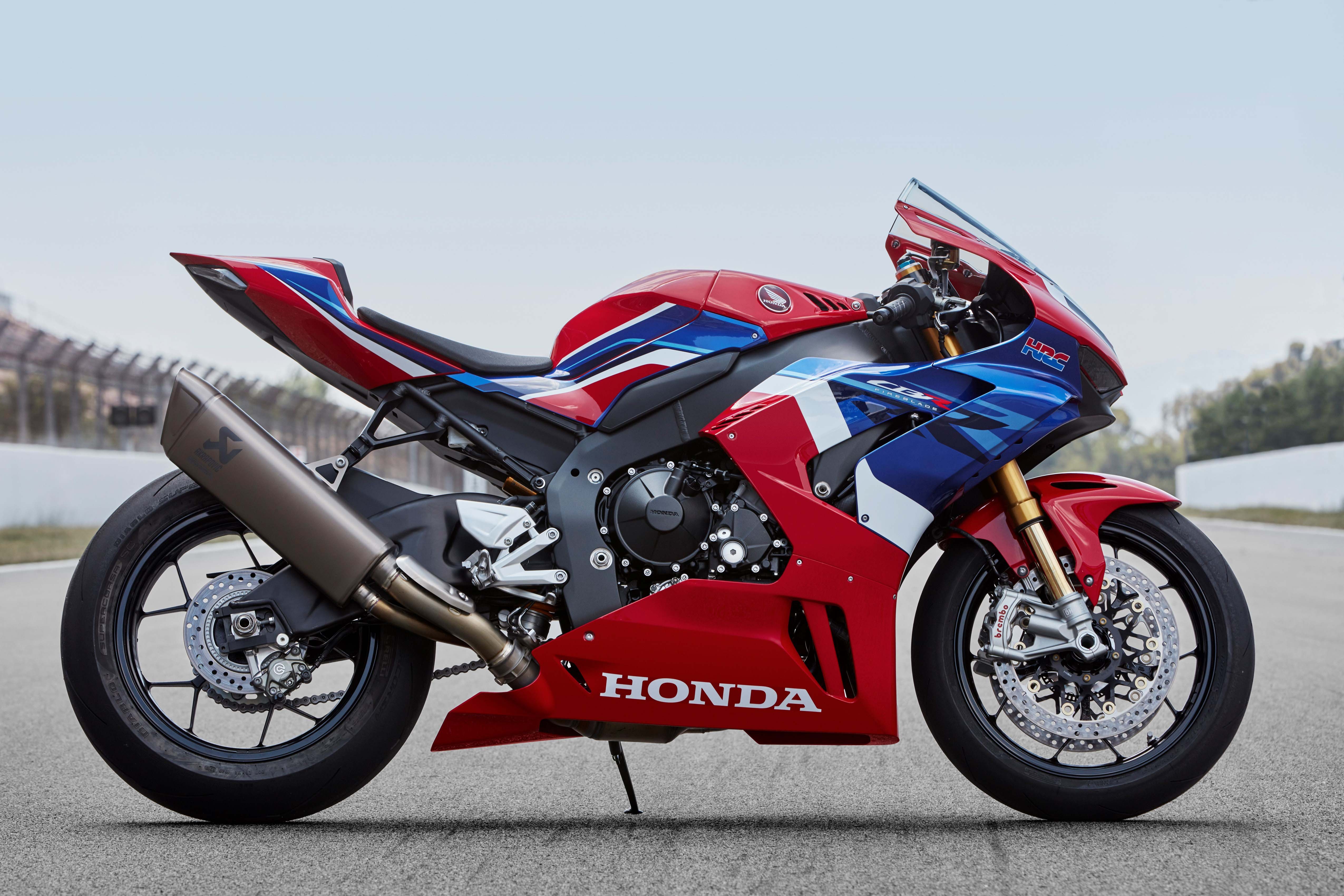
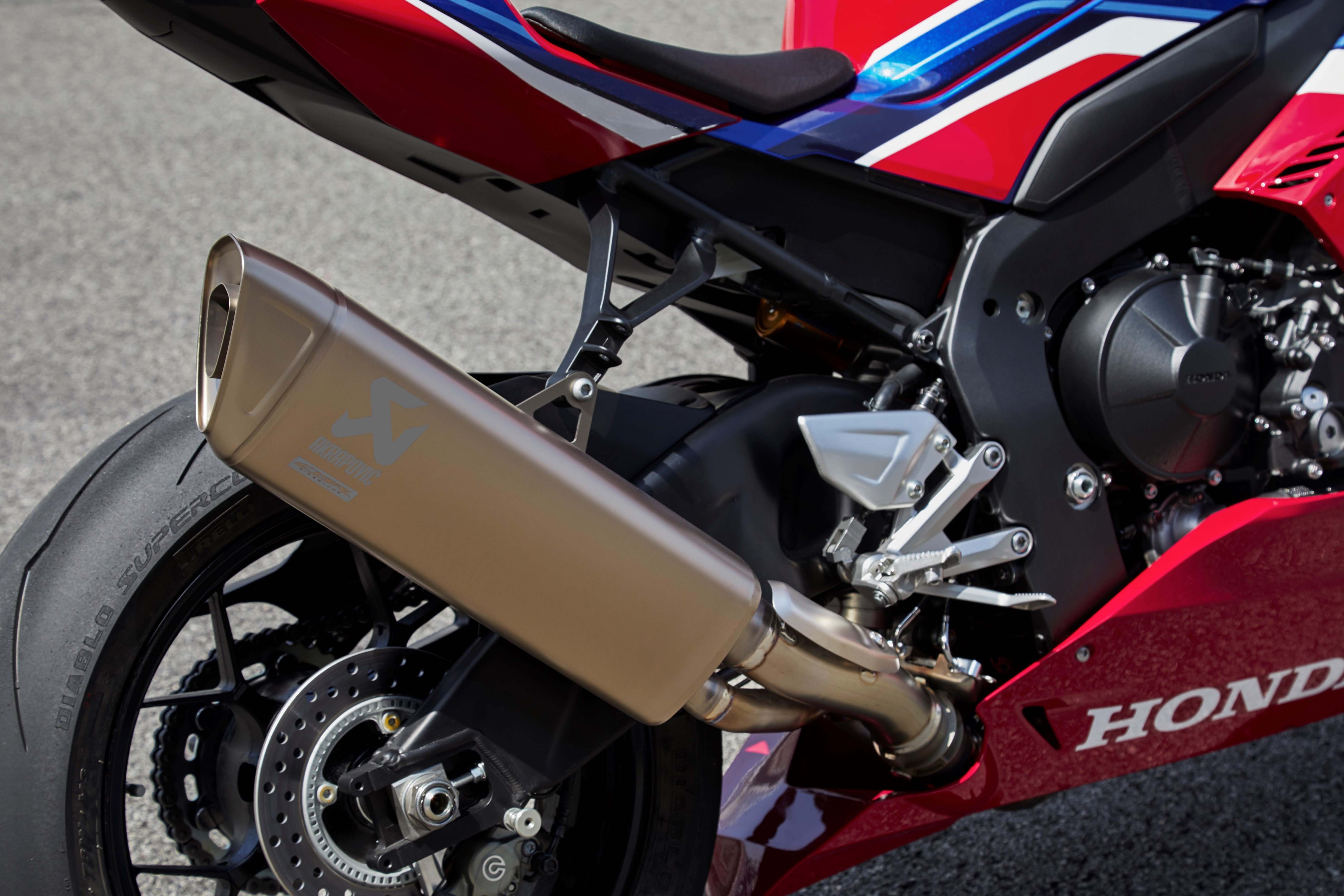
  • Spent gasses exit through an Akrapovic 4-2-1 exhaust system ends in an oval-shaped titanium silencer.
2020 HONDA CBR1000RR-R SP
  • New Throttle-by-Wire enhance feel further.
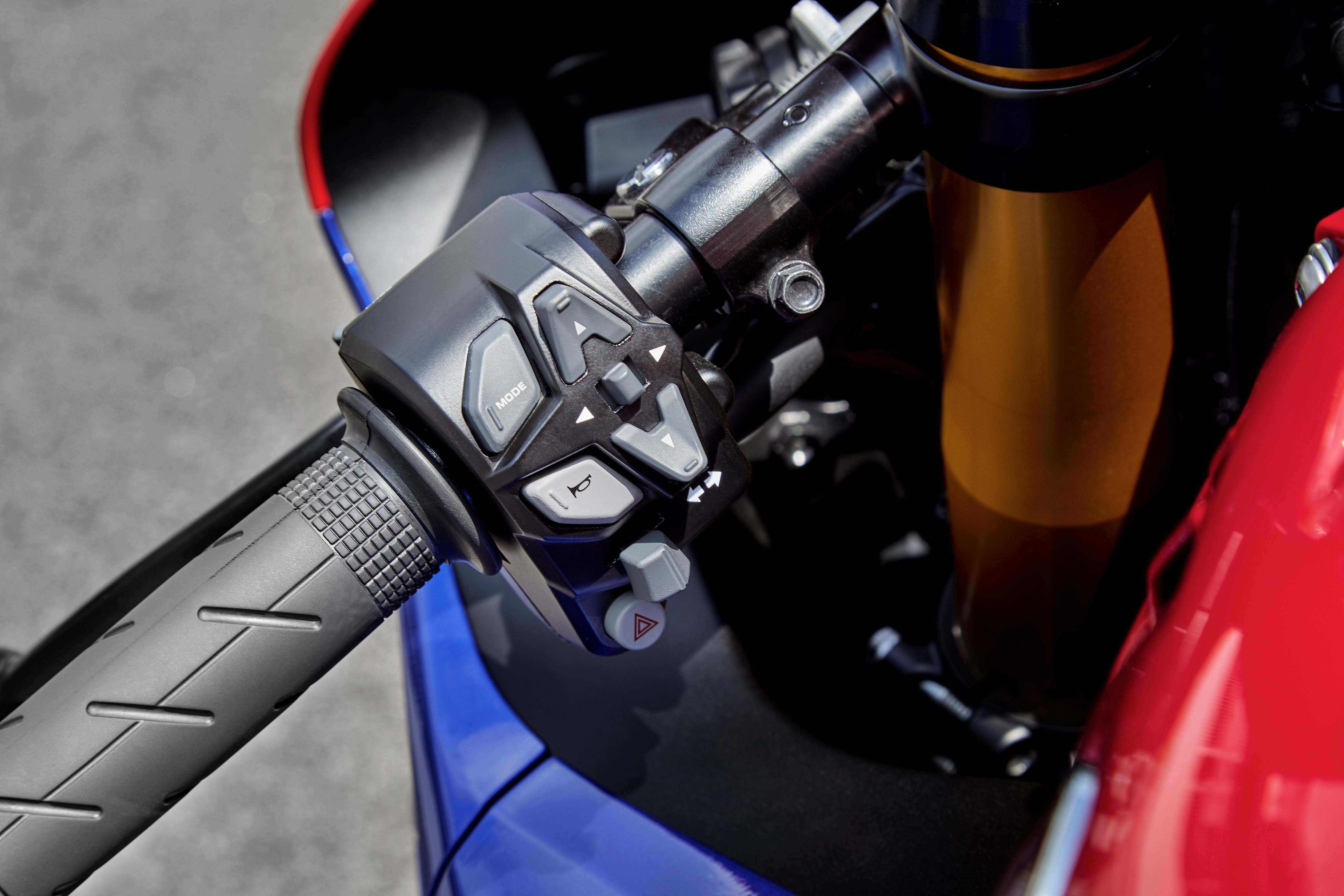
  • Three default riding modes with customisable Power, Engine Braking, Wheelie Control through the optimised Honda Selectable Torque Control system.
2020 HONDA CBR1000RR-R SP
  • Launch Control is standard.
  • Bosch six-axis IMU.
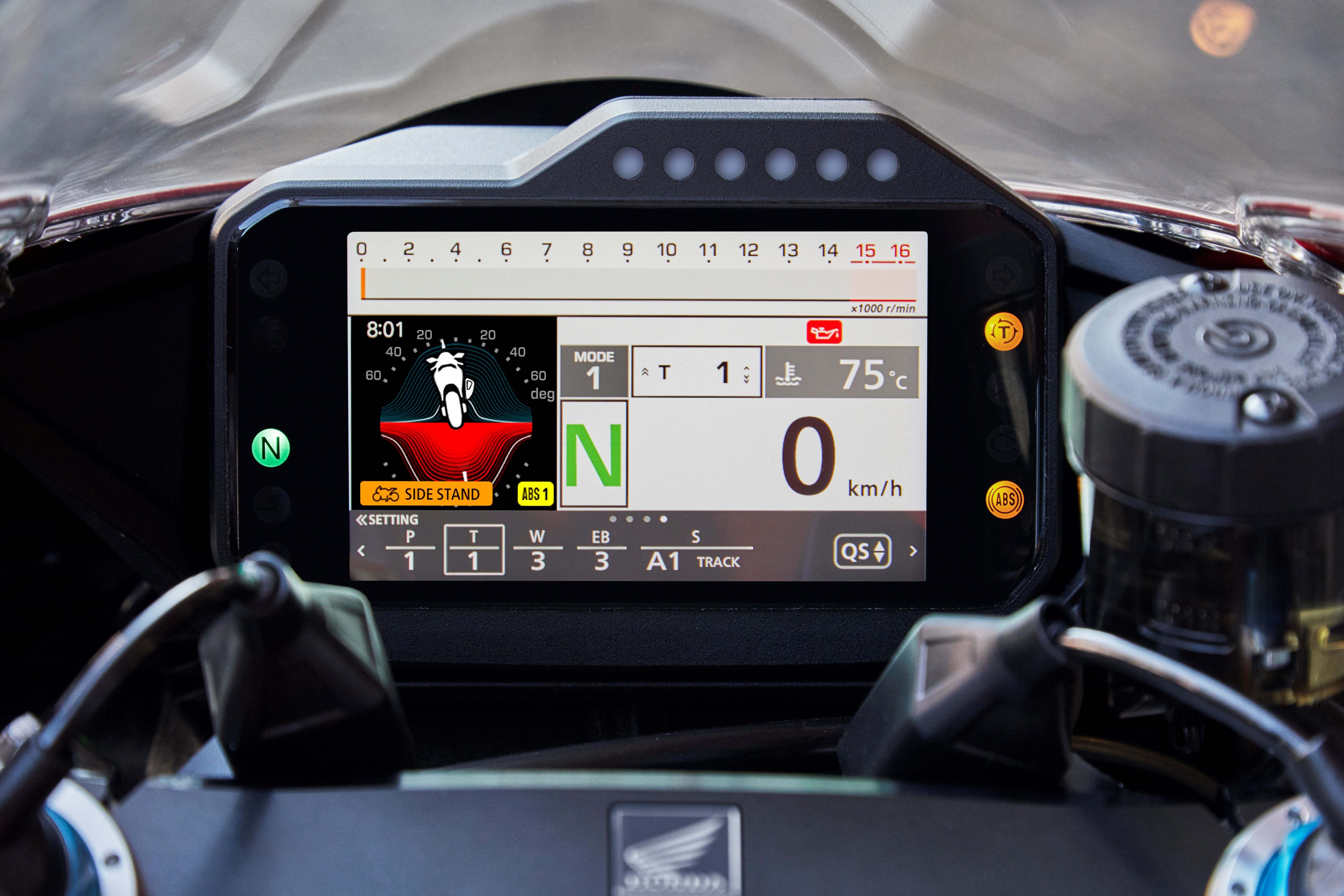
  • New full-colour TFT screen.
2020 HONDA CBR1000RR-R SP
  • New aluminium diamond frame uses the rear part of the engine as the rear monoshock’s upper mount, thereby eliminating the frame crossmember.
  • Vertical rigidity increased by 18%, torsional rigidity by 9% and horizontal rigidity by 11%.
2020 HONDA CBR1000RR-R SP
  • The revisions are aimed to increase feel.
  • New longer swingarm based on the RC213V-S.
  • Meaty 200/55-ZR17 rear tyre.
2020 HONDA CBR1000RR-R
  • The base model is fitted with Bridgestone R11 tyres.
  • Showa 43 mm Big Piston Fork (BPF) in front, Showa Balance Free Rear Cushion Light (BFRC-L) monoshock.
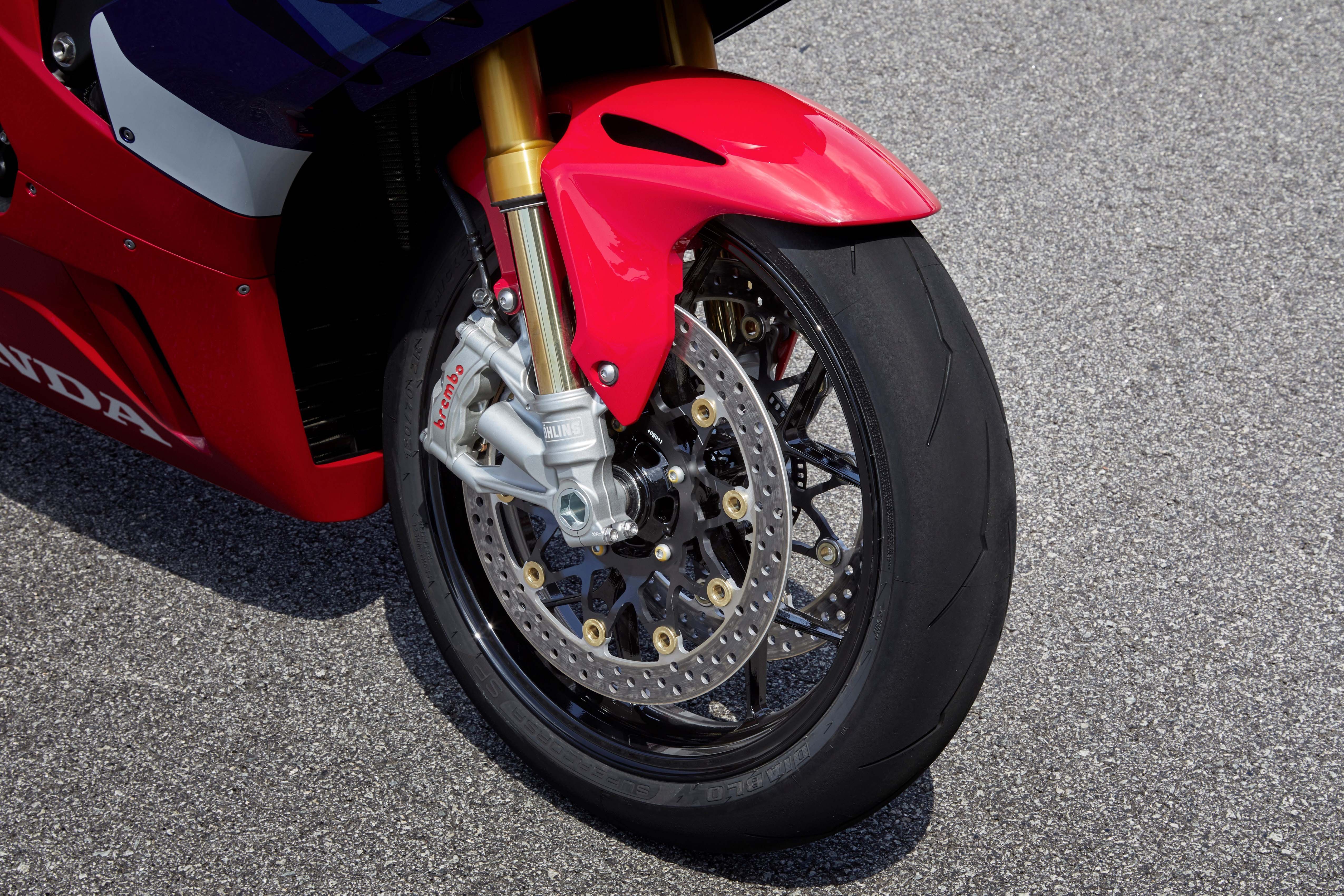
  • 330 mm front brake discs, gripped by 4-piston radial-mounted Nissin calipers.

Highlights of the SP model:

  • All the same as the based model except for the suspension, brakes and colour scheme.
  • Second generation semi-active Öhlins Electronic Control (S-EC) suspension.
  • 43 mm Öhlins NPX forks.
  • Öhlins TTX36 Smart-EC monoshock.
  • Öhlins Objective Based Tuning Interface (OBTI) adjustment.
2020 HONDA CBR1000RR-R SP
  • Brembo Stylema 4-piston radial-mounted calipers up front.
  • Rear Brembo brake calliper is the same as the one on the RC213V-S.
2020 HONDA CBR1000RR-R SP

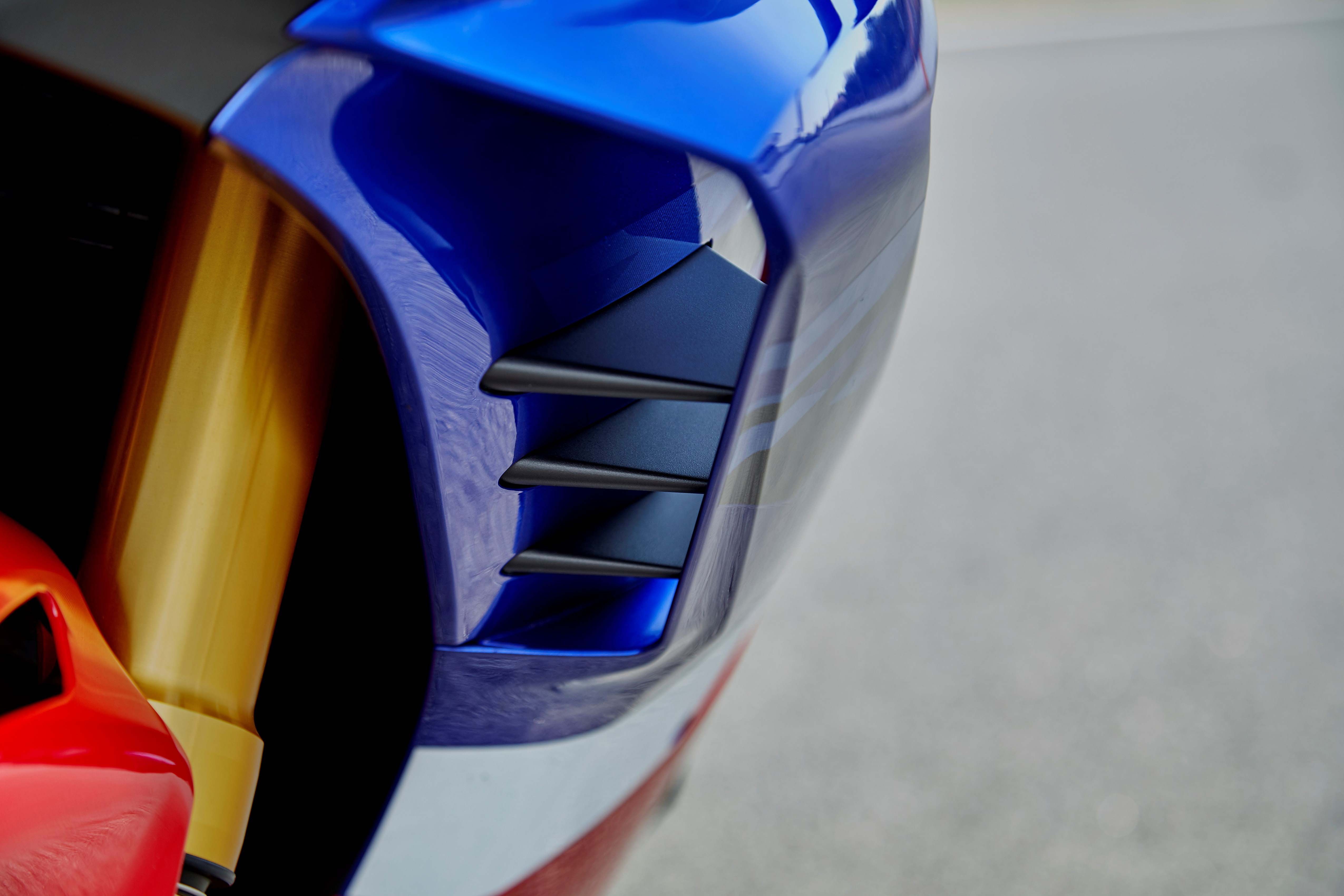
The new bike has new aerodynamics, as expected. Both the base model and SP share the same bodywork, albeit different colour schemes.

Aerodynamics package highlights:

  • Winglets embedded inside aerobodies on both sides of the fairing.
2020 HONDA CBR1000RR-R SP
  • Fuel tank lowered by 45 mm for better riding position (the previous CBR1000RR already had the best riding position so far, excluding the 2019 BMW S 1000 RR).
  • Redesigned front mudguard to lower drag.

There’s no indication of price yet, but heck, we still want it!

  • PETRONAS will be the exclusive fuel supplier to the Moto3 and Moto2 classes in 2020.

  • The deal will last until 2022.

  • It includes racetrack advertising.

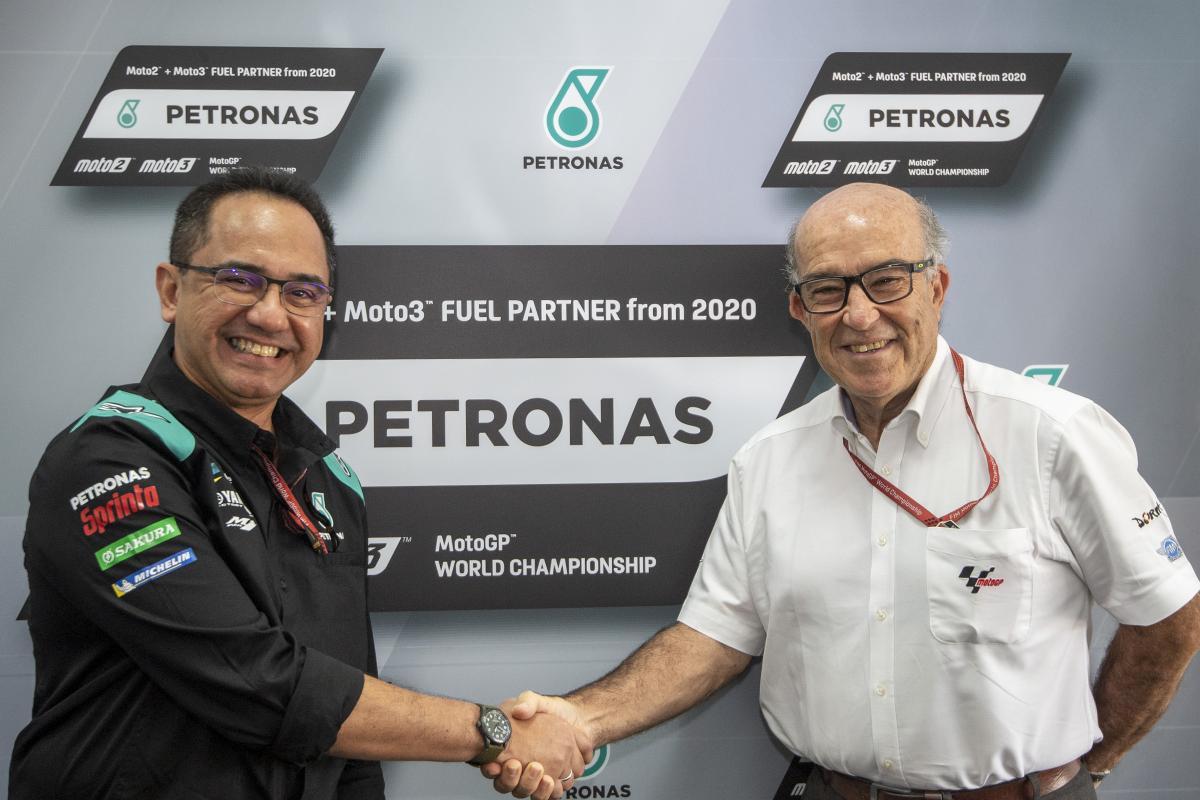
PETRONAS will be the exclusive fuel supplier to the Moto3 and Moto2 classes beginning 2020. The deal is set for three years, ending in 2022.

The deal was announced by Dorna Sports, the organiser of the MotoGP World Championship.

Besides supplying fuel, the agreement also covers track advertising, which will see the PETRONAS brand displayed at race tracks around the world. These moves will increase visibility and awareness to the brand to billions of race fans around the globe.

The Malaysian petroleum giant is currently the sponsor and technical partner to the PETRONAS Yamaha Sepang Racing Team in MotoGP and the PETRONAS Sprinta Racing Team in both Moto2 and Moto3.

Despite being the teams’ first season, Fabio Quartararo and Franco Morbidelli has done exceptionally well to win five pole positions and finished on the podium six times, with one race to go.

In the Moto3 class, John McPhee captured two poles positions, won one race and finish on the podium twice in another two. His teammate Ayumu Sasaki took one pole position.

The PETRONAS-backed teams have just completed their homecoming race at the Sepang International Circuit yesterday. The MotoGP had also won the 2019 Independent Teams Championship at the round.

Will we soon see our national petroleum brand taking over as the title sponsor of the Malaysian MotoGP in the near future?

Archive

Follow us on Facebook

Follow us on YouTube