Bikesrepublic

Latest News

  • The 2018 Moto2 and Moto3 pre-season tests got underway at Valencia recently.

  • All three days were hampered by rain and subsequently cold track.

  • Malaysian riders Zulfahmi Khairuddin (Moto2) and Adam Norrodin (Moto3) spent time adapting to their machines.

Malaysian Moto3 and Moto2 riders found the going tough during their respective class’ pre-season tests.

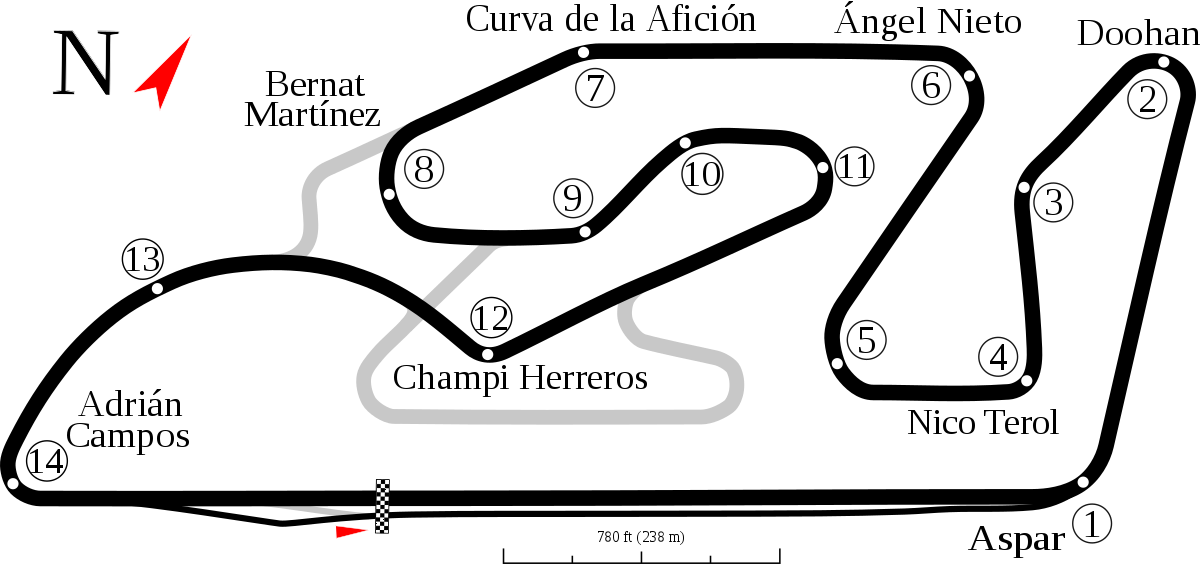
The three-day test session held at the Circuit Ricardo Tormo in Valencia, Spain saw rain and subsequent cold weather, hampering the quest for racking up more track time and faster laps.
Moto2

Returning rider, Zulfahmi Khairuddin, now riding for the SIC Racing Team saw his track time cut down just three 70-minute sessions and completing only 72 laps in total over three days.

There were nine sessions (three per day) for each class. In Moto2, the first day was a total washout. No riders went on track in Session 1. Sessions 2 and 3 saw only Dominique Aegerter riding for 12 and 14 laps, respectively.

The weather stayed more or less the same on the second day. Session 4 saw only five riders posting very few laps, with Isaac Vinalez completing the most number of laps at 20. The next closest riders Stefano Manzi and Jorge Navarro completed only 7 laps apiece.

All riders saw action in Session 5 and 6 but posted times slower than the normal pace.

Session 7 on Day Three was another washout and only Mattia Pasini went out riding, completing a token 4 laps. All riders rode in Sessions 8 and 9, however, just the days before, no one put in a large number of laps to be of true meaning.

Test sessions in good weather usually see riders completing many more laps as they work on setting up their bikes.

It was a learning experience for Zulfahmi as he adapts to the Kalex, having been roped in to replace Hafizh Syahrin at almost the 11th hour.

“The first day was rain and the second day we did only a few laps to check the bike and get a feel for the bike,” said Zulfahmi.

Zulfahmi continued, “The hardest part for me is getting used to the tyres; we are now working on the engine braking to make me more comfortable to brake harder.”
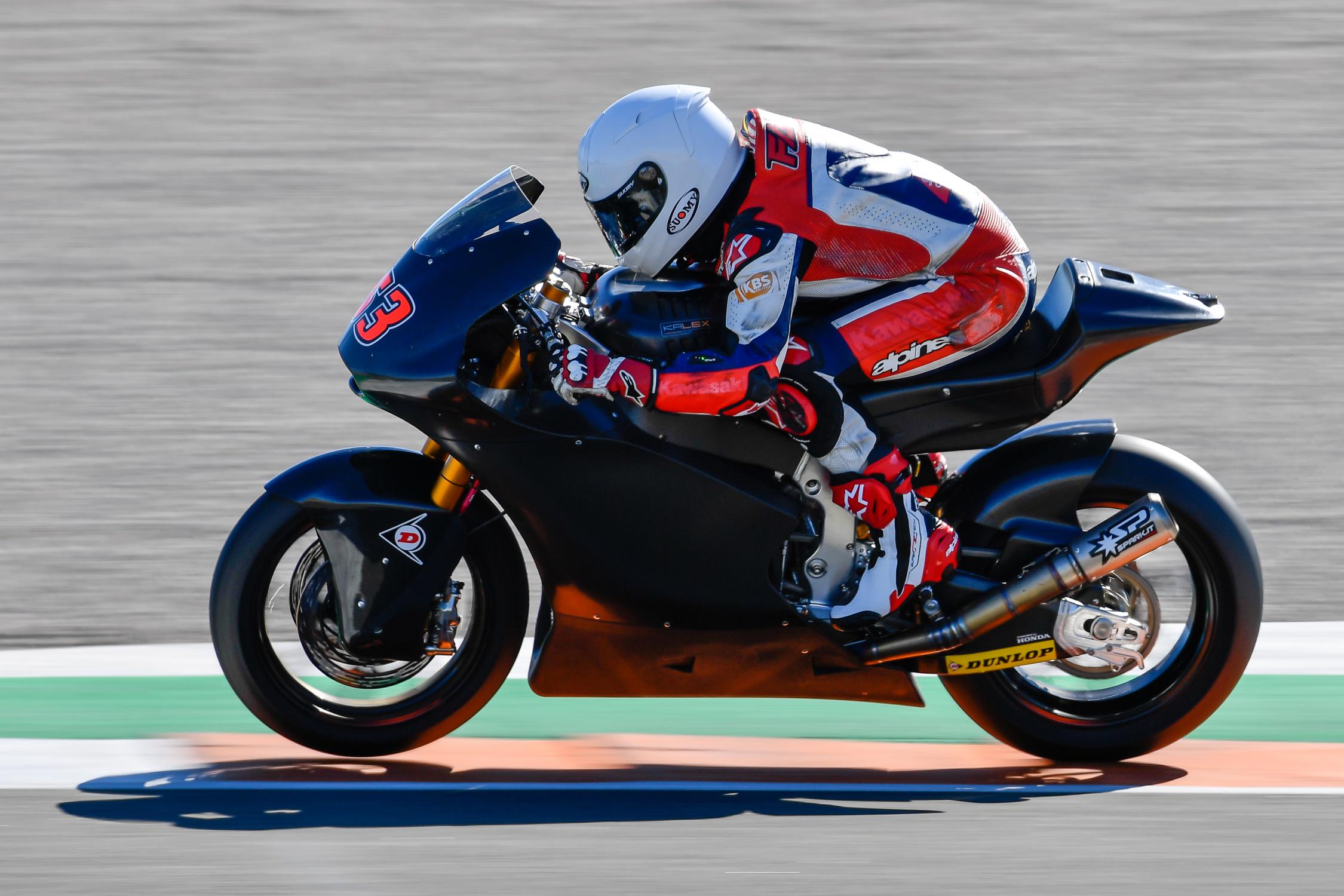
Zulfahmi Khairuddin – Picture from MotoGP.com

Riders need time to adapt to the characteristics and limits of new tyres, especially when they make the switch from road-legal race compound tyres to full-on race tyres. Race tyres may provide more grip, but it remains as potential grip if the rider could not find the way to make them work i.e. keeping them in the optimal working range.

He remains optimistic and cheerful, however, “It’s fantastic to be going to Sepang next week because the weather is so much better than in Europe right now.”

Team Manager, Johan Stigefelt said, “This test was the first time riding the Moto2 bike for Fahmi; a week ago he didn’t know he would be here, so of course it’s quite nerve-wracking for him to have a complete new bike and new crew around him.”

Moto3

As with Moto2, the Petronas Sprinta Racing team’s riders Adam Norrodin and Ayumu Sasaki (from Japan) saw rain disrupting their plans. Only four riders completed a few laps throughout the day.

Day Two’s Session 4 in the morning saw only four riders completing 4 laps each; while 17 out of 24 riders went on track in Session 5.

All riders finally went on track in Session 6, which saw Sasaki posting the 11th fastest time, while Adam was way back in 24th.

Day Three was almost the same, having full participation in Session 8, only. The most lap completed was a measly 30.

Both riders crashed due to cold tyres and Adam injured a finger. “It’s been quite a frustrating first test with the weather being so cold! We couldn’t ride at all on the first day because of the rain and then even when it stopped it was too cold to get any real heat in the tyres,” he lamented.

About the last day, “Today it has been sunnier but still so cold, so when we went out I just concentrated on getting used to the bike again.”
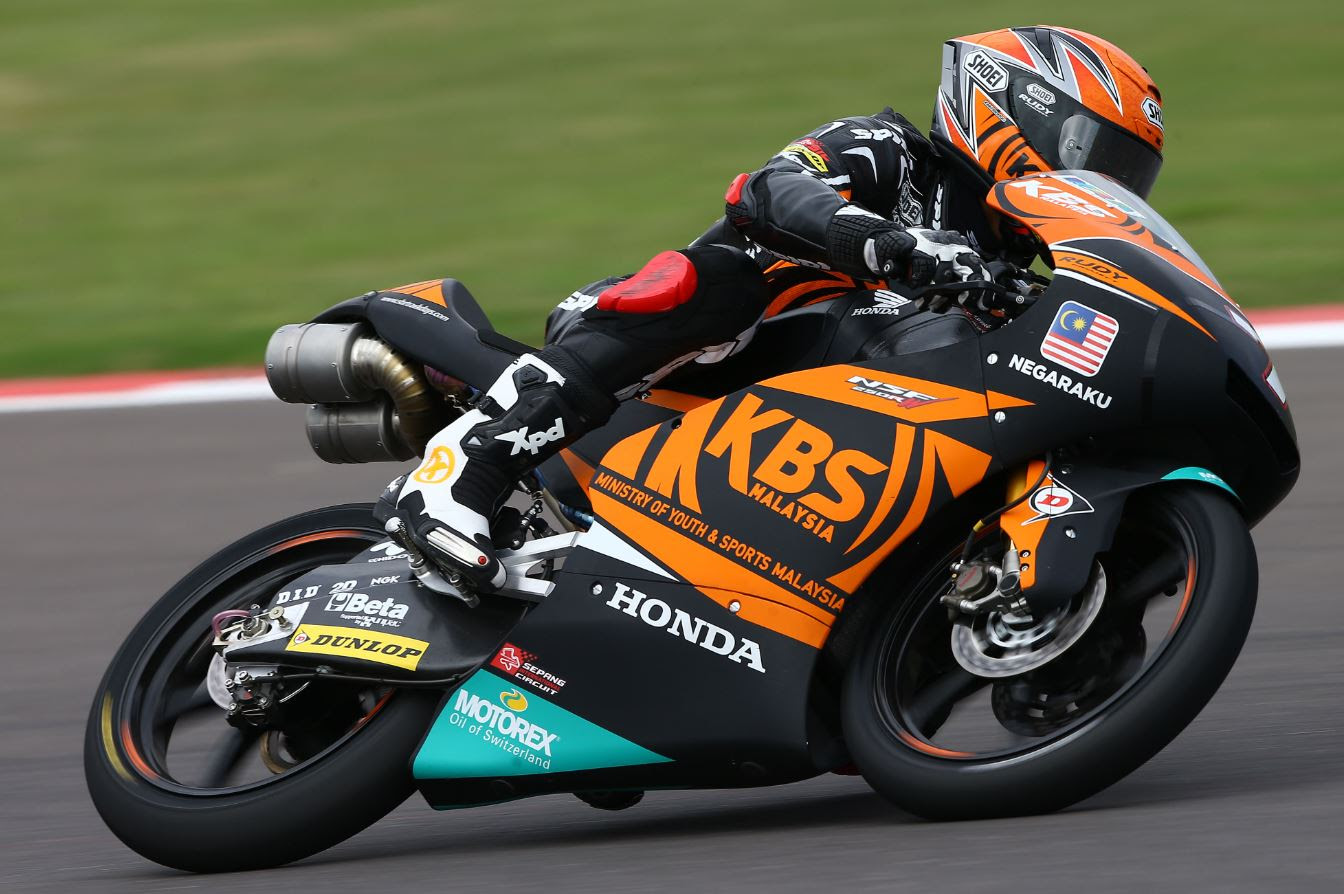
Adam Norrodin in the 2017 Argentina GP

“Today has been a better day,” said Sasaki, “it’s been a lot sunnier but still very cold.”
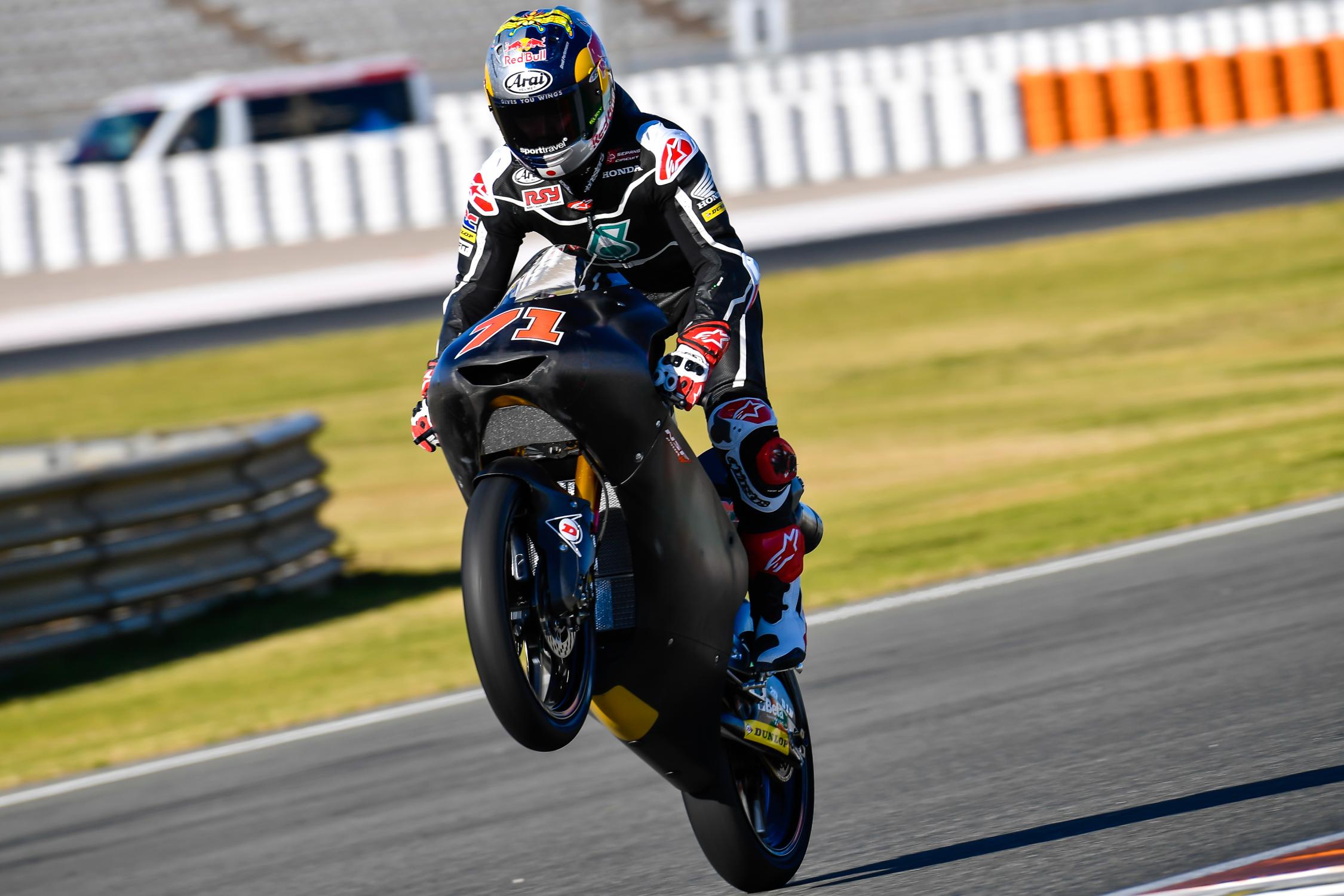
Ayumu Sasaki – Picture from MotoGP.com

Both teams will head home to the Sepang International Circuit for private testing from
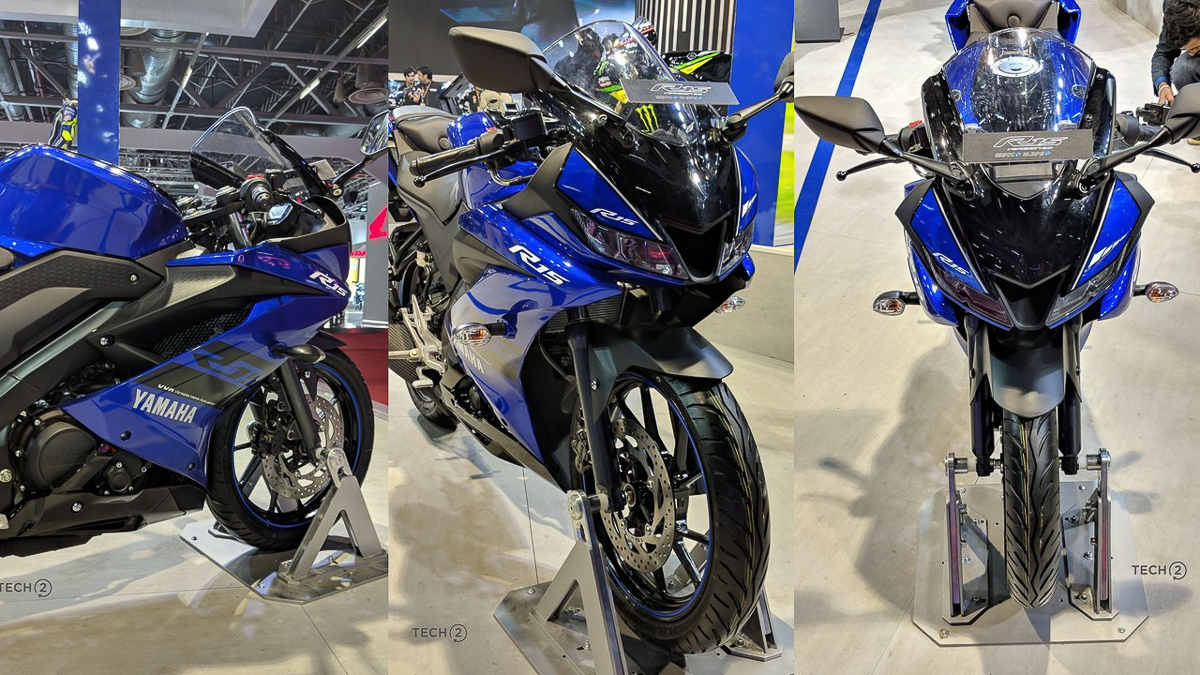
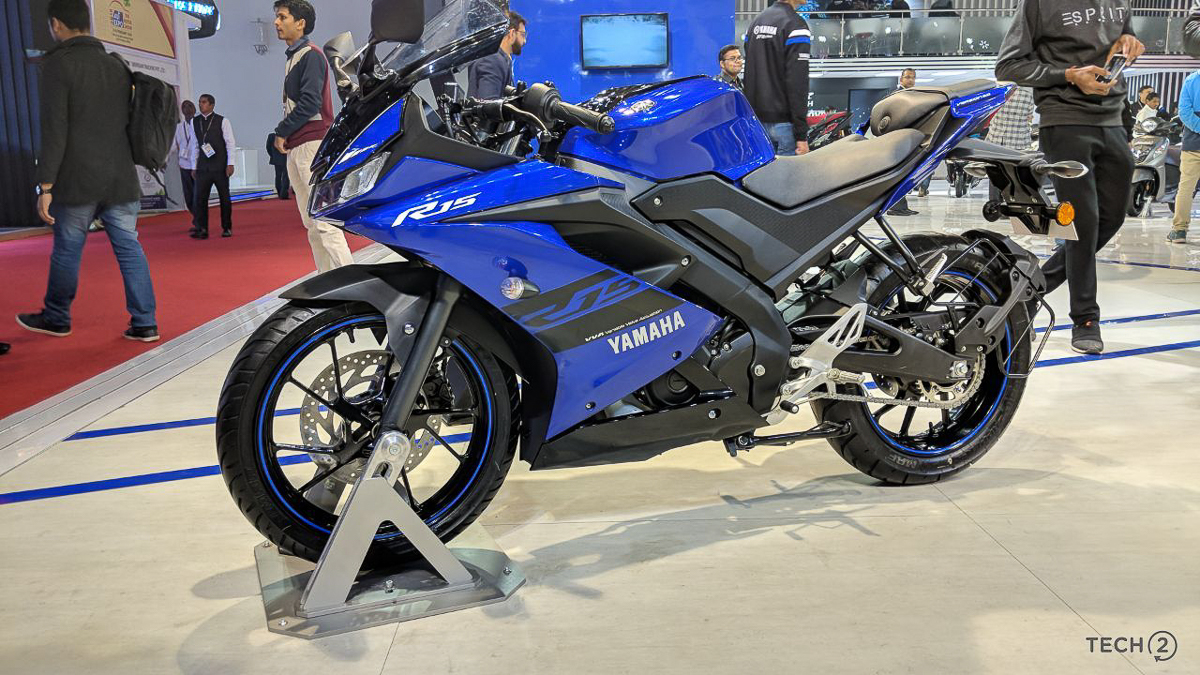
India Yamaha Motor (IYM) has officially launched the 2018 Yamaha YZF-R15 during the Auto Expo 2018.

The third version of the R15 comes ready with a 155cc single-cylinder engine that produces 19hp and 15Nm of torque.

Other impressive features include Variable Valve Actuation (VVA), Assist & Slipper clutch, digital instrument console and many more.

The Auto Expo 2018 currently going on in India has many surprises up its sleeves and one of the latest launches came in the form of the 2018 Yamaha YZF-R15. The small-capacity sports bike was introduced by India Yamaha Motor (IYM) which surprisingly has a lot of very interesting specifications. (more…)

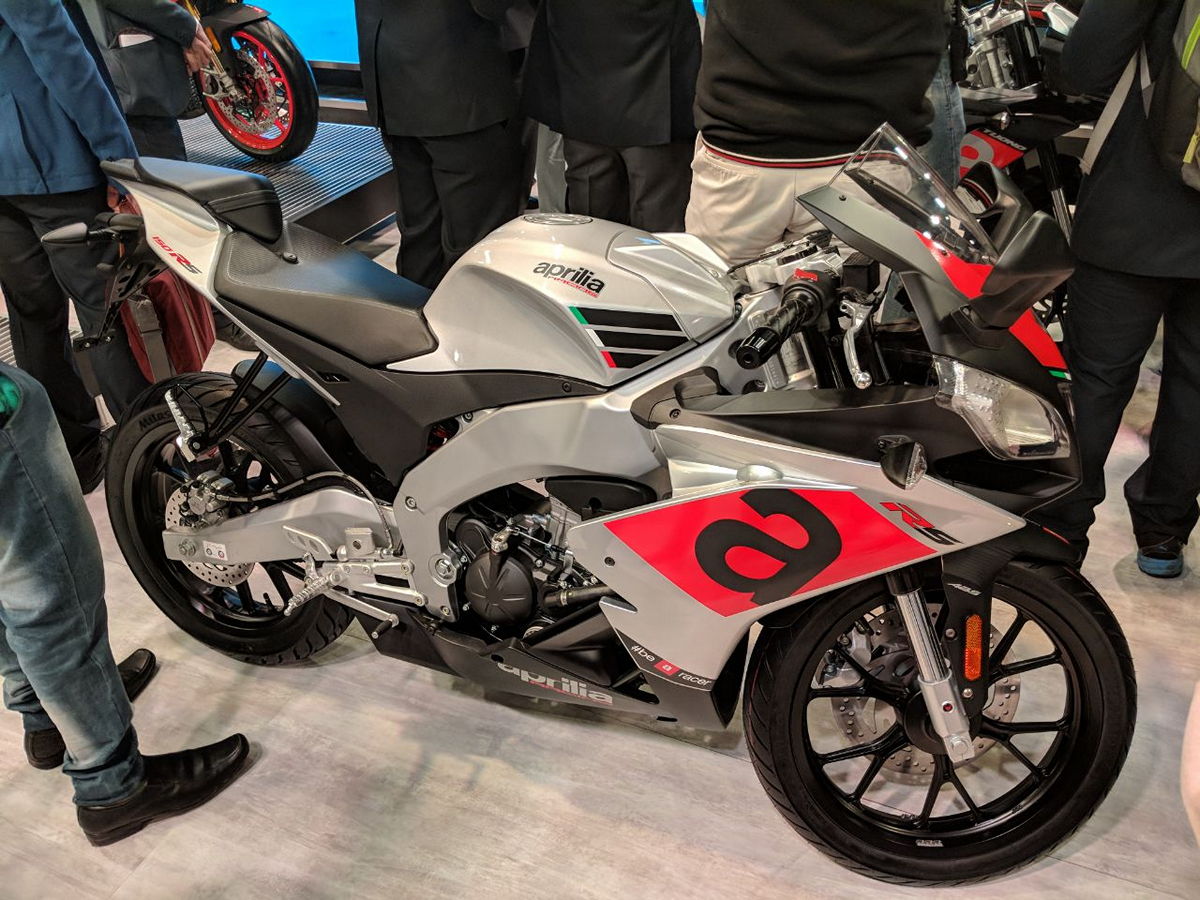
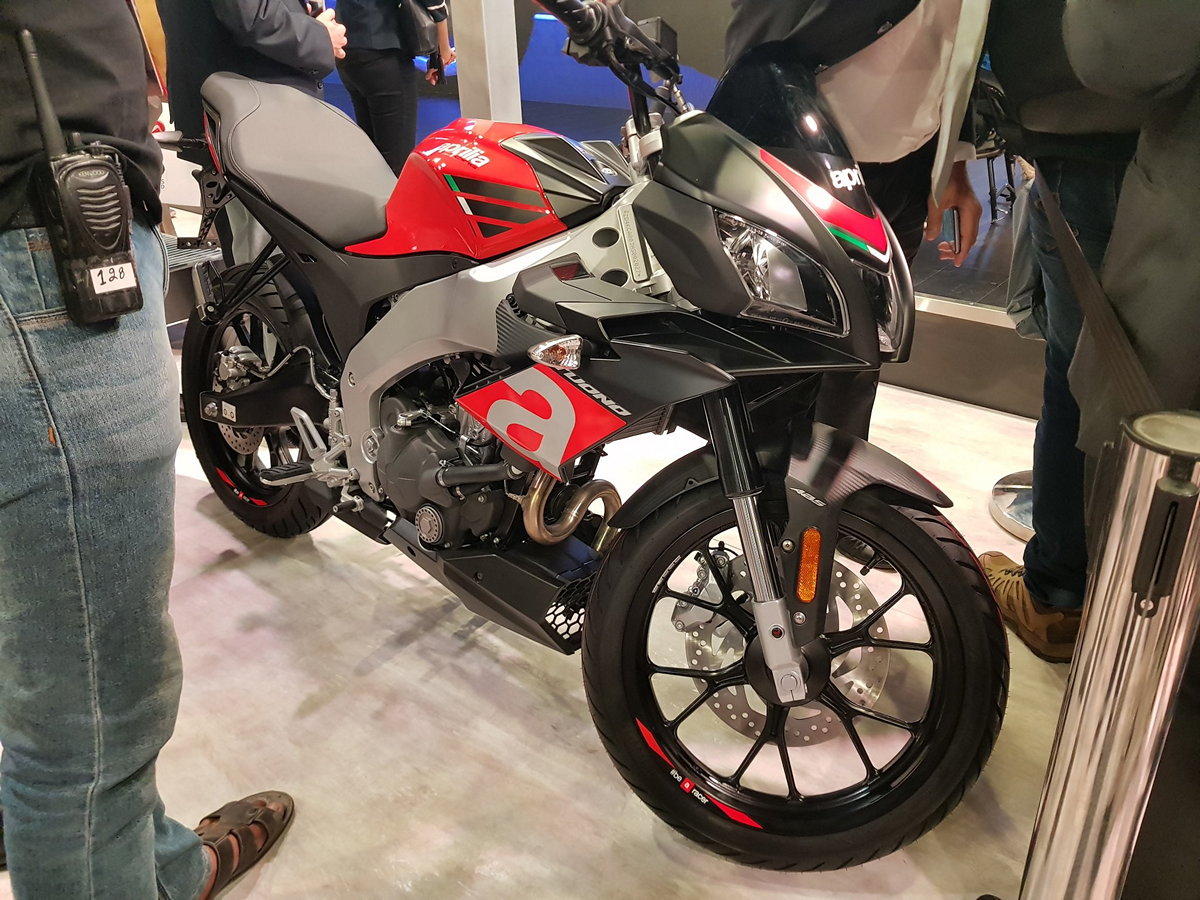
The 2018 Aprilia RS 150 and Tuono 150 have just been launched at the Delhi Auto Show 2018.

The baby Aprilias are heavily-inspired by their bigger and much more powerful siblings, the RSV4 and Tuono 1100.

No plans on when the bikes will be made available as the preview is only done as a feedback exercise by Aprilia.

The Delhi Auto Show 2018 currently happening in India has seen a few interesting models being launched but the ones that caught our biggest attention are the 2018 Aprilia RS 150 and Tuono 150. That’s right, folks. The RSV4 and Tuono 1100 have brand new baby brothers! (more…)

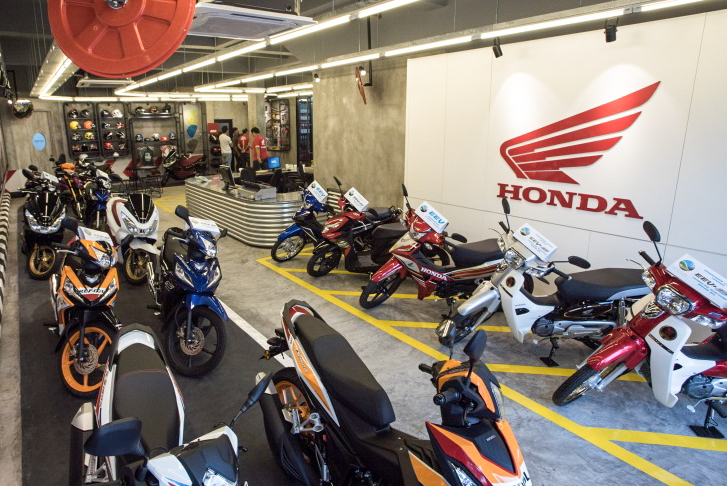
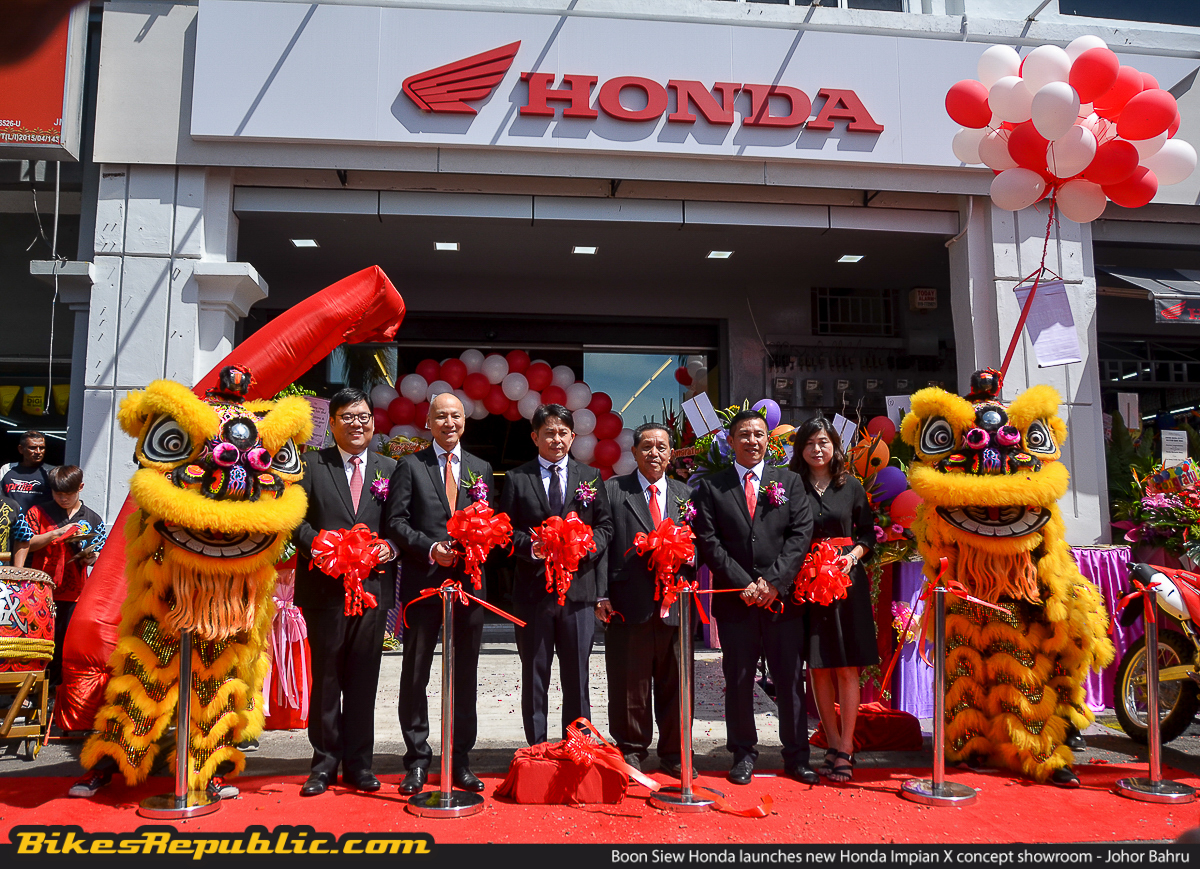
The first ever Honda Impian X showroom was recently launched last month in Johor.

The new showroom concept gives a whole new meaning and experience towards buying small capacity motorcycles here in Malaysia.

Boon Siew Honda plans to change the whole game with Impian X as their first step followed by the Honda BigWing Centres.

After the recent introduction and launch of Malaysia’s first Honda Impian X showroom in Johor, many of us were impressed by the showroom’s concept where the entire bike buying and after-sales services have been further enhanced for the benefit and comfort of all of Boon Siew Honda’s customers. (more…)

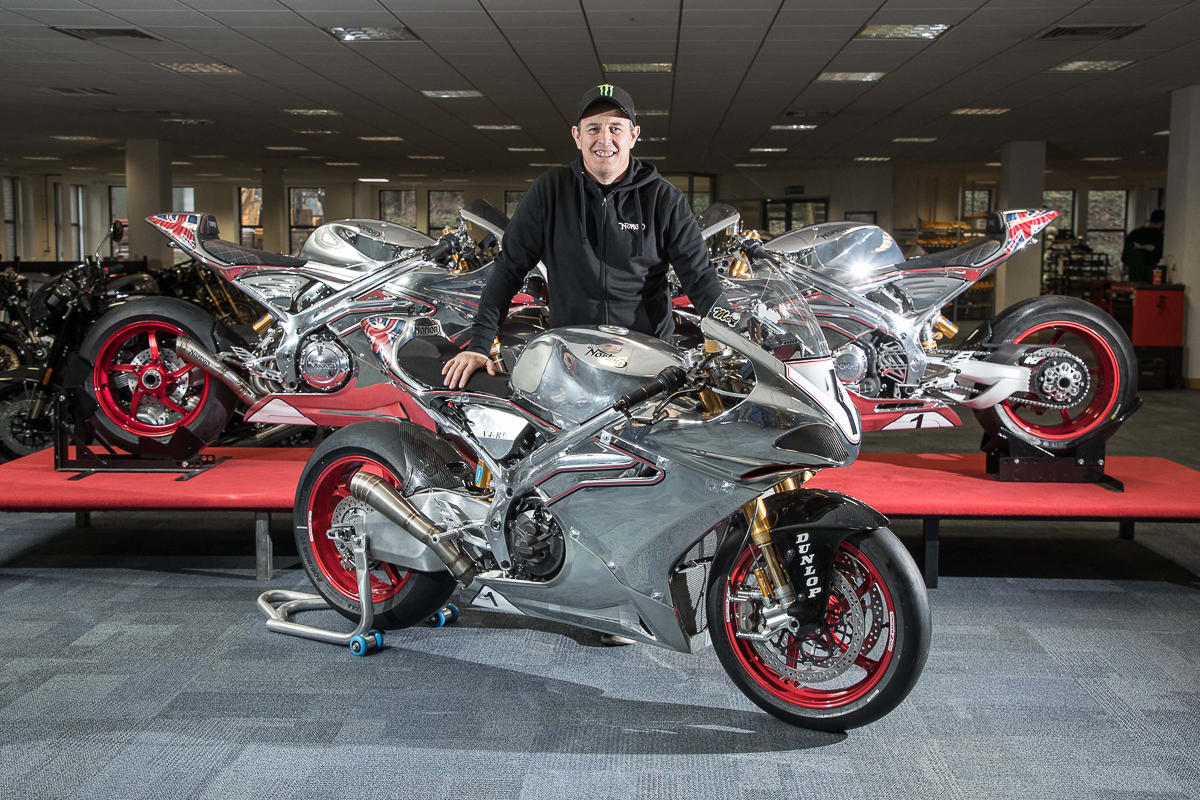
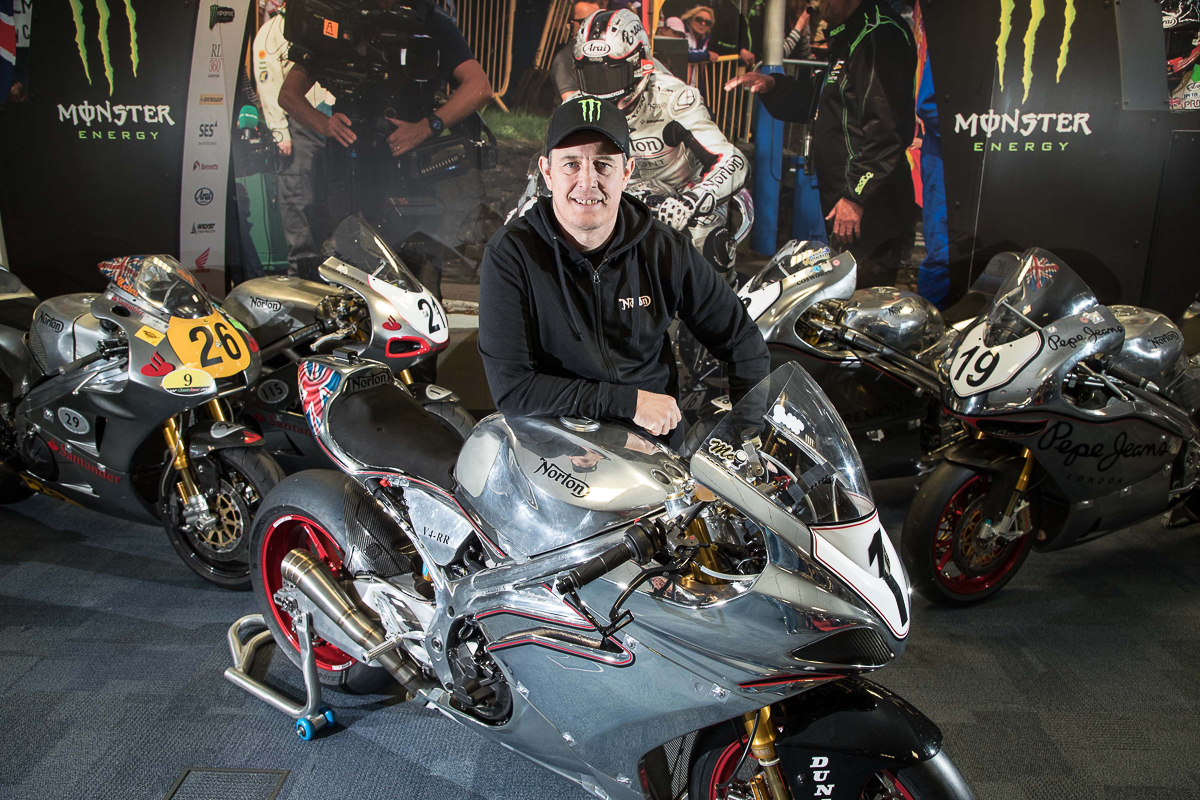
Norton Motorcycles has finally confirmed that their second rider for their 2018 Isle of Man TT campaign is John McGuinness.

To fuel things further, photos of McGuinness and the Norton V4 RR SG7 have been going around online.

The 23-time TT winner will continue his road racing career this year with Australian rider Josh Brookes.

It’s official, folks. After several rumours going around town, John McGuinness has finally confirmed his move to Norton for the 2018 Isle of Man TT. The 23-time Isle of Man TT winner will be piloting the 1,200cc Norton V4 RR together with Australian Josh Brookes. (more…)

  • Radial brake caliper mounting is all the rage nowadays.

  • But the “normal” axial-mounting is still present.

  • What are the benefits of mounting the caliper radially?

To rehash, we’ve seen the basic principles of the brake system in Part 1, about how the pressure from your fingers is transferred into fluid pressure, resulting in braking force.

Brake System: How it Works (Part 1)

Next, we took a look at how the ABS system works in Part 2, in order to allow for maximum braking force while avoiding the wheels from locking up.

Brake System: How it Works (Part 2 – ABS)

Continuing the series, we also checked out tips on how to choose the correct brake pads for your bike in Part 3.

Brake Systems (Part 3): Padding Your Brakes

Therefore, let’s now examine the methods of mounting the front brake caliper to the motorcycle, or more specifically, about the radial mounting arrangement that’s all the rage these days. Yes, so popular they are that even lowlife thieves couldn’t resist them.

Axial master cylinder

One, the traditional type is the “axial” master cylinder, found on almost all motorcycles with front hydraulic brakes from small to large.

In this arrangement, the master cylinder’s bore is perpendicular to the lever’s travel, seemingly elongated to the left side viewed from the top. A protrusion on the end of the lever pushes the plunger in cylinder, forcing brake fluid into the calipers.

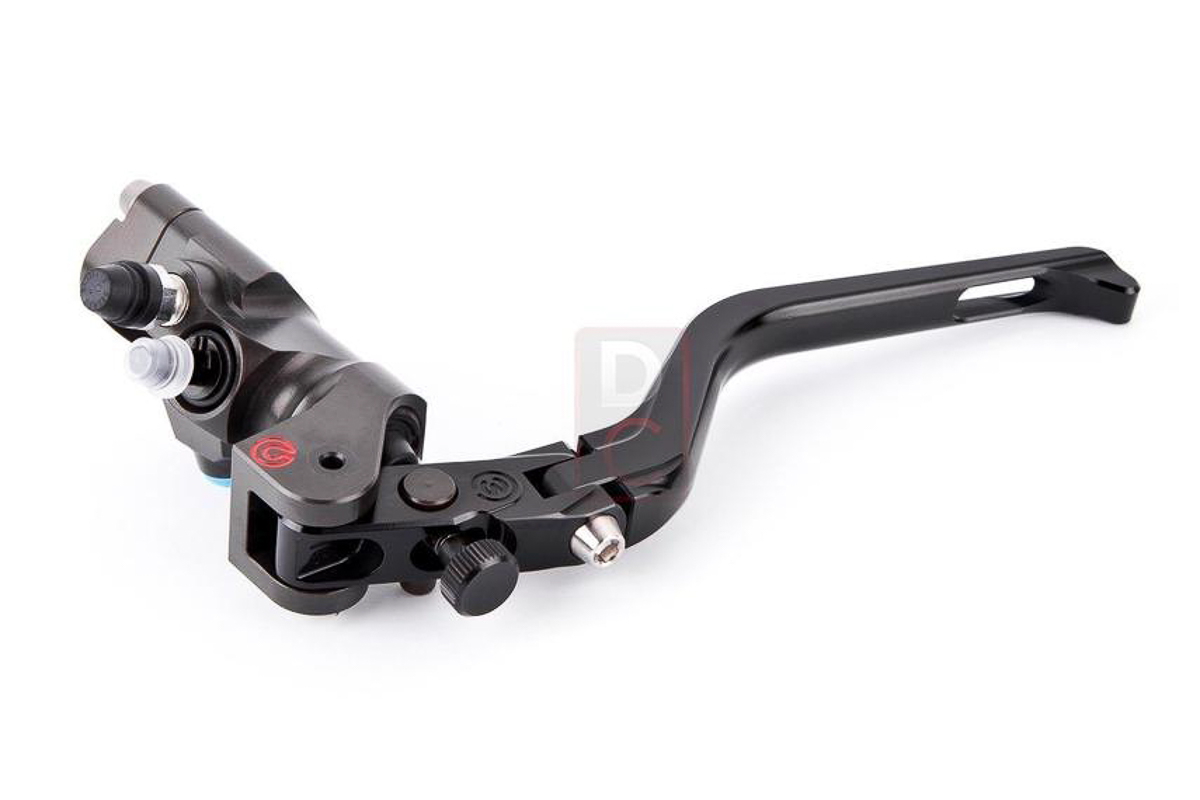
Radial master pump

The second and more recent type is the radial master cylinder. The master cylinder’s bore is parallel to the brake lever’s movement, looking more directly fore-and-aft when viewed from the top.

What’s the difference between the two? Other than a different type of piston movement, the radial master cylinder provides a better feel at the lever for what the brake is doing. The radial master cylinder is more rigid as there are fewer moving parts.

Axial-mount calipers

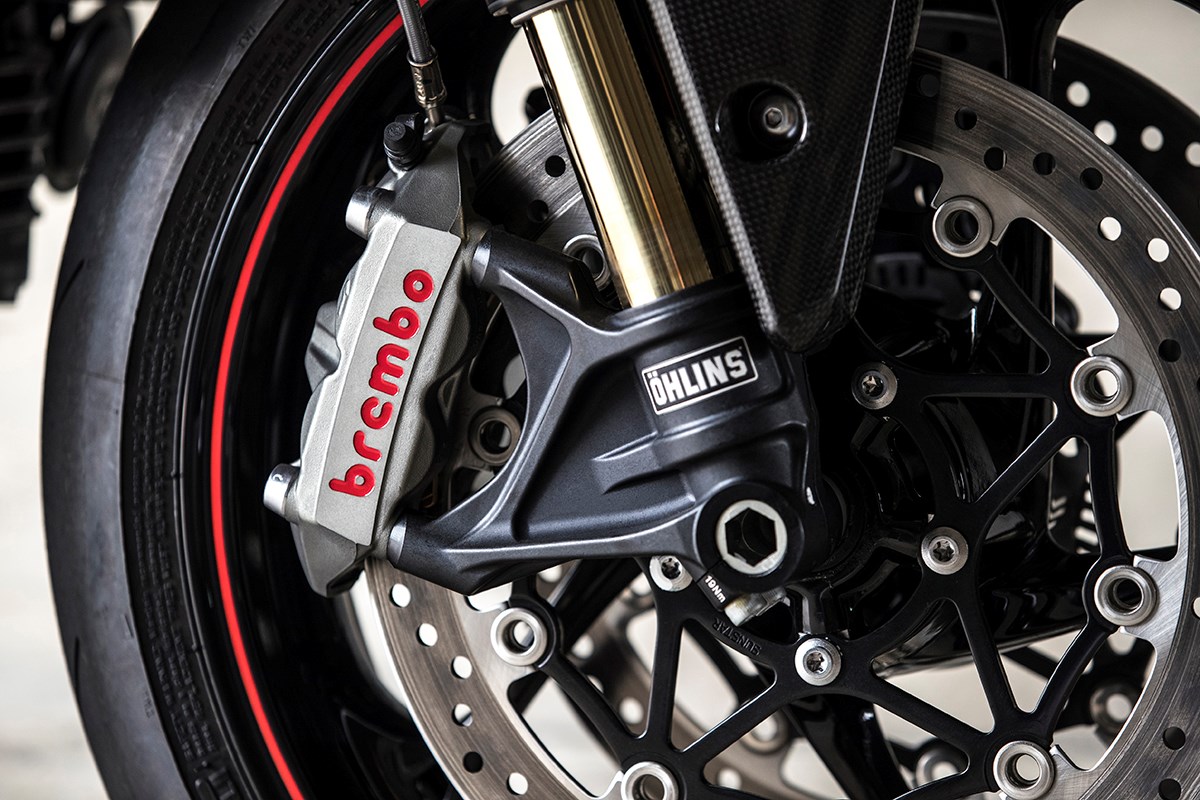
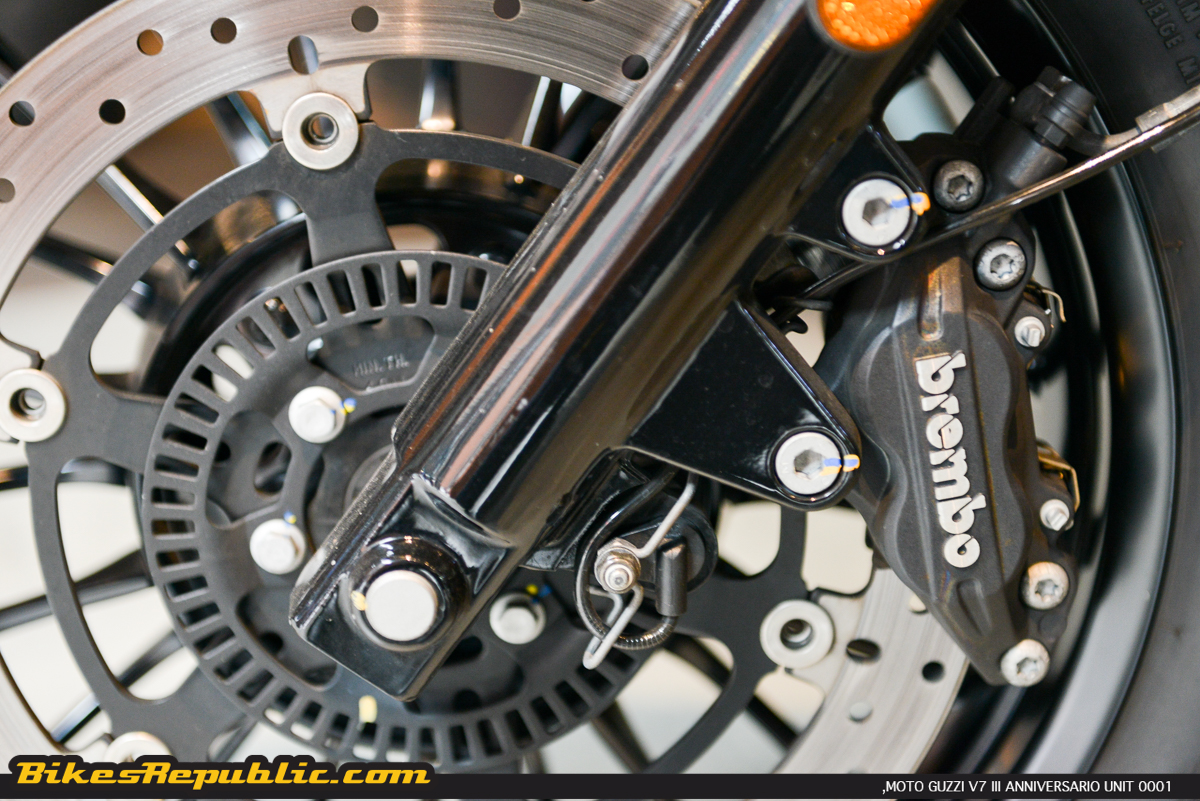
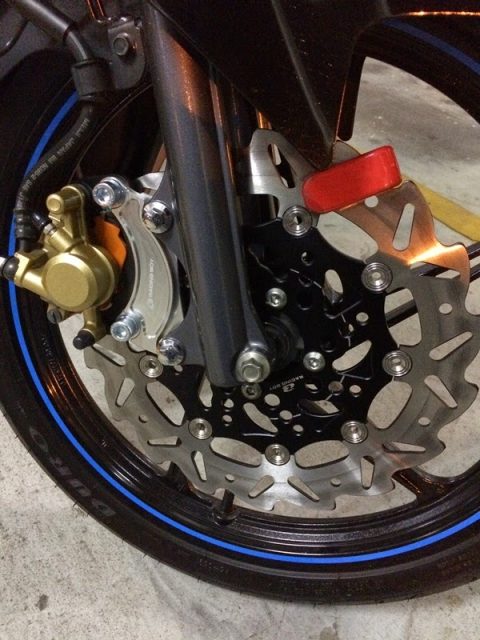
With the advent of radially-mounted brake calipers, this format has gone on to be called the “normal mounting.” The caliper is mounted to “bosses” cast into a fork’s bottom tube, with bolts that run parallel to the wheel axle.

There isn’t anything wrong with this type of mounting. However, custom brackets need to be fabricated should one want to install a larger brake disc. Other than that, there may exist a little torsional flex for lateral movement, although it’s hardly perceptible when ridden on the streets.

Radial-mount calipers

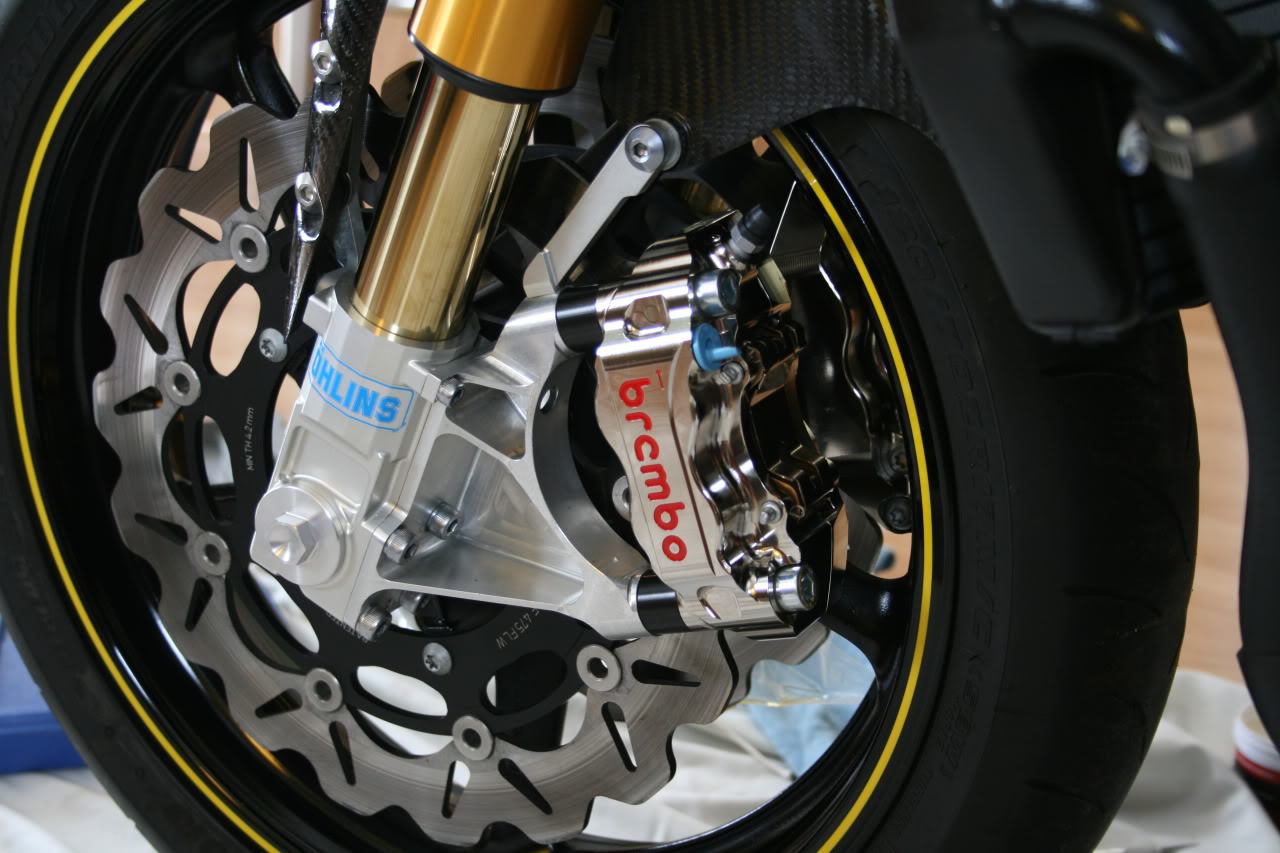
In this setup, the caliper is still mounted to bosses cast into the lower fork legs. However, the bosses are cast to allow bolts to be fitted directly from the rear, instead of from the side, and perpendicular to the wheel axle.

Being mounted this way means there is virtually no deflection because the braking forces are on the same plane as the brake disc’s rotational forces.

What are the benefits of radially-mount calipers?

First and foremost, being mounted from the rear means all the rider needs to do is install spacers and longer bolts when switching to a larger disc, instead of having to custom make a mounting bracket.

Picture from MotorMadMan

There is a myth surrounding radially-mounted calipers as having more braking power. Want us to be honest?

As we highlighted in Part 1, “brake power” is defined by the amplification of brake fluid pressure, in relation to the size of the master pump’s piston and caliper pistons’ sizes.

What radial mounting does though, with the lack of deflection, provides for a crisper feel when braking, i.e. better braking feedback, and in turn allowing for better modulation of the front brake.

Where it’s usually more important for the track than the streets.

Archive

Follow us on Facebook

Follow us on YouTube