The Roda Darul Ehsan (RiDE) initiative will start rolling out its RM 1 million motorcycle license subsidy starting March 2020. The scheme plans to assist around 3,000 youths residing in Selangor to obtain their motorcycle licenses which will see each of them getting an RM350 subsidy in getting them legally sorted to ride on the roads. (more…)
The bike started the adventure-touring/dual-sport segment.
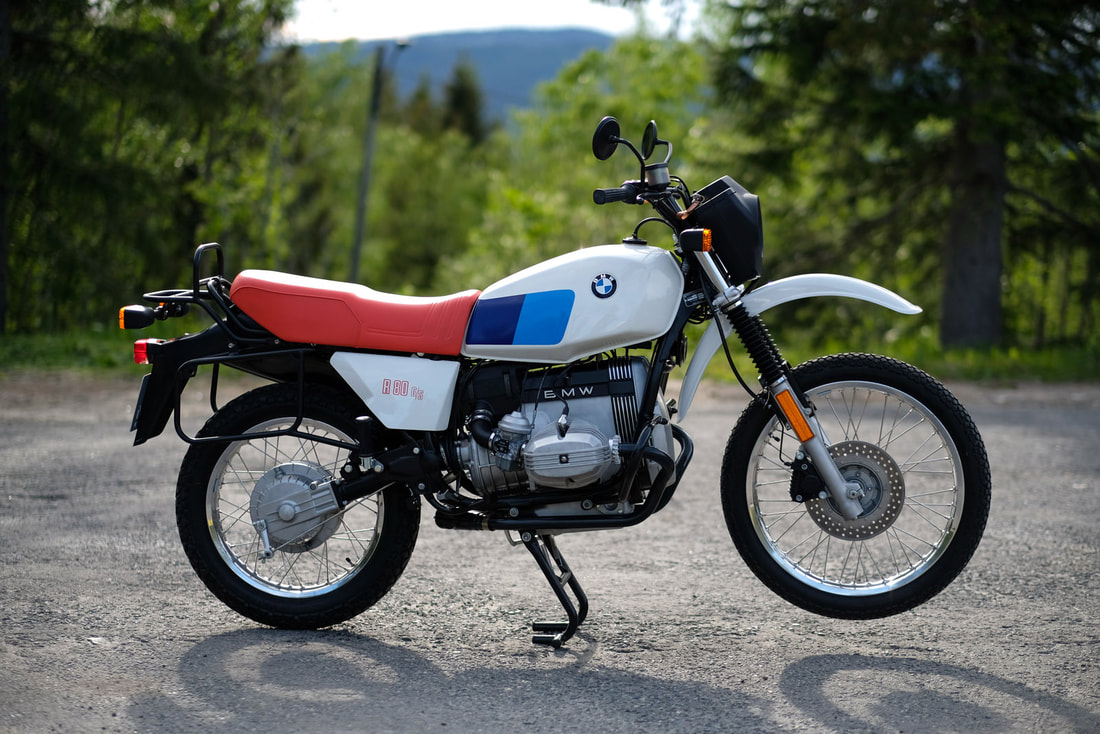
2020 marks 40 years of the BMW GS, which began with the R80G/S in 1980.
Love it or loathe it, the G/S began a new segment altogether and became not only BMW’s best-selling model, but the most popular worldwide.
Looking back over the 40 years, the GS has been at the forefront of BMW Motorrad’s study in engineering and innovations (apart for the S 1000 RR in 1999 for the superbike category). As such, the GS viewed by other manufacturers as the high watermark to beat.
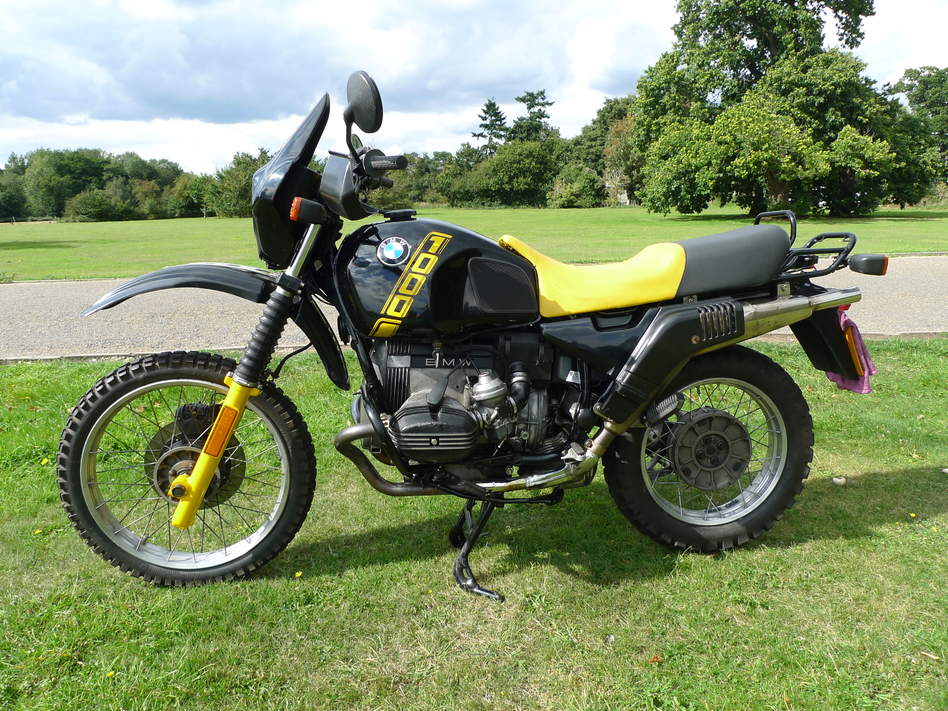
BMW R100GS
Since each generation of G/S and later GS featured a huge host of innovations, we decided to split this article into parts. Squeezing all 40 year into one concise article does no justice for the bike’s heritage, besides glossing over too many important details.
Development
The Japanese had pretty much killed the European motorcycle manufacturers by the end of the 70s and capitalizing on the booming motorcycle market. BMW was in danger being viewed as a nostalgia brand (like how Harley-Davidson had become).
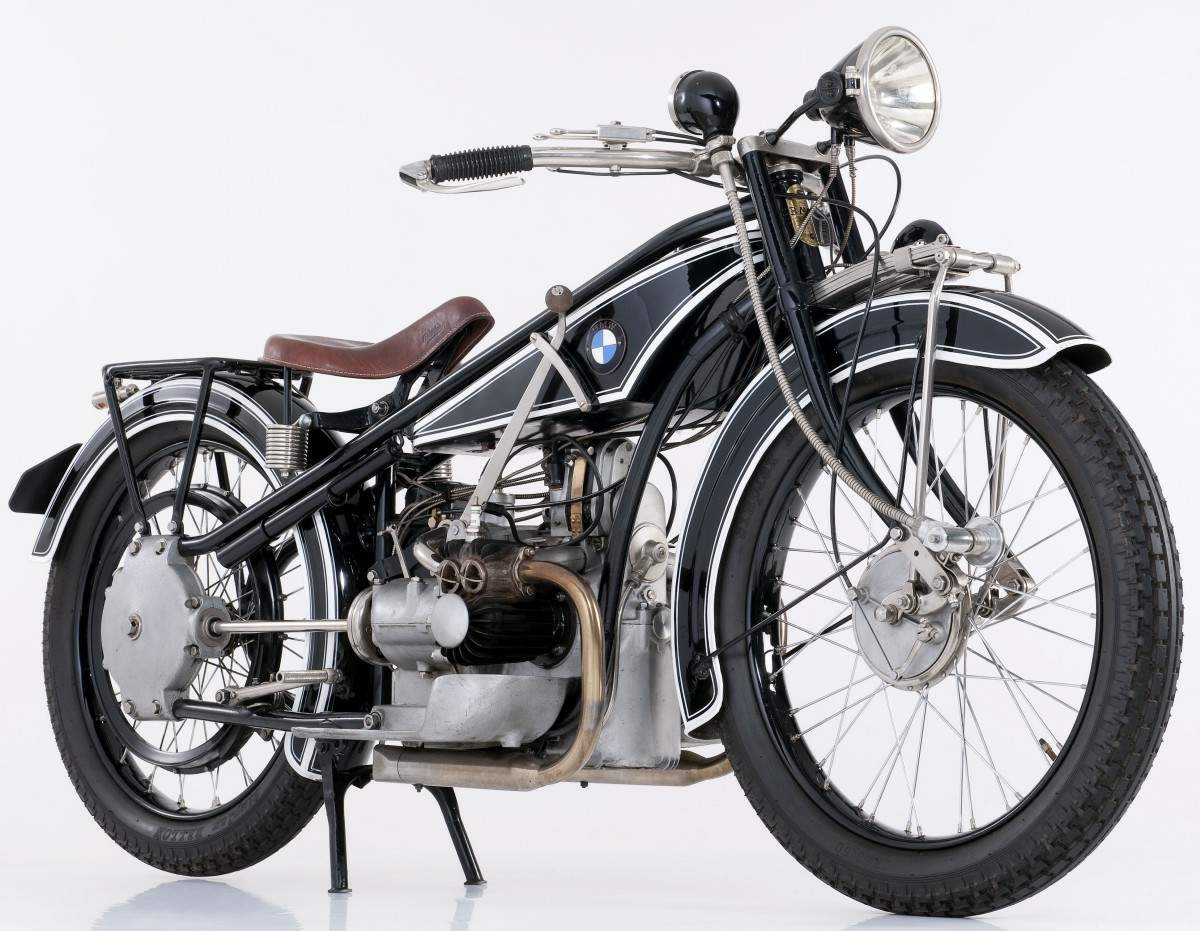
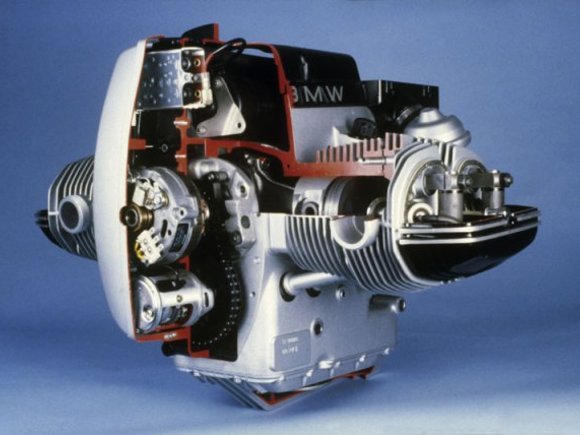
But there was no way BMW could let go of the Boxer modular concept. Hence the only way was to convince new buyers that the Boxer could perform despite being available since the R32 in 1923.
BMW R32
The factory’s testing engineer Lazlo Peres had been custom-building 800cc Boxer powered off-road machines for buyers. Being an experienced off-road rider himself, Peres knows that the engine could perform better than other large capacity rivals.
The break in fortune came in in 1978. It was the year when the German motorsport authorities created new class for above-750cc machines.
Thus, Peres got together with another two employees and built an 800cc race bike that weighed on 124 kg. Peres took the bike to second overall in the championship that year, thereby cementing notion that the Boxer can indeed perform.
Lazlo Peres in 1980 – Credit thereandbackagain.co.za
The bike was entered again in the 1979 Six Days Trials in West Germany (Germany was divided into East and West back then, remember?). The competition was regarded as the Olympics of enduro. Fritz Witzel Junior and Rolf Witthoft came away with a bunch of gold medals, when one was an outstanding achievement on its own.
This experience was brought into the development of a new model.
Back then, if you needed to buy an enduro bike to ride off-road. But enduro bikes were more or less motocross bikes with headlights. It meant that they had small fuel loads, were tall and uncomfortable for long-distance trekking.
Conversely, you needed to buy a standard or touring bike and fit it with luggage for long-distance riding. It had fuel and comfort for long distances, but it was heavy and riding off-road was akin to riding a café racer in the jungle.
The new BMW bike was to encompass both these attributes in one motorcycle in what was called the Reisseenduro (touring enduro).
Introducing the R80G/S
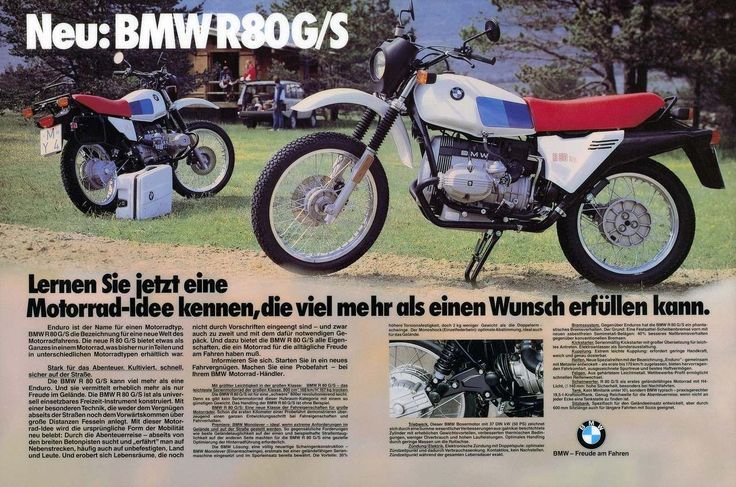
The R80G/S was introduced to the world press on 1st September 1980 in Avignon, France.
The letter “G” in its name stood for Gelände which the dictionary translates to open country, or terrain, thus adopted to mean “off-road.” The letter “S” was the acronym for Straße or Strasse meaning “road.”
Thus, began the adventure-touring segment. To highlight its versatility, the manufacturer used this tagline: “Sports machine, touring machine, enduro… Welcome to a motorcycle concept with more than one string to its bow.” It should be said that the bike spawned a whole new segment of riders along with it. It became the choice for adventure and long-distance touring.
Surely enough, the assembled press wondered how could an 800cc machine weighing some 200 kg could be ridden off-road. Some even had doubts if the machine could sell to save BMW Motorrad. But they came away proclaiming that a new age has dawned. German magazine Motorrad, perhaps including some patriotic vigour, called the R80G/S, “The best road motorcycle BMW has ever built.”
However, the bike wasn’t just about a concept. It showed off some innovations as well besides revisions of the present. For example, weight saving measures made the bike 30 kg lighter than the R80/7.
Innovations included:
Single-sided swingarm incorporating the driveshaft without a parallelogram, called the “Monolever.”
Maintenance-free, contact-free ignition system from Bosch.
Disc brakes – first time on an enduro bike – sourced from the R100/7.
Headlamp with H4 bulb – another first for an enduro.
New road/off-road tyres to withstand 180 km/h.
The world biking community went bananas over the bike. BMW sold 6,631 bikes by the end of 1981, which was more than double that of what the company had planned. One of every five was a G/S.
Sporting success
BMW Motorrad was ratcheting up their involvement in motorsports at the same time, in view of reviving the brand as a performance manufacturer.
Where else do you send an off-road bike to compete back then? The Paris-Dakar Rally, of course!
It’s always been known as the world’s toughest rally. Covering 9,500 km from France to Senegal, only 30% of it was paved roads. The event was highly publicized at the time which attracted the best riders and big manufacturers.
BMW had competed in the rally since 1980 with Jean-Claude Morellet (better known as Fenouil). He finished fifth that year.
Auriol in 1984 Paris-Dakar Rally
The manufacturer ramped up their effort in 1981 and contracted the specialists HPN to create a world-beating bike. Hubert Auriol stomped the competition by winning three hours ahead of the next rider, while Fenouil came home in fourth. A privateer BMW ridden by a French policeman named Bernard Neimer crossed finished in seventh.
Auriol would repeat the feat in 1983.
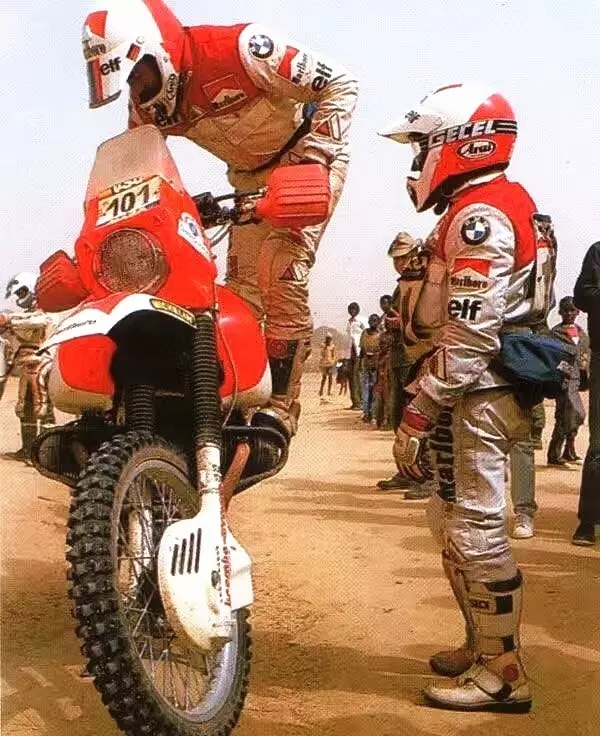
1984’s victory was perhaps the one of the most romantic and awe-inspiring in the rally’s history. The Belgian rider Gaston Rahier was a diminutive man and one picture showed him climbing onto the bike as if it was a camel. Despite this, he would beat the two-time Dakar winner Auriol.
Gaston Rahier climbing on the R80G/S
The one-two finish inspired BMW to issue the special-edition R80G/S-PD, better known as the “Dakar.” A bit more on the Dakar-edition later.
Rahier won again in 1985. It was BMW’s fourth victory in five years.
No less important were Rahier and Eddy Hau’s 1984 and 1985 victories in the 1,200-km Baja Rally in California, USA. The wins demonstrated the bike’s capabilities to the crucial American market.
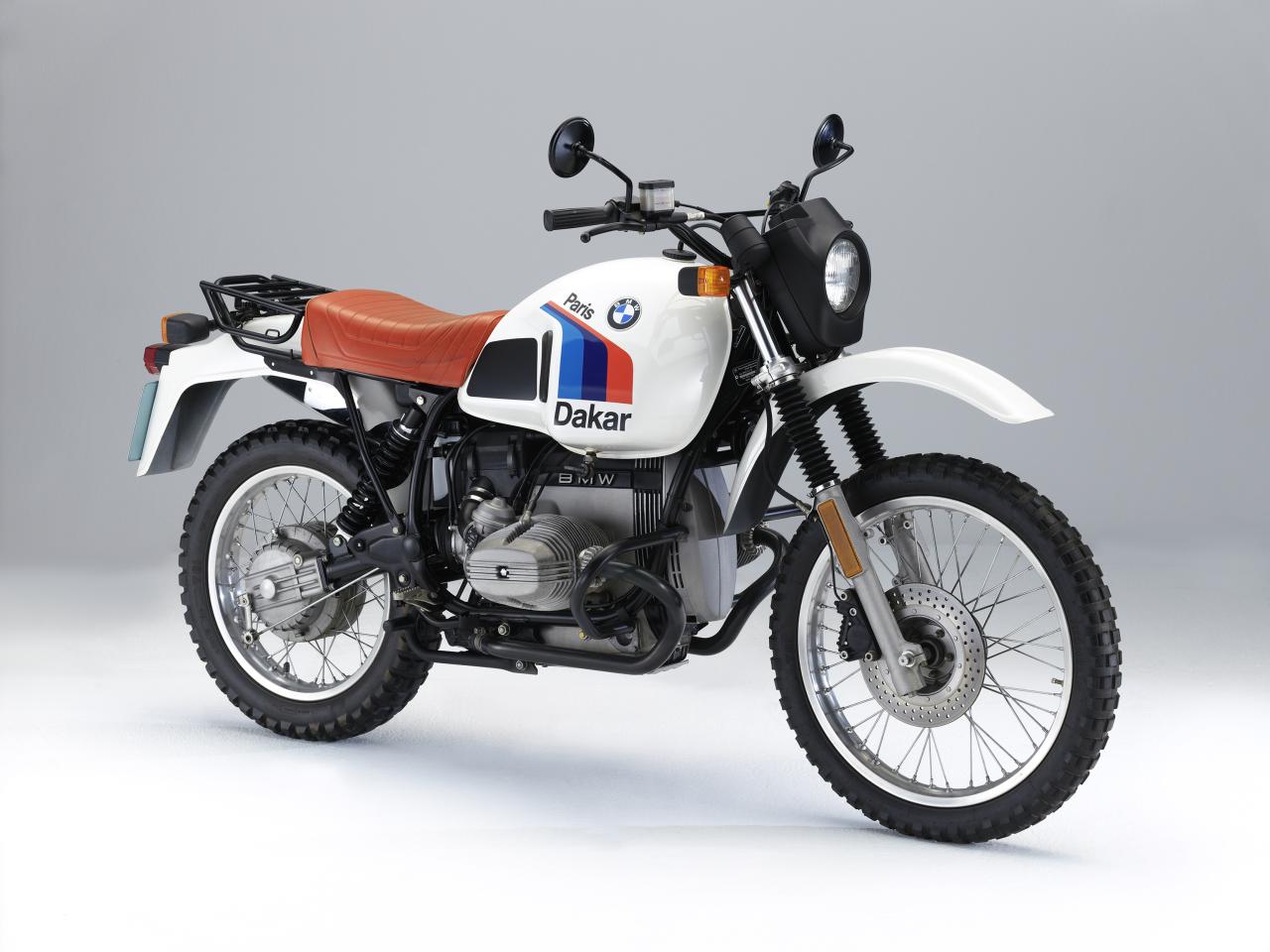
R80G/S “Paris-Dakar”
This version featured a 32-litre fuel tank (sign of what was to come for the Adventure variant), single seat, luggage rack, crash bars, Michelin off-road tyres. The components were also available as kits or individually.
BMW sold some 3,000 of this version is one of the most sought-after motorcycles today.
End of Production
Production of the R80G/S, the granddaddy of the GS range came to a close in 1987. By July that year, BMW delivered 21,864 bikes which was a seven-fold increase over the figure in 1980.
The model was succeeded by the R 80 GS and R 100 GS.
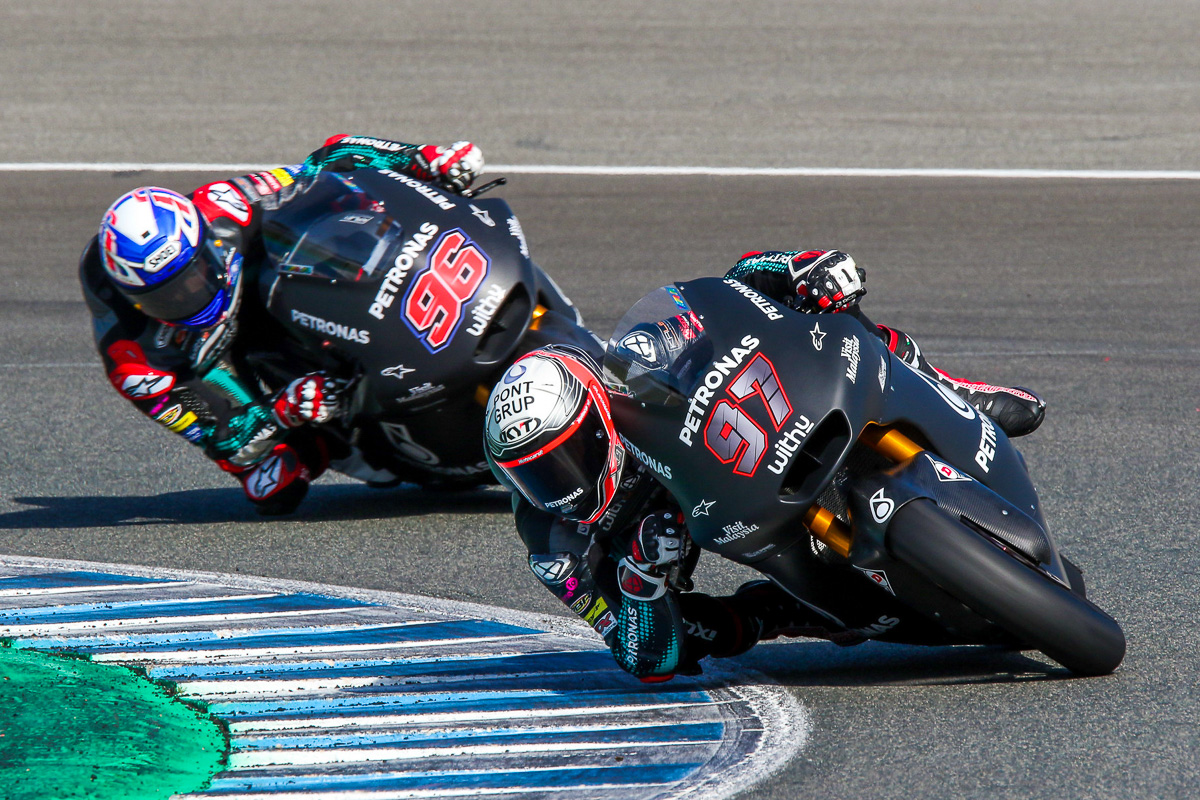
The Petronas Sprinta Racing Moto2 riders, Xavi Vierge and Jake Dixon, recently completed their private test sessions in Jerez, Spain earlier this week and things are looking up for the Malaysian outfit in the intermediate class of MotoGP. (more…)
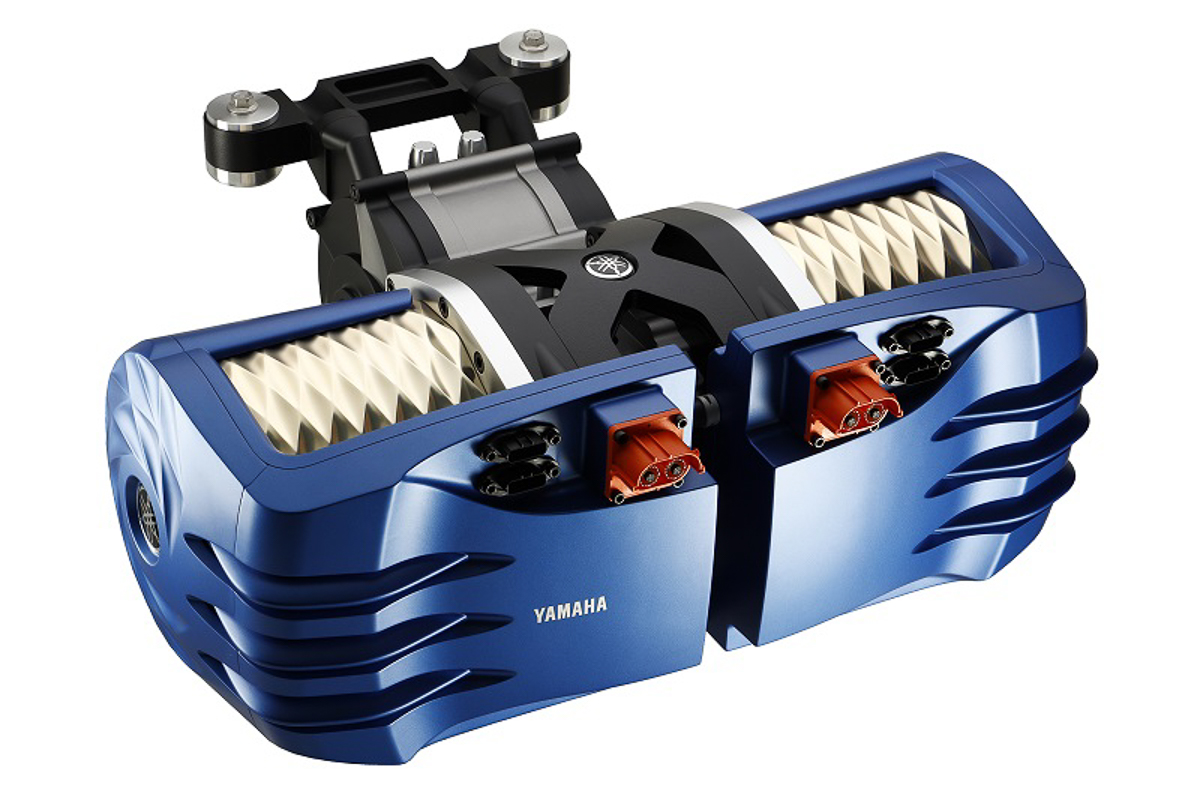
Yamaha Motor Co., Ltd (Japan) has announced that they’re opening orders for a range of high-performance electric motors designed specifically to power automobiles and other EV/PHEV vehicles of the future. It might look small, but Yamaha has stated that the electric motors can generate a buttload of power and we are definitely interested. (more…)
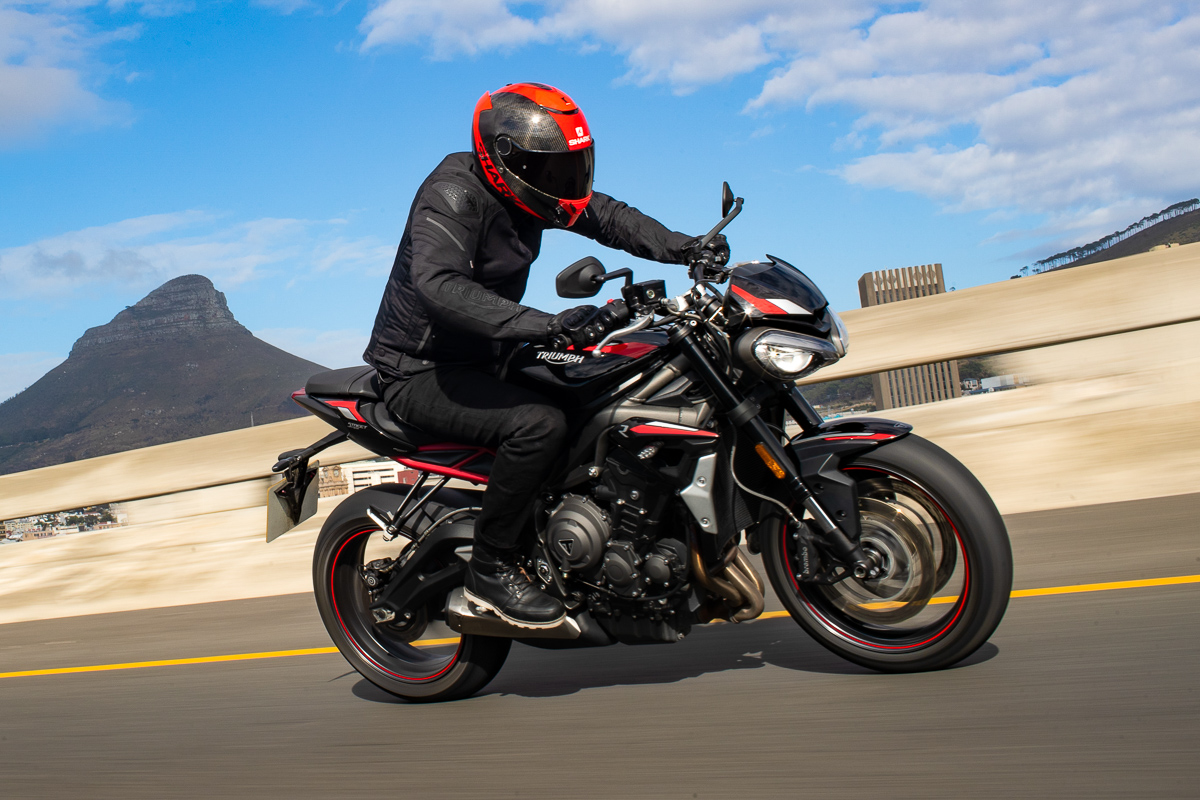
The folks from Triumph Motorcycles has unveiled the 2020 Triumph Street Triple R, their latest 765cc streetfighter that combines the brand’s aggressive styling, amazing Euro 5 compliant firepower, and ‘in your face’ attitude all within a comfortably affordable price package. (more…)
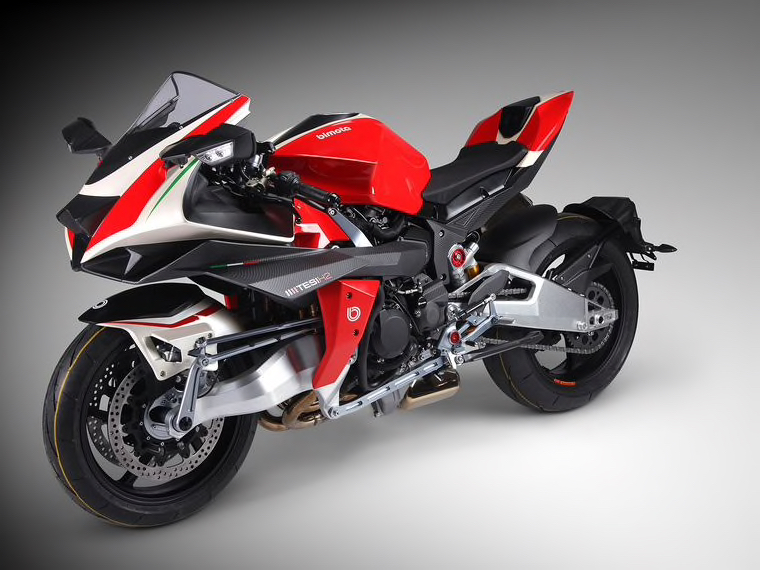
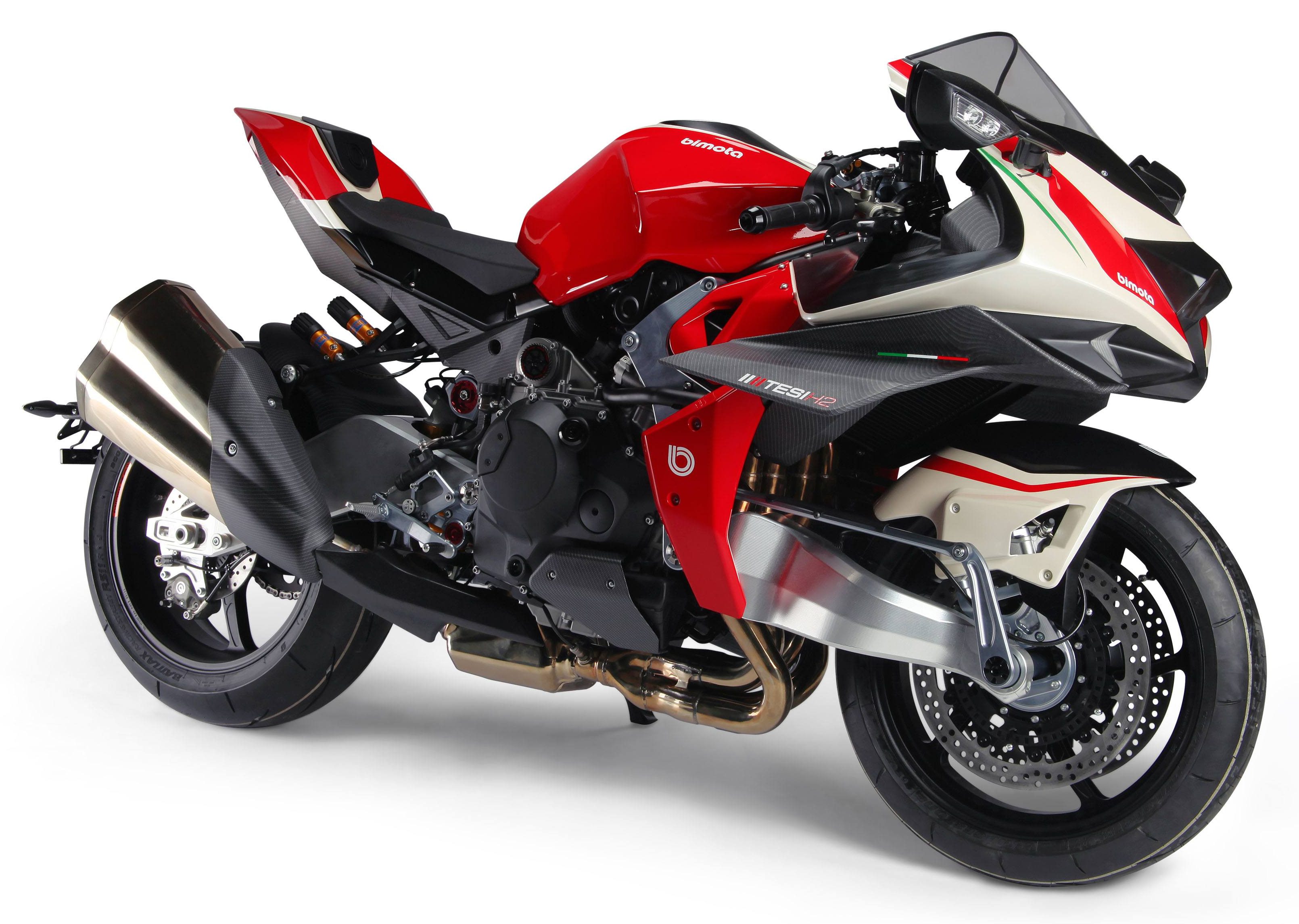
The Bimota Tesi H2 was launched when Kawasaki announced buying 51% of Bimota’s shares.
Its engine is based on the supercharged inline-Four in the Ninja H2.
These are the early specs of the bike.
Bimota is one company that’s seen more up and downs than a couple whose married for 30 years. It’s gone under a number of times but were rescued time and again. This time, it’s Kawasaki who handed the Rimini-based manufacturer the life jacket. They announced their buying of 51% of Bimota’s shares and unveiled the Bimota Tesi H2 at the 2019 EICMA show.
Kawasaki engines graced Bimotas before in the KB1, KB2 and finally KB3 until 1984. But this time, it’s the Ninja H2’s maniacal supercharged engine turn.
The H2’s engine platform is utilized in different guises and power outputs, ranging between 198 hp to 306 hp (without factoring in ram air) in the race only Ninja H2R. So, according to Bennets UK, the Tesi H2’s engine will be tuned to 228 hp.
The Ninja H2 is already a hefty sportbike at 238 kg, ready to ride. But the effects of the supercharger makes up for the weight penalty. There’s concern about the Tesi H2’s hub centre steering adding even more weight, but it was revealed that the bike will tip the scales at 214 kg, ready to ride. The 24 kg reduction points to the extensive use of carbon fibre.
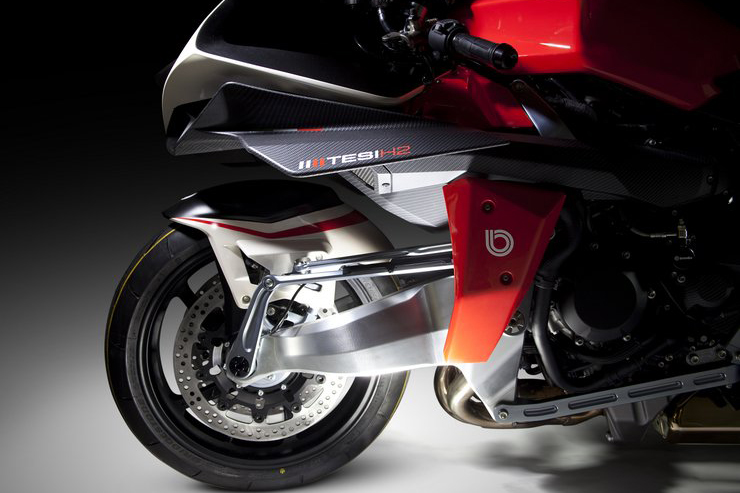
That front swingarm may add visual length to the bike, but its overall wheelbase is actually 10 mm shorter than the H2’s.
Bimota began flirting with the centre hub steering in the original Tesi 1D in 1990. Developed by designer Pierluigi Marconi as his engineering thesis (Tesi means thesis in Italian). The setup promised to revolutionise a motorcycle’s front end by removing suspension forces from steering. Forks will dive and take up lots of available stroke due to weight transfer, thereby making it difficult to turn under hard braking. Besides that, the front end’s geometry changes as the wheel moves up and down.
The concept sounds great but it produces unfamiliar feel to the rider. It’s also expensive as it doesn’t find widespread use. Still, you can be sure to get everyone’s attention when you pull up on a bike with swingarms on both ends!
The Bimota Tesi H2 is expected to cost twice more than the Kawasaki Ninja H2.