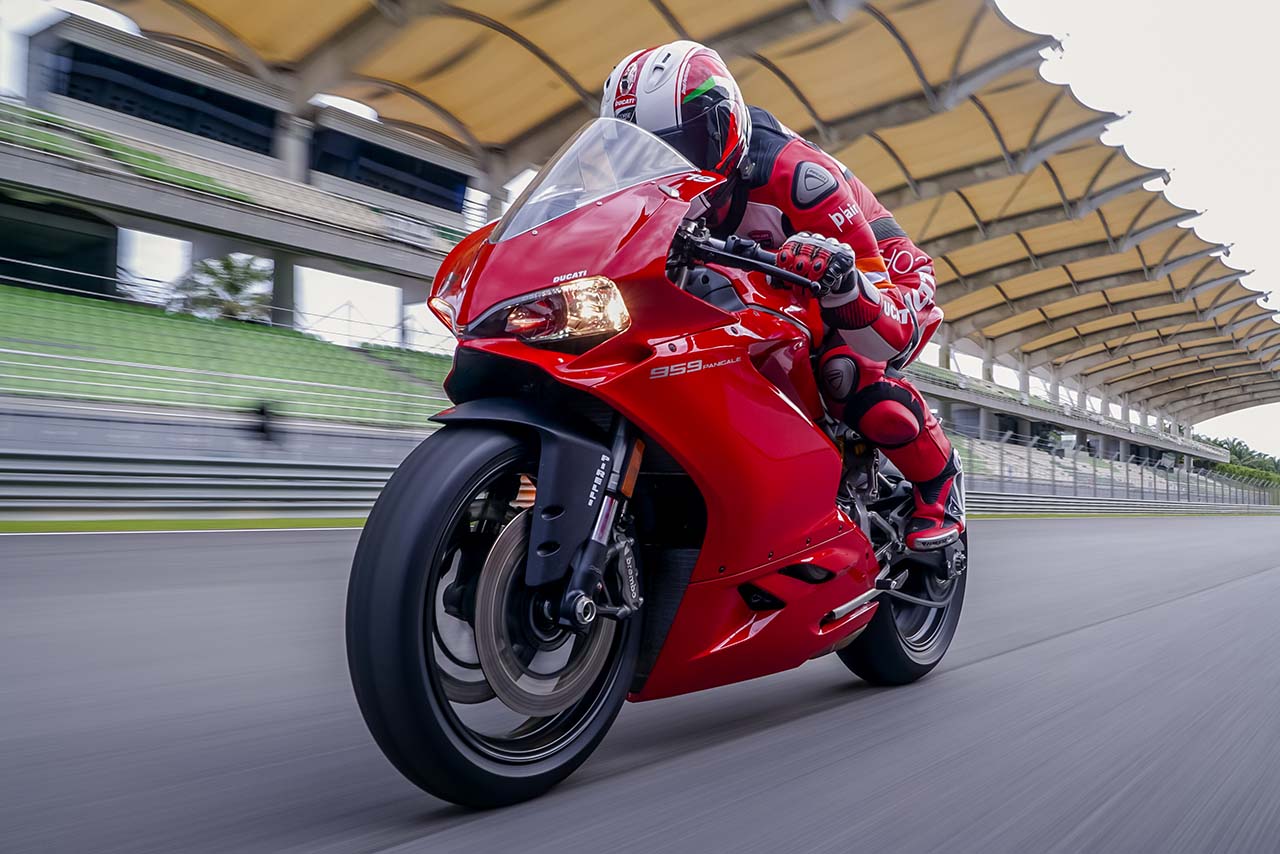
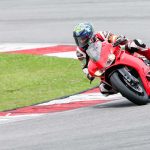
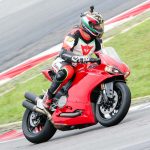
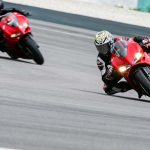
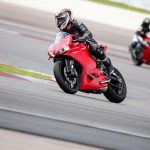
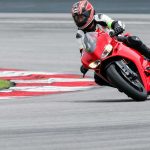
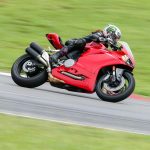
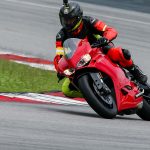
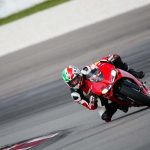
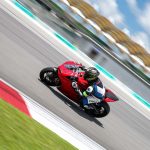
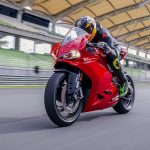
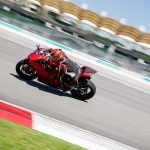
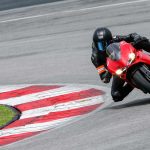
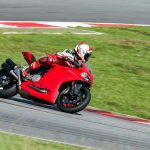
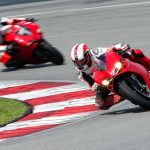
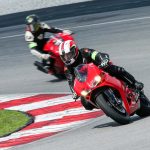
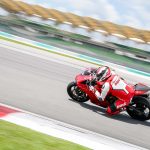
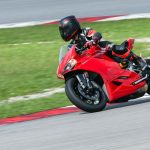
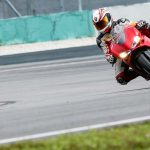
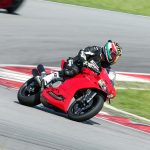
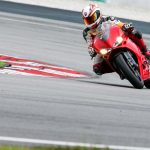
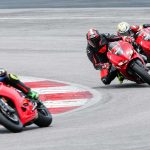
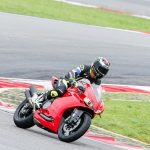
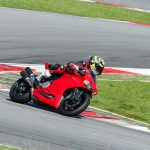
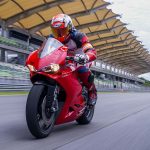
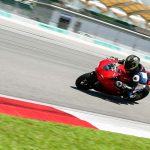
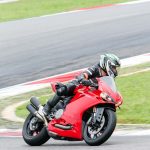
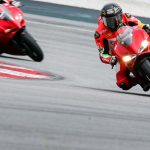
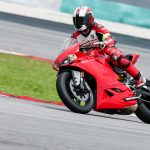
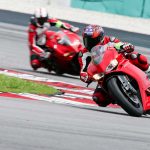
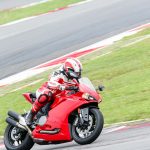
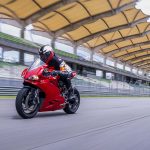
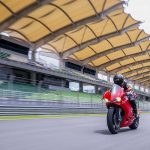
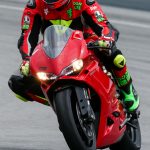
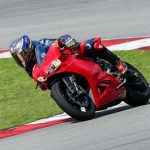
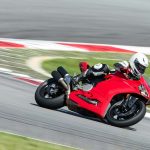
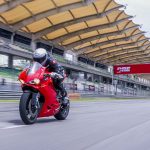
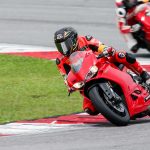
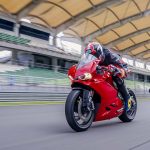
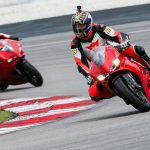
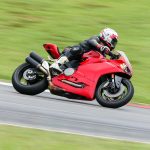
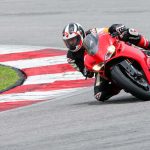
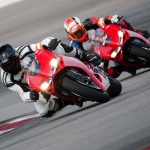
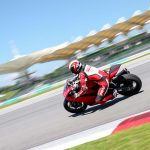
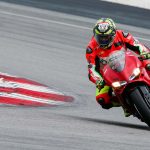
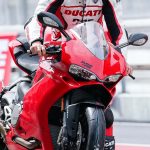
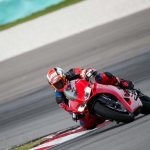
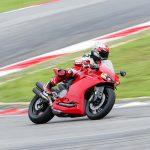
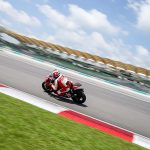
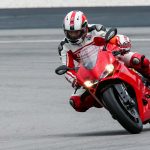
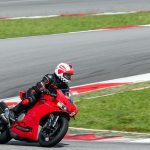
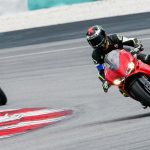
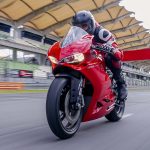
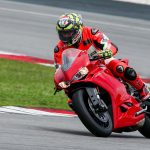
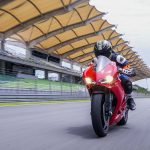
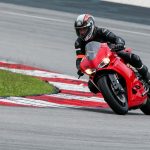
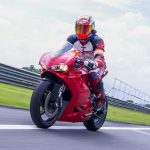
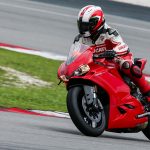
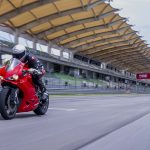
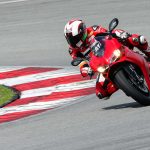
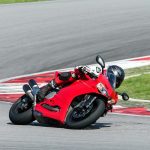
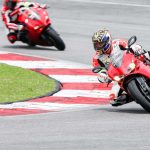
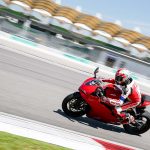
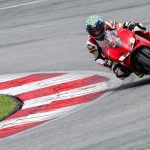
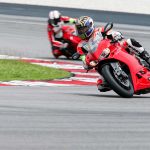
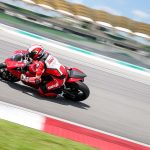
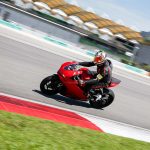
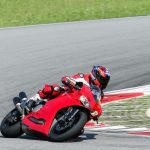
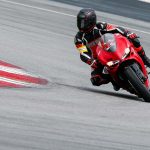
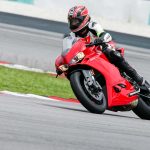
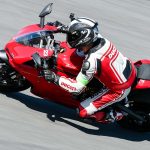
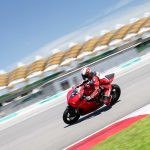
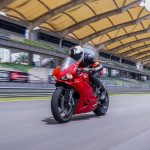
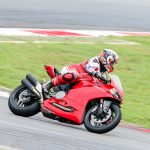
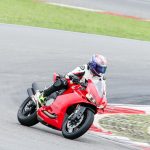
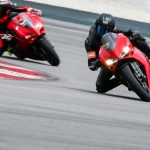
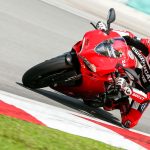
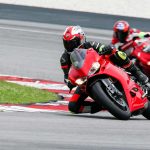
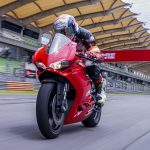
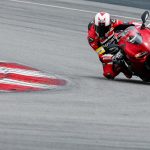
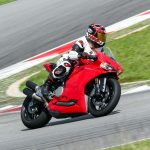
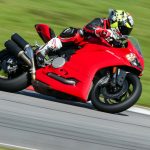
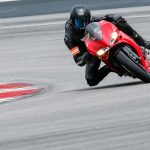
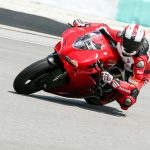
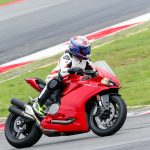
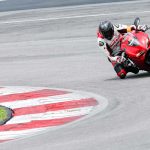
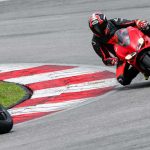
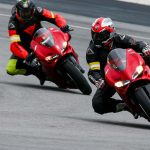
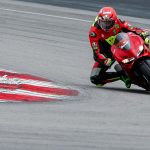
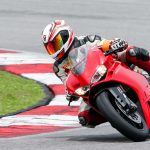
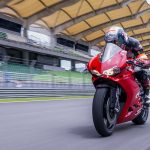
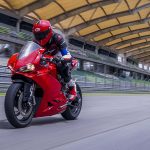
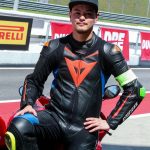
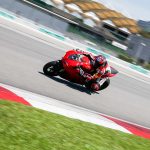
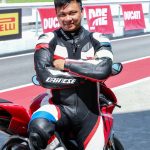
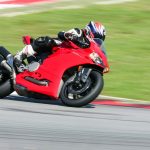
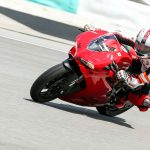
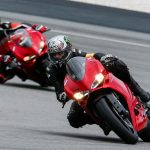
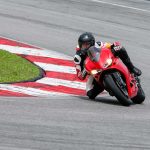
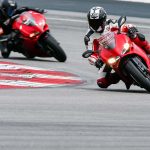
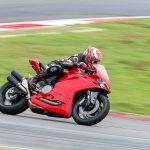
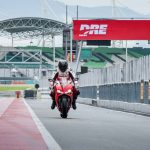
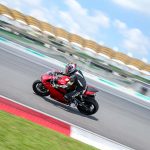
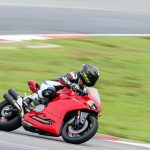
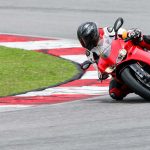
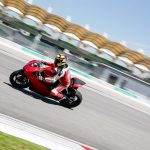
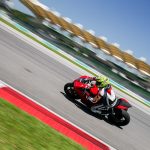
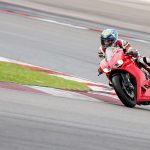
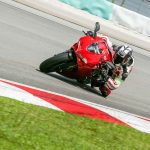
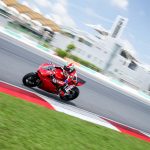
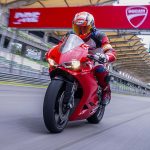
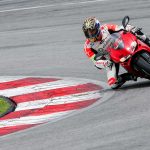
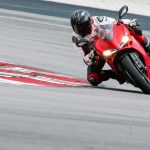
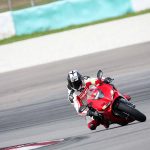
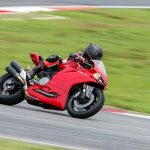
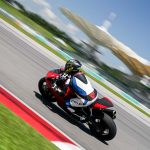
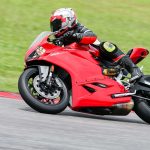
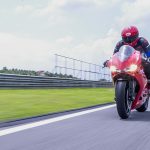
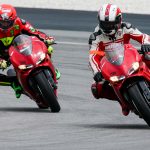
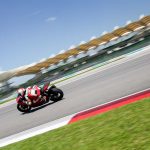
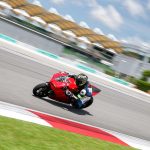
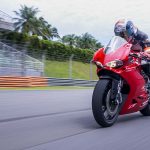
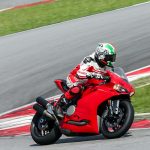
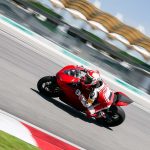
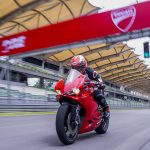
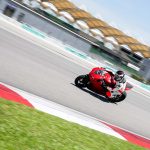
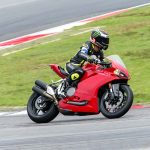
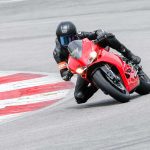
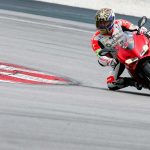
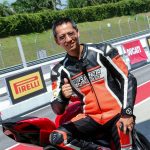
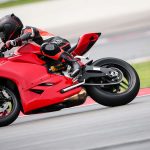
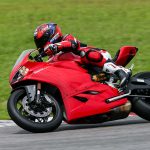
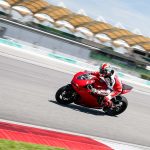
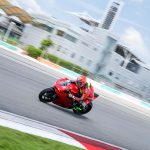
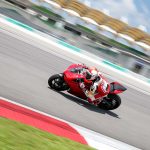
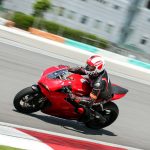
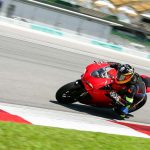
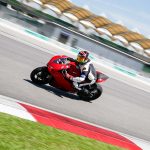
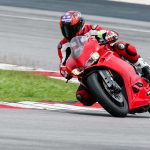
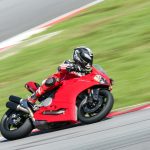
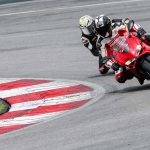
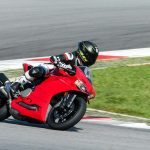
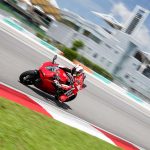
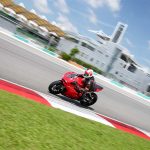
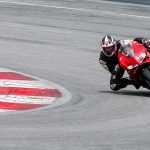
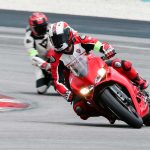
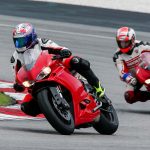
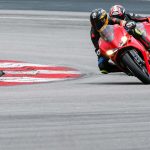
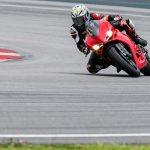
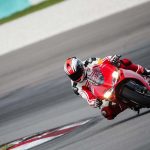
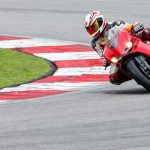
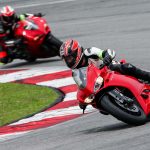
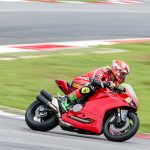
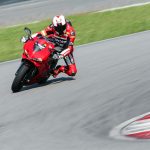
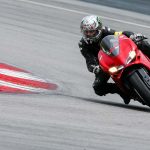
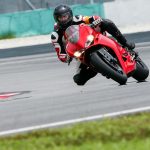
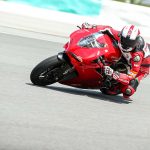
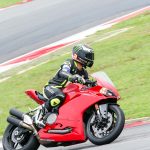
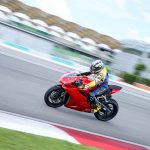
- Bikes Republic was invited to attend the iconic Ducati Riding Experience, or better known simply as DRE.
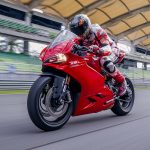
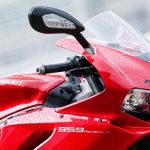
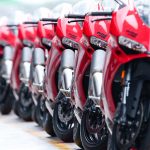
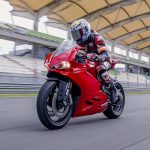
- While some classes focus on developing basic riding skills, this one was designed to sharpen track riding skills, and also to let participants experience the splendour of the machine tasked with entertaining everyone for the day – the Ducati Panigale 959.
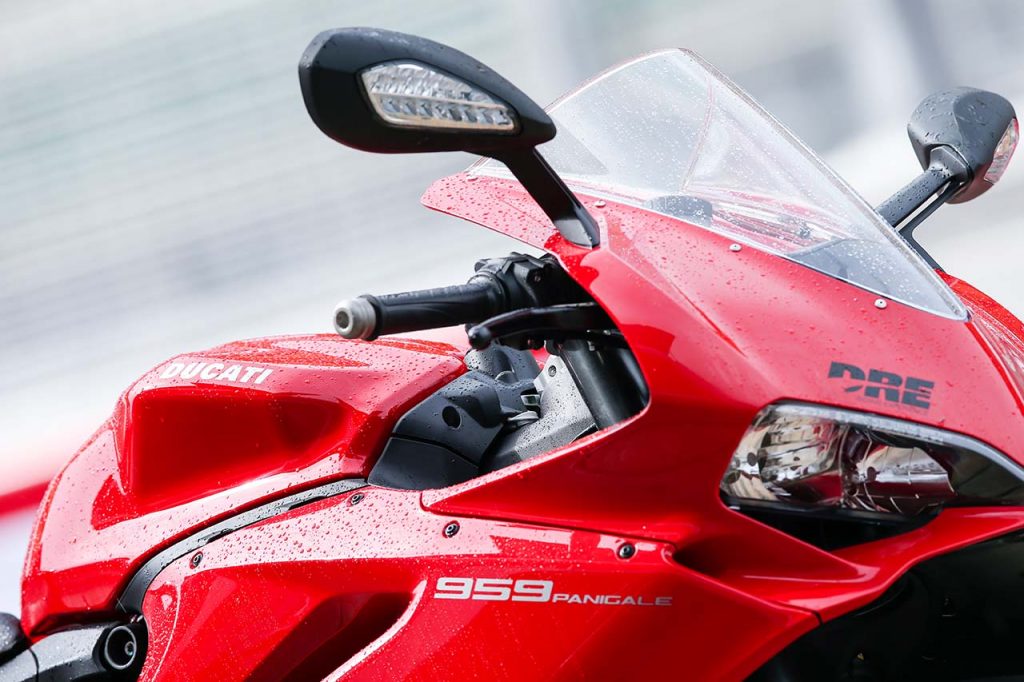
- The 959 took over from the ageing Panigale 899 as the entry level model to the wonderful world of Ducati sport bikes.
- The 959 is not a heroes-only superbike, far from it actually. Say that you suddenly had the means to fork out RM99,999 for a 959, but had limited riding experience, you could actually get on a 959 and ride around with relative ease.
Some say that a Ducati is considered as a “must-own” motorcycle, no matter the model. They also say it is a right of passage to the life of a biker, and that every able biker with the means to do so has to, at some point, own a Ducati.
While sitting for my SPM examinations, I had printed out two postcard size photos of a Ducati 916 and pasted it to my study table as motivation to do well. The plan then was to study smart, graduate as a geologist, make a ton of money, and buy a 916, a Titan Coyote (really), and a Harley-Davidson. I was 17.
The plan, as with many things in life, did not work out as I had intended to but I was well into studying geology before deciding that rocks, mud, and off-shore work was not for me. I was fated for motorcycles, cars and computers.
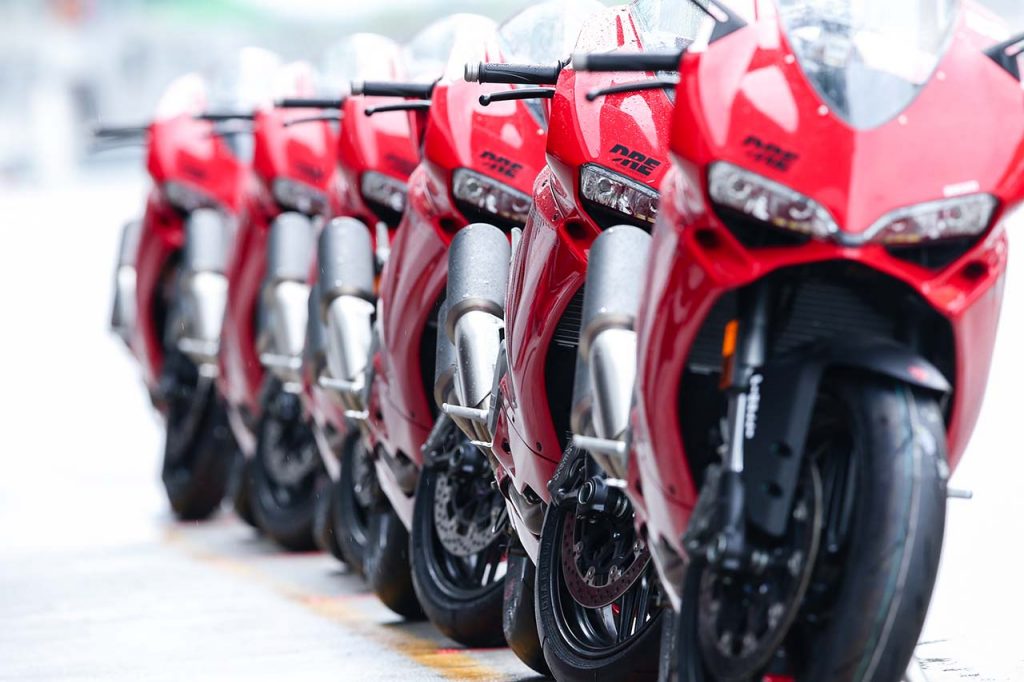
My love for the 916 still burns, and though I have owned some fun machines, a 916 eluded me. But I still have a soft spot for everything Ducati.
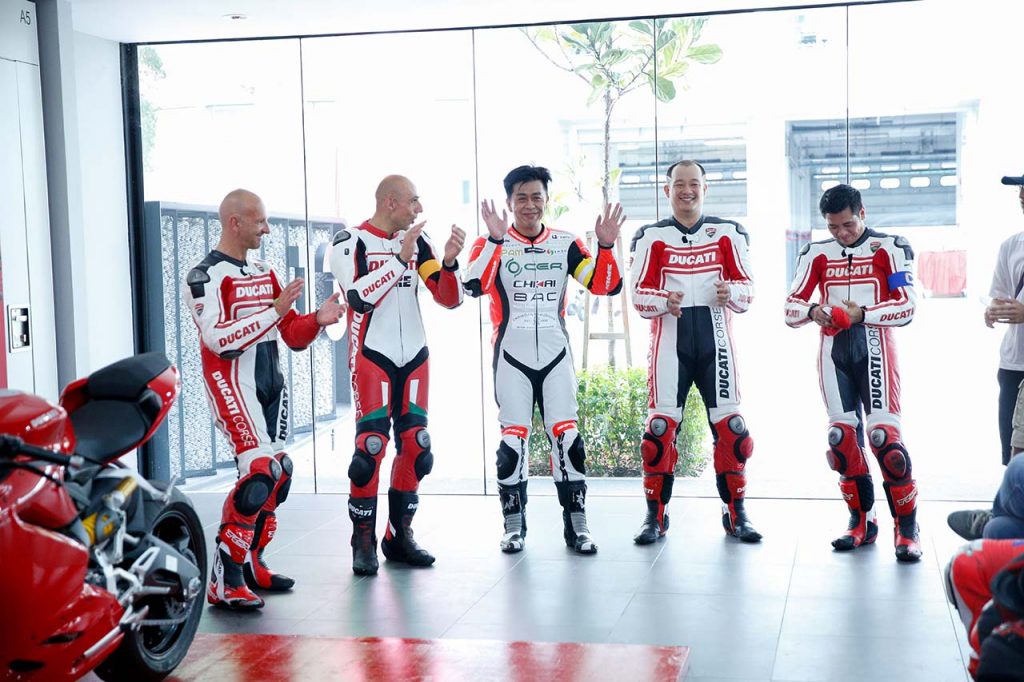
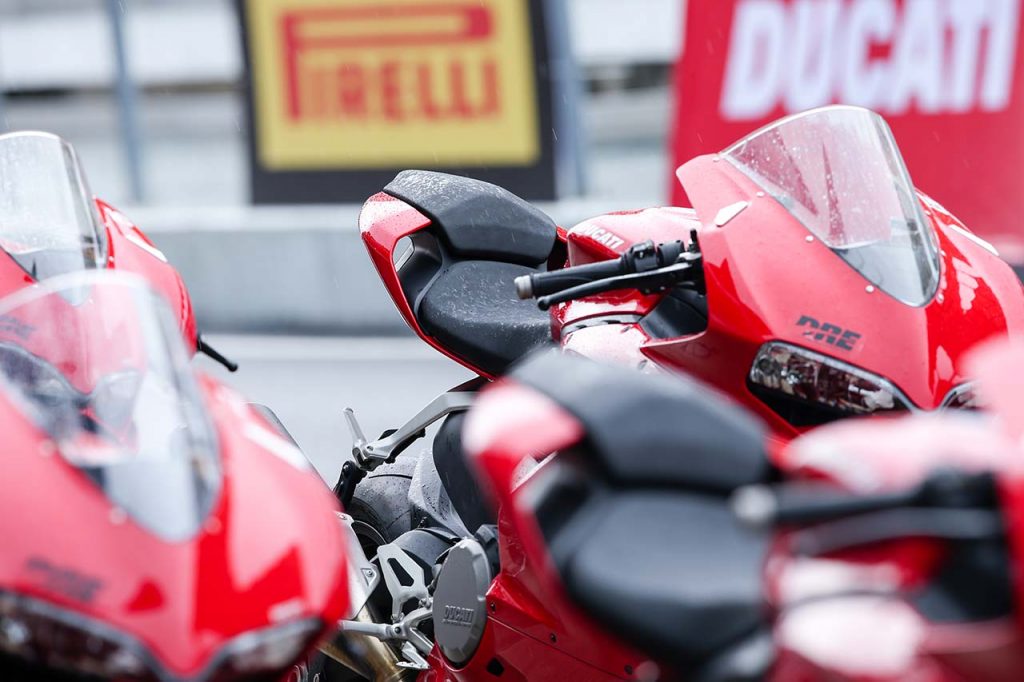
A few months ago, Bikes Republic was invited to attend the iconic Ducati Riding Experience, or better known simply as DRE. The DRE is an exclusive training session for Ducati owners that focuses on building riding skills through various levels.
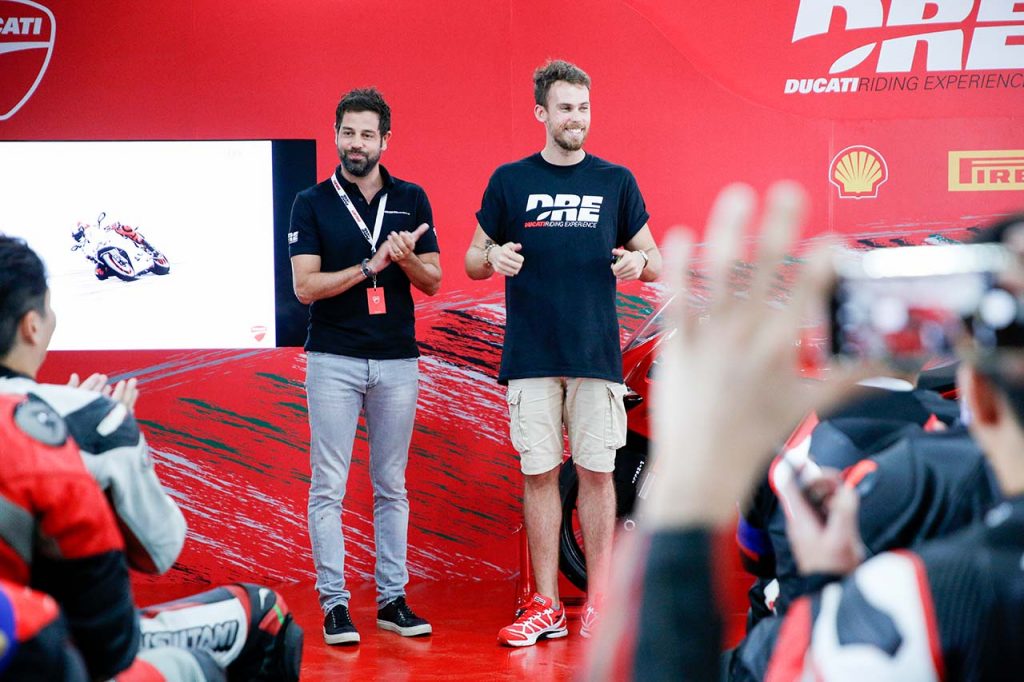
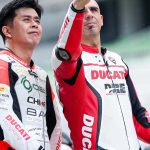
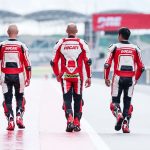
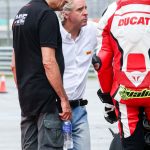
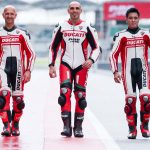
The one we attended was open for anyone willing to fork out 1000 Euros (about RM4,842 with today’s exchange rate) to experience riding a Ducati Panigale on track, under the watchful eye of super experienced Ducati trainers such as the legendary Dario Marchetti (DRE Technical Director and Daytona Champion), Alessandro Valia (Ducati official test rider and Italian Superbike Champion) and Manuel Poggiali (two-times 250cc world champion). These are just some of the instructors on hand, there were other legends from around the region as well, but more on that later.
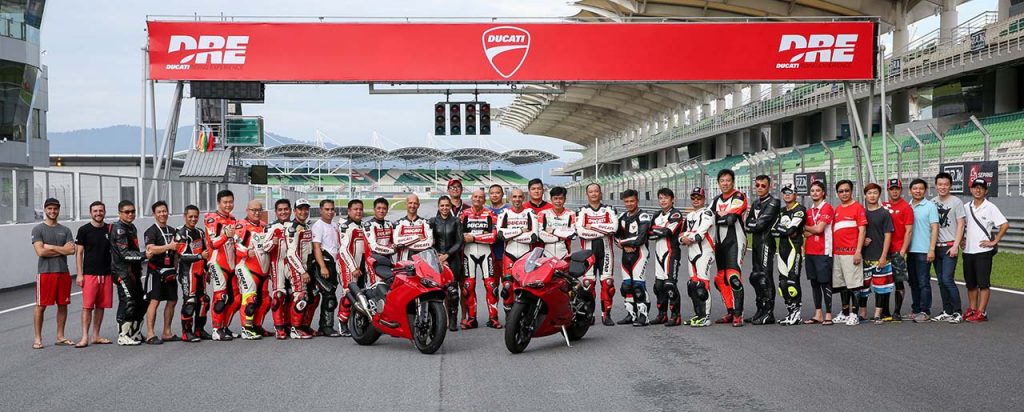
The Ducati Riding Experience has many levels to it and all are held at different locations around the world. The one we attended was held at Sepang and focused on track riding. While some classes focus on developing basic riding skills, this one was designed to sharpen track riding skills, and also to let participants experience the splendour of the machine tasked with entertaining everyone for the day – the Ducati Panigale 959.
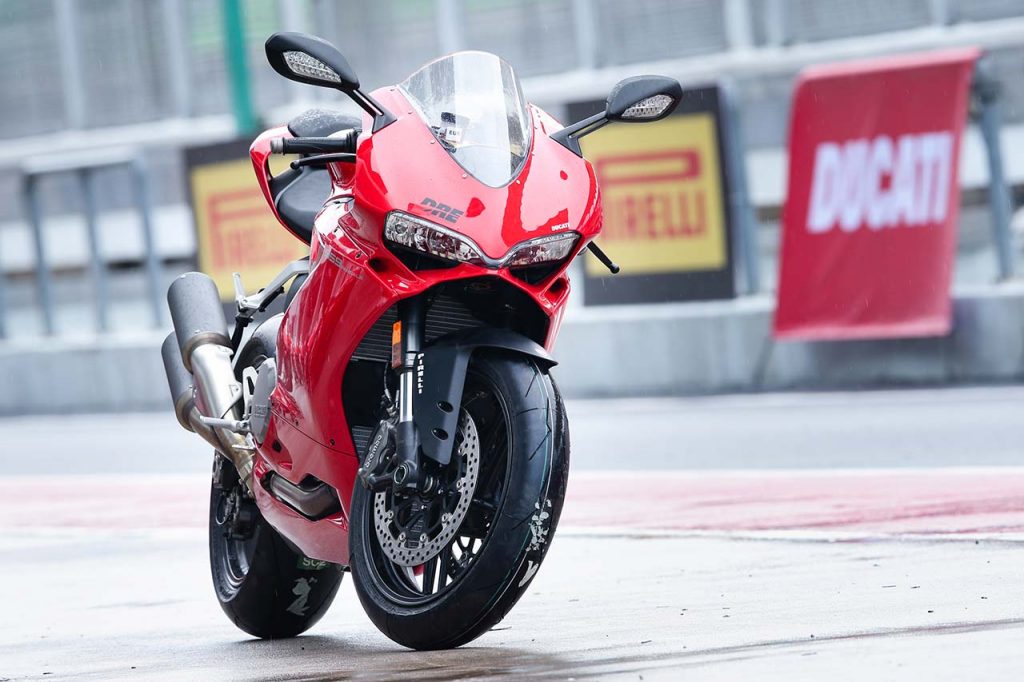
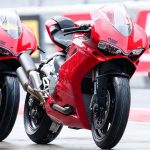
The 959 took over from the ageing Panigale 899 as the entry level model to the wonderful world of Ducati sport bikes. And though it may take a keen eye to tell the difference between the two, the differences are vast.
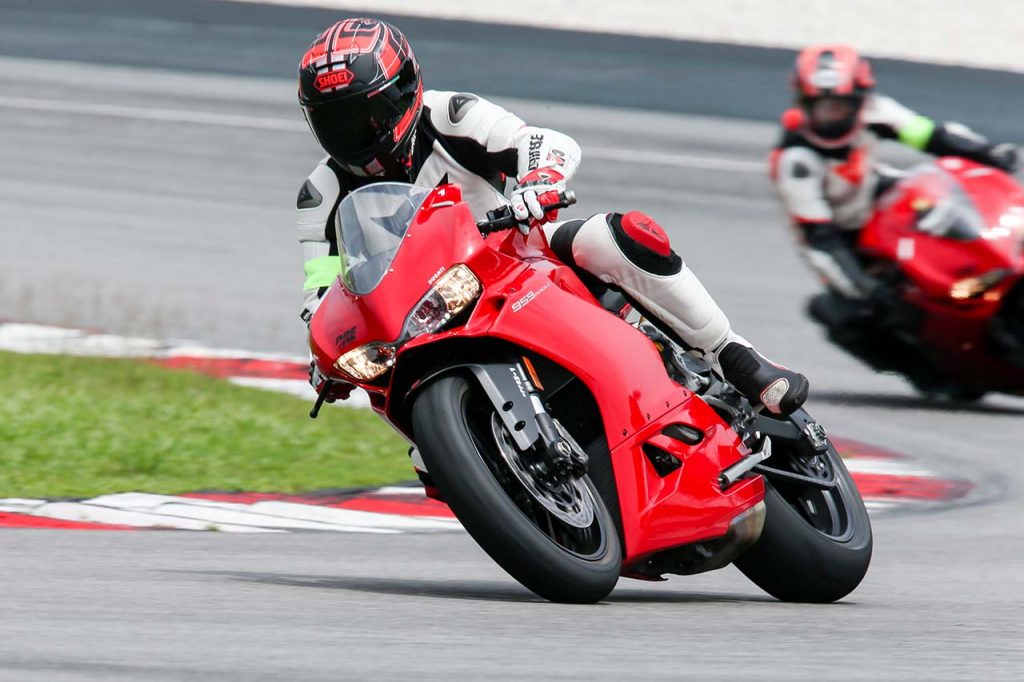
The most obvious difference is of course the engine, which now offers 57cc more capacity to take the total figure to 955cc. Power too has been uprated – where the 899 made 148bhp at 10,750rpm up to 157bhp at 10,500rpm.
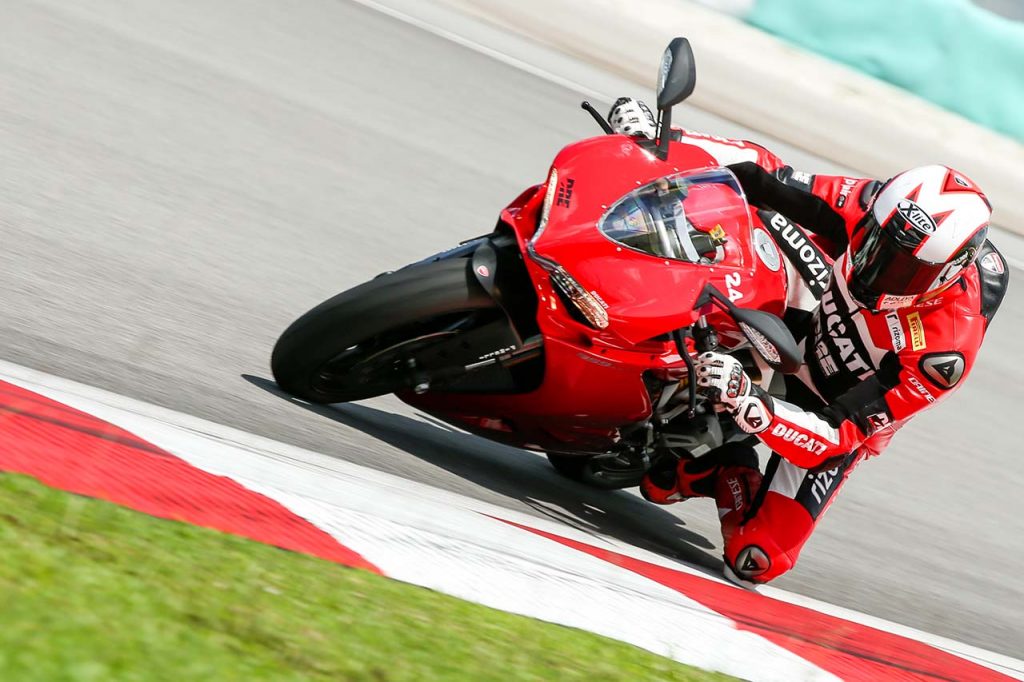
But that is just on the power front, there is a galaxy of difference between both bikes such as a new crankshaft, camshaft, new pistons and con-rods, a new and quieter timing chain, thicker engine casing to reduce noise pollution, and a revised gearbox and rear sprocket (the 899 had a 44-teeth rear sprocket, while the 959 has one less at 43).
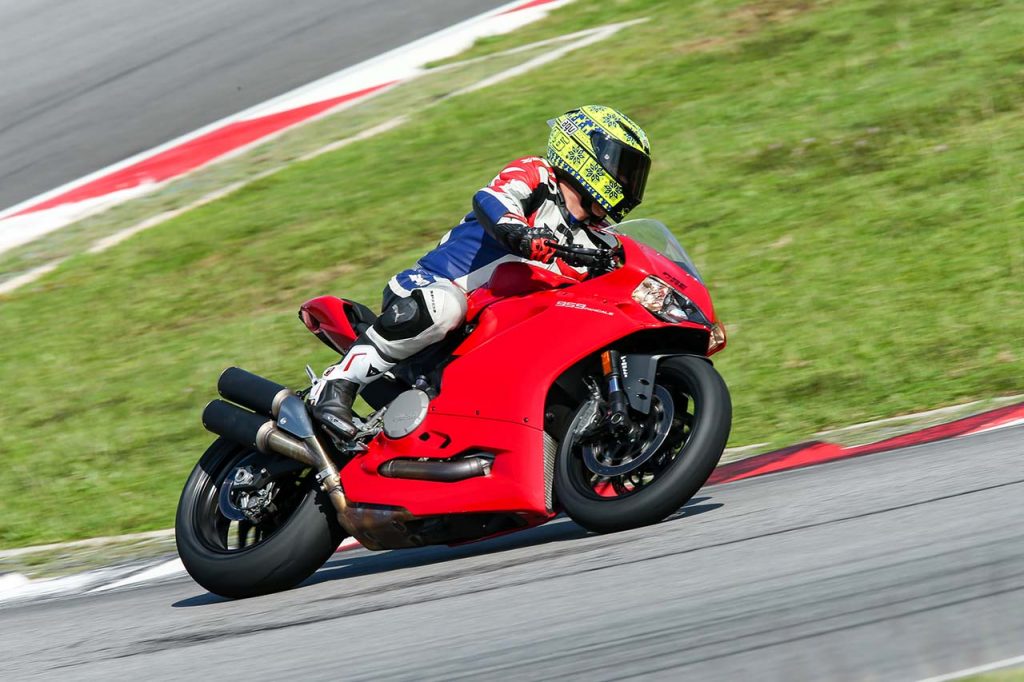
There is also a slipper clutch while the Ducati Quick Shifter on the 959 features software derived from Ducati’s MotoGP race bikes. In simpler terms, the 959 shifts gears quicker than it takes you to read this sentence.
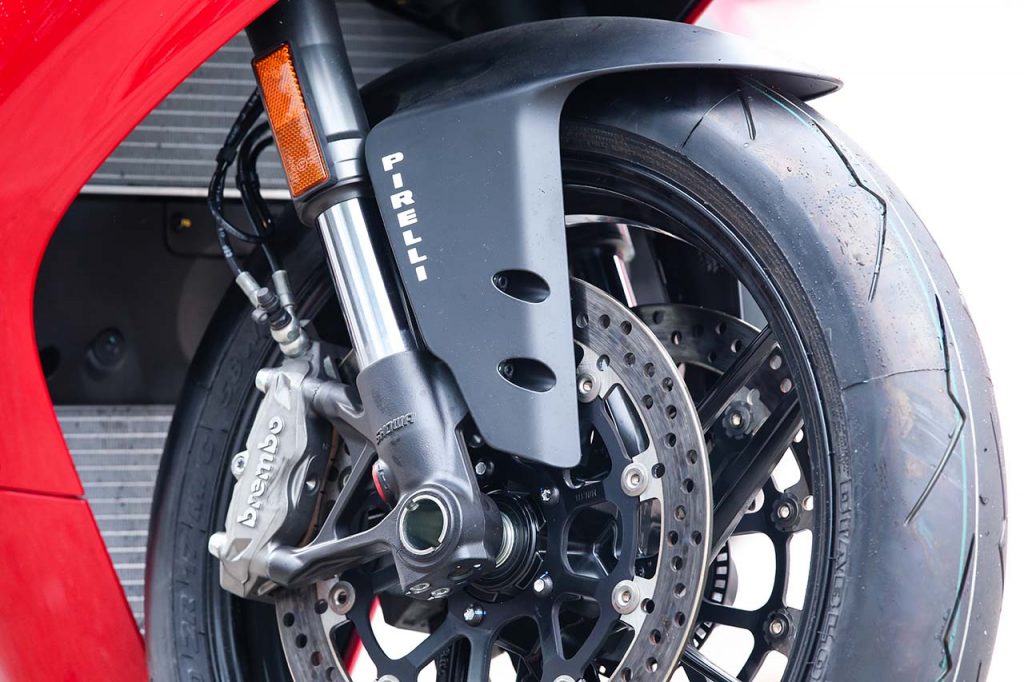
And just in case you were wondering, the chassis and overall design is not much different. The monocoque aluminium frame is shared by both bikes, and the two also feature the same 43mm fully-adjustable Showa BPF front forks and a fully-adjustable Sachs rear shock. The 959 also has a 5mm longer wheelbase.
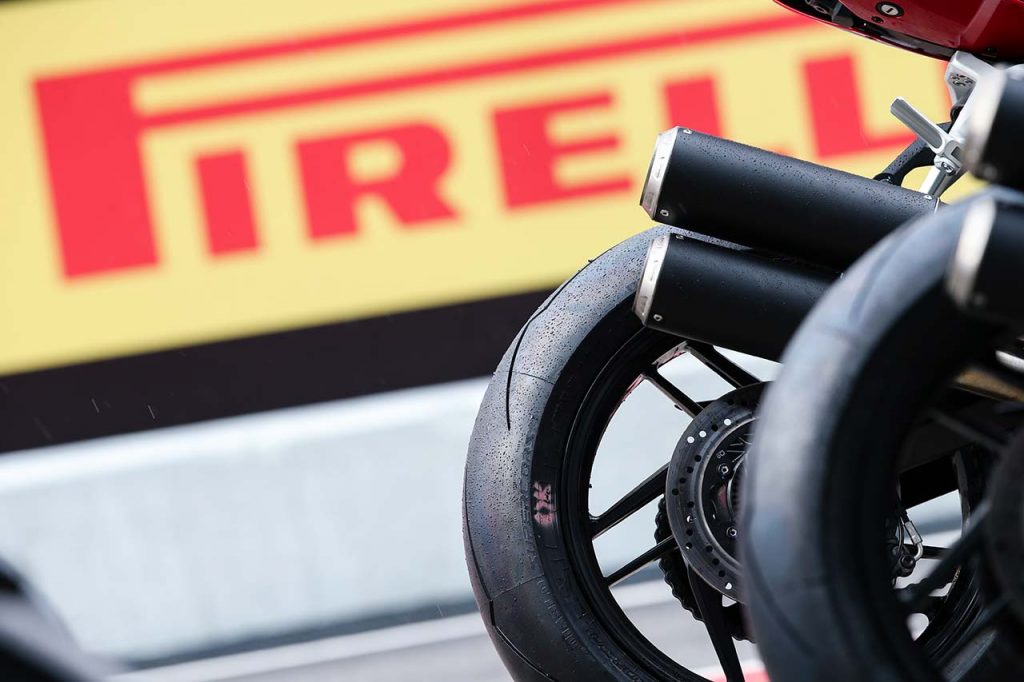
There are other details too that make the 959 a better bike than the 899, such as the swingarm that is located 4mm lower to help maximise traction, “showered” injectors that have been carried over from the Panigale R, bigger exhaust diameter, and more importantly, a completely reworked exhaust system with the pipes located on the sides ala Panigale 1299 rather than the underbelly exhaust of the 899.
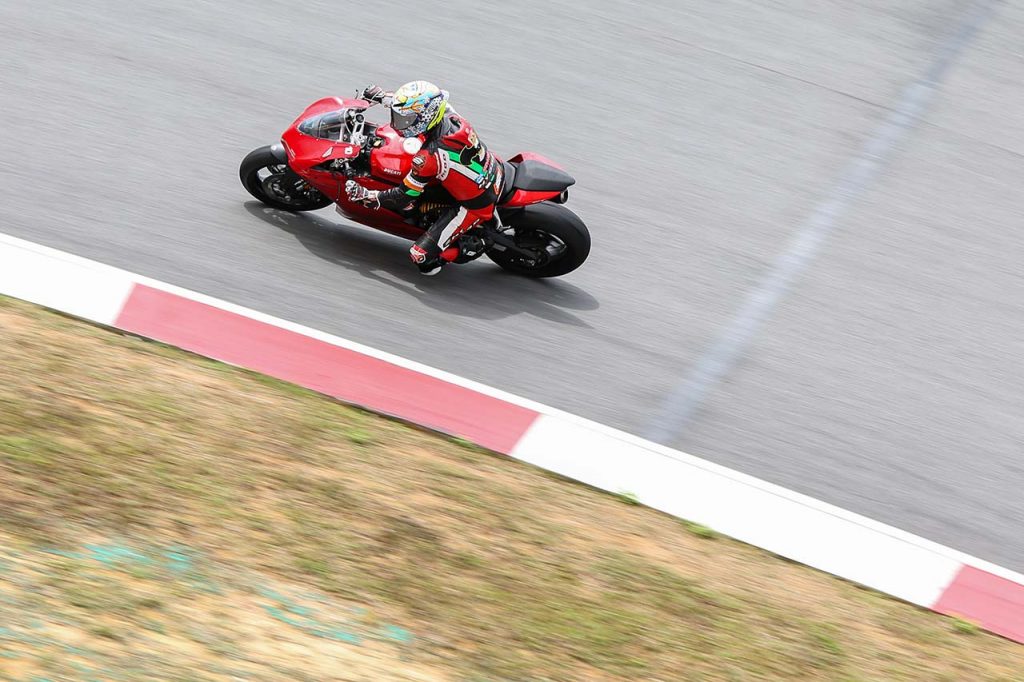
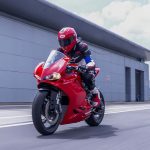
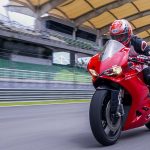
So an entry level superbike the 959 may be, but it is by no means a bike specifically built for those who just started riding yesterday. Don’t let its good looks and sexy silhouette fool you, the Panigale 959 is a proper crotch rocket, and one that rewards the rider who knows exactly what he is doing. And for those that do not, well there is an armada of onboard sensors designed to keep you safe and feeling like a hero.
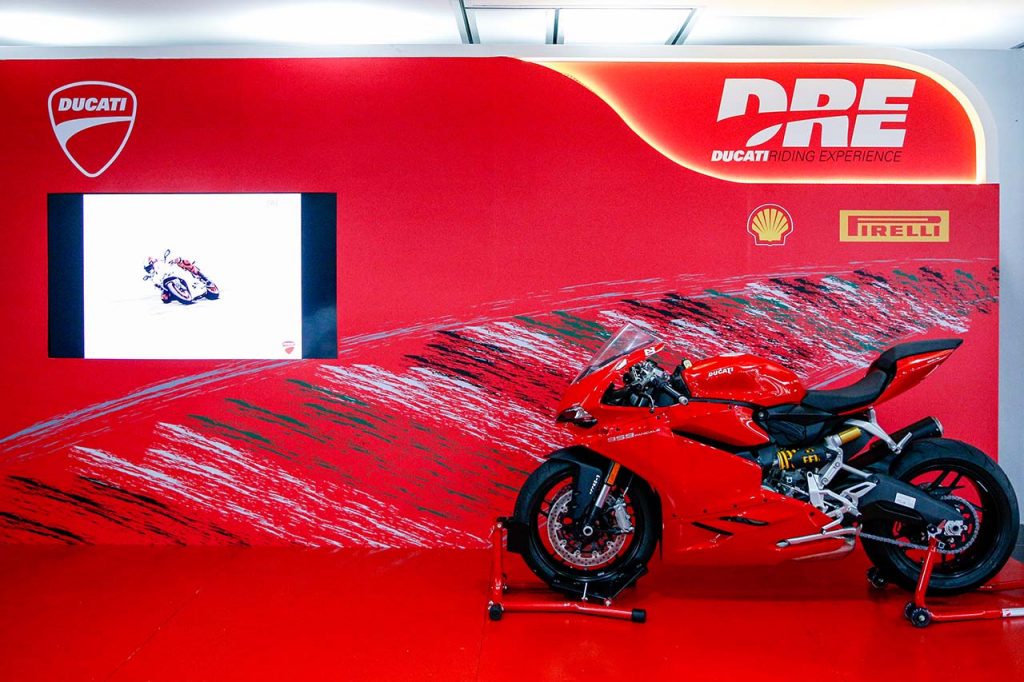
But the 959 is not a heroes-only superbike, far from it actually. Say that you suddenly had the means to fork out RM99,999 for a 959, but had limited riding experience, you could actually get on a 959 and ride around with relative ease. The bike will warm up to you with its 176kg dry weight, immediately giving you confidence even at a crawl. The L-twin Desmodromic engine will inspire you to give it a burst of power, and you will because the sitting position is sporty but not aggressivel; nudging on comfortable. And the sound the engine creates seduces you to open up the throttle – just to hear the revs scream.
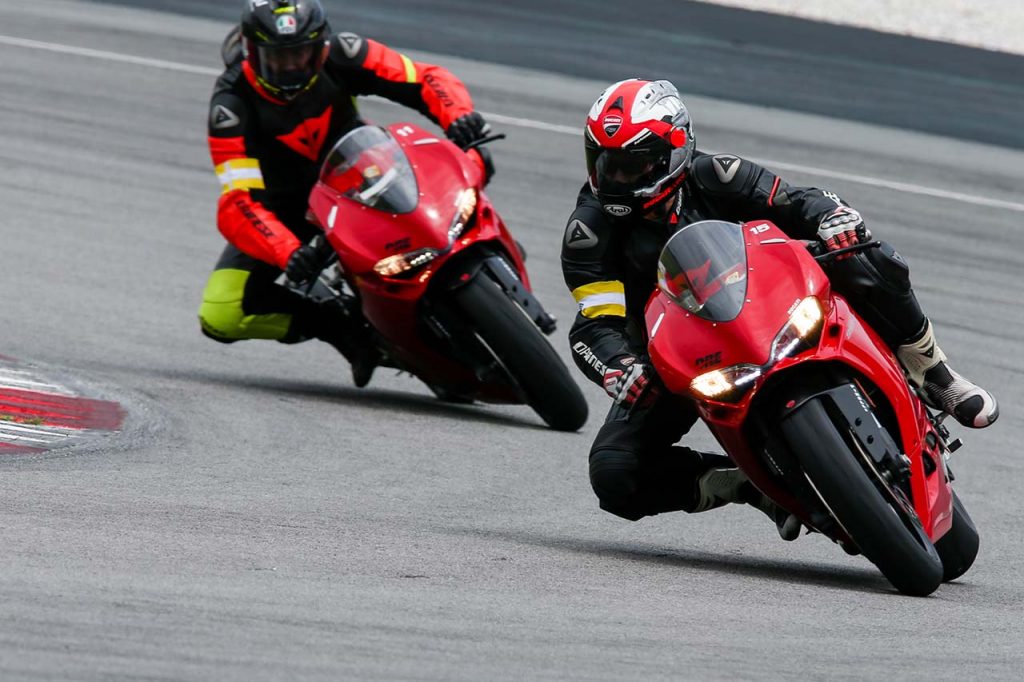
You might suddenly snap out of the 959’s allure and panic at the speed the bike has so easily piled on. Your lack of experience with superbikes may leave you confused while your senses may be overloaded with information, but Ducati has your back and has equipped the 959 with ABS, Ducati Traction Control, Engine Brake Control and even three different riding modes.
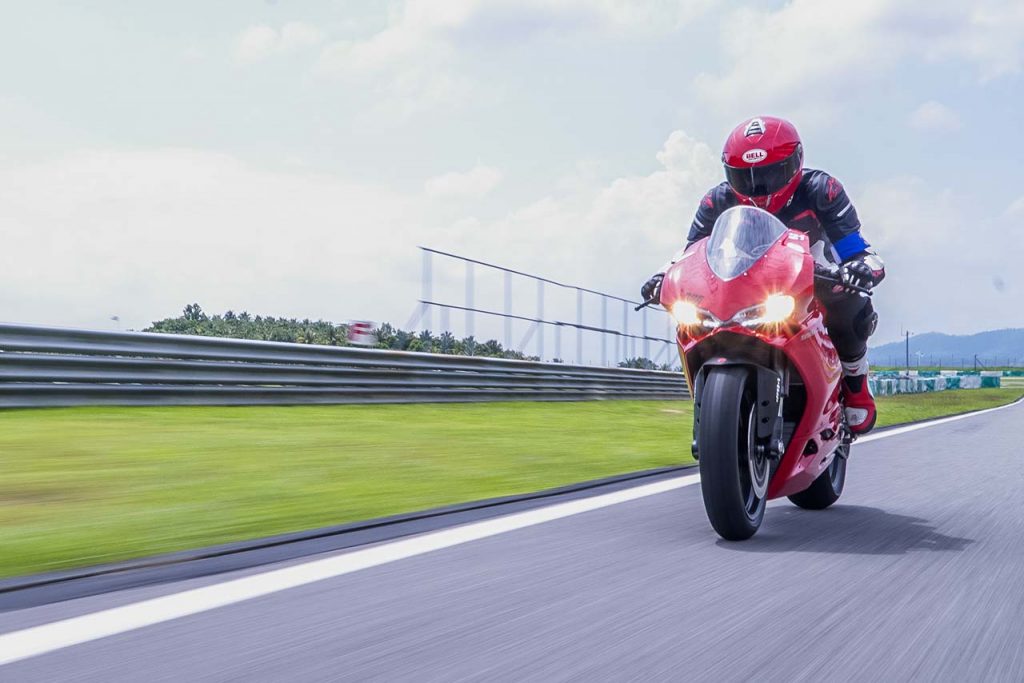
The riding modes is possibly what makes this sports bike such an approachable machine for just about any type of rider; it has race mode which gives you maximum performance, sport mode gives you the full power of the engine but with a restrained throttle response and heightened traction control interference, and wet mode keeps the entire package on a leash and is best for the inexperienced. But one thing is for sure, fun is guaranteed in all modes.
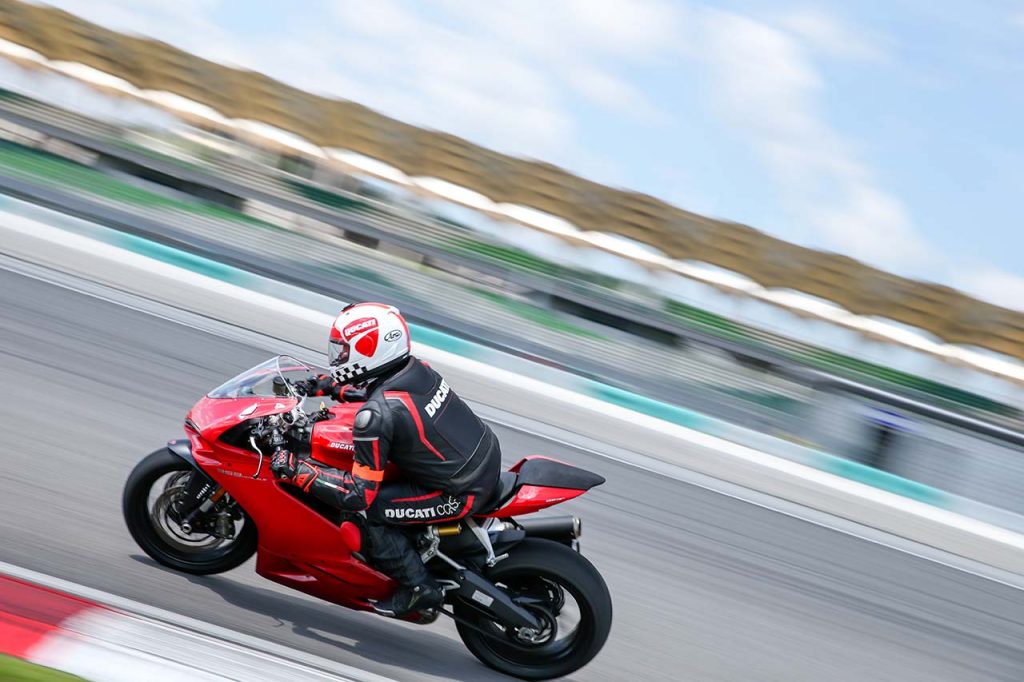
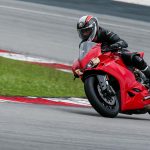
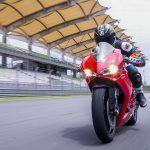
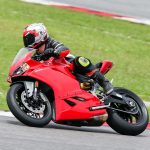
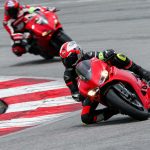
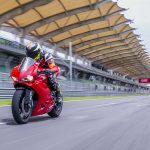
However, the Ducati 959 Panigale is most at home on the track. This is where its sporting DNA really shines through.
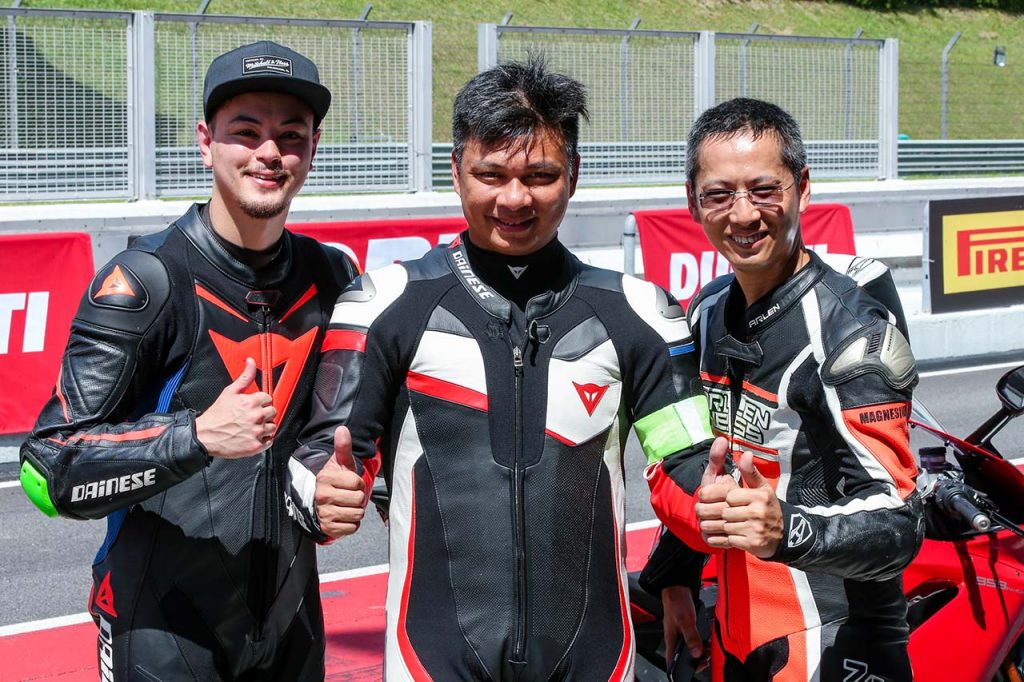
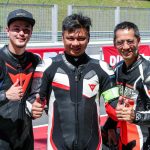
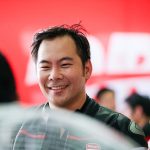
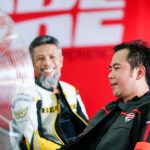
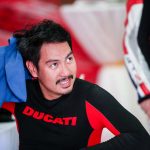
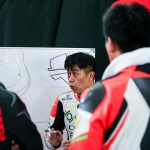
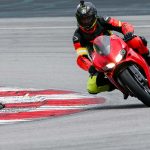
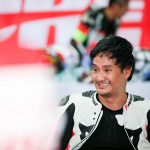
Back to the Ducati Riding Experience. So a few other participants from China, Hong Kong, Philippines, and I were paired together with Chinese Superbike Champion Simon Kwan as our instructor.
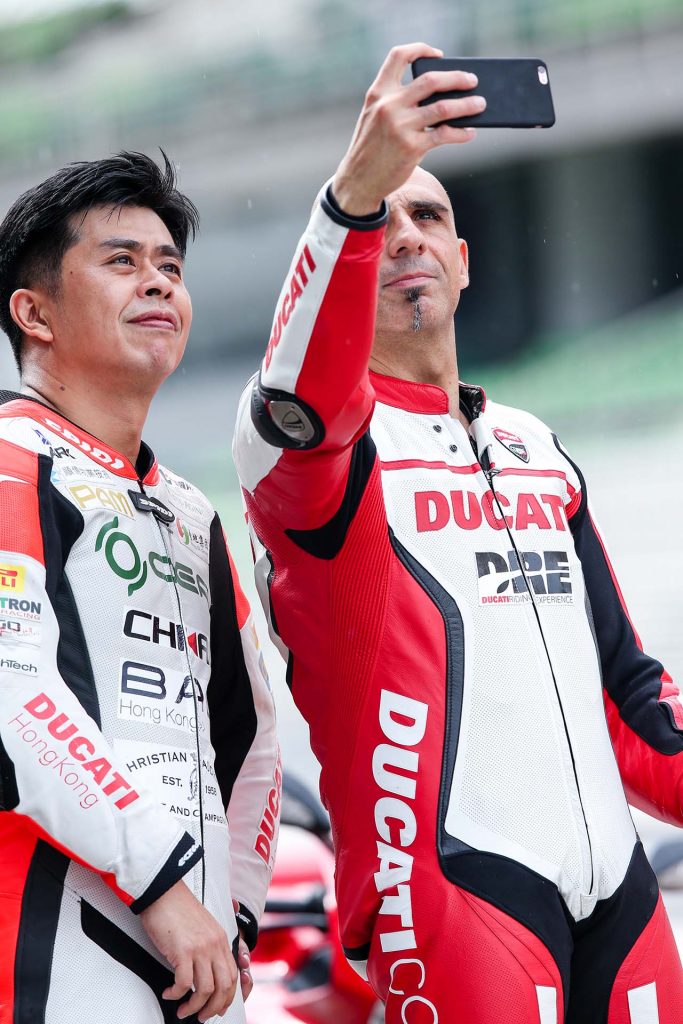
The most important thing about attending a riding class is of course the instructor. He or she does not need to be the best racer or the guy with the most wins, but he has to speak well and communicate his knowledge to his students. And that is why I am glad we got Simon because he speaks our kind of English, the kind that south east asians understand. I am sure the other instructors are brilliant at what they do, but language accents can be difficult sometimes.
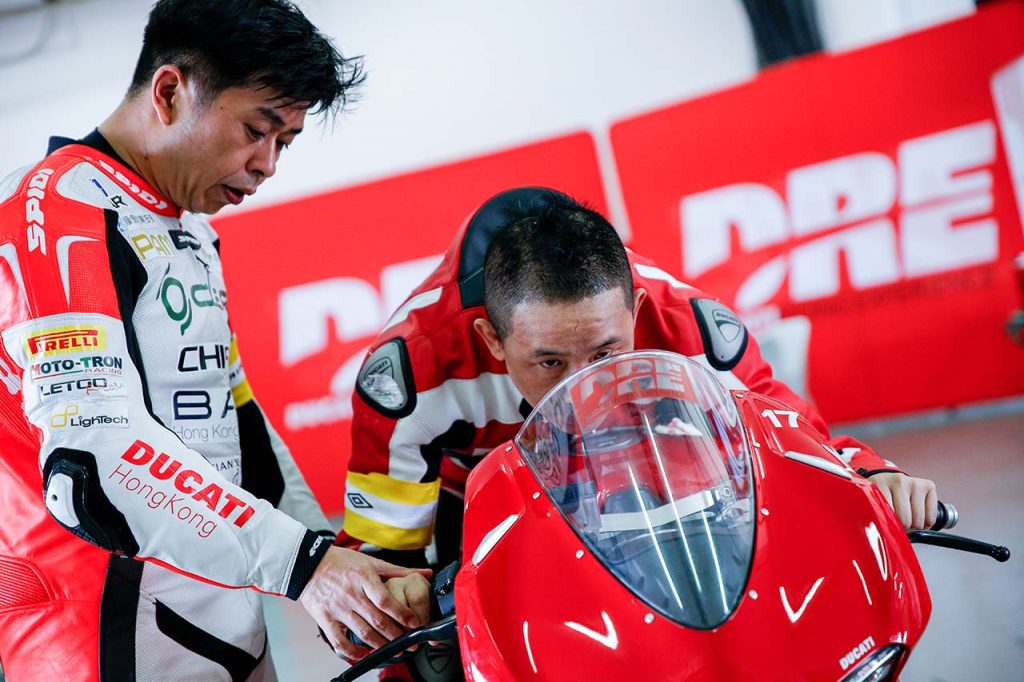
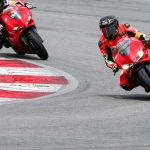
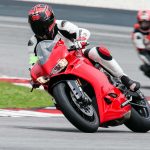
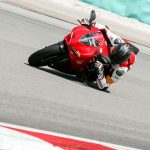
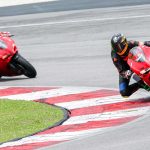
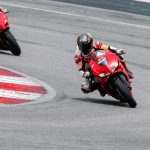
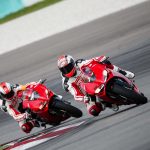
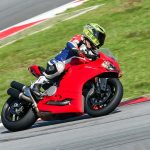
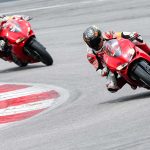
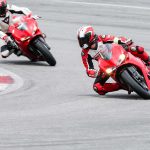
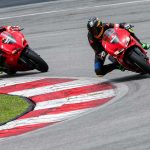
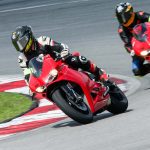
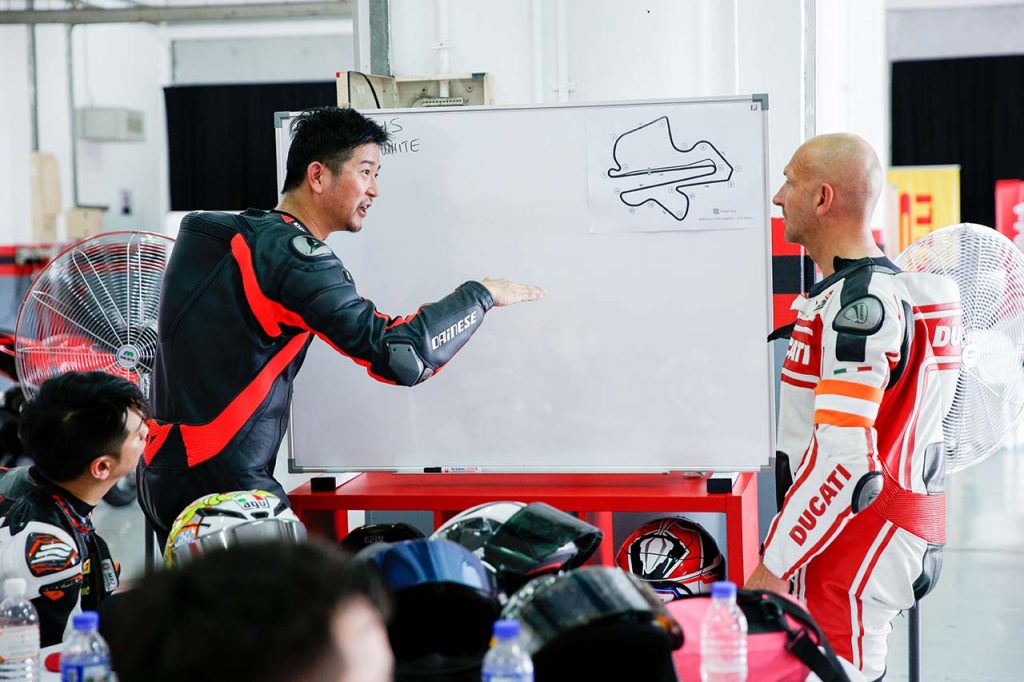
The lessons were simple such as using the correct riding position (you should be able to insert your fist between your crotch and the tank), body position during cornering and braking. Simon keeps an eye out for all his participants, first by letting us follow him around the circuit, and later he rides behind you and comments on your style and do’s and dont’s later in the pit garage.
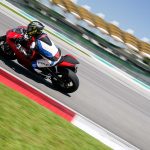
But most of all, you just end up having a lot of fun out on track with the 959.
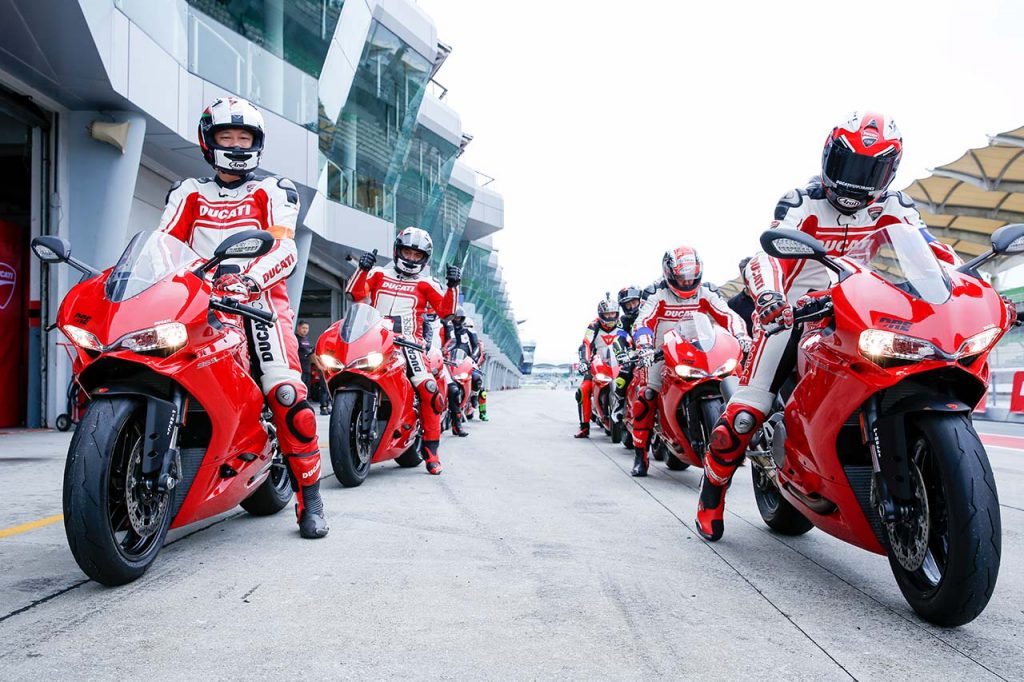
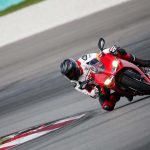
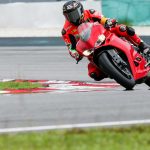
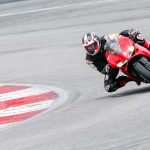
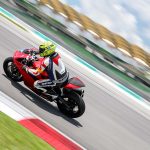
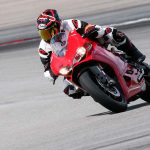
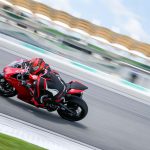
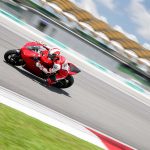
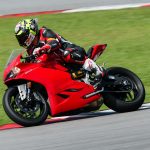
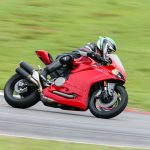
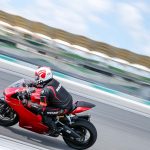
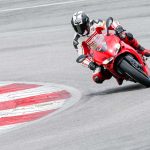
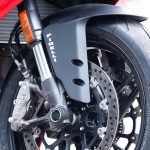
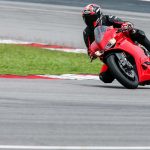
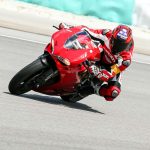
I had the bike either in Sport or Race mode all weekend long, and it performed beautifully. My limited skills wouldn’t let me back the rear wheel into the corner, and neither would it let me manipulate the traction control to come sliding out of a corner with the rear wheel smoking. None of that. But the twin 320mm semi-floating front discs with Brembo monobloc 4-piston callipers with front wheel ABS allowed me to brake really late, while a single 245mm, twin-piston calliper with Bosch ABS kept the rear wheel in check.
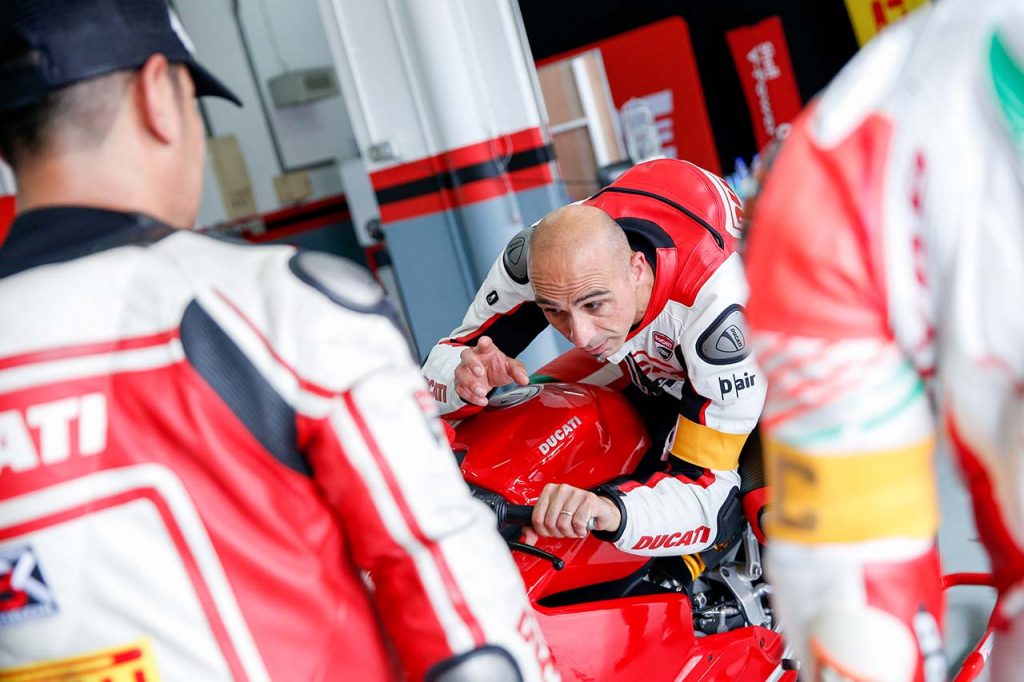
I learned somewhere that the later you brake the more traction the front wheel has as it expands from all the forward inertia, but there’s a risk of upsetting the balance of the bike as you lean into the corner carrying a load of speed. Very few bikes give you the confidence to brake later and later, lap after lap, and the 959 is one of those bikes.
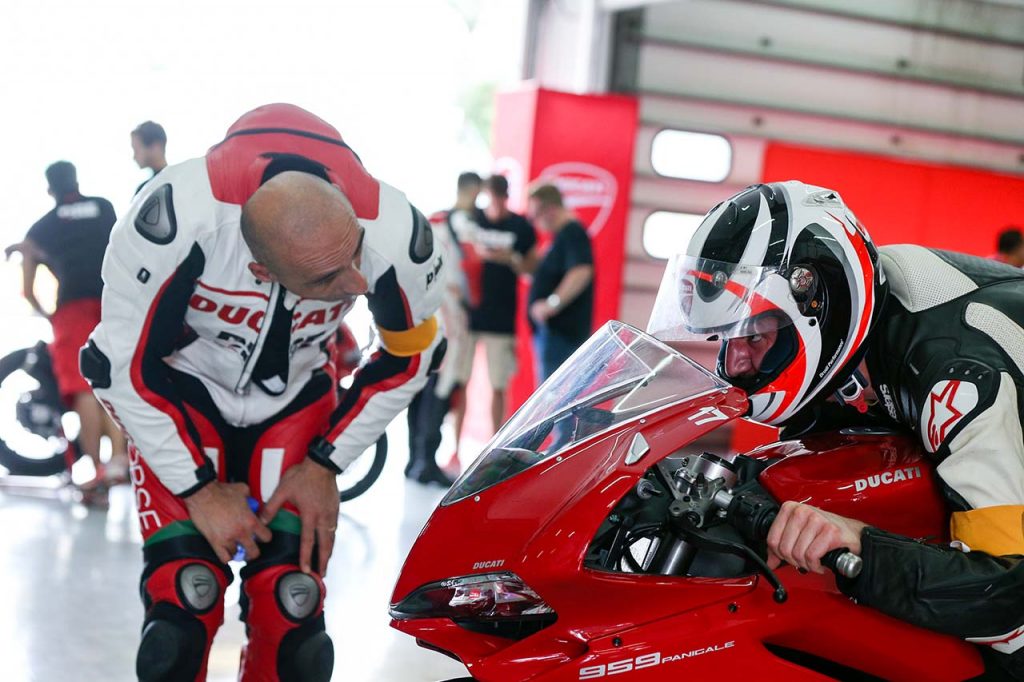
Of course there is modern technology like the Engine Brake Control that helps keep things in check. There is also the traction control that is adjustable in eight different levels with level 1 being the least intrusive. This helps you burst out of a corner with the quick shifter banging home the gears just as the rev limiter comes on. Did I say that the 959 makes you feel like a hero? Well, it does. The 959 Panigale is like a good friend that always has your back, the kind that always hangs out with you and laughs at your silly jokes, but is always up for some fun anytime you want to.
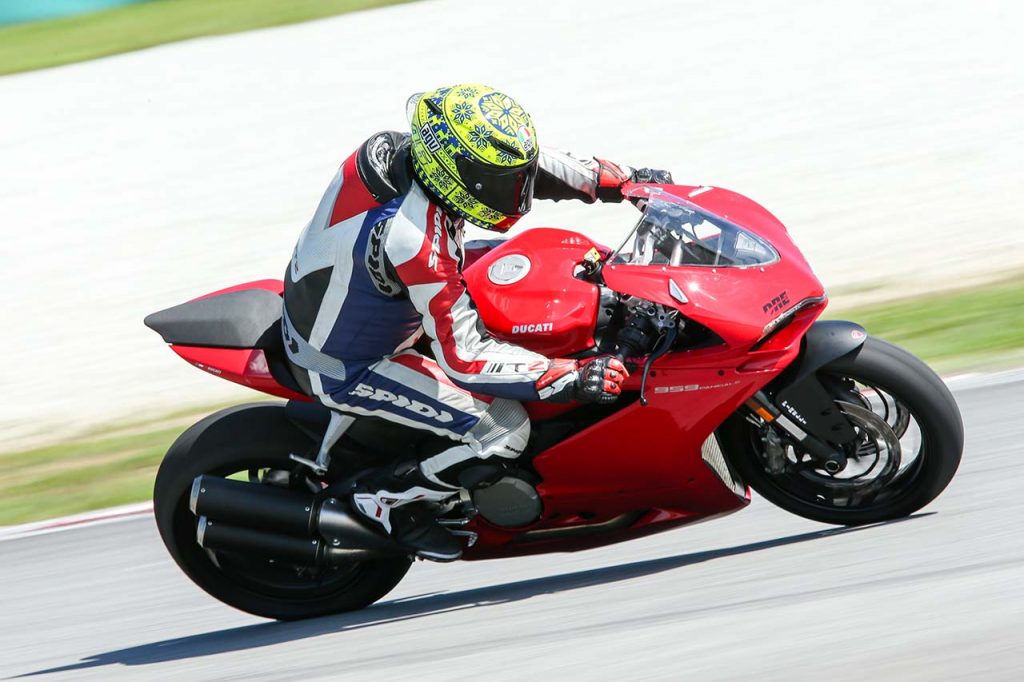
Every once in a while comes a bike that expertly balances the demands of a street bike and a track bike. This is no easy task because track bikes are focused machines with dedicated technologies designed for maximum performance. While street bikes are usually set up for comfort, safety, convenience and fuel efficiency with a dash of good looks sprinkled on for good measure. The bikes that manage to do both are remembered and talked about at the pub. But the bikes that do both so effortlessly and with such surgical precision, now those are the bikes that go down in the history books as legends. The Ducati 959 Panigale is one of those bikes because its feathery weight, advanced technologies, and superb engine and handling. But mostly it will be remembered for being mega fun to ride no matter the occasion.
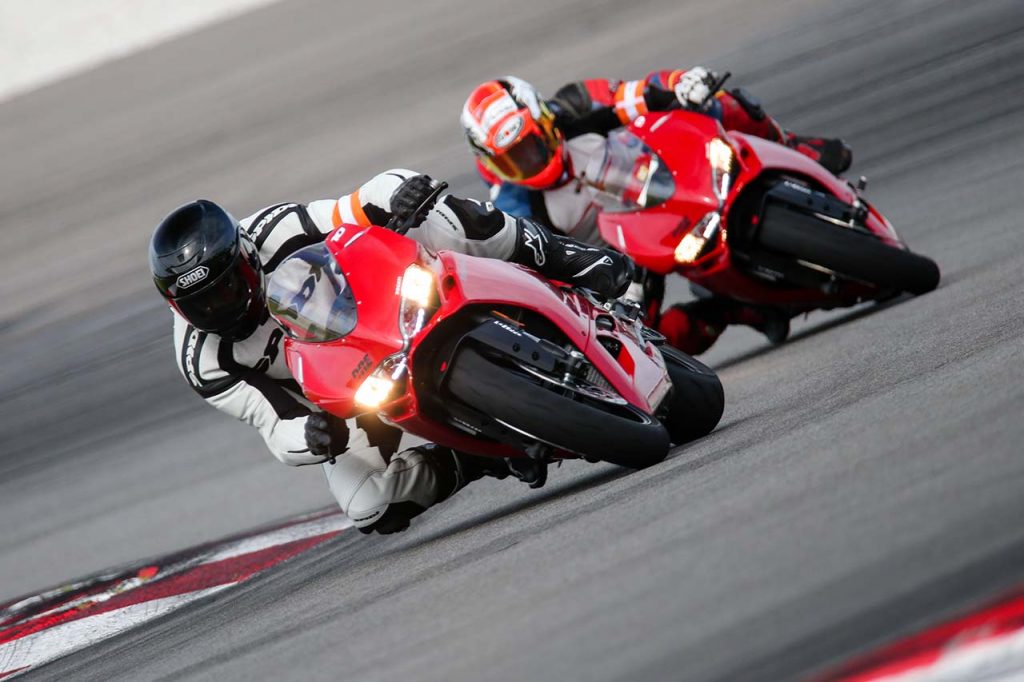
And the DRE? It is well worth the money and a must try experience for every type of biker.
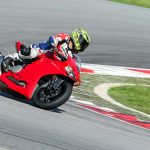
Enjoy the photo gallery below, courtesy of the official photographers from the day: