Bikesrepublic

Reviews

Being a moto-journalist since 1998 and having test ridden so many motorcycles, I am constantly being asked which is my favourite or which one will I recommend to own. And since this is the review of the new Triumph Speed 400, it is a forgone conclusion to a now rhetorical reason, right? Well, you need to read to the end to find out, just like a Coen Brothers’ movie.

What is the Triumph Speed 400?

The Speed 400 is one of two variants in Triumph’s new 400cc range, the result of their cooperation with Bajaj Auto which began many years ago. The range is seen as the entry level point into the Triumph family, and both take on the shape of the modern-classic Bonneville.
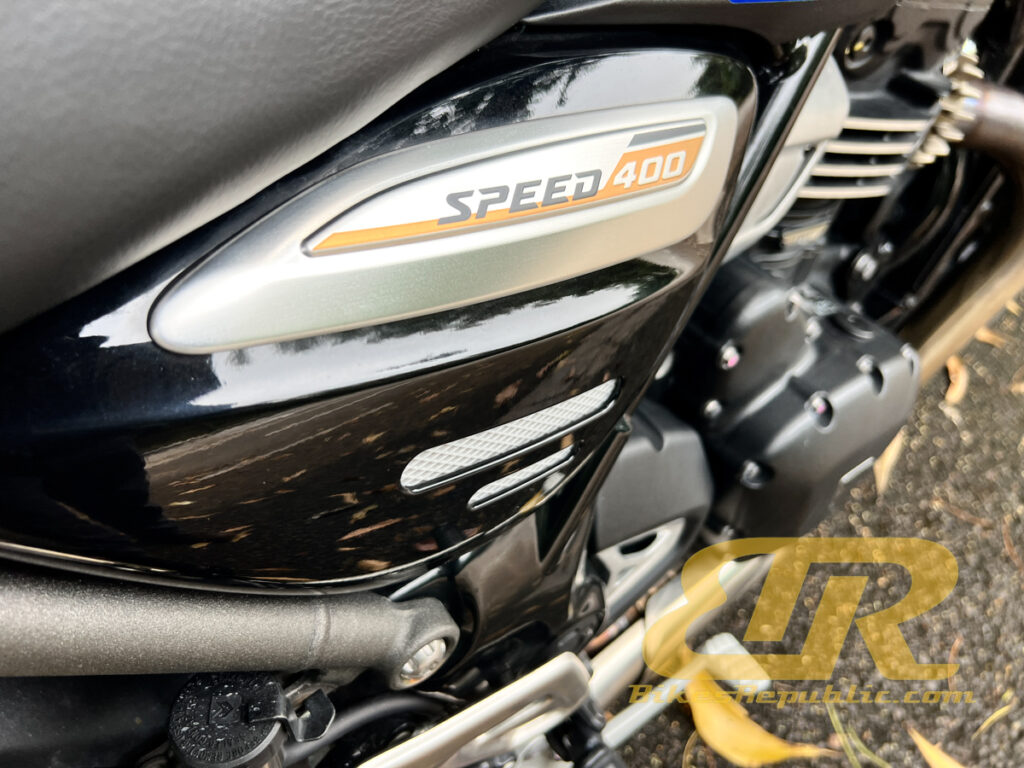
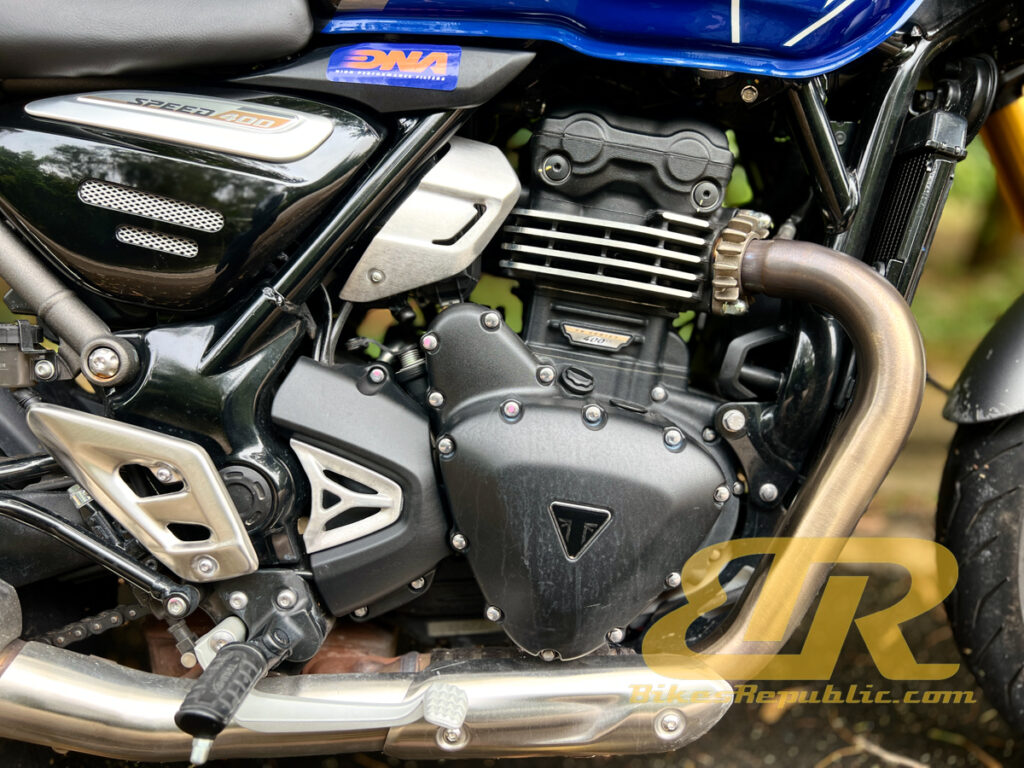
The 400 range which consists of this Speed 400 and the Scrambler 400 X are powered a 398cc, single-cylinder, DOHC, 4-valve engine which produces 39.5hp at 8,000 RPM ad 37.5Nm of torque at 6,500 RPM. Make no mistake, this is a Triumph-spec engine, unlike the one which powers the Dominar 400 which shares some of its architecture with the KTM 390 Duke’s.

Perhaps we need to reiterate that this lineup is built by Bajaj, but the bikes are definitely Triumphs.

What we liked, Number 5: The simplicity

Before motorcycles were segmented and micro-segmented into different categories, the Bonneville’s type of motorcycles were the only motorcycles, hence you can label it as a “standard motorcycle.” They were pure in the sense that there are two wheels, an engine, a fuel tank, a seat, a handlebar, footpegs.
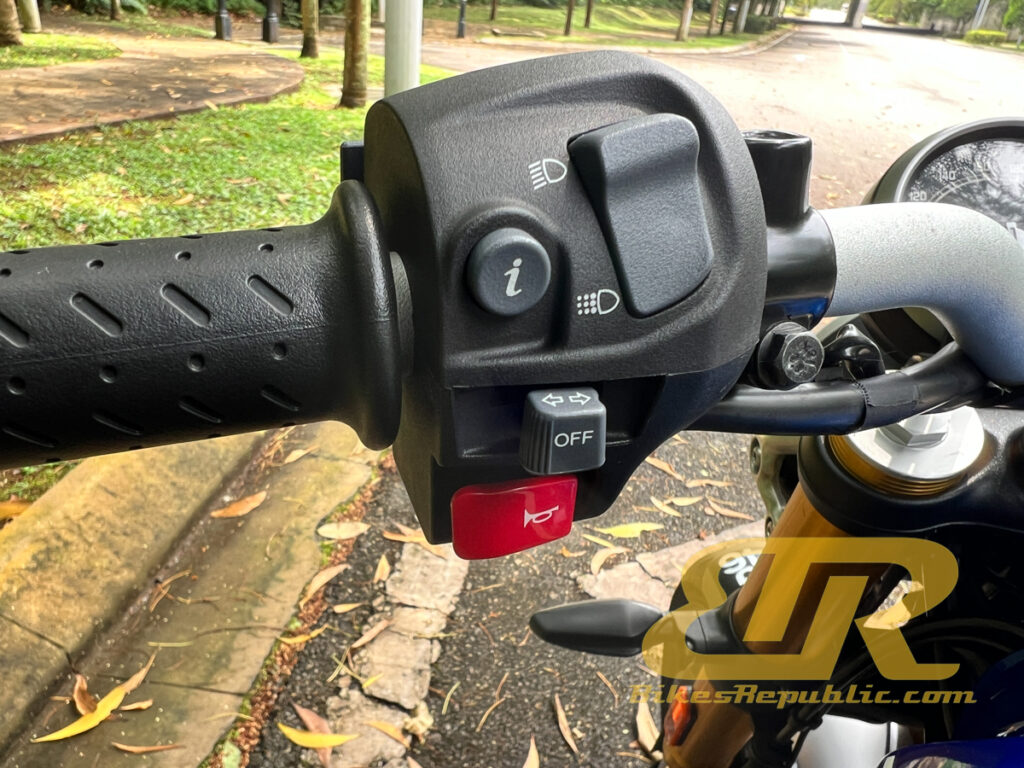
Point is, motorcycles were uncluttered, uncomplicated, and in other words, simple. You only needed to jump on it, start, and go.

The Triumph Speed 400 embodies this perfectly. There is no need to fettle with the engine mapping, level of traction control, connect your smartphone.
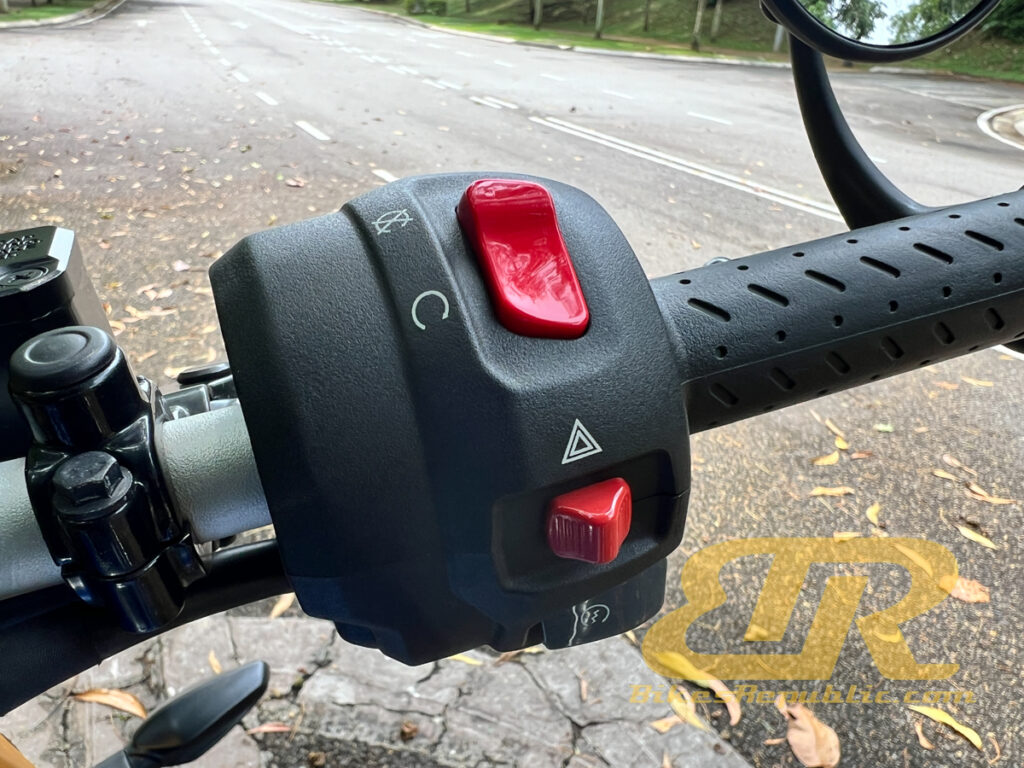
Just ride.

What we liked, Number 4: Its specification

While this seems like a contradiction to Number 5, it is a necessity. The Speed 400 may be an entry-level model, but it has some “hidden” modern features.
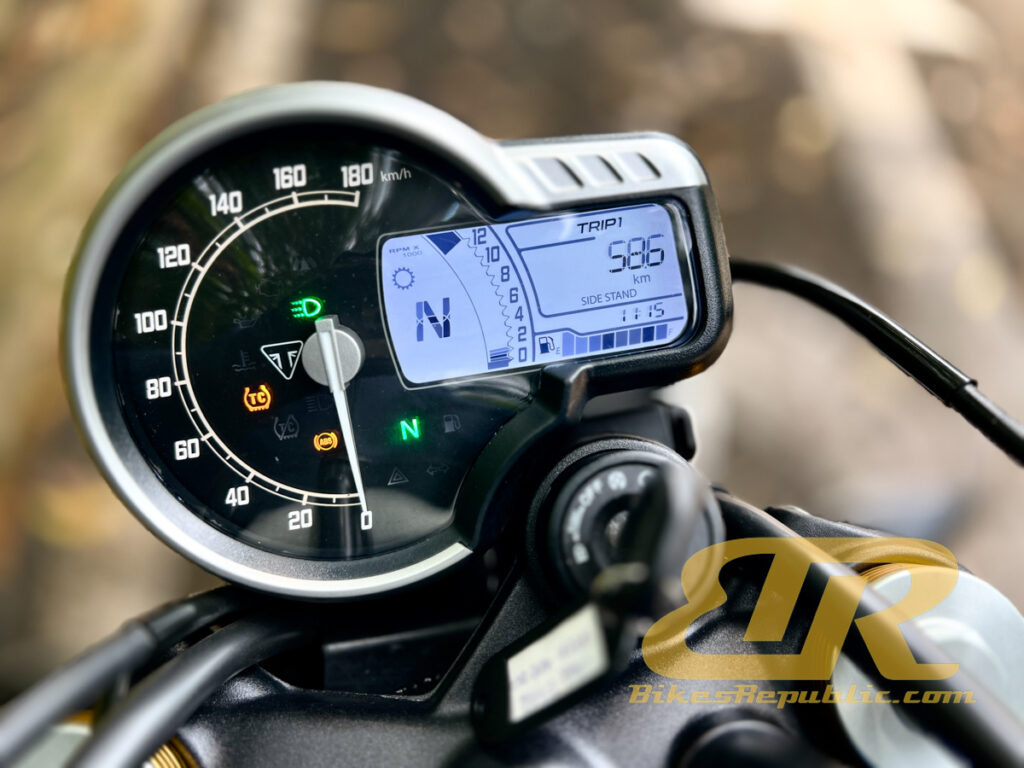
The engine is modern throughout and features EFI and liquid-cooling, and is Euro 5-compliant. Likewise, the suspension consists of upside-down forks (albeit unadjustable) and a monoshock at the back, similar to the Bajaj Dominar 400’s. The instrument panel looks classic with a large speedometer, but there is a small tachometer at the side. There is traction control which can be switched on or off, but no ride mode. Brakes are Bybre and ABS is dual-channel. There is also a USB charging port, cleverly placed behind and just underneath the instrument panel.

What we liked, Number 3: That engine

It pulled really hard. It revved so quickly that it gobbled up the first three gears instantly, causing us to run into the rev limiter the first time we hammered down. It even continued to push the bike hard in 6th from 6,000 RPM and onwards to its top speed of around 160km/h.

The good spread of torque is a character of all Triumph motorcycles, letting you accelerate hard from whichever point you currently are in the rev range, in any gear. Consequently, it made short work of riding in traffic or up our KL-Genting Highlands test route.
It needed more gear-shifting than bigger bikes when we tested it by going up the Genting Highlands road, but the torque was always present for punching out of slower corners. But because it is a smaller capacity, it never overwhelms and you are not afraid to open up, compared to bigger capacity bikes where you have to judge your throttle, braking, steering actions judiciously or risk going wide.

The throttle response was smooth – again, a trait of all Triumphs – meaning the bike reacts exactly to the twist of the wrist. And this made it so much fun hammering the bike up and down Genting Highlands.

It even cruised happily at 130km/h (8,000 RPM) all day without sounding like the engine will explode.

What we liked Number 2: Its handling!

We have said this over and over again: Triumph makes the best handling bikes and we are glad that the Speed 400 is no exception. In fact, it is the best handling Triumph!

All we needed to do was, for want of a better word, chuck the bike into any corner. See the corner, chuck it in. See another corner, chuck it in. The wide handlebar made countersteering a cinch because it responded immediately to our inputs.
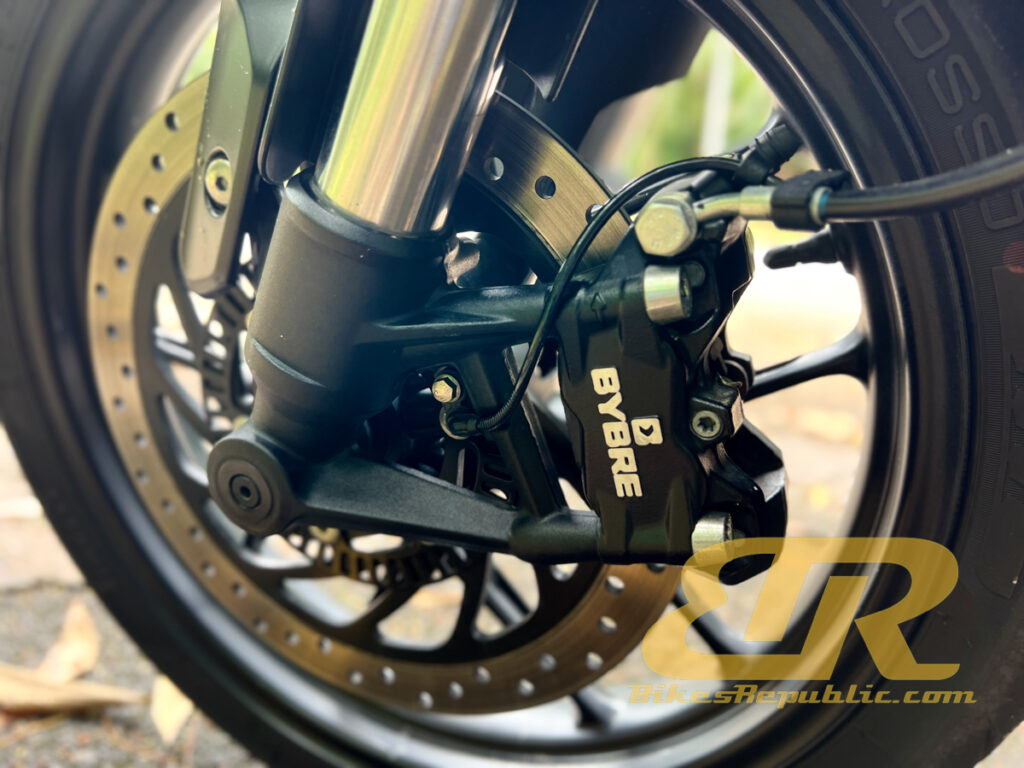
The suspension may seem rudimentary but it absolutely soaked up all the bumps and holes on that road. We were a little apprehensive at first but discovered that no amount of road imperfection apart from speed bumps could throw the bike off its cornering line.

First victim to discover this was a VW Golf R32 driver who tried to race us. He was gone in just two corners. Another Proton X50 driver thought he could do the same, even by attempting to squeeze us off our cornering line. He was also despatched after two corners.

On the way down, a KTM 390 Duke rider gave chase but was left behind after the section consisting of “S” bends. Next was a group consisting of a Honda CBR250R, Yamaha YZF-R25, and several Yamaha Y16ZRs. They could not keep up after we chucked the Speed 400 through that one particularly tricky slippery and reducing radius left-hander.
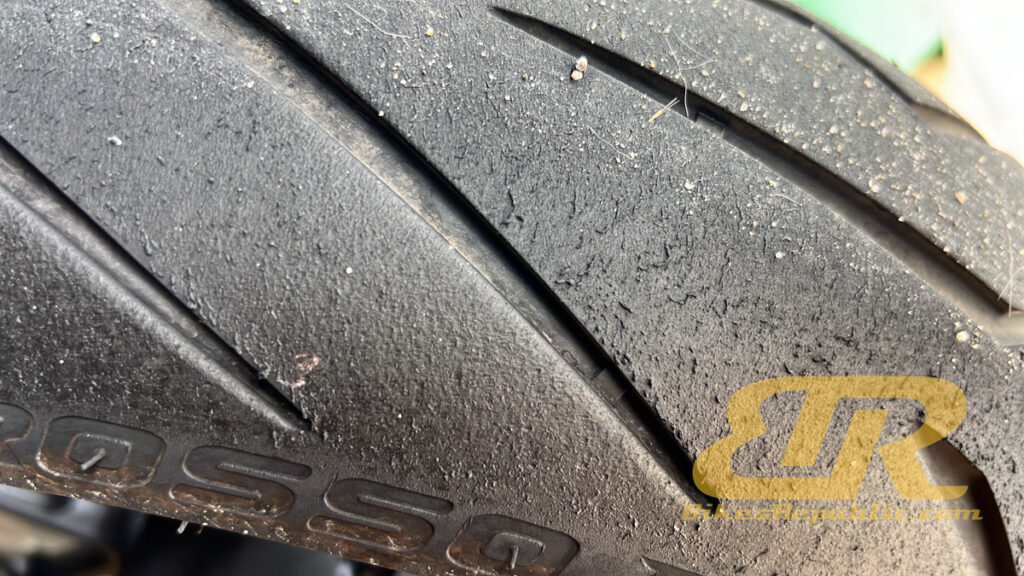
On the SPE, a BMW R 1200 GS rider saw us in his mirrors and opened up. Of course, we could not keep up in a straight line due to the huge engine power deficit, yet we managed to cling on behind him in the corners as we chucked the bike around at speeds between 120-130km/h without even going off throttle. He was surprised to see us still behind when the road straightened out and he rolled out to see what bike it was.

How we wished we could paint the silhouettes of our “kills” on the side of the tank, just like how fighter pilots do!

Now, this would not have been even a blip of a talking point if the Speed 400 was a sportbike, but it is not – it is a modern classic standard. Comparing it to the likes of the 390 Duke, the Duke needs more commitment and a skilled and experienced rider to ride it fast, whereas we think almost anyone can be fast on the Speed 400. Heck, I do not think I went up and down Genting this fast even on the Triumph Street Triple 765 RS!
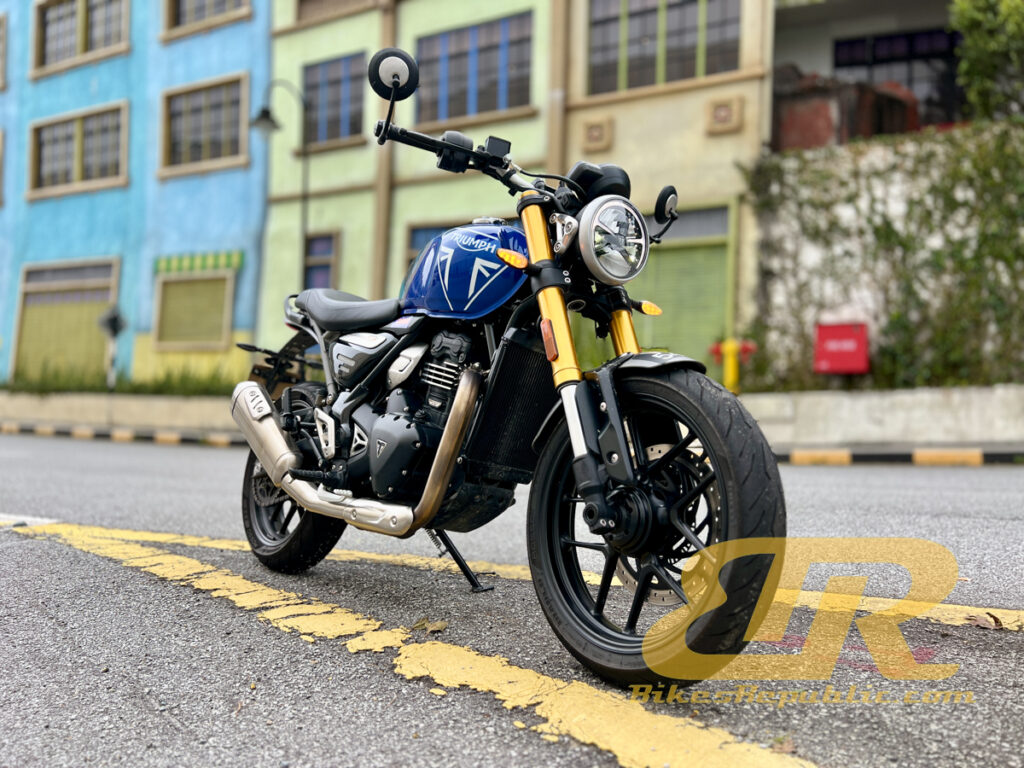
To put it into perspective, it was like riding a 250cc naked bike with well-sorted suspension, great throttle response, and smooth torque.

What we liked, Number 1: Accessibility and practicality

Great features, engine, handling, all wrapped up in an accessible and practical package. The seat is low and comfortable, with the handlebars placed at just the right height. The brakes were good although it needed a slightly harder pull, the clutch action was smooooooth. The gears slotted in solidly. The bike was light on paper and could be felt immediately. It went fast immediately when we wanted to be fast, and cruised serenely when we wanted to relax.
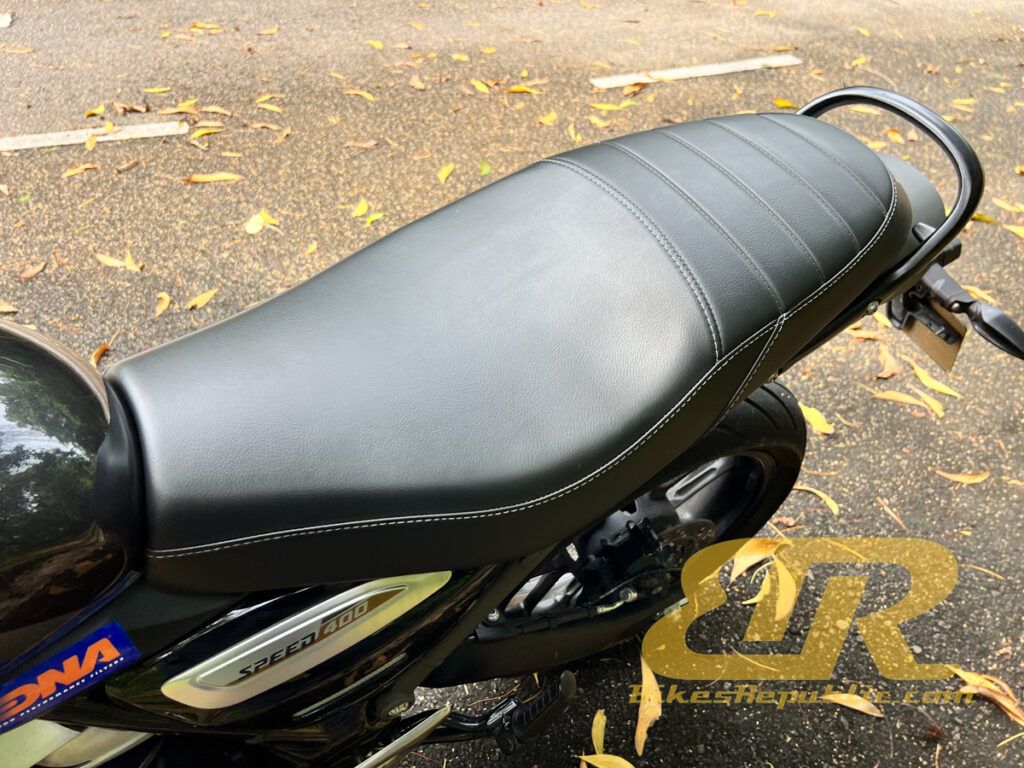
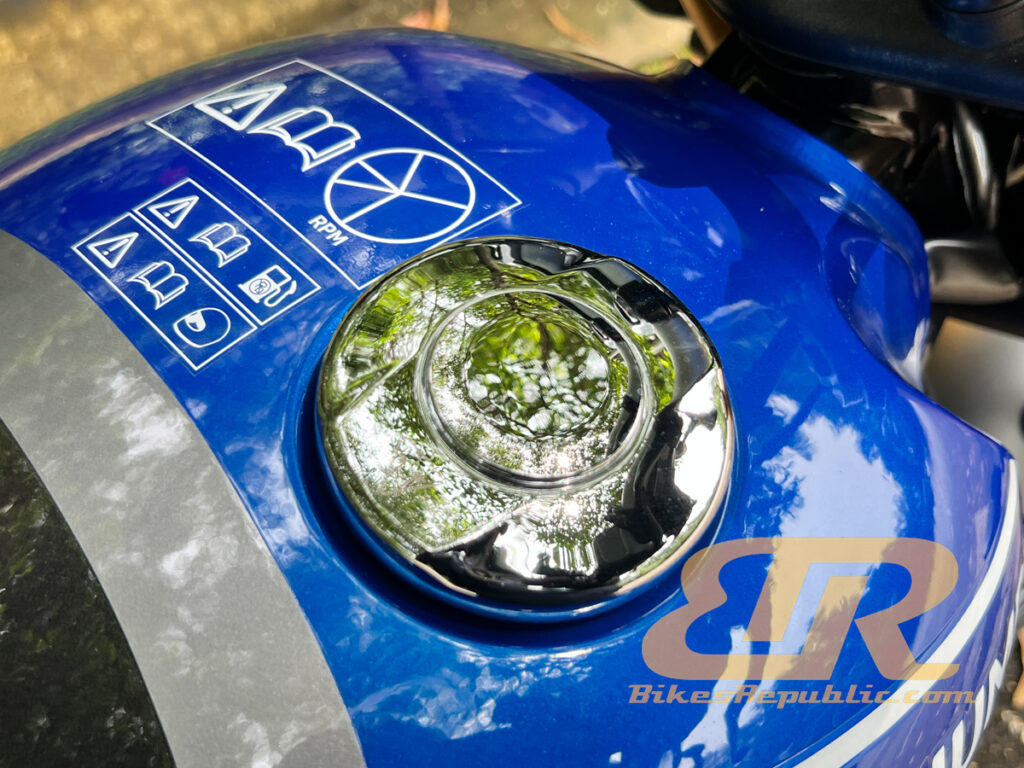
You could install a tank bag and side bags for touring. The engine is fuel efficient, wringing out 300+km from 12 litres.

And all these, for just RM26,900 (selling price) which puts it as a power player in the 250cc-400cc segment.
Shortcomings

Of course there were, but they probably due to rider preferences and riding styles.

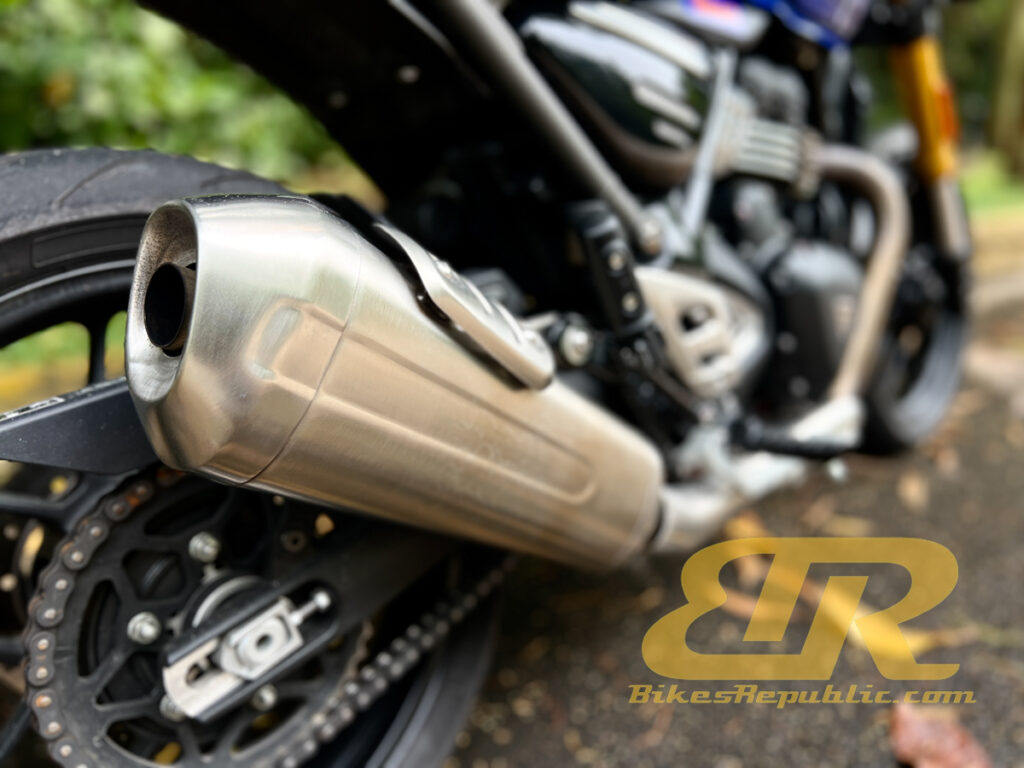
Firstly, the first three gears where too short and the space from third to fourth a little wide. That left us changing up and down between third and fourth while in traffic. This can be fixed by swapping the stock front sprocket out to one with one tooth bigger, or dropping two teeth out back. It should make the engine run at lower revs during cruises, and help with rolling speeds into corners.
Secondly, we detected iffy fuel injected between 5,000-6,000 RPM on partial throttle in all gears. We circumvented this by either using a higher gear in lower RPMs, and lower gear above those RPMs. Still, it should not exist for a Triumph.

Thirdly, the bike tended to squirm during hard braking due to the aggressive steering angle (24.3 degrees). However, this was cured by clamping our inner thighs hard onto the sides of the fuel tank. That said, they bike does not like being trail braked into corners due to its rearward weight distribution, consequence of its riding position. It also waggled the handlebar in really high-speed corners. We suspect this can be easily fixed by increasing the rear shock’s preload to move more weight to the front.
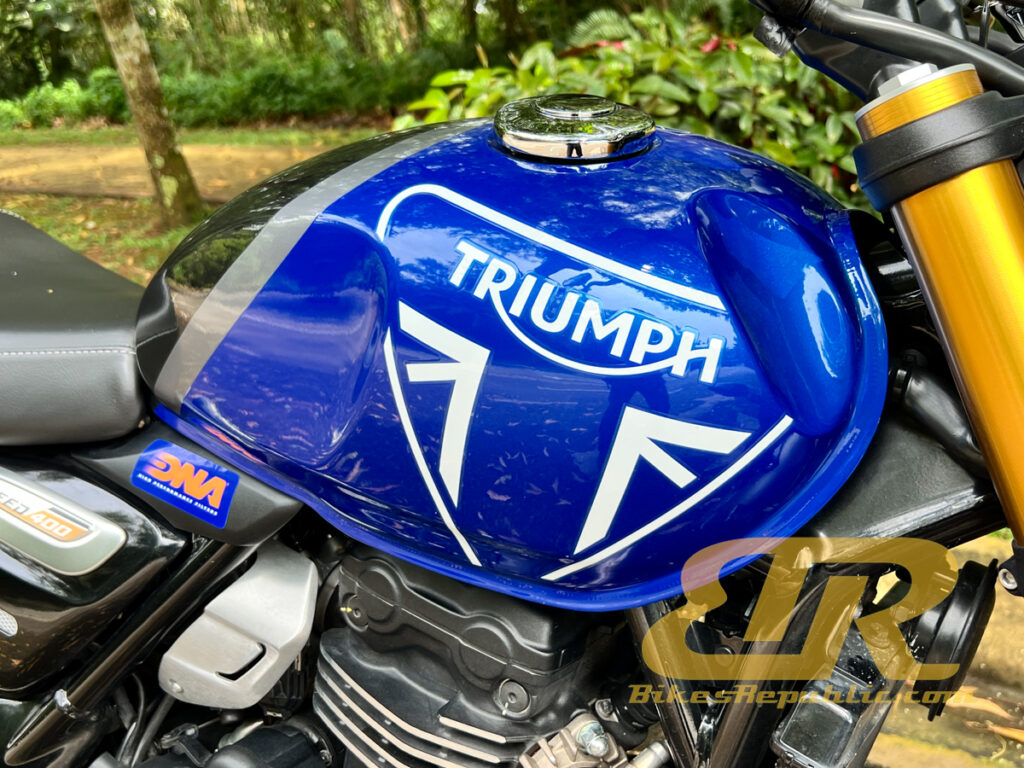
However, these are just (very) minor niggles to detract from the overall enjoyment of riding the bike. We had to come up with these for the sake of a balanced review.

Closing

Coming back to the opening, can I place the Triumph Speed 400 as one of my personal favourites? And would I recommend buying it?

YES. And YES.
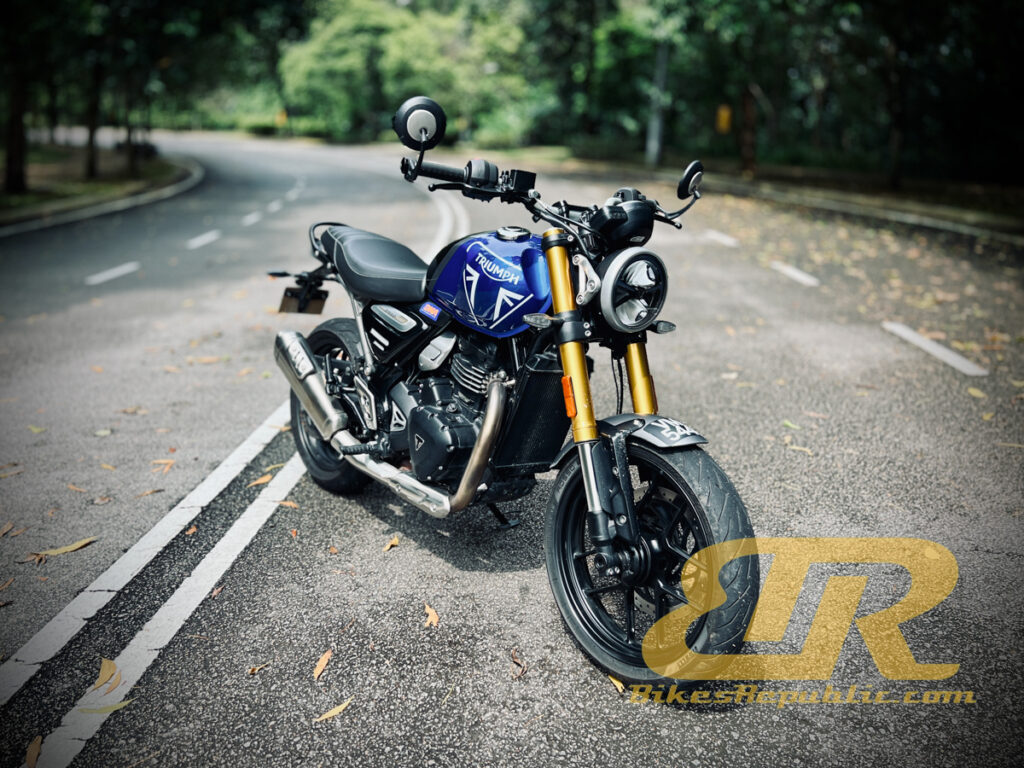
Continuing with our Glossary of Motorcycle Terms, moving to those that begin with the letter “H.”

Hammer down: To accelerate quickly or ride aggressively.

Handlebars: Where the rider places his hands to control the motorcycle’s steering. There are several variations of handlebars for different riding postures and uses i.e. touring, racing, cruising, etc.

Hang-off: The action by the rider moving his body mass to the inside and off the motorcycle when taking a corner. More commonly called the kneedown, or at least when the knee does touch the road.

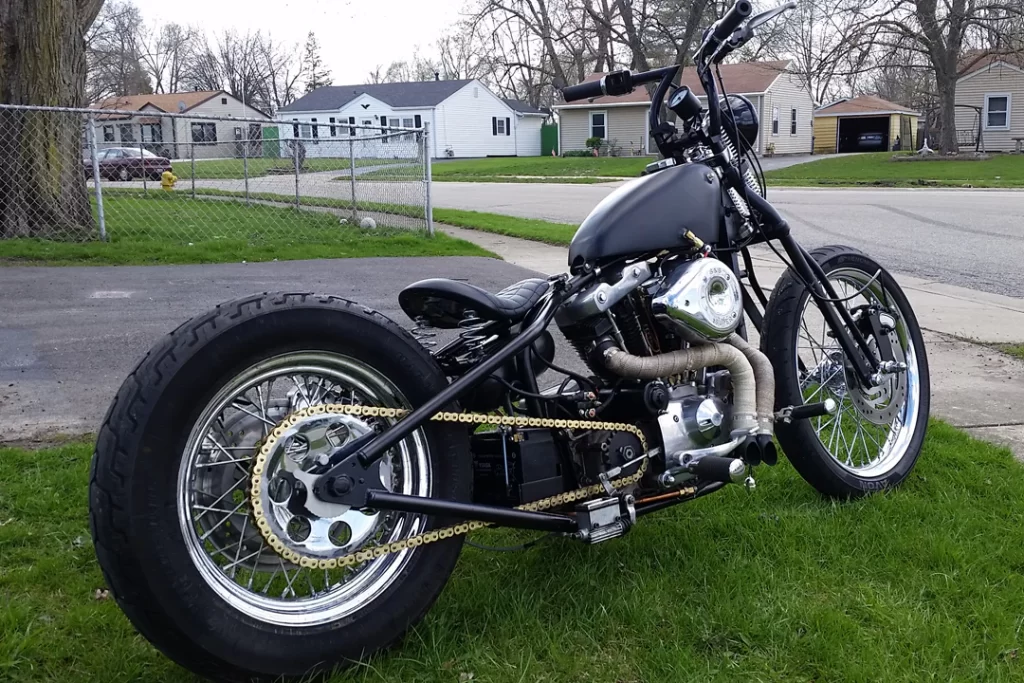
Hardtail: A motorcycle with no rear suspension.

Head: No, not the toilet, but a short name for the engine’s cylinder head.

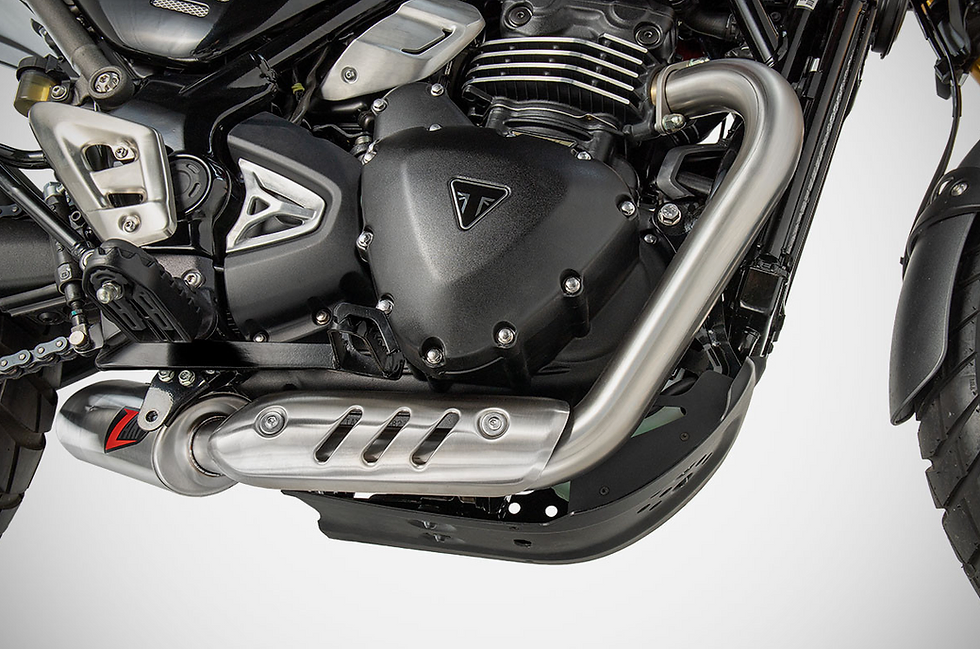
Header: The “front” part of the exhaust system with attaches to the engine block. It then leads to the downpipe/downtube, to the catalytic converter and finally, the muffler/silencer.

Headlight/s: The main light or lights at the front of the motorcycle for illumination and to provide more visibility to other road users.

Heat: High temperatures whether relating to the bike, or whether, or just anything to do with temperature. It also means the police or authorities in American movies.

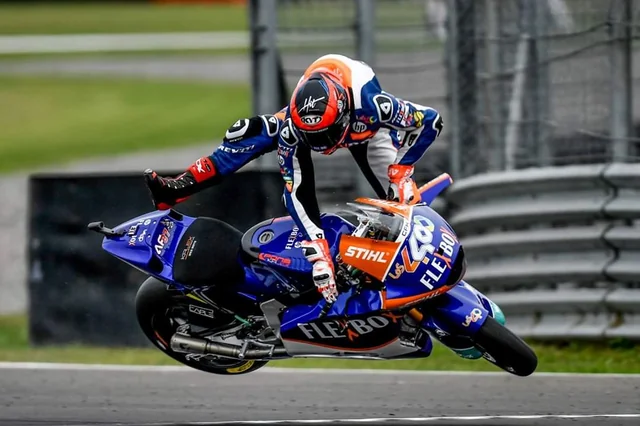
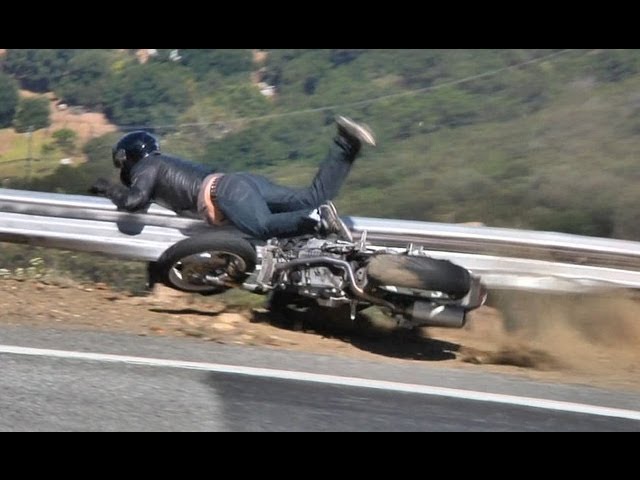
Highside: A motorcycle crash involving the rear wheel temporarily losing traction and suddenly regaining traction, and throwing the rider over the bike’s handlebars, as opposed to the “lowside” where the bike and rider drop onto the ground.

Holeshot: Racing term used in motorcycle racing referring to the rider who takes the lead and reaches the first corner or turn ahead of the other competitors immediately after the start of the race.

Holeshot device: First used in motocross, this device locks down the forks down to let the rider have better control at the start. Pressing the brake dips the forks down further and disengages the device for normal suspension operation. The device was subsequently adopted first by Ducati in MotoGP. However, the MotoGP holeshot device lowers both the front and rear of the bike, to lower its centre of gravity hence limit wheelies when the motorcycle accelerates hard from the start line, practically turning the bike into a dragster.

Hooning: Hooning is a term that is often used to describe reckless and irresponsible behaviour on a motorcycle or any other vehicle. It refers to engaging in dangerous stunts, excessive speeding, and disregarding traffic laws and safety regulations. Hooning typically involves wheelies, stoppies, burnouts, drifting, and other high-risk maneuvers. Otherwise known as “rempit” in Malaysia.

Horn: Audible device used to warn others.

Horsepower (HP): A unit of measurement that quantifies the power output of an engine. It indicates the rate at which the engine can perform work i.e. the maximum amount of work produced by an engine. The higher the horsepower, or engine speed, the more power the engine can generate.

Here is the list of motorcycle terms beginning with the letter “G.”

Gas: A state for matter, but more commonly the short form of gasoline i.e. petrol, usually used by those in the American continents.

Gear Ratio: The ratio between the number of teeth on two meshing gears in the transmission. Gear ratios determine the relationship between engine speed (RPM) and the motorcycle’s speed. Lower gear ratios provide more torque at lower speeds, while higher gear ratios allow higher speeds at lower engine RPM.

Gearbox: Also known as transmission. This “box” or unit contains the gears, hence ratios for the rider to select the appropriate gear or “speed” for different riding conditions.

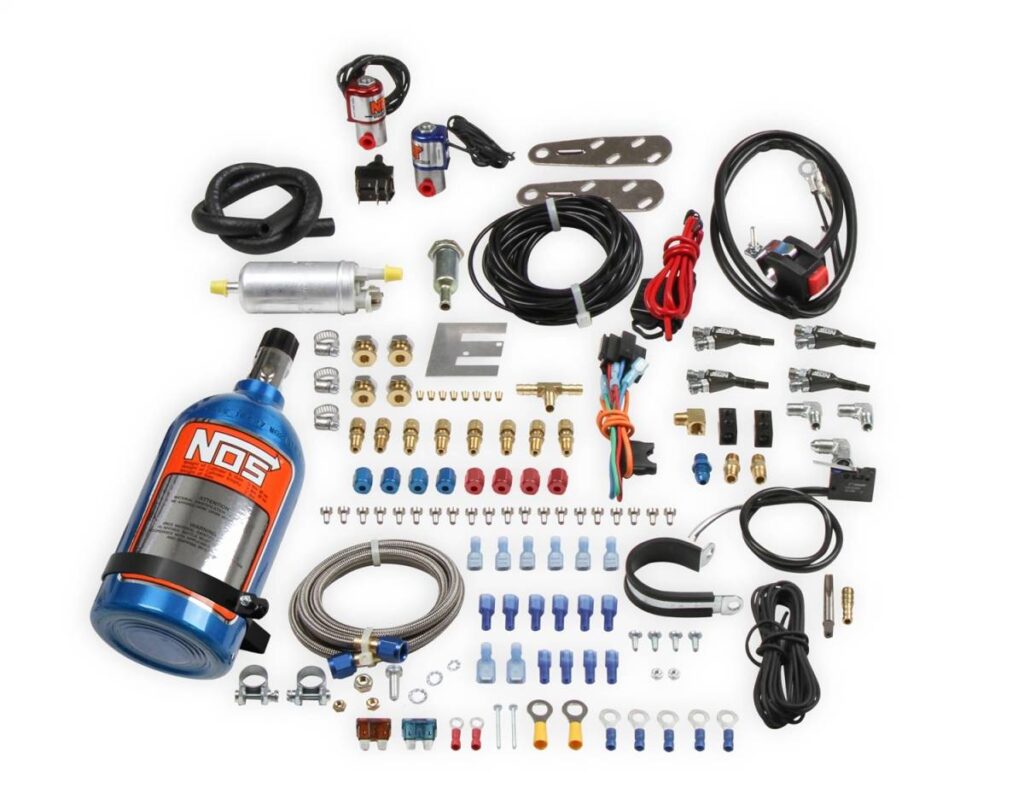
Giggle Gas: Defined as a slang term meaning nitrous oxide or “NOS” connected to the fuel system to boost acceleration performance. The reason it is called “giggle gas” is because it was first intended as a gas to relax patients into a state of euphoria, which includes laughter.

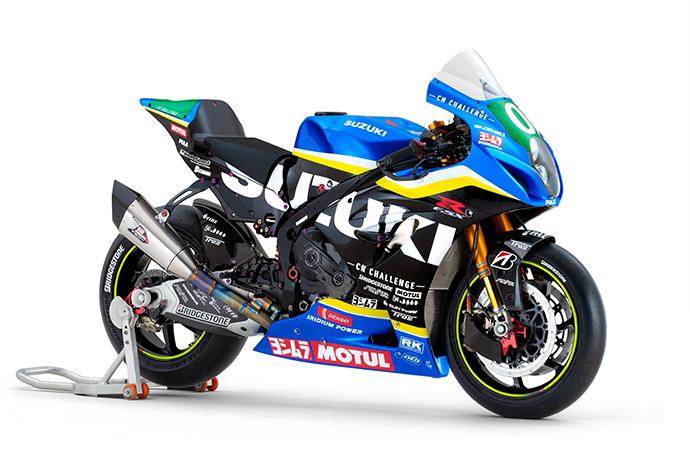
Gixxer: Suzuki GSX-R series of motorcycles.

Gore-Tex: Gore-Tex is a waterproof and breathable fabric is highly regarded for its advanced membrane technology. This membrane is designed to prevent water from penetrating while allowing sweat and moisture to escape, making it an ideal material for motorcycle rain gear. Gore-Tex is known for its durability and is commonly used in high-performance outdoor apparel. Its ability to keep riders dry and comfortable during wet rides has made it a popular choice among motorcycle enthusiasts.

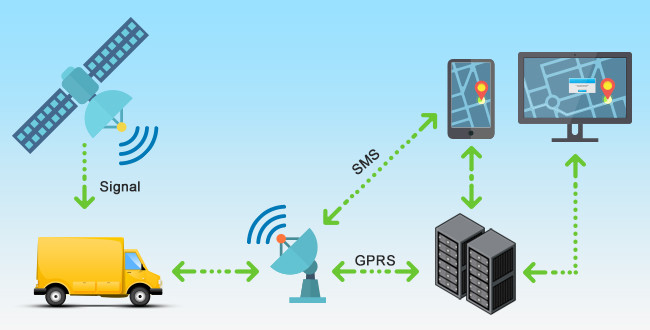
GPS (Global Positioning System): A navigation system that uses satellite signals to provide accurate positioning and navigation information. GPS devices or smartphone apps can be used by riders to navigate unfamiliar routes or plan rides efficiently. Currently, there are a total 31 GPS satellites in the higher geosynchronous orbit 18,000km above the Earth. The position of the GPS device is triangulated by 3 satellites at any given time.

Gremlin: An unknown and persistent mechanical issue in a motorcycle.

Grey Market Bike: A term that describes a bike model never officially sold in a particular market locale but later privately imported in the “grey market.” Also known as parallel imports.

Continuing with the series, we move on to the terms beginning with the letter “F.”

Fairing: The protective bodywork of plastic, fiberglass, or carbon fibre shells surrounding the motorcycle’s front end, including the handlebars, windscreen, and headlight. Fairings reduce wind resistance and provide aerodynamic benefits, especially at higher speeds.

Fatigue: A term describing the tendency of a material or part to fail under repeated use. Also for an extremely tired rider.

Feathering the Brake: Feathering the brake refers to gently applying the brakes on a motorcycle. Instead of abruptly grabbing the brake lever, the rider applies gradual pressure to modulate the braking force. Feathering the brake allows for a smoother and more controlled deceleration, especially when precise speed adjustments are needed, such as navigating tight turns or approaching a stop.

Flog/Flogging: A slang term referencing riding a motorcycle aggressively.

Flow: The movement of gasses and liquids. Also describes when a motorcyclist is riding smoothly, effortlessly.

Flywheel: Rotating weight used to dampen engine vibration or designed to improve the machine’s smooth operation between power strokes.

Footpeg/Footrest: Footpegs or footrests are part of a motorcycle where riders place their feet while riding. Footpegs are located on both sides of the motorcycle frame and provide support and stability for the rider’s feet. Some can be adjusted to accommodate different riding positions and preferences.

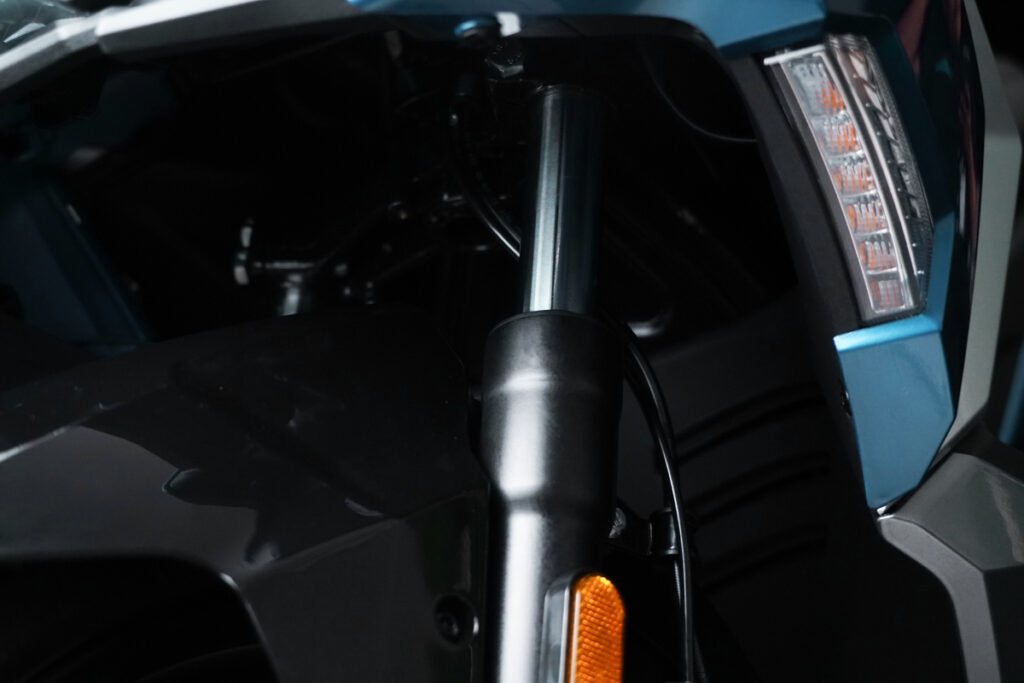
Fork: The front suspension system and assembly supporting the front wheel. It is responsible for absorbing impacts from the road, helping the front tyre to provide consistent traction, and contributing to the motorcycle’s overall handling and ride quality. Forks may look the same overall, but there are many technologies involved.

Four-Season Gear: Four-Season Gear: Four-Season Gear refers to specialized riding gear designed to provide protection and comfort to motorcycle riders and their passengers throughout the year, regardless of weather conditions. This gear is precisely engineered to withstand various weather elements and keep riders and pillions safe and comfortable during different seasons.

Frankenbike: A bike composed of parts from many motorcycles with no discernible make. It could be junk or a very nice, cobbled-together custom bike.

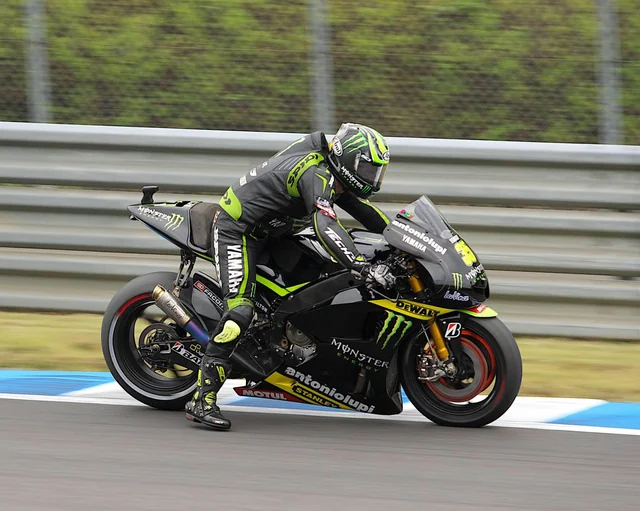
Do you know that MotoGP bikes have no ABS (anti-lock braking system)? In fact, the system is also not used in the Moto2 and Moto3 categories.

The short answer is ABS is banned by MotoGP’s governing body, the FIM. In fact, it is also banned in the World Superbike Championship (WSBK). On the other hand, ABS is allowed in the FIM Endurance World Championship. There are several reasons behind this, which we will describe here.

1. Braking should be a rider’s skill

Marc Marquez and Dani Pedrosa did experiment on the system as far back as 2014 and was proven to work especially well in wet weather.

However, the FIM decreed that braking action should be left as a rider and the respective team’s setup prowess, rather than having the rider grabbing the brake and letting the system take care of the real braking action.

See how far aerodynamics development has gotten in just a few short years? It has gotten to the stage that the riders have to ride their bikes like how their machines warrant them to, instead of how the riders want their bikes to “listen” to them.

2. Increased braking and stopping distances

Braking distance can be increased, given the ABS system’s on-off-on-off operation. So again, the onus of how to brake is shifted back to the riders and their teams.

3. To forbid overdevelopment

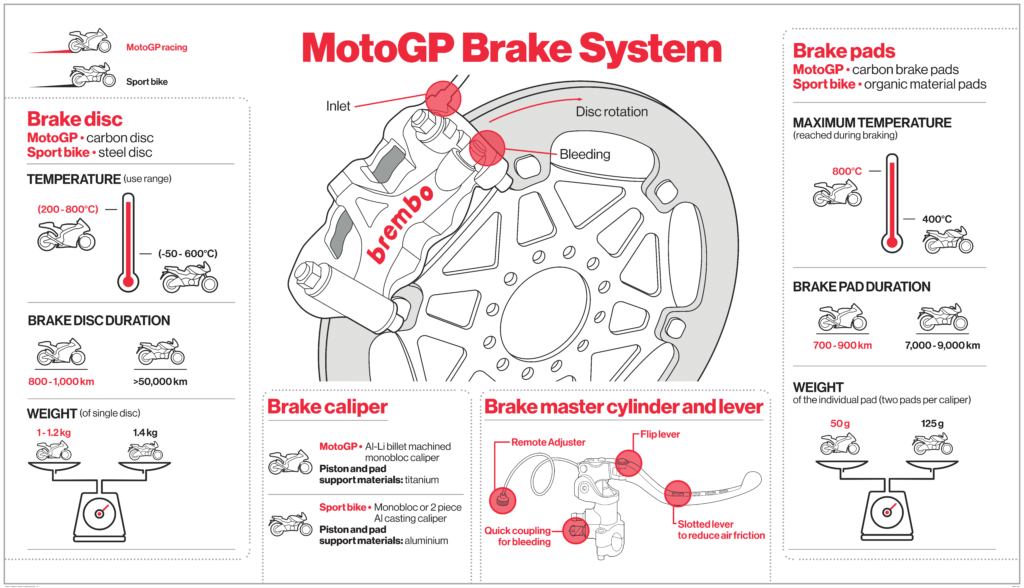
Although not succinctly stated, many MotoGP insiders have said that Dorna and FIM do not want the factories to develop ABS technology to the level where it supplements or even takes over from braking as a rider’s skill. Also, development will certainly cost a lot of money, which runs counter to Dorna’s wish of keeping the costs down in order to see more participation on the grid. Heck, a single carbon-carbon brake system in MotoGP already costs USD20,000.

So, there you are, the reasons why ABS is not allowed in MotoGP.

We have since published the Glossary of Motorcycle Terms for the letters “A,” “B,” “C,” and “D.” So let us push on to the letter “E.”

The point of this is to help you identify and understand motorcycle terms better. It makes it much easier to explain the terms to your riding buddies and impressing them. *LOL*

Motorcycle terms beginning with the letter “E”

ECE: Acronym for the United Nations Economic Commission for Europe. It was established in order to promote economic cooperation and integration among its member states. As such, the ECE committee created sets of regulations for all products sold in the region, including those for the motorcycle industry, such as biker gear, motorcycle parts, etc. For example, the ECE R22.06 standard for motorcycle helmets, EN 1621 for the protective padding in rider gear, ECE R90 for brake pads, and many more.

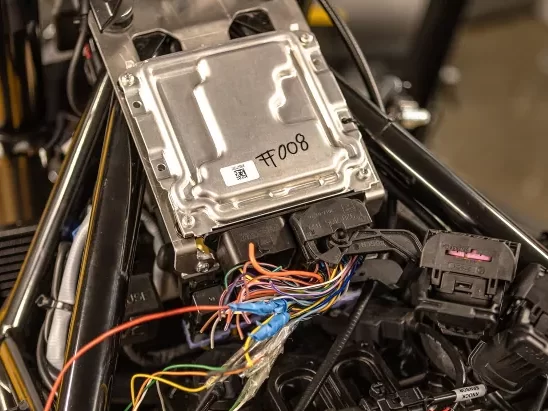
ECM: This acronym could have several meanings but mainly as an electronic control unit. Some identify it as the engine control module, or electronic control module.

ECU: Electronic Control Unit. See ECM above.

EFI: Electronic fuel injection. Fuel supply to the internal combustion engine is controlled electronically by the ECU, which acts on the fuel injectors to deliver the correct amount of fuel, at the corresponding timing, and duration.

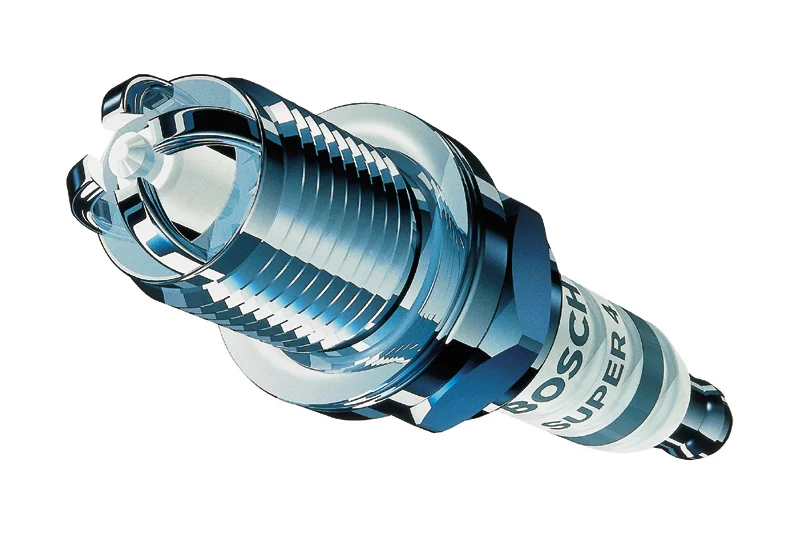
Electronic Ignition: A computer-controlled method that conveys a high-tension current to the spark plug(s), to ignite fuel-air mixture. The timing is controlled by the engine control unit.

Electrode: The tips between which the electrical ions jump across in a spark plug.

Electrolyte: A fluid inside a battery, usually an acid.

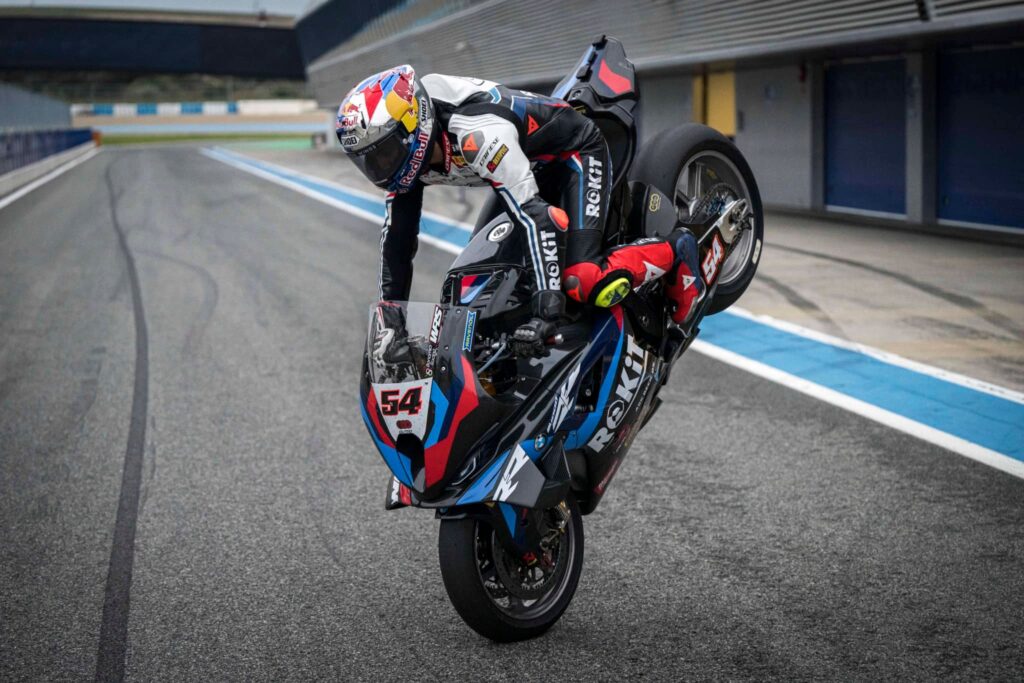
Endo: The old term for a stoppie, as in lifting the rear wheel off the ground while braking hard or stopping. Conversely, lifting the front wheel off the ground is called a “wheelie.”

Enduro: Two meanings here: 1) A motorcycle that combines the off-road attributes of a motorcrosser and street bike, i.e. complete with lights and can be registered for road use.  Enduro motorcycles are designed to handle challenging terrains, including dirt trails, rocks, and forest tracks. 2) A motorcycle competition that combines off-road racing and long-distance riding and/or over obstacles.

Engine Cut-Off Switch: The engine cut-off switch, commonly called a “kill switch,” is located on the handlebar control housing as a safety feature that instantly cuts off power to the motorcycle’s engine when activated. It is especially useful should a crashed motorcycle’s engine continues to run.

Engine Displacement: More commonly known as the engine’s size. It is the total swept volume of the pistons in an engine’s cylinders, usually measured in cubic centimeters (cc), litres, or cubic inches (for American motorcycles).

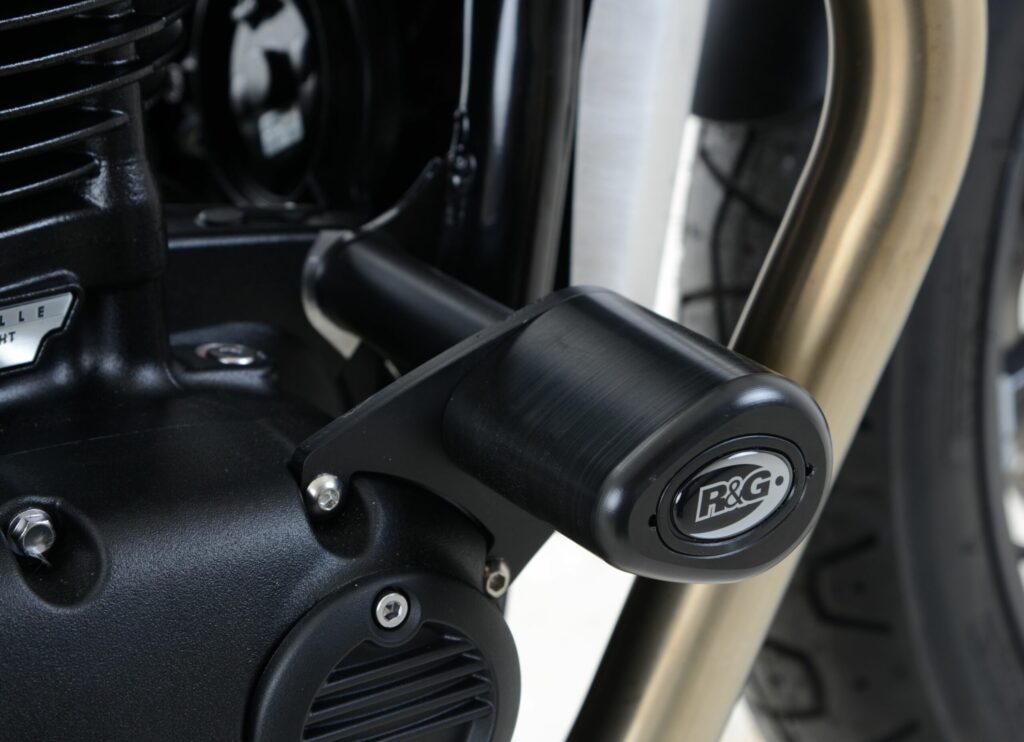
Engine Guards: Engine guards are crash guards designed to absorb impact and redirect force away from the engine and other vital components and serve as a protective barrier between the motorcycle and the ground or other objects. Typically made of durable materials like steel, aluminium, or polymer. There are several types depending on the motorcycle’s part to protect i.e. forks, frame, engine sump, engine covers, the rider’s legs, exhaust, etc.

Exhaust: Or exhaust system, to carry away the gases resulting from combustion of the fuel-air mixture in the engine’s combustion chamber.

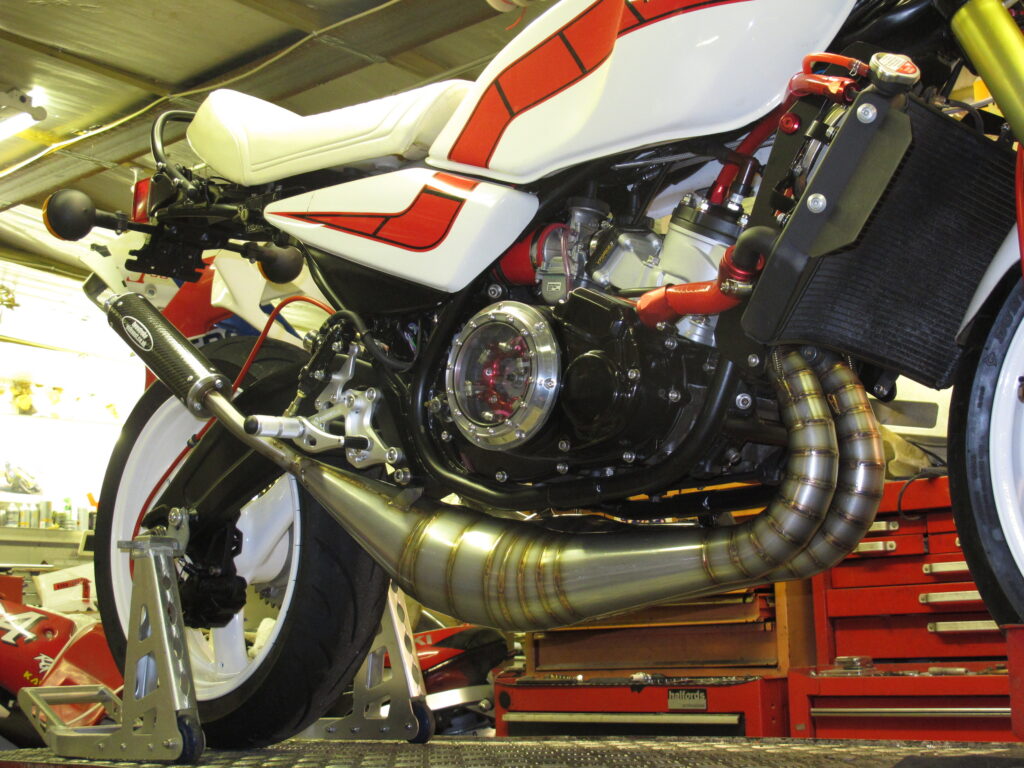
Expansion Chamber: The expansion chamber is a motorcycle exhaust system used on two-stroke motorcycles (four-stroke engines do not require expansion chambers). It consists of a series of tuned cones and chambers that help improve the flow of exhaust system gases and increase engine power. You can identify it as the part with the largest cross section along the exhaust pipe.

The Malaysian authorities have finally mandated the fitment of ABS to new motorcycles 150cc and above beginning next year. It is something many quarters including motorcyclists and transportation safety experts have requested for a long time.

However, we need to understand more about what it is and how it works, because there is no point of having the feature without knowing so. In fact, there are many fallacies about ABS that could endanger the rider’s life and limbs instead being useful.

Misconceptions about ABS

Let us start with this before explaining further.

  • “ABS activates whenever I brake”

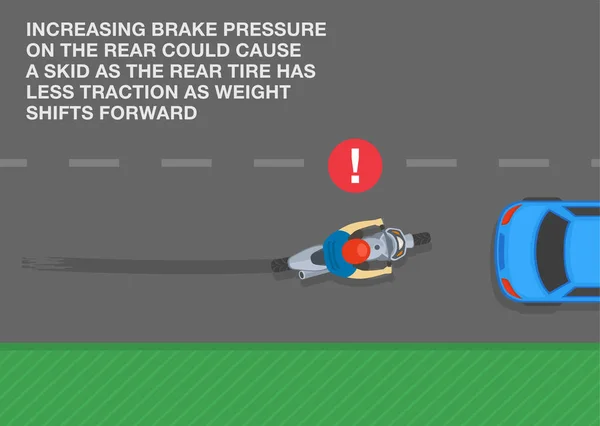
Not true. ABS only activates if the rider brakes so hard that the wheel is starting to lock up (stop moving). It is only so when the system triggers, not during every facet of braking.

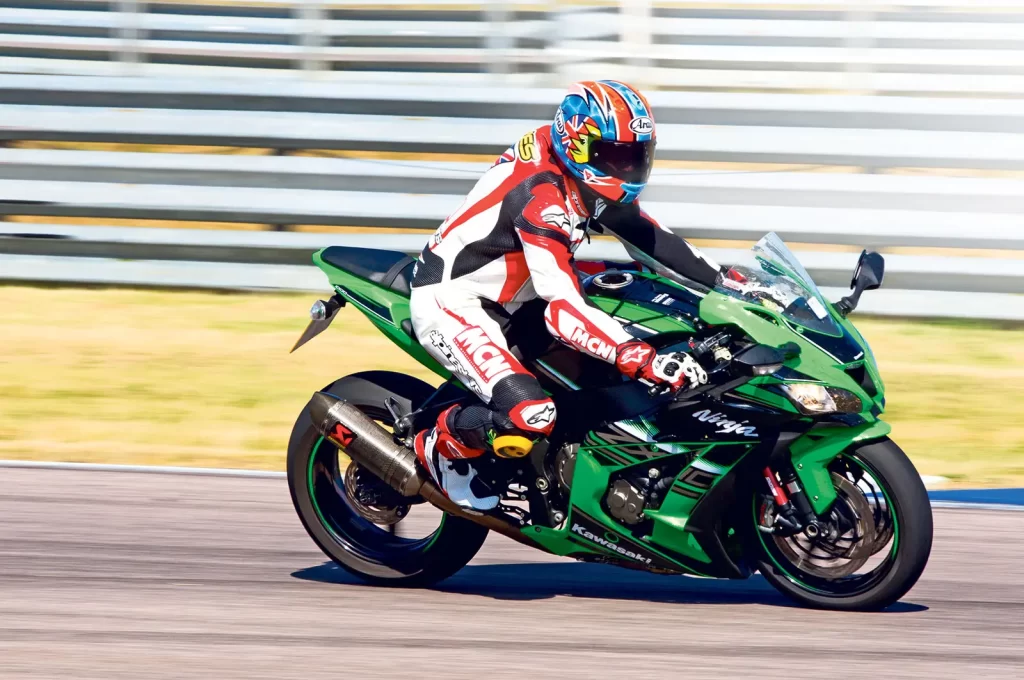
From MCN. Please click on photo for the full story.
  • “ABS helps me stop quicker and in shorter distance.”

Not necessarily. The system does help the bike to stop quicker if one brakes super hard over a dry, grippy surface as the threshold between maximum braking power and the wheel locking up is much higher.

However, maximum braking over a slippery surface may take a little longer as the tyre is more prone to locking up/sliding i.e. hard braking over wet painted road lines. As such, the system activates earlier/easier to let the wheel continue turning, resulting in a longer stopping distance.

  • “ABS prevents me from braking harder.”

Not true. ABS activates because the rider has exceeded the tyre’s available traction, thus he cannot brake harder even without ABS.

  • “ABS adds too much weight.”

This was true with the older systems which weighed 11 kg in 1988. Current systems could weigh as little as 0.7 kg.
  • “I can release the lever and reapply braking quickly if the tyre loses traction.”

True, but no human can match the ABS’s 24 Hz frequency, besides applying the correct amount of brake pressure.

What does ABS do?
  • ABS stands for anti-lock braking system.
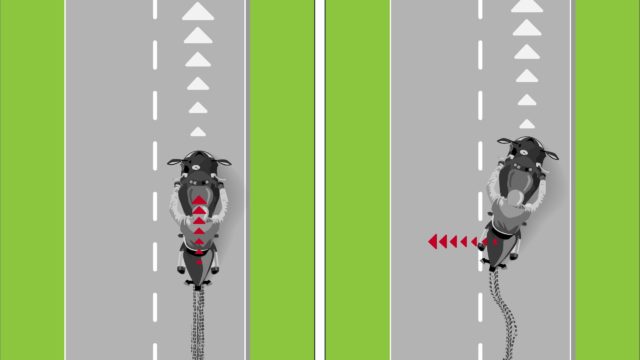
  • It avoids the wheel or wheels from locking up (becoming stationary), especially when hard braking is applied whether in panic situations or over slippery surface.
  • Locked wheel/wheels result in loss of control and skidding.
  • Therefore, ABS assists the rider to slow down or stop while in control.
  • Depending on the motorcycle’s speed, the rider can also swerve to avoid the hazard (example: a car pulling out in front of you) because the wheel(s) continue to roll.
ABS vs. no ABS
Advantages of ABS
  • Most effective braking is at the threshold of wheel lock-up. In other words, just when the tyre is about to lose traction and cause the wheel to stop moving.
  • Therefore, with ABS, the rider can brake at maximum pressure without losing control.
  • Prevents wheels from locking up and skidding under heavy braking.
  • The rider can still steer the bike during extreme braking.
  • Better control under hard braking on slippery surfaces.

How does ABS work?
  • A small metallic ring gear is attached to each wheel (for dual-channel ABS).
  • The ring gear is also called tone ring or tone wheel.

  • A magnetic sensor is placed over the tone ring.

  • The resulting electrical pulses from the sensor are sent to the ABS electronic control unit (ECU).
  • The ECU is linked to the ABS pump.
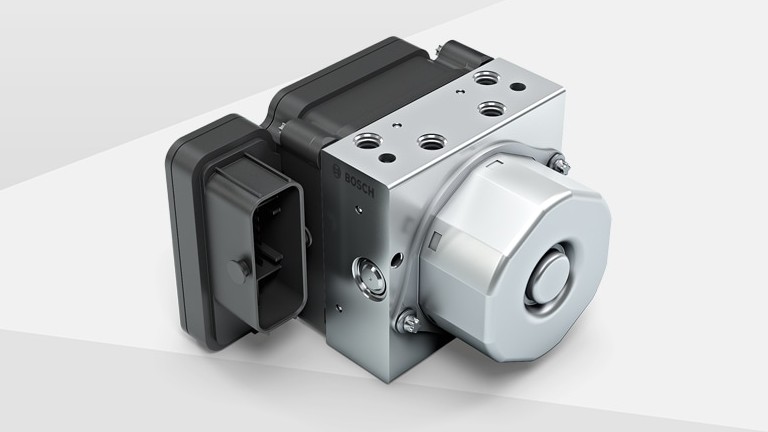
ABS module. The black portion is the ECU
  • There are valves in the pump.
  • The ECU measures the frequency of the pulses from the tone ring.
  • If the ECU senses a dramatic and sudden drop in the pulses, it knows the wheel is about to lock up.
  • When the pulse reaches zero (the wheel has stopped rotating), the ECU will close the valve in the pump to reduce the brake fluid’s hydraulic pressure.
  • The drop in pressure eases the brake pads away from the brake disc.
  • The wheel will rotate again due to the bike’s forward momentum.
  • Brake pressure will resume immediately following the release, as long as the brake lever is pressed.
  • The pressure release/re-application happens up to 24 Hz (24 times per second).
  • The process will continue as long as the brake lever is held down or until the bike stops.
IMPORTANT NOTE TO RIDERS
  • ABS only activates when the wheel(s) start to lock up.
  • The brake lever(s) will pulsate when ABS activates.
  • Do not release the lever(s) when they pulsate if you still need to continue braking.
  • ABS provides the chance to steer or swerve away from the hazard (example: That cat crossing the road), so look away from the hazard to avoid target fixation and STEER!

We have published the Glossary of Motorcycle Terms for the letters A, B, and C, so we continue to the next letter, D.

Dirt Bike:

Also known as the off-road motorcycle. Dirt bikes can be divided into two distinct categories as motocross and enduro. The former is for closed circuit racing only, while the enduro has lights and turnsignals thus can be registered for road use.

Displacement:

The general term for engine capacity. In layman example, it is how much air and fuel mixture is displaced when the piston moves.

DOHC:

Double overhead cam, a camshaft configuration where there are two camshafts that sit in the cylinder head to activate the valves.

Drag bars:

A type of handlebar commonly used in drag racing motorcycles. They are characterized by their short and straight design, providing riders with a specific hand position ideal for maximizing control and aerodynamics during high-speed drag races.

Drag pipes:

Low, short exhaust pipes running along the motorcycle’s frame.

Dresser:

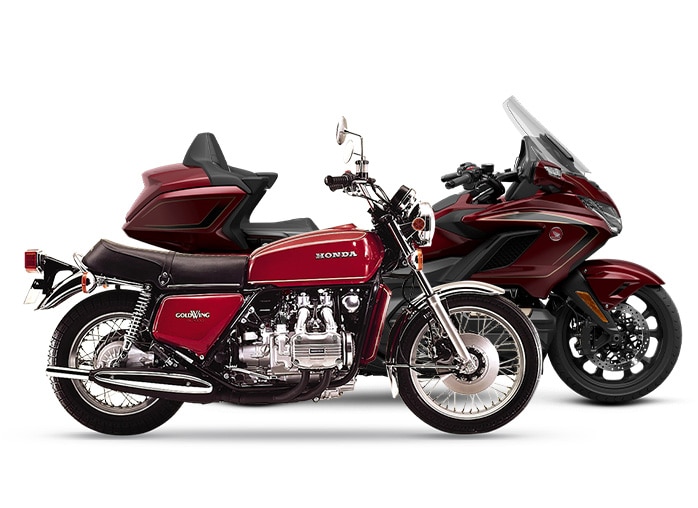
A slang term used to describe certain types of motorcycles designed for long-distance touring and equipped with specific features, including rigid luggage containers. Also known as “Baggers,” Dressers are typically big-bore cruisers that combine comfort, convenience, and storage capacity to cater to riders who enjoy extended rides and touring adventures. Examples are the Honda Gold Wing, Harley-Davidson Electra Glide, BMW K1600.

Dual Density Armor:

The least expensive and most common form of armour in motorcycle riding gear such as jackets, pants, and suits, designed to provide impact protection in vulnerable areas of the body, typically the shoulders, elbows, and knees.

Dual Shocks:

Traditional suspension setup commonly found on motorcycles with two separate shock absorbers, one on each side of the rear wheel, to provide suspension and damping capabilities.

Dual-Purpose:

Also known as a dual-sport motorcycle. Versatile and can be ridden on and off-road. It combines the capabilities of an off-road dirt bike with the necessary features and equipment to be road-legal, allowing riders to enjoy the best of both worlds. Examples are the Honda Africa Twin, Triumph Tiger, BMW R 1300 GS, KTM 1390 Super Adventure, etc.

Dyno:

Short for dynamometer, a device used to measure and analyze a motorcycle’s engine power and torque. Dyno testing provides valuable information about the motorcycle’s performance and helps tuning and optimising the engine.

We had published the Glossary of Motorcycle Terms (A-B) previously, so let us continue with the series, this time for terms beginning with the letter “C.”

Café Racer:

The café racer style of motorcycle originated in the 1960s and is known for its stripped-down appearance, low-slung handlebars, and rear-set footpegs. It is said that they were modified from standard bikes for racing between cafés.

Cage:

Bikers refer to a car as a “cage” since it traps the occupants inside rather being exposed to the environment.

Caliper:

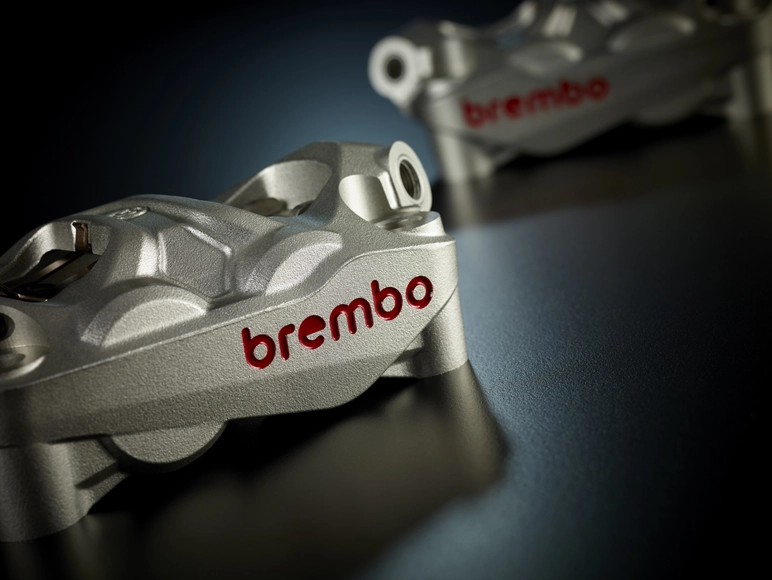
Refer to “Brake Caliper” in the previous article. Anyway, the caliper consists of several other parts including the piston(s) that push the brake pads against the brake disc (a.k.a. rotor).

Camshaft (cam), cam lobes:

A spinning metal shaft with oval cam lobes to open the valves in a four-stroke engine.

cc:

“CC,” written in small letters as “cc” refers to the engine’s displacement in cubic centimetres. It is also the measurement for the amount of fluids.

ci:

CC is a metric measurement, so the imperial measurement is “ci” (cubic inch). It was formerly used by many motorcycle makers, but it is now only limited to Harley-Davidson and Indian Motorcycles. 1 ci = 16.39 cc.

Harley-Davidson’s new Milwaukee-Eight engine, the ninth Big Twin in the company’s history, delivers more power and an improved riding experience while retaining the iconic look, sound and feel of its predecessors. (PRNewsFoto/Harley-Davidson)
Carburetor/Carb:

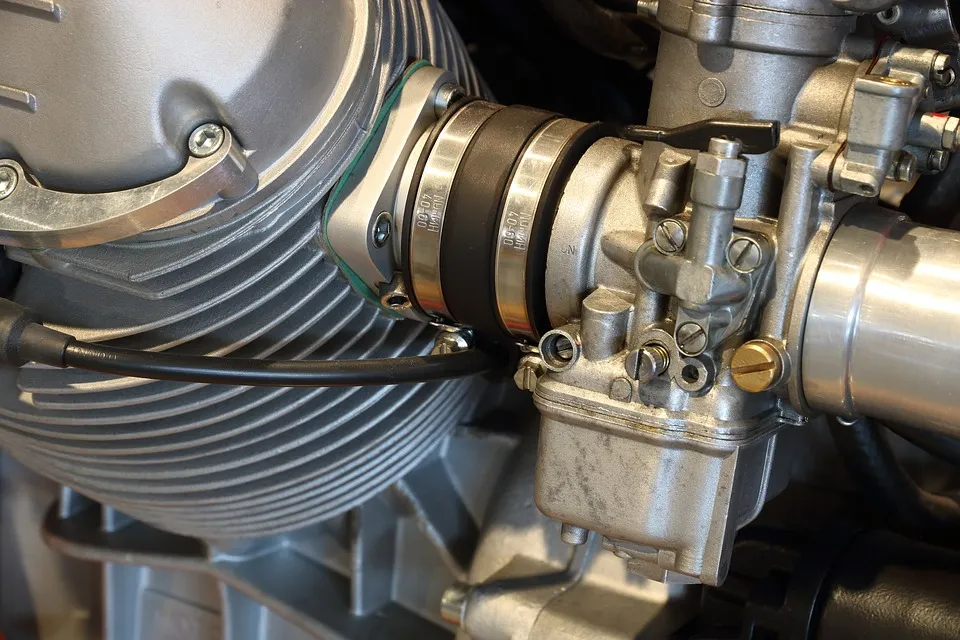
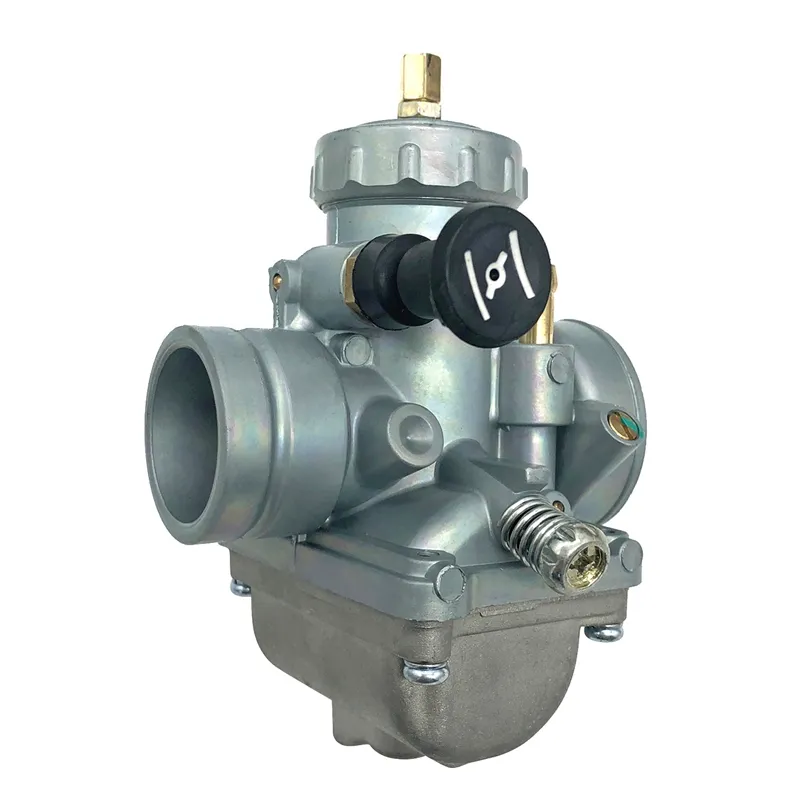
A carburetor is a mechanical device for mixing air and fuel in the correct ratio for combustion in an internal combustion engine. Virtually all motorcycles are fuel injected these days, apart from a few budget ones that still use the carb.

CE protector:

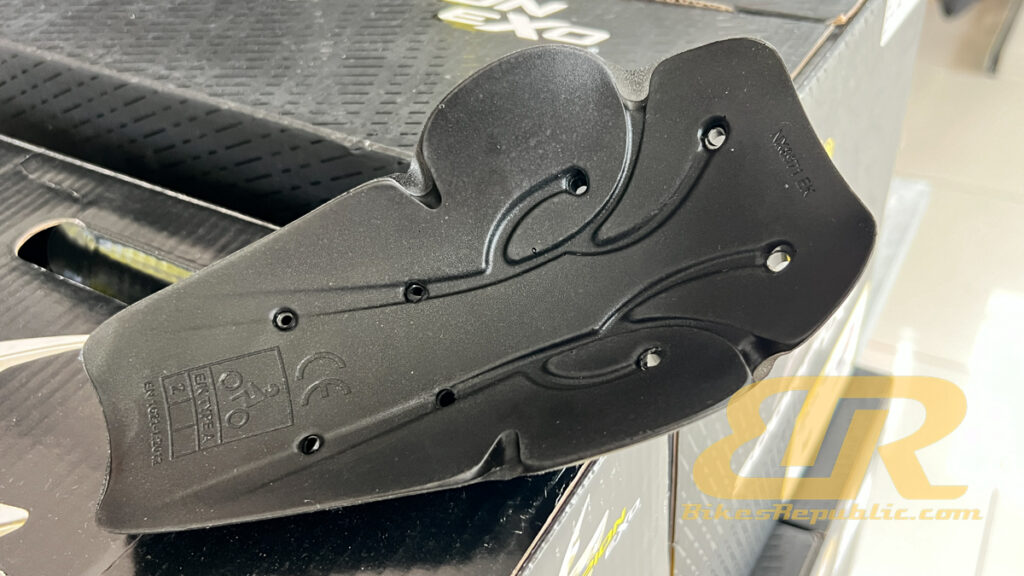
Also known as CE-certified motorcycle armour, it refers to protective paddings in motorcycle gear. CE stands for Conformité Européene in French, which translates to European Conformity. CE certification ensures the armour meets specific safety requirements and has undergone testing to validate its protective qualities.

Center stand:

Colloquially called the “full stand” here, a center stand is the large, double-legged, fold-out motorcycle stand, mostly found on small cc, adventure, sport-touring, and touring bikes.

Chain drive:

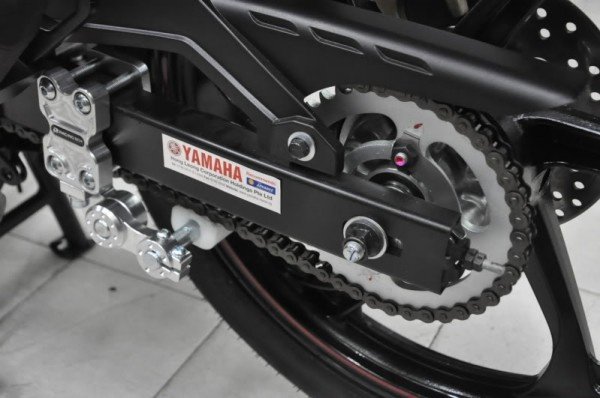
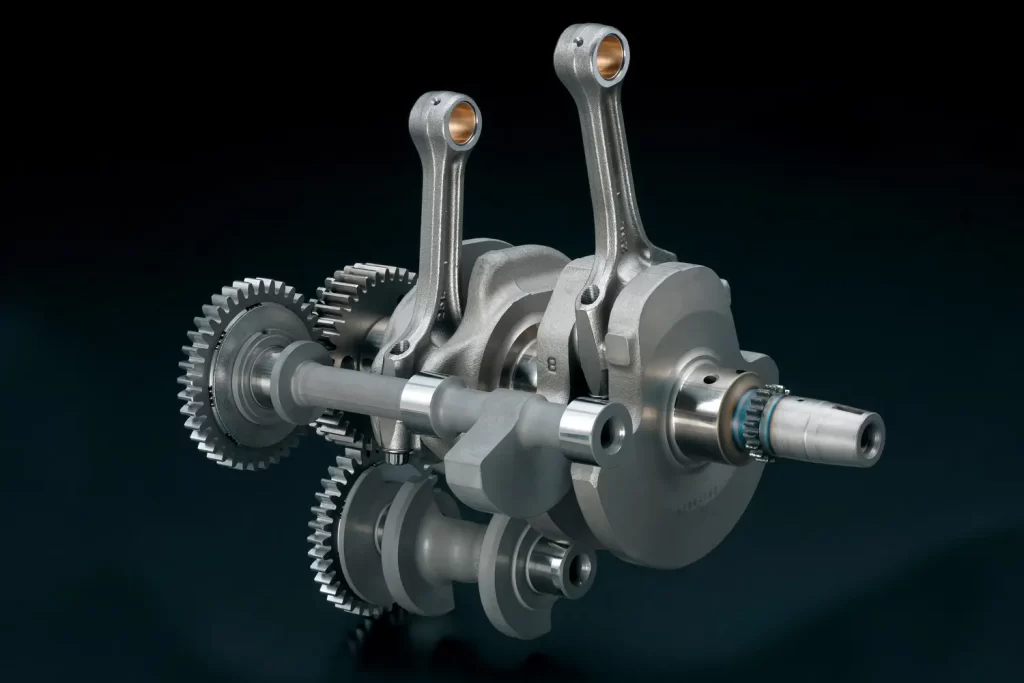
The chain connecting the front small sprocket on the bike’s transmission output shaft to a larger sprocket mounted to the rear wheel hub, to transfer the engine’s torque and power to the rear wheel.

Chassis:

The frame or structure of a motorcycle that act as the central component to where various components such as the engine, suspension, wheels, and bodywork are connected.

Chatter:

Mechanical oscillation or vibration with a bike. Also a term that describes oscillation or vibrations from the tyres.

Chicken strips:

The untouched outer sections of the motorcycle’s tyres, due to lack of cornering angle. “Chicken” here alludes to being less than brave.

Choke:

A mechanism or plate in a carburetor that restricts the airflow during cold engine starting and warm-up. Limiting the air amount of air “enriches” the air-fuel mixture (more fuel). The choke must be deactivated when the engine is sufficiently warm to run smoothly.

Chopper:

A motorcycle with its non-essential parts “chopped” (stripped) to lighten it, making it faster. However, the chopper styling now includes lengthened and raked forks.

Clip-ons:

Motorcycle handlebars clamped around the top of the bike’s fork tubes instead of being bolted to the top triple-clamp. Usually for sportbikes and café racers.

Clutch:

The device that engages and disengages the power transfer from the engine to the transmission. It allows for smooth gears changes plus control of power delivery to the driving wheel.

Compression damping:

Rate the suspension (forks and rear shock) compresses when contacting a bump.

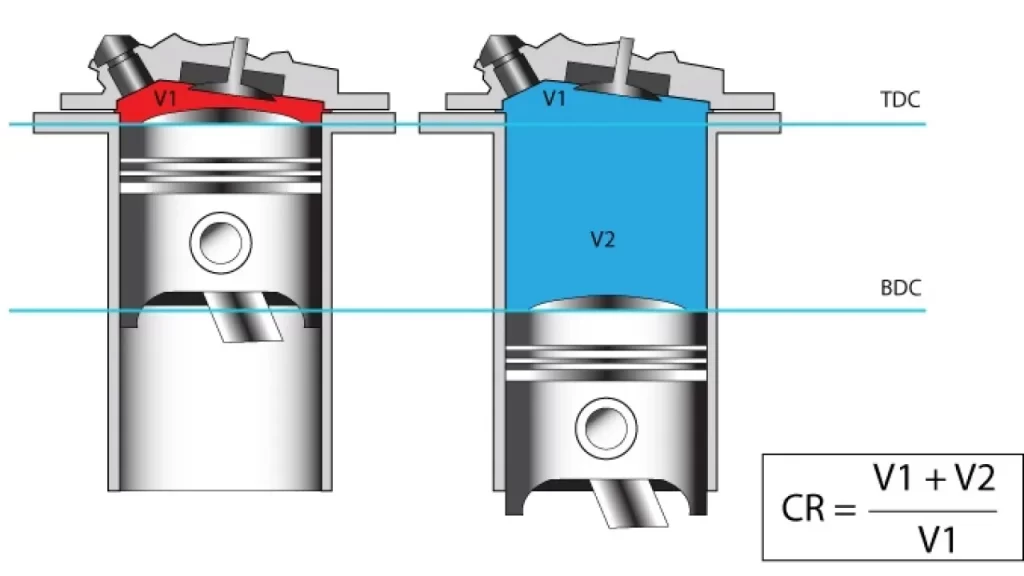
Compression ratio:

In simple terms, it describes how much the fuel-air mixture gets compressed when the engine’s piston rises to its highest point (TDC/top dead centre). The ratio is derived by dividing the cylinder’s volume at the piston’s lowest point in the stroke (BDC/bottom dead centre) to the volume when the piston is at TDC.

Compression release:

Also known as a decompression valve or a decompressor, this mechanism is used to reduce compression pressure for easier starting. It is commonly found in large single-cylinder engines (a.k.a. thumpers).

Counterbalancer:

Also known as a balance shaft, it is mounted in then engine to reduce vibrations and improve engine smoothness, by counteracting vibrations in engines with unevenly spaced cylinders, such as (narrow spaced) V-twins, triples, and parallel-twins.

Countersteer:

Counter-steering is the technique to initiate a turn. It involves briefly steering the handlebars in the opposite direction of the intended turn, causing the motorcycle to lean in the desired direction and initiate the turn. In other words, push left to go left, push right to go right.

Cowl/Cowling:

Also known as the fairing, it is a piece of bodywork to cover certain parts of a motorcycle. It serves multiple purposes, including enhancing the aesthetics of the bike, improving aerodynamics, insulate the rider from wind blast, and protect internal components.

Crash bars:

Engine guards, or frame sliders, are protective bars mounted to a motorcycle’s frame to minimise damage to the motorcycle in the event of a tip-over, low-side, or other types of accidents.

Cruiser:

A style of motorcycle known for its laid-back and relaxed riding posture. It is designed with a comfortable riding position, low seat height, and emphasis on style and aesthetics. Cruisers are often associated with a classic and timeless look.

Did you know that Ducati built a Formula One engine?

Speak of the name “Ducati” and there is no ambiguity to what they build. They have ruled the racetrack for so many years now and their current form in MotoGP has some detractors calling it “The Ducati Cup.” The Italian manufacturer is so proud of their achievements that the CEO Claudio Domenicali rubbished any suggestion of building mopeds and scooters recently.

But yes, they did build a Formula One engine.

Those years

The Italian icon found their calling of building motorcycles after WWII. They were producing radios, parts of radios and even artillery shells prior to that.

But the post-war era was tough on many companies other than those on American soil. Ducati’s factory was bombed to smithereens in 1944. All they had to go on with was Aldo Farinelli’s Cucuiolo (puppy) engine. So, Ducati had to find some money and they did so by trying on almost anything.

The car industry was starting to boom in Italy, so Ducati they put together a car prototype called the DU4 in 1946. It failed and that put the maker out of the automotive business for the next 14 years.

Changing rules in Formula One

In 1960, the deaths of three prominent drivers served as an impetus for the Formula One organisers to force manufacturers to downsize their engine sizes from 2500cc to 1500cc, to curb the speeds of their cars. This change appealed to the legendary Ducati engineer Fabio Taglioni. He went ahead and worked on an engine which he thought may do well in Formula One.

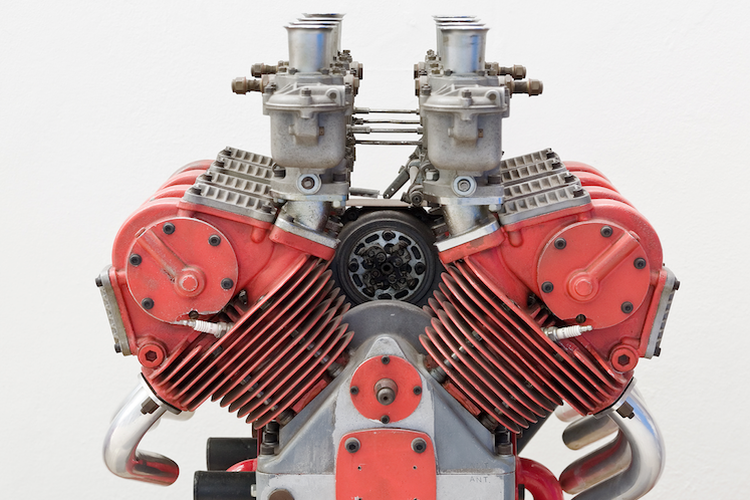
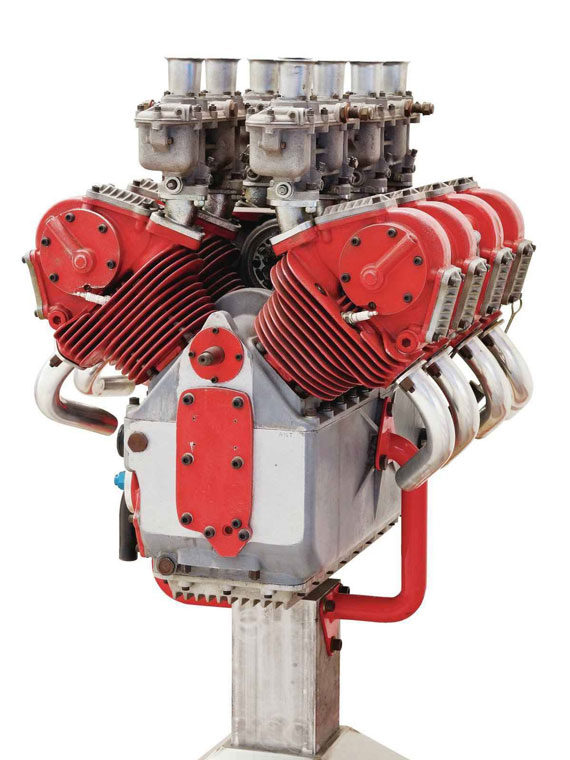
He came up with a 1500cc V8 featuring his signature desmodromic valve actuation (of course). It produced 170 hp, which was a big deal back then.

At the same time, the OSCA-Maserati Formula One team was looking for a new engine. But they had been losing so much money that they could not afford Ducati’s F1 engine. Besides that, other teams have already ironed out their engine supplier and have no place for Ducati.

It was thus that the Ducati F1 engine was never produced in volume. It would have been lost to history had not for their achievements in the motorcycling world.

Yes, the title sounds macabre and perhaps, too direct, but that is the reality of not respecting the risks of motorcycling and taking things for granted.

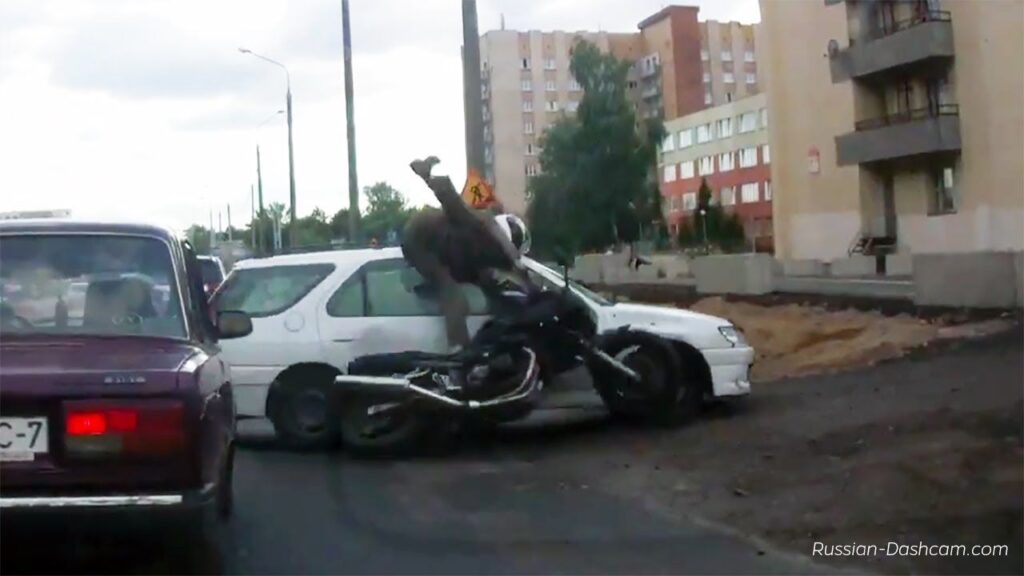
But, we can reduce some of these risks. On the other hand, we get into trouble because we choose to ignore them. Make a mistake in a car and you could very well survive, but make a mistake, even a small one, on a motorcycle and you are guaranteed to get hurt.

So here are mistakes that we should never make.

1. Riding the wrong motorcycle

Hitting the road on a Kawasaki H2 or anything with 200hp burning in its belly immediately after getting your license is a recipe for disaster. Always start with a bike that is manageable such as a 250cc or no more than 500cc and work your way up.

Even then, do seek out ways to improve your riding (oh, I dunno, by reading more articles?).

2. Riding above your skill level

This is a mistake any rider can make, no matter how new or experienced. New riders are usually rather careful since they’re still getting used to riding. After six months to a year, though, you might think, “I’ve got this,” and kick the pace up a couple of notches. That’s where you have just enough skill to be dangerous. It has a higher propensity to happen especially when you ride among competitive group.

If you find yourself constantly overcooking your corner entrance speed or panicking when a challenge presents itself, it means you need to work on your riding skills.

3. Riding like you are on the track

This can easily happen on your favourite road, thinking you can twist that throttle more and more each time. You should not be pushing the limits that closely anywhere outside a race track anyway.

Tracks do not have any traffic that is not paying attention or expecting you to be there, and hazards, among many other variables. If you want to ride like you are on the track, just go to a trackday. It’s more accessible than you might think, even if you have no interest in racing.

4. Not thinking of the consequences of your actions

Too many riders seem self-absorbed and do many stupid things like running the red light and riding against traffic. We have not even started mentioning riding haphazardly or without regard to their own safety and that of others.

A good rider will think of what would happen if he did this or that. It may sound un-fun but again, what is the point of getting hurt?

And stop listening to your ego that you are already good rider, or worse, better than all others.

5. Having too much faith in other road users

Let us start by saying that there is no sane driver who wakes up in the morning and decides to harm a motorcyclist on purpose. Every road user is another human being, just like you and I. We make mistakes, they make mistakes, so do not take it personal.

And because everyone makes mistakes, do not take your own safety for granted.

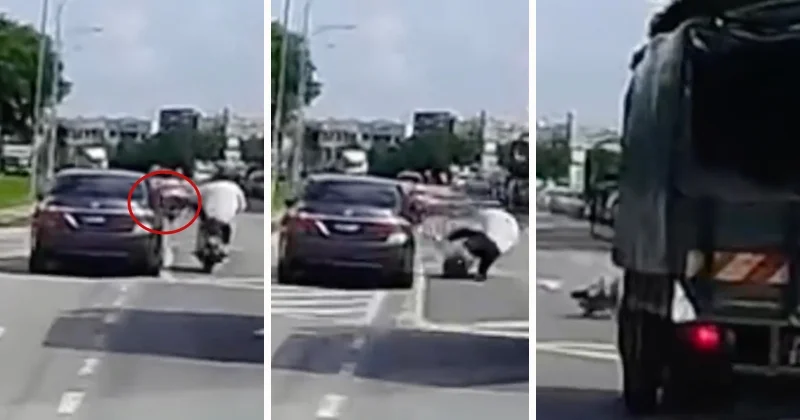
Never think that the car ahead would not cut across your front wheel, or if that truck would not pull out of the intersection. While some motorcyclists may feel that takes the “flow” out of their riding because they have to be paranoid, it sure beats being worm food. So, always ride with a sense that others can hurt you, although no sane person wants any trouble.

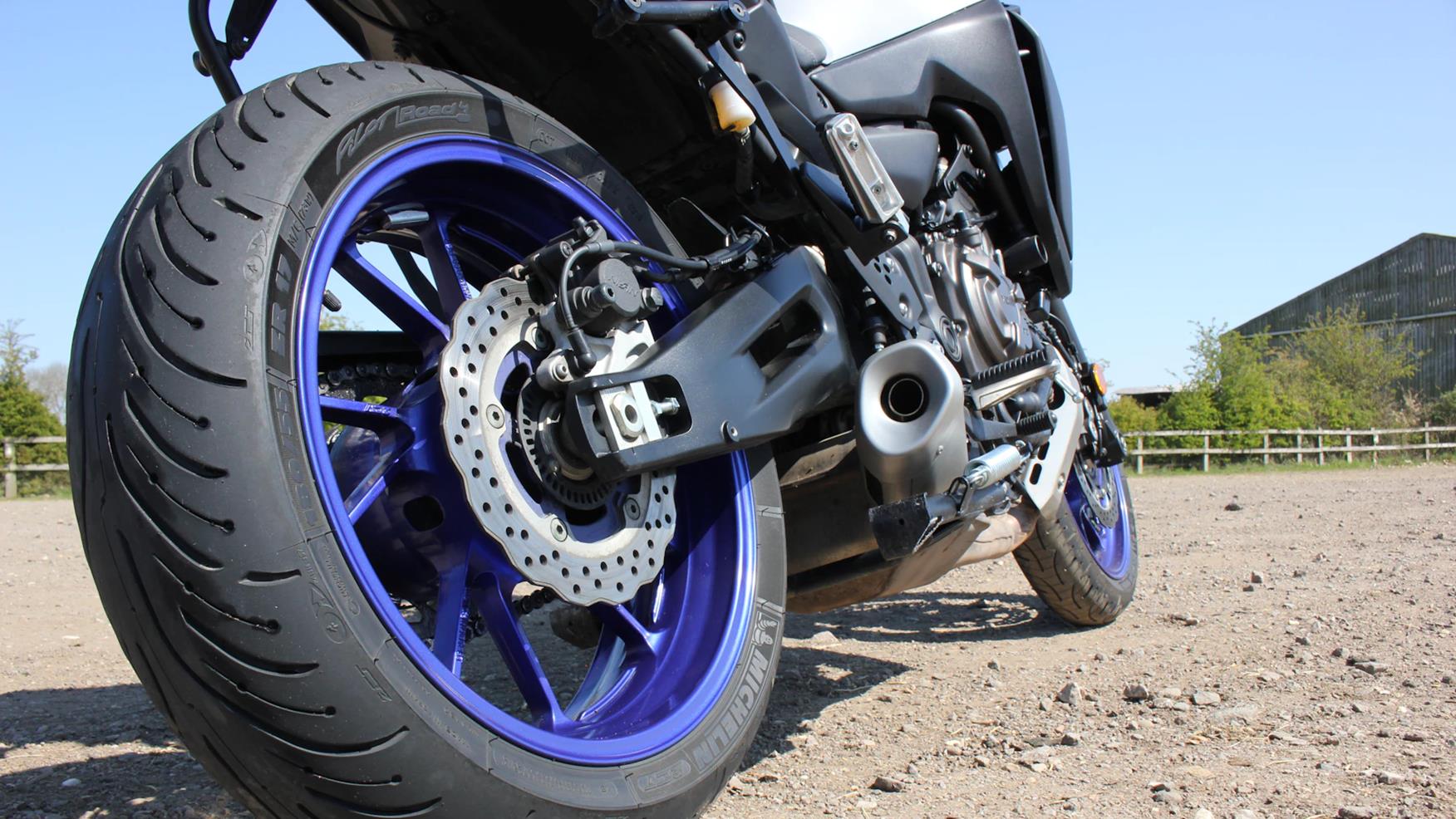
This writer has been riding motorcycles for nearly 40 years and he can safely tell you that changing the tyres to better ones is the best and immediate performance upgrade.

Bikers always talk about making their motorcycles go faster. It usually involves modifying the engine, changing the exhaust system, replacing stock parts with lighter ones, and even recalibrating or replacing the suspension.

In truth, a new set of good tyres can make all the difference, because your engine may gain 30 extra horsepower, but you are unable to explout this gain because the tyres are crappy.

1. Safety

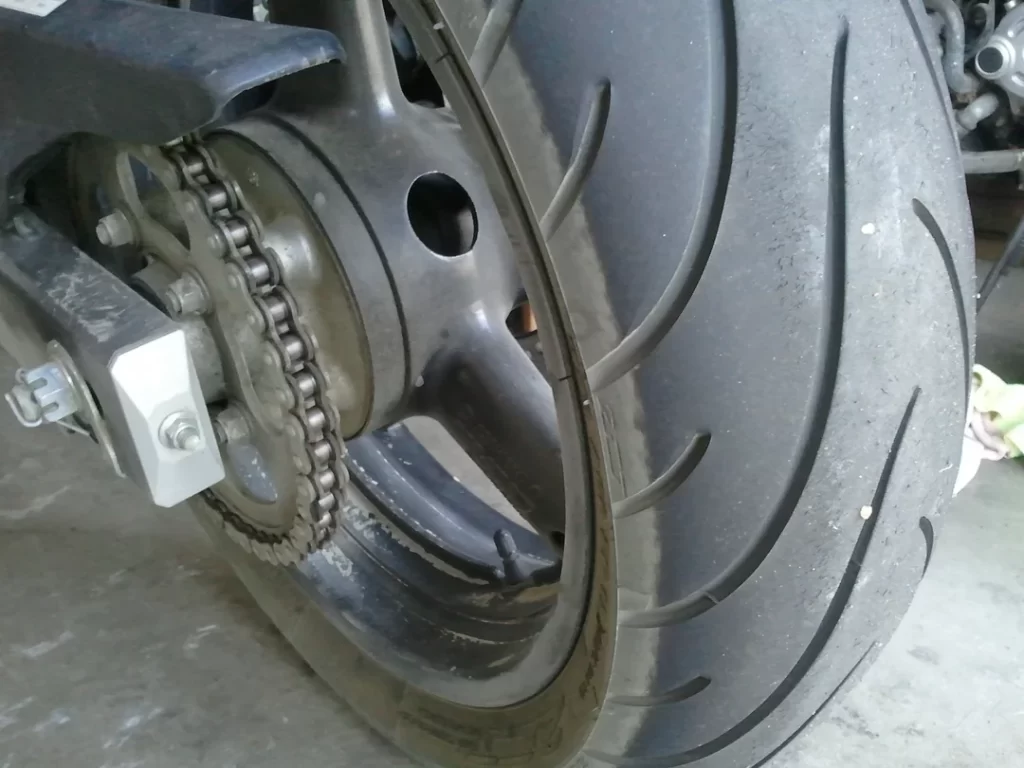
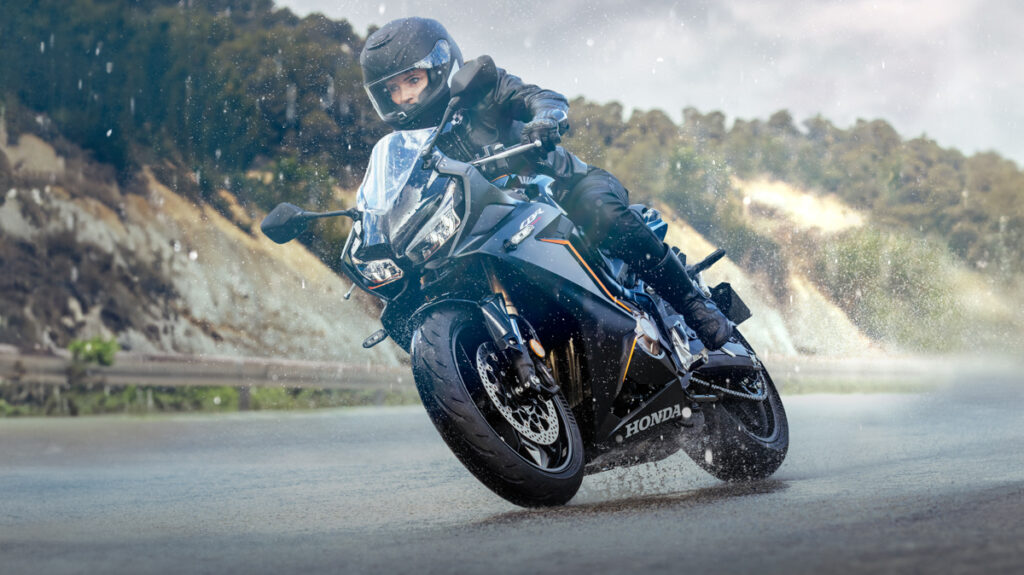
This goes without saying. An old or bad tyre does not grip as well. It may hop over irregularities in the road, resulting in less grip on less than a completely flat surface. The compound may have already harden also making it less pliable to grip the road’s surface.

More critically, a sub-standard tyre also compromises braking performance which results in instability or worse, loss of traction. On bikes with ABS, you can feel the ABS being triggered prematurely. As such, you will compensate by applying less braking pressure, resulting in increased stopping distance and time.

2. Traction

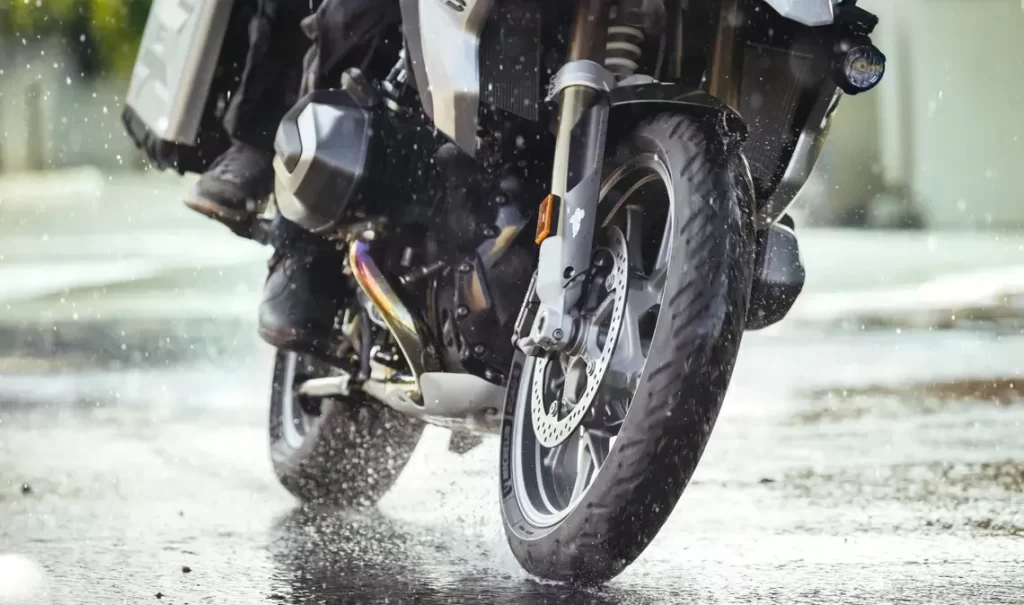
Good tyres provide the necessary traction to maximize the engine’s power during acceleration and high-speed riding, optimise the brake’s performance, and help the suspension work better in all aspects. It also helps to pick the right type of tyres for the right type of motorcycle and riding, for example, sport-touring tyres when you want to ride your sport-tourer cross border.

3. Handling

This is another obvious advantage. Certain tyres may feel great when they are new, only to keep standing up in corners. A set of good tyres that fits your bike’s characteristics goes a long way in helping your bike steer better at all lean angles.

4. Comfort

An old tyre may have lost its elasticity, causing it to feel hard. Consequently, you can feel every bump it hits, leading to your hands going numb and your body feeling like you wrestled with a bear.

The caveat here is to find the best tyre for your bike and needs. Generally, Bridgestone has the hardest construction, followed by Michelin, then Pirelli, and the supple being Metzeler. It also depends on the type of tyre, for example, sport vs. sport-touring vs. dual-sport.

5. Confidence

A good, new tyre provides the necessary performance when it comes to all aspects of traction including steering feel, cornering feel and traction during braking. These aspects add to your confidence which in turn letting you feel more relaxed when you ride.

Conclusion

So, think about upgrading your tyres first the next time when you want to go faster. Plus, modifying your engine and other components costs a lot more money, will void your warranty (if your bike is still new), and may result in higher maintenance costs.

Good tyres offer a whole lot more and is a better value for your hard-earned money.

Archive

Follow us on Facebook

Follow us on YouTube