
Once upon a time (about 20 years ago), the maximum vehicle loan repayment period was just 5 years. After that, the loan period was extended to 7 years, and later, it was extended further to 9 years.
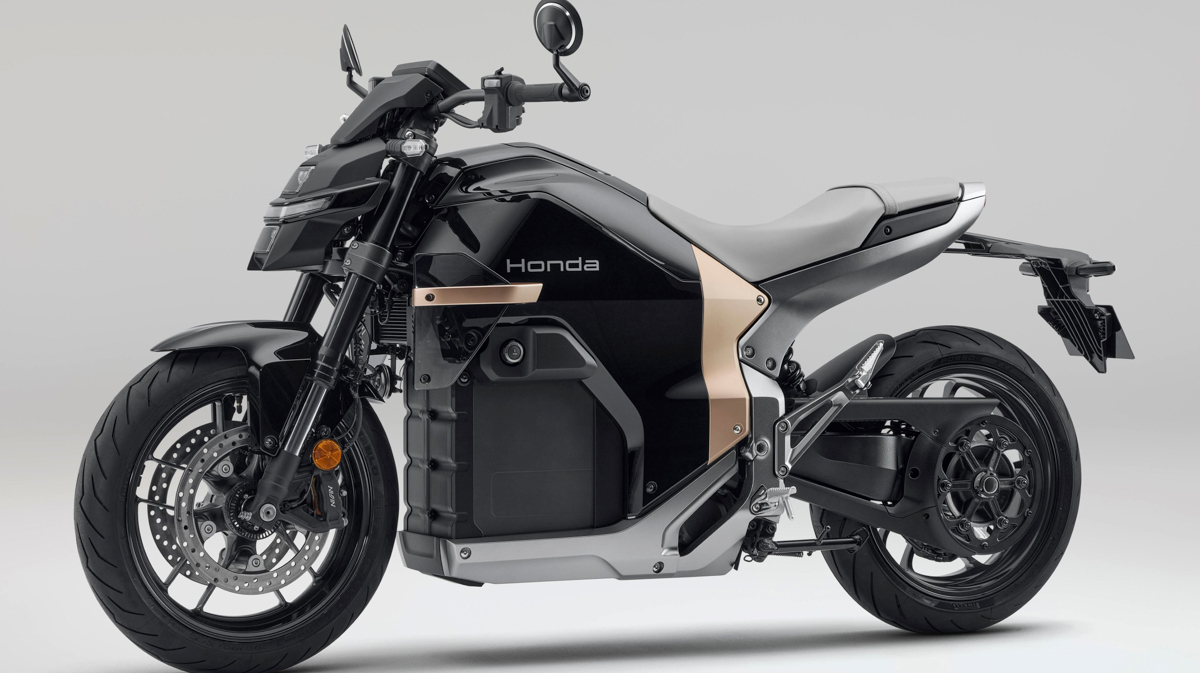
Generally, the longest loan tenure for motorcycles up to 250cc is 5 years, while loans of up to 7 years are granted for high-powered motorcycles. There are also one or two credit companies that offer loan tenures of up to 9 years, but at higher interest rates.
Longer loan tenures were welcomed by vehicle sellers as a positive development because more buyers could purchase vehicles with lower monthly payment amounts. However, it might not necessarily be a good thing because buyers actually bear higher interest due to the longer repayment period. At the same time, a vehicle is considered quite outdated after 9 years, and the owner can only sell it at a very low price.
Therefore, there is an opinion that vehicle loan tenures should be shortened. This recommendation has been voiced for a long time, but there has been no development until now.
Recently, automotive industry observers suggested that the vehicle loan financing period in this country be shortened to a maximum of seven years compared to nine years.
This measure, if implemented, is seen as capable of helping to control household debt levels and encourage more prudent financial management among consumers in this country.
Currently, Malaysia’s household debt is reported to be among the highest in ASEAN, totaling RM1.65 trillion as of the end of March 2025, representing 84.3 percent of the Gross Domestic Product (GDP).
Of that total household debt, the main contributor is housing loans at around 60.5 percent; while vehicle financing is 13.2 percent, and personal loans are about 12.4 percent.
The President of the Malaysian Automotive Association (MAA), Mohd Shamsor Mohd Zain, said that shortening the vehicle loan tenure could not only curb long-term debt burdens but also educate consumers to be more disciplined in making financing commitments.
He acknowledged that the measure might temporarily affect demand in the affordable segment, but the market would naturally adjust according to consumers’ affordability.
“Financing companies can also play a role by introducing more flexible packages to help customers better manage their purchase commitments,” he told BH.
Commenting further, Mohd Shamsor said that adjustments to financing terms would also encourage manufacturers and distributors to reassess their sales strategies and cooperation with financial institutions.
“In the long term, a change in consumer behavior is expected, with some shifting from long-term ownership to vehicle rental or subscription models, in line with modern mobility trends that are more dynamic and needs-based,” he said.
The Chief Operating Officer of GWM Malaysia, Roslan Abdullah, said sales might be affected in the initial implementation phase when potential buyers need to reassess their ability to make monthly payments due to the shorter financing period.
“At the initial stage, sales are expected to slow down because monthly installment payments will increase. The difference could reach between 15 to 20 percent depending on the vehicle price,” he said.
However, he expects manufacturers and distributors to launch more aggressive strategies, including massive promotions and a focus on after-sales services to maintain market momentum.
Industry observers previously opined that one of the issues arising when hire-purchase loans are extended is that borrowers have to bear lower monthly payments, but for a longer period.
This would cause borrowers to have to pay more interest, and this could affect cash flow if they have many loans with long tenures.
The Dewan Rakyat recently passed the Hire-Purchase (Amendment) Bill 2025, which abolishes the use of the flat rate and the Rule of 78 method for fixed-rate hire-purchase loans.
In its place, the effective interest rate and reducing balance methods will be introduced to ensure fairer and more transparent monthly installment calculations.
The reducing balance method ensures that interest rates are only charged on the outstanding loan balance, unlike the old method which focused more on interest payments in the early stages of the loan. – Berita Harian