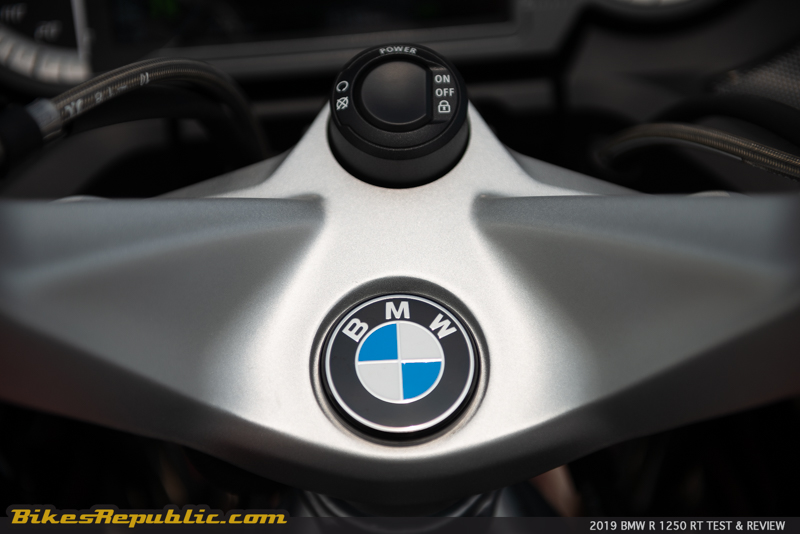
BMW Motorrad is set to unveil four new models at EICMA 2019.
They could be the R18, F 850 R/RS, S 1000 R/XR.
EICMA 2019 begins on 4th November 2019.
BMW Motorrad is set to unveil four new models at EICMA 2019 (Esposizione Internazionale Ciclo Motociclo e Accessori – International Exposition of Motorcycles and Accessories).
BMW unveiled nine new models at EICMA 2018 and throughout this year, which included those using using the new 1254cc Shift Cam-equipped Boxer engine, namely the R 1250 GS, R 1250 GS Adventure, R 1250 RT and R 1250 RS. So, what can we expect this time?
How about the R 1250 R? The R 12XX R is the most underrated Boxer in BMW’s line-up. We’ve tested the R 1200 R and found it wonderfully entertaining and joyful to ride. Sure, it may not look as butch as the latest naked bikes and supernakeds, but that isn’t the point. It’s more like a wolf in sheep’s clothing.
The R18 cruiser, bagger and tourer will definitely debut at EICMA, as we wrote in a previous article. The bike will bring BMW back into the cruiser segment they’ve been missing from for the last 15 years.
What else?
The new F 850 R, perhaps? There’s already the new F 850 GS and F 850 GS Adventure, along with the F 750 GS (which if of the same capacity with lower power output). In this respect, there could either be the new F 850 R naked/standard or F 850 RS sport-tourer.
Okay, we’ve saved the best for last.
Two bikes that’ve been sorely missing are the S 1000 R and S 1000 XR. The new S 1000 RR have been receiving rave reviews everywhere (although they’ve yet to arrive in Malaysia) so it’s high time the R and XR are updated in terms of looks, performance along with Euro 5 requirements.
The S 1000 RR’s engine is fitted with a Shift Cam version for the inline-Four. We should see the same for the new bikes.
EICMA begins on 4th November. It’s going to be the most interesting as almost all manufacturers will debut new bikes ahead of the implementation of Euro 5.
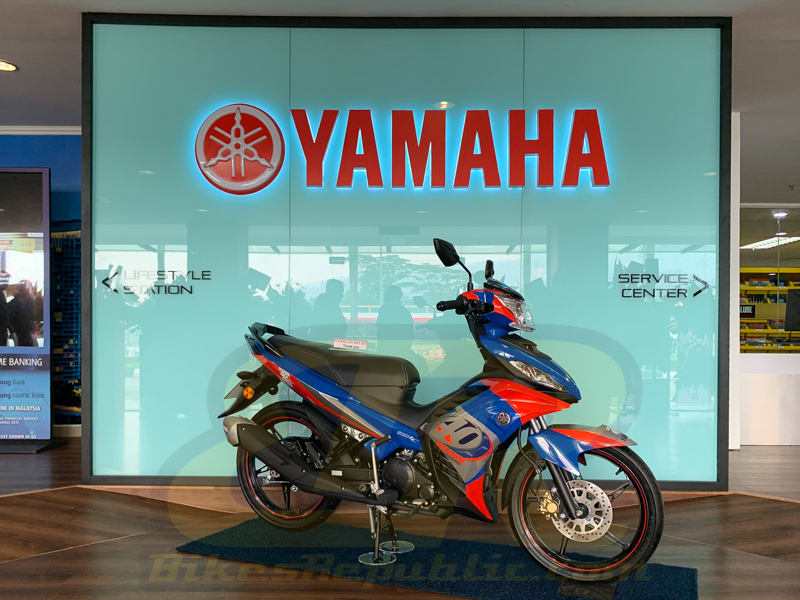
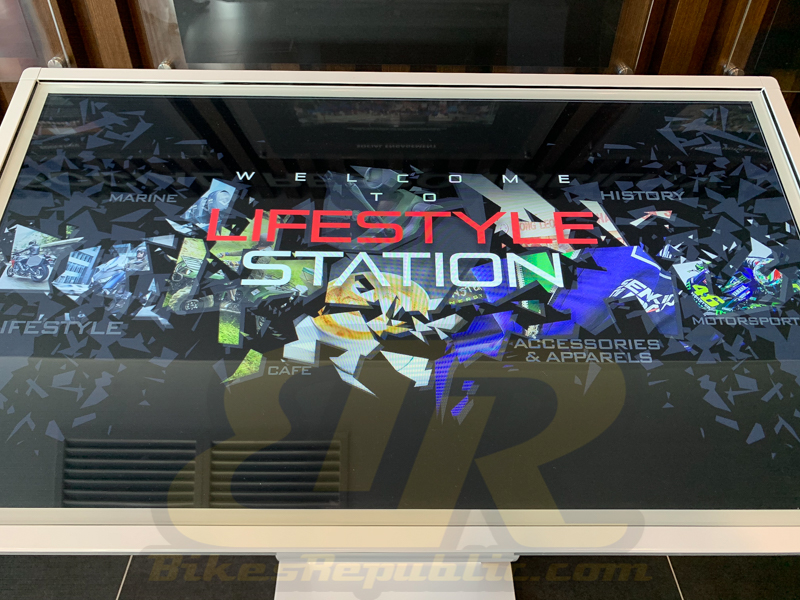
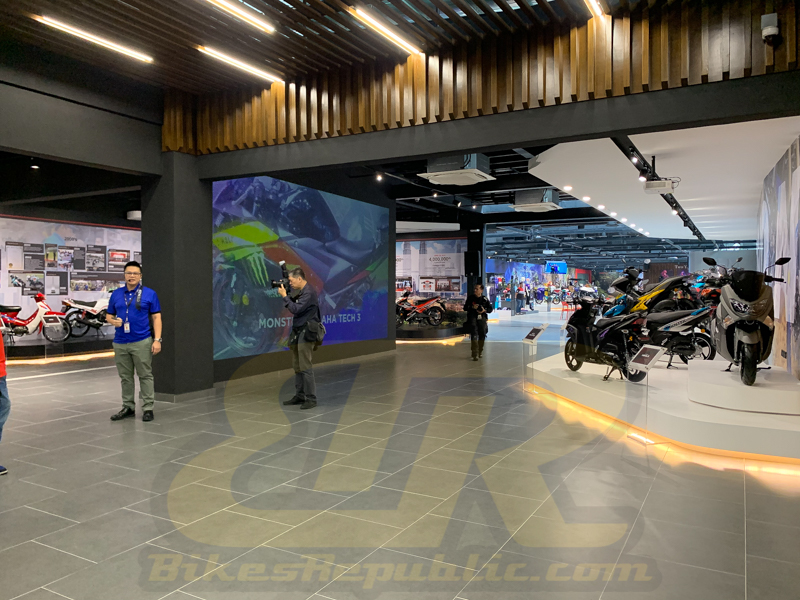
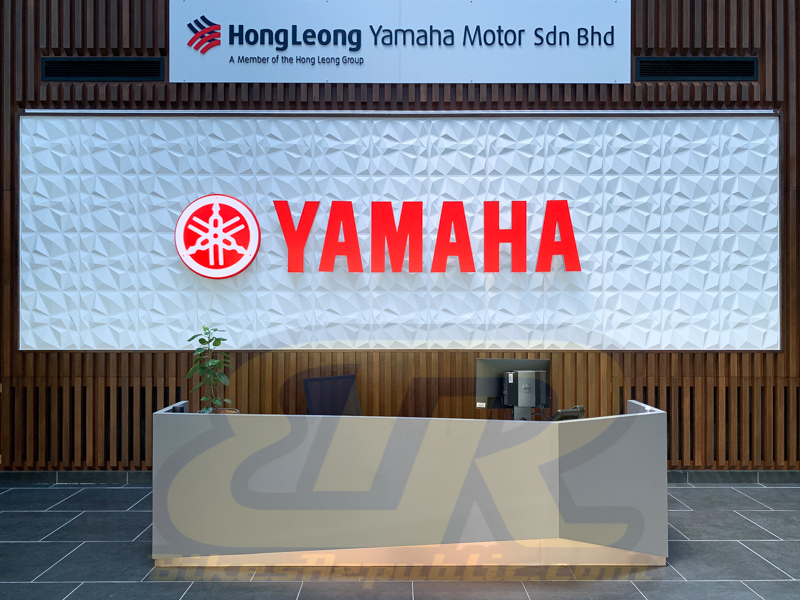
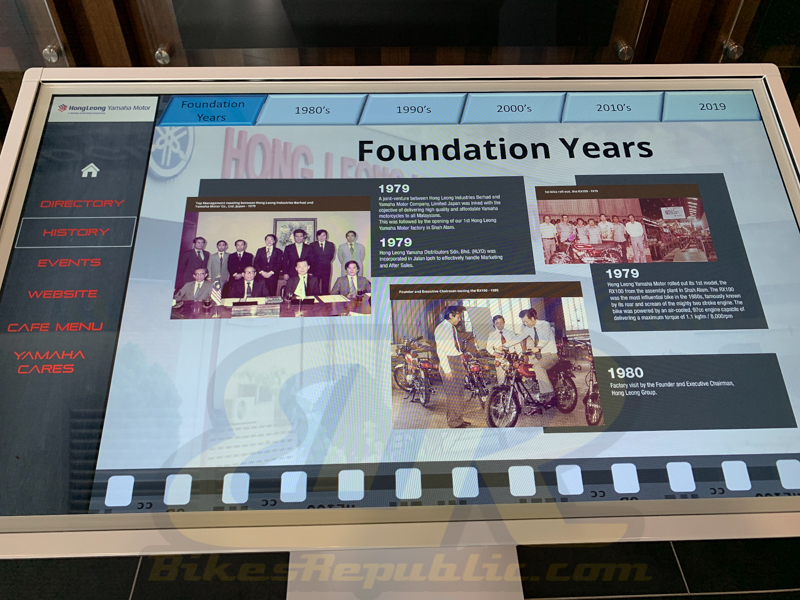
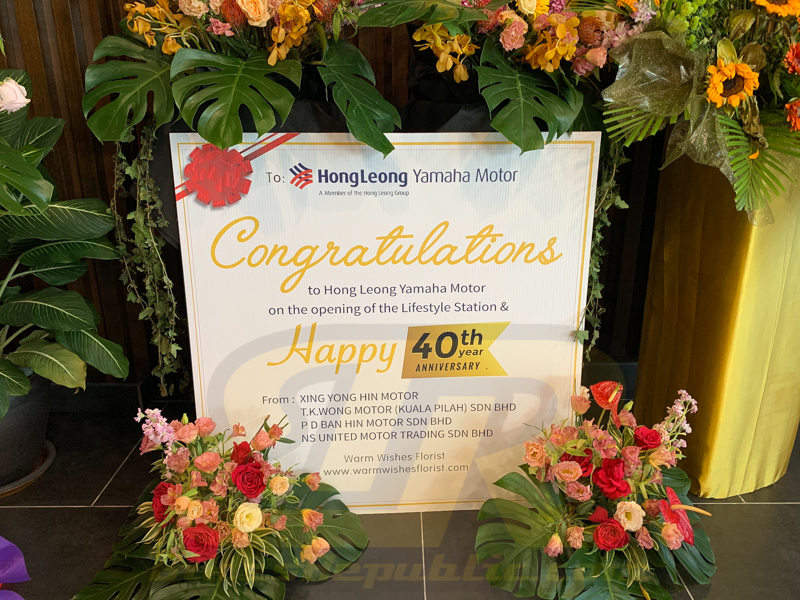
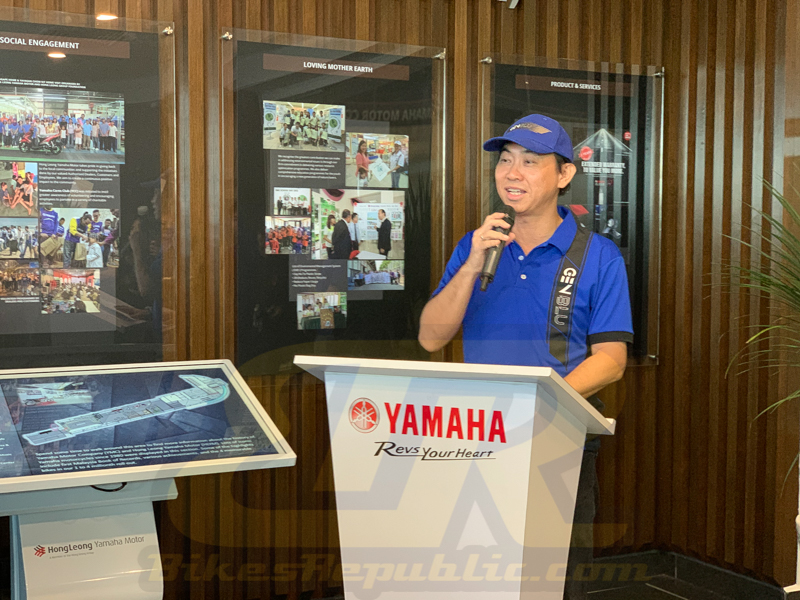
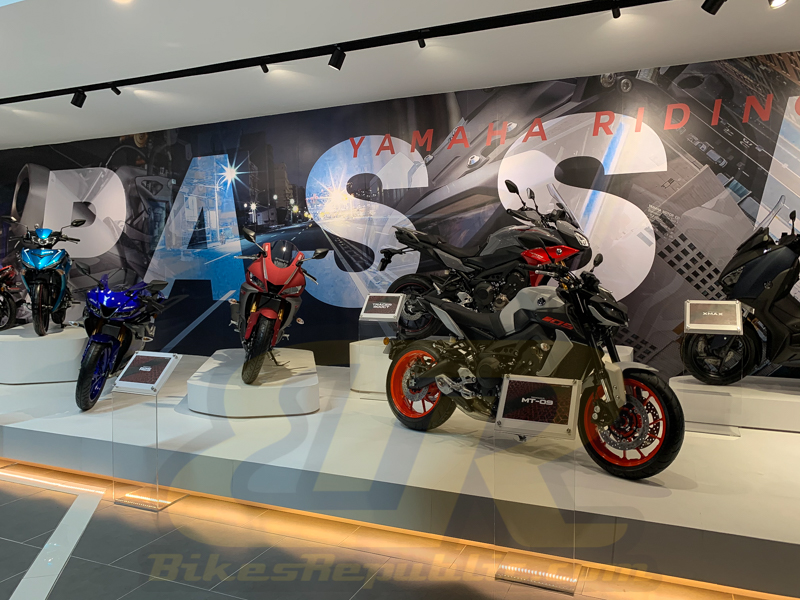
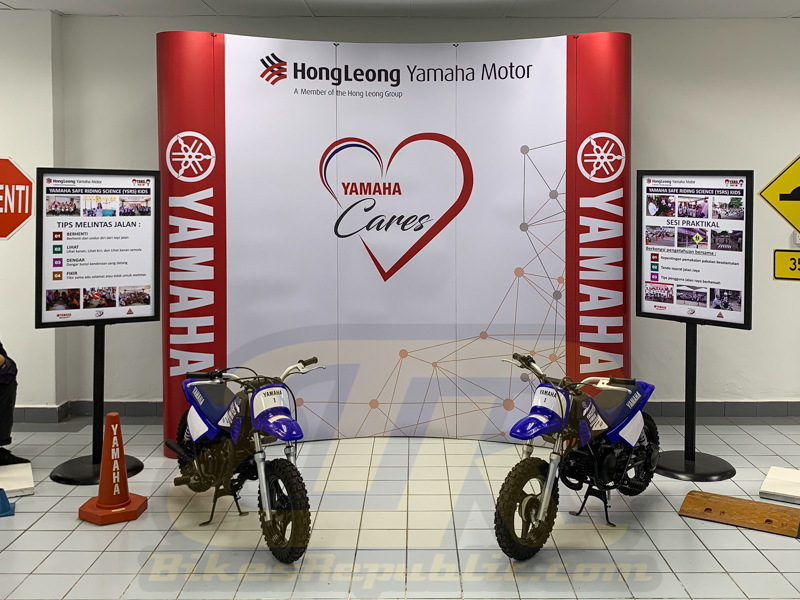
Hong Leong Yamaha Motor (HLYM) launched the new Yamaha Lifestyle Station today.
The entire Sungai Buloh complex has been totally renovated.
It forms a new “lepak” place for customers and visitors.
Hong Leong Yamaha Motor (HLYM) launched the new Yamaha Lifestyle Station today.
The HLYM Complex in Sungai Buloh has been totally renovated to a facility that reflects the times and to cater for the new motorcycle lifestyle. Additional aftersales support infrastructures were also added to ensure that dealers, customers and even the general public will benefit.
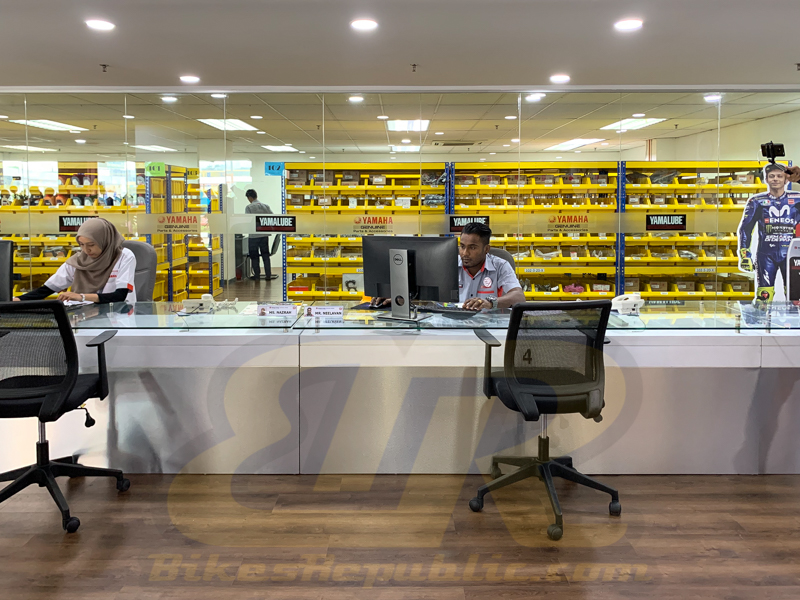
For starter, there is a new service reception area, which affords a full view of the spare parts section. Customers can see spare parts being picked for their bikes.
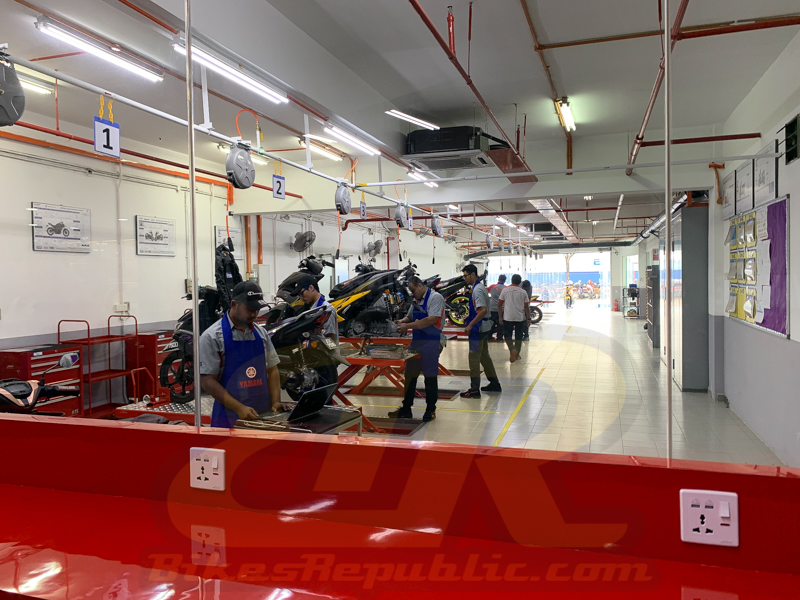
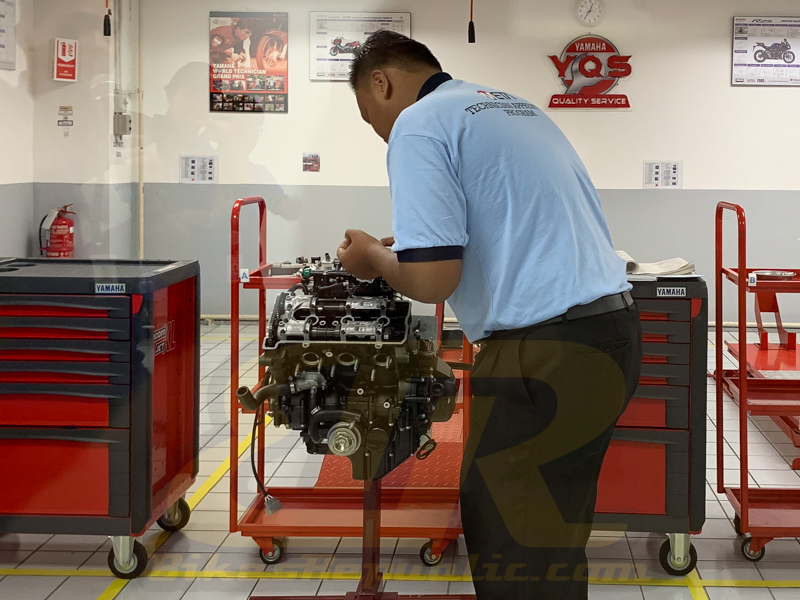
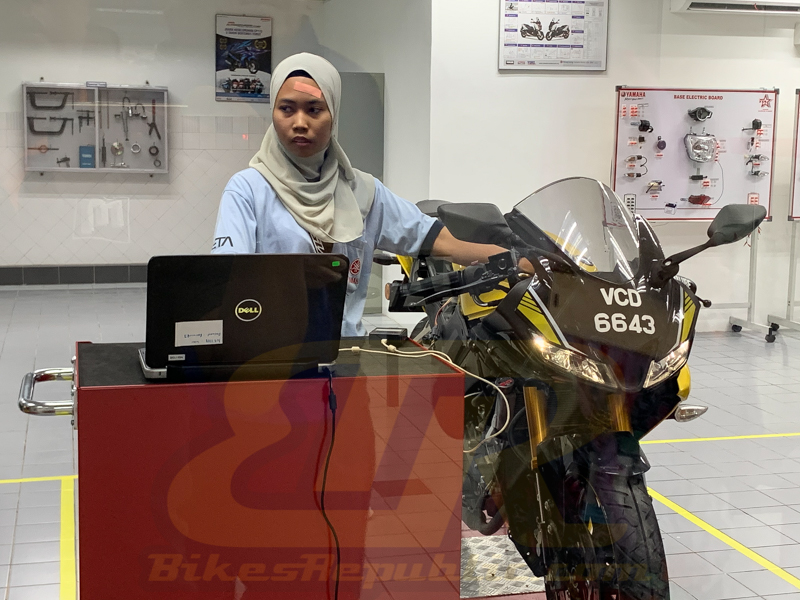
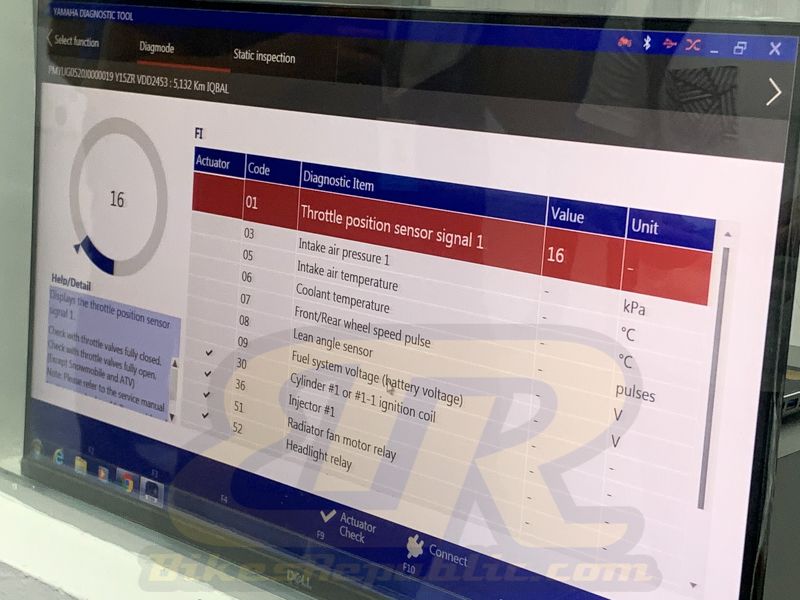
The service area is now visible to the customers — separated by a glass panel, of course. There are 12 service bays equipped with hydraulic lifts in the covered area. The workshop is fully air-conditioned to provide a conducive working environment for the fully-trained technicians. Such an environment will benefit customers in the end as the technicians can concentrate fully on the work at hand. They are also provided with complete tools including the electronic diagnostic system.
In the waiting area, the previous hard chairs have been removed and replaced with comfortable sofas. There is also a section with multiple charging points for smart devices and laptops.
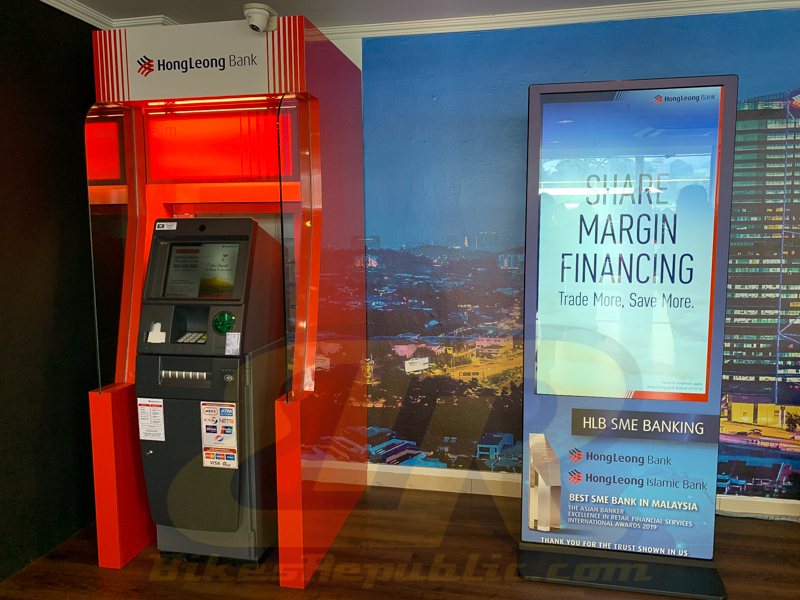
A few metres away is a Hong Leong Bank ATM machine, allowing customers to carry out their banking needs.
Customers step through a glass door into the showroom area. At 1208 sq. m. (13,000 sq. ft.), it is the biggest Yamaha showroom in the country. Yamaha management joked that they will expand it if they find another showroom which is bigger.
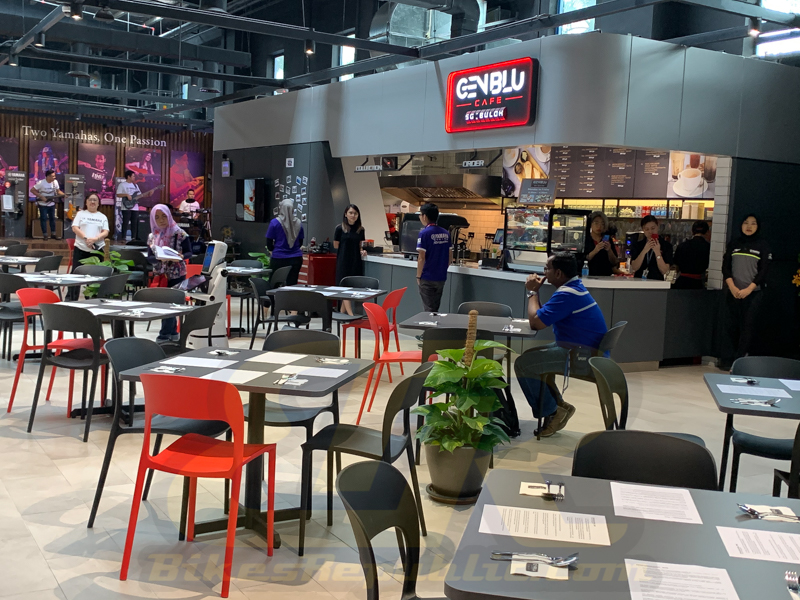
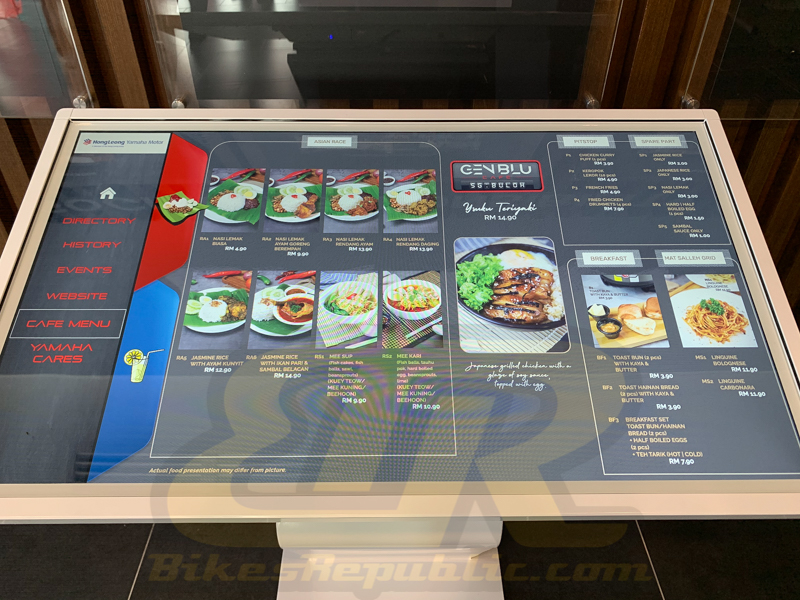
Here, customers will first see the Gen Blu Café which serves a mix of local, Asian, Japanese and fusion delights. There is also aromatic coffee for java lovers.
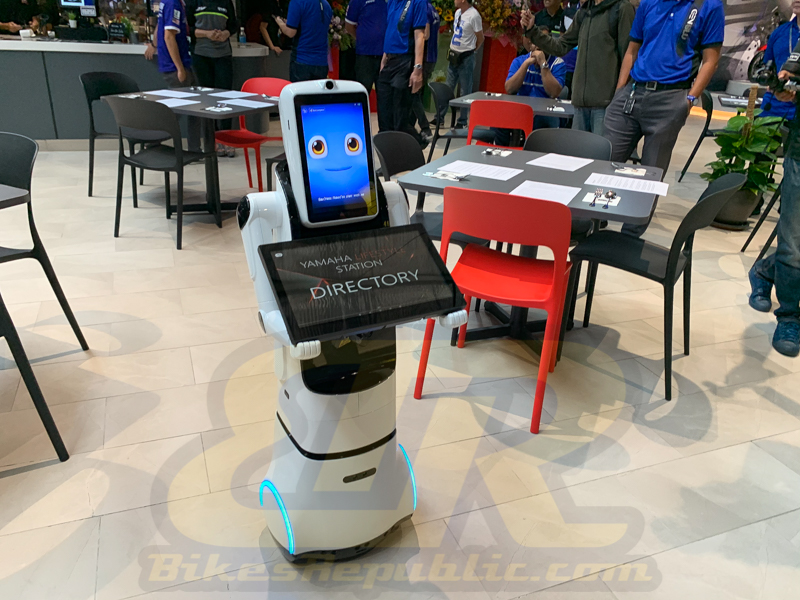
A friendly robot named Shila Sakura serves the floor. “She” is currently armed with a tablet showing the menu and directory but HLYM is currently programming her to take orders and receive payment for food and beverages in the future.
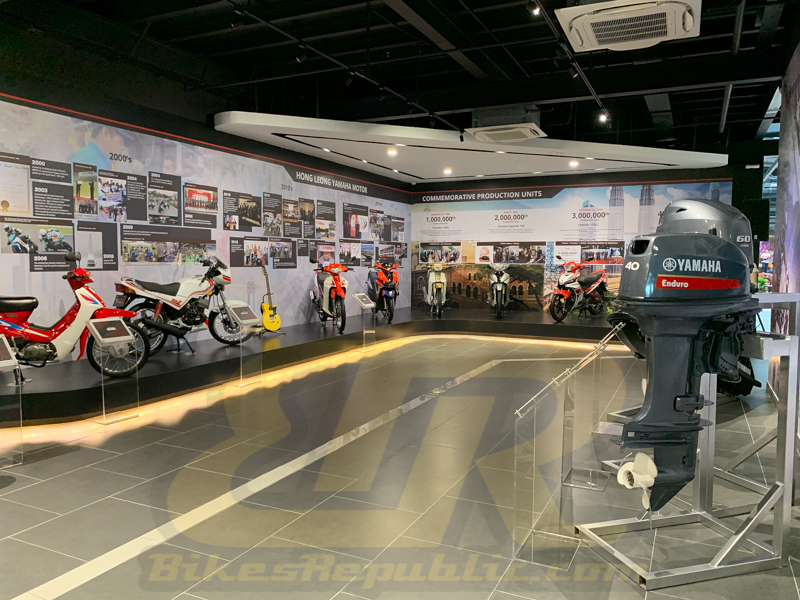
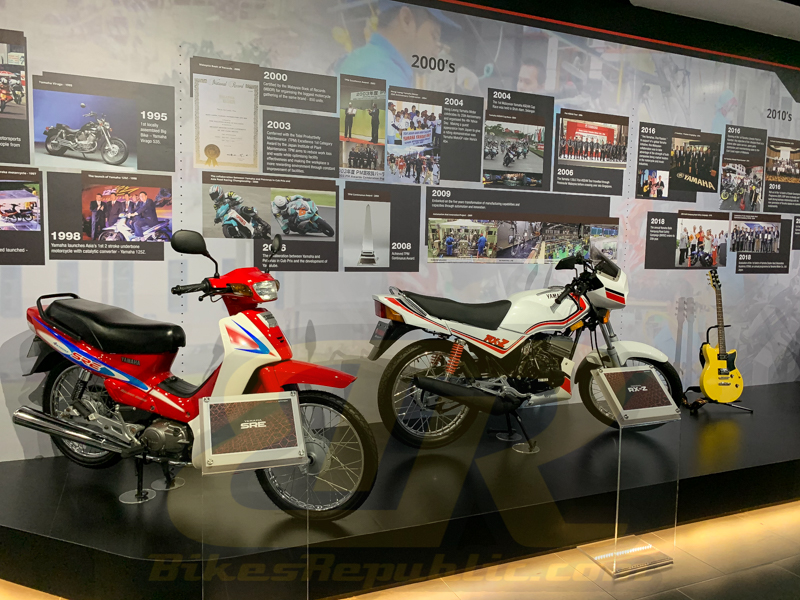
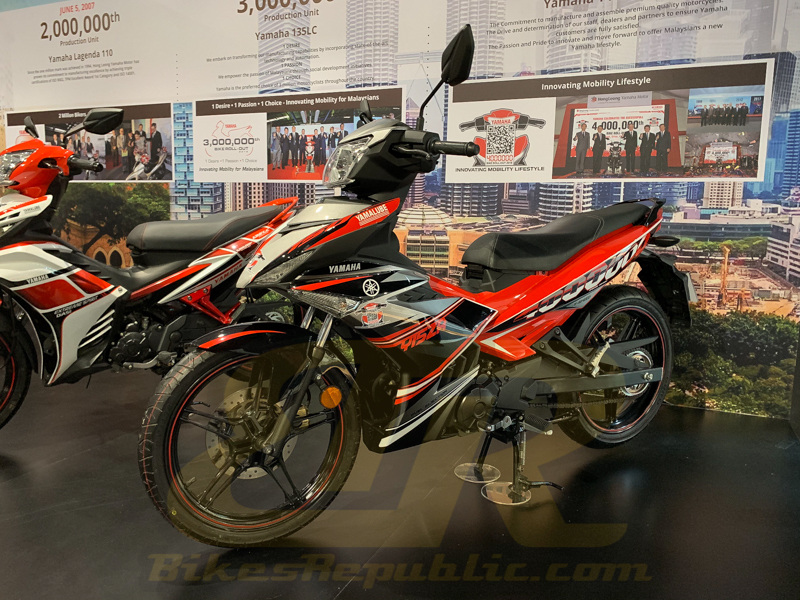
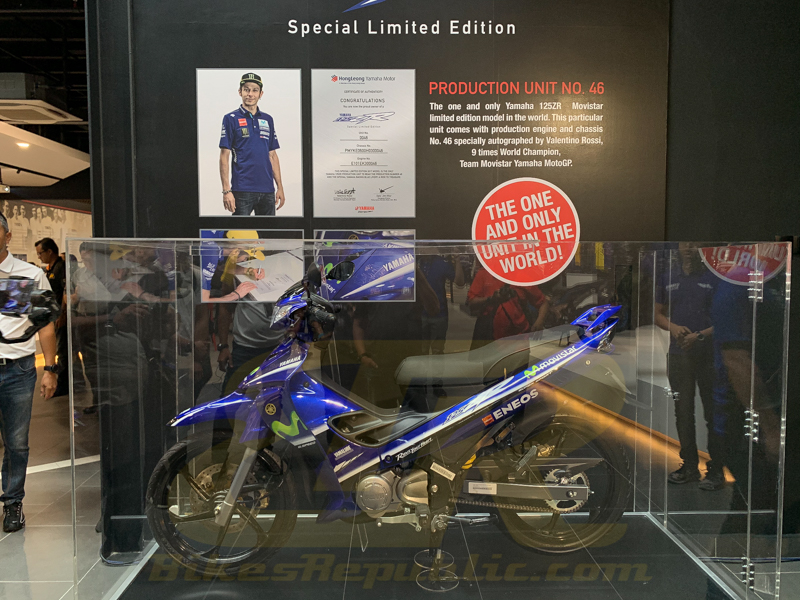
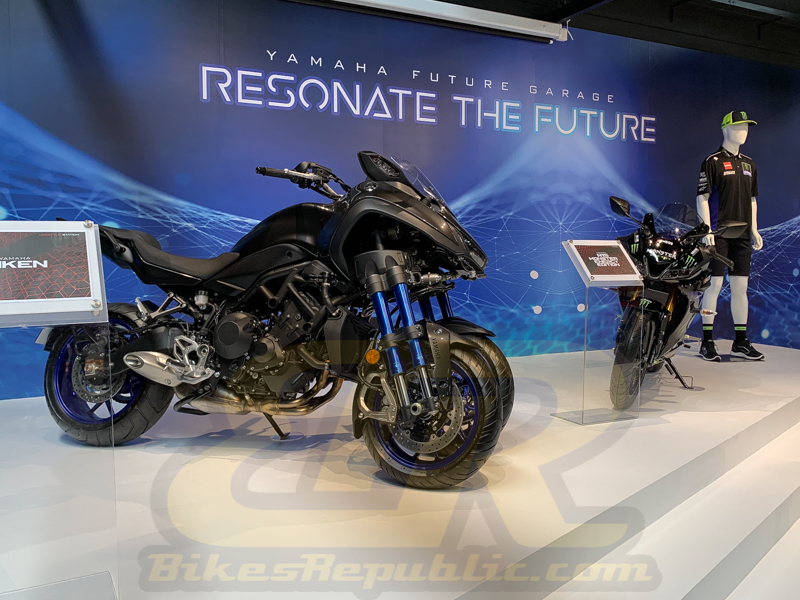
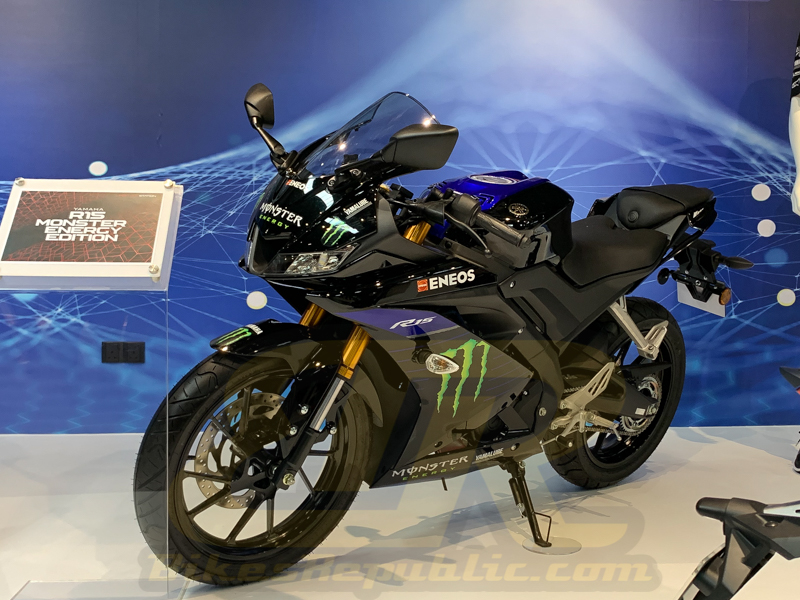
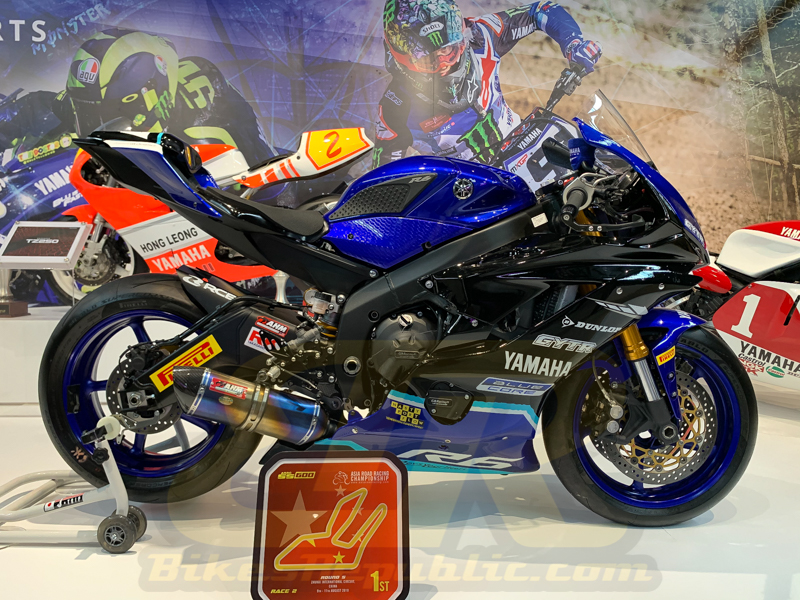
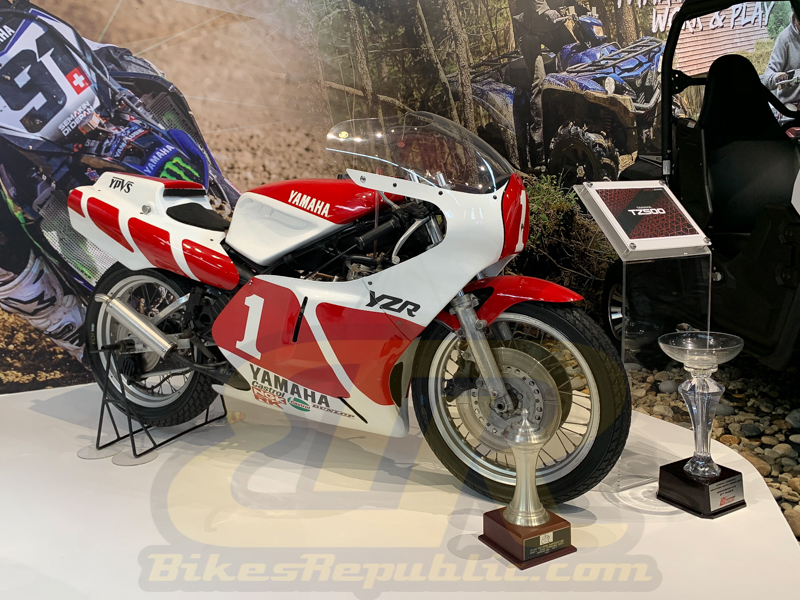
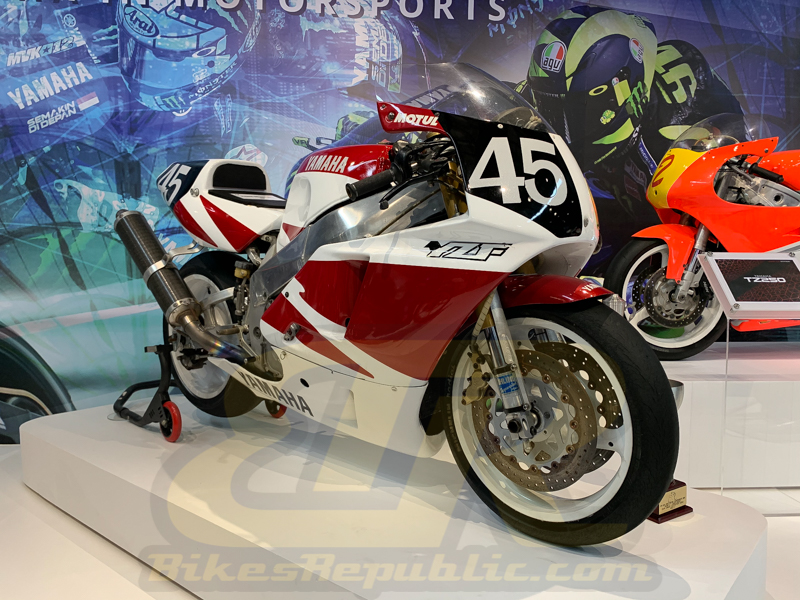
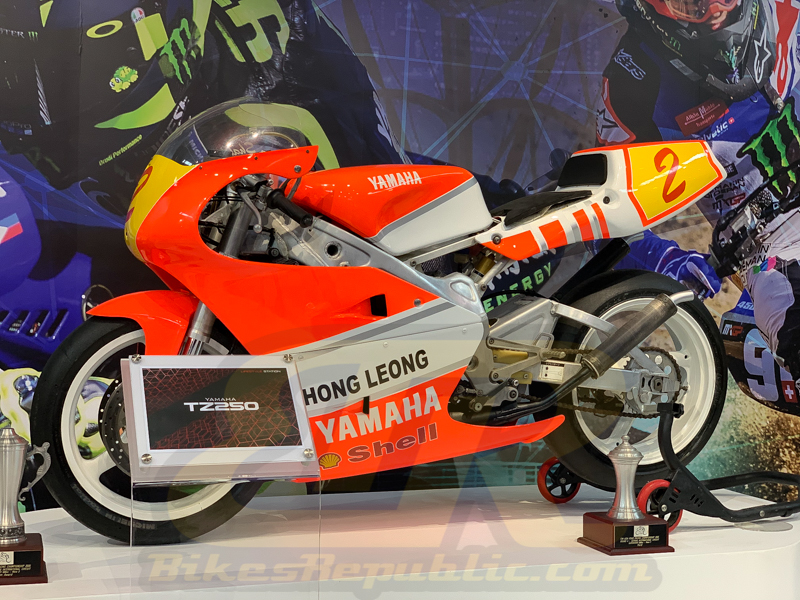
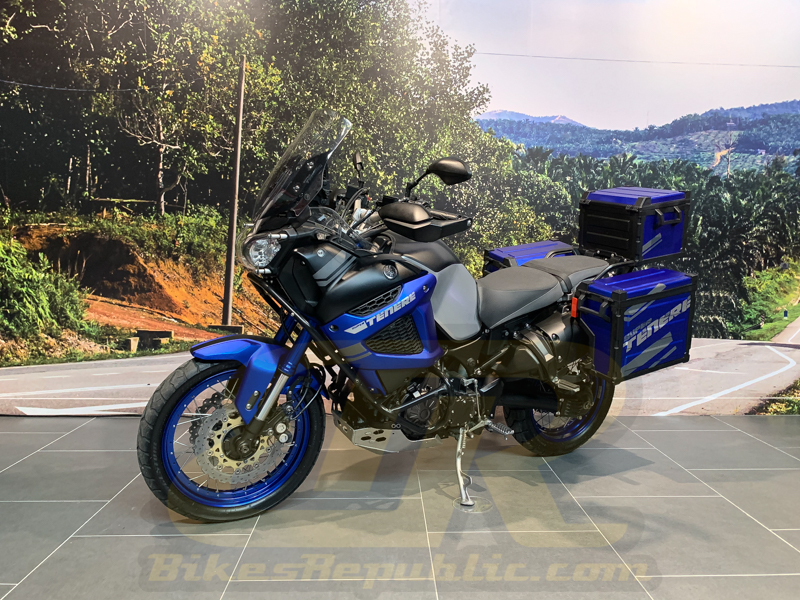
But the main highlights here are the Yamaha products on display including a collection of Yamaha motorcycles sold by HLYM since 1979, current CKD models and motorsport bikes classic and current.
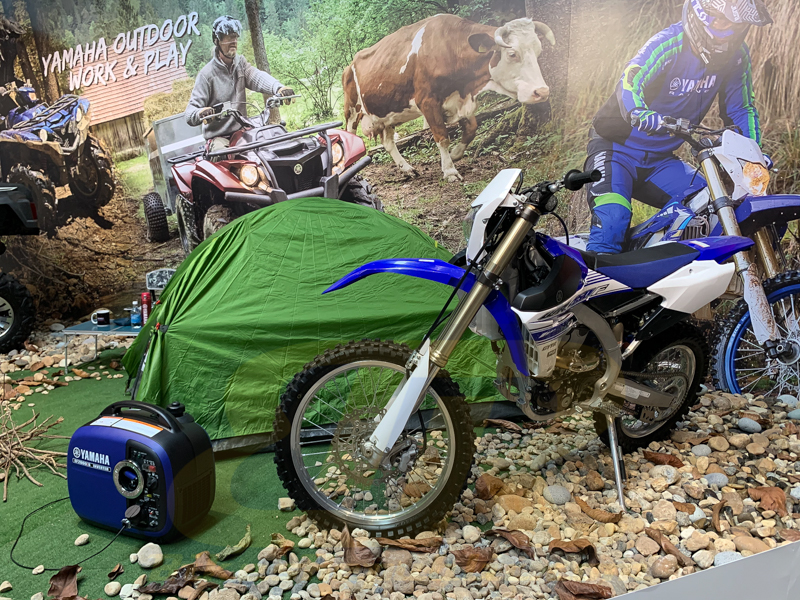
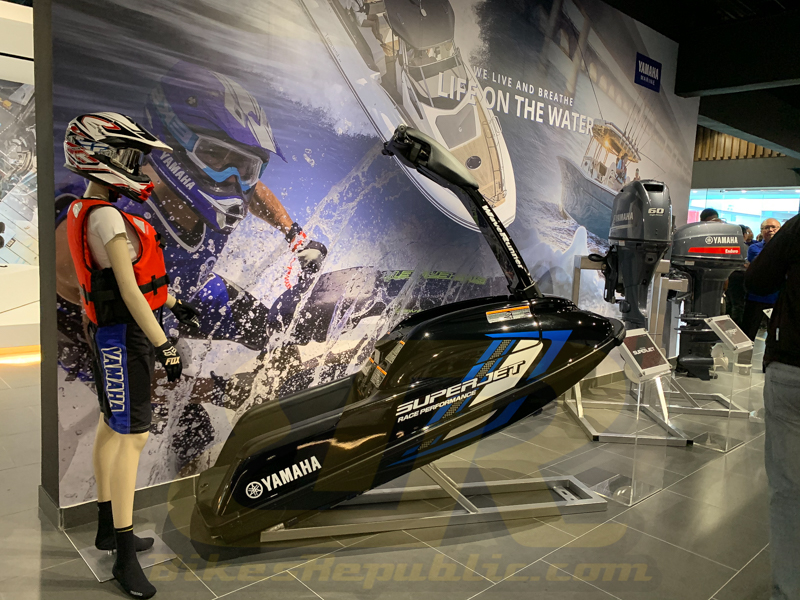
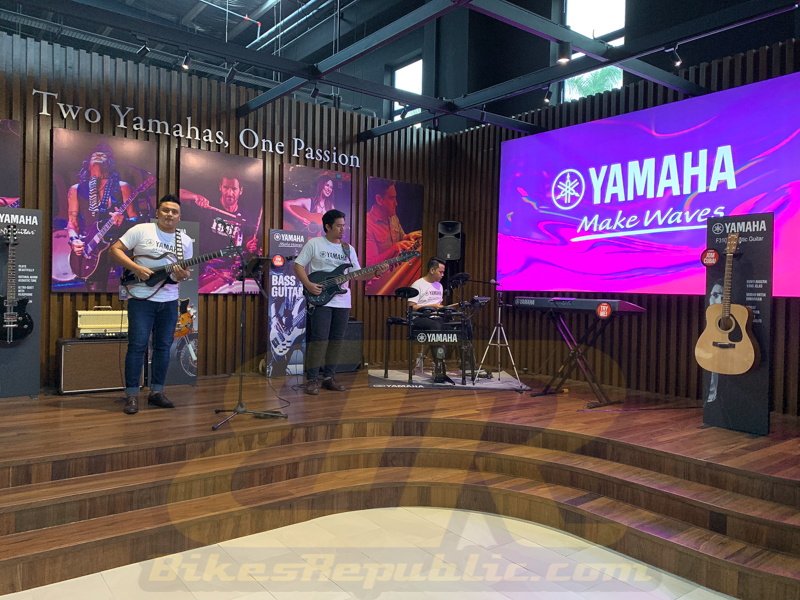
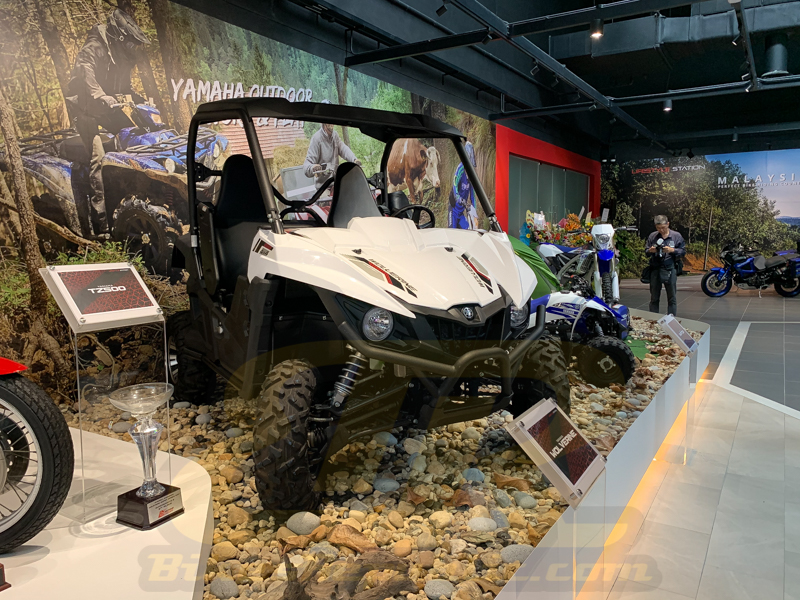
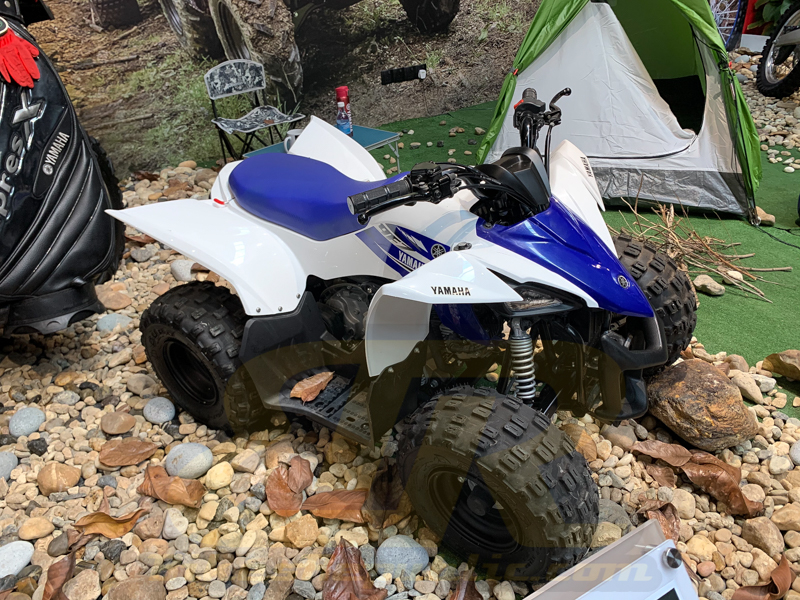
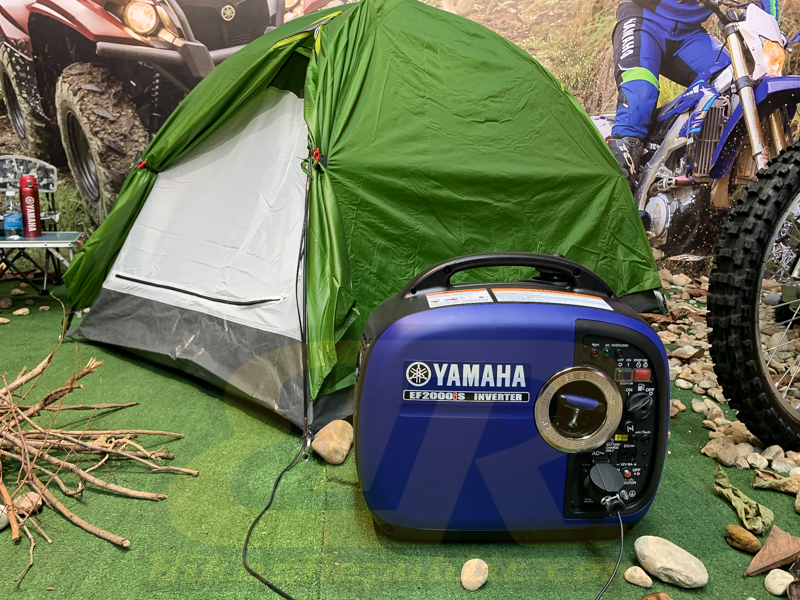
There are also sections for Yamaha music instruments; outdoor products such as side-by-side buggy, off-road bike, portable generator; marine products such as the Waverunner jet ski and outboard engines.
A Yamaha museum will be added in Phase 2.
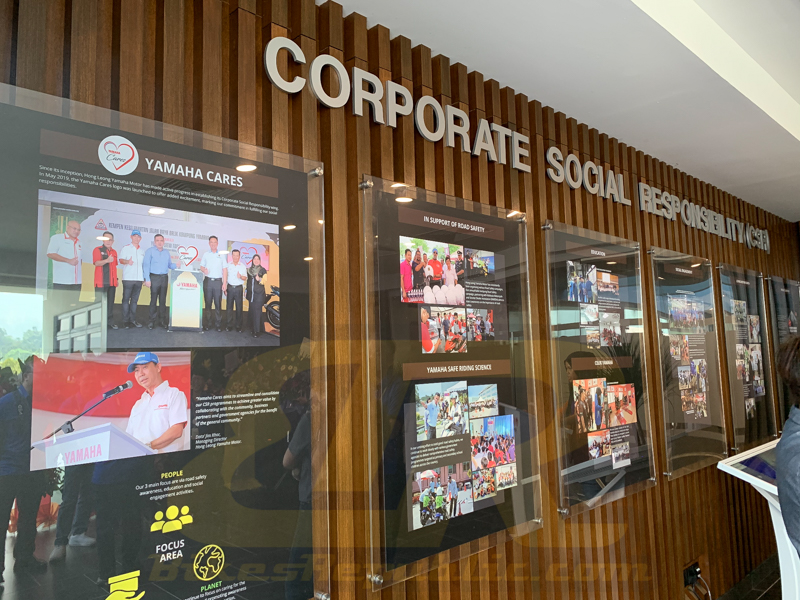
The corporate office and reception area were likewise renovated. There is a section for Corporate Social Responsibility (CSR), highlighting HLYM’s role in helping the less fortunate, besides road safety education.
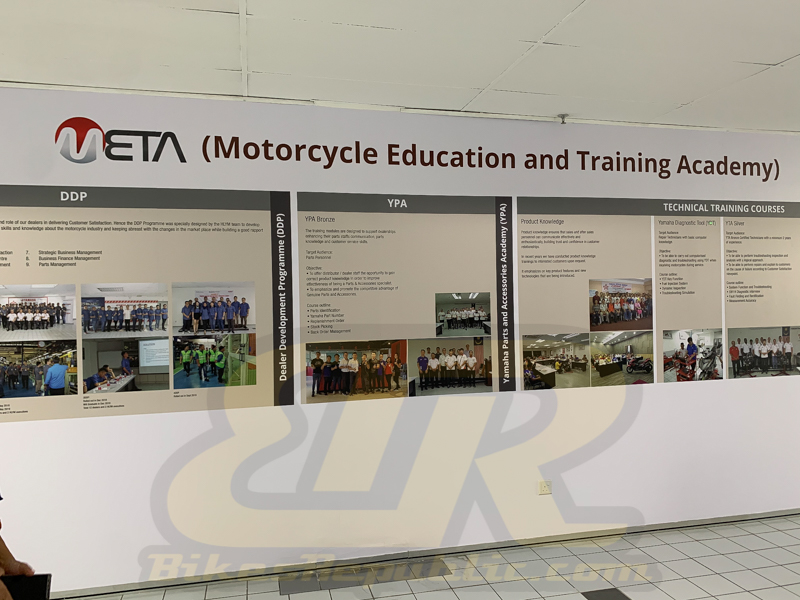
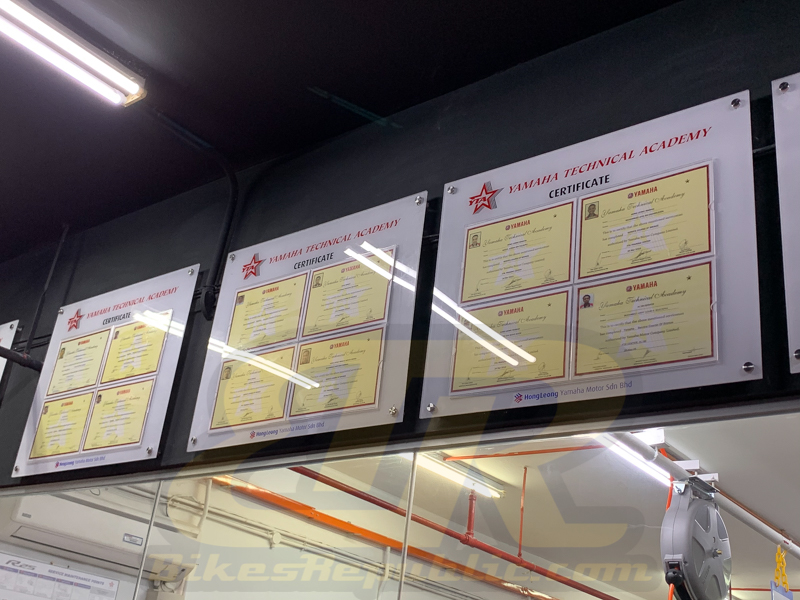
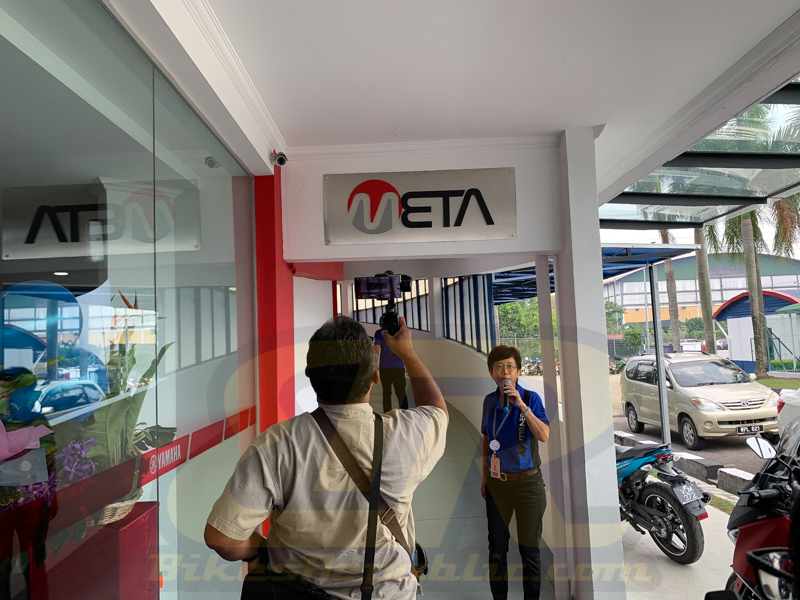
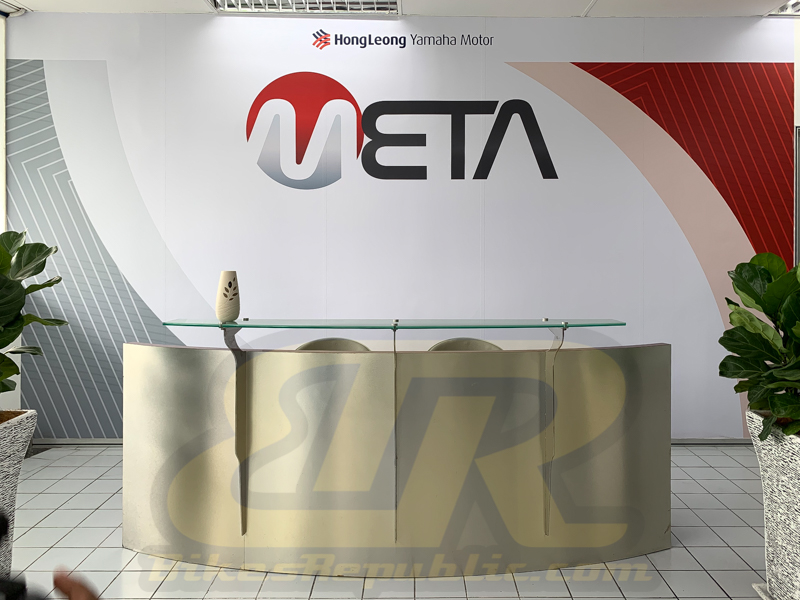
On the corporate front, HLYM renovate level 2 of the building to expand on their training facilities. That includes adding more classrooms for theoretical and practical training, and a resource centre (library) called META for Motorcycle Education & Training Academy Centre. The library will soon be open to not only dealers and their technicians, but also students and the public.
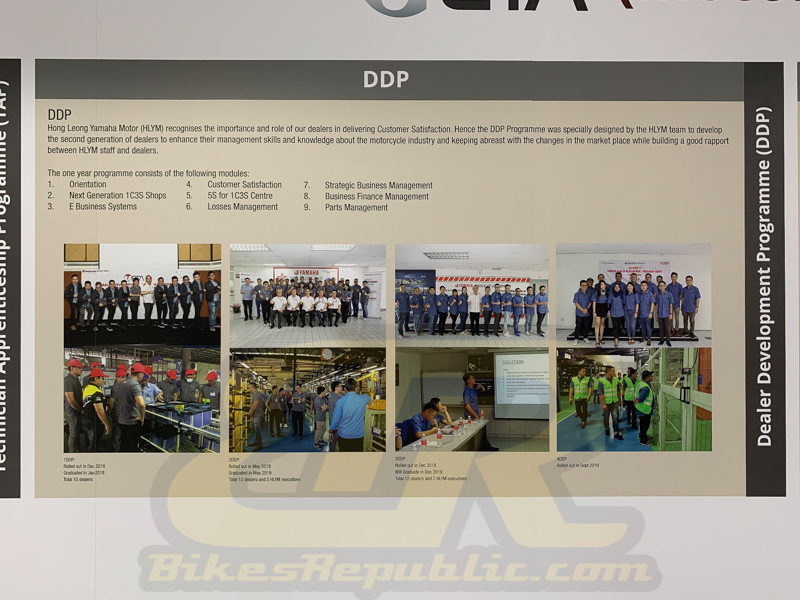
HLYM also provides detailed training for new dealers right down to managing cash flow and one-to-one relationships with customers.
The new Yamaha Lifestyle Station will be the flag-off point for future convoys and events. As for customers and visitors, it is definitely a new place to lepak (chill out).
After teasing with custom builds and concepts, the production ready BMW R18 was spotted recently.
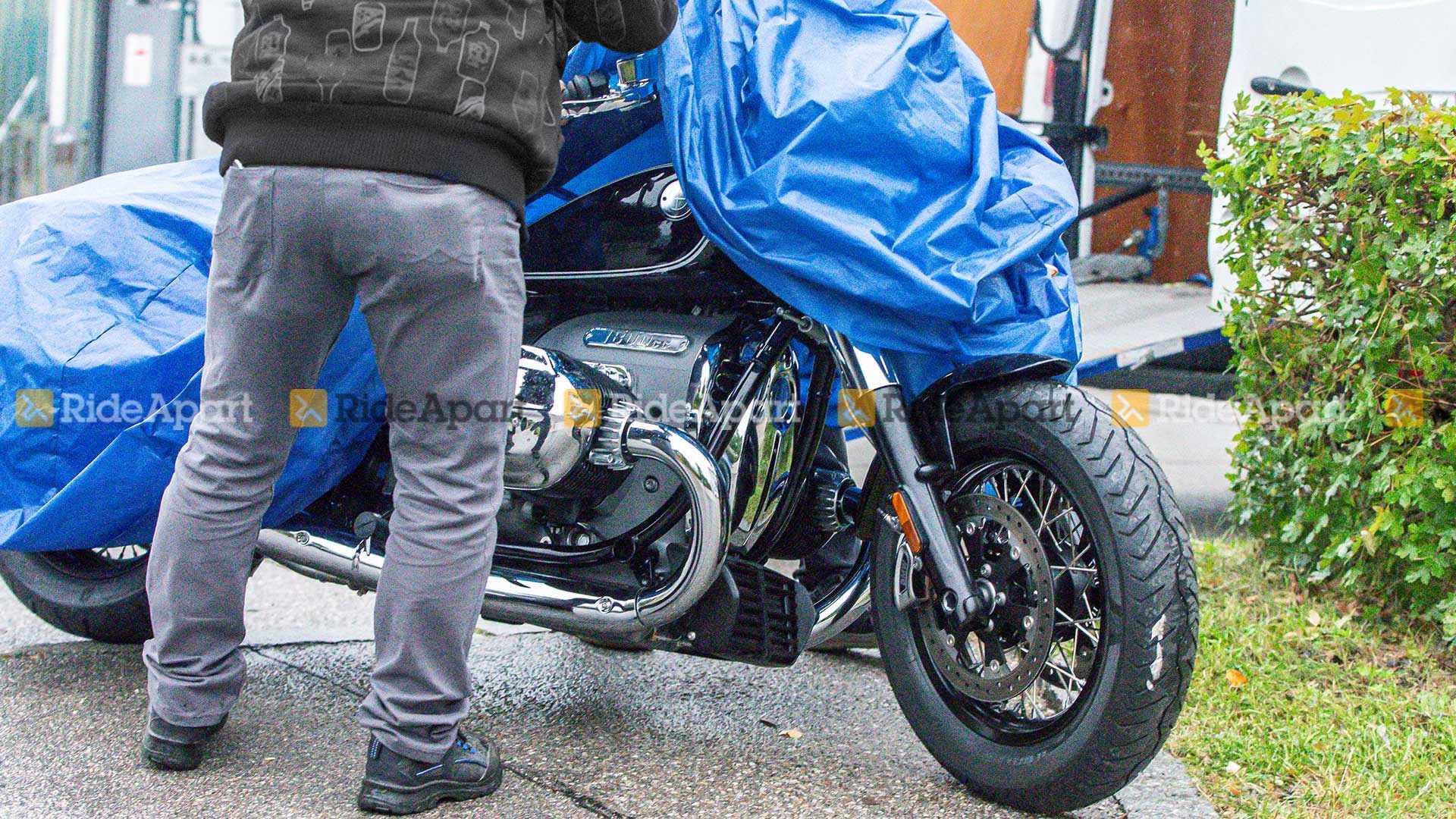
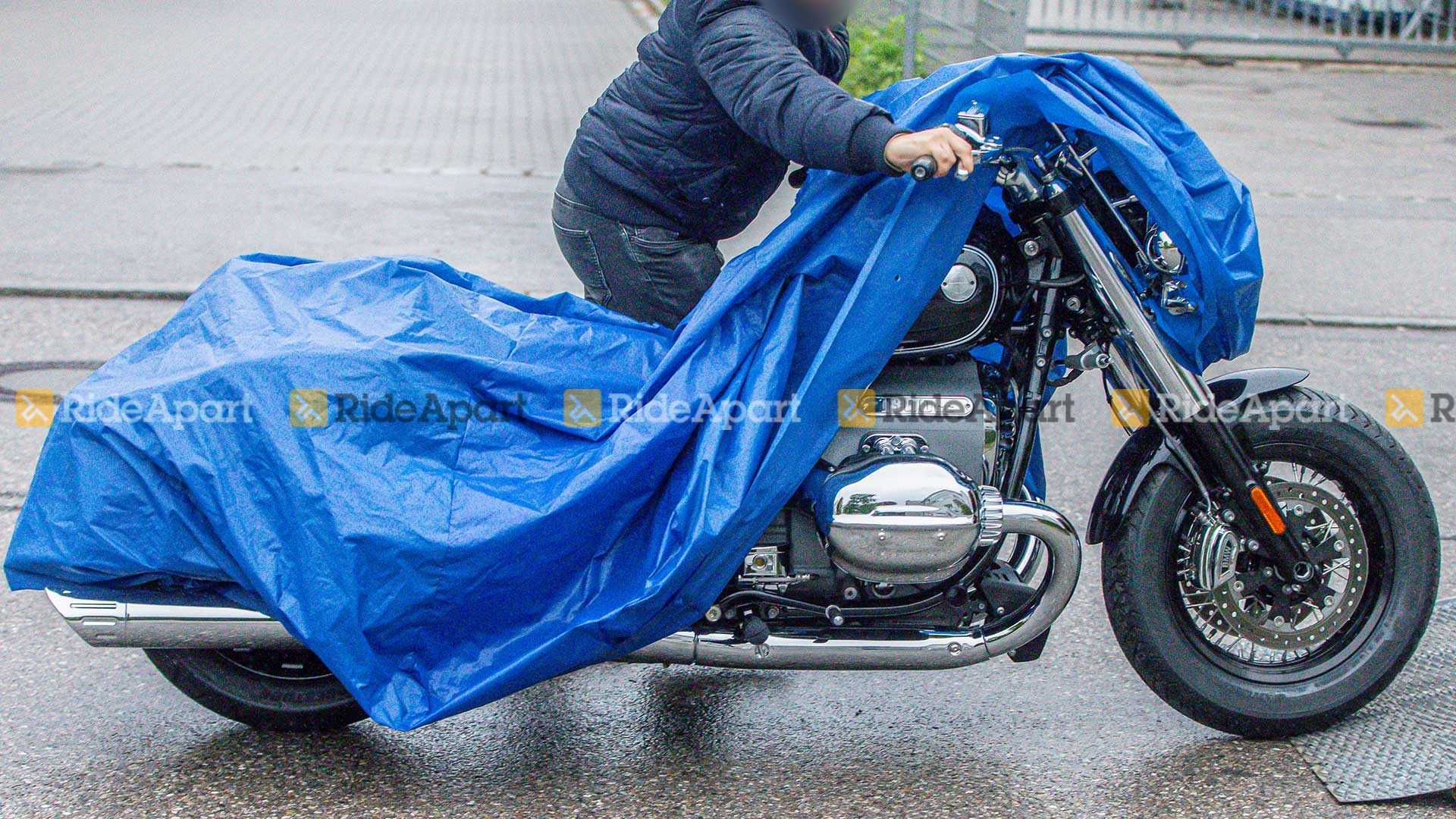
Eagle-eyed spotters saw the bike being loaded onto a truck under a blue tarp. When parts of the cover blew open, it revealed a BMW cruiser. And voila! It’s the new BMW R18.
This particular version is equipped with saddlebags and a wide front tyre, making it a bagger. It is rumoured that there will be three versions to the R18 i.e. a bagger, cruiser and tourer. All three will most probably be officially unveiled at EICMA beginning 4th November.
The bike in the picture looks pretty much like a production version rather than still at the concept stage. The exhaust pipes, brakes, wheels are the dead giveaway. But check out the shape of the double cradle frame’s downtubes. The fuel tank is also reminiscent of the classic/vintage BMWs.
But as classic as it looks, that engine is a huge 1800cc Boxer – the biggest Boxer BMW will make. The concept showed carburettors but the production model ought to use direct fuel injection.
BMW has been missing from the cruiser market for a couple of decades now since the last R 1200 C in 1997. Yes, the bike in the James Bond movie “Tomorrow Never Dies.”
Police arrested a schoolteacher for illegal racing.
He was riding a Yamaha YZF-R1.
His “opponent”, a cook, was riding an Aprilia RSV4.
Police arrested a school for illegal racing on a Yamah YZF-R1.
He was racing against a chef on an Aprilia RSV4 along Lebuhraya Tun Dr. Lim Chong Eu, near Bayan Lepas in Penang.
Both men were then arrested at intersection to the Kampung Jawa foodcourt at 2am.
Police revealed that the R1 rider is a secondary school teacher. Both men have made police bail but the police is in the process of completing their report to the deputy public prosecutor for further action.
The case will be investigated under Section 42(1) of the Road Transport Act 1987.
Sources say Johann Zarco may return to MotoGP this year.
He will ride for LCR Honda if he does.
LCR needs a substitute rider for the injured Takaaki Nakagami.
Johann Zarco may return to MotoGP on an LCR Honda.
Sources say that he will ride for the satellite team for the remainder of the season beginning the Australian GP. He will replaces injured Takaaki Nakagami.
Nakagami suffered a shoulder injury similar to Marc Marquez’s and will require surgery. The procedure was planned to take place earlier but the Japanese decided to carry it out after the Japanese GP.
Zarco, meanwhile, has been off the bike since he was unceremoniously removed from the factory KTM team after his announcement to quit his contract a year early. His seat was then handed over to KTM test rider Mika Kallio.
However, KTM MotoGP boss had allowed Zarco to test or ride another manufacturer’s bike in competition, despite the contract ending only at the of 2019.
It’ll be an important test for Zarco. Honda had wanted him for 2019 but he decided to follow Herve Poncharal’s move ill-fated move to KTM.
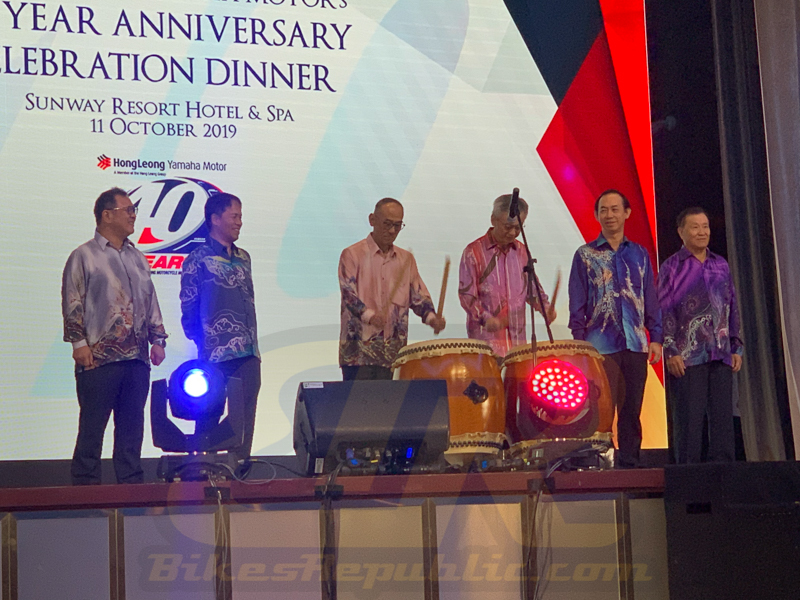
Hong Leong Yamaha Motor and Yamaha Motor Co., Ltd. Japan celebrate 40 years of successful co-operation tonight.
Hong Leong Industries signed the joint-venture agreement with Yamaha in 1979.
The guess of honour was Yamaha Motor Japan’s President and CEO.
Hong Leong Yamaha Motor and Yamaha Motor Co., Ltd. Japan celebrate 40 years of successful co-operation tonight.
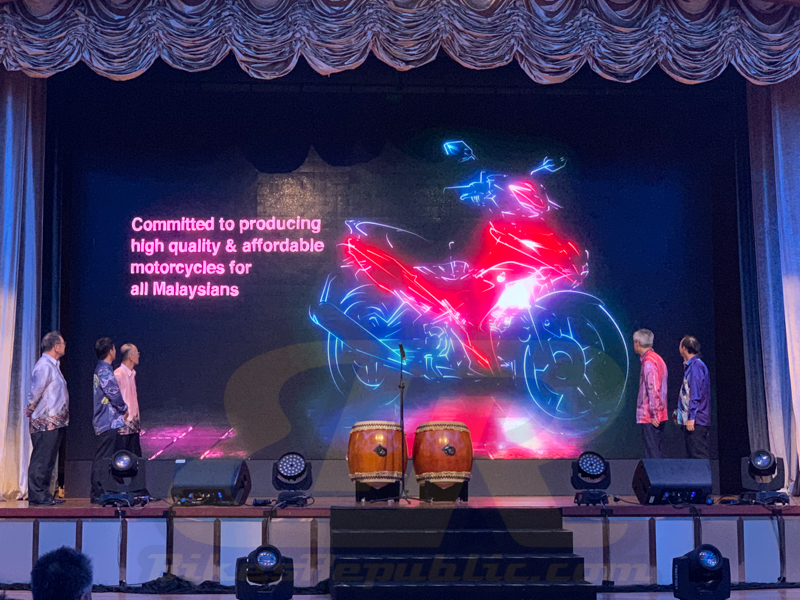
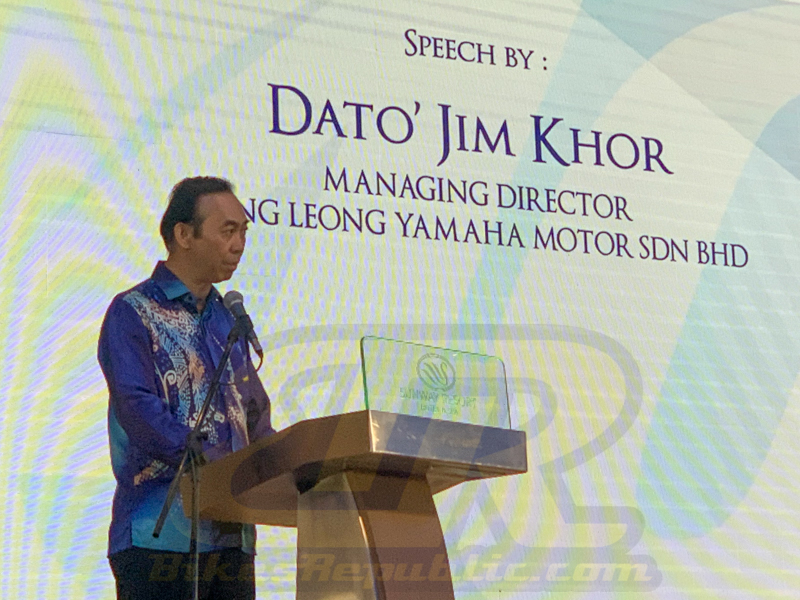
Hong Leong Yamaha Motor (HLYM) Managing Director Dato’ Jim Khor said that the objective of the joint venture was to produce motorcycles of high quality that are affordable to the people. To that end, HLYM has come a long way to build the brand to its No. 1 position in Malaysia.
The brand had grown regionally to cover other product segments such as marine applications, even to countries such as Vietnam.
For that, he thanked customers, dealers, business partners for their support, co-operation and contributions that led to the current success.
He also thanked the Yamaha Motor Co. for their passion in creating the best motorcycles, for it would not have been possible.
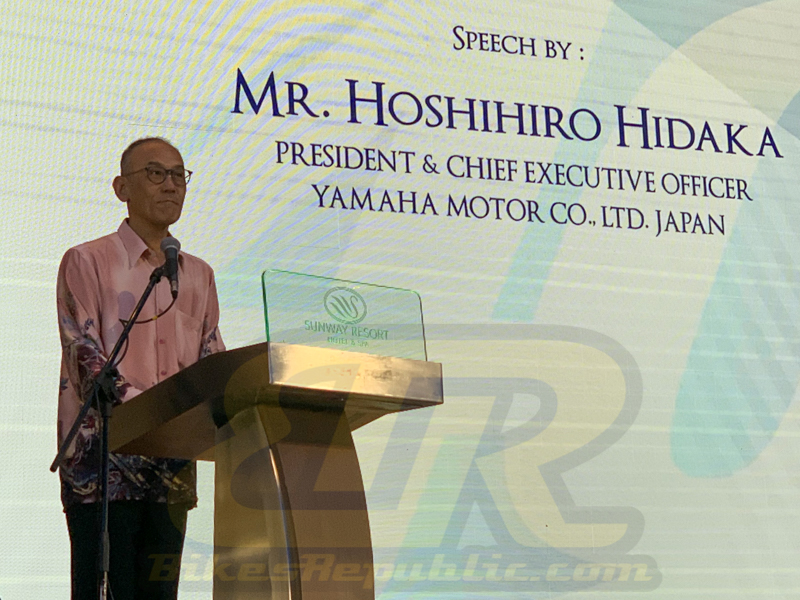
The guest of honour tonight was Mr. Hoshihiro Hidaka, the President and Chief Executive Office of Yamaha Motor Co., Ltd. Japan.
Apart from thanking HLYM for the great work, he also stated that Yamaha finds that motorcycles are closest vehicles to people. Hence the company has always strived to create Kando (feeling of happiness and satisfaction) among their customers. To do so, Yamaha fuse cutting-edge technology with human sensitivities. This principle is reflected in the “Expanding human possibilities” tagline.
Both gentlemen hope that the co-operation will continue for the next 40 years and beyond.
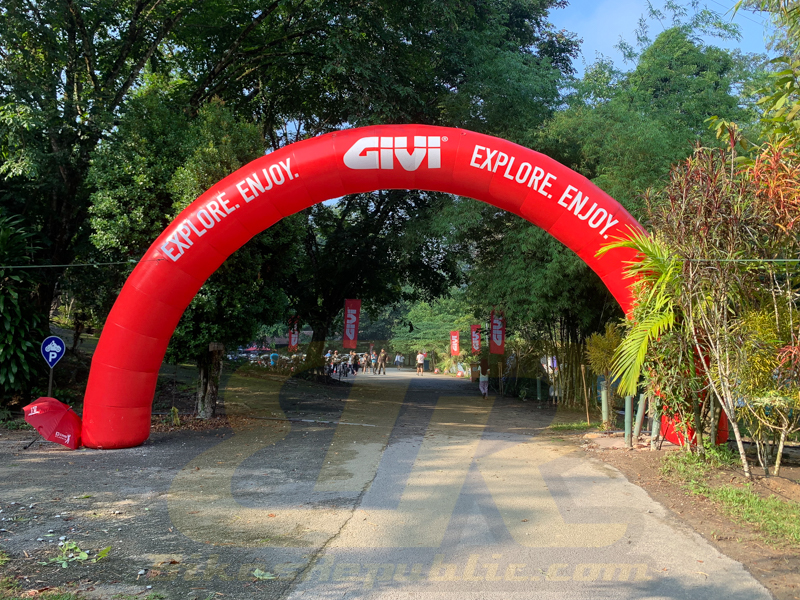
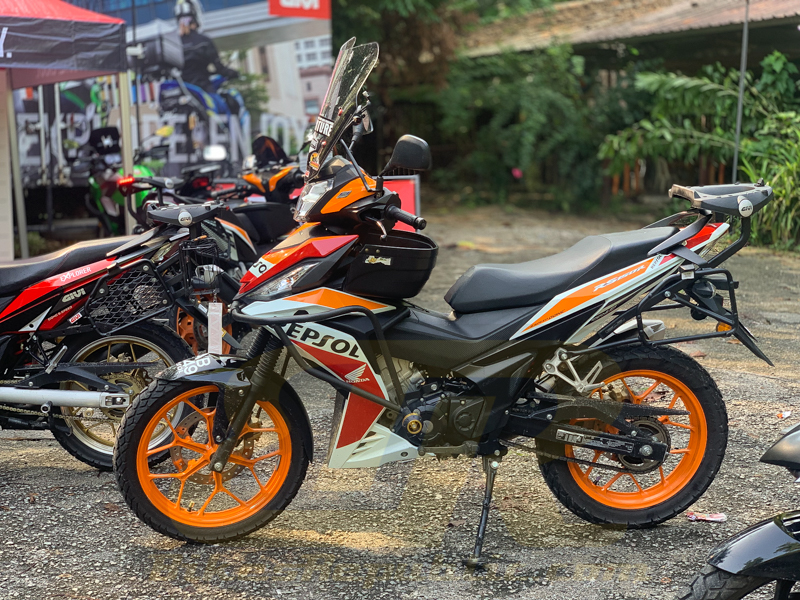
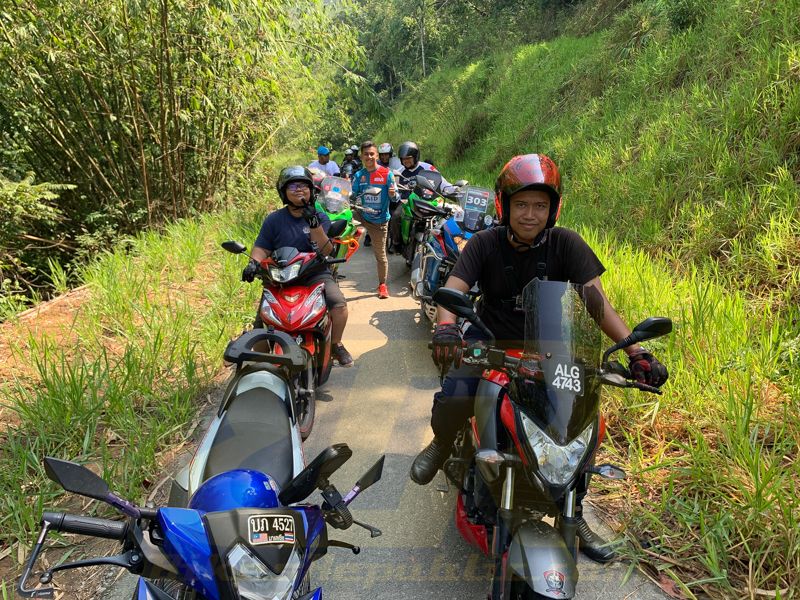
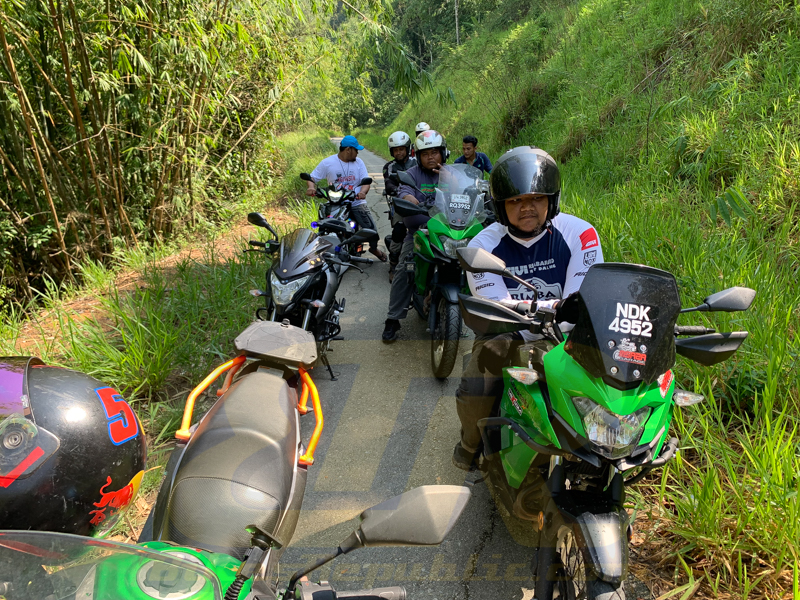
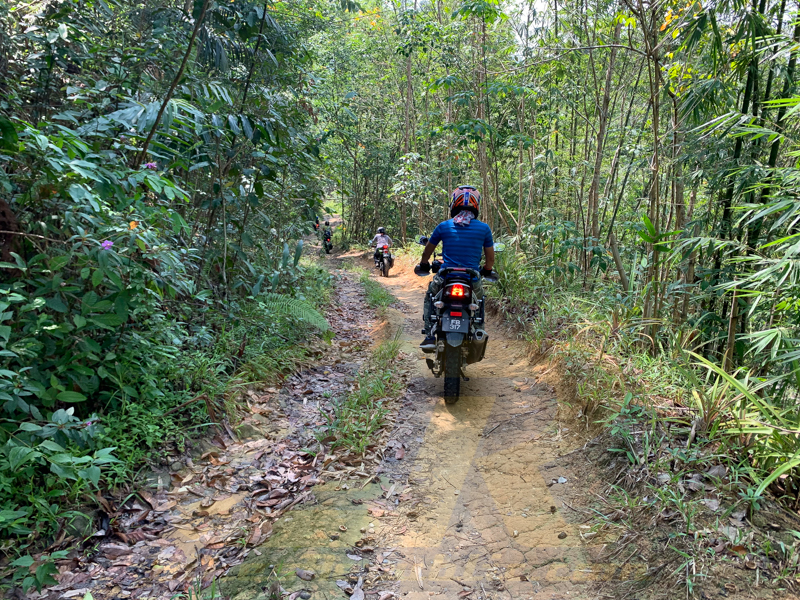
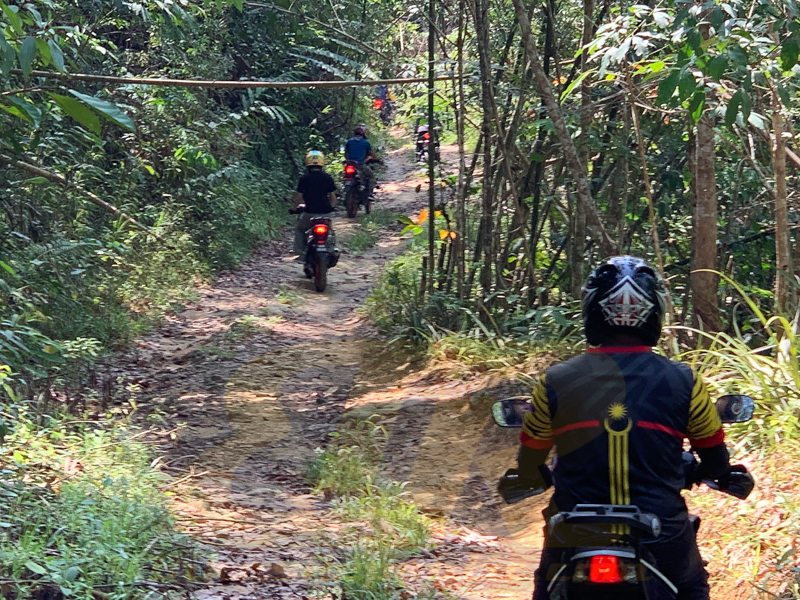
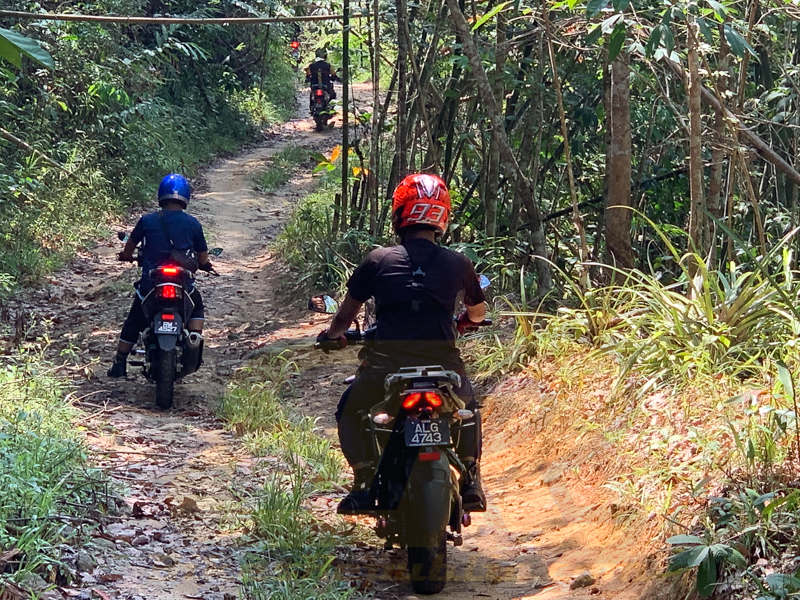
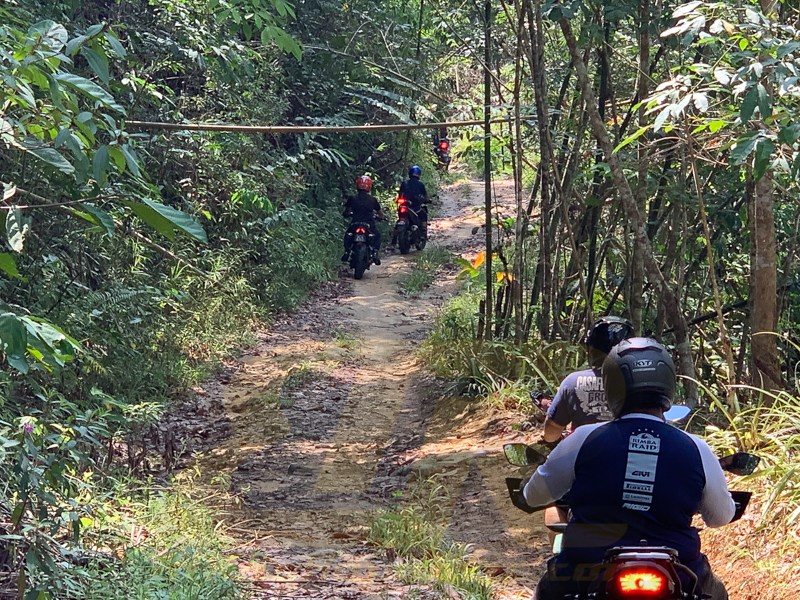
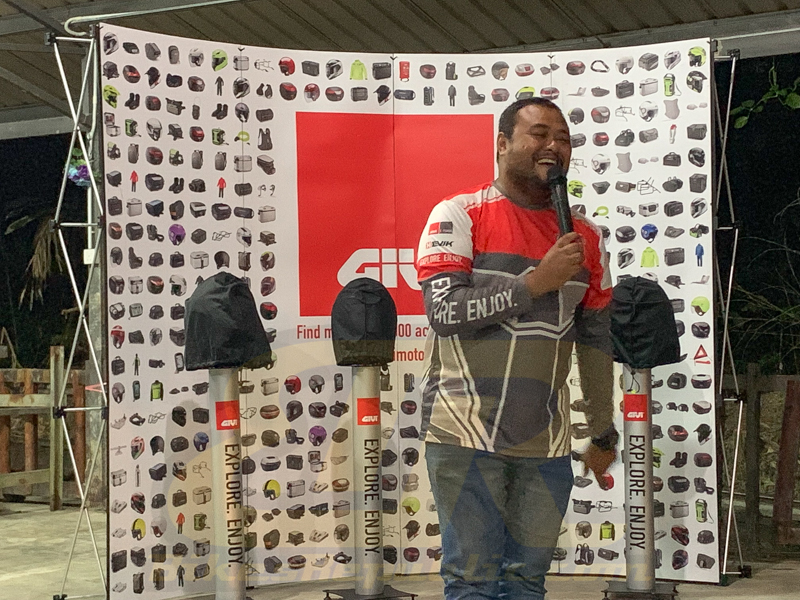
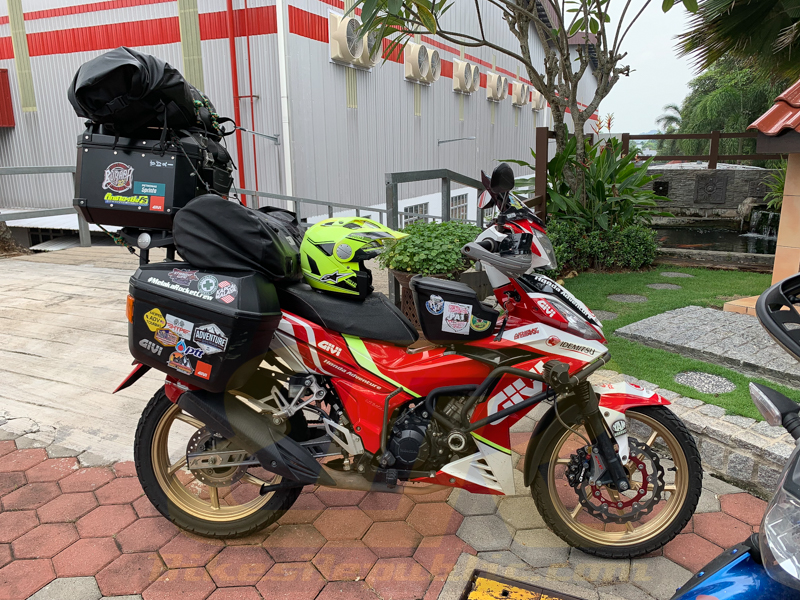
GIVI Asia organised a GIVI Mega Camp & Ride 2019 recently.
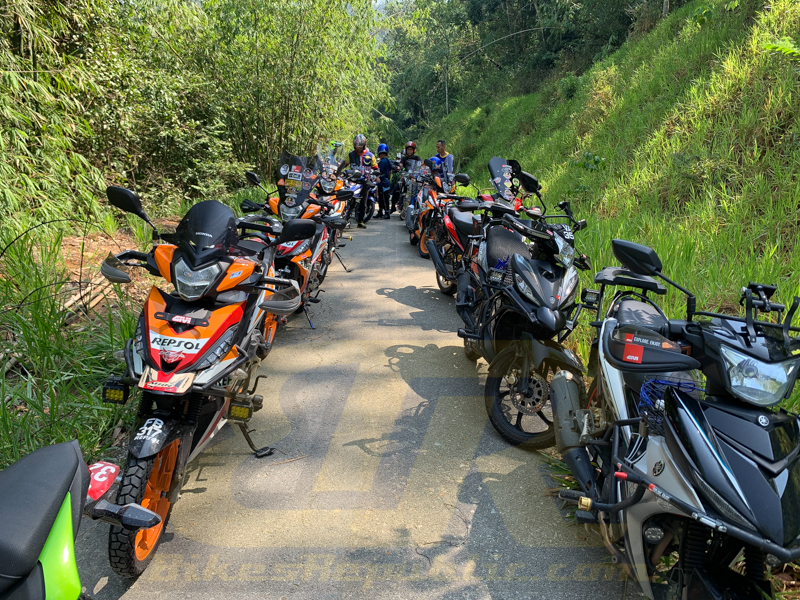
Participants rode to and camped at Lata Lembik, Pahang.
There was also an off-road class and ride on the second day.
GIVI Asia Sdn. Bhd. set up an online community recently and it has seen a meteoric rise since then. As such GIVI organized the GIVI Mega Camp & Ride 2019 as a way for the community members to come together to enjoy the GIVI lifestyle.
There had been a number of Ride & Camp activities besides charity rides thus far. All saw enthusiastic participation.
GIVI organised such an event at Late Lembik this time around.
As per tradition, the ride began from the GIVI headquarters at Bukit Beruntung near Rawang. There, participants were provided with light breakfast and refreshments. Each received a “number plate” and GIVISTA t-shirt upon registration. There was a good mix of large and small capacity motorcycles, all fitted with GIVI cases but there were those fitted with almost everything in the catalogue.
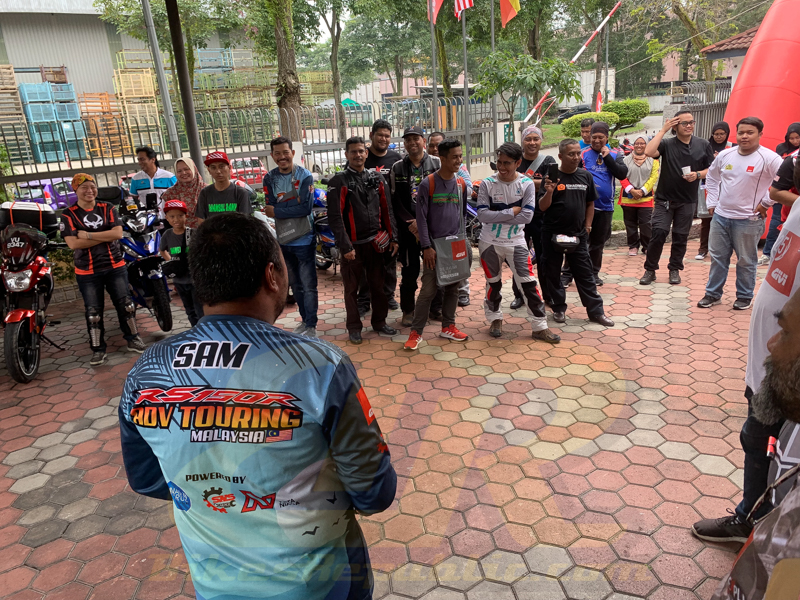
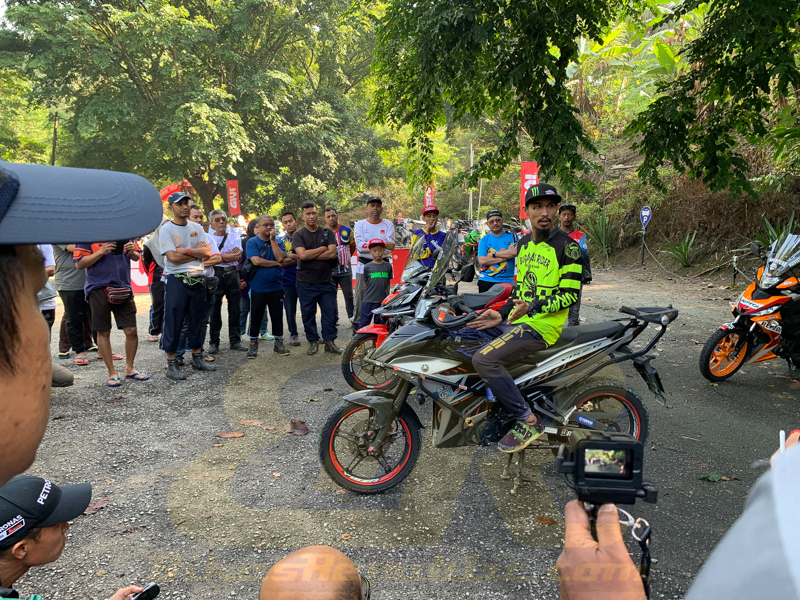
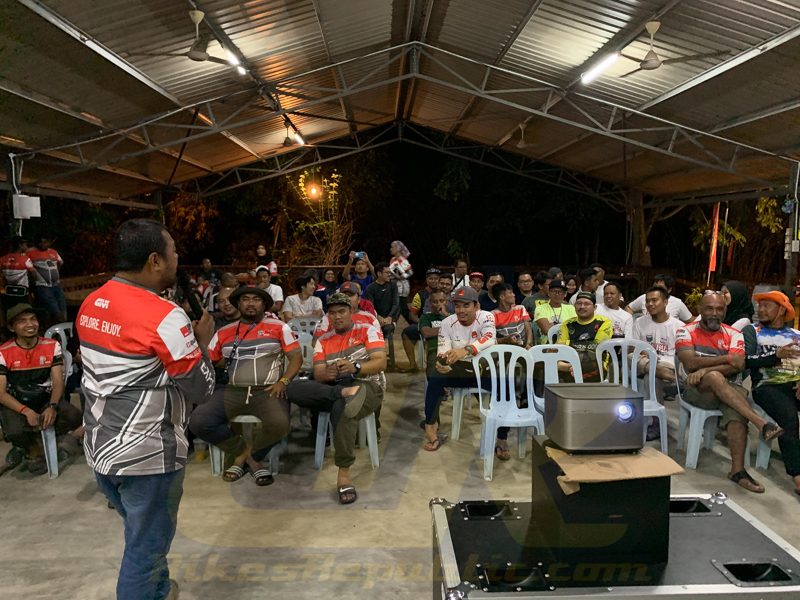
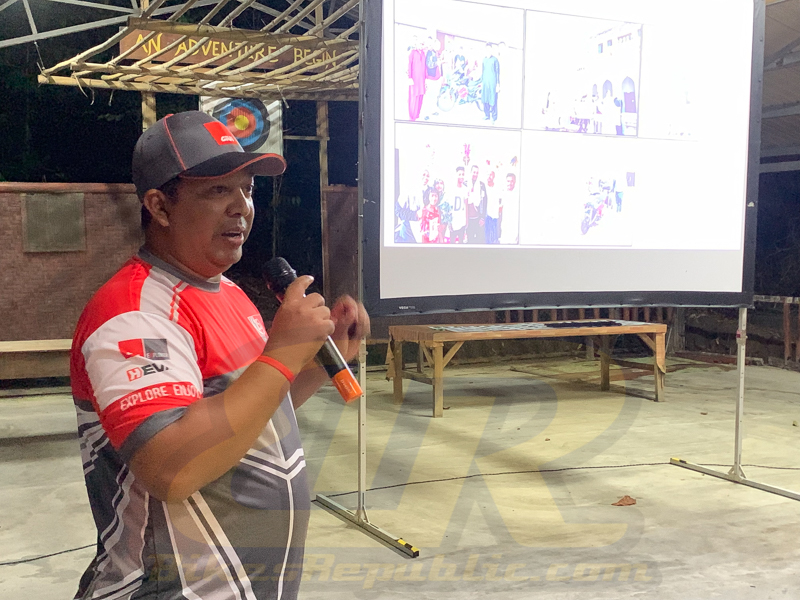
Sam Sharman, the Marketing Manager gave a briefing on the ride and activities. Participants pasted the number plates to their bikes so that marshals could keep count of those following. Such system was also used during the GIVI Malaysian Adventure 2019.
Speaking of the Malaysian Adventure, this ride was guided by the same head marshal.
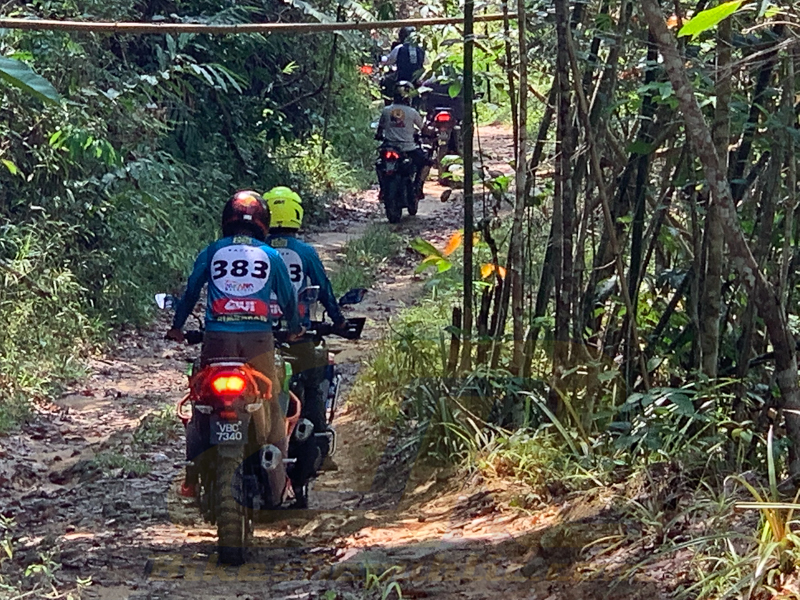
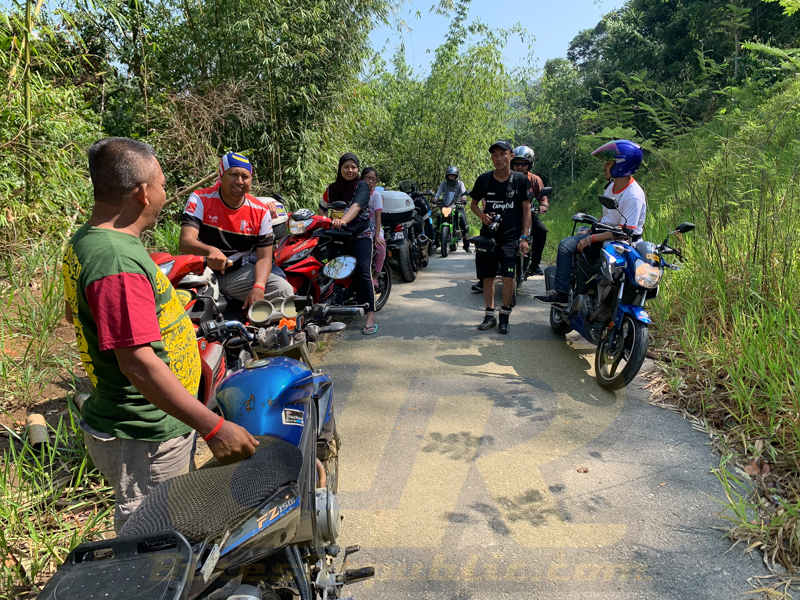
The ride itself was a lot of fun for the riders as they crossed through Batang Kali and headed up to Gohtong Jaya, before descending on Karak Highway. Late Lembik laid close to halfway between Bentong town and Sungai Koyan.
Participants found the tents already pitched by the hardworking GIVI crew when they arrived in the late afternoon. The rain didn’t dampen anyone’s excitement.
It was dark soon, so GIVI showed a movie in the community hall.
GIVI provided breakfast again the next morning, while waiting for the off-road class to begin.
The instructor, Remy Buragas, showed up soon and conducted a short on-bike demonstration. The riders were shown the correct ways of handling the motorcycle in off-road conditions.
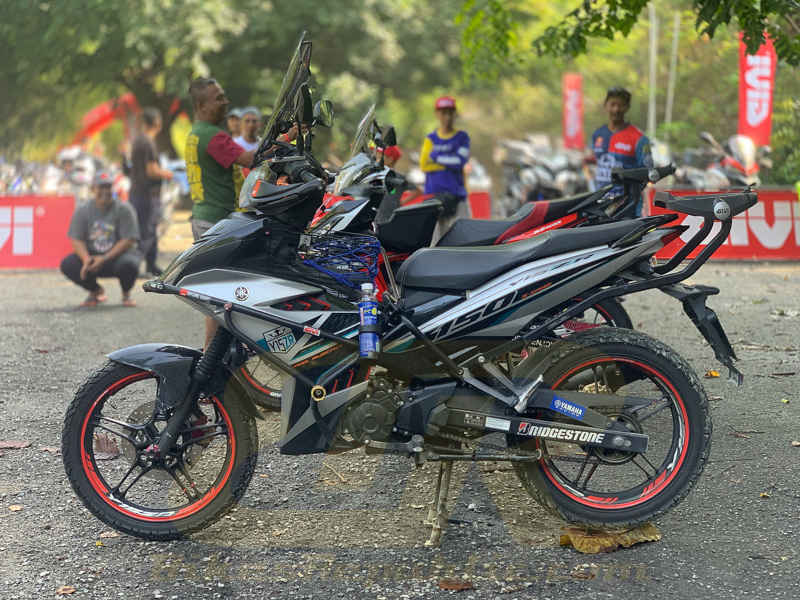
It was at this time that we saw a number of bikes with extended suspension. These guys lived up to GIVI’s Explore, Enjoy ethos. There were also riders who competed in the GIVI Rimba Raid.
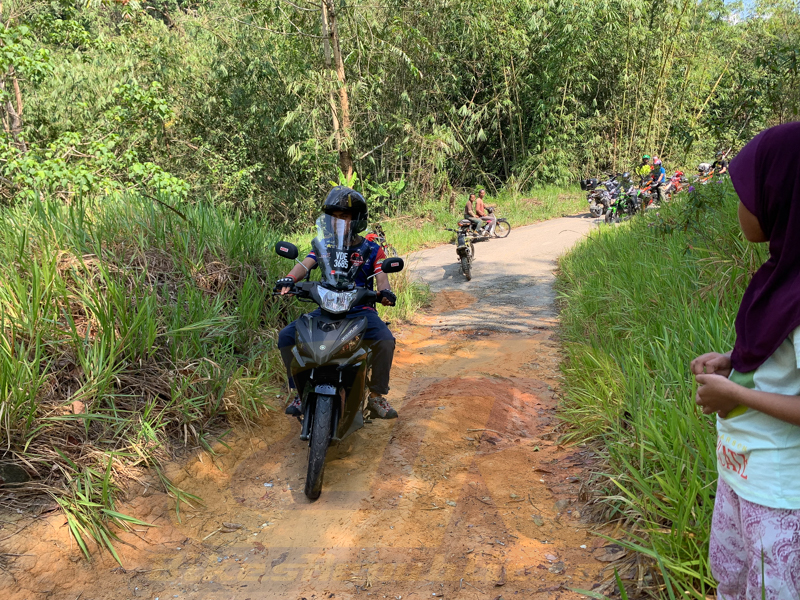
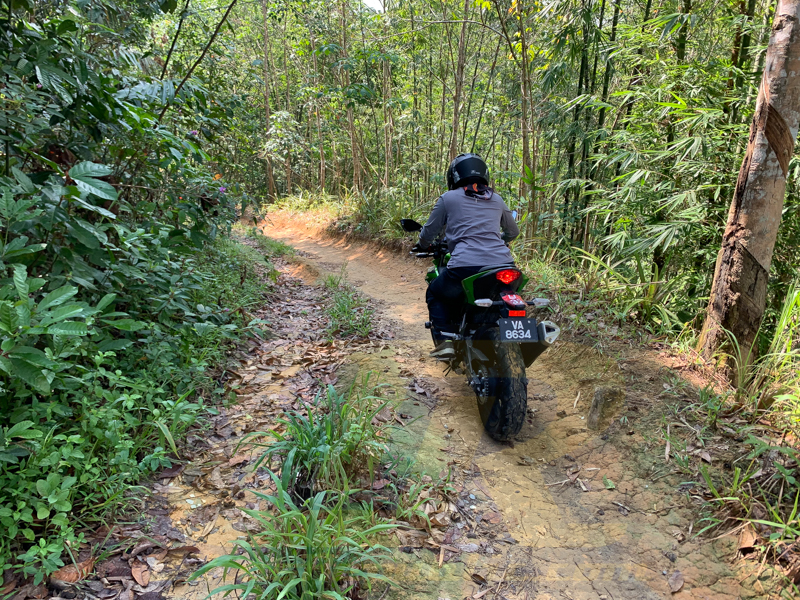
The trail consisted of easy and medium difficulty sections. But the incessant rain had made it muddy and slippery so certain sections were abandoned. The riders took to it with glee, some of them even had road tyres on.
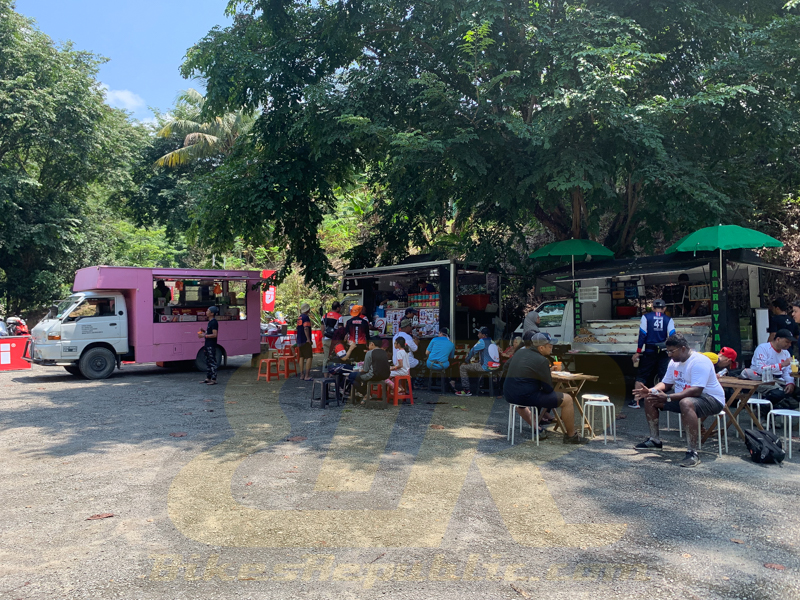
By now, the food trucks have shown up.
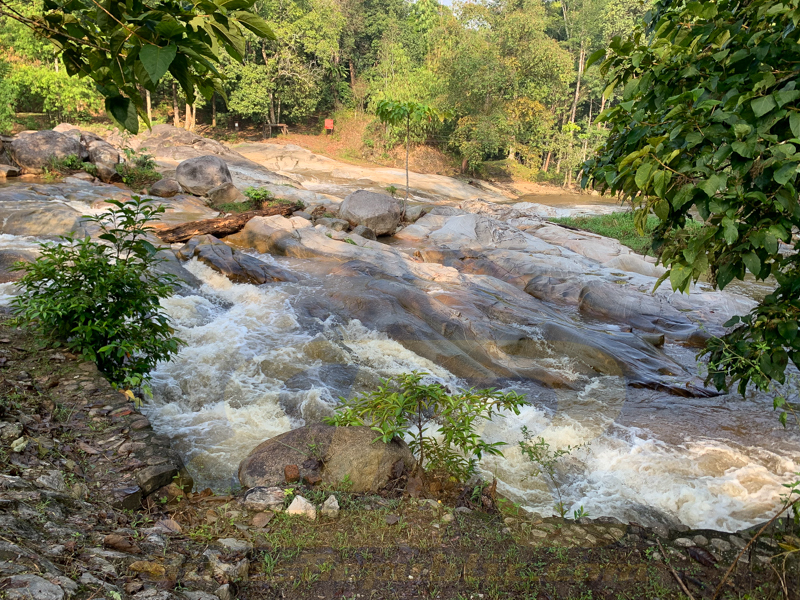
Some free time was provided and the participants took the opportunity to swim in the river.
Come dinner time, the GIVI crew fired up the BBQ. Participants ate to their contention since the food trucks were still there.
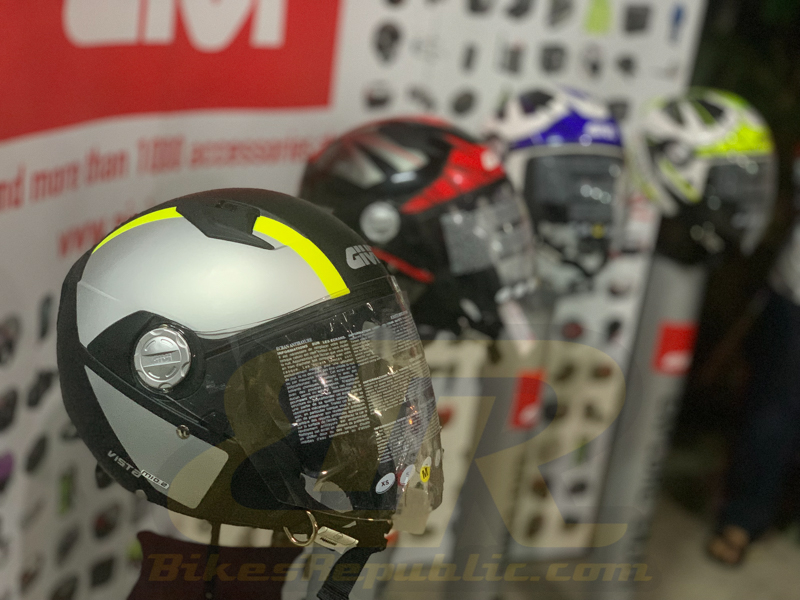
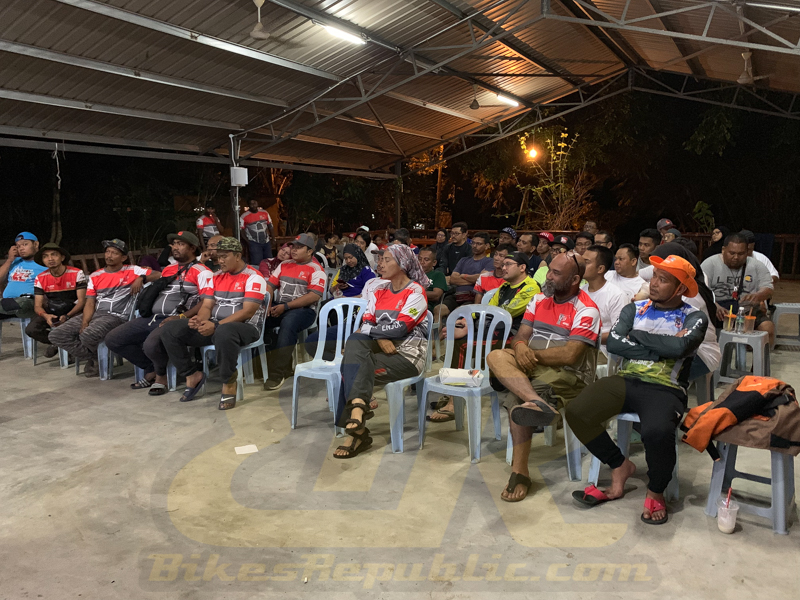
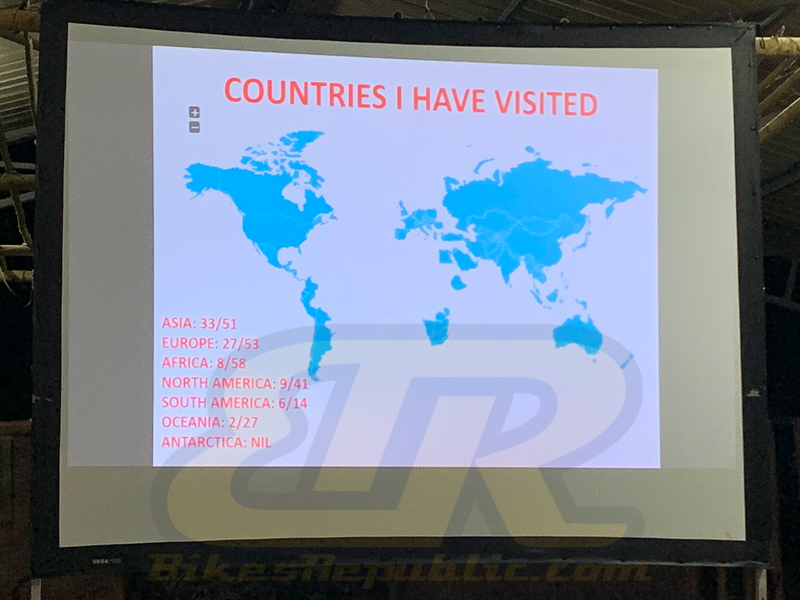
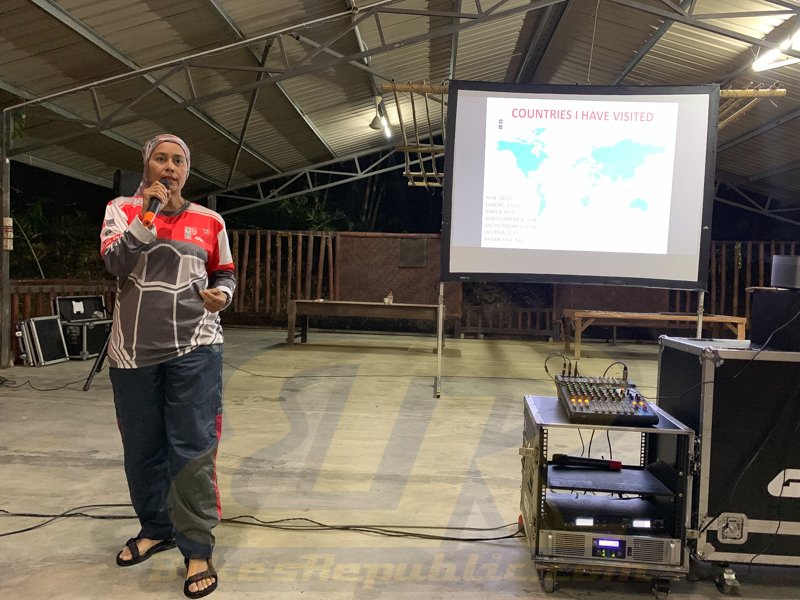
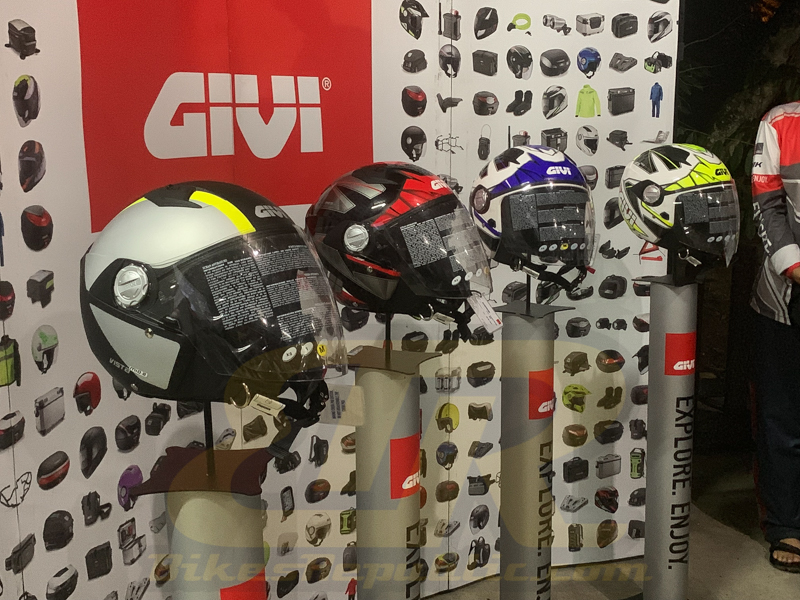
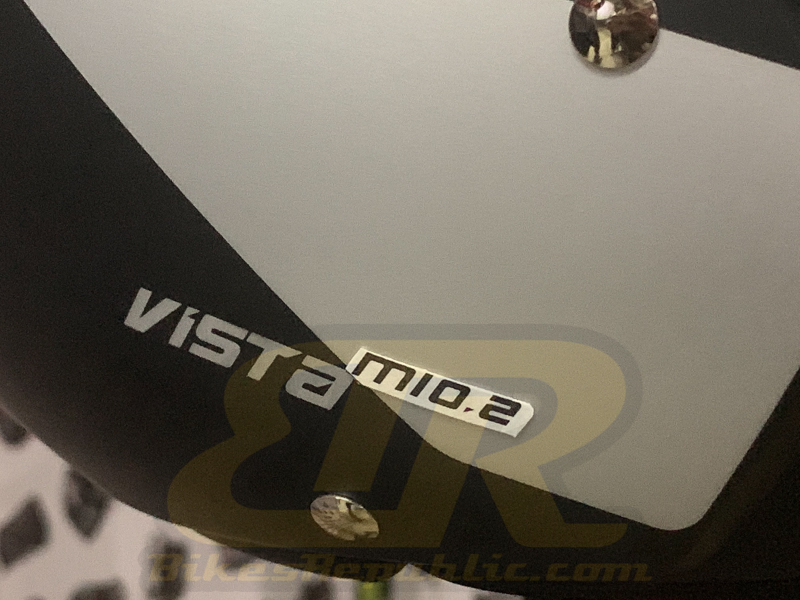
A sharing session was held after dinner. Sam described the role of GIVISTA Community, while another two shared their touring experiences. GIVI Ambassador Anita Yusoff gave a talk on her Dream Global Ride. Sam and Anita proceeded to unveil the new GIVI Vista helmets before ending the session.
A basker band took over the proceedings to entertain the crowd.
The activities concluded the next morning. Everyone headed home happy and safe.
The community is made up of GIVI consumers, regardless of type of product and motorcycle the ride. Being an open group, members are free to share their experiences of using GIVI products and travels.
Motorcycles evolve hand-in-hand with the sentiments of the day.
Of course, the manufacturers always searched for ways to outdo their peers but motorcycle development also depended largely on technological know-how and discoveries, there were other influences such as economics, culture, fashion, so on.
The Backdrop
Ah, the 70s. It was a period of pivotal change in world history.
The most famous conflict of the time, the Vietnam war (“war” spelled with a small “w” as the United States never formally declare war with North Vietnam) would end with the fall of Saigon (now Ho Chi Minh City) in 1975.
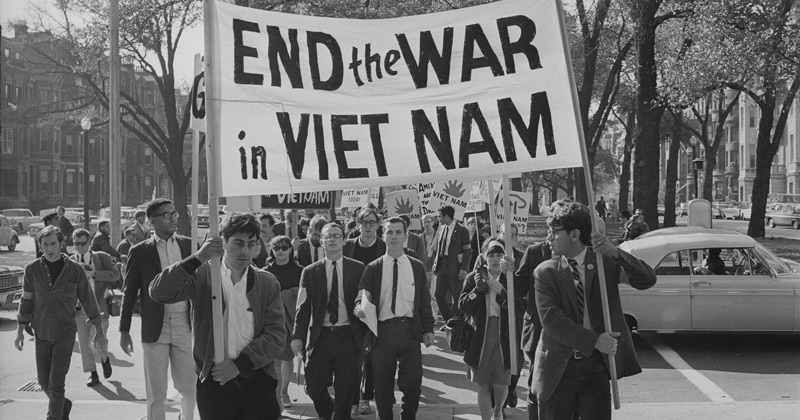
It was a time of self-discovery, often with people stating their claims to more egalitarian societies, no doubt led by “hippy” protests against the Vietnam war in the late-60s. This led to higher freedom of expression.
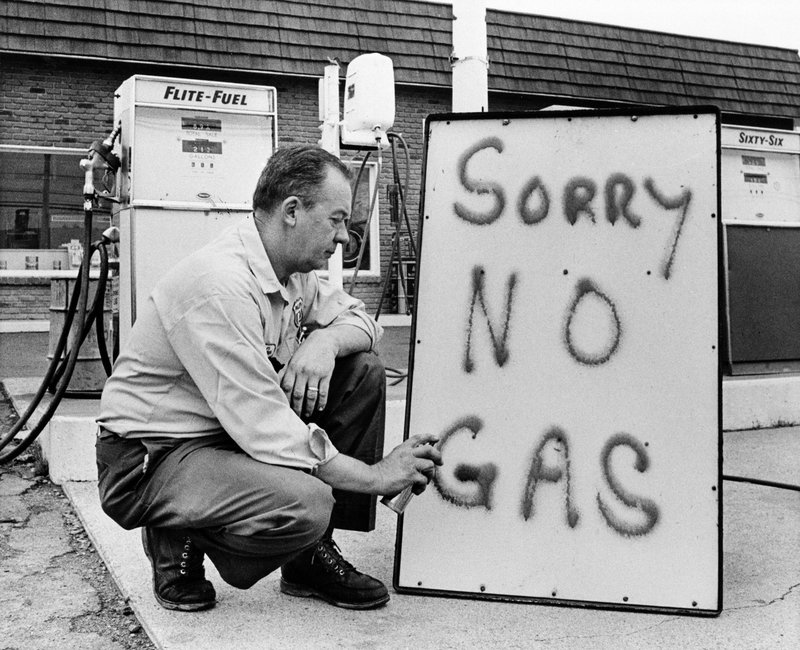
At the same time, there were energy concerns, specifically over the black gold – oil. The oil producing nations, OPEC, embargoed oil exports against nations that supported Israel during the Yom Kippur war. It triggered the Oil Crisis of 1973.
Another Oil Crisis happened in 1979 with the Iranian Revolution which saw the Shah outside by Ayatollah Komeini’s forces.
But science did progress.
It was during this decade that first saw an explosion of development in the integrated circuit (IC), besides others. The decade also saw other nations joining the Americans and Soviets in the space race.
The Motorcycles
Which leads us to the motorcycles.
The motorcycles scene of the 70s saw the decline of “continental” brands and the rise of the Japanese Big Four. The latter offered higher performance, better quality, reliability, better economy at much lower prices.
Thus the decade saw a bona fide arms race between manufacturers to build the biggest and baddest bikes. Sure, we saw the same happen decades earlier and four decades on, but the 70s saw some of the biggest breakthroughs in motorcycling whose impacts echo down later generations.
Honda CB750 (1969)
But we have to start with 1969.
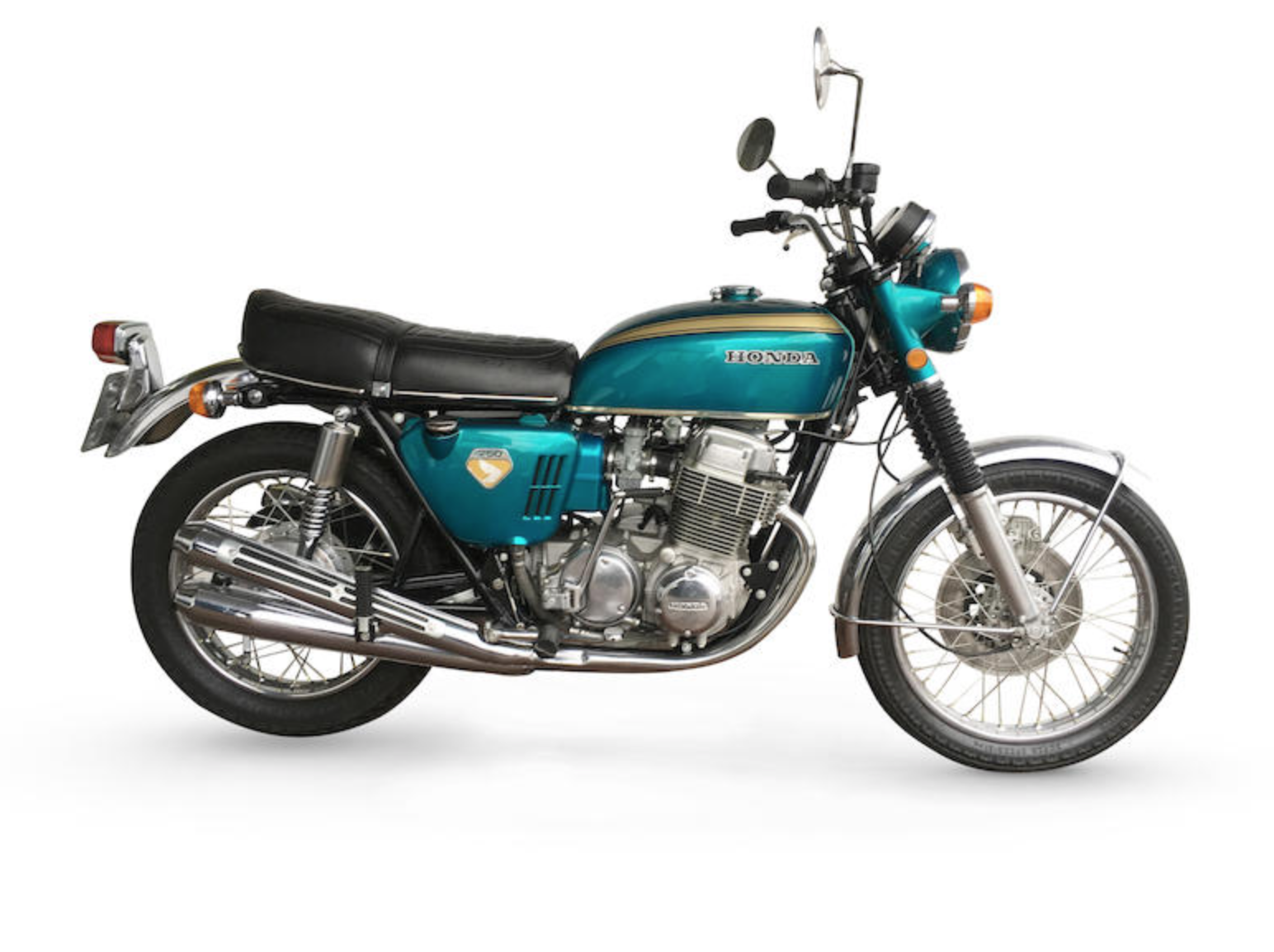
It was the year the Honda CB750 came out.
It introduced the inline-Four engine, disc brakes and upright seating position to the masses. It also inspired the kind of motorcycles design which was adopted by every Japanese manufacturer henceforth, which came to be known as the “UJM,” for Universal Japanese Motorcycle.
The engine produced 67 bhp and propelled the 218 kg bike to 201 km//h, making it the fastest production bike of the time.
Mind you, the bike was rolling on a 3.25-inch (82.5 mm) front and 4.00-inch (102 mm) rear tyres!
The term “superbike” was thus coined.
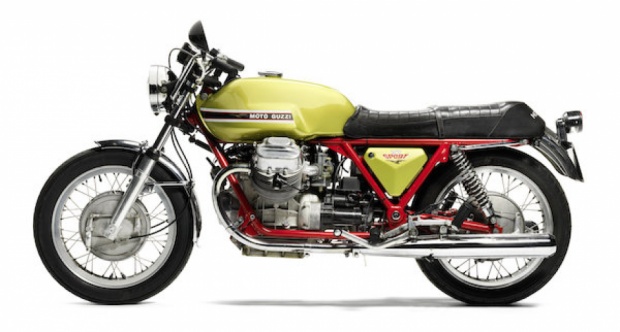
Moto Guzzi V7 Sport (1971)
Based on the standard/roadster V7, the V7 Sport was the company’s cafe racer, complete with clip-on handlebars. It was also the first production bike which had a five-speed gearbox. Being stripped of superfluous parts, it was lighter and handled better. The later Uber-desirable Le Mans was based on this bike.
Guzzi commemorated the bike with the V7 Special in 2008 and again in 2012.
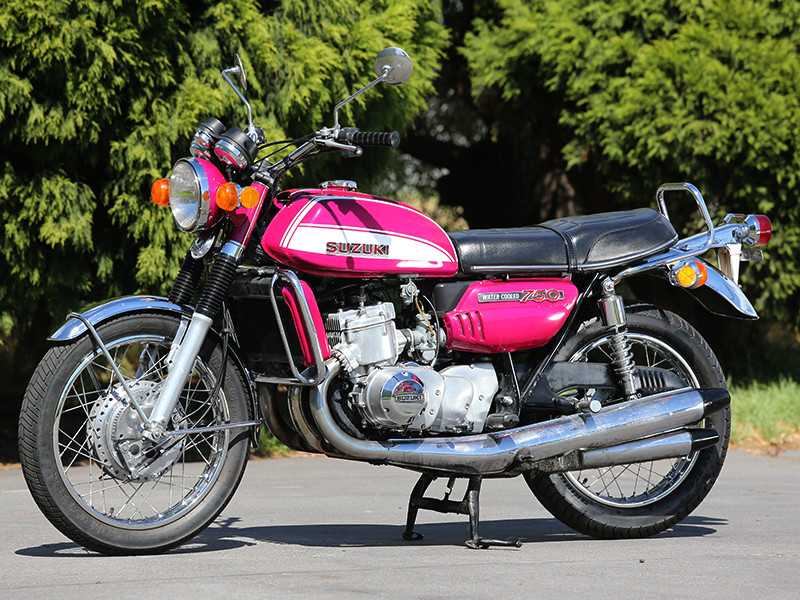
Suzuki GT750 (1971)
While Honda and Kawasaki traded blows and counterblows to produce the world’s fastest bikes using four-stroke engines, Suzuki and Yamaha duked it out with two-strokes.
The GT750 was a 3-cylinder, 2-stroke bike. But it was the first Japanese bike to feature water-cooling.
Hence it became affectionately (or otherwise) known as the “Water Buffalo.”
Benelli Sei (1972)
“Sei” meant “six” in Italian. The inline-Six was based on the Honda CB750’s inline-Four but with two more cylinders added on. As such, it became the first production motorcycle with a six-cylinder engine. Just as iconic were the six exhaust tips, to beat the Honda’s four.
The Sei first started as a 750 and became a 900 in 1979. It’s styling changed from round to angular, with a bikini fairing closely resembling the Moto Guzzi Le Mans added on.
Triumph X-75 Hurricane (1972)
This bike is credited as starting a new class of motorcycles called “cruisers.” The factory had enlisted the help of fibreglass specialist Craig Better to design the bodywork for the bike. It was originally unveiled as a BSA Rocket Three in 1969 but was sold as the X-75 Hurricane when production began in 1972.
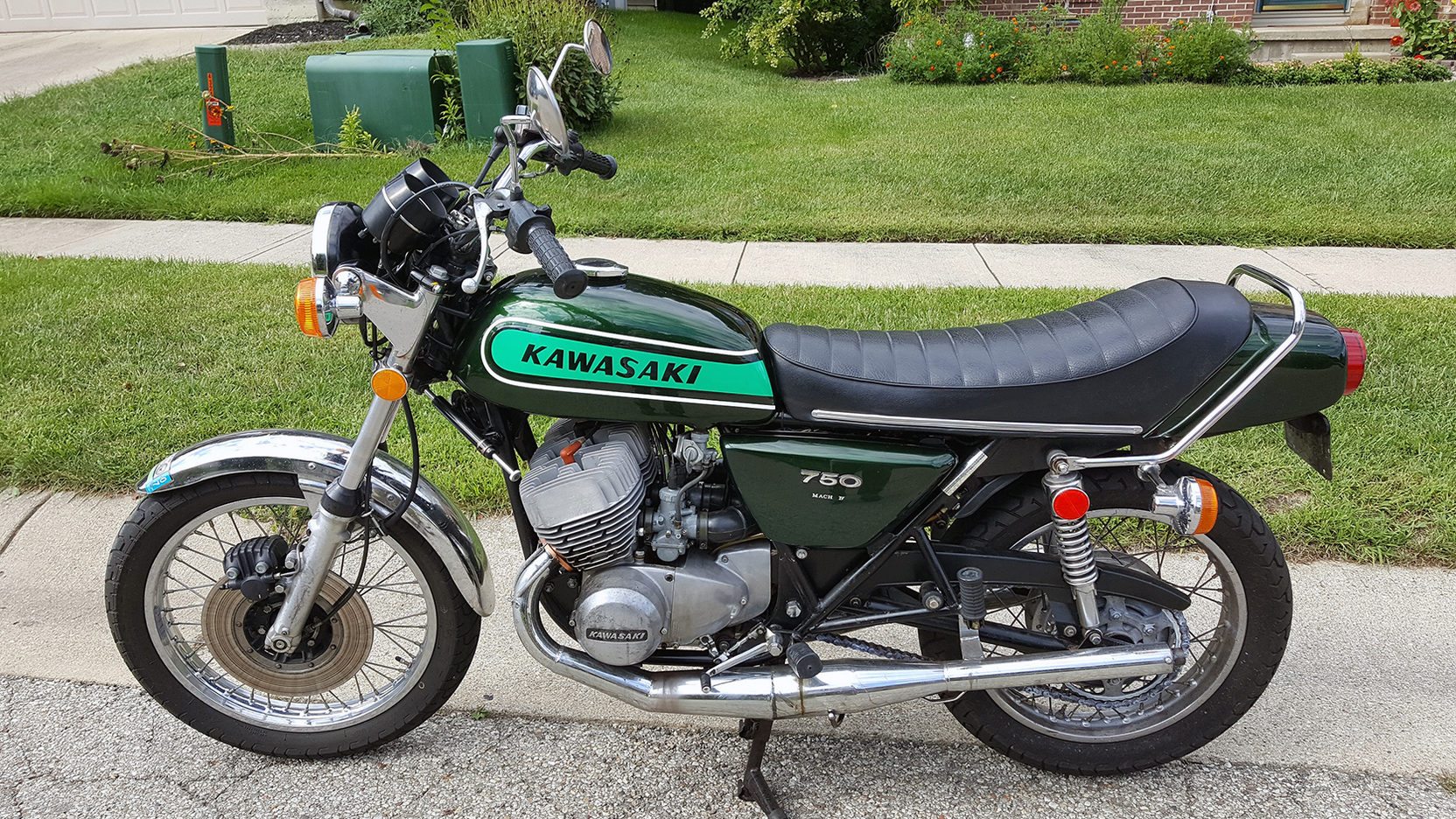
Kawasaki H2 Mach IV (1972)
The H2 Mach IV superseded the H1 Mach III. But the design brief stayed the same: To build the fastest accelerating motorcycle.
The 500cc, two-stroke triple H1 was built for the American market where traffic light drag racing was the most prominent. Hence the bike was made as light as possible. To do this, the engineers made the frame thinner and the forks looks like they were taken off a moped. Consequently, the bike was fast but didn’t handle.
The H2 Mach IV was to improve on its predecessor. It debuted with a new 750cc, three-cylinder, two-stroke engine which produced 74 bhp. It was the world’s fastest accelerating bike but didn’t have the top speed of the Z1. The H2 is said to be the bike which killed the British motorcycle industry.
Now you know where the current supercharged Ninja H2 name originated from.
It was sold alongside the Z1 until 1975.
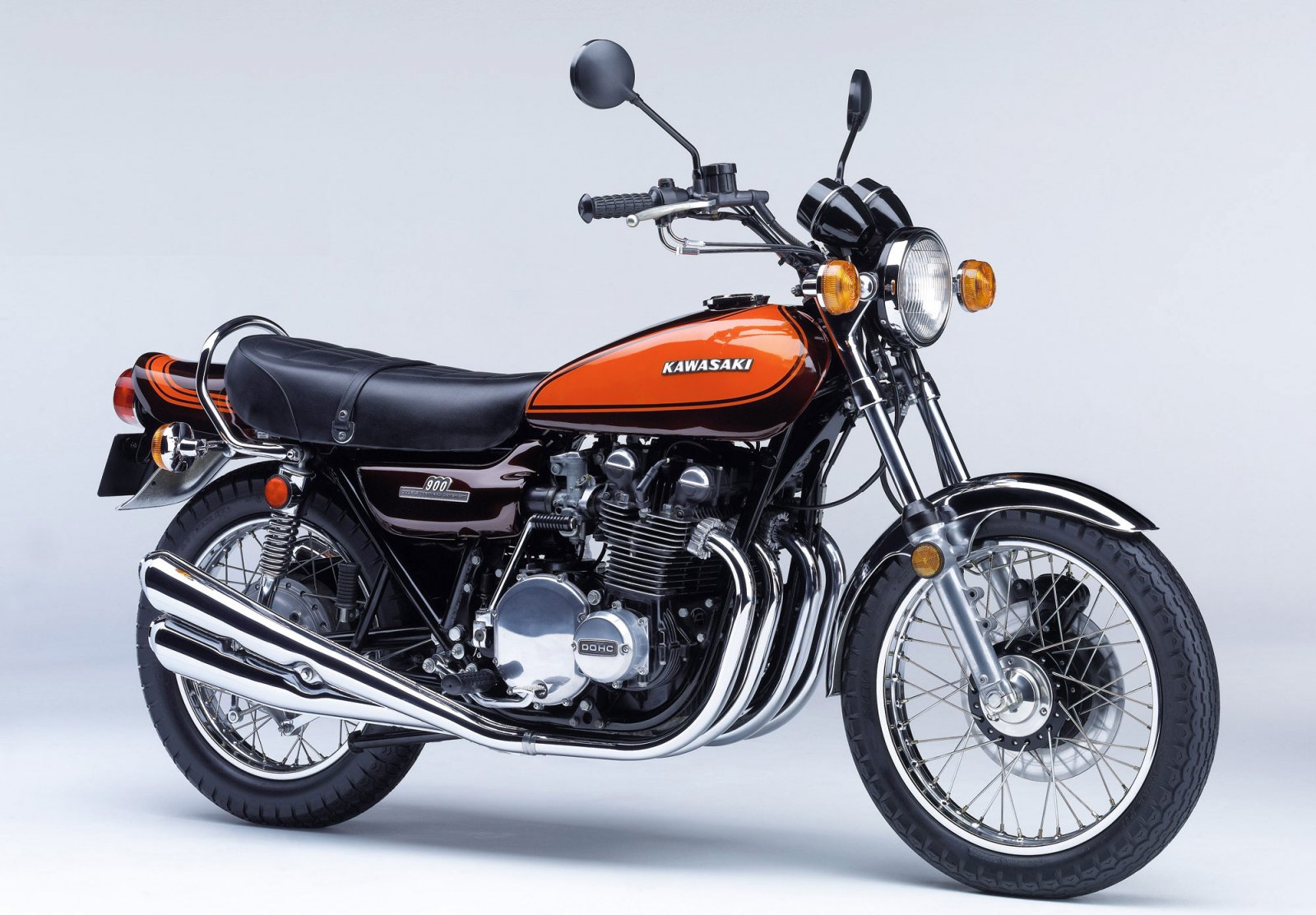
Kawasaki Z1 (1972)
Kawasaki had planned to introduce an inline-Four 750 that year, too. Finding themselves beaten to the punch, the went back to the drawing boards and came out with the iconic Z1 in 1972.
The manufacturer upped the displacement to 900cc and added another camshaft to DOHC to take the fight to Honda, resulting in 81 bhp and a 212 km/h top speed. It was now the fastest production motorcycle.
In that same year, the Z1 set a new world FIM and AMA 24-hour endurance racing record on the Daytona racetrack. It covered a total of 4234 kilometres at an average speed of 176.45 km/h. And yes, it had 82.5 and 102 mm tyres, too.
The Z1 was voted by MCN readers as the “Machine of the Year” from 1973 to 1976, too.
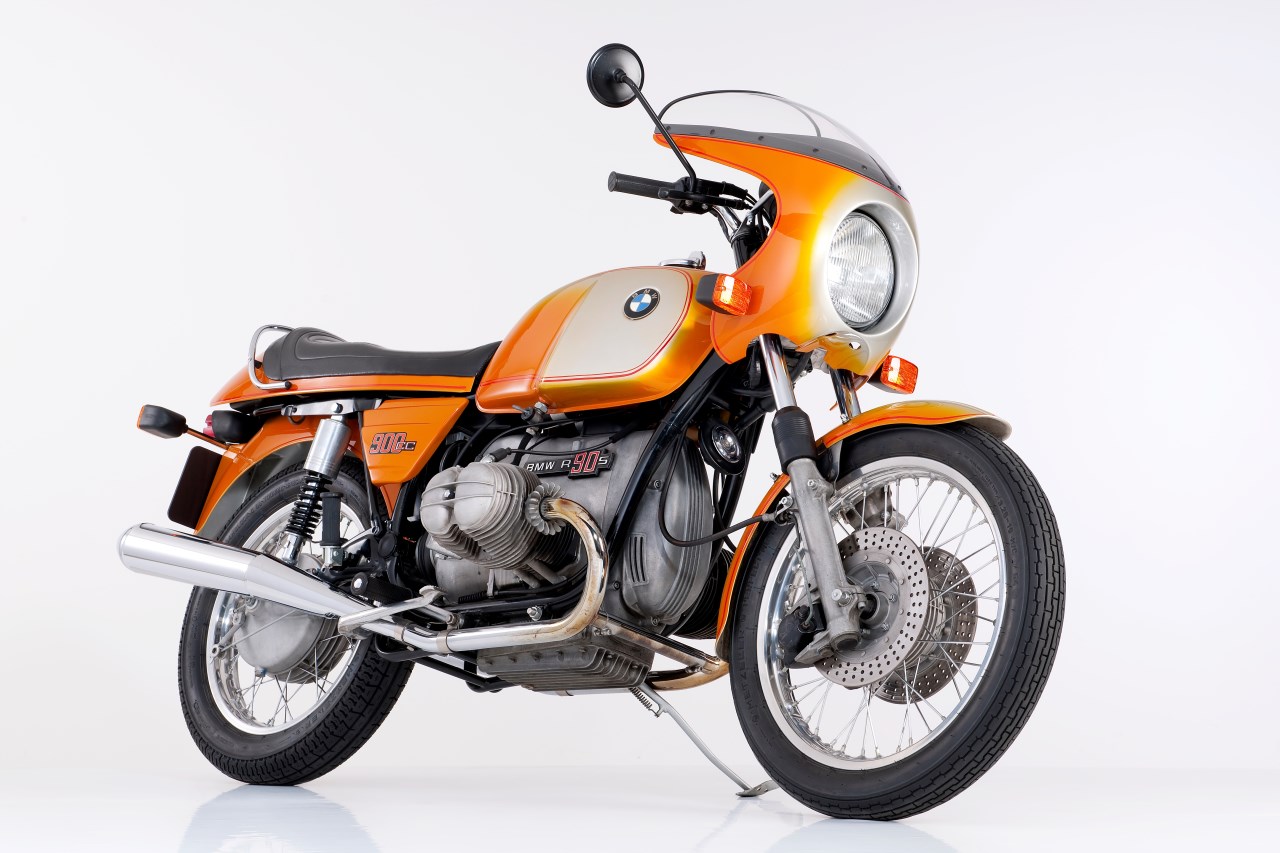
BMW R90S (1973)
BMW R90S
BMW had an image problem prior to 1973. People came to regard their bikes as too gentlemanly. Think about a man in a smoking jacket with a pipe.
BMW knew they needed to change that. They employed a certain designer called Hans Muth to redo their bikes. Thus, the R90S was born.
It was the first production bike to feature a fairing, albeit on the headlamp only. It went on to win at Daytona in 1976. BMW issued a special two-tone Daytona Orange paint scheme to commemorate the victory.
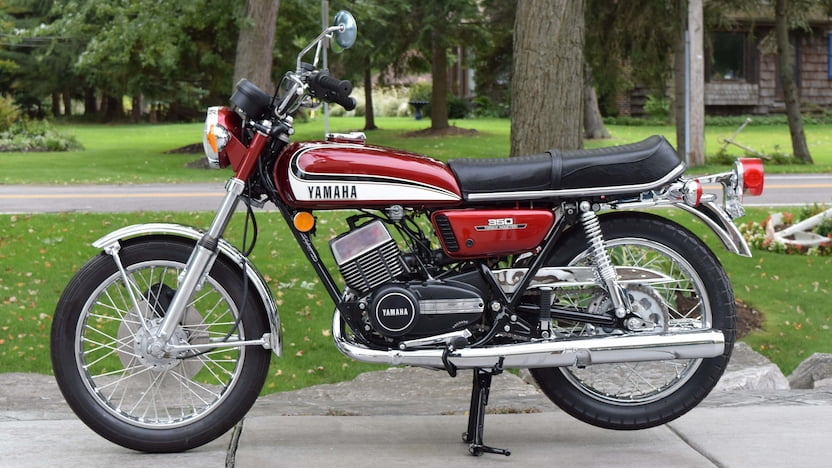
Yamaha RD350 (1973)
It’s hard to believe that the later RD350LC began as such a staid-looking bike! The parallel-twin two-stroke featured piston port induction with reed valve. It also had the signature Yamaha Autolube automative two-stroke oil (2T) injection, which did away with having to manually mixing with gasoline in the fuel tank.
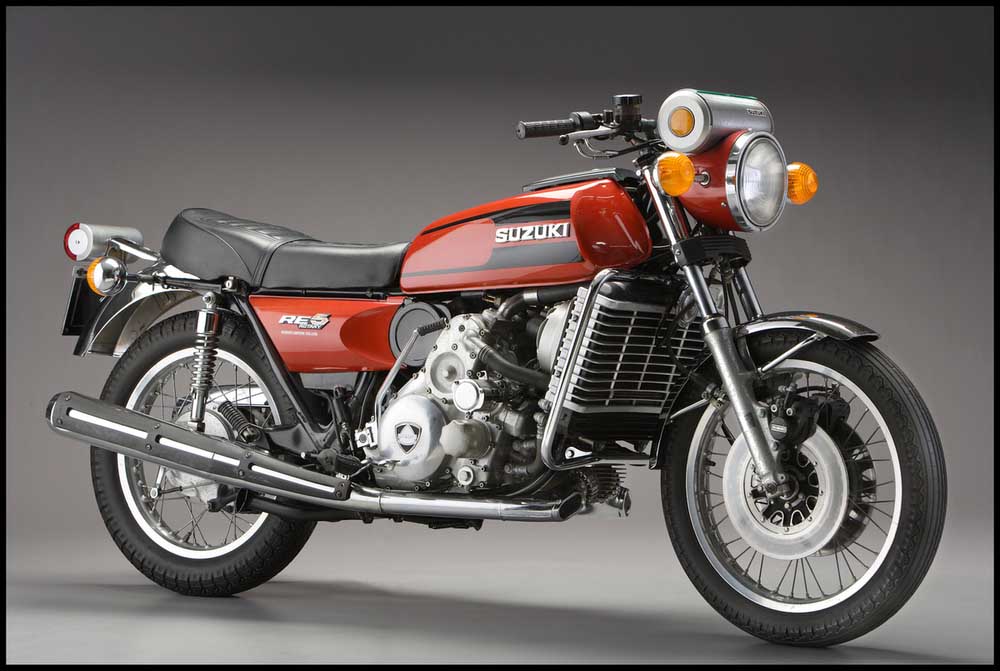
Suzuki RE5 (1974)
Oh yes, motorcycle manufacturers flirted with Wankel rotary engines before. A rotary engine was supposed to produce more horsepower per cc when compared to a piston engine engine of the same capacity.
But because it produced more heat (make that WAY more heat), the engine required a whole bunch of sub-systems to keep it cool. In fact, the exhaust temperature reached 930-degrees Celsius so the exhaust has four layers.
It made the bike heavy and overly complex, negating the power gains.
On top of that, that funky design by Giugiaro was roundly criticised.
Yamaha YZ250 (1974)
Scramblers were a huge thing in the 70s. Every manufacturer fought for honours in the dirt, including in Malaysia. The YZ250 went up against the offering from Honda and Suzuki.
Honda GL1000 Gold Wing (1975)
First, it had only four cylinders. Secondly, it was only 1000cc. Oh how you’ve grown.
Honda had wanted a flagship superbike due to the success of the CB750. The CB750 was already being called the “King of Superbikes” thus the new bike would be called the “King of Kings.” However, they couldn’t resort to another 750 since Kawasaki had upped the game by introducing a 900cc inline-Four.
However, when the design team learned that American riders were touring heavily, they decided to change the bike’s intended purpose to a comfortable long-distance runner.
The development team decided on a 1000cc, liquid-cooled, horizontally-opposed flat-four with a shaft final drive. That arrangement remain until today, although the current Gold Wing has an 1800cc horizontal-opposed flat-six.
BMW R100RS (1977)
BMW R100RS
An evolution of the R90S, the R100S was also designed by Hans Muth. It was the first production bike to use a full-fairing. It was this design that carried on until today.
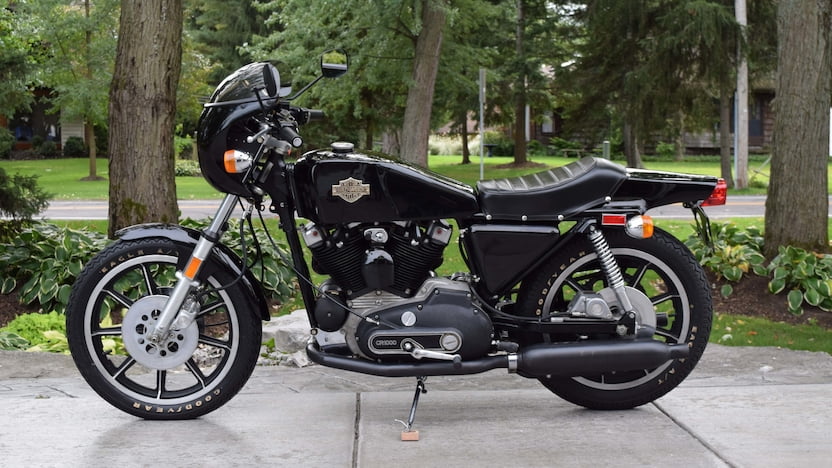
Harley-Davidson XLCR (1977)
“CR” stood for cafe racer. It was rumoured that Willie G. Davidson had designed the XLCR from the XLCH (grandaddy of the Sporster) as his personal ride. But it was actually designed by three people. It did however, take on some of the styling cues of the company’s XR750 flat track racer.
Largely panned by critics back then, it has since become a collectors item.
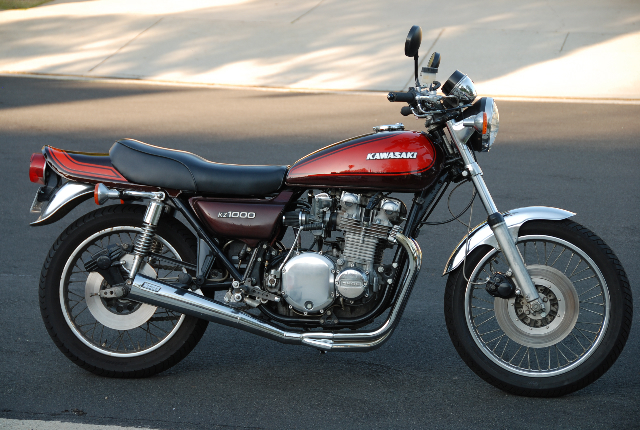
Kawasaki Kz1000 (1977)
1977 Kz1000
The descendent of the Z1, the mighty Kz1000 was even faster. So much so it was the fastest production bike of its time. It proved to be so on the tracks too. A number of future 500cc legends road it to victories including Freddie Spencer, Wayne Gardner and Eddie Lawson.
Suzuki GS750 (1977)
Back then, people meant this bike when they spoke of the “GS.” It was Suzuki’s attempt to turn away from two-strokes and the start of the “GS-series.” Just like its UJM peers, it had a 750cc inline-Four four-stroke engine. It was the basis of all four-cylinder, four-stroke engines until the GSX-R was introduced.
The engine was mounted to a double cradle frame and the bike was lauded for its good handling characteristics.
Honda CBX/CBX1000 (1978)
Honda would fight back against Kawasaki with the CBX. It was as audacious as it was jaw-dropping.
It was fitted with a 1000cc, DOHC, 24-valve, inline-Six which was inspired by Honda’s six-cylinder RC racing motorcycles in the 60s. It produced 105 bhp, punching the 247 kg bike to 225 km/h. Honda regained the world’s fastest superbike crown.
Moto Guzzi 850 Le Mans (1976)
As we mentioned earlier about the 1971 V7 Sport, the 850 Le Mans sees its displacement upped to 850cc. It was the fastest and best-handling motorcycle at the time. It was named Le Mans after the famous racetrack and 24-hour endurance race. The 850 Le Mans is the most collectible Italian bike.
Valentino Rossi thinks Yamaha will be crazy if they don’t hold on to Fabio Quartararo.
Quaratararo’s contract with PETRONAS Yamaha Sepang Racing Team ends at the end of 2020.
Moving up to the factory squad means he will replace either Rossi or Vinalez.
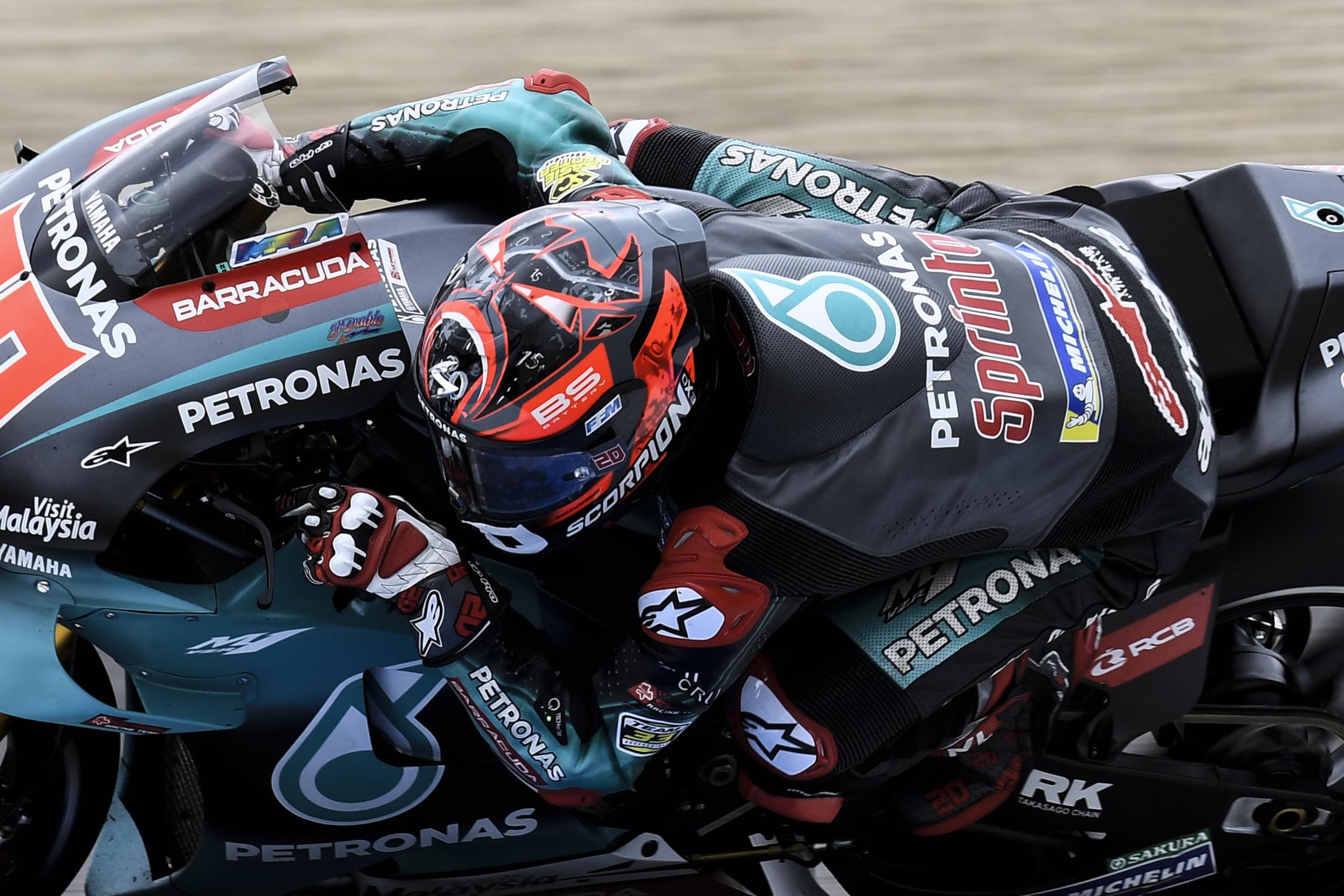
Nine-time world champion Valentino Rossi says that Yamaha will be crazy if they do not hold on to MotoGP rookie sensation Fabio Quartararo from 2021 and beyond.
Speaking to autosport.com, Rossi says that Yamaha will “pull out all the stops” to make that happen. He added that it is very important that the factory retains Quartararo for the long term. It would mean a promotion to the full factory team in 2021, at the expense of either Rossi or Maverick Vinalez.
“I expected that he can be very fast, because he was always very fast from when he was young, but nobody expected like this,” said Rossi.
He added that that the Frenchman did something special and everybody would want him to ride for them.
“At 21 (years old) for sure Yamaha will want want Quartararo, if not it’s crazy.”
Quartararo has been the revelation of the 2019 season. His current form flies in the face of one-time critics who thought that it was a foolhardy for the PETRONAS Yamaha Sepang Racing Team principal Dato’ Razlan Razali to have picked him over “other better riders.”
The French rider had not achieved much success in Moto2, except for a single win in Catalunya last year. His PETRONAS Yamaha SRT teammate Franco Morbidelli was the 2018 Moto2 champion, finishing way ahead in the championship.
However, he seemed to have found something which clicked in the satellite Yamaha and often finishing ahead of the factory riders. To date, he has scored four pole positions, finished on the podium five times and set two fastest laps.
Kawasaki reveals the name of the supercharged Z model.
It is called the Kawasaki Z H2.
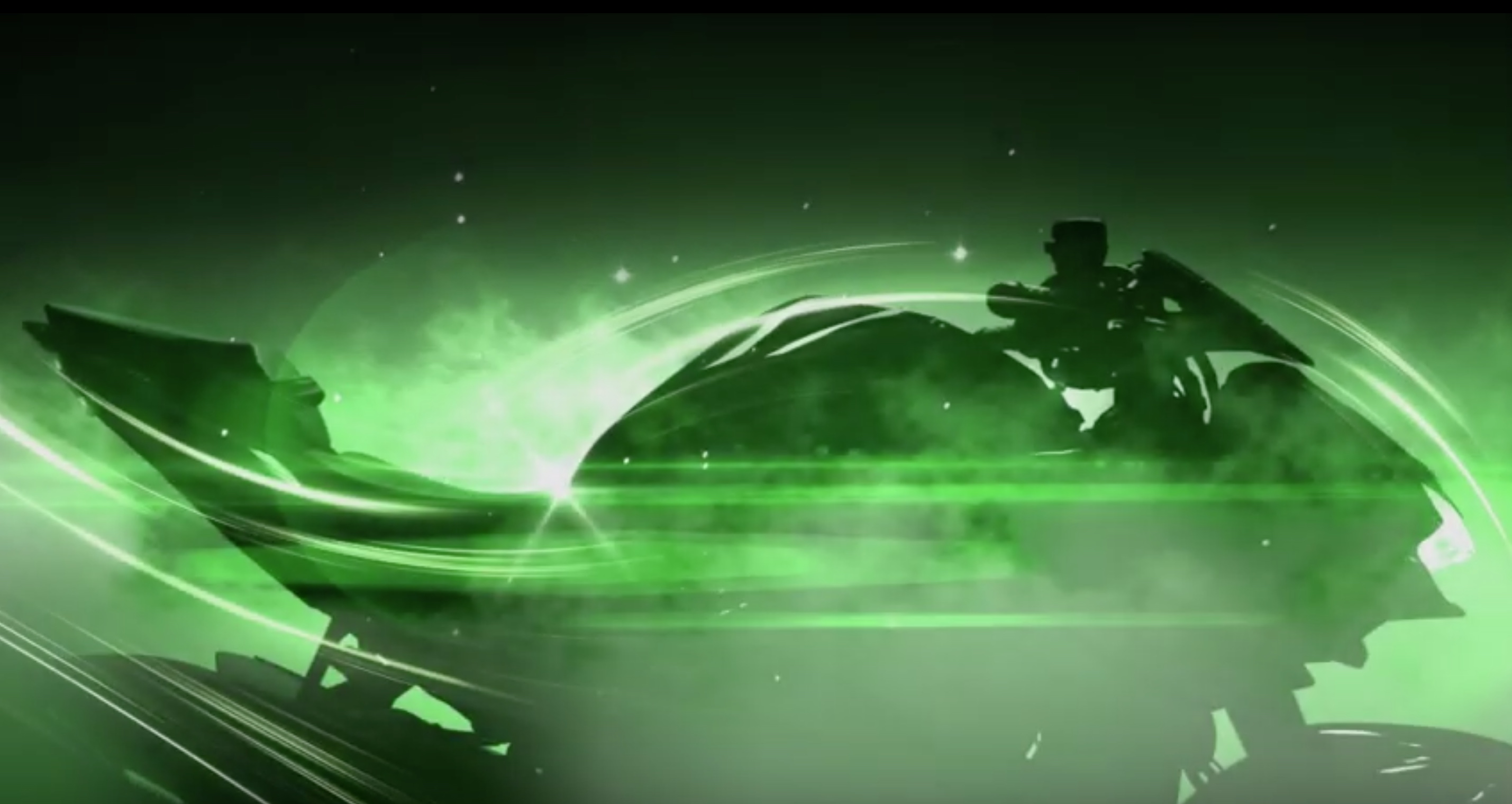
The teaser video also revealed the bike’s silhouette.
The third teaser video for the Kawasaki supercharged “Z” model has been released, and the name of the bike – Kawasaki Z H2 – along with it.
The release of this model will expand both Kawasaki’s supercharged and Z naked bike lineups at one go.
The supercharged family currently consists of the H2R, H2, H2 SX and H2 SX SE. With the new Z H2, the lineup is complete with a track-only sportbike, sportbike, two sport-tourers with different trims and a supernaked.
Over in the Z-model naked bike family, it currently consists of bikes from 150cc all the way to 1000cc. We wonder what will become of the Z1000. Will Kawasaki develop another normally-aspirated model or will they supplant it with the Z H2?
The video also shows the bike’s silhouette for the first time. It doesn’t appear to be a H2 without bodywork, instead it looks like it evolved from the Z900. Check out the shapes of the headlight nacelle, flyscreen, fuel tank and tail section. Oh, it has higher handlebars, too.
The advent of the Z H2 is much anticipated as it will Japan’s inclusion into the supernaked category, which is so far dominated by European manufacturers namely Aprilia, BMW, Ducati, KTM, Triumph.
Ducati is set to unveil the Streetfighter V4, while KTM has also teased with a new Duke which we think is most likely the new 1290 Super Duke R. Triumph may also introduce a new more powerful and lighter Speed Triple.
It means that Kawasaki needs to show at least 180 bhp on the Z H2. 200 ponies is a possibility.
Ladies and gentlemen, we are living in the glorious age of horsepower wars!
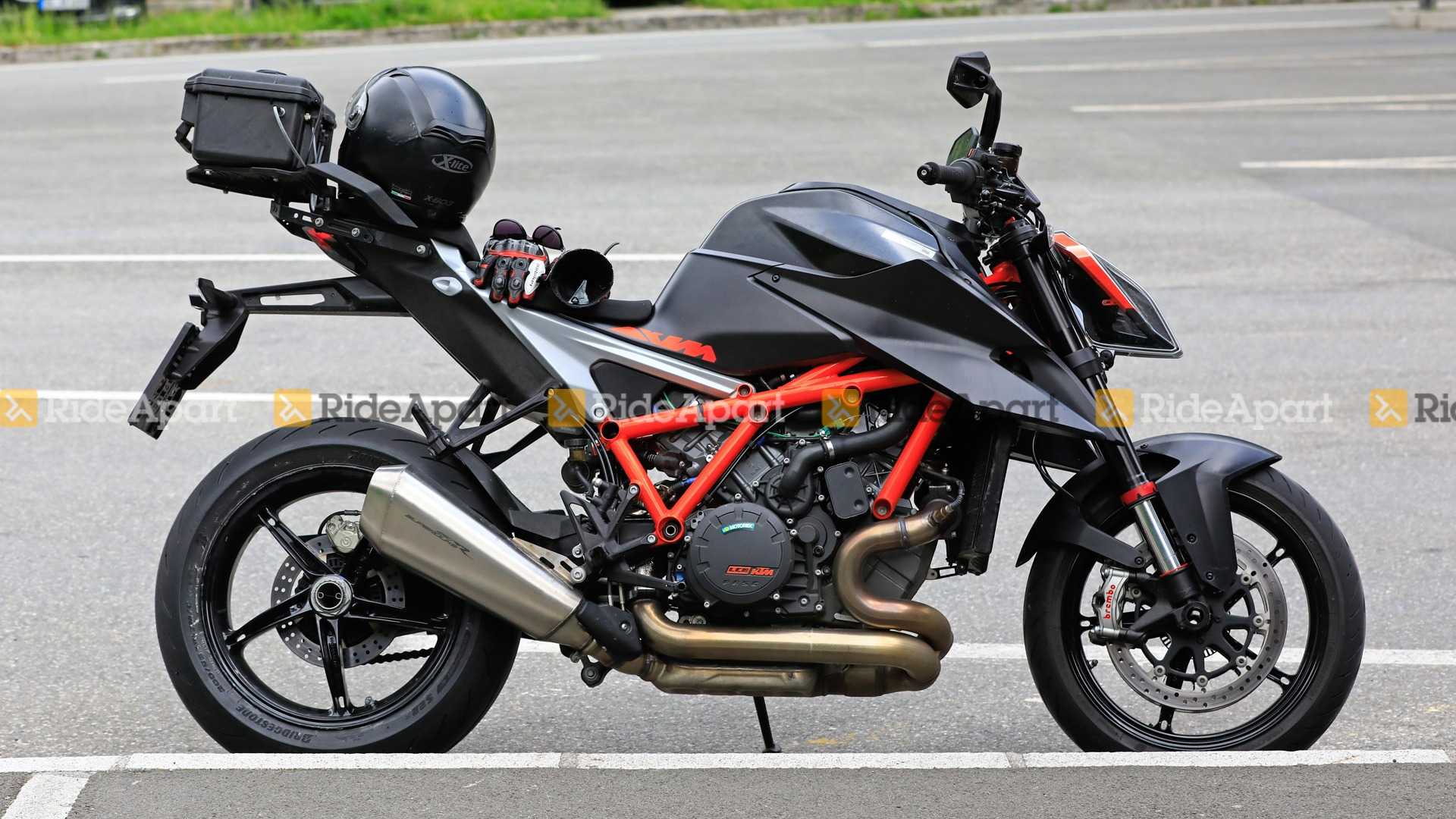
We are inclined to believe it is the 2020 KTM 1290 Super Duke R.
Will we see a power increase in the face of upcoming new supernakeds?
Before we continue, we’d like to say, “Here’s another teaser video.” This time it’s from KTM with the hashtag #GetDuked. But certain frames in the teaser got us to believe that it’s going to be the new 2020 KTM 1290 Super Duke R.
Eagle-eyed viewers freezes certain frames in the video and pointed out that there were glimpses of a bike with a single-sided swingarm. That’s the dead giveaway for a 1290 Super Duke R, since a revised 1290 Super Duke GT had been introduced for this year.
The prototype 2020 KTM 1290 Super Duke R was spotted on a number of occasions. If the pictures are anything to go by, the new bike will have a new frame and subframe. The new bike’s frame looks more sparse, rather than taking on the appearance of a ladder. As for the new subframe, it resembles the aluminium one used on the 790 Duke.
We were thinking of either the rumoured 490 Duke or 890 Duke initially. But there’s still no confirmation if KTM is indeed working on these two.
This new bike will be unveiled on 5th November 2019, the opening day of EICMA.
But the most important question is probably whether we’ll see a power increase for the new 1290 Super Duke R. The model has held the title of the most powerful supernaked for many years. However, Ducati is set to introduce the Streetfighter V4 while Kawasaki has teased with a supercharged “Z” model which is a naked H2 in essence.
Alpinestars released the data from Marc Marquez’s crash at Buriram.
It recorded a peak of 26.14G.
Marquez would walk away and went on to win the race and championship.
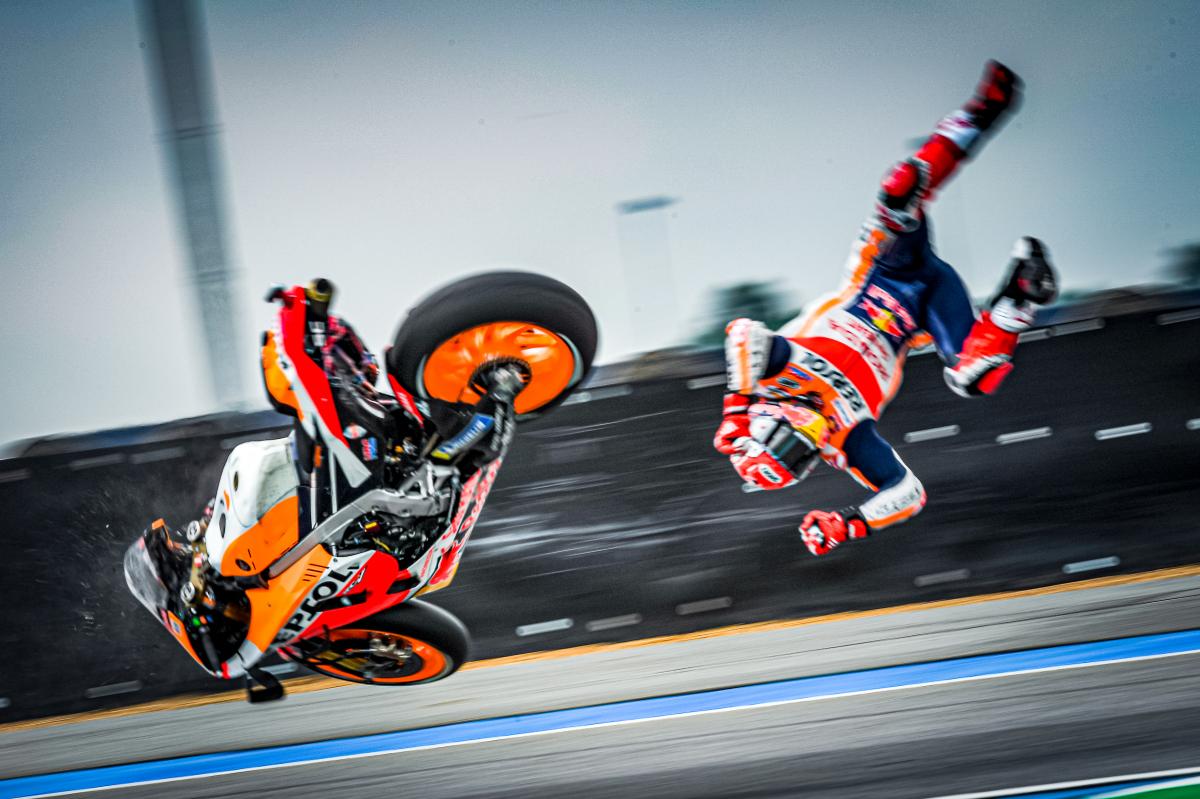
There’ve been countless times in the past two years when riders walked away after suffering massive crashes. Marc Marquez crashed heavily at Buriram over the weekend, and was another saved by his Alpinestars airbag suit.
Marquez said that he had shut the throttle for Turn 7 on his out lap in FP1, causing the cold rear tyre to let go. The force of highside crash threw him high in the air before coming back down hard. He said he couldn’t breathe for five seconds immediately after. The trackside doctor even sent him to the hospital for CT scans to verify that he was indeed okay.
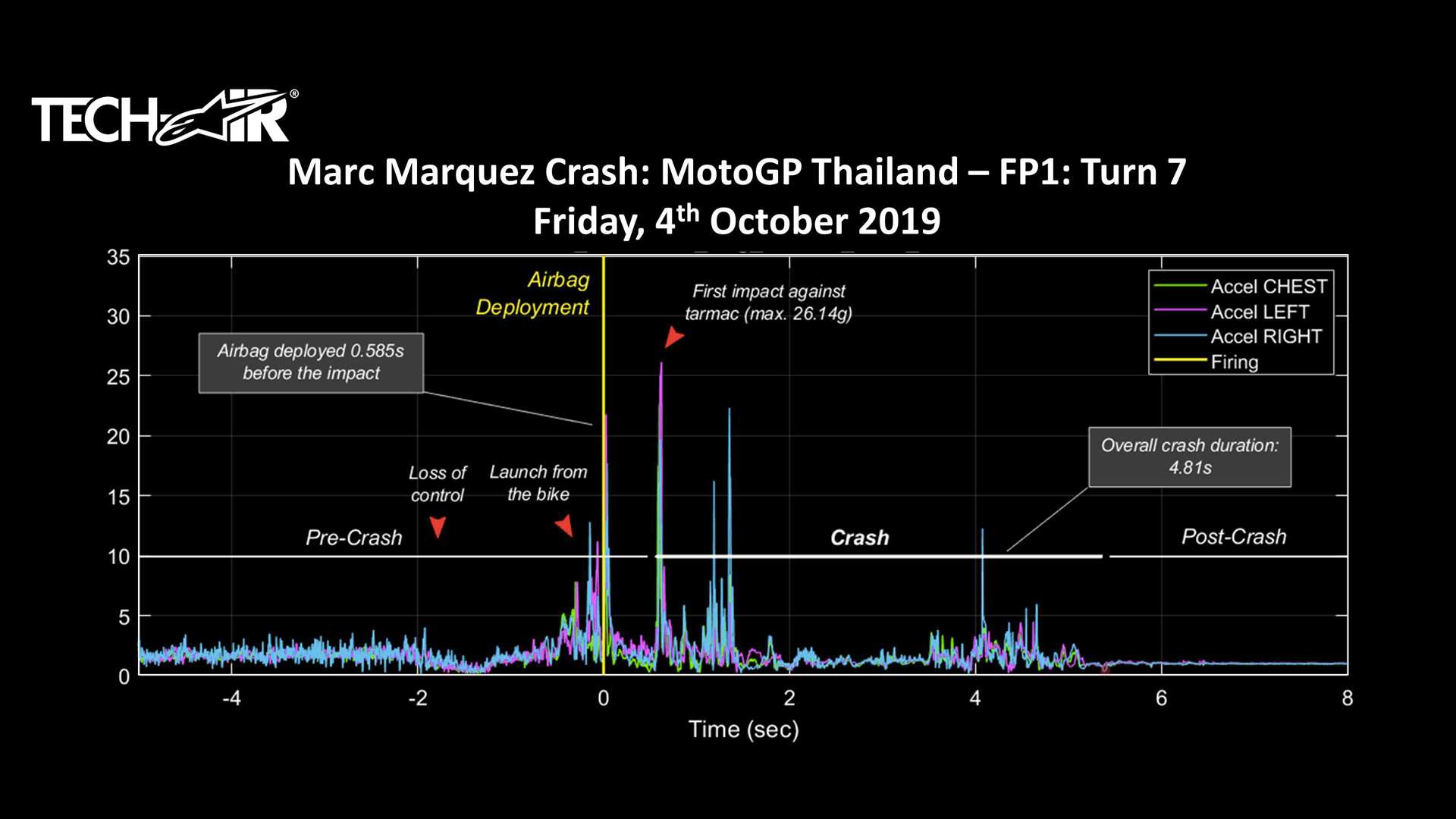
Alpinestars have released the crash data captured by the sensors in Marquez’s suit, just like after the crash involving Fabio Quartararo and Andrea Dovizioso at Silverstone not too long ago.
It’s immediately apparent that Marquez hit the ground at 26.16G. That’s 26.14 times the force of gravity. We’re not sure how much he weighs, but let’s assume it’s 80 kg. Thus 26.14 x 80 = 2091.2 kg. It means he hit the ground equivalent to weighing 2091.2 kg.
Remember that it’s not how one crashes, instead it’s how one stops in a crash that does the most damage.
Looking at the graph again, the sensors determined that Marquez was flying through the air, marked the spikes a fraction just before airbag deployment. The air bag inflated at 0.585 second before impact to cushion the blow.
Marc Marquez lived to see another day. In fact, he went on to post fastest times in practice and qualifying before winning the race and securing his eighth overall world title.
Kudos to the men and women who designed the technology.