Bikesrepublic

Latest News

  • PETRONAS Lubricants International (PLI) organised the inaugural Electric Vehicle Fluids Symposium in Turin, Italy recently.

  • The symposium discussed several issues including the sustainability of e-mobility and climate “challenge.”

  • Electric vehicles (including motorcycles) do require lubrication in several crucial areas.

PETRONAS Lubricants International (PLI) organised the inaugural Electric Vehicle Fluids Symposium in Turin, Italy recently.

Perhaps many are unaware, but electric vehicle motors and batteries do require lubrication, especially since the motor can speed up to 15,000 RPM. Hence, lubrication is crucial for cooling the motor, as well as in several areas such as the gear reducer (electric vehicle’s transmission).

These fluids have specific properties compared to the usual engine oil since they are subjected to high voltages and temperatures in places such as the coils. The fluid must protect them from corrosion and prevent short circuits.

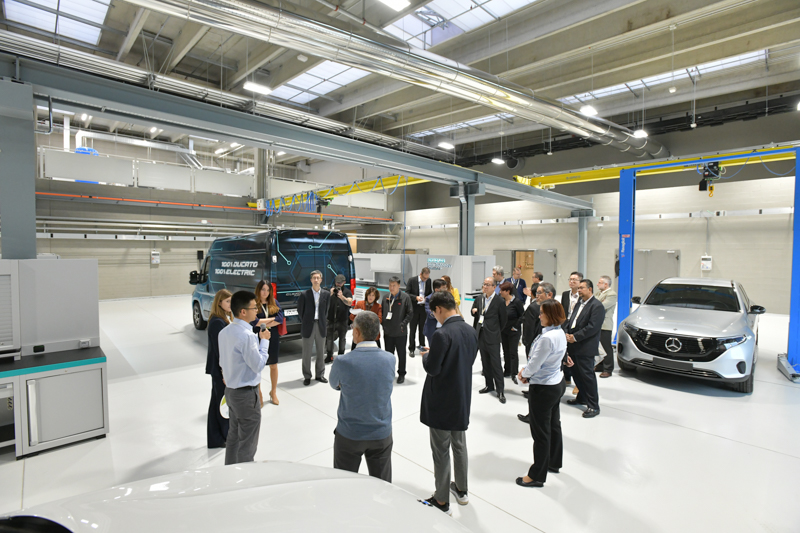
Held at their Global Research and Technology (R&T) Centre, the one-day event saw the attendance of more than 120 participants consisting of industry-leading experts from across the world. The participants discussed and featured EV innovations to support a cleaner, energy-efficient and more sustainable e-mobility future. It was also a platform for these experts to share future EV technology trends, respective market relevance and the role of fluids in the evolution of e-transmission and battery technologies.

Additionally, the event aimed to encourage discussions on managing the climate challenge through EV technological developments and operational discipline.
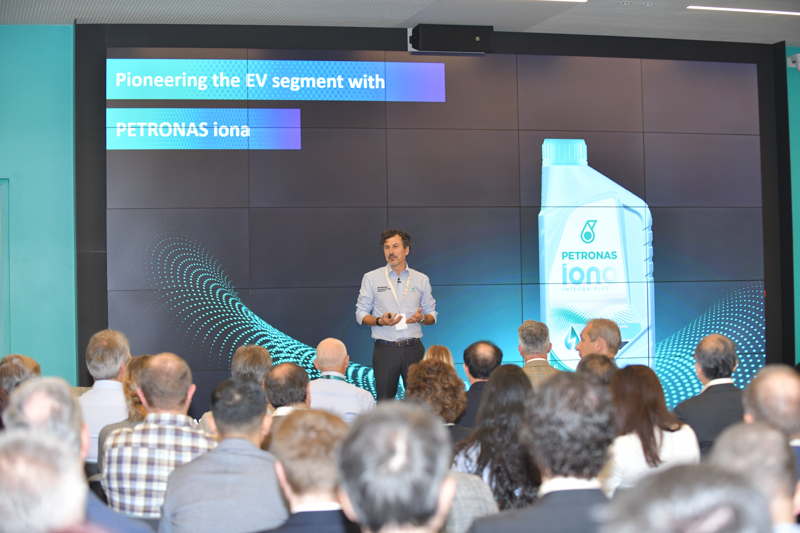
Giuseppe D’Arrigo, PLI CEO & MD

“At PLI, we’ve pledged to double our investments and dedicate 75 per cent of our R&T expenditure in projects that contribute to reducing CO2 emissions. PLI’s venture into the EV market that was announced earlier this year through PETRONAS iona range of e-fluids reinforces our commitment to the development and deployment of fluid technology. The EV Fluids Symposium is our next initiative to work together, deliberate possibilities and set a shared agenda towards a cleaner future,” said PLI Managing Director and Group Chief Executive Officer, Giuseppe D’Arrigo.

During the symposium, PLI also shared the findings of the industry’s first global study in EV Technology and Fluids focusing on Electric Drive Units and Batteries. The study, carried out in collaboration with FEV Consulting, concluded that innovation is crucial in advancing EV performance and durability, and continued improvement is needed to promote increased adoption rates of electric transportation by consumers.

Commenting on the state of the industry, Electric Vehicle Outlook Founder & Event Host, Roger Atkins said, “Change is a challenge, and with the rapid integration of electric vehicles into the global mobility eco-system, that challenge is being met with unprecedented and active collaboration between OEMs, academia, and the world’s smartest engineering teams. I am encouraged to see the focus and ambition here at the EV Fluids Symposium. The twin imperatives of climate change and air quality can only be tackled by truly maximising the efficiency of our planet’s mobility machines, amongst others.”
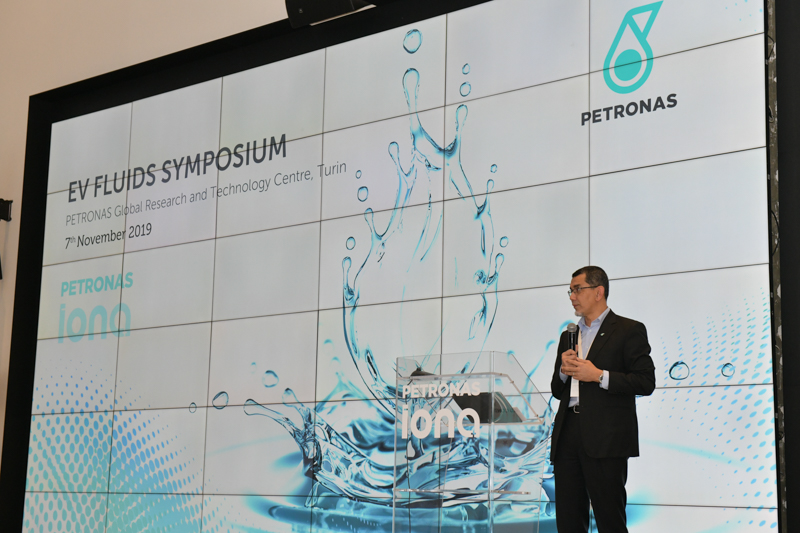
Dato’ Sri Syed Zainal, Vice President DOWNSTREAM Marketing PETRONAS and Chairman of PLI

At the PETRONAS Global R&T Centre, attendees enjoyed the opportunity to tour the productdevelopment laboratory and mechanical testing facilities to understand the experimental work that goes into developing PETRONAS e-fluids.

Since the introduction of PETRONAS Carbon Commitments in 2012, the company has decreased its monitored carbon footprint by 13% from 2017, which is a cumulative 12 million tonnes of greenhouse gas emissions reduction. PETRONAS is also collaborating with Daimler Automotive in green projects towards low-carbon fuel and vehicle emissions control.

More recently, PETRONAS’ efforts towards a sustainable future included the establishment of PETRONAS Carbon Commitments Guidelines and a New Energy unit to enhance capabilities in the renewables sphere.

Source and photographs: PETRONAS Lubricants International (PLI)
  • Triumph says the Triumph-Bajaj prototype is currently undergoing tests.

  • The formal agreement between the two companies will be signed in December.

  • The bike is wholly developed by Triumph and will be marketed as Triumph.

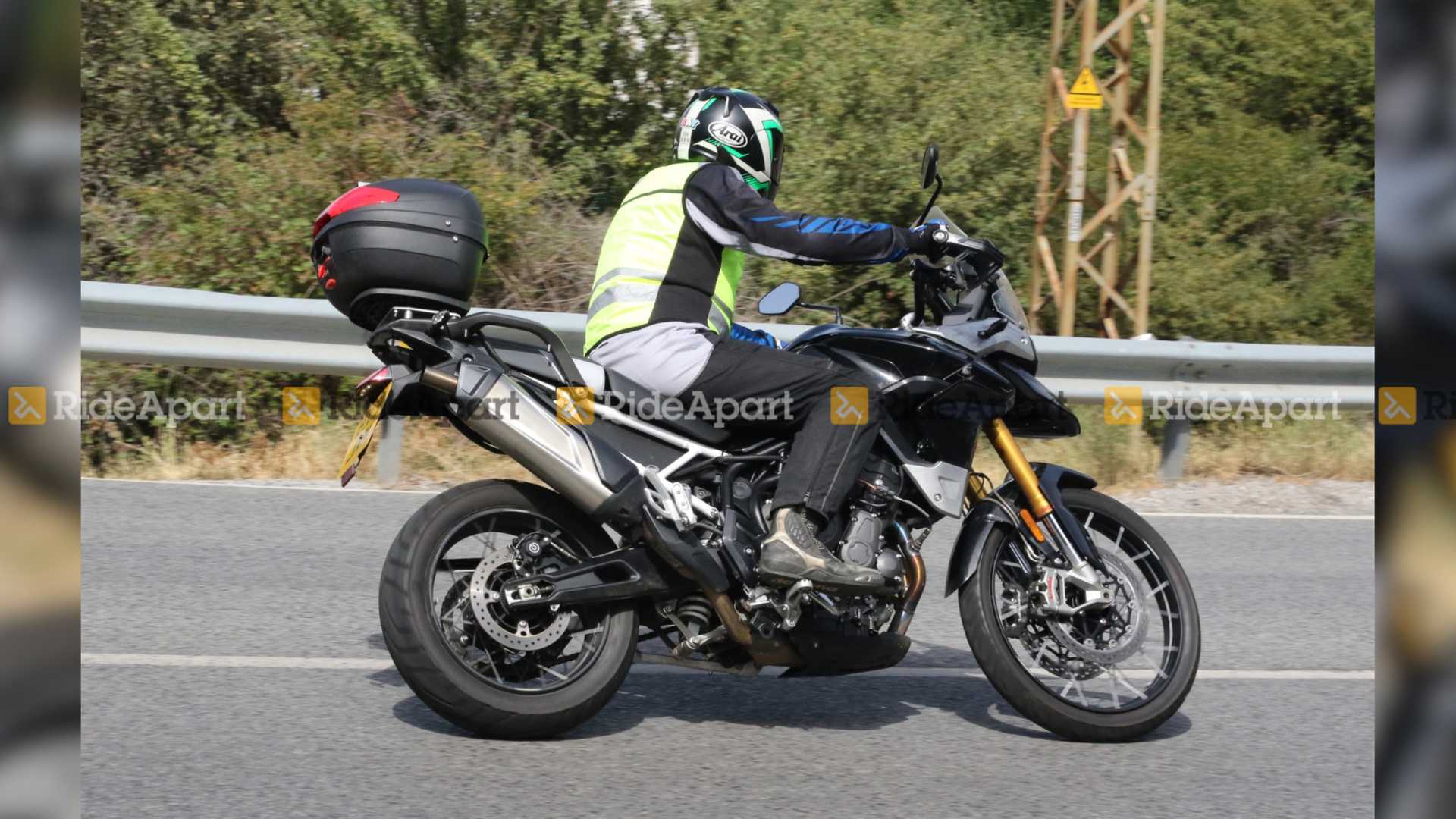
The Triumph-Bajaj joint venture bike prototype is undergoing tests and the long-awaited agreement will be signed before December 2019.

According to Money Control, Chief Product Officer of Triumph Motorcycles, Steve Sargent said, “We have been working with Bajaj for a couple of years now and we are close to finalising an agreement with them. Our cooperation on product development has been progressing well.”

He also confirmed that Triumph has built a prototype which has been making rounds of testing. Bajaj Managing Director, Rajiv Bajaj visited the factory in Hinckley, United Kingdom in October and was pleased to see the progress.

In the deal, Triumph will not use existing platforms by Bajaj, KTM or Husqvarna but will instead use their own engine and bike design. Bajaj will then manufacture the bike and market it domestically as well as throughout parts of South East Asia.

The bike will bear the Triumph marque. Triumph didn’t provide the specifics but mentioned only that the capacity ranges between 250cc to 750cc. The smallest engine capacity for Triumph is currently 765cc — the triple found in the Street Triple.

Triumph as well as other premium motorcycle brands are making the move to produce lower capacity bikes for the Asian and other emerging markets. KTM was the first to do so by producing the smaller Duke models in India, while Harley-Davidson is expecting a 338cc model from China. Even MV Agusta will build smaller capacity models in China.

It’ll be interesting to see if the bike will be Bonneville-like modern retro or the Street Triple-like naked sportbike.

The manufacturer added that the bike will be ready by 2022.

  • 2020 will be a watershed year for motorcycles.

  • The push to comply with Euro5 resulted in awesome bikes.

  • These are among the many 2020 bikes we can’t wait to ride.

It goes without saying that 2020 bikes will be a watershed. 

Manufacturers need their products to conform with the new Euro5 emissions regulations which takes effect from 2020. As such, while there are updated models held over from previous years, most are totally new from the ground up.

The real initial concern was that the new bikes will lose power as Euro5 is much more restrictive than the already-strict Euro4. Euro5-compliant vehicles need to produce very low emissions, while being fuel efficient and produce less noise.

But the manufacturers worked around the challenge and produced bikes that are more advanced, lighter, more powerful and faster. Kudos!

So, here are the bikes we can’t wait to ride in 2020, in alphabetical order.

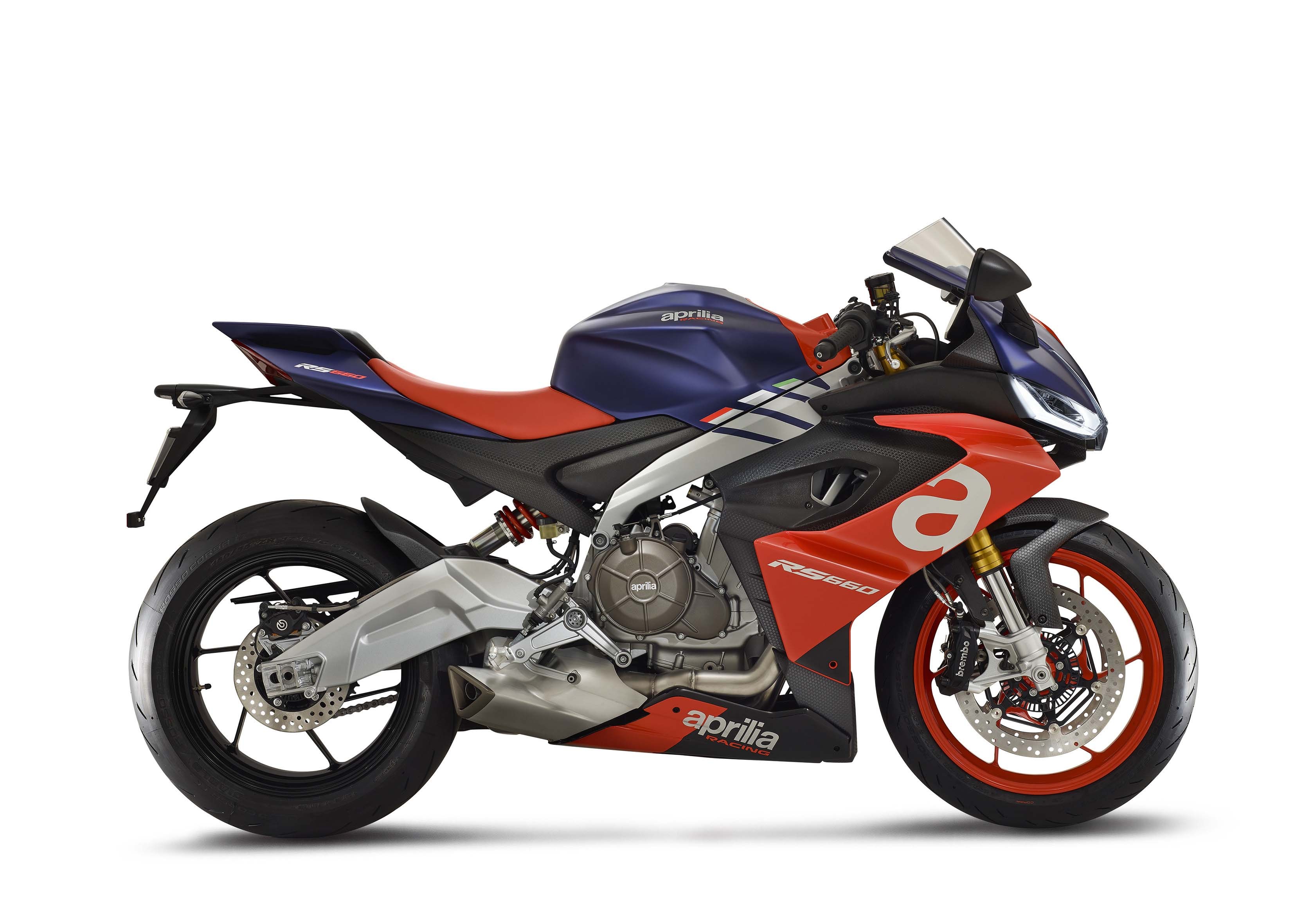
1. Aprilia RS 660


Aprilia created the RS 660 to “revolutionize” the middleweight sportbike category. The obvious place to start was to lob off the two rear cylinders of the RSV4 1100 engine, and giving 100 bhp. On top of that, the bike weighs only 168 kg.

We want ours in the classic purple and red paint scheme, please.

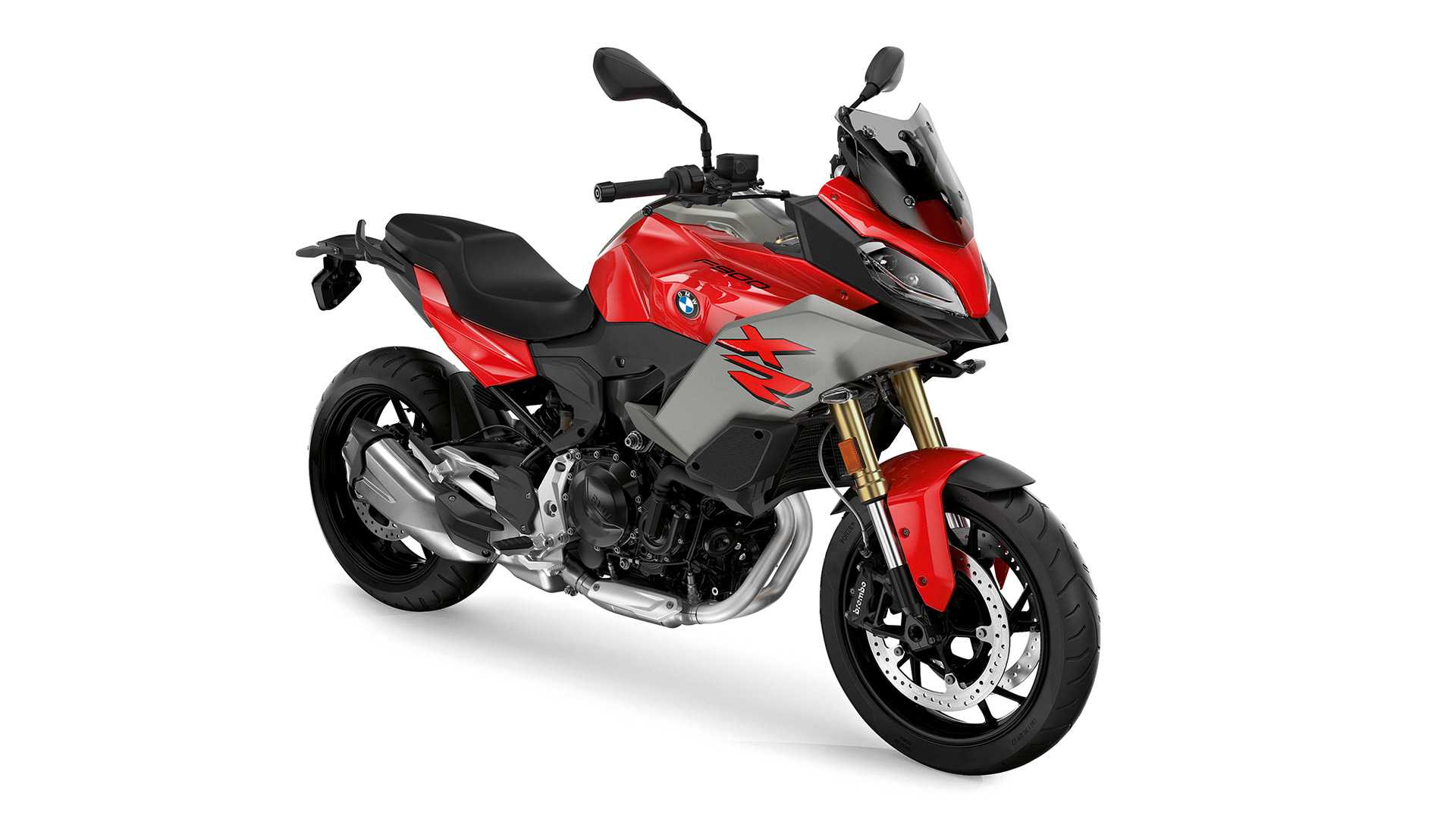
2. BMW S 1000 XR

The 2020 S 1000 XR may not have the ShiftCam VVT/L technology found in the S 1000 RR, but power remains the same despite having two catalytic converters. The new bikes is 10 kg lighter and there’s more power in the midrange. There’s also the Flexi Frame adopted from the S 1000 RR which would provide better feel when riding.

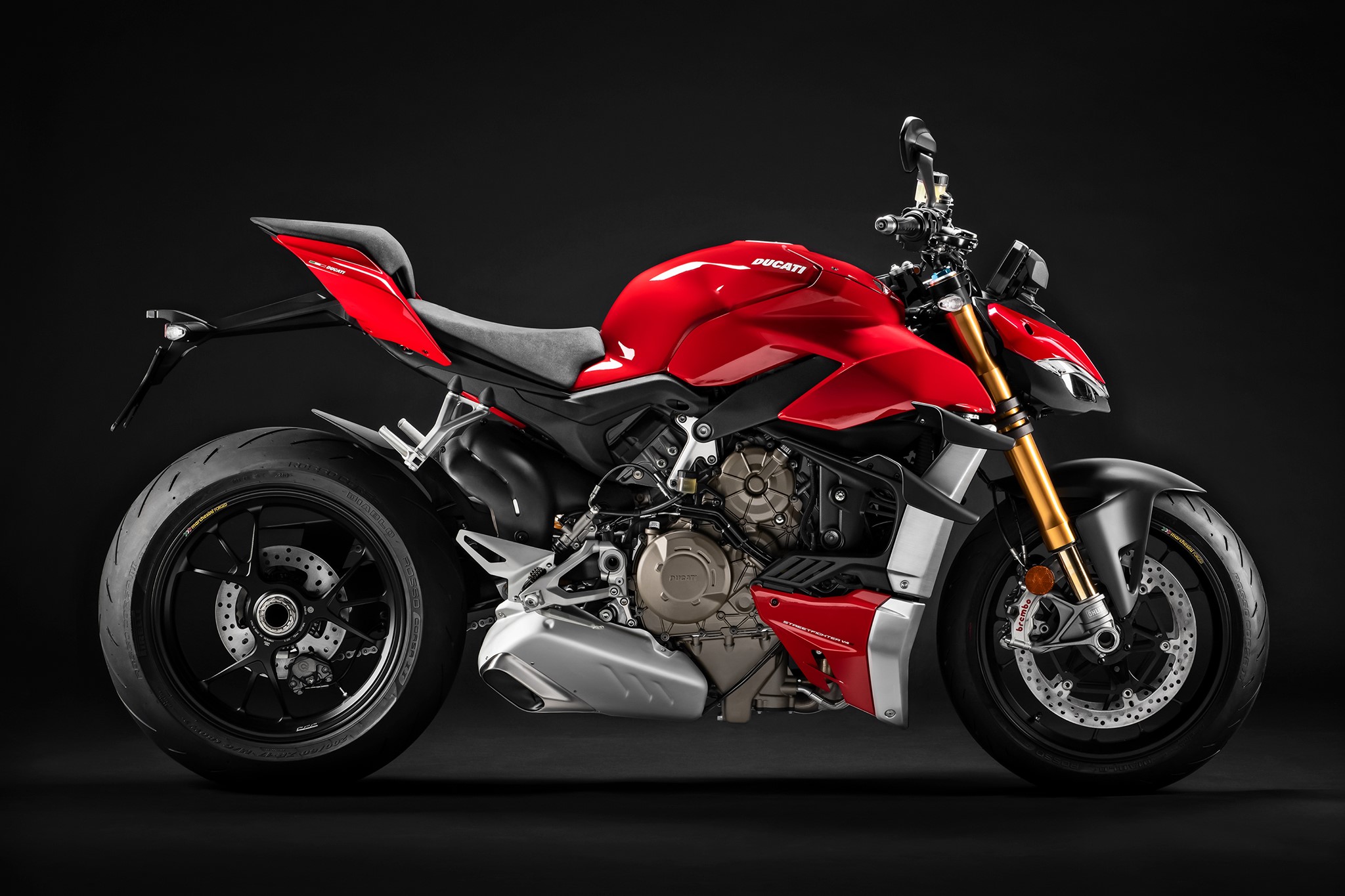
3. Ducati Streetfighter V4

This list would’ve been more interesting if we counted down but then again, we love all bikes. But the one highest on our list is definitely the Streetfighter V4. It’s essentially a Panigale V4 in bikini with a higher handlebar. 208 bhp makes it the most powerful hypernaked but wait, the “S” version does 126 bhp. We want to see if it’s the most thrilling ride or one that scares our TCX off.

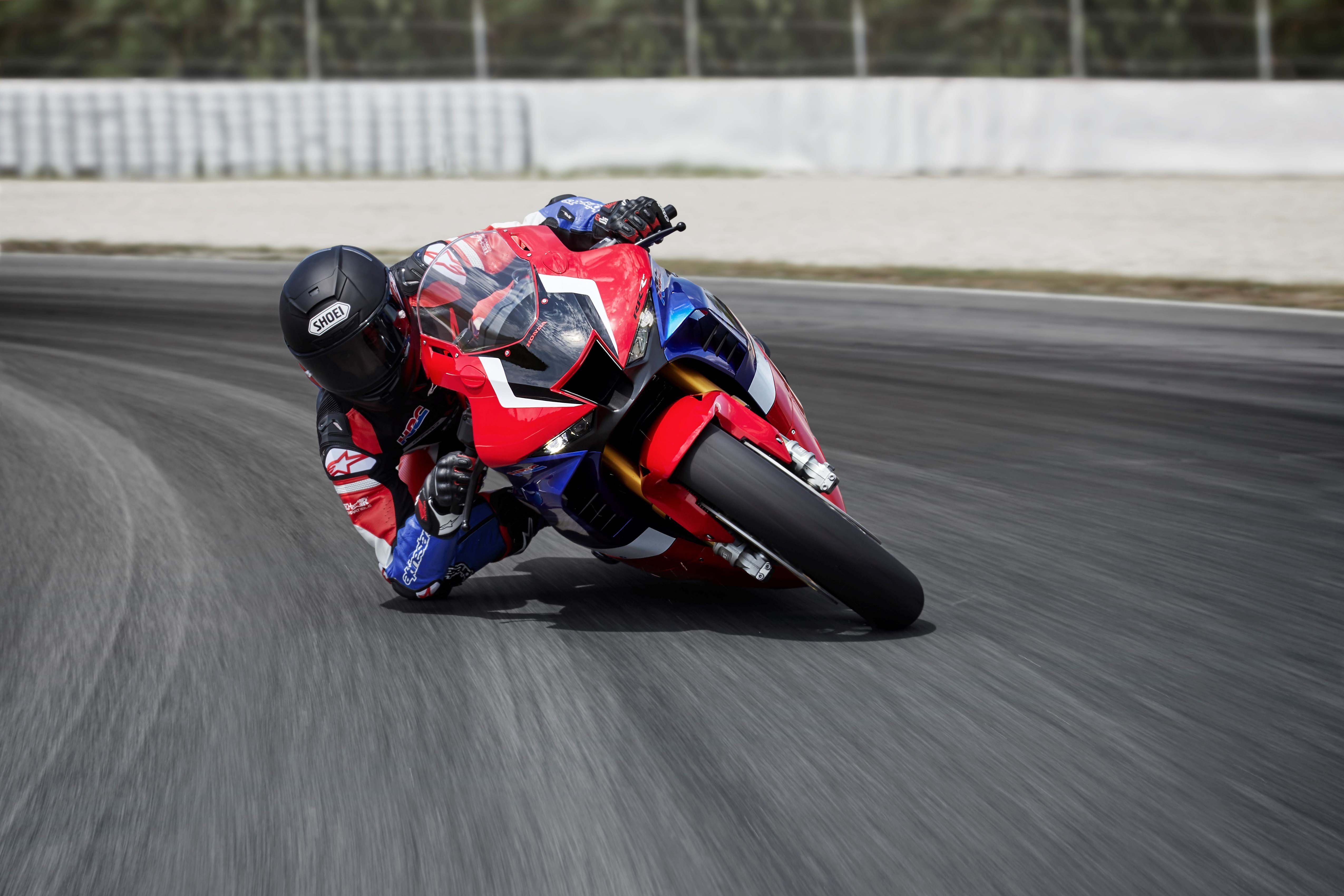
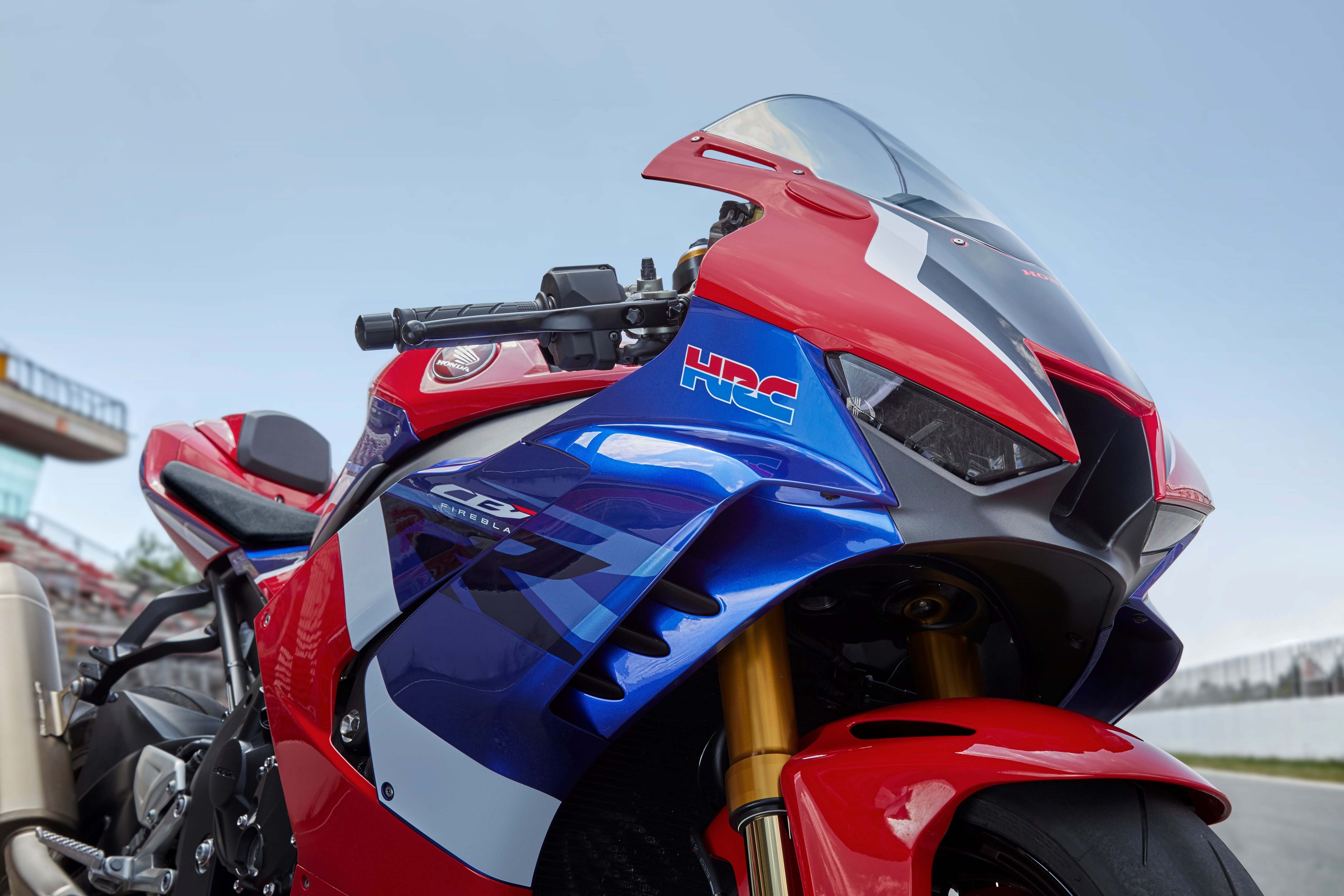
4. Honda CBR1000RR-R Fireblade

Oh yes! The big CBR earns an extra “R” and more horses courtesy of HRC — 215 bhp, to exact, way up from 189 bhp. But that’s not all, Honda made the new bike more track-focused as they attempt to wrest the WorldSBK title away from Kawasaki. Other features include aerobodies, new TFT screen Öhlins S-EC 2.0 suspension (for the SP), Brembo Stylema calipers (SP), 200mm wide rear tyre amongst many other new stuff.

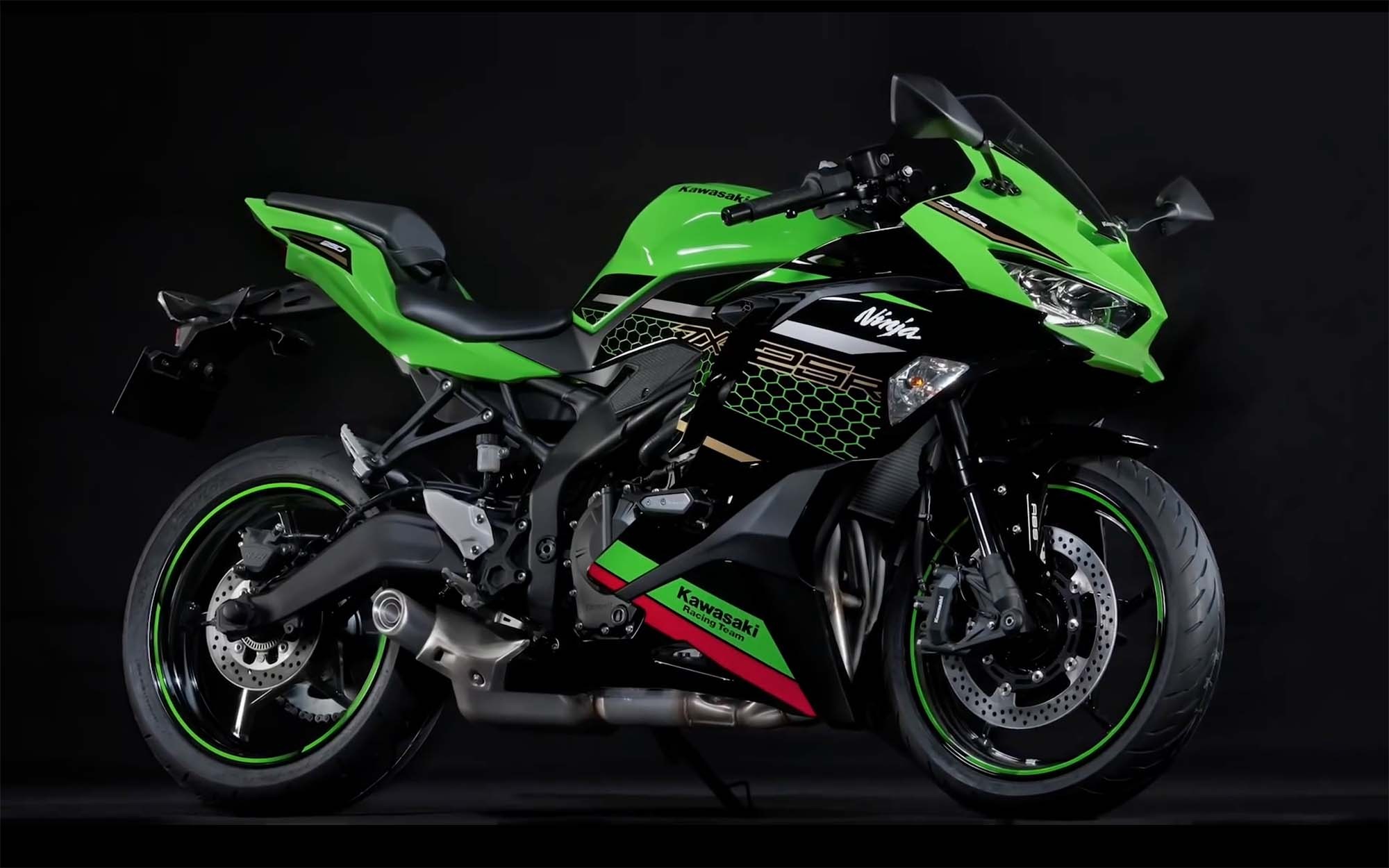
5. Kawasaki Ninja ZX-25R

Welcome back! Kawasaki builds an inline-Four 250cc sportbike again after the Ninja ZXR-250 in 1989. But the new bike isn’t all engine only, as the manufacturer threw the best components in the 250 segment. They include Showa SFF-BP (Separate Function Fork – Big Piston) forks, radially-mounted monobloc front brake caliper, Kawasaki Traction Control, Power Mode Selector.

Oh, don’t forget the up- and downshift quickshifter!

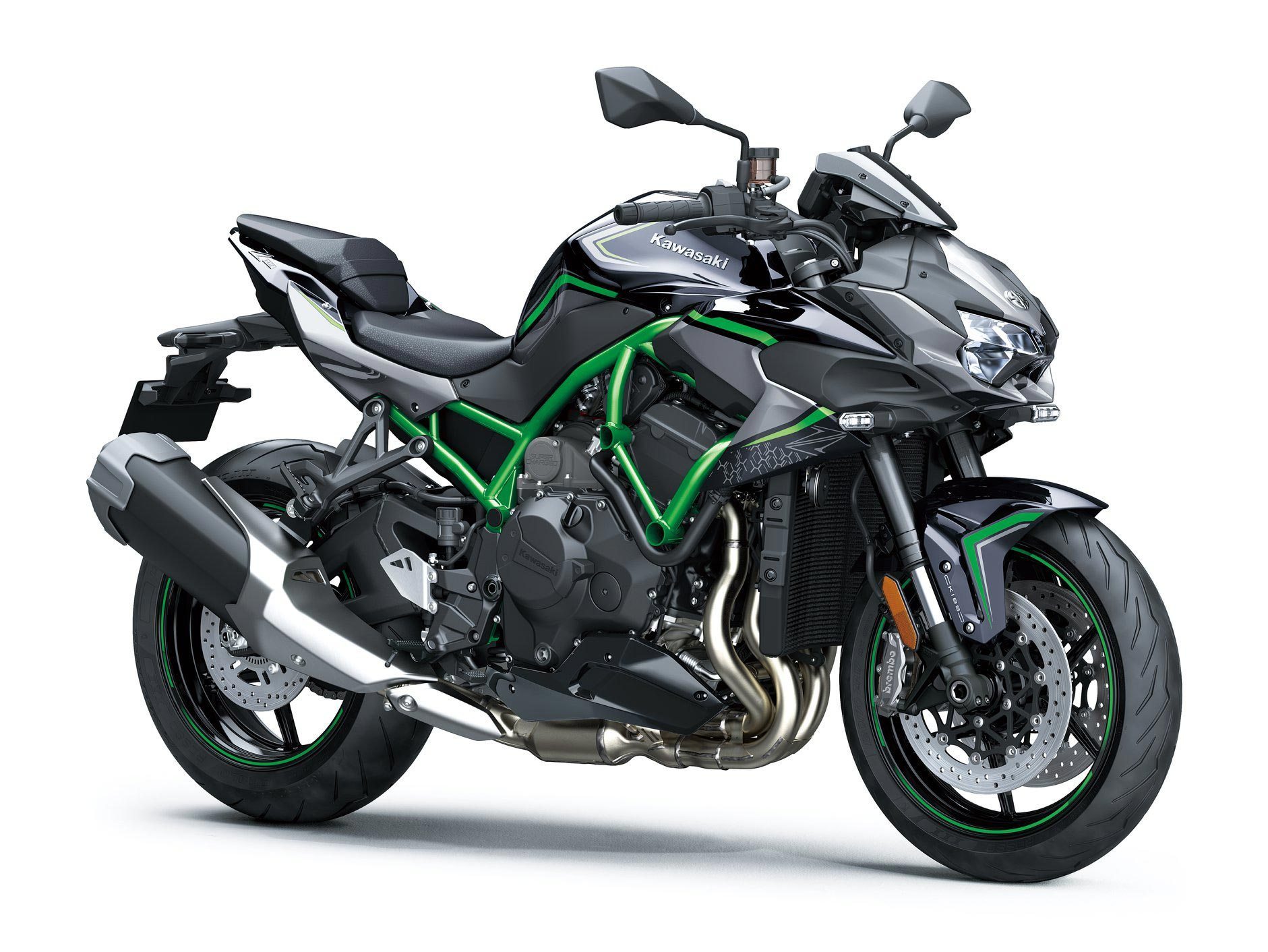
6. Kawasaki Z H2

We relished at the thought of a supercharged naked “Z” bike being the most powerful hypernaked. And the Z H2 did just that.

For a few hours. Its 200 bhp was quickly eclipsed by the Streetfighter V4’s 208 bhp (216 on the Streetfighter V4 S) on the same day.

But no matter, the Z H2 will be exciting to ride due to that stupendous kick from the supercharger. We want to see how we could hang on!

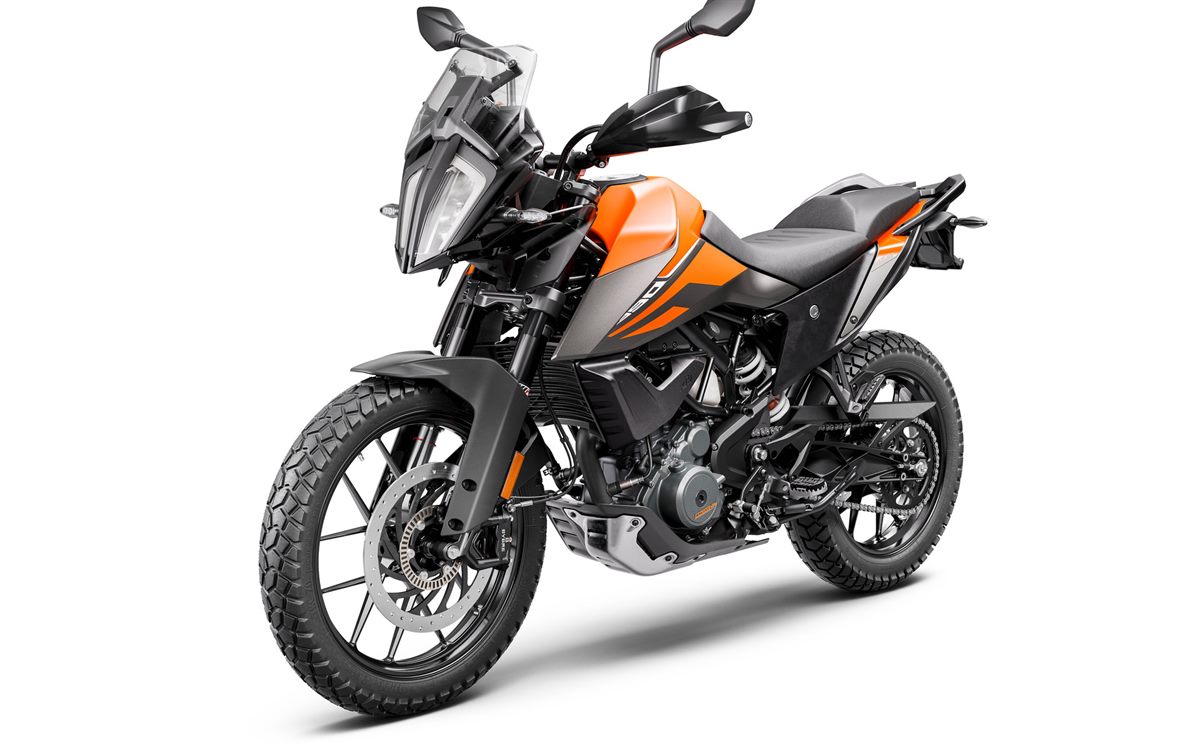
7. KTM 390 Adventure

The 390 Adventure is a model that took 7 years to come by. But it’s probably worth the wait. It’s styled after the 790 Adventure, is lightweight and more affordable. We hope it’ll spur more off-roading among Malaysian bikers.

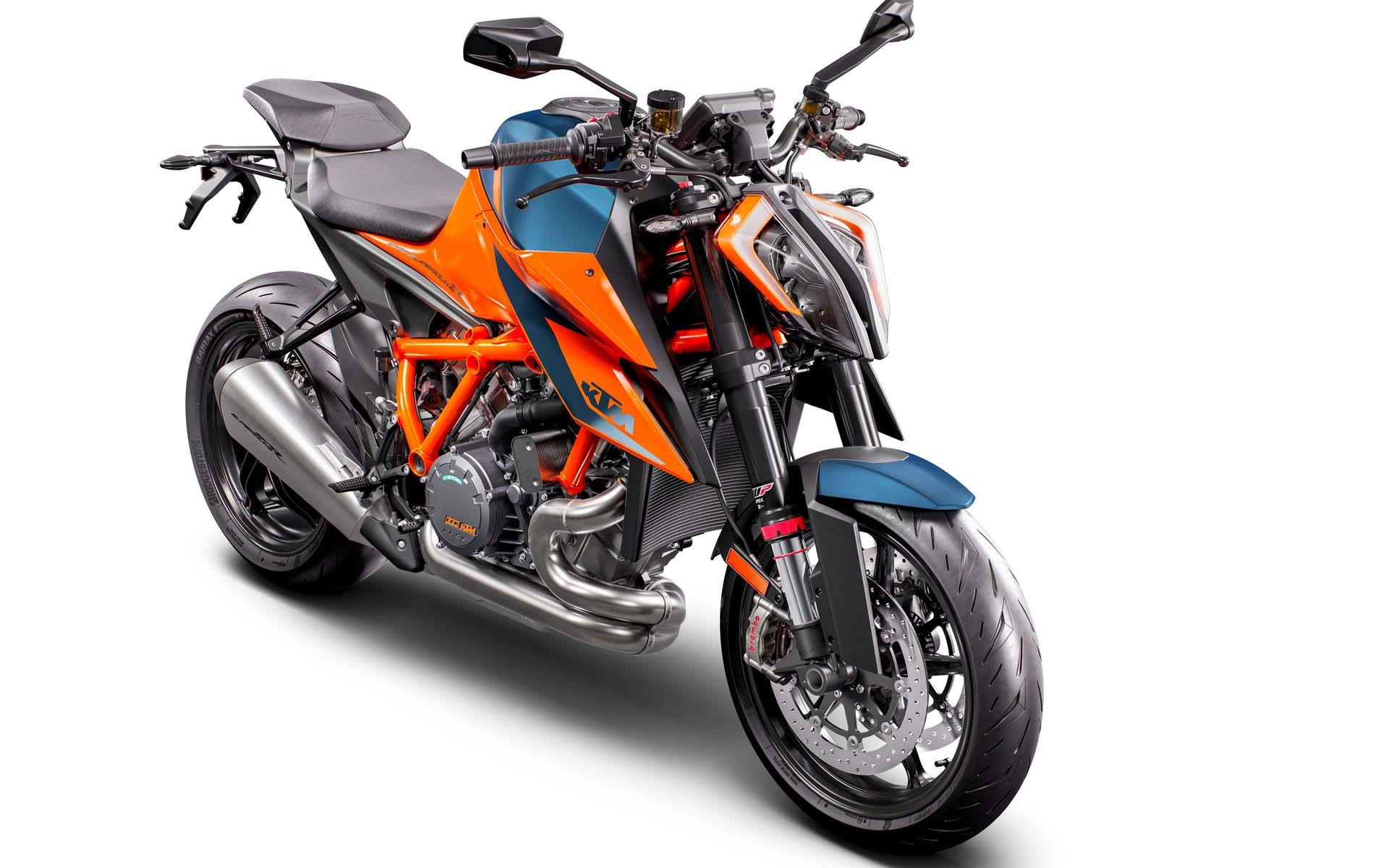
8. KTM 1290 Super Duke R

A piece of advice: Don’t tout you product over the top when you can’t fight back years later. That’s exactly what happened to the 1290 Super Duke R. KTM shouted from the rooftops and pounded their chest, calling it the “Beast” and all. Suddenly, its 177 bhp looks meh when compared to their over-200 bhp behemoths, and the bike was unveiled quietly.

Nah, we shouldn’t look at it that way. Although KTM had done much to calm the Beast’s demeanour in the 2018 1290 Super Duke R, it was one kick-a** motorcycle. 177 bhp, while not the highest in 2020, is still bloody fast on any motorcycle, let alone a naked bike.

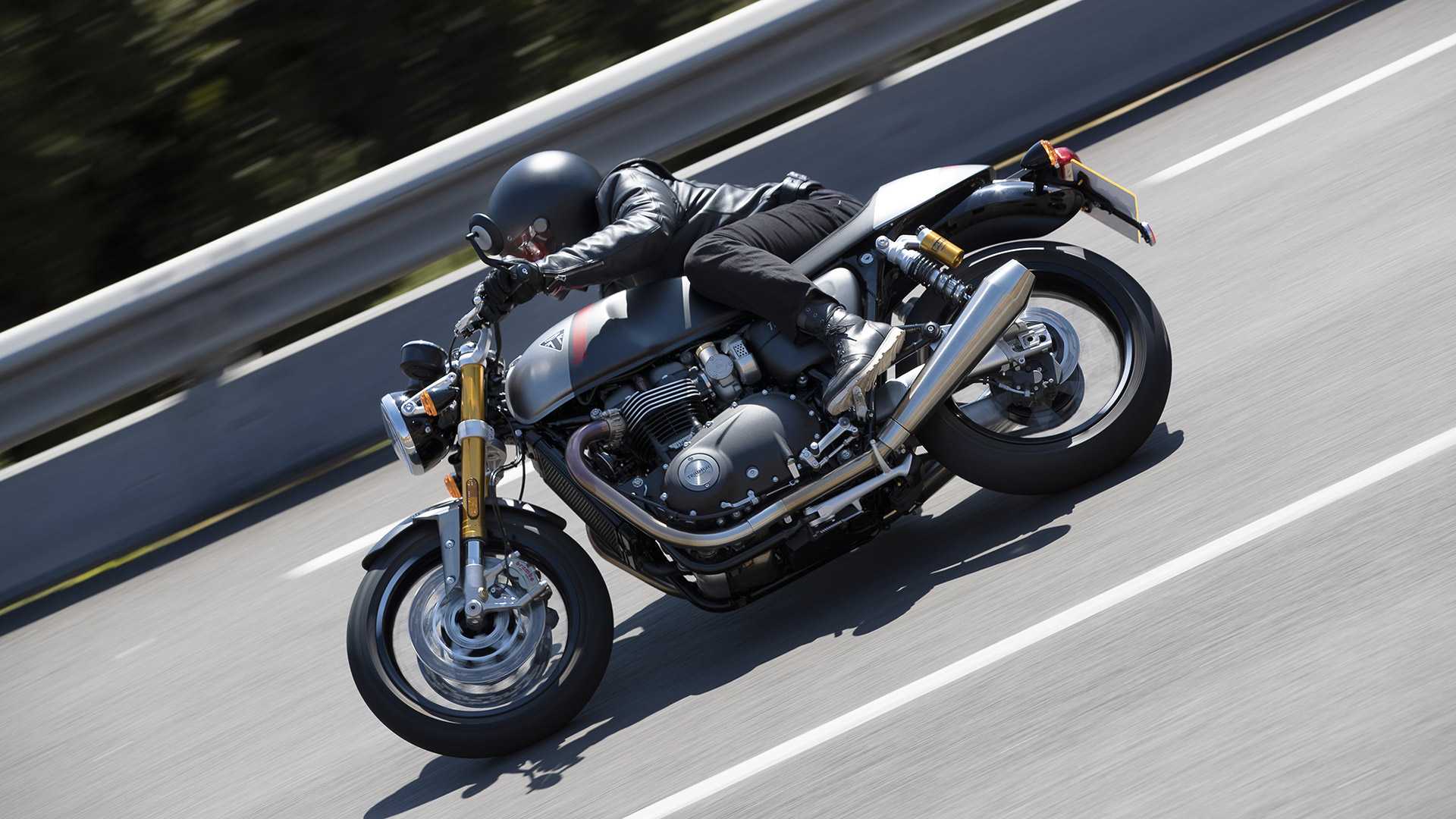
9. Triumph Thruxton RS


As if the 2017 Thruxton R wasn’t already on of our favourite rides. The RS has more power, more torque and is 10 kg lighter. Bling include Brembo monobloc calipers, Öhlins rear shock, Showa BPF forks. Looks like the best factory cafe racer will be “best-er” next year. The Thruxton shows that butt-kicking torque is a whole lot more fun.

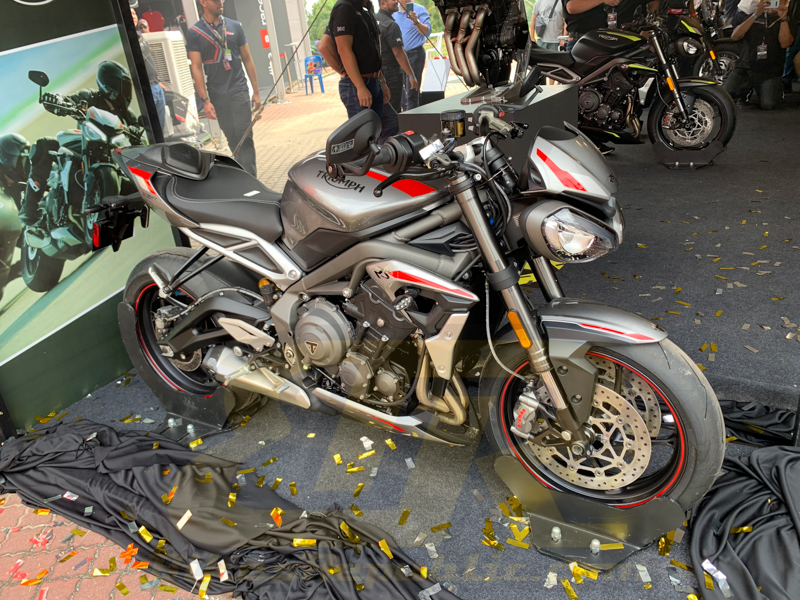
10. Triumph Street Triple RS

Again, the best gets “best-er.” Truth be told, we’re a little frustrated about the perception that more horsepower equals more fun. It’s horse manure (that’s the politically correct word)! Because through our experience of testing virtually all bikes in the market, it isn’t necessarily so.

The Street Triple RS shows that the combination of a compact and light bike, with enough horsepower, superb handling is what makes riding so pleasurable. It’s a bike that makes you grin non-stop after riding it.

And don’t start about how it looks. It’s a factory-issue streetfighter.

Honourable mention

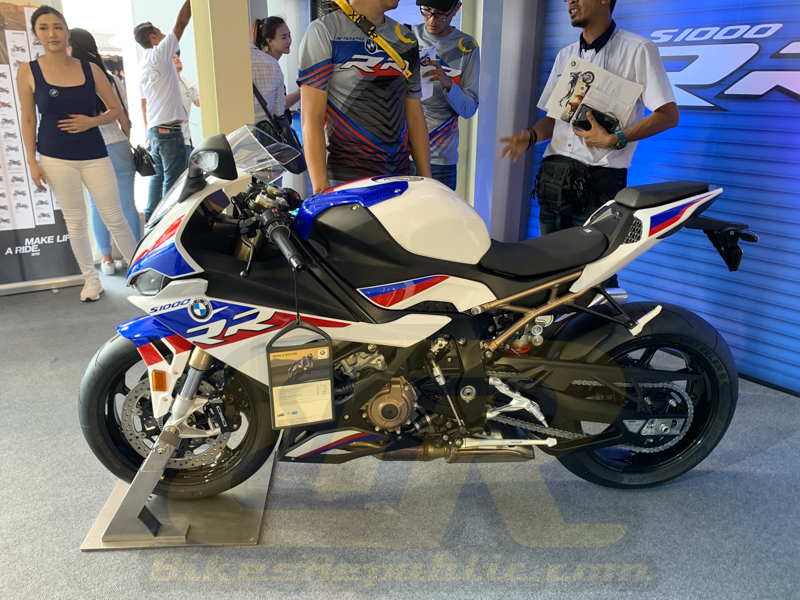
BMW S 1000 RR

The S 1000 RR wasn’t included in the list above as it made its debut in 2019. However, the bike will be available in 2020 in Malaysia as the Munich factory was surprised by the overwhelming demand for it. Available in the base version and M Sport package, it’s the latter that’s the most seductive. All new, it’s compact and the new ergonomics will cut down on rider effort and fatigue, while enhancing overall control.

Horsepower was published at 207 bhp but BMW always under-claims their power output.

Triumph Tiger (900?)

This was one bike we were hoping to see at EICMA 2019, but it was a no-show. The 2018 Tiger, especially the XC variants, were amazing bikes that made riders feel like they were heroes. There were so many enhancements from its predecessor that it felt like an entirely new bike. But the new Tiger looks more compact, with many new components and may feature a new 900cc Triple.

Although there’s no indication of when and where it’ll be launched, we do hope it’s in 2020.

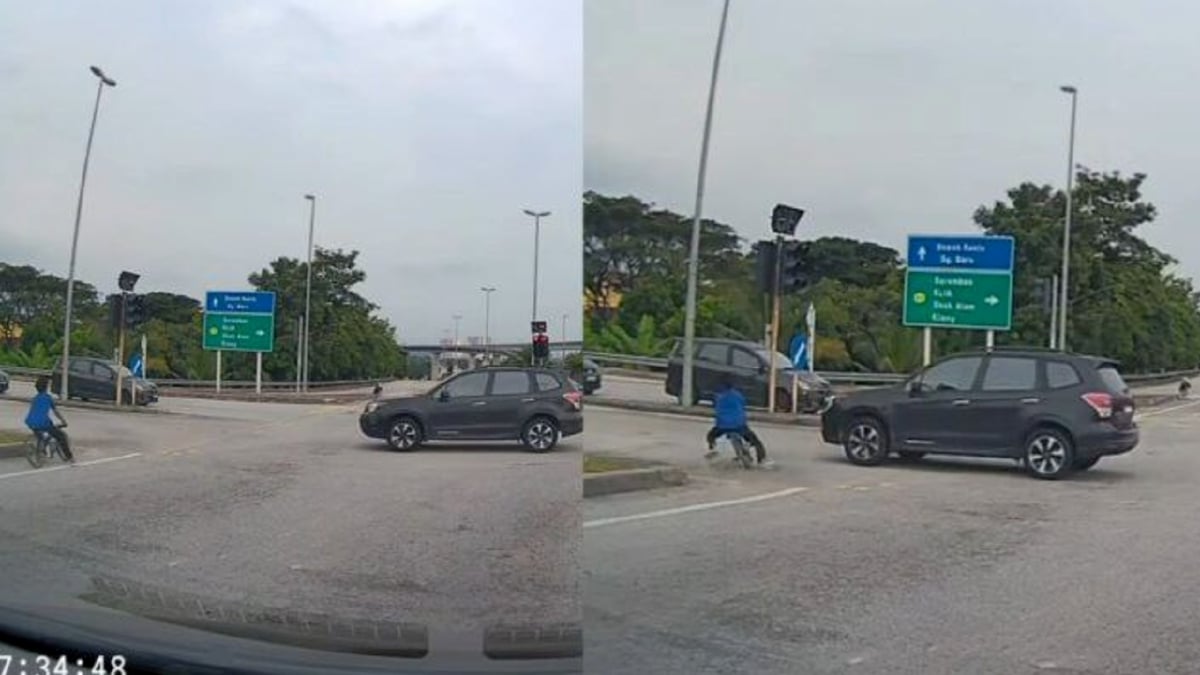
  • The Royal Malaysian Police (PDRM – Polis DiRaja Malaysia) arrested six parents over the weekend for letting their children ride basikal lajak.

  • The parents could face up to RM 20,000 fine and/or up to 5 years in jail.

  • Police have been cracking down on the activity but this is the first time parents were arrested.

The Royal Malaysian Police (PDRM – Polis DiRaja Malaysia) arrested six parents over the weekend for letting their children ride basikal lajak.

PDRM have warned last month that parents who allow their children on such contraptions could face fines up to RM 20,000 and/or jail up to 5 years. The measure was put in place after a car crashed into a group of basikal lajak riders on a highway at 3am. The accident took the lives of 8 youngsters.

The police had cracked down on the errand riders since January this year and nabbed some 116, all aged under 18 years old.

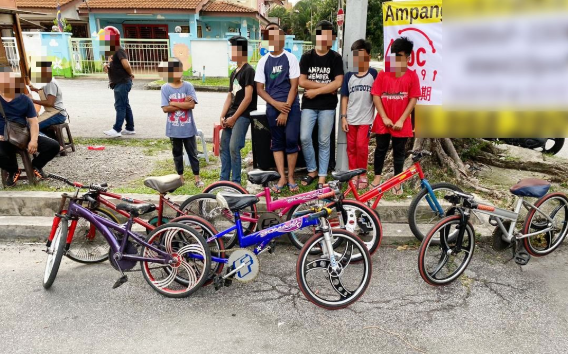
The latest crackdown in Ampang caught six kids aged between 11 to 16 years old. Police then hauled in their parents and legal guardians to the Pandan Indah police station.

Photo credit China Press

Fines were handed to the children and their bicycles confiscated with accordance to Section 112(3) of the Road Transport Act 1987. The parents were charged under Section 33 of the Child Act 2001 for negligence but were released on police bail.

Police say that these cases will be handed to the deputy public prosecutor (DPP) for further action. The parents could very well face hefty fines and/or jail time.

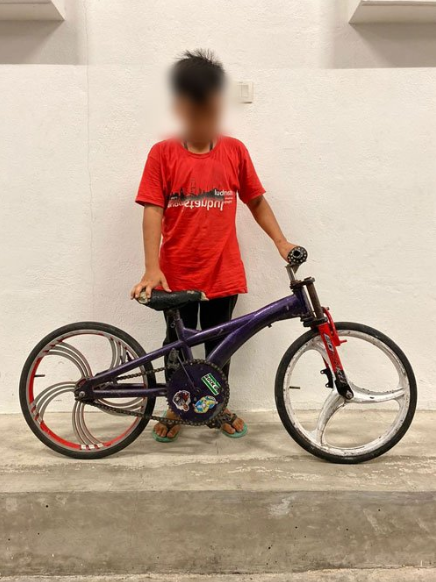
Basikal lajak refers to bicycles that are modified to ape (for want of a better word) the ergonomics of sport and race motorcycles i.e. head down, arse up in the air for better aerodynamics. The riders then race them downhill using gravity and pedal power. The bikes are usually devoid of brakes. The real problem is that the riders would usually congregate in built up areas, endangering themselves and other road users.

Source: World of Buzz
Photos: China Press

  • Max Biaggi’s Moto3 Team, Max Racing, will use the Husqvarna FR 250 GP in 2020.

  • The Husqvarna FR 250 GP was launched at EICMA 2019.

  • THe Swedish marque is currently under KTM.

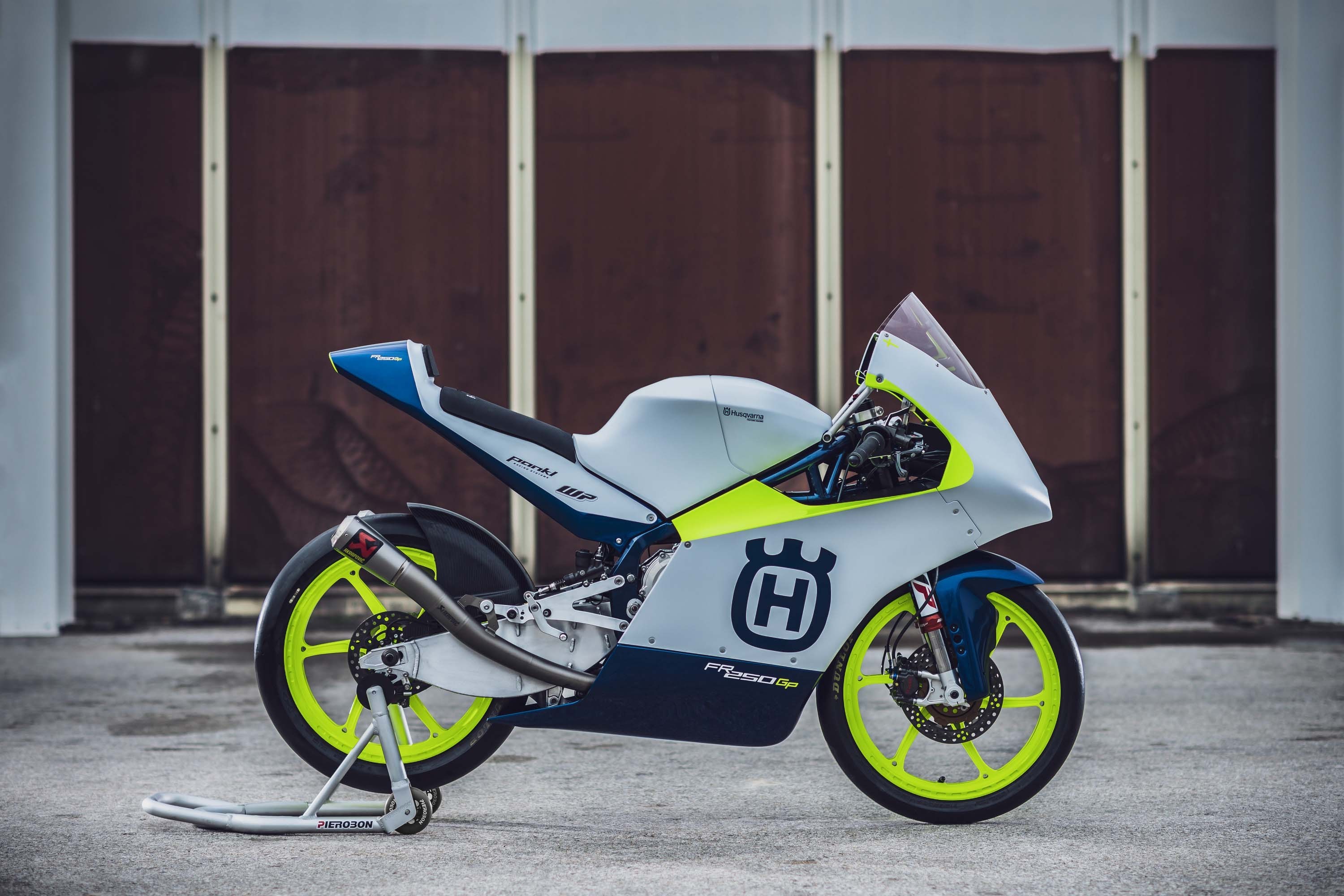
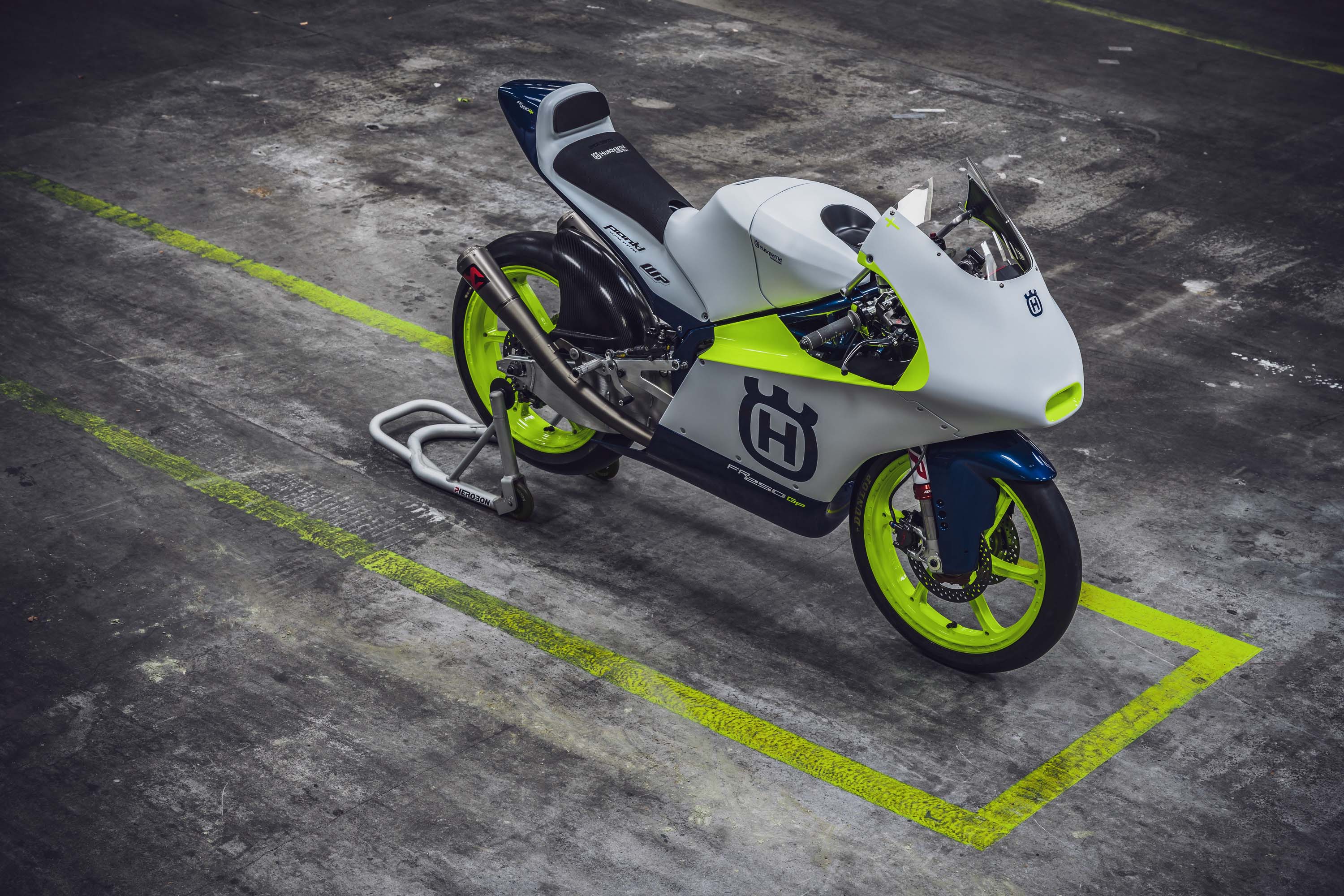
Max Biaggi’s Moto3 team, Max Racing, will campaign the 2020 Moto3 season with the newly-launched Husqvarna FR 250 GP.

Husqvarna has made a timely return to grand prix racing, given that the class is as hotly contested as before, and that Max Racing is heading into their second season with Romano Fenati and Alonso Lopez.

Fenati may had been a hothead, but he possesses streaks of raw talent evidenced by his 2nd overall placing in the 2017 Moto3 championship.

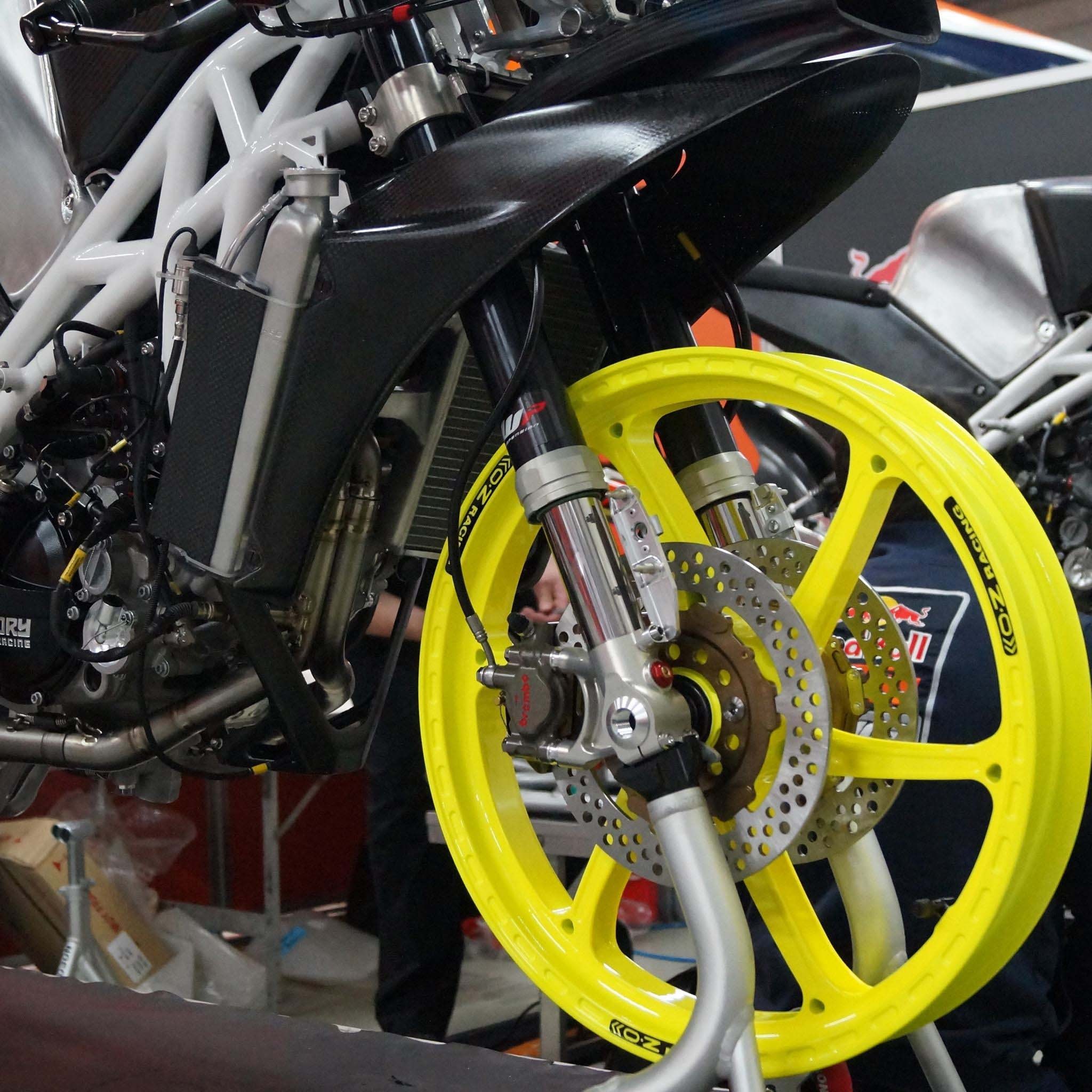
Anyway, the FR 250 GP is actually the KTM Moto3 bike. Hardware includes WP suspension and O.Z Racing wheels.

The blue, white and yellow Husqvarna brand is currently under the ownership of KTM through KTM CEO Stefan Bierer’s vision to consolidate two premium off-road brands into one.

While the differences between Husqvarna and KTM motorcycles are just skin (err.. paint) deep, the former does have a number of street models that differ from KTM’s line-up. Take the Svartpilen and Vitpilen, for example.

The biggest question is will we see a road version of the Husqvarna FR 250 GP? Perhaps a road-tuned version with lights. Oh, yes please!

  • Rumours of Kawasaki buying a stake in Bimota turned out to be true.

  • They purchased 49.9% of the shares.

  • The Bimota Tesi H2 made its debut at EICMA 2019.

There were earlier rumours about Kawasaki buying into Bimota and it turned out to be true when they unveiled the Bimota Tesi H2 at EICMA 2019.

It seemed that some time was needed to discover that the Italian Motorcycle Investment S.p.A. who purchased 49.9% stake in Bimota was set up by Kawasaki Motors Europe. In turn, Kawasaki Motors Europe is actually wholly owned by Kawasaki Heavy Industries.

The previous Swiss-Italian owners Marco Chiancianesi and Daniele Longoni still hold a 50.1% controlling stake in what will soon be known as Bimota S.p.A. Operations will remain at Rimini. It was reported that the deal took three years to conclude.

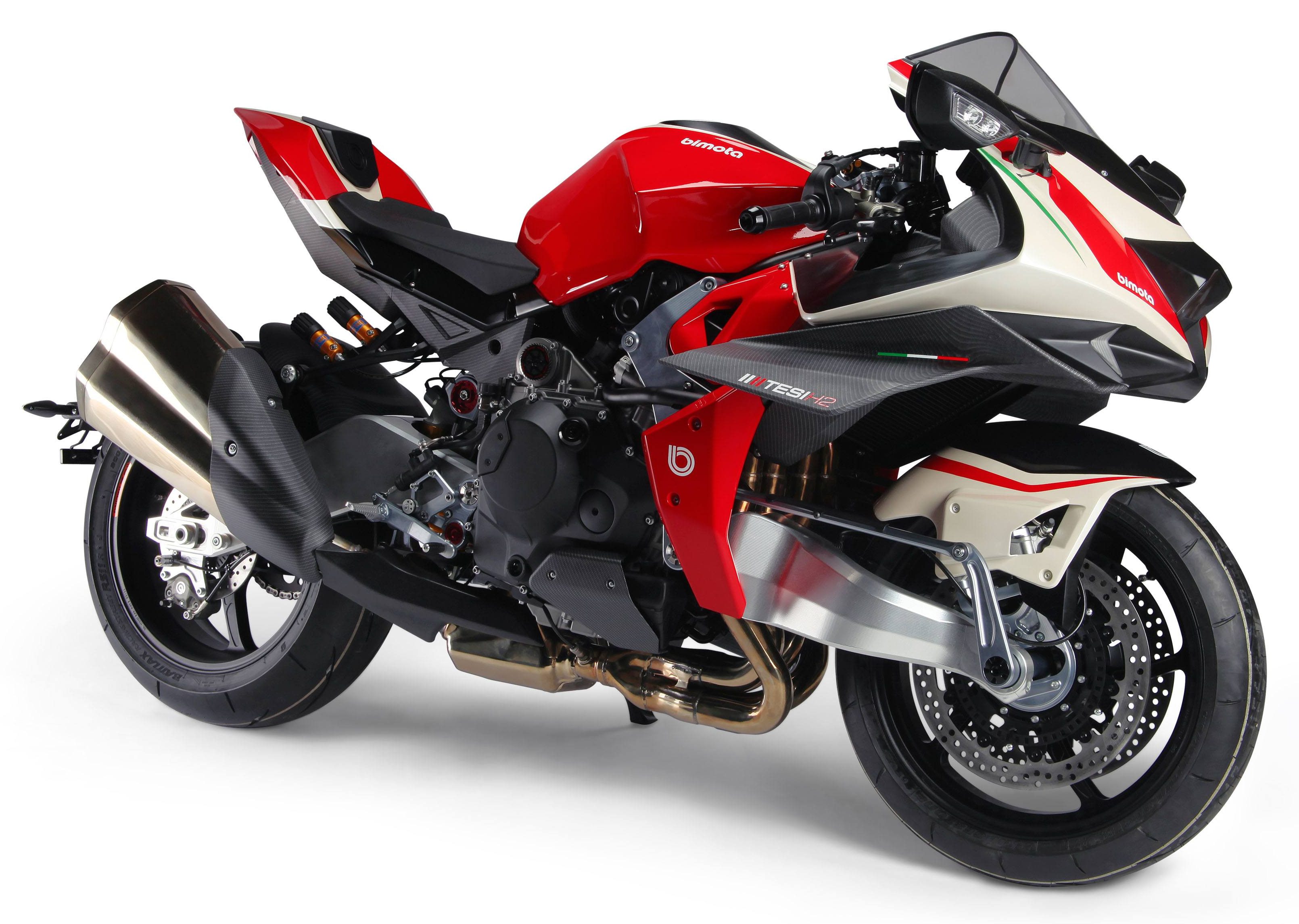
Launched at EICMA 2019, the Bimota Tesi H2 which is a H2 supercharged engine stuffed into the Tesi chassis.

The Tesi is radical that it uses a swingarm for the front instead of forks and hub centre steering. The concept was already explored in the previous Tesi and Tesi 3D. However, the Tesi H2 will be a faired bike instead of the naked 3D.

You can read more about the Tesi 3D and other Bimotas here.

Future bikes will most probably be designated as KB, now that Kawasaki is onboard.

It’s all good news because Bimota have always pushed the enveloped of motorcycle technology, specifically in terms of chassis design, where manufacturers fear to tread.

Archive

Follow us on Facebook

Follow us on YouTube