Bikesrepublic

Latest News

  • Carrying out motorcycle maintenance by yourself is fun.

  • There are many things you could learn.

  • It gives you a sense of achievement and gratification.

Owning a motorcycle is much simpler these days since they are so reliable and require so little in the way of TLC (tender loving care) to keep ‘em rolling. As such, there are certain maintenance tasks that you can DIY (do it yourself).

NOTE: Before we begin, please let us explain that certain DIY maintenance tasks should only be carried out by the manufacturer’s official workshops, especially during the warranty period. For example, something as “mundane” as an oil change must be recorded in the service booklet to entitle for warranty. Do check your owner’s manual and call/email your motorcycle dealer or manufacturer to be 100% sure.

But why carry out these tasks by ourselves, you ask. Well, completing even a simple task as maintaining the drivechain gives a feeling of accomplishment and gratification. You’d also discover more about your bike in the process – and there’s so much to learn! Plus, you’d rise above being just a casual biker to one who is knowledgeable. Seriously, how many bikers actually get down on all fours to inspect their bikes these days?

Okay, let’s start the list.

1. Washing the bike

Photo credit autoevolution.com

This is just way too obvious but cleaning your bike yourself is a good practice and habit. That’s because you’d discover potential problems firsthand. It could just be imagination but everyone I spoke to feels that their bike run smoother after a thorough wash. It could well be true because some of the dirt wedged between moving parts such as the brake pads and disc are washed away.

Our tip is to use reputable cleaners – water soluble and biodegradable ones are the best – rather than corrosive stuff like dish washer liquid and detergent. If you use car shampoo, go for those that are not “wash and wax.” The wax leaves whitish residue on the matt black plastic parts, dulling them out quickly.

You may also consider some automotive waxes. Something light will be good, given the usually thin clearcoat on motorcycle paintwork. Do not apply wax on the matt plastic parts or you’ll be sorry.

As for the plastic parts, consider coating them with UV protector.

2. Oil change
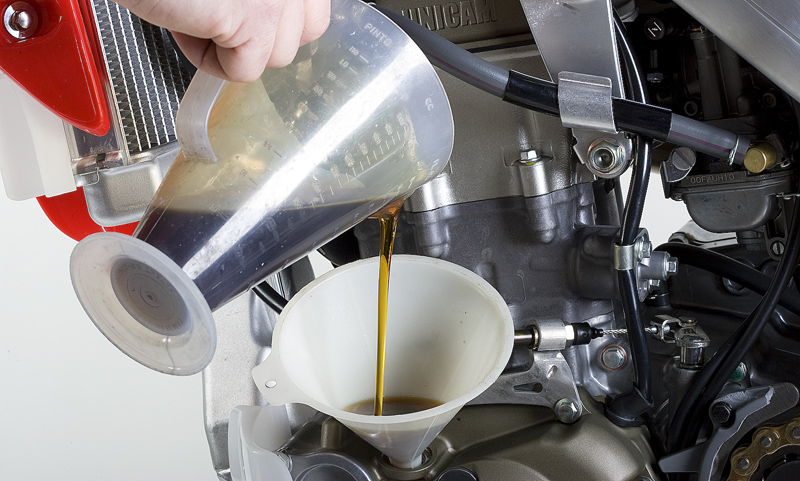
An oil change is one of the obvious places to start. There are a number of things you should always observe:

  • Have the correct oil filter spanner or removal tool.
  • Make sure you straighten the bike to drain the last bits of the old oil.
  • Do not overfill (too much is actually bad for the engine!).
  • Do not overtighten the filter.
  • Dispose of the old oil properly i.e. send it to a workshop rather than pouring it down the drain.

3. Chain adjustment
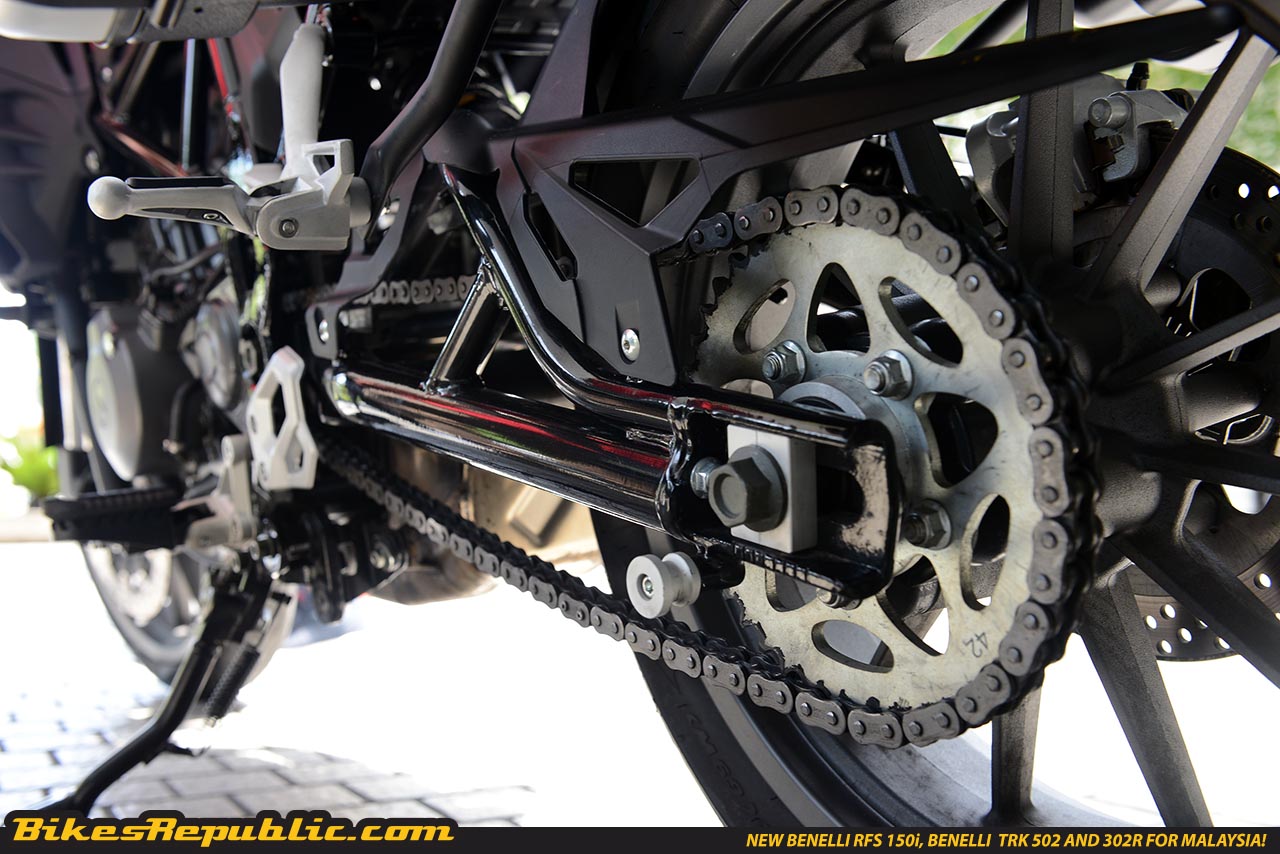
Always maintain your drive chain properly. That includes proper tension, cleanliness and being lubricated. A loose chain will whack parts of the bike and cause premature sprocket wear. A chain too tight will tax the engine and limit suspension movement. A chain without lube will rob horsepower and increase fuel consumption.

As a personal habit, I usually lube my chain every 400 km which corresponds to two tankfuls of petrol.

4. Battery
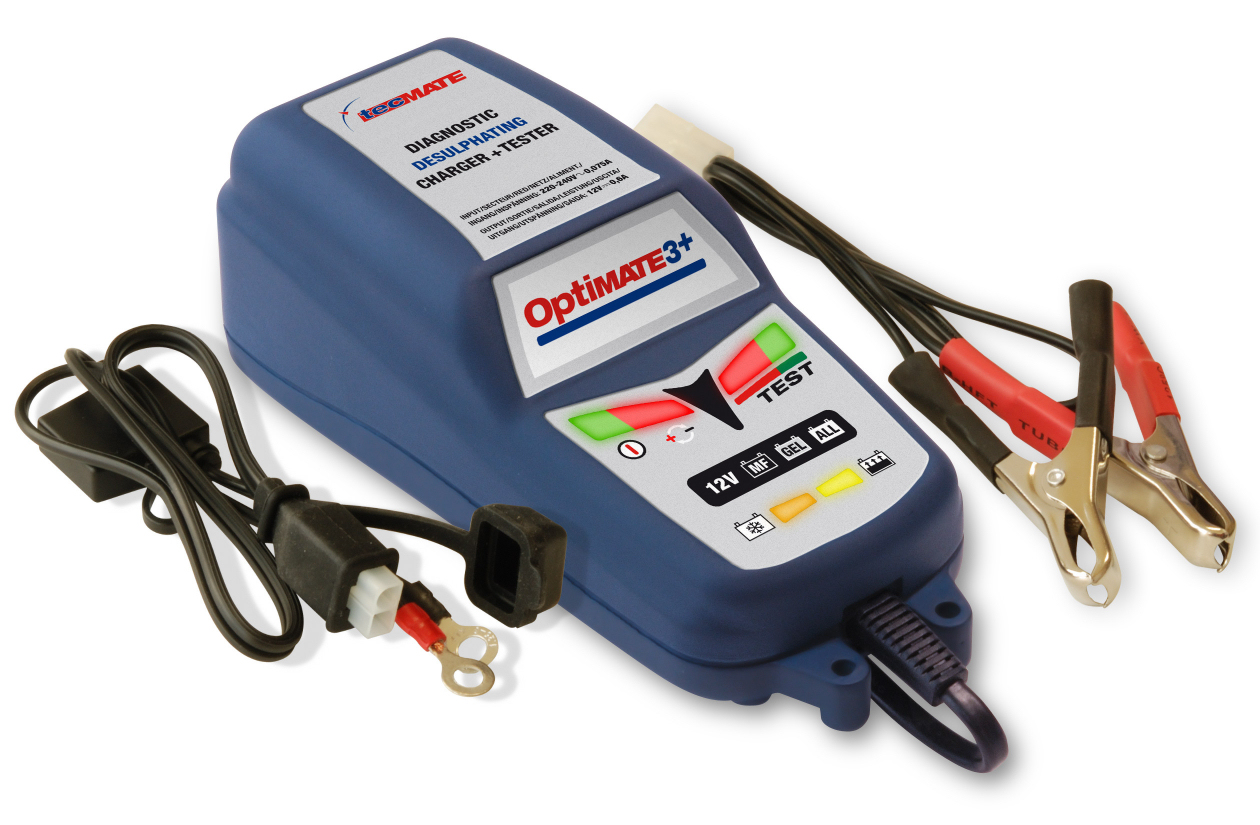
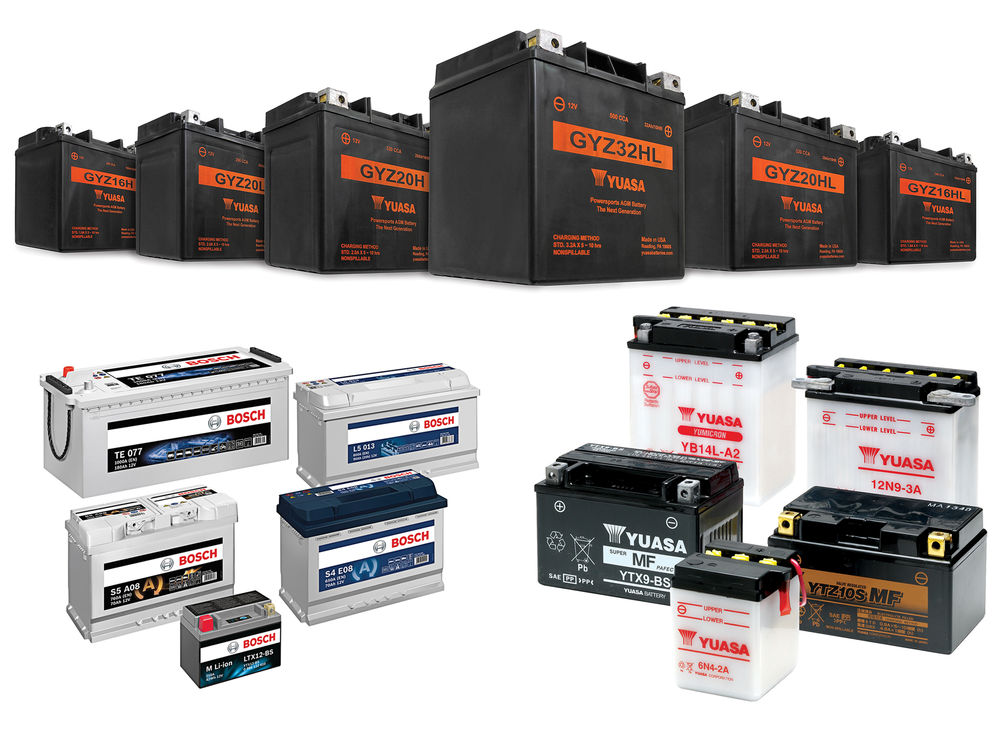
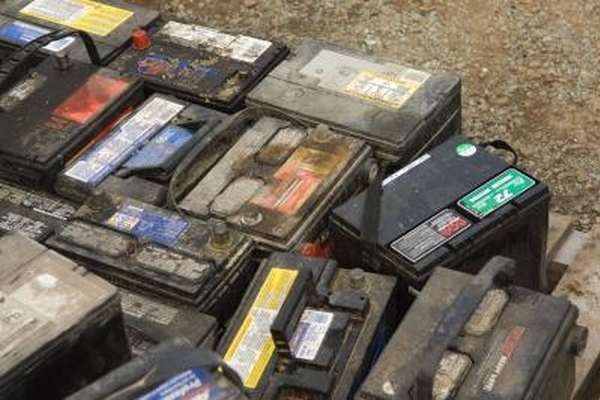
As we published yesterday, almost all batteries are now “maintenance free.” However, the term only means that you don’t have to add distilled water from time to time. And that’s all!

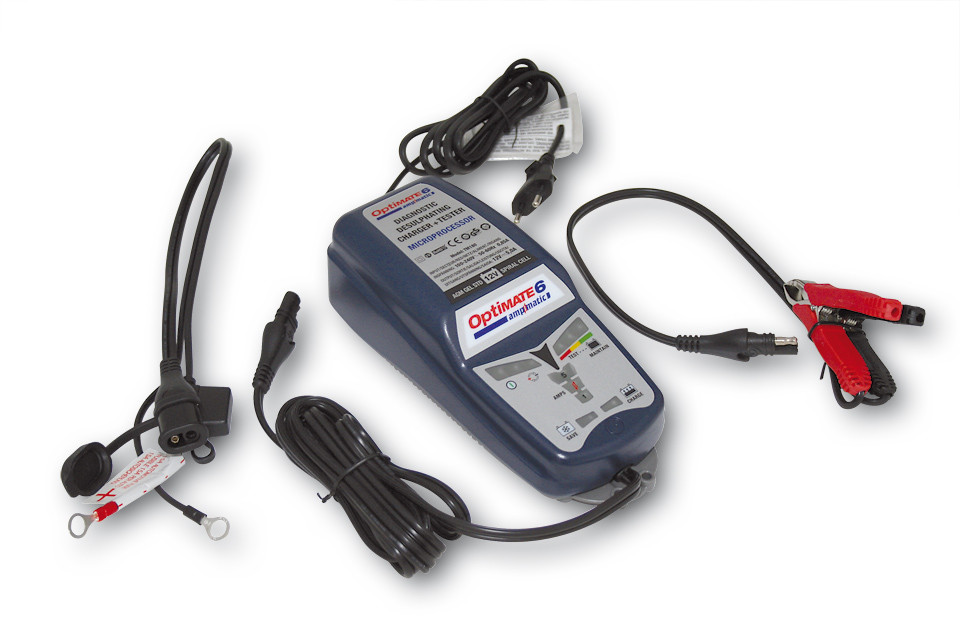
We do need to tend to the battery by placing it on a smart charger to keep it charged. I know some will argue that it’s easy to just replace the battery every 2 years or so, but I don’t want to be stuck in the middle of nowhere at night again when a battery went kaput. Plugging in a smart charger will tell you of the condition of the battery, thereby giving you a heads up.

5. Cables
Credit wedginator

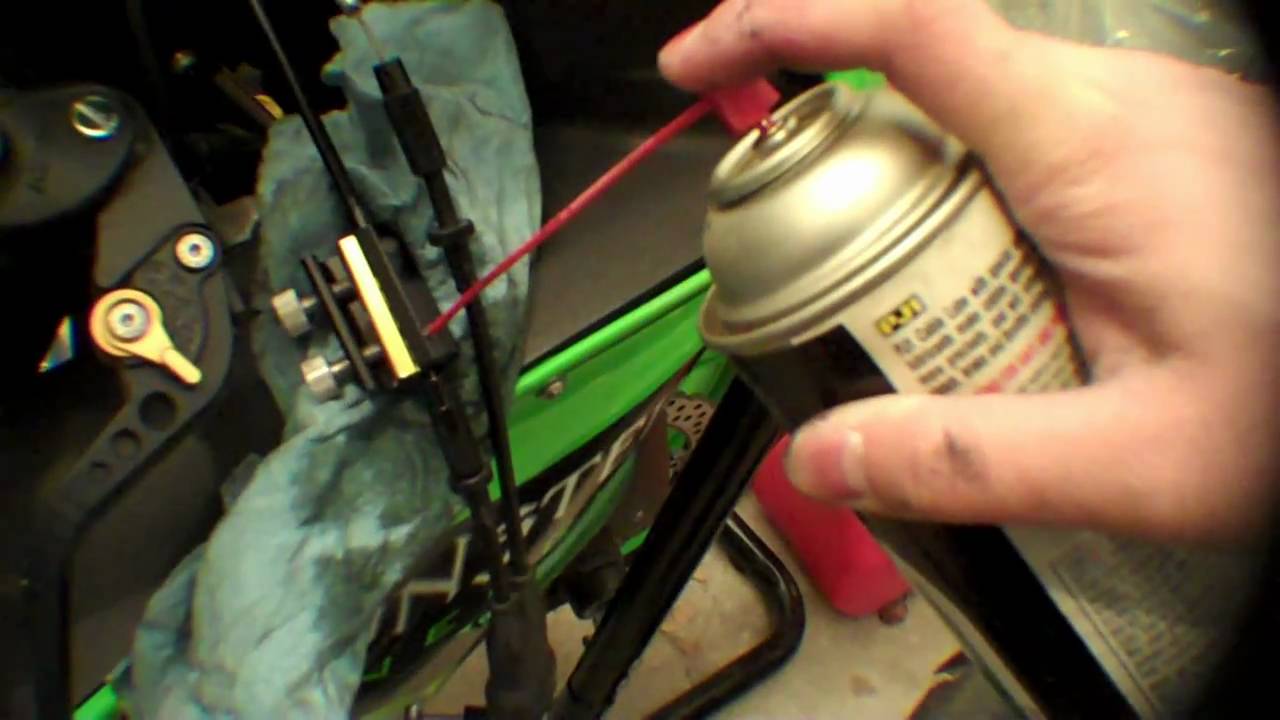
This is another oft-overlooked area on a bike, until the cable snaps. Even if it doesn’t, a dry cable will not return fully and leave the clutch slipping (slightly). You can purchase a hydraulic cable oiler or spray a good anti-corrosion agent down the cable tube.

6. Tyres
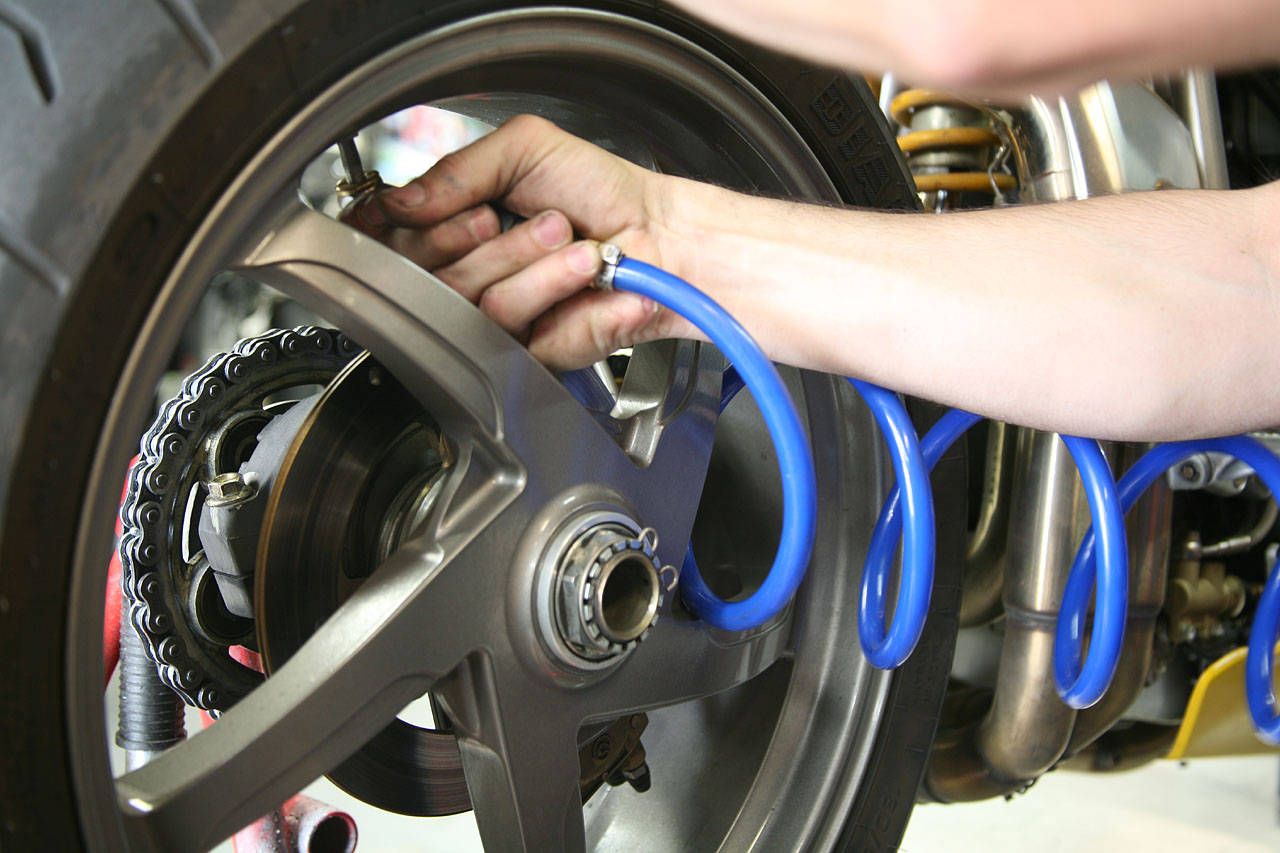
Ah hah. We’ve plunked in some good money for those bitchin’ tyres and all we do is leave them to die. How sad!

It’s good practice to scrub the sidewalls while cleaning the bike, to reveal their condition. Check the pressure at least once a week. Punctures should be addressed immediately. Don’t underinflate or overinflate.

7. Spark plugs
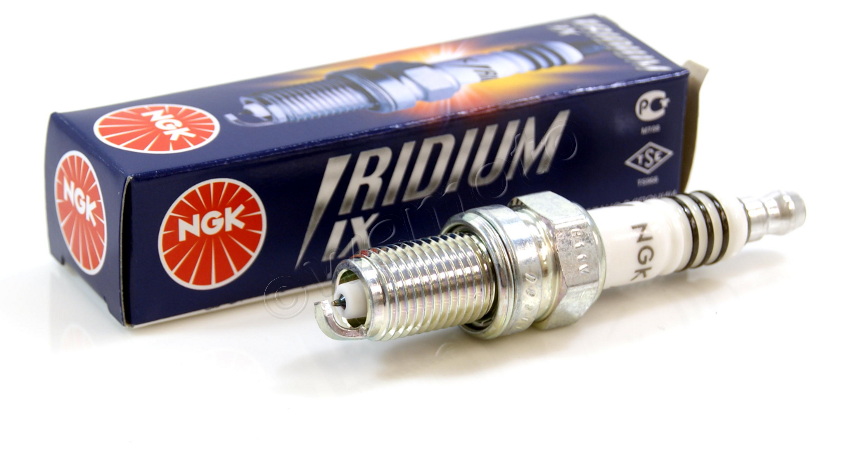
Spark plugs last so long these days that they can become totally forgotten about since their degradation happens progressively to the extent that we don’t feel a drastic change. But they do need to be replaced.

We admit that replacing the spark plugs for beginners could be a profanity-filled affair that’ll make Samuel L. Jackson blush, but you’ll discover so much when reaching into the nether regions in the engine compartment. You’ll see the airbox, recirculation valve, throttle bodies, the ignition coils, etc. etc. on your way to spark plug cavities in the valve cover.

8. Keyholes
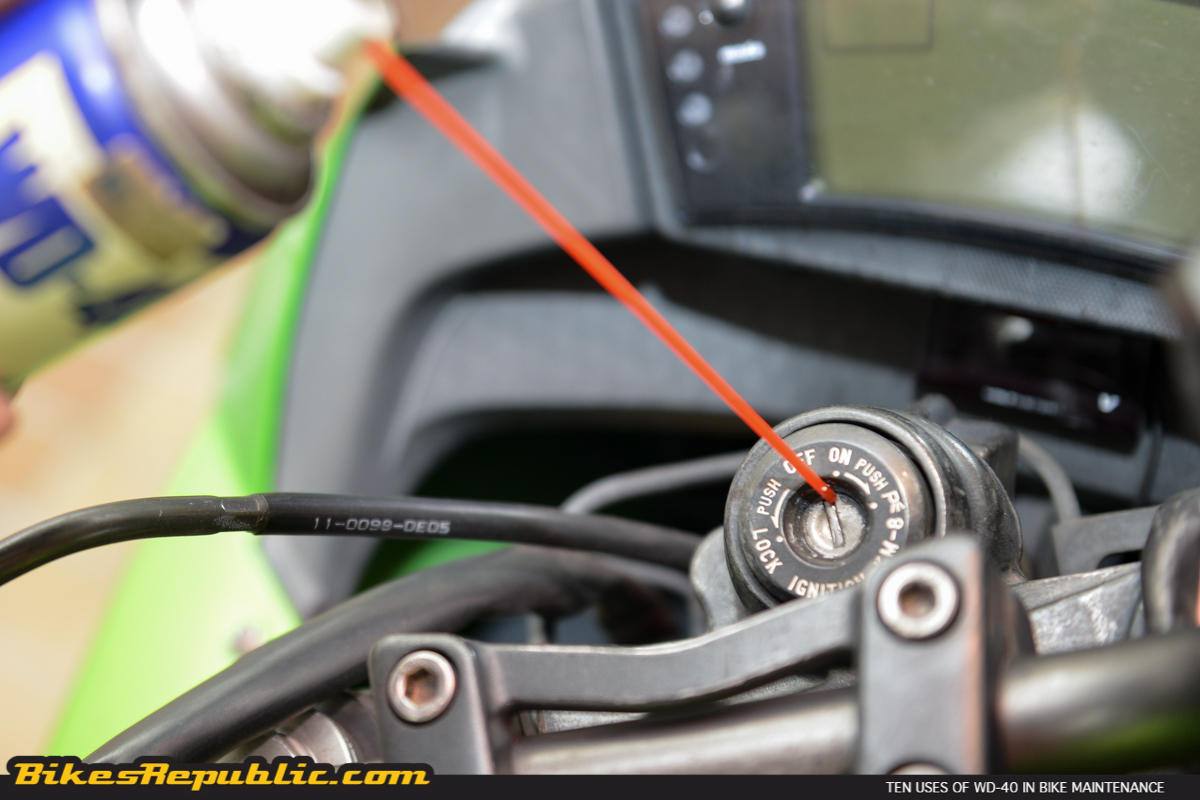
Oh yes, do lube the keyholes. You don’t want to ride somewhere far only to discover that you could get the fuel tank cap to open up! (This writer found out firsthand and had to call a recovery service!)

BONUS

The next two can be performed easily but they are best left to trained mechanics. They can be life-threatening if done wrongly.

9. Coolant
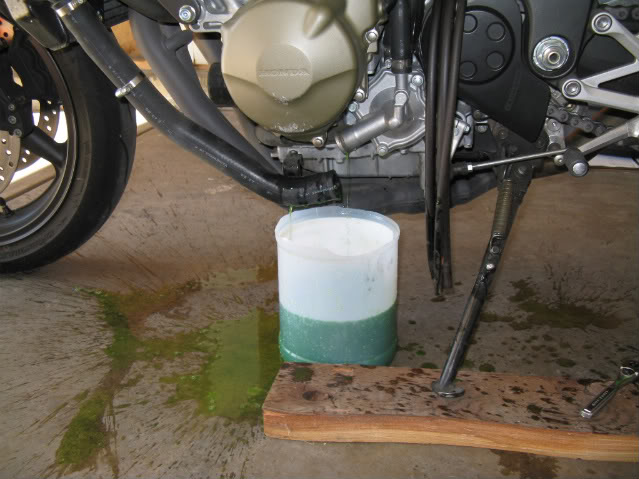
The engine coolant is also another oft-neglected item. (See the ironic side of reliability?)

Depending on manufacturer, it should be replaced every two years, but this writer will change it as soon as it starts to turn milky.

The thing to remember here is to flush the cooling system of air pocket by running the engine and letting it pump out the air. The mistake is closing up the drain plug and pouring in the coolant without bleeding, leaving behind air pockets that will lead to overheating.

10. Brake pads
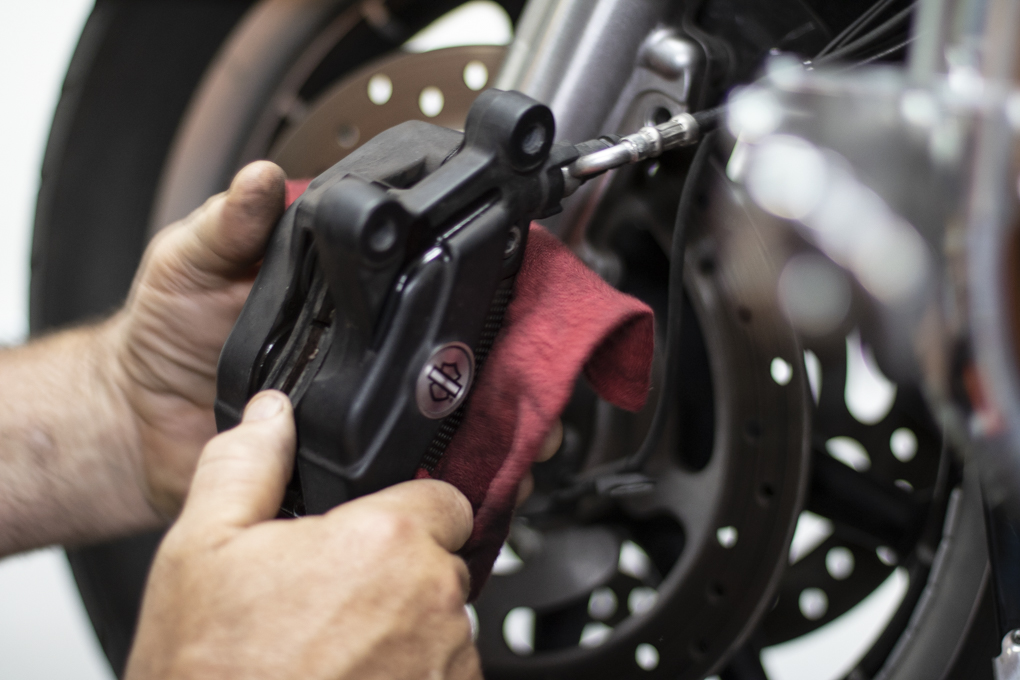
This job is super easy actually. The most important precaution is to reinstall the brake pad retaining pin properly. Your life and bike depend on that piece of pin!
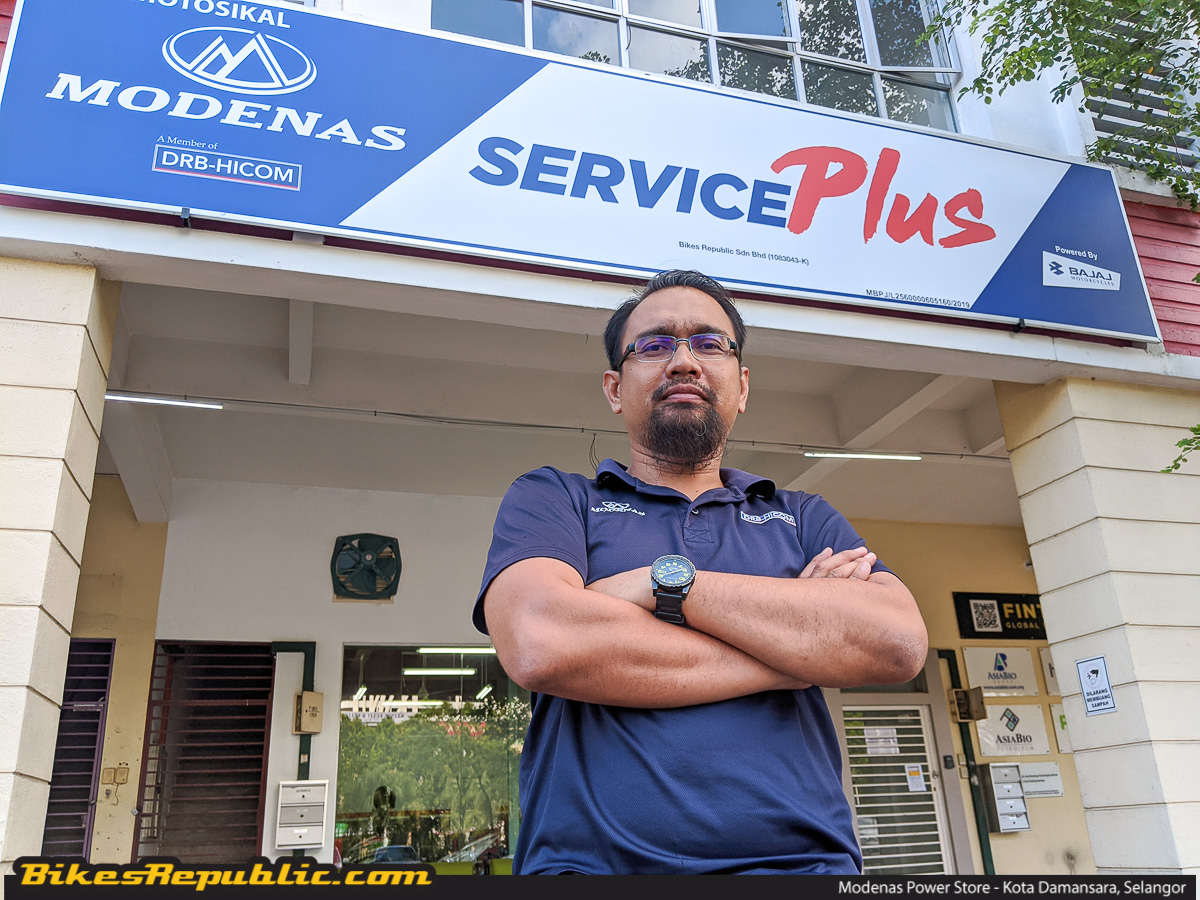
If you happen to own any of the Modenas bike models like the V15, Pulsar NS160, NS200, RS200, or the Dominar D400, finding authorised aftersales services might be a hassle if you happen to live in locations where you have to travel the distance. Luckily for you, the Modenas Power Store, conveniently located in the heart of Kota Damansara, has the solution for you. (more…)

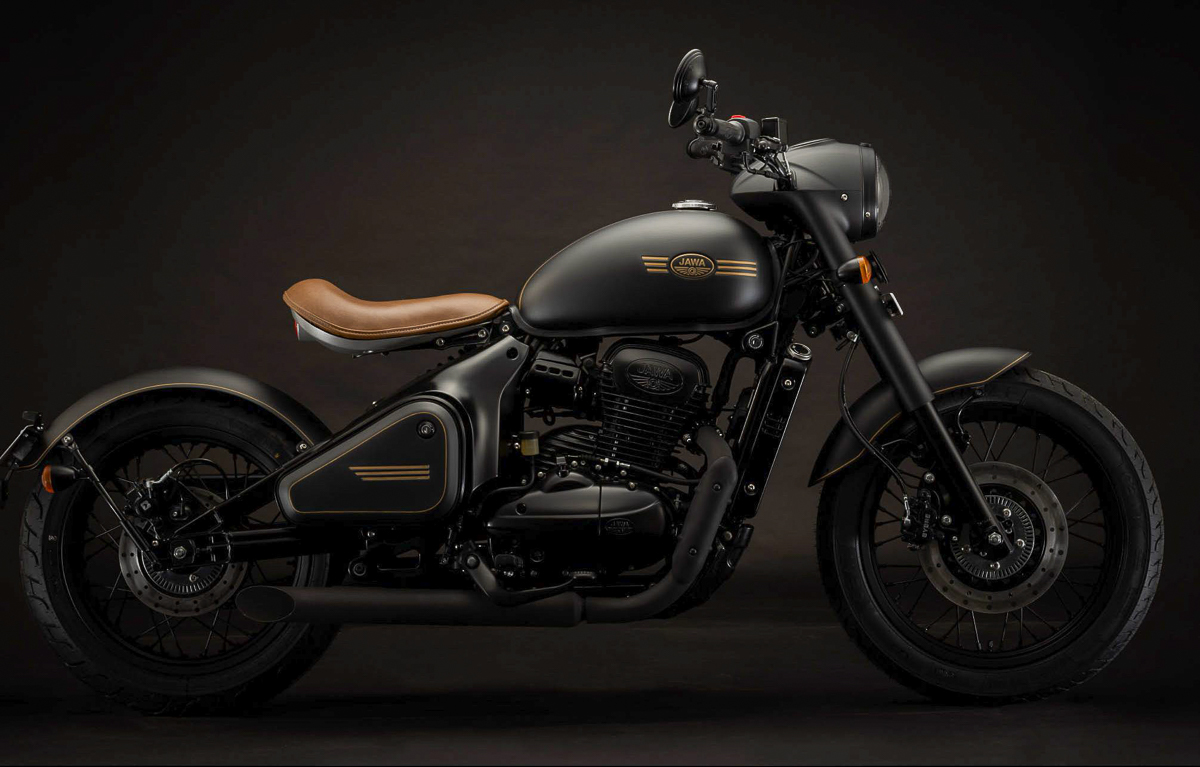
The new year has arrived and bookings for the 2020 Jawa Perak is now open for those where the brand is available. The motorcycle brand from India owned by Mahinda & Mahindra is set for a mega return in the motorcycle market with their latest entry-level Bobber. Will it be a success? Judging by the looks alone, most probably. (more…)

The recently launched 2020 Aprilia RS 660 got a lot of positive feedbacks ever since it made its maiden public appearance at EICMA 2019 in Milan, Italy. We can now confirm that the latest Aprilia middleweight will be making its way to Malaysia sometime at the end of the year. Oh, what joy! (more…)

There are not a lot of extremely rare superbikes here in Malaysia but the folks from Aprilia Malaysia (Didi Resources) managed to get their hands on one very exotic 2020 Aprilia RSV4 X to preview here in the country. How rare? There are only 10 of them and one of them was already handed over to its first owner, Max Biaggi. And guess what? Max Biaggi was here to unveil the bike! (more…)

  • A motorcycle battery doesn’t last forever.

  • But what causes it to die?

  • We touch on why a battery degrades over time.

We touched on the basics about the motorcycle battery previously.

But rather than writing on battery maintenance alone, we feel that information on how a battery degrades gives a clearer picture on the type of maintenance required. Another note: We are covering lead acid batteries here as they are the most common compared to lithium-ion and lithium-iron-phosphate (LiFePO4). Regardless if your battery is “maintenance free” or otherwise, it’s considered a lead acid type as long as it’s filled with acid (as in sulfuric acid) as the electrolyte.

How does a battery work?

Here’s a recap on how a battery produces electrical power:

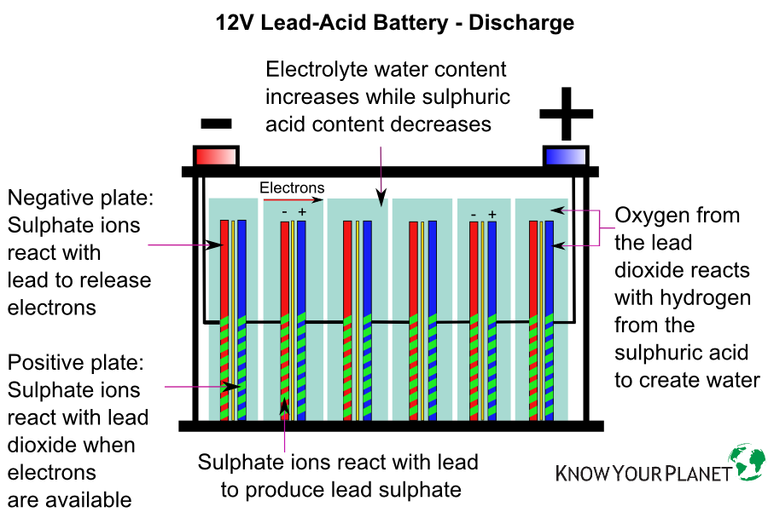
  • The electrolyte solution contains charged ions, made up of sulphate (negatively charged) and hydrogen (positively charged).
  • Placing an electrical load – starter motor, ECU, headlights, etc. – causes the sulphate ions to travel to the battery’s negative plates.
  • The ions react with the plates’ active material to release electrons.
  • These excess electrons move through the negative side of the battery to any device attached.
  • The electrons travel back into the battery through the positive side.
  • The movement of electrons is the battery’s direct current, measured in Ampere (A).
  • The electrons then attach themselves to the positive plates.

How does a battery discharge?

  • At the same time, the sulfuric acid breaks down.
  • It means the electrolyte becomes less acid and more water.
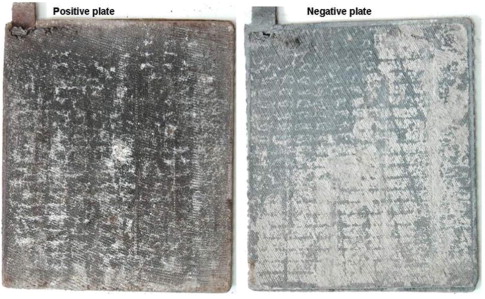
  • Lead sulphate coats the battery plates in each battery cell.
  • The coated plates have less surface area to produce electrical energy.
  • It causes the production of current to drop over time.
  • If discharging continues, more lead sulphate is deposited on the plates.
  • Eventually, the chemical process that produces current stops.
  • A battery may not recover despite how long it’s charge if there’s heavy sulfation.

Self-discharge

  • All batteries self-discharge over their lifetime, even if they’re not attached to any circuit or load.
  • Sulfation occurs as long as the battery’s state of charge is below 100%.
  • The rate depends on battery type and ambient temperature.
  • Sulfation occurs if the battery is overcharged, undercharged or left discharged for just a few days.
  • Smaller lead acid batteries like those in motorcycles sulphate faster.
  • Using or storing batteries above 24 oC (75 oF) accelerates self-discharge and increases sulfation.
  • The discharge and sulfation rate doubles with the increase of every 10 o

What are the reasons for self-discharge?

  • Short trips i.e. within 25 to 30 km may not build enough charge.
  • So is occasional use i.e. once or twice a week.
  • Parasitic discharge i.e. motorcycle’s electronics that don’t fully turn off.
  • Problems in the bike’s electrical system.
  • Problems with the charging coil (stator).

We would like to add here that a motorcycle’s charging system may not charge the battery the way it likes to be charged. This could lead to certain plates being undercharged resulting in sulfation and dead cells, eventually.

What does all this mean?

This is why batteries do not last very long in our climate. A survey in conducted in the United States showed that 85% of batteries do not last up to 4 years, and the best case was just below 3 years.

It must be charged sufficiently to prevent it from dropping below 12.4 Volts.

What do we need to do then?

So, batteries aren’t exactly “maintenance free” and plug-and-play as we’d like, hence proper battery maintenance must be carried out. But first, consider fitting a voltmeter on your bike for you to keep an eye on the bike’s charging rate and battery’s health.

Keeping your battery charged up avoids that hassle of the bike refusing to start. Imagine if happens at night when all the shops are closed or you’re kilometres away from the nearest town. Worse still, you need to fork out some emergency cash.

While we can’t disagree that replacing the battery every two years solves this problem, I’ve personally used my batteries more than 3 years before replacing them, thus saving me a lot of money in the long run. I did this by using a smart charger.

A smart charger which can evaluate the battery’s state and carry out the appropriate charging strategy/strategies. These chargers pump in a certain amount of Amperage to reverse the sulfation, get it up to full capacity and finally maintain that capacity with a trickle charge.

We’ll stop here for this instalment. We’ll look at battery maintenance and smart chargers in detail in the next article.

Archive

Follow us on Facebook

Follow us on YouTube