Bikesrepublic

Latest News

For a number of years it was an open secret that BMW was going to build smaller bikes for the lucrative entry-level market but engineers and company executives either kept mum about it or avoided it altogether.

EICMA2015_8123

So when BMW finally did confirm the rumour, it was more of a “I told you so” moment rather than a more celebration-worthy “wow, that’s brilliant” kind of moment.

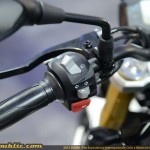
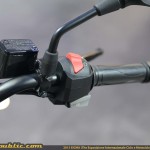
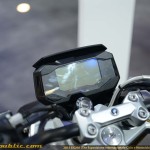
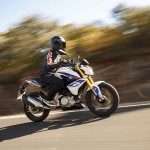
Whatever it is, the end product is going to be brilliant. I say brilliant because upon meeting it at it’s debut last year (read about it here) it felt good, high quality, and had the all important BMW-esque-ness to Motorrad motorcycles. I’m talking about the BMW G310R, that small naked bike that BMW is building in India in collaboration with Indian motorcycle manufacturer, TVS.

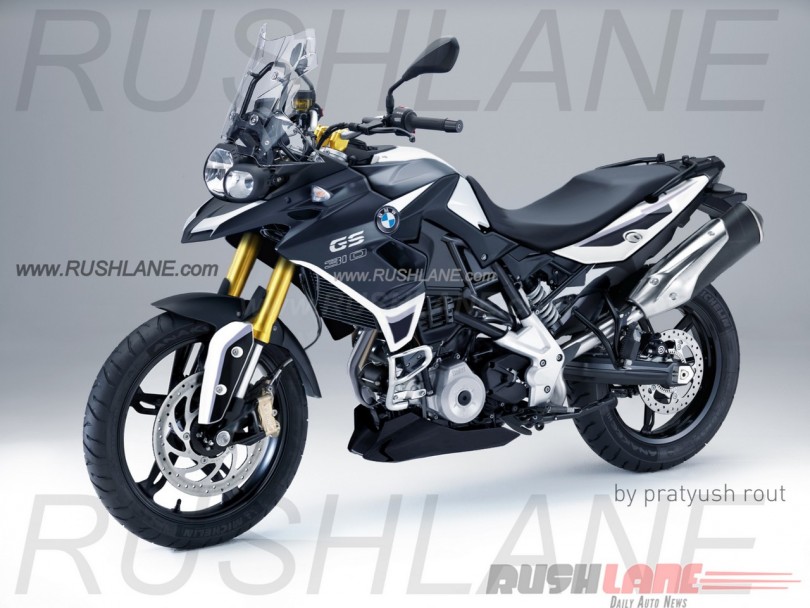
And while the G310R is yet to make it’s debut, it is already spawning its own variants – an Adventure model and a sports model with full fairings. And things are already begin to get into a roll with this rendering on how the upcoming F310GS could possibly look like.

BMW-F310GS-Adventure-810x608

Indian automotive portal Rush Lane posted this exclusive rendering of the upcoming baby-Adventure bike created by Pratyush Rout, described as the “guy behind the renderings” at topspeed.com.

The new bike will almost definitely be powered by the same 313cc single-cylinder liquid-cooled engine as the 310R. Mated to a 6-speed transmission, it produces 31hp and 28Nm of torque. You can expect this figure to change with the engine and gearbox tweaked to better suit tour riding.

What will be different though is an increase in ground clearance, tyre and rim size, handle bar width and the seat.

Looking a lot like the current F700GS, this rendering may not be too far off the mark.

It is reportedly expected to be called either the F310GS or the GS310R.

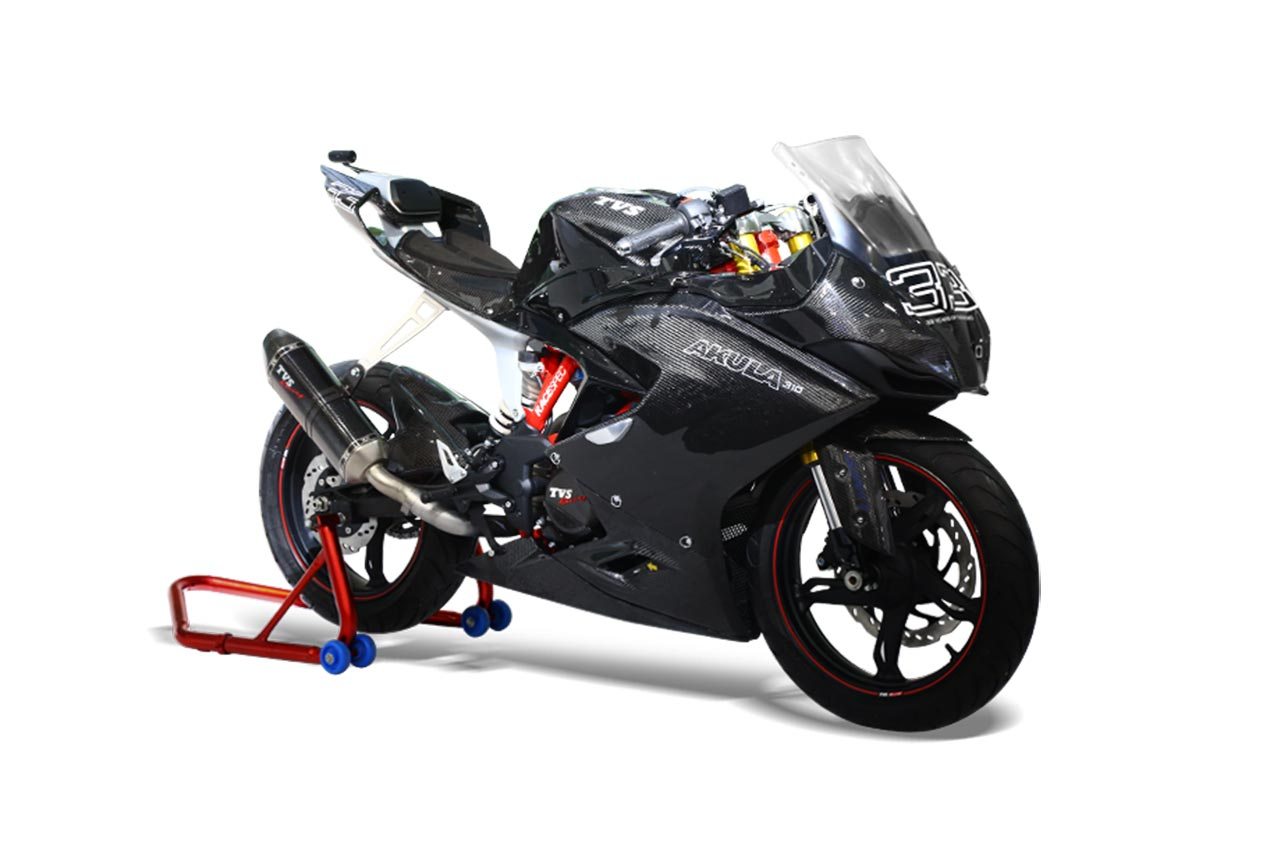
The upcoming BMW 313cc baby sports bike is based on this, the TVS Akula 310

The sports model is also said to be quite a looker with power to match, read about it here or check out the G310R promo video below.

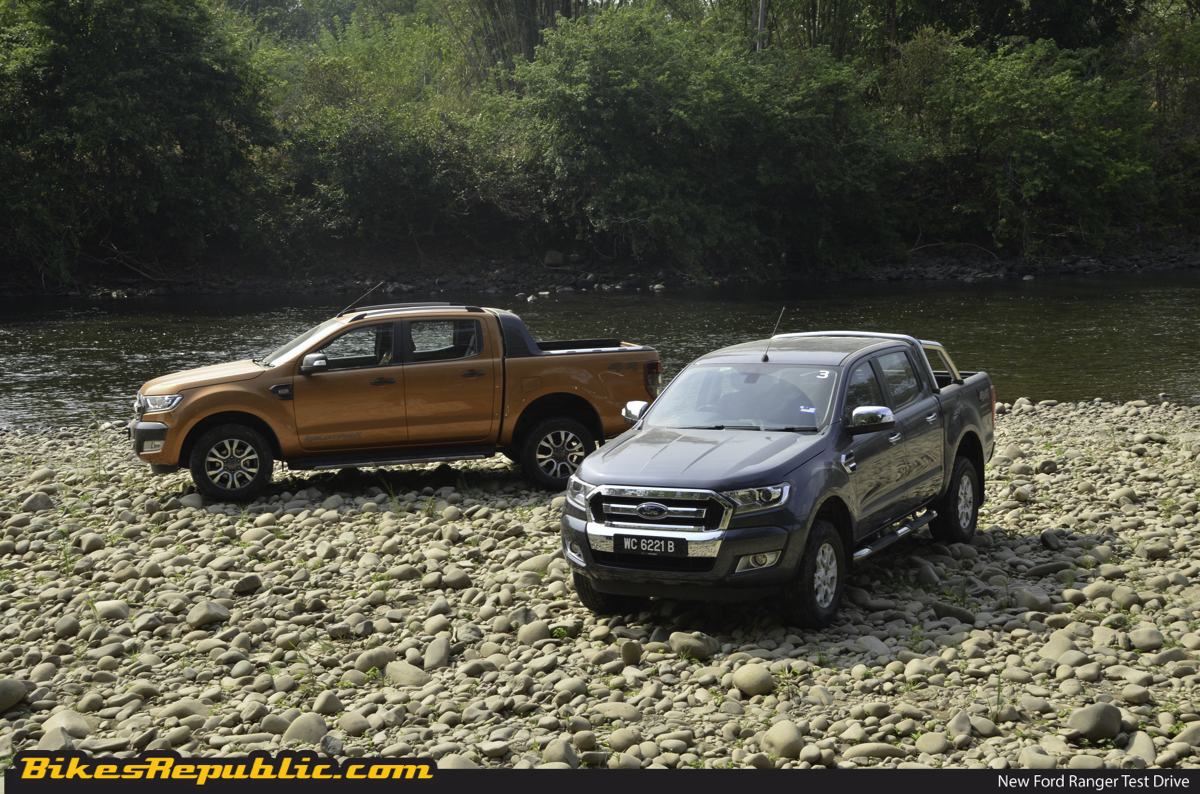
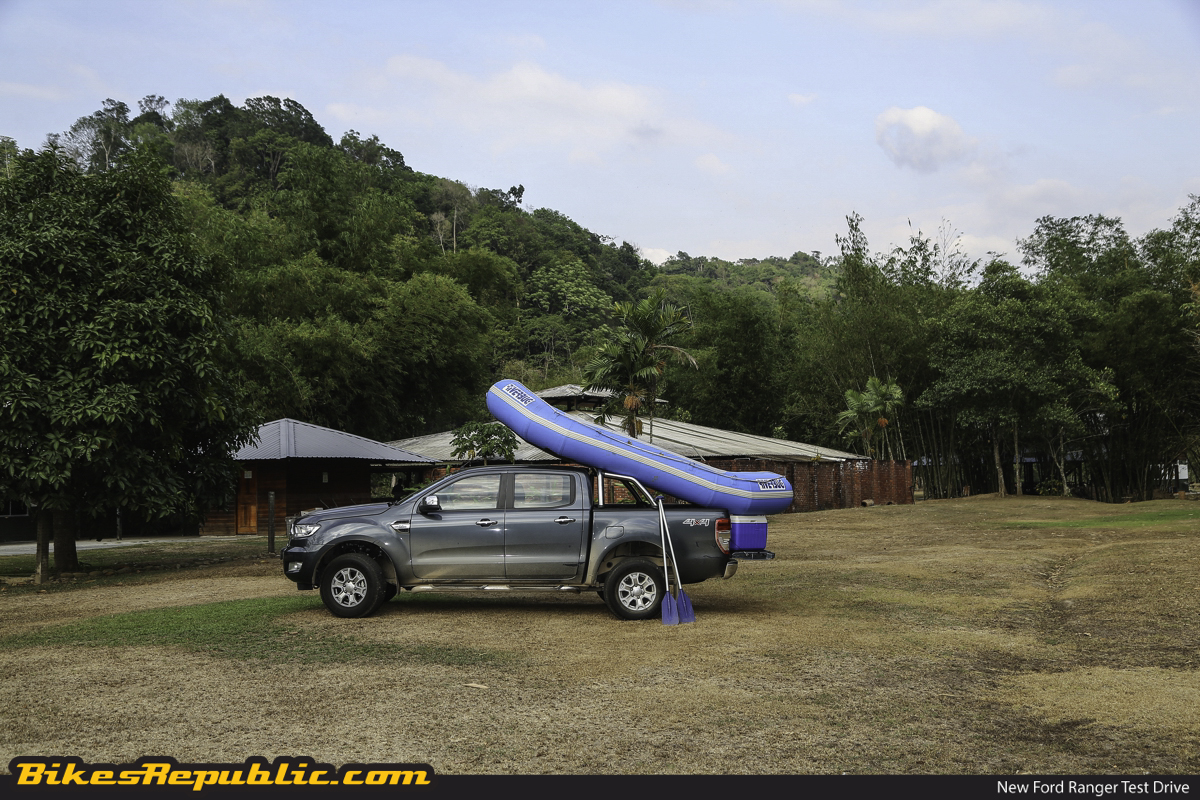
WHEN it comes to the pickup truck segment, very few come close to the pre-facelift Ford Ranger T6 model in terms of performance, capability and desirability. But of course, it did not take long before the mighty Japanese brigade caught up with the blue oval marque, leading to the launch of two new rivals for the Ranger in our market last year.

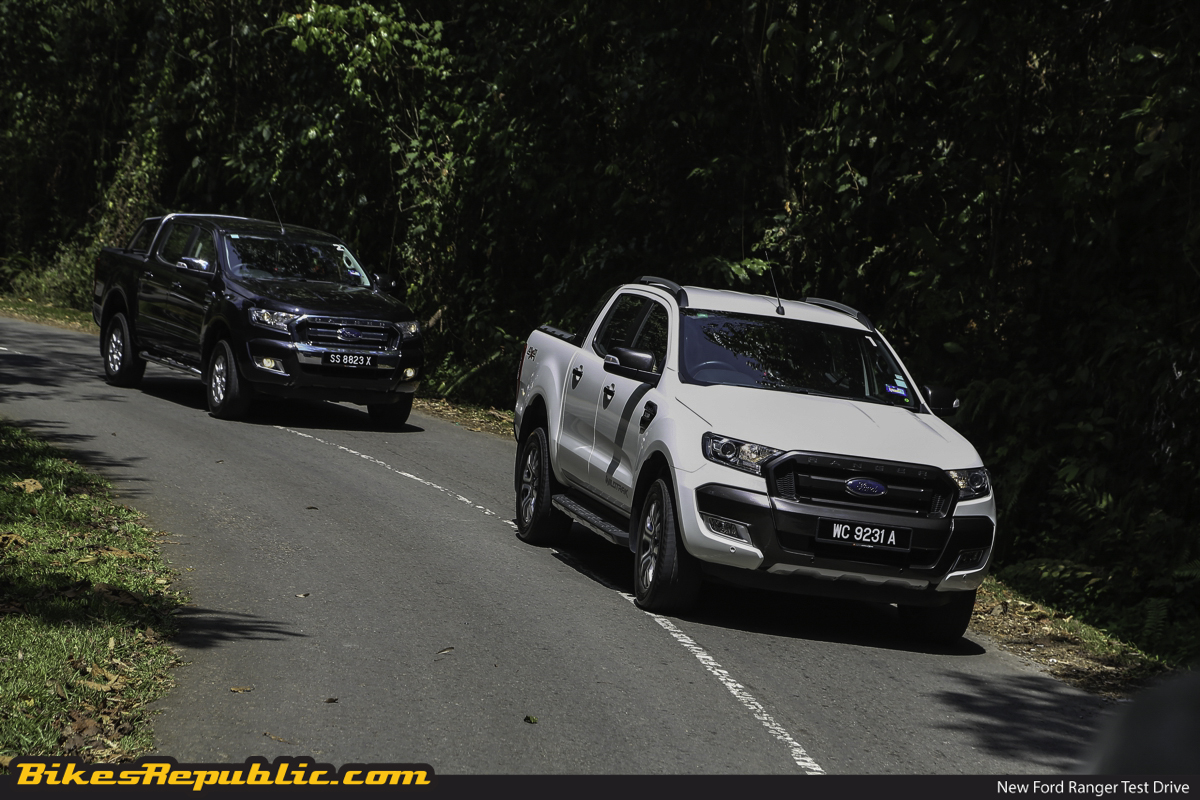
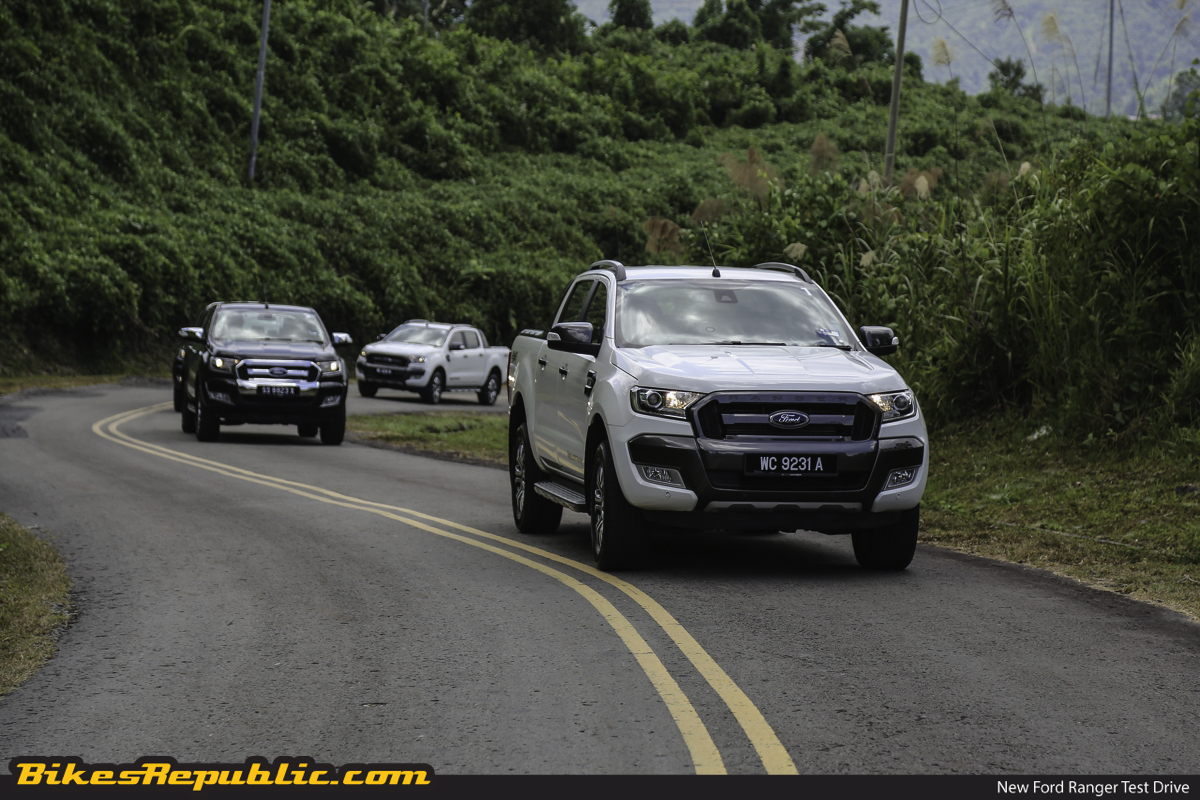
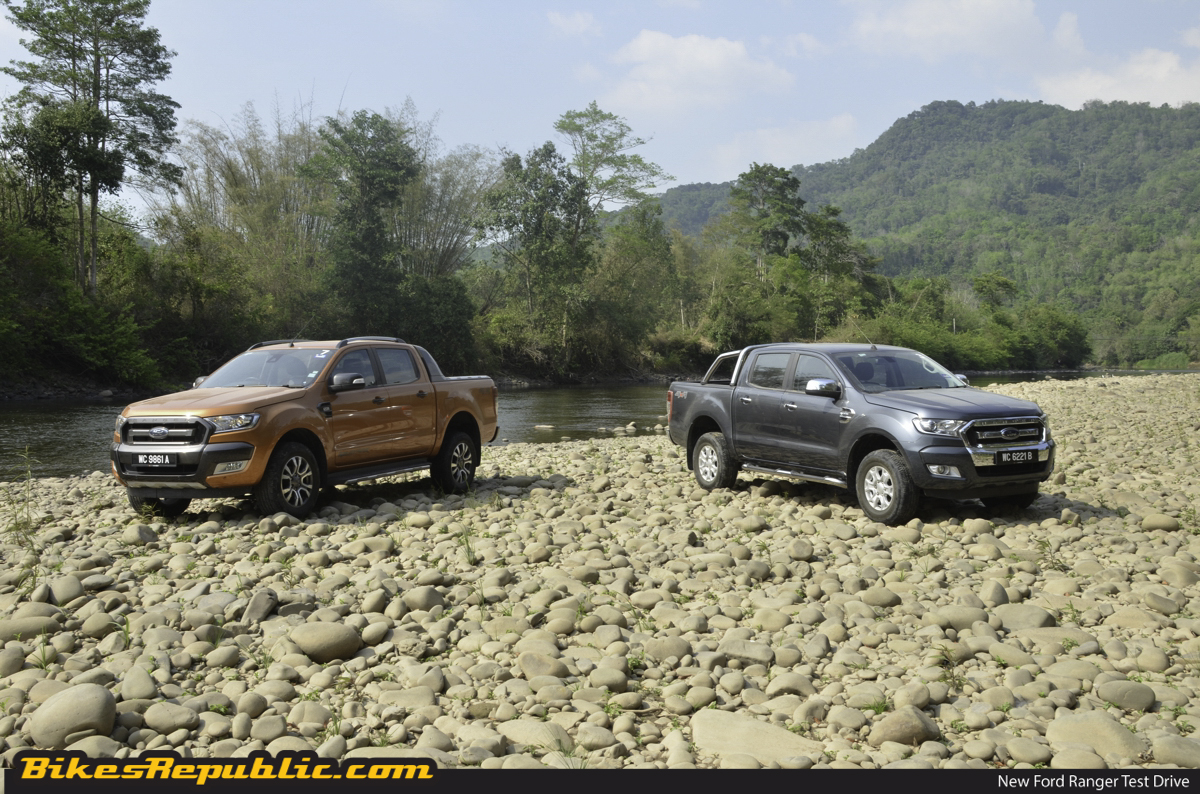
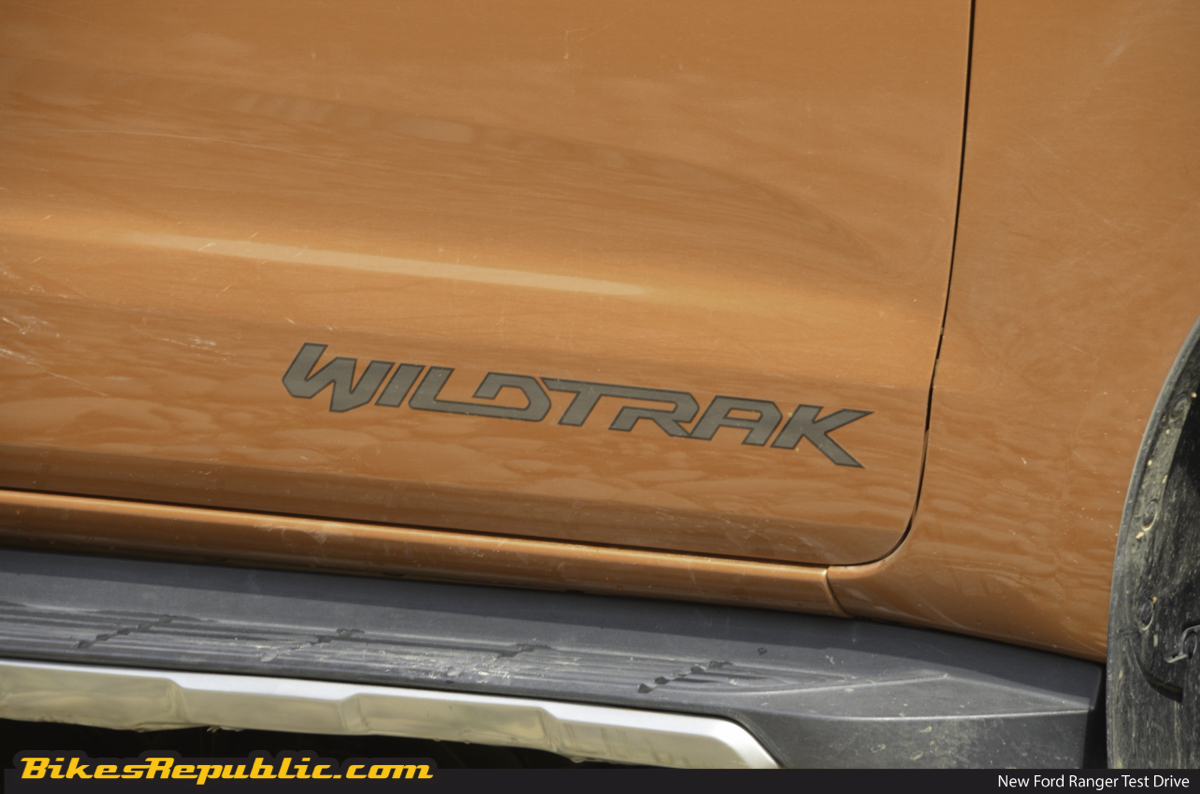
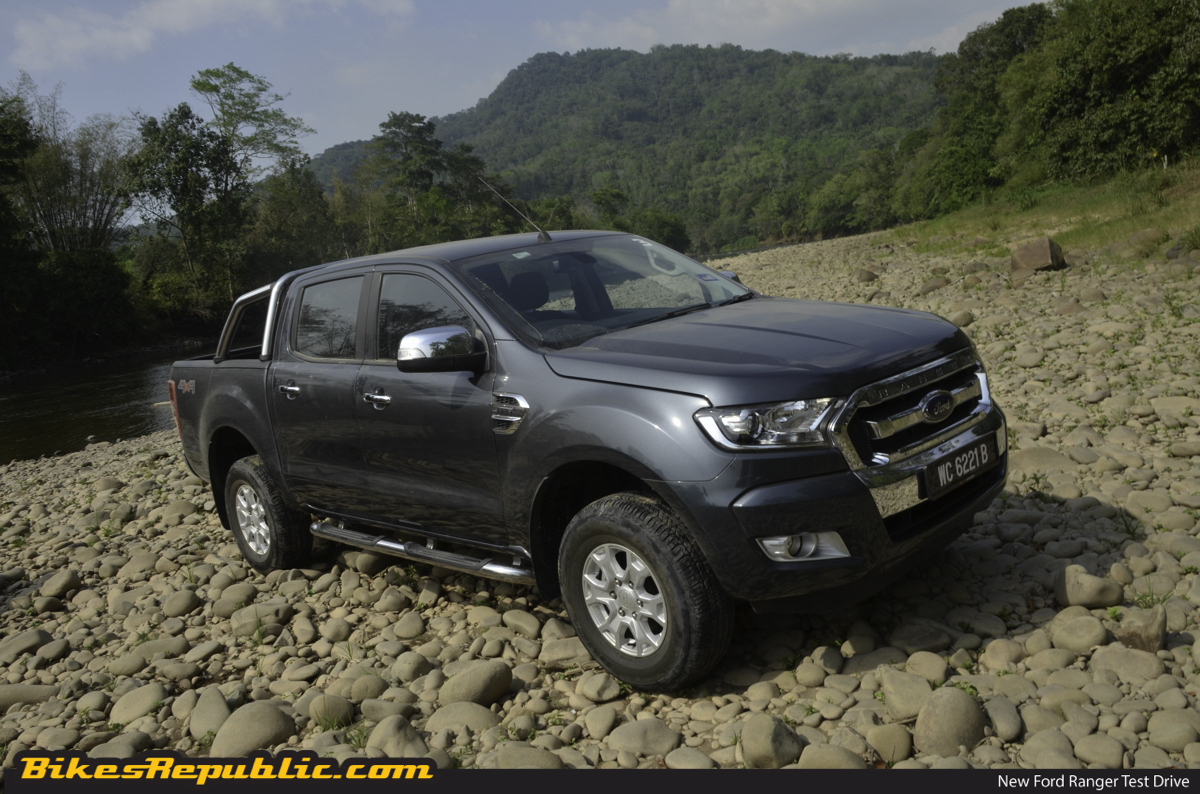
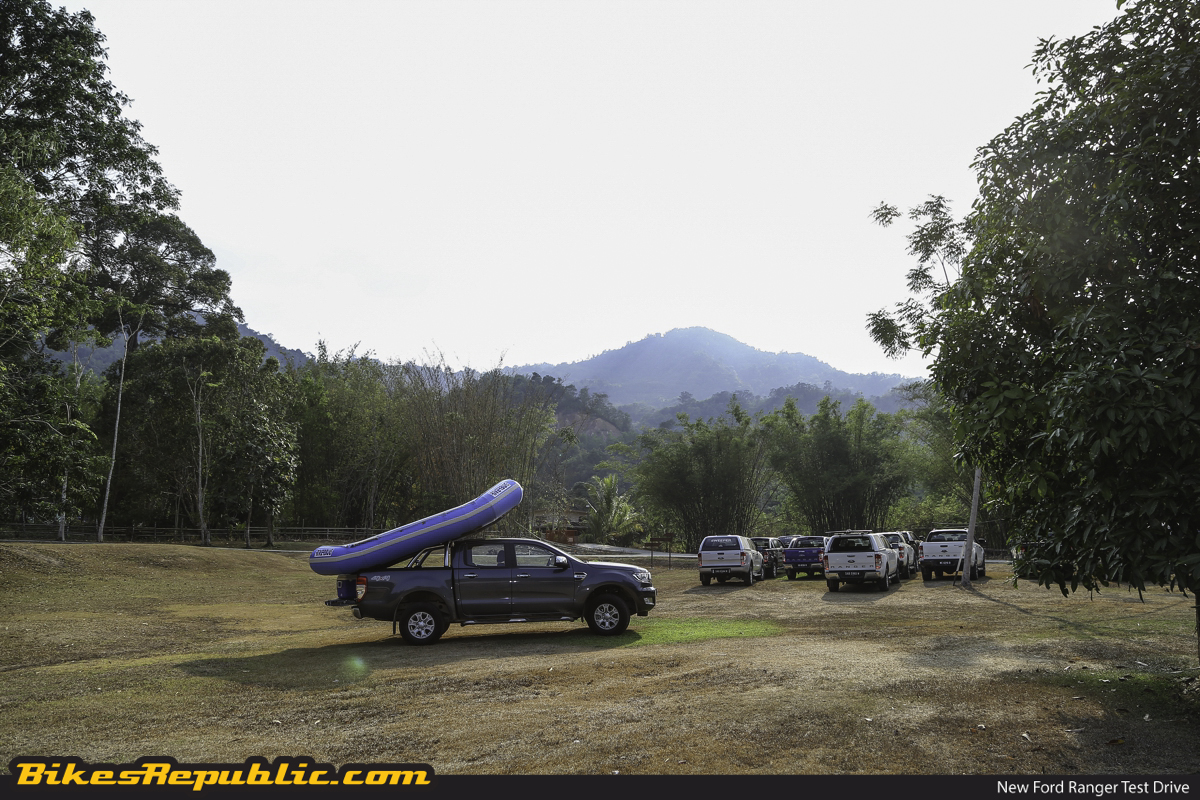
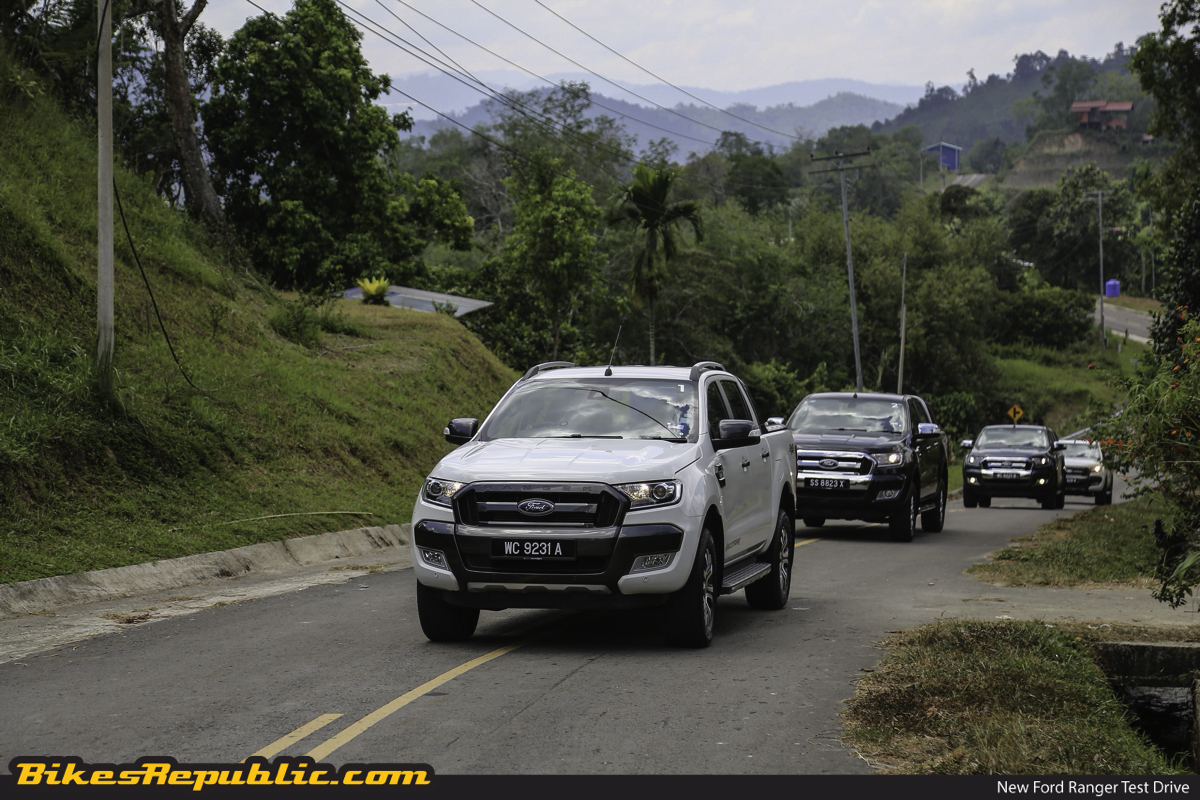
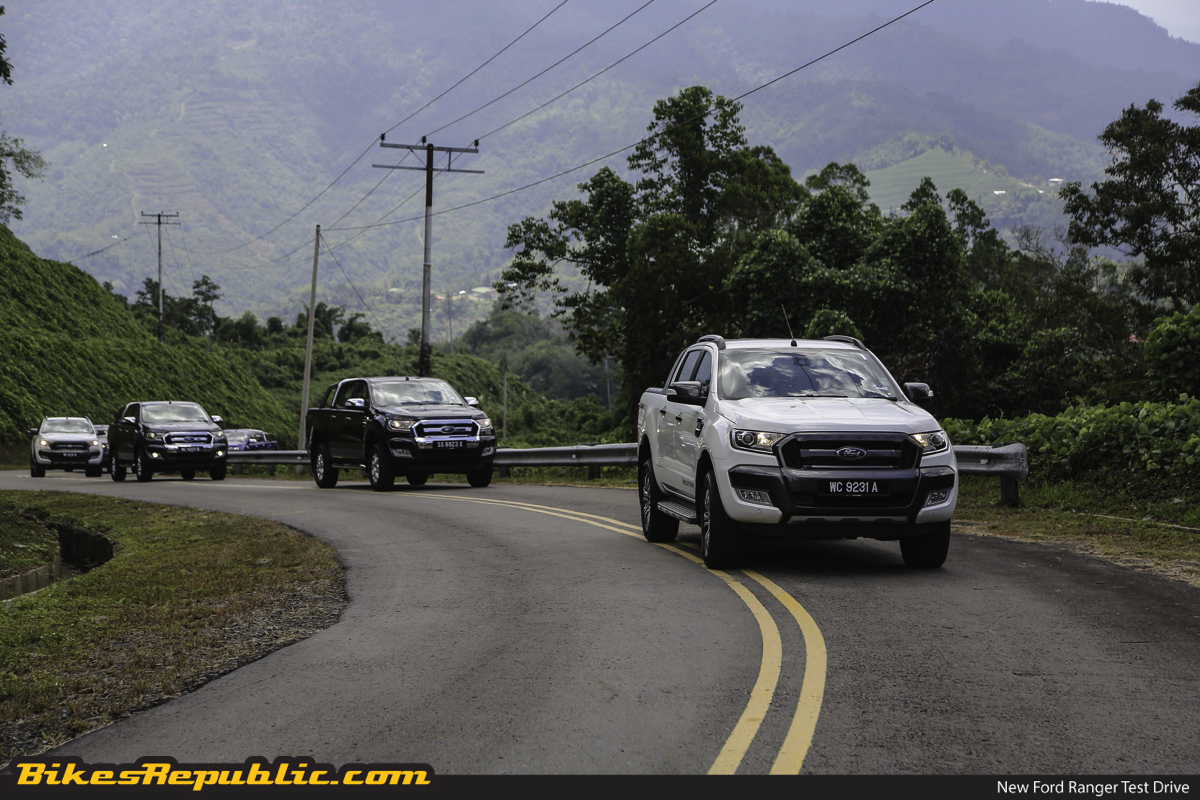
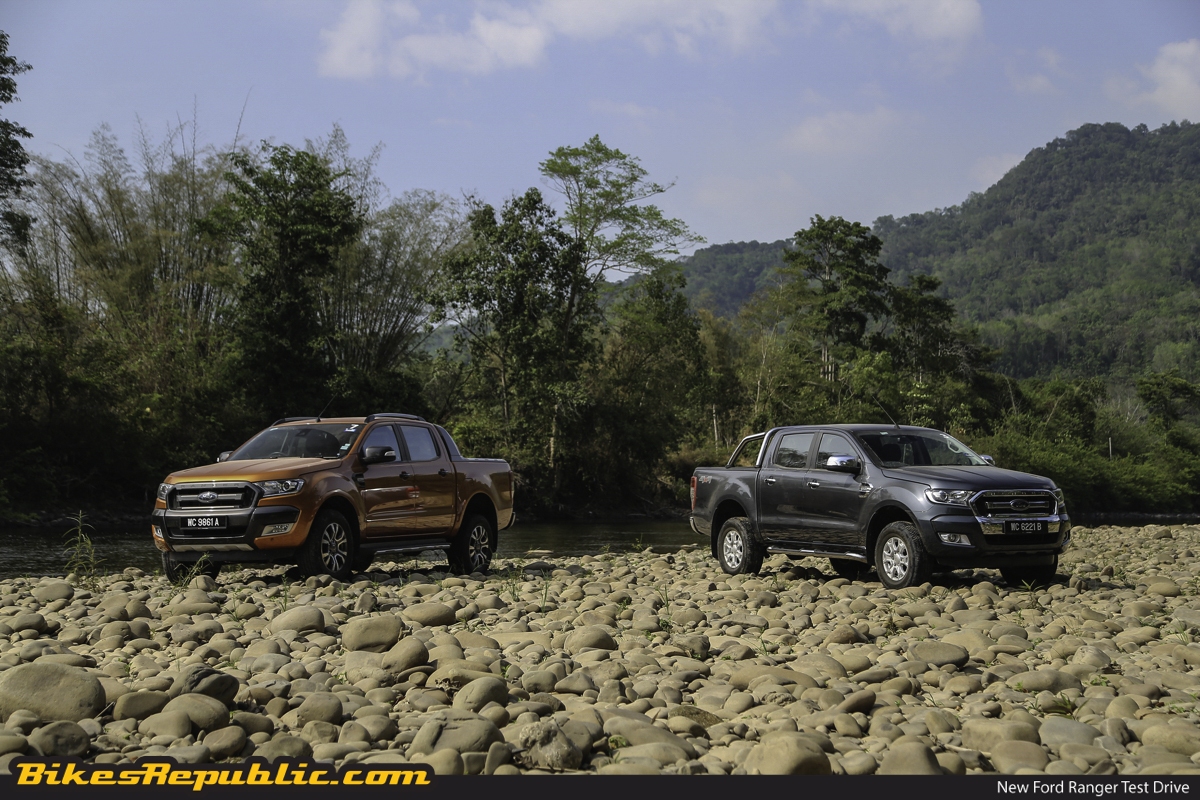
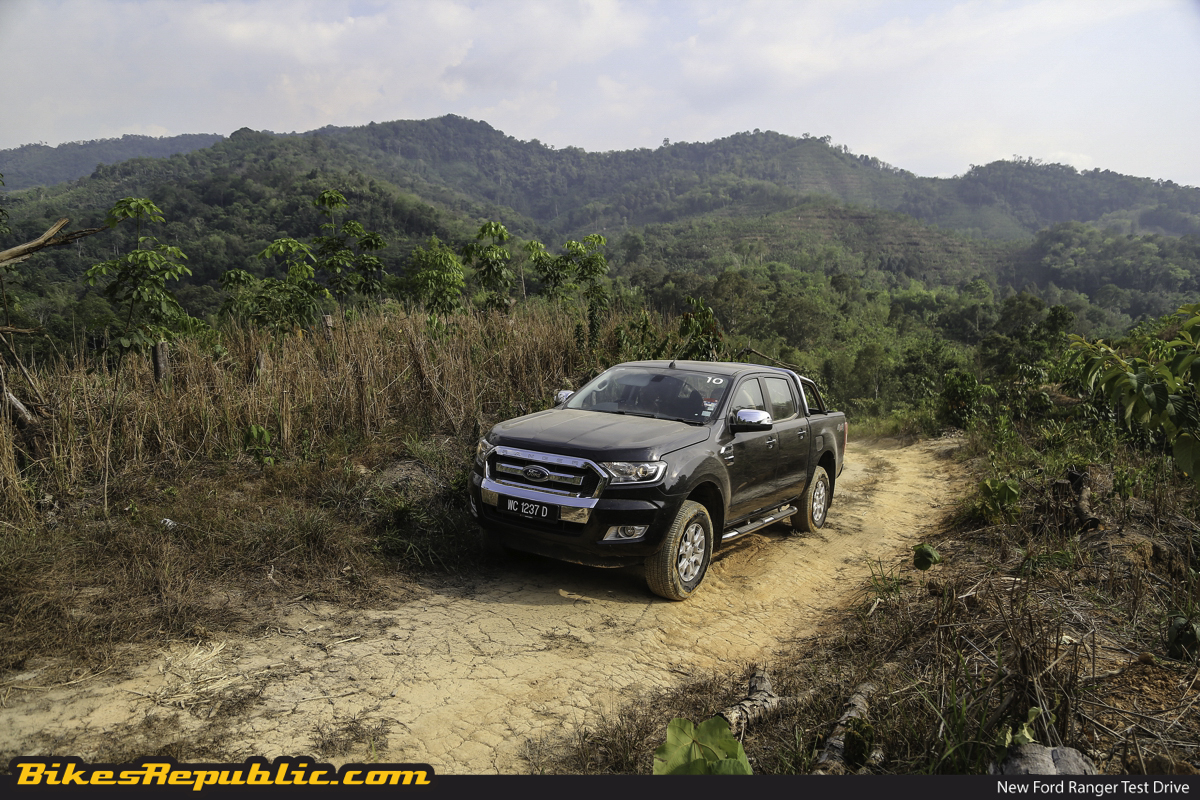
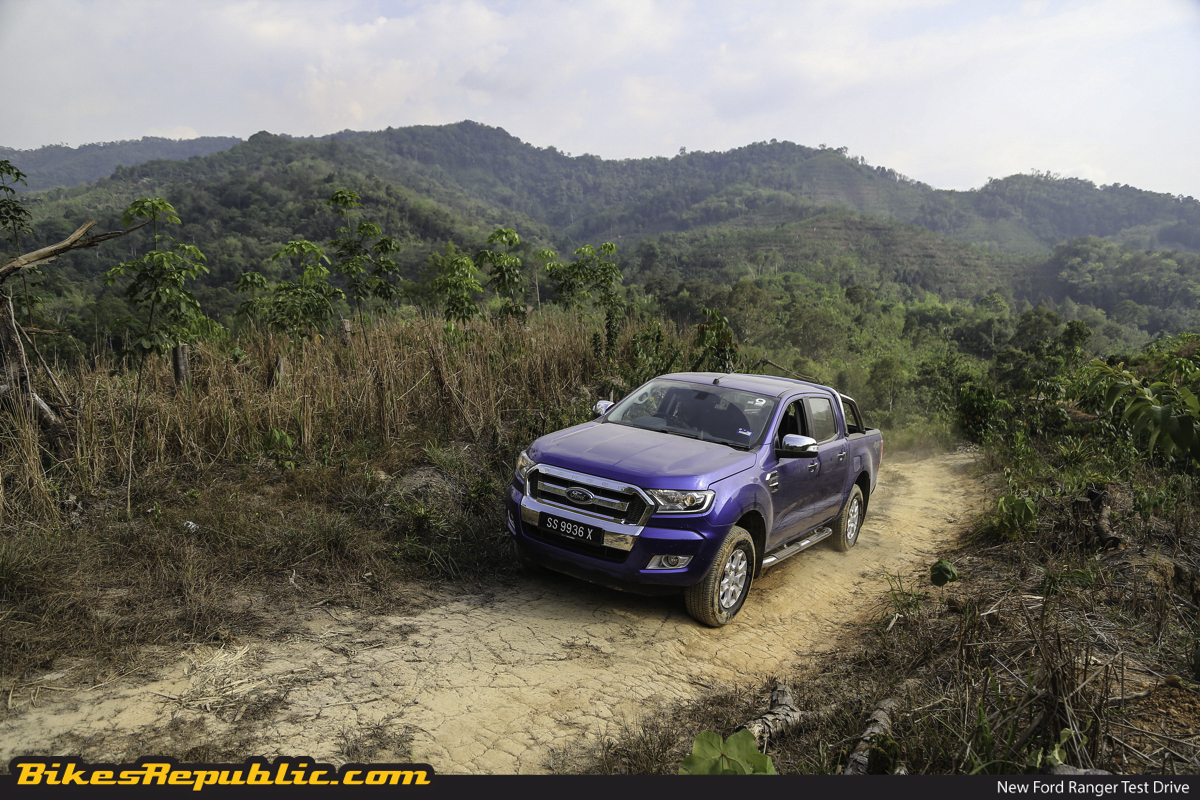
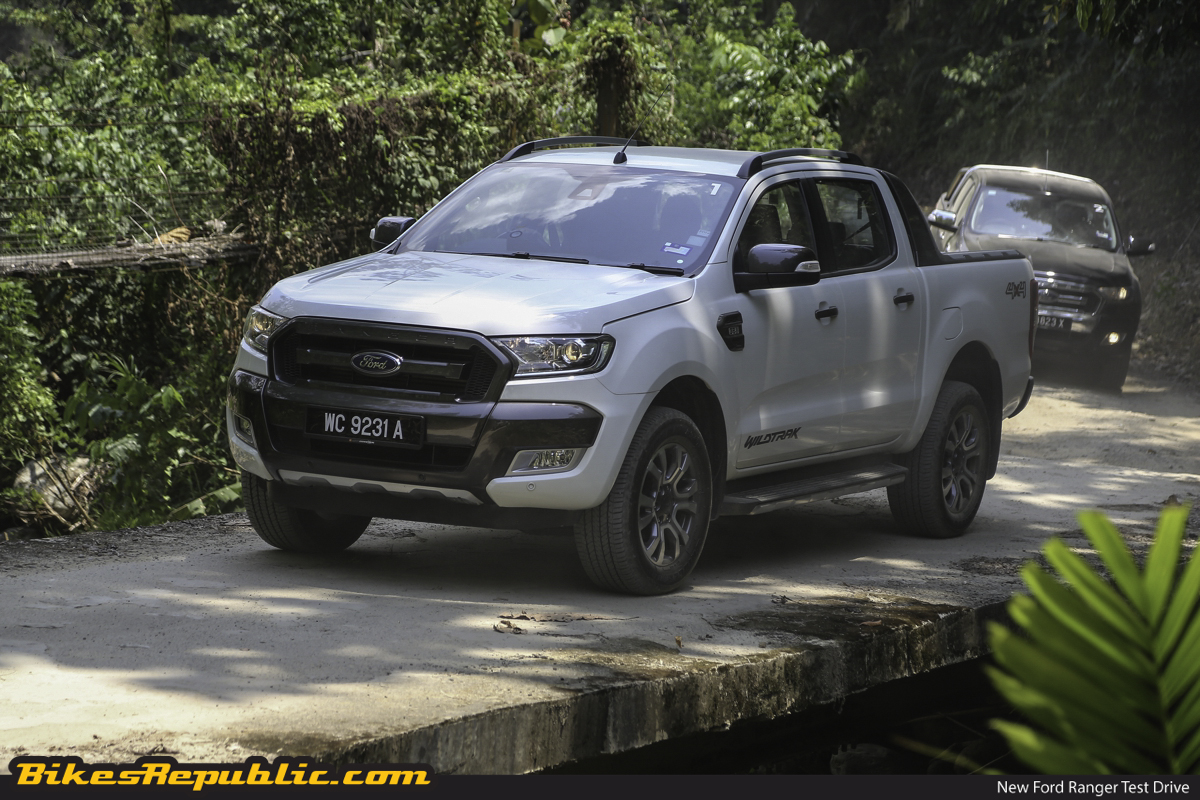
DSC_0004Ford rightfully answered back in October by launching its new and refreshed Ford Ranger range, and quickly becoming the hot favourite amongst the segment’s buyers once again. We got to experience the new Ranger’s full capabilities first hand recently in a specially organised two-day press drive across Sabah. Having cycled through several variants including the range-topping Ranger 3.2 Wildtrak, it was easy to see how this pickup truck won its place as a top favourite with many Malaysians.

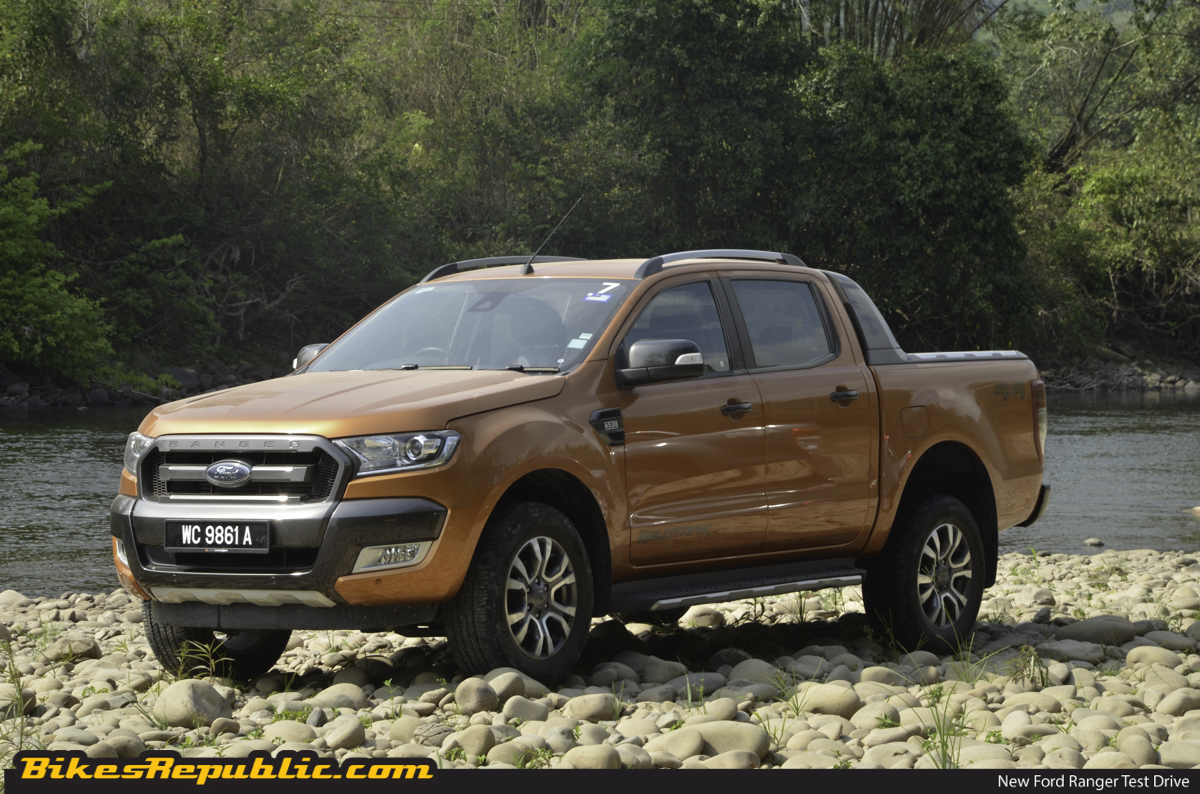
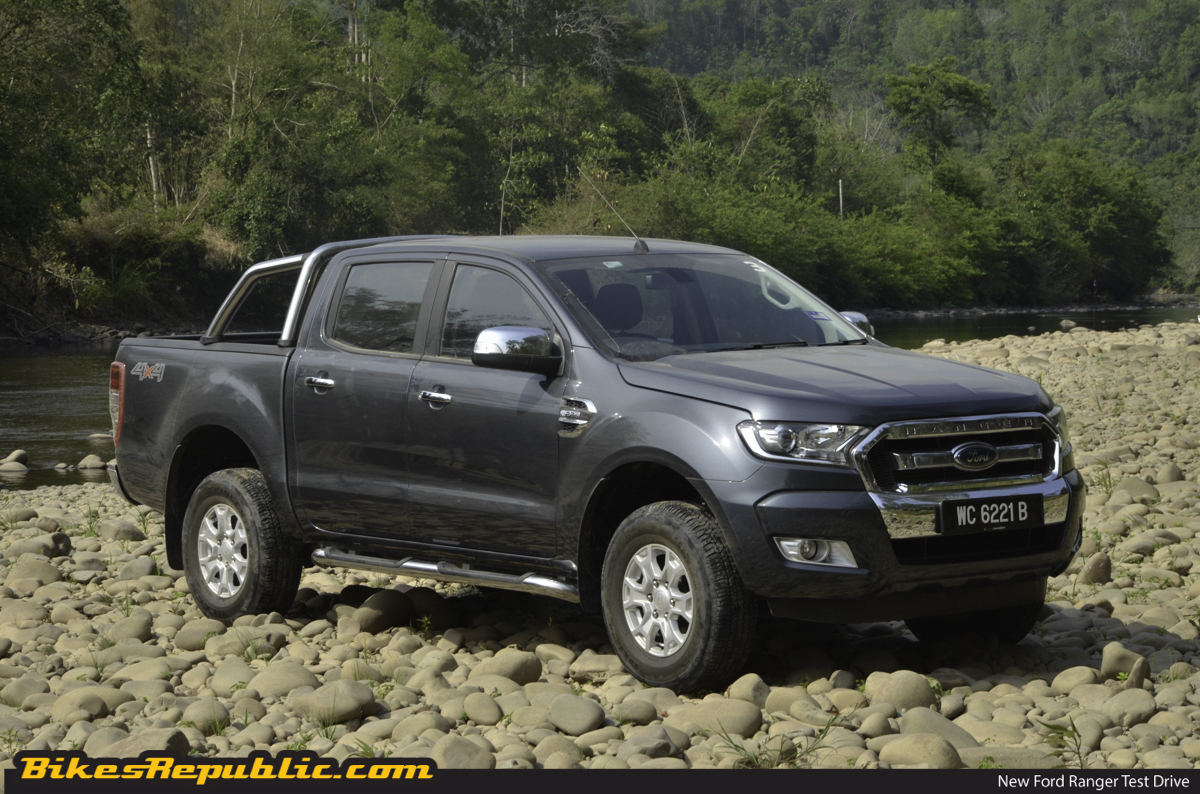
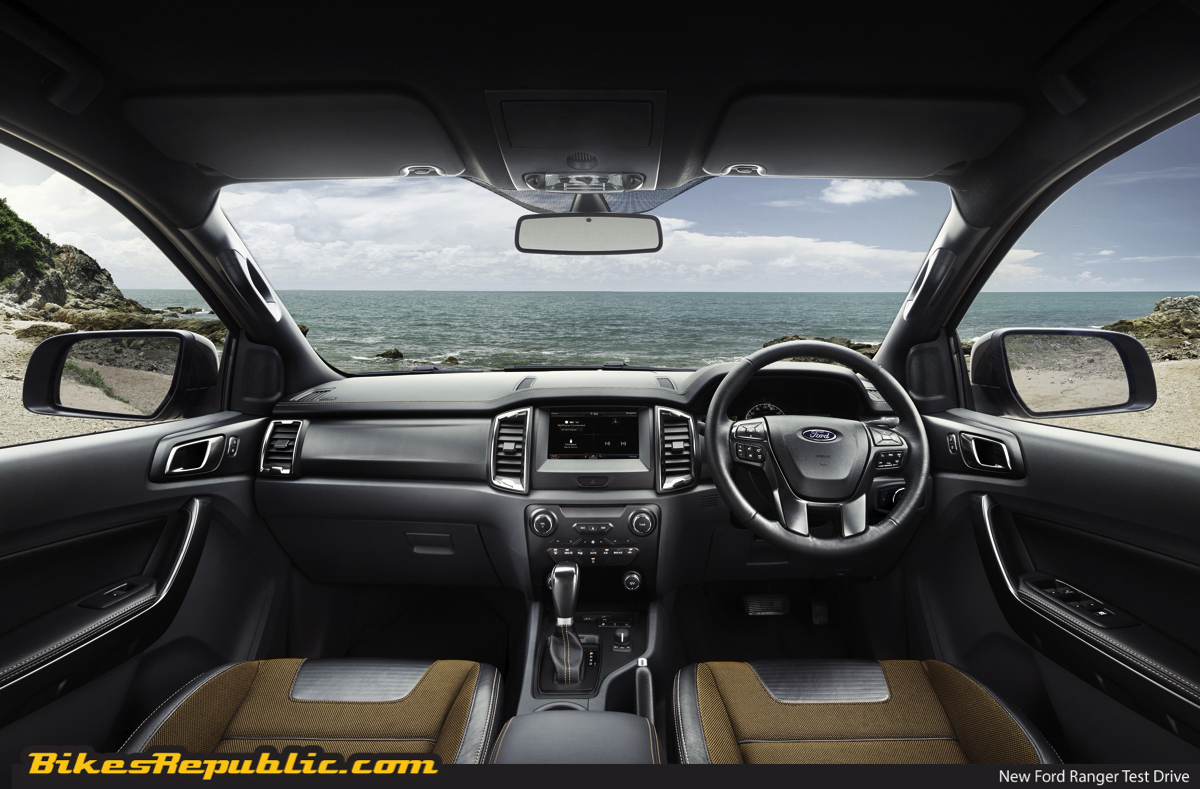
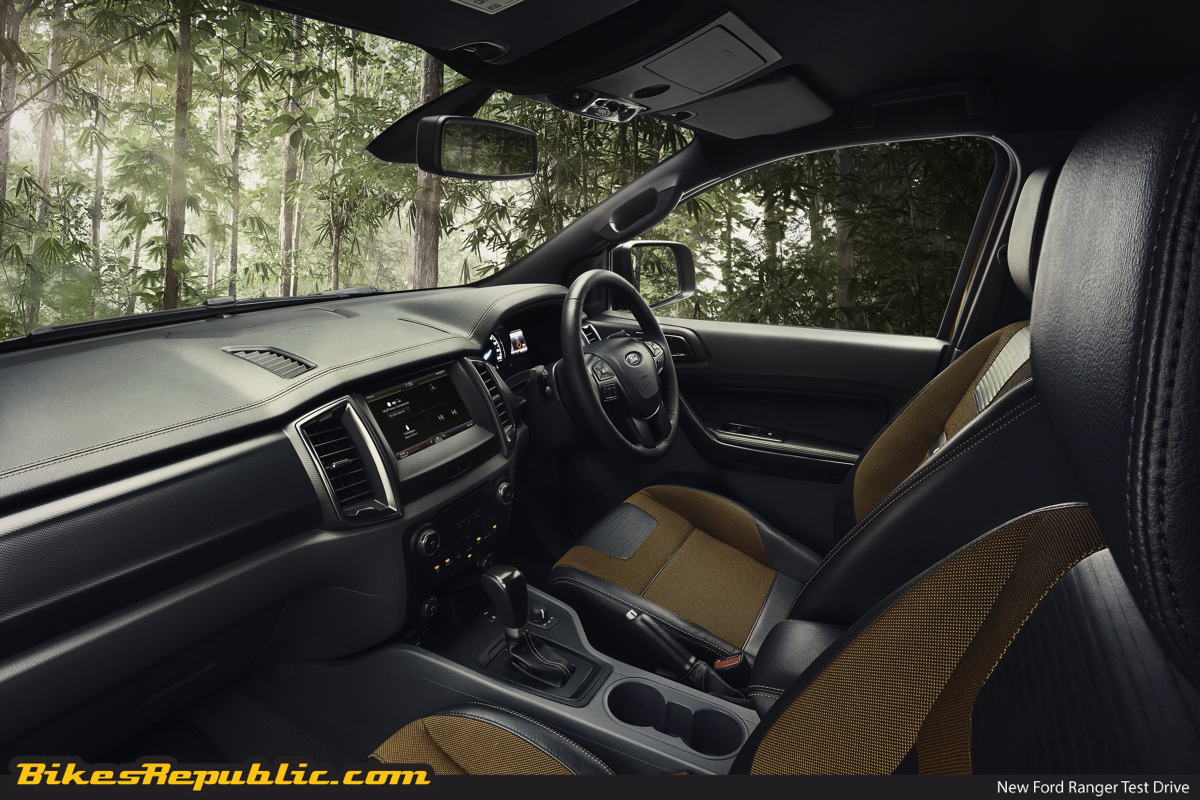
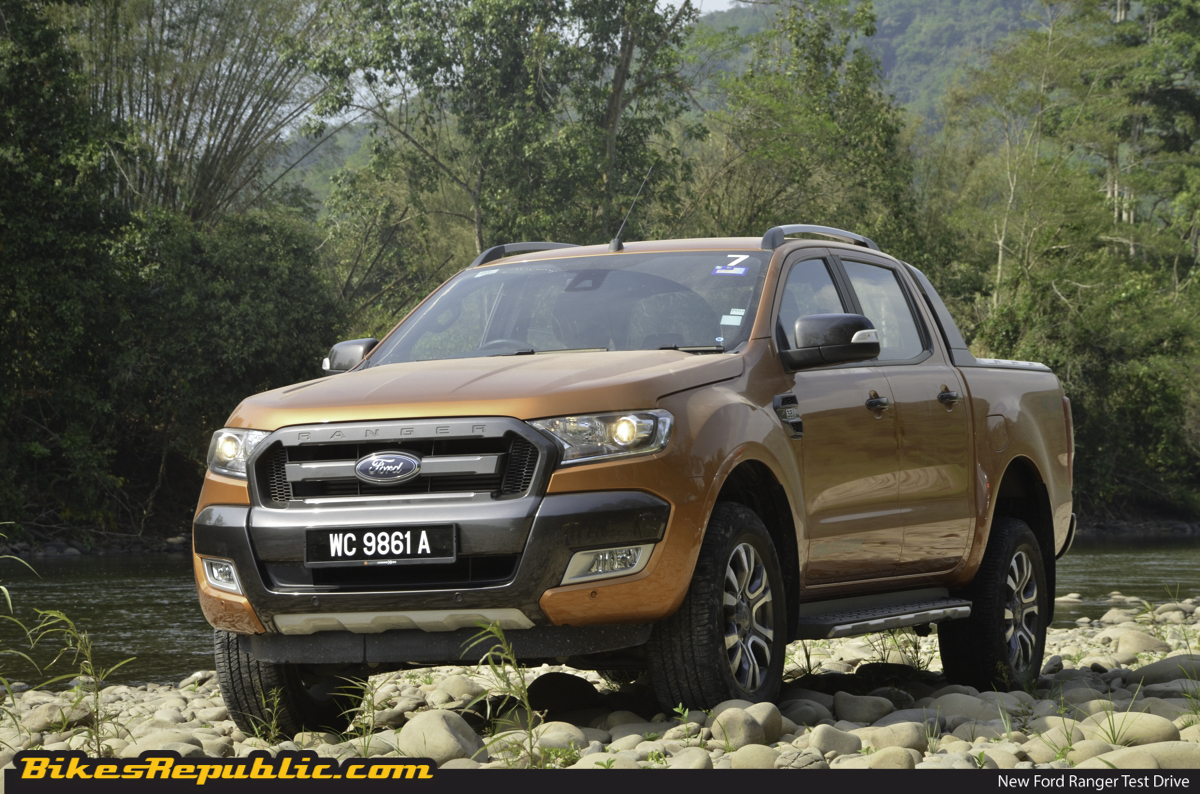
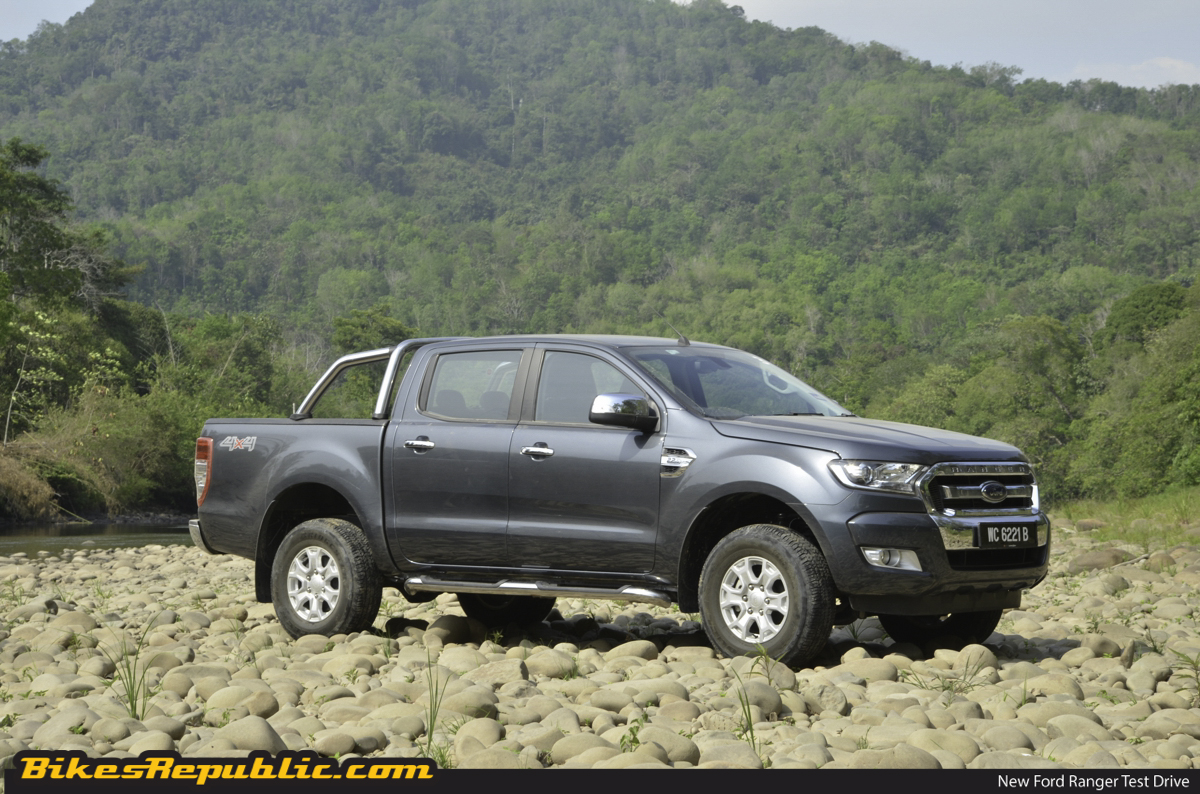
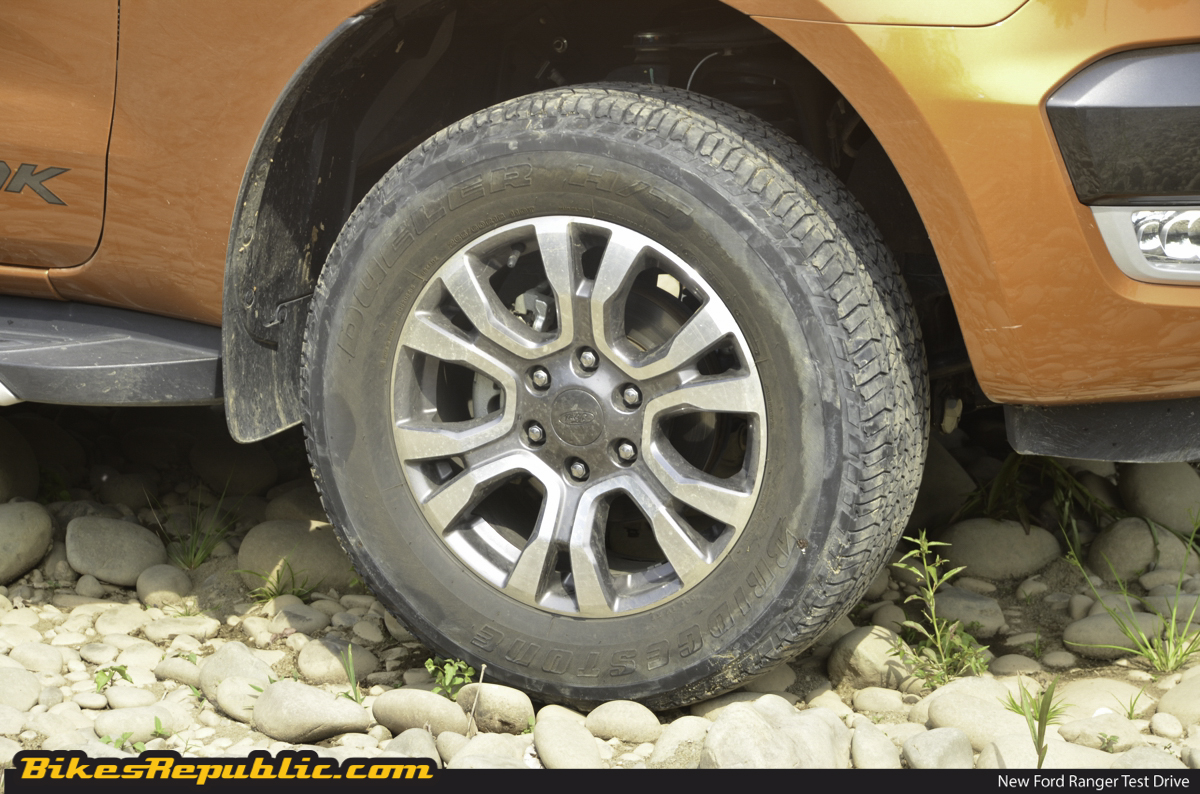
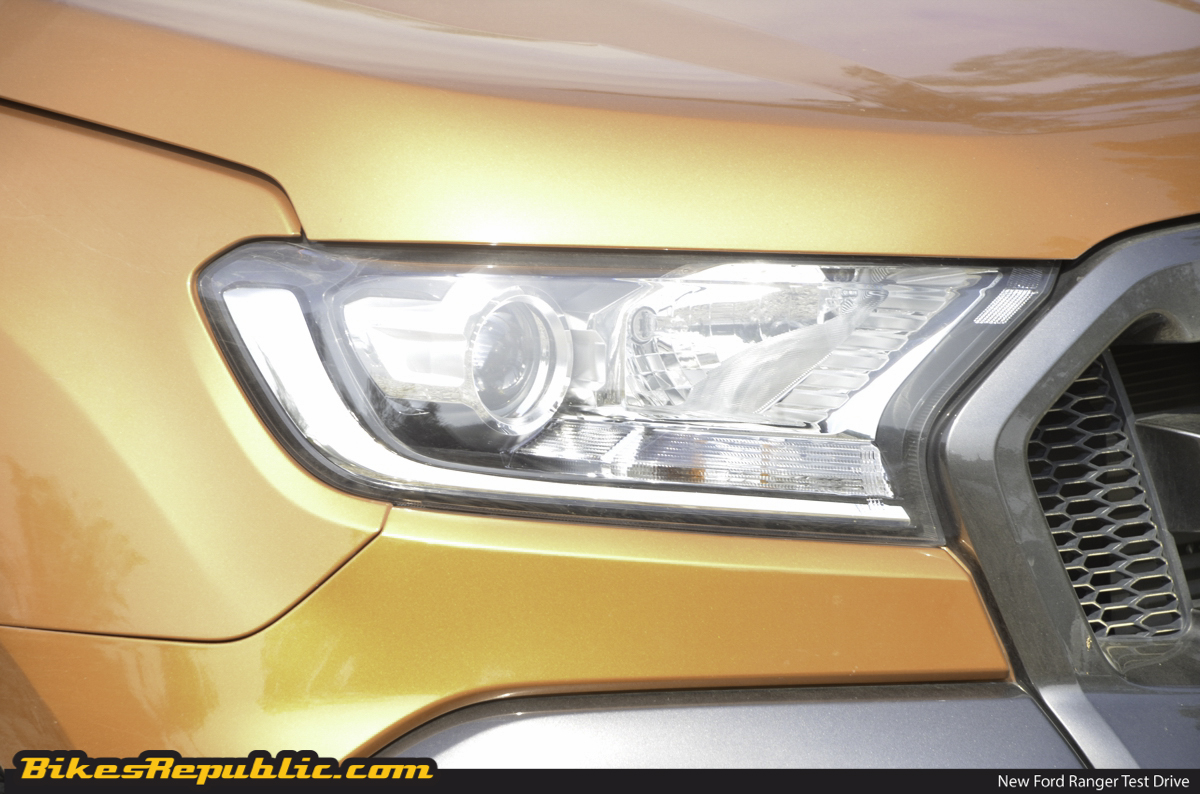
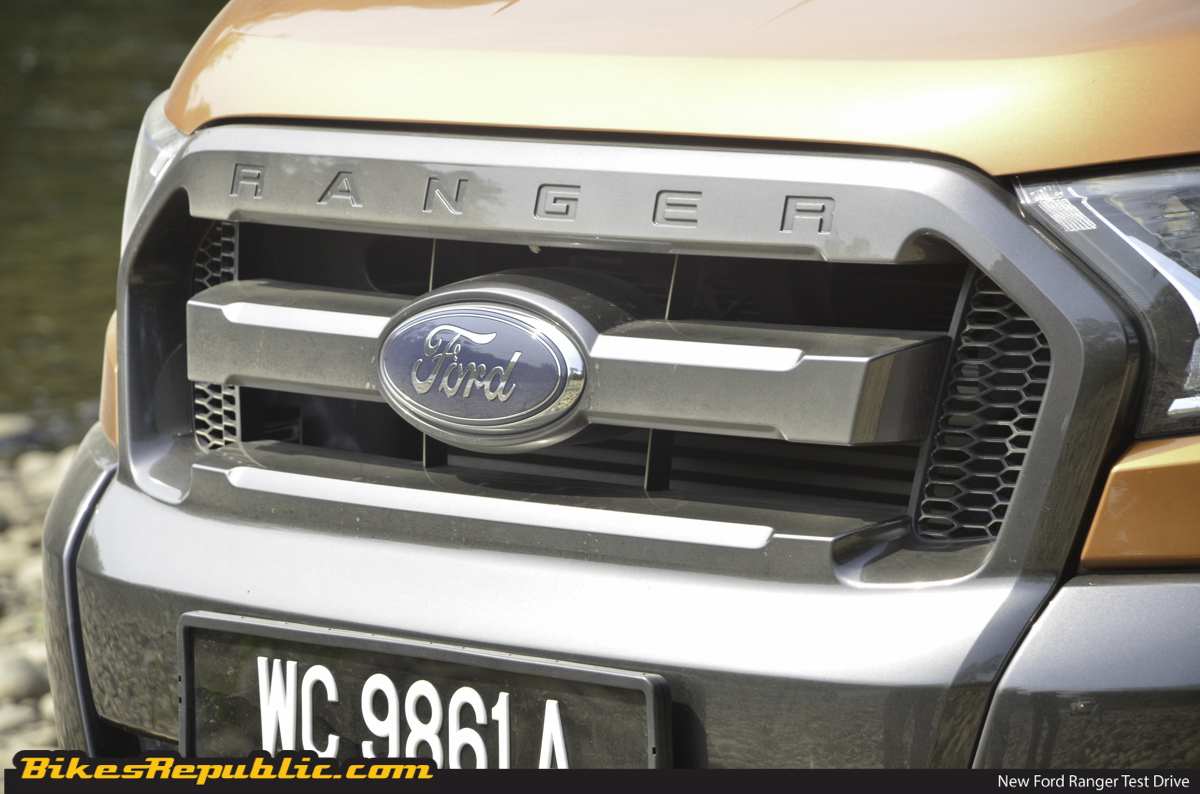
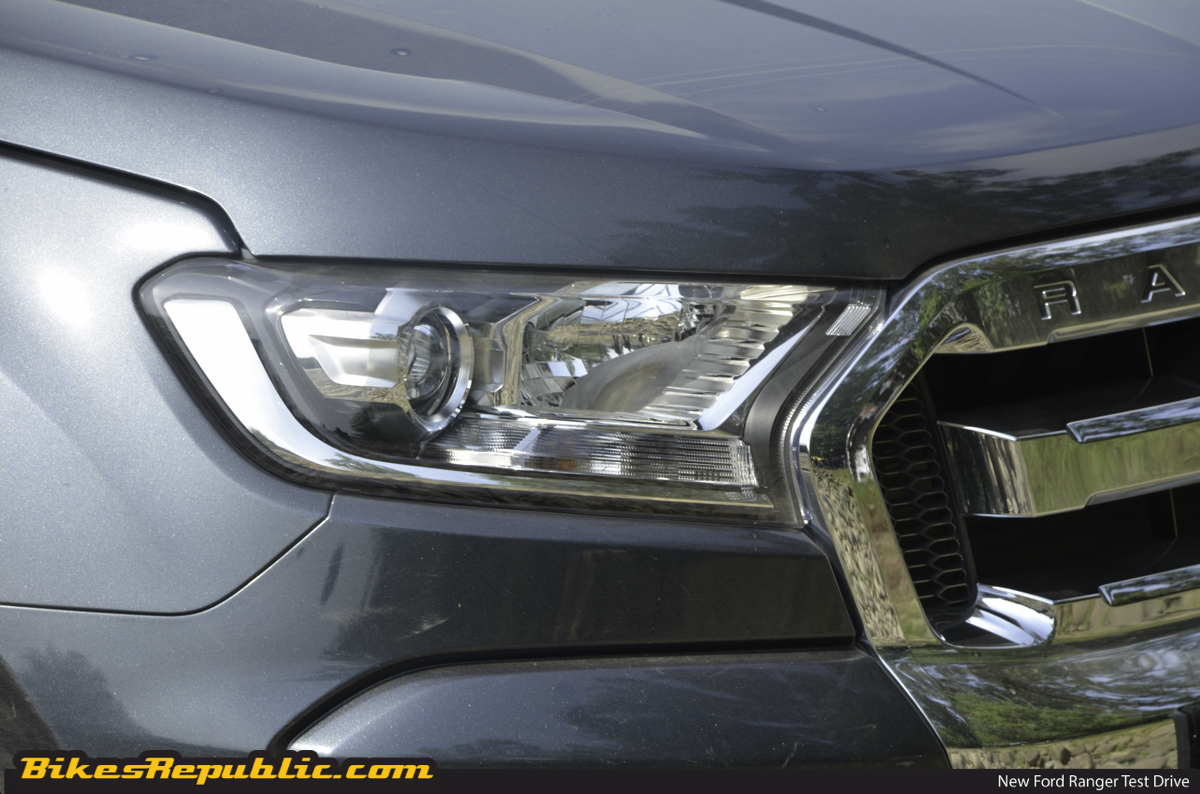
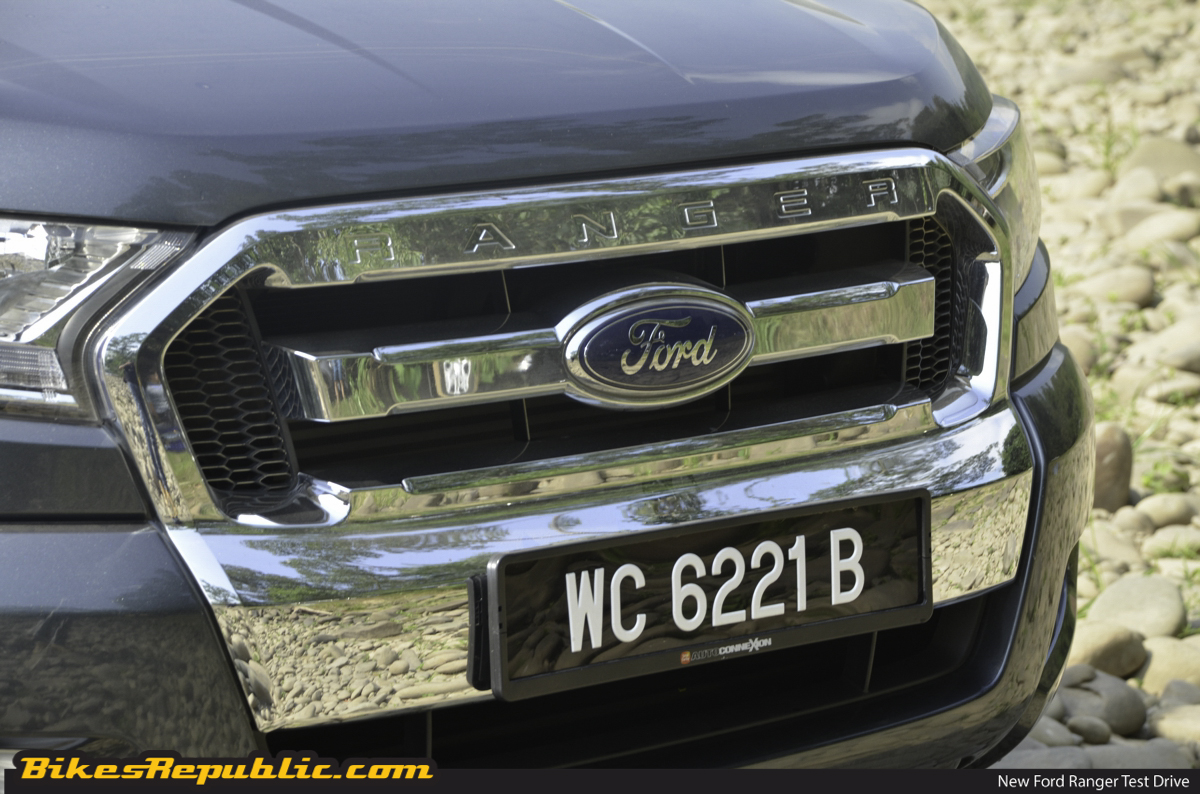
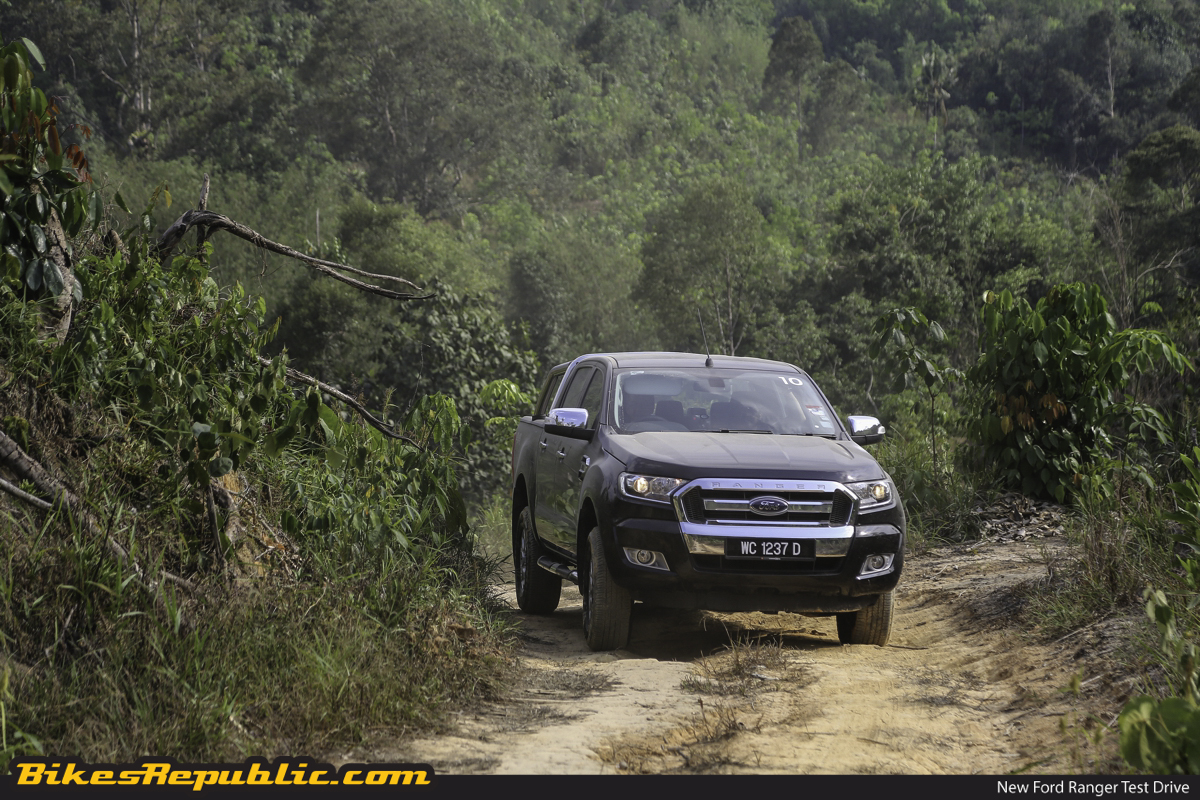
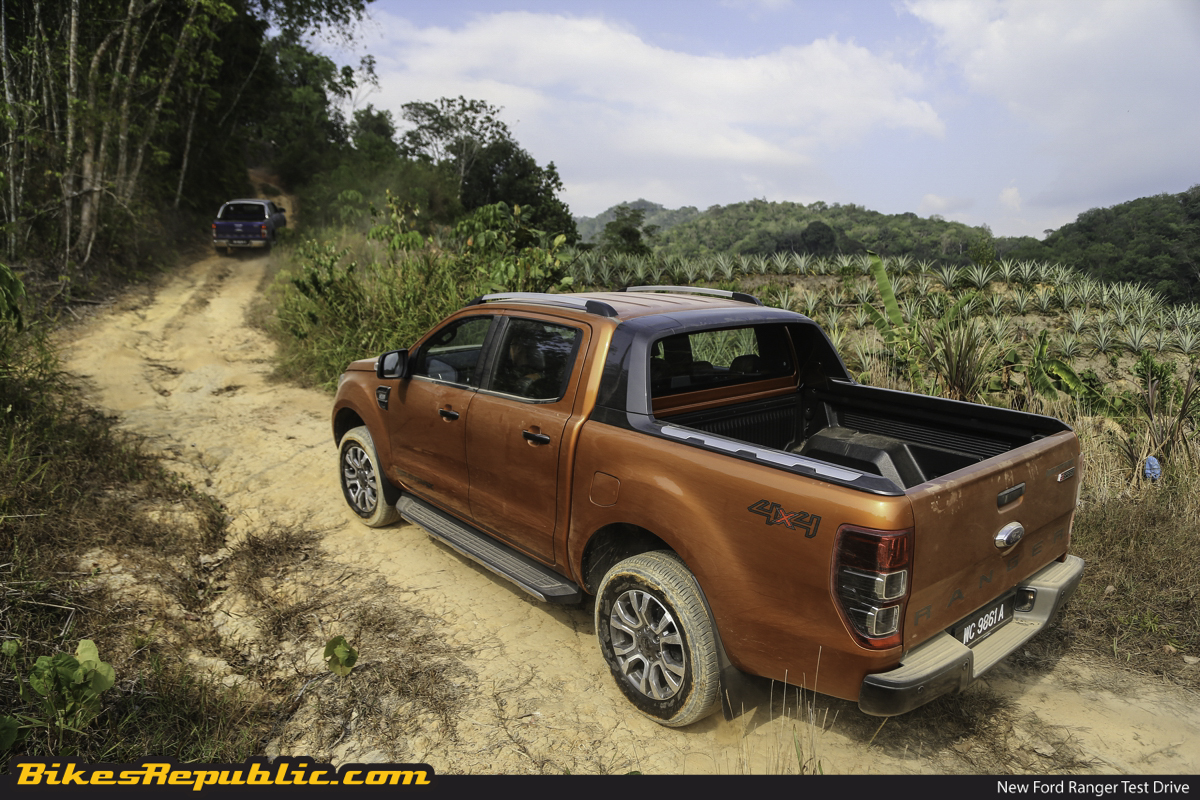
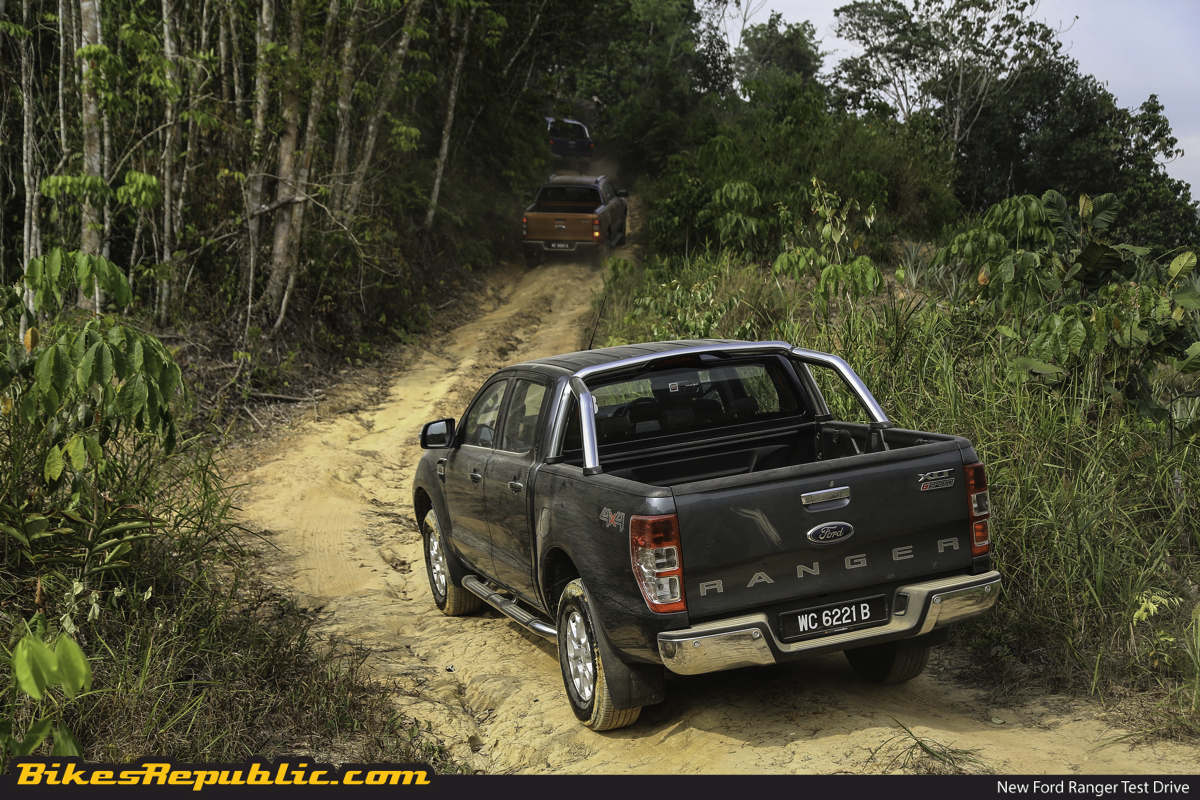
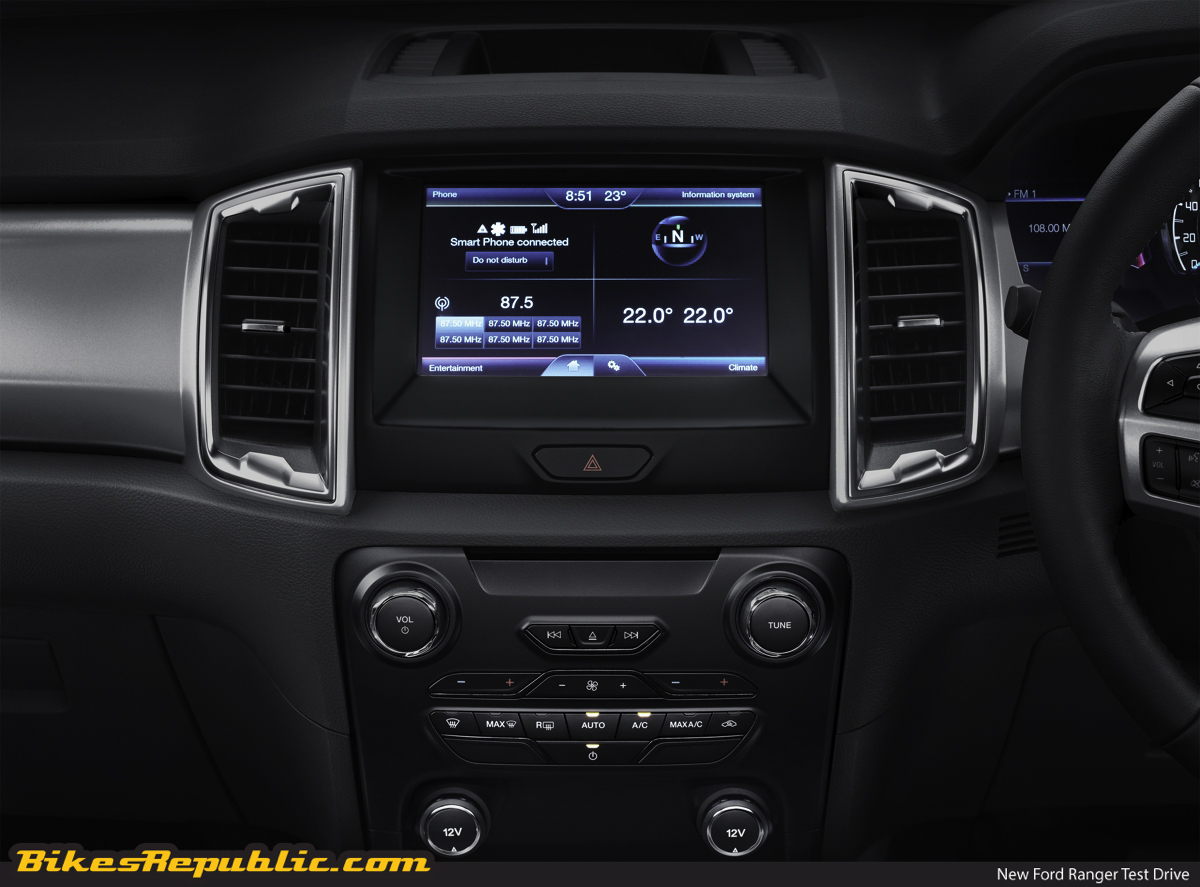
DSC_0005The most obvious visual change with this facelift model is its front fascia. Ford’s designers have extensively redesigned its headlamps, grills, bumper and bonnet, resulting in the Ranger’s bold new look that is both modern and tough. In either 2.2-litre or 3.2-litre trims, the facelift is boosted further thanks to use of shiny chrome in the grille, rear roll bar and rear bumper. Opt for the range-topping 3.2 Wildtrak instead and you get one tougher looking truck thanks to this variant’s adoption of darker accents instead of chrome.DSC_0016The most crucial of changes has been done inside, and this new Ranger’s innards looks and feels just as good as it looks on the outside. Having spent most of our time in the range-topping Wildtrak variant, its offer of premium amenities makes it a true class winner here. Notable highlights here include the plush partial leather seats with driver side electric seat adjustment, not forgetting the new and intelligent 8-inch touchscreen infotainment unit featuring Ford’s novel new SYNC II voice-enabled commands as well.

Things don’t feel too bad either in the mid-range 2.2XLT variant despite the deletion of plush leather seat covers and the neat touchscreen. However, one aspect all variants particularly shine in is in the very low noise, vibration and harshness levels. Complementing that is the fact that Ford has also covered all the other basics perfectly in the lower-spec variants by having soft-touch materials lining the cabin in all the right places followed by the presence of a number of practical storage bins and cubbies.

FordRangerEastMsiaMediaDrive_Day2-1More importantly, this new Ranger drives just as good as it looks, with this face-lifted model’s improved powertrain feeling a lot better than its predecessor. Ford claims a 12% improvement in fuel efficiency, but the important bit here is the increased power and torque figures both the 2.2-litre four-cylinder and 3.2-litre five-cylinder turbodiesel units. The same can be said about the six-speed automatic transmissions paired with either mills, feeling a lot smother in its operation than before as well.

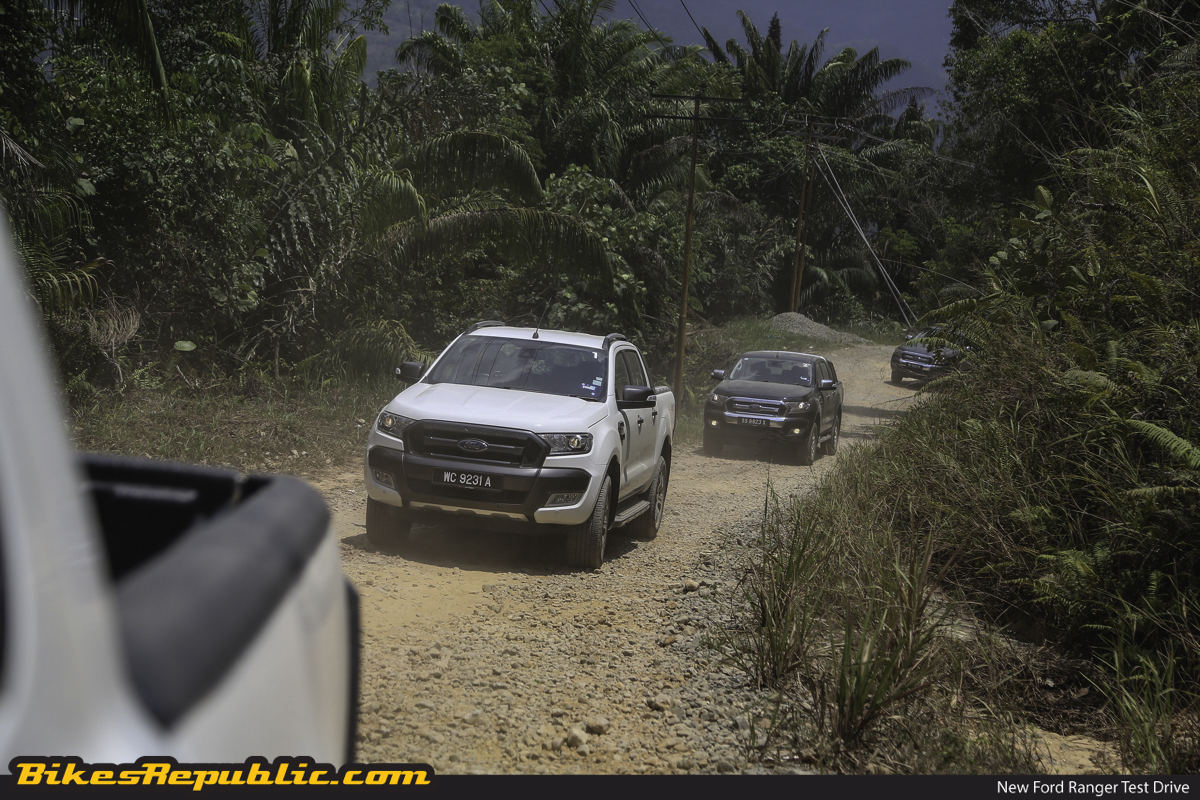
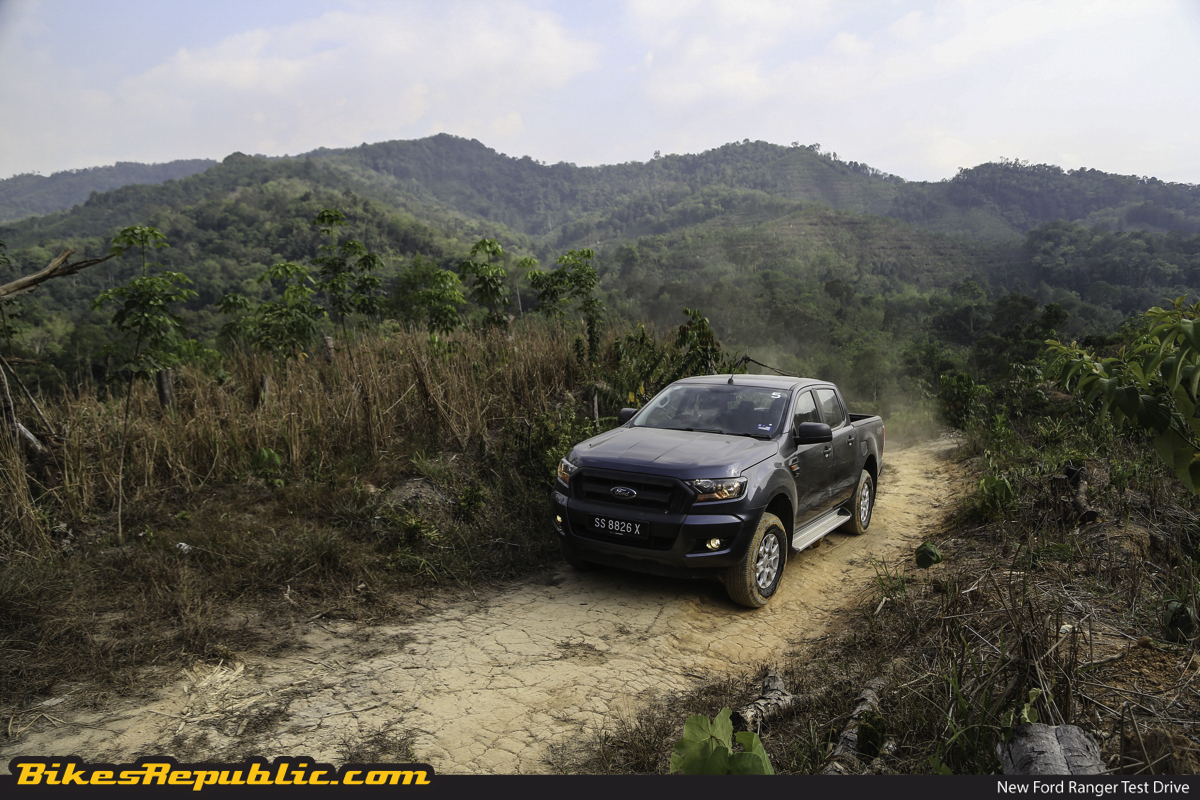
What felt equally brilliant here was the Ranger’s ride and handling. The new electric power steering has made the Ranger much easier to drive on road and on a daily basis as it is both lighter and more precise than the previous model’s system. The icing on the cake here though lies in the suspension and damper setup. Though it is the typical pickup truck setup of high-travel double wishbones up front and leaf springs in the rear, the dampers felt sublimely soft as it soaks up bumps and road imperfections effortlessly. And that comes without compromising too much on the Ranger’s off-road usability – a trait we discovered whilst enroute towards the Kinabalu National Park across both gravel paths and asphalt roads.

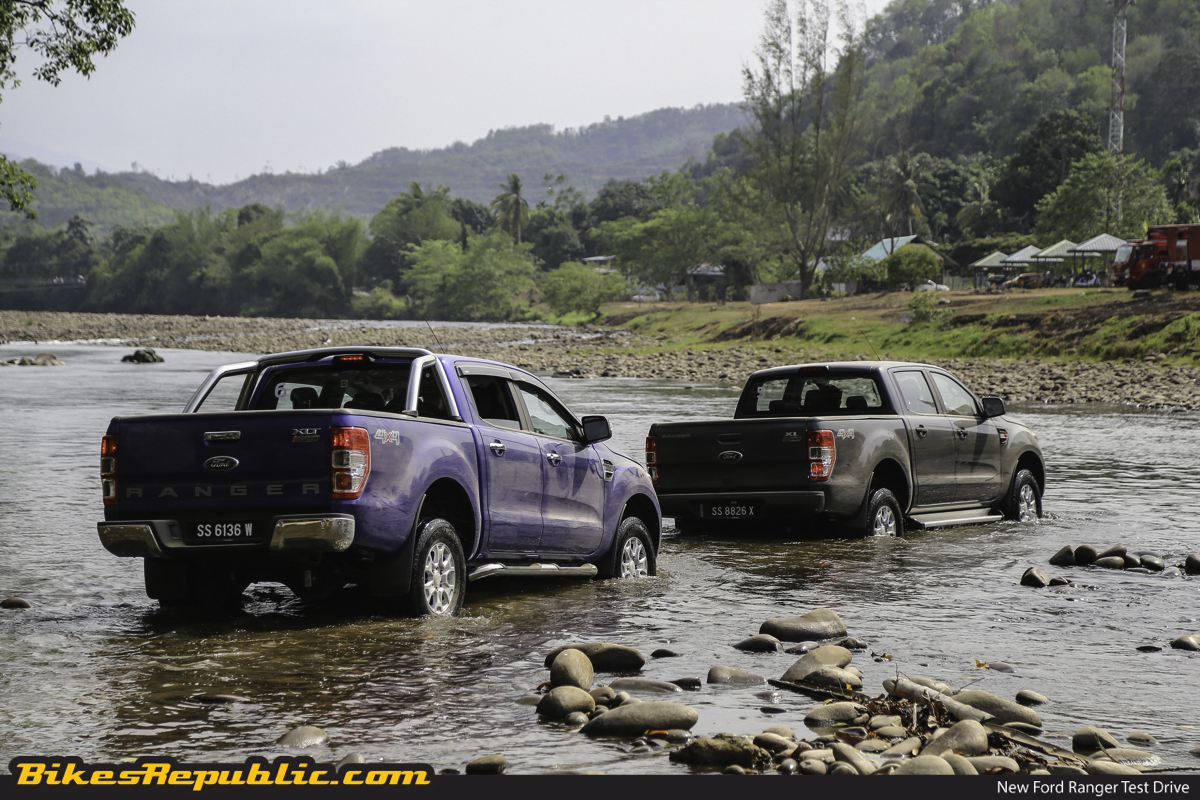
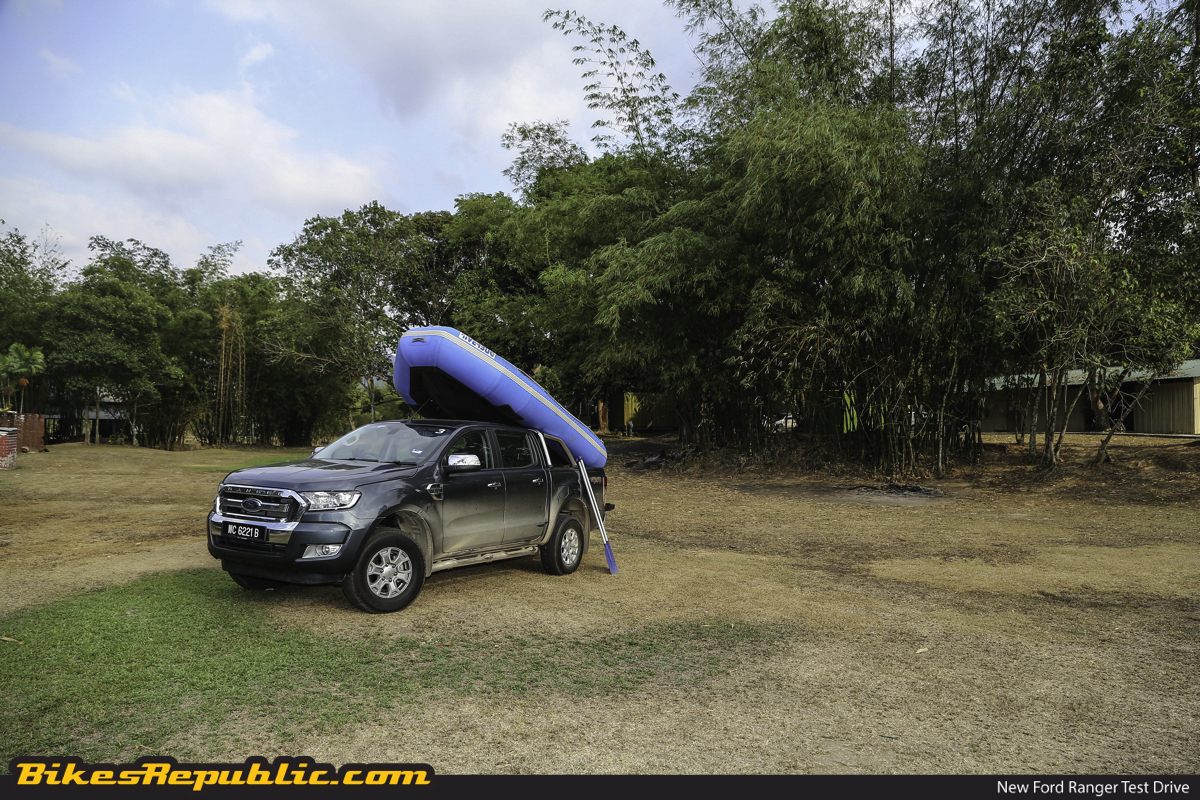
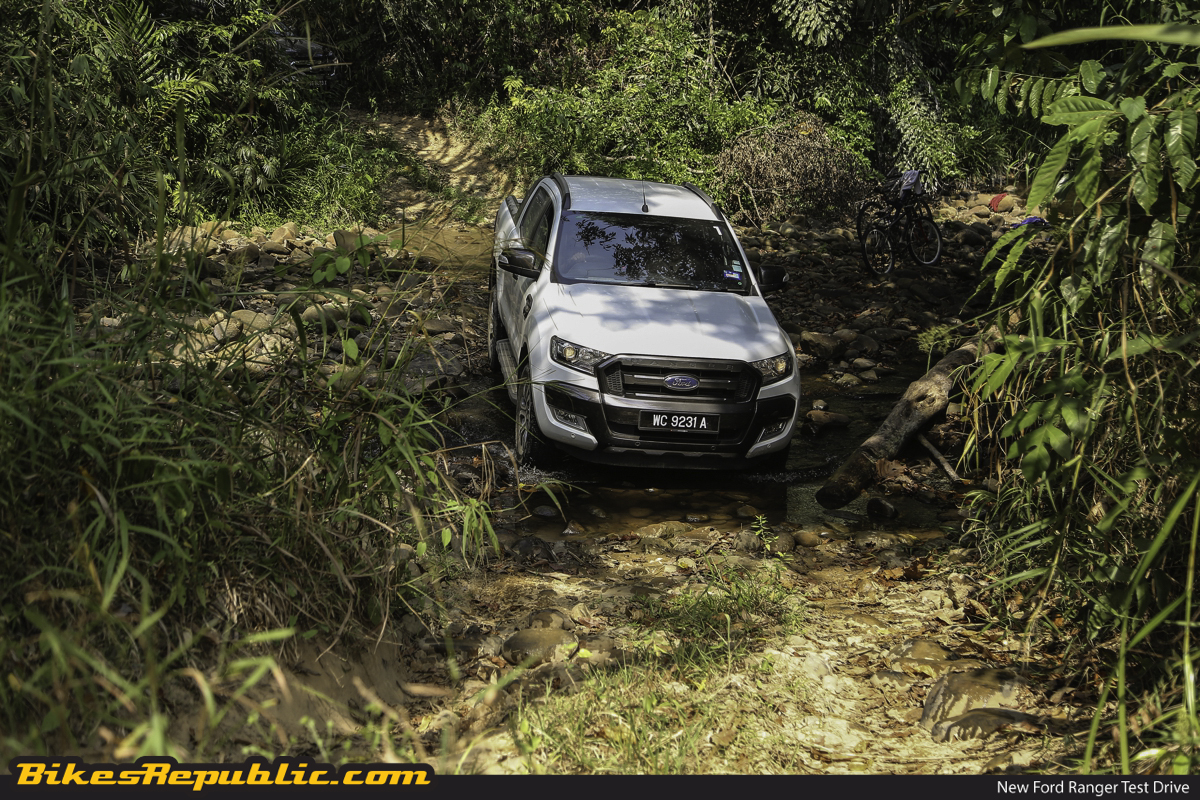
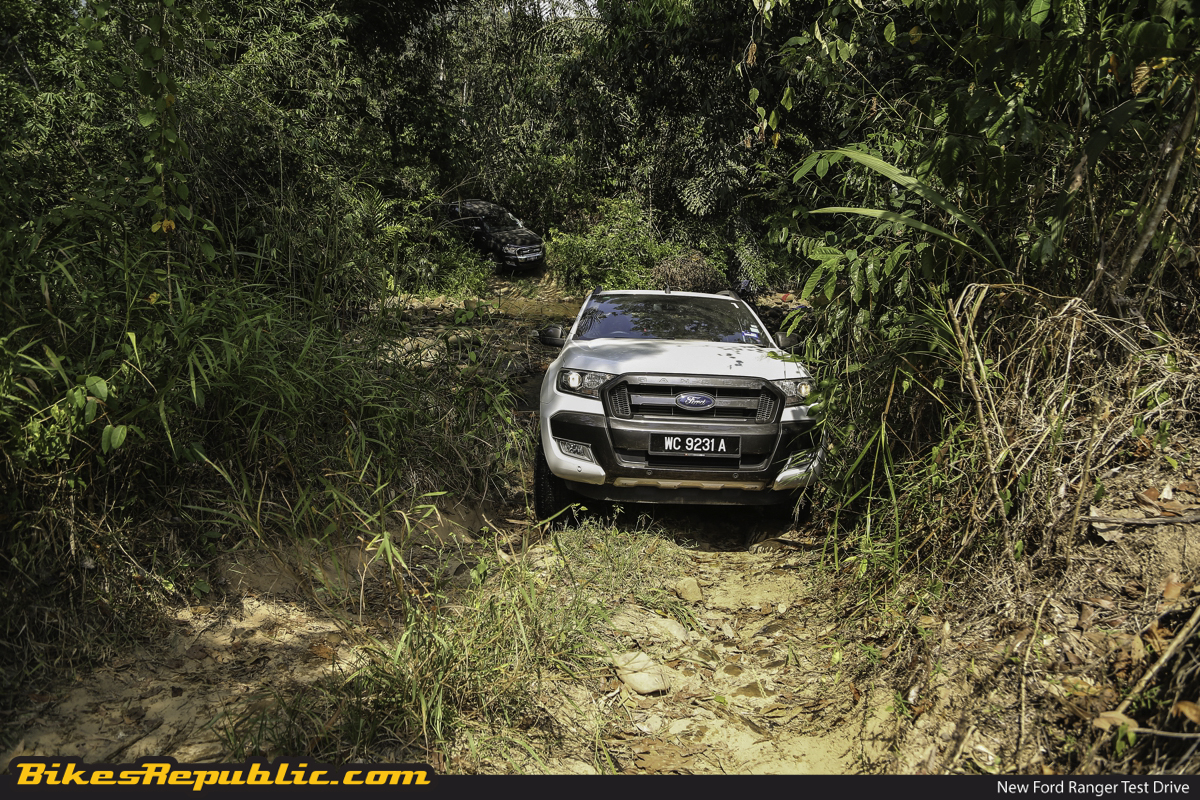
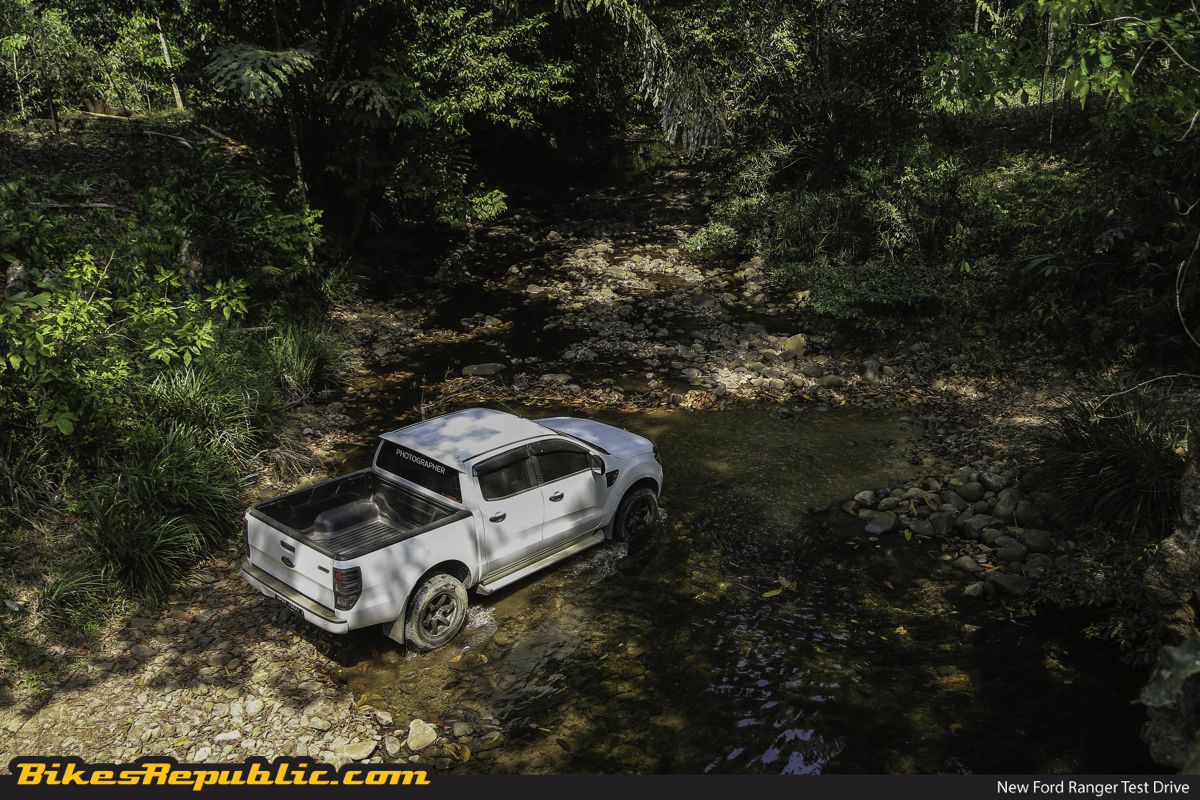
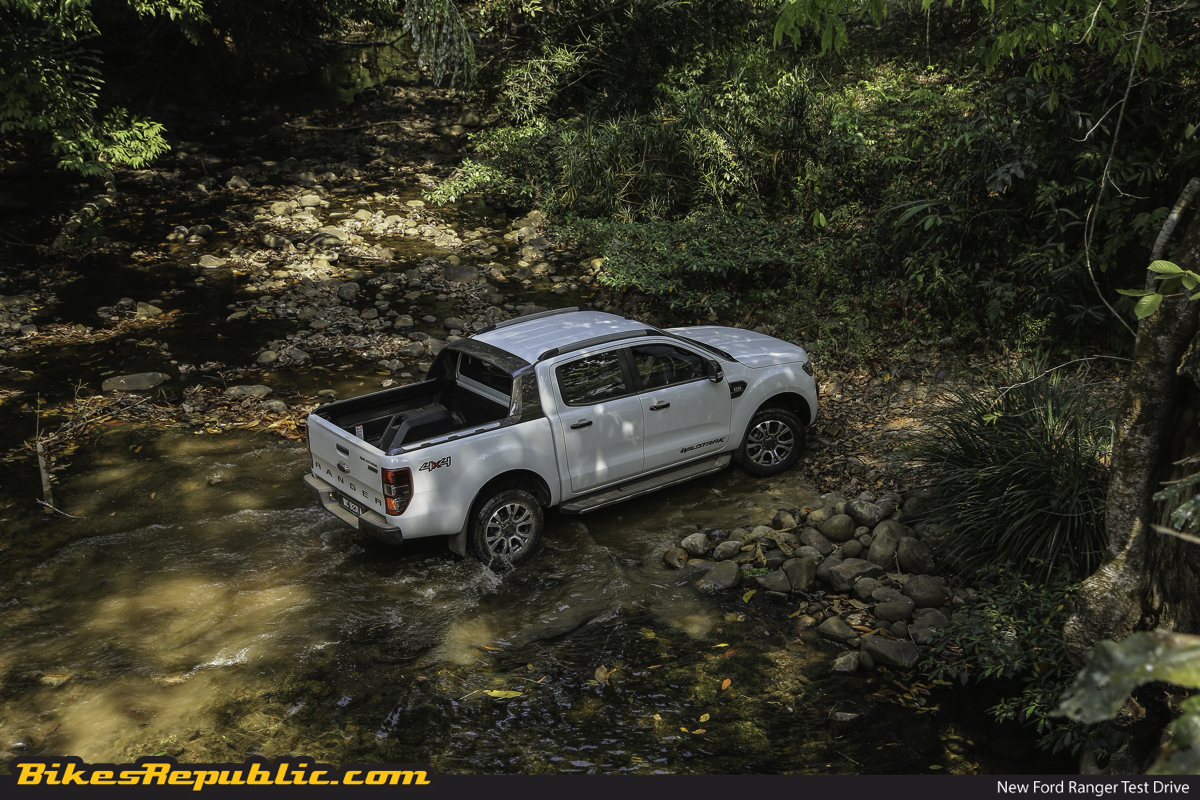
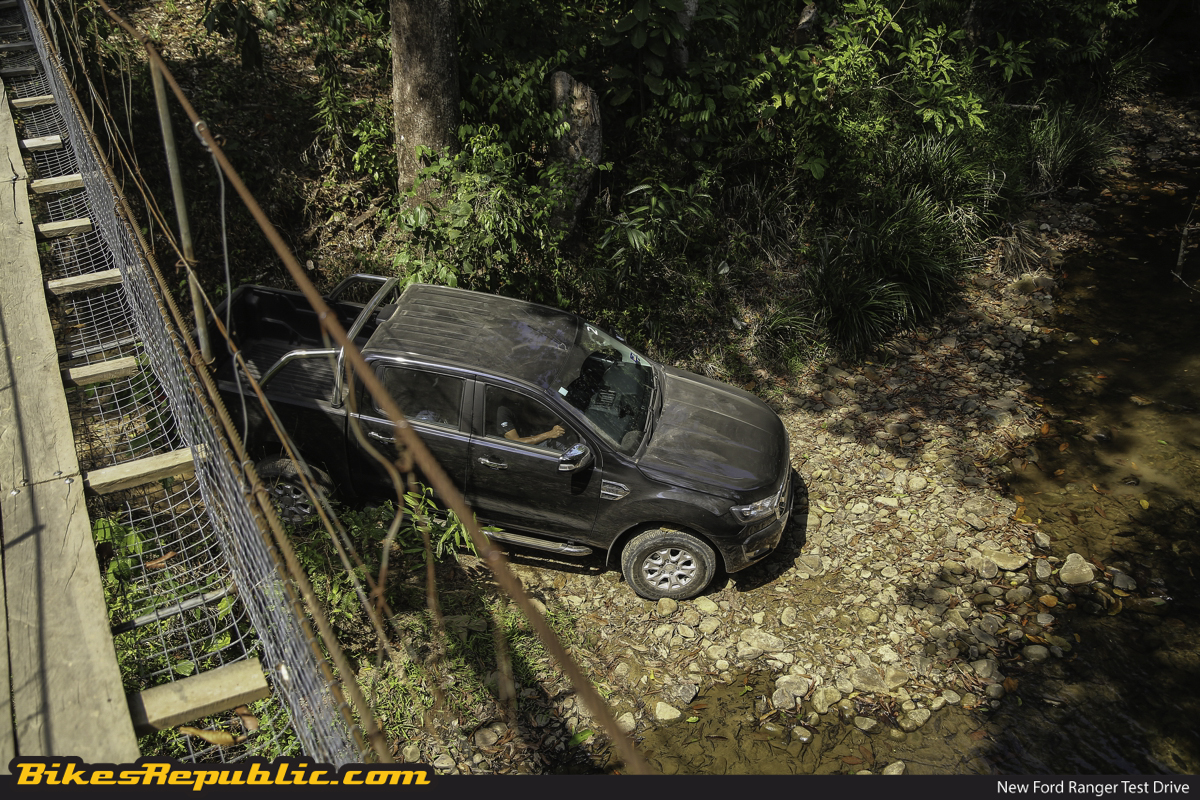
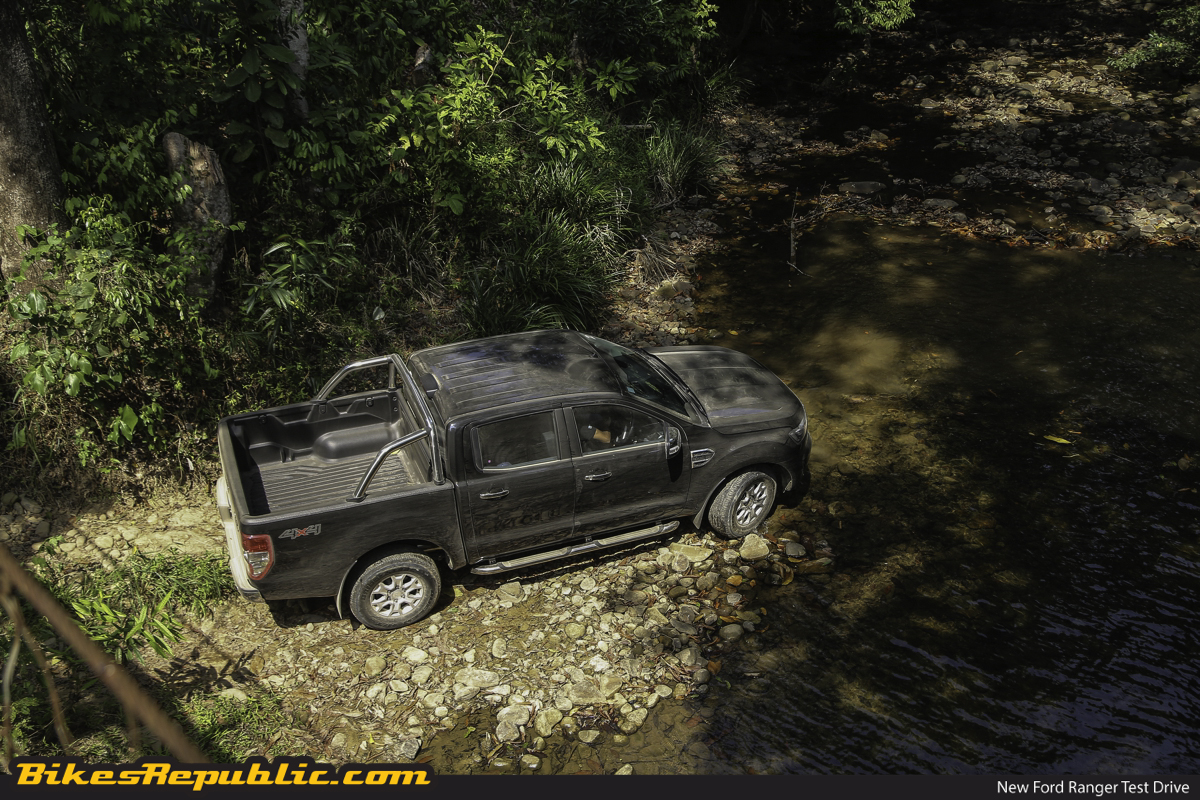
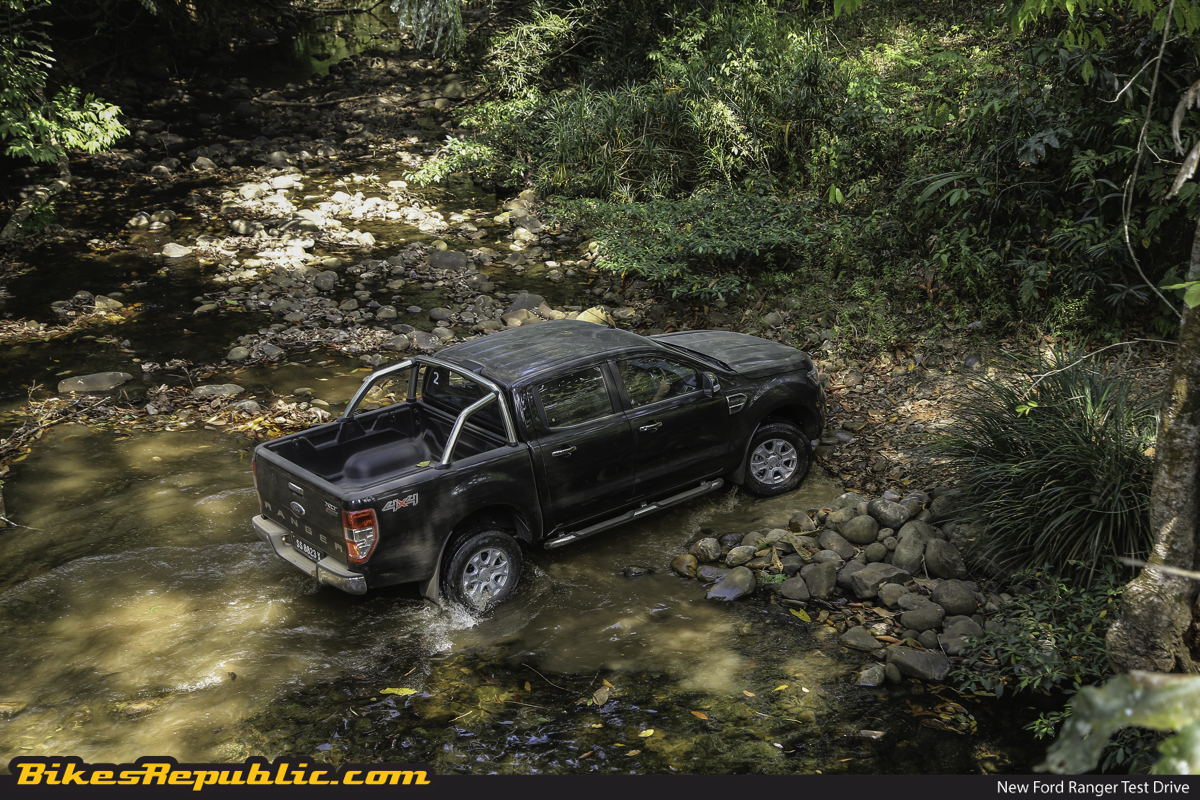
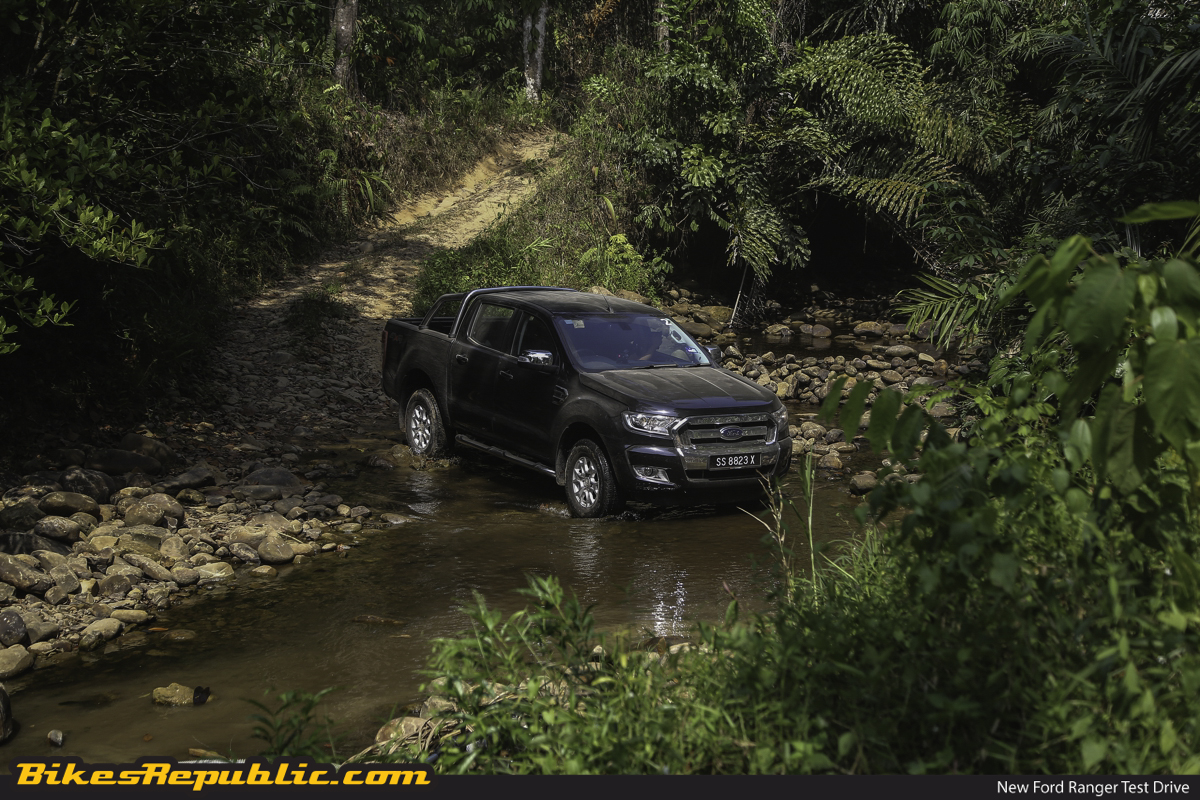
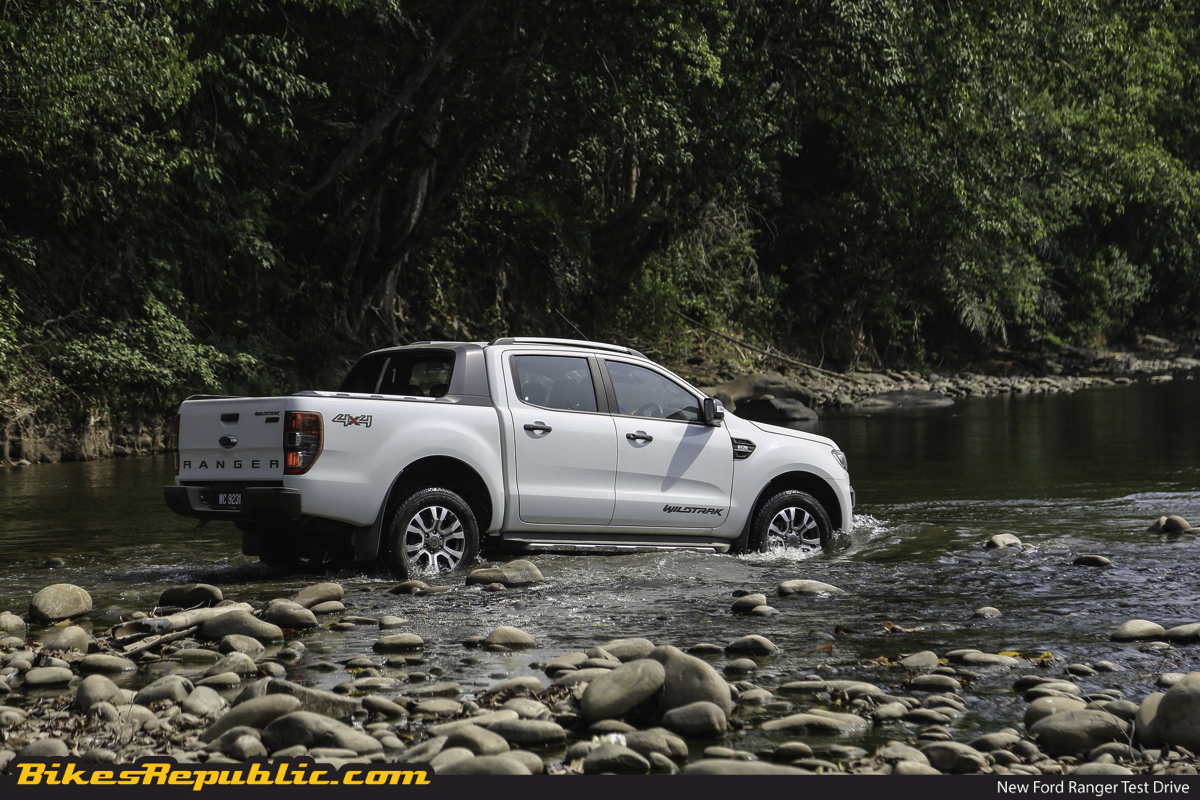
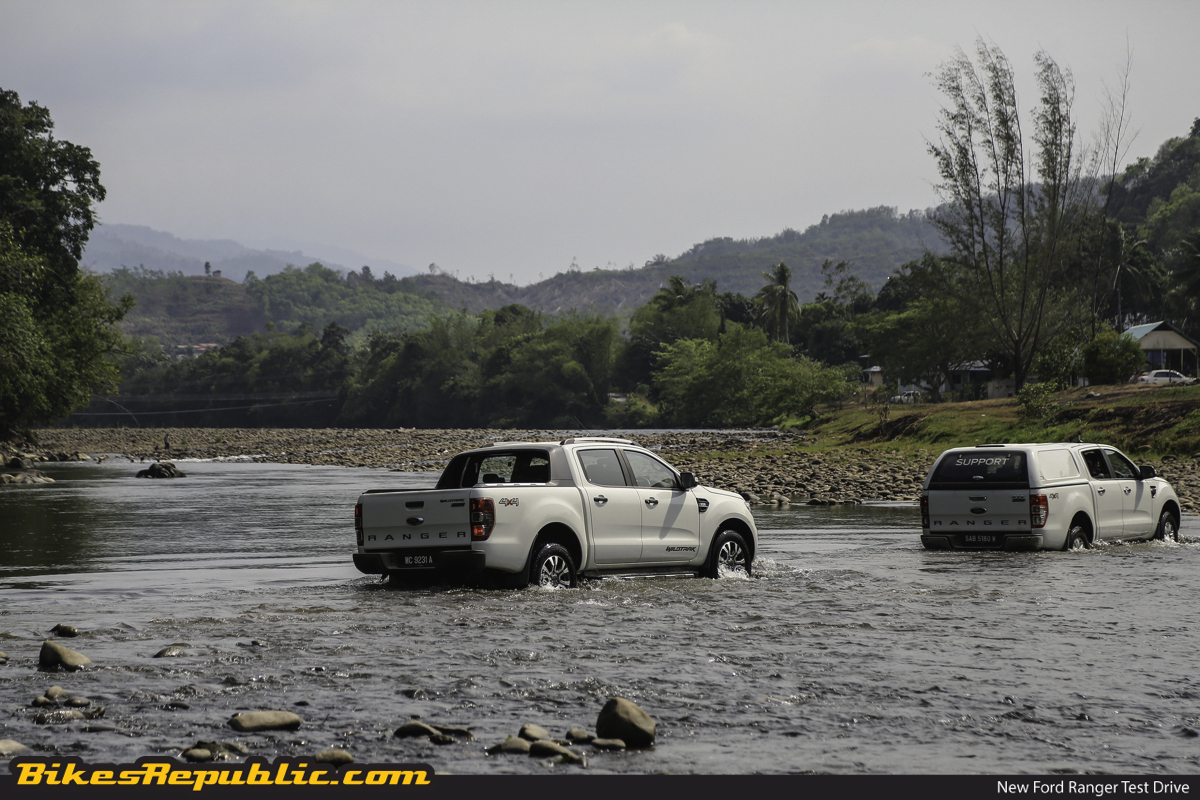
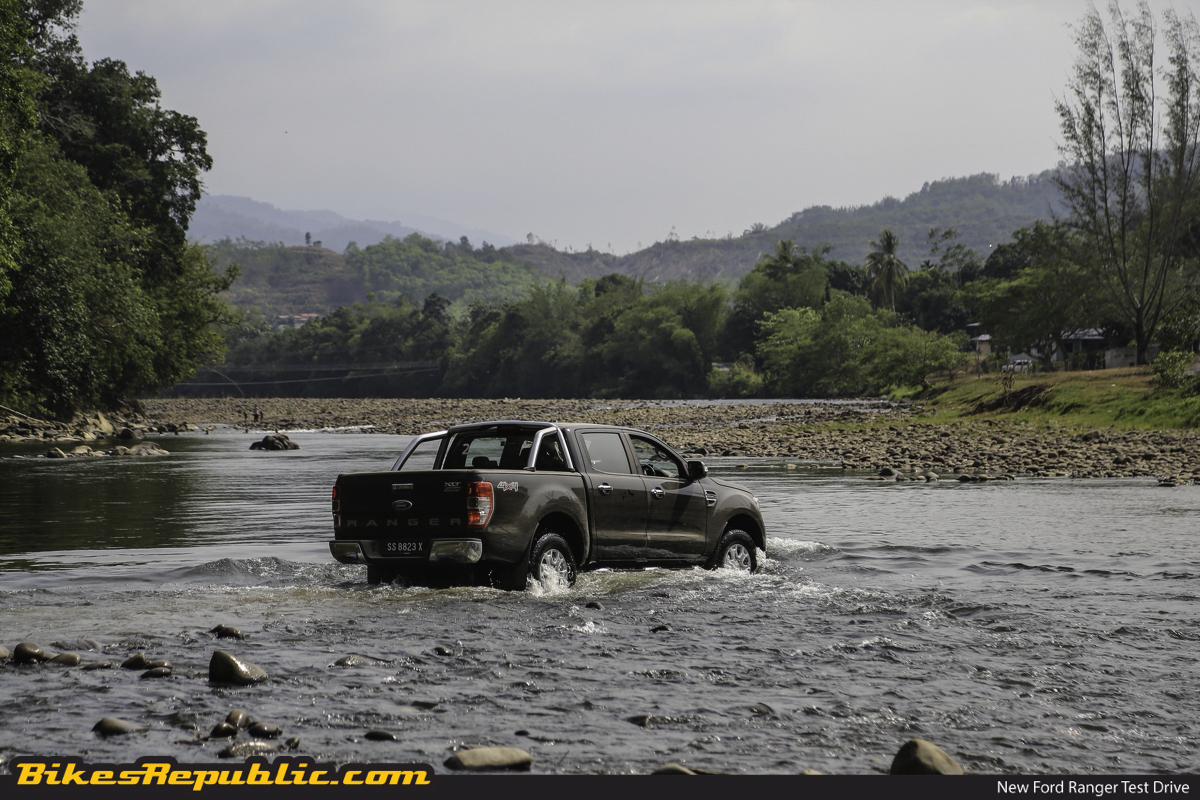
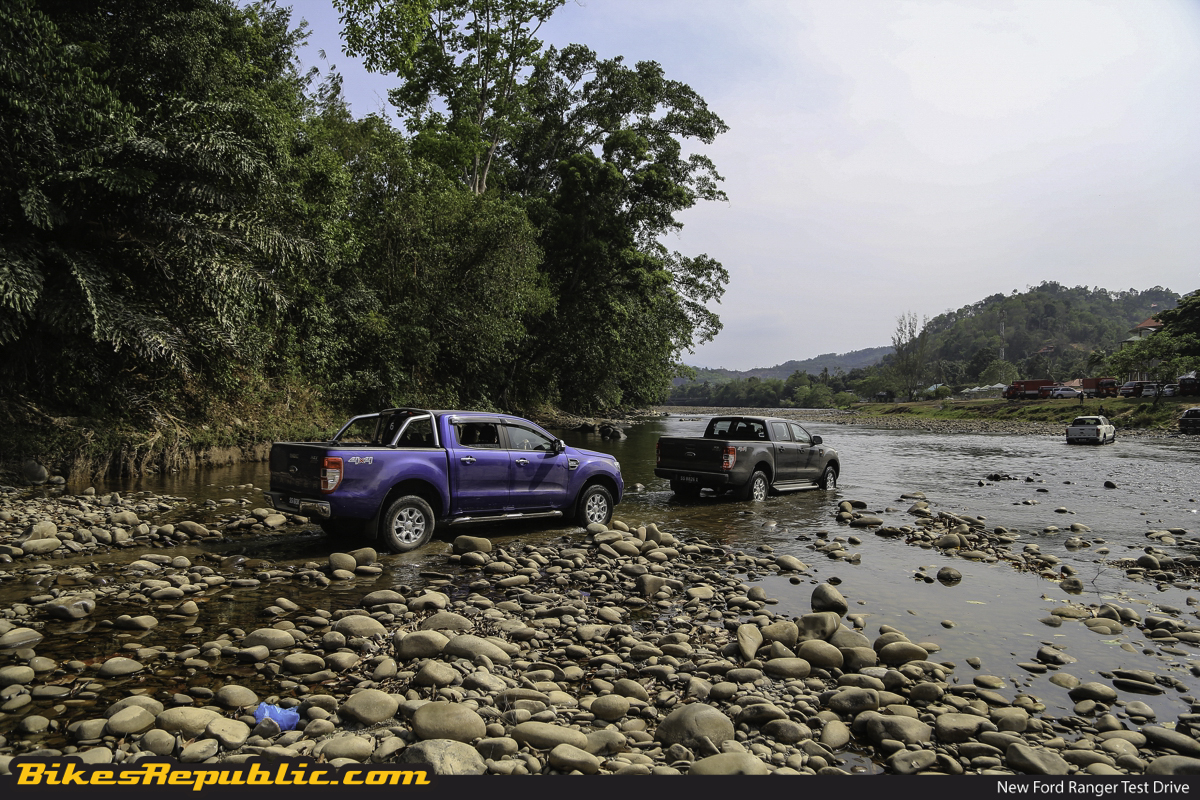
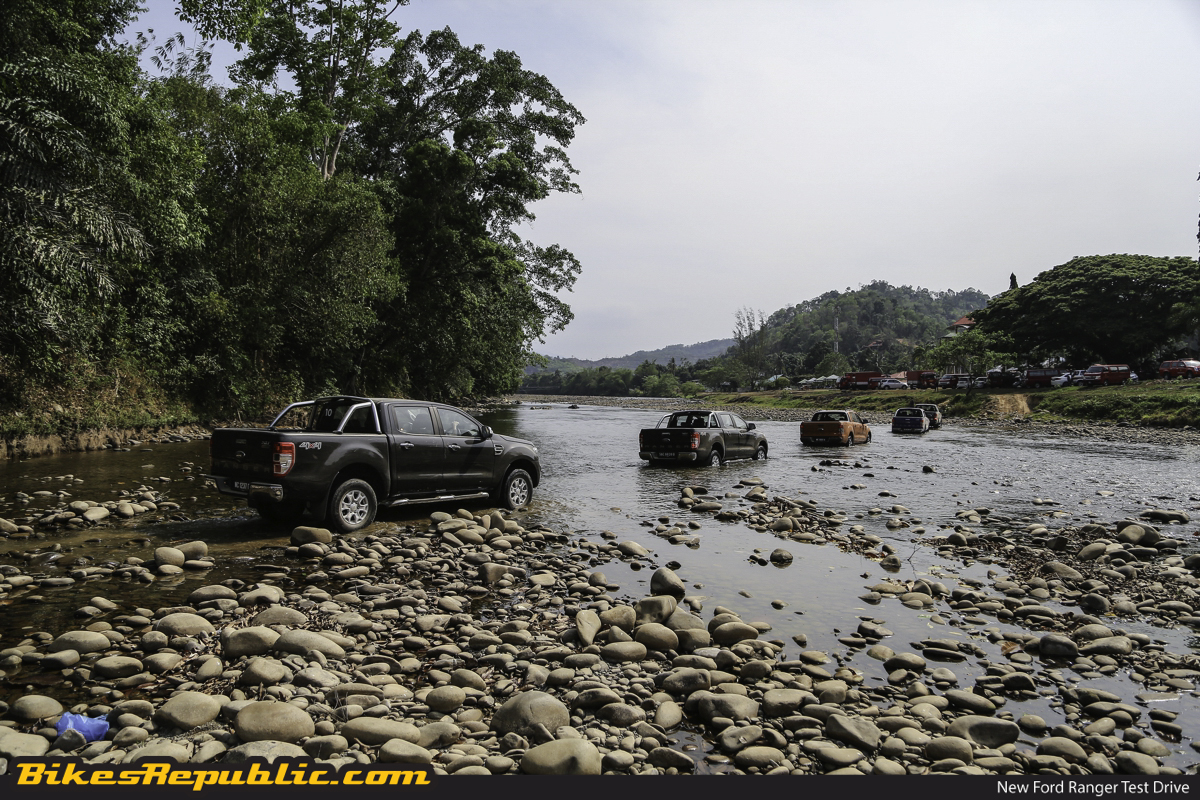
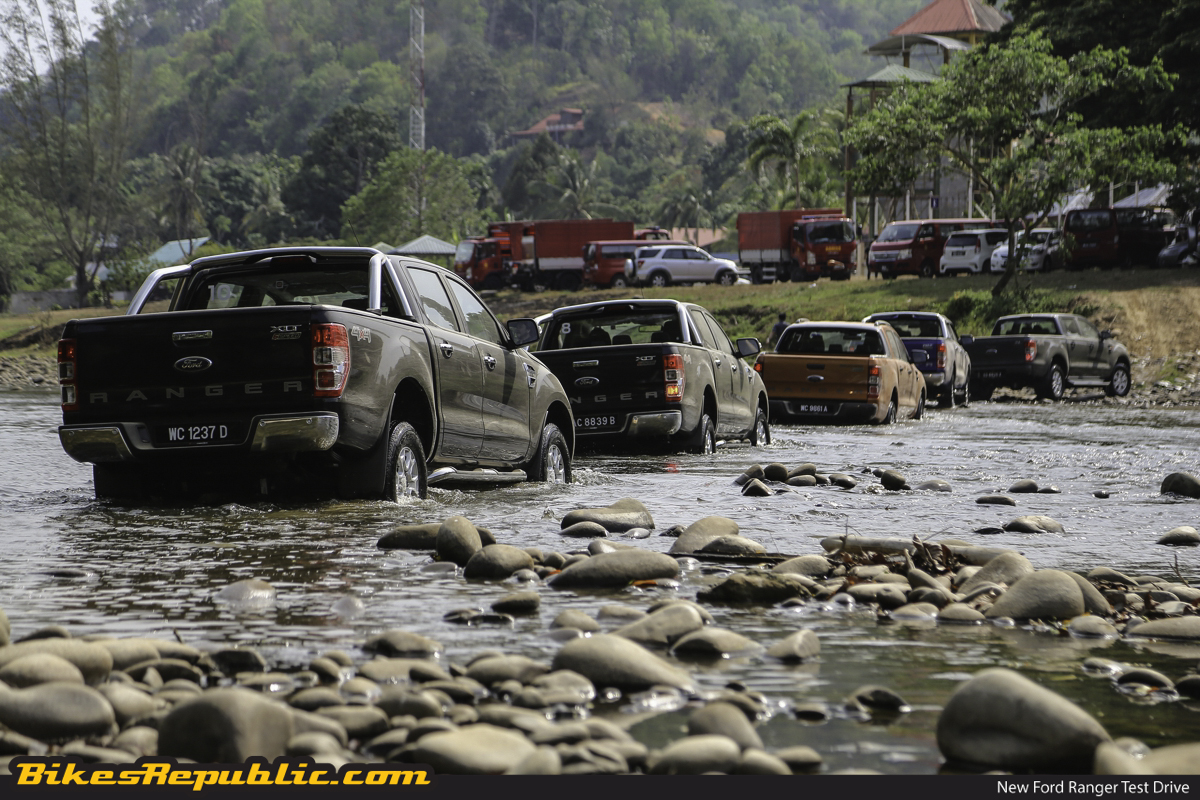
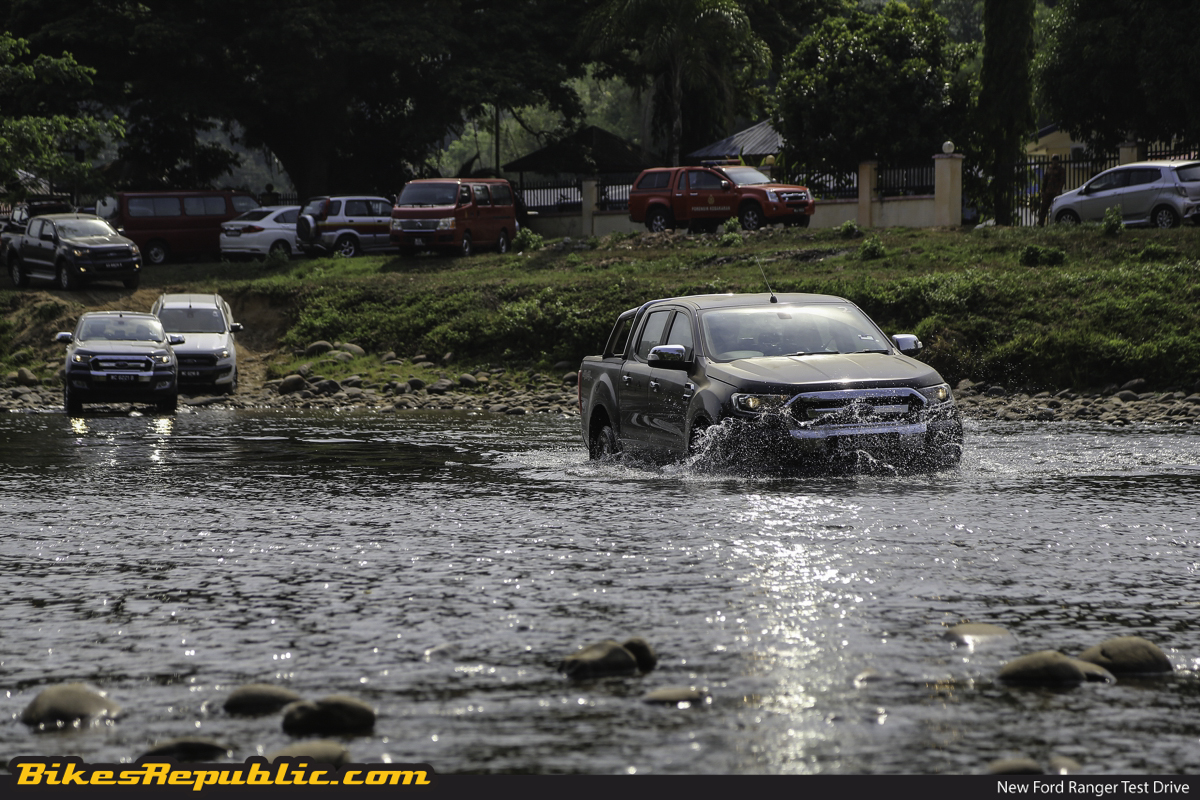
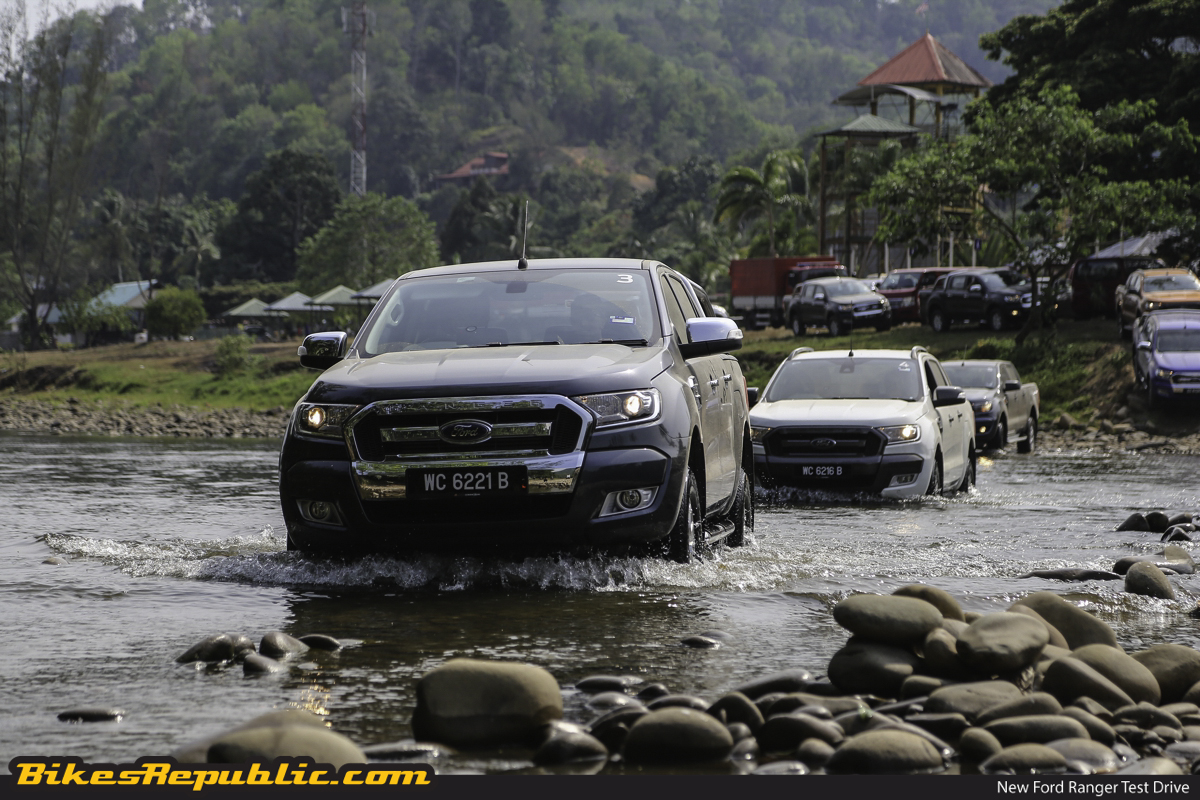
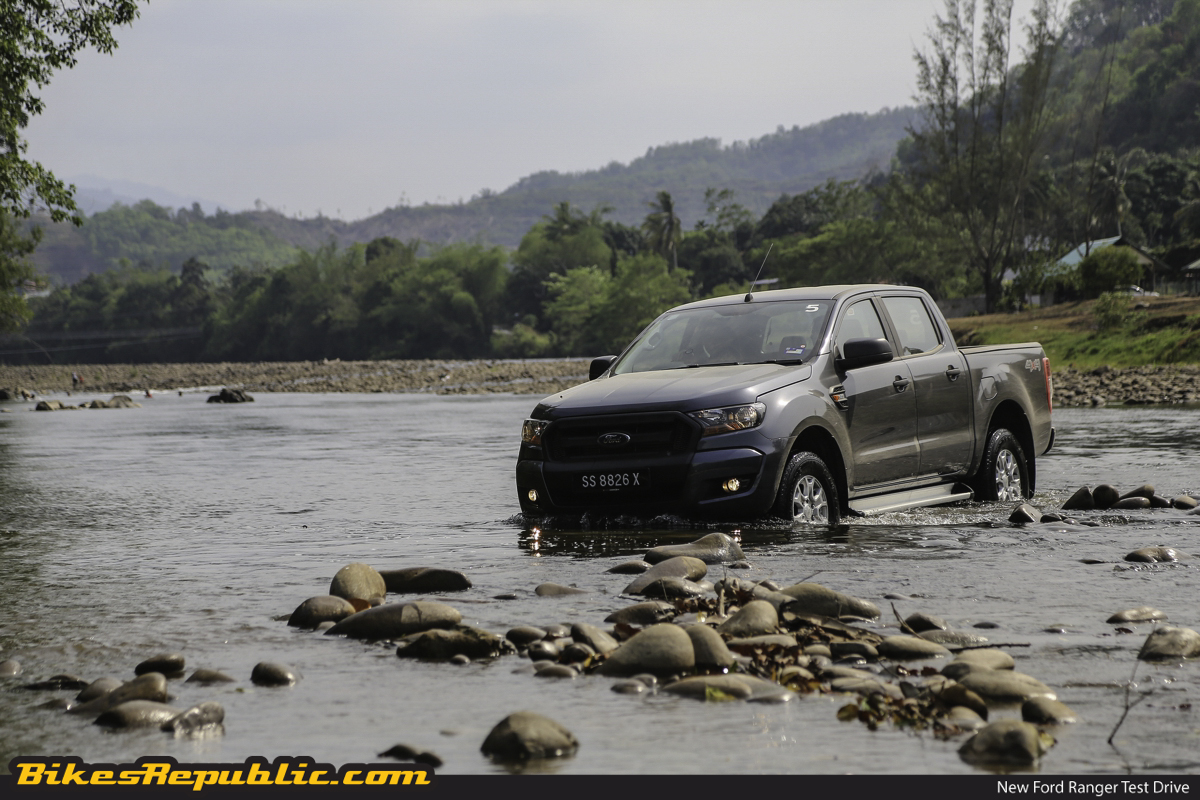
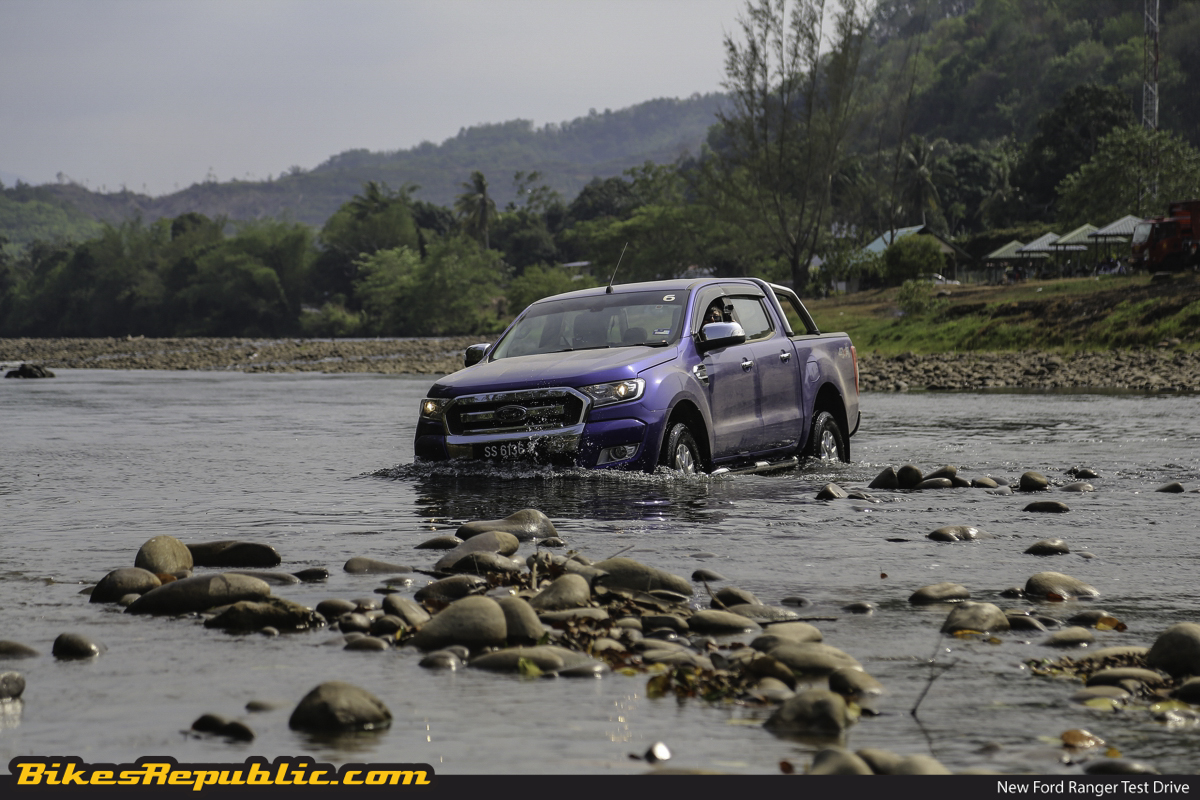
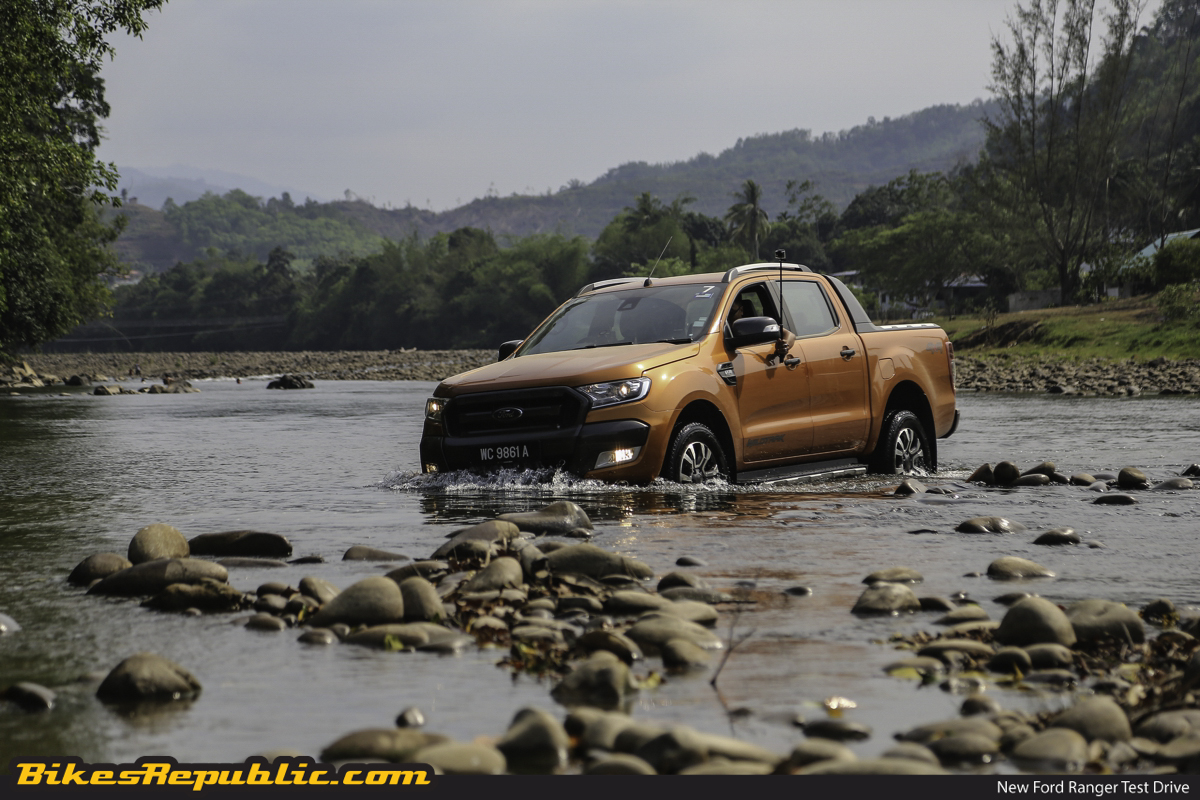
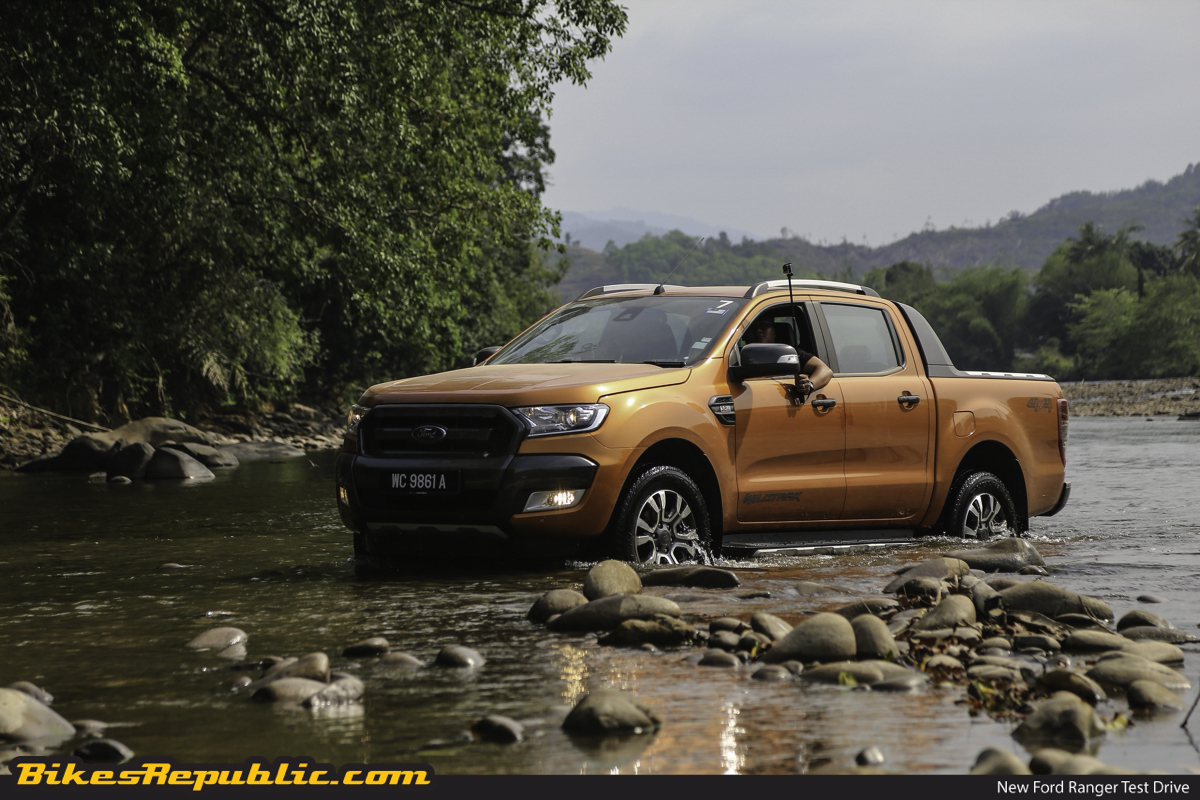
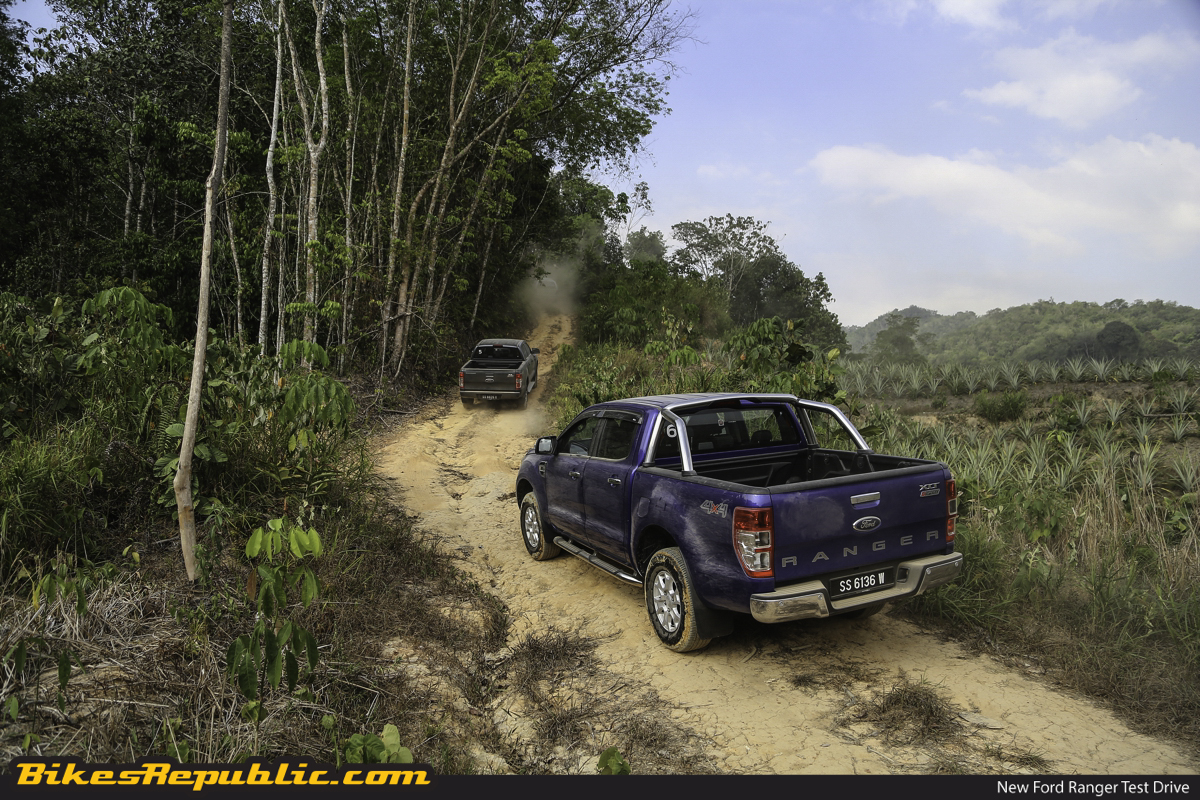
FordRangerEastMsiaMediaDrive_Day2-3Do not let the high on-road comforts fool you, the Ranger is still a highly capable thing when taken off the beaten path. Engaging its four-wheel-drive modes is as easy as turning a knob and takes just a few seconds. Whether you want to conquer a steep near-30-degree hill covered in dirt, gravel or mud, or perhaps cross a rocky river stream whilst wading water levels up to 800mm, the Ranger can truly tackle the rough stuff. Much of these capabilities are fuelled by features like Hill Descent Control, Hill Start Assist and Roll Over Mitigation that is primed across all variants – even in the basic 2.2XL MT.

What really is a game changer is the advanced new active and passive safety features primed in the range-topping 3.2 Wildtrak. Highlights here include Lane Departure Warning and Assist, Forward Alert and Collision Mitigation system, as well as a Distance Indication Alert. Having tested all three features on the road whilst enroute back to Kota Kinabalu city, we can safely report that the revised Ranger 3.2 Wildtrak stands as the safest pickup truck money can buy in our market currently.

FordRangerEastMsiaMediaDrive_Day2-9In a nutshell, the new and face-lifted Ford Ranger range has properly defended its title as the segment’s best. Offering better on-road drivability and comforts, unbeatable off-road capability, as well as becoming safer and smarter than ever, it is easy to see why distributor Sime Darby Auto Connexion (SDAC) are dealing with the good ‘problem’ of demand outweighing supply with the Ranger amongst Malaysian buyers, resulting in a long waiting list the firm currently holds.

FordRangerEastMsiaMediaDrive_Day2-25Besides the subsequent waiting period, one only needs to deal with another challenge, and that is meeting the Ranger’s princely asking prices. Things start from RM91,588 for the base Ranger 2.2XL MT, from RM109,688 for the Ranger 2.2XLT AT, and from RM119,238 for the Ranger 3.2XLT AT. Capping things off is the Ranger 3.2 Wildtrak which, with all its added safety features and premium amenities, commands a starting figure of RM137,488 instead.

Though steep, the improved new Ranger’s outstanding capabilities, comfort and full spectrum of safety features are worth every single penny it rightfully commands. Said prices include SDAC’s offer of a three-year or 100,000km manufacturer’s warranty for added peace of mind.

2016 Ford Ranger 2.2

ENGINE
  • 2.2-litre turbocharged
  • in-line four-cylinder
  • TDCi diesel
OUTPUT
  • 158HP @ 3,200RPM
  • 385Nm @ 1,600RPM
TRANSMISSION
  • 6-speed manual
  • 6-speed automatic
PRICES (OTR without insurance)
  • RM91,588 (2.2 XL MT)
  • RM101,388 (2.2 XLT MT)
  • RM108,788 (2.2 XLT AT)

 2016 Ford Ranger 3.2

ENGINE
  • 3.2-litre turbocharged
  • in-line five-cylinder
  • TDCi diesel
OUTPUT
  • 197HP @ 3,000RPM
  • 470Nm @ 1,750RPM
TRANSMISSION
  • 6-speed manual
  • 6-speed automatic
PRICES (OTR without insurance)
  • RM110,888 (3.2 XLT MT)
  • RM118,388 (3.2 XLT AT)
  • RM132,188 (3.2 Wildtrak AT)

Gallery
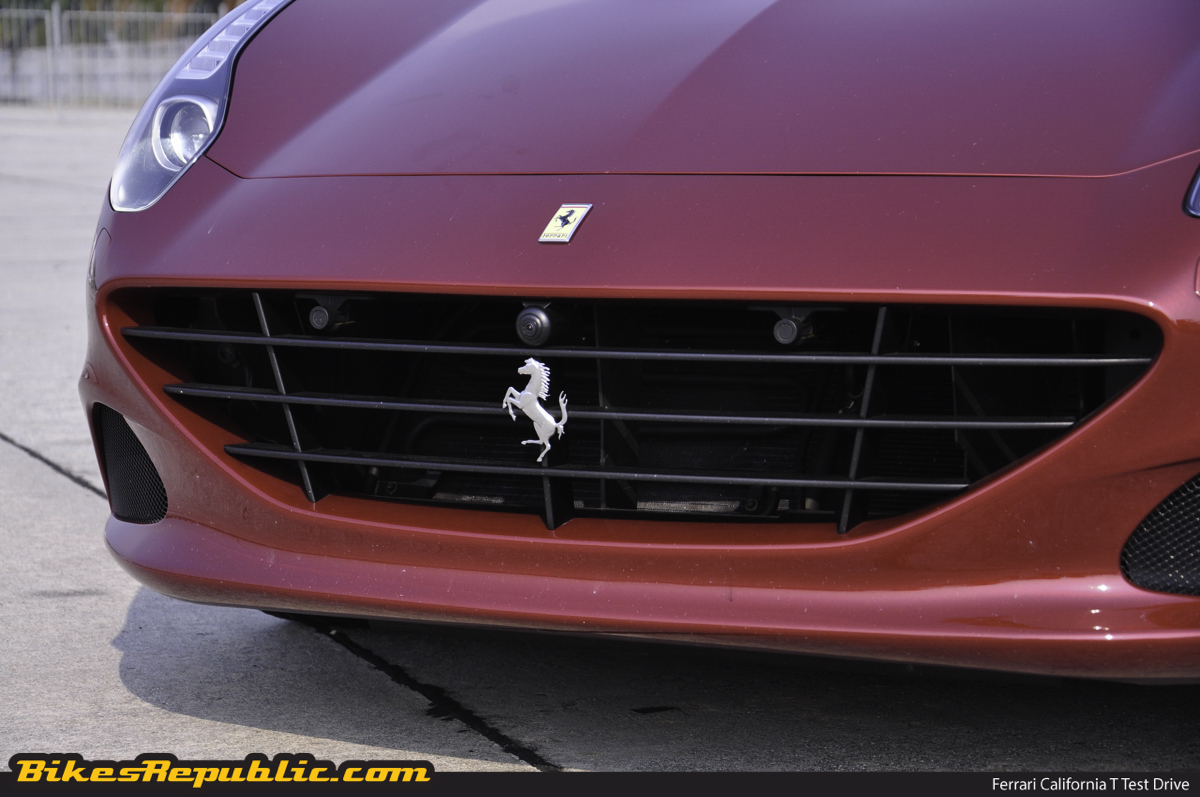
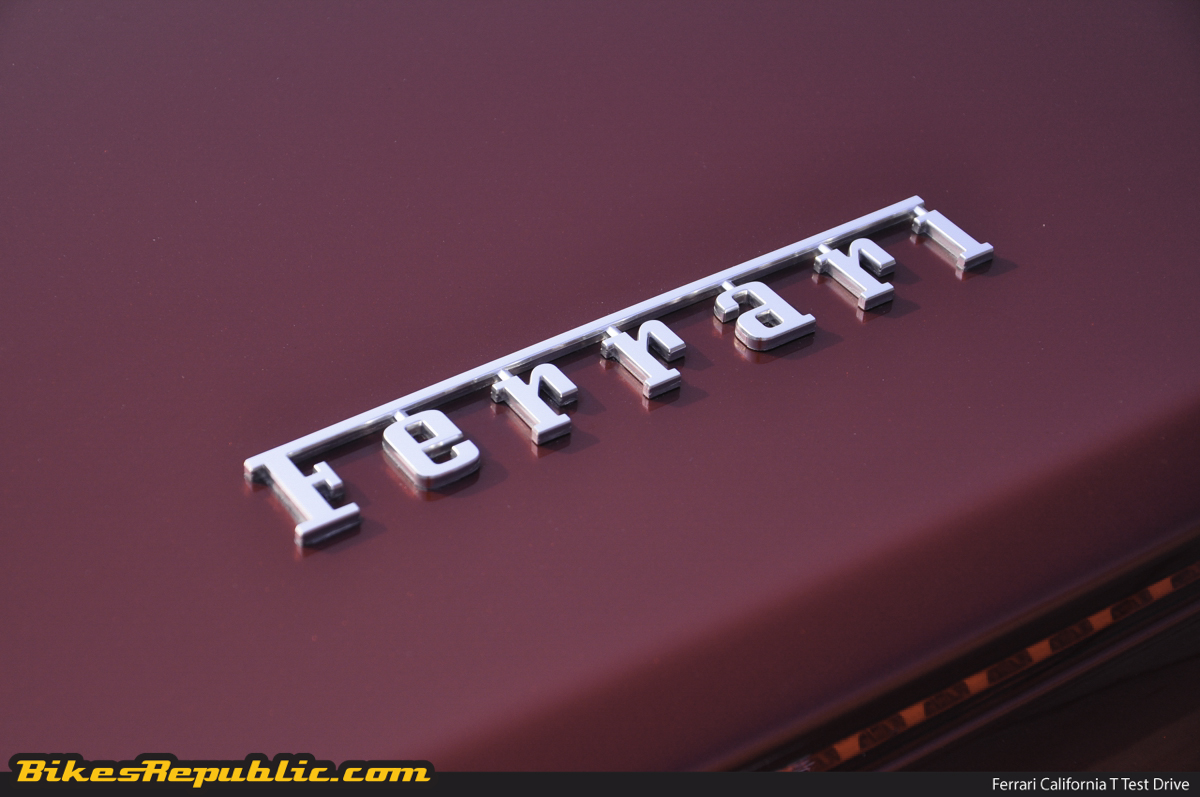
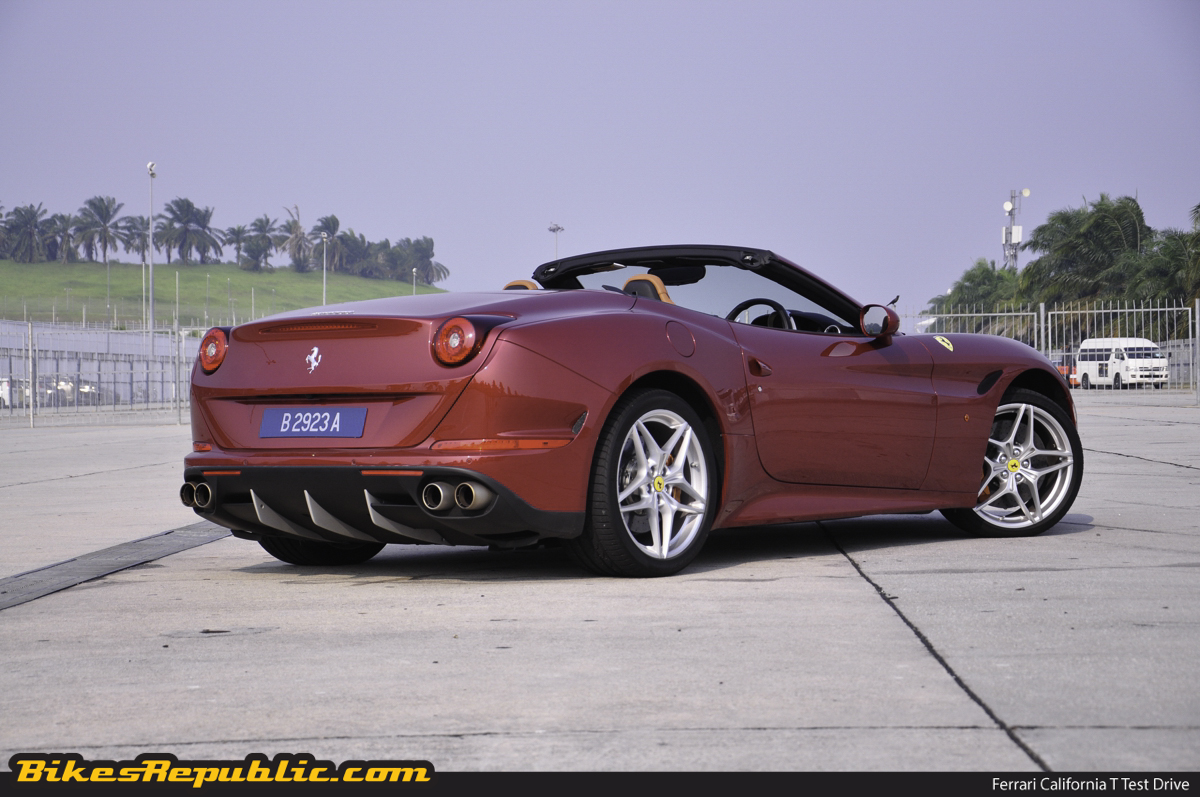
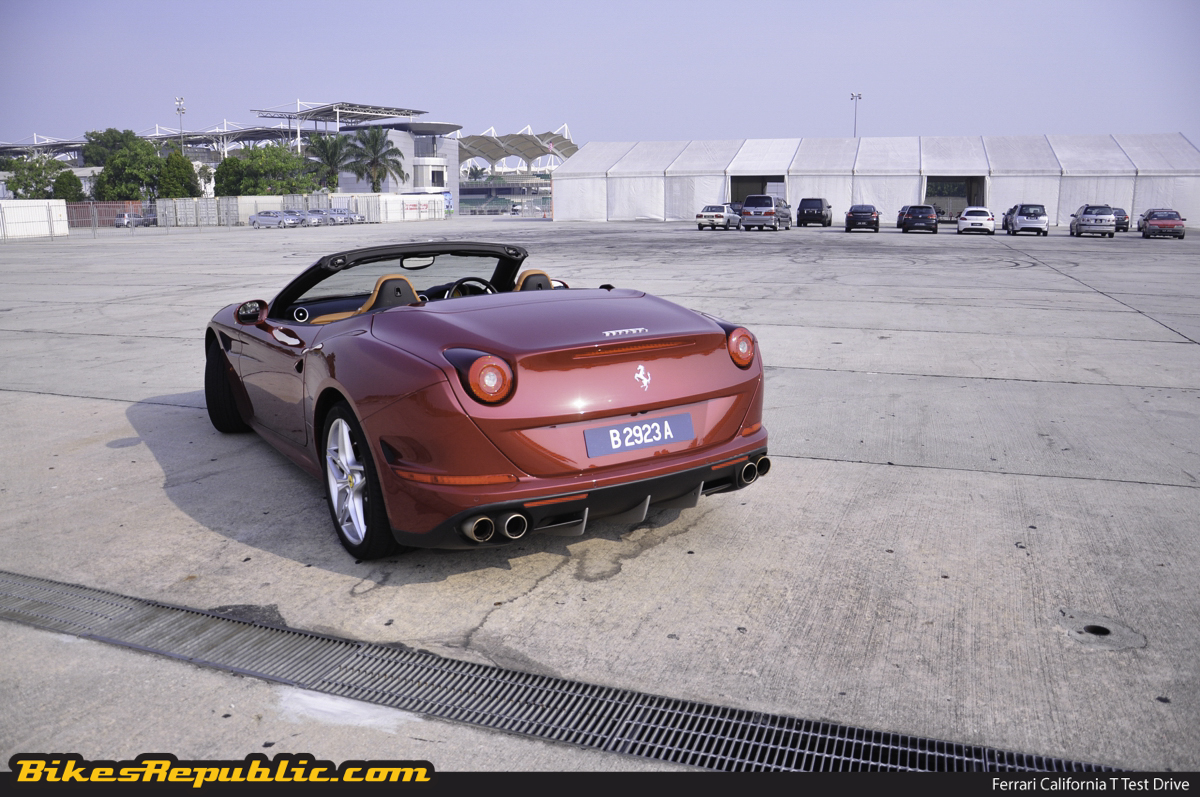
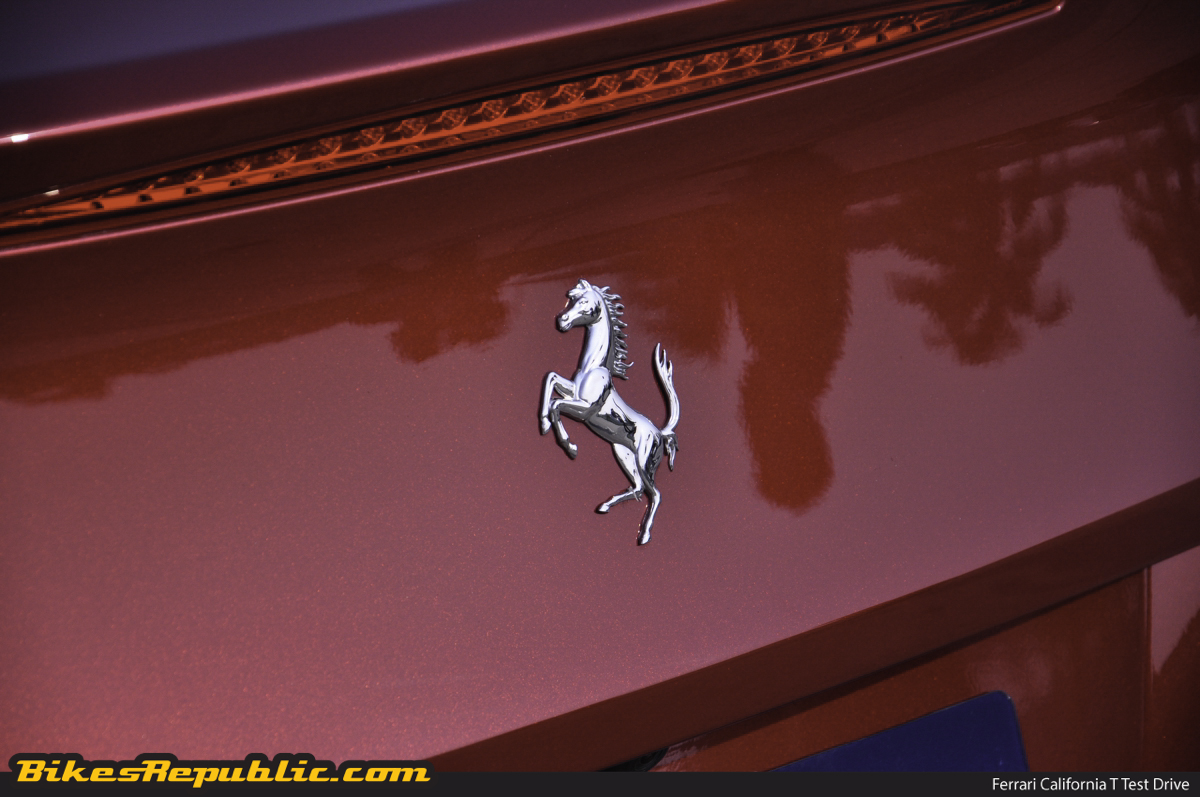
Maranello’s famed prancing horse badge is perhaps one of the most celebrated sports car marques in history. Though fames for making some of the planet’s most coveted race-bred performance sports cars, Ferrari has indeed produced some of the greatest grand touring cars of all time too, with the brand’s new California T fast becoming one of the latter in recent times.

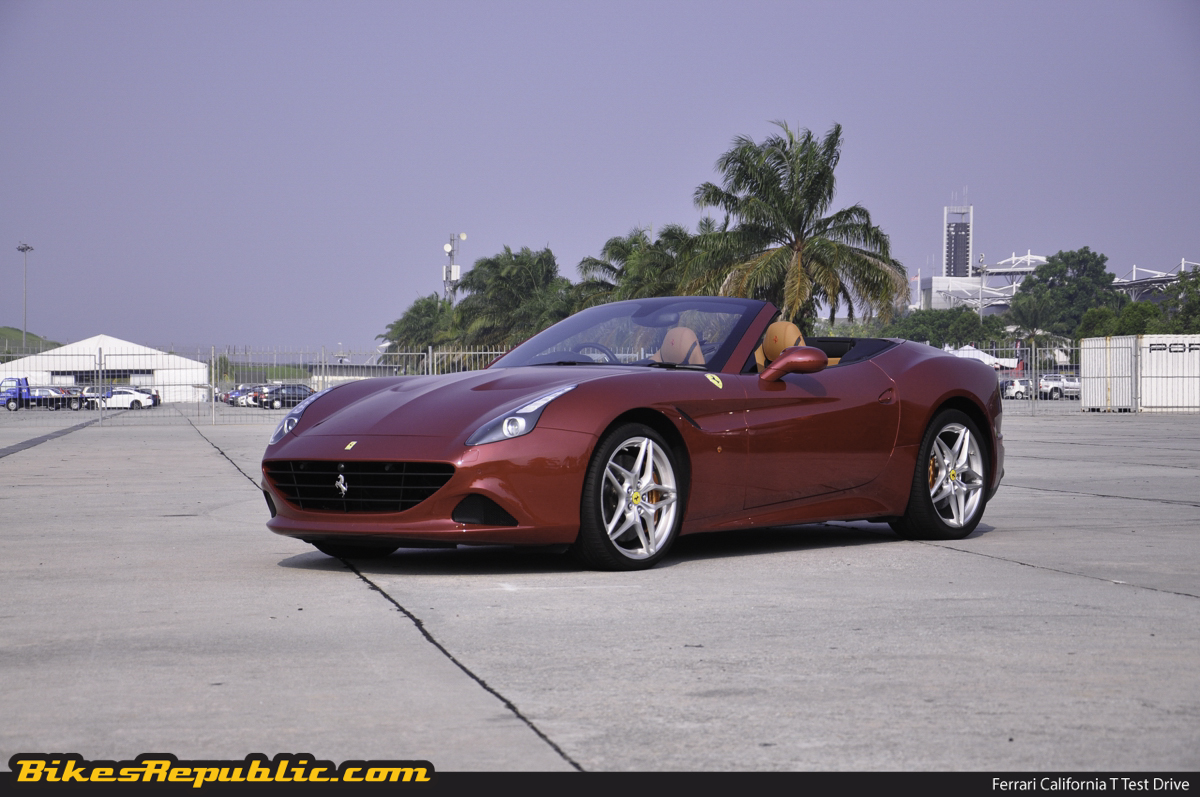
DSC_0572Introduced back in 2014 at the Geneva Motor Show, the California T became the first turbocharged roadcar conceived by Ferrari since its iconic F40 of the 1980s. The ‘T’ in California T symbolises that fact, with Ferrari also granted it with a host of enhancements over the naturally aspirated California model it succeeds.

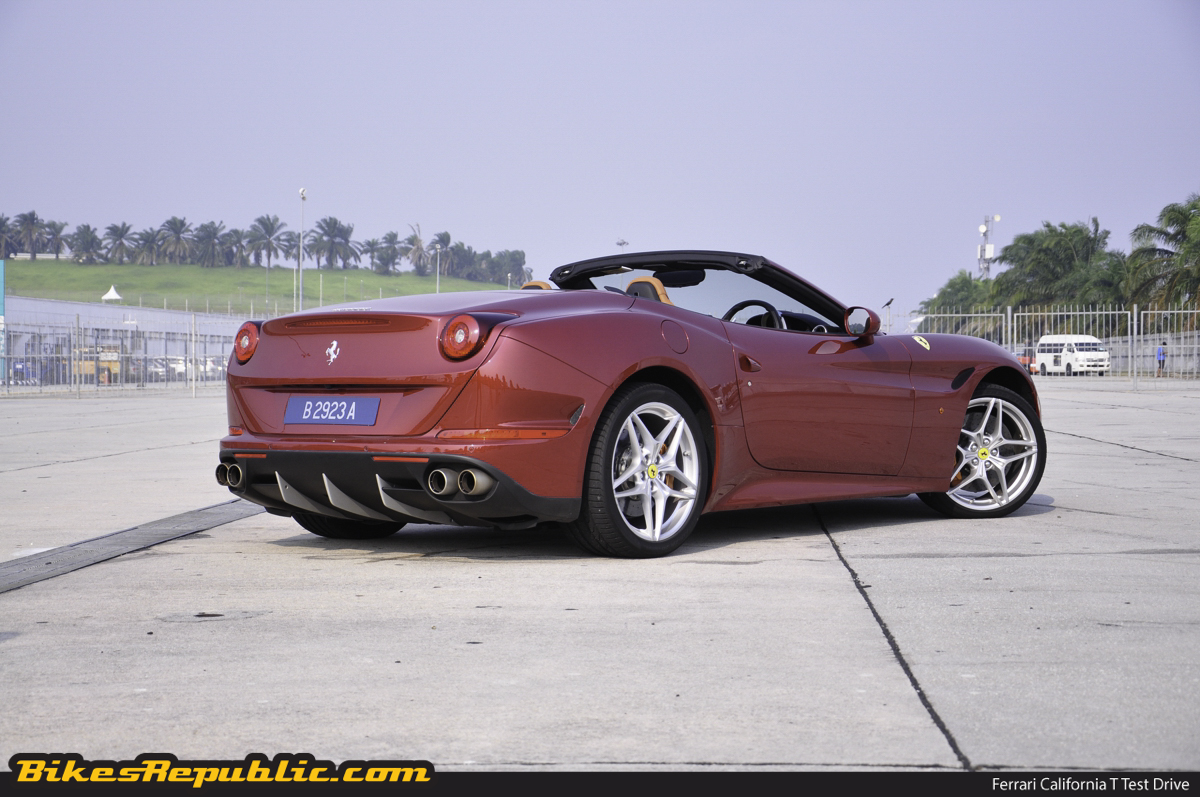
DSC_0577Unlike the mid-engined 458 Italia and manic F12berlinetta, the California model was conceived as a 2+2 grand touring cabriolet for the jet-set that offered a milder performance level as oppose to Ferrari’s other race-bred creations. Fuelling that fact further is the California’s offer of a retractable hard-top (RHT) roof, which allows you to enjoy that coveted wind-in-your-hair driving thrills, with the system taking just 14 seconds to fully retract and deploy. In other words, if ever you wanted a stylish Ferrari that wasn’t seriously focused on conquering the track, you’d want the California.

DSC_0597Whilst the original California that debut in 2008 did indeed win hearts in terms of styling, many of its intended buyers perceived it to be ‘too soft’, resulting in it being dismissed rather quickly in favour of rivals such as the Bentley Continental GTC and the pricier Aston Martin DBS Volante. Realizing, this Ferrari promptly gave the California an extensive mid-life makeover, resulting in the California T.

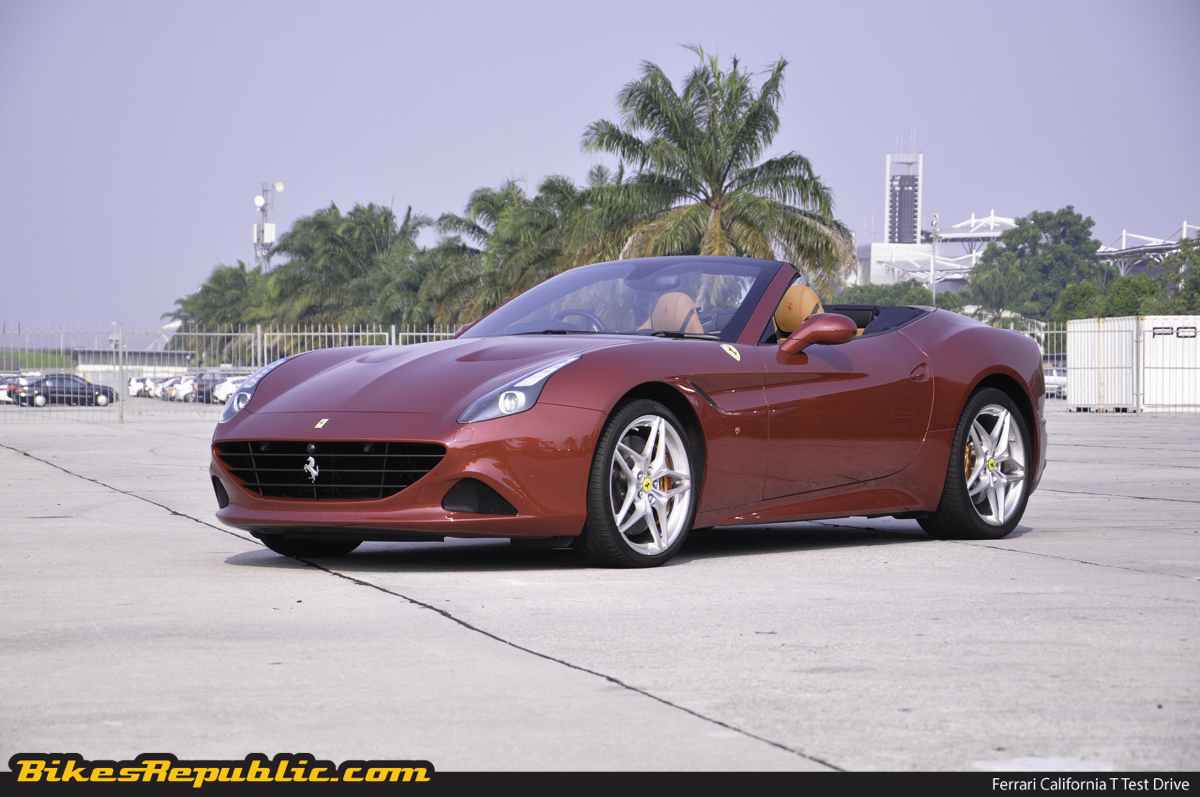
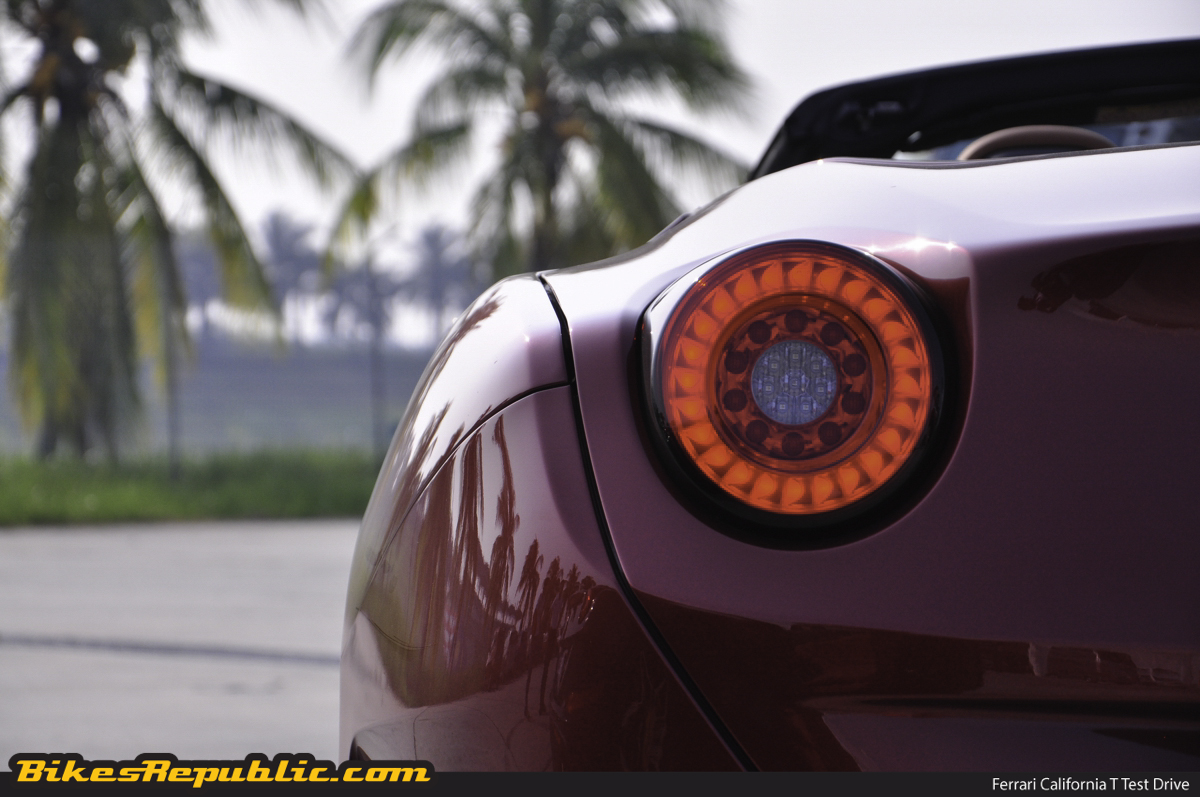
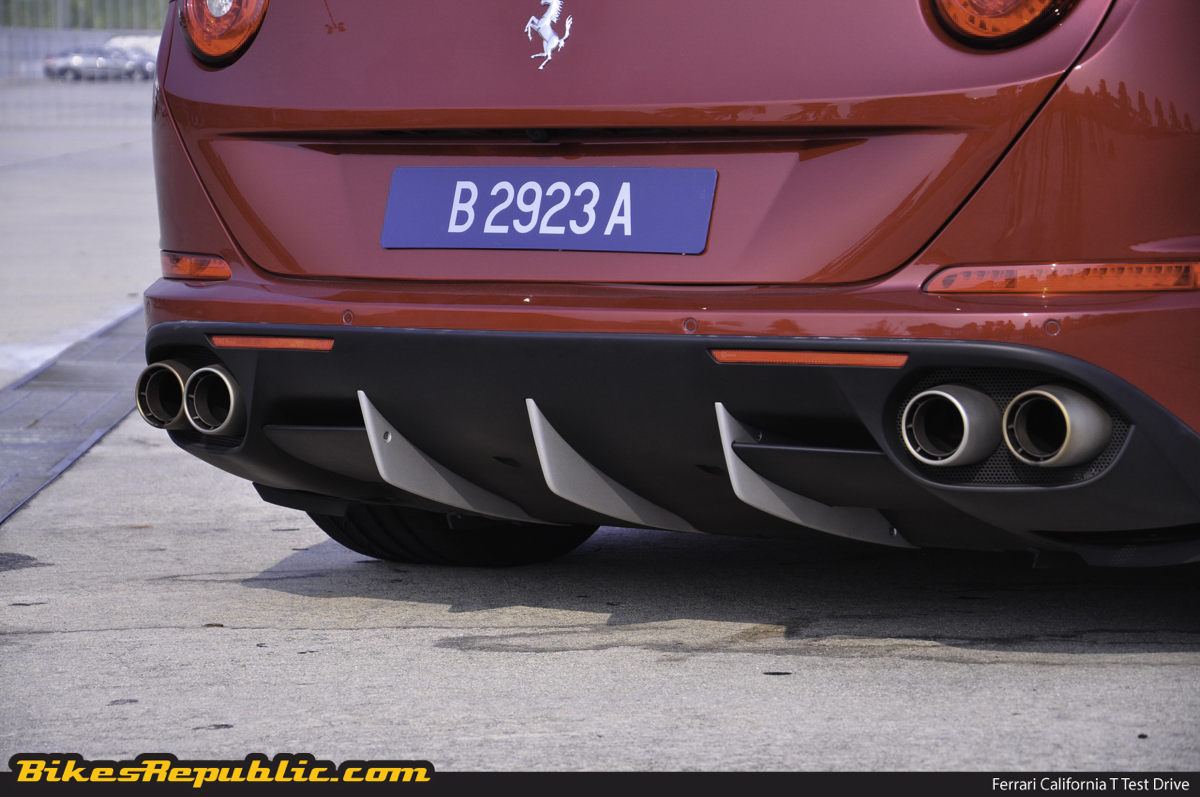
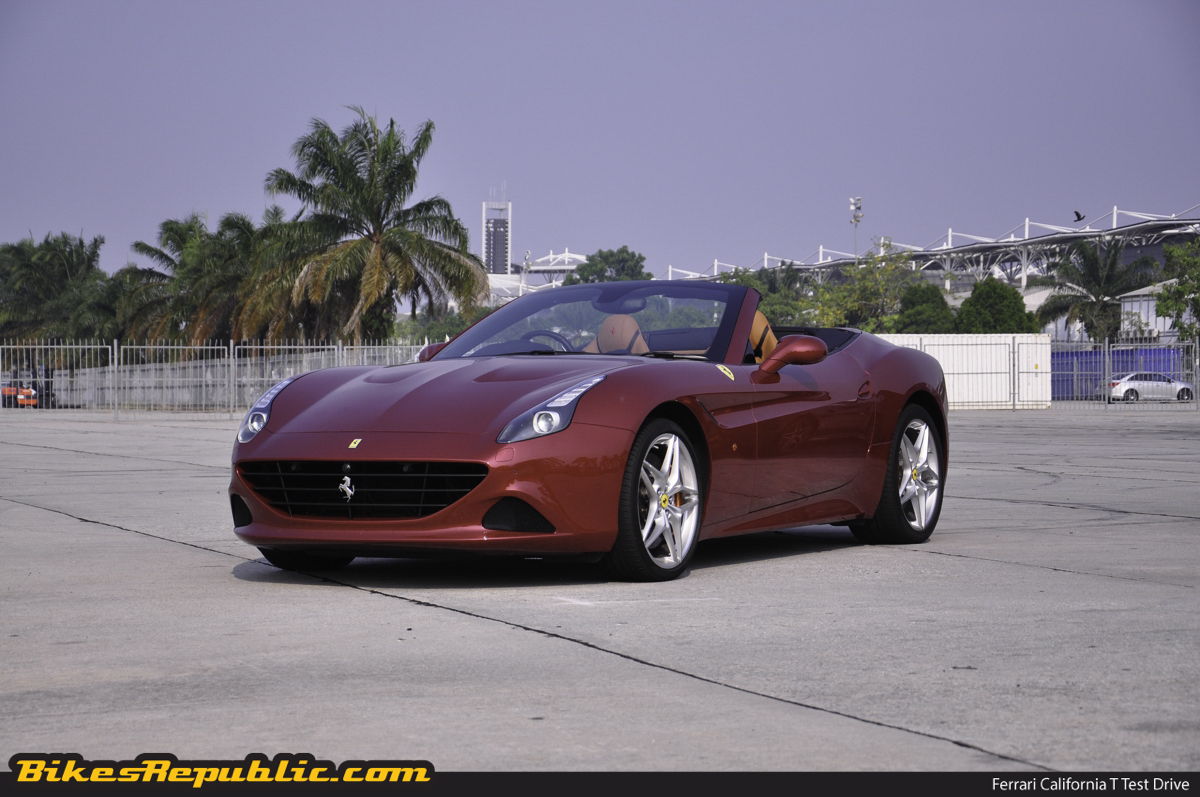
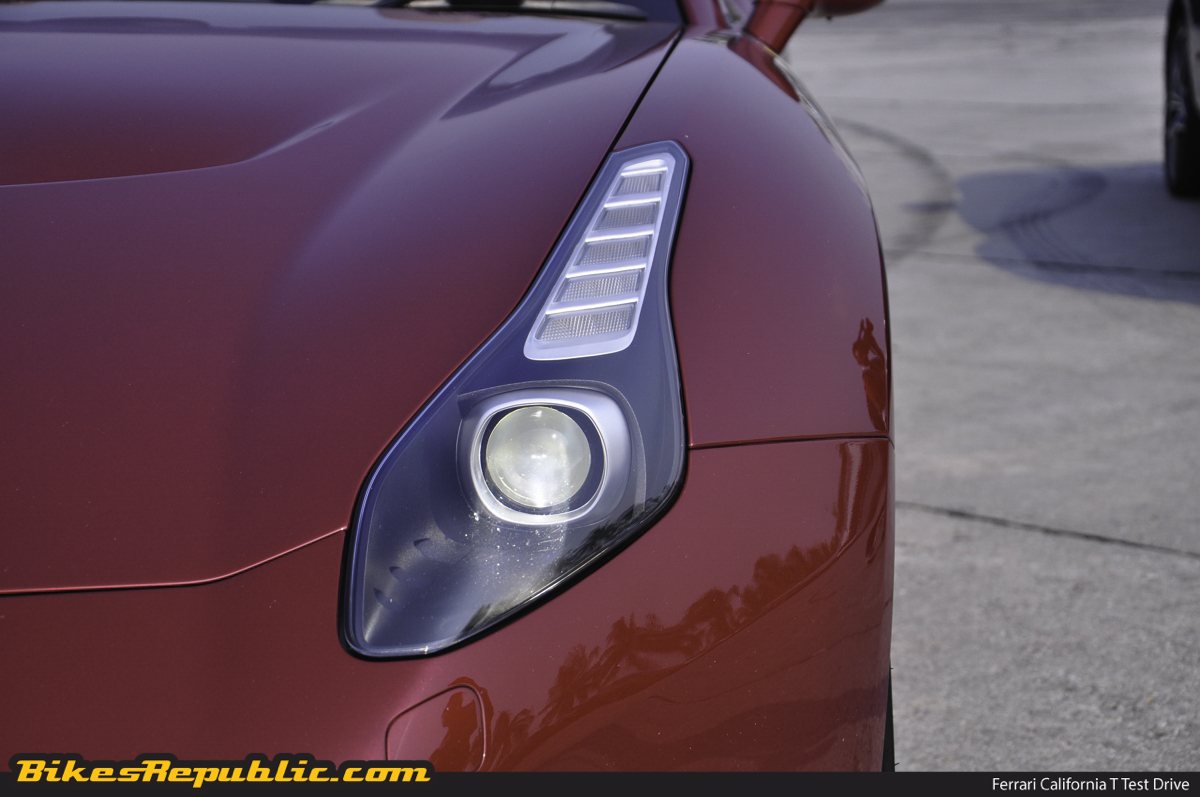
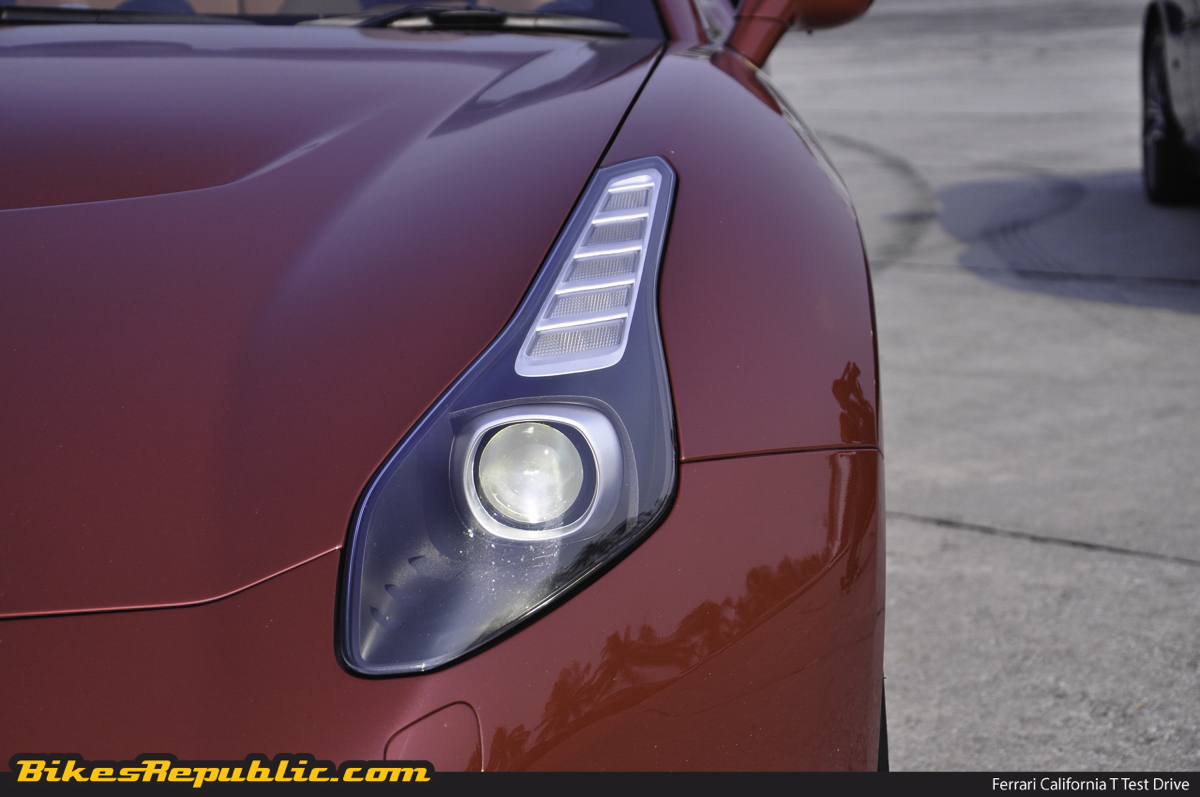
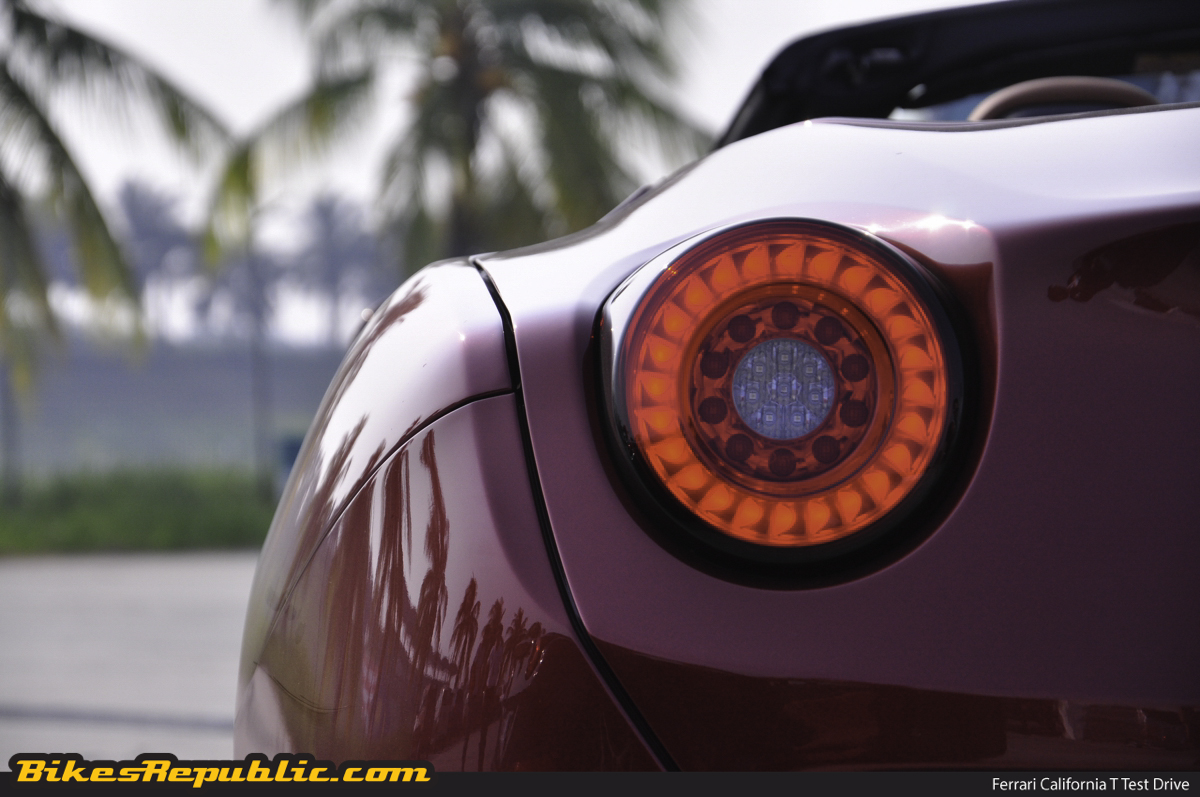
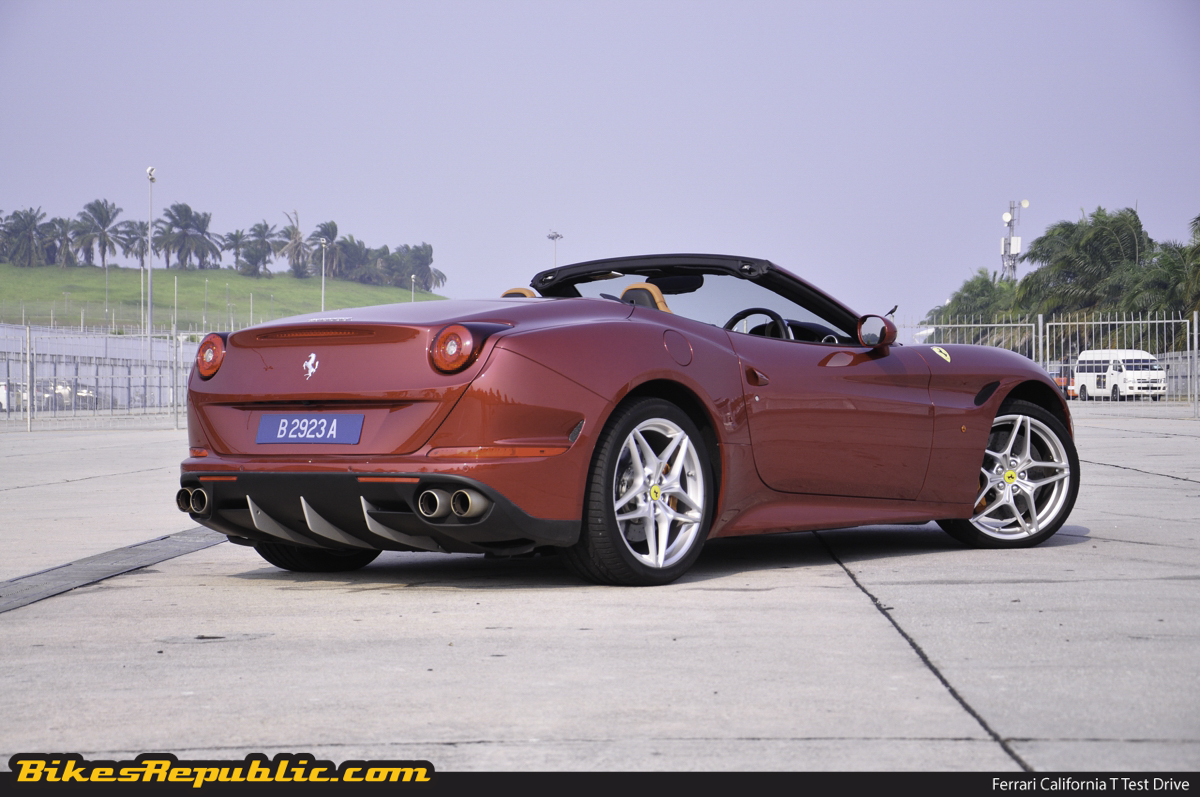
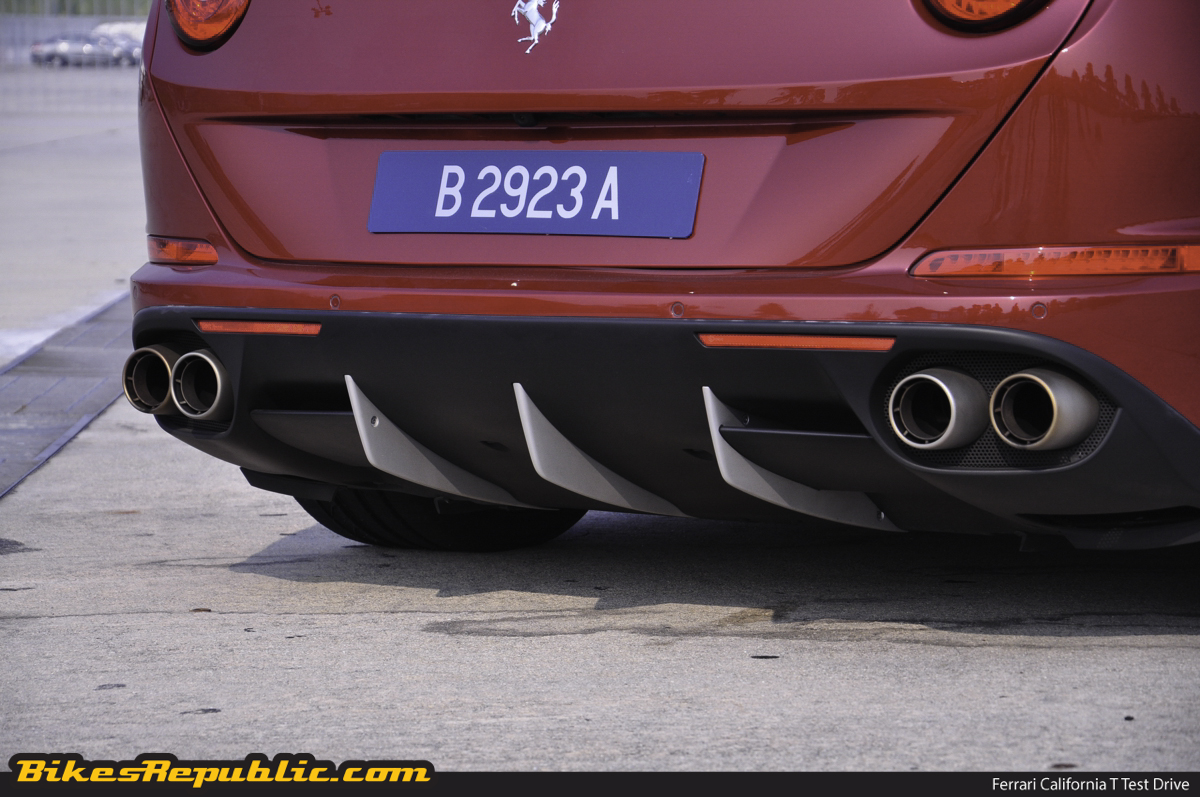
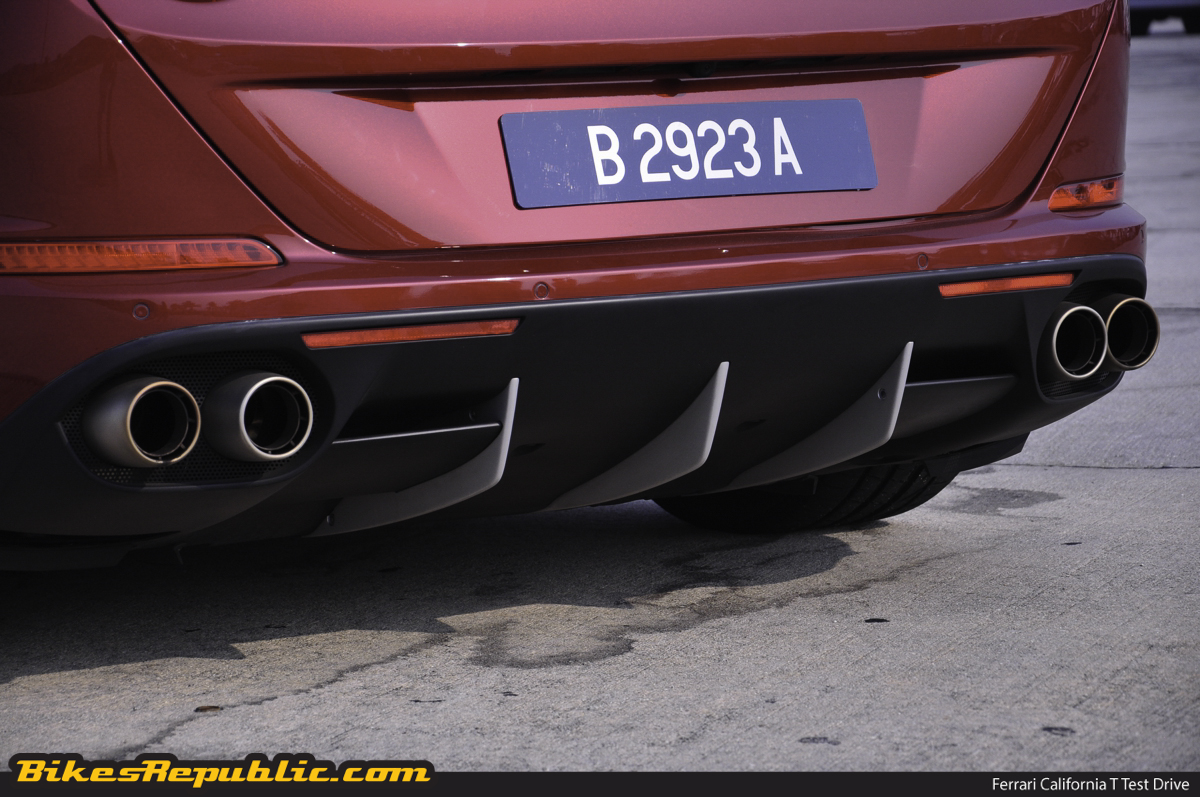
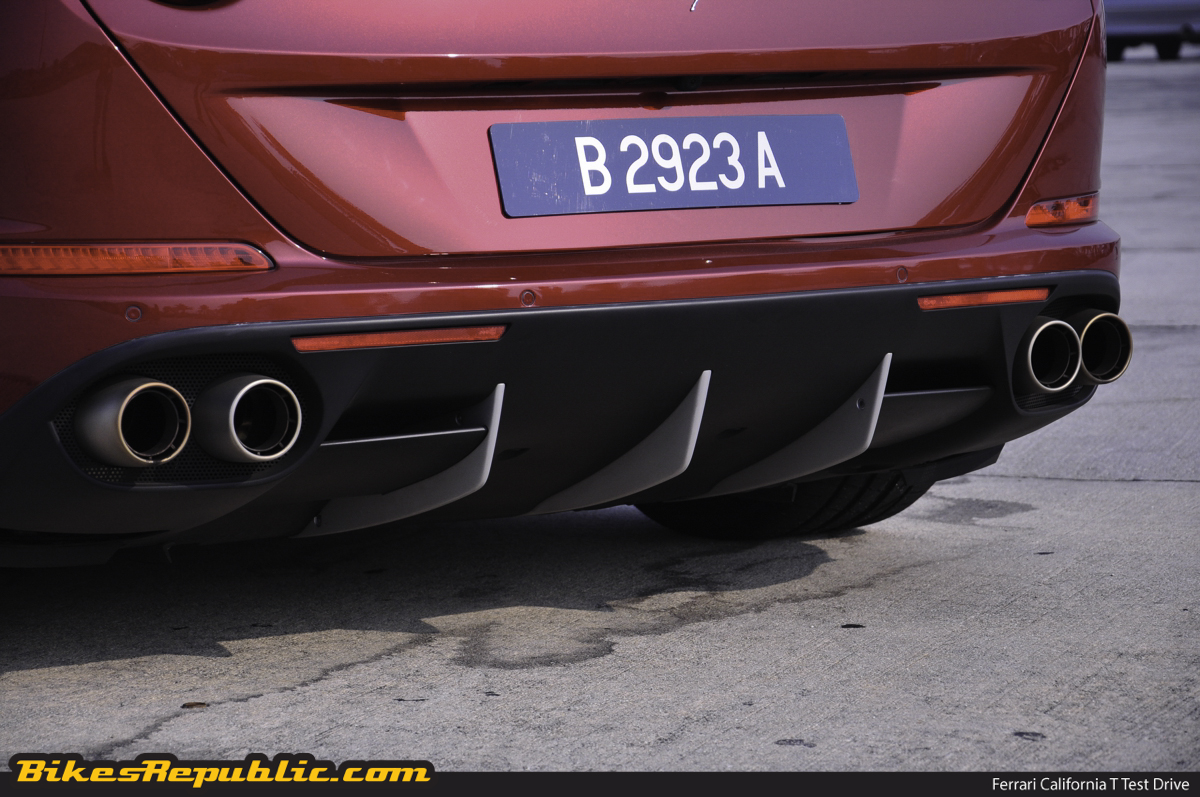
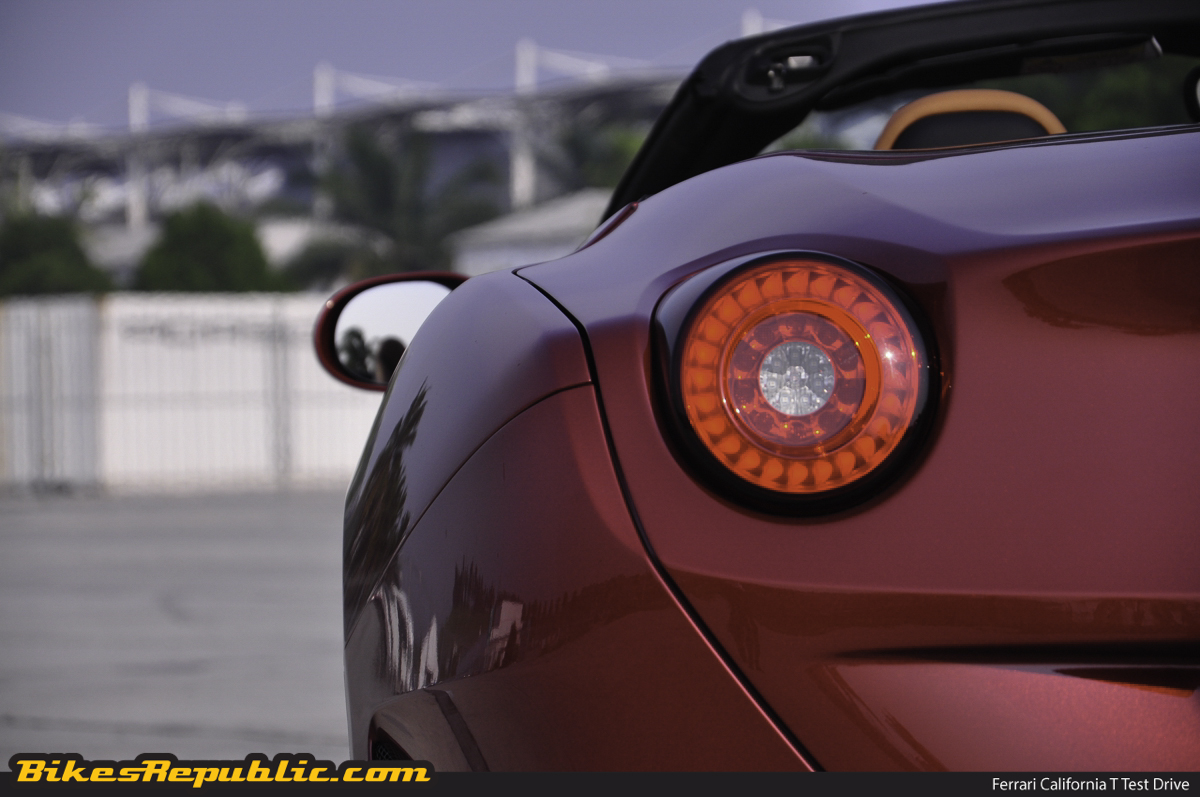
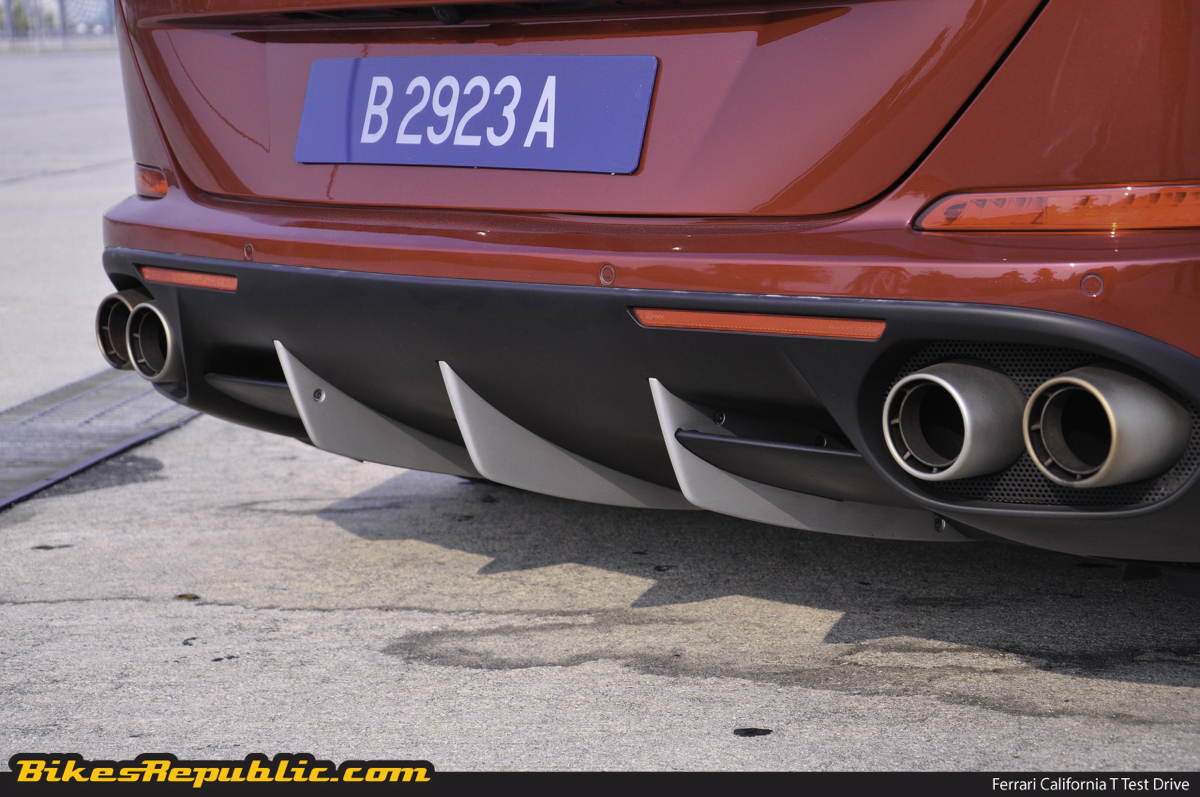
Whilst the exterior styling did not win as many hearts as its predecessor did, it is still quite a looker in our eyes. We love the traditional yet sleek styling penned by Pininfarina,  and it still looks fit for a cruise down the scenic coastlines roads of Italy or Southern France.

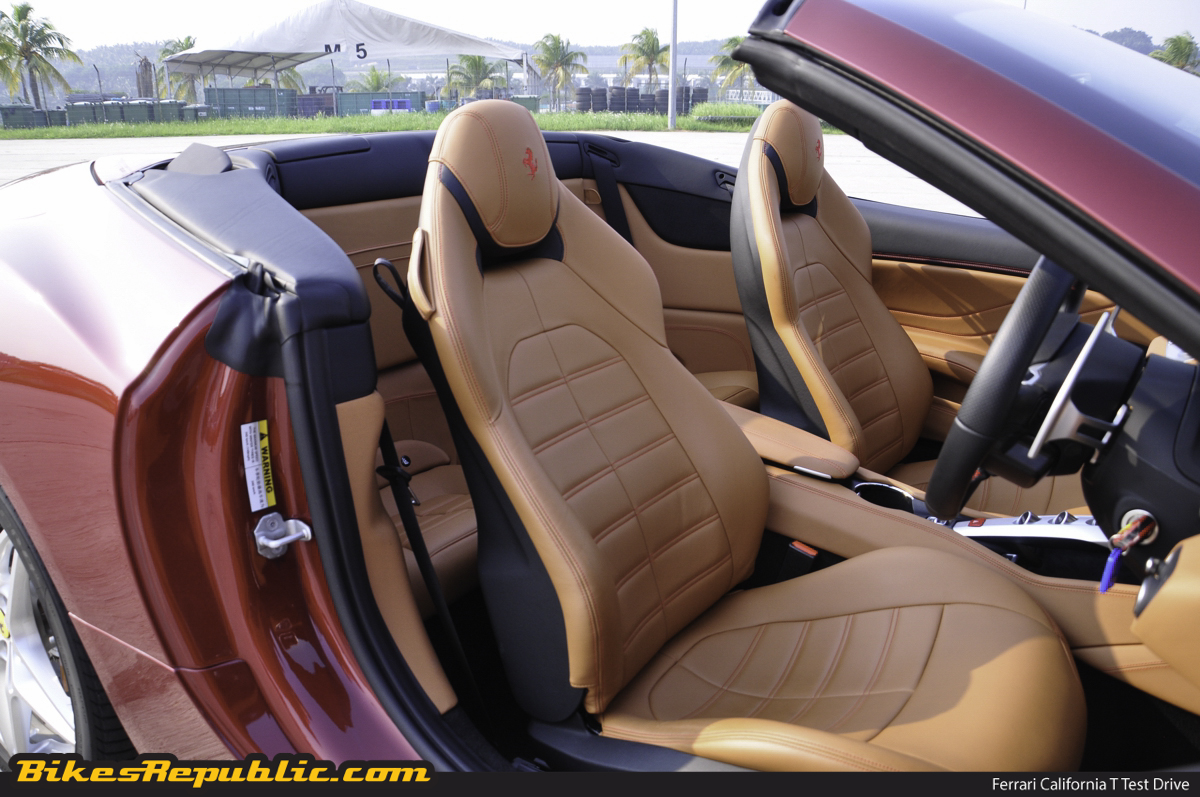
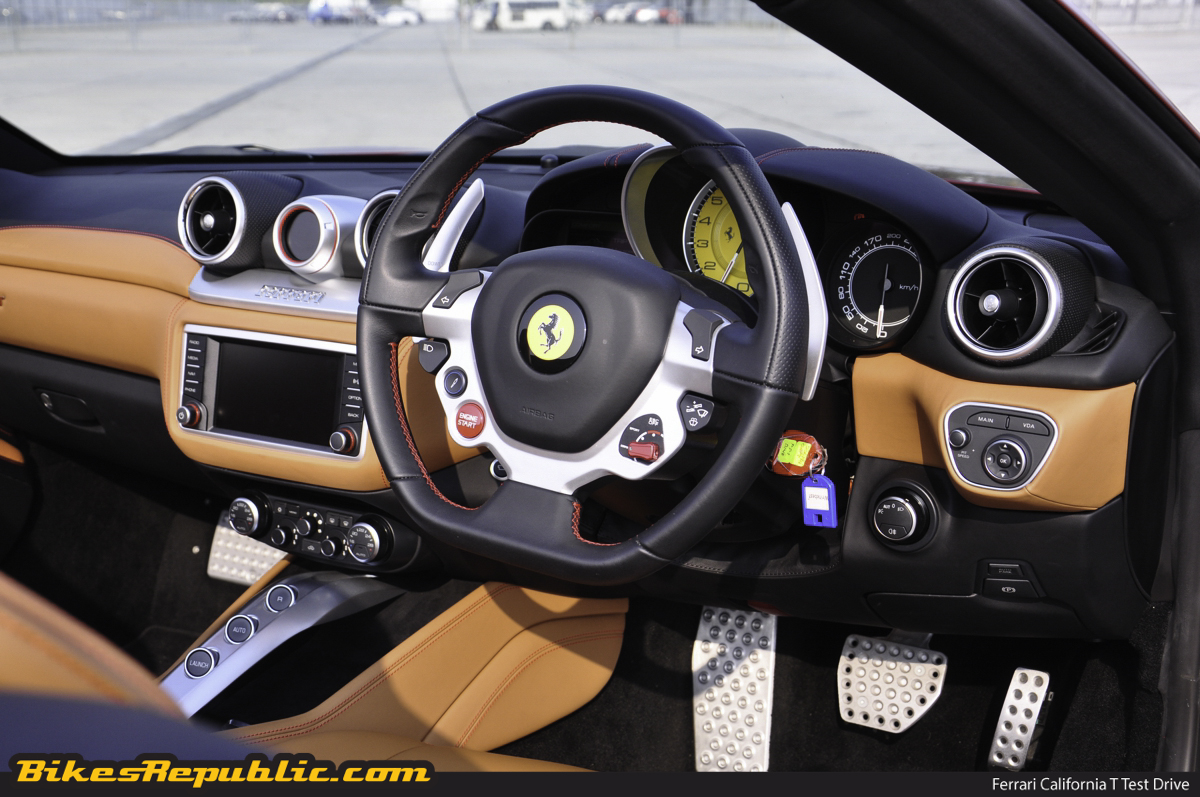
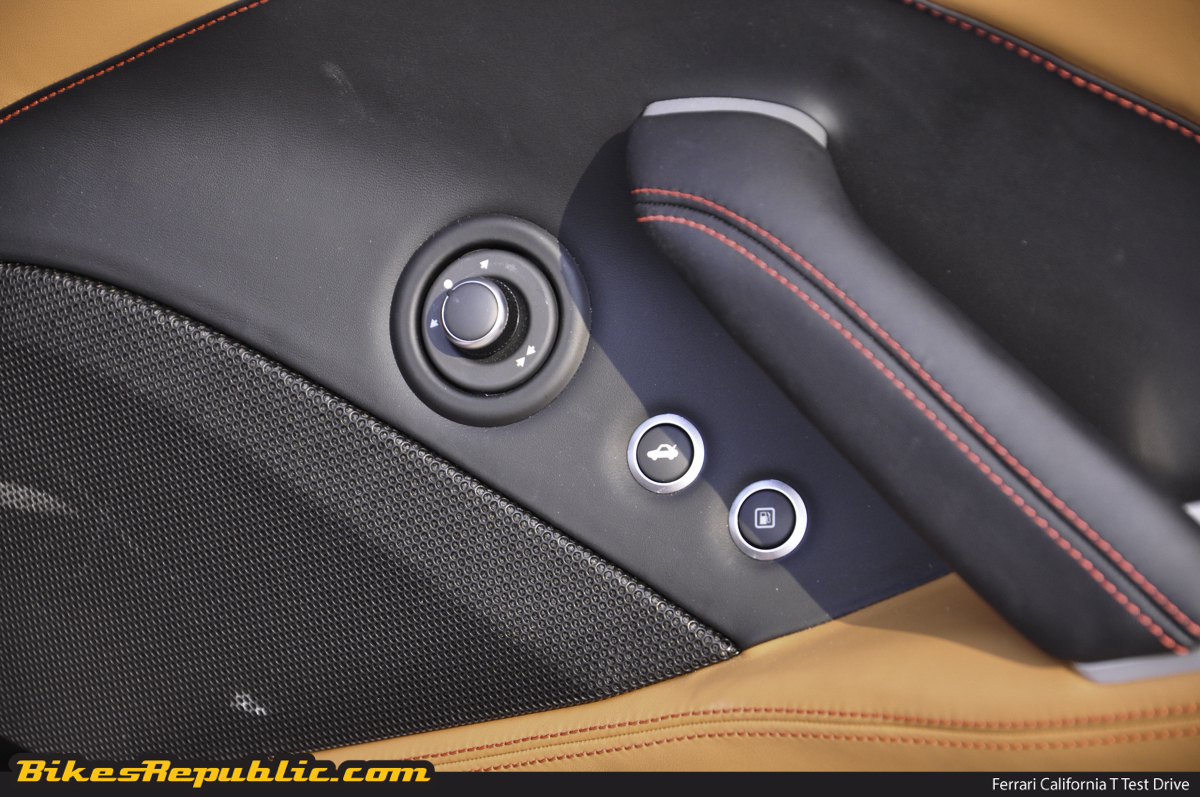
DSC_0606Climb aboard and things inside the cabin look just as stylish with a lot of flair as the exterior. Depending on how you’d like to spec it, you can have the California T’s cabin lined with a vast selection of bright-coloured and plush leather trims just like the red-coloured test unit featured here, or you could opt for a more darker and racier outlooks with aluminium, Alcantara and carbon fibre trim options.

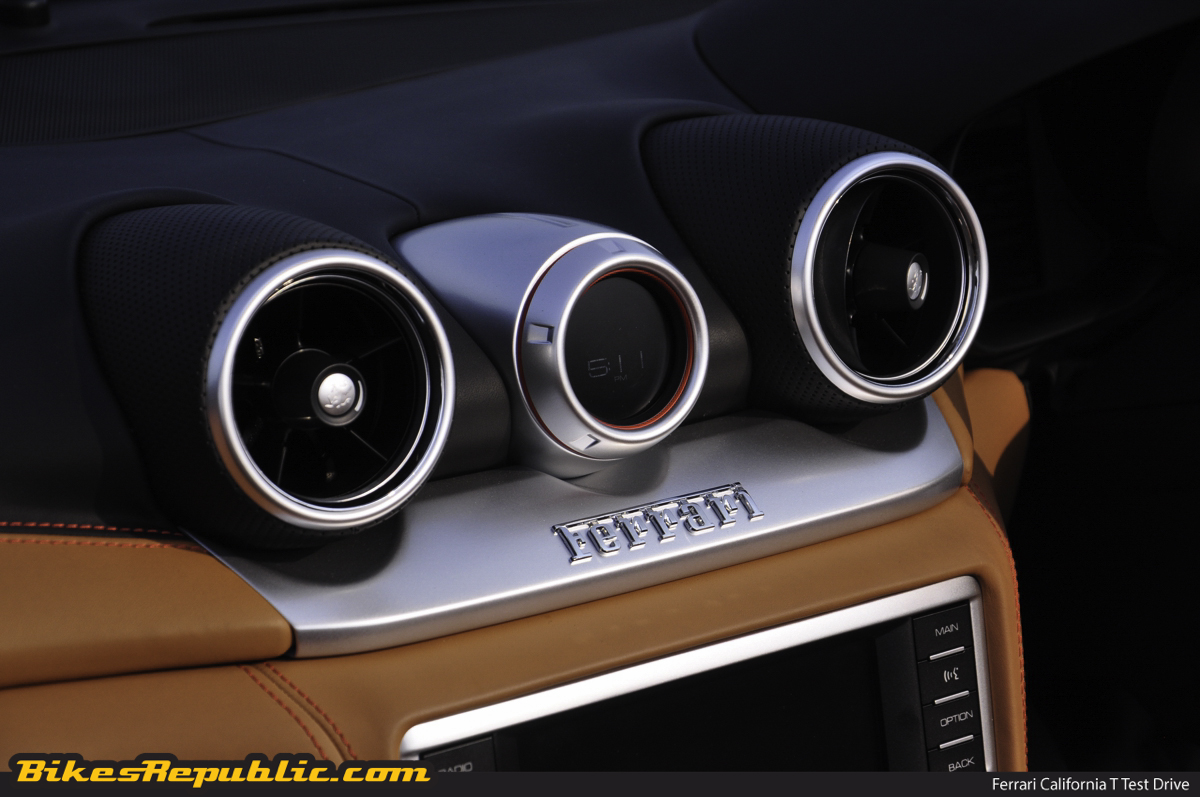
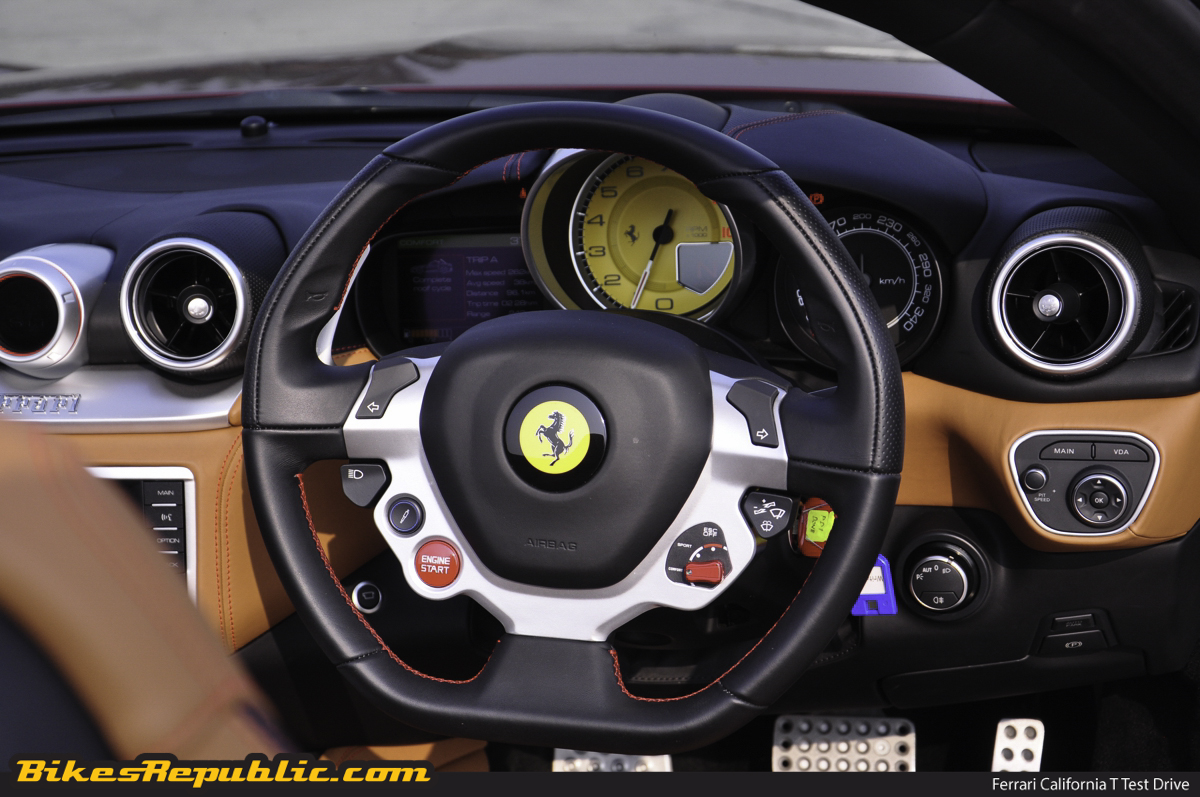
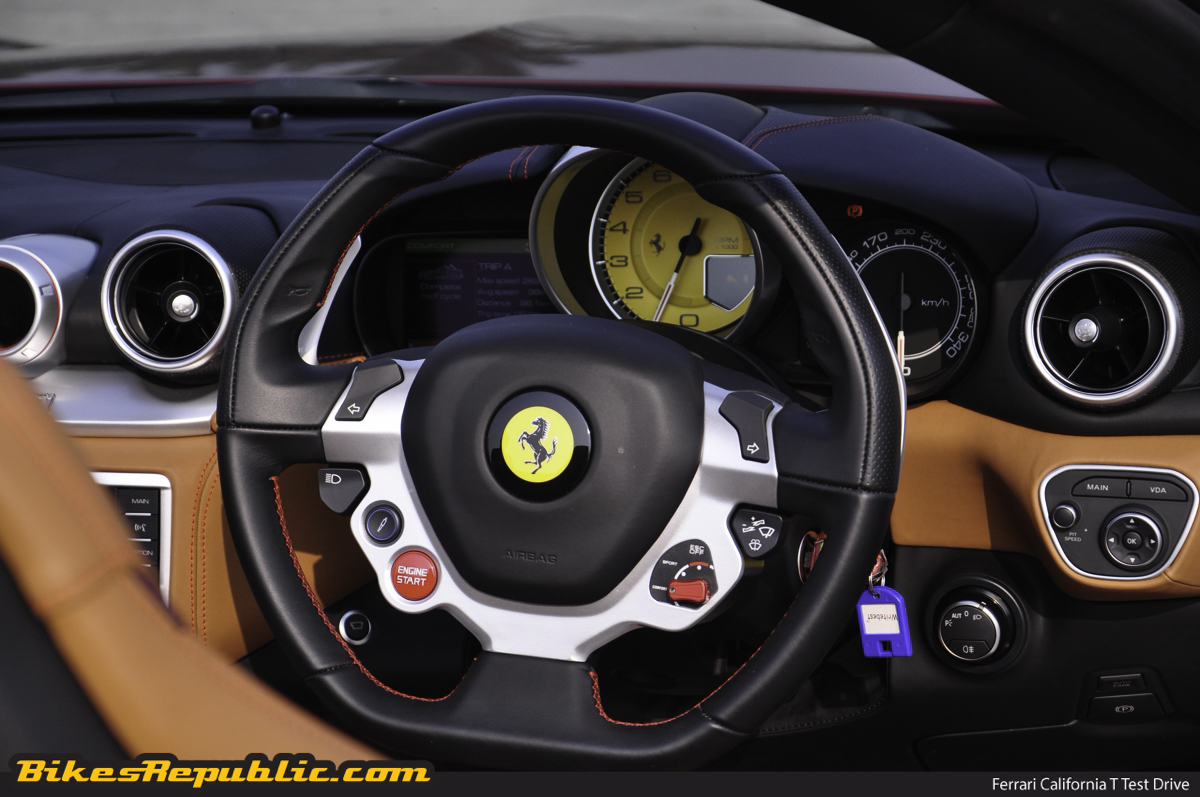
DSC_0613Either way, the feeling is just about the same, and that being the note of having something special yet purposeful thanks to things like the large central rev-counter dominating the instrument panel, and the absence of a traditional gear level in favour of buttons and paddle-shifter actions. What really felt sublime was having that mild racy traits combined with the plushness of the premium cow hide covering the dash, steering wheel and seats.

DSC_0629Of course, this being a Ferrari, the real fun begins the moment you hit the engine start button to fire up this California T’s front-mid-mounted heart. Underneath the stylishly crafted Italian metal sits a brand new 3.9-litre twin-turbocharged V8 engine christened as the F154 by Ferrari. It replaces the previous California’s naturally-aspirated 4.3-litre V8, offering 552hp at 7,500rpm and a whopping 755Nm of torque at 4,750rpm when its two turbochargers are at spooling at full.

Ferrari opted to go down the turbocharged route as a means of adapting to strict emissions restrictions in Europe, with the trend these days favouring lower displacement with force induction. Though it has shrunk in size slightly, the new mill is indeed more powerful than the one replaces, but more importantly, it is much greener as well thanks to the presence of automatic idling stop-start and an intelligent transmission as well.

DSC_0631On the move, what surprised us was the way this mill acted, having almost no noticeable lag with a very precise and direct delivery much akin to a naturally aspirated mill. The dead giveaway of its forced-induction nature only comes when you let off the throttle at the higher rev-band, where the unmistakable wastegate whistle and hiss comes into fruition, albeit at very mild volume level indeed. Ferrari have worked hard at making this mill not feel and sound like a turbocharged one, and the result is pretty impressive to say the least.

All power generated my the twin-turbo V8 is sent to the rear wheels via a revised version of Ferrari’s seven-speed dual-clutch transmission (DCT), which is paired with Ferrari’s CST and F1 TRAC stability and traction control suites. The powertrain grants the California T with an impressive century sprint time of 3.6 seconds, whilst the claimed top speed stands at 315km/h.

DSC_0640What we loved here besides the engine was the smooth action of the 7-speed DCT both at speeds and in an urban cruise. What was an event on its own as well as the way this transmission automatically downshifts whilst under braking for corners and what not, with the on-board electronics blipping the throttle and engaging the gears precisely in just milliseconds. This is perhaps a testament to the prancing horse badge’s intimate knowledge garnered from a century of racing.

What complemented this in full was the California T’s highly engaging driving dynamics and chassis. Amongst the many electronic wizardries primed on board the California T, the most crucial contributors to its dynamic feel are the Manettino driving mode selector tailored for Ferrari by Magnetti Marelli, followed by the Magnaride adaptive suspension suite as well.

DSC_0586With the ‘Comfort’ mode engaged, the California T felt rather docile and compliant, even when charting down a slightly bumpy and twisty set of roads as we did in our test drive in and around the roads surrounding roads of the Sepang International Circuit. Also altered here are the DCT’s shift points, followed by the reduced throttle sensitivity, and the lightened steering weight.

With this mode, the magnetic adaptive suspension works overtime in granting the most comfortable ride possible, with the system actively adjusting the suspension travel rate and dampers in milliseconds. This is the mode you want engaged when enjoying a drive down a scenic coastal road.

However, things quickly change once you flick the Manettino into ‘Sport’ mode. Here, the throttle sensitivity is sharpened, the DCT’s shift points re-optimised, followed by the increased weight in the steering wheel.

This mode also sees the active suspension and dampers firming itself up, where it almost eliminates the noticeable body roll in ‘Comfort’ mode, offering a much stiffer ride as well. In this mode, the California T is fully re-optimised for you to conquer a stretch of twisty and windy B-roads, inspiring lots of driving confidence here as well.

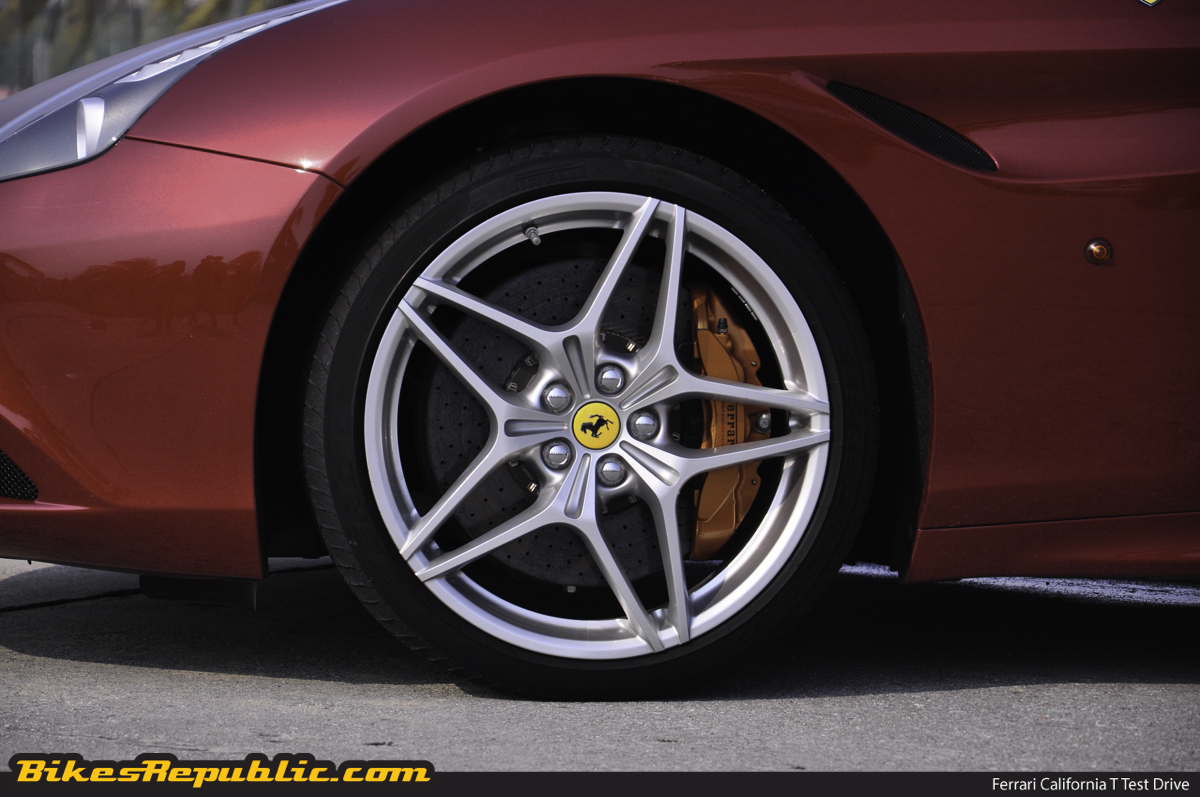
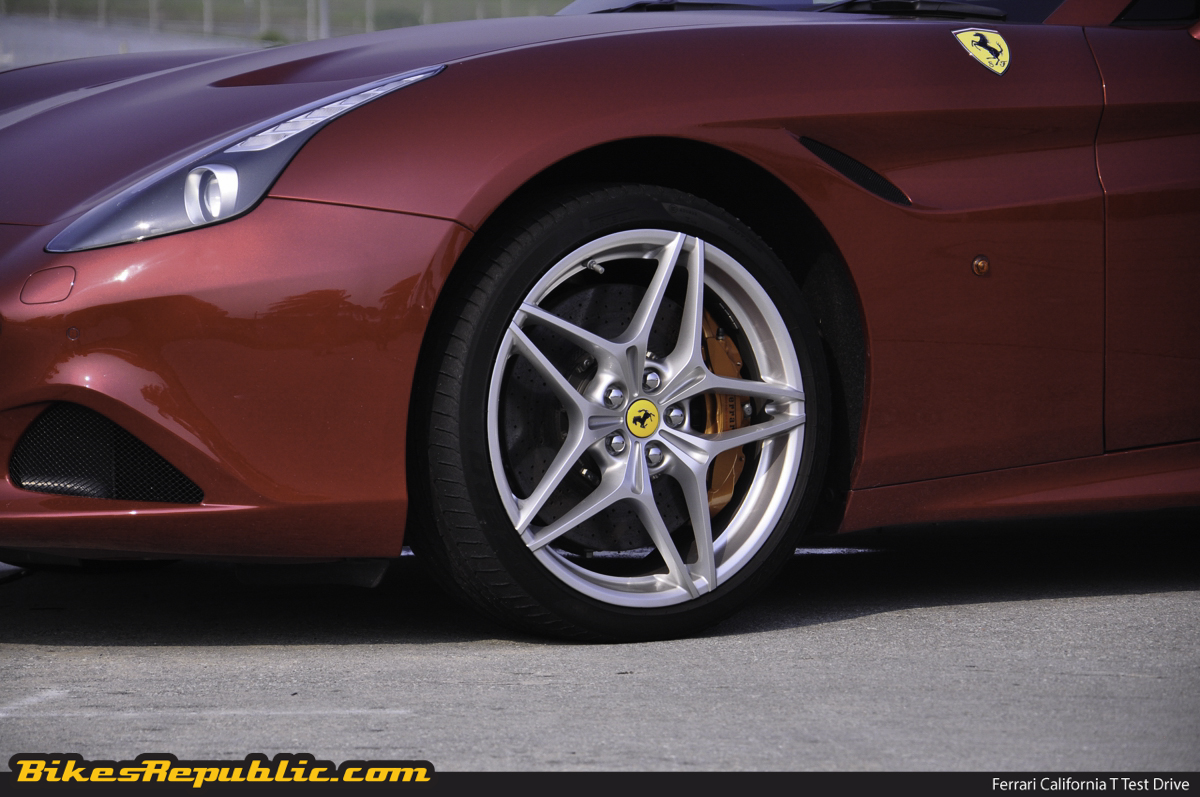
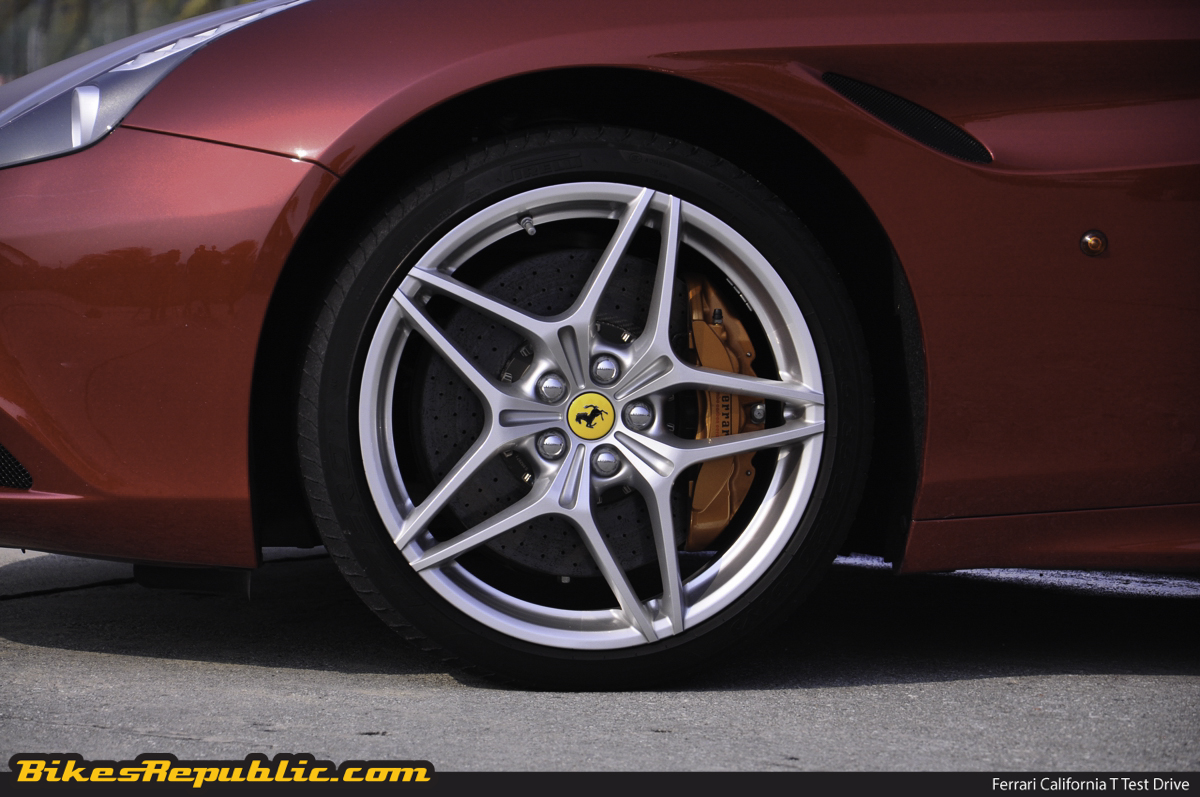
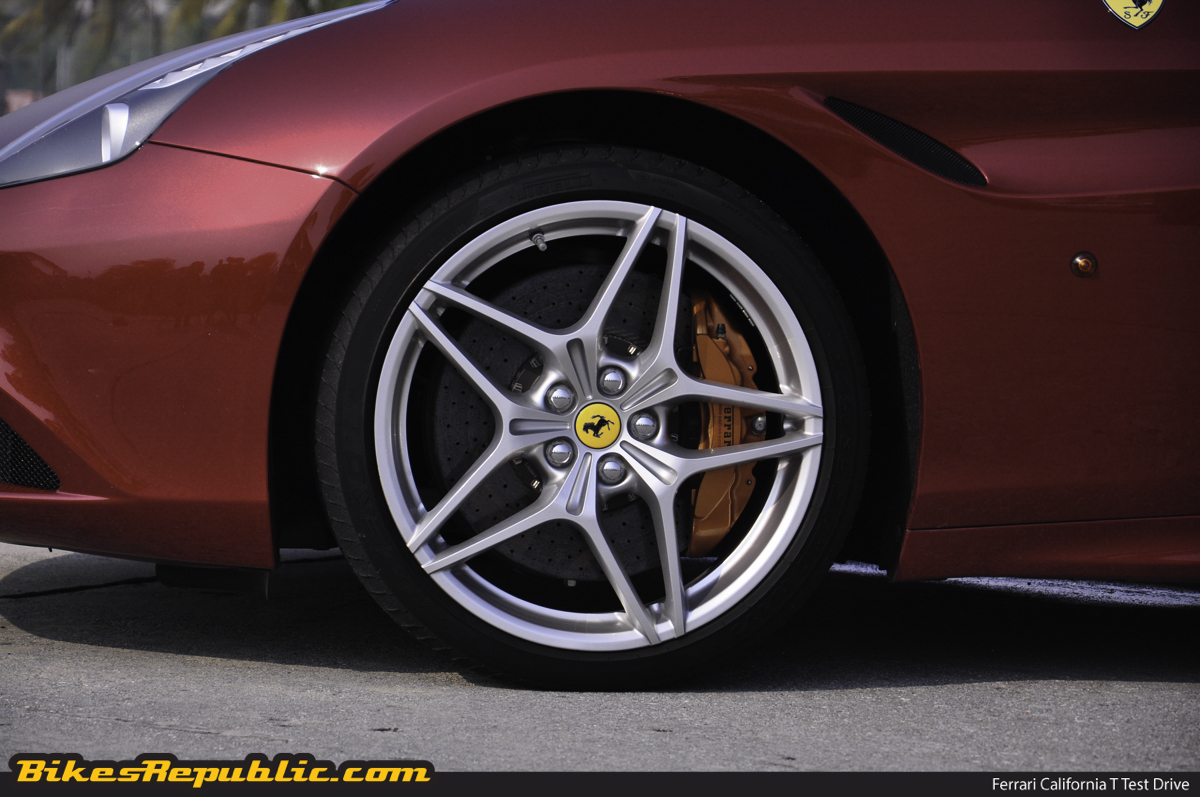
DSC_0602What deserved praising here as well were the large and powerful CCM3 carbon ceramic brake (CCB) rotors with equally large brake pads hiding behind the stylish alloy wheels at all four corners. They do need warming up initially, but once they’re at optimal operating temperatures, the bite and stopping power is just as phenomenal as the way it gets up to speed, not to mention the highly responsive ABS suite as well. This is one reassuring bit of kit indeed, especially in a car as potent as the Ferrari California T.

Our only gripe with the handling and driving dynamics was, naturally, the artificial feel of the electric steering system. Whilst it takes the fun out of driving to a certain extent, especially in a high performance car as such, one easily forgives it simply because it makes driving the Ferrari California T much easier when one isn’t in the right mood for an adrenaline rush.

Overall, the Ferrari California T does what it was designed to do brilliantly, and that being the offer of a luxurious and stylish open-top grand tourer with an exceptional level of performance for the road.

If you really wanted a proper rush and a test of your driving skills, then you are better off with the mid-engined 458 Italia or its new and turbocharged 488 GTB successor. However, you wanted a stylish grand tourer that is still capable of keeping up with said mid-engined sports coupes, the Ferrari California T sate this need brilliantly.

DSC_0549Of course, as the old saying goes, if you had to ask how much one would cost you, you can’t afford it. But to sate your curiosity, Malaysian importer and distributors Naza Italia Sdn Bhd have priced the Ferrari California T at RM888,800 sans taxes, duties, options, and the necessary registration and insurance costs. Realistically, you’d probably need at least RM1.4 million (our best estimate) to drive one out of the showroom.

All of a sudden, the all new Mazda MX-5 roadster launched here not too long ago much more do-able at its RM226,376.82 price tag. Still, no bargain-priced alternative comes close to an Italian thoroughbred such as the Ferrari California T, and we end with the same wishful dream of owning one as much as you are.

SPECIFICATIONS

ENGINE
  • 3.9-litre twin-turbocharged 90° V8
  • petrol with direct injection
TRANSMISSION 7-speed DCT (Dual-Clutch Transmission)
POWER 552hp @ 7,500rpm
TORQUE 755Nm @ 4,750rpm
0-100KM/H 3.6 second
TOP SPEED 315km/h
FUEL ECONOMY 10.5 litres/100km (claimed)
PRICE RM888,800 (base price without duties, taxes, insurance and registration costs)
WARRANTY Ferrari 7-year Scheduled Maintenance Programme
FROM Naza Italia Sdn Bhd
http://www.kualalumpur.ferraridealers.com/

Gallery
 

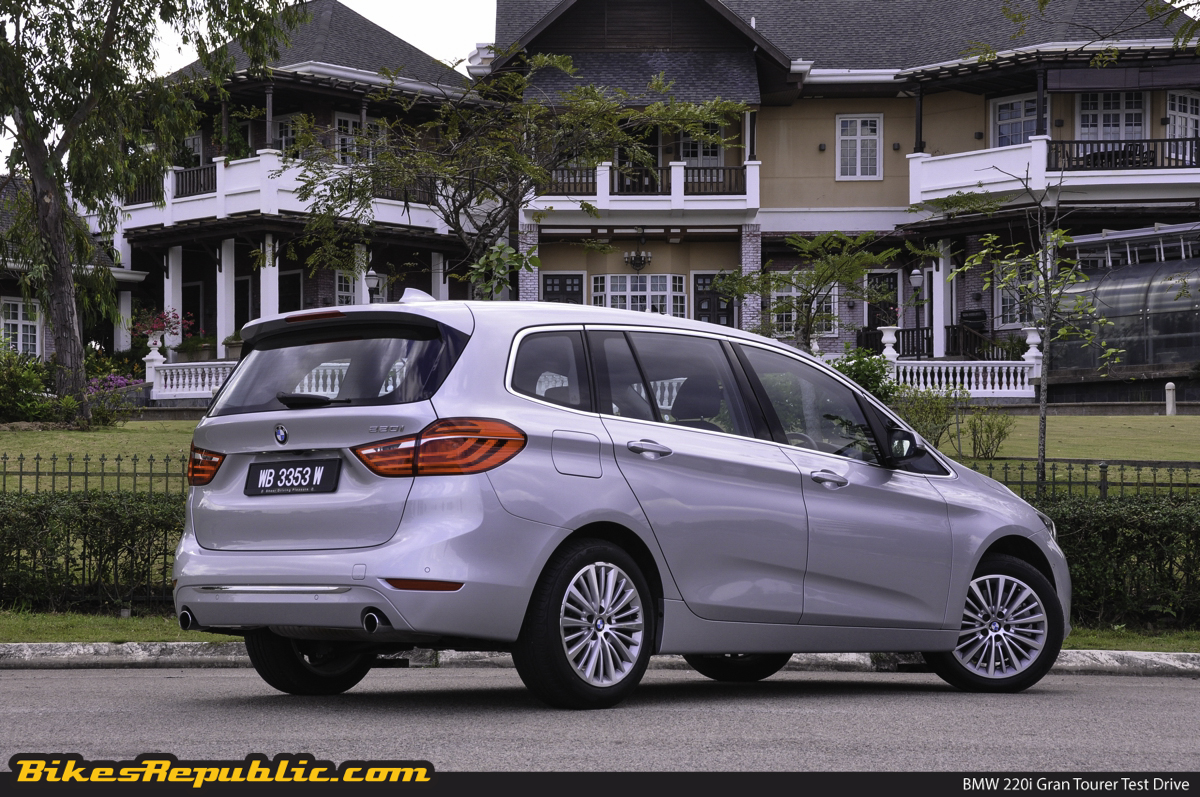
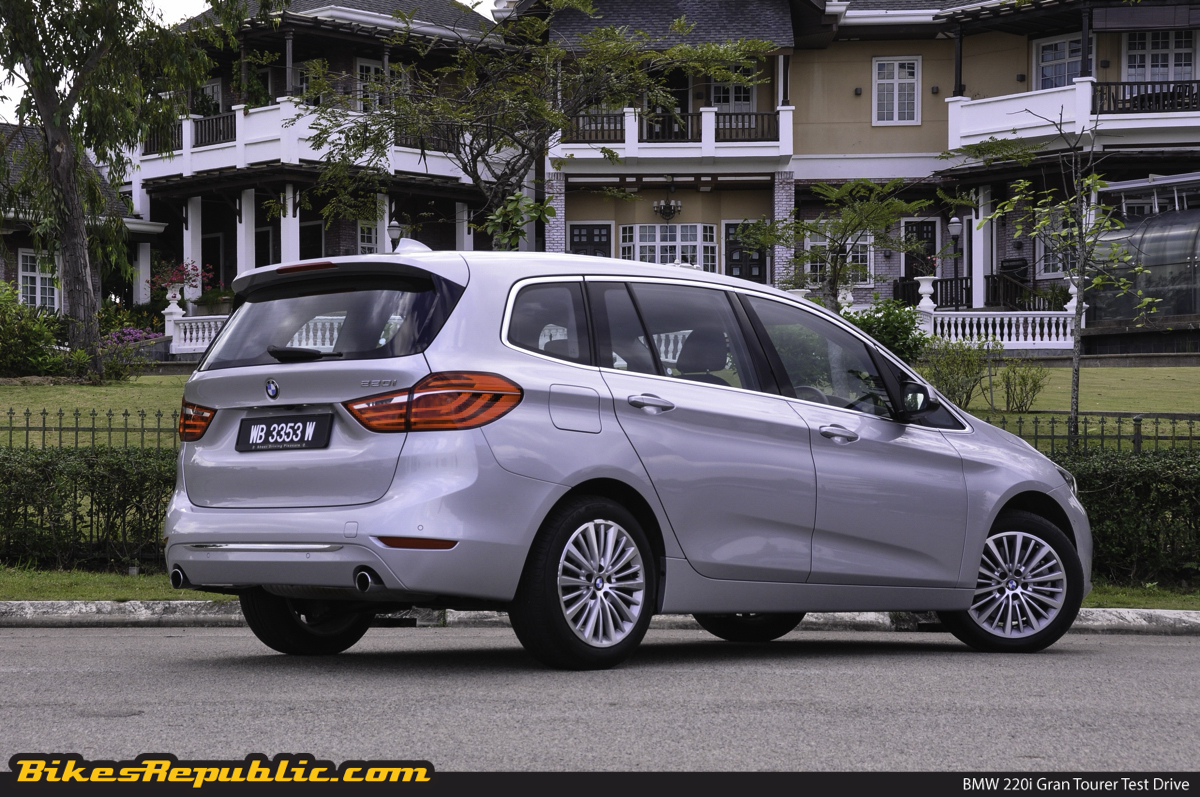
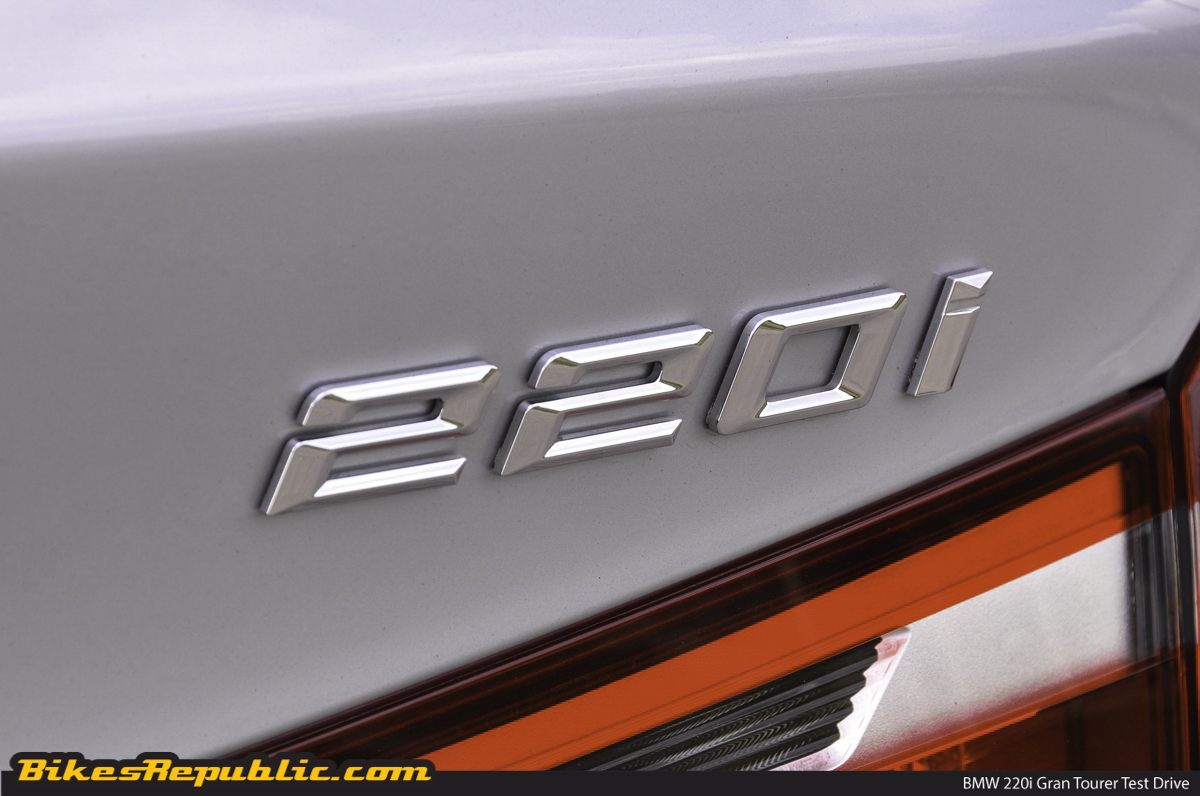
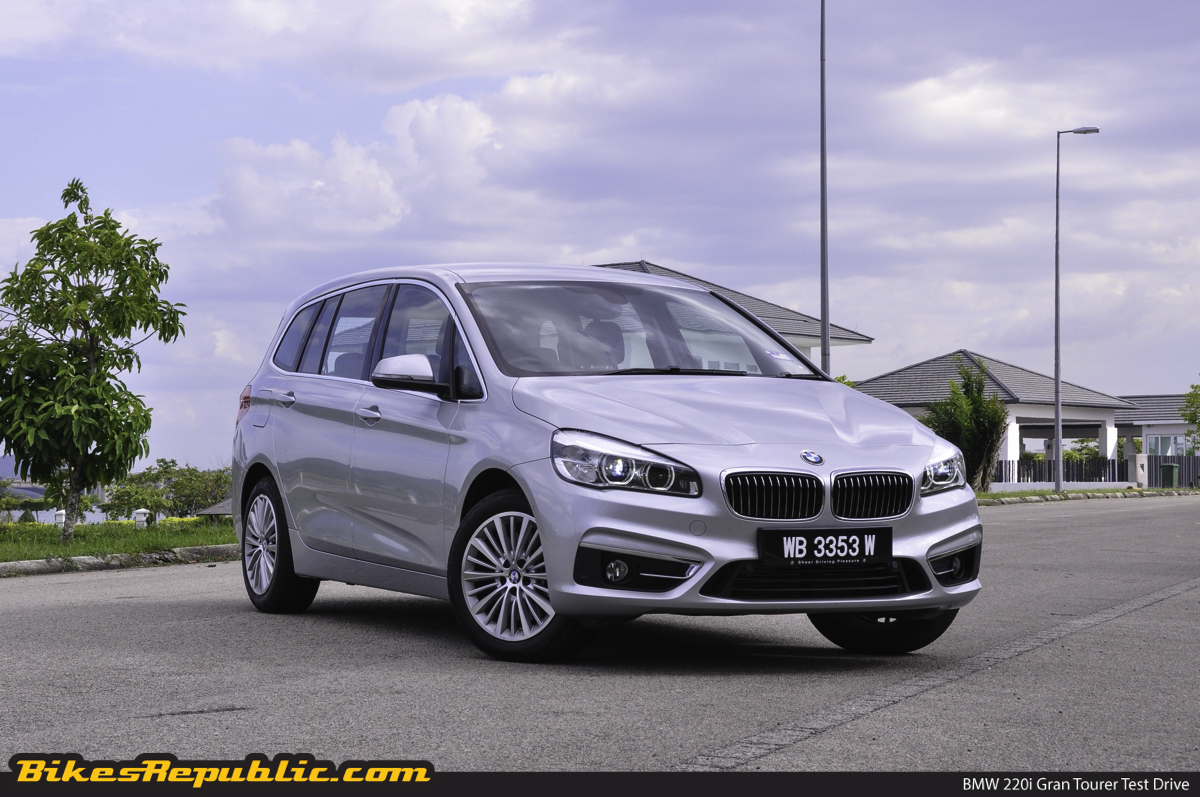
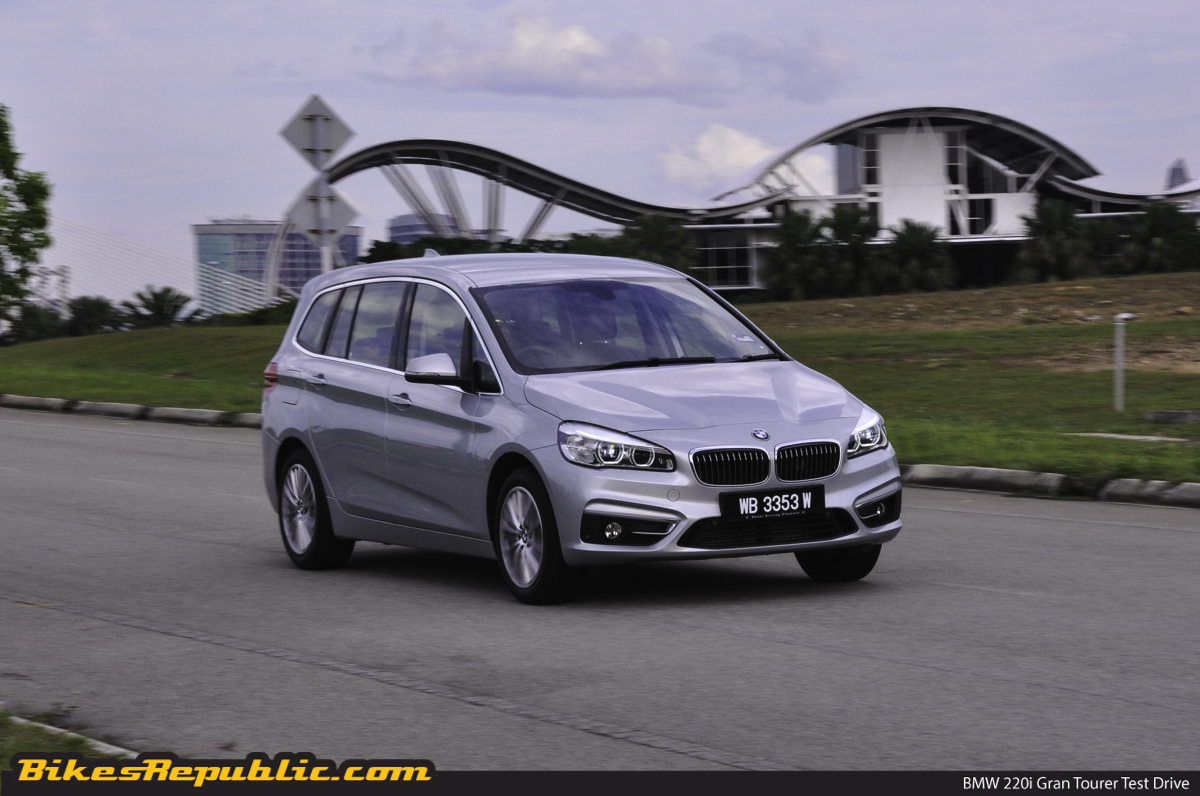
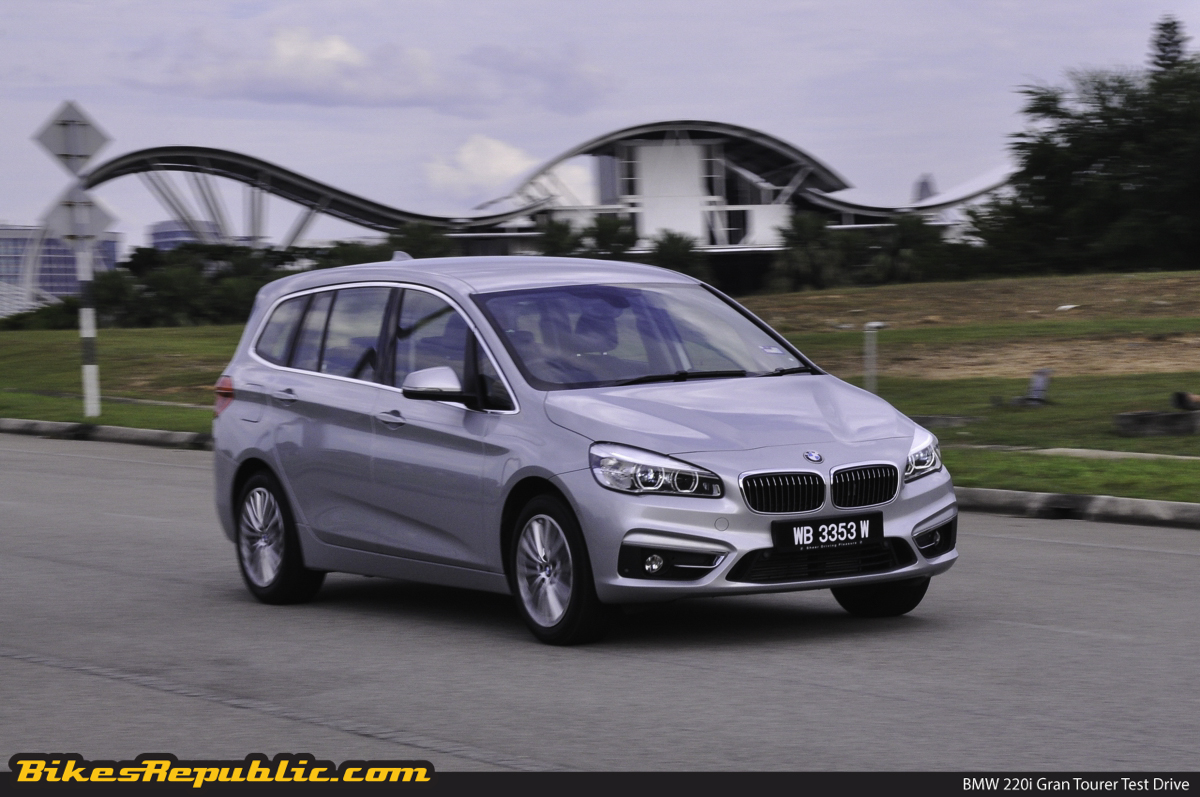
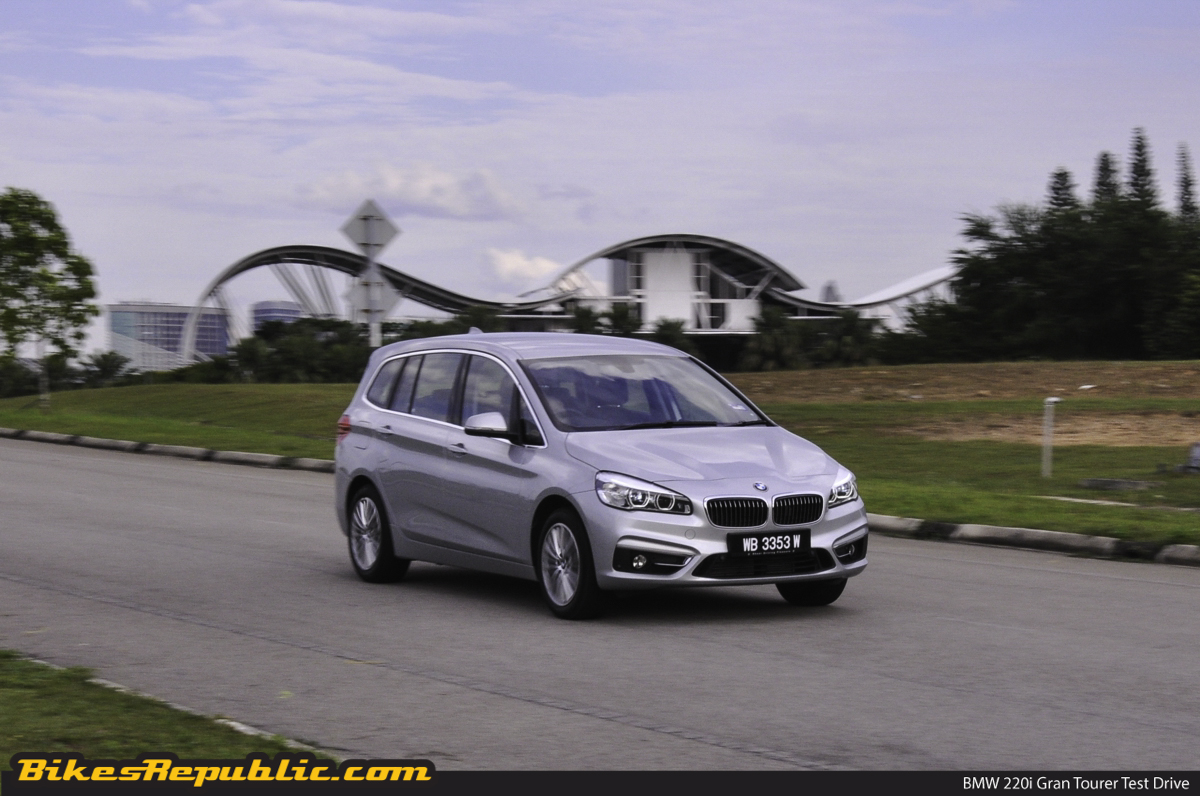
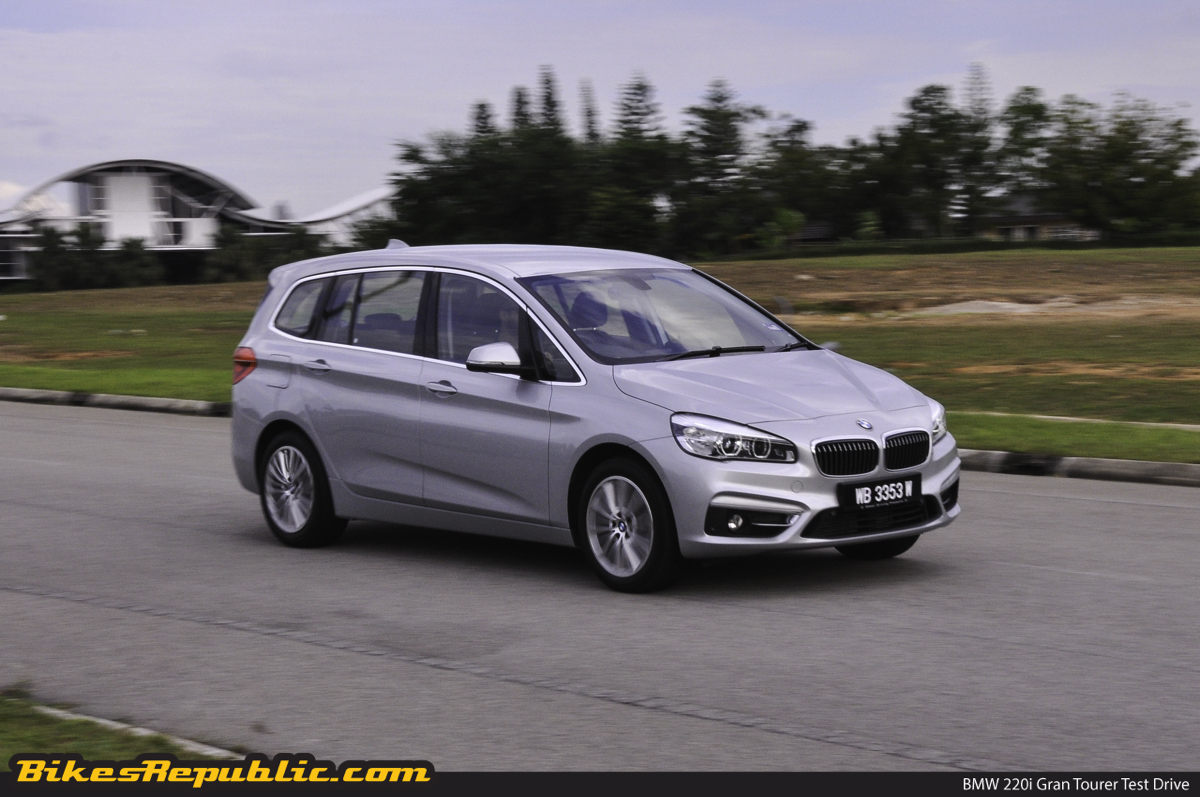
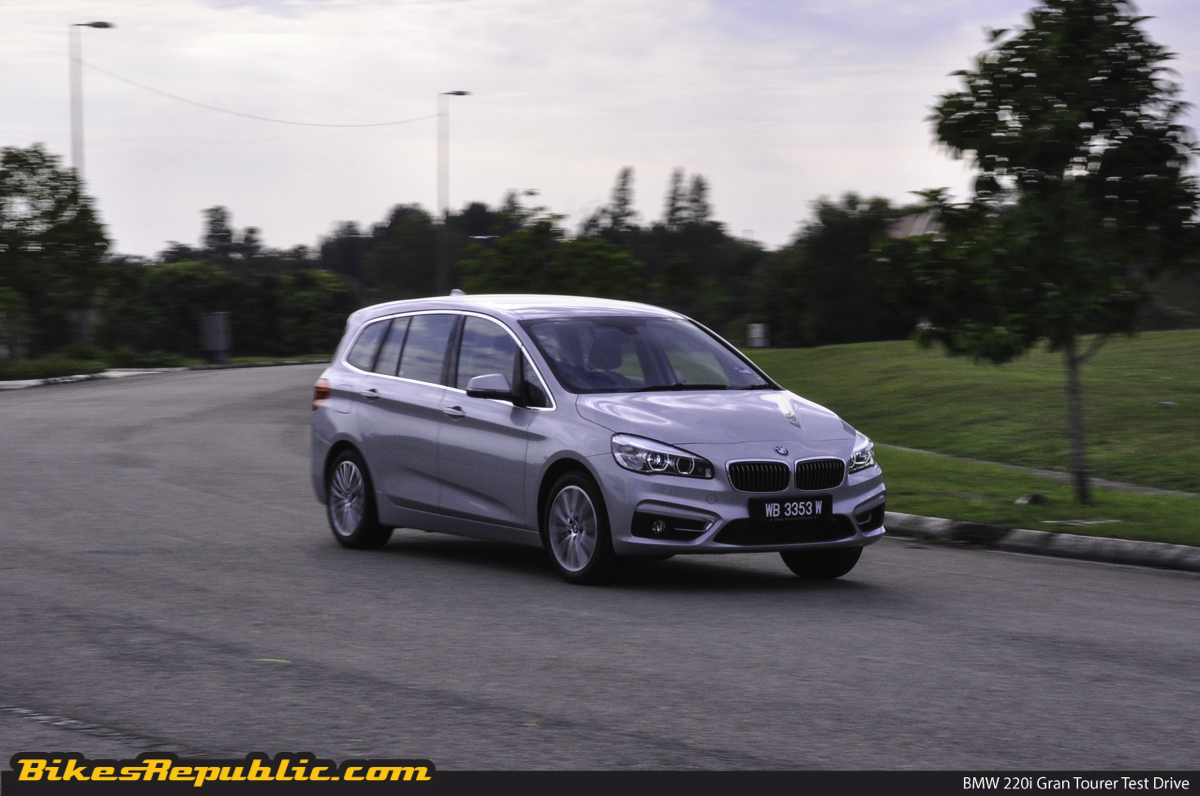
FOR many purist BMW fans, the 2 Series Active Tourer and Gran Tourer MPV models are a little difficult to comprehend at first. The same feeling was felt when BMW first ventured into the premium SUV segment with its X Series. Success eventually came for the X Series as its capabilities proved itself over time, and BMW have now taken on a bigger challenge when both its new 2 Series MPV models.

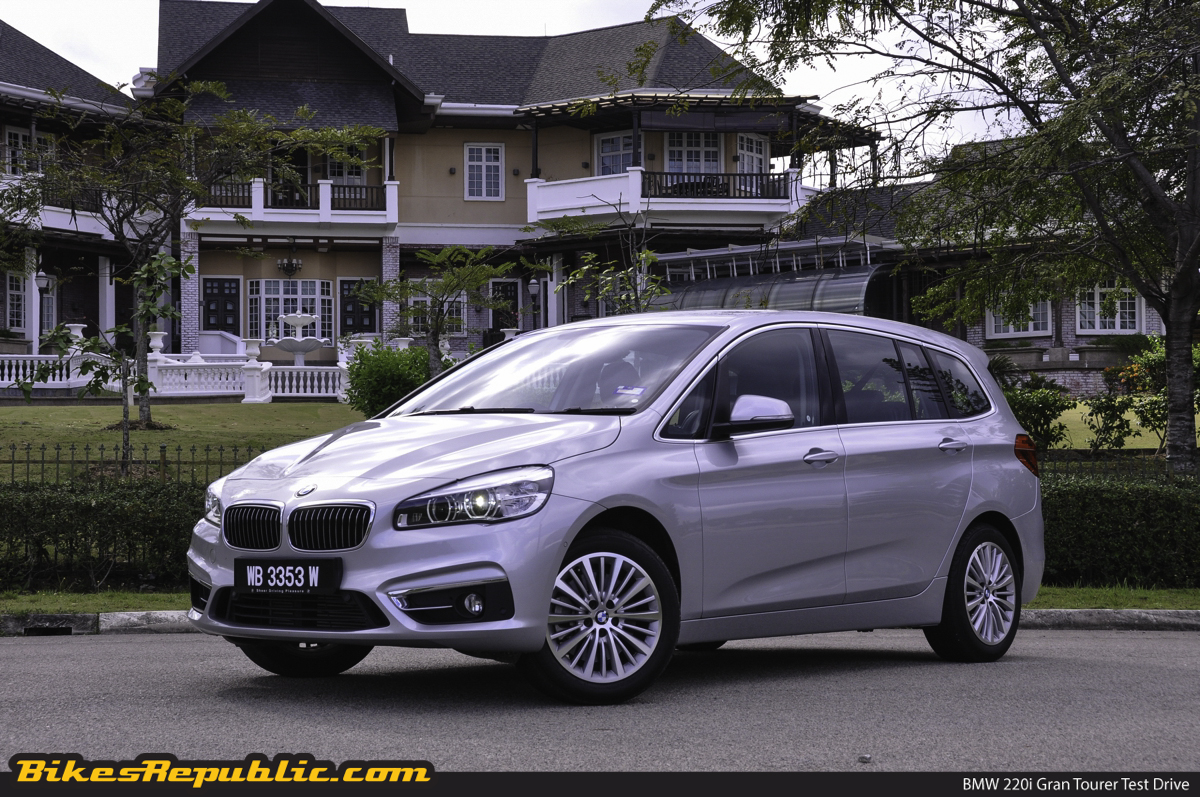
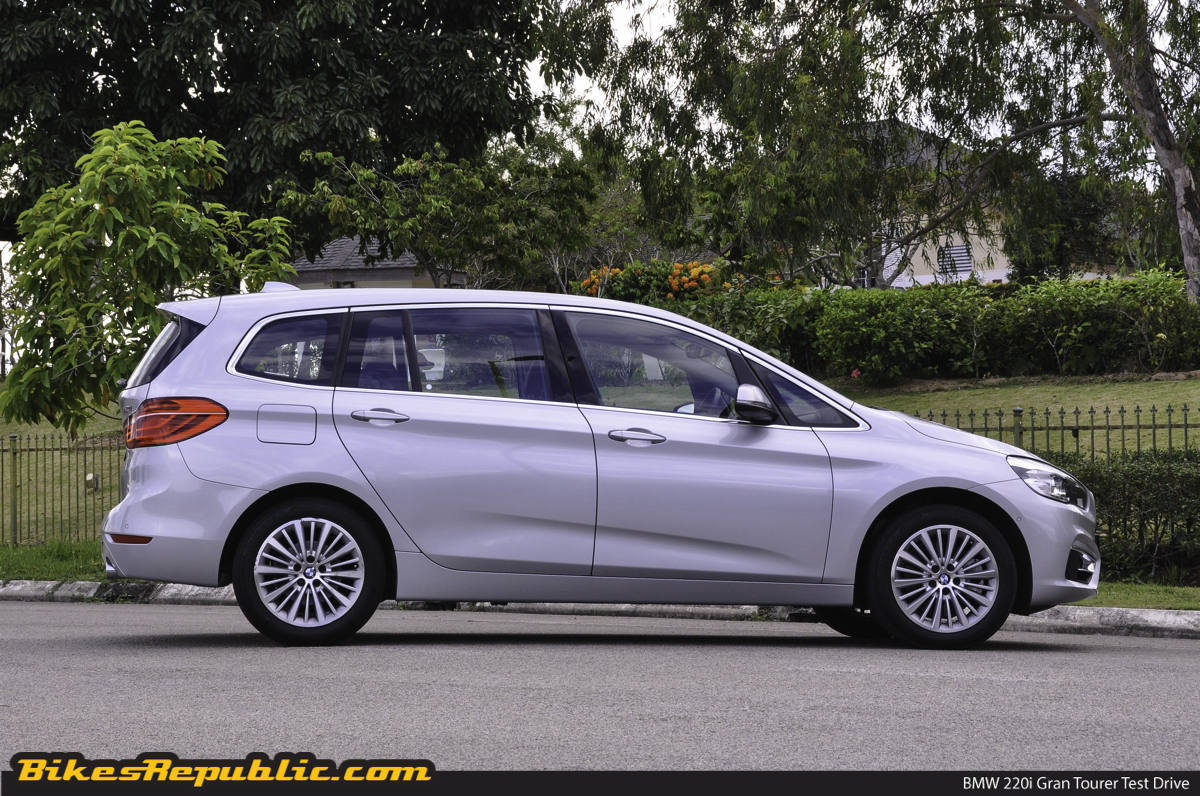
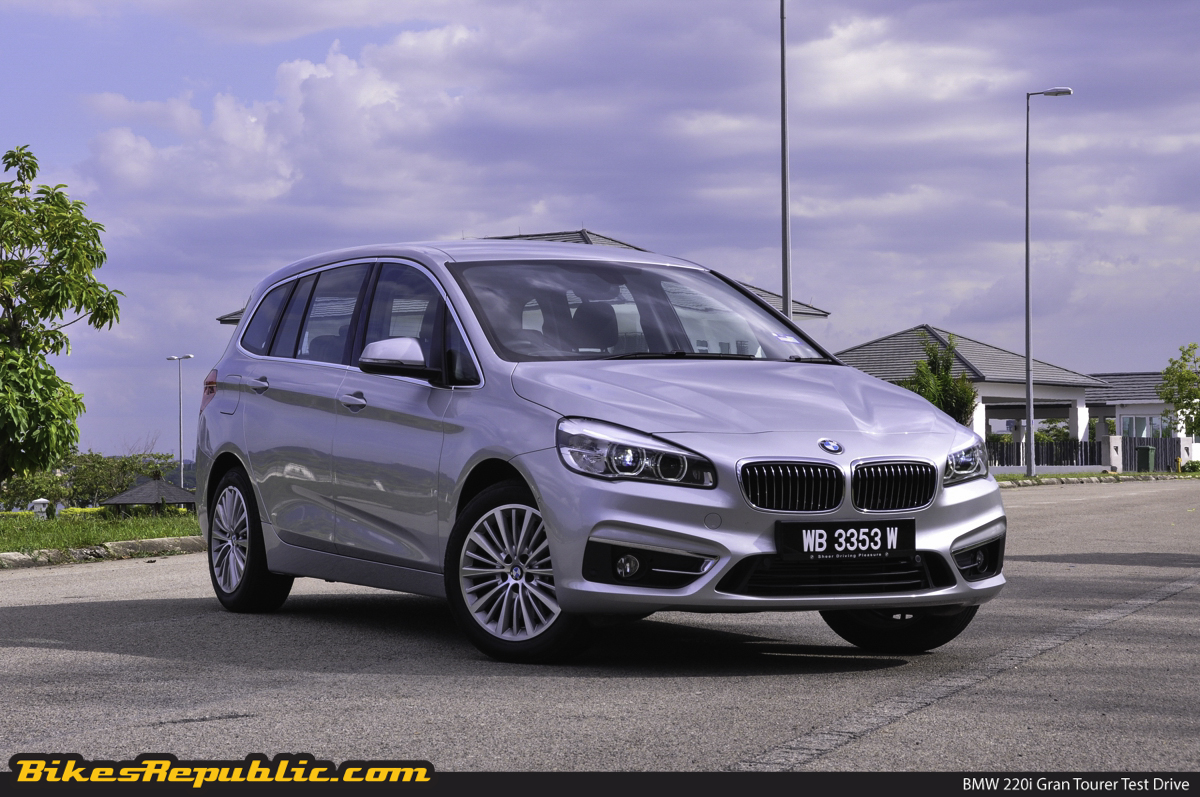
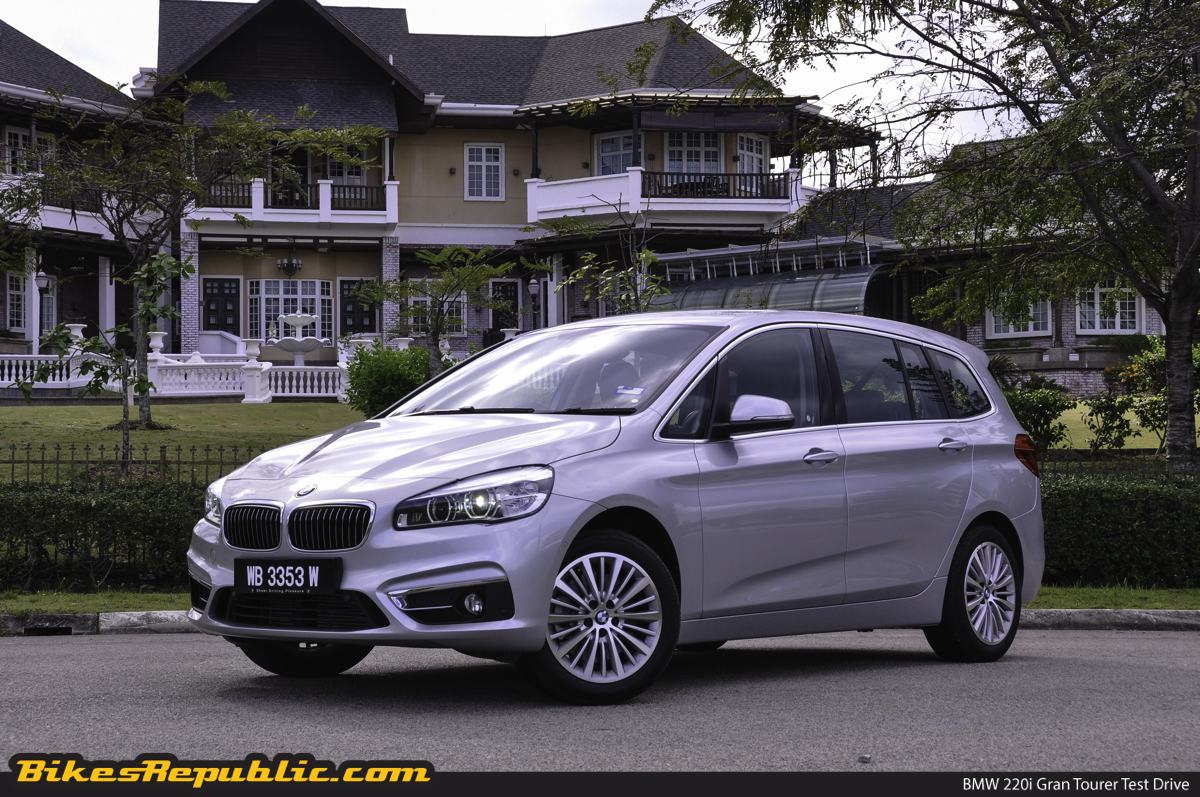
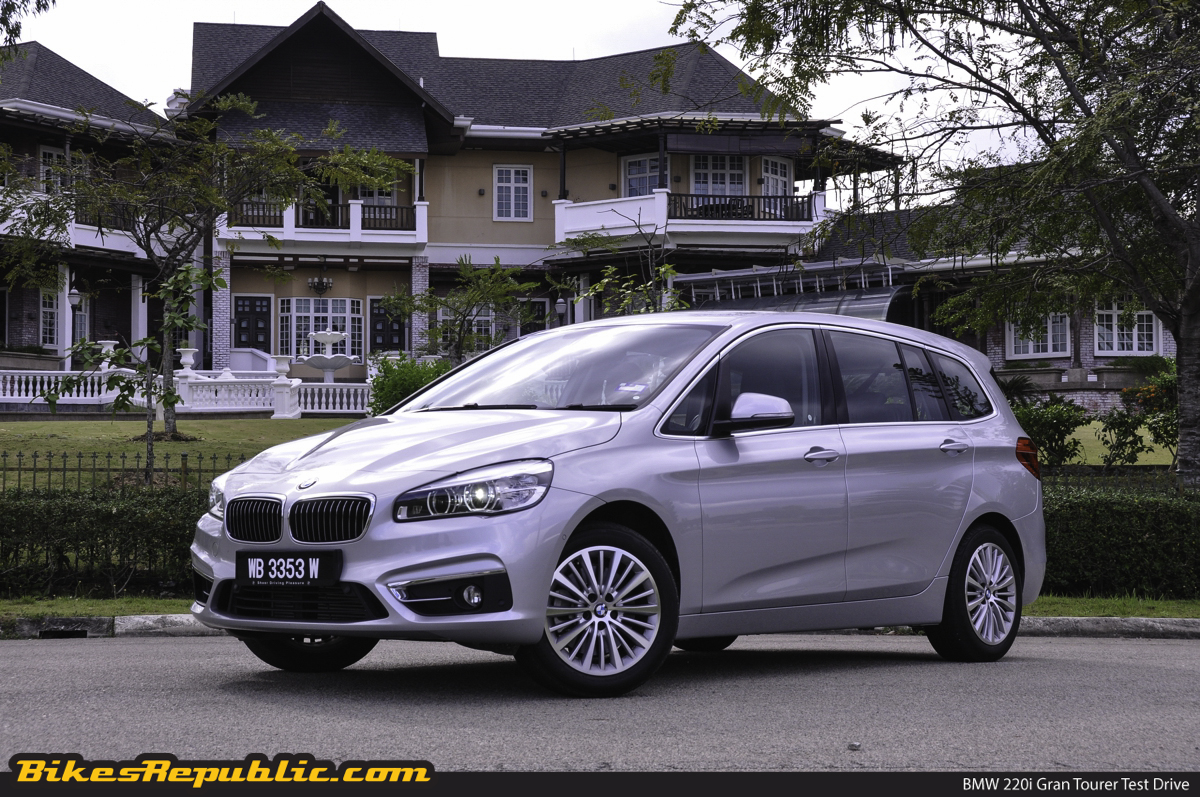
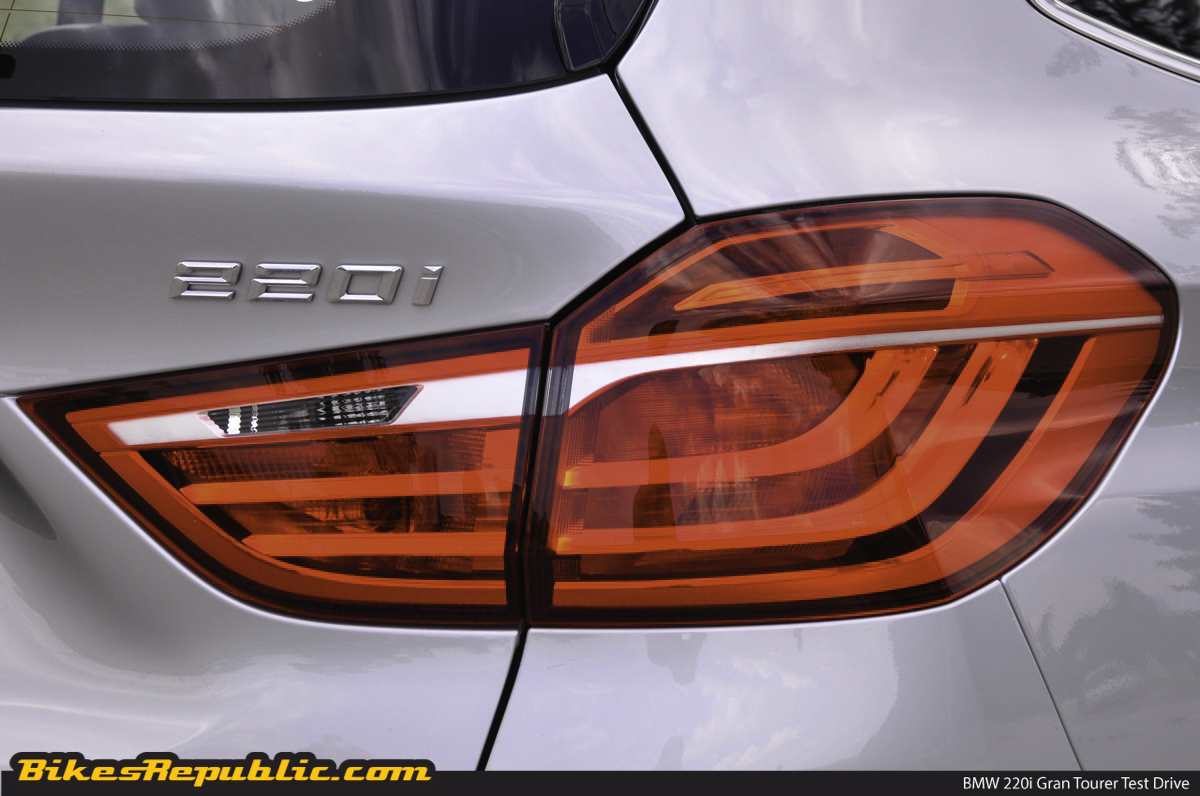
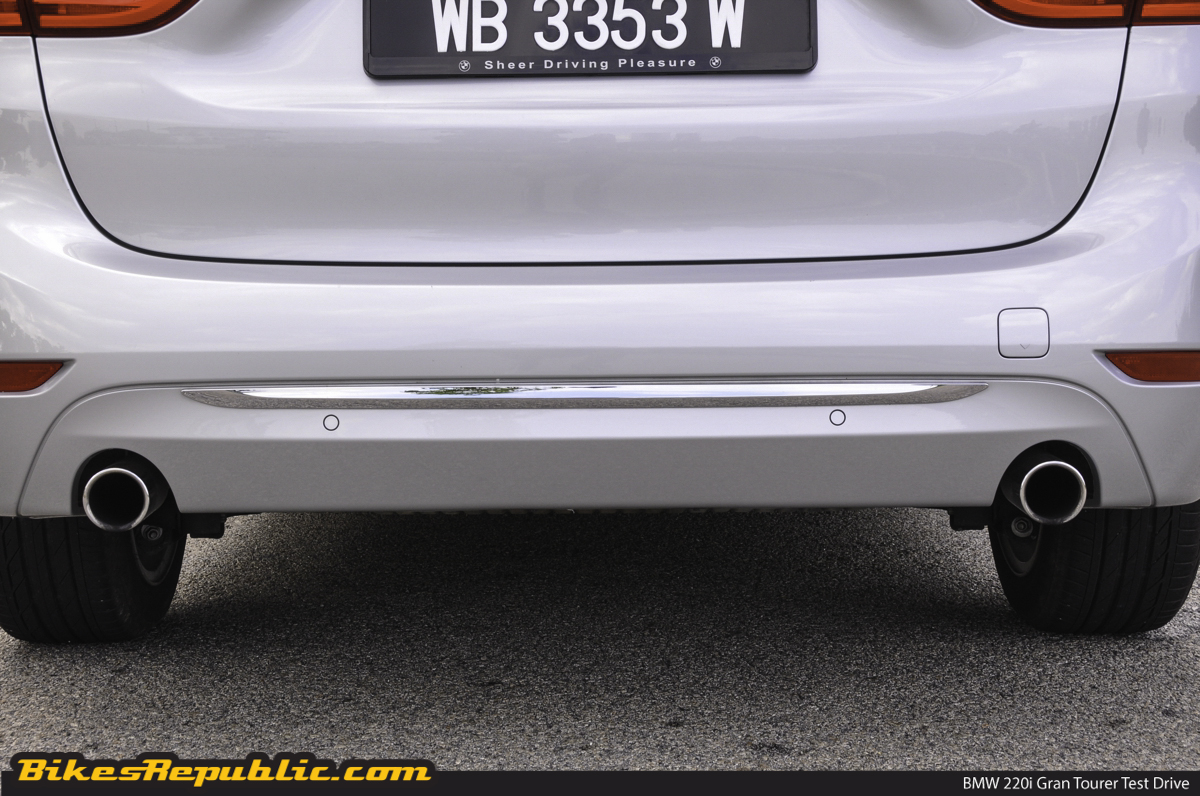
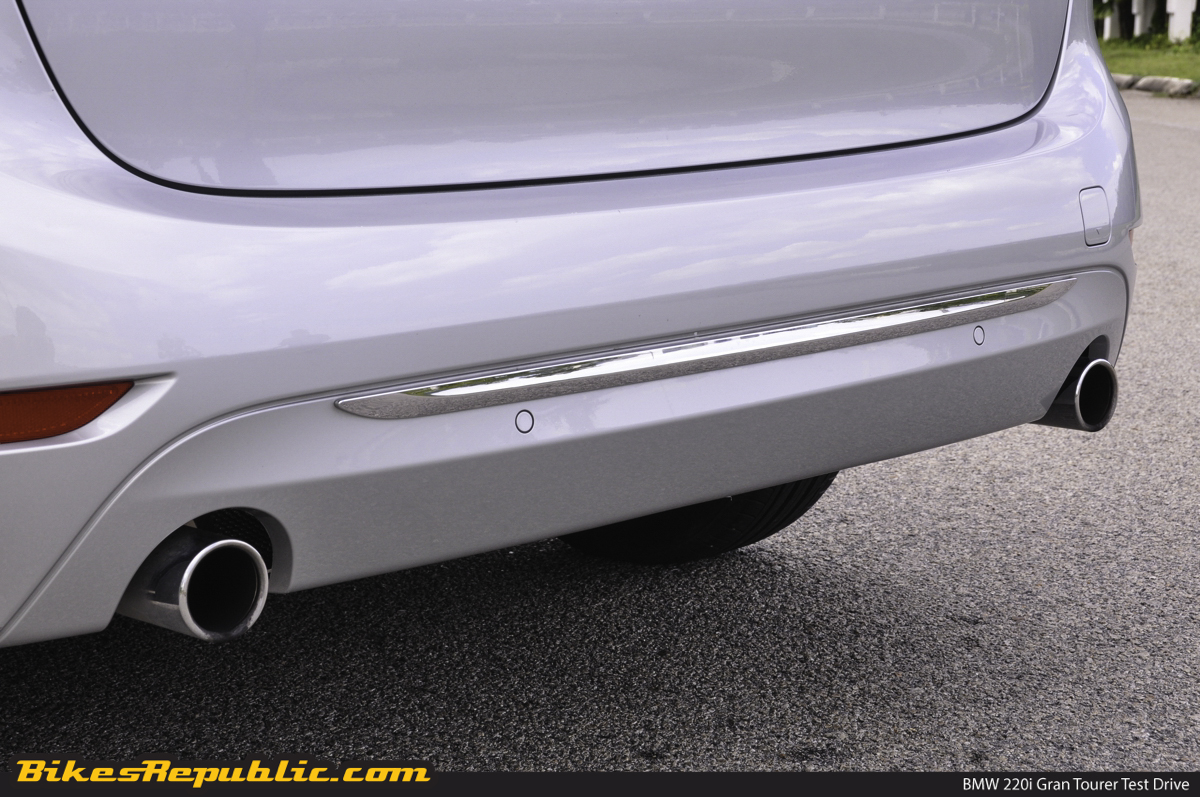
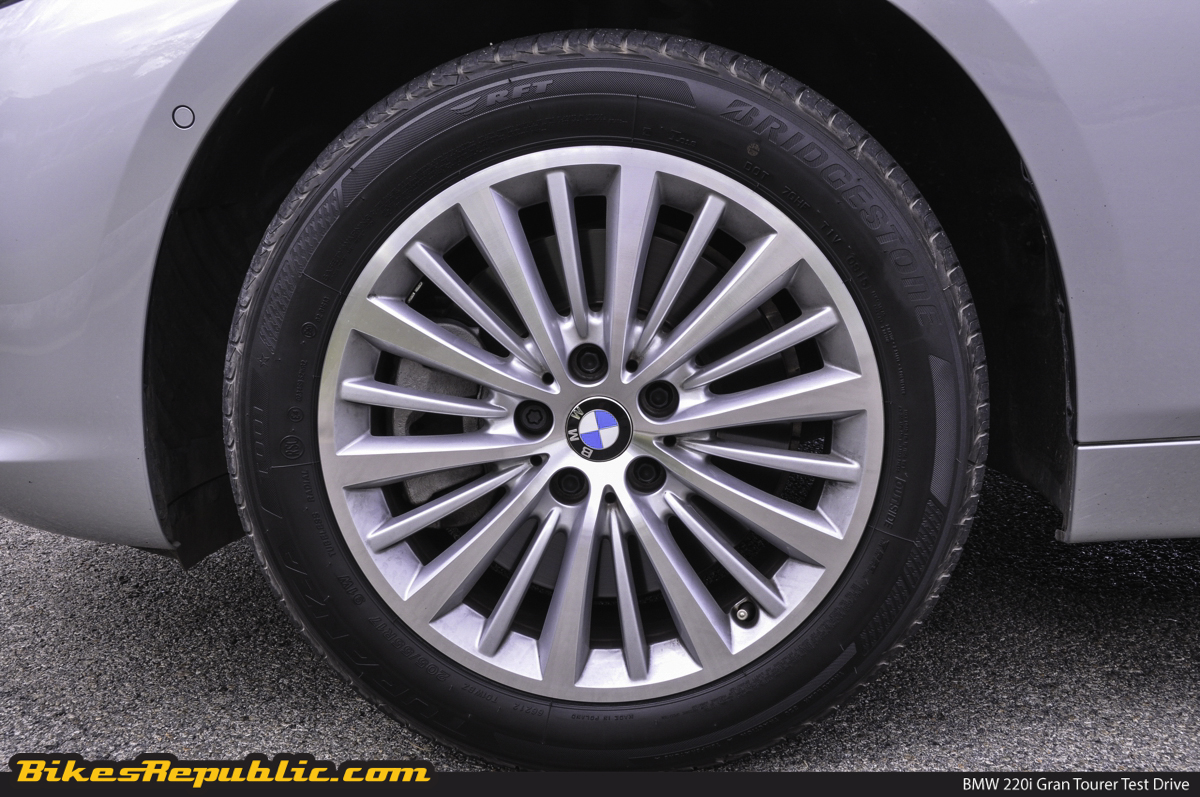
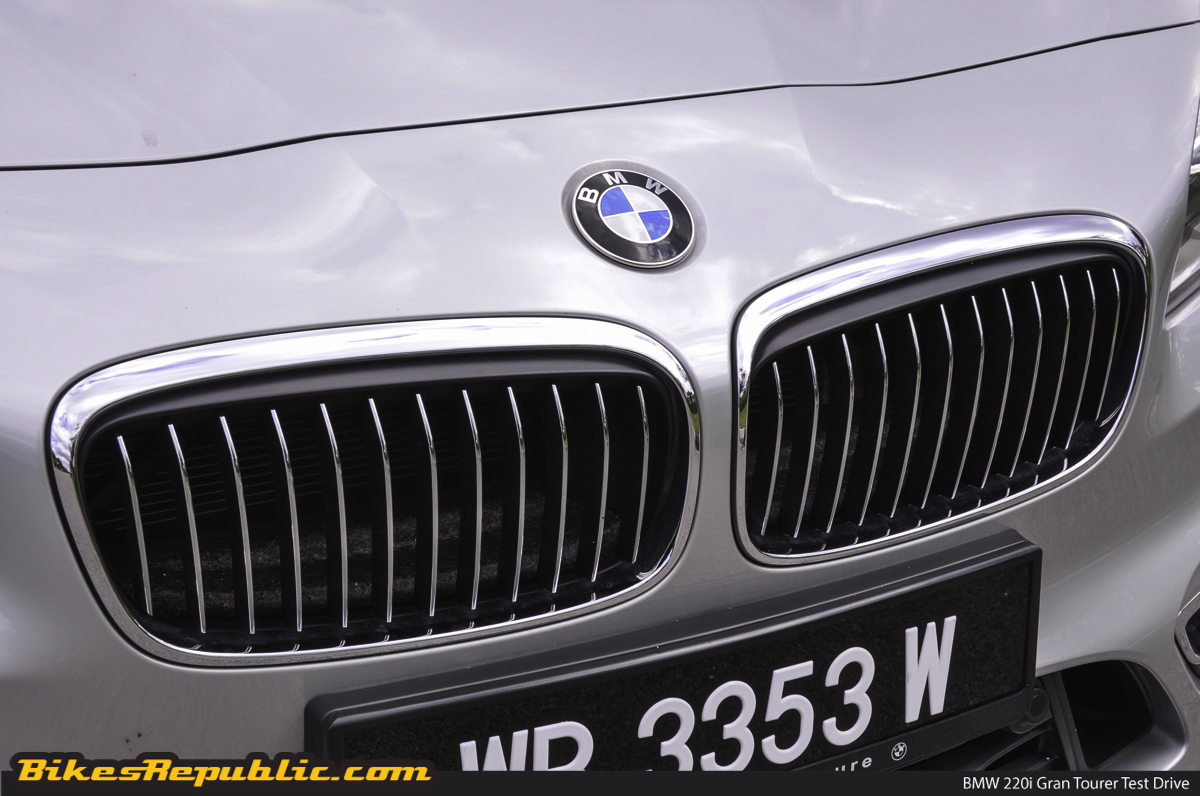
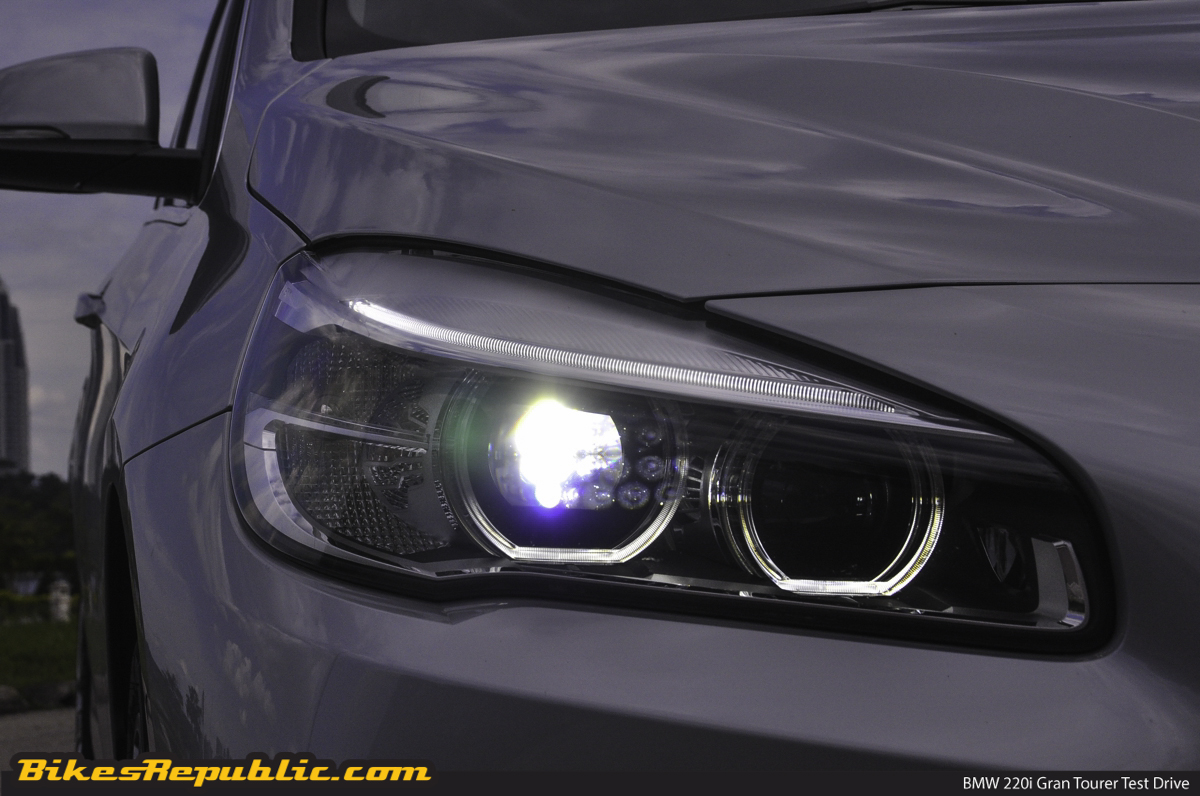
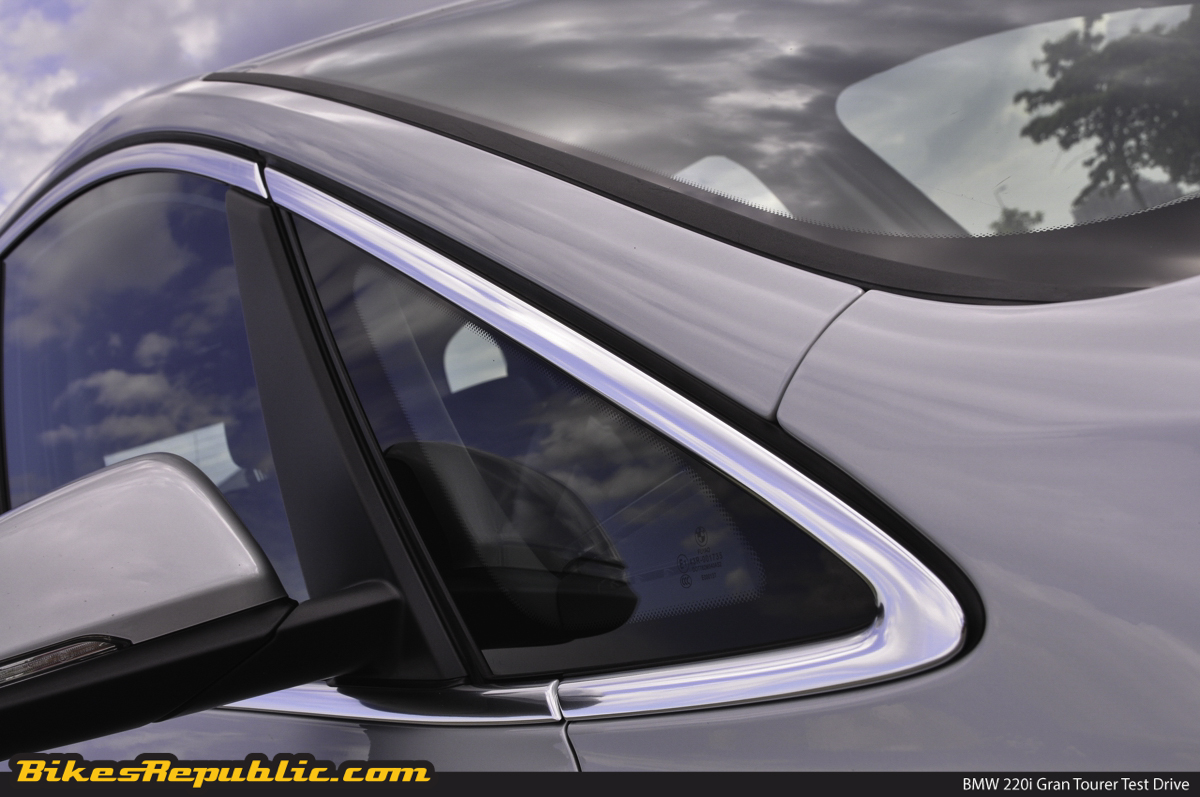
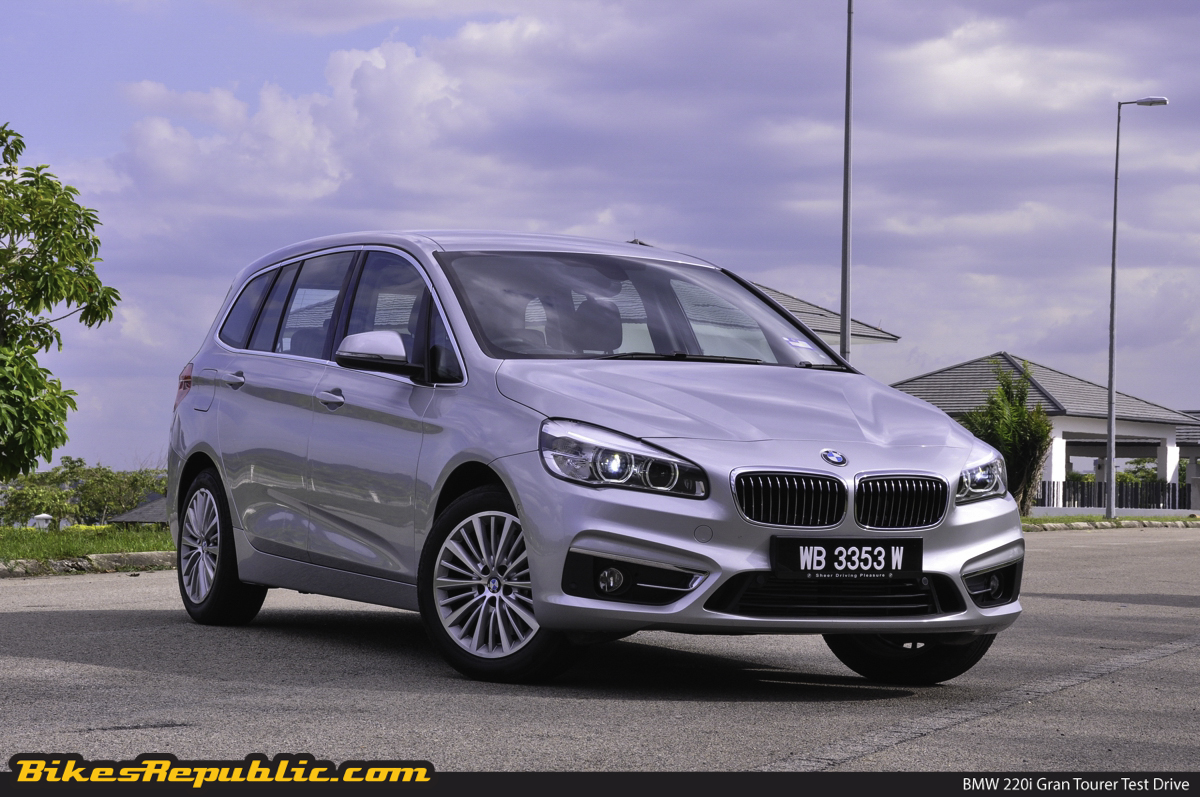
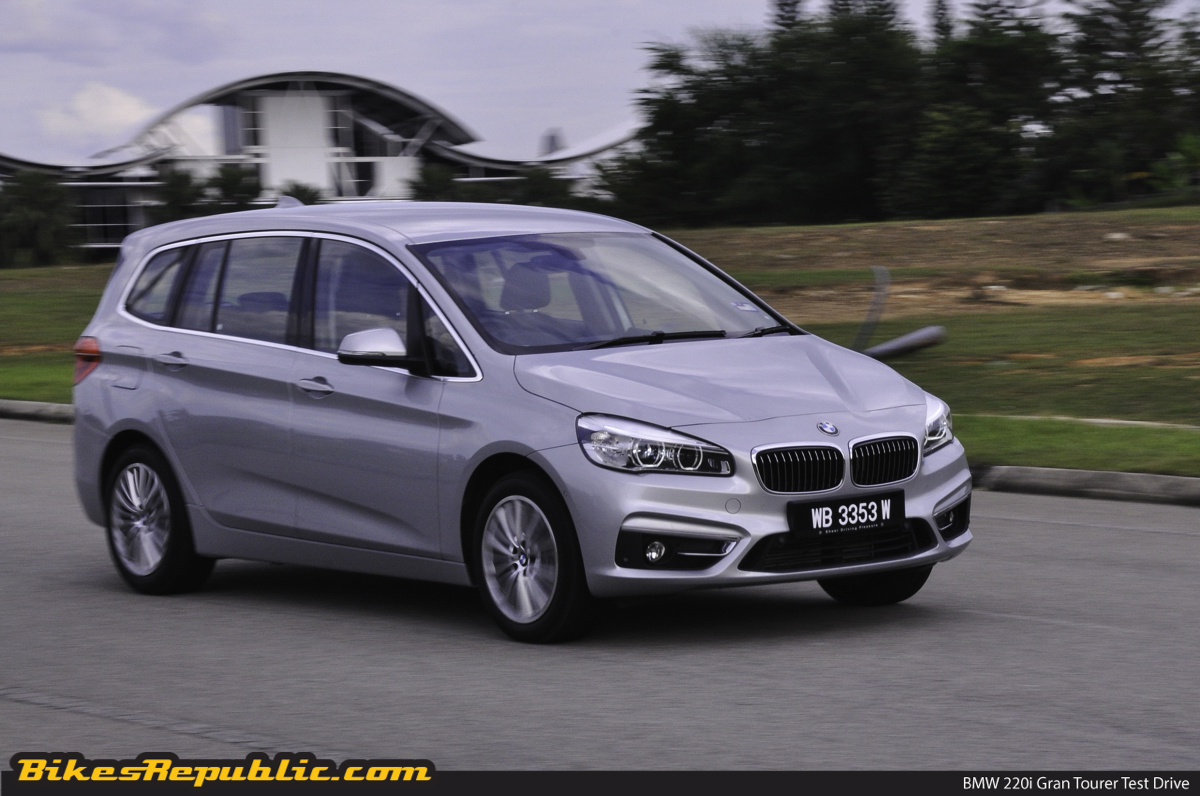
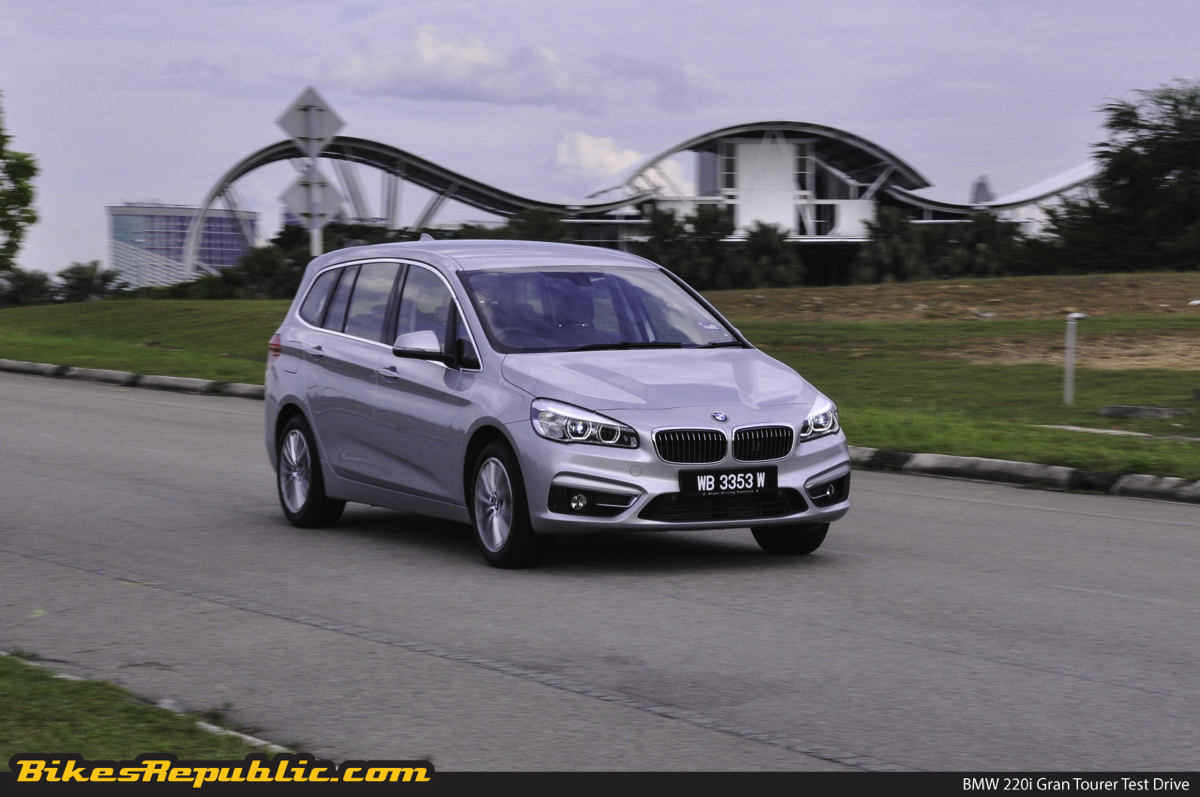
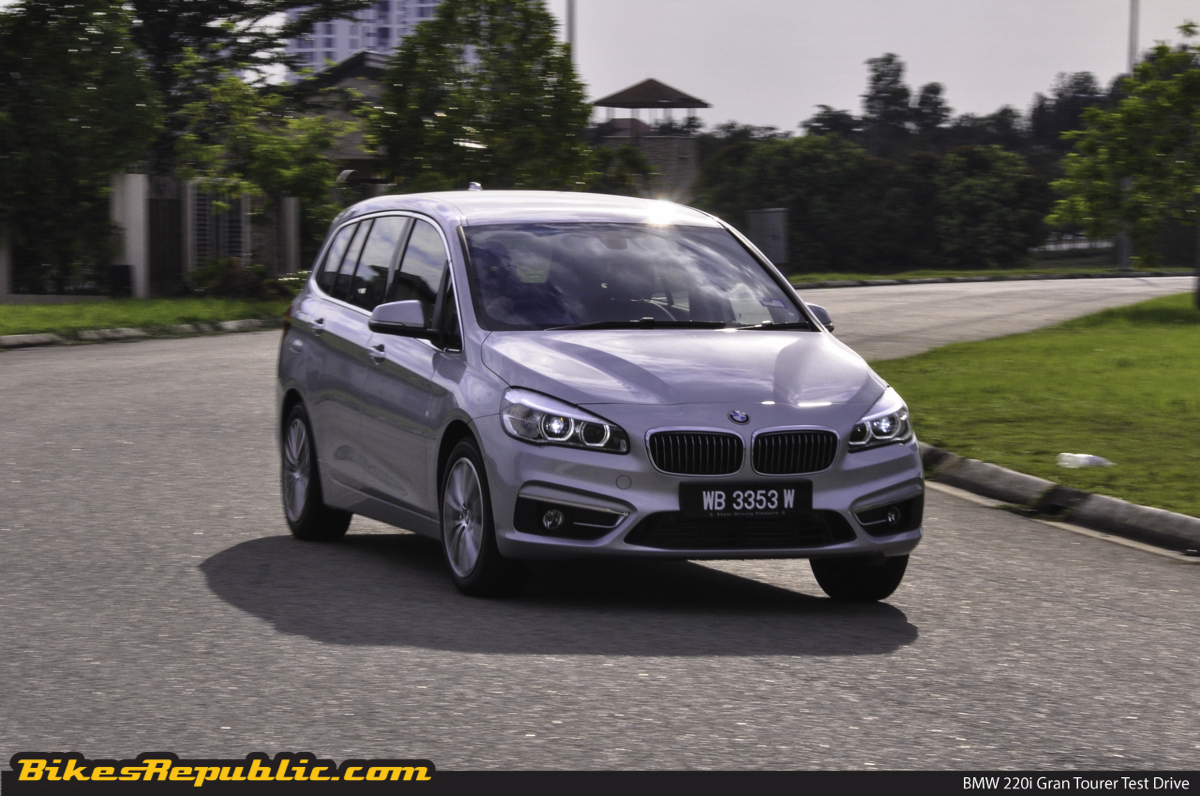
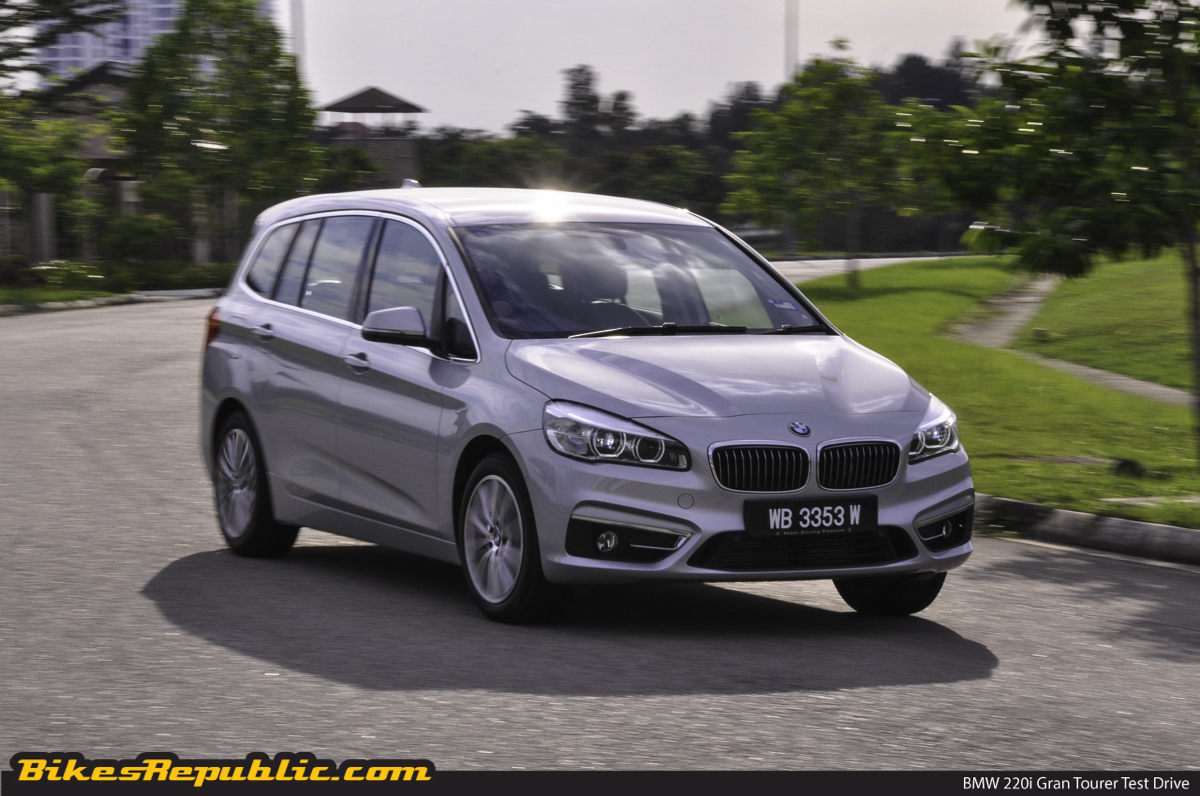
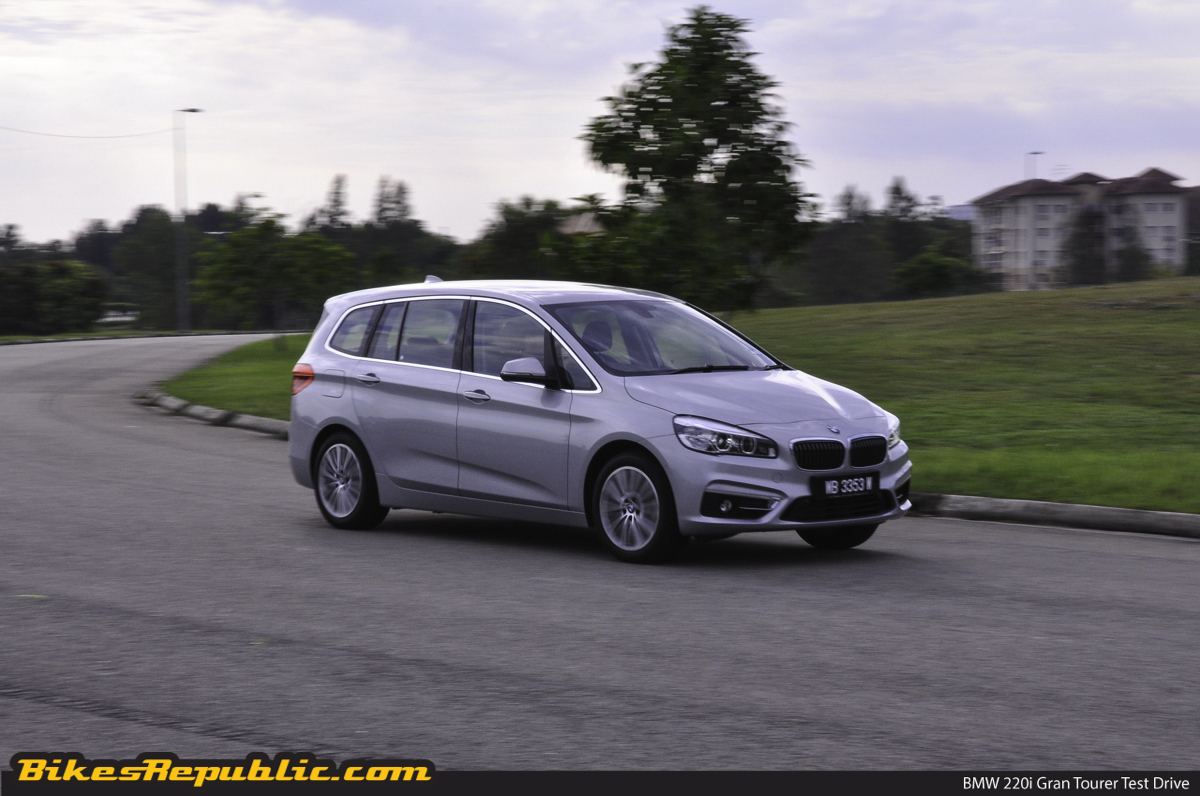
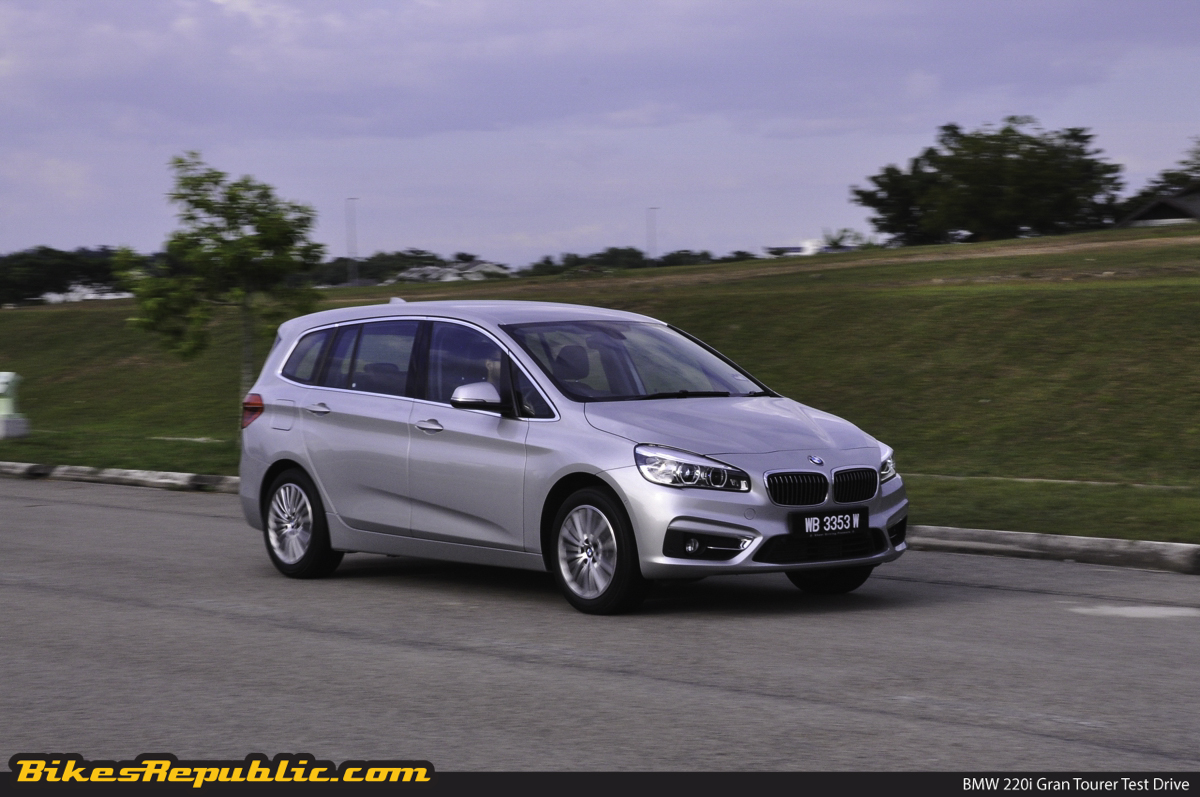
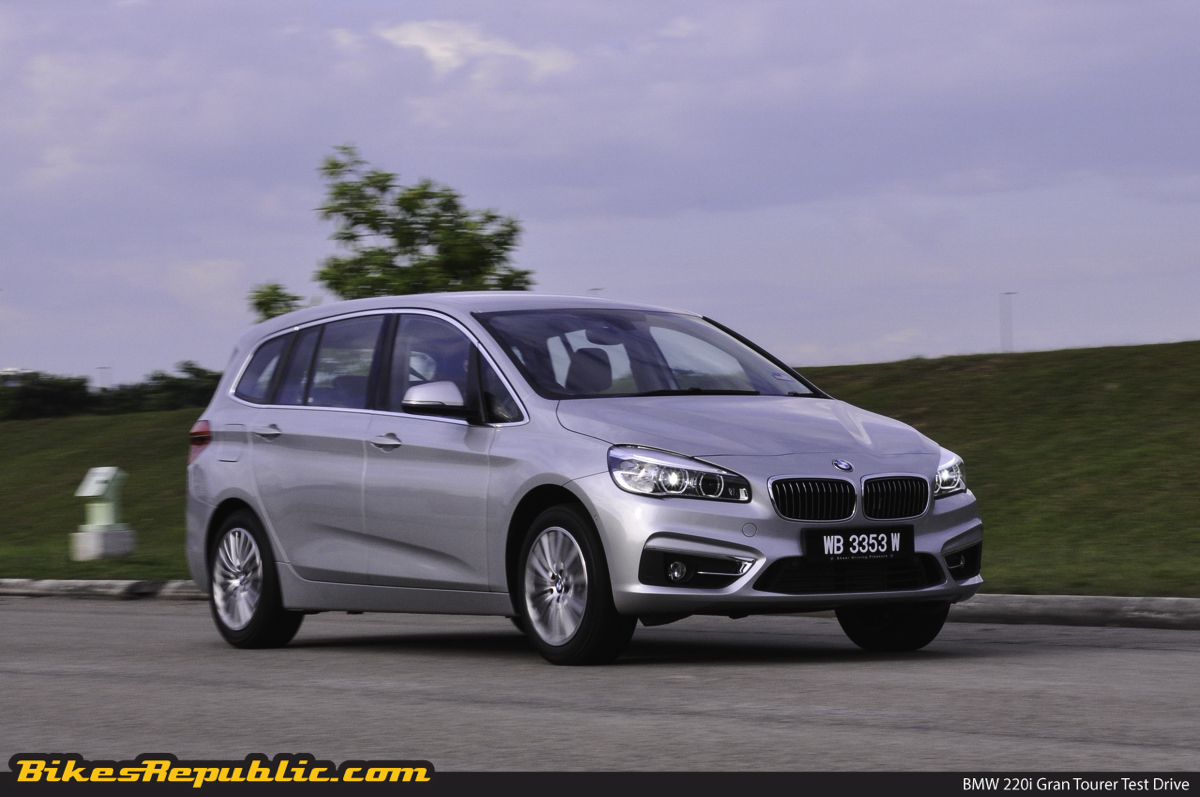
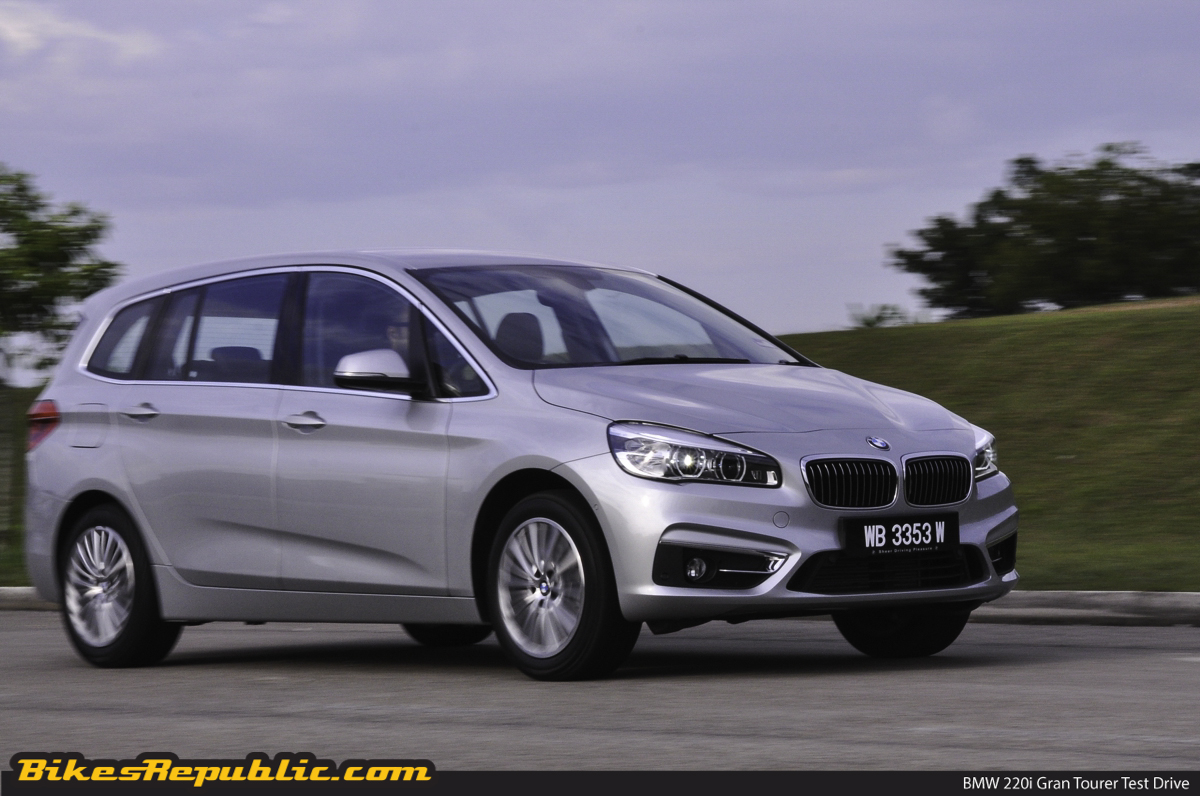
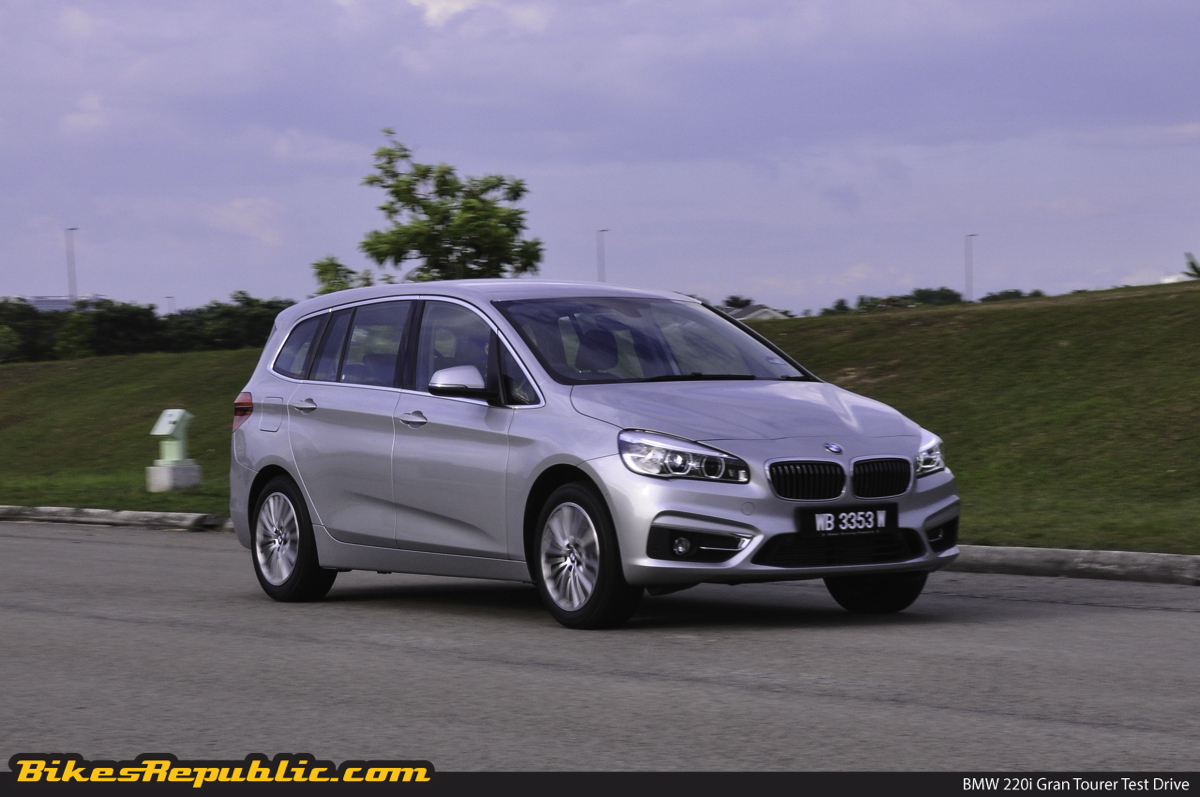
DSC_0818Not only the first BMW models to adopt a front-wheel-drive layout; both the 2 Series Active Tourer and Gran Tourer stand as the brand’s debut entry into the premium sub-compact MPV segment as well. Competition here is stiff, especially against stellar rivals such as the Volkswagen Sharan, Citroen Grand C4 Picasso and the Ford S-Max. Nevertheless, the Bavarians have managed to pull things off rather well with its first attempt in this genre as we discovered after driving the range-topping 220i Gran Tourer recently.                                                                                                                                                                           For most, the 220i GT’s looks do take a while to grow on you, but it eventually will. There is plenty to be desired here such as the signature twin kidney grilles up front, the 5 Series-inspired headlights and tail lamps designs, the chiselled lines running across the doors on both sides and the stylish multi-spoke 17-inch alloy wheels. Overall, it looks just like how any BMW should, which isn’t a bad thing entirely.

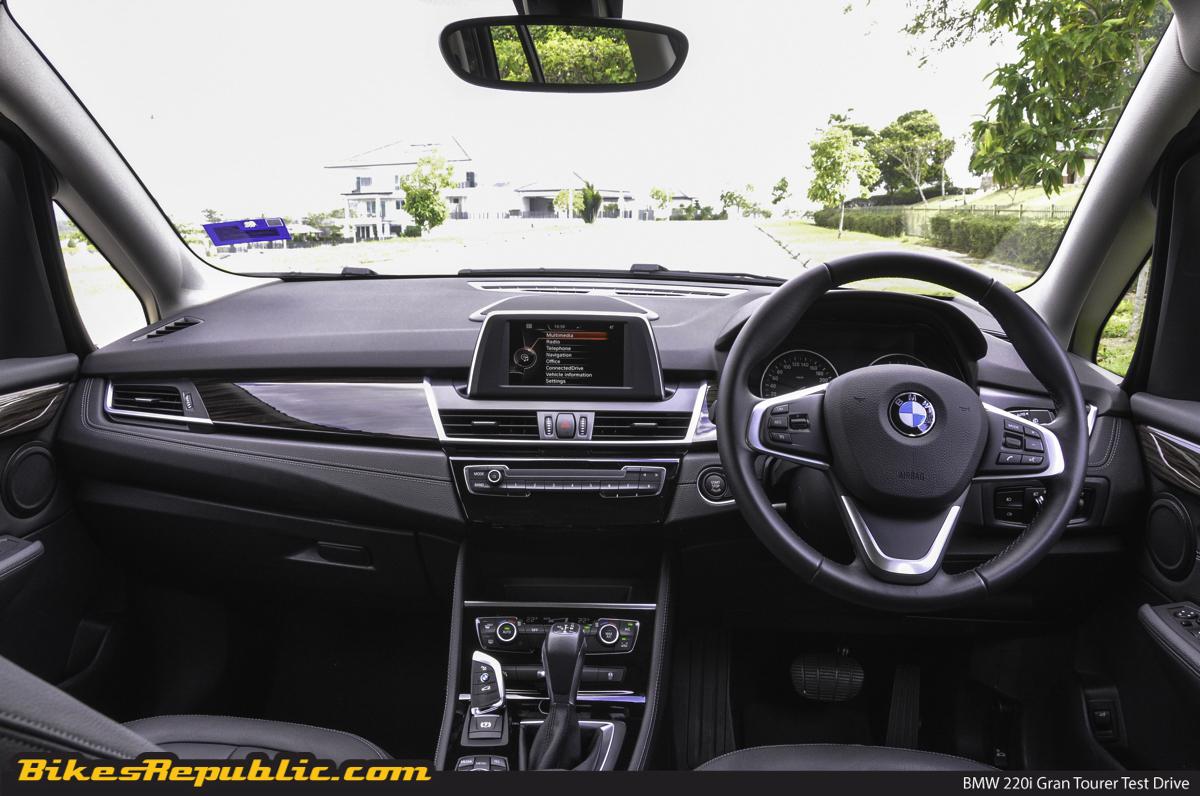
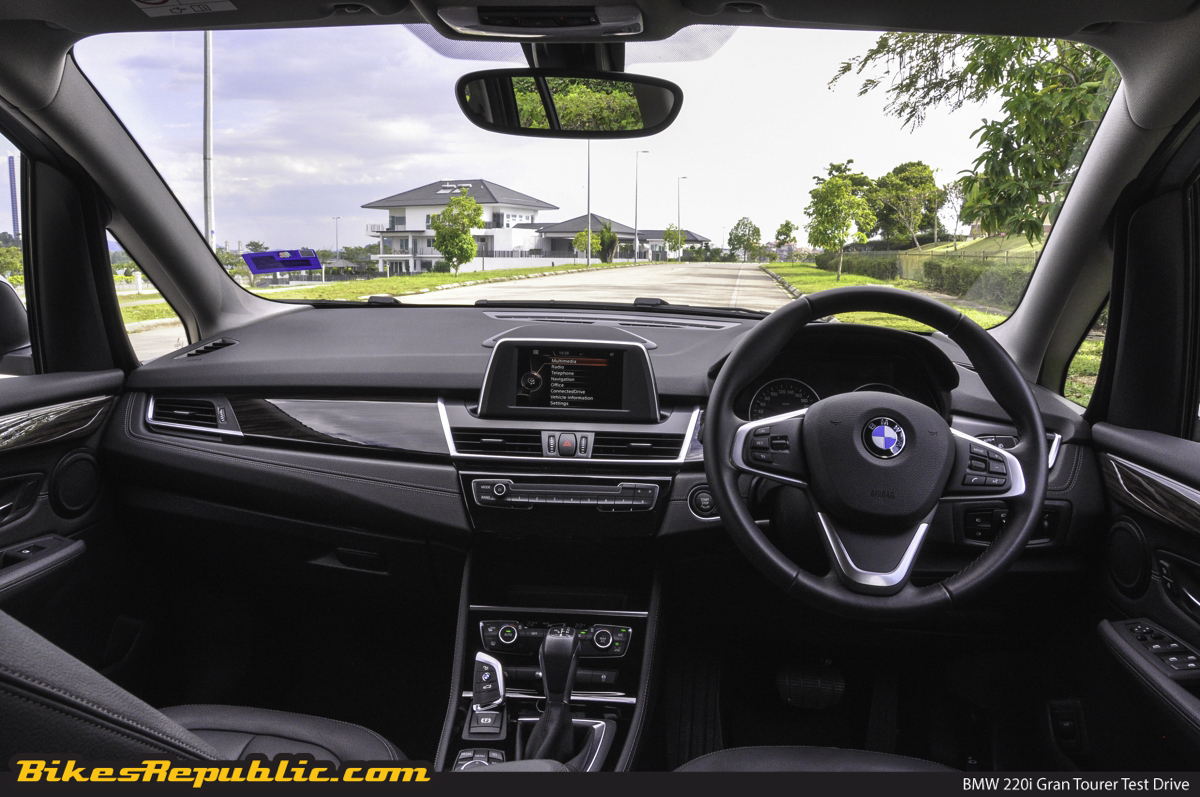
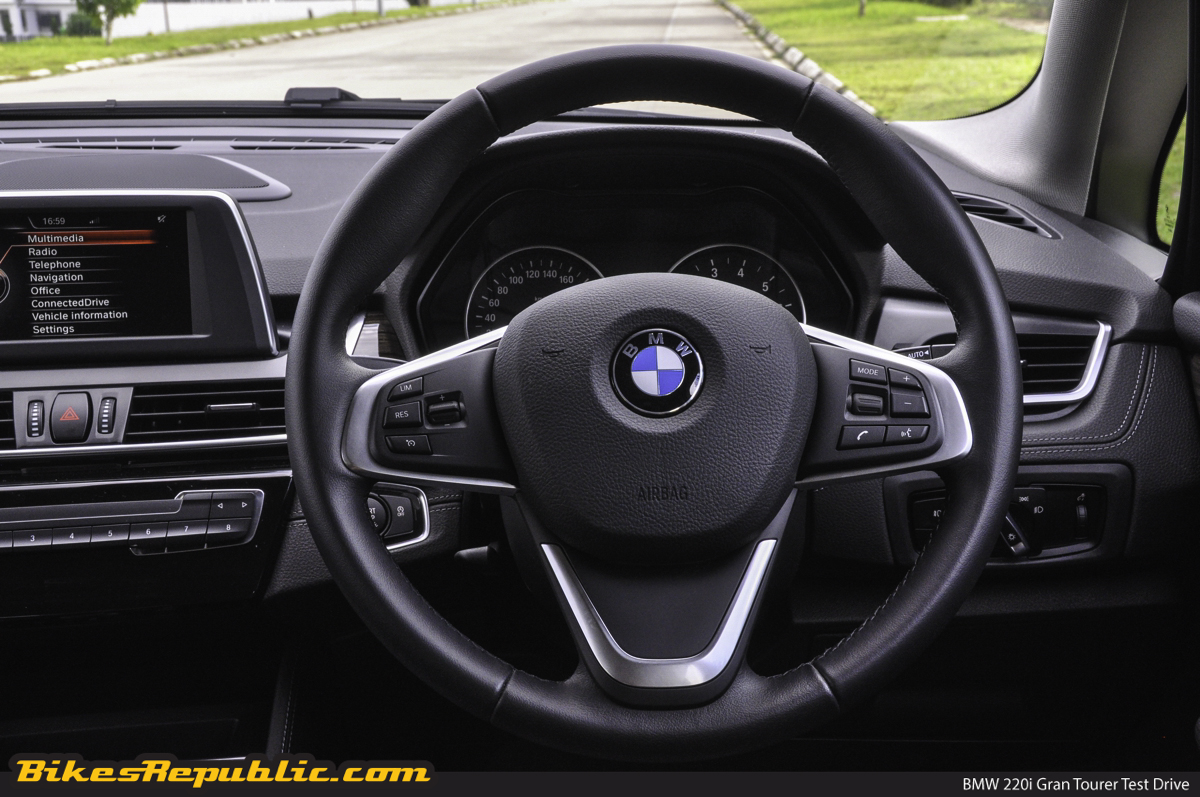
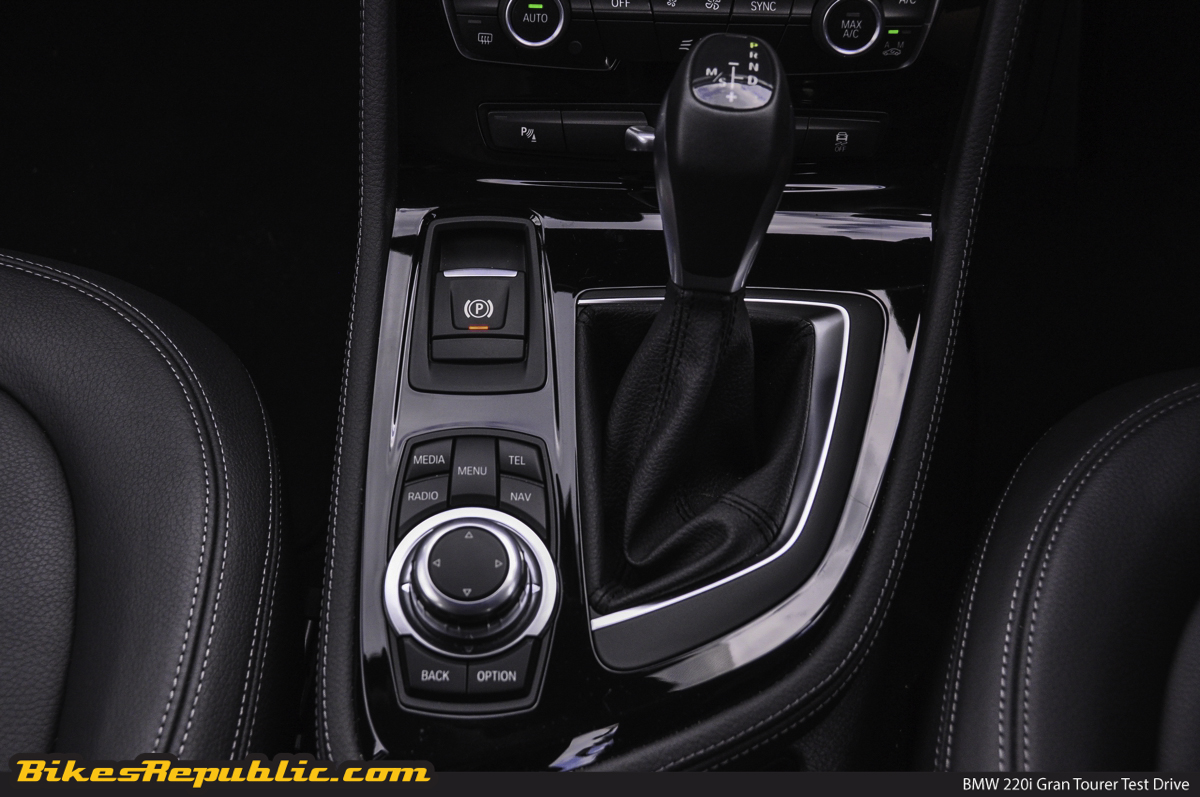
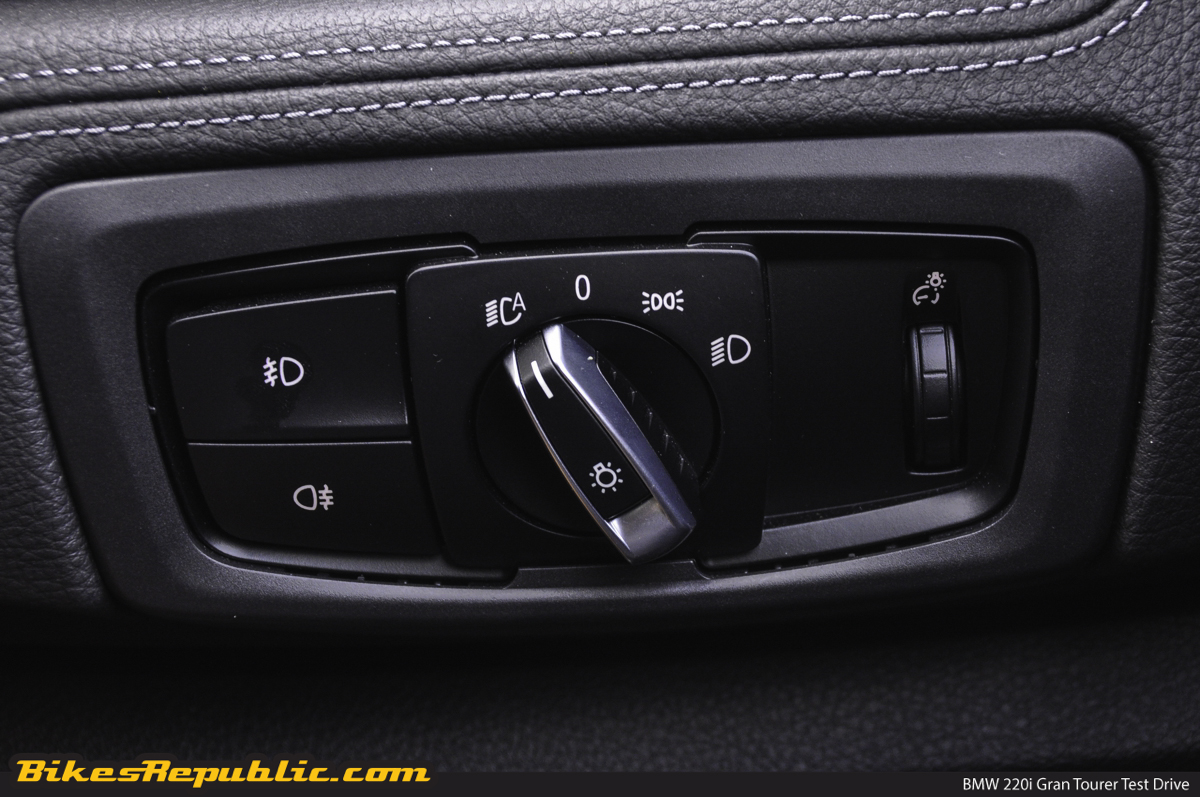
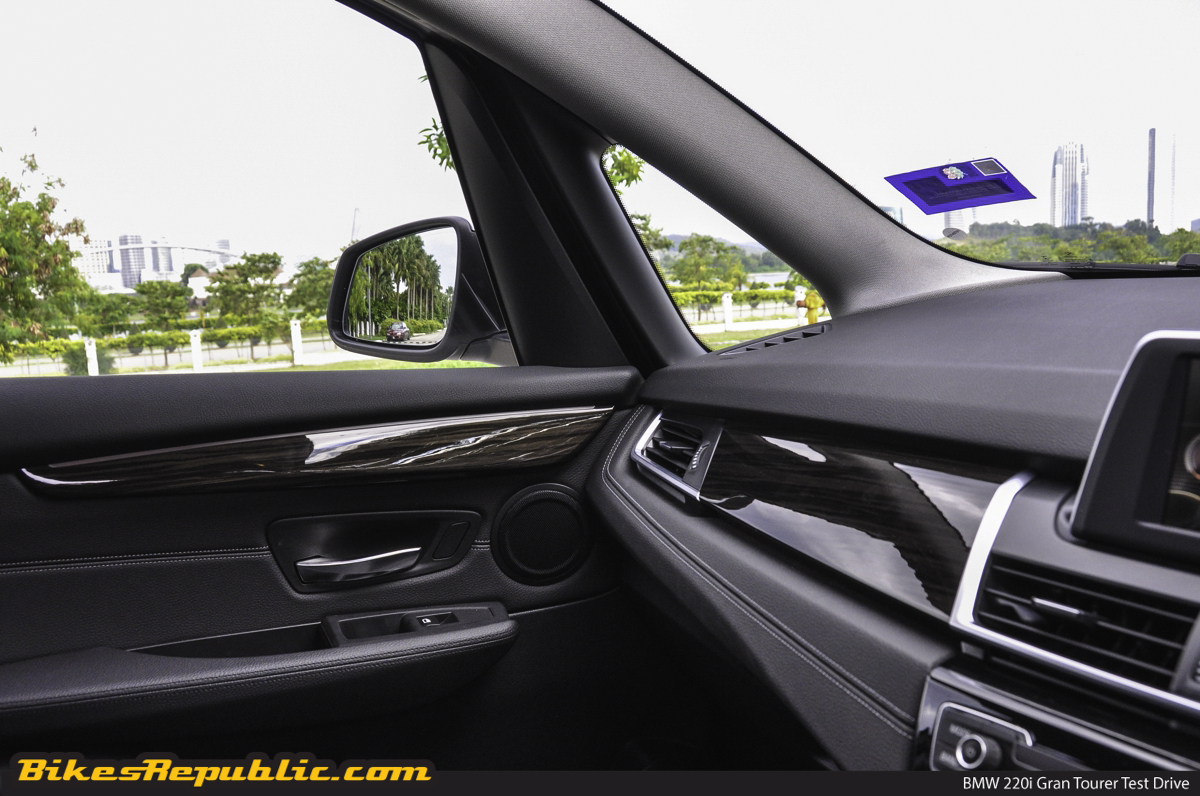
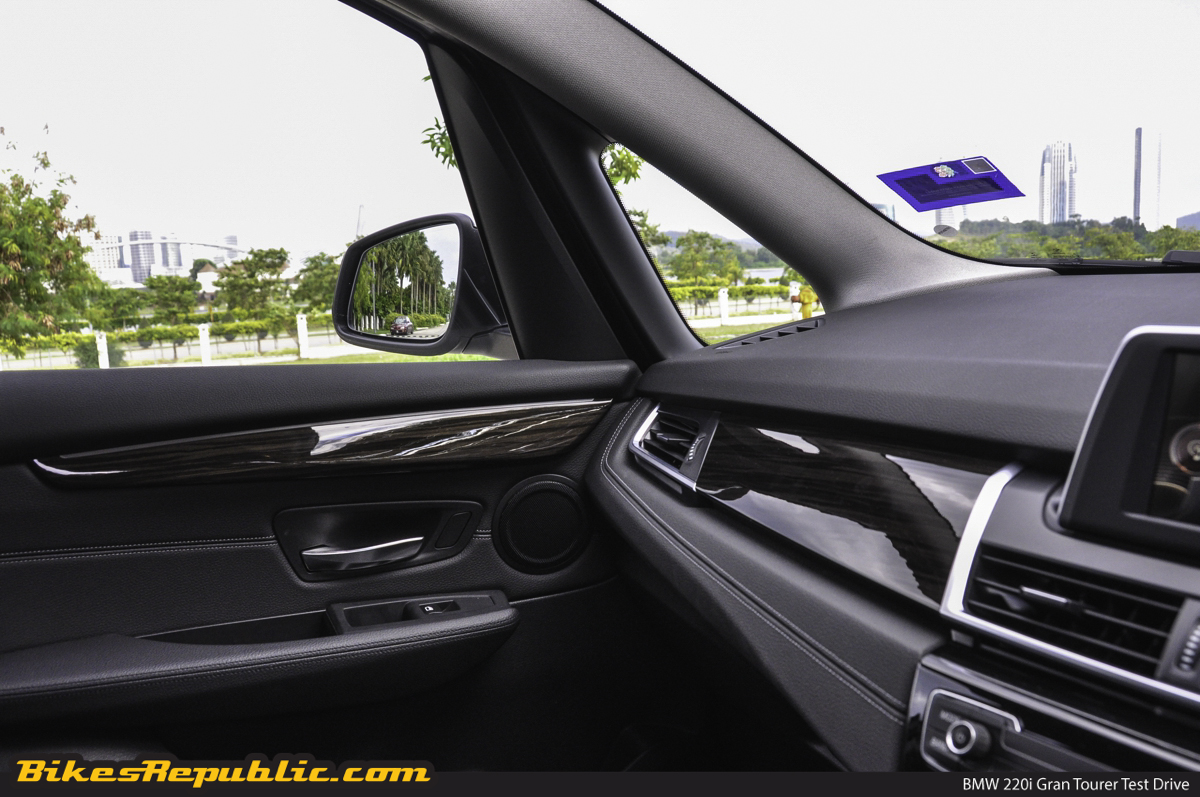
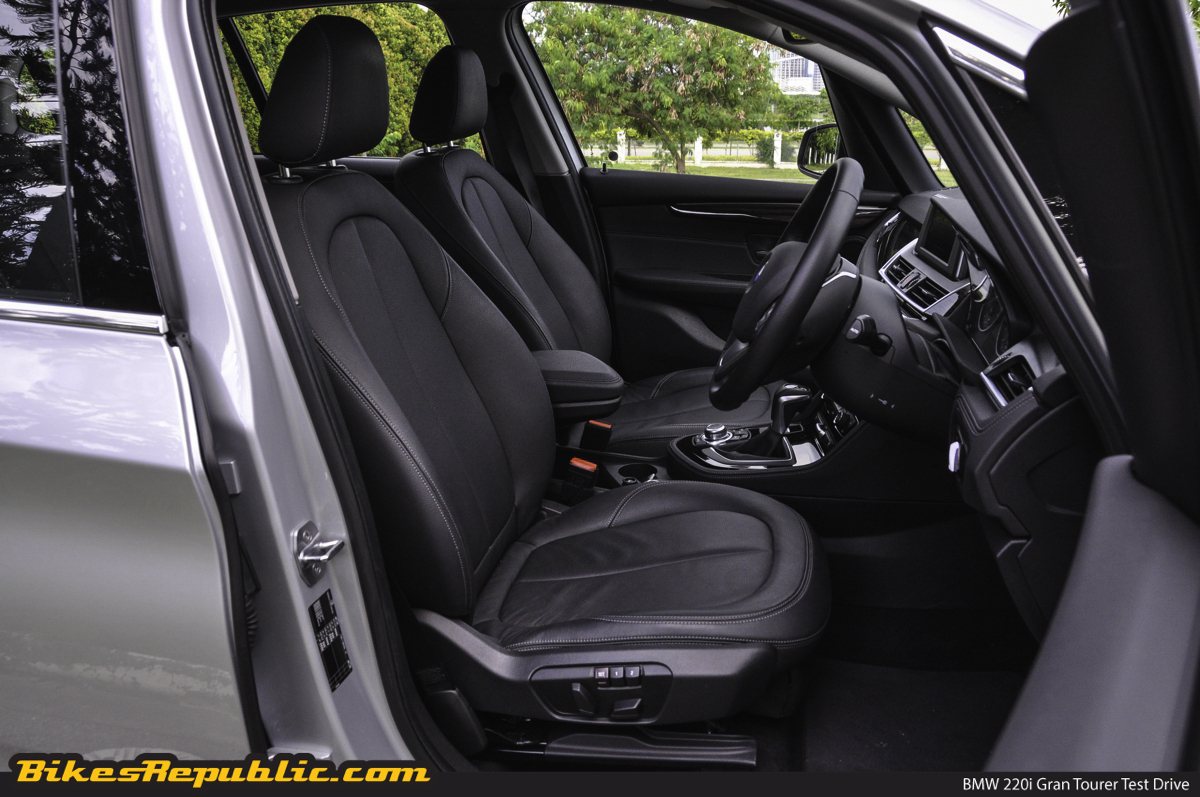
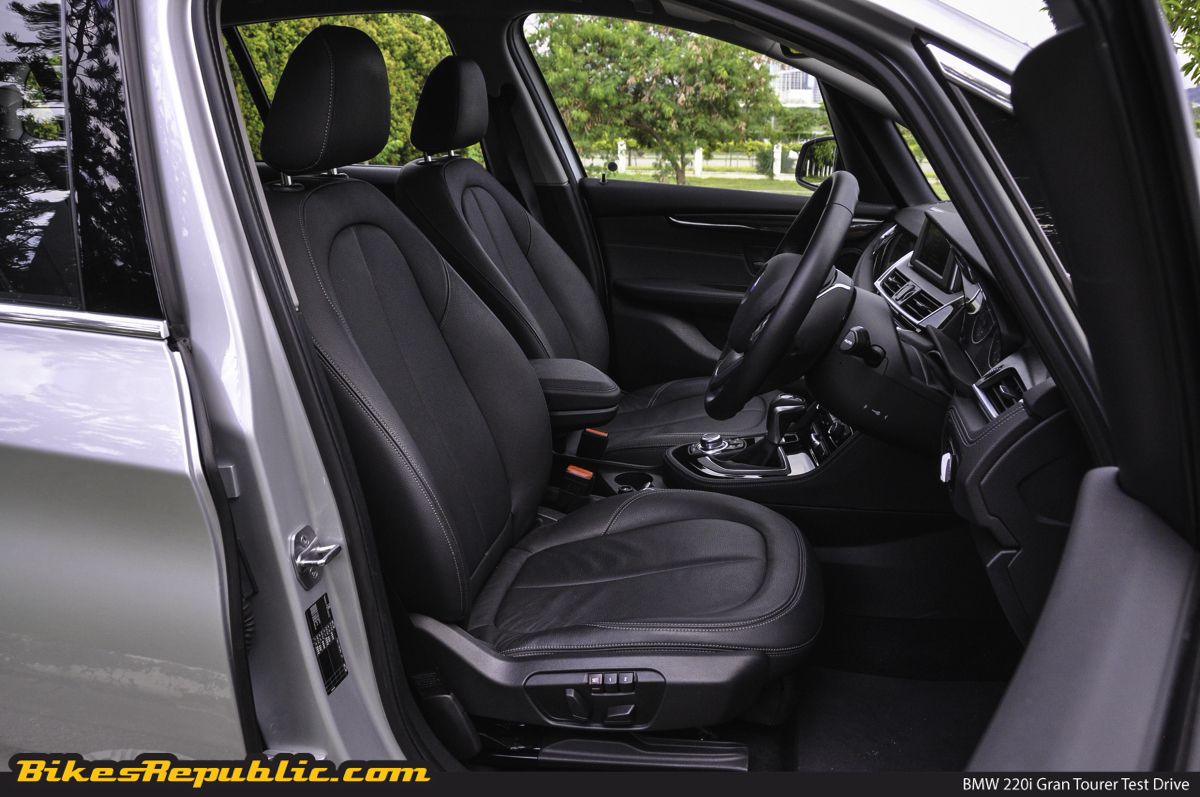
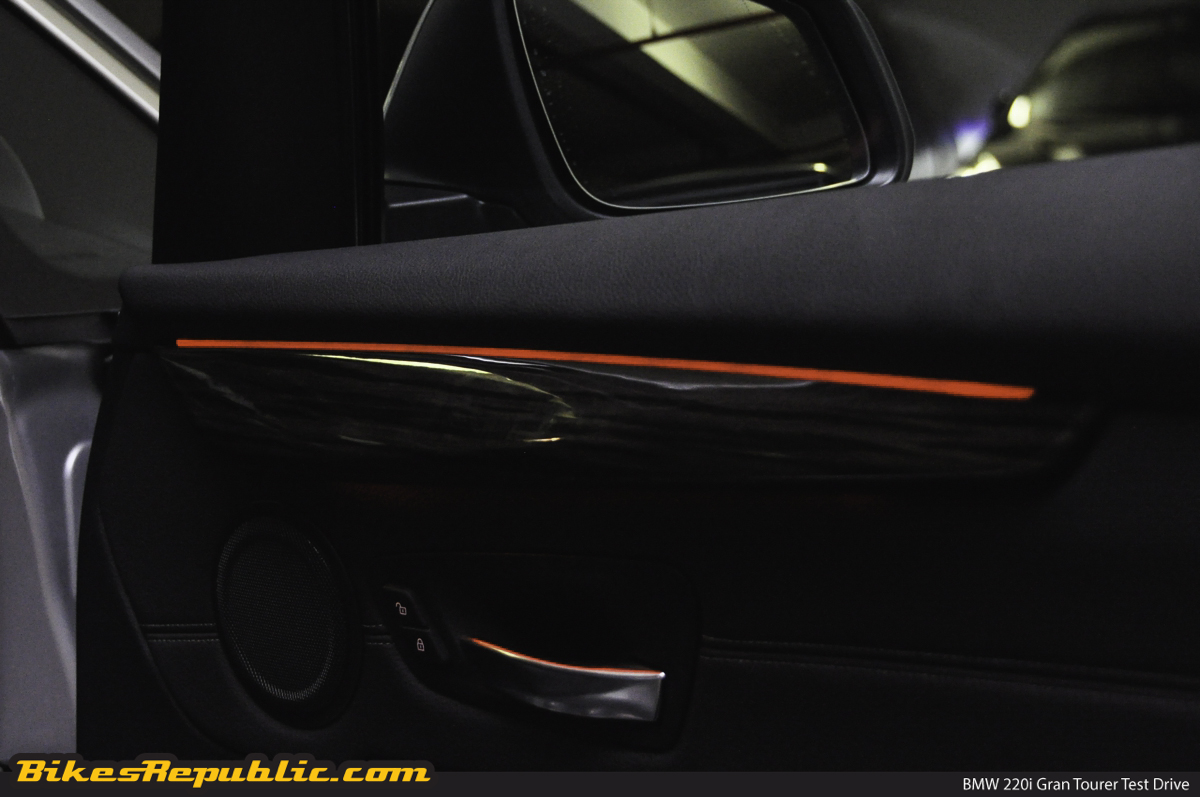
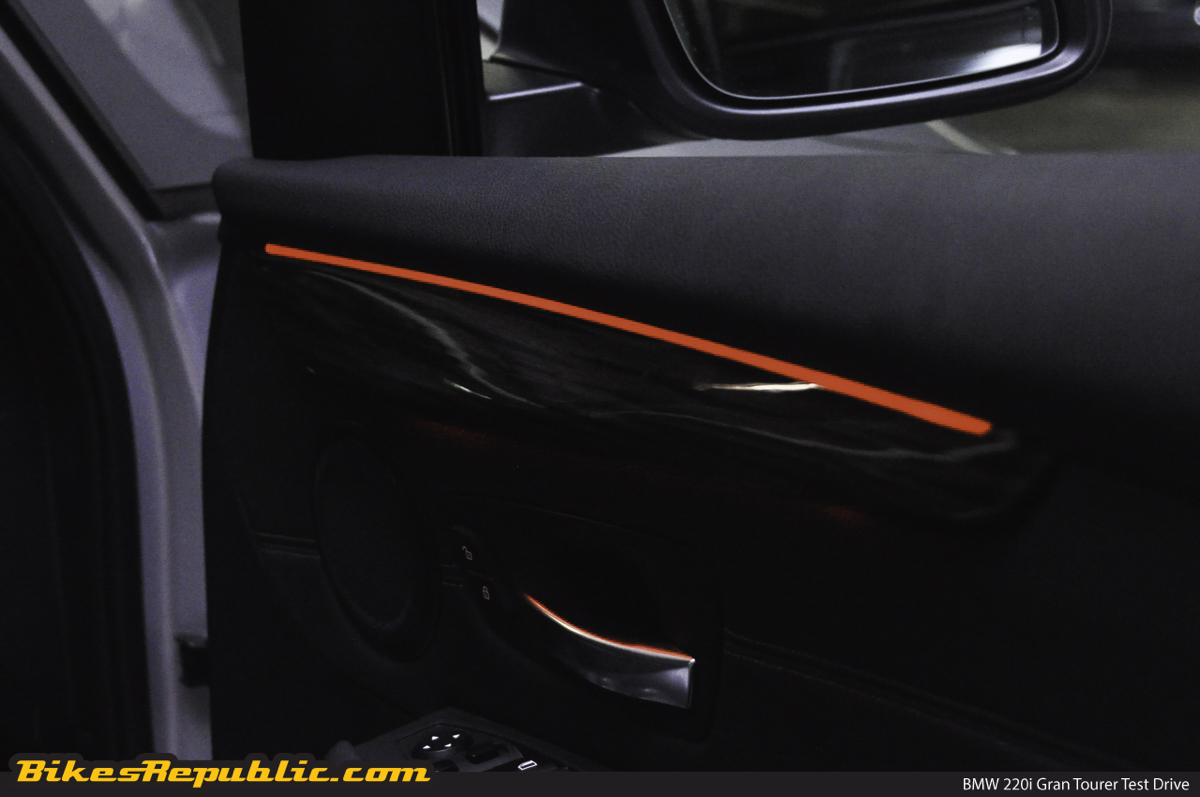
DSC_0839Climb aboard and things start to get familiar yet again. BMW hasn’t strayed away from its signature driver-focused cockpit design in the 220i GT, and it has not lost its touch in making plush and premium cabins either. There is plenty high-end and soft-touch materials lining key areas of the cabin such as the steering wheel and dashboard, and it is finished off nicely with leather seat covers plus a novel cabin mood lighting system. Besides the run-flat tyres’ typically noticeable noise levels at higher speeds, the cabin’s overall noise suppression levels are great, feeling just as good as any other BMW model here as well.

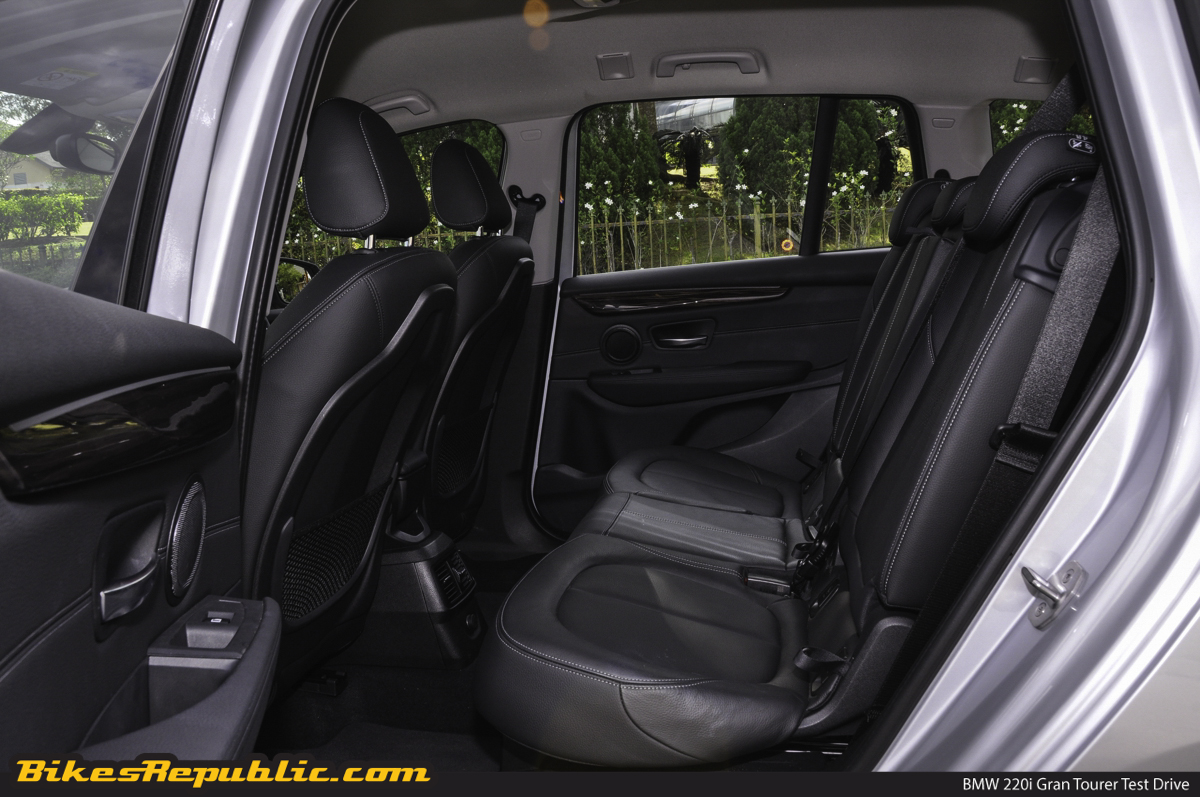
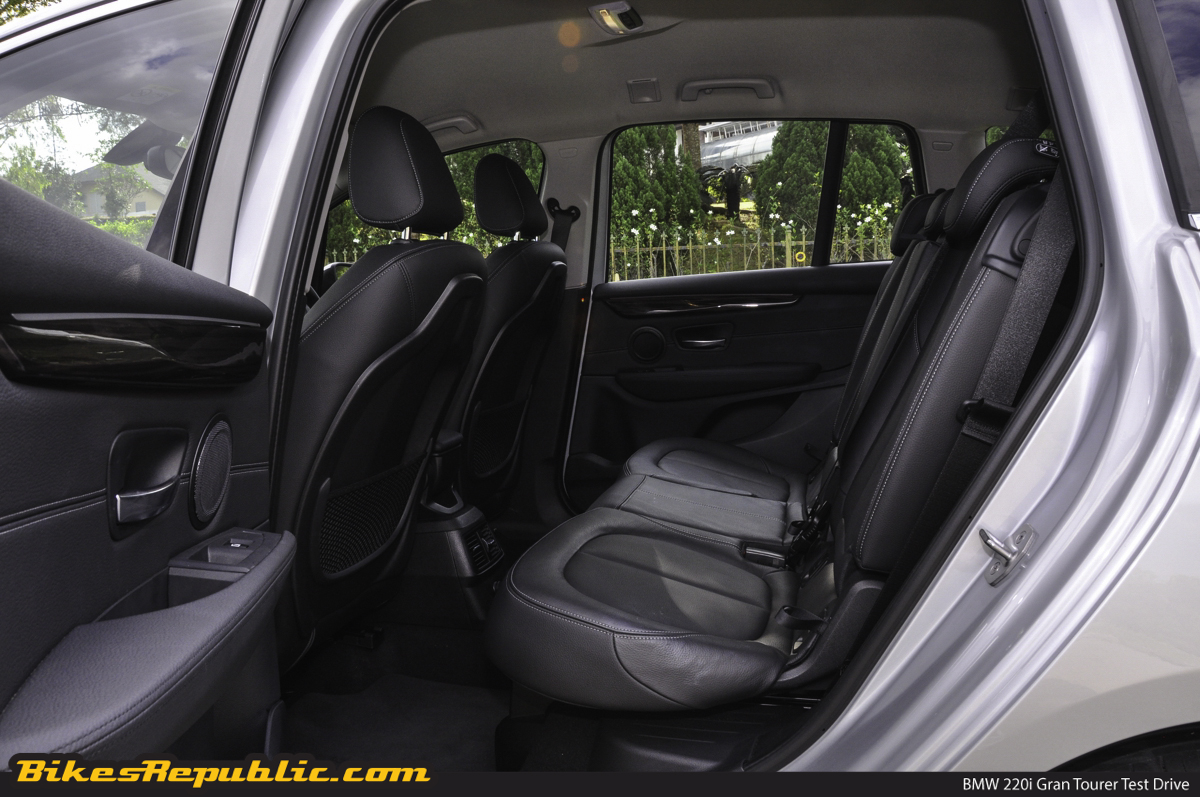
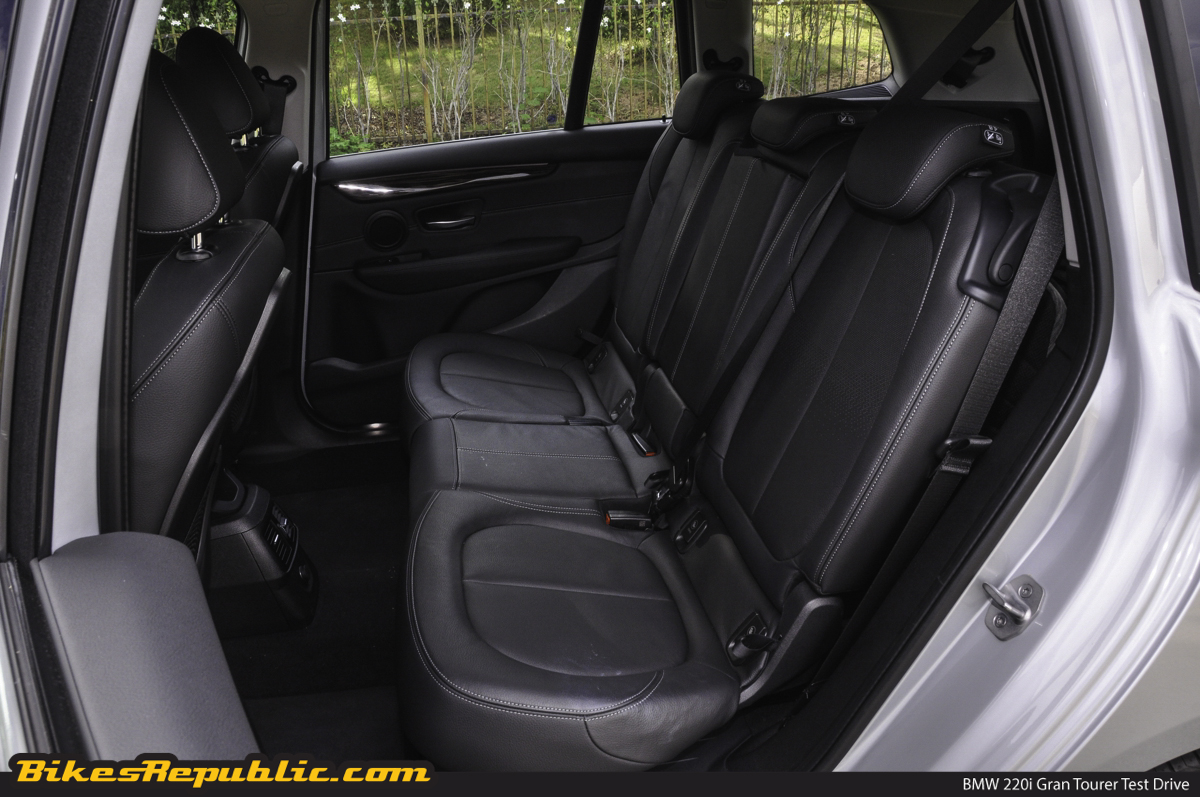
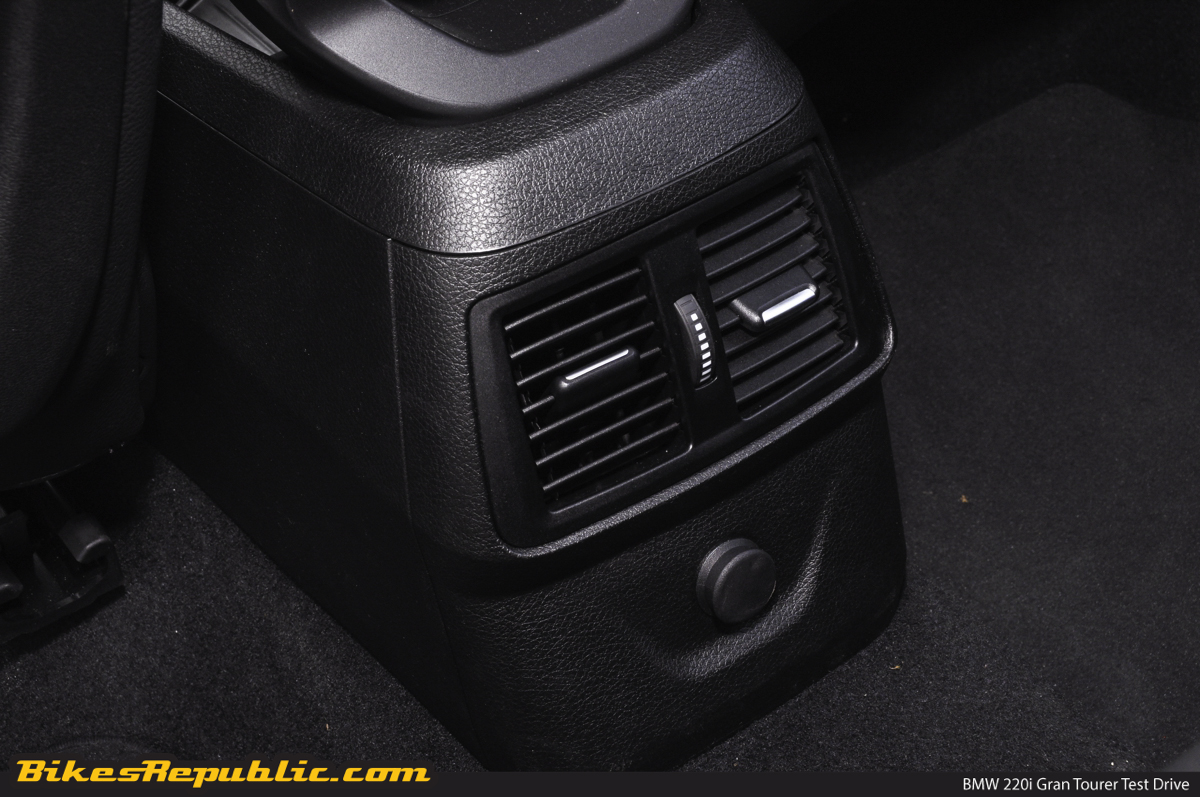
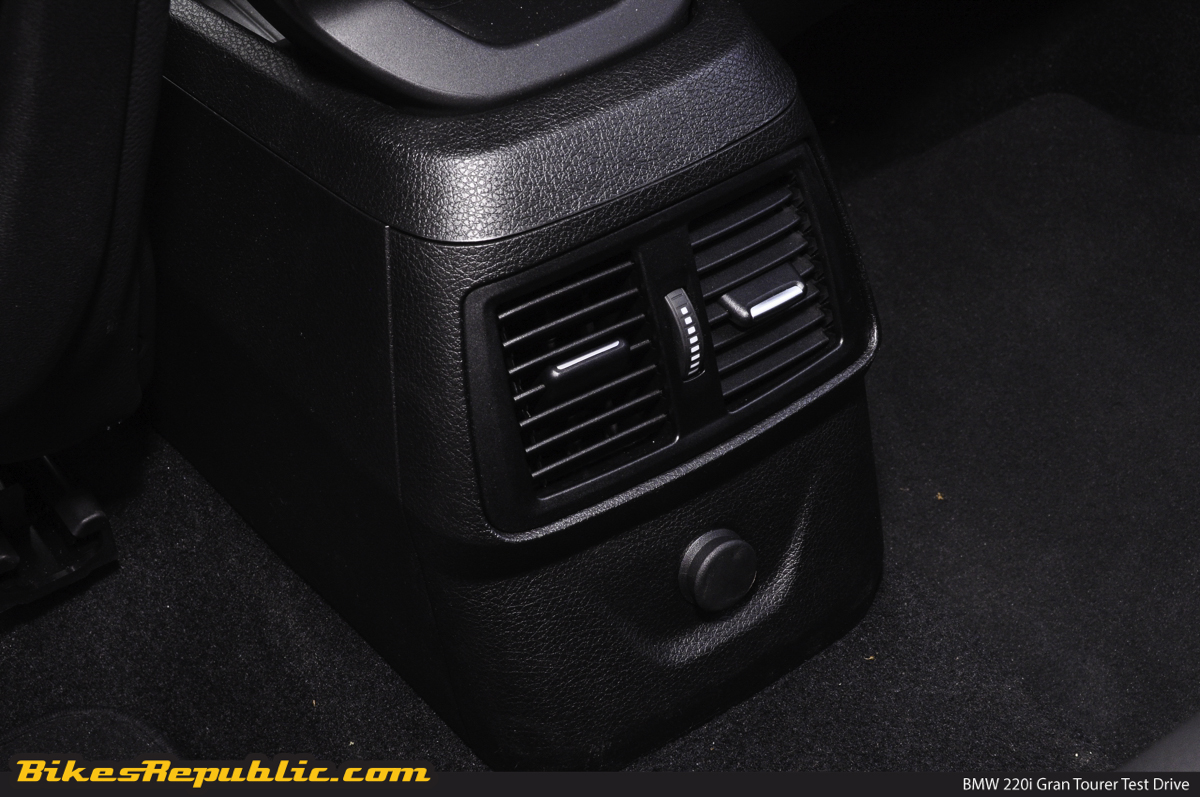
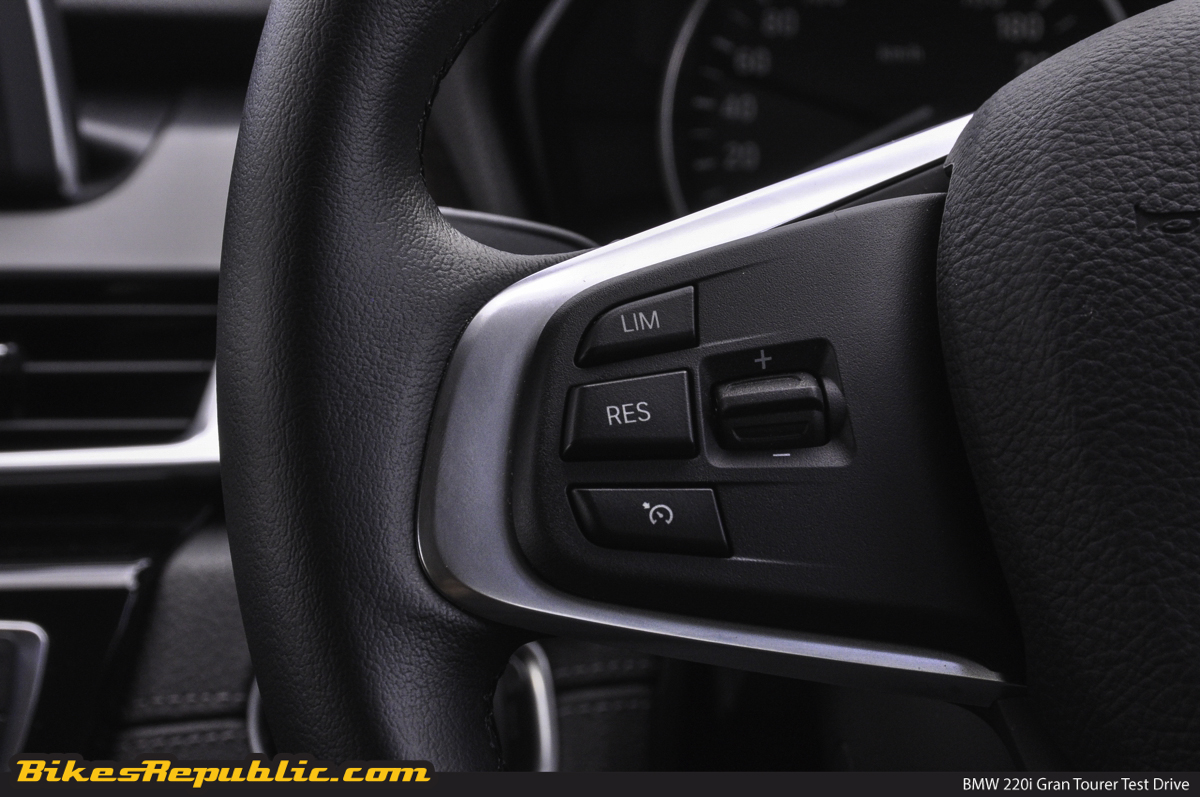
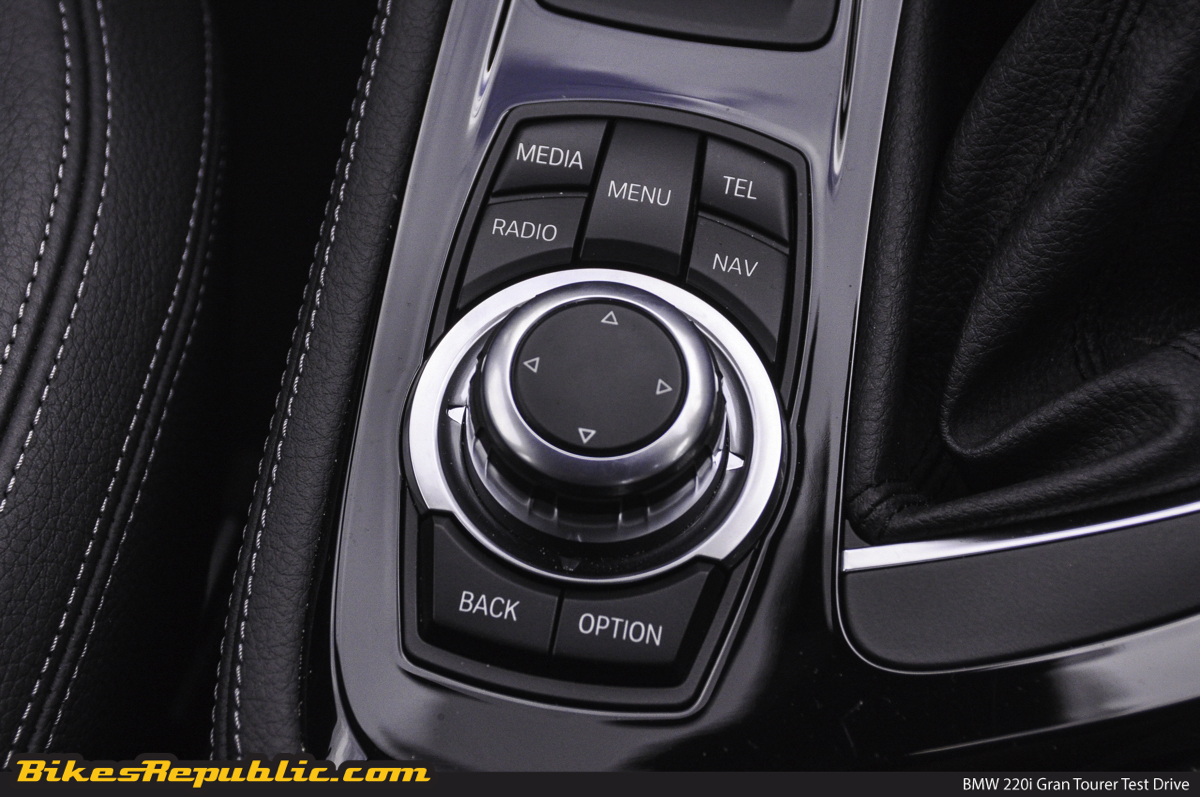
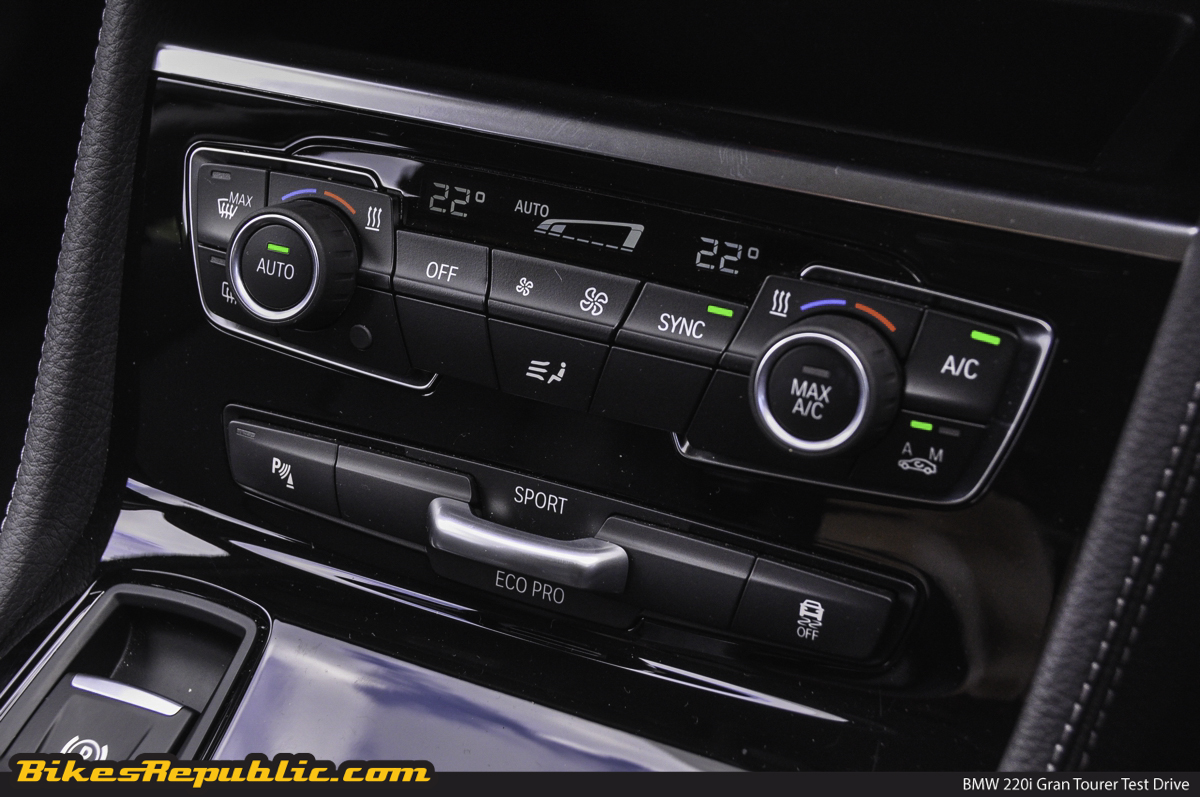
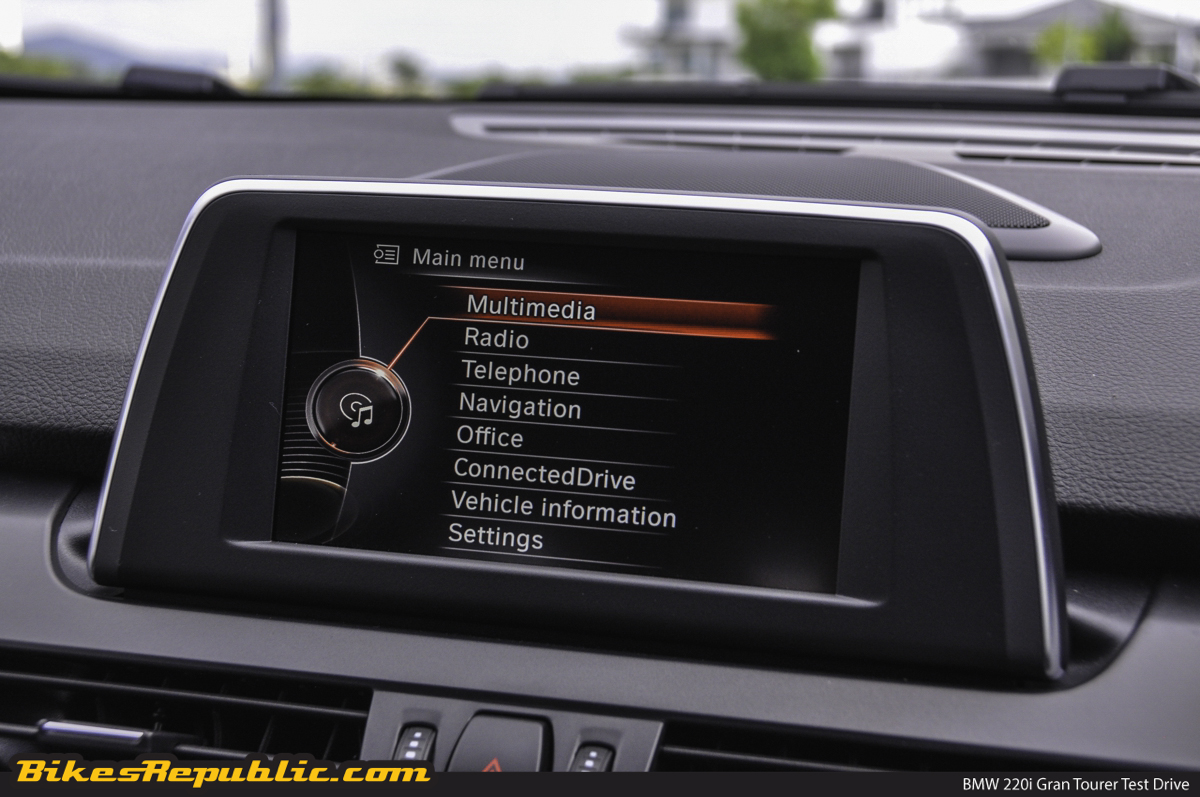
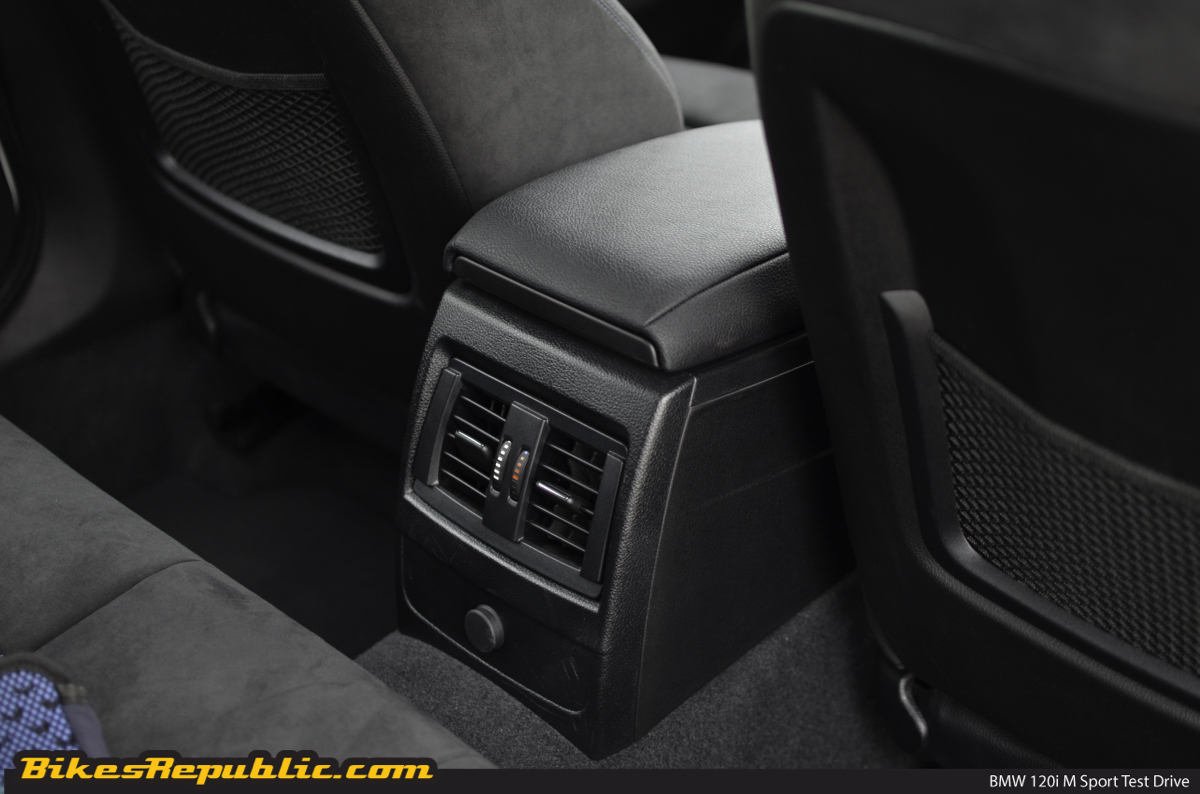
DSC_0850On board, space is abundant with this MPV offering generous headroom all-round, as is legroom in the second row seats. Complementing that are BMW’s array of premium creature comforts such as dual-zone automatic air conditioning with second row vents, followed by its acclaimed iDrive infotainment suite. Paired with a neat 6.5-inch display and a crisp-sounding seven-speaker hi-fi system, both the intuitive rotary knob and steering-mounted controls make it very easy for anyone to master it, with the system further offering seamless smart device integration, navigation functions and voice command ability as well.

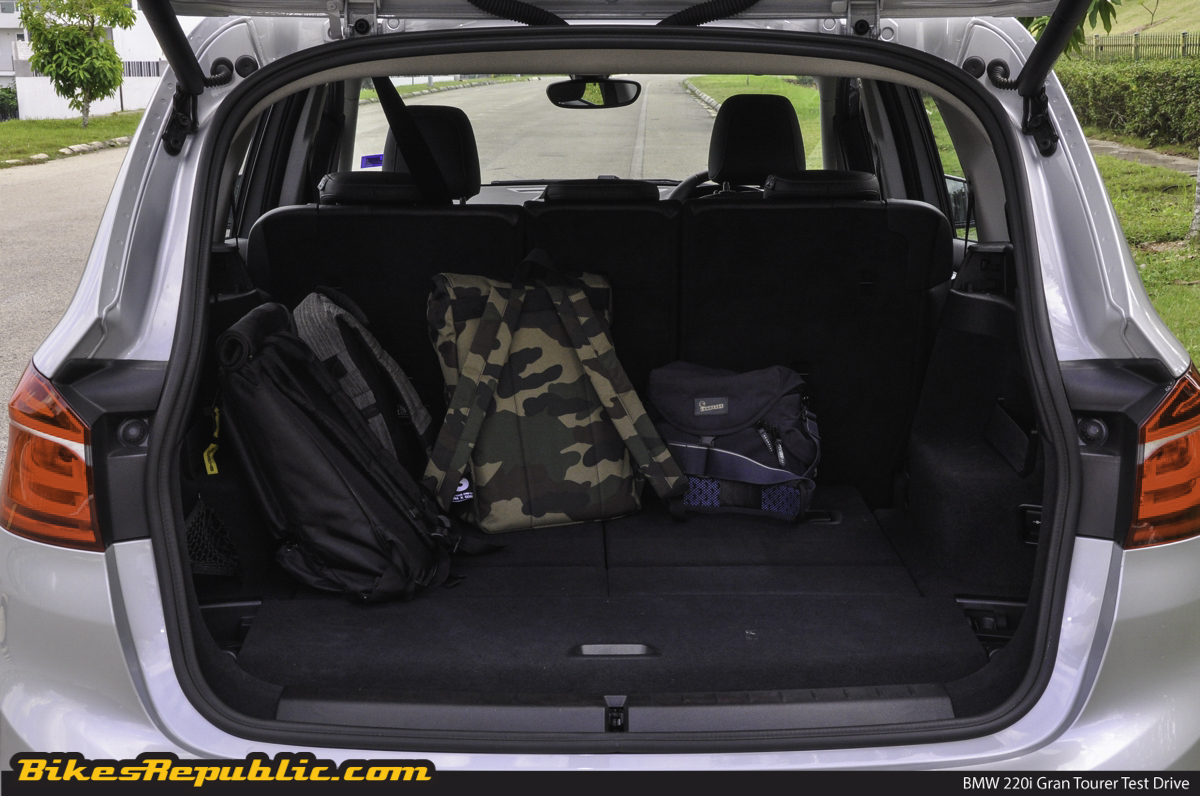
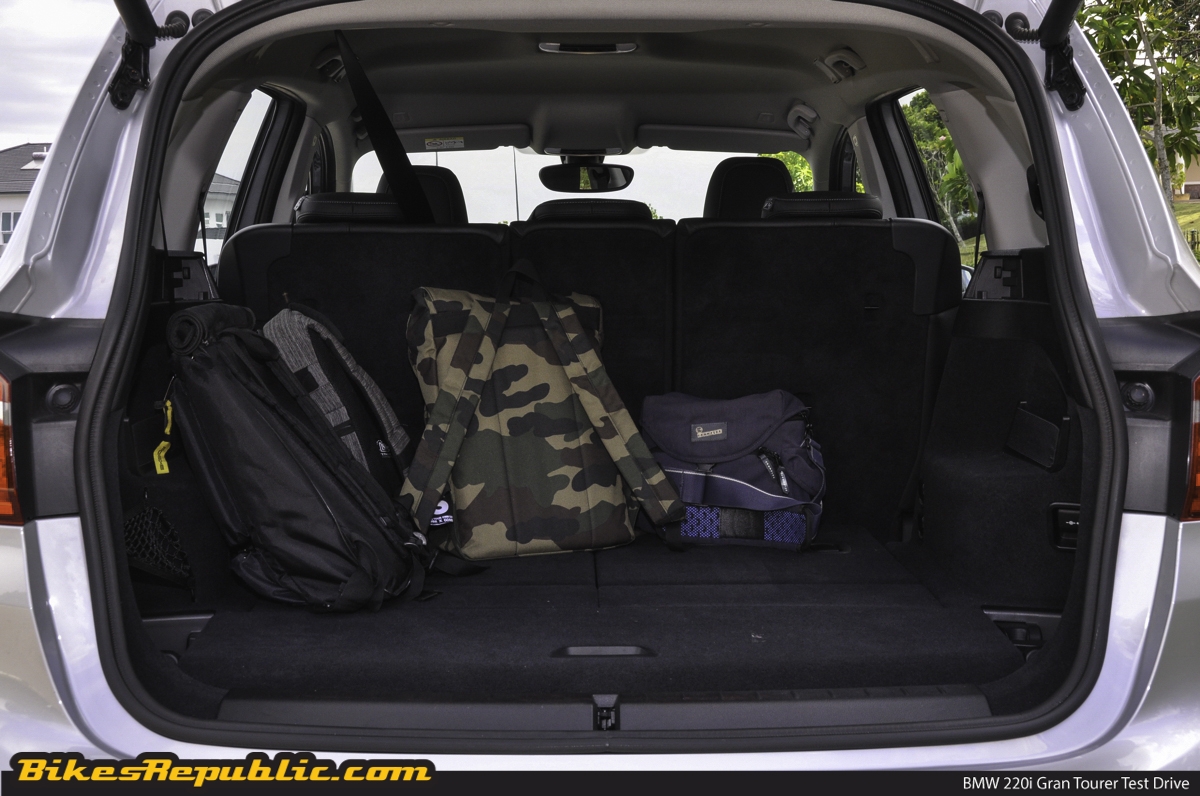
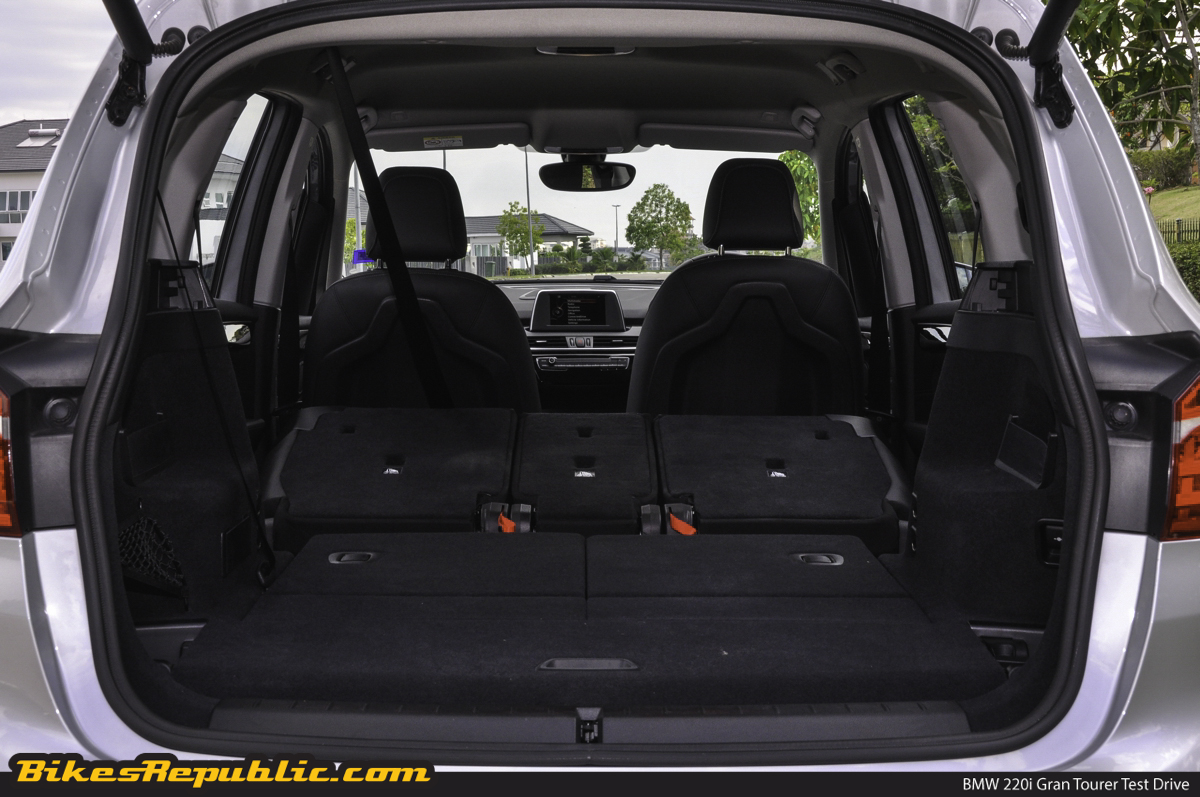
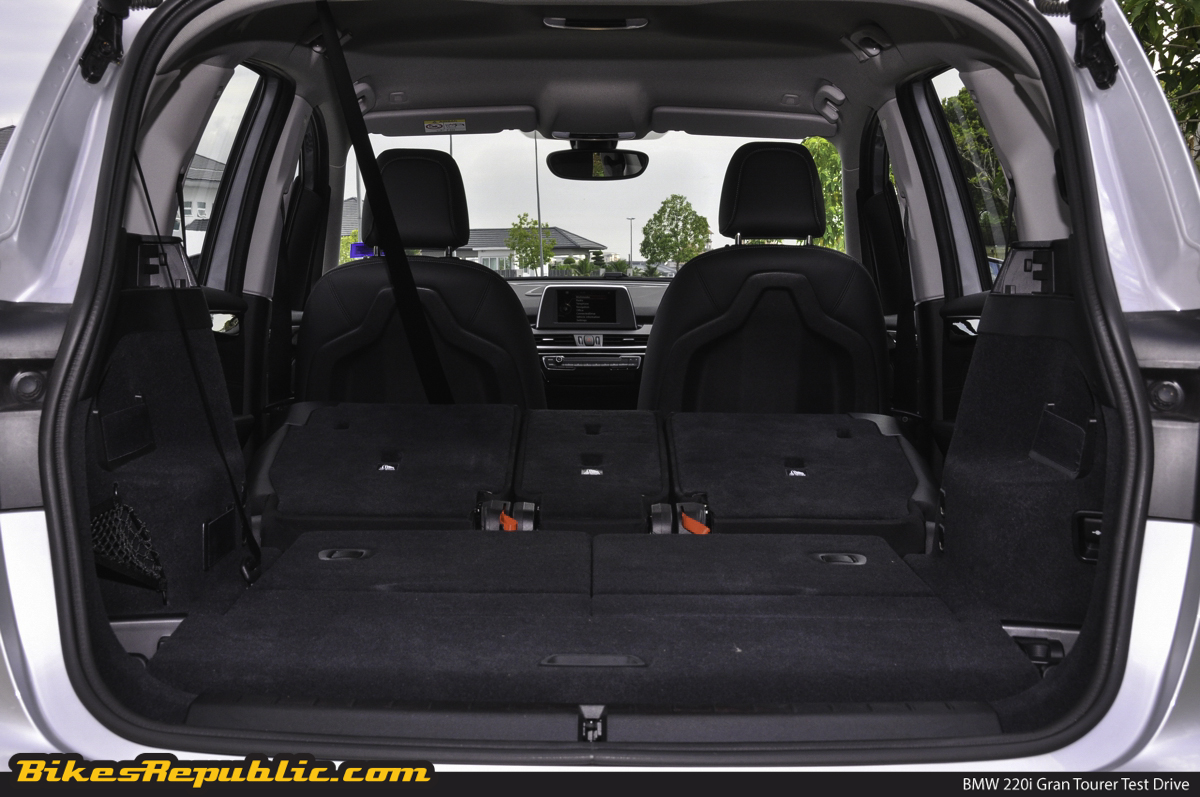
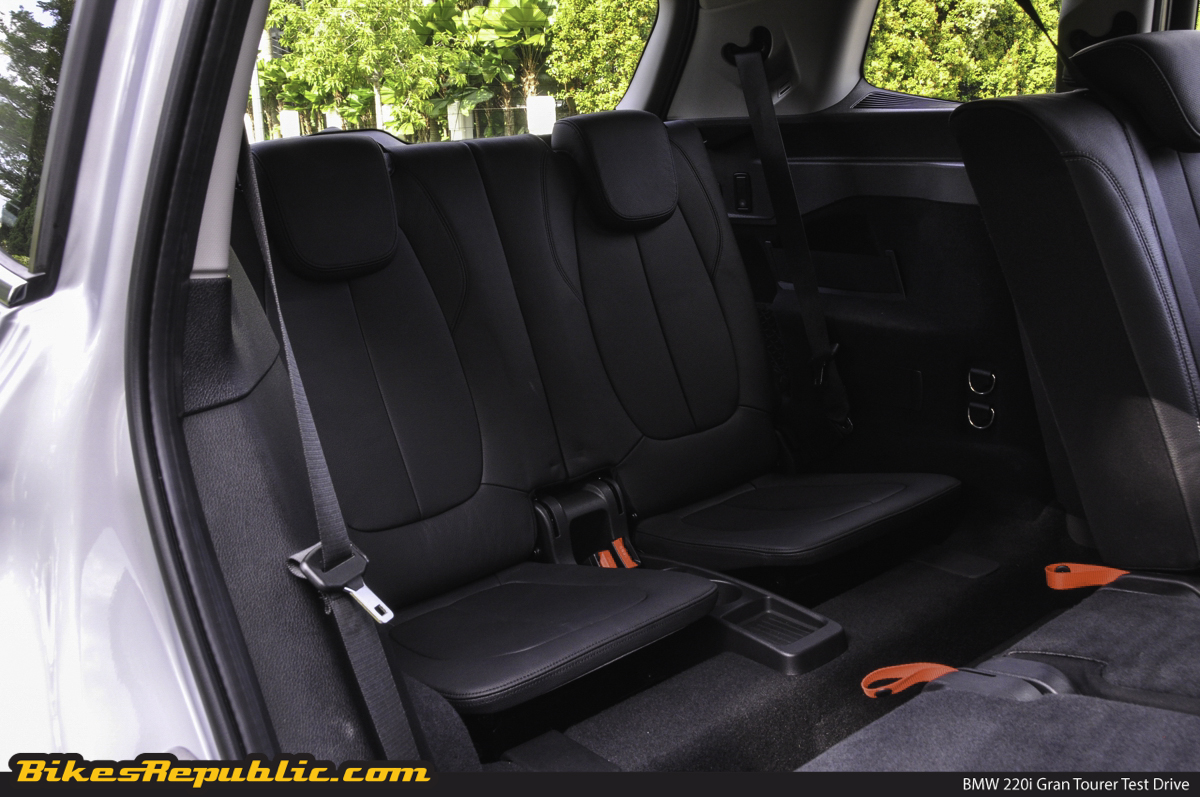
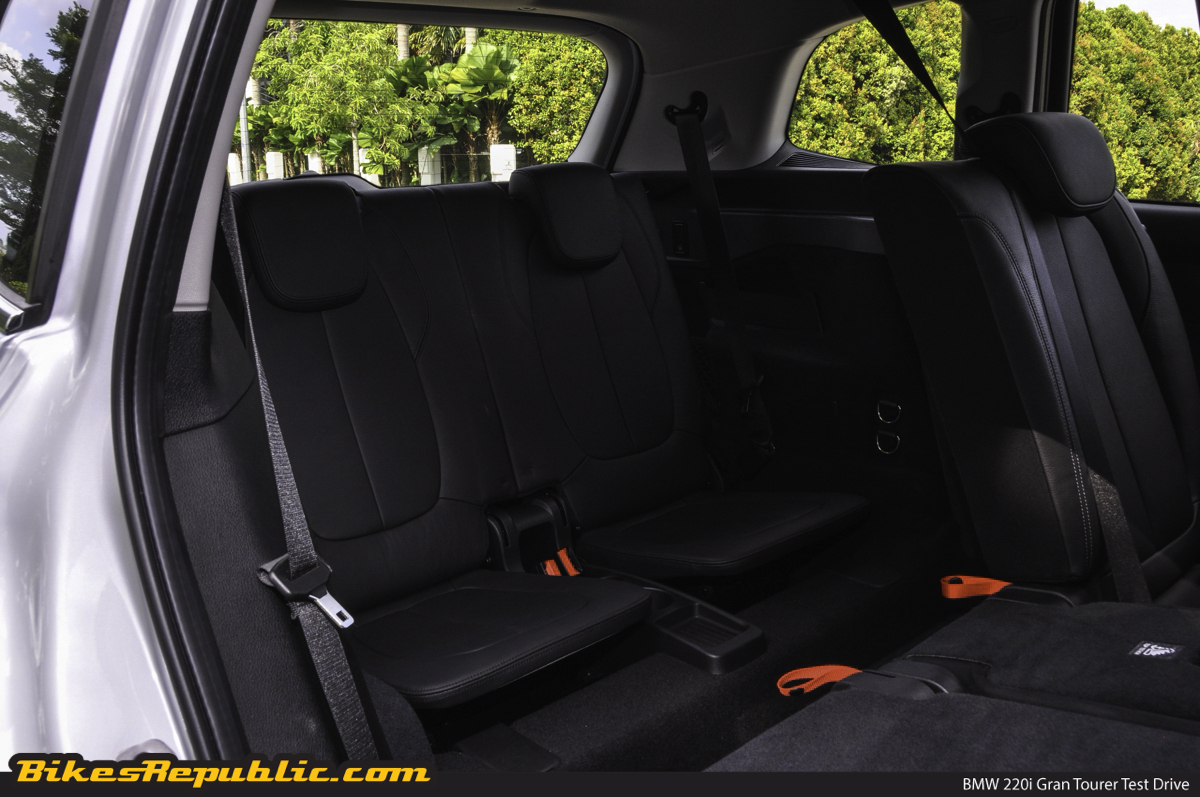
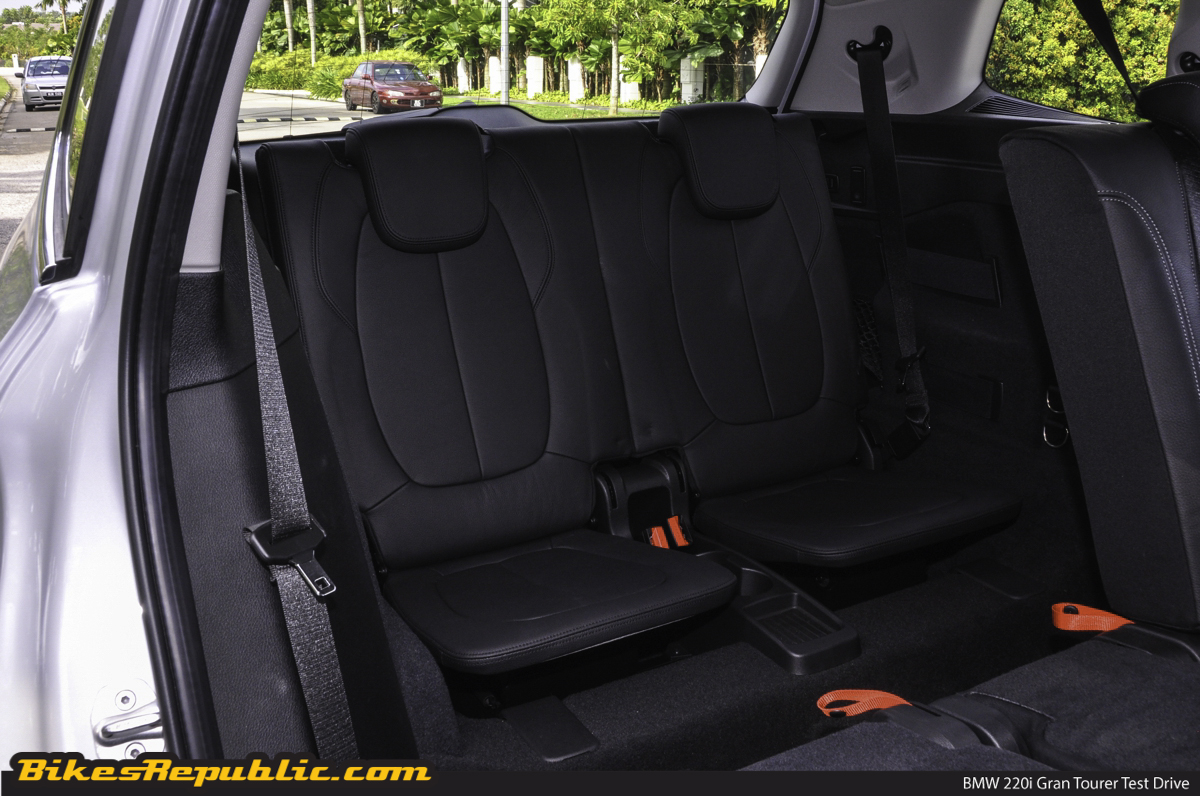
This being the range-topping 220i Gran Tourer variant, it gains further with a pair of foldable third row seats and an extended wheelbase. The extra seats means this MPV will ferry seven people on board, at the expense of cargo space of course, whilst the latter grants increased cargo space over its smaller 218i Active Tourer sibling.  Thanks to the recline-able and slide-able second row seats, space in the third row seat is surprisingly adequate. Legroom here is a tad bit scarce for most adults, but it will easily accommodate children, making the 220i GT a sound choice for mid-sized families.

DSC_0889When not ferrying passengers, the 220i GT also doubles up as an excellent goods hauler. Ladies will find the powered tailgate with remote activation feature very convenient, but what we loved most here were the 40:20:40 split second row seats’ ability to fold flat down by just pressing two buttons in the boot. With both second and third row seats folded, the 220i GT’s whopping 1,905-litre maximum boot space will no doubt make those annual trips to IKEA much easier. Even with the second row seats up, and depending on how far you slide them forward, the boot still offers a decent amount of space between 645 litres to 805 litres, making it one of the most practical models BMW has ever made.

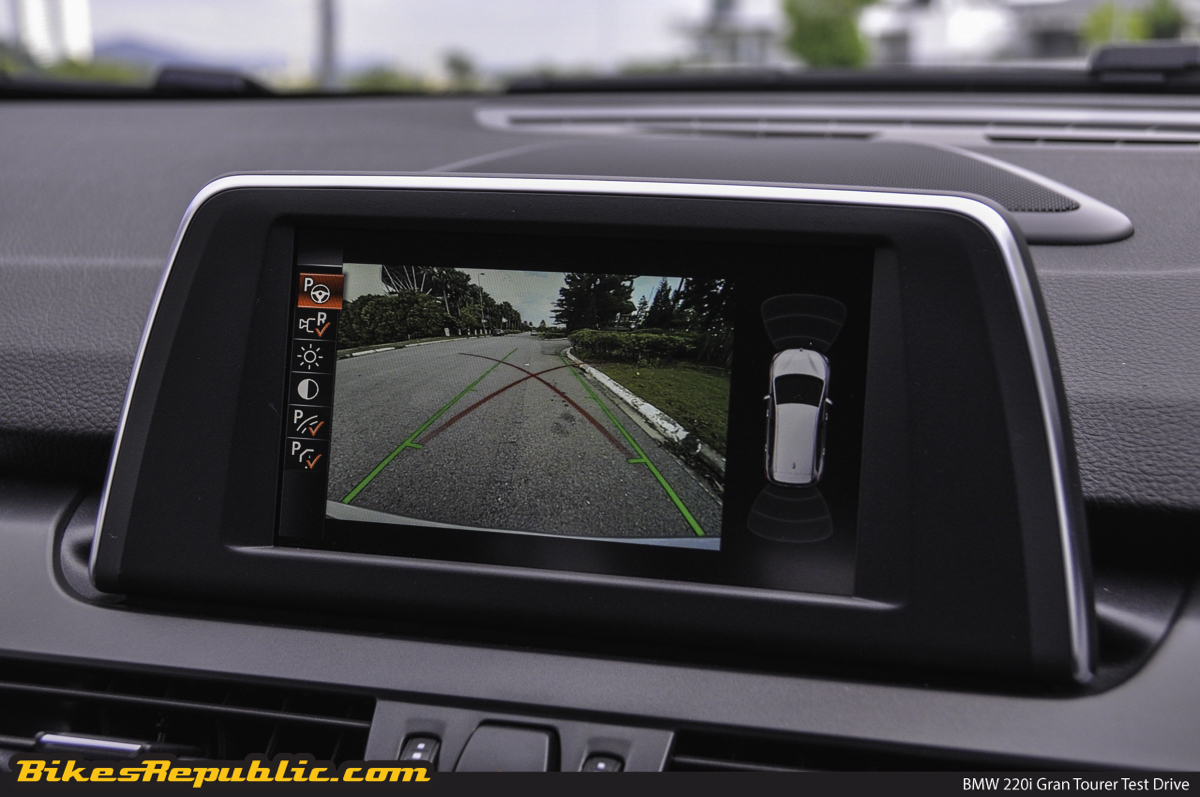
Adding further to this MPV’s overall practicality is the presence of strategically placed 12-volt sockets, which can be found in the dash, just below the second row air vents and in the boot. Needless to say, powering a multitude of devices is an easy task, making long trips less mundane especially if you have plenty of tech-savvy children. For us though, the most brilliant feature in the 220i GT’s convenience package comes from its semi-autonomous Parking Assistant feature that made side parking much easier, and we are sure this will be a hit amongst many ladies.

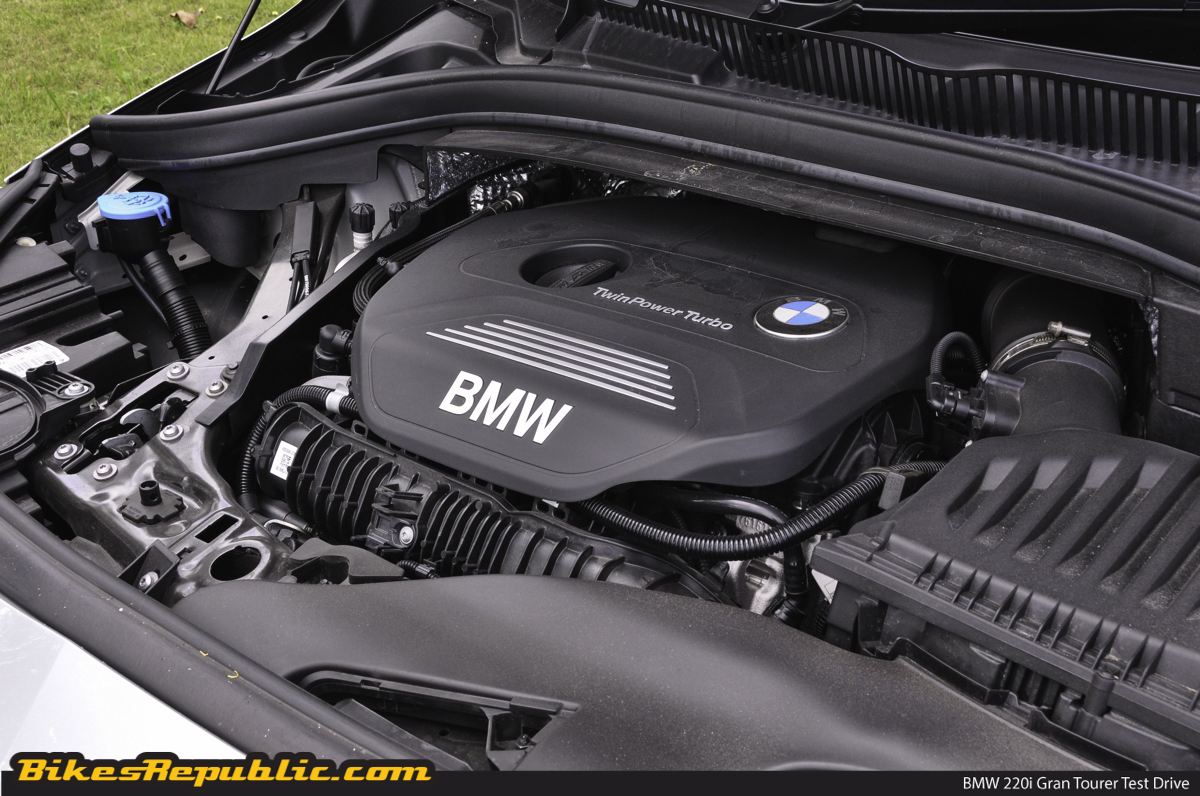
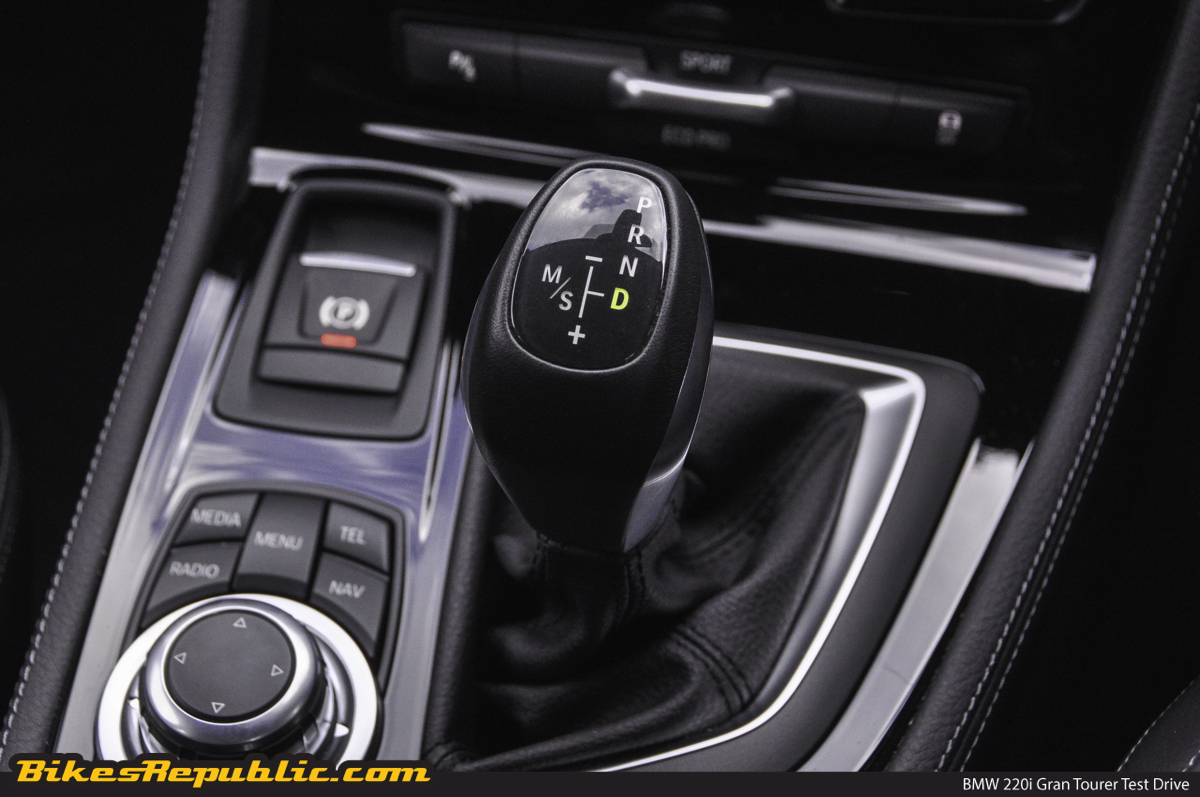
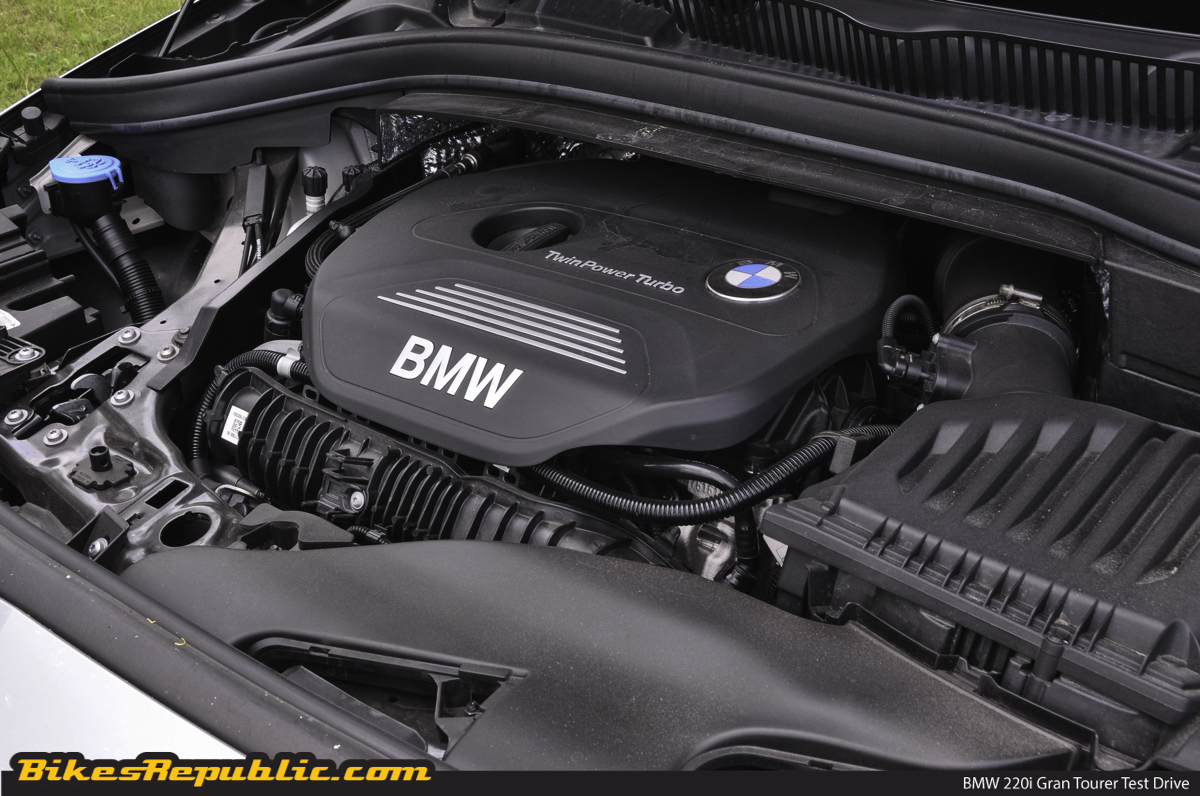
DSC_1021Again, purists BMW fans will find these ‘domesticated’ abilities awkward at first, but this quickly disappears once this BMW gets going. Power comes from BMW’s signature TwinPower Turbo four-cylinder petrol engine that offers 192hp and 280Nm of torque that powers the front wheels. This premium 220i GT also gains with an eight-speed automatic transmission instead of the six-speed unit found in its smaller 218i Active Tourer, offering a much smoother operation and greater efficiency as well.

Overall, the powertrain felt surprisingly perky as torque is abundant in the lower and mid rev-ranges, effortlessly hauling the 220i GT’s claimed unladen weight of 1,615kg up to speeds. As a result, the 220i GT boasts a very respectable century sprint time of 7.6 seconds as well. As far as power delivery is concerned, it feels typically German in this aspect, which is something that many of its targeted buyers will undoubtedly appreciate.

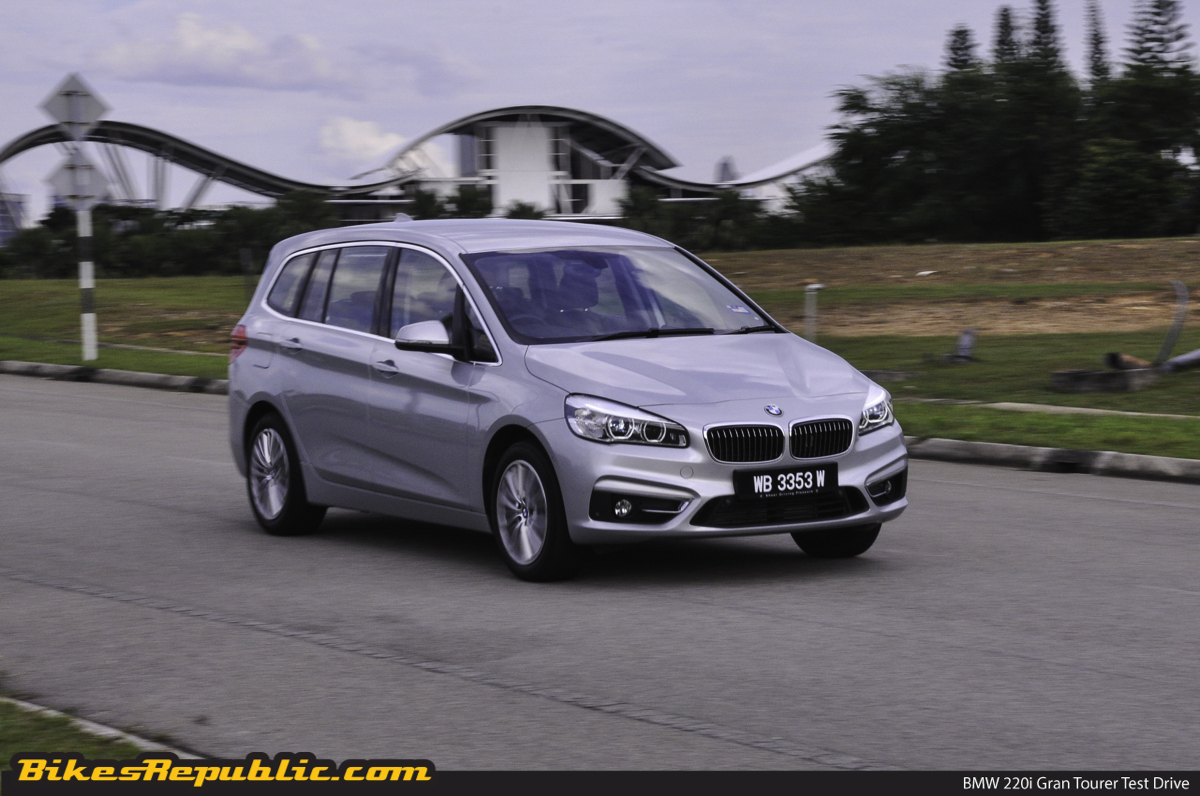
DSC_0905Crucially, this MPV also delivers the BMW badge’s promise of excellent drivability and handling, and it has both in abundance despite having a front-wheel-drive layout. Much of this magic comes from BMW’s experiences in developing its Mini sub-brand, resulting in this MPV’s surprisingly agile and taut handling abilities. Though the dampers offer decent levels of comfort, the 220i GT does lack some refinement in this area against its rivals, but it isn’t unbearable to say the least. There is little doubt that it will satisfy those seeking a dynamic feel to things, especially amongst folks switching up from something like a Mini Cooper or 3 Series.

The other typically German trait with the 220i GT lies in its standard array of safety features. Besides ABS brakes and electronic stability control (ESP), the 220i GT’s cabin is lined with six airbags plus two ISOFIX childseat anchors in the second row seats. It may not sound like much against some of its slightly larger rivals, but family-conscious buyers will find it very adequate, providing great peace of mind should it be tasked as a primary family mover.

DSC_0925It may not be as capable as most of its segment rivals in certain aspects, but it is the only one amongst the lot that offers a high degree of plush amenities with the brand’s renowned dynamic drivability. More importantly, BMW’s first ever attempt in making an MPV sees it meeting and exceeding the expectations of many when it comes to practicality and versatility, with the famed premium badge now finally within reach in a this practical and family-oriented genre.

The only challenge left is the whether one is willing to meet the BMW 220i GT’s somewhat steep asking price of RM279,800 sans insurance costs. Thankfully, the inclusion of both a five-year, unlimited mileage warranty with a five-year or 100,000km free scheduled maintenance program in said price sees the 220i GT edge over its rivals greatly here. This is definitely the MPV that many soccer moms (and dads!) would want to have.

BMW 220i Gran Tourer

ENGINE
  • BMW TwinPower Turbo
  • 2.0-litre turbocharged four-cylinder petrol
TRANSMISSION 8-speed Steptronic automatic
POWER 192hp @ 4,700RPM
TORQUE 280Nm @ 1,250 – 4,600RPM
0 – 100KM/H 7.6 seconds (Claimed)
TOP SPEED 221km/h (Claimed)
FUEL EFFICIENCY 6.2 litres/100KM (Combined, Claimed)
CO2 EMISSIONS 144g/km
PRICE RM279,800 (OTR without insurance)
WARRANTY
  • 5-year unlimited mileage warranty
  • 5-year or 100,000km free service package (whichever comes first)
FROM BMW Malaysia
www.com.my

Gallery
THE current generation BMW 1 Series has got all the makings of becoming an instant classic. Being the only rear-wheel-drive car in a largely front-wheel-driven segment, it offered unrivalled handling and agility. However, it was let down by its looks, not to mention the steep asking price it held on our soil being a fully imported (CBU) model.

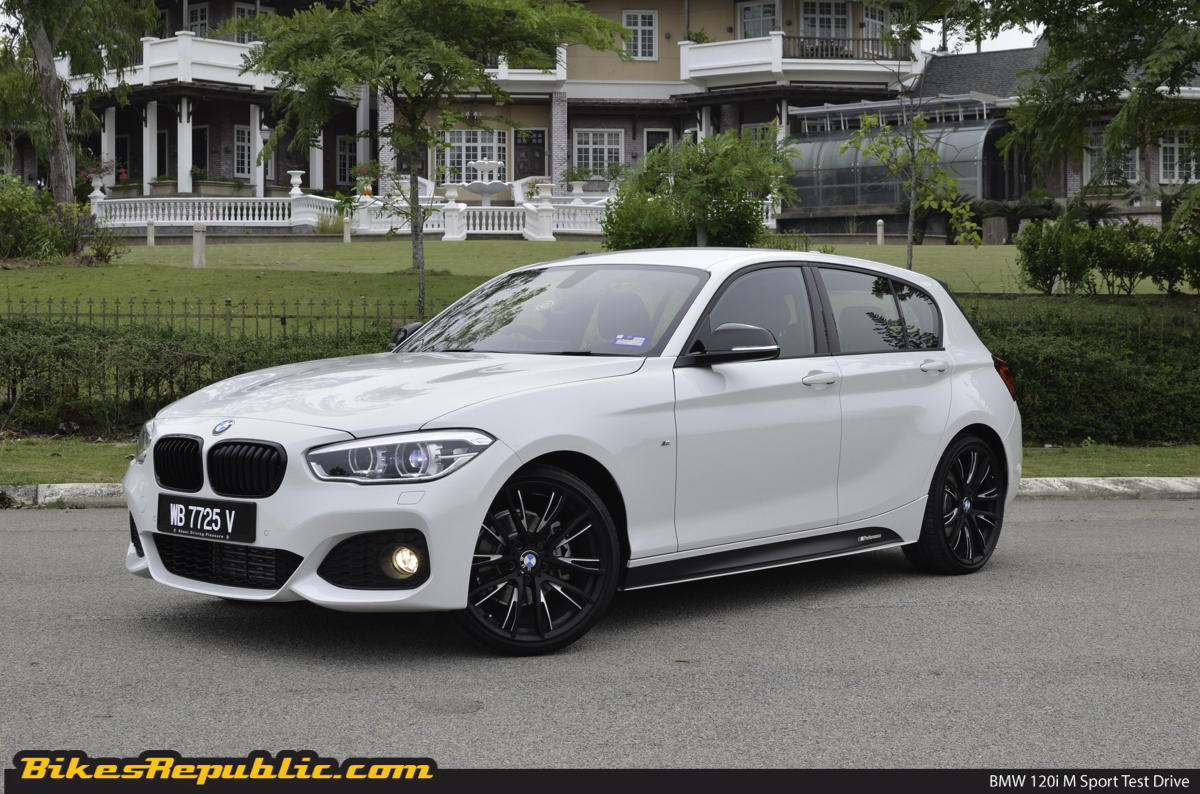
DSC_0012Thankfully, the Bavarian marque has heard the cries of many, resulting in this model’s sorely needed facelift, not to mention its desirable new pricing as a locally assembled (CKD) model now too. The Malaysian-flavoured range may have shrunk to just one lone 120i M Sport variant, but after a few days helming it, the car’s brilliance is hard to refute.

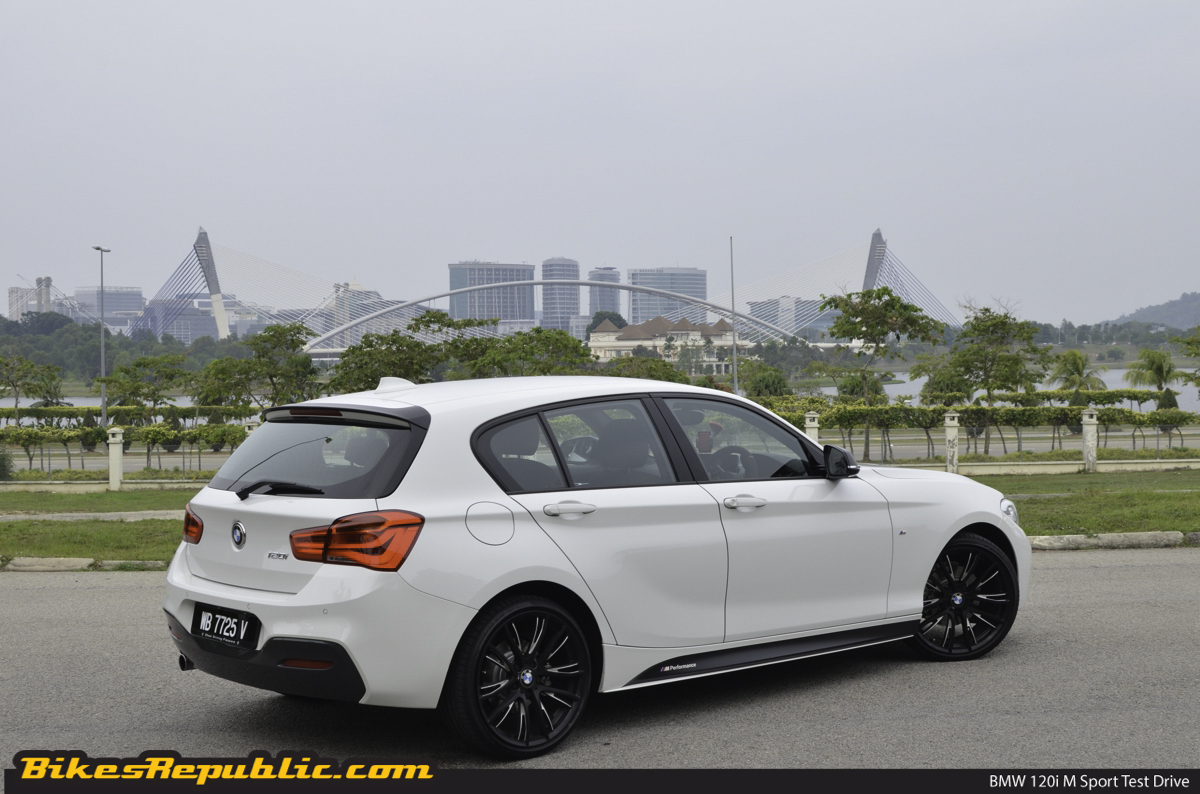
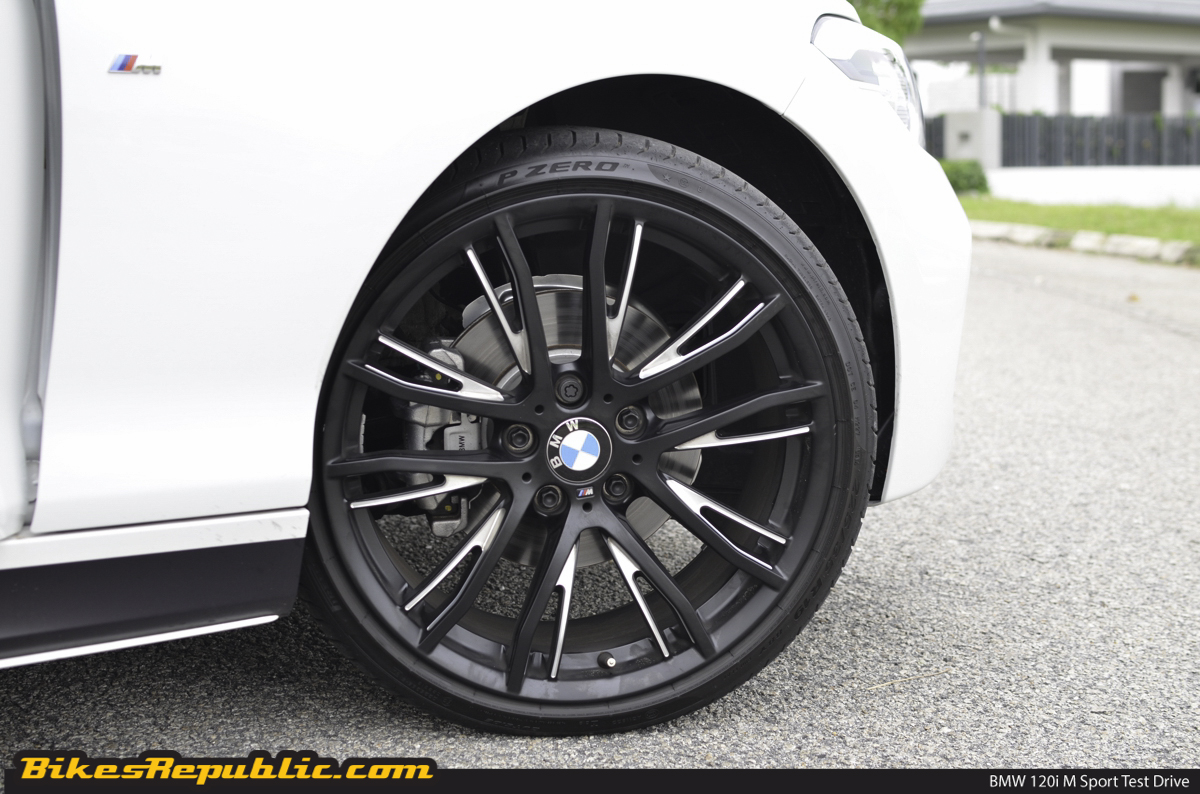
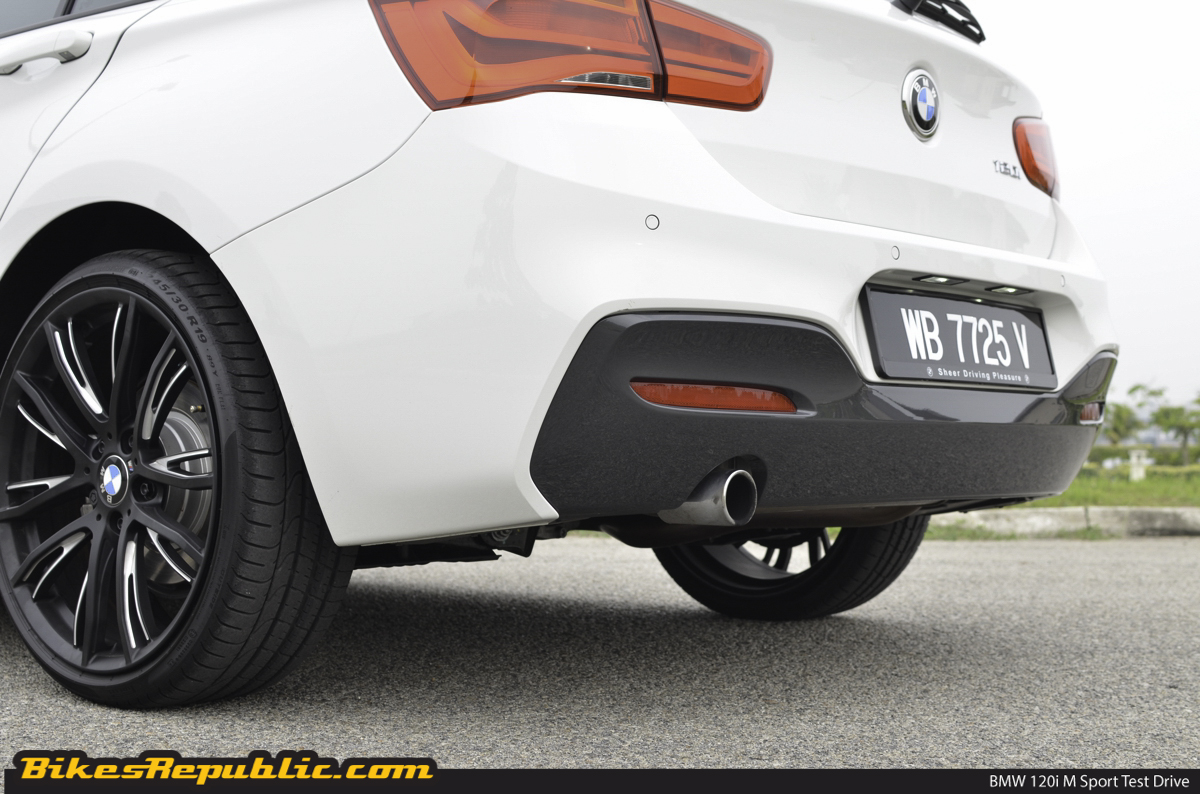
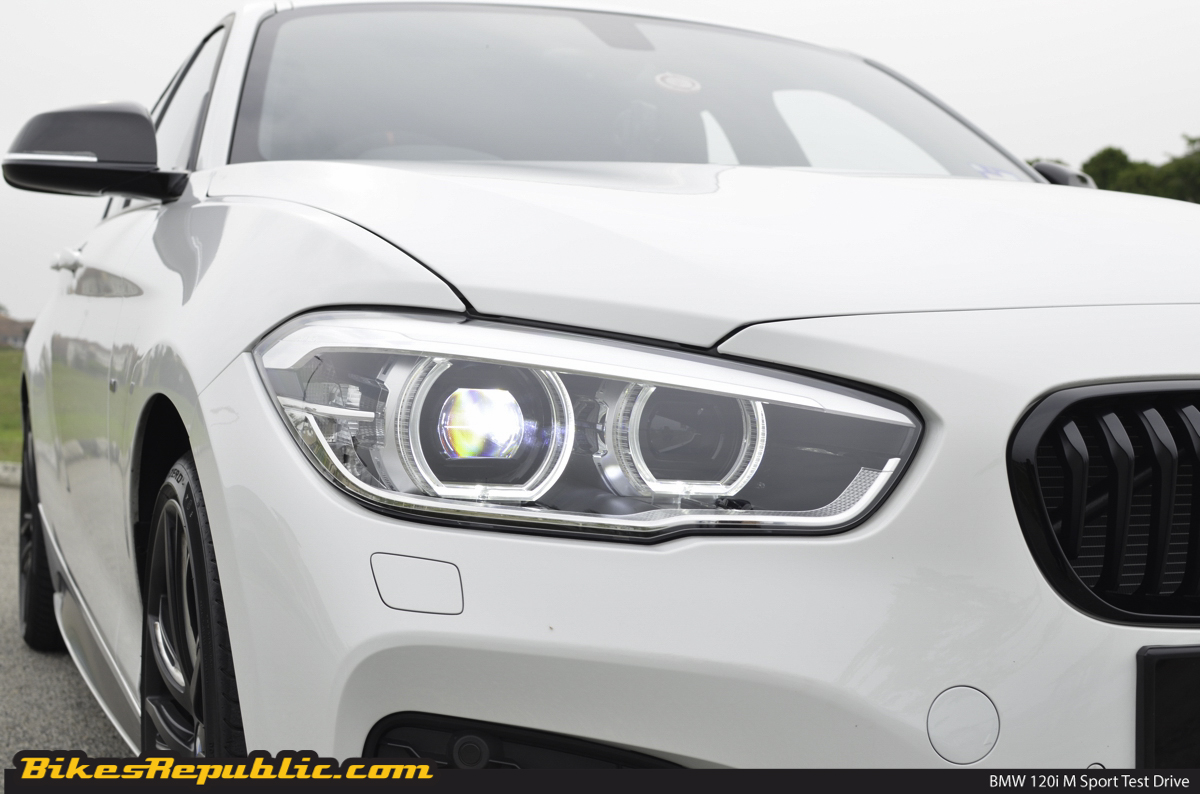
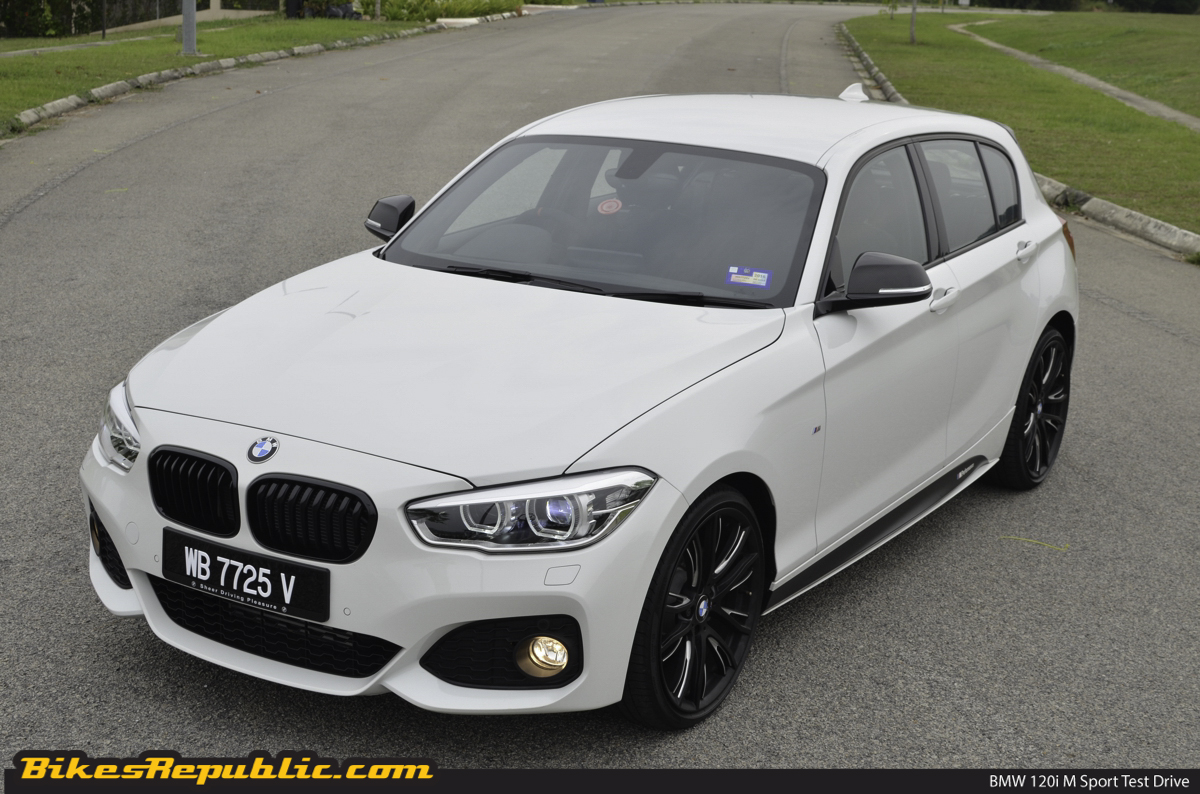
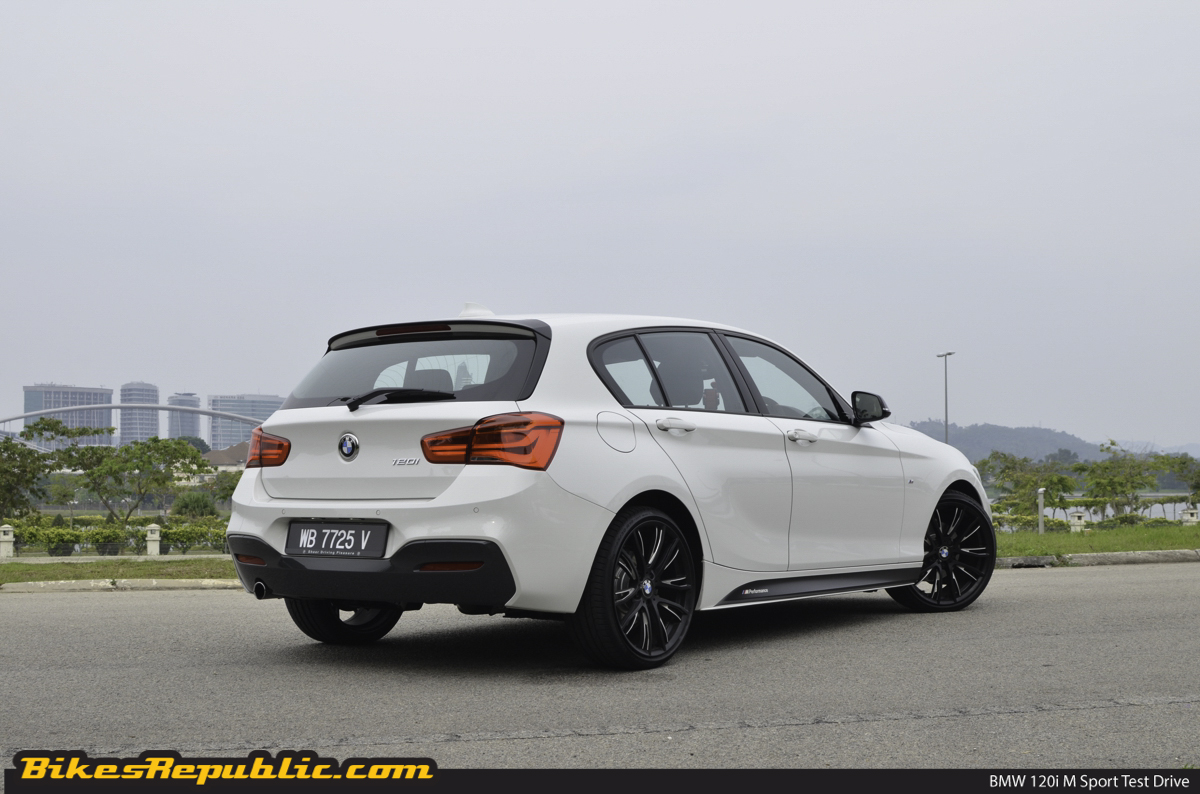
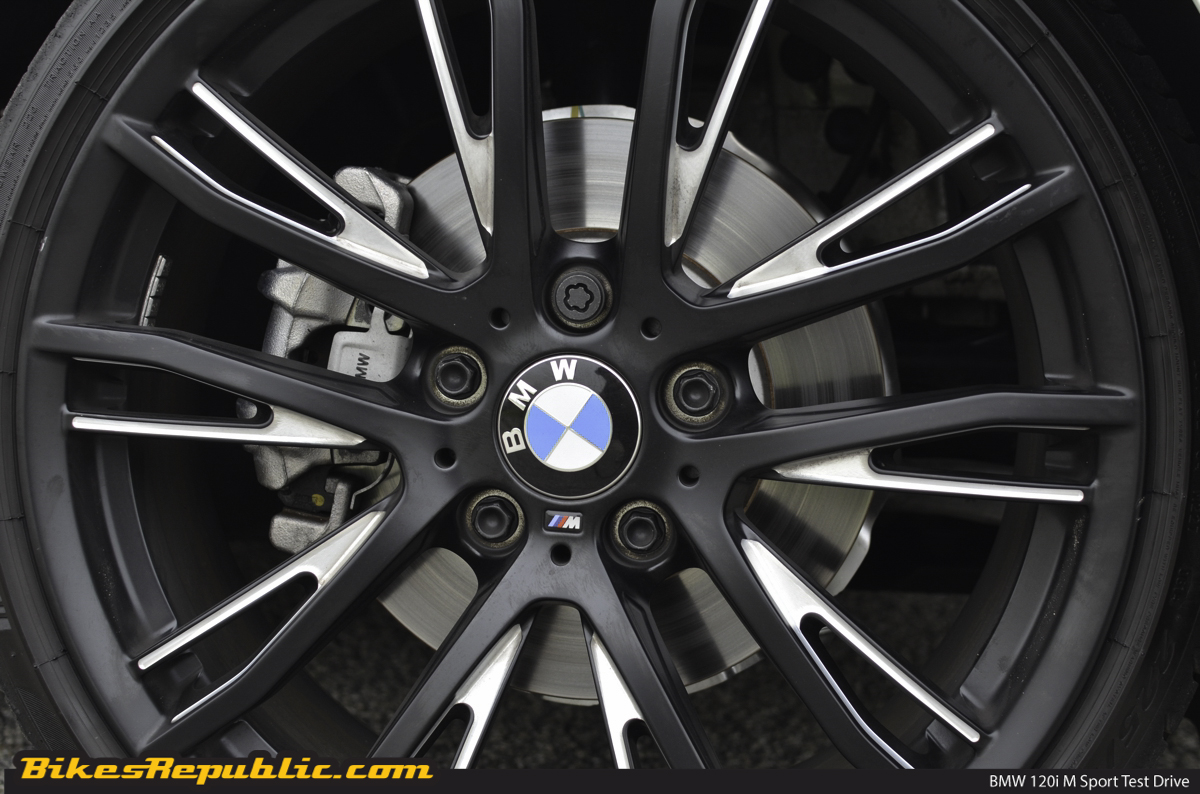
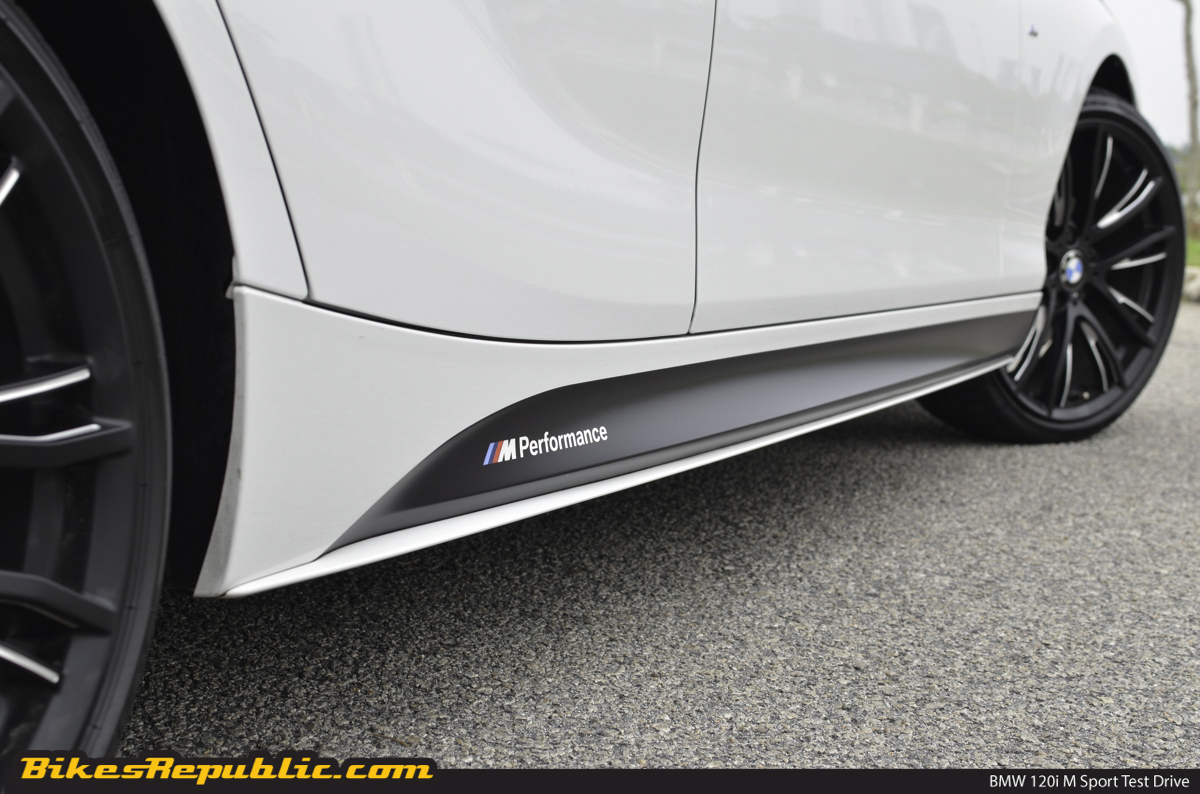
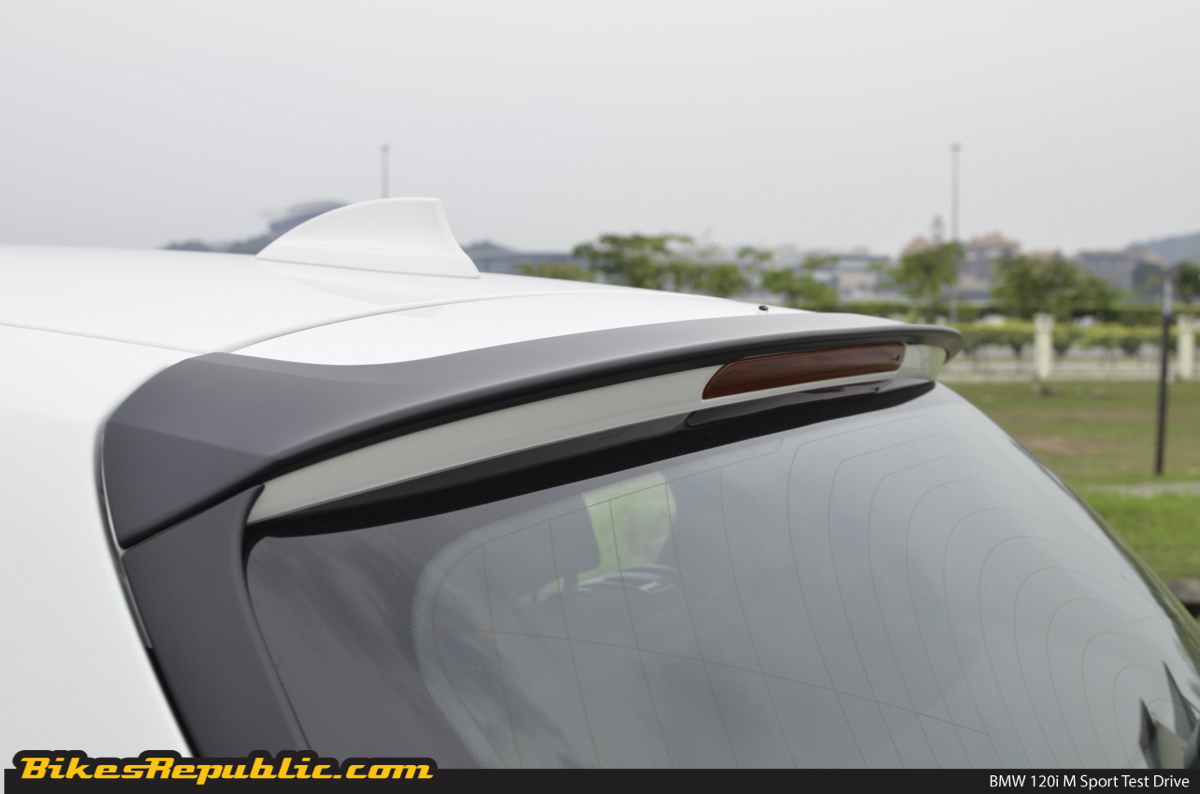
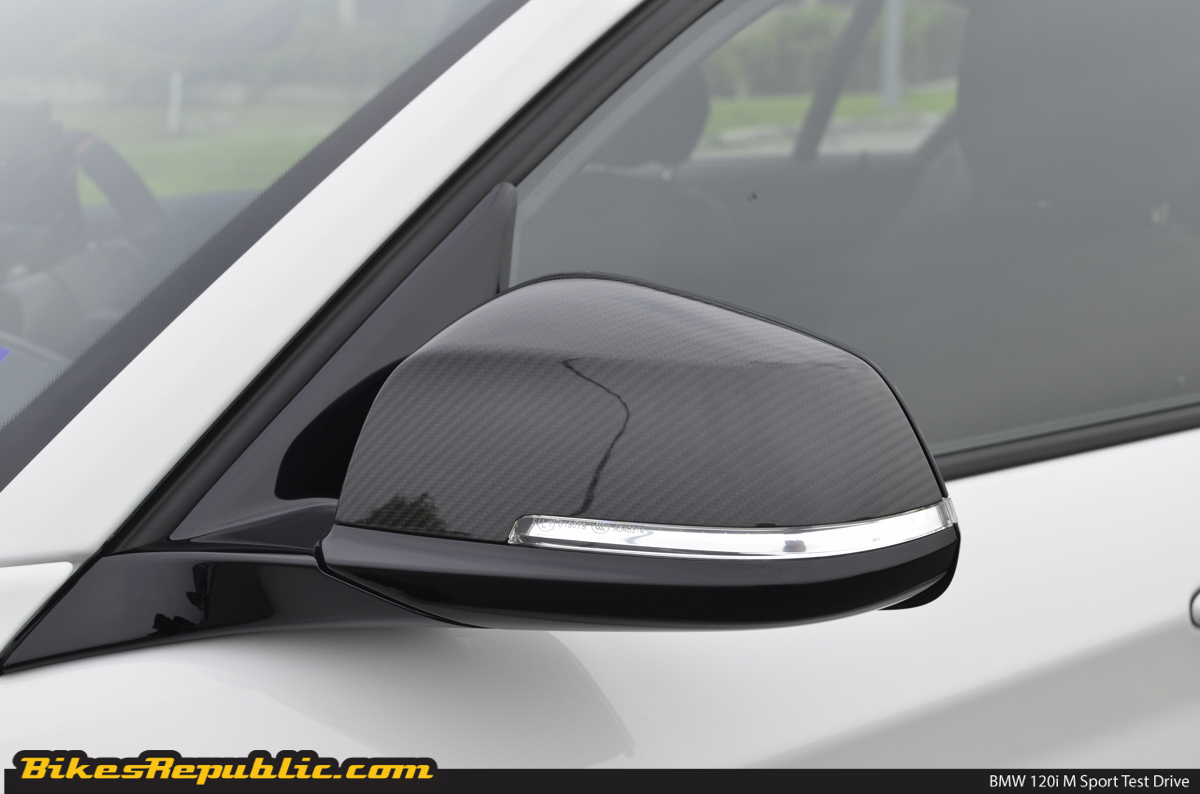
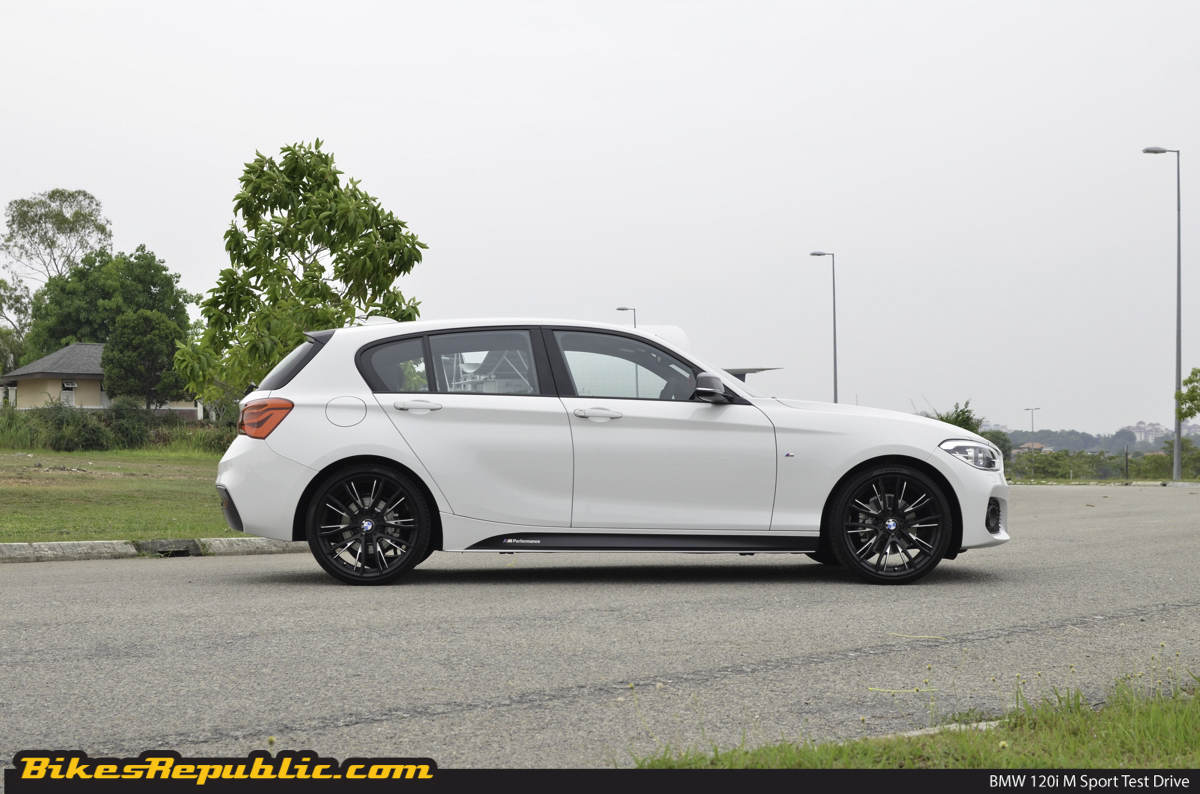
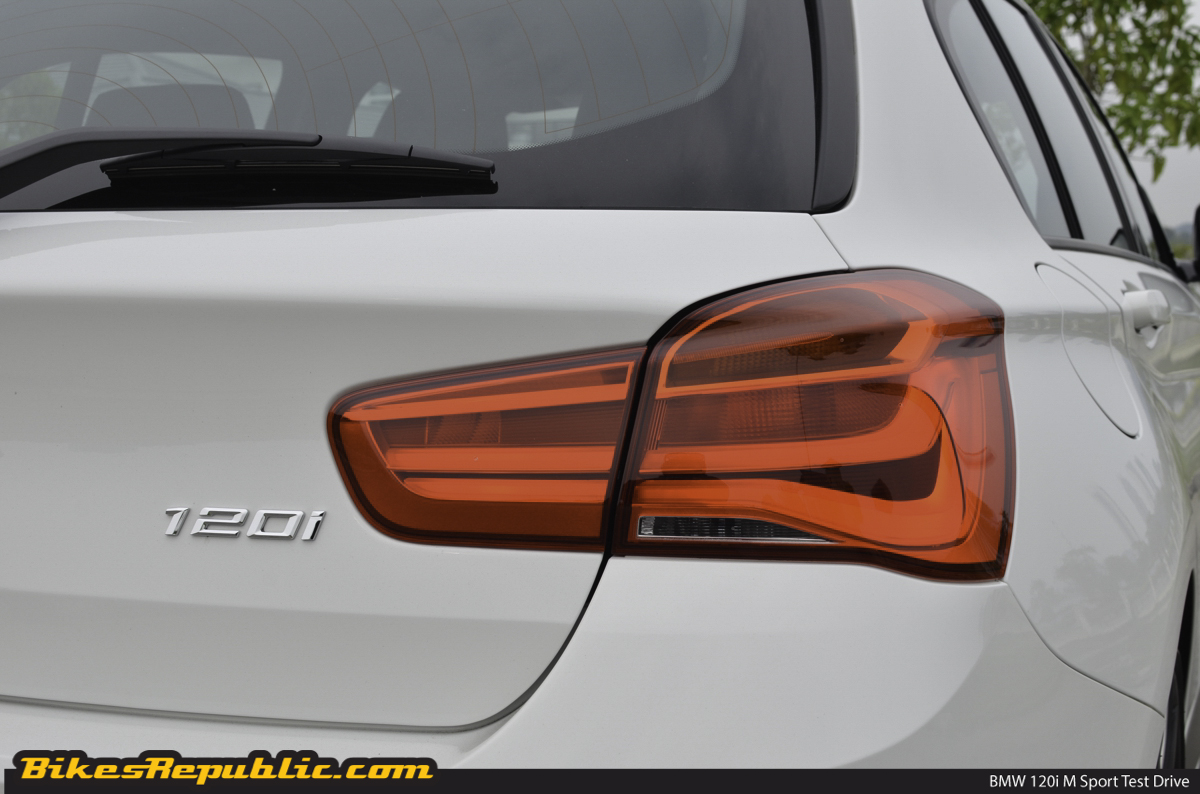
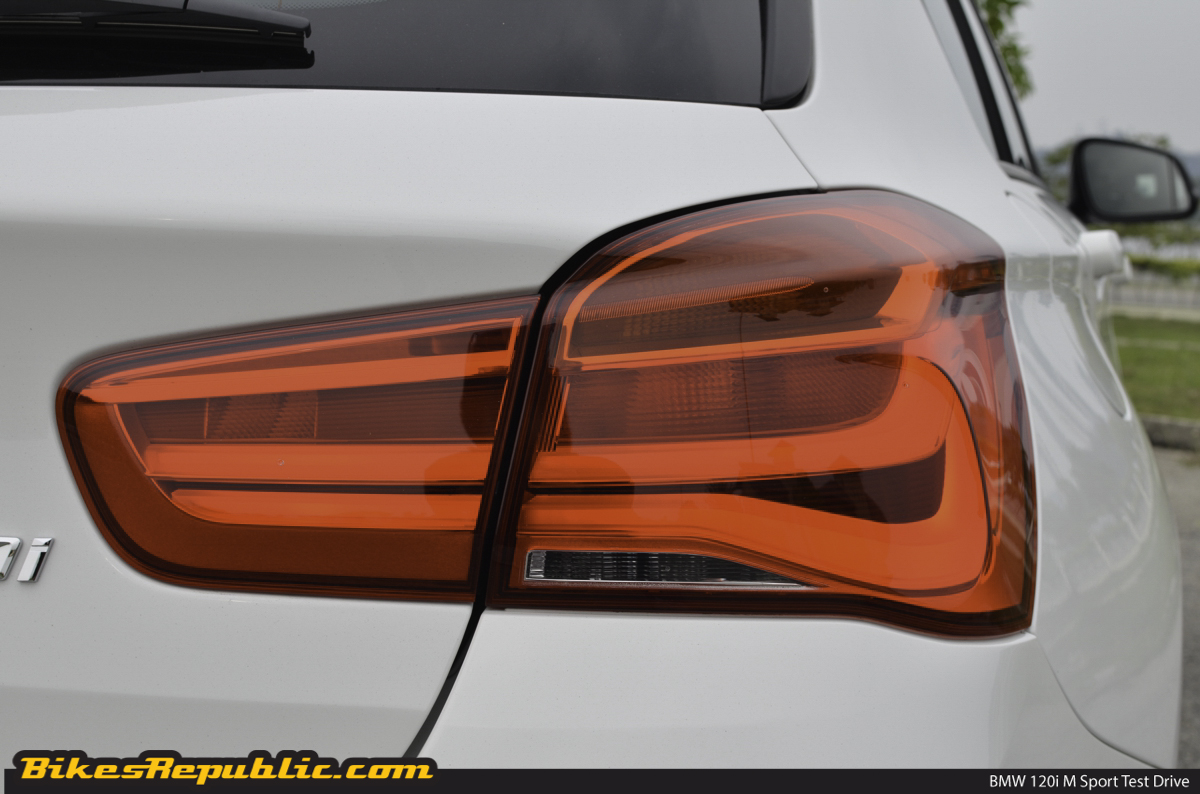
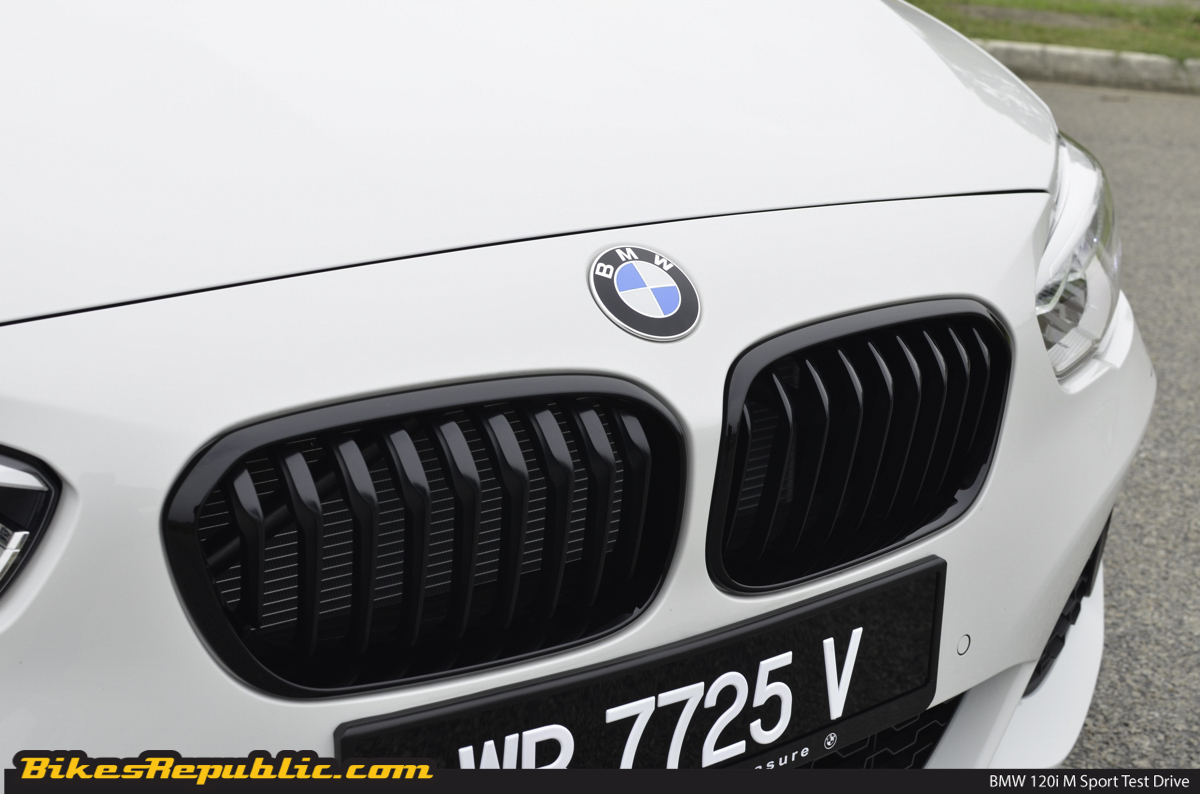
The changes on the outside are indeed mild, most notable of which being the restyled headlamps, taillights and grille. Nevertheless, this has done wonders to it. In our test unit’s case though, the optional M Performance bits such as the 19-inch alloy wheels and aerokit further enhances things, and matches well with the pearlescent white paint. Though they are costly, the optional exterior bits does beg one to seriously consider forking out the extra cash.

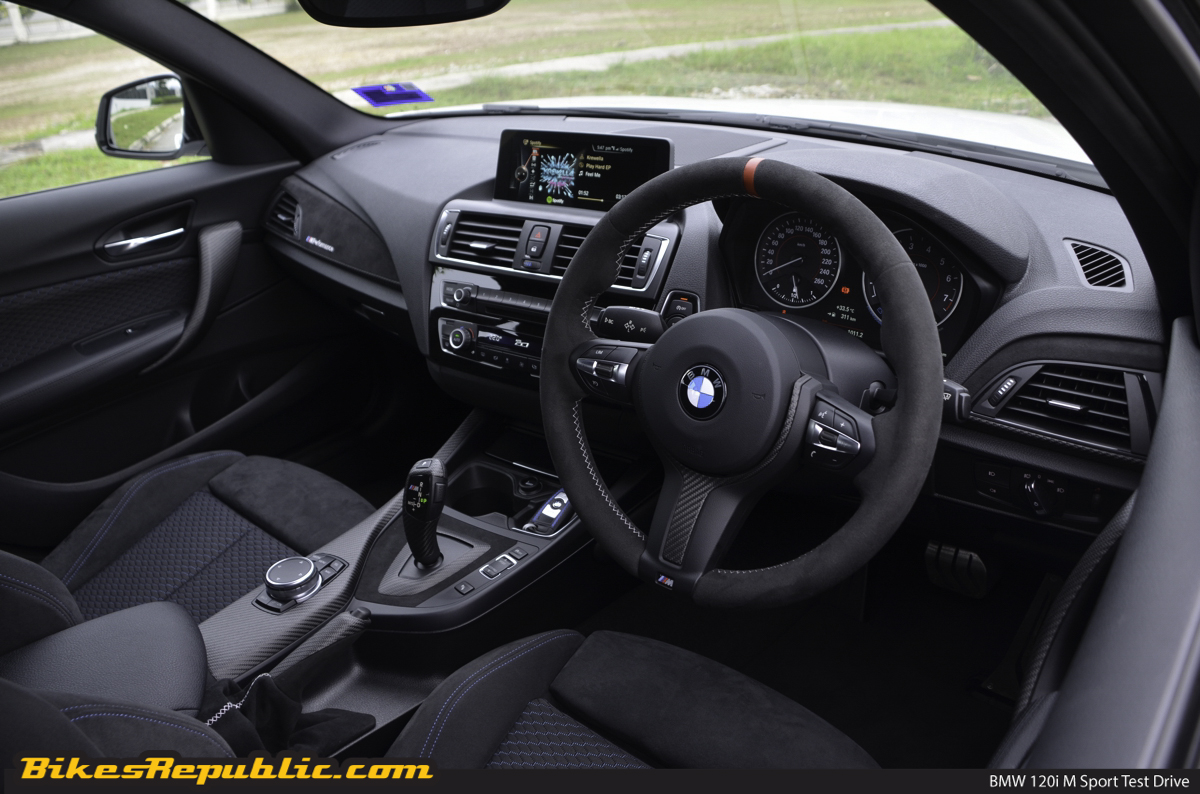
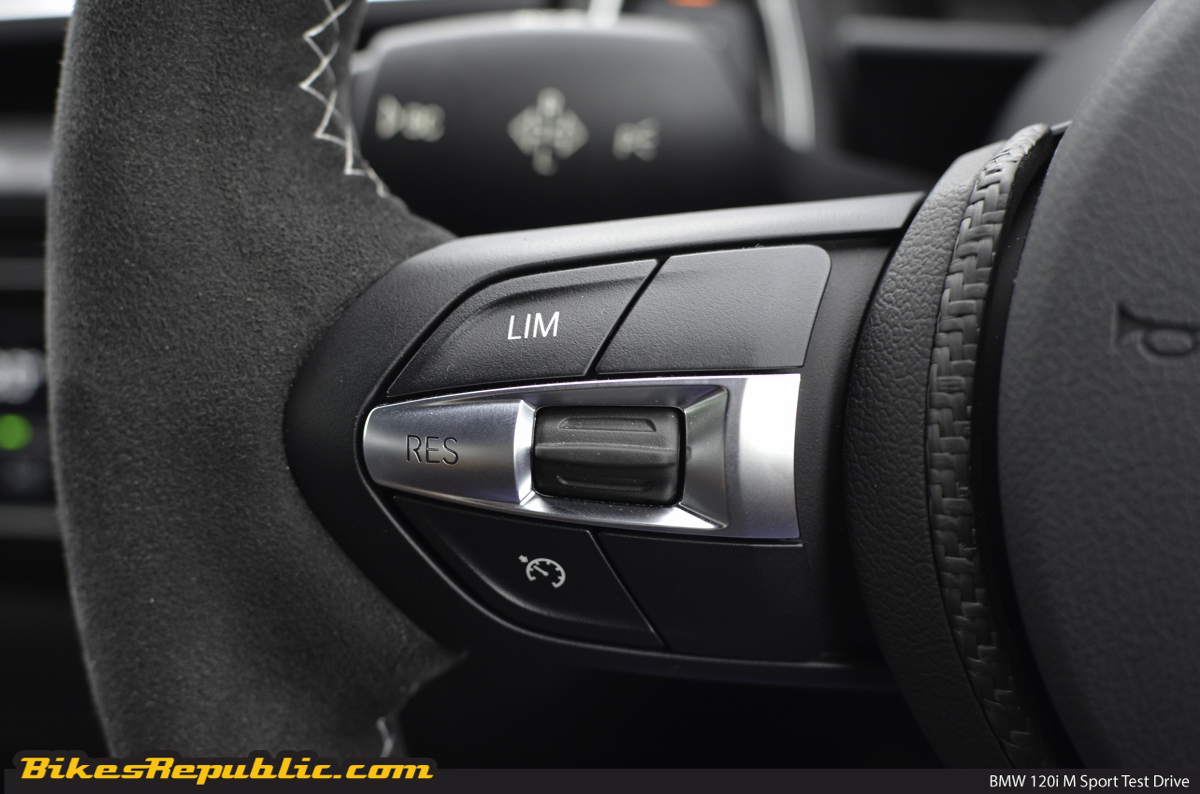
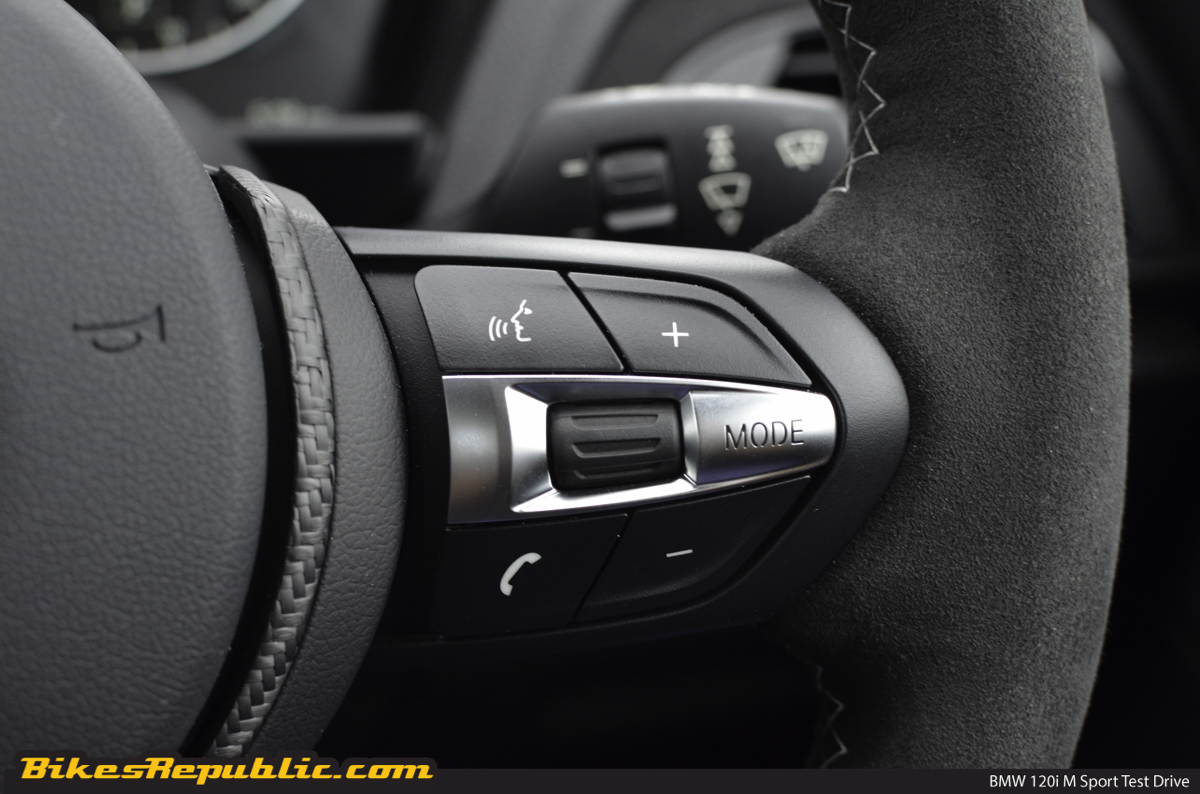
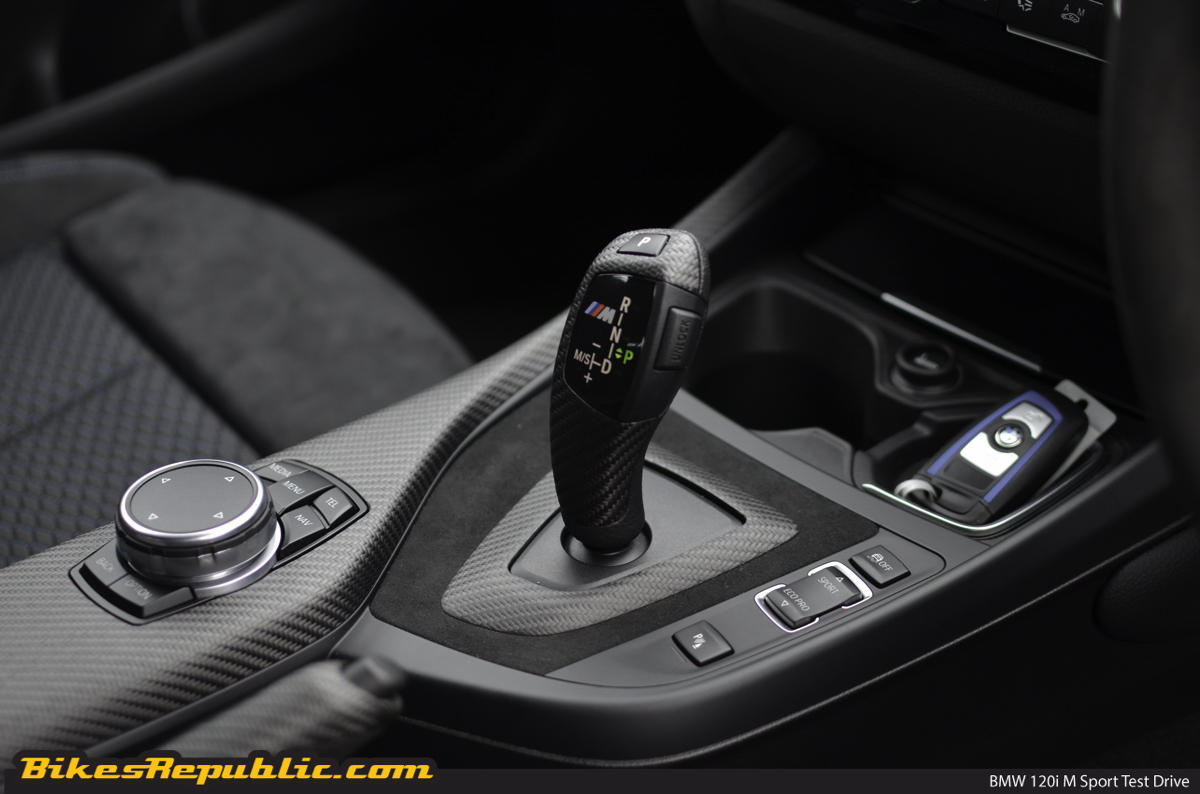
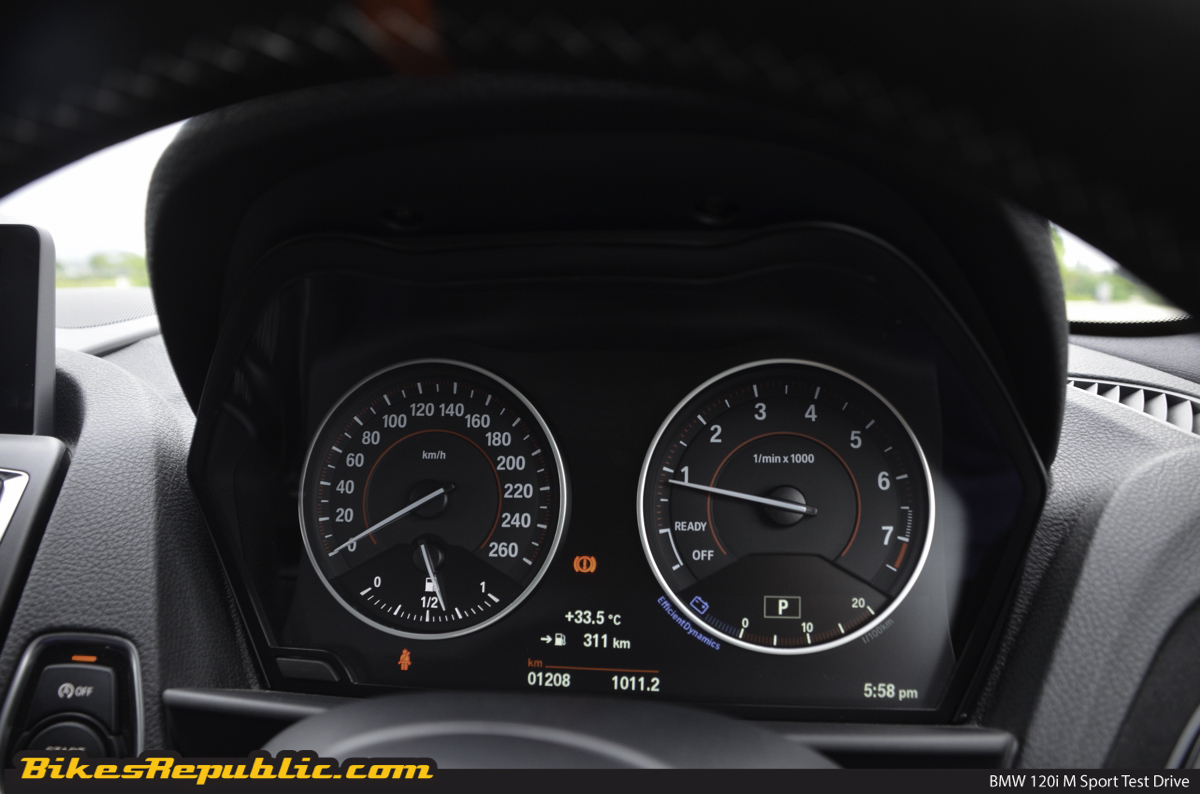
DSC_0039On board, not much has changed with the cabin, which is not entirely bad news. You can opt for a more racy look though thanks to the vast array of optional M Performance interior bits you see richly laden in our test unit. Some do feel a tad bit tacky such as the carbon effect transmission console surround and strip along the dash, but some like the alcantara-wrapped steering wheel, stainless steel pedals and LED-lit door sills begs one to seriously consider. Overall though, we reckon that those who fancy them would not mind spending a little more, but the standard trimming is still quite pleasing nonetheless.

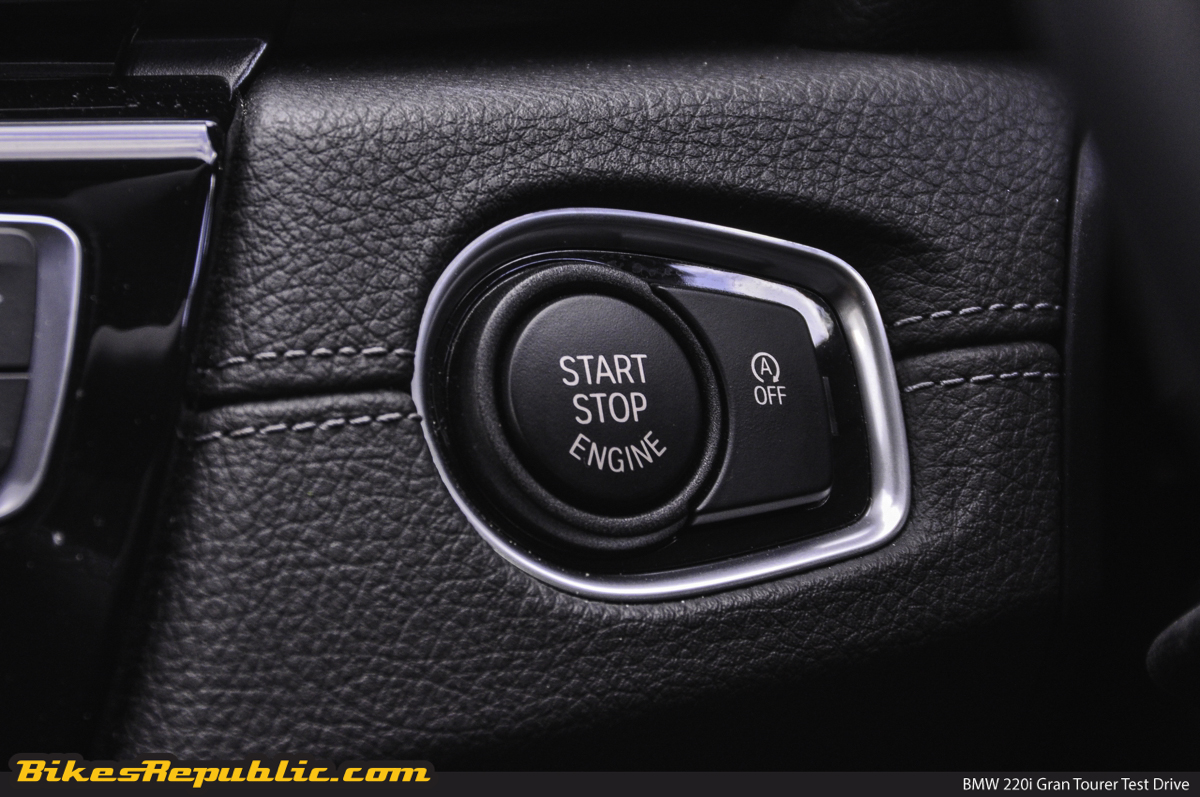
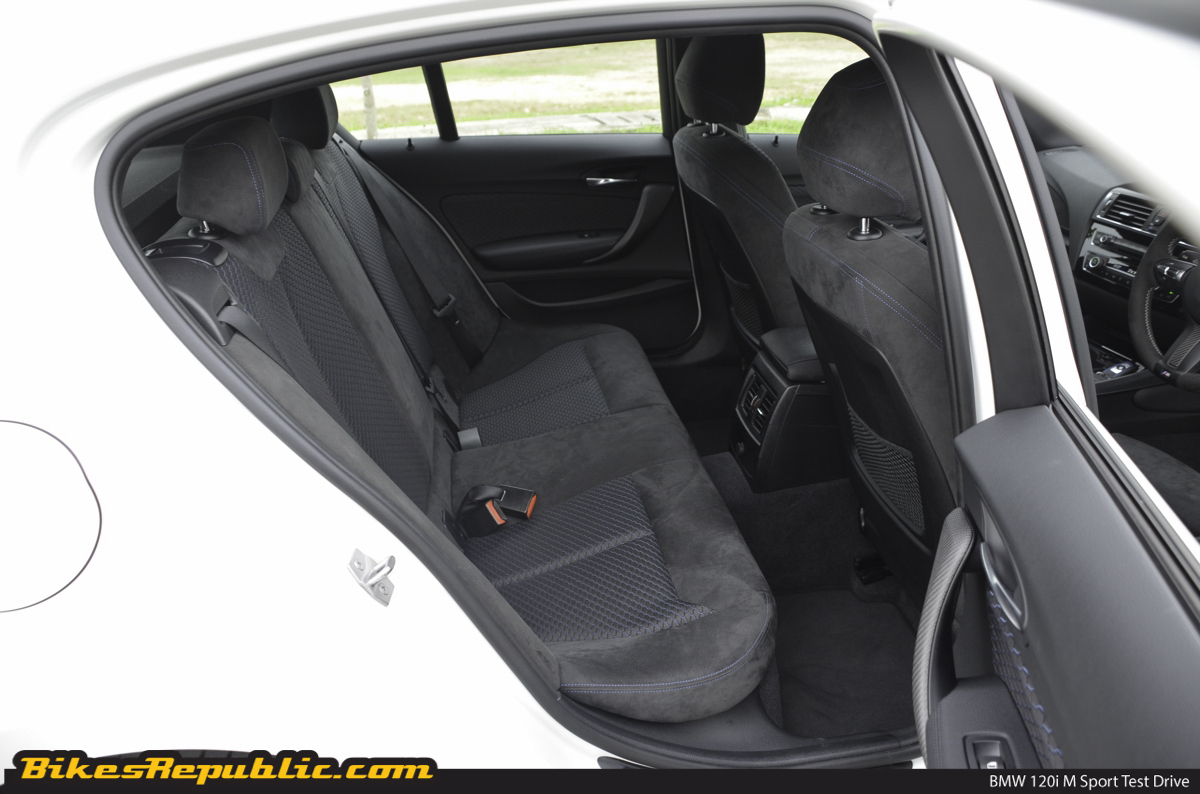
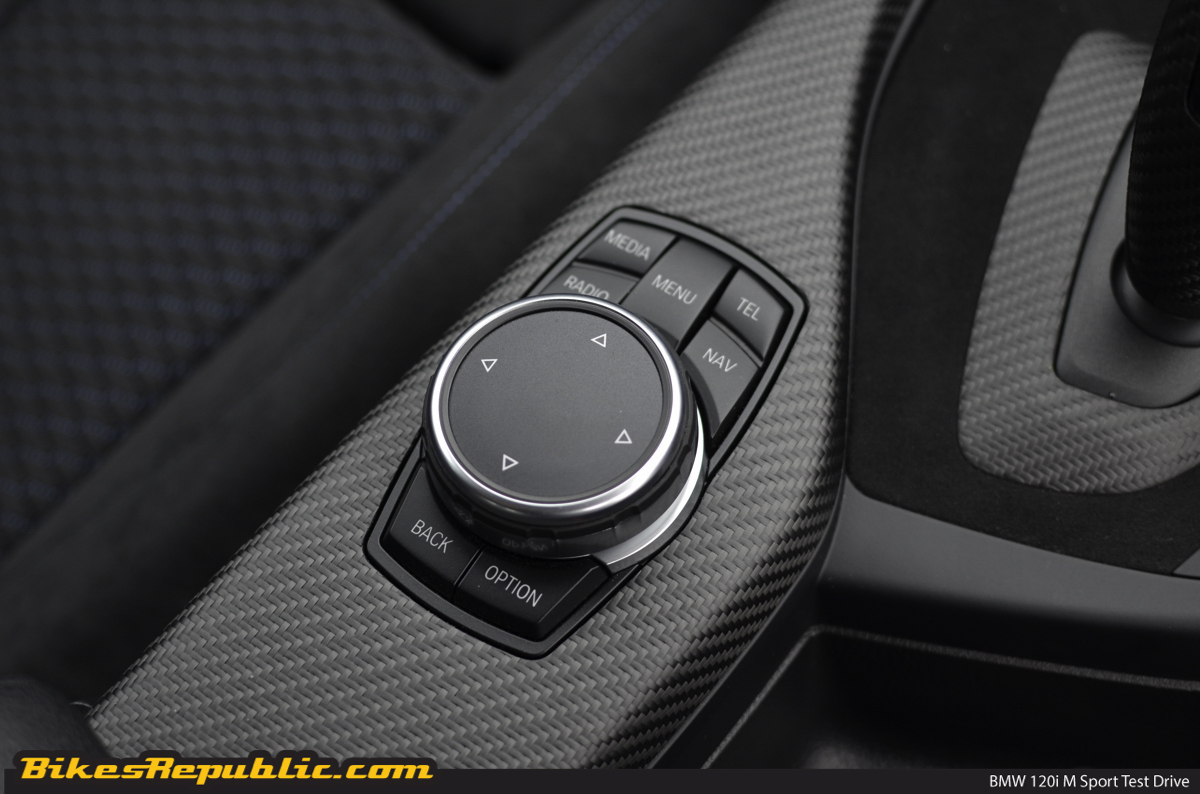
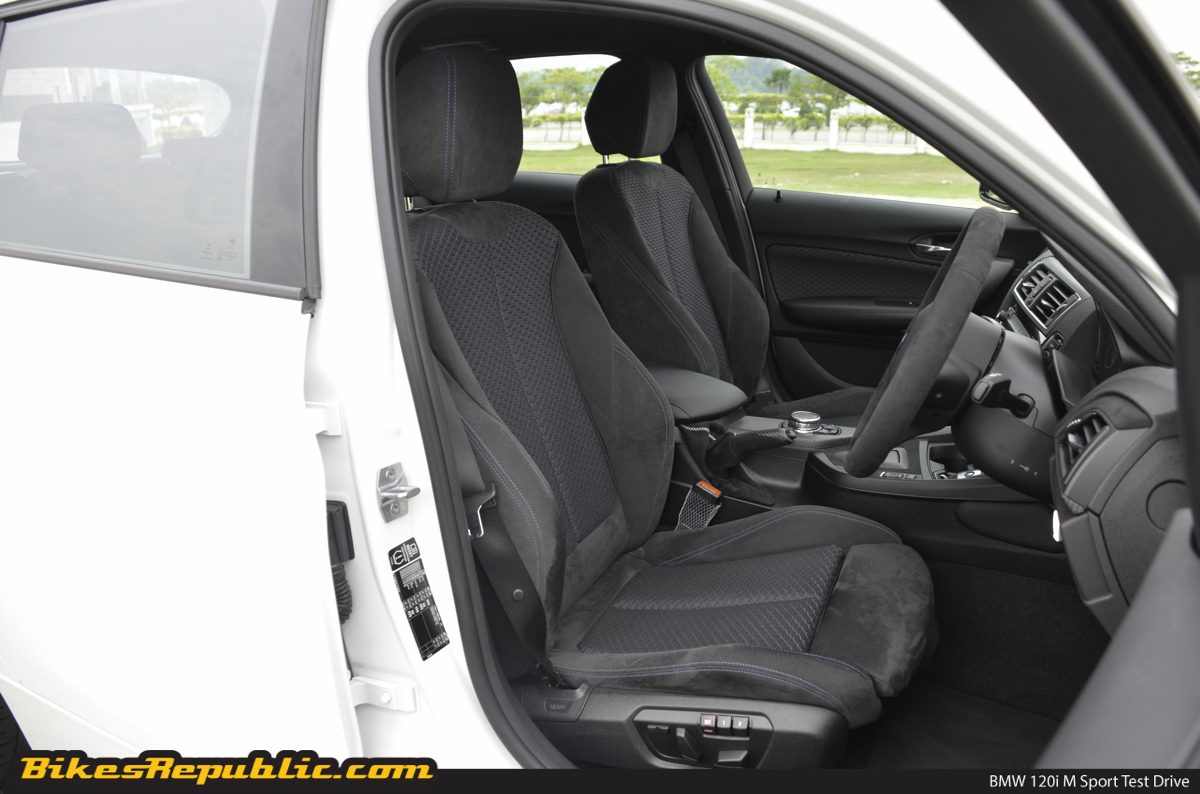
DSC_0051As far as the basics go, this 120i M Sport has got thing rightfully in order. Amongst the creature comforts here include dual-zone automatic air-conditioning, keyless entry and engine start, an updated iDrive infotainment suite, as well as a crisp-sounding seven-speaker audio system. What we loved most here were the highly supportive seats covered in plush alcantara and premium fabrics, as well as the driver-centric layout of things signature in all BMWs.

Downsides on board are predictably few, but they are not deal-breakers. The biggest one has the be the lack of head and movement room in the rear seats, not to mention the central driveshaft tunnel’s intrusion that further reduces legroom too. Other than that, the 120i M Sport’s cabin still feels rather exquisite thanks to rich use of premium materials and fabrics, not to mention this locally assembled car’s high wind noise suppression, and the high quality fit and finish that is akin to the brand’s CBU models.

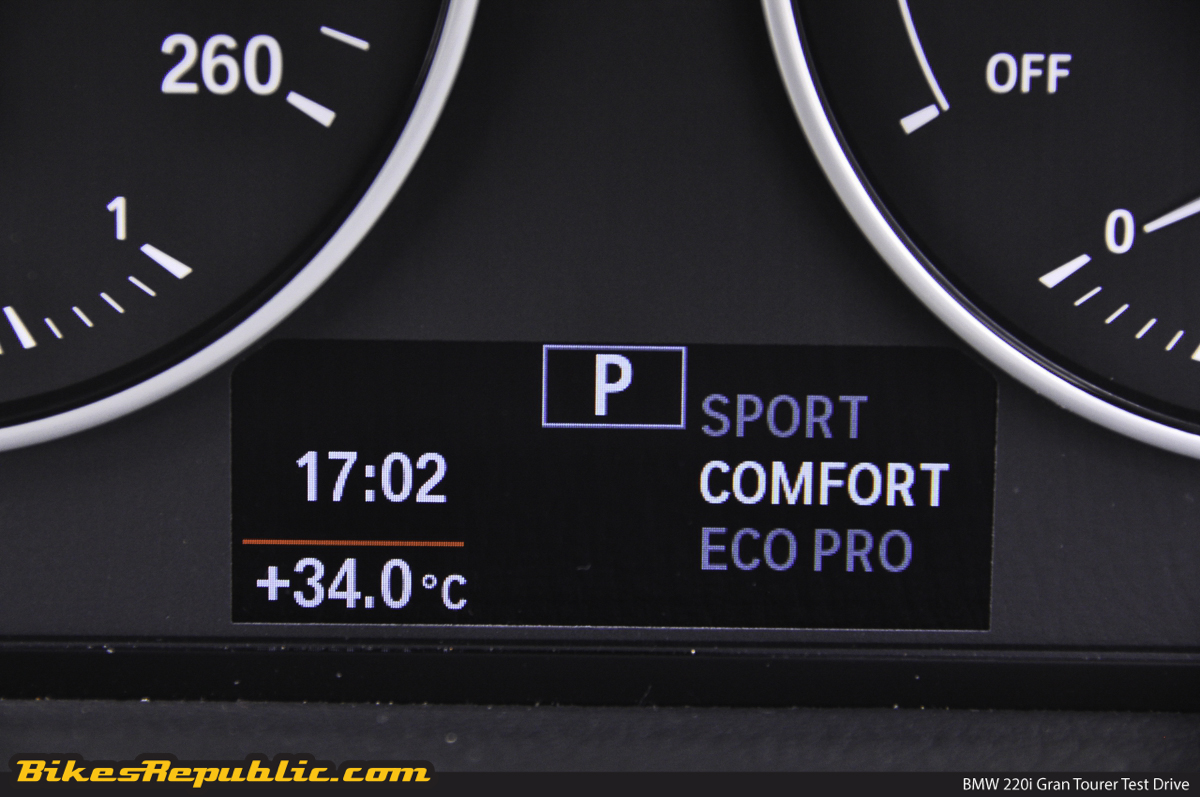
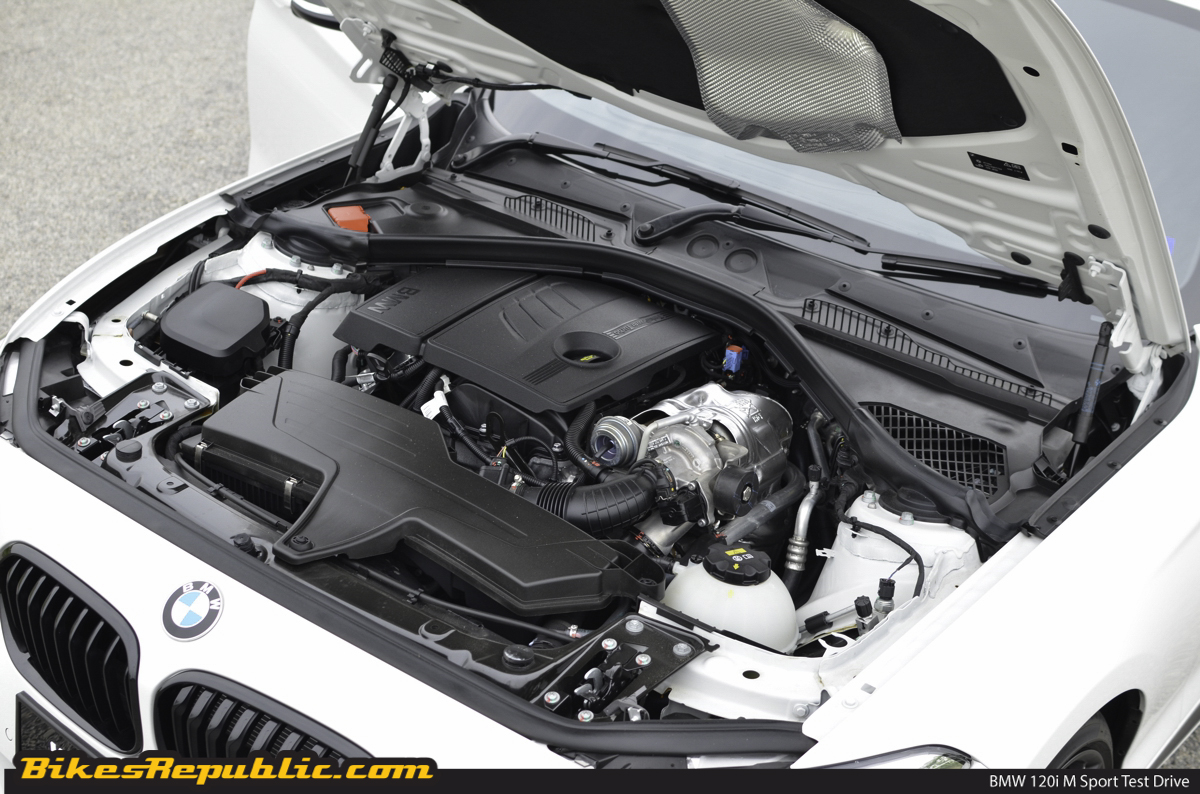
DSC_0084However, the 120i M Sport’s true brilliance begins to shine as soon as you get it going. Power comes from a 1.6-litre turbocharged four-pot mounted up front that develops the healthy figures of 177hp and 250Nm of torque. Power is sent to the rear via an eight-speed automatic, with the package further complemented with BMW’s offer of multiple selectable driving modes as well.

The claimed century sprint time stands at a respectable 7.7 seconds whilst top speed has been rated at 222km/h, which is not bad given the claimed weight of 1,395kg. True, compared to its front-driven segment rivals, the 120i M Sport is both less powerful and noticeably slower too. However, power is nothing without control, and the 120i M Sport has got that in abundance thanks to the standard-equipped M Sport suspension kit.

DSC_0091What you get as a result is a much more precise handling package with better turn-in ability, which complements the 120i M Sport’s highly balanced chassis further. Sweetening the deal are the acclaimed Pirelli P-Zero sports tyres wrapped around those aforementioned optional 19-inch alloys. Though they get a little noisy as the speedo needle surpasses 130km/h, one easily forgives them simply because they allow this hatch to corner as if it is on rails.

Despite being primed with stiffer and lower ‘sports’ suspension, the ride does not feel as harsh as the kit primed in the rivalling Mercedes-Benz A250 Sport. Instead, this M Sport kit is a lot more forgiving and highly compliant with very minimal body roll, making this 120i M Sport easier to live with should you task it as a daily urban driver.

DSC_0114Furthermore, this is one hatch that does not give you that dreaded front-wheel understeer as all its rivals does, offering a more precise cornering ability instead. And, for those brave enough to turn off all the electronic driver aids, the chance to slide the rear out with opposite steering lock during corner exit is simply irresistible.

The only ‘Achilles heel’ here is perhaps the absence of steering-mounted paddle-shifters in this locally assembled (CKD) model, which we believe would have cap off what is already a very dynamic and slick transmission to begin with. That aside, this is indeed a package any occasional or serious driving purists would lust for. Unless it is a RenaultSport Megane, you simply cannot get this much agility in a front-wheel-drive rival.

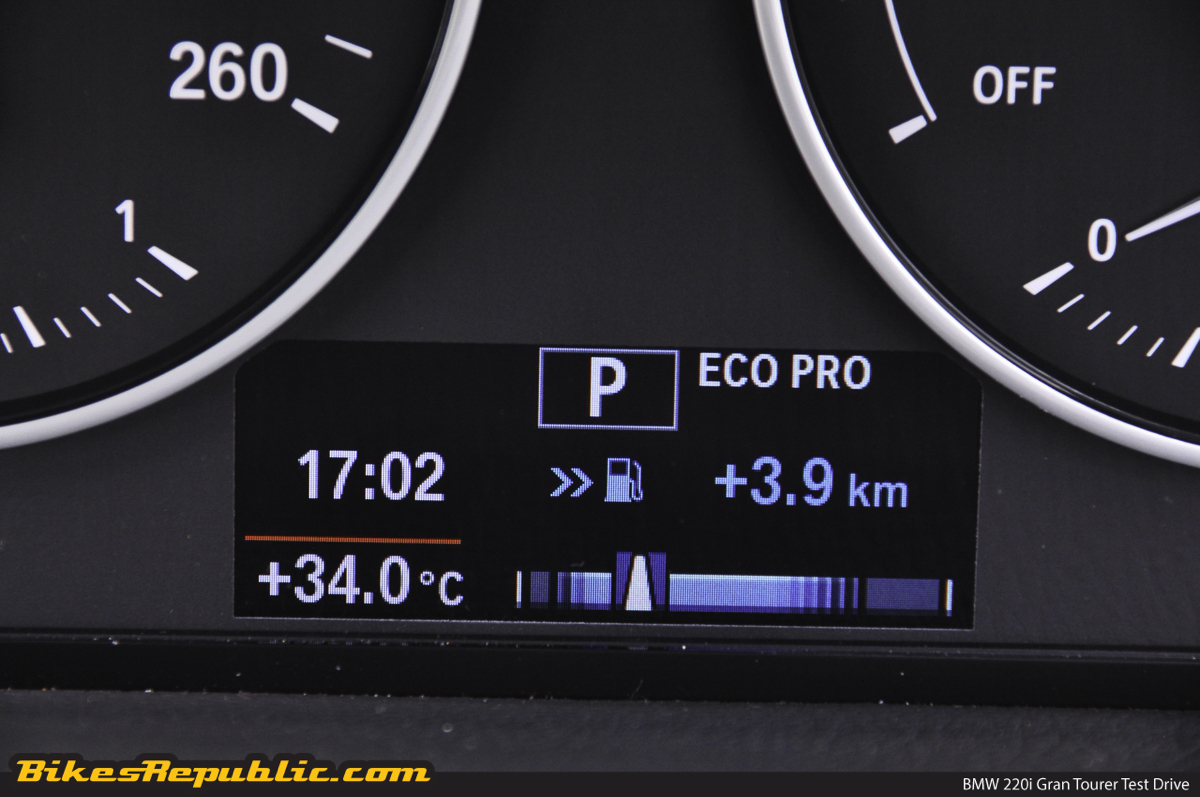
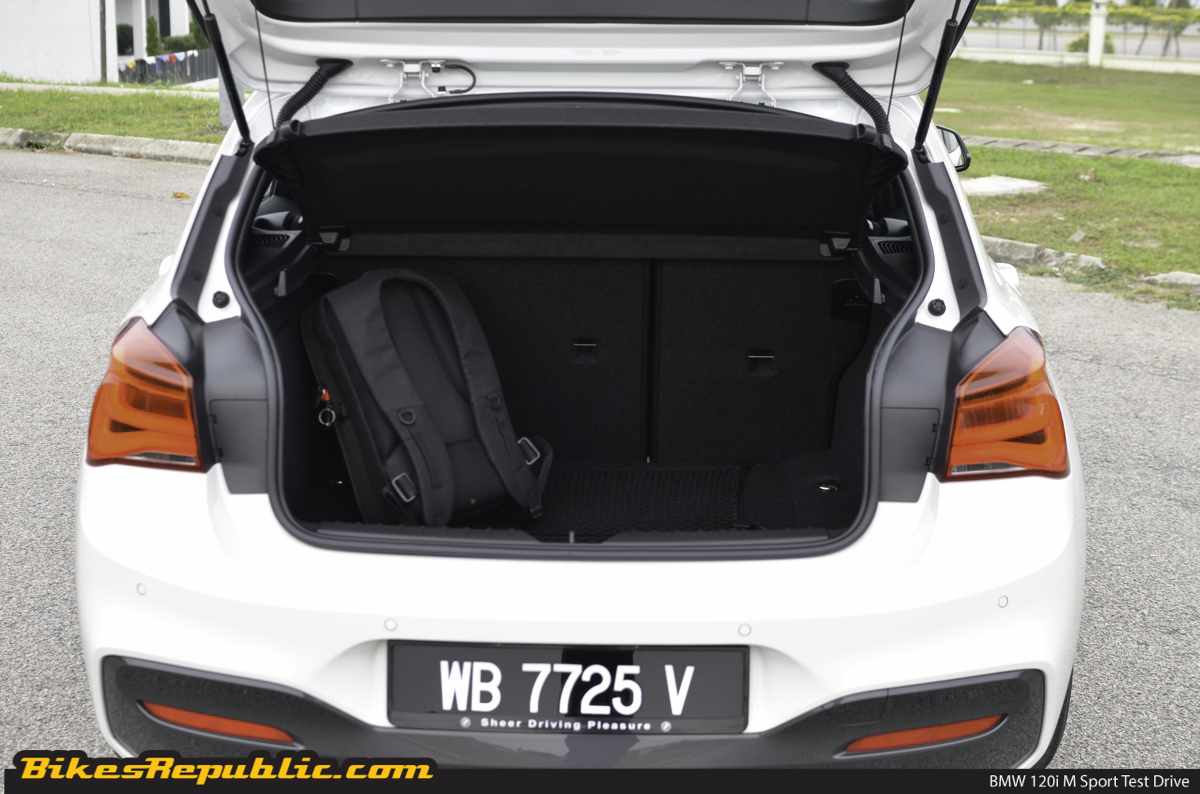
DSC_0177Another brilliant feat is having said said excellent handling packaged in a car that is now not only stylish and plush, but one that is also decently practical and very efficient. There are things like the Eco Pro driving mode and automatic engine idling stop-start that ensures you spend less time filling up the tank whilst the standard boot space of 360 litres is also decent, with the 60:40 split flat-folding rear seat able to extend that even further.

Best of all, unlike the CBU pre-facelift model that had starting prices between RM170,800 and RM253,800 depending on variant, this lone but refreshed locally assembled CKD model’s base price of RM219,800 sans options, road tax and registration costs holds so much more value-for-money. The icing to this cake is the inclusion of BMW’s new five-year unlimited mileage factory warranty and five-year or 100,000 km free service deal.

DSC_0216The only hurdle past that is the question of how much one is willing to spend for the tasty M Performance options. We reckon the larger wheels and sticky Pirelli rubber would suffice, but we leave this area to one’s own desire. Other than that, there is very little to dispute about this Beemer’s exceptionally brilliant package as a whole.

BMW 120i M Sport

  • 1.6-litre turbocharged, in-line four-cylinder, direct injection petrol
  • 8-speed automatic
  • 177hp@4,800­ – 6,450rpm
  • 250Nm@1,500 – 4,500rpm
  • 7.2 seconds
  • 222km/h
  • 5.9 litres/100km (combined)
  • RM219,800 (without options)

Gallery
Continuing on with our Most Interesting Biker (MIB) series, we caught up with Malaysia actor and entrepreneur, Jehan Miskin.

20160330_163620

There are lots of celebrity bikers in Malaysia, both male and female, and we hope to be able to write about them all as we go along, but Jehan is a dear friend to us so all it took was a Whatsapp message explaining the MIB series and a reply saying, “sure, want me to bring my bike?”
How could this guy not make this list?

When Jehan first got the bike

It is also funny to think that someone who never learned to ride a bicycle would eventually end up riding Harley-Davidsons to places most people don’t ever visit, what more on a Harley-Davidson.

Jehan with his brother Sean on a Kawasaki Z750

“I never learned to ride a bicycle as a kid,” he said over coffee in Empire Damansara.

“My brothers and sisters all learned but not me. I remember being 11 or 12 and crashing my brothers bicycle at the backroad of my terrace house in SS2. I fell in the drain and the bicycle looked like it had been crashed, but I learned to ride a bicycle on my own eventually.”

Testing the electric Harley-Davidson Livewire

The big switch to motorcycles came at 14, an era Jehan describes as “zaman mat moto.” That was the period of the Kawasaki Victors, Yamaha TZMs, RX-Z and the Kawasaki KIPS. But his first bike was the tiny but fun 125cc, two-stroke Cagiva Mito. After that and for many years he didn’t have a bike as he focused on developing his video production business.

At the dam leading up to Betong

But the calling came eventually, just as it always does. Jehan was invited to attend a Harley-Davidson event which required some riding. Being more of a sports bike kind of person, he says he didn’t think much of the Harleys, until he saw a Nightrod.

Video: The ride to Shangri La in China


The bike belonged to a customer who agreed to let Jehan ride it to a movie premiere, up north and eventually sold the bike him.

“I have a lot to thank Awie* for in that decision to eventually buy the Nightrod. The owner had let me ride the bike to an event in Perak, so when I met Awie I told him about my experience and showed the bike to him. Awie told me to change the handle bars and gave me a piece of advise I didn’t forget, and so I went and bought the Nightrod,” says Jehan.

*Yes, that Awie

Krabi, Thailand
Krabi, Thailand

He rode it around town for a few years first, hung around with the Harley Owners Group, and never really went on long distance rides. Until the Asia Harley Days in Thailand came along, and that was it. The tour riding bug had hit, fast forward a few years and Jehan and some mates are conquering Chinese roads in search of the real Shangri-La, not the five star hotel.

Sean, Jehan, Chunk
Sean, Jehan, Chunk

He has taken the bike where no Harley-Davidson Nightrod owners would go, and there were places where the bike wasn’t even designed to go, like the twisting mountains of Laos, and the dirt roads of Thailand. Places a BMW GS or a Kawasaki Versys would feel more at home on, not a Nightrod.

With brother Sean
With brother Sean

“I have always been a superbike kind of guy, but I had a pact with my brother to never own or ride a superbike. They are really fast bikes, and our mother and sister were completely against the idea, so to keep things cool we decided to agree on a pact to ride, but not on a superbike.”

Jehan’s brother eventually got on a superbike but not before promising his younger brother all kinds of things.

Video: Road of 1000 corners in Mae Hong Son, Thailand


“And so I felt that the Harley Nightrod was one of the few bikes that could give me the performance of a superbike without being a superbike. I have always appreciated a Harley but never really wanted one, but the Nightrod is cool enough, dragster enough, powerful enough, a hybrid between a cruiser and a superbike.” – Jehan.

At a Sabah road trip for a local TV show

After our meet in Empire Damansara, Jehan went on another ride to northern Thailand for Songkran and to Bangkok to hook up with Harley owners over there. Spending over two weeks on the road, the Nightrod once again was the weapon of choice.

Harley V-Rods at Songkhla Beach, Thailand

“Riding has evolved to be more than just speed for me. It is about friendship and it is about getting away. There is escapism in riding, adventure you can’t get anywhere else. When you ride long distance, you are in a new town everyday. It is about being on the road and not worrying about anything else but the road, that is why I ride,” concludes Jehan.

Archive

Follow us on Facebook

Follow us on YouTube