Bikesrepublic

Latest News

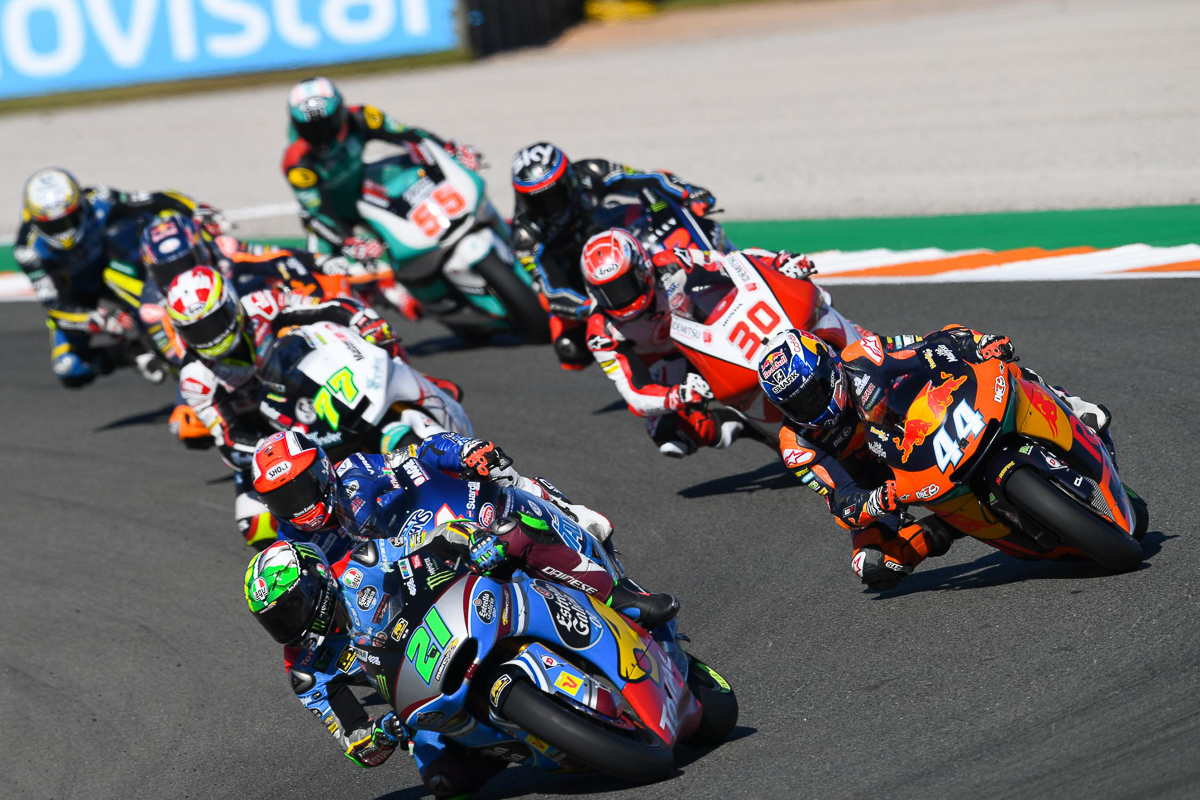
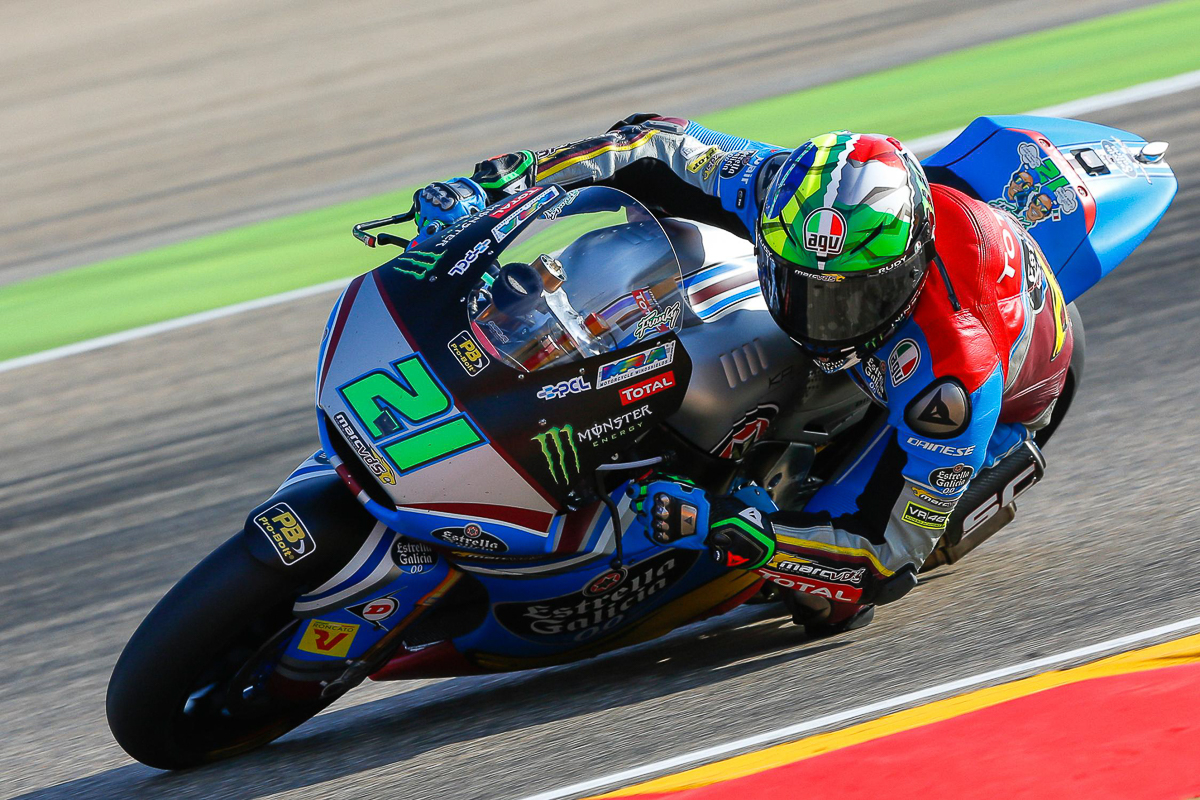
The Moto2 race category is clearly dominated by one bike manufacturer which is Kalex.

With a technologically-advanced chassis, almost 70% of the entire intermediate race class used Kalex in the 2017 season.

Riders like Johann Zarco, Franco Morbidelli and even Hafizh Syahrin all used Kalex bikes for a very good reason.

Image source: MotoGP

We Malaysians are all too familiar with the world of Motorcycle Grand Prix. With the country’s main goal in getting a national rider into the top of the league, there are a few worthy candidates who have been racing brilliantly in the intermediate and novice classes which are Moto2 and Moto3. (more…)

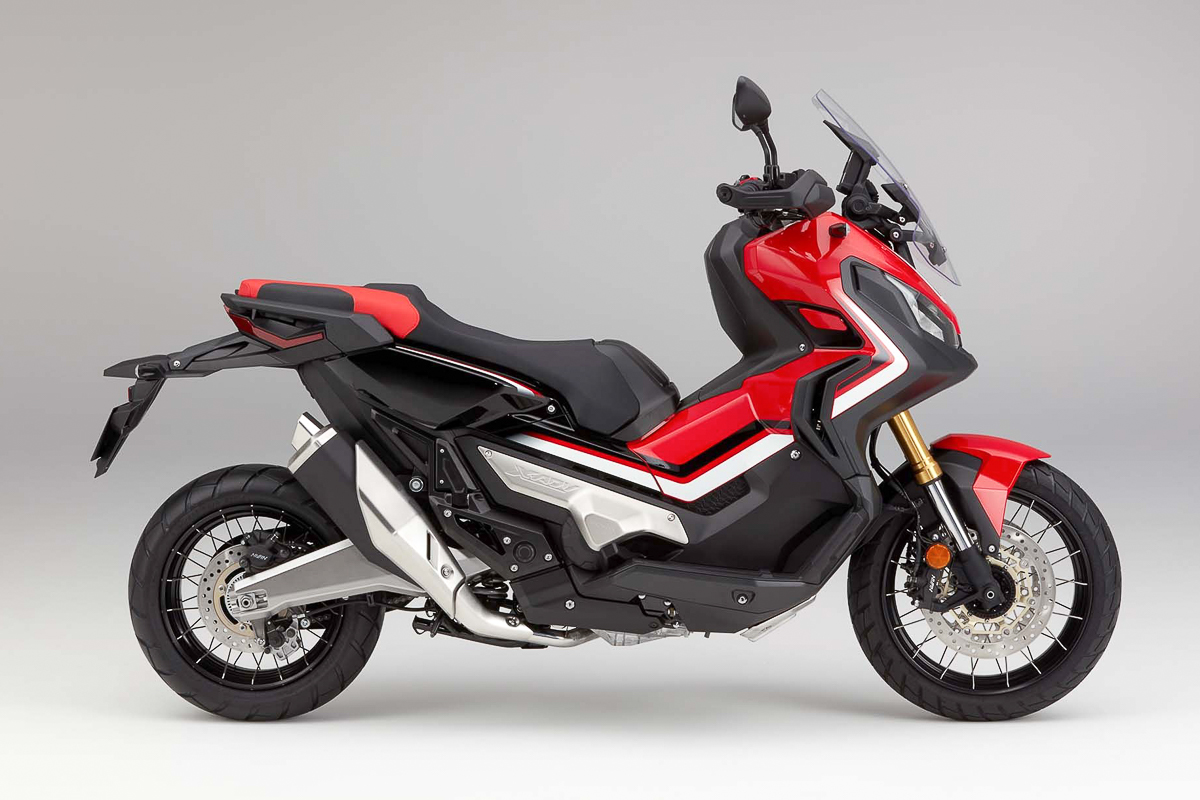
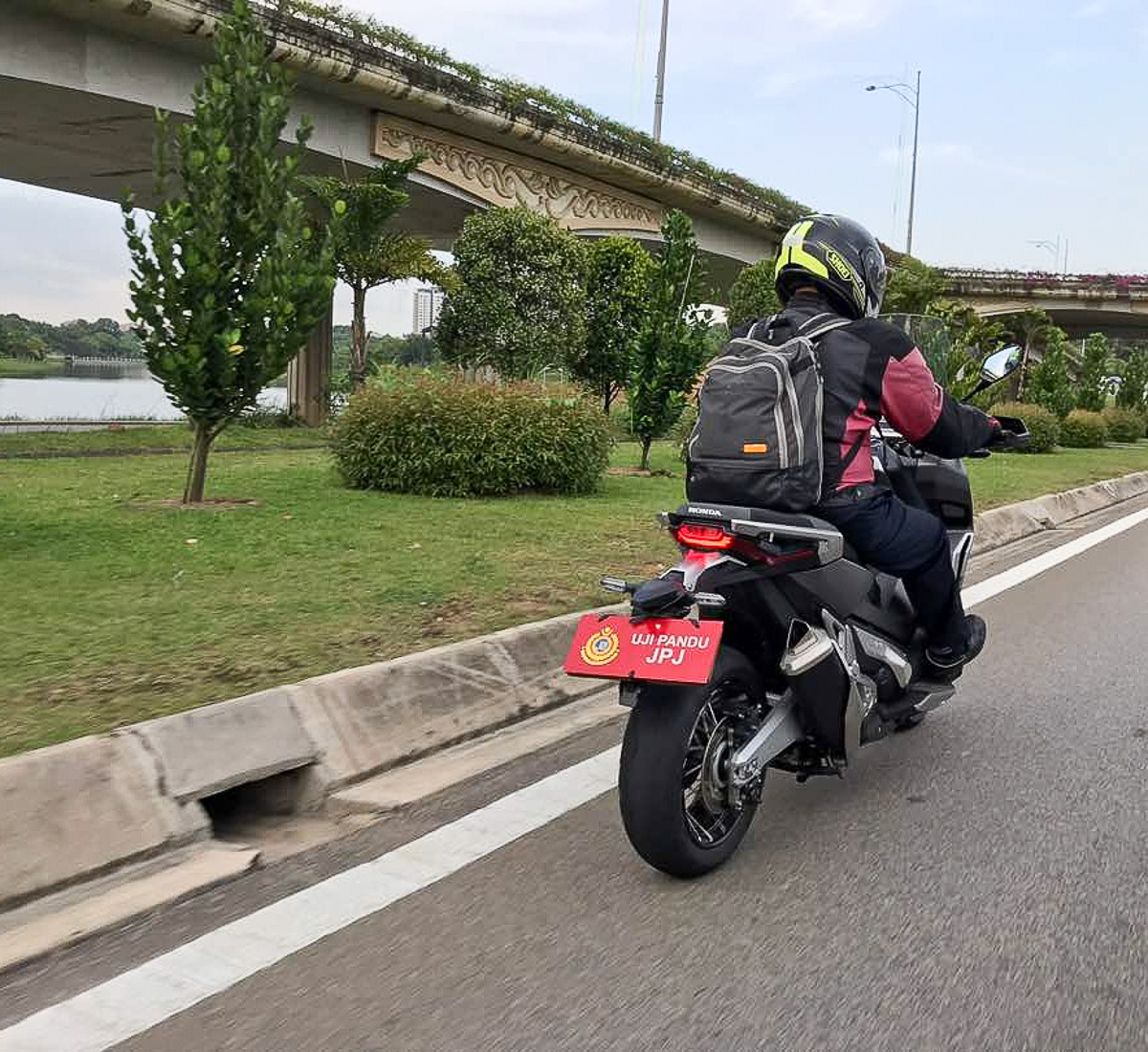
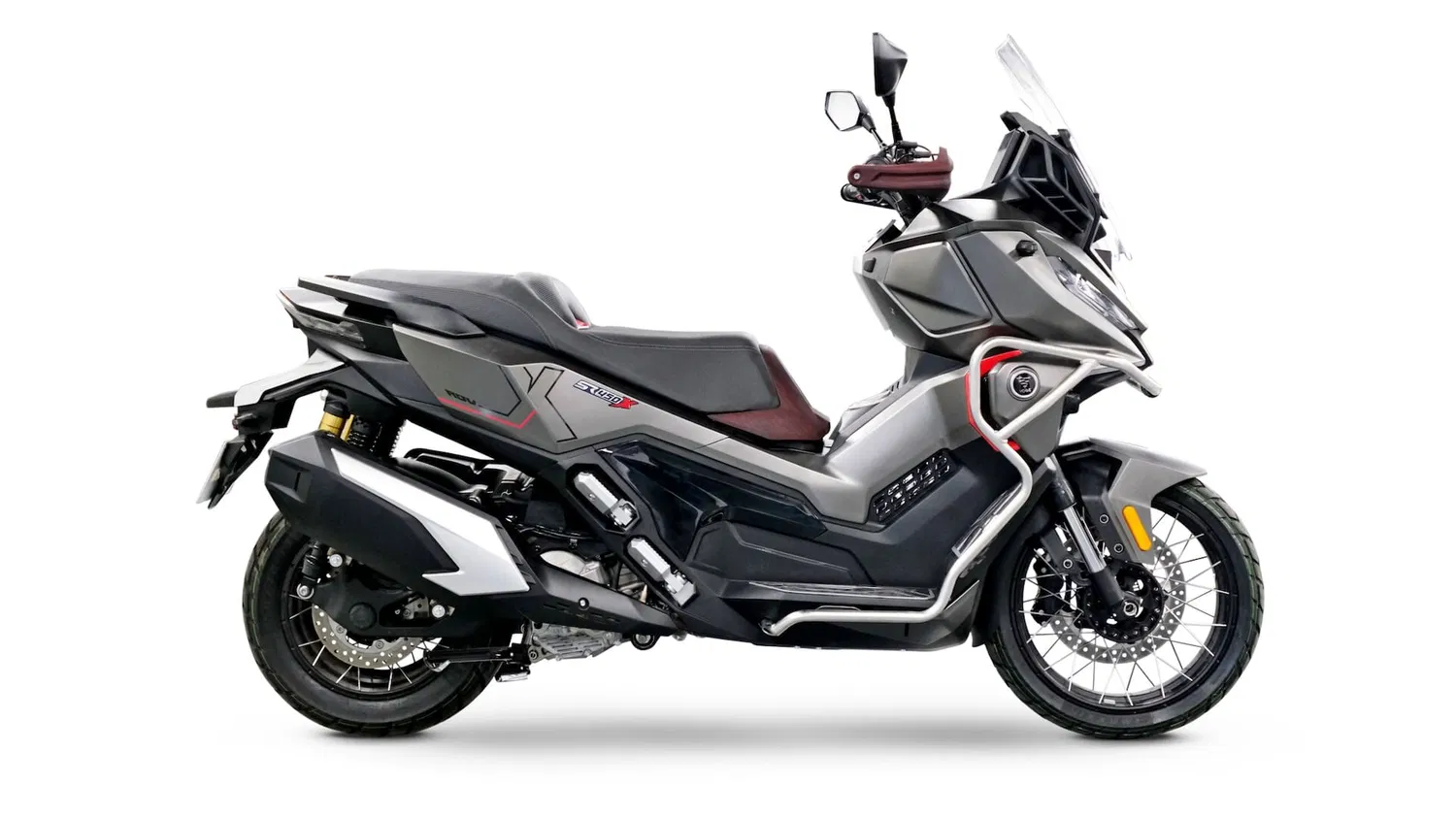
Some spy shots of JPJ testing the 2018 Honda X-ADV adventure scooter have been circulating online.

This means that the Road Transport Department is currently going through the Vehicle Type Approval (VTA) process for the Honda adventure scooter.

The Honda X-ADV is expected to arrive in Malaysia this year together with the Africa Twin.

Image source: Pandu Laju

Some very interesting spy shots of the our very own Road Transport Department or more popularly recognised as JPJ has been seen testing out the latest 2018 Honda X-ADV adventure scooter around Putrajaya. This can only mean one thing, ladies and gentleman. The 745cc adventure scooter is coming to Malaysia. (more…)

  • Breaking in your bike means preparing it for a long service.

  • Done correctly and your bike will return a long life of good service.

  • Done wrongly and you’ll be suffering soon enough.

Ask around about how to break in your new bike and you’ll come across 101 answers. Which correct? Which is wrong?

Let’s start with the owner’s manual.

It usually specifies that you shouldn’t ride above a certain RPM within the first 1000 km, while also mentioning that you should vary your engine speed, not ride at a certain speed for long periods of time, and drag the engine in a certain gear.

Honestly, there’s nothing wrong by what the manufacturer recommends, but the way it’s written seems to suggest that one should over-coddle the engine. One way to look at this is because the manufacturers want you to take it easy and learn the new bike’s traits. That’s true statistically, as most crashes happen to riders who have just taken delivery of their new bikes.

However, there are a couple of things one should do to really break the engine in correctly. All of us want the engine to last a long time, produce good power and not burn oil.

AT STARTUP
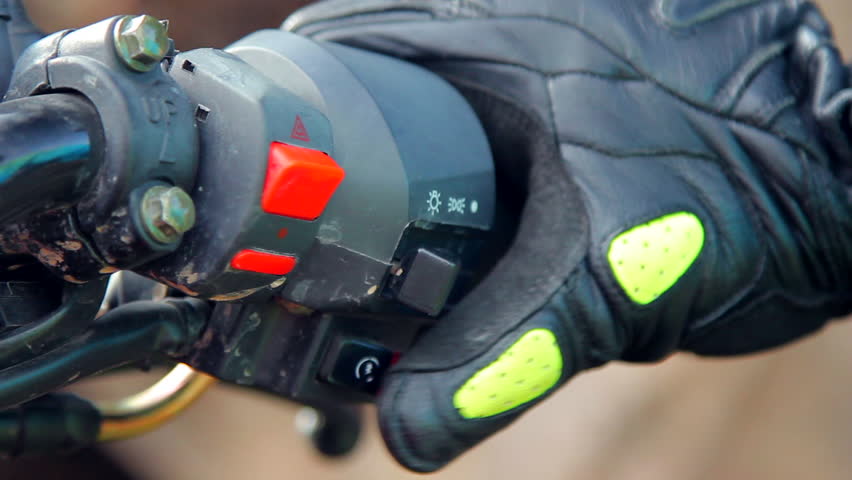
Idling the engine for many minutes is bad.

While it’s true that fuels these days are relatively low in sulfur, especially the Euro 4 RON 97M variety, some gaseous residue may be left over just as you shut off the engine. Left overnight, the combustion chamber cools down and a little bit of water starts to condensate on the metal parts inside the combustion chamber. This water will then mix with the sulfur gases and produce traces of sulfuric acid.

What does acid do to metal?

Idling will not produce enough pressure to blow this harmful mixture out. Plus, oil circulates better under load.

Additionally and contrary to popular belief, you don’t have to spend 10 to 20 minutes to warm it up since our climate’s ambient temperature averages 28o to above 30o C, unlike in Mat Salleh countries.

The best way, then, is to start up and ride off but do so gently. Remember, GENTLY. We’re breaking in the bike, not breaking it. To give it full throttle now will have your bike screaming “overhaul!”

VARY YOUR THROTTLE APPLICATION
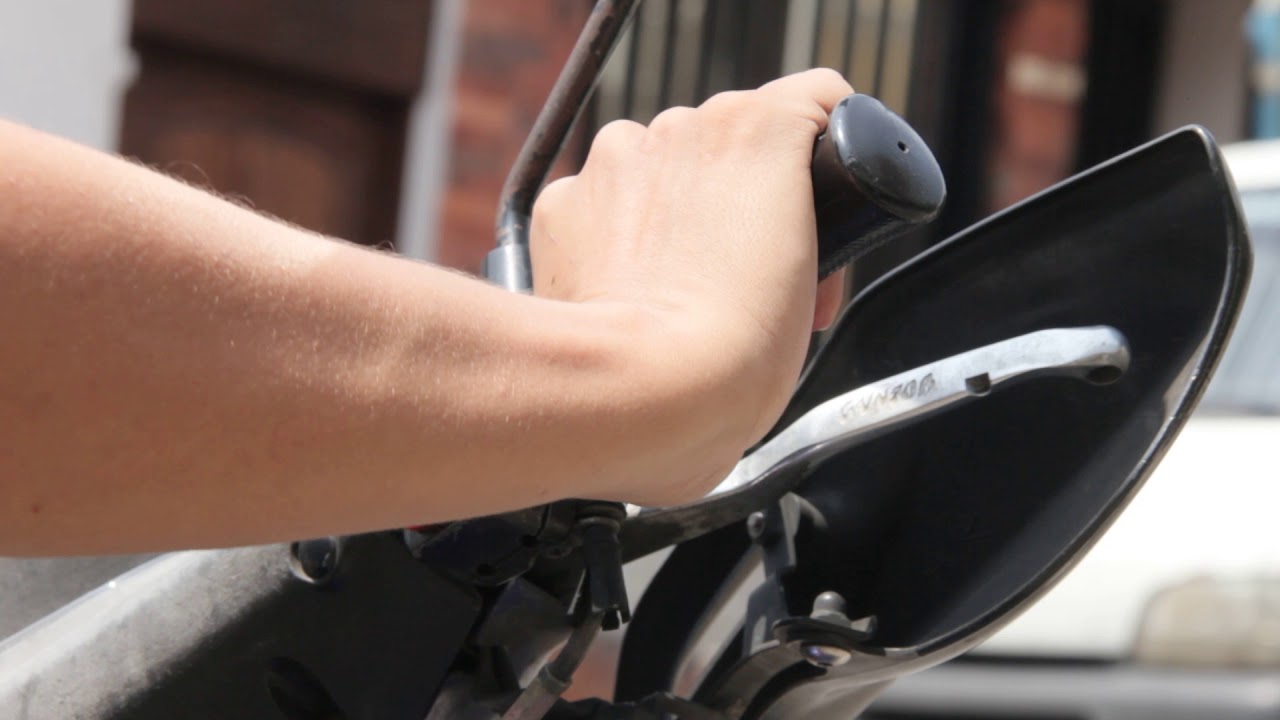
Avoid using constant, droning throttle and speed for the first few hundred kilometres. Varying the amount of throttle will produce both positive and negative pressures in the combustion chamber to seat the piston rings properly.

Correctly seated rings will consequently provide a proper seal, reducing combustion gas blow by (leaking past the compression rings) and oil consumption (leaking past the bottom oil control ring).

I’ve personally met a couple owners who found their new bikes either 1) “eating oil” and smoking or 2) lacks power after breaking in. Both happen because they kept using constant throttle. Constant throttle will coat the cylinder walls with a varnish and couldn’t seat the piston rings. To address this, they will need to rebore their cylinders (overhaul!) and repeat the break in process.

EASY ON THE REVS
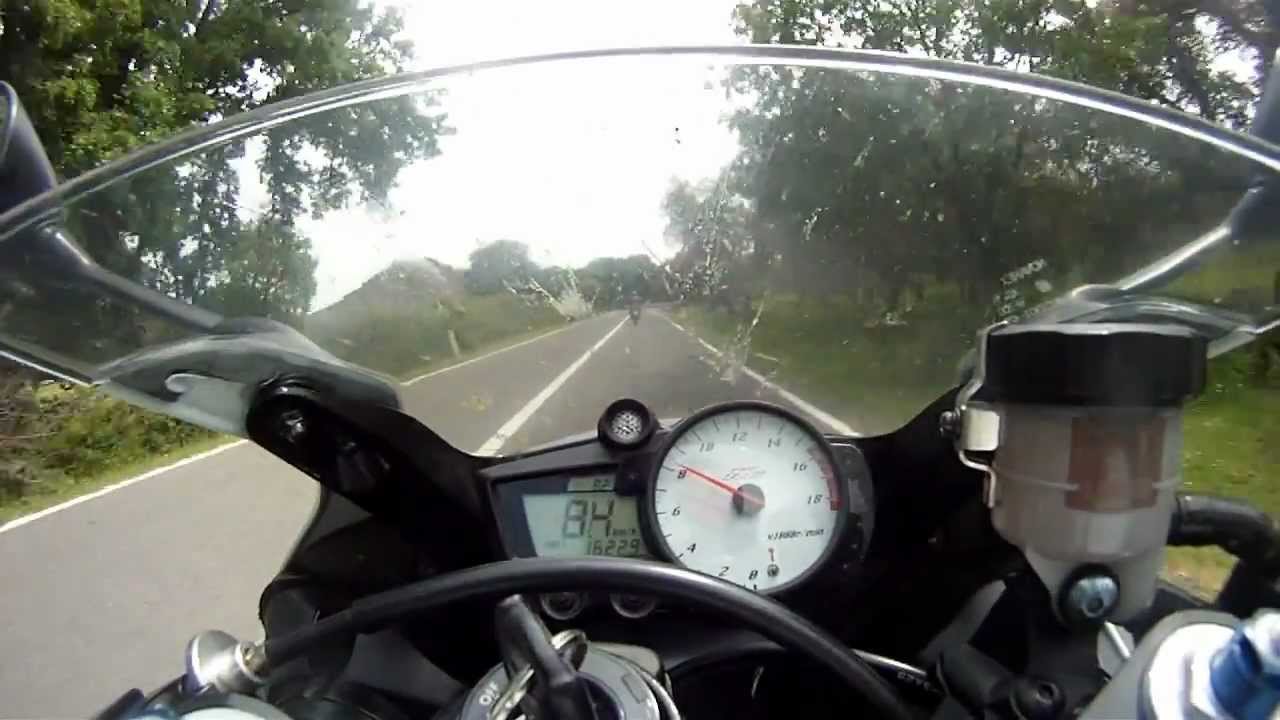
It’s easy to think about not over-revving but you’d need to remember to no under-revving it, too.

You could ride through the gears up to 50% of the redline (i.e. 5,000 RPM if the redline is at 10,000 RPM) for the first 100 km, then up to 75% throttle for the remainder is good practice, in line with varying the amount of throttle you use.

Additional point: There are veterans and experts who recommended that you could redline the engine for the last 100 km just before the first 1000 km service. You may also apply this technique to allow the oil to flush break in debris into the sump.

SERVICE!
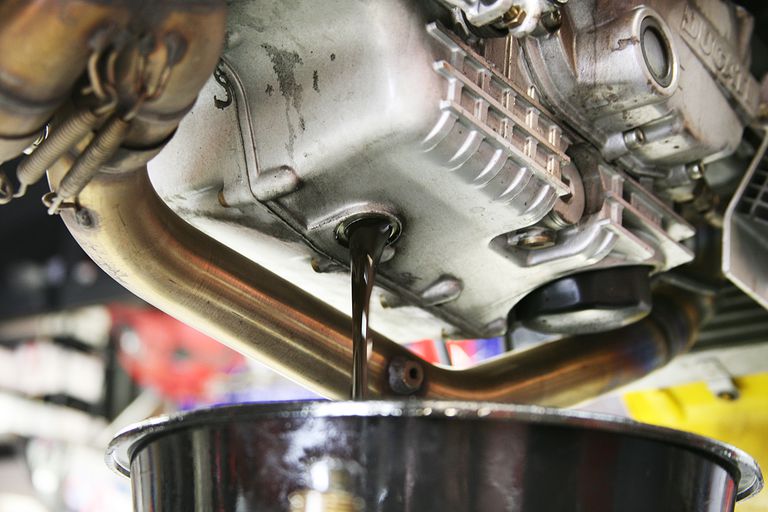
Don’t ever miss the especially crucial first service, which is usually at 1000 km.

The oil will contain bits of metal shavings from the engine, transmission and clutch when they break in, which needs to be removed.

OTHER PARTS
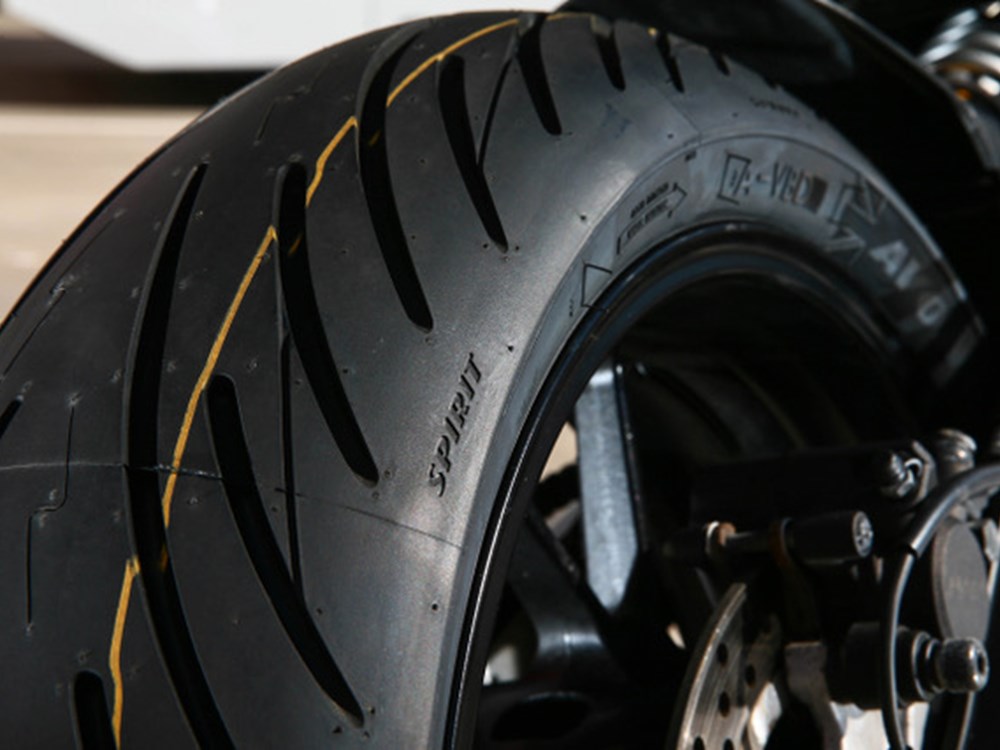
Do also keep in mind that the brakes and tyres similarly need breaking in, too. Vary your speed and loads to break them in, just like the engine. However, do keep a safe margin for the first 500 km.
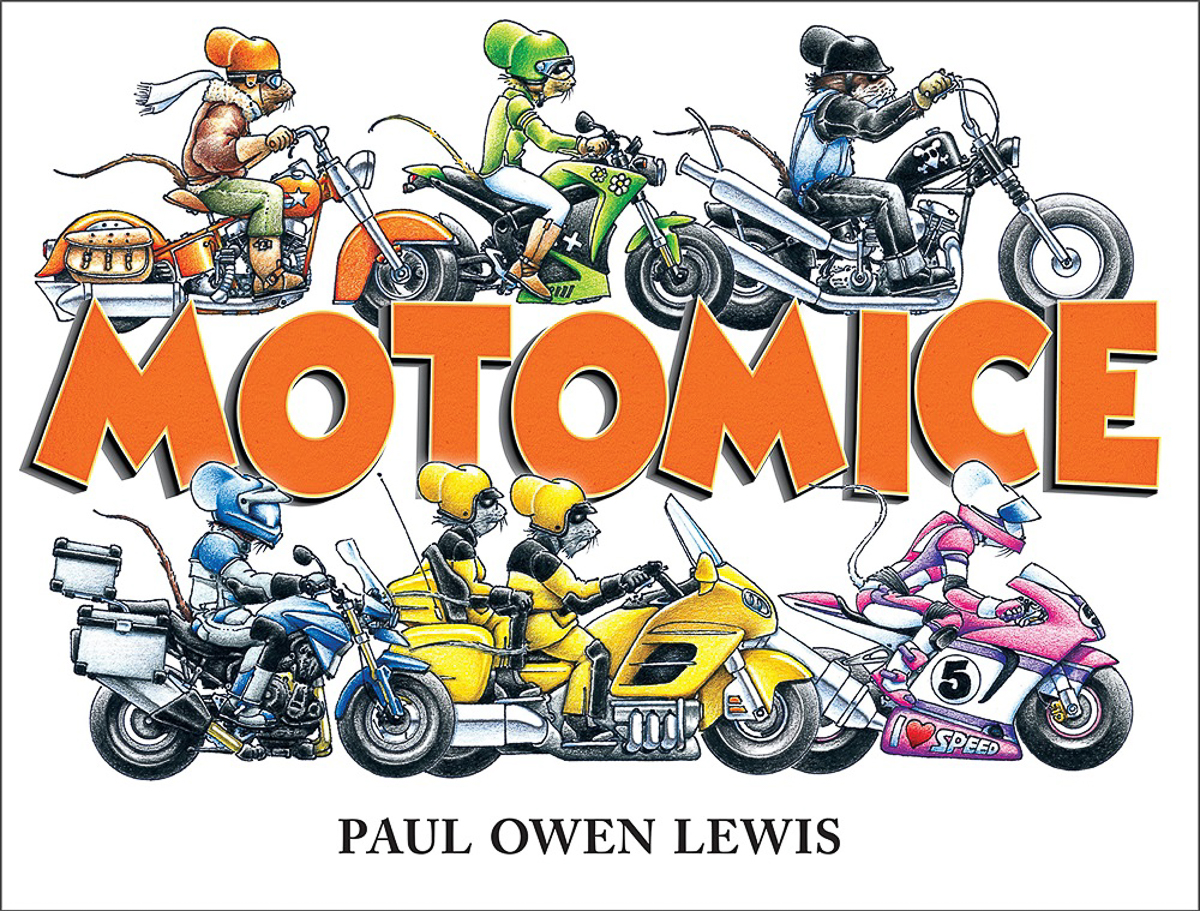
Looking for a perfect way to get children into bikes? Look no further than Motomice: A children’s book about motorcycling!

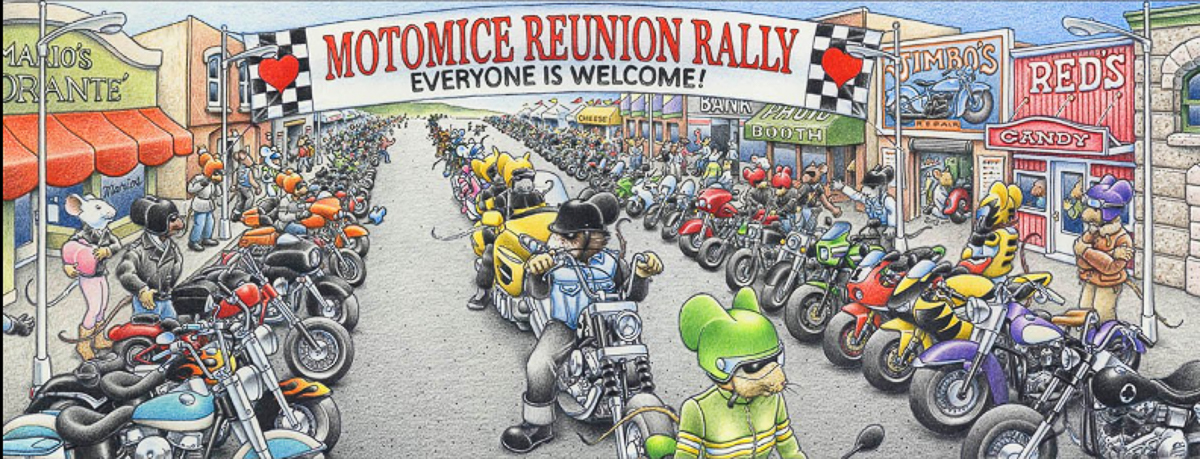
Written by American author Paul Owen Lewis, the picture book revolves around biker mice of all kinds from old-school choppers, superbike racers and even classic bike enthusiasts.

Priced at $16.99 (RM68.20), it’s also perfect to teach children about family, diversity and unity using the world of motorcycles as examples.

Most motorcycle enthusiasts who have made the journey into parenthood have the tendency to get their children into the same love and passion for motorcycling. While there are many ways to do, there’s no better way to do so then to begin with a storybook filled with colourful characters. (more…)

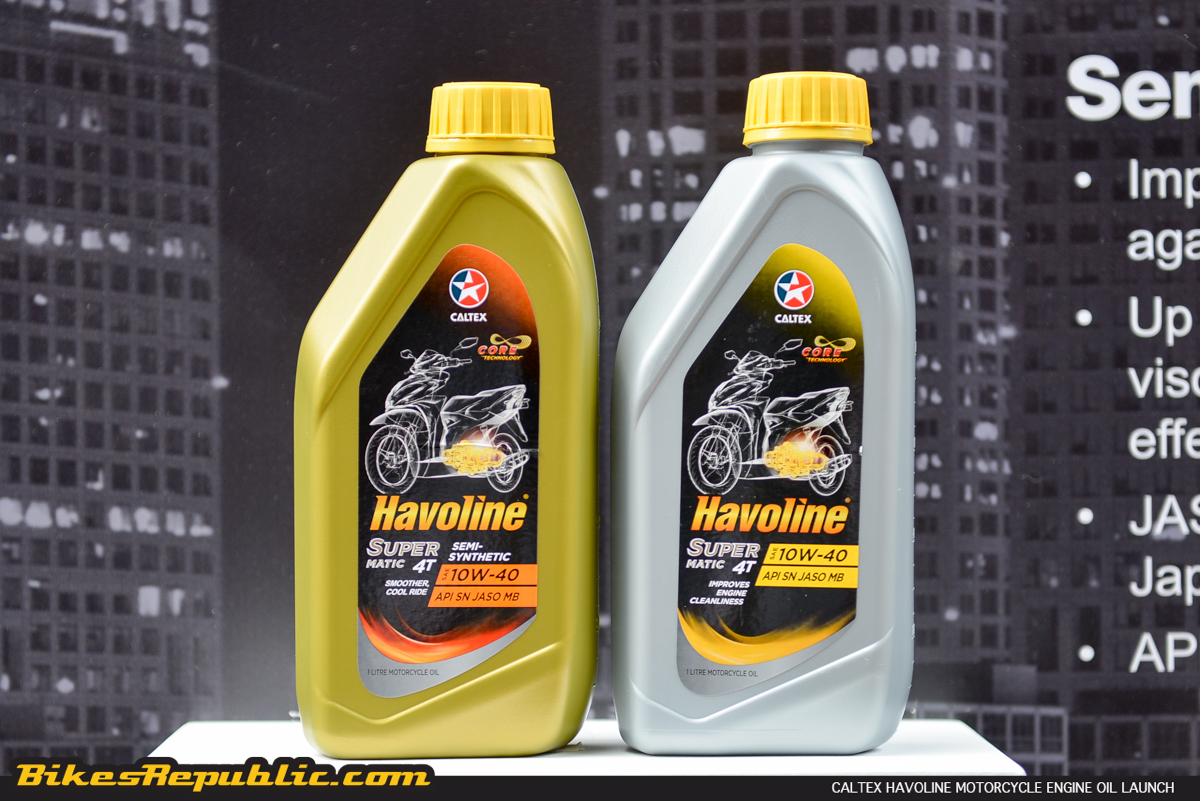
  • The new Havoline motorcycle engine oils are especially formulated for urban riding.

  • At the heart of some oils is the CORE Technology.

  • Caltex is also offering “Ride Strong” promotional package.

Subjected to extreme pressure and heat in the engine, coupled to variable operating and ambient temperature, fighting off affluent of the combustion process, resisting being oxidized by moisture, engine oils lead a hard life in order to protect, lube, cool, and clean the parts of an engine.

Racing is of course and activity that’s harsh on oils, but lugging the bike at slow speeds in traffic is just, if not worse.

At extra slow speeds like those encountered in inner city commuting, depending on the state of tune (in terms of valve overlap) an internal combustion engine may not produce enough positive pressure from combustion or negative pressure from the exhaust tract to evacuate the burned gasses, leaving behind residues that end up as carbon and so forth.

In the meantime, temperatures increase due to lack of airflow and it’s the job of the coolant (if the bike is liquid-cooled) and oil (especially critical if the engine’s oil- or air-cooled) to keep temperatures manageable. Oils break down quickly in this environment.

Yet, the oil has to avoid causing the clutch plates to slip while being sheer resistant to provide optimum protection to the engine and transmission. (This is why we should never use car engine oils in a motorcycle engine. Click on the link below for our earlier article on this subject.)

I Lube You (Also known as Why You Shouldn’t Use Car Engine Oil in Your Bike)


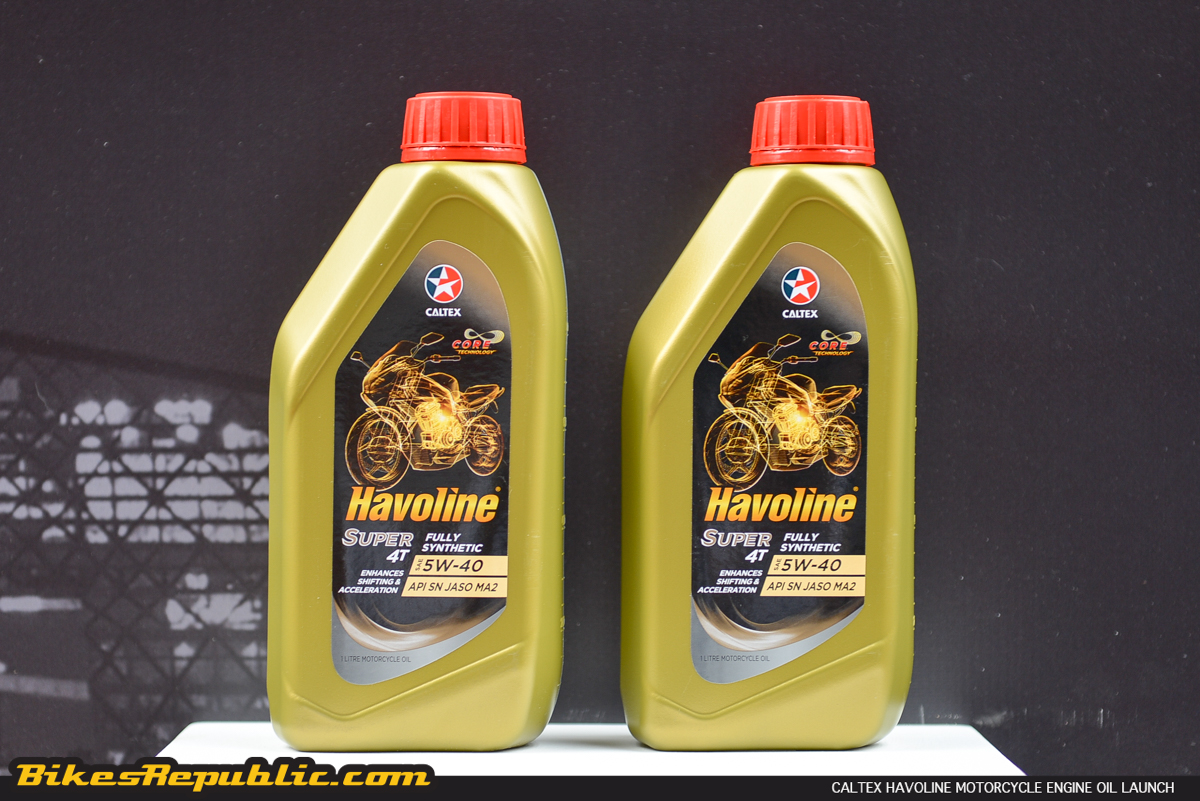
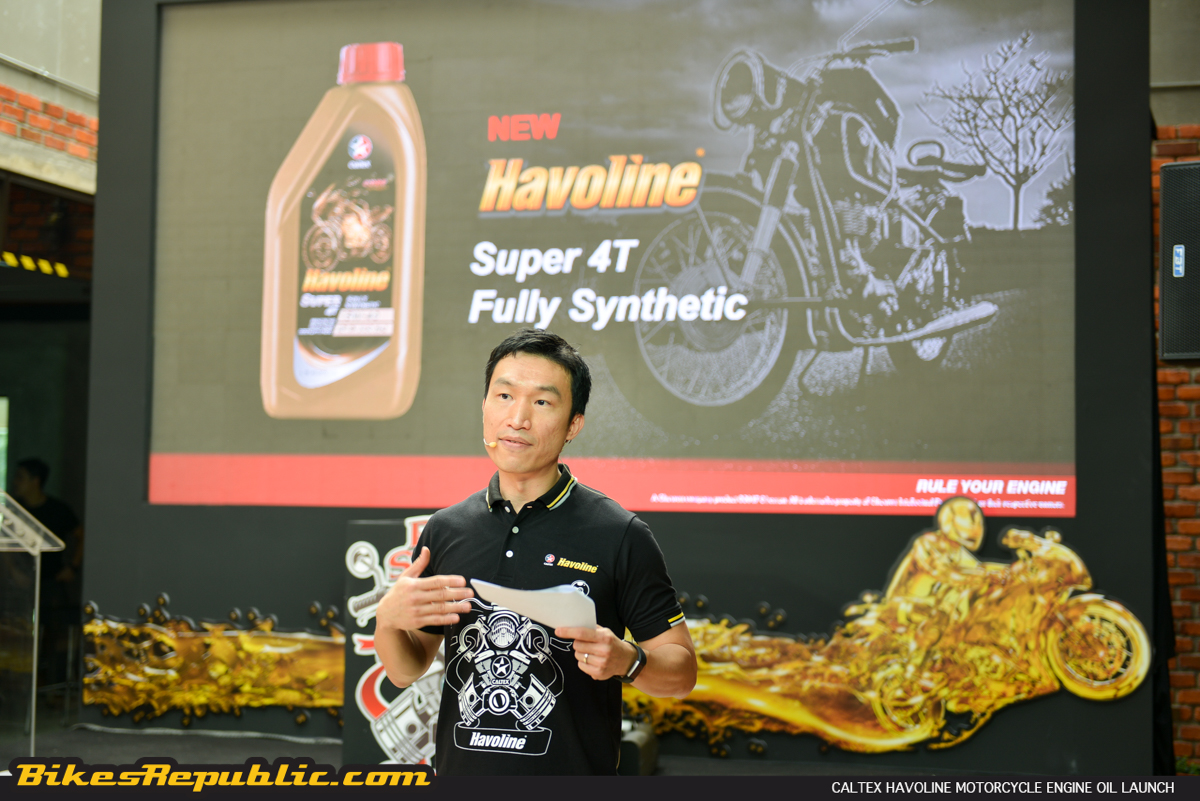
That’s the main aim of Caltex’s new line of engine oils, lead by the flagship Havoline Super 4T Fully Synthetic SAE 5W-40 for motorcycles and scooters. The family includes semi-synthetics and mineral grades, as well.

Caltex’s latest proprietary C.O.R.E. Technology was developed to address the concerns of today’s urban riders. The semi-synthetic range is further fortified with ZOOMTECH additive, to minimize clutch slip hence maximizing power transfer.

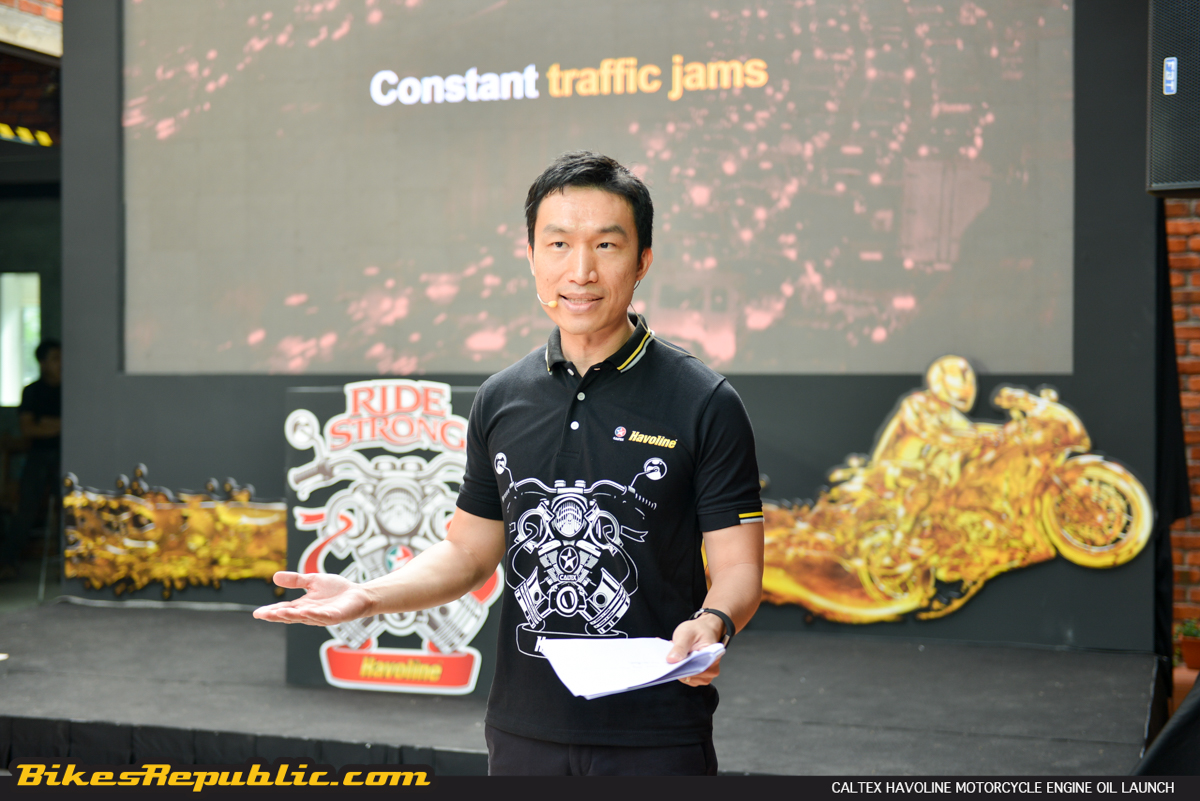
Lennard Kwek, Regional Marketing Manager, Asia Pacific, Chevron Lubricants said it best, “Motorcycles make up almost 46% of the registered vehicles on Malaysian roads and in start-stop city traffic and congestion, the vehicles are constantly under stress. For our consumers, our latest range of Havoline motorcycle engine oils with C.O.R.E. Technology and ZOOMTECH booster aims to give riders a reliable product that is especially suited for urban commuting.”

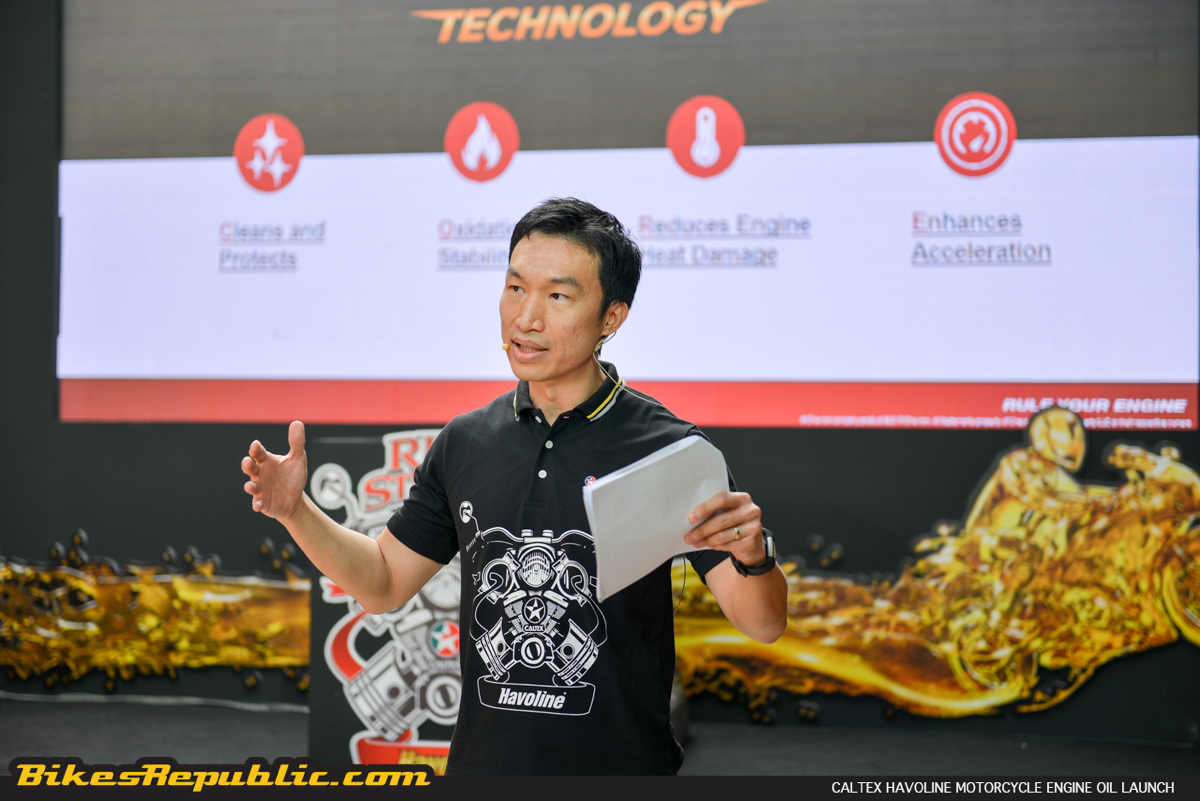
C.O.R.E. Technology stands for:
Cleans and protects for a more efficient and cleaner engine to deliver superior performance.
Oxidation stability provides heat protection against oil degradation.
Reduces engine heat damage with superior oil stability for continuous protection.
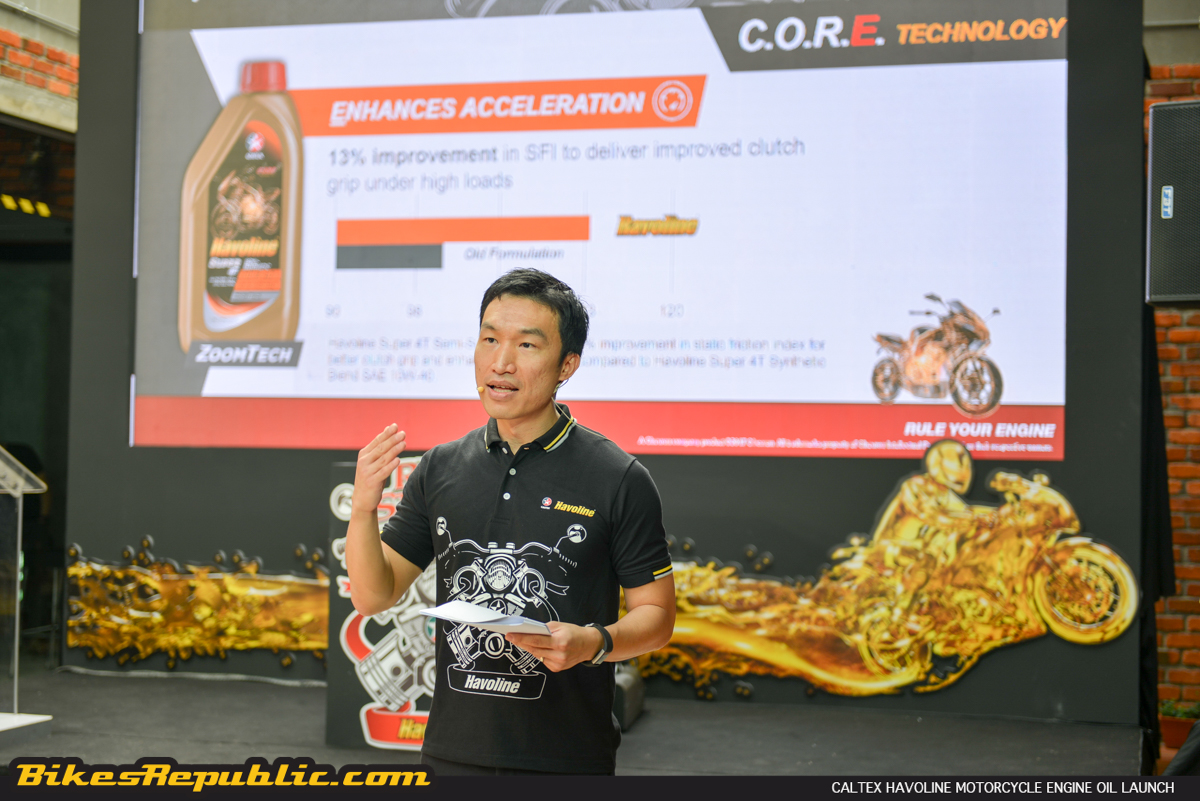
Enhances acceleration through improved clutch grip even under high loads.

CORE Technology is available in all products except for Havoline Ezy 4T.

The addition of ZOOMTECH in Havoline Super 4T Semi-Synthetic delivers a 13% improvement static friction index (SFI) when measured the JASO T903:2016 standard for better clutch grip over the Havoline Super 4T Synthetic Blend SAE 10W-40. The term “JASO” may sound familiar to you – that’s the certification for the MA or MA2 clutch grip standards.

The flagship Havoline Super 4T Fully Synthetic SAE 5W-40 with C.O.R.E. Technology is suited for high performance, large capacity motorcycles. To cope with the high revving engines which generate additional heat, this oil has been formulated to be 50% superior compared to the industry’s standard in oxidation stability. It means the engine will be better protected against heat damage, and last longer.

We presented a question during the Q&A Session on whether there’s a need for higher viscosity such as 5W/40 or 10W/50 in view of our climate’s higher ambient temperature. Caltex is confidence that the C.O.R.E. Technology addresses the issue since it’s formulated against high heat oxidation.

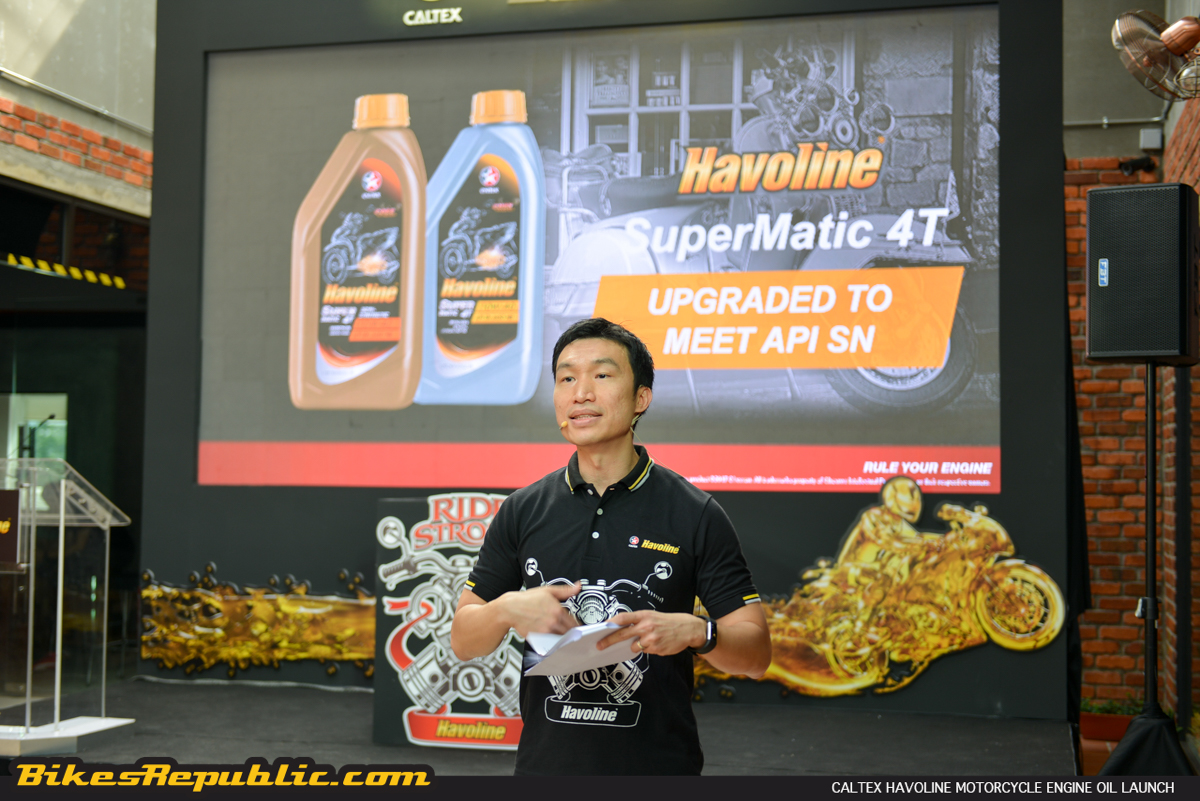
As for the scooter segment, Havoline’s scooter range has been upgraded to meet the latest API SN service standard, for both semi-synthetic and mineral grades. All products are JASO MB certified, as scooters do not use wet clutch.

“RIDE STRONG” PROMOTIONAL PACK

Chevron Malaysia Limited is offering a special bundle pack promotion in conjunction with launch. Customers will receive a free limited-edition microfiber towel with “Ride Strong” branding.

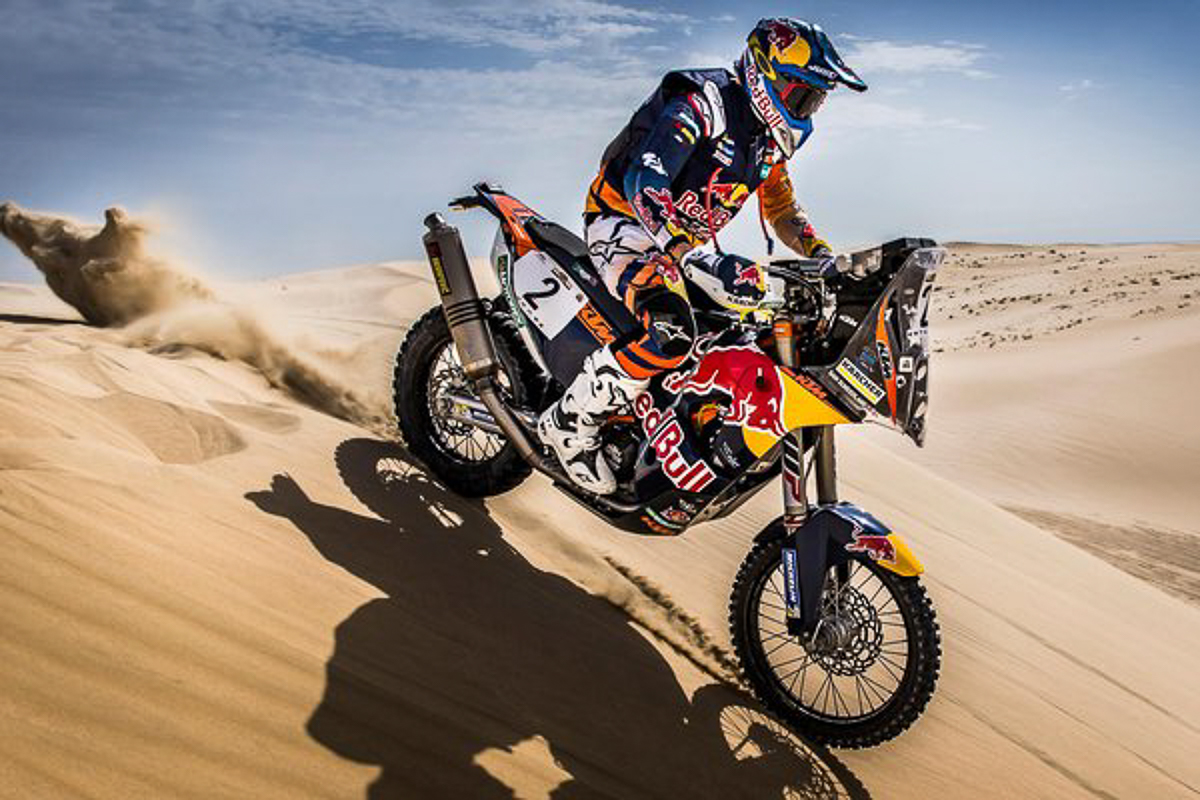
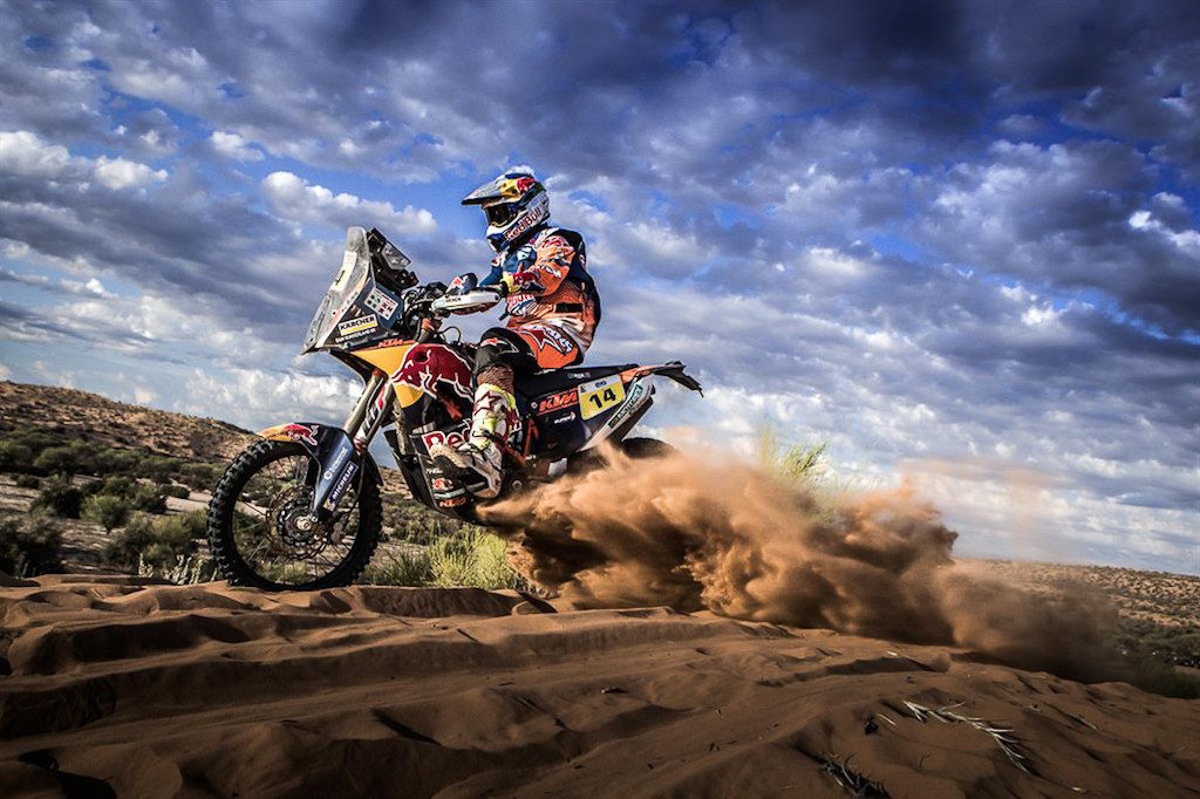
Defending champion Sam Sunderland is out of the Dakar Rally 2018 after suffering a crash in stage four of the race.

The 28 year old was leading the first two stages but a crash in stage four resulted in a back trauma which forced him out of the race.

Sam Sunderland was the first British Dakar Rally champion to ever win last year on board his KTM 450 Rally bike.

Image source: DriveMag Riders

It has been reported that the current defending champion of the Dakar Rally Sam Sunderland from the KTM squad is out of the Dakar Rally 2018 race after suffering a crash that ended his efforts. After four stages of gruelling racing, the first ever British Dakar Rally champion was forced to end his campaign after suffering some significant injuries. (more…)

Archive

Follow us on Facebook

Follow us on YouTube