Bikesrepublic

Latest News

  • The 2019 Honda CBR1000RR Fireblade SP is all about rider confidence and usability.

  • Honda probably set out to produce an everyday superbike.

  • It’s wonderfully balanced and not slow at all.

I’ve to admit that my love for superbikes declined over the years. They’ve grown to be much faster, more focused and less compromising over the last decade. There’s nothing wrong with that; superbikes are meant to chase lap times, after all. Yes, my love for superbikes was reignited after attending California Superbike School Malaysia but superbikes are still superbikes. Those were the thoughts playing in my mind when I picked up the 2019 Honda CBR1000RR Fireblade SP.

Introduction to the 2019 Honda CBR1000RR Fireblade

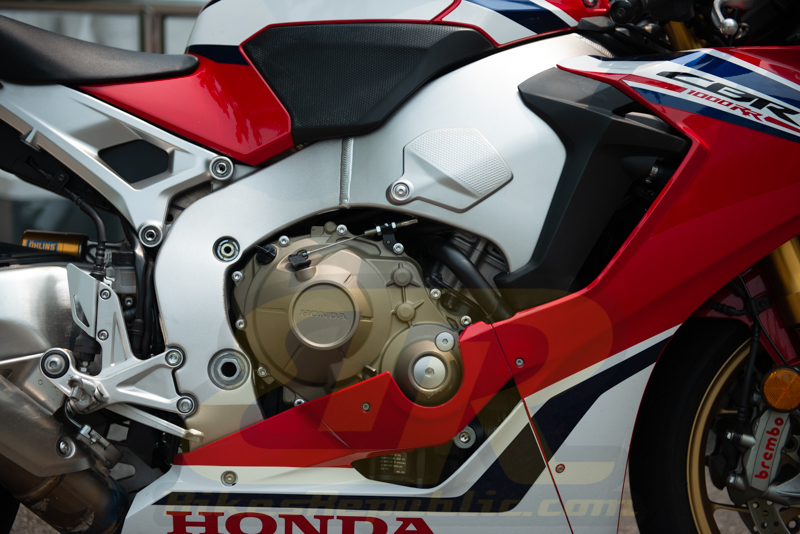
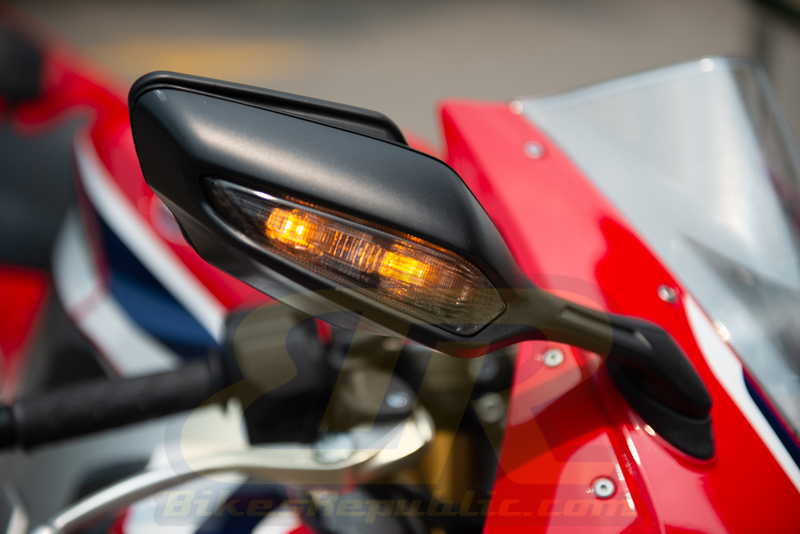
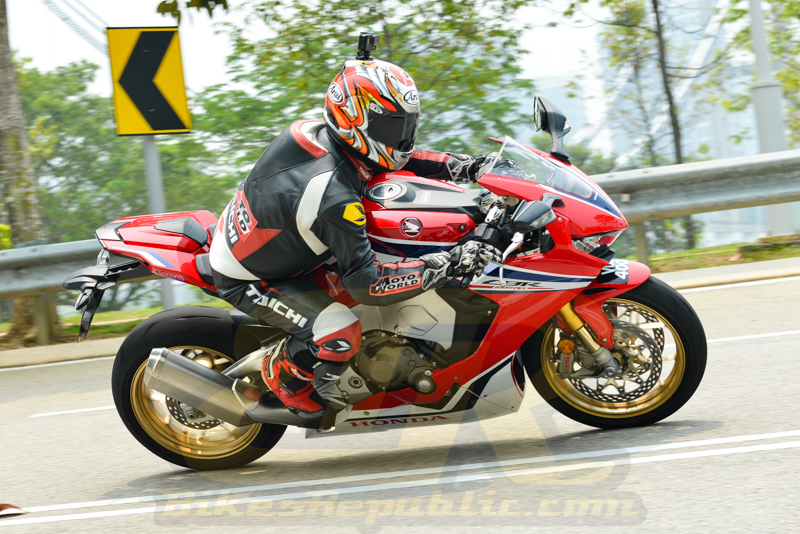
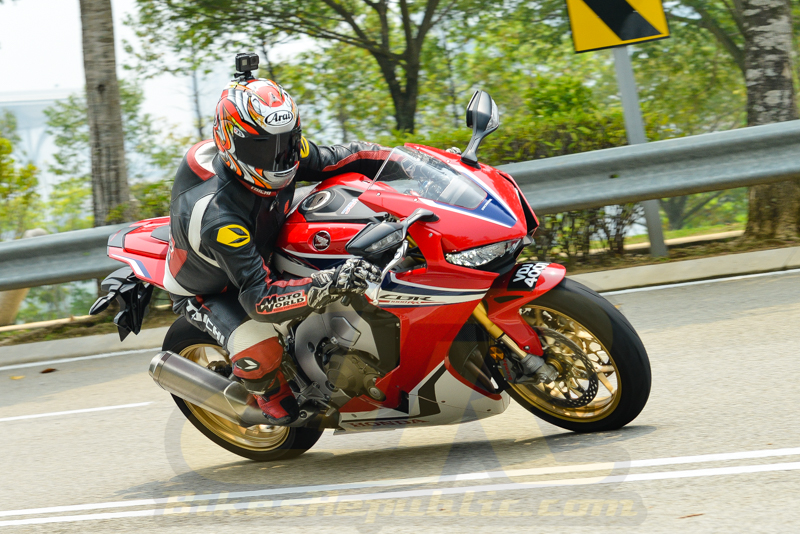
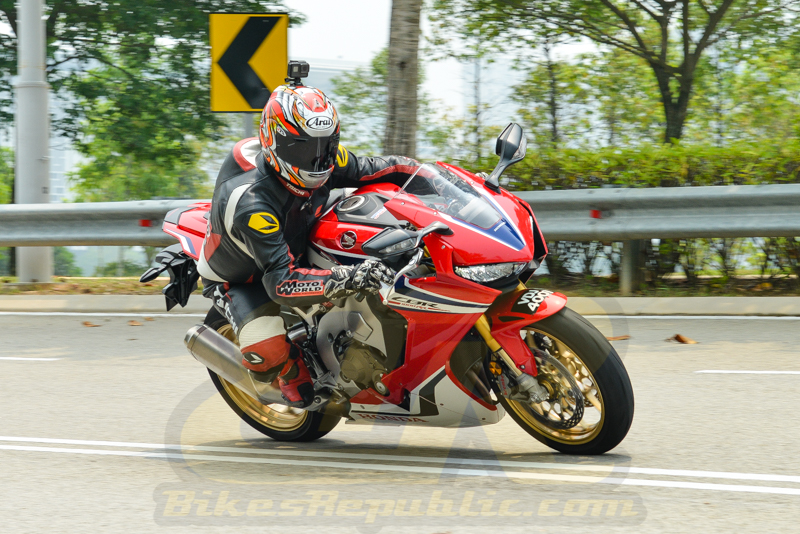
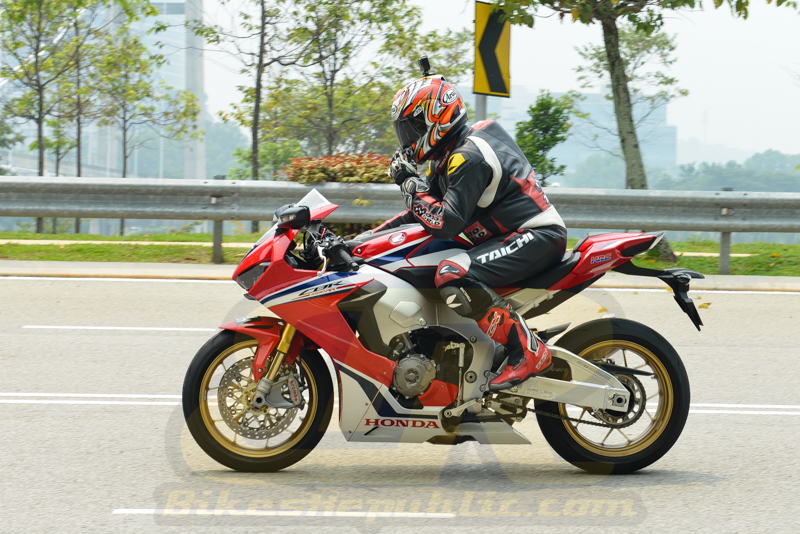
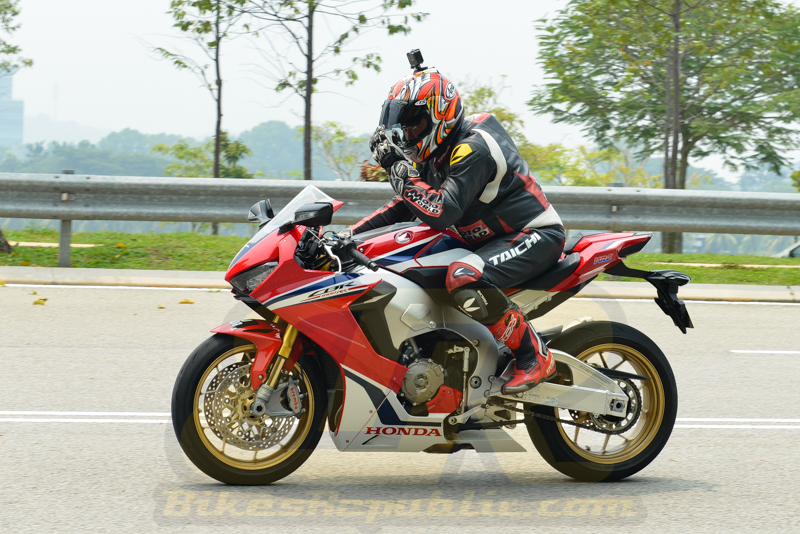
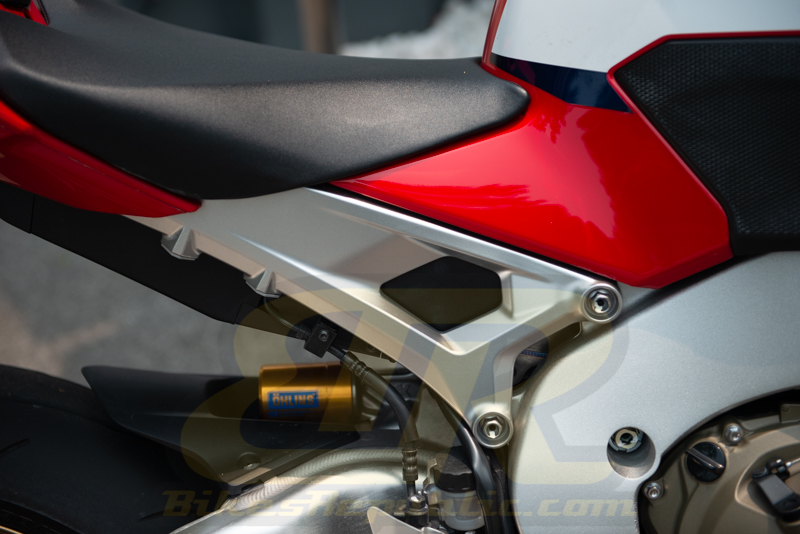
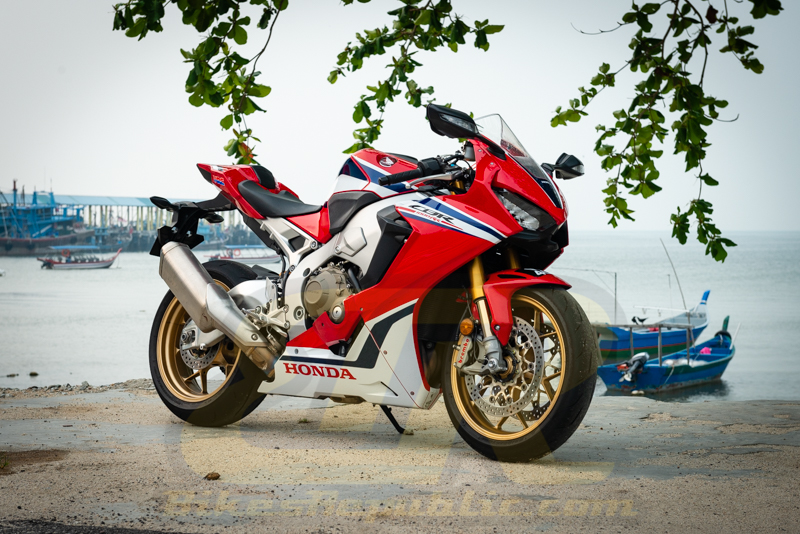
The bike was beautiful and looked better than when it was launched indoors. The silver-coloured massive frame and swingarm, offset by the gold rims, topped off by red, white and blue HRC livery shone in the sunlight. Some may say that those headlights look like the Ducati Panigale’s but no, they really look distinctively CBR on this bike as it blended in with the overall design.
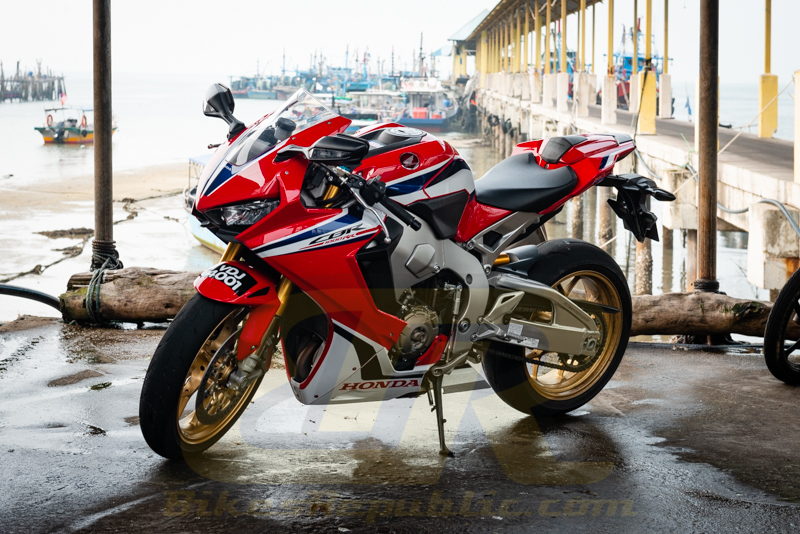
Climbing on, I was surprised to fit right in. Muscle memory had tried to push my arms lower down the front, but it turned out that the clip-ons were higher than other superbikes. When viewed from the side of the bike, the handlebars rise about 2.5cm higher than the seat line.

The footpegs were lower and set further front than all others. Another surprise was my foot finding the ground immediately instead of paddling around to check out the seat height. The seat was low for a superbike.
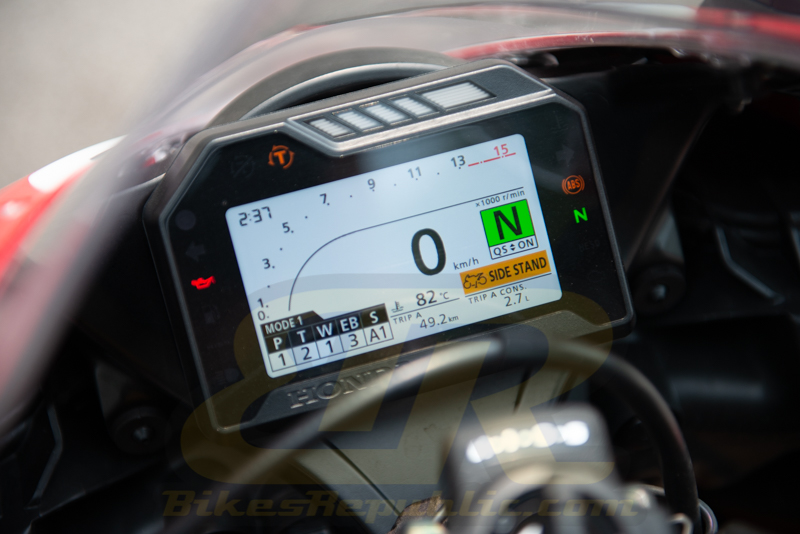
The sharp and narrow front profile necessitated a small TFT screen. But unlike some bikes we’ve tested, the screen has characters that were large enough to read for old eyes like mine. Even I could make out the smallest fonts that concern mileage and fuel consumption data.

One glance and I knew what RPM, which gear position and speed. The Honda Torque Control data sits on the bottom left side, displaying the MODE (there were three manufacturer presets and two user presets) and the levels of each parameter.
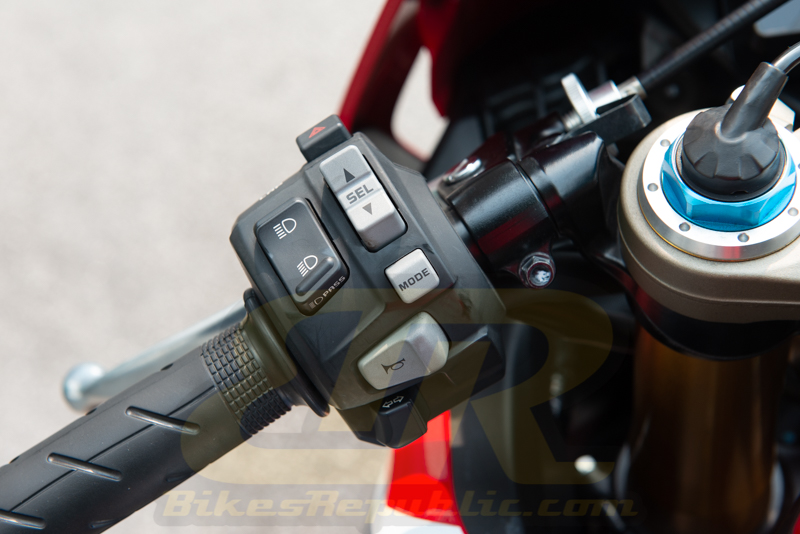
Changing the parameters was done through the MODE and selector buttons. It took only a couple of minutes to figure out, despite the lack of the user’s manual.
MODE 1 is akin to race mode. From left to right, power, traction control, wheelie control, engine braking and electronic suspension control are at their most performance-oriented settings. MODE 2 is like sport or road mode: The throttle engine is less punchy which higher levels of electronic assistance. MODE 3 is more like rain mode i.e. softer throttle response, highest level of traction control and softest suspension setting.
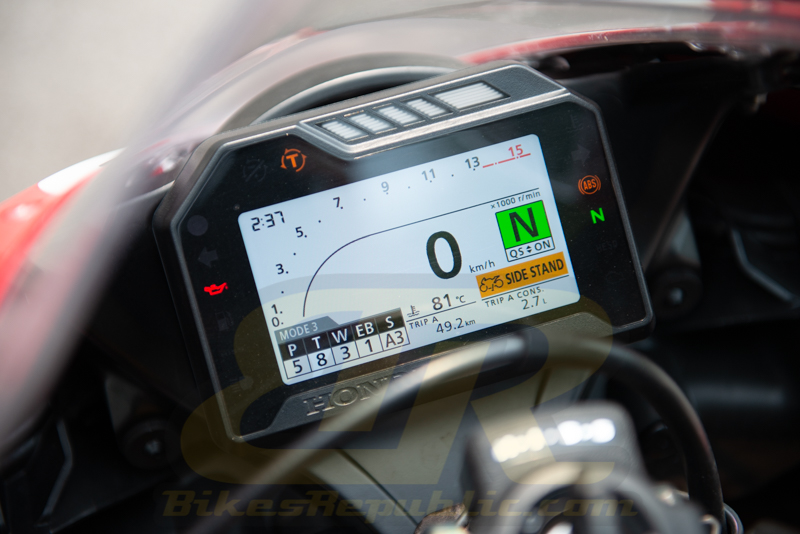
Changing any parameter will have the system revert to USER settings immediately, so you can easily customize any setting without getting lost.
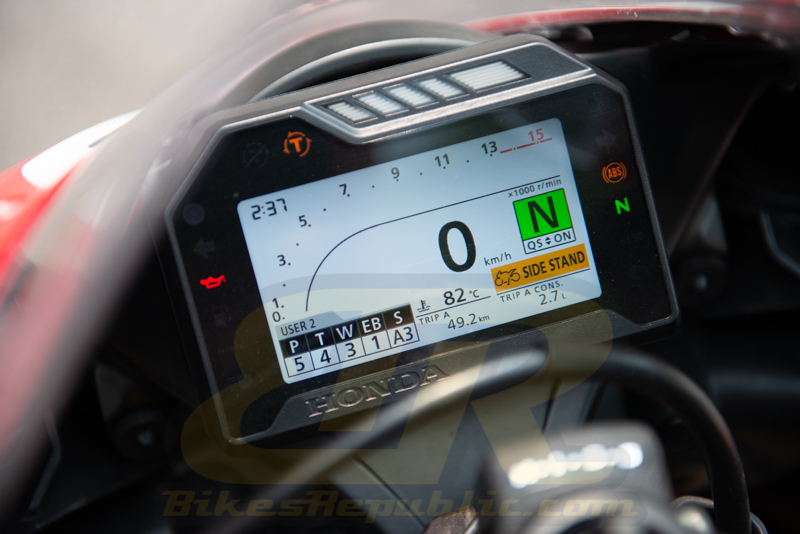
That brings us to the electronic suspension. There were three levels of present damping A1, A2 and A3, plus one M for manual settings. A1 is the stiffest, A3 the softest.

Riding the CBR1000RR Fireblade SP

As with all inline-Four superbikes, the engine fired up with a roar as if you held the throttle open slightly. The exhaust wasn’t too loud nor too soft and had this distinctive warble when I blipped the throttle.
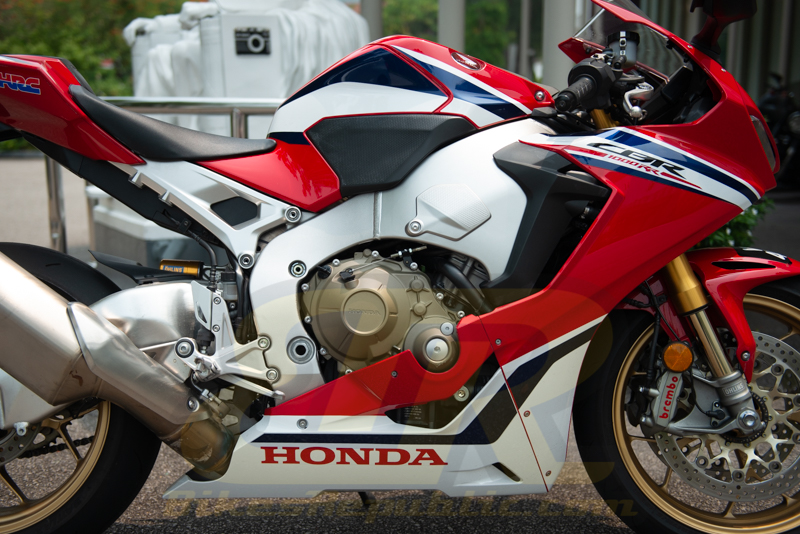
Clutch out and the bike rolled smoothly ahead even without throttle input.

But the throttle… Oh my. It was so direct it’s as if your right hand is working the throttle bodies, fuel pump and electronics at one go. There’s no slack in take up but then it didn’t snap the bike forward like the MT-09. Twist it a little more and the bike responds with more forward thrust; roll off and the bike slows down accordingly.
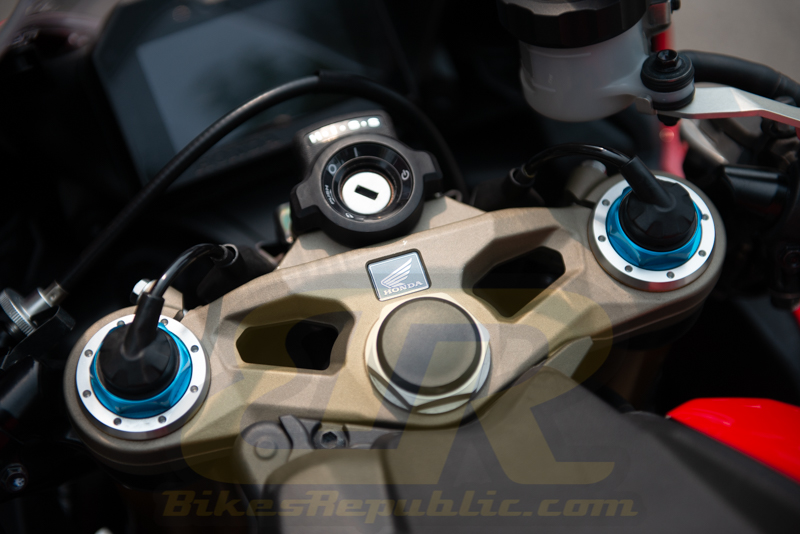
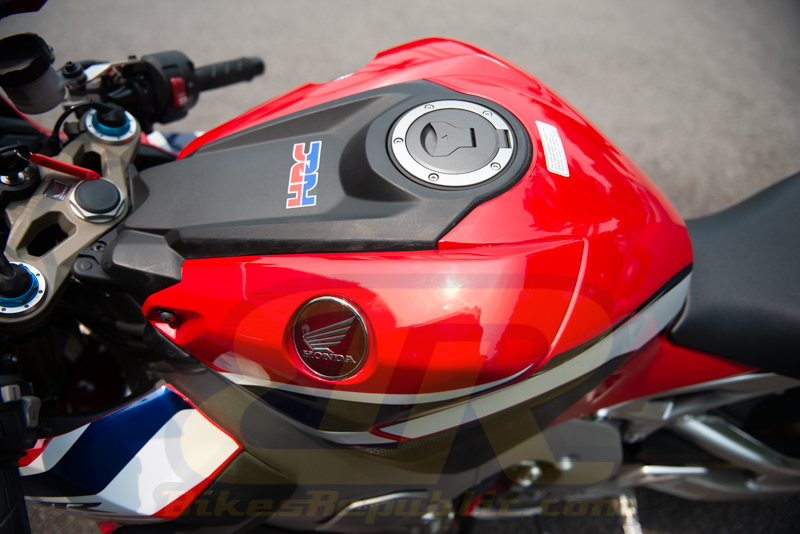
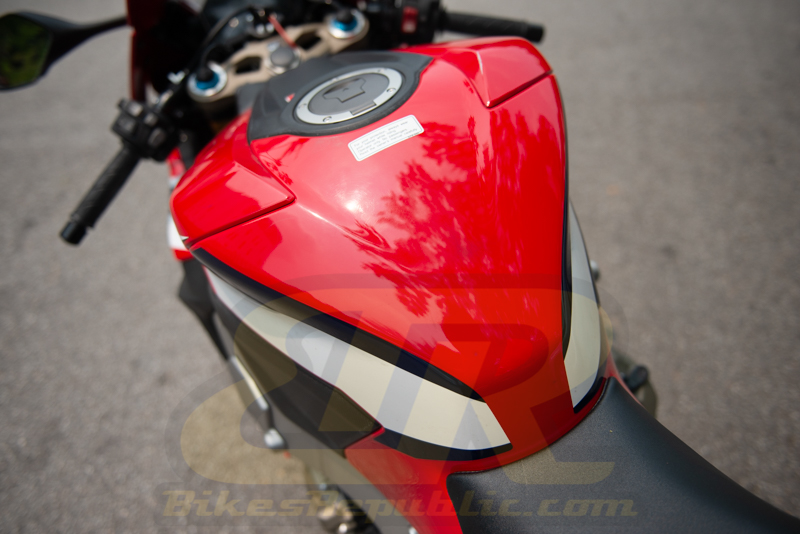
Then there’s that riding position. Seated correctly (please check out our video on the correct riding position here), there’s no pressure on the lower back at all. There wasn’t pressure on the wrists, either. But there has to be some part of the body taking the weight, right? Yes, the inner thighs but I found that I didn’t need to squeeze the fuel tank hard at all. The reason for this was due to the tank which was tapered toward the back. The front was wide and made clamping the knees on it much easier.
As we rode down Jalan Ipoh, I gritted my teeth in anticipation of getting kicked around on bumps. I started out in MODE 1 hence the A1 suspension mode. I was surprised that it was super compliant. Sure, there are other bikes that use the Ohlins NIX forks and Ohlins TTX shock, but there must be a different algorithm besides suspension internals for the CBR. It was almost as comfortable as an adventure bike with stiffer settings! I kid you not!

Sport riding

It was so much fun to ride around in MODE 1 that I left there. The powerband was superbly linear with no steps along the way and the smooth throttle action helped. The only indication that you’re about to go faster was the change in the exhaust note, from a droning vroom to warble mixed with a howl starting from 4,500 RPM. The bike punched through 160km/h, 200km/h, 250km/h and beyond easily without any white-knuckled moment. It was exceptionally stable in a straight line despite the short wheelbase.
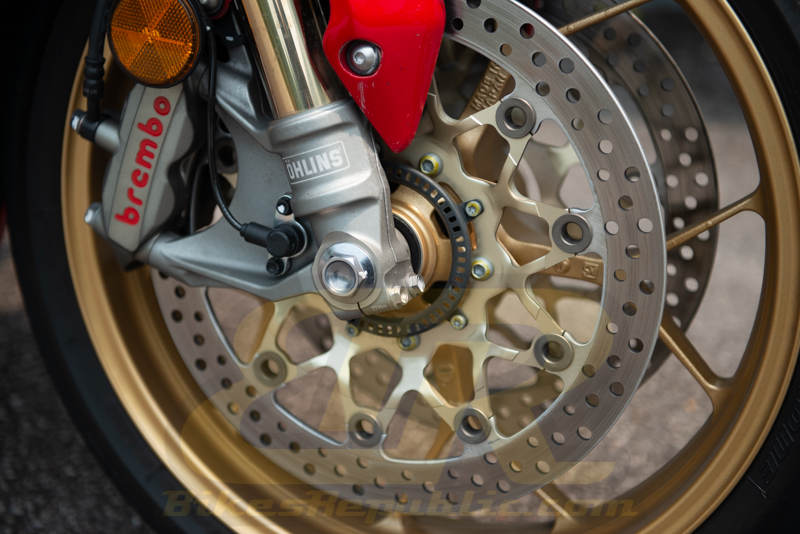
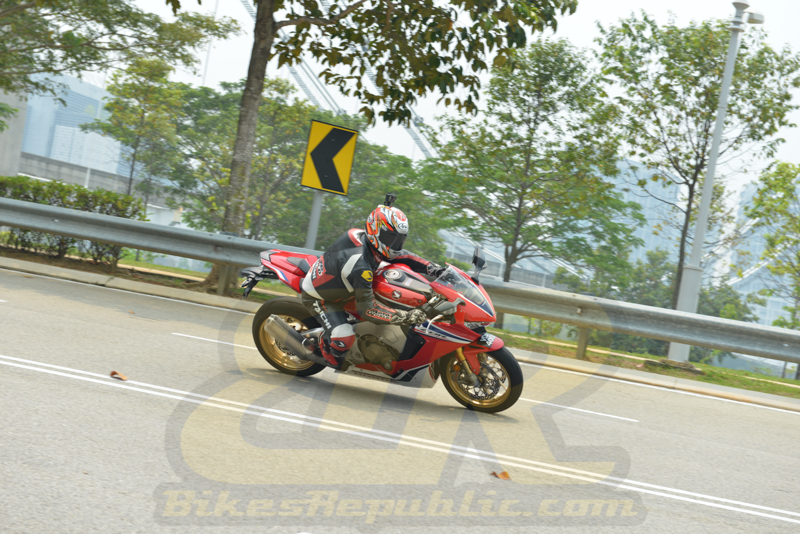
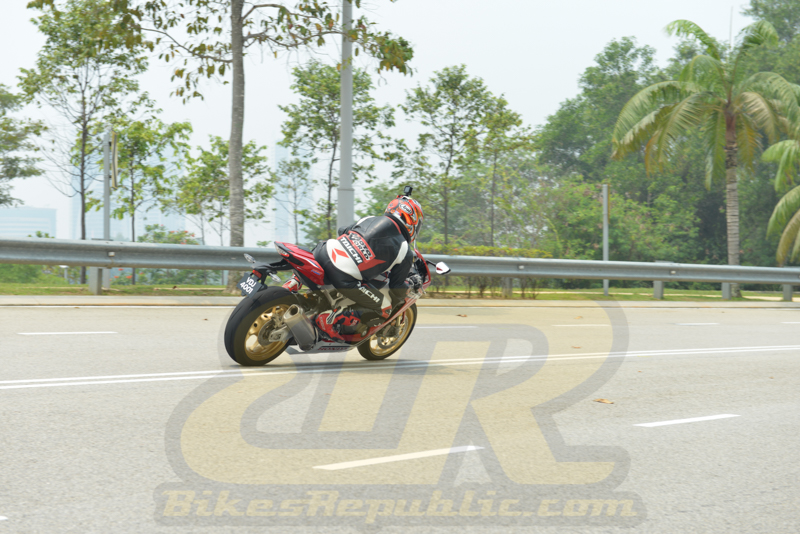
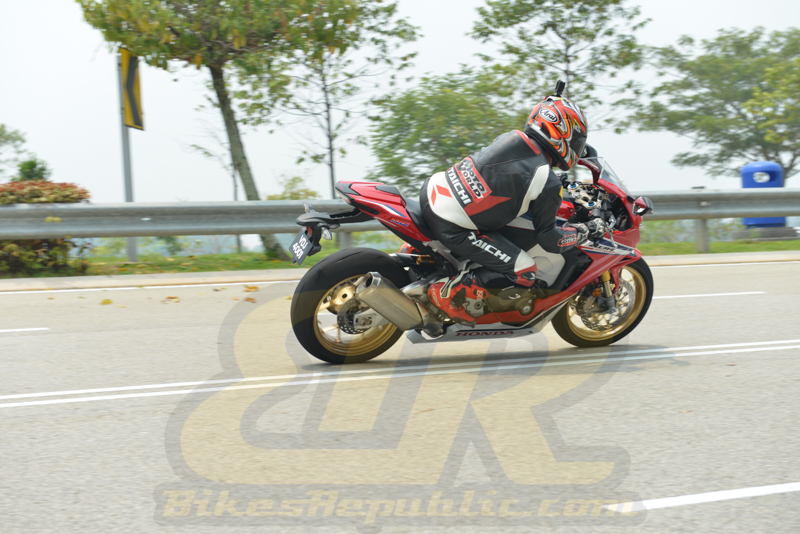
Out on Karak Highway, the bike flowed through each corner. Although I was riding faster than before, it didn’t take much effort to lean the bike over. Its limits were so high that the bike stayed well off kneedown angles. Remember, less lean angle is safer.

Up Genting Highlands, I decided to get a bit more aggressive. Again, the bike didn’t protest and flicked left and right without the need to over commit.
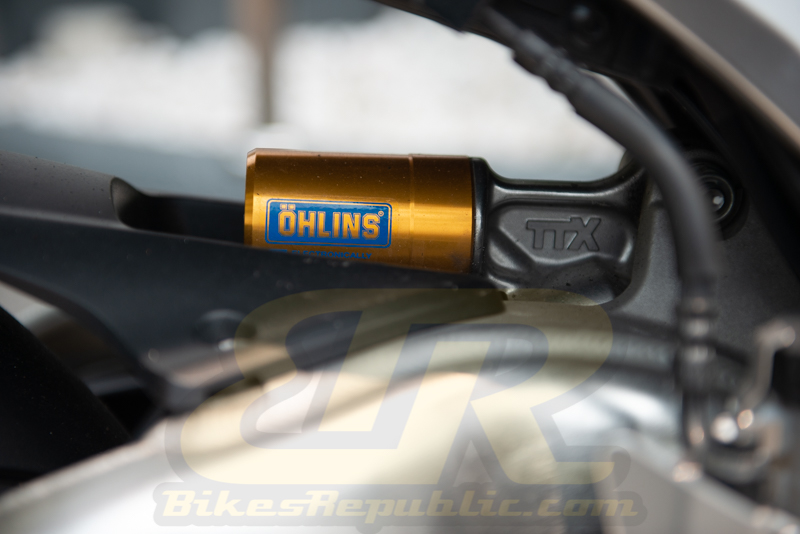
The SP was fitted with ultra-sticky Bridgestone RS10 tyres. Bridgestones are stiffer in construction so I switched to USER 1 and adjusted the damping rate to A2. There’s was still plenty of feedback from either end and I always knew what the tyres were up to.

I had so much fun I rode up and down Genting four times in five days. I haven’t had this much fun since a long time ago… back in 2017 on a Triumph Street Triple RS.
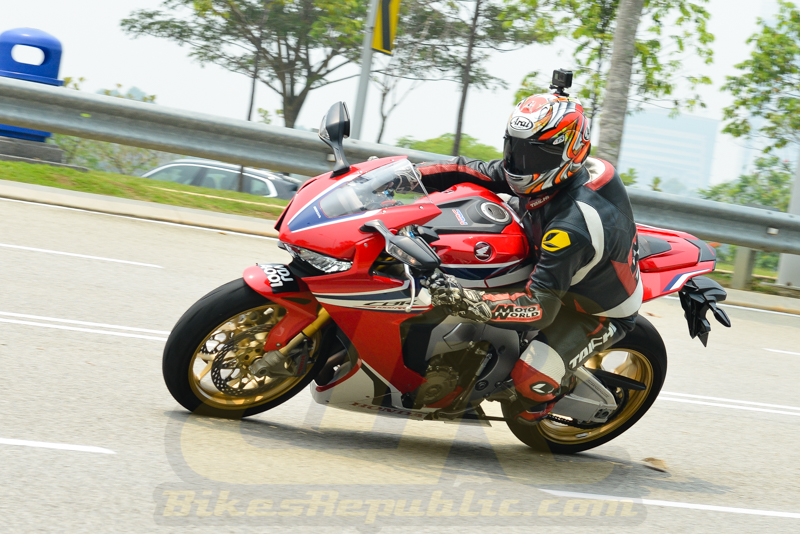
Just like the RS, the SP will do anything you ask of it. Additionally, that super stable chassis mixed with a smooth throttle and linear powerband built immediate confidence for you to push harder and deeper into corners.

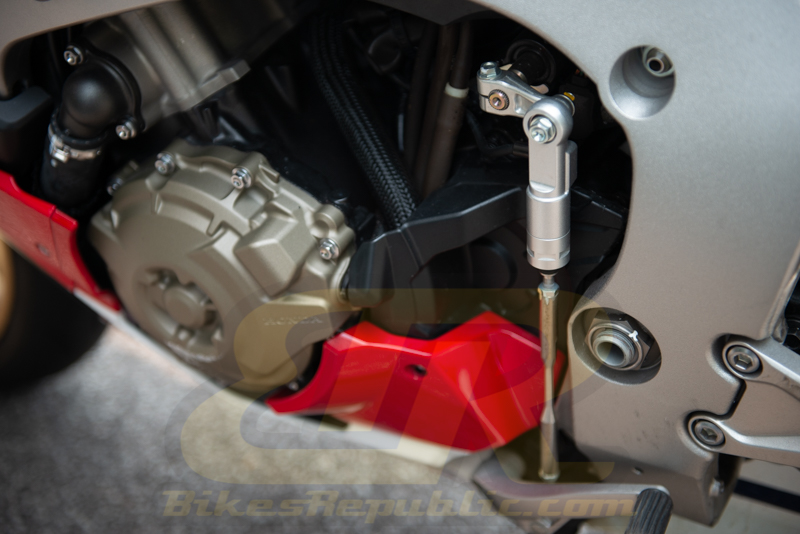
The quickshifter deserved its own praise. While everyone harps about a certain other sportbike’s, the SP’s quickshifter was so smooth it should be used as the model in moisturizer ads. Why pay those models when you have the CBR1000RR SP? On other bikes, using the quickshifter in the lower gears in low revs would usually have the system kicking hard and feeling as if the gearbox is going to split open, but not on the SP. Nope, uh uh.
Daily riding

Almost no one commutes daily on a superbike anymore, do they? Why? It’s like what I said in the beginning: Superbikes have gotten so focused that they are less comfortable and less compromising.
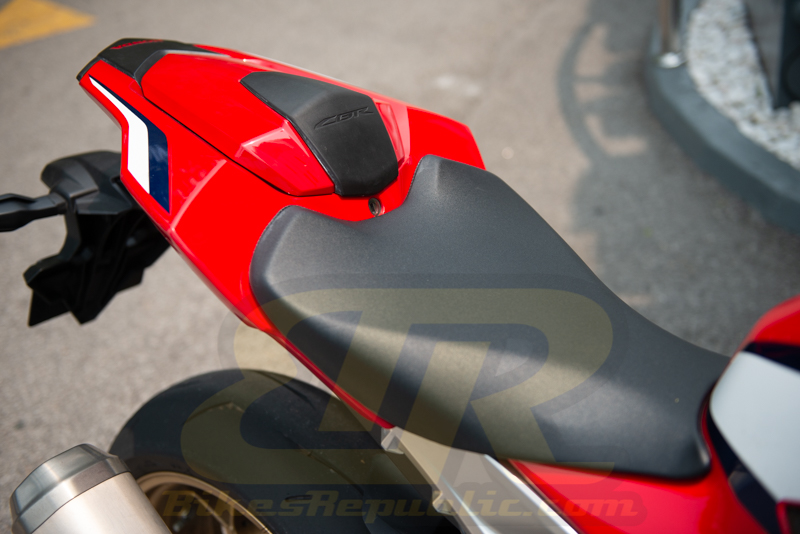
I fretted the thought of doing so on the SP initially, but it turned out to be unfounded.

The light steering, easy flickability and powerful brakes had me riding it like it was a 250cc bike. The bike’s very compact and there were other bikers who thought it was a 250 to 400cc bike.
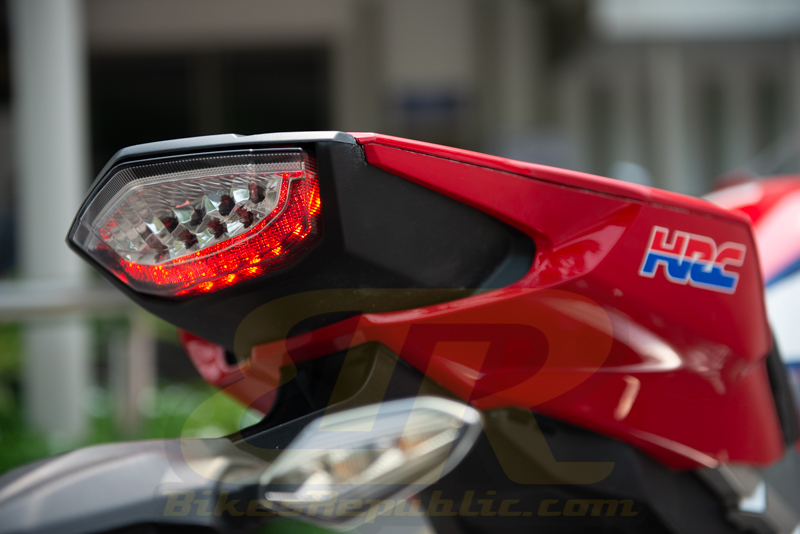
Even my fear of U-turns was taken care of. On a superbike. I could hardly believe it either.

Touring

If the daily commute is difficult for sportbike riders, what more touring. Right?
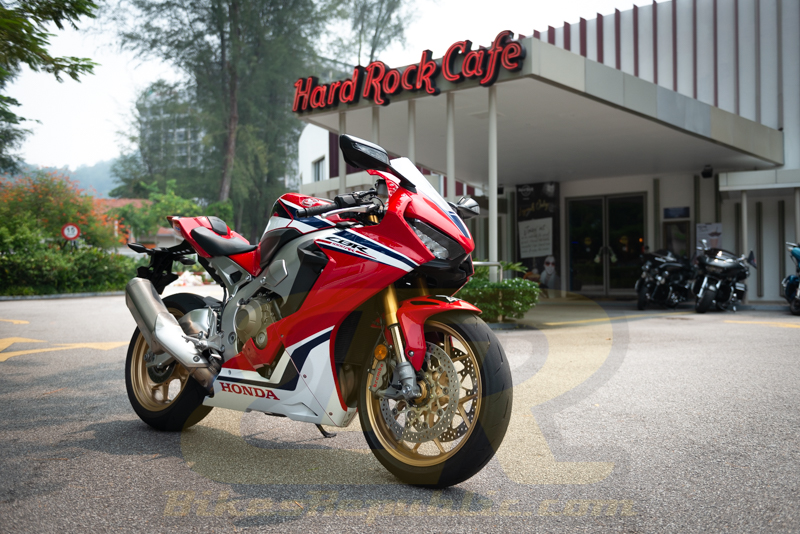
Nope. I was so impressed with its comfort that I rode it all the way to Penang and back with a Harley-Davidson group and I didn’t feel like I had wrestled with a grizzly bear.

Conclusion

I felt that it’s a shame people are looking at superbikes by account of higher horsepower ratings on the spec sheet. In my opinion, power isn’t everything – it certainly isn’t everything if you aren’t enjoying the ride.
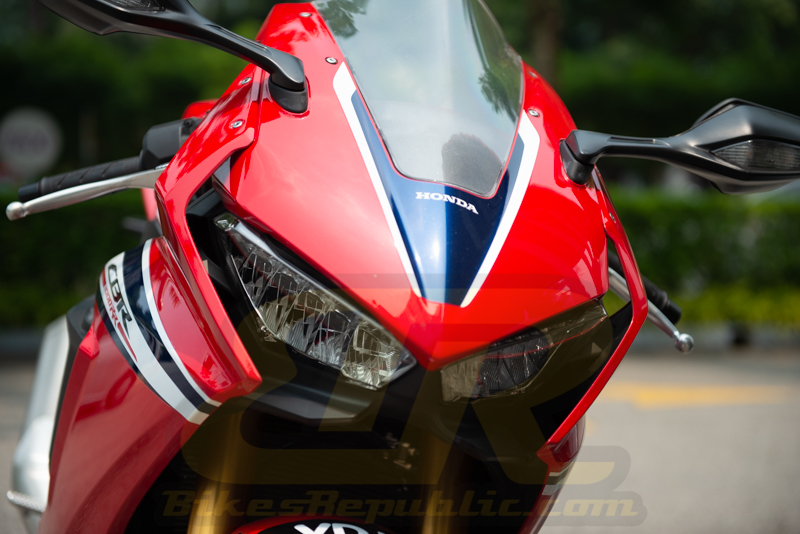
The CBR1000RR may have been updated but it retains the kind of controllability that endeared itself to “Rabbit” fans in the country and world over. It’s the manifest of Honda’s total rider control concept and it got me thinking about how much resources the manufacturer put into developing this one bike.

The 2019 Honda CBR1000RR Fireblade SP certainly surprised me, despite having tested all the current 1000cc superbikes except for the 2019 BMW S 1000 RR. Heck, it even surprised all of our peers. Seriously.
Yes, again it has the lowest horsepower among the 1000cc superbikes. But what if you could only afford one 1000cc superbike? Which means you have to live with it for your daily commute, weekend Karak blasting, occasional track days and go touring?

Pick this one.
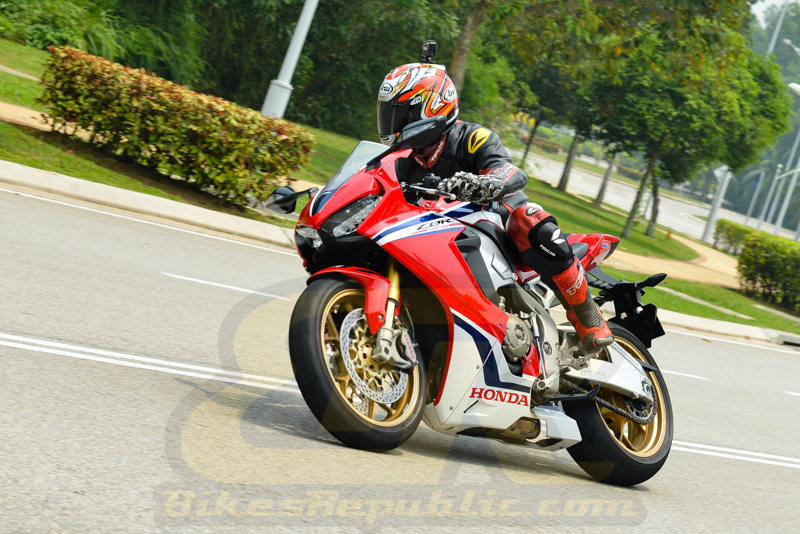
 

PHOTO GALLERY
  • BMW filed an application to trademark the M versions of the S 1000 RR, S 1000 XR and R 1250 GS.

  • The application stated the three models as “M 1000 RR,” “M 1000 XR,” and “M 1300 GS.”

  • An M bikes means performance parts or higher performance.

Hold on tight, BMW filed an application to trademark the M versions of the S 1000 RR, S 1000 XR and R 1250 GS.

However, according to Motorcycle.com, instead of retaining the first letter suffix of each model, the application replaced them with the letter “M” instead. Thus, the three models became known as the “M 1000 RR,” “M 1000 XR,” and “M 1300 GS.”

This will be unprecedented if the three are sold as such. That’s because BMW Motorrad has a great system of naming their bikes, since the first letter indicated the type of engine the bike uses, with the exception of their scooter line-up.

For example, “F” means parallel-Twin, “G” says single-cylinder, “K” inline-Six (used to cover inline-Fours but has since been taken over by “S”), “R” is for Boxer, “S” means inline-Four. Scooters are a departure from the norm, designated with a “C”.

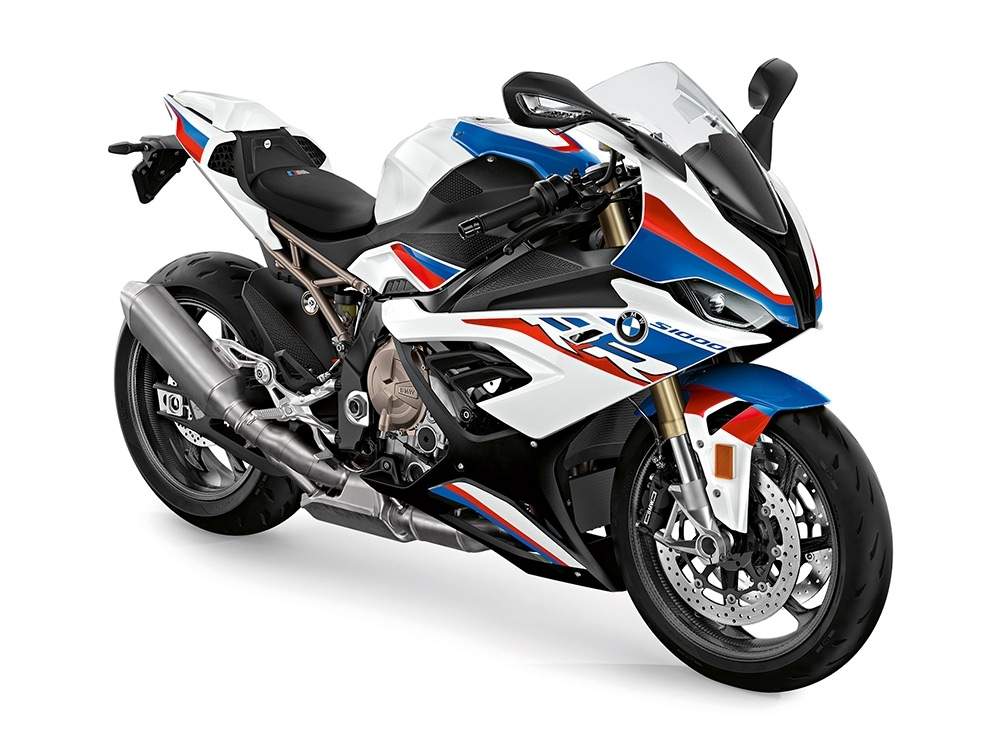
“M” on the other hand is reserved for bikes that receive the “M package.” M division is BMW’s performance branch who tunes stock machines in fire-breathing beasts, at least for the cars. For example, the M3 compared to the normal 3-Series. In terms of bikes, the 2019 S 1000 RR received the M package which consists of performance parts such as carbon fibre wheels, lighter battery, sport seat, adjustable ride height, adjustable swingarm pivot, Pro ride mode and finished with a special M livery.

So, what would an M 1000 RR be like? No other detail was provided but we are definitely salivating at the thought of a higher performance S 1000 RR. The same goes for the S 1000 XR. Conversely, the M 1300 GS may be even more “adventure” than the normal R 1250 GS.

We’ll see what transpires. It may amount to nothing at all, but who knows.

Source: Motorcycle.com

  • Malaysian bikers beware: Thailand may roll out a number of new rulings.

  • Lane splitting ban and an 80km/h speed limit for big bikes is being proposed.

  • Motorcycle license is required when renting a scooter.

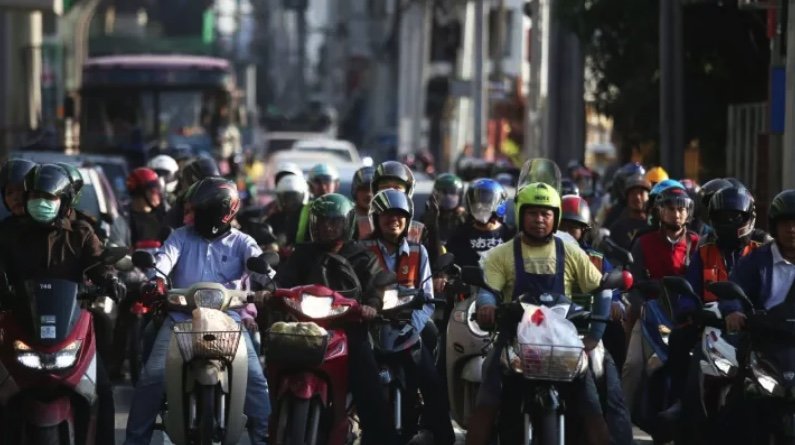
Thailand Transport Ministry may ban lane splitting for big bikes and limit their speed to 80km/h in urban areas.

The country’s Deputy Permanent Secretary for Transport Chirute Vialachitra said that the ban would require big bike riders to wait for traffic lights behind other vehicles. The 80km/h speed limit applies to urban and community areas i.e. villages and towns.

Additionally, big bike riders are to undergo specially-designed tests to obtain their driving licenses. The government plans to set up special test fields and simulators for big bike riders. The simulations will present danger-prone situations to train riders on safety aspects.

But more importantly, foreign tourists are required to show their motorcycle license when renting motorcycles in the country. The requirement is already in existence but not enforced. This is in view of the spate of foreigner deaths while riding motorcycles.

A timeline for enacting the new rules has not been provided, said Mr. Chirute but will be finalized in 30 days before seeking cabinet approval. He hopes the new measures will be in place by year end.

Should the new ruling be approved, Malaysian bikers should beware of them when riding into Thailand.

Source: Bangkok Times

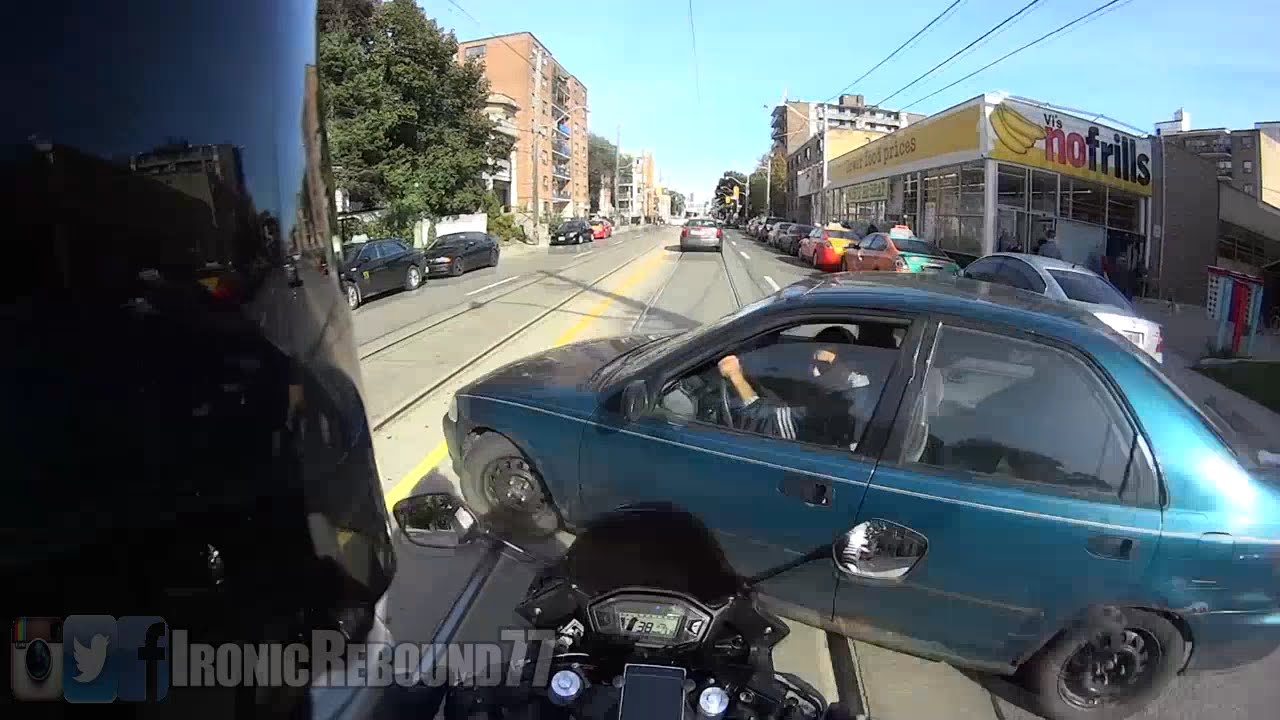
  • There are many reasons why car drivers don’t seem to see bikes.

  • But it’s usually due to how the human brain works.

  • A group of researchers recommend saying “bike” out loud to yourself when you see one.

Here we are, adhering to the ATGATT (all the gears all the time) rule, the headlights switched on and positioned in the lane for maximum visibility. Then we spot a driver waiting to exit her side of the junction. We know she sees us because we exchange glances.

Then she pulls right out in front of us with 10 metres to spare. It’s about this time when all the profanities of planet Earth, the galaxy and Proxima Centauri are spewed forth into the helmet’s chinbar.

Truth is, no driver wants the trouble of causing bodily harm to any biker (except for psychotic ones).

According to many researches, it’s all in the mind. Earlier, a study concluded that drivers could sometimes suffer from “inattentive blindness.” Their eyes saw the motorcycle, but their minds fail to register.

Now a new research from the University of Nottingham, UK says that drivers may suffer from “a short-term memory loss.”

They carried out tests with a BMW Mini and a driving simulator. The subjects consisted of both male and female subjects.

Tests found that the drivers actually saw the motorcycle, but somehow “forgot” that it’s there. It’s easy for drivers to be distracted by something and pull out in front of the bike. in 180 simulations, the subjects didn’t see a car 3 times and a motorcycle 16 times. Additionally, drivers tend to misjudge the distance and closing speed of motorcycles (this one we know very well).

The researchers have a solution to this problem. They recommended that the driver say, “Bike” out loud to himself when he sees one. Doing so will program the mind to register the motorcycle. It’s like reading out loud when you want to memorize the text.

We’ve kind of applied this in our daily lives when driving. Here, we would say, “Ada moto (there’s a bike).” Our spouses have also been helpful in this aspect.

Share this with your driving friends and see if it works.

  • A “safety activist” recommended that the government ban kapchais  from Malaysian roads.

  • He suggests electric scooters be used as the alternative.

  • It’s because electric scooters have limited range and lower speeds.

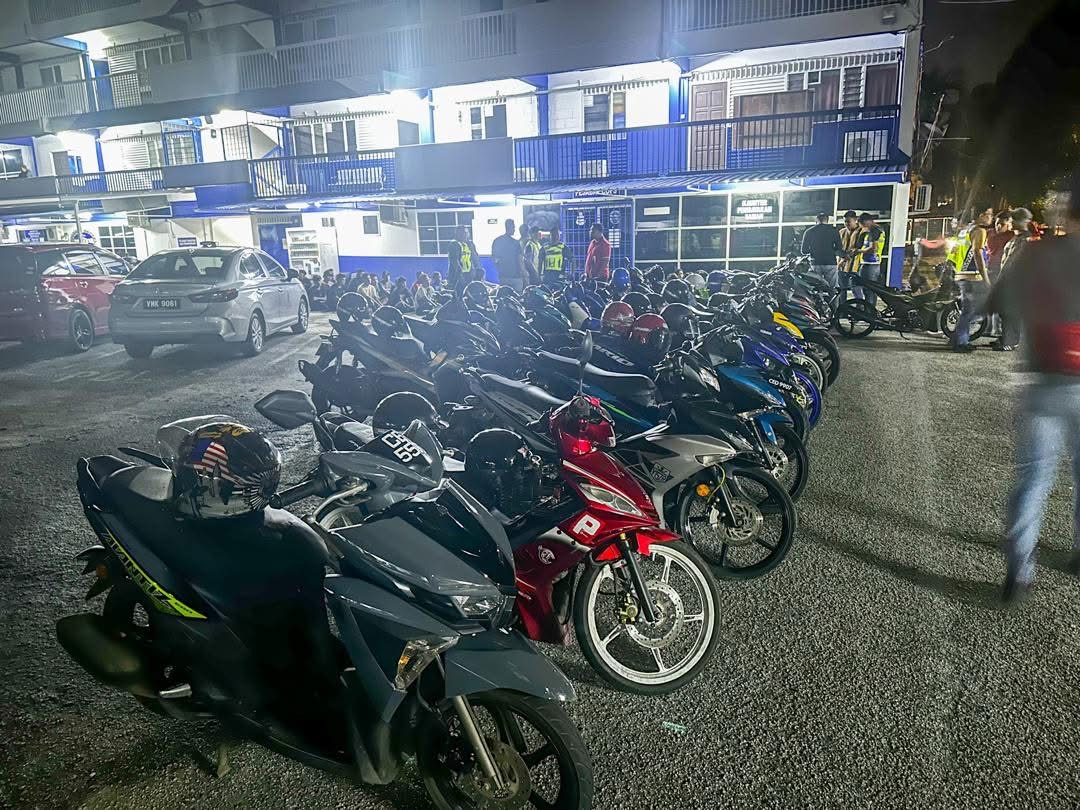
A “safety activist” recommended to the government that kapchais should be banned from Malaysian roads, reports Careta.my.

Speaking at a Malaysia Institute of Road Safety Research (MIROS) event, Sharhim Tamrin said that the government should consider electric scooters as the alternative, as they have limited range and top speeds of around 80km/h only.

He said this based on his findings that countries like China and Taiwan have banned kapchais. (The two countries did not “ban” kapchais, instead they urged the use of electic scooters as fuel is expensive and China especially didn’t want their economy to depend on petroleum. – Editor)

“I have, informally, proposed this to a number of government agencies. I will also send a (formal) proposal to the government to ban kapchais,” he said during a forum at the event.

A similar proposal was forwarded by Works Minister Fadilah Yusof in 2013, on the grounds of safety. He called for kapchais to be banned from entering highways.

Shahrim also mentioned the trend of 15- and 16-year-olds who likes to ride fast. He also called motorcycle manufacturers to task for advertising motorcycles as performance machines, which would influence the owners to ride fast and some to modify their bikes to go faster.

Assistant Director of Enforcement for the Traffic Investigations and Enforcement Department of the Royal Malaysia Police concurred that the government should ban motorcycles below 250cc.

According to him, there were more car accidents last year compared to motorcycles, but it’s the latter that contributed to higher death rates.

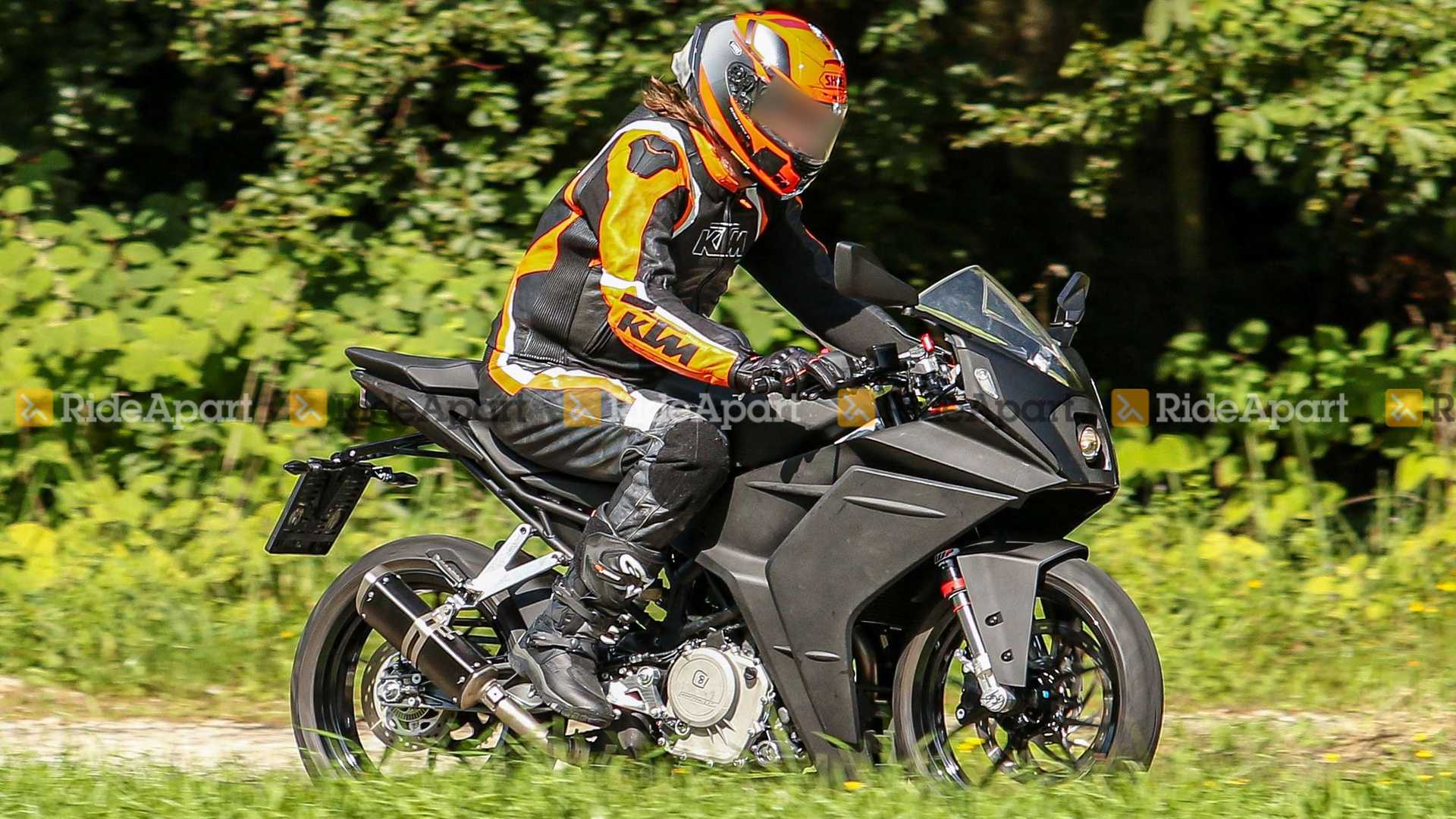
  • A new KTM RC 390 was spotted undergoing road tests.

  • Introduced in 2014, it needs an upgrade/redesign.

  • The new bike may be introduced for 2021.

As we speculated, all manufacturers are hard at work to produce new models by 2020 and 2021. But one bike which has gone under the radar for a long time is the KTM RC 390.

The bike made huge waves and sold like hotcakes when it was introduced back in 2014. Soon, they were everywhere. There were also RC 390-exclusive racing series and some owners took it to track days.

The bike was last updated in 2017. But 5 years is a long time (maybe too long) for the model’s product cycle in that cut throat segment.

So, as with the KTM 390 Duke test bike caught testing months ago, a prototype RC 390 was also spied over the weekend.

According to RideApart, the new bike will debut in 2021.

Changes to the new bike is immediately noticeable as KTM redesigned the bike: the front fairing has a similar profile, but the rest of the bodywork are different. Even the rear seat is different and takes a contemporary design instead of the current single-seat look.

Also gone is the lattice work of the rear subframe. The handlebars appear to be mounted higher for more comfortable ergonomics.

The new bike will of course be Euro 5 compliant, but there are no details yet if there are any power upgrades.

Archive

Follow us on Facebook

Follow us on YouTube