Bikesrepublic

Latest News

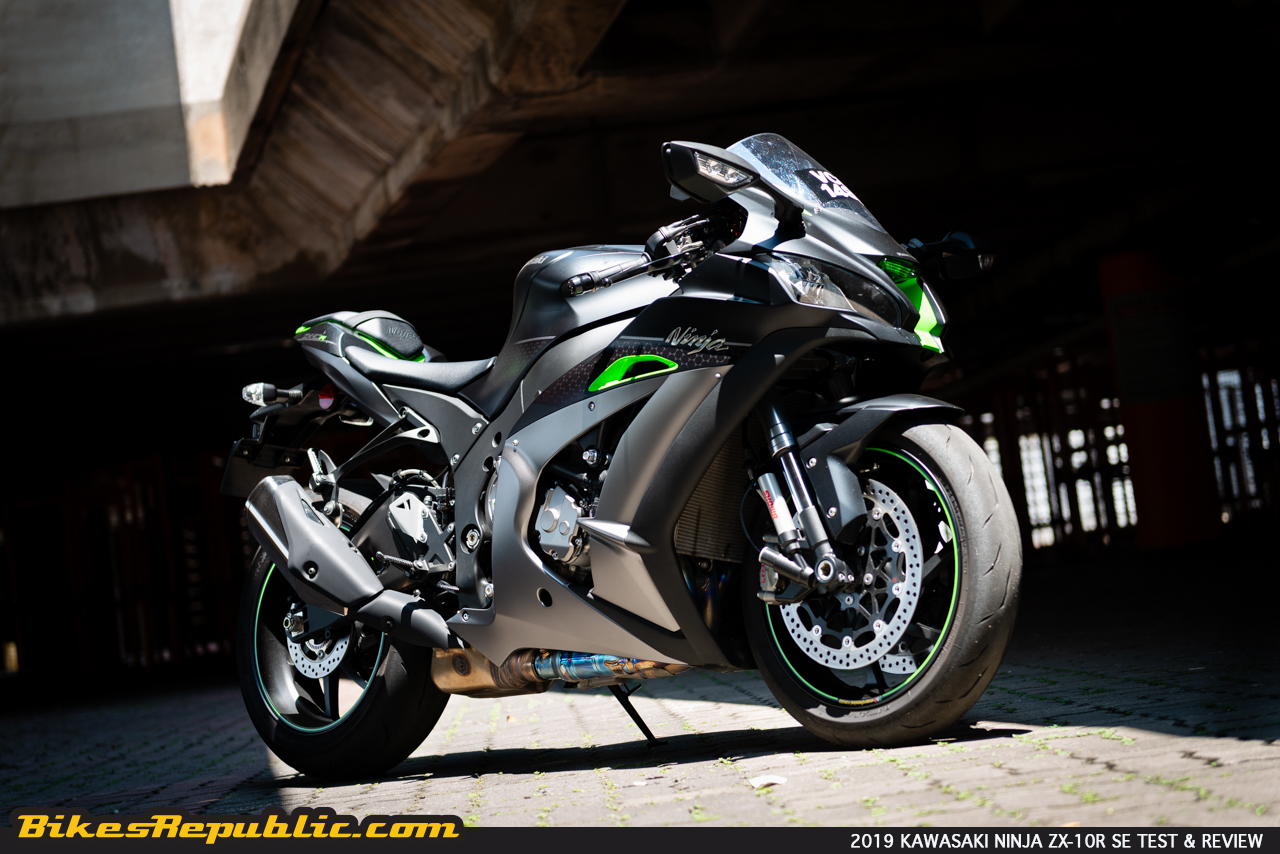
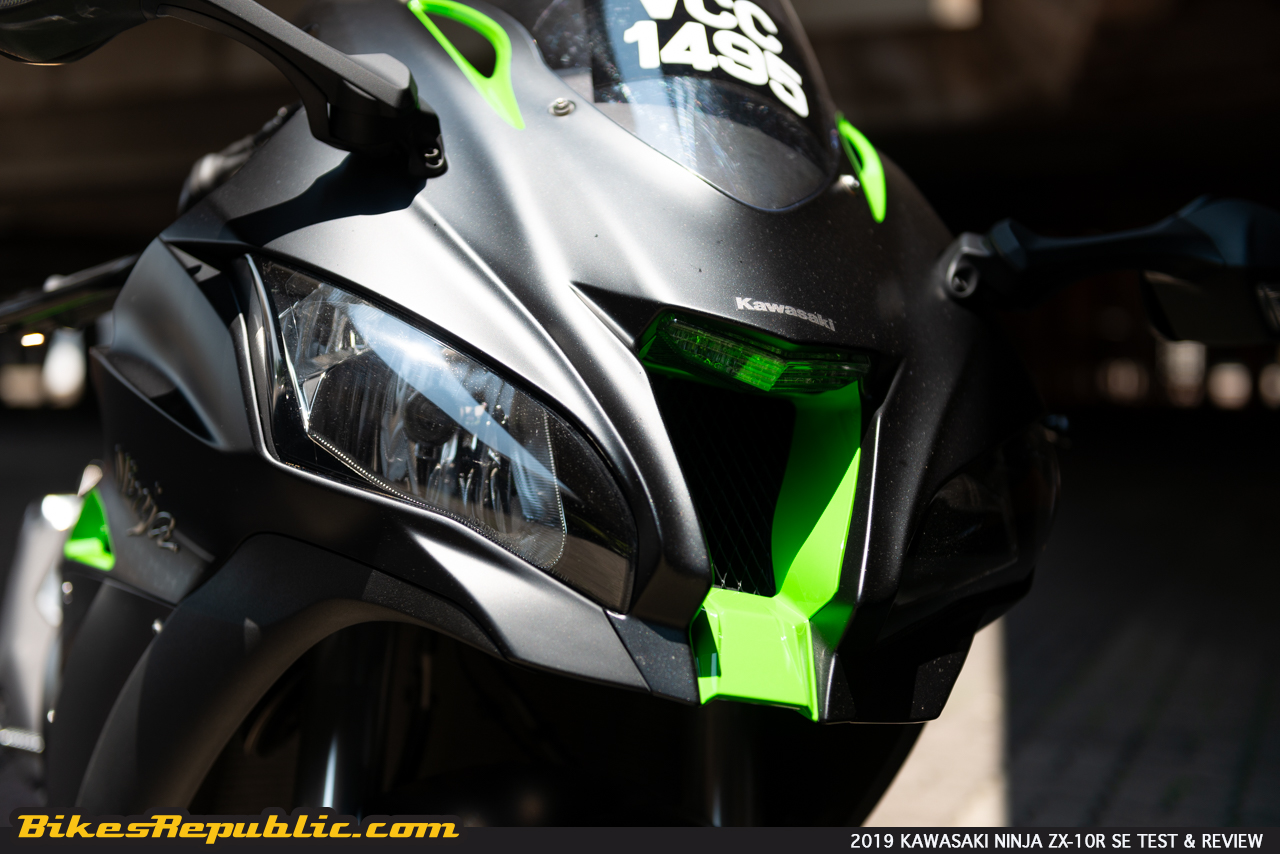
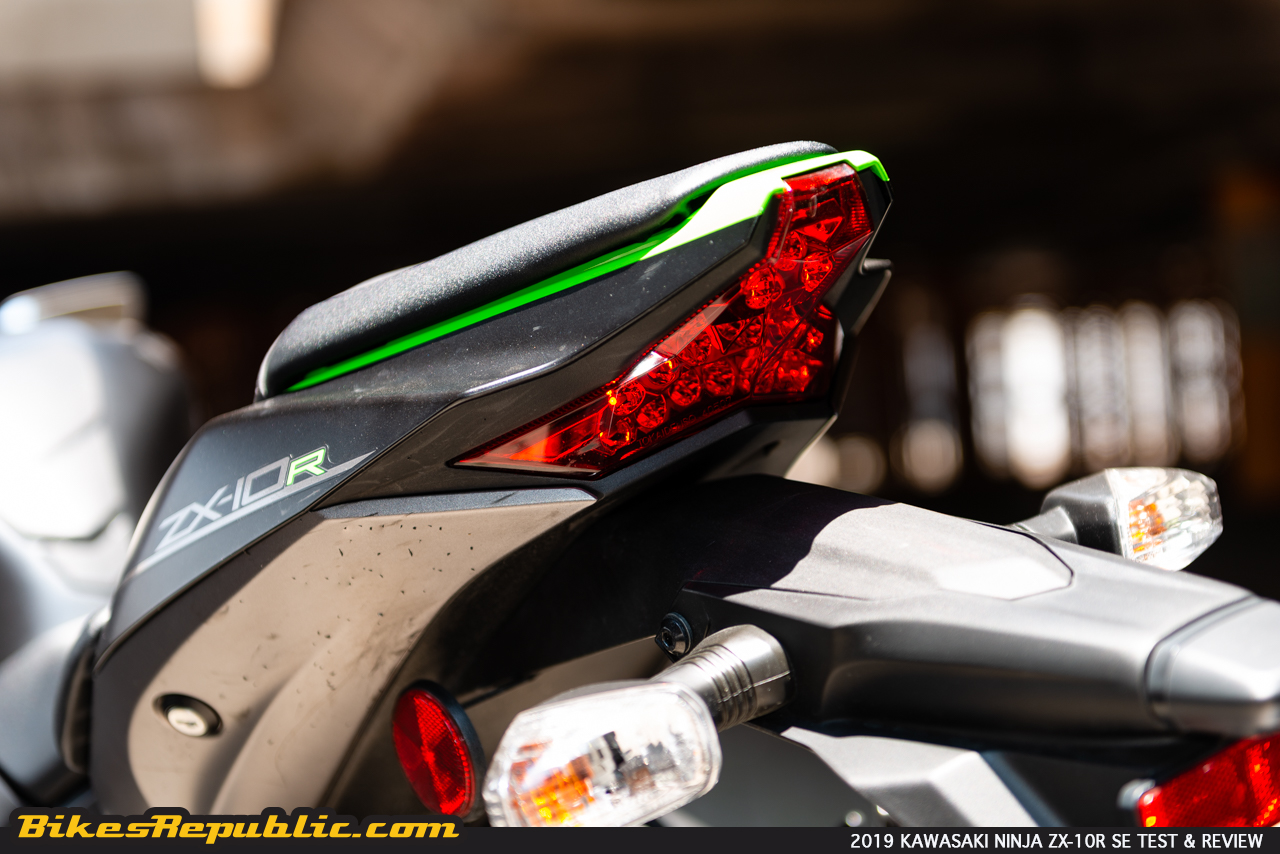
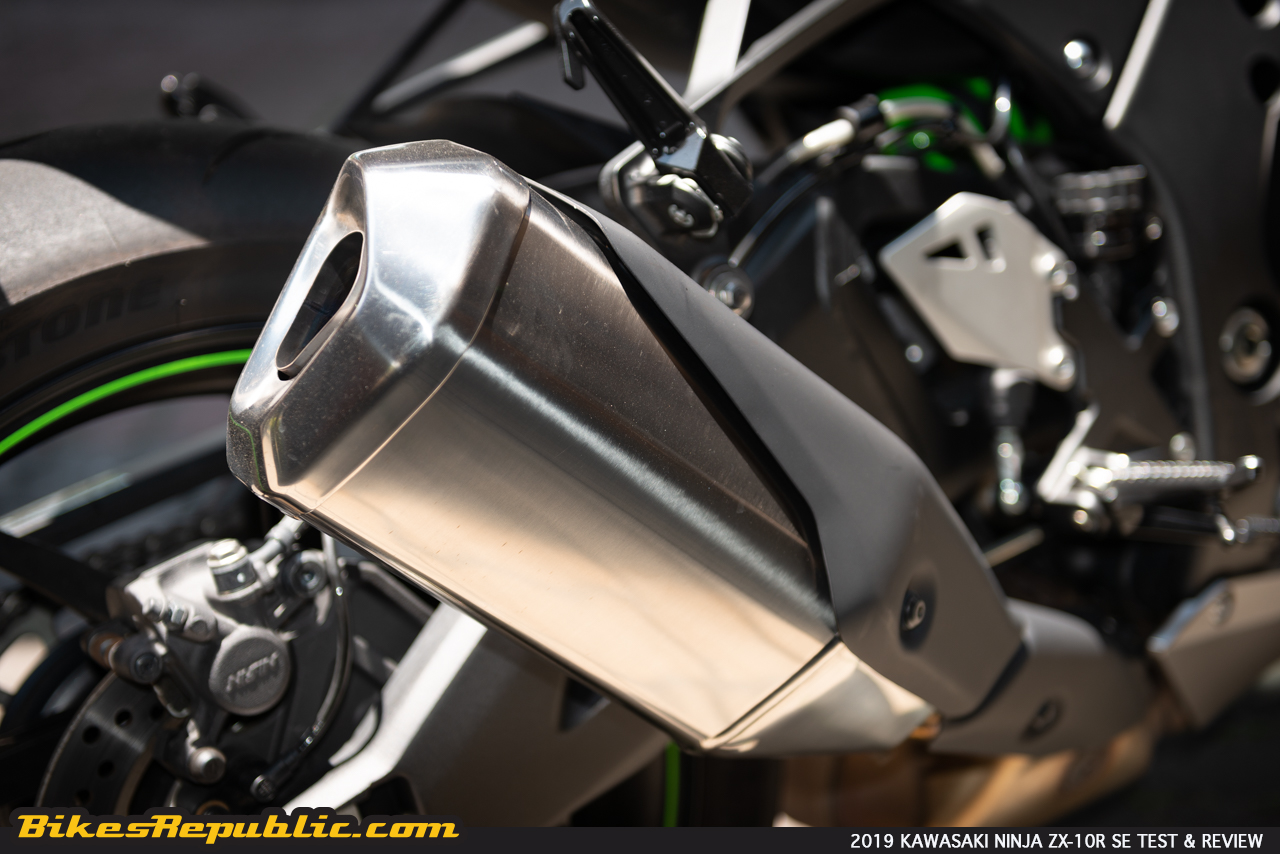
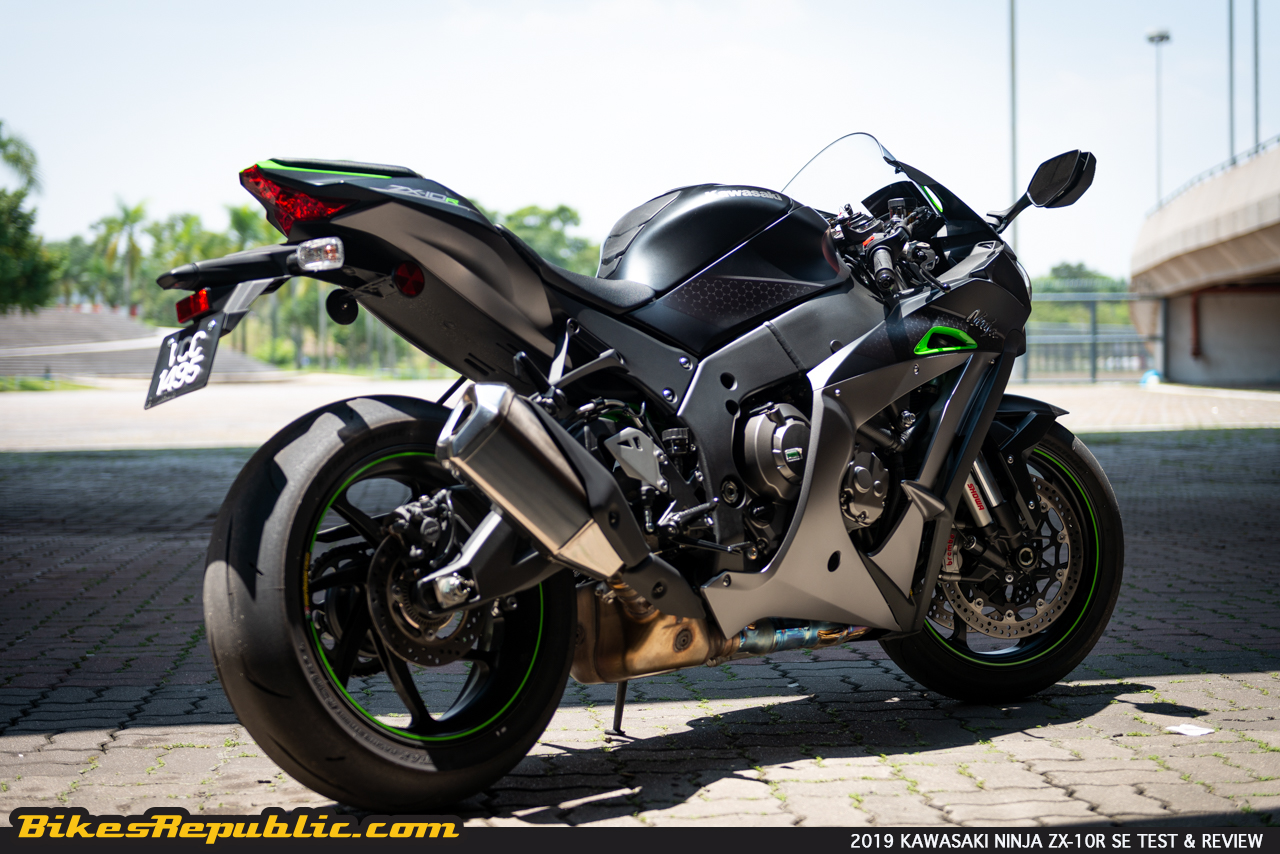
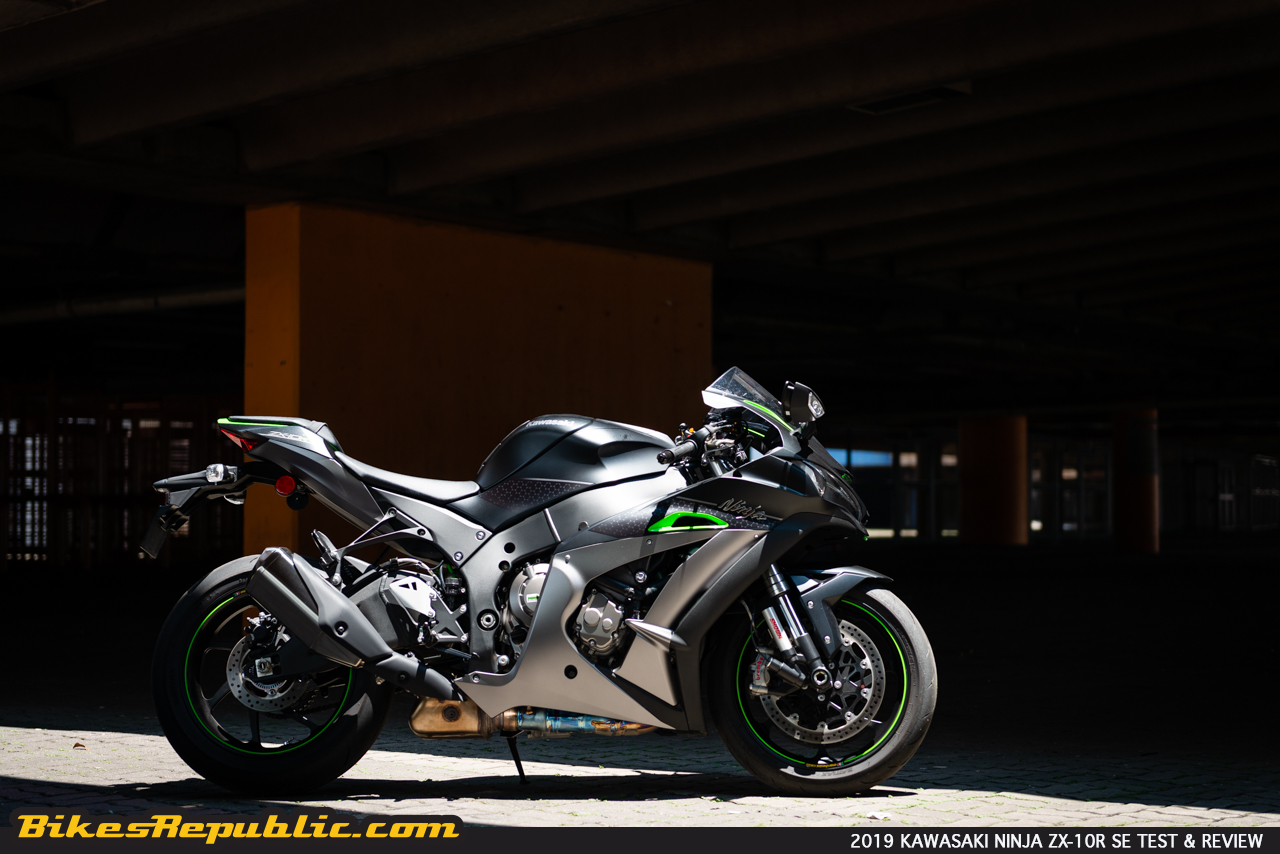
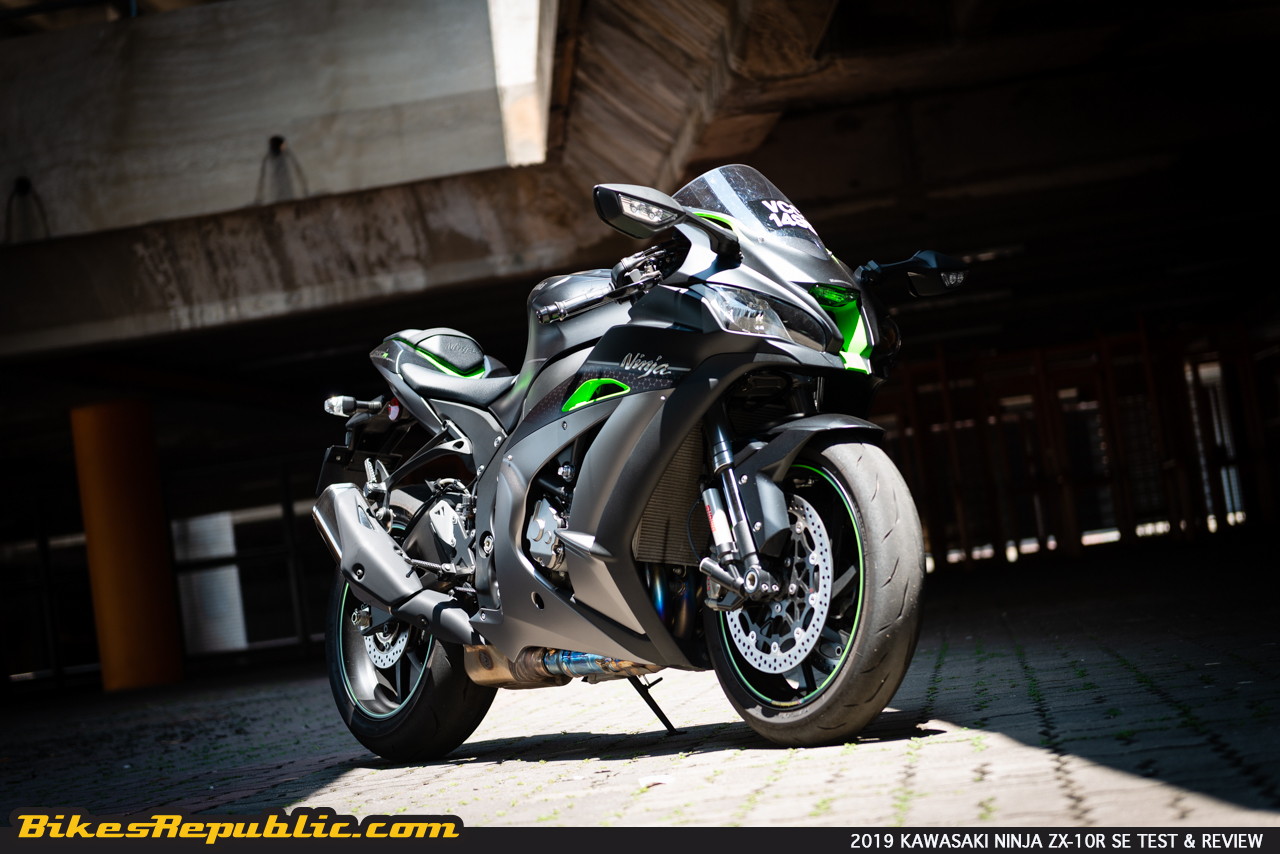
  • The 2019 Kawasaki Ninja ZX-10R SE may look the same as its predecessor, but it has gone through a number of revisions.

  • Apart from the cylinder head and valvetrain, the SE variant has an electronic semi-active suspension.

  • It’s a great bike to ride on the street and the track.

Fans of the World Superbike Championsip will know that Kawasaki had won the series four times in a row. Now they’re back with the 2019 Kawasaki Ninja ZX-10R SE.

Now, before going further, on-track results is one thing, but the bikes you and I can buy is quite another. That’s because despite WorldSBK is a production-based series, the bikes on the track have very few similarities to what’s available at the motorcycle dealer near you.

This is why certain sportbikes fare better in the real world, in exact opposite the results on the track. Case in point? This very bike.

Introduction

The 2019 Kawasaki Ninja ZX-10R SE is the middle-spec’ed bike between the base Ninja ZX-10R and Ninja ZX-10RR. The latter is the homologation model for superbike racing.

Kawasaki had only revised the bike slightly for 2019. I guess why fix it if it ain’t broke.
The revisions are:
  • More compact cylinder head to promote quicker combustion.
  • The cam lobes operate directly on finger followers rather than on tappets. It results in a 20% mass reduction.
  • Also, the cam lobes can be more aggressive.
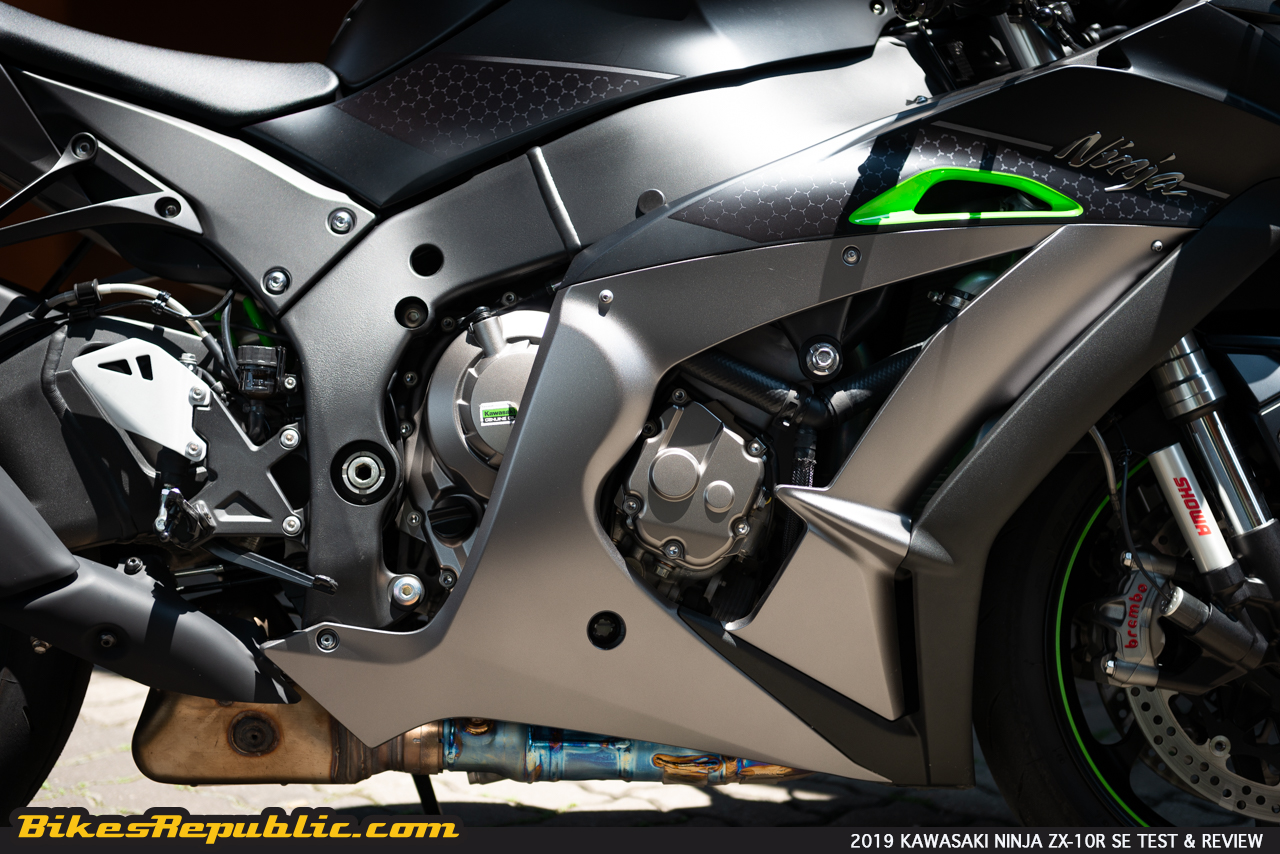
The revisions are aimed at making the engine rev quicker and raise the rev limit. The net result is 200 PS without ram air, and 213 PS at 13,000 RPM with ram air. Maximum torque is quoted at 114.9 Nm at 11,200 RPM.

Other features are:
  • Kawasaki Electronically Controlled Suspension (KECS). The 2019 Ninja ZX-10R SE is the first Kawasaki to be equipped with a semi-active electronic suspension.
  • Bosch IMU-based lean-sensitive traction control and cornering ABS.
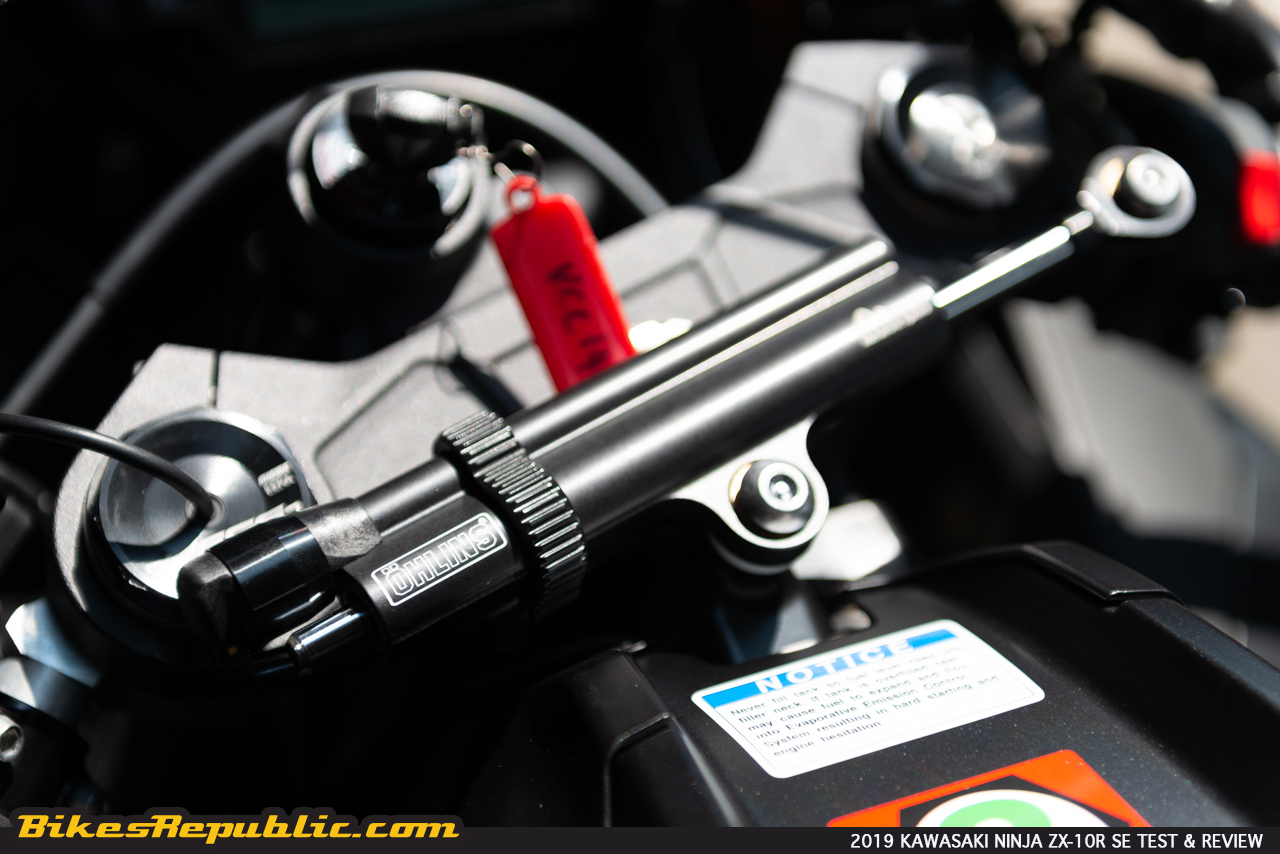
  • Öhlins electronic steering damper.

  • Swingarm with optimized rigidity and longer in length.
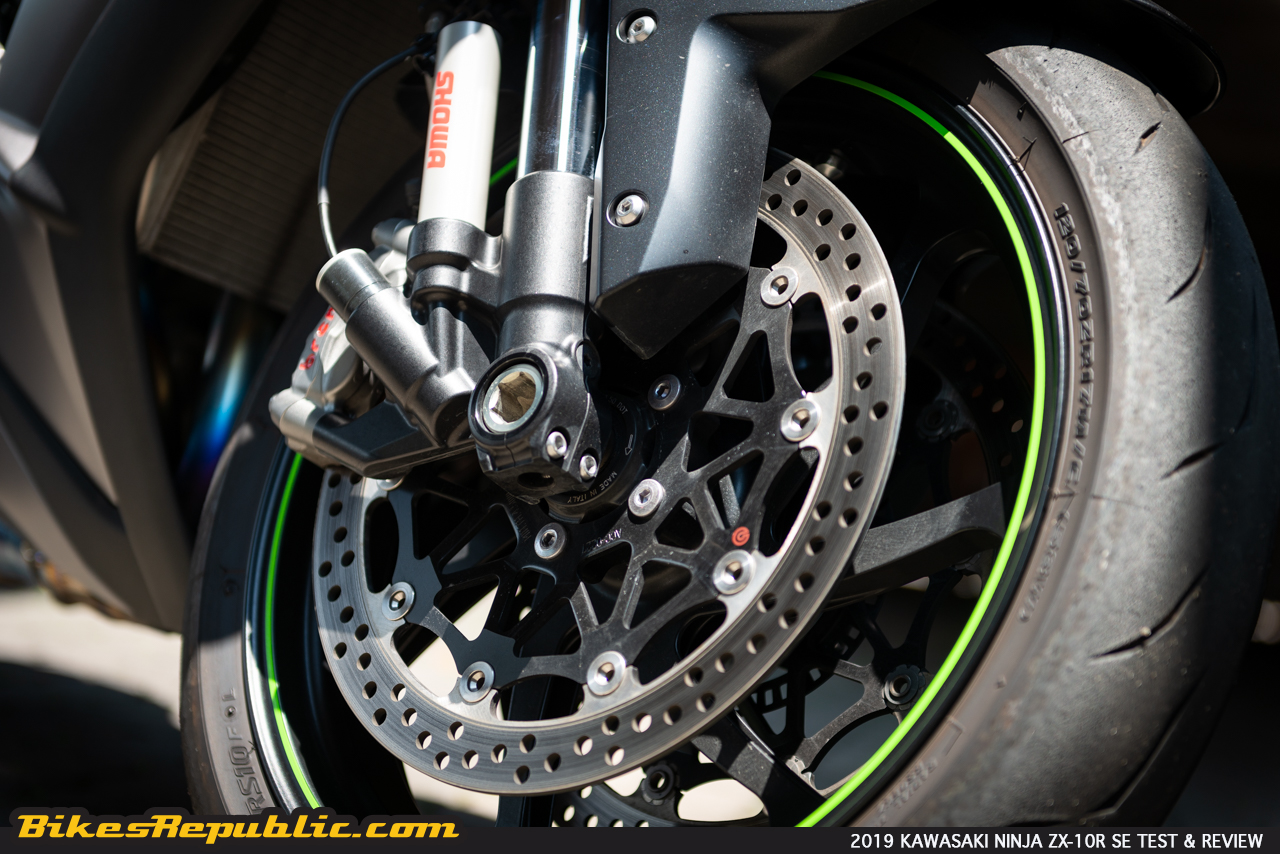
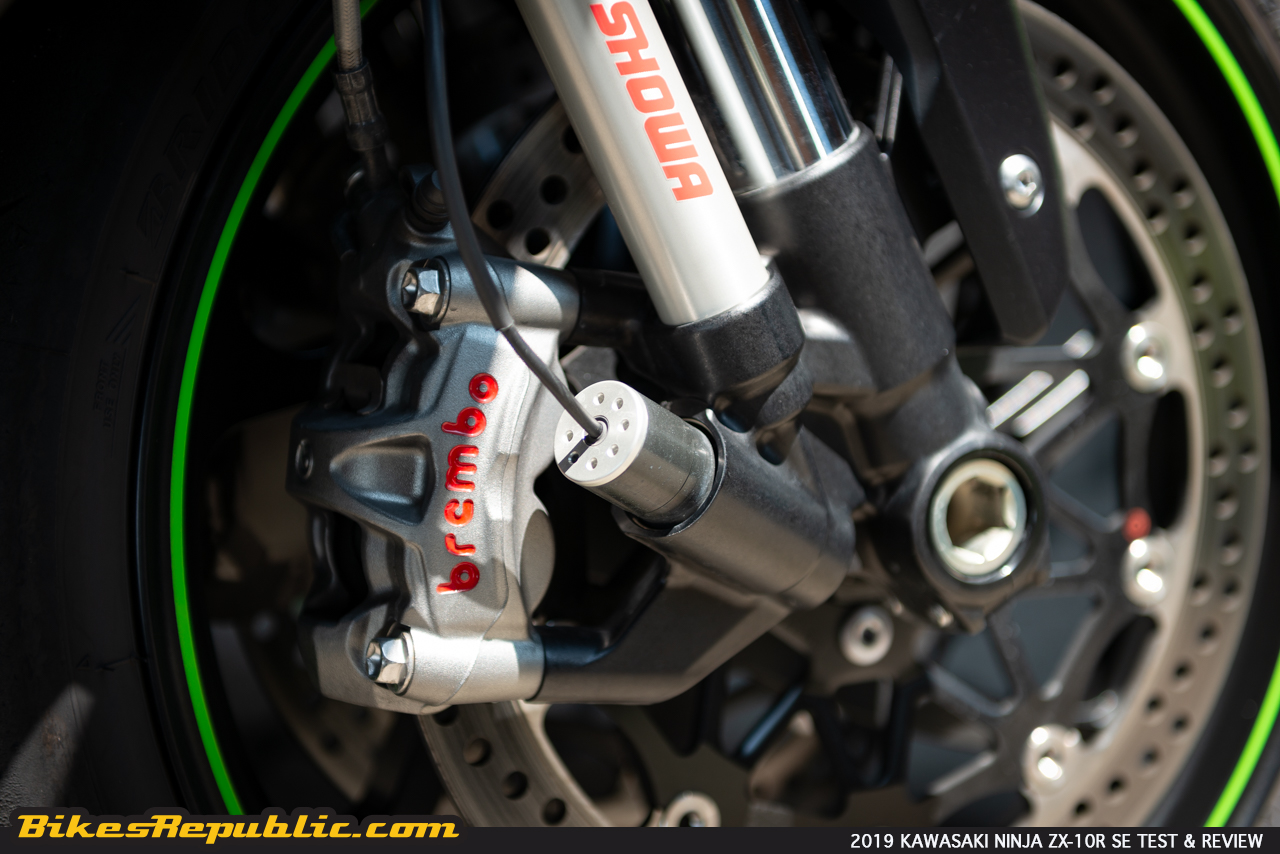
  • Brembo M50 Monobloc calipers gripping on 330 mm Brembo discs.
  • Electronic throttle valves.
  • Revised frame geometry moves the steering head closer to the rider.
  • Kawasaki Quickshifter which works for up- and downshifts.
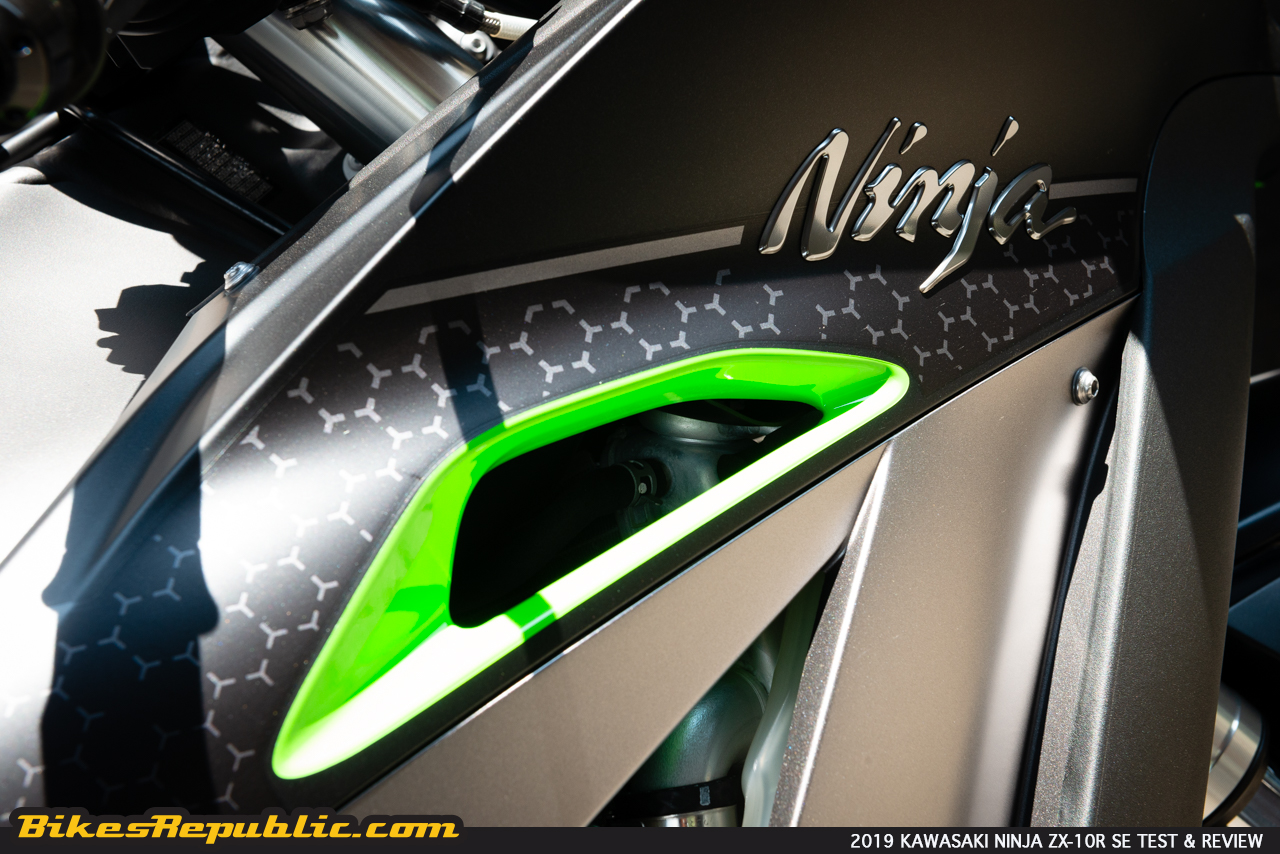
  • “Self-healing” paint on parts that are prone to damage as like that on the 2019 Kawasaki H2.
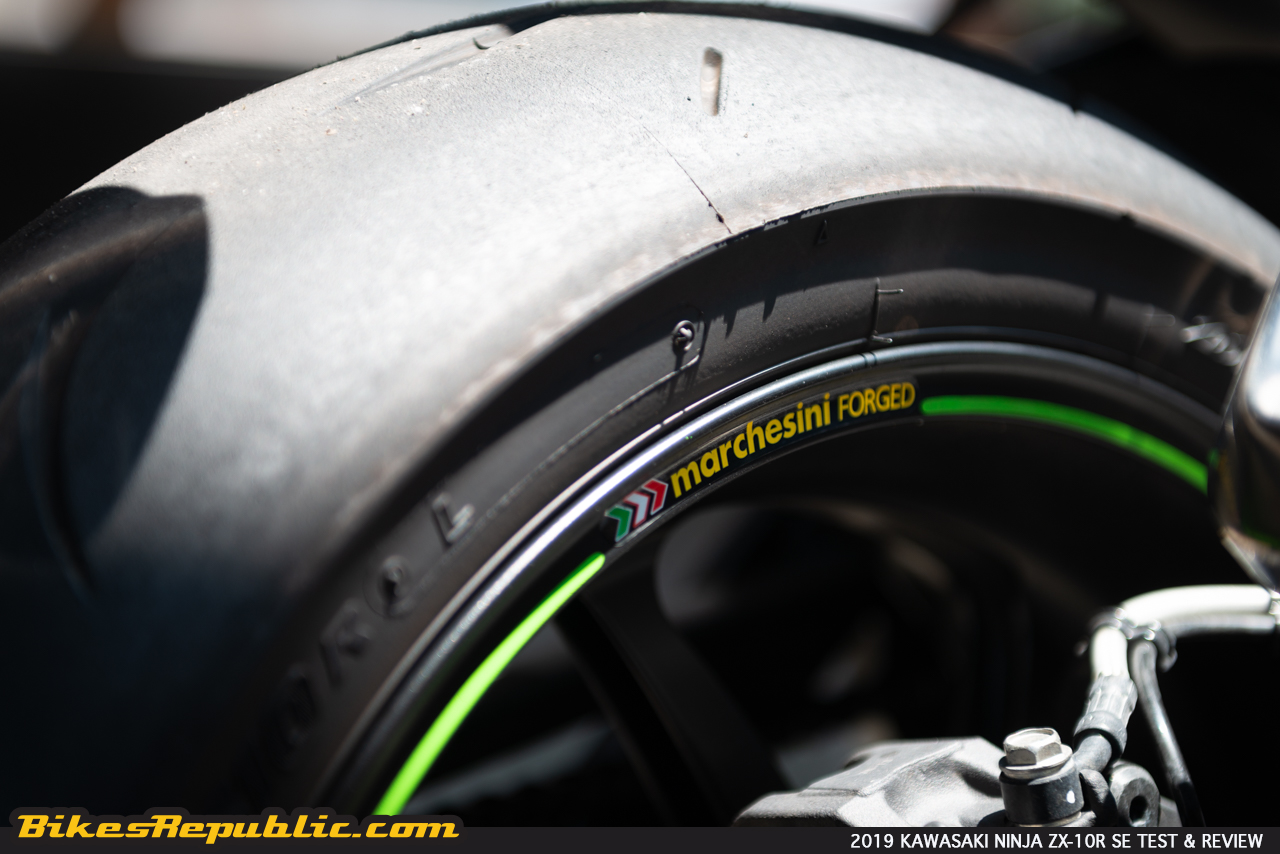
  • Marchesini forged aluminium wheels.

Riding Impression

Phew, that’s a lot of stuff.

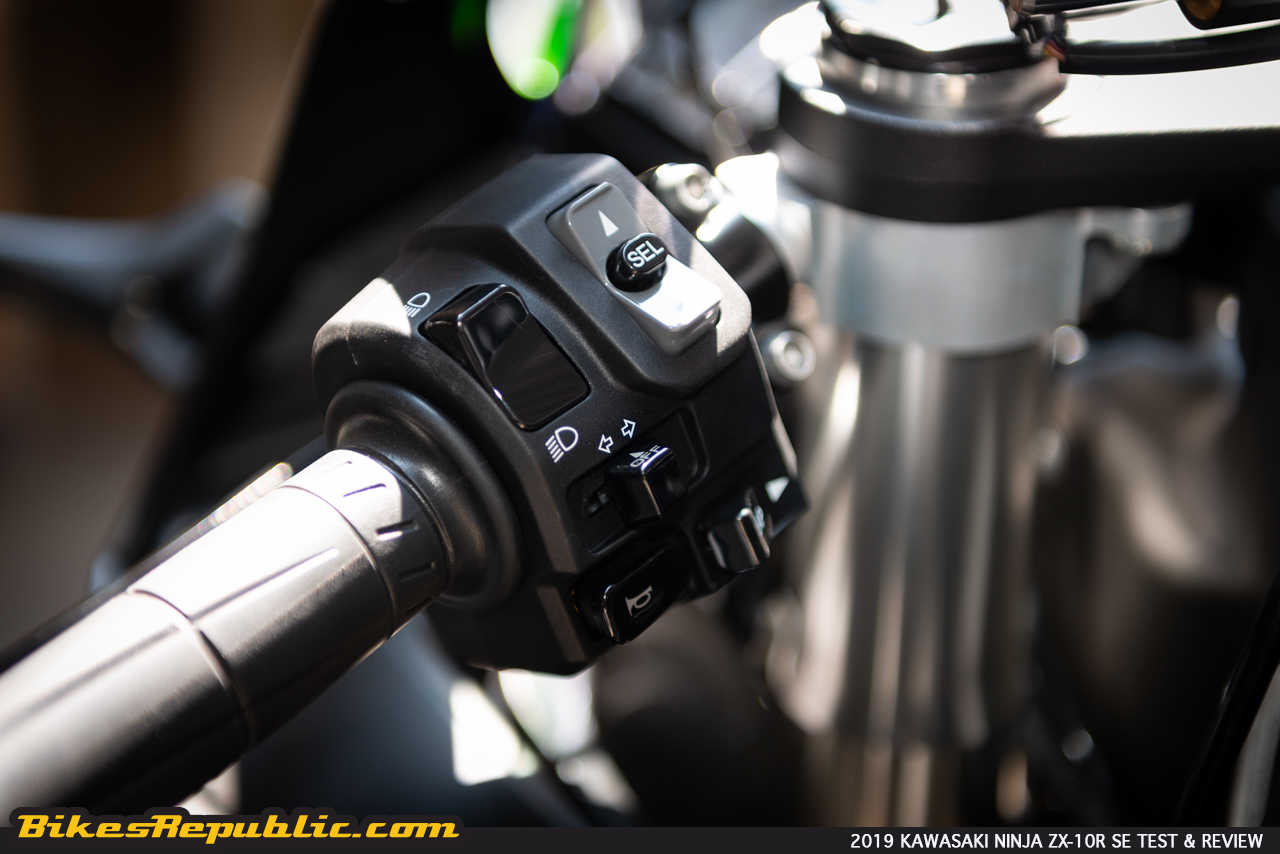
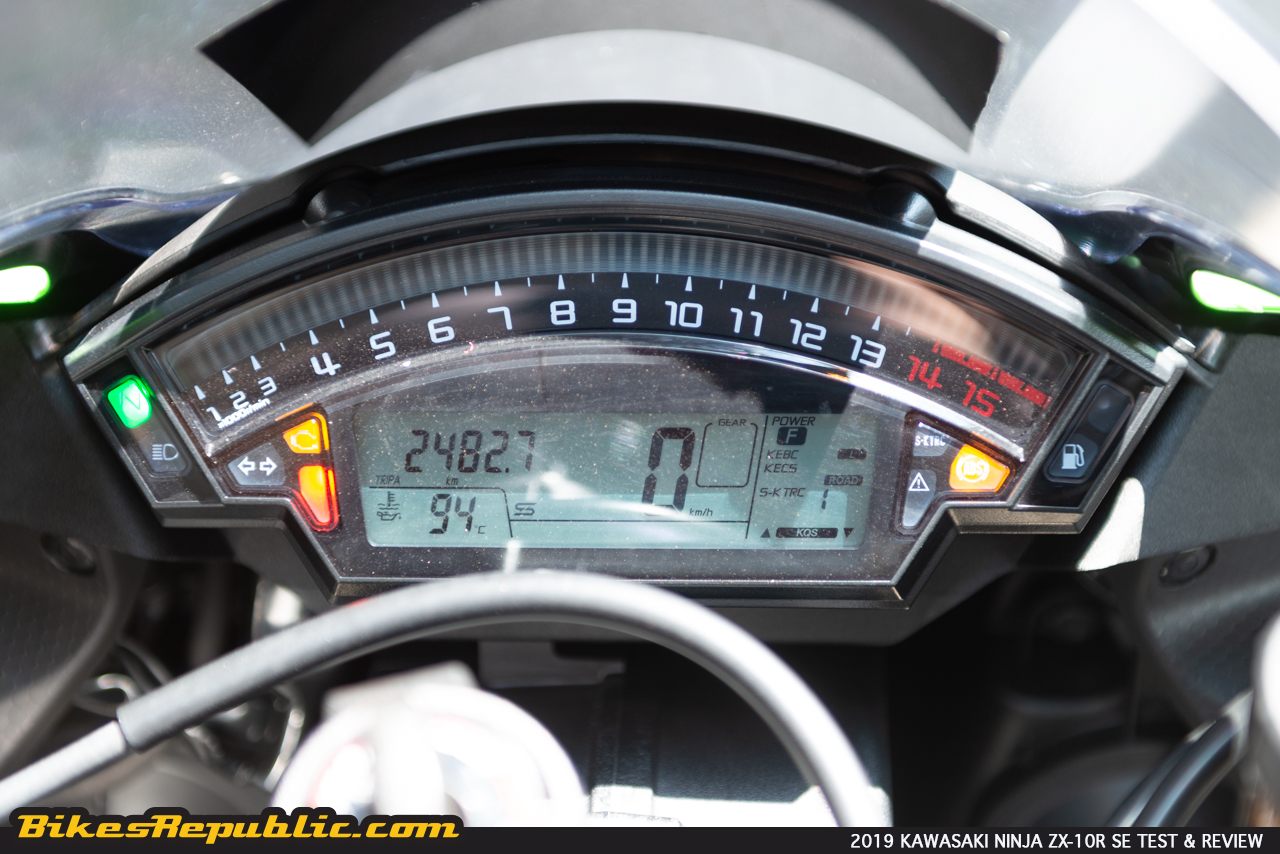
First thing we did was to check out the ride modes. There are three power levels: F (Full), M (Medium), and L (Low). We left it in F. Next, we selected the KEBC – engine braking control to on. And finally, we chose “ROAD” for the suspension.
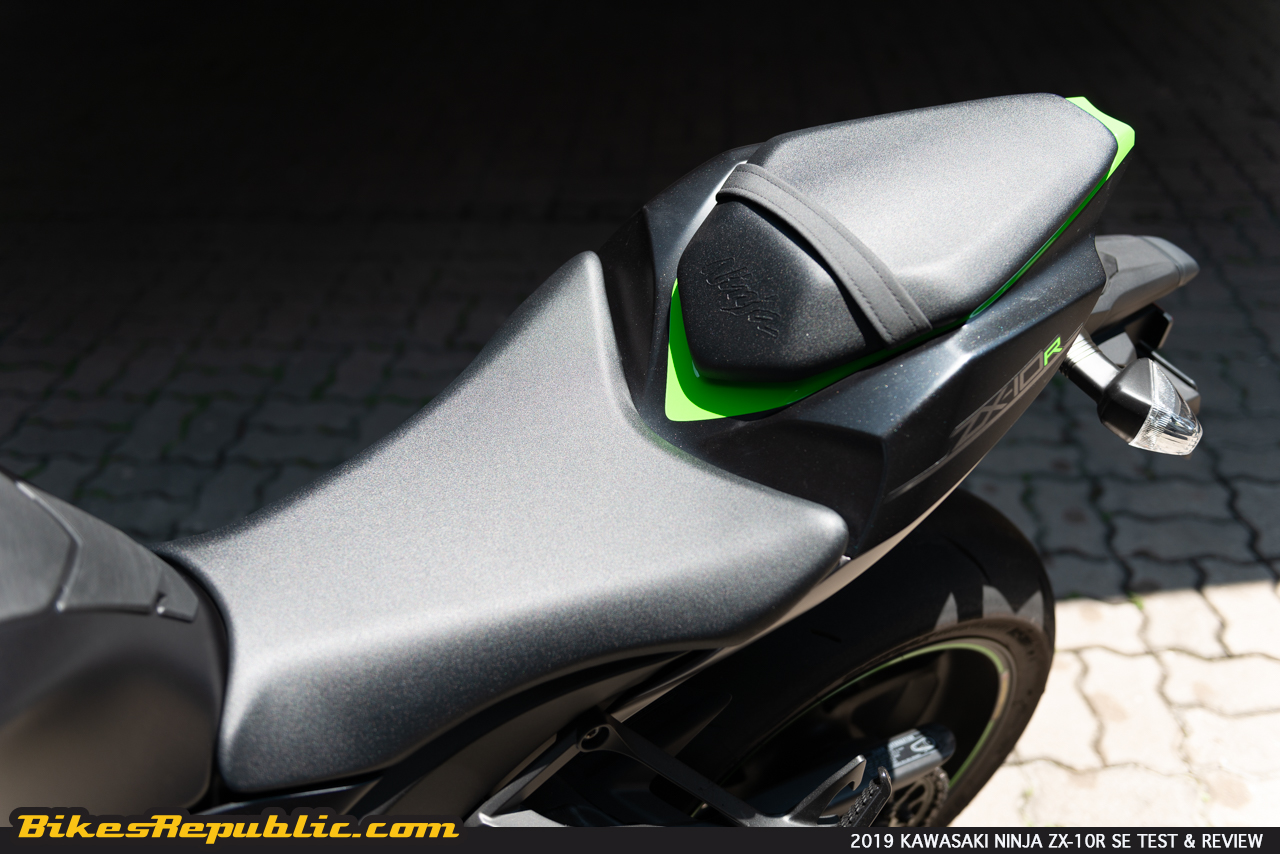
The seat is quite high up, as with all sportbikes. However, the clip-ons are not as low as other bikes and definitely closer to us. That way, the bike doesn’t stretch you out like a spaghetti. The rearsets are high up but further towards the front than its contemporaries.

First thing we notice was that it was pretty easy to steer through tight spots at low speeds. The higher clip-ons doesn’t cause you to press down on them while at crawling speeds. Consequently, it didn’t take huge effort to turn the front wheel.

The bike got rolling smoothly when we let out the clutch. From there, gearshifts were managed by toeing the quickshifter. Shift action was buttery smooth even when dropping down to first gear. The system blips the throttle automatically, so you don’t get chucked into the tank when you downshift.

We were surprised by the power delivery. Sure, it still has that primal acceleration, but you could doddle around in 60 km/h in 4thgear without the engine loping or chattering like mad. Throttle response was very exact and smooth due to the wide powerband. So smooth, the throttle and engine response had the quality of a sport-tourer’s when ridden in the city.

However, the thing that impressed us the most was the KECS electronic suspension. The system is mated to Showa’s already excellent Balance Free Forks (BFF) and Balance Free Rear Cushion (BFRC) shock. On paper, it sounds like the same semi-active systems from Sachs and Öhlins, but this system is faster in its actuation. The solenoid valve has a direct, one-stage actuation. As a result reaction time is only 1 ms (1 milisecond equals 0.001 second), and is claimed to be the fastest system currently available. Not only that, the KECS’s dedicated ECU receives information from the suspension sensors in every 1 ms, 10 ms from the IMU and 10 ms from the road speed sensor. It will then decide on the best strategy and sends signals to the solenoid actuators every 1 ms. It means that the suspension adapts to road conditions faster and more correctly.
The rider can choose among RACE, ROAD and USER modes. The last mode allows you to set your own damping rates.

Ridden on the streets in ROAD mode, the suspension felt much more comfortable than that of any sportbike we’ve ever tested. Bumps were felt, of course, but they were nicely cancelled out. Again, it felt like a more aggressively tuned sport-tourer. Only the sharpest and gnarliest bumps are fully felt but there’s no danger of bruising your kidneys. Even my wife found it comfortable as a pillion!
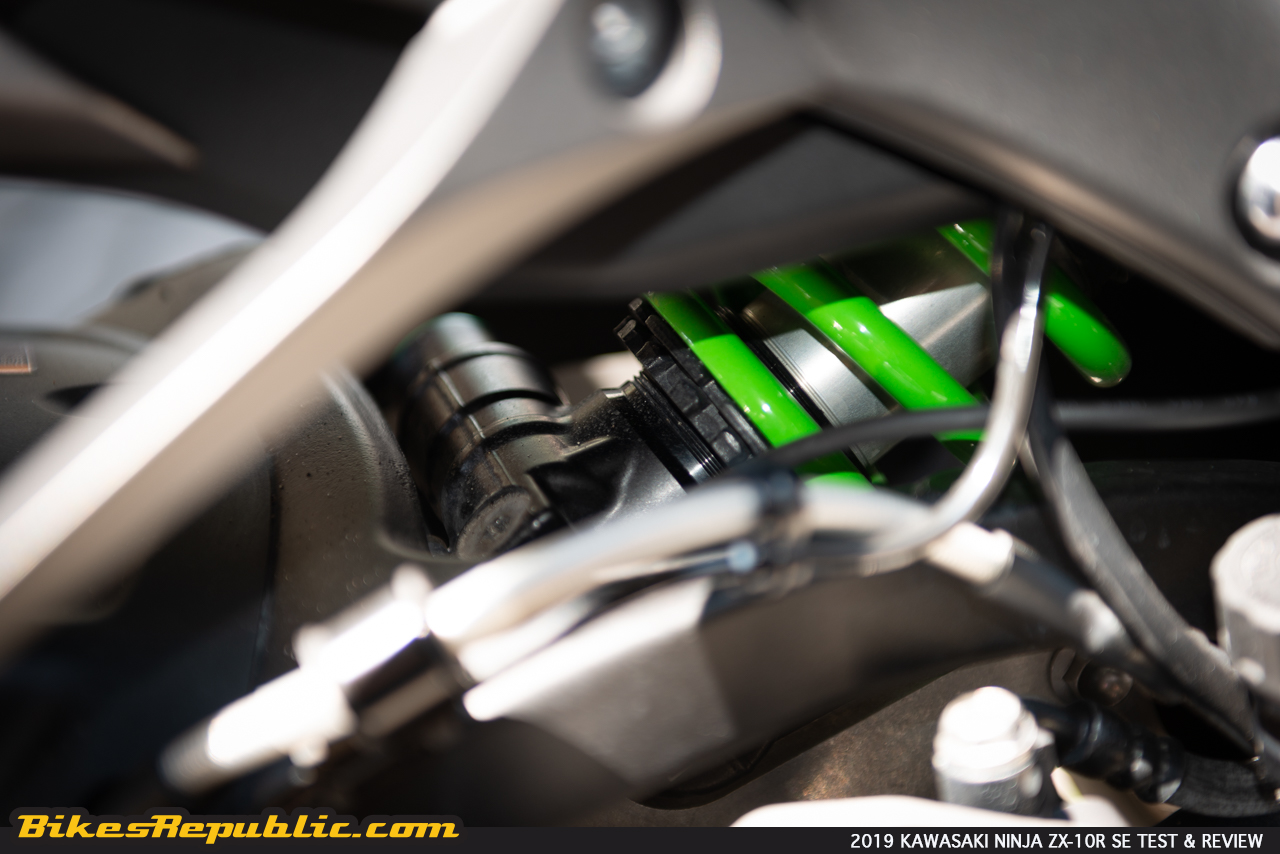
However, comfortable as it was, the suspension never wallowed or bottomed out like if you had tuned it too soft.

Amazing!

But of course, what’s a sportbike without corner blasting. Karak Highway and Genting Highlands were again the testing grounds.
Speed built up quickly as you wind on the power and you watch the light bars rise quickly on the tachometer. The engine returned a pop everytime we shifted up or down. The speed piled on so quickly that it’s like going into warp speed in slo-mo. Yet, the bike was rock solid in a straight line.

But corners were its vocation as it swept through them at mighty speeds. Choose your line and steer: That’s all you needed to do. The only thing which stopped us at riding faster was the size of the fuel tank. It’s rather wide on top and at the sides, thus needing more practice for side-to-side transitions. Nevertheless, the wide tank made it easy to clamp your knees on them when you fire the retro rockets.
Speaking of braking, the brakes were what you would expect of Brembo Monoblocs. But there’s a small difference here. Feel was good and you know how much you modulate the brake pressure at the lever. Only thing was, it lacked the aggressive initial bite that some riders like. For us though, the feel was truly impressive as we trail-braked hard into the sharper corners when heading up the mountain. That and the superb suspension action allowed us to brake at the last moment and hold on to the brakes much deeper into corners. The only limitation is the rider’s abilities.

The older ZX-10s touched down on the footpegs quickly, but not this 2019 model. You have to lean so far over at such high speeds that if you did, it’s an indication that you’re riding too fast on the streets.
Conclusion

The 2019 Kawasaki Ninja ZX-10R SE is a sportbike that you could live with on a daily basis. The manufacturer had done so much to make it a great bike to ride not only the tracks but, on the streets, for everyone.

The amazing thing about this bike is how easy it was to be completely brutal one moment, then putter around in traffic without complaining. For example, it completely blew away everyone away at Genting and Karak, then cruised home along the Middle Ring Road 2. And oh, it didn’t attempt to roast you alive at the traffic lights, either.

Plus, the suspension doesn’t pulp your internal organs.

It’s almost like a beginner’s bike when you take it easy, but an MSBK rider’s weapon at full aggression.

Highly recommended.

PICTURE GALLERY
TECHNICAL SPECIFICATIONS

ENGINE
ENGINE TYPE 4-stroke, DOHC, liquid-cooled, inline-Four
DISPLACEMENT 998 cc
BORE x STROKE 76.0 mm x 55.0 mm
POWER 203 PS (149.3 kW) @ 13,000 RPM without ram air, 213 PS (156.8 kW) @ 13,000 RPM with ram air
TORQUE 114.9 Nm @ 11,200 RPM
COMPRESSION RATIO 13.0:1
TRANSMISSION Constant mesh, 6 speed, bi-directional quickshifter equipped
FUEL SYSTEM Electronic fuel injection with ride-by-wire throttle
CLUTCH Multiple-plate wet clutch with slipper feature, cable operated
CHASSIS
FRAME Twin-spar, cast aluminium
FRONT SUSPENSION Upside-down ø 43 mm Showa Balance Free Forks (BFF), electronically controlled damping, manual adjustment for spring preload
REAR SUSPENSION Showa Balance Free Rear Cushion (BFRC) monoshock with Uni-Trak link. Electronically controlled damping with manual spring preload adjustment
SUSPENSION TRAVEL FRONT/REAR 120 mm / 114 mm
FRONT BRAKE 2 X 4-piston Brembo M50 Monobloc calipers, ø 330 mm Brembo floating discs
REAR BRAKE 1 X single-piston floating caliper, ø 220 mm brake disc
ABS IMU-based Cornering ABS
TIRES FRONT/REAR 120/70ZR17; 190/55ZR17
STEERING HEAD ANGLE 25o
TRAIL 107 mm
WHEEL BASE 1440 mm
SEAT HEIGHT 835 mm
FUEL TANK CAPACITY 17 litres
KERB WEIGHT 208 kg
  • The news for a street circuit to host the Indonesia MotoGP in 2021 was met with skepticism.

  • The uninformed were of the opinion it’ll be dangerous for MotoGP riders and spectators.

  • However, the plans have already been drawn up to include safety features and approved by Dorna and FIM.

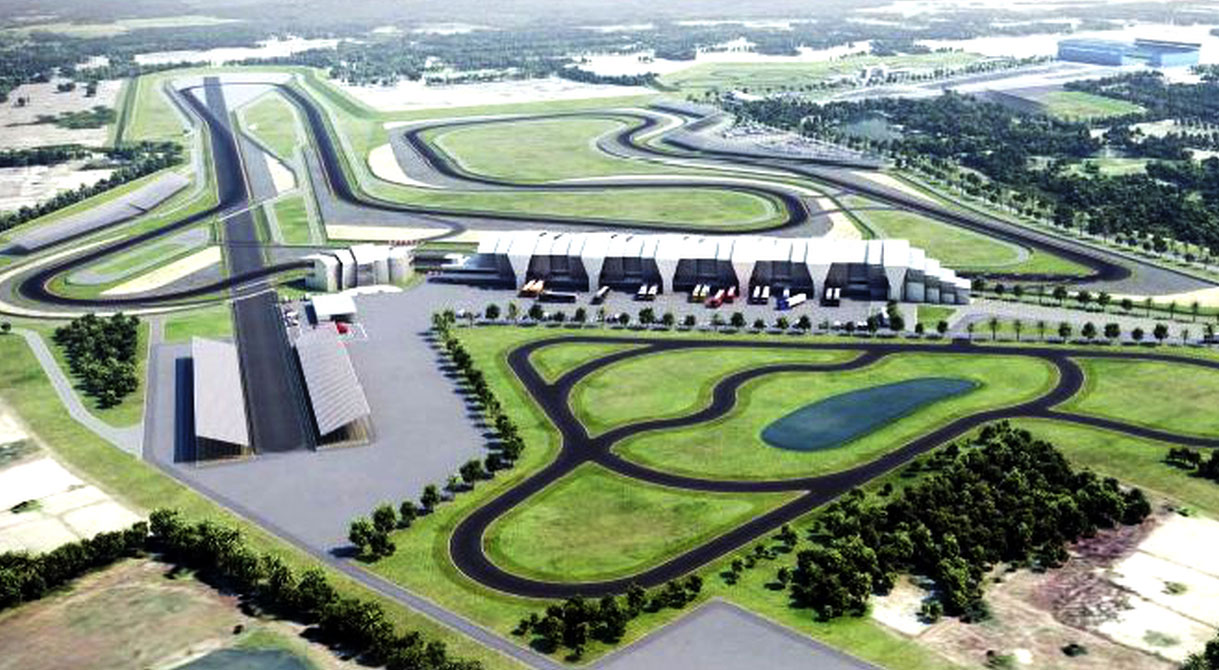
Dorna and the FIM recently confirmed that Indonesia will hold a MotoGP and WorldSBK round beginning 2021. The site chosen is in Lombok.

However, when the announcement said that it’ll be the first MotoGP “street circuit,” the news attracted the same kind of negativity in social media as everything else. There were comments such as, “If it’s going to get riders killed then they shouldn’t ride there.”

Hey, guess what? Dorna and the FIM have better brains than armchair engineers.

The skepticisms were addressed directly by Mark Huges of MRK1 Consulting along with RoadGrip Motorsport. The two international companies were appointed by the Indonesian Tourism Development Corporation (IDTC) to plan, build and run the circuit.

“We are very conscious that when we announced this project there was a reasonable amount of scepticism about the concept of a street circuit,” Hughes said, during a presentation of the project at the season-opening Qatar Grand Prix.

“We have to make very clear that the track has been designed and will be built to the appropriate FIM safety standards for MotoGP.”

Dorna CEO Carmelo Ezpeleta also said that they will not compromise with safety.

“We’ve always said that we don’t race in a street circuit, but this has all the facilities of a street circuit – in a middle of a ‘city’, all the hotels will be there – but with full security (safety) for the riders,” declared Ezpeleta.

The Lombok circuit isn’t like other “street circuits” that we know of, for example Monaco and Macao. Instead, it is purpose-built for racing but opened to the public after the race. That means it is opposite of Monaco and Macao where public roads are cordoned off for racing.

“The master plan for the resort [layout] was actually finished before we got involved. And then between Roadgrip, MRK1 and ITDC we’ve tweaked that track design,” Hughes said.

“We knew we couldn’t go in and entirely change it, there had already been too much invested in that, and with the support of Dorna and also the FIM we then made some small changes to accommodate the safety requirements for a Grade A license.”

“When you arrive for the race event it will be like arriving at any other MotoGP track. It will have all the infrastructure there,” Hughes added. “But a large percentage of that infrastructure would then come out in order to turn the track back into a road network for the resort for the rest of the year.”

Infrastructure at the track will also be turned over for public use when there are no races. For example, the pit building will be used as a conference centre.

So, this is why the track is called “something special.”

  • Dato’ Ahmad Razlan Ahmad Razali has resigned from his position in the Motorsports Association of Malaysia (MAM).

  • He did so to concentrate on SIC’s efforts in the MotoGP, Moto2, Moto3 and MotoE championships.

  • Muizz Azli takes over from Dato’ Razlan in MAM.

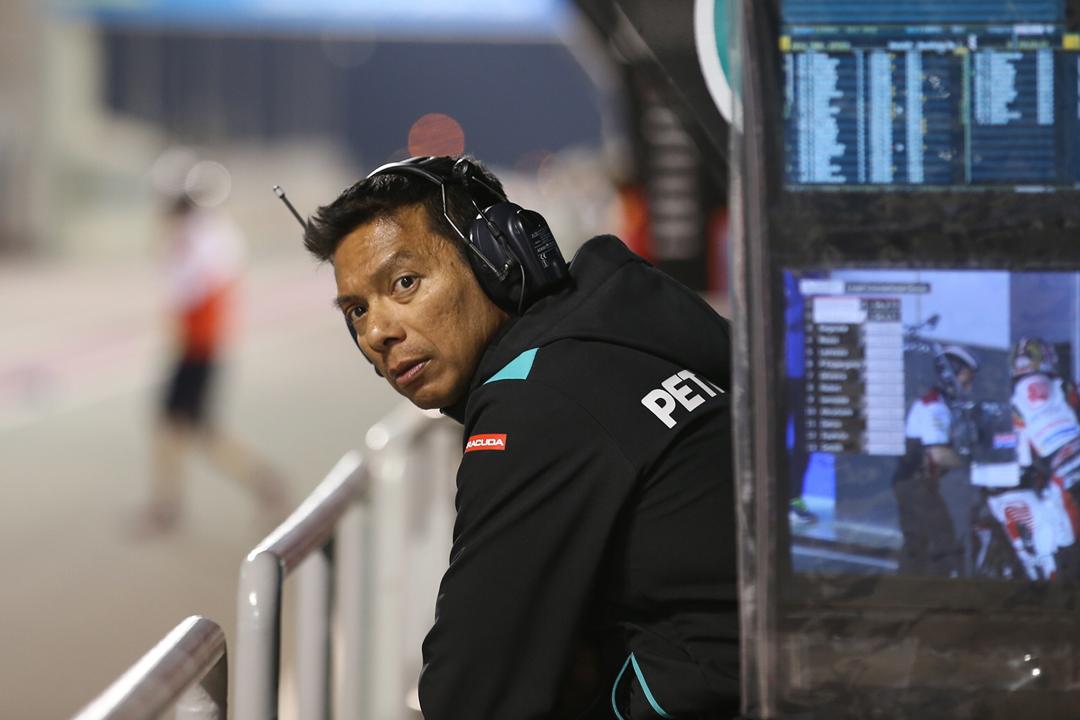
Dato’ Ahmad Razlan Ahmad Razali (better known as Dato’ Razlan) has resigned from his position in the Motorsports Association of Malaysia (MAM), with effect from today.

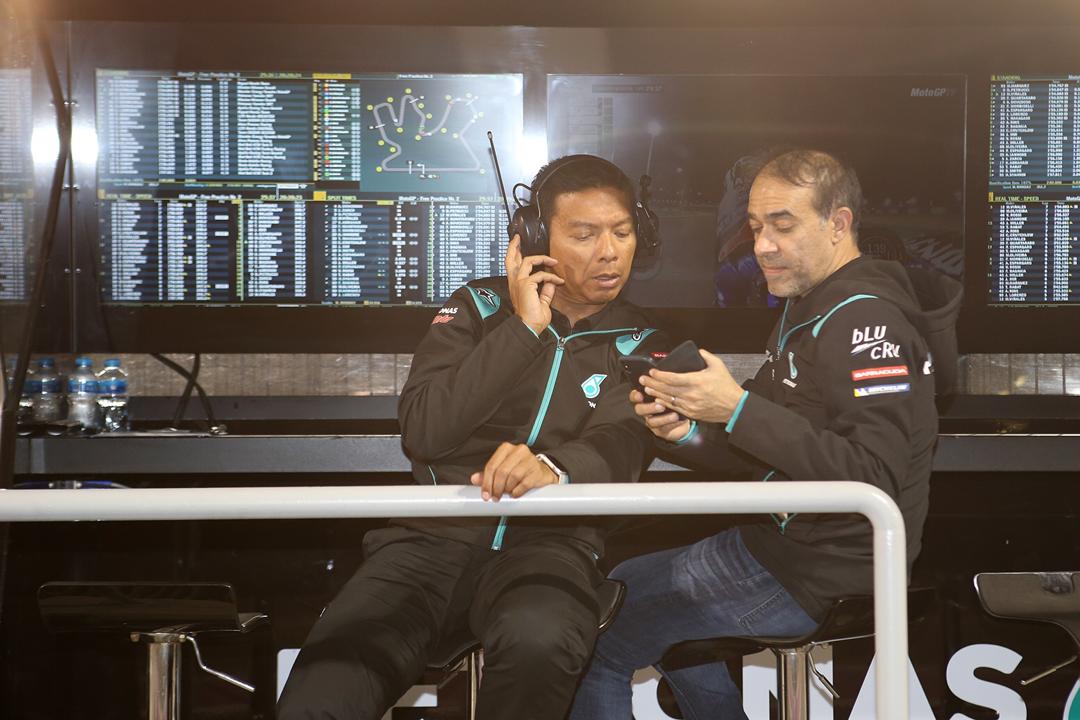
Dato’ Razlan, who is Sepang International Circuit (SIC) CEO, decided on his resignation to focus on his works at the circuit as well as Team Principal representative of the newly-formed PETRONAS Yamaha Sepang MotoGP team, in addition to the PETRONAS Sprinta Racing Teams in Moto2 and Moto3, and the MotoE electric motorcycle series. On the home front, SIC has a team in the Super 250 category in the Pirelli Malaysia Superbike Championship.

His letter of resignation was submitted to MAM President, Tan Sri Mokhzani Tun Mahathir who replaced Tan Sri Azman Yahya. The replacement is part of MAM restructuring exercise.

In developing and growing motorsport in Malaysia, MAM which was established in 2009 takes up the role as a sanctioning body while assisting clubs, event organisers, officials, competitors, commercial operators and sponsors to ensure the future growth of motorsport in its many disciplines. It will always remain MAM main objective to promote the development of Malaysian grassroots motorsports and local talents.

In the letter, Dato’ Razlan, said that his resignation was in the best interest of MAM.

Dato’ Razlan further announce that Muizz Azli will be his replacement. He opines that Muizz is a suitable candidate for this position as he has dealt with legal cases involving motorsport events. He further believes that Muizz is capable in structuring MAM and take it to the next level.

  • Biker groups are protecting mosques across New Zealand in the wake of the fatal mass shootings.

  • The shootings occurred on 15thMarch 2019 in two mosques in Christchurch, during Friday prayers.

  • The groups provide security for the Muslim communities to pray in peace.

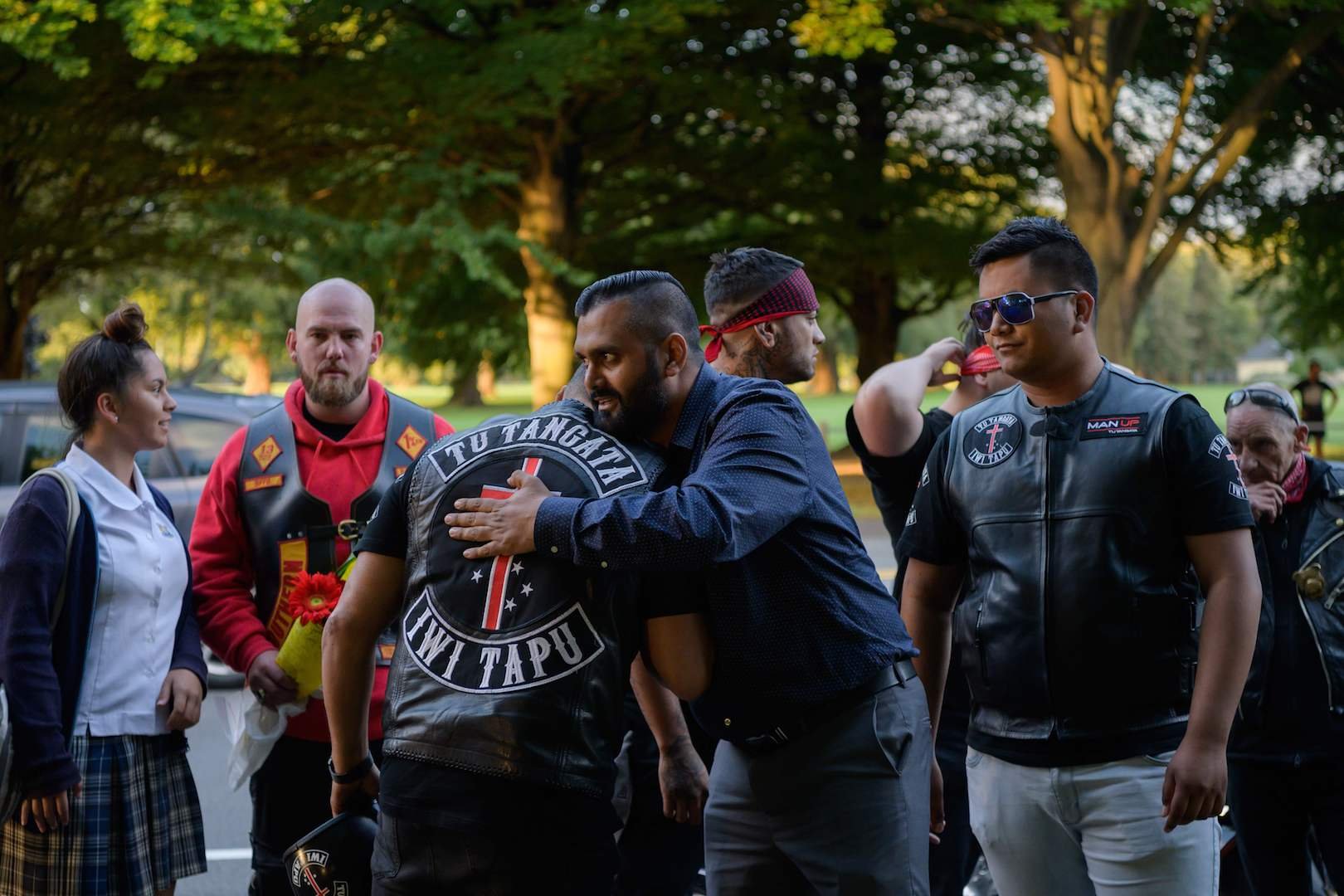
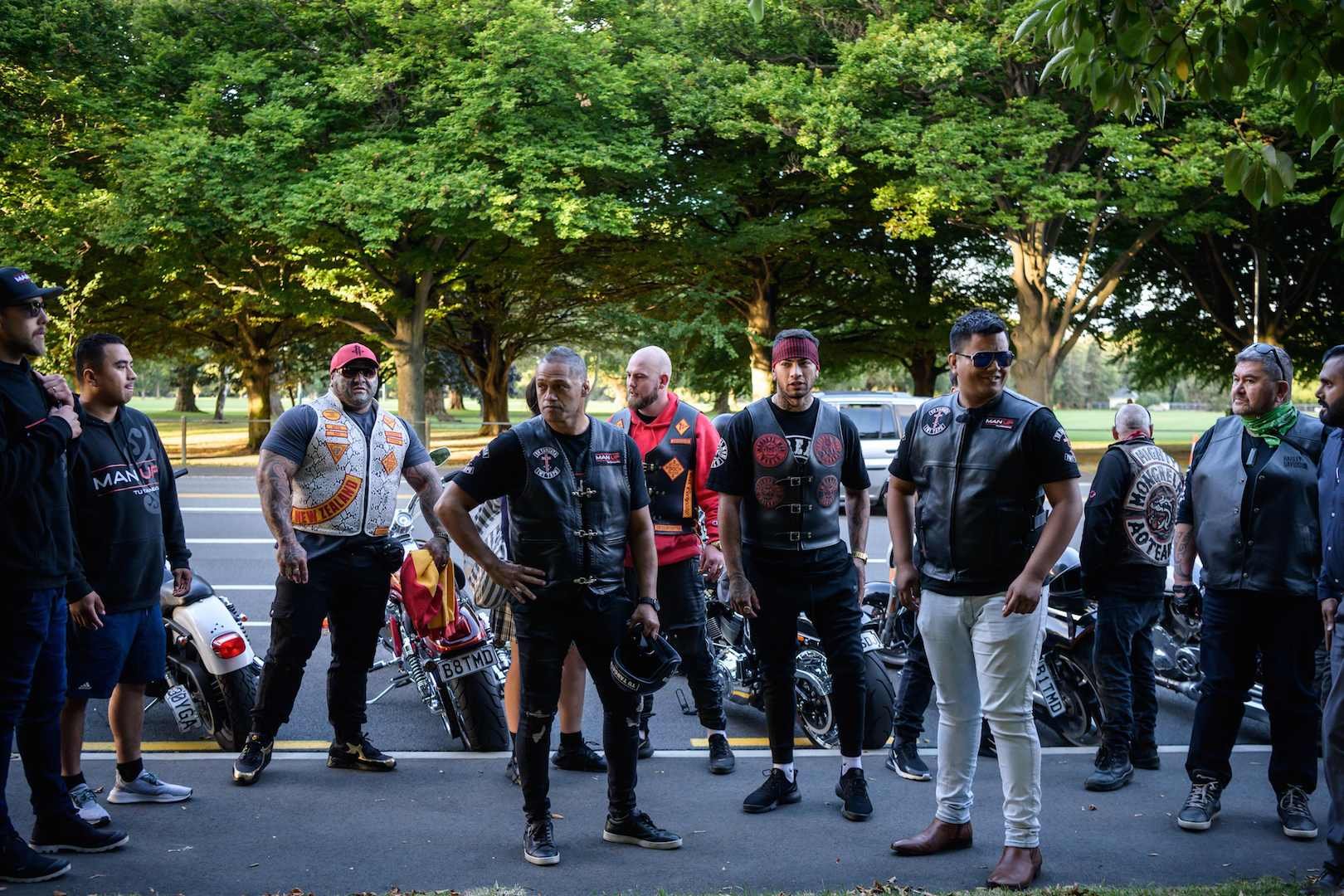
Biker groups are protecting mosques across New Zealand in the wake of the fatal mass shootings. The shootings occurred on 15thMarch 2019 in two mosques in Christchurch, during Friday prayers. 50 people were killed while another 50 were injured.

Biker groups, or rather “gangs” as other media touted, them include The Mongrel Mob, King Cobra and The Black Power promised to protect their local Muslim communities.

The Mongrel Mob offered to shied Jamia Masjid Mosque in Hamilton. Waikato Mongrel Mob chapter president Sonny Fatu said, “We will support and assist our Muslim brothers and sisters for however long they need us.” He also added that his group was contacted by representatives saying the Muslim community were fearful about attending Friday prayers. “The question was posed whether we could be a part of the safety net for them to pray in peace without fear.”

“Of course we would do that, there was no question about that and we will be dressed appropriately. We will not be armed. We are peacefully securing the inner gated perimeter with other community members.”

Photo credit Getty Images and Business Insider

Dr. Asad Moshin, head of the Waikato Muslim Association said he appreciated the support received from different sections of society, different interests and different dispositions. “It all gives us strength to overcome the grief we are undergoing.”

“We would like to welcome them to come into the mosque and pray with us. They are part of us as we are part of them. Islam is inclusive, free of judgment – we don’t see gang members, as we see them.”

“We value them as humans and appreciate that they value us too.”

Speaking to the New Zealand Herald, Dr. Moshin also said, “There are no fears and we are not sacred. They don’t have to stand outside the mosque, they can come inside, right behind where the sermon is given.”

Members of The King Cobra group also paid their respects to senior members of the Al-Masjid Al-Jamie mosque in Ponsonby on Saturday.

Other Mongrel Mob chapters have also shown their support throughout the country, including the Aotearoa branch who paid their respects at Hagley College school in Christchurch.

Even one of the group’s Australian chapters has reportedly been patrolling a mosque in Sydney.

BikesRepublic.com would like to convey our condolences and feeling of shock and grief to the victims’ families over the cowardly attack.

On the bike groups, we salute you, Brothers!

Source: Evening Standard

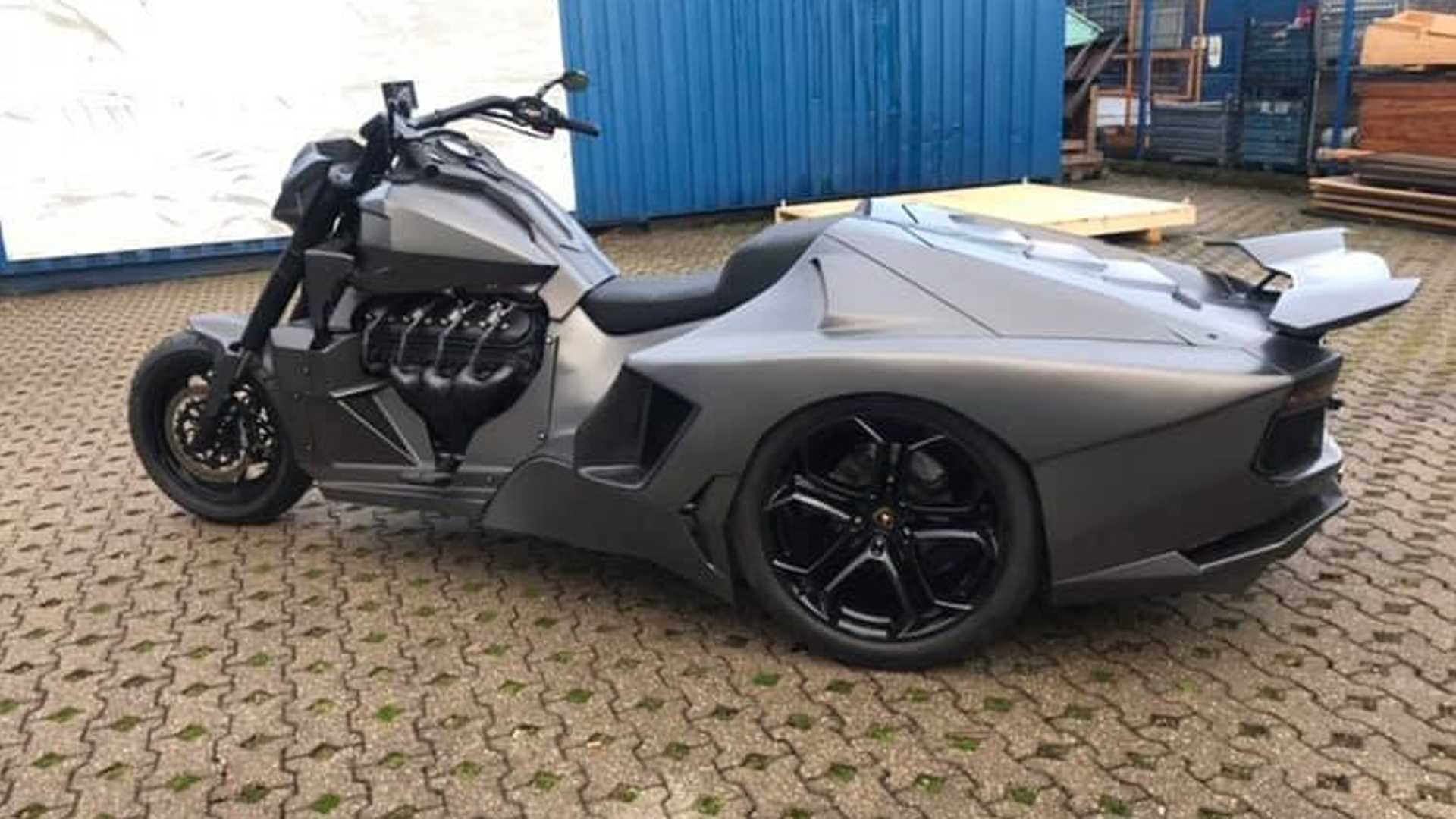
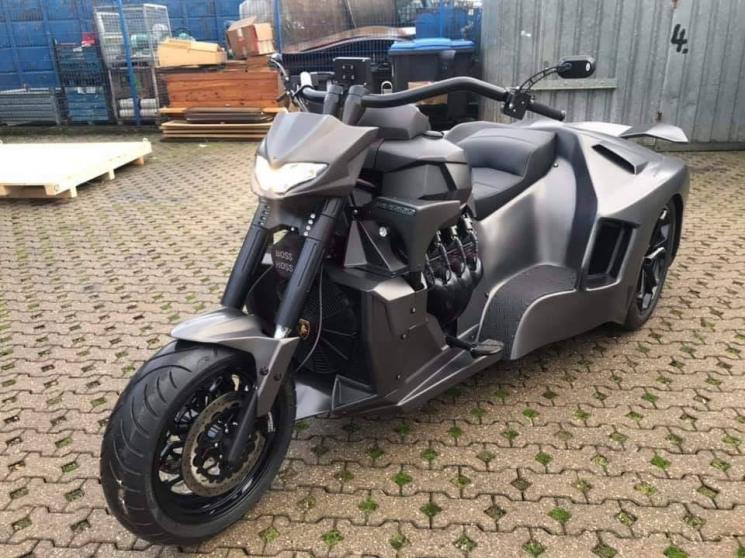
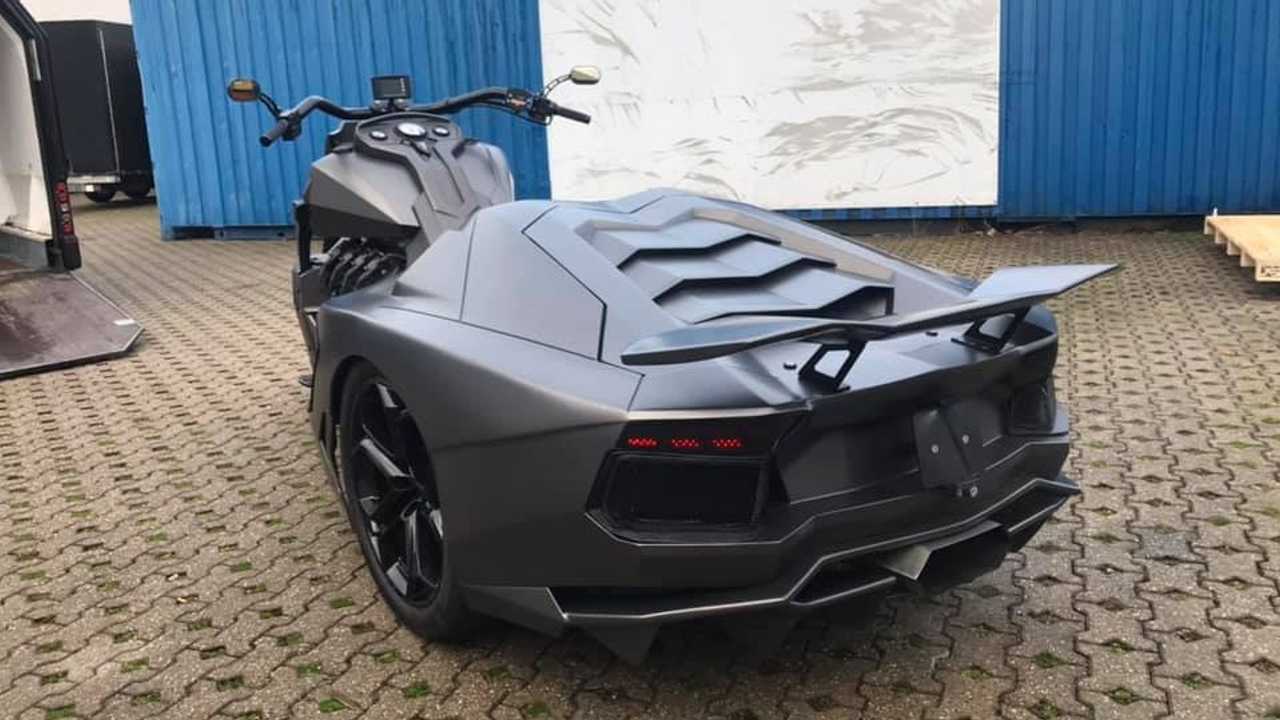
  • A client in Germany commission this Boss Hoss Lamborghini.

  • It combines a Boss Hoss motorcycle and Lamborghini Aventador.

  • The engine is probably the 6200cc, V-8 LS 445 for the Corvette.

So, you’ve got a whole shed-load of bikes and sportscars sitting idle in the garage, including a Boss Hoss V-8 cruiser and Lamborghini Aventador. What do you do? Yeah, what do you do?

Turn it into a bike/Lambo trike! Yikes!

That’s what might have happened when the customer commissioned this build. Although the first thing that springs to mind might’ve been the American Boss Hoss who built it, that’s actually half right because it was actually put together by their branch in Germany.

The heart of this monster is the 6200cc (not a typo!), V-8, 445 hp, 445 lb. ft. LS 445 Corvette engine. The powerplant is the weapon of choice since the founder Monte Warne created the first Boss Hoss in 1990.

While we’re not so much of car fans, we do feel a twinge of sadness seeing a bike and car were sacrificed this way. But that’s his money, probably too much of it in this case!

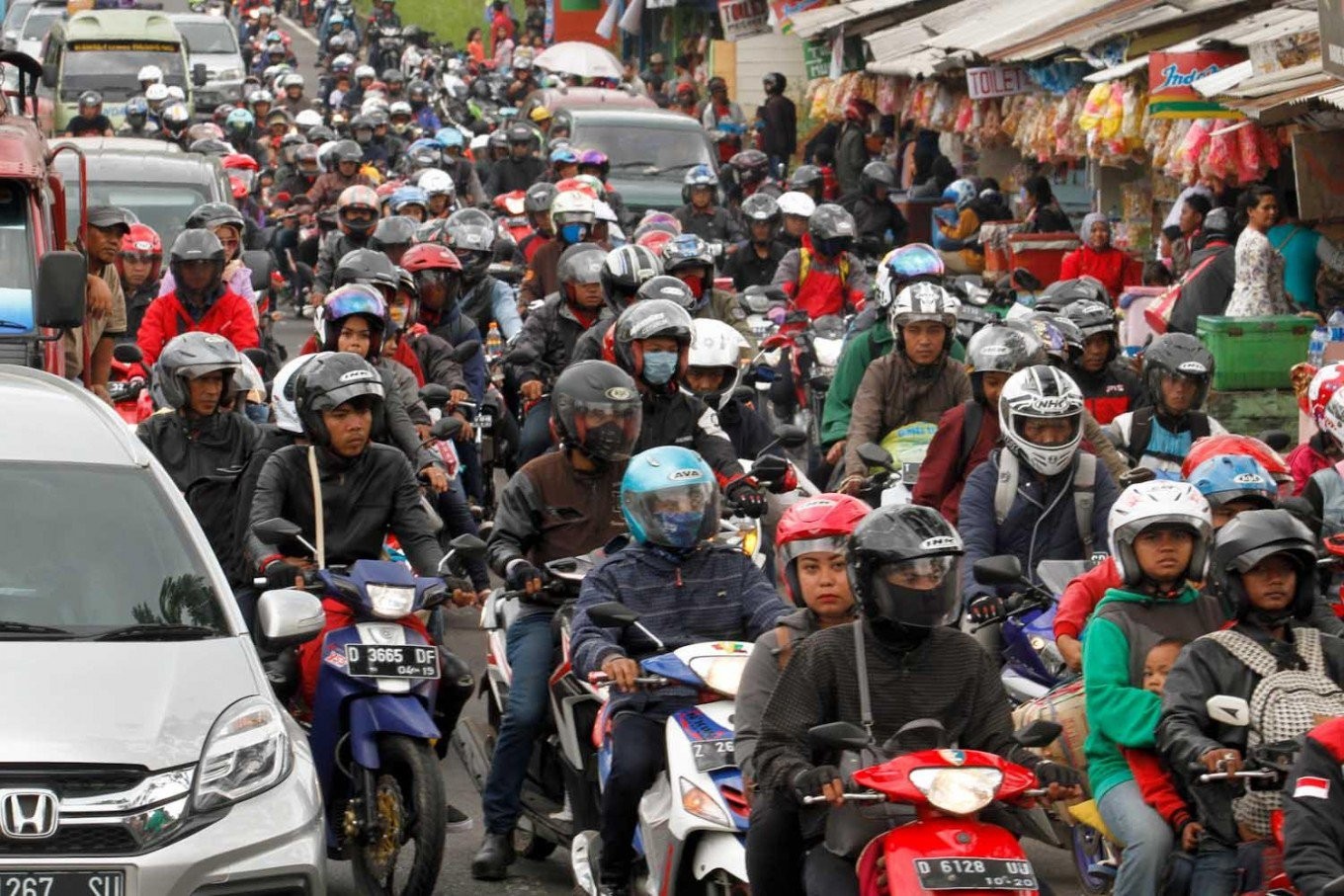
  • Indonesia saw the largest number of motorcycle sales in the ASEAN region in 2018.

  • The total was nearly half of the total of the entire region.

  • The country’s large population and income level contributed to the number.

We know for many years that Indonesia is the largest market for motorcycles in the ASEAN region, but it was a toss-up between them and Vietnam.

However, new data by the ASEAN Automotive Federation (AAF) and Federation of Asian Motorcycle Industries (FAMI) confirmed that the largest number of motorcycles sold in 2018 was in Indonesia.

In that year alone, motorcycle manufacturers and distributors in the Republic of 260 million souls moved a total of 6,383,111 units. That number represents a whopping 47% of all motorcycle sales in the ASEAN region. In terms of ratio, 1 out of 40.7 persons bought a motorcycle.

The second largest market in 2018 was Vietnam, with 3,386,097 units moved. The population of the country is 94 million. Converting that to a ratio, 1 out of 27.7 persons purchased a bike.

So, although Indonesia contributed the larger total, more Vietnamese bought motorcycles. It could also means that there’s still much space for motorcycle sales, if we know the current motorcycle population in each country.

Anyhow, in third was Thailand with 1,788,323 bikes sold. The Kingdom’s motorcycle market looks to be reaching a saturation point. The Philippines followed closely with 1,582,901 units. Malaysia contributed a distant but not entirely small 494,254. Last was Singapore with 10,377 bikes.

Archive

Follow us on Facebook

Follow us on YouTube