Bikesrepublic

Latest News

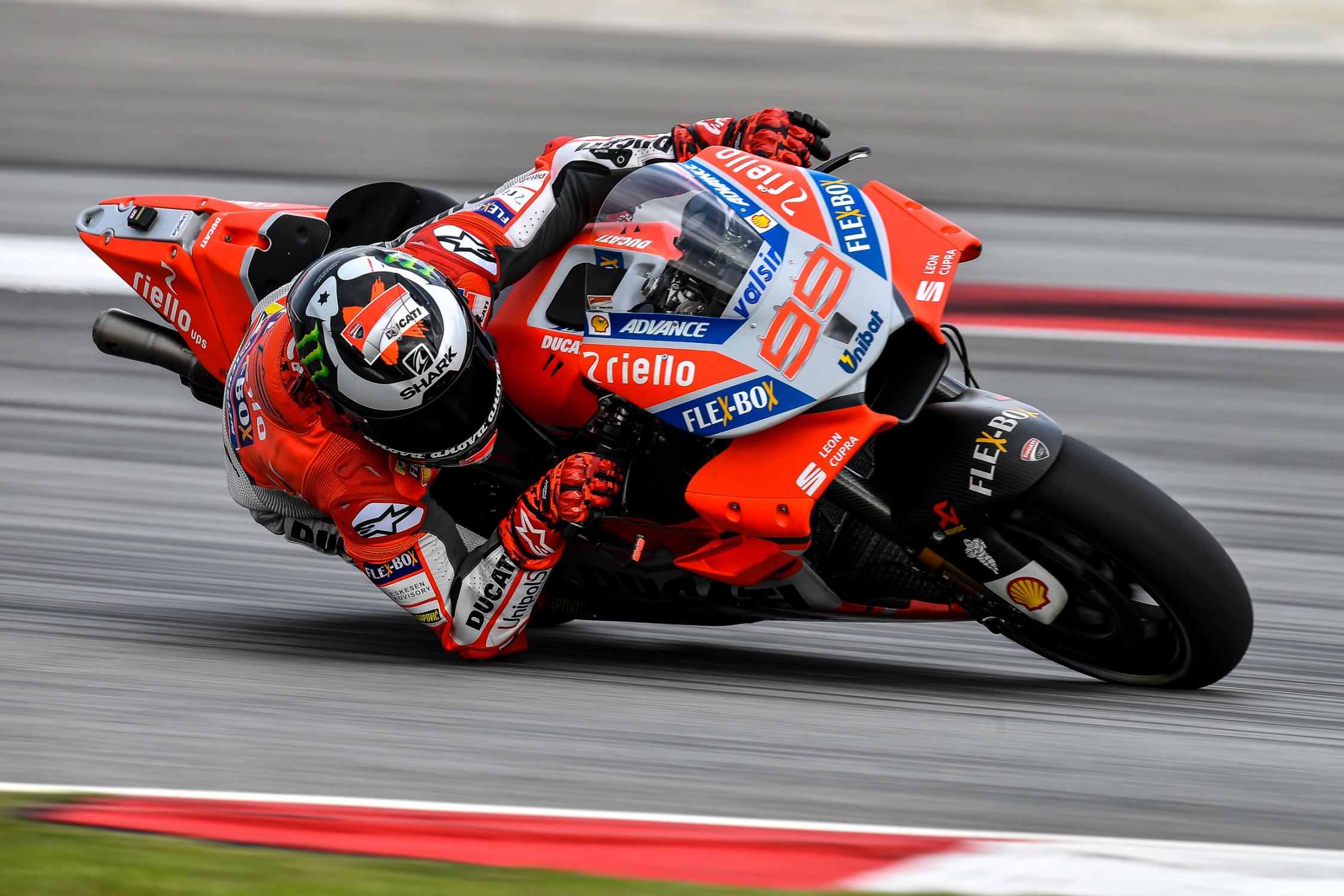
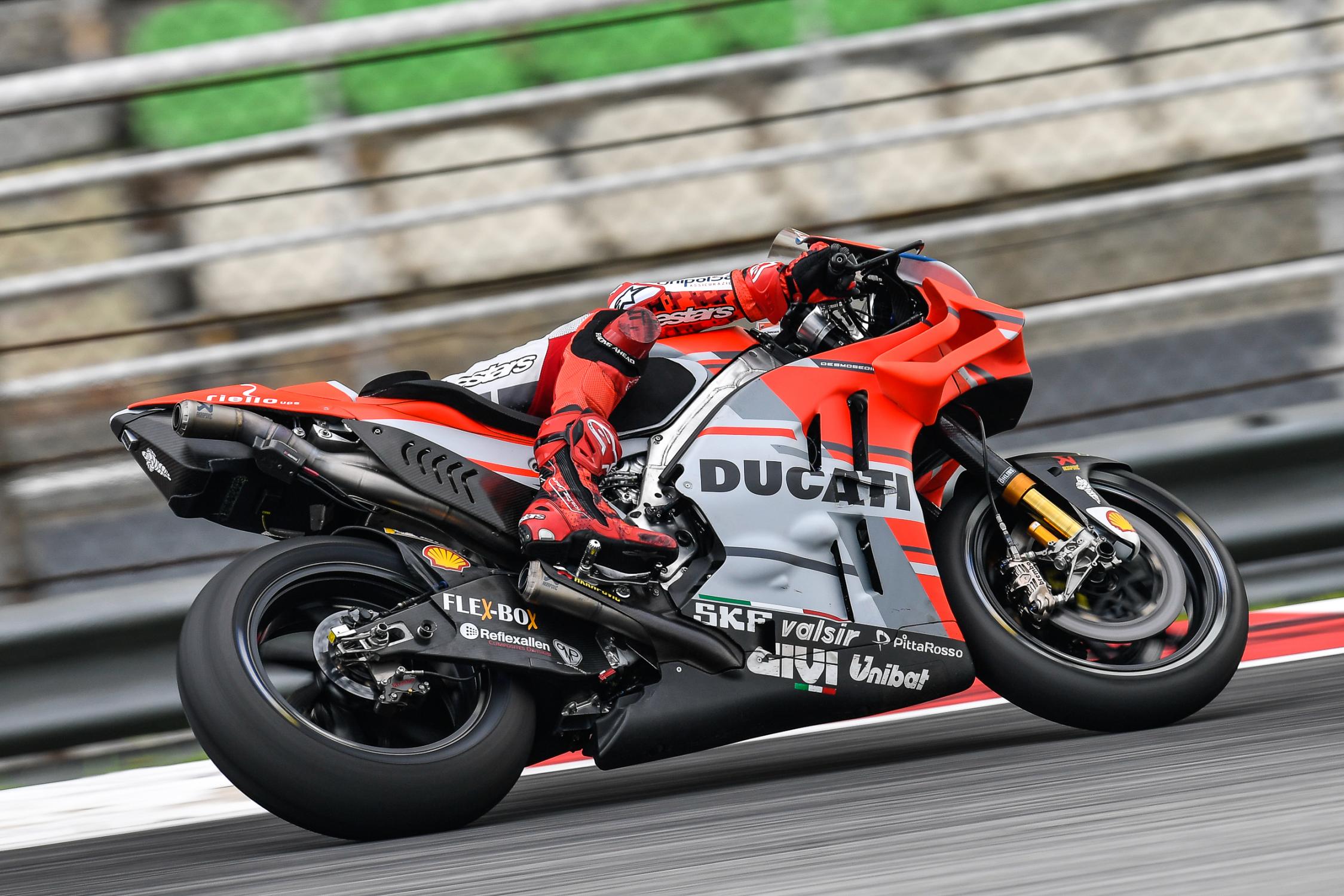
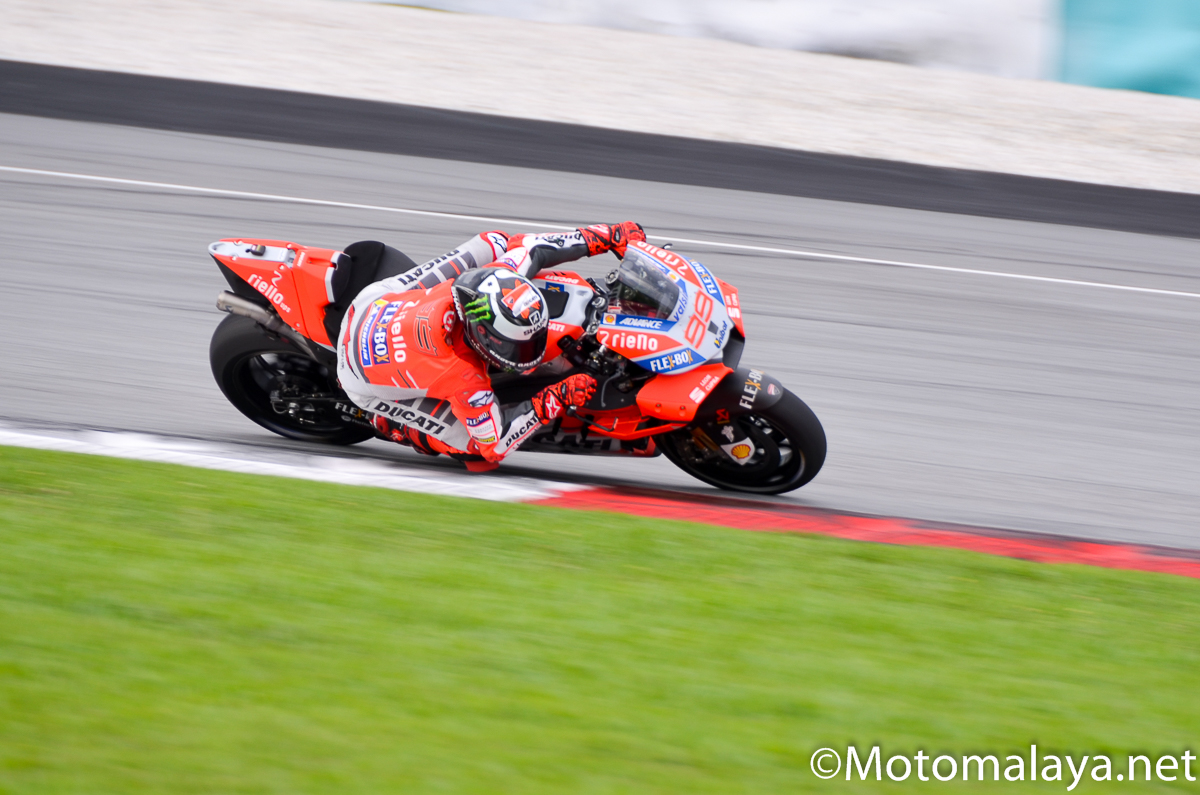
  • Jorge Lorenzo smashes lap record in the morning session.

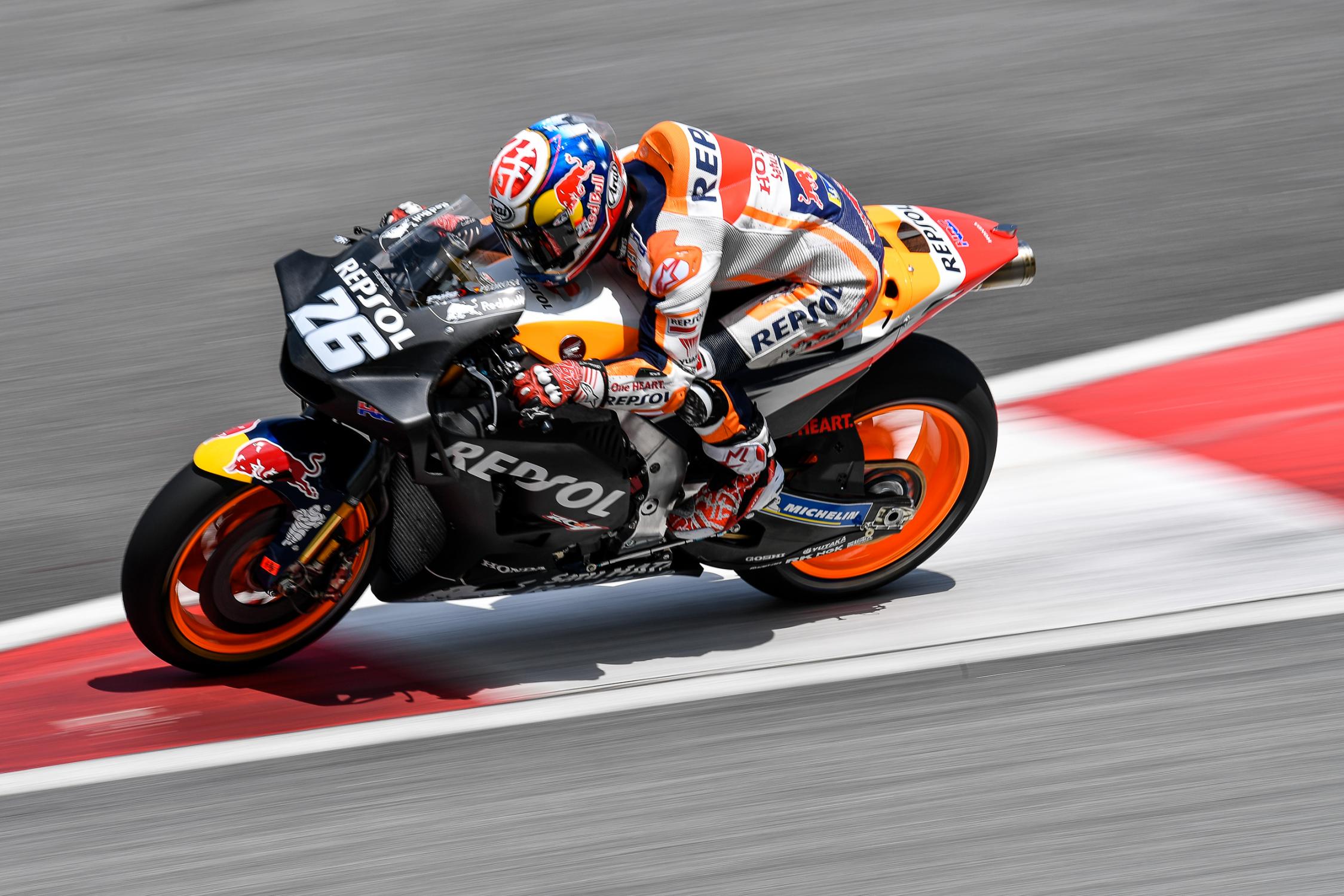
  • Dani Pedrosa also broke his old record.

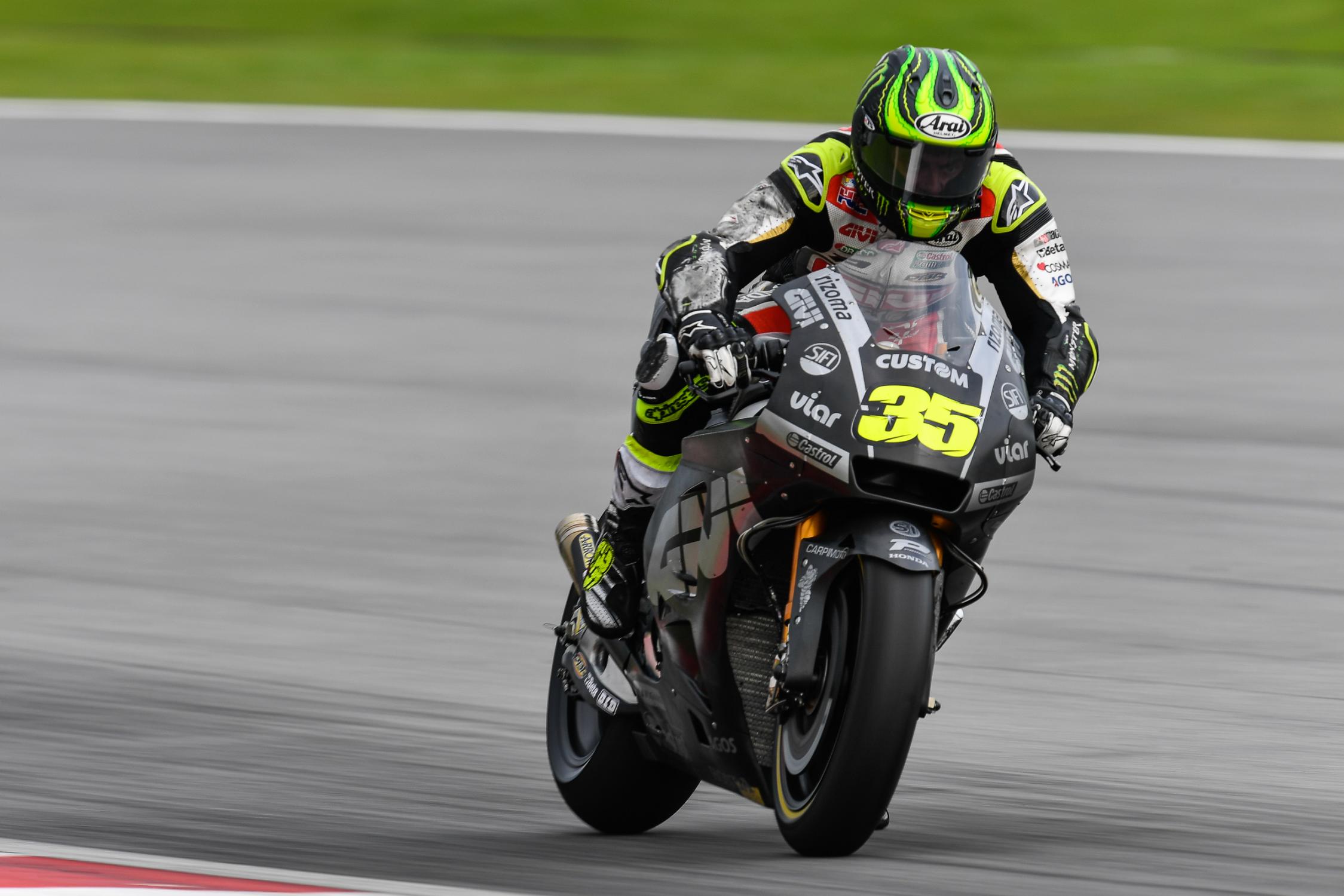
  • Cal Crutchlow continues to do well.

The previous outright lap record of 1:59.053 set by Dani Pedrosa in 2015 has finally been broken, during this third day of the 2018 Sepang Official MotoGP Test.

While as many as eleven riders broke into the 1:59 minute time bracket just before midday, it was Jorge Lorenzo who holds the distinction as the first rider to record a time below 1:59 minutes, with an ultra-fast 1:58.830, after a superb display of riding smoothness and speed.

Picture form MotoGP.com

Former record Dani Pedrosa also broke his own record by posting a time of 1:59.009 which earned him the second fastest spot.

Picture form MotoGP.com

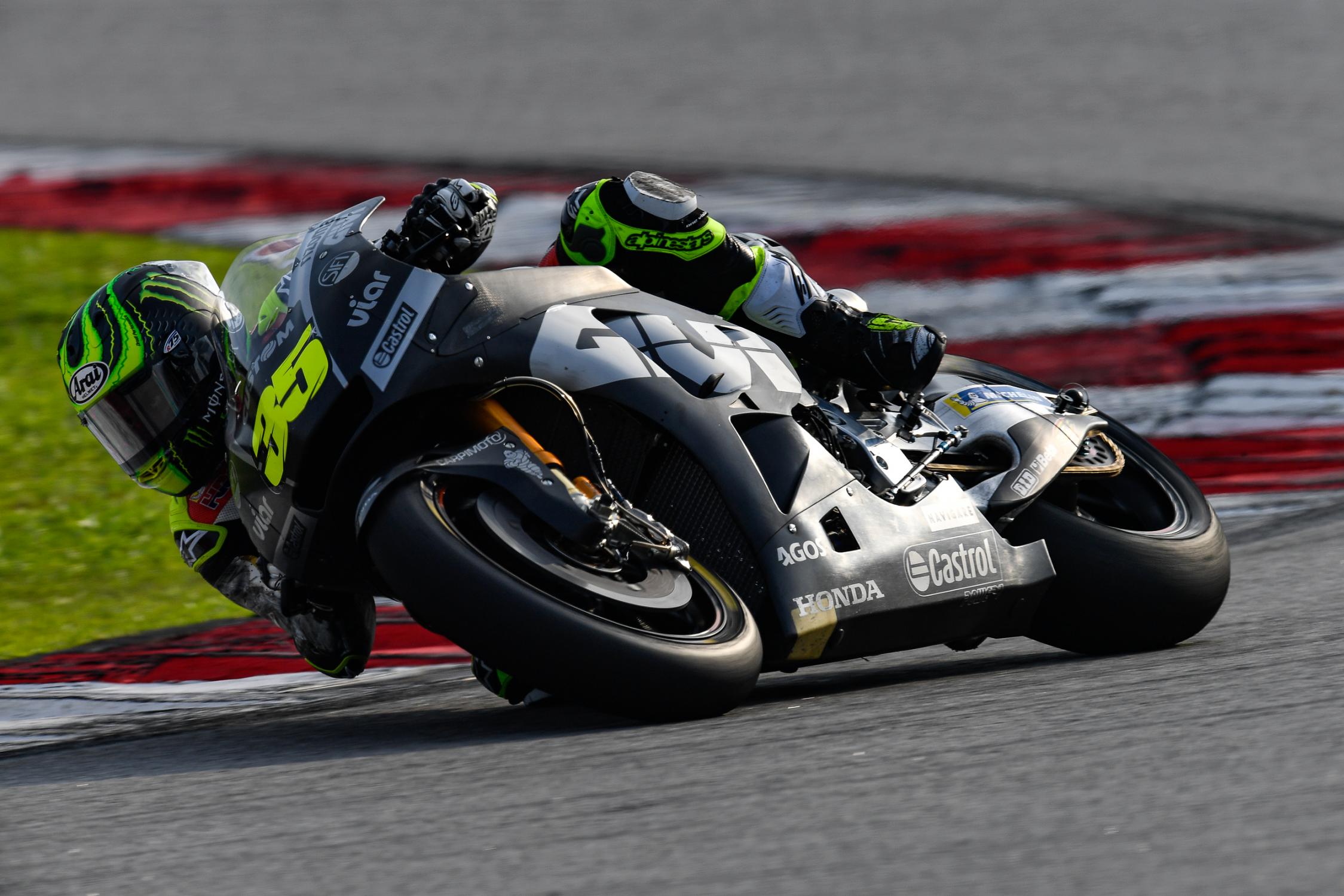
Cal Crutchlow continues his impressive run with a 1:59.052 lap.

Picture form MotoGP.com

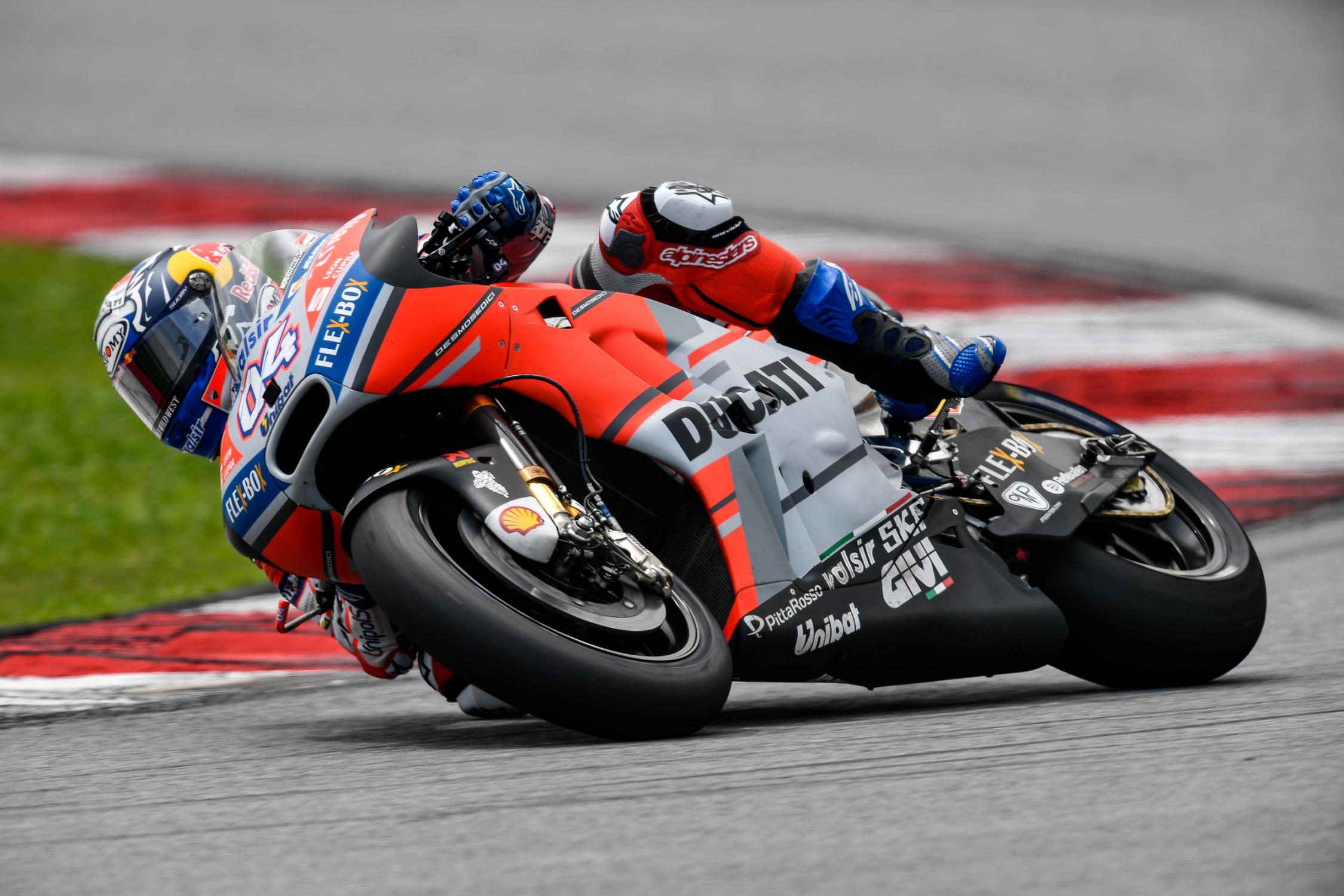
Lorenzo’s Ducati Team teammate, Andrea Doviziso posted the fourth fastest time of 1:59.169.

Picture form MotoGP.com

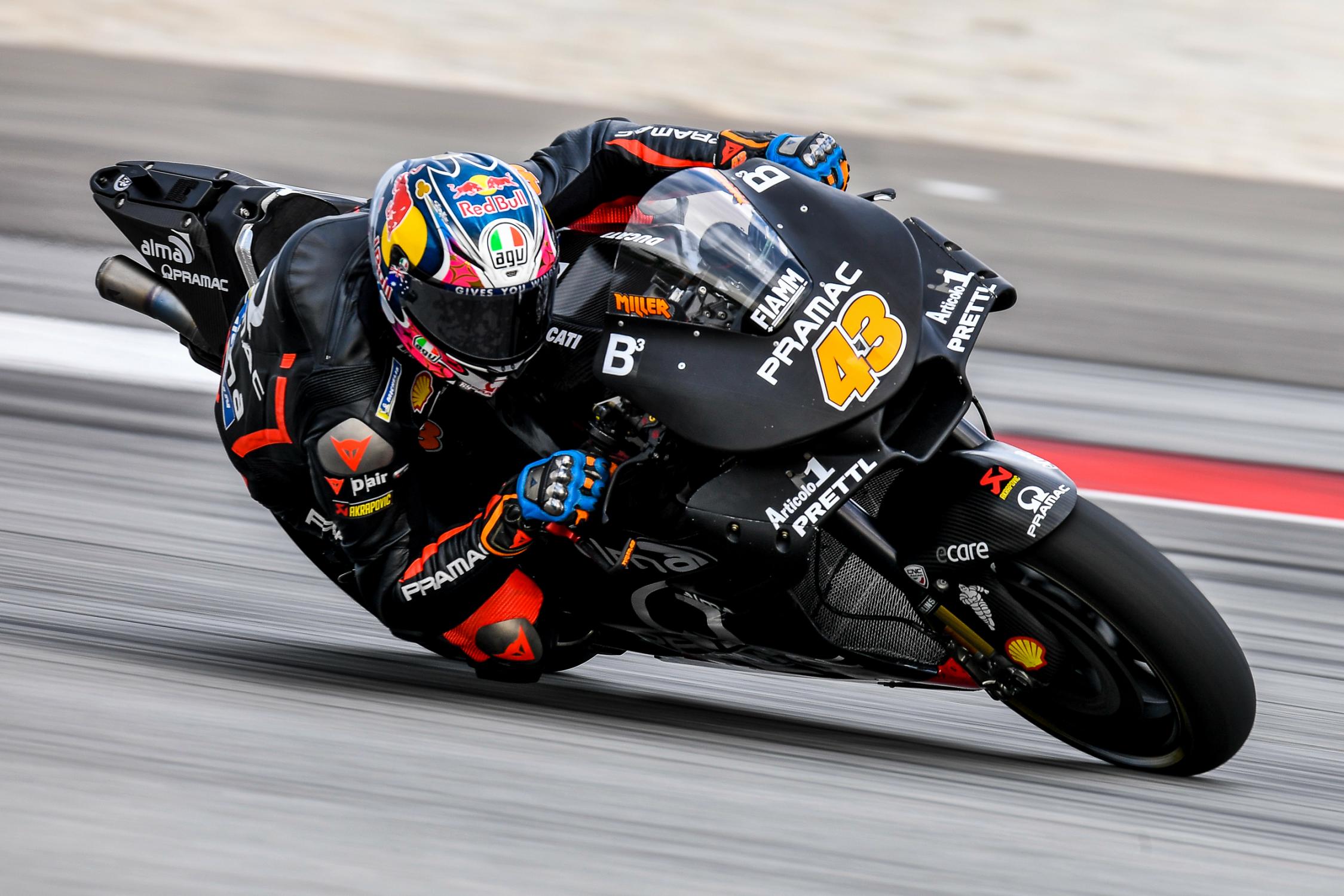
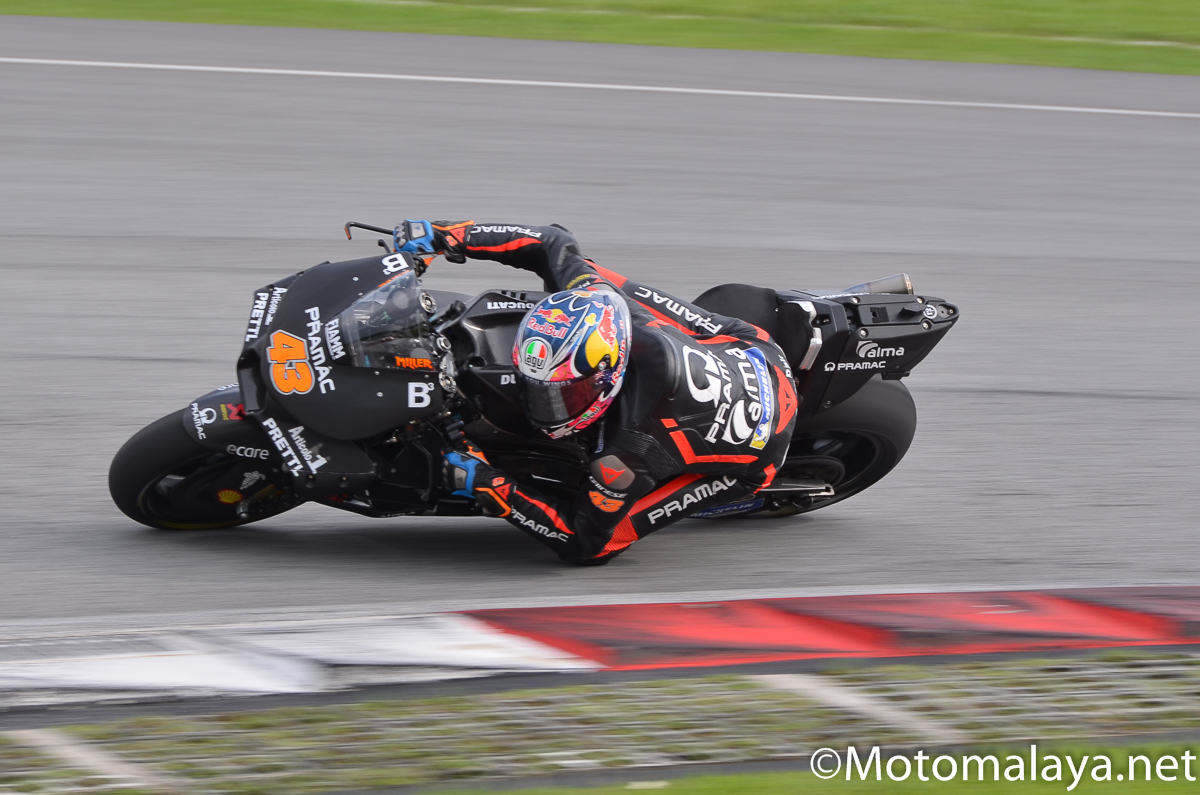
Jack Miller is also continuing his impressive form in fifth with 1:59.346.

Picture form MotoGP.com

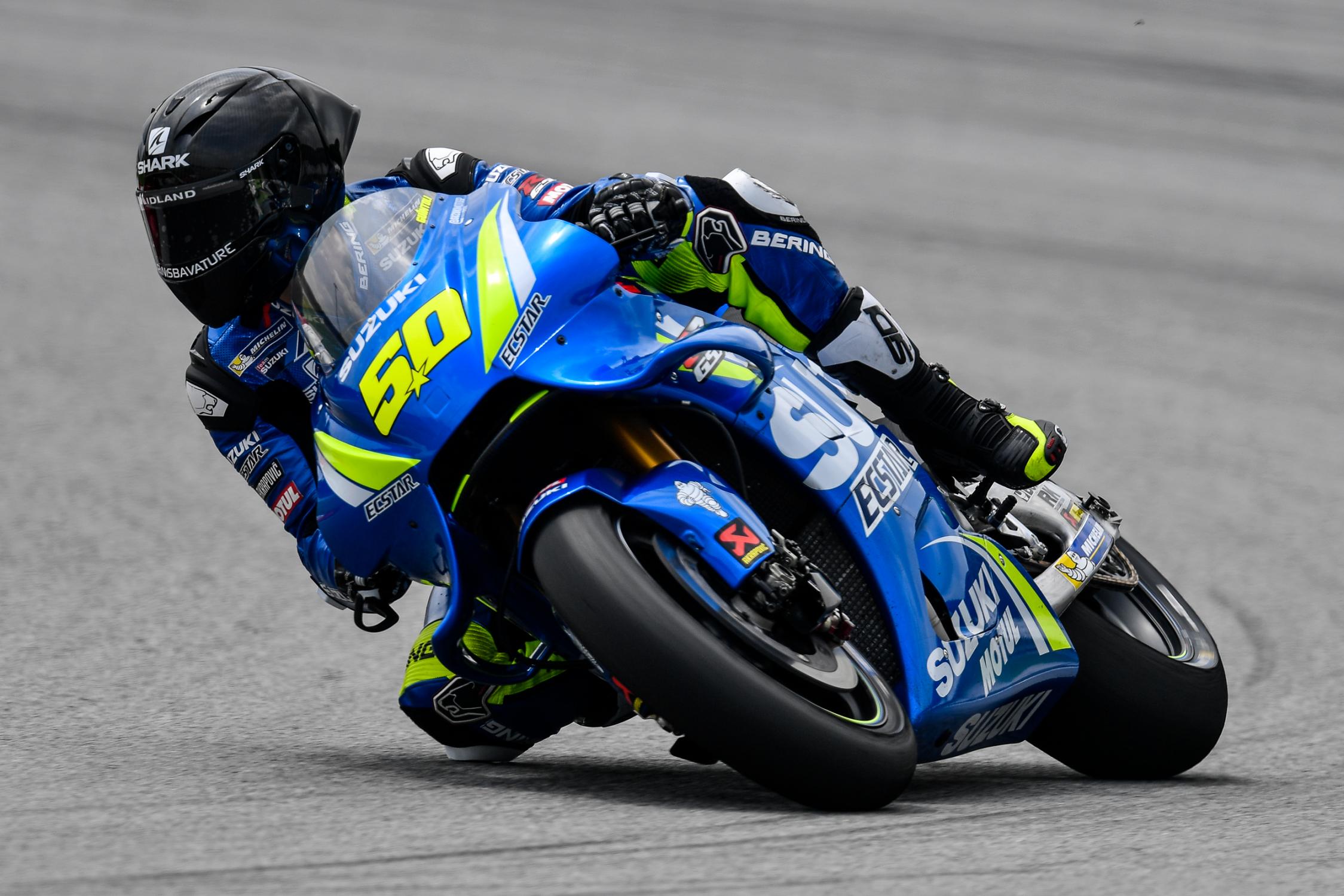
One rider who had been going about his business quietly is Alex Rins of Team Suzuki Ecstar. He had been posting impressive times consistently for the past two days, before posting his fastest lap yet at 1:59.348.

Picture form MotoGP.com

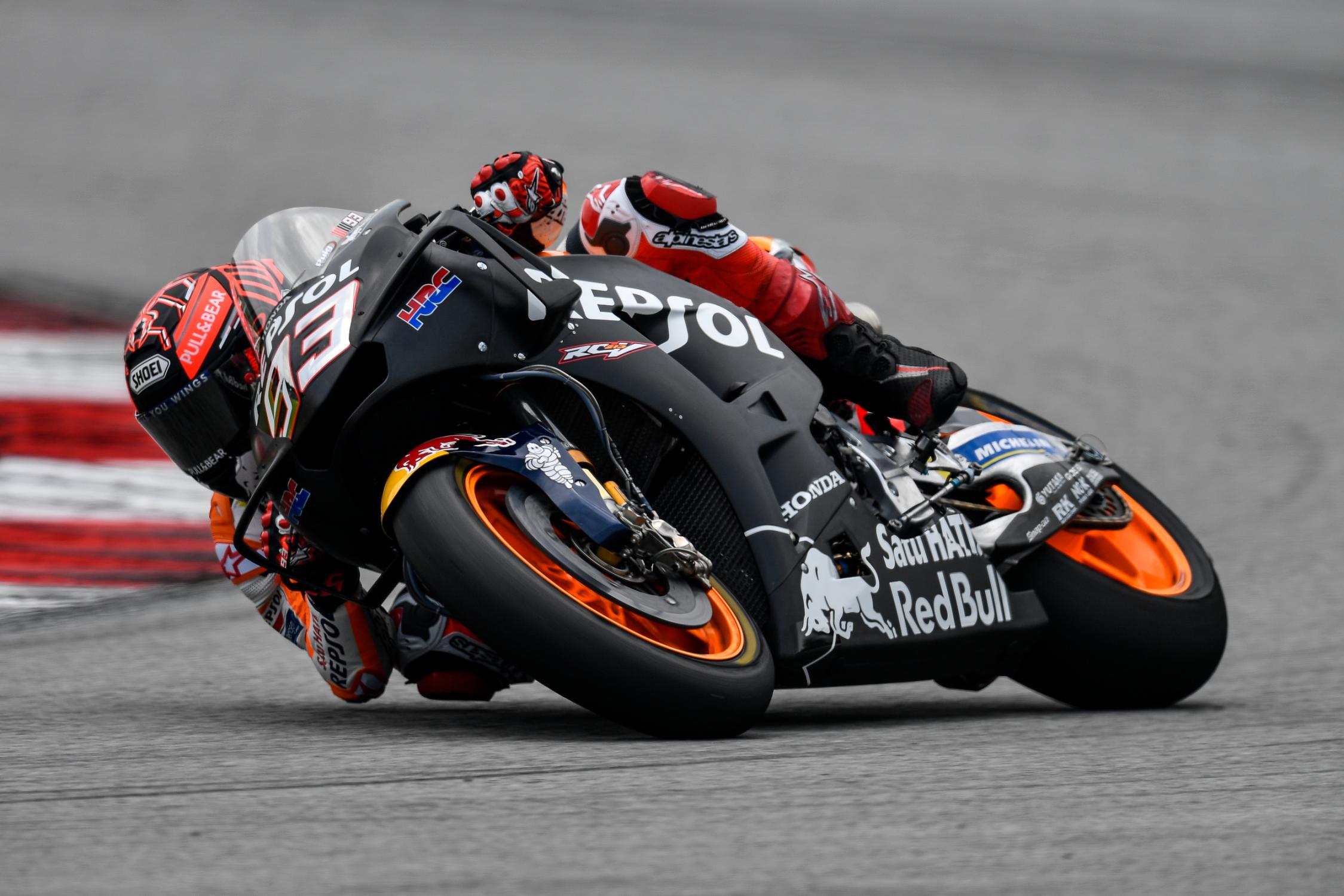
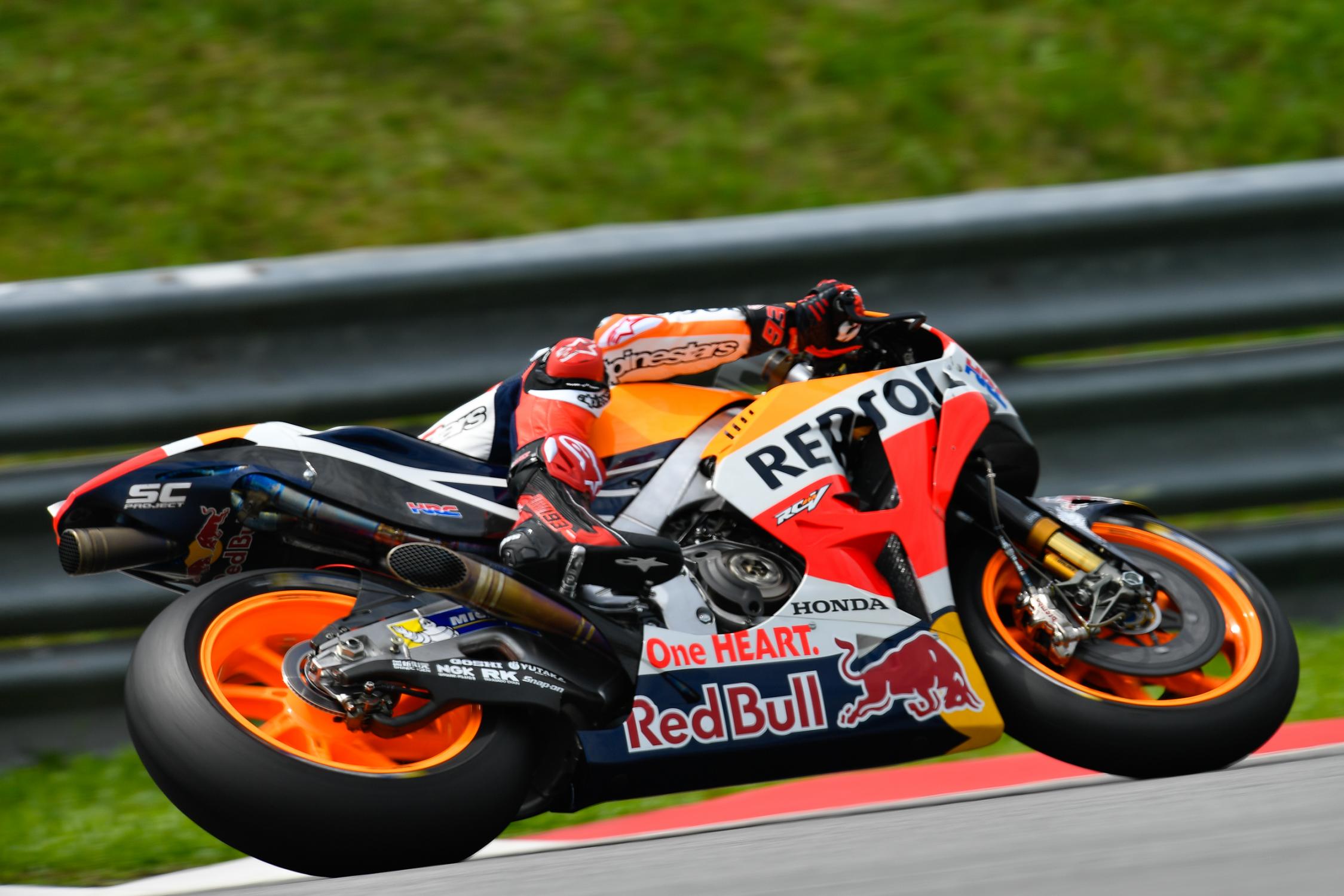
Marc Marquez completed the morning session in seventh after clocking 1:59.382.

Picture form MotoGP.com

Both Marquez and Crutchlow are testing the 2018 bike with the new aerodynamic package. The former remarked yesterday that the team needed to make other adjustments to bike for a better balance.

Although the second through to the thirteenth position seem far apart, the riders were separated by just 0.8 second. Those positions consisted of a good mix of bikes too. If all teams are as competitive throughout the year as what we witness now, we’re in for another exciting season ahead.

Hold on tight as we bring you the conclusion of 2018 Sepang Test later today.


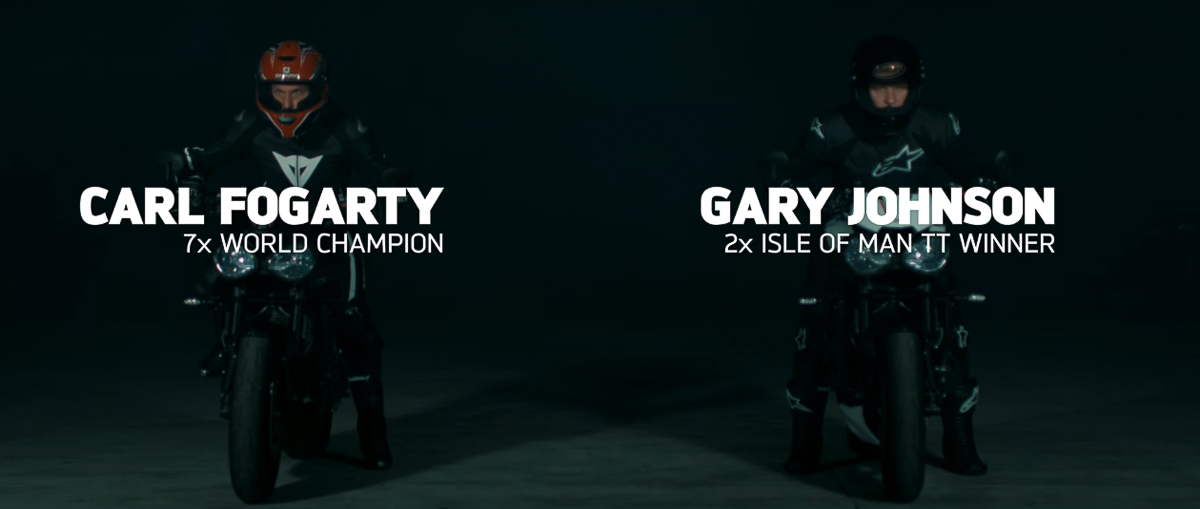
Triumph Motorcycles has released a second 2018 Triumph Speed Triple teaser video.

The second clip showcased how powerful and nimble the bike can be under the control of Carl Fogarty and Gary Johnson.

The official unveiling will be on 5 February 2018.

It was just last week when Triumph Motorcycles released quite a spectacular teaser video on their upcoming 2018 Triumph Speed Triple. Starring in the video were none other than seven-time world superbikes champion Carl Fogarty and two-time Isle of Man TT winner, Gary Johnson. (more…)

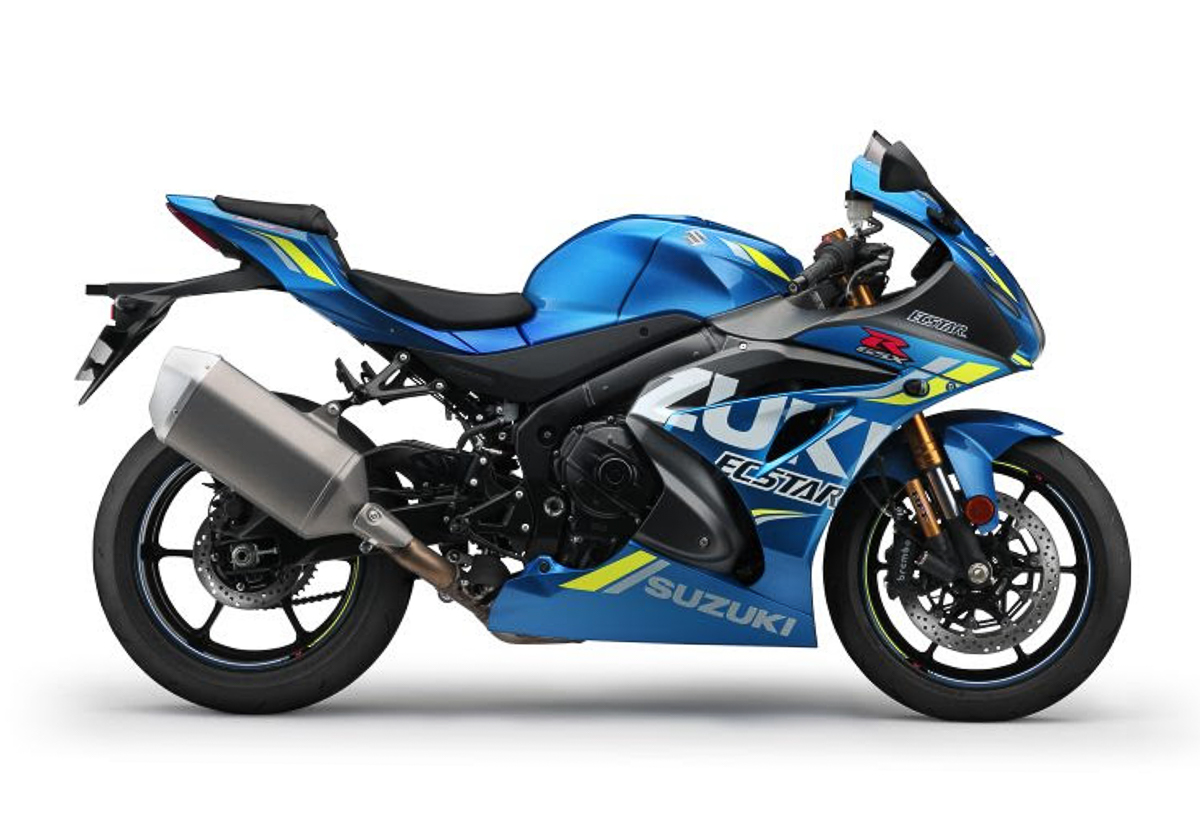
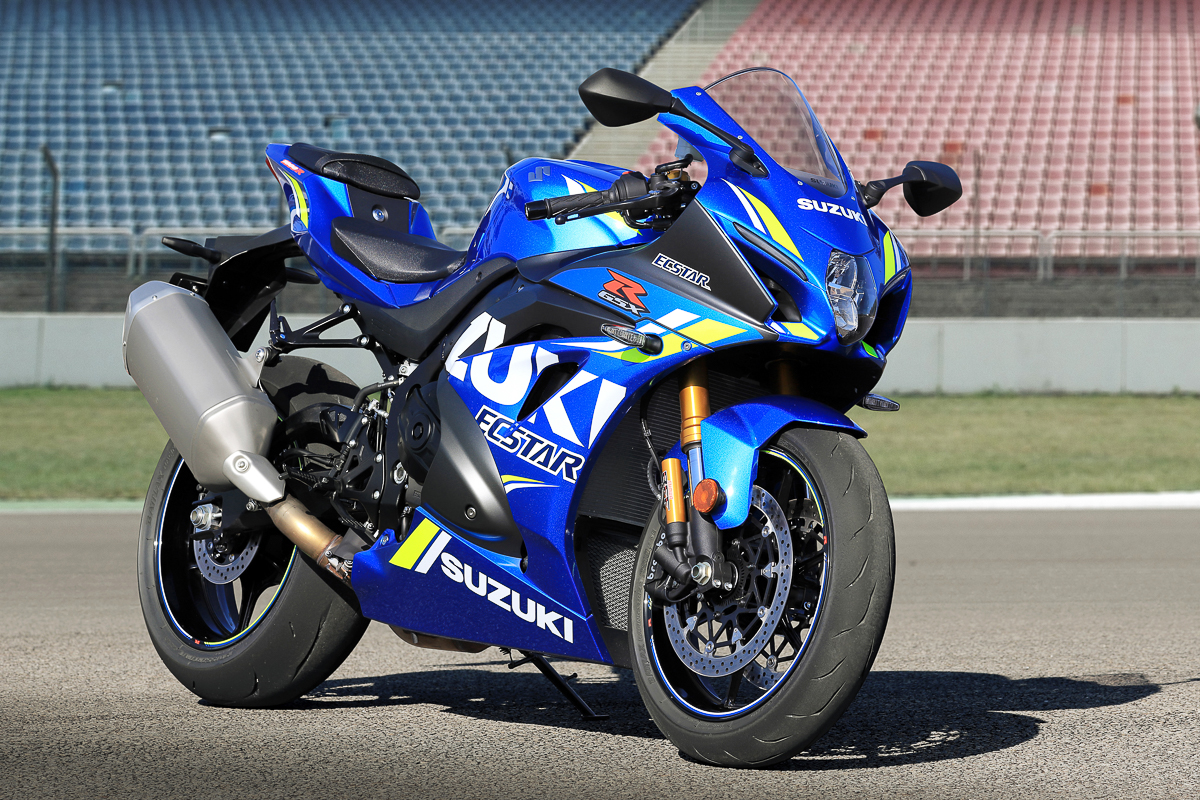
Suzuki has announced the 2018 Suzuki GSX-R1000 MotoGP replica bikes together with the Suzuki GSX-R1000R.

The launch was in conjunction with the launch of the new livery for their 2018 Suzuki GSX-RR MotoGP machines in Sepang.

The UK market will be able to get them at £13,599 (around RM74,281) and £16,099 (around RM87,937).

In conjunction with the recent unveiling of Suzuki’s latest MotoGP GSX-RR machine with new livery just a couple of days ago, the Japanese manufacturer also announced that their 2018 Suzuki GSX-R1000 and GSX-R1000R will be available in the MotoGP replica colours. (more…)

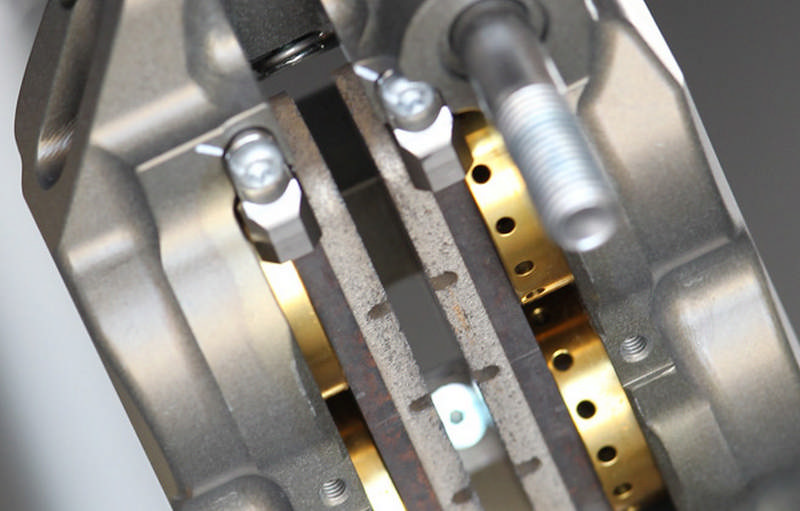
  • There are different brake pad compounds available in the market.

  • Each provides a different braking feel.

  • Find a type that suits your riding style and use of the motorcycle.

Brake pads are often overlooked for the majority of riders, “Hey as long as it stops, no problem.” Or we just ride replace the pads when the mechanic tells us that it’s time do so. It’s almost like we have no choice in it, except when it comes to paying, “Brape? (How much?)”

Perhaps, it doesn’t have to be so with a little more understanding, then we could dictate on what we actually need, instead of being led by the nose.

Brake Pad Friction Rating

Before we go further, be aware that there are two current friction ratings for brake pads, GH and HH.

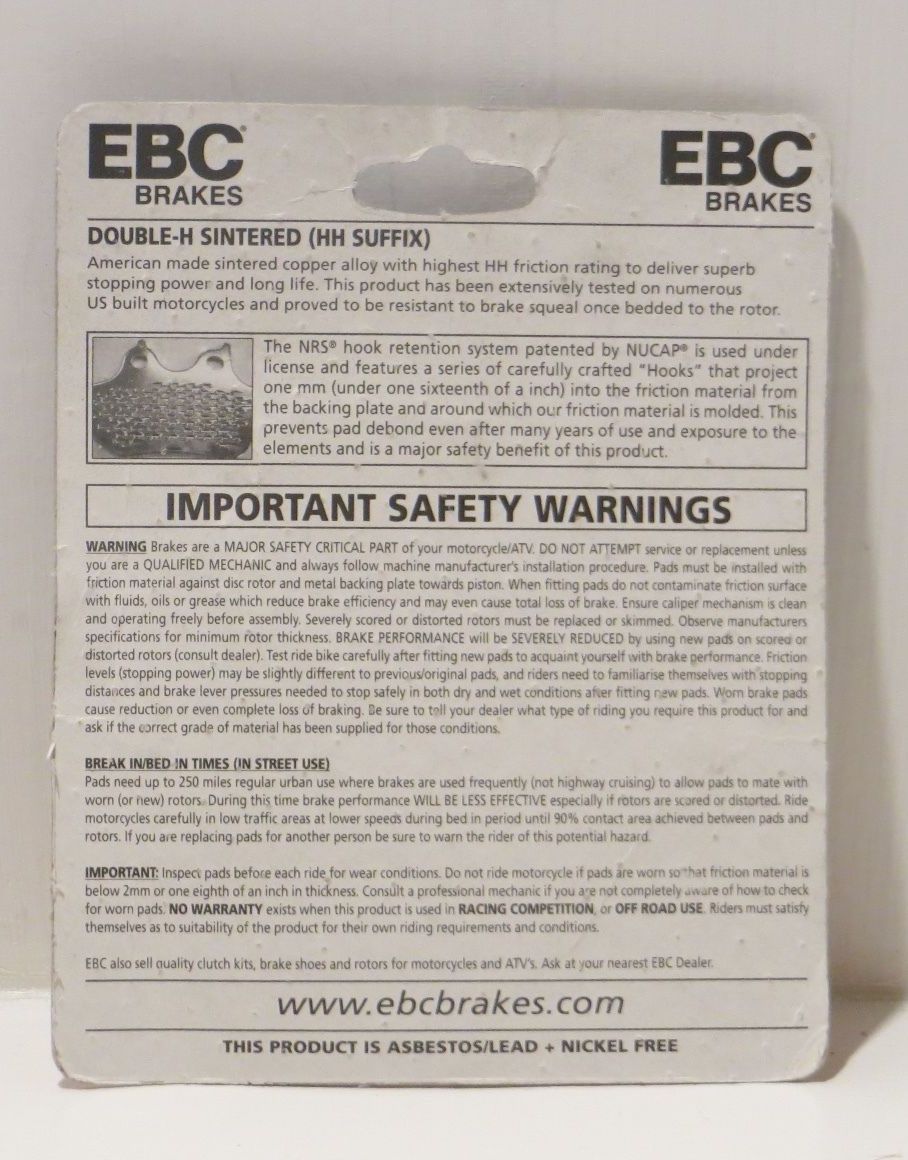
Both those letters signify the brake pad’s coefficient of friction (CoF); the first being the CoF at normal working temperature, and the second at an extreme temperature of 650 oF (343 oC). Therefore, the ratings indicate how much friction is there at certain operating temperatures. The G-rating offers between 0.45 and 0.55, while the H-rating’s CoF is from 0.55 and up. These ratings are usually stamped on the outside of the pad’s back plate, although there are manufacturers who don’t do so but specify it on the brake pads’ packing, instead.
Brake Pad Material

Having the right type of pad material determines how it feels when the brakes are applied and how it stops a bike.

Organic

Organic pads may sound like they’re something grown without chemicals, it just means they don’t contain metal. Instead, they’re a blend of rubber, glass, carbon, aramid, Kevlar (the real contents differ among manufacturers), bonded by a resin.
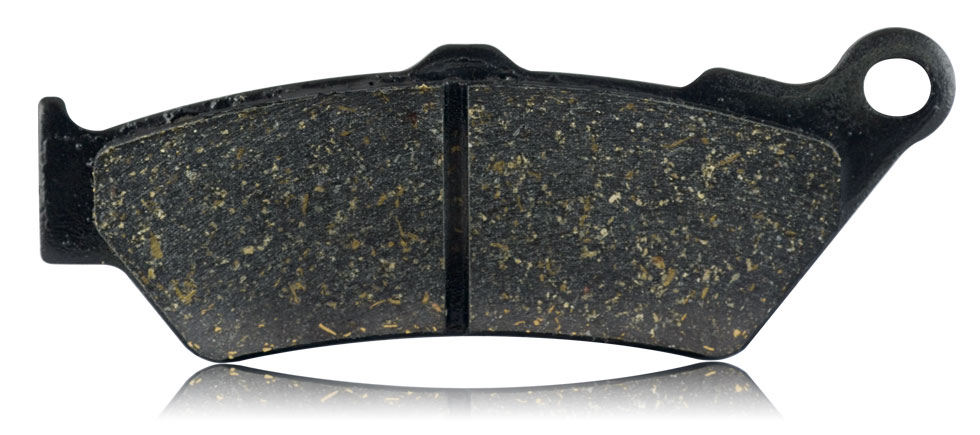
Organic pads are popular among riders due to their progressive braking feel, which doesn’t “bite” aggressively. Additionally, it’s softer and doesn’t score brake discs. However, they typically wear out faster due to being soft.

Sintered

The pad material, usually copper particles, is fused to the backing plate under extreme pressure and temperature (the process is called “sintering”) to form a friction material that’s wear resistant. They can handle a wide range of conditions, hence well-suited for any type of riding including trackdays.
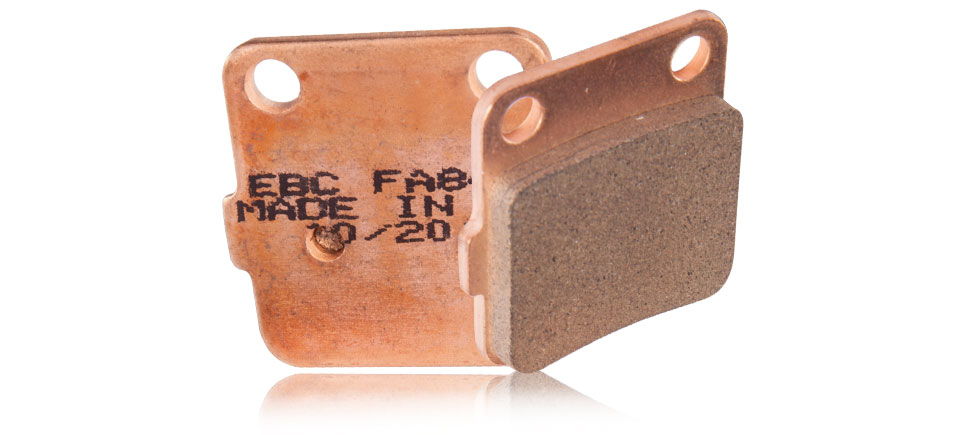
Sintered pads offer a stable CoF whether cold or hot, and they bite instantly. Apart from that, they are resistant to fade, perform well in the rain or mud, and usually last longer.

However, the do wear brake discs quickly. Most, if not all, motorcycles use the harder stainless steel brake discs these days. However, if you encounter deep grooves or “blueing” on your discs, you may have to consider replacing your brake pads for those of less aggressive material.

Semi-Metallic/Semi-Sintered

Manufacturers infuse organic pads with some metal material to increase the bite, durability and fade-resistance, while still maintaining the progressive feel and low disc-wear of the organic brake pads. This may be a good compromise for most riders.
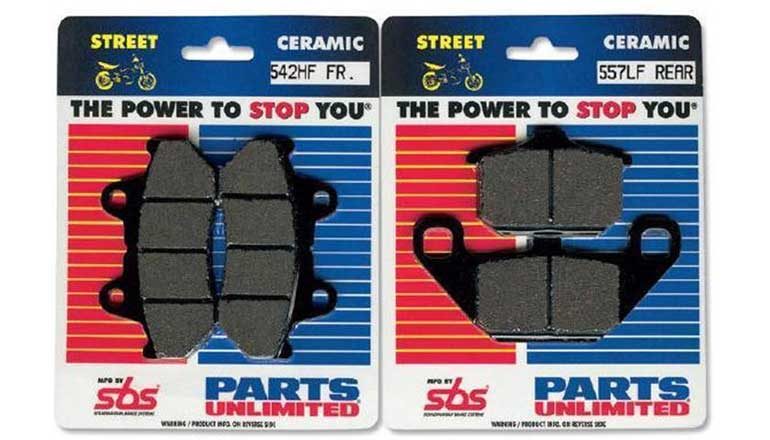
Ceramic Composite

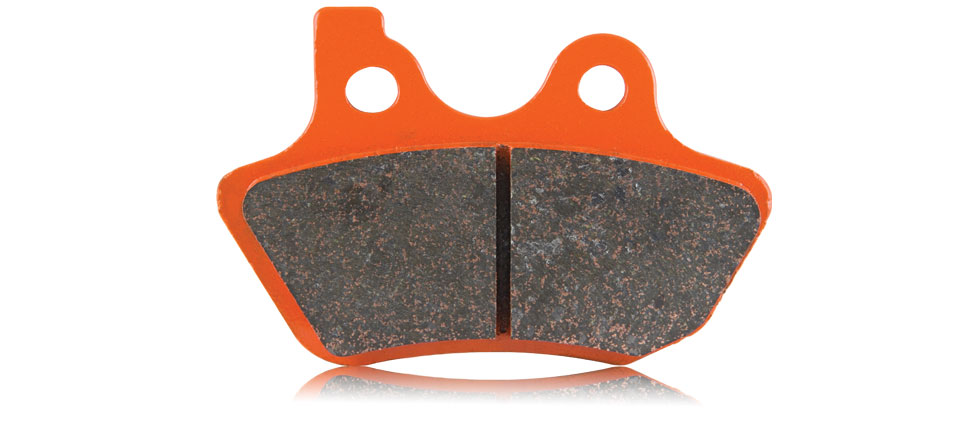
They are made by fusing high-strength ceramic fibres and ductile non-ferrous (non-iron) metal filaments at extreme pressures and heat. The metal filaments provide the initial bite while the ceramic compound provides high temperature resistance to avoid brake fade.

Besides that, the metal filaments carry away heat quickly to reduce rotor wear and deformation (disc warp).
Notes

  1. First and foremost, you should not use any brake pad which or brake lining that contains asbestos. It has been established decades ago that asbestos is carcinogenic and could cause lung cancer should you inhale the asbestos dust. Although the use of asbestos has been banned you may still encounter it in some ultra-cheap drum brake linings.
  2. If you’re replacing your brake pads for daily use, please select “STREET” or “ROAD” varieties. Racing brake pads do bite but they may have to reach a certain operating temperature to provide optimum braking.
  3. Take some time to “bed in” the new pads (usually 300 to 500 km). They need time to conform to the irregularities of your brake discs, and will not grip at their maximum when new. So keep that in mind when riding away with a new set.

  • Day Two closed with both factory Yamahas leading the pack.
  • The factory Ducatis and Hondas finished lower down the field.

  • The times from first to fifth are faster than last year’s race qualifying time.

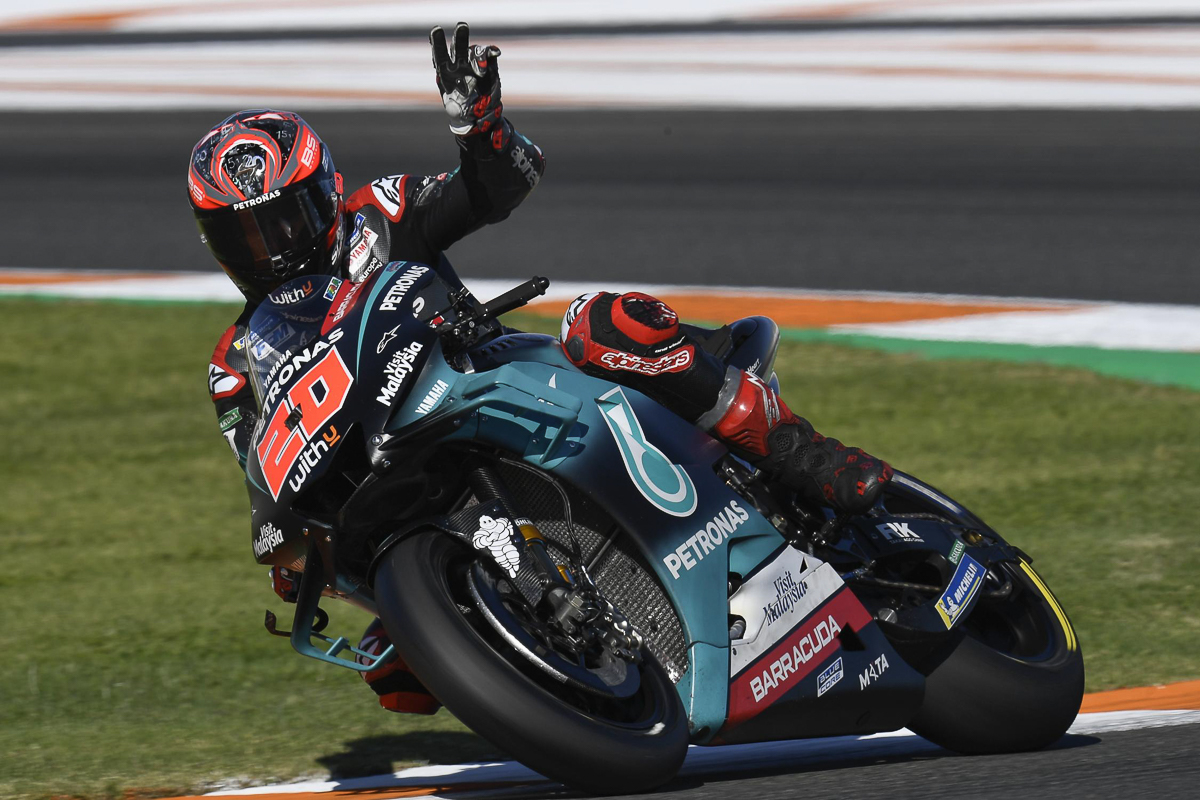
Yamaha MotoGP fans’ concerns about the team’s performance is allayed at the end of Day Two of the 2018 Sepang Official MotoGP Test, when both riders Maverick Vinalez and Valentino Rossi clocked the fasted times of the weekend so far.

It was another mad dash with about an hour to go for the day, when almost all the riders went on track for one final session. Andrea Davizioso had held on to his fastest time from just after midday with Rossi in second and Marquez in third. The trio were the only riders who cracked the 2:00 minute mark of the day and were separated by less than 0.2 second.

Picture from MotoGP.com

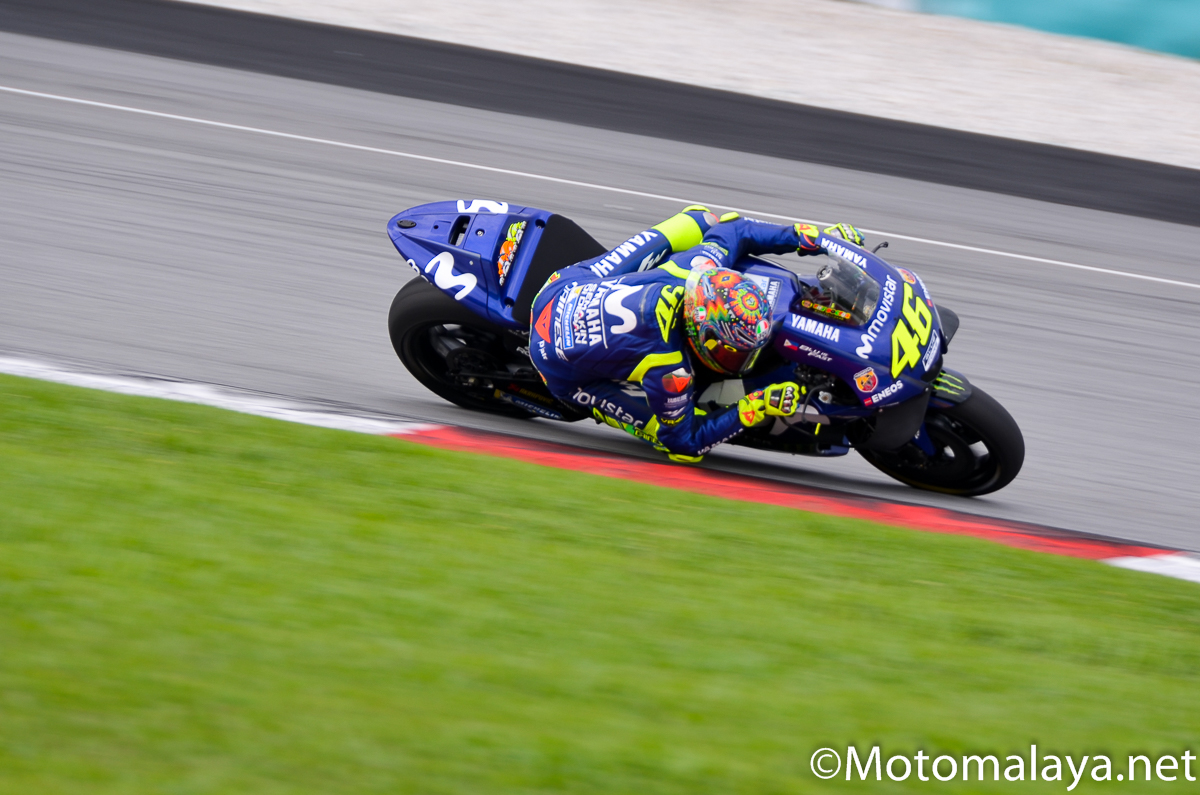
It was Marquez who first went faster by just 0.002 second ahead of Dovizioso, followed by Johann Zarco (1:59.702), then Cal Crutchlow (1:59.443). But just as everyone was looking to see if they could better their times, Rossi went ahead and posted the (then) fastest lap of 1:59.390.

Picture from MotoGP.com

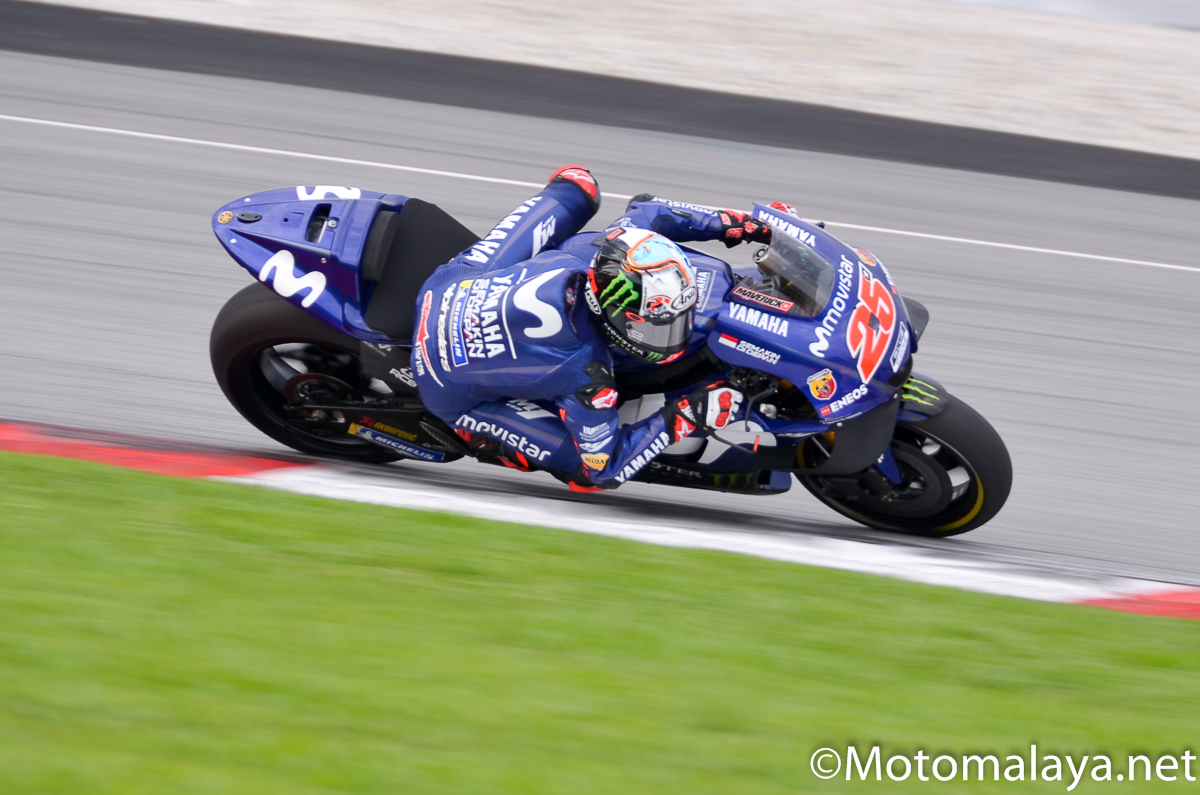
But the Italian’s teammate Maverick Vinalez had other plans, as he overhauled Rossi with a superfast 1:59.355 time.

Looking at the sector times of both Yamahas, they were close to each other’s, which could either mean that we could see their characteristics, or that they were both running similar settings. They seemed to have picked up some power too, as both bikes’ top speeds were close to Doviziso’s. Besides that, word in the paddock has it that the Yamahas were running on the medium compound tyres, which means that they could go even faster on the softs in qualifying trim.

Jack Miller is having a superb time of the Alma Pramac Racing Ducati as he claimed fifth fastest with a time of 1:59.509. That time is already faster than the 2017 pole position time for the 2017 Malaysian MotoGP.

Although there are still many variables in play during any test session, the times recorded so far from first to fifth have beaten last year’s pole position time.

There’s a much better mix of bikes and teams within today’s Top Five, compared to yesterday’s: There are the two factory Yamahas on top, a satellite Honda team (Crutchlow) in third, a factory Ducati in fourth (Lorenzo 1;59.498), and a satellite Ducati in fifth (Miller).

Defending champ, Marquez ended the day in seventh (1:59.730). As he had revealed yesterday, he had been testing the 2017 bike with different engine’s yesterday and the 2018 bike today.

Dovizioso went out again during the last session but couldn’t improve on his earlier time of 1:59.732 and was relegated to eighth.

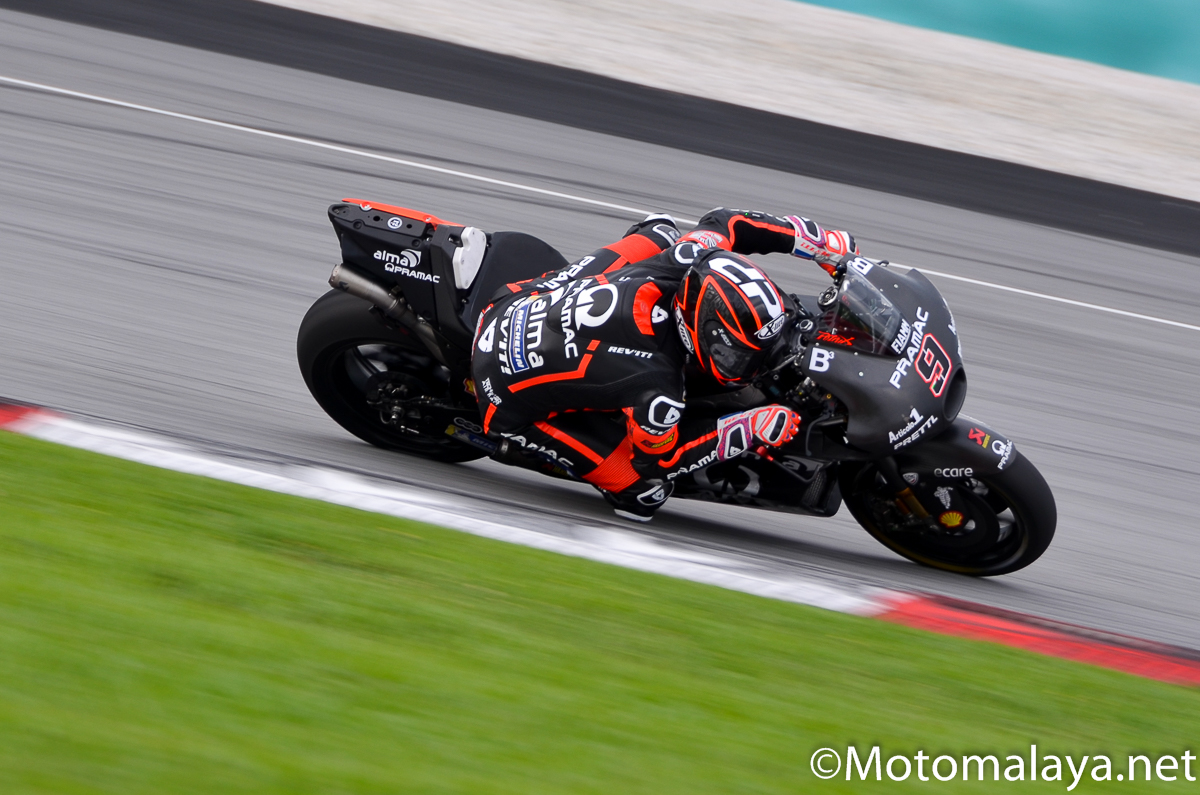
Danilo Petrucci, who’s riding the Ducati GP18 and Jack Miller’s teammate, finished in ninth after clocking his best time of 1:59.747.

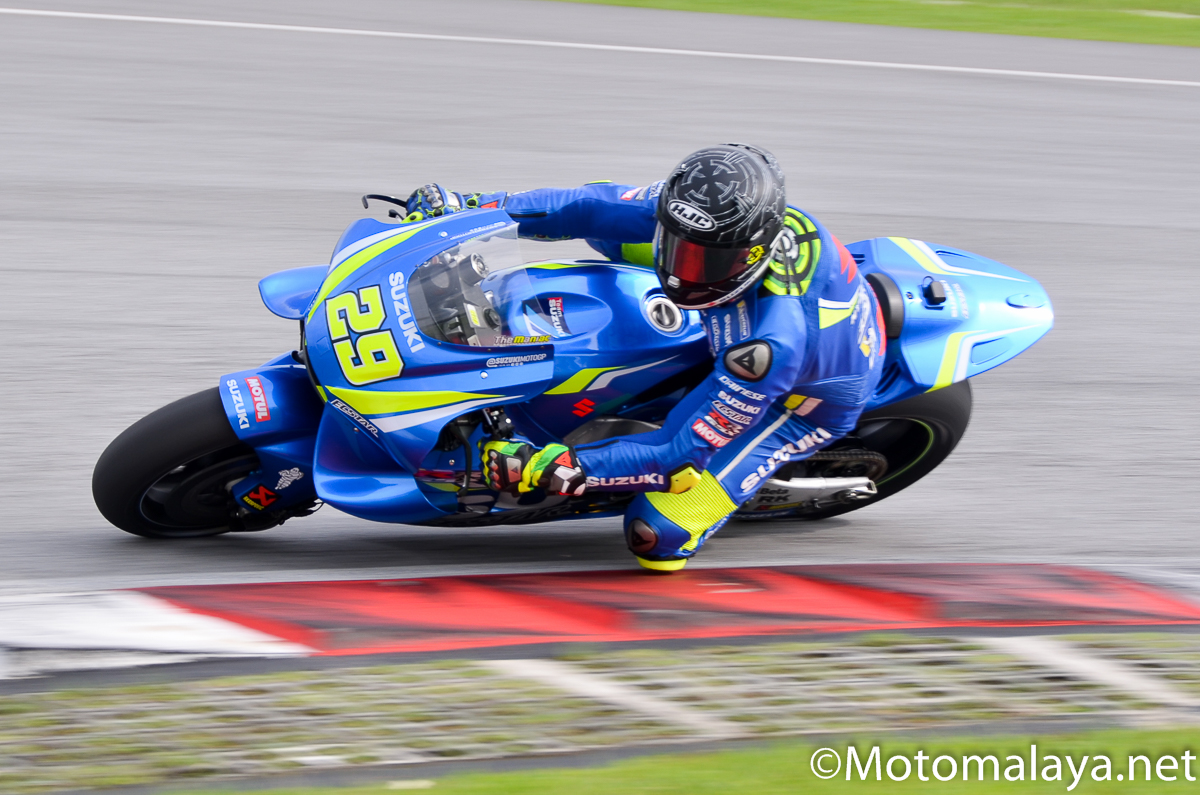
In tenth is Andrea Ianone from Team Suzuki Ecstar. He clocked a best time of 1:59.917.

Rain had stayed away throughout the day. Track temperatures climbed into the lower 40 oC, before hovering in the high thirties due to the strong breeze.

We can’t wait for tomorrow’s testing, and they’ll definitely go faster!

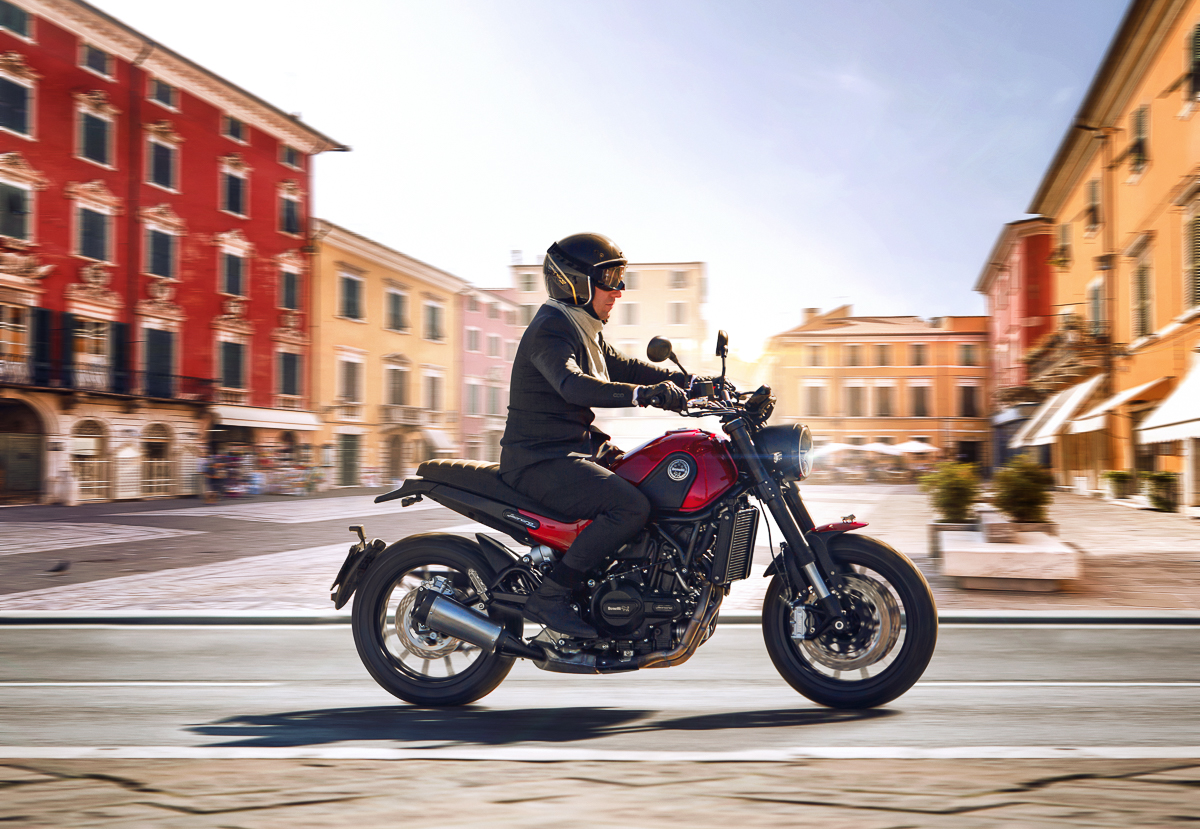
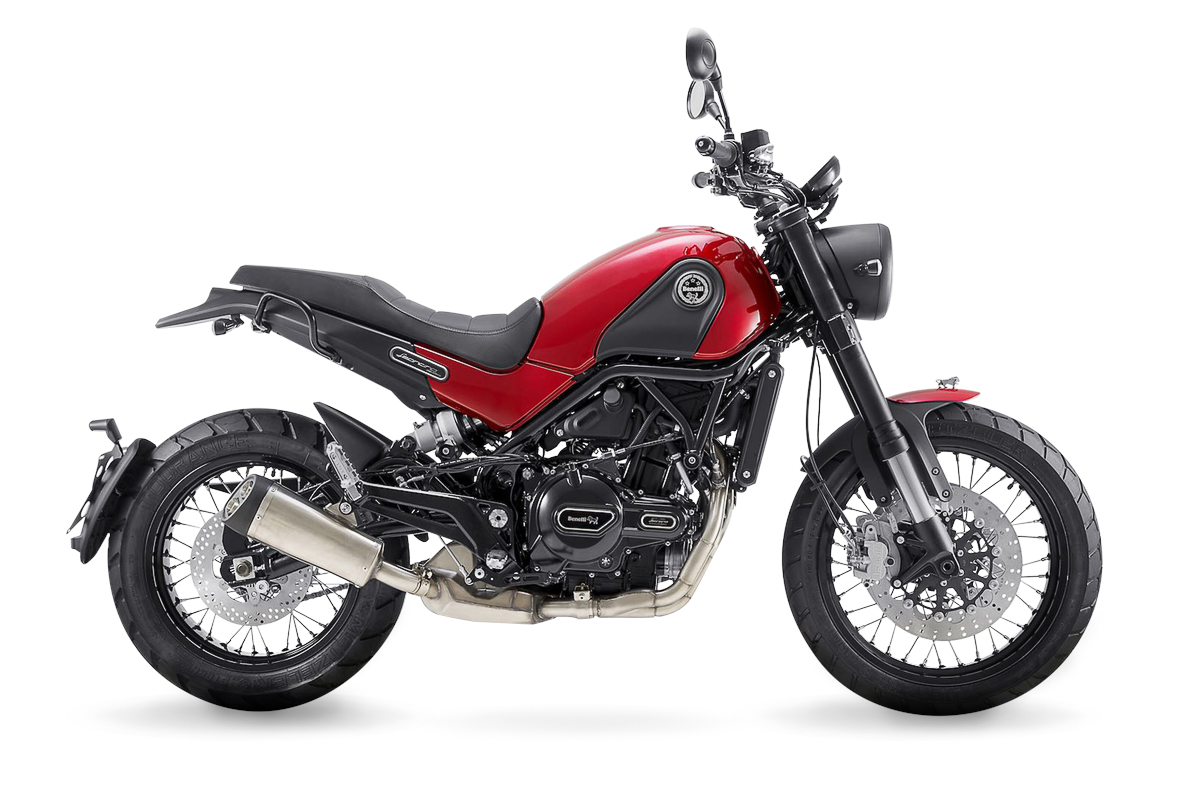
The 2018 Benelli Leoncino 500 will arrive in showrooms this coming February.

Mforce Bike Holdings has received over 1,000 bookings ever since the bike was launched back in October 2017.

Priced at RM27,999 (basic price without GST), the Leoncino 500 produces 47hp and 45Nm of torque.

Mforce Bike Holdings Sdn Bhd has announced that the 2018 Benelli Leoncino 500 will arrive this February at all authorised Benelli showrooms across the country. Ever since the bike was launched back in October last year, it has received over 1,000 booking for the Leoncino 500. Production has begun early January and will continue to do so to meet the high demand. (more…)

Archive

Follow us on Facebook

Follow us on YouTube