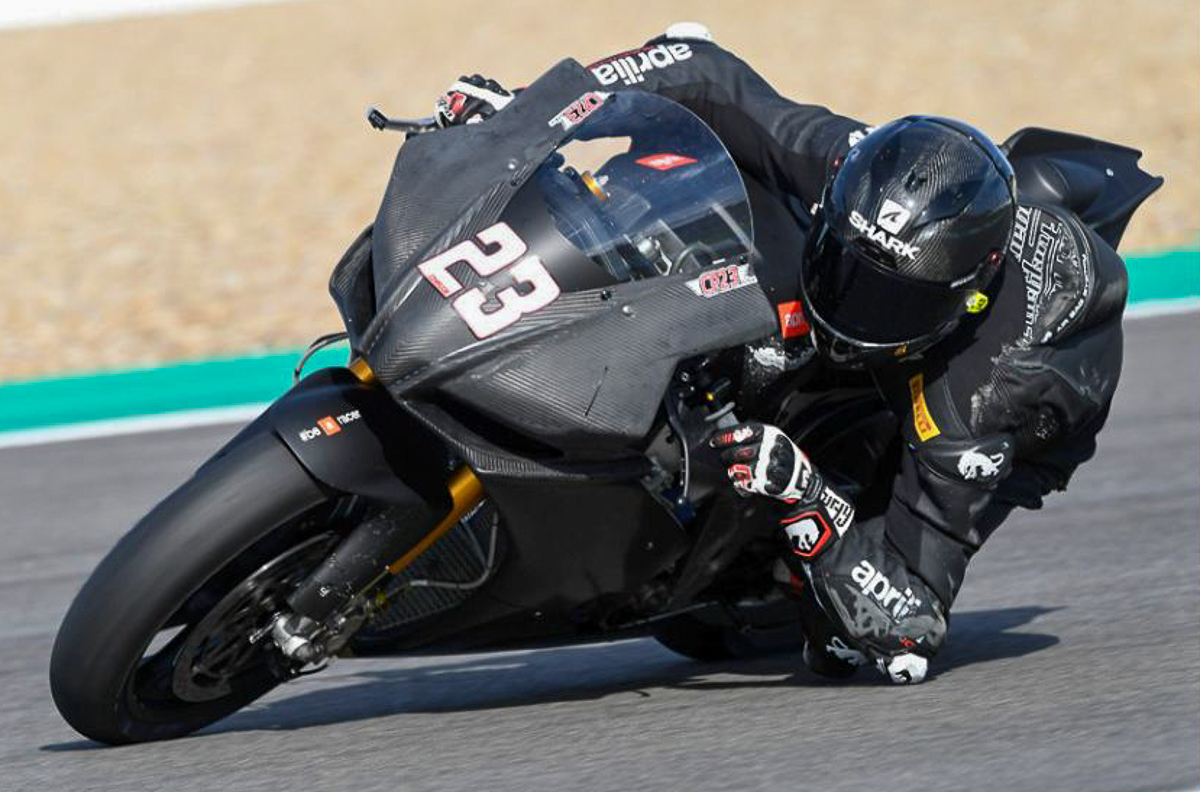
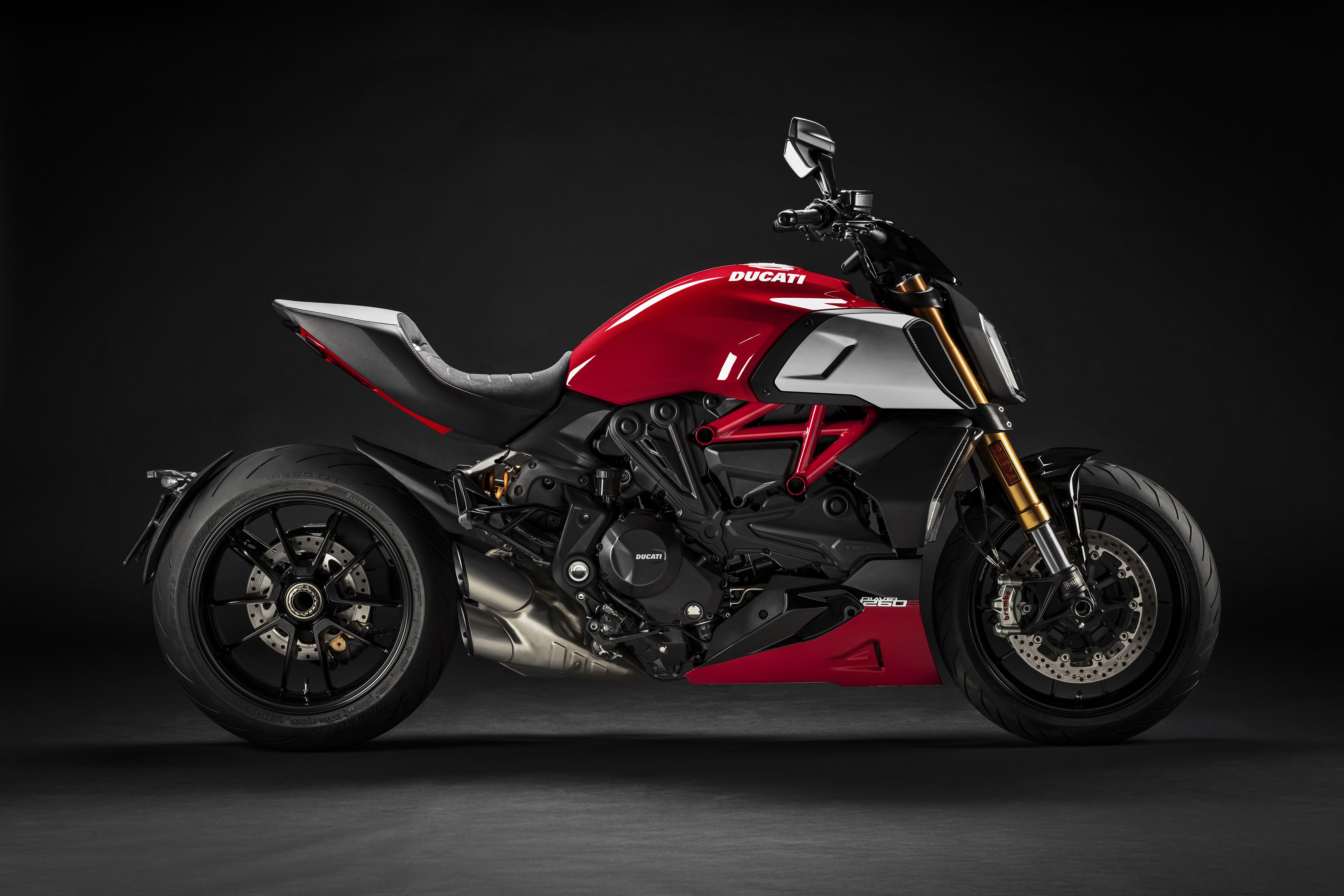
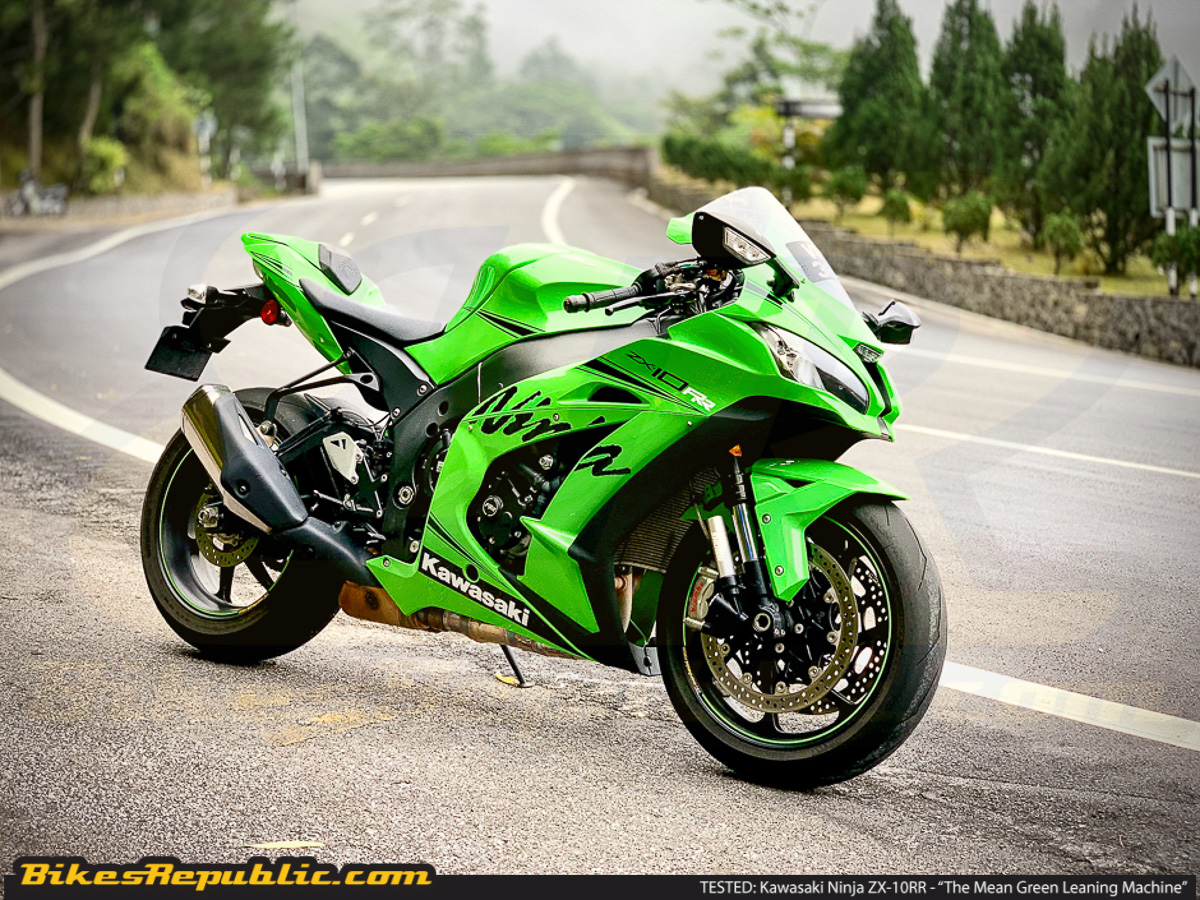
It’s especially true in the sportbike category since both World Superbikes and MotoGP race 1000cc bikes. Suzuki is the only manufacturer who continues to produce a 750cc sportbike. Bikes in other categories have also moved the middleweight segment to the 800 to 900cc region.
So, here’s (another) walk down memory lane as we visit the great 750cc bikes.
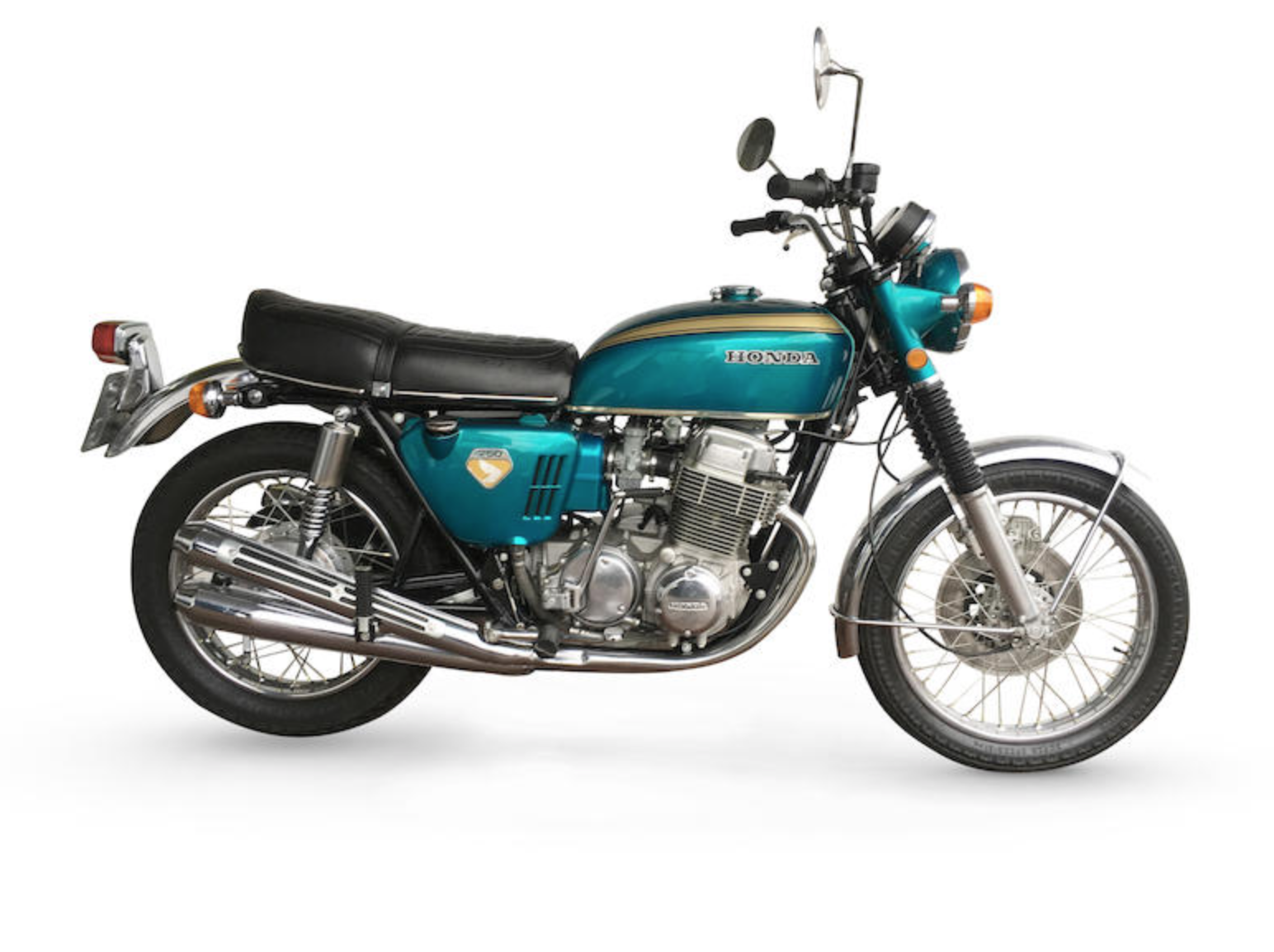
1. Honda CB750 (1969)
First off, the transverse inline-Four engine isn’t new in the market, but it was the CB750 that popularized. Besides that, the disc brake and electric starter debuted on this bike thus paving the way for the future. But the biggest killer factor was the bike’s affordability and reliability, which ultimately buried the British motorcycle industry and almost rubbed out Harley-Davidson. The CB750 is the first bike to be called a “superbike.”
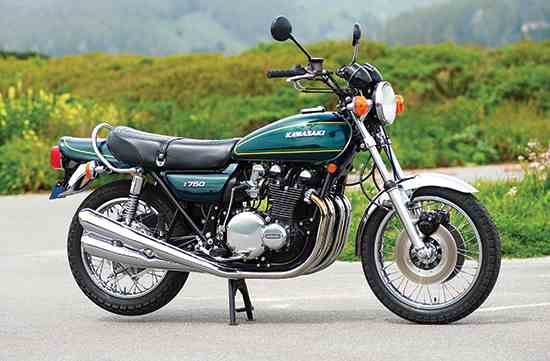
2. Kawasaki Z2/Z750 (1973)
Everyone crooned when the Kawasaki Z1/Z900 came out in 1972 and continue to do so for many years, leaving the Z2 almost unnoticed through time. The Z2 was visually similar to the Z1; the only difference being the engine internals. It actually sold 10% more than its nearest 750cc rival since its launch in March 1973.
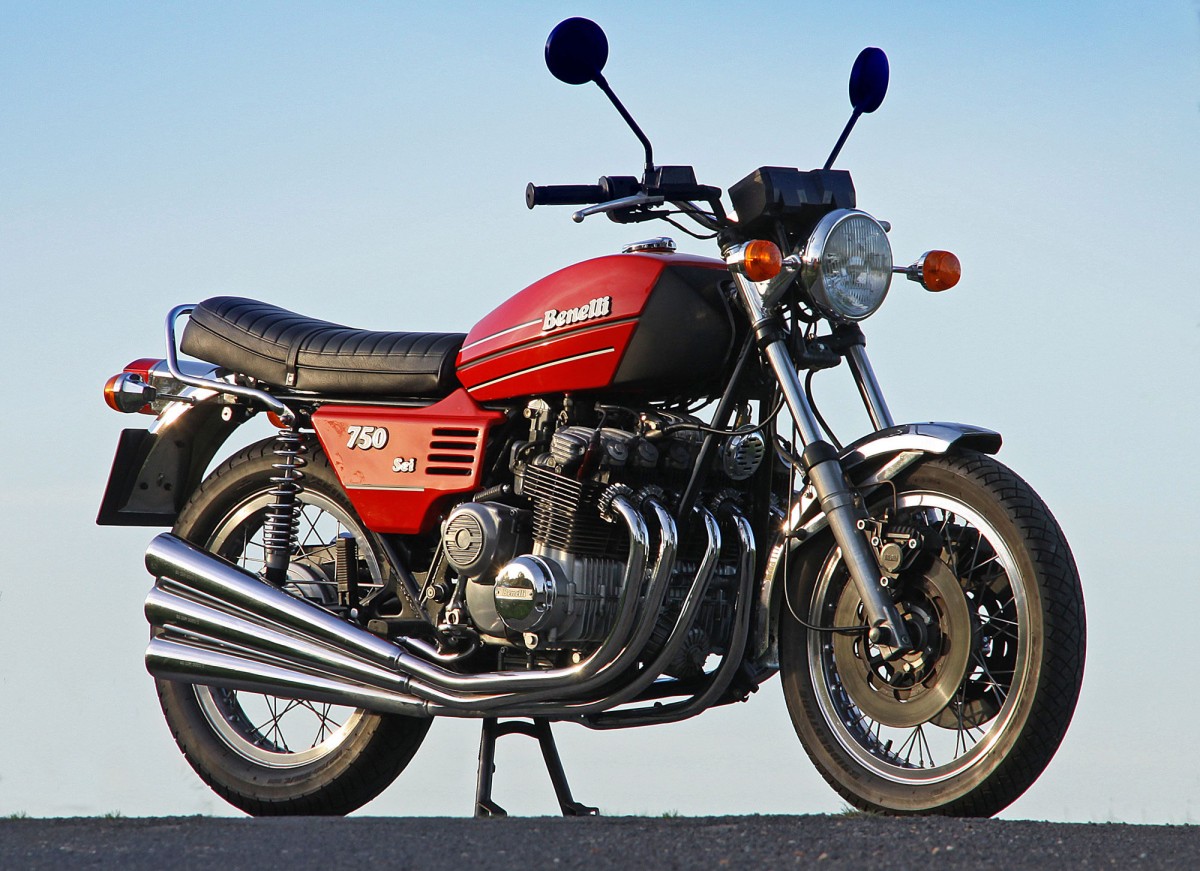
3. Benelli 750 Sei (1976)
The first production motorcycle with a six-cylinder engine wasn’t the Honda CBX, it was this, the Benelli 750 Sei. The engine was based on the four-cylinder Honda CB500, with two extra cylinders. It was powerful enough to hit 201 km/h. Only some 3,200 were produced until 1979. Capacity was then upped to 900cc and less than 2,000 were made.
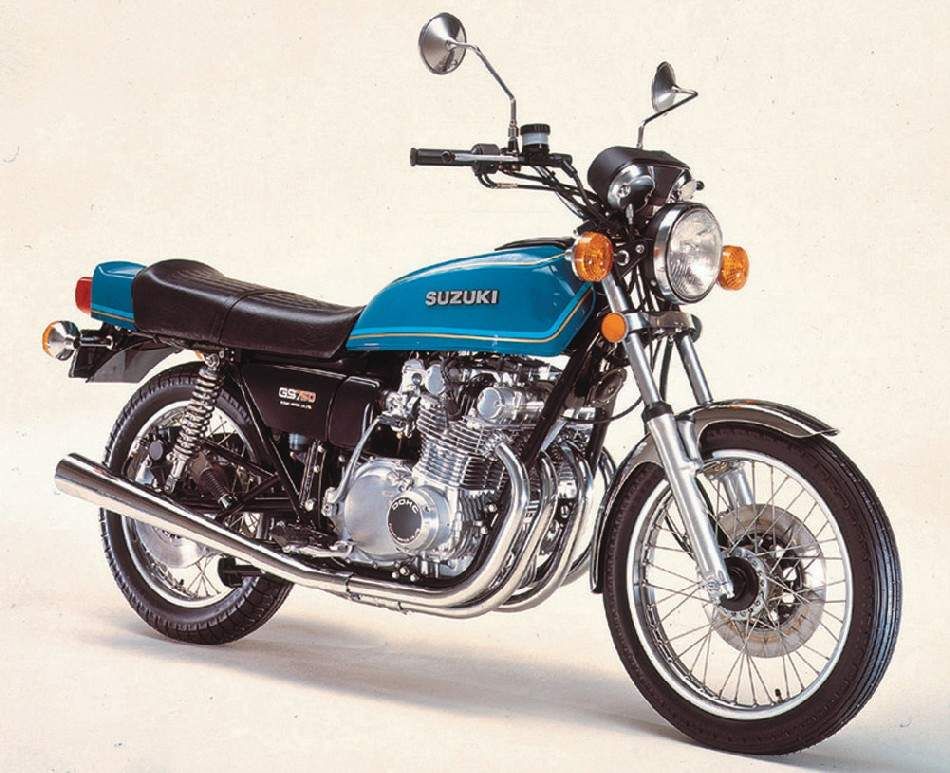
4. Suzuki GS750 (1977)
Suzuki finally got into the large capacity four-stroke superbike scene with this bike. The engine was smooth and powerful, and it had the reputation of being bulletproof, which paved the way for all future Suzukis.
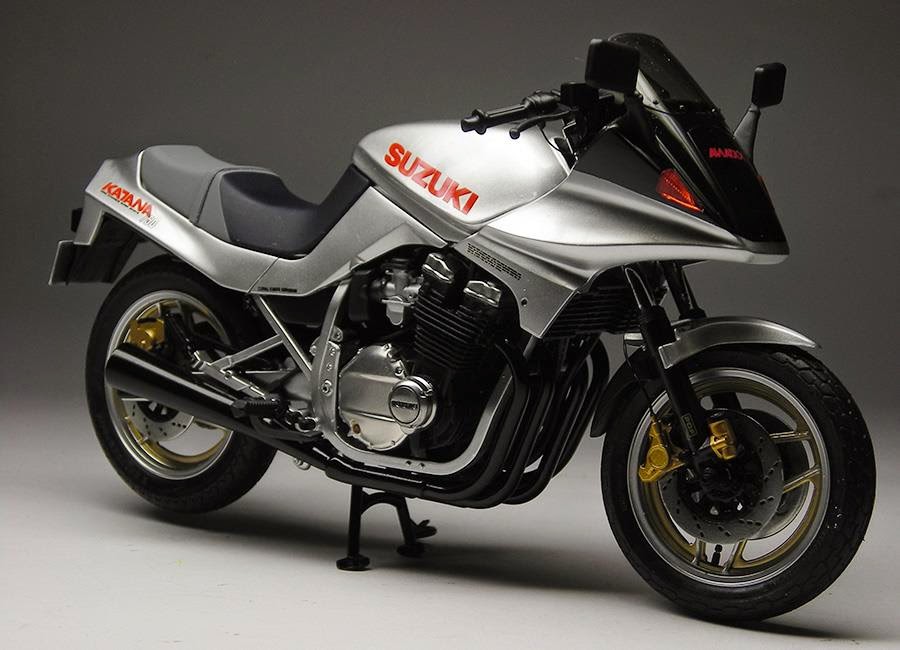
5. Suzuki GSX750S Katana (1984)
Suzuki GSX 750S Katana IV by Max Moto Modeling Tamiya 09
Also called the Savana, Suzuki took the smaller Katana’s design up to another level. The 750 Katana had shared almost identical styling with the 1100 Katana up to 1983. This “new” 750 was given a pop-up headlight along with a restyled front fairing, making it look even more futuristic than its bigger brother. While there are those who called the 1100 the “Katana Jerung” (Katana Shark), the term was actually for this 750. The 1984 model was offered in white bodywork and gold frame and wheels only. Suzuki offered three more colour options in 1985m along with engine upgrades.
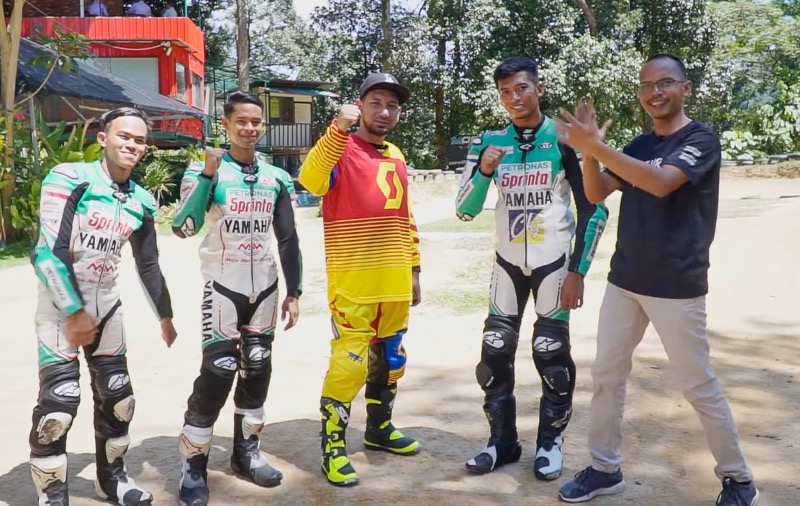
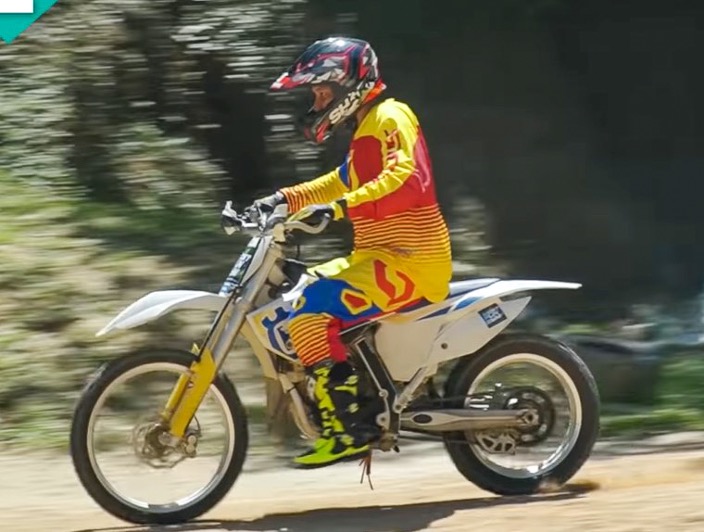
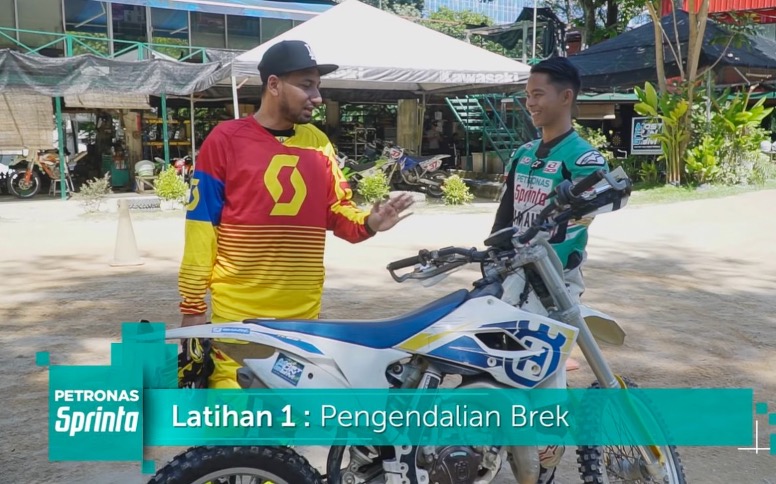
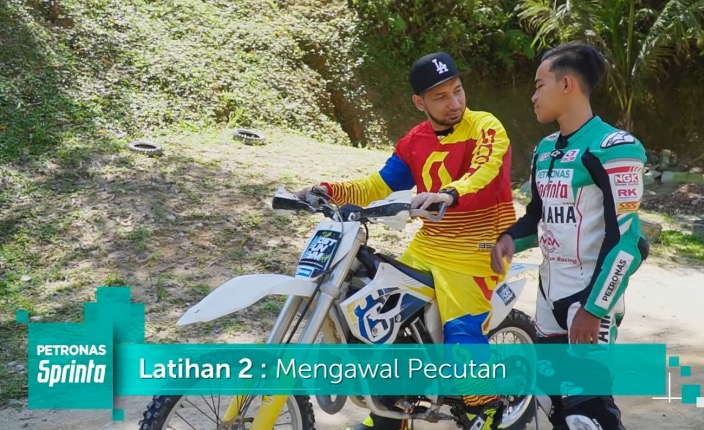
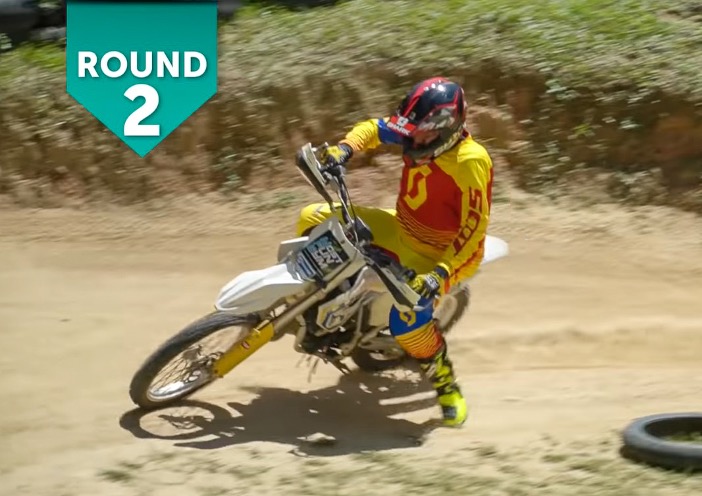
Comedian and celebrity Zizan Razak wanted to improve his riding.
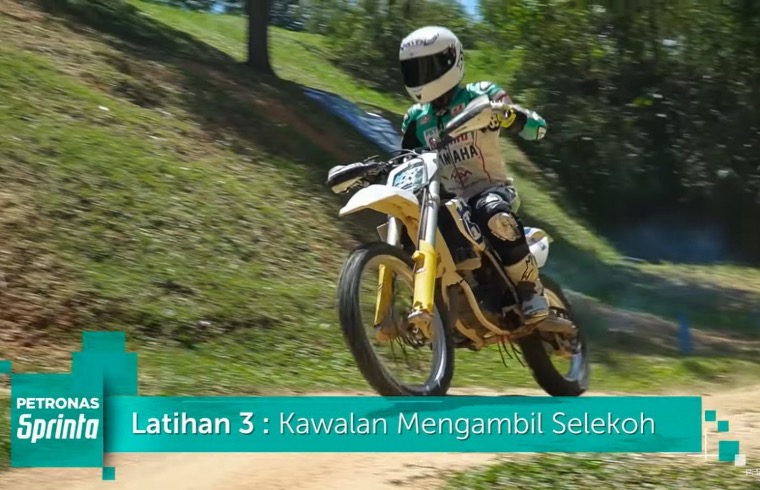
He found it by riding motocross.
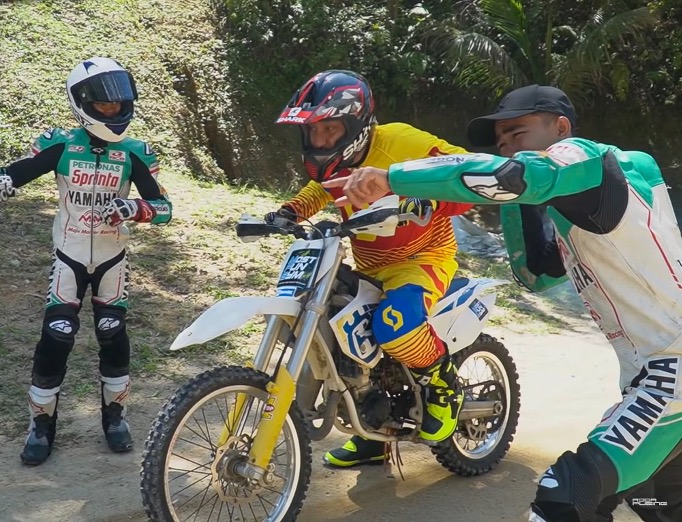
Where he was also trained by PETRONAS Cub Prix riders.
There are many different ways on how you can improve your riding skills. Whether you’re new to the two-wheel scene or a seasoned riding enthusiast with years of experience, there’s always something new to learn and one of the best ways to do so is riding off-road. With the help from Cub Prix Pengejar Impian riders, local celebrity Zizan Razak will be guided with some pro tips on how he too can master all roads by learning off-road.
There are many different ways on how you can improve your riding skills. Whether you’re new to the two-wheel scene or a seasoned riding enthusiast with years of experience, there’s always something new to learn and one of the best ways to do so is riding off-road. With the help from Cub Prix Pengejar Impian riders, local celebrity Zizan Razak will be guided with some pro tips on how he too can master all roads by learning off-road.
Training is key but training safely is where you’ll really shine. In the pro training video above, Zizan equipped himself with some protective gears before getting his motorsports adrenaline on with the Pengejar Impian riders. HOT TIP! If you want to get better on the road, the best way you can do so is by improving your riding skills off-road.
As usual, one of Malaysia’s funniest comedians sure made an impact with the riders with his funny antics but like the saying goes, “Fun + Learning = The Best Educational Experience”. You’ll learn better when things are more interesting and this video ticks all the boxes.
Why off-road? Well, riders will most likely panic when they get into unpredictable riding conditions (sand or water on the road that make things slippery) and when you ride off-road, it’s always unstable and you need to be able to master and control your motorcycle like a boss.
If you want to be the best, you got to train like the best and these are three tips that you’ll need to greatly improve on: BRAKING, ACCELERATING, and CORNERING.
These three riding aspects are pretty basic when you’re at the driving schools to get your license but riders like Zizan who want to take their skills to the next level can do so with these important tips to not just to become a better rider but safer as well. Want to ride like pro? It’s time to pay your fullest attention now, people!
TIP 1 – BRAKING
There are three things you’ll need to consider when you want to brake like a pro: body position, braking strength, and rear tyre.
NUMBER ONE! When braking, make sure that your upper body is upright while using your core muscles (near the stomach) and keep those arms relaxed (not straight and locked!).
NUMBER 2! Don’t brake too hard (especially the front) or you’ll end up locking the front tyre and losing grip. Always brake using both front and rear brakes. VERY IMPORTANT.
NUMBER 3! Brake enough but not hard enough to lift the rear tyre up. If it goes up, you’re braking too hard BUT don’t worry! Just release the front brake ever so slightly and the rear tyre will gently fall back to the ground and giving you more control.
TIP 2 – ACCELERATING
According to these Pengejar Impian riders, hard acceleration can be exciting (if you’re a stunt rider) BUT if you do it too hard and too soon, you might end up slower and with less control. Trust us, you don’t want that, people.
NUMBER 1! If you’re spinning the rear tyre, you’re losing traction as well as time and power delivery. Not good!
NUMBER 2! No wheelies! Getting the front wheel up is not only dangerous if you’re not used to it but if you want to be like a pro, make sure both wheels are on the ground at all times. Even MotoGP riders try not to wheelie to make sure they can accelerate hard without losing power.
TIP 3 – CORNERING
The final and arguably most important tip is getting your cornering done right. In most cases, controlling your bike through corners always have the same elements and some of you might’ve already been doing them without noticing.
NUMBER 1! Get your braking done BEFORE entering the corner. Braking and leaning your bike at the same time is not a good idea until you can master the basics of braking first.
NUMBER 2! Twist that throttle open AFTER the corner. Once you see that you’re about to reach the end of the curve, you can start accelerating safely and efficiently. Do it smoothly!
NUMBER 3! Don’t brake or accelerate too hard. Control and smooth flow are keys in becoming a pro rider. So, don’t stomp on that brake like an elephant and don’t twist that throttle open with lightning speed. Slow and steady, guys and gals.
At the end of the day, even Zizan Razak managed to surprise the Cub Prix riders with how fast he’s able to learn and understand all the pro tips given to him. When you listen to tips from pro riders that are this good, anyone can become a pro rider. Even you!
Remember to always watch the video to get all the tips for FREE and become a better rider, not just on the streets, but also circuits, dirt tracks, and everywhere else. Anyone can be a Pengejar Impian but with these tips, you’ll get there safer and faster. Learn from the best and you’ll become the best!
We don’t encourage riding a motorcycle with small children.
But we also know that’s unrealistic.
So, it’s better that we advise you to do it safely.
First and foremost, we’ll come straight out and say that we don’t encourage the carriage of children below certain ages on a motorcycle.
The reason is simple to see. A small child has nothing else to grab onto besides the rider’s waist, and even then, it’s not fully secure. Consequently, it’s very easy for him or her to fall off in situations where adults could still hang on.
But! We know that it’s not fully realistic to advise people not to carry children on their motorcycles. Driving your child to school in the car will have you stuck in traffic for hours, if you’re lucky.
So, if you’re going to do it anyhow, let’s do it safely.
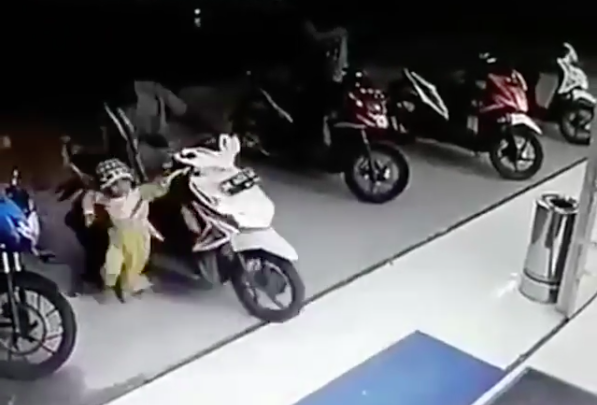
However, the main subject of this article is about getting the child off the bike. Let’s watch the video below.
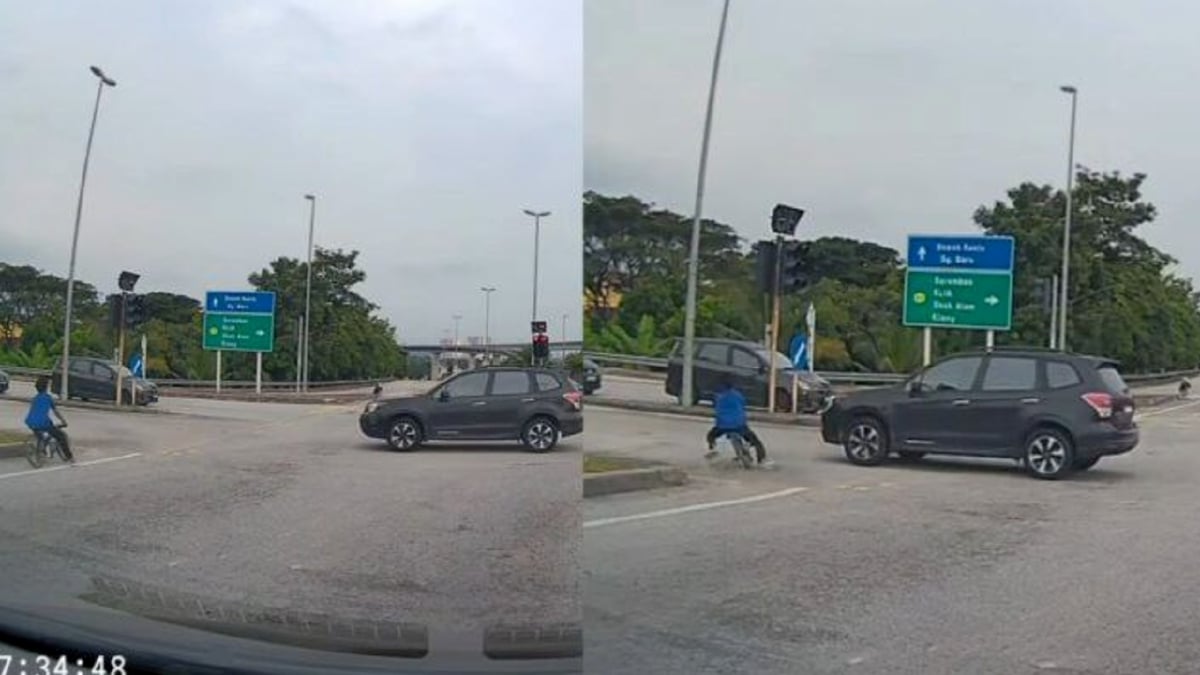
When the parent set the child down, he did so on the right side of the motorcycle. The child needed to stabilize himself and the most obvious place to grab onto was the throttle. A twist sent them flying into the shop.
Fortunately, no one was seriously hurt in the accident.
We’ve seen another accident where such accident where unfortunately, mother and child fell into the path of an oncoming truck and were run over.
Always remember to lift your child up and put him down on the left side of the bike. It’s infinitely safer this way because there’s simply nothing dangerous on this side of the bike.
Also, always remember to switch into neutral, especially for moped riders. As a matter of fact, it’s better to just switch the engine off altogether.
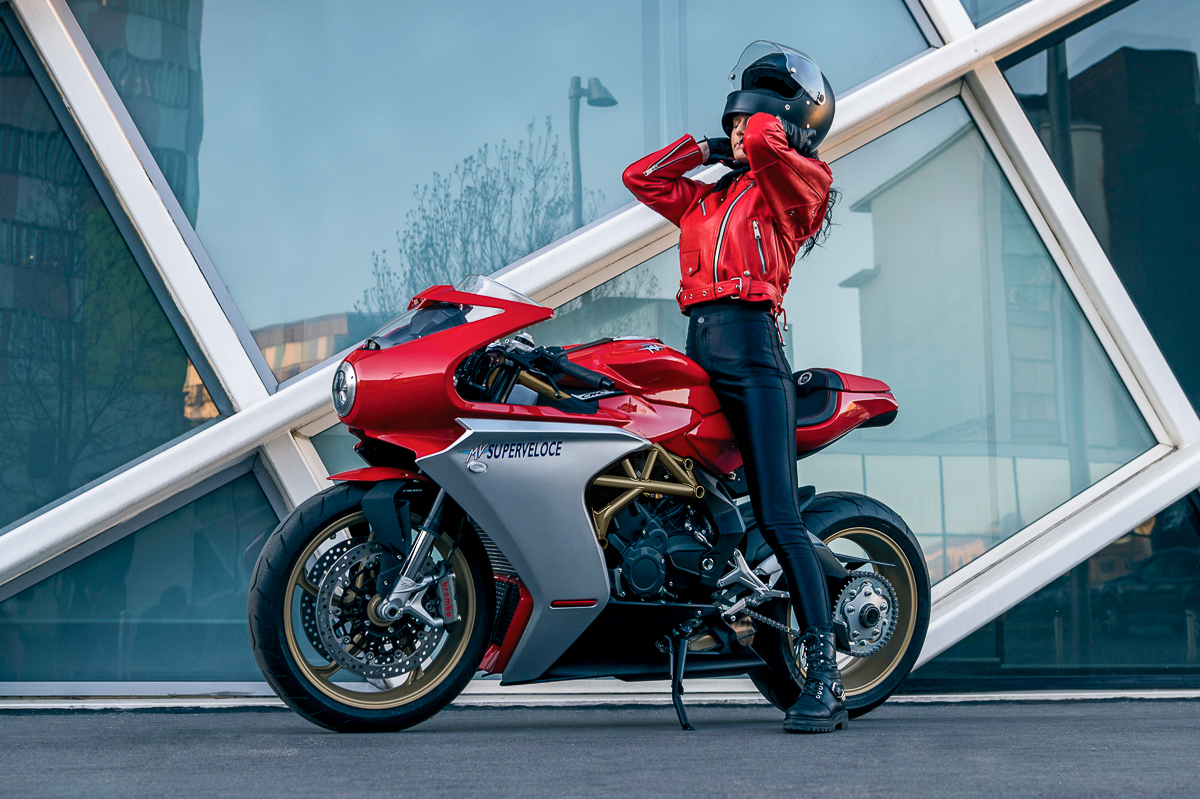
MV Agusta is restarting their operations strong with the announcement of two new colour schemes for their latest and arguably most beautiful superbike yet, the MV Agusta Superveloce 800. This neo-retro beauty was amongst the first to roll off the factory line after the Italian manufactured resumed their operations after the COVID-19 lockdown in Italy. (more…)
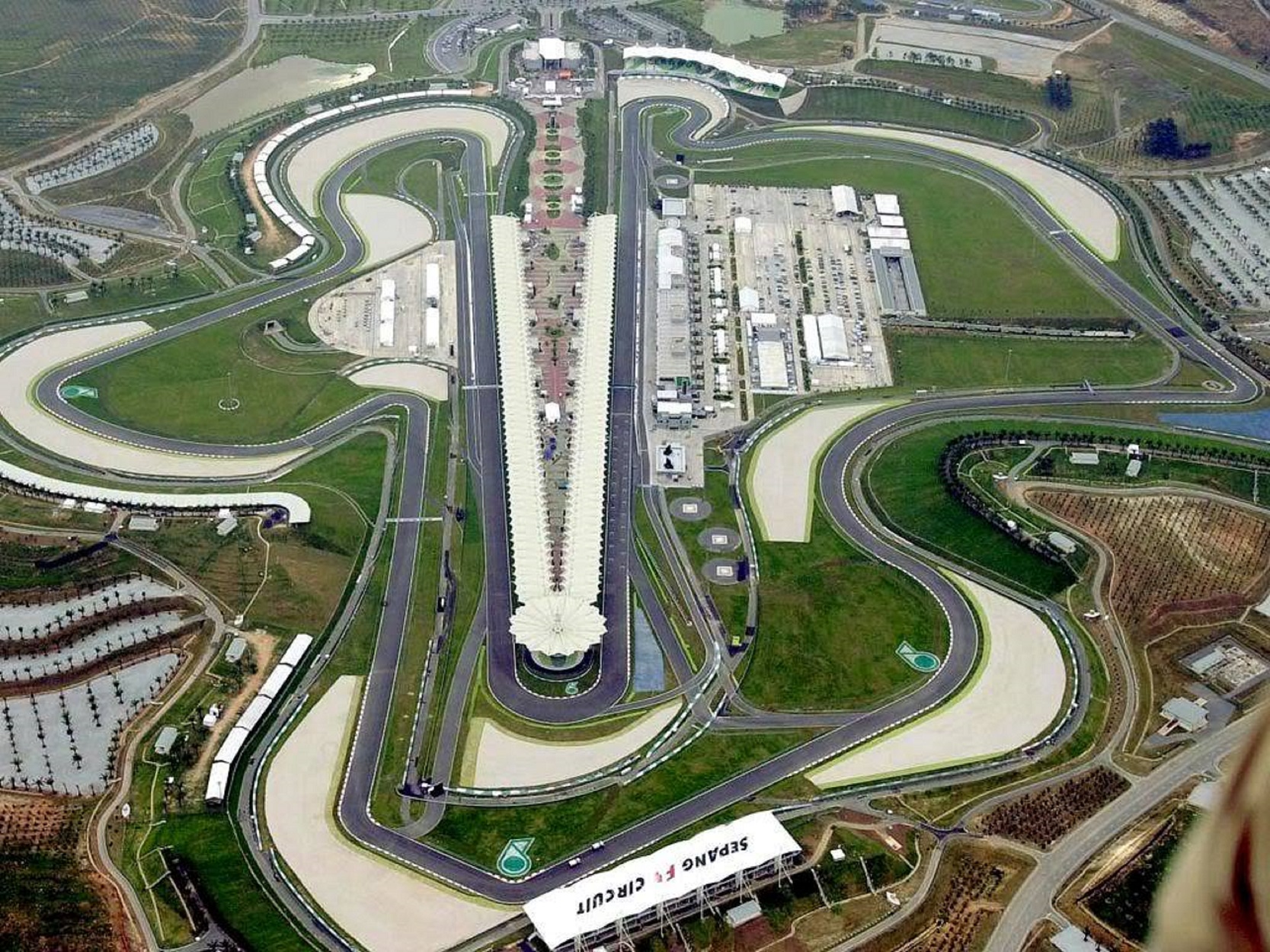
After a long (and probably much needed) break, Sepang International Circuit is back in business with the official announcement of operation commencement since the start of the Movement Control Order (MCO) here in Malaysia due to COVID-19. (more…)
The motorcycle chain is the most common type of final drive.
More specifically, it’s known as the “roller chain.”
There are also different sizes to consider.
The motorcycle chain is the most common type of final drive. More specifically, it’s known as the “roller chain.”
As with all motorcycle parts, there are plenty of misinformation and confusion about them, so let’s get down to the basics.
The parts
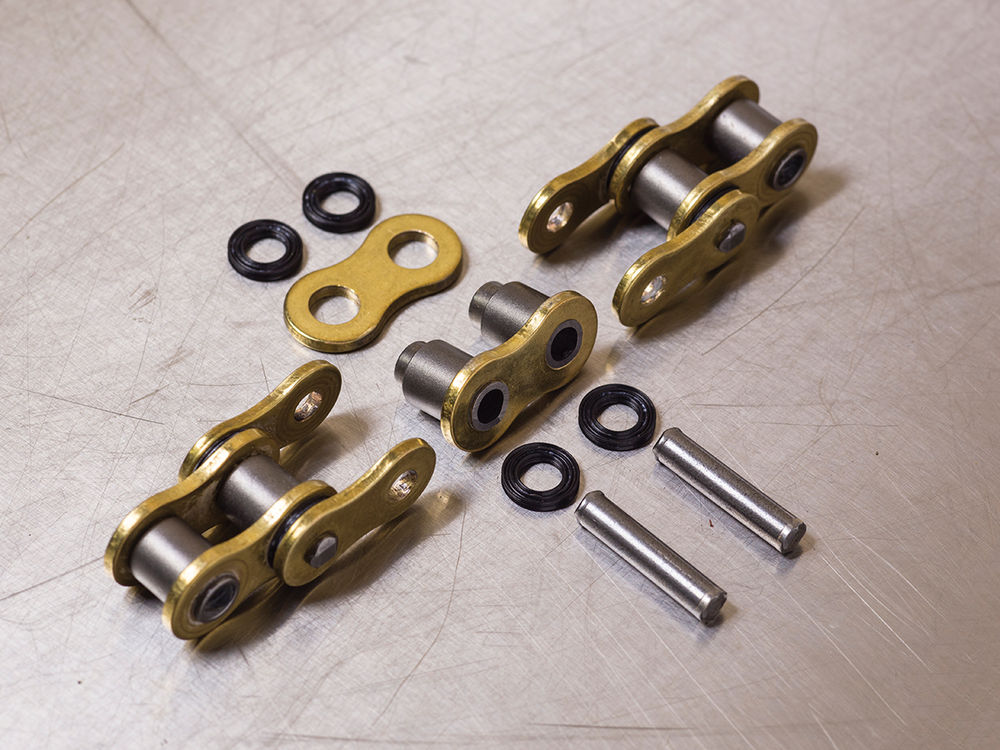
The roller chain is a series of interconnected pins (also called rivets). These pins are covered by cylindrical “rollers” that allow smoother running over sprockets. The rollers are held over both pins by “inner plates.” Next, unimaginatively called “outside plates” connect this one link to the adjacent link. These spaced connections leave holes for the teeth on sprockets to fill.
So far so good, right?
Grease or lubricant is usually filled under the rollers. This is why higher end chains have “O”- or “X”- or “XW”-rings to keep the lubricant inside.
The drivechain design has stayed the same since its invention because it operated on an elegantly simple principle. The only things that have changed are better metallurgy and sealing.
Sizes
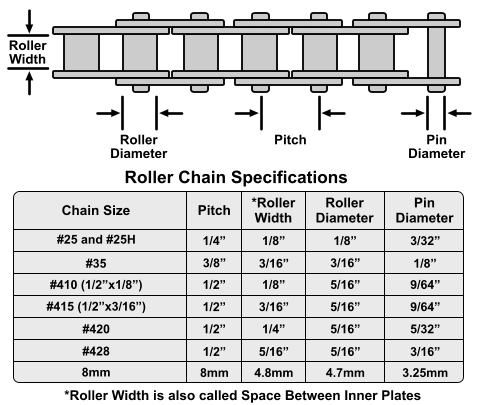
What does it mean by a 520 chain? Or 525? Or 428?
The first number for example, “5” is from the pitch, which is the distance between the centre of the two pins. It’s a “5” in this case because it’s 5/8 of an inch. Yes, unfortunately chain sizes are stuck in in Imperial measurements.
Next, the 20 means the width of the roller.
Considerations
While both pitch and width are listed as ANSI standards, it’s best to buy chains according to the chain manufacturer’s recommendation for your bike, since the rollers may have different circumferences.