-
The final drive is what transmits power from the engine to the rear wheel.
-
The three most common types are chain, belt and shaft drives.
-
Each has its own pros and cons.
The final drive is the component which transmits the engine’s power to the rear wheel. The three most common motorcycle final drives use chains, belts or shafts.
Let’s discuss on not only how each function, but the pros and cons too.
CHAIN
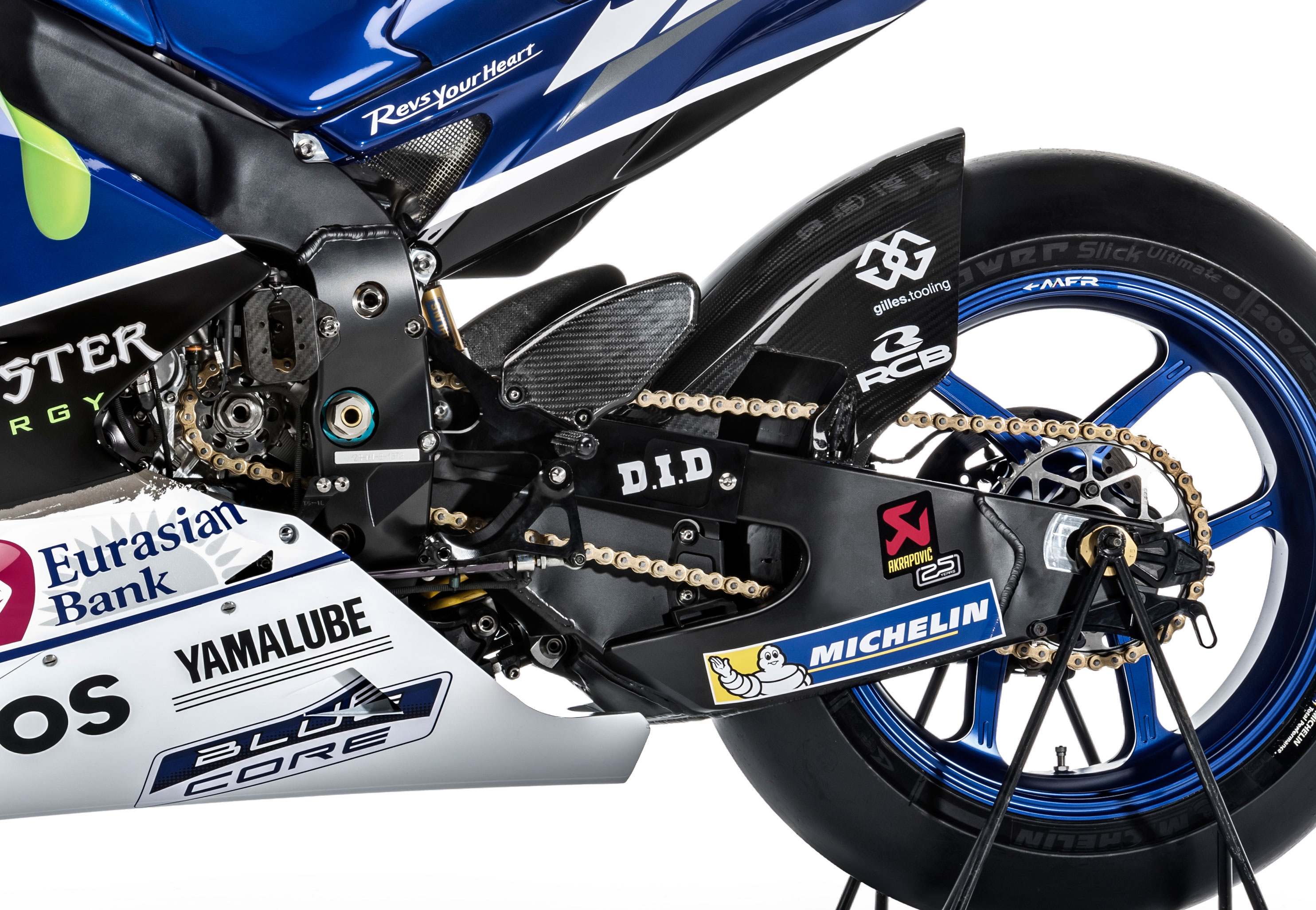
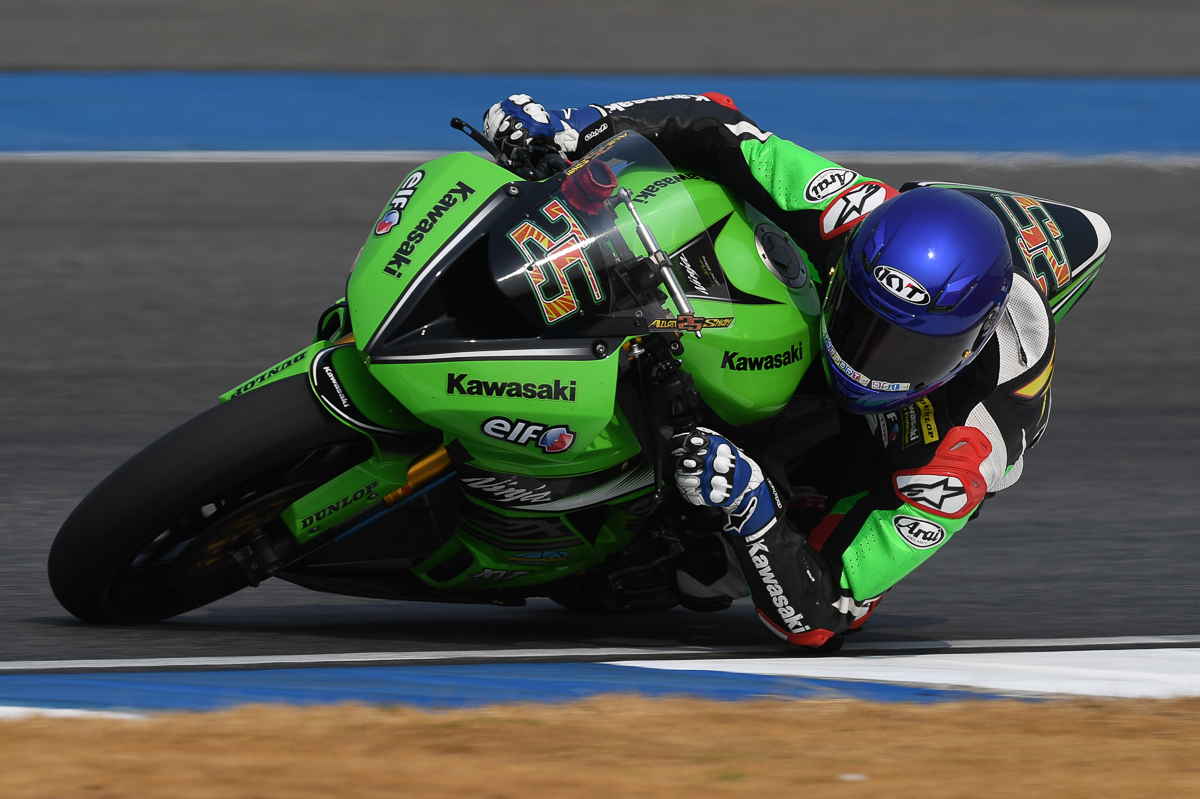
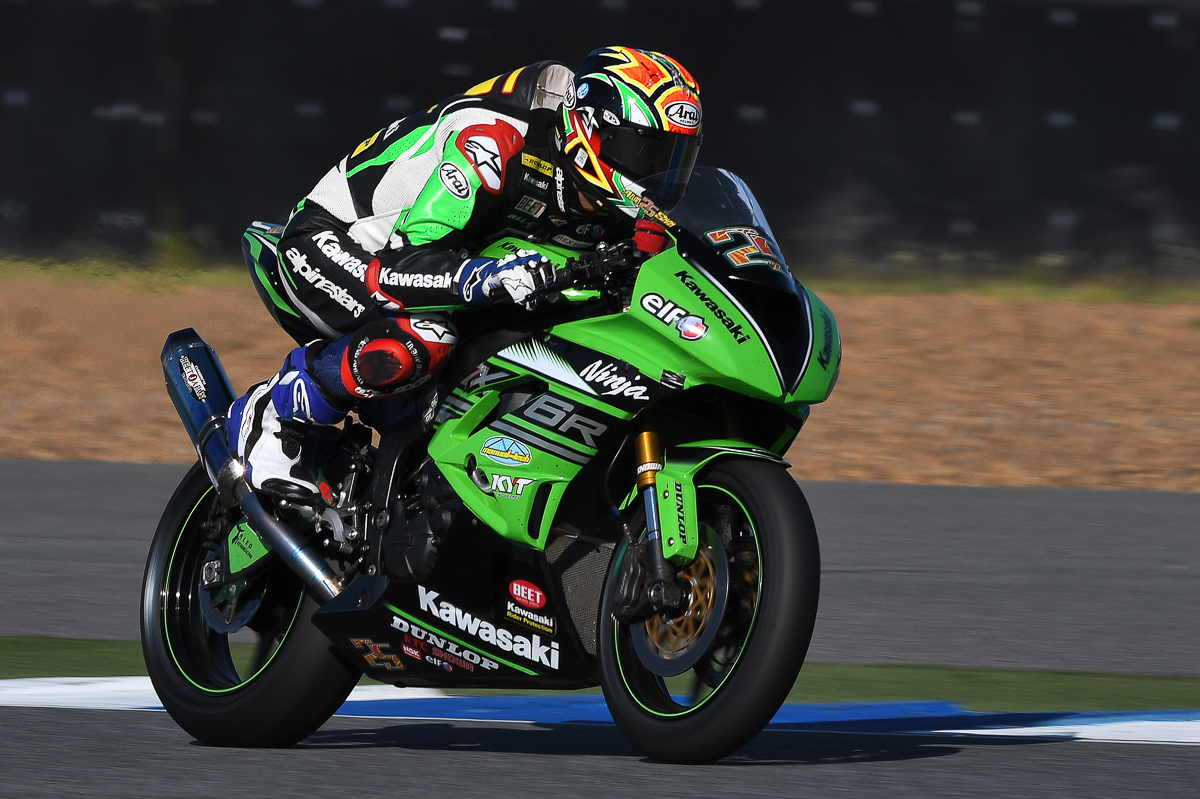
The chain drive is the most widespread method of driving the rear wheel of a motorcycle. In fact, it was the method of driving early cars, after the belt drive, and is still used to drive go carts today.
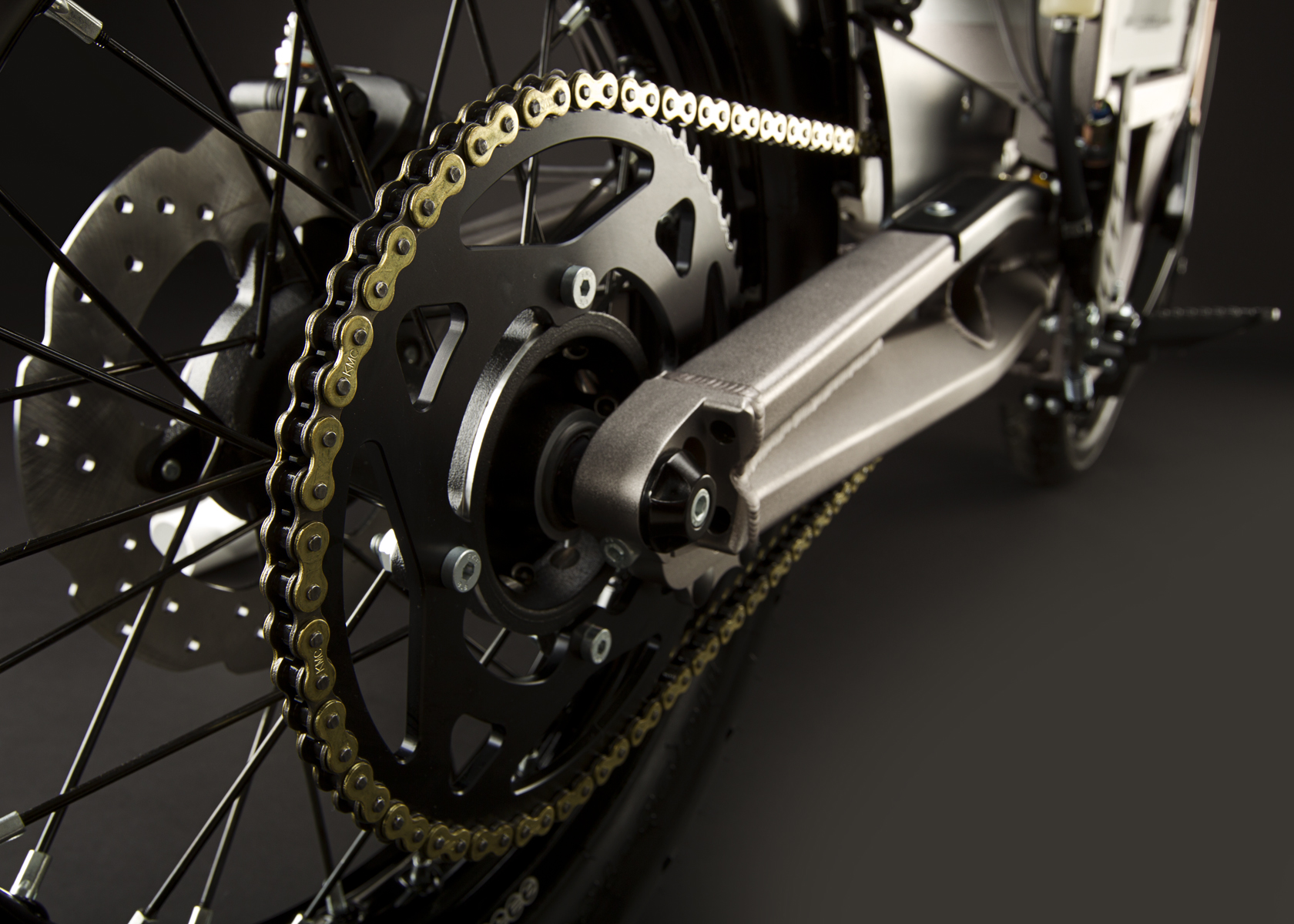
Although the roller chain was patented by Hans Renold in 1880, Leonardo Da Vinci sketched it in the 16th century. Roller chains have since been utilized in a myriad of power transmission applications, but it’s most well-known for motorcycles since the chain is in plain view.
A clean and well-maintained chain constitutes very little parasitic power loss and can transmit up to 98% of the engine’s power. Besides that, they could withstand high power and high torque.
Pros
Easy installation and replacement. It’s best to replace the chain, countershaft sprocket (front) and rear sprockets at the same time, but the rear wheel doesn’t have to be removed if the rider so chooses to replace the chain only. The same principle applies should the chain break.
Easy to alter the ratios. Feel your engine is revving a little high and the vibration is getting to you at your favourite riding speed? Just opt for a taller final gearing by using a smaller rear sprocket or a slightly larger front sprocket (it’s better to use a larger front than a smaller rear sprocket, if possible). Need more acceleration at the track? A larger rear sprocket will do.
Cons
Intensive maintenance: Chains need more maintenance than their belt and shaft counterparts. They need to be cleaned and re-lubed usually every 400km, besides periodic adjustments. How long a chain lasts depends on many variables especially on how one cares for it. Chain care itself is a variable since different riders use different cleaning agents and lubricants, for example.
Dirty. Cleaning the chain is a dirty job in itself, hence causing many riders to just ignore it. Spray on too much lubricant will cause it to be flung all over the rear end of the bike and rider.
Low lifespan. Compared to belts and shafts.
BELT
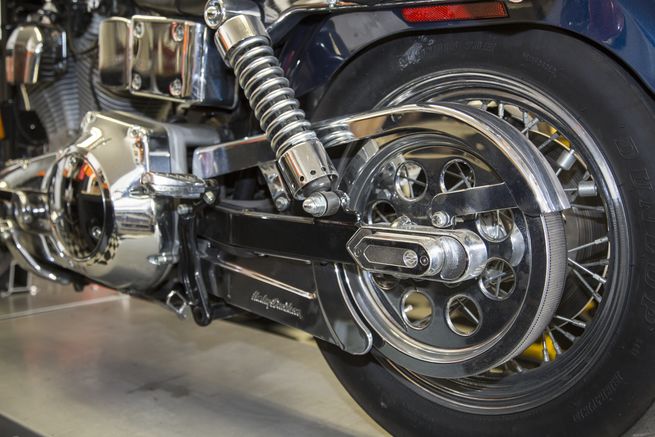
Belt drives are pretty much utilized only by cruiser manufacturers such as Harley-Davidson and Indian Motorcycles these days. There are a few heavyweight Japanese cruisers that use belts, but it’s uncommon.
Pros
Easy maintenance. A belt just needs cleaning by hosing off the road grit. There is no need for lubrication.
Unobtrusive operation. A belt is low noise, especially when compared to an unlubricated, unadjusted or old chain. A belt drive also does not fling chain lubricant all over the bike and rider.
Long service life. For example, Harley-Davidson recommends that the drive belt be replaced at 90,000 km (60,000 miles). Belts that have cracks should be replaced sooner but still, that’s a lot of mileage!
Cons
Difficult installation. Replacing the drive belt on a Harley-Davidson requires the removable of the swingarm, outer primary cover and inner primary cover. So if in the unlikely case of it breaking, you’re stranded.
Difficult to alter gearing. A belt’s length corresponds to the recommended sizes of the stock pulleys. Which means you’d need to replace the belt should you want to alter the sizes of the pulleys. And replacing the belt means you need to remove the swingarm, outer…. etc. etc.
Expensive. Yes, a drive belt is expensive. But that’s a trade off against the cost of how many drive chains and sprockets a motorcycle goes through in 90,000 km.
SHAFT
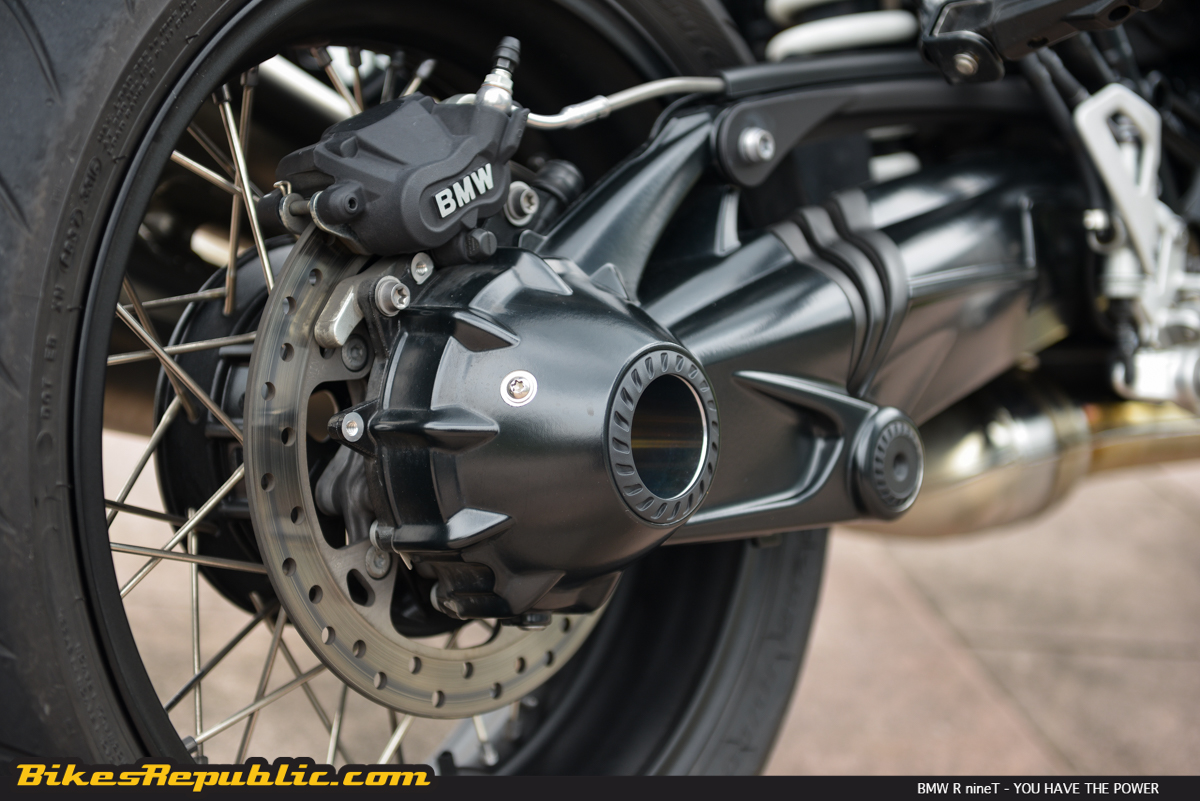
Power is transmitted to rear wheel via a driveshaft, just like a rear-wheel-drive car. The shaft and differential are usually sealed, the latter bathed in oil/fluid.
Pros
Low maintenance: This is the probably the best feature of a driveshaft. The final drive oil, or to be more accurate, the lubricant change interval for the differential is usually unlisted by the manufacturers. However, there are owners who change it at every 40,000km.
Unobtrusive operation. Quiet and not messy. “Shaft jacking” phenomena has been addressed by most manufacturers.
Cons
Gearing cannot be altered. Truth is, it can but the work is so extensive and expensive that it becomes unpractical.
Expensive. If major parts should break.
So, there you have it, the different types of common final drives. There are others such as magnets and direct electric motors but let’s leave that for the future. We’ll touch on the specifics of each system in later articles.