Bikesrepublic

Latest News

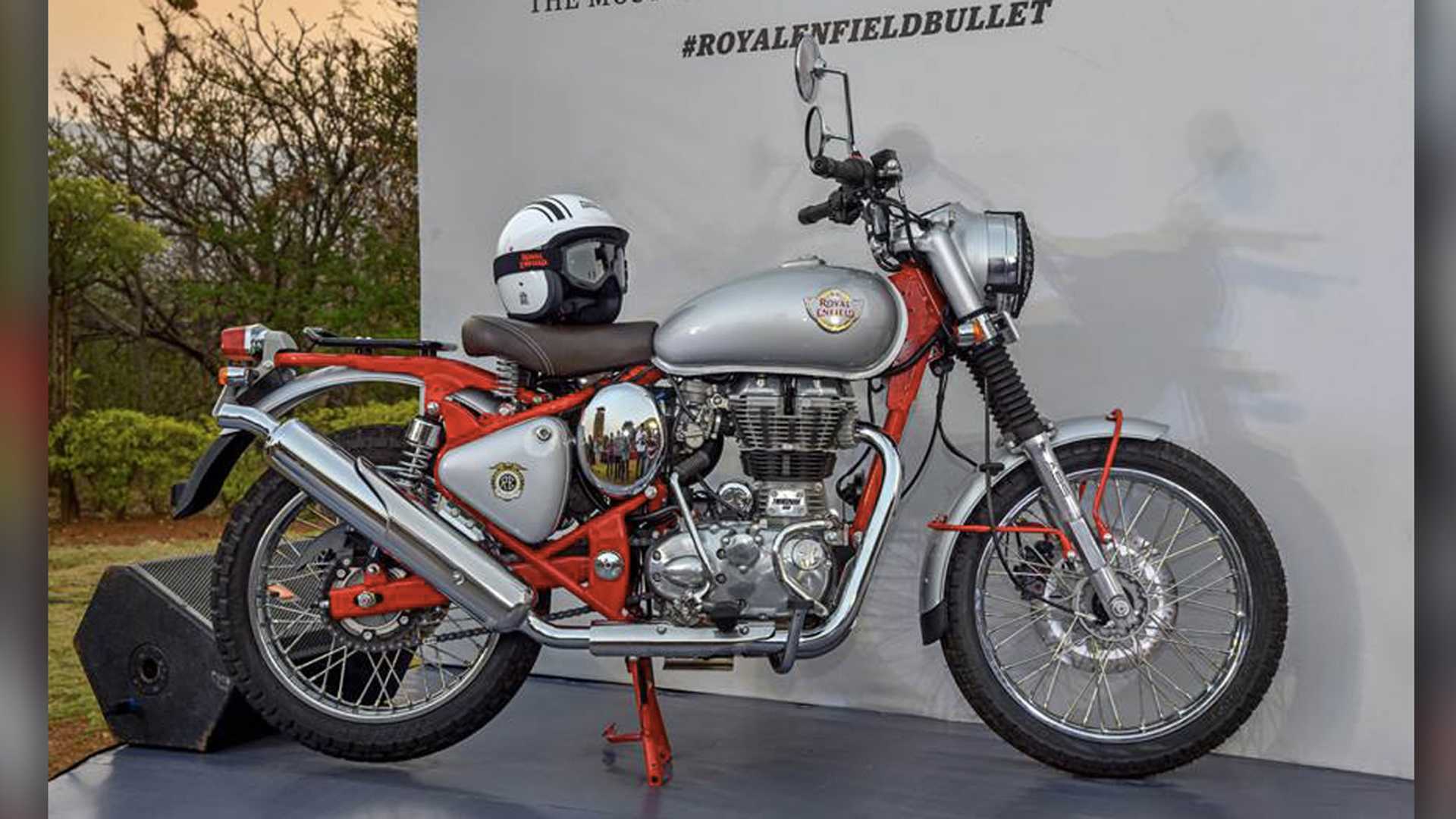
  • The Royal Enfield Bullet 350 Trials and Royal Enfield Bullet 500 Trials have been launched.

  • The launching followed the teaser videos of a bike being ridden off-road.

  • Both borrow heavily from the Bullet 350 and Bullet 500, but with a number of difference.

The Royal Enfield Bullet 350 Trials and Royal Enfield Bullet 500 Trials are launched, after teasing with scrambler-like bike being ridden off-road.

However, unlike the scramblers that are all the rage these days, Royal Enfield went the route of equipping the Bullet 350 and Bullet 500 for off-roading.

Their “Trials” moniker may also be considered a bit misleading in this day and age. That’s because trial bikes are those compact, lightweight and seatless machines that are used to climb over obstacles.

But Trials here allude to the extreme off-road bikes in the 1960s.
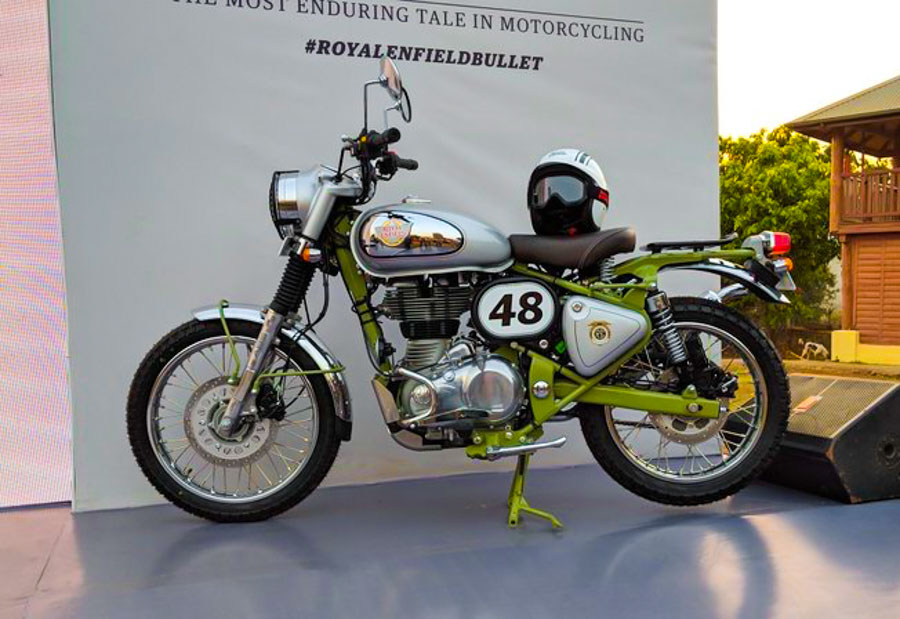
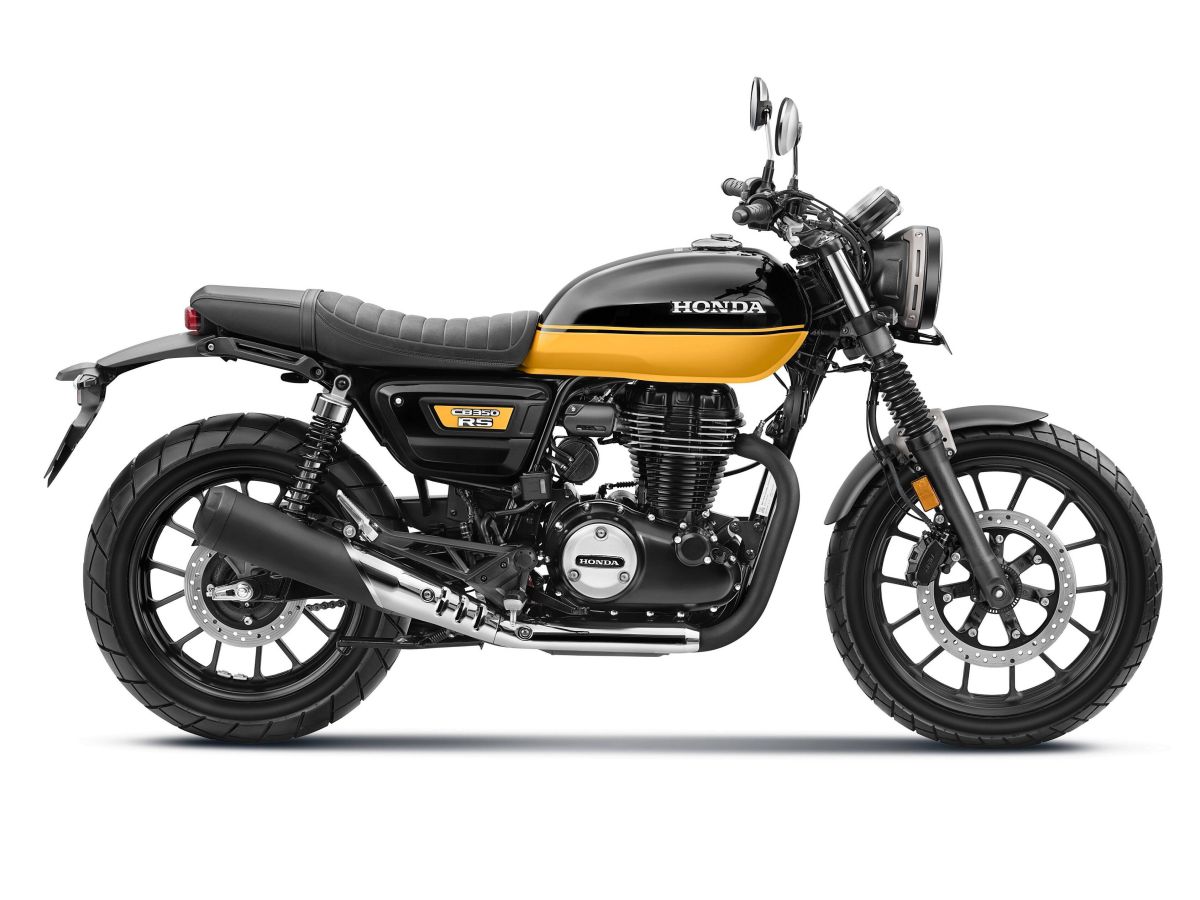
As such both Bullet Trials are equipped with off-road features compared to their roadgoing brethren. The model uses 19-inch front and 18-inch rear wheels, shorter wheel fenders, upswept exhaust muffler, spring mounted saddle, and a luggage rack in place of the passenger seat.

In terms of styling, the tank and panel are taken from the Bullet and so are the engines. However, the headlamp is different, and the handlebar is taller. The Trials 350’s frame is painted in red, while the Trials 500’s is in green.

They look cool, don’t they? Can we get to see them in this year’s Distinguished Gentleman’s Ride?
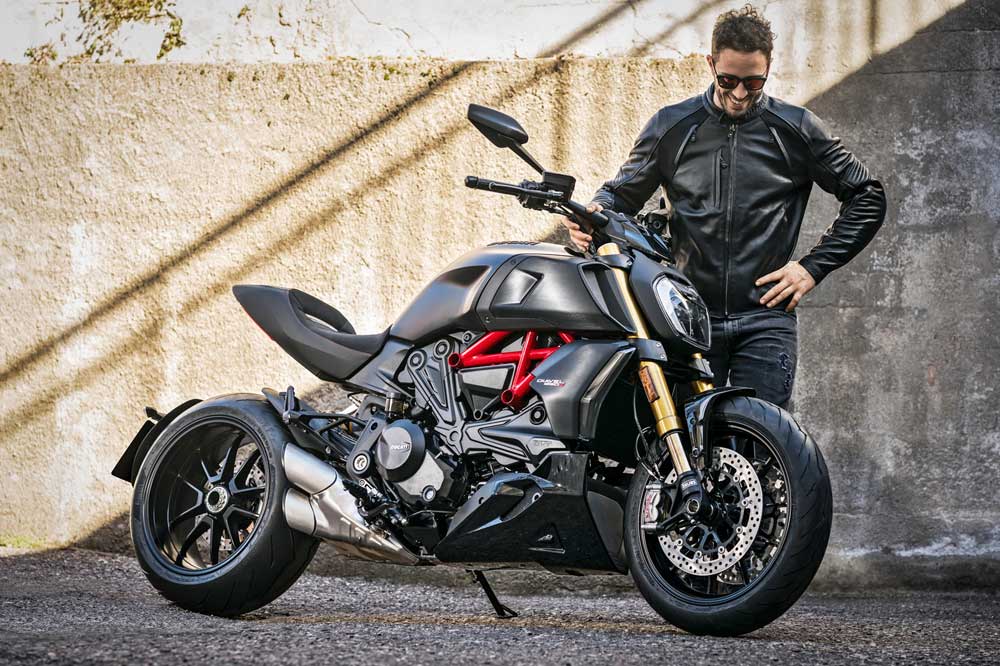
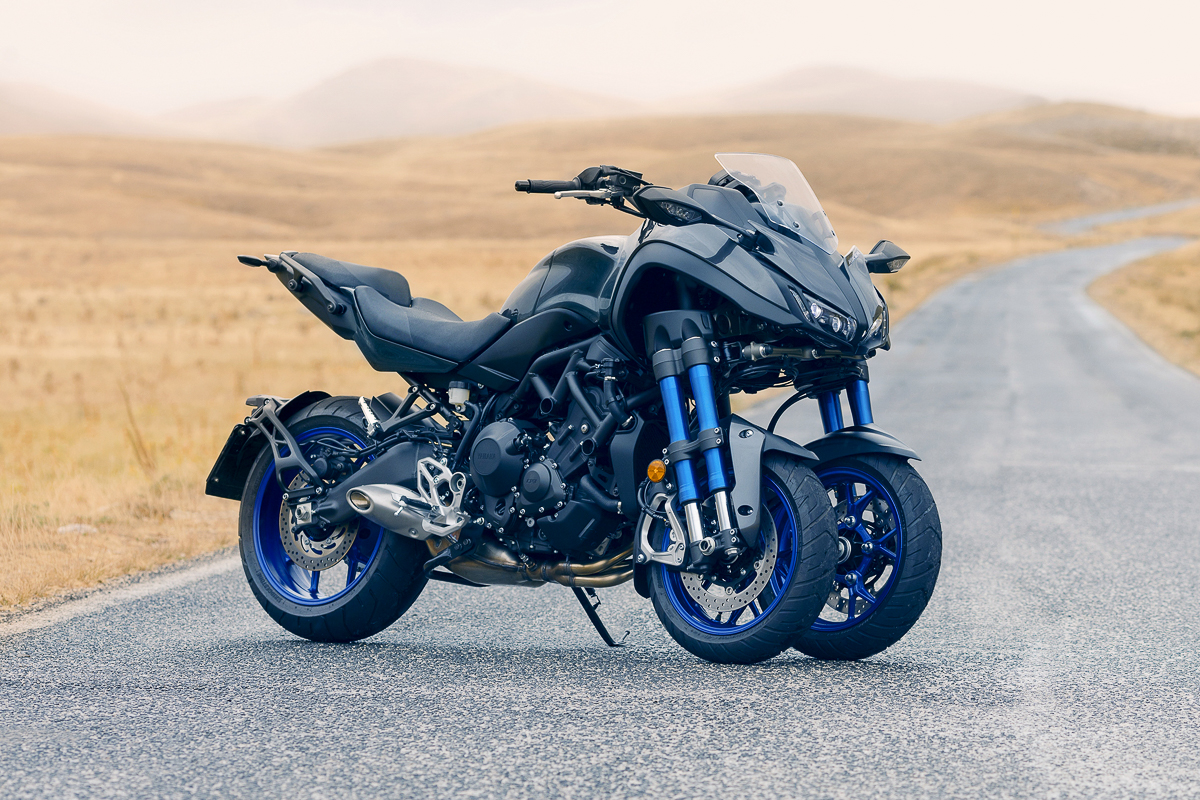
  • The new Ducati Diavel 1260 and and Yamaha Niken won the prestigious 2019 Red Dot for Design awards.

  • The judges award the accolades to products in terms of design and innovation.

  • Winners can display the Red Dot label on their products.

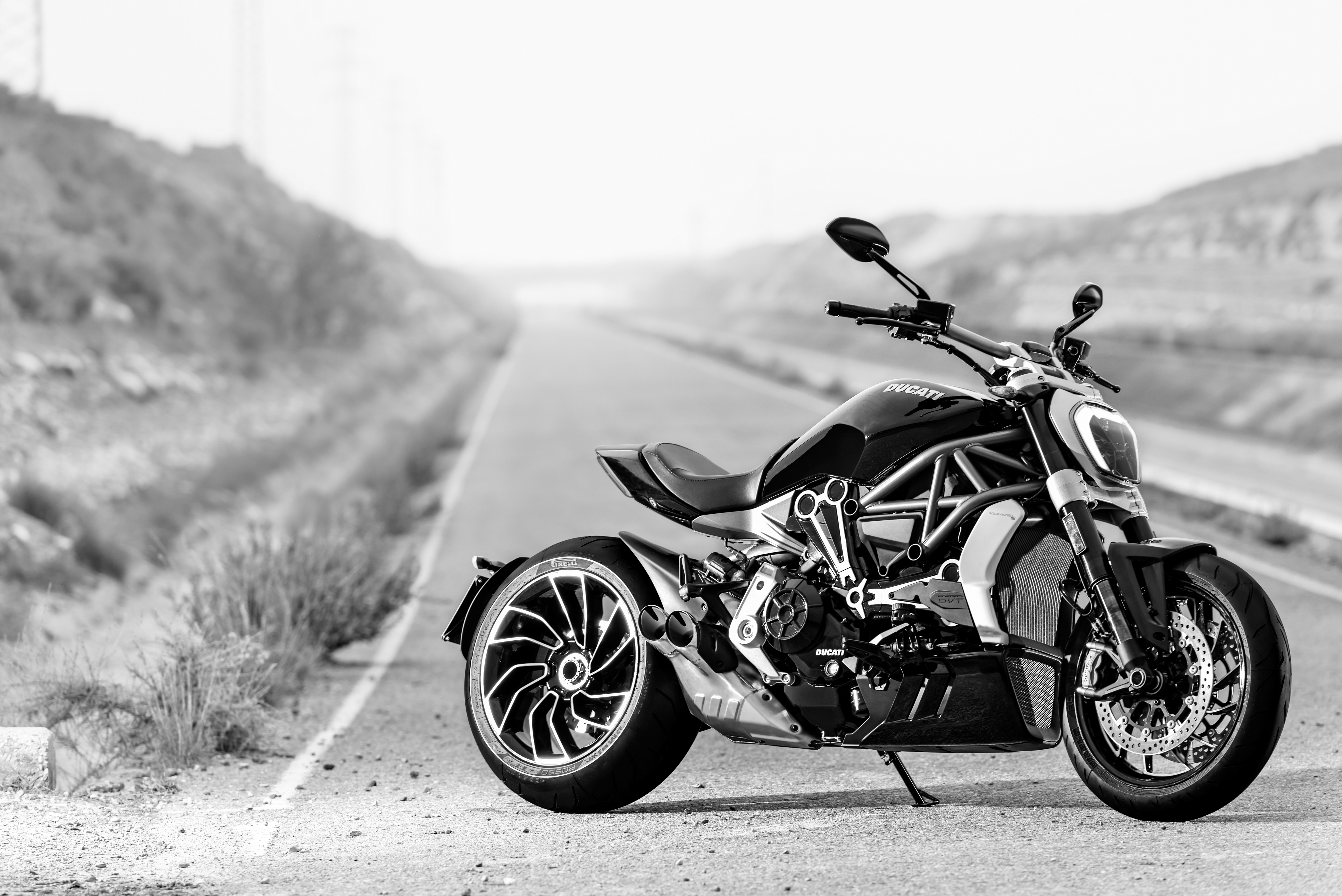
The just-launched Ducati Diavel 1260 and three-wheeled Yamaha Niken won the prestigious 2019 Red Dot for Design awards in Germany.

The awards recognize the most worthy and original design and innovation, since its inception in 1955. Winners are allowed to display the Red Dot label on their products.

A jury of 40 international design experts evaluate more than 5,500 products in different categories. Among them are motorcycles, cars, electronics, furniture, watches, retail, and so forth.

But although there is a winner in each category, only the top design is awarded the Best of the Best.

The 2019 Red Dot for Design award for the Ducati Diavel 1260 means the manufacturer has now won it the third time. Previous winners from Ducati were the Panigale 1199 in 2013 and XDiavel S in 2016. So, not only do the Italian bikes look good to us, even design experts think so.

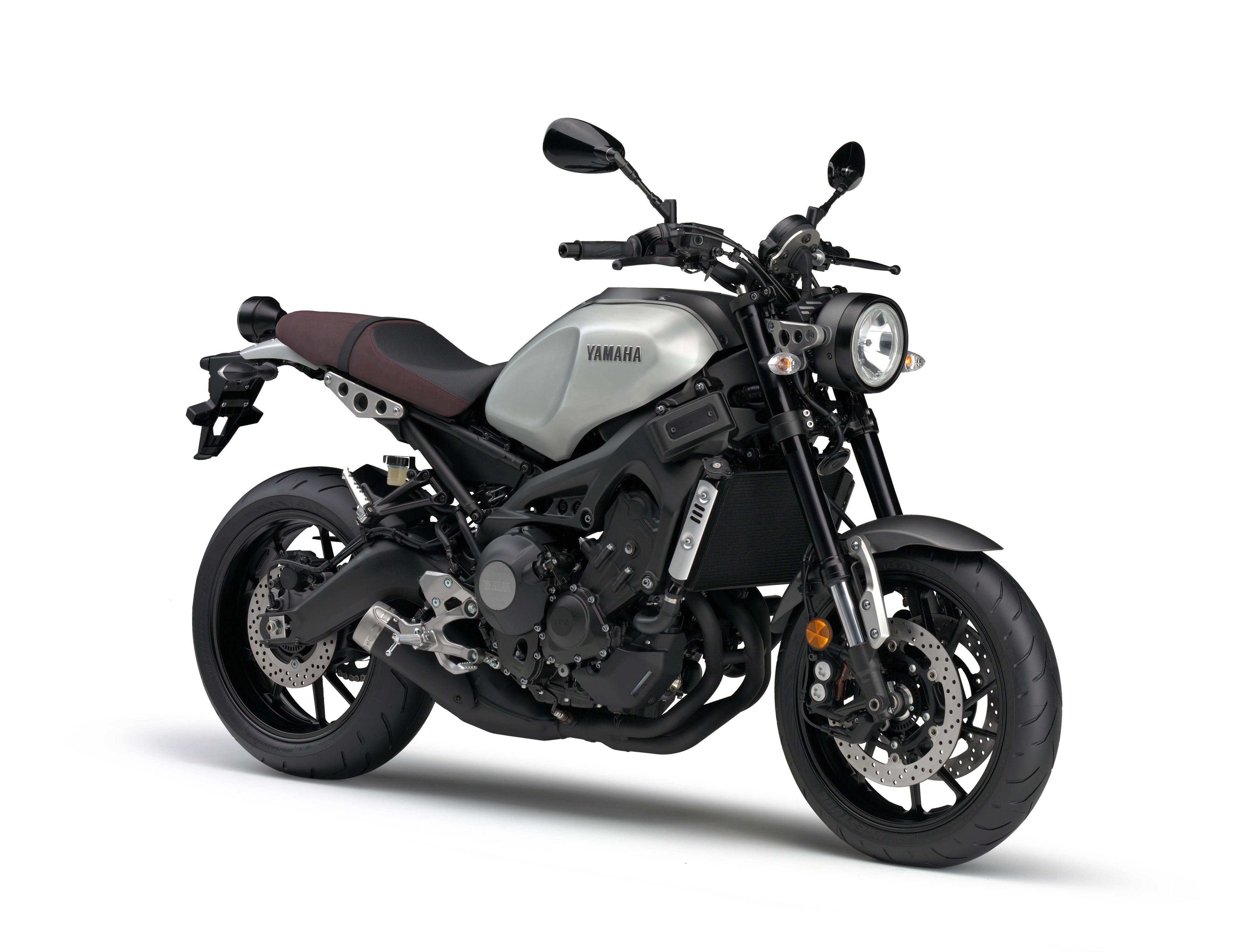
Yamaha won an award for the Niken this year, no doubt for its three-wheel design execution. It was also the third Red Dot accolade for the Japanese manufacturer. Previous winners were the MT-07 in 2015 and XSR900 in 2017.

  • The MotoGP Court of Appeals ruled that Ducati’s swingarm scoop was legal.

  • It follows the protest logged by four manufacturers after the Qatar MotoGP race.

  • The ruling means Andrea  Dovizioso keeps his win, points and lead in the championship table.

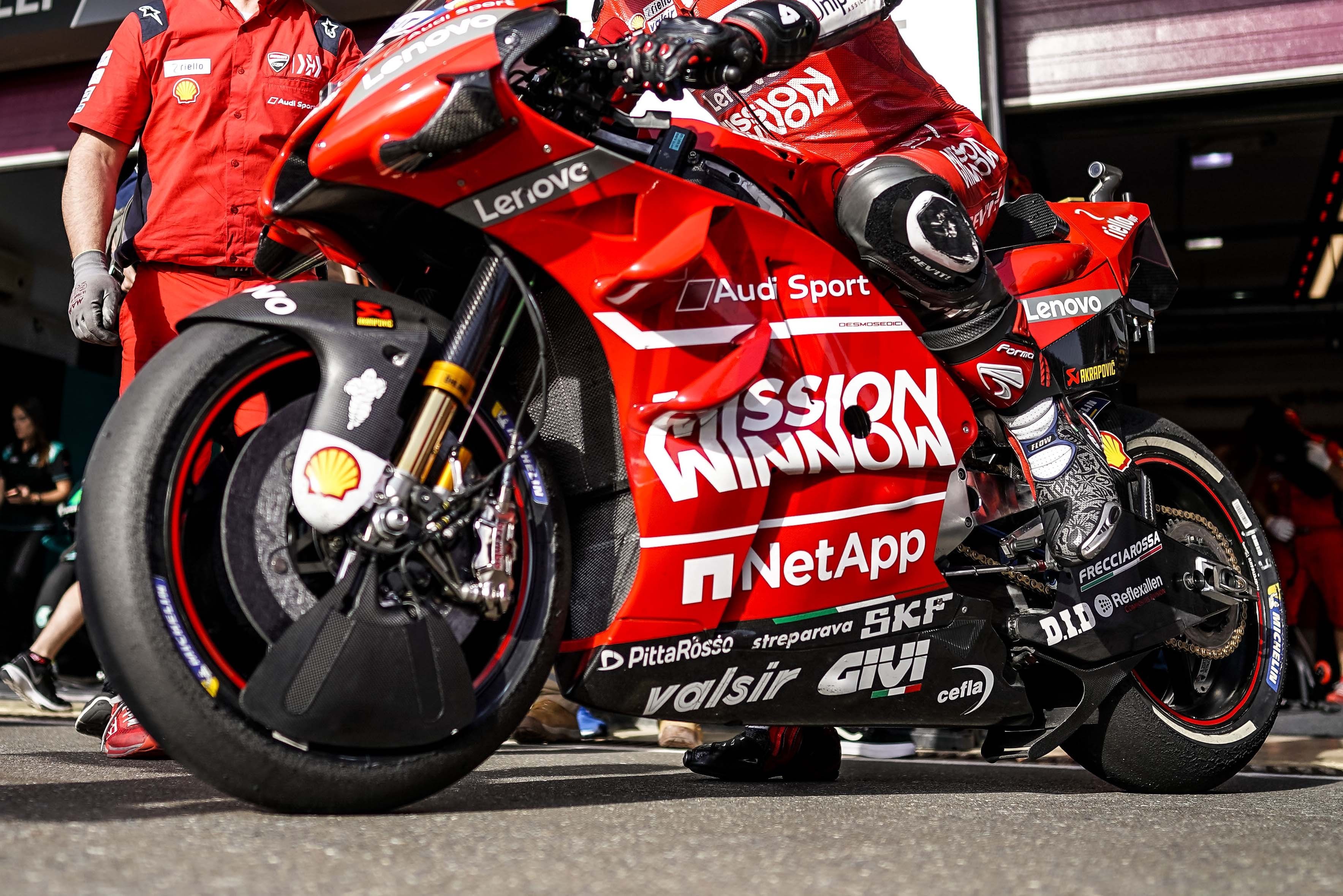
The MotoGP Court of Appeals has ruled that Ducati’s “scoop” attached the bottom of the swingarm as legal. The appendage was fitted to three Desmosedici GP19s at the Qatar MotoGP race.

Although the court only released their decision, they did not assign a reason to why or what data convinced them.

But it’s safe to assume that they found the device cools the rear tyre instead of providing extra aerodynamic downforce. Moving forward, Ducati is allowed to use the scop ONLY IF it’s fitted together with the front wheel spoilers.

The decision also means that Andrea Dovizioso keeps his Qatar win and points, while Ducati also retains their manufacturer points earned at that first round.

However, this may open up another problem: How will Dorna and FIM enforce that scoops used in the future, whether by Ducati or other manufacturers, DO NOT provide aerodynamic downforce?

In the meantime, we can expect a new round of regulations.

The issue came to light and became hotly debated after four manufacturers protested post-Qatar race. The four – Aprilia, Honda, KTM, Suzuki – were of the opinion that the scoop provided downforce to the Ducati’s swingarm to keep the rear tyre on the ground more often, aiding stability and prolonging tyre life. Therefore, it’s illegal as the scoop falls outside the set guideline for “aerobodies.”

Ducati, on the other hand, insisted that it only functions to direct air to the rear tyre and cooling it. The manufacturer had submitted the design to MotoGP Technical Director Danny Aldridge prior to the race. It was subsequently approved and memos were sent to all the teams.

Other manufacturers weren’t convinced, of course. Aprilia were vehement: They had earlier submitted the plans of such a device earlier to the Technical Director but was rejected along the aerobody rules.

They logged their protest after the race, but their complaints were thrown out, thereby it was referred to MotoGP’s Court of Appeals.

  • Watch as these two Costa Rican riders get into each other.

  • The action caused both to engage in a melee.

  • The Latin American Motorcycle Association DQ’ed and banned both riders.

Boxing match and fisticuffs are a rarity in motorcycle racing these day as riders have to “behave professionally” on the track and off. But sometimes, adrenaline and emotions take over resulting in a slugging match.

Case in point was the famous incident at the Misano Moto2 race, in which hothead Romano Fenati grabbed Stefano Manzi’s front brake lever. The incident aroused a furious backlash that circled the globe about 3 billion times. Fenati was kicked out of his present team at the time and was supposed to be banned for life. But Dorna and the FIM were generous enough to allow him to race in Moto3 this year.

Well, that ought to serve a warning to riders, doesn’t it? Maybe. Because when the red mist descends, it’s all handbags.

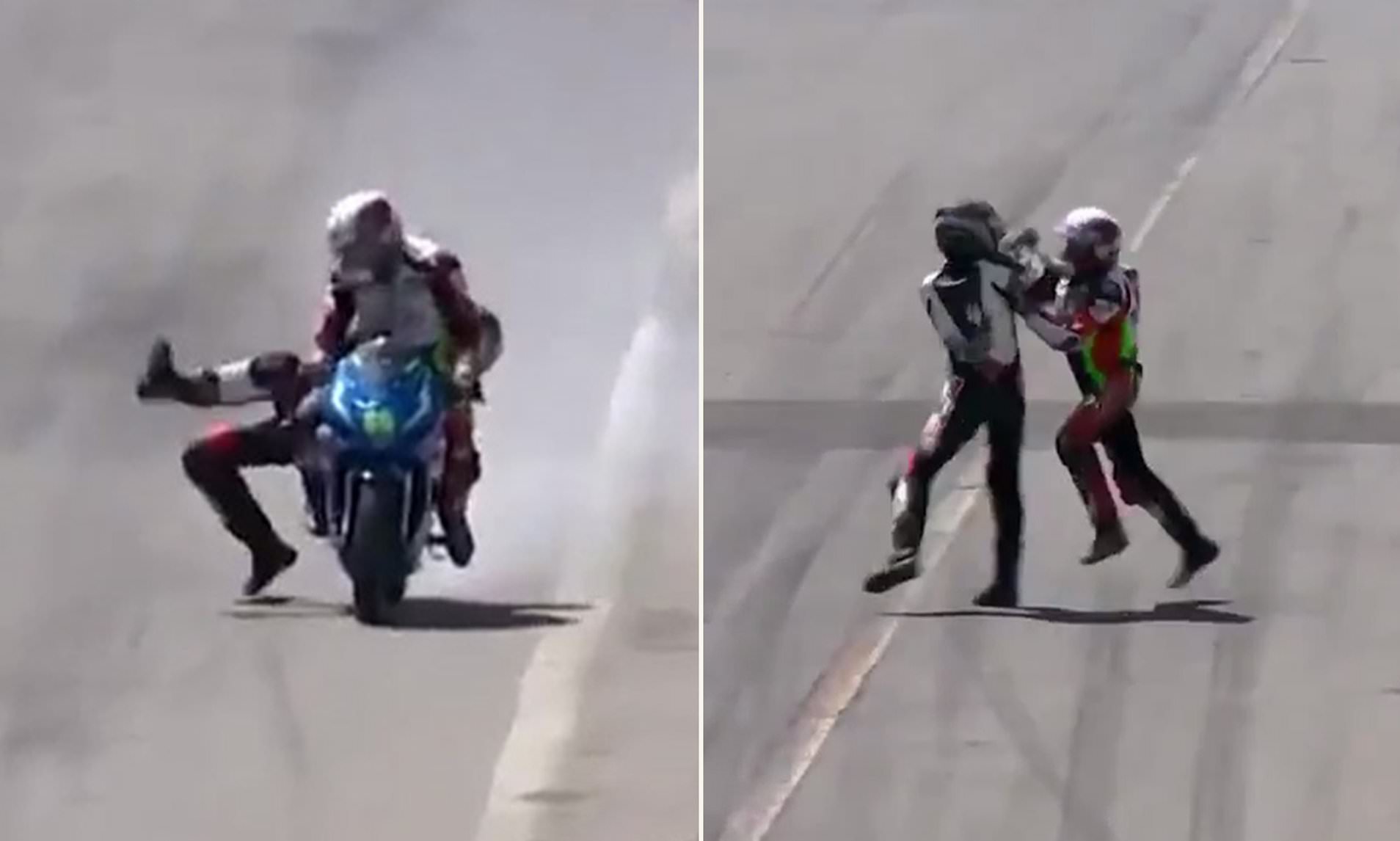
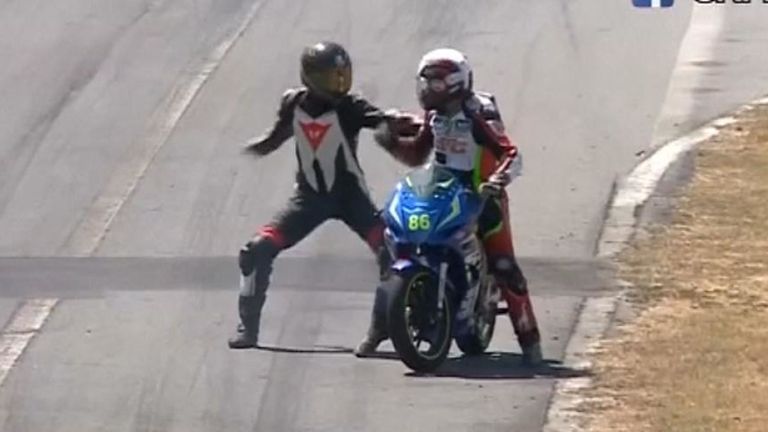
The following boxing match between Marion Calvo and Jorge Martinez in the Costa Rica national race.

Both riders touched while braking for the turn, knocking Martinez off his bike. Martinez ended up clinging to Calvo’s seat hump, in turn causing him to lose control.

When the bike came to a stop, Martinez could’ve run to his bike to continue the race. Instead, his anger got the better of him and he swung at Calvo. Calvo was knocked off his bike.

Photo credit dailymail.co.uk

Calvo then went after Martinez and shoved him on his back, before both riders got back to riding again.

As expected, the Latin Motorcycle Association kicked them out of the race and subsequently banned them. They can now join boxing or MMA.

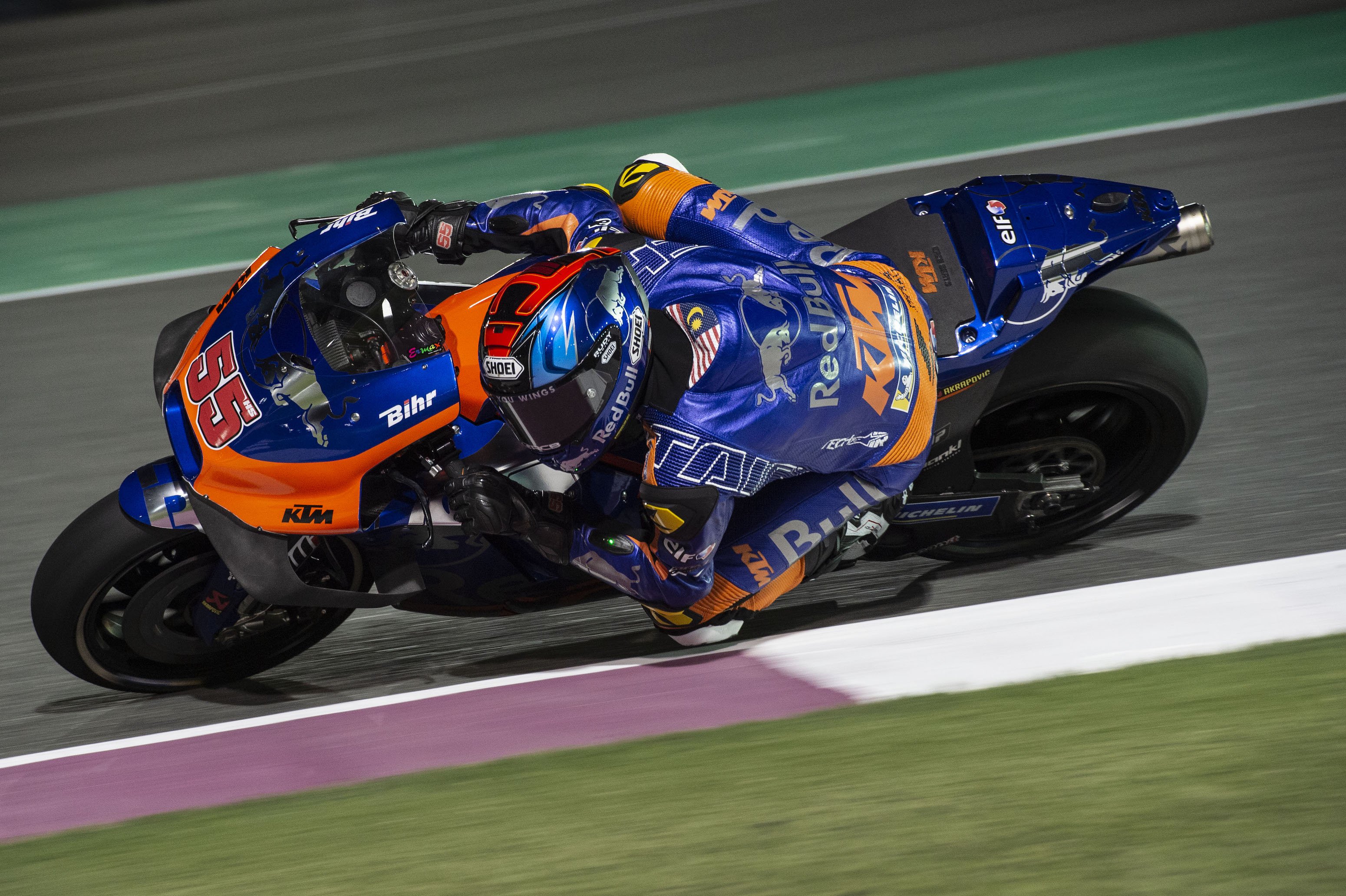
  • The KTM RC16 uses a steel trellis frame and WP suspension.

  • Which is a departure from the MotoGP norm of aluminium spars and Öhlins.

  • When asked if they will make a switch, KTM motorsport boss said no.

Much has been said about KTM and their performance (or lack of) in MotoGP. Most pointed to their use of the steel trellis frame and WP suspension on the RC16, instead of the perennial aluminium spars and Öhlins suspension.

It may seem that the Austrian giant is going nowhere to the casual observer, but truth is, the RC16 is undergoing development at a breakneck pace.

It started out with a “screamer” engine (all cylinders firing in equally spaced sequence) in 2017. But by 2018, it was revised to the “big bang” configuration (all cylinders fired quickly in a short space), together with a counter-rotating crankshaft.

KTM motorsport manager, Pit Beirer told Simon Crafar of MotoGP.com that they’ve come far within the last two years. In fact, the RC16 put in Marc Marquez’s 2017 lap times at a number of tracks last year.

The whole MotoGP class is developing like crazy, every makes steps forward. But if you told me five years ago KTM would make a machine on year after Marquez almost at the same speed, I wouldn’t believe. But we did it.”

When asked if they will stop using the steel trellis frame and WP suspension, “That’s not an option,” said Beirer.

“It’s brought us success in every single discipline, so we will stick to this because we have the widest knowledge around this material we are using.”

Indeed, the frame/WP combination has allowed KTM to be competitive, succeed, even dominate racing series from enduro to Moto2.

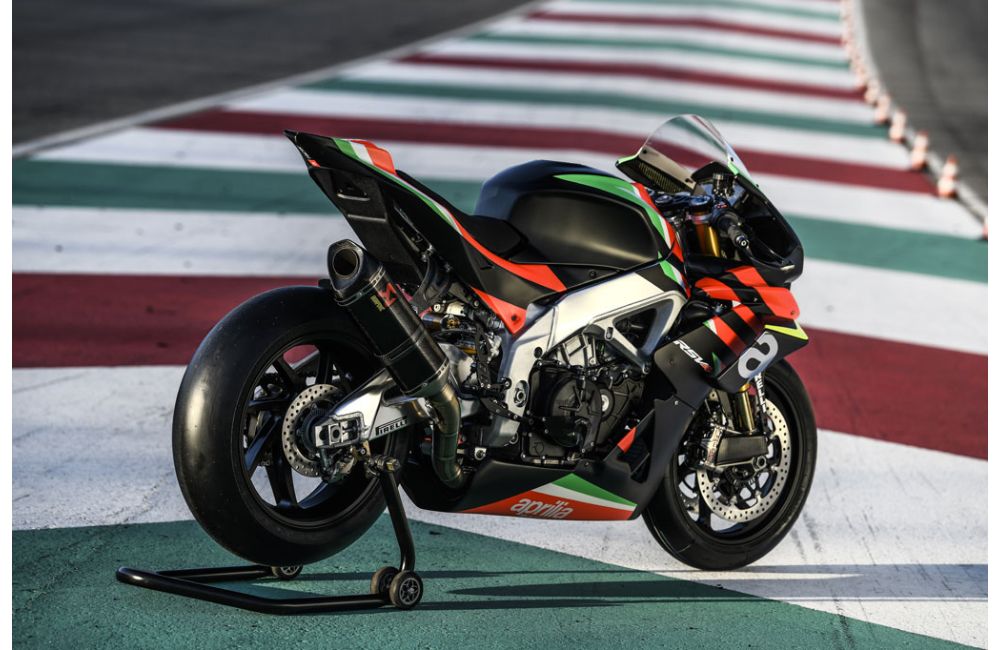
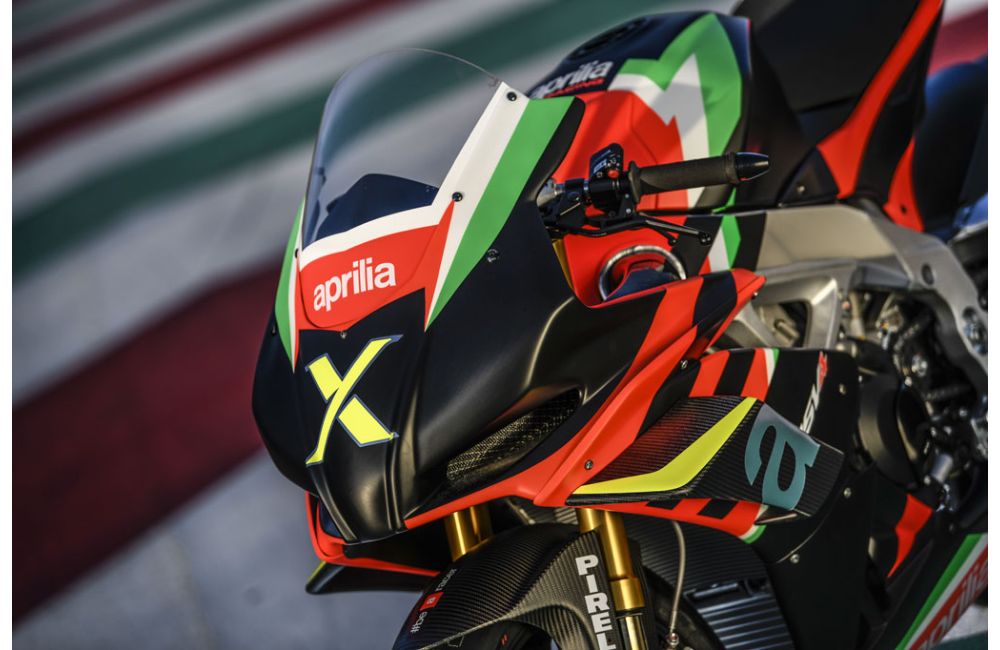
  • The Aprilia RSV4 X showcases the factory’s expertise in making sportbikes and racebikes.

  • Highlights include the Aprilia No Neutral gearbox.

  • The engine produces 225 hp, and the bike weighs only 165 kg.

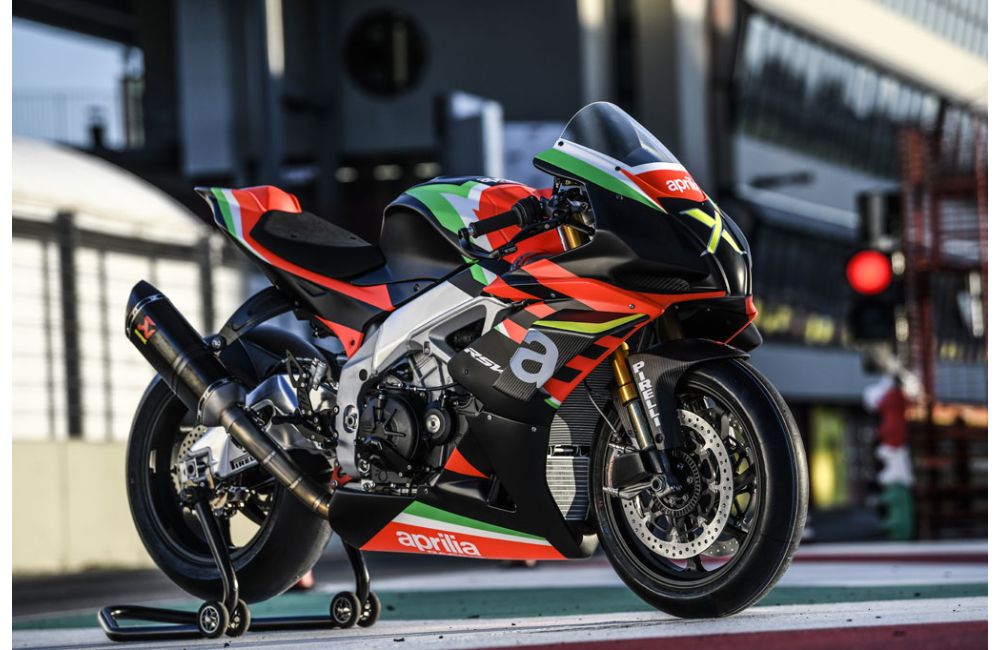
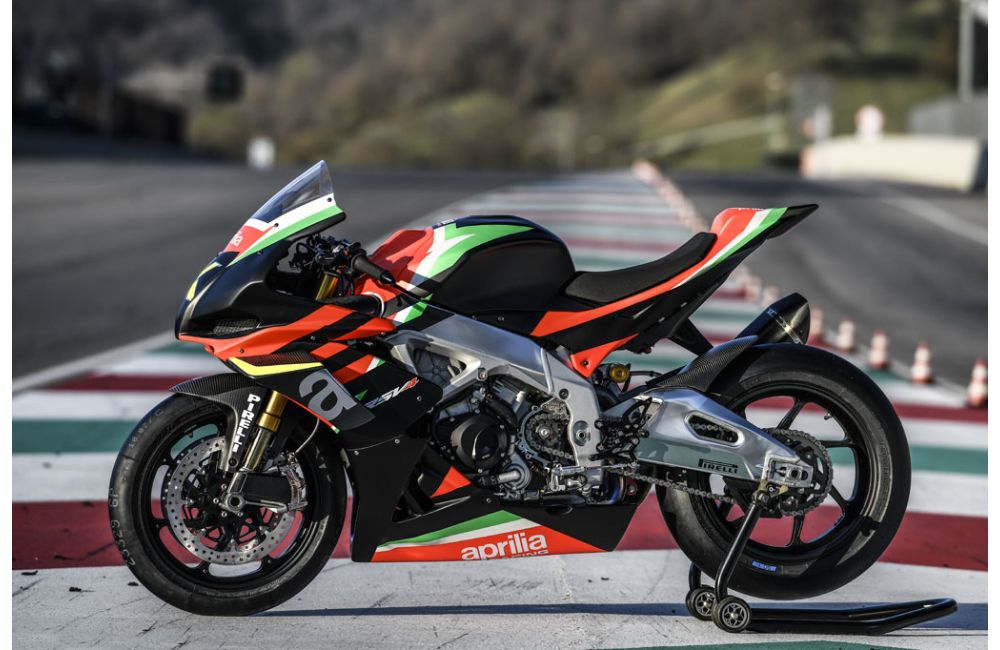
With all the current bruhaha about Ducati and their limited-edition models such as the Panigale 1299 Superleggera and Panigale V4 R, don’t forget that Aprilia just as capable of such ventures. Presenting the X. To be more accurate, here’s the Aprilia RSV4 X.

Aprilia claims that they used the lessons learned in MotoGP and WorldSBK to build the X. We’re not here to disagree. The bike is armed with features as the APRC electronic suite, which was the first to include wheelie control and lean-sensitive traction control. Ride-by-wire is compulsory since it was Aprilia who debut it on a street bike.

But that’s just a small part compared to the engine. Wanna talk horsepower-to-weight ratio? How does 225 hp and 165 kg sound to you? That’s a lurid 1.36 hp to 1 kg. The company fettled the standard RSV4 1100’s lump and gave the X a dedicated ECU for the performance gain.

An Akrapovic titanium full-system exhaust spits out the used gasses. Intake air is filtered through a Sprintfilter similar to the one used in MotoGP.

But perhaps the biggest feature/novelty is the Aprilia No Neutral (ANN) transmission. Instead of the usual 1-N-2-3-4-5-6, the new system goes N-1-2-3-4-5-6. Doing so reduces the chances of grabbing neutral while shifting from 1stto 2nd(we’re sure many have experienced this).

This shift pattern is used in MotoGP and now the Noale-based manufacturer is the first to bring it to road bikes.

In another world first, the RSV4 X is equipped with Brembo’s GP4-MS brake calipers that’re machined from a solid block of aluminium alloy. They grip on Brembo T-Drive discs.

Last, but not least, the bodywork features aerobodies.

The Aprilia RSV4 X is priced at an affordable (yeah right) €39,900. Only 10 are lovingly made.

Archive

Follow us on Facebook

Follow us on YouTube