Bikesrepublic

Latest News

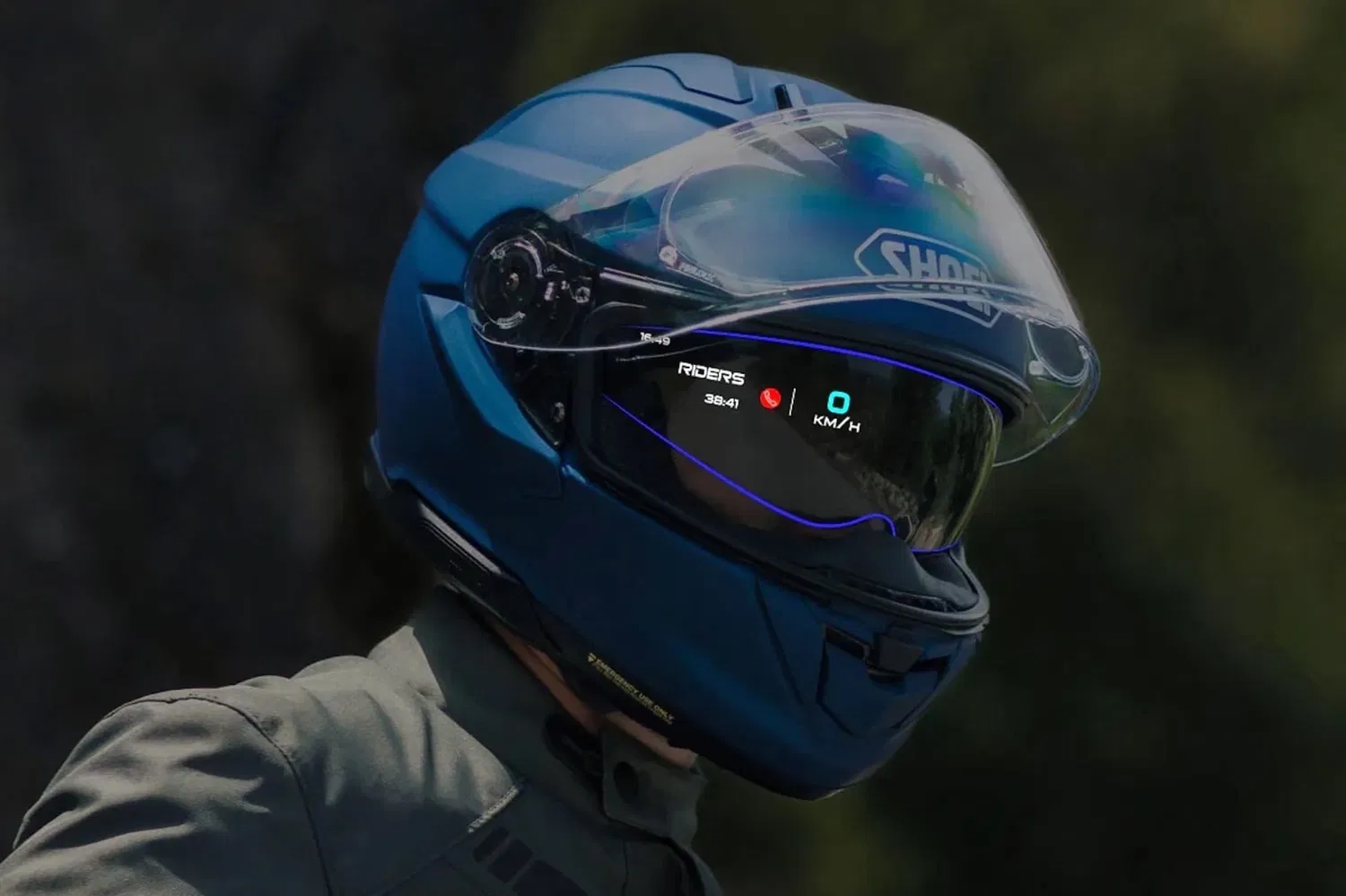
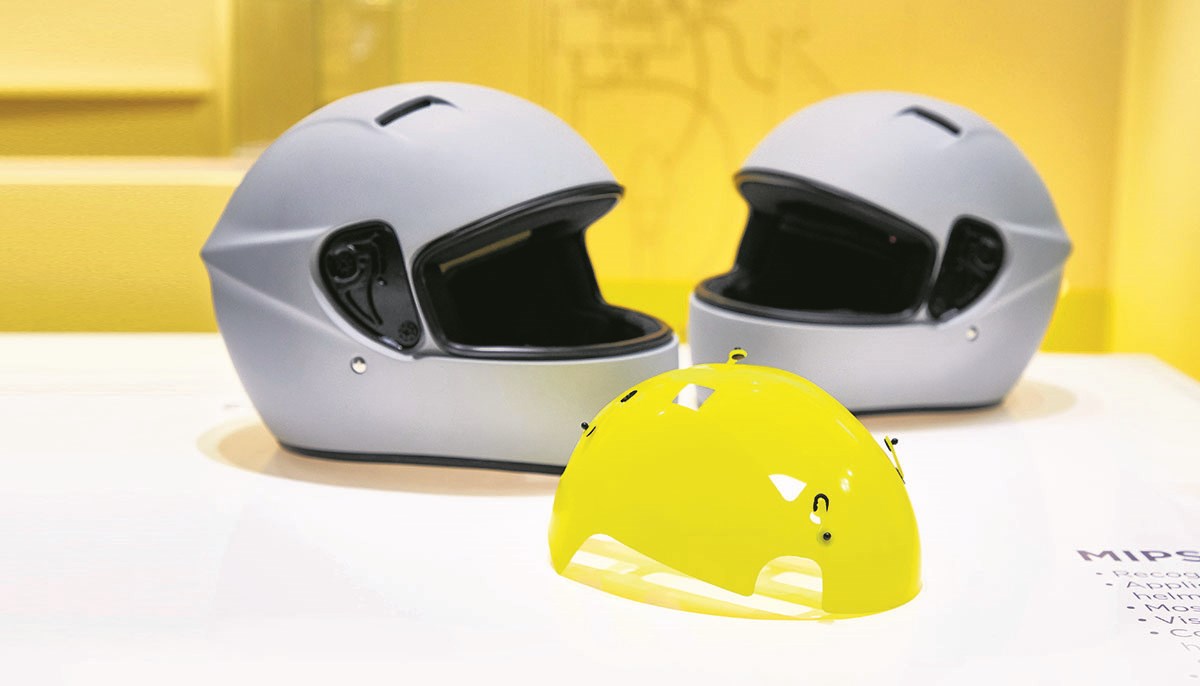
  • The MIPS liner allows more space for the head to move inside the helmet in the event of a crash.

  • Consequently, the wearer’s head does not absorb the impact energy directly.

  • The creators hope more helmet manufacturers will pick up on the technology.

The EICMA show is not just about new bikes but also new technologies. The MIPS liner was one such highlight at the 2018 edition..

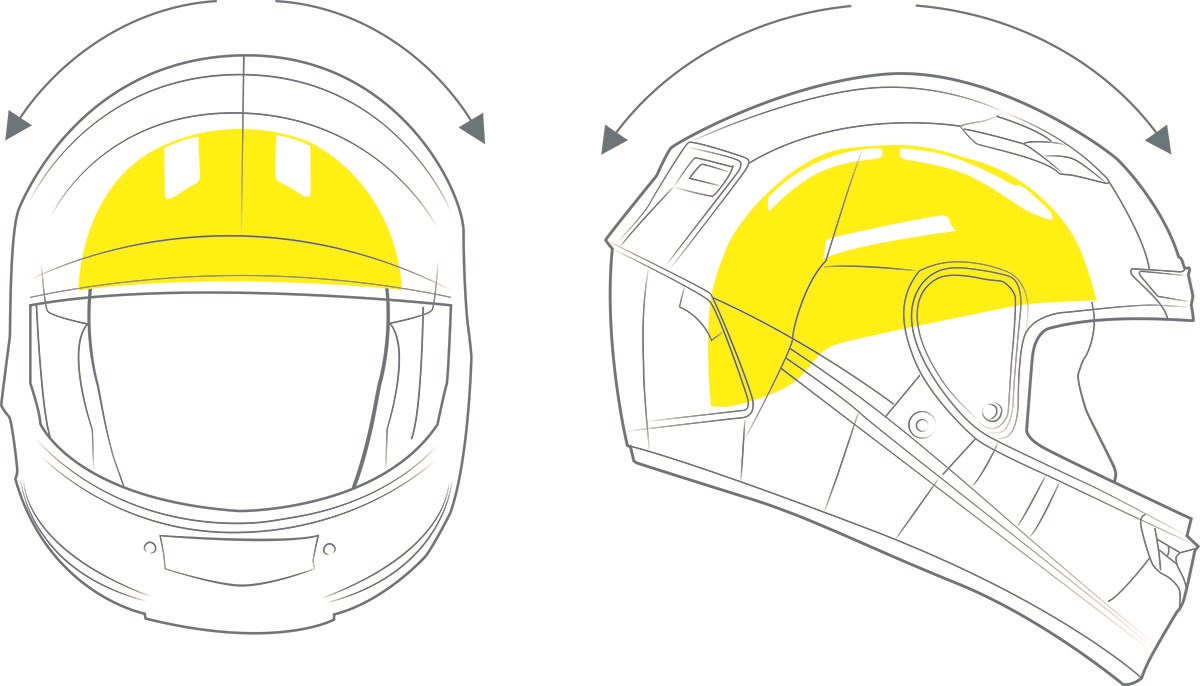
MIPS stands for “Multi-directional Impact Protection System.” It allows the wearer’s head to move inside the helmet should there be an impact.

Wait, allows the head to move around? We have to remember that the extent of injuries resulted from not how one crashed, instead they are dependent on how one stopped after the crash.

That is exactly what the EPS (Expanded Polystyrene) liner in a helmet addresses. The EPS liner is that thick, white-coloured liner which sits between the comfort liner (cushion) and the hard helmet shell. It crushes to absorb the impact energy by extending the distance for the head to move inside the helmet. The head does not stopped abruptly, as a result. This is the same concept behind crush zones for cars.

However, according to the MIPS Board, the EPS liner is not in doing its job enough. The origins of the MIPS liner go back to the 1990s when a neurosurgeon (brain surgeon) found many brain injuries despite the patients wearing helmets.

Helmet tests involve assessing how much energy is transferred to sensors or a head form within the helmet. The impact results from striking the helmet directly at 90o. In the real world, however, contacting an object perpendicularly is a rarity. Instead, it’s usually a glancing blow (due to the helmet’s round shape, among other things).

Striking an object at an angle other than perpendicularly sends a rotational force through the helmet. The soft tissue in the brain is subjected to shearing forces. It is like tearing raw meat away from the bone. It is this very factor which causes the worse brain injuries.

With the MIPS liner in place, the head has another 10- to 15mm of movement. The MIPS Board claims that it reduces force transmission by up to another 40%.
There are eight different MIPS liners for different applications in motorcycling, cycling and snowboarding. The MIPS Board aims to push the technology to present helmet makers, but they admit that the take up is slow. However, professional riders have shown much interest.

Source: MCN
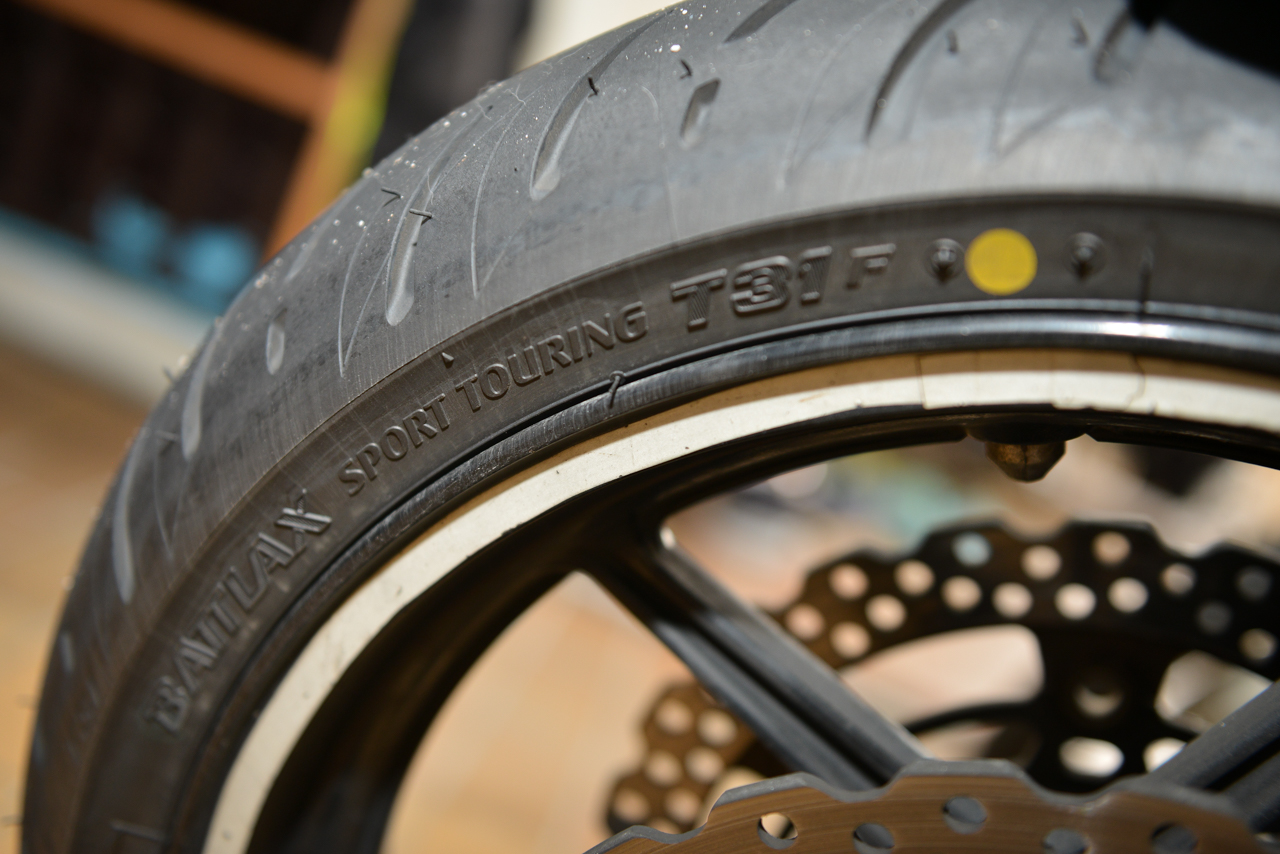
  • A workshop wanted to con me by selling an old Bridgestone Battlax BT23 front tyre.

  • That was after he said that the new Bridgestone Battlax T31 front tyre causes the front to wobble.

  • It turned out that he was talking about the GT version which is meant for heavyweight bikes.

“Be a smart consumer.” That’s what I always tell my friends.

The tyres on my 2012 Kawasaki ER-6f had worn smooth. I was using the Bridgestone Battlax T-30 Evo prior so it’s only natural that I selected the new Battlax T31.

When I went hunting for the Battlax T31 about two months ago, it was out of stock at my regular workshop for more than 20 years, Sunny Cycle. But I needed a new rear desperately as the old tyre’s carcass was starting to show.

But another shop along Jalan Ipoh had them in stock.

However, the head mechanic said, “T31 rear is okay, but the front causes the bike to goyang (wobble).” I was surprised because apart from the old BT21, the subsequent BT23, T30 and T30 Evo didn’t cause any “wobbles.”

“You sure you still want the T31 front?” he pressed. “I recommend that you use T31 at the back and BT23 in front,” he continued.

That set the alarm bells in head my ringing. I rejected the BT23 insisted on the T31 front. Bridgestone had stopped producing the BT23 more than 5 years ago! It was succeeded by the excellent Battlax T30.

He went into his store and came back with a set of T31. I was surprised to find the Battlax T31 GT for the front! Now wait a minute. The T31 GT version is meant for heavyweight sport-tourers such as the BMW R 1200 RT, Kawasaki 1400GTR, Yamaha FJR1300, Honda VFR1200, …. You get the idea.

The carcass and sidewalls of the GT version are stiffer to support the weight of such heavy bikes. On the other hand, middleweight bikes such as the ER-6, Versys 650 and all the way to the 900cc sport-tourers lack the weight to deflect the GT tyre into their intended form. Consequently, the tyre doesn’t have enough contact patch with the road. Apart from that, the compound on GT tyres are slightly harder, again to compensate for the extra weight. Both these factors will cause the front end to goyang if fitted to lighter bikes!

So, I decided to stick with the worn T30 Evo in front and mount the new T31 at the back. I later found out that there were stacks upon stacks of new BT-23 tyres in his store when I went to the bathroom!

There’s more heartache to come.

The mechanic laid the wheel on the bare concrete floor and pried out the tyre. I’ve now got scratches all around the rim. He then used an impact wrench to pound in the rear axle’s nut. I’m going to have trouble unlocking that nut to adjust the chain.

I paid for the tyre and got the heck out of there.

I got a call from Sunny Cycle when the T31 arrived. JS, the head mechanic tended to my bike.

He removed the wheel and stuck his fingers into the hub cavity to check if the bearings were still good. He then used a tyre change machine to remove the old tyre. He followed up with balancing the tyre.

He locked the wheel and brake calipers in place with a torque wrench, instead of the dreaded pneumatic impact wrench. Finally, he checked everything one more time before inflating the pressure to my preference.

I rode the bike with the new tyre to Jitra, Kedah and back, for a total of 912 kilometres. We even rode in the type of rain which obscures almost all our vision. We rode at crawling speeds all the way up to more than 180 km/h.

Did the Battlax T31 front tyre goyang? NOT ONE BIT!

I hope you got the message. I found out about the T31 GT through research and reading and insisted that I didn’t want it.

So, please do your research. Read more. Be a smart consumer instead of trusting some unscrupulous mechanic.

  • The Perlis state JPJ sent a warning to motorcycle shops and owners against illegal modifications.

  • The Department caught fifteen modified Yamaha Y15ZRs during an operation.

  • Among the modifications are to increase top speeds and excessively loud exhausts.

The JPJ (Jabatan Pengangkutan Jalan or Road Transport Ministry, in English) has warned motorcycle workshops against modifying motorcycles.

Shahrul Azhar Mat Dali, Director of JPJ Perlis sent the warning after catching a number of modified motorcycles. 15 modified Yamaha Y15ZRs discovered during an operation on the night of 26thNovember 2018. The department is aware there are a number of workshops carrying out the illegal modifications in the state.

“The customers who request modifications and the workshops agreeing to it are both complicit,” he continued.

“If we catch any more individuals who modified their bikes, the owners will be investigated under Section 114 of the Road Transport Act 1987. If found to be true, the motorcycles will be confiscated, and the owners charged under Section 64(1) of the same Act.”

The Director further added that the JPJ has identified three main active locations of carrying out the modifications. They are Beseri, Serian and Arau. The main offences are modifying motorcycles for more speed and using exhausts that are excessively loud.

The operation is part of JPJ’s advocation program to educate motorcyclists to adhere to road laws. This is in view of the high number of fatalities among motorcyclists in the country.

He also advised all road users to report offences to the JPJ. The Department in Perlis can be reached at 04-9763995 or through email p.perlis@jpj.gov.my.

Sourced from Bernama.

  • The Norton Superlight was introduced after the Atlas.

  • This new bike uses the same 650cc engine as the Atlas but has been tuned for racing.

  • The 650cc engine makes 105 bhp and the bike weighs only 158 kg dry.

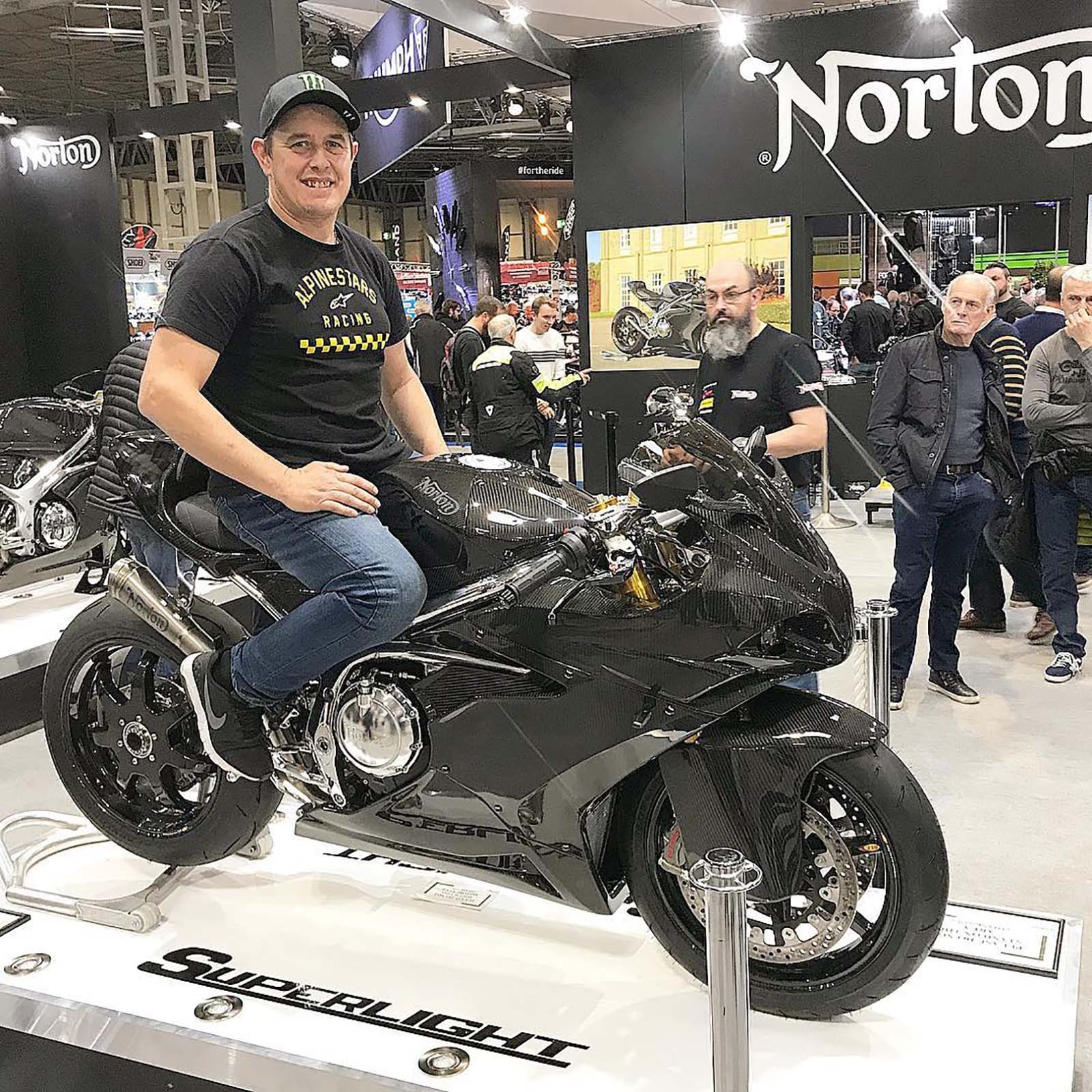
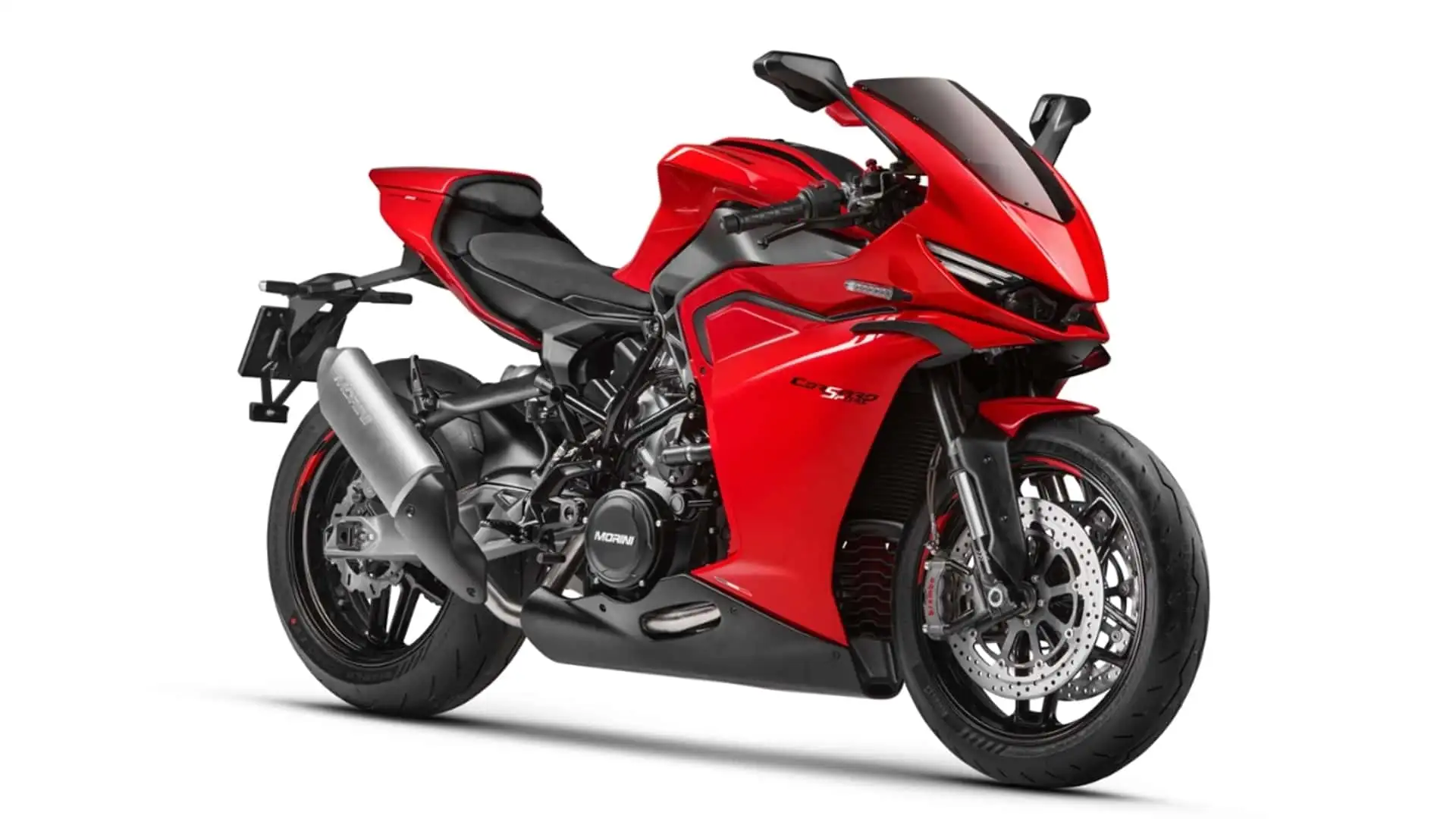
The British manufacturer follows up with the Norton Superlight after introducing the scrambler type Atlas Ranger and Atlas Nomad.

The Norton Superlight is based on the same platform as the two scramblers. However, the Superlight is truly as race bike.

Yes, its engine is shared with the Atlas. It’s a 650cc parallel-Twin but with a 270crank. But instead of making 85 bhp and 63.7 Nm of torque, the Superlight’s engine is tuned to 104.5 bhp (78 kW) and 74.6 Nm of torque.

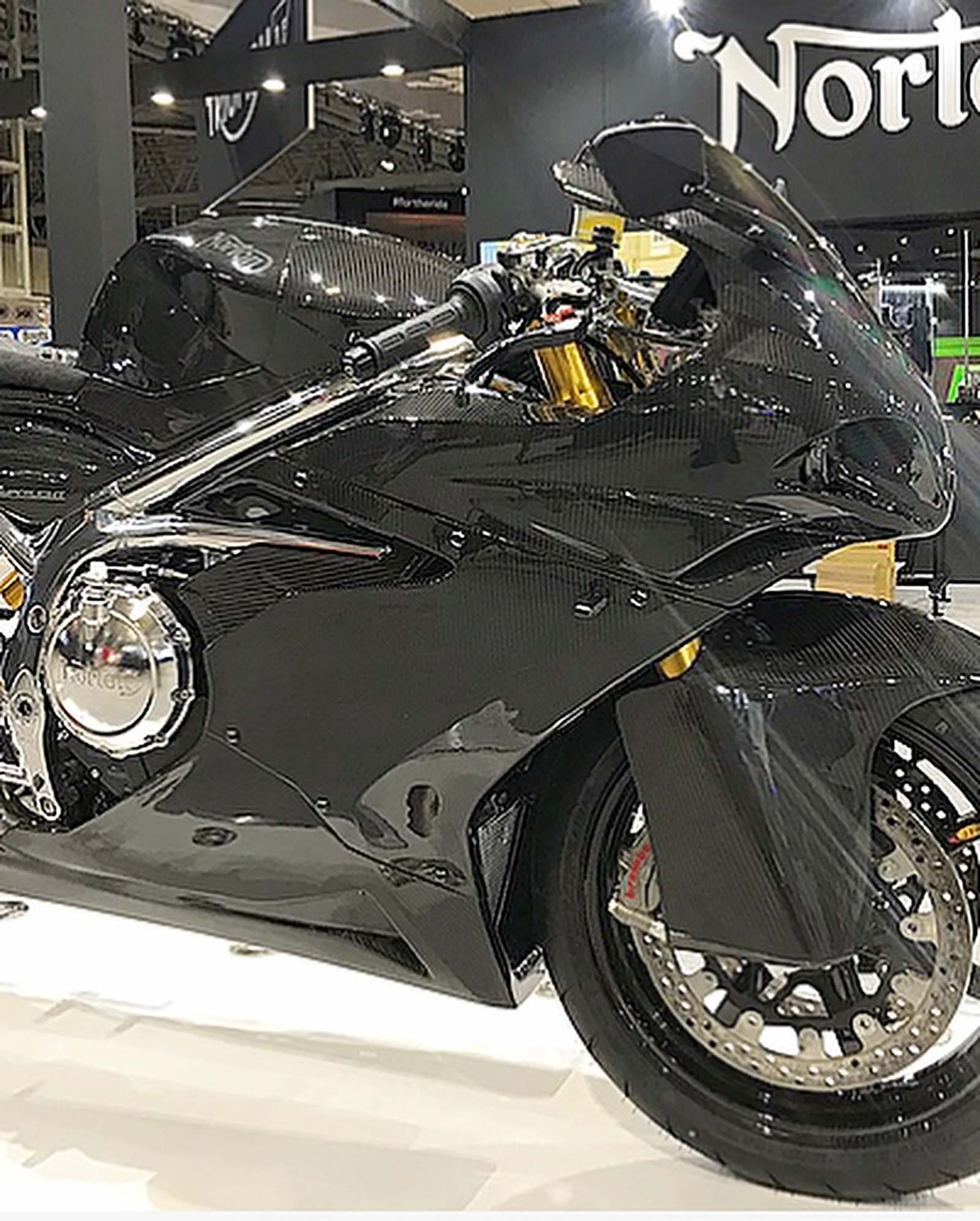
The Superlight weighs only 158 kg dry, thanks to extensive use of carbon fibre. The bodywork and wheels are made of the black gold stuff. The polished frame is by the British frame expert, Spondon.

The bike employs Öhlins NIX forks at the front and an Öhlins TTX GP at the rear. A pair of Brembo M50 monobloc calipers clamp a pair of 320mm discs. The Superlight also has a up and down quickshifter.

Traction control is IMU assisted which provides wheelie control and launch control, additionally.

The bike is street-legal and conforms to Euro 4 regulations. It costs £19,950 in the UK, if you want to have one.

  • There are many brutal crash videos on the internet.

  • Instead of using them for morbid entertainment, let us learn from them.

  • Try to identify their mistakes and stay away from them.

All videos copyright DirtBike Lunatic YouTube Channel

Beware: This is a compilation of some nasty crashes and injuries. But let’s learn from what we shouldn’t do from this brutal crash video.

The compilation is packed with bikers trying to perform stunts to grevious results. However, there are also other clips demonstrating the classic mistakes we could very well make in everyday riding.

For example, watch the clip of a supermoto rider running wide and hitting the side of a car on the opposite side of the road. That’s what happens when target fixation and ineffective steering takes hold. The rider should’ve kept his eyes through the turn. Had the corner been blind, he needs to keep drawing a line through it, regardless. Remember the principle: Look at where you want to go.

There’s another in which the rider must’ve been daydreaming. The car in front of him had signaled very early to turn into an intersection to the right but our rider just kept riding down the inside (right side) of the car.

A later clip showed a riding buddy and his motorcycle almost going over a cliff. That’s the result of entering a corner too early with too much speed. The rider would’ve target fixated the outside of the road in the resulting panic. A later entry with less speed would’ve seen him arriving safely at his destination.

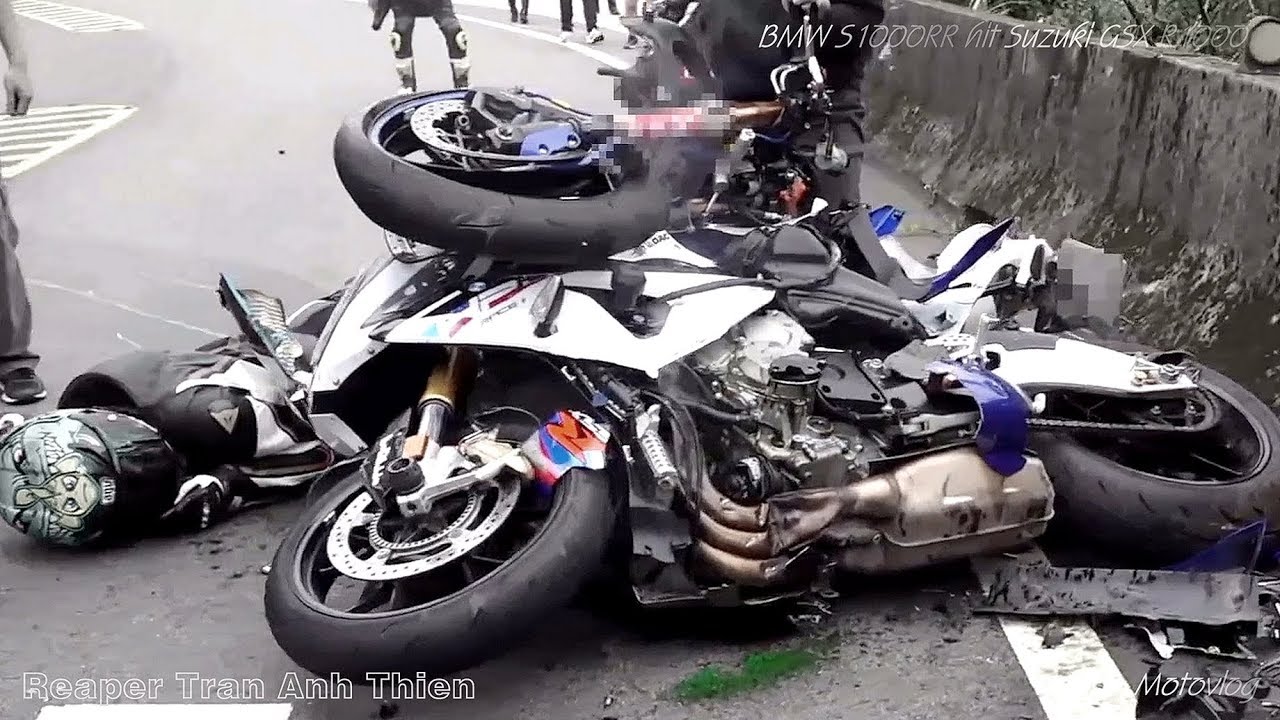
The second video above opens to a famous crash in Taiwan. The rider low-sided his bike which slid into the patch of an incoming bike. Later investigations showed that the first rider had used inferior tyres, besides leaning over too much, causing his rear tyre to lose traction.

The next clip showed one of the most common dangers we are faced with. A car pulled through the intersection and our rider had nowhere to go. The lesson here is to be extra careful at intersections and don’t blast through them.

There are so many more in here. See if you could spot their mistakes and learn from them.

  • Moto2 riders have tested the 2019 Triumph Moto2 engines.

  • The Moto2 teams then build frames around the engine.

  • But how much horsepower does the race engine produce?

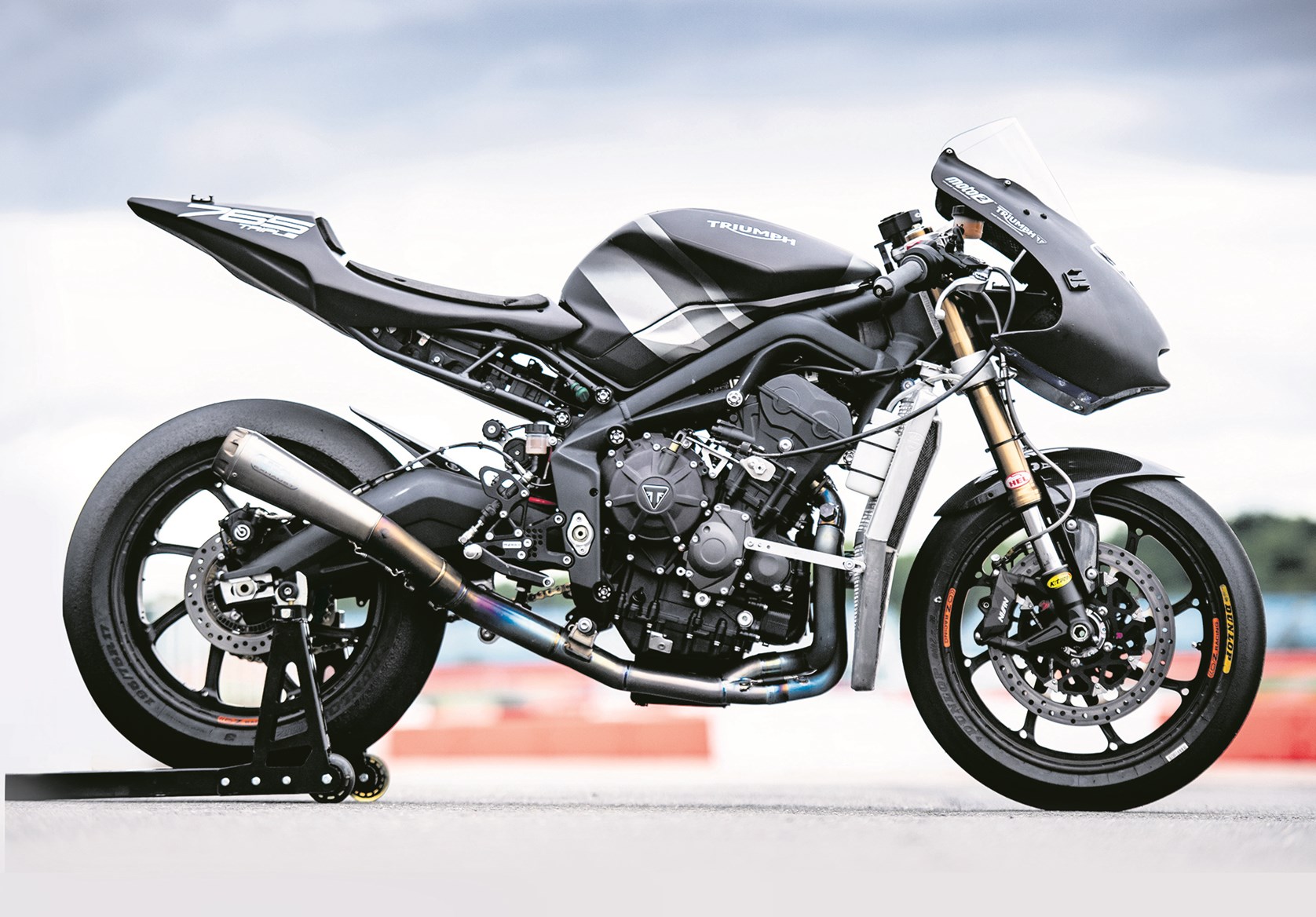
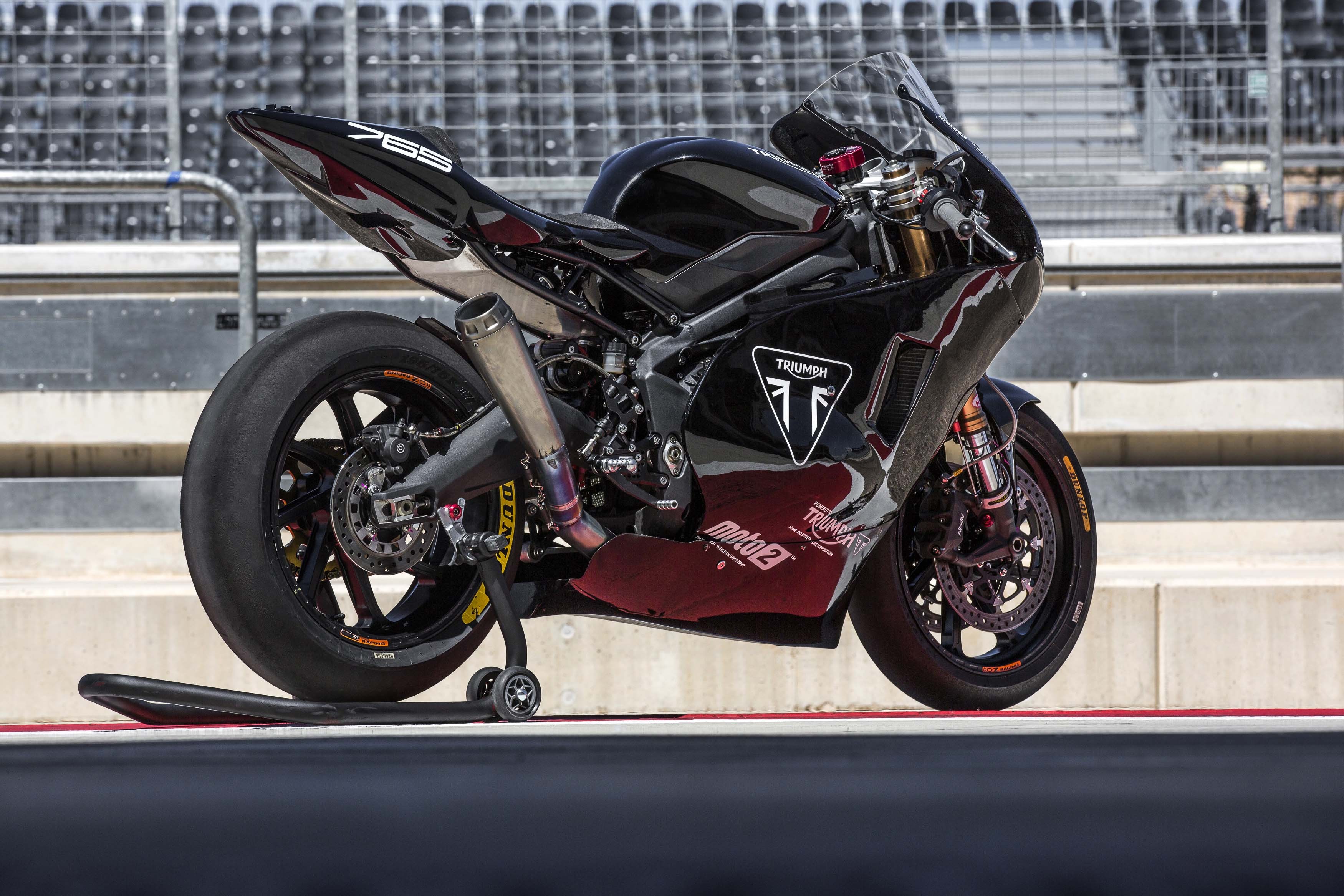
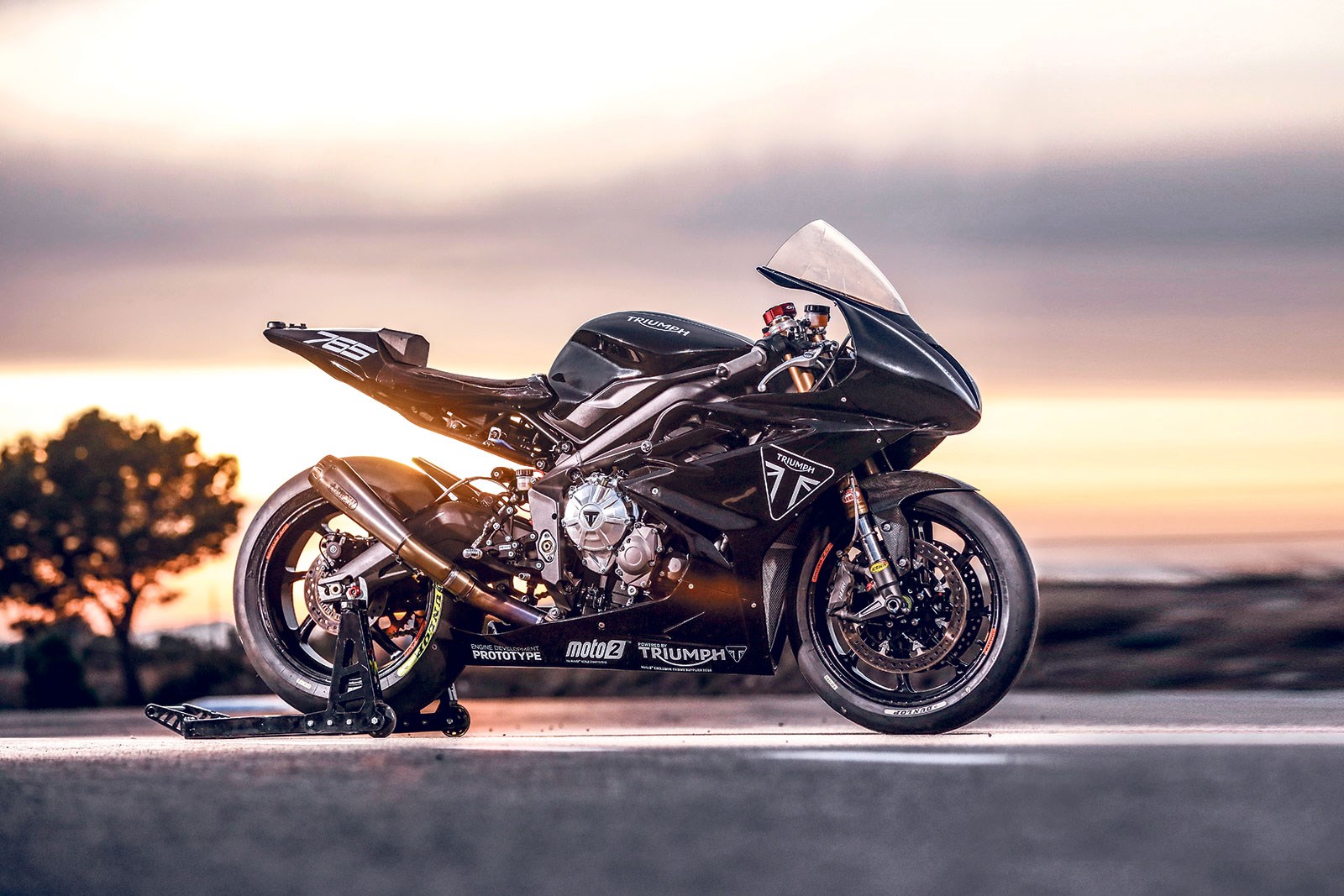
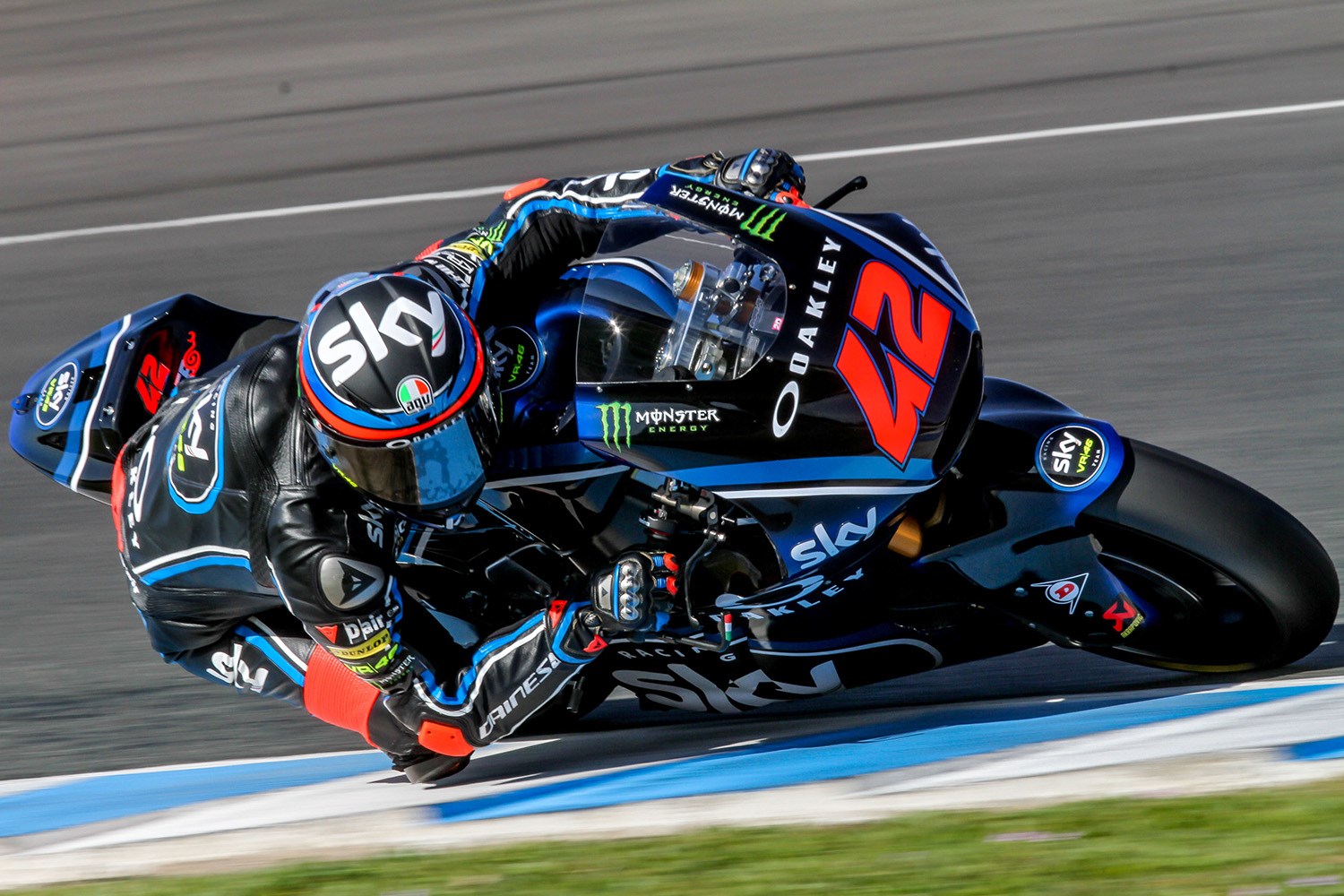
The Moto2 field has successfully tested their 2019 Triumph Moto2 engine powered bikes.

But which model was the engine was sourced from? Or more specifically, how much power it produces?

We have already touched on this subject, but a refresher is always good. That’s because Dorna has revised a couple of regulations since we published that article.

First and foremost, the Moto2 and Moto3 categories are considered “feeder classes” to MotoGP. That means the two classes are the breeding grounds for future MotoGP riders.

As such, a single spec-engine is supplied to all Moto2 teams. The teams such as KTM, MV Agusta, Kalex, NTS, Speed Up then develop and build their own frames and chassis around around the engine.

The previous sole engine supplier had been Honda. The powerplant was based on their CBR600RR road bike.

The operative word here is “road bike.” Dorna wanted Moto2 machines to be as close to road bikes as possible, hence the engines were drawn from bikes you and I could buy. Consequently, the engine also has its power output limited to a certain degree.

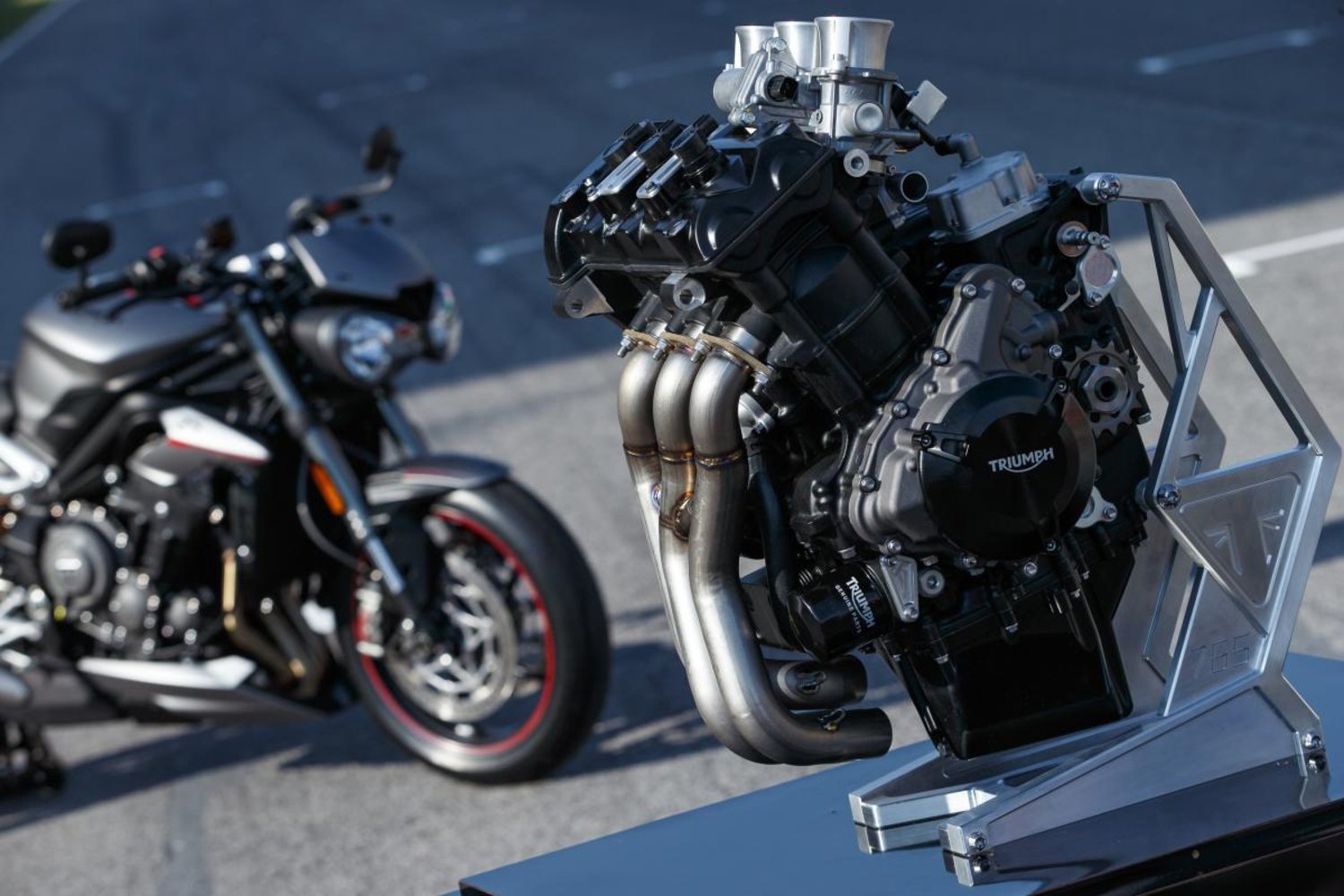
Triumph’s Moto2 engine is based on the Street Triple RS’s 765cc triple, launched in 2017. The street engine produces 121 bhp at 11,700 RPM and 77 Nm of torque at 10,800 RPM. There are 80 new parts in the new 765cc triple compared to the previous 675cc triple.

So, how much does power the race engine produce and what was done to it? Triumph has published an official press release.

Engine Testing and Development

Triumph has conducted a multi-phase testing programme to maximize the engine’s performance, durability and drivability. The programme included:

  • 2-year development program of factory-based dynamometer and multiple track locations for testing.
  • Completed more than 2,500 laps at race pace.
  • Application of high-performance engine coatings.
  • Development of key engine internals.

Among the changes to the engine are:

  • Modified cylinder head with revised inlet and exhaust ports to optimize gas flow.
  • Higher compression ratio (the pistons are standard).
  • Titanium valves and stiffer springs.
  • Revised cam timing for higher peak RPM.
  • High flow fuel injectors.
  • Low inertia racing alternator.
  • Revised 1stand 2ndgear ratios.
  • Revised engine covers to reduce width.
  • Revised sump to improve exhaust pipe routing.
  • The revisions yield 138 bhp.

By why not higher horsepower? Because more exotic parts need to be employed to raise the power higher. Additionally, the engine’s structure as well as other stock parts need to be developed. Doing so will raise the costs which needs to be absorbed by the teams. Dorna wants to encourage higher participation through lower costs.

ECU Development and Testing

All Moto2 bikes will employ the standard Magneti Marelli ECU provided by Dorna. The ECU was made in collaboration with Triumph. Dorna is forgoing the traction control feature for Moto2 in 2019, despite announcing otherwise earlier this year. Having traction control would require teams to employ dedicated data analysts which will drive costs up, in turn.

Chassis Development and Testing

Triumph supplied early development engines through Externpro to the teams to conduct tests. The tests were carried out by Moto2 riders.

Results from post-2018 season tests at Jerez

All riders commented that they were familiarizing themselves to the new bike, engine characteristics and ECU. The weather at Jerez was cold over the test period with only brief moments of sunshine and rained on the third day.

Still, the tests revealed that the new bikes were already on the same pace as the previous year’s. Indeed, all riders gave positive feedback at the end of the tests especially with regards to smooth power delivery and higher torque, compared to the previous engine.

They should be faster by the first official Moto2 tests starting 20thFebruary 2019 at Jerez.

Archive

Follow us on Facebook

Follow us on YouTube