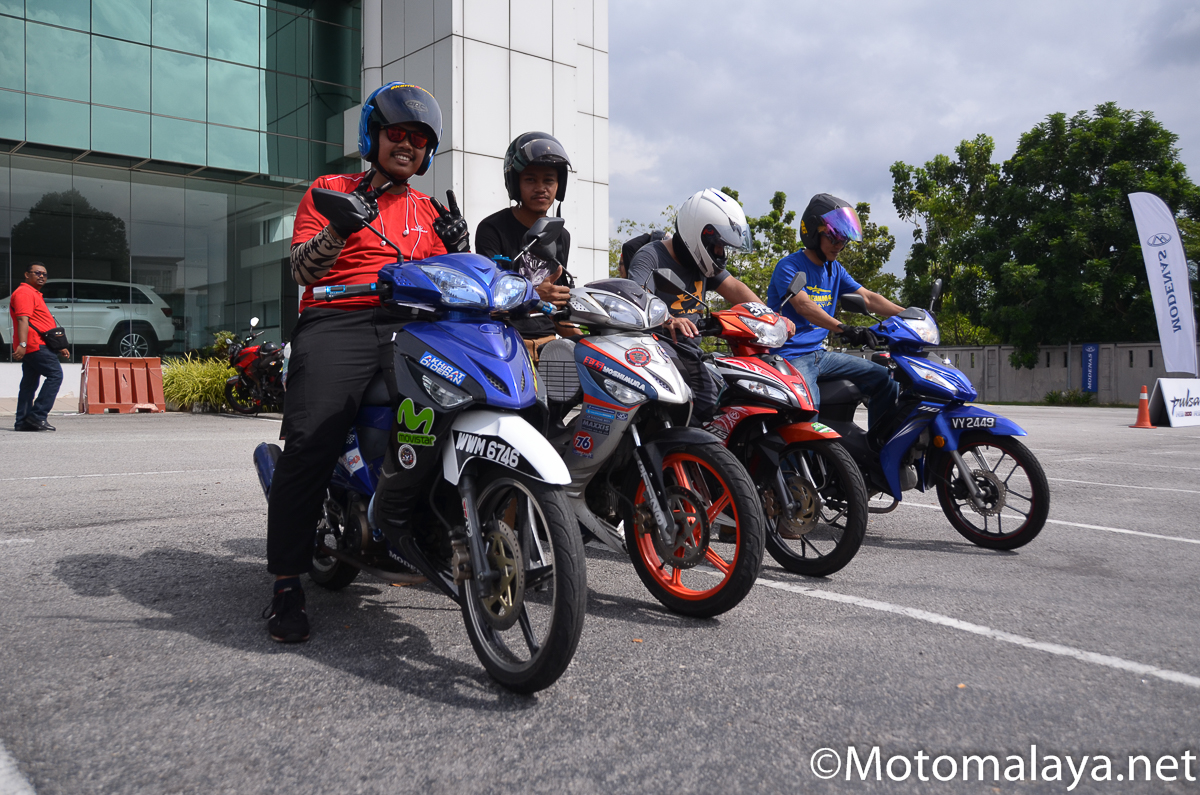
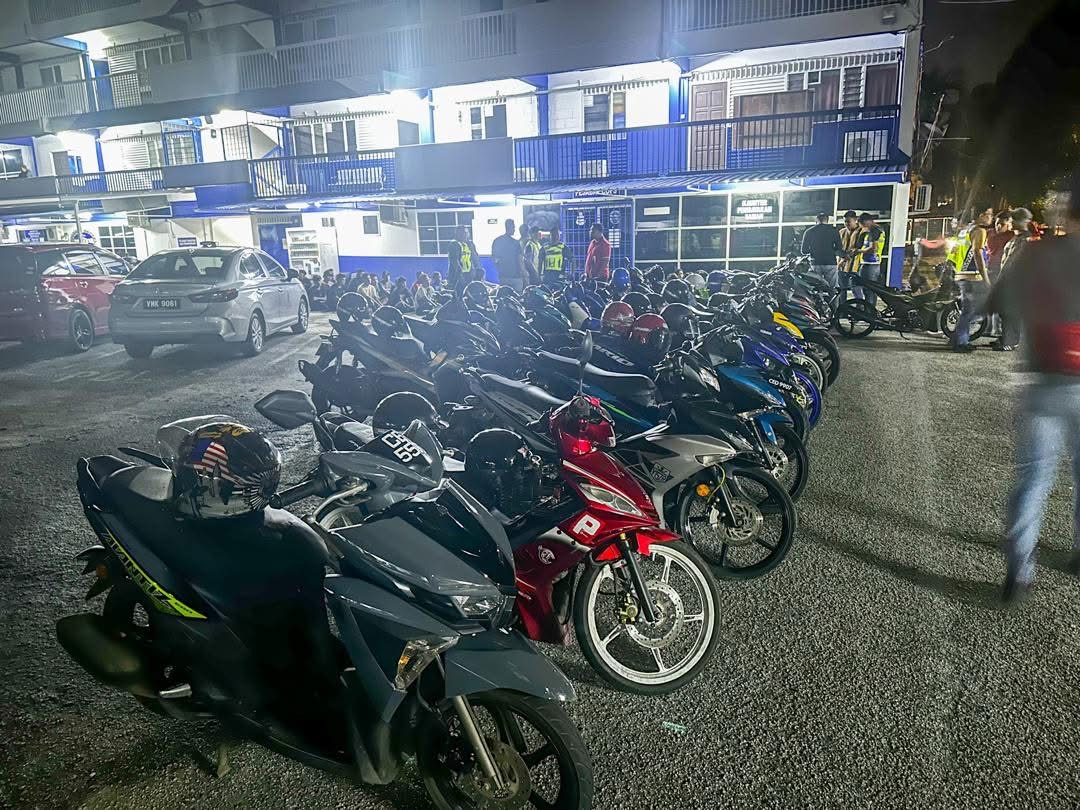
Modenas organised a very special program for some 300 Modenas bike owners earlier today called the Gempak Santai Modenas.
All those who attended earlier today enjoyed some fun activities including lucky draws, test rides, and service campaigns for their beloved bikes.
The aim of the program was to strengthen the relationship between the brand and all of its customers here in the country.
Malaysia’s national motorcycle manufacturer Modenas conducted a very special event today called the Gempak Santai Modenas Volume 1. Over 300 Modenas bike owners from across the country gathered at the EON Head Office Complex in Glenmarie Shah Alam where Modenas hosted some very interesting activities for all those who attended earlier today. (more…)
Among the cookie-cutter bikes, there are a few that were meant to break the mold.
These unusual designs sometimes worked, while some failed.
Here’s the first instalment of this series.
Is it surprising that a non-biker says, “That’s a what? And that one? All motorcycles look the same to me.” In this age where bike designs are governed by the wind tunnel or heritage, his observation is correct. So, please don’t get upset if he didn’t recognize your XZRT3000SR.
Motorcycles have evolved over the years and we are at an age where designers are churning out designs that have either proven to work or stood the sales floor test.
That meant they must’ve experimented with other concepts at some point, right? Correct. The successful ones evolved into the bikes today but whose concepts were too outlandish died unceremonious deaths.
Here’s Part 1 of the Ten Most Unusual Production Bikes.
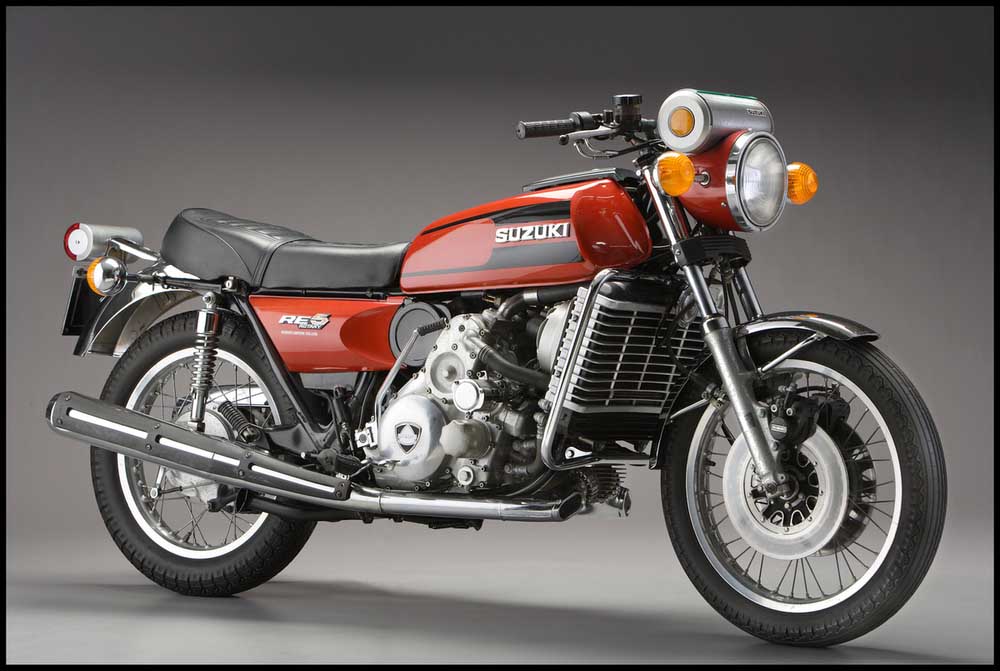
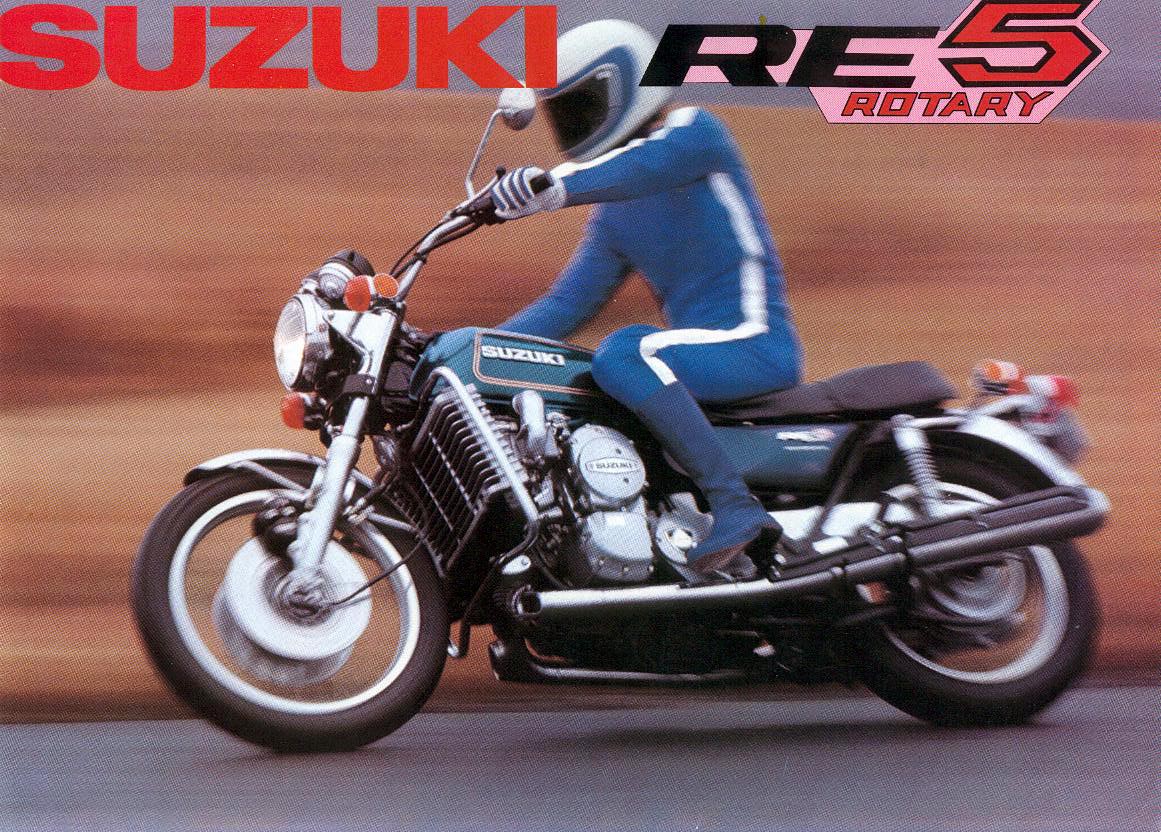
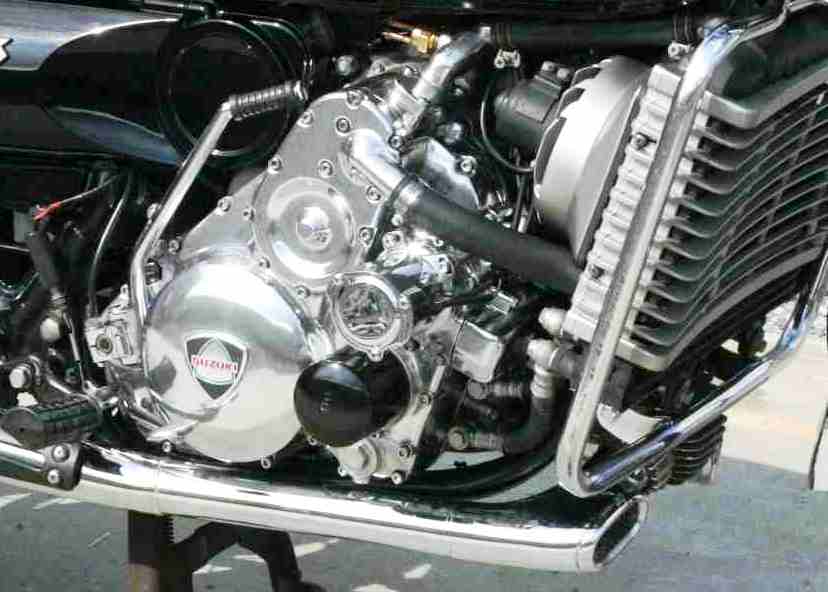
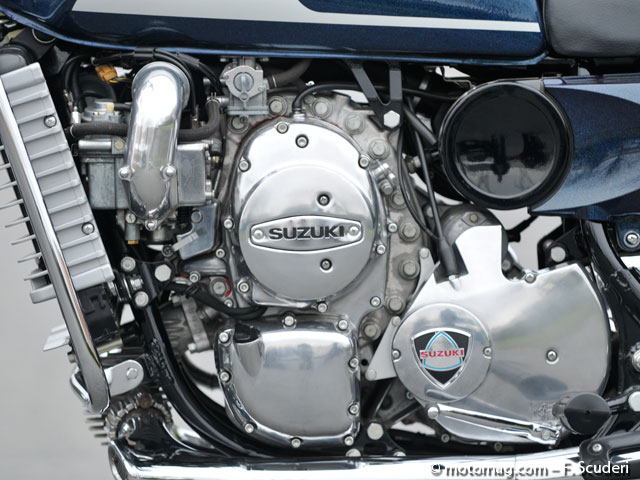
1974 SUZUKI RE5
The rotary engine enjoys a cult status, especially in the automotive segment, powering the equally cult Mazda RX-7 family.
However, how many motorcycles have actually utilised that kind of powerplant? It’s rumoured that all the four Japanese manufacturers have rotary engine prototypes at some point, however it was Suzuki – typical in pushing the boundaries of motorcycle engineering – who had the jujubes to put it into production, in the form of the RE5, sold from 1974.
The rotary engine, also known as the Wenkel, offers a number of advantages when compared to the ever-popular piston engine. Rotary engines are more compact and lighter as they have fewer parts, and produce higher specific power outputs from smaller displacements.
So, that begs the quiestion: Why aren’t there more motorcycles powered by rotary engines?
While simple in concept, rotary engines require numerous complex subsystems to perform, and these add up to a weight penalty that outweighs its gains.
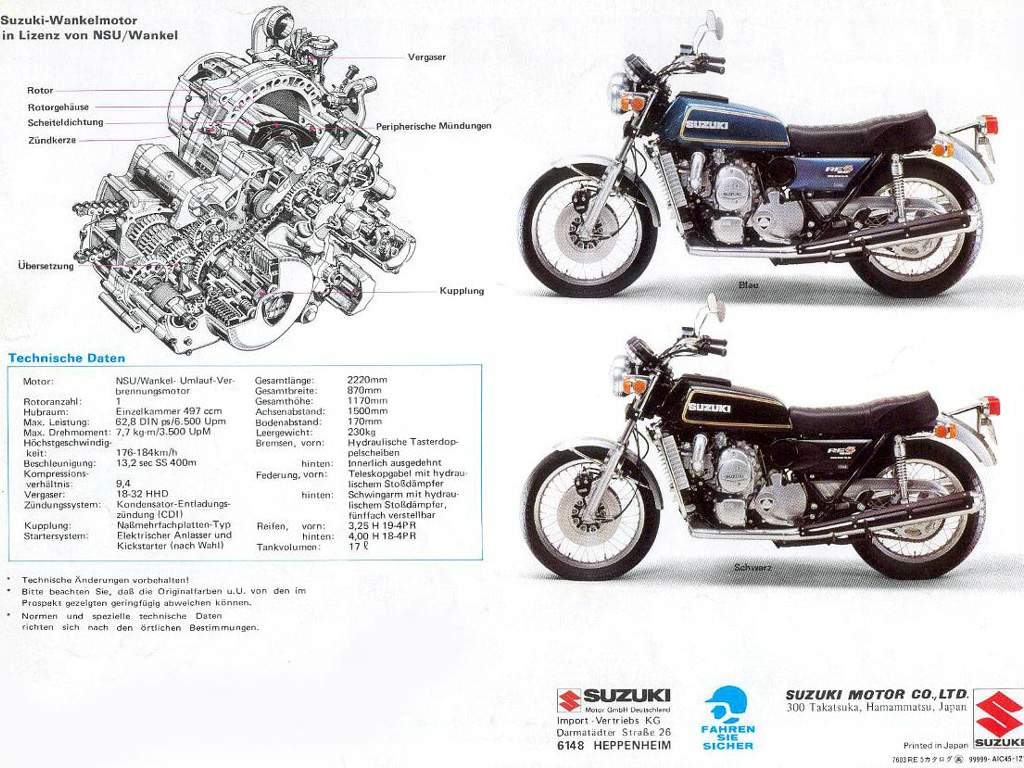
For example, although the RE5’s rotary engine consists of only a single rotor, exhaust temperatures could reach 930o Celcius – more than hot enough to melt aluminium, copper and zinc. Because of this, Suzuki engineers had to design a crazily complex double-skinned exhaust system. Besides that, the engine had to be lubricated from three oil reservoirs each with its own pump. The throttle controlled both primary carburetor butterfly and inlet manifold of the port valve, besides governing oil supply into the combustion chamber. A total of five cables were connected via the throttle grip.
The RE5’s 497cc engine produced 62 bhp and 74.4 Nm of torque, achieving the high specific power output objective of the rotary engine. However, the motorcycle weighed 260 kg, wet. On the other hand, the Honda CBX1000 “Super 6” with an inline-Six cylinder engine produced 105 bhp while weighing only 12 kg heavier.
Maybe its styling could save it? Err… but what about those “tin cans?”
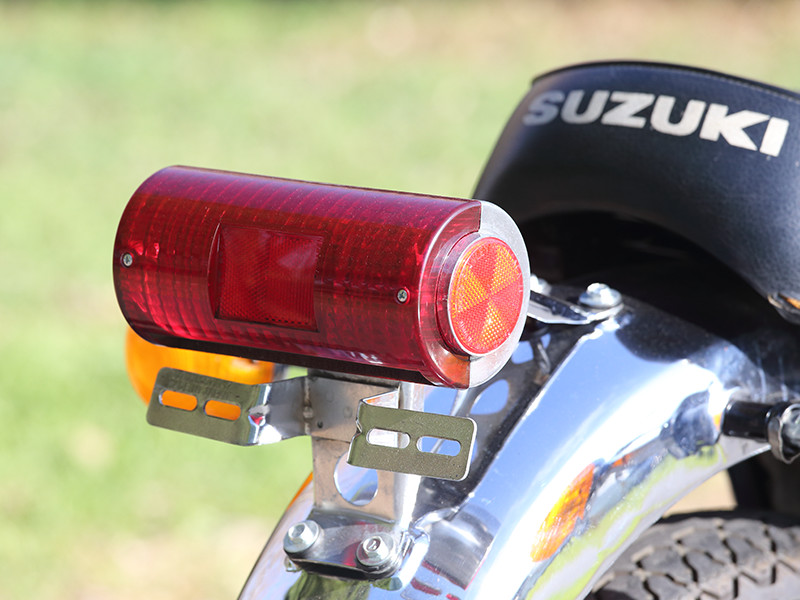
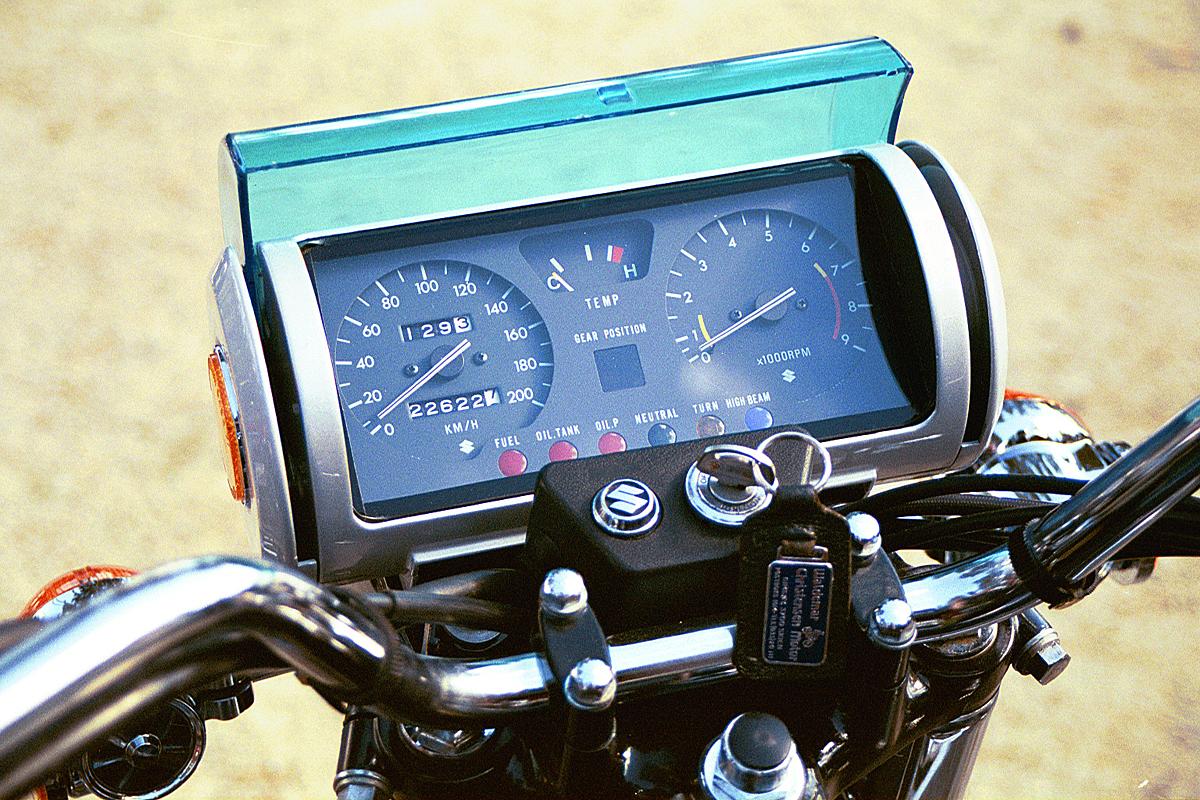
Suzuki roped in the famed automotive designer, Giorgetto Giugiaro (yes, he whose company designed Alfa Romeos, Bugattis, Maseratis among many others), to style the RE5. He designed the “tin can” instrument cluster and taillight to reflect upon the “rotary” theme.
Not surprisingly, the RE5 bombed on the sales floor. Cycle World called it “expensive, over-complicated, underpowered and hideous,” and was subsequently declared as one of their “Ten Worst Motorcycles.” Ouch.
One of the best aspects of riding is the never-ending quest to ride better.
Riding skills should be learned correctly and refreshed from time-to-time.
It applies to all riders regardless of age and experience.
With the New Year long weekend coming up, there are surely many bikers who will go out riding and touring. Besides preparing yourselves in terms of logistics, please make sure that you’re prepared in terms of riding, too. We’ve assembled these Ten Quick Tips to Enhance Your Riding Skills to assist.
The fundamentals, of riding any motorcycle is the same whether if he’s just obtained his license or a veteran who has been riding since Merdeka. Similarly, while motorcycles and their related technologies such as tyres, brakes, chassis, electronics, weight distribution have improved exponentially within the last decade alone, that doesn’t mean the rider only has to sit onboard and do nothing. Those technologies assist in riding enjoyment and safety but are virtually useless if the rider isn’t equipped with the necessary skills.
1. Steering
Bikes don’t steer by themselves.
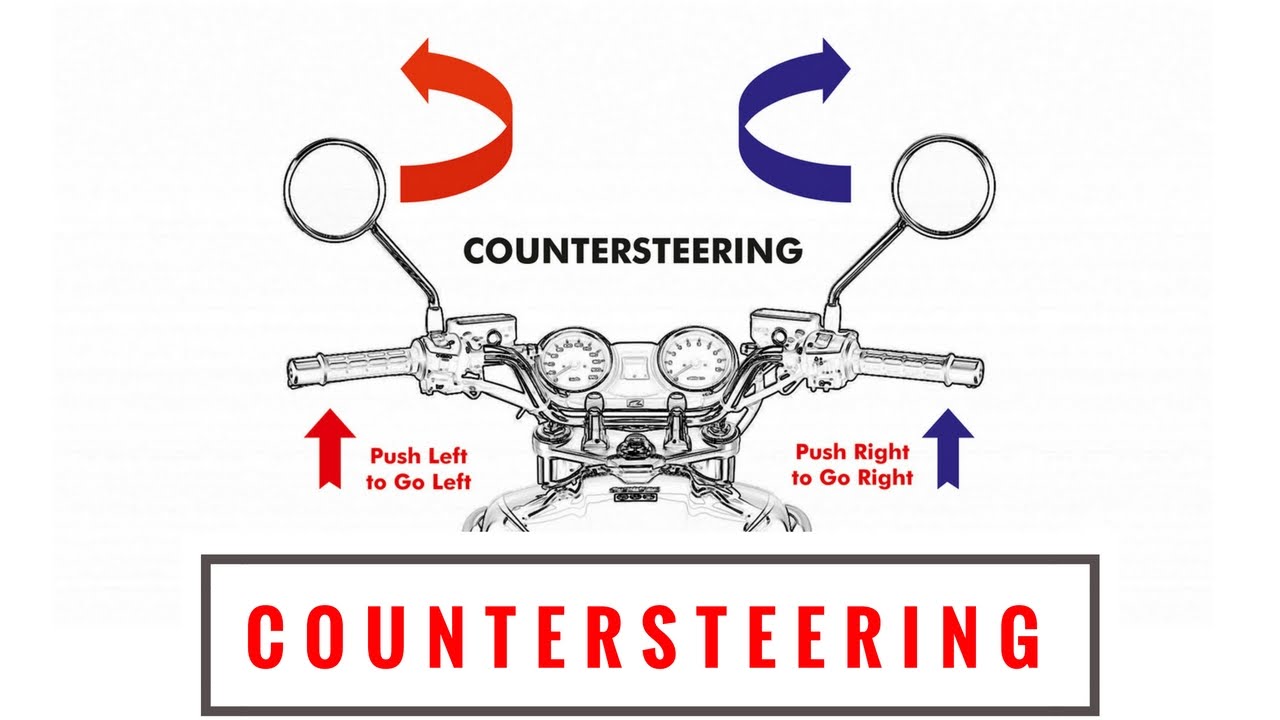
You need to countersteer.
You push on the left handlebar to go left, and push on the right to go right. The rate of steering (how quickly the bike tips over and turns) corresponds to the amount of force and speed you apply it to the handlebar. That means: If you shove on the right handlebar hard and abruptly, the bike will snap over to the right faster, and vice versa.
Learning to countersteer actively allows you to place your bike precisely on where you want to go.
Countersteering – Courtesy of sPEEDY pADDY
2. Throttle Control
Don’t treat your throttle as an on/off switch.
Instead, good throttle control plays a tremendous role in controlling the bike’s front and aft weight distribution, hence tyre traction, suspension action, smoothness and overall speed. It should be rolled on and rolled off, not whacked open or snapped shut in like a light switch. This is especially important when cornering or riding on slippery roads.
When approaching a corner, trace a line which will allow you to come on the throttle as soon as possible. Turn the bike in, come one the throttle smoothly and keep applying it as you leave the corner. Do not oscillate it on and off in midcorner as that’ll unbalance the bike and reduce tyre traction.
So, what’s the perfect line through a corner? It’s the line which allows you to open the throttle the soonest, all the way through, and on the exit.
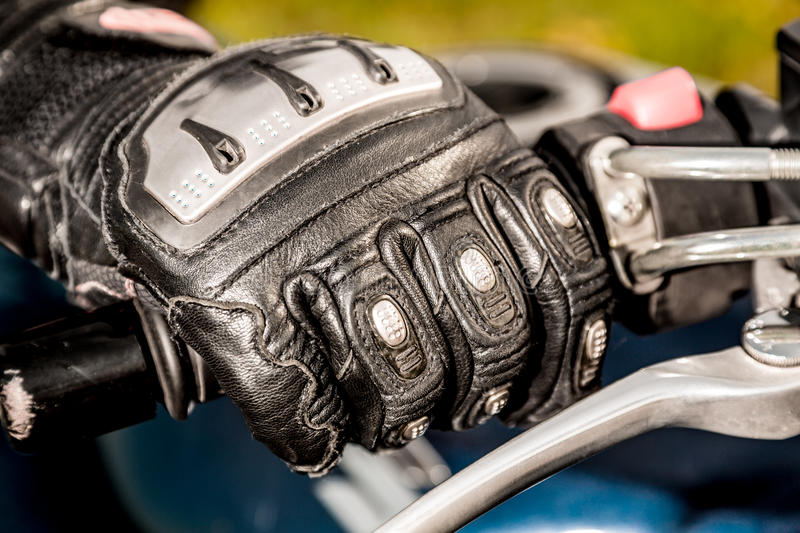
Throttle control – Courtesy of dreamtime.com
3. Vision
“Your bike goes where you look.” Repeat that to yourself as soon as you wake up, on the bike and off the bike until you go to sleep.
Admittedly, looking away from danger is difficult as our brains are hardwired to “Keep an eye out on danger.” On a motorcycle, however, keeping your eyes on the taik lembu in your patch guarantees that you will run through it. It’s called, “Target fixation.”
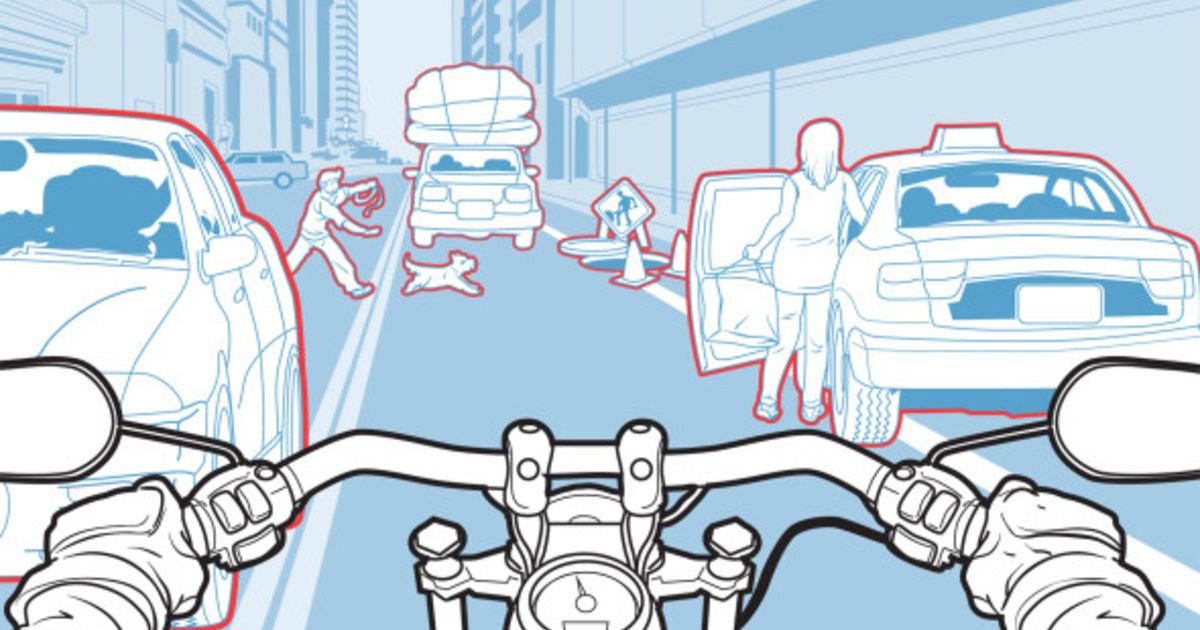
Target fixation – Courtesy of Cycle World
Watch this video below (courtesy of RNickey Mouse channel):
When danger presents itself, look for escape routes and steer towards the best option, instead of towards the thing you want to avoid. That’ll keep you from spraying dung all over your bike and yourself, and similarly from hitting that car which swerved into your lane.
4. Braking
What’s the single most powerful component of your motorcycle?
The engine? No. It’s the brakes.
No other component translates so much of the rider’s input into such big reactions. Just like the throttle, you should start thinking of brakes as the device you use to achieve your target speed – say for a corner – instead of being an on/off switch.
And as with the throttle, the brakes should be applied smoothly. Never grab it abruptly with the grip of death. In fact, if done right, rolling off the throttle as you transition to the brakes and getting back on the throttle smoothly does wonders for your riding.
Also, do remember to clamp your knees onto the fuel tank and leave your arms and elbows as relaxed as possible when you apply the brakes.
Stiffening up your arms and elbows by locking them will render them useless in helping you to steer the bike away from danger.
Besides that, stiffening up your arms and elbows will transfer all of the deceleration forces to them and your body, fooling you to think that you’ve reached the limit of your suspension, brakes and tyres, when you could actually apply more brakes.
5. Let it Slide
We know, blood rushes through your body when a tire breaks traction and “kicks out.” Is that a bad thing? Unless your bike has swapped ends (the rear had overtaken the front), there’s always the possibility of saving it (although you may need new underwear).
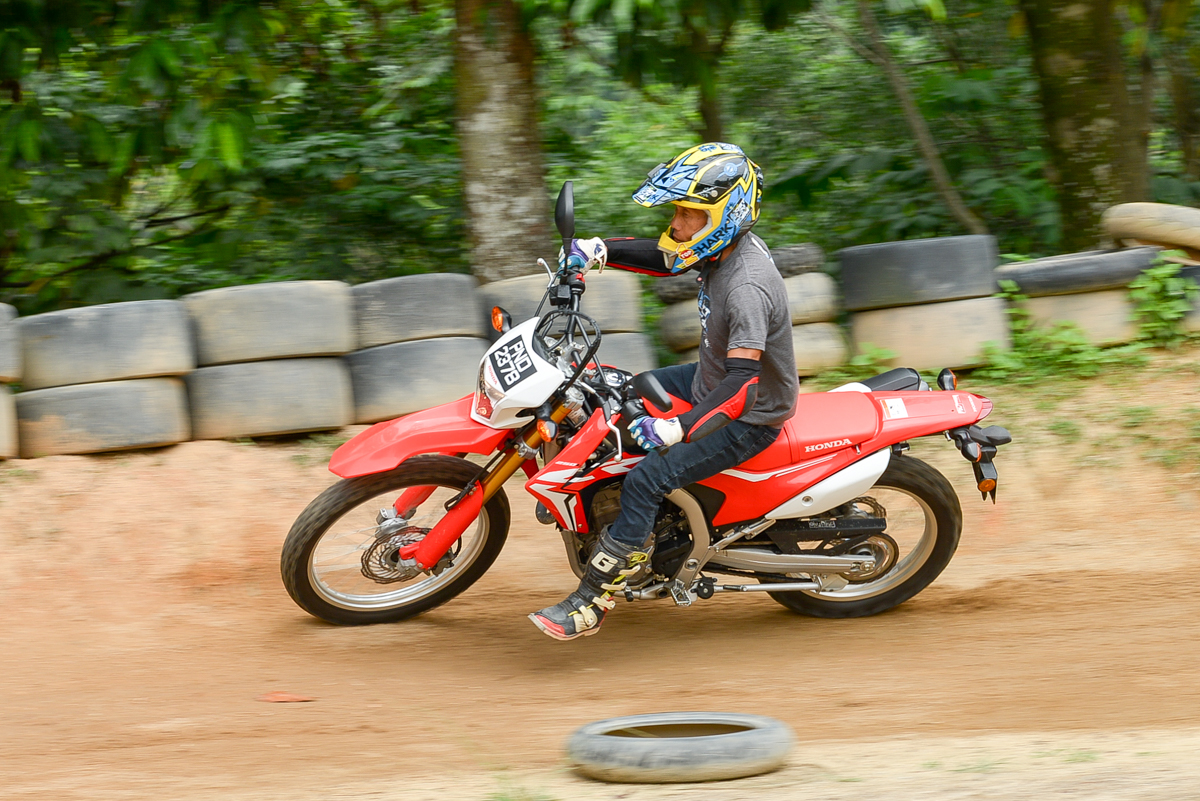
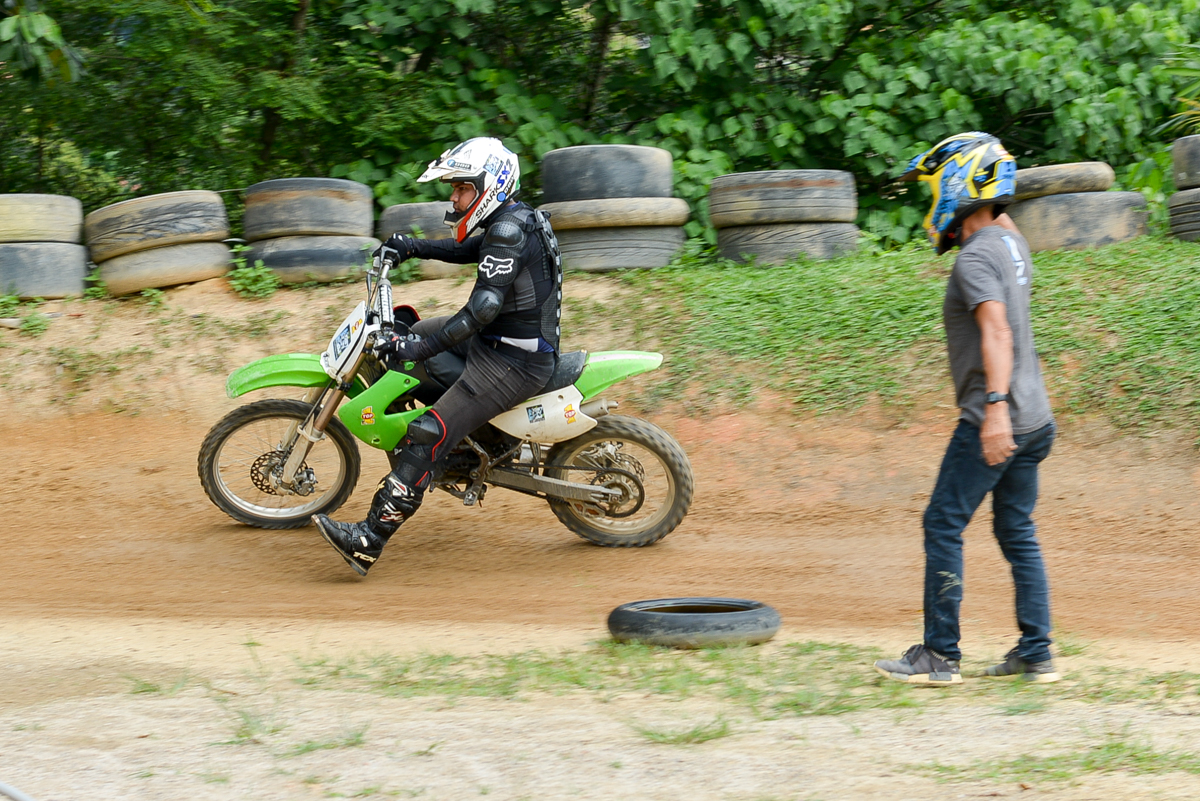
The best way to practice slides is on a dirtbike on a dirt track. Dirtbiking teaches your body how to respond to slides by using all the skill sets you’ve learned so far. Once you’re back on the pavement, you won’t panic when the tires get loose. (Best place to learn this is at Most Fun Gym where we train.)
However, the basic technique is to always ride relaxed even when the bike slides. A sliding bike doesn’t mean it’s out of control. Instead, a sliding tyre is only trying to find a stable position. Riding stiff just means you’re resisting it from finding this position. So let it slide, while you stick to steering, throttle control and vision.
6. Turn and Burn
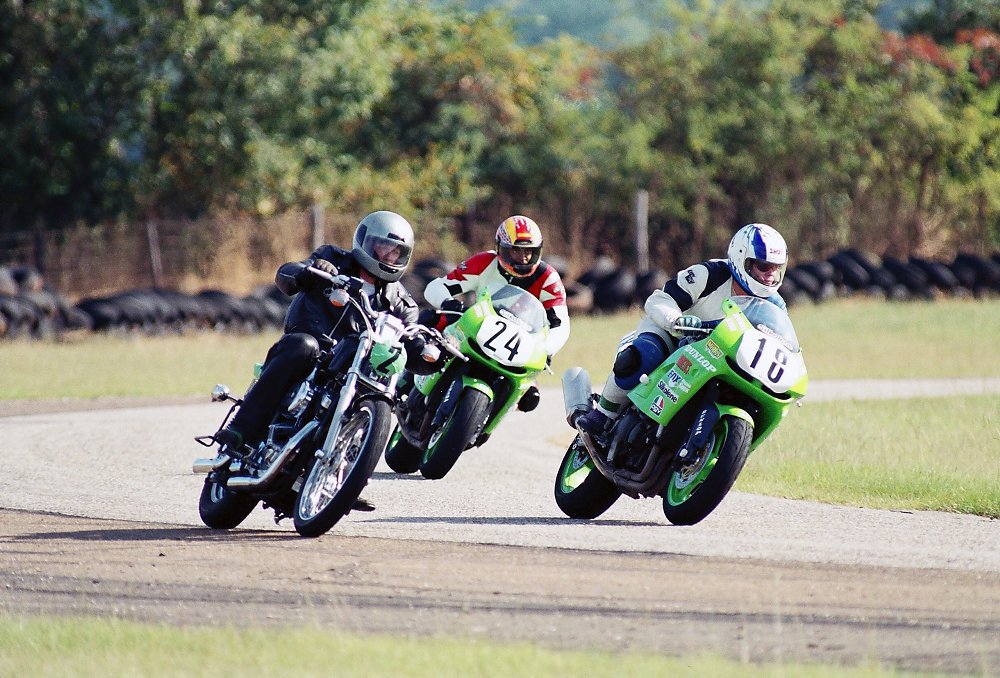
What are bikes for if not for corners!
Apply what you’ve learned above about countersteering, throttle control, braking, vision and sliding – in the correct order, of course – and soon find yourself confidently sweeping through corners without too much thought.
7. Visit the Track
The best place to apply all the skills you’ve learned is of course, the racetrack.
Track sessions are usually divided into “classes,” so you may start with newcomers to avoid getting scared senseless by the faster riders.
Needless to say, the track provides the best environment not just for racing but for pure riding, since there are plenty of run-off areas and everyone else is going the same direction; no punk driving his mom’s car; no zombie pedestrians with their faces stuck in their phones; definitely no babi hutan crossing the road; no diesel spill from the bus whose driver’s practicing for F1.
Since you ride at elevated speeds on the track, you’ll find yourself in so much control when you get back into the real-world – just don’t apply racetrack speeds on the roads.
9. Iqra (Arabic for “Read”)
Buy books and watch videos. Study, then go out and practice, because there’s no two ways about it.
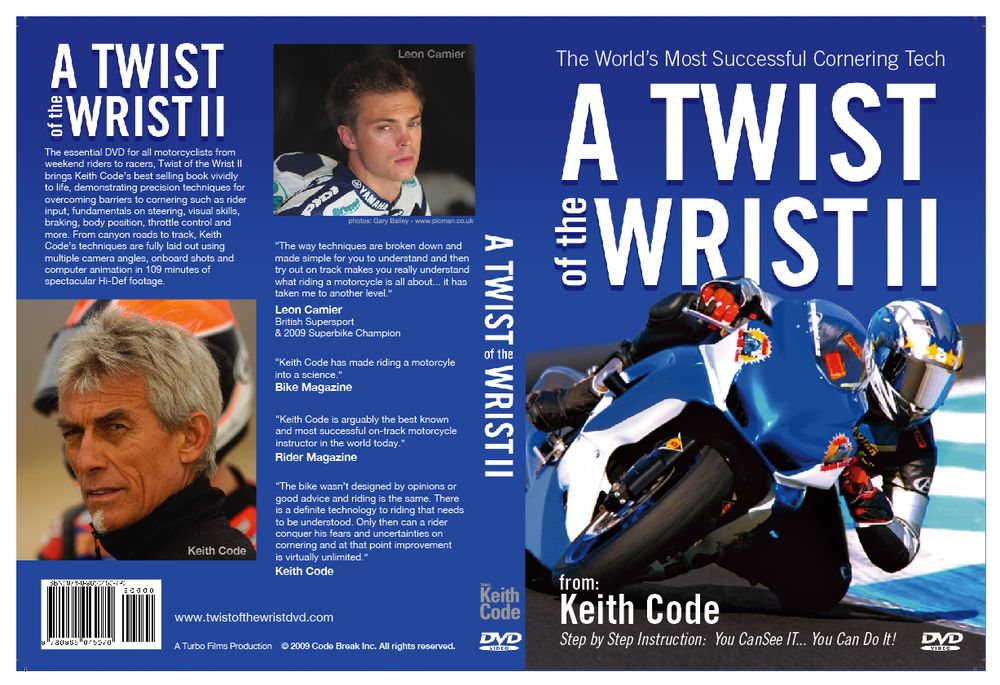
Books we recommend are A Twist of the Wrist Vol. II by Keith Code, Sport Riding Techniques: How to Develop Real World Skills for Speed, Safety, and Confidence on the Street and Track by Nick Ienatsch, and Total Control by Lee Parks, among others.
Getting advice from your buddies could work, but if (while we’re not doubting their skills) he’s the kaki tapao at Kuala Kelawang, you may want to look for more reliable sources. Most, if not all, good riders take it easy on the road and only ratchets it up at the track. Best is to learn from a real teacher, or at least a buddy who has attended an official riding school or two.
9. Find a (Real) Sifu
As mentioned in No. 8, the best way to learn is having an instructor watch you ride and critique your riding.
Riding schools teach the fundamentals and you could always develop your own riding style in a correct manner. Learning to ride by yourself is open to interpretation and you may end up harbouring bad riding habits.
We always recommend that any rider learn dirt riding. As Most Fun Gym’s motto puts it, “Learn offroad, master all roads,” dirt training makes you a much, much better and safer rider. That’s why all the top riders learn dirt riding.
10. Maintain Your Own Bike
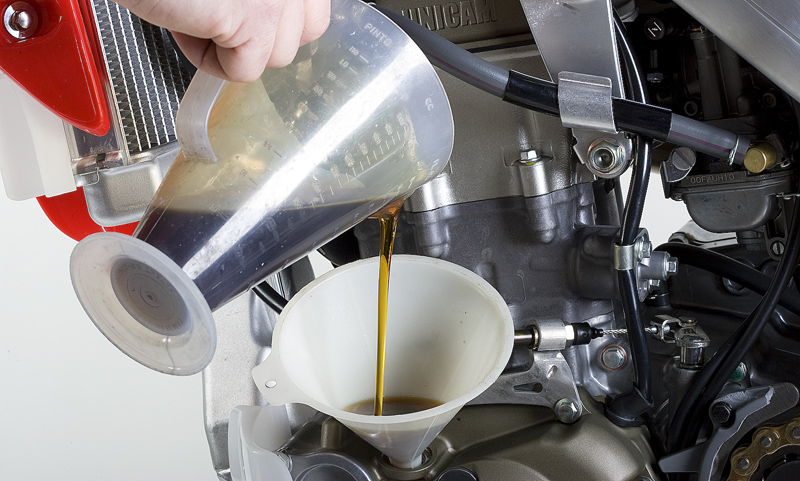
Performing your own maintenance means you could invariably find out more about your bike. Besides, you’re more likely to develop a personal bond with your bike and treat it with respect, instead of just being a machine that you’d flog without remorse.
Performing your own maintenance could also allow you to spot potential problems with the bike.
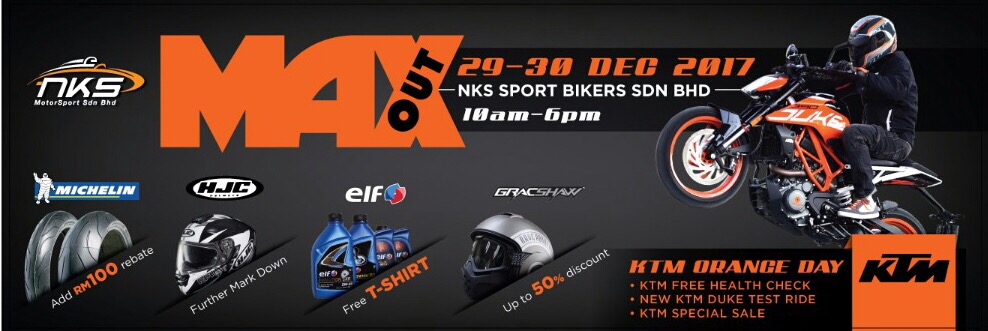
NKS Sport Bikers is organising a very special NKS Max Out event together with KTM Orange Day.
Attendees can try out the latest KTM 250 Duke and 390 Duke and get free KTM health checks as well as other amazing deals for HJC and Gracshaw helmets, Michelin tyres, Elf Lubricants, and many more.
Head over to Jalan Sentul from 10am to 6pm for amazing deals and discounts but it’s only for today and tomorrow (29-30 December 2017)!
NKS Sport Bikers Sdn Bhd over at Jalan Sentul, Kuala Lumpur is organising a two-day extravaganza where those who attend can test out the latest bikes from KTM Malaysia as well as other amazing offers. Dubbed the NKS Max Out event, all discounts and offers are only for today and tomorrow (30 December 2017) together with KTM Orange Day. (more…)
But maintenance should be done right for a long-lasting helmet.
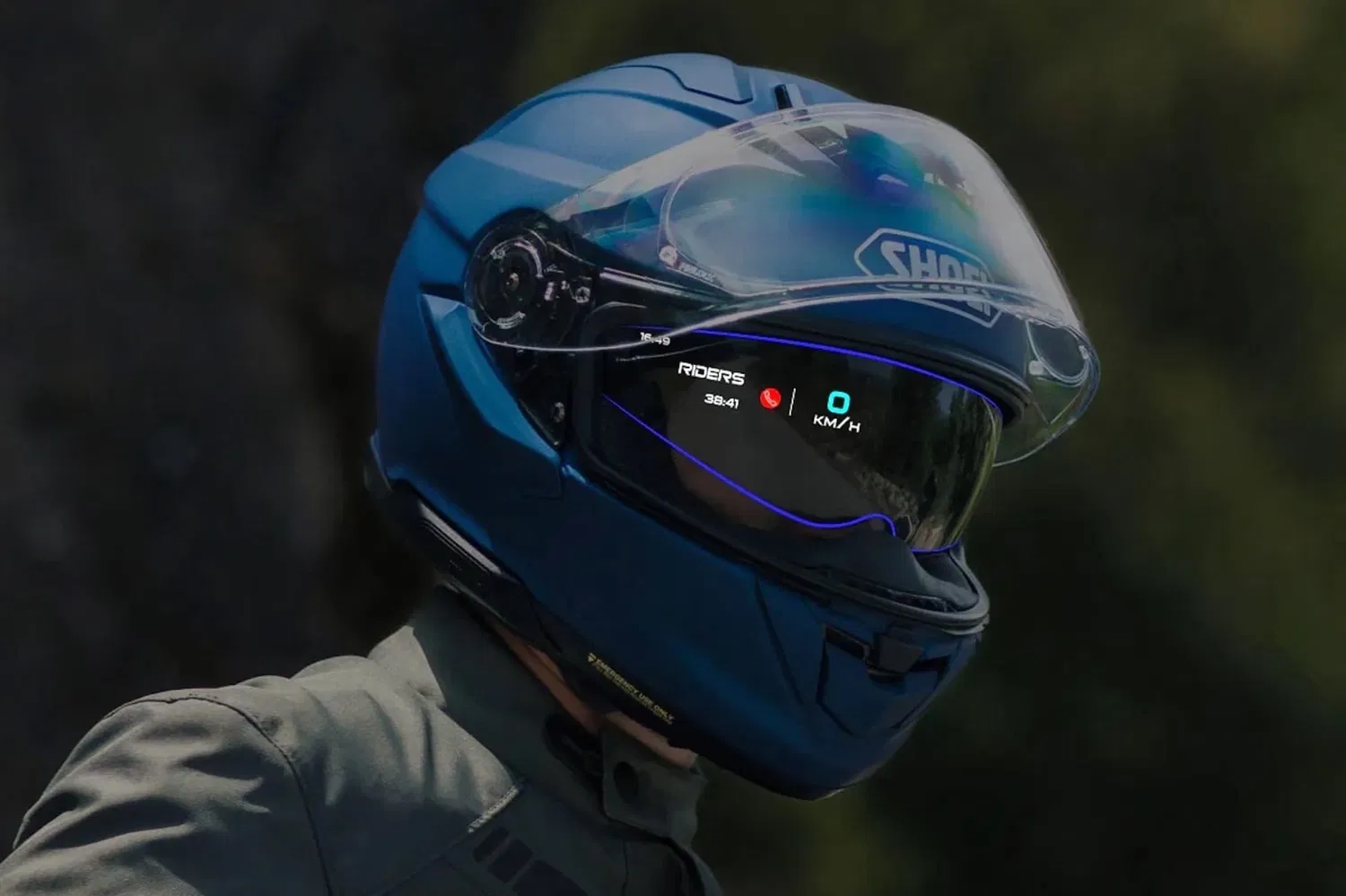
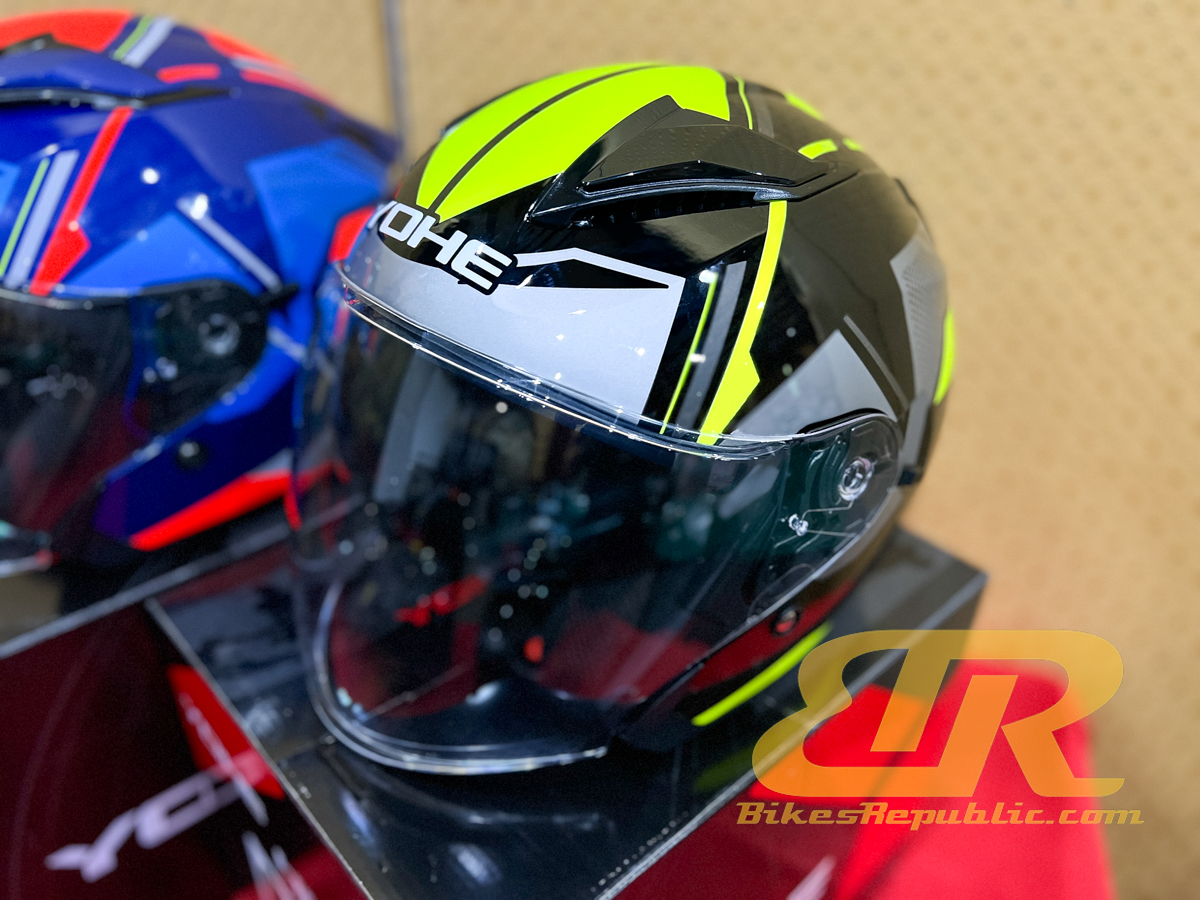
The helmet protects your head from impacts and injury, and it’s always in your best interest to take good care of it in return. However, a brain bucket doesn’t need intensive maintenance like say, the bike, but it does need some tender loving care.
1. Carrying It
We see it all the time, and yes, we’re guilty of it too.
Grabbing it by the chinbar is easier, of course, but that could result in detaching or damaging certain components, in addition to the padding behind the chinbar itself. Winding the arm under the chinstrap and out the eyeport is stable, but you chance detaching or breaking the breath deflector.
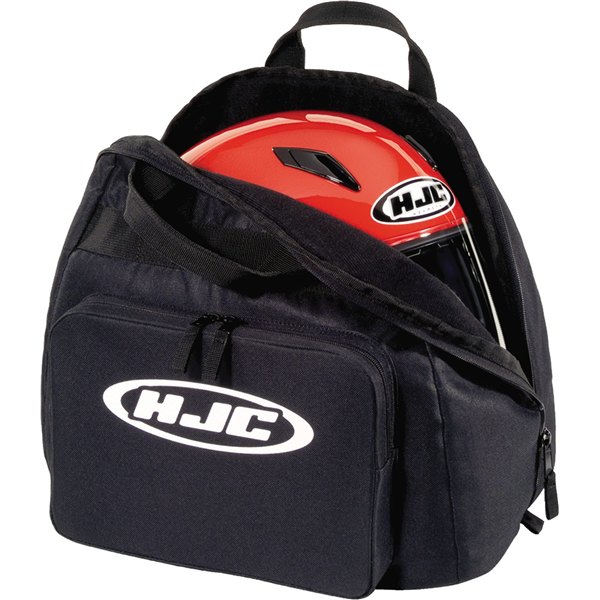
The best way of carrying the helmet correctly is to tie up the strap securely and carry it like a handbag or just use the bag which it came in.
2. Gloves Out
Since a helmet is bucket shaped, it becomes a convenient basket for the bike keys, ciggies, lighter, and of course, the gloves.
If the sweat from your hands and traffic pollutants can eat away at the stitching of the gloves, it’ll destroy your helmet’s comfort lining soon enough. The gloves will also cause your helmet to smell funky.
So remember, the only thing that should be inside the helmet is your head.
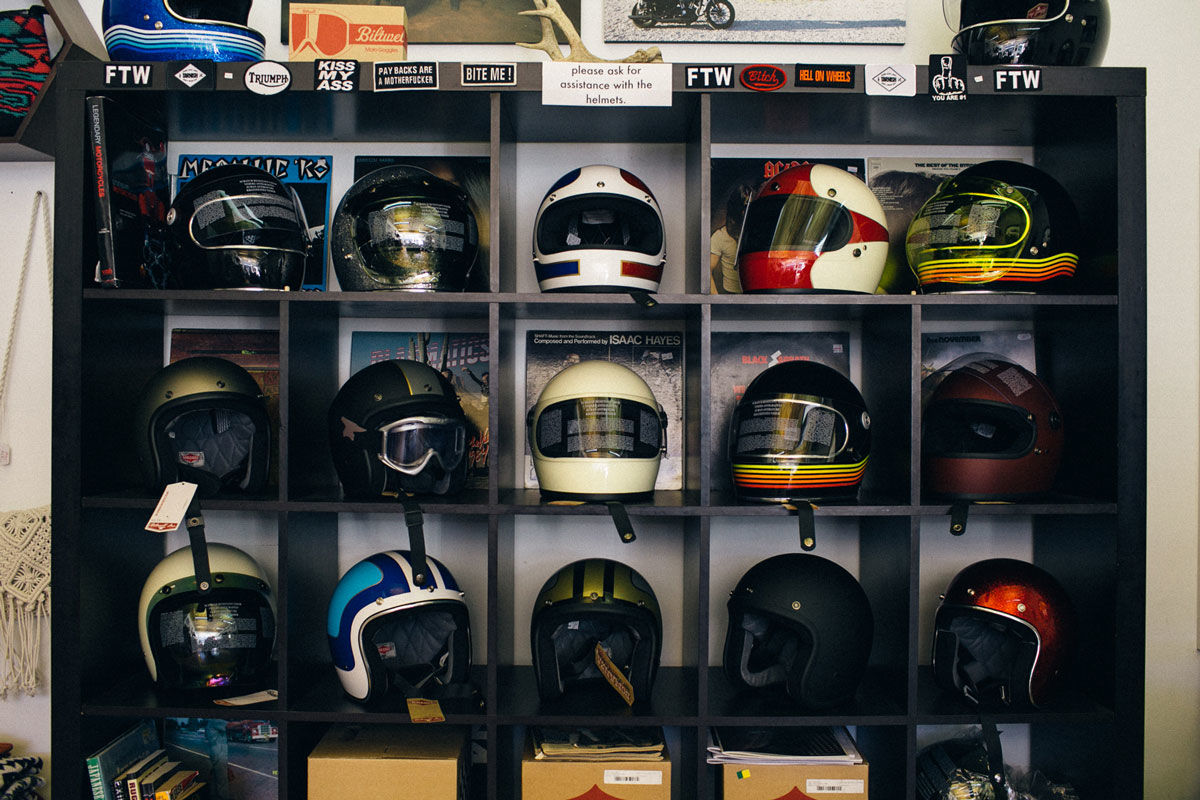
3. Store Upright
This may sound as an unnecessary reminder, but do place the lid the correct way up. There’s a reason why there’s a rubber gasket that runs around the bottom.
Placing the helmet upside down will not only destroy the paint and finish but may also start to compromise the shape and strength of the shell if such mistreatment is kept up.
4. Cleaners
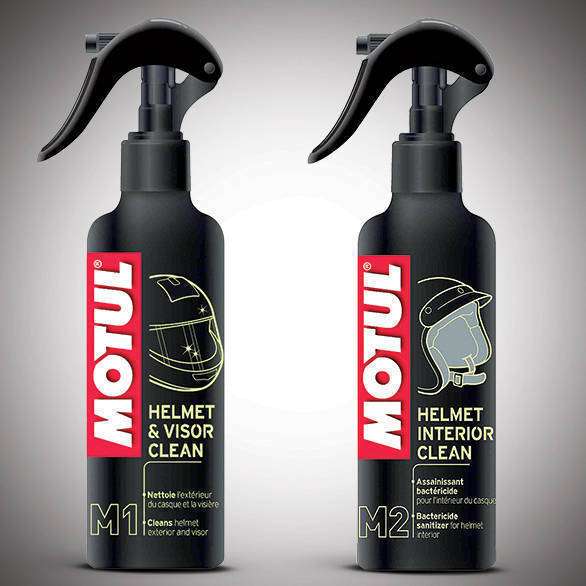
Manufacturers usually recommend cleaning the shell and faceshield with just soap and warm water. However, there are many helmet cleaners in the market that are convenient to carry along during a ride or to the track.
Experiment with a new cleanser on your helmet by starting on a small section before committing to the entire helmet or faceshield.
Do not ever use harsh cleaners such as dishwashing liquid or lighter fluid (to remove sticker residue). Another note: Do not ever use glass cleaner on the faceshield as it will erode the sensitive coating. Don’t ask how we found this out.
5. Hanging On
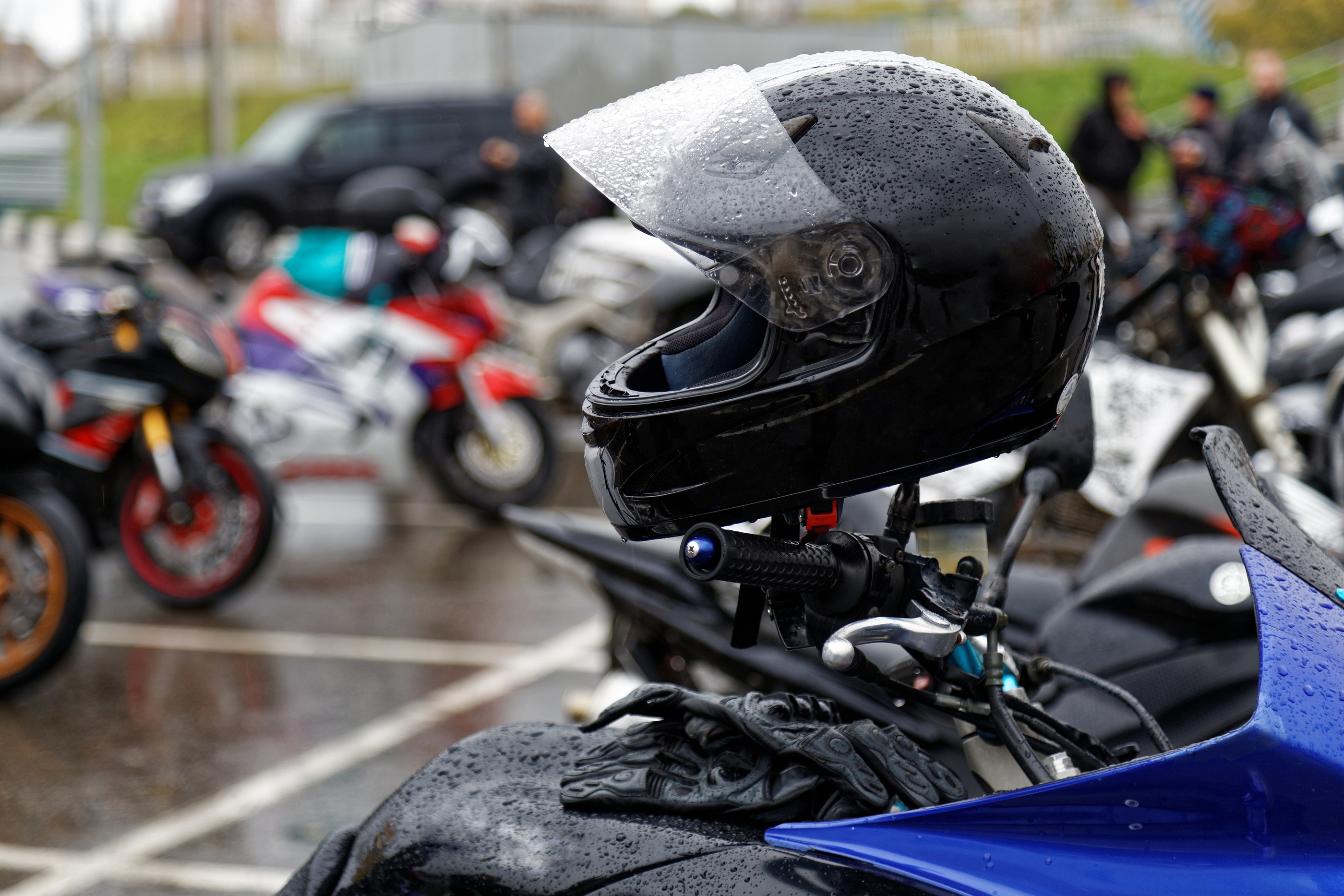
Motorcycle mirrors and handlebar ends are understandably convenient places for placing the helmet.
However, it isn’t the right thing to do, as the shape of the mirror and handlebar end may deform the EPS lining of the helmet, leaving it weaker in certain spots. The EPS liner must be as uniform as designed to spread the shock of impact.
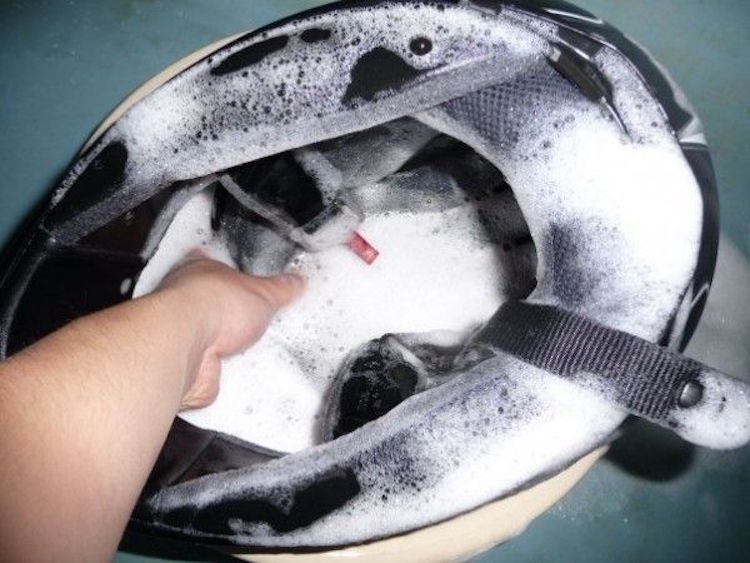
6. Bath Time
Do make it a point to clean your lid at least once a year. This writer personally does it every three months or so, depending on usage.
Remove any removable liner, wash in warm water and clean the rest of the helmet. Use Q-Tips to clean hard-to-reach places such as vents.
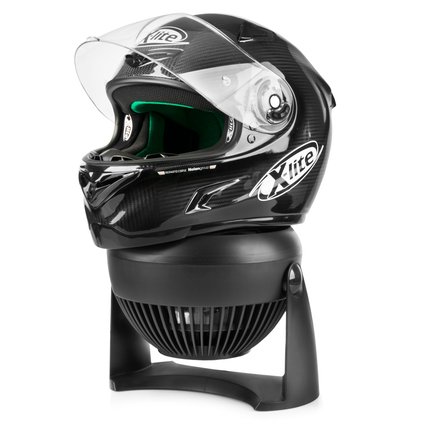
7. Drying Out
A helmet should be dried out first before being stored in a cabinet or the bag.
But please use care when drying it. Best to remove the comfort liners and allow the inside of the helmet to dry naturally. Using high heat everytime the helmet gets wet will soon weaken the glue in some parts.
The comfort liners should also ideally be air-dried but if heat is needed, you may use a hairdryer for the padded side and not over the plastics, to again, preserve the glue.
9. How Long?
Dropping the helmet from a low height may not necessarily damage it, but best to have it checked over by the manufacturer. On the other hand, a headgear that has never been dropped needs to be replaced after a maximum of five years of use from the day it first went on your head.
9. Waxing
There are certain manufacturers that okayed the use of automotive waxes. Use the soft variety, sparingly and wax gently by hand.
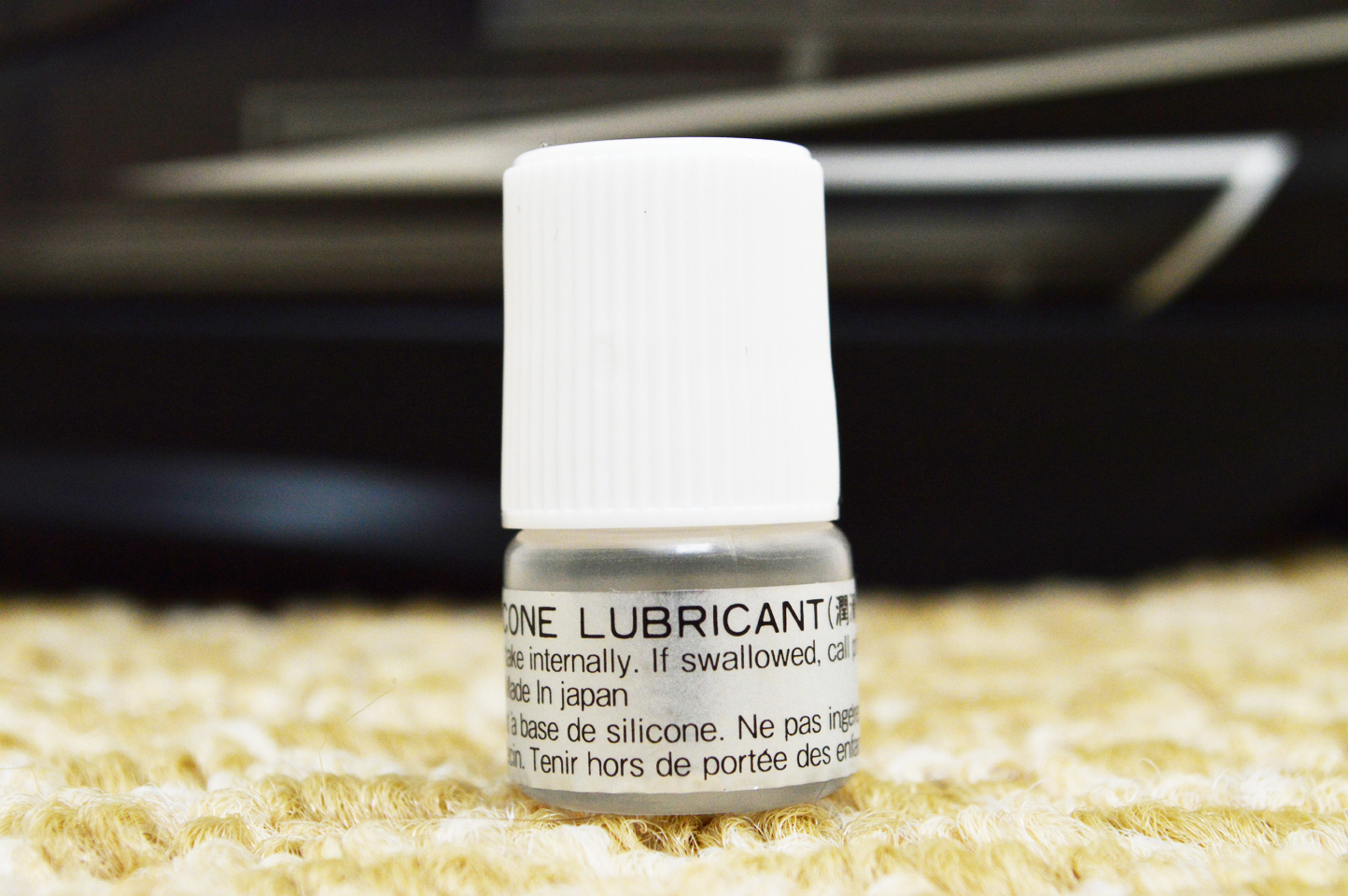
10. Lubing Up
The faceshield mechanism should be lubricated with silicone lubricant for better action. Arai includes the lubricant with every lid they sell.
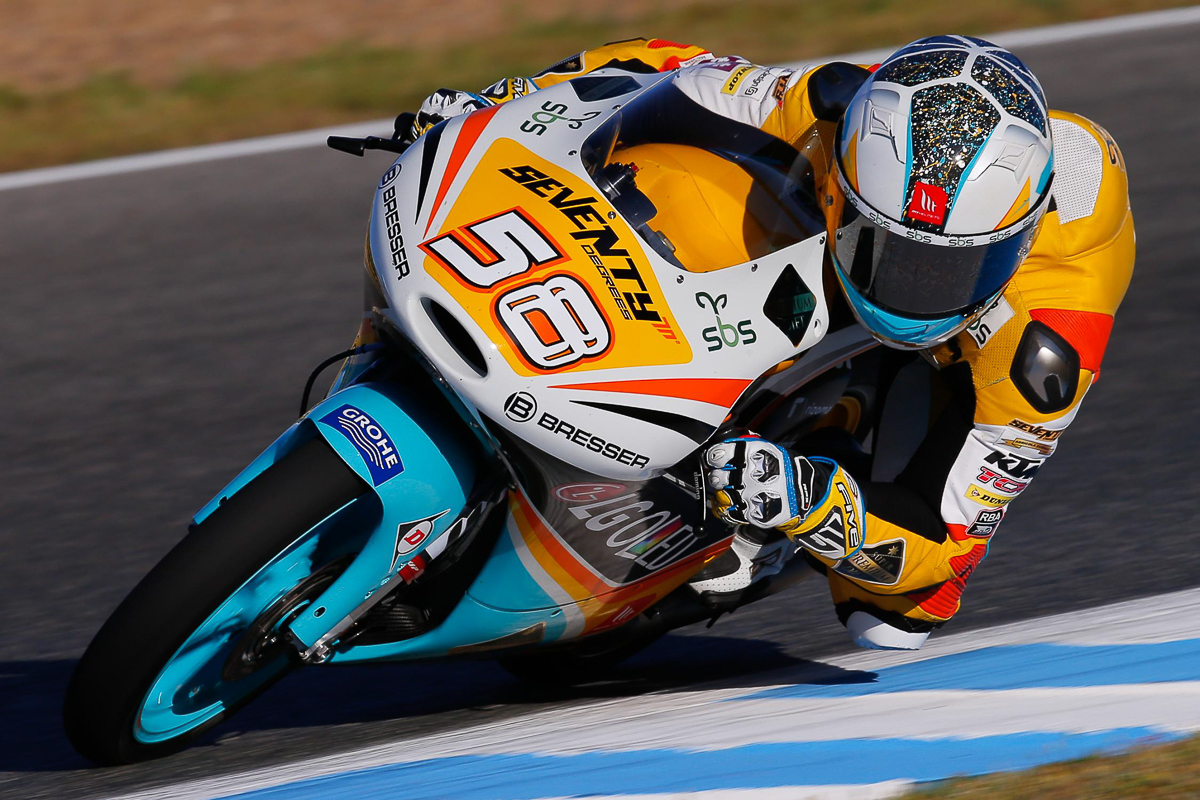
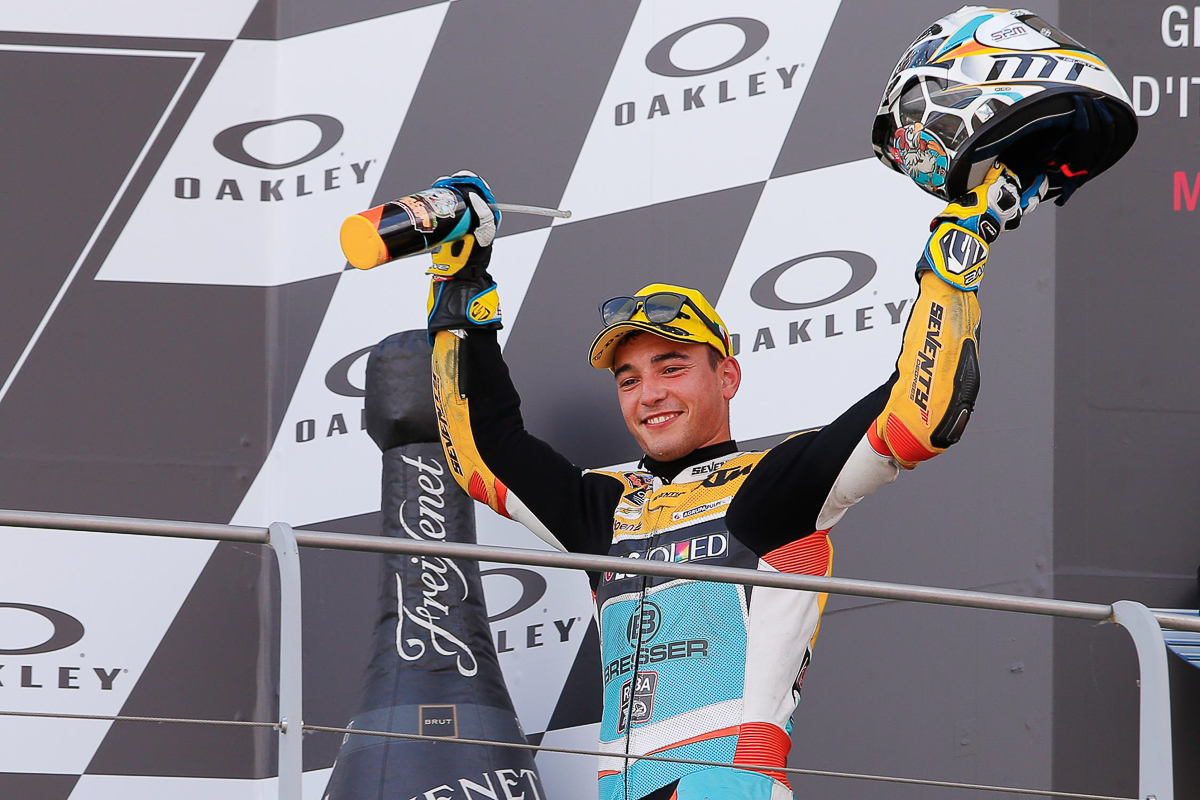
Moto3 rider Juanfran Guevara has officially announced his retirement from the world of motorcycle racing.
The decision was made due to the pressures revolving motorcycle racing and funding to continue further.
The 22 year old Spaniard has decided to focus on his career in business and studies.
One of the world’s top Moto3 riders has sadly made decision to retire from motorcycle racing earlier today. 22 year old Juanfran Guevara made the announcement via an official press release today despite the fact that he is still in the provisional entry list for 2018 together with his current team, RBA BOE Racing KTM. (more…)