Kawasaki reveals the name of the supercharged Z model.
It is called the Kawasaki Z H2.
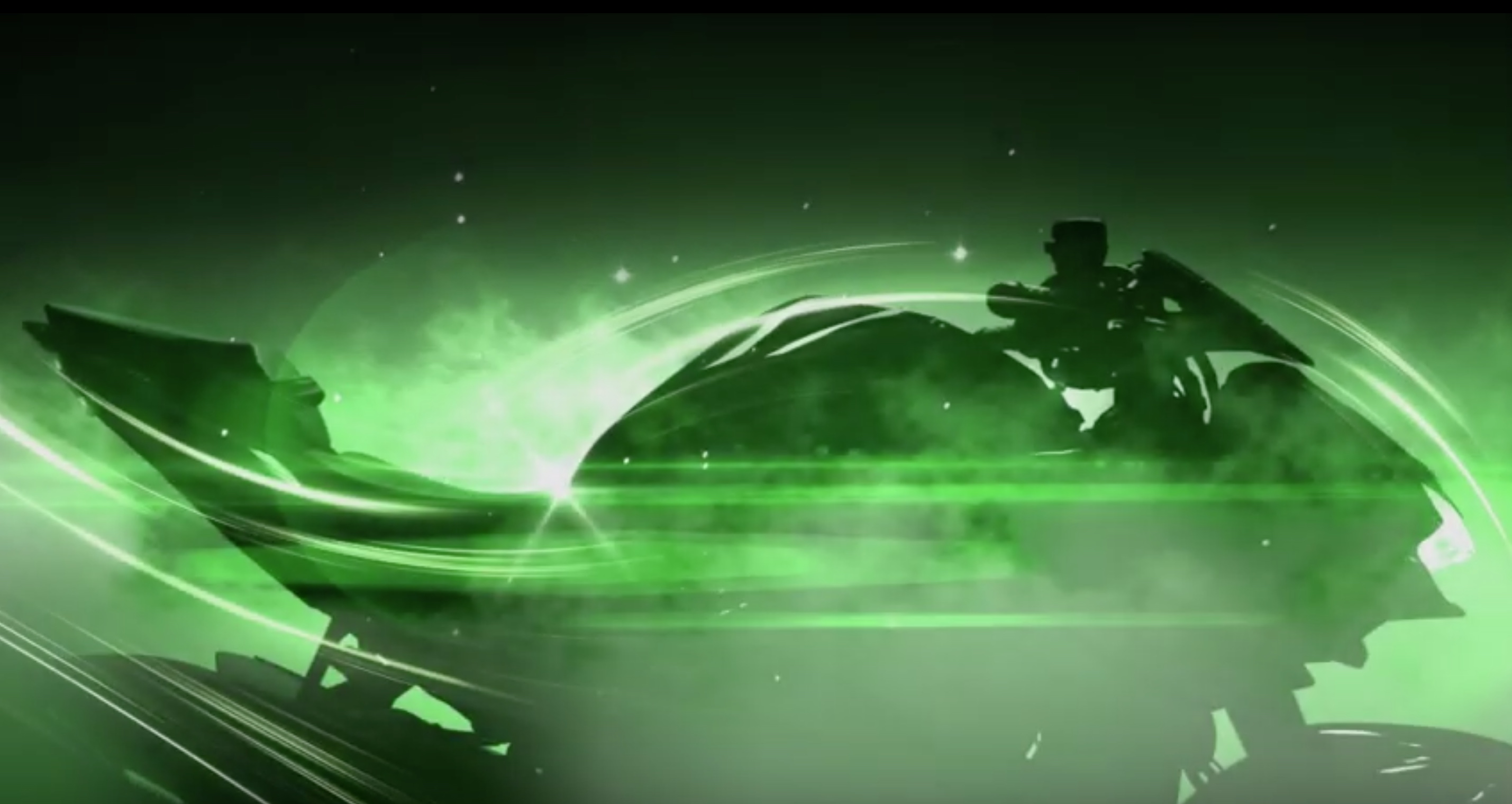
The teaser video also revealed the bike’s silhouette.
The third teaser video for the Kawasaki supercharged “Z” model has been released, and the name of the bike – Kawasaki Z H2 – along with it.
The release of this model will expand both Kawasaki’s supercharged and Z naked bike lineups at one go.
The supercharged family currently consists of the H2R, H2, H2 SX and H2 SX SE. With the new Z H2, the lineup is complete with a track-only sportbike, sportbike, two sport-tourers with different trims and a supernaked.
Over in the Z-model naked bike family, it currently consists of bikes from 150cc all the way to 1000cc. We wonder what will become of the Z1000. Will Kawasaki develop another normally-aspirated model or will they supplant it with the Z H2?
The video also shows the bike’s silhouette for the first time. It doesn’t appear to be a H2 without bodywork, instead it looks like it evolved from the Z900. Check out the shapes of the headlight nacelle, flyscreen, fuel tank and tail section. Oh, it has higher handlebars, too.
The advent of the Z H2 is much anticipated as it will Japan’s inclusion into the supernaked category, which is so far dominated by European manufacturers namely Aprilia, BMW, Ducati, KTM, Triumph.
Ducati is set to unveil the Streetfighter V4, while KTM has also teased with a new Duke which we think is most likely the new 1290 Super Duke R. Triumph may also introduce a new more powerful and lighter Speed Triple.
It means that Kawasaki needs to show at least 180 bhp on the Z H2. 200 ponies is a possibility.
Ladies and gentlemen, we are living in the glorious age of horsepower wars!
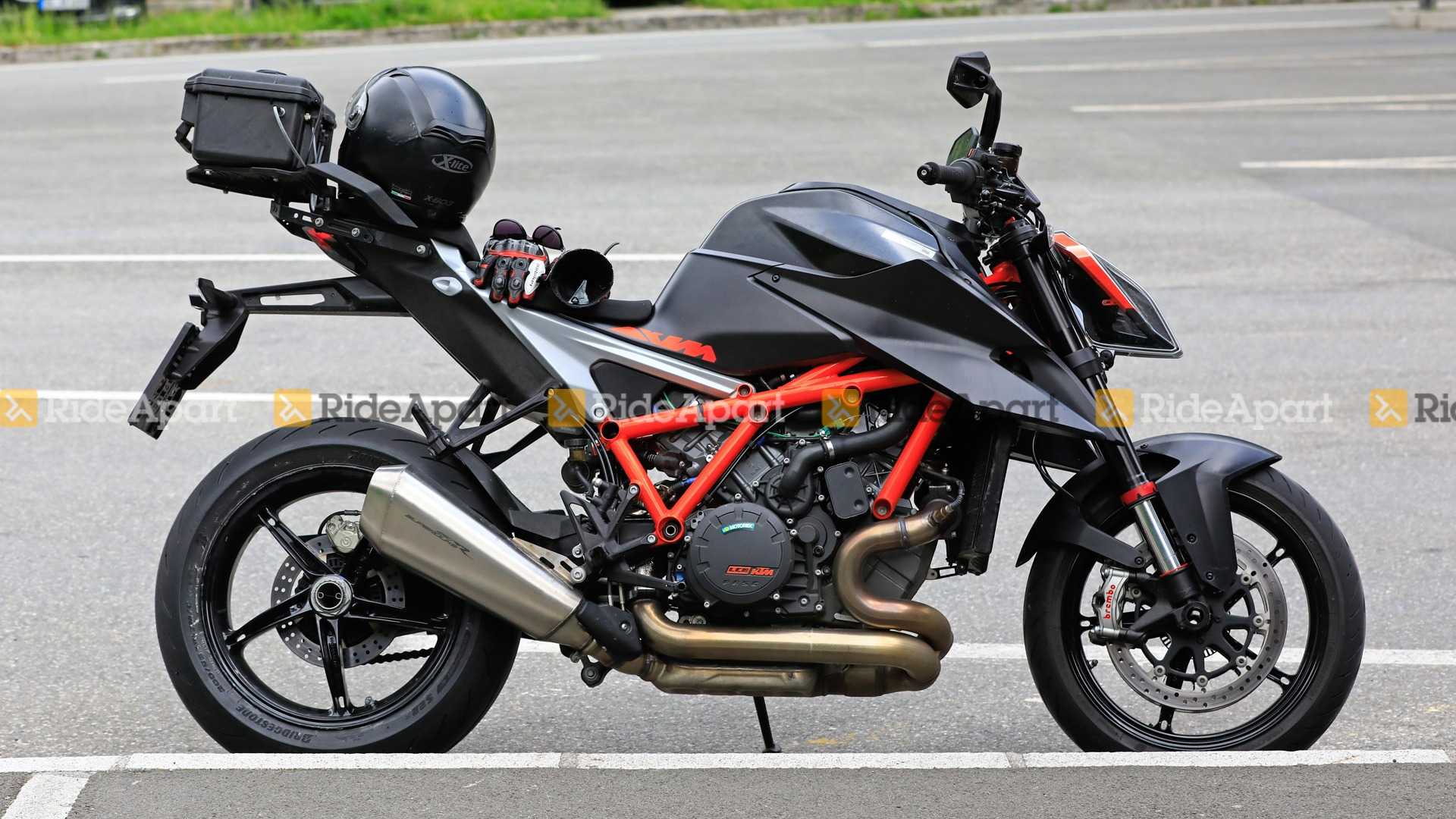
We are inclined to believe it is the 2020 KTM 1290 Super Duke R.
Will we see a power increase in the face of upcoming new supernakeds?
Before we continue, we’d like to say, “Here’s another teaser video.” This time it’s from KTM with the hashtag #GetDuked. But certain frames in the teaser got us to believe that it’s going to be the new 2020 KTM 1290 Super Duke R.
Eagle-eyed viewers freezes certain frames in the video and pointed out that there were glimpses of a bike with a single-sided swingarm. That’s the dead giveaway for a 1290 Super Duke R, since a revised 1290 Super Duke GT had been introduced for this year.
The prototype 2020 KTM 1290 Super Duke R was spotted on a number of occasions. If the pictures are anything to go by, the new bike will have a new frame and subframe. The new bike’s frame looks more sparse, rather than taking on the appearance of a ladder. As for the new subframe, it resembles the aluminium one used on the 790 Duke.
We were thinking of either the rumoured 490 Duke or 890 Duke initially. But there’s still no confirmation if KTM is indeed working on these two.
This new bike will be unveiled on 5th November 2019, the opening day of EICMA.
But the most important question is probably whether we’ll see a power increase for the new 1290 Super Duke R. The model has held the title of the most powerful supernaked for many years. However, Ducati is set to introduce the Streetfighter V4 while Kawasaki has teased with a supercharged “Z” model which is a naked H2 in essence.
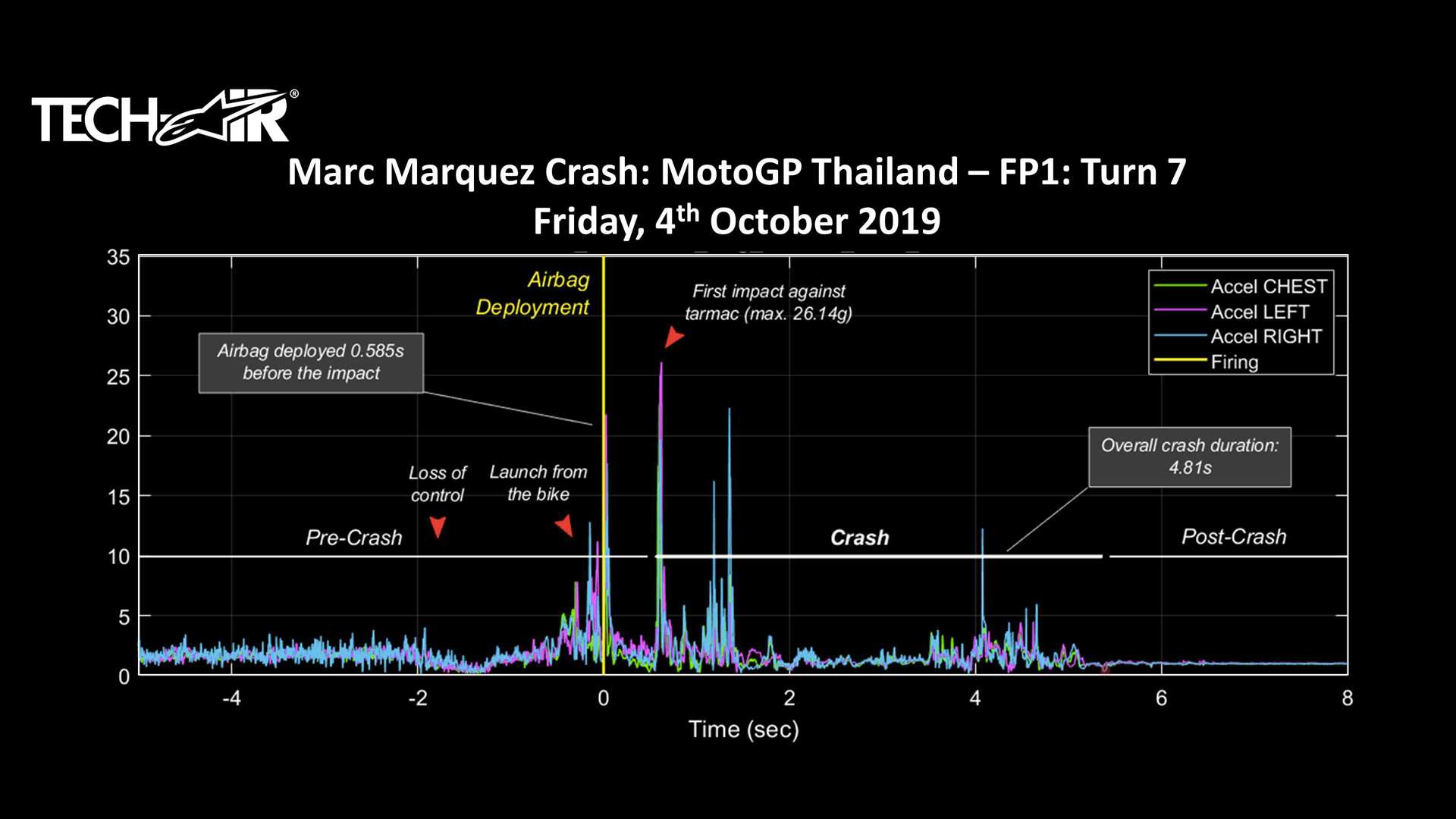
Alpinestars released the data from Marc Marquez’s crash at Buriram.
It recorded a peak of 26.14G.
Marquez would walk away and went on to win the race and championship.
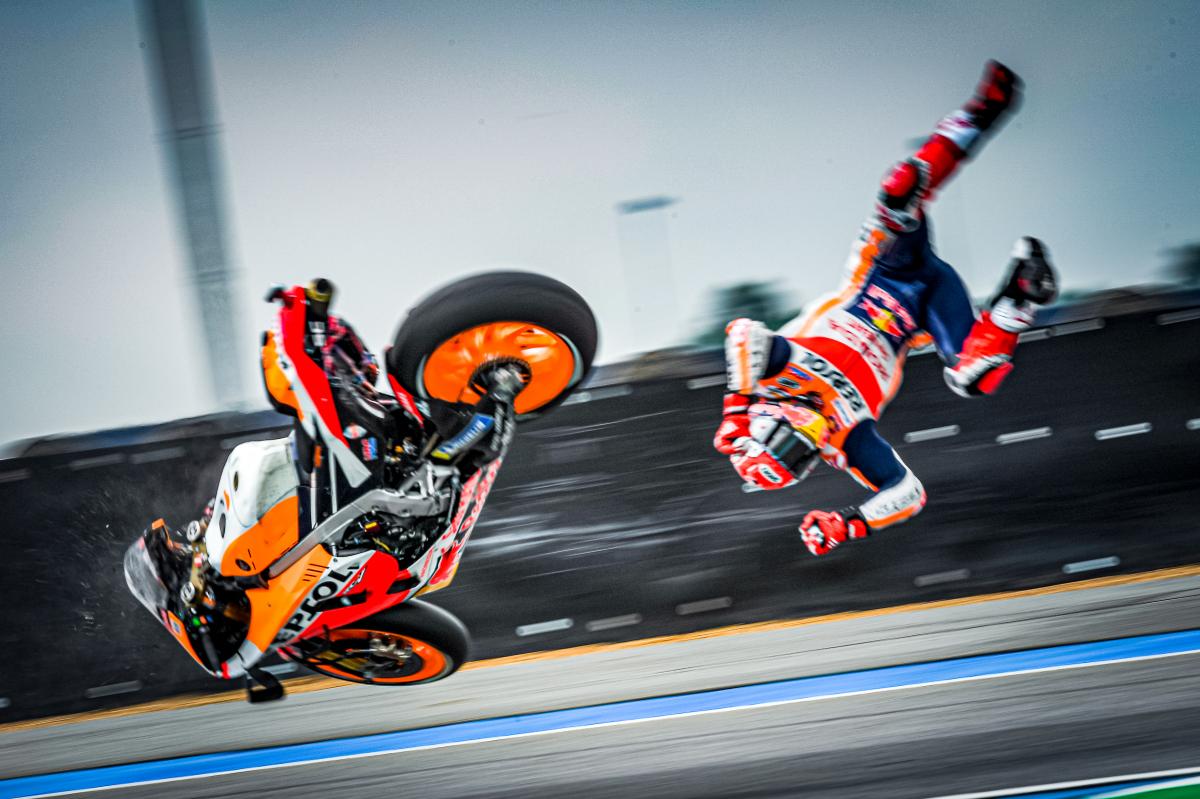
There’ve been countless times in the past two years when riders walked away after suffering massive crashes. Marc Marquez crashed heavily at Buriram over the weekend, and was another saved by his Alpinestars airbag suit.
Marquez said that he had shut the throttle for Turn 7 on his out lap in FP1, causing the cold rear tyre to let go. The force of highside crash threw him high in the air before coming back down hard. He said he couldn’t breathe for five seconds immediately after. The trackside doctor even sent him to the hospital for CT scans to verify that he was indeed okay.
Alpinestars have released the crash data captured by the sensors in Marquez’s suit, just like after the crash involving Fabio Quartararo and Andrea Dovizioso at Silverstone not too long ago.
It’s immediately apparent that Marquez hit the ground at 26.16G. That’s 26.14 times the force of gravity. We’re not sure how much he weighs, but let’s assume it’s 80 kg. Thus 26.14 x 80 = 2091.2 kg. It means he hit the ground equivalent to weighing 2091.2 kg.
Remember that it’s not how one crashes, instead it’s how one stops in a crash that does the most damage.
Looking at the graph again, the sensors determined that Marquez was flying through the air, marked the spikes a fraction just before airbag deployment. The air bag inflated at 0.585 second before impact to cushion the blow.
Marc Marquez lived to see another day. In fact, he went on to post fastest times in practice and qualifying before winning the race and securing his eighth overall world title.
Kudos to the men and women who designed the technology.
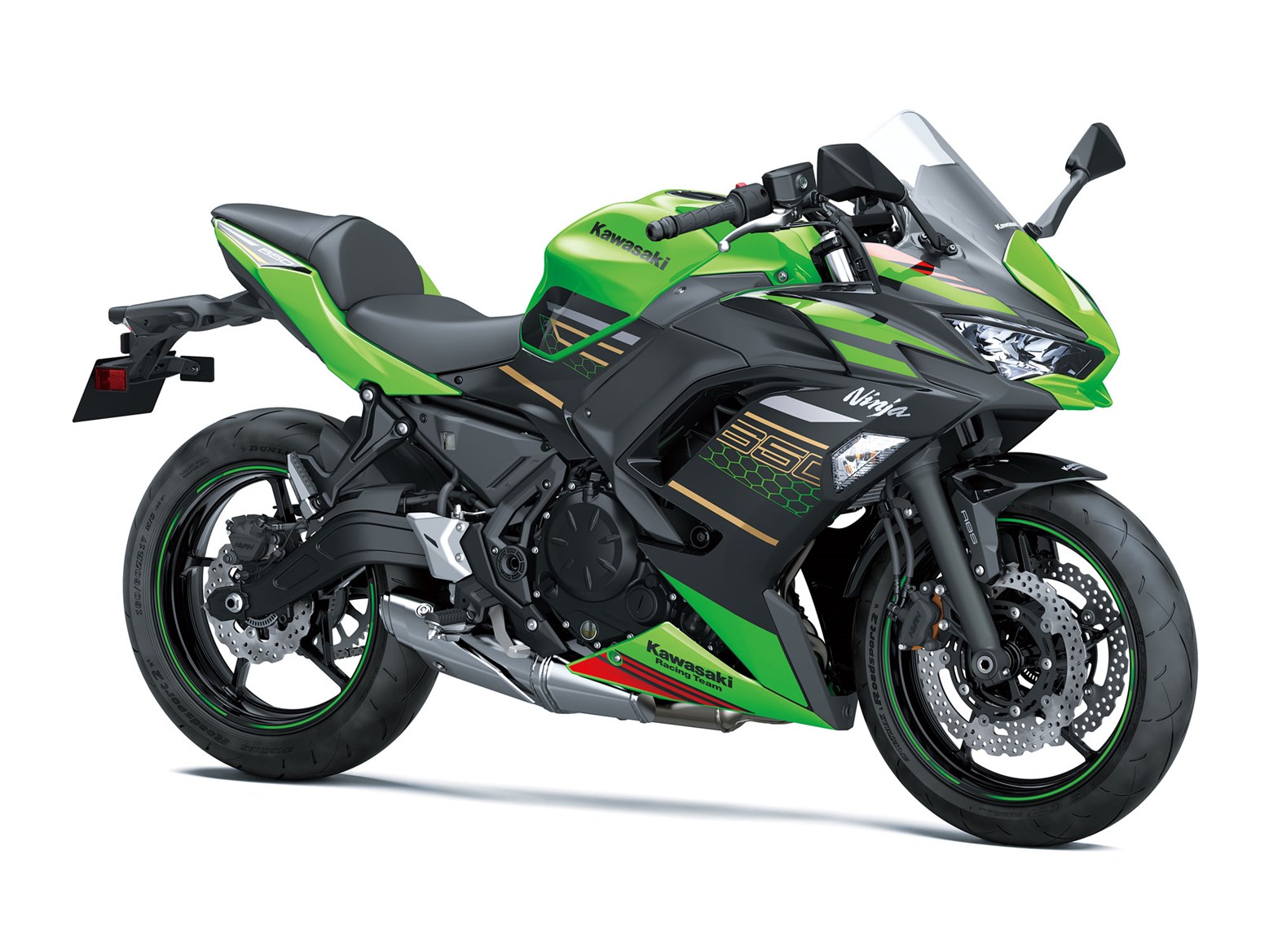
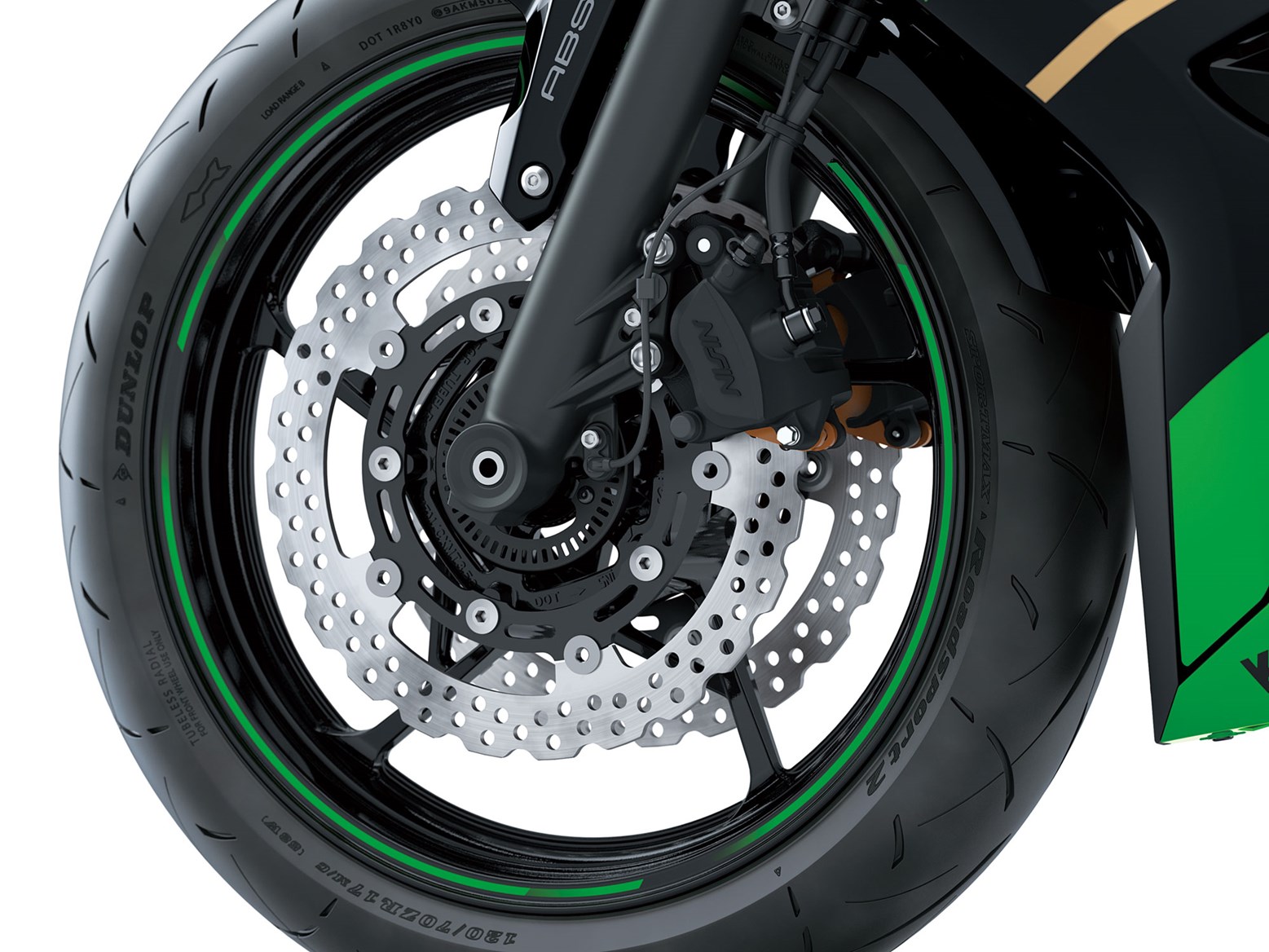
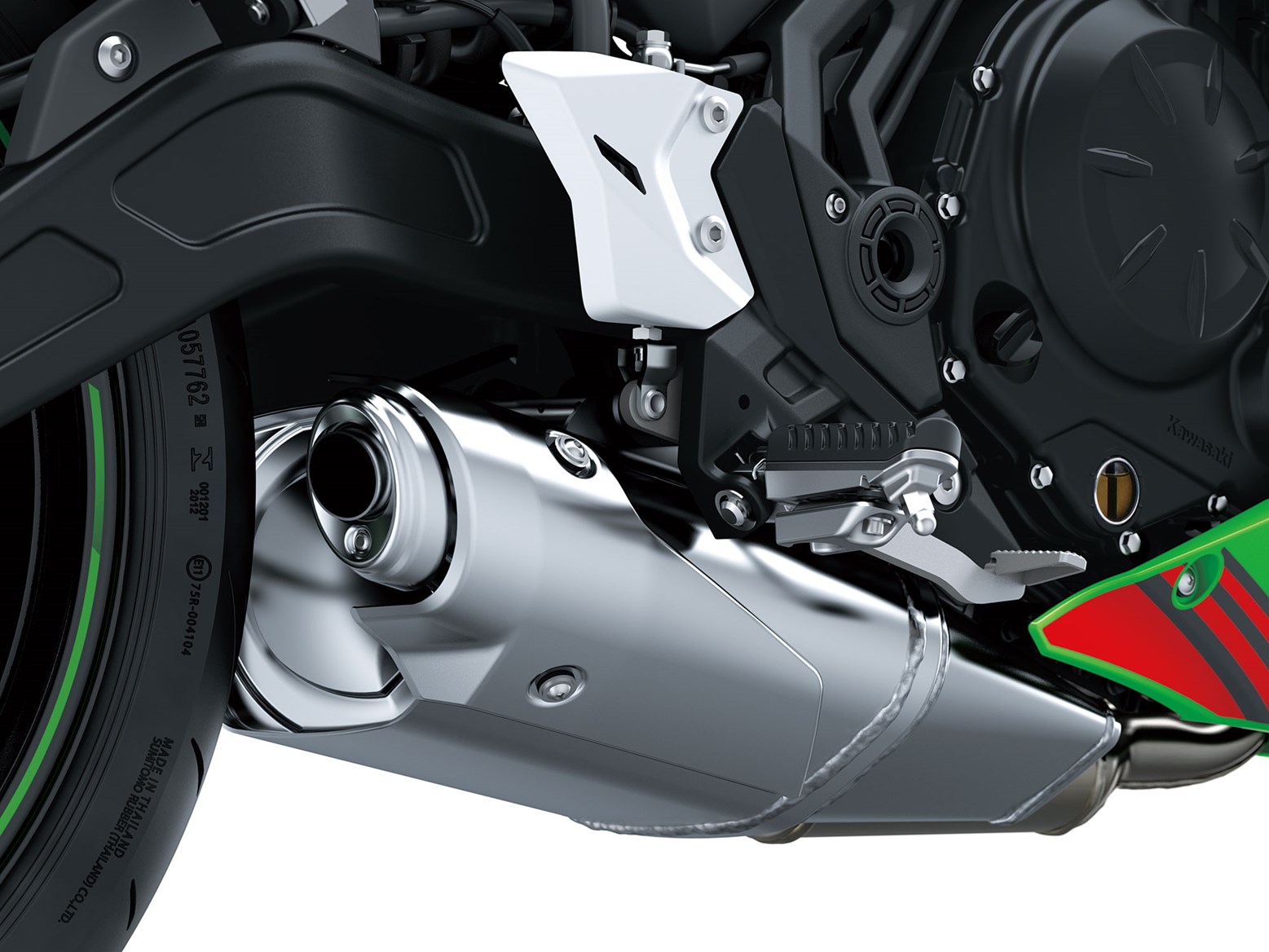
The 2020 Kawasaki Ninja 650 has been revealed. Kawasaki revised its looks and added some new features to make it an even better value for money.
The biggest news is of course the new 4.3-inch TFT screen. But it is not just a pretty screen as it includes features that could be found on bigger (read: more expensive) bikes. There is the auto contrast feature; Bluetooth connectivity for music and phone calls; GPS navigation via connection to a phone app; and thankfully a gear position indicator.
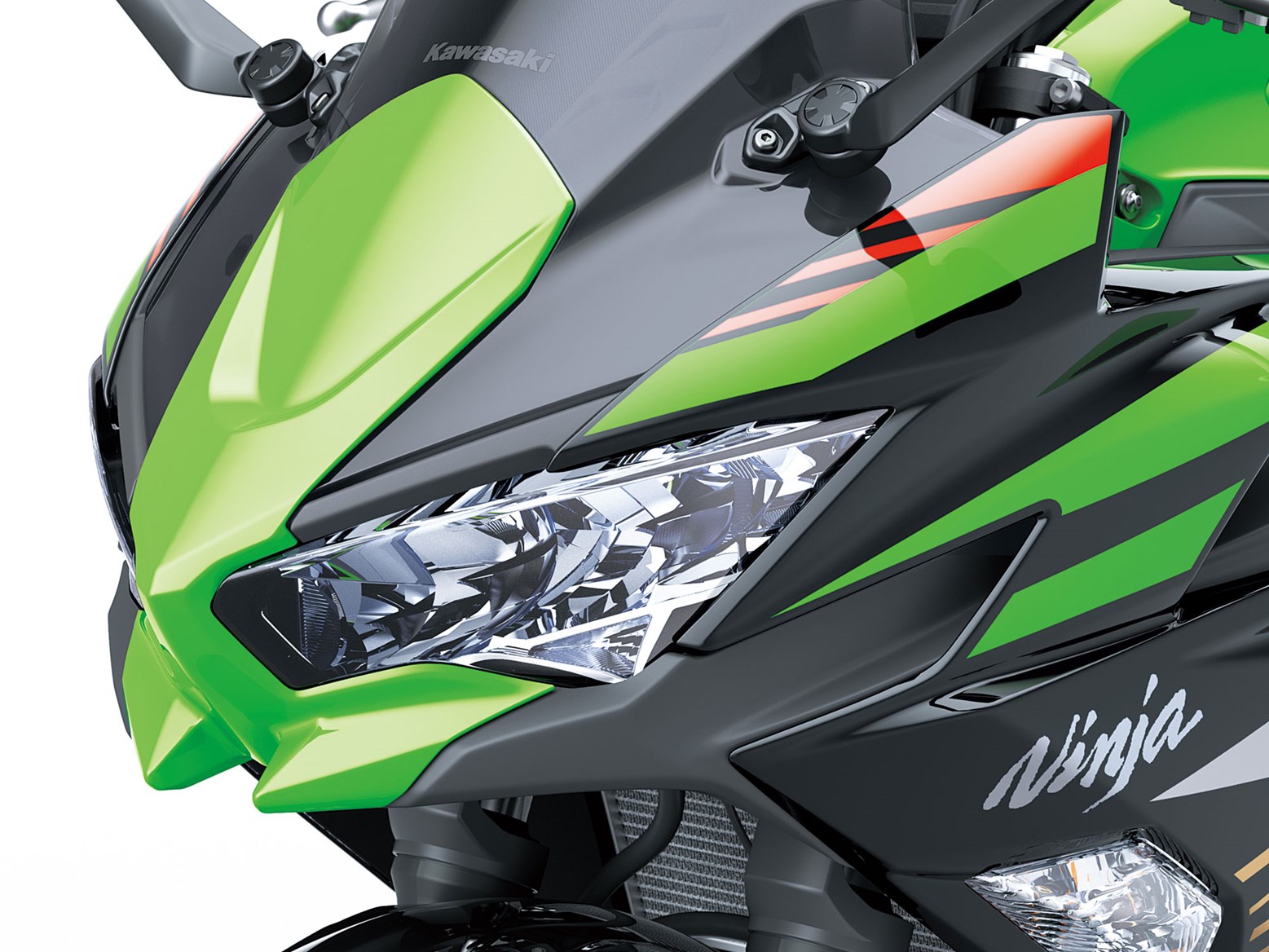
Also new are the LED headlamps. Kawasaki also revised the fairing to match that of the Ninja 400 and Ninja ZX-6R, for a more familial resemblance.
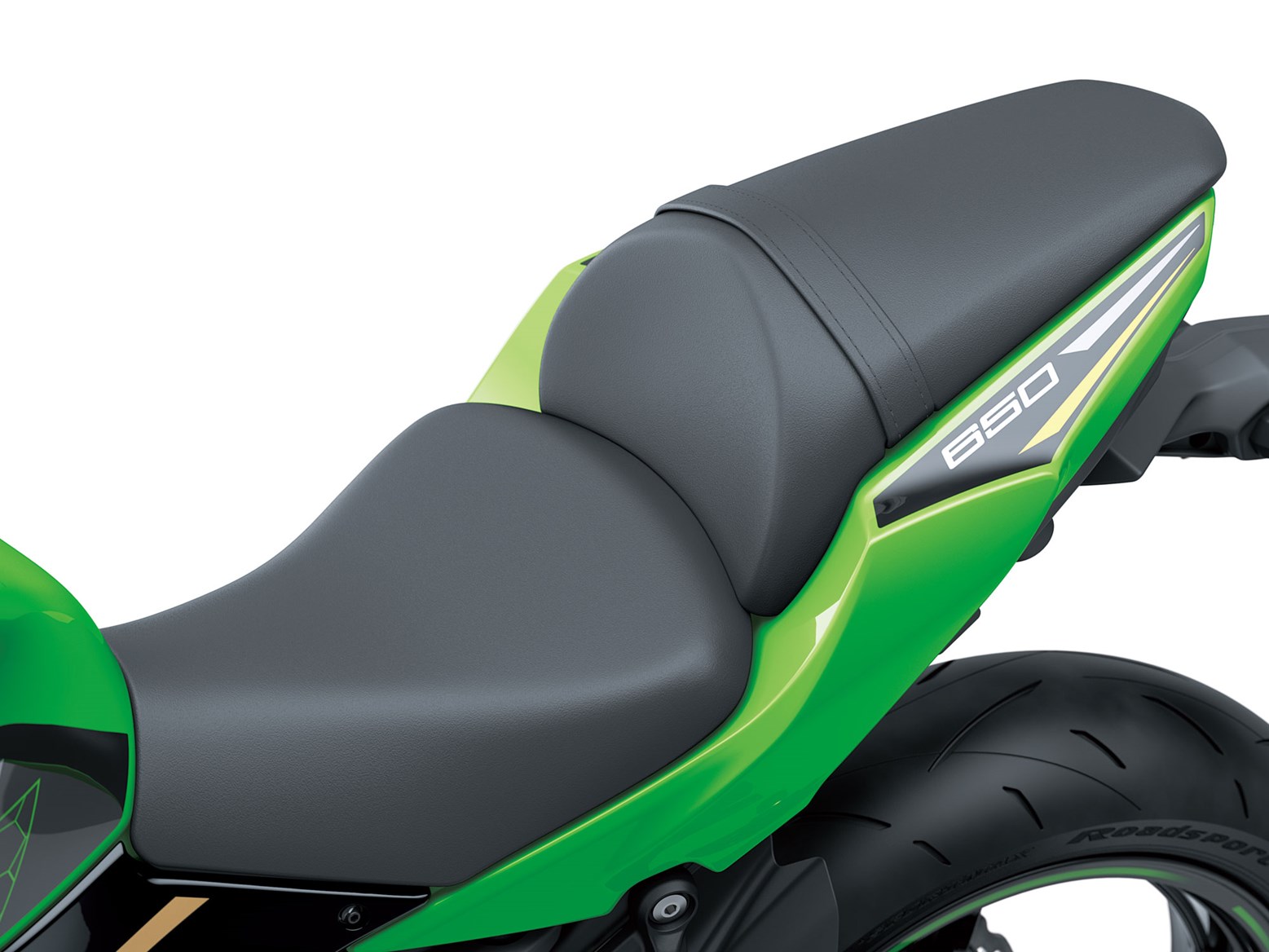
Since the Ninja 650 is considered a beginners bike and would be used for basically everything, the manufacturer revised the passenger’s seat, too.
Last but not least, there are now sportier graphics, no doubt inspired by the World Superbike race team. The manufacturer and team are still flush from winning their fifth consecutive WorldSBK title.
The engine was left alone. The 648cc, DOHC, parallel-twin still produces 67 bhp and 66 Nm of torque. It still has plenty of low-RPM and midrange punch.
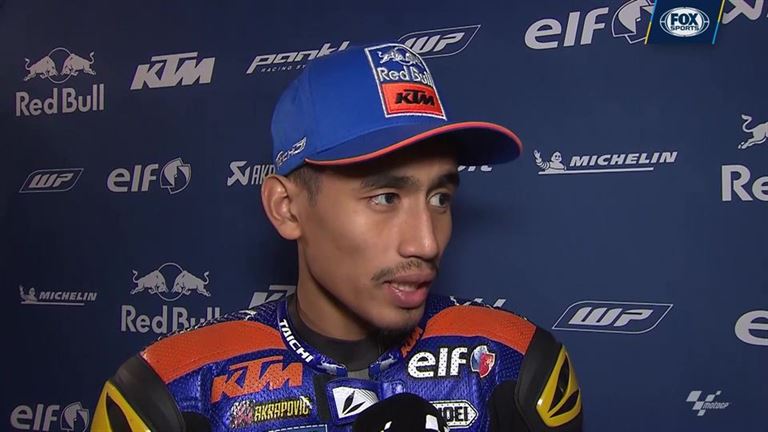
Hafizh Syahrin revealed that he will not have a salary while racing in Moto2 in 2020.
He now needs to look for sponsors to help with flight tickets, lodging and training.
The Angel Nieto Team targets a top five finish for Hafizh.
Just after we published the story about Hafizh Syahrin returning to the Moto2 category with the Angel Nieto Team in 2020, a reader alerted us that the rider will be racing without a salary.
Instead, Hafizh will be paid an incentive every time he achieves a podium result. The team set a top five target for the Malaysian, judging by his previous experience and exploits in the class. He had finished in the top six in the 2016 and 2017 seasons before being tapped for MotoGP.
The rider revealed his desire to keep pushing for the best despite riding without a salary during a press conference yesterday.
“I do not know the cost at the moment. I need to look for sponsors to pay for the flight tickets, lodging and training while overseas.”
Hafizh also thanked Sepang International Circuit CEO, Dato’ Razlan Razali for being the most helpful individual during his struggles at the Red Bull KTM Tech 3 Racing team. He also revealed that there could be a MotoGP slot the following year should he finish in the top five.
Also for the first time, he also told the assembled press about his frustration with KTM and the RC16.
“My machine package was very different to my teammate Miguel Oliveira’s. I did not receive what was promised by the team. I was using an engine from the early season that was not upgraded at all.,” he said.
It was a bitter pill for the rider who lost out the 2018 MotoGP Rookie title by just 4 points to Franco Morbidelli who in turn was the 2017 Moto2 champion.
The march of technology impacts motorcycles directly.
Future motorcycles will be better, faster and safer.
It goes without saying that motorcycles and anything motorcycle-related will keep improving. The relentless march of technology is brought on by the relentless need to outdo the competition and sell more bikes, driven by the relentless appetite of riders.
Many years ago, no one could even fathom the thought of ABS or traction control. Now we have lean-angle sensitive ABS and traction control.
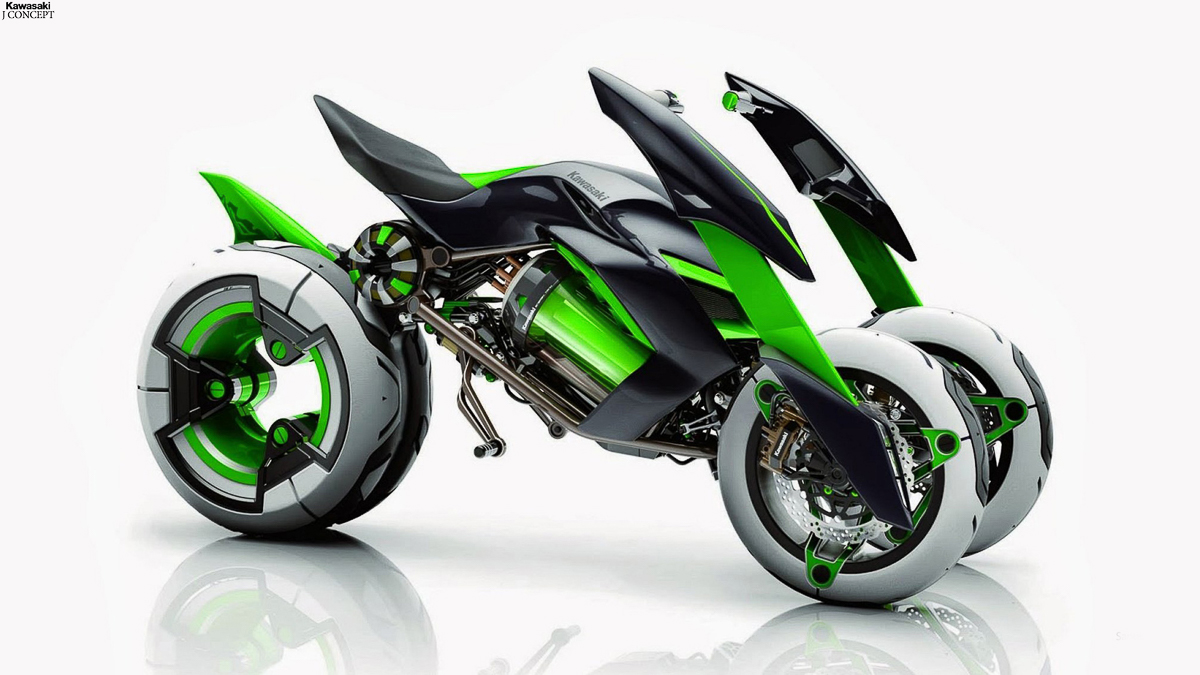
Let’s take a look at what we can expect in the near future and leave the concepts out.
1. More power, better control
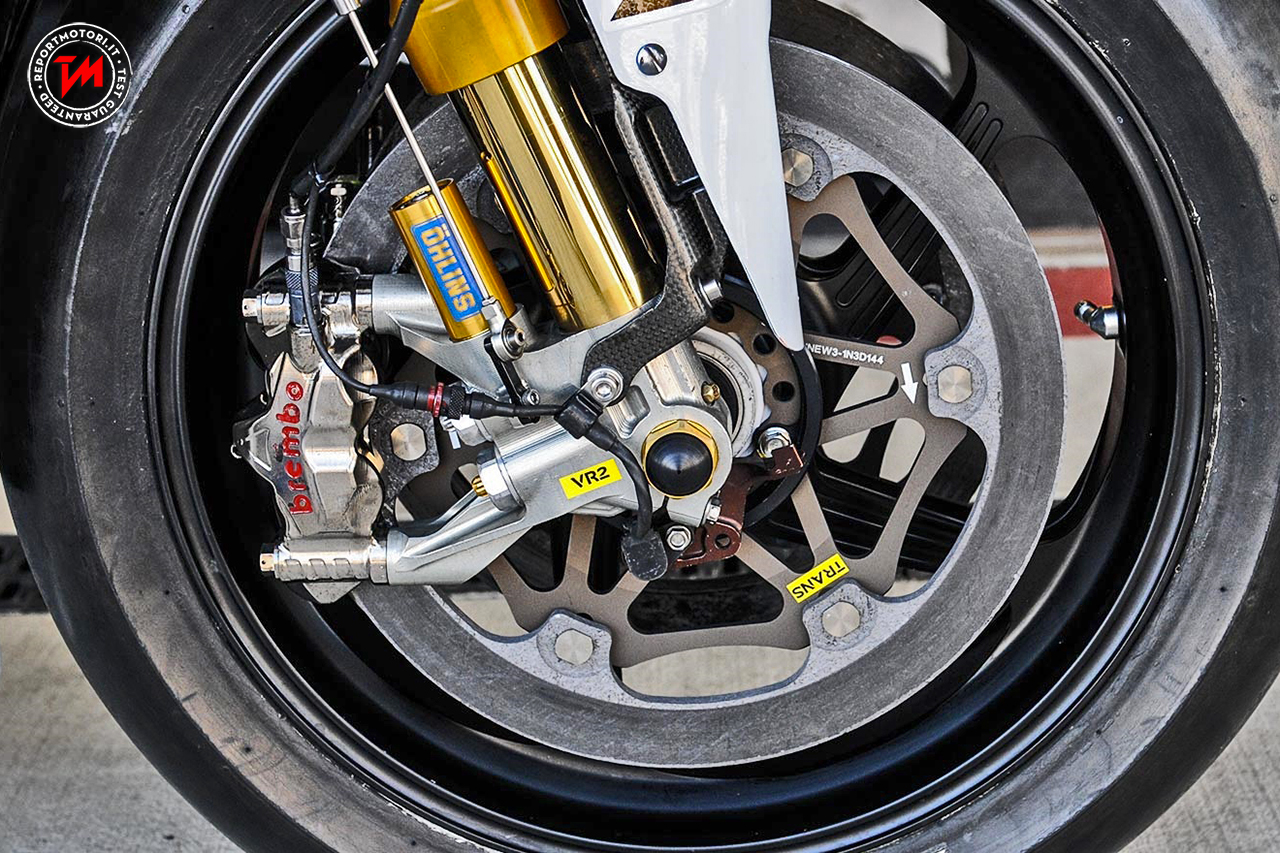
Bikes will become more and more powerful. It’s demanded by customers everywhere, no matter how you cut it. But gone are the days when power outstripped the bike’s ability to control it. Bikes will have better chassis, brakes, tyres. Carbon brakes on the road? Bring it on!
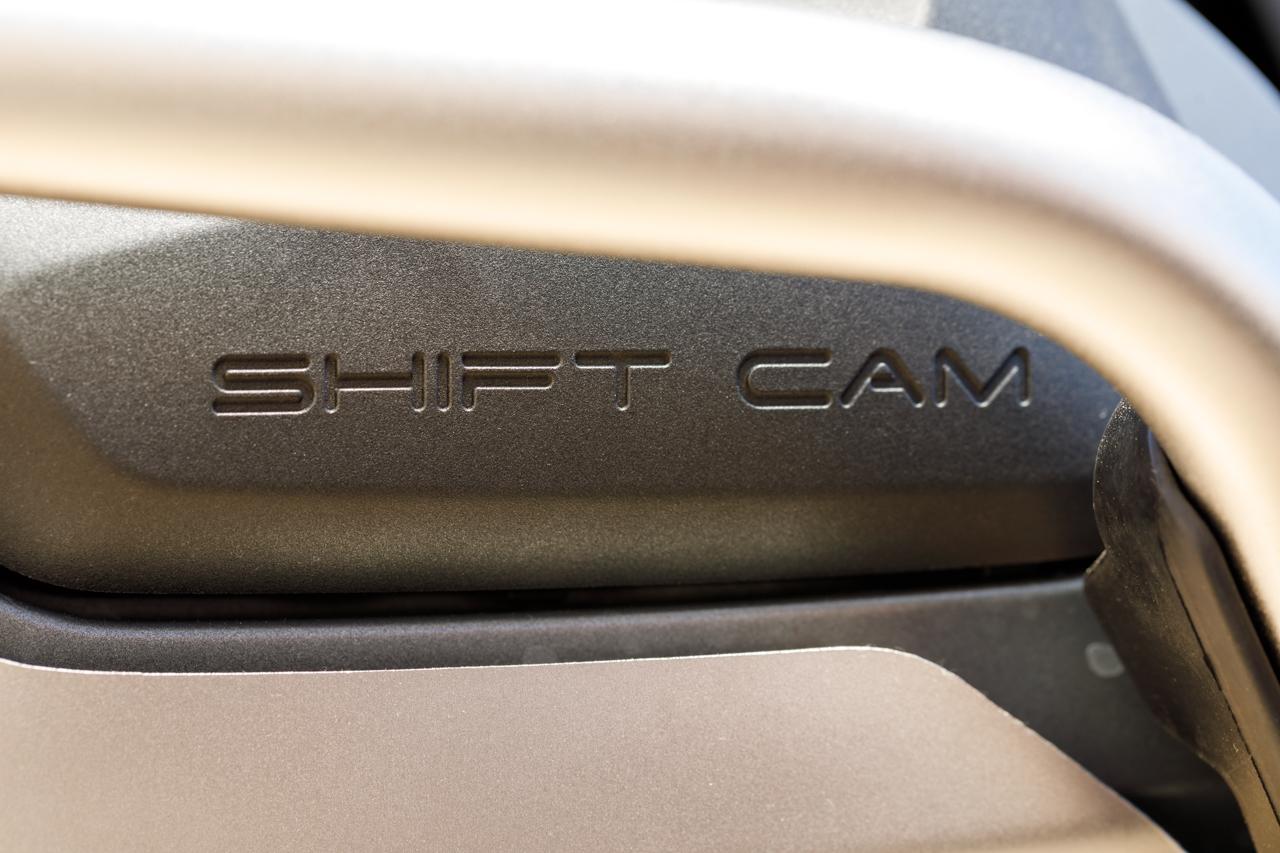
While only Honda equipped certain models in the past, almost all manufacturers are equipping their bikes with this tech. The application of VVT/VVL applies to sportbikes, sport tourers, dual-sport bikes, tourer and even scooters these days. The tech hasn’t found industry-wide application for more bikes yet but ever-toughening emissions regulations will push VVT/VVL to the fore.
BMW Shift Cam engine
3. Supercharger/turbo
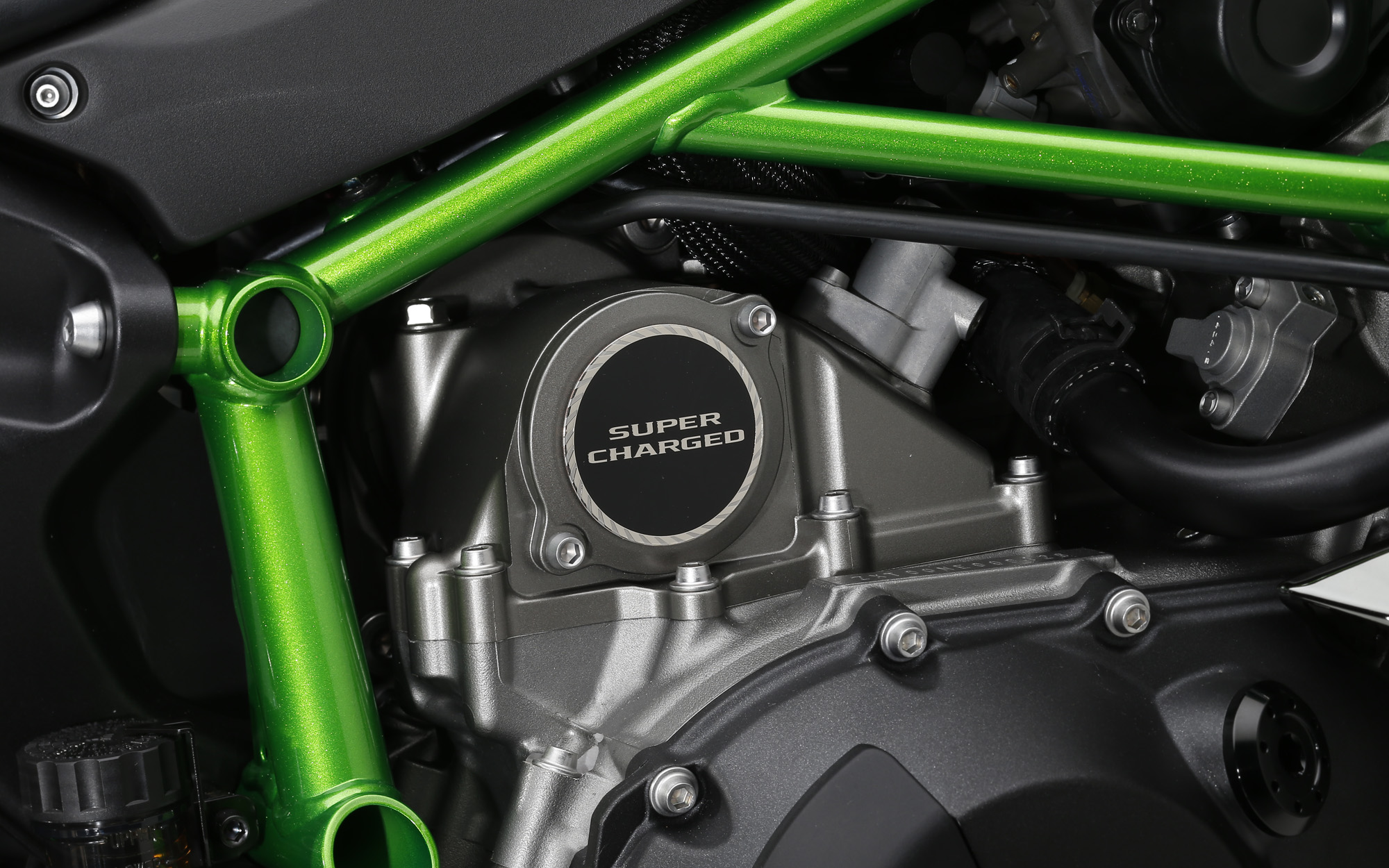
Only Kawasaki is utilising the supercharger at the moment but it might just become widespread. Again, to overcome emission requirements, forced induction is one sure way to overcome loss of power. Forcing in more air results in cleaner emissions. Cars and trucks are already doing this. The biggest factor is cost, of course. Supercharging and turbocharging requires complex support systems and materials.
H2R’s supercharger
4. All-wheel drive
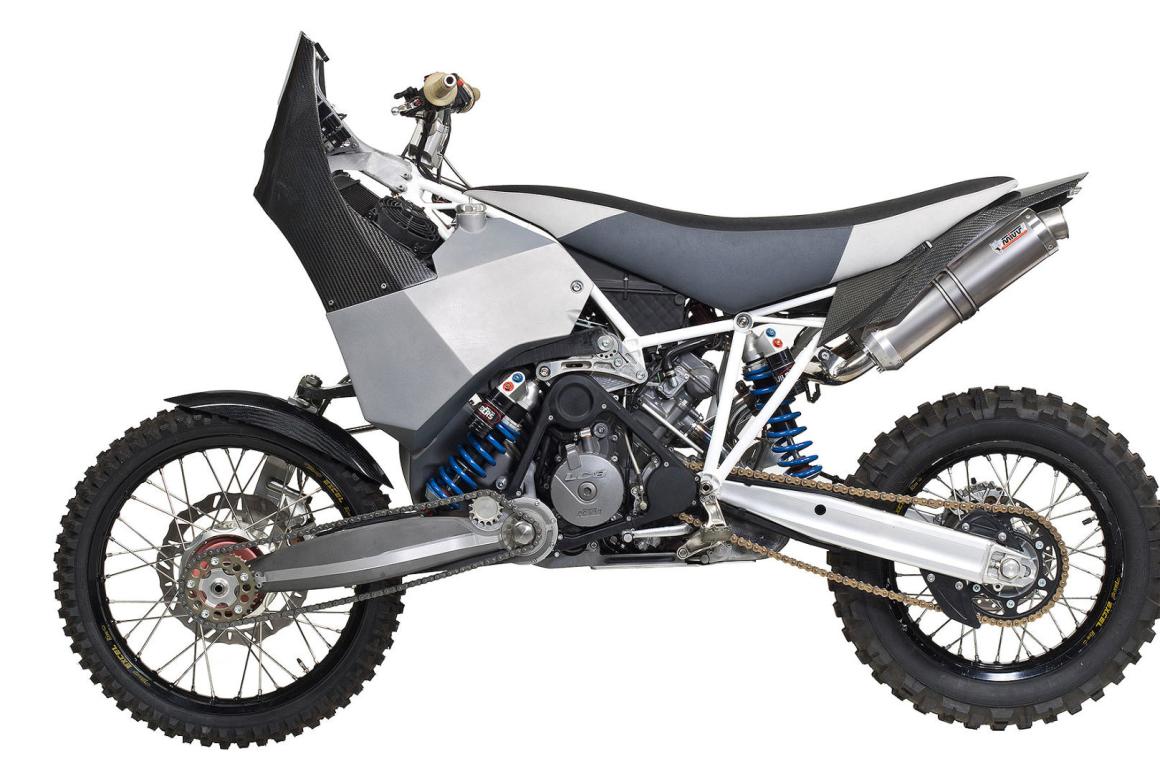
Driving both wheels for optimum traction isn’t a new concept. What has kept manufacturers away is cost and the weight penalty. But as materials can be made lighter and stronger (enter 3D printing), it could be applied sooner than one would think.
Homemade all-wheel drive system – Photo credit newatlas.com
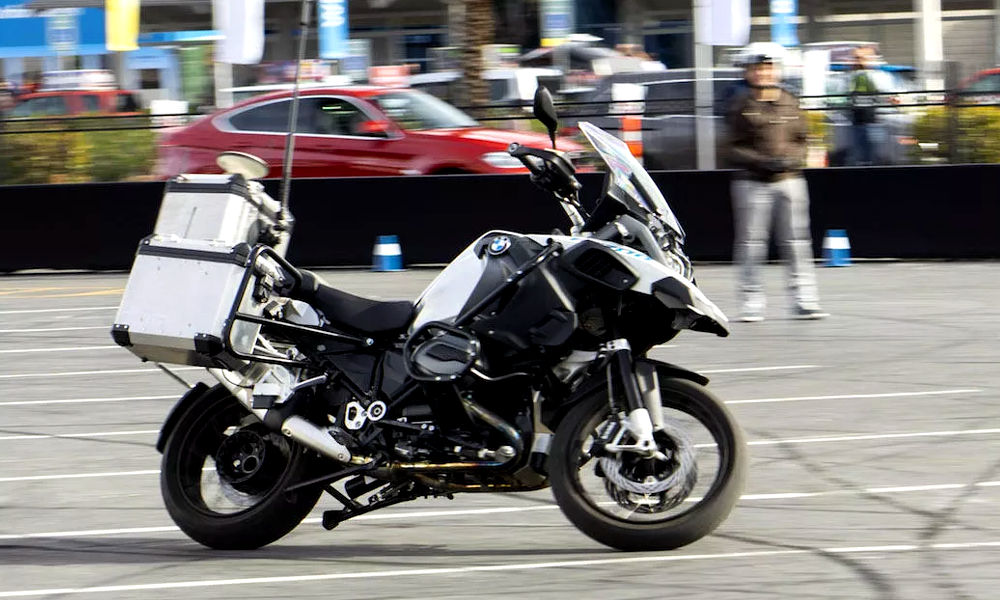
5. Self-riding motorcycles
As traffic picks up the world over and increases traffic jams and the chances of accidents, future motorcycles will form a part of a network of vehicles. This idea is being pursued seriously by many manufacturers and technology firms as we speak. The vehicles will communicate with each other and a network. The network will determine the best course of action and regulates traffic flow. Look out for the introduction when 5G networks are up and fully operational.
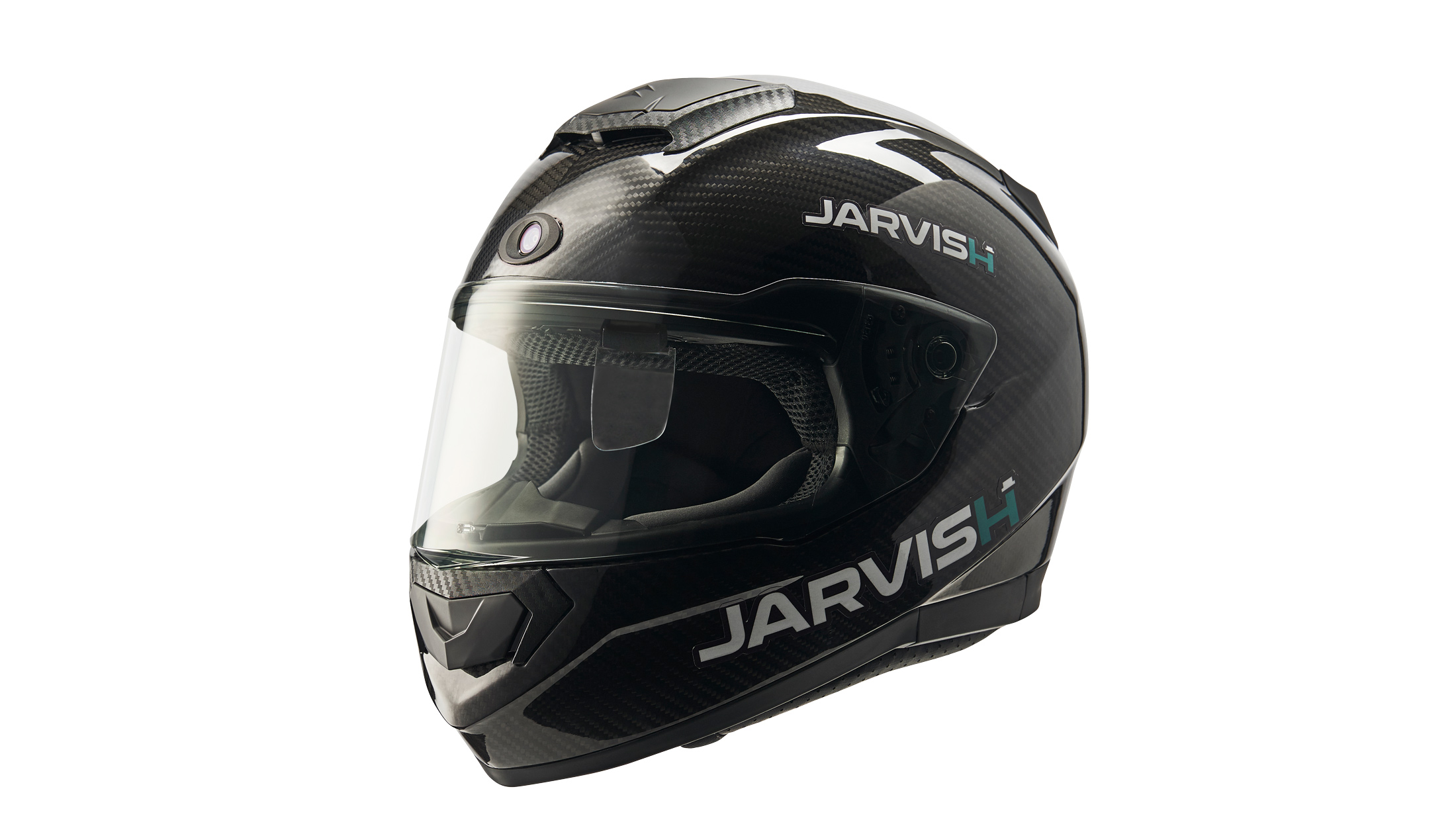
6. Smart helmets
Some of these are already here. They integrate data such as speed, RPM, heading, among others. It’s hoped that they avoid needing the rider to look down at the instrument panel and keep their eyes on the road at all times.
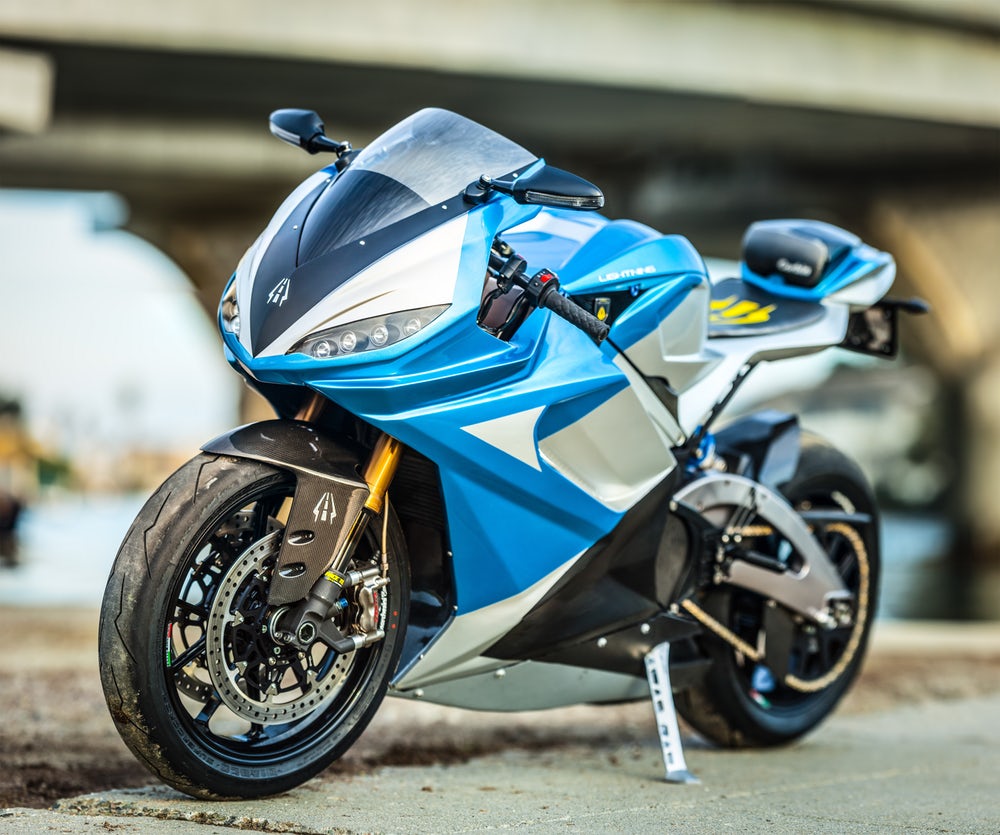
7. Electric/hybrid motorcycles
This is inevitable. Even Ducati’s CEO said that the future is electric. There are already a (small) number of electric bikes but they are expensive at the moment. There’s also the concern about charging infrastructure, charging times and battery longevity and safety, not the least. But battery technology as well as the electronics governing them are progressing quickly.
Anyway, some current electric bikes are already as fast if not faster than petro-powered bikes.
8. Better electronics
It would seem that current electronics have reach their zenith. Think about it: The aforementioned ABS and traction control, in addition to ride modes, wheelie control, engine braking control, quickshifter, rear wheel lift mitigation, slide control, electronically-controlled suspension, etc. etc. But don’t be surprised that there will be more. At the moment, the systems will react faster given the increasing computing power.