Bikesrepublic

Latest News

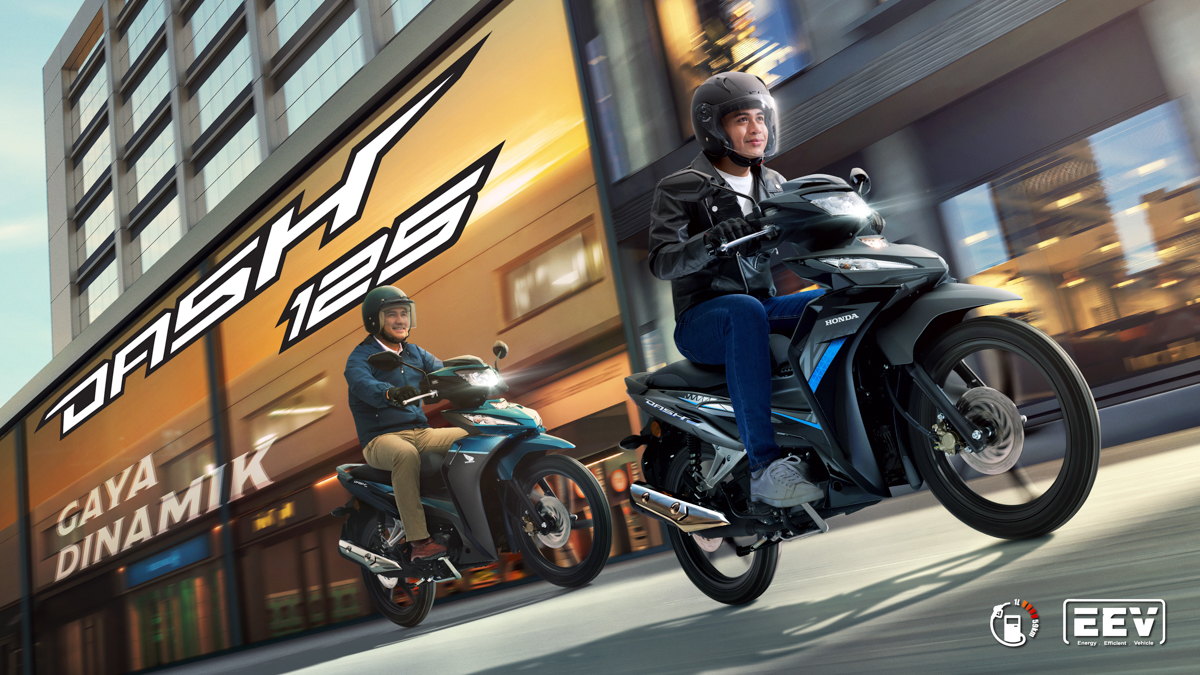
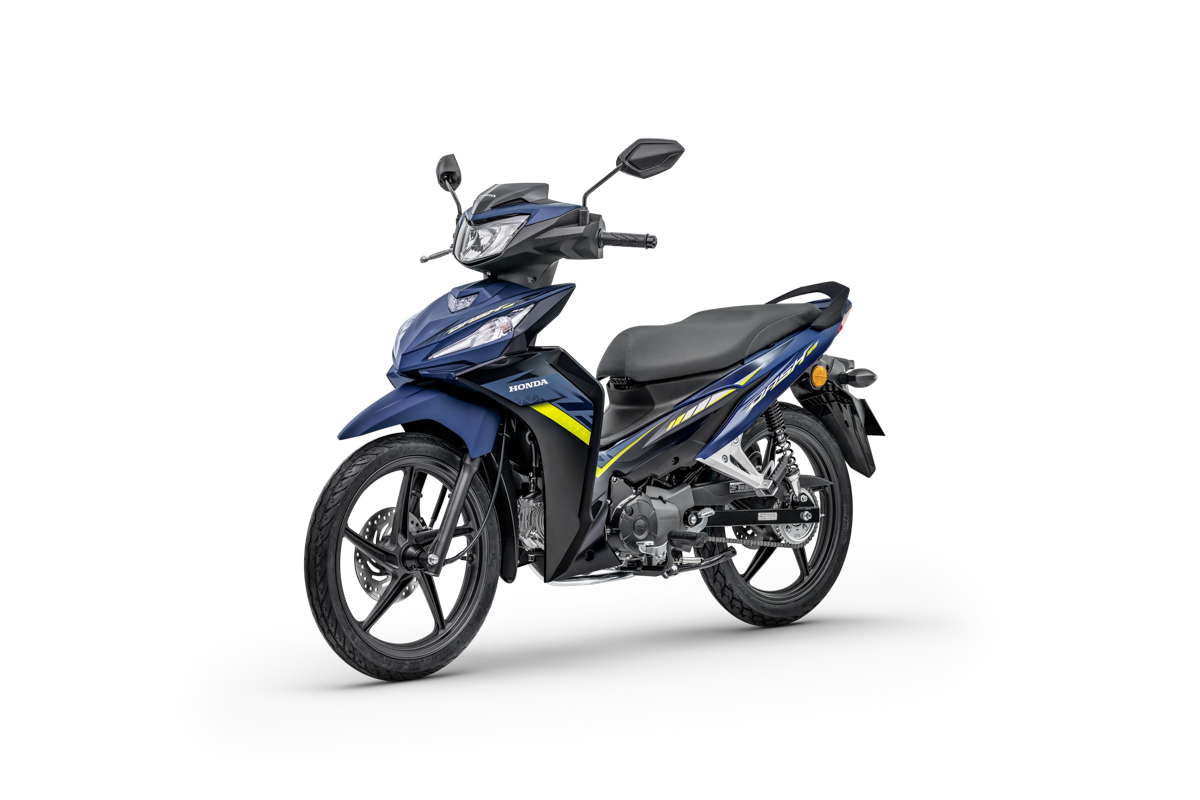
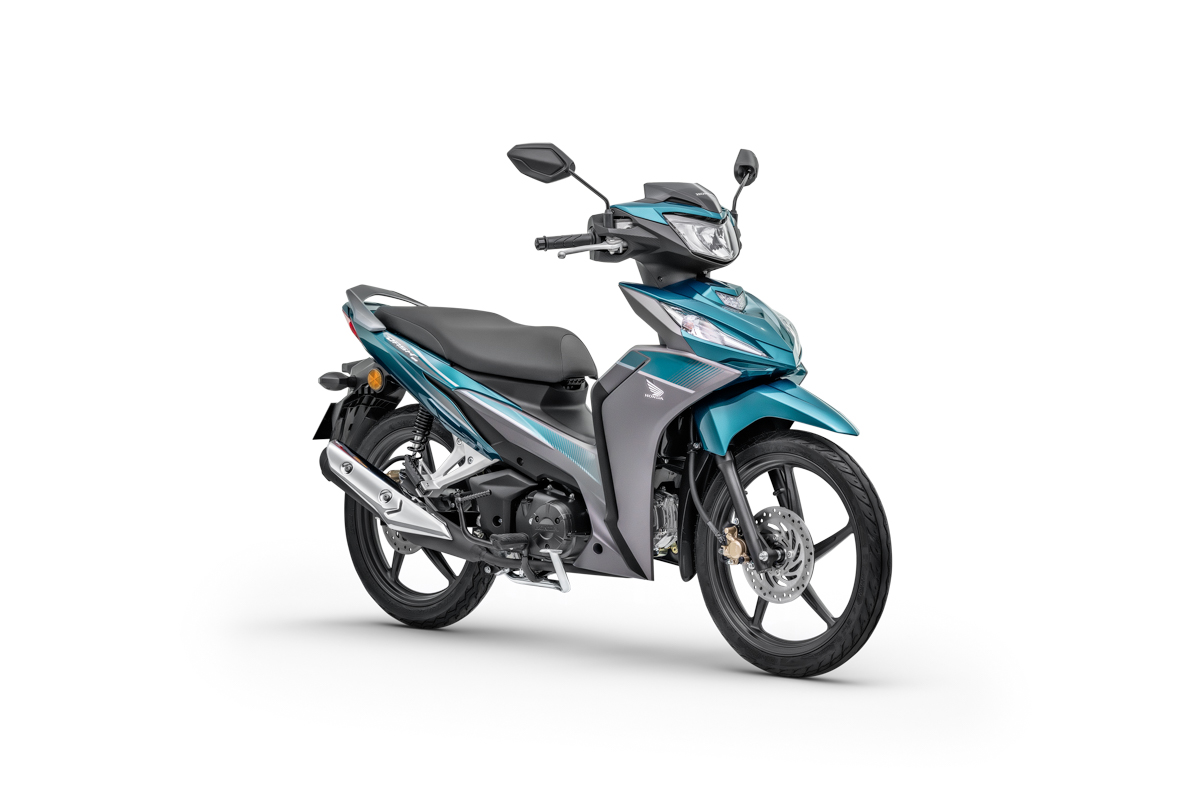
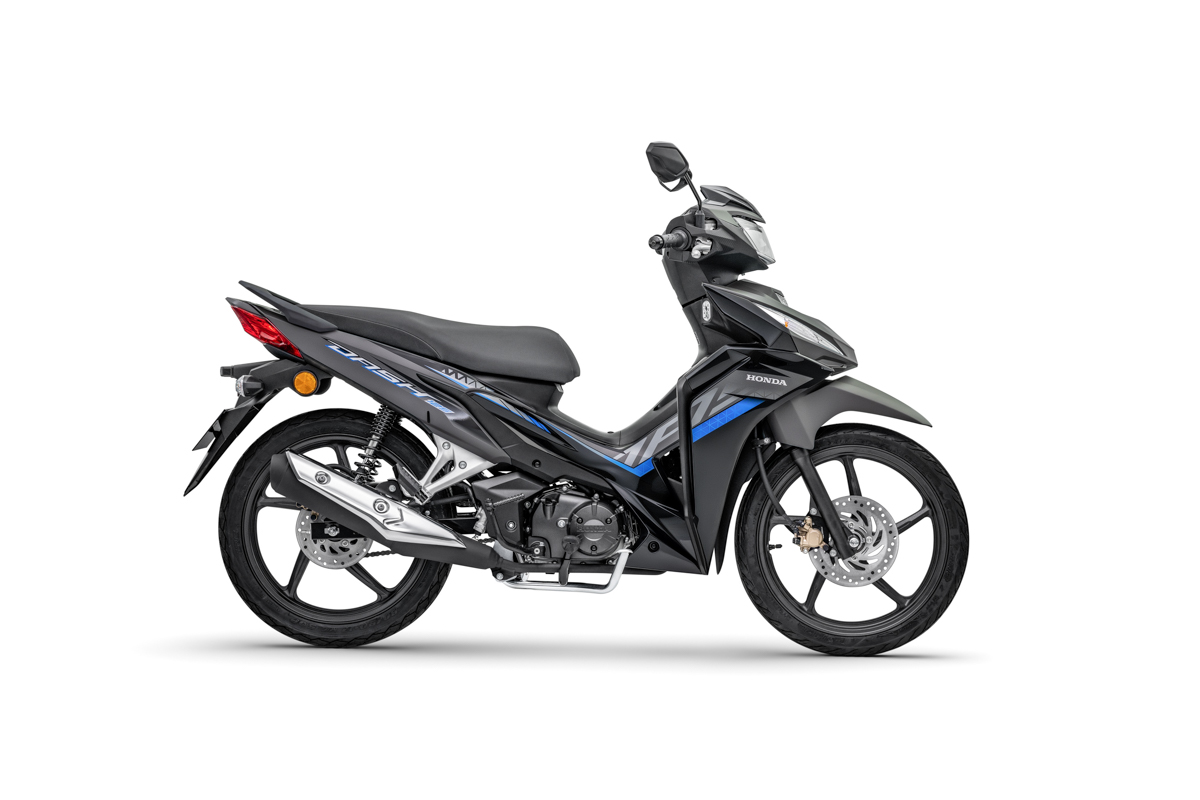
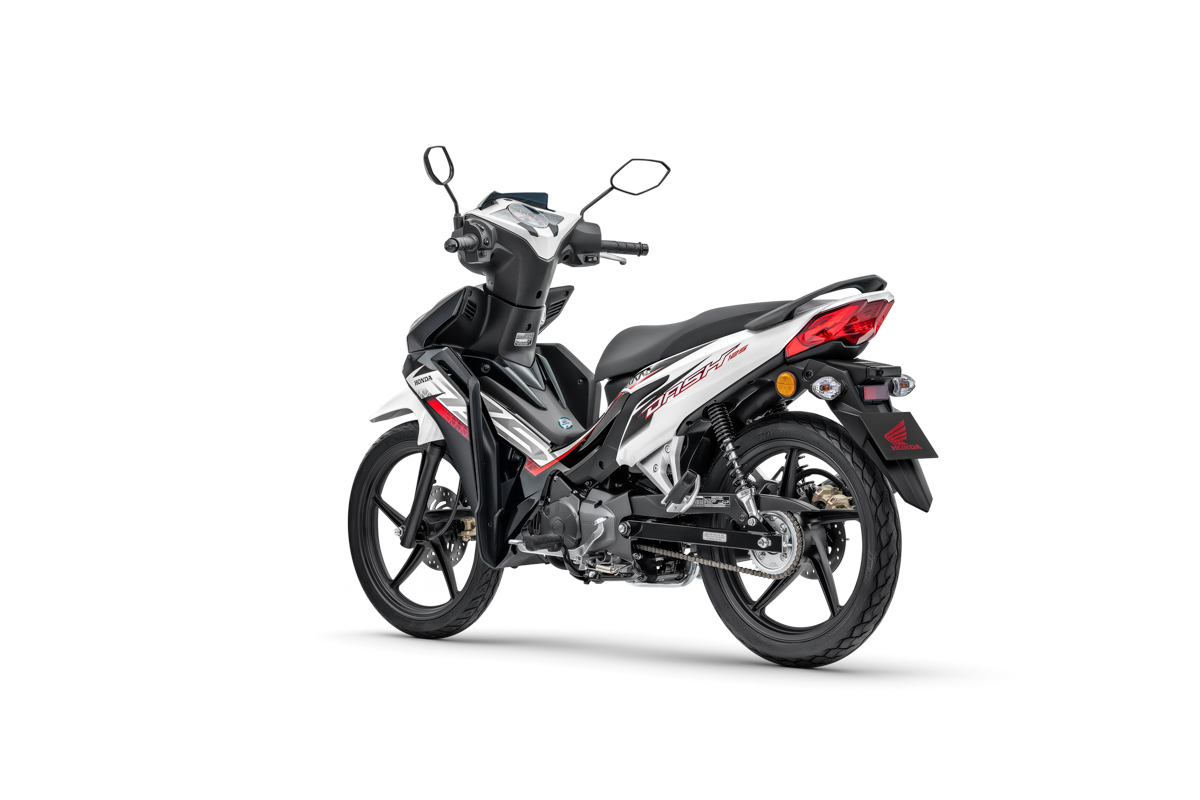
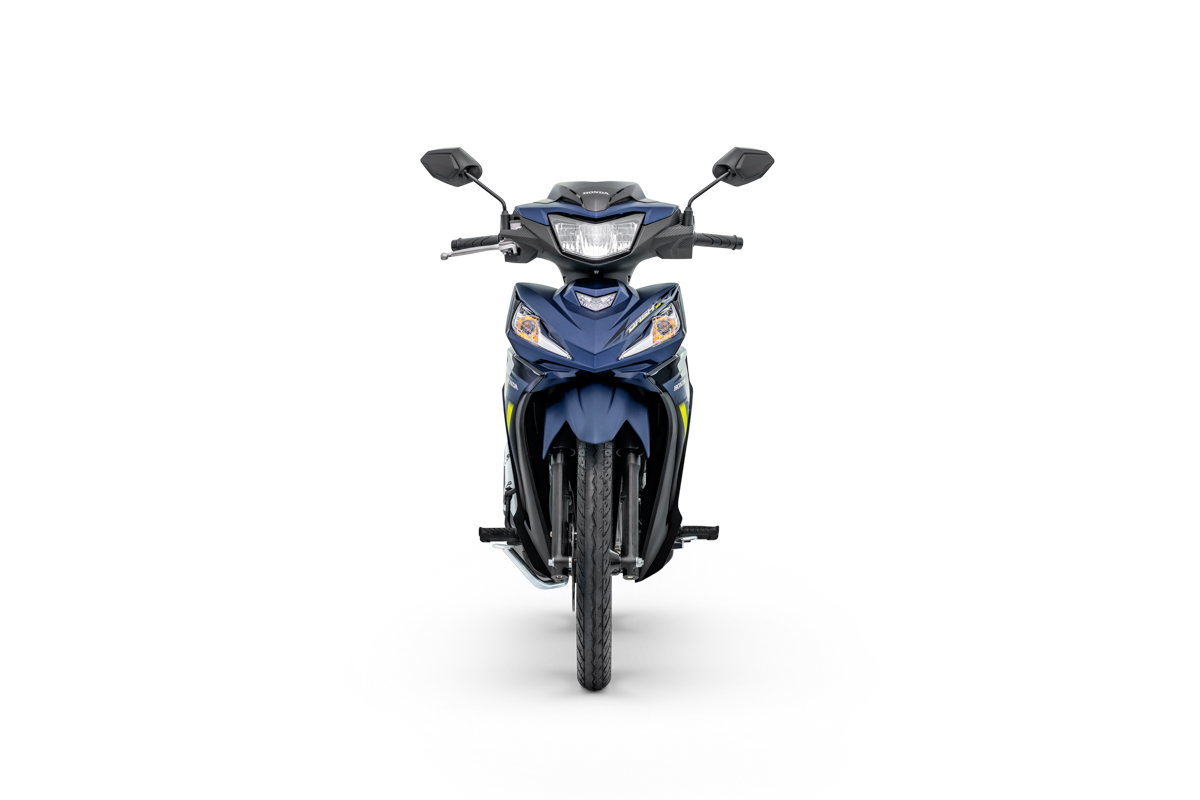
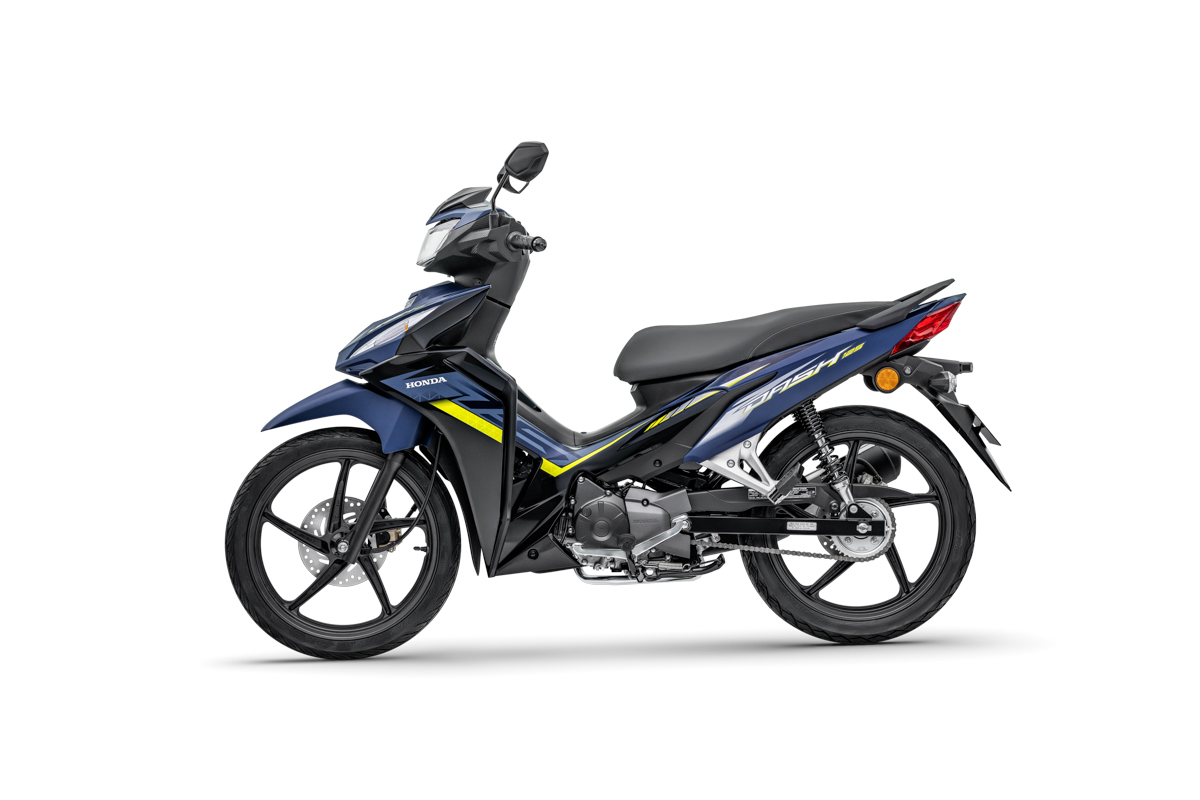
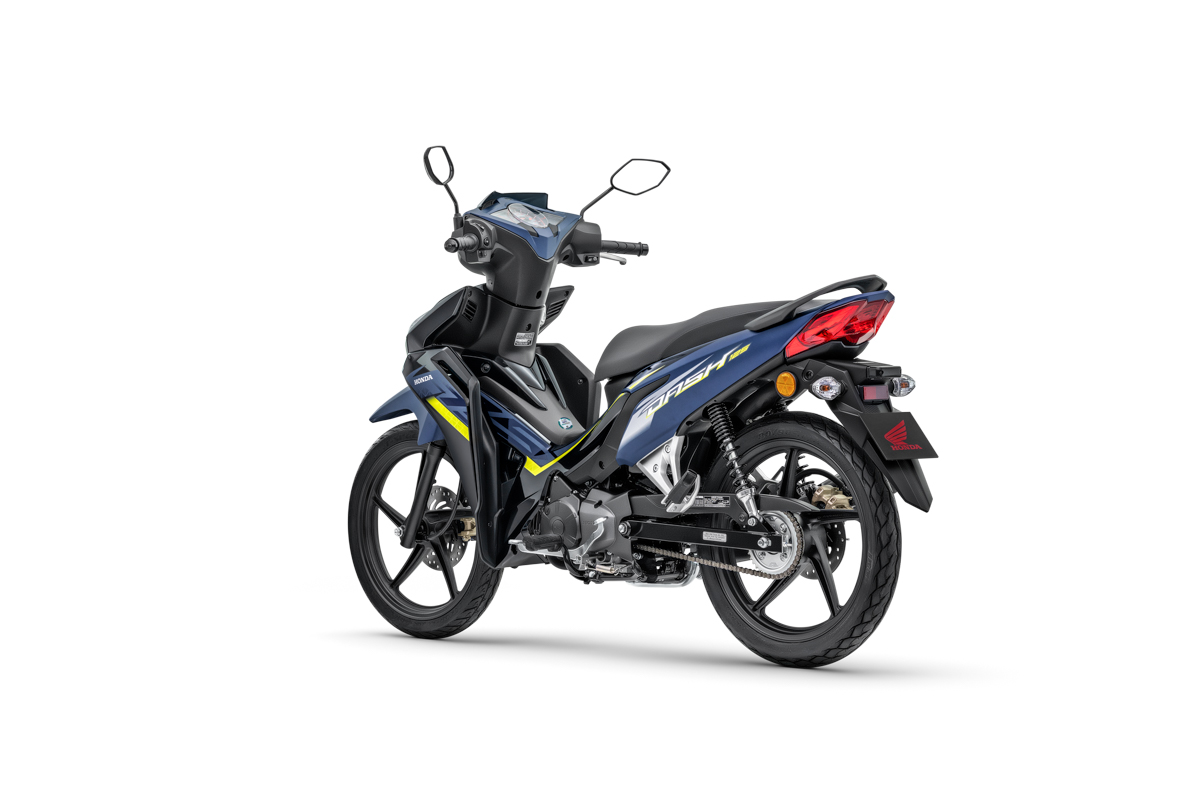
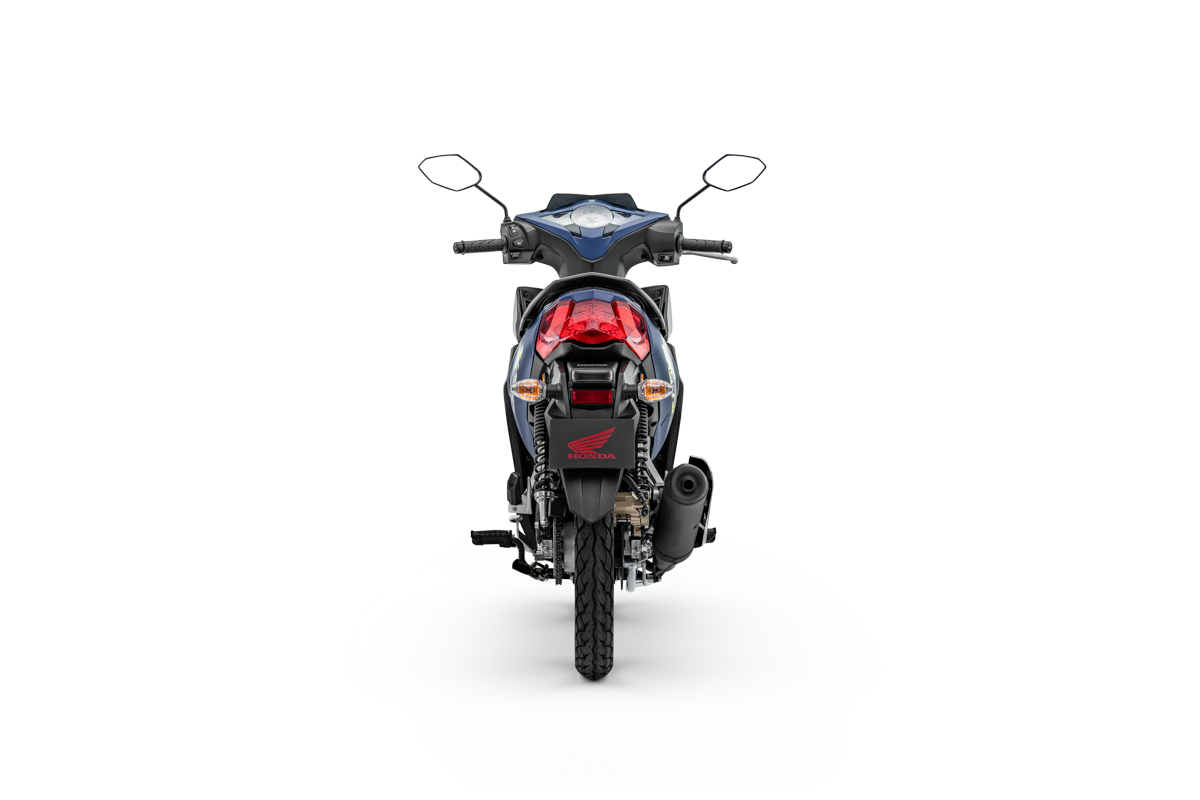
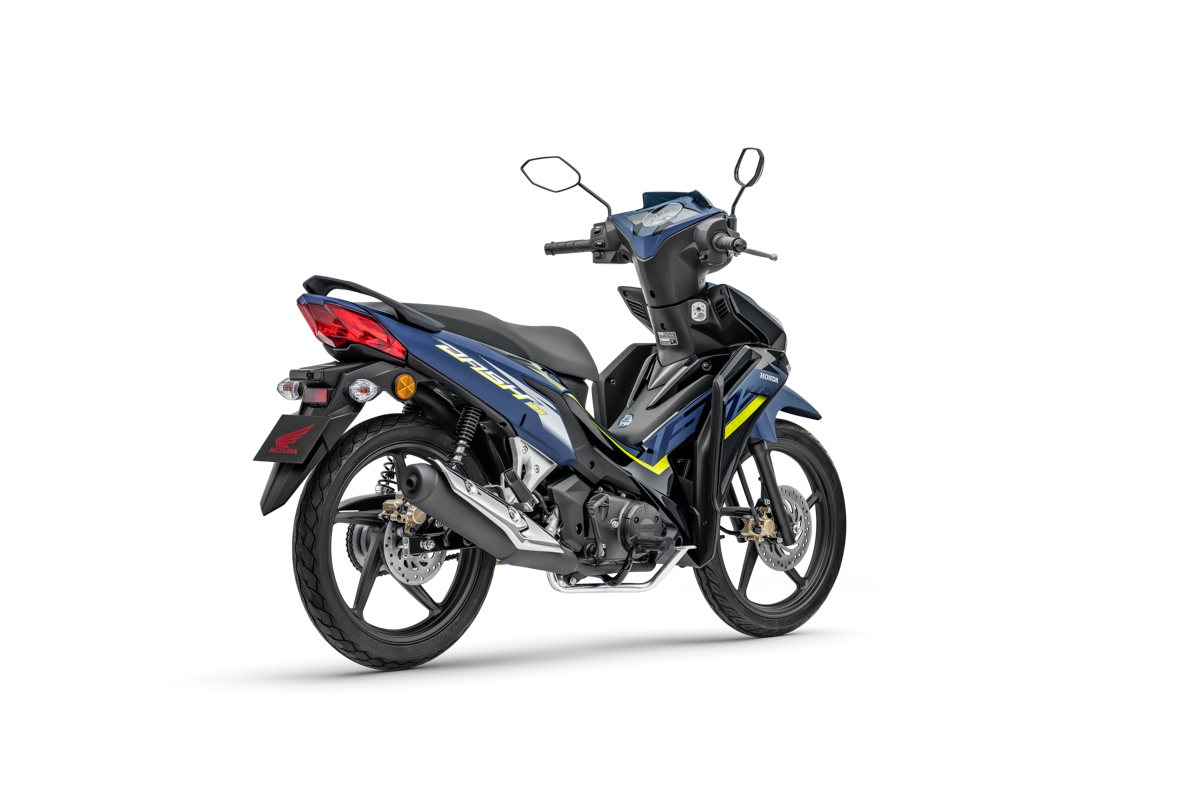
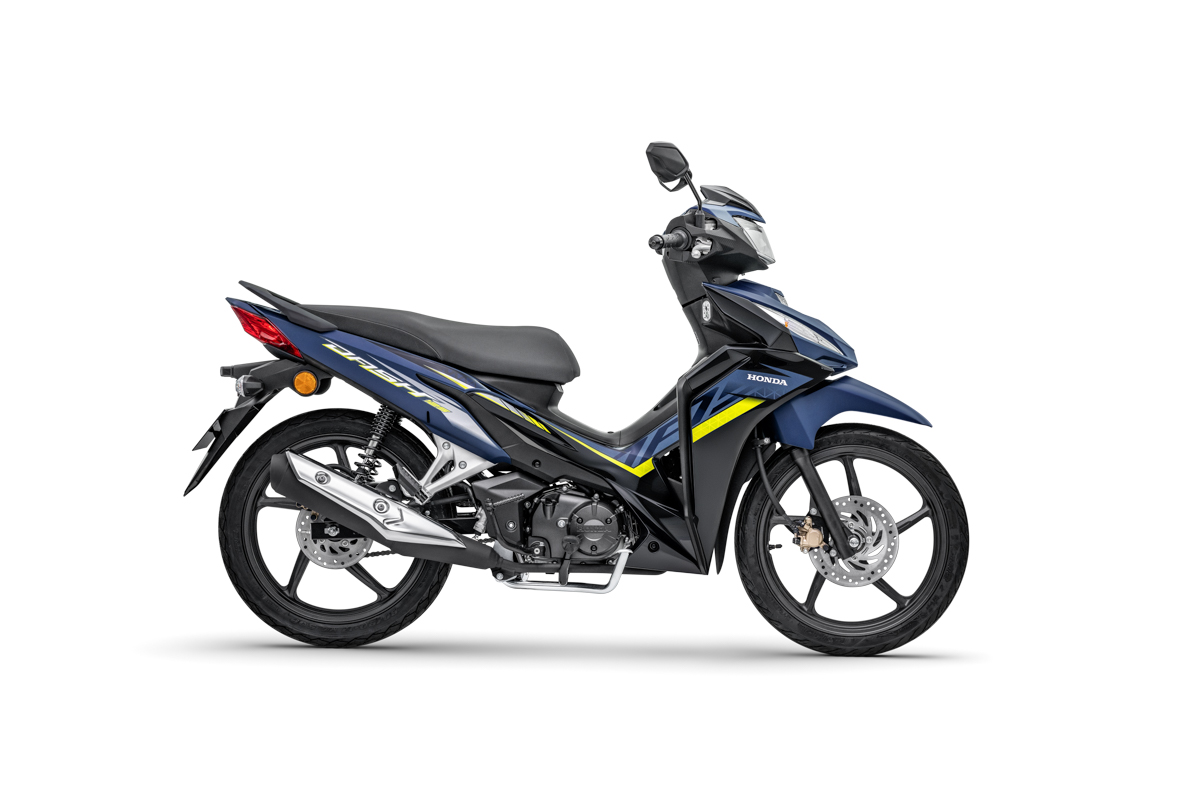
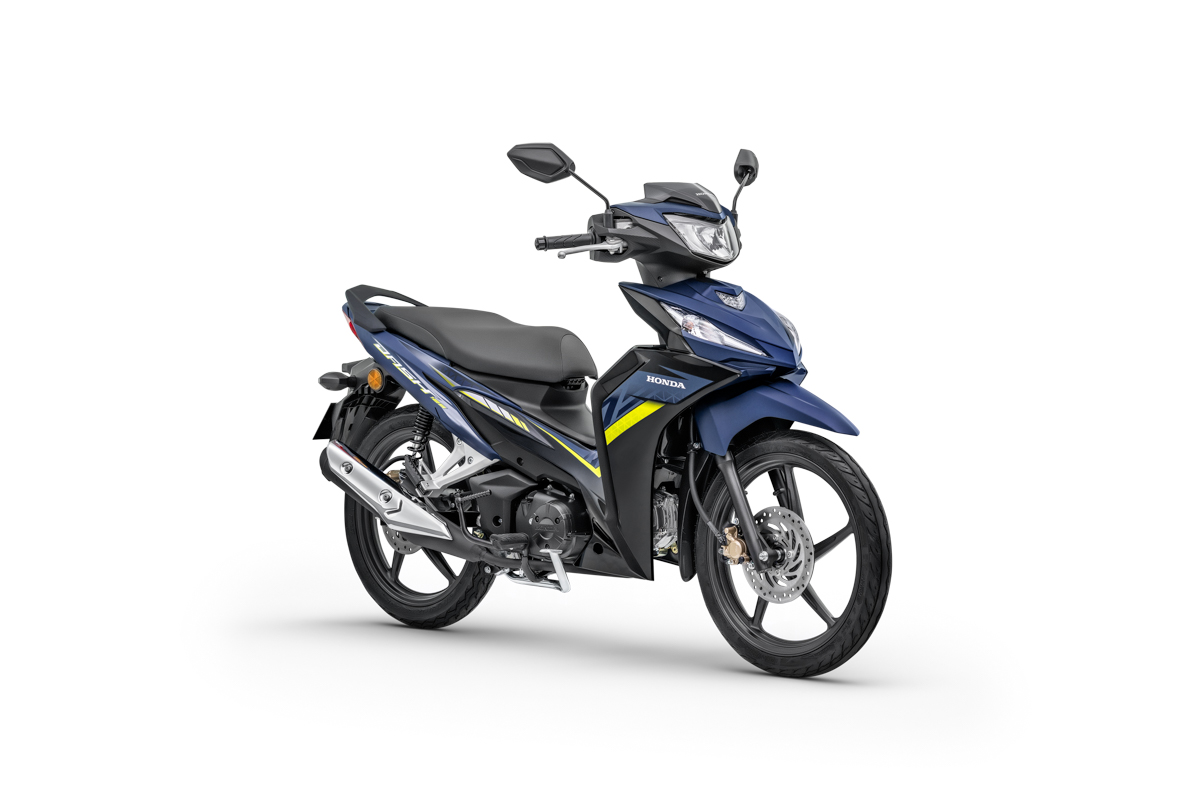
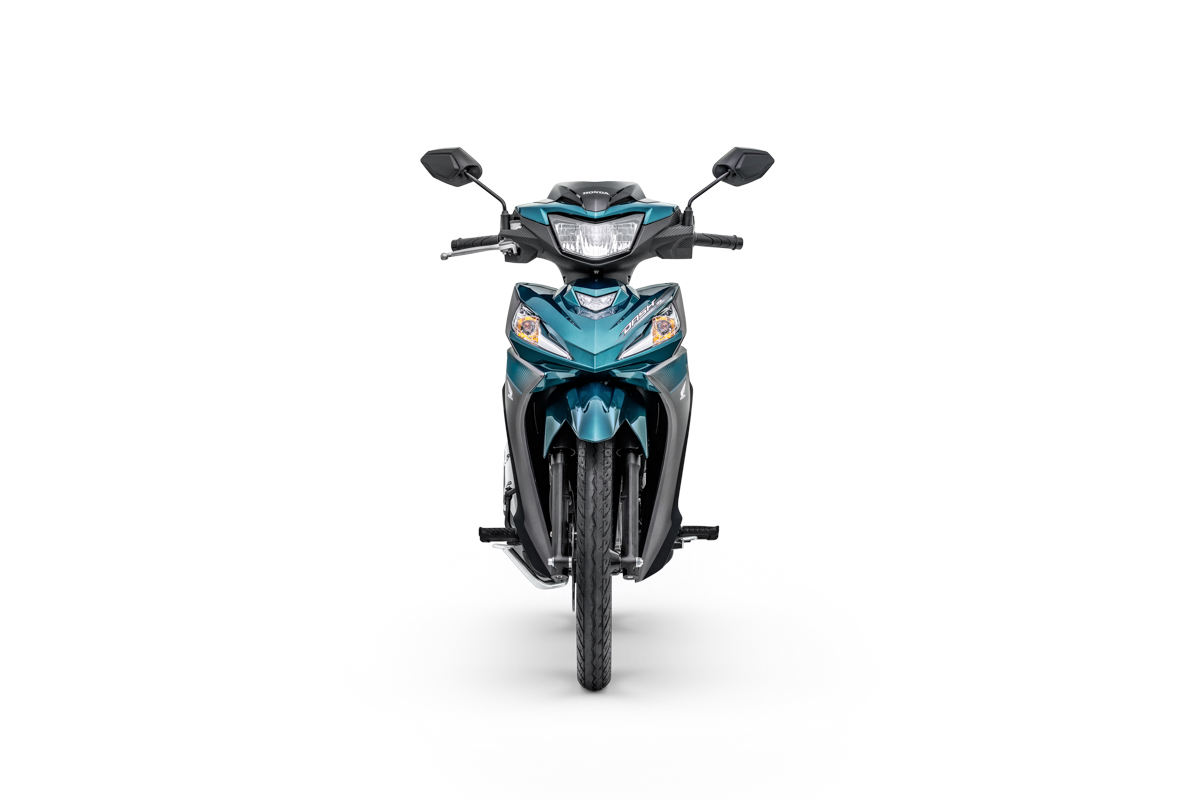
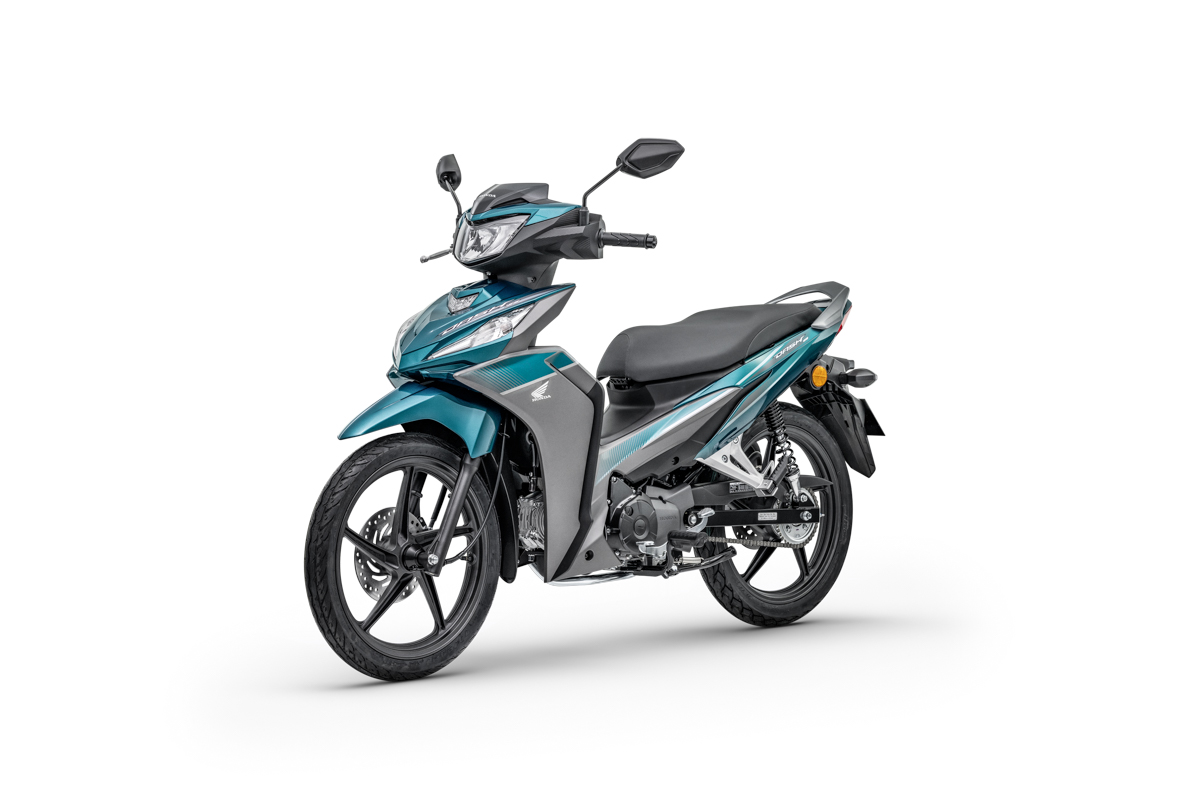
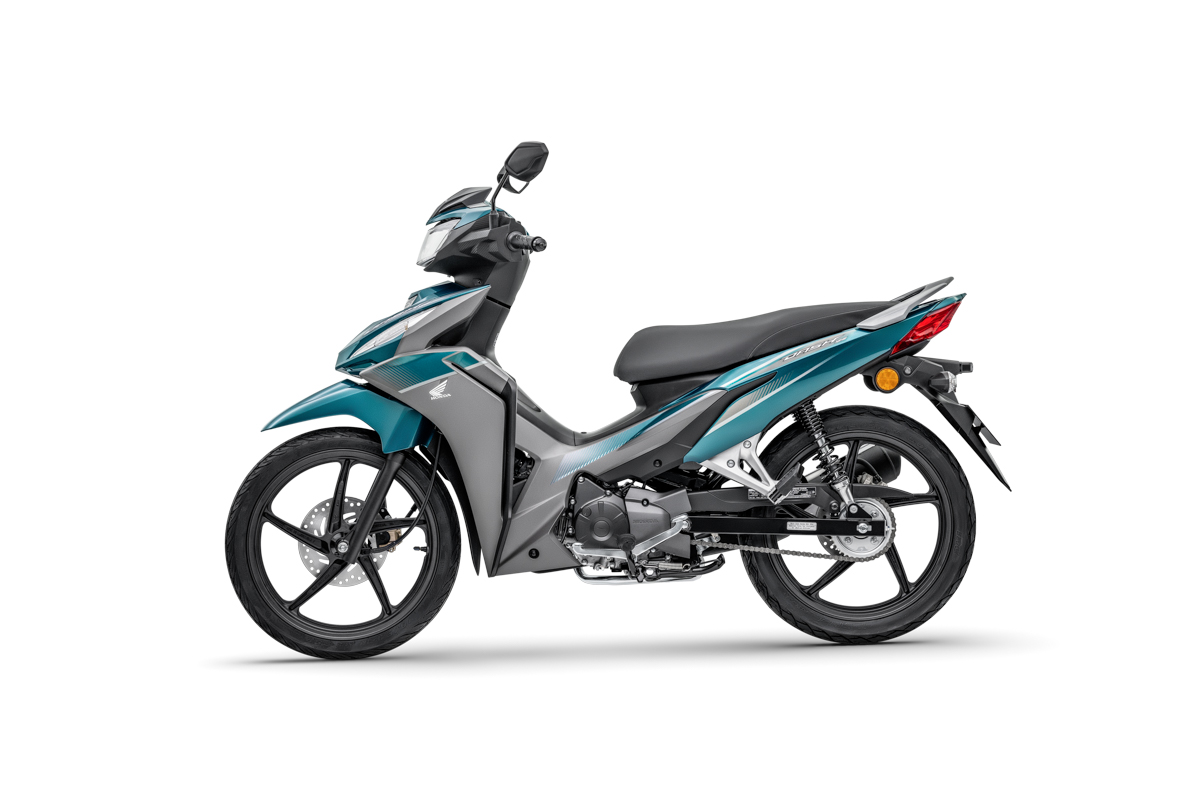
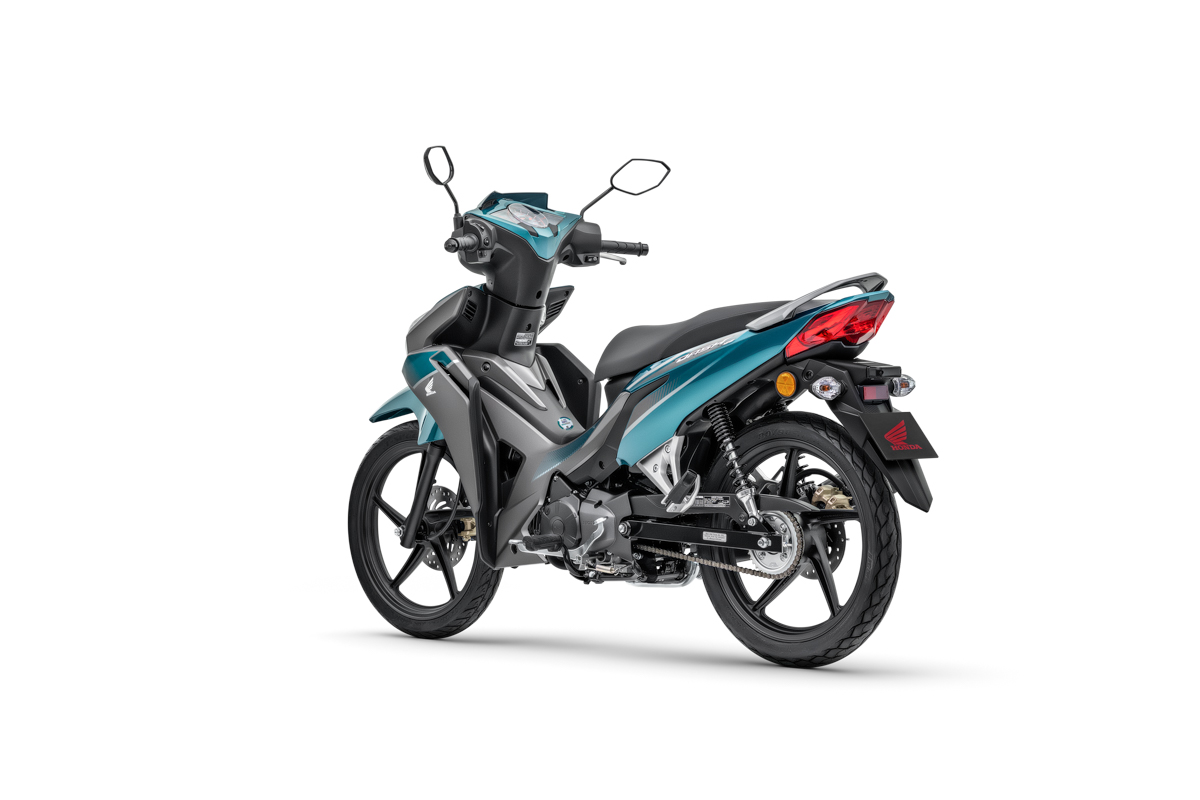
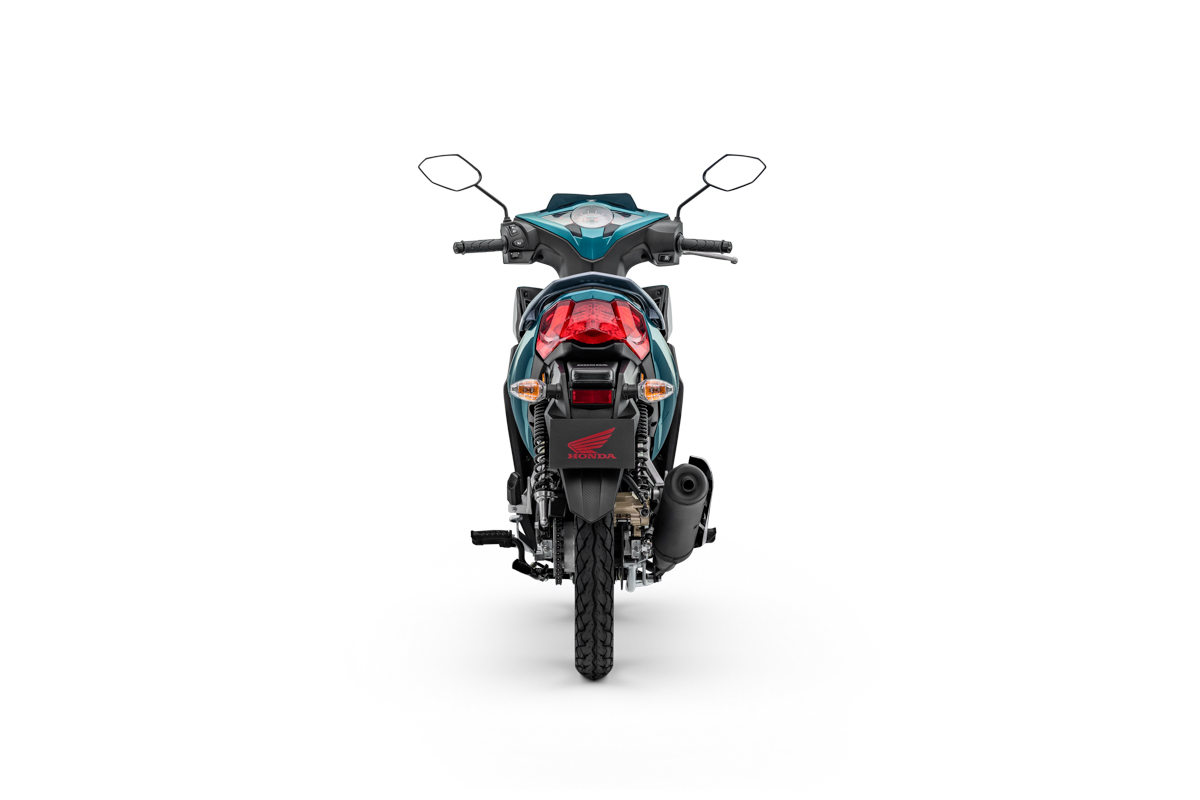
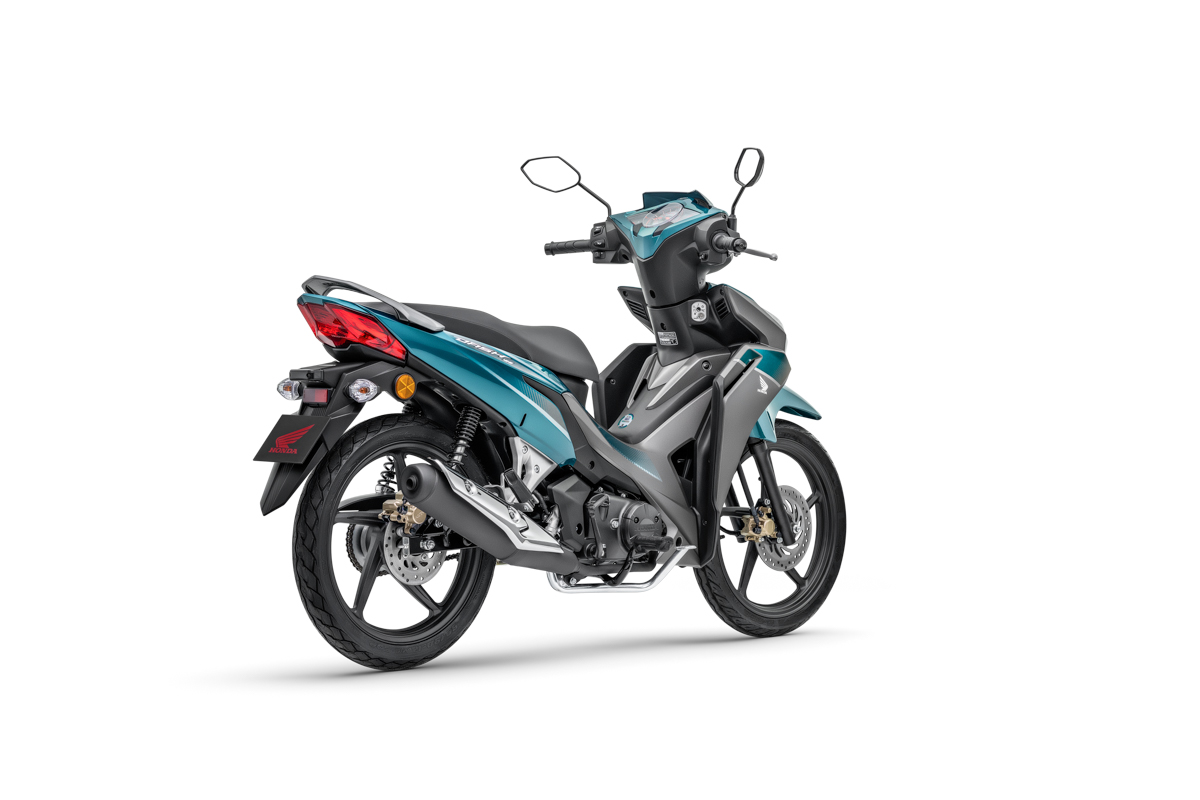
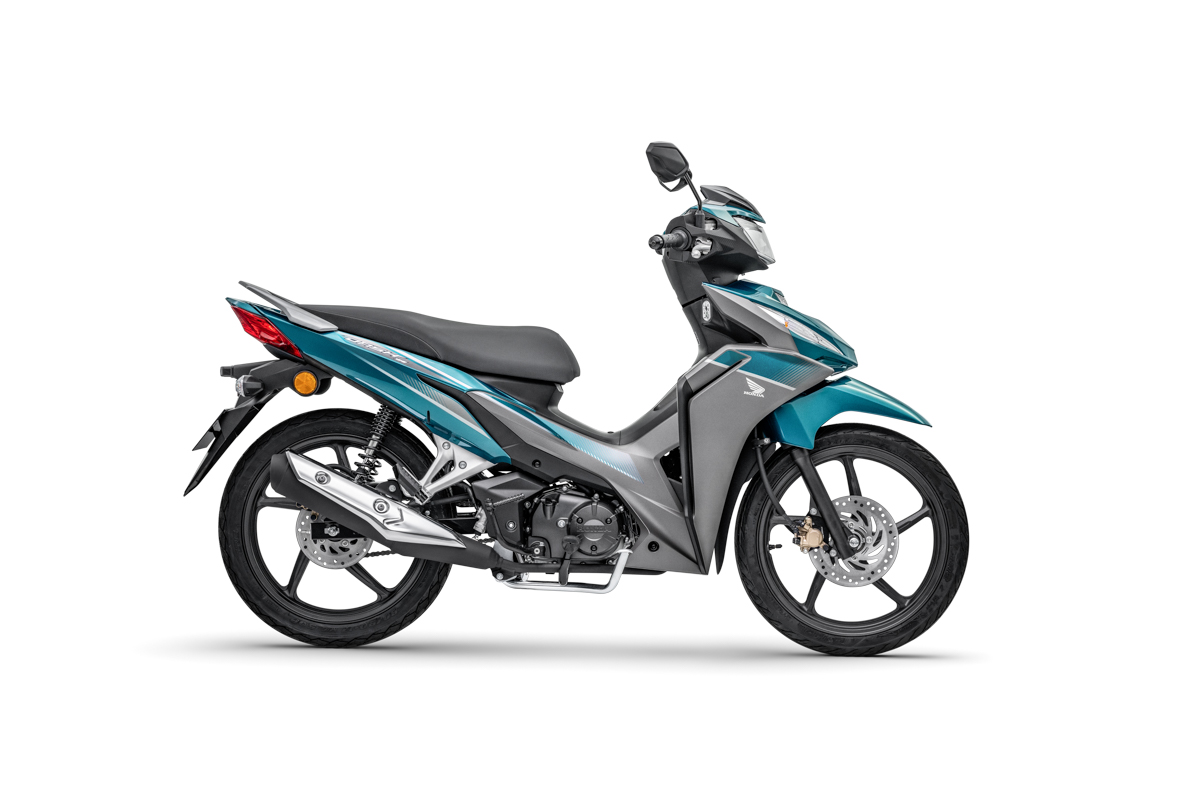
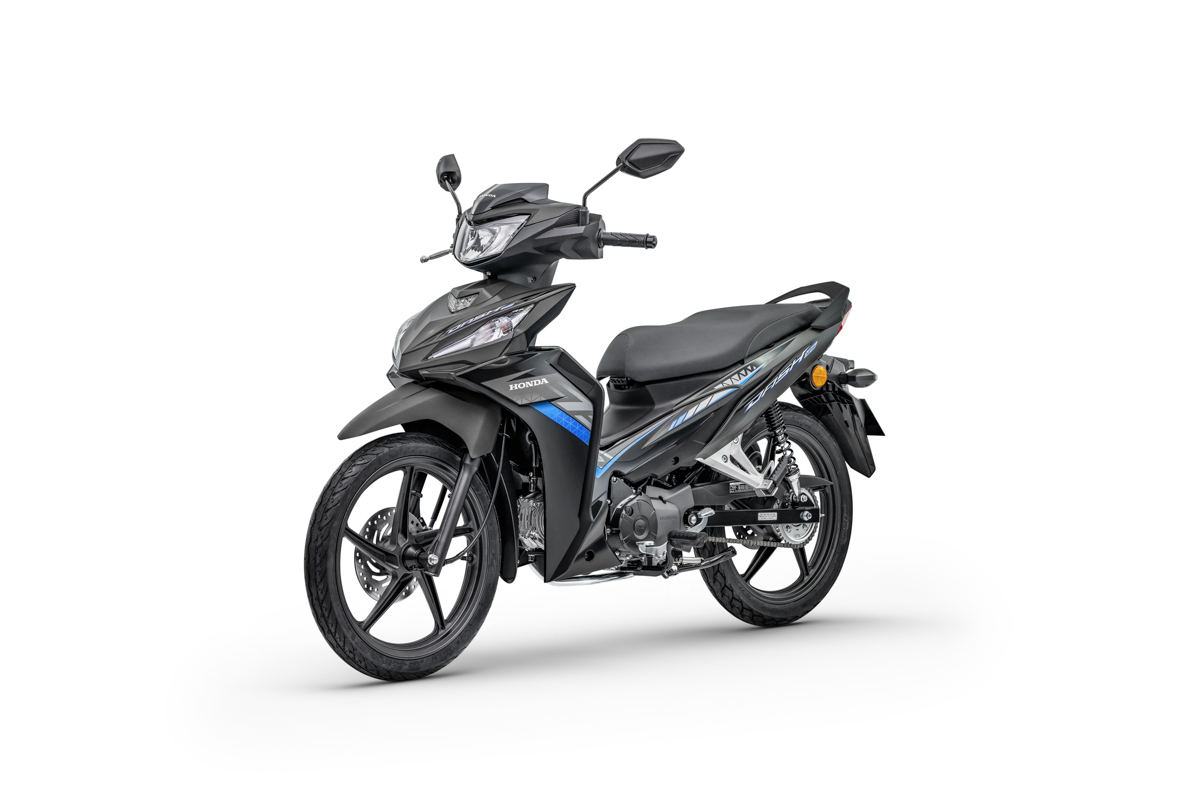
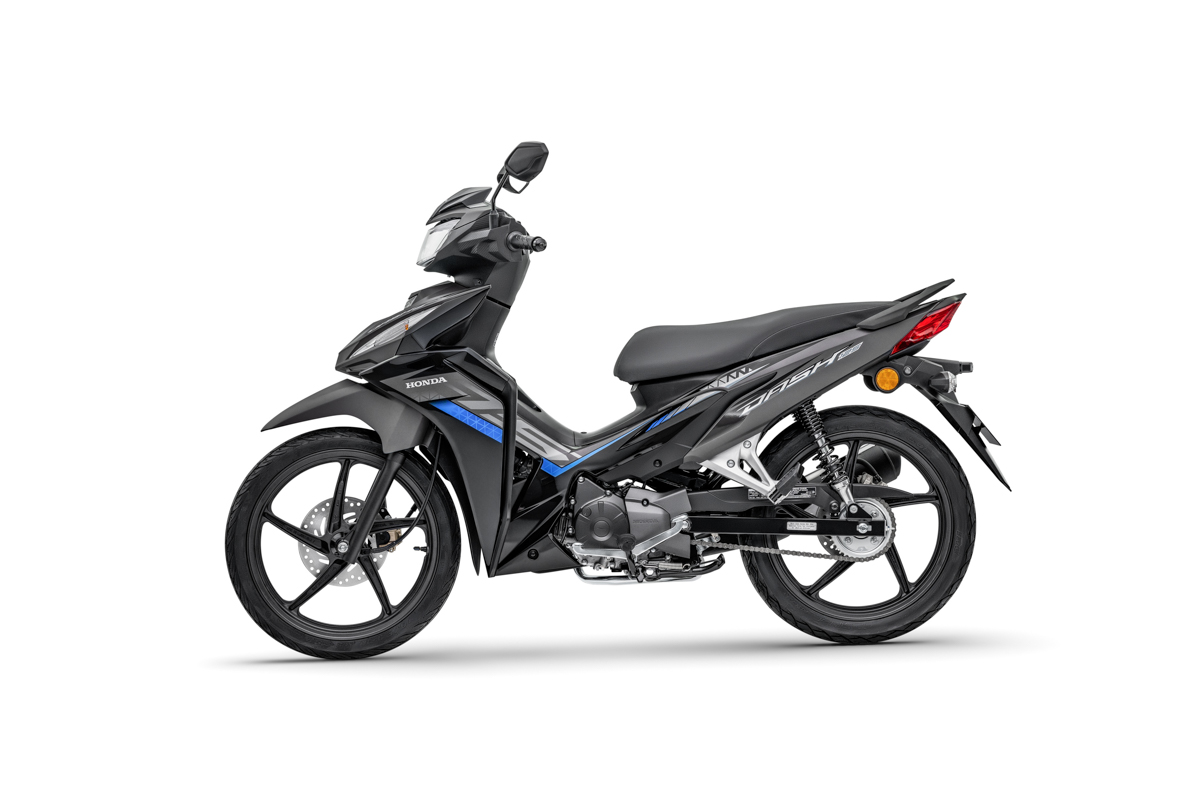
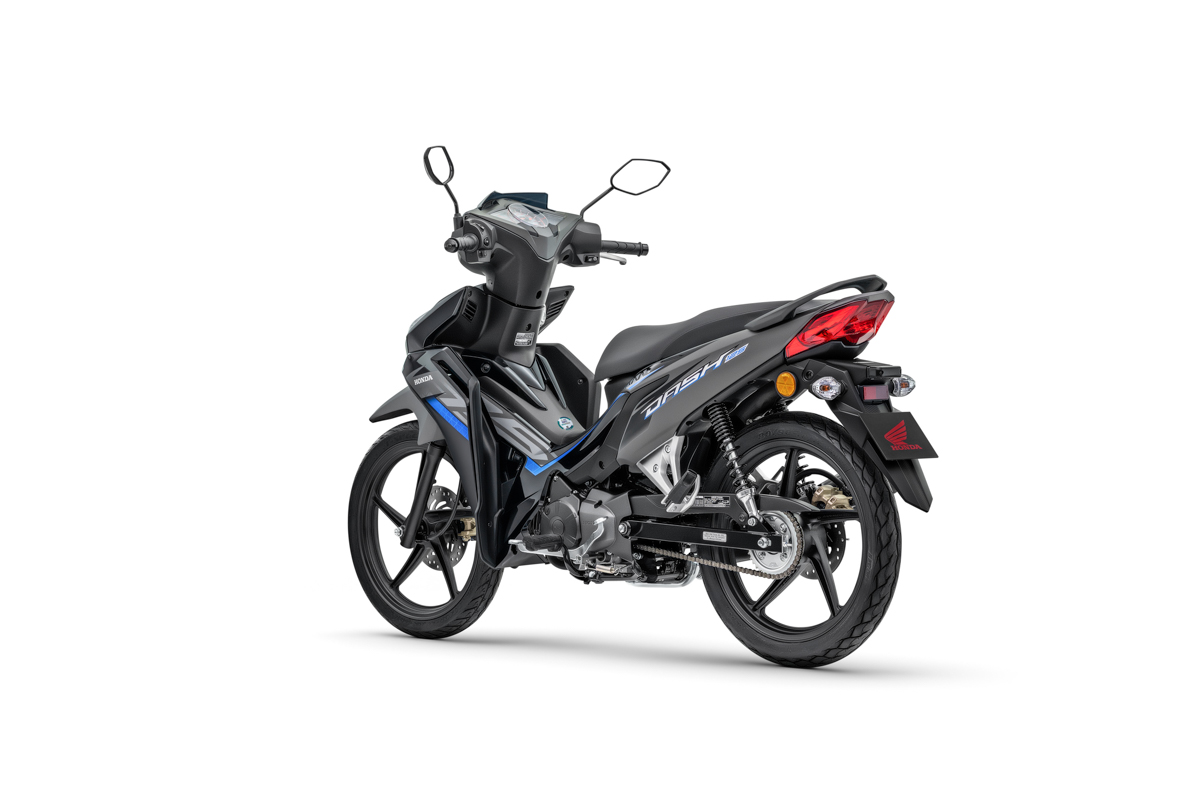
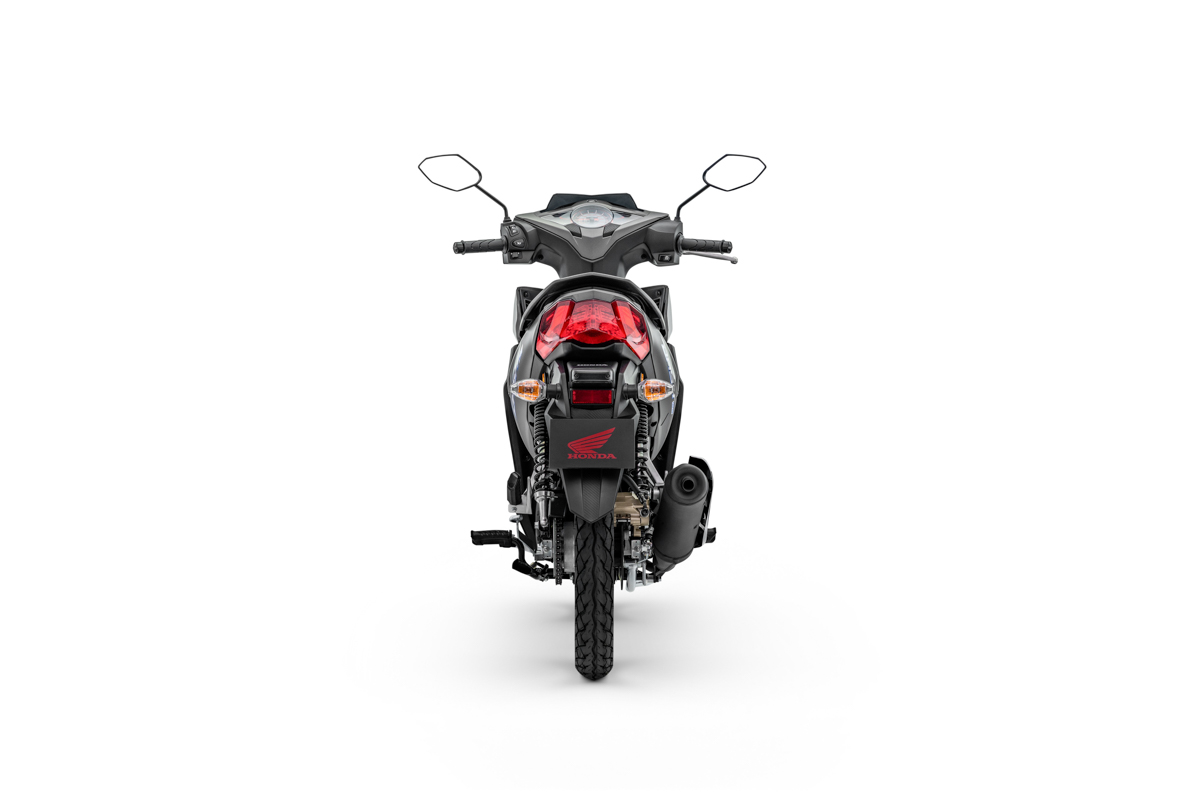
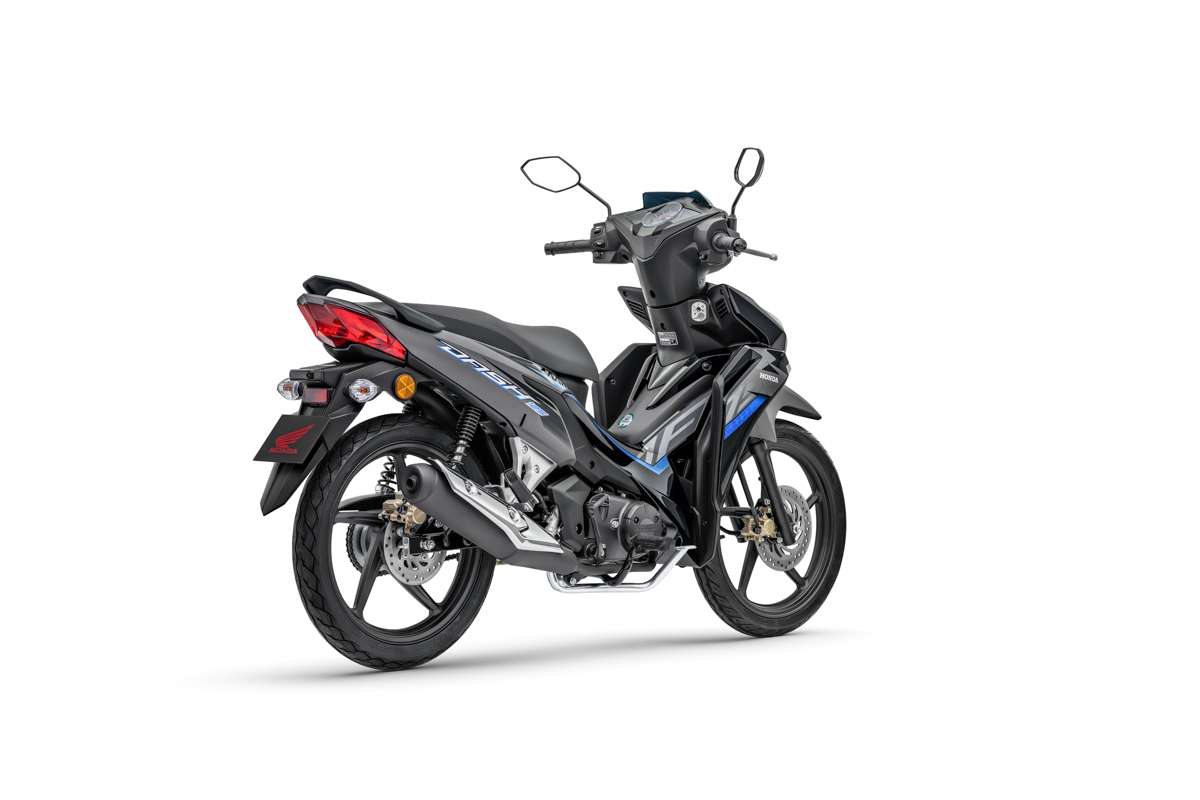
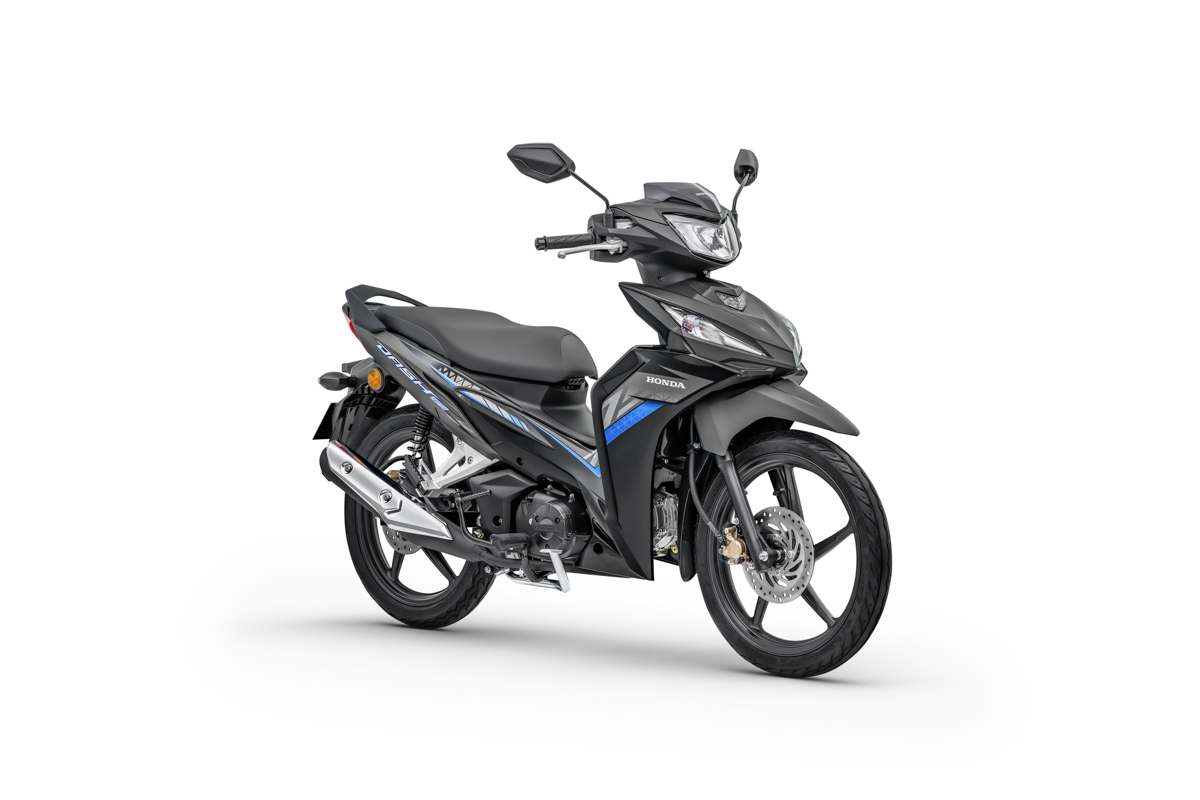
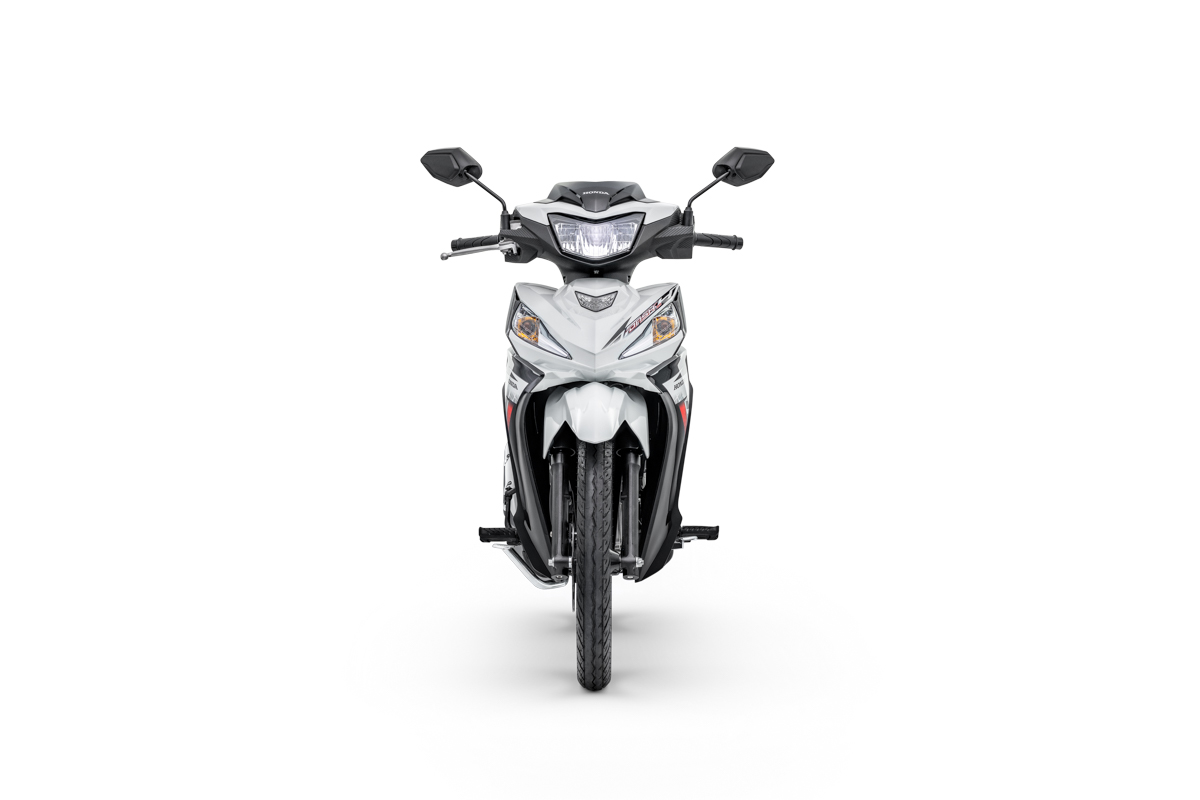
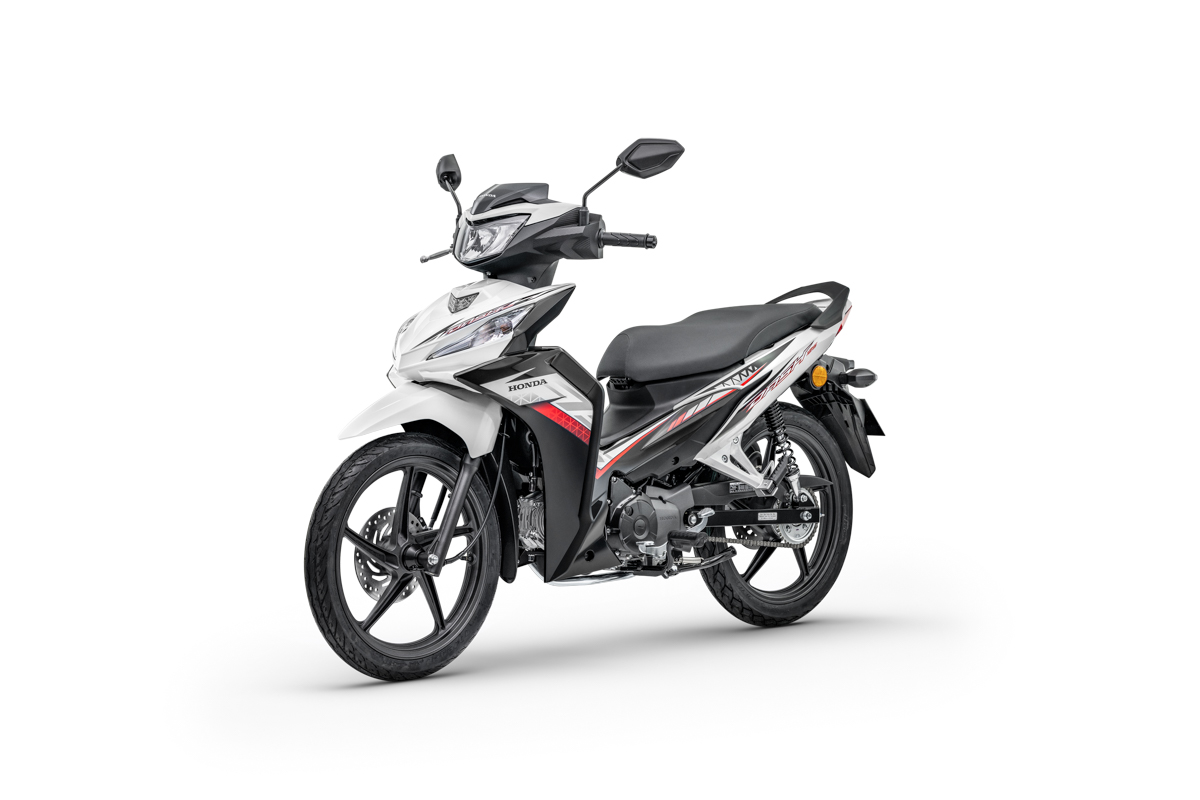
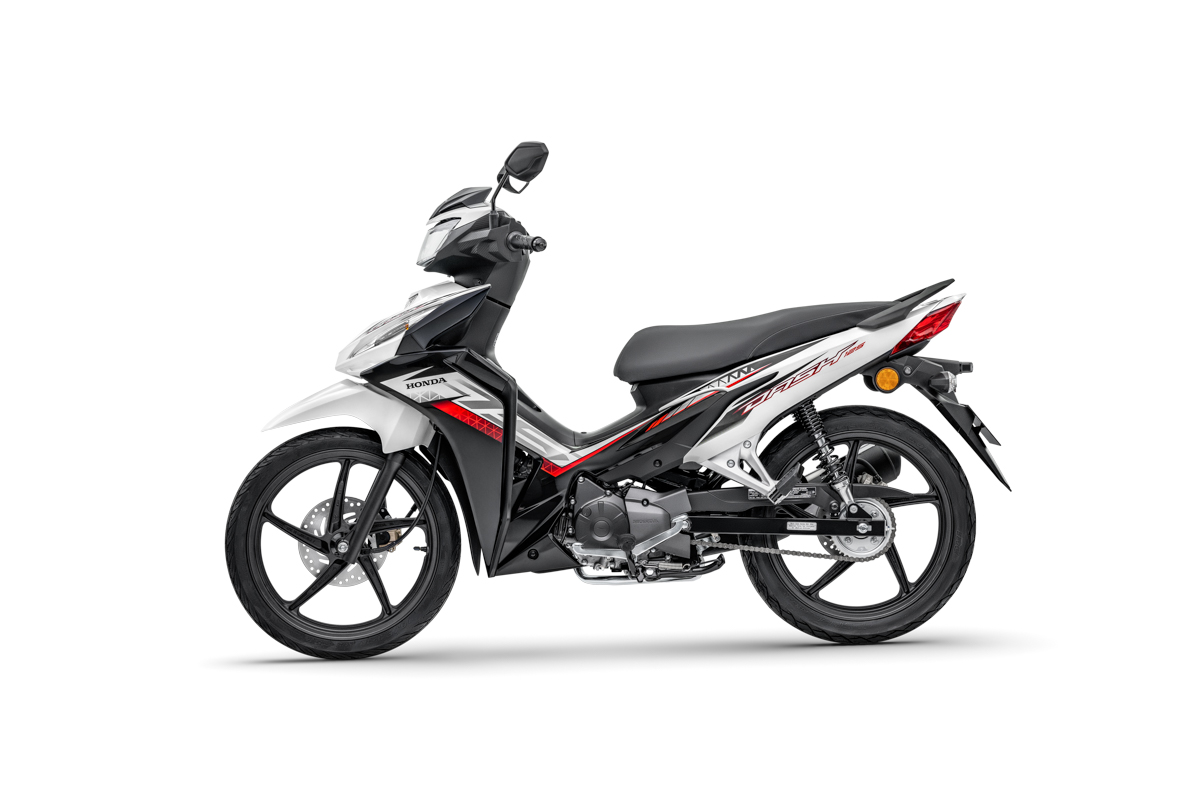
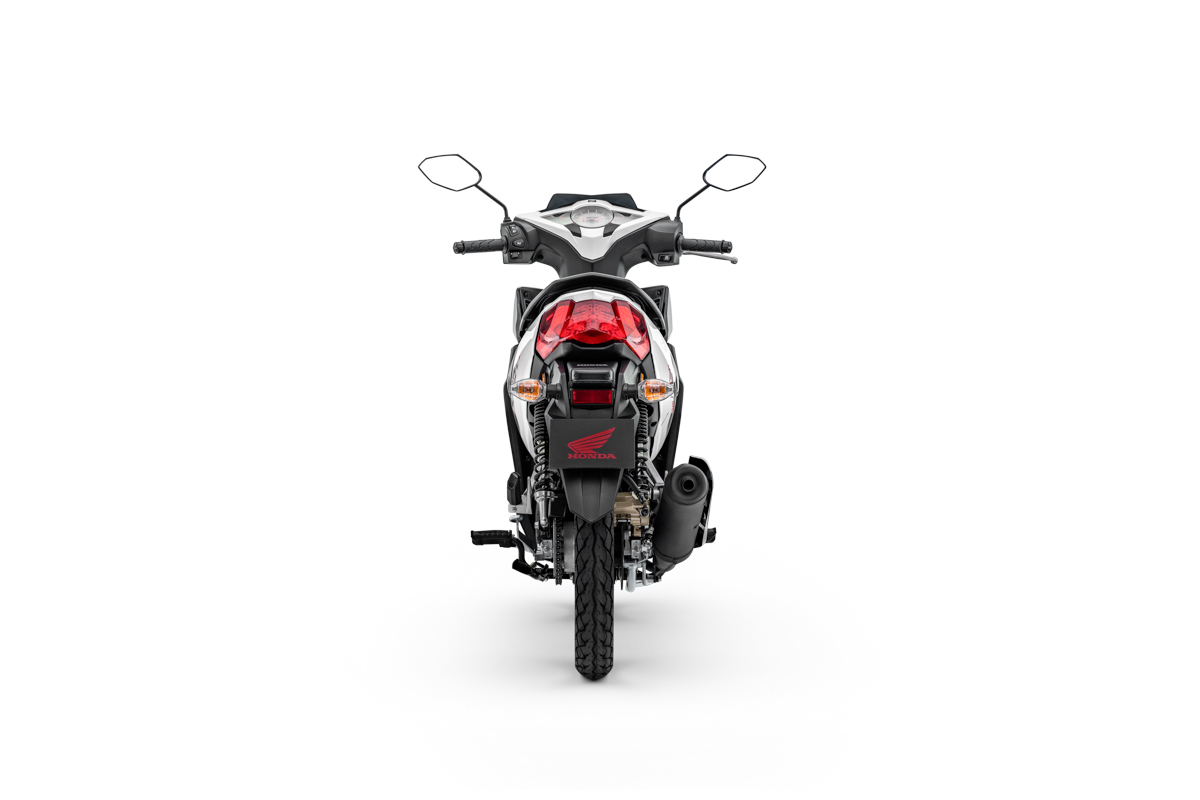
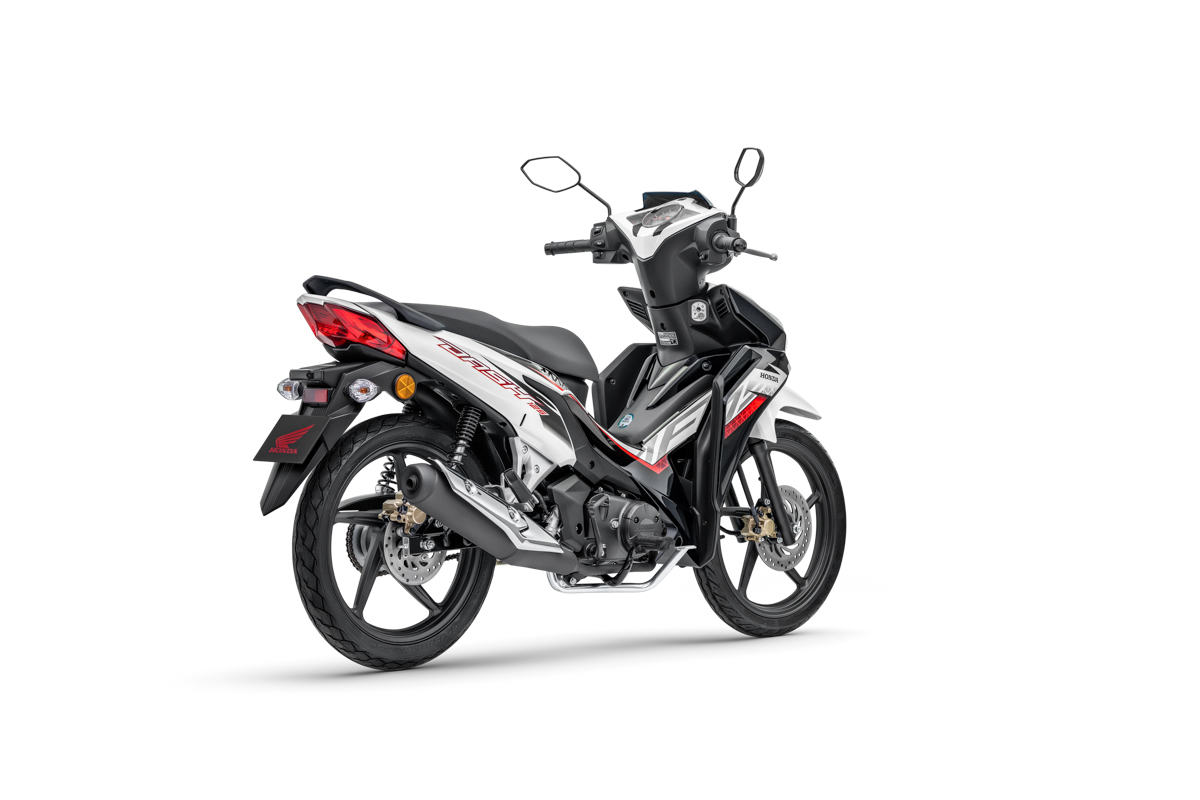
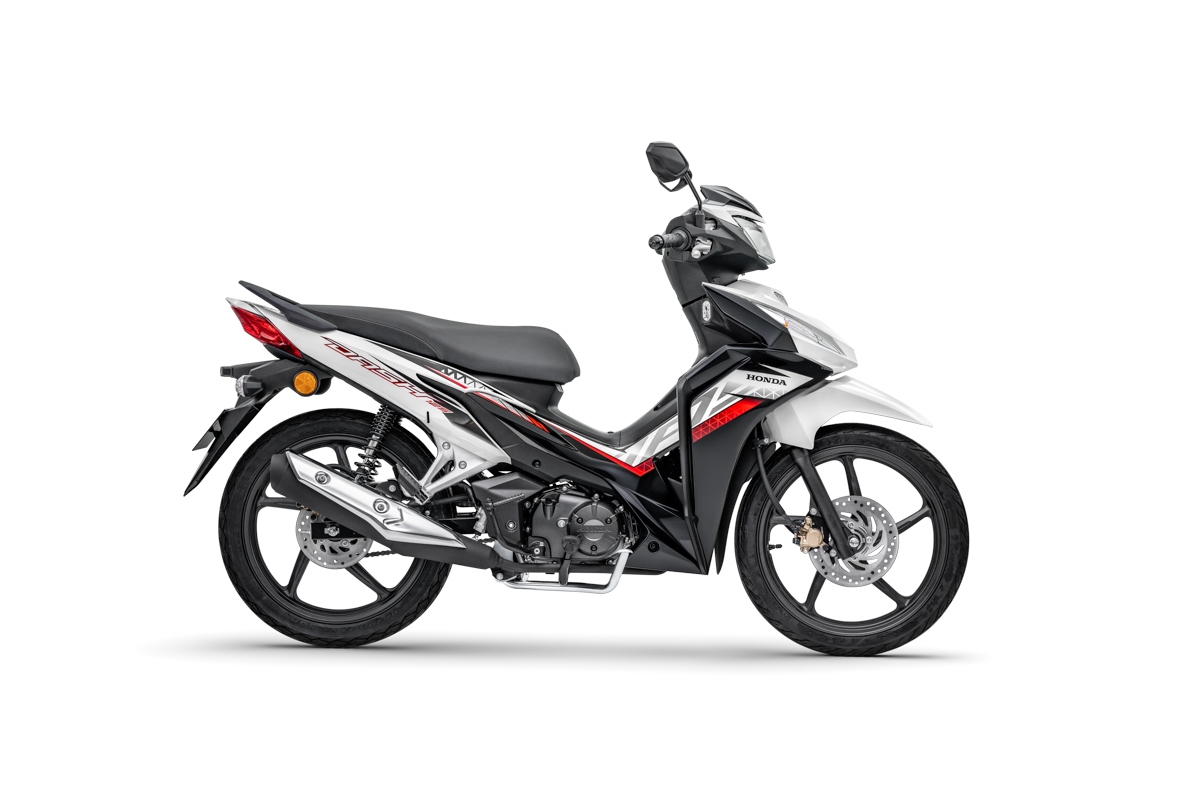
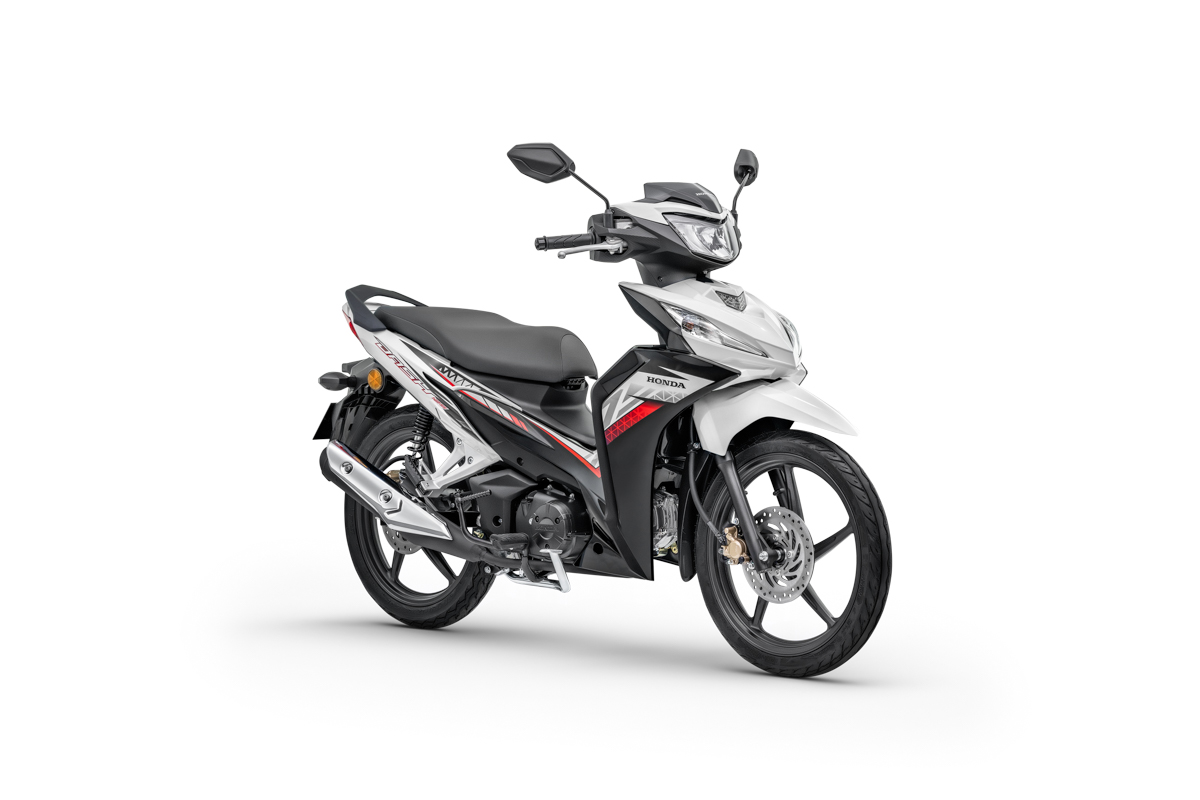
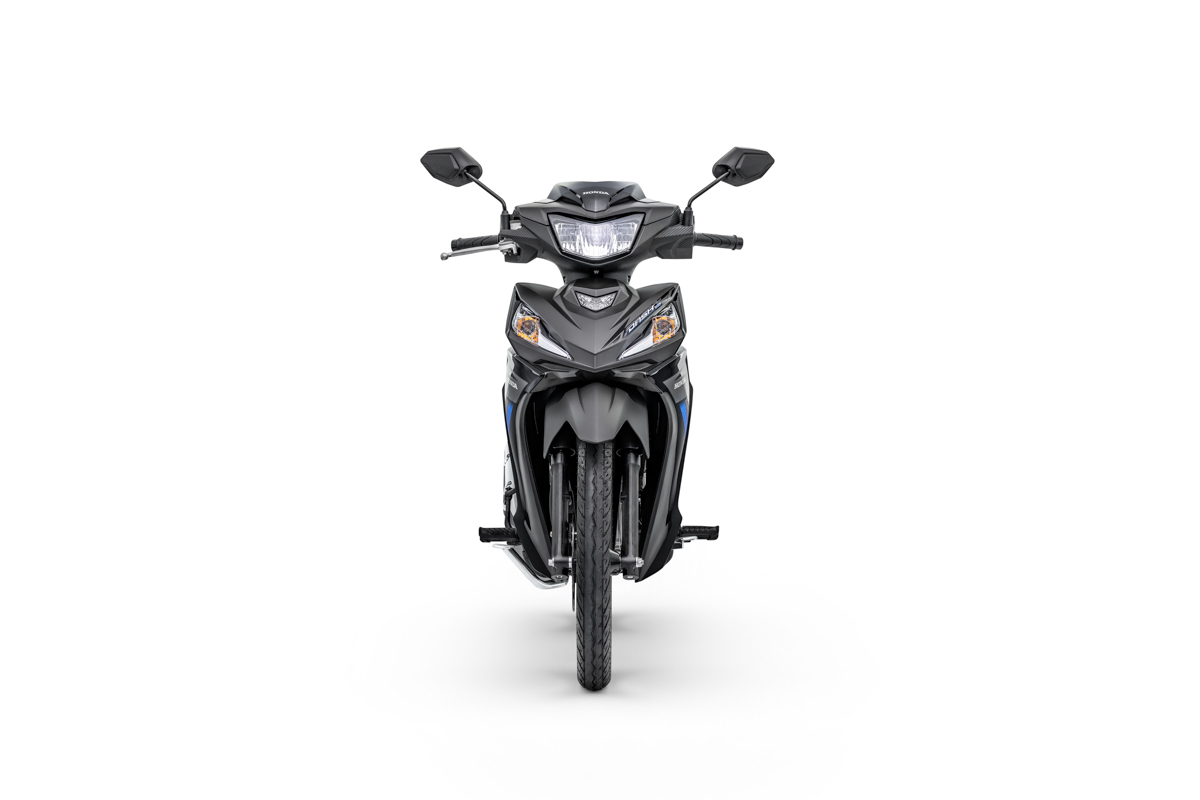
Boon Siew Honda Sdn. Bhd. (BSH) closes 2025 on a high note and welcomes the new year with a vibrant refresh to its Honda Dash 125 lineup. The popular cub model now comes in four exciting new colors: Silver, Blue, White, and Green, complemented by a bold new stripe design that introduces two dynamic styles: Modern Sporty and Neo Sportivo, giving riders more ways to express their individuality.

The Modern Sporty style, featured on the Silver, Blue, and White variants, showcases sharp, layered geometric graphics that amplify the Dash 125’s agile and sporty persona. Meanwhile, the Green variant stands apart with the Neo Sportivo look, delivering a clean yet commanding presence through its rich green finish, accented by sleek dark grey detailing, subtle silver stripes, and the iconic white Honda wing logo on both sides.

All four new colors will be available at RM6,599.00 (Recommended Retail Price, excluding road tax, insurance, and registration) at all IMPIAN X showrooms starting 17th December 2025.

About the Honda Dash 125 
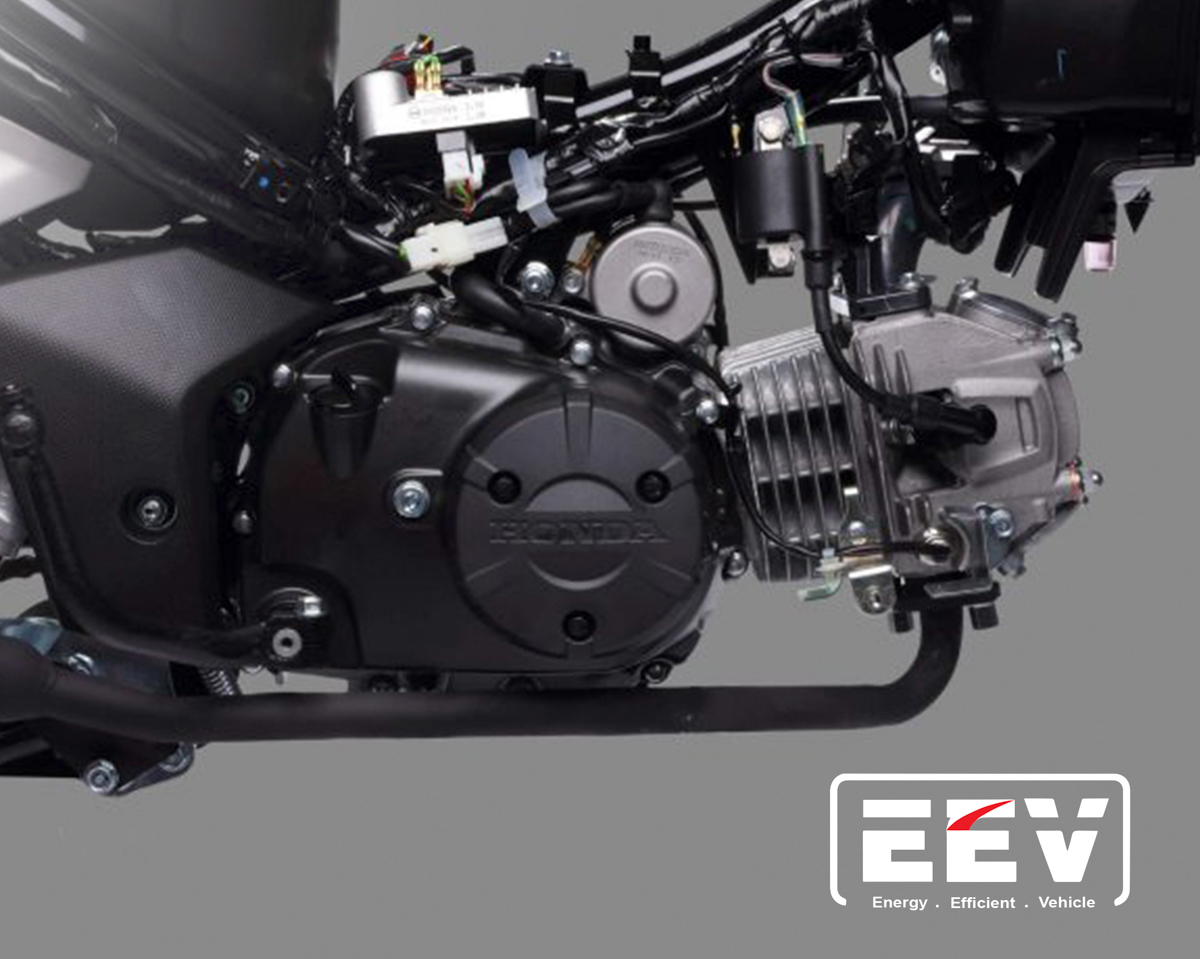
  • The Honda Dash 125 is powered by a 125cc engine, enhanced for improved performance.
  • Recognized as EEV certified, offering an impressive fuel efficiency of 59 km per liter.

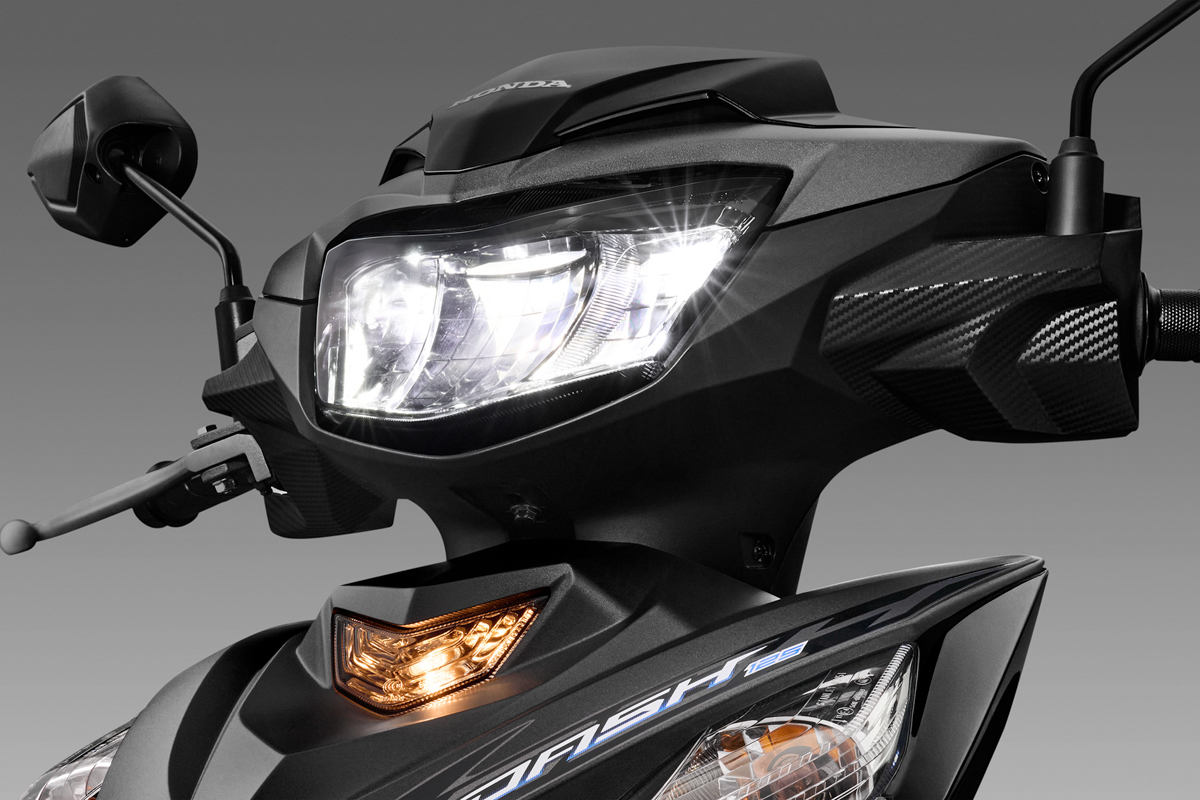
  • Its refreshed design includes a stylish visor, a sleek handle cover, and LED headlights for superior visibility.
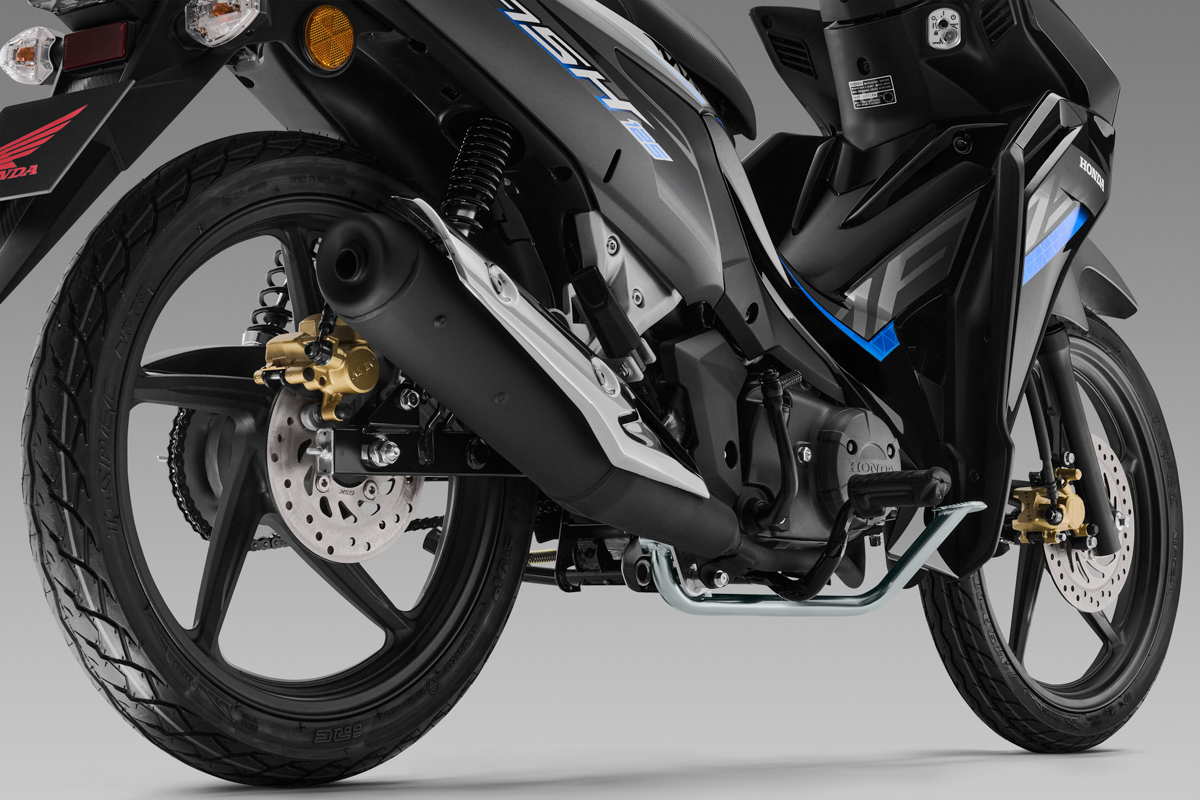
  • Safety is prioritized with front and rear disc brakes, ensuring balanced and confident braking.

  • This combination of performance, efficiency, and aesthetics makes the Dash 125 the perfect choice for riders who value both style and functionality.

BSH offers a 2-years or 20,000km manufacturer’s warranty (whichever comes first). For added peace of mind, riders can also explore the “Honda X-Tend” extended warranty program. Visit your nearest IMPIAN X showroom or click https://boonsiewhonda.com.my/product/dash-125/ for details. For inquiries, contact the toll-free line at 1-800-88-3993.

Photo gallery


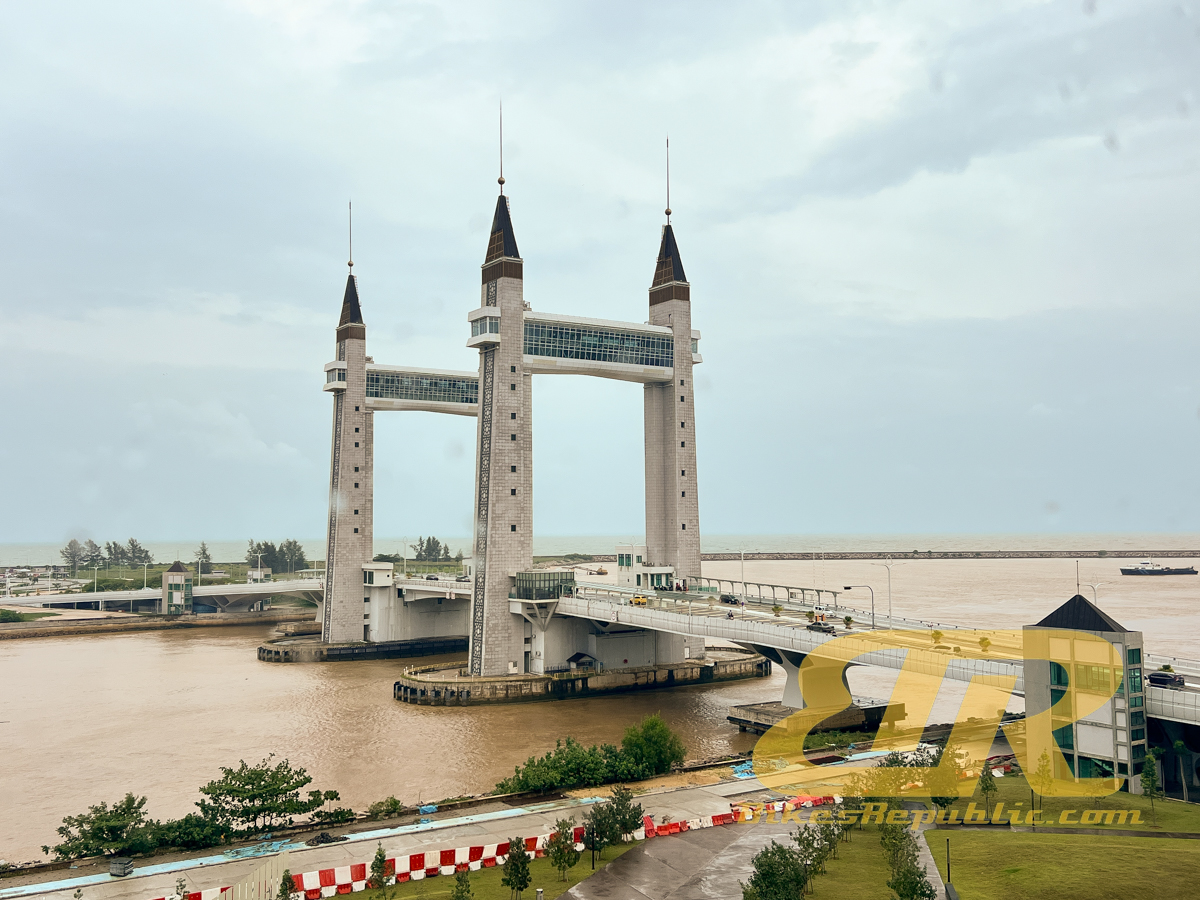
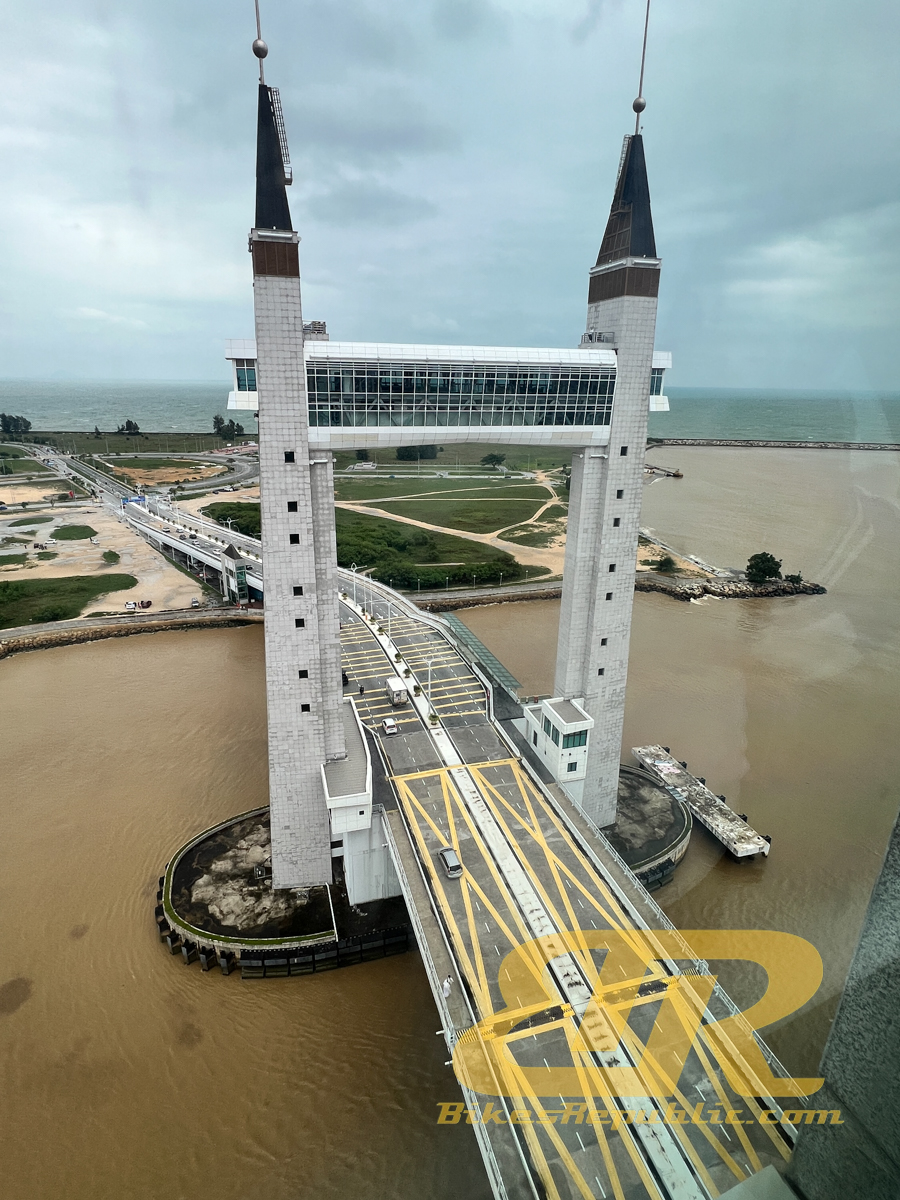
Heavy vehicles including cargo lorries, trailers, and tourist buses will no longer be permitted to use the Kuala Terengganu Drawbridge starting next year, following the enforcement of a 3.5-meter height barrier beginning January 1st.

The Chief Executive Officer of Ti Properties Sdn Bhd, Awasi Mohamad, stated that this enforcement also involves a load limit for vehicles, with a maximum Gross Vehicle Weight (GVW) or Unladen Weight of five tonnes for all vehicles using the iconic bridge.

According to him, this measure is taken to control the movement of vehicles that exceed the permitted load and height limits, ensuring the safety of other road users.

He said the enforcement is implemented in accordance with Section 86(3) of the Road Transport Act 1987 (Act 333), which prohibits vehicles with an Unladen Weight or Gross Vehicle Weight of five tonnes and above from crossing the Drawbridge.

“This measure is also crucial to prevent the risk of structural damage due to excessive loads.”

“Therefore, it could affect the safety and lifespan of the bridge, which is also one of the state’s important infrastructures and an iconic landmark of Terengganu,” he said.

He stated that to ensure road users are always aware of the established regulations, warning signs regarding load limits and notice boards detailing the relevant acts and laws have been installed on major roads leading to the bridge.

Furthermore, he said, height limit warnings are also displayed via LED screens on the Drawbridge as a continuous reminder to all drivers using the route.

He mentioned that vehicles exceeding the five-tonne weight limit and the 3.5-meter height limit must use alternative routes.

He added that they can use the Sultan Mahmud Bridge and the Manir Bridge, which connect the Kuala Nerus area and Kuala Terengganu city center.

Awasi said that alternative dispersal routes and special parking areas have also been provided, especially for tourist buses visiting areas around the Drawbridge, to ensure traffic flow and visitor comfort.

A Police Corporal pleaded not guilty in the Magistrate’s Court here today to a charge of dangerous driving causing the death of a motorcyclist in Kangar in late November.

The 38-year-old accused, who is stationed at Kangar Police Station, claimed trial after the charge was read before Magistrate Nurul Natasha Rizal.

Additionally, the accused also faced another charge of driving a vehicle negligently, causing serious injury to another motorcyclist.

According to the charge sheet, Muhammad Zulhairi Shunazar, as the driver of a pickup truck, was charged with driving dangerously, resulting in the death of motorcyclist Muhammad Firdaus Aiman Zainon, 24.

For the other charge, the accused was charged with driving a vehicle without due care and attention, thereby causing an accident and inflicting serious injuries on a motorcyclist named Aliff Noorhakim Alijesree, 25.

The accused was charged with committing the offences on 25 November last year on Jalan Persiaran Wawasan, opposite the Perlis State Legislative Assembly Complex in Kangar, at 10:20 p.m.

As such, the accused was charged with offences punishable under Section 41(1) and Section 43(1) of the Road Transport Act 1987.

If convicted under Section 41(1) of the Road Transport Act (RTA) 1987, Muhammad Zulhairi Shunazar could be fined not more than RM50,000 and imprisoned for not more than 10 years.

Furthermore, the accused may also be disqualified from holding or obtaining a driving licence for not less than five years or disqualified for 10 years from the date of conviction.

Additionally, for the offence under Section 43(1) of the RTA 1987, the accused could be fined not more than RM10,000 or imprisoned for not more than 12 months, and his driving licence could be suspended or revoked.

The prosecution was conducted by Prosecuting Officer, Inspector S Mageswaran from the Royal Malaysia Police (PDRM), while the accused was represented by lawyer Hasnor Arysha Hamdan from the National Legal Aid Foundation (YBGK).

Mageswaran, in his application, requested the court to set bail at RM9,000 for the accused for both charges.

At the same time, Mageswaran also applied for the accused’s driving licence to be suspended.

Meanwhile, Hasnor requested the court to consider a minimum bail amount, as his client has a wife and three children aged between three and 10 to support.

Additionally, the accused also has to support his elderly mother and a sibling who is still studying.

Hasnor also stated that his client has no prior criminal convictions and poses no flight risk as he lives and resides in Perlis.

After hearing arguments from both sides, Nurul Natasha set bail at RM5,000 for the accused for both charges.

Furthermore, the accused’s driving licence was also suspended until the trial concludes.

The court set 28 January next year as the date for the next mention of the case.

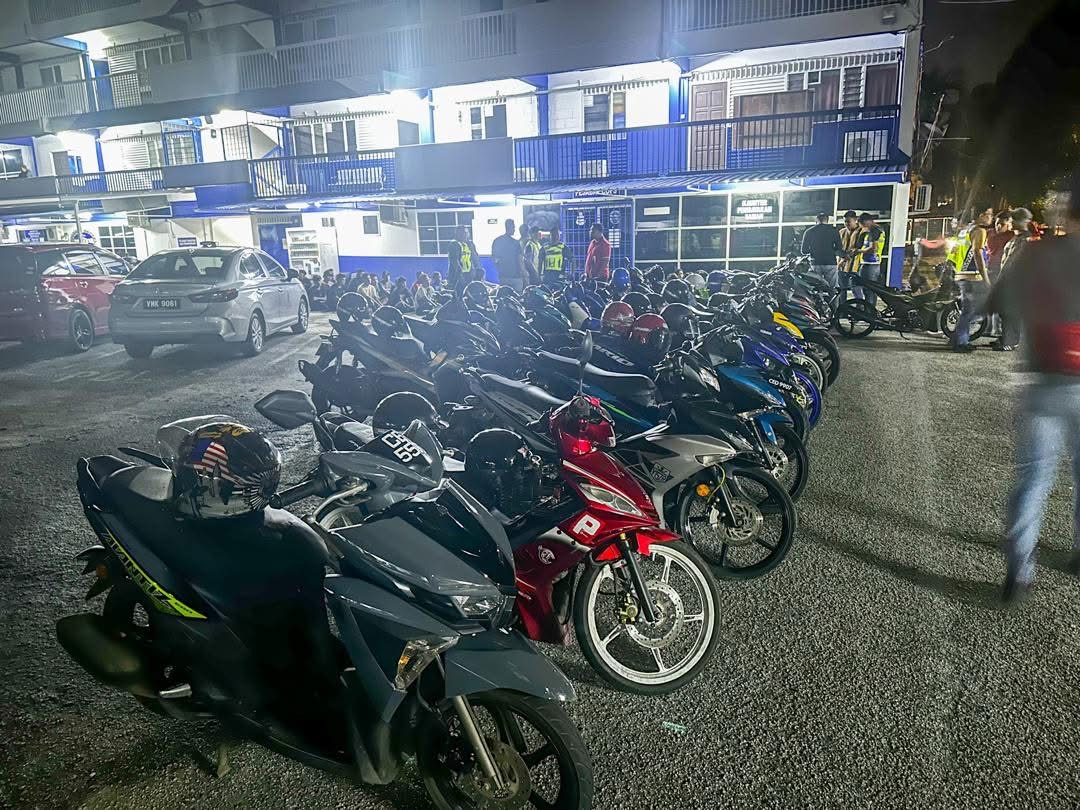
The Royal Malaysia Police (PDRM) issued 87 summonses during the RXZ Member Ride 3.0 program held in Melaka. The most common offense involved expired Motor Vehicle Licenses (roadtax).

Melaka Police Chief, Datuk Dzulkhairi Mukhtar, stated that a total of 14 summonses were issued for expired LKM, while 13 summonses involved riders without a valid license.

“Another 11 summonses were issued for failure to display the road tax sticker, and nine summonses were against riders who failed to have valid insurance coverage.

“Meanwhile, 10 summonses were for the offense of using unauthorized accessories,” he said in a statement today.

He said that during the operation, police also detected five motorcycles without registration numbers and four cases of exhaust modifications that did not comply with specifications.

Furthermore, he stated, five summonses were issued for failure to wear a helmet, and six cases involved motorcycles without side mirrors.

“Other offenses included invalid registration numbers, faulty brake lights, failure to comply with authorities’ instructions, and failure to stop when directed.

“However, no vehicles were impounded or arrests made, and no fatal or serious accidents were reported throughout the operation,” he said.

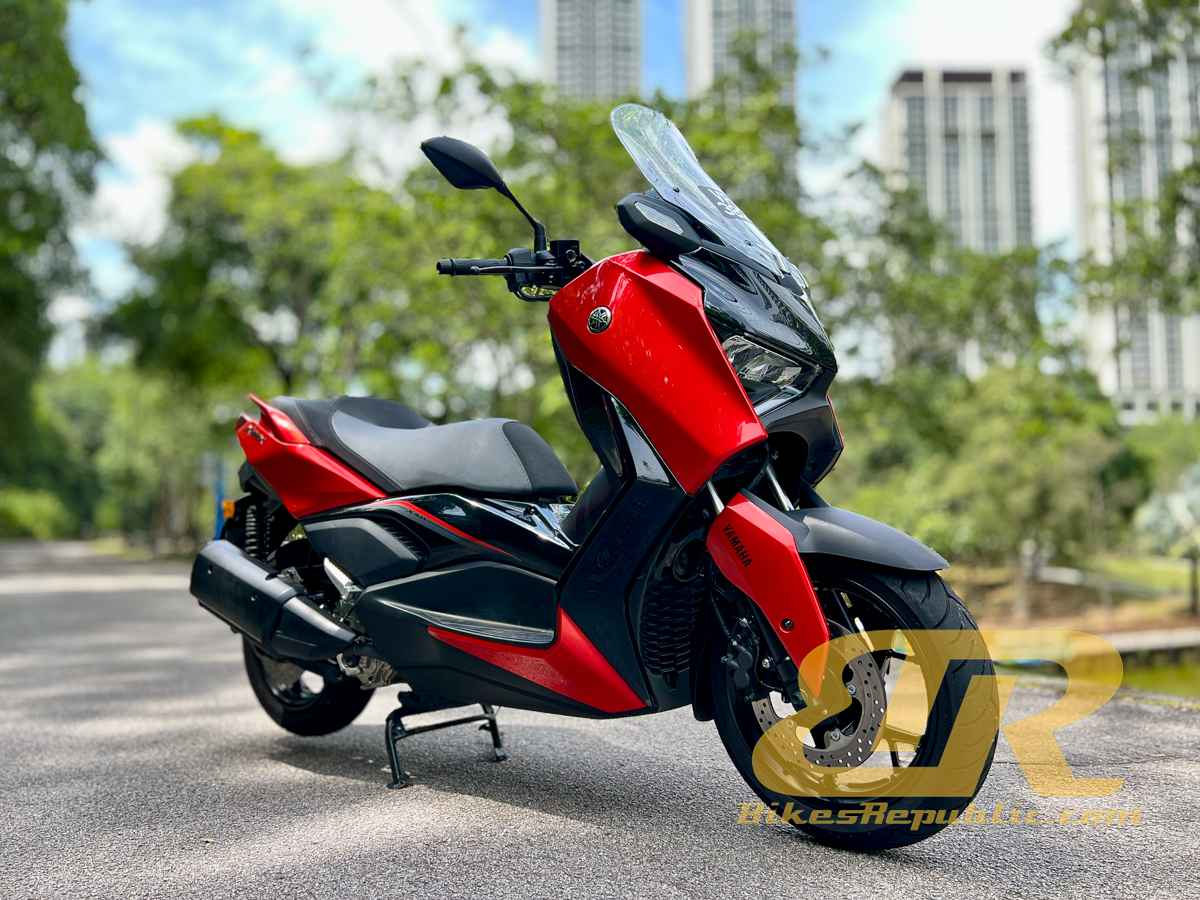
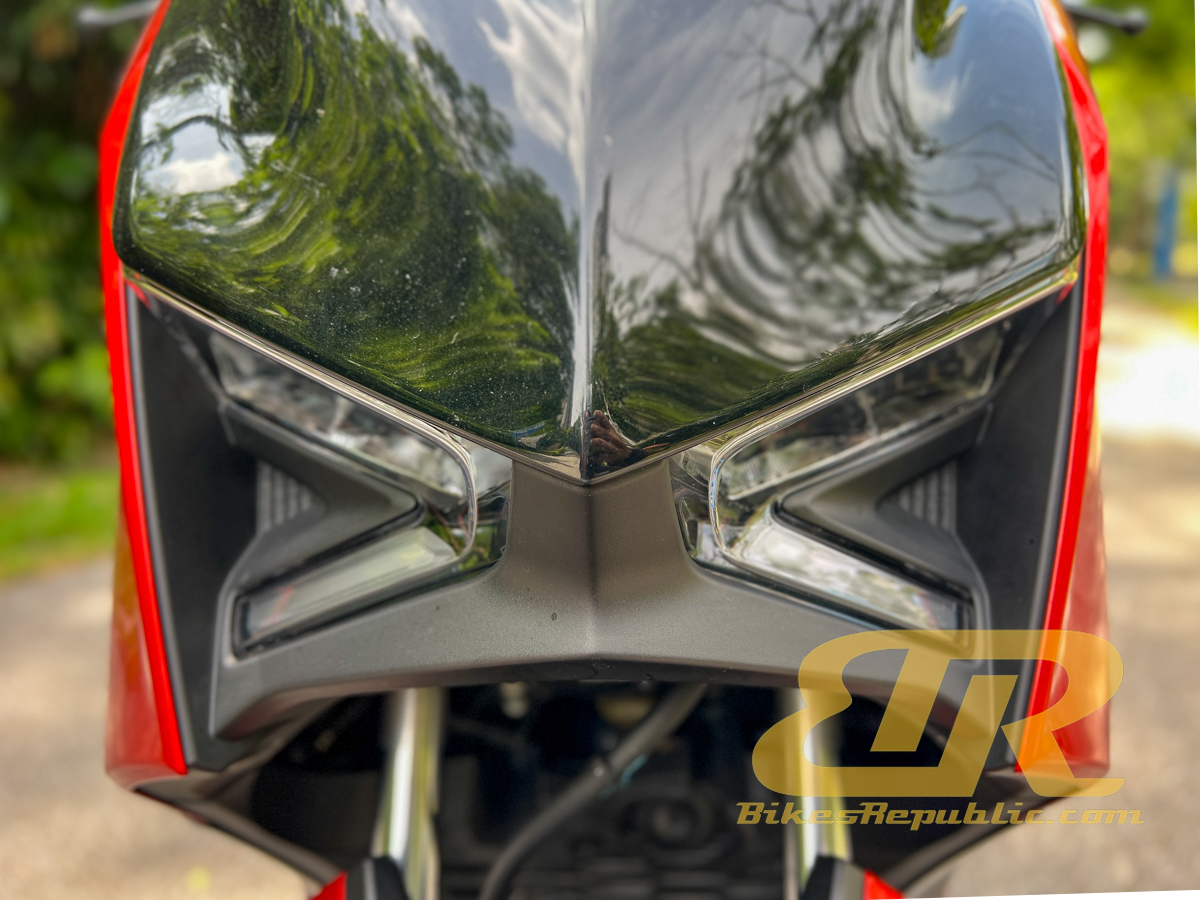
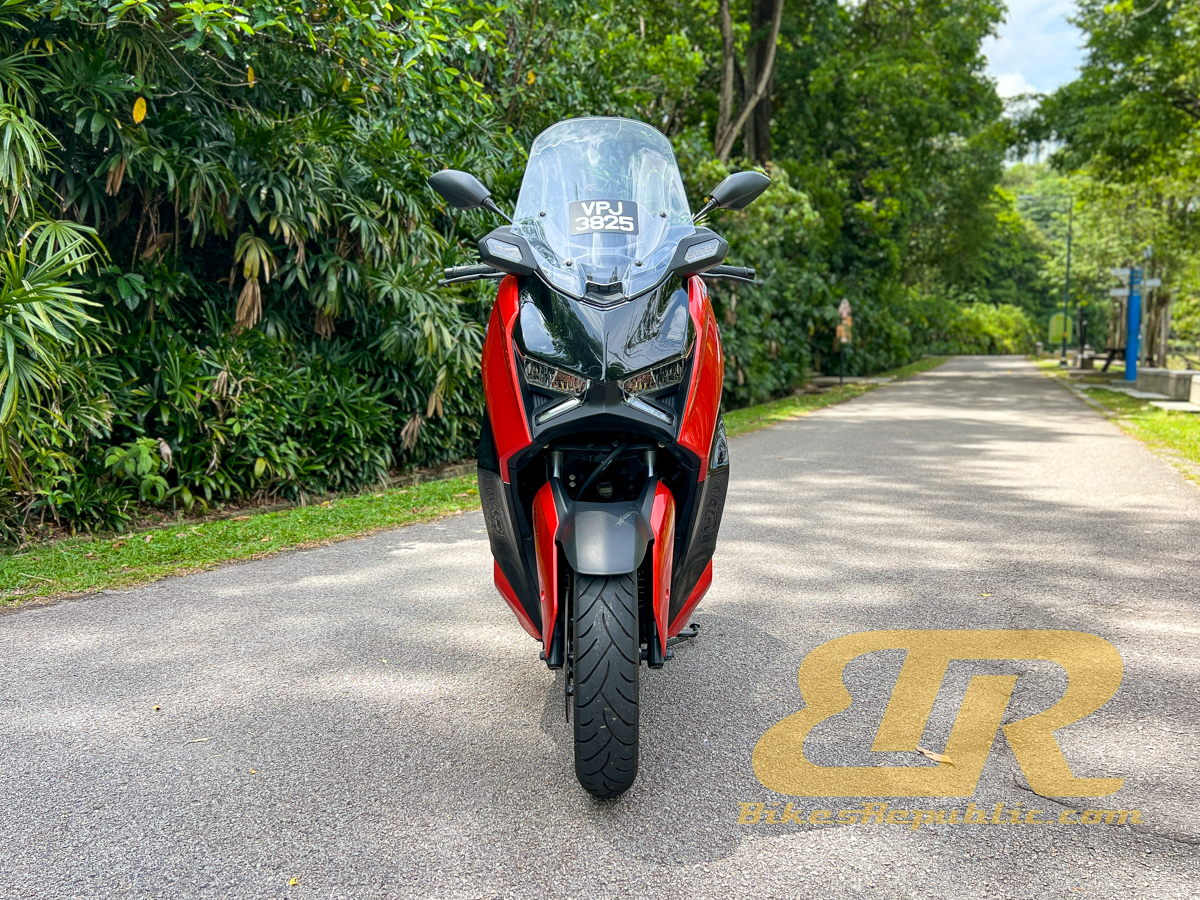
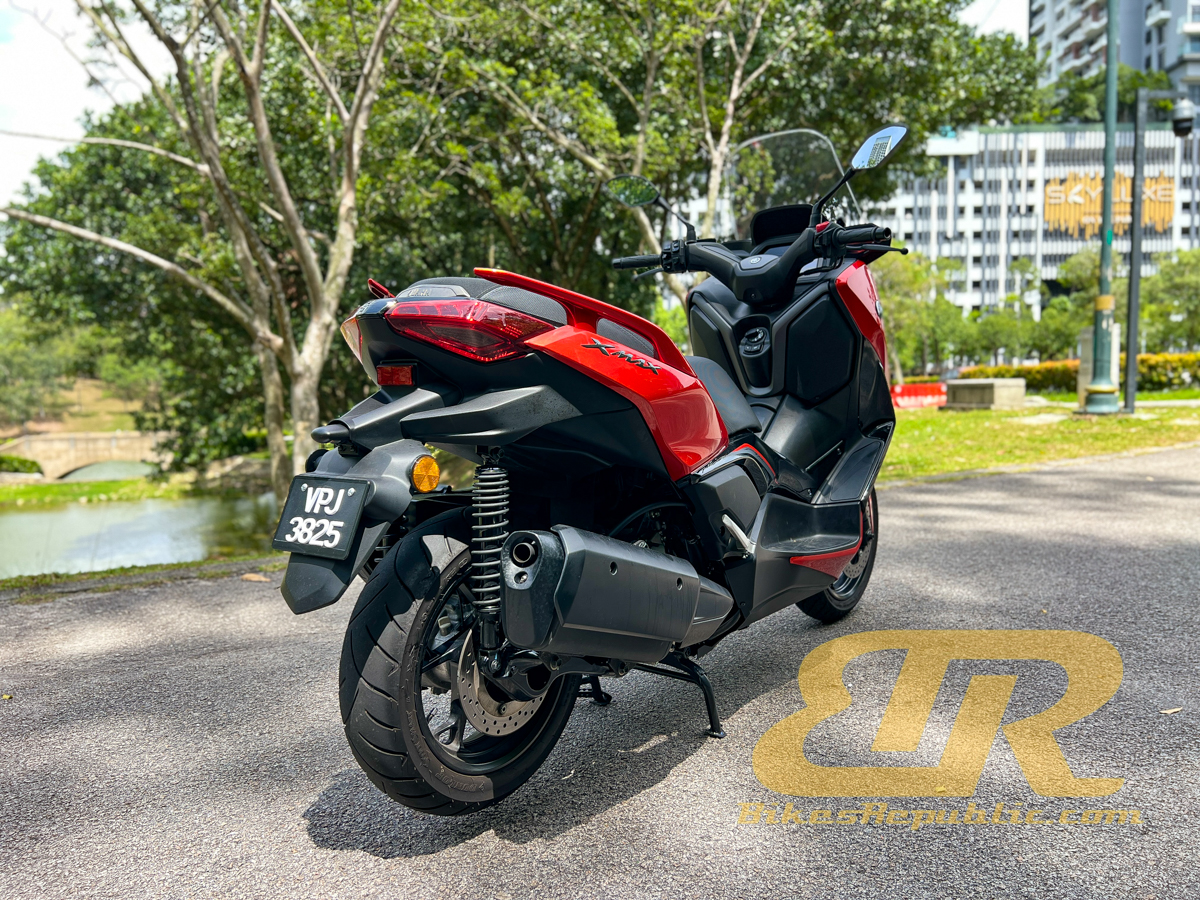
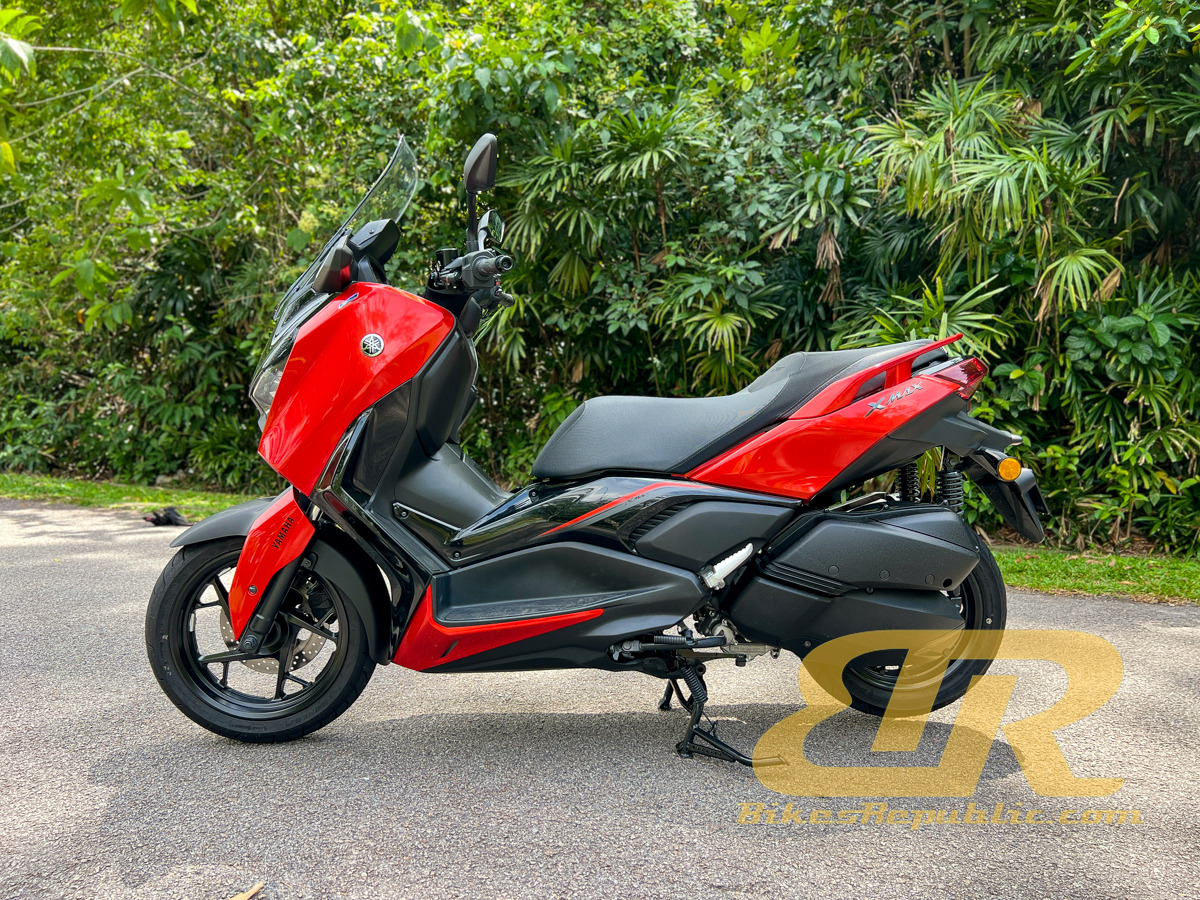
The 2025 Yamaha XMAX 250 appeared with several minor updates but it still confirms one thing: It is still quick!

The XMAX 250 has held the title of the King of 250cc scooters since its debut in 2018. While it is true that it had no worthy competition at the time, it persisted as the best-seller in the class despite being challenged by others in the class later on, namely the Honda Forza 250.
But how times have changed.

The onslaught of Chinese scooters seems to have tilted the balance, somewhat. The Chinese makers’ collective strategy is: Stuff the bikes with tech, features, and sell them cheap. And sure enough there were biters. Honda has also updated their Forza 250 to become the excellent NSS250.
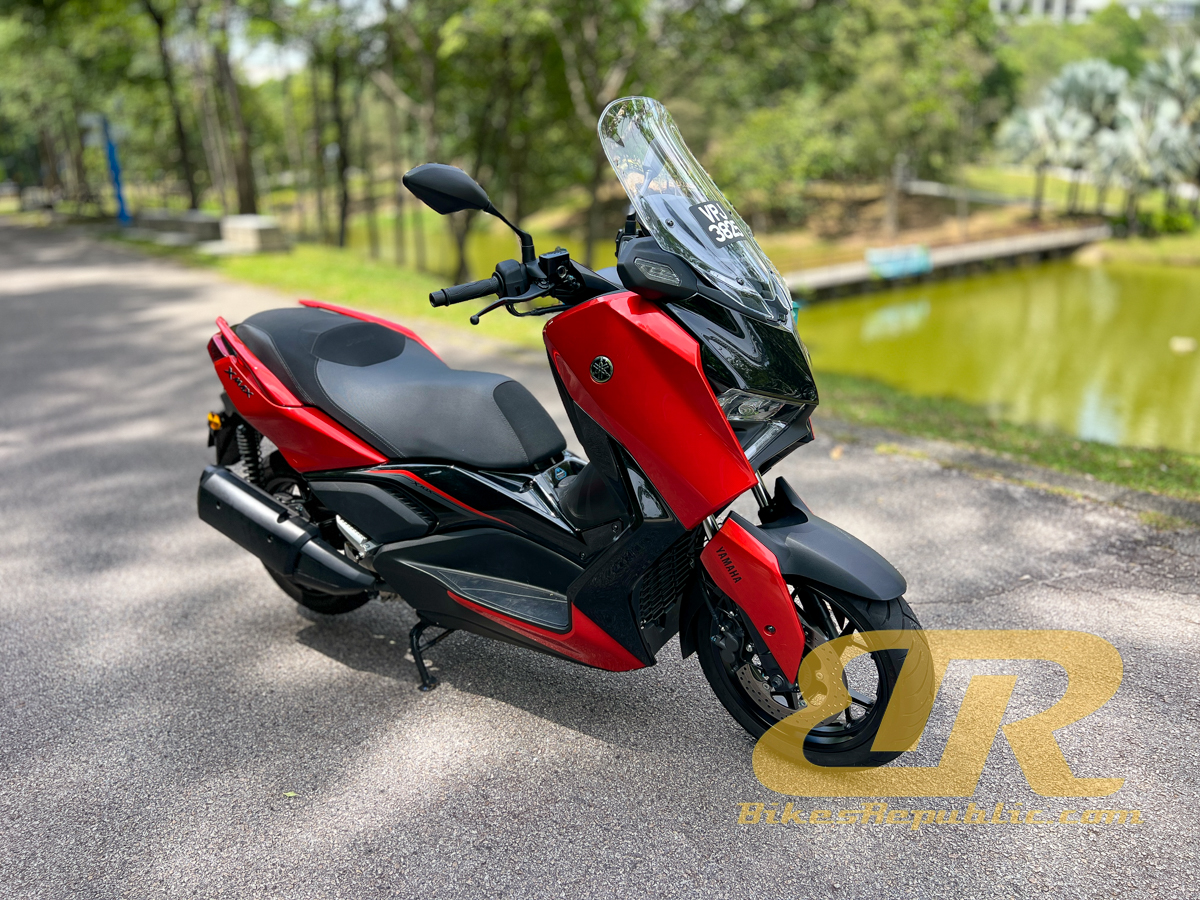
Still, the Yamaha XMAX 250 continued to sell and we needed to find out why.

What is the 2025 YAMAHA XMAX 250

There is only one version of the XMAX sold in Malaysia, the 250cc variant (hence the name). You can find the 125cc variant in Europe and other countries too.

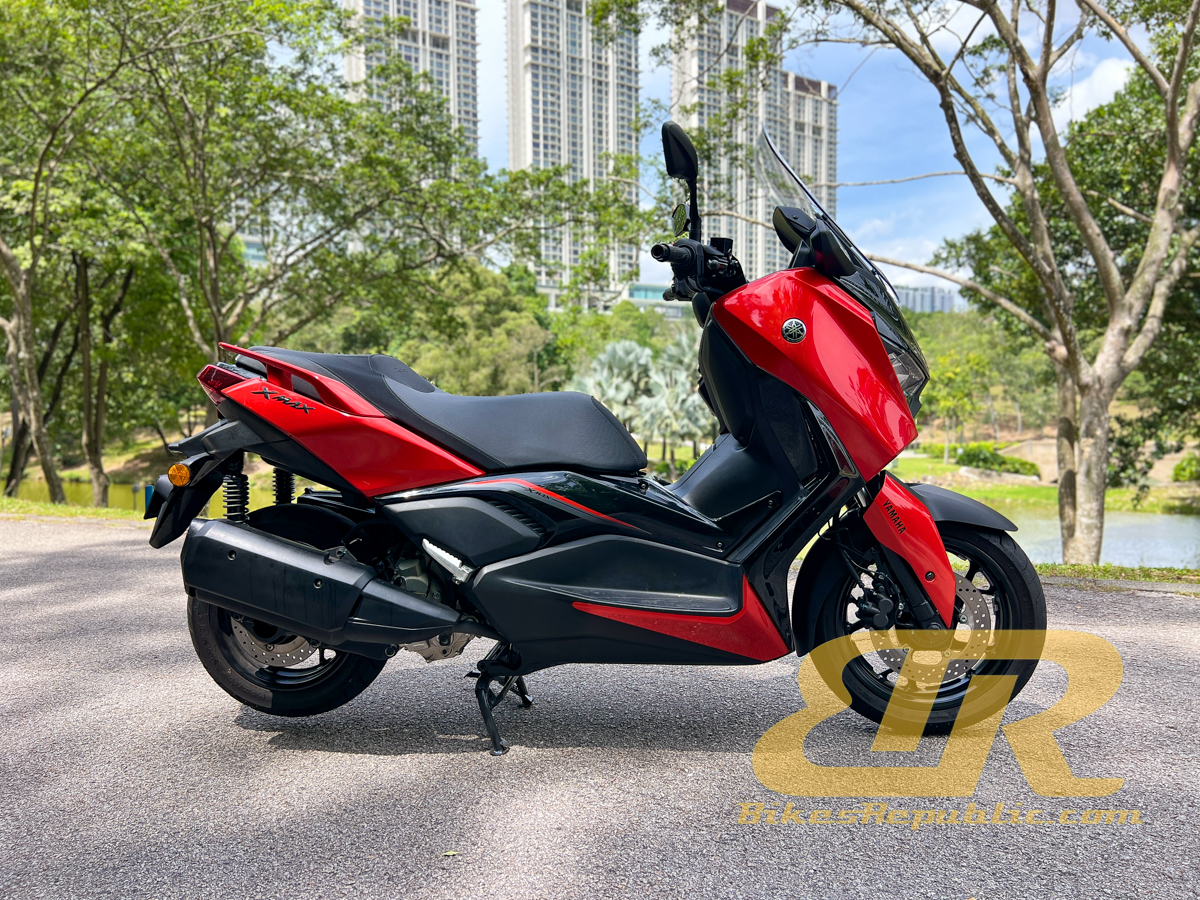
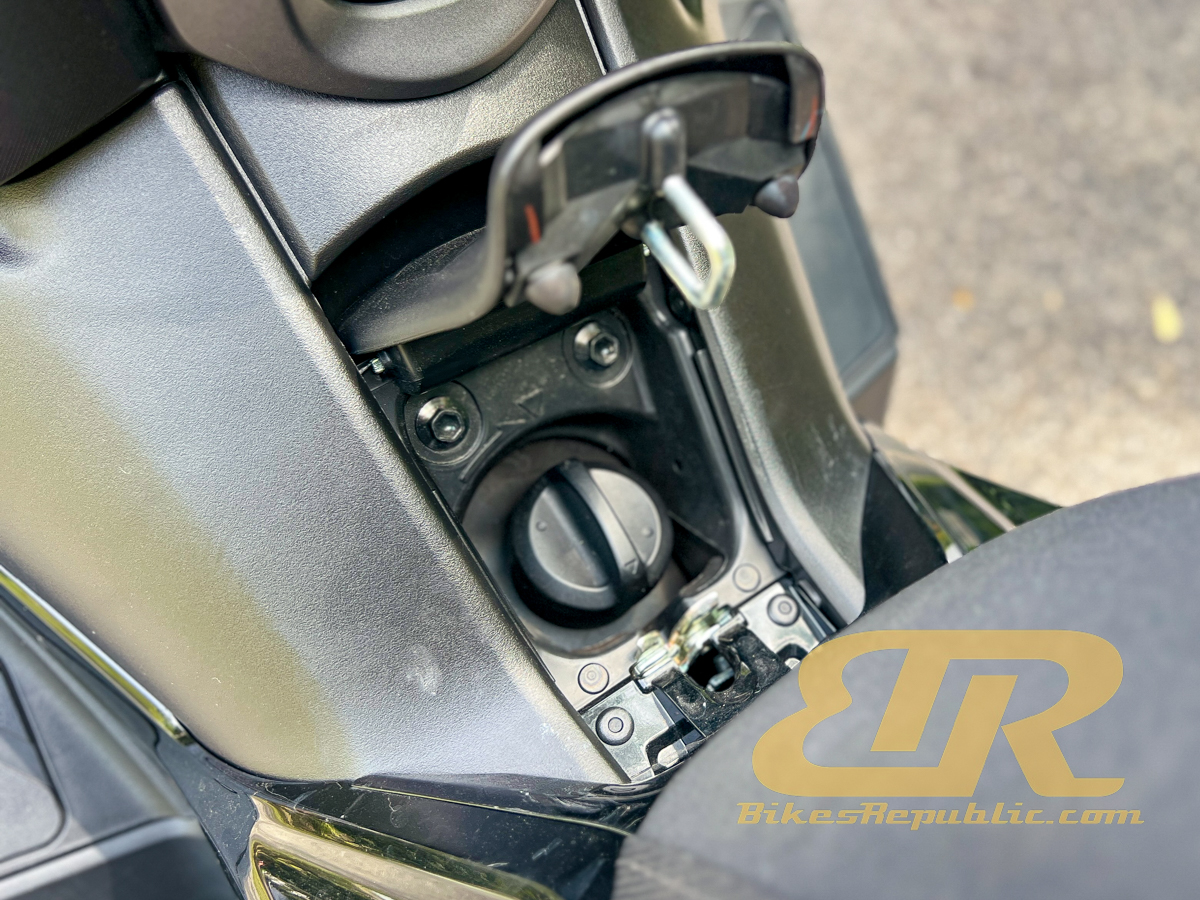
It is a grand touring scooter, meant to run long distances at speed while coddling the rider with the necessary comforts. Being such a scooter also means large storage spaces, large fuel tank, big windscreen, and protective bodywork.
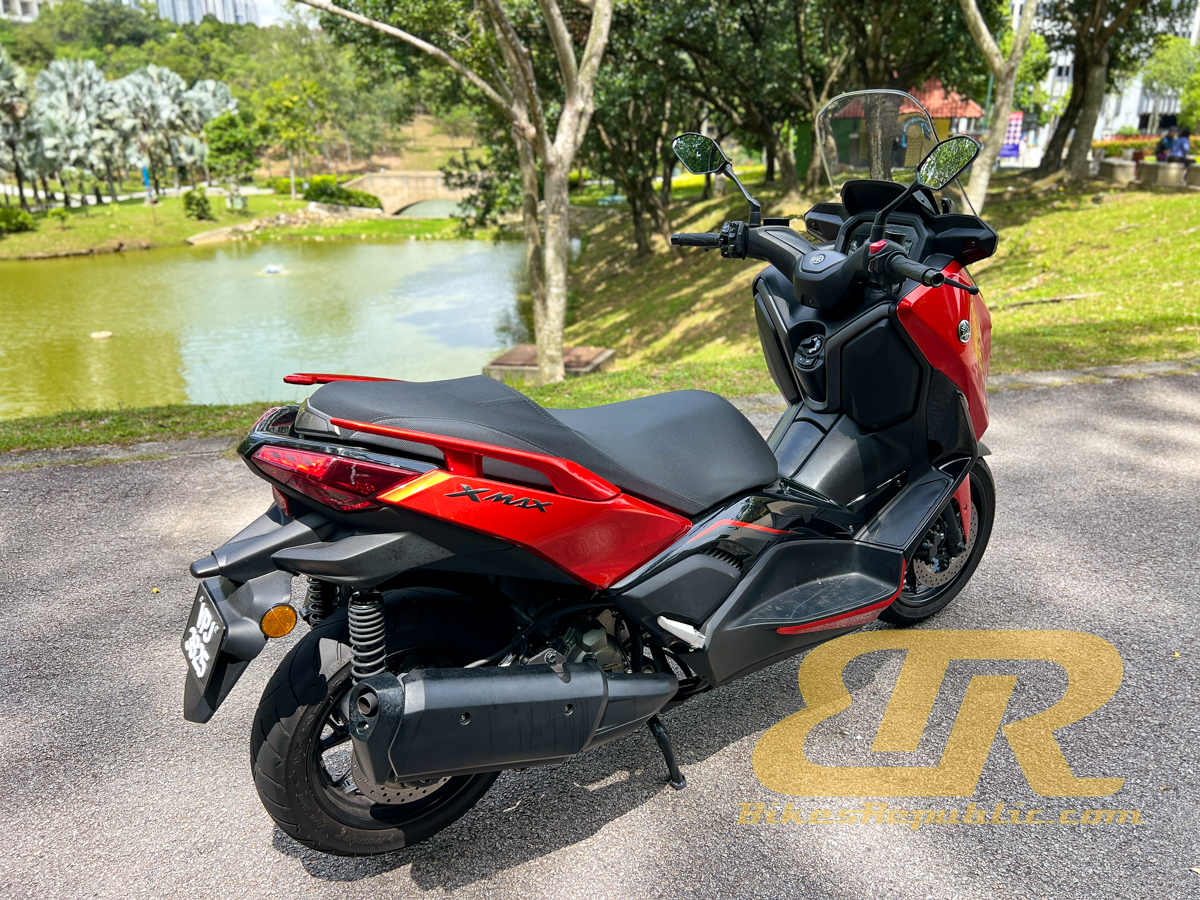
Highlights
  • 249.8cc, single cylinder, liquid-cooled, 4-stroke, SOHC, 4-valve engine.
  • It produces 22.5 hp (16.8 kW) @ 7,000 RPM and 24.3 Nm @ 5,500 RPM.
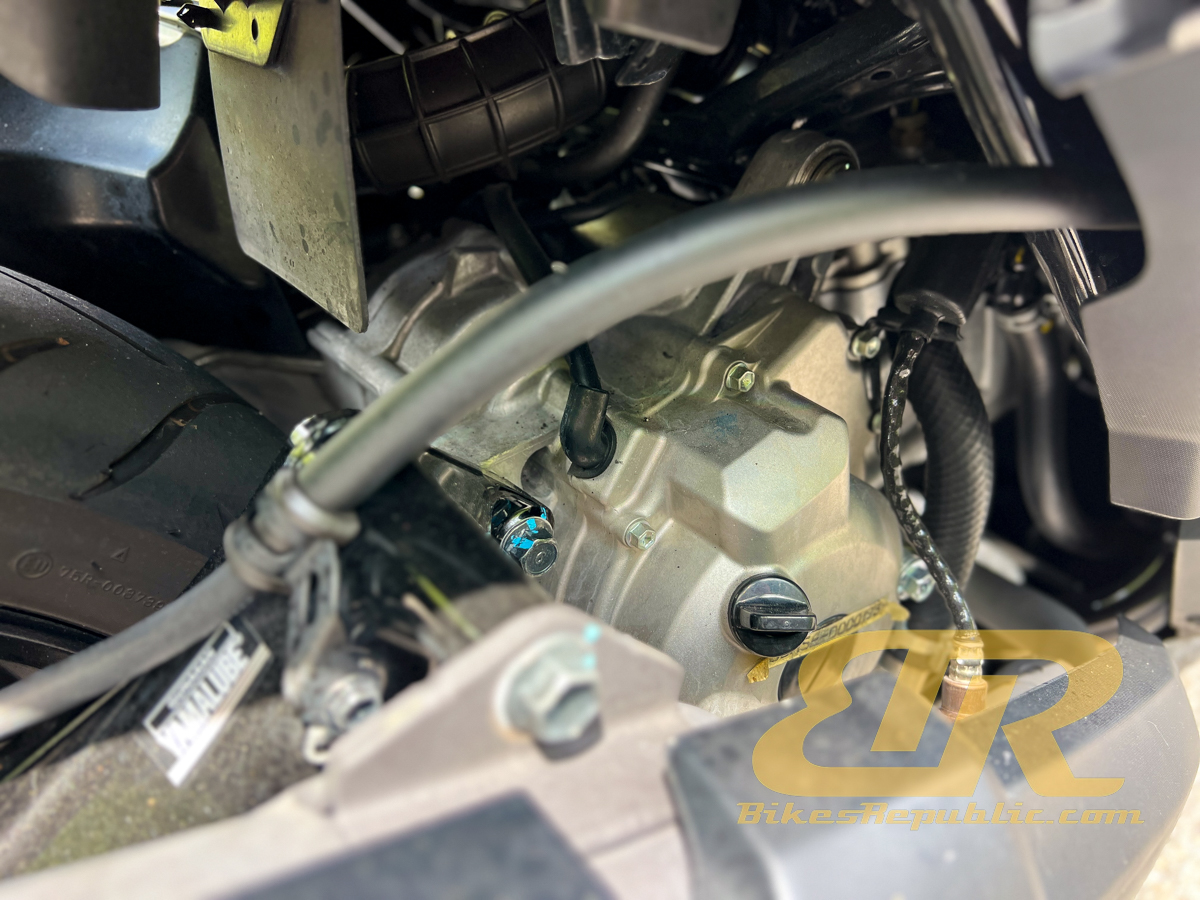
  • The engine’s power goes to the back wheel via a V-belt.
  • The front suspension uses telescopic forks, while the rear is supported by twin shocks mounted to a unit swing arm.
  • A unit swing arm means the engine and “swing arm” are incorporated as one.
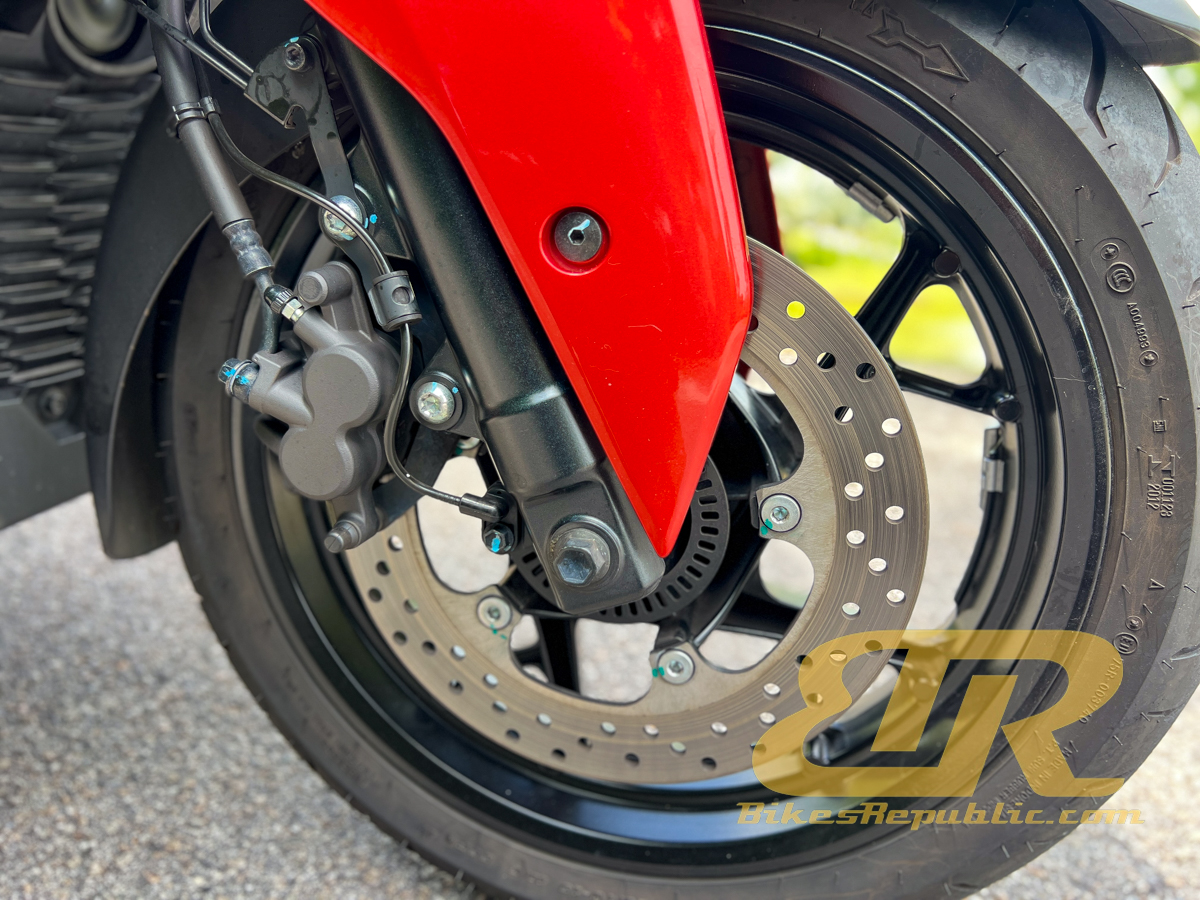
  • The brakes are a single disc in front and another at the back, supported by ABS.
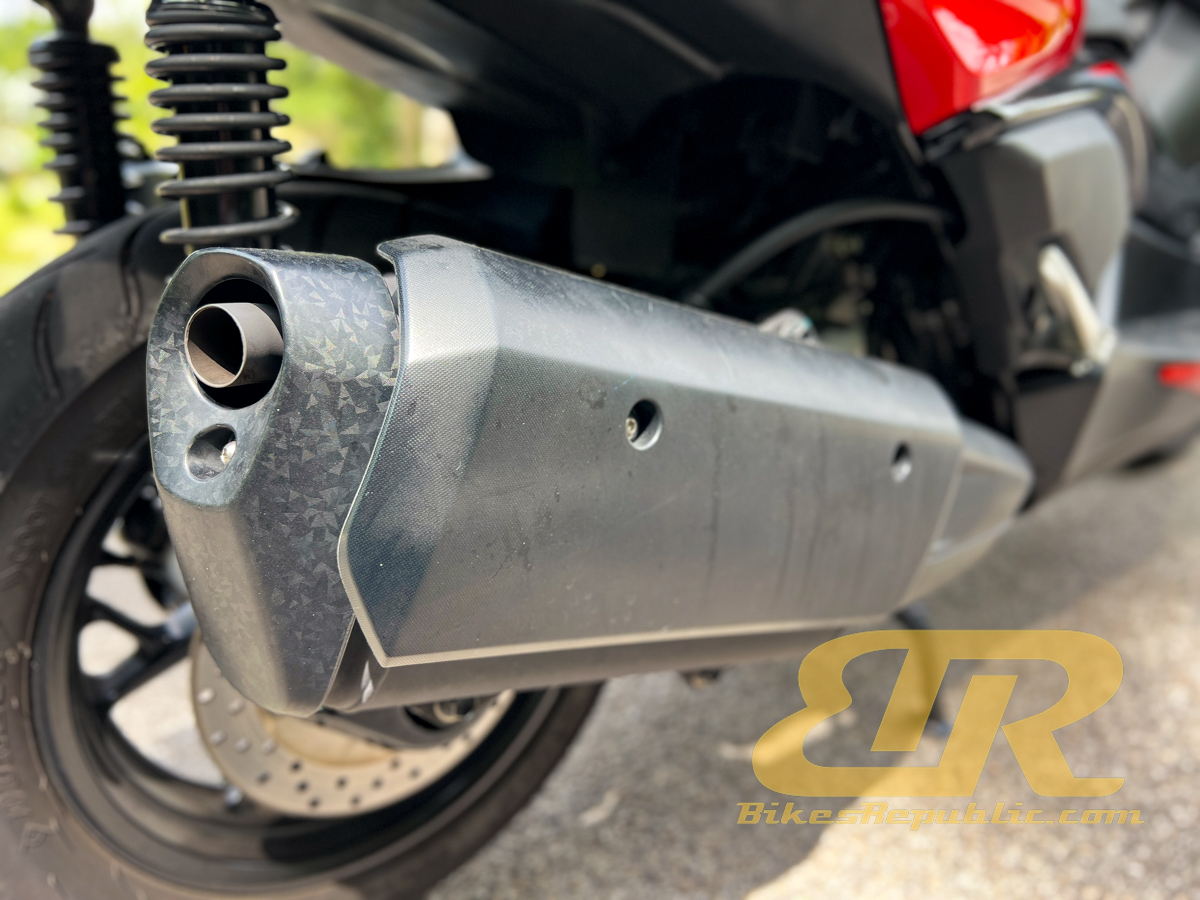
  • Seat height is 805 mm.
  • Wet weight is listed as 183 kg.

  • As with Yamaha’s tradition in equipping their bikes with multiple screens, the XMAX 250 similarly has a 4.2″ TFT main screen and a 3.2″ LCD secondary screen.
  • The Yamaha XMAX 250 was the first scooter to be equipped with traction control (TCS) in Malaysia upon its debut, hence the system is present here, but “remapped” according to Yamaha.

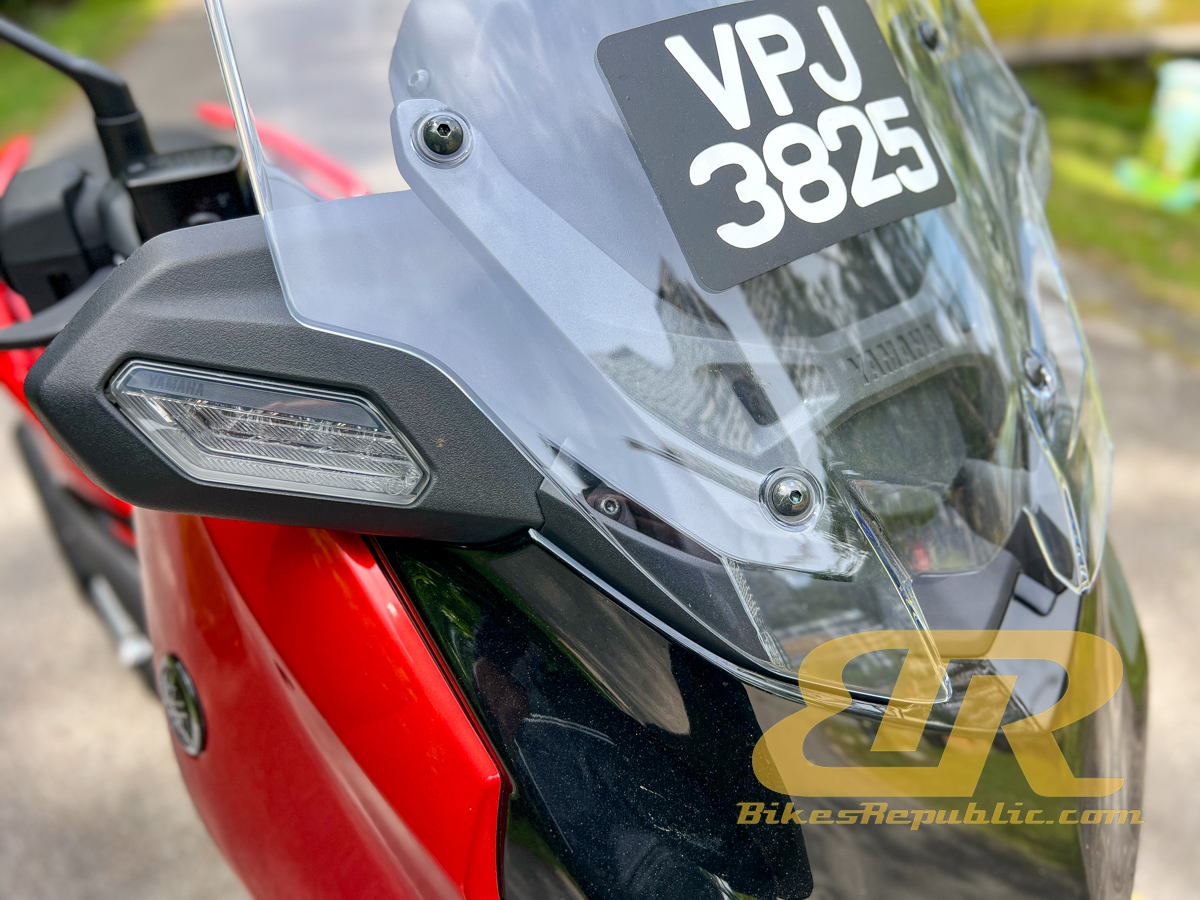
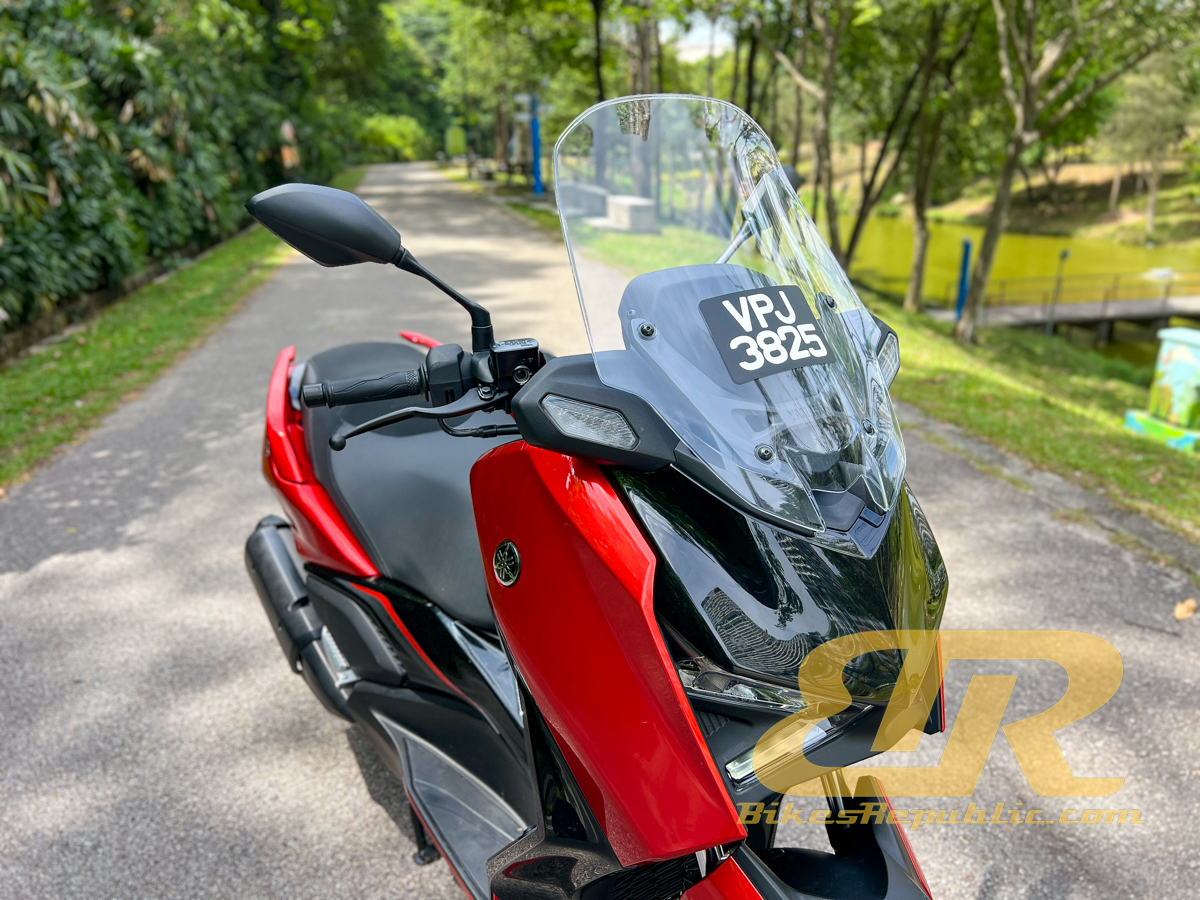
  • The bike now has an electrically adjustable windscreen.
  • There are also a whole host of new buttons on the left handlebar.
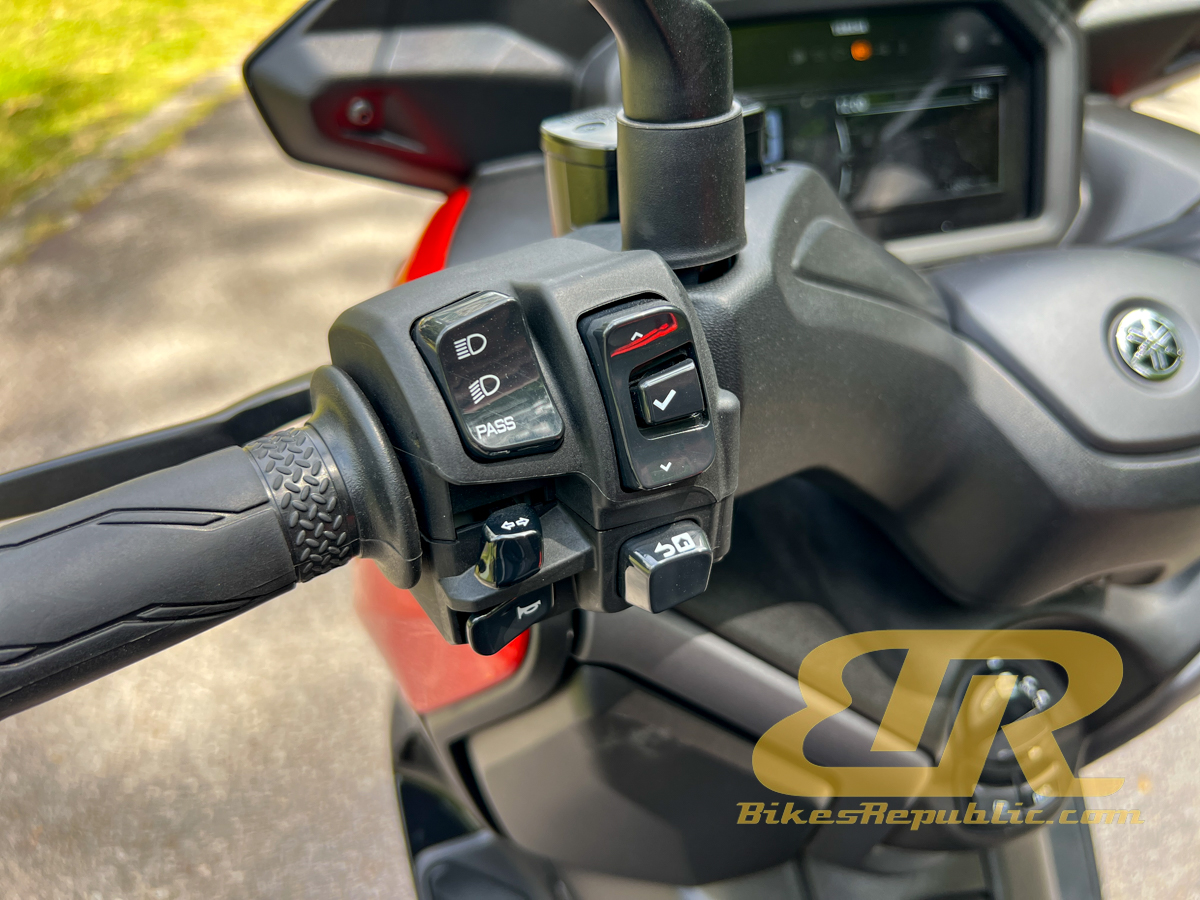
  • The brake lights has the Emergency Stop Light function which blinks both rear signal lights as hazard during emergency braking.
Pre-ride

First order of business is to set up the Yamaha Y-Connect function with the phone. To do so, we first download the phone app, and pair it to the TFT screen. From here, we can change songs, make or receive phone calls, call up the weather forecast, see the countdown to the next maintenance and v-belt change, and set the windscreen’s height.

Wait, you have to change the screen’s height through the TFT? Yes. We shall talk about this later.
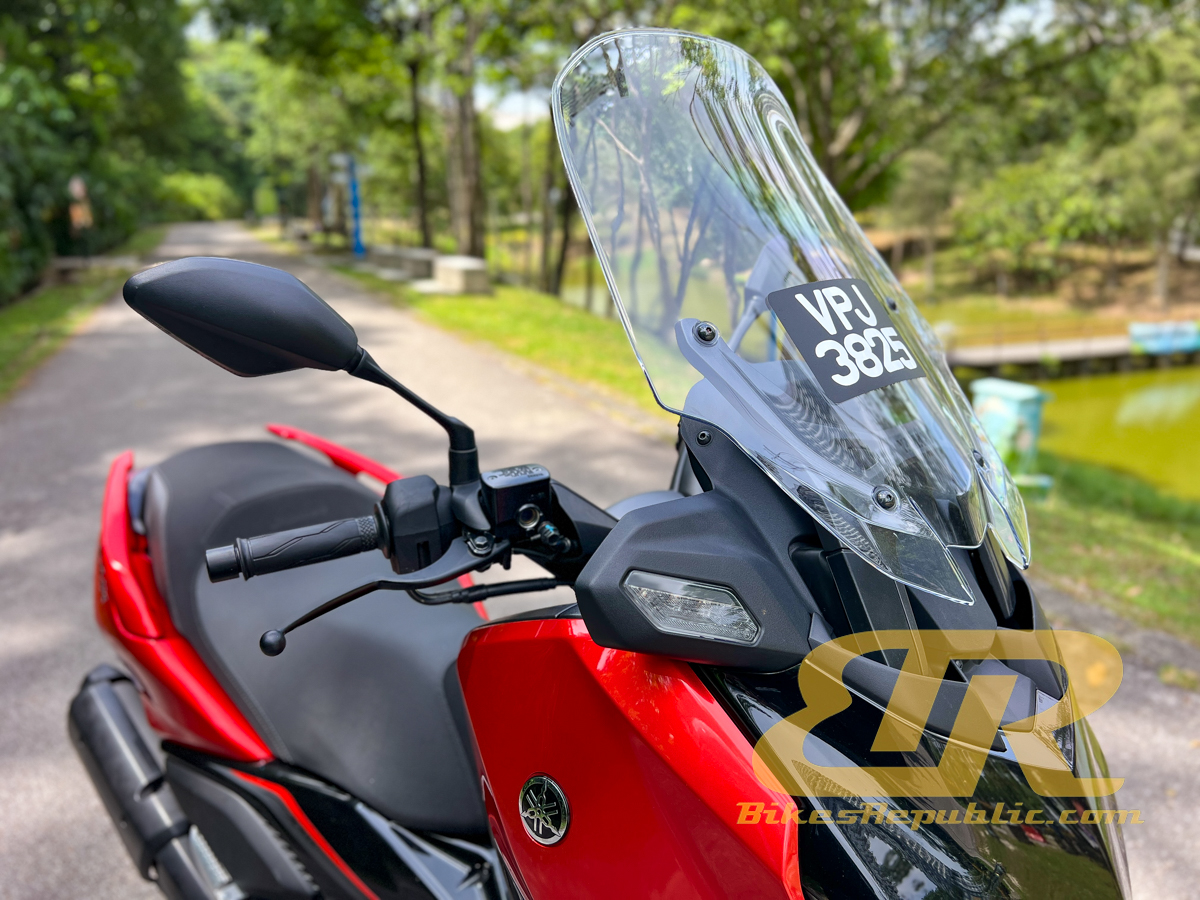
So, with that out of the way, it is time to go. The engine fires up quickly to that single piston staccato, but muted and barely perceptible. The exhaust is a lot quieter this time.

Seat height may be listed at 805 mm, but it is not easy for my short legs find the ground. The seat’s sides spread out to accommodate the wide side panels underneath which in turn cover the cavernous underseat storage space. Contributing to that is the wide footboards too. So I had to move one cheek off the seat to flat foot on one side, while the other foot hangs in the air like on a dirt-bike.
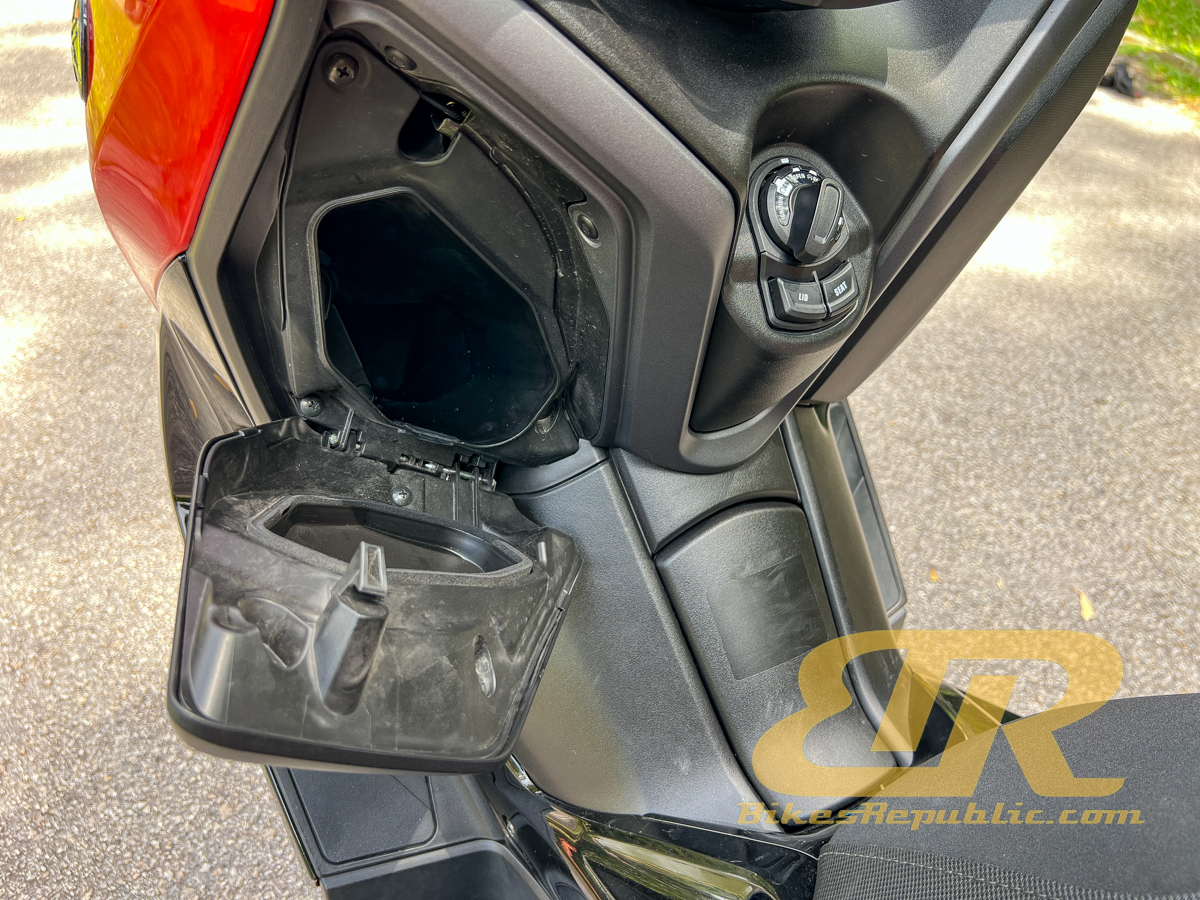
We are not complaining but it is just an observation and hopefully it serves as a guide on how to ride motorcycles with tall seat heights. It was not difficult, anyway, as 183 kg is just like a modern superbike.

Riding the 2025 Yamaha XMAX 250

Twist the throttle and that is when the fun begins.

The bike charges of the line almost without hesitation and keeps pulling hard until it hits its top speed. There is no step along the way, nor does it launch slow before charging hard. That is a sign of lighter roller weights. Shutting the throttle a little abruptly, the engine’s back torque grabs quickly, which further confirms our take about the weights. It is similar to if your manual transmission motorcycle has a lighter flywheel. There is less inertia to overcome thus the engine revs up quickly, and decelerate quickly.

Conversely, a scooter with heavier roller weights accelerates slower (more inertia to overcome), but decelerates slower – as in it keeps rolling when the throttle is shut (more inertia is retained).
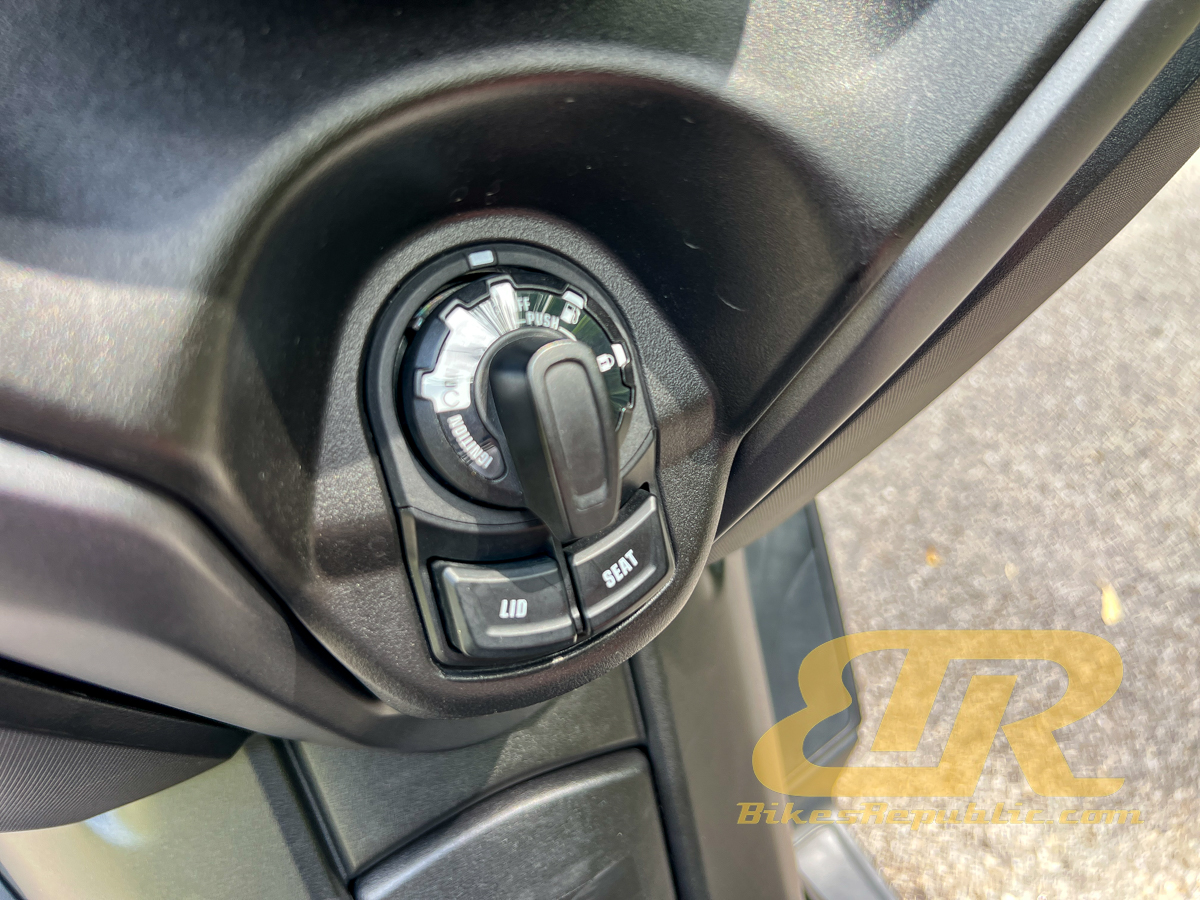
This character reminds us of why we loved the XMAX 250 in the first place. It is very sporty and aggressive trait which has won the hearts and minds of many of the younger motorcyclists other there.

Thankfully, Yamaha equips the bike with superb brakes, especially that rear whose disc is almost a large as that of the front. Grab that and the bike slows so hard to almost slide our backside off the seat. And also thankfully, the seat’s cover is grippy!
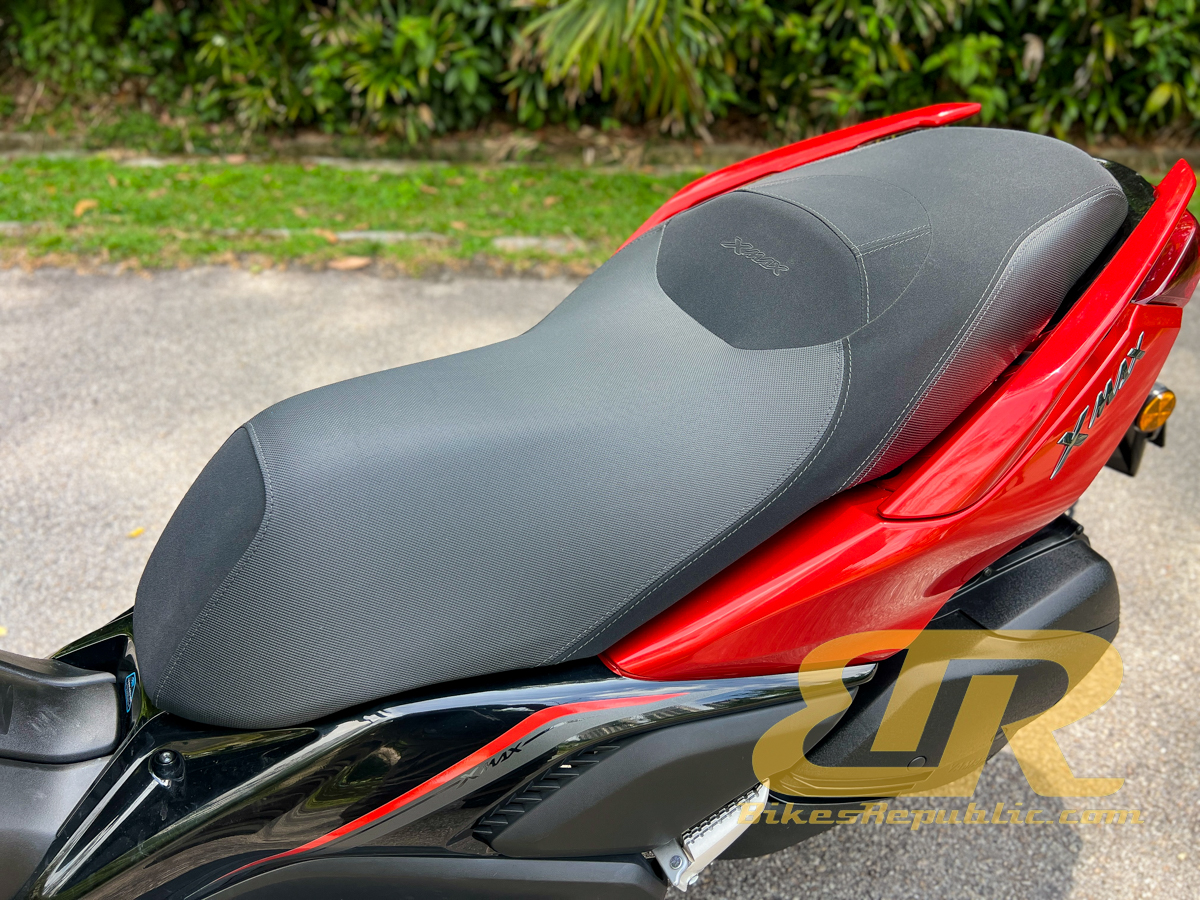
Talking about the seat, it has good cushioning for both the rider and passenger which helps to absorb some bump energy.

We looked forward to experiencing the bike’s handling which the made a great impression with the debut version. But it was a little different this time.
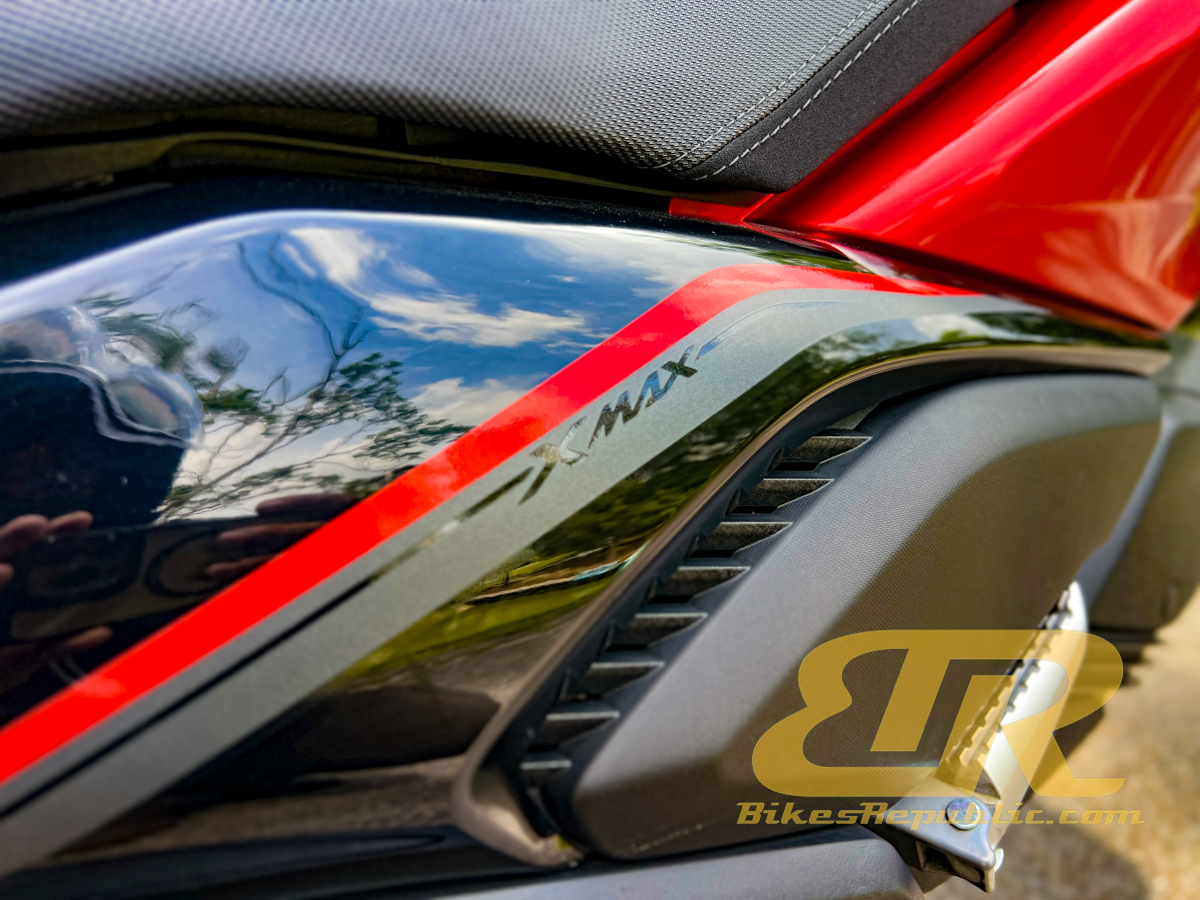
The 2025 bike feels much more eager to turn into slower and tighter corners, manoeuvre through tight spaces. A little flick at the shoulders or hip is enough to make it go left or right. That is fine and dandy until…

Here comes that fast left after the Sungai Buloh toll plaza. We let the XMAX hang on the right side of the corner for just a split second more before turning it into the apex. The handlebar starts to flick from side to side, while the rear suspension starts to pump up and down in a chopping motion.
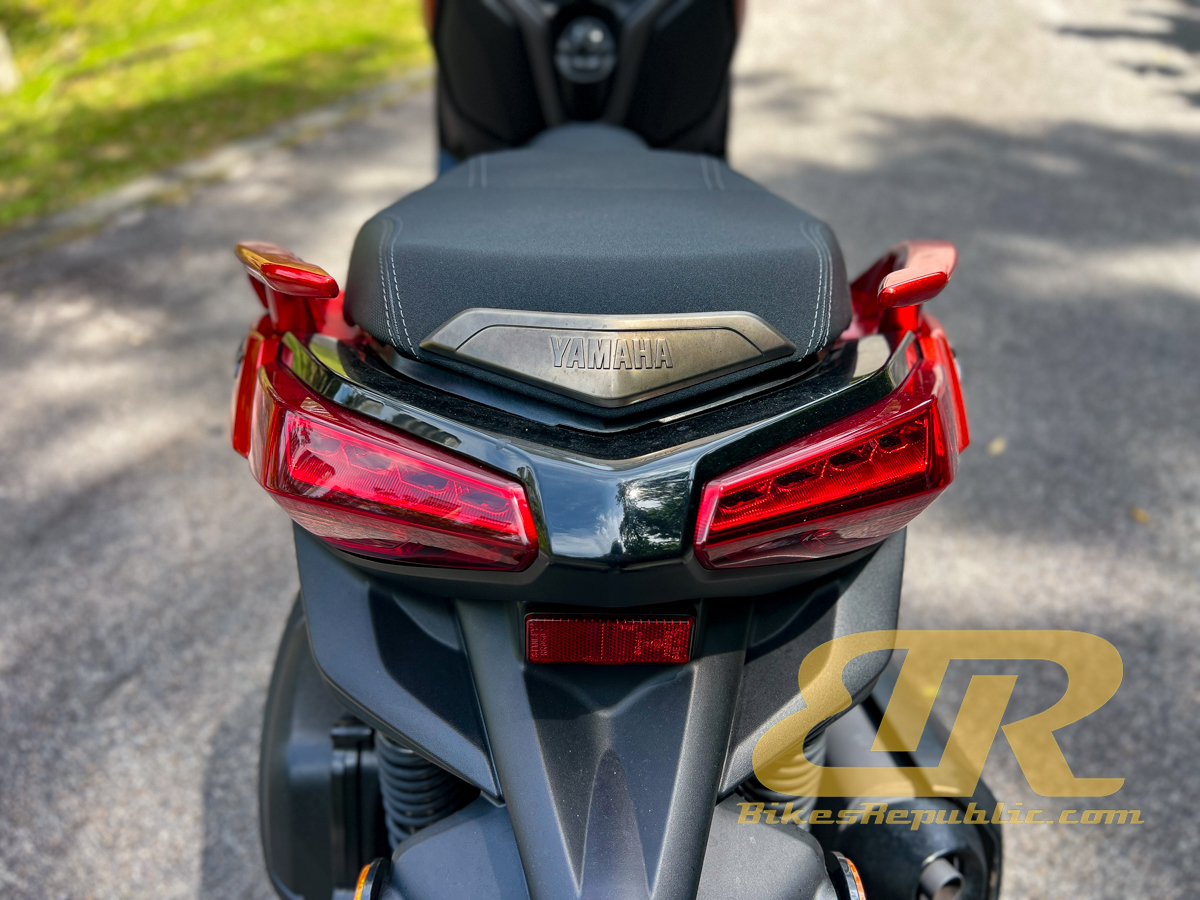
We do not recall the Version 1 to do this. The XMAX 250, when first introduced, was the most rock steady scooter around any corner. It did not waggle its front like most scooters, nor did it exhibit an unstable rear behaviour in fast corners.

Checking the tyre pressures reveals them to be at the specified reading.
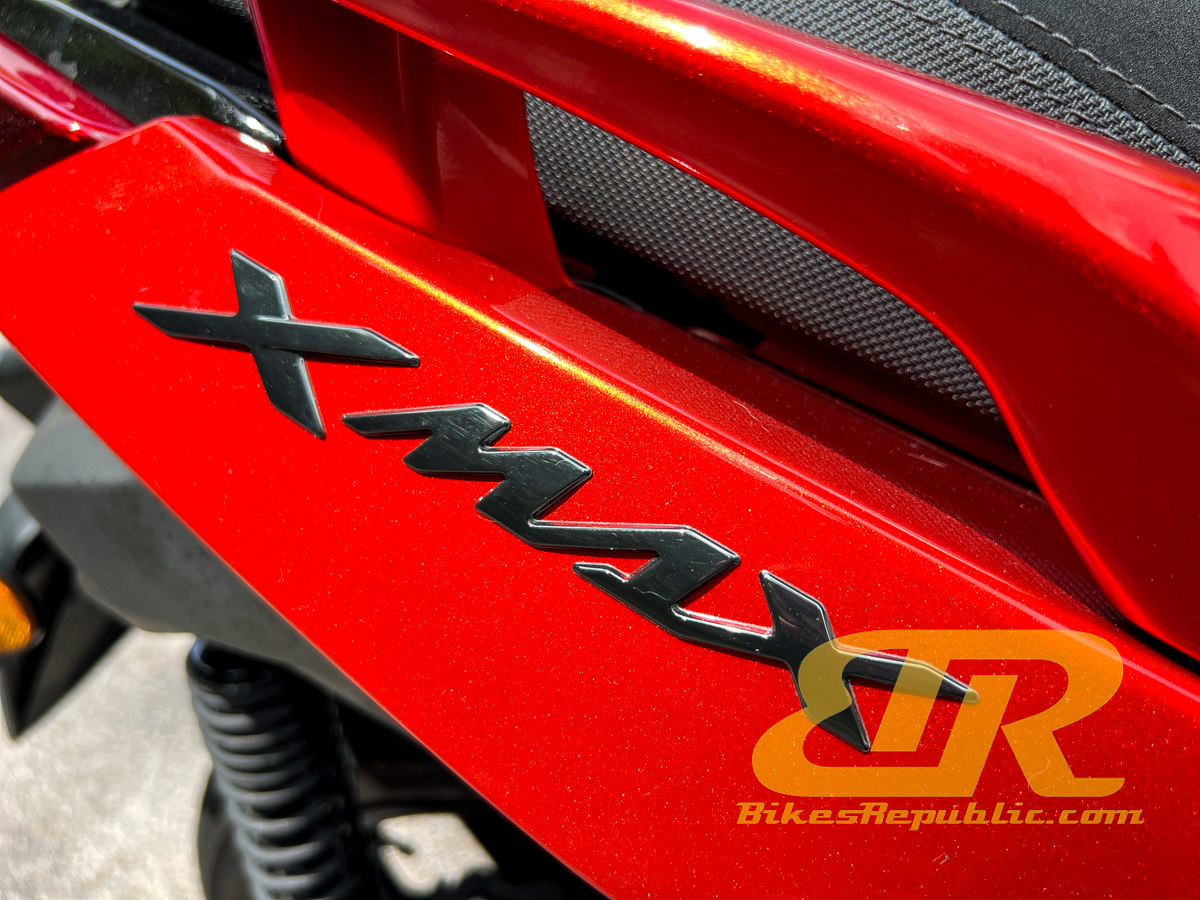
Did Yamaha change something or somewhere? We do not know. Still, in the interest of safety, the new bike likes a smoother and slower corner entry, which is a good thing since it is a scooter and not a motorcycle, after all.

The daily commute

The daily grind of waking up, meeting traffic before clocking in to work is a lot more fun with this bike around. It is because traffic cannot check it as it is still able to squeeze through traffic with ease, plus that strong acceleration which lets you overtake other vehicles at the twist of the wrist. Even some 250cc scooters are no match for the XMAX 250’s acceleration and light handling.
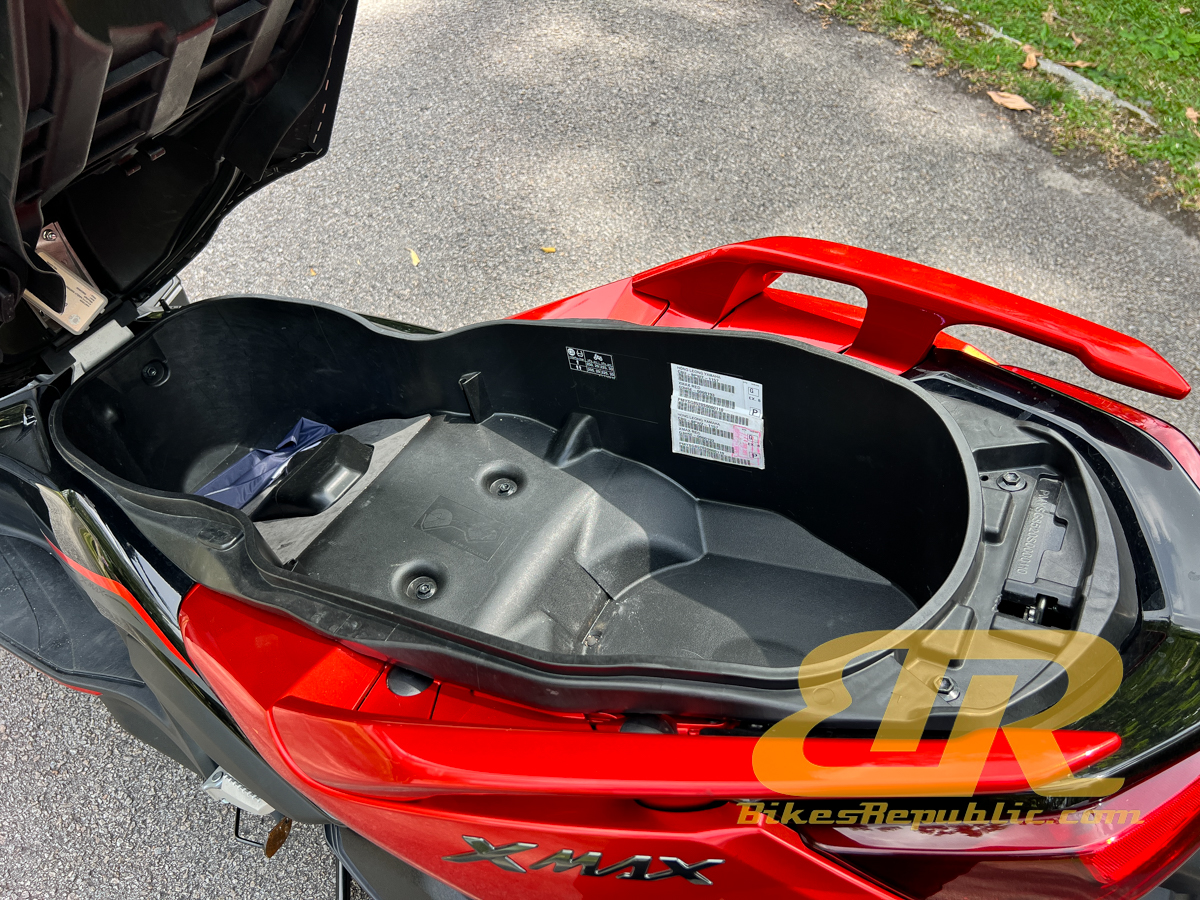
That underseat space swallows a jet type helmet and backpack with a 15″ laptop easily and still leaves plenty of room. There is no need for a top case unless you really cannot live without one.

The only thing that bothered us was the windscreen’s command being buried in the TFT’s display menu. Bringing the screen up higher reduces air turbulence hence noise at highway speeds, while lowering it allows for better airflow and visibility at lower speeds. However, you need to scroll through the menu which includes music streaming, telephony, and other commands to arrive at the windscreen command.

Doing so requires you to look down at the screen. Leaving it in the windscreen submenu means you cannot change songs or command it to do other tasks. Staying in the music playback submenu means you cannot control the screen and need to exit it to look for the screen command. Doing this when idle at traffic lights is alright, but we know most riders will do it while the scooter is moving. We hope Yamaha will separate the screen command from the list of menus.

In the end, we just left it in the windscreen command submenu, while changing songs and accepting calls by pressing the buttons on our Bluetooth communicator.

Closing

The 2025 Yamaha XMAX 250 proves that it is still a nice motorcycle to ride given its sporty behaviour, wrapped up in a package with lots of comfort and convenience.

The sticking point is of course, its price of RM24,888 (net selling price, not on-the-road), a fact that we do not want to hide from. But let us look at it from the perspective of owning a more premium piece of machinery. And the 2025 XMAX 250 does look that part especially in this Icon Red livery.

Go for it.
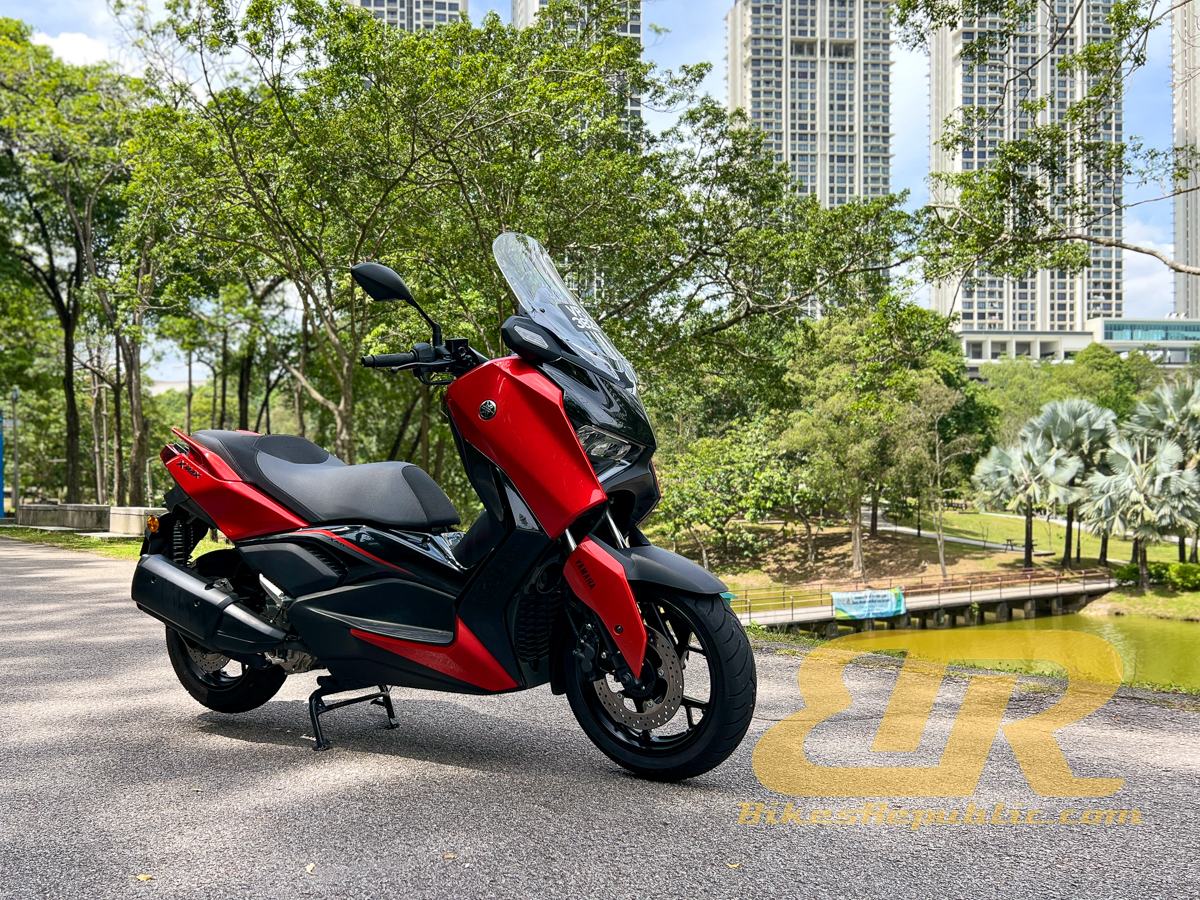
Photo gallery
Puppies? Cute. Kittens? Cute. Moda Moca? Cute too. But being merely cute does not guarantee a bike that is good to ride. Or does it?

Moda is a homegrown brand, and their products has found quite a following since launching its first scooter, the Sporter S. You can never label Malaysians as being unpatriotic, no siree, just look at PETRONAS.

What is it?

The Moca certainly piqued our interest when it was launched, looking well… like a Vespa. Before attacking us, do remember that the step-through scooter style was pioneered by Vespa.

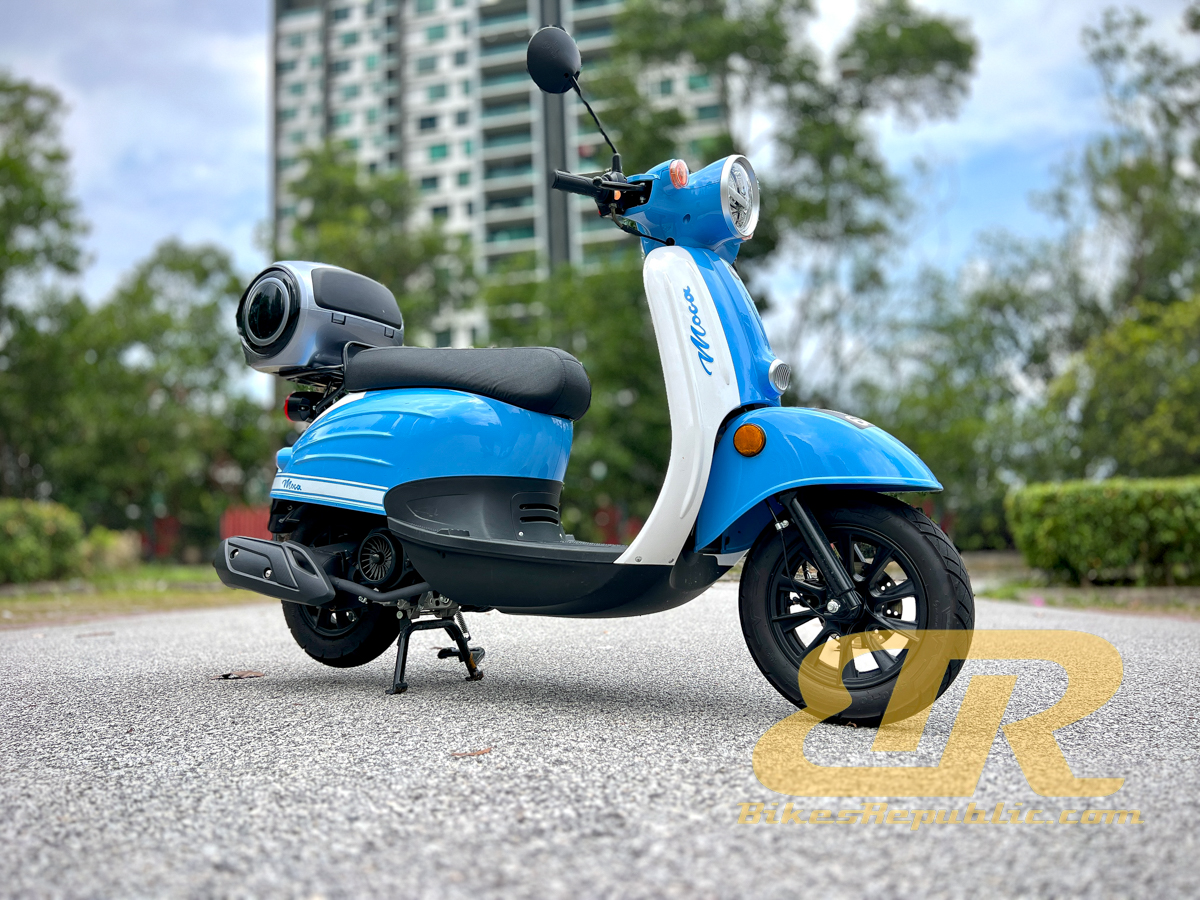
But the Moca is somehow cuter with its modern retro look complete with bulging side panels and sharp tail, small wheels, plus this ‘baby blue’ and white colour combination (officially called Ocean Blue), among other things. The ‘snail’ top case certainly plays a factor, too. Personally, we will display the Moca in this particular colour combination if we had a baby supply shop.

Back to its purpose as a vehicle, the Moda Moca is an urban scooter or maybe even a suburban scooter, aimed at the everyday Joe and Jane with its affordable price and simplicity.

We are talking about the whole shebang here: Low seat and overall height, long and wide footboard, plenty of storage up front including a hook for we when take away a Bingxue drink, underseat storage for our children’s schoolbag, and charge our power-hungry phone. The top case accommodates a rainsuit plus some groceries.

Highlights and features
  • 108cc, single-cylinder, SOHC, air-cooled, and fuel-injected engine which produces 8 hp at 7,500 RPM and 8.5 Nm at 6,500 RPM.
  • The engine’s power is transmitted through a CVT and ending with a v-belt final drive.
  • On the chassis front, a pair of conventional telescopic forks are up front, combined with a single-sided swingarm at the back.

  • Braking is handled by a solo disc in front, and a drum brake out rear.
  • Rims are 10-inches at both ends.
  • LED lighting all-around.

  • An LED screen provides necessary riding data such as speed, RPM, fuel level, trip, odometer, and clock.
  • 8-litre fuel tank.
  • Claimed weight of just 89 kg (not a typo!).
  • Do note that the top case on our test bike is an accessory. Other accessories include a windscreen.

Riding the Moda Moca

The scoot is not pretentious – Moca did not dress it up to look sophisticated, and instead kept it K.I.S.S. (Keep It Simple, Stup*d). There is no navigation and Bluetooth connectivity to waste many minutes over, no ride modes to set wrongly for the wrong occasion (i.e. Sport Mode in the Rain). So we get on, start up, twist and go.

That combination of low 89kg weight and 10-inch wheels surprise us, what more when we just got off a 200-plus kg maxi scooter. Any steering input or shift of bodyweight on the Moca turns the bike without hesitation. To be honest, it was initially unnerving, causing us to grab the handlebar with a death grip as the bike weaves left and right. It also hops over the little bumps on the road, as there is less weight from the top for the bumps to push up against.

It needs to be said that riding a motorcycle, as in a different motorcycle every week, instills the skill to adapt quickly. And once we adapt, the Moca as fun in its own way, turning like a bicycle instead of a motorized vehicle. Countersteering makes the bike turn too abruptly so we shift our weight through our hips.

Given its lightness, riding past or being passed by trucks require some finesse to avoid being buffeted like a leaf or worse, being pulled in by the airflow.

We are not complaining, as there are many other advantages due to that lightness. One, the Missus will find it easy to push the bike around whether seated on it or off. In fact, we older men do not have to risk throwing our backs our when moving it about, say, reversing it out of the driveway or parking lot. Two, the brakes are not exceptionally strong by nature, but the lack of weight lets it work well, as there is less inertia to overcome to bring the bike’s speed down. Three, the bike can accelerate faster than we would normally see on 110cc bikes. And four, in no uncertain terms, allows the bike to save fuel.

It may be fitted with a 110cc engine, but it accelerates relatively quickly while still retaining some oomph while cruising on the highway.

The true habitat of the Moda Moca, as intended by its maker, is the urban environment. Think the Bukit Bintang, Pavilion Kuala Lumpur, KLCC, areas and you get the picture. Gridlocked traffic? What traffic? Just maneuver around it.

The narrow handlebar allows us clear cars’ side mirrors easily, letting us split lanes without (much) fear. In fact, the bike’s rearview mirrors have extra-long stems and they too, clear side mirrors handily.

While the bike’s rear section looks wide, it does not stick out beyond the front leg shield’s width. So, if the leg shield clears the obstruction, so does the rear.

And again, coming up to heavy traffic, a small shift of bodyweight at the hip is enough to maneuver the bike through gaps that would leave bigger scooters stuck.

Thus, it confirms that the Moda Moca is 100 percent suitable for the urban landscape. Here is a bike that is easy to use, has a low seat height, while providing the necessary comforts and utility features for the daily commute. Sending the children to school a few later when traffic builds up exponentially by the minute is not a bother because traffic does not matter anymore. Just weave through all that muck while watching the other parents seethe in the lock jam.

Similarly, shopping for groceries is easy because leg shields and tall central structure which holds the steering column form a deep footwell to carry those goods.

We also envision the bike being used in Tamans and villages where the owner zips around happily or when heading to the masjid for prayers or ‘ceramah.’

Before closing, there is one trait to note. Unlike other automatic scooters, the Moca’s engine can be started while resting on its side-stand, but of course, while you apply rear brake. Other scooters, on the other hand, can only be started with the side-stand up, meaning either when it is parked on its full-stand or when the rider sits on it with the side-stand retracted. It is just a note to future owners to not open or blip the throttle when starting the engine or risk having it leaping away and entering the house or shop. Or into traffic.

Conclusion

The Moda Moca provides good value to those who want a daily commuter that is easy to ride and live with – just get on and ride. And, we did not even need to top up the fuel tank despite riding the bike hard when we hit the highways. 4.8 litres of fuel was more than enough over four days. At just RM3,988 (net selling price, not on-the-road), we are hard-pressed to think of another scooter that provides such value. This is a bike this author will leave with the Missus for her to send and pick up the three children at school and letting us save up on school bus fees.

In closing, it was a satisfying test and review. Yes, it is cute in more ways than one.

The Moda Moca is available in four trendy colours, namely Ocean Blue, Neon Orange, Citrus Green, and Piano Black. But we want ours in Baby Blue… er… Ocean Blue.

MODA MOCA SPECIFICATIONS
Engine Single-cylinder, SOHC, air-cooled, 4-stroke
Displacement 108cc
Fuel system EFI
Certification Euro 4
Maximum power 8.0 hp @ 7,500 RPM
Maximum torque 8.5 Nm @ 6,500 RPM
Transmission CVT, V-belt final drive
Fuel capacity 4.8 litres
Front brake Disc brake with single piston caliper
Rear brake Drum brake
Front suspension Hydraulic telescopic forks
Rear suspension Uni-swing type
Wheel size (front) 3” x 10”
Wheel size (rear) 3.5” x 10”
Wheelbase 1275 mm
Seat height 738 mm
Weight 89 kg
Photo gallery
Archive

Follow us on Facebook

Follow us on YouTube