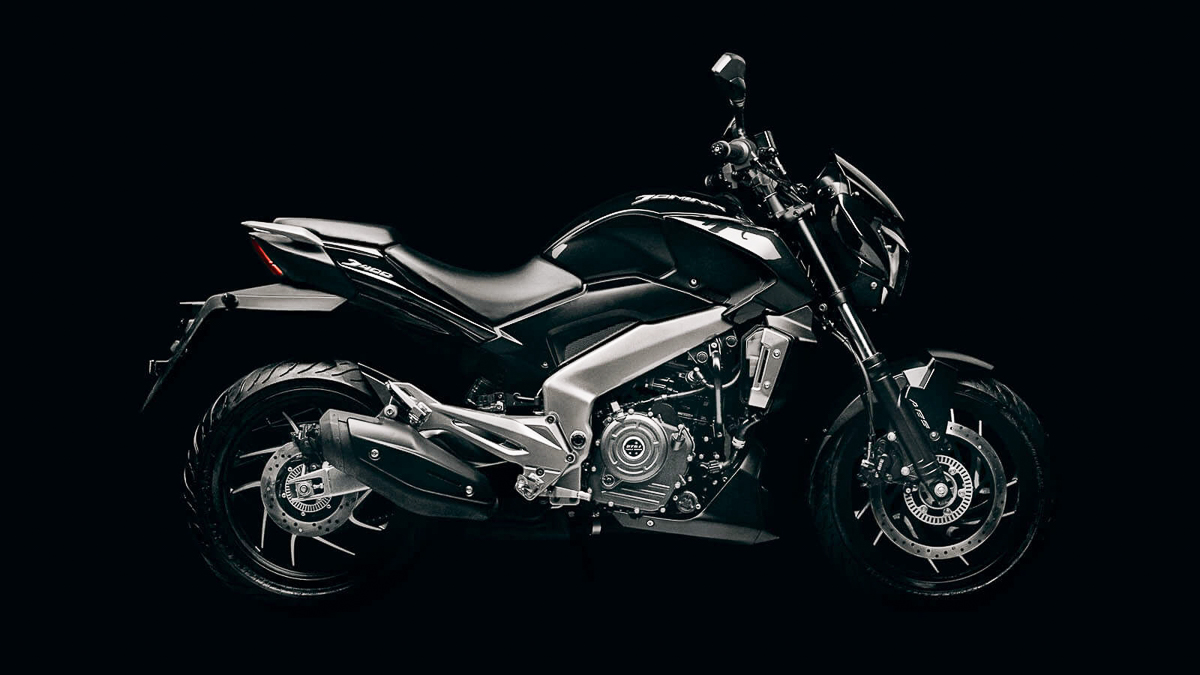
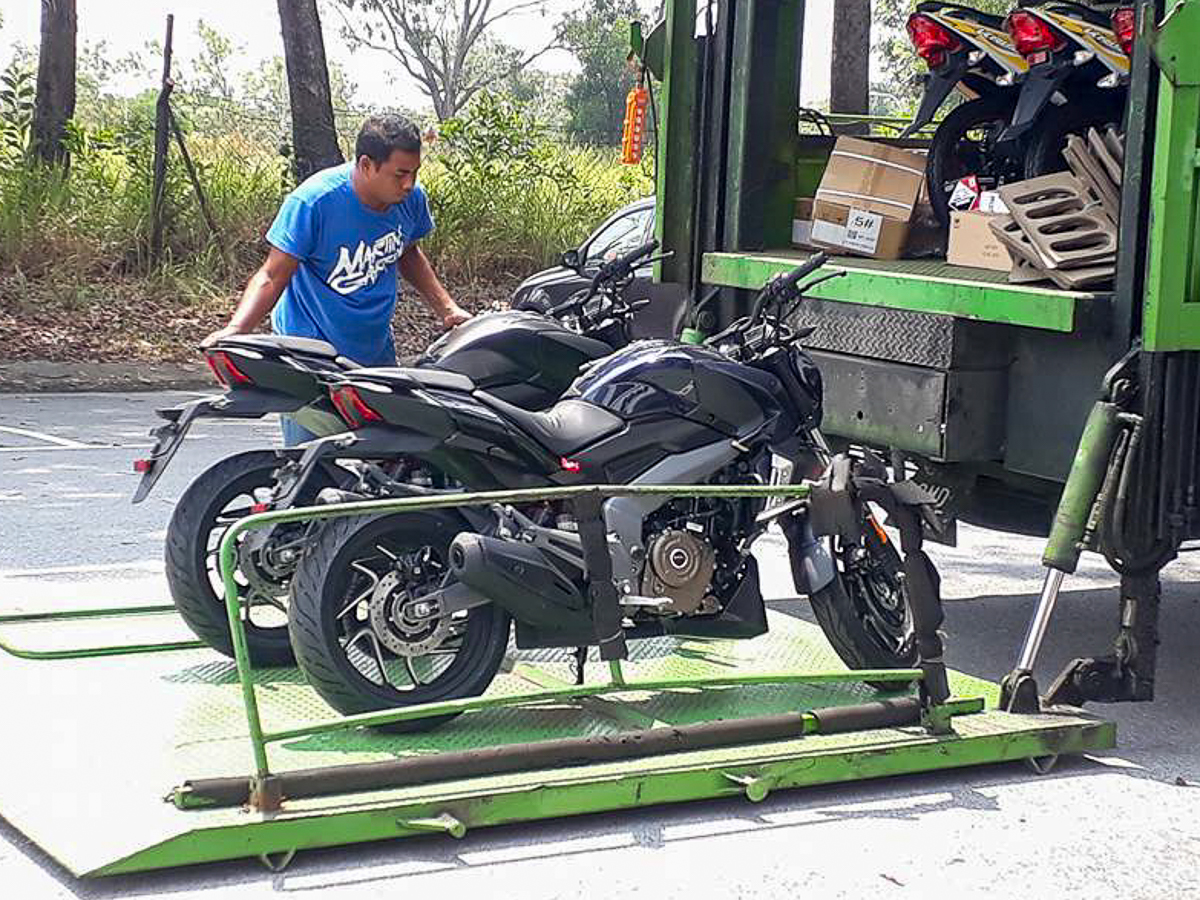
A few photos of the 2018 Modenas Dominar 400 have surfaced online.
Some of these babies have already made their way to the Modenas Service Centre in Shah Alam.
The 2018 Modenas Dominar 400 is said to be launched in the first quarter of the year at a price of below RM20,000.
Image source: Ahmad Zulkhidzrie
Some online sources have indicated that a very, very interesting motorcycle has made its way to our Malaysian shores. Just yesterday, photos of the Bajaj Dominar 400 or soon to be rebadged as the 2018 Modenas Dominar 400 has arrived which we’re guessing will go through a few mandatory procedures prior its official launch. (more…)
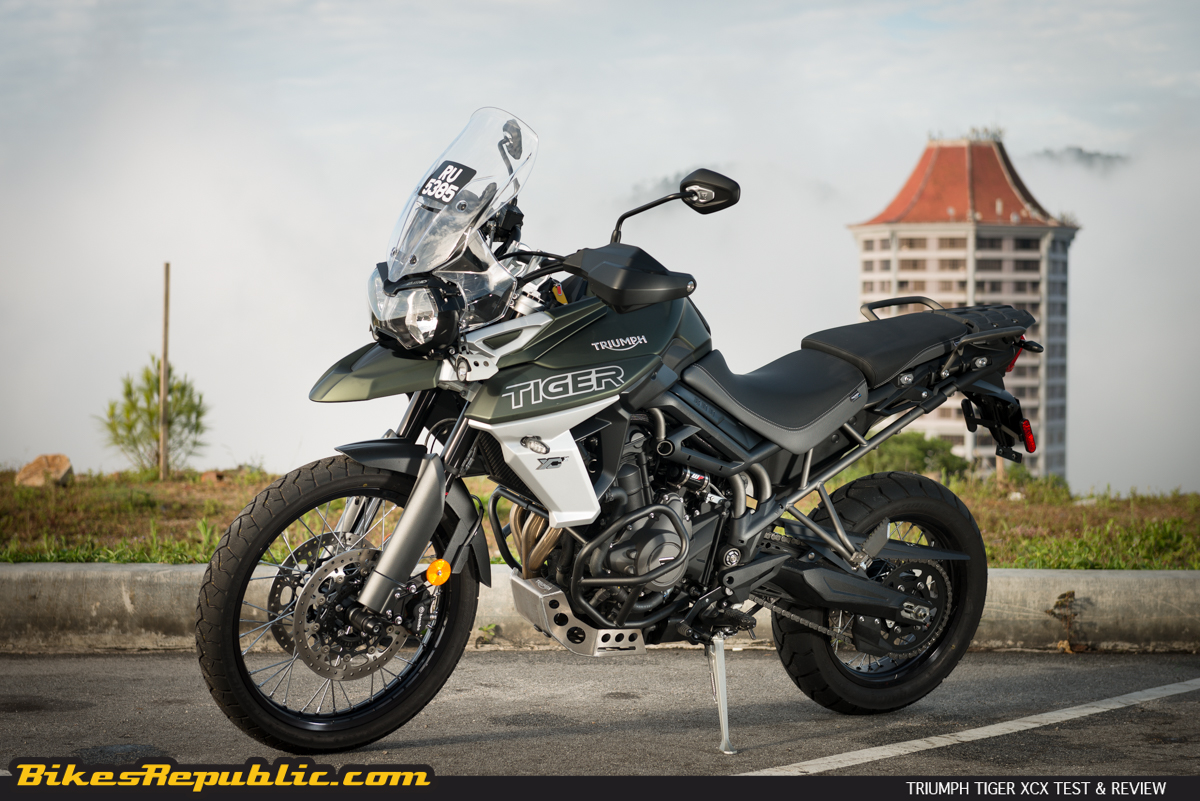
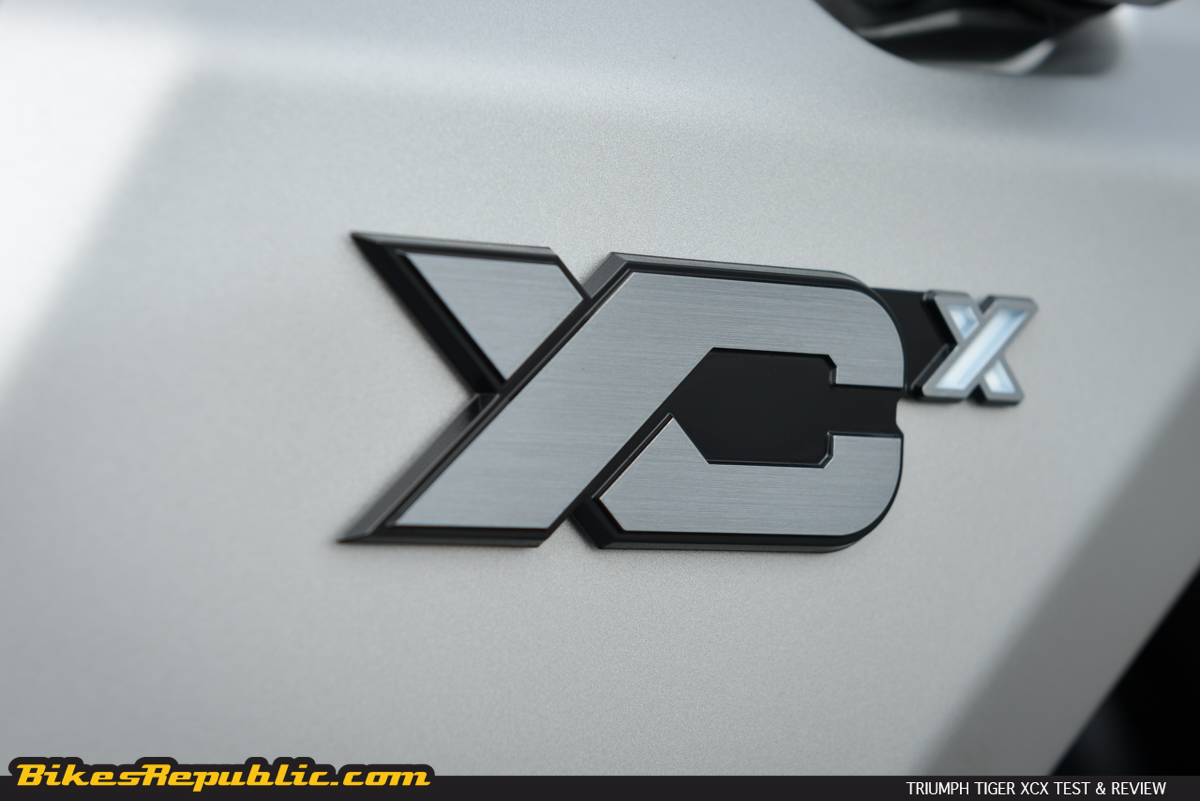
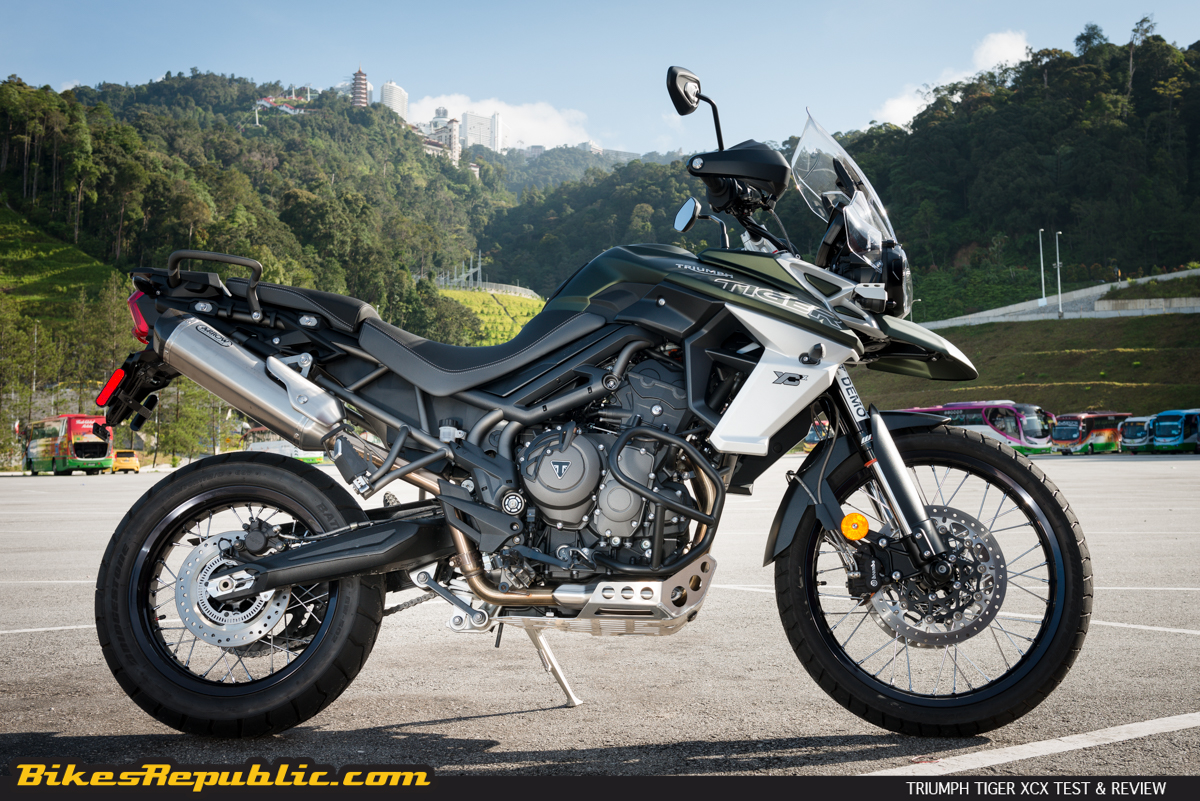
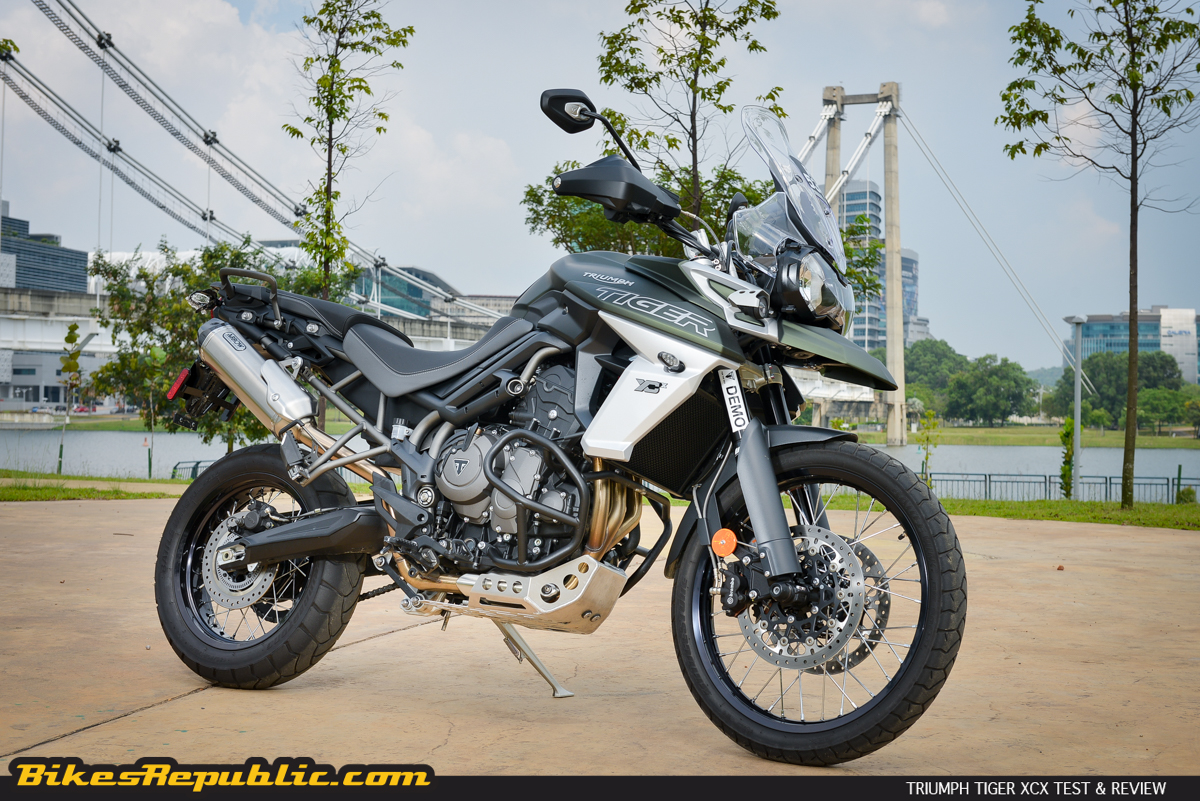
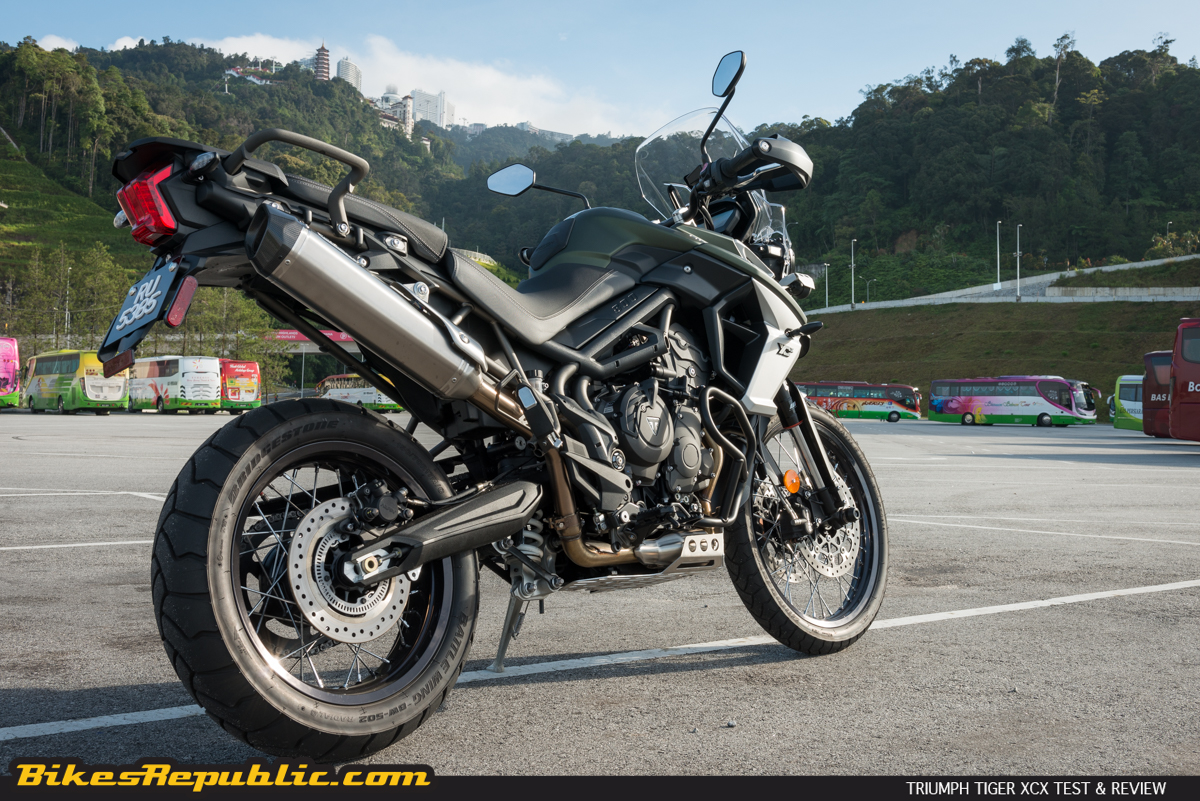
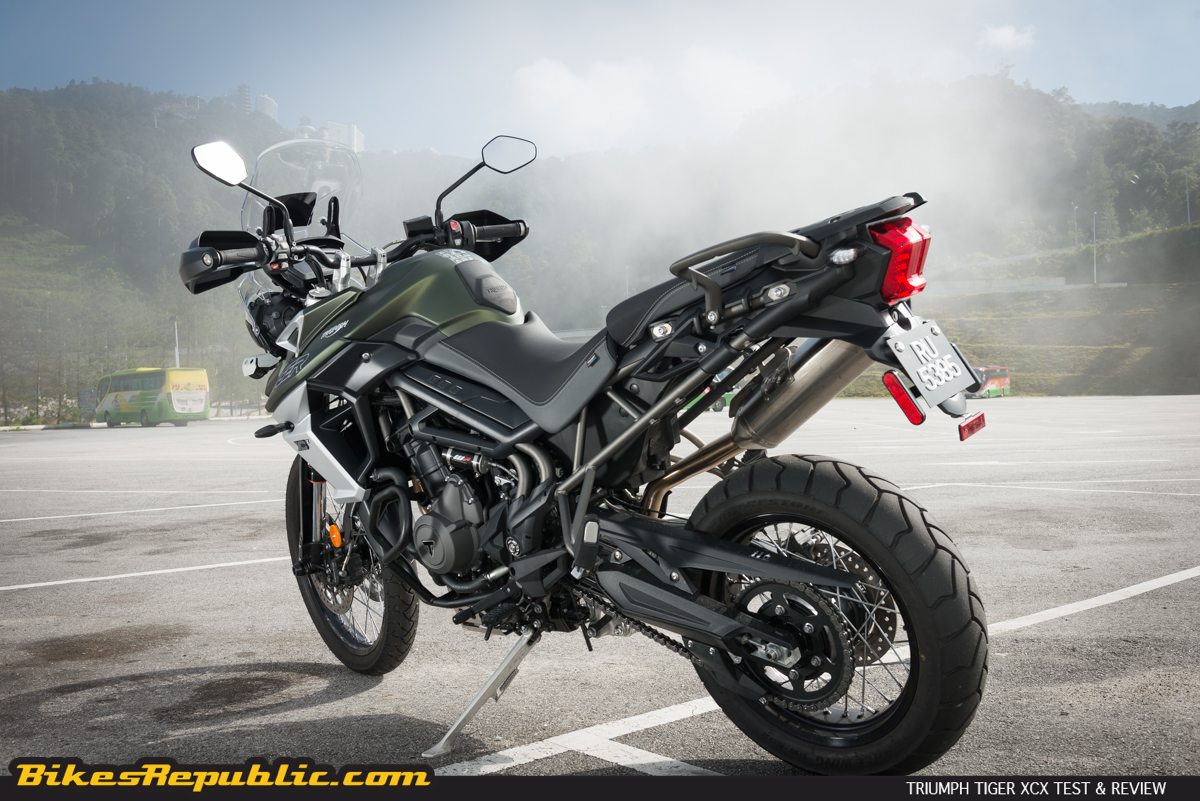
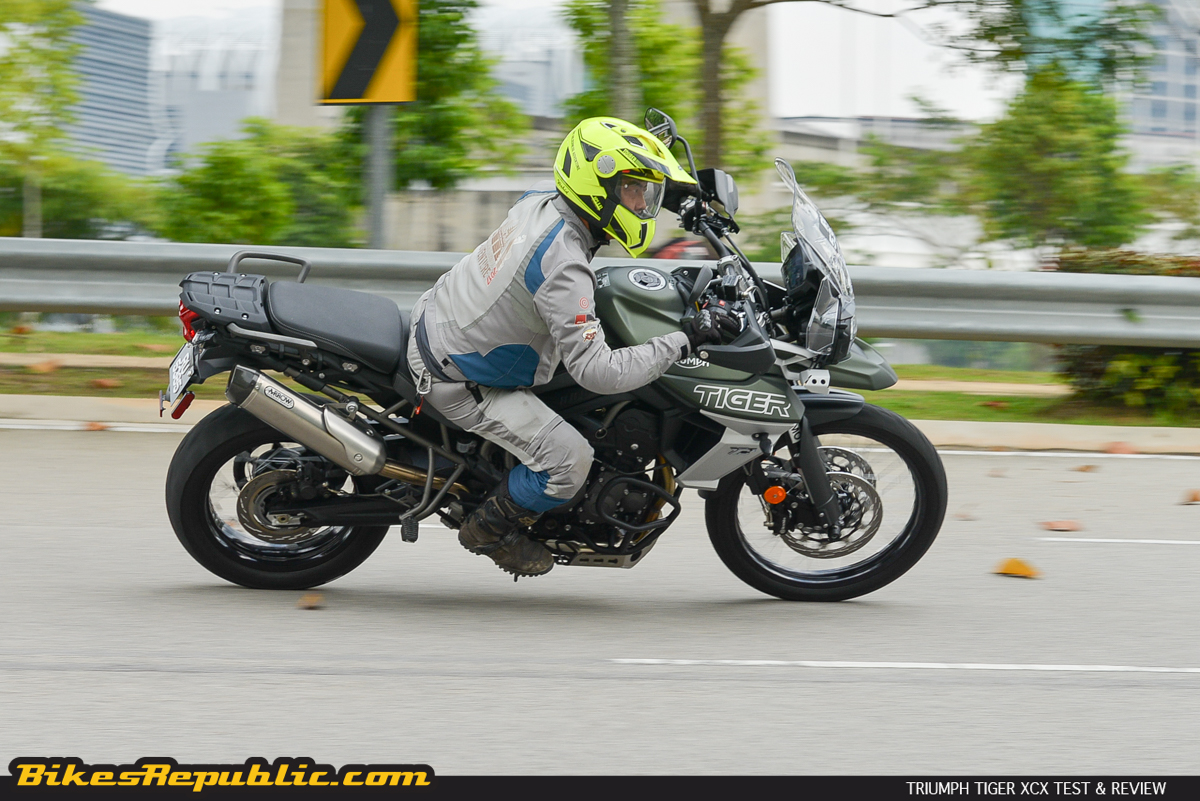
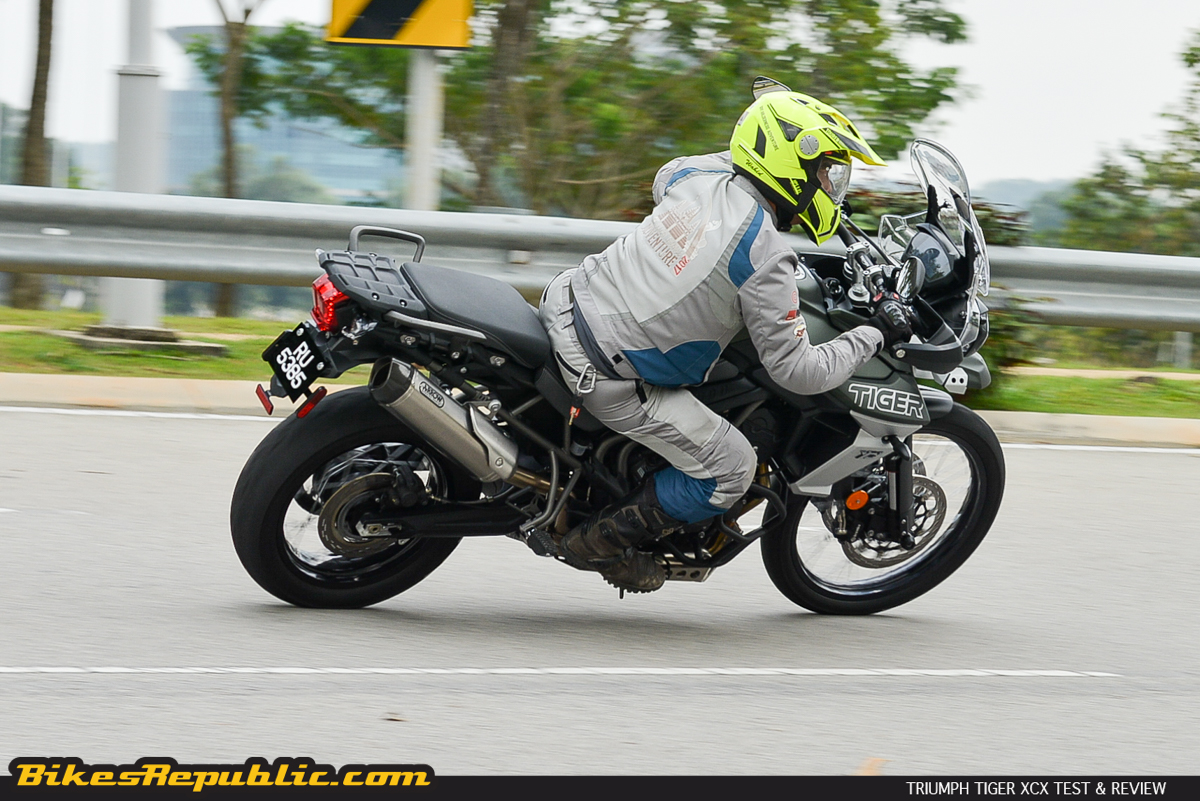
The 2018 Triumph Tiger 800 XCx was just launched earlier this month (March 2018).
Although it appears not much has changed, Triumph had performed some amazing updates.
The Triumph Tiger 800 XCx is priced from RM74,900 (basic selling price incl. 6% GST) but the road-centric and entry-level Tiger 800 XR is priced from just RM56,900 (basic selling price incl. 6% GST).
Other than reading about motorcycles and technical literature, I love science fiction or sci-fi, in short. I used to love thriller novels but I’ve since discovered that sci-fi forces us to take a hard look at ourselves in the face of our fascination with technology.
There are many great works. Ted Chiang comes to mind – he who wrote “The Story of Your Life,” which was made into the seminal movie “Arrival.” But even more profound and important were the literatures penned by the late astronomer Carl Sagan. It was him who wrote the story, “Contact” which became the basis of the movie of the same name, starring Jodie Foster and Matthew McConaughey.
In that book which details the impact of man receiving a message from the extraterrestrials, there was one important line which has become a favourite quote for physicists and astronomers including Professor Michio Kaku and Neil deGrasse Tyson in describing the technological parity between “them” and us.
We were fortunate to ride the new Triumph Tiger 800 XCx prior to its launch at The Greatest Triumph Malaysia Grand Dinner at Bukit Tinggi recently and the early impressions bowled every motojournalist (including us) off their feet.
We missed the Tiger 800 XCx so much since that first ride. There was something about it that was so inviting and endearing. Could it be the confidence it exudes? The look? The sound?
The Tiger 800 XCx lineage is one of my personal favourite bikes, ever since riding the 2015 model to the Khao Sok National Park in Thailand with the RATPack. I just couldn’t believe how good it was at the time and even up until recently. I started to wonder how Triumph could ever better it with the new, fourth-generation model. In fact, I was worried if the Tiger 800 had reached its zenith.
Triumph did it. They just did it. They went ahead and made the Tiger 800 even better than an already splendid bike.
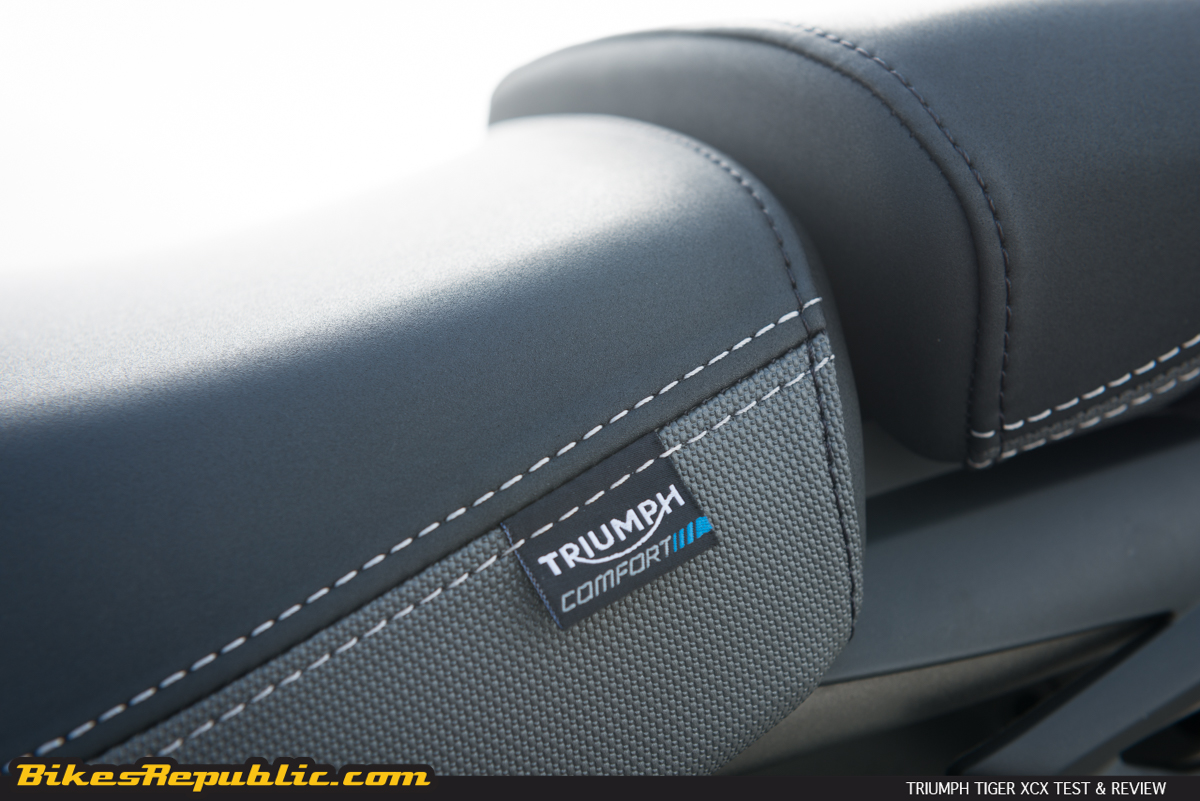
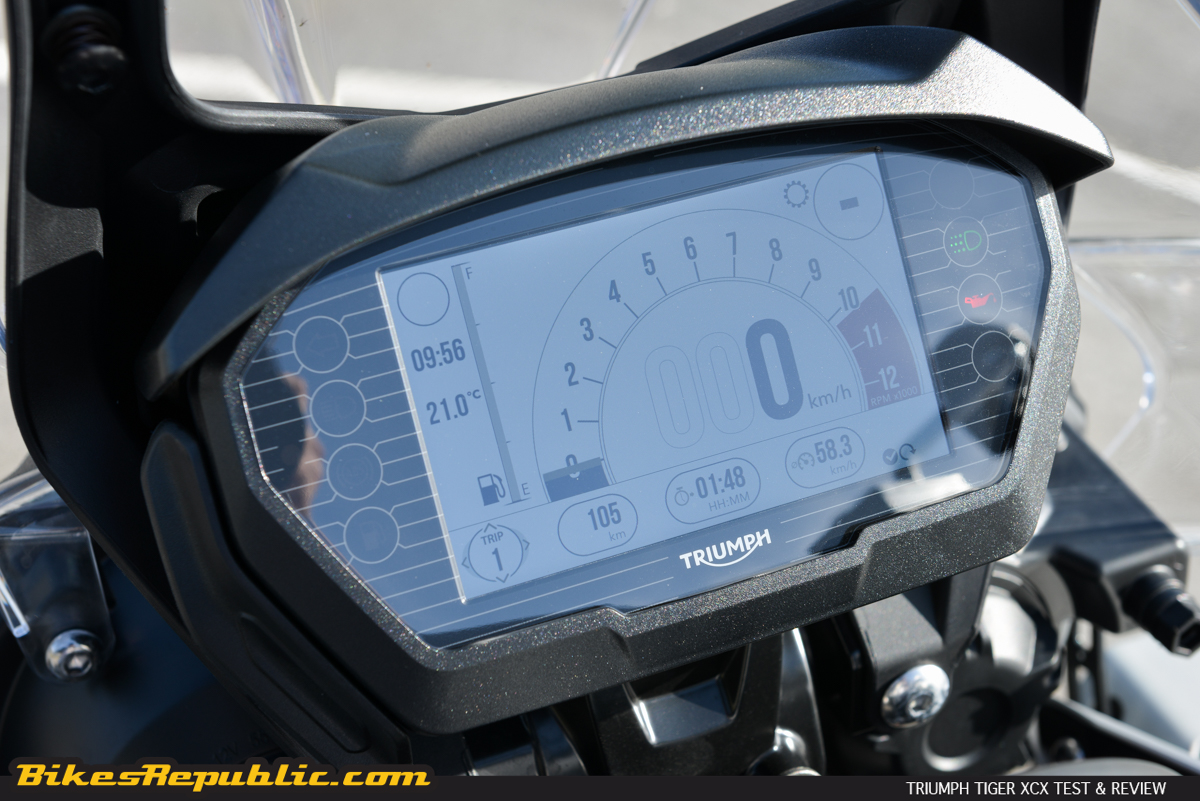
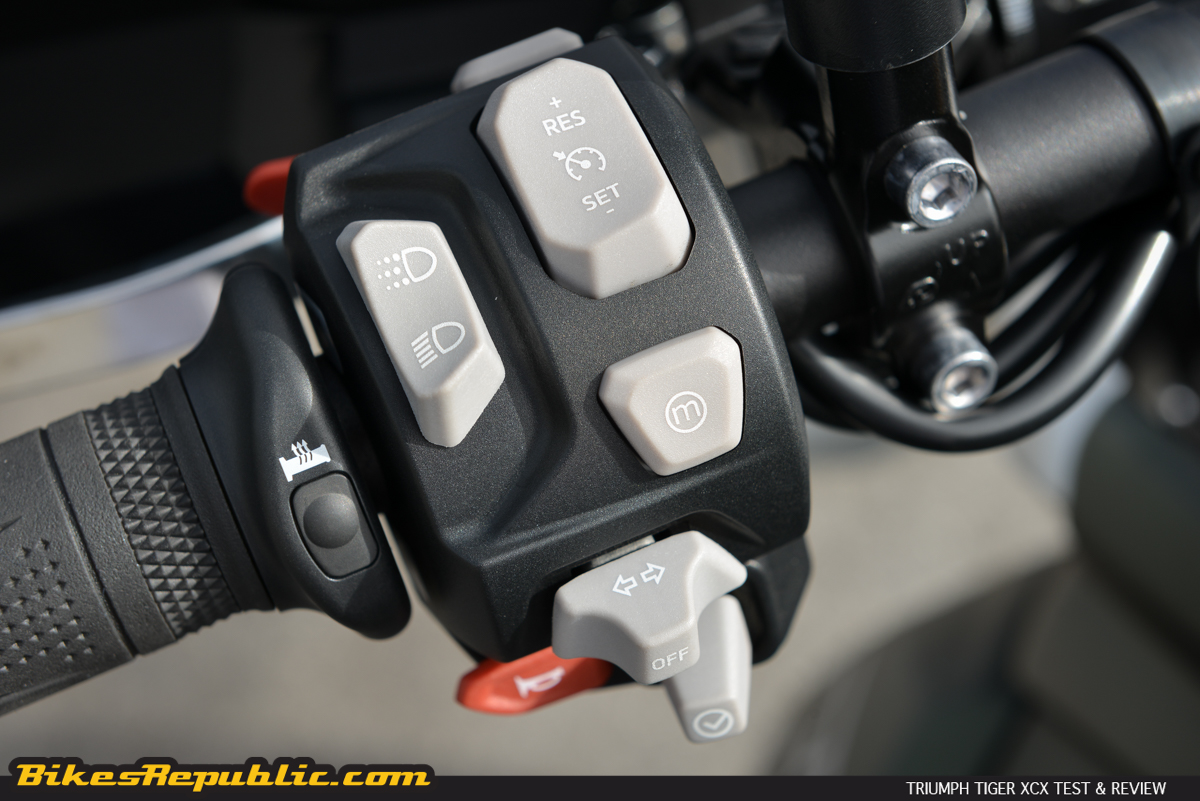
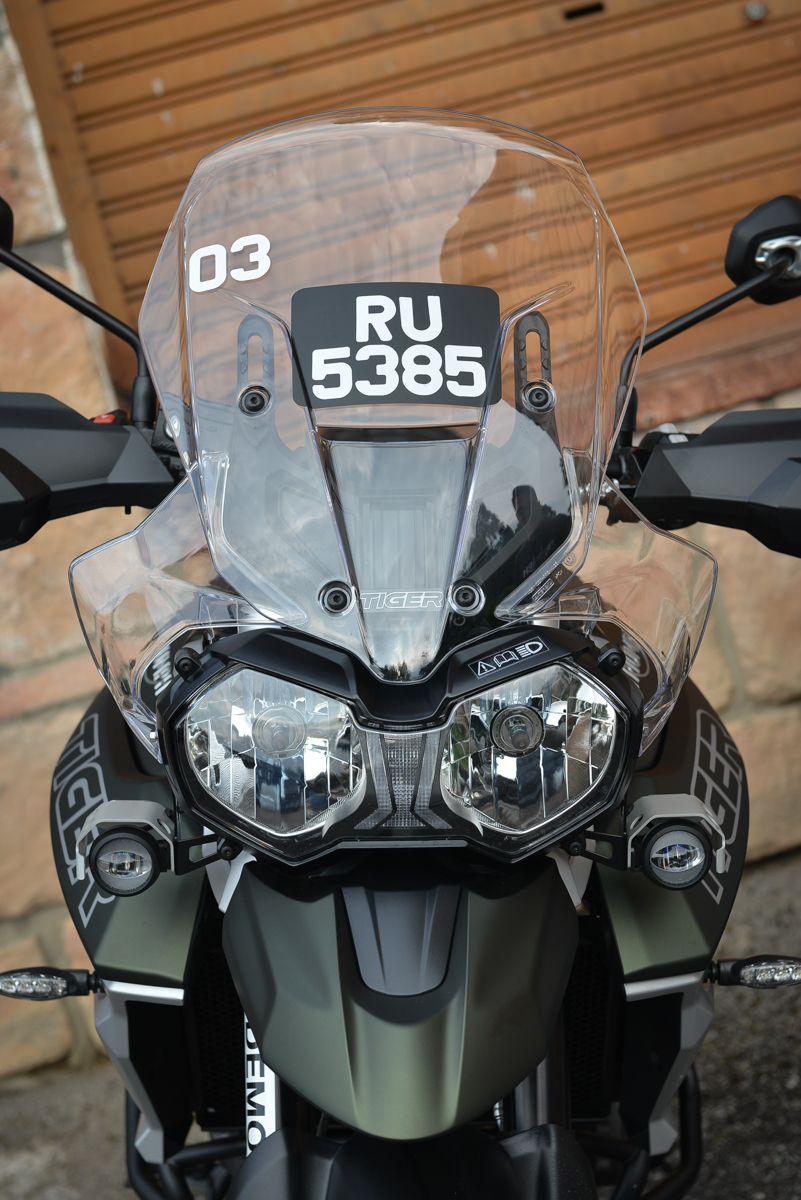
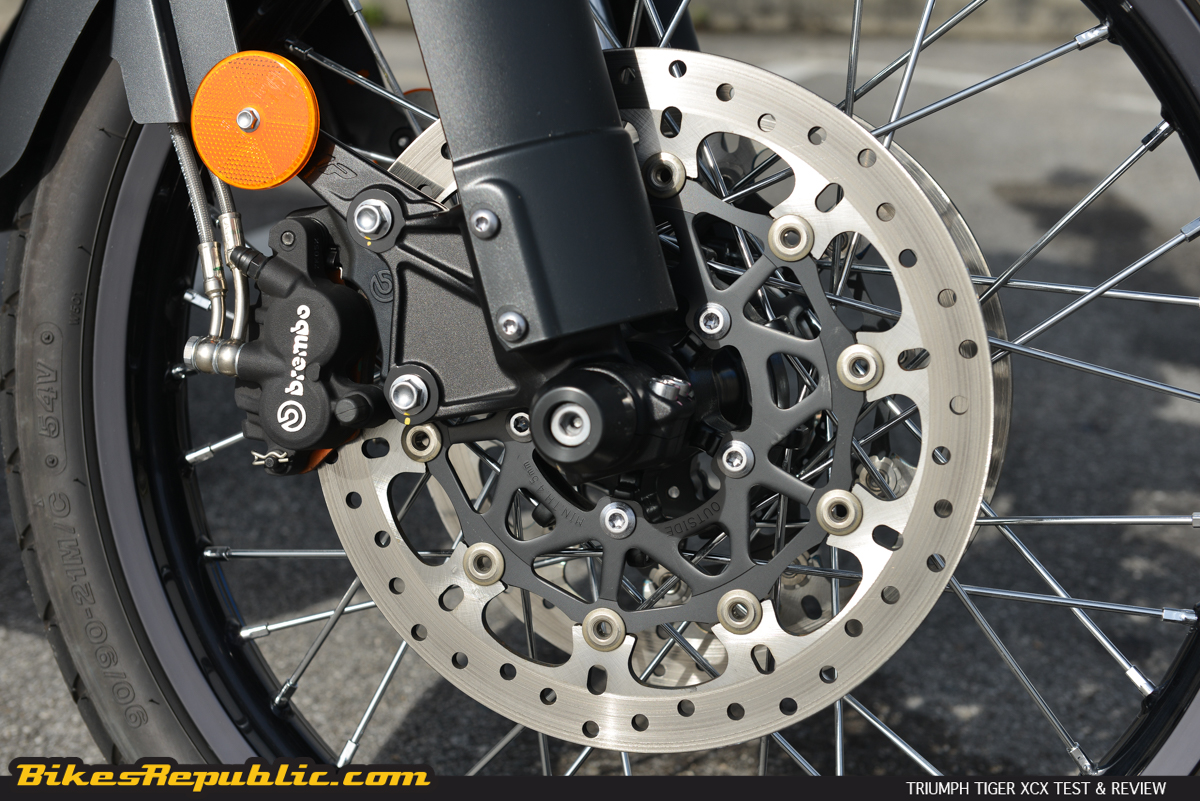
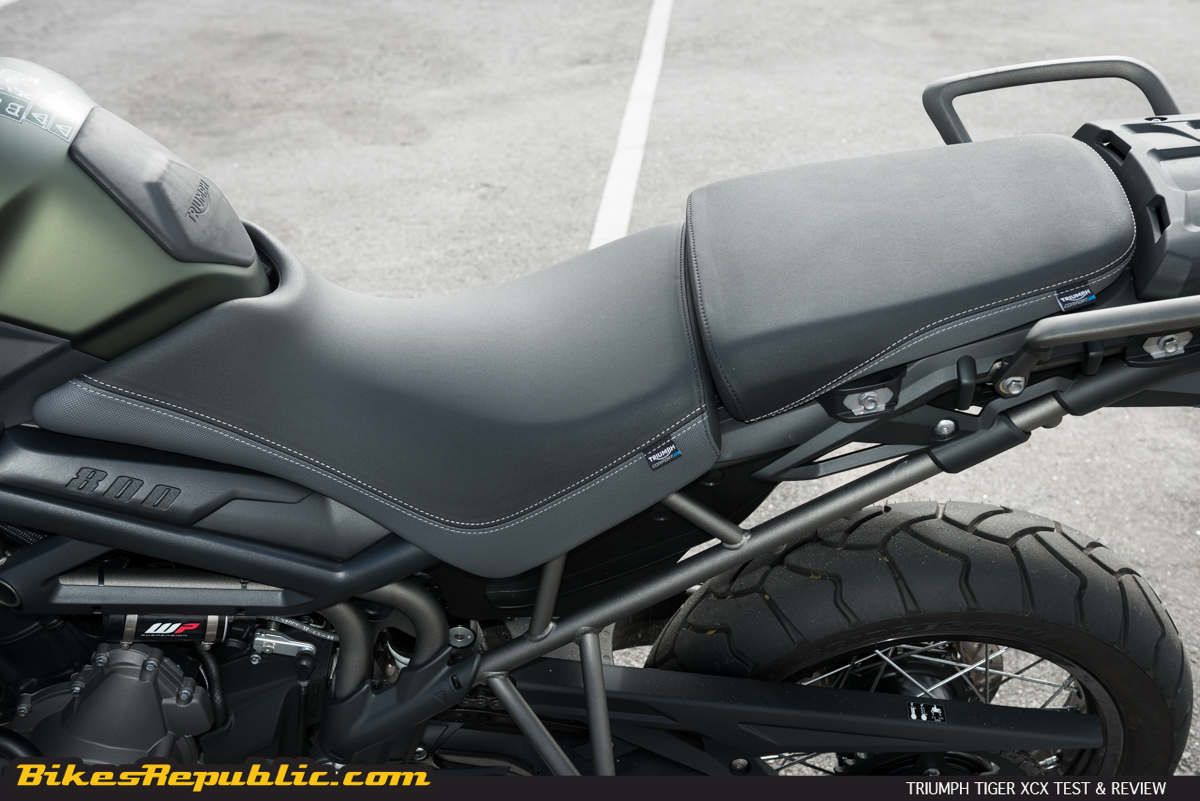
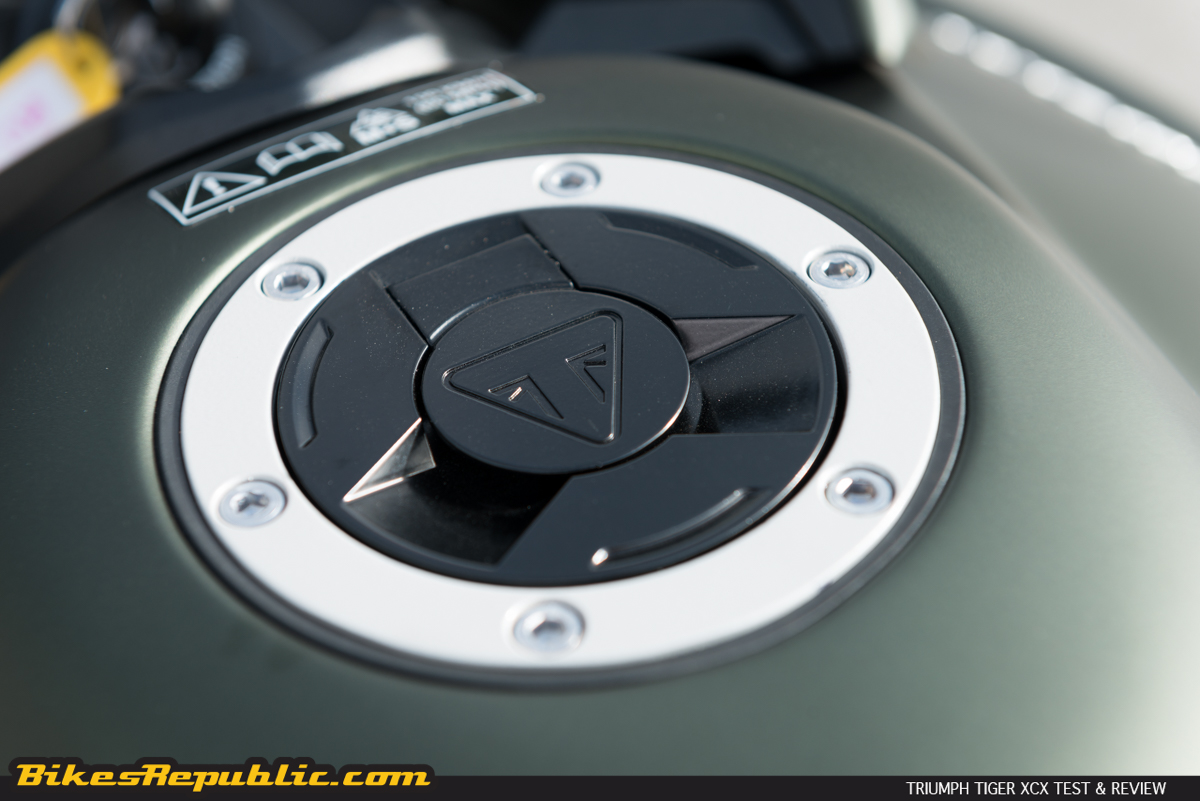
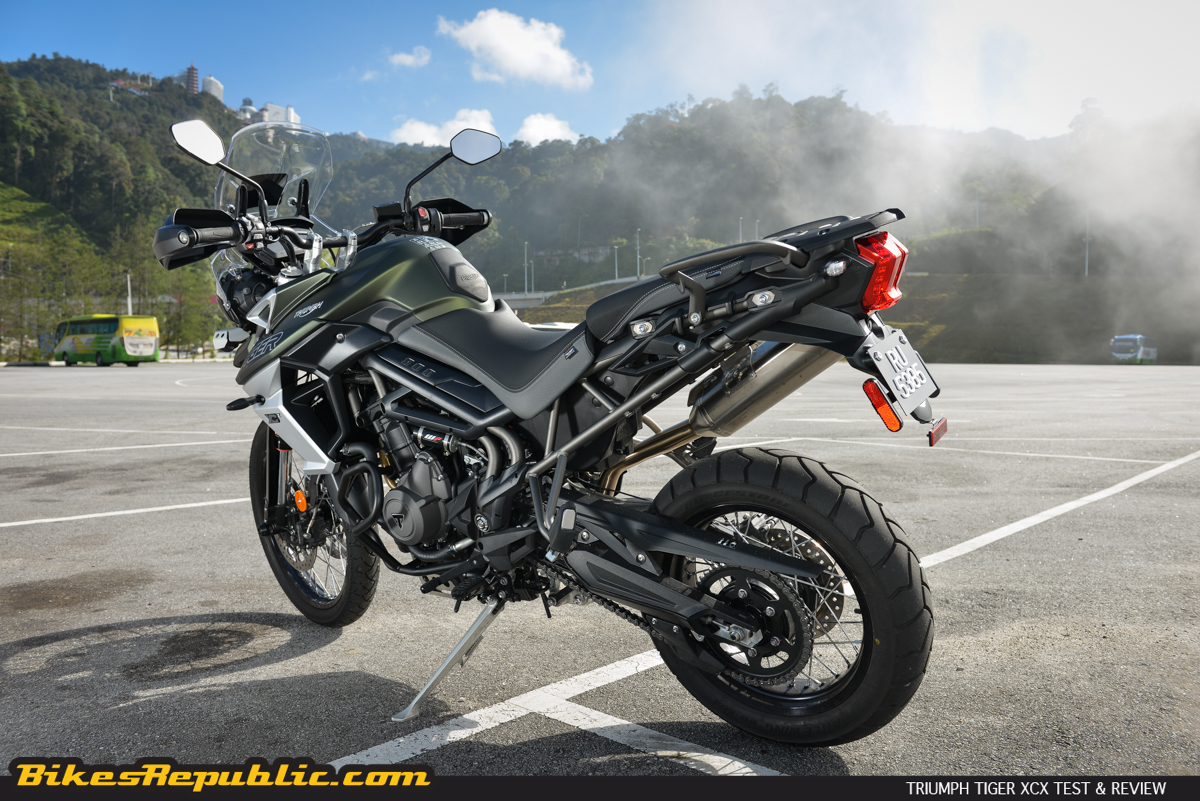
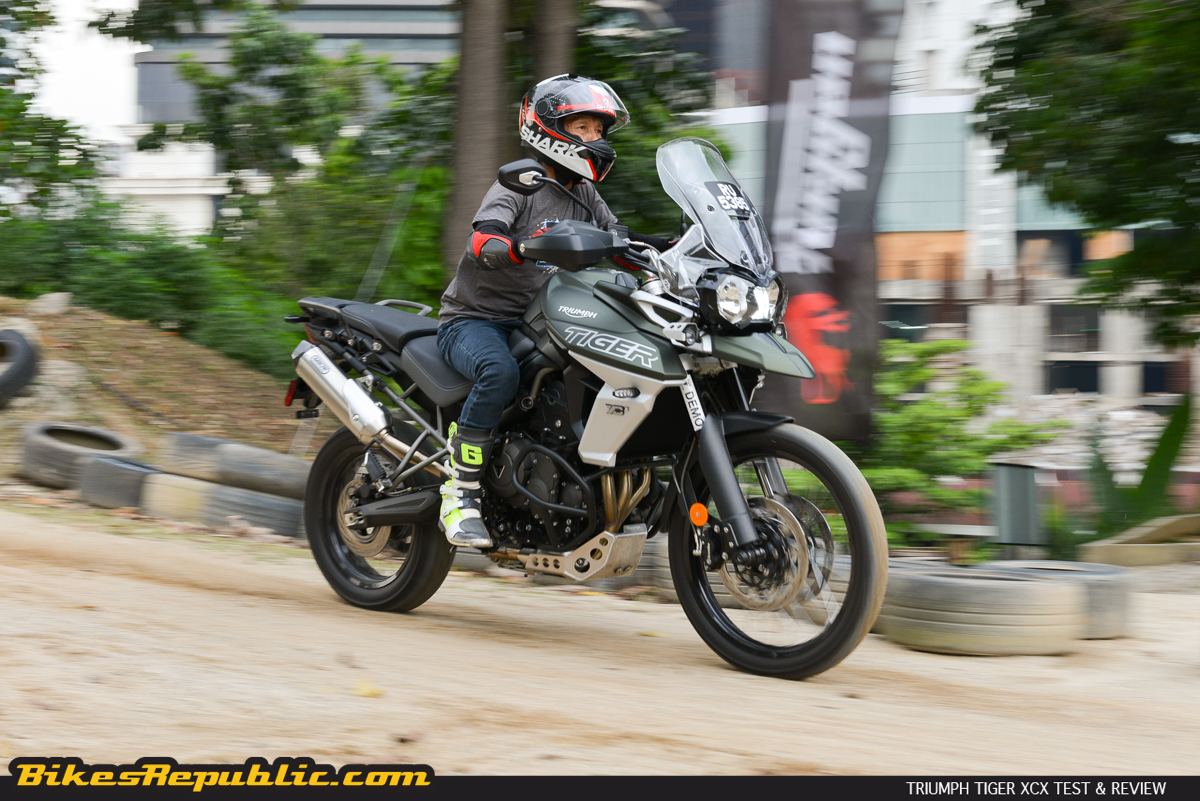
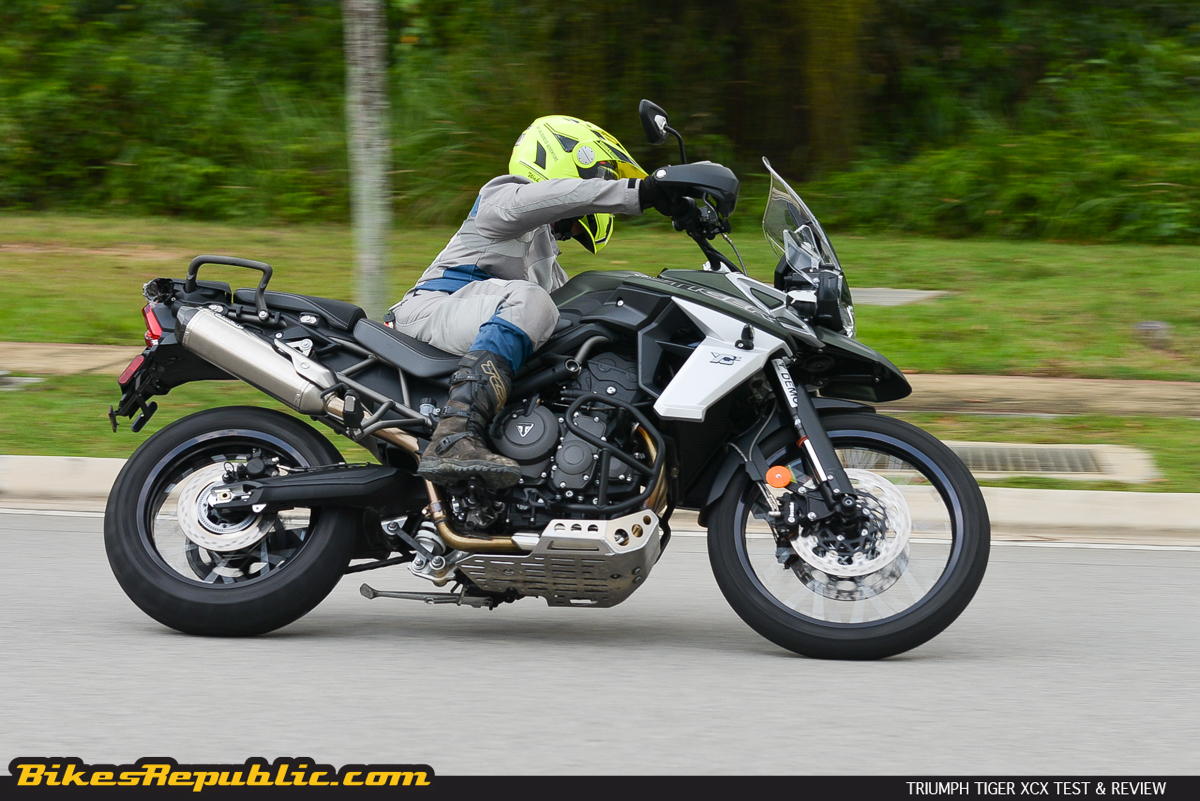
For starters, Triumph did a great job of making the new bike look fresh and attractive without resorting to a Korean plastic surgery. It drew in admiring looks everywhere we parked. Although looking vastly similar to its predecessor, there were many differences throughout. There’s a huge and adjustable transparent windscreen, new 5-inch colour TFT screen adopted from the Street Triple RS along with the switchgear, updated cruise control (only one switch), LED Daytime Running Light (DRL), Brembo brakes, recalibrated WP suspension, Triumph Comfort seats, and a new exhaust.
New seat compound and construction for exemplary comfort
The real updates in the engine and chassis, however. In fact, Triumph revised, updated or replaced 200 items in these areas alone.
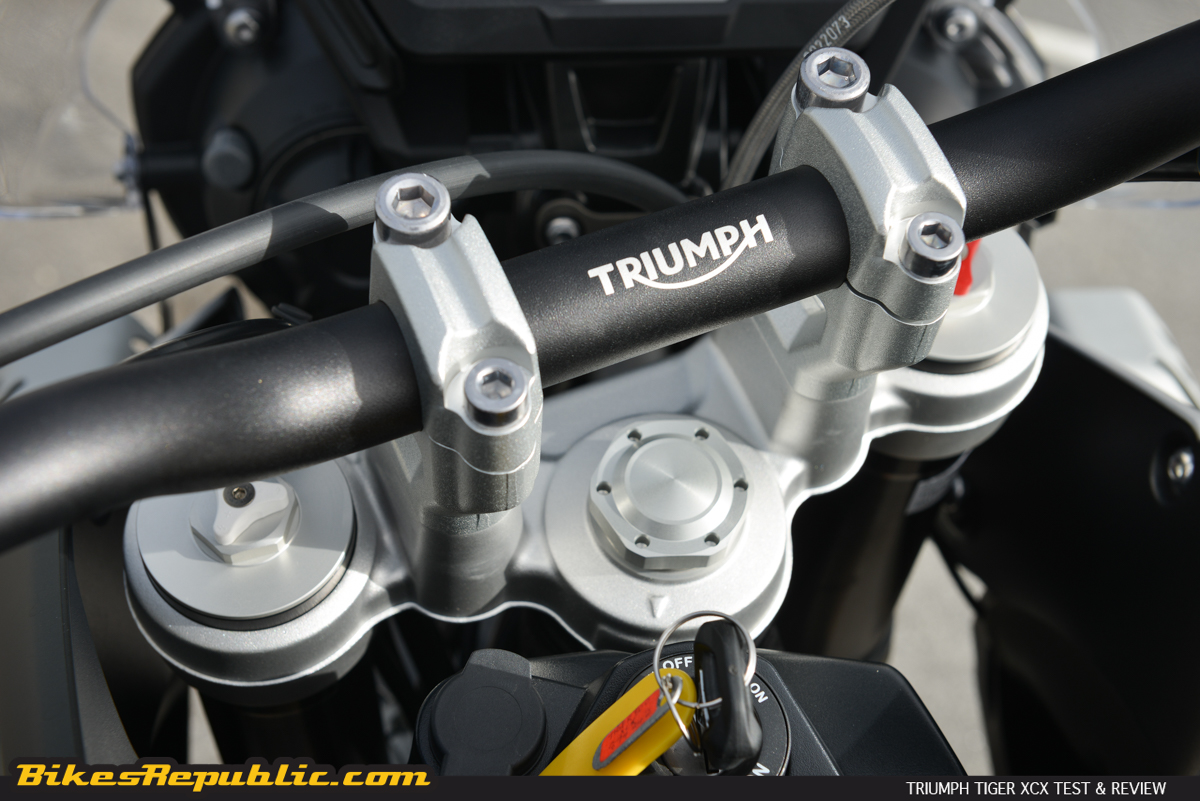
The new Tiger 800 XCx seemed a little taller than before, possibly due to the thicker new seat. Nevertheless, reaching the ground wasn’t difficult as the bike has a narrow waist and the sidestand was easily within reach. The seating position was slightly more relaxed as the handlebar has been moved 10mm backwards to bring it nearer to the rider.
Just look at that quality
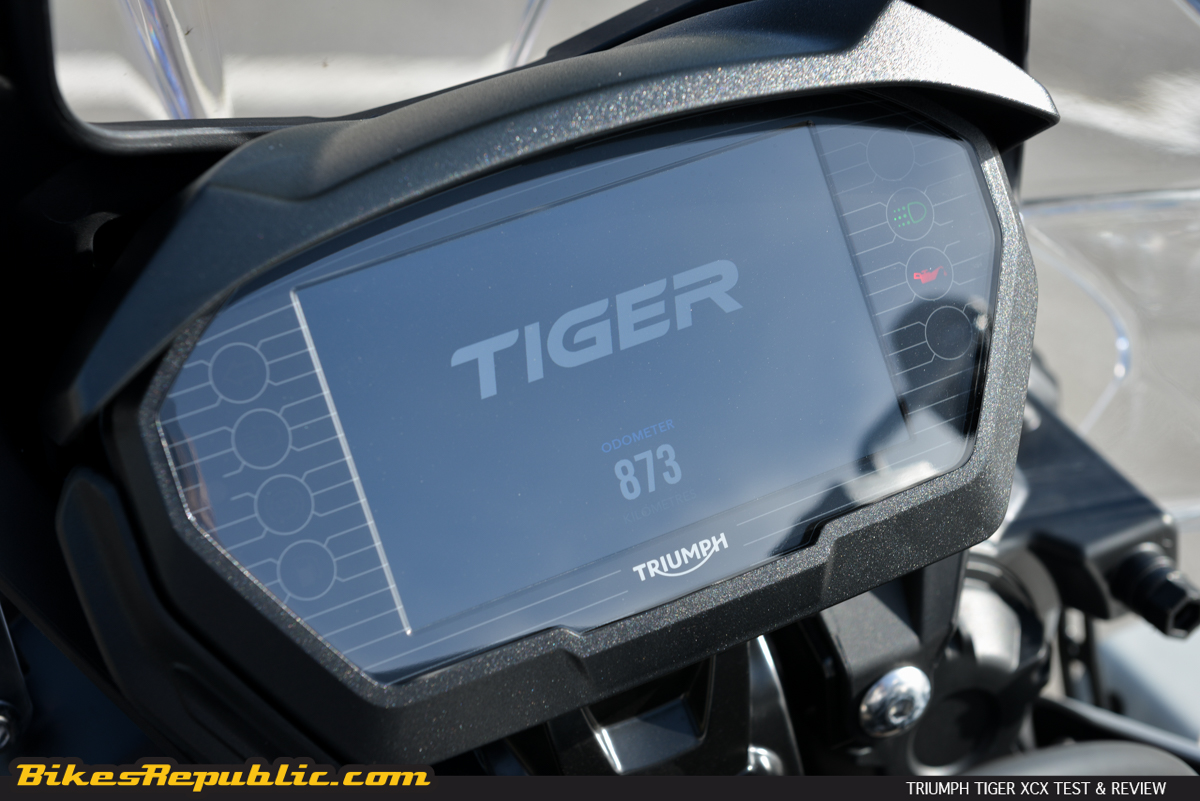
The TFT display was easy to read in all lighting conditions and scrolling through the menus was intuitive. It took us only 5 minutes to learn.
Every data you need right there
You feel you’re fully involved with the bike as soon as you grab that handlebar and start riding. Every input is taken care of smartly, instantly.
New switchgear adopted from the Street Triple RS. The cruise control is updated
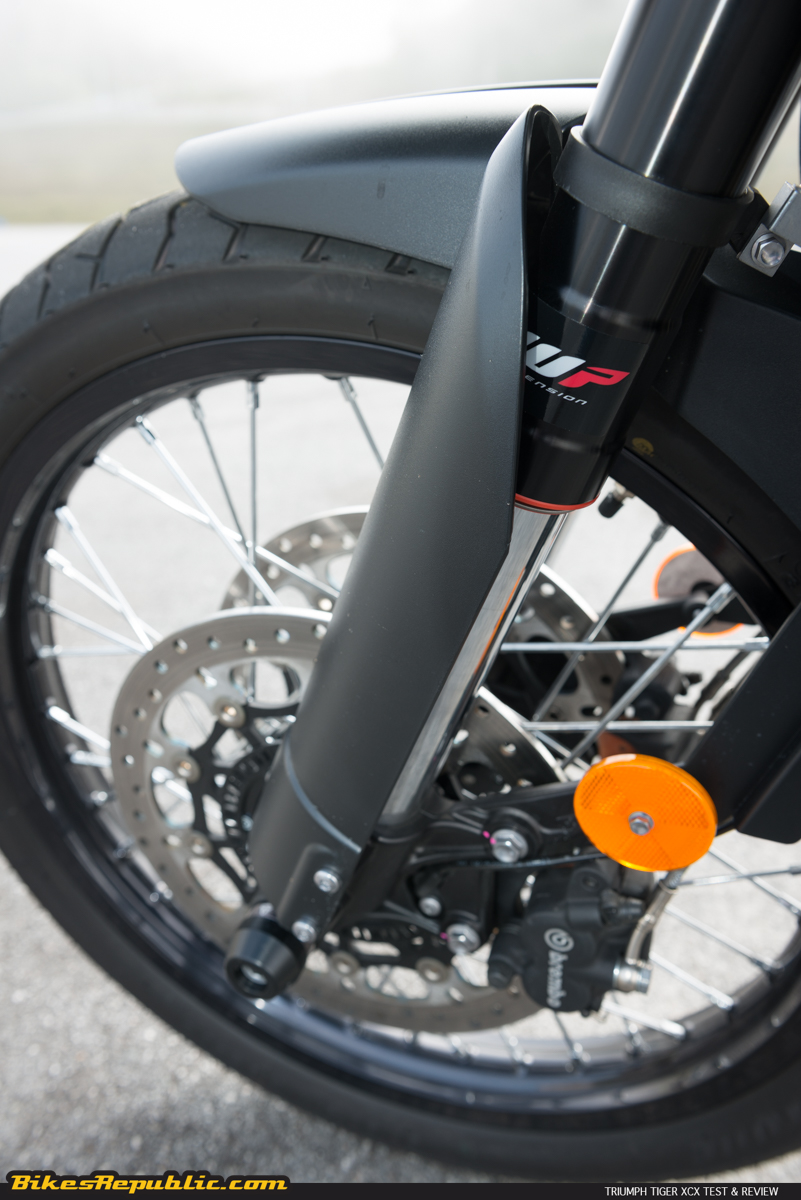
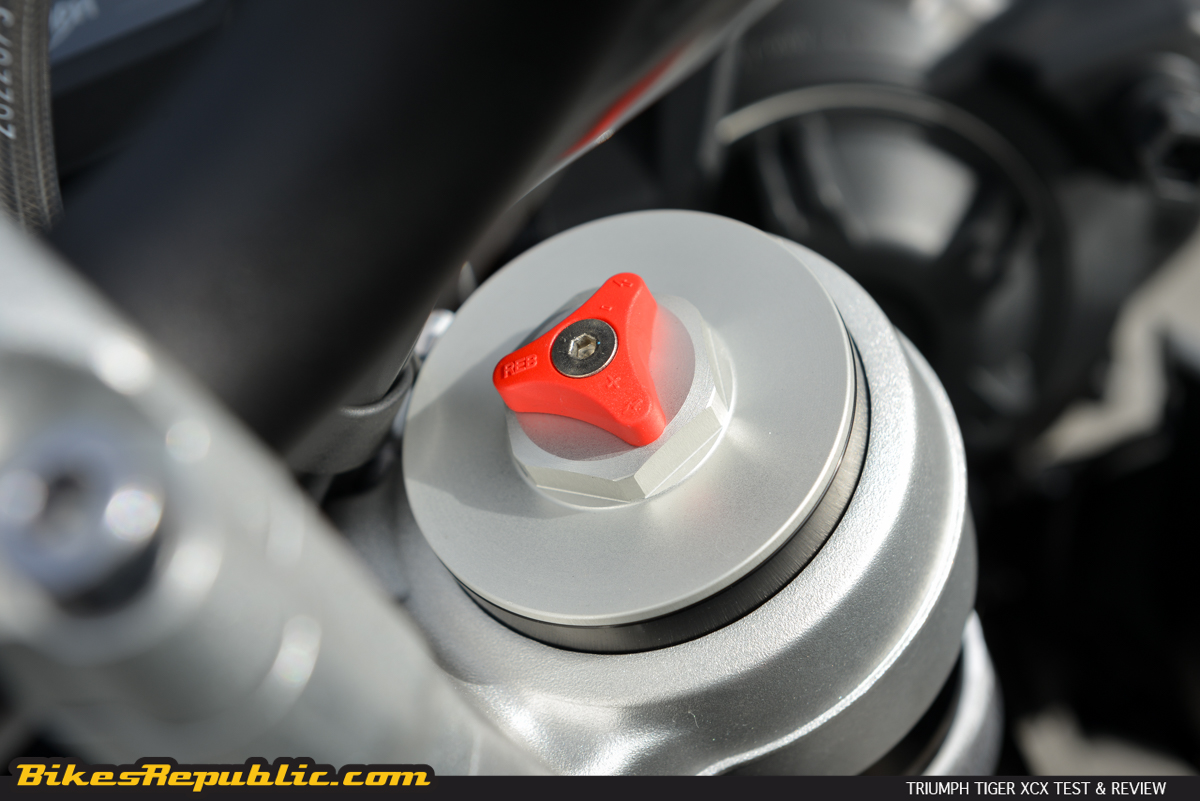
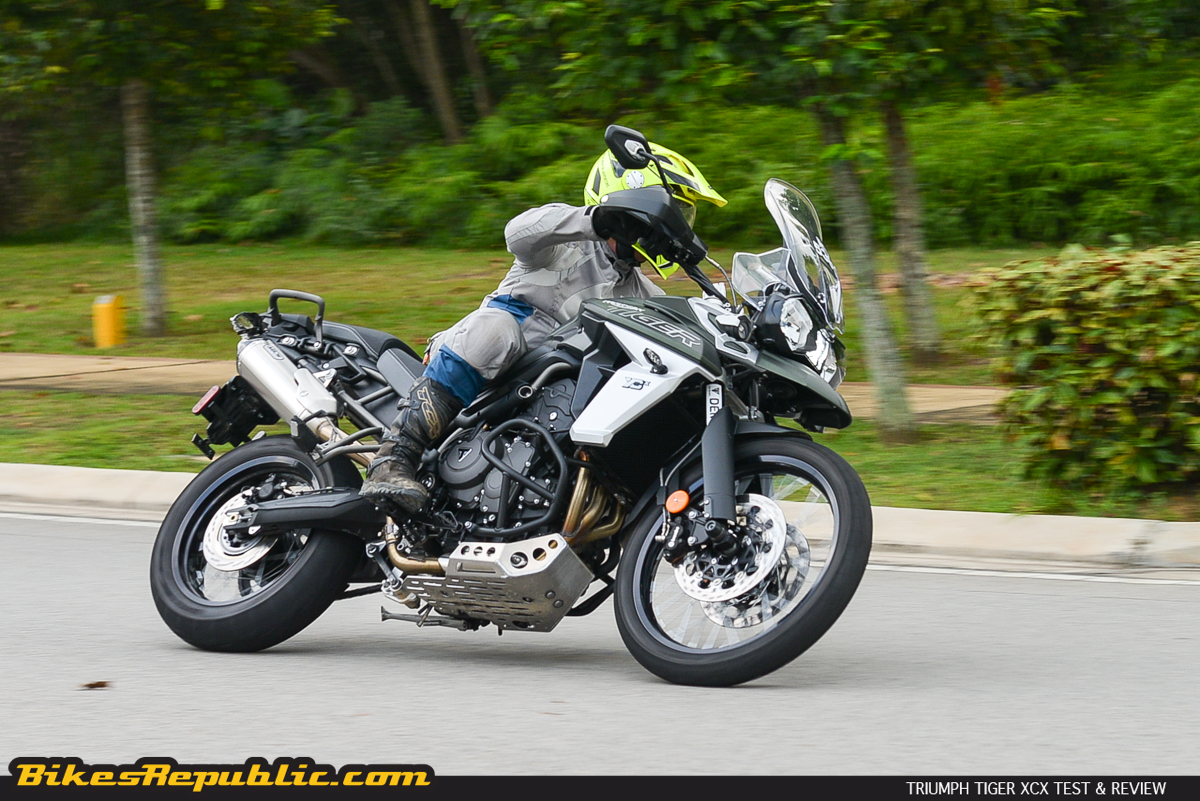
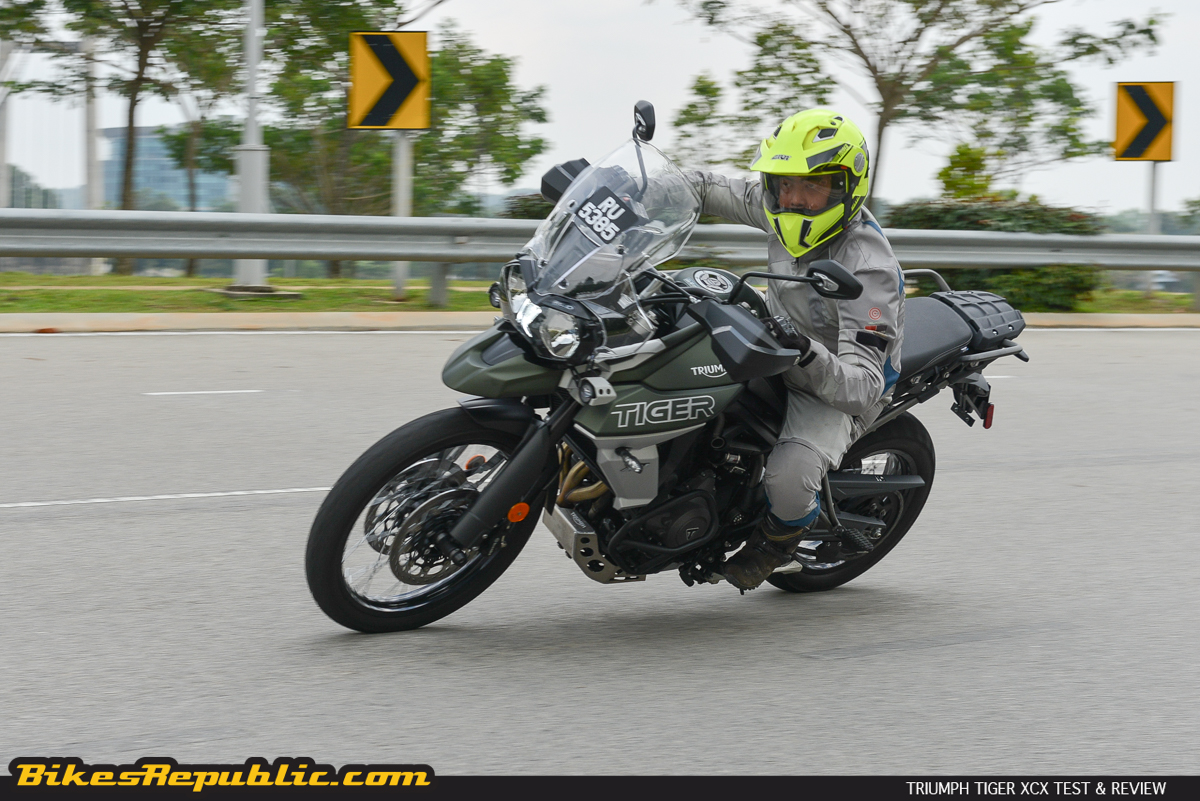
The reworked WP forks made the bike feel extremely stable when coupled to the the 21-inch front wheel. Because of that, the front wheel seems to create an invisible groove in the road. The bike not only goes where you point it, it follows that line to millimeter perfection. It made the previous edition’s front end feel “flighty.” However, due to my height which located my weight over the rear, the front felt a little heavy to turn in and stiff when hitting bumps. Decreasing the compression damping by just 3 clicks – not full turns, but just click, click, click – transformed the Tiger into a large super-flicklable and fluid trail bike. Despite of that, it remained supremely stable whether it was travelling in a straight line, or scratching its footpegs when on its sides. If there’s ever any doubt about having a bike with a 21-inch front wheel, the Tiger 800 XCx tears those doubts into ribbons.
Suspension are still WP but fully recalibrated
And it was darn fun to ride. I’m never a morning person, but I found myself waking up at 4am just to prepare to ride it up to Genting Highlands to catch the first rays of the sun, three days in a row.
She’ll be coming ’round the mountain
I’ve never liked riding on the Karak Highway in the dark either, but the Tiger 800’s headlamps threw so much light down the road it startled even sleepy truck drivers. And I haven’t even touched the high beam and foglights yet! Rider confidence stems from the ability to see where he’s heading and those lights helped even through the thick fog as I headed up the mountain at 5.30am.
The larger windscreen is fully transparent, now adjustable and stable at high speeds. The lights are super bright!
Anyone knows just how bumpy and treacherous the Genting road is. The Tiger 800 XCx didn’t care whether if there were bumps, potholes, some sand, damp surface, paint strips – it just kept going. The ability of doing these things was disconcerting at first, but once it sets in, all you need to do is to stop worrying and have fun.
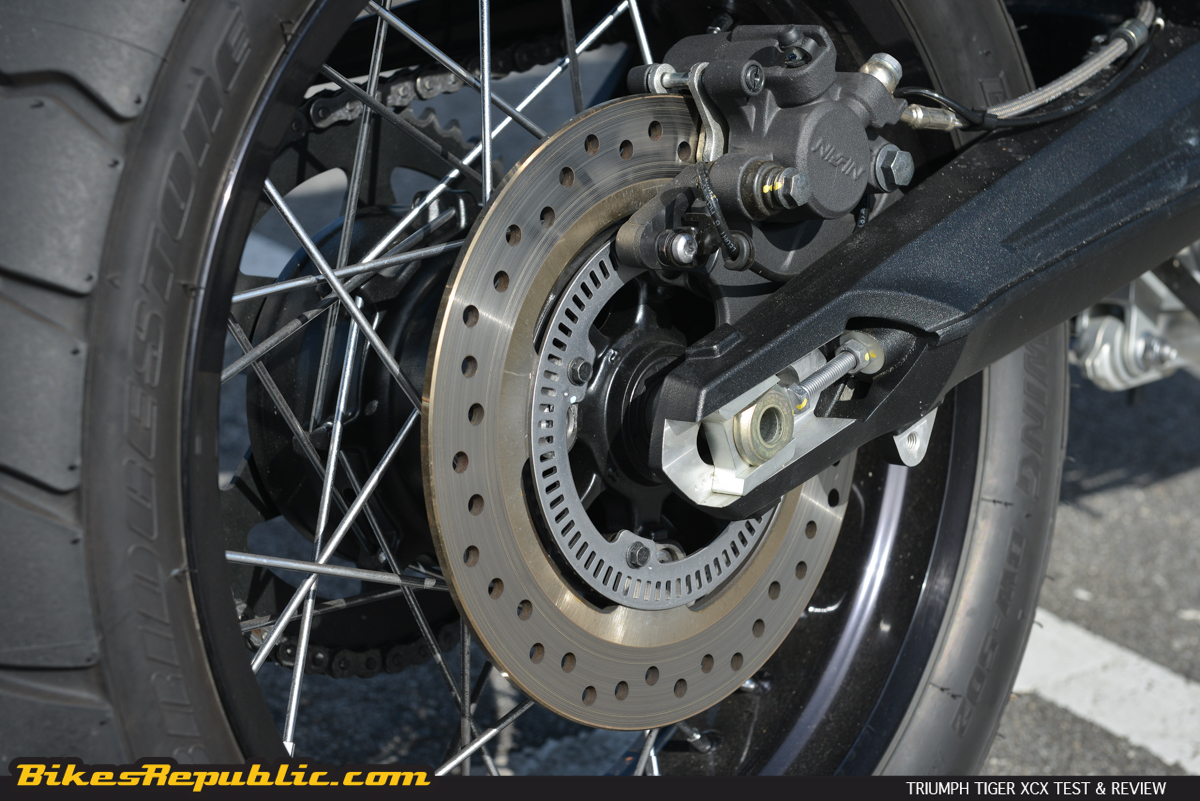
The brake calipers and discs are now all Brembo. Good progressive bite
What I truly appreciated, though, was Triumph’s emphasis on giving their bikes exceptionally smooth throttle response. I went through all the modes – SPORT, ROAD, RAIN, OFF-ROAD and OFF-ROAD PRO – none of them was snatchy from off-throttle, mid-throttle, rolling off the throttle and even snapping it shut. The engine is now more responsive, yet not abrupt. Amazing.
Did we say we loved the seat? So did the pillion
The throttle character is true for all Triumphs but it was extra special on the Tiger 800 as the engineers have removed the backlash gear in the transmission.
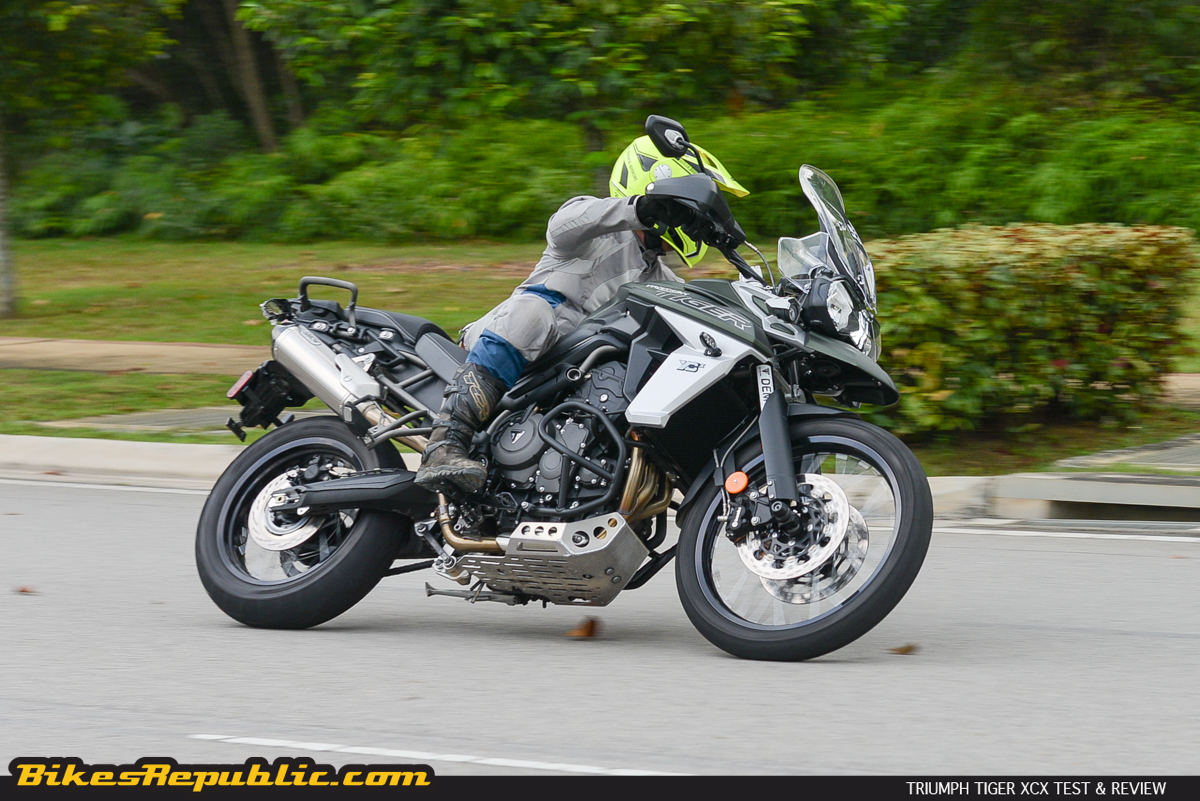
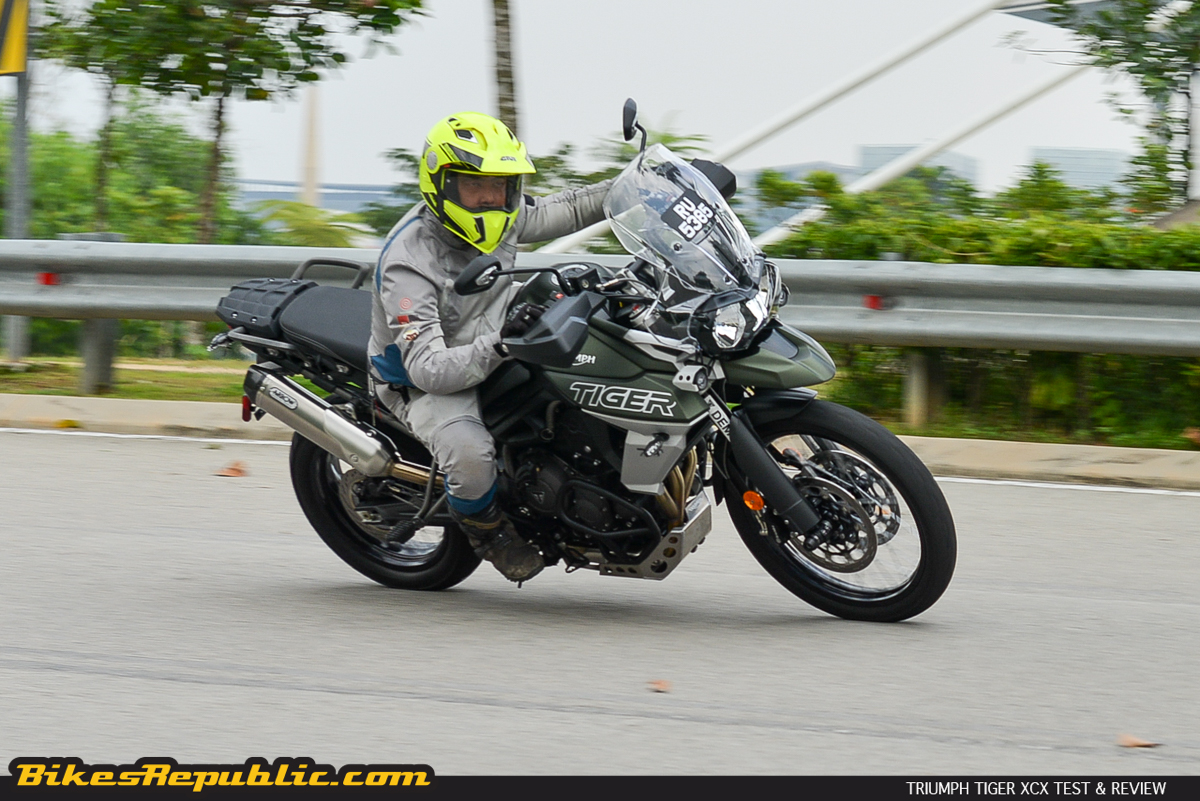
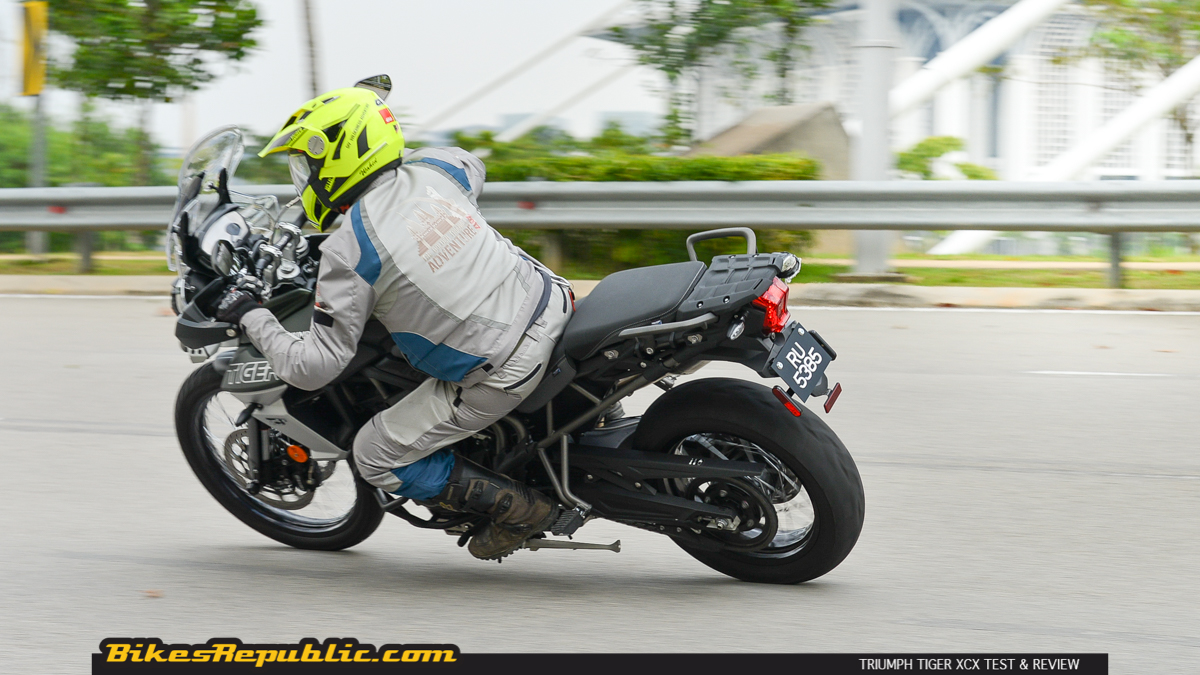
It may be an adventure bike, but it could really corner
The previous Tiger 800 felt like it had a slipper clutch when it didn’t, giving it a good amount of engine braking together with smoothness as you go into in a corner with the throttle off. On the new Tiger 800, on the other hand, the mix of engine braking and “freewheeling” was spot-on, as if the transmission has a computer-controlled back-torque limiter. Only thing was it didn’t. Kudos, Triumph!
The Tiger 800 XCx is pretty frugal on gas so you won’t be opening this much
The updates to the engine gives the Tiger 800 the tiger’s gallop anywhere in the rev range, in any gear. The power was just smooth, linear, predictable. Never once did it threaten to charge ahead with the rider flailing behind. A predictable power delivery is the dream of every rider, including the pros (critical for the pros, actually), because how can one enjoy a bike that has its own mind when you crack the throttle open?
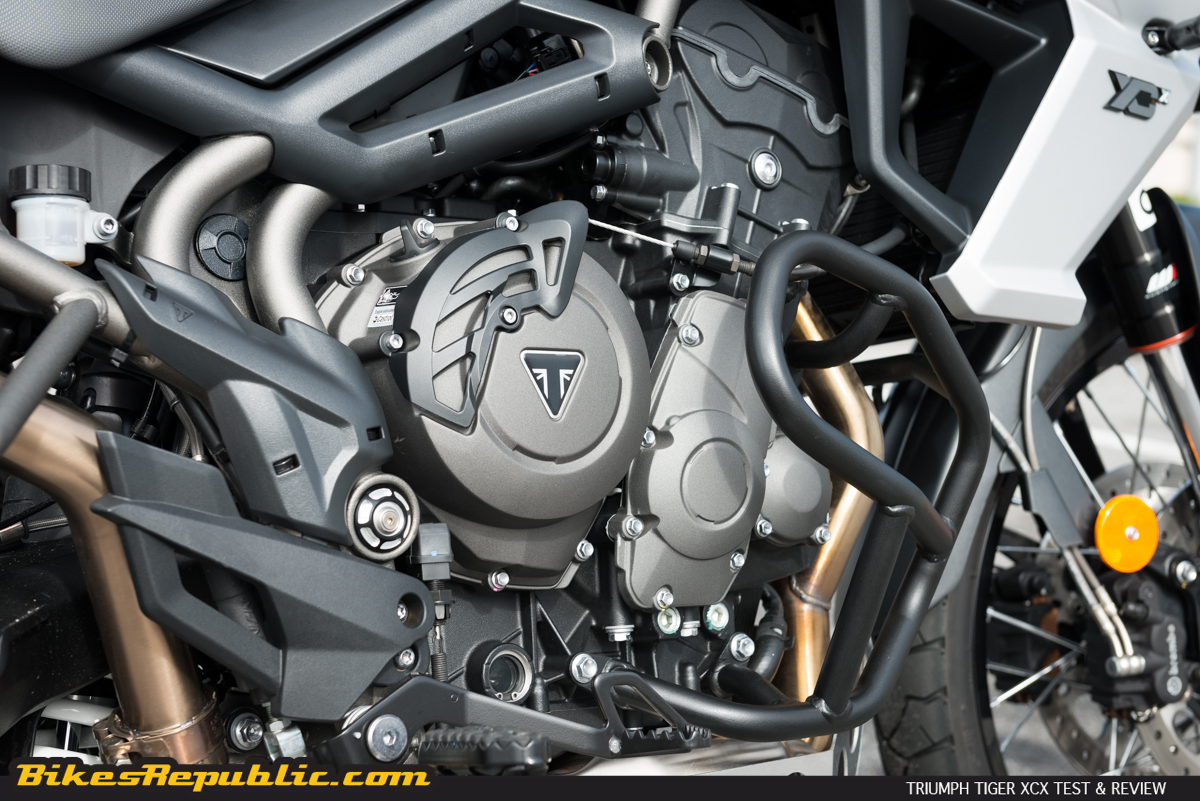
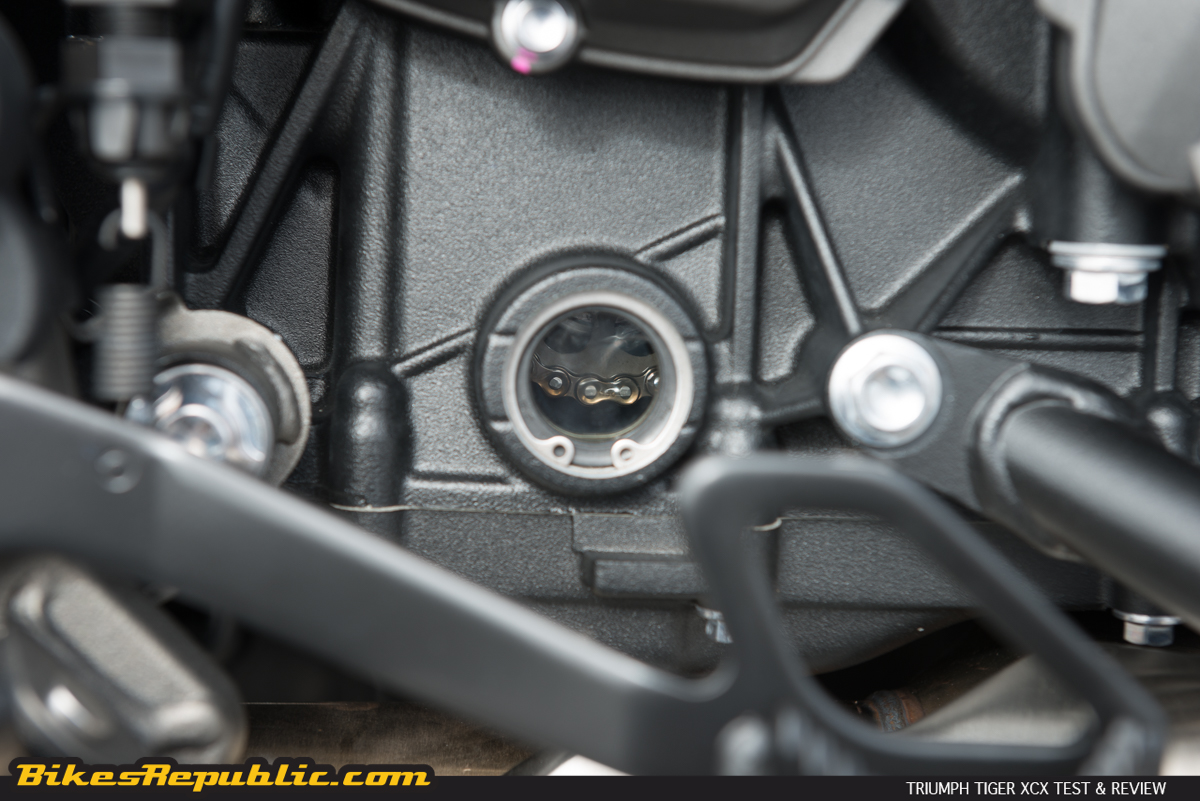
You could see a timing chain inside the oil sight glass. How cool is that?
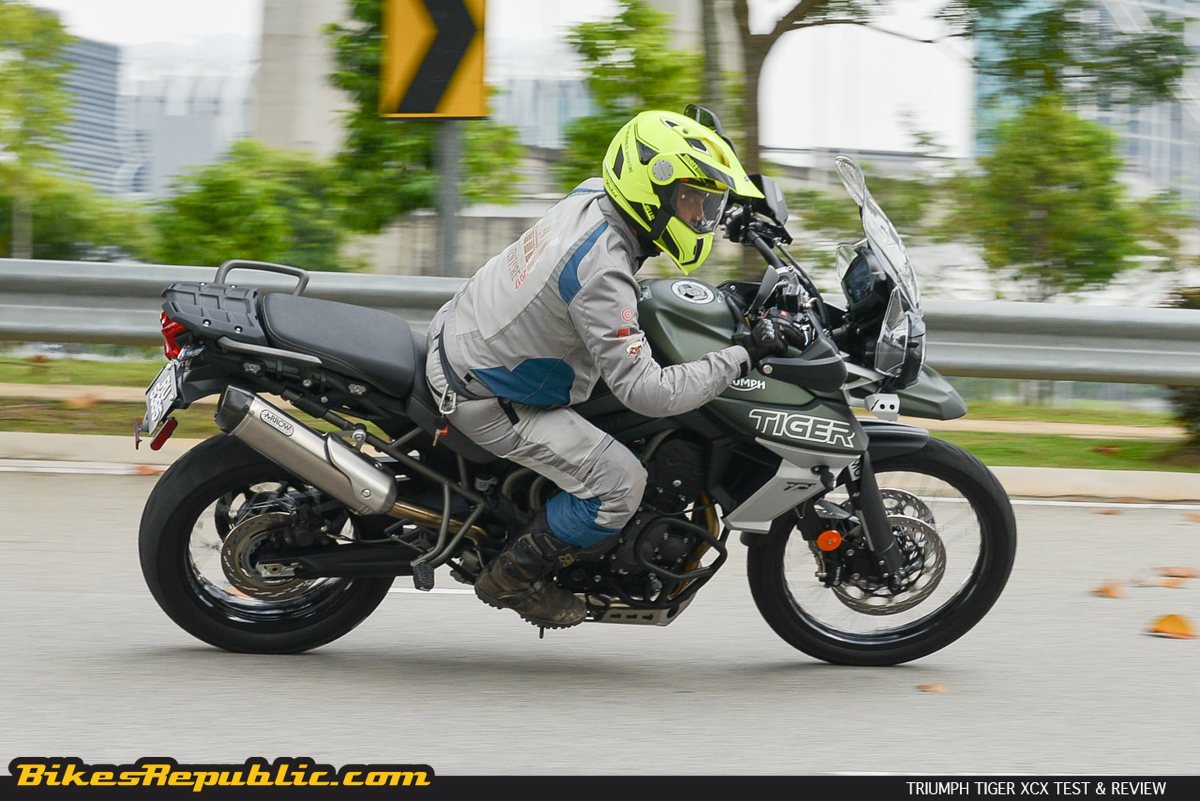
When I took it easy on the first trip up, I didn’t even have to go lower than 3rd gear through the sharpest corners, in ROAD mode. On the second trip, it was SPORT mode on Karak Highway and ROAD mode up Genting. The weather was clearer and I managed to hustle the bike through the curves much faster than I thought possible for an adventure bike. On the third morning, it was SPORT mode all the way. The XCx just hammered into, through and out of the corners like a sportbike with high handlebars, but with the benefit of not needing to worry about the whatever road condition.
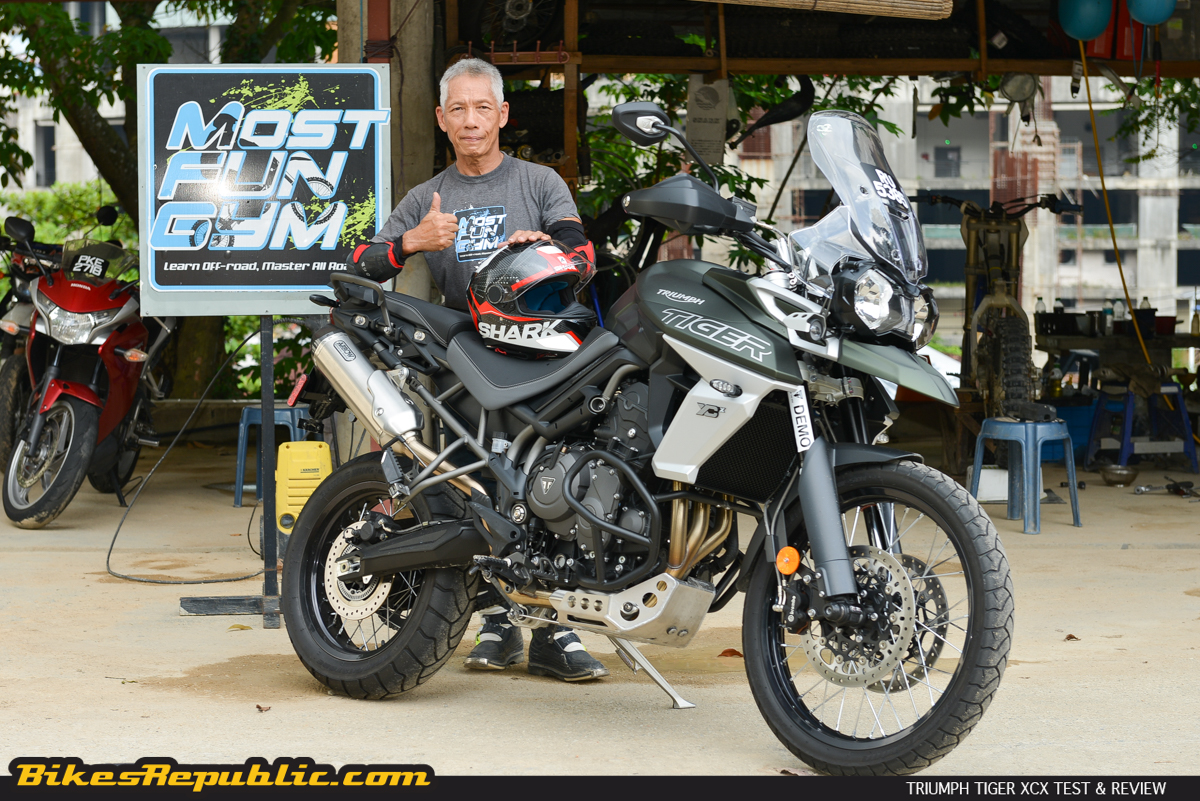
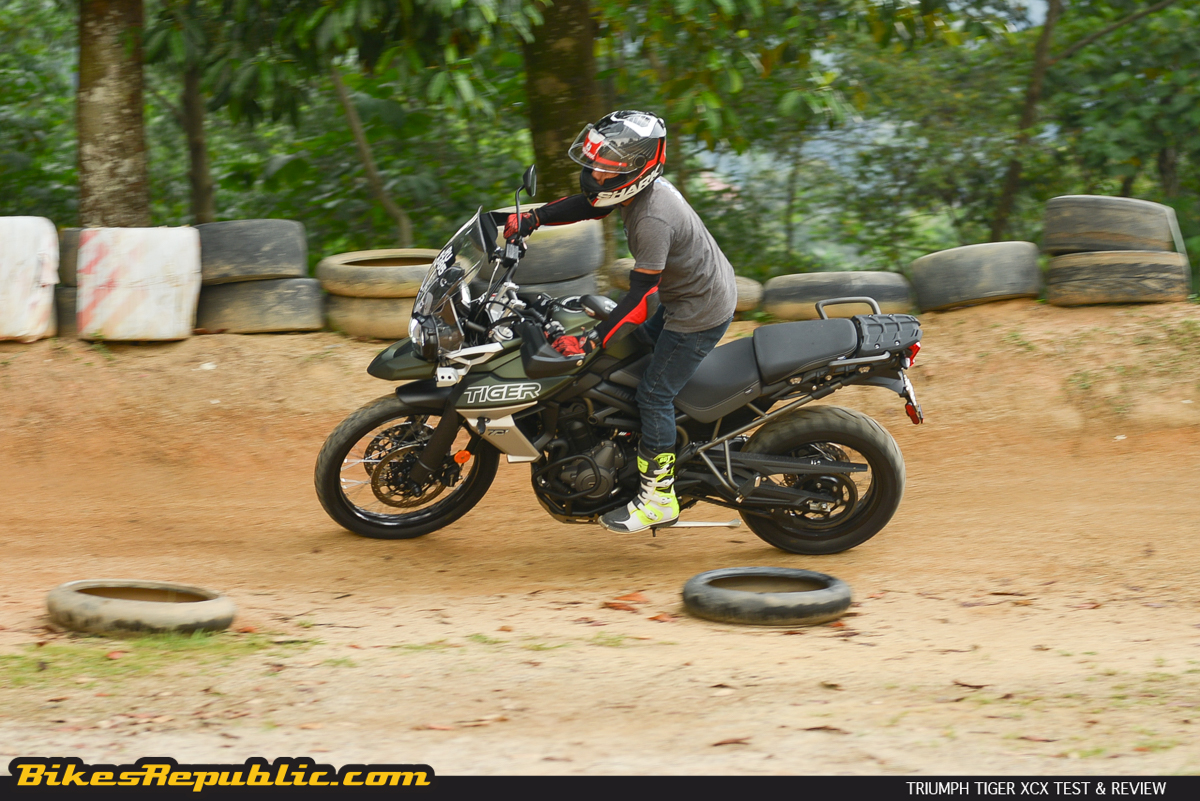
We also got around to testing it in the dirt, with the help of “Foreman Oh” Kah Beng at his Most Fun Gym motocross and off-road riding school.
The living legend – “Foreman Oh” Kah Beng
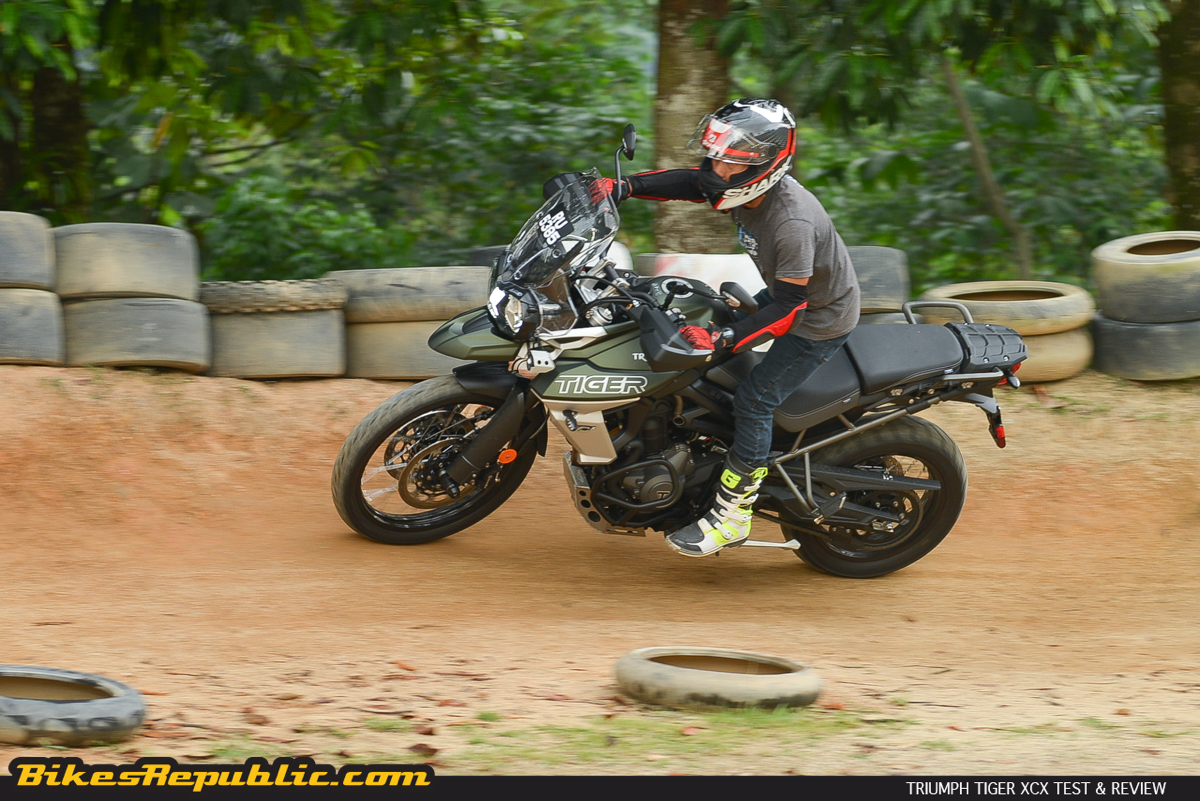
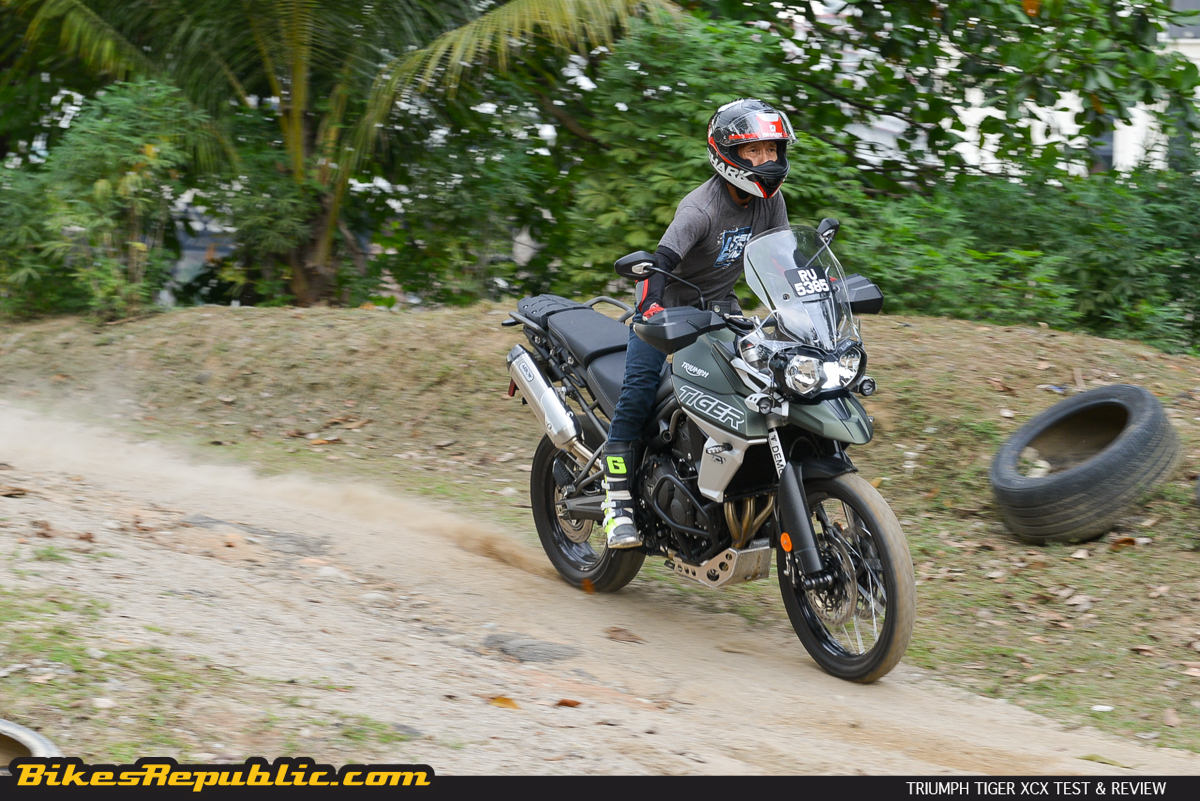
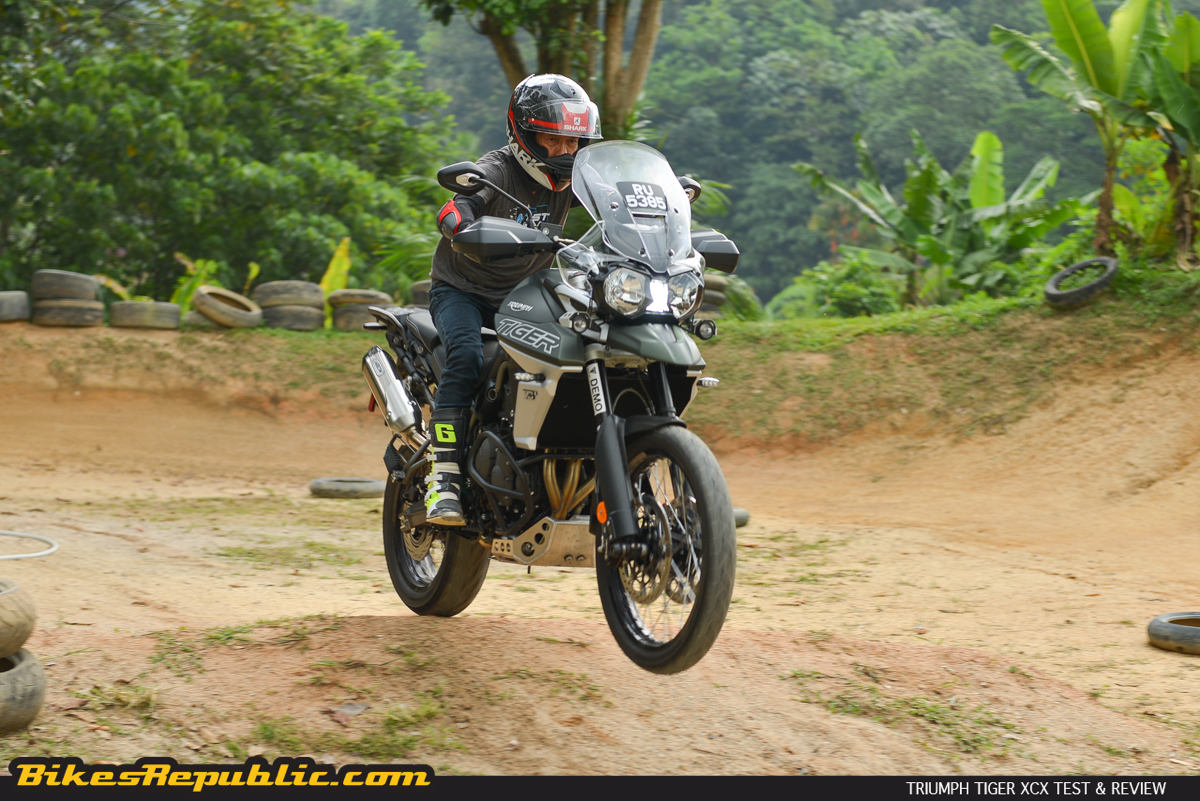
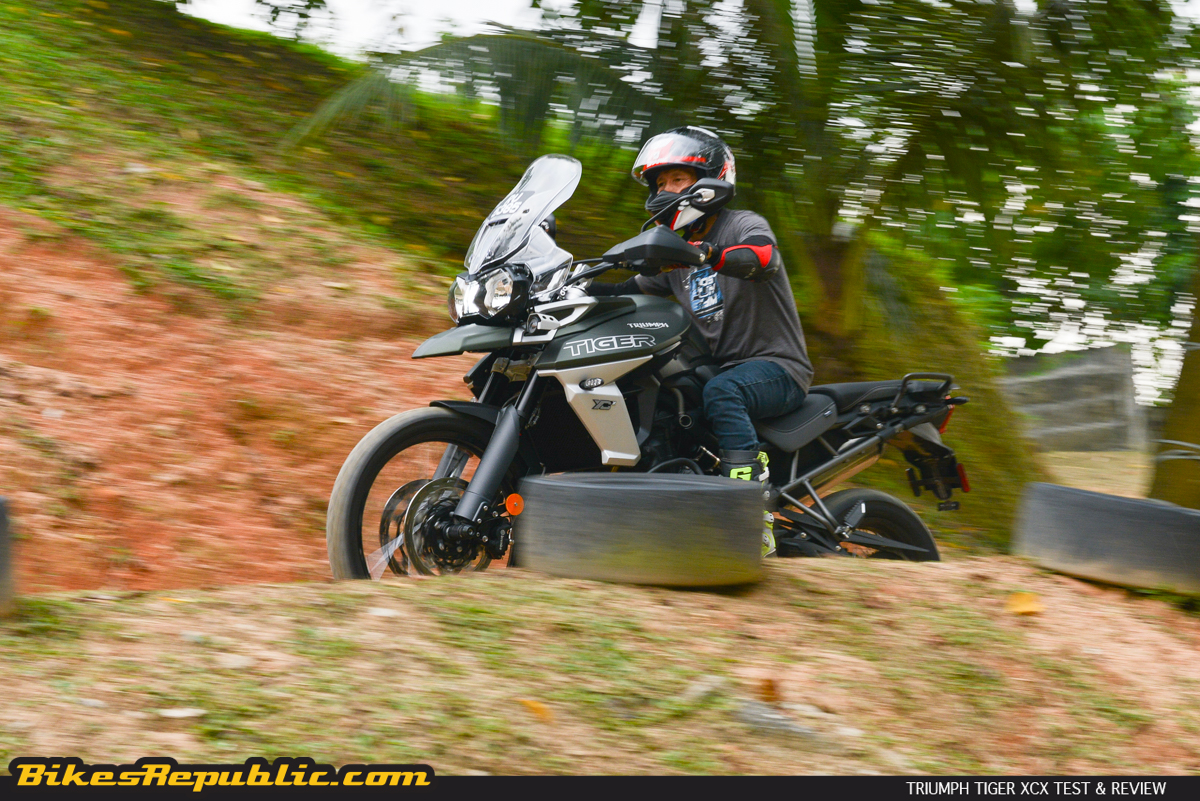
He first went out in OFF-ROAD PRO, which switches off traction control and rear ABS, and leaving the front ABS on. He went straight to performing powerslides, riding it through a corner on the berm and jumped. He came back in and set the ride mode to OFF-ROAD, which leaves all intervention on. He was amazed, “The traction control was never intrusive, it only felt like the engine was holding back slightly but it didn’t cut you off. It’s crazy!”
Round a curve on a dirt berm
On handling, “The bike has a great balance and footing – somehow nimble and stable at the same time. That’s not something which is easy to achieve. Plus, the narrow waist gives you the ability to hold it with your knees.” It’s the testimony of Triumph’s emphasis on handling rather than outright power.
OKB powersliding the Tiger
The new, shorter first gear also helped heaps when we circled around a set of pylons by slipping the clutch, instead of using the throttle.
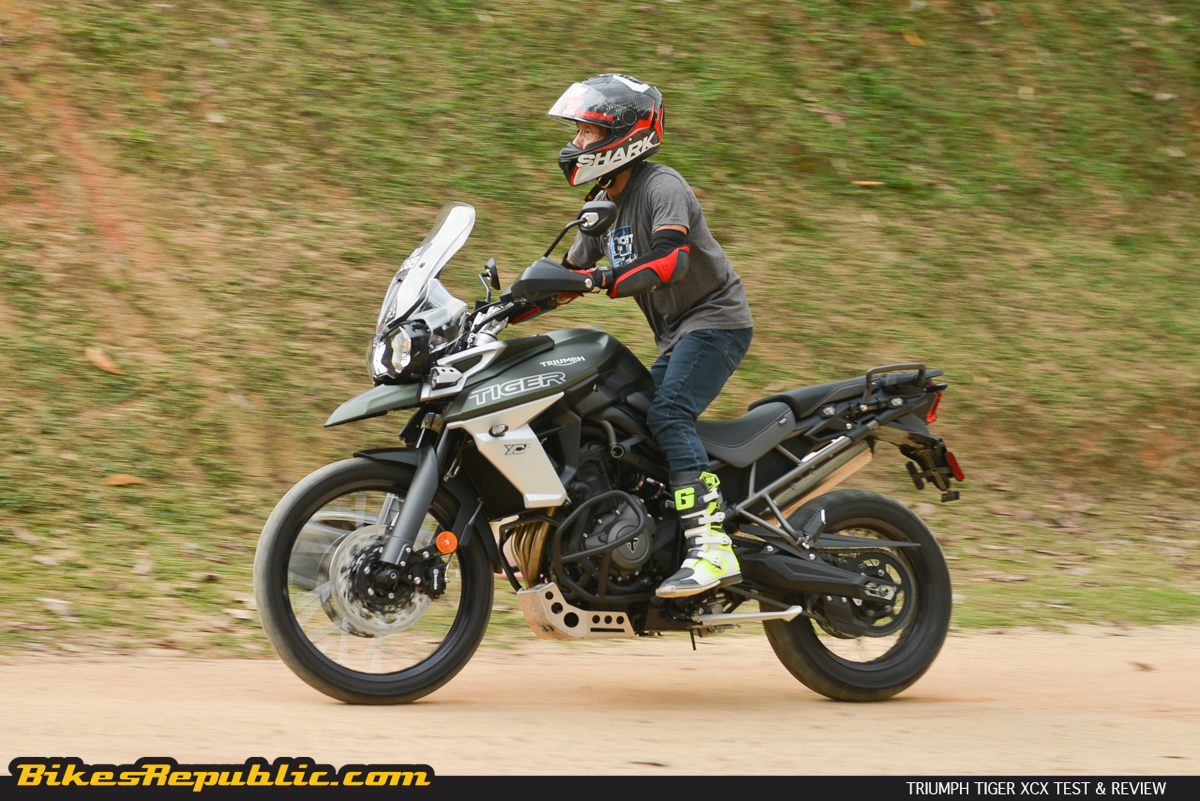
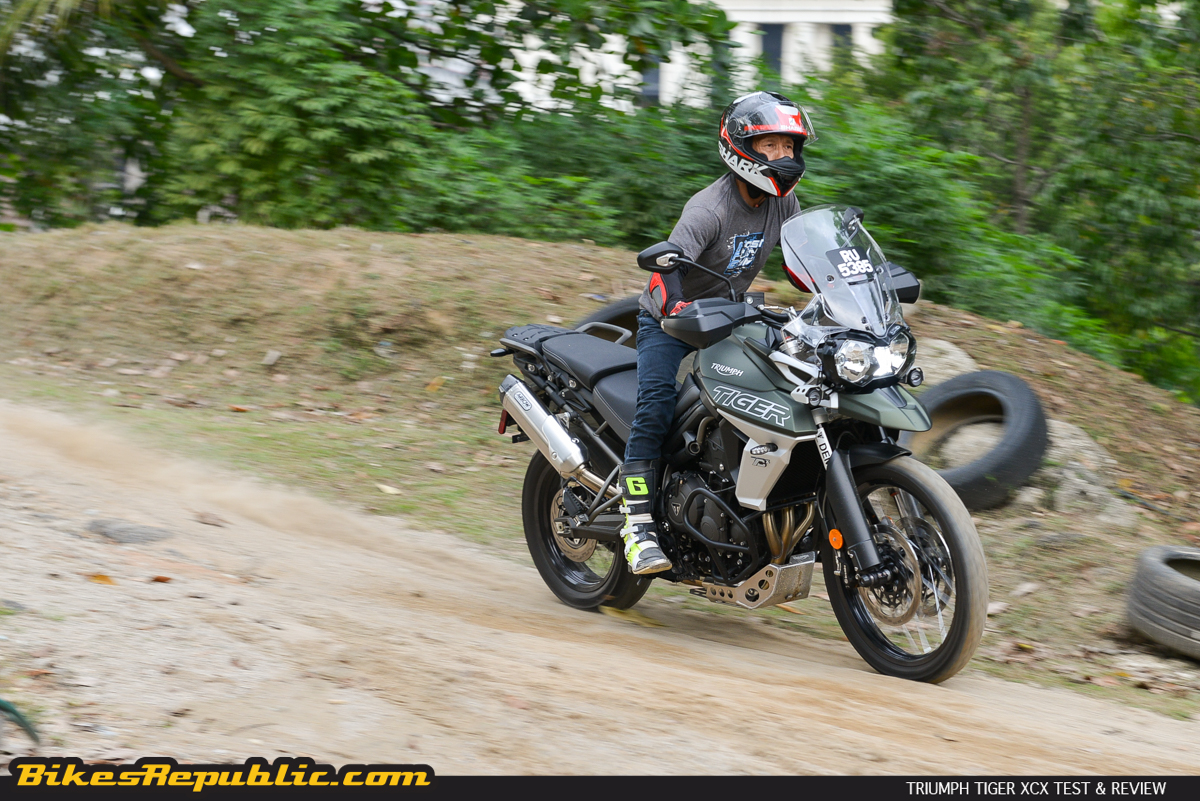
See how OKB’s upper torso is above the fuel tank? That position puts more weight onto the front tyre
When you stand up on the pegs and look down, all you see is the TFT screen, while the tank and triple clamp disappear from sight. It means that the bike has placed your upper body over the tank hence weight onto the front tyre – that’s the ideal riding position for riding off-road. But while standing up is mainly done off-road, it should also be done on the road when you encounter obstructions or rough roads. This bike’s riding position is there to help you with that.
The Tiger leaps!
That’s the Triumph Tiger 800 XCx. It’s so good when you ride it on the road that you forget that it’s also very capable in the dirt; and it’s so capable off-road that you completely forget about how good it is as a road bike.
City commuting, long-range touring, long-range adventure, weekend canyon carving, the Tiger 800 XCx does it all
I’ve tested bikes that I just rode from A to B, plus a bit more for shooting duties and parked them up. The Tiger 800 XCx, conversely, due to the combination of a finely designed seating position, superb windscreen, awesomely comfortable seats, and confidence just keeps begging me to go out riding. We received the bike with 673km on the odometer. It read 1550km when we returned in after 5 days, 4 nights. I couldn’t help staring it for god knows how long when I do park it up, either.
Anything negative? The handlebar buzzed around 5000 RPM, but we soon got used to it and it “went away” since it wasn’t upsetting.
I’d better stop here as I’d just keep heaping superlatives on the Triumph Tiger 800 XCx, if I continue. I’m really tempted to call it “The Best Adventure Motorcycle” but the only thing keeping me from doing so is its brother and bigger cat: The Tiger 1200, which we’ve yet to test. At this moment, though, it is the best middleweight adventure motorcycle, bar none.
Oh yes, what’s that poignant Carl Sagan quote? “The artifacts of a sufficiently advanced extraterrestrial civilization would be indistinguishable from magic.”
Wait, how’s that relevant since the Triumph Tiger 800 XCx is very Earthly in origin? It’s so good it’s almost magical that it might as well had been made by an advanced alien civilization.
TECHNICAL SPECIFICATIONS
ENGINE
Engine type
Liquid-cooled, 4-stroke, DOHC, 4 valves per cylinder, inline-Triple
Compression ratio
11.3 : 1
Bore X Stroke
74.0 mm X 61.9 mm
Displacement
800 cc
Fuel system
Multipoint sequential electronic fuel injection
Maximum power
94 bhp (70 kW) @ 9,500 RPM
Maximum torque
79 Nm @ 8,050 RPM
TRANSMISSION
Clutch
Wet, multi-plate
Gearbox
6-speed
CHASSIS
Front suspension
WP 43mm upside down forks, adjustable for compression damping and rebound damping, 220 mm travel
Rear suspension
WP monoshock with piggyback reservoir, hydraulic preload adjustment,2 220 mm travel
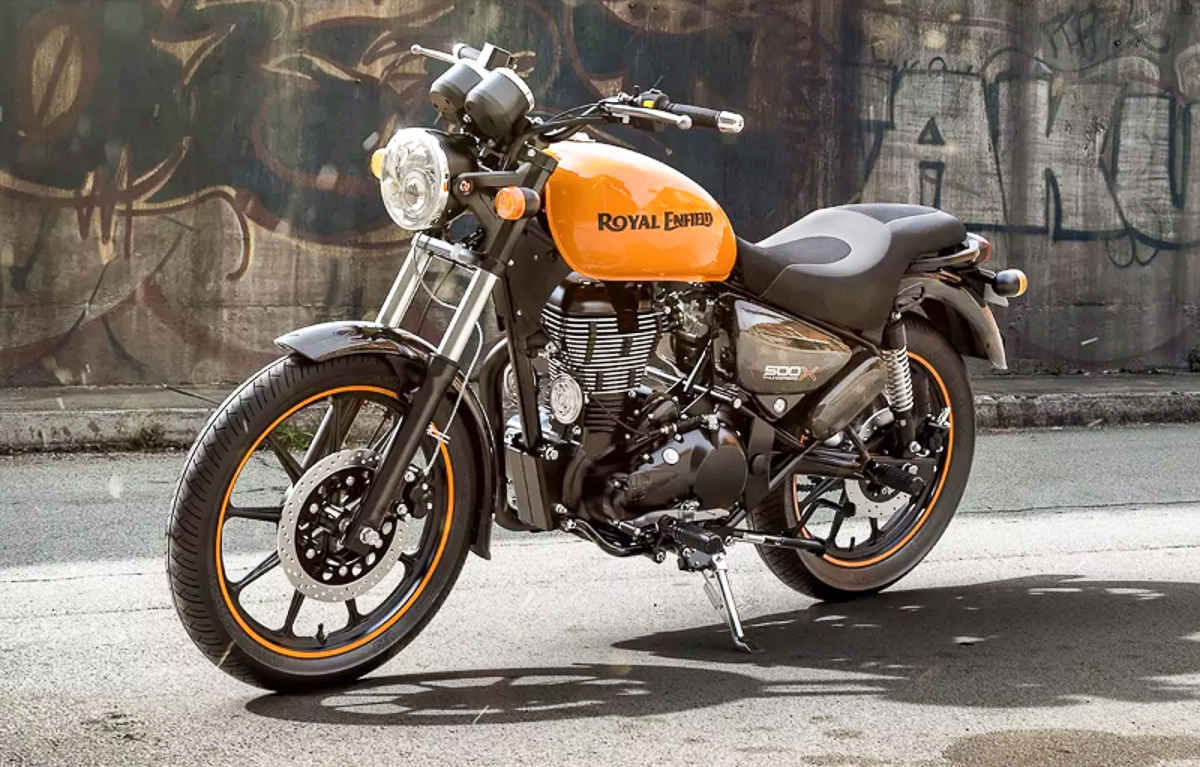
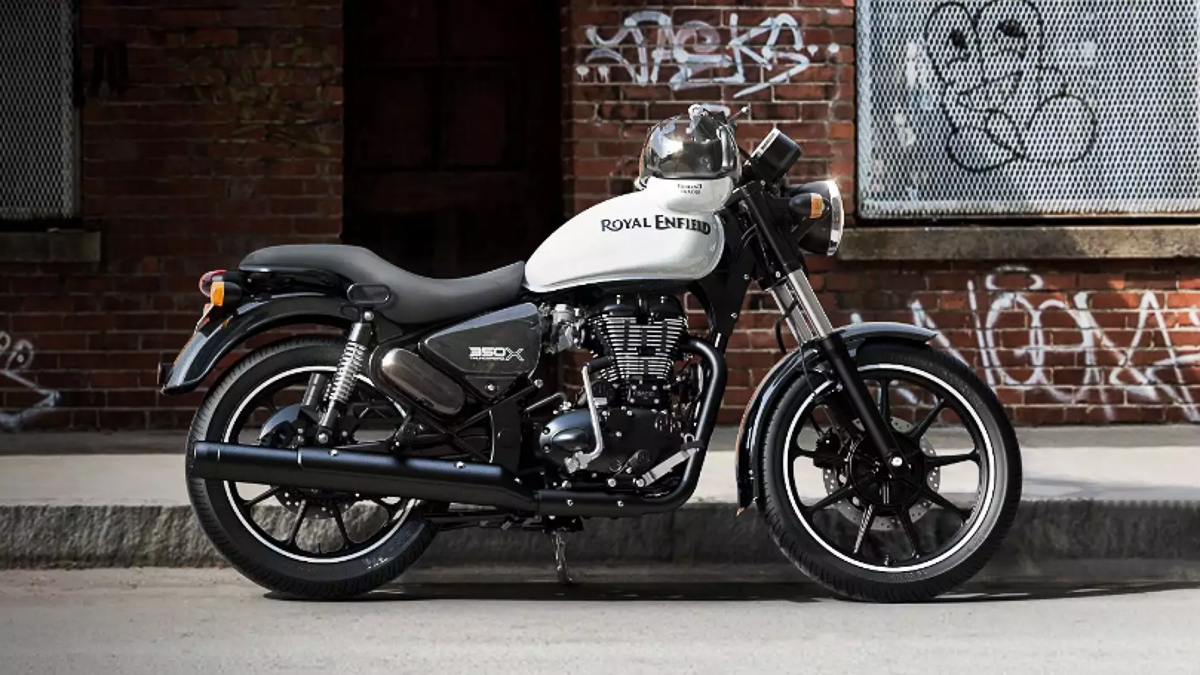
The latest 2018 Royal Enfield Thunderbird X series has just been unveiled in India.
Both the new Thunderbird 350X and 500X are designed for the younger generation with blacked out details and bright fuel tanks.
Priced from 156,000 INR (RM9,374), there is no news on whether the new Thunderbirds will be made available outside of India.
The demand for modern classic motorcycles is on a rise and more manufacturers are taking notice of this. One of the oldest motorcycle manufacturers in the business that is Royal Enfield is coming up with a new strategy to get to the younger generation using their latest offering, the 2018 Royal Enfield Thunderbird X. (more…)
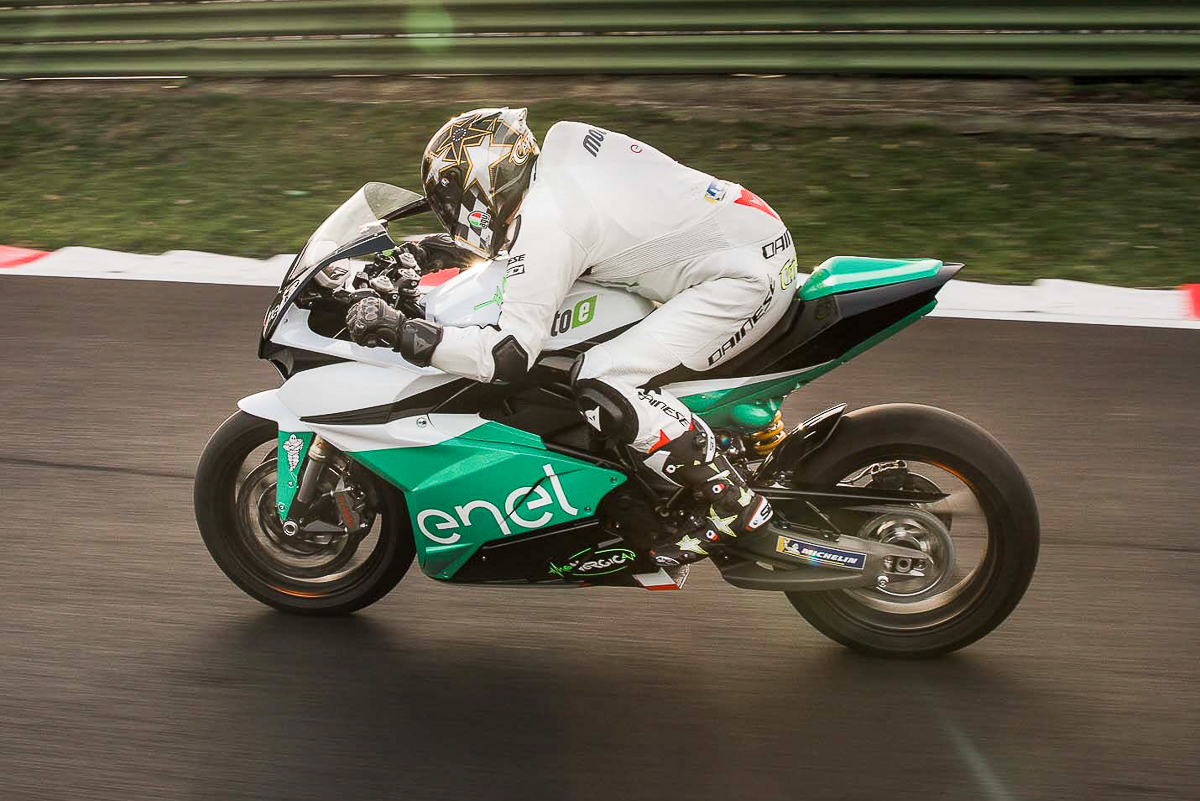
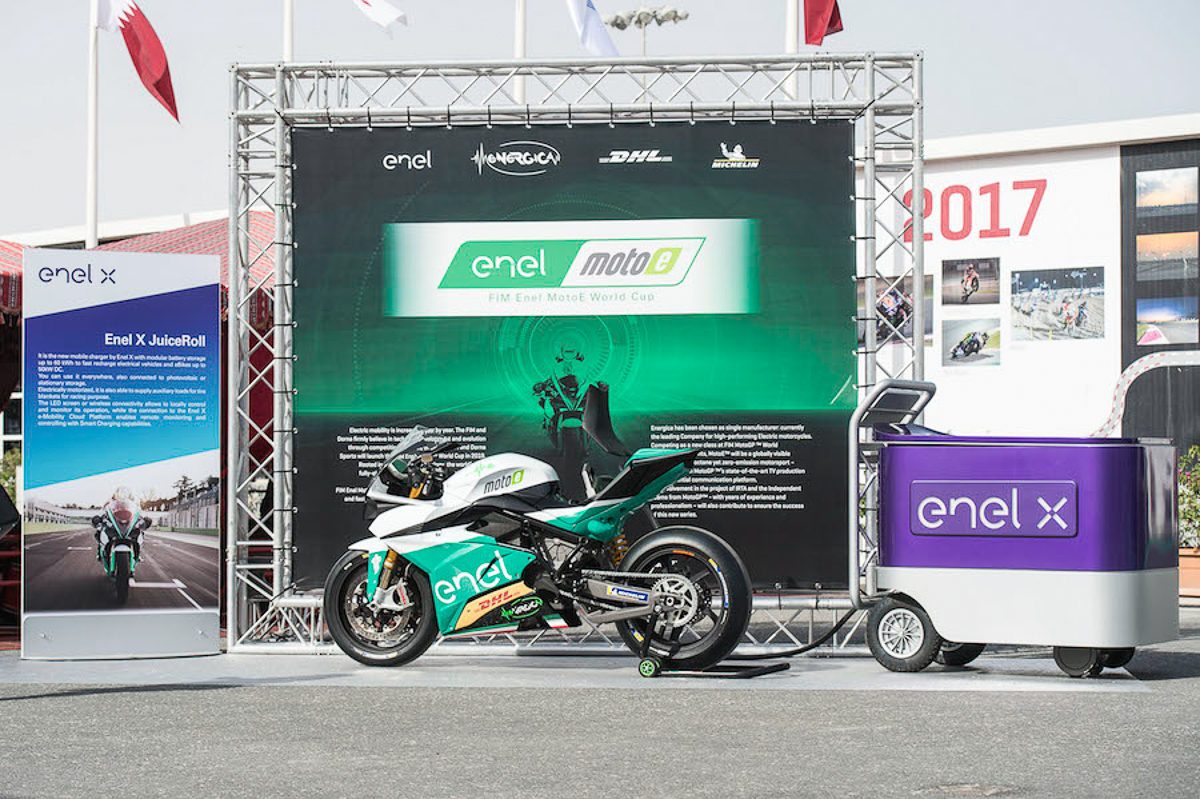
All 11 teams have been confirmed yesterday to join the 2019 MotoE World Cup during the Qatar MotoGP round.
Representatives from Tech 3, LCR, Marc VDS, Pramac Racing, Angel Nieto, Reale Avintia and Gresini sat down for a briefing yesterday.
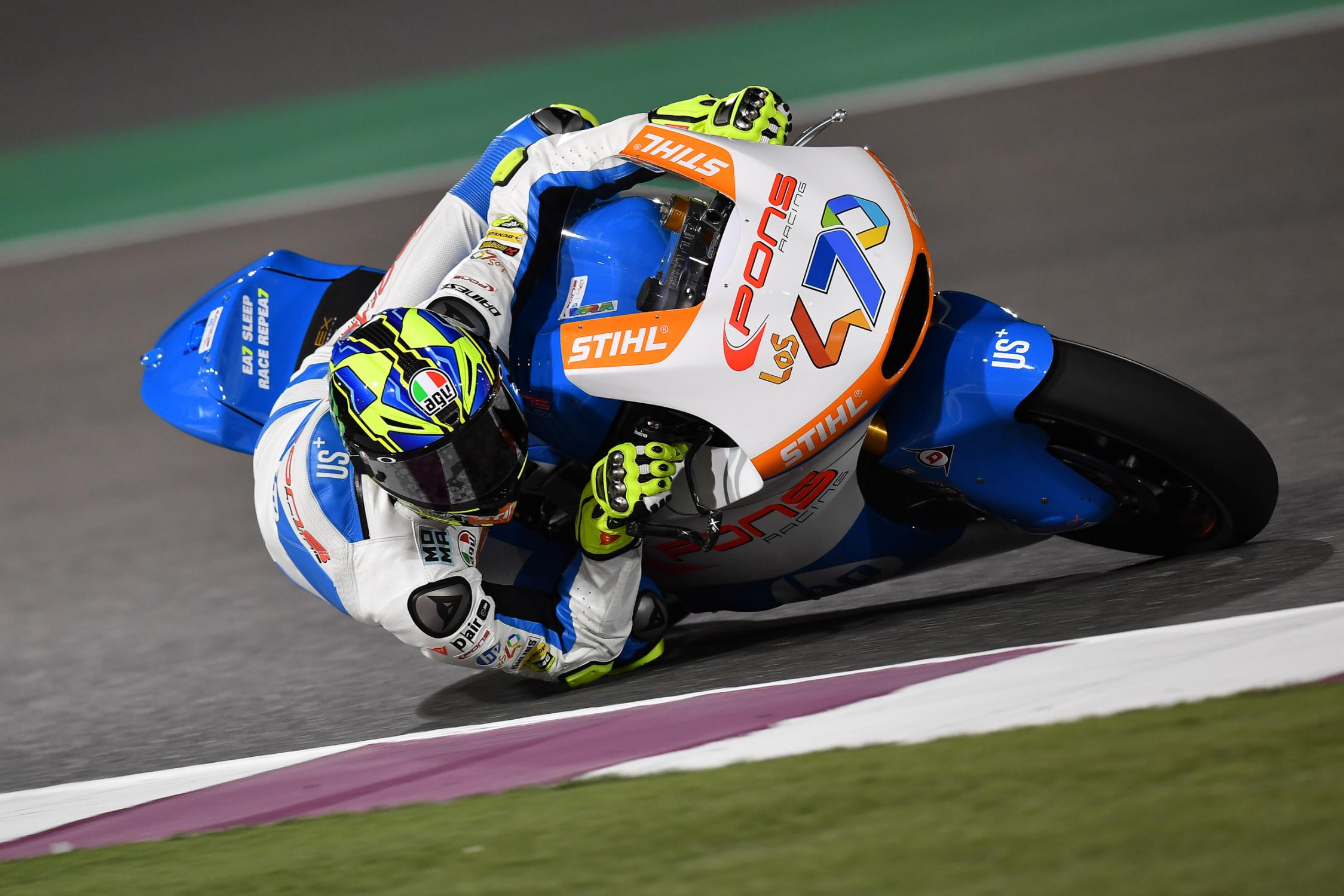
Sky Racing VR46, Pons Racing, Dynavolt Intact GP, and SIC Squadra Corse from Moto3 and Moto2 will be joining as well.
The folks over at Dorna and MotoGP have finalised all the teams that will be racing in the very first 2019 MotoE World Cup series which will start next year. After announcing the Energica Ego electric superbike as the official race machine just last month, the teams who will be joining the cup have been selected to compete in the inaugural world cup. (more…)
Andrea Dovizioso beat Marc Marquez at the last corner to win the first 2018 MotoGP race.
Pole sitter Johann Zarco had to contend with 8th place.
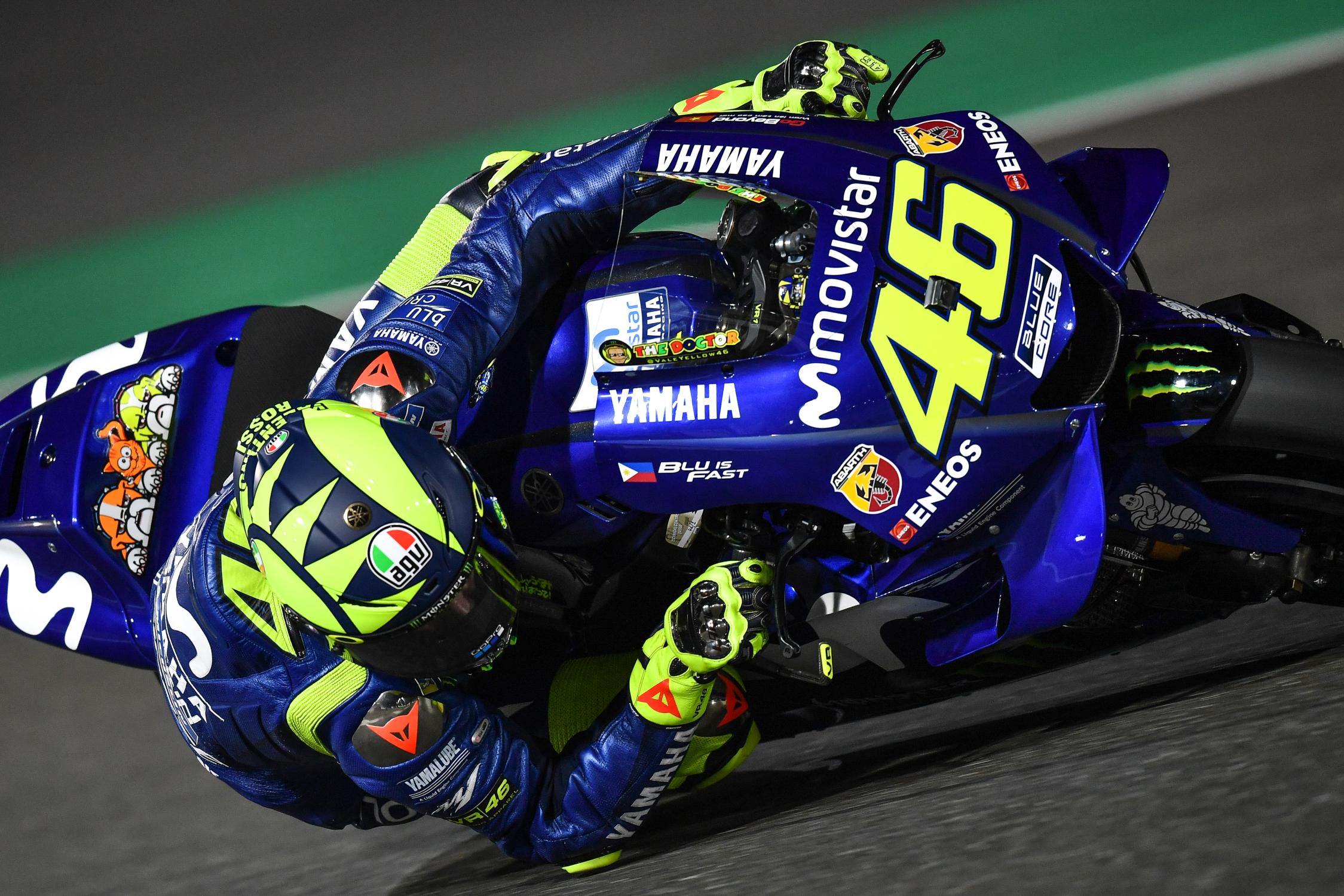
Valentino Rossi fought hard and finished 3rd.
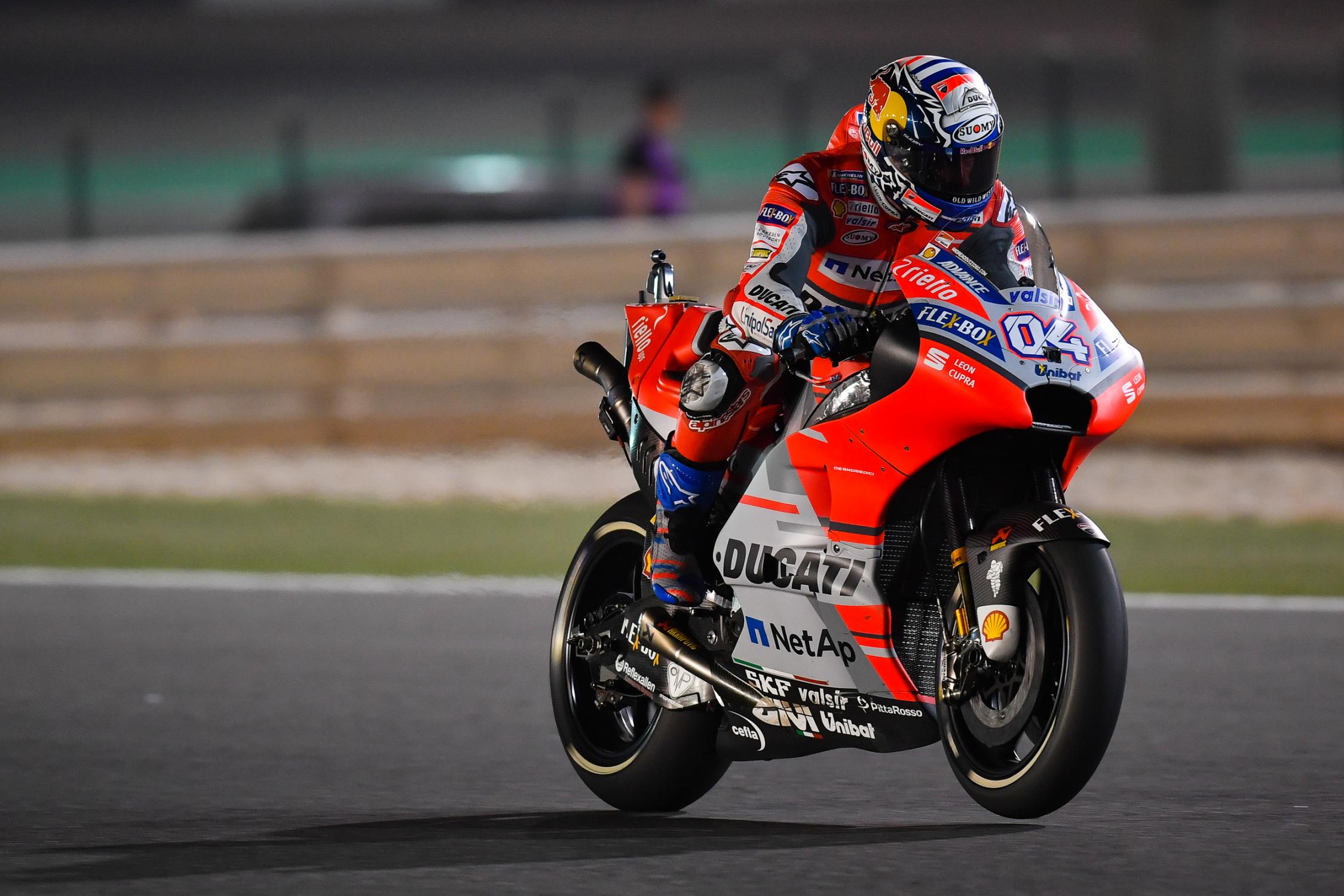
Ducati Team’s Andrea Dovizioso made it count when it matters by winning 2018’s opening MotoGP race at the very last corner.
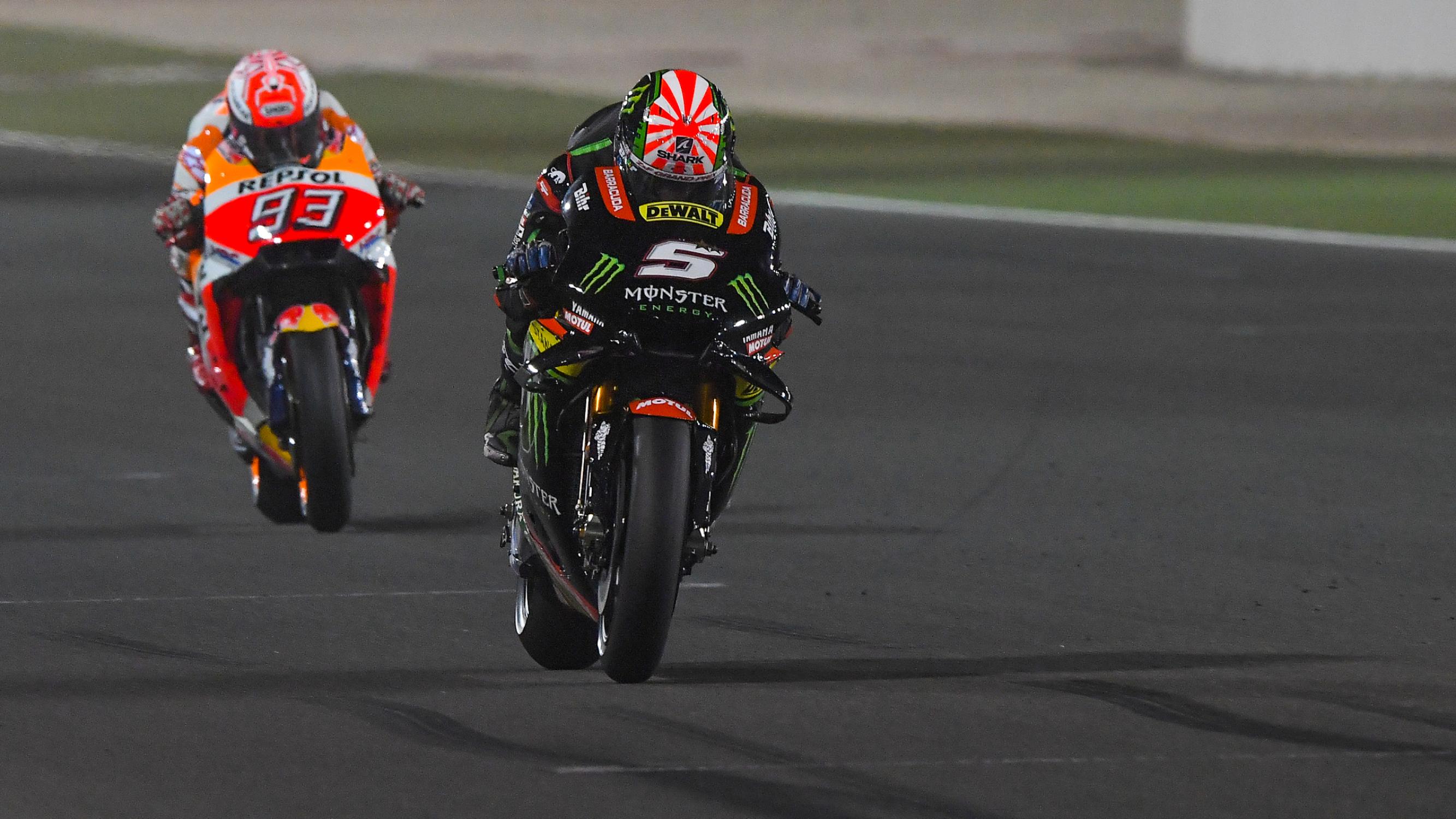
It had looked like France will have her first premier class winner since Regis Laconi in 1999 but the other riders had other plans. Monster Yamaha Tech 3 rider and pole sitter Johann Zarco had taken the holeshot from the start and held on tenaciously, fighting off the intentions of first Marc Marquez on the Repsol Honda, then Valentino Rossi on the Movistar Yamaha MotoGP.
Johann Zarco – from MotoGP.com
Rossi then followed Zarco around for a great number of laps until 10 laps to go when he decided to pass Zarco into Turn 1. Unbeknownst to him, however, was Marc Marquez slipstreaming up the inside. When both Zarco and Rossi overbraked into Turn 1, Marquez capitalized and overtook Rossi.
Valentino Rossi – from MotoGP.com
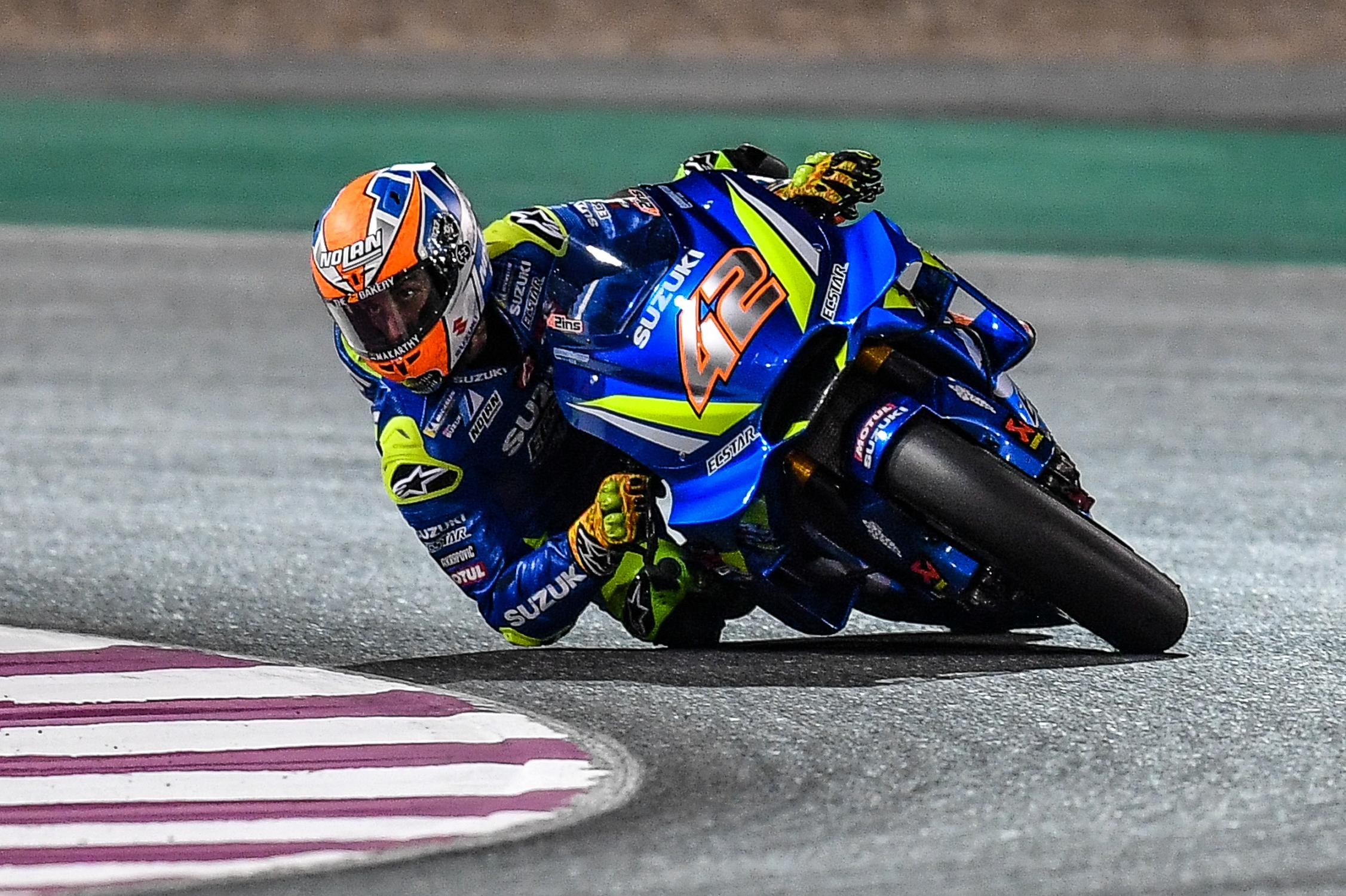
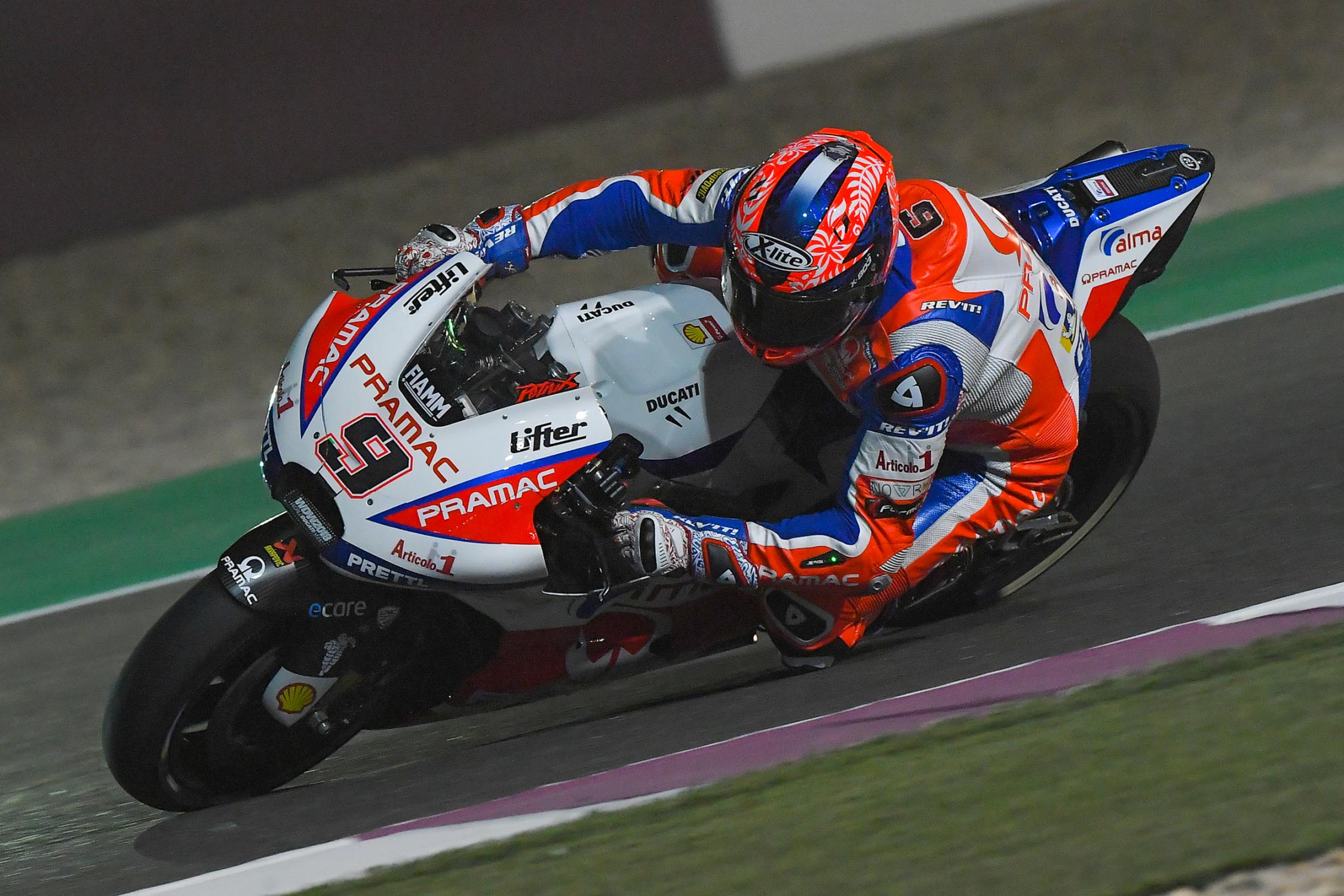
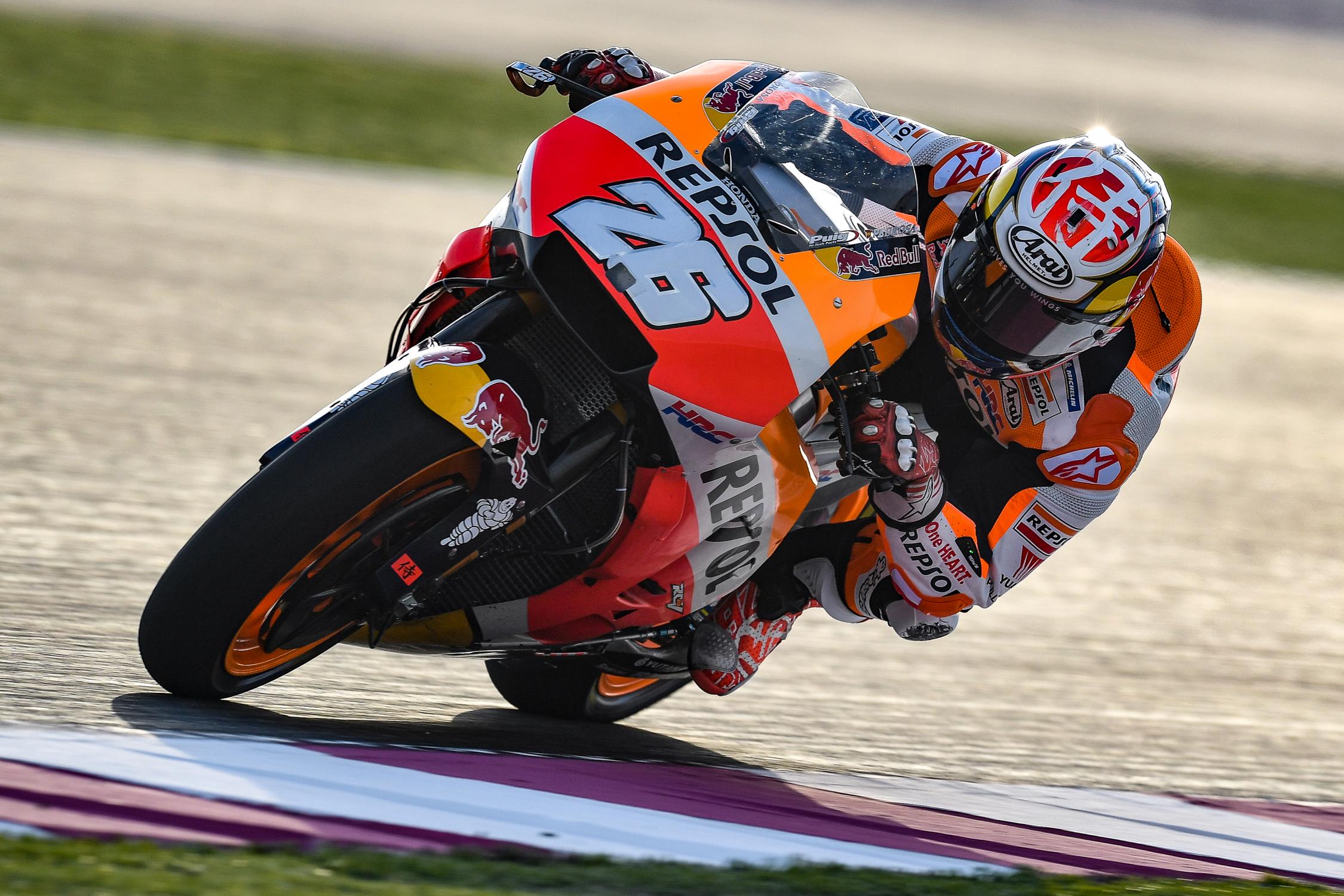
Rossi then either lost his rhythm or made further mistakes and got kicked back to as far as 5th, where he had to battle hard against Cal Crutchlow (LCR Honda), Alex Rins (ECSTAR Suzuki), Danilo Petrucci (Alma Pramac Ducati) and Dani Pedrosa (Repsol Honda).
Alex Rins – from MotoGP.com
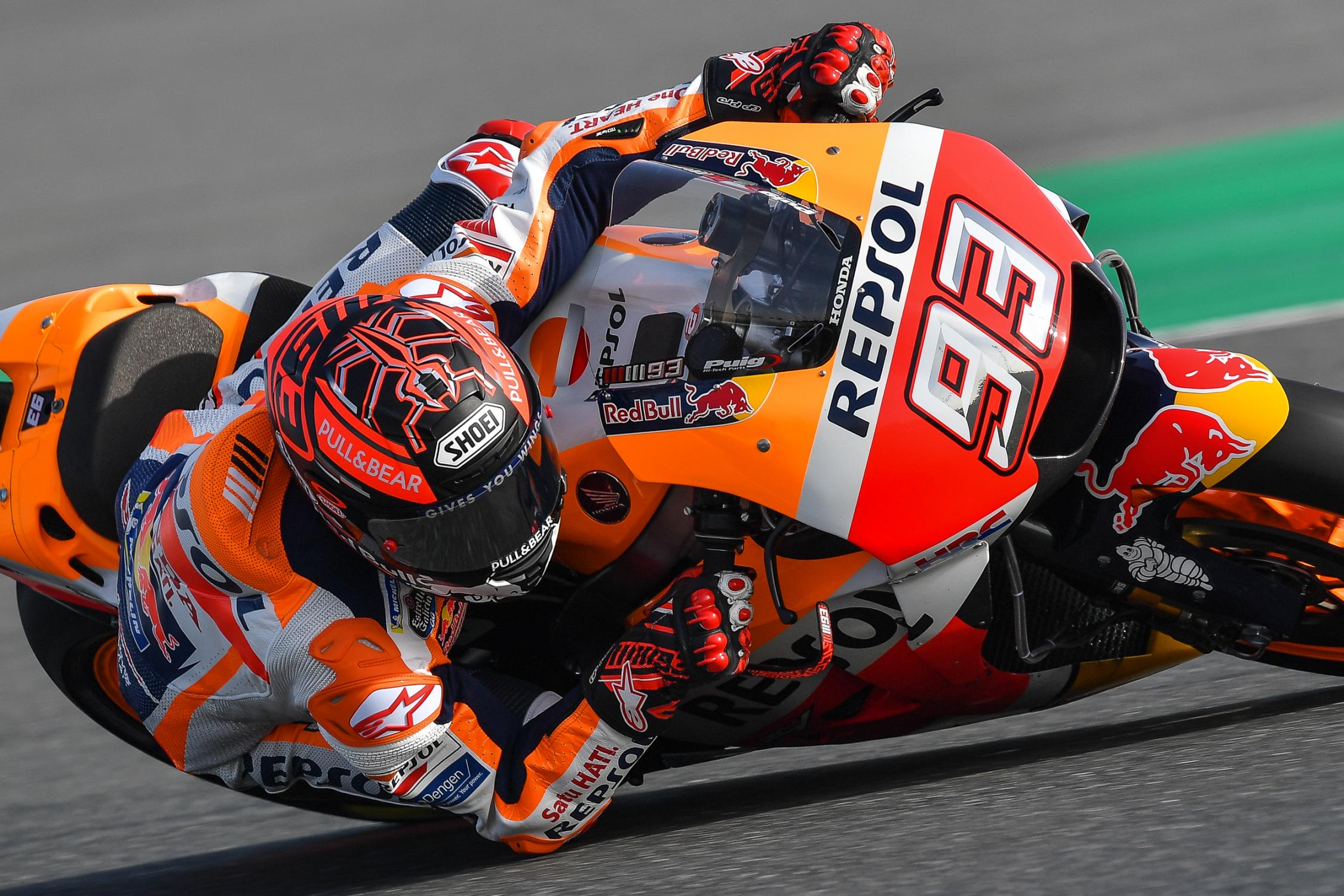
Dovizioso had fought all the way to the front soon, passing Marquez but couldn’t find a way past Zarco for a few laps, until 5 laps to go when got into the perfect slipstream position. Dovizioso outbraked Zarco into Turn 1. Marquez was smart to tag behind Dovizioso, counting on the Ducati’s speed to also blast past Zarco.
Dovizioso held an small gap going into the last lap, but Marquez pushed hard to get back onto the back of the Ducati within three corners. As the pair braked for the final turn, Marquez went wide at the exit and Doviziso had a better drive to the finish line.
Marc Marquez – from MotoGP.com
By now it was visible that Zarco’s tyres were cooked as he started fading backwards. Rossi retook third and finished in that position.
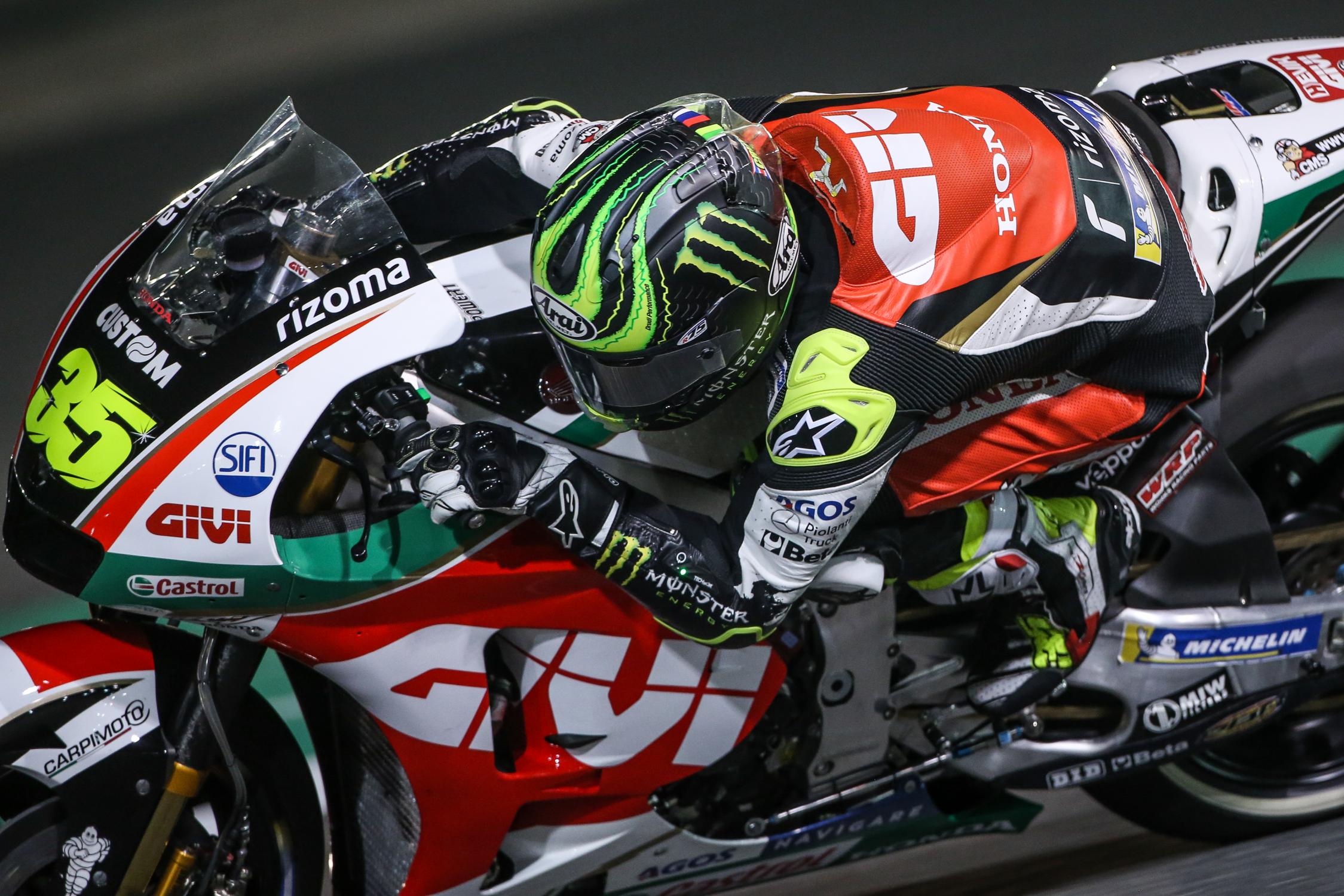
Cal Crutchlow had been fast, fought with everyone in the group and held on to fourth at the flag.
Cal Crutchlow – from MotoGP.com
Danilo Petrucci, who had been equally as impressive as the top guys all weekend couldn’t find a way up higher than 3rd and ended in 5th.
Danilo Petrucci – from MotoGP.com
Dani Pedrosa looked promising at the start but fell behind in quick succession by midpoint to come home in 7th.
Dani Pedrosa – from MotoGP.com
Poor Johann Zarco who had worked so hard was packed all the way back in 8th.
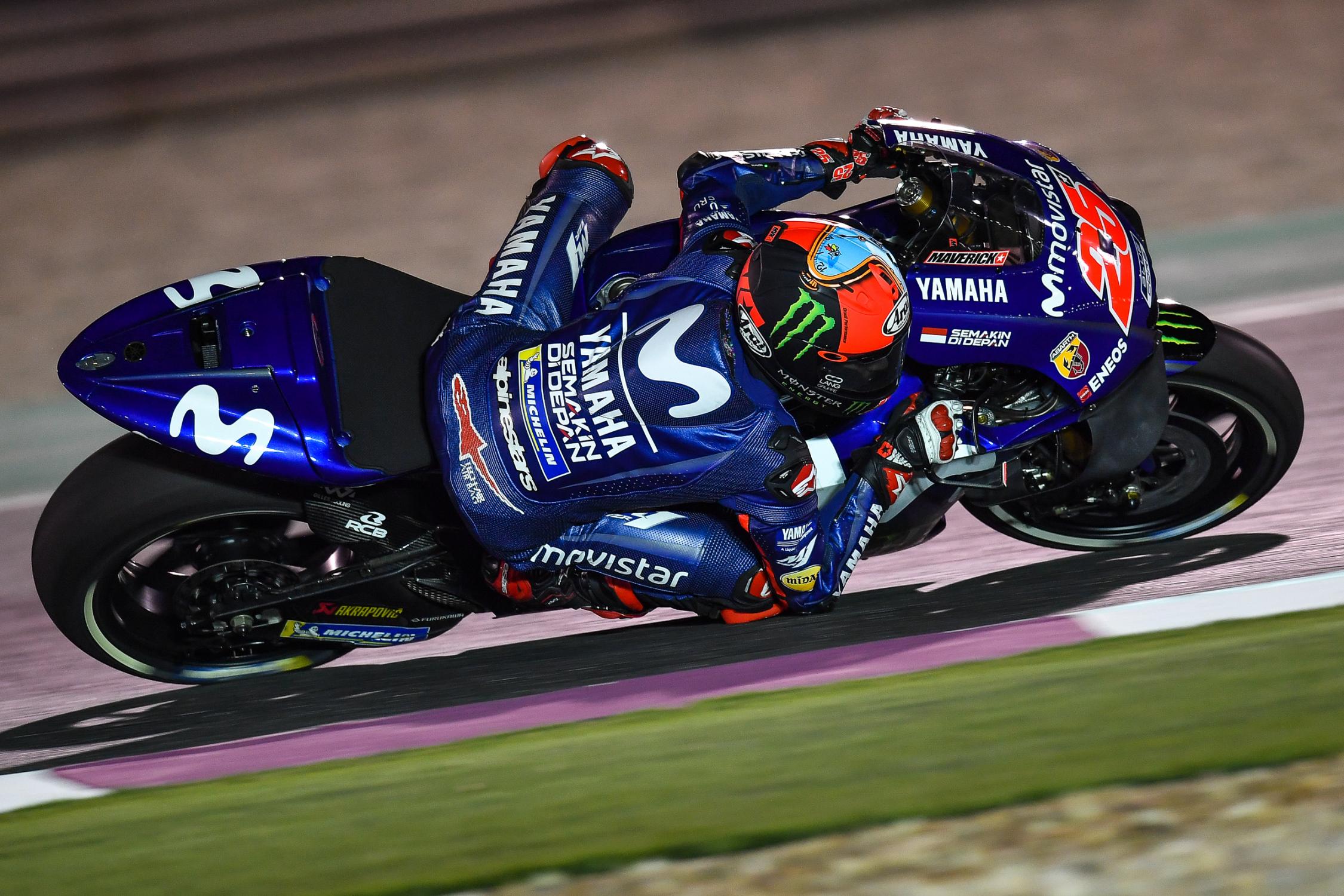
The biggest comeback, however, belonged to Maverick Vinalez (Movistar Yamaha MotoGP) on the factory Yamaha. He had a difficult weekend, only managing to qualify in 12th, where he pushed all the way back into 6th.
Maverick Vinalez – from MotoGP.com
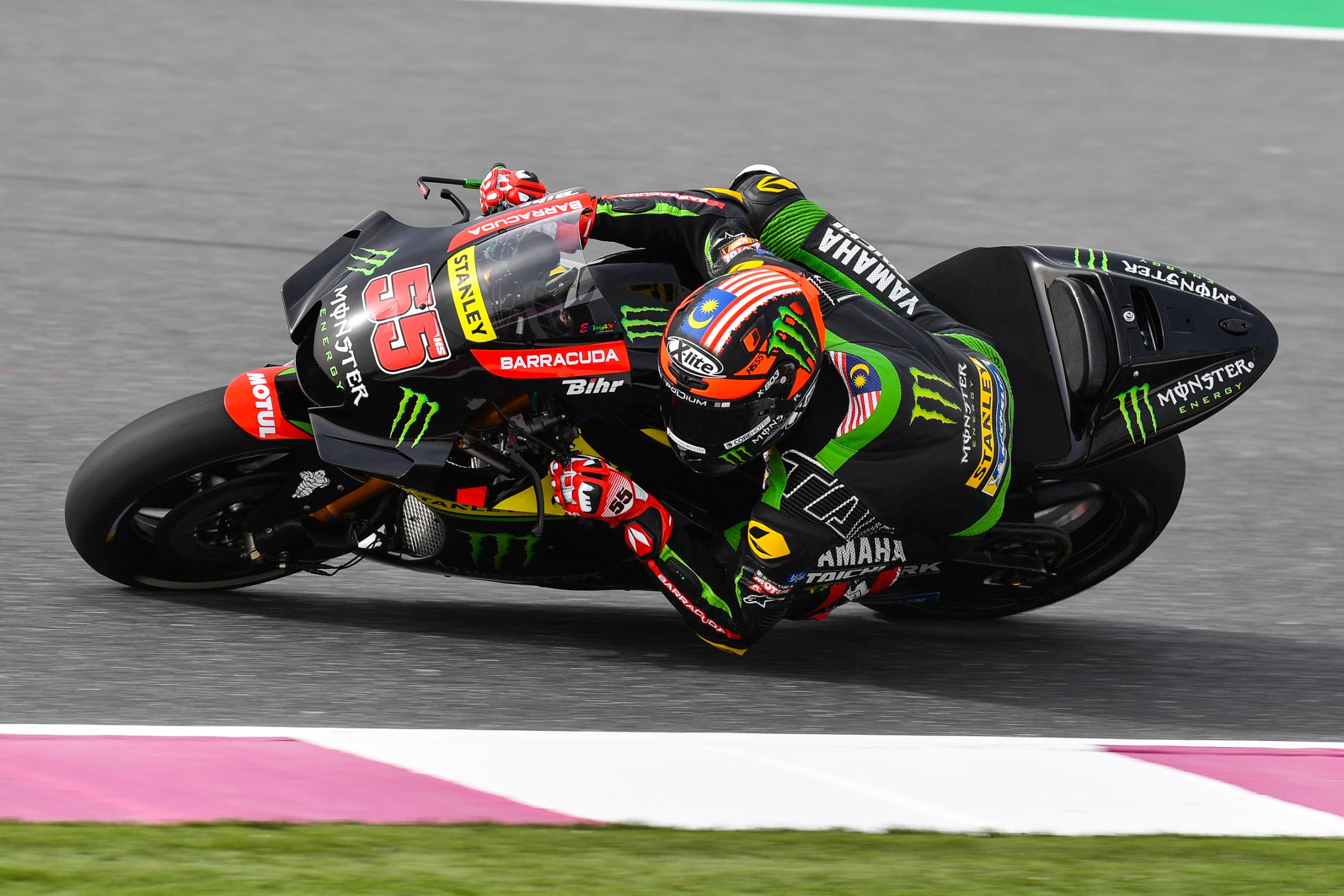
Hafizh Syahrin had a great start to the season as he finished 14th in his first MotoGP race to earn Malaysia’s first two points in the class.
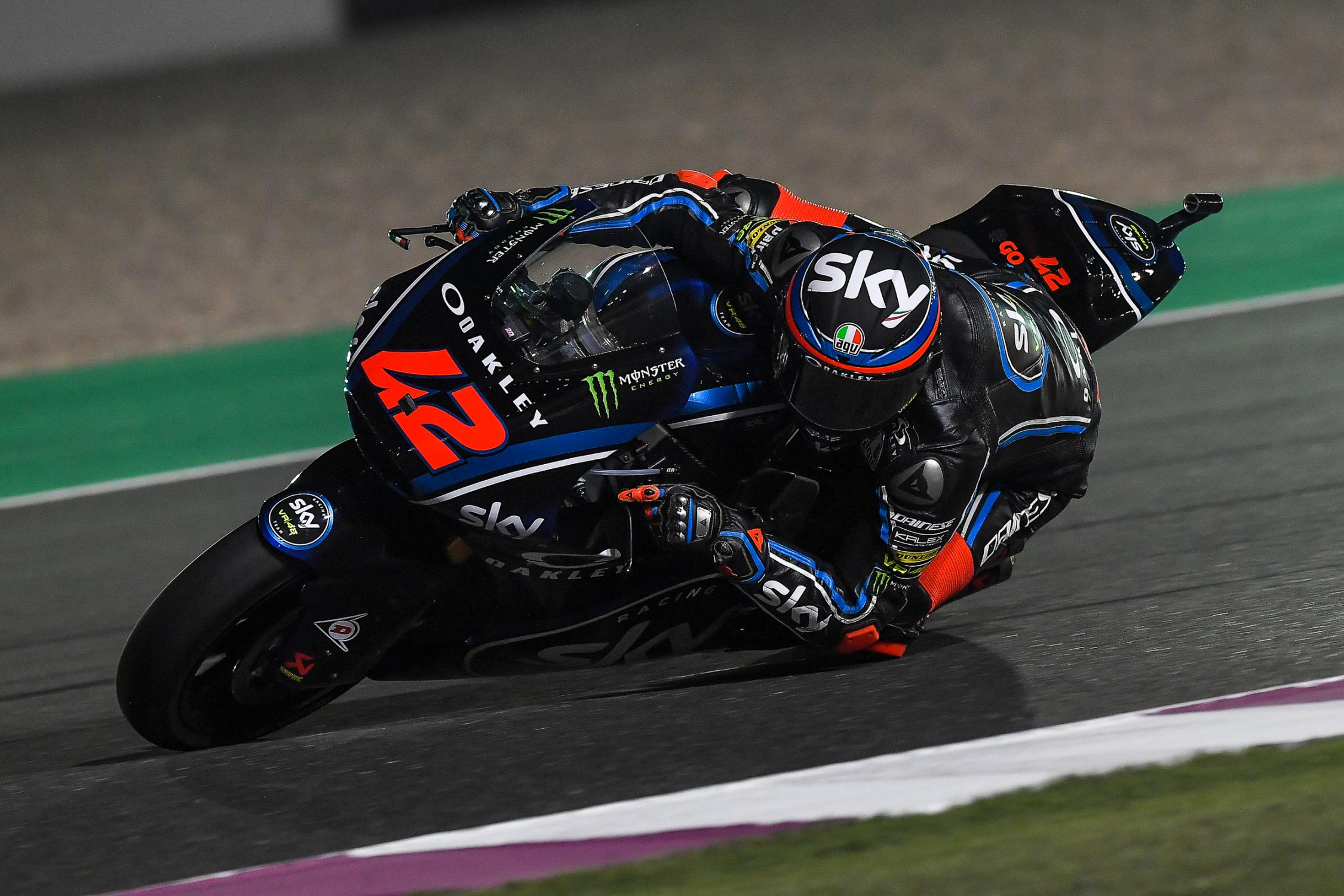
Francesco Bagnaia held off Lorenzo Baldassari to win the first Moto2 race of the 2018 MotoGP season.
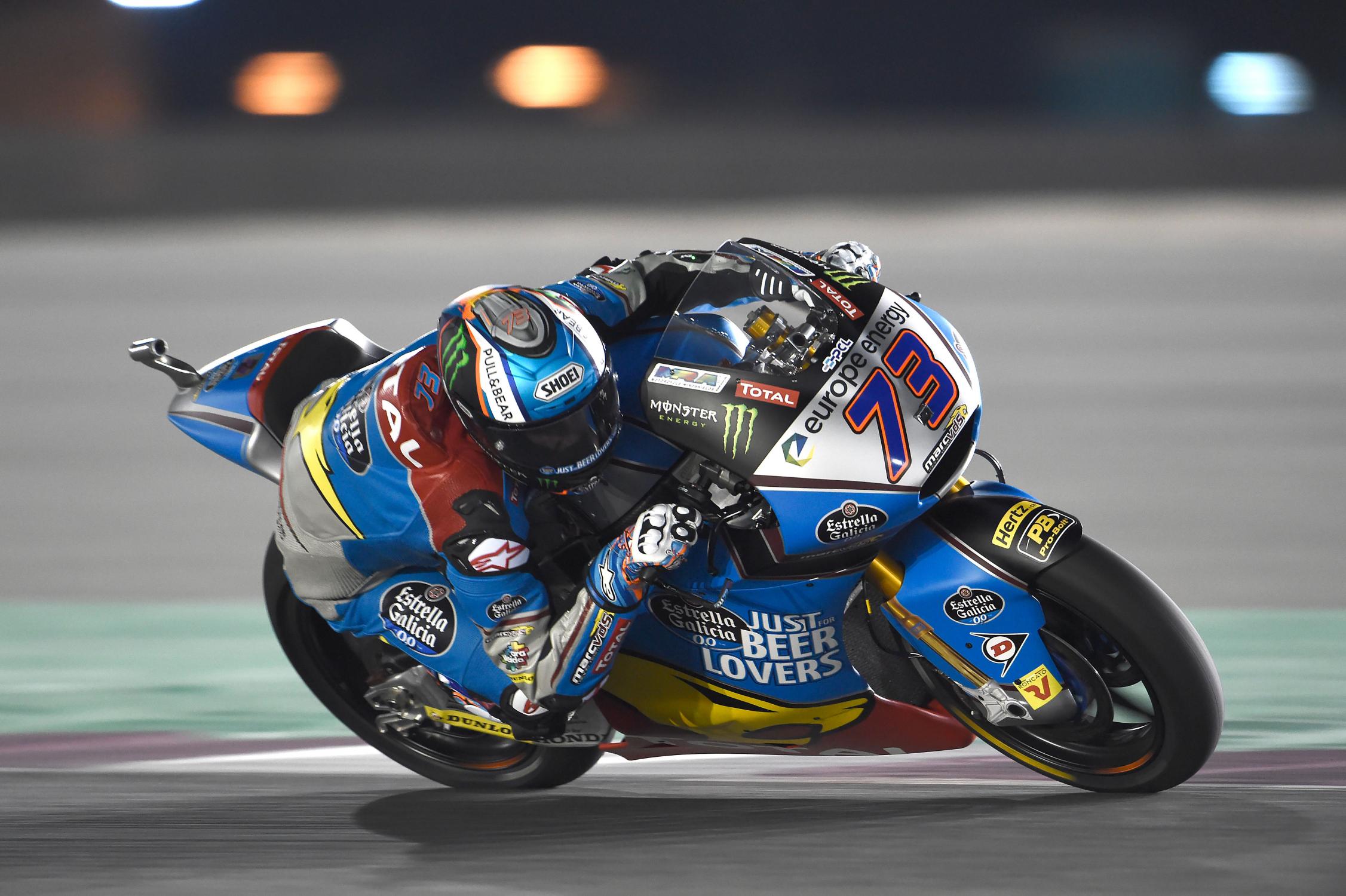
Poleman Alex Marquez had to accept third place due to a brake problem.
Other than that, the race had been processional.
Just when the first Moto2 race of the year seemed like another procession, a mechanical problem threw the race open.
Francesco Bagnaia, Lorenzo Baldassarri and pole sitter Alex Marquez (younger brother of Marc) took off into the lead a few corners after the start as the rest fell behind.
Bagnaia managed to pull out an early gap and started riding at a consistently high pace, leaving Baldassarri and Marquez to battle it out. Indeed, the pursuing duo started to trade places, including three times in one lap before Marquez prevailed. He started chasing down Bagnaia.
Alex Marquez – Pic from MotoGP.com
With just a handful of laps to go, Marquez went straight past a corner, letting Baldassarri through. It was soon apparent that Marquez’s rear brake was glowing red hot, signaling that it had jammed.
Baldasasarri then hunted down Bagnaia; catching and then passing into the lead on the last lap. But he went wide at the exit and Bagnaia repassed and held on all the way to the finish line to win.
Lorenzo Baldassari – Pic from MotoGP.com
Marquez continued to struggle with the stuck rear brake and was in danger of falling victim to Mattia Passini. Fortunately, the glowing went away in the last two laps and Marquez pulled away to maintain his third place on the podium.
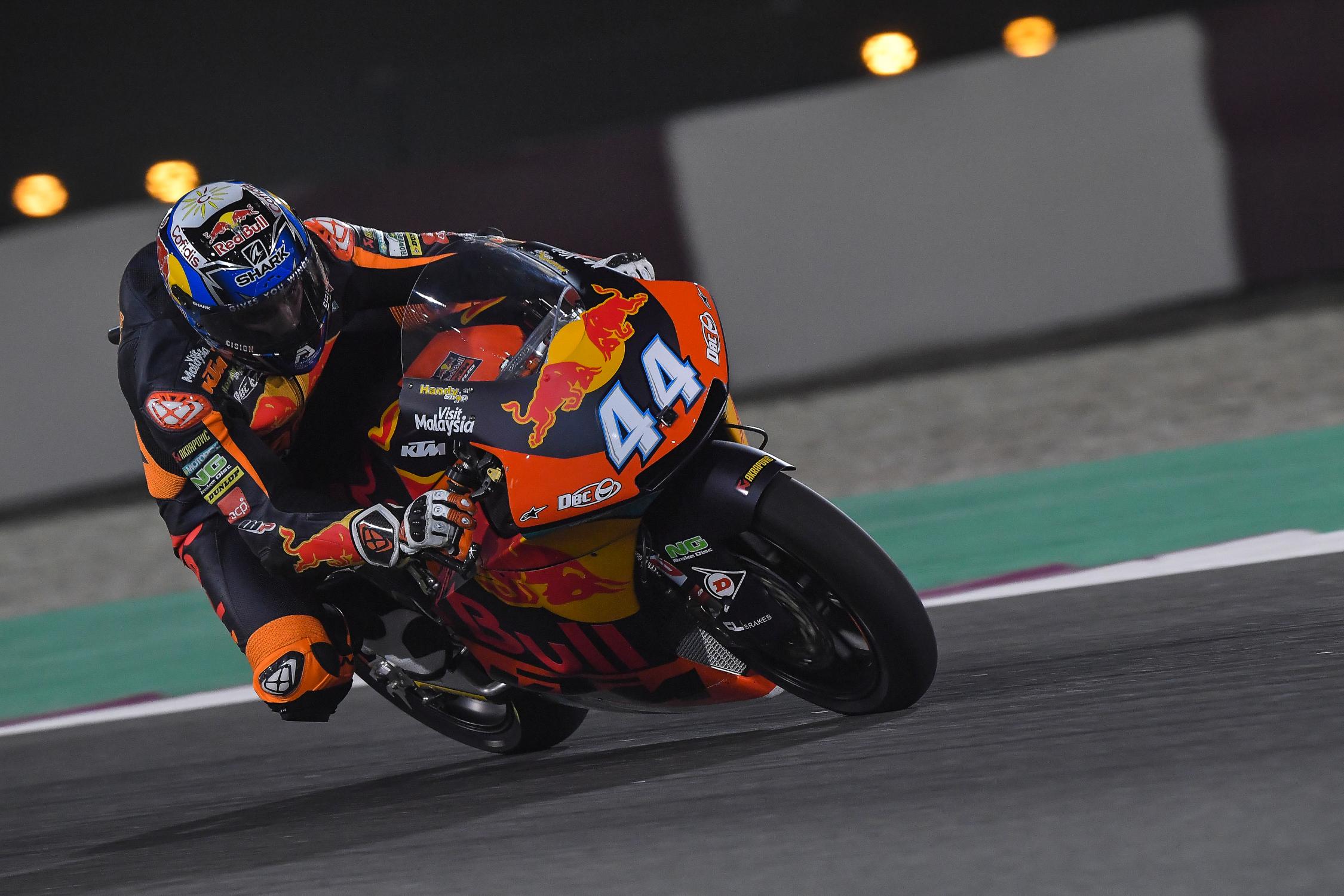
Behind him, Passini finished in fourth, followed by the KTMs of Miguel Oliviera and Brad Binder. The much-fangled late charge of the KTMs due to their rear tyre preserving qualities failed to materialize.