Bikesrepublic

Latest News

  • The Norton Superlight was introduced after the Atlas.

  • This new bike uses the same 650cc engine as the Atlas but has been tuned for racing.

  • The 650cc engine makes 105 bhp and the bike weighs only 158 kg dry.

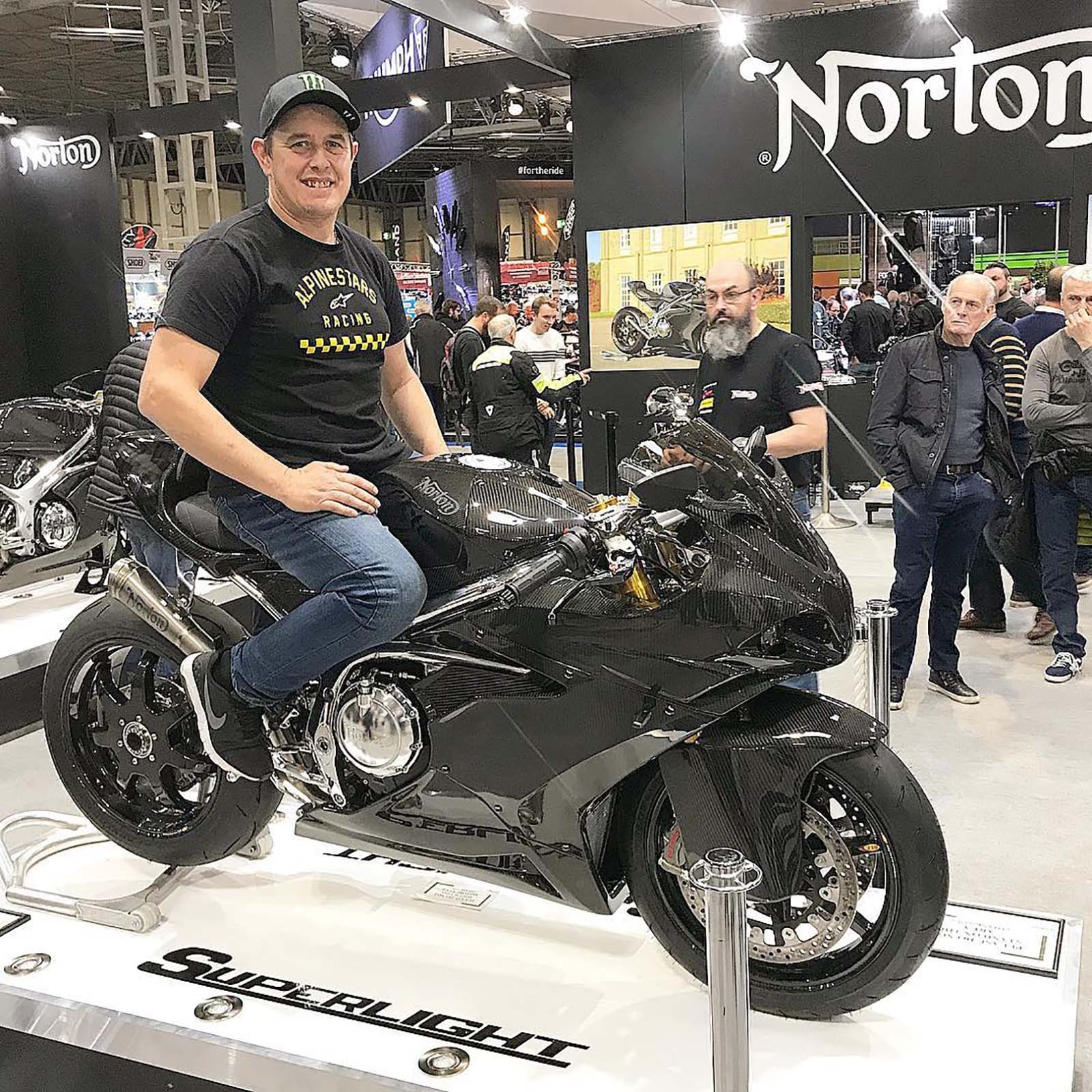
The British manufacturer follows up with the Norton Superlight after introducing the scrambler type Atlas Ranger and Atlas Nomad.

The Norton Superlight is based on the same platform as the two scramblers. However, the Superlight is truly as race bike.

Yes, its engine is shared with the Atlas. It’s a 650cc parallel-Twin but with a 270crank. But instead of making 85 bhp and 63.7 Nm of torque, the Superlight’s engine is tuned to 104.5 bhp (78 kW) and 74.6 Nm of torque.

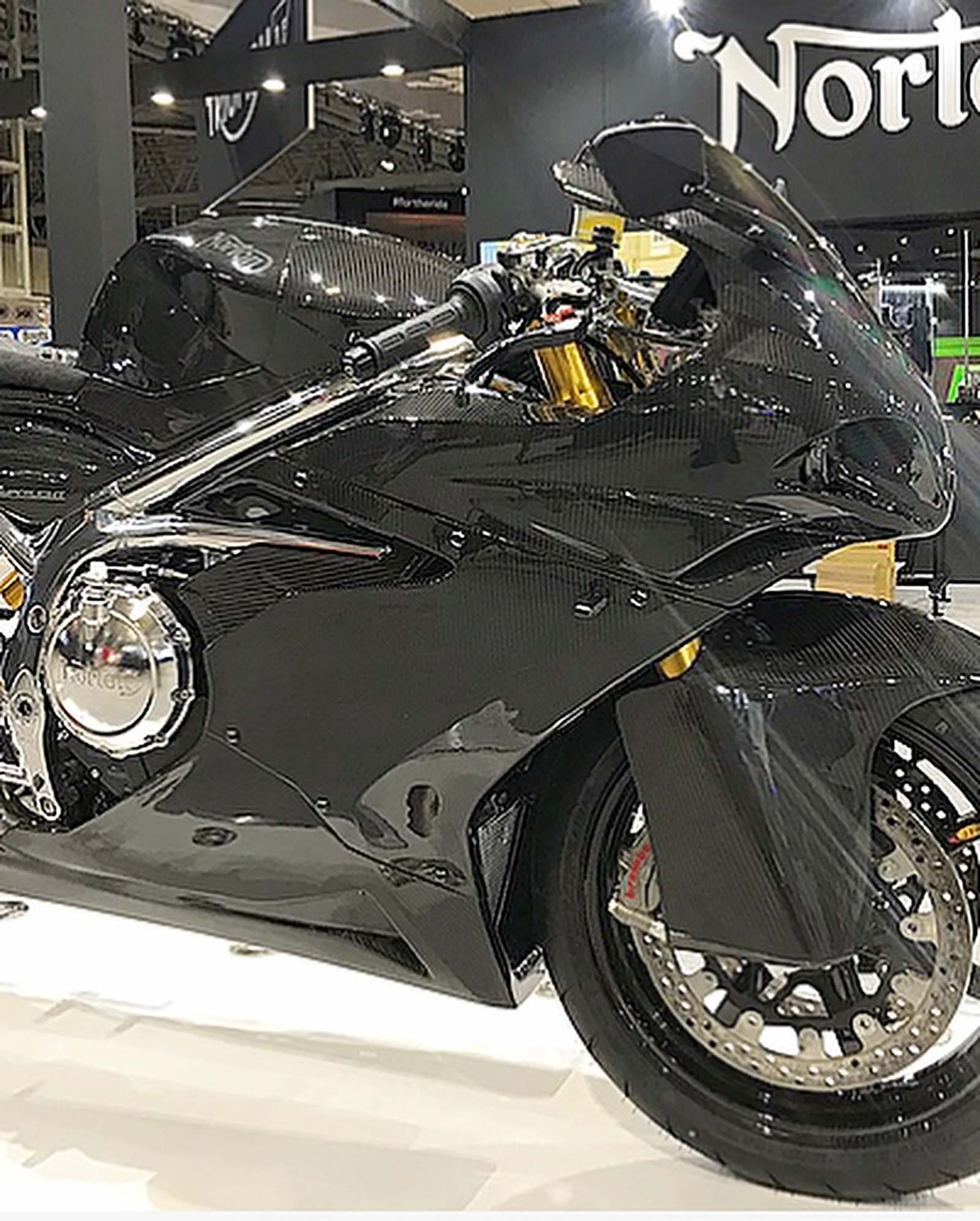
The Superlight weighs only 158 kg dry, thanks to extensive use of carbon fibre. The bodywork and wheels are made of the black gold stuff. The polished frame is by the British frame expert, Spondon.

The bike employs Öhlins NIX forks at the front and an Öhlins TTX GP at the rear. A pair of Brembo M50 monobloc calipers clamp a pair of 320mm discs. The Superlight also has a up and down quickshifter.

Traction control is IMU assisted which provides wheelie control and launch control, additionally.

The bike is street-legal and conforms to Euro 4 regulations. It costs £19,950 in the UK, if you want to have one.

  • There are many brutal crash videos on the internet.

  • Instead of using them for morbid entertainment, let us learn from them.

  • Try to identify their mistakes and stay away from them.

All videos copyright DirtBike Lunatic YouTube Channel

Beware: This is a compilation of some nasty crashes and injuries. But let’s learn from what we shouldn’t do from this brutal crash video.

The compilation is packed with bikers trying to perform stunts to grevious results. However, there are also other clips demonstrating the classic mistakes we could very well make in everyday riding.

For example, watch the clip of a supermoto rider running wide and hitting the side of a car on the opposite side of the road. That’s what happens when target fixation and ineffective steering takes hold. The rider should’ve kept his eyes through the turn. Had the corner been blind, he needs to keep drawing a line through it, regardless. Remember the principle: Look at where you want to go.

There’s another in which the rider must’ve been daydreaming. The car in front of him had signaled very early to turn into an intersection to the right but our rider just kept riding down the inside (right side) of the car.

A later clip showed a riding buddy and his motorcycle almost going over a cliff. That’s the result of entering a corner too early with too much speed. The rider would’ve target fixated the outside of the road in the resulting panic. A later entry with less speed would’ve seen him arriving safely at his destination.

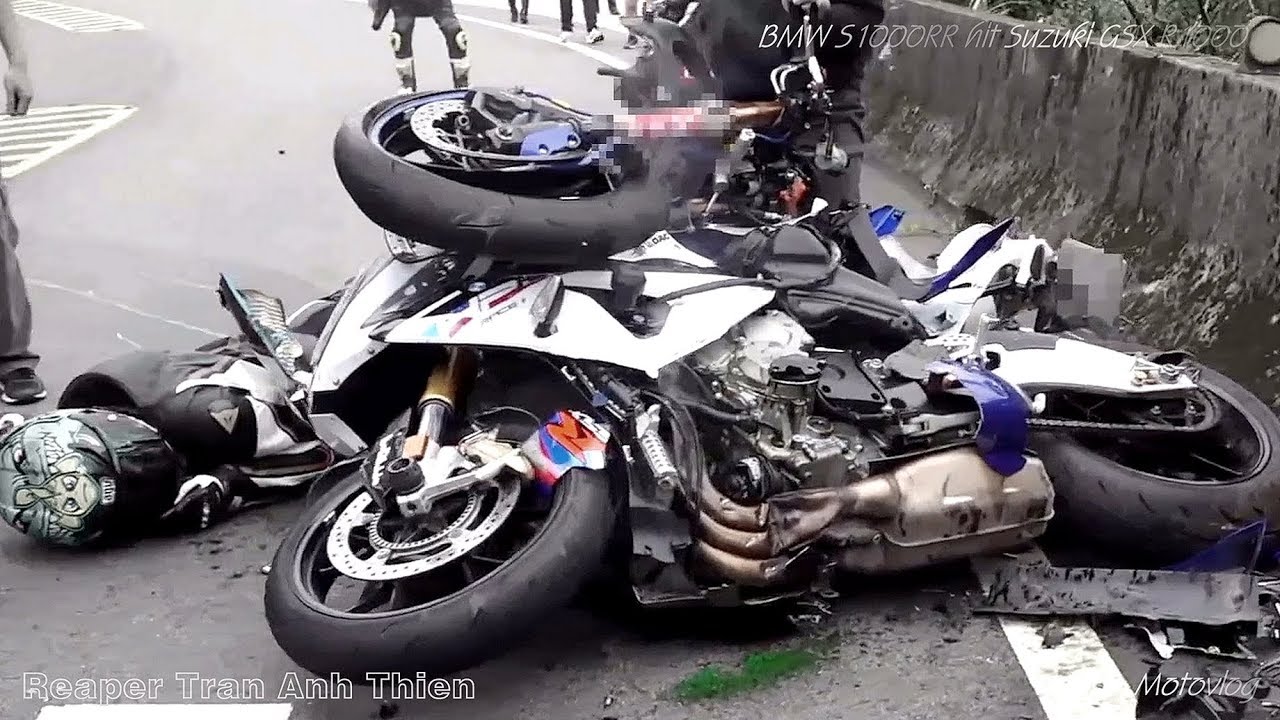
The second video above opens to a famous crash in Taiwan. The rider low-sided his bike which slid into the patch of an incoming bike. Later investigations showed that the first rider had used inferior tyres, besides leaning over too much, causing his rear tyre to lose traction.

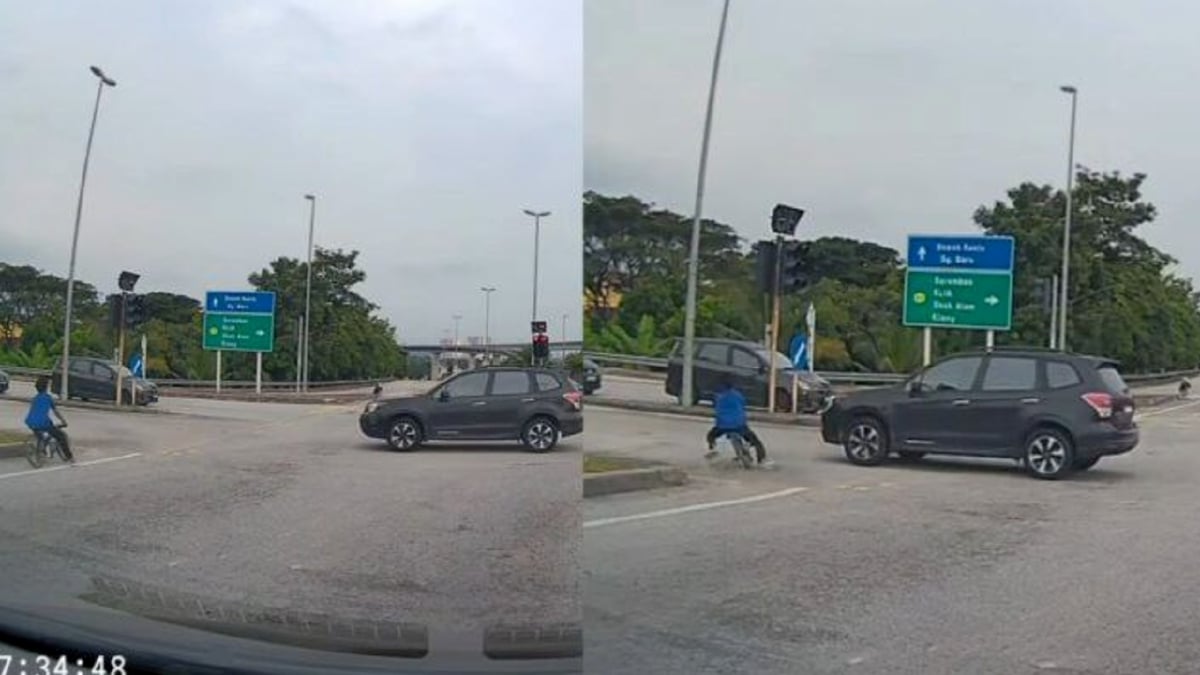
The next clip showed one of the most common dangers we are faced with. A car pulled through the intersection and our rider had nowhere to go. The lesson here is to be extra careful at intersections and don’t blast through them.

There are so many more in here. See if you could spot their mistakes and learn from them.

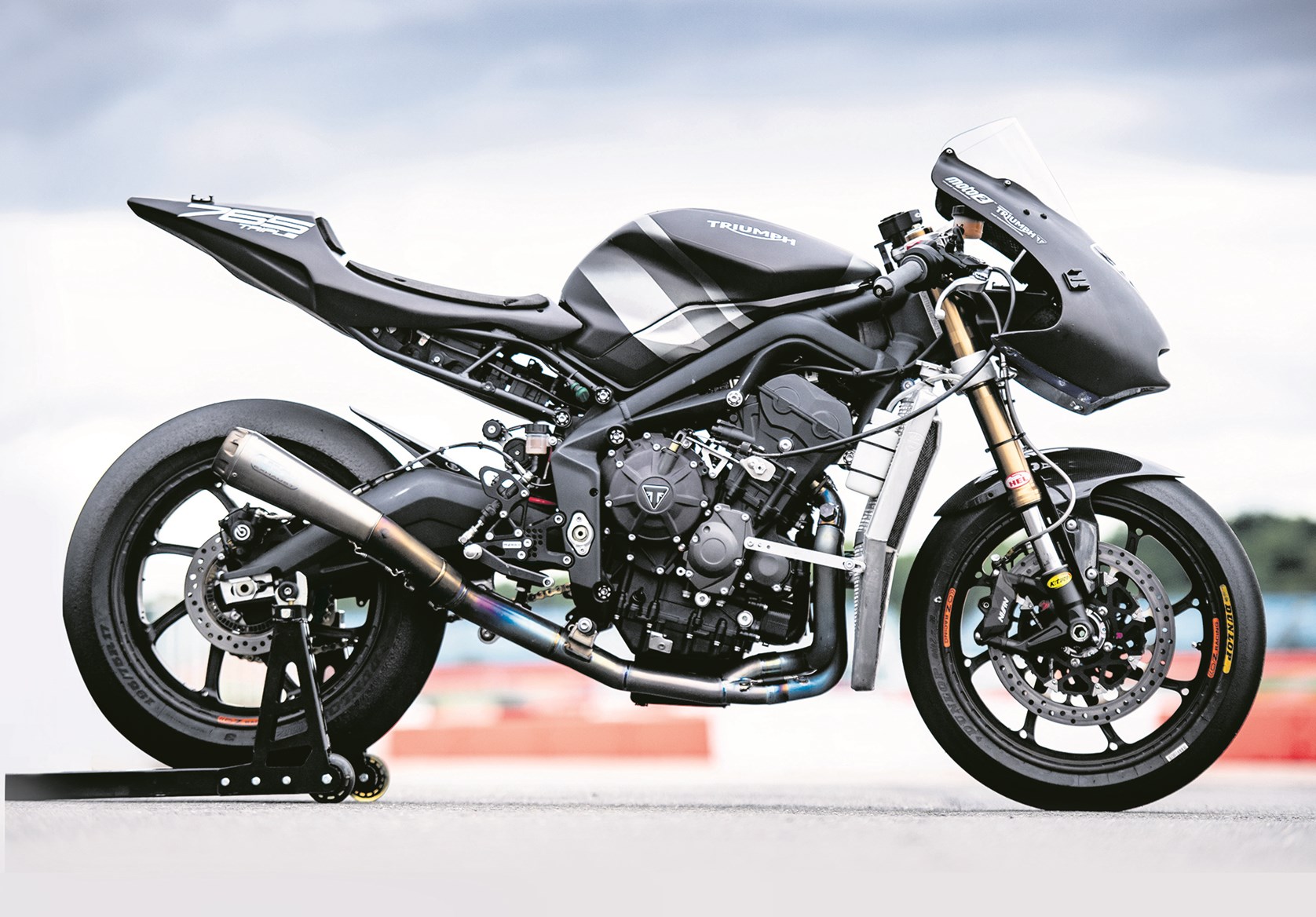
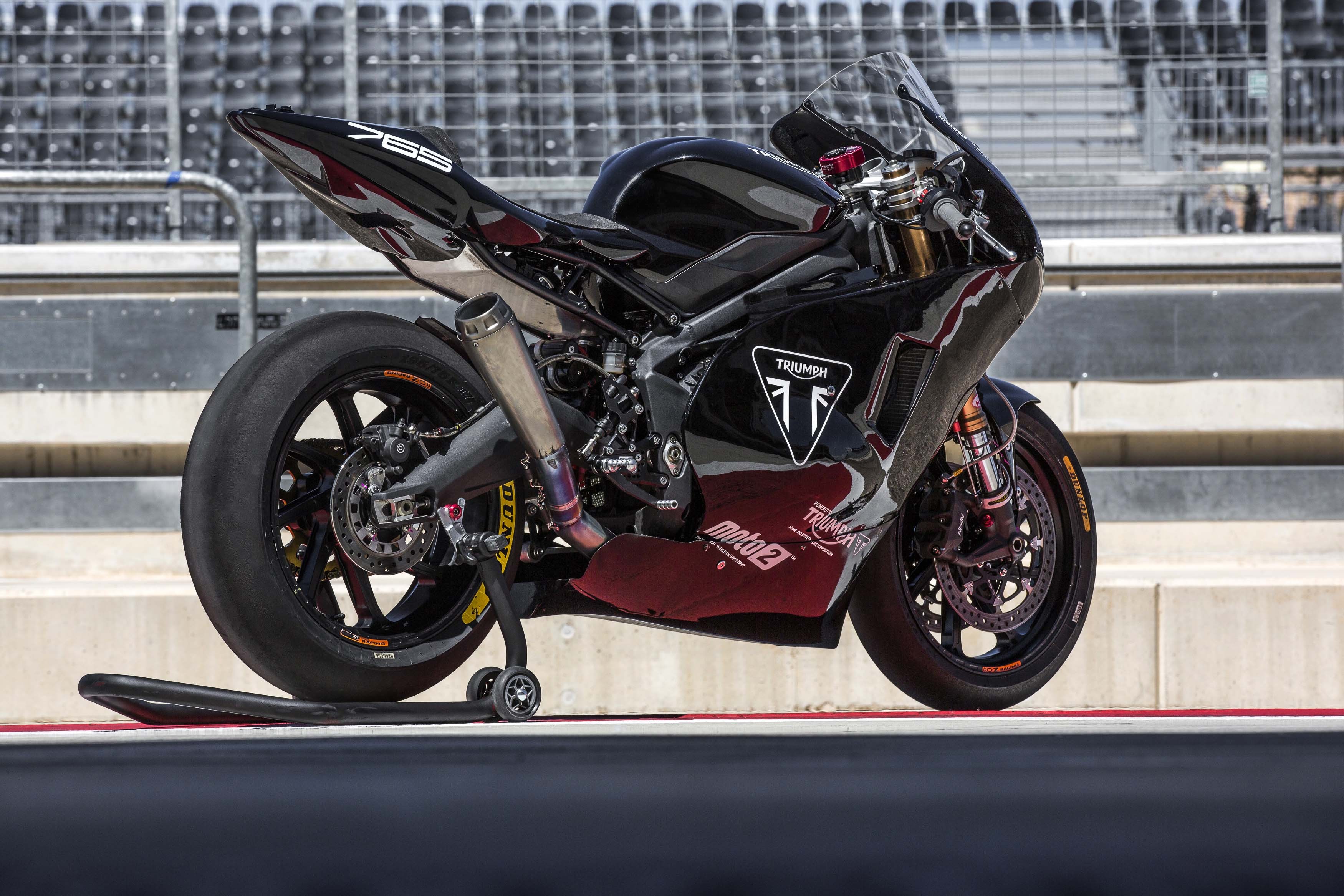
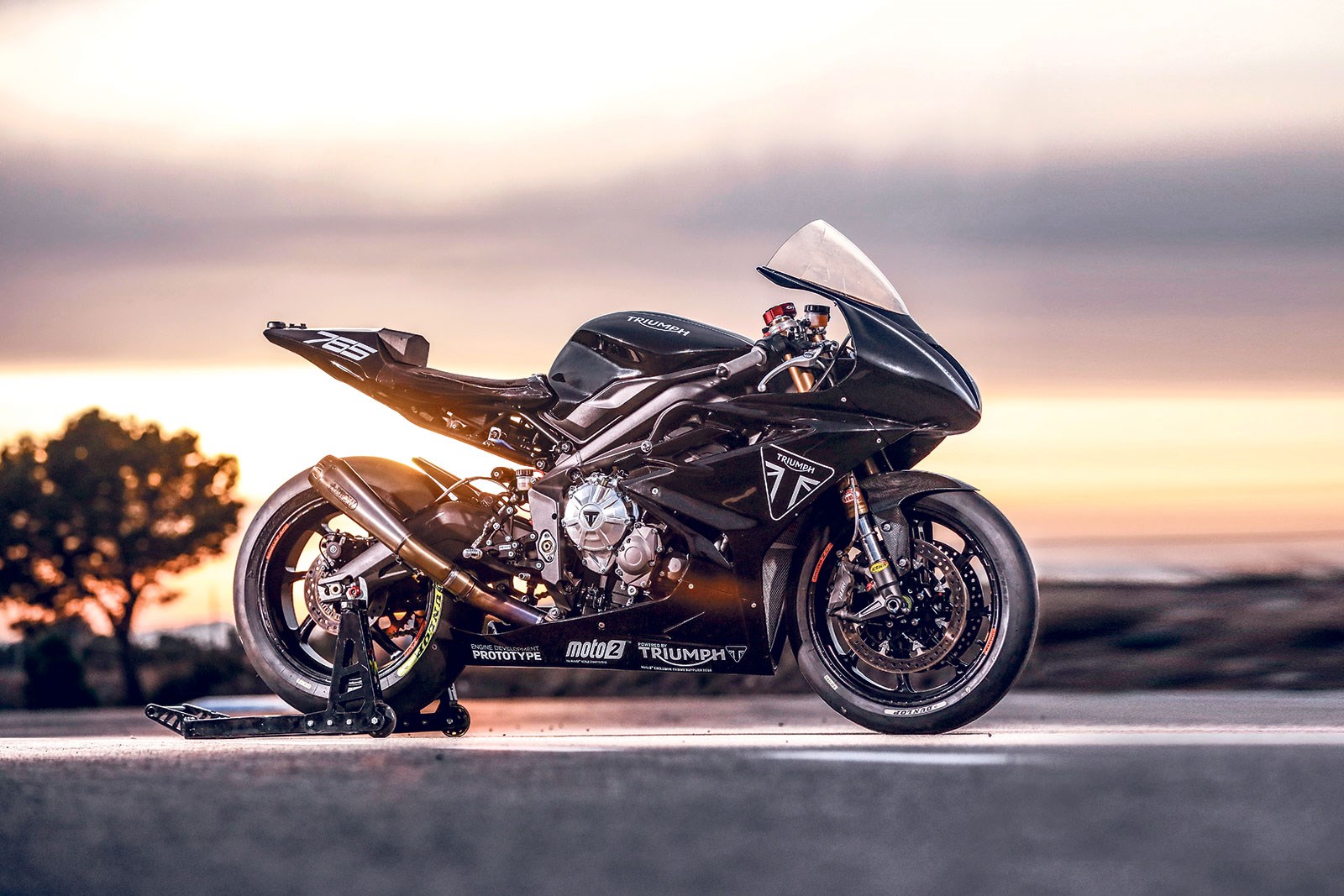
  • Moto2 riders have tested the 2019 Triumph Moto2 engines.

  • The Moto2 teams then build frames around the engine.

  • But how much horsepower does the race engine produce?

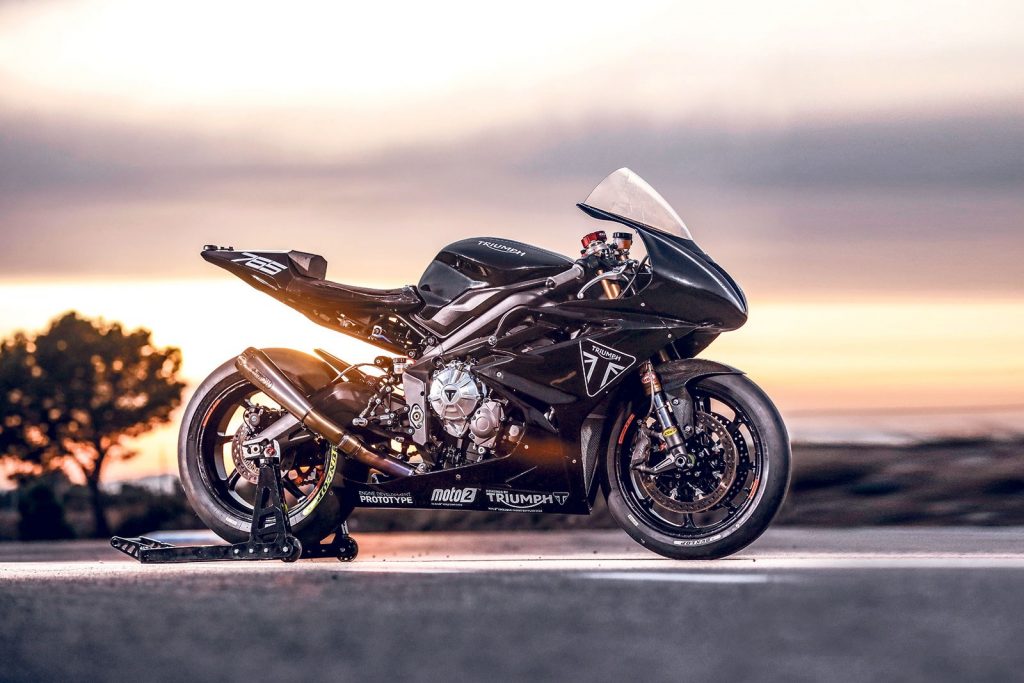
The Moto2 field has successfully tested their 2019 Triumph Moto2 engine powered bikes.

But which model was the engine was sourced from? Or more specifically, how much power it produces?

We have already touched on this subject, but a refresher is always good. That’s because Dorna has revised a couple of regulations since we published that article.

First and foremost, the Moto2 and Moto3 categories are considered “feeder classes” to MotoGP. That means the two classes are the breeding grounds for future MotoGP riders.
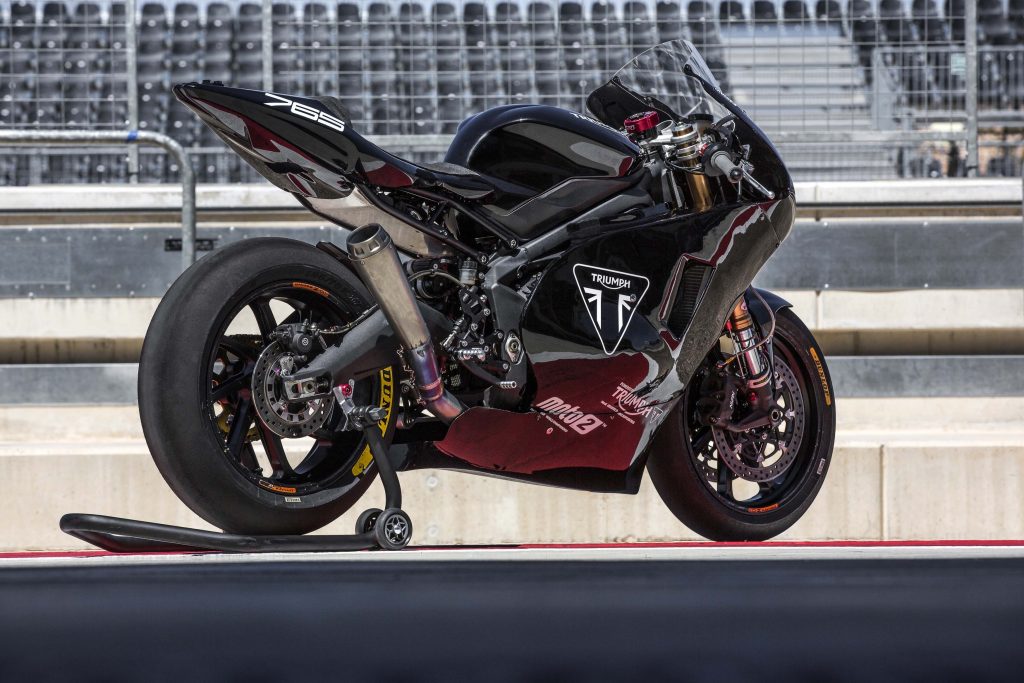
As such, a single spec-engine is supplied to all Moto2 teams. The teams such as KTM, MV Agusta, Kalex, NTS, Speed Up then develop and build their own frames and chassis around around the engine.

The previous sole engine supplier had been Honda. The powerplant was based on their CBR600RR road bike.

The operative word here is “road bike.” Dorna wanted Moto2 machines to be as close to road bikes as possible, hence the engines were drawn from bikes you and I could buy. Consequently, the engine also has its power output limited to a certain degree.

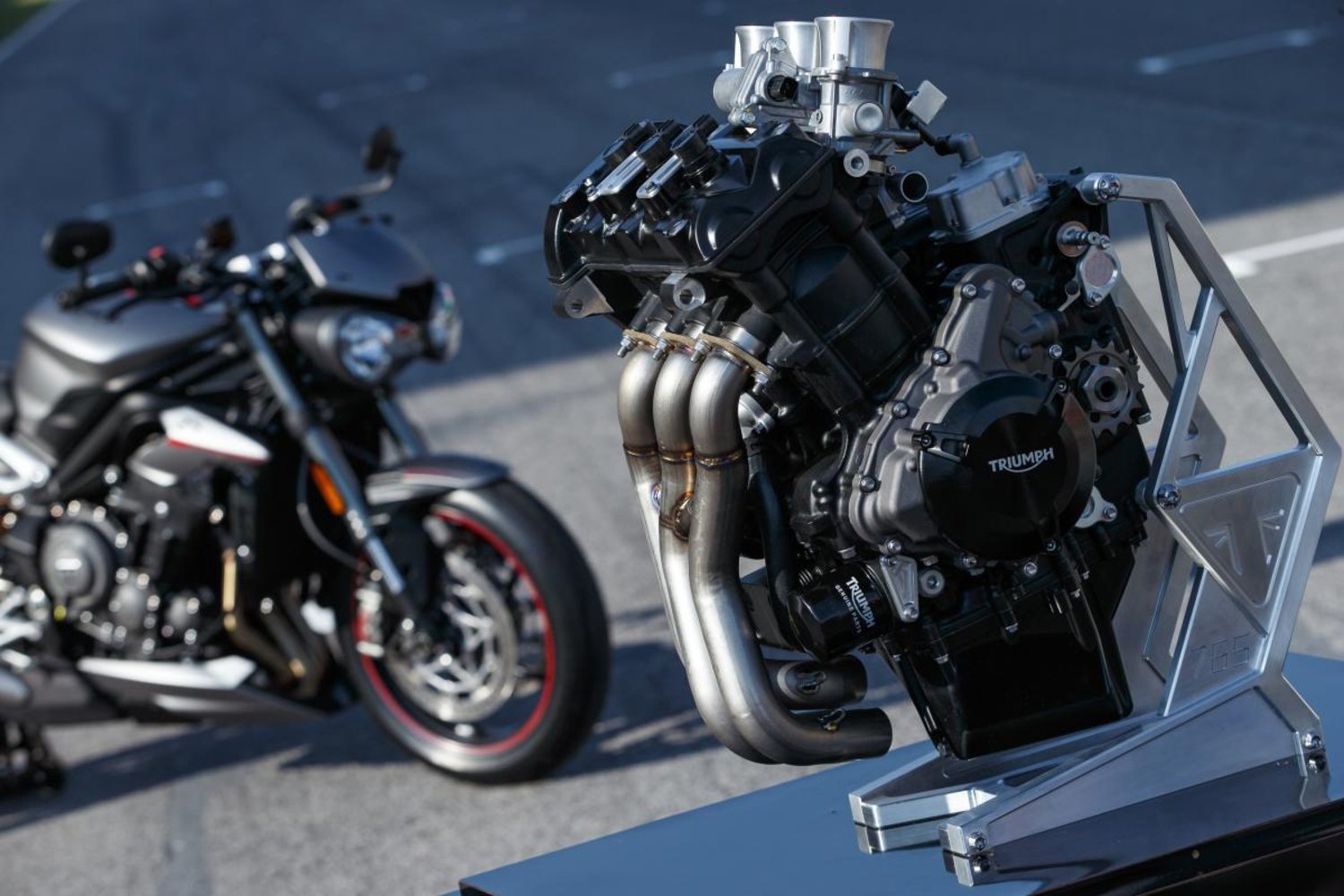
Triumph’s Moto2 engine is based on the Street Triple RS’s 765cc triple, launched in 2017. The street engine produces 121 bhp at 11,700 RPM and 77 Nm of torque at 10,800 RPM. There are 80 new parts in the new 765cc triple compared to the previous 675cc triple.
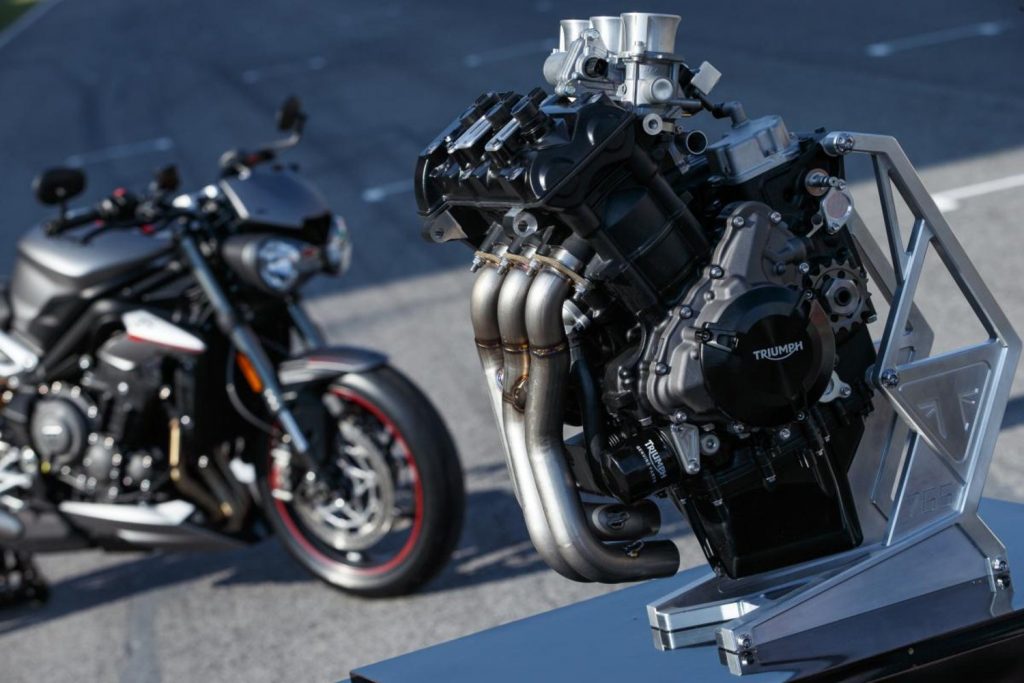
So, how much does power the race engine produce and what was done to it? Triumph has published an official press release.

Engine Testing and Development

Triumph has conducted a multi-phase testing programme to maximize the engine’s performance, durability and drivability. The programme included:

  • 2-year development program of factory-based dynamometer and multiple track locations for testing.
  • Completed more than 2,500 laps at race pace.
  • Application of high-performance engine coatings.
  • Development of key engine internals.

Among the changes to the engine are:

  • Modified cylinder head with revised inlet and exhaust ports to optimize gas flow.
  • Higher compression ratio (the pistons are standard).
  • Titanium valves and stiffer springs.
  • Revised cam timing for higher peak RPM.
  • High flow fuel injectors.
  • Low inertia racing alternator.
  • Revised 1stand 2ndgear ratios.
  • Revised engine covers to reduce width.
  • Revised sump to improve exhaust pipe routing.
  • The revisions yield 138 bhp.

By why not higher horsepower? Because more exotic parts need to be employed to raise the power higher. Additionally, the engine’s structure as well as other stock parts need to be developed. Doing so will raise the costs which needs to be absorbed by the teams. Dorna wants to encourage higher participation through lower costs.
ECU Development and Testing

All Moto2 bikes will employ the standard Magneti Marelli ECU provided by Dorna. The ECU was made in collaboration with Triumph. Dorna is forgoing the traction control feature for Moto2 in 2019, despite announcing otherwise earlier this year. Having traction control would require teams to employ dedicated data analysts which will drive costs up, in turn.

Chassis Development and Testing

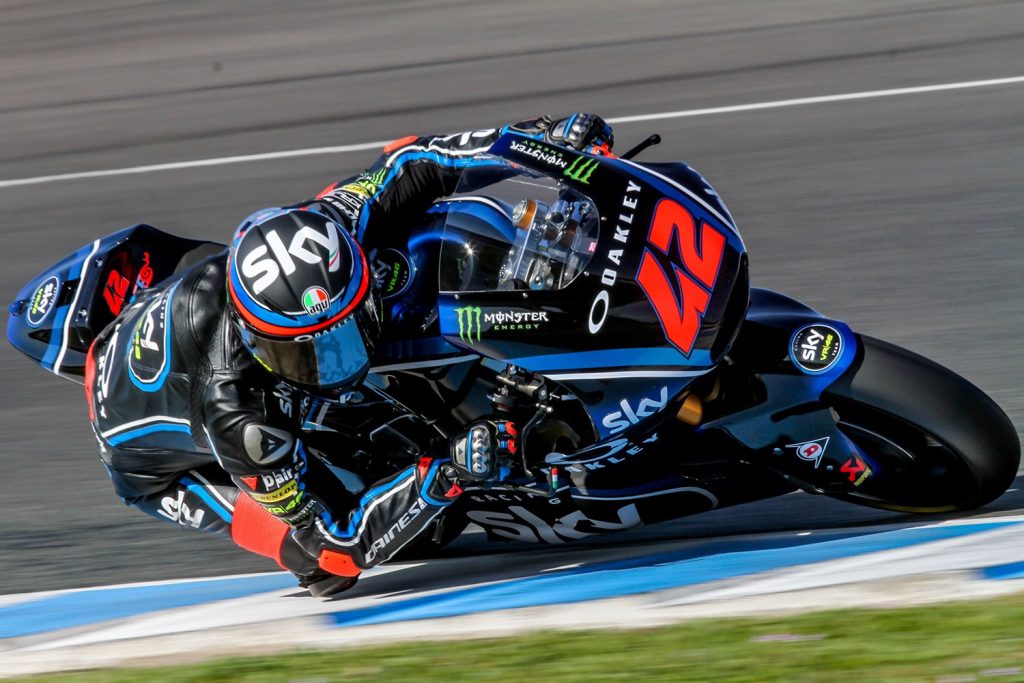
Triumph supplied early development engines through Externpro to the teams to conduct tests. The tests were carried out by Moto2 riders.

Results from post-2018 season tests at Jerez

All riders commented that they were familiarizing themselves to the new bike, engine characteristics and ECU. The weather at Jerez was cold over the test period with only brief moments of sunshine and rained on the third day.

Still, the tests revealed that the new bikes were already on the same pace as the previous year’s. Indeed, all riders gave positive feedback at the end of the tests especially with regards to smooth power delivery and higher torque, compared to the previous engine.

They should be faster by the first official Moto2 tests starting 20thFebruary 2019 at Jerez.
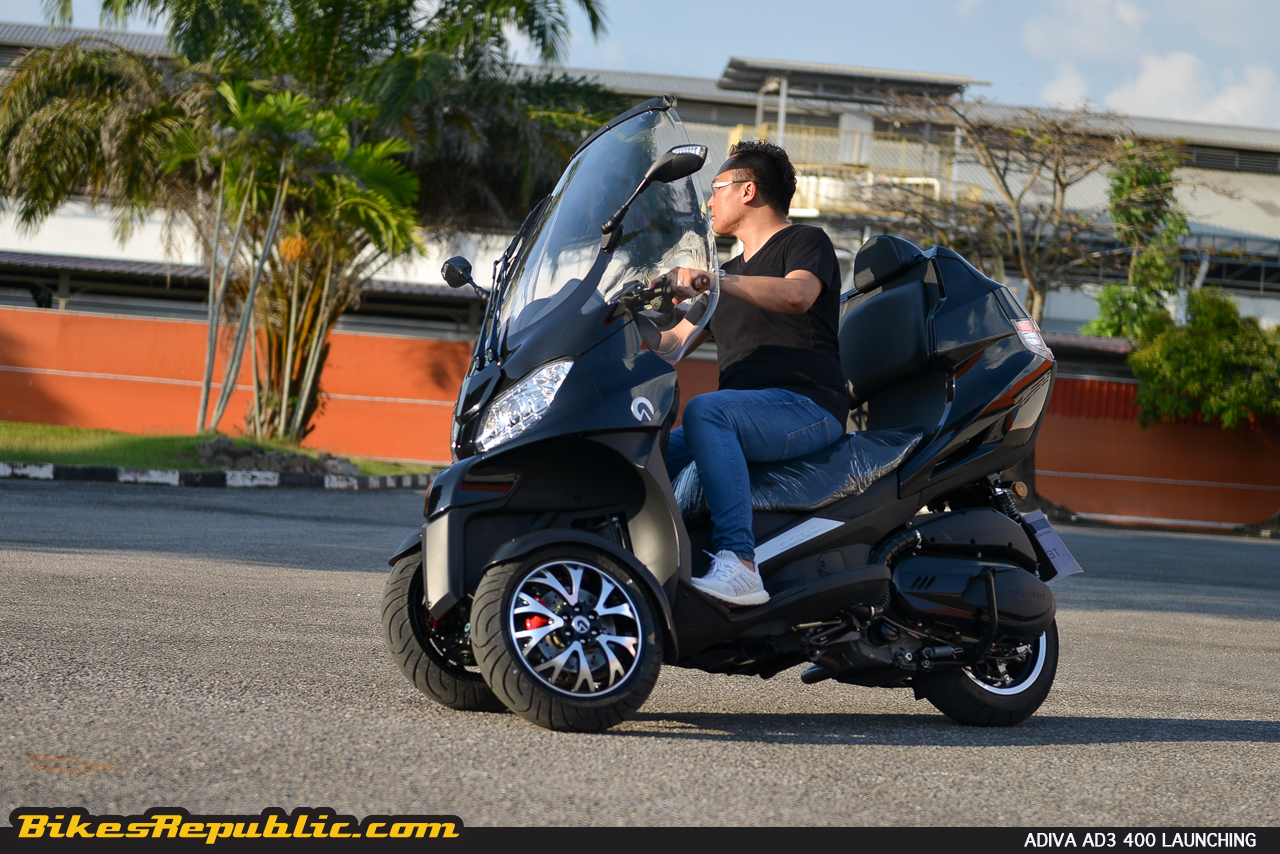
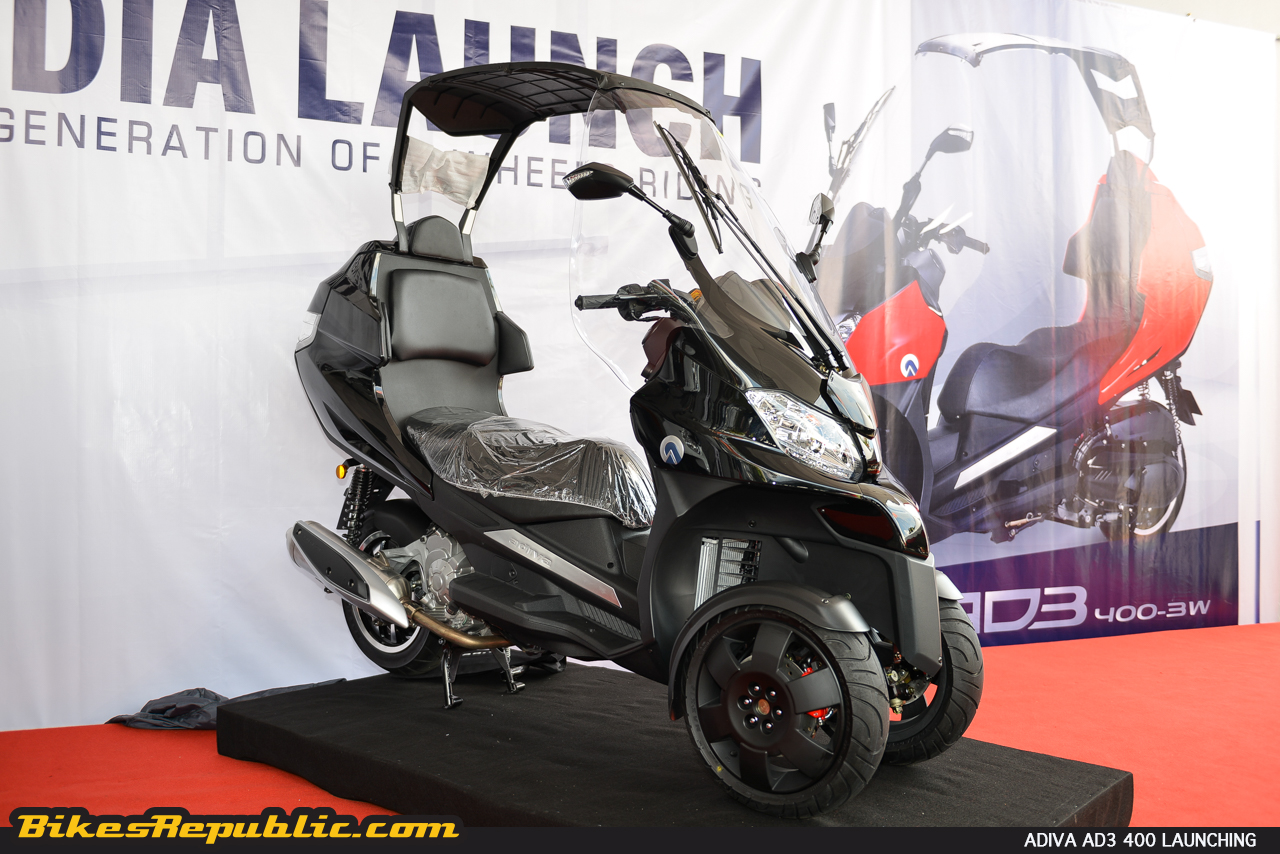
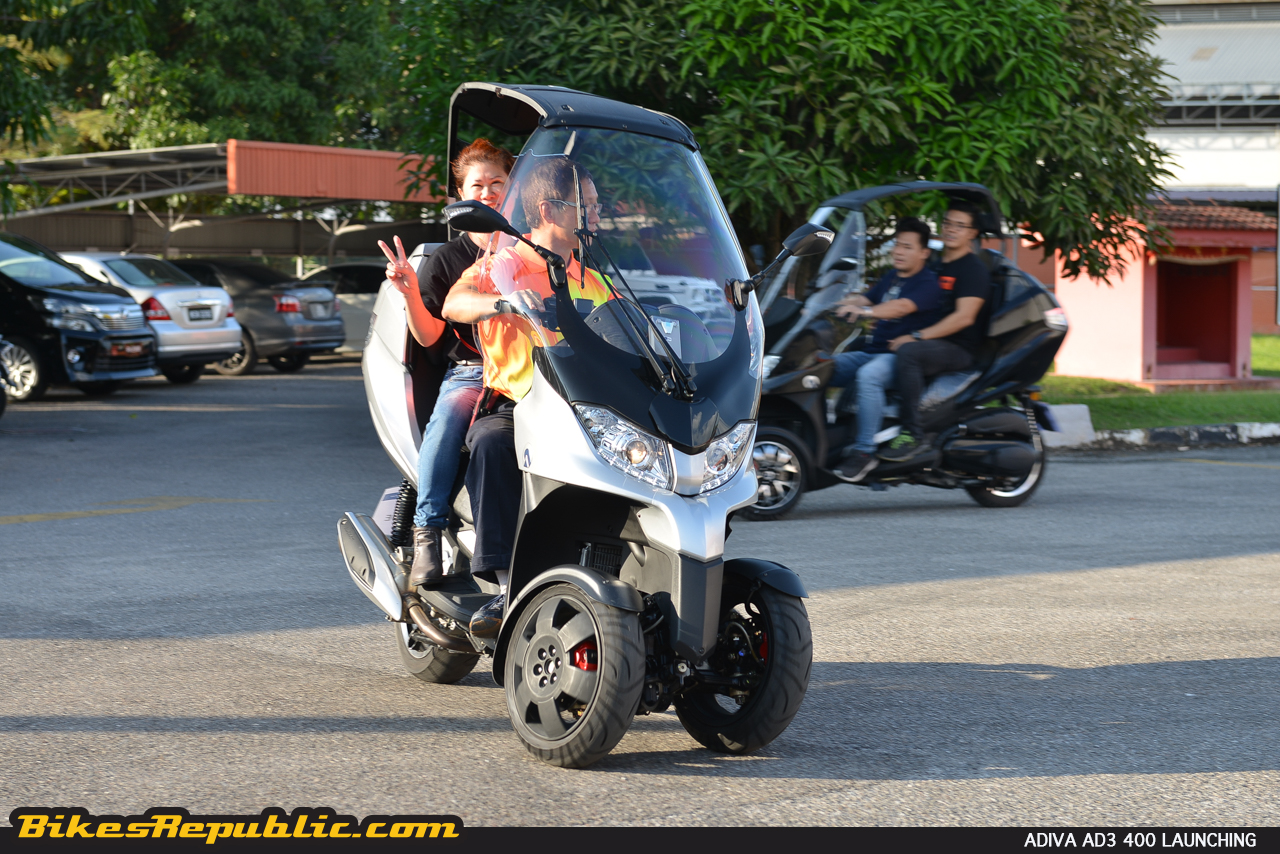
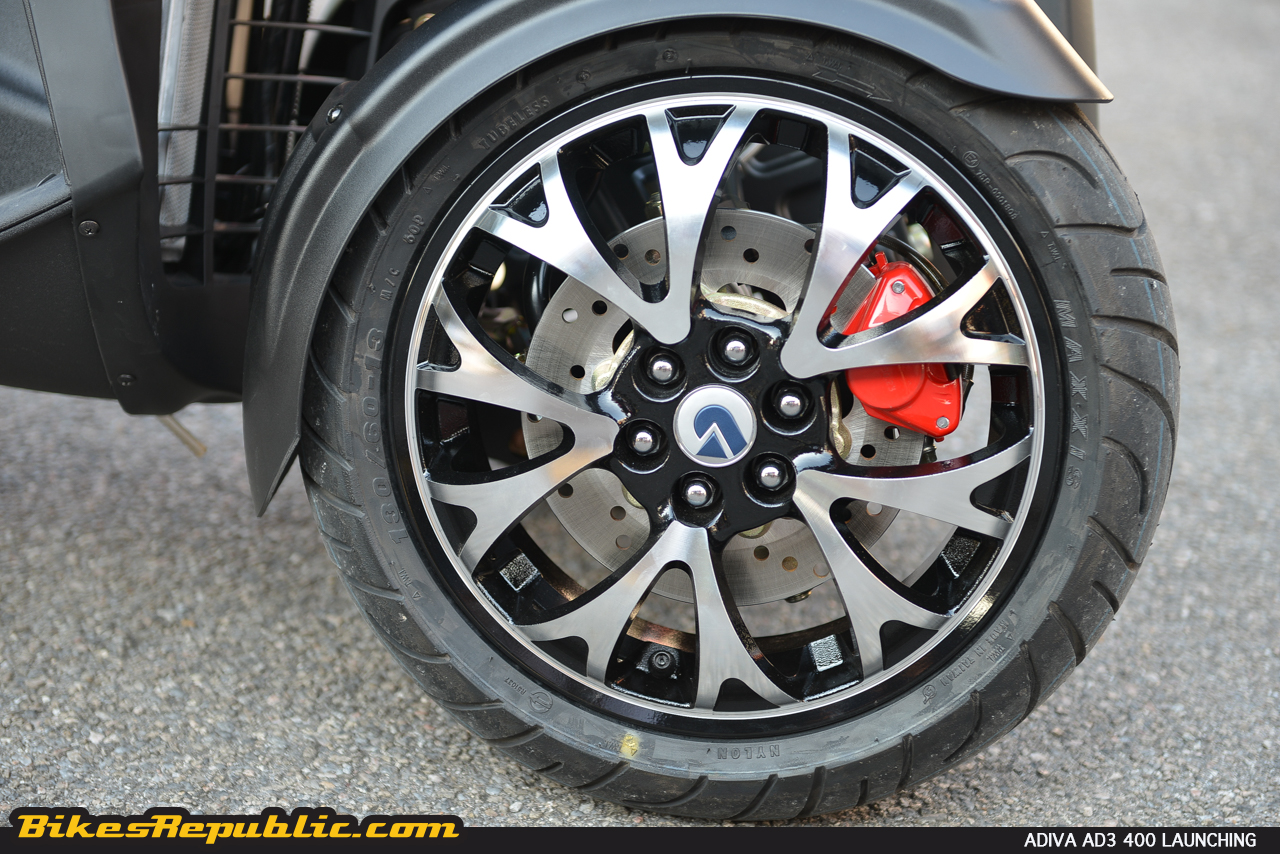
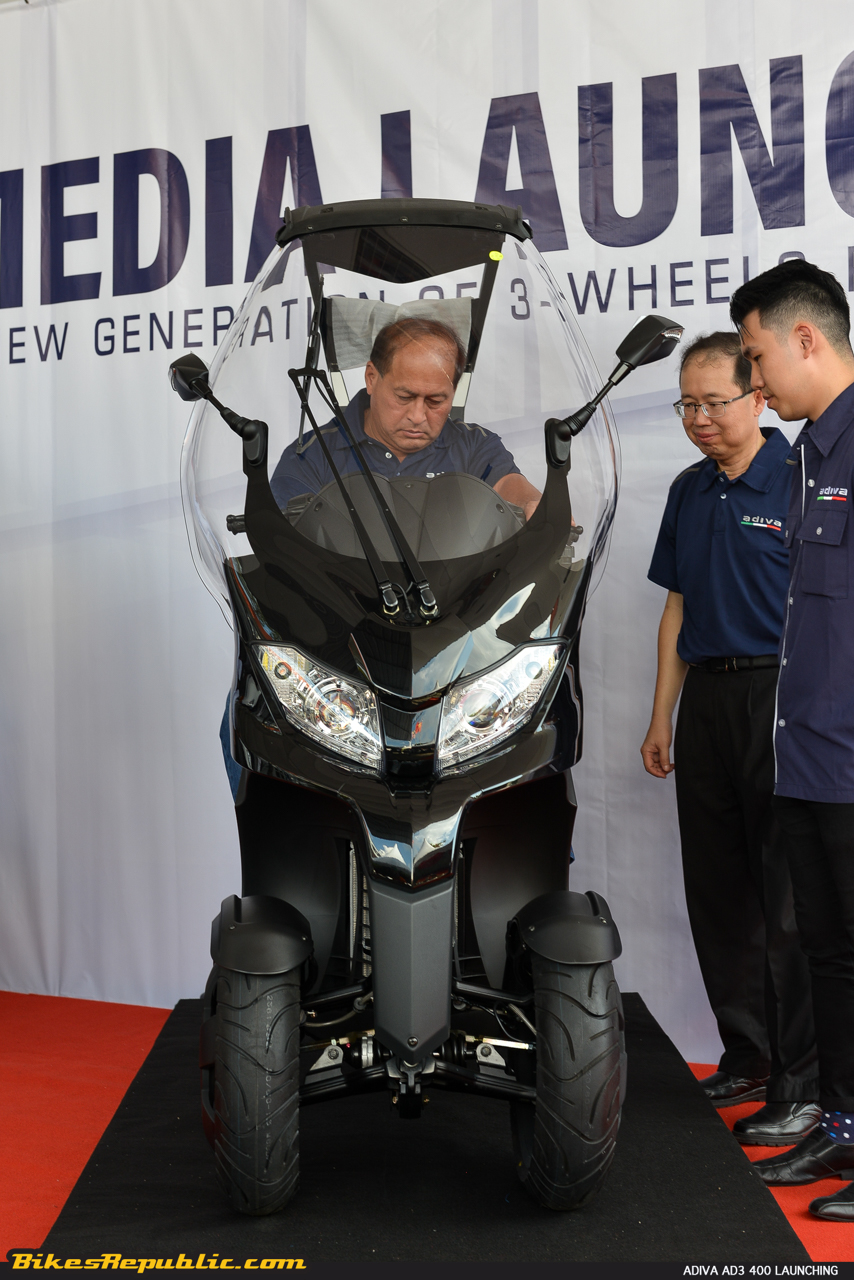
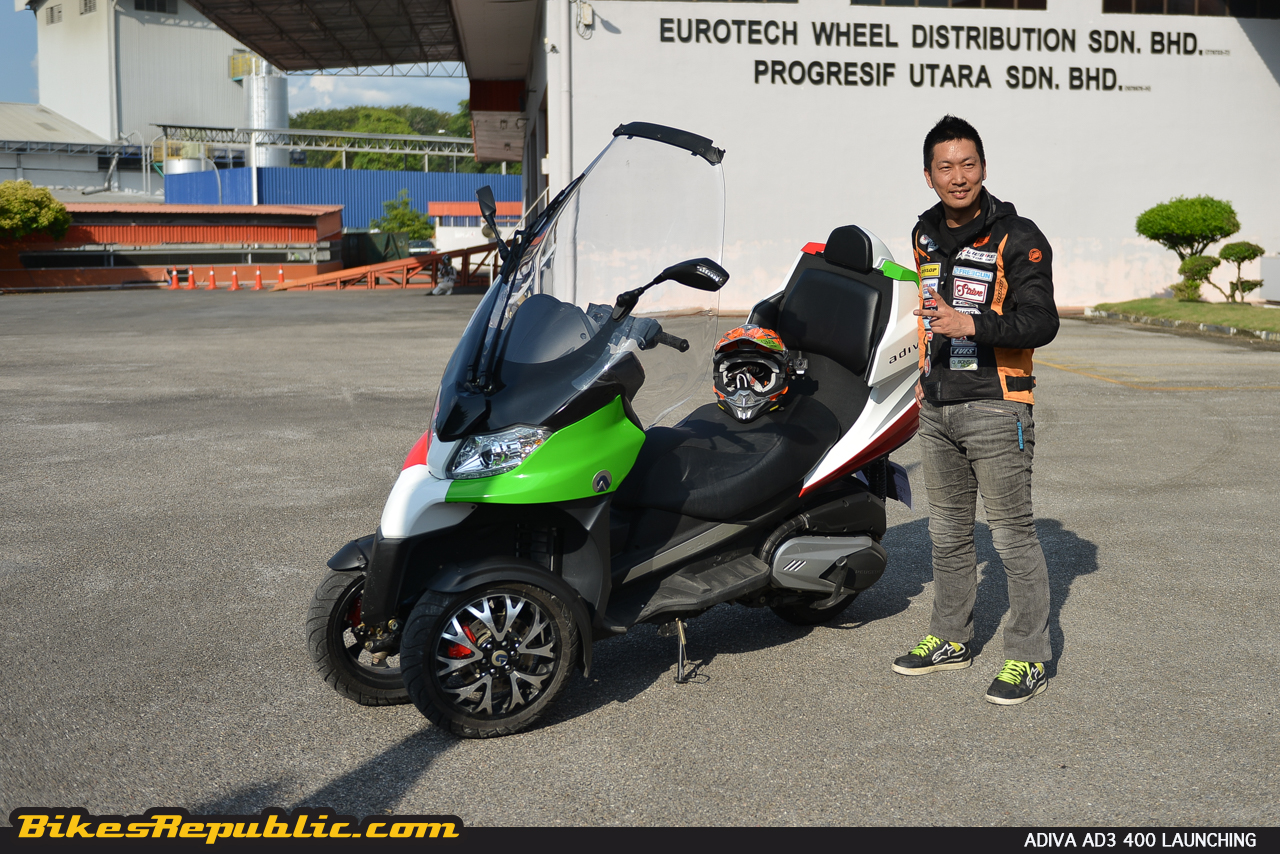
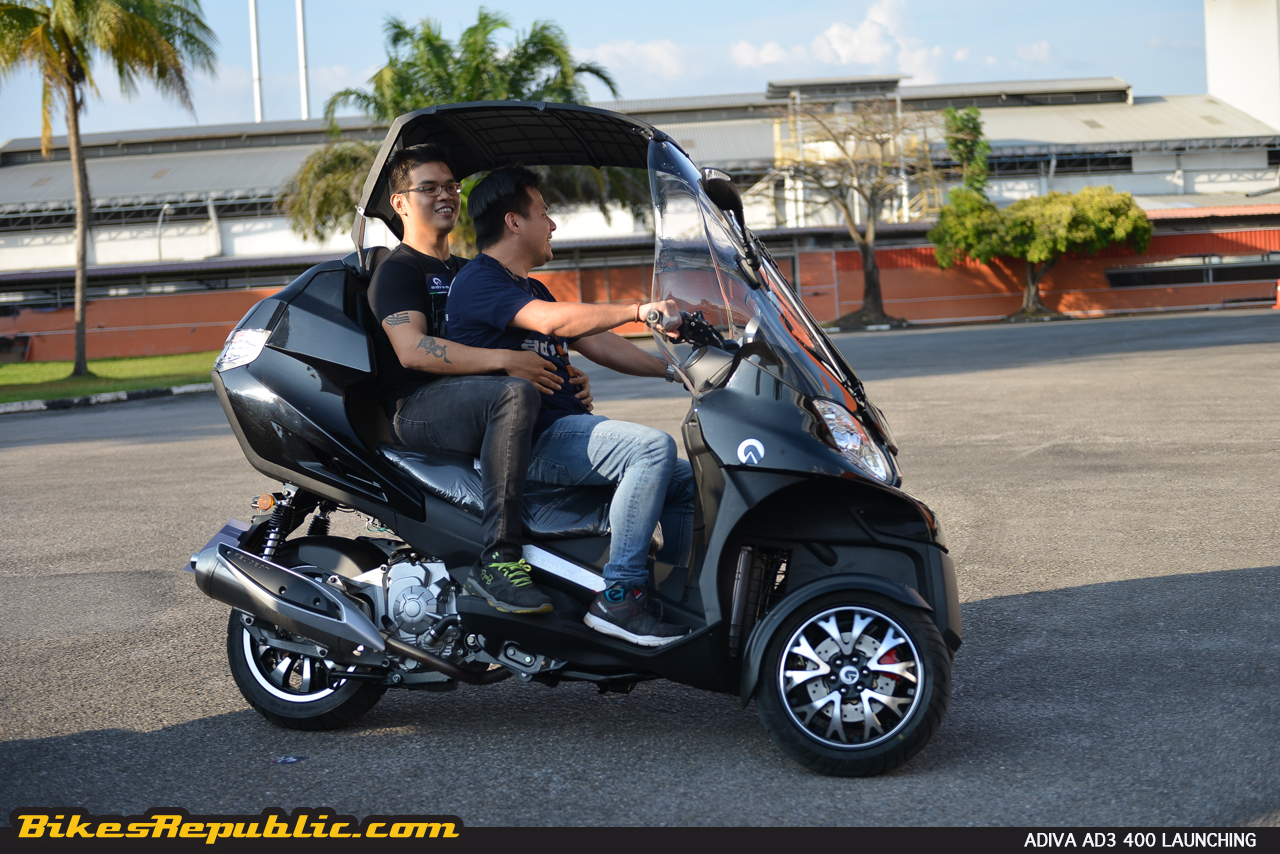
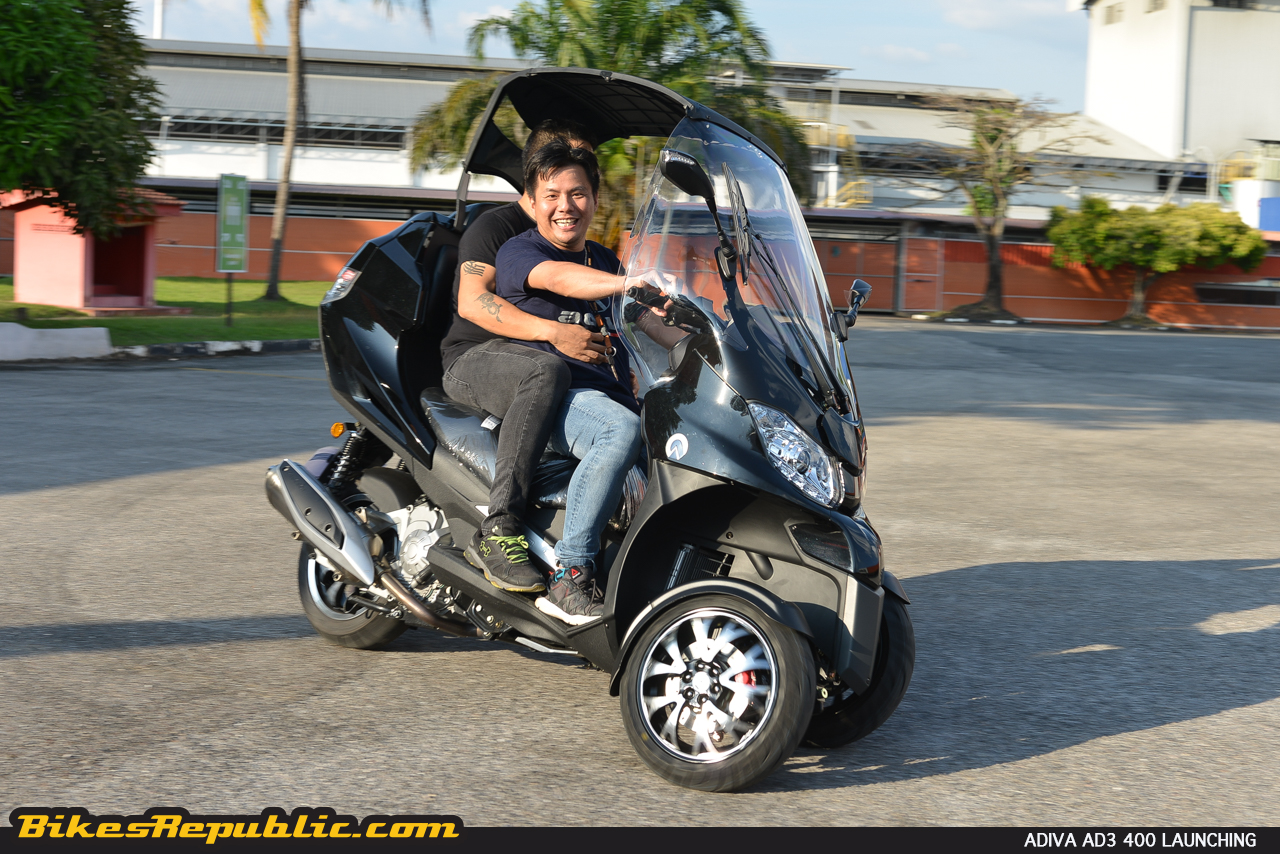
  • The Adiva AD3 400 three-wheeled scooter has been launched.
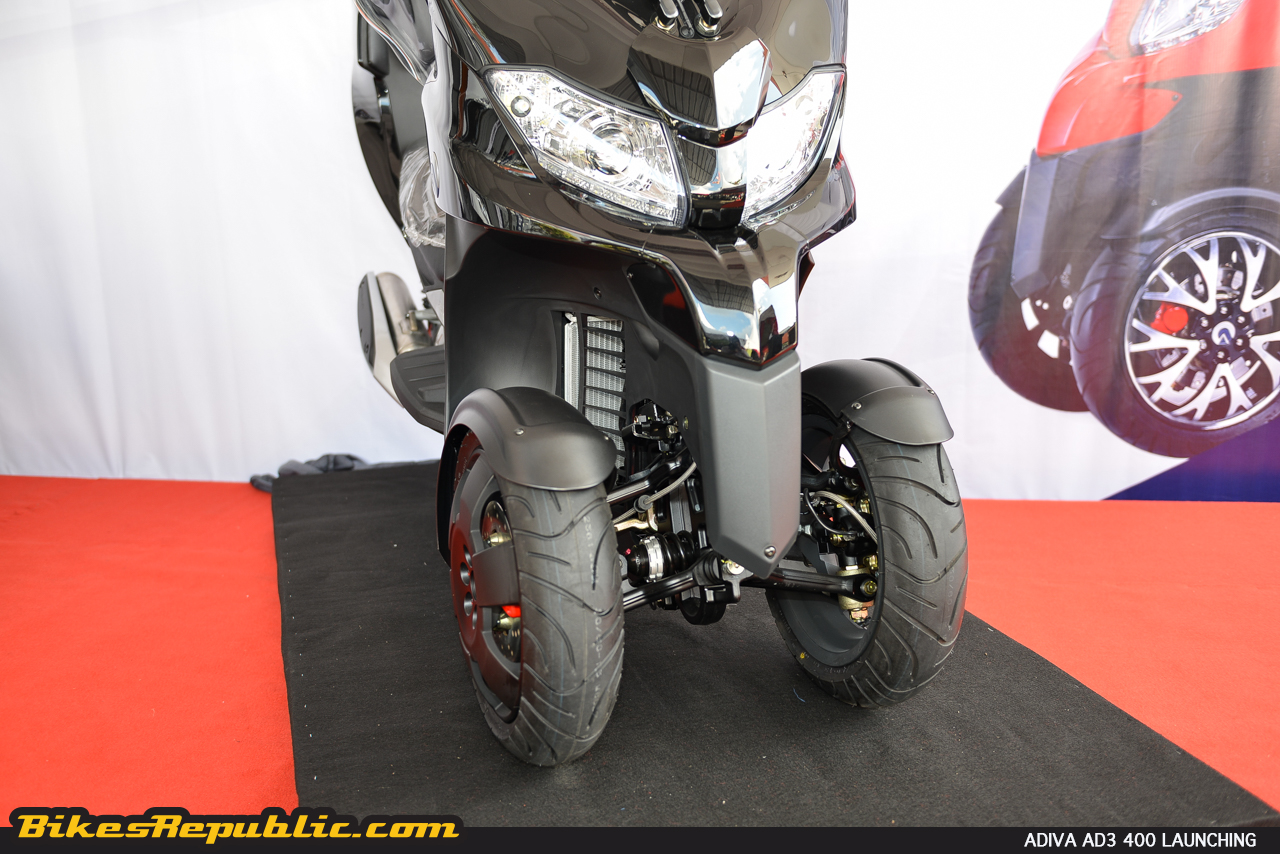
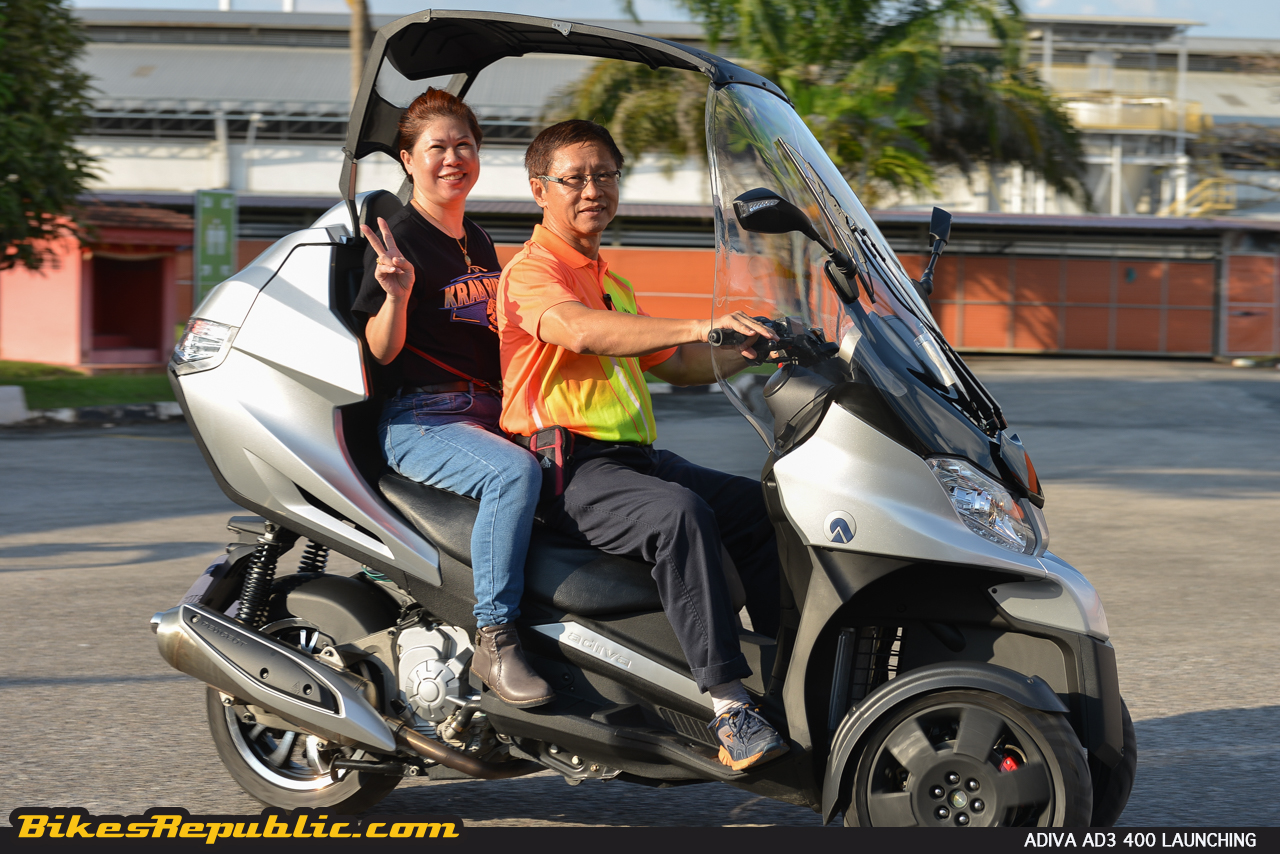
  • It features two front wheels and a foldable roof.

  • The AD3 is used by the Singapore Police since 2014.

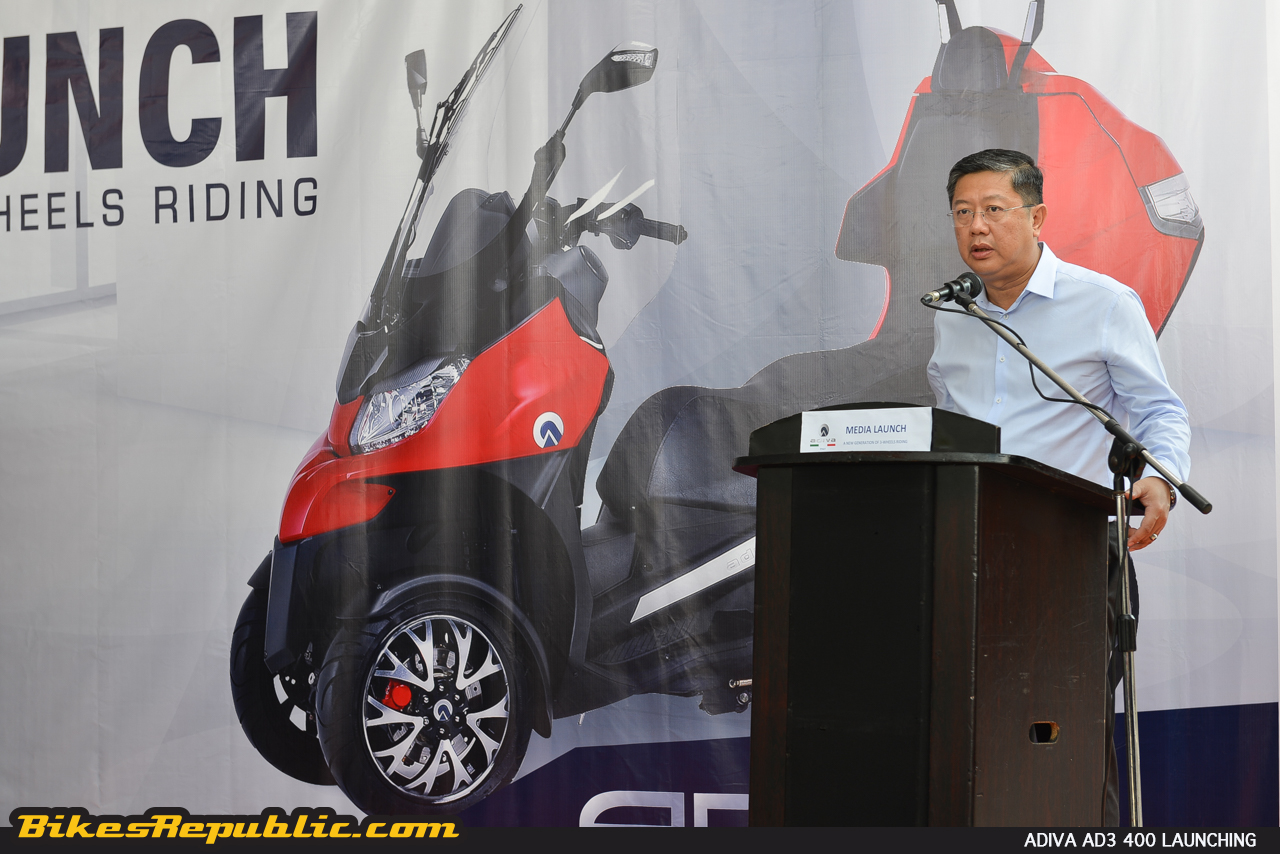
The Adiva AD3 400 was launched over the weekend to a warm reception.

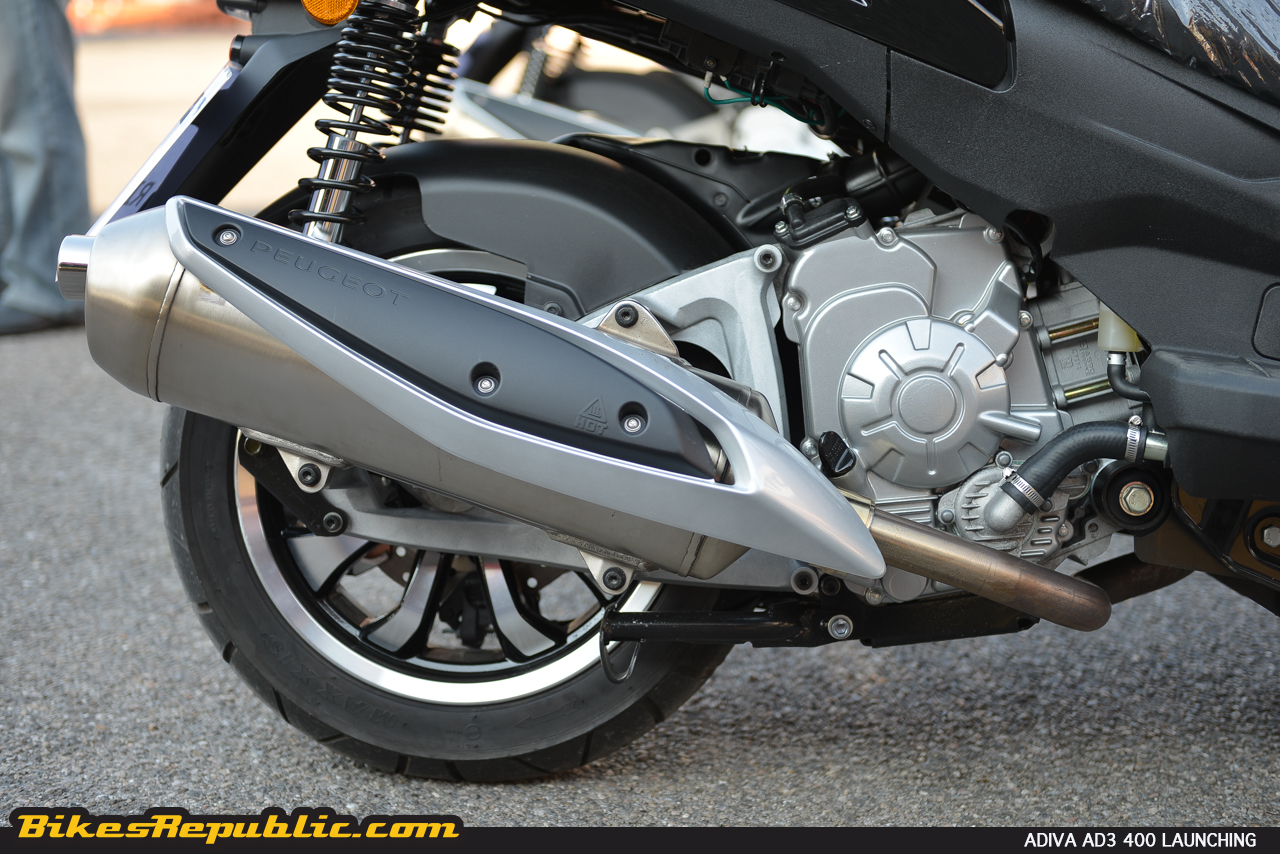
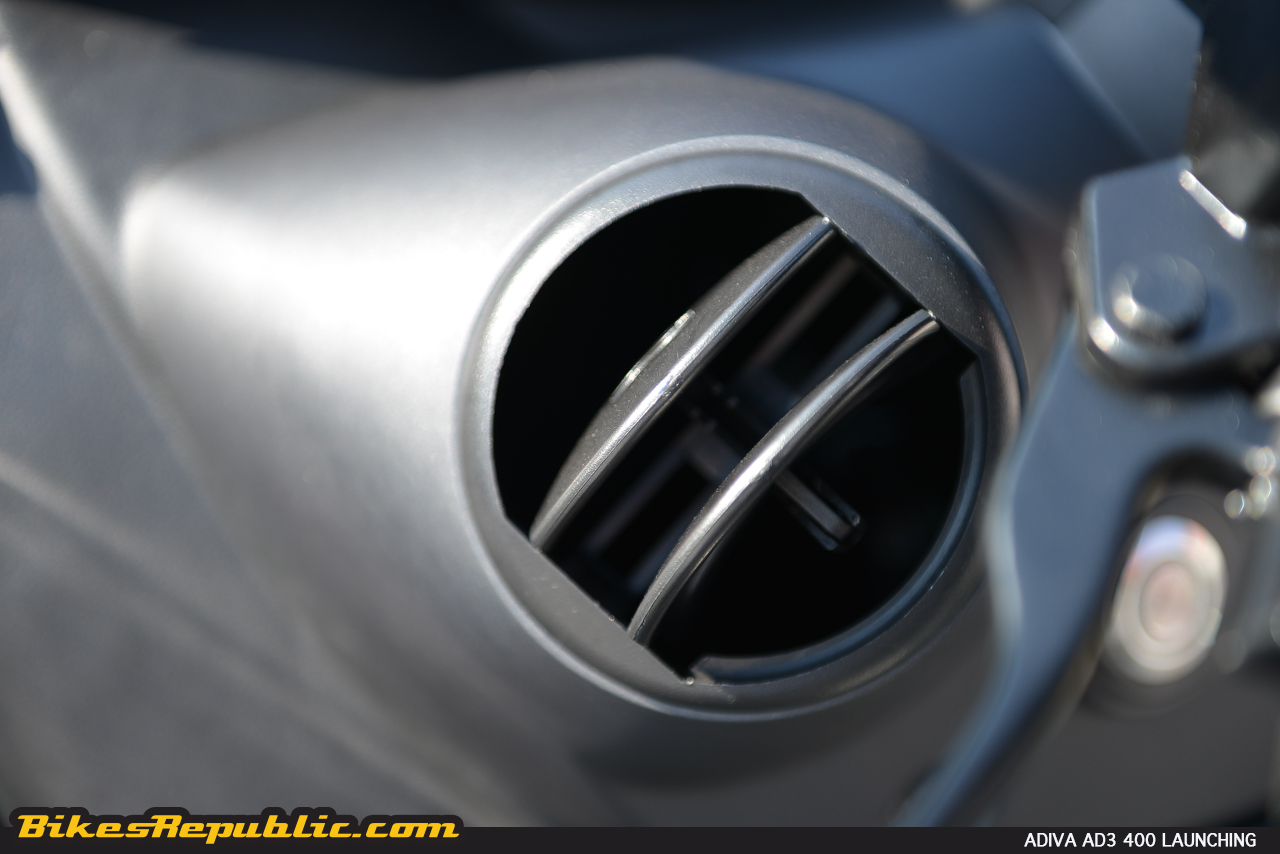
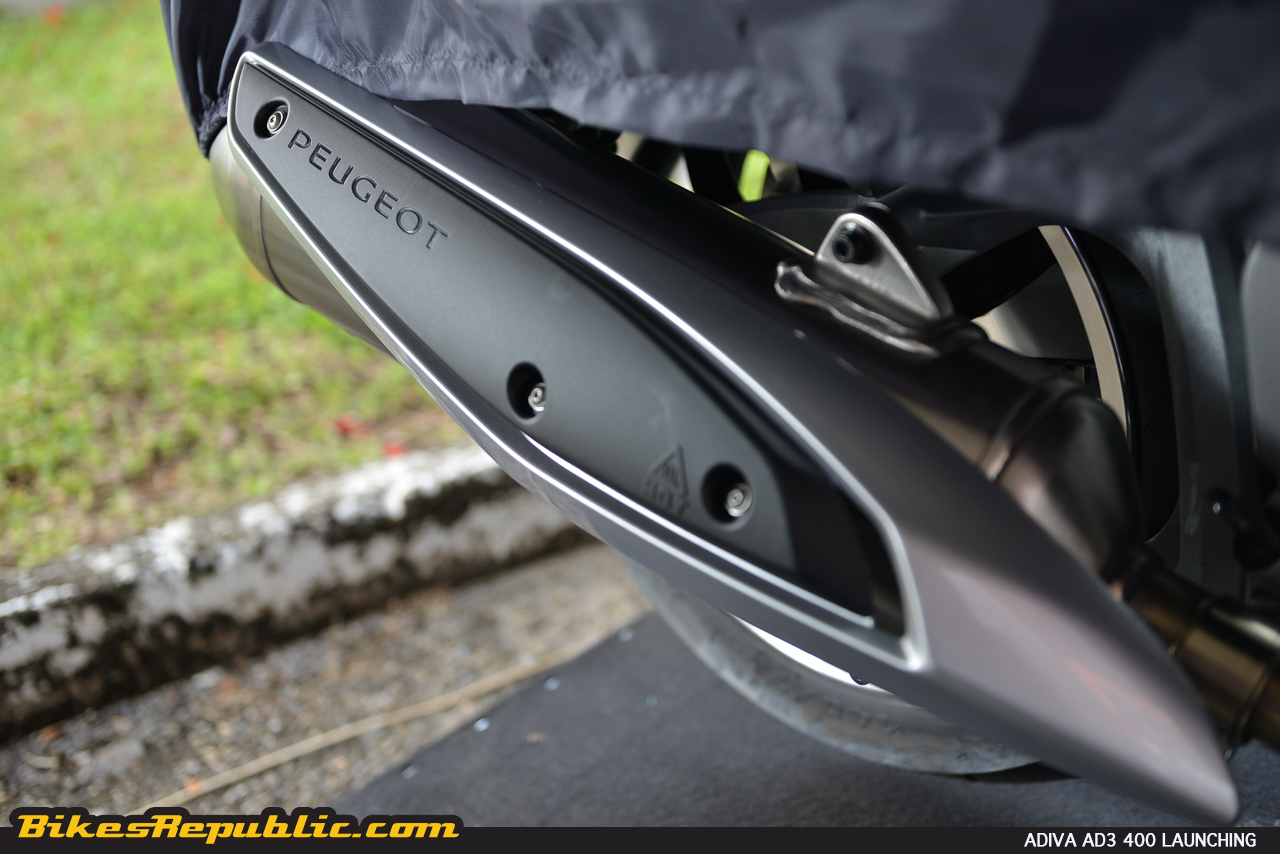
It is the latest 3-wheeled motorcycle to hit Malaysian roads, but it was not just the case of slapping a roof and trunk over a standard scooter. We discovered that the mother company had performed a great amount of engineering before offering the AD3 400 to the market.

Highlights of the Adiva AD3 400 are:
  • 2-wheeled front end with wishbone struts and independent suspension.

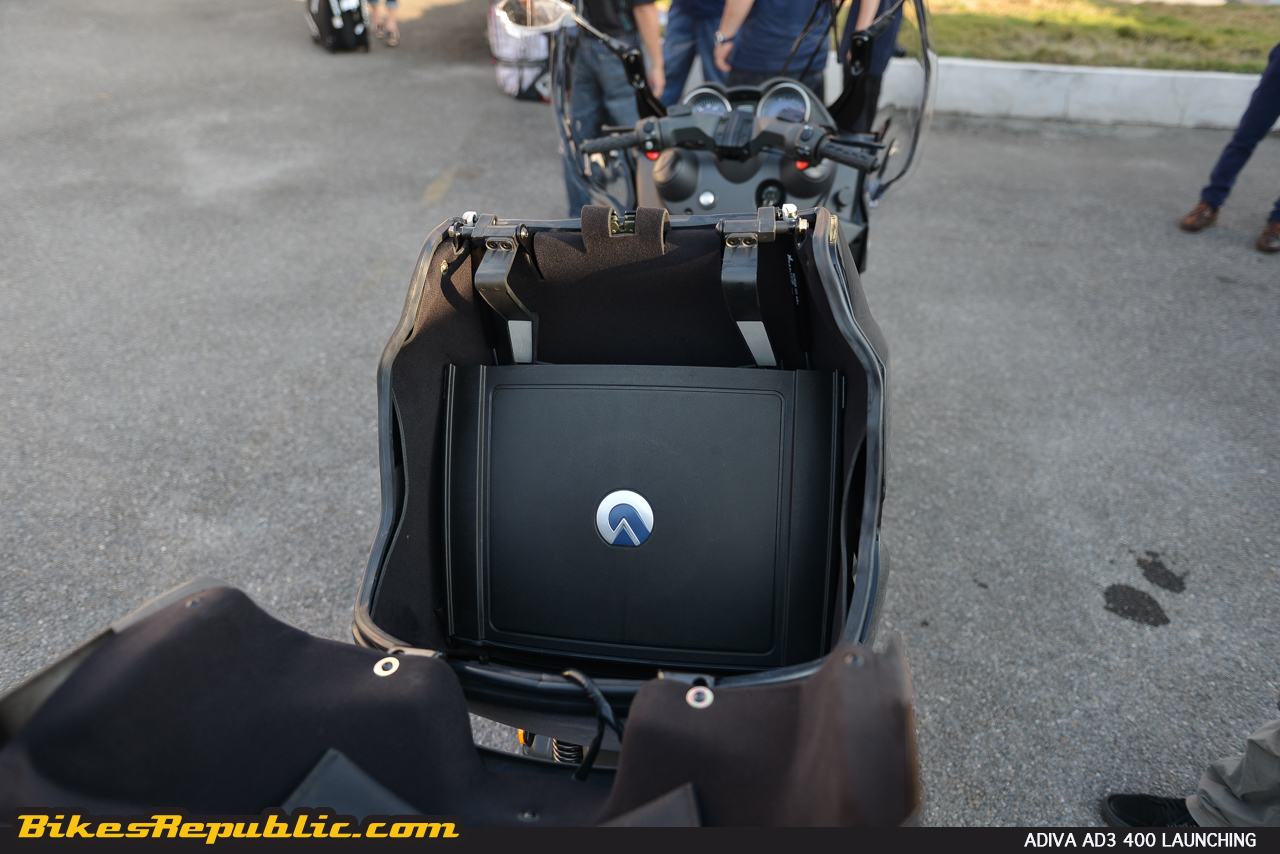
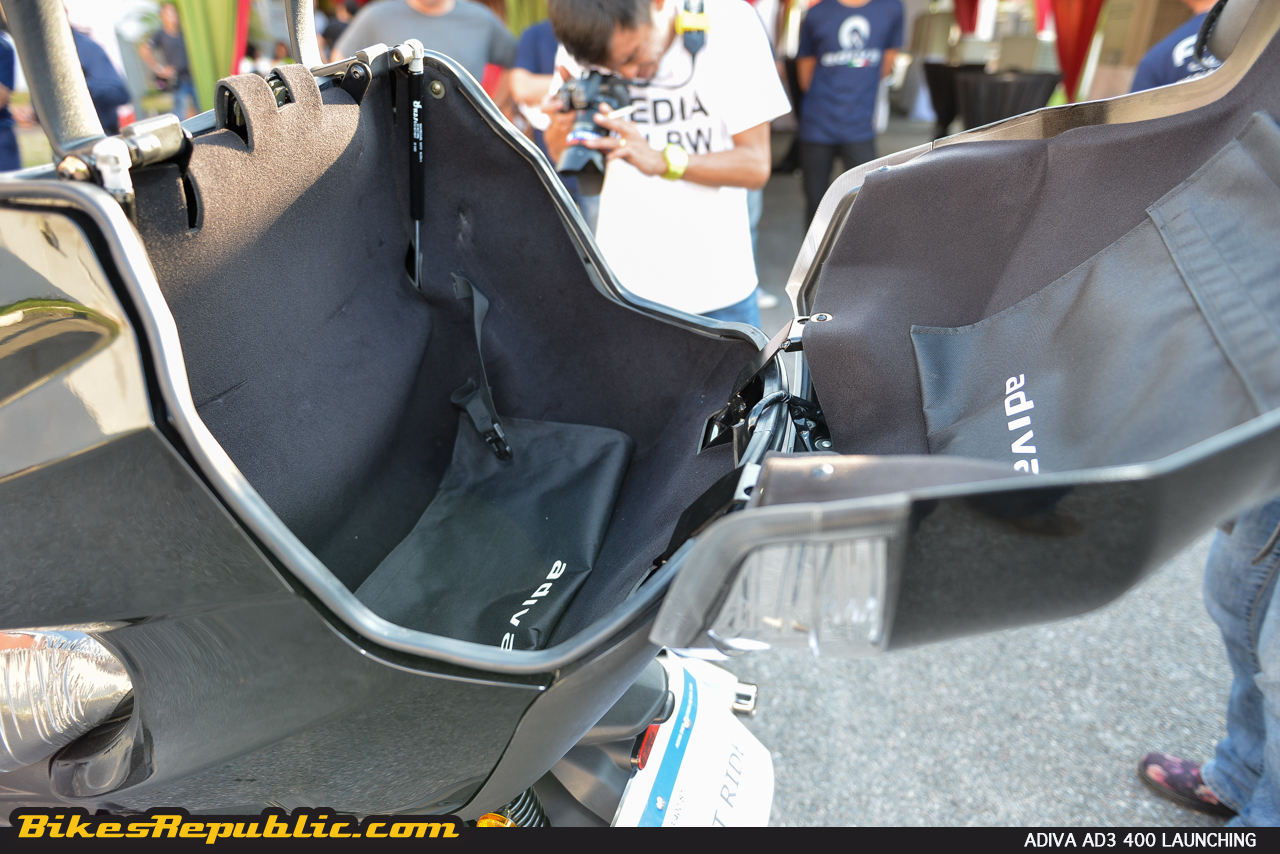
  • Retractable roof, which folds into a compact size and stored in the trunk.
  • Large windscreen protects the rider from UV rays, the weather and debris.
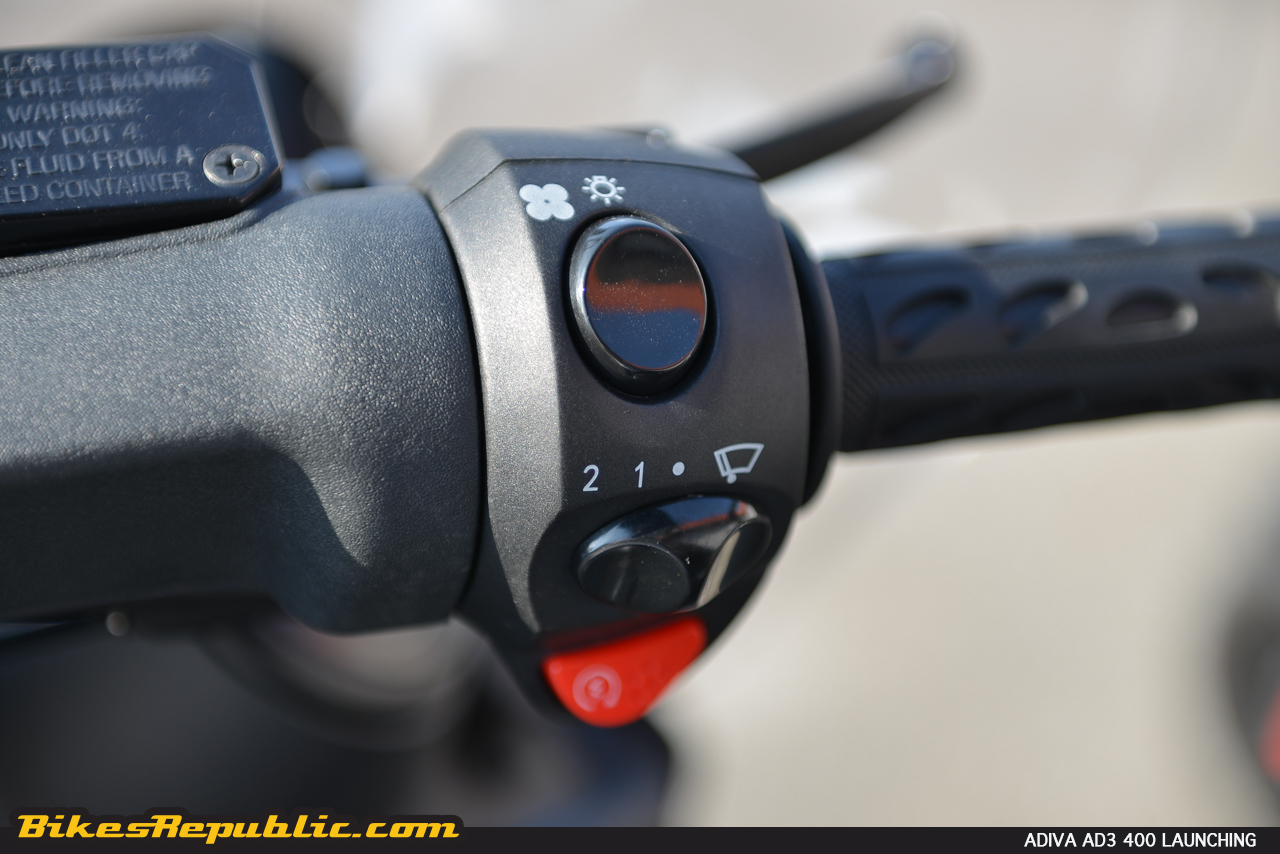
  • A windscreen wiper with integrated windshield cleaner fluid jet.
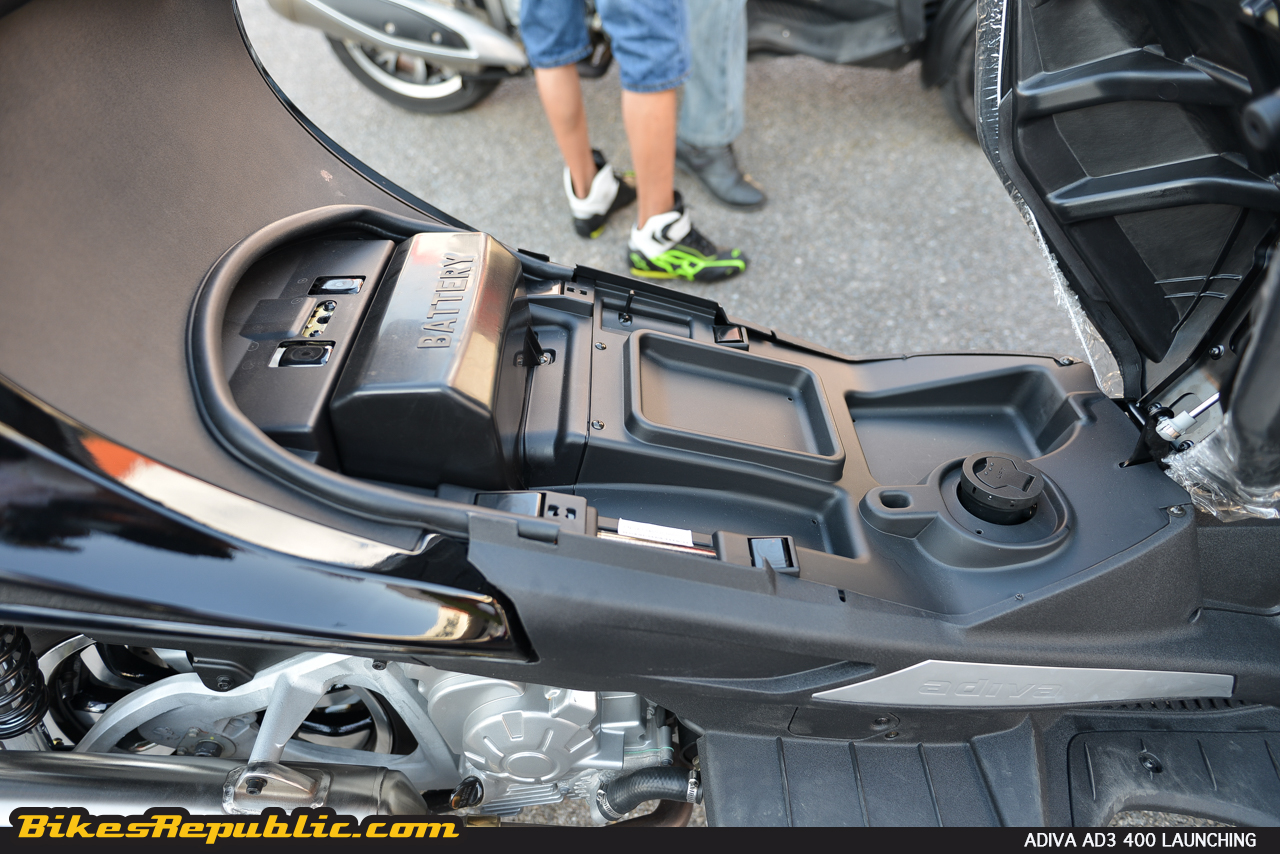
  • 90L trunk can accommodate two helmets, rider gear and bag (when roof is deployed).

  • Powerful 399cc, liquid-cooled, 4-stroke, OHC, 4-valve, single-cylinder engine.
  • The fuel injected powerplant produces a healthy 36.7 bhp (27.4 kW) at 7,250 RPM and 38.1 Nm at 5,500 RPM.
  • Power is transferred to the rear wheel via a constantly variable transmission (CVT).

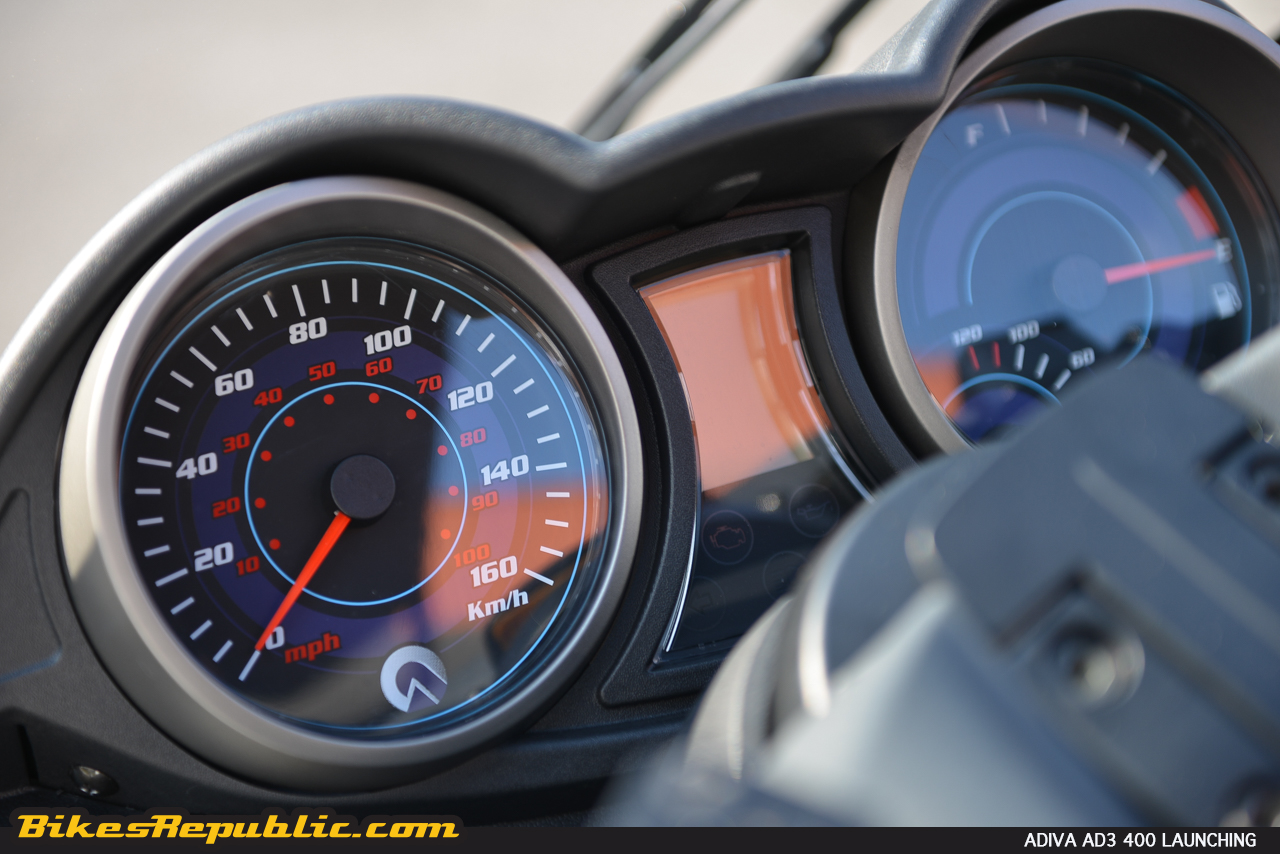
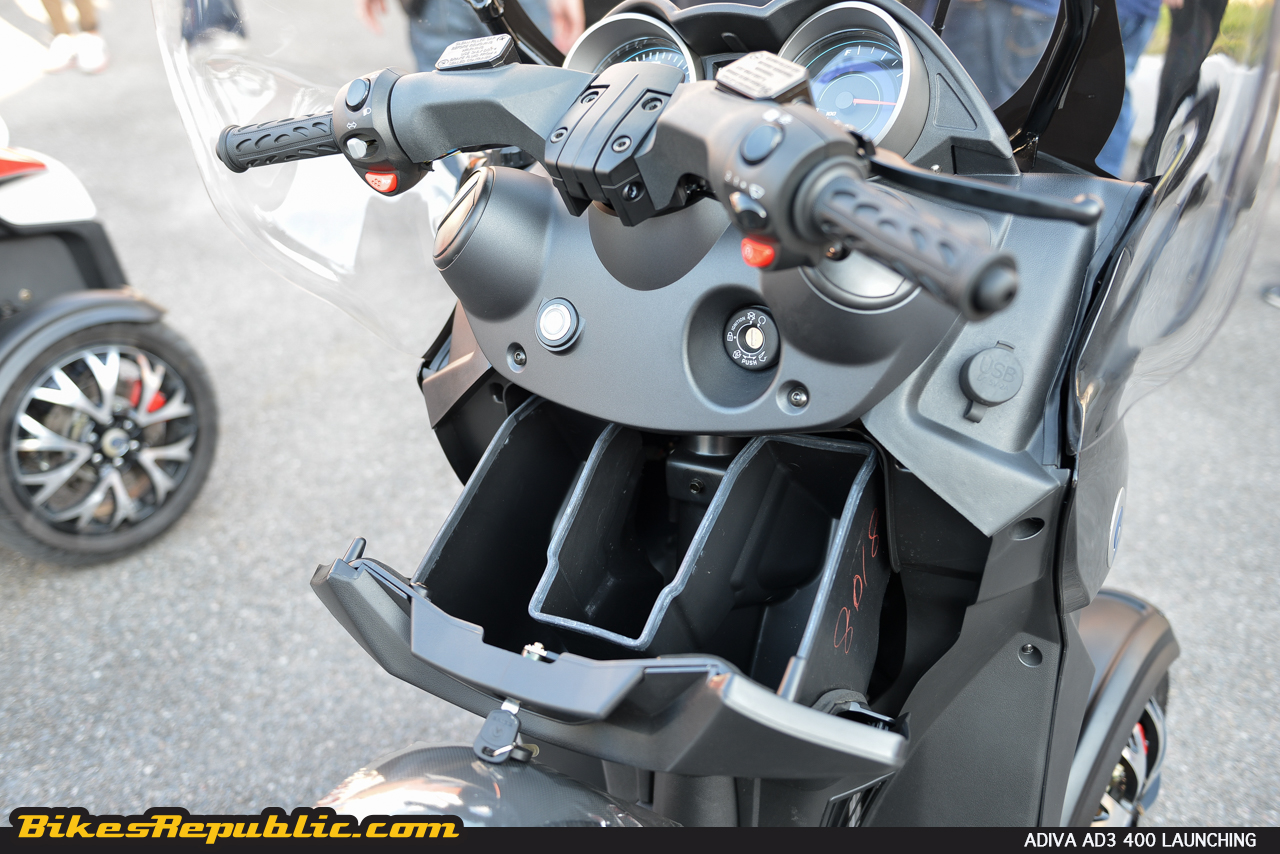
  • Dual analog gauges with central LDC screen.

The Adiva company began in Italy in 1996 and began production in 2001. It then started a production in Taiwan in 2008, while the HQ and R&D facility remains in Italy. A Japanese distributor was established in 2015. Two years later, in 2017, Adiva opened another manufacturing base in China. Finally, the company opened a manufacturing facility in Malaysia in 2018 to support sales in the Asian region.

Of note, the 2001 to 2006 Adiva were considered to handle better than BMW’s C1 roofed scooter. In 2014, the AD3 was acquired by the Singapore police, while the AR3 was adopted by the Singapore postal service.

That means the Adiva AD3 is not some fly-by-night novelty. Instead, it is an established model in other countries before making its way here.

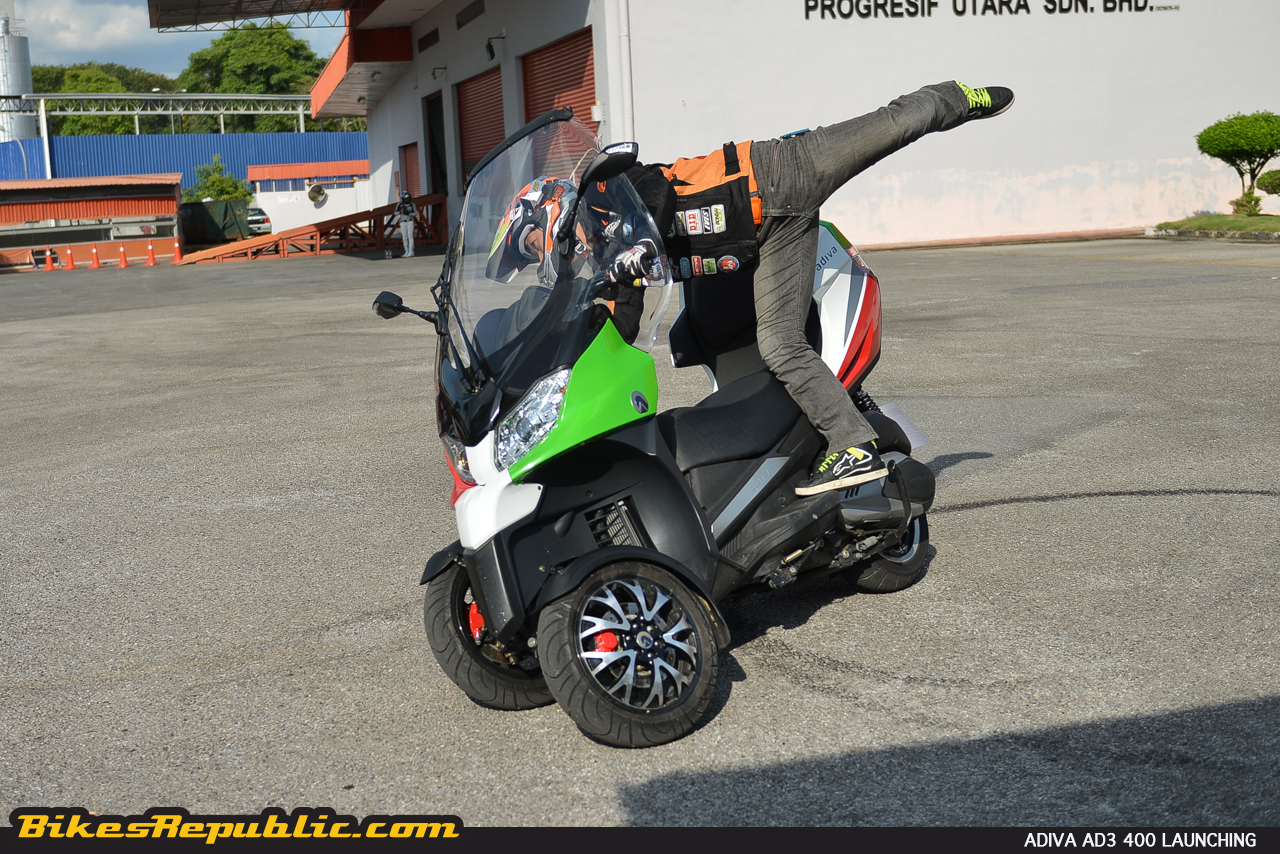
The launch on Saturday, 24thNovember was witnessed by its official dealers. They were given the opportunity to test ride the bike and their feedback was positive. Adiva Distribution (M) Sdn. Bhd. had also employed the services of a Japanese stunt rider to demonstrate the AD3 400’s agility.

The base Adiva AD3 400 is priced from RM 38,800 (basic selling price, not on-the-road). Front sport rims are a RM 1,650 option.

We hope to take the bike out into the real world soon, so stay tuned!

PICTURE GALLERY

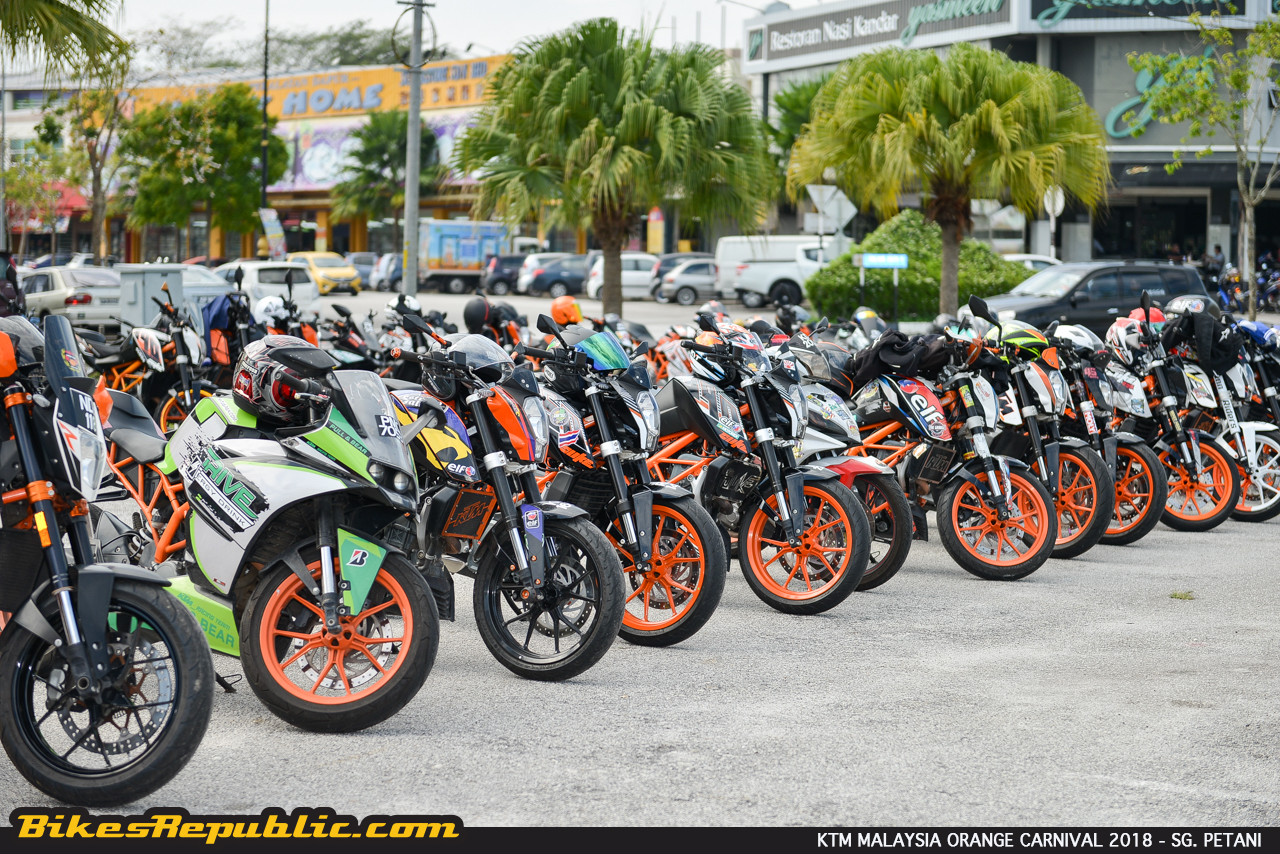
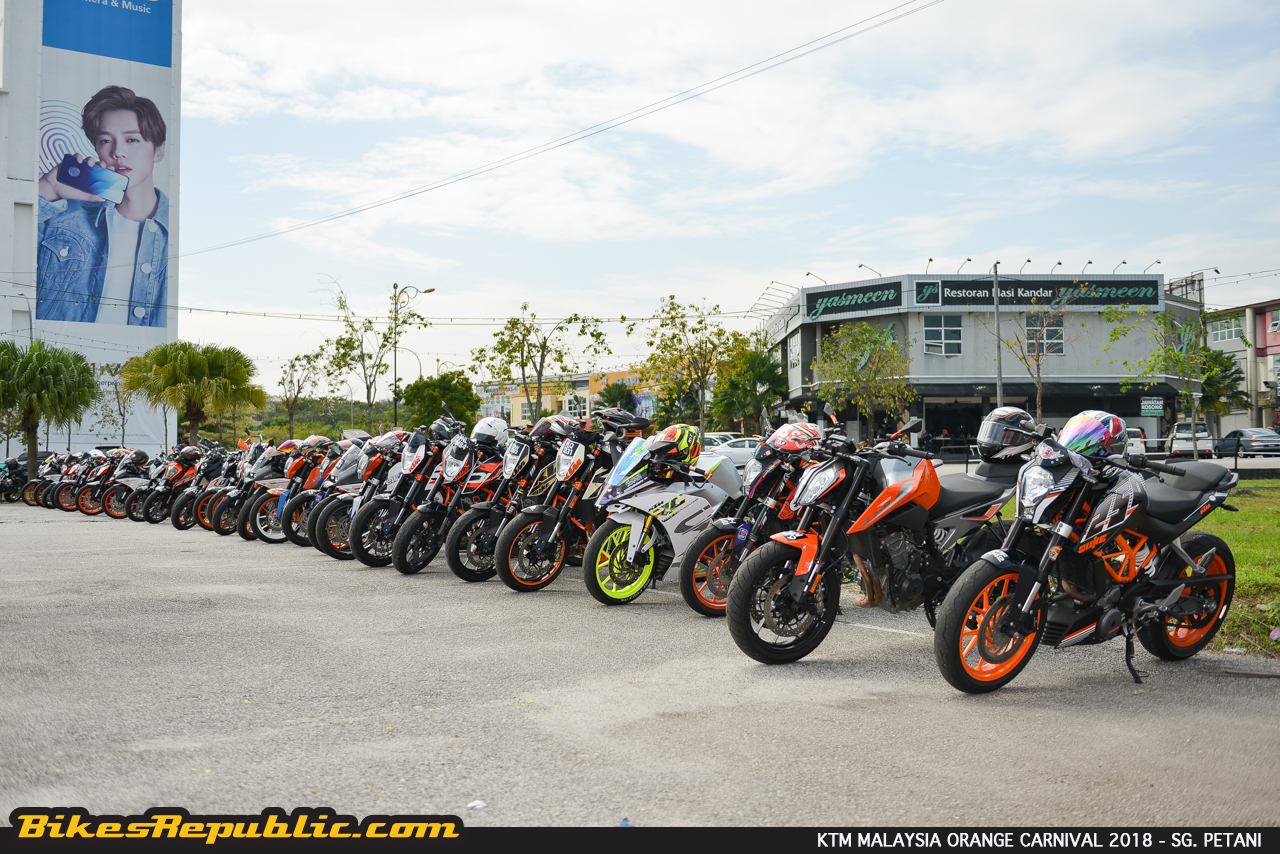
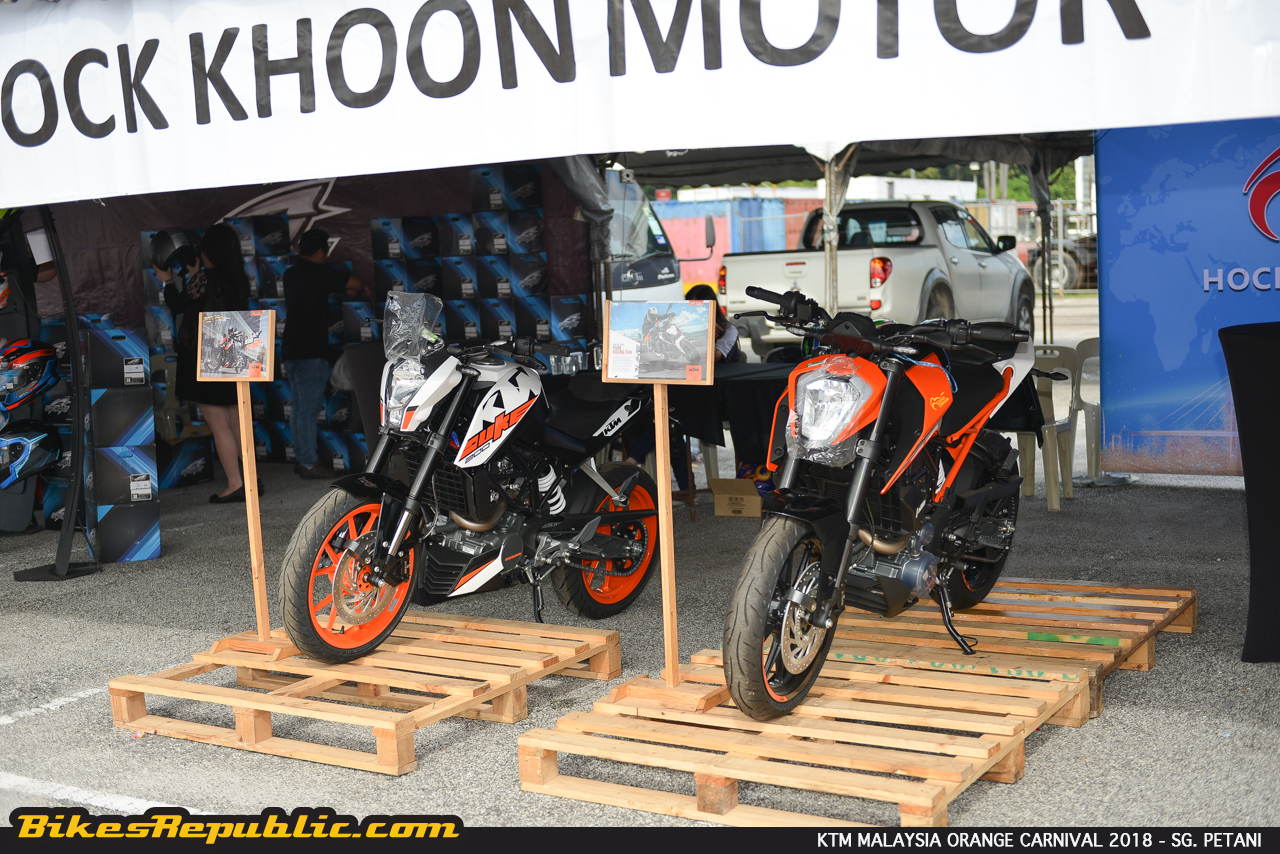
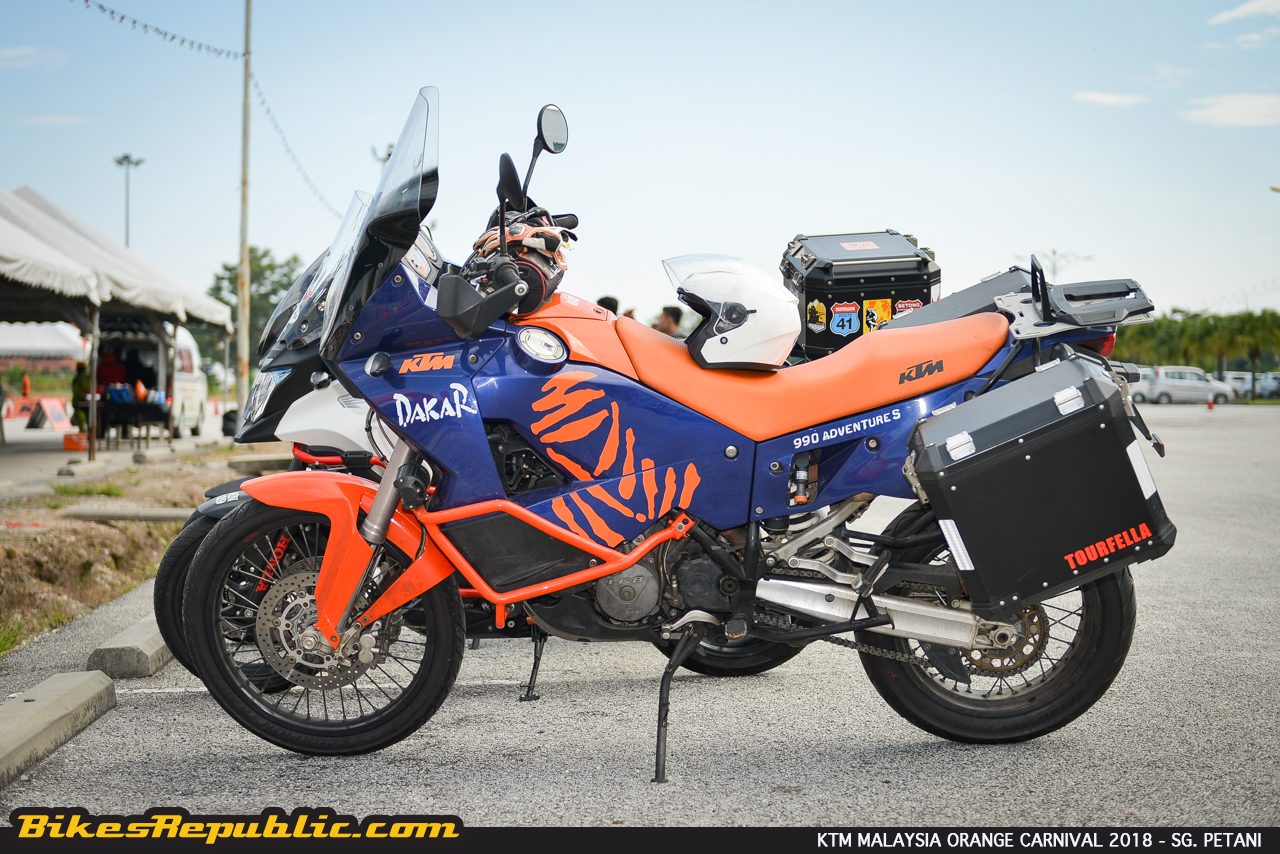
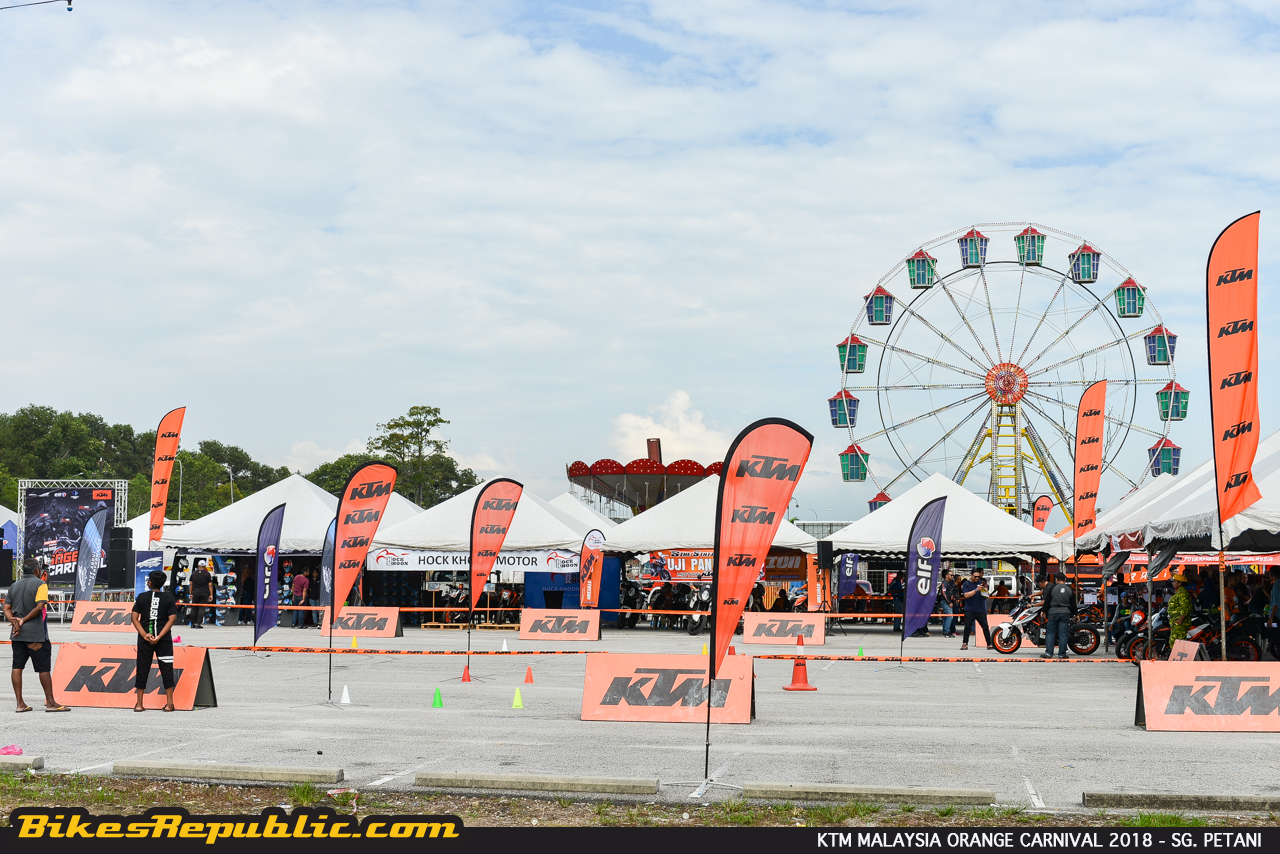
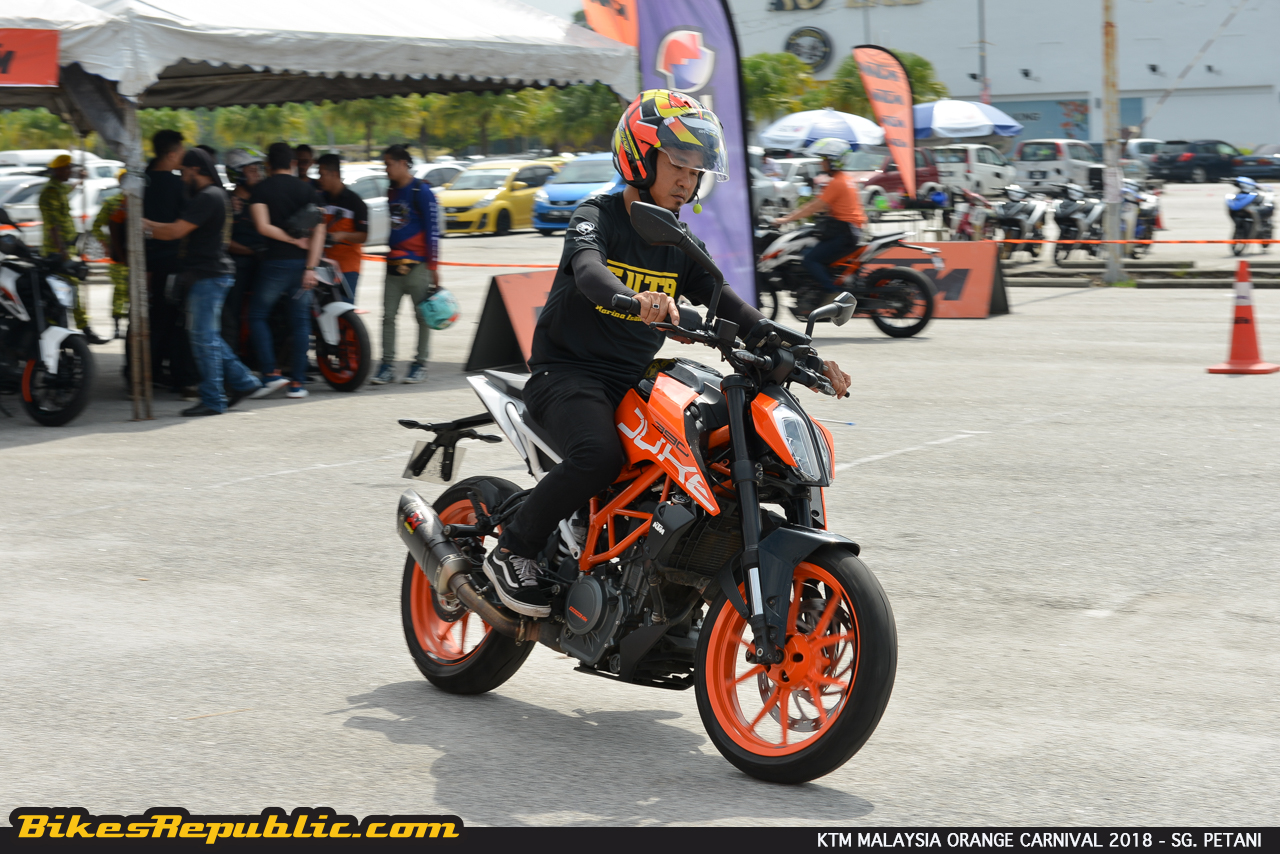
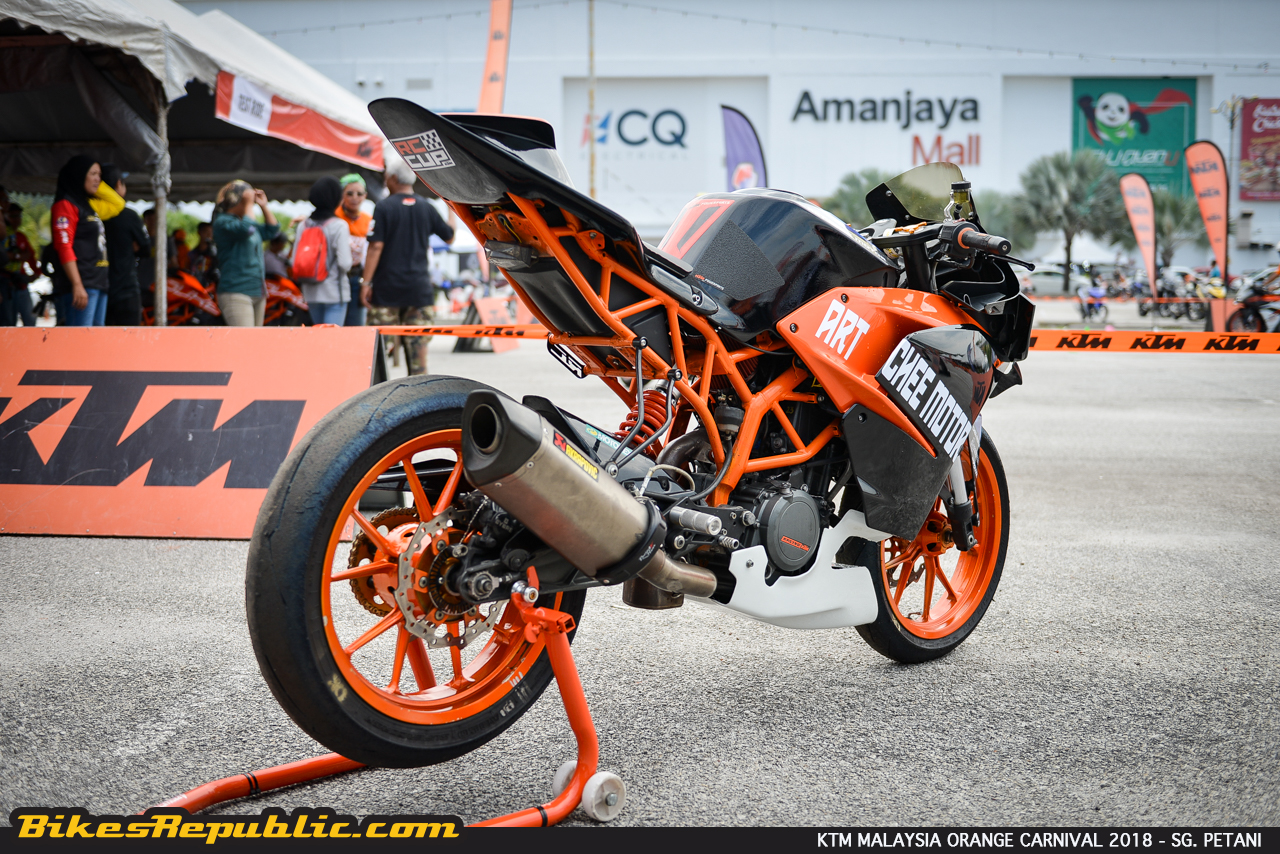
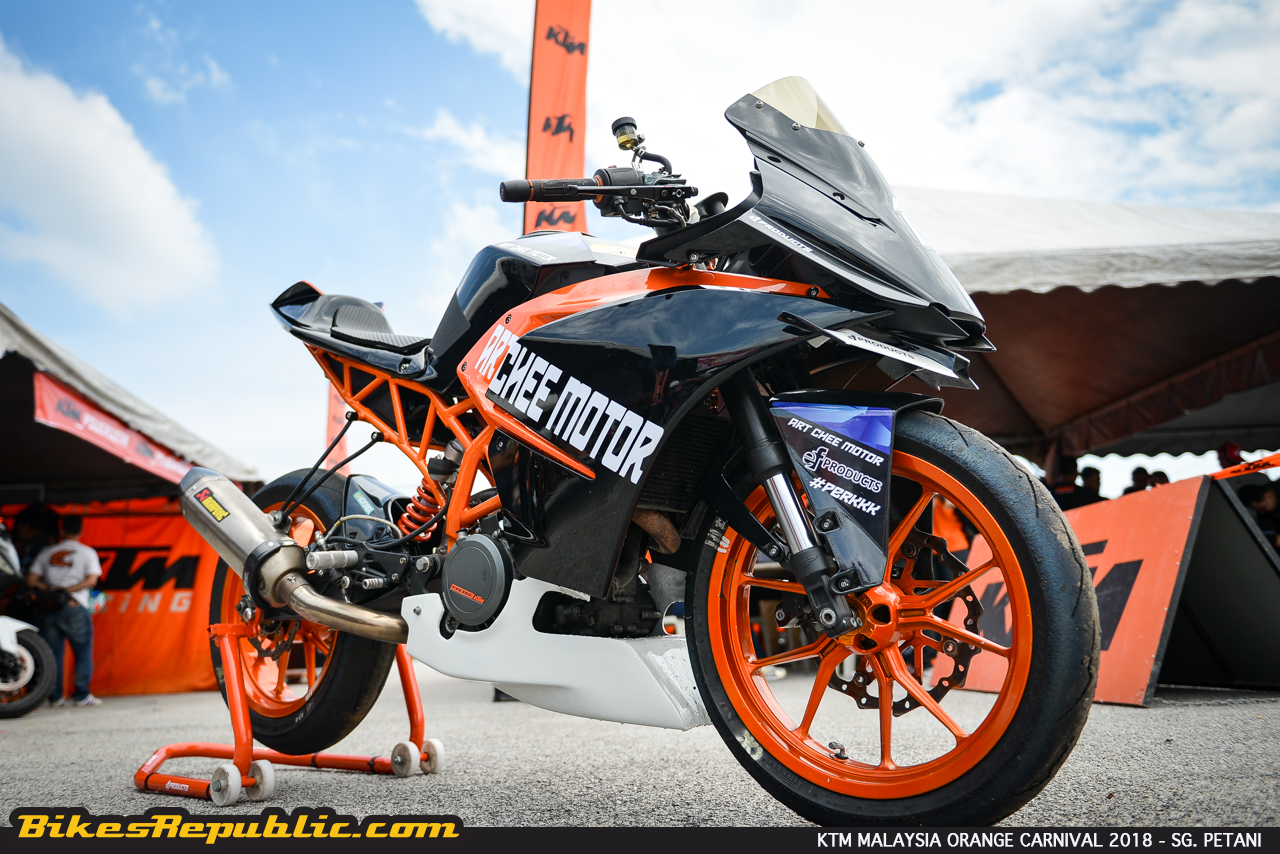
  • The KTM Malaysia Orange Carnival 2018 at Sungai Petani heralded the closing of the year.

  • KTM Malaysia organized many fun activities for the attendees.

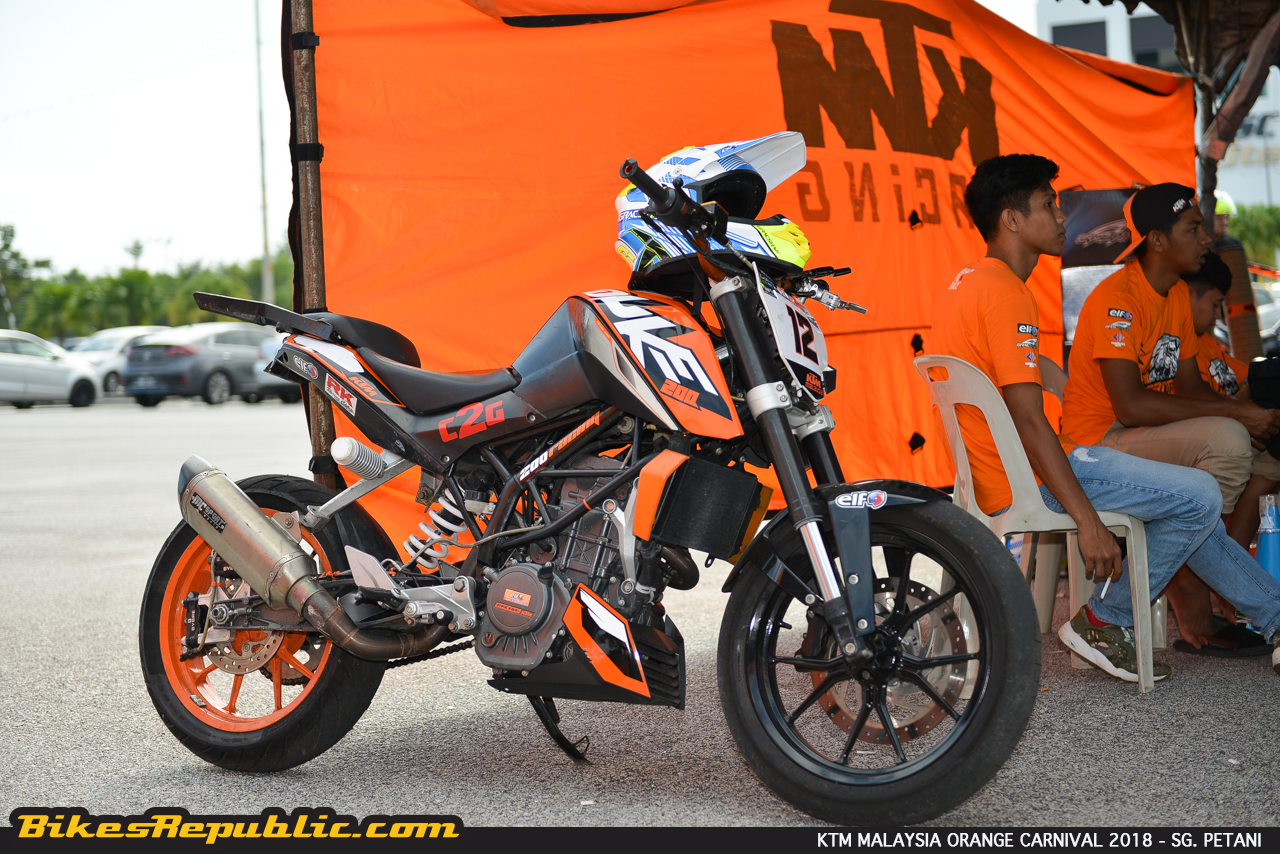
  • The lucky draw’s Grand Prize was a 200 Duke.

The KTM Malaysia Orange Carnival 2018 shifted to Sungai Petani, Kedah for the final time of year. The event was held on Saturday, 24thNovember 2018.

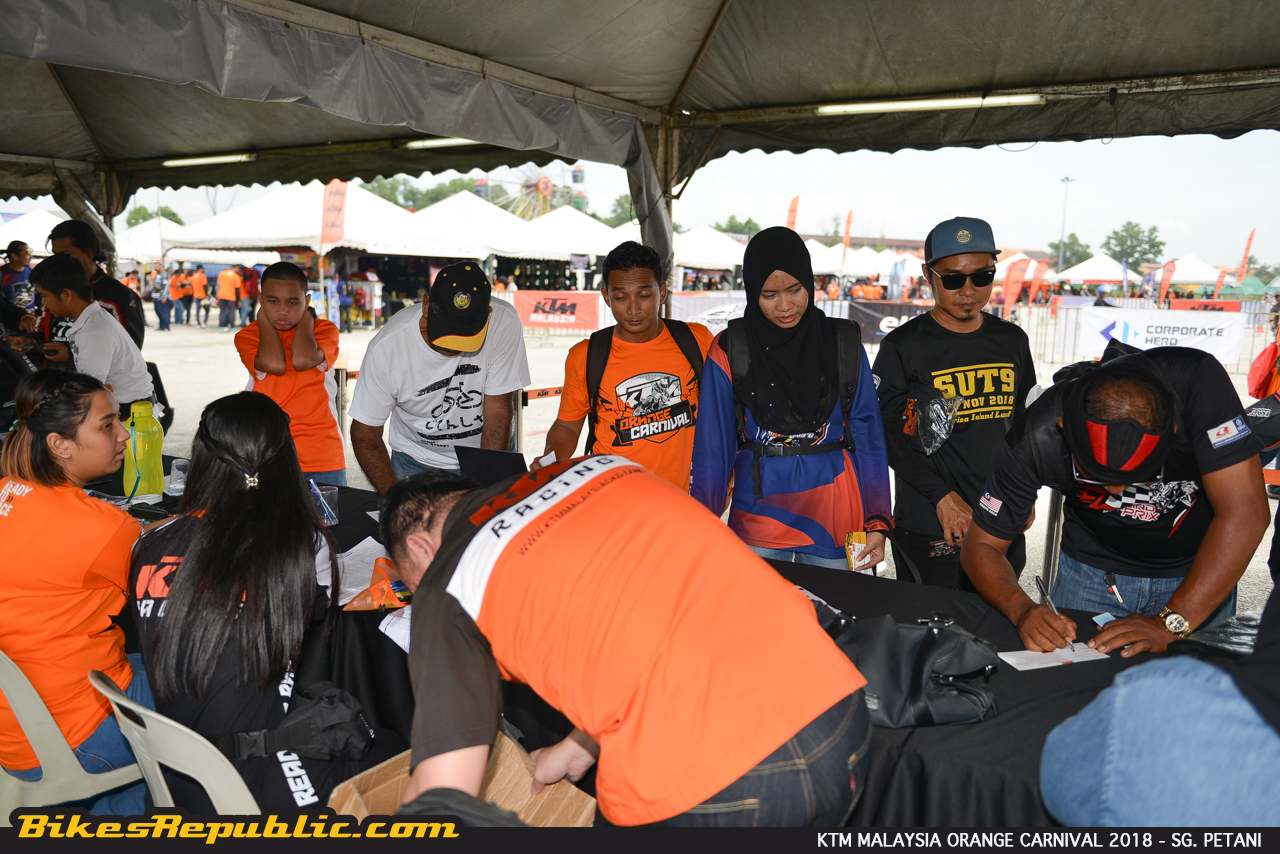
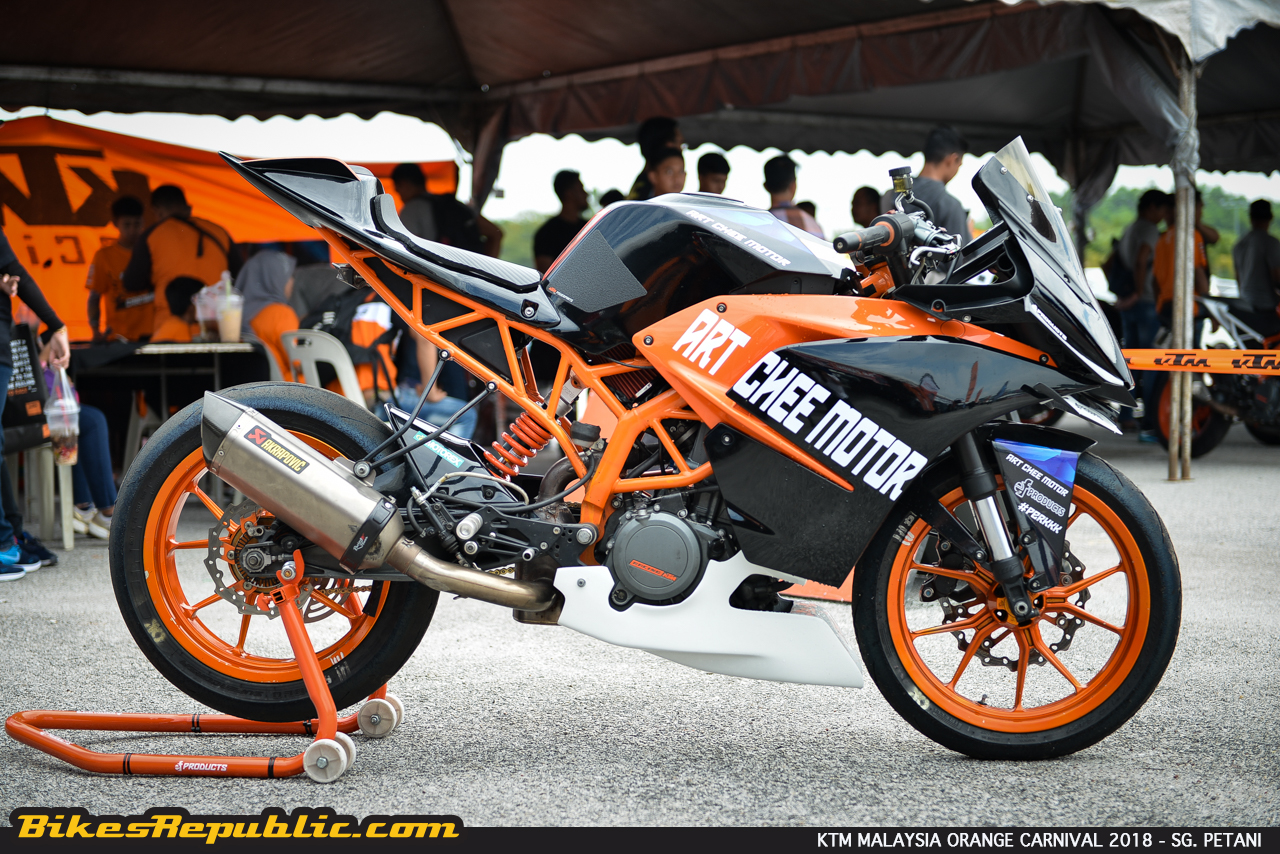
The day started out with a lazy morning under cloudy skies and cool weather. Soon, bikers started showing up on all brands of machinery. They were followed by the Northern Dukers on KTMs. The parking lot was soon filled with KTM Dukes and RCs of every customized look.

A large number of riders belonging to bike clubs of other brands also arrived later on.

KTM Malaysia organized a day full of activities for every visitor.

The fun and games included:
  • Test rides of KTM’s latest bikes.
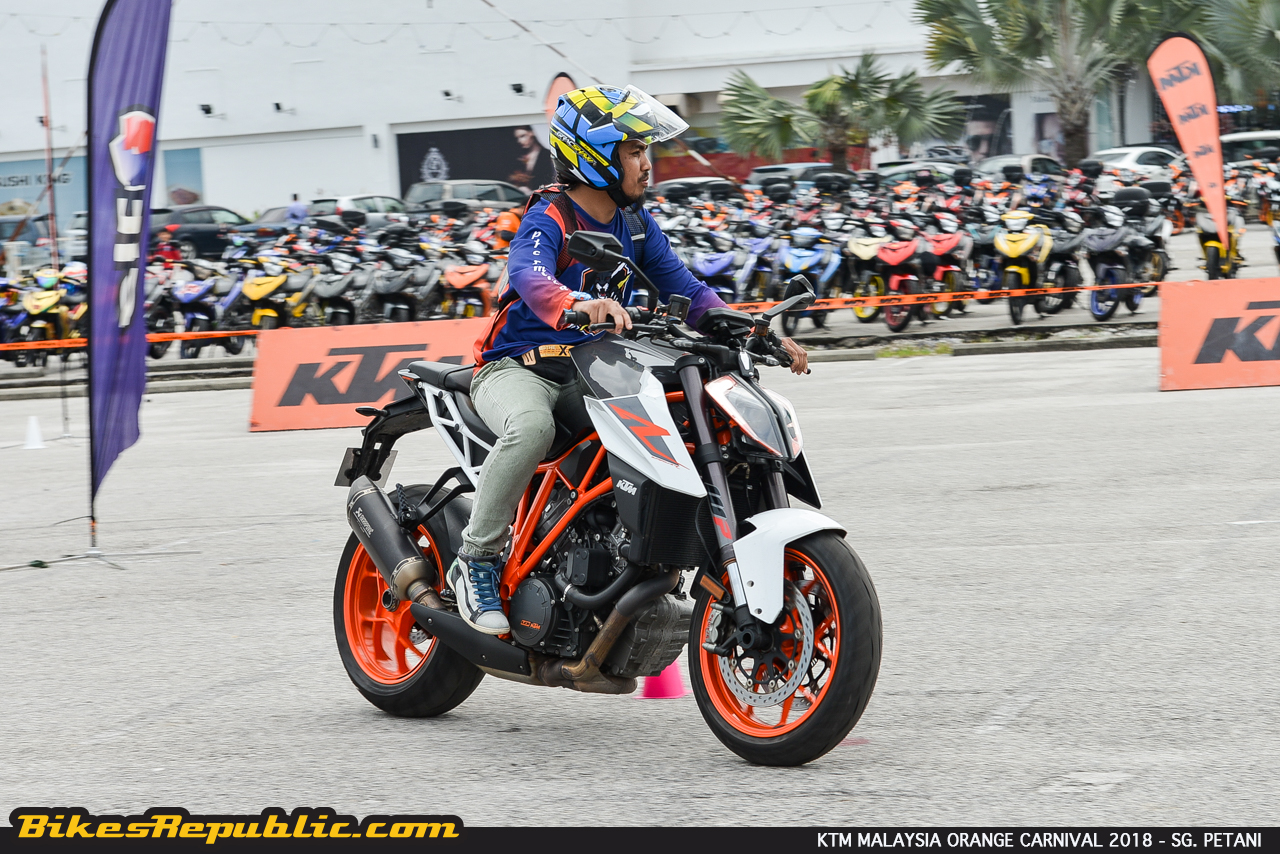
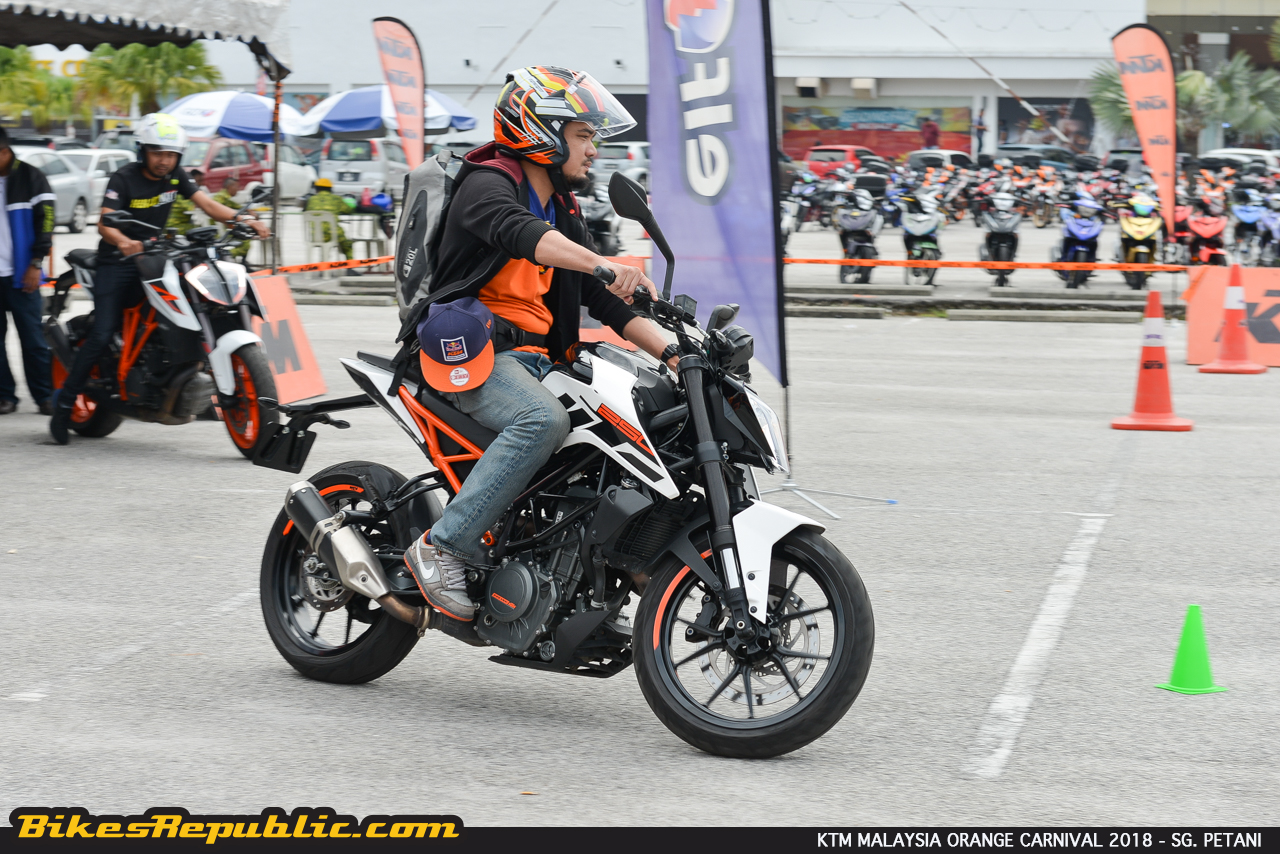
  • Fun-Hana (gymkhana) which is open to all brands.
  • Stunt shows.
  • Service campaign for KTM motorcycles.
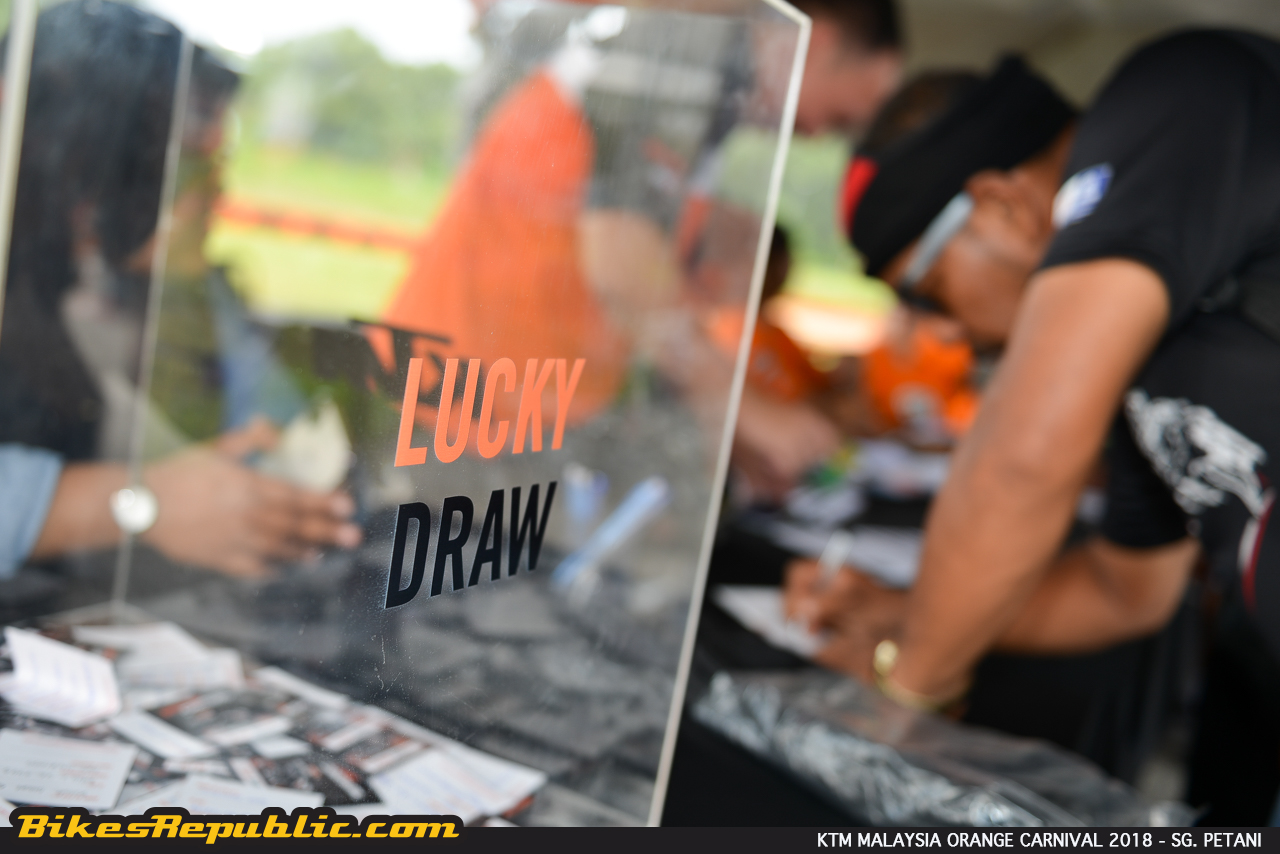
  • Lucky draw.

As expected, many took part in the test rides. KTM Malaysia had lined up almost every model they are offering. Among the bikes were the 250 Duke, 390 Duke, RC 250, 1050 Adventure, 1290 Super Duke GT, 1290 Super Duke R.


Meanwhile, the competition was starting to heat up at the Fun-Hana track. Participants tried their best to negotiate the tight slalom course and record the fastest time.

The Service Campaign received plenty of attention too. KTM Malaysia not only serviced the bikes, but they also rain diagnostics with KTM’s official electronic diagnostic tool. Addition, the technicians performed safety inspections of the bikes. Owners were informed of items that need attention.

Every participant who purchased an official KTM Orange Carnival Pack was entitled to the lucky draw. there was plenty of interest since the grand prize was a brand-new 2018 KTM 200 Duke.

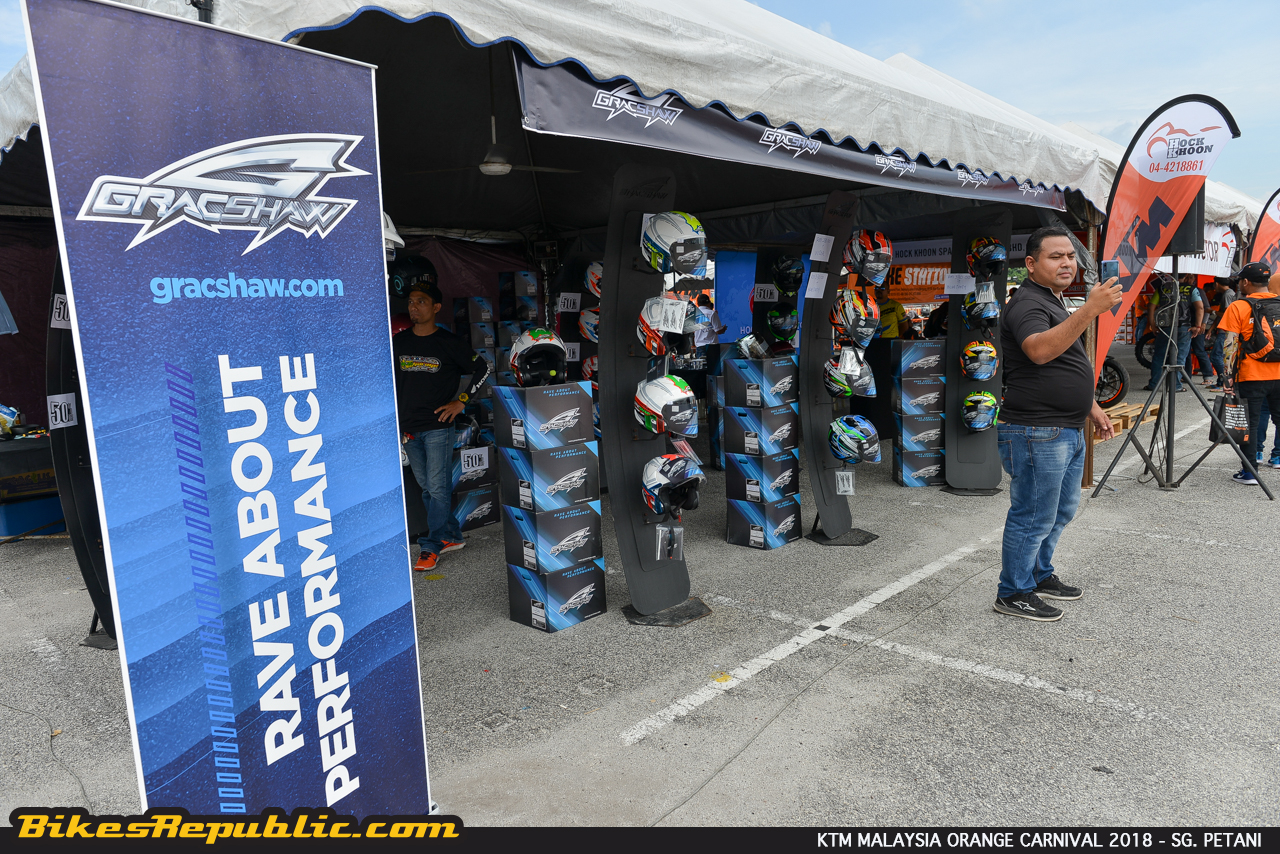
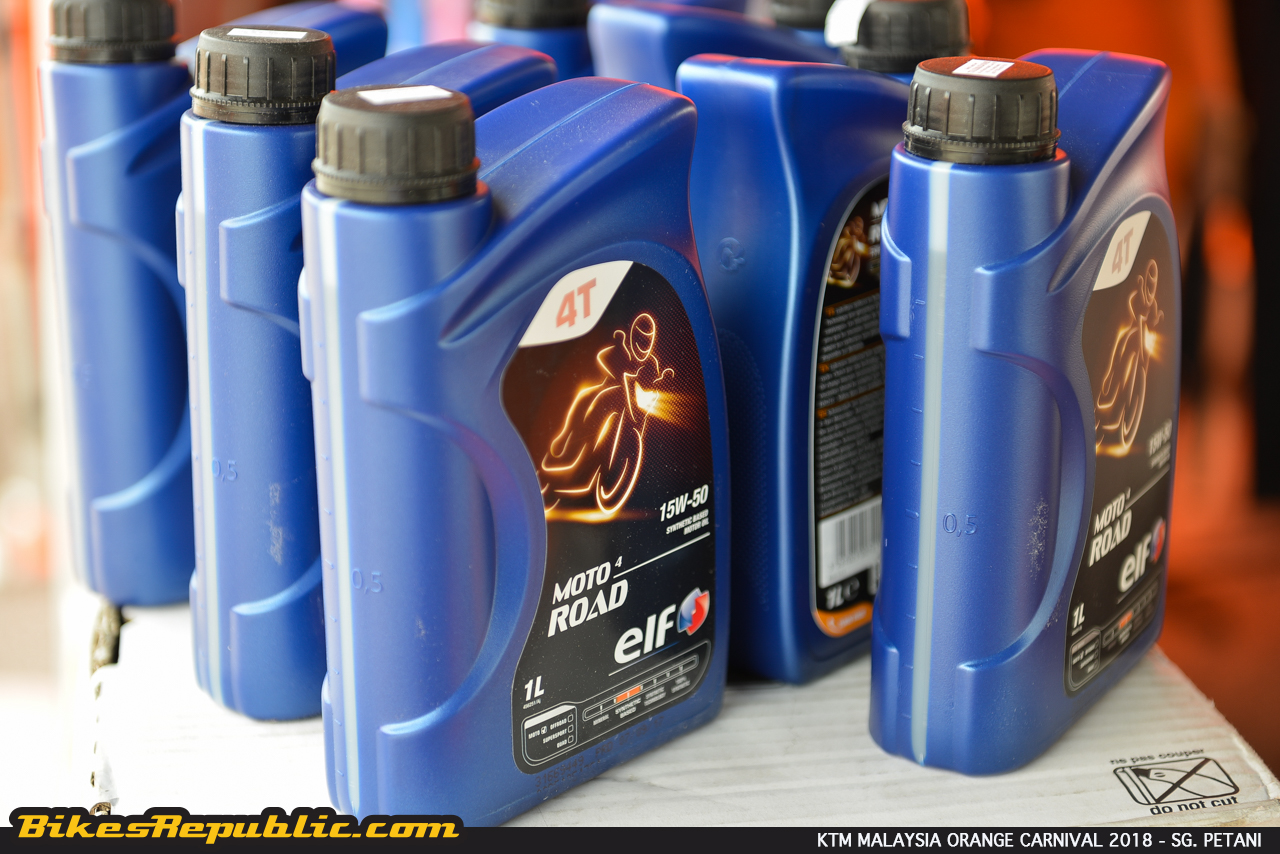
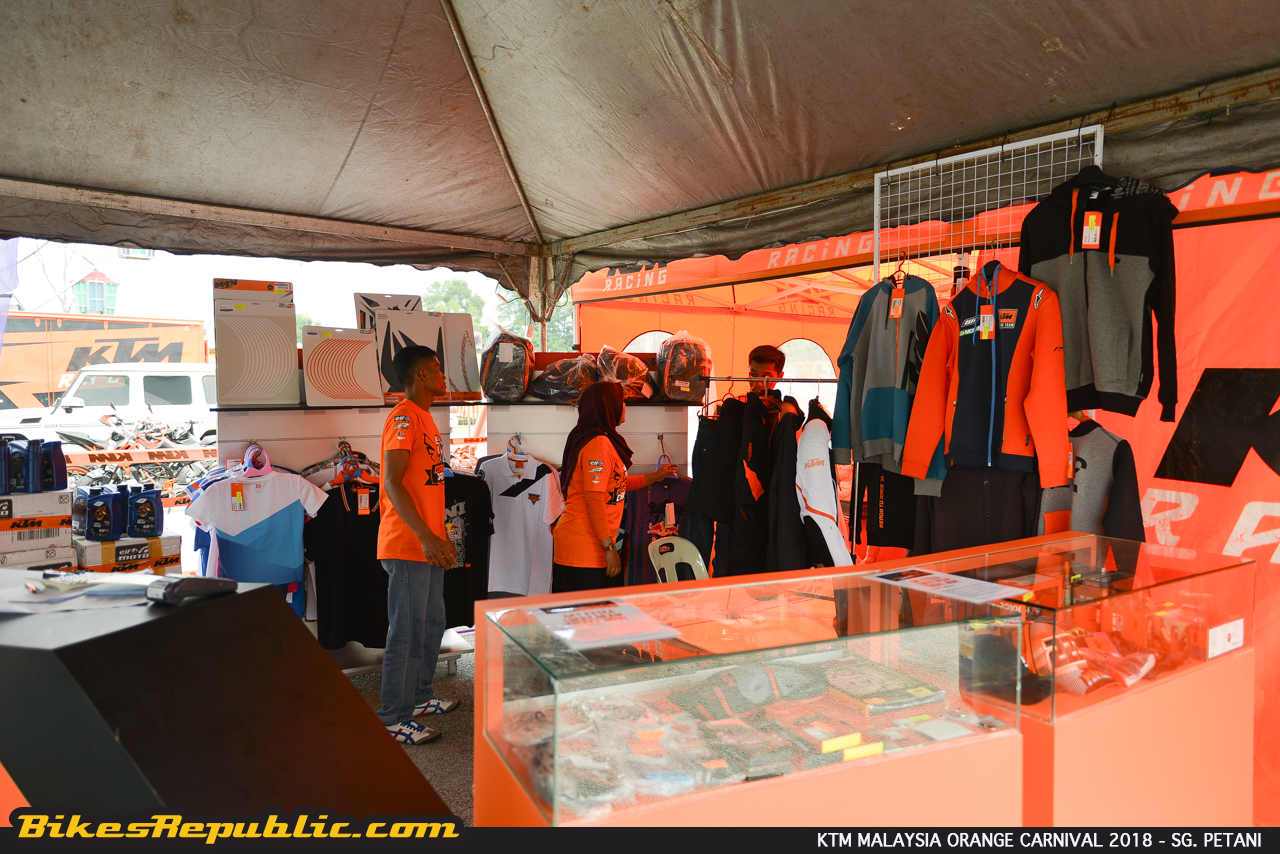
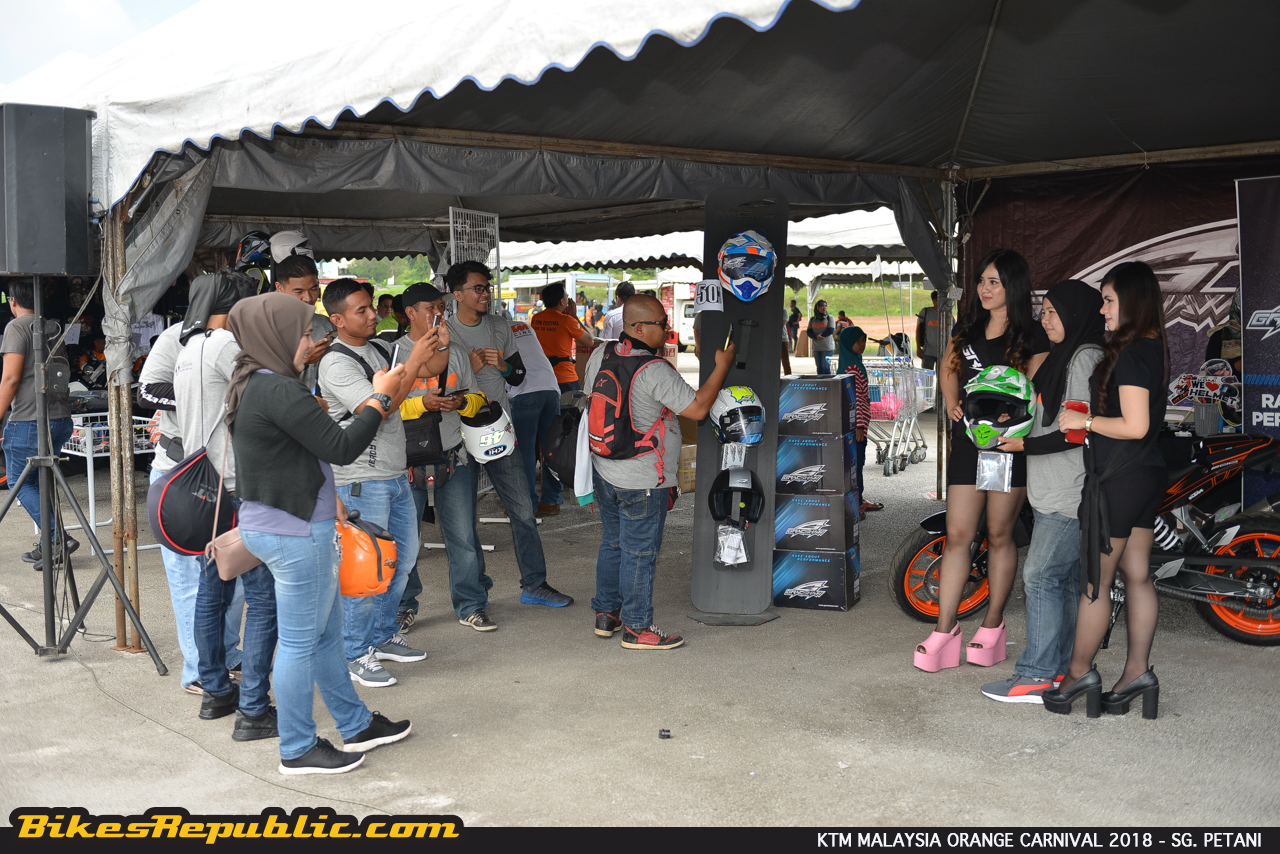
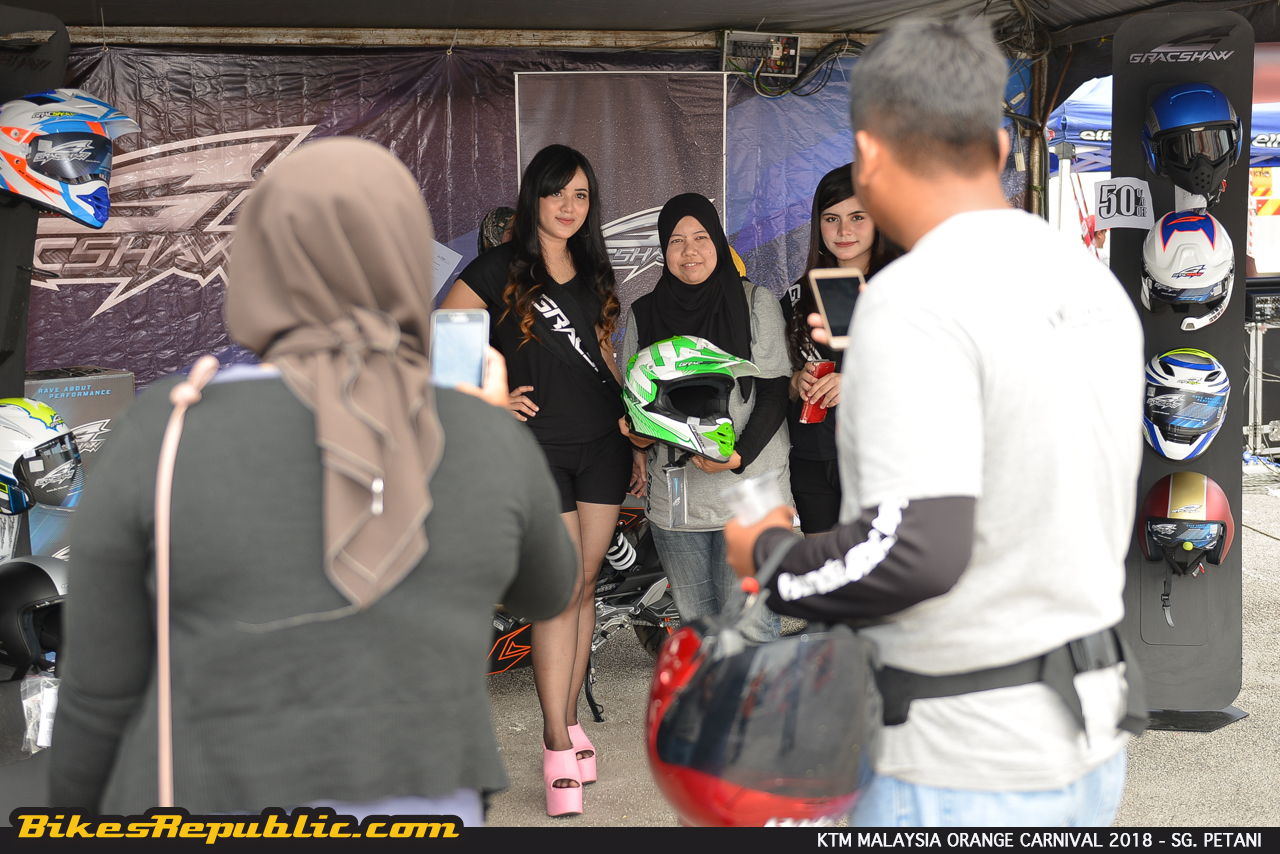
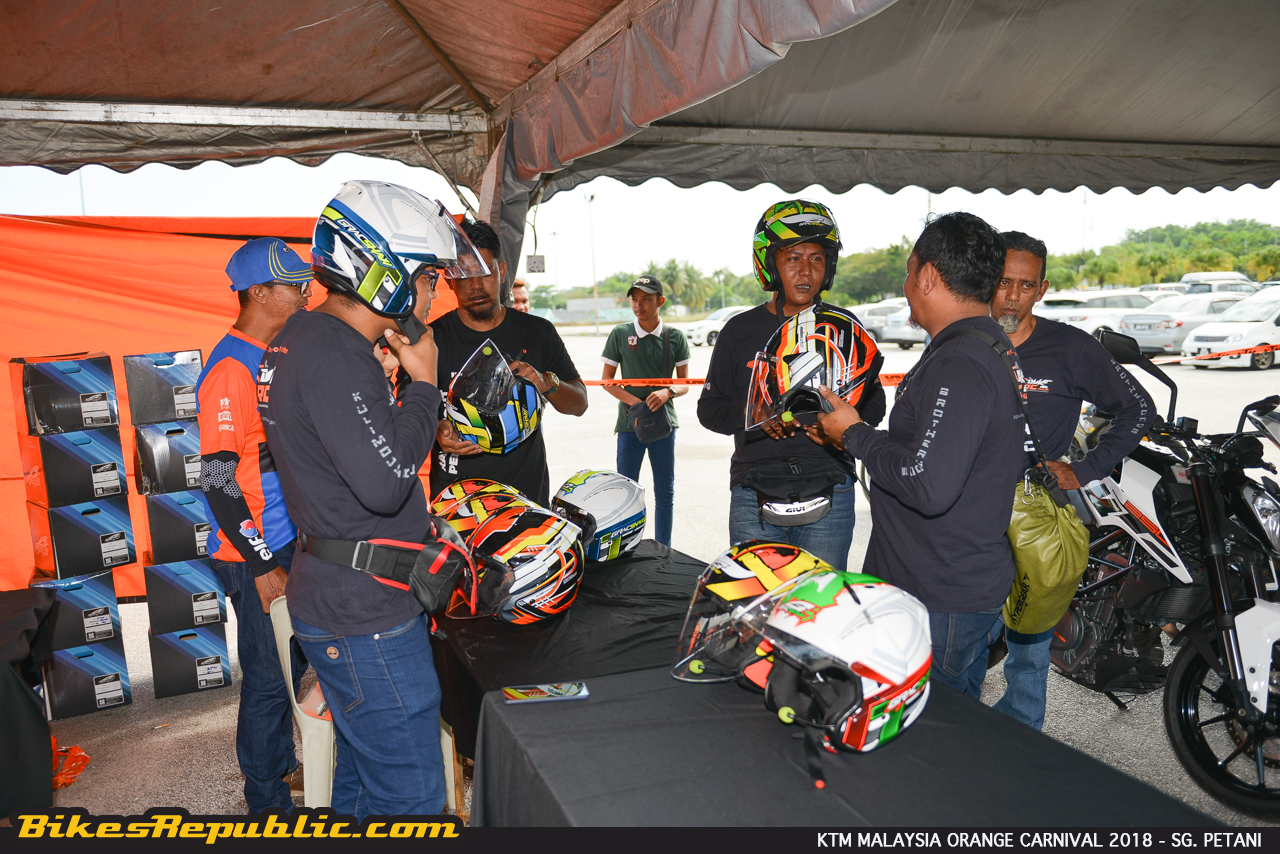
Finally, there were also many exhibition booths on that day. KTM displayed and provided special pricing for their PowerParts accessories and PowerWear clothing collection. Gracshaw helmets, Elf Lubricants and KTM dealers were also present.

PICTURE GALLERY

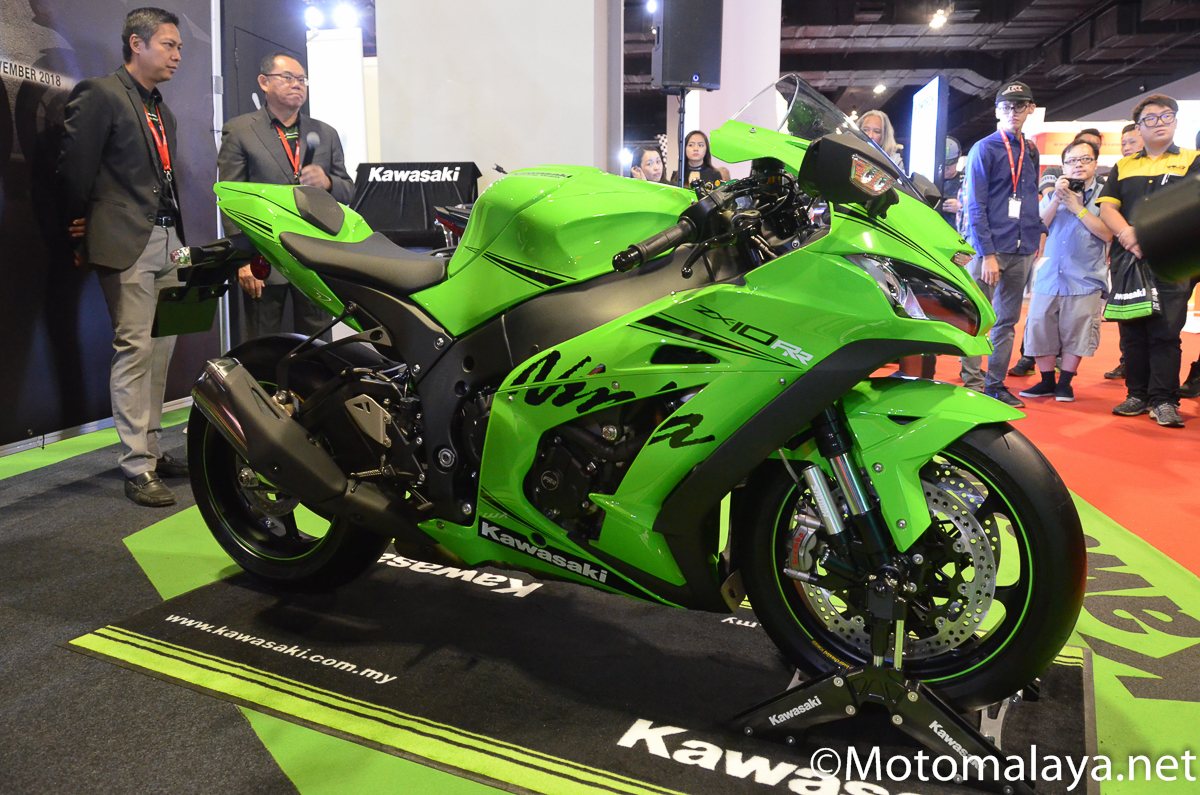
  • Kawasaki Motors Malaysia Sdn Bhd (KMSB) has officially launched the 2019 Kawasaki Ninja ZX-10RR and the Ninja ZX-6R.

  • The launch was held at KLIMS 2018 together with the introduction of the Kawasaki Genuine Oil.

  • Both the new ZX-10RR and ZX-6R are priced at RM159,900 and RM79,900 respectively.

The good folks from Kawasaki Motors (Malaysia) Sdn Bhd (KMSB) have successfully conducted one hell of a show-stopper earlier today with the launch of the all-new 2019 Kawasaki Ninja ZX-10RR and Kawasaki Ninja ZX-6R in conjunction with the Kuala Lumpur International Motor Show 2018 (KLIMS). (more…)

Archive

Follow us on Facebook

Follow us on YouTube