Malaysia’s unsung heroes who have been at the frontlines fighting to assist in curbing the spread of the COVID-19 virus have been getting a lot of love and support from everyone lately. National motorcycle manufacturer, Modenas, played their part by offering some important donations to the Sultanah Bahiyah Hospital in Alor Setar, Kedah. (more…)
The Yamaha brand is synonymous with revolutionary styling, great handling and innovation.
They have made a number of legendary bikes over the years.
Here we count down the 10 best.
The name Yamaha has always been at the forefront of revolutionary styling and great handling, if not innovations.
Set up in 1955, the Yamaha Motor Company, Ltd. now produces almost anything that’s motorized. They are currently the world’s second largest motorcycle manufacturer and leader in water vehicle sales.
The company has seen great success in motorsports, as well, and is the second most successful manufacturer after Honda.
So, let’s count ‘em down. Note that this list is for CBU Yamahas. We shall cover the CKD (local assembly models) in Malaysia on a later date.
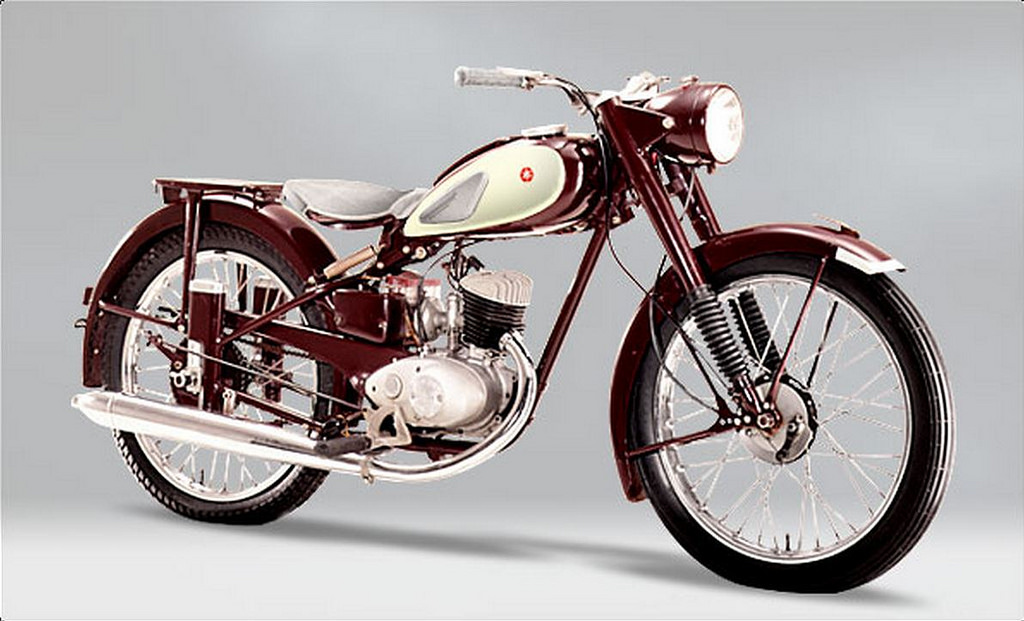
10. Yamaha YA-1 (1955)
The YA-1 was Yamaha’s first model. Although influenced by the German DKW RT125, the YA-1 had many engineering, material and production upgrades. It was the first Japanese bike to have a primary kick starter (the engine can be kickstarted while in gear). The bike was then entered in two Japanese races that year and won the 125cc class.
When it won again the following year, riders took notice of its high quality and reliability. Enthusiasts would soon give it the “Red Dragonfly” nickname.
Talk about an auspicious start!
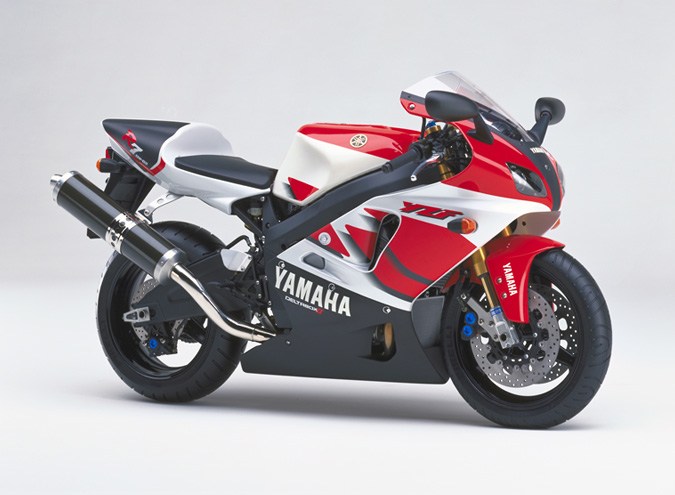
9. YZF-R7 “OW02” (1999)
The YZF-R7 was Yamaha’s answer to the World Superbike Championship. Built with exotic materials and engineered based on the YZR500 Grand Prix racer, the company called it a racer out of the box. It had flat slide carburetors, titanium conrods, titanium valves, Öhlins suspension and weighed only 189 kg, dry. It was delivered with 106 hp, but a second race kit would bump that up to 162 hp. And it had Yamaha’s signature 20-valve Genesis head, too.
The bike did win a number of races but never won a championship. Only 500 were ever built at an astronomical price of USD 32,000 circa 1999.
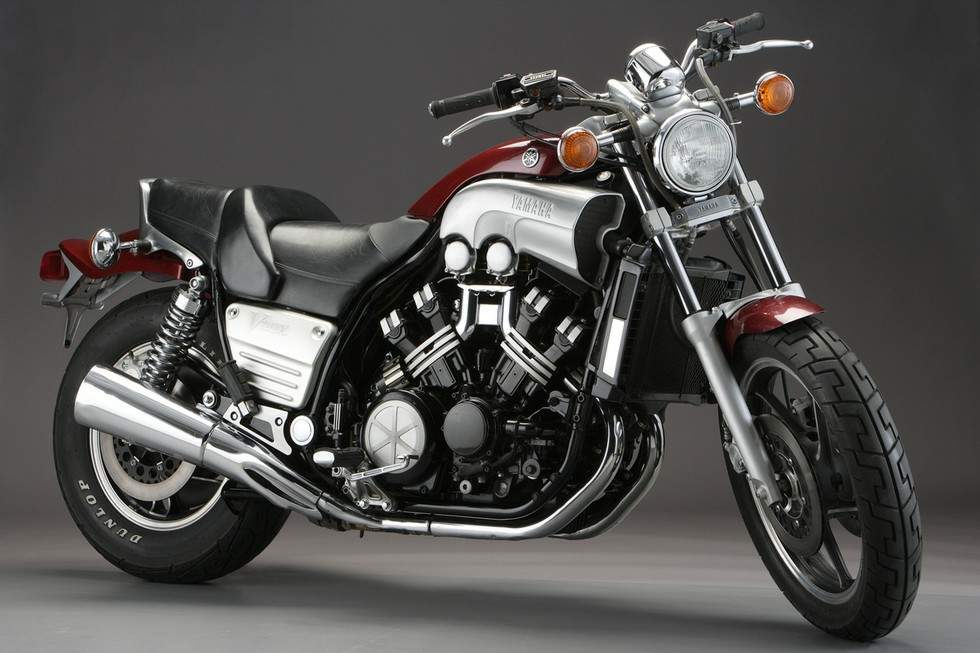
8. V-Max (1985)
No Yamaha list will be complete without the fearsome V-Max power cruiser. Designed solely for straight line acceleration, the V-Max’s 1,197cc 70-degree V-Four put out a tyre spinning 145 bhp (measured at the wheel, not crank!). That power would see it hit a 240 km/h top speed. Remember, this was in 1985. On top of that, the entire bike was held together by a steel tube frame.
The V-Max was updated through the years, cumulating in the VMAX in 2009. Sure, the new bike handled better – because it’s needed for the new 197 bhp engine.
Unfortunately, the VMAX was axed from Yamaha’s in 2019.
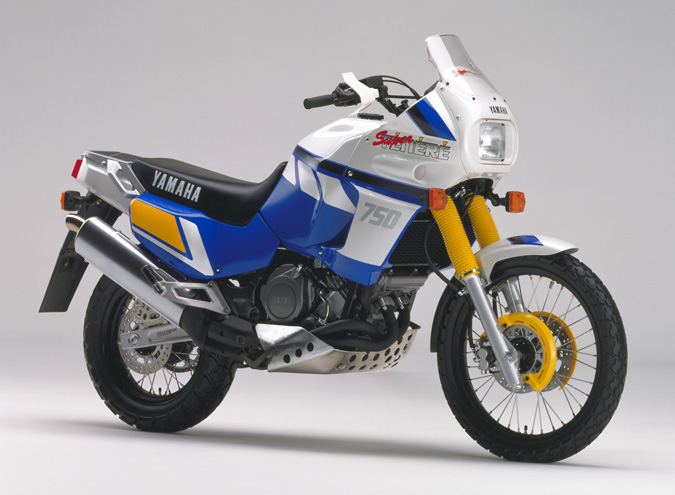
7. XTZ750 Super Ténéré (1989)
The Super Tenere was made to commemorate Yamaha’s win in the Paris-Dakar Rally, in the same veins as the BMW R 80 G/S, Honda Africa Twin and Cagiva Elefan. The YZE750 race version won the rally twice, while the upgraded 850cc version won four times.
Enthusiasts say that “Super Ten” had a more aggressive behavior compared to its peers. It certainly looked so, as well. The bike would grow to 1200cc.
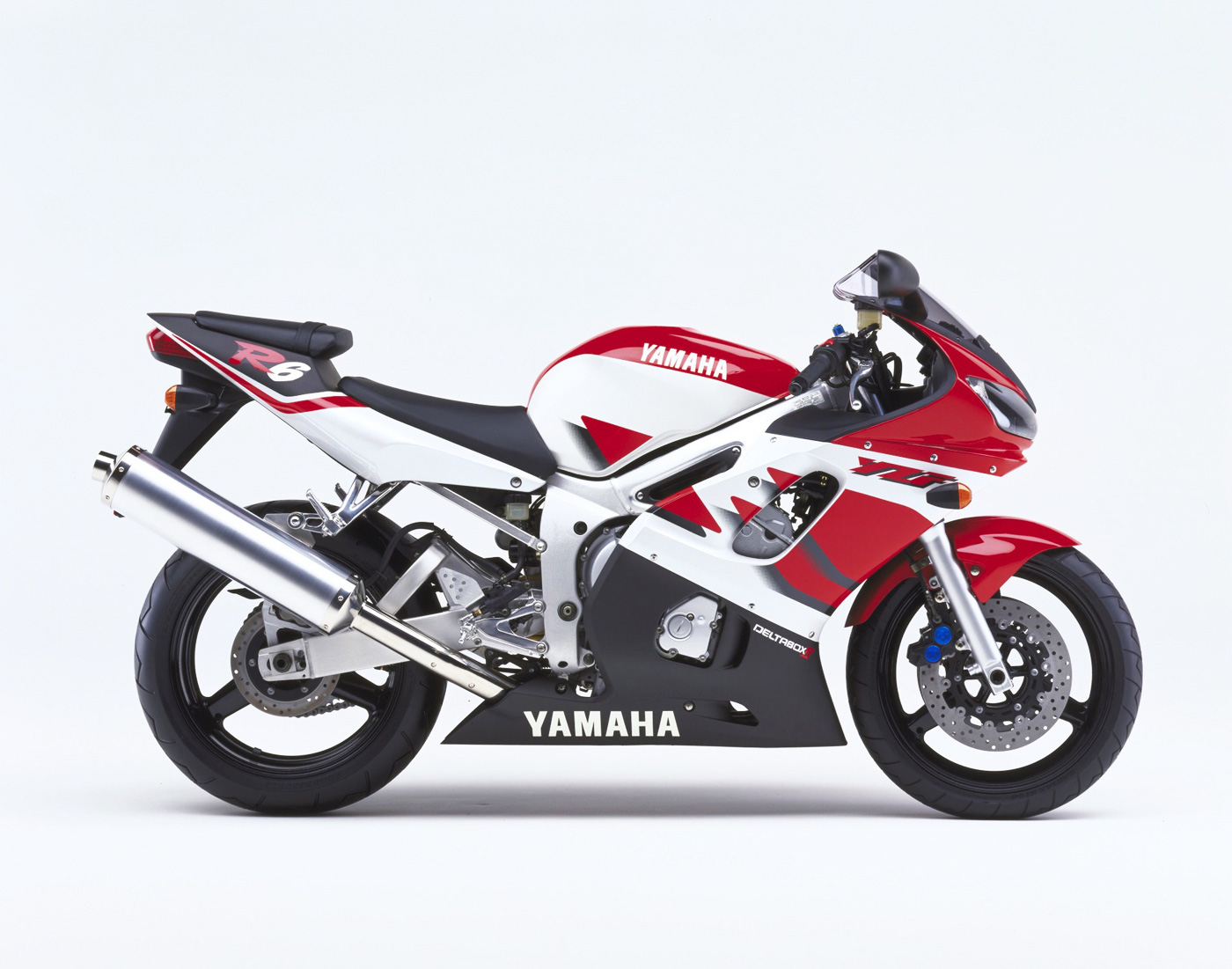
6. YZF-R6 (1999)
The YZF-R6 followed immediately in the footsteps of the YZF-R1. Consequently, its engineering concepts were derived from its bigger brother, too, except for the 20-valve Genesis head. The R6 has a major upgrade in 2003 when it featured a ride-by-wire throttle which Yamaha called the YCC-T (Yamaha Computer Control – Throttle). The argument continues today as to whether it’s the R6 or the Aprilia Shiver 750 which introduced that system on a streetbike. Another revision in 2008 saw the debut of the YCC-I (Yamaha Computer Control – Intake) variable intake length system.
Chaz Davies took the R6 to the World Supersport Championship in 2011.
Hard times are hitting every single company and manufacturer around the globe and across the board due to the current development of the Coronavirus or COVID-19. Instead of maintaining the business with short-time work or even worse, layoffs, Liqui Moly does the exact opposite – each of their employees get a €1,000 ‘Corona Consolation’ bonus! (more…)
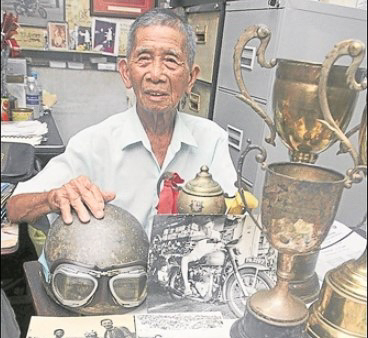
It is with deep sadness that we report to you that one of Malaysia’s motorsports legend, Kuan Huah Chin aka “Bulldog Kuan” had passed away yesterday. Those who have been involved in the national motorsports world here in Malaysia are aware and thankful of all the contributions made by this very legendary Malaysian GP rider. (more…)
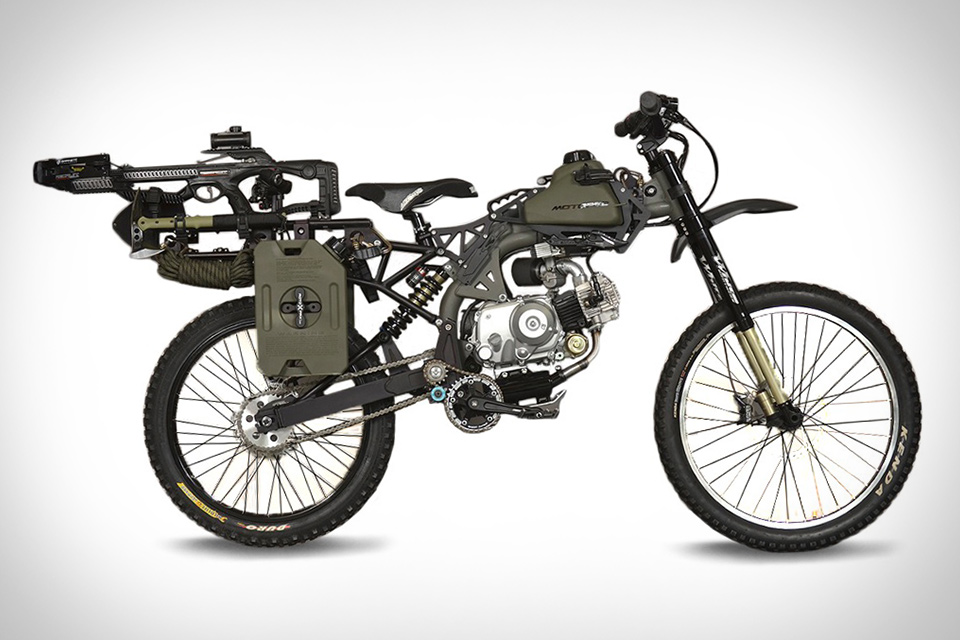
Well, no, the Covid-19 will not bring on the apocalypse. Not yet, anyway.
We’re not trying to sow paranoia here. But who knows if some super strain turns those infected into zombies? Or a big space rock decides to grace our planet? Or if aliens want our beautiful Earth as their new home? Watched too many movies? Maybe. But scientists have pointed out that these could be the most likely scenarios.
That bike better be reliable to keep running, otherwise you’d need to do lots of cardio (to quote Zombieland). It should also be easy to upkeep and repair. Nothing fancy, instead something to get you from point-to-point and out of harm’s way.
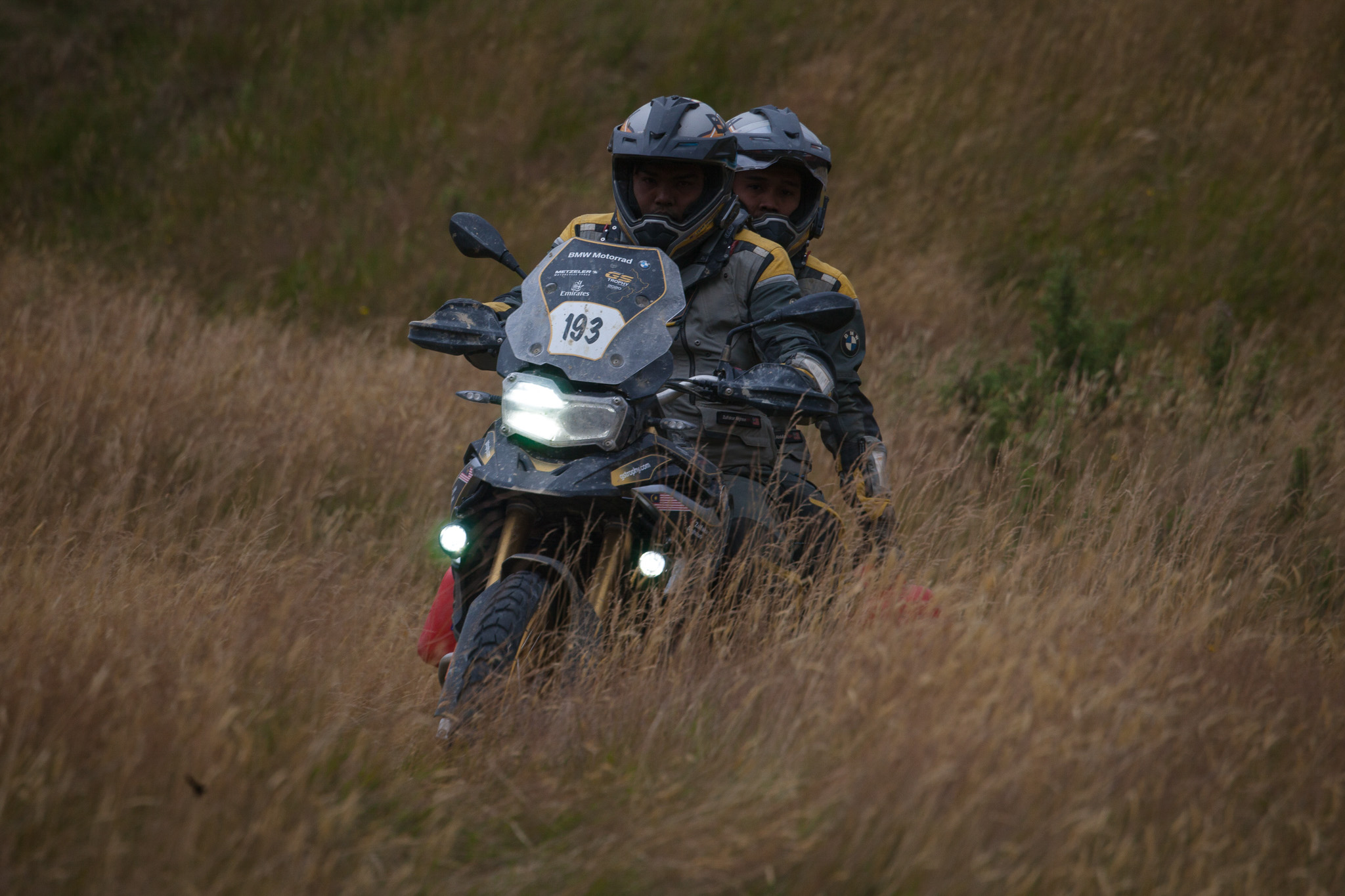
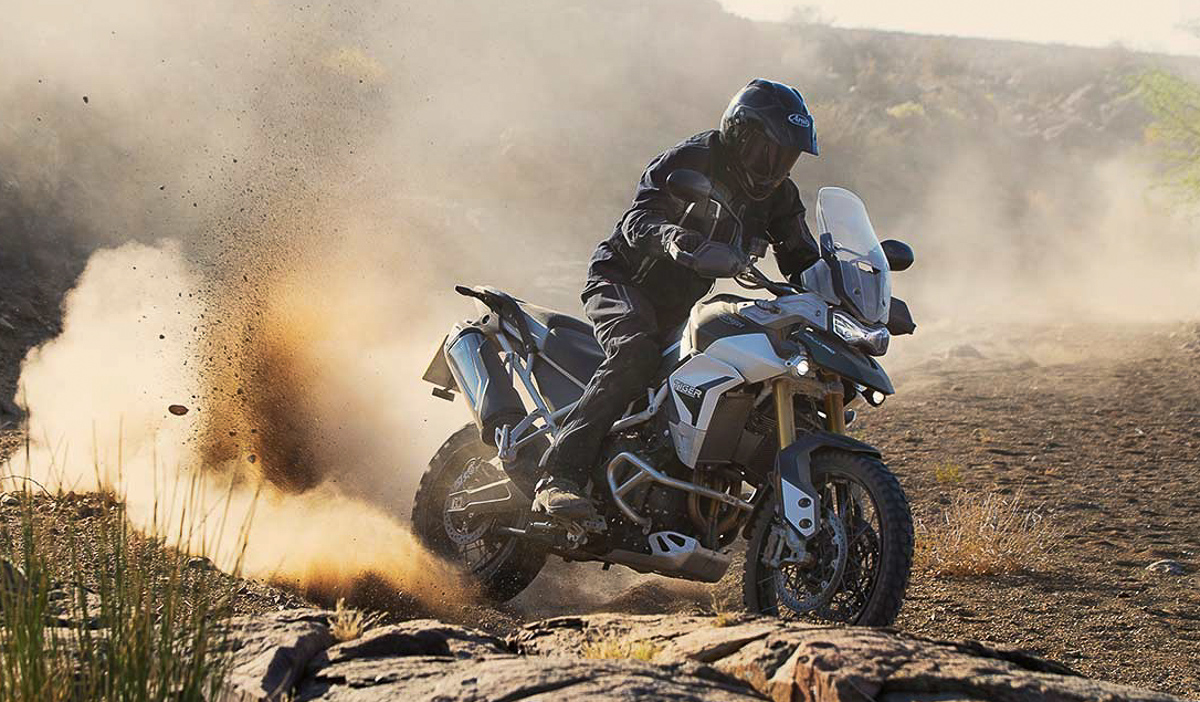
10. BMW F 850 GS and Triumph Tiger 800/900
Forget about the high-end, large capacity adventure dual-sport bikes. Those are heavy, need premium fuel, besides being loaded to the eyeballs with electronics. Sure, they could go almost anywhere as much as any adventure bike, but they still need to come home to civilization to keep ‘em runnin’.
Midrange dual-sport bikes like the F 850 GS and Triumph Tiger 800 (and now 900) are easier to maintain. They have electronics but not to the stage that a single problem cripples them. Replacing or repairing parts are also easy because they don’t have much exotic materials in the first place.
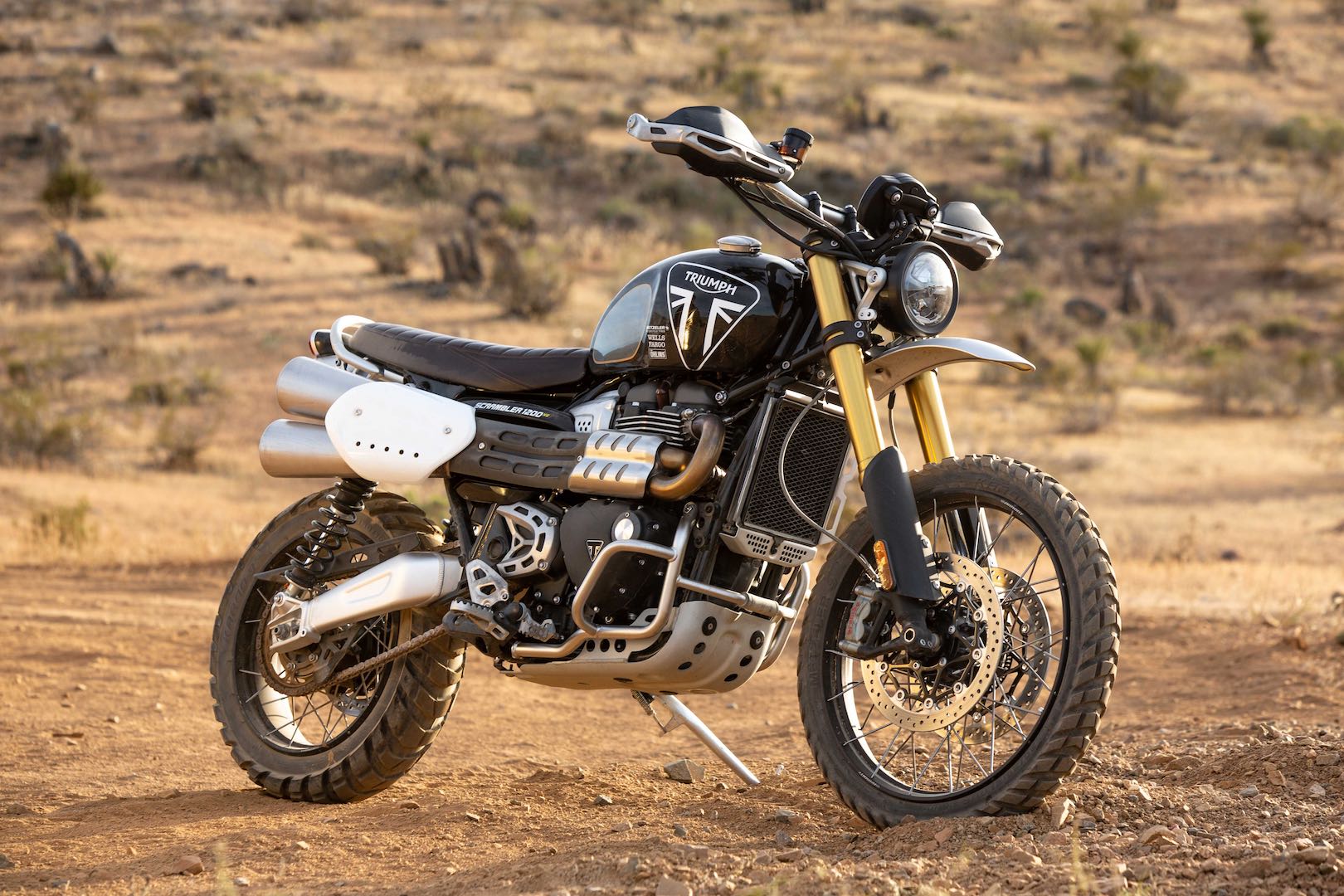
9. Triumph Bonneville
They’re simple and tough. In this day of reliable bikes, the Bonneville is a great example. The Bonnie is also easy to ride, making it a bike that anyone can survive on. It’s also highly customizable, meaning that you can tack on whatever stuff you need (or not).
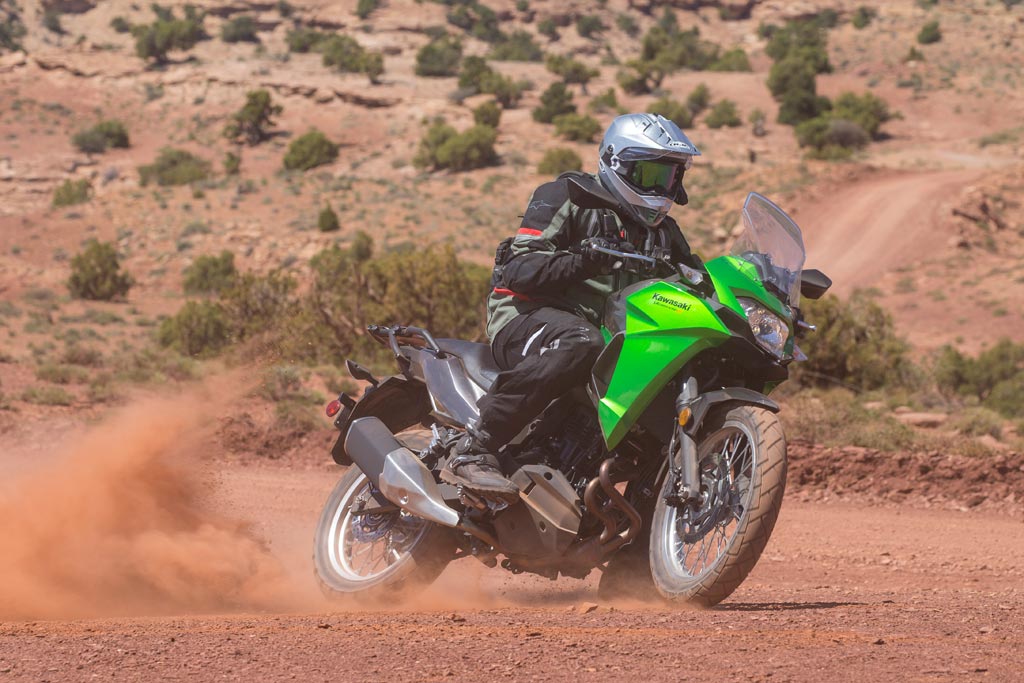
8. Kawasaki Versys 250/300
Courtesy of advpulse
Lightweight, relatively reliable and unpretentious. The engine returns great mileage too – we’ve constantly logged more than 350 km/h with one filling. The long travel suspension is also a boon for bad roads and the rough.
However, this is as far as electronically fuel injected motorcycles go. Electronics is always a worry.
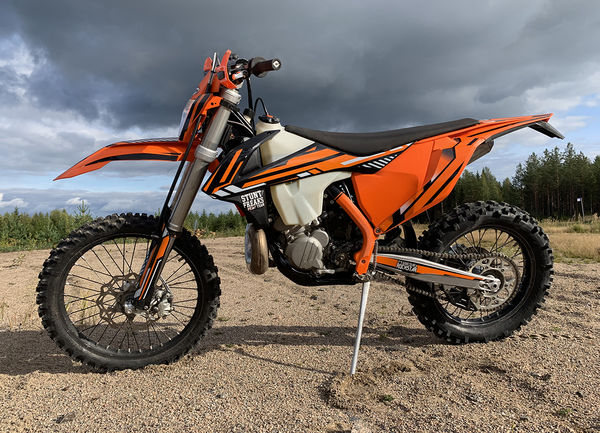
7. KTM carbureted dirt bikes
KTMs are tough buggers. I’ve dropped one over jagged rocks, but the crankcase survived. The frame didn’t even get a scratch. They seem to keep running regardless of how much punishment you throw their way.
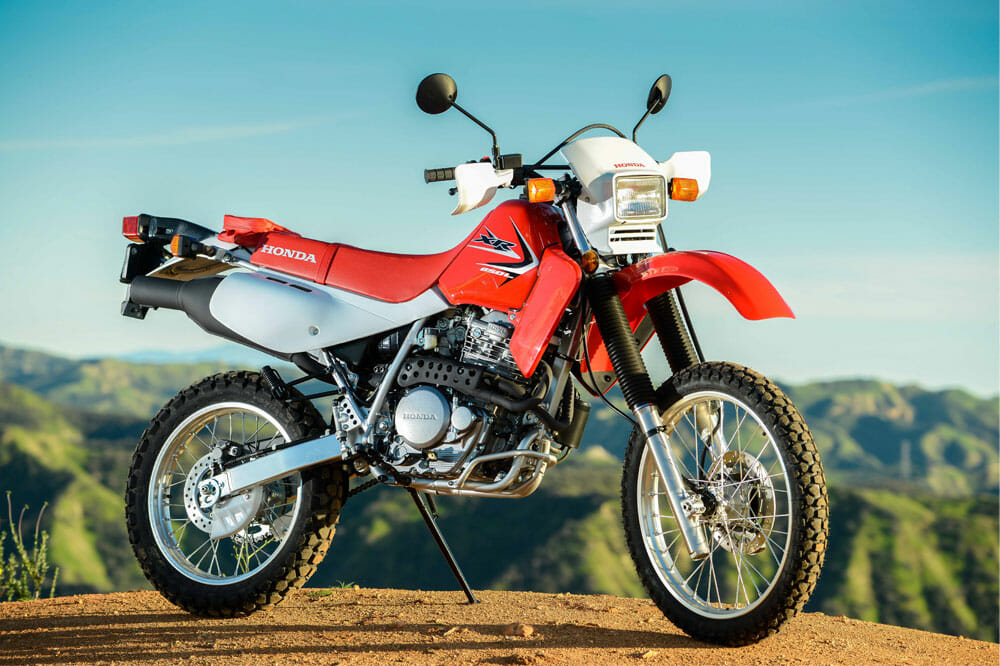
6. Honda XR
The XR was as mechanically complex as a hammer. Its range is the most extensive of any dirt bike’s, consisting of engine sizes from 50cc right up to 650cc. Among them are carbureted, fuel-injected, two-stroke, four-strokes. However, they’re all air-cooled. This was the main reason why the XR was axed to favour the environmentally friendly fuel-injected and liquid-cooled CR/CRF lineup.
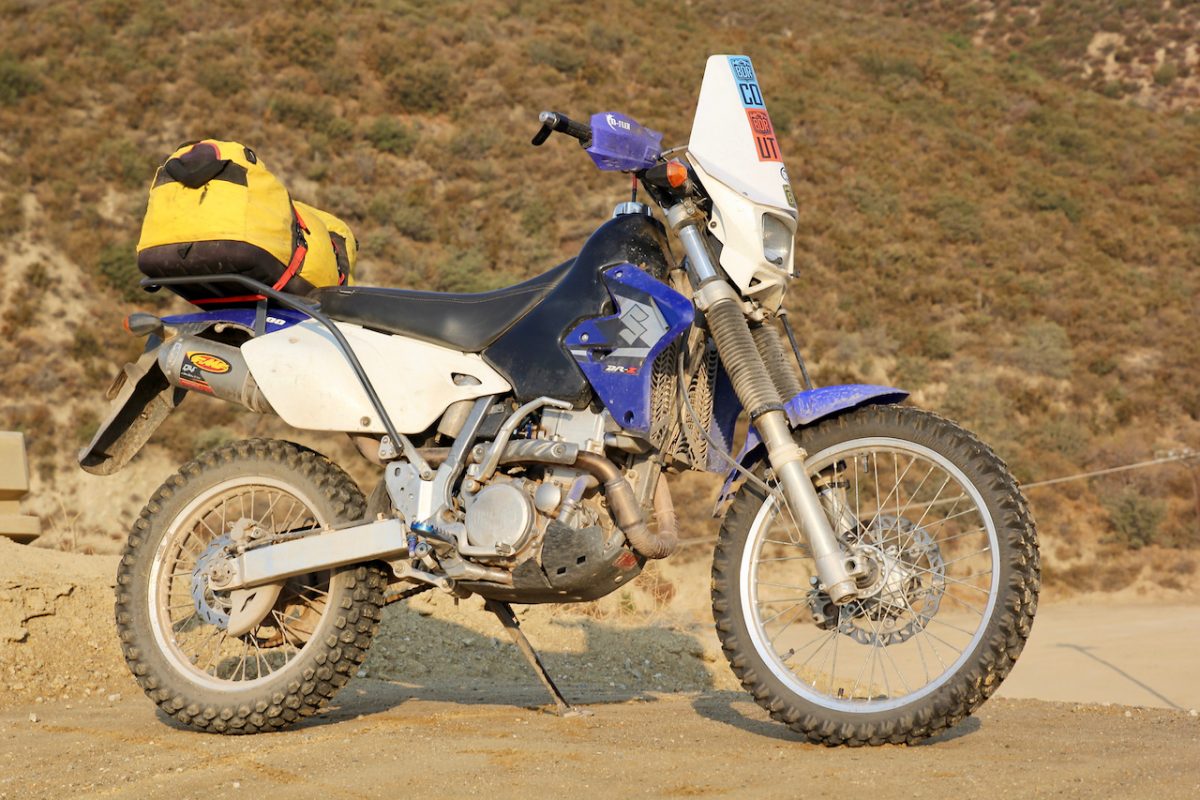
5. Suzuki DR-Z400
Credit Dirt Bike Magazine
The Suzuki “Doctor Zed” continues its run in some countries, despite the ever-tightening emission standards. The reason for its success is its utility and hardiness. It’s so successful that it was the best-selling bike in a number of countries including Canada. Shh… let you in on a little secret: Kawasaki marketed the DR-Z400 as the KLX400.
4. IMZ Ural
Credit Total Motorcycle
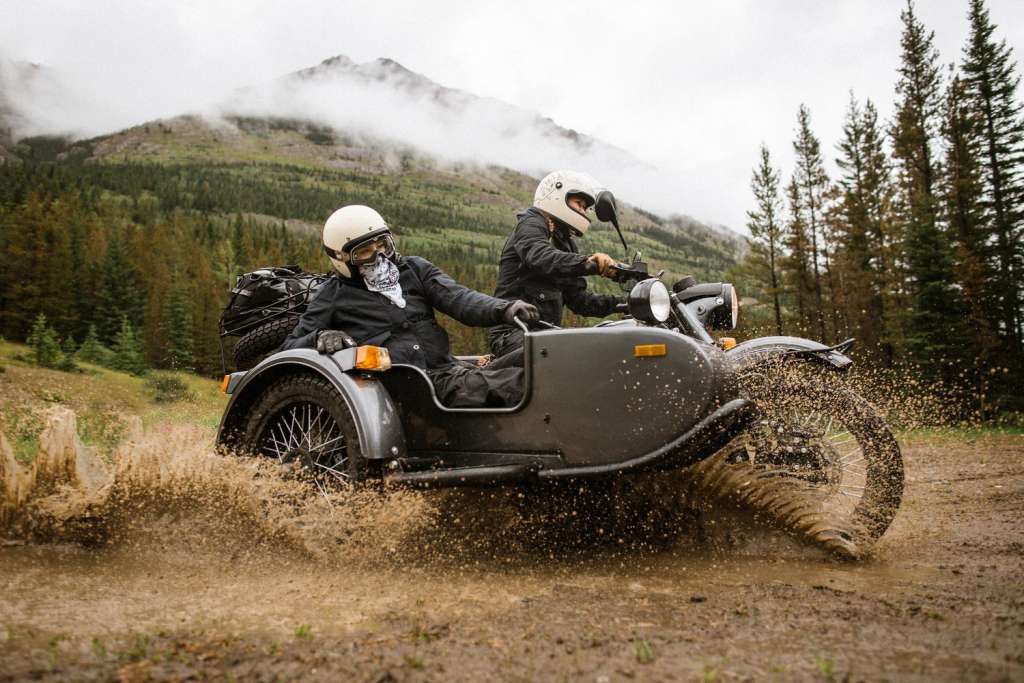
The origin of the Ural motorcycle was the BMW R7 during WWII. Since then, Ural has produced nothing but utilitarian motorcycles with sidecars. As a kicker, the sidecar’s wheel combines with the bike’s rear wheel to produce two-wheel drive. There are no exotic materials anywhere. IMZ Ural has taken an initiative to rebrand their products as hip among millennials, but these bikes are still rock solid, regardless.
3. Rokon
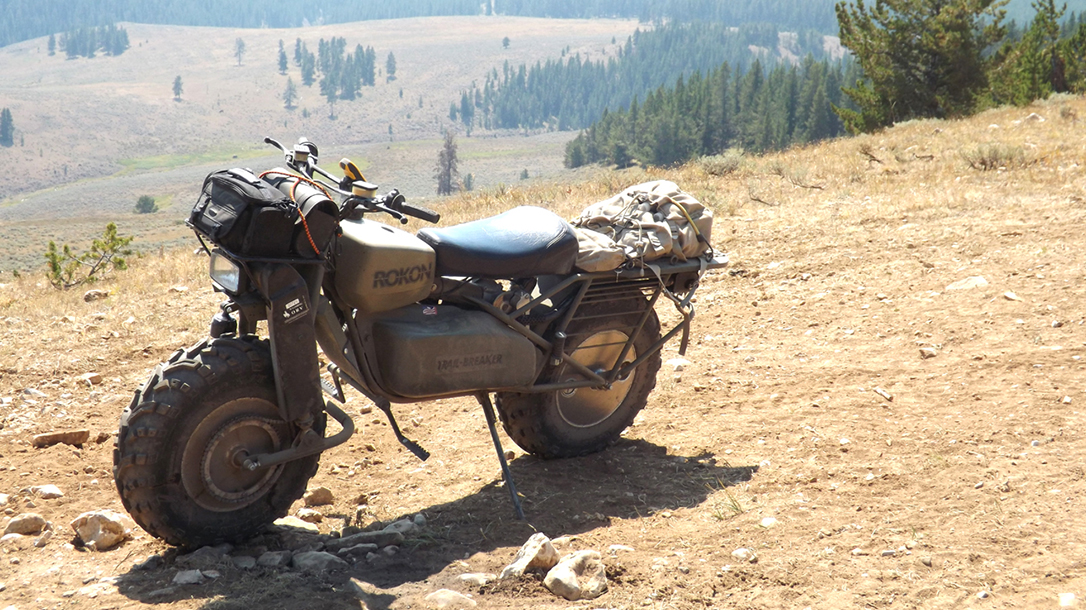
Rokon is synonymous with the hunting, fishing, agriculture crowd in America. These bikes are built to traverse and survive the harshest environments anywhere. They feature two-wheel drive, too. The company sells hundreds of accessories for cargo.
2. Honda Cub
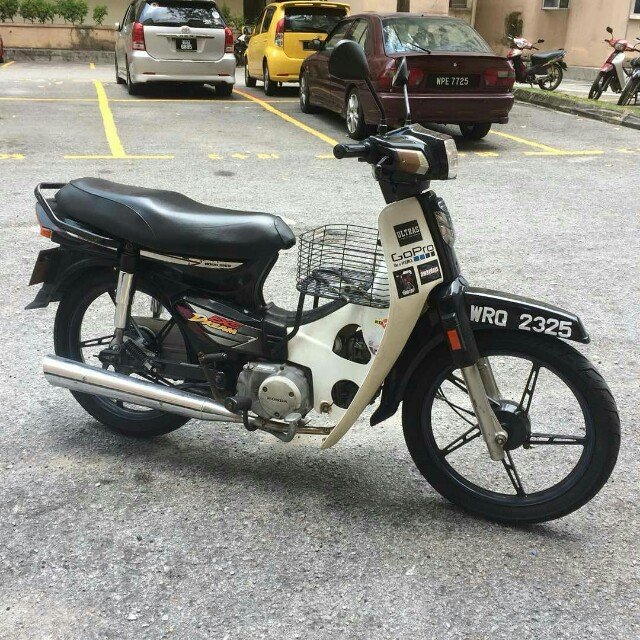
If you Google “motorcycles for the apocalypse,” none mentions the “lowly” Honda Cub. Why I wonder. The Cub can run on gasoline, diesel, kerosene. Of course, performance suffers but hey, it keeps running. Need engine oil? Pour in used cooking oil. And what electronics?
Defence Minister, Datuk Seri Ismail Sabri Yaakob, announced that the Malaysian military will be assisting the Royal Malaysia Police (PDRM) and other authorities during the Movement Control Order starting this Sunday (22 March 2020). The announcement was made earlier during an official press conference to the members of media (CLICK HERE to watch). (more…)