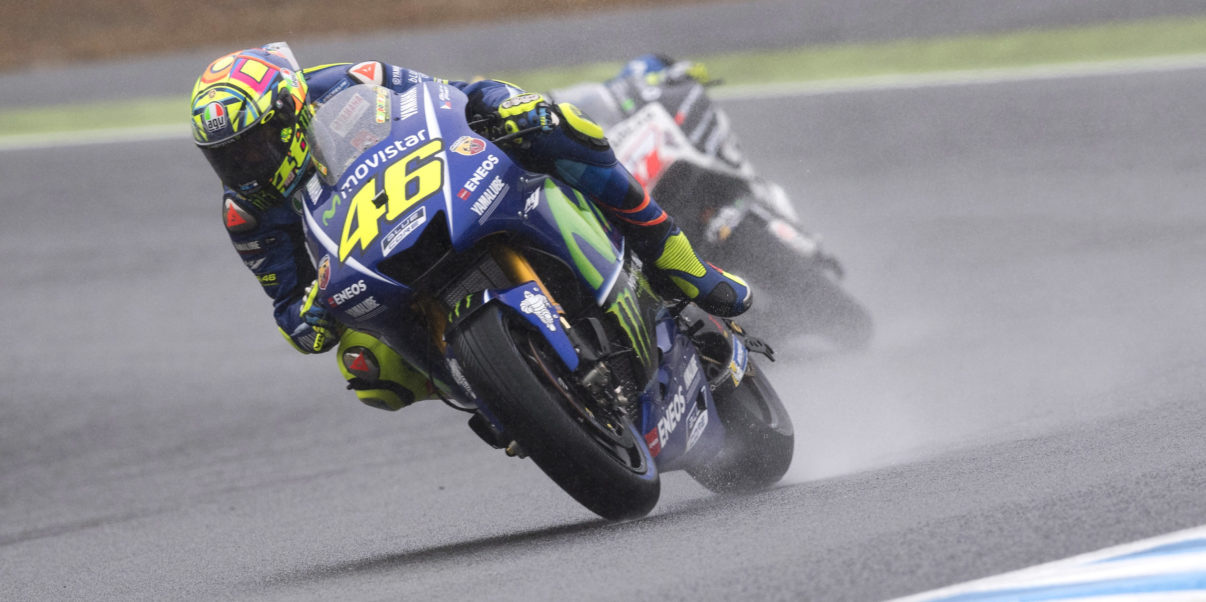
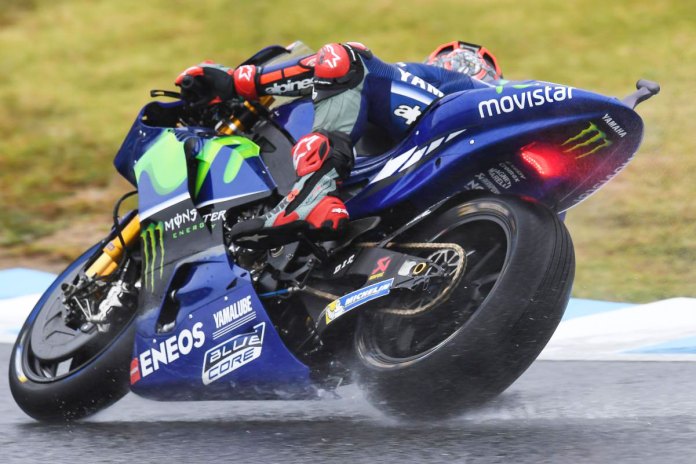
Valentino Rossi reckons he and teammate Maverick Vinalez are “in trouble and don’t know why,” in worried about their chances at the Japanese GP, should the rain continue. The pair has been struggling with lack of rear grip on their Yamaha YZF-M1 through the entire season.
Riders may be able to ride around the problem in the dry, but the rain amplifies the problem.
The factory team seemed to make some headway in previous races, without doubt also attributed to riders’ skill and determination, however yesterday’s free practice sessions at Motegi saw both riders 11th and 12th fastest.
Rossi said, “We’re in trouble and we don’t understand why. Last year I was very competitive in the wet and had a good feeling with the old bike, but this year we’re struggling. We’ve tried to modify the bike, but in the end we’re far from the top. It’s the same as the problem in the dry – we don’t have rear grip.”
While Valentino Rossi knows he’s out of contention for his 10th title as a result of a broken leg, Maverick Vinalez saw first his lead, and now his chances for his first MotoGP tltle slip further and further away.
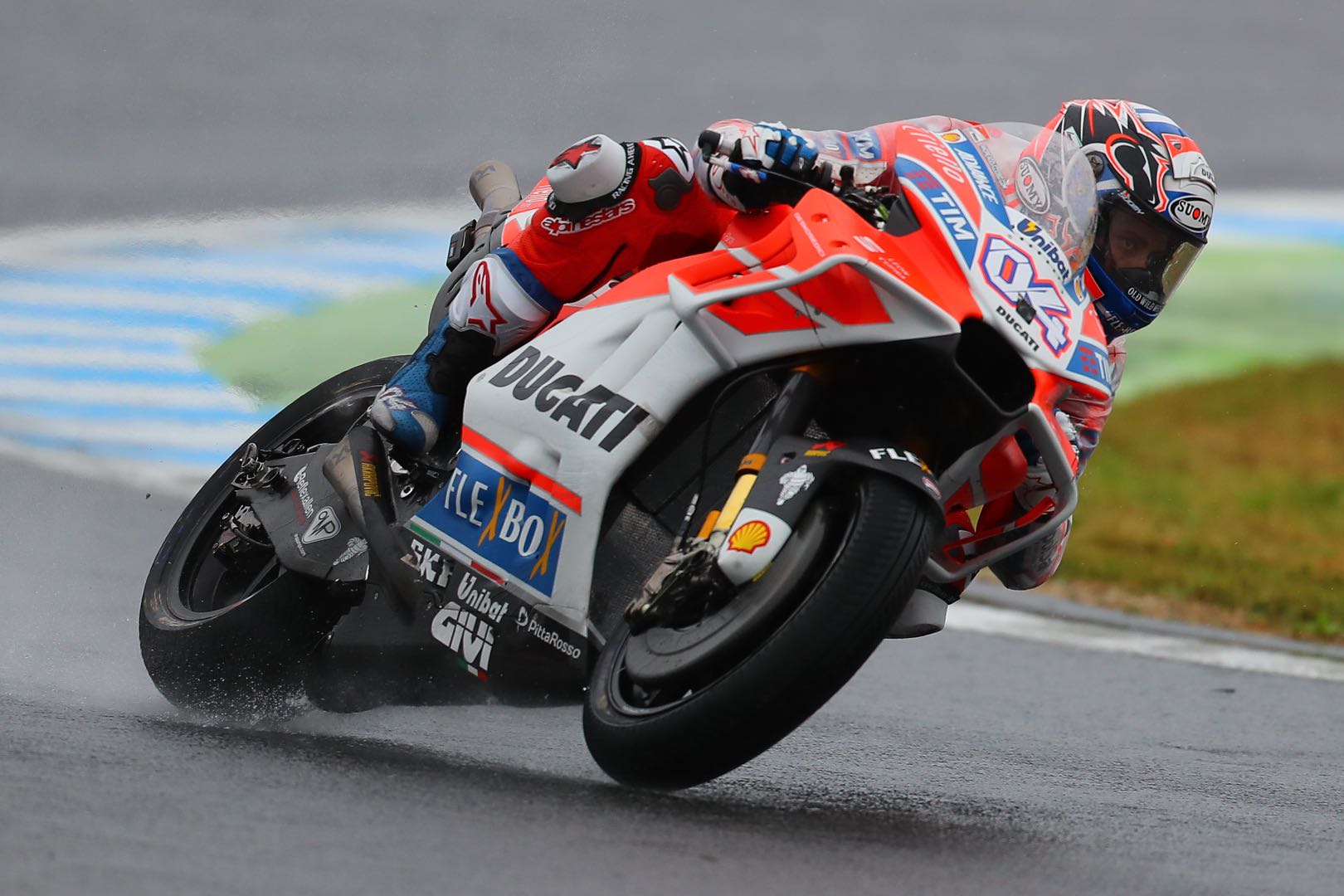
At the time this article went “live,” Andrea Dovizioso of Ducati Team continued to be the fastest man after FP3 on combined free practice times, ahead of Marc Marquez, Aleix Espargaro and Jorge Lorenzo.
Valentino Rossi dug deep and found some pace to first make it into the top ten before finally going up to fifth fastest. Vinalez is in 14th, meaning that he will need to fight through Q1. The Top 12 combined times qualify automatically to Q2.
In this Suspension Explained series, we will unravel the “mysteries” of your bike’s suspension
Although the suspension is now very advanced, the basics remain the same
As the prologue, we touch on preload, compression damping and rebound damping
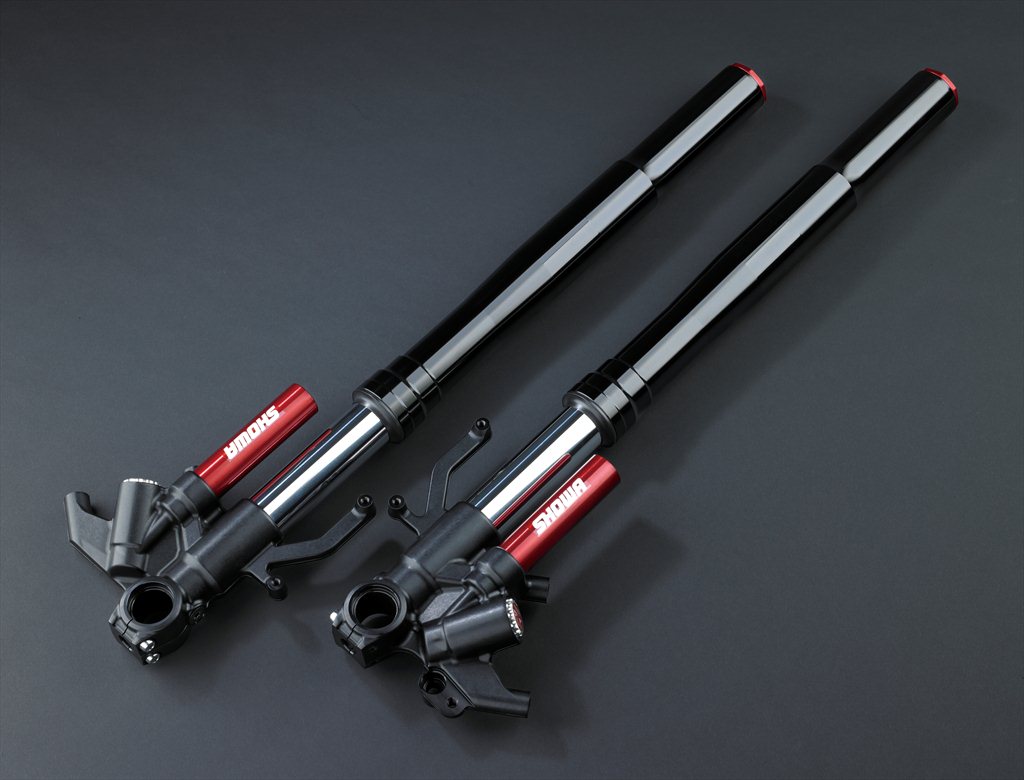
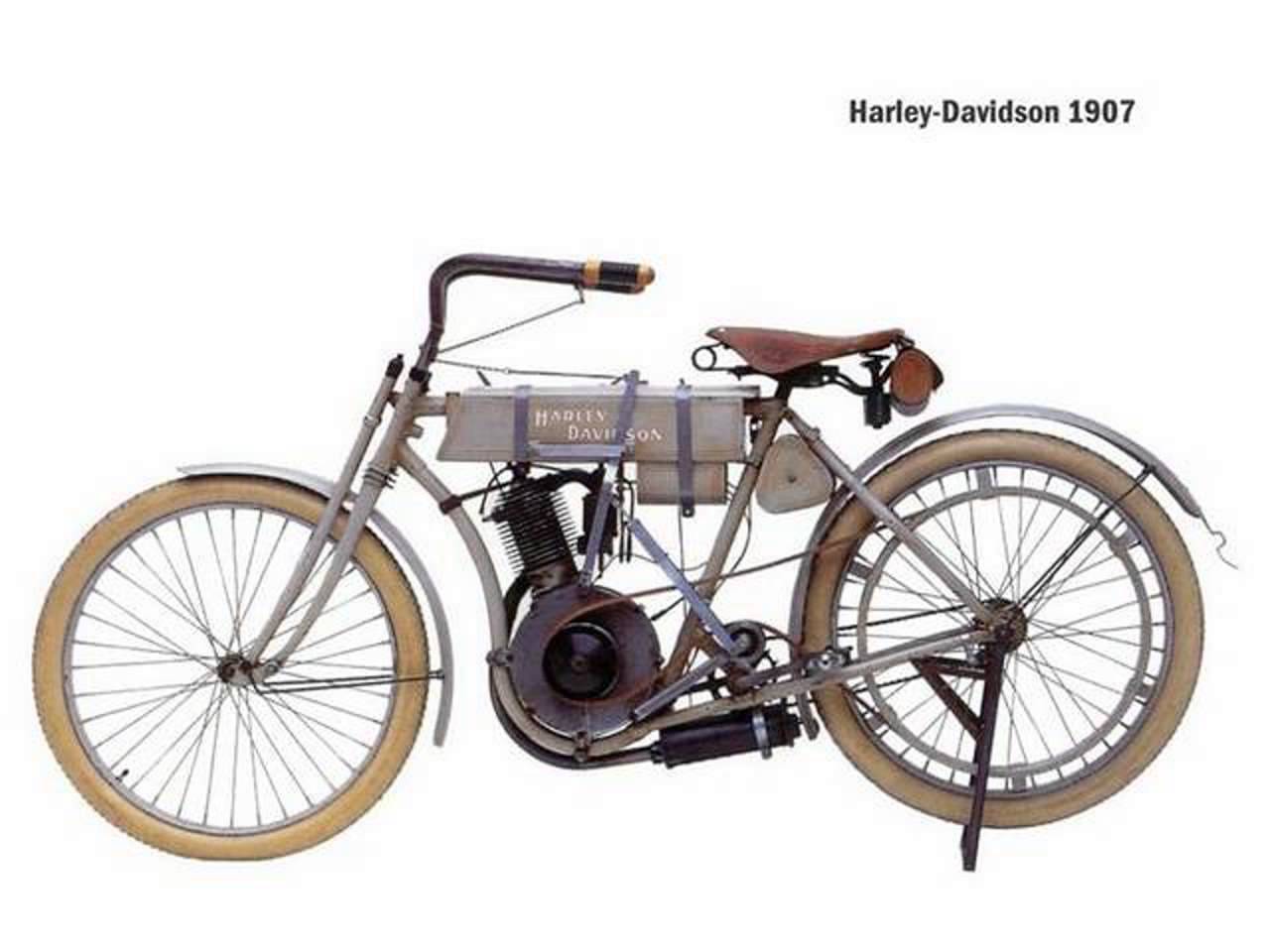
Suspension technology has progressed by leaps and bounds over the years. The motorcycle started out as a little more than an engine stuffed into a bicycle frame, hence the only suspension was the rider’s bum and his resolve to withstand the hammering.
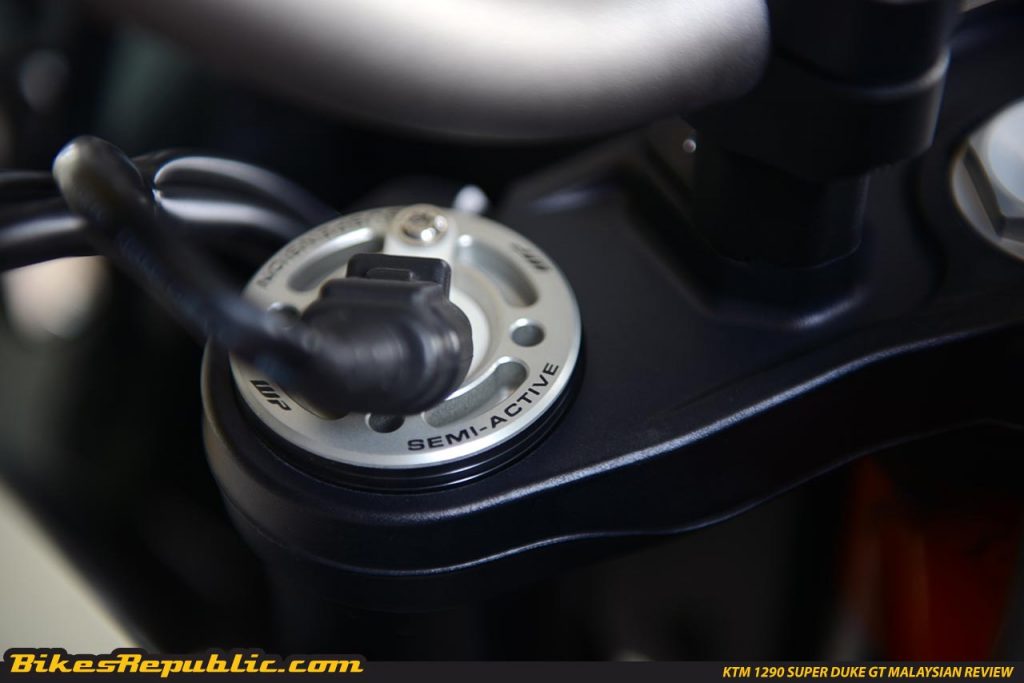
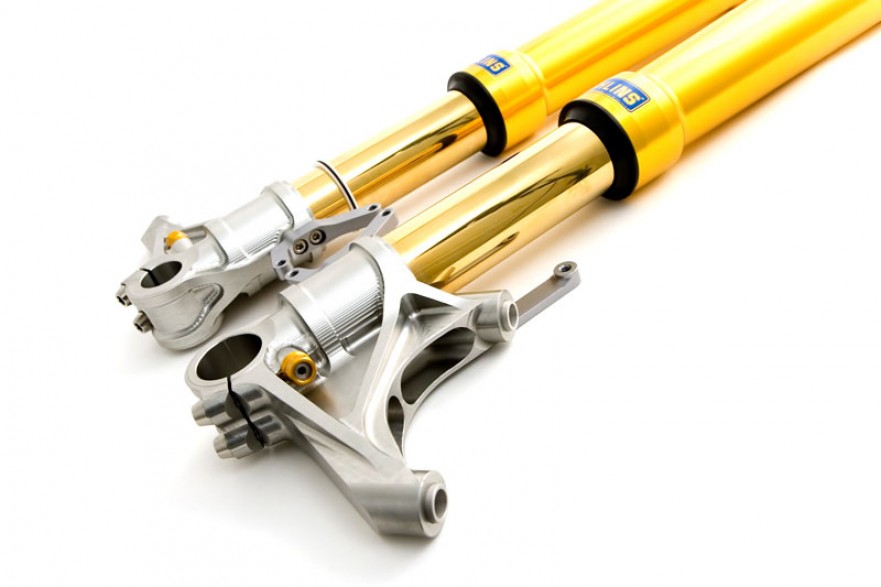
Since then, motorcycle suspension evolved into simple underseat springs to sprung struts to hydraulic and gas damping to electronic self-adjusting marvels.
Regardless, the principles of the suspension remain the same. There are a number of parameters that govern how your bike behaves whether on the road, track or off-road. However, only three parameters are adjustable on a motorcycle (without further modification), namely preload, compression damping and rebound damping.
Adjusting the suspension best requires a bit of background knowledge, because whatever adjustments that may have you feeling right may not be exactly right for the bike’s dynamics. A wrong adjustment may mask itself as another problem, causing you to go around in circles. Oh yes, we’ve been there.
We’ll discuss one topic per week. We’ll also speak to the experts on aspects of suspension technology, adjustments and modifications, while dispelling some myths along the way.
Hope this series will be beneficial to all our readers.
PRELOAD
Any discussion about suspension has to start with preload. Preload is of course related to spring rate, but since most riders don’t change the springs in their suspensions, we’ll just stick to preload.
To put it in simple terms, preload means the amount the springs are compressed when the suspension is fully extended.
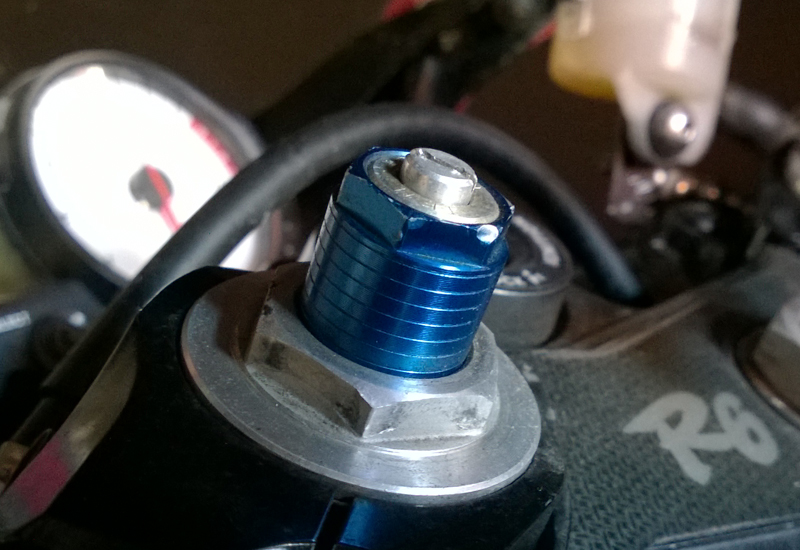
Front preload adjuster – the blue bolt
For illustration purposes, take a valve spring and stand it on your desk. Now add some weight to the top so that it compresses a little. That’s preloading the spring. Adding more weight means adding more preload, while taking some off means reducing preload.
When you increase the preload by turning on the preload adjuster on the forks, or collar on the rear shock, suspension sag is reduced; and vice-versa. The spring pushes back against the adjuster collar, lifting that end of the bike up. So, if you increase (by turning clockwise) your rear suspension’s preload, the seat goes up higher, and similarly for the front.
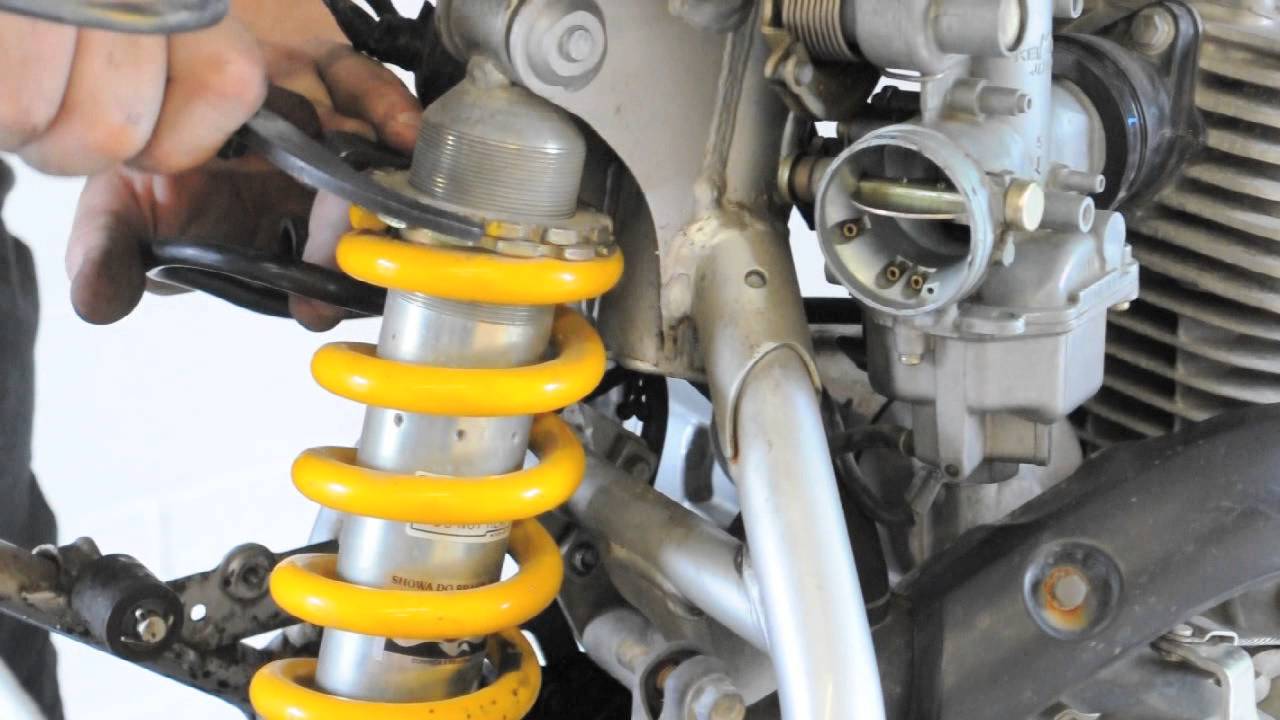
Rear preload adjuster
Therefore, adjusting the preload DOES NOT change your spring rate. If someone comes up to me and say I’d make the spring stiffer by adjusting the preload… well, I’d tell him to go fly a kite. But that’s just me.
We’ll leave this subject here. More on this in latter instalments.
DAMPING
If a bike’s suspension depends on the spring along, it can leave itself prone to oscillations. A compressed spring stores kinetic energy. When it’s released, it may extend to more than its resting length. The load on top of the spring has now received this kinetic energy and unleashes it back downwards, compressing the spring. This goes back and forth until that kinetic energy is transformed to heat (absorbed in the shock absorber’s oil).
Courtesy of motorcycle.com
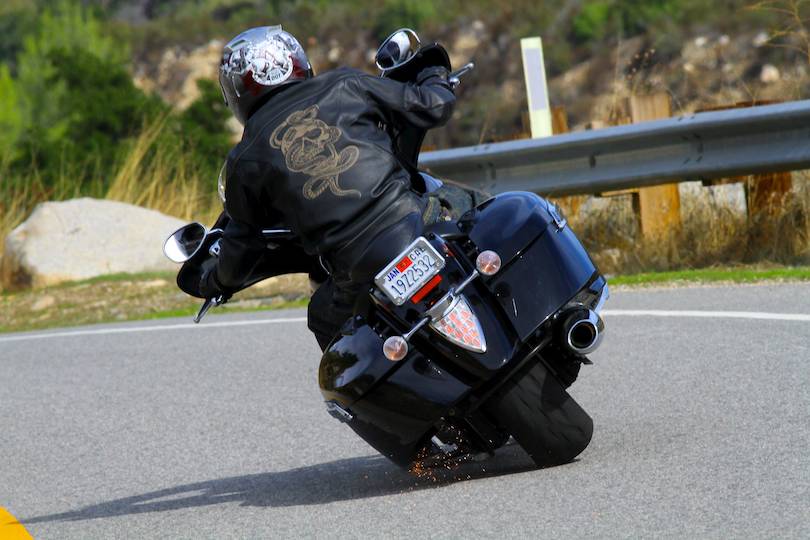
Have you ridden on a bike that “pumped” up and down or wallowed like a sampan in stormy seas? (My bike does that.) Yes, it’s due to the lack of damping.
Damping is divided into two: Compression damping and rebound damping.
COMPRESSION DAMPING
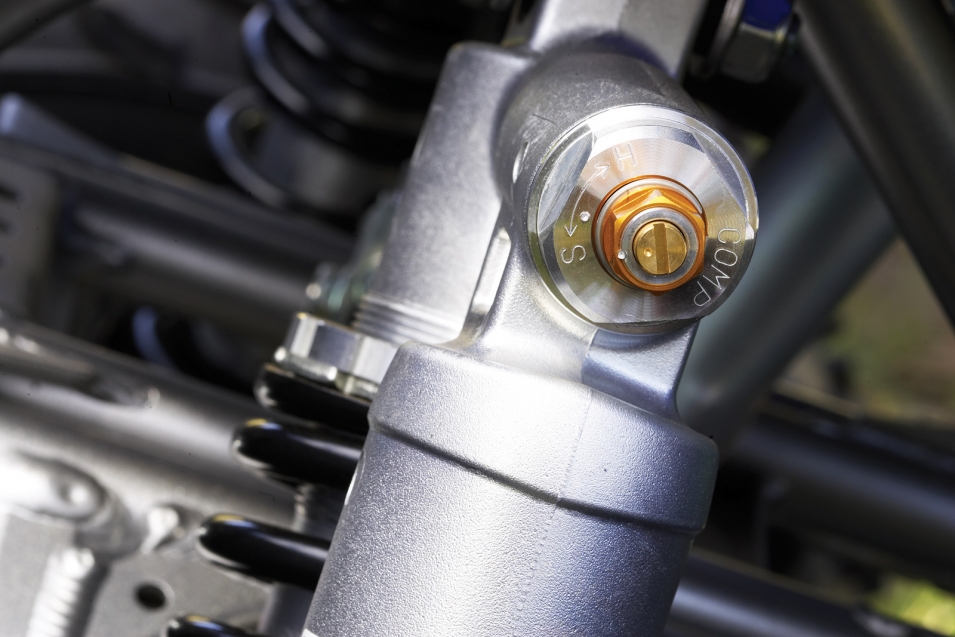
Compression damping (or just compression) determines how fast the wheel move upwards when it contacts a bump. Correct compression damping will allow the suspension to absorb bumps and road irregularities better.
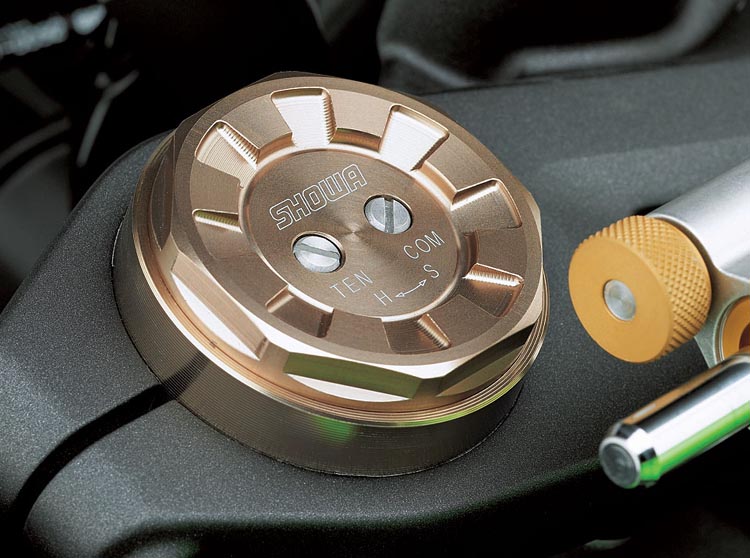
The damping adjusters on the BPF fork are all on top. Compression is marked as COM
With more compression dialed in, the suspension, hence the wheel, is more resistant to moving upwards and vice-versa. Dialing in the correct amount will also deal with fork dive to a certain amount during hard braking, although that depends more on the spring rate and preload.
Compression damping is adjusted by the screw in the middle
Too much compression damping will cause the shock of the bump to be transferred directly to the chassis and rider. (That “BLAM” feeling when you hit a bump.) Consequently, the wheel will skip across the bumps, or cause the brakes to lock up easily as the suspension resists being compressed.
On the other hand, too little will have the wheel kicked up quickly, which will also cause it to lose touch with the road. Hitting corners at high speeds will cause the suspension to “squash” down, reducing ground clearance.
REBOUND DAMPING
Rebound damping is the opposite of compression damping. Rebound determines how smoothly and controlled the suspension re-extends to its proper state, after it has been compressed.
Rebound damping is marked at TEN (for spring tension)
Without or too little rebound damping will cause the spring to re-extend quickly, or in simple terms, bounce back. The rider will feel as if he’s being kicked out of the seat after the initial bump has been absorbed. It’s like squeezing a spring between your fingers and letting it go abruptly, or like a Jack-in-a-Box.
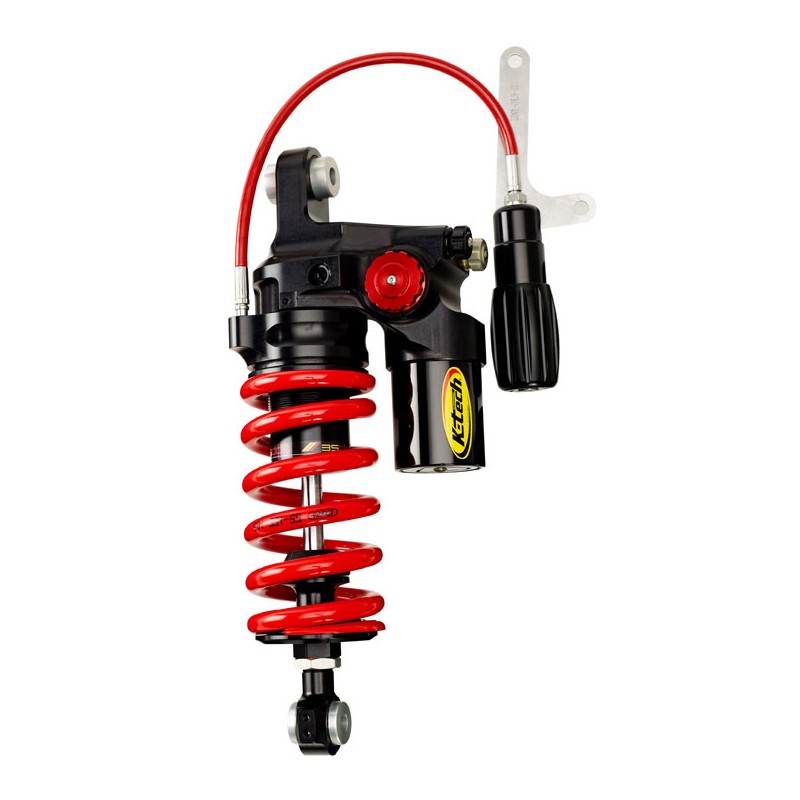
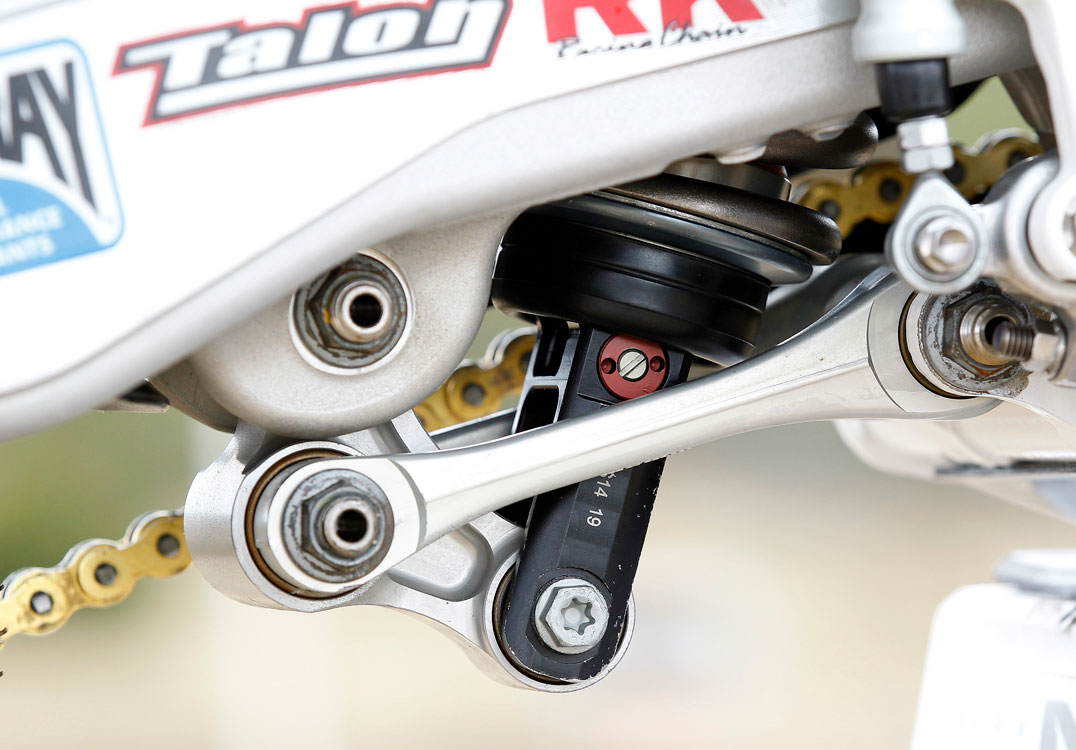
Rebound adjuster on the rear shock is usually underneath the shock body. Here it is the screw surrounded by the red collar
Too much rebound damping will cause the wheel to “pack up.” That means the wheel will only come back down too slowly, causing the bike to feel “loose.”
CONCLUSION
That’s it for this week. This is just basic knowledge. We’ll touch on more next week, so stay tuned!
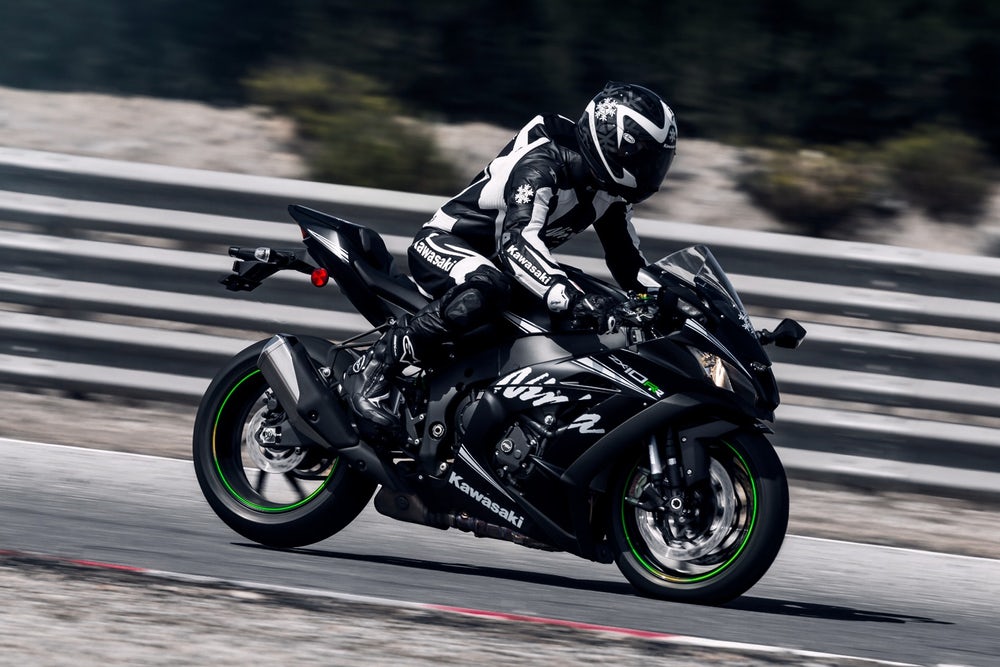
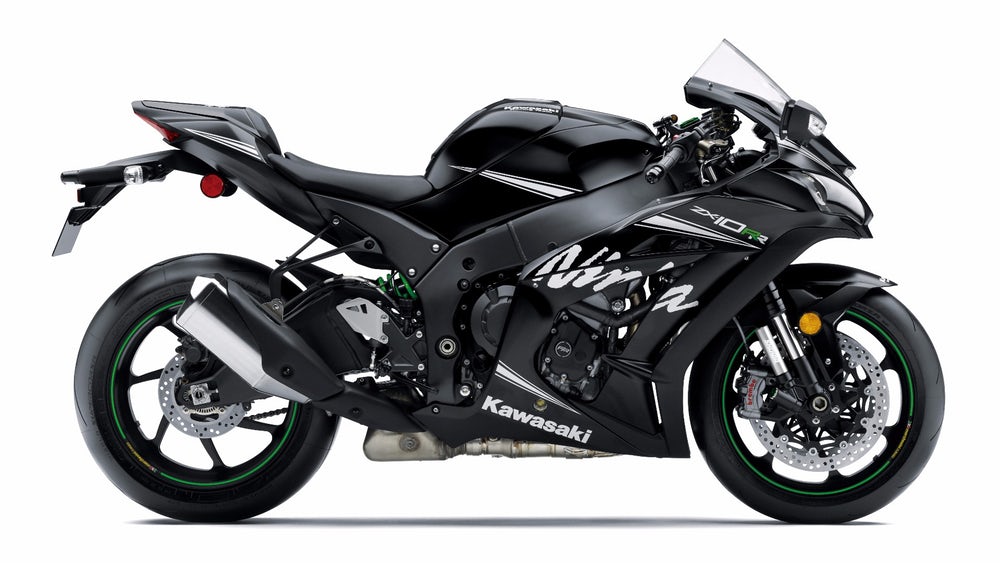
Kawasaki has just launched their latest 2018 Kawasaki ZX-10RR which comprises of mainly two colour changes to the components.
The 2018 ZX-10RR still carries its race-ready 998cc, liquid-cooled, inline-four, DOHC engine which has been slightly refined for better performance and reliability.
The latest generation ZX-10RR has been priced from £16,249 (around RM90,959) in the UK market.
Kawasaki has just revealed the latest generation superbike that is the 2018 Kawasaki ZX-10RR. Highly regarded as one of the best superbikes around and proven at the hands of the 2017 WorldSBK World Champion Jonathan Rea of Kawasaki Racing Team (KRT), the latest evolution comprises of mainly ‘two colour changes to the components’. (more…)
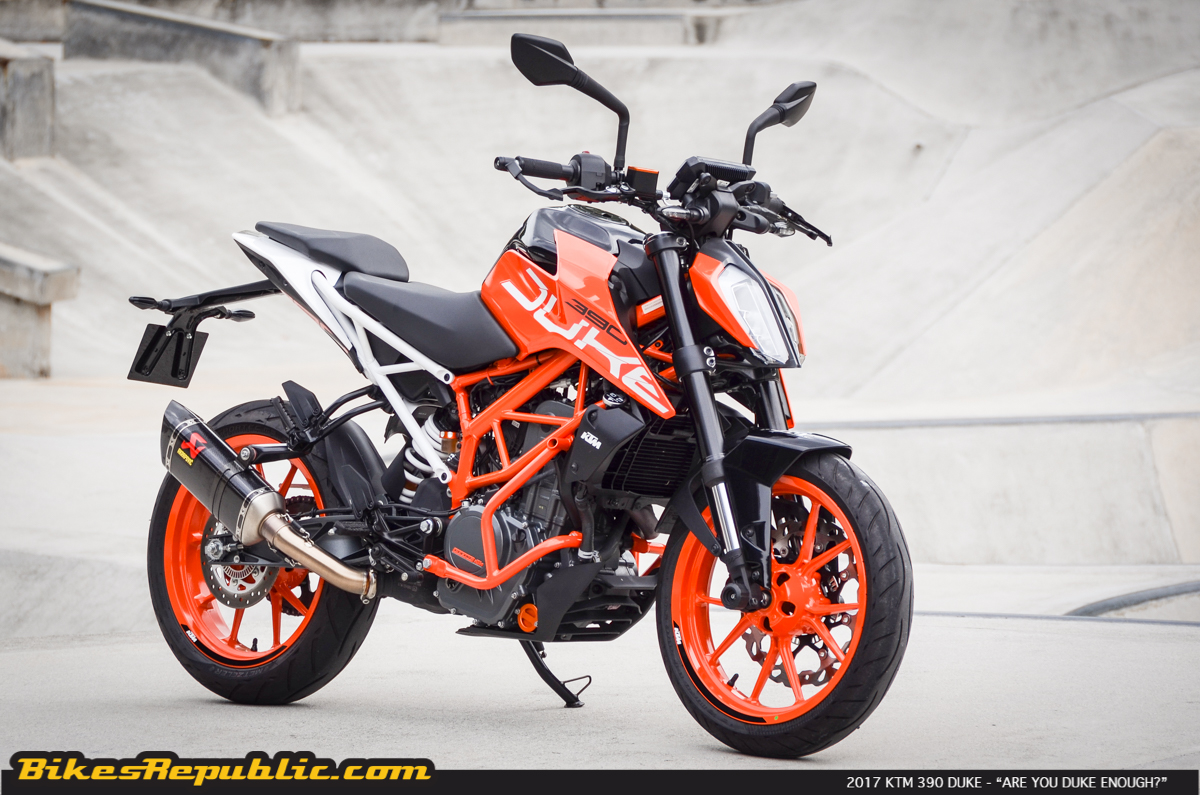
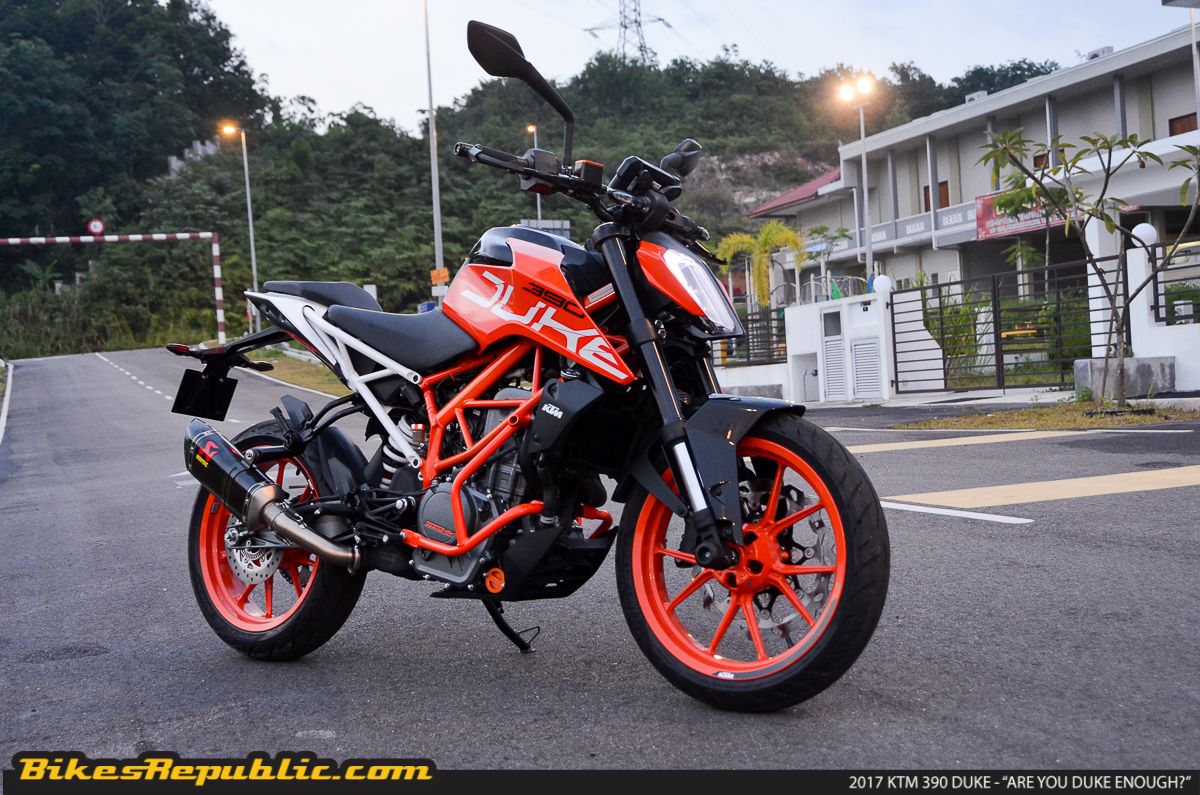
The 2017 KTM 390 Duke was launched here in Malaysia on 26 September 2017 with the slogan “Are you DUKE enough?”
Heavily inspired by its bigger and more powerful brother, the 2017 KTM Super Duke R, this entry-level Duke is all about design and performance.
With a price tag just below the RM30,000 mark, the new 390 Duke is one of the most well-equipped entry-level naked bike in the market to date.
When the all-new 2017 KTM 390 Duke was launched just a couple of weeks ago, it came with a very bold catchphrase that has been stuck in our heads until today. What did KTM Malaysia meant when they presented everyone with the question “Are you DUKE enough?” (more…)
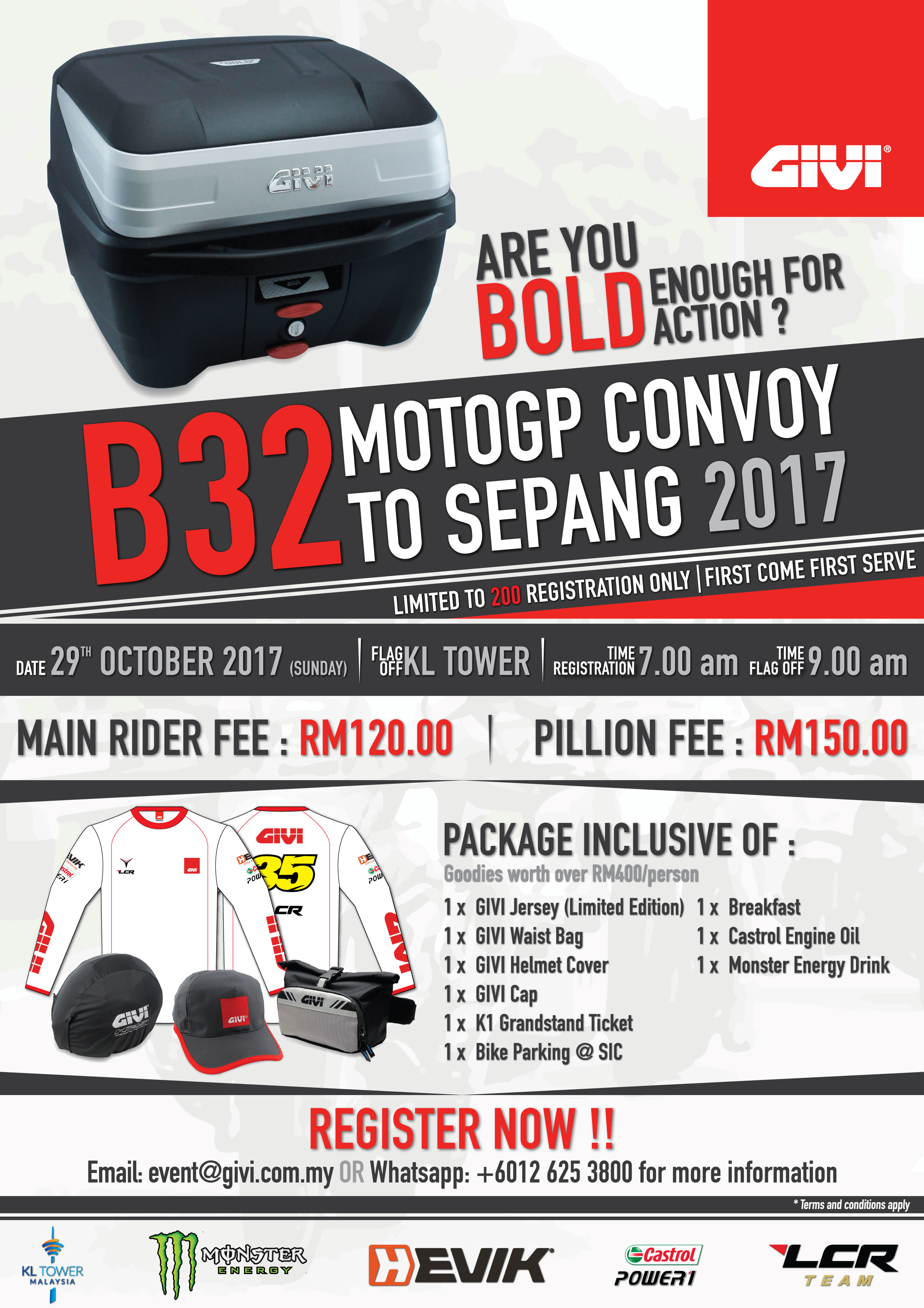
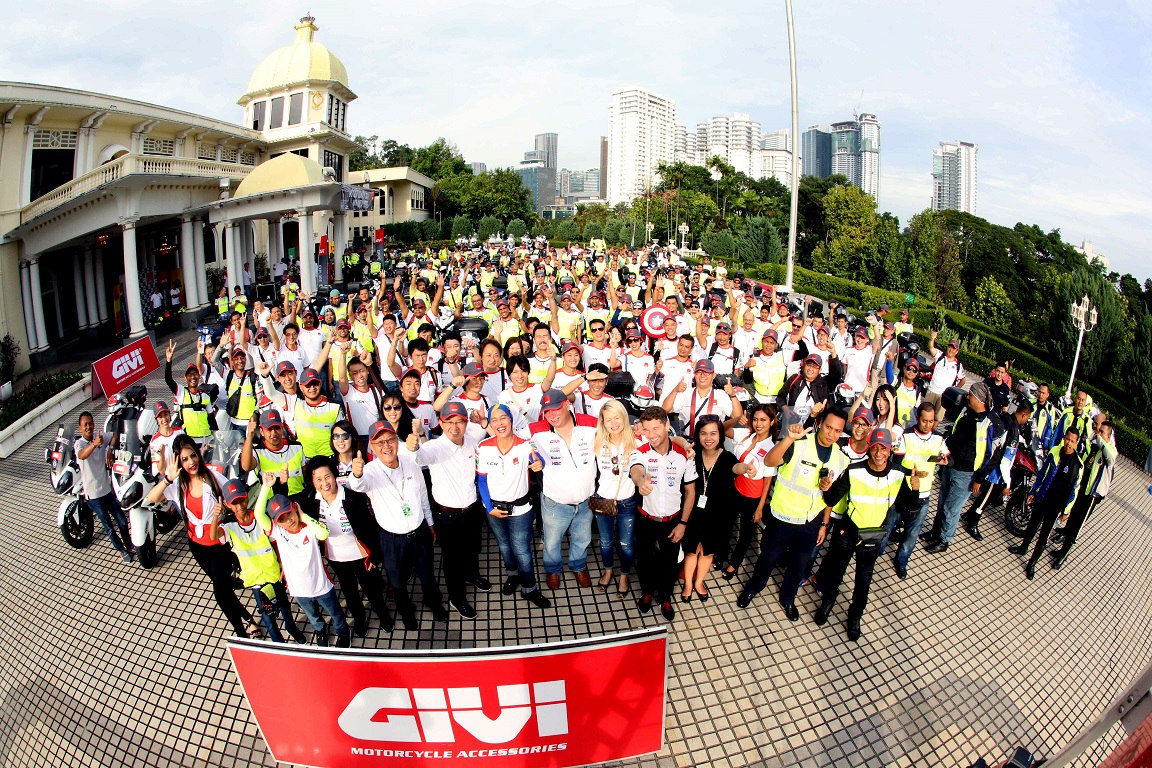
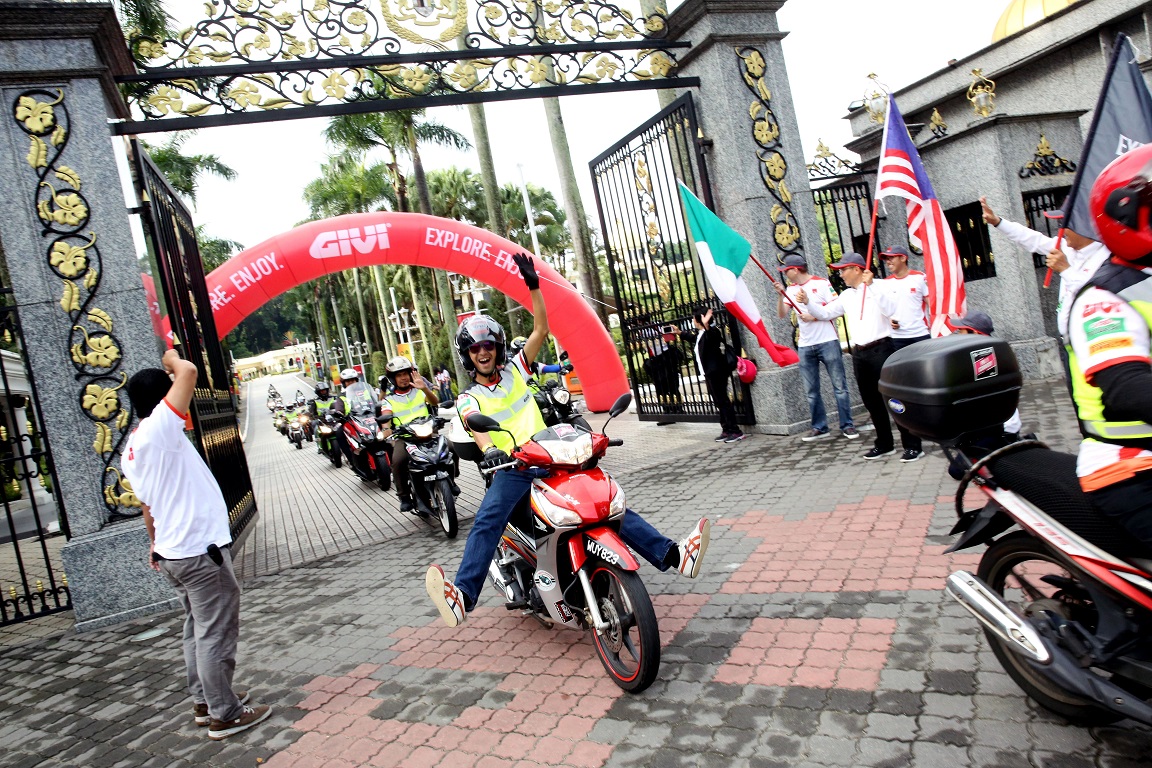
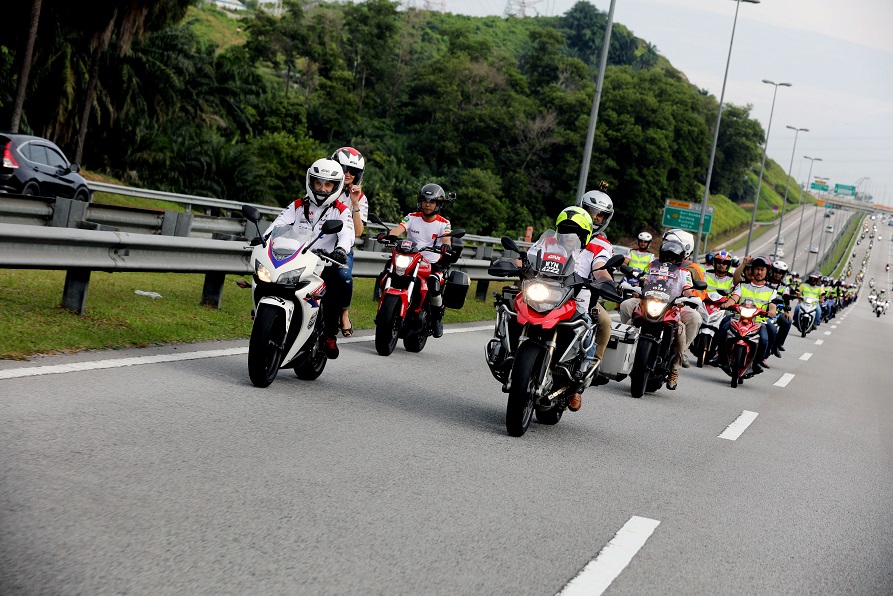
The GIVI B32 MotoGP Convoy will start from Menara Kuala Lumpur this year.
The convoy is slated to take place on Sunday, 29th October 2017.
Participants will receive many great goodies!
There are many convoys to look forward to during the Malaysian MotoGP every year. One of them is of course, by the pre-eminent motorcycle luggage and riding gear producer, GIVI.
As with previous years, GIVI carries out a promotion for a new top box in the run up to the event. This year, it is the just-introduced GIVI B32 “Bold” Monolock top box (click here for the launch and details of the top box). We had the opportunity of sampling the pre-production model of the B32 Bold, and both the quality and experience of using the box has been positive (click here for our coverage of the GIVI Media Ride).
Participation in the convoy is simple. For existing GIVI B32 Bold owners, you only need to Whatsapp 012-6253800 for further details.
For new buyers, the details and forms are included in the box. Please follow the instructions to take part.
Participants do not only join the convoy but will also be given a whole bunch of goodies:
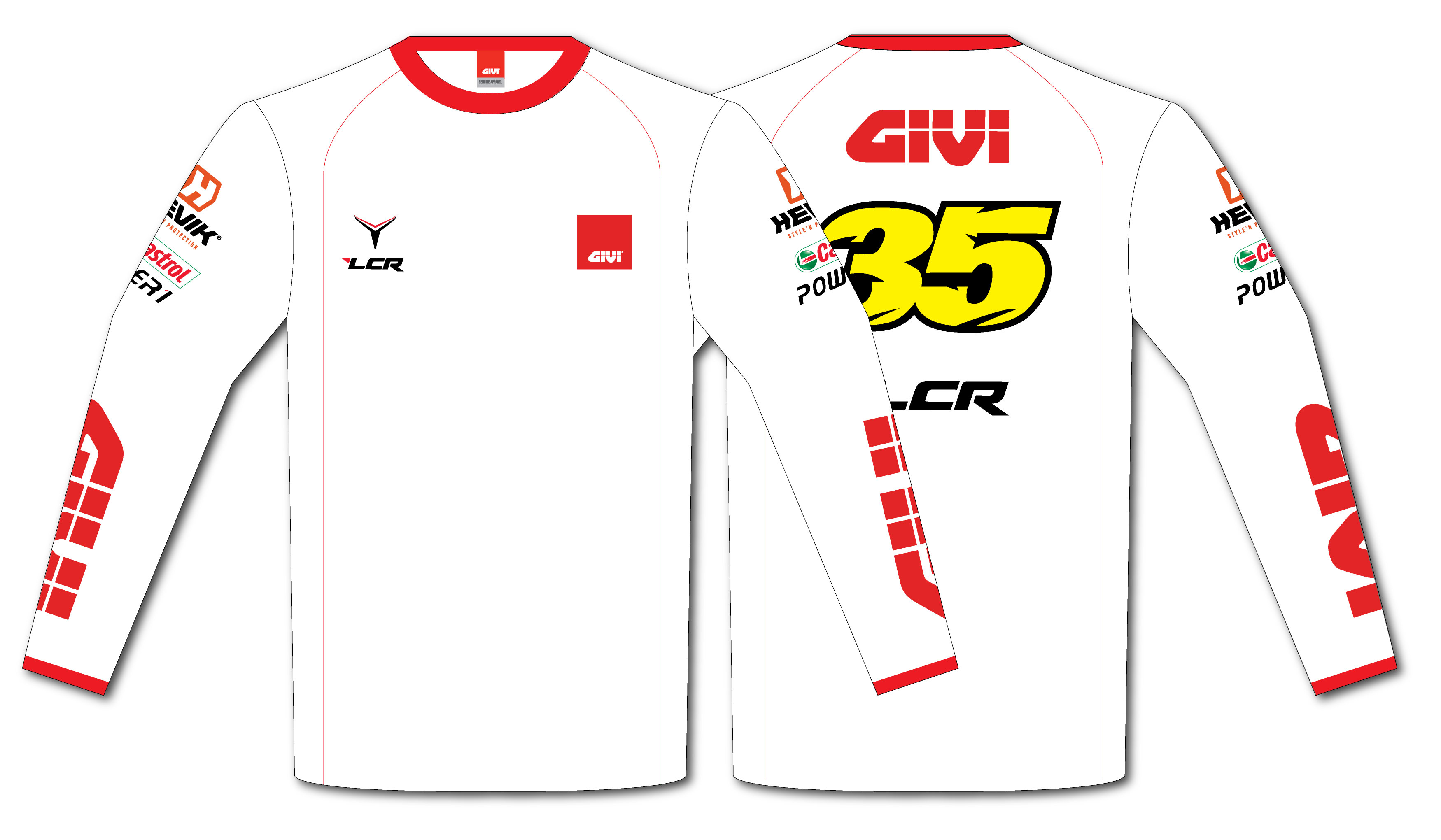
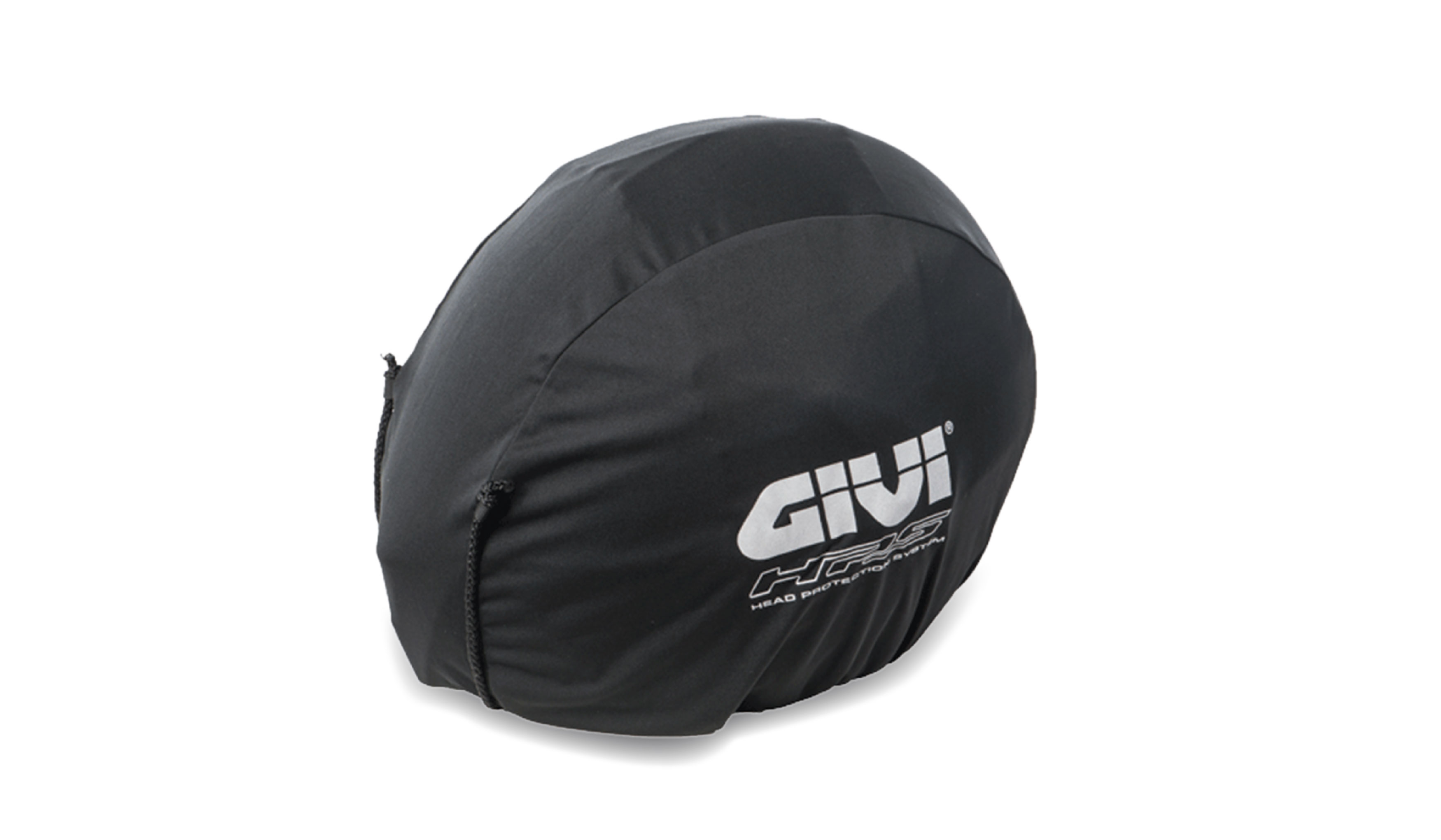
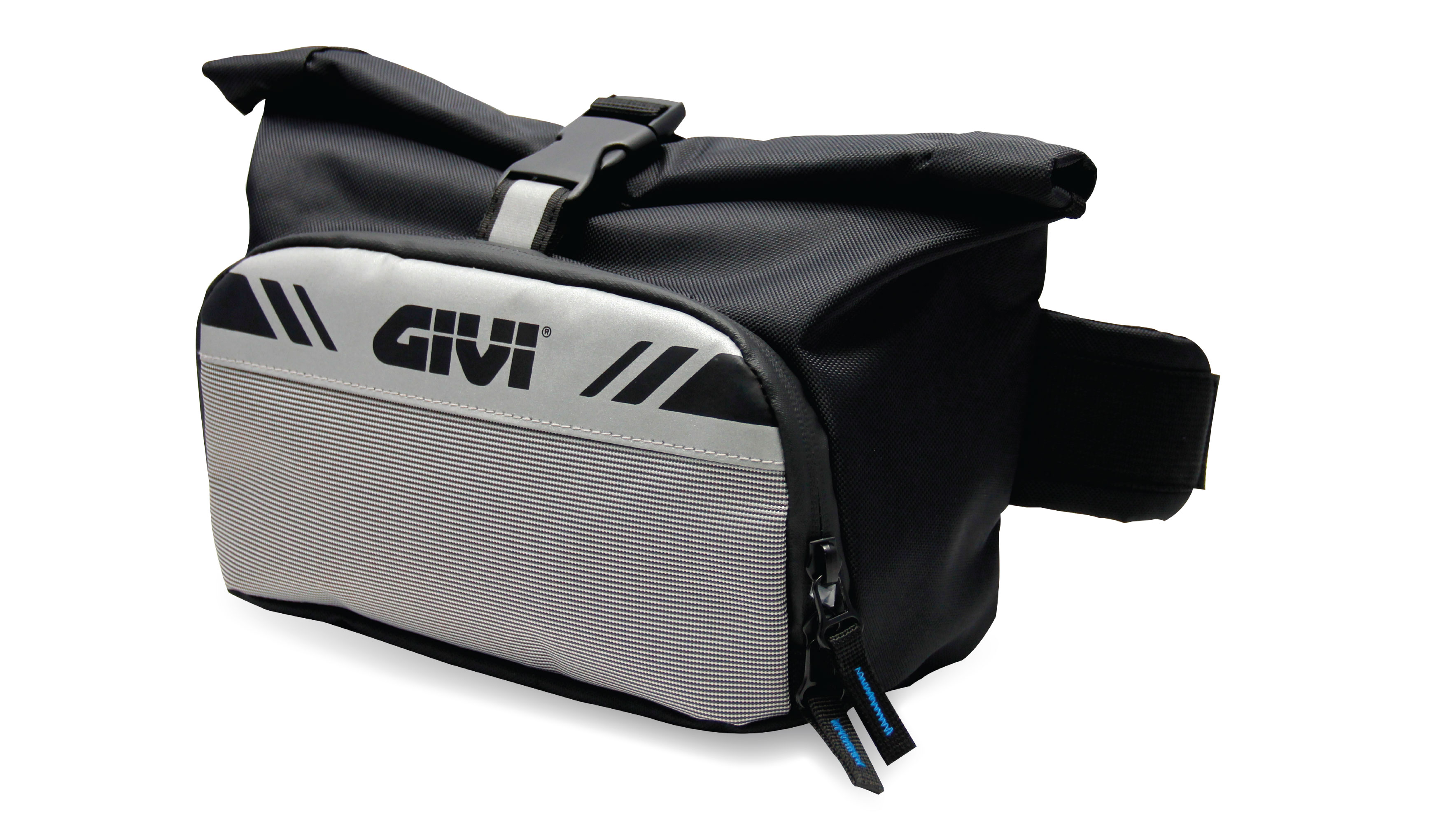
1 x K1 Grandstand ticket 1 x GIVI MotoGP Jersey (Limited Edition) 1 x GIVI Waist Pouch 1 x GIVI Cap 1 x GIVI Helmet Cover 1 x Castrol engine oil (1L) 1 x Monster energy drink 1 x Motorcycle parking sticker 1 x Breakfast package
GIVI’s MotoGP convoys gather for the flag off from well-known landmarks each year. The KL Tower got the pick for 2017. Participants are to congregate there on Sunday, 29th October 2017.
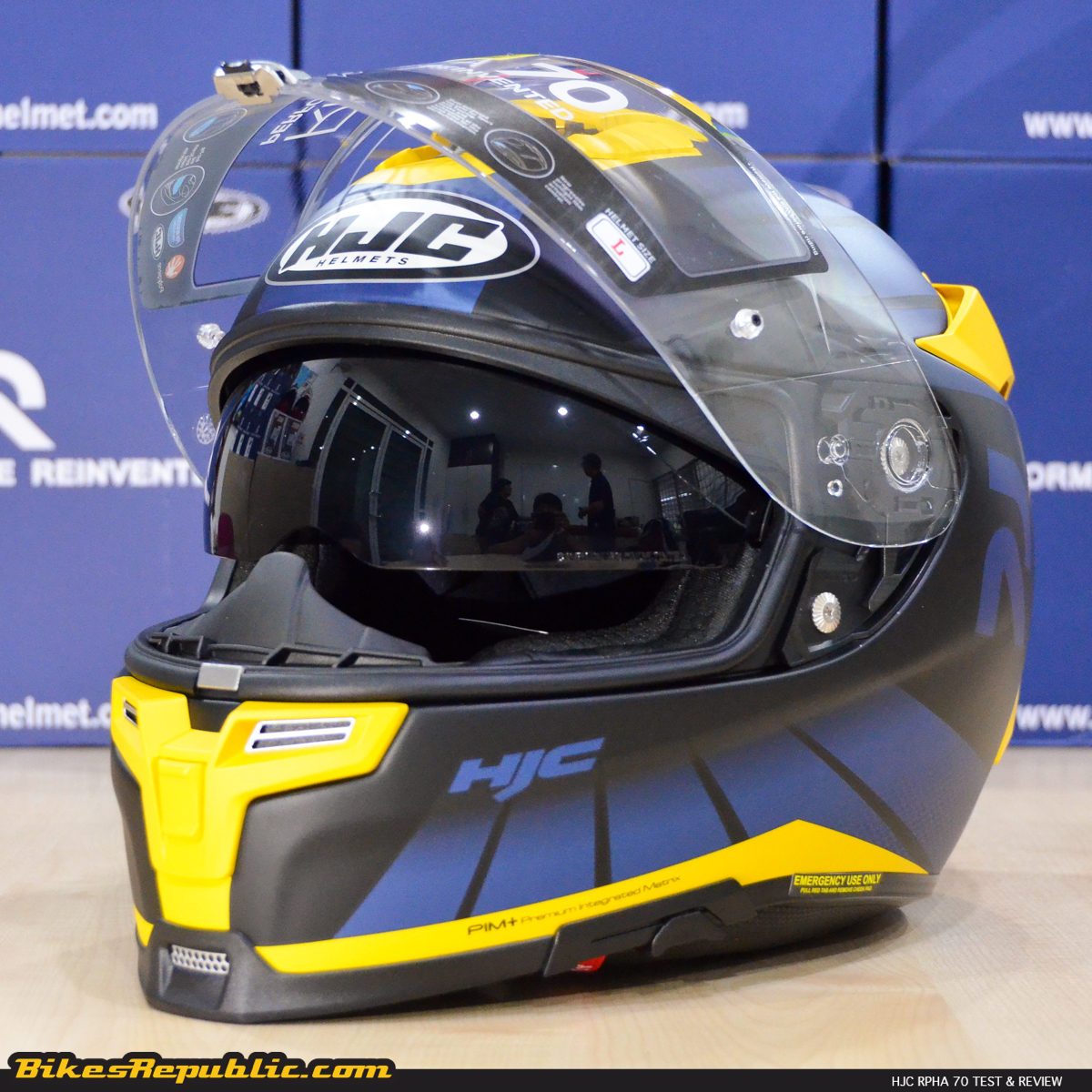
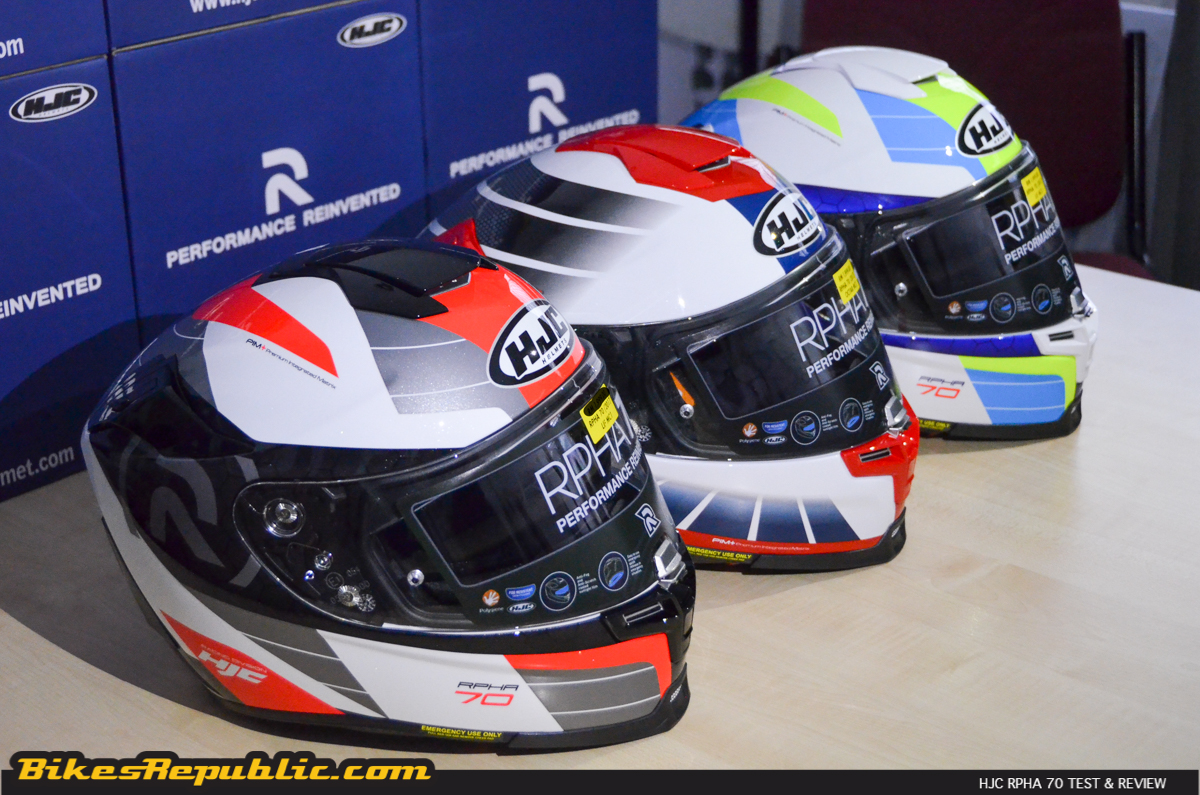
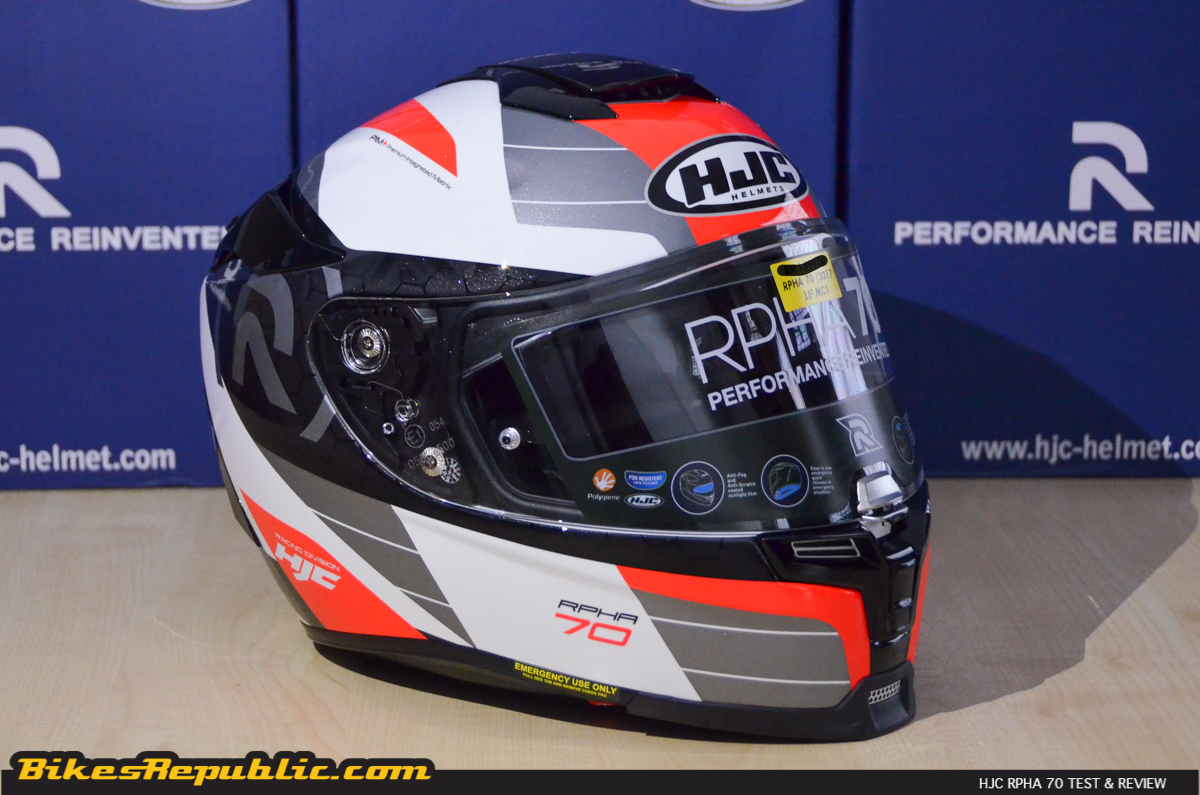
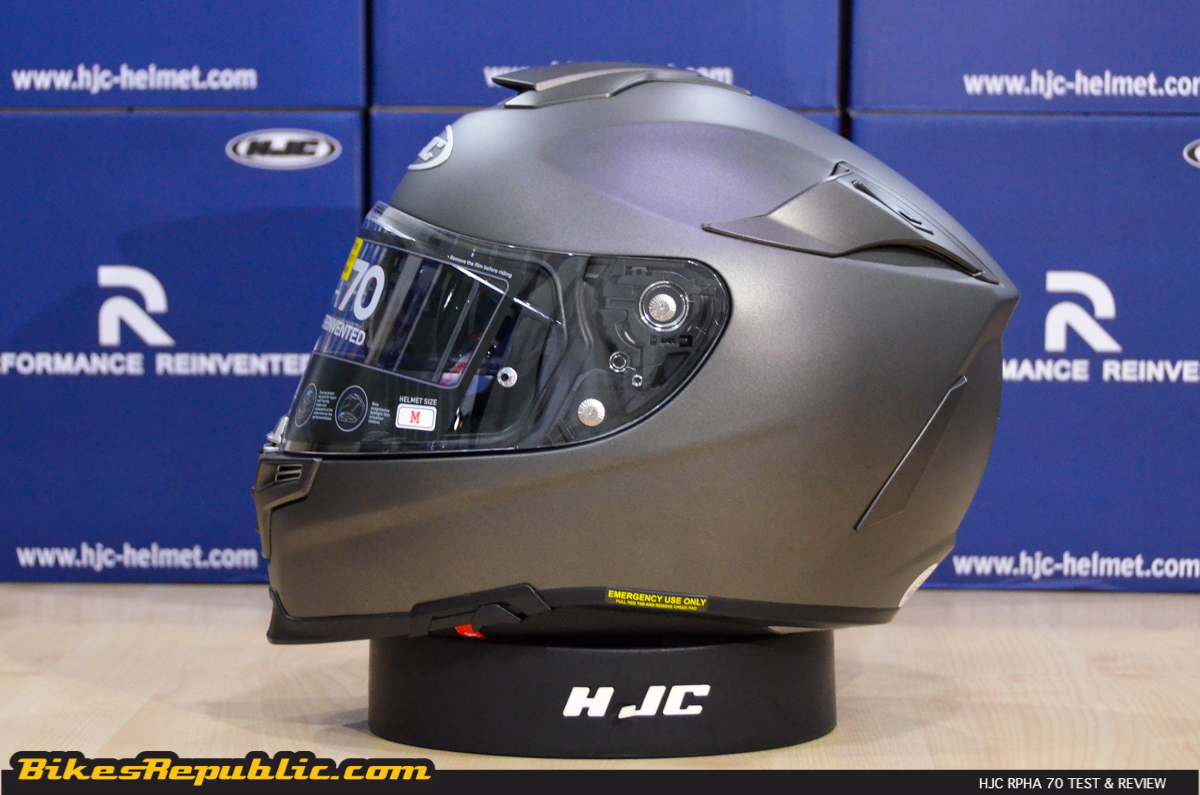
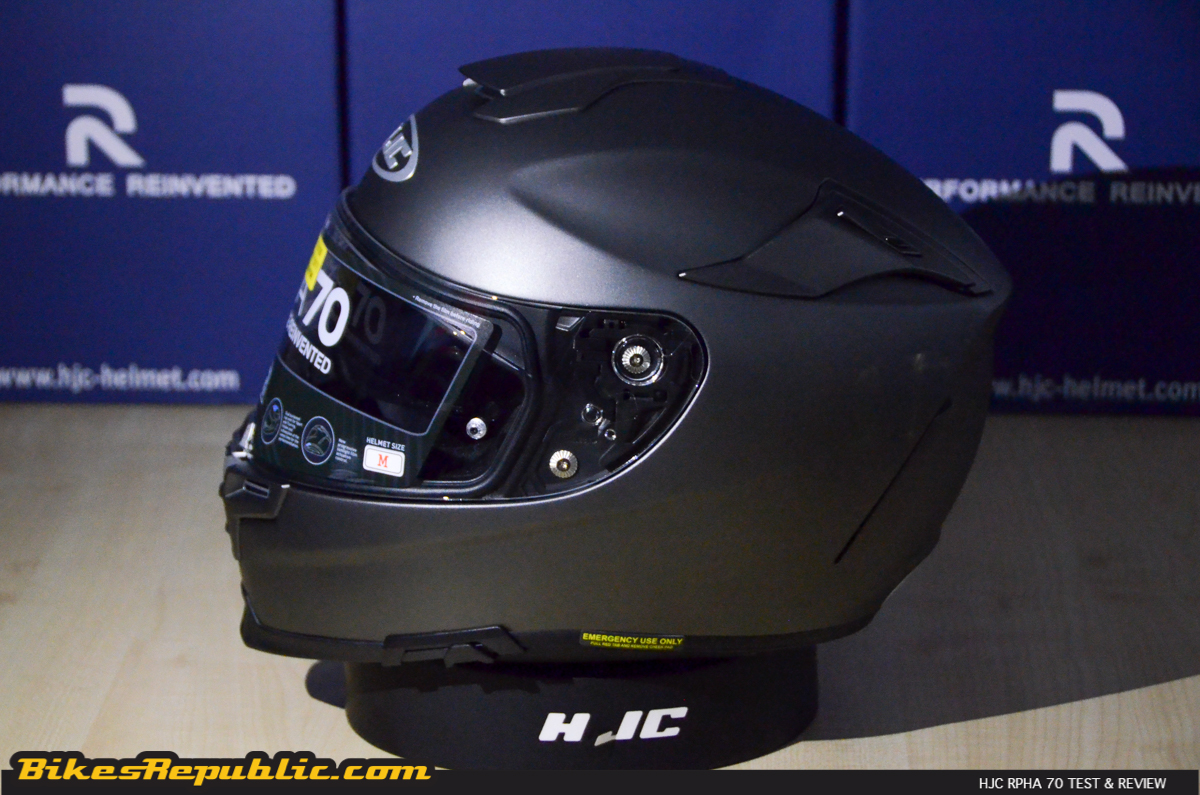
The HJC RPHA 70 bridges full sport and touring helmets
It is built upon the HJC RPHA 11’s principles
Lightweight, comfortable, safe, at a great value
HJC Helmet Malaysia have also introduced other models besides the RPHA 70 – click here to see more
It’s probably needless to say that motorcycle helmets have come a long, long way to where they are now. But along with that progress, helmets have become sub-divided into many categories for different uses. Gone were the days when a rider could almost wear just one helmet for every application (off-road riding notwithstanding).
Nowadays, you’d have specific helmets for the track, sport-touring, adventure-touring, touring, sport classics, cafe racers, customs, urban riding, and everything else in between.
We’ll pick the first two.
A race helmet should ideally be light, stable at high speeds, and snug-fitting. Comfort is relative, as a race helmet should hold tight to the wearer’s face and head, lest it moves around when blasting down SIC’s back straight at top speeds.
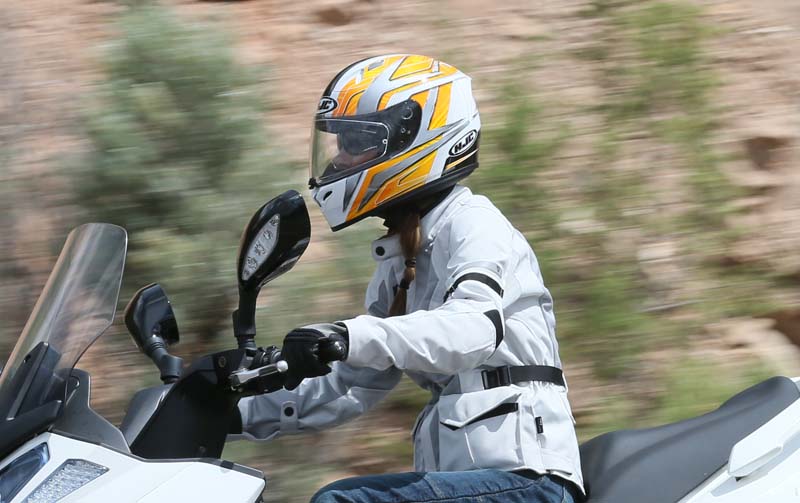
A sport-touring helmet, on the other hand, should provide all-day comfort, good ventilation and also good stability at high speeds. The emphasis for sport-touring helmets is comfort, something which is a compromise in racing helmets.
Courtesy of womenridersnow
Bridging that gap is never easy, as the resulting helmet is more often than not compromised for either spectrum. So how? You need both.
Or do you?
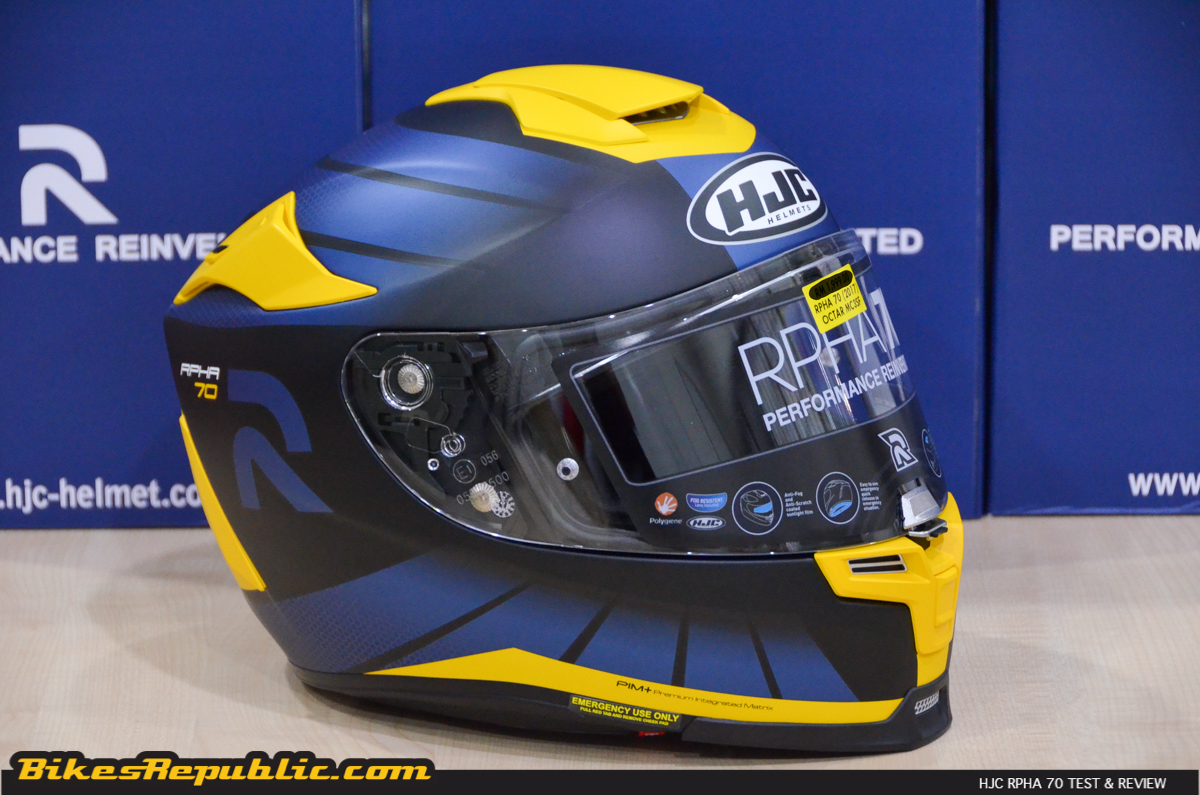
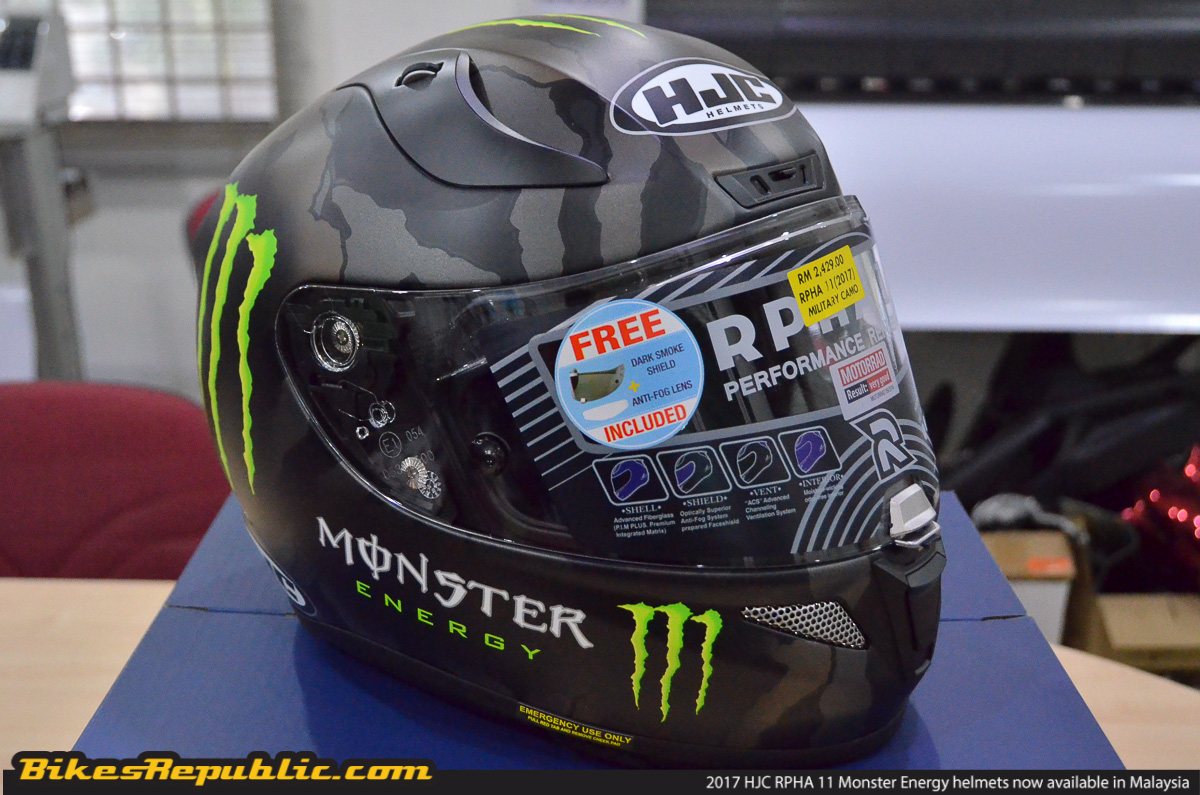
Built on the solid foundations of the HJC RPHA 11 race helmet (see here for more), the HJC RPHA 70 seeks to bridge those two concepts into one complete high performance package.
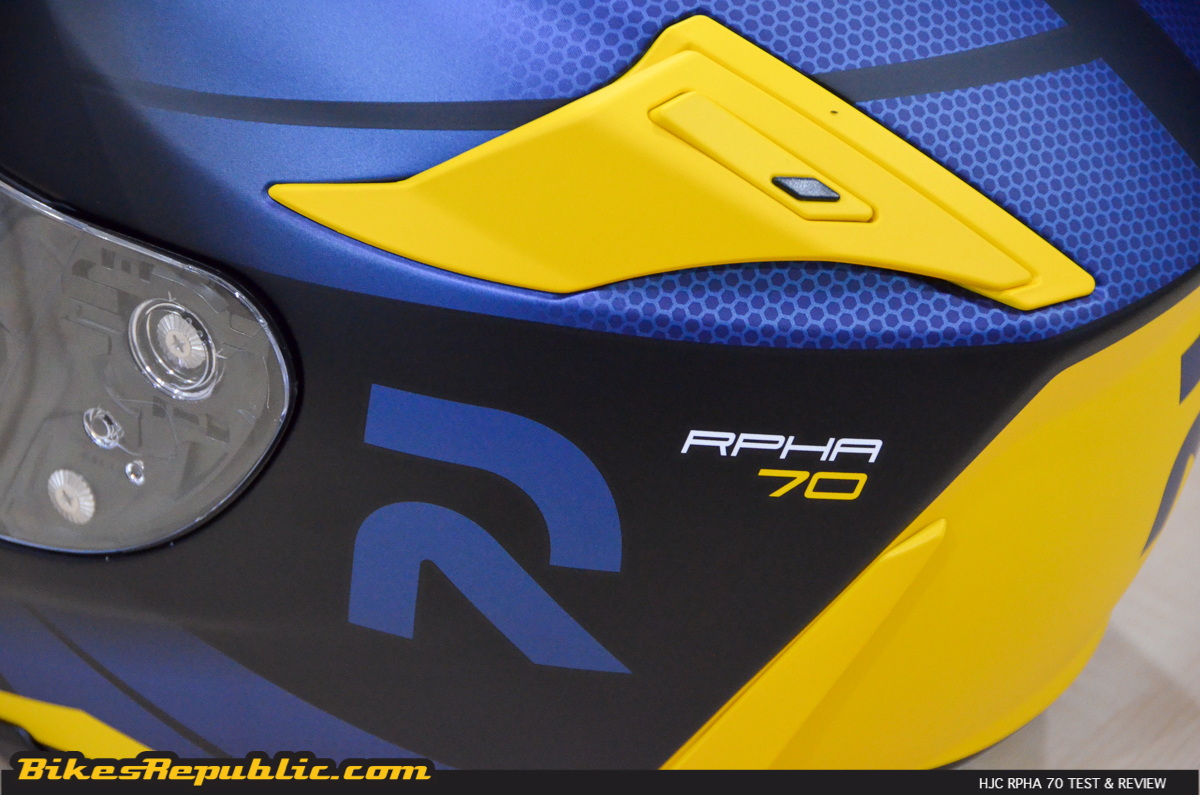
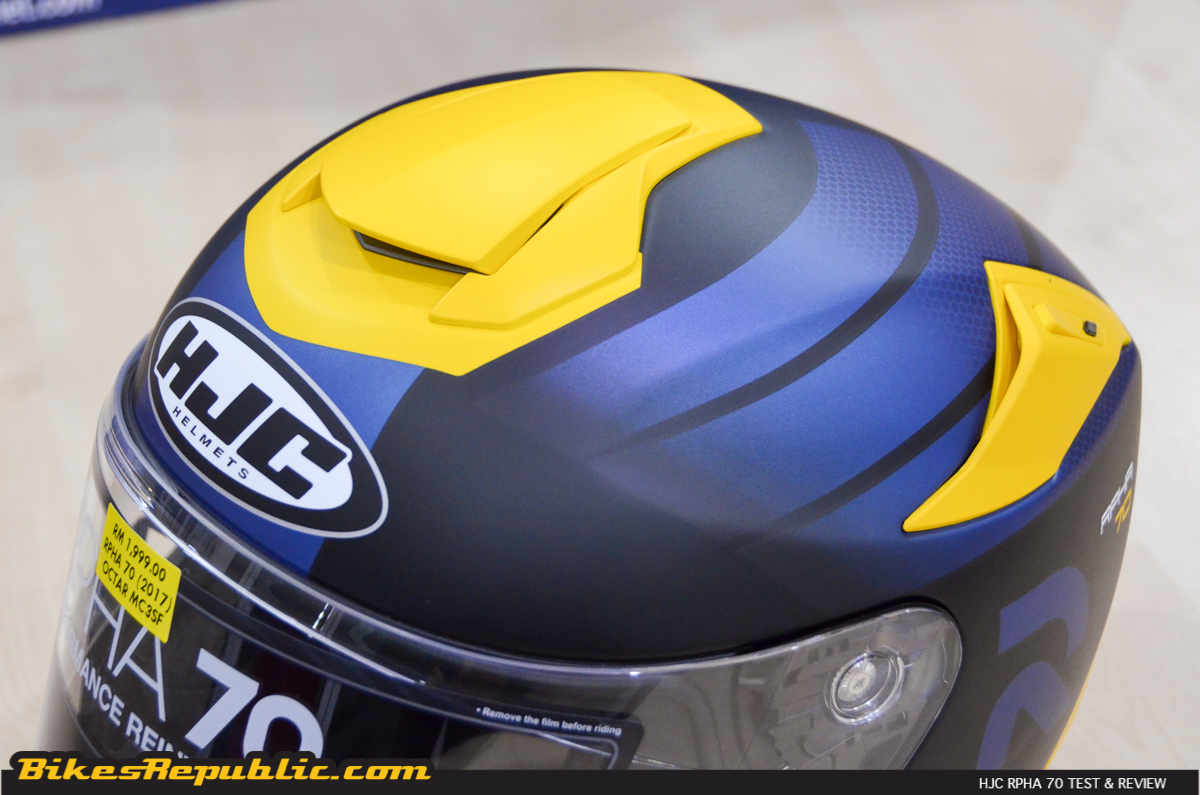
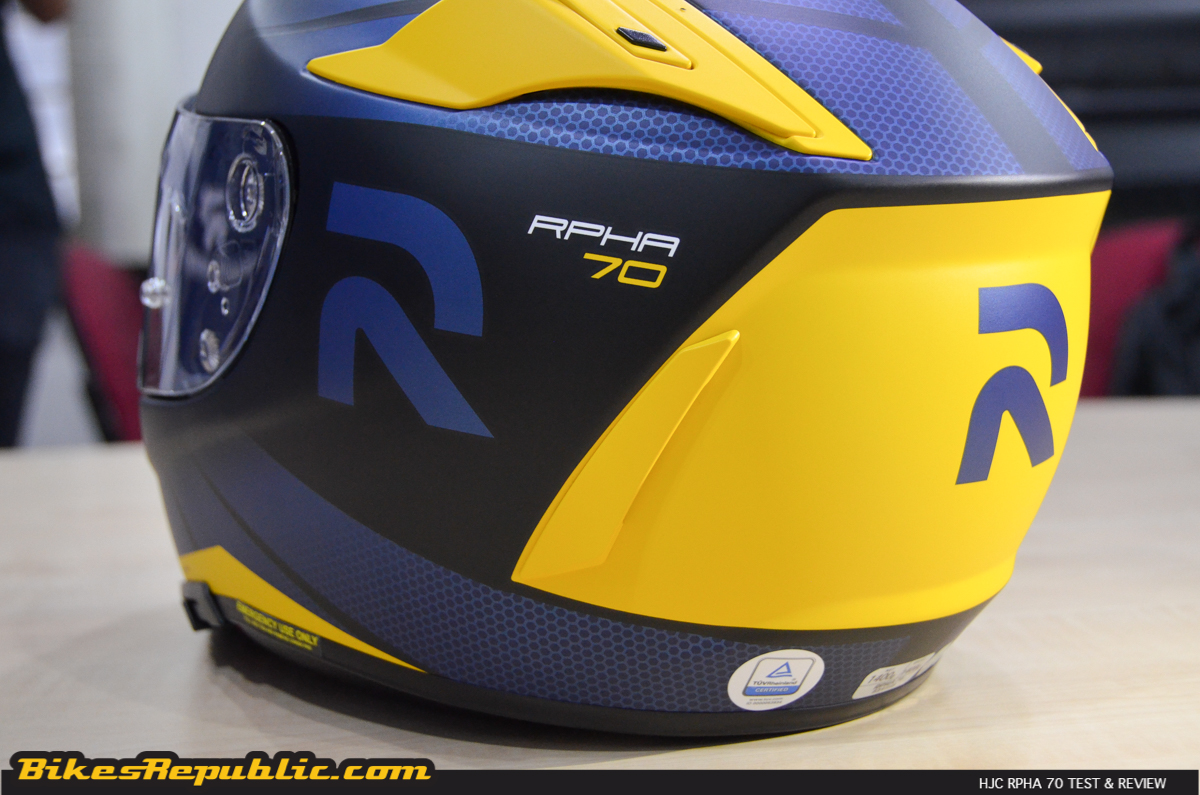
As with the RPHA 11, the RPHA 70’s shell is made from a what HJC calls their “Premium Integrated Matrix Plus (PIM+)” material, which consists of carbon fibre, Aramid, fiberglass and Kevlar; resulting in a lightweight but strong shell. The EPS has different densities around the helmet.
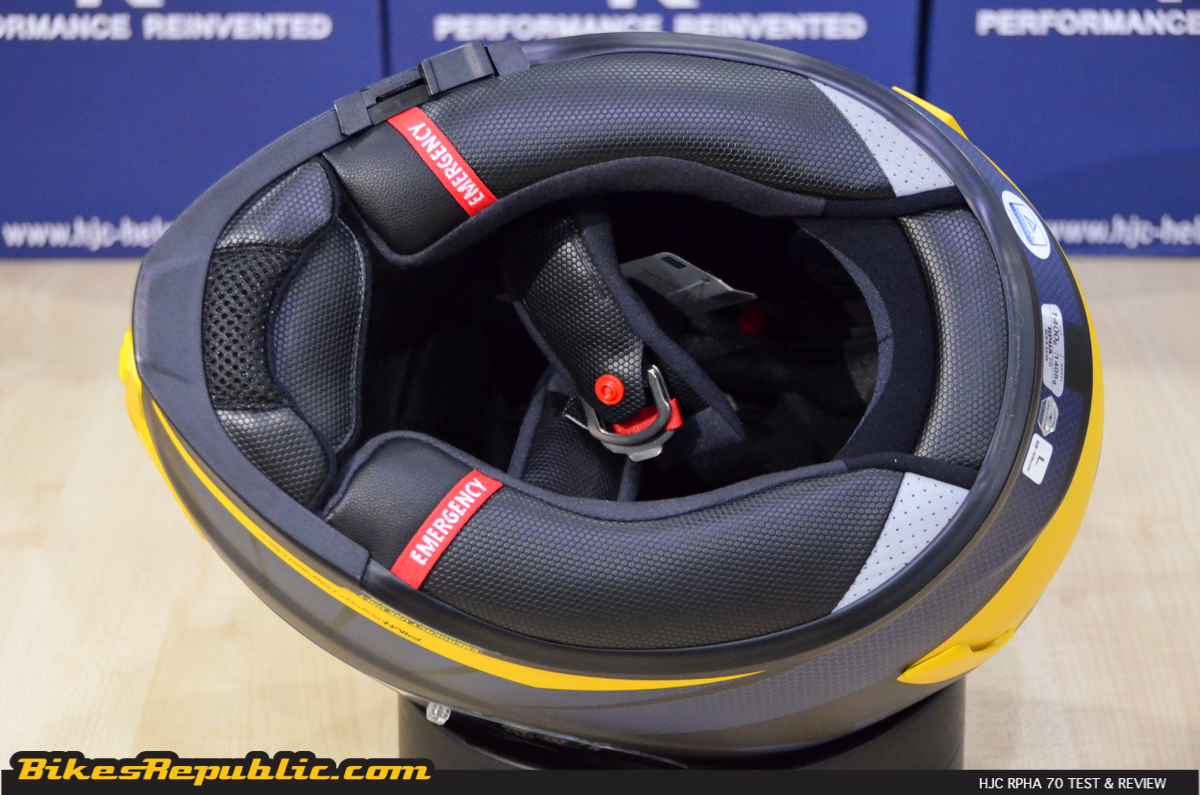
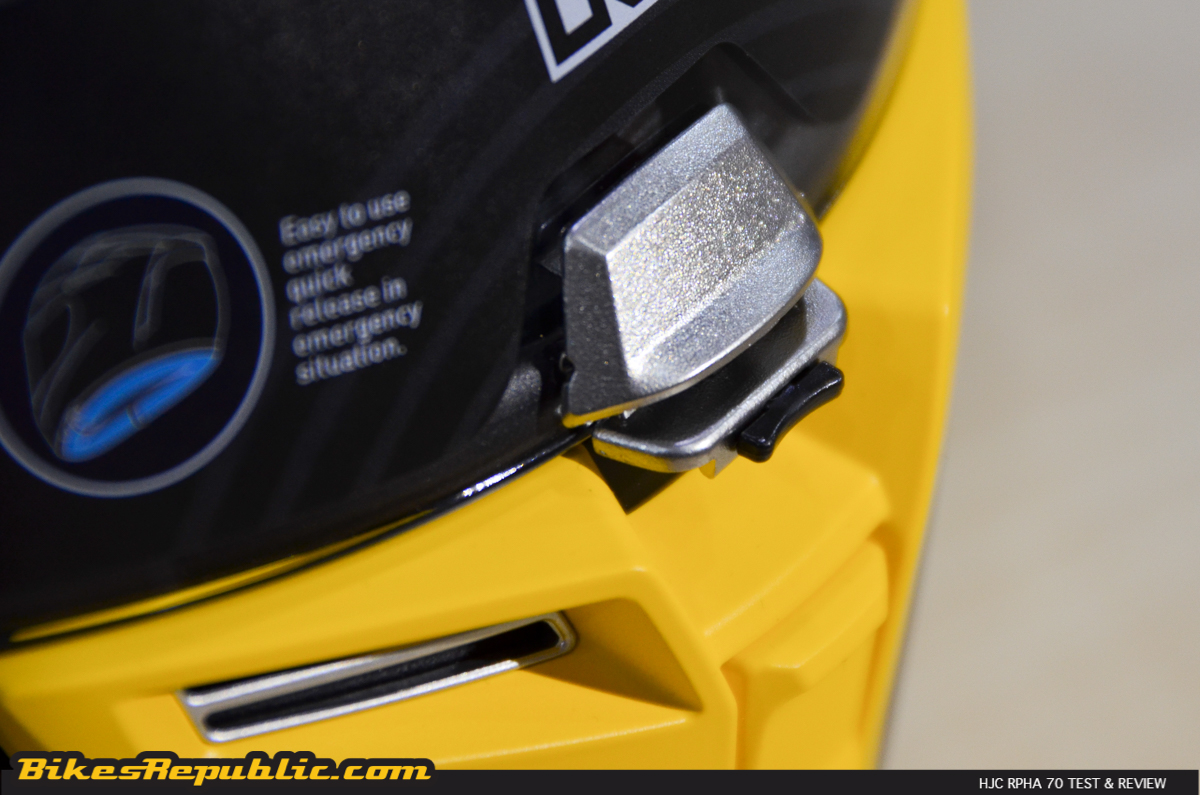
Traces of the RPHA 11’s design philosophies are evident in the RPHA 70’s tall chinbar, aerodynamic shell design, optically correct 2D faceshield with the centrally-located lock (which it shares with the RPHA 11), and interior paddings, in addition to the cheekpads that are extractable in emergencies.
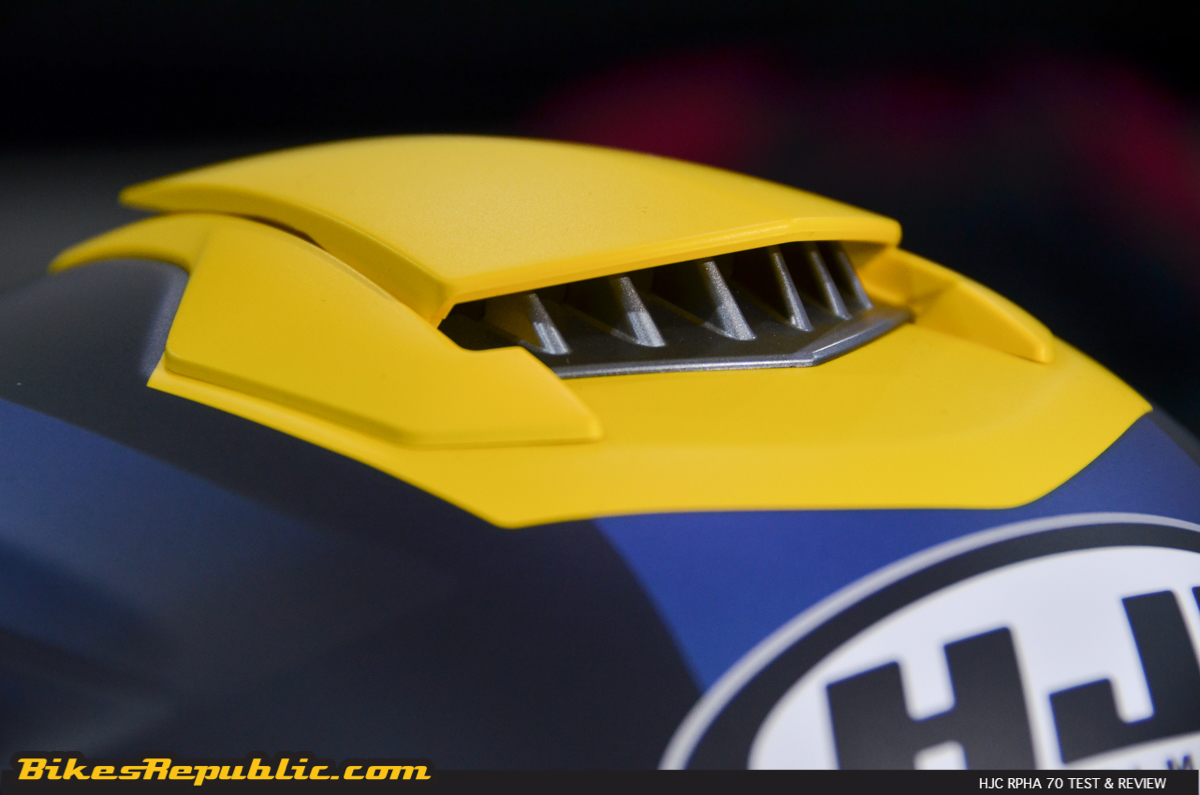
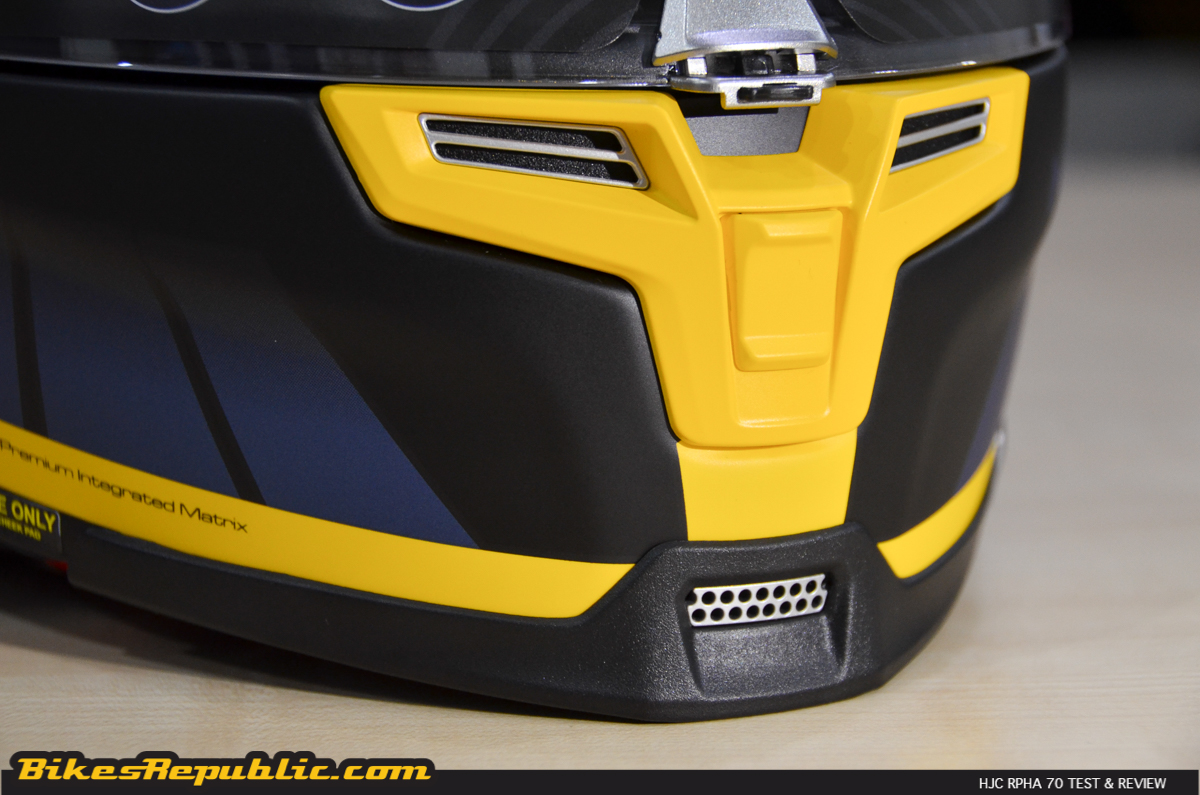
Sport-touring features include the internal drop-down sunshield and large vents on the chinbar and crown (top of the head). The are deep cutouts for the ears, closed off by padding. Remove those pads and you have yourself built-in velcro pads to attach your Bluetooth speakers (I really welcome this).
The cheekpads are thick and tall. There are eyeglass “pockets” on both sides – spectacles wearers will welcome this. The crown pad is also thick and seems to float a couple of milimetres above the inner EPS lining.
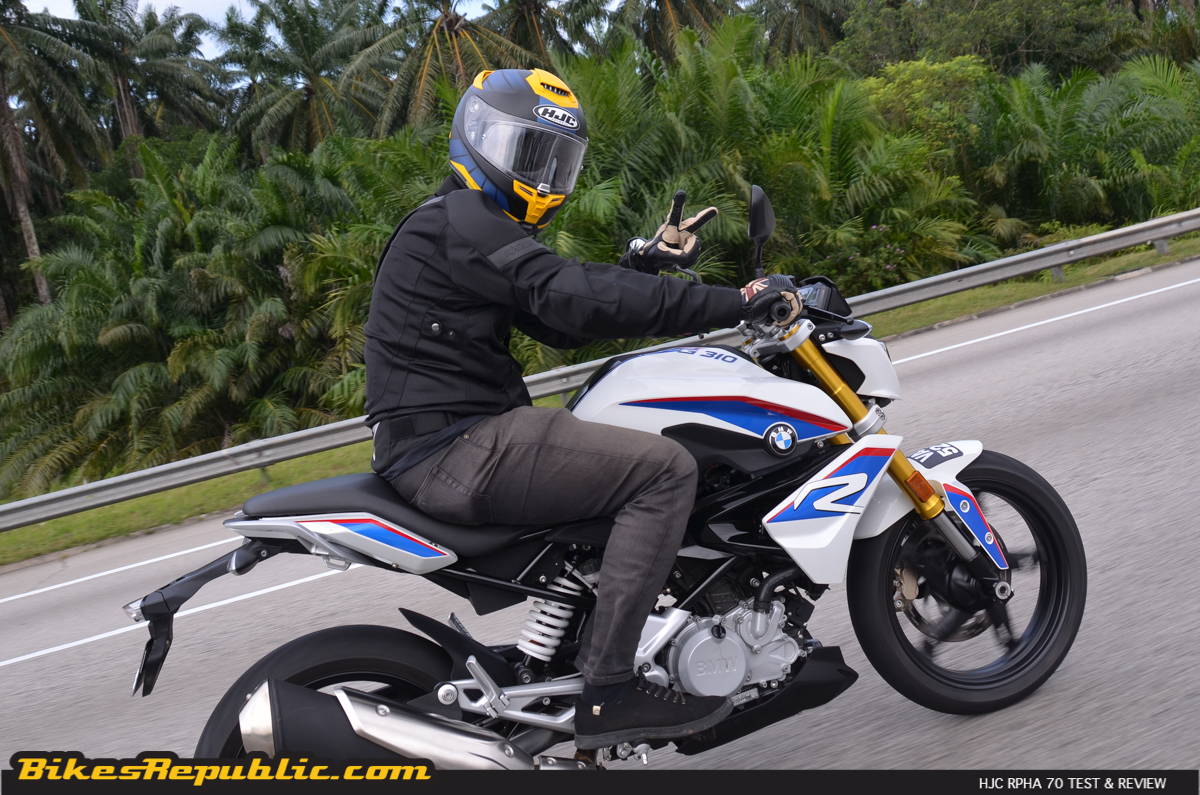
Our first opportunity to sample the RPHA 70 was during the ride to Penang to cover the BMW Motorrad Nightfuel event (click here for our coverage and pictures). We rode a myriad of bikes including three variants of the R nineT, S 1000 R naked sportbike, K 1600 GT tourer, and G 310 R lightweight roadster. That means we rode on more bikes without fairing for wind protection.
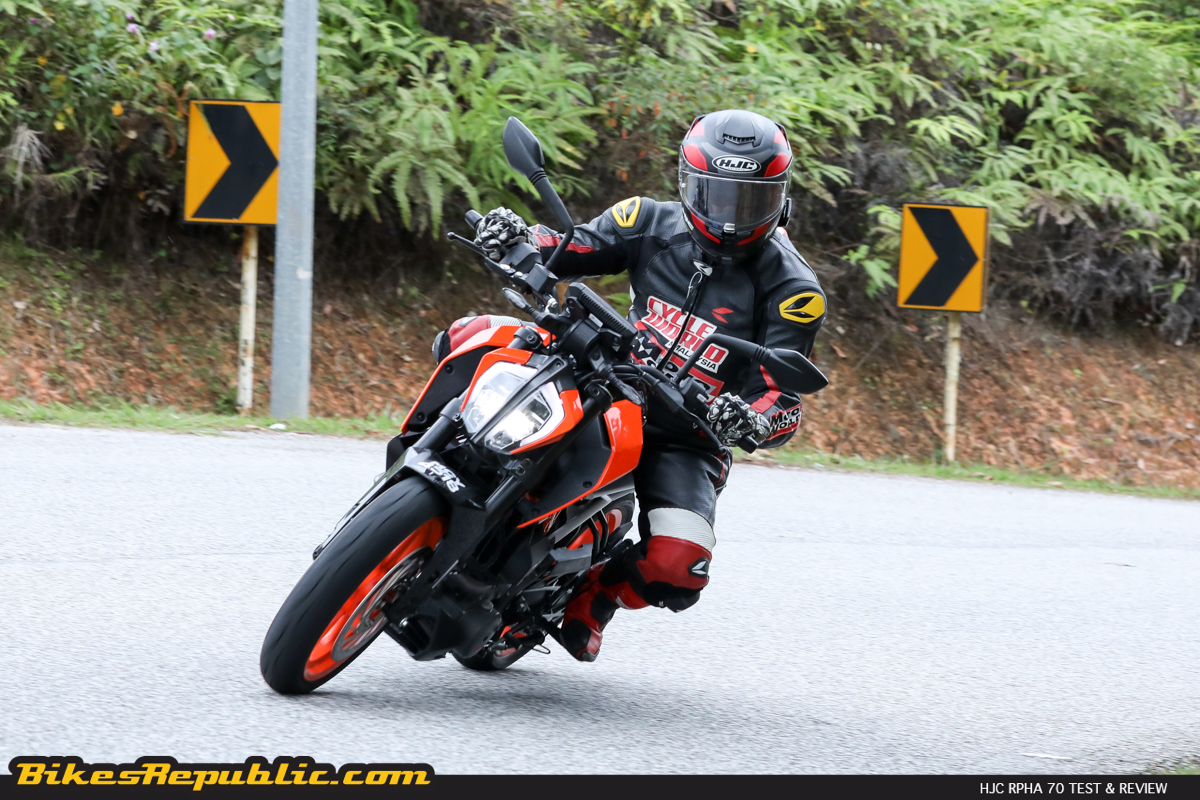
The BMW S 1000 R was fast! You’d drone along at 60km/h in sixth gear, hit the throttle and you’re suddenly flying at 180km/h. But there was no wind protection. This was where the RPHA 70 showed its mettle. It stayed stayed stable without wobbling around, nor did it felt like ripping our heads off when we turned to the sides. Besides that, it resisted lifting and diving
Sep was testing the BMW G 310 R all the way into Penang (with top speeds close to 170km/h) and he reported the RPHA 70 being stable, too.
The HJC RPHA 70 is also relatively quiet at high speeds even without earplugs, which meant that I didn’t have to turn up my Bluetooth communicator’s volume to full blast, and it’s definitely a pleasant experience with earplugs in.
The sunshield dropped down and retracted quickly when activated via the switch at the bottom of the left chinbar. As with the main faceshield, the sunshield is optically correct, which means it won’t give you headaches from bad vision. My only gripe with the sunshield is that the bottom edges drop ever so slightly when its up, although Sep didn’t encounter this problem.
Airflow through the Advanced Channelling System (ACS) can be described as good and satisfactory. Air entering through the chin vents is directed upwards to the faceshield. A secondary and smaller chin vent directs airflow straight to wearer’s chin and mouth (the switch is on the inside). With the top central vent open, the wearer could feel a cooling stream of air moving past his crown.
We had encountered some rain on the way into Penang, and we thought we’ve come through the worst.
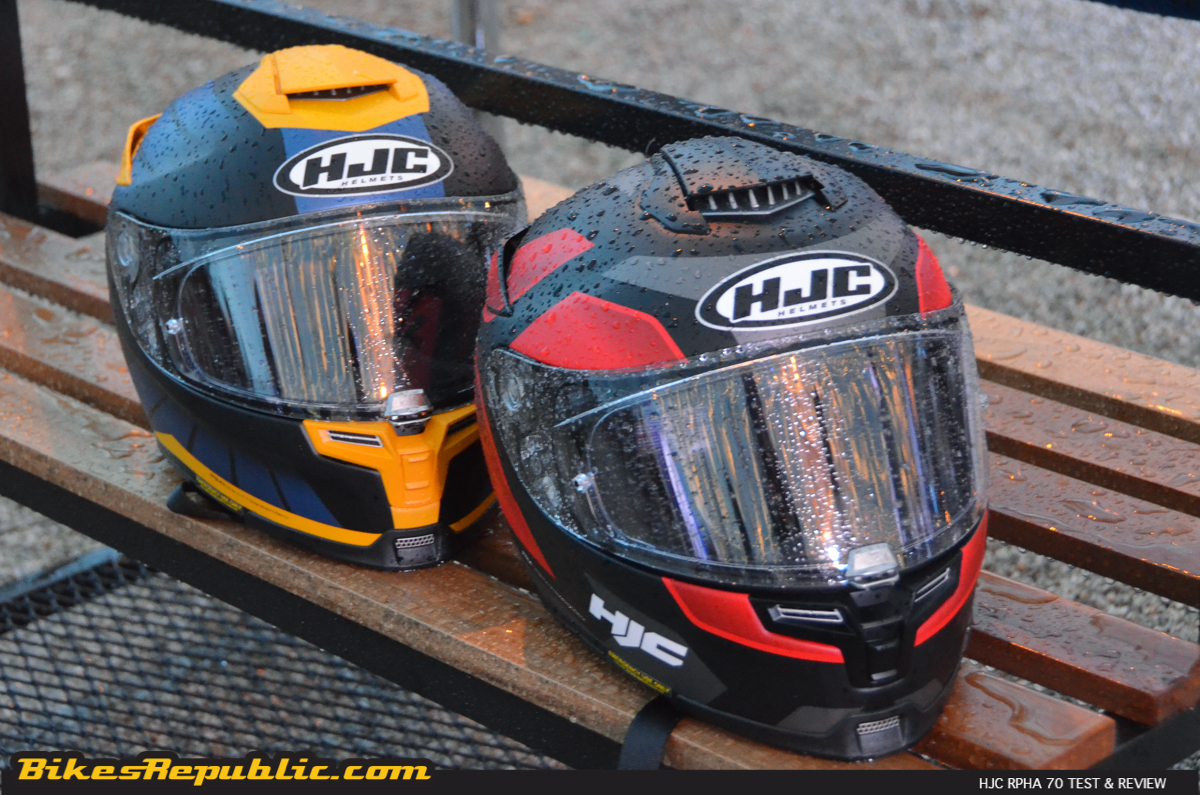
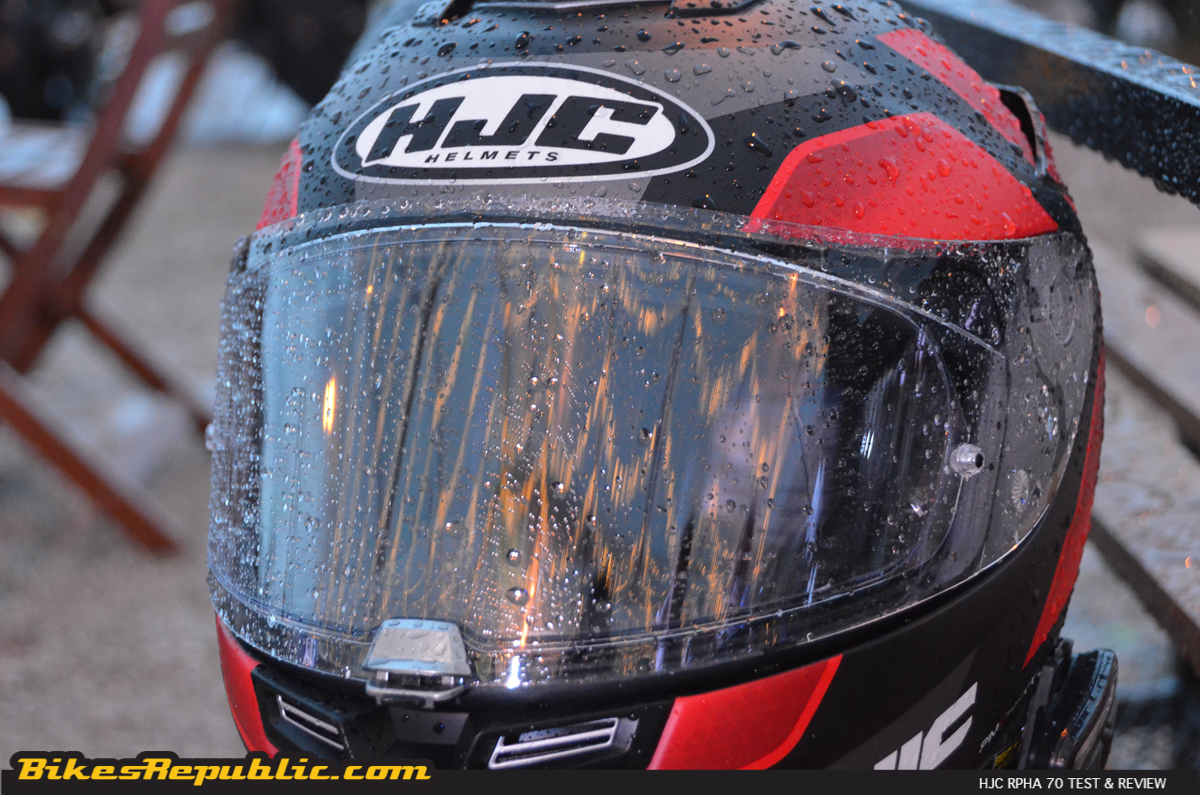
On that same evening, we rode from our hotel at Gurney Drive to the event ground next to the new Penang Bridge, when we got hit by the heaviest rainstorm we’ve ever encountered. There wasn’t even time to close the vents but thankfully, no water got through and the faceshield remained clear as we’ve installed the anti-fog lens which came in the box.
We’ve since donned the helmet everywhere we went, including riding around the city in all weather conditions and times of the day. As with most fullface helmets, the air inside could get a little stuffy on scorching hot days but all one needs to do is crack open the faceshield a little or, just ride faster.
Back to the subject about track usage: Not only does the HJC RPHA 70 comply to the ECE R22.05 standard, but it is also approved by the FIM. Approval by the FIM means the wearer could use the helmet for FIM-sanctioned racing events. That’s unprecedented, as most if not all, FIM approved race helmets are without built-in sunshades.
So, there you go. A real two-in-one helmet at one great value.