Bikesrepublic

Latest News

  • Two teen students invent a fingerprint bike starter system due to high cases of motorcycle theft.

  • Instead of a key, the owner’s registered fingerprint is required to start the bike.

  • It was a final year project for the two college students.

Two teen students invent a fingerprint bike starter system due to high cases of motorcycle theft.

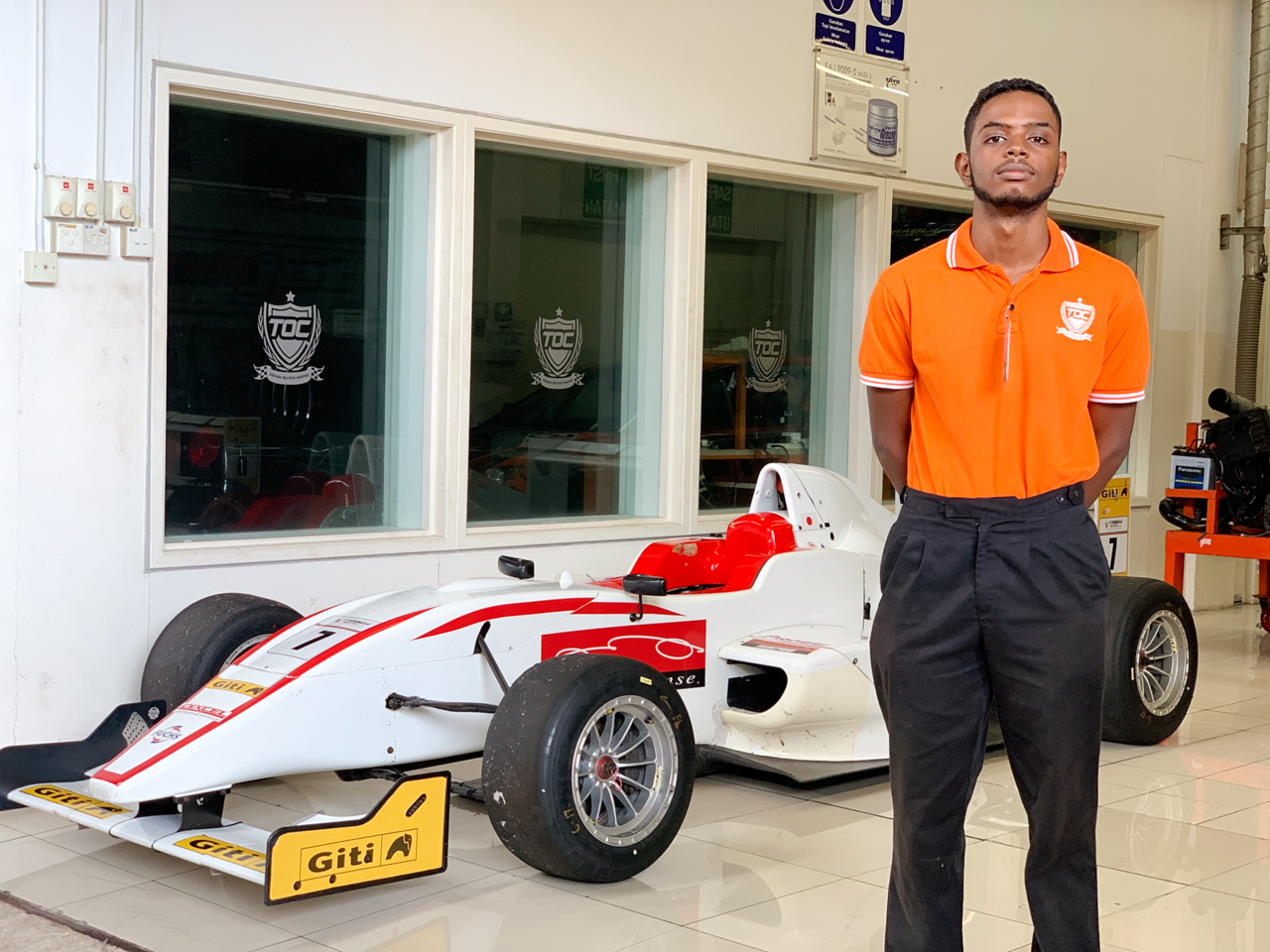
The two 19-year-old students of Kolej Vokasional Bachok (Bachok Vocational College) Wan Amiruddin Wan Amran and Adeeb Aideen Mat Yusof built the system for their final year project in their Electronics Technology Diploma course.

Speaking to Harian Metro, Wan Amiruddin said that it took them six months to produce the system including building the prototype and testing it on a motorcycle.

The system can be installed in both motorcycles and cars.

Current motorcycle starter systems (those without chips embedded in keys) can easily be accessed by thieves. Thieves only need to twist the lock to start position and press the starter button.

Wan Amiruddin and Adeeb Aideen – Photo credit Nor Amalina Alias for Harian Metro

On the other hand, the fingerprint system requires fingerprint identification in order to allow the engine to be started.

The system uses the open source Arduino software which can include voice recognition and LCD display. The fingerprint scanner was imported from overseas. It’s attached directly to the engine without a need for an external battery source or charging.

The students said that they have already received orders from the collegemates and lecturers. They will also register the device’s intellectual property soon.

Source: Harian Metro

  • The Modenas Pulsar NS160 and Modenas Kriss MR3 were launched today.

  • The Pulsar NS160 shares the same frame with the NS200, compared to the Pulsar 150.

  • The Kriss MR3 continues with the Kriss MR2’s success.

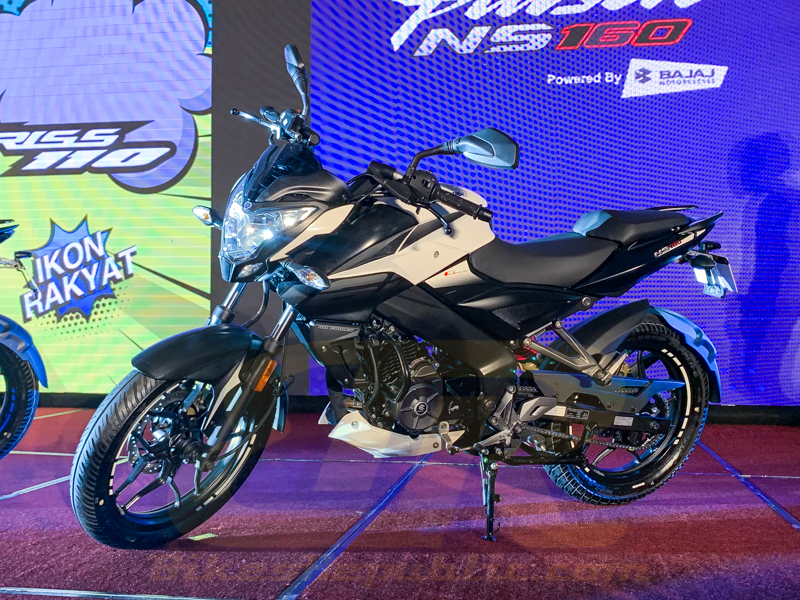
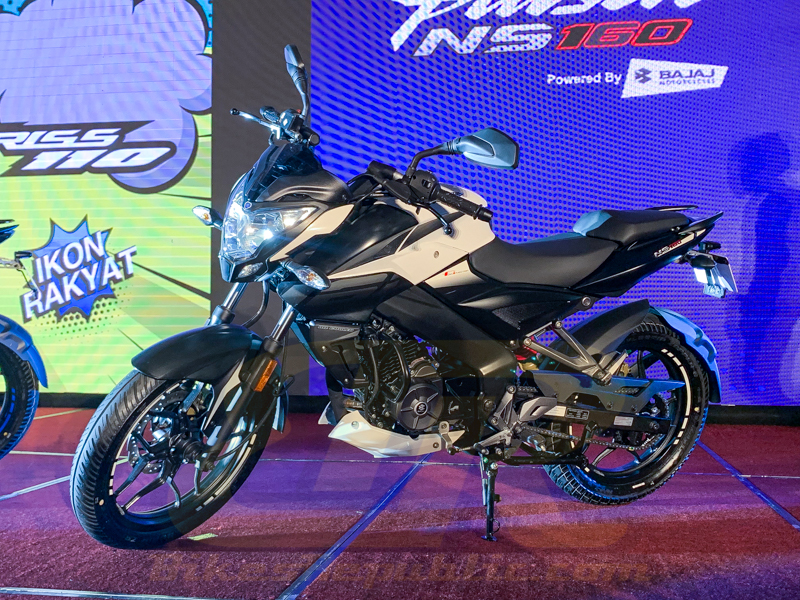
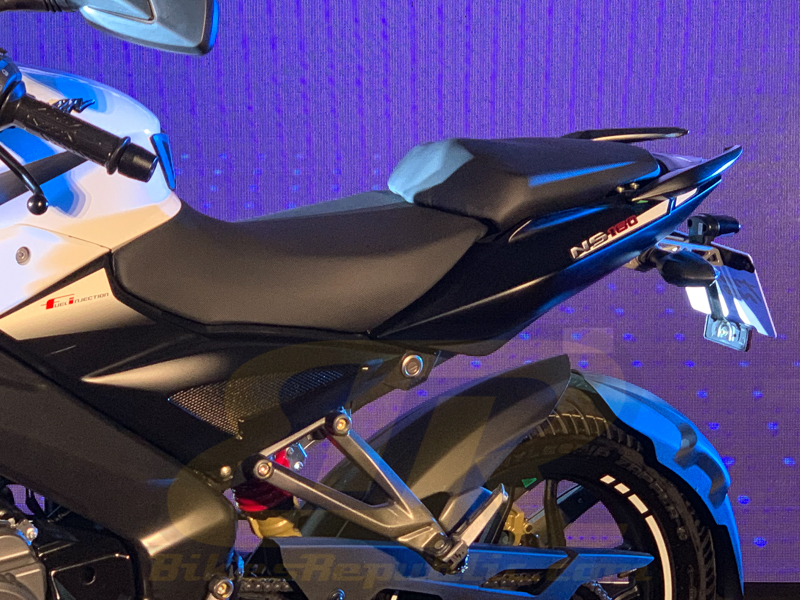
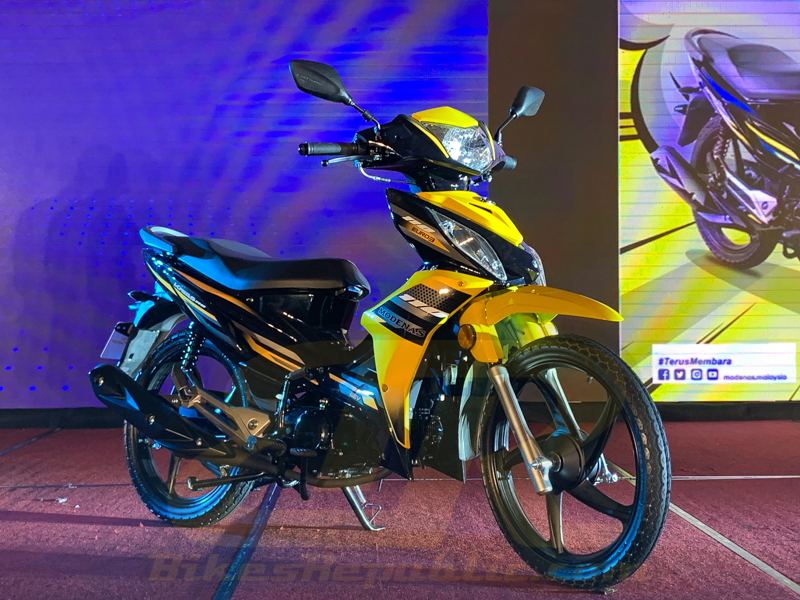
The Modenas Pulsar NS160 and Modenas Kriss MR3 were launched today.

Both bikes expand Modenas’s offerings in the Malaysian lightweight motorcycle market, giving buyers more choices.

Modenas Pulsar NS160 (from RM7,577) 

The Modenas Pulsar NS160 is the upgrade from the Pulsar 150. It shares styling elements of the NS200, apart from its narrower tyres, 240mm front brake disc, and engine.

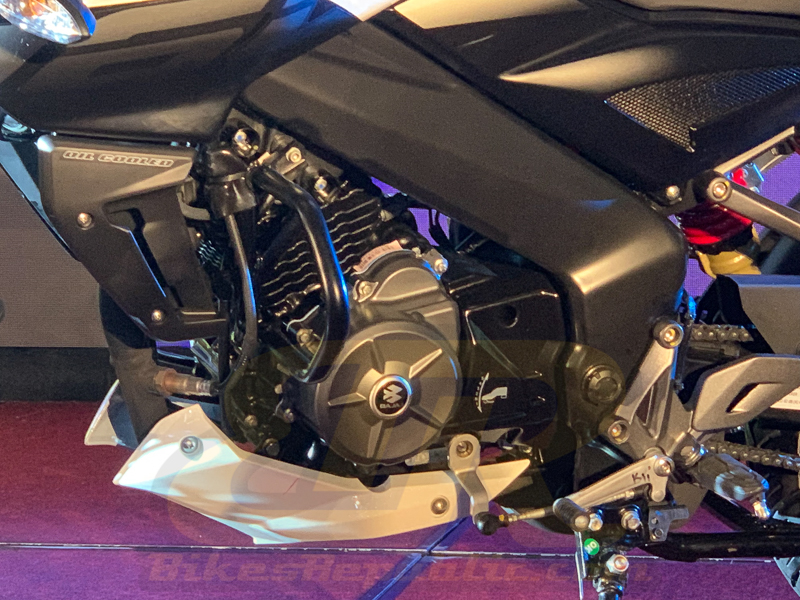
Its 160cc, single-cylinder, oil-cooled engine delivers 14.8hp and 14Nm of torque. That power is channelled through a five-speed transmission. The engine is secured to a perimeter frame from the Pulsar NS200.

The chassis consist of telescopic front forks and a gas-charged monoshock at the back. The split five-spoke wheels are mounted with 80/100 front and 110/80 rear tyres. Disc brakes handle braking on both ends and is supplemented with a single-channel ABS.

The Pulsar NS160 is seen as the entry level model, compared to the NS200. It offers better affordability in the naked style of the Pulsar NS200. It may prove to handle better and nimbler than the NS200 due to its lighter weight, while still retaining the Pulsar NS200’s chassis. Modenas brands the model as the obvious upgrade from kapchais.

Modenas targets to sell at least 1,500 units of the Pulsar NS160.

Highlights:
  • Four-stroke, 160cc, single-cylinder, oil-cooled, fuel-injected, SOHC engine, with Digital Triple Spark Ignition (DTSi).
  • Fuel-injection system is supplied by Bosch.
  • The engine produces 14.8hp (11.05kW) at 8,500 RPM and 14Nm.
  • 5-speed gearbox.
  • Nitrox gas-charged rear shock.
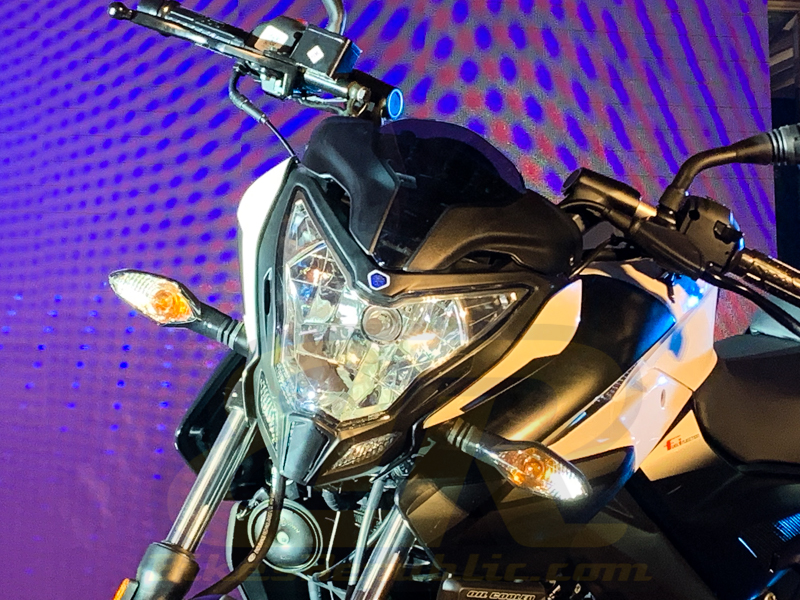
  • LED lighting for headlights and turn signals.

The bike will be available from October 2019 and is priced from RM7,577.

Modenas Kriss MR3 110 (from RM3,377)

The Modenas Kriss MR3 continues the success of the Kriss MR2. “MR” stands for “motosikal rakyat” or “people’s motorcycle.”

The model is designed to be affordable by a larger portion of motorcyclists, enabling to have their own transportation.

Highlights:
  • Certified as an Energy Efficient Vehicle (EEV).
  • 110cc air-cooled, single-cylinder engine.
  • It produces 4.7hp at 8,000 RPM.
  • Telescopic forks and twin rear shocks.
  • Sport headlamp and tail lamp designs.
  • 4.2-litre fuel tank.
  • Up to 200km range.

It is available at dealers from October 2019 and priced from RM3,377.

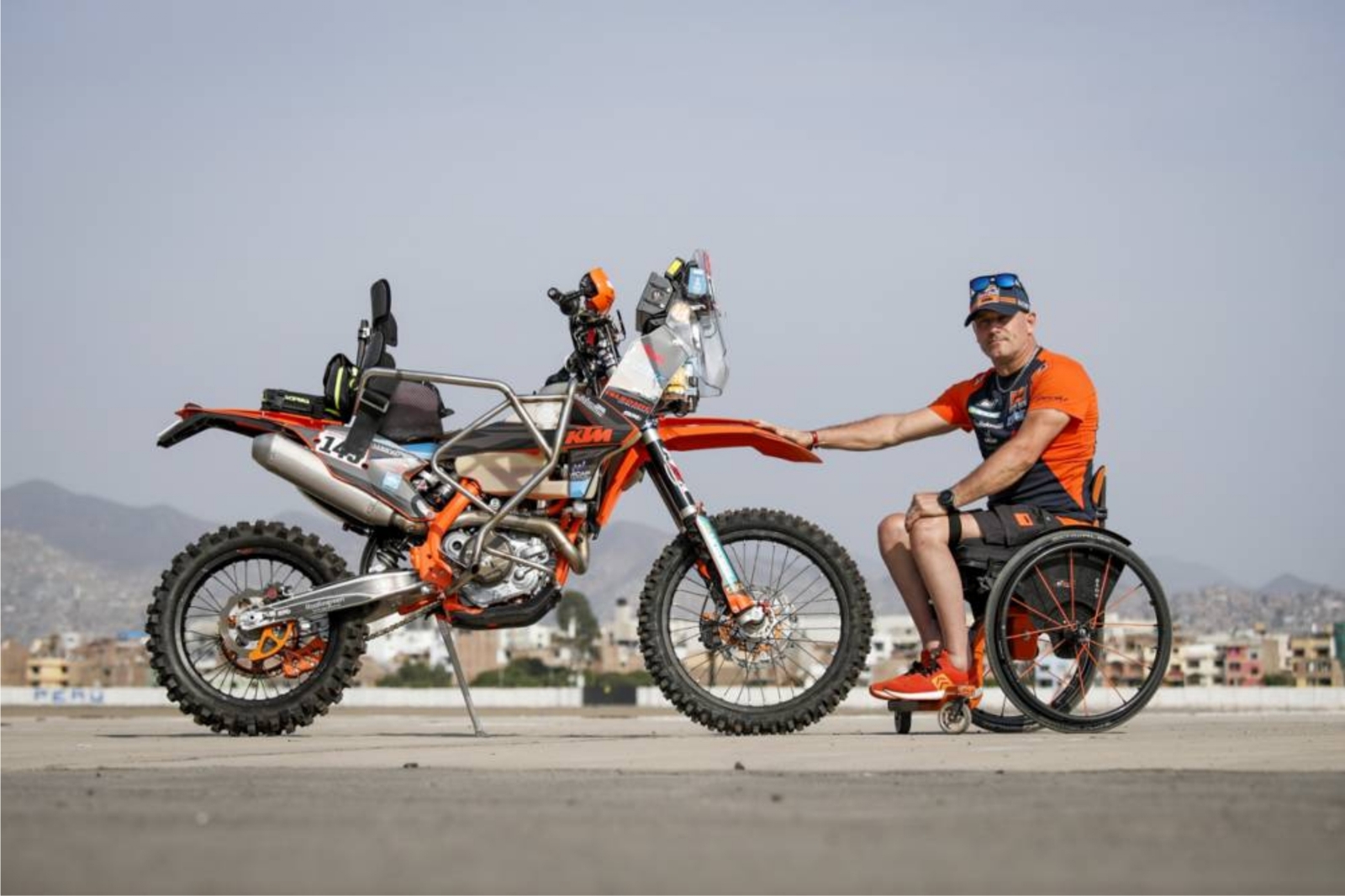
  • KTM has inked a joint venture with Spanish manufacturer GasGas.

  • The cooperation will see the co-development of trials, enduro and electric bikes in Spain.

  • While GasGas is predominantly known as a trials manufacturer, they manufacturer other offroad bikes as well.

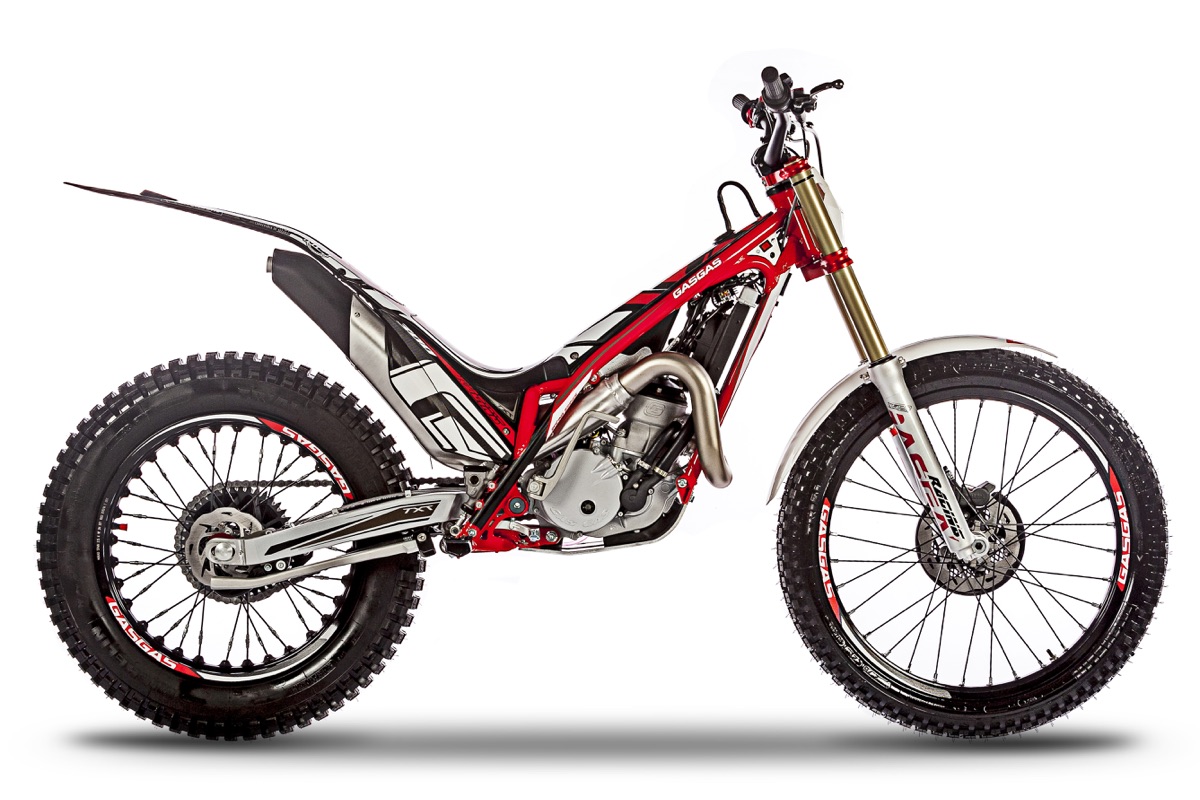
KTM has inked a joint venture with Spanish manufacturer GasGas.

The deal was inked between KTM Industries AG and Black Toro Capital, the owners of GasGas Motorcycles.

The cooperation will see the co-development of trials, enduro and electric bikes in Spain. The press release also stated that production of GasGas bikes and Torot electric vehicles will continue in Girona, Spain. GaGas will also benefit from KTM’s extensive sales and distribution network.

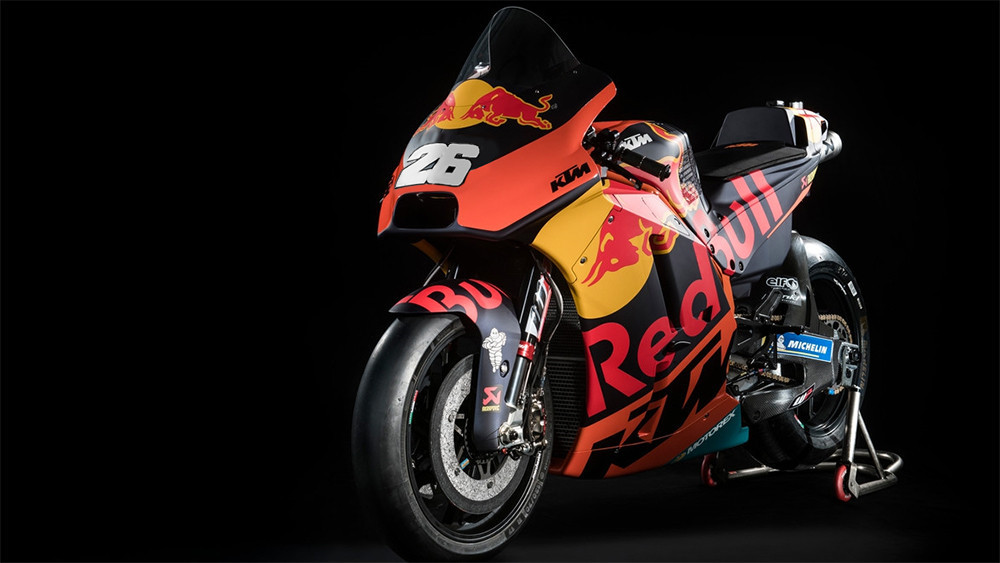
KTM will have three brands under their umbrella i.e. KTM, Husqvarna and GasGas. However, the joint venture is subject to antitrust authorities’ approval.

Earlier, it was announced that KTM Industries Group will be known as the Pierer Mobility Group in the future. KTM is now Europe’s largest motorcycle manufacturer. Besides owning Husqvarna and the possibility of GasGas soon, the group also owns WP Suspension.

On the other hand, GasGas specializes in offroad motorcycles since their inception in 1985. Their first bike was a trials bike in 1985, followed by enduro and motocross bikes in 1989, before adding quads to their model line-up in 2002.

Photo credit tmxnews.co.uk

Since then, they are predominantly known as a trials bike manufacturer when Jordi Tarrés won three successive world trials championships in 1993, 1994 and 1995.

Additionally, they won the Trial Outdoor World Championship in 2005 and 2006 with Adam Raga. Raga also took the Trial Indoor World Championship in 2003, 2004, 2005 and 2006.

While they’ve made a name in trials, the company was also successful in enduro events. Paul Edmonson won two World Enduro Championships – the 125cc title in 1994 and 250cc title in 1996. Petteri Silvan then won the 250cc championship in 1999, followed by Petri Pohiamo in the 125cc class in 2003.

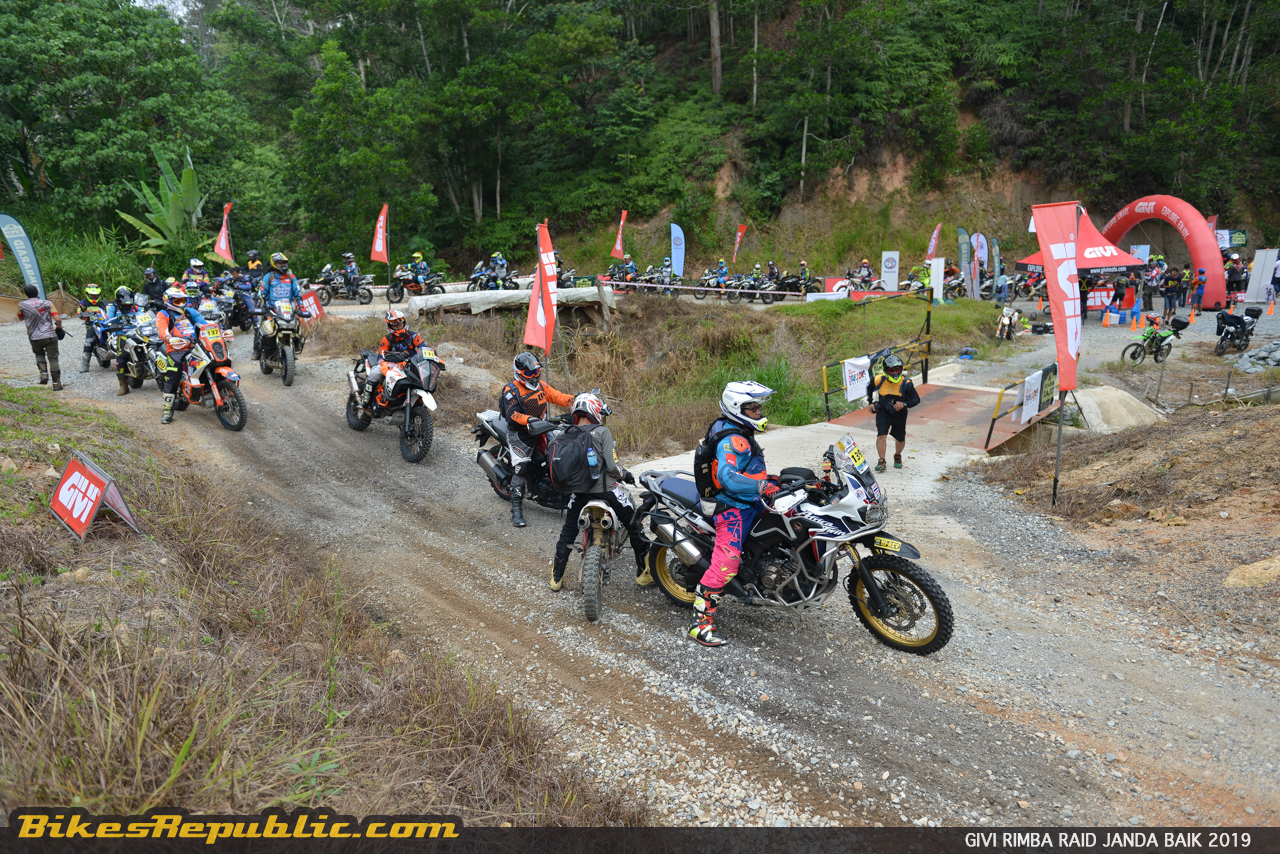
  • Rimba Raid 2020 is set to be held at Mat Daling from 24th to 26th July 2020.

  • The route is between 360 to 420 km.

  • The number of spots for competitors has grown to a total of 230.

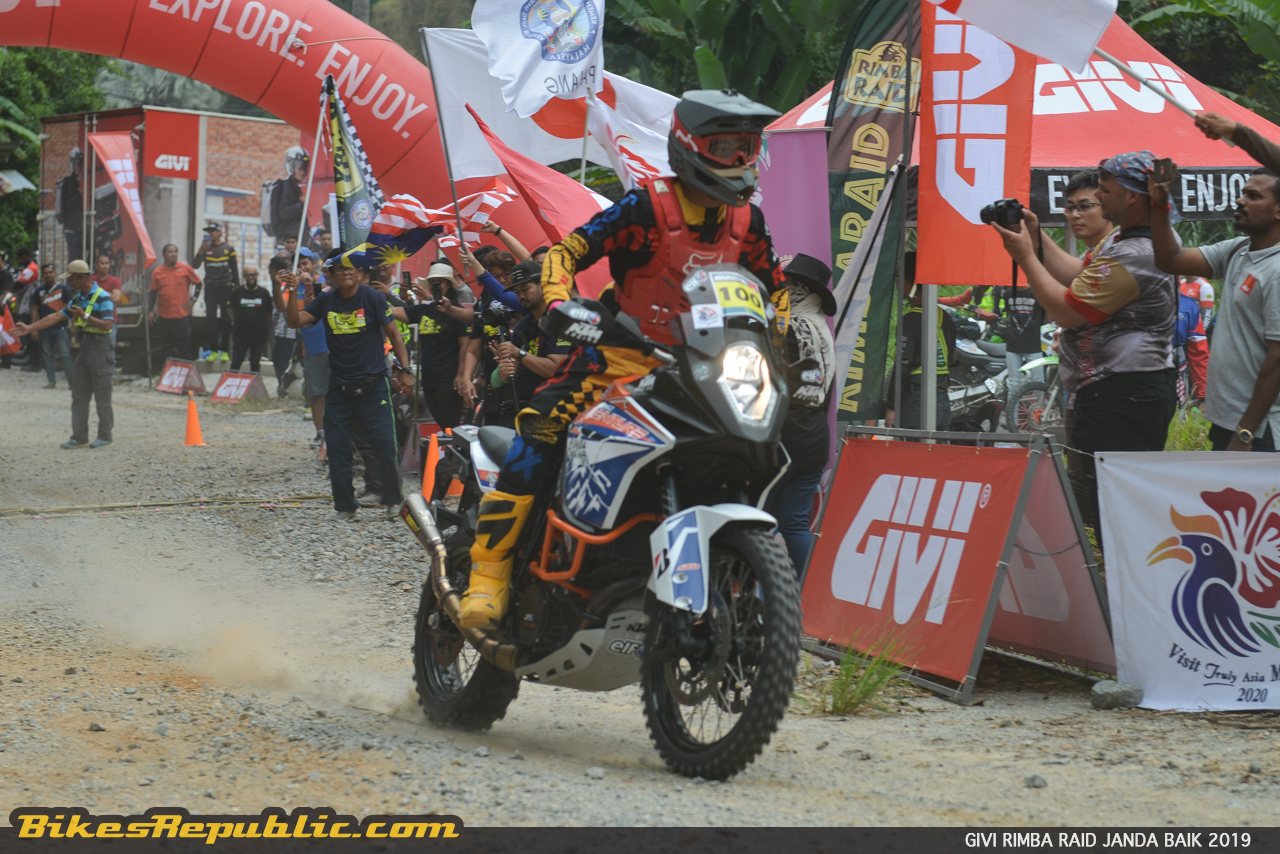
Mark your calendars – Rimba Raid 2020 is set to be held at Mat Daling from 24th to 26th July 2020.

Details are scant at the moment, but here’s what we gathered from Rimba Raid’s official Facebook page:

ROUTE

  • 360 to 420km route consisting mostly of jungles.
  • 10% of consists of plantations with a mix of medium- and high-speed sections.
  • 10% are technical but unlike Green Hell in Janda Baik.

DURATION

  • Day 1 for scrutineering.
  • Day 2 for race to Mat Daling.
  • Day 3 for a race to a yet determined venue.
  • Day 4 event ends.

NAVIGATION

  • Electronic roadbooks issued on GIVI mounts and brackets.
  • Secondary navigation tool are GPS units supplied by competitors themselves. This is mandatory.

CHANGE OF ELIGIBLE BIKES

  • Class C will be dropped.
  • An Enduro Rally Class consisting of Open to singles 250cc above will replace Class C.
  • FEs (four-stroke enduros) and TPIs (two-stroke transfer port injection) are eligible but subject to certain conditions.
  • Roadgoing trail bikes such as the Honda CRF-L, Kawasaki KLX, Suzuki DR can be fitted with bigger fuel tanks and other modifications.
  • Pure enduro bikes must be in near-stock configuration with standard fuel tanks (exhaust and suspension mods are acceptable).

ENTRY DETAILS

  • Entry fee will be announced later.

NUMBER OF COMPETITORS

  • Class A – 100
  • Class B – 30
  • Enduro Rally – 100

Rimba Raid has definitely gone from a hobby event to a full-fledged competition on the motorsport calendar. The number of competitors has grown tremendously and is attracting more and more overseas riders. However, Malaysian riders still hold the title as “Kings of the Jungle” up to this year’s event.

Rimba Raid could also be seen as the breeding ground for talent. Recently, the three members of the Malaysian team in team BMW Motorrad International GS Trophy had competed in Rimba Raid.

So, do join Rimba Raid and bring your family along to witness some of the best off-road action.

  • The 2019 Honda CBR1000RR Fireblade SP is all about rider confidence and usability.

  • Honda probably set out to produce an everyday superbike.

  • It’s wonderfully balanced and not slow at all.

I’ve to admit that my love for superbikes declined over the years. They’ve grown to be much faster, more focused and less compromising over the last decade. There’s nothing wrong with that; superbikes are meant to chase lap times, after all. Yes, my love for superbikes was reignited after attending California Superbike School Malaysia but superbikes are still superbikes. Those were the thoughts playing in my mind when I picked up the 2019 Honda CBR1000RR Fireblade SP.

Introduction to the 2019 Honda CBR1000RR Fireblade

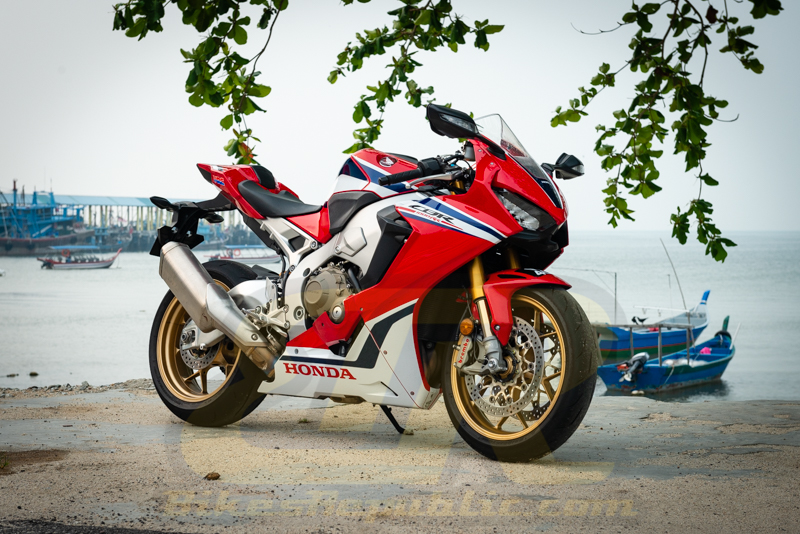
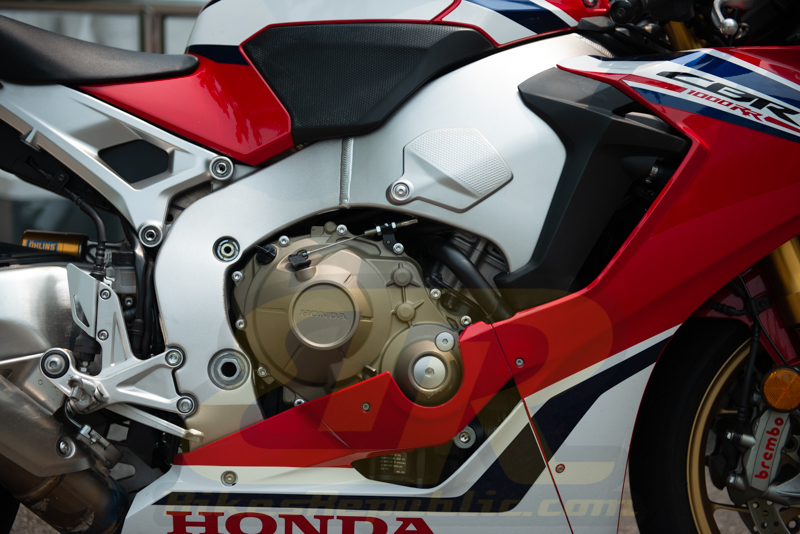
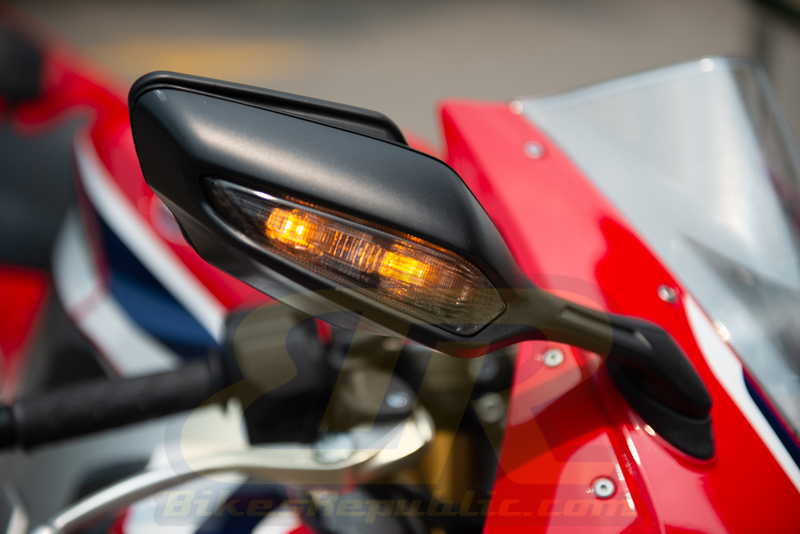
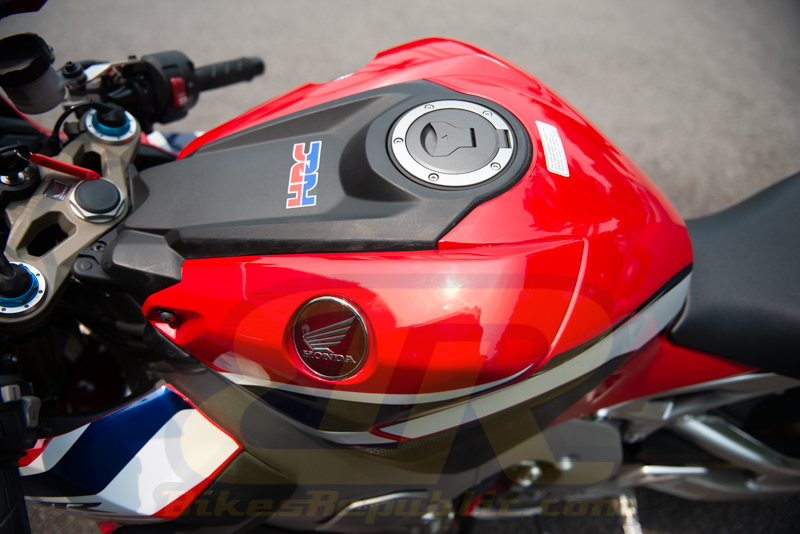
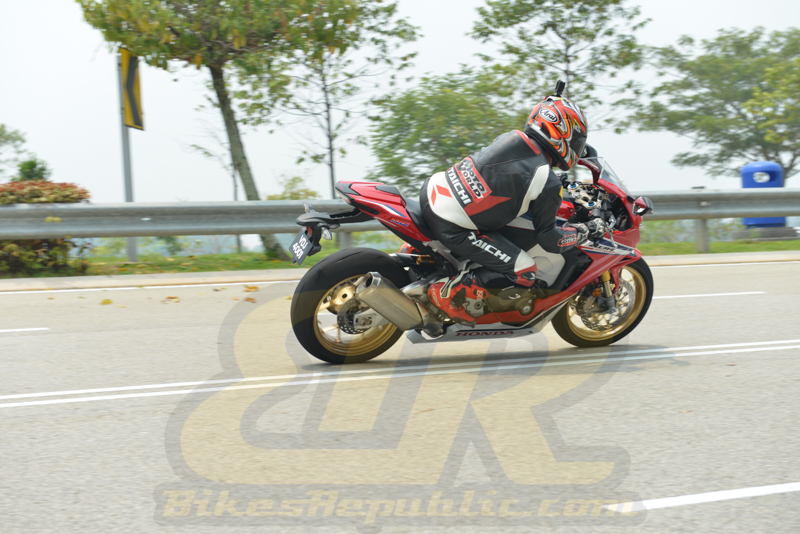
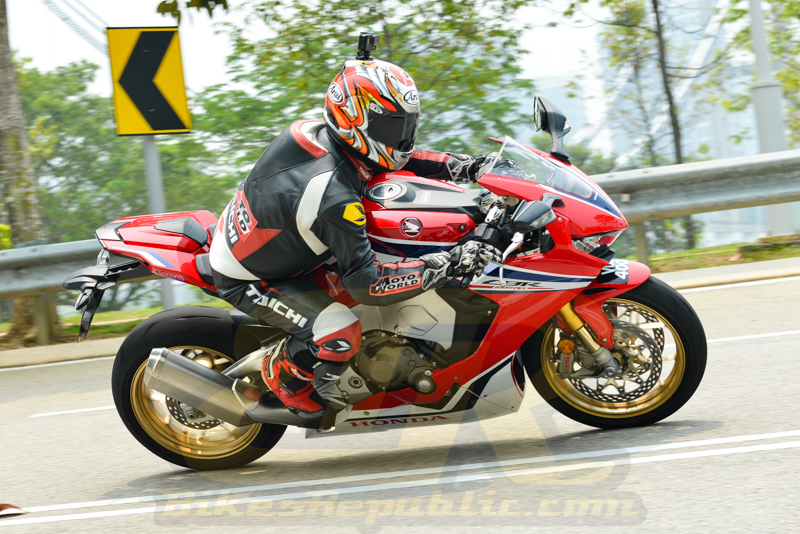
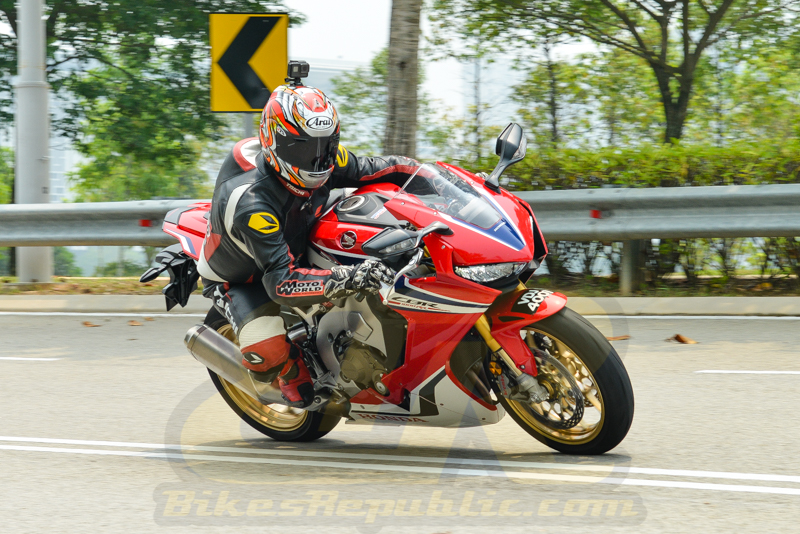
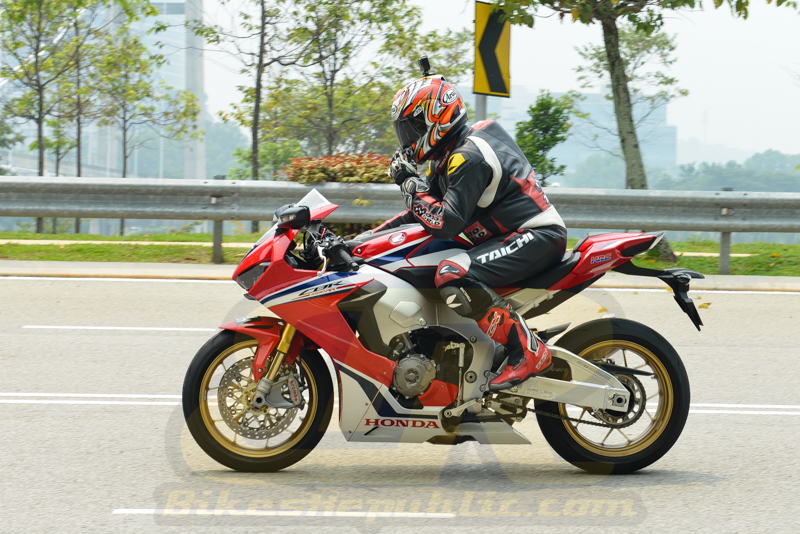
The bike was beautiful and looked better than when it was launched indoors. The silver-coloured massive frame and swingarm, offset by the gold rims, topped off by red, white and blue HRC livery shone in the sunlight. Some may say that those headlights look like the Ducati Panigale’s but no, they really look distinctively CBR on this bike as it blended in with the overall design.
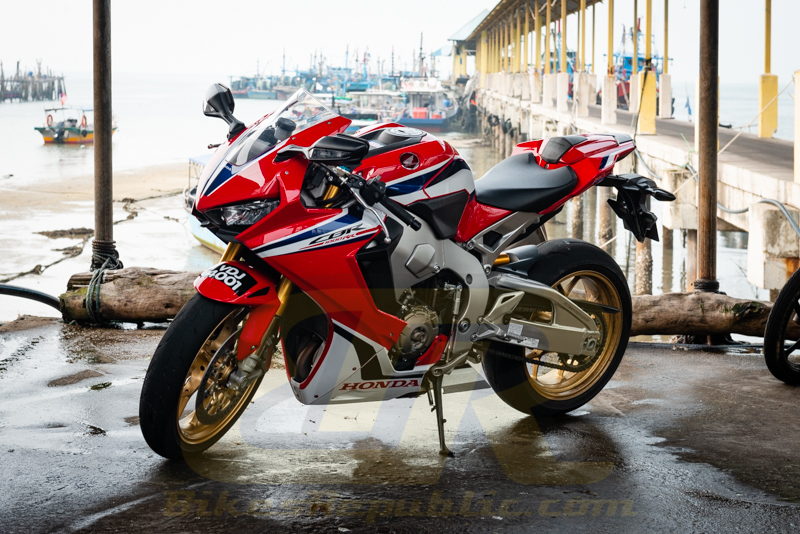
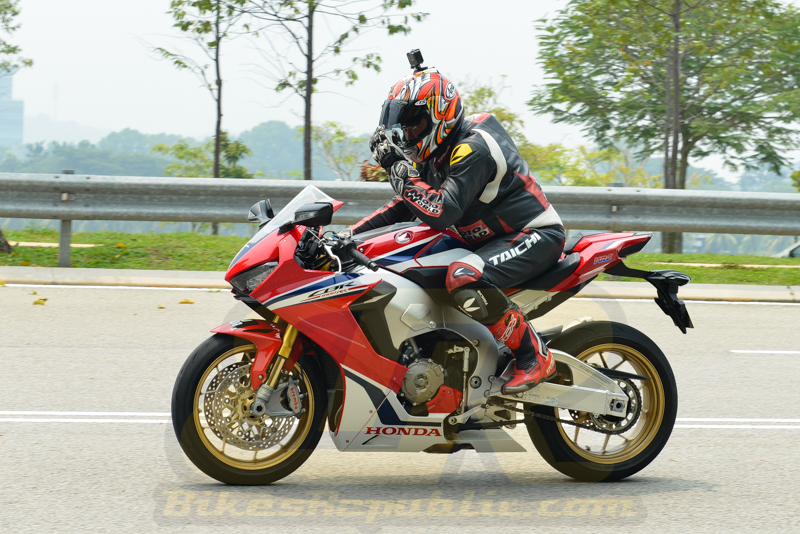
Climbing on, I was surprised to fit right in. Muscle memory had tried to push my arms lower down the front, but it turned out that the clip-ons were higher than other superbikes. When viewed from the side of the bike, the handlebars rise about 2.5cm higher than the seat line.

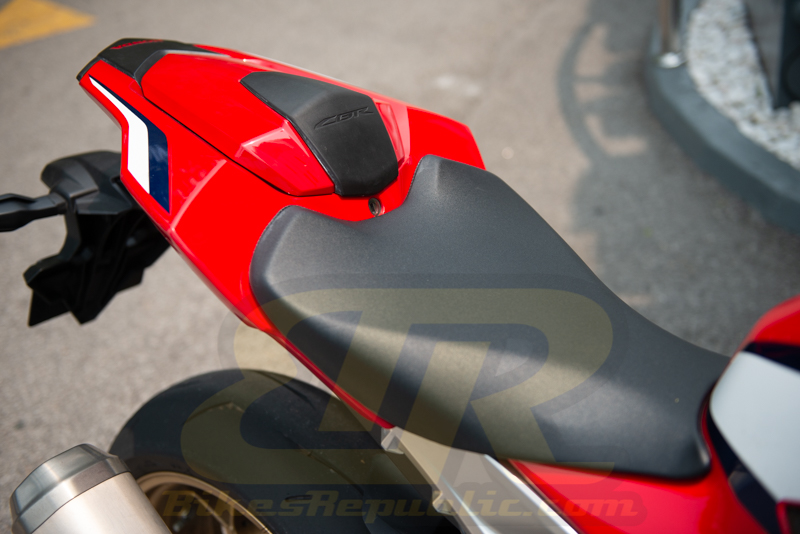
The footpegs were lower and set further front than all others. Another surprise was my foot finding the ground immediately instead of paddling around to check out the seat height. The seat was low for a superbike.
The sharp and narrow front profile necessitated a small TFT screen. But unlike some bikes we’ve tested, the screen has characters that were large enough to read for old eyes like mine. Even I could make out the smallest fonts that concern mileage and fuel consumption data.

One glance and I knew what RPM, which gear position and speed. The Honda Torque Control data sits on the bottom left side, displaying the MODE (there were three manufacturer presets and two user presets) and the levels of each parameter.
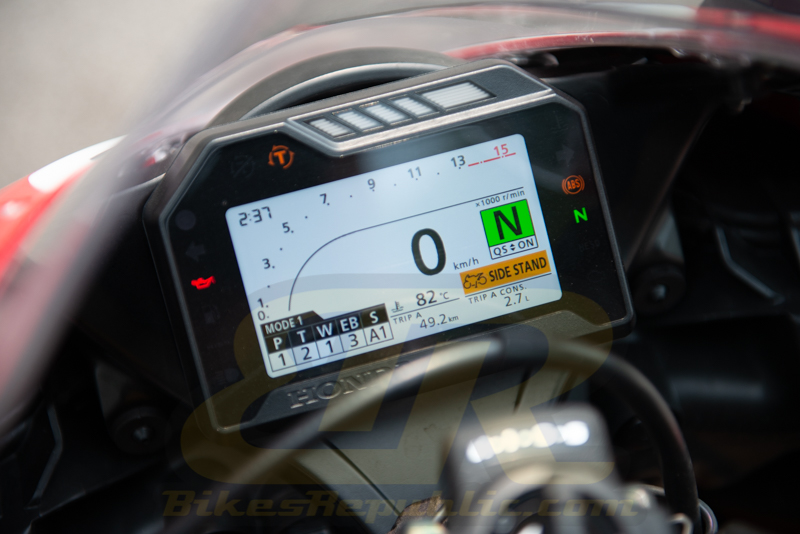
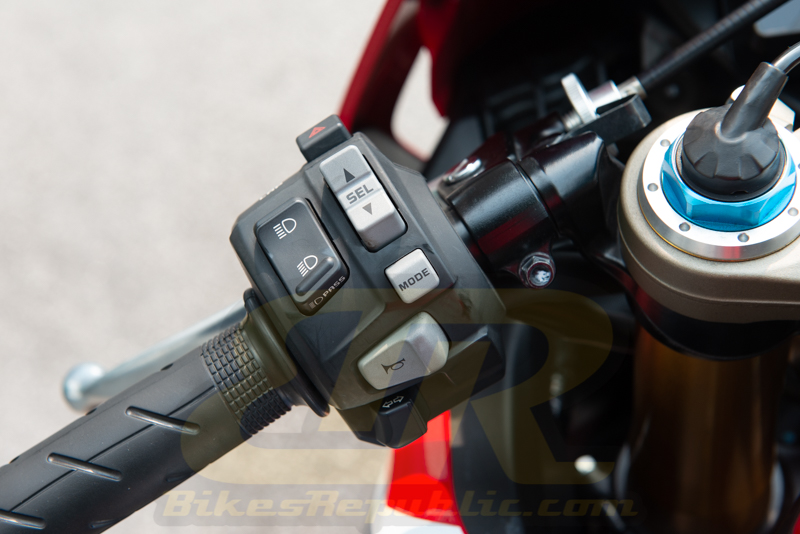
Changing the parameters was done through the MODE and selector buttons. It took only a couple of minutes to figure out, despite the lack of the user’s manual.
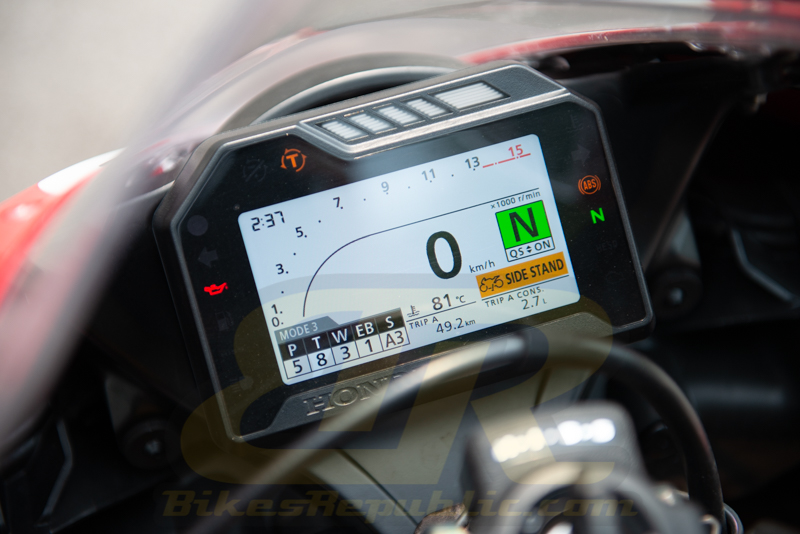
MODE 1 is akin to race mode. From left to right, power, traction control, wheelie control, engine braking and electronic suspension control are at their most performance-oriented settings. MODE 2 is like sport or road mode: The throttle engine is less punchy which higher levels of electronic assistance. MODE 3 is more like rain mode i.e. softer throttle response, highest level of traction control and softest suspension setting.
Changing any parameter will have the system revert to USER settings immediately, so you can easily customize any setting without getting lost.
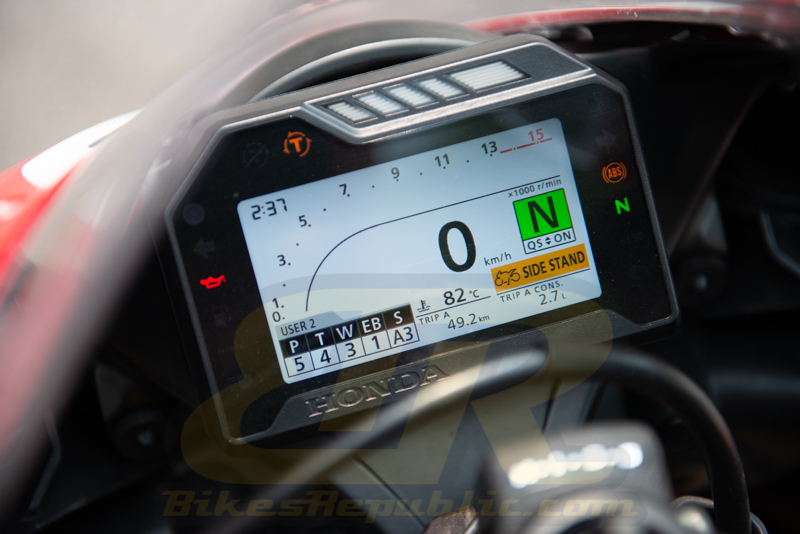
That brings us to the electronic suspension. There were three levels of present damping A1, A2 and A3, plus one M for manual settings. A1 is the stiffest, A3 the softest.

Riding the CBR1000RR Fireblade SP

As with all inline-Four superbikes, the engine fired up with a roar as if you held the throttle open slightly. The exhaust wasn’t too loud nor too soft and had this distinctive warble when I blipped the throttle.
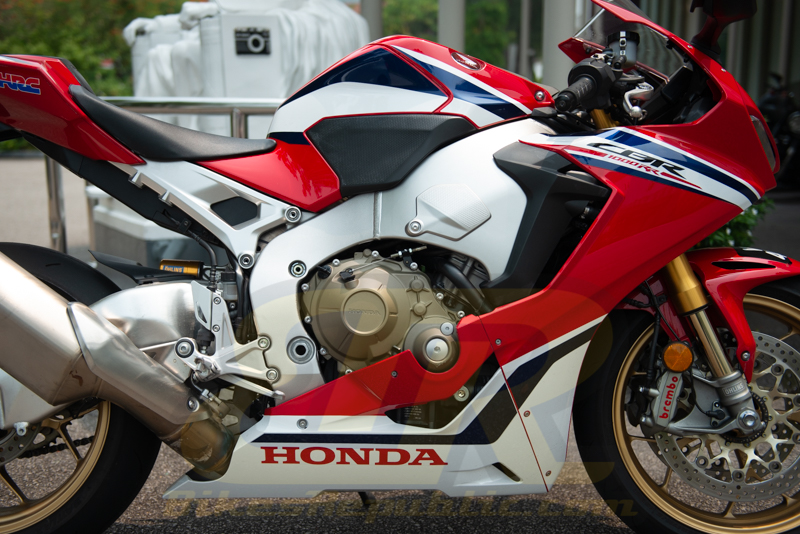
Clutch out and the bike rolled smoothly ahead even without throttle input.

But the throttle… Oh my. It was so direct it’s as if your right hand is working the throttle bodies, fuel pump and electronics at one go. There’s no slack in take up but then it didn’t snap the bike forward like the MT-09. Twist it a little more and the bike responds with more forward thrust; roll off and the bike slows down accordingly.
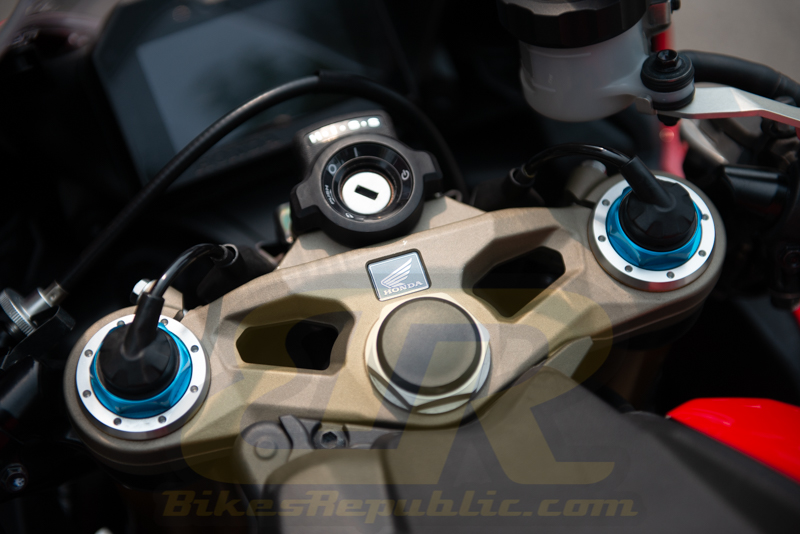
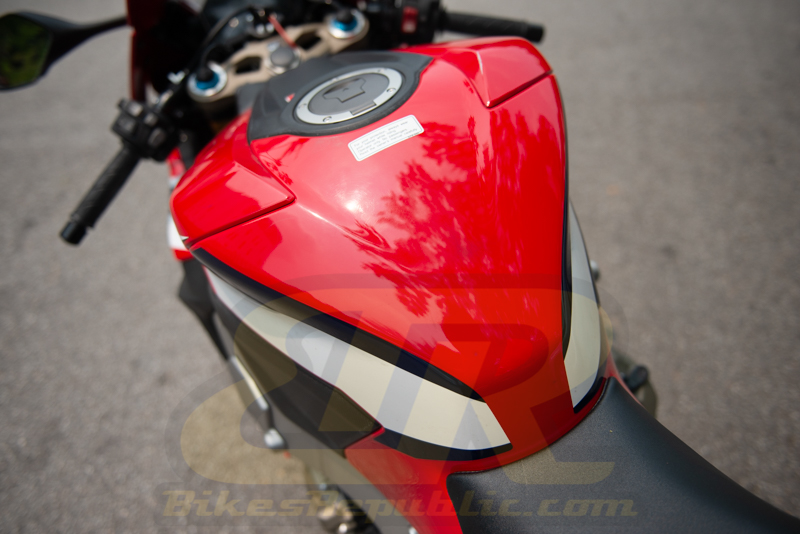
Then there’s that riding position. Seated correctly (please check out our video on the correct riding position here), there’s no pressure on the lower back at all. There wasn’t pressure on the wrists, either. But there has to be some part of the body taking the weight, right? Yes, the inner thighs but I found that I didn’t need to squeeze the fuel tank hard at all. The reason for this was due to the tank which was tapered toward the back. The front was wide and made clamping the knees on it much easier.
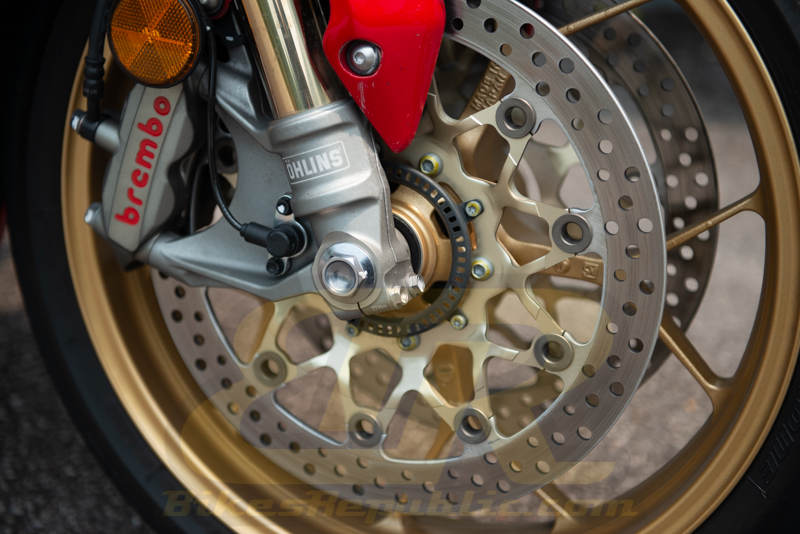
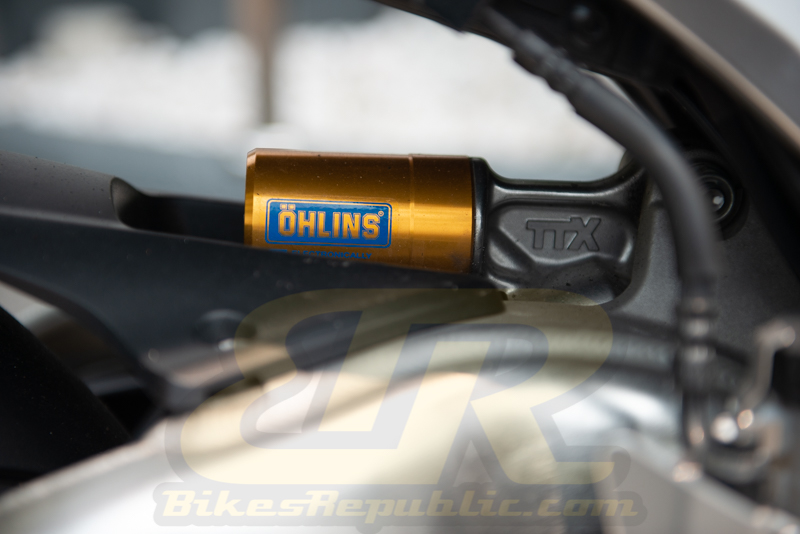
As we rode down Jalan Ipoh, I gritted my teeth in anticipation of getting kicked around on bumps. I started out in MODE 1 hence the A1 suspension mode. I was surprised that it was super compliant. Sure, there are other bikes that use the Ohlins NIX forks and Ohlins TTX shock, but there must be a different algorithm besides suspension internals for the CBR. It was almost as comfortable as an adventure bike with stiffer settings! I kid you not!

Sport riding

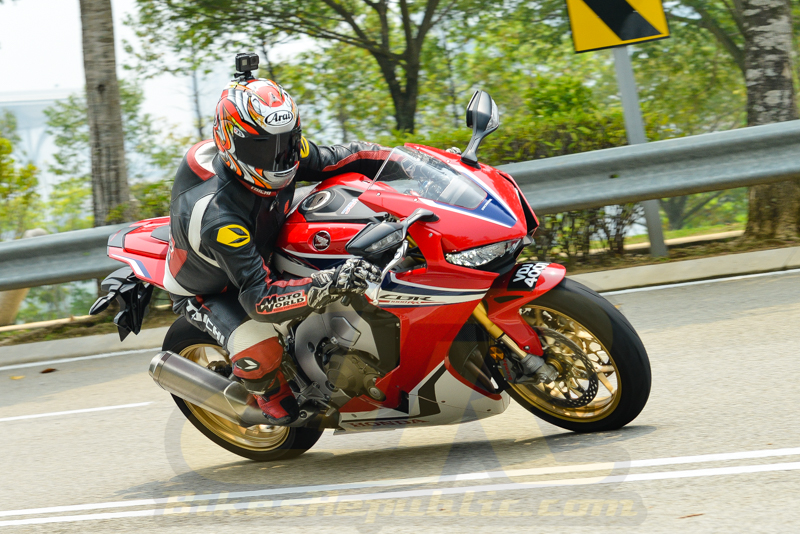
It was so much fun to ride around in MODE 1 that I left there. The powerband was superbly linear with no steps along the way and the smooth throttle action helped. The only indication that you’re about to go faster was the change in the exhaust note, from a droning vroom to warble mixed with a howl starting from 4,500 RPM. The bike punched through 160km/h, 200km/h, 250km/h and beyond easily without any white-knuckled moment. It was exceptionally stable in a straight line despite the short wheelbase.
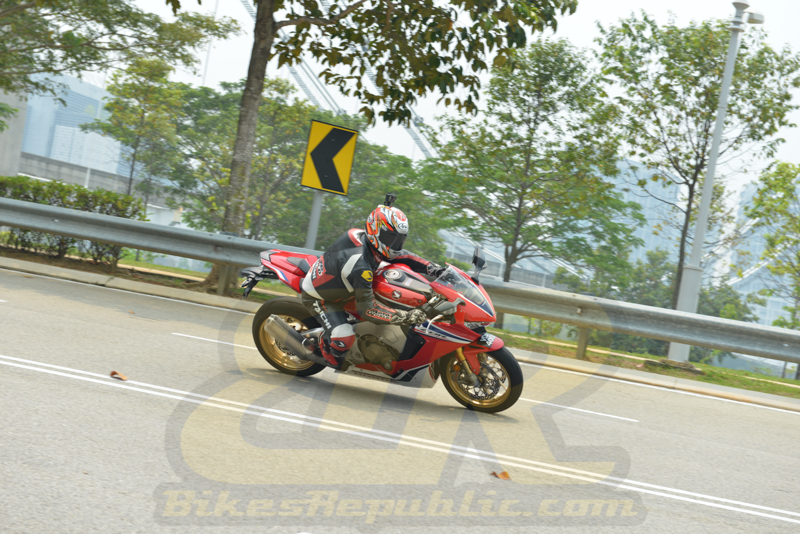
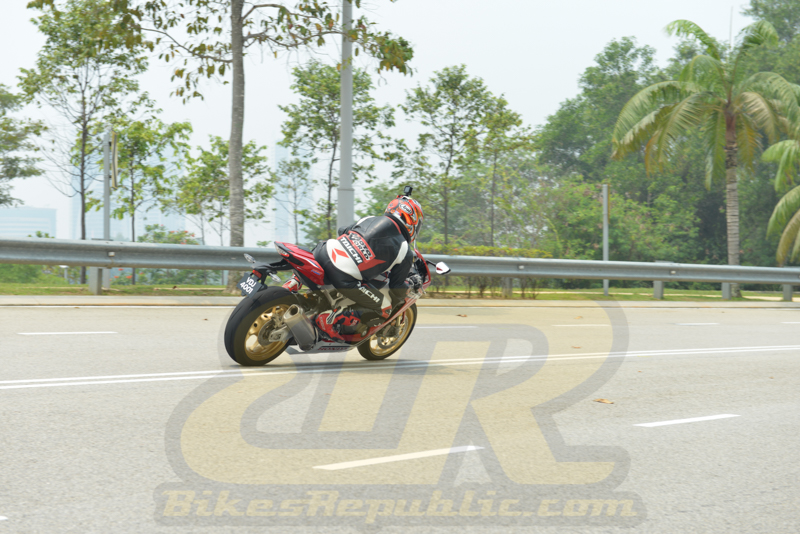
Out on Karak Highway, the bike flowed through each corner. Although I was riding faster than before, it didn’t take much effort to lean the bike over. Its limits were so high that the bike stayed well off kneedown angles. Remember, less lean angle is safer.

Up Genting Highlands, I decided to get a bit more aggressive. Again, the bike didn’t protest and flicked left and right without the need to over commit.
The SP was fitted with ultra-sticky Bridgestone RS10 tyres. Bridgestones are stiffer in construction so I switched to USER 1 and adjusted the damping rate to A2. There’s was still plenty of feedback from either end and I always knew what the tyres were up to.

I had so much fun I rode up and down Genting four times in five days. I haven’t had this much fun since a long time ago… back in 2017 on a Triumph Street Triple RS.
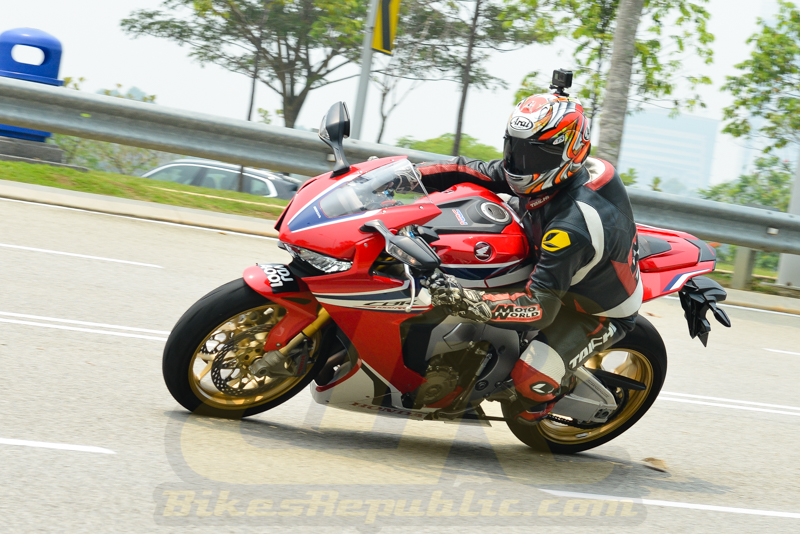
Just like the RS, the SP will do anything you ask of it. Additionally, that super stable chassis mixed with a smooth throttle and linear powerband built immediate confidence for you to push harder and deeper into corners.

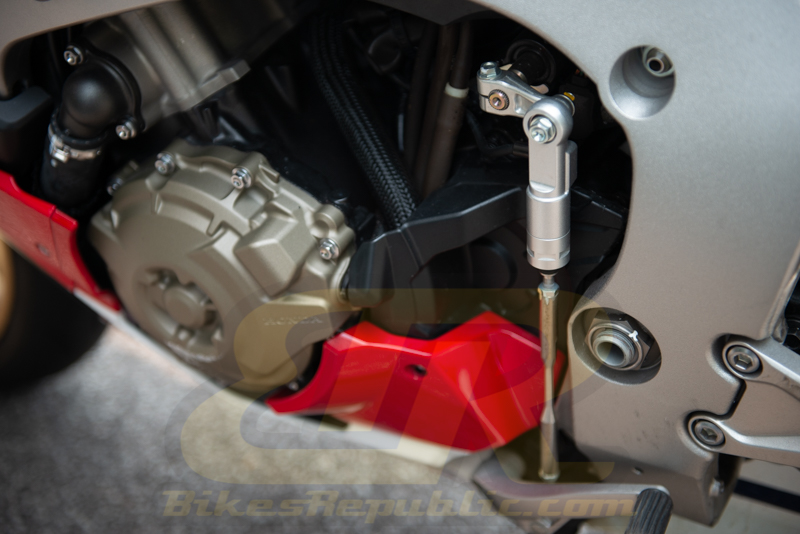
The quickshifter deserved its own praise. While everyone harps about a certain other sportbike’s, the SP’s quickshifter was so smooth it should be used as the model in moisturizer ads. Why pay those models when you have the CBR1000RR SP? On other bikes, using the quickshifter in the lower gears in low revs would usually have the system kicking hard and feeling as if the gearbox is going to split open, but not on the SP. Nope, uh uh.
Daily riding

Almost no one commutes daily on a superbike anymore, do they? Why? It’s like what I said in the beginning: Superbikes have gotten so focused that they are less comfortable and less compromising.
I fretted the thought of doing so on the SP initially, but it turned out to be unfounded.

The light steering, easy flickability and powerful brakes had me riding it like it was a 250cc bike. The bike’s very compact and there were other bikers who thought it was a 250 to 400cc bike.
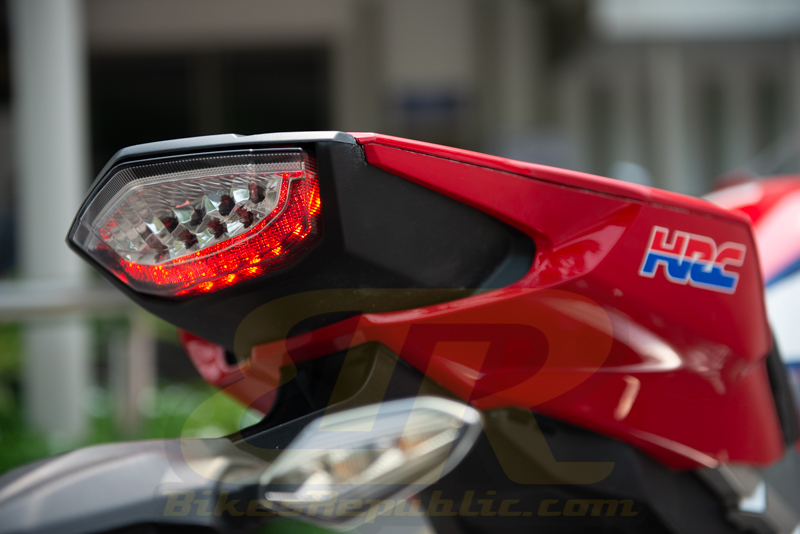
Even my fear of U-turns was taken care of. On a superbike. I could hardly believe it either.

Touring

If the daily commute is difficult for sportbike riders, what more touring. Right?
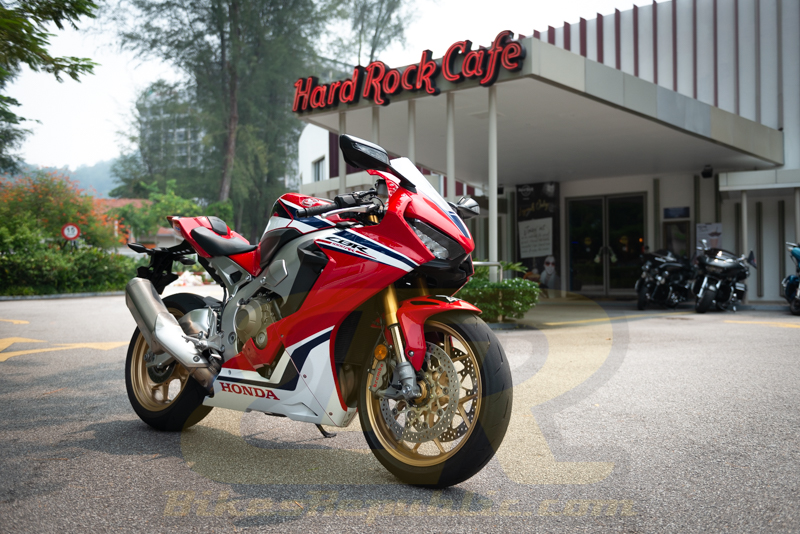
Nope. I was so impressed with its comfort that I rode it all the way to Penang and back with a Harley-Davidson group and I didn’t feel like I had wrestled with a grizzly bear.

Conclusion

I felt that it’s a shame people are looking at superbikes by account of higher horsepower ratings on the spec sheet. In my opinion, power isn’t everything – it certainly isn’t everything if you aren’t enjoying the ride.
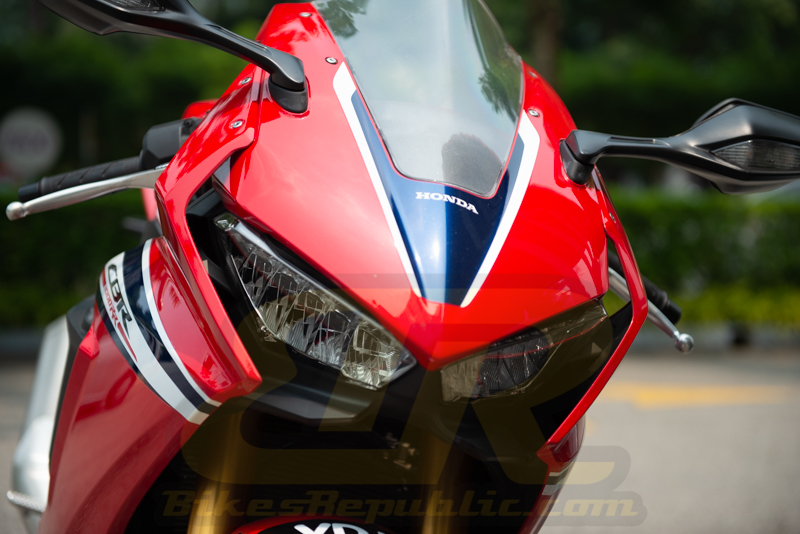
The CBR1000RR may have been updated but it retains the kind of controllability that endeared itself to “Rabbit” fans in the country and world over. It’s the manifest of Honda’s total rider control concept and it got me thinking about how much resources the manufacturer put into developing this one bike.

The 2019 Honda CBR1000RR Fireblade SP certainly surprised me, despite having tested all the current 1000cc superbikes except for the 2019 BMW S 1000 RR. Heck, it even surprised all of our peers. Seriously.
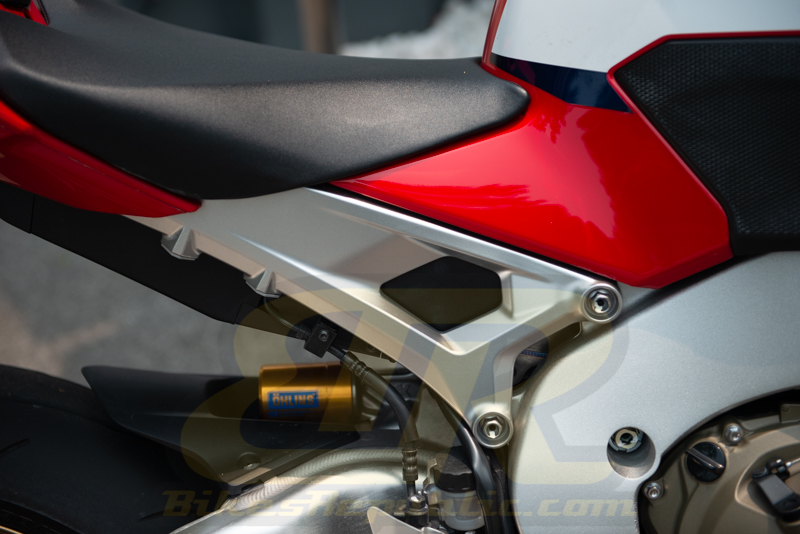
Yes, again it has the lowest horsepower among the 1000cc superbikes. But what if you could only afford one 1000cc superbike? Which means you have to live with it for your daily commute, weekend Karak blasting, occasional track days and go touring?

Pick this one.
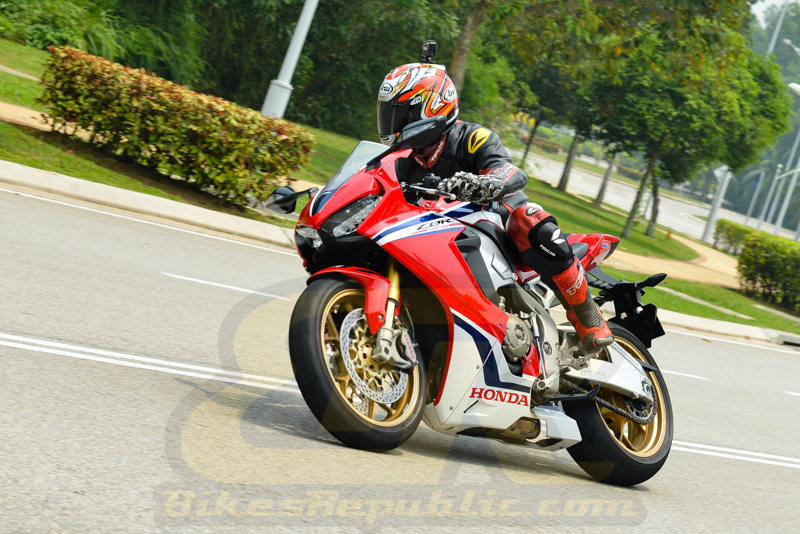
 

PHOTO GALLERY
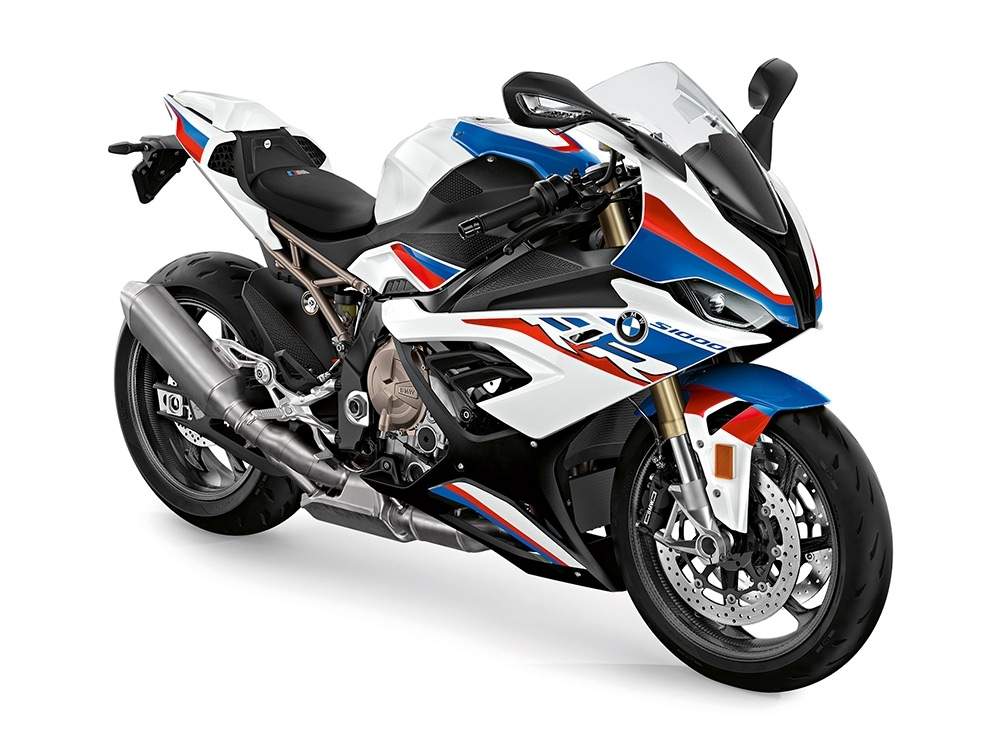
  • BMW filed an application to trademark the M versions of the S 1000 RR, S 1000 XR and R 1250 GS.

  • The application stated the three models as “M 1000 RR,” “M 1000 XR,” and “M 1300 GS.”

  • An M bikes means performance parts or higher performance.

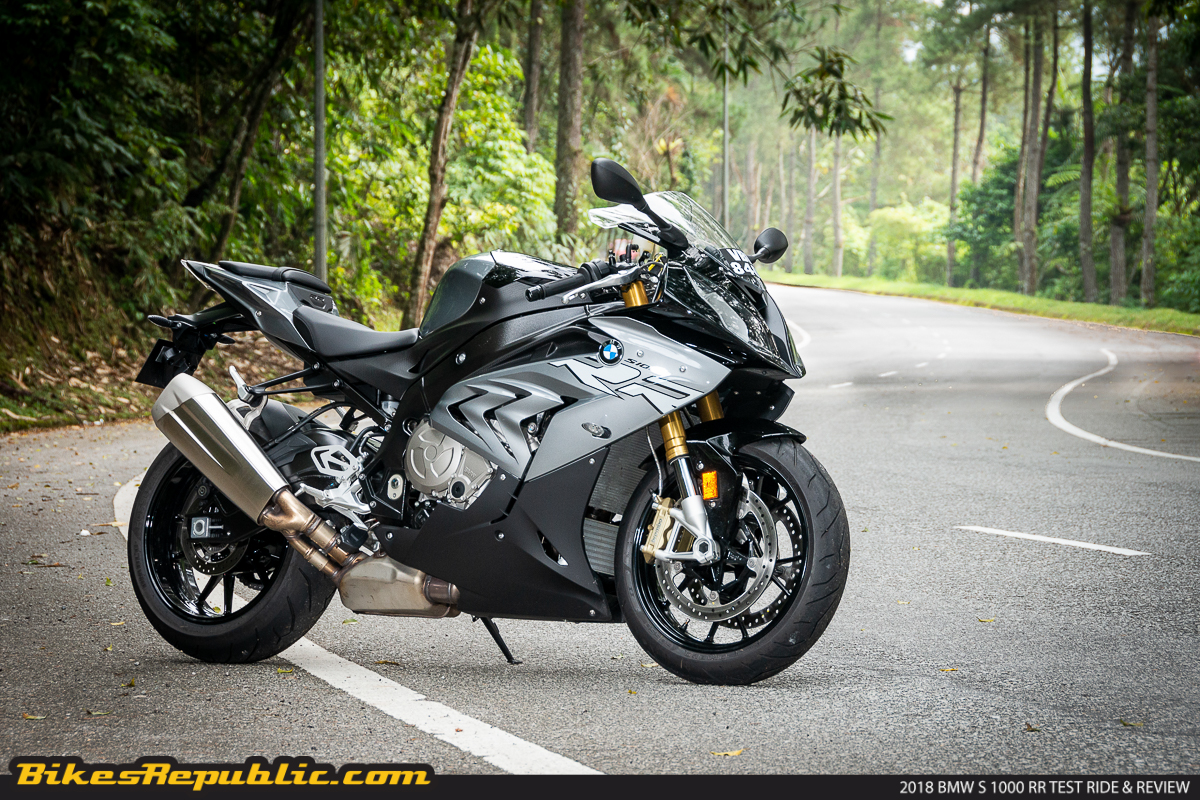
Hold on tight, BMW filed an application to trademark the M versions of the S 1000 RR, S 1000 XR and R 1250 GS.

However, according to Motorcycle.com, instead of retaining the first letter suffix of each model, the application replaced them with the letter “M” instead. Thus, the three models became known as the “M 1000 RR,” “M 1000 XR,” and “M 1300 GS.”

This will be unprecedented if the three are sold as such. That’s because BMW Motorrad has a great system of naming their bikes, since the first letter indicated the type of engine the bike uses, with the exception of their scooter line-up.

For example, “F” means parallel-Twin, “G” says single-cylinder, “K” inline-Six (used to cover inline-Fours but has since been taken over by “S”), “R” is for Boxer, “S” means inline-Four. Scooters are a departure from the norm, designated with a “C”.

“M” on the other hand is reserved for bikes that receive the “M package.” M division is BMW’s performance branch who tunes stock machines in fire-breathing beasts, at least for the cars. For example, the M3 compared to the normal 3-Series. In terms of bikes, the 2019 S 1000 RR received the M package which consists of performance parts such as carbon fibre wheels, lighter battery, sport seat, adjustable ride height, adjustable swingarm pivot, Pro ride mode and finished with a special M livery.

So, what would an M 1000 RR be like? No other detail was provided but we are definitely salivating at the thought of a higher performance S 1000 RR. The same goes for the S 1000 XR. Conversely, the M 1300 GS may be even more “adventure” than the normal R 1250 GS.

We’ll see what transpires. It may amount to nothing at all, but who knows.

Source: Motorcycle.com

Archive

Follow us on Facebook

Follow us on YouTube