Bikesrepublic

Latest News

Michelin Malaysia expanded its motorcycle tyre line-up with the introduction of the Power 6 earlier this year. The Power 6 is the successor to the Power 5 and in terms of line-up, it sits above Michelin’s Road 6 sports touring tyre, and just below the Power GP2.

The Power 6 has been developed using knowledge derived from MotoGP. It utilises a new carcass construction as well as silica rubber that maximises long-term durability and grip in all conditions.

As for the compound of the tyre, the Power 6 is made of dual compound material – soft on the outside and hard in the middle. This is said to improve cornering grip while also improving long durability.

The Power 6 is a road tyre and hence a lot of its construction material is focused on that. According to Michelin, the Power 6 is designed for 10% track use and 90% road use. But despite that, some reviews suggest that the new tyre does pretty well on track as well.

What bikes is it suitable for?

When Michelin Malaysia introduced the tyre back in April, the company said the tyre is suitable for bikes above 600cc. However, according to the official press release on the company’s global media site, the Power 6 is suitable for motorcycles over 300cc, and has already been homologated on the 2024 KTM 390 Duke.

What is it like?
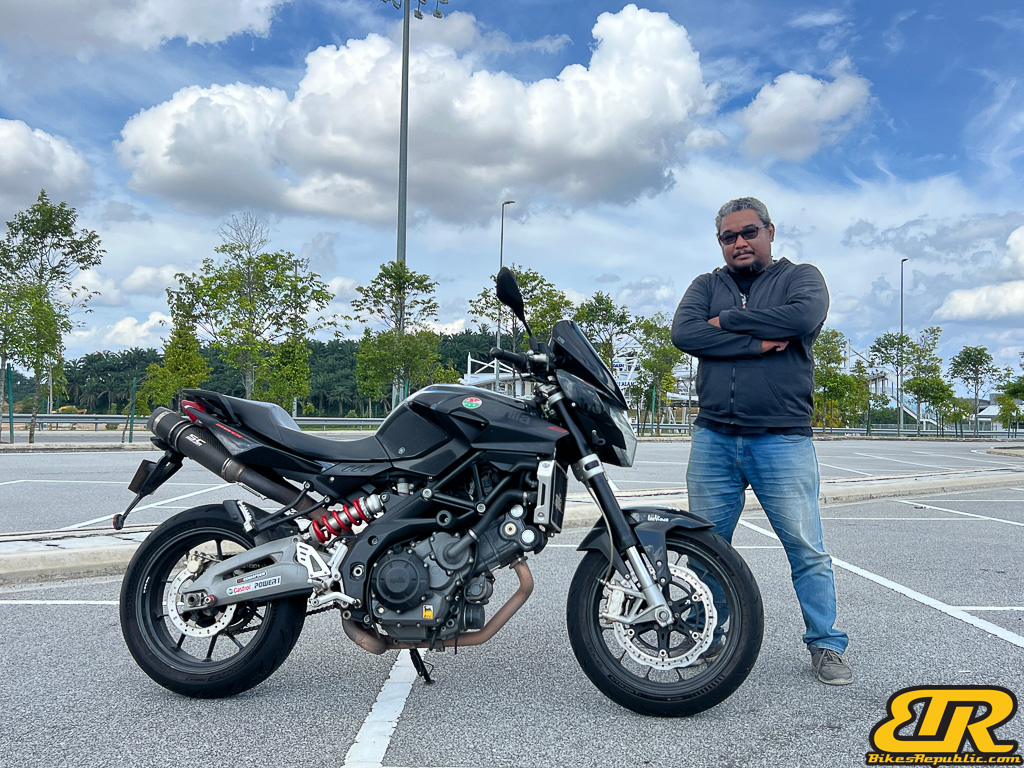
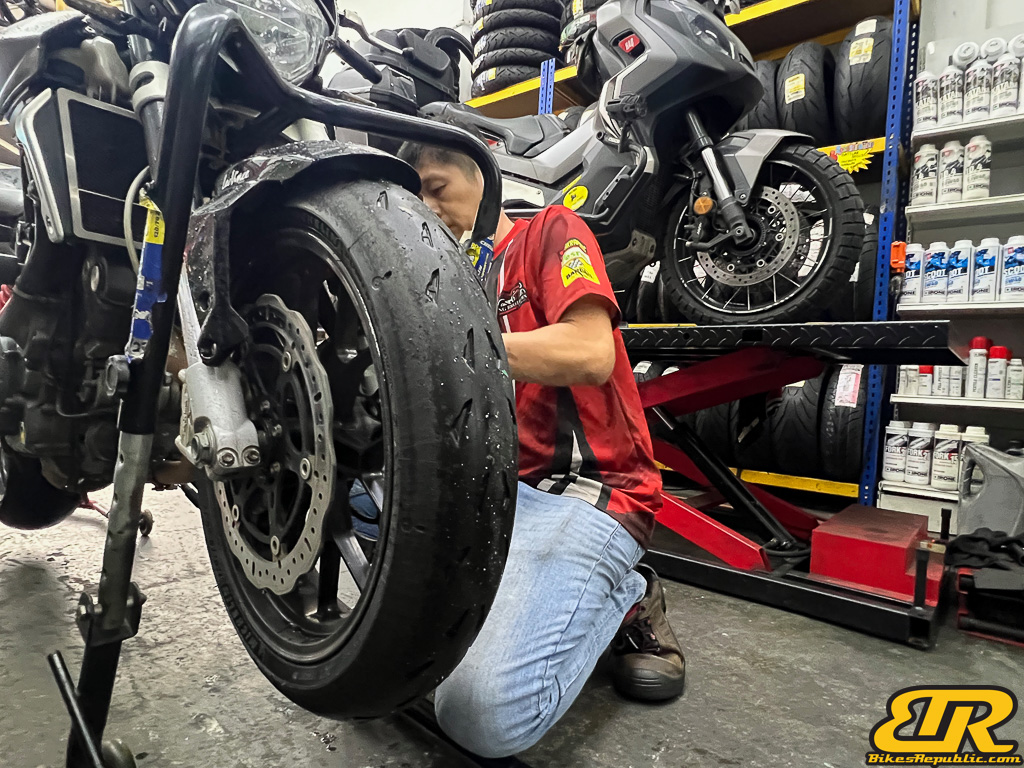
Michelin Malaysia handed us a pair for review about two months ago. We fitted it onto a Aprilia Shiver belonging to a member of our team.

The 10 year bike previously ran on Michelin Power GT at the rear and a Power Cup 2 on the front. According to owner Raimi, this set up gave him the confidence to attack corners.

Raimi is not exactly a power rider in the usual sense, he rides about 200km per weekend and describes himself as a leisure rider.

After two months and 2000km of corner carving fun, and having ridden the bike in fair and rainy weather, Raimi came back with a glowing report.

He said that it has good wet weather grip, and it performs in the wet just as Michelin describes it. He was initially concerned that the hard compound of the mid-section may result in some squirms or slides, but there was none of that.

In the dry, he said the bike feels more ‘flickable’, with sharper cornering characteristics and more predictable grip than his previous tyre choice.

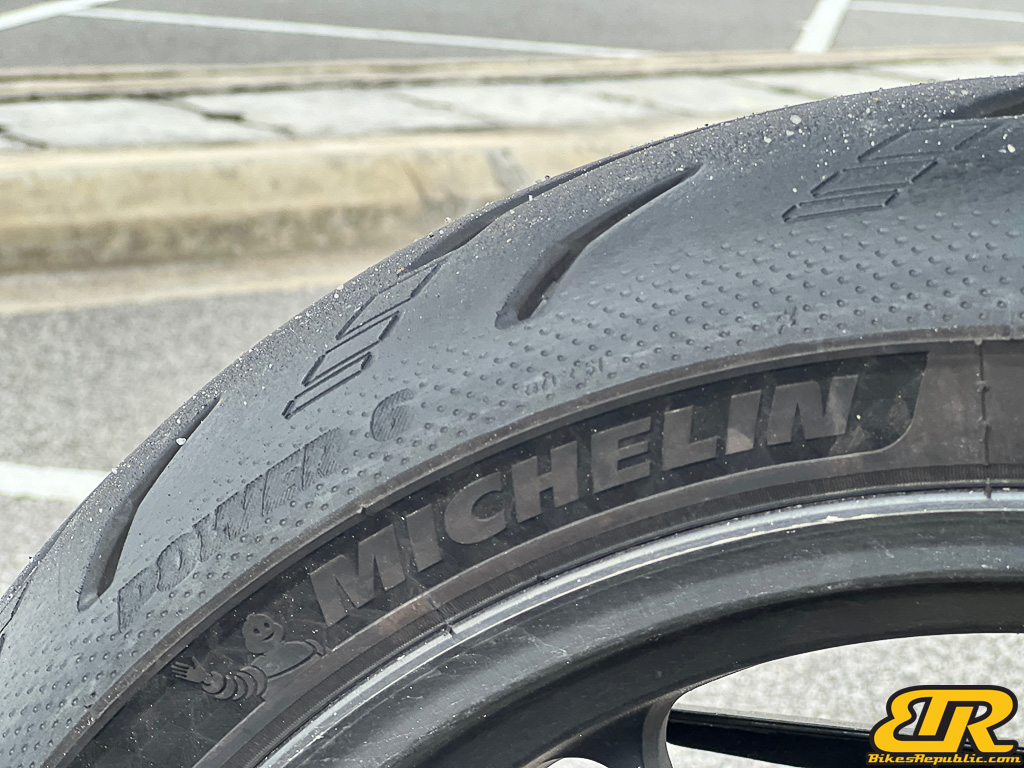
However, he mentions that some tend to mistake the tyre for the Road 6, so Michelin’s idea of having the Power 6 branding embosses onto the tyre was a good idea.

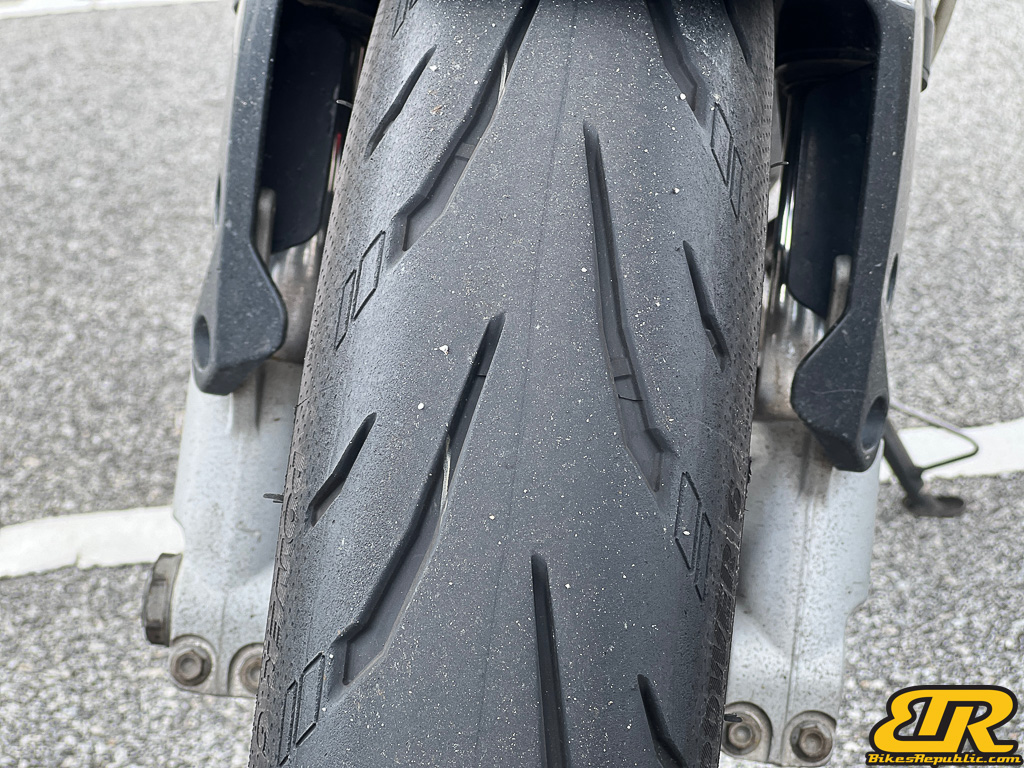
Raimi gave the tyre 5 stars and loves the fact that despite riding 2000km on the tyre, it still looks new.

The Michelin Power 6 is available in Malaysia from RM1,020 to RM2,000 depending on the size of the tyre.

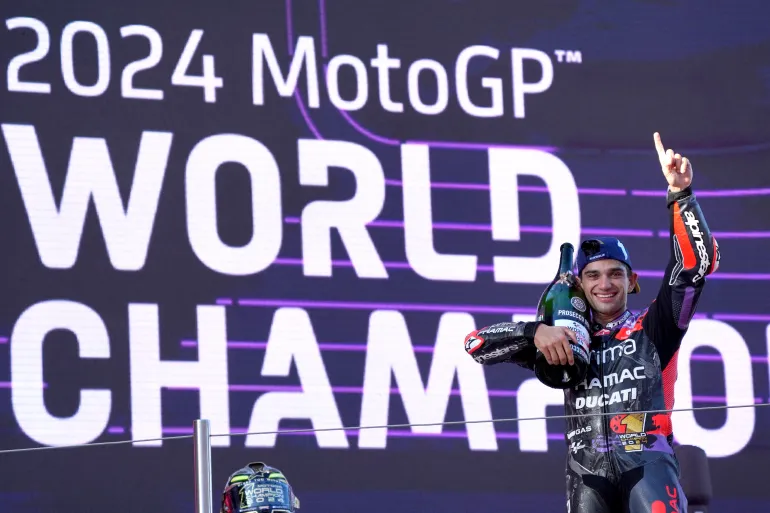
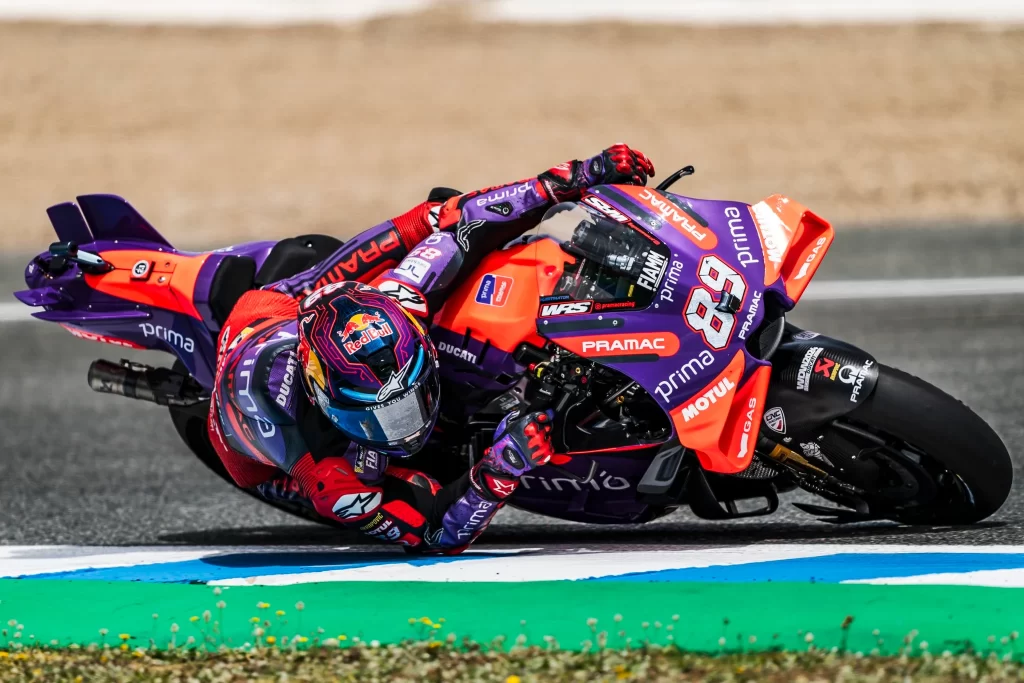
Jorge Martin is the MotoGP 2024 Champion, after finishing third in the final race of the season – the Solidarity Grand Prix of Barcelona. Title rival Francesco Bagnaia won the race.

The Spaniard becomes the first independent team world champion in the MotoGP era with Pramac, having won seven sprints and three grands prix in a consistent 2024 campaign. It is Martin’s first world championship at the premier class level and comes in his final race for both Ducati and Pramac, ahead of a factory Aprilia switch in 2025. Pramac is also switching to Yamaha next season.

Martin came into the race with a 19-point lead after Bagnaia won the Sprint on Saturday, with Martin finishing third. The advantage meant that Martin had needed a minimum of 7 points from a 9th place finish to secure the championship.

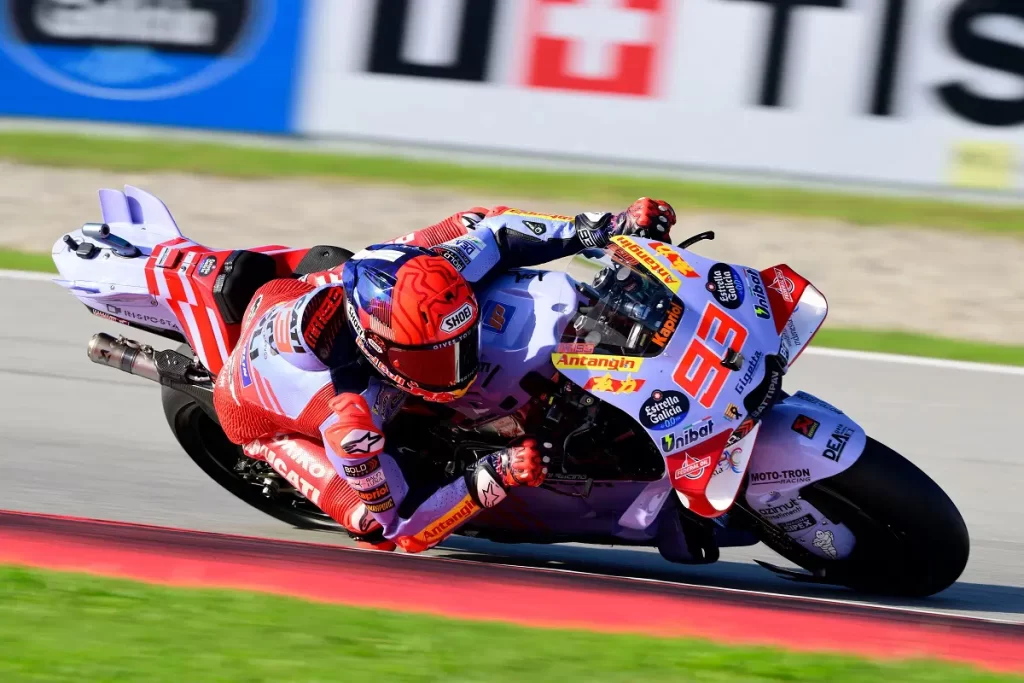
Bagnaia had led Martin into the first turn at the start, but the latter was overtaken by Gresini Ducati rider Marc Marquez into the first turn on Lap 2. Marquez went ahead to ride close to Bagnaia but never challenged for the lead.

Behind Martin, Bagnaia’s factory Ducati teammate Enea Bastianini was looking threatening but was passed by the factory Aprilia rider Aleix Espargaro who was on his last MotoGP race. A mistake later by Bastianini dropped him down the order, and it looked like Espargaro was protecting Martin’s third placing.

So, the top three held station as Martin settled into his rhythm and rode unchallenged to the chequered flag to win the championship by 10 points over Bagnaia. Second place finisher Marquez locked out third place in the championship in his first season on a Ducati. Espargaro was pushed hard by the other Gresini rider, Alex Marquez in the closing stages and ceded his position in the very last lap.

With Bastianini already securing fourth in the championship, the battle was for fifth overall between rookie Pedro Acosta on the GasGas and KTM factory rider Brad Binder. Binder finished sixth after clawing through the field from 18th, while Acosta slumped from 5th to 10th in the race. Acosta will join Binder as  his teammate next season.

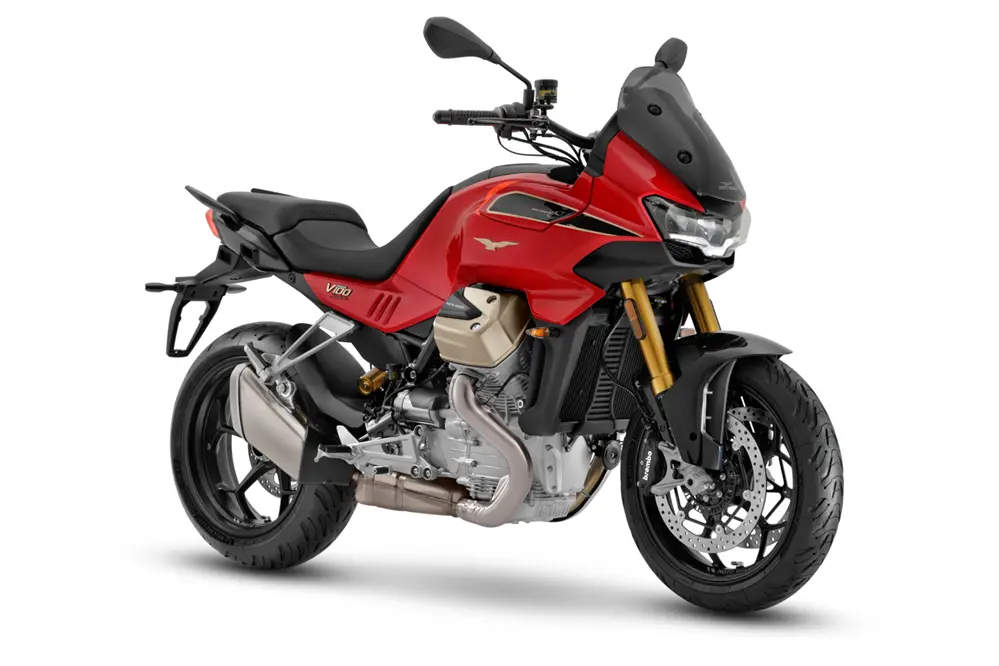
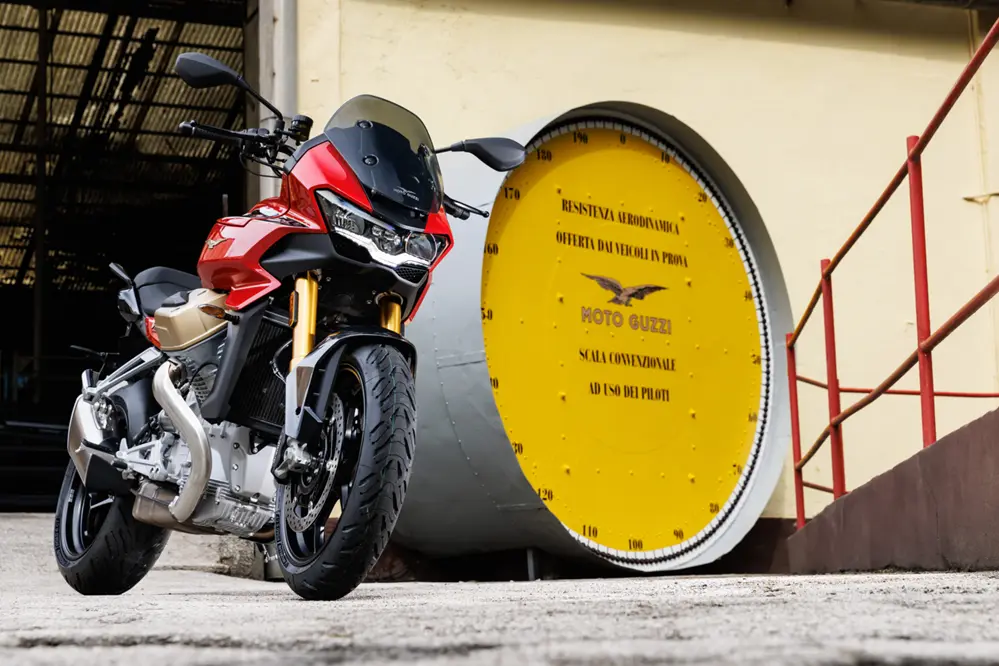
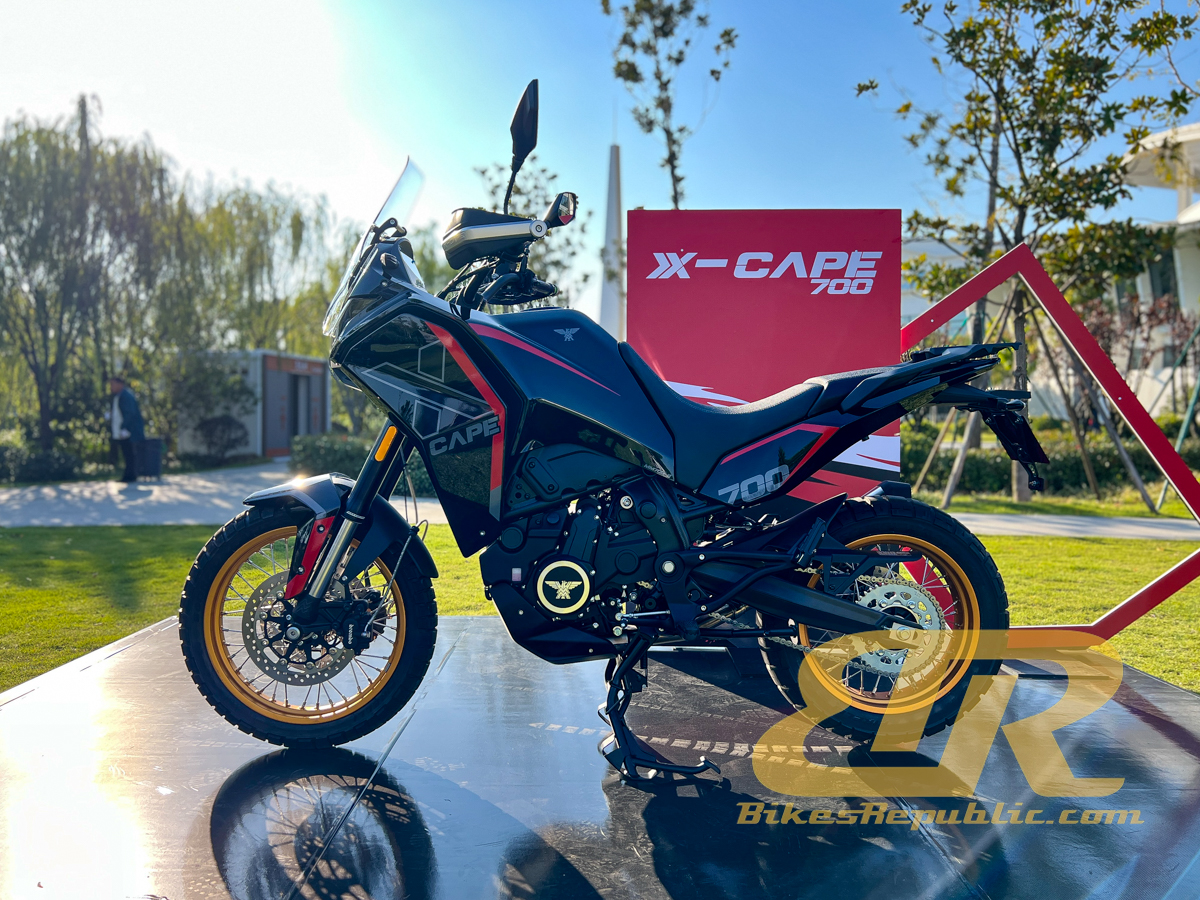
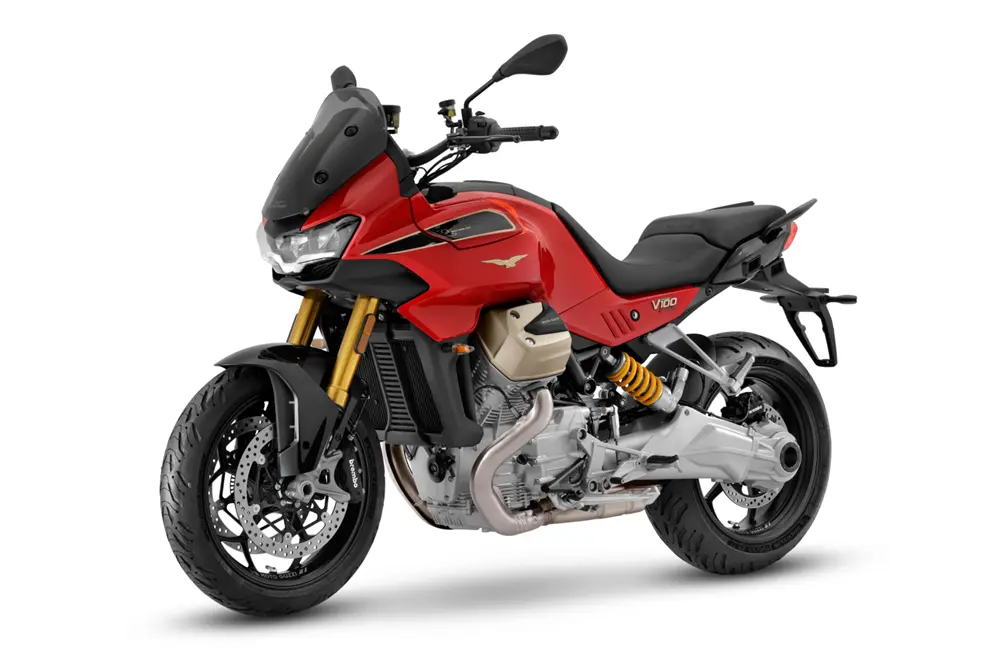
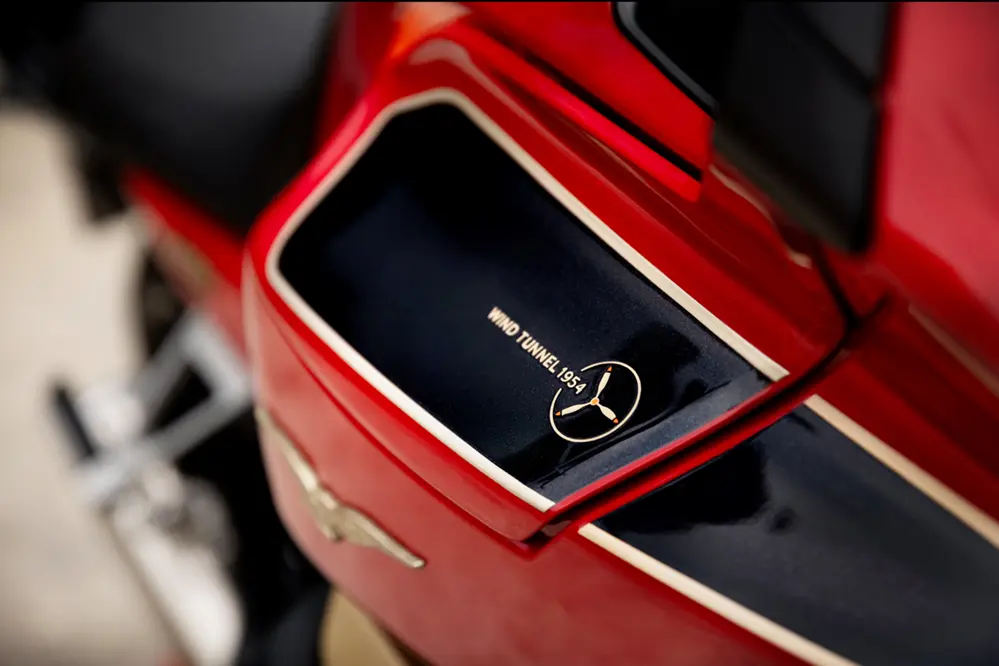
The new 2025 Moto Guzzi V100 Mandello ‘Wind Tunnel’ celebrates the brand’s innovative use of the wind tunnel to aid the design of their motorcycles. Additionally, the 2025 Moto Guzzi V100 Mandello S will receive a radar system.

The Moto Guzzi V100 Mandello ‘Wind Tunnel’ edition celebrates the 70th anniversary of the manufacturer’s wind tunnel. Moto Guzzi had launched their own wind tunnel on 12 April 1954 in Mandello Del Lario.

Indeed, the first V100 Mandello launched in 2022 is claimed to be the first motorcycle to employ adaptive aerodynamics. The system will be retained for the 2025 edition. It alters the position of the deflectors on the sides of the fuel tank according to the speed and selected riding mode, in turn reduces wind pressure by up to 22% to the rider.

Moto Guzzi say: “It enables the overall dimensions to remain contained, offering protection and comfort only when necessary and required by the rider. The shape of the Mandello V100 were also developed through more than 200 hours of CFD calculations and tests in the wind tunnel.

The 2024 version of the Mandello S has already been imbued with high-tech goodies such as Öhlins semi-active suspension, quickshifter, tyre pressure monitoring system, phone connectivity, and heated grips. For 2025, the version will be equipped with Moto Guzzi’s PFF Rider Assistance Solution consisting of a 4D radar imaging for forward collision warning, blind spot warning, lane change assistance. This system made its debut on the Moto Guzzi Stelvio.

Other updates carried over from the Stelvio are changes to the gearbox to improve gear change feel and a central radiator guard.

The 1024cc, 90° V-Twin engine is now Euro5+ compliant, but its peak power and torque remain unchanged at 113hp and 104.4Nm, respectively. 82% of that peak torque is already available from 3,500 RPM.

The standard model will be available in two colours, ‘Blu Oceano’ and ‘Grigio Titanio’. The Mandello S comes in ‘Verde Ghiaccio’ and ‘Rossi Lava’ for 2025, whereas the Wind Tunnel comes solely in a red and black livery.

Prices have not been announced at this time.

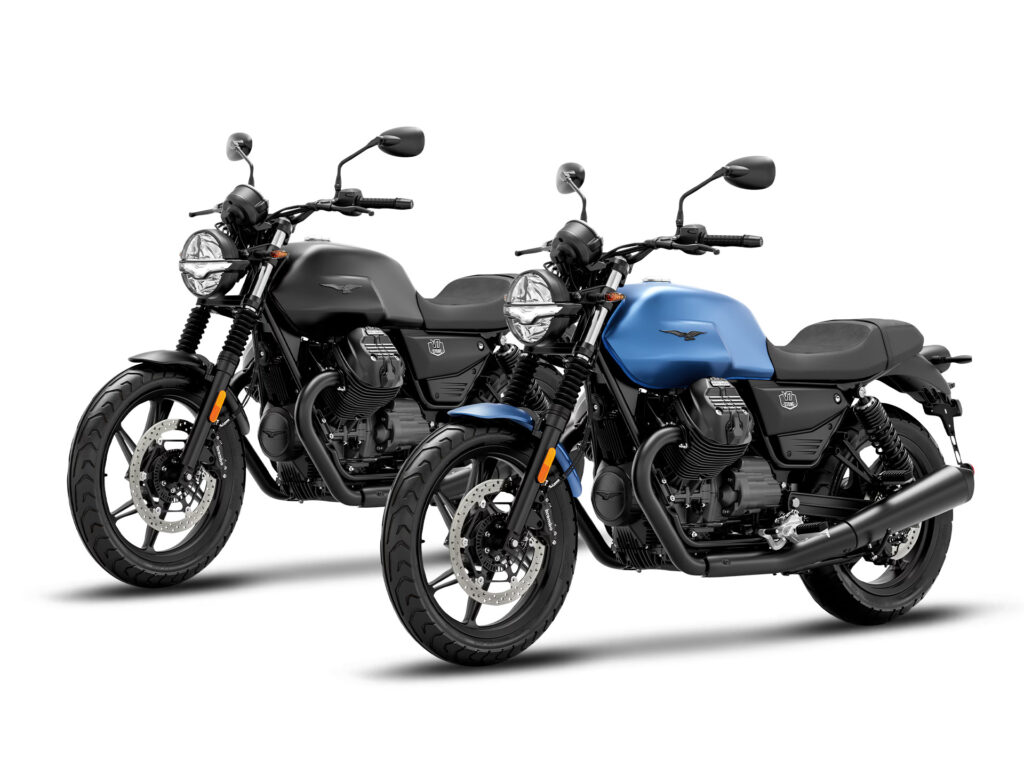
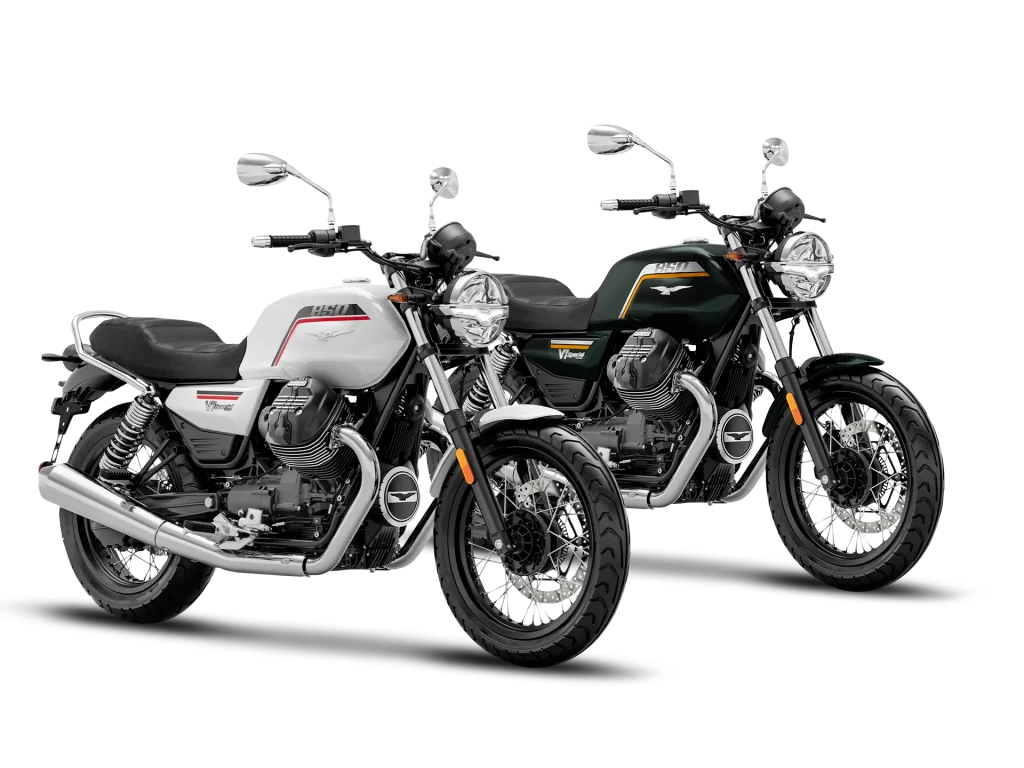
The 2025 Moto Guzzi V7 range will sport several updates to bring it up to date with its contemporaries, along with the launch of a new V7 Sport. The V7 Sport receives the highest specifications, while the V7 Stone and V7 Special get several updates, too.

Firstly, all three variants share the same 853cc, tranversely-mounted, 90° V-Twin engine, which in now Euro5+ compliant. There is a 4% power increase, bringing the maximum to 66.4hp at 6,800 RPM, while torque increases from 72.9Nm to 79Nm. 85% of that maximum torque is available from 3,500 RPM.

2025 Moto Guzzi V7 Stone

The airbox’s volume increased 27% resulting in those power and torque gains. Piston cooling is also improved via an enhanced oil jet system.

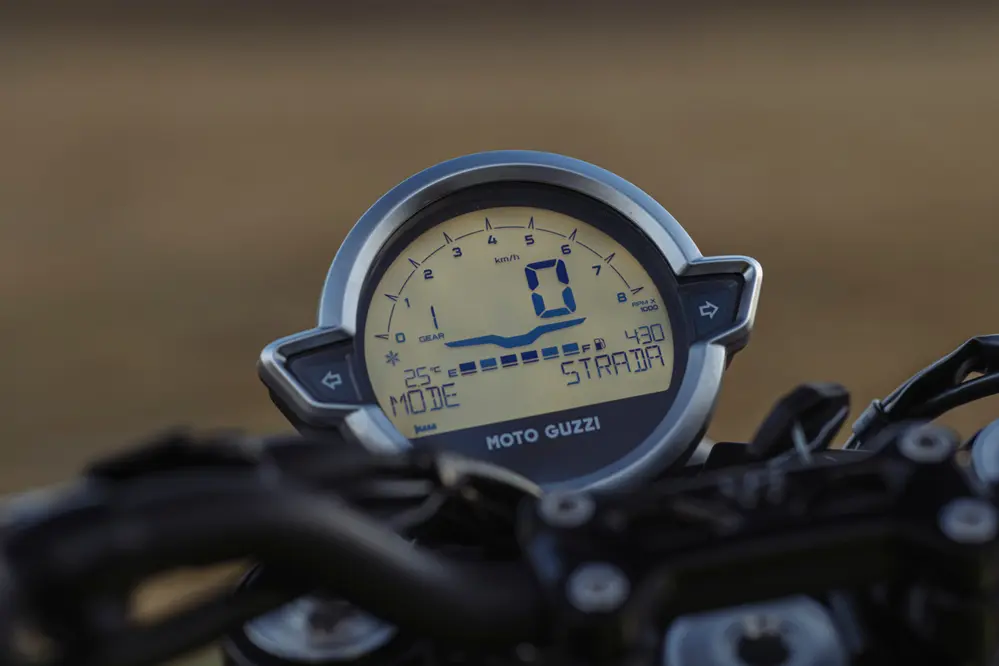
The throttle has gone from a cabled system to a ride-by-wire system, opening up the possibility for ride modes. The V7 Sport has three modes: Sport, Road, Rain. The V7 Stone and V7 Special has only Road and Rain modes. The V7 Sport also receives a six-axis inertial measurement unit (IMU) for lean-angle sensitive ABS and traction control.

2025 Moto Guzzi V7 Special

Suspension and brakes on the V7 Stone and V7 Special remain unchanged, but the V7 Sport gains new preload-adjustable 41mm upside-down forks, and preload-adjustable twin shock absorbers at the back. The wheels on the V7 Sport are also lighter cast alloy, dropping 1.8kg off its weight compared to its siblings.

The 2025 Moto Guzzi V7 Sport also has dual 320mm floating discs, radial-mounted Brembo monobloc 4-piston calipers, and uprated master cylinder up front.

A switch from cable throttle to ride by wire enables the introduction of riding modes too, with the Stone and Special getting ‘Rain’ or ‘Road’ options, and the Sport getting an additional ‘Sport’ function. Ditching the old-school cable throttle means the V7 now gets cruise control too and has also allowed the use of more aggressive valve lift profiles, boosting performance.

The headlight is now LED, dumping the archaic halogen lamp. The switchgear blocks have likewise been revise to accommodate new functions including cruise control. There are also revisions to the side panels, rear mudguard, and exhaust.

Prices for all three 2025 Moto Guzzi V7 have not been revealed.

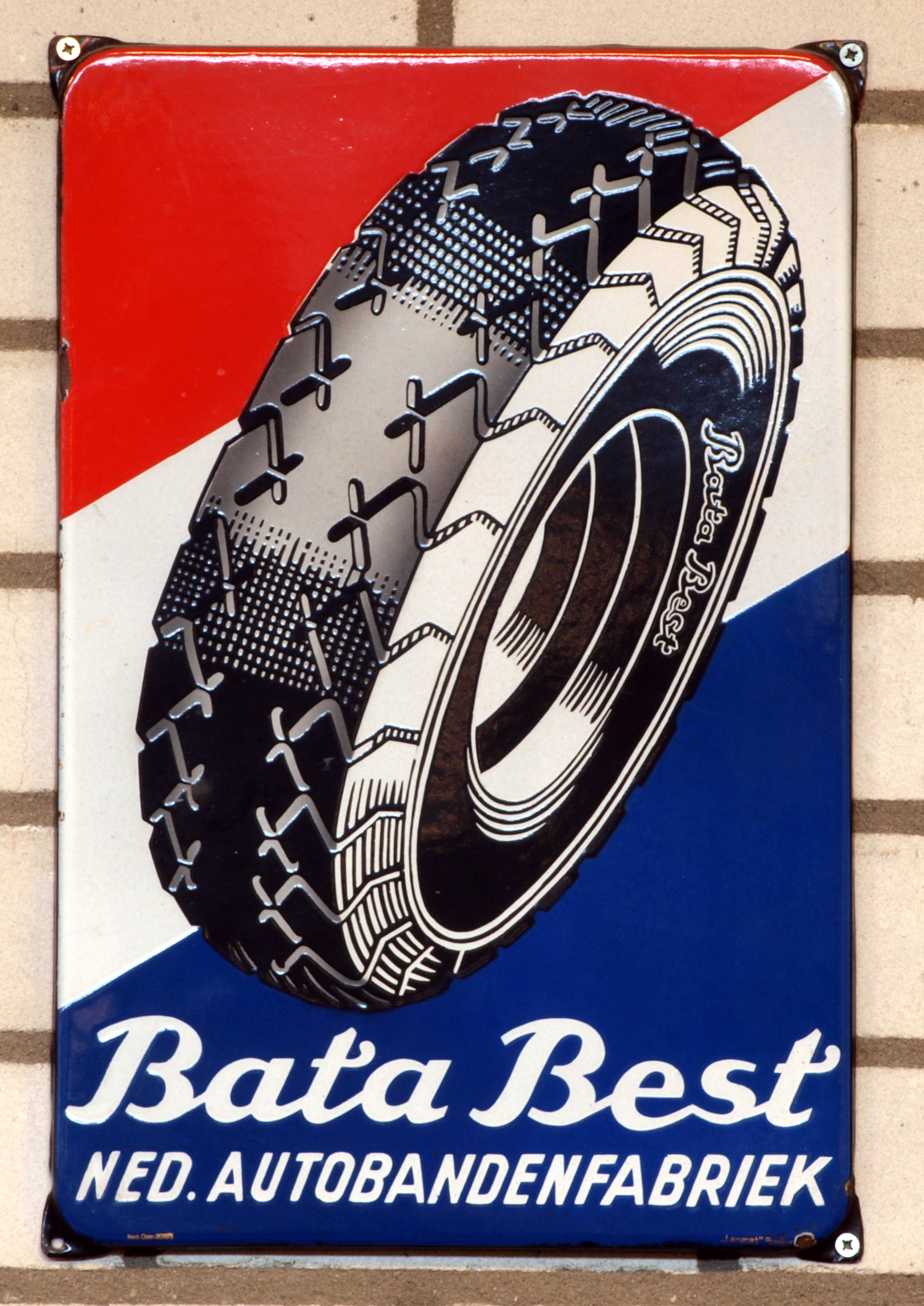
The Bata brand of footwear is a global phenomenon. It is so well engrained in the lives of so many in so many countries for so long that the population of almost any of those countries thought that Bata is a local brand. For example, Malaysians think it originated from Malaysia, Indonesians think that it began in Indonesia (as they do with everything, anyway), even some countries in Africa think the same, too. But did you know there were Bata tyres, too?

Yup, that picture above was taken in 1932. The gentleman on the left was Dr. Ferdinand Porsche and the driver was Hans Stuck, in an Auto Union race car. Auto Union was what became Audi later.

History of Bata

The Bata Corporation (Baťa in the Czech Republic and Slovakia) is a multinational footwear, apparel, and fashion accessories manufacturer and retailer of Moravian (Czech) origin, headquartered in Lausanne, Switzerland.

The corporation is one of the world’s leading shoemakers by volume with 150 million pairs of shoes sold annually. It has a retail presence of over 5,300 shops in more than 70 countries across five continents and 21 production facilities in 18 countries. Bata is an employer to over 32,000 people globally.

A family-owned business for over 125 years, the company is organized into three business units: Bata, Bata Industrials (safety shoes) and AW Lab (sports style). Bata is a portfolio company with more than 20 brands and labels, such as Bata, North Star, Power, Bubblegummers, sprint, Weinbrenner, Sandak, and Toughees.

The T. & A. Baťa Shoe Company was founded on 21 September 1894 in the Moravian town of Zlín, Austria-Hungary (today in the Czech Republic), by three siblings: Tomáš Baťa, his brother Antonín, and his sister Anna. The Baťa family had been cobblers for generations. The company employed 10 full-time employees with a fixed work schedule and a regular weekly wage.

But Tomáš ran into financial difficulties almost as soon as the company was set up. So he decided to sew shoes from canvas instead of leather, which becme extremely popular. The company soon grew to 50 employees.

Tomáš was also active in seeking out new manufacturing techniques a-nd kept modernising his factory for mss production. By 1912, Baťa was employing 1500 full-time workers, plus another several hundred who worked out of their homes in neighbouring villages.

World War I

The company fortunately  continued to do well when World War I broke out in 1914, as they secured orders from the military. In fact, Bata’s employees increased 10 times between 1914 and 1918.

However, the Austro-Hungarian Empire was broken up after the war, giving birth Czechoslovakia (and the Balkan states). The new country’s currency was devalued by 75%, demand for products dropped, production was cut back, and unemployment was at an all-time high. Tomáš Baťa responded to the crisis by cutting the price of Bata shoes in half. The company’s workers agreed to a temporary 40 percent reduction in wages; in turn, Baťa provided food, clothing, and other necessities at half-price. He also introduced one of the first profit-sharing initiatives, transforming all employees into associates with a shared interest in the company’s success (today’s equivalent of performance-based incentives and stock options).

Baťa also began to build towns and factories outside of Czechoslovakia and to diversify into such industries as tanning (1915), energy (1917), agriculture (1917), forestry (1918), newspaper publishing (1918), brick manufacturing (1918), wood processing (1919), rubber (1923), construction (1924), railway and air transport (1924), book publishing (1926), the film industry (1927), food processing (1927), chemical production (1928), tyre manufacturing (1930), insurance (1930), textile production (1931), motor transport (1932), sea transport (1932), and coal mining (1932), airplane manufacturing (1934), synthetic fibre production (1935), and river transport (1938). In 1923 the company boasted 112 branches.

But we are here to talk about Bata tyres, so let us carry on from there.

Bata tyres

In the 1930’s, tyres in Czechoslovakia were either overpriced imports or local high quality tyres. The high cost of transporting goods caused by the price of foreign tyres prompted Tomáš Bat’a to set up his own tyre factories.

In 1932, the first Bata tyres were used on the journey from Zlín to Luhačovice. The demand for Bata tyres grew rapidly, so Tomáš Bata built new factories and expanded production both in terms of the number of units and the breadth of the product range, displacing competing tyres from Czechoslovakia.

Unfortunately, 1932 was also the year when Tomáš Bat’a died after his airplane crashed during takeoff.

Then, in 1939, World War II broke out.

After The Great War

The Bata company’s assets in Czechoslovakia, East Germany, Poland and Yugoslavia were confiscated and nationalised.

In 1945, the decision was taken that Bata Development Limited in Great Britain would become the service headquarters of the Bata Shoe Organisation. Now based in the West, Thomas J. Bata, along with many Czechoslovakian expatriates, began to rebuild the business.

Back in Czechoslovakia, the three largest tyre manufacturers agreed to merge and create a single brand. The three were Bata, Rubena, and Mitas, therefore birthing the brand Barum.

Barum continues to operate through the communist regime’s rule until 1992 when they signed a contract with Continental. Barum Continental became the second largest joint venture in the Czech Republic when they began operating on 1 March 1993.

As for the Bata, they continued to produce shoes the world over, and leaving the tyre business altogether.
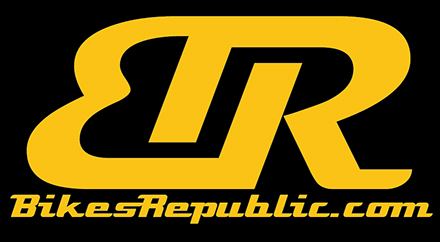
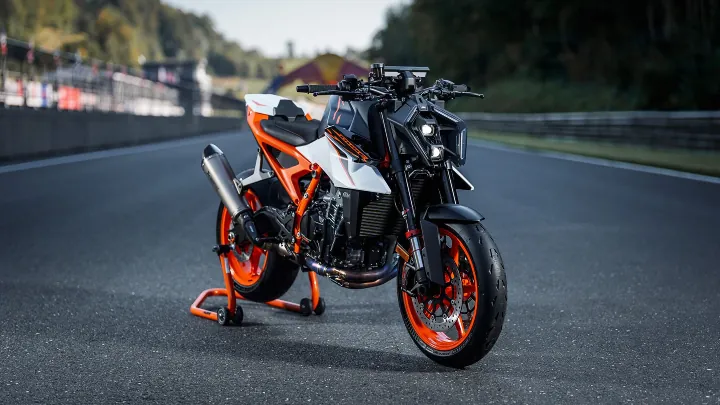
KTM, GasGas, Husqvarna’s parent company, Pierer Mobility is now looking for a cash infusion. Things have gotten much more dire than expected, especially for the KTM brand.

The once proud Austrian manufacturer has since laid off jobs, fired four directors (one of them the grandson of KTM’s three founders), and restructuring the production. But nothing seems to work.

Just weeks after releasing their Q3 2024 financial report, Pierer Mobility released an “ad hoc announcement” saying, “The Executive Board is currently working on securing the financing of KTM AG, in particular on a bridge financing in the three-digit million range.” KTM is responsible for 95% of the group’s revenue but has seen a precipitous drop in sales. Adding to the hardship was Pierer Mobility’s acquisition of a controlling stake in MV Agusta and needing much resources to restructure it.

Another part of the statement says, “To this end, discussions are ongoing both with the core shareholder Pierer Bajaj AG and with existing financial creditors. The aim is to agree a standstill agreement with the financial creditors involved for the duration of these discussions as basis for the financial restructuring.

Is Pierer Mobility looking to sell a controlling stake to or a further merger with Bajaj? Bajaj and Pierer had been working together for many years, producing the smaller range of bikes of 125cc, 200cc, 250cc, and 390cc. The 390 platform is the best-seller the world over. Bajaj is one of the world’s biggest motorcycle makers hence has huge resources, so who knows.
Archive

Follow us on Facebook

Follow us on YouTube