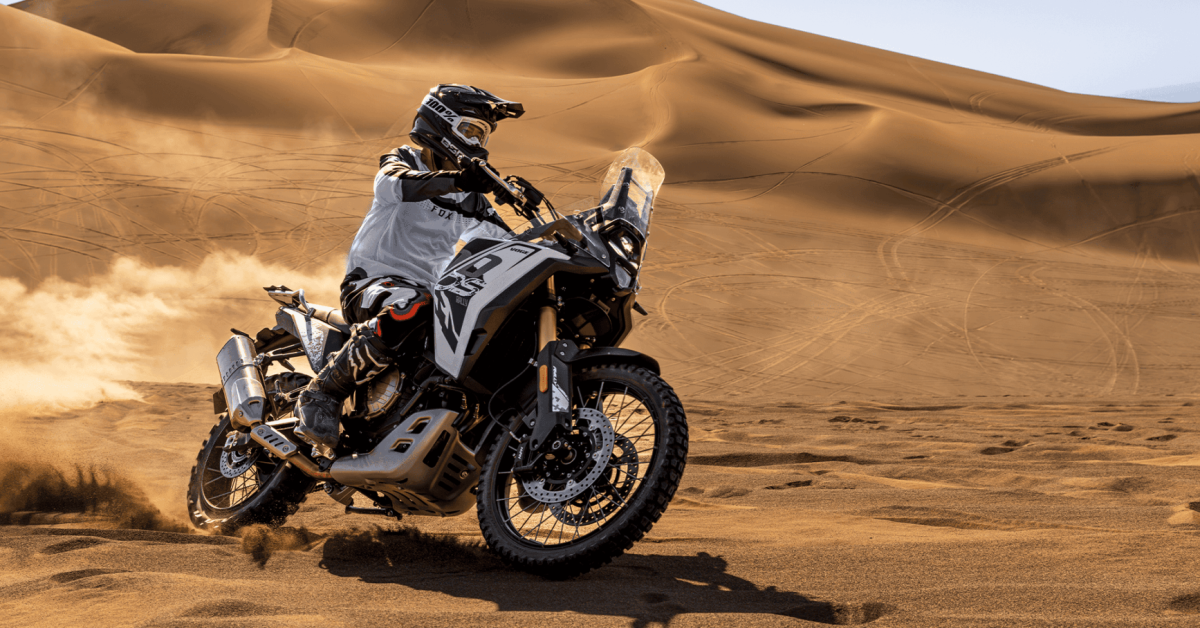
The Honda CRF1000L Africa Twin is a lovely machine to ride.
But it’s rather large and tall, especially for most Asians.
Honda is aware that they don’t have a middleweight adventurer.
Many fans jumped for joy when Honda announced the revival of the Africa Twin in 2015. It wasn’t only the international crowd who had loved the Africa Twin, for there were many in Malaysia during the late-90’s and early-20’s, too.
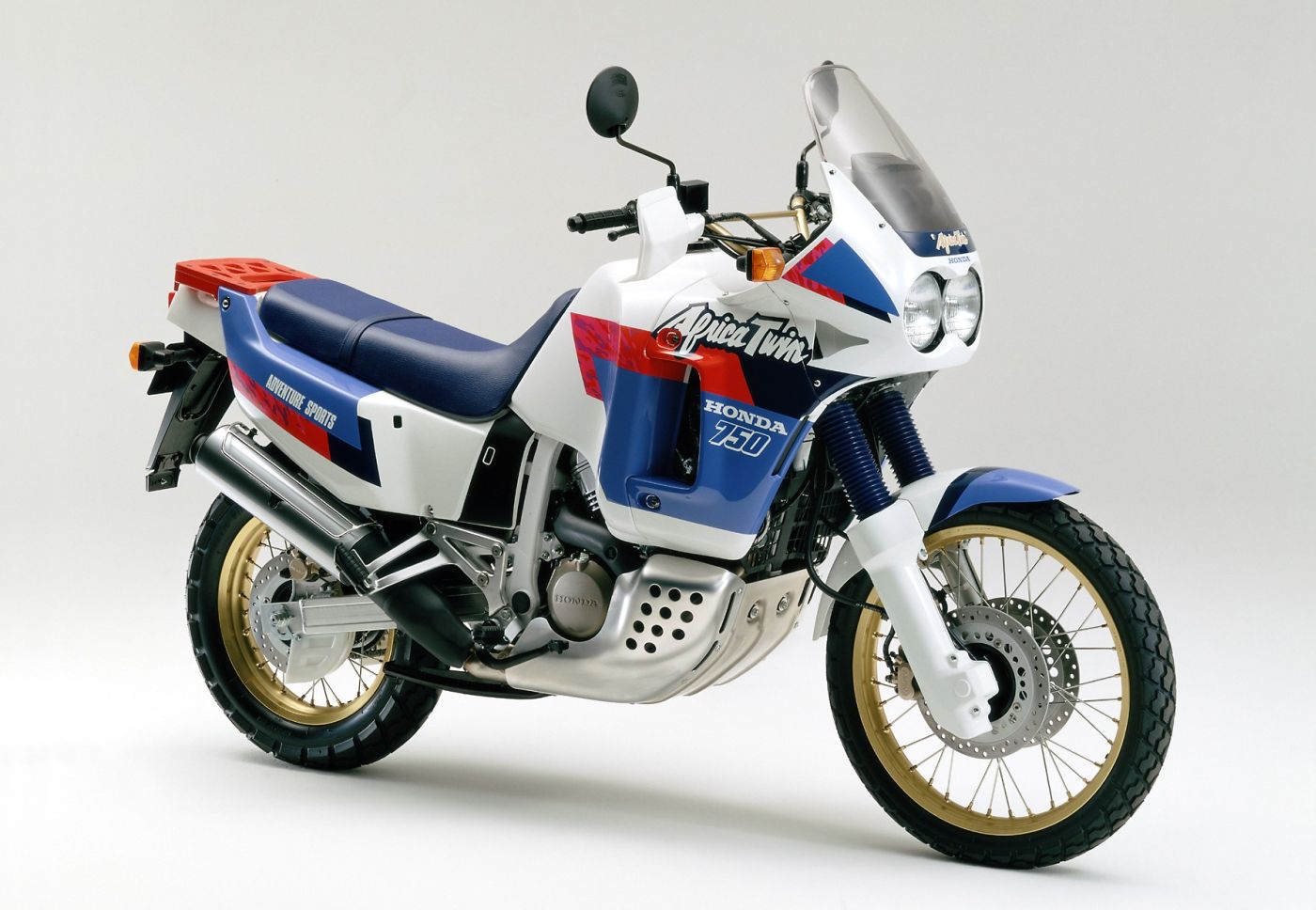
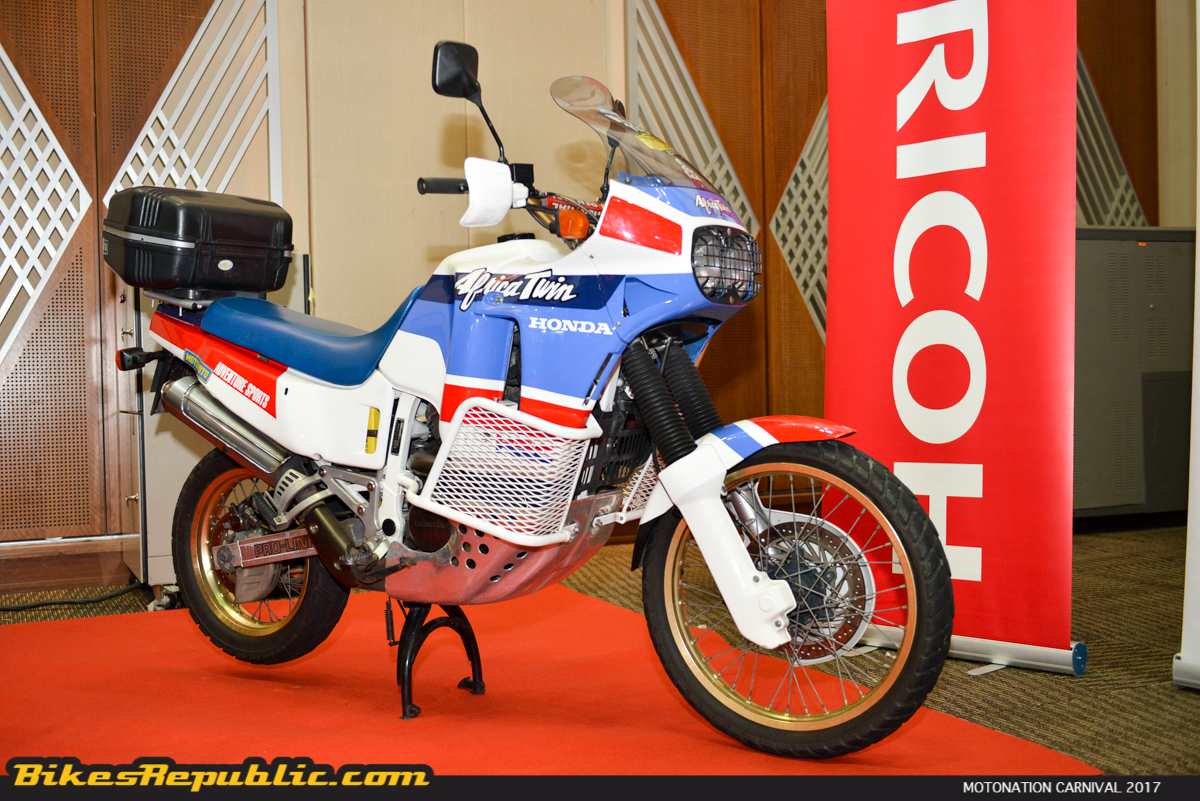
I too, fondly remember those tall machines in white, red and blue complete with handguards, metal grill protectors for the twin headlamps, massive fuel tank/radiator shroud, an also huge sump guard, and a booming exhaust note. It looked like it could bash through the jungle for breakfast right out of the box!
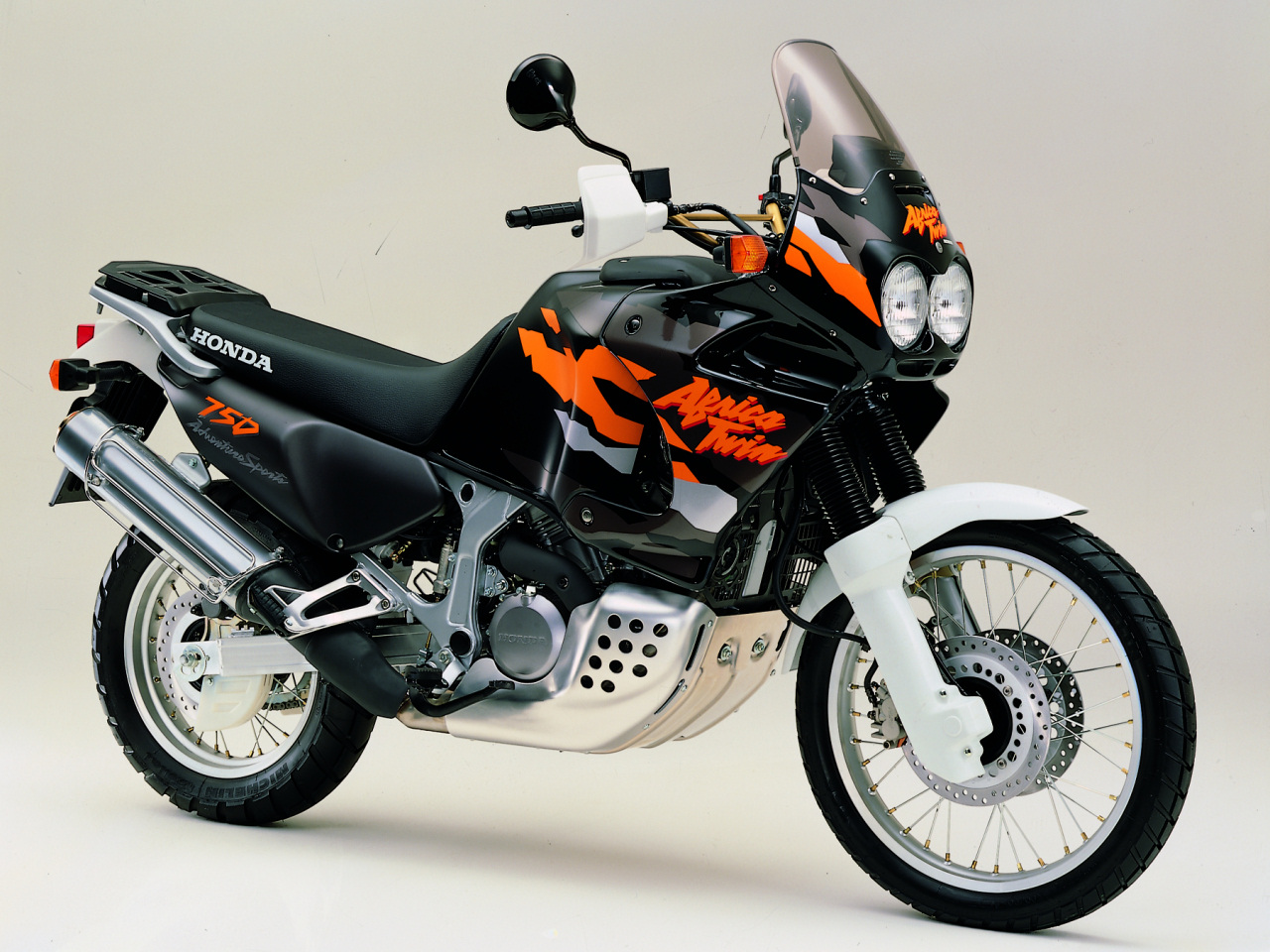
XRV750 Africa Twin
In fact, the XRV750T final version in 2003 looked like it ate a Honda CBR900RR Fireblade on its way to the mountains.
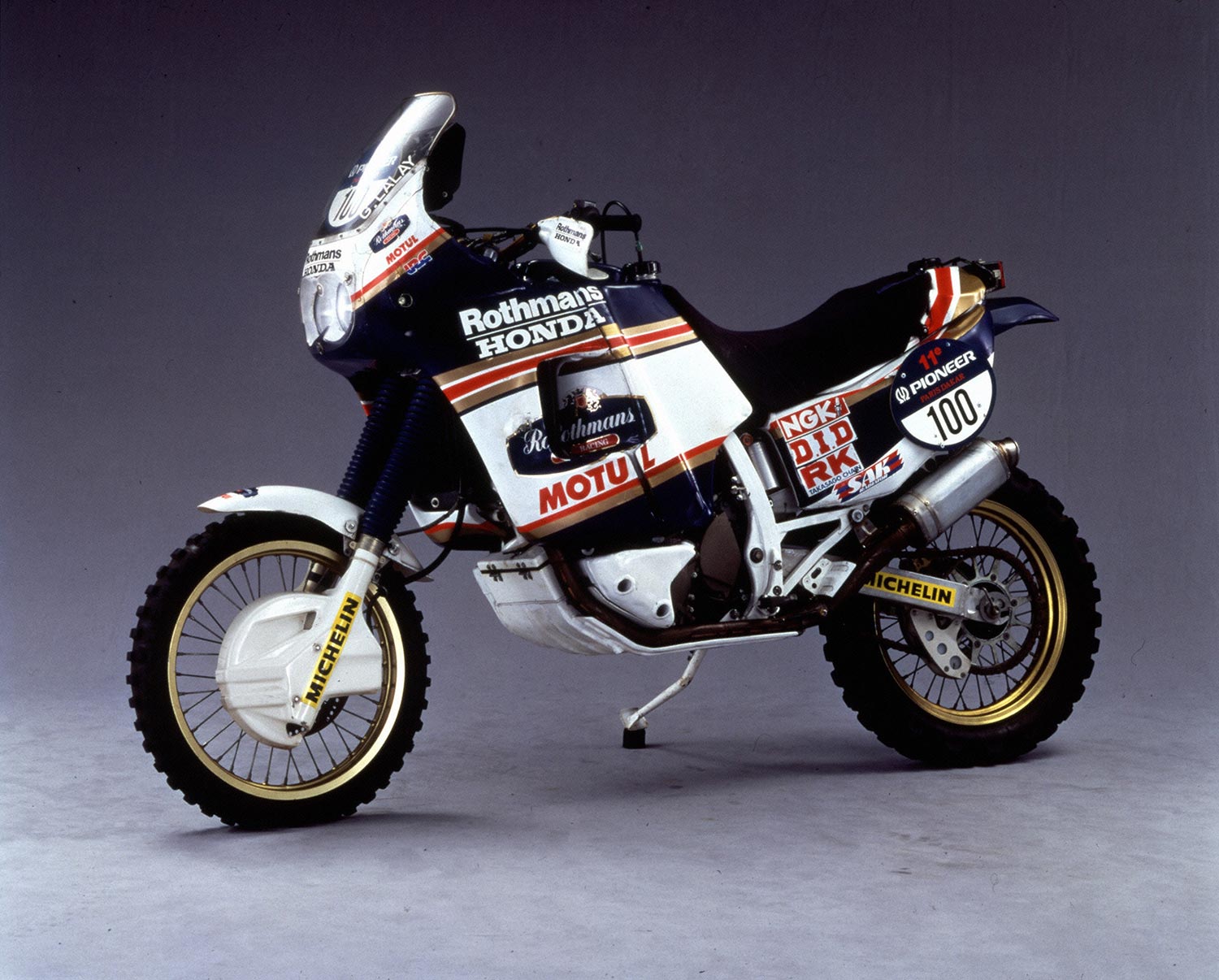
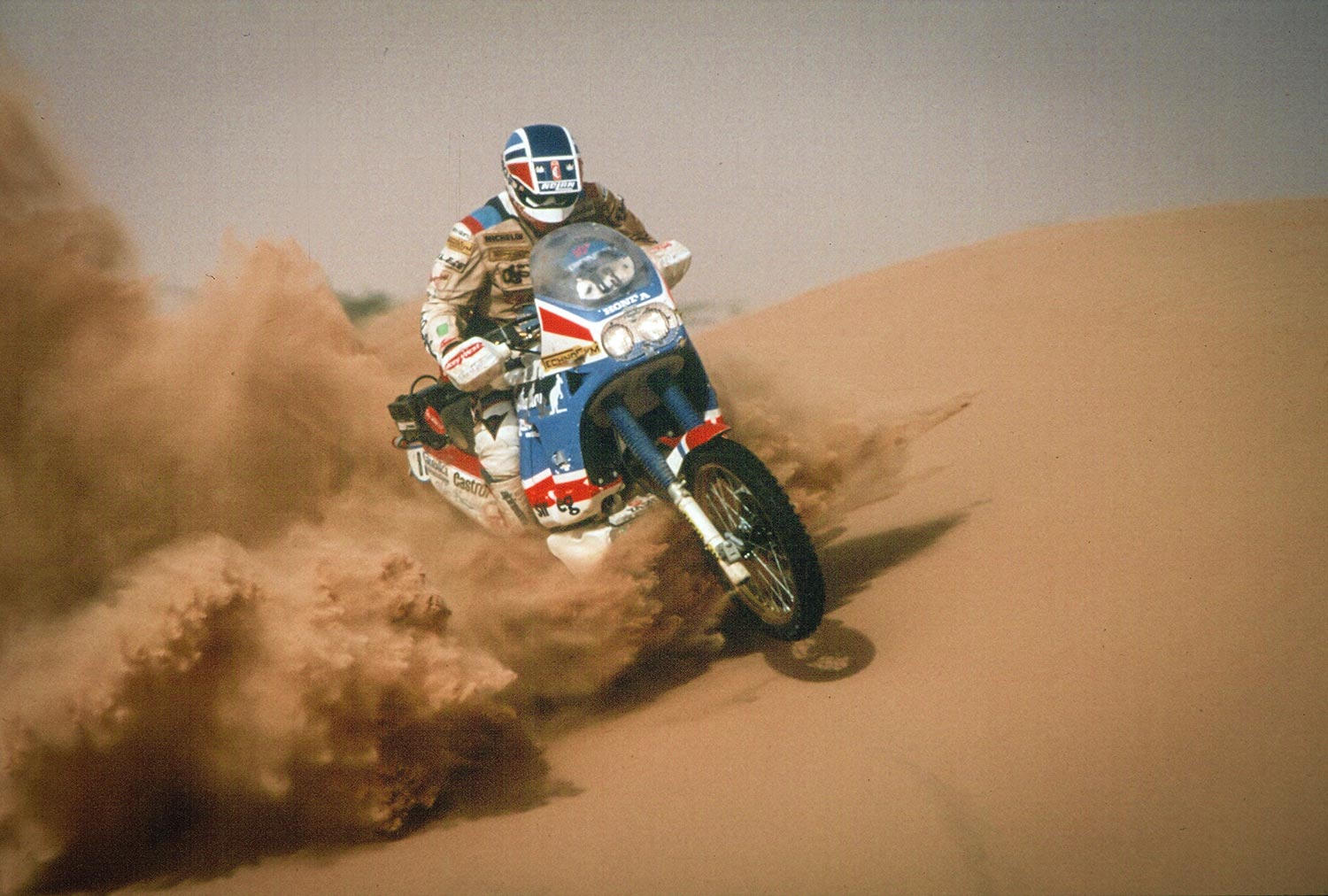
The first model, the XRV650 was actually built by the Honda Racing Corporation (HRC) itself. Yes, the people behind all of Honda’s racing motorcycles. Some people actually called it the “RC30 of off-road.” It was based on the Honda NXR-750 which won the Paris-Dakar Rally four times in the Eighties.
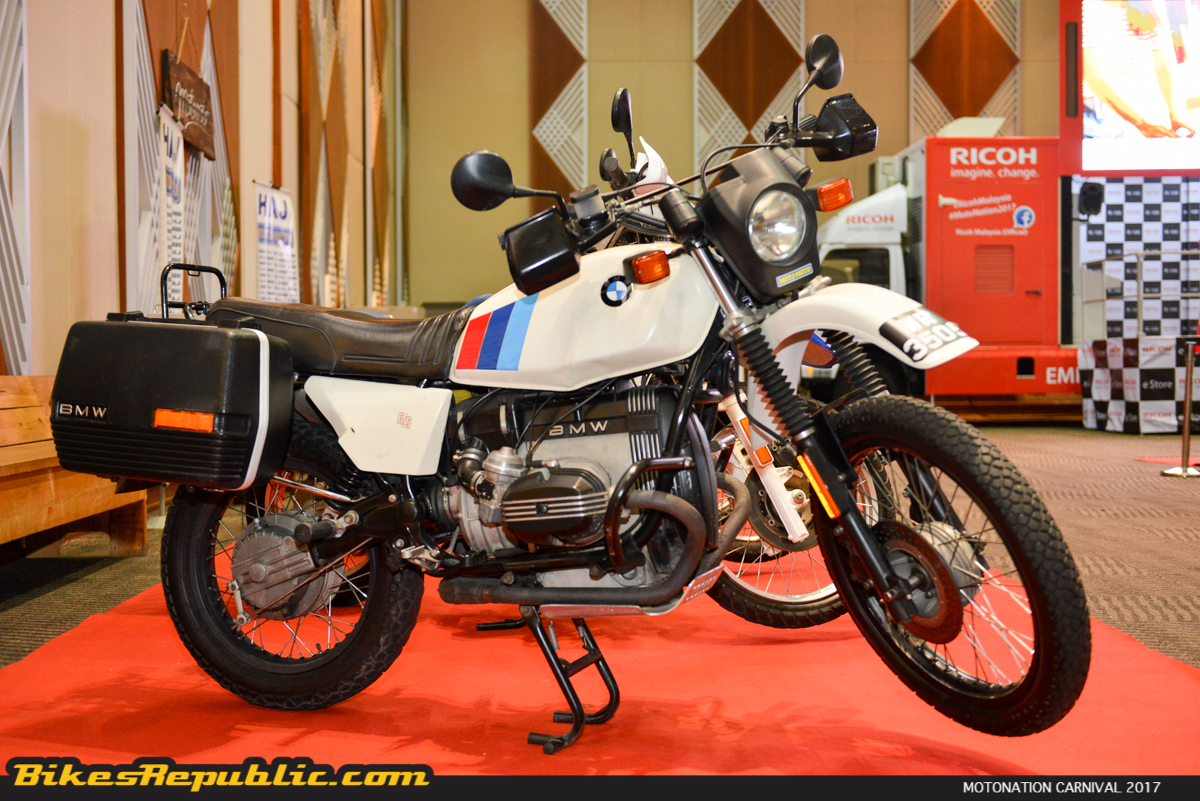
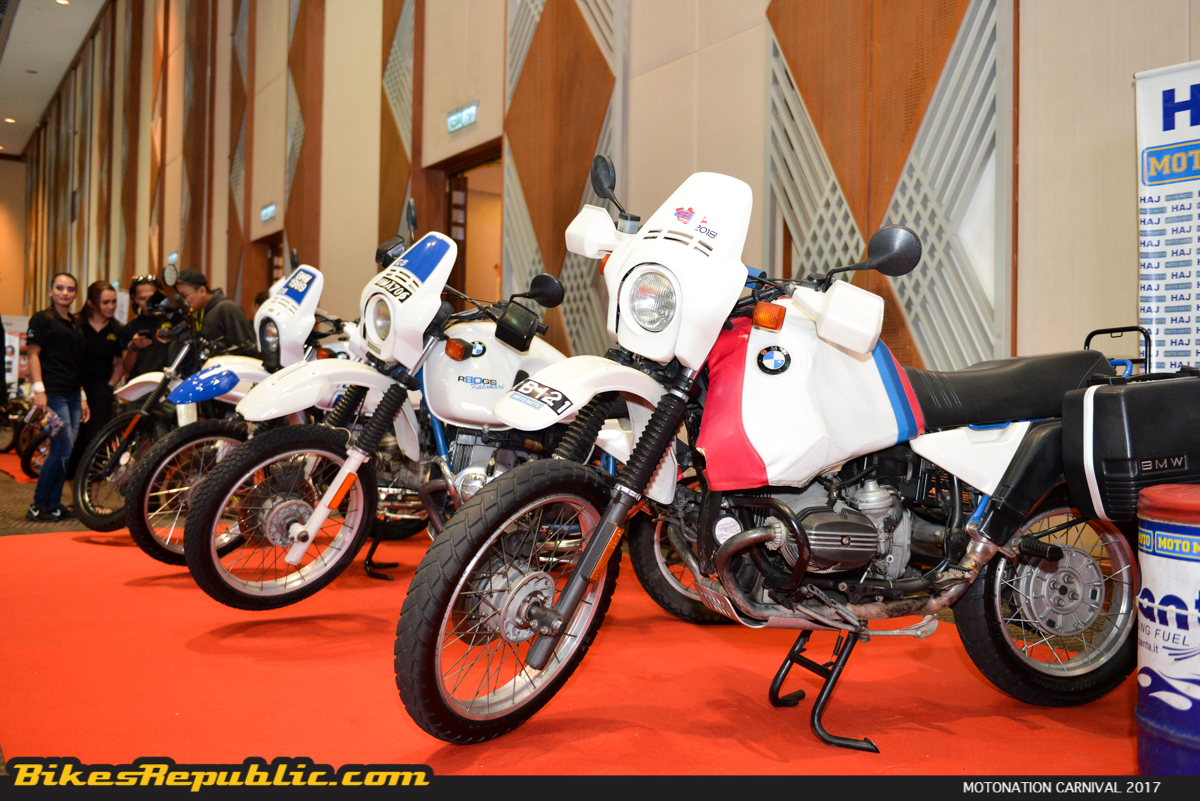
We came across this immaculate XRV650 at Motonation 2017
The 650 became the XRV750 Africa Twin, the most famous model that we saw here. But it had never been exported to the US.
When Honda stopped its production in 2003, many were heartbroken.
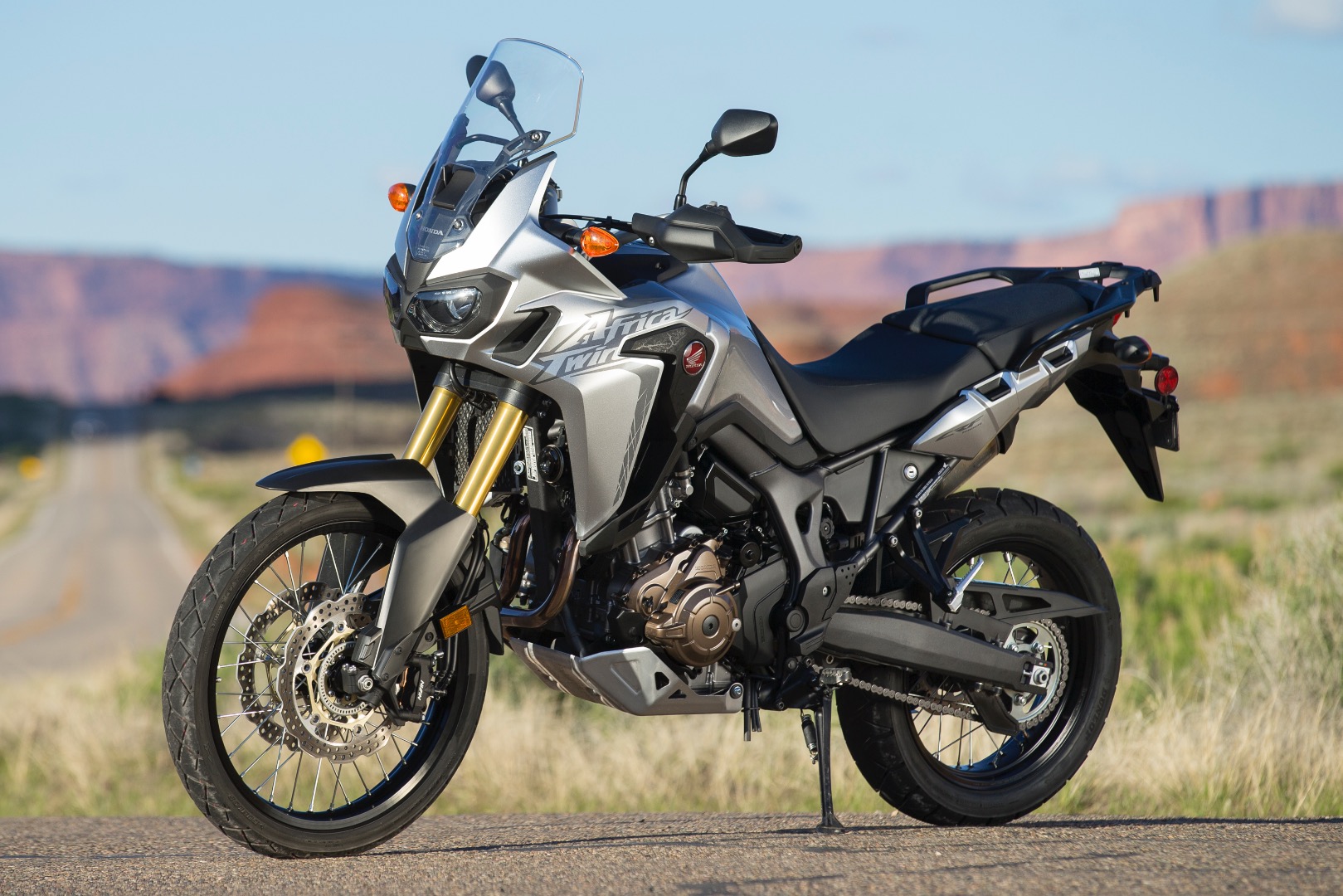
Now with a 1000cc, 270-degree crank (to mimic the firing order of a 90-degree V-Twin), parallel-Twin engine and Honda’s Dual Clutch Transmission (DCT) option, the new CRF1000L Africa Twin promised to be a much better, much more contemporary iteration of the famed heritage and lineage when it was launched for 2015. (Click here for our First Impressions.)
2016 Honda Africa Twin DCT
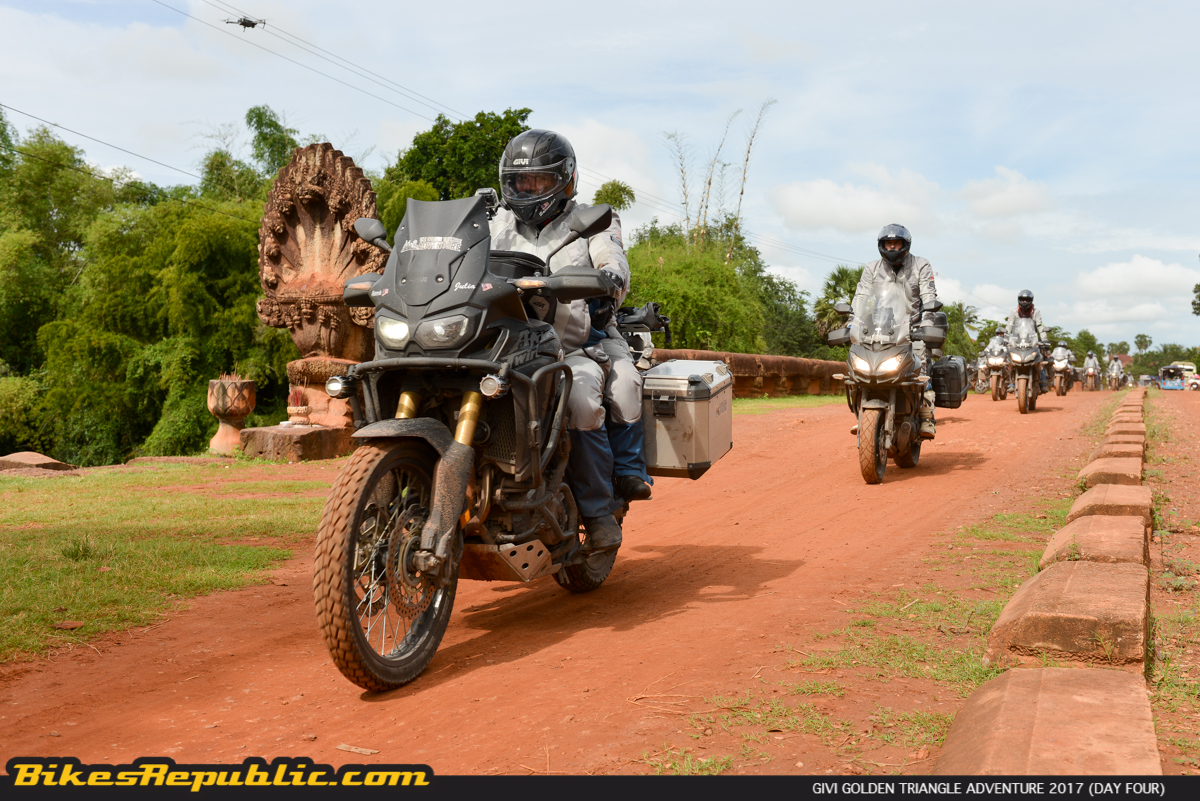
I managed to finagle a short ride on a CRF1000L in Thailand during the GIVI Golden Triangle Adventure 2017. There was a total of three Africa Twins on the ride, two of those with DCT. It was an amazing machine to ride: Its poise, balance, comfort, the torque of its engine. But it was tall and that made it rather heavy to manage in busy urban environments. It towered over the Kawasaki Versys 650 and Suzuki V-Strom 650, and it was the bike that made the 2013 BMW R 1200 GS LC look err… short and squat.
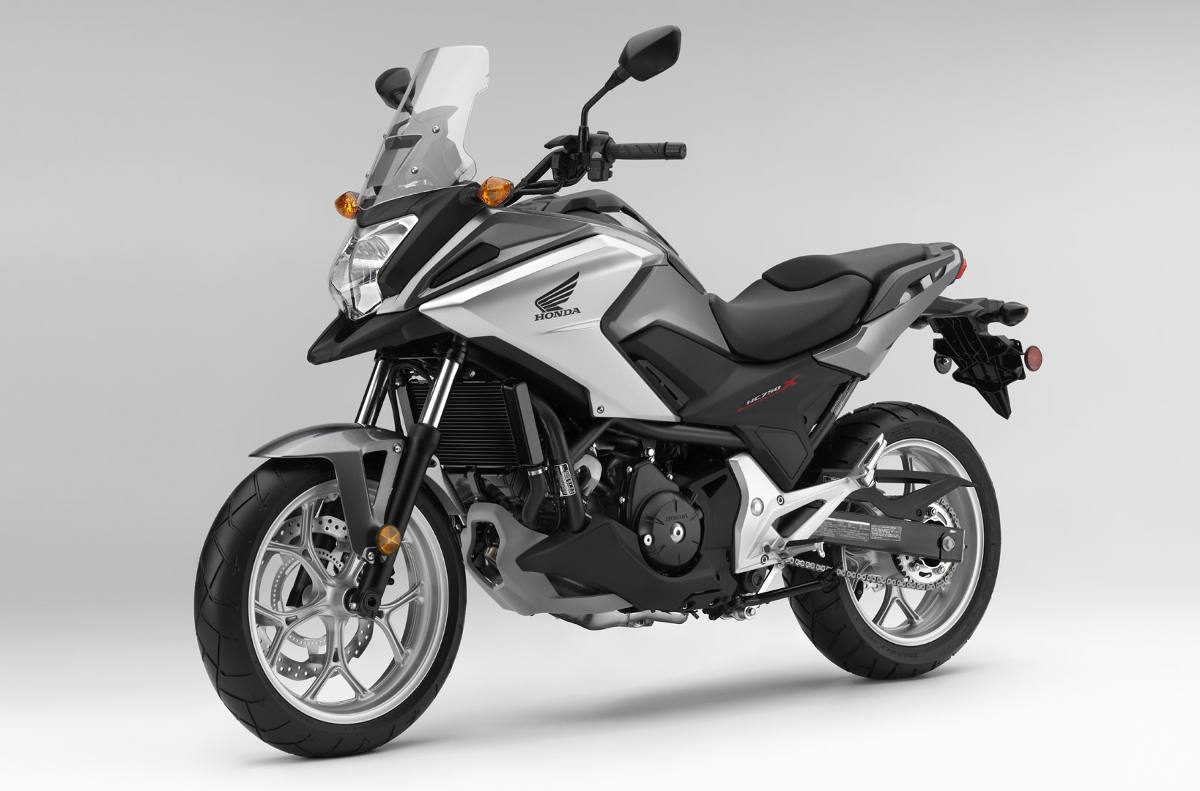
However, if you’ve the blood for adventure and insists on a smaller Honda, you could choose from the crop consisting of the CRF250L or CRF250 Rally, CB500X, NC700X and NC800X, but they are nowhere near Africa Twin territory.
Honda knows this. Kenji Morita, Large Project Leader for the Africa Twin said, “When we speak about pure adventure, we don’t have a wide line-up. And yes, we are thinking of putting a halfway model to attract younger riders.”
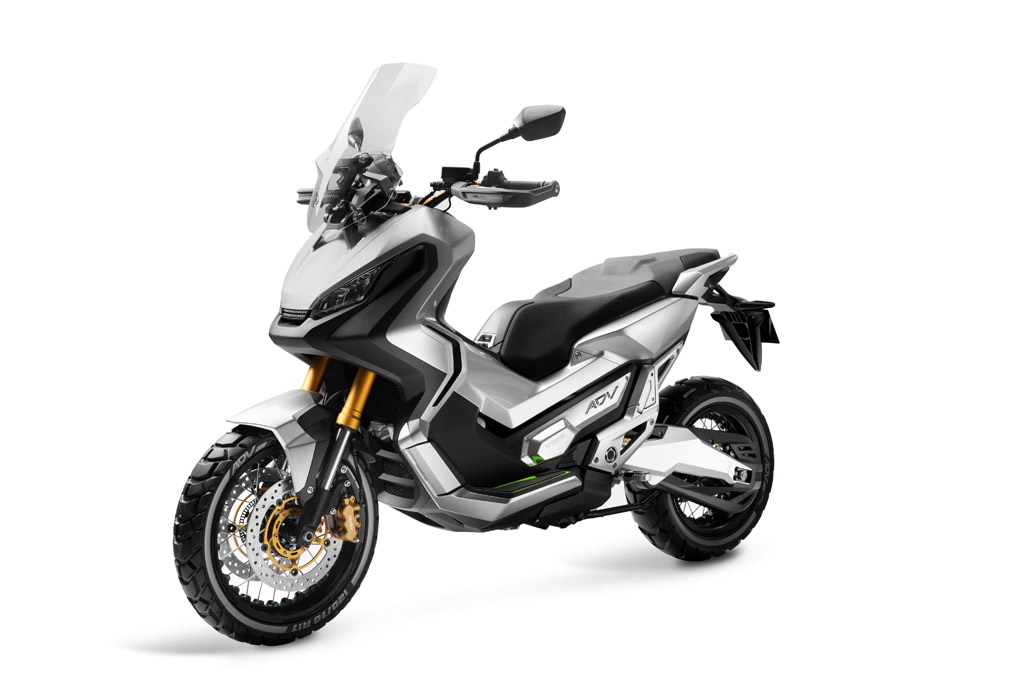
Honda already has a 750cc parallel-Twin which powers the NC750X and X-ADV (we rode this in Thailand too. It was awesome!). But that would create a product line with models too close to each other. So, how about a new 650cc engine as the direct link to the original XRV650 Africa Twin?
This is a segment in which Honda could not afford to miss out, since the middleweight adventure (750cc to 800cc) market has now become THE most contested territory. It is currently being fought over tooth-and-nail by the BMW F 850 GS, Triumph Tiger 800, KTM 790 Adventure and soon to be launched Yamaha Ténéré 700.
Honda says they aren’t working on the smaller Africa Twin as yet, but you can bet the Red Giant isn’t going to sit still, so watch this space.
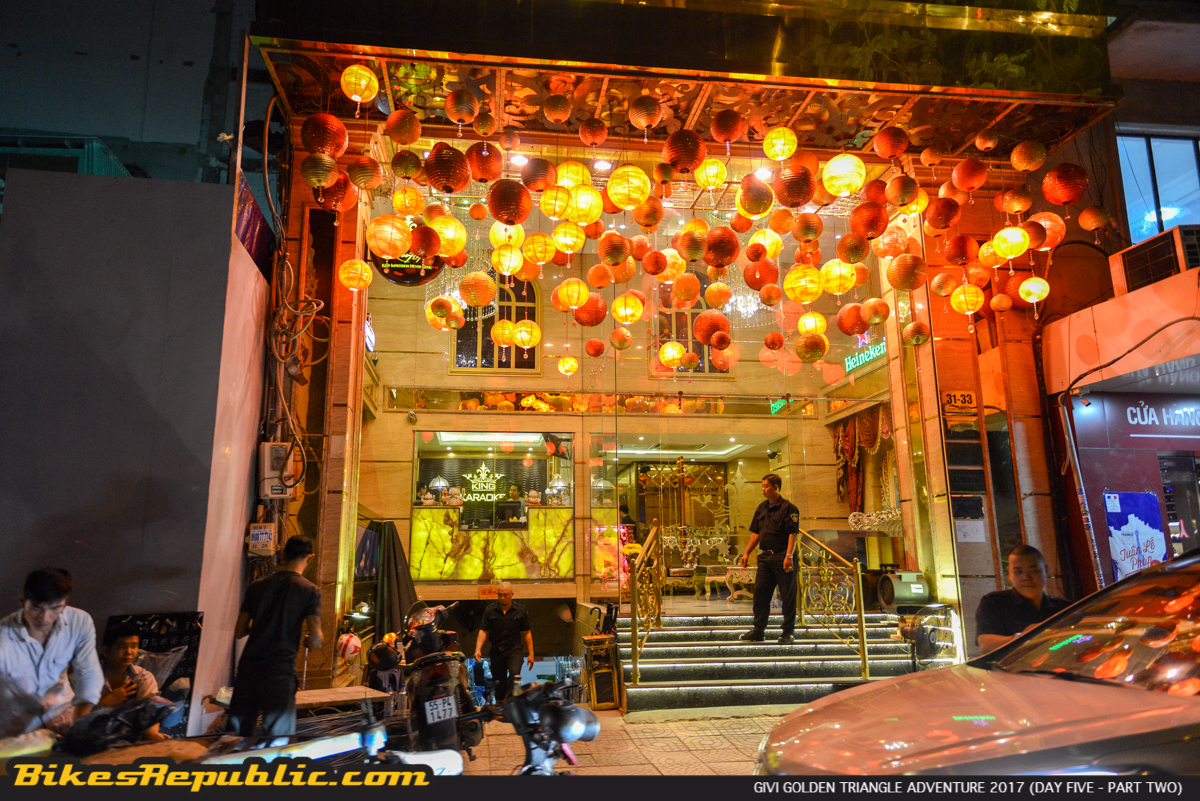
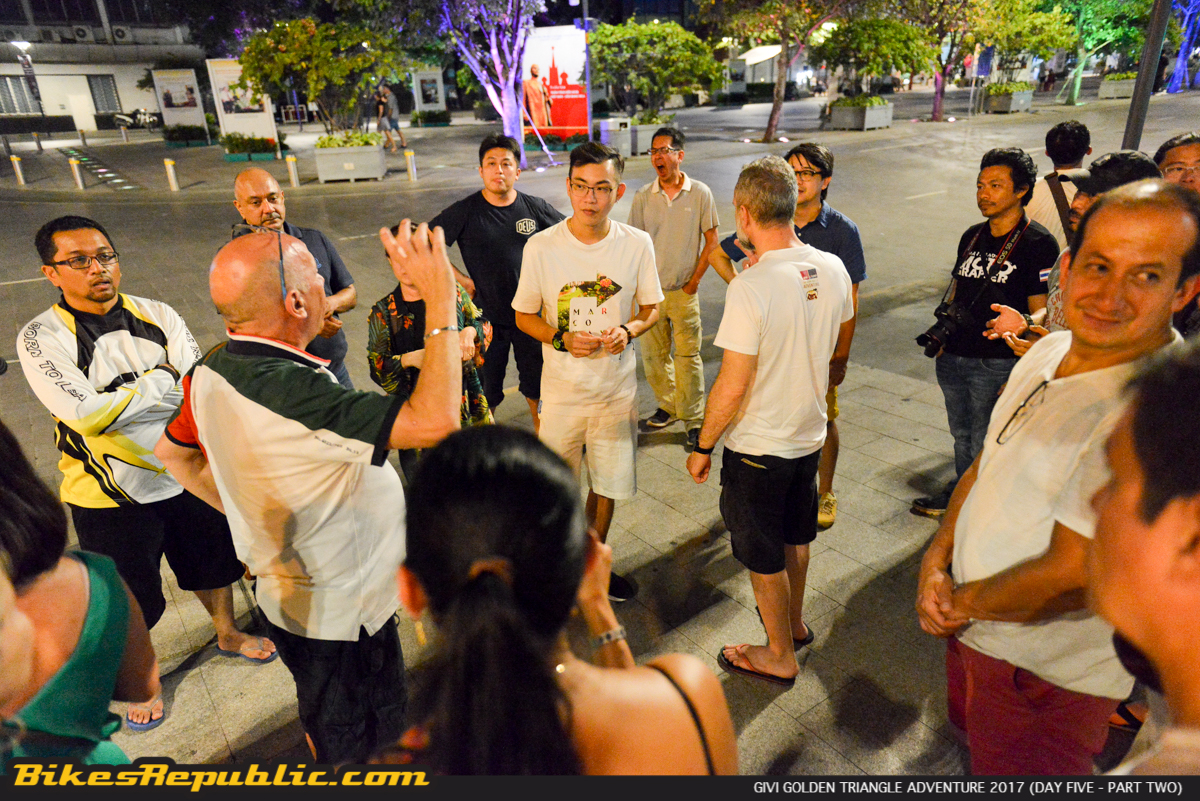
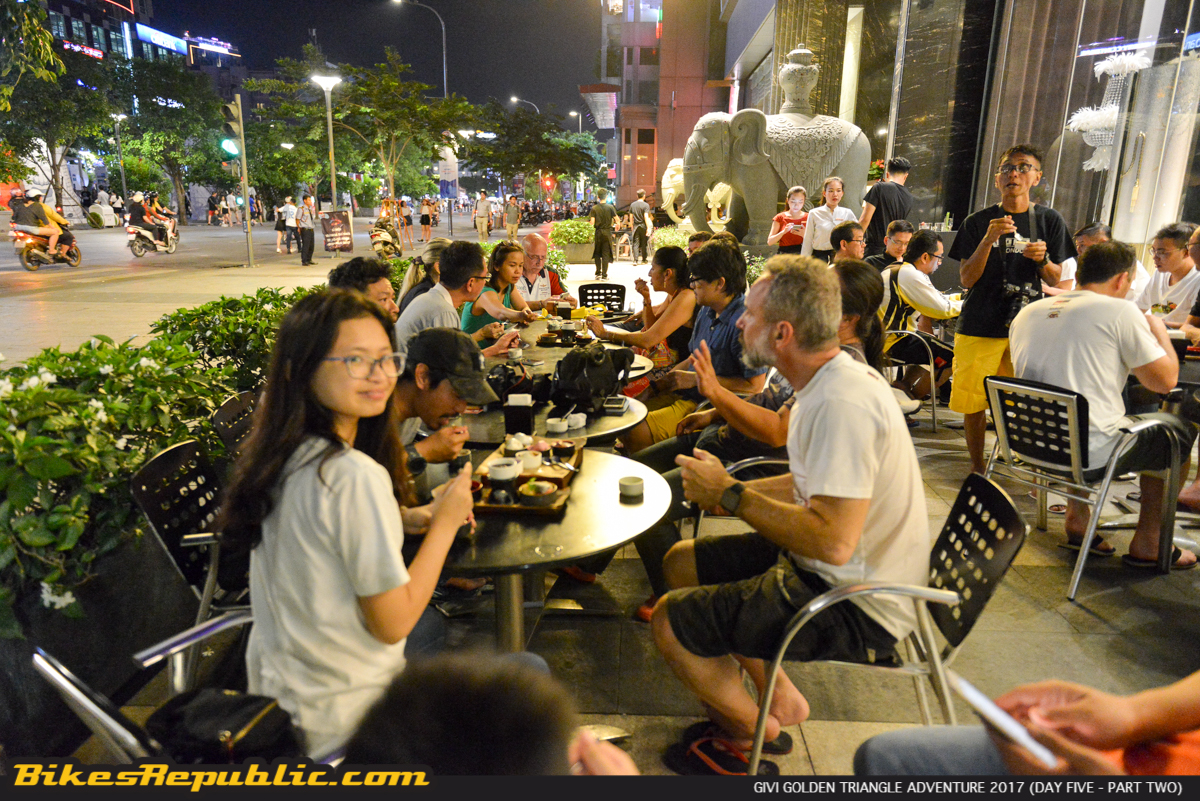
True to the GIVI Explorer spirit, we explored downtown Ho Chi Minh City after dinner.
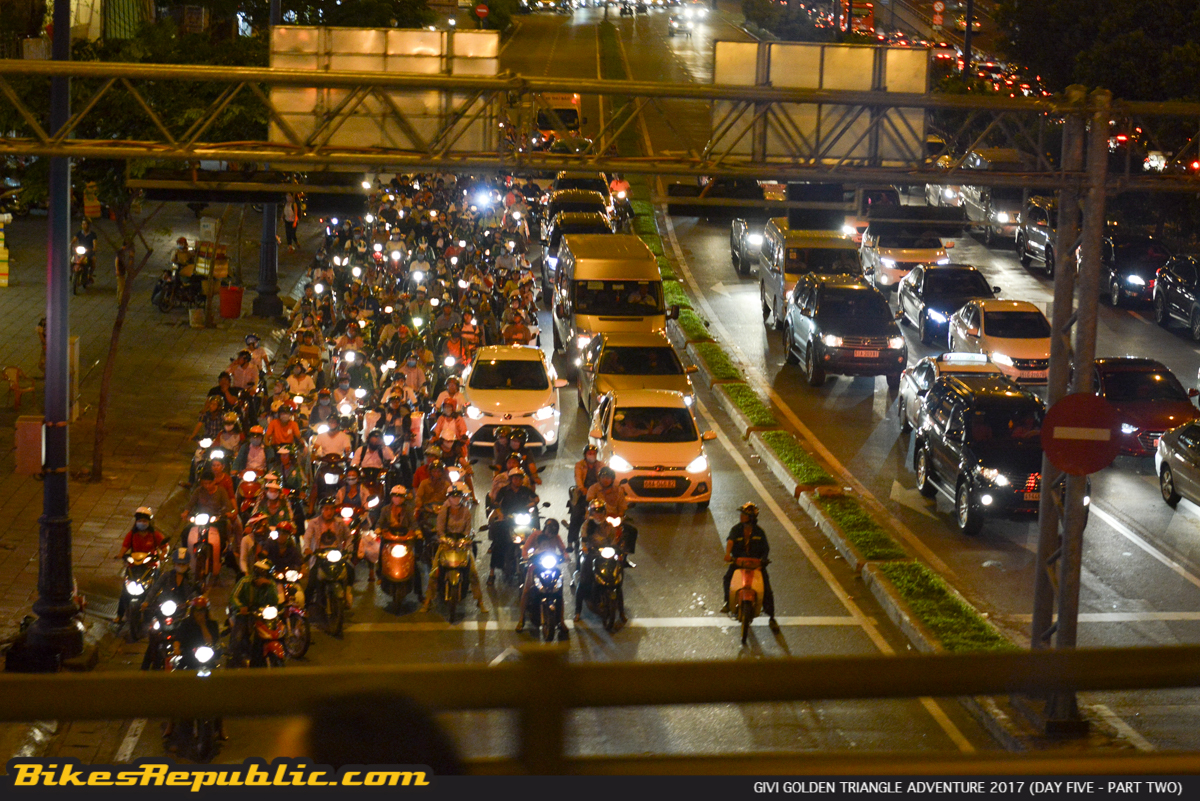
Ho Chi Minh City is thriving with 7 to 7.5 million motorcycles.
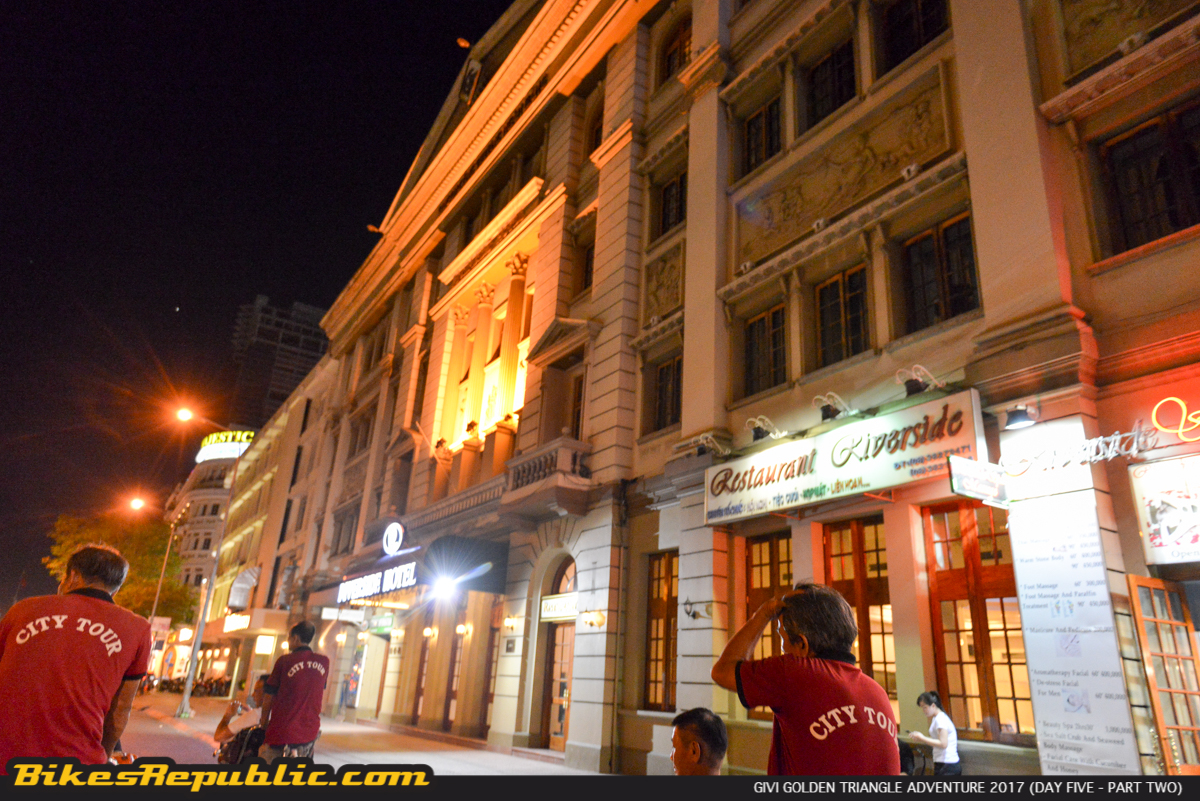
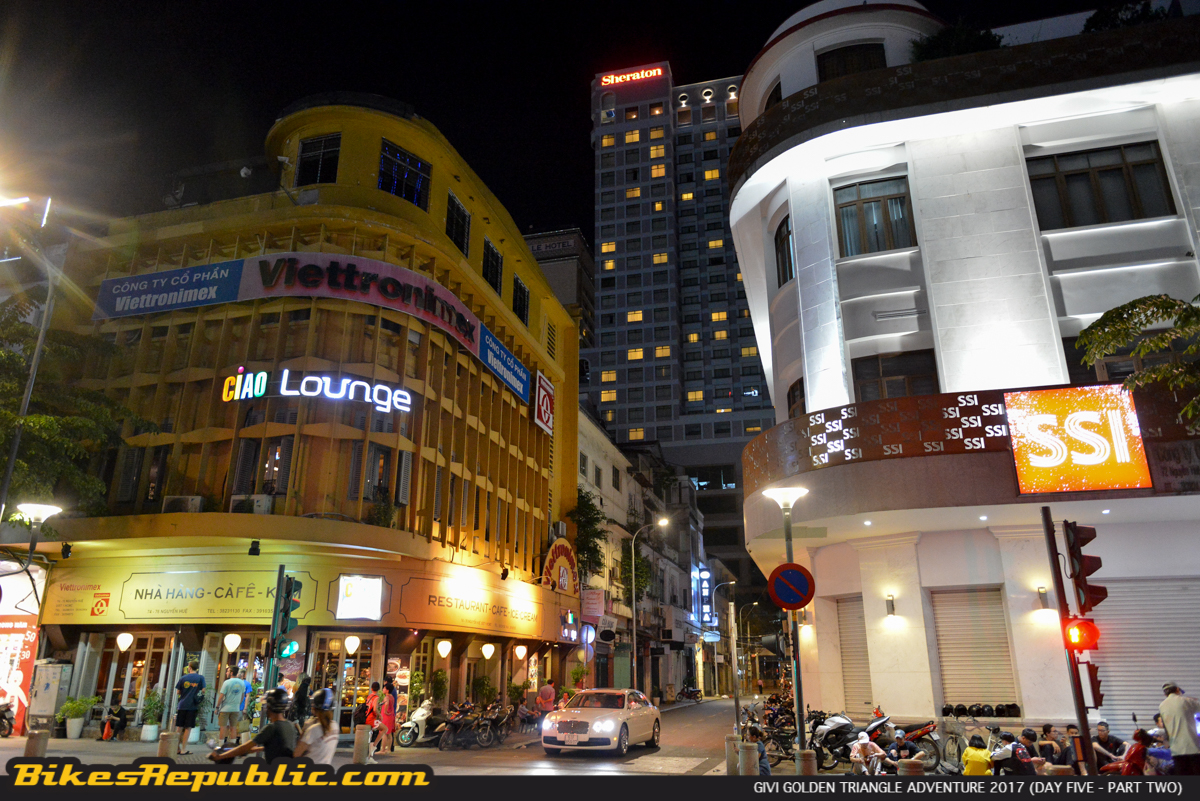
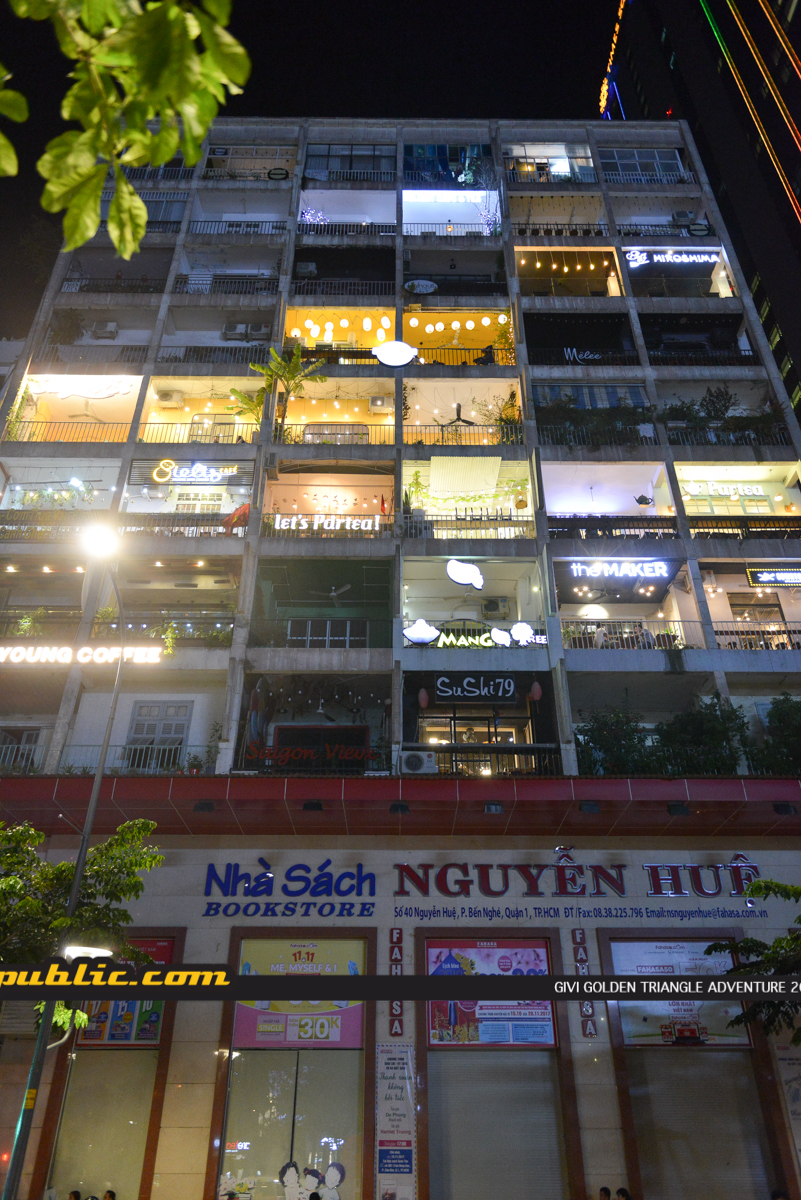
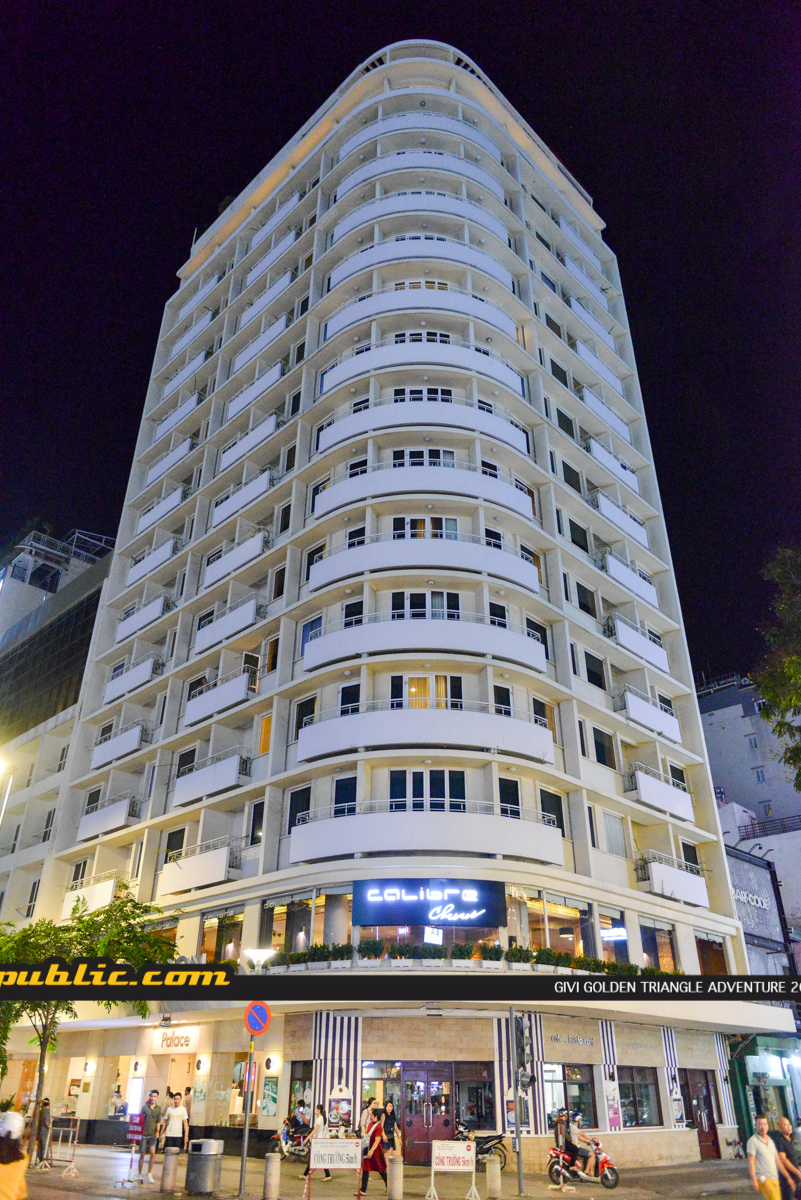
The city’s main charm is the mix of classical and modern buildings, and rich heritage.
13th November 2017, Ho Chi Minh City (HCMC), Vietnam – The GIVI Golden Triangle Adventure 2017 participants freshened up and boarded a bus specially chartered to transport us downtown for dinner.
GIVI did so to mercifully spare us the hassle of having to suit up again, and ride through that traffic.
A VIP had joined us by now. She was Ms. Hendrika Visenzi, daughter of GIVI’s founder, Mr. Giuseppe Visenzi (the first two letters of his name became GIVI). The Hevik sub-brand was under Ms. Visenzi’s charge (HEnrika, GIvi, Kappa). She rode with us from this point on.
Ms. Hendrika Visenzi
The local guide on the bus announced that the restaurant wasn’t far away and we had time to shop at the Takashimaya Mall nearby, before getting back together for dinner. That sounds great, maybe I could get something for family and friends back home.
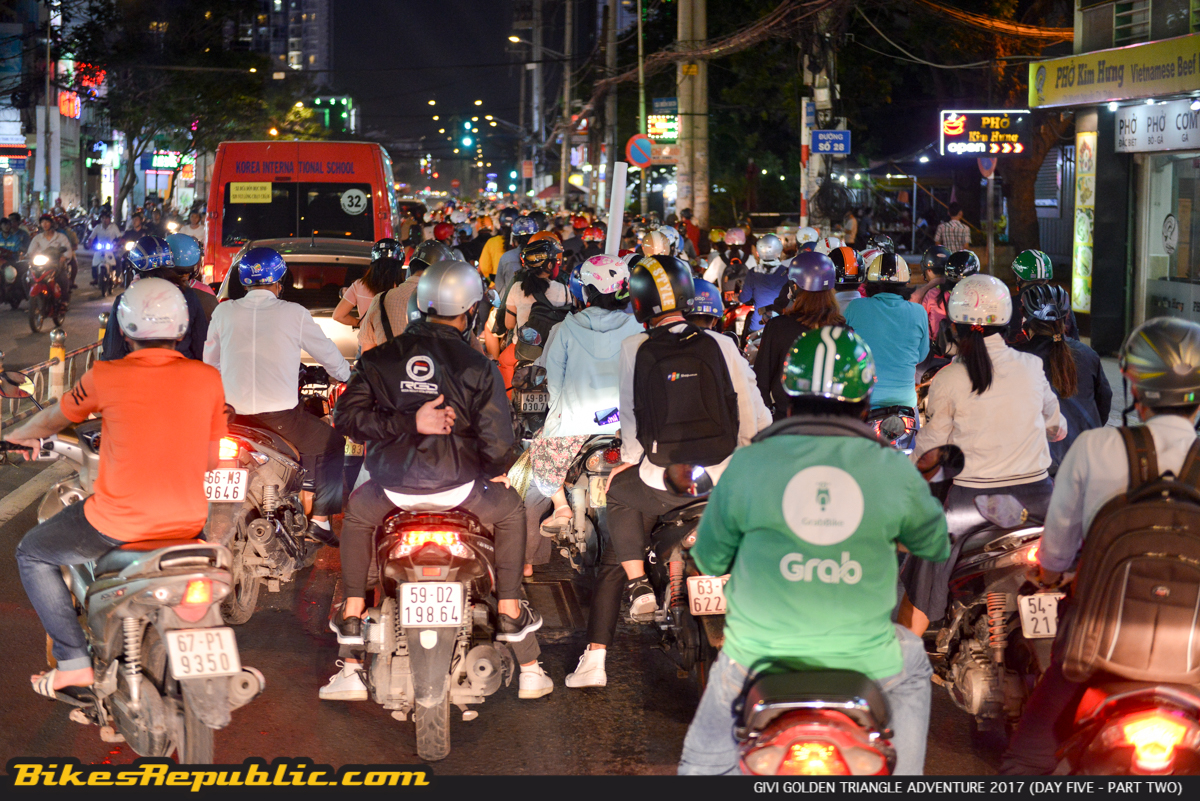
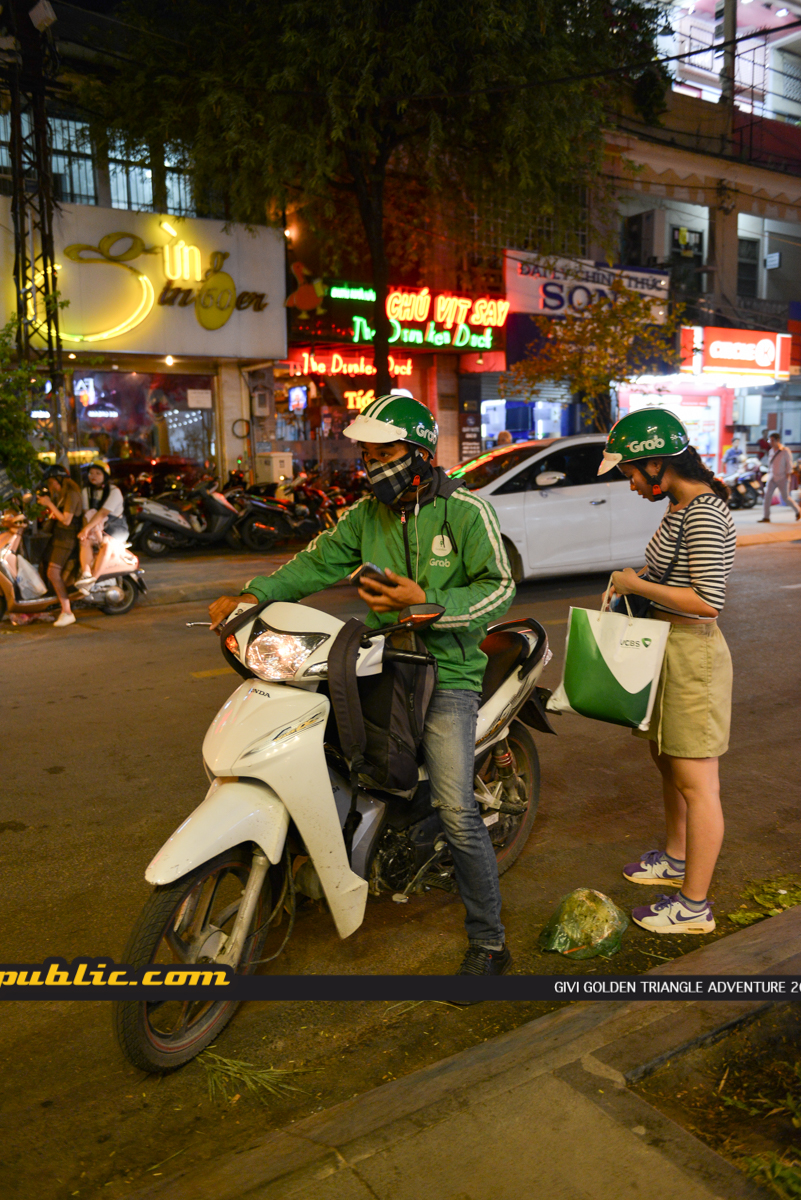
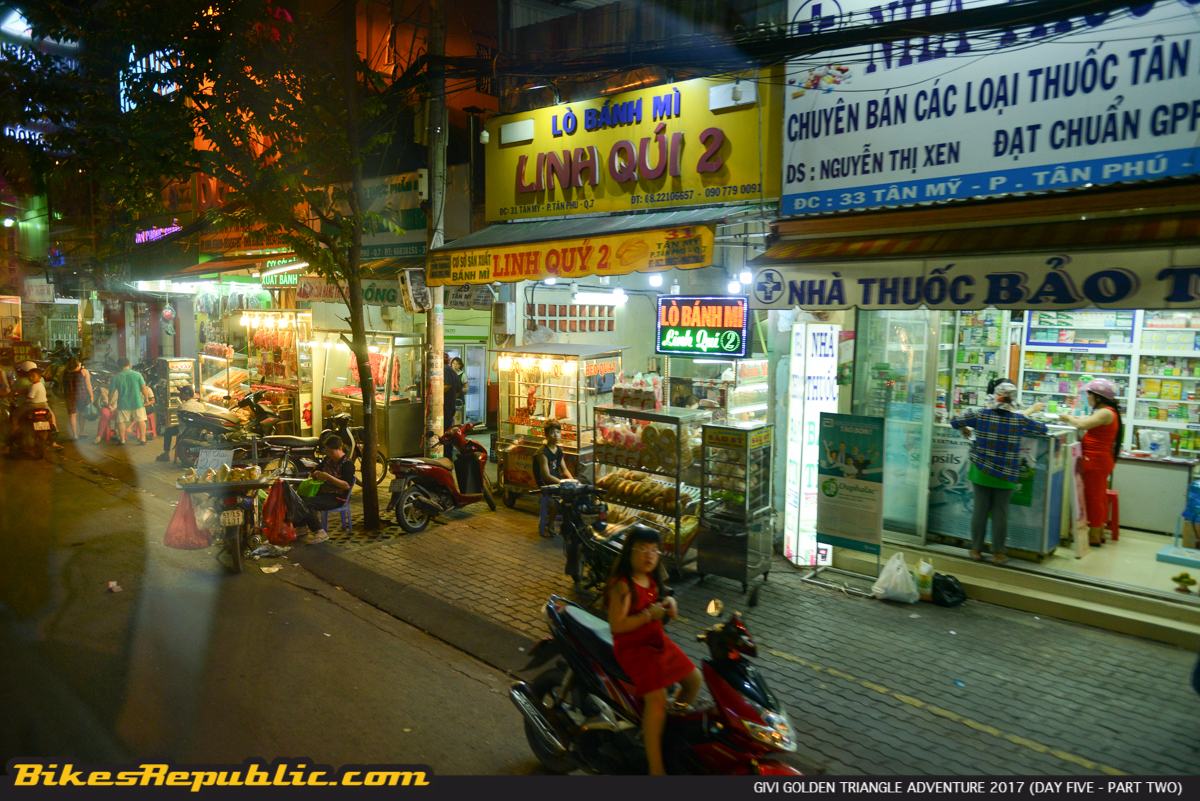
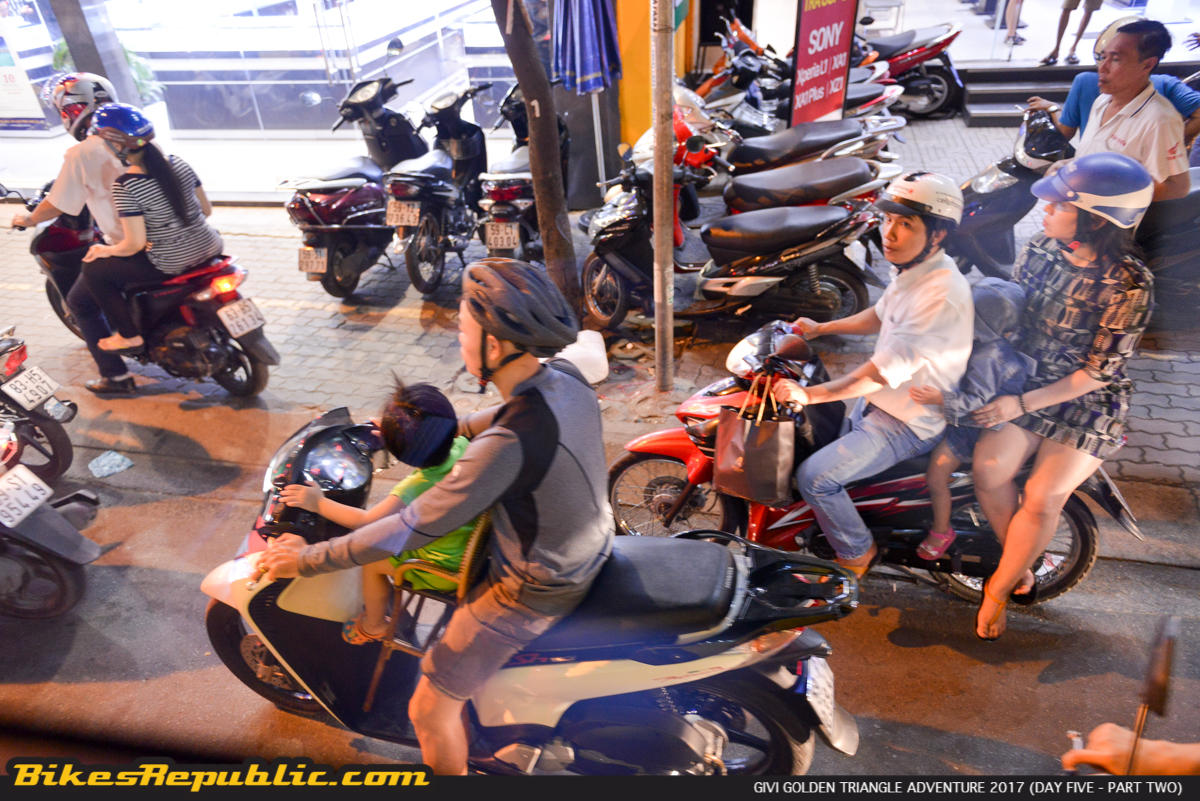
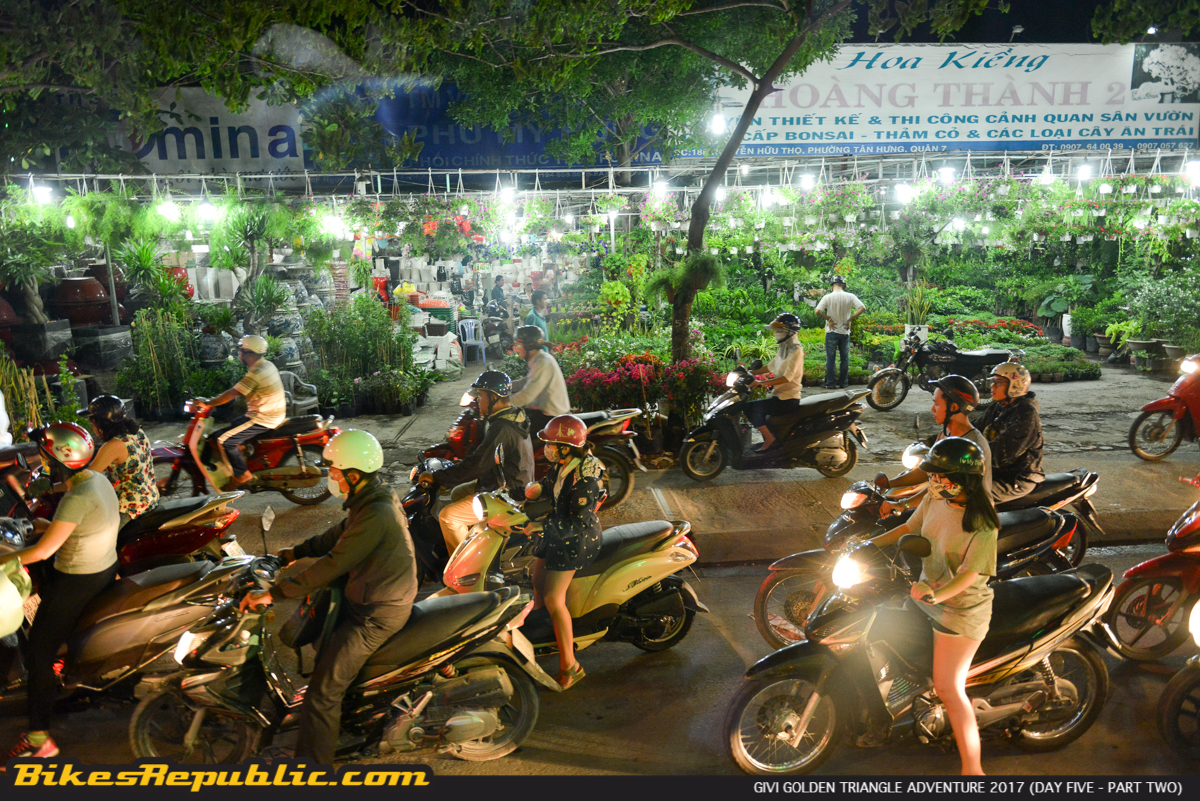
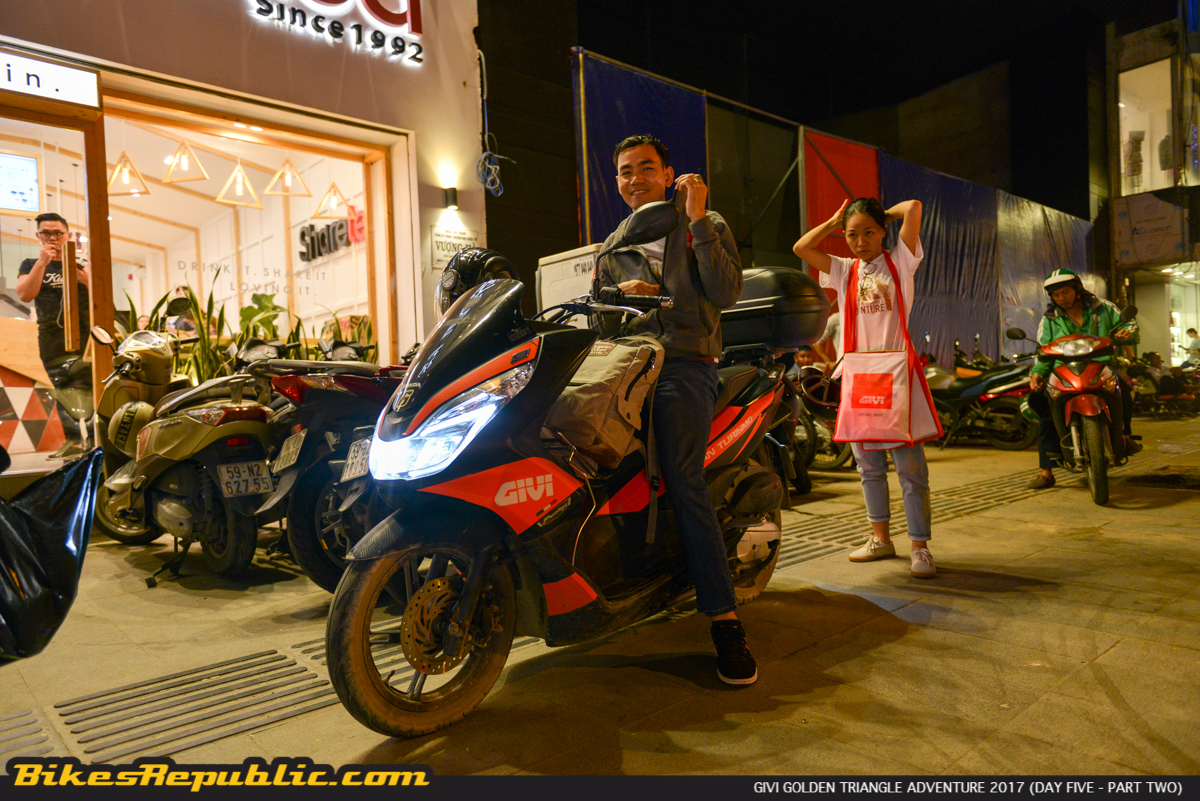
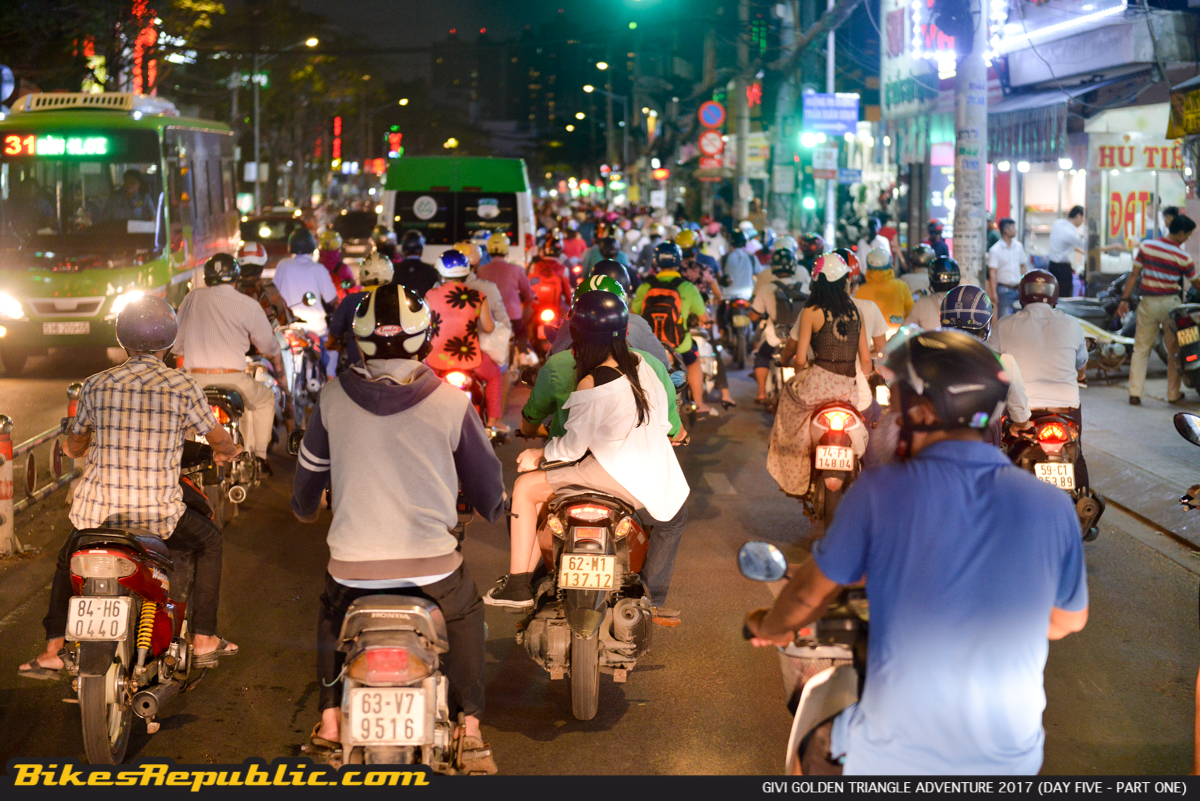
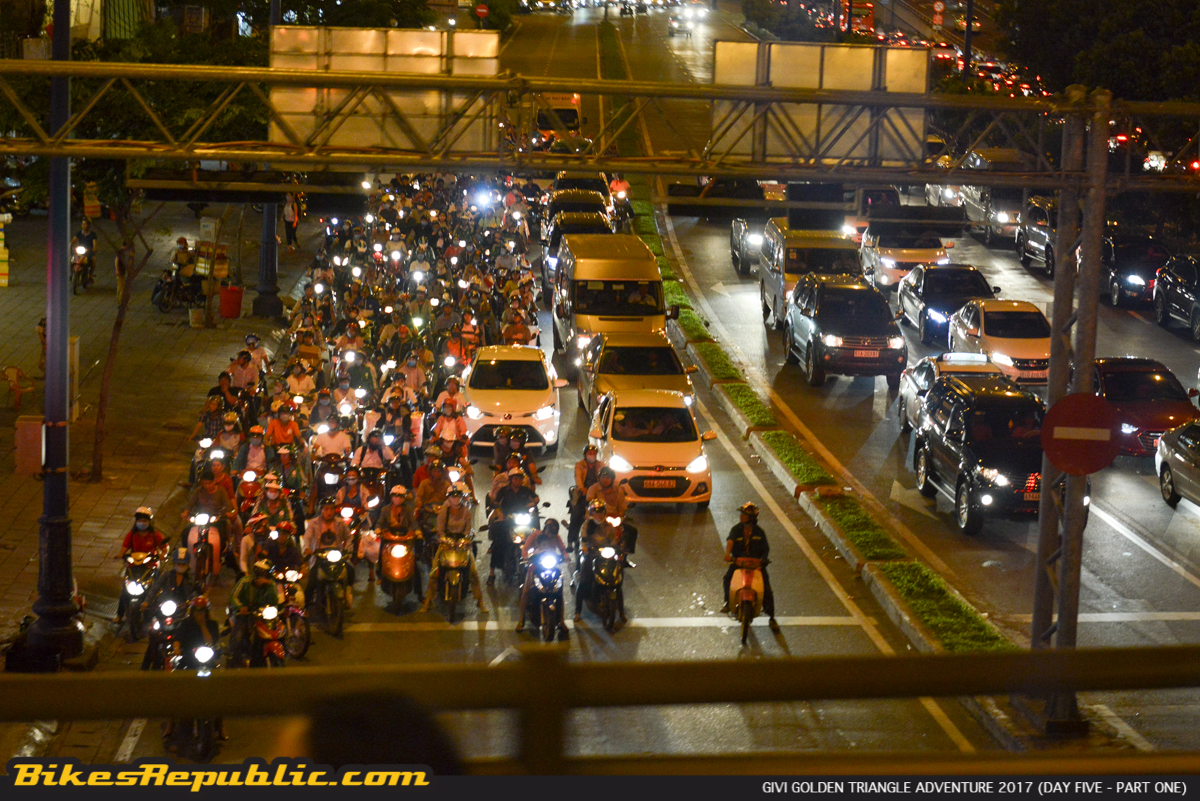
As usual, it was already dark by 7pm and the roads seemed to be fully illuminated by the headlamps of the scooters and mopeds. There are 7.5 million motorcycles to HCMC’s population of 10 million.
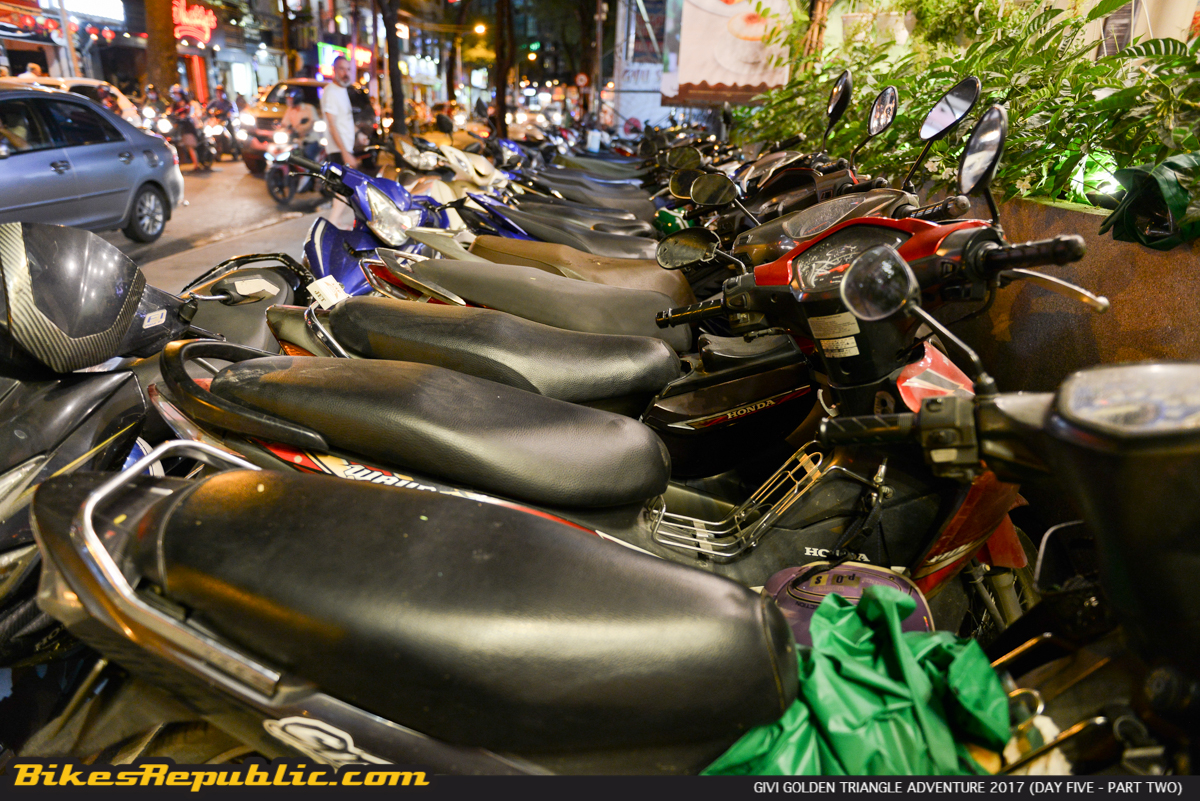
It was explained that HCMC has a chronic parking problem, therefore the motorcycle was the perfect tool. The rich would have their drivers drop them off at their destinations and the driver would continue to drive around in circles until their bosses are done with their business. Hence if the city was a body, motorcycles are the blood cells. There were many Grab Bikes too!
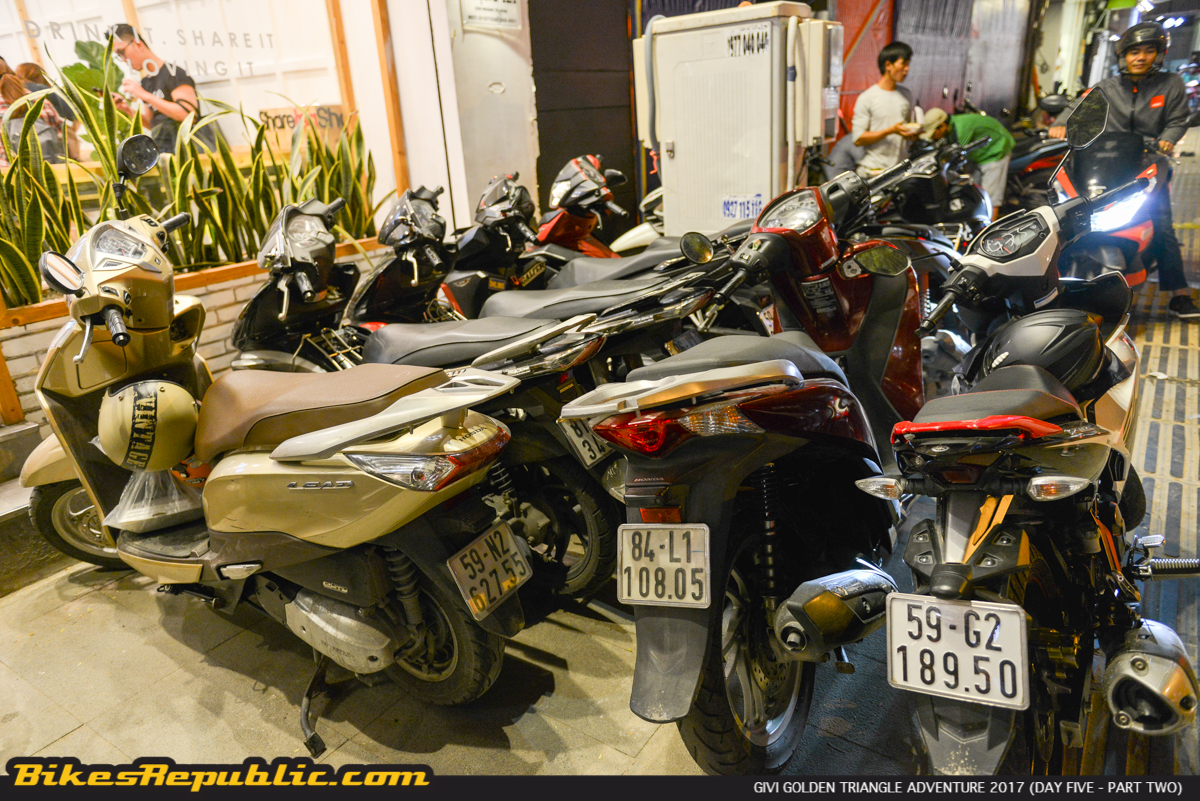
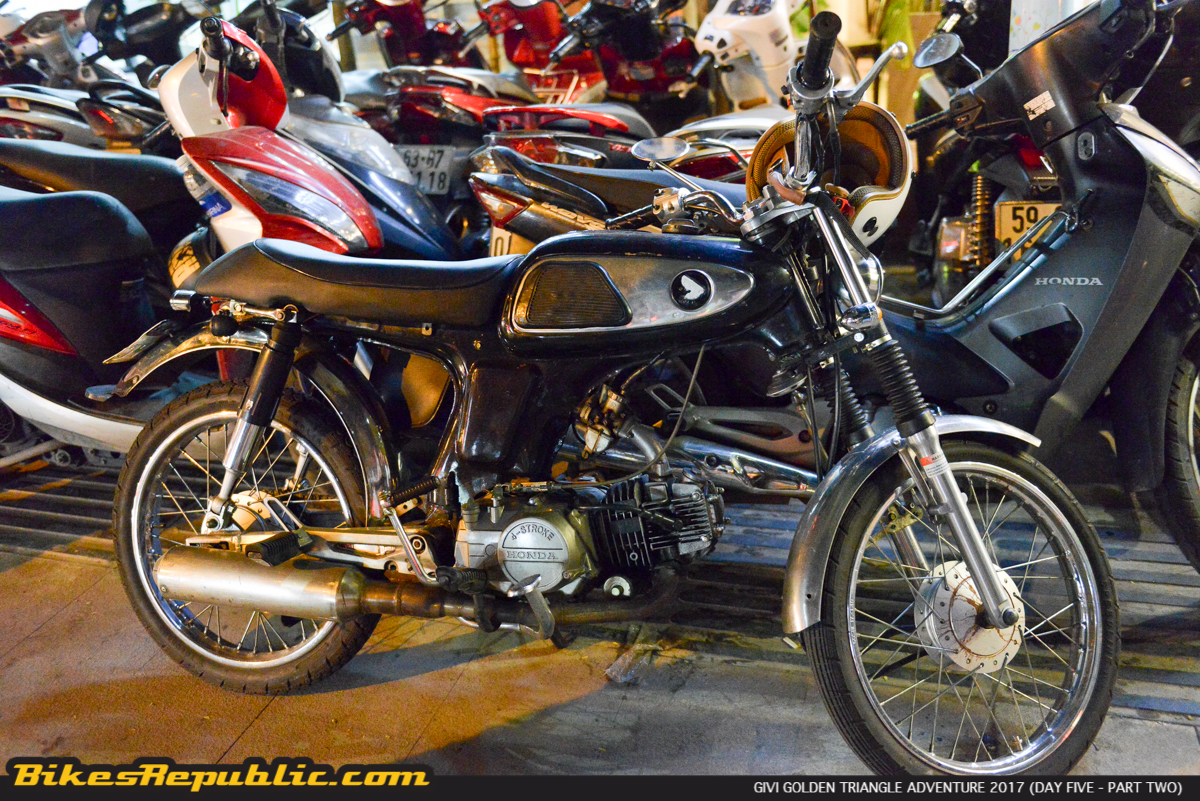
It was also pointed out to us on how the bikes were parked – squished together as if they were bicycles. The owners of these motorcycles will park them inside their living rooms when they get home.
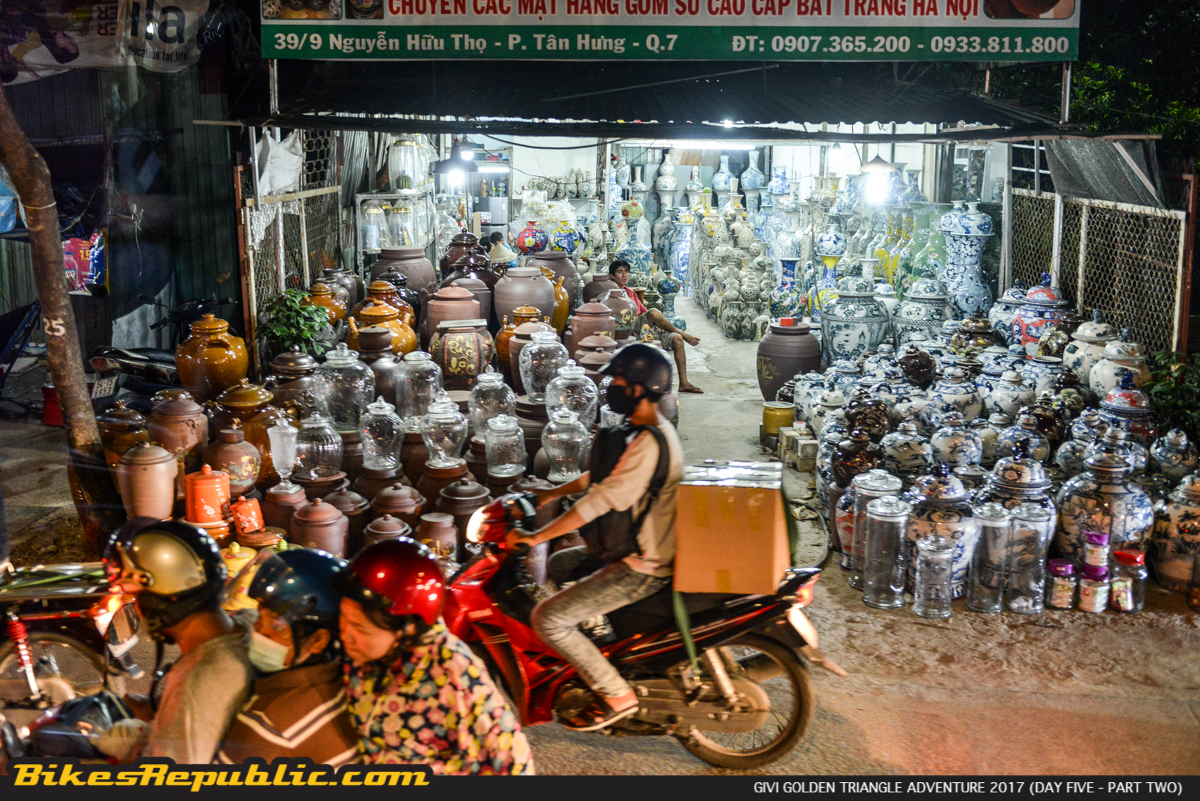
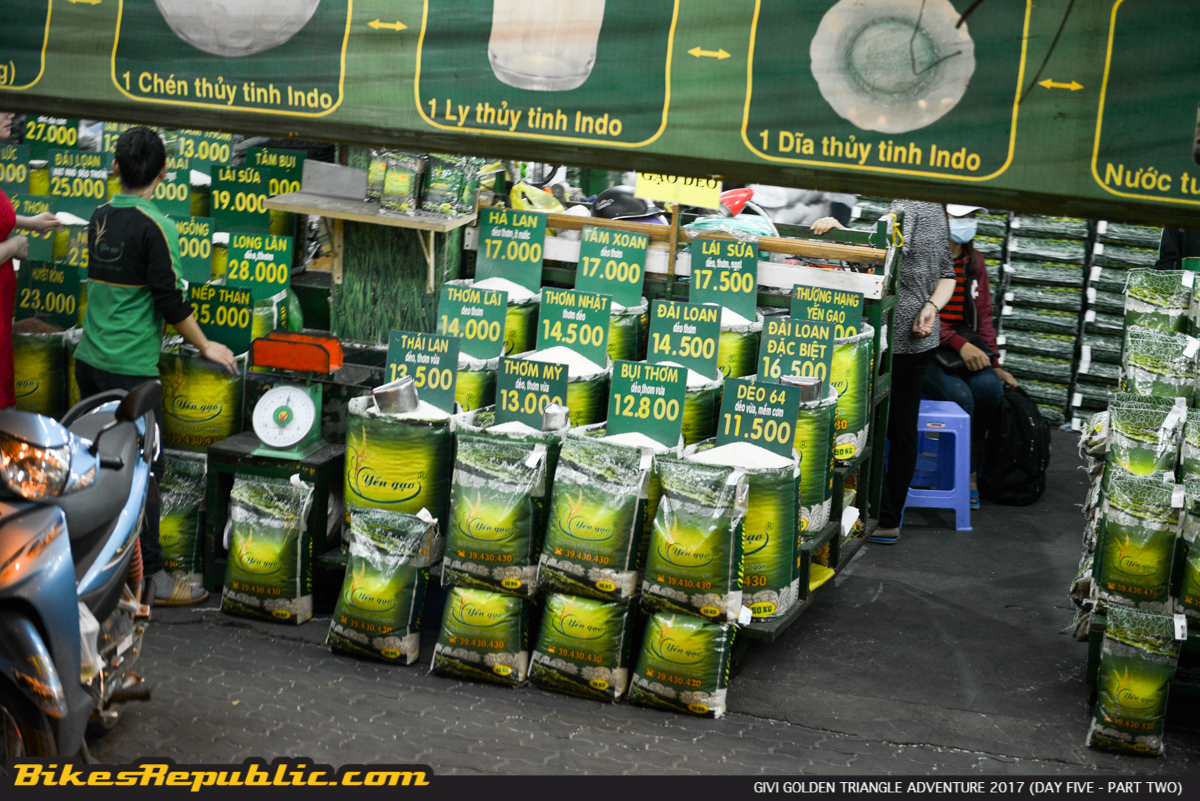
Shops lined the road, selling everything from foodstuff to house stuff.
In the meantime, mopeds kept zipping by. One fast guy swerved through everyone else and was closed to being squeezed like a bug between our bus and a car. Ronald, Enrique and myself were seated at the front and we started yelling. Man, that puckered us up real good.
Other impatient riders would hop onto the sidewalks, sometimes against the traffic.
Our guide was right, our makan place wasn’t far from the hotel, but even he miscalculated the amount of time we needed to get there.
I took us more than an hour to get to the restaurant and it was already too late to visit the mall, so we decided to foot it to dinner. Here’s another adventure: Crossing the never-ending stream called “the road.”
The trick was to see an opening, then step confidently onto the street and keep walking in a steady and predictable manner. That allowed the local riders to guesstimate where you’re headed so they could go around you. Ismadi and I said a prayer, and I almost had my eyes closed when we crossed en masse.
We made it!
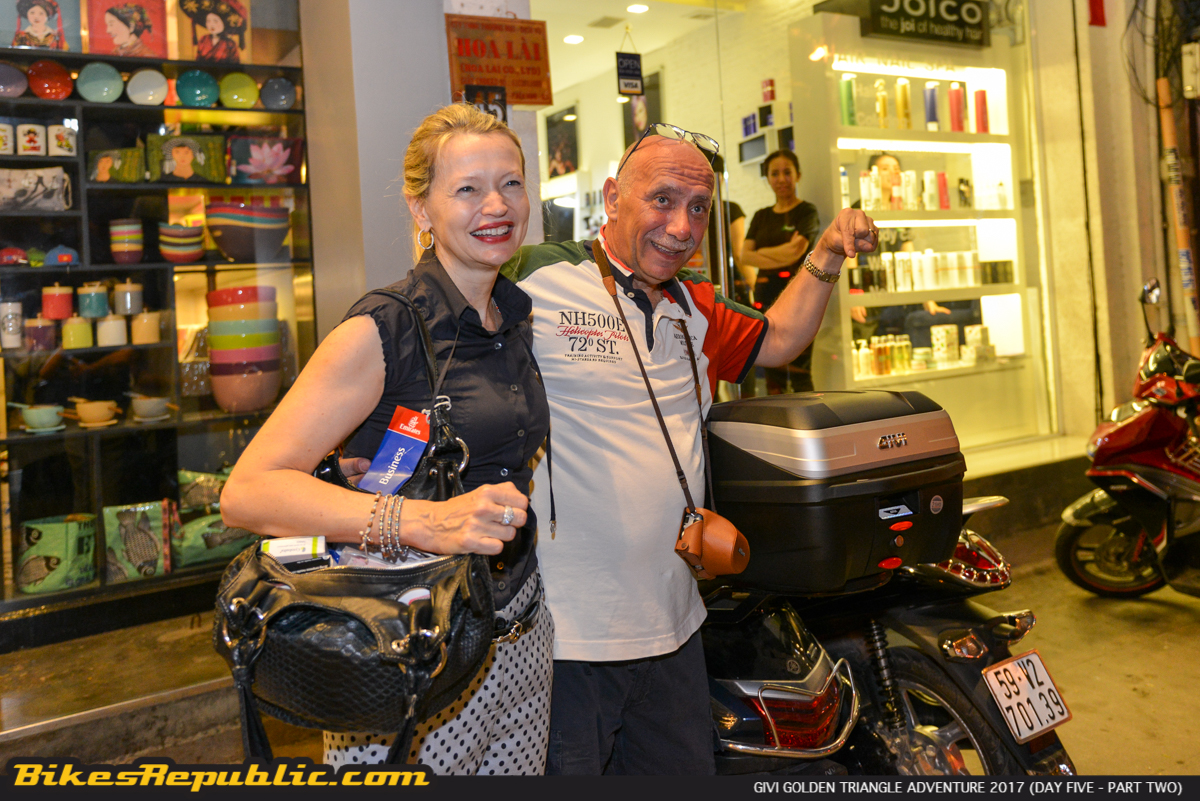
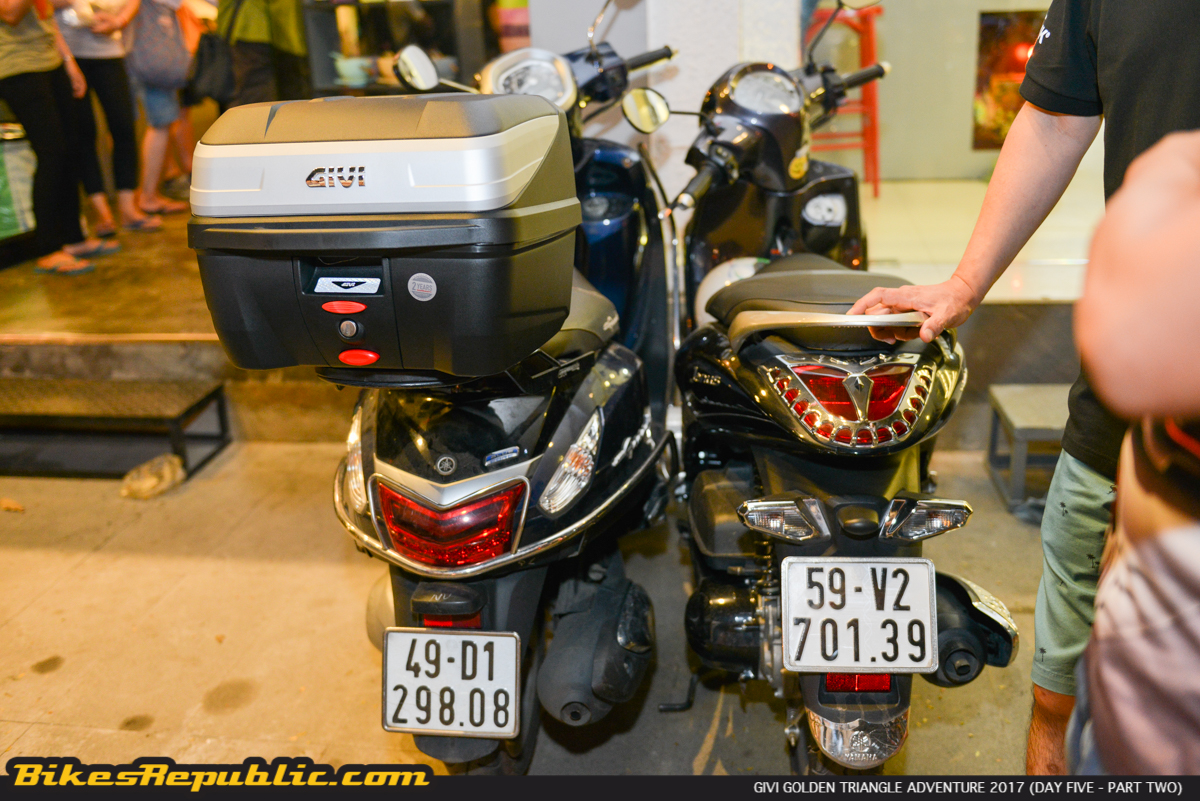
We also noticed that all bikes were fully stock and most glaring of all, no bike had any luggage tacked to it (due to lack of parking space). Well, except for one scooter which carried a B32 top case! That was enough to send us all into a celebratory mood!
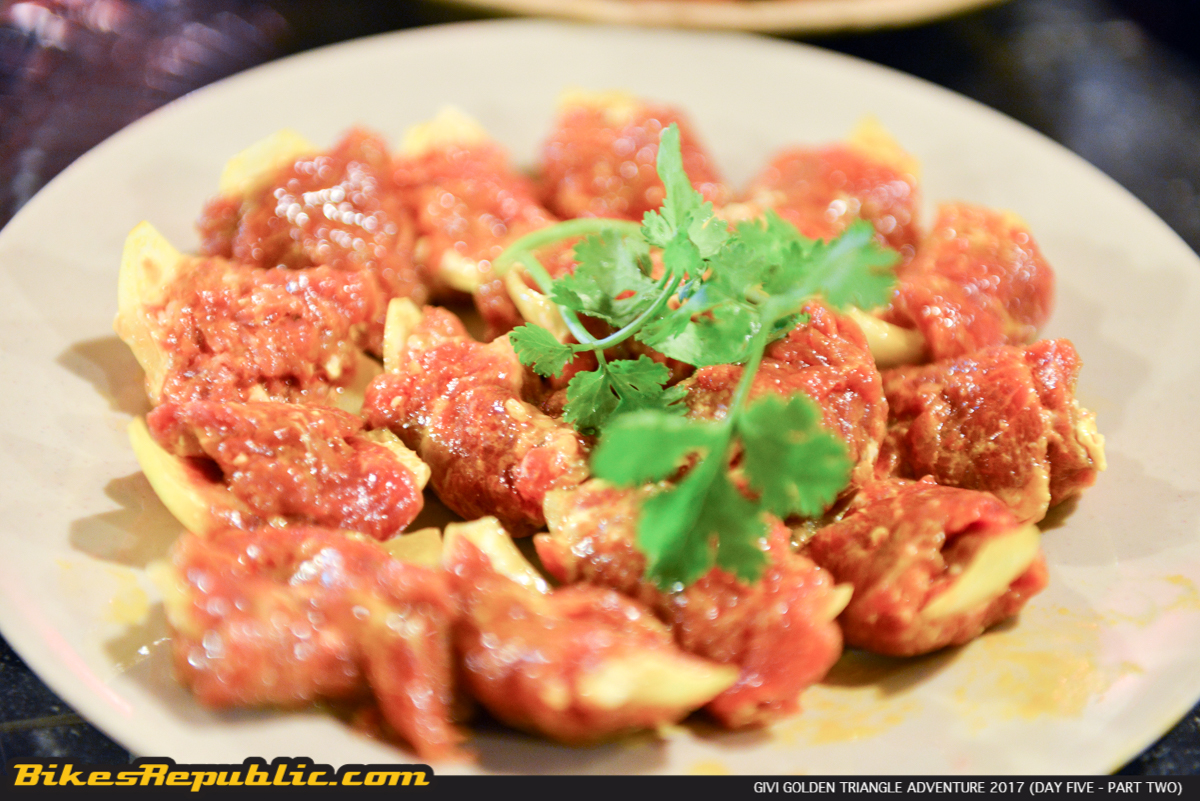
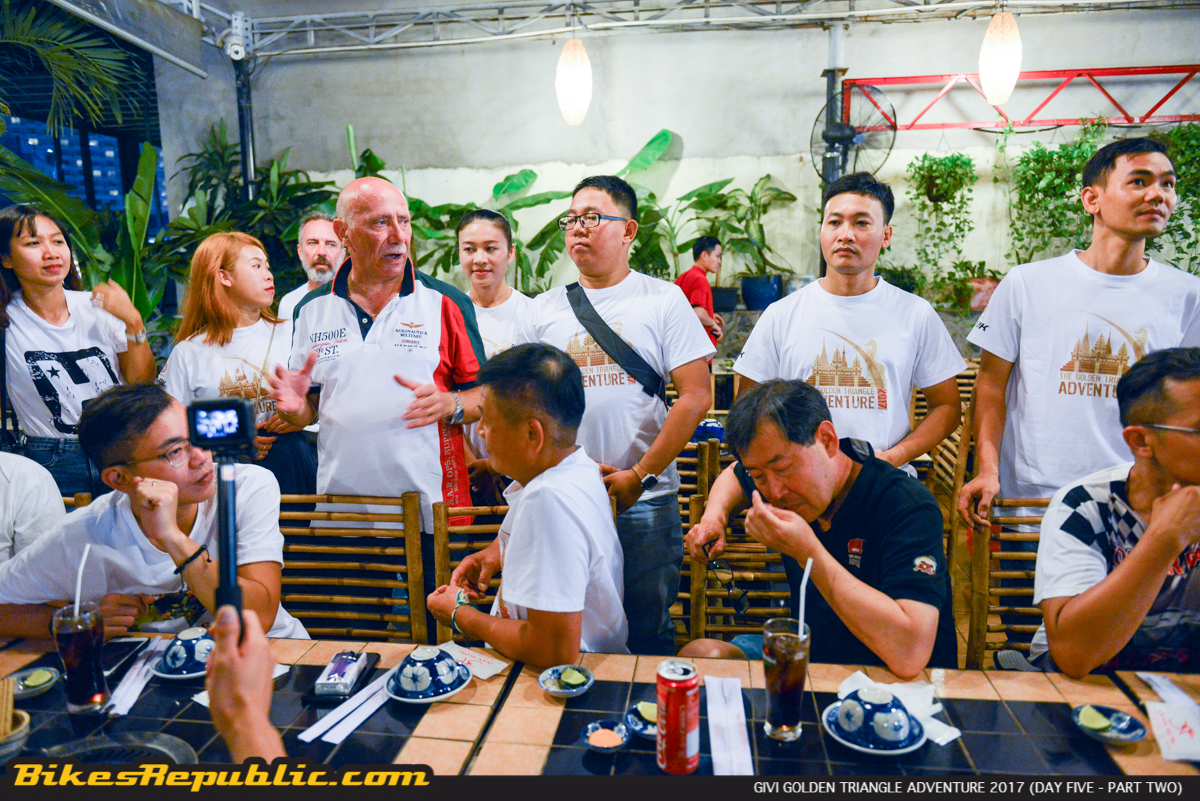
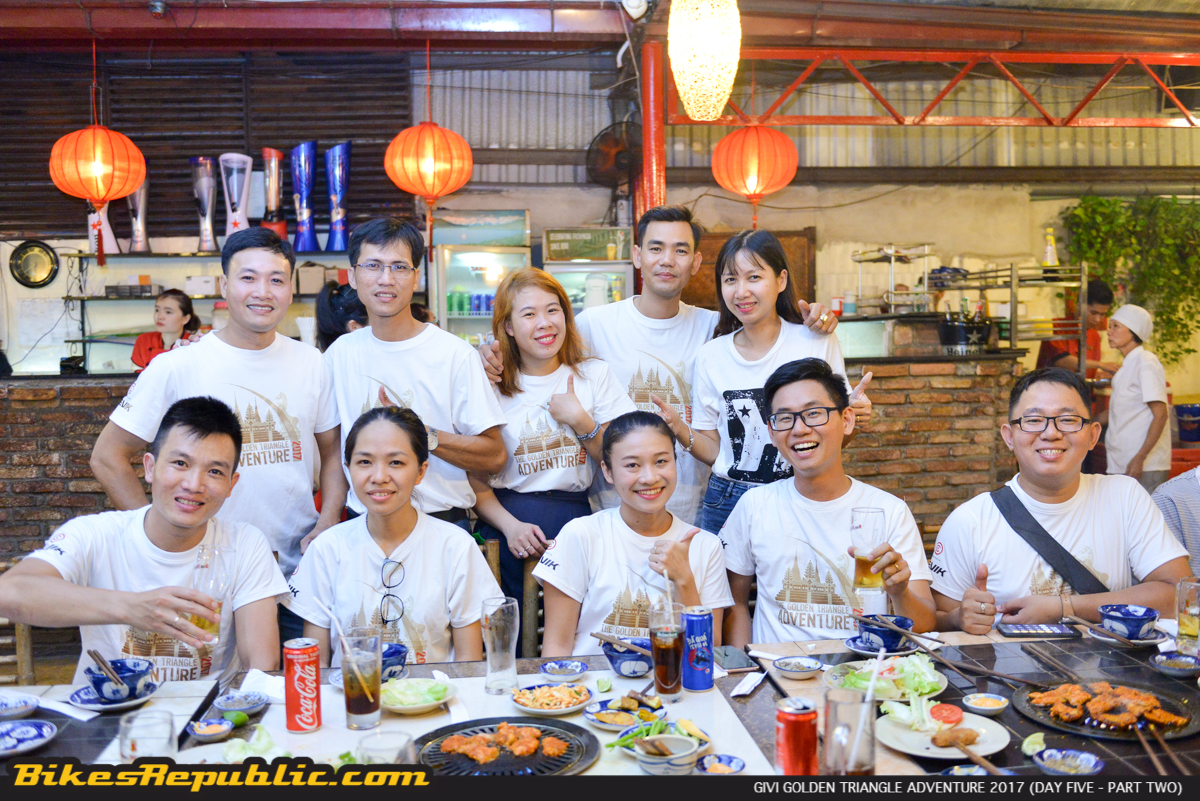
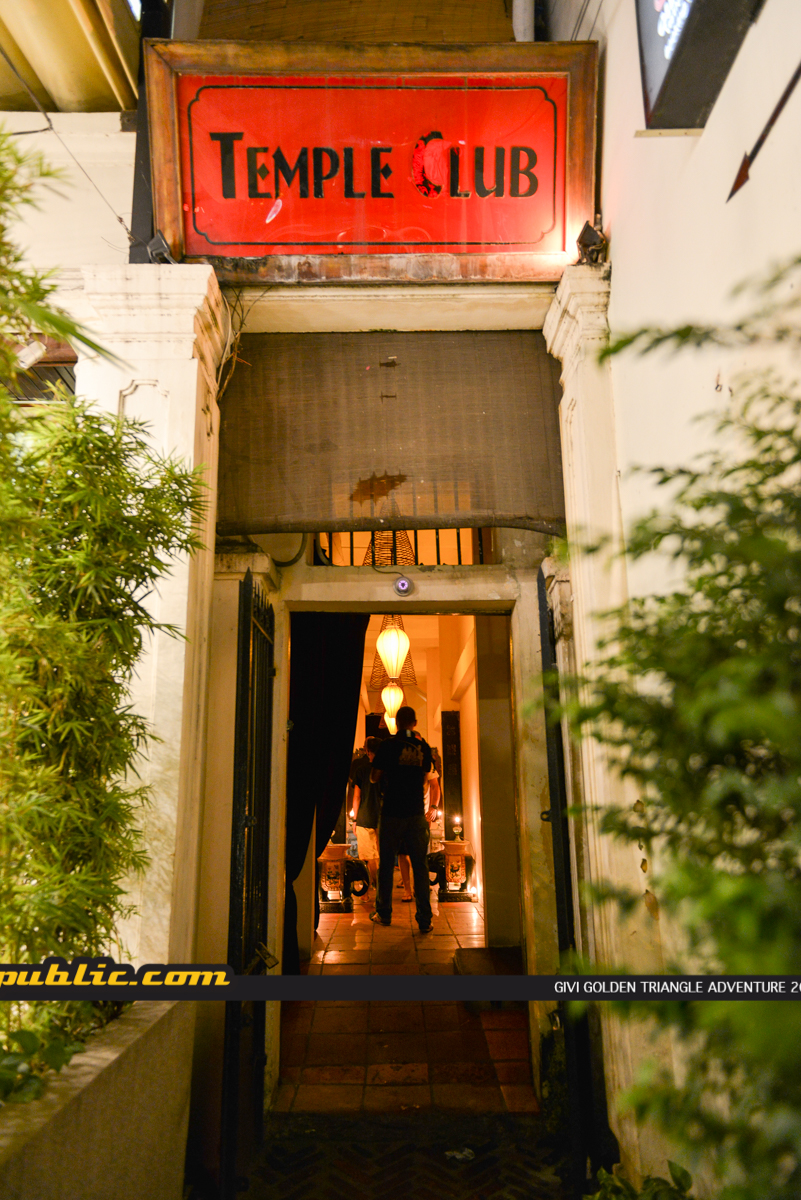
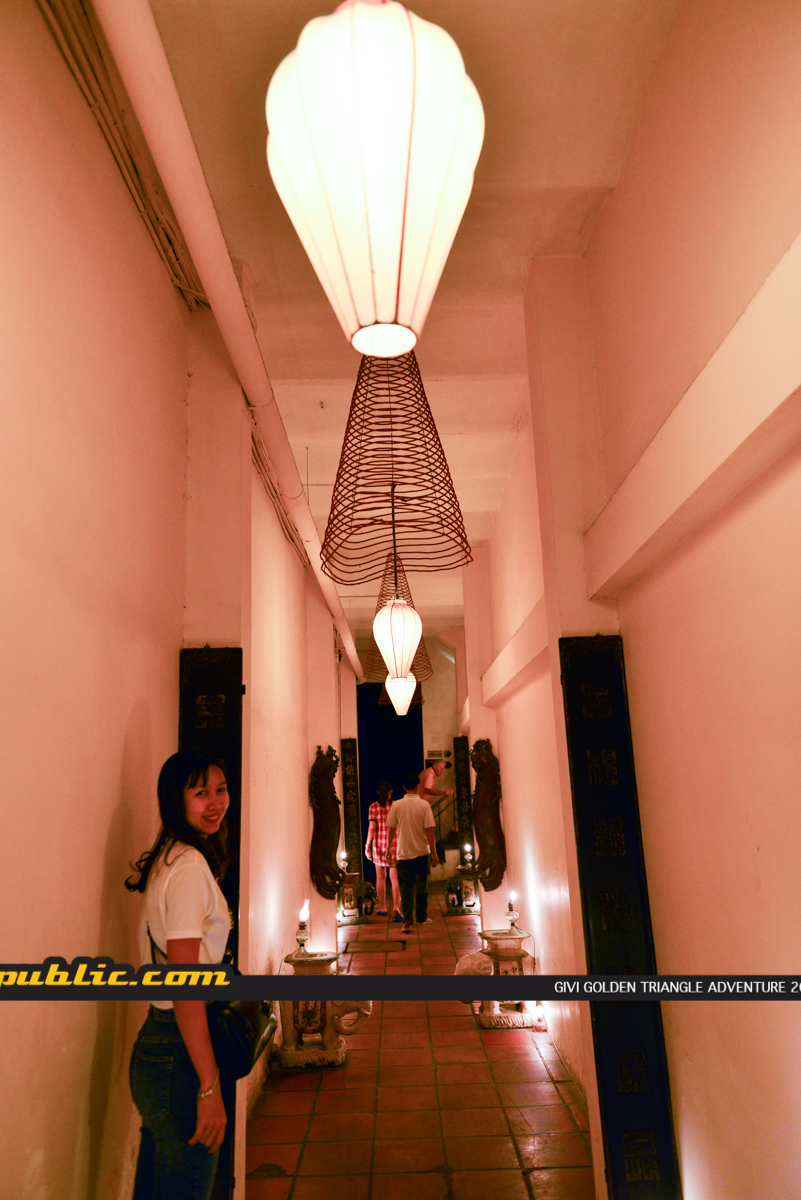
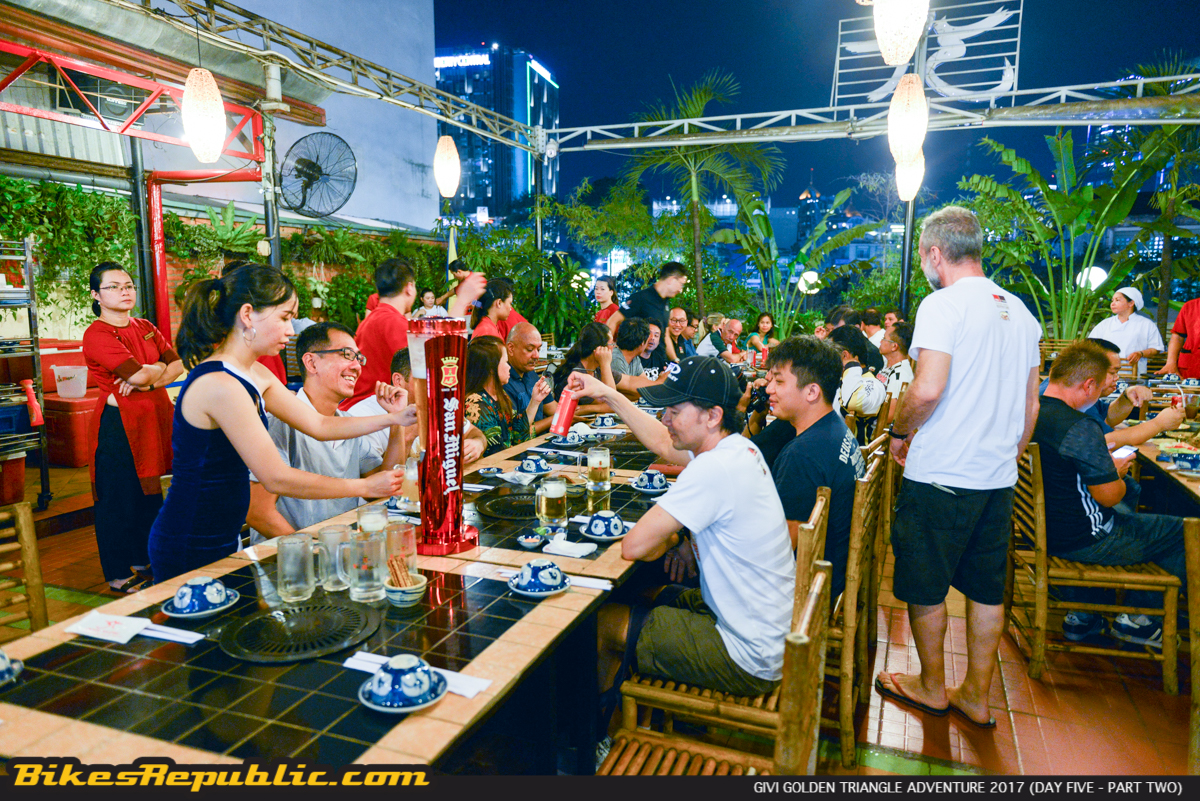
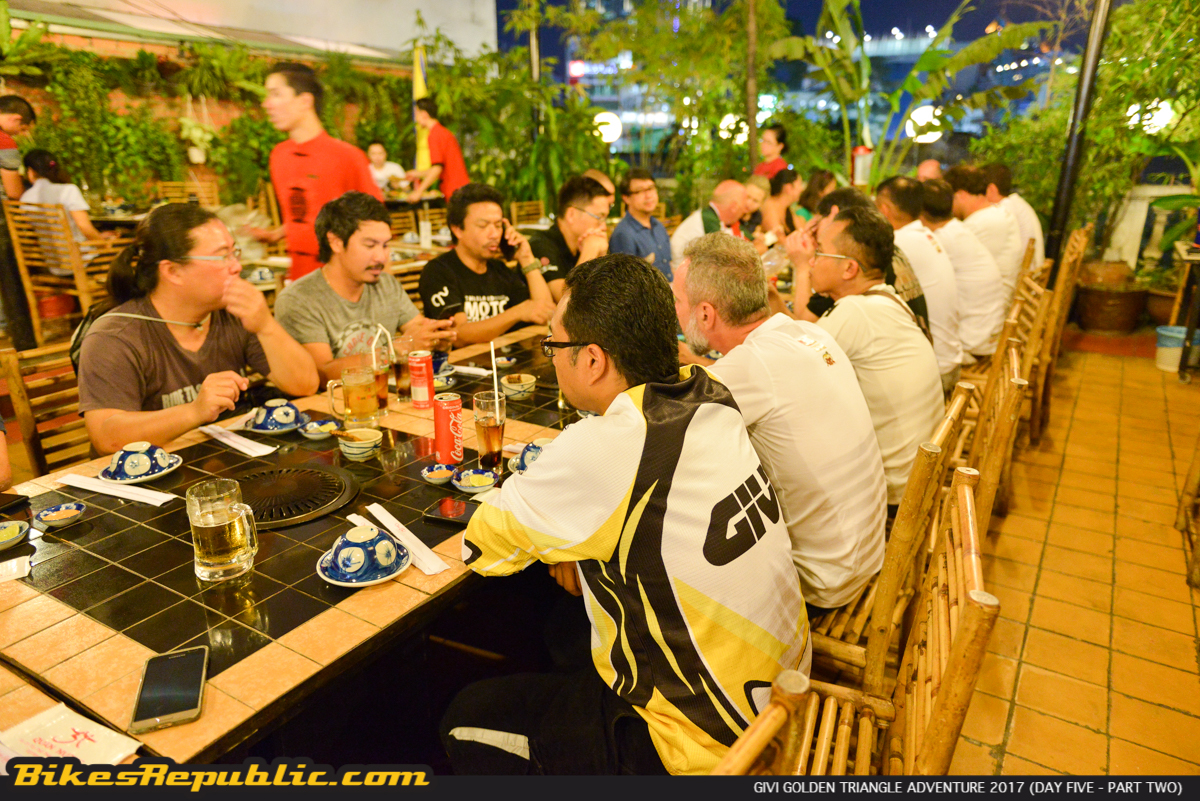
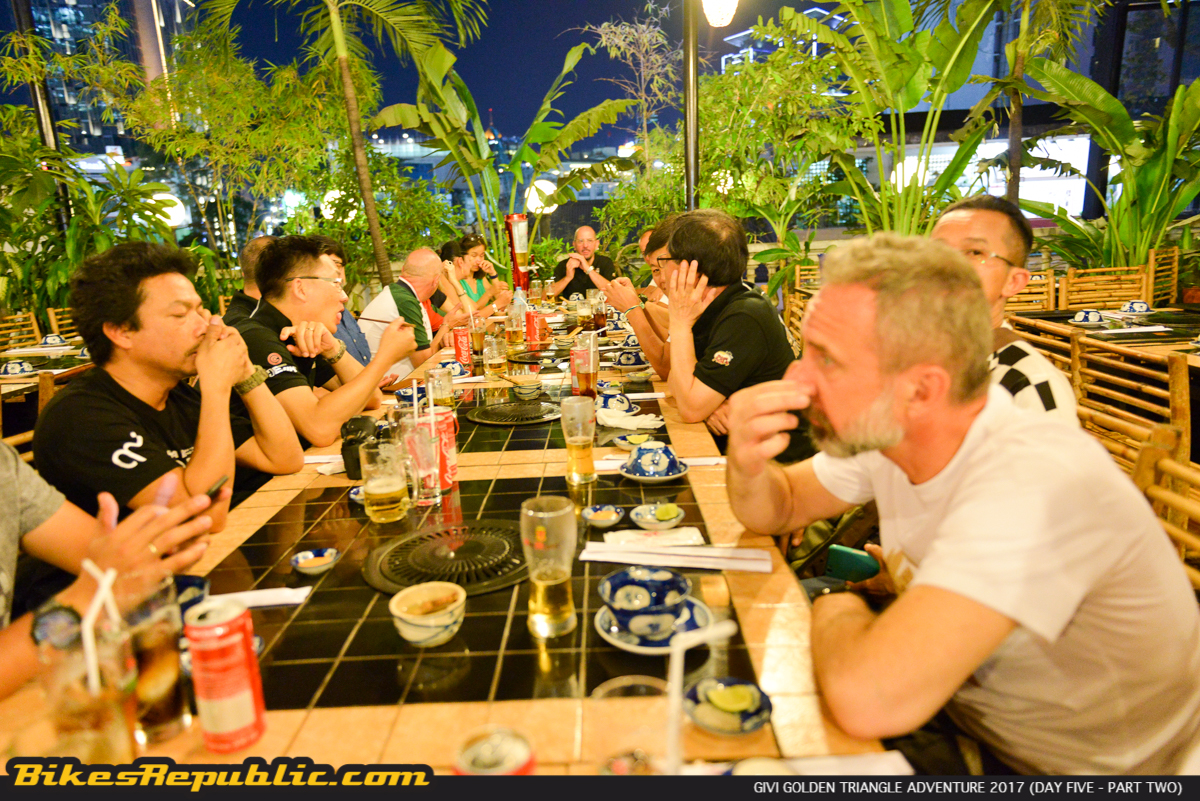
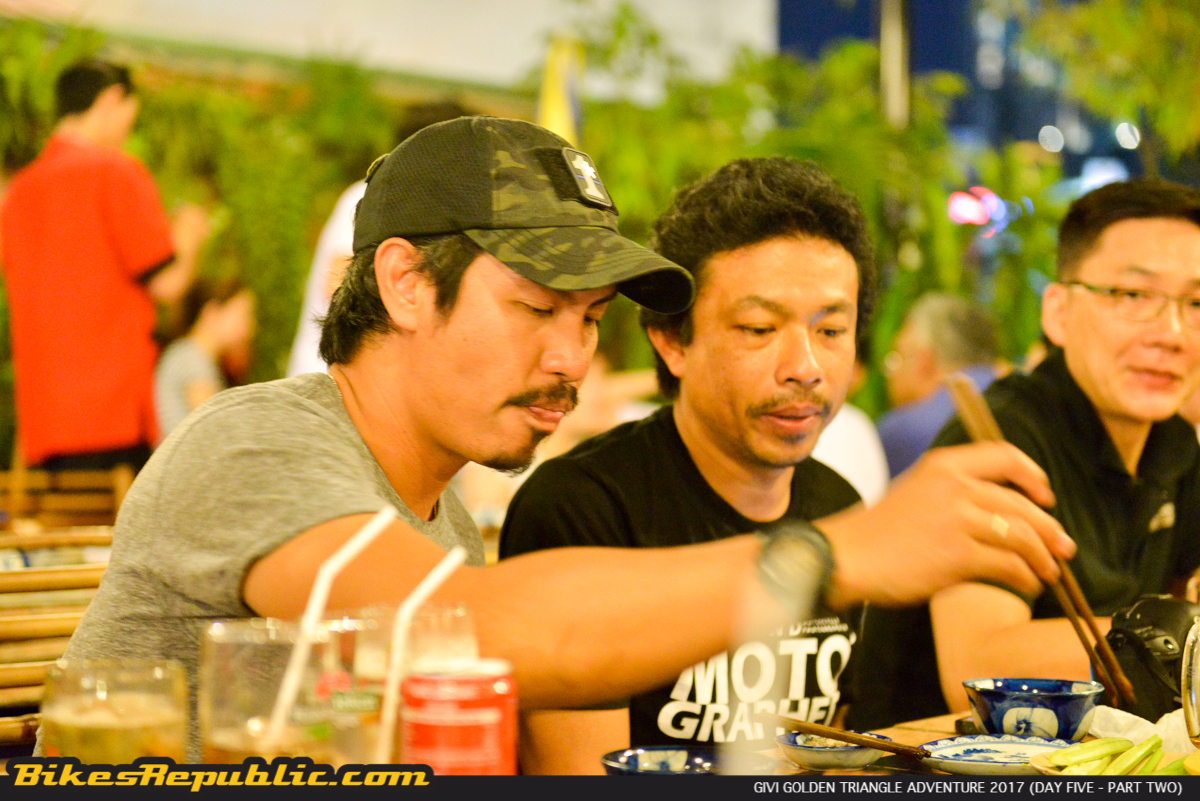
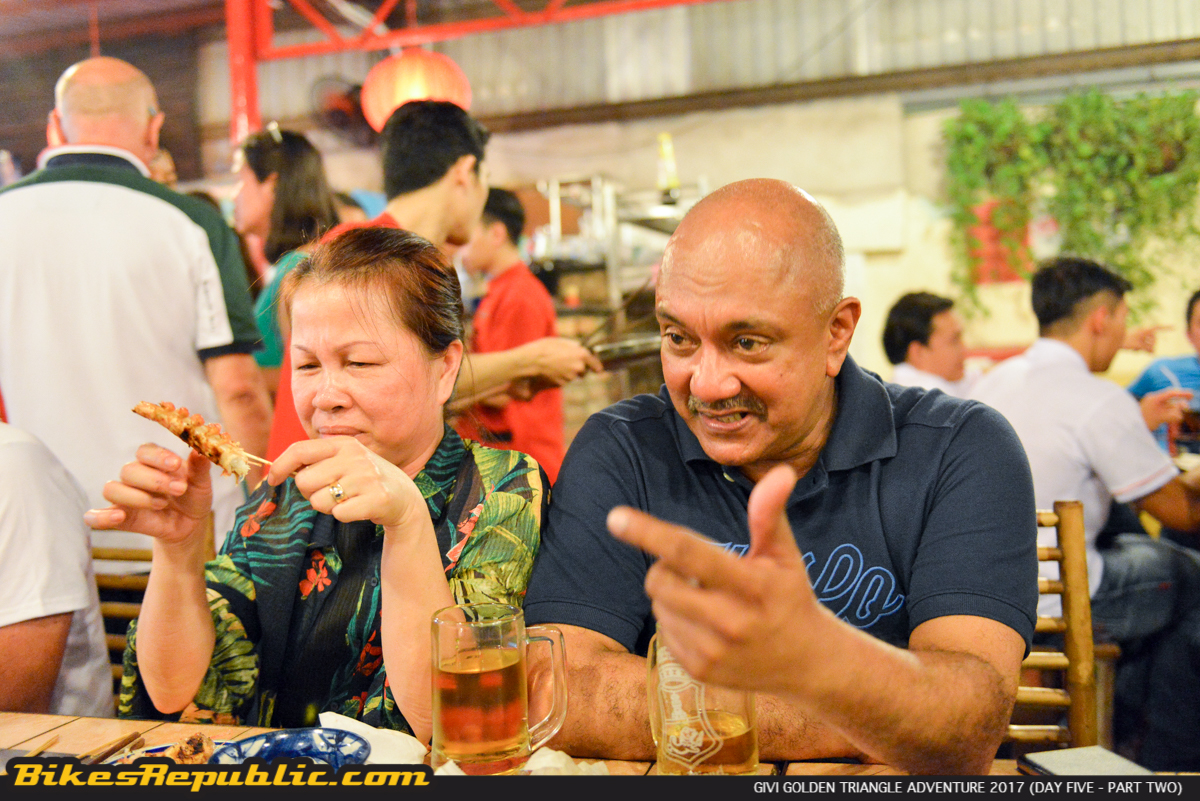
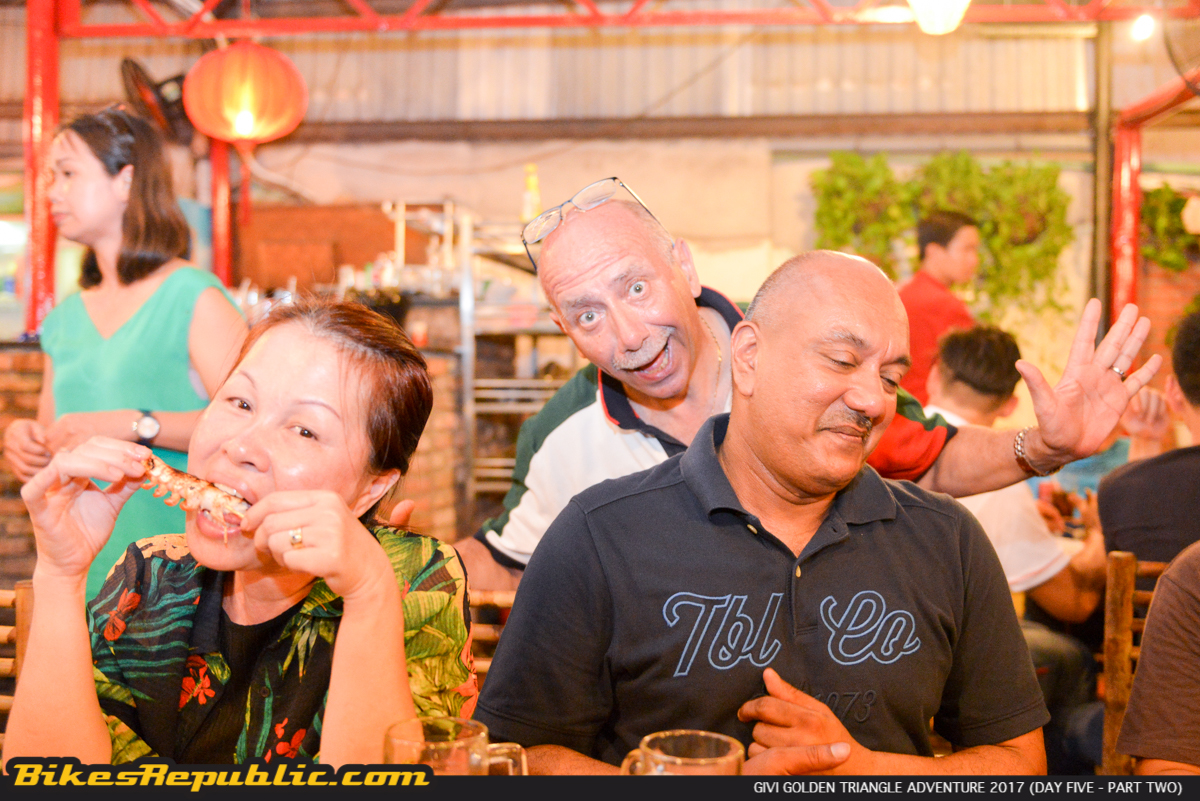
Dinner was at the 3T Vietnamese BBQ Restaurant on the rooftop of the Temple Club Restaurant. Superb food! I’m allergic to seafood so I hammered on the Vietnamese spring rolls and chicken all night.
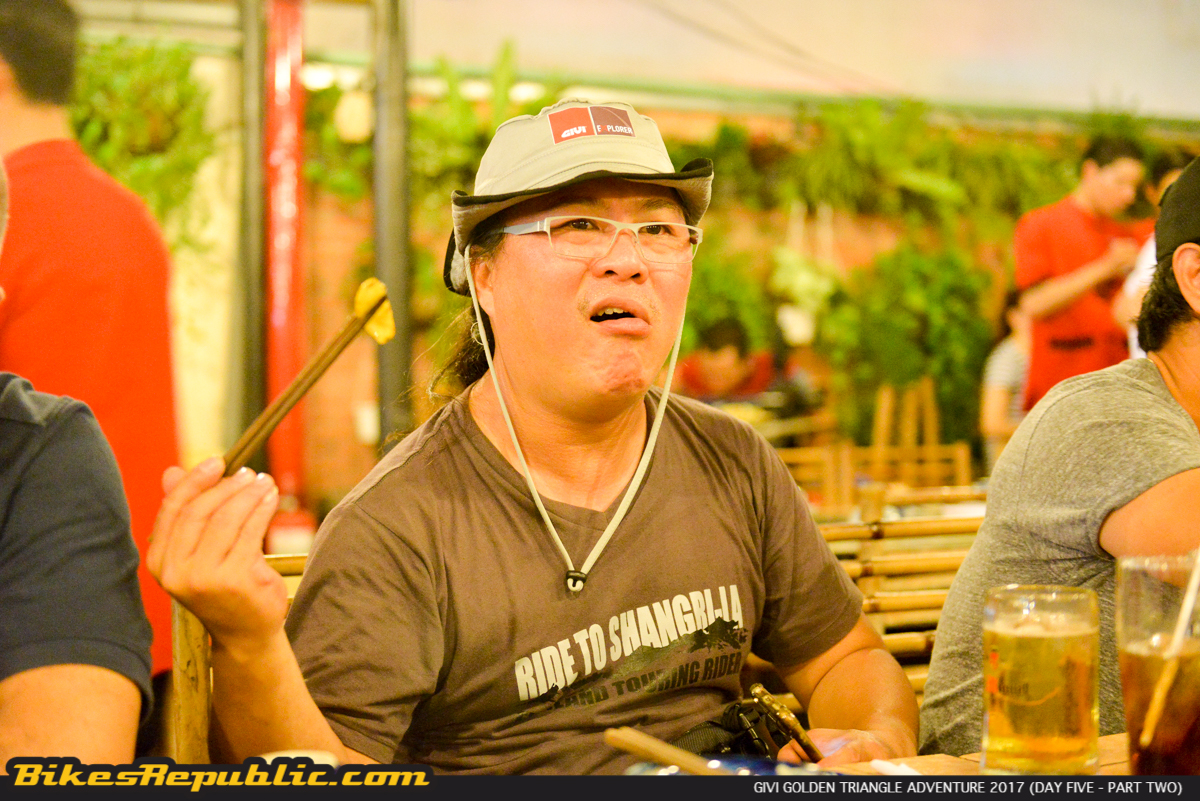
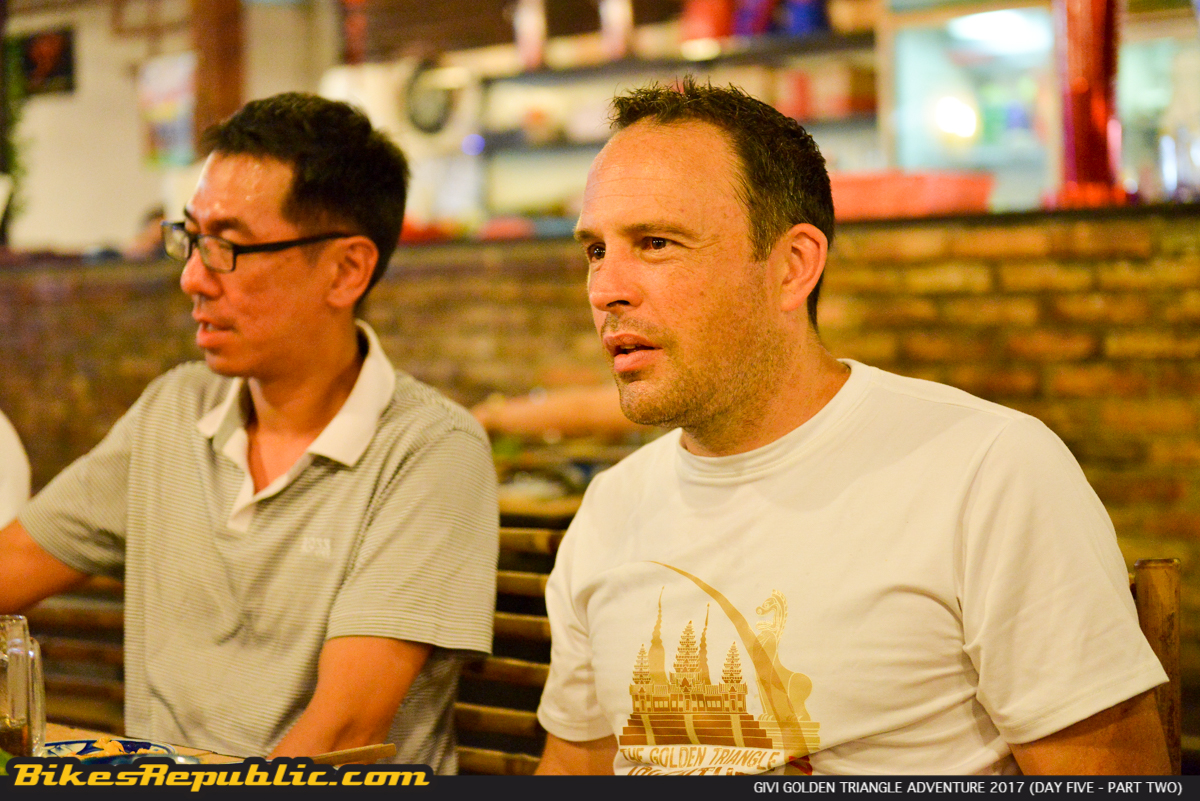
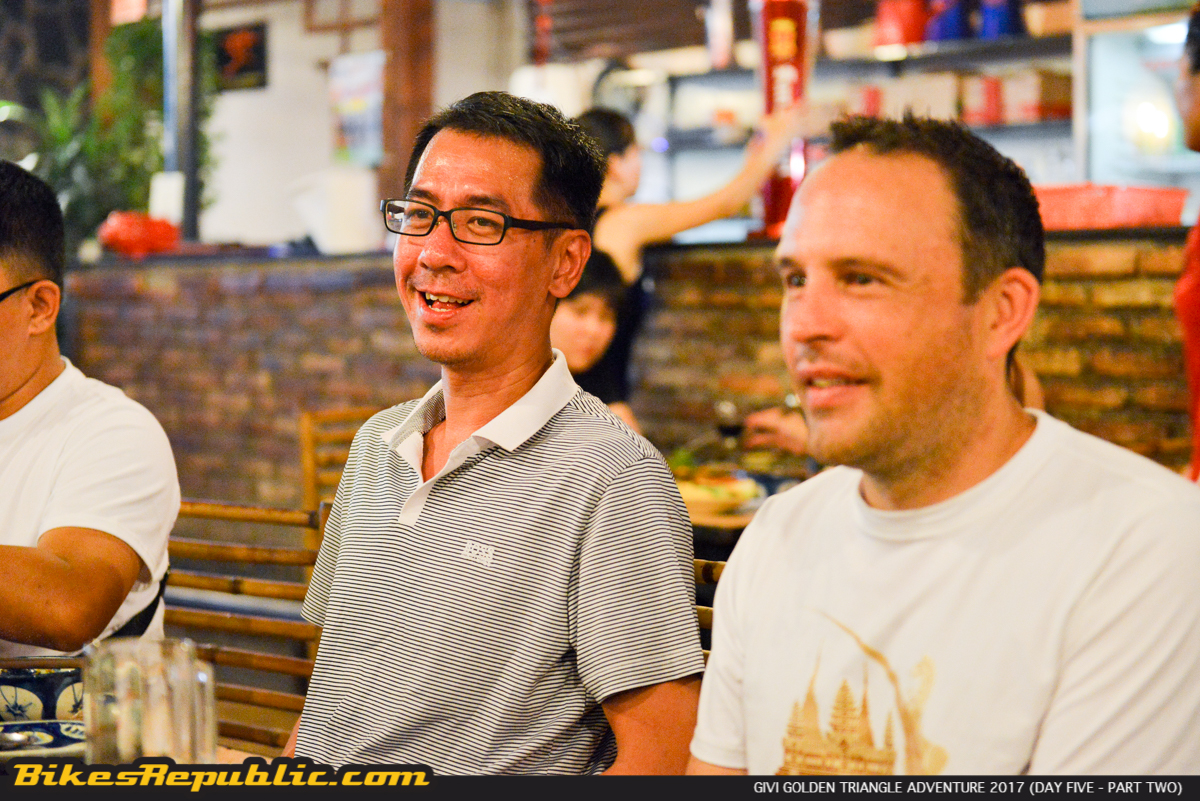
A group from GIVI Vietnam had also joined us. Joseph explained that it was through these hardworking individuals that we were enjoying the exclusive line of riding gear during the GIVI Golden Triangle Adventure 2017.
Here’s a personal note to them (hope you guys are reading this): The gear were truly amazing. Both the new jacket and pants kept me cool when it was really hot. They fitted my body well and allowed lots of freedom of movement without flapping in the wind. Also, all the accessories worked. My favourites were the X-45 Fibre helmet, Hevik Lumbar Support belt, and the Technical T-shirt. Well done!
Now, where were we? Oh yes, dinner.
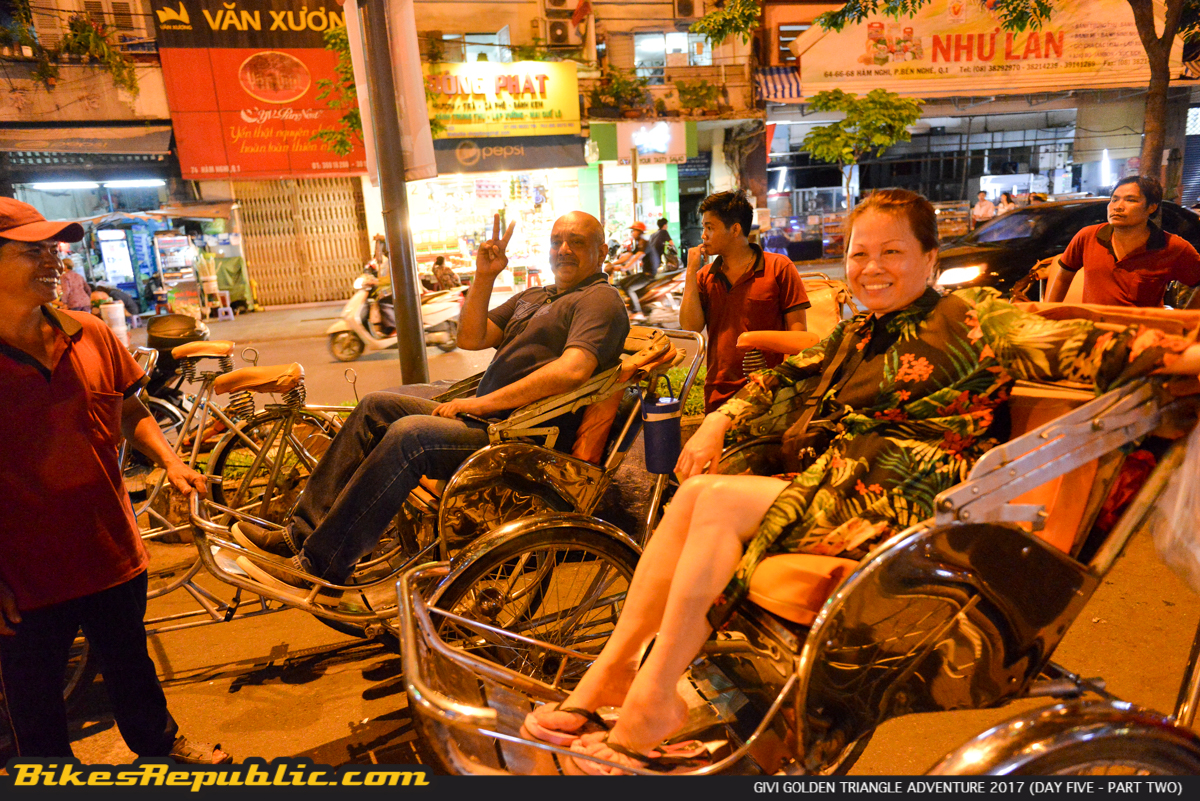
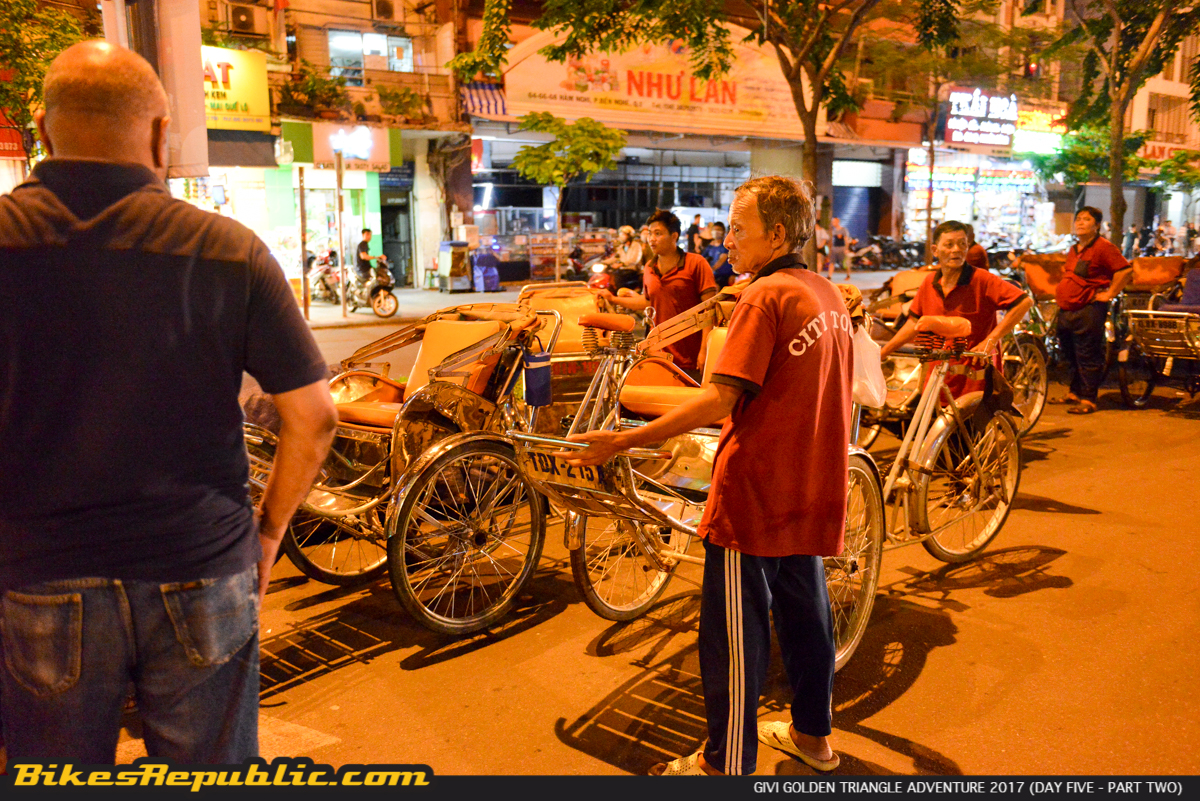
We went out on foot again after the thoroughly satisfying dinner and chartered every trishaw we saw at a square. Sure, we were swamped by traffic again at first, but we didn’t care by now as every GIVI Explorer was laughing and giggling like children. A few Explorers took to riding the trishaws instead of being ferried. GIVI Golden Triangle Adventure 2017 happened on three wheels, too! Hah!
It was only now that I discovered just how beautiful HCMC was! I was shooting pictures of the guys around when I spotted, first an M48 Patton tank with Vietnamese Army insignia, followed by the tail section of a Northrop F-5E Tiger II fighter jet and Bell UH-1 helicopter in a compound! Being a military history buff, I asked the trishaw uncle, “Is that the museum?” He just smiled and shrugged. Then I heard, “Yes, that’s the War Museum” from behind somewhere. I looked around to see a young couple wearing surgical masks on a scooter to the left. “But it’s closed now,” said the rider in perfect English. I thanked him and they nodded. Whoa! I have to come back here!
It was during this time that it occurred to me how HCMC has thrived. HCMC, known as Saigon at the time was the capital of South Vietnam, and had been the scene of battles and bombings during the Vietnam war. Being the first “televised war,” there were many enduring images from Saigon, but perhaps the most famous was of choppers airlifting civilians from the US Embassy (Operation Frequent Wind) on 30th April 1975, which marked the Fall of Saigon and end of the war.
It’s been forty-two years since then and Vietnam, although remaining a communist country, had opened its borders to trade and tourism.
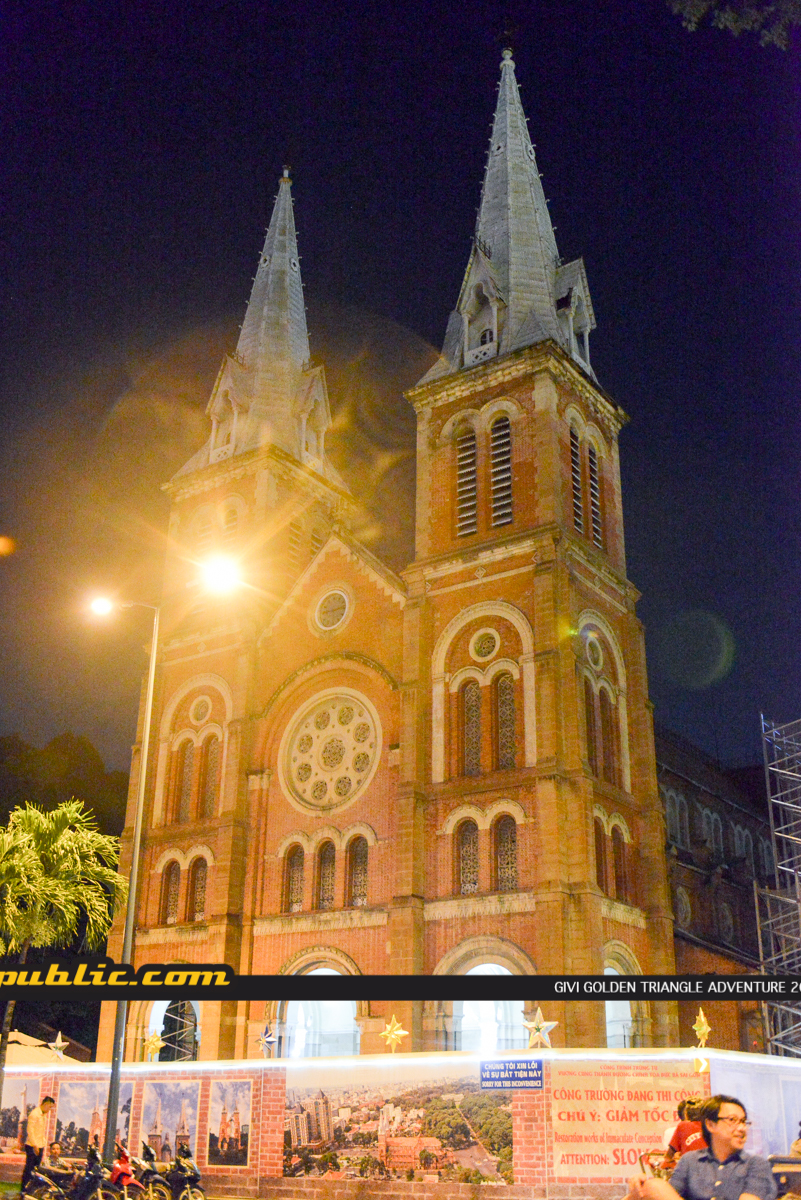
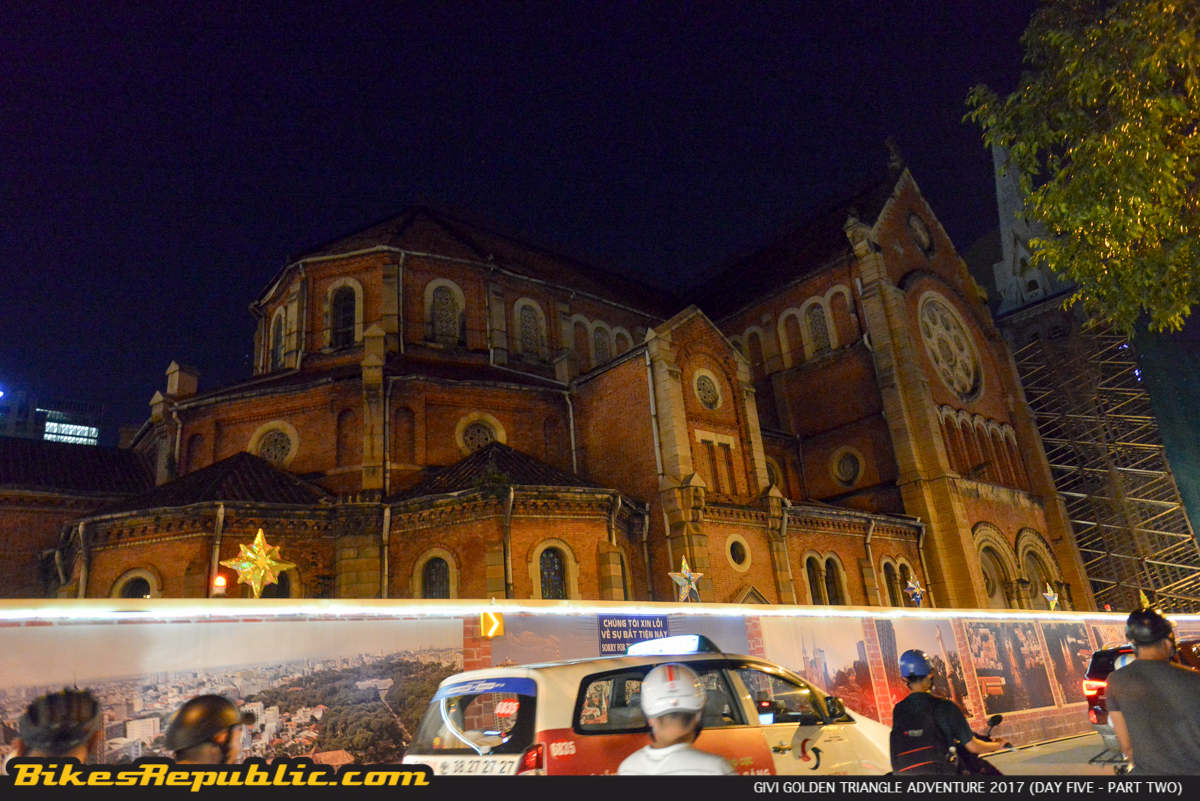
Our convoy of trishaws rounded an intersection and a large classical cathedral like those you’d find in Europe came into view. it turned out to be called Saigon Notre-Dame Basilica, just like the one in France. It was built by the French in 1863 and completed in 1880.
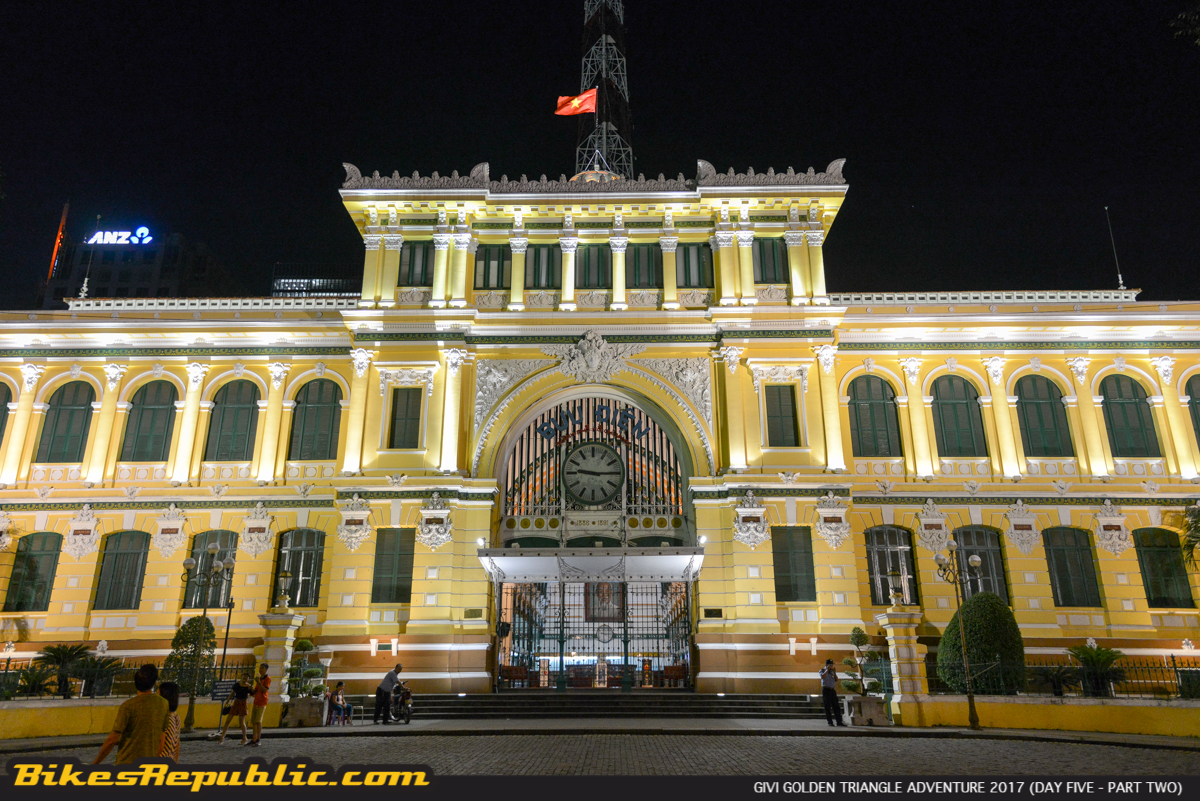
On the other side of the street was a beautiful classical building, the Saigon Central Post Office. Completed in 1891, it was designed by the architect Gustave Eiffel, the French civil engineer who owned the firm which built the Eiffel Tower in Paris.
We stopped for a photograph session, then continued onwards past the river front of the Saigon River. Here, we saw European-styled luxury hotels, exactly like those you’d see in movies. And up the road was a large cruise ship at the Saigon River Dock. An ultra-modern skyscraper with an open-air deck shoots into the air on the opposite side.
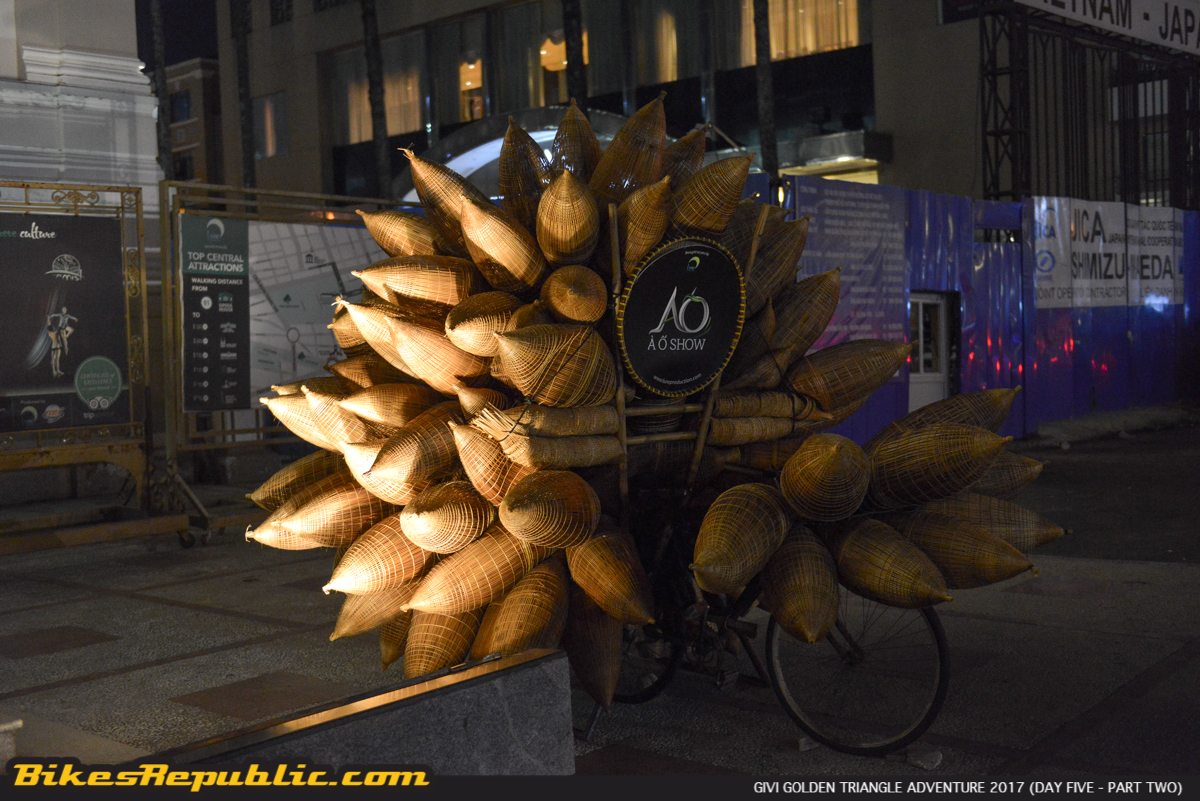
That’s the charm of HCMC. Classical colonial buildings amidst modern buildings and modern lifestyles. We stopped at the Nguyen Hue Walking Street and continued on foot. This stretch encompasses more classical and old buildings converted to shops and hotels.
There was a concert here along the median between the lanes. The Explorers stopped for ice-cream at the foyer of The Reverie Saigon, HCMC’s most luxurious hotel. Wisnu and I spotted a brightly lit building about 500m to the north and decided to investigate.
The concert was over by now and the street was reopened to light traffic. Pretty Vietnamese ladies caught our eyes. We stopped opposite the Rex Hotel to shoot a few pictures when we spotted a Bentley Continental GT poking its nose out of a side street.
We kept walking and discussed about the ride as we hadn’t done so since this GIVI Golden Triangle Adventure 2017 first started. We were roomies during the GIVI Wilderness Adventure 2015 in South Africa. But we kept getting distracted by the Vietnamese girls. Oh yes, friends have warned us about this.
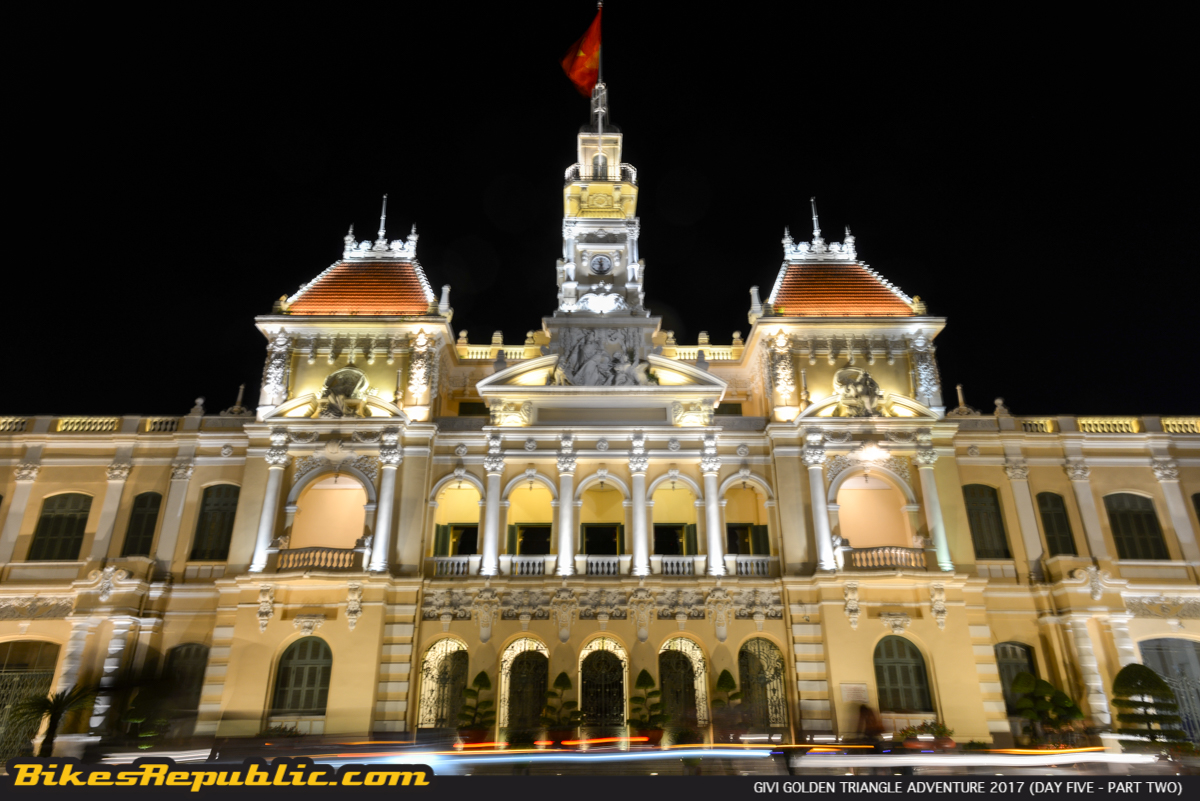
We arrived at the building. It was gorgeous, beautifully restored and maintained. It was the HCMC City Hall. We got busy photographing it when we heard the roars of sportscars. They were Ferraris and Lamborghinis and they charged down Nguyen Hue Street.
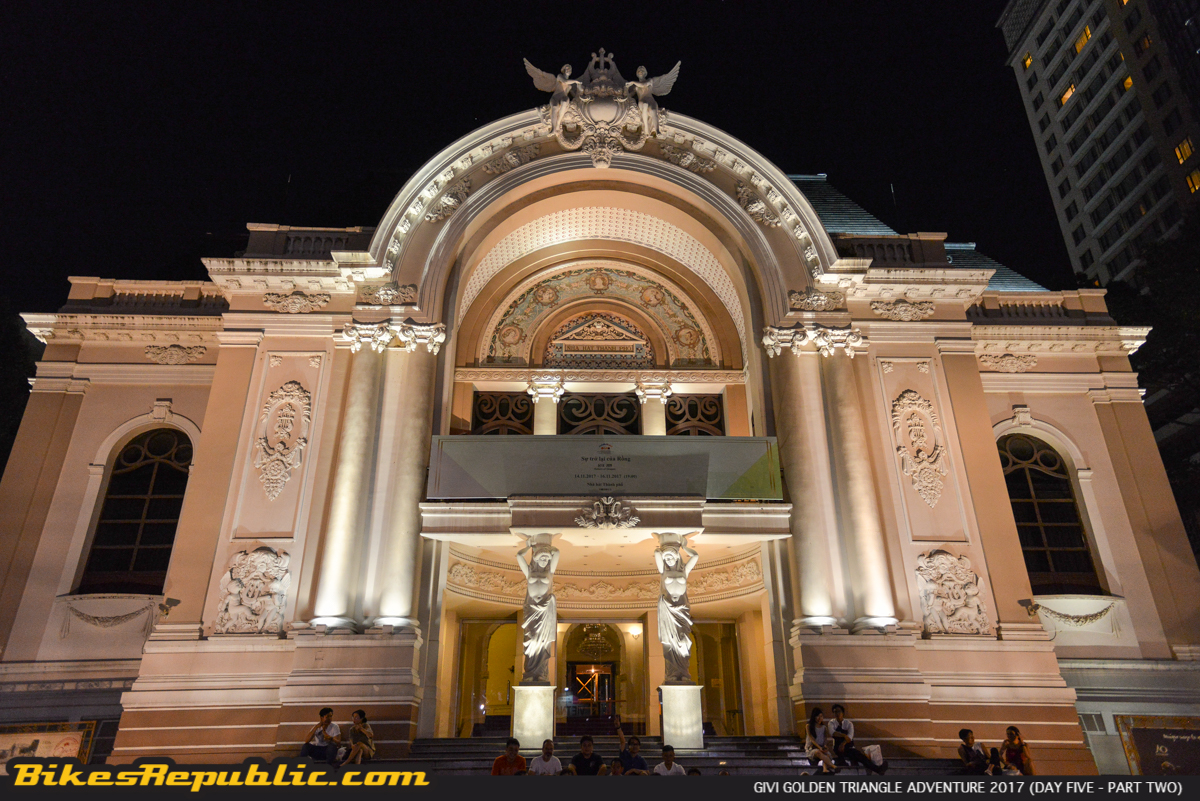
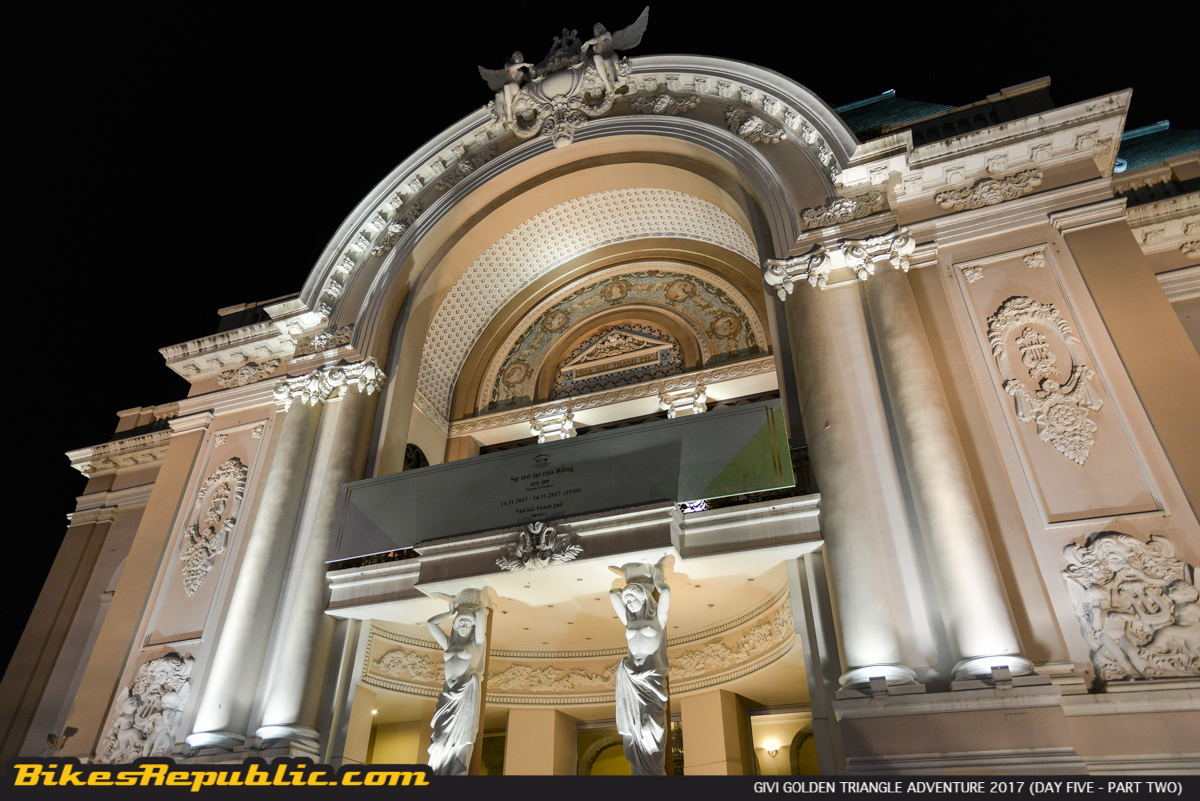
The group had finished their ice-cream and caught up with us there. They too started shooting the pictures of the City Hall. We continued walking and ended up at another prominent classic building, this time it was the Municipal Theatre of HCMC, but better known as the Saigon Opera House.
Built in 1897 by French architect Eugene Ferret, and restored in 1995, it was shaped like Opera Garnier in Paris. Right opposite was an old building, with a large “Louis Vuitton” signage on top of the entrance.
The left side of the building was boarded up as the authorities are building an underground MRT system.
From here, we took taxis back to the hotel in District 7 and called it a night. I regretted that decision as there’s so much more of HCMC to be discovered. For a few Explorers and myself who had been here the first time we vowed to return. The memory of the traffic had faded into oblivion.
The GIVI Golden Triangle Adventure 2017 Explorers left Cambodia behind for Vietnam on Day Five.
Downtown traffic was the main concern as we neared Ho Chi Minh City.
Vietnam proved to be another contrasting experience.
13th November 2017, Ho Chi Minh City, Vietnam – It’s time for the GIVI Golden Triangle Adventure 2017 to leave Cambodia (for the time being) as we pushed forward to Vietnam.
The weather stayed clear all morning, thankfully, but the downside was it was starting to get hot by 8am as we prepared to head out from the Phnom Penh Hotel.
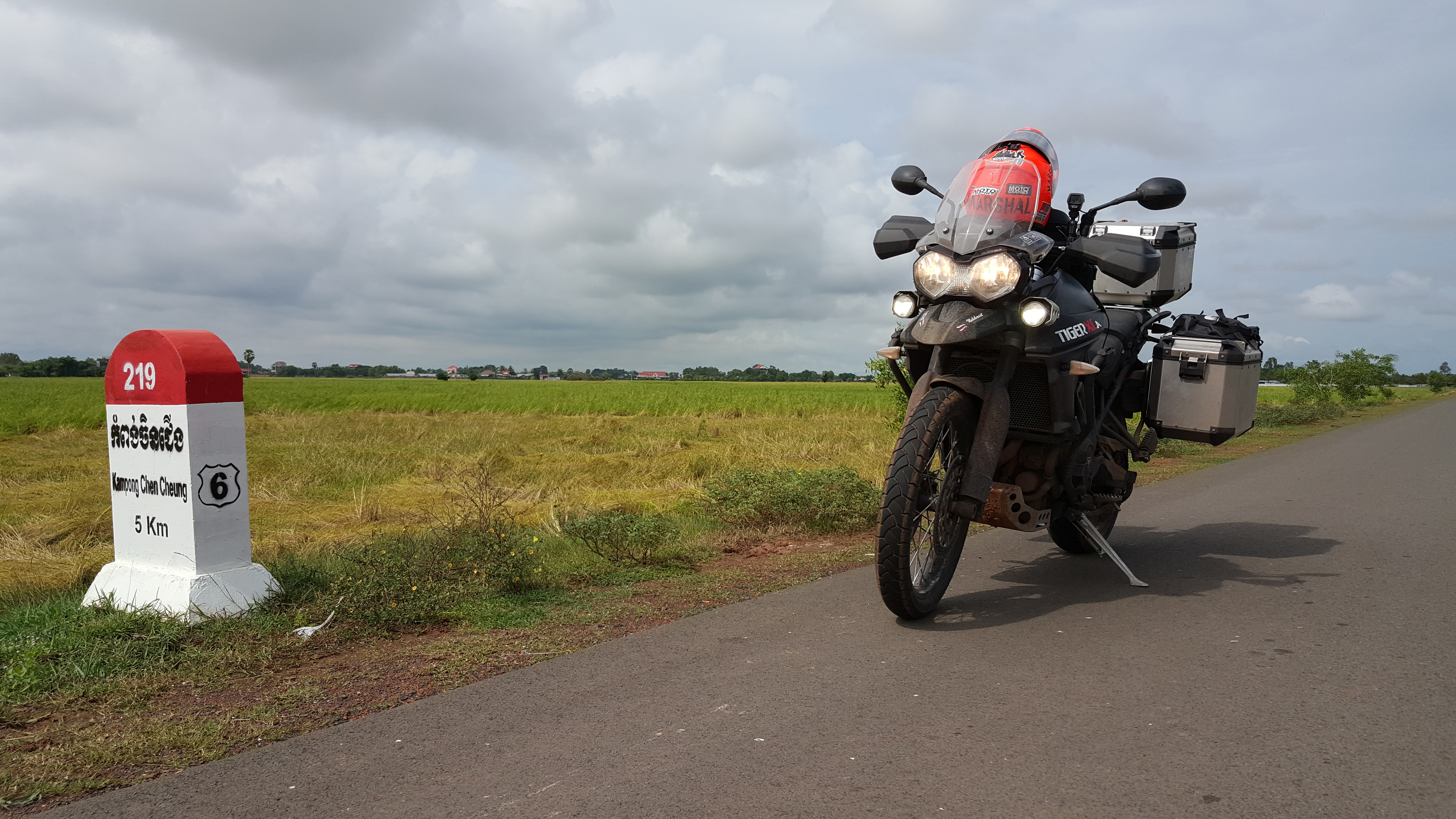
Apart from crossing the great Mekong River at Naek Loeung, the rest of Cambodia was uneventful, to put it succinctly. with more small towns interspersed with paddy fields along the way. Traffic was moderately heavy with the usual mopeds, large SUVs, among those huge Peterbilts and Mack trucks, and of course, more mopeds. It may look like there are many curves and corners along the way, but it was straight in reality.
Courtesy of GIVI Explorer and Nikkasit
Still, am just happy to be here to see a whole different country.
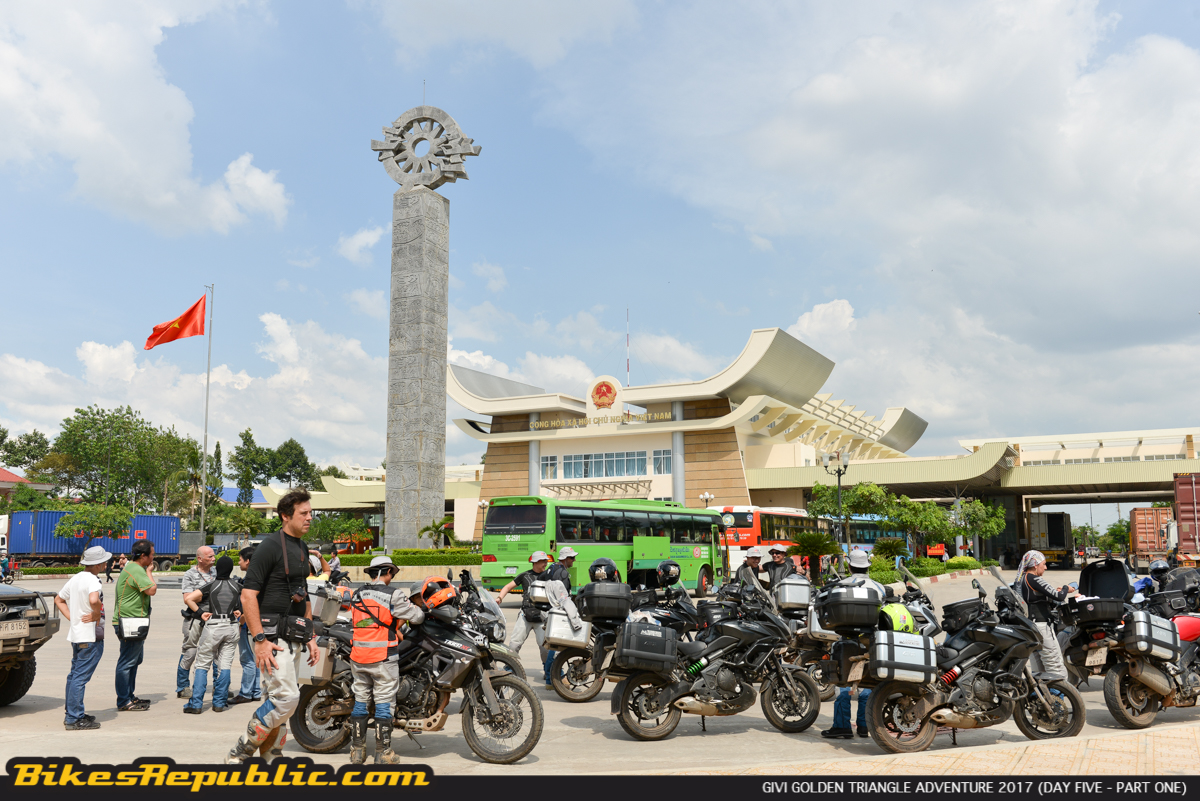
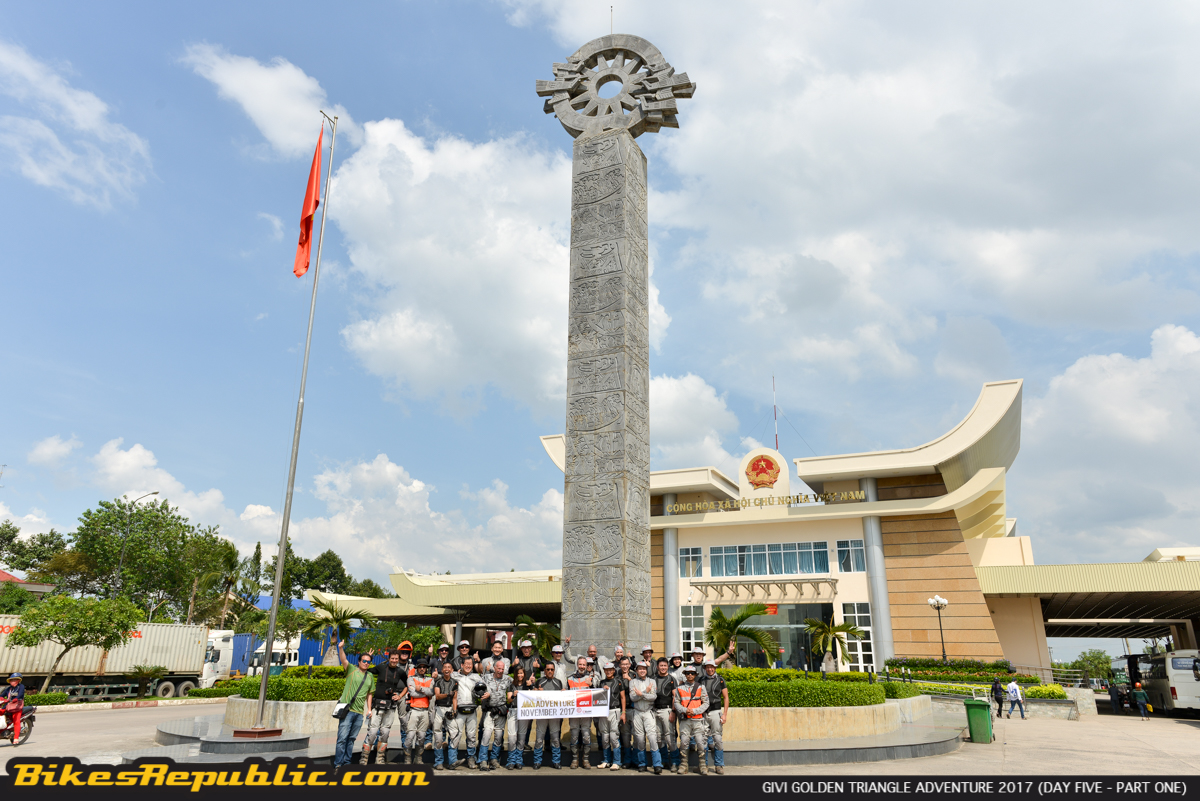
And that notion brought along a surprise as we reached the Cambodia-Vietnam border crossing at Moc Bai.
Just as with the border crossing from Thailand, there were a number of casinos on the Cambodian side, and they were called glamourous names such as those in Las Vegas. We didn’t get to find out if “what happens in Vegas stays in Vegas,” tho’.
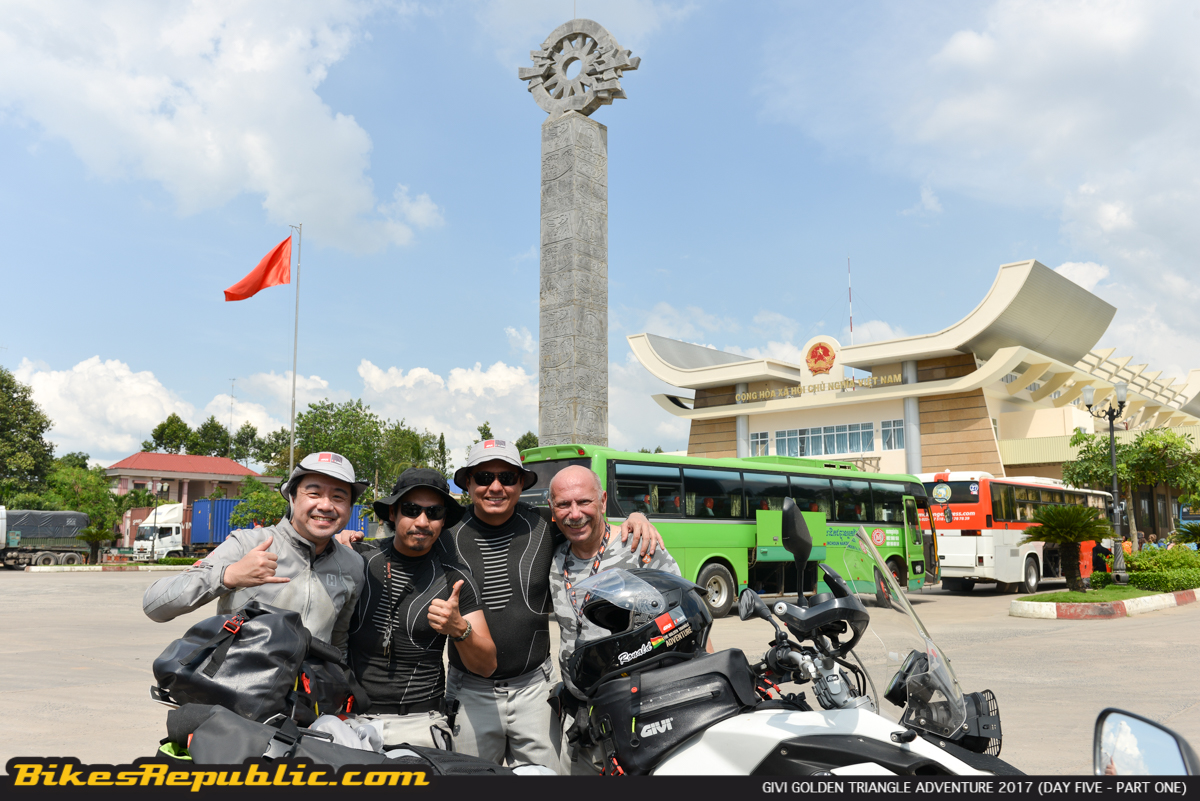
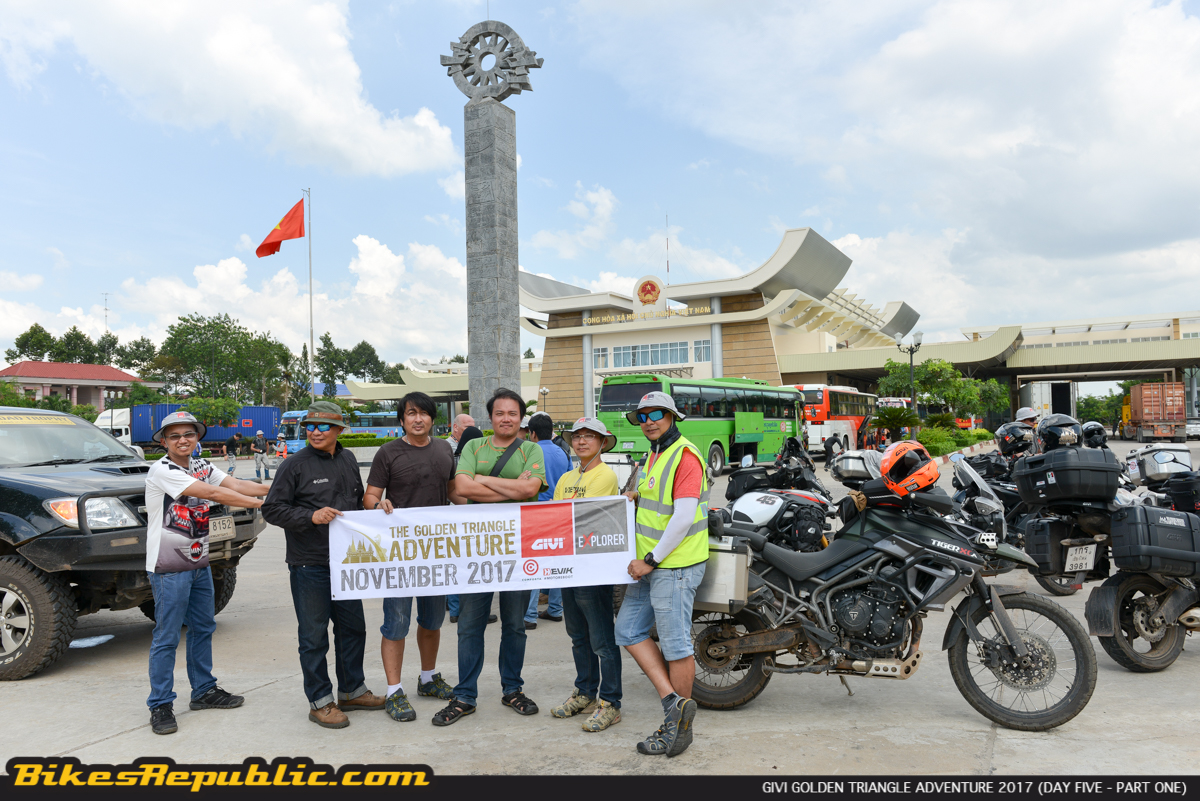
The Moc Bai Border Crossing consists of beautifully constructed buildings in the traditional Vietnamese style. The administration building was no doubt modern, but it was unmistakably Vietnamese. We stopped to wait for the organizers to sort out the paperwork, while we took photographs with the GIVI Golden Triangle Adventure 2017 banner, to stamp the evidence that “we were here.”
Then as we were running around with our cameras and our phones, the marshals announced, “Okay, let’s go!” What? Wait, that was just like 20 minutes. We waited for almost an hour to cross into Cambodia a few days prior.
I noticed a blue and yellow Honda CBR600RR among us for the first time. It had a loud exhaust, semi-slick tyres, but no mirror and he was way up front of the pack.
It turned out that he was our guide to the hotel from the border. The Vietnamese authorities prohibits the entry of overseas motorcycles, unless you’re guided by a government-designated guide.
So nevermind, since we’ve only 100 kilometres to go to Ho Chi Minh City.
We were swallowed up by packs of mopeds soon enough. Well, “pack” isn’t the correct word, but swarms would be accurate.
Before I proceed further, please allow me to state on record that this isn’t a criticism of the way people ride and drive in their own countries. Instead, it serves as one of the episodes in the GIVI Golden Triangle Adventure 2017.
We had been briefed earlier by Joseph about the traffic in Vietnam and Ho Chi Minh City. I’ve seen pictures and documentaries about Vietnam, so I made an offhand joke with a few guys that we might be surprised to find a local sitting on one of the boxes when reach the hotel.
Right in the thick of it, it was disconcerting at first, but conditioning, survival instinct and defensiveness kicked in as the mopeds crossed right in front of us, or overtaking one another without checking behind or alongside, etc. The duty to avoid them and stay save therefore fell squarely on the shoulders of each Explorer. Still, that didn’t mean being aggressive, instead one should be assertive. Oh yes, there’s a huge difference between the two.
Anyway, most of us started to struggle further along, including the hardworking Marshals who were getting overwhelmed. They had nominated me as their assistant marshal after the first day, so we did what I we could to open a path for the rest of the convoy.
But most of us started to get an inkling of something was wrong as we kept riding in the same traffic for two hours without getting anywhere. Worse of all, there wasn’t even a split second to check out the sights.
Remember the guy on the CBR? With no mirrors and being prone on the tank, he couldn’t look behind to see where we were. He had been briefed back at the border crossing to take another route (Joseph and Giorgio are familiar with Ho Chi Minh City) to avoid the gridlock, but he had guided us down the very route we had wanted to avoid.
So, we ended up covering 25 kilometres in two hours.
However, all of us made it to the Merperle Crystal Palace Hotel safe sound and that was what mattered the most.
It had taken us the better part of a day to cover the 289 kilometres from Phnom Penh. By comparison, that distance (minus 3 kilometres) was the same as travelling from the Rawang R&R to the junction of the Sultan Abdul Halim Muadzam Shah Bridge (the new Penang Bridge). But, that’s what an adventure is: Experiencing something totally different from everyday norms.
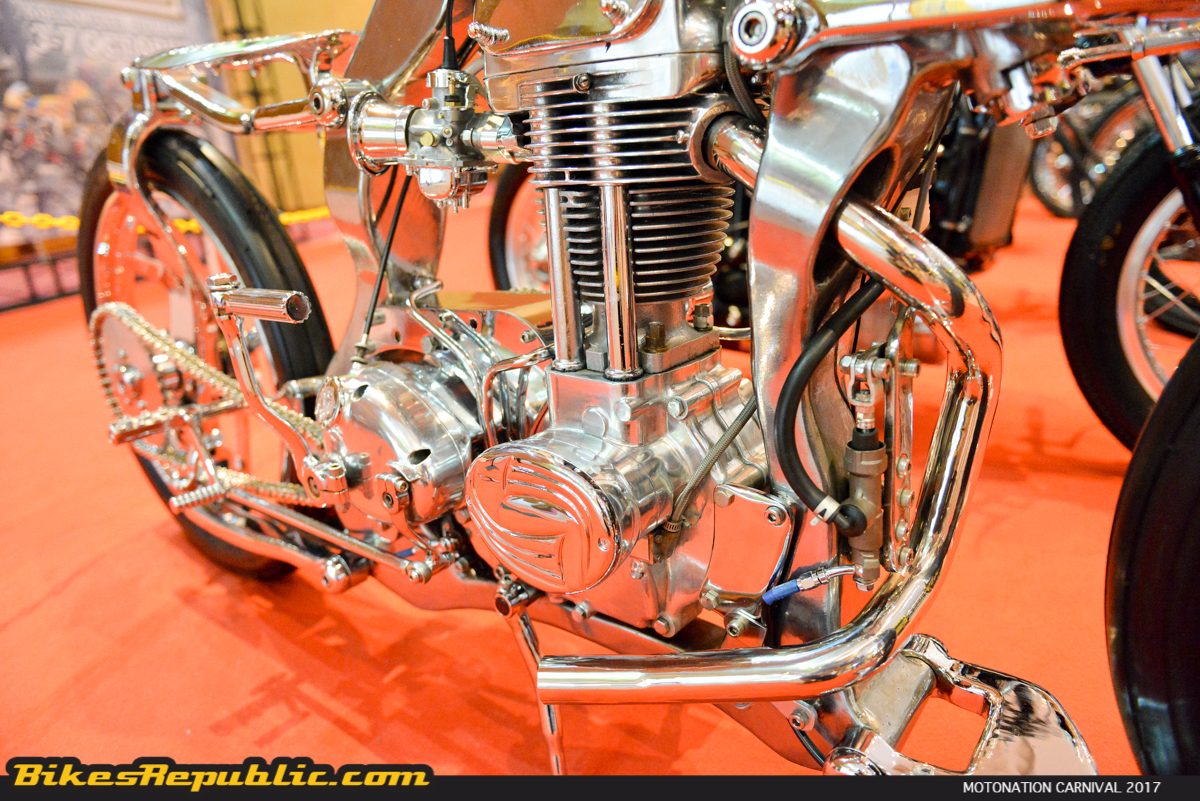
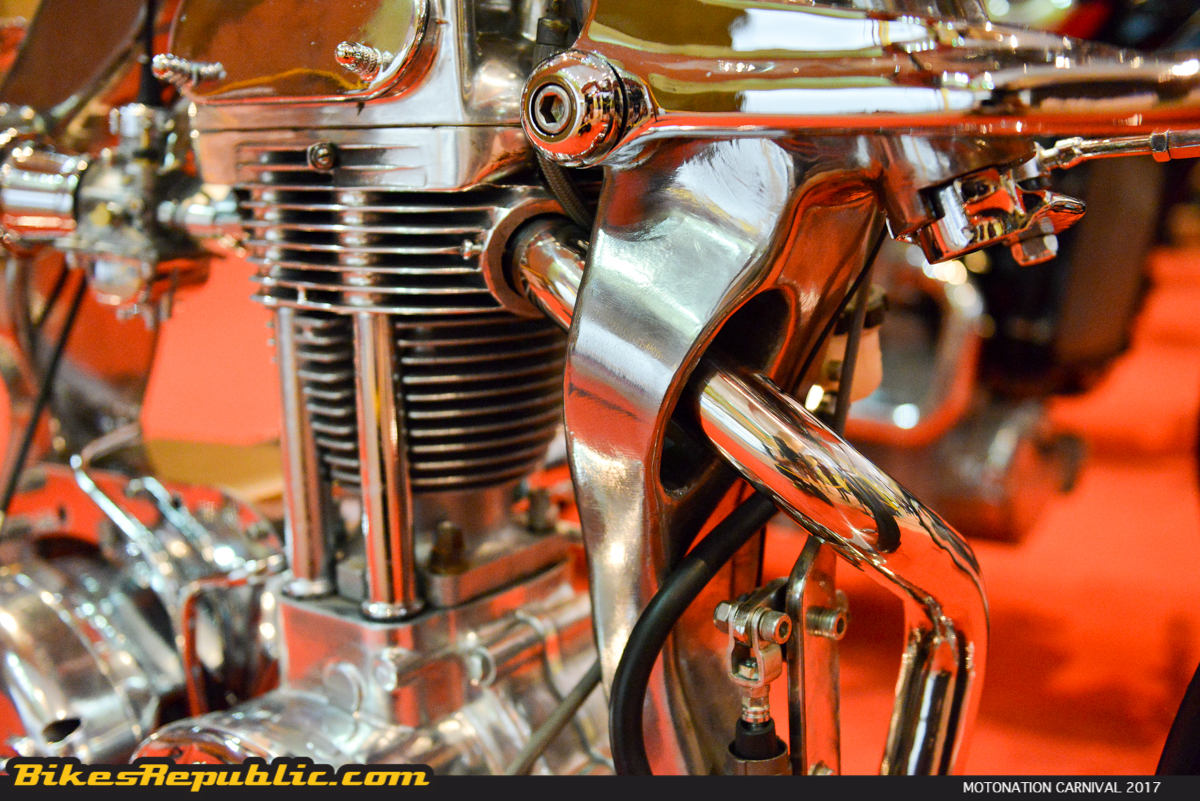
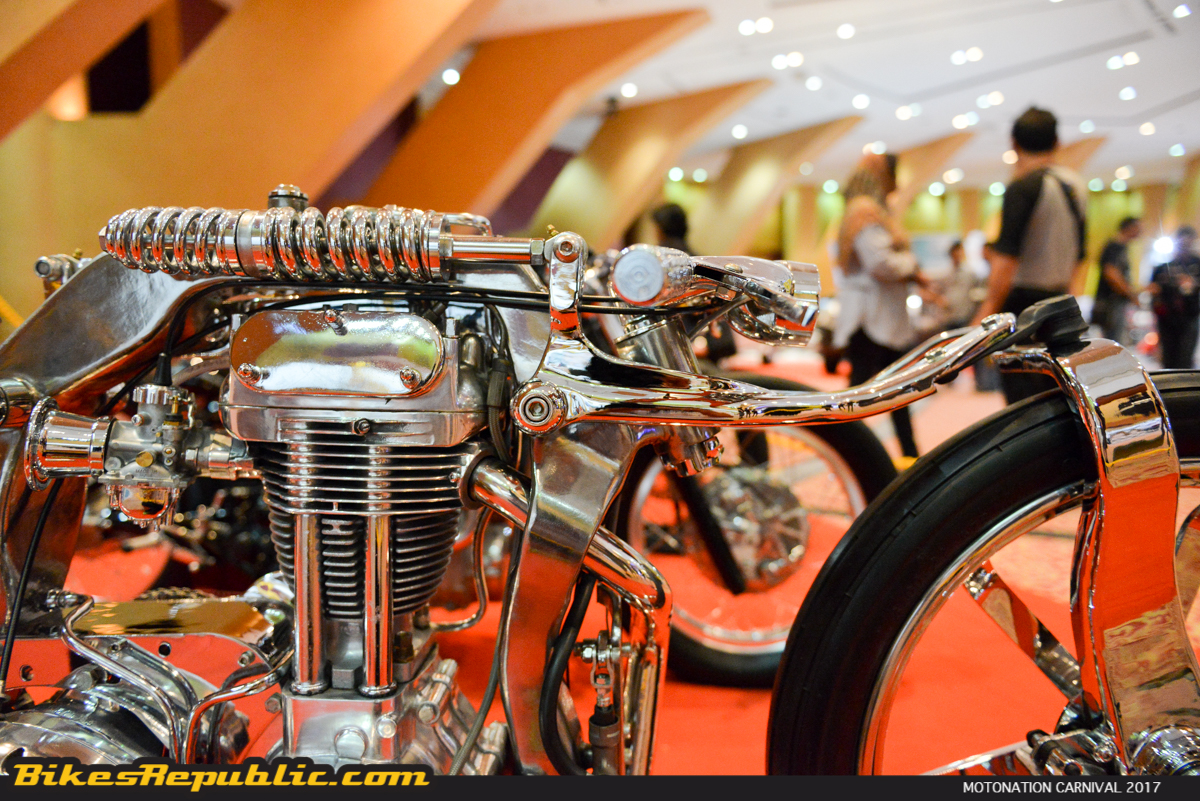
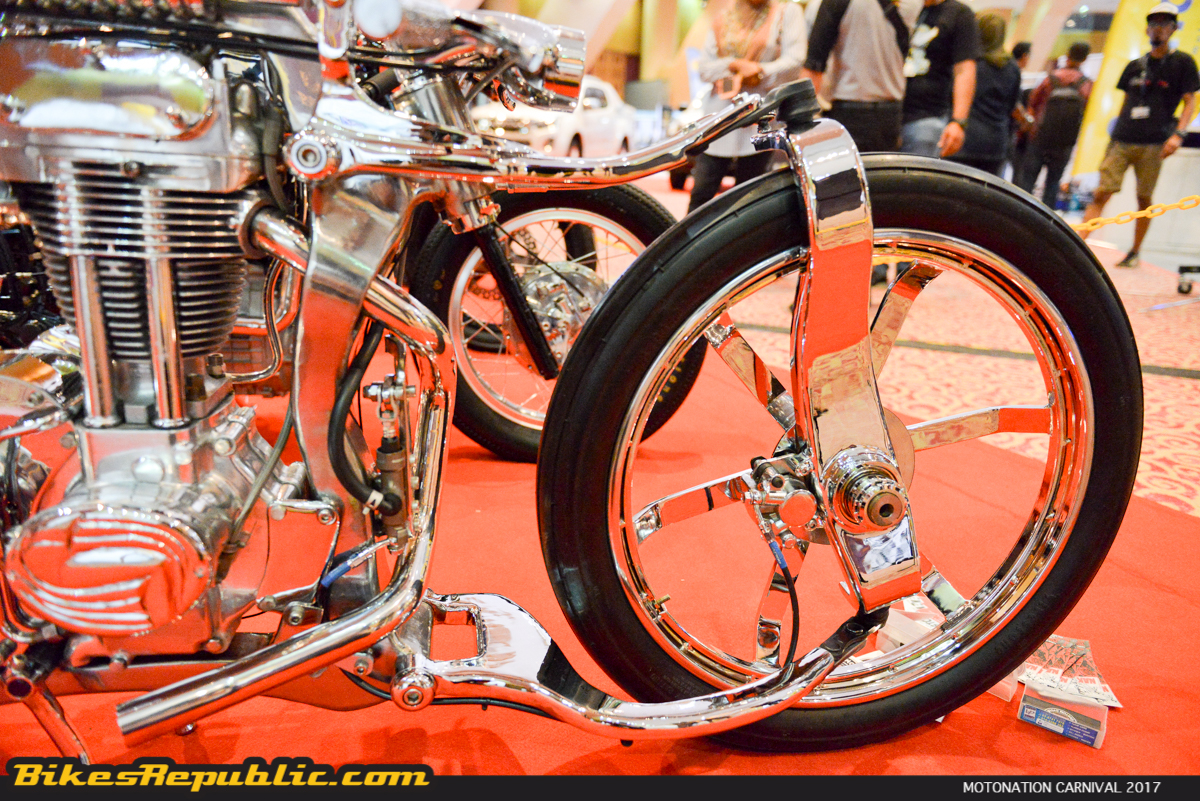
Not all engines look alike and a few are truly beautiful.
They not only belong to legendary bikes but they made the bikes legends.
Yes, the engine is the heart of the motorcycle. But while non-bikers are confused by how a lump of metal could do stir up so much emotions in us, to us they’re mechanical porn. Here are the best-looking motorcycle engines, in no particular order.
1. AJS 7R
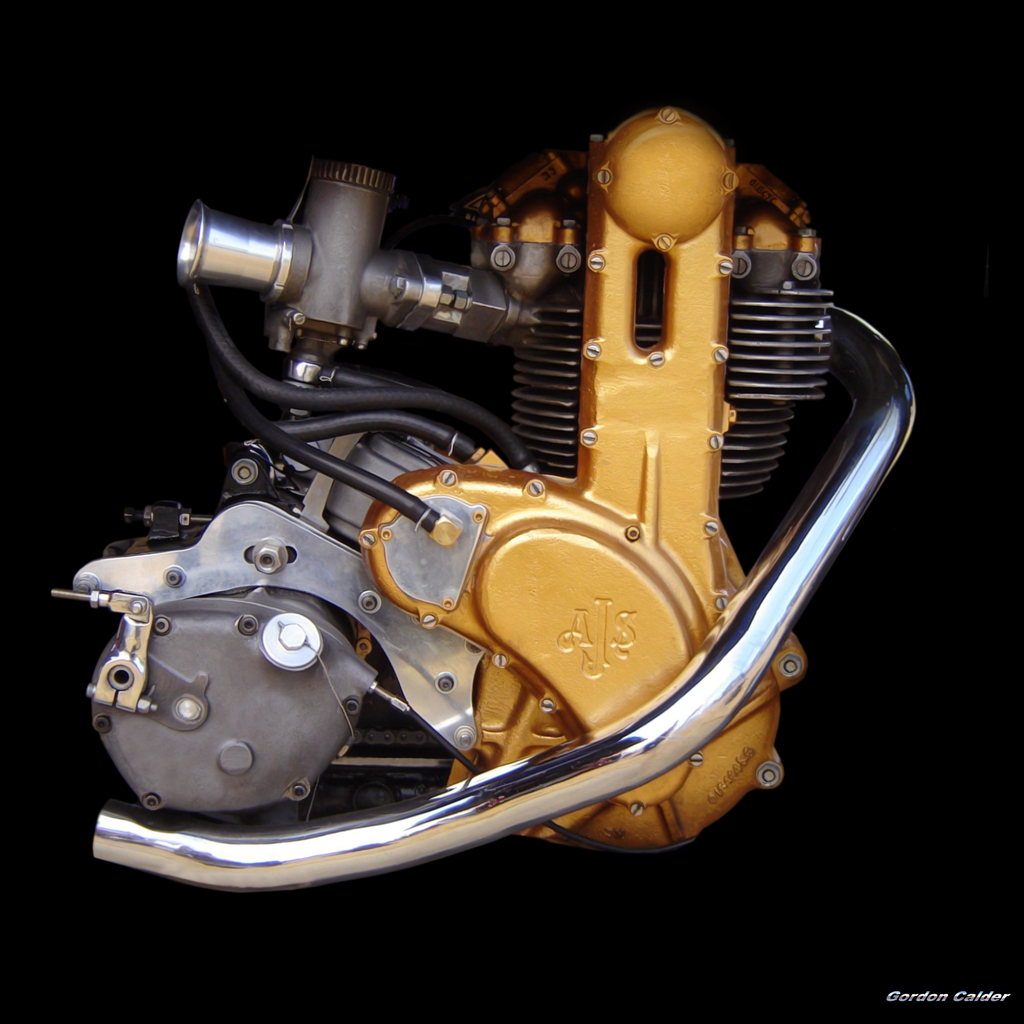
The AJS 7R was a 350cc race bike built from 1948 to 1963. Commonly known as the “Boy Racer,” it won victories for both the factory and privateers from its inception.
Designed by Phil Walker, the single overhead camshaft (SOHC) was driven by a chain from the outside of the engine block, hence the “tower cover.” That cover and cylinder head cover were painted gold contrasting against the gray and black parts of the engine.
AJS 7R engine – Courtesy of over-blog.com
2. HRD Vincent Black Shadow/Black Lightning
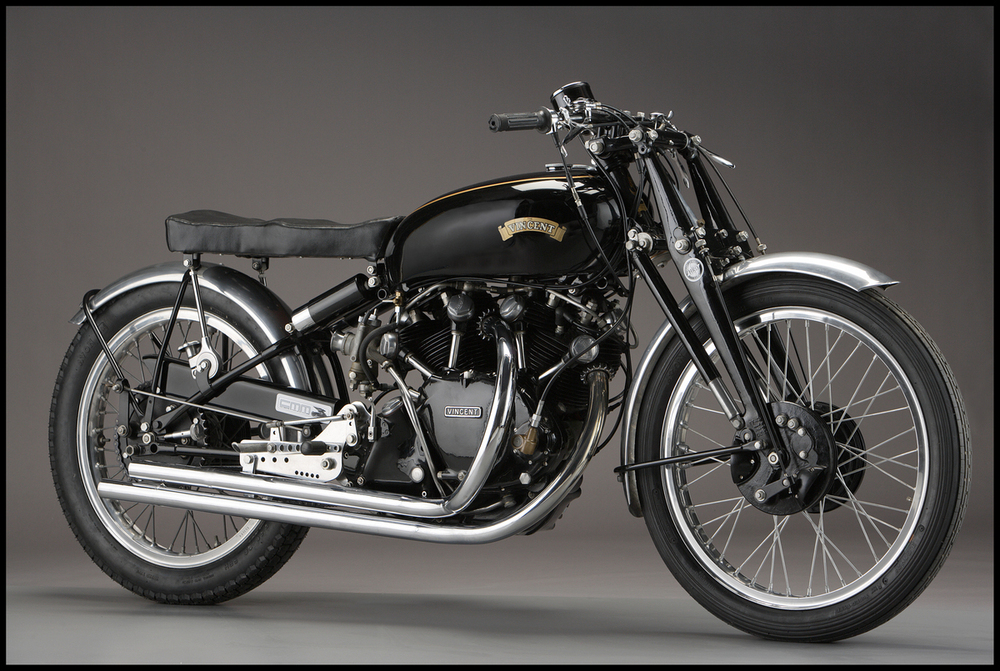
The 1948 HRD Vincent Black Lightning was the race bike spawned from the Black Shadow.
It was the fastest production bike of its time, and widely acknowledged as the first superbike.
HRD Vincent Black Lightning – Courtesy of singout.org
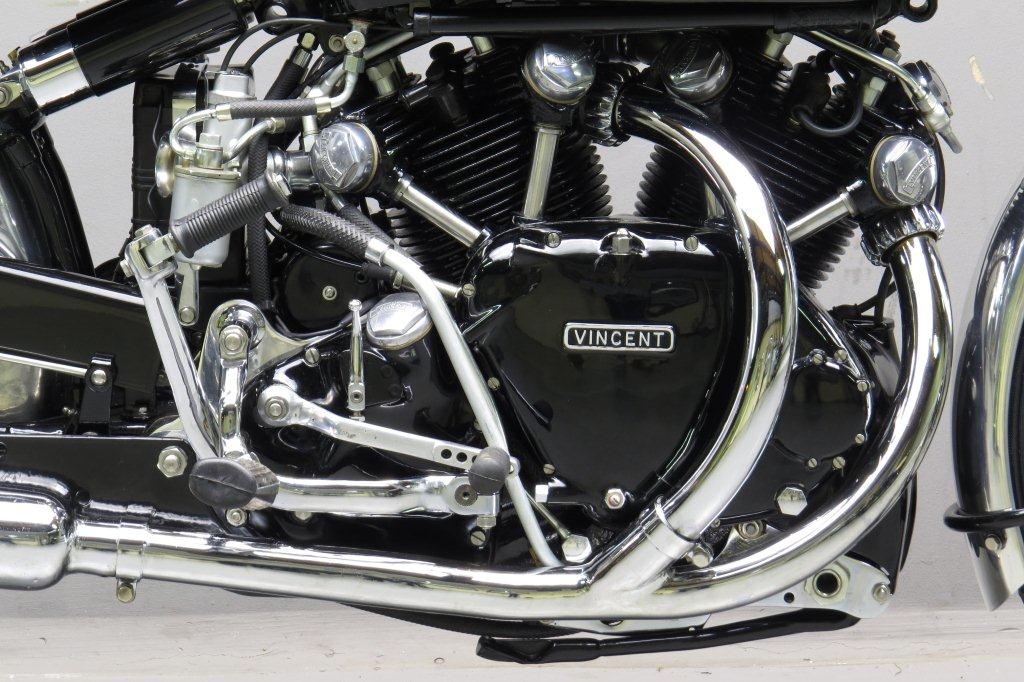
The Black Lightning was stripped down and its 998cc, air-cooled, pushrod, overhead valve (OHV), 47.5-degree V-Twin on the Black Lightning had stronger connecting rods, larger intake ports, polished rocker gear, steel idler gears, racing carbs and manual-advance magneto, pushing it to a top speed of 240 km/h.
HRD Vincent Black LIghtning engine – Courtesy of yesterdays.nl
Yes, yes, 240 km/h is attainable by most middleweight bike these days, but look at those skinny tyres the Vincent rolled on!
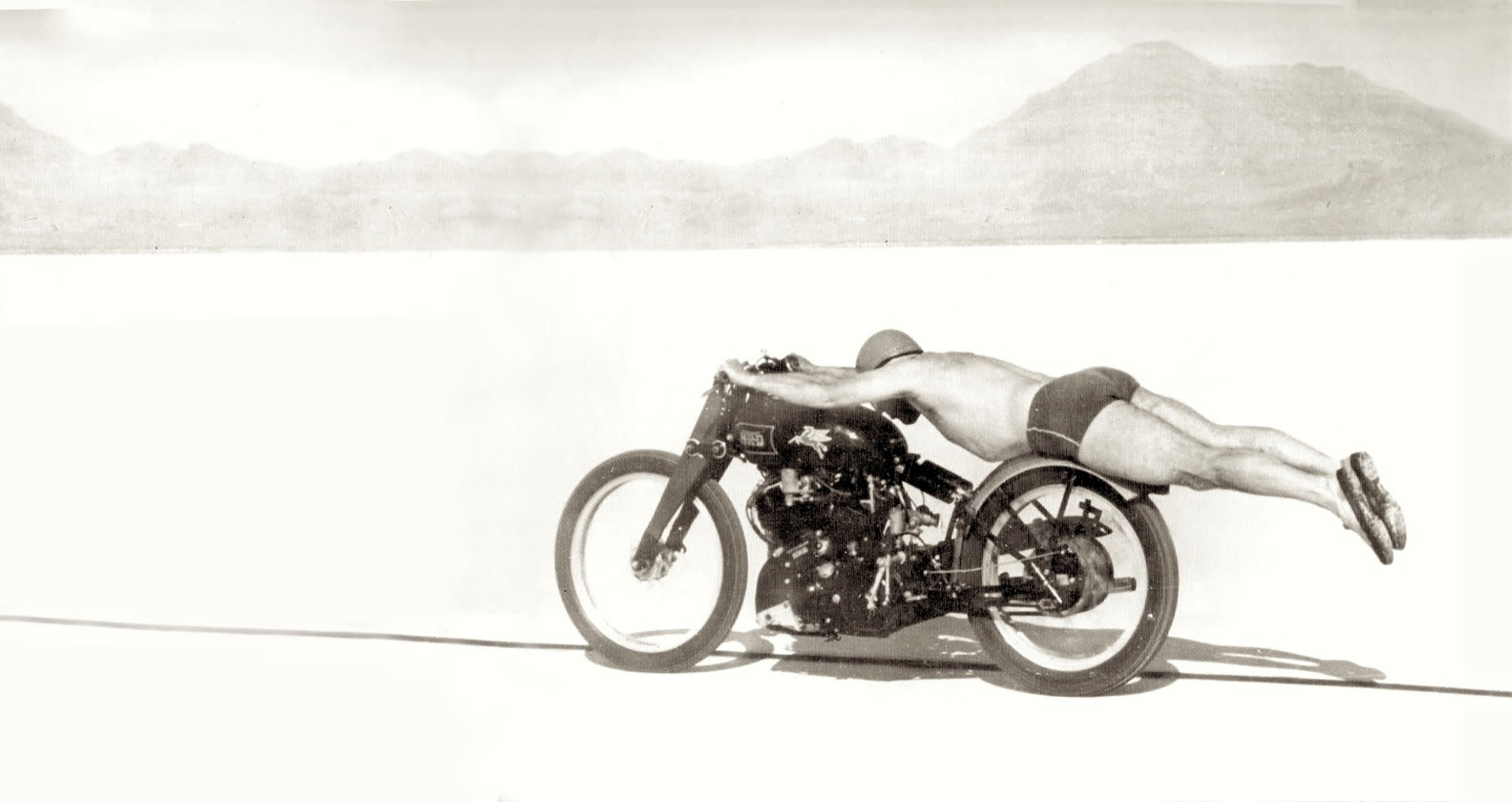
In September 1948, Rollie Free attempted to break US national motorcycle speed record at the Bonneville Salt Flats. He could only reach 239.1 km/h during practice so he stripped down to his swimming shorts, rubber cap and sneakers for the final run and hit an average of 241.905 km/h (regulations required two runs). That bike became known as the “Bathing Suit Bike.”
Rollie Free – Courtesy of americanmotorcyclist.com
But it’s the level of attentiveness to detail and quality that made Vincents’ engines true works of art. Sadly, it was that kind of passion which made them time- and cost-consuming to produce.
Only 31 Black Lightnings were ever built.
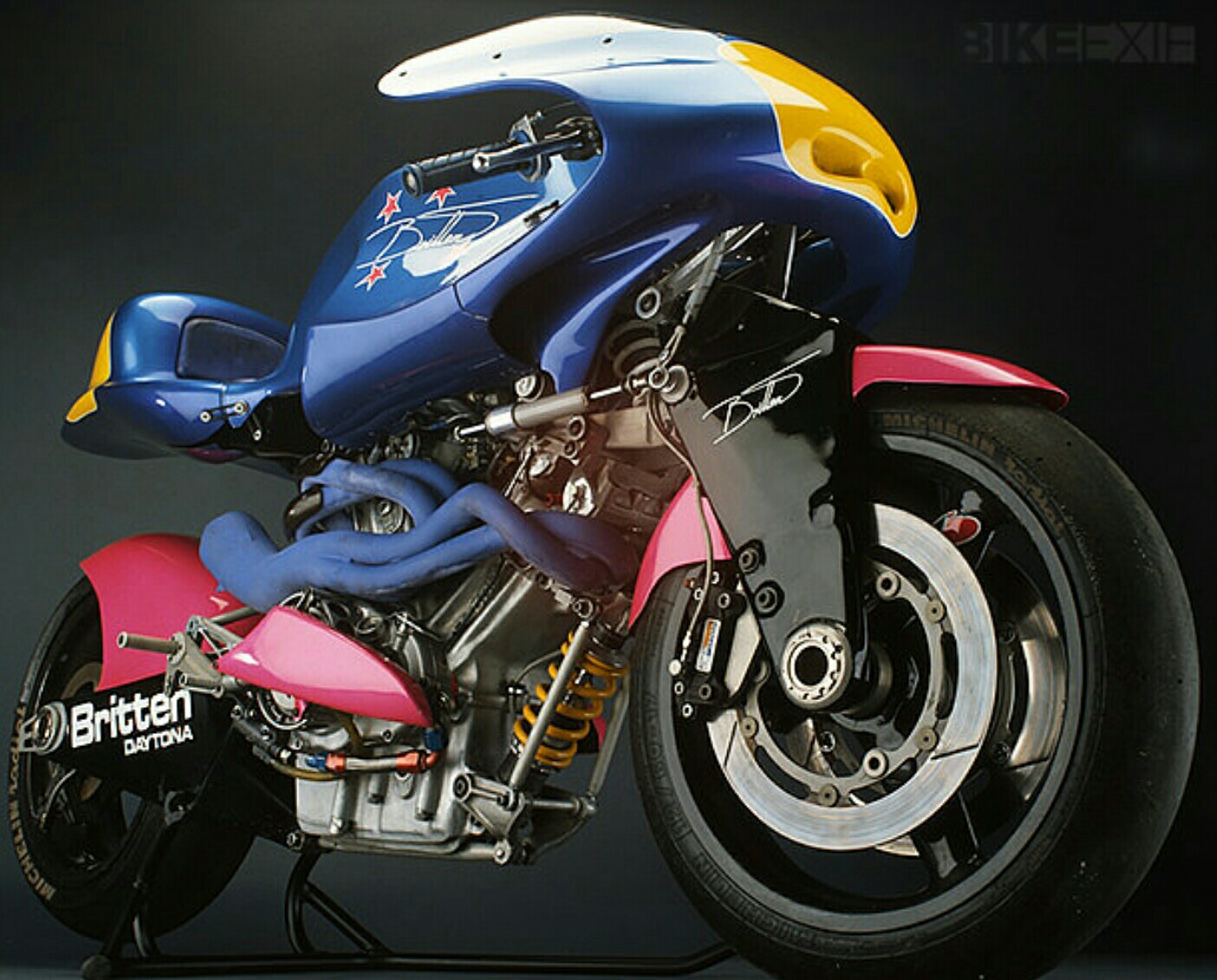
3. Britten V1000
Frustrated with the lack of parts and reliability of stock engines, New Zealander John Britten decided to do the impossible: Building his own bike and engine.
Working from his home shed with a few buddies, he came up with a creation in 1991 that not only looks radical, but went on to dominate the Battle of the Twins championship over the factory bikes.
John Britten passed away in 1995 and only ten plus the one initial bike were made.
Britten V1000 – Courtesy of pinimg.com
4. Ducati Singles
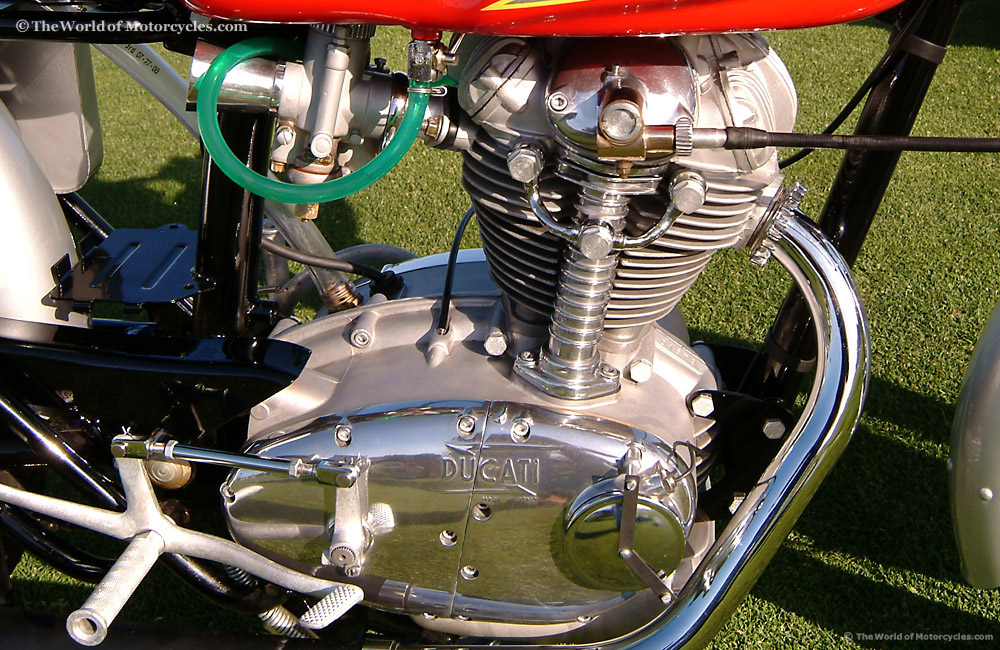
Fabio Taglioni adapted the desmodromic valve drive to Ducatis to combat valve float (the valves staying open, thereby causing loss of compression and peak performance) at high RPM. To turn the camshaft, a vertical shaft (also called a tower shaft) on the right side of the engine sent drive up to the camshaft’s idler gears through a bevel gear.
The resulting engine design together with typical Italian attention was the purest testament in the “form follows function” sense, and the “Desmo” became the trademark of Ducati.
Ducati 250 Single – Courtesy of Vintage Motorcycle Photographs
5. Kawasaki W650/W800
The bevel gear lives! Well, for a while.
Ducati’s bevel drive was soon replaced by belt and finally chain drive in the interest of simplicity and weight savings, which saw the disappearance of the tower shaft and knuckle-like bevel gear cover next to the cylinder block.
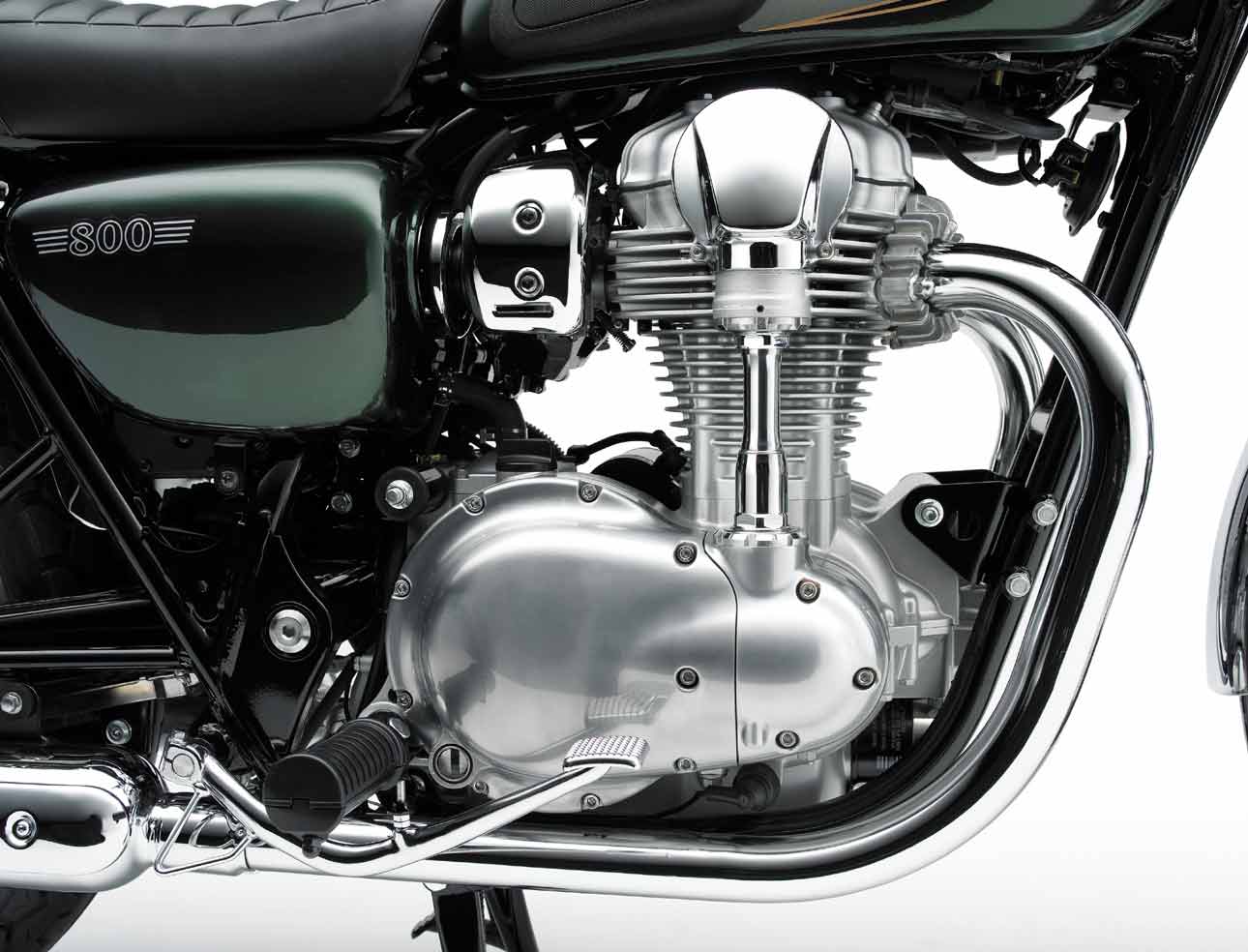
But hang on, here comes the retro Kawasaki W650 and the later W800. Such beautiful bikes deserve beautiful engines, don’t they?
Then Kawasaki announced earlier this year that the W800 will be discontinued as will not meet future emissions requirements!
NOOOO!!!
W800 engine – Courtesy of kawamotor.de
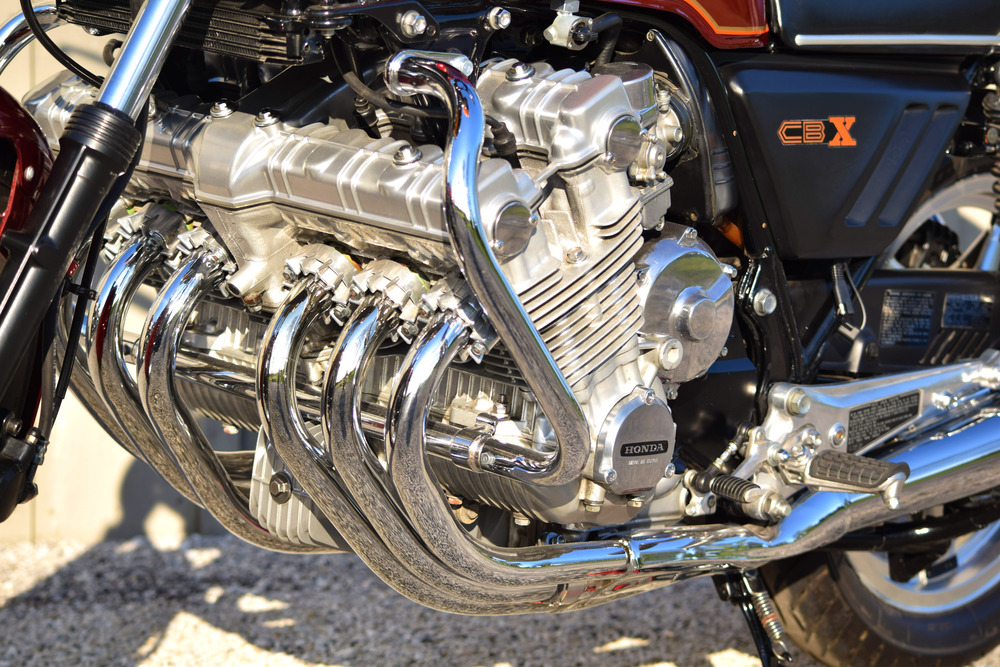
6. Honda CBX
Speaking of Kawasaki, the 1978 Honda CBX was Honda’s weapon in the titanic arms race between the two Japanese companies. Honda’s wants to reclaim the world’s fastest production bike crown which it lost to the Kawasaki Z1.
Featuring a 105 bhp, 1047cc, air-cooled, DOHC, 24-valve, inline-Six, with six carburetors, it hit a top speed 216 km/h. But that’s just part of the story. The 1979 CBX blew through the ¼-mile run in 11.36 seconds, at 189.82 km/h.
The engine looks large and ungainly in the bike, but it’s only big at the top. The lower parts of the engine were made narrower but moving the alternator and final drive away to other locations to provide more ground clearance for spirited cornerning.
Honda CBX engine – Courtesy of squarespace.com
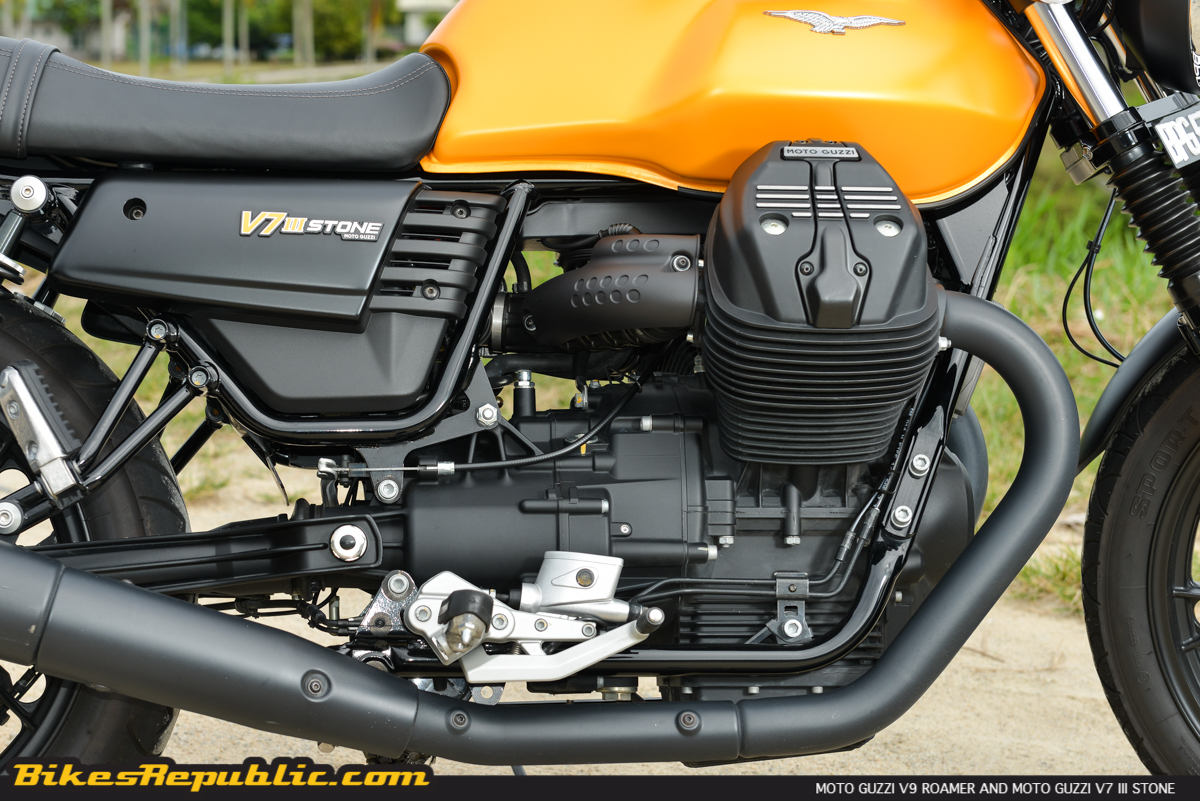
7. Moto Guzzi V-Twin
There’s no mistaking the Moto Guzzi V-Twin, with both cylinders sticking out the side. This transverse mounting uses the airflow to help cool cylinders and their alloy rocker covers, learned from aircraft experience, instead of having both cylinders stuffed longitudinally along the frame.
The deep, finned oil sump design has also survived to this day.
The newer engines such as the 843cc unit powering the V9 series and 744cc unit powering the V7 series are now fully Euro4 compliant, and are much smoother and easier to live with.
Moto Guzzi V-Twin
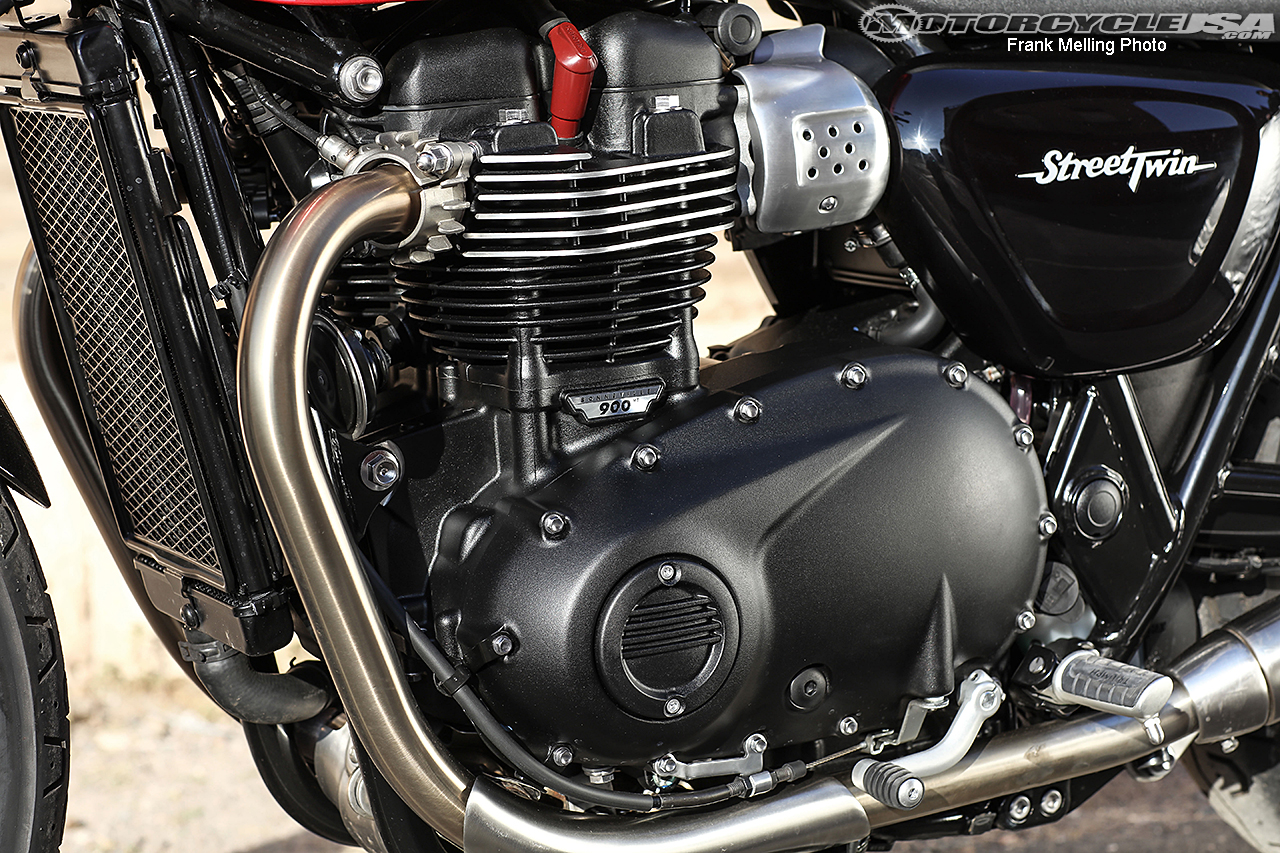
8. Triumph Twin
Whether in pre-unit form or the later iterations, Edward Turner’s created an icon. From the timing cases to the angular cylinder and finning around the cylinder block, the Triumph Twin is a distinctively beautiful power unit.
The essential design has been carried forward to the current crop of Triumph modern classics, never losing its trademark and appeal in spite of liquid-cooling.
Triumph Twin – Courtesy of motorcycle-usa.com
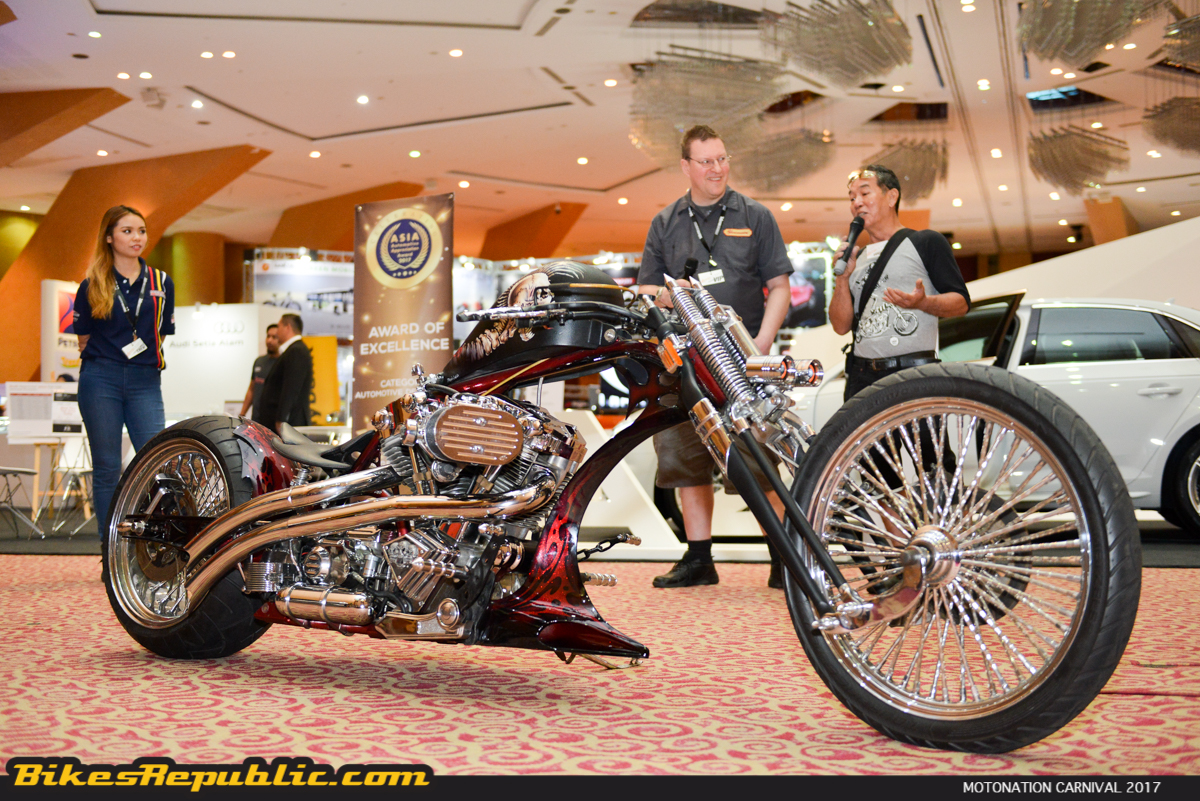
9. Harley-Davidson V-Twin
How does one argue with something that has become an icon over so many decades?
Sure, one could argue that there isn’t much innovation or substantial power gain in the Motor Company’s V-Twins, but that’s not the point.
In any way you look at it, H-D’s 45-degree V-Twins (both the Big Twin and Sportster Evolution) form the focal point of all Harleys (except for the V-Rod) and that’s why so many customizers still prefer the Harley V-Twin (along with the aftermarket engines from S&S) as the starting point of their creations.
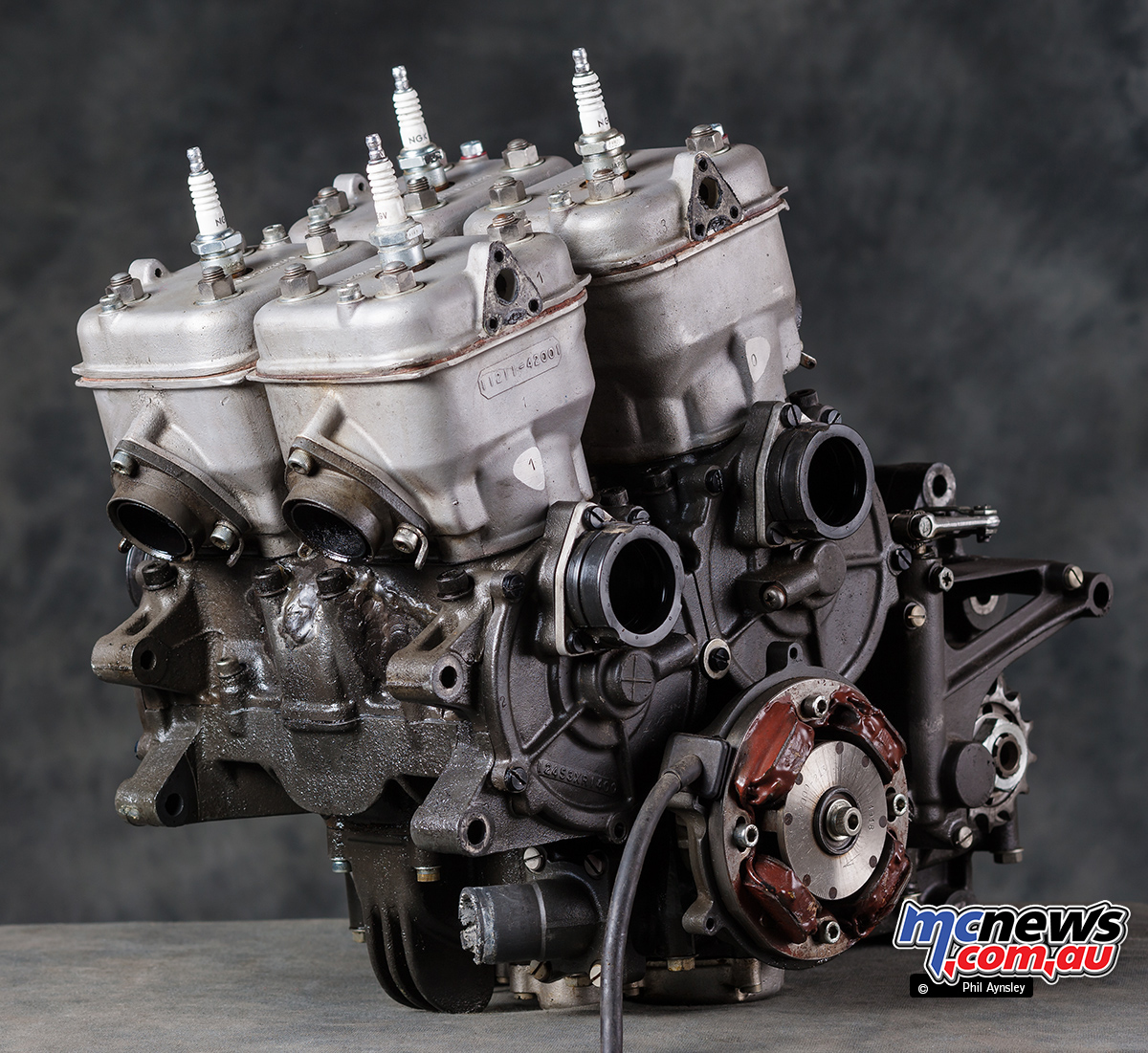
10. Suzuki “Square Four”
The Suzuki RG500 “Gamma” was built between 1985 and 1987, directly inspired by the RGB500 Grand Prix machine which won 7 consecutive constructors titles in the 500cc class with riders such as Barry Sheene.
The 498cc, liquid-cooled, two-stroke, twin-crank, rotary valved, four-cylinder engine had its cylinders arranged in a square configuration, hence the common pet name of “Square Four.” All four cylinders were arranged on the same plane in the earlier versions, while the later versions saw the front two and rear two staggered for better placement in the frame and weight distribution.
It was also the last 500cc two-stroke race replica ever built (the Bimota V-Due didn’t work).
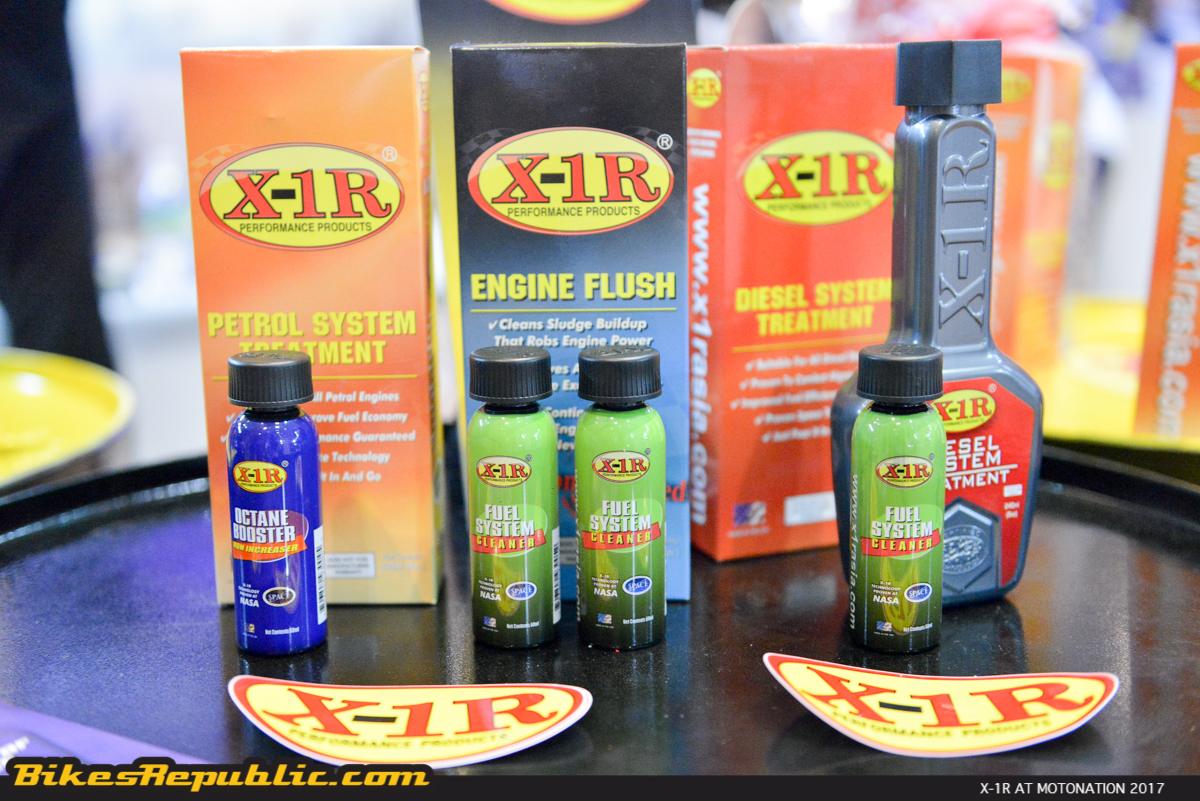
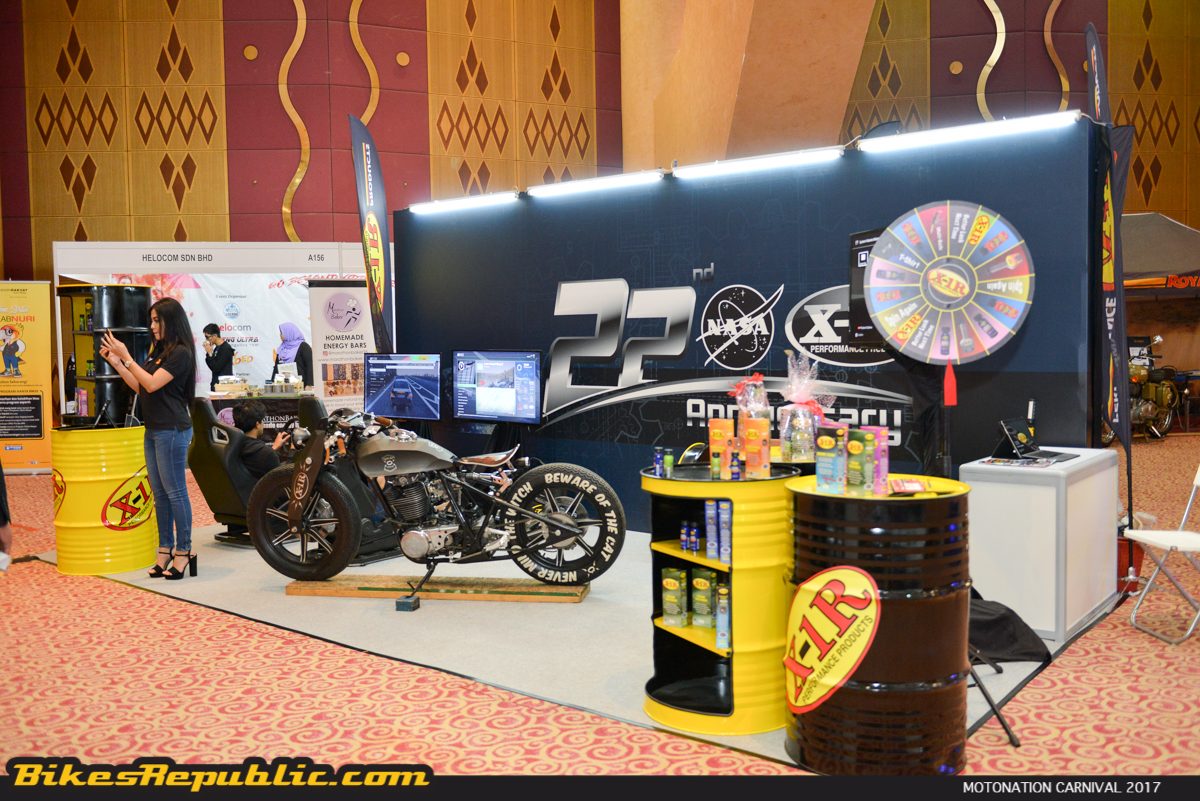
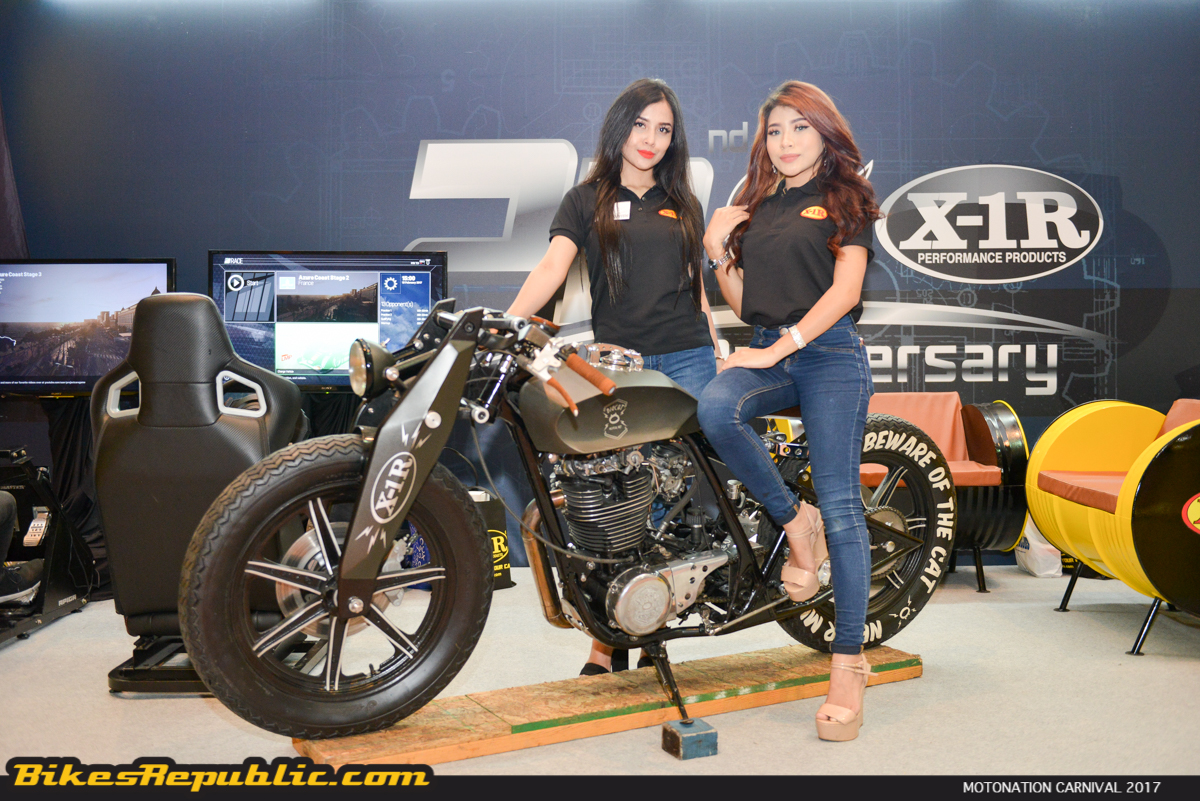
X-1R’s appearance at Motonation 2017 was good to highlight the benefits of supplementary products to your bike and car.
All the products were highlighted during the event.
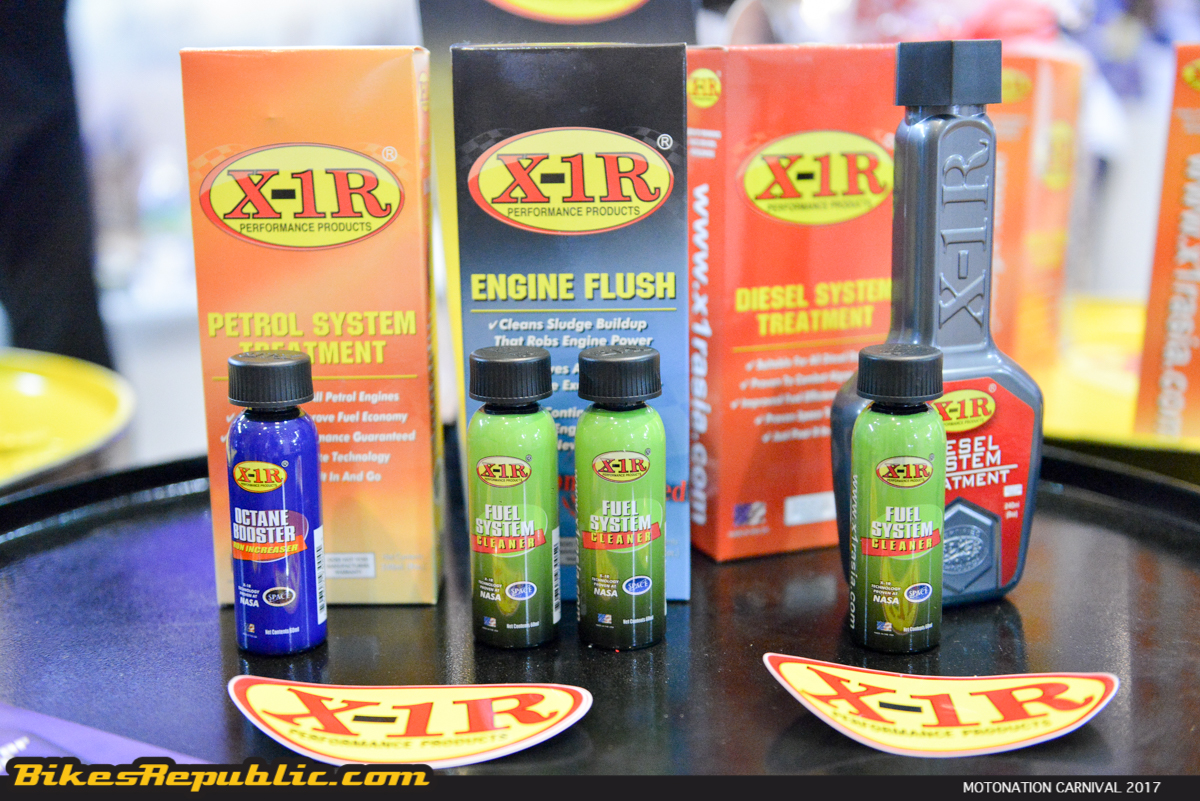
Most of the products can be safely used in motorcycles.
X-1R has been anonymous with automotive engine protection products and what better way to highlight them than at the recent Motonation 2017 grand finale at PICC.
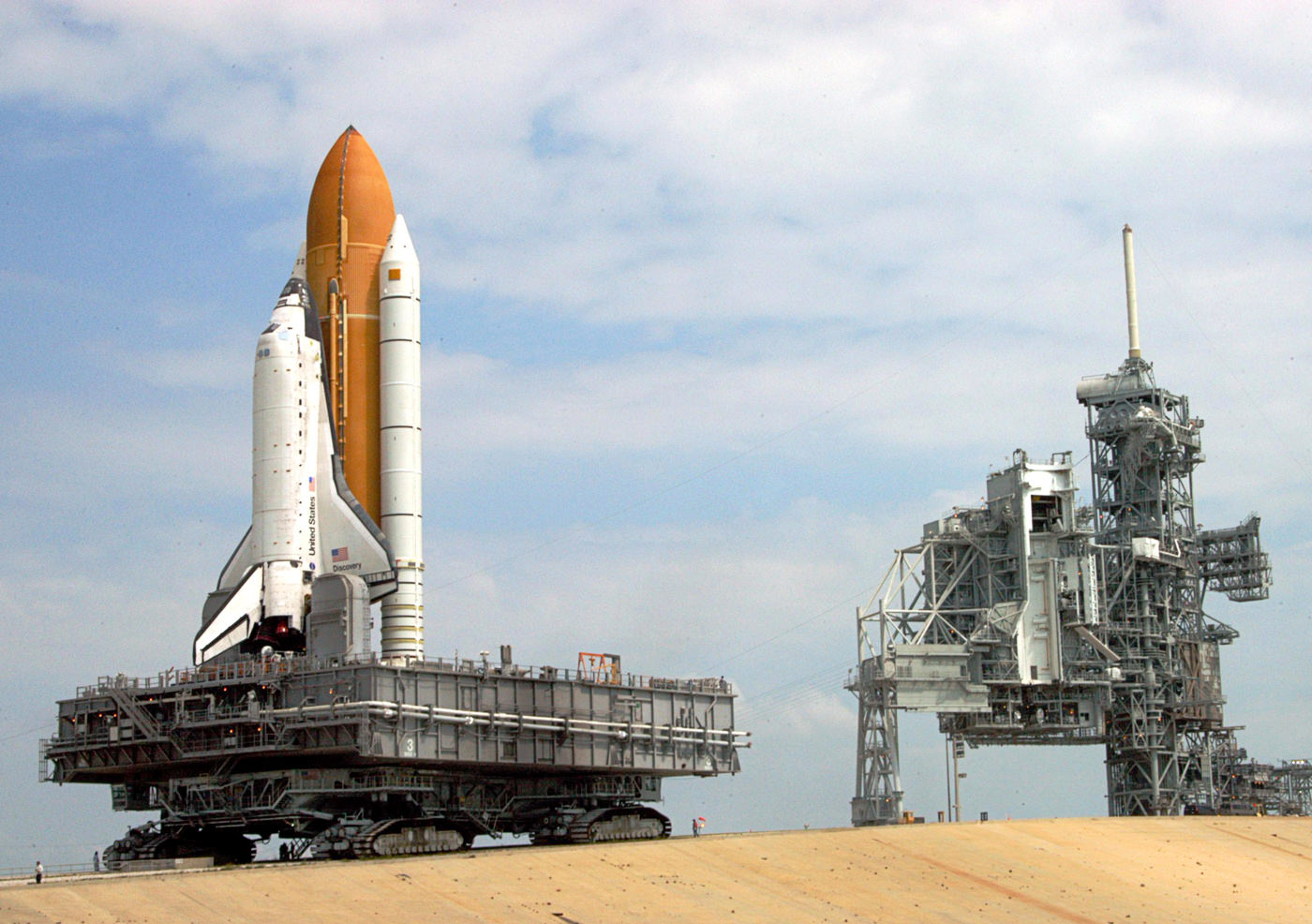
X-1R has been working together with the American National Aeronautics and Space Administration (NASA) for the past 22 years, and such, their products are “Space Certified.” Their lubricant is especially used in “The Crawler,” the vehicle which transports the assembled space vehicles such as the Space Shutter and other rockets from their assembly buildings to the launchpad.
The know-how gained from this venture is what gives this company the edge in engine and mechanical protection in the gruelling real-world driving scenarios.
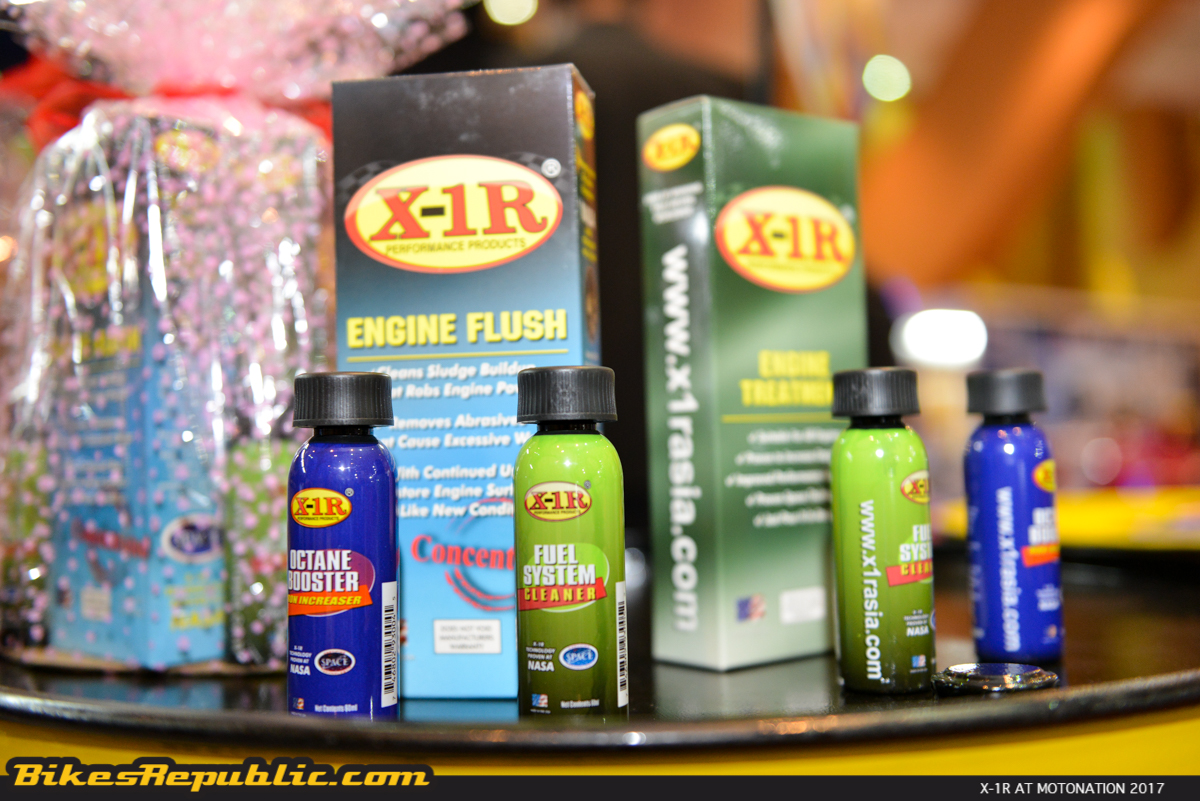
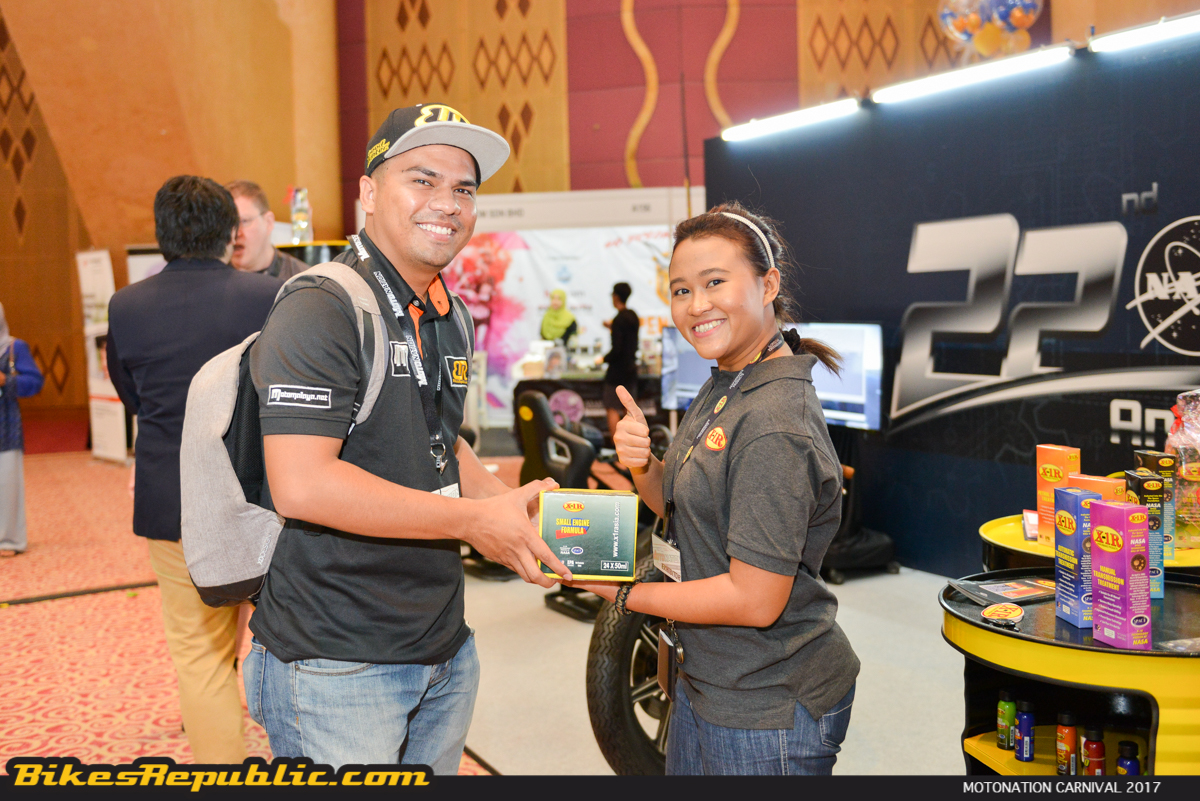
During Motonation, X-1R Asia had displayed and sold their world-famous products, headed by the Engine Treatment.
This product is formulated as a supplement to whatever engine oil you have in your engine and works to further reduce friction amongst the working parts. From reduced friction, benefits include increased engine life, improved fuel economy, reduced operating temperature, reduced mechanical noises and of course, increases overall efficiency and performance.
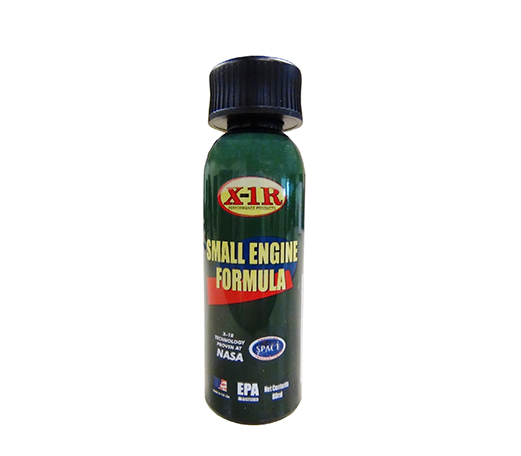
A variant of this Engine Treatment is available for motorcycles, called the X-1R Small Engine Treatment. It works to perform the same tasks.
It has long been an indispensible companion for this writer on his long-distance touring trips, especially to neighbouring countries. The product came into play during his recent trip into Cambodia and counteracted the negative effect of using fuel of suspect quality. (Click here for the report.)
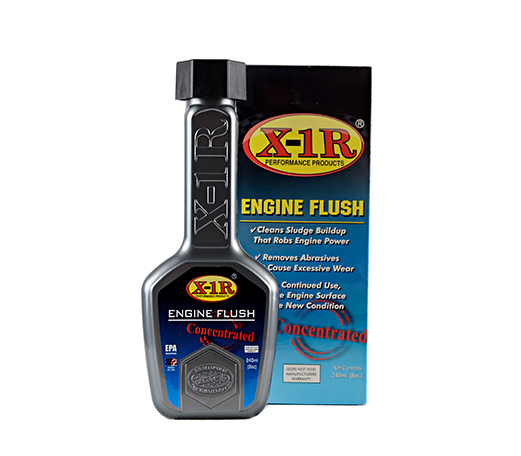
Other products included the X-1R Engine Flush, which is useful when your bike is due for an oil change. Changing the engine oil without first flushing the old oil may leave behind some residue and possibly sludge in older engines, and end up corrupting the new oil.
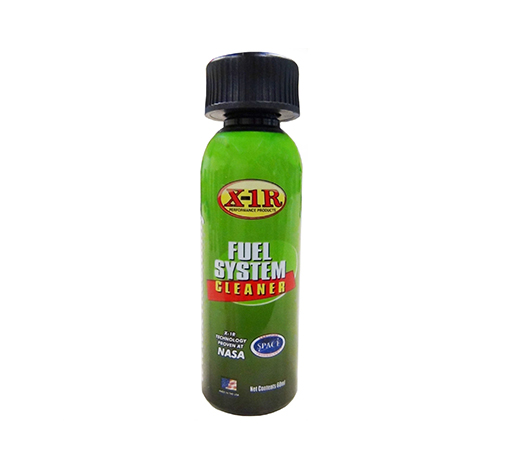
This writer has also used the X-1R Fuel System Cleaner on a few occasions, especially after letting his personal bike sit at home for many days and weeks. The compound in the product removes the gum and varnish residues left over by evaporated petrol in the tank, fuel lines, fuel pump, parts of the throttle bodies and fuel injectors.
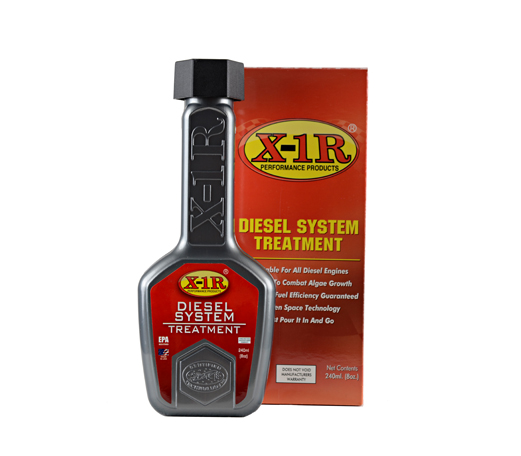
Also showcased was their Diesel System Treatment. There’s no diesel-powered bikes yet, but this product should be used for the pickups used by those who use them to transport their bikes.
Among the many vendors during Motonation 2017, a few caught our attention.
There were many vendors during the event but these catered specifically to motorcycle users.
We hope to see more in the next edition of Motonation.
As we reported earlier, the Motonation 2017 finale saw the participation of motorcycle manufacturers, besides automotive-related distributors, suppliers and vendors of every kind. (Click here for the report.)
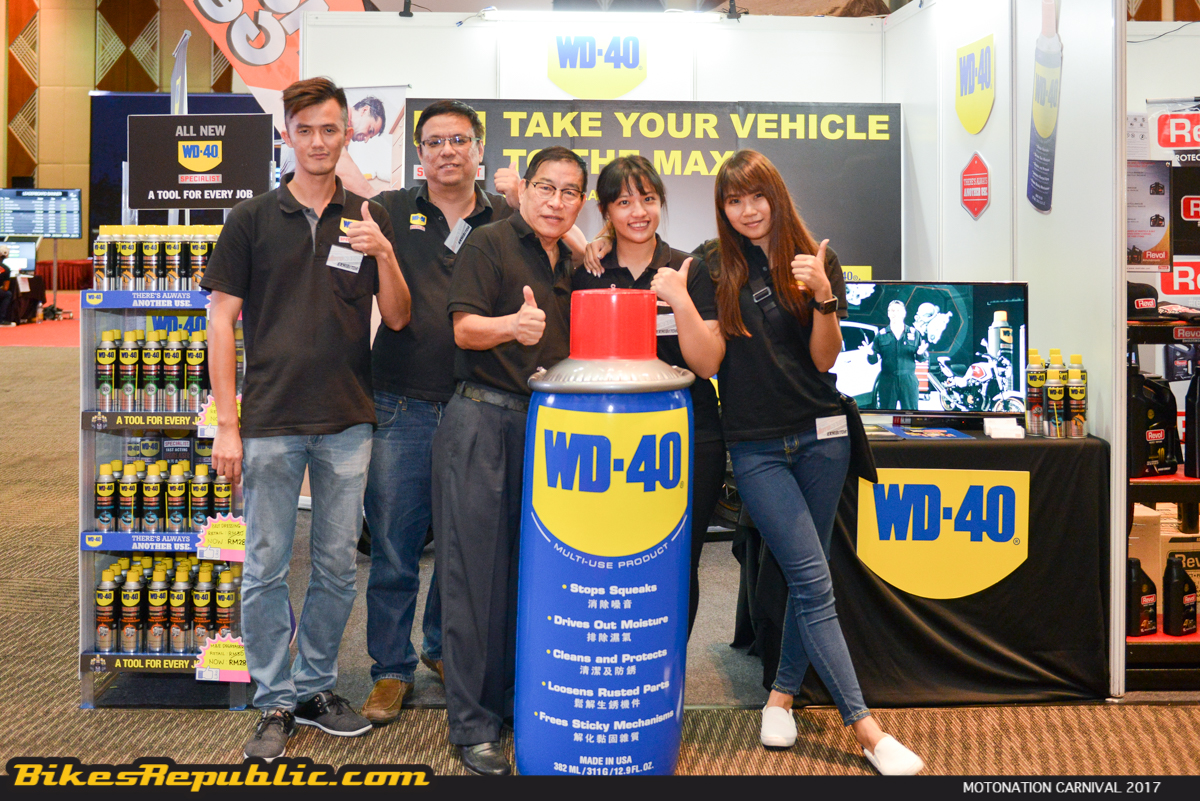
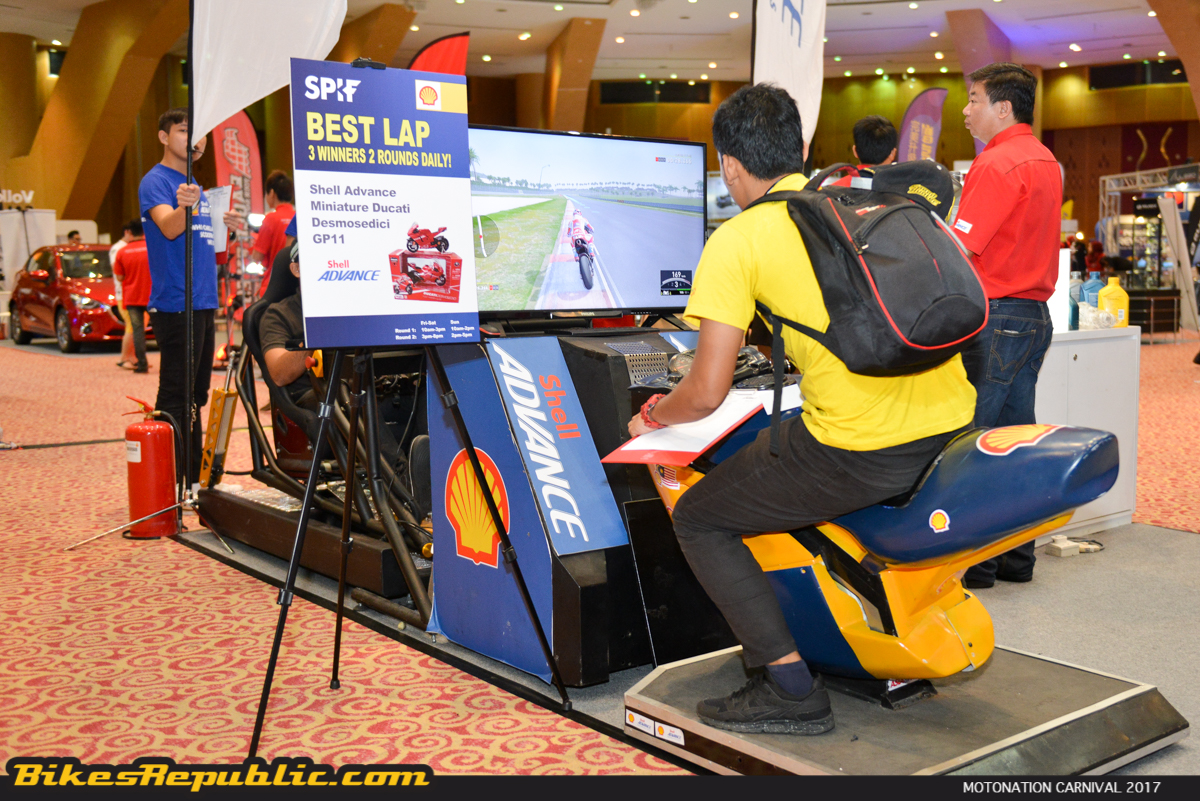
The most prominent in terms of motorcycle products, however, were X-1R, WD-40 and Modenas.
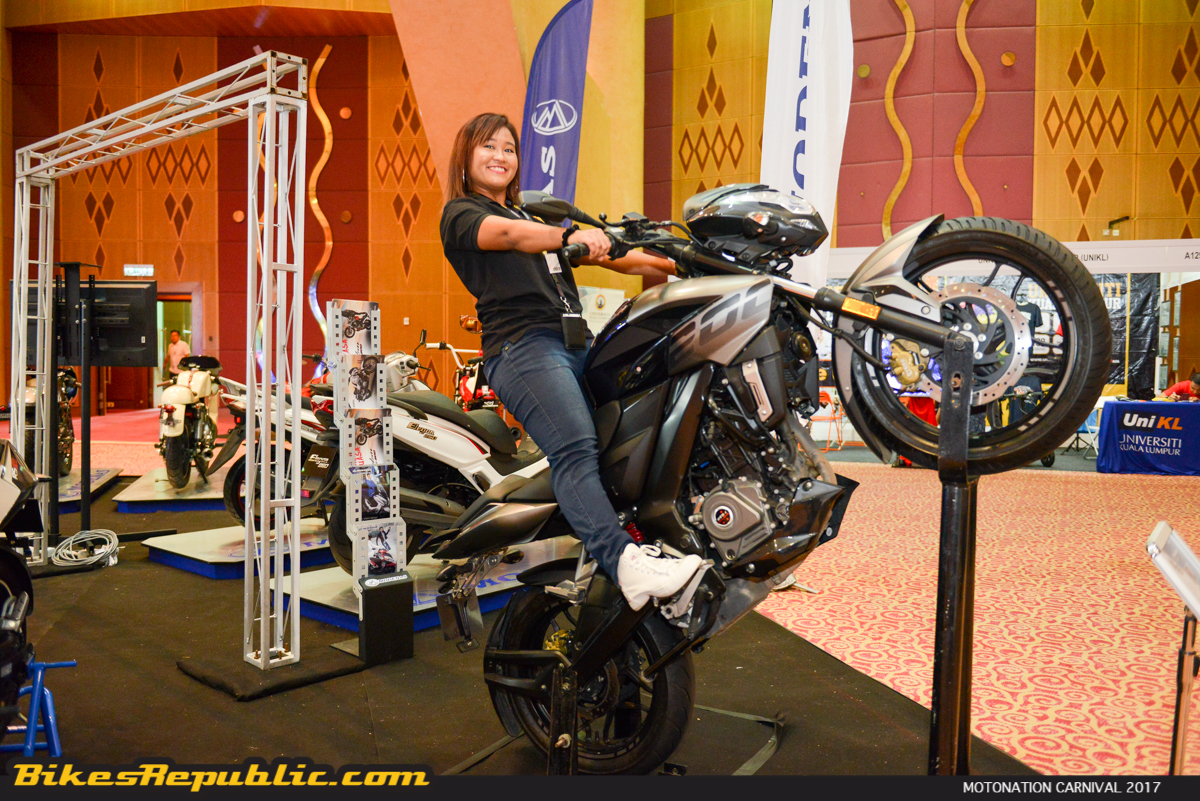
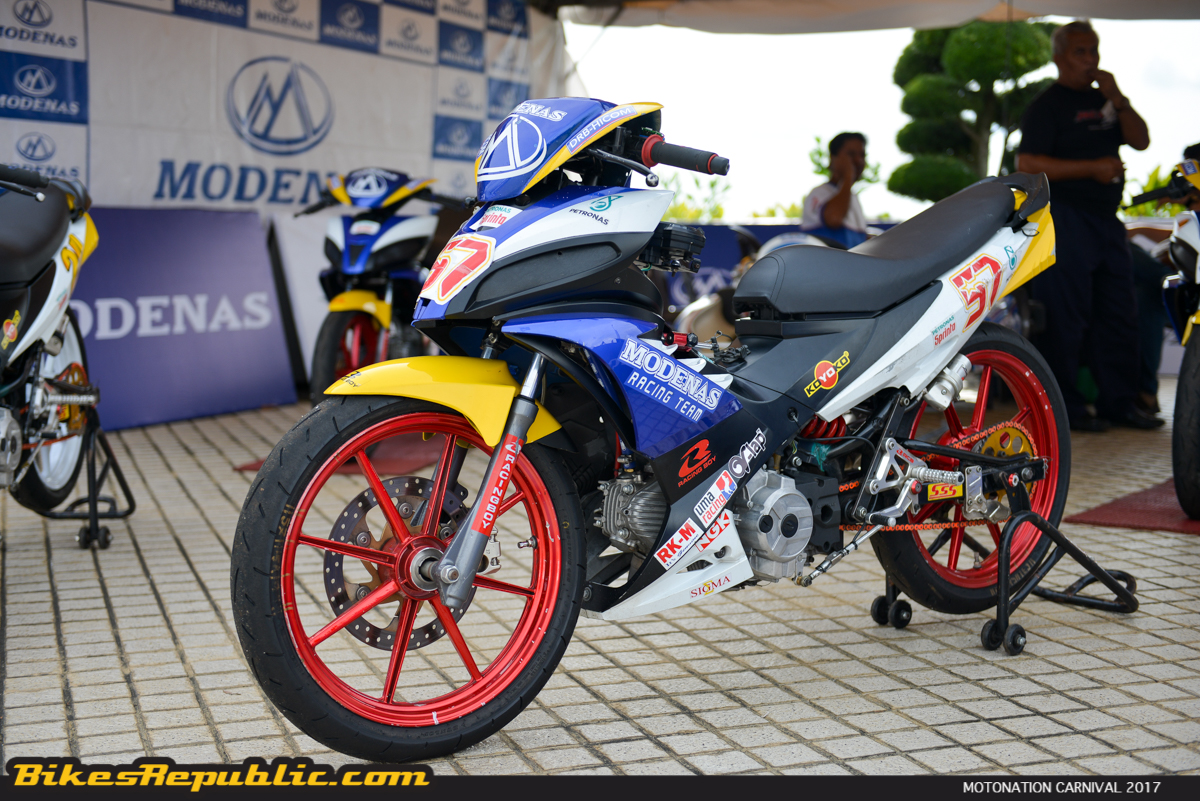
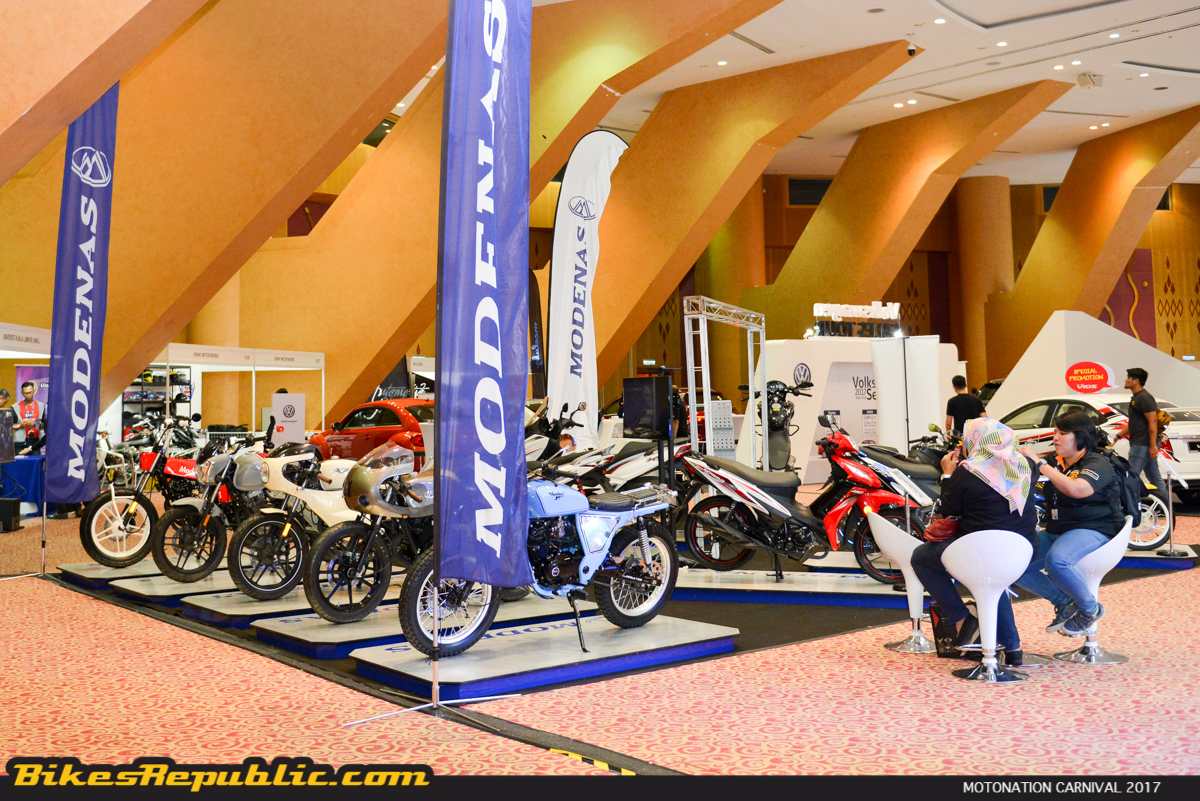
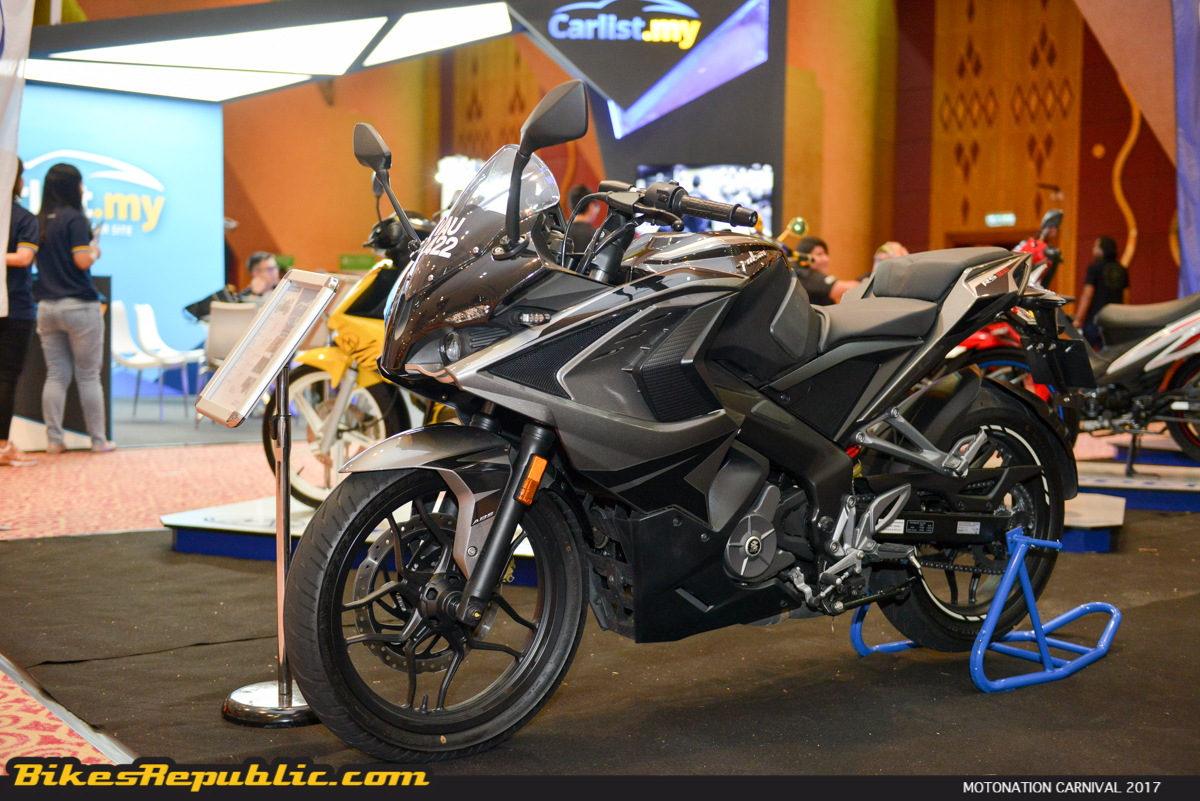
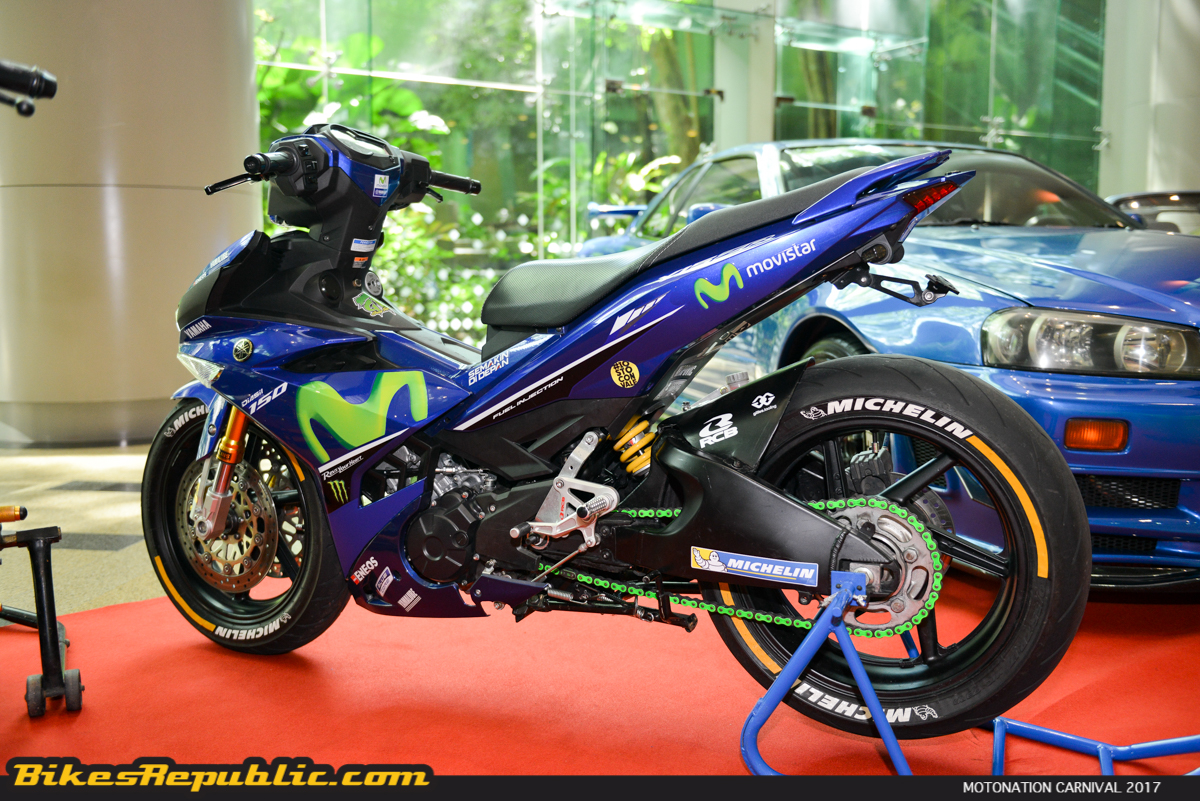
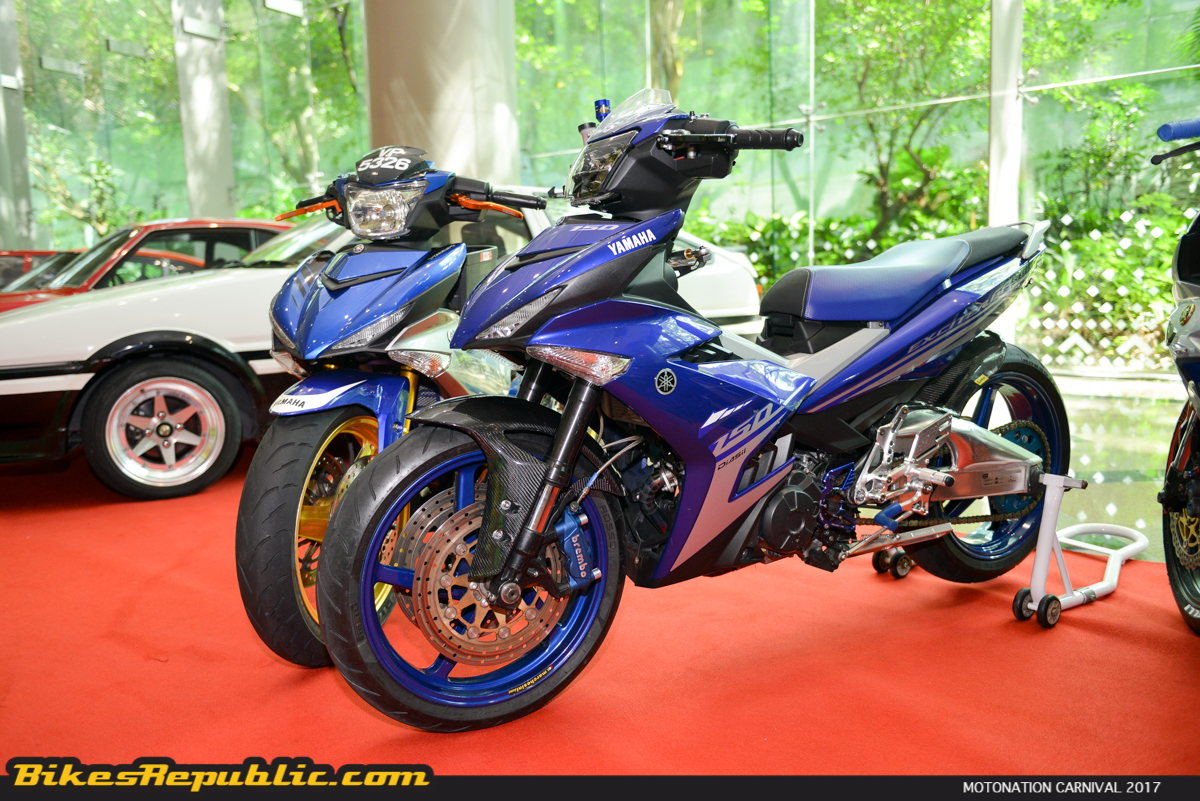
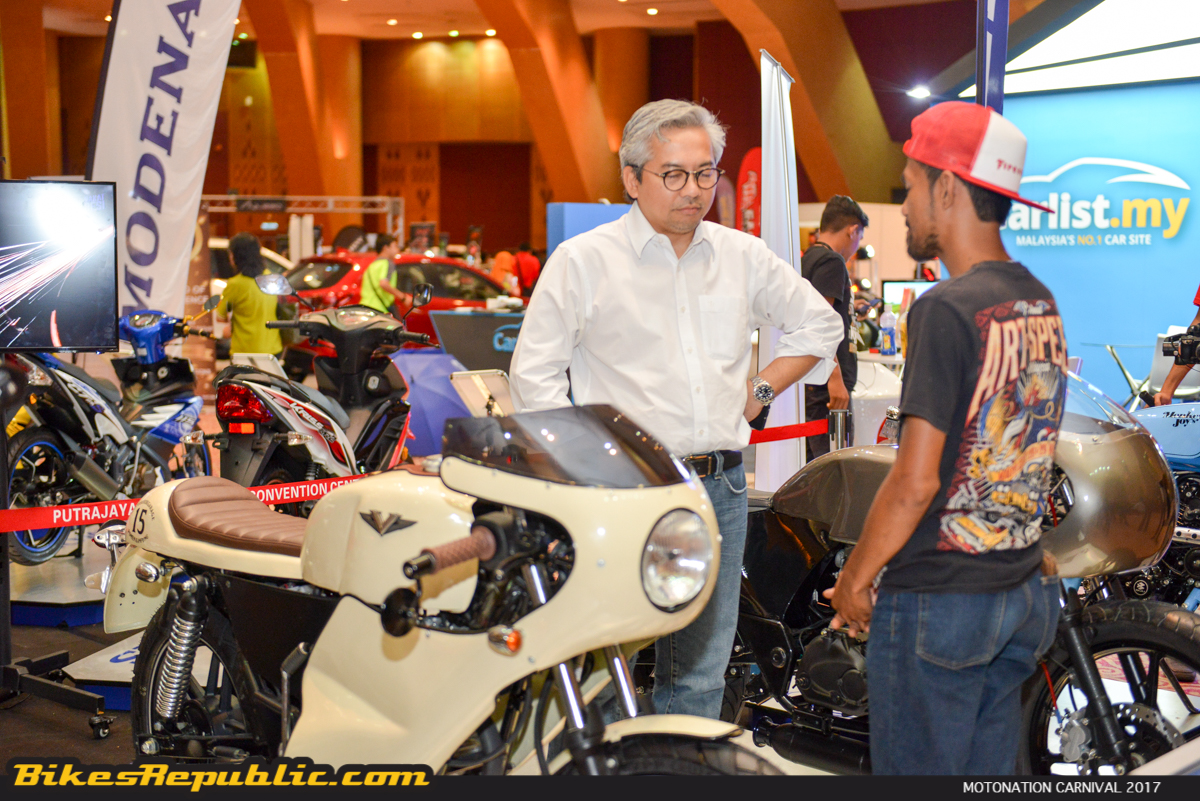
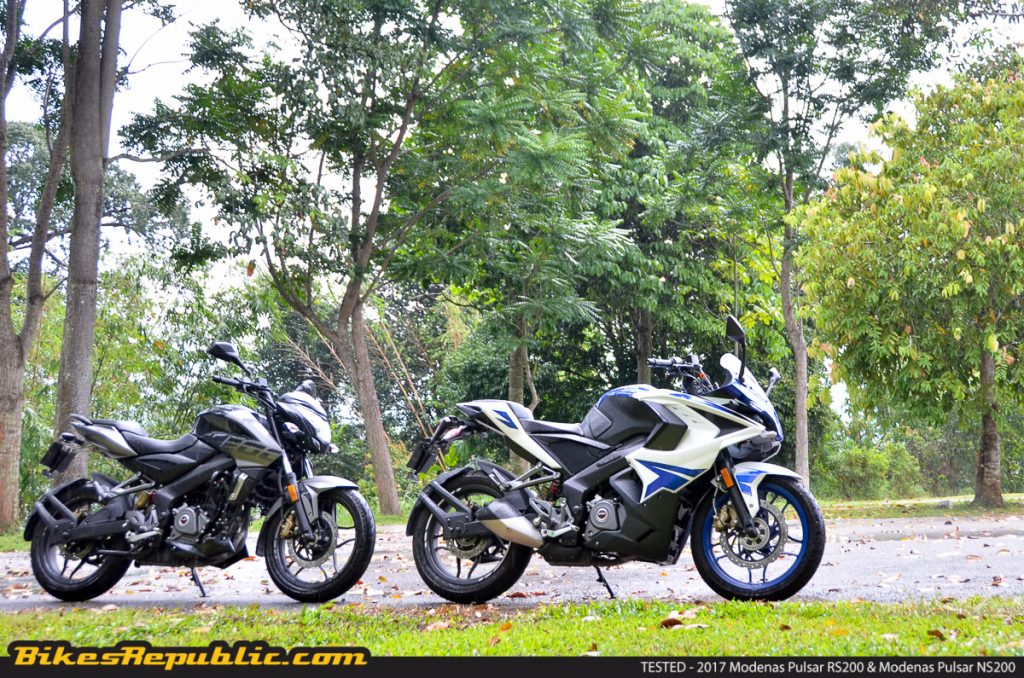
Modenas’ main pavilion in Hall A was erected over a large area and consisted of their latest motorcycles, including the massively successful Pulsar RS200 and NS200, the latter mounted in a wheelie position as part of the photo booth.
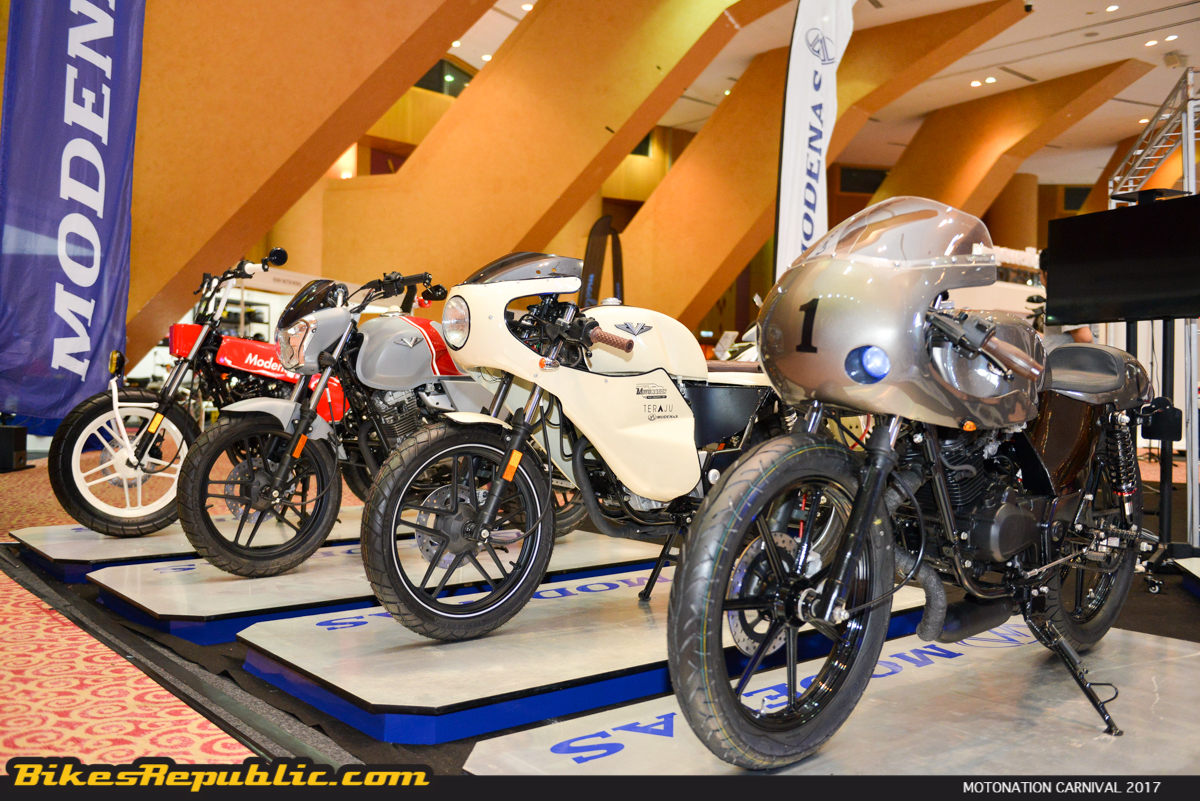
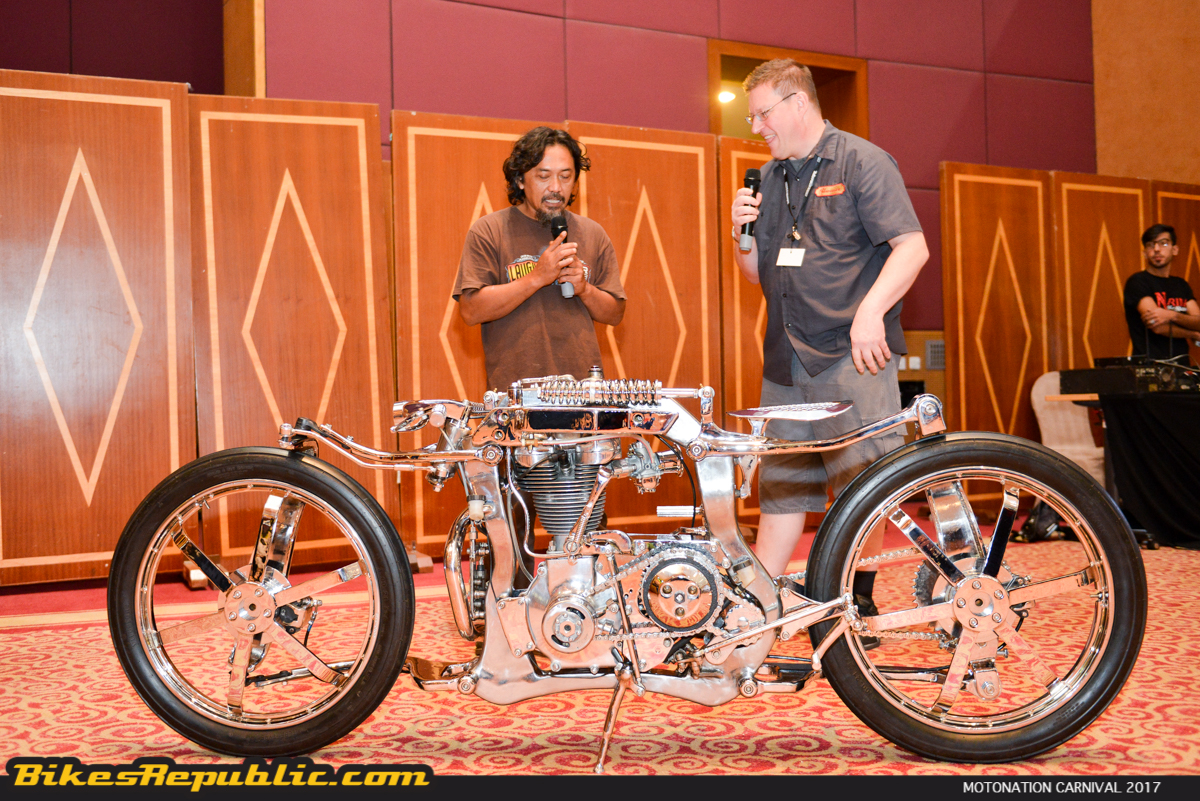
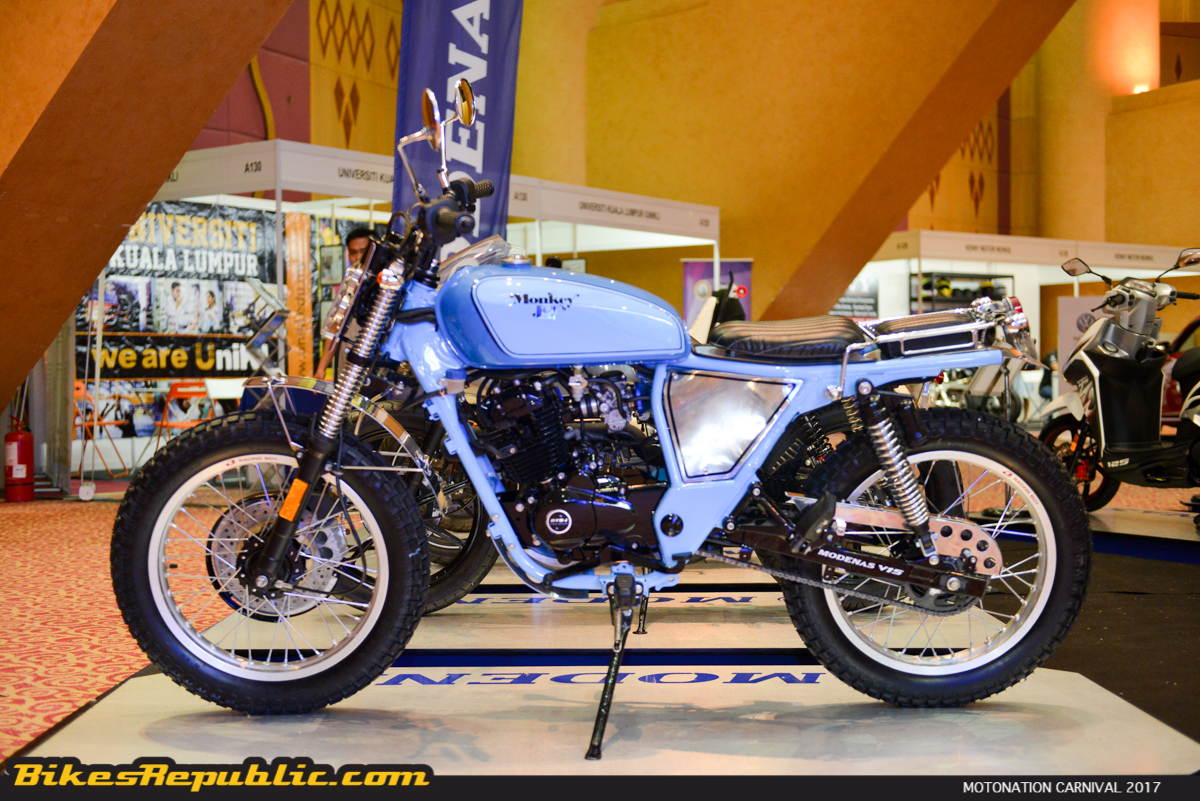
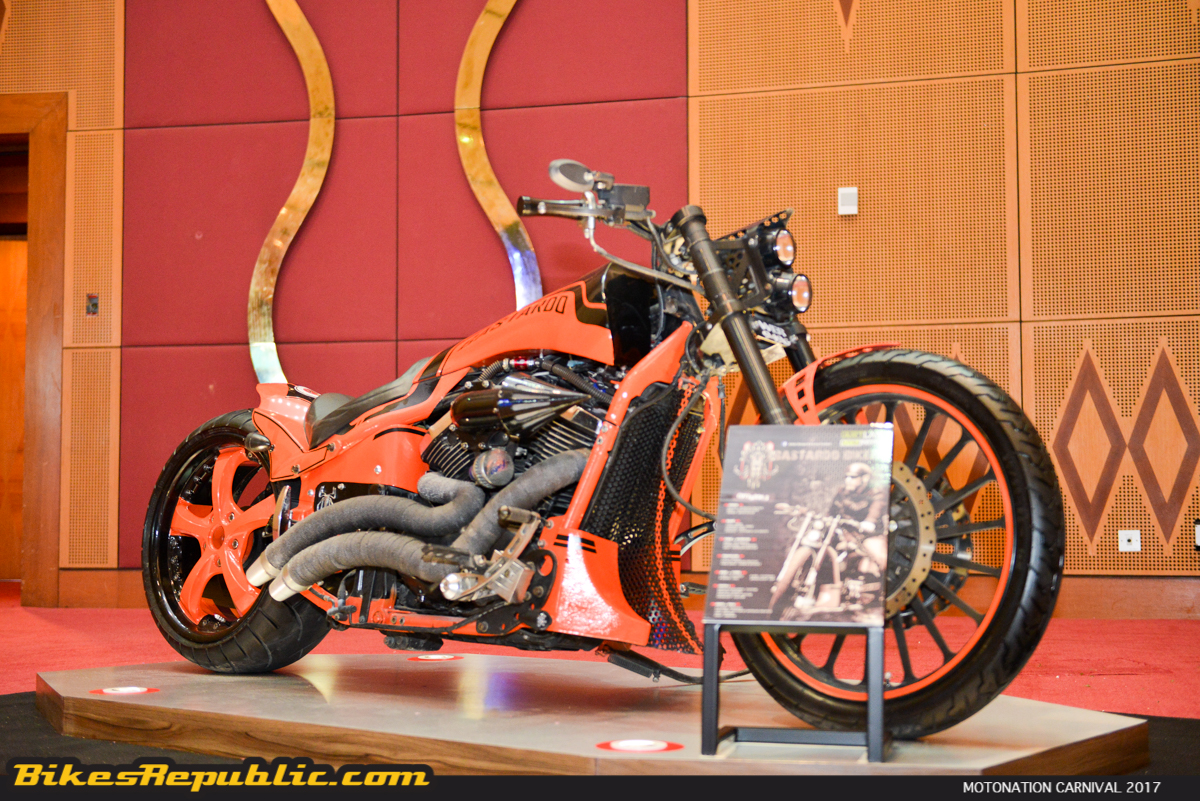
More significantly, Modenas also displayed the customized V15 bikes for the SUPER MOD contest (as part of the Bakat Besi competition). The bikes were then judged by AMD Showmaster, Neil Blaber, who also judged the Motonation custom bikes competition.
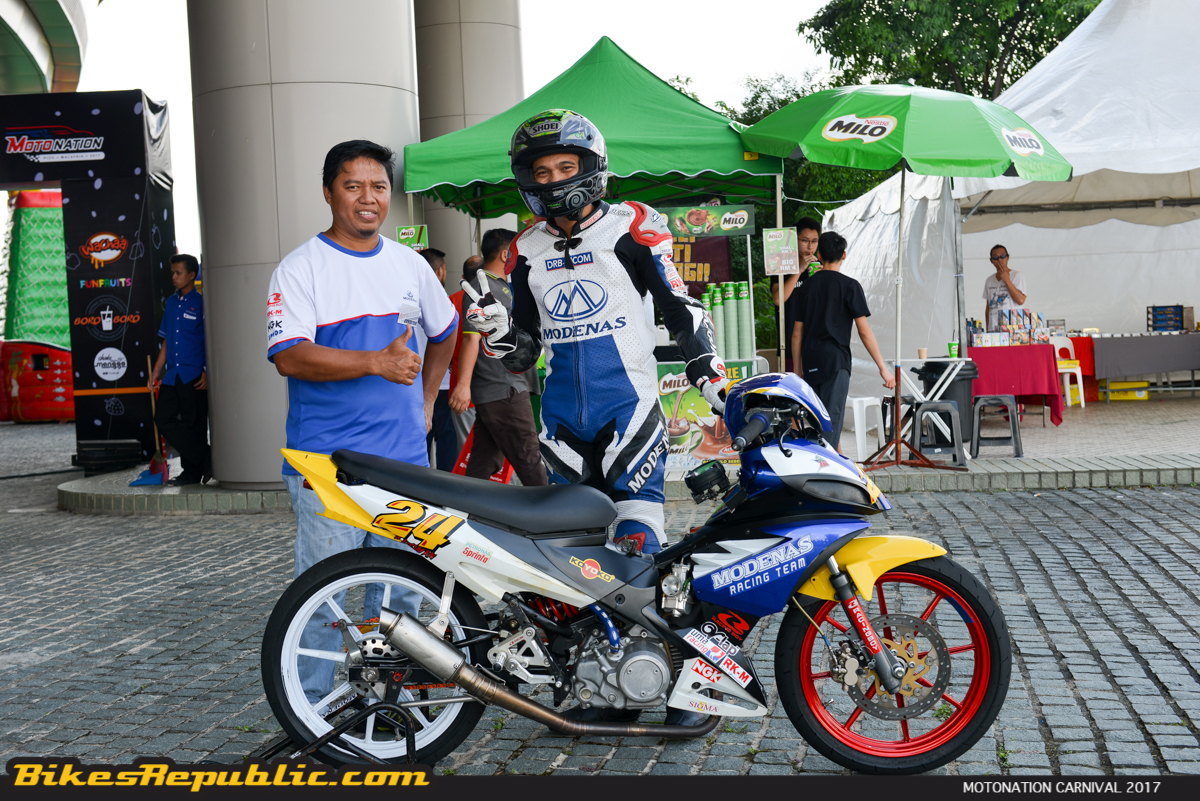
Modenas also had a smaller booth at the mall area, next to the main stage. Here, they displayed the Cub Prix race bikes. Their riders made a short demo run during the official launching of the event on Saturday.
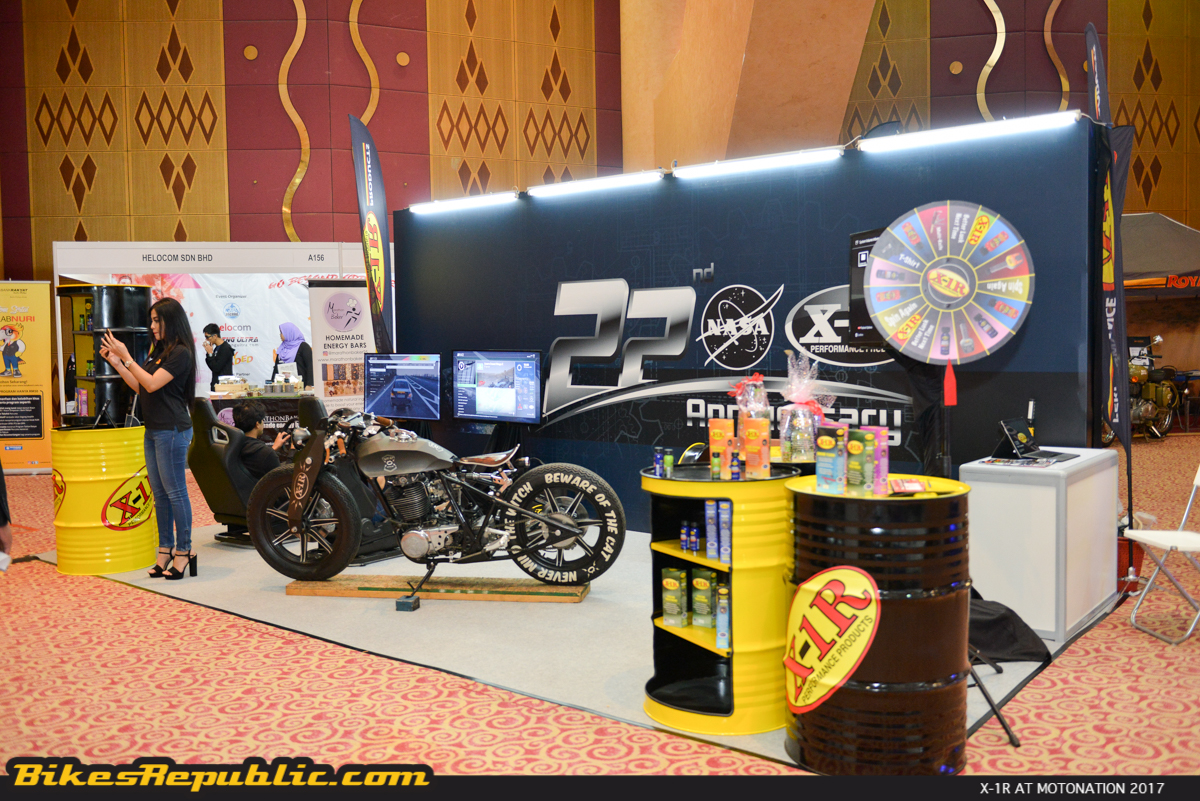
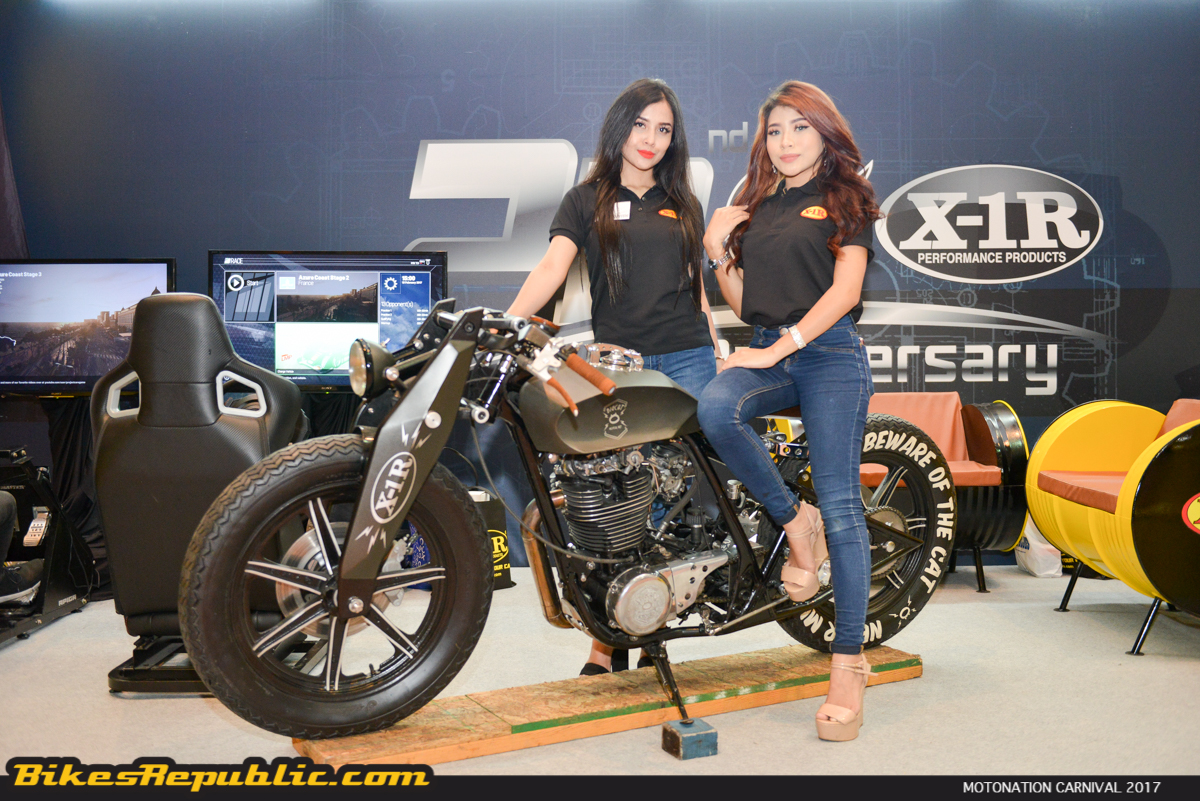
X-1R’s booth in Hall A were fully converted to reflect on the lubricant specialist’s famous yellow corporate colour and theme. X-1R supplies lubricants and engine maintenance products, hence their unique products in little bottles were displayed on oil drums painted yellow, that had the front portion removed to form display stands.
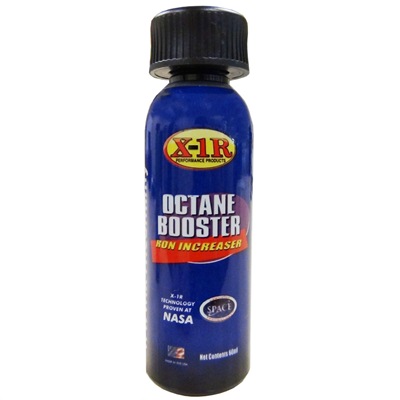
Products included the Octane Booster, Small Engine Treatment, Fuel System Cleaner, Engine Flush, Petrol System Treatment and many more.
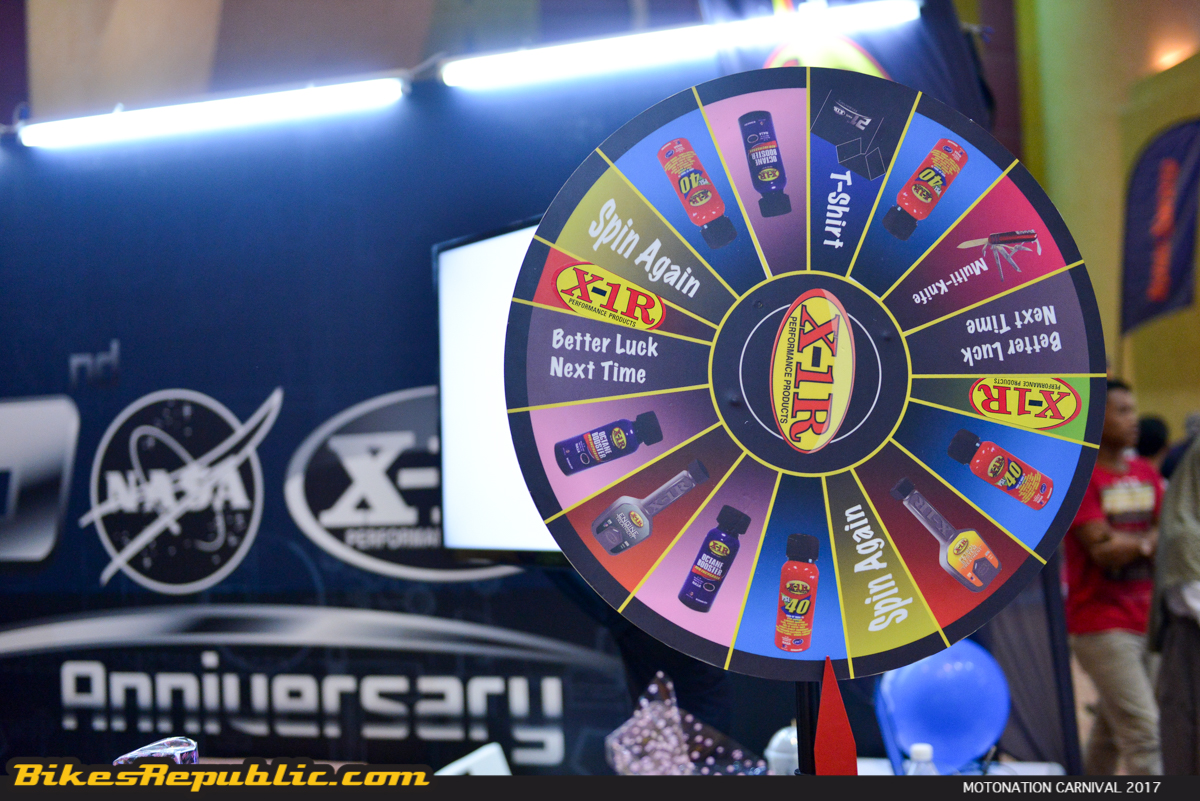
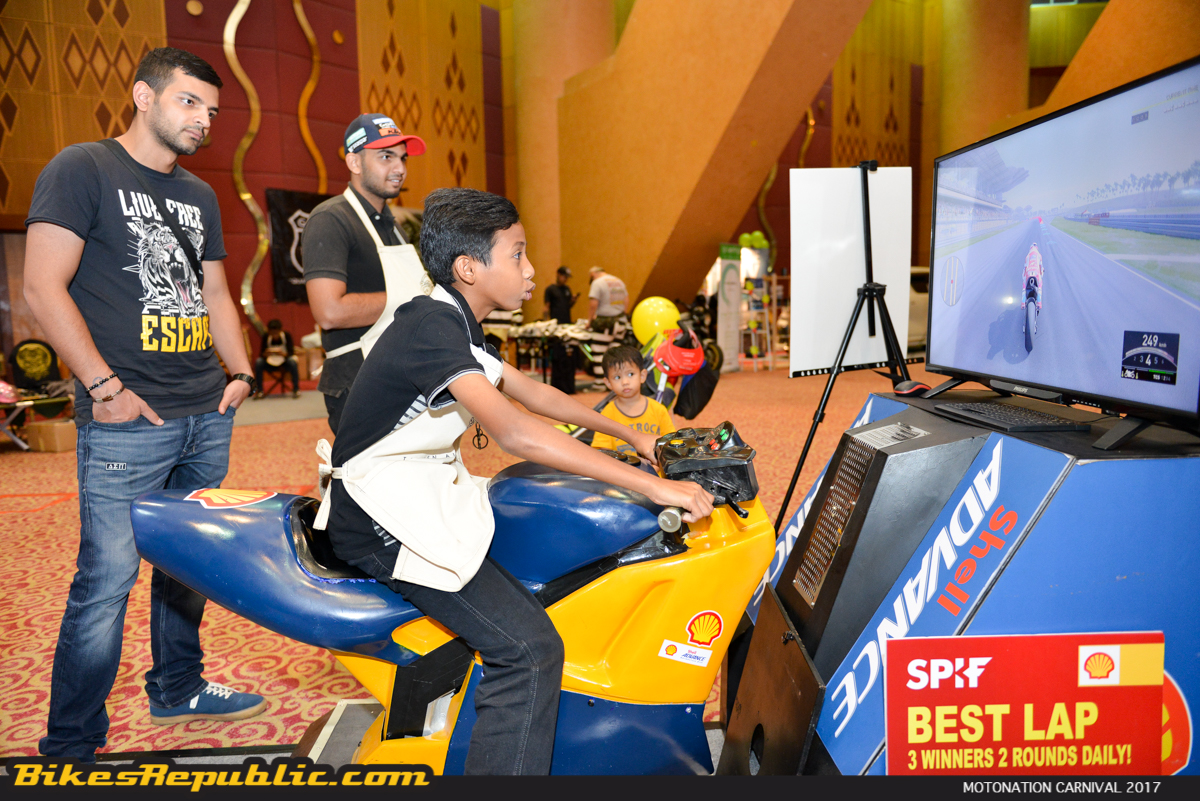
There were two driving simulators for visitors to try their hands on. There was also a custom bike by Bigcat Customs being displayed centrally and prominently at the booth. Other activities included a huge 50% promotion for their products and visitors stood the chance to win special gifts by spinning a “wheel of fortune.”
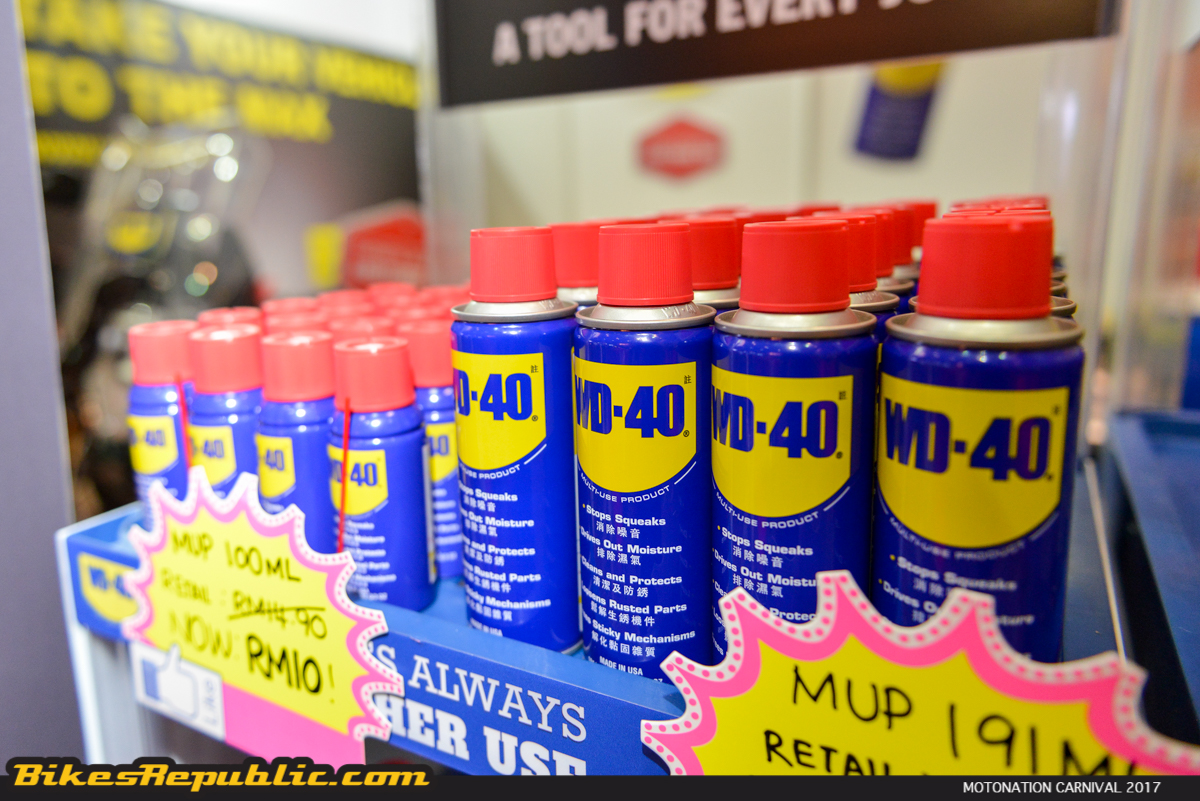
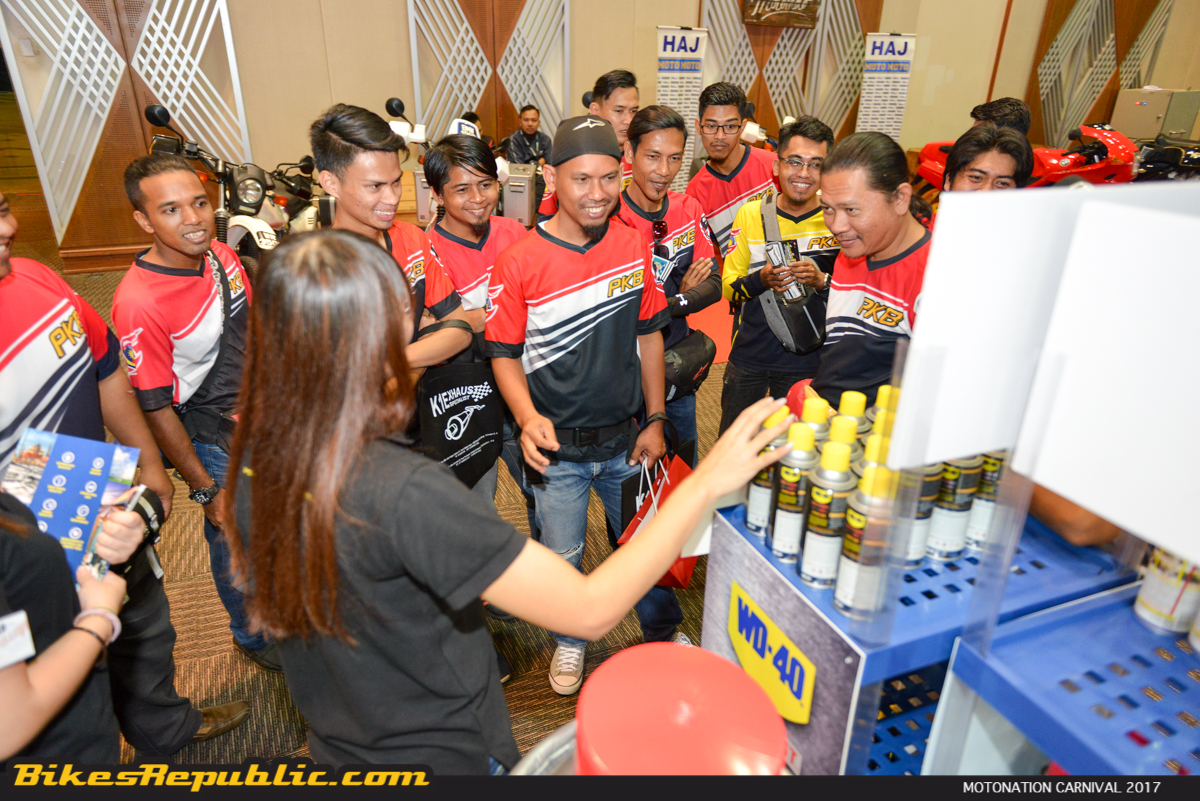
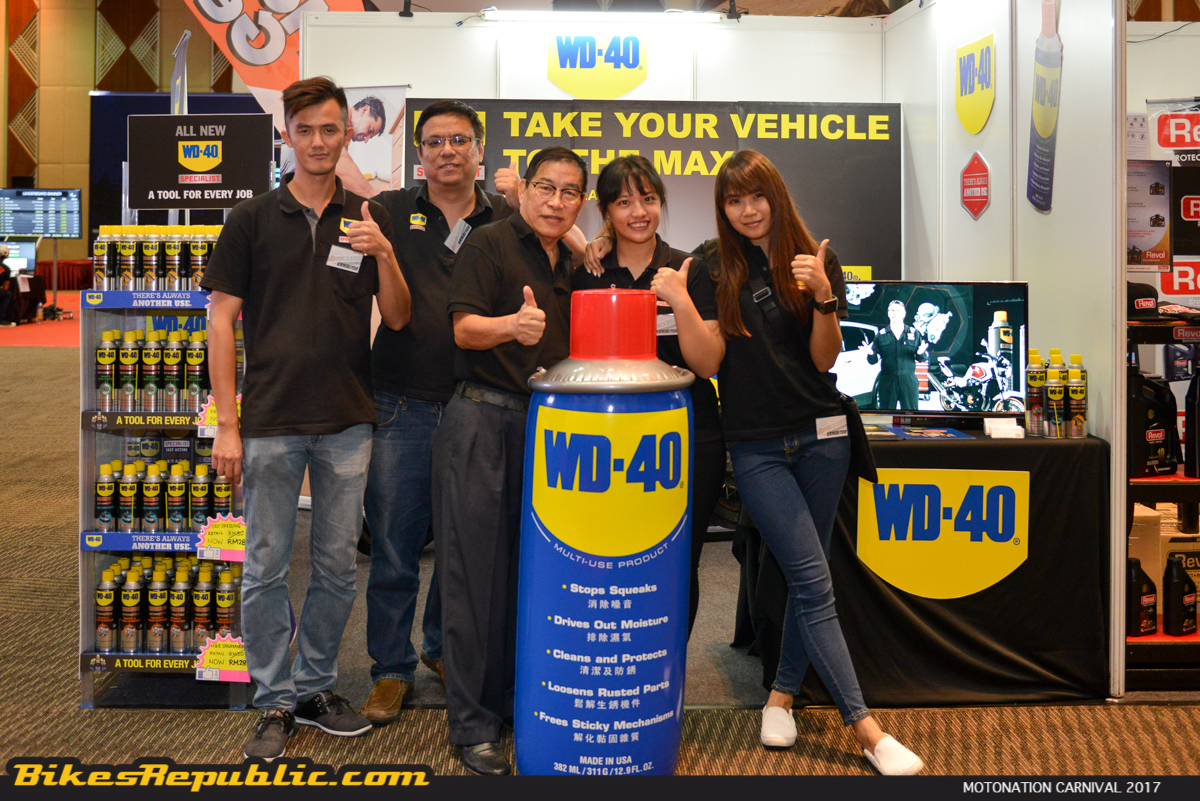
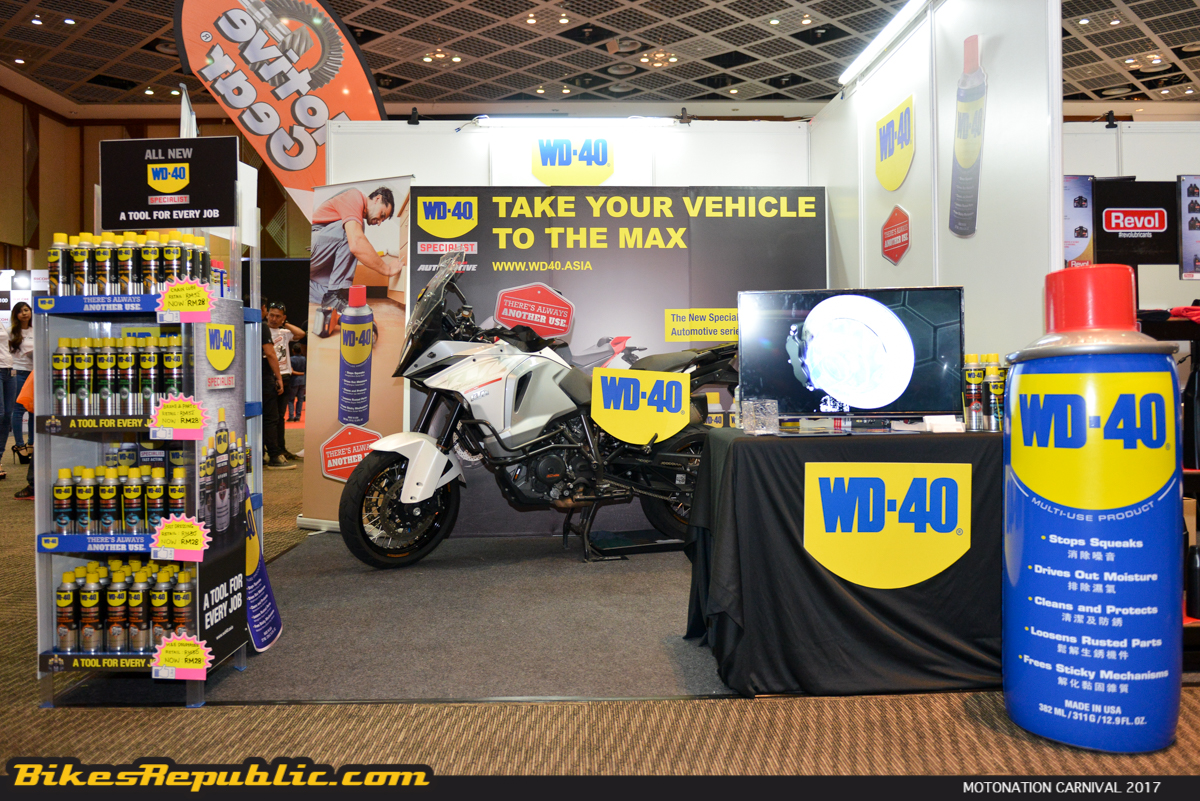
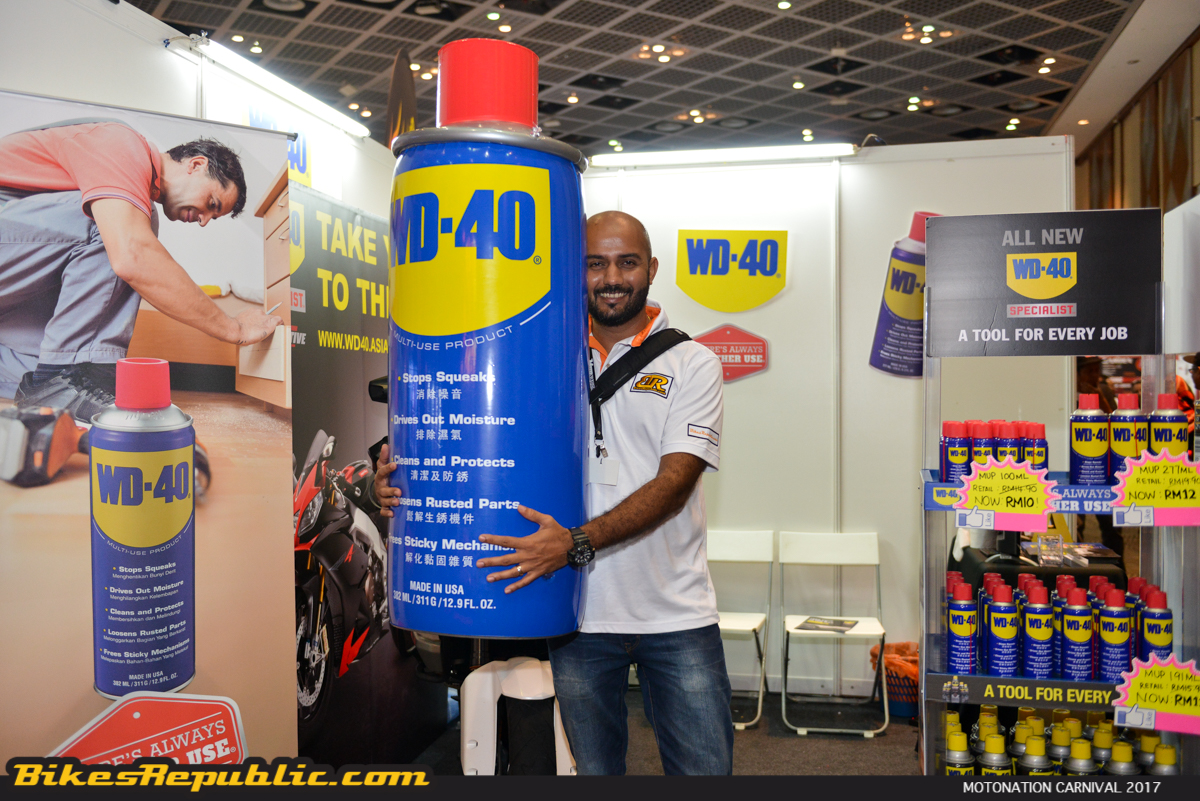
Over to Hall B was WD-40, the infamous multipurpose penetrating oil. WD-40 was running a special promotion for the original yellow and blue can product, starting from just RM10 for the smallest can to just RM12 for the largest!
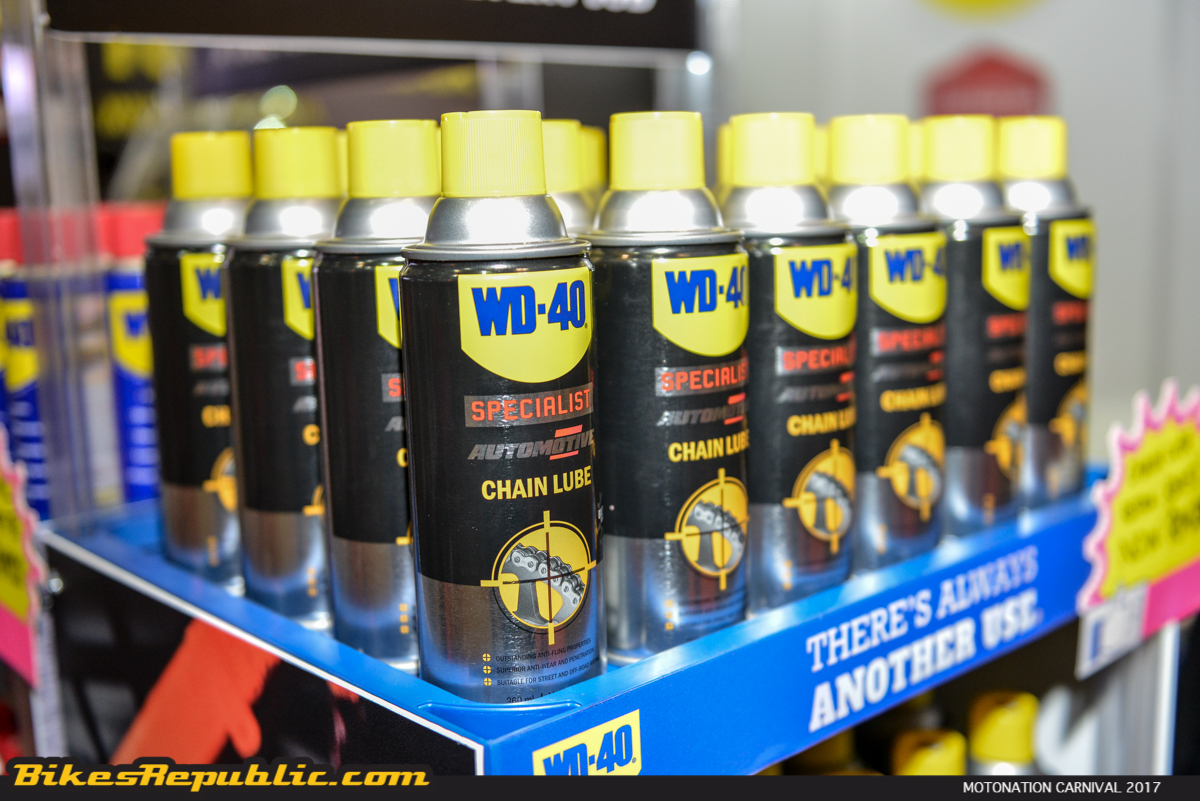
However, WD-40 had also introduced a new line of maintenance and cleaning products during the event, which they had demonstrated their effectiveness in cleaning a KTM 1290 Super Adventure T. The 2-year-old bike looked spanking new when they were through with it.
The products included the Engine Degreaser, Parts Cleaner, Chain Lube and so forth.
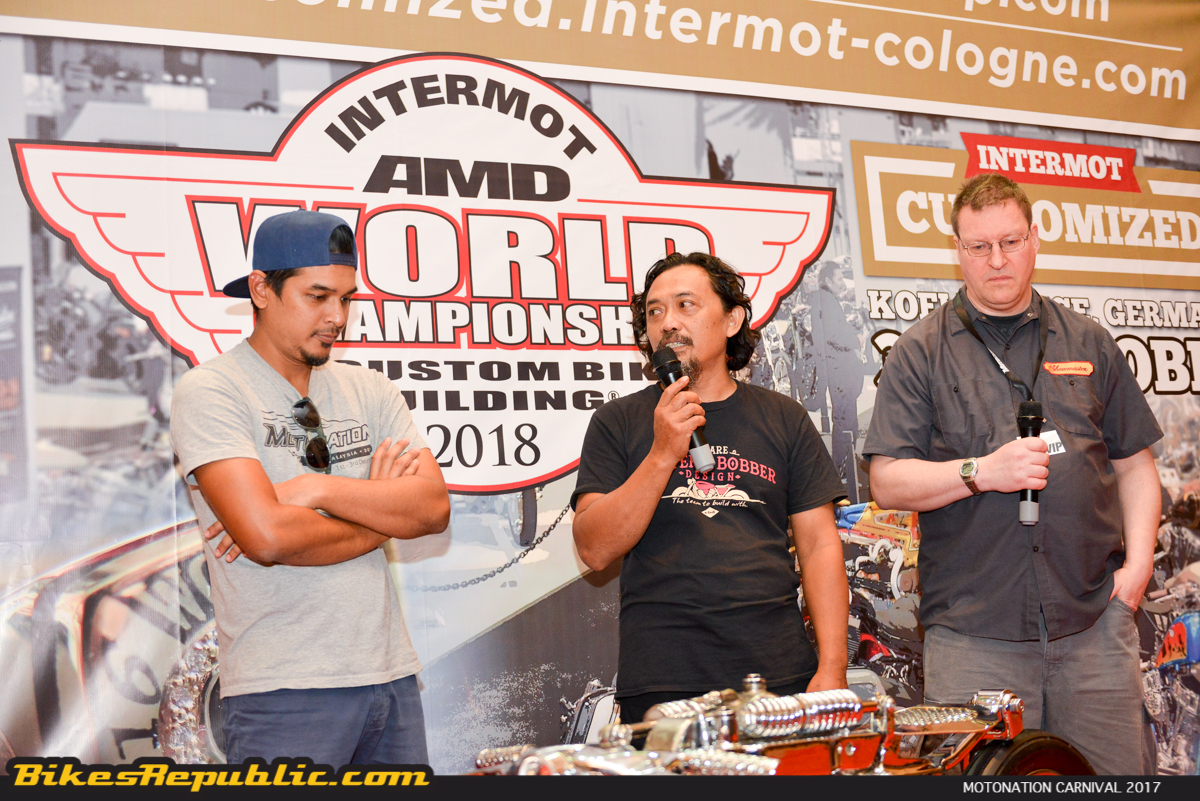
Neil Blaber of AMD Magazine was brought in to judge Motonation’s custom bike and Modenas’ SUPER MOD contests.
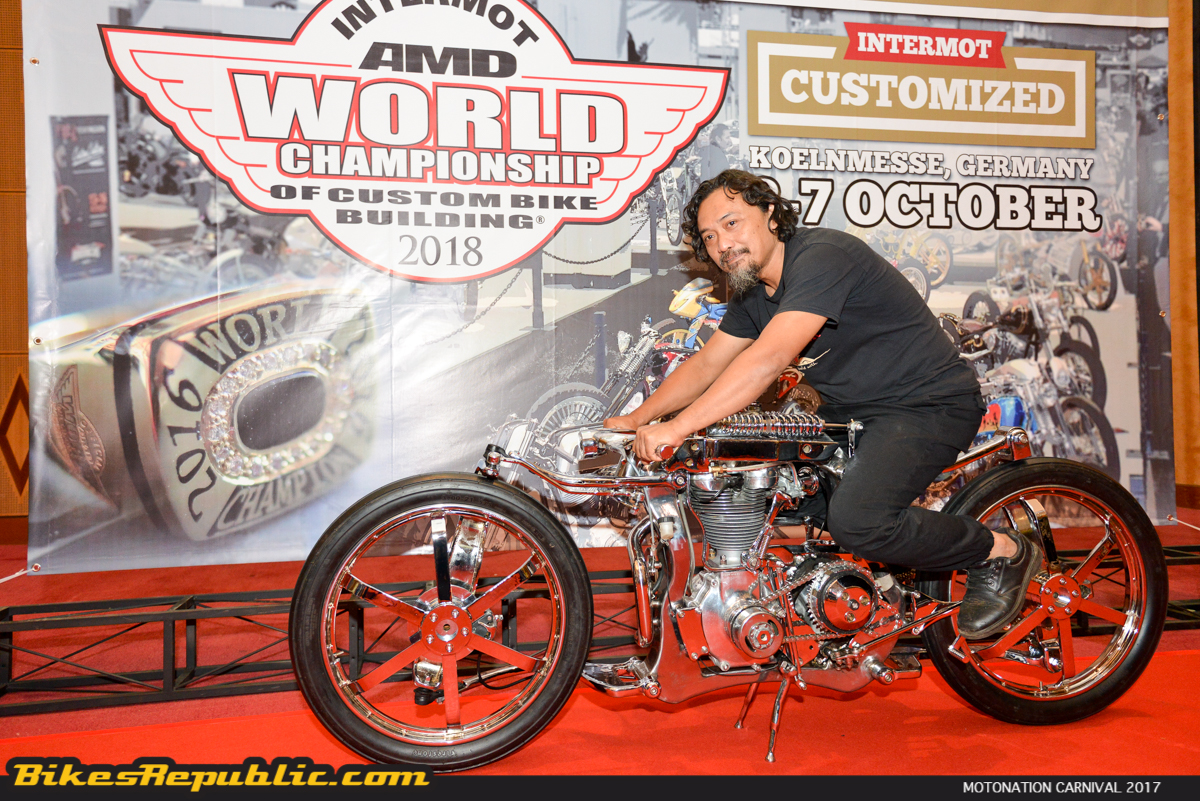
Motonation will sponsor the winning bike and builder to the World Championship at Intermot.
Neil was impressed with the quality and creativity of Malaysian builders.
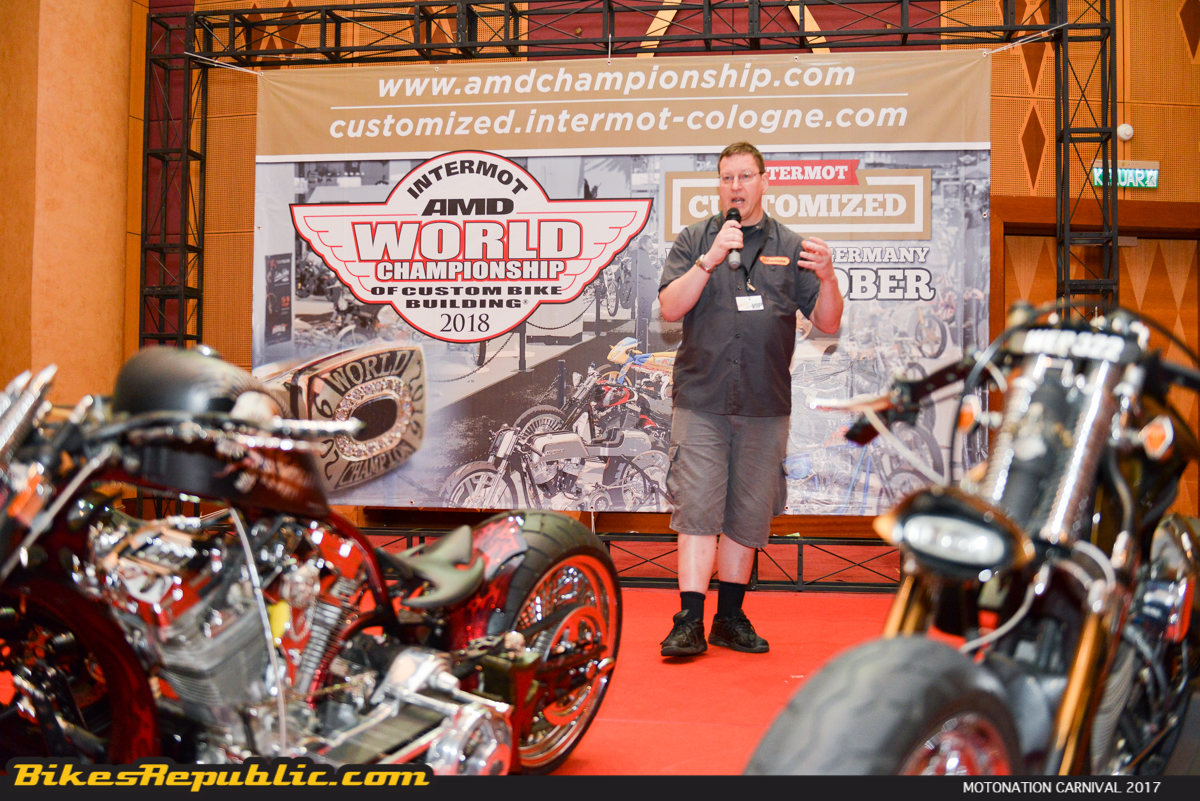
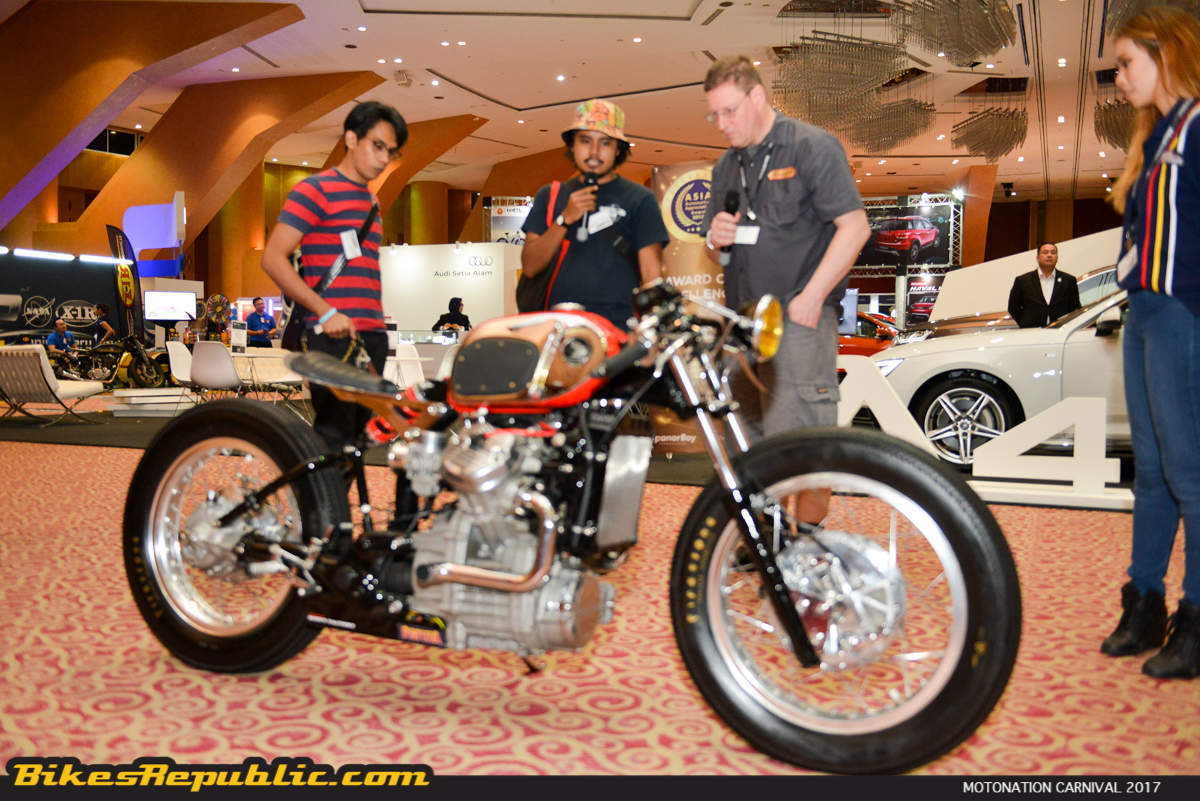
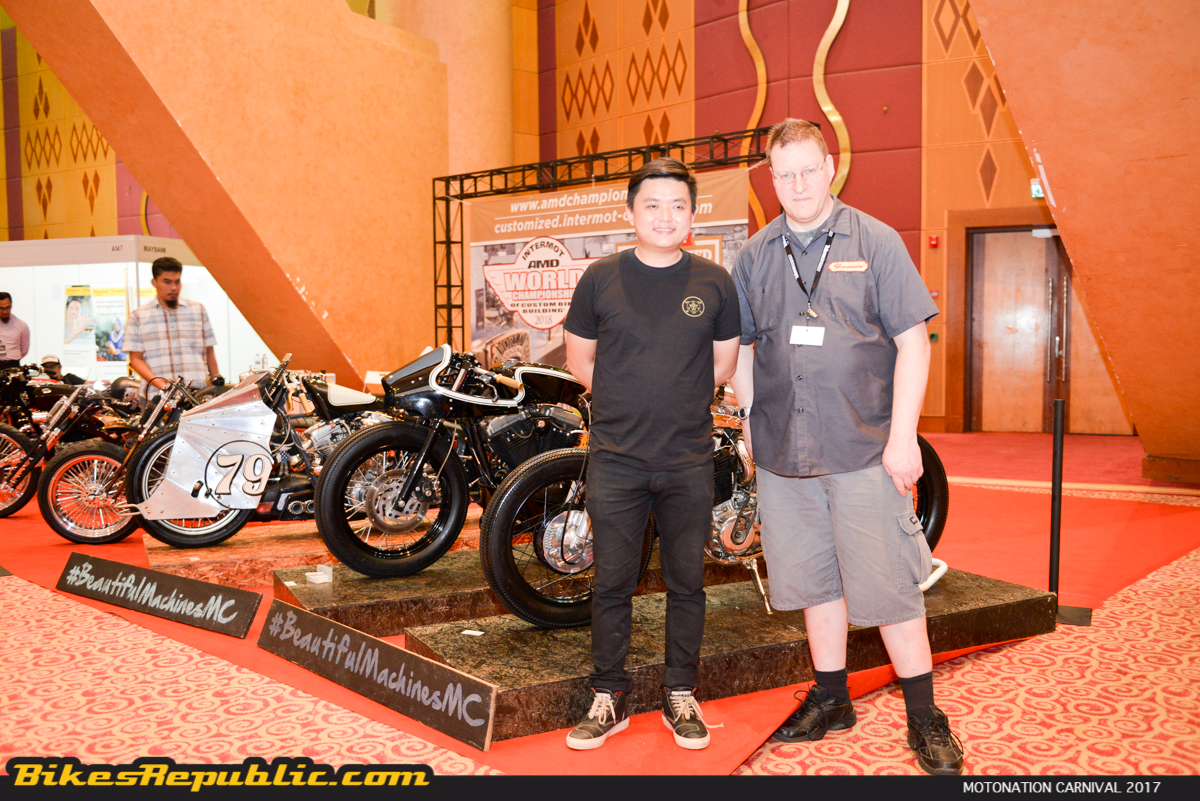
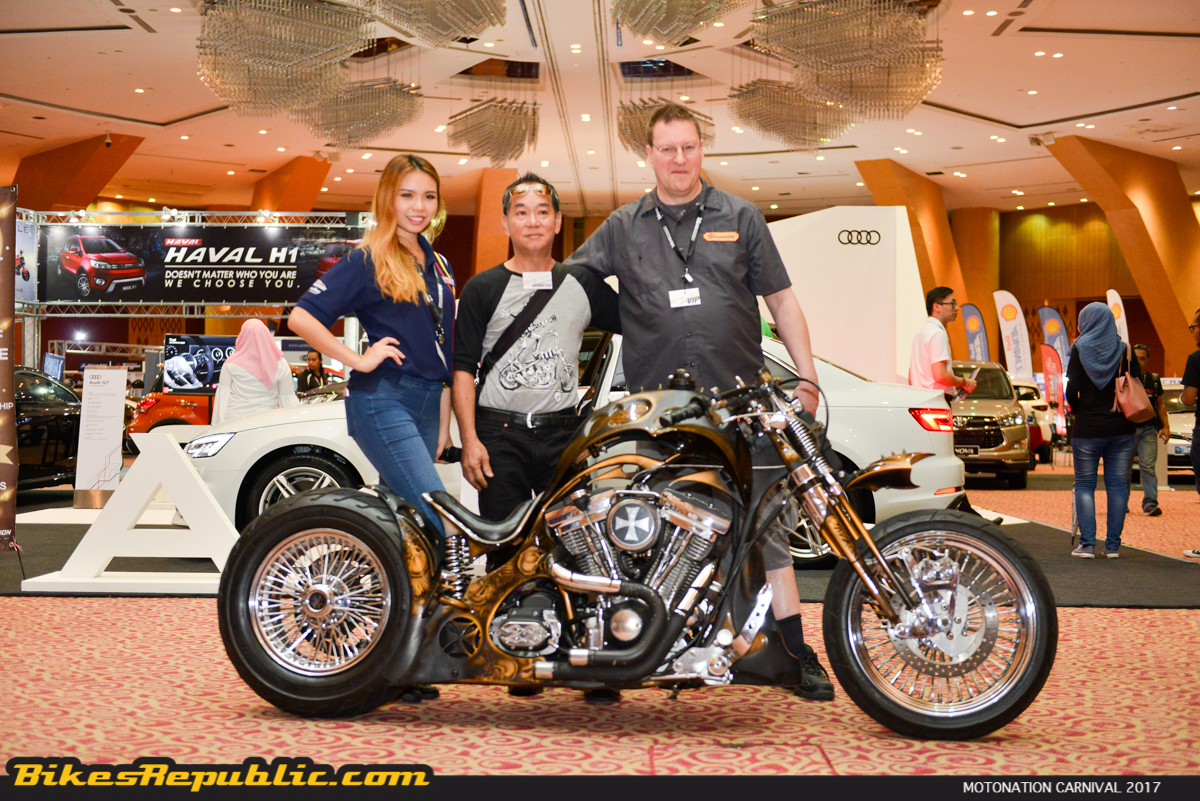
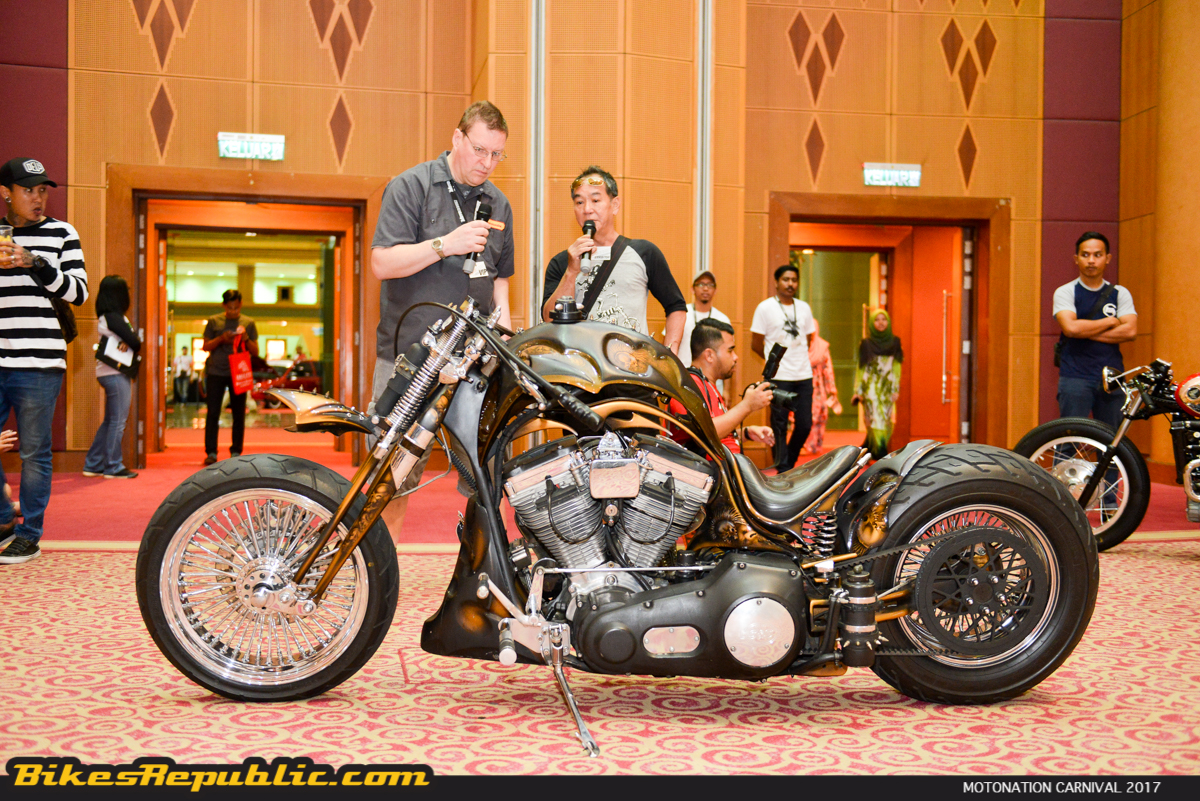
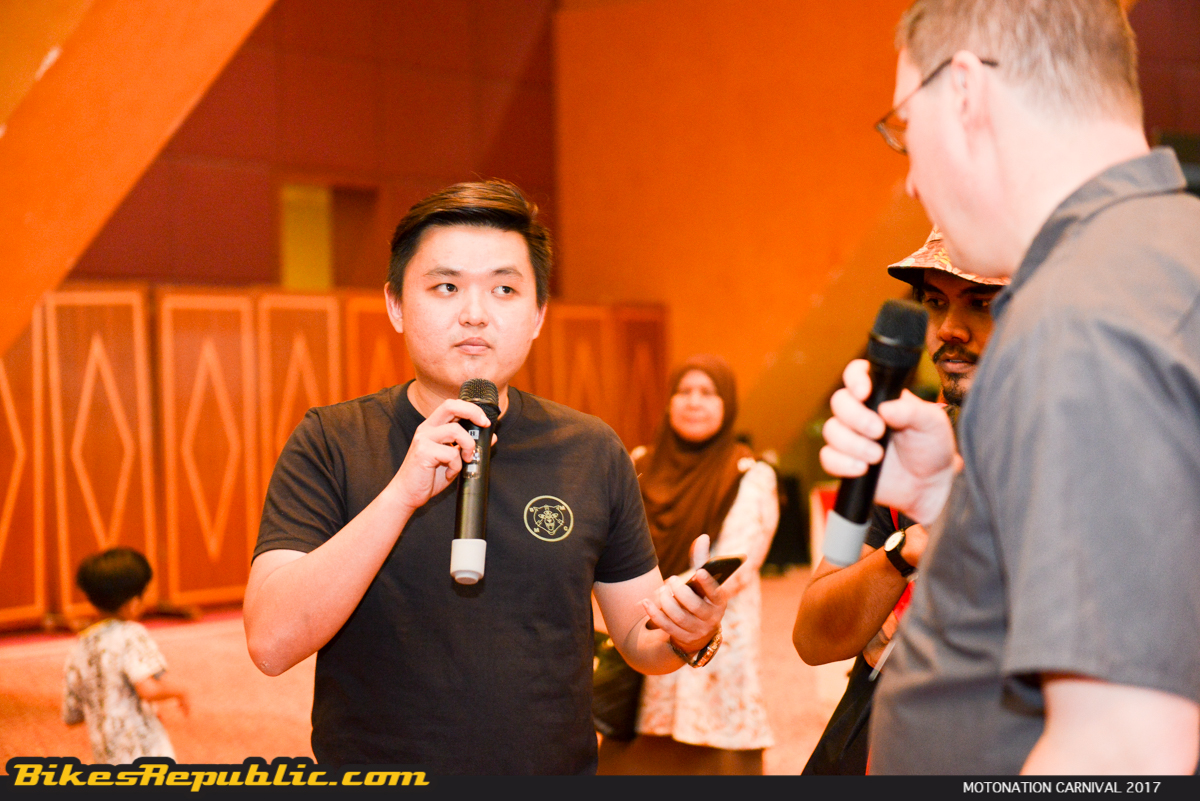
We had the pleasure of meeting and chatting with Neil Blaber of AMD Magazine at the recent Motonation carnival in PICC. Neil had been called in by the organizers of Motonation to judge the custom motorcycles competition.
It was a high-stakes game as Motonation will support the winner’s entry to the AMD World Championship of Custom Bike Building 2018, in the Intermot Show in Cologne Germany. (Click here to read more of our coverage of Motonation and here for the report of the competition).
Bikes Republic: How does AMD run its bikes shows? Neil Blaber: We did bike shows and competitions a little bit differently than those in the past. We’ve had people enter their bikes in more than one class, and found out not to ever, ever do it. It’s a nightmare, because how we do the judging is all the competitors vote on their peers’ bikes.
We’ll have a few VIP judges also, but they’re usually builders who didn’t enter their own bikes. There’ve also been trusted journalists who don’t just won’t for their mates (friends), besides other experts in the industry who know what they’re looking at.
It’s done almost like a survey among experts. When you think about it, who are the best qualified to determine which is the best bike than these guys. You’ve got all these experts there and if judging is handed over to just four guys, it’s all wasted.
So, in the end, if people aren’t happy with the results, at least they know it’s fair because it was peer reviewed.
In the end, you could end up with a hundred votes papers returned. Counting the ballot papers was hard work, I’d usually be up until 4 in the morning, tabulating the results. I’d take the feedback from the ballot sheets and key them into the spreadsheet for the results to be tabulated.
They’ll vote for their favourite 12 bikes, the top build will receive 15 points, second place gets 12, third gets 9, then 7, 6, 5, 3, 2, 1 points respectively. What that means is that getting voted as the top isn’t necessarily a huge advantage. In the end, the winning bike is usually the one which was rated reasonably high by all the guys. (What Neil means here is the entries must be good overall.)
You may get a controversial bike which was voted first by three guys but no one else, on the other hand, you get a bike that’s voted for third or fifth by everyone and it will win.
Bikes Republic: Is peer judging carried out in many bike shows? Neil Blaber: It is carried out in many bike shows now but not many are done properly.
For example, you got have enough bikes for representation, because if you just ask for which is your favourite bike, you’d probably end up with the same result. However, if there are enough bikes, and if a certain or a few judges don’t like a certain type of bike and put it as last, the bike still earns a point.
Some shows look for the Top Three and the spread is just not enough in order to get a true representation of what people sincerely feel.
Some people don’t like not winning and the World Championship is the worst feeling. They may have spent two years or more working on their bike then ending up 50th is, well, you know how it’s like.
We award down to 10th place for the Freestyle class, and the Top Three of the other classes, as the latter classes attract smaller entries.
Bikes Republic: What’s your thought on what you’ve seen this weekend? Neil Blaber: Honestly, I had no idea to see what Malaysia had to offered and I surprised and impressed at what I saw this weekend. Those eight finalists had some truly wonderful material.
Motonation’s roadshow and carnivals concluded today (3rd December) at PICC.
The event drew the interest of a large number of corporations, vendors and clubs.
The winners of the AMD World Championship for Custom Bikes has been concluded.
The winner of the Bakat Besi competition has also been determined.
The event’s lucky draw winners will be announced on this Friday (8th December).
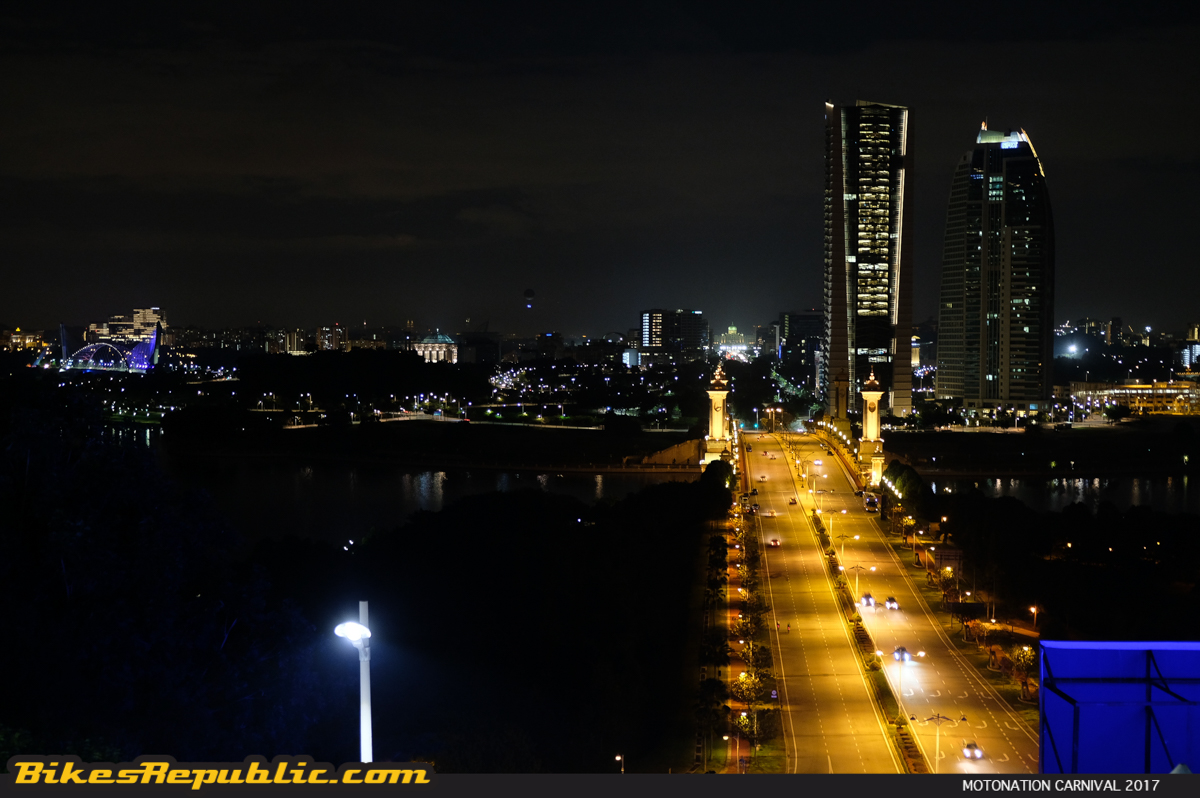
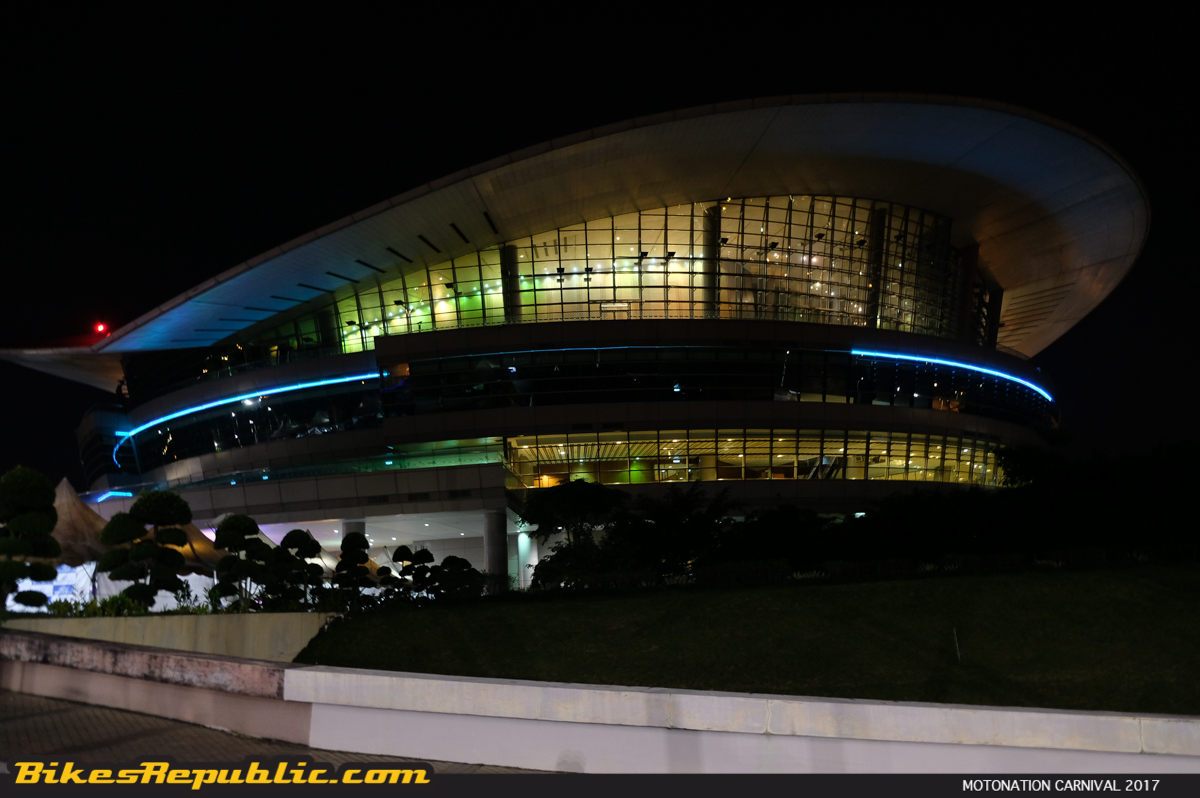
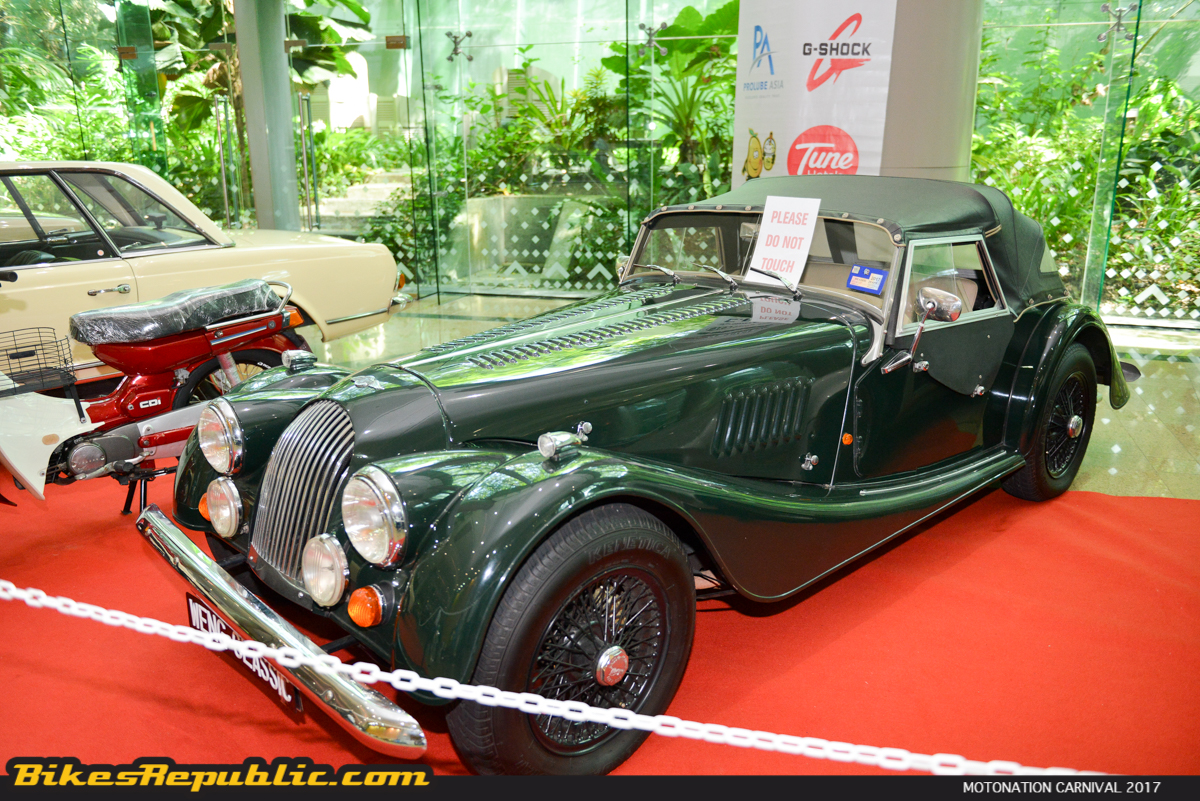
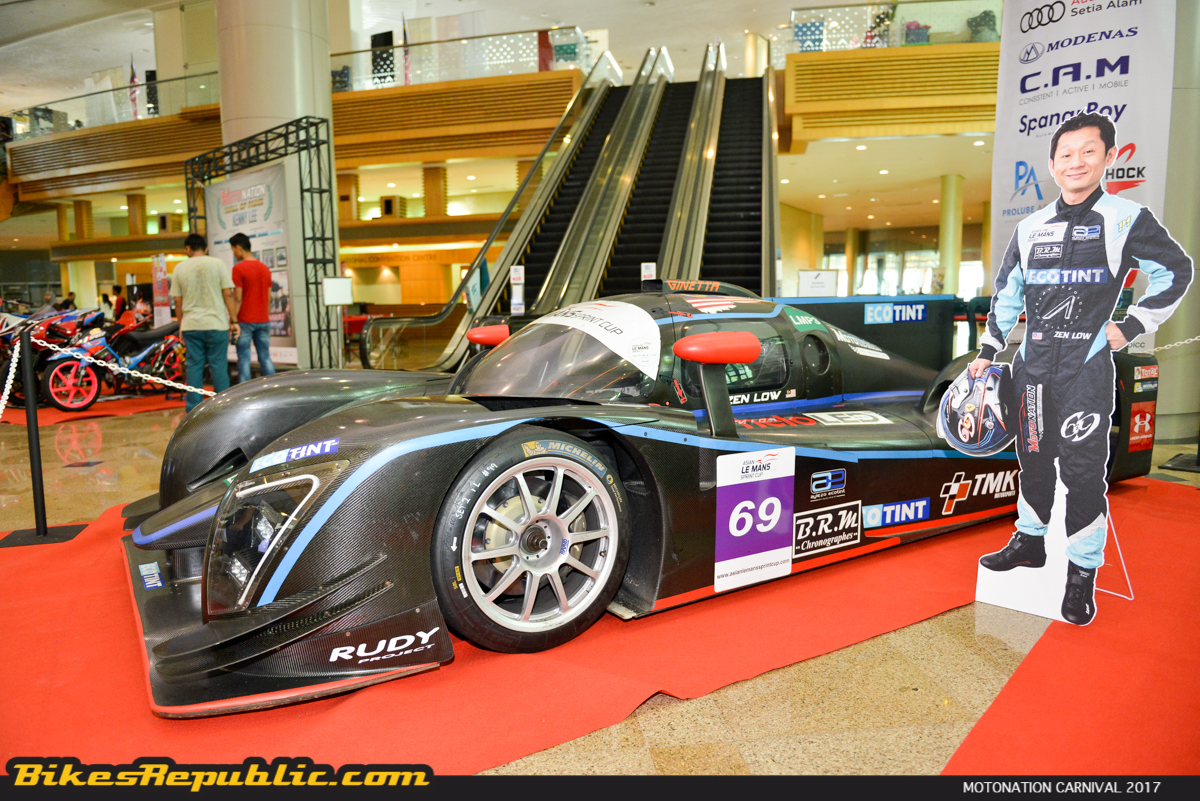
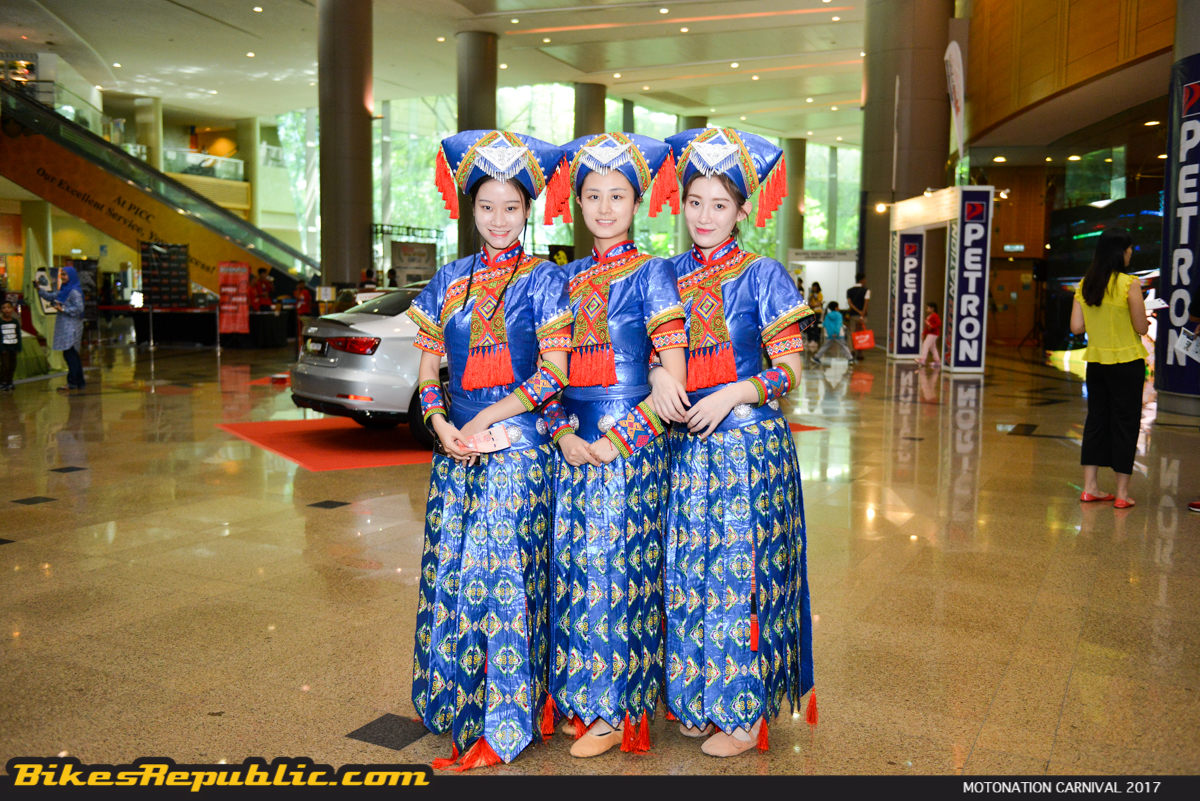
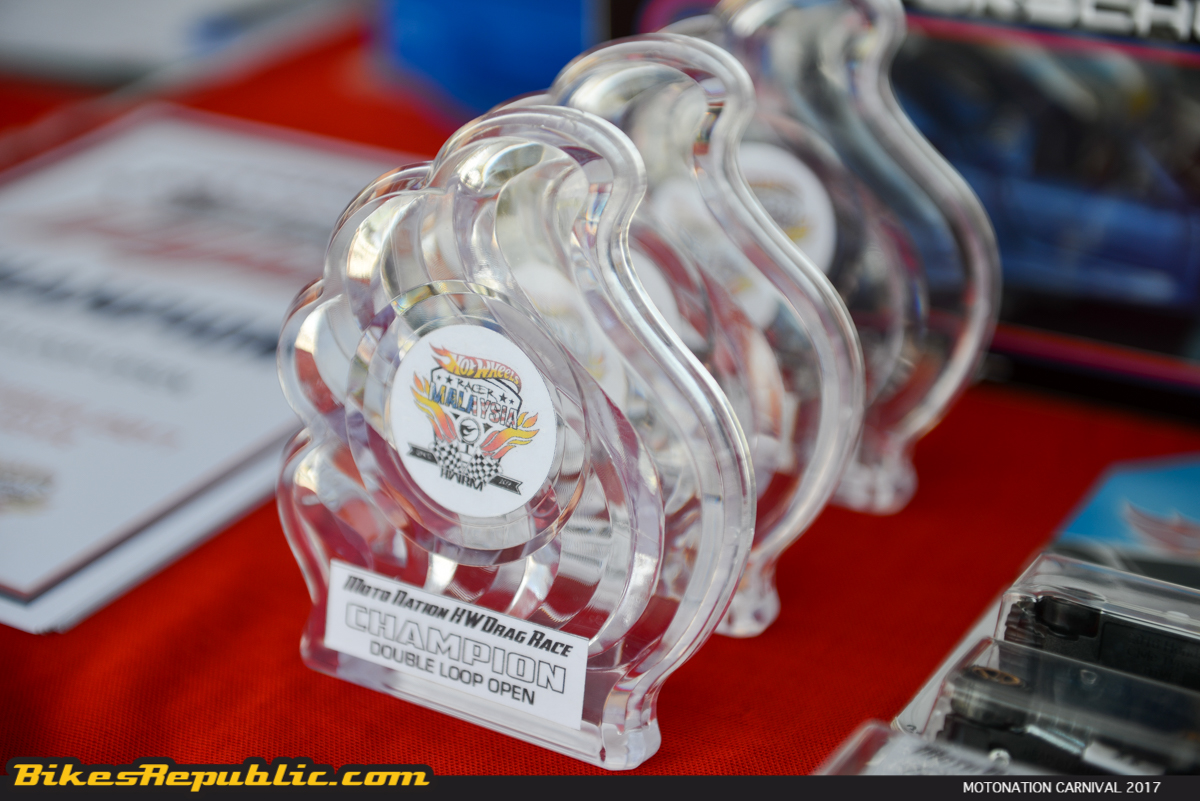
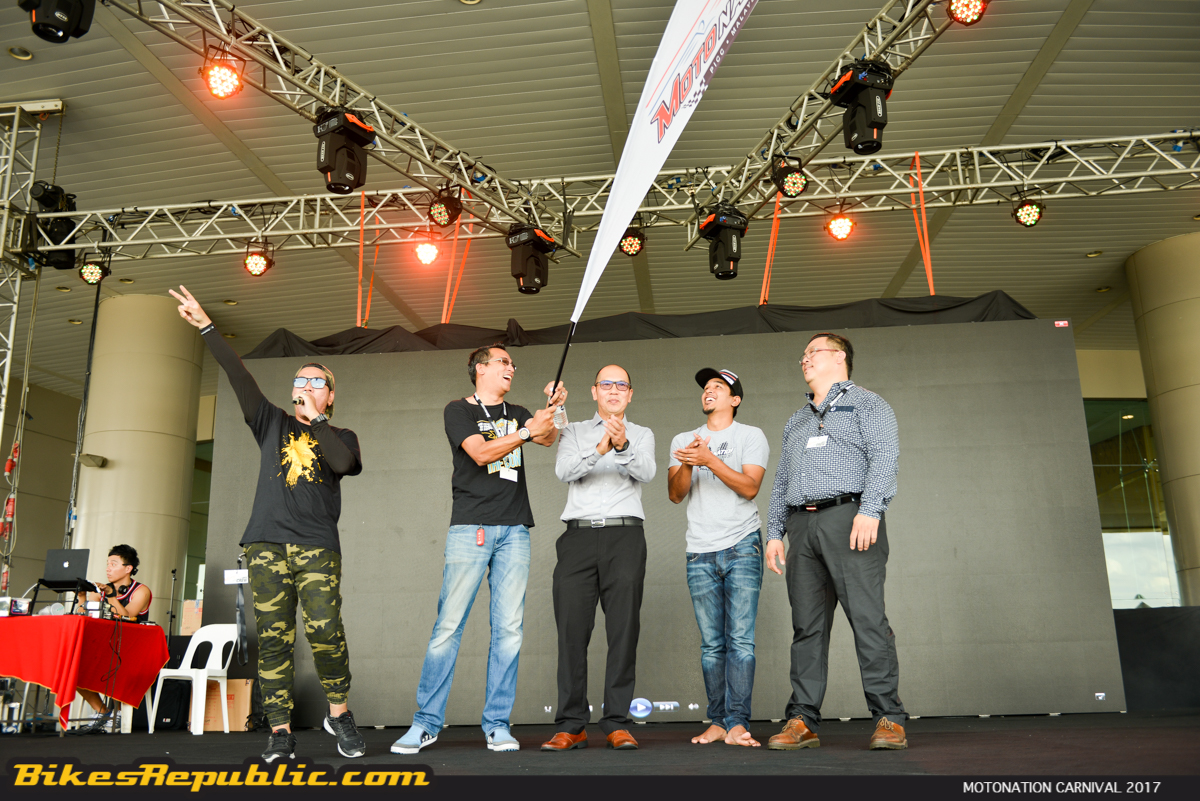
1st – 3rd December 2017, Putraja International Convention Centre (PICC) – The Motonation 2017 roadshow that has been touring the country for the past few months came to a grand conclusion over this weekend.
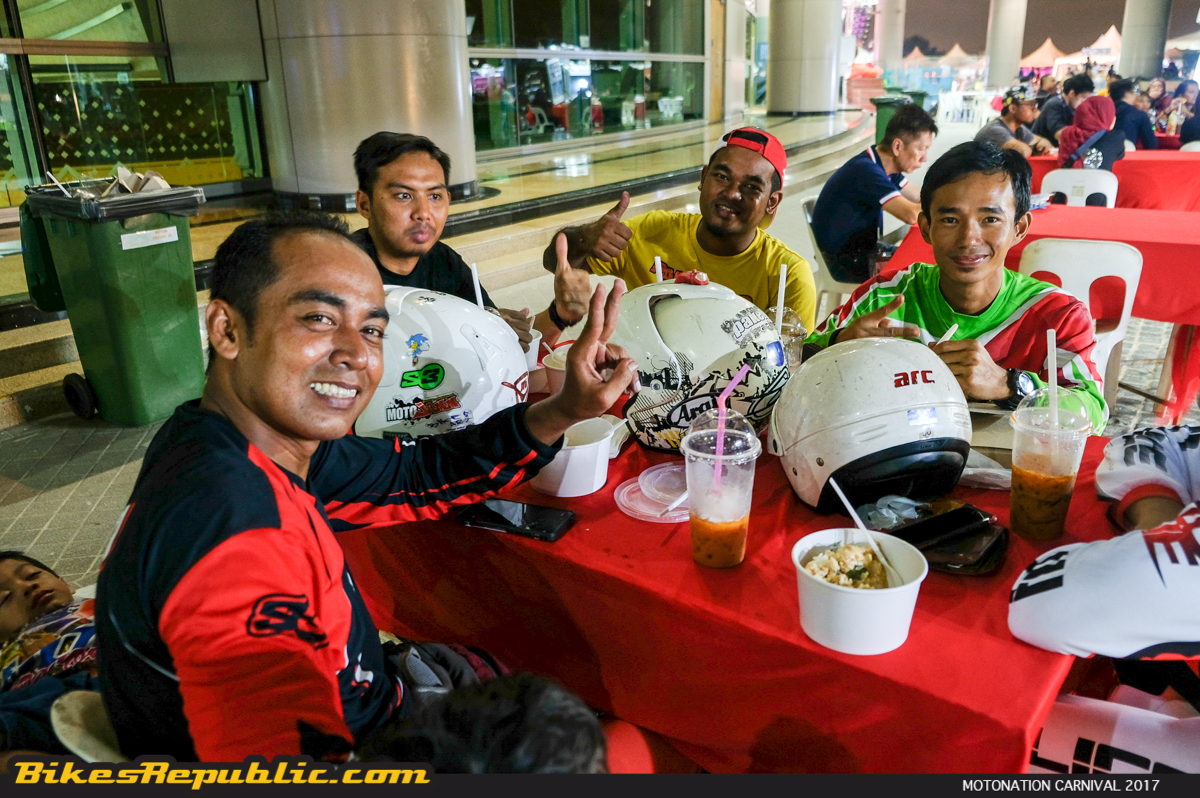
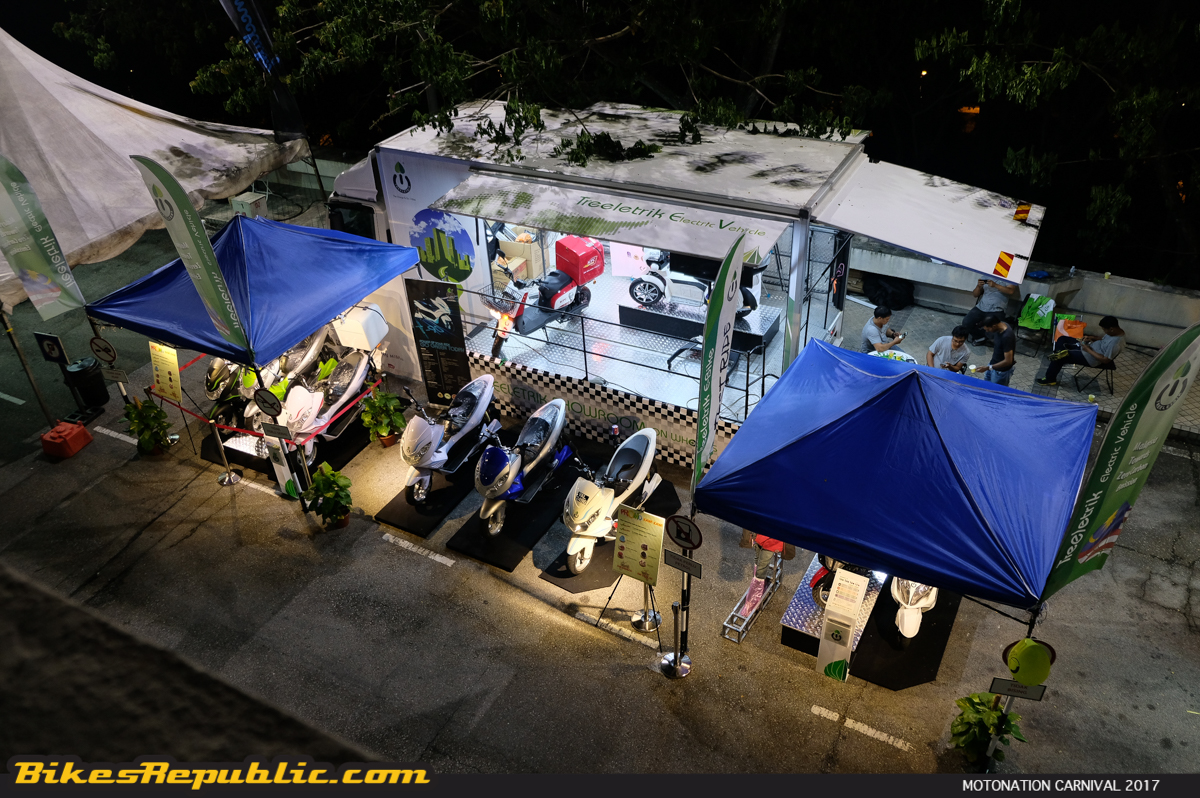
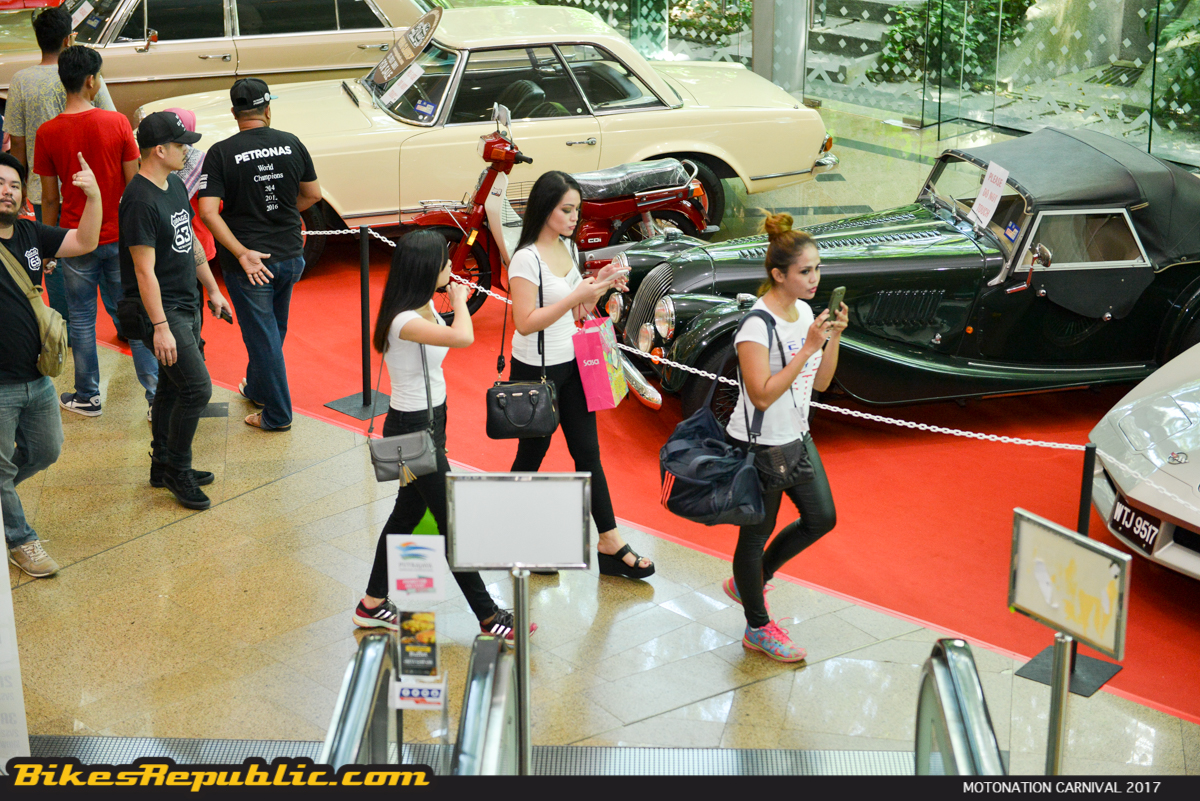
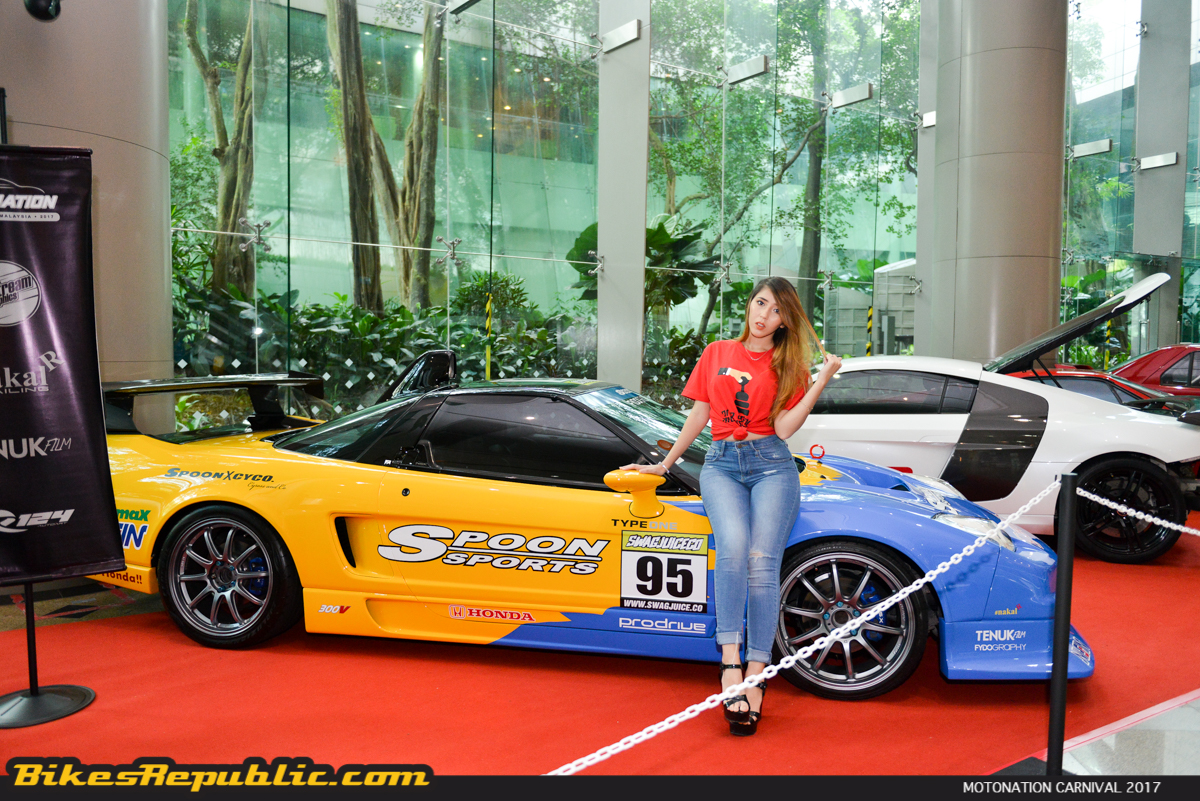
From having just a few vendors and vehicles being displayed at the initial shows, the event at PICC was certainly grand – occupying the main concourse, multiple halls, and all of the outdoor areas – featuring everything pertaining to the automotive lifestyle, regardless is directly or indirectly influenced.
That meant different family members could occupy themselves with different activities and attractions, while not bore the others.
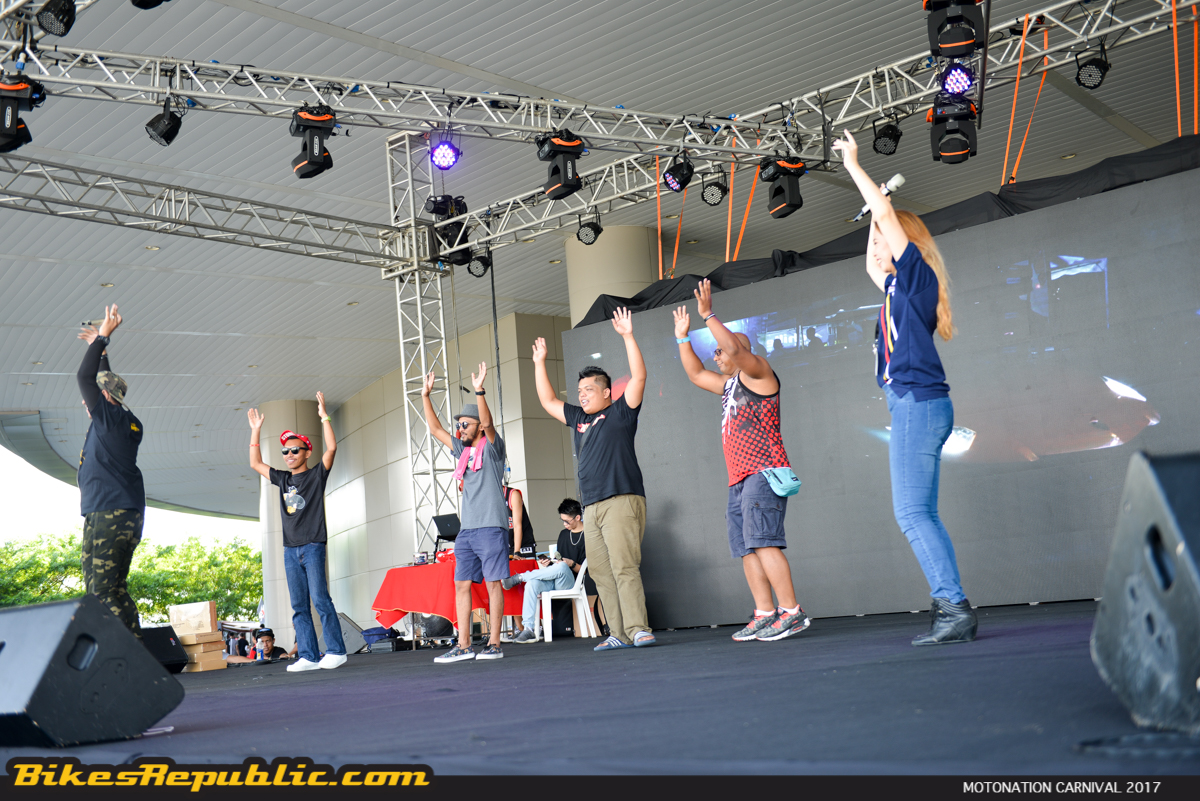
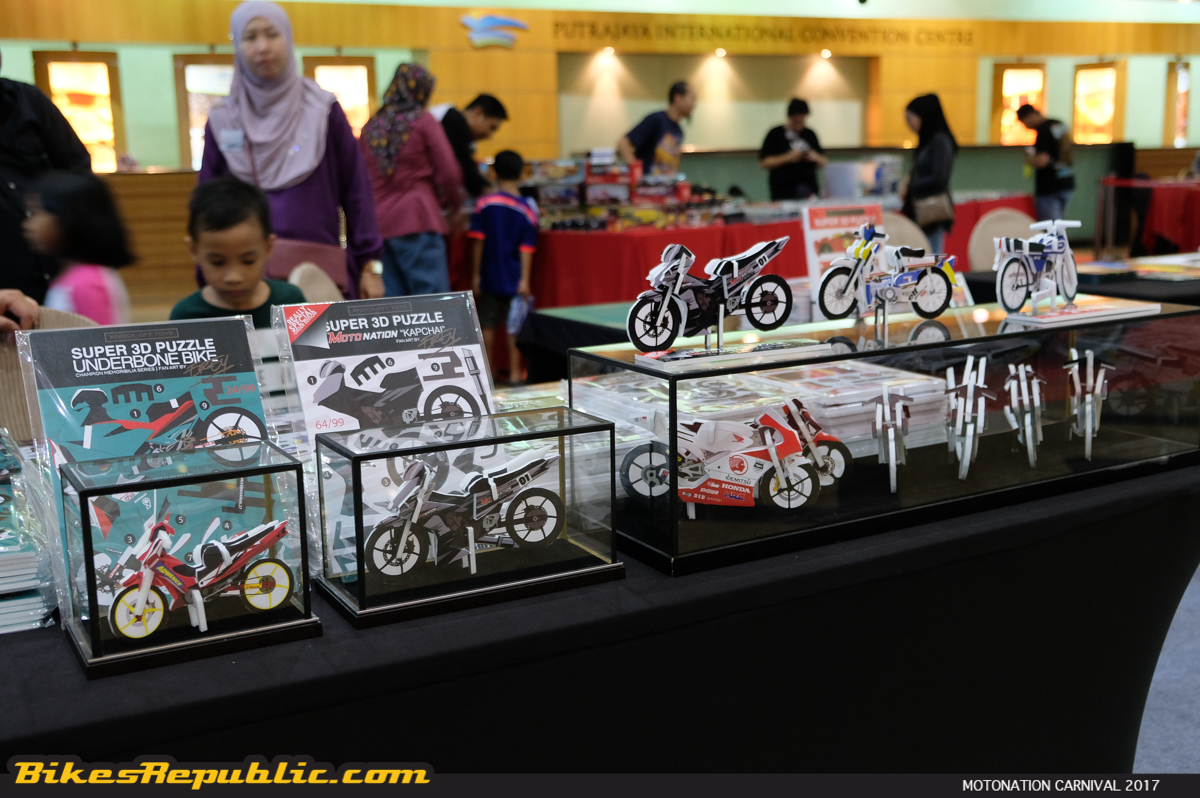
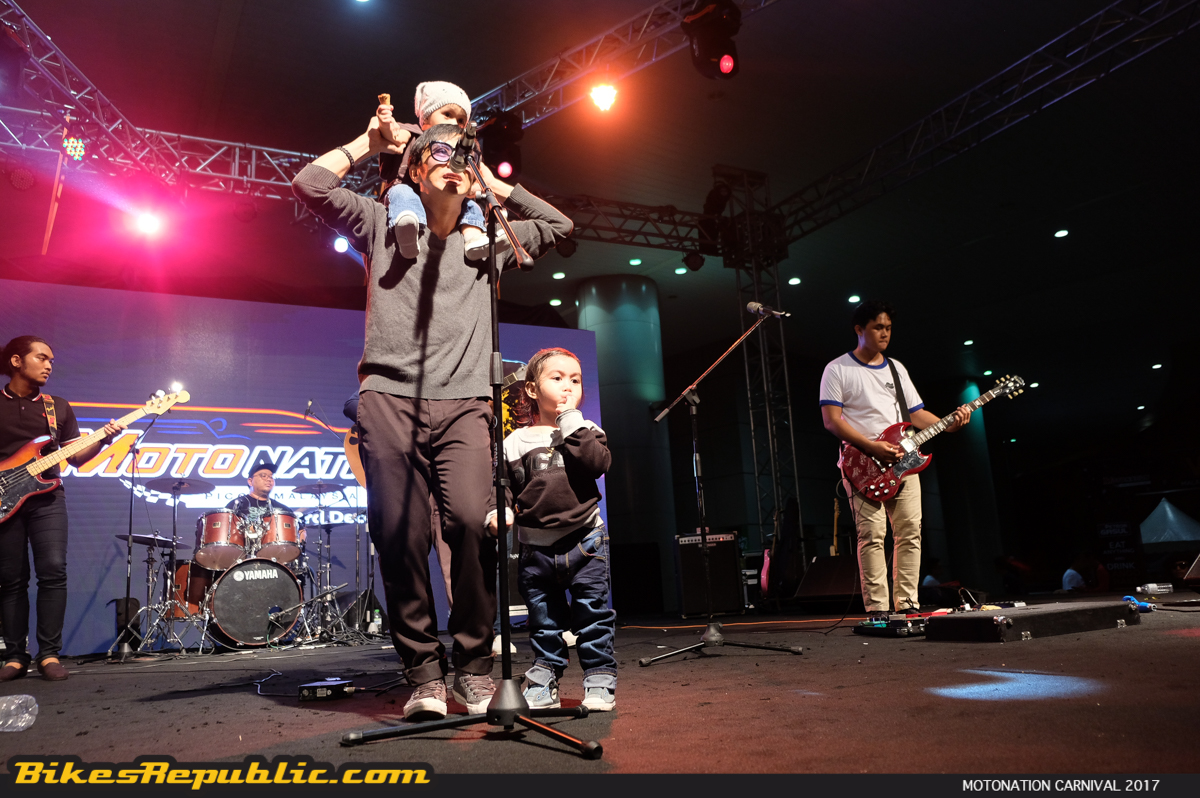
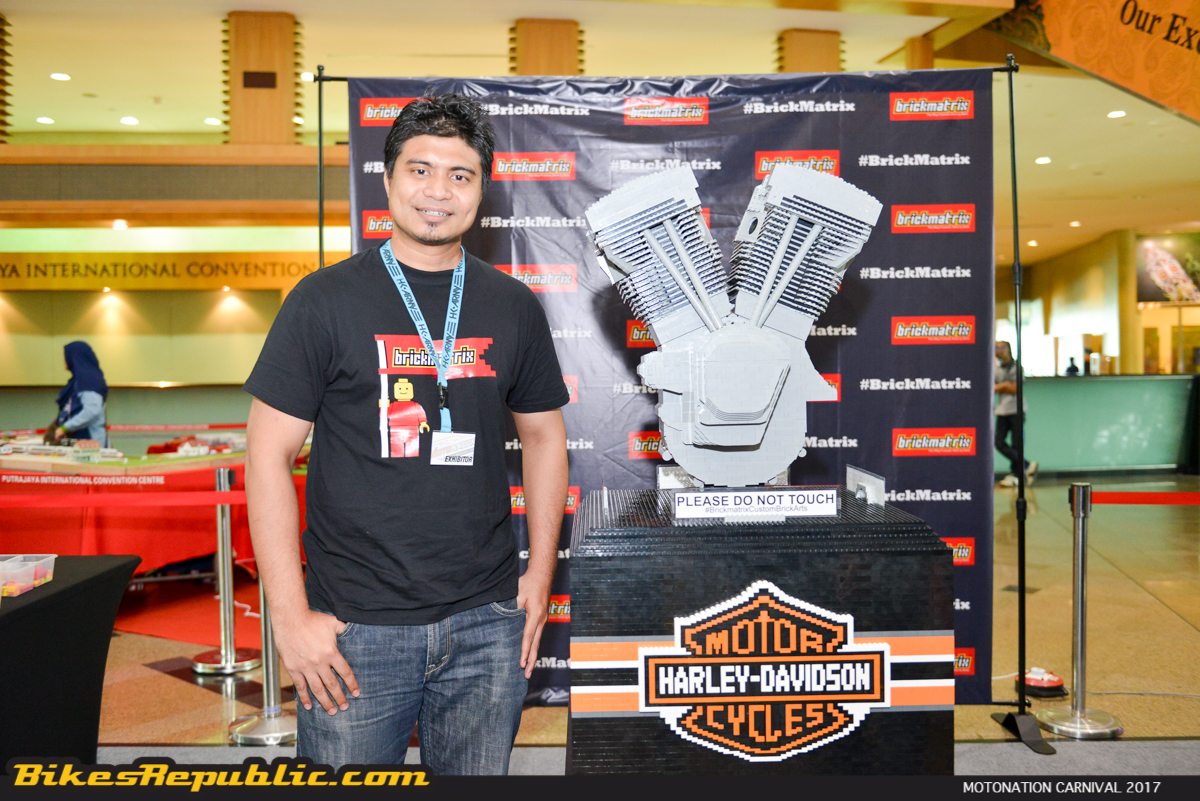
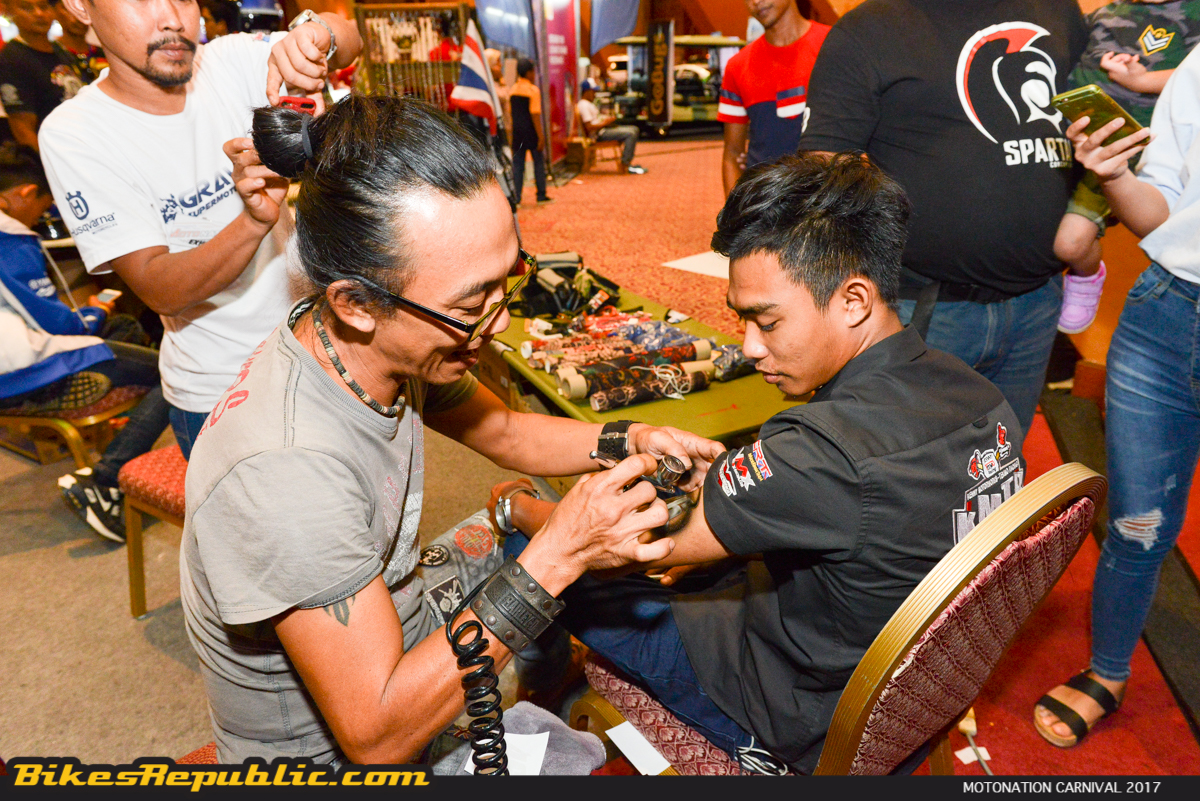
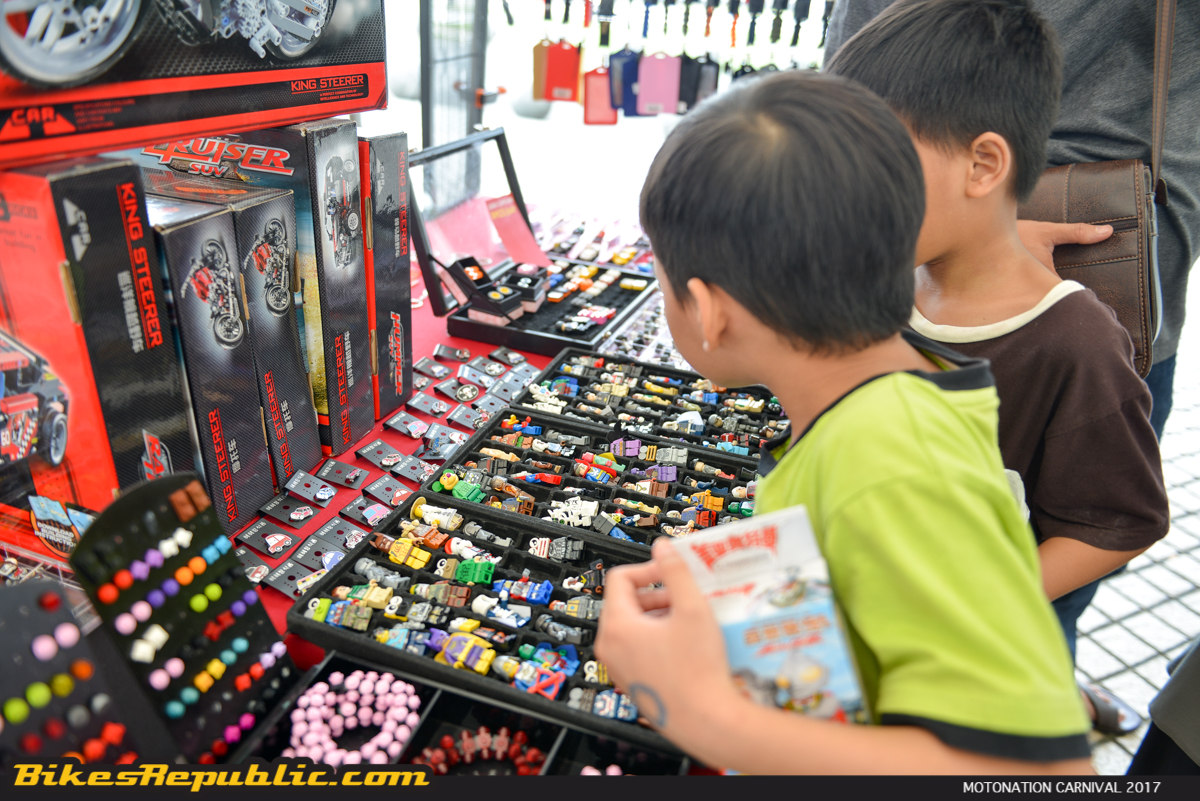
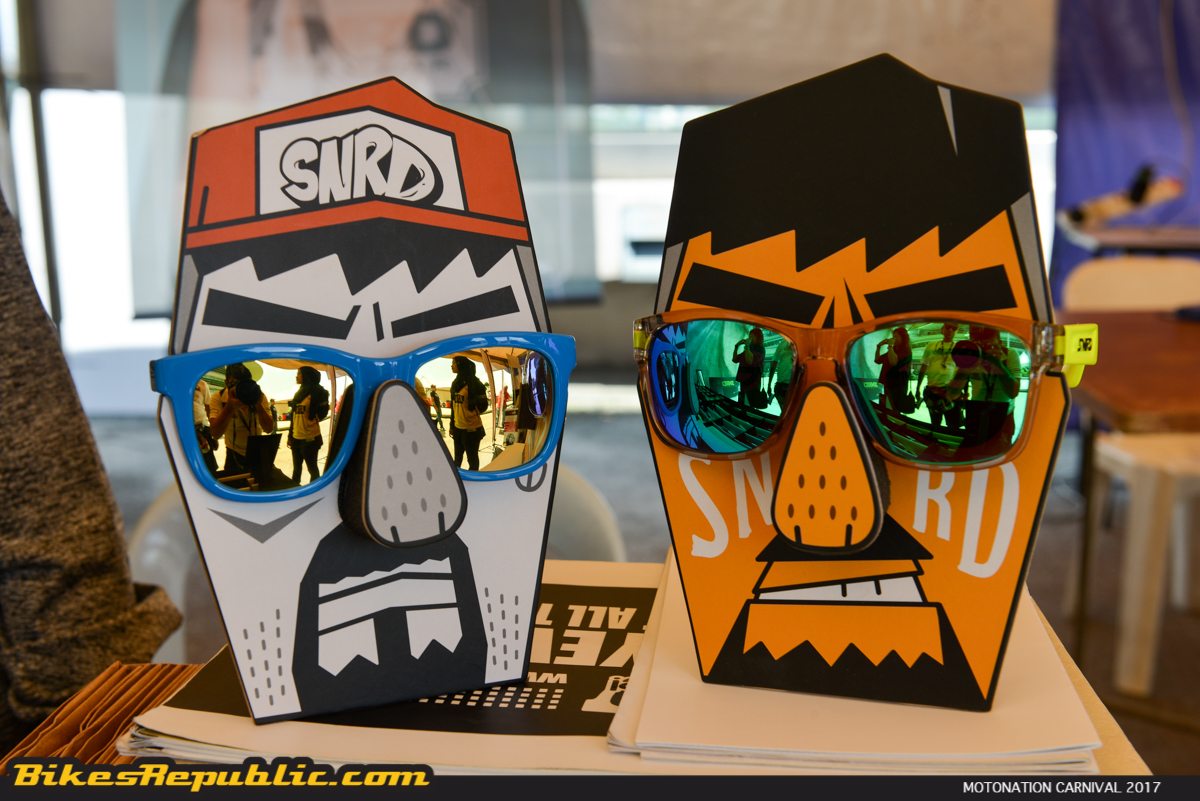
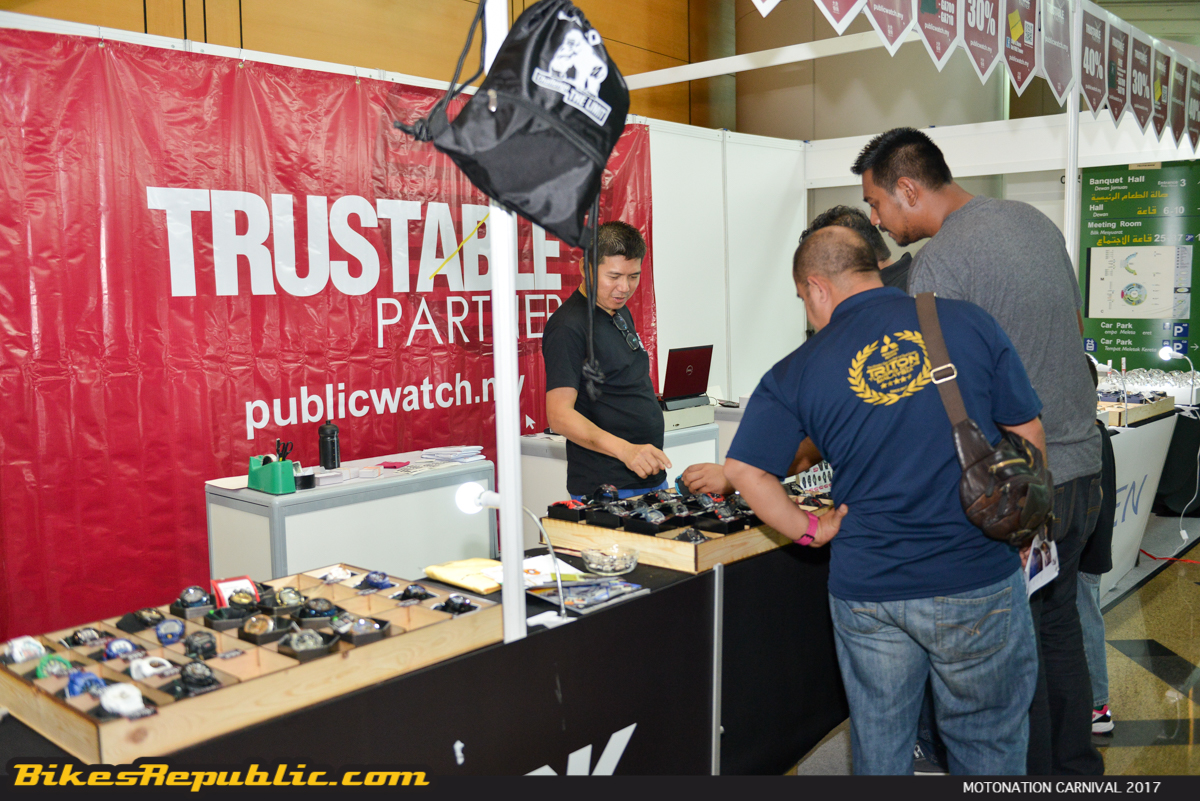
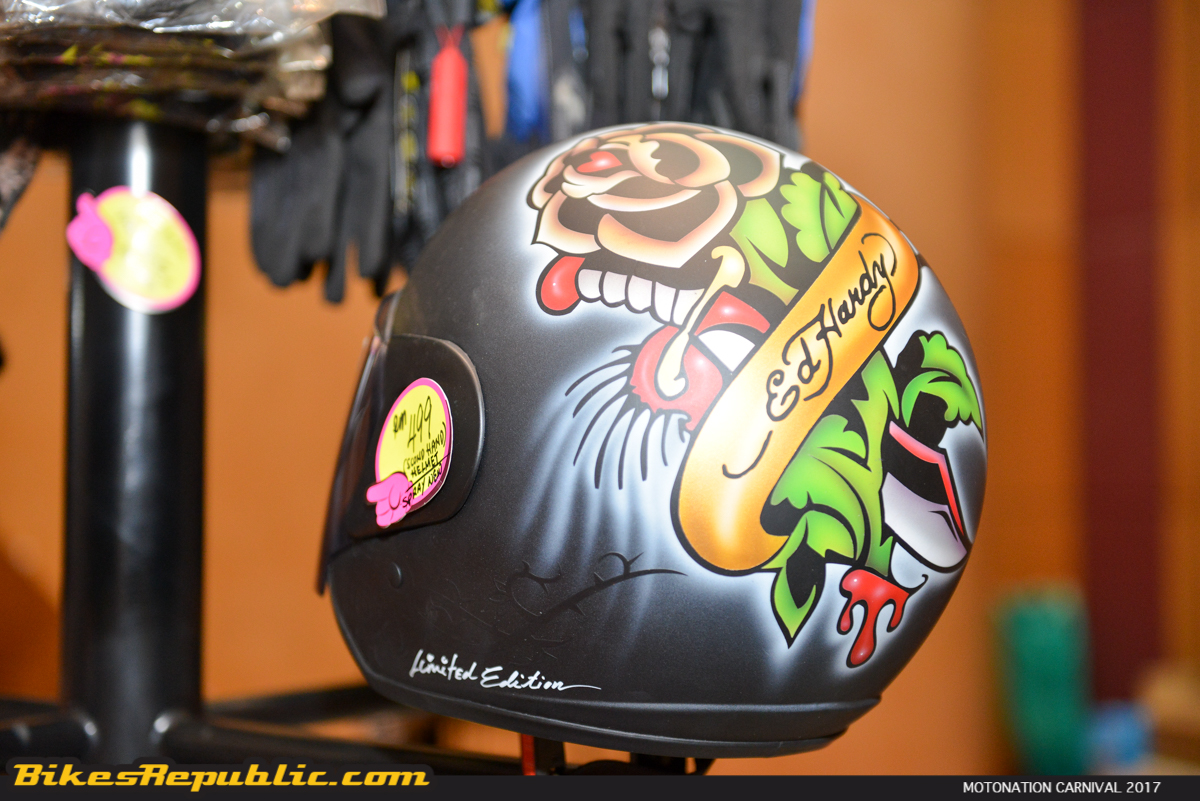
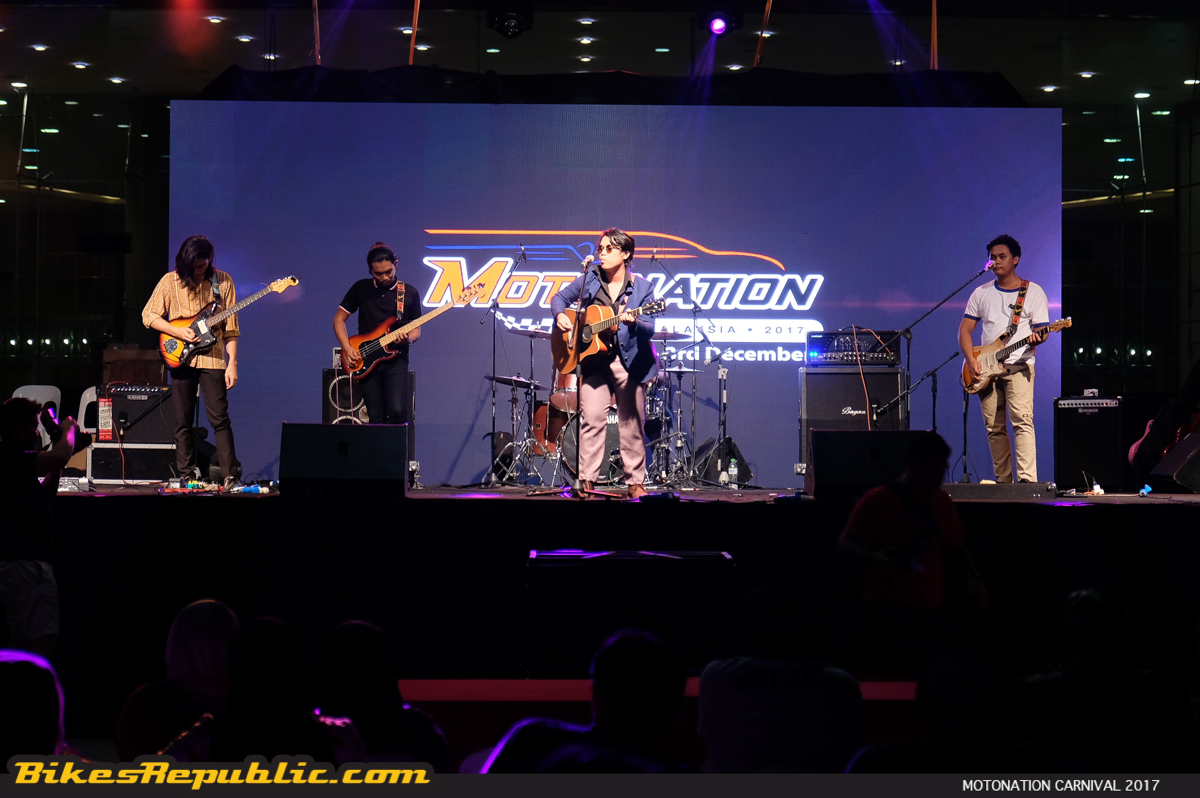
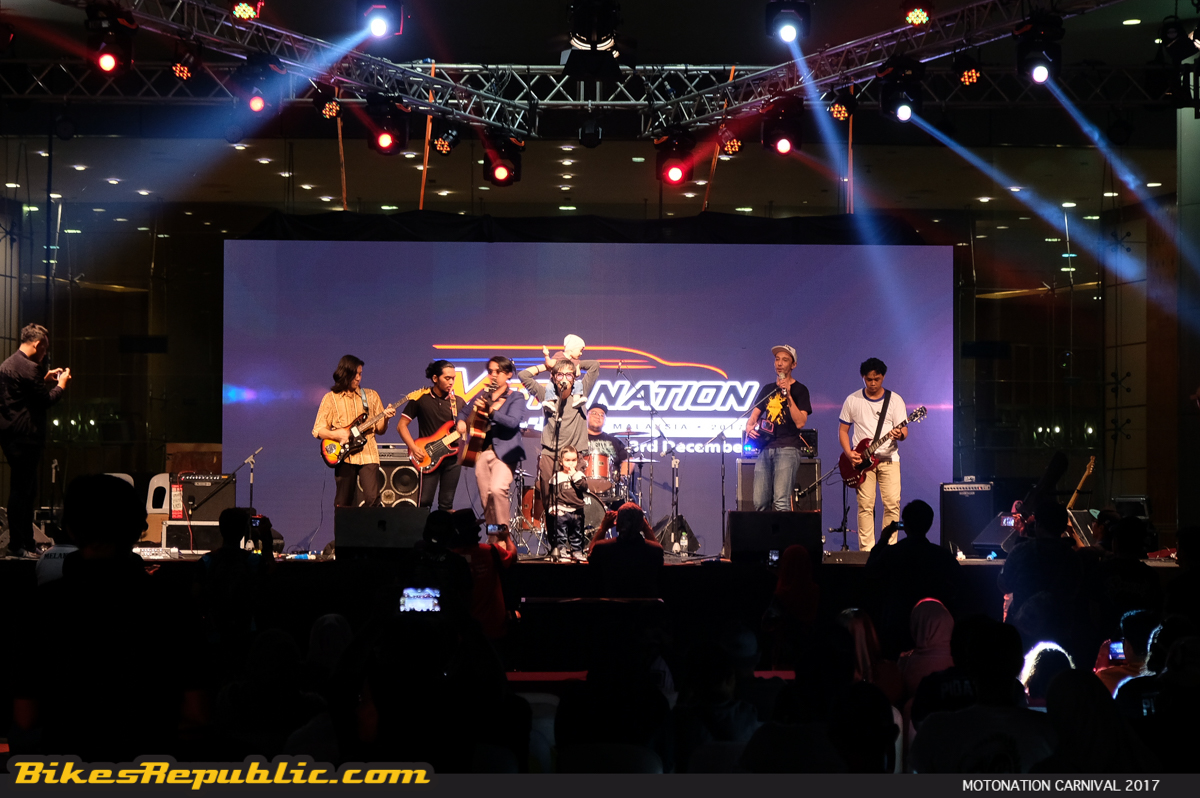
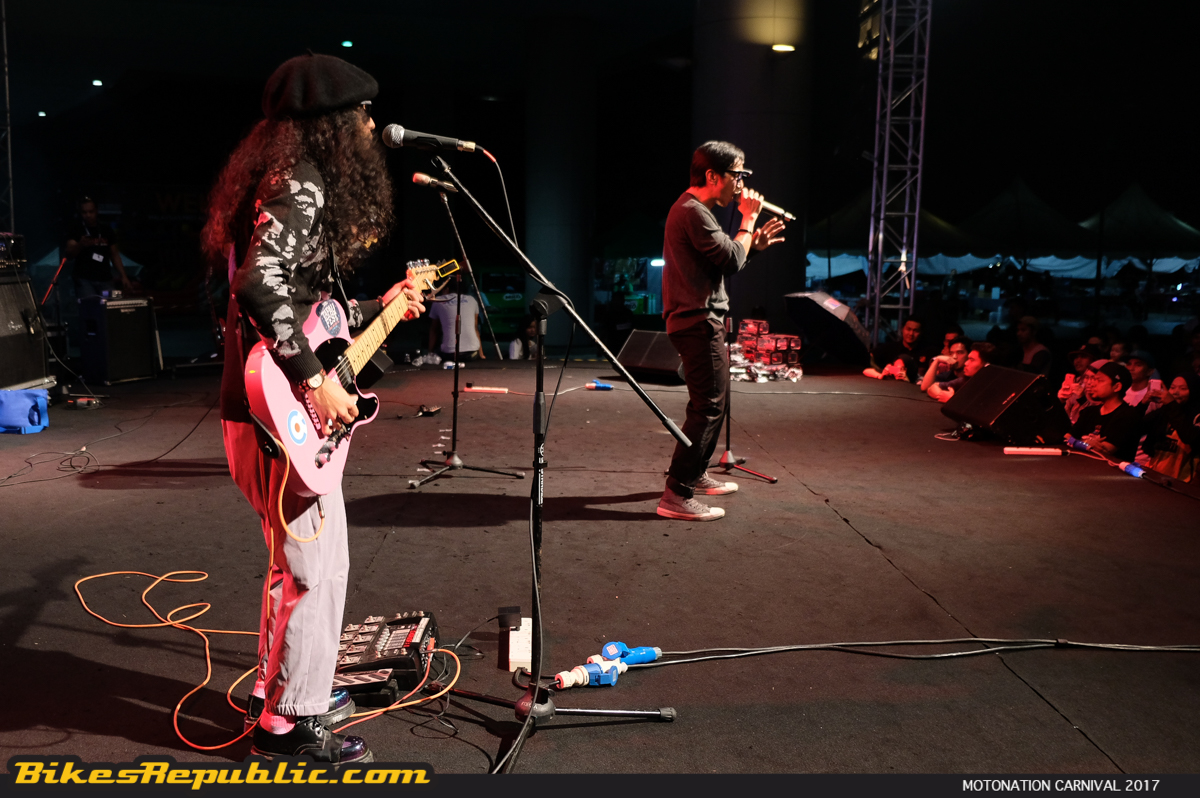
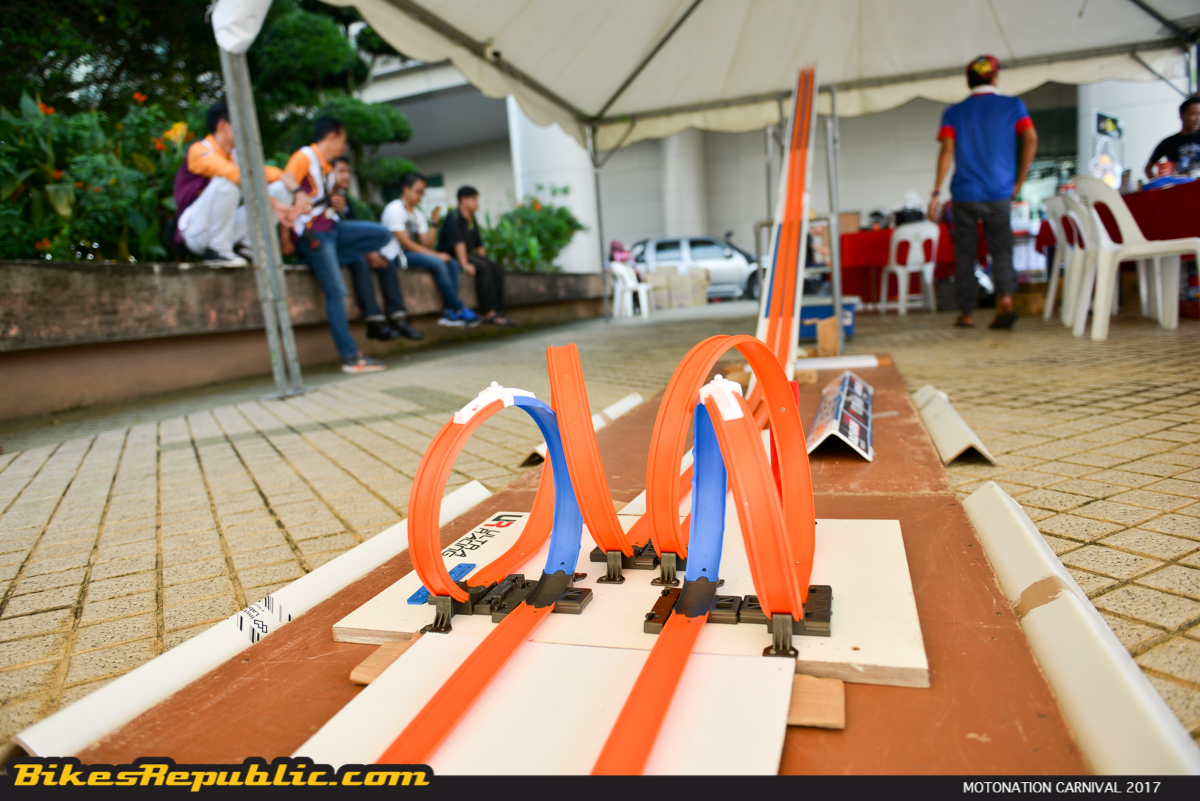
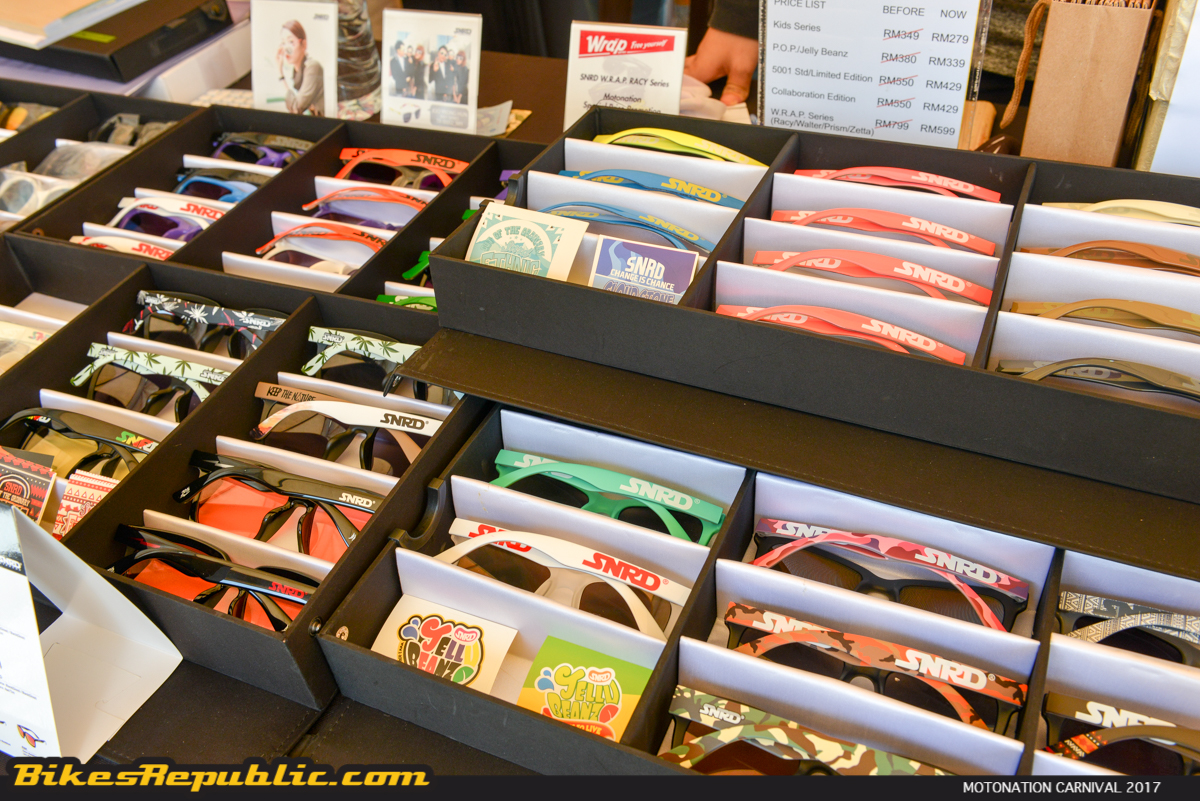
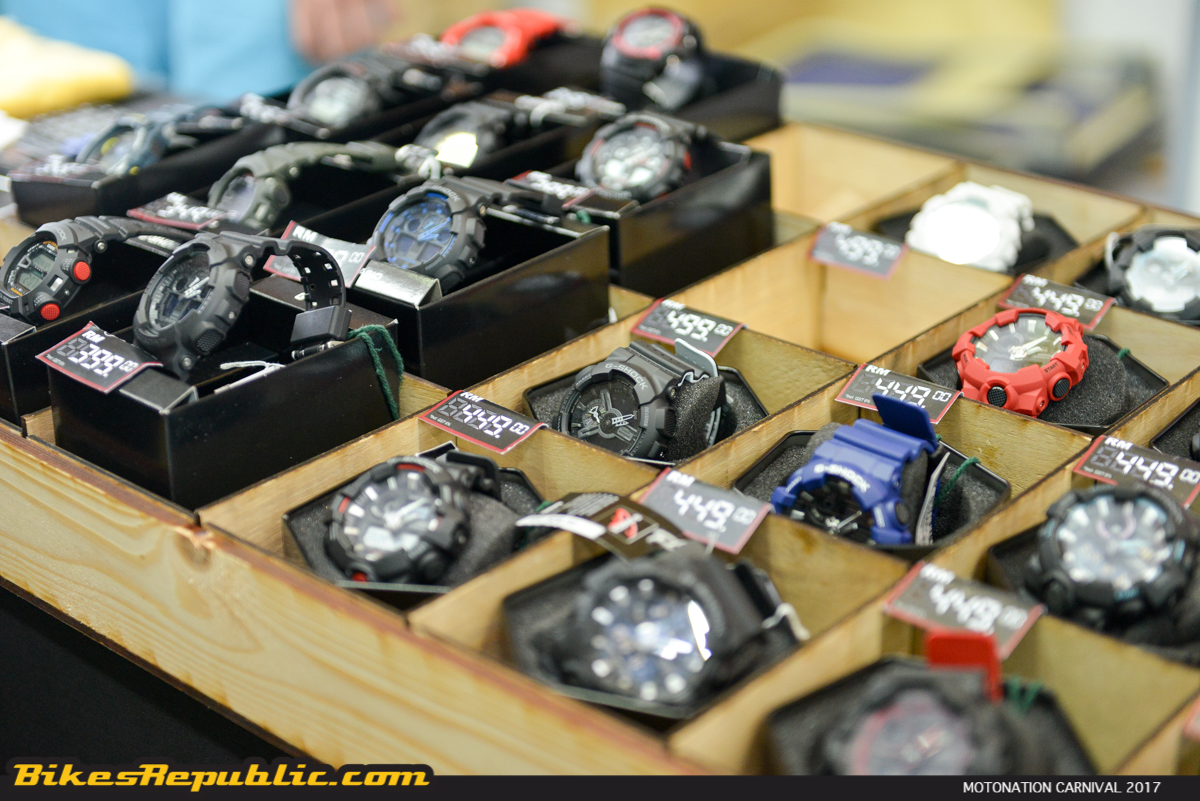
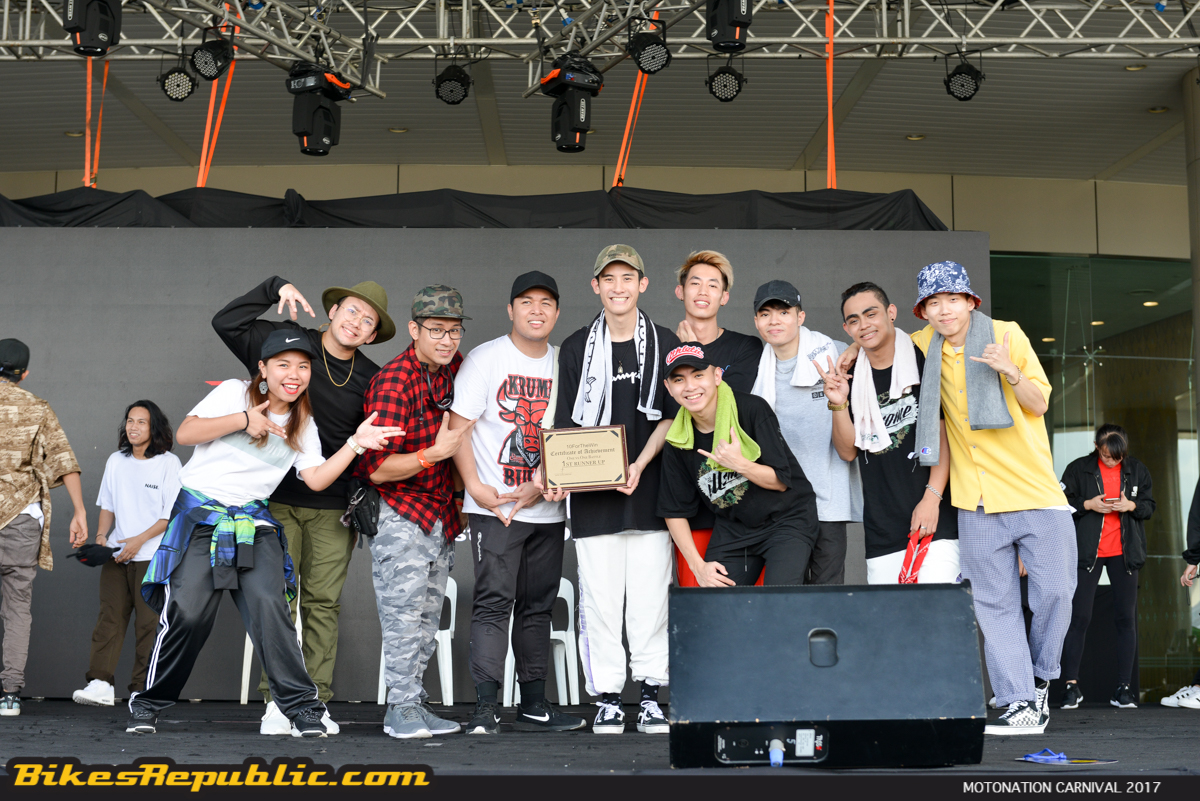
For example, while the main display areas were occupied by automobiles, motorcycles and related products, there were smaller vendors who sold watches, sunglasses, toy motorcycles and cars; JKJR was present to convey the message on road safety, there was a dance competition, and outdoor concerts featuring local bands such as the infamous Indy-band, OAG. There was also a vendor who displayed their awesome feat of completing a replica Harley-Davidson Evolution engine completely from Lego blocks! Tayman Chua decided to show his airbrush skills by “tattooing” visitors – FOC!
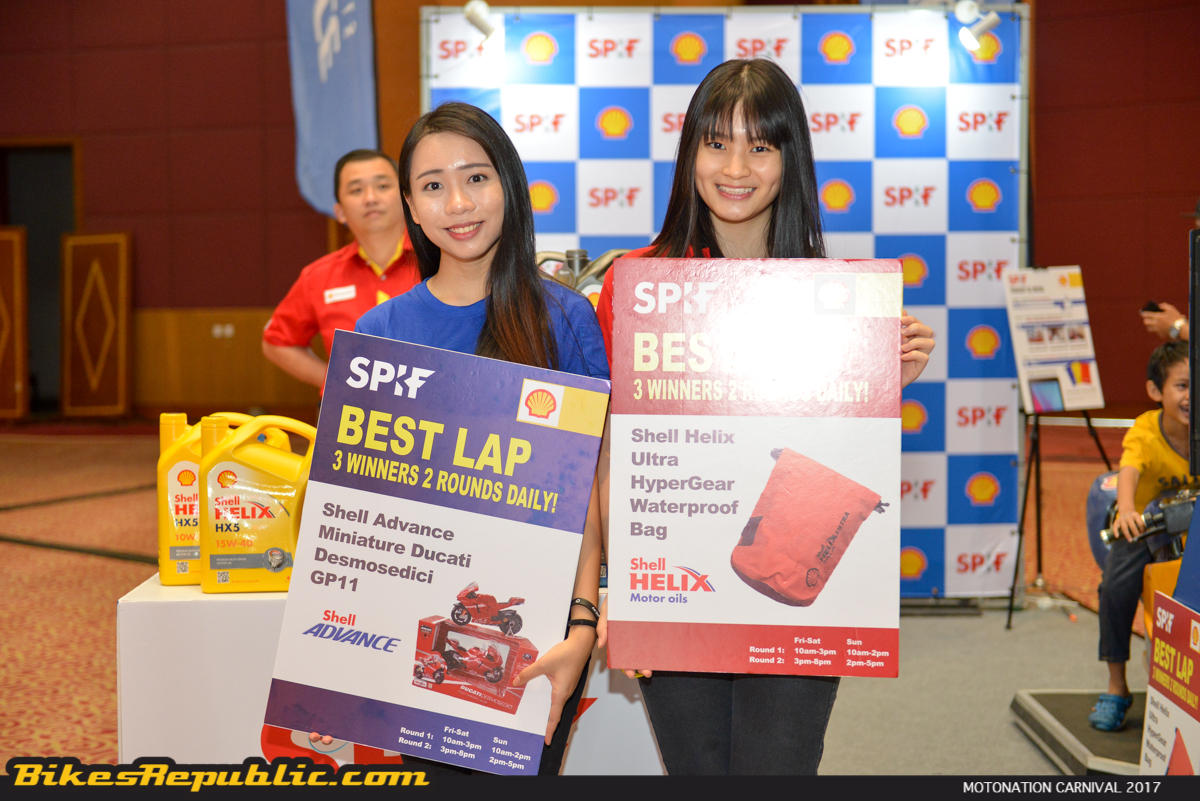
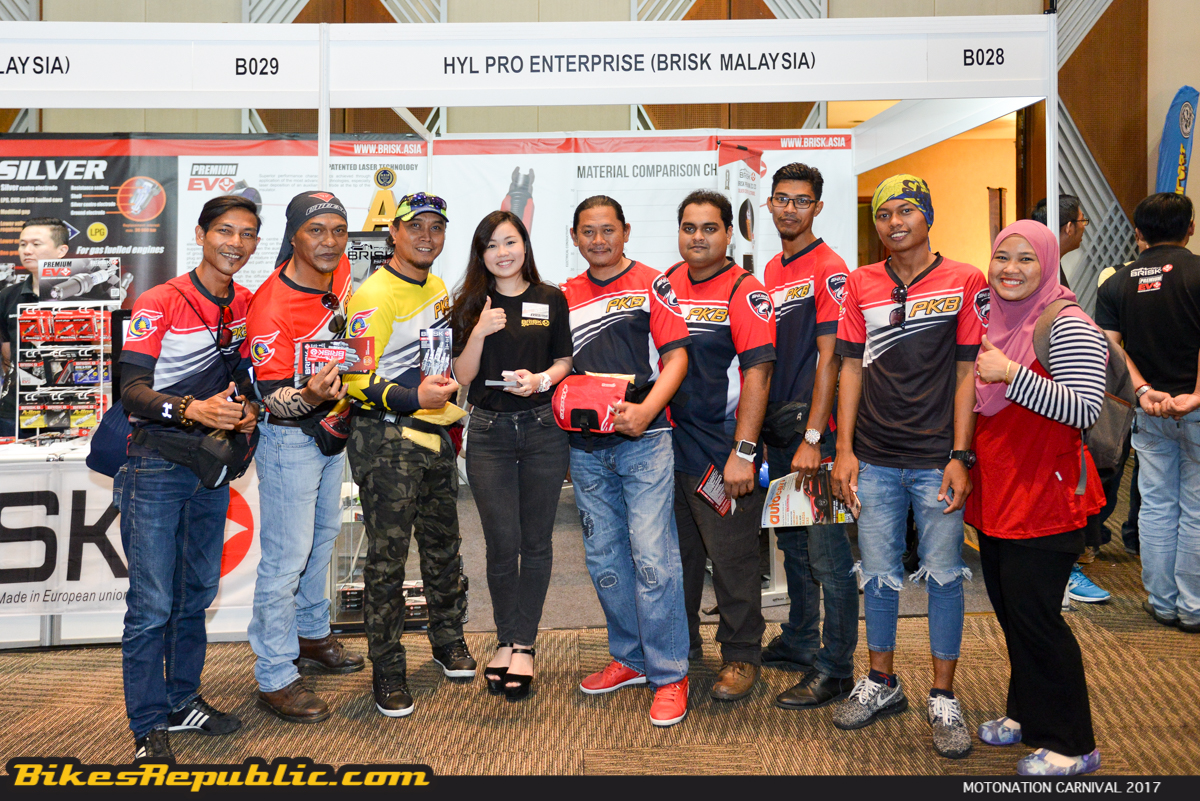
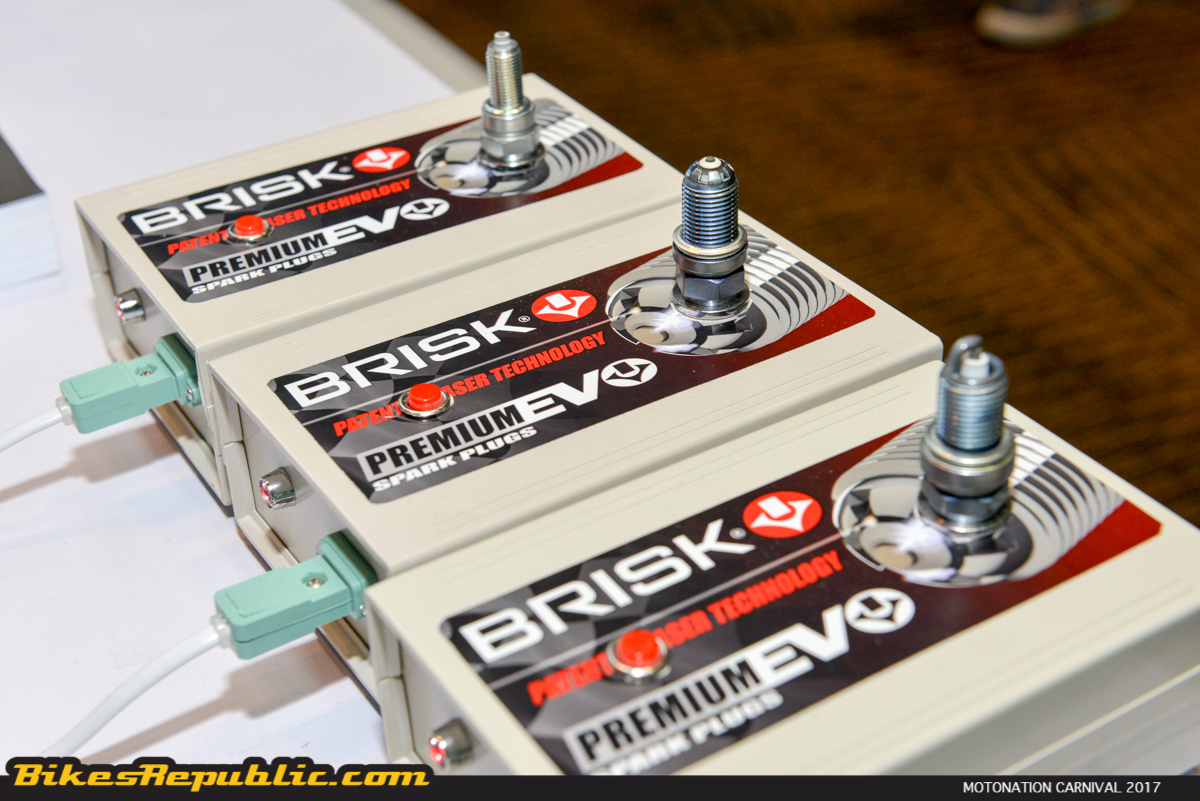
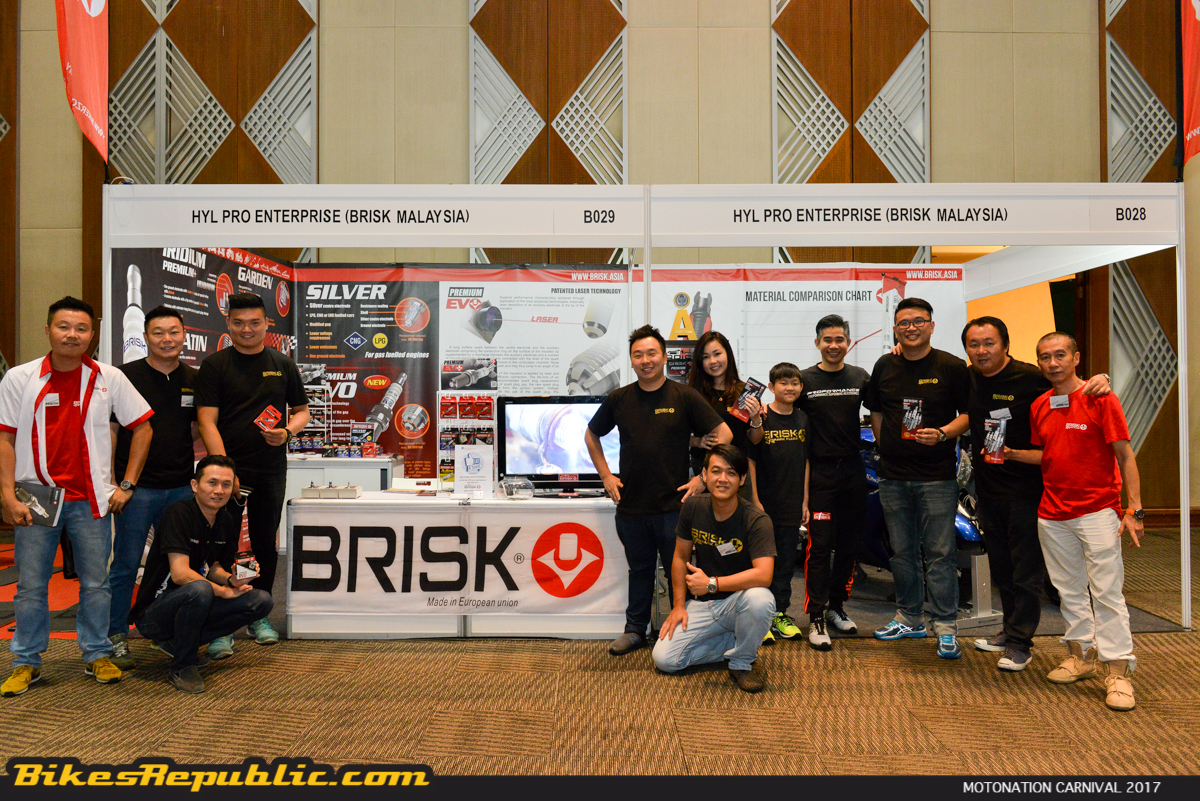
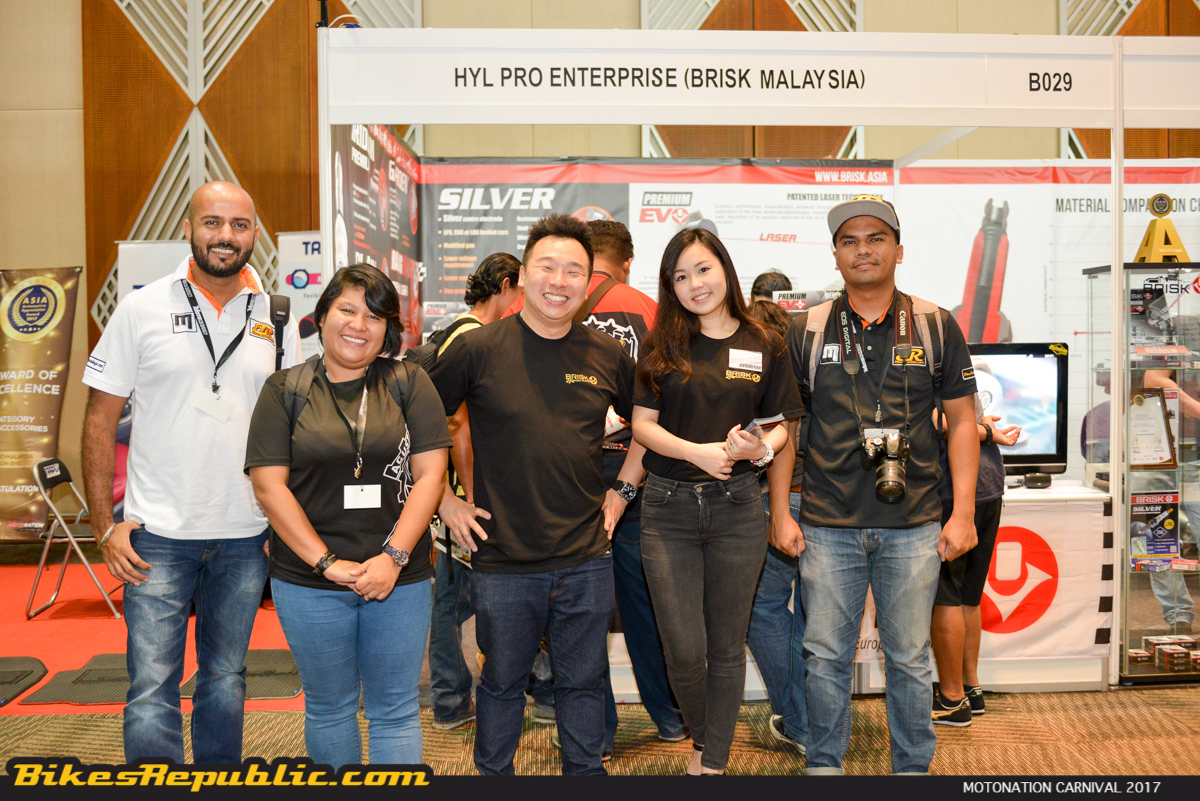
The major players in the automotive industry were present, including Petron, X-1R, WD-40, Modenas, Shell, Brisk, Audi, Ricoh, etc.
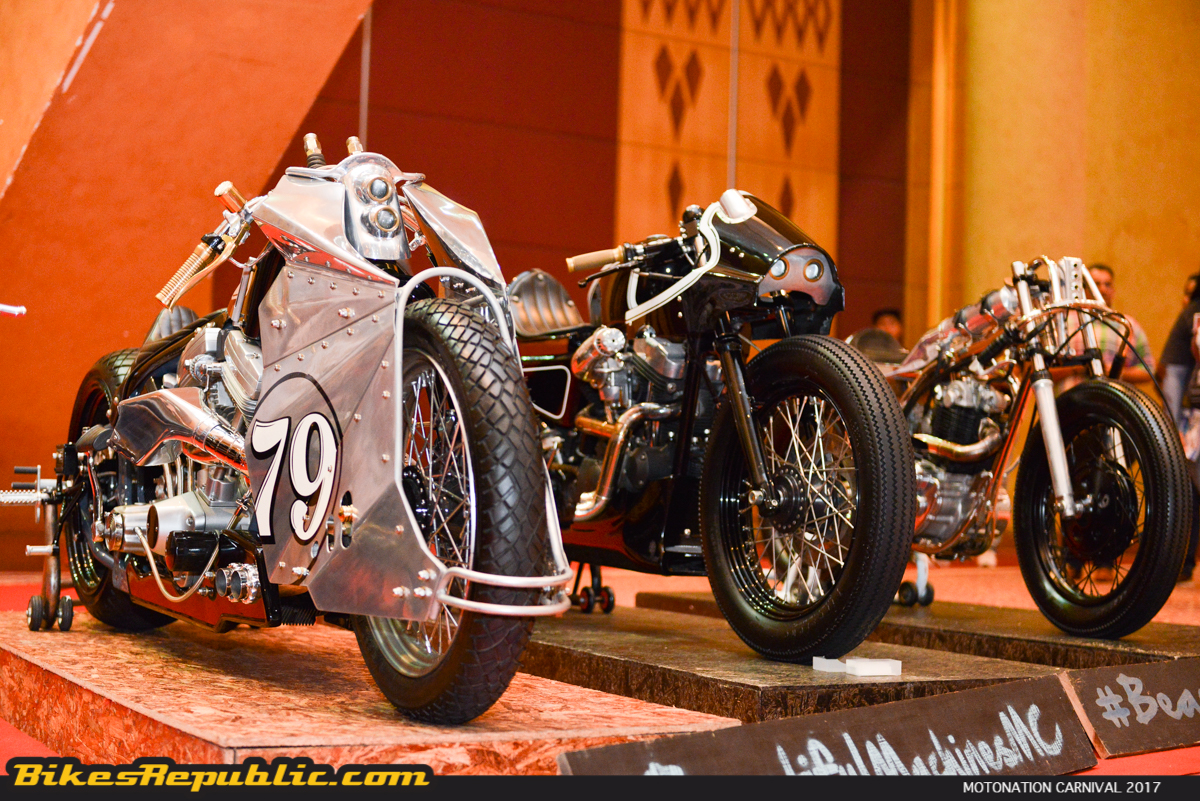
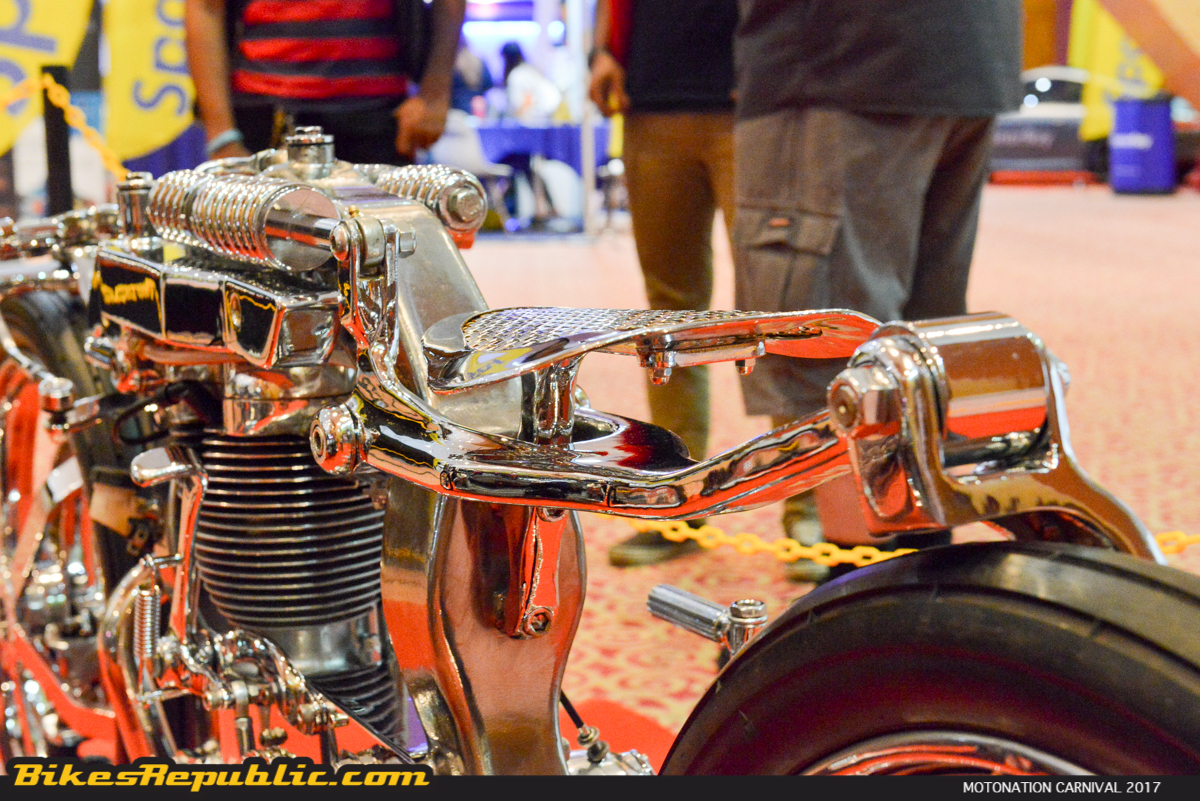
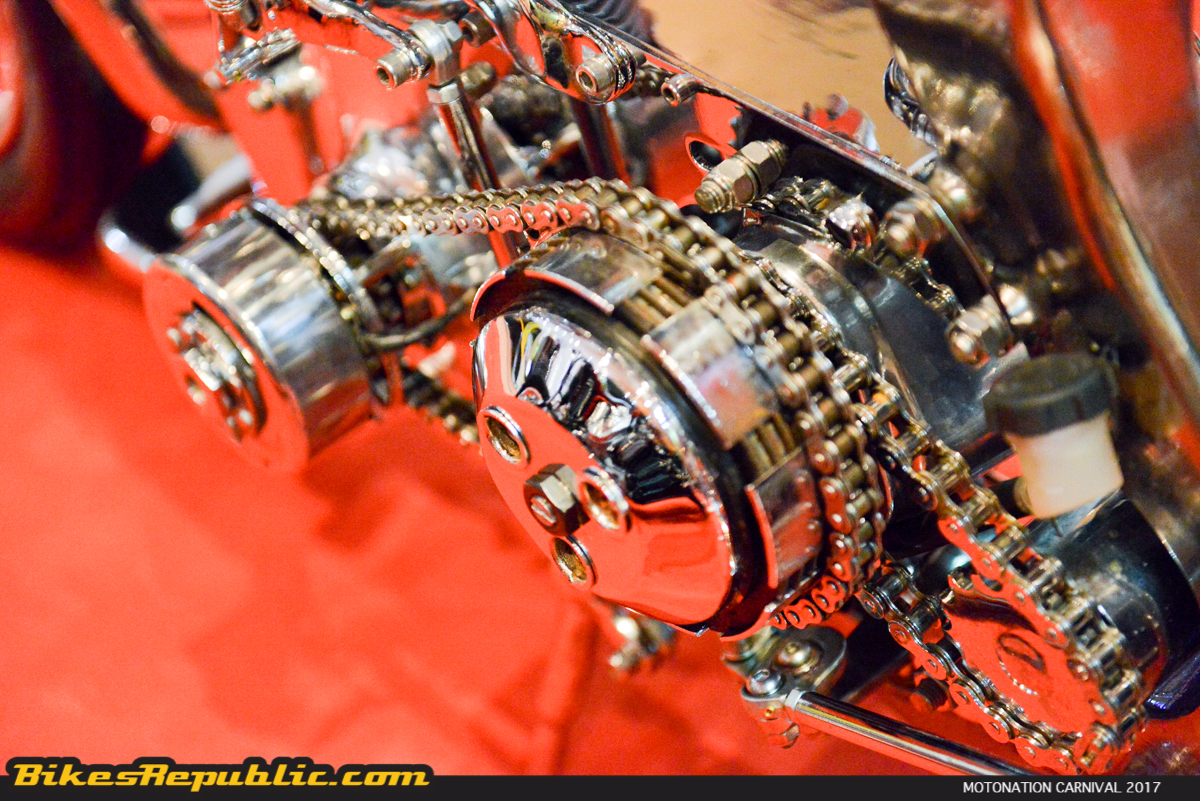
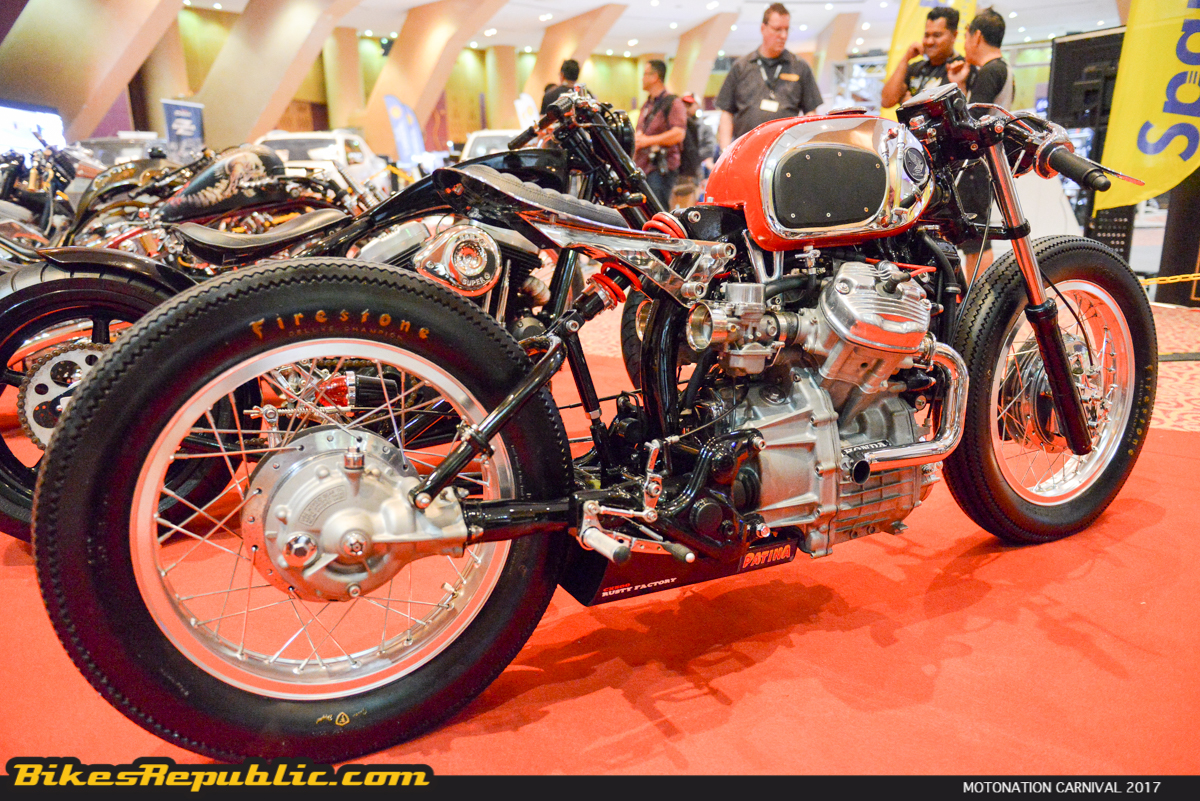
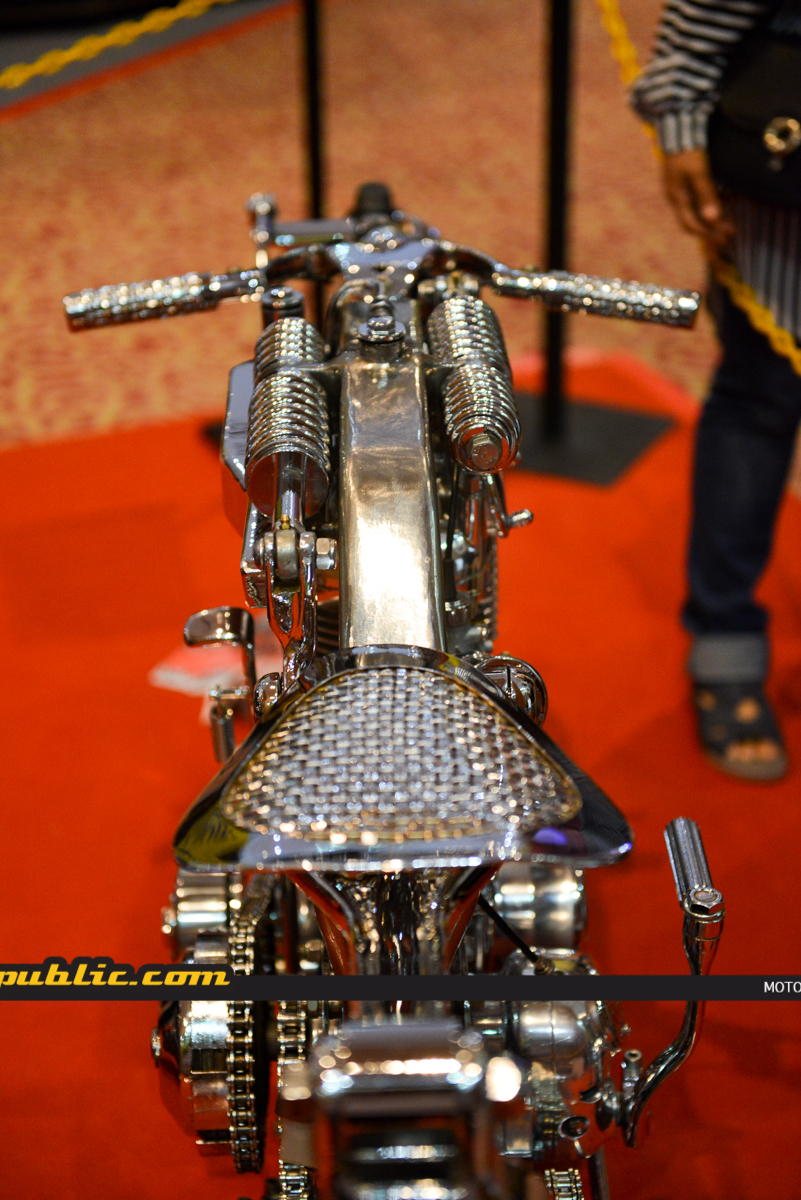
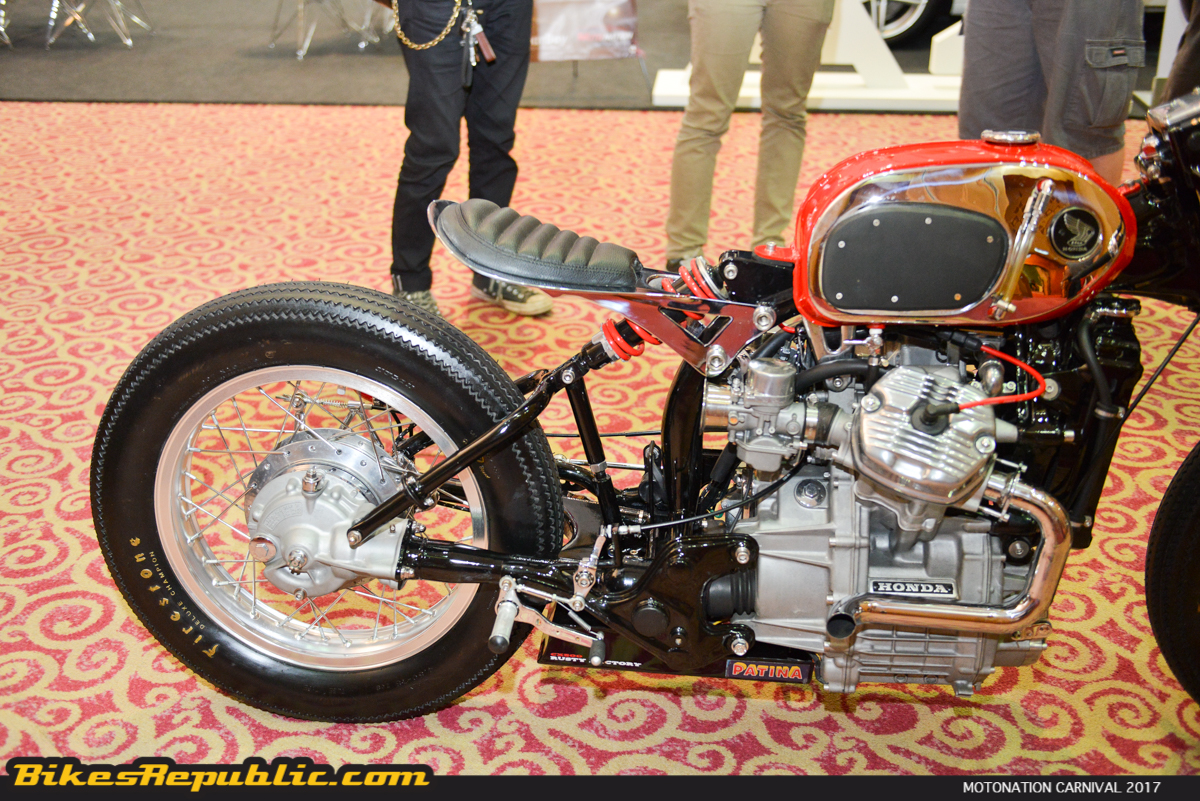
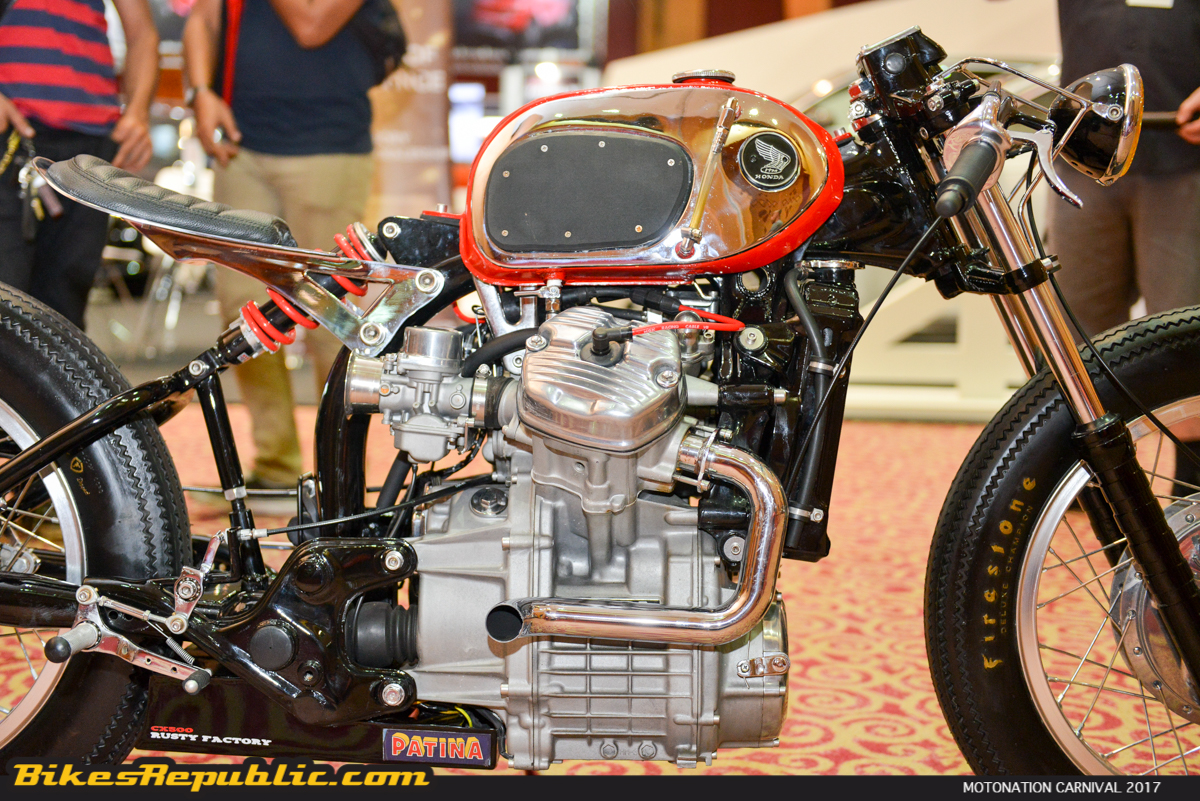
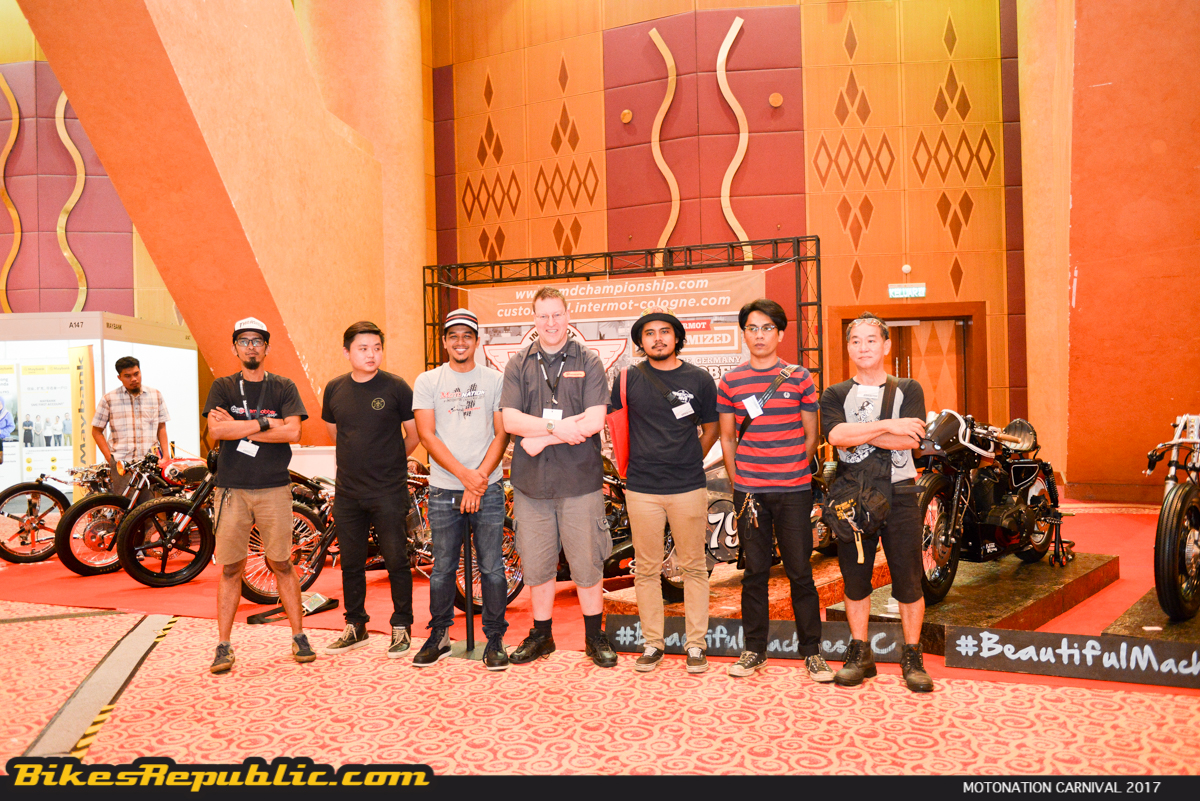
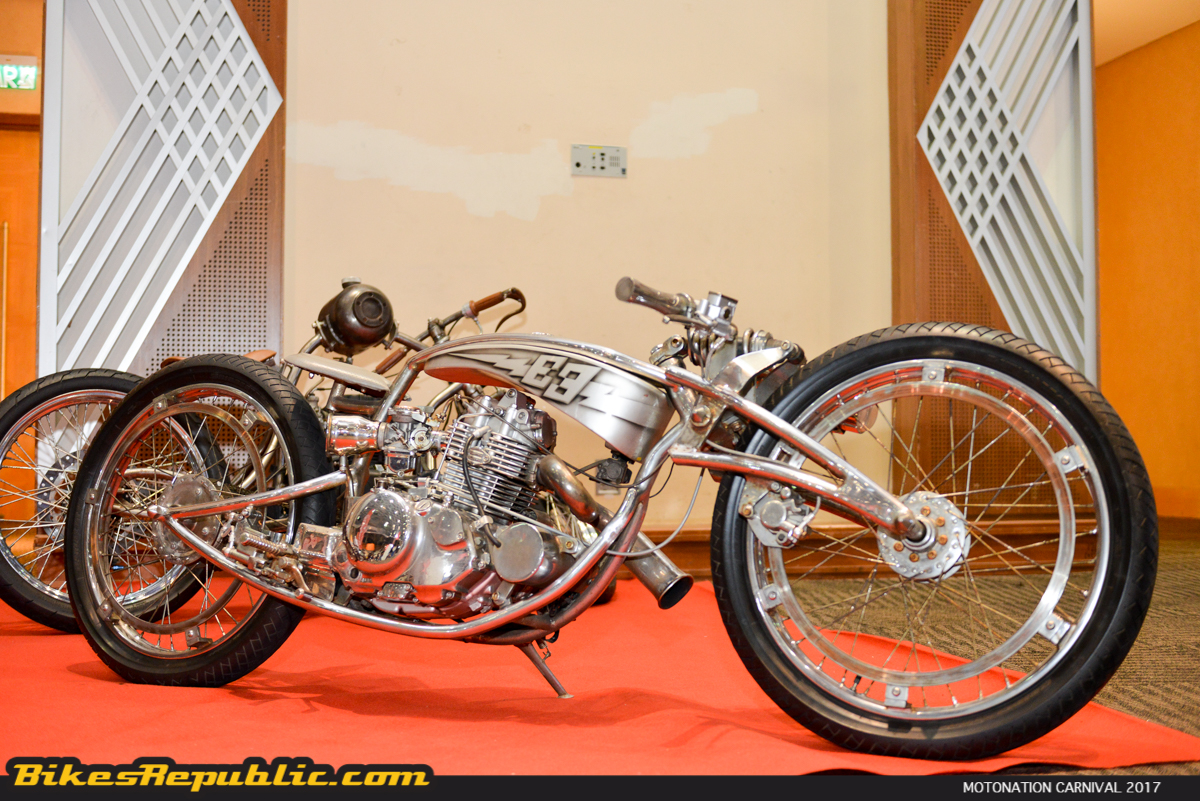
Besides the specialist car and motorcycle customizers such as Eastern Bobber, Beautiful Machines MC, FNG Works, The Rusty Factory, Taymen Airbrushing and many, many more.
Speaking of Modenas, the competition based on their motorcycles, called Bakat Besi saw FNG Works’ creation winning the contest, with a novel creation which even carried a skateboard.
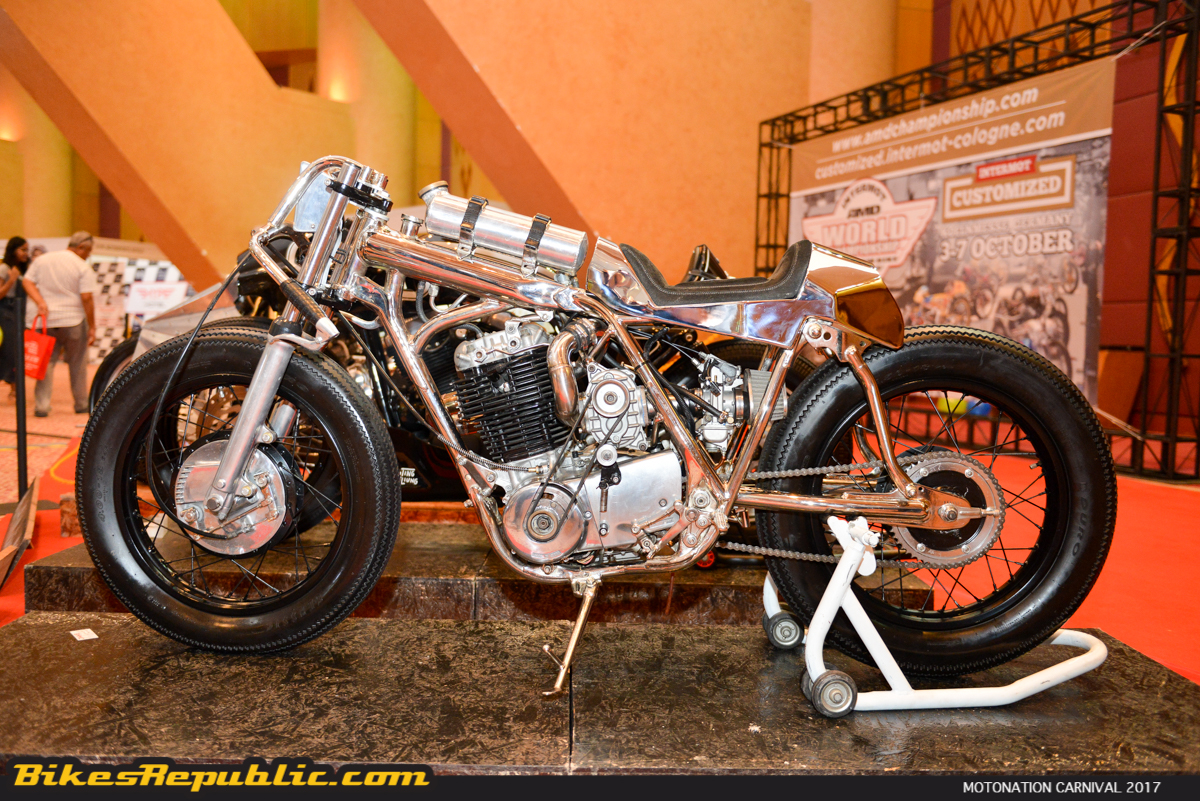
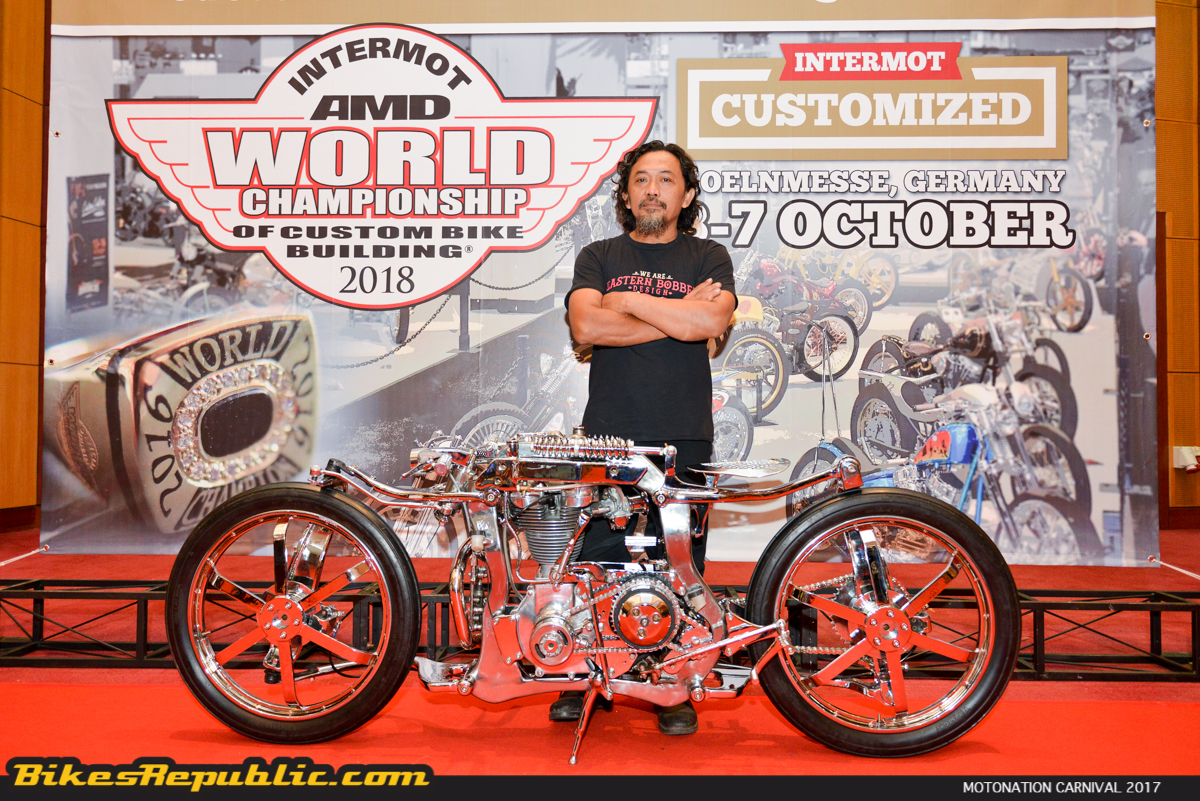
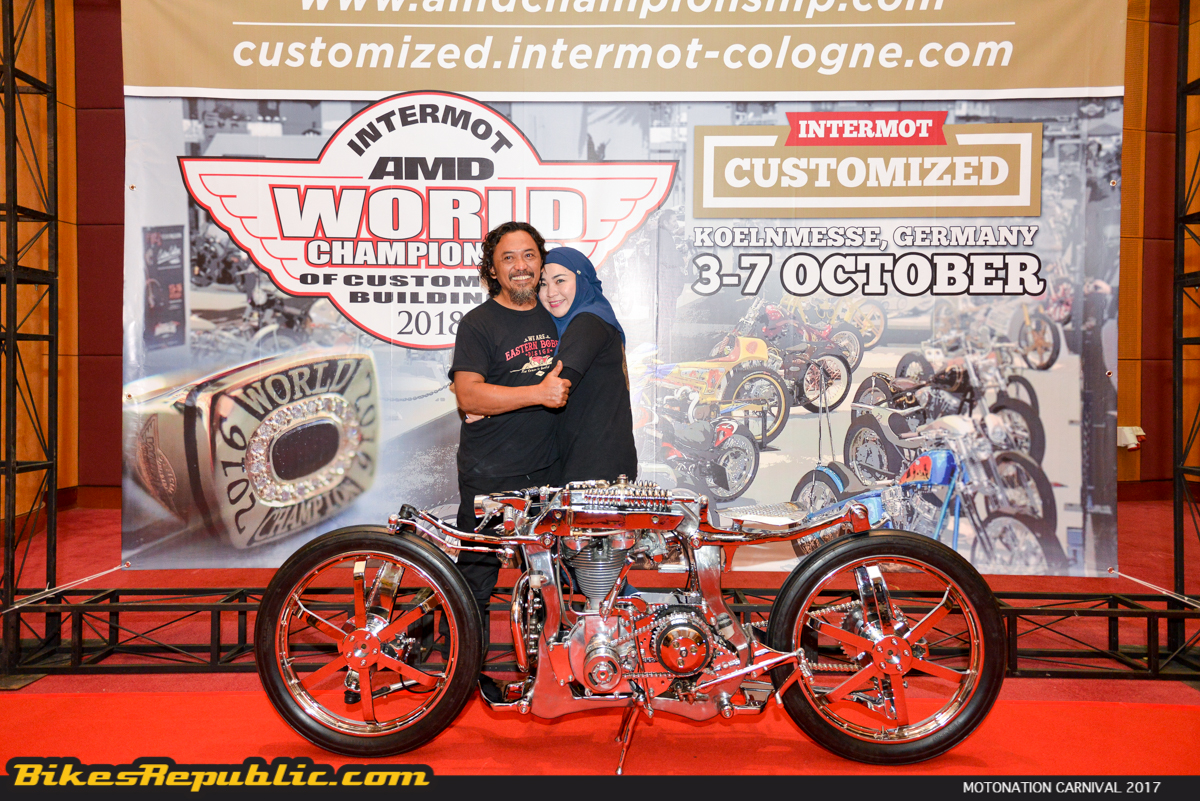
Besides that, run for the first time in Malaysia, Motonation had invited Neil Blaber of AMD Magazine to judge the custom bikes in the running to representing Malaysia during the AMD World Championship of Custom Bike Building 2018. In the end, it was Eastern Bobbers’ ultra-radical entry which won the ticket to Intermot, beating the entries by Beautiful Machines by a whisker.
The event started slowly on Friday, before picking up on Saturday and had the crowds packing into the halls and outdoor areas on Sunday as the news got out.
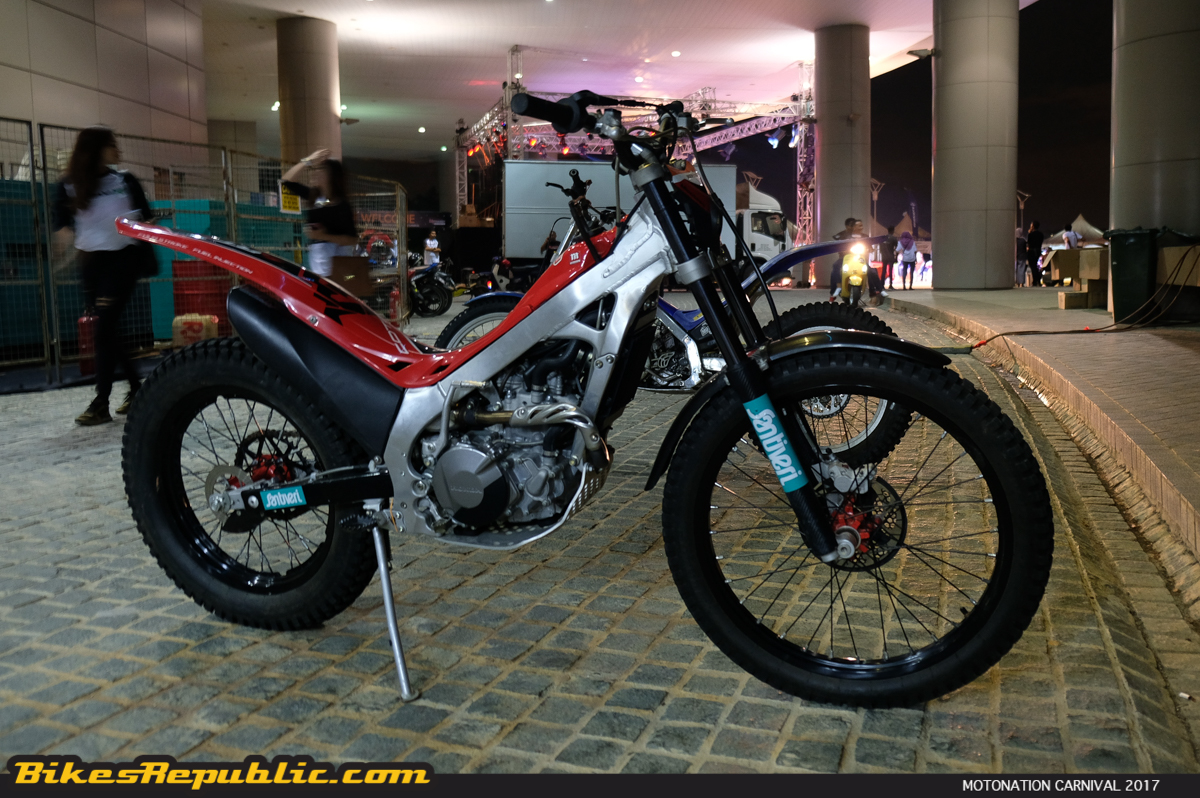
There was a trial riding demonstration by Acoi Pangkolo Riders on Saturday evening, while today saw pocket bike races.
Motonation is also holding a lucky draw for ticket holders to the event, which the Grand Prize is an Audi A3, iPhones, iPads, amongst other great prizes. The winners will be announced this Friday.
There were of course voices of criticism, as the event areas were too spread out over such a vast area, besides other teething problems, but do remember that this is only Motonation’s first year in the automotive event segment and being able to draw the massive number of prestigious corporations, vendors, motorcycle and car clubs, hold a custom motorcycle competition is more than commendable. Motonation will learn and will improve for the next one.
Day Four of the GIVI Golden Triangle Adventure 2017 took the GIVI Explorers to Phnom Penh.
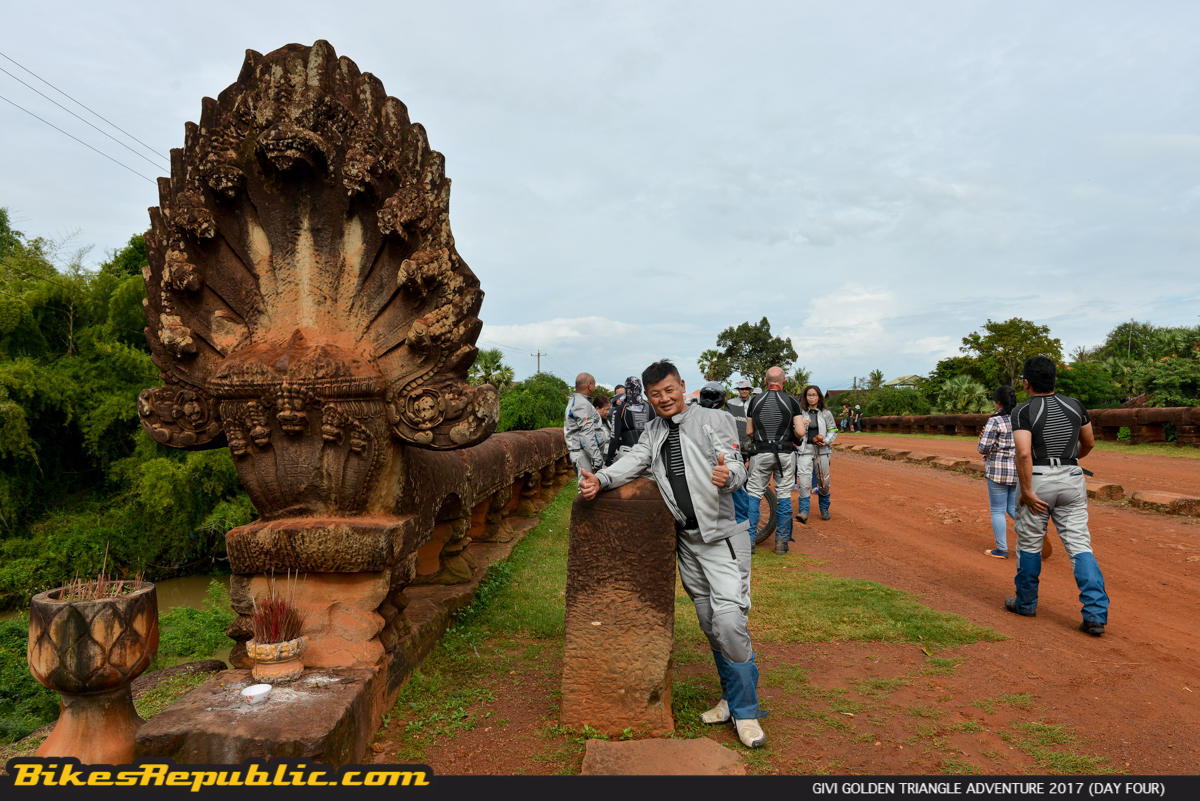
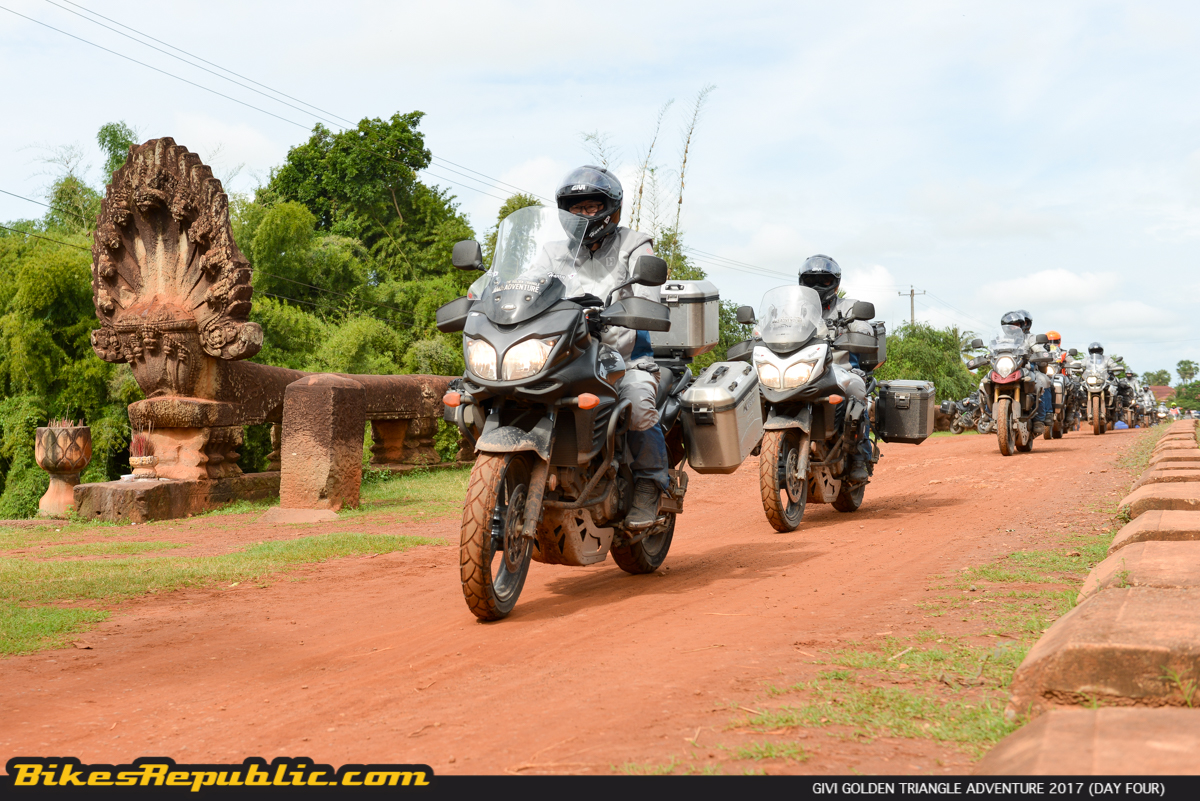
The GIVI Explorers stopped at the 800-year-old bridge in Kampong Kdei.
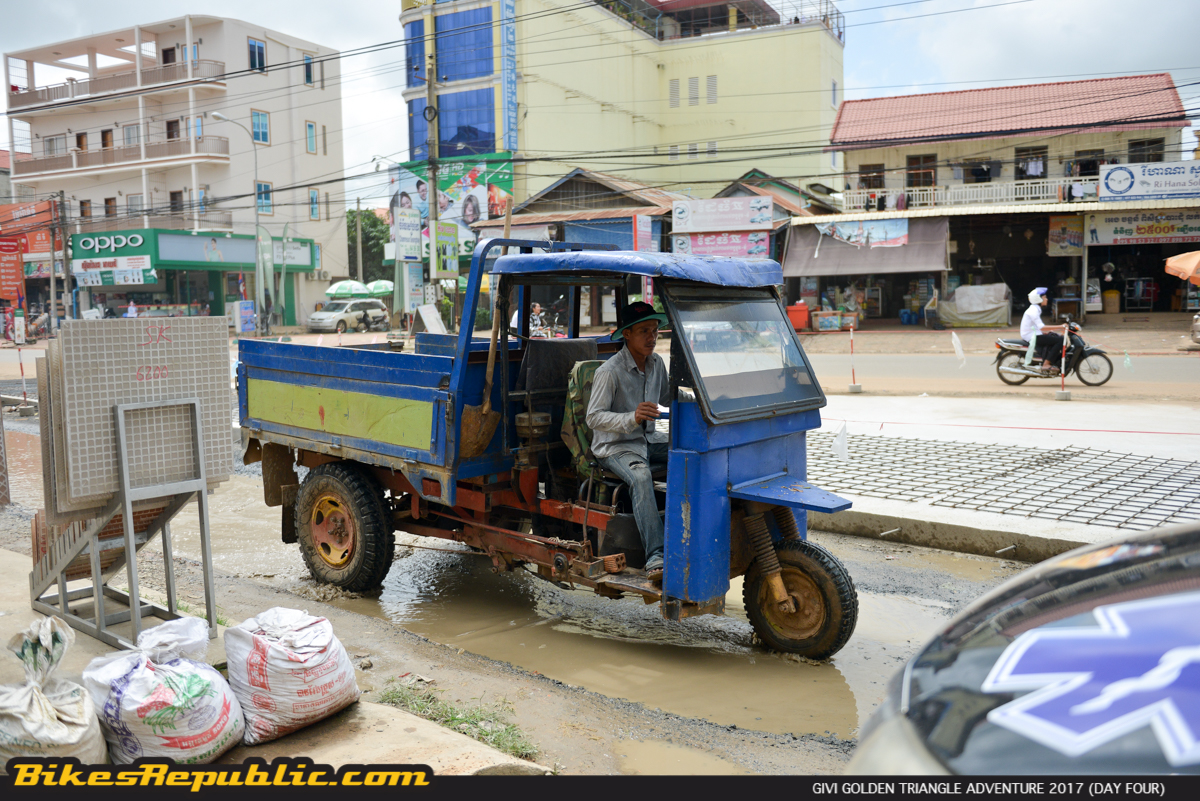
They got a taste of some truly chaotic traffic with vehicles buzzing around everywhere.
Phnom Penh, 15th November 2017 – As we GIVI Golden Triangle Adventure 2017 Explorers had breakfast and prepared our bikes for the next leg of the adventure in Siem Reap, the rain came down on us.
We pondered if the occasion has finally arrived to test the new GIVI rainsuits (made specifically for this GIVI Golden Triangle Adventure 2017). One of the Thai marshals, Nok (full name: Sitthithat Ritthikraironnaka), consulted his weather radar app, and informed us that it was only a passing cloud that’s headed away from out travel route.
We hopped our bikes as soon as the rain subsided, as we had been delayed for an hour. Today’s destination was Cambodia’s capital, Phnom Penh, 315 kilometres away.
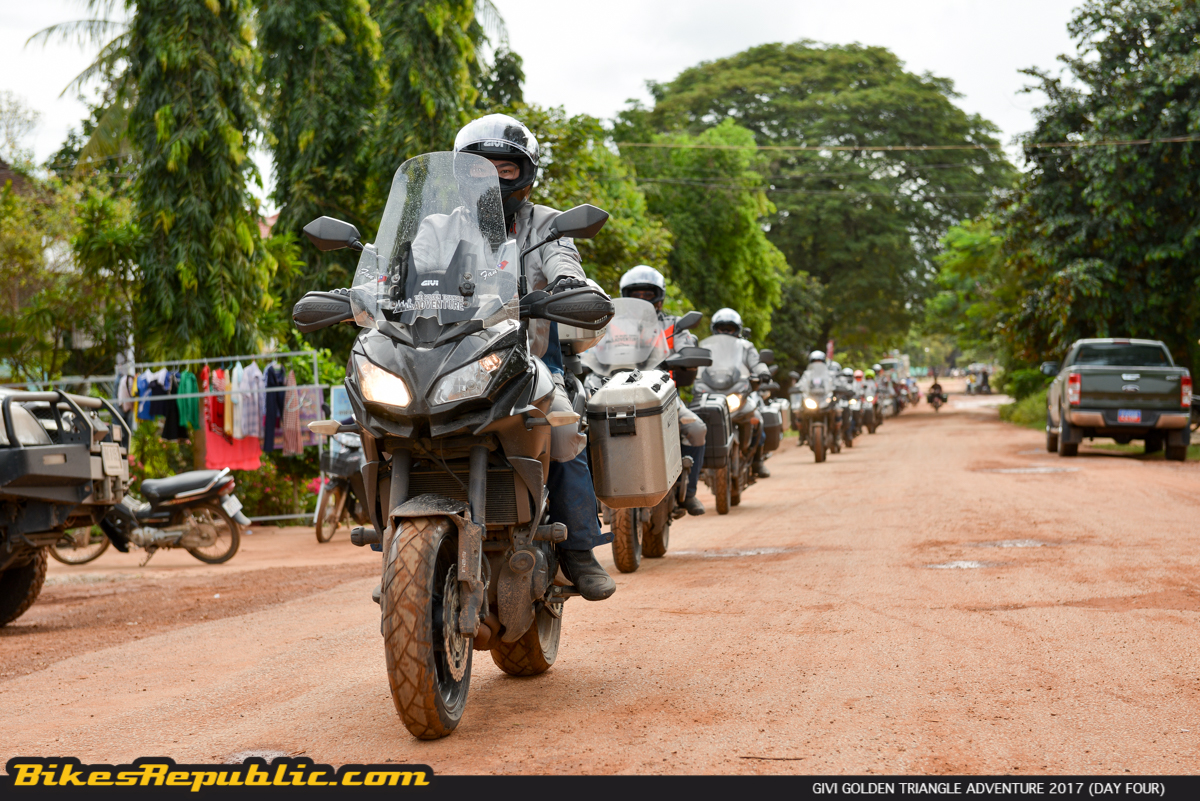
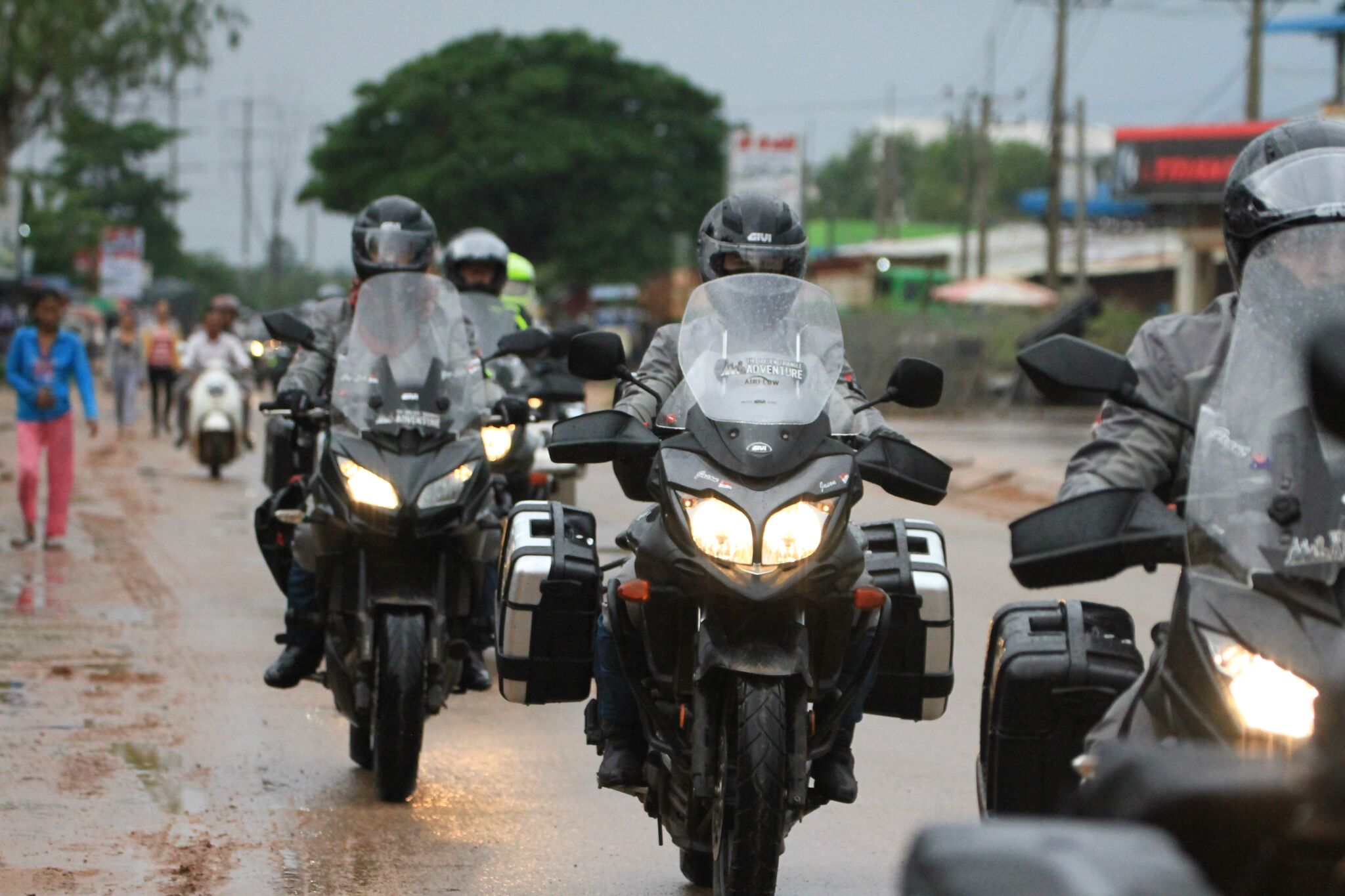
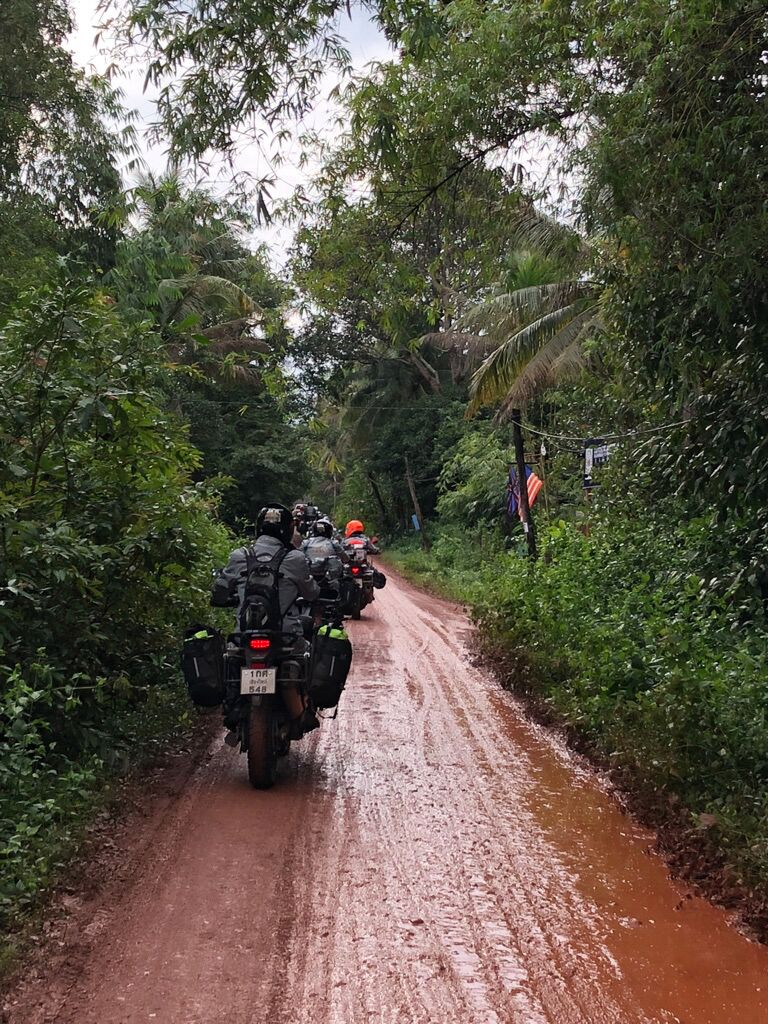
Again, we rode through the slightly chaotic urban Cambodian traffic before breaking clear and opening up in the countryside. Much of Cambodia is very flat, with rice paddies on both sides of the road. The rain had turned the roadside laterite into mud and some of it had been thrown onto the road surface itself, so we took it easy.
We were actually travelling south, adjacent to the great Tonle Sap Lake to the west (on our right) but heavy foliage and built up areas obscured our view. Shame.
There were many cows grazing and chewing on their cud serenely right up on the road shoulders. It panicked me a few times initially as I’ve grown wary of livestock crossing the road back in my wife’s kampong in Kuala Pilah, Negeri Sembilan, prompting me to stick my leg out to warn the other Explorers behind. But it had been unnecessary as the ones in Cambodia stayed off the roads. “Cows here are much smarter,” remarked Giorgio Dalla Rosa, GIVI Vietnam’s Factory Manager, when I recounted the experience to him.
By the way, speaking of the word kampong, villages in Cambodia are incidentally called the same as we do in Malaysia, for instance Kampong Kdei, Kampong Thom, and so forth.
We rode 63 kilometres out before the marshals called for us to pull off the road on another ornately designed bridge, similar to the one we saw at Bayon yesterday. Just as well, the heat and humidity had returned after the downpour.
Known as the Kampong Kdei Bridge, and officially known as Spean Praptos (some called it the Naga Bridge), it was also built in the 12th century during the reign of that Jayavarman VII guy, the same King who commissioned the construction of the temples we visited in Siem Reap.
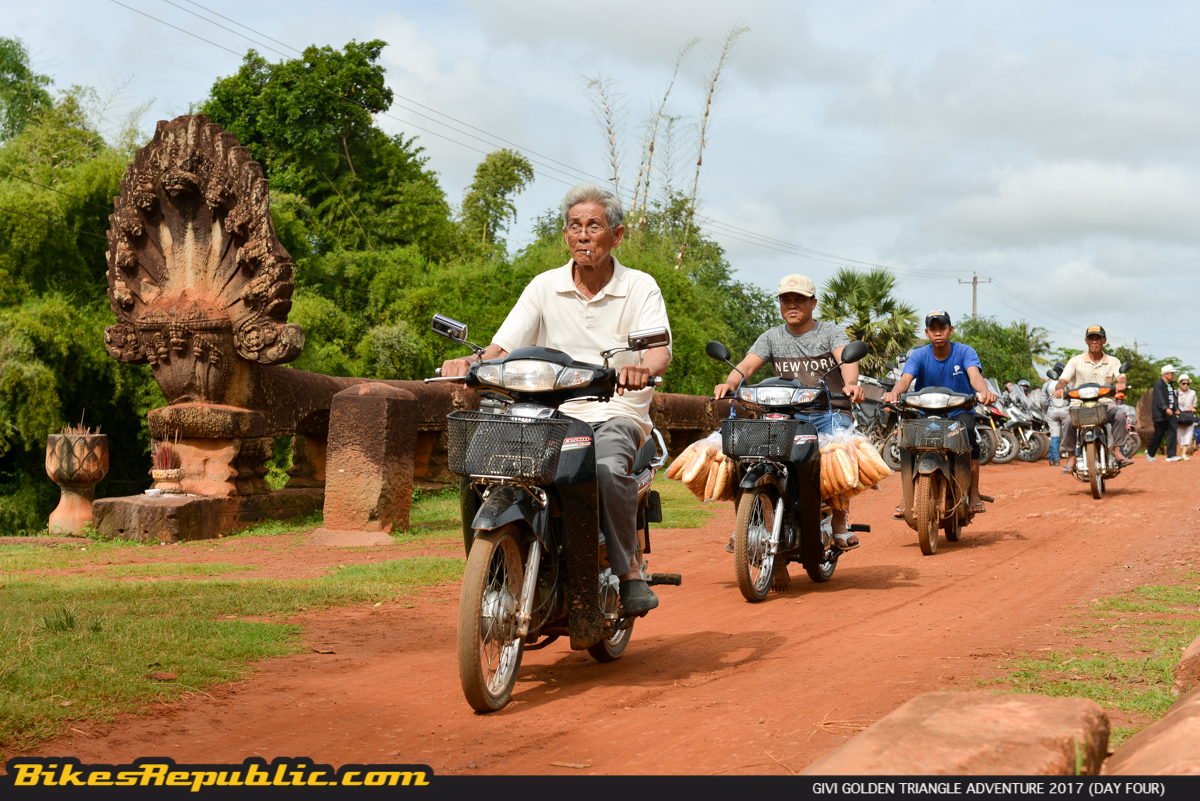
The bridge was one of the world’s longest corbeled stone-arch (same building technique at the temples in Angkor) bridge and one of the few Khmer Empire’s bridges to have survived to today. The stone railings on both sides end with carved articulated cobra heads.
Anyway, we noticed a few locals shooting pictures of us with Nikon DSLRs as we maneuvered our bikes to park along the bridge, and as soon as we got off, the same ladies were already there with the pictures they shot and mounted, “Photo, photo, Sir? 5 dollars.” Wow! Their speed was even more impressive than their enterprising spirit!
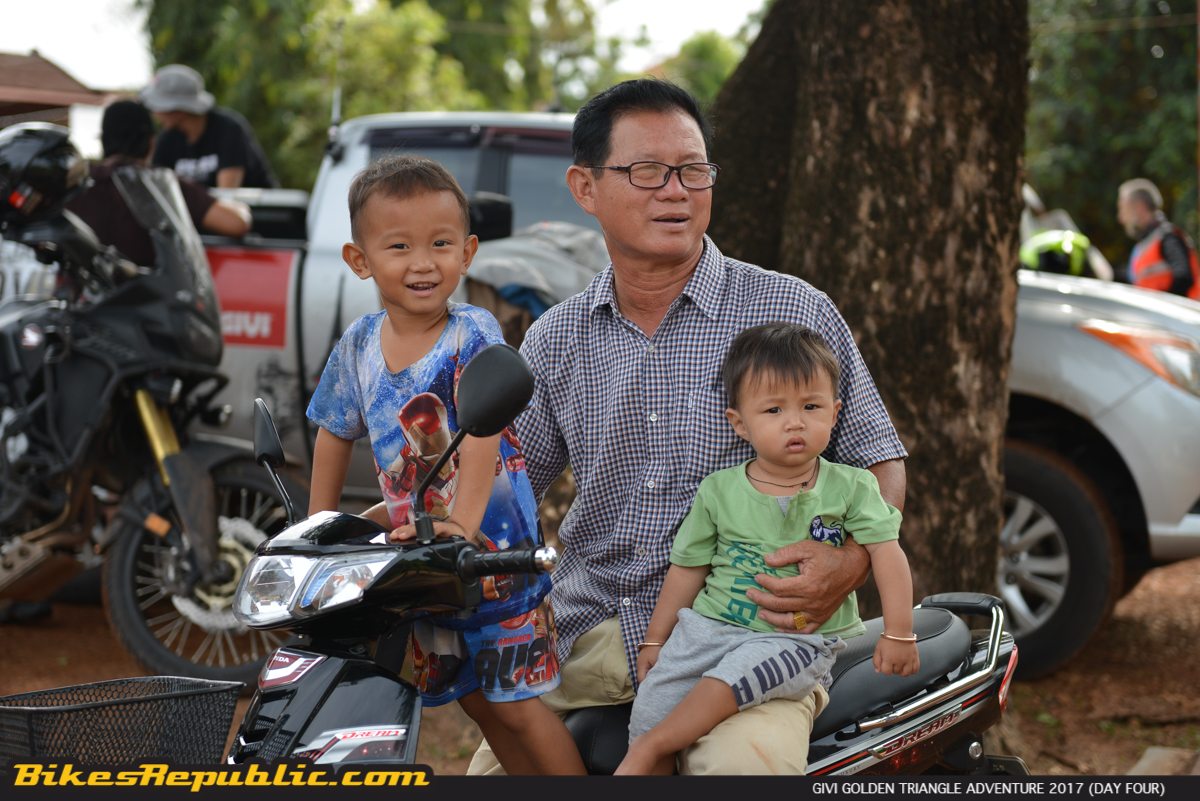
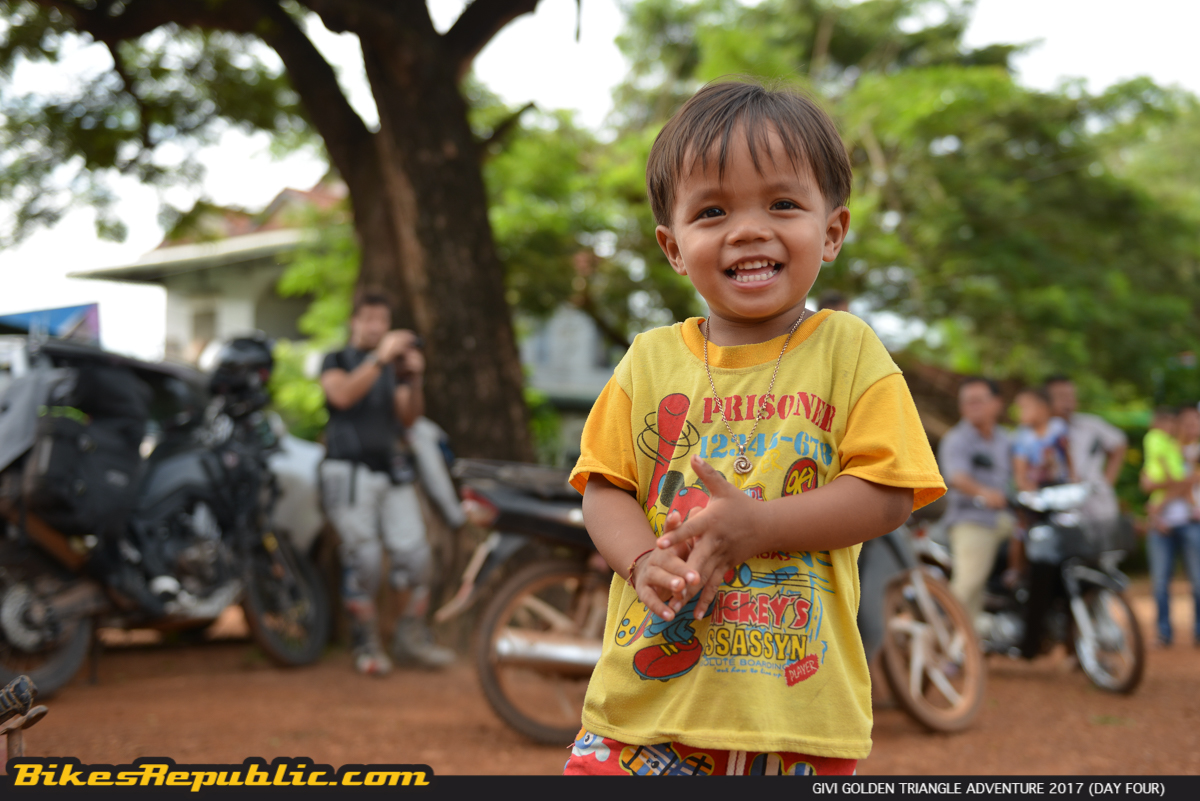
However, the locals (without DSLRs) had also come out en masse to greet us. Well, more like to witness this group of bikers on big bikes attached with all sorts of space-aged equipment visiting their kampong.
It was heartwarming to see the children smiling in all their innocence when we waved at them.
Later, we watched as a mini bus unloaded a crowd of loud tourists (no prizes for correctly guessing where they’re from) before commencing with our own photography and drone video session of the convoy crossing the bridge.
We then continued on our way riding on a wet dirt road. I love offroad riding.
Image courtesy of GIVI Explorer
The GIVI Golden Triangle Adventure continued on its way after lunch. It was a great break from the Cambodian humidity, that’s for sure, as we gulped down jugs of water. Credit also need to be given to the Thai support guys as they would invariably bring in hot water and coffee for the Explorers.
We were greeted by heavy traffic in the form of mopeds and scooters, a few with more than two occupants onboard. The riders tend to overtake each other without checking what’s behind them, and I noticed none of them actually looked in their rearview mirrors, not once. So why do they have mirrors…? Well, nevermind.
We maneuvered around them as best as we could, but we were just as unaccustomed to them as they were to us. They’d cut pass our front wheels as if we weren’t there. On the other hand, we were worried about them being unaware of us having side cases and panniers – the local riders may think we’ve passed them and end up being hit by a box.
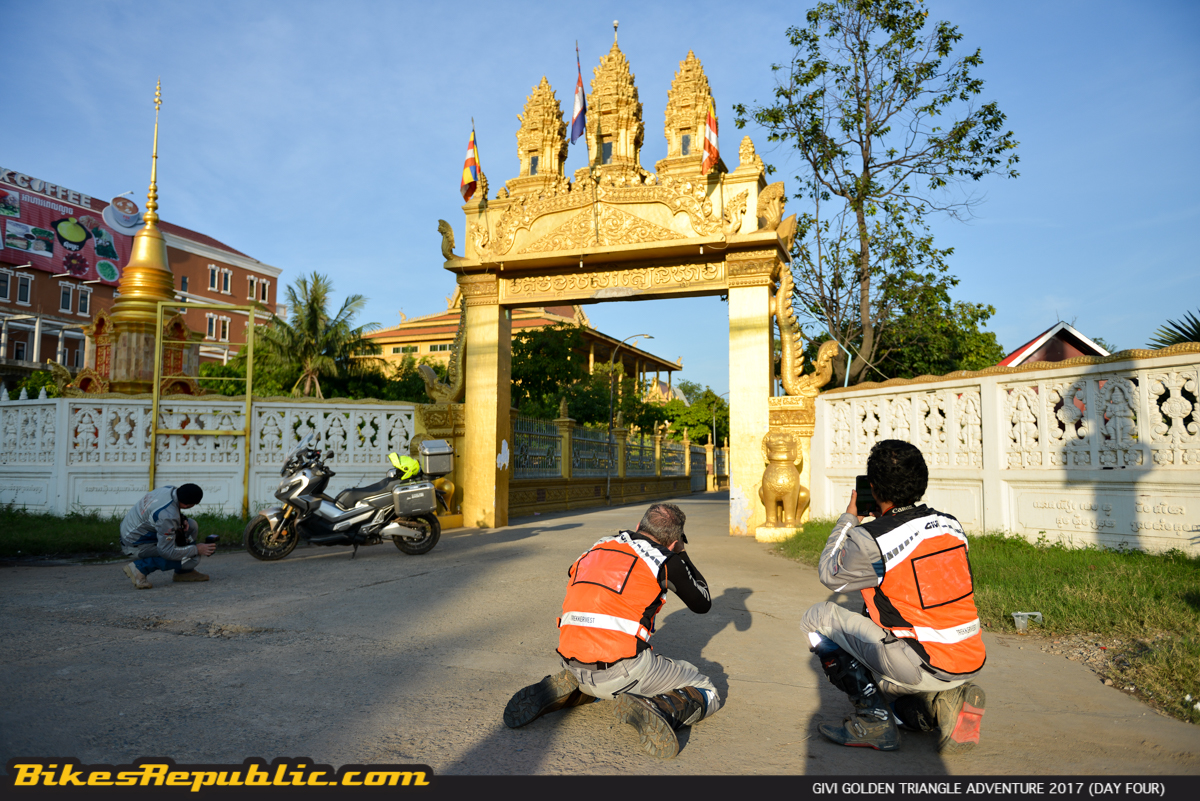
The Explorers got away safely and arrived at Phnom Penh Hotel, but a few of us went back out to shoot pictures for GIVI. With just four riders in the group, we rode in a super tight four-ship formation, preventing ourselves from being cut off.
We stopped at a beautifully opulent temple complex, all the main buildings seemingly encased in gold, starting from the gate itself.
Image courtesy of GIVI Explorer
But the best thing was watching Pietro Ambrioso, GIVI’s Official Photographer at work, shooting the photos for GIVI’s official catalogs and website.
We rode back to the hotel, witnessing how luxury SUVs cut into traffic, pushing plebs aside. But we were told that the traffic in Cambodia so far is only a warm up for the main event: Ho Chi Minh City, Vietnam.
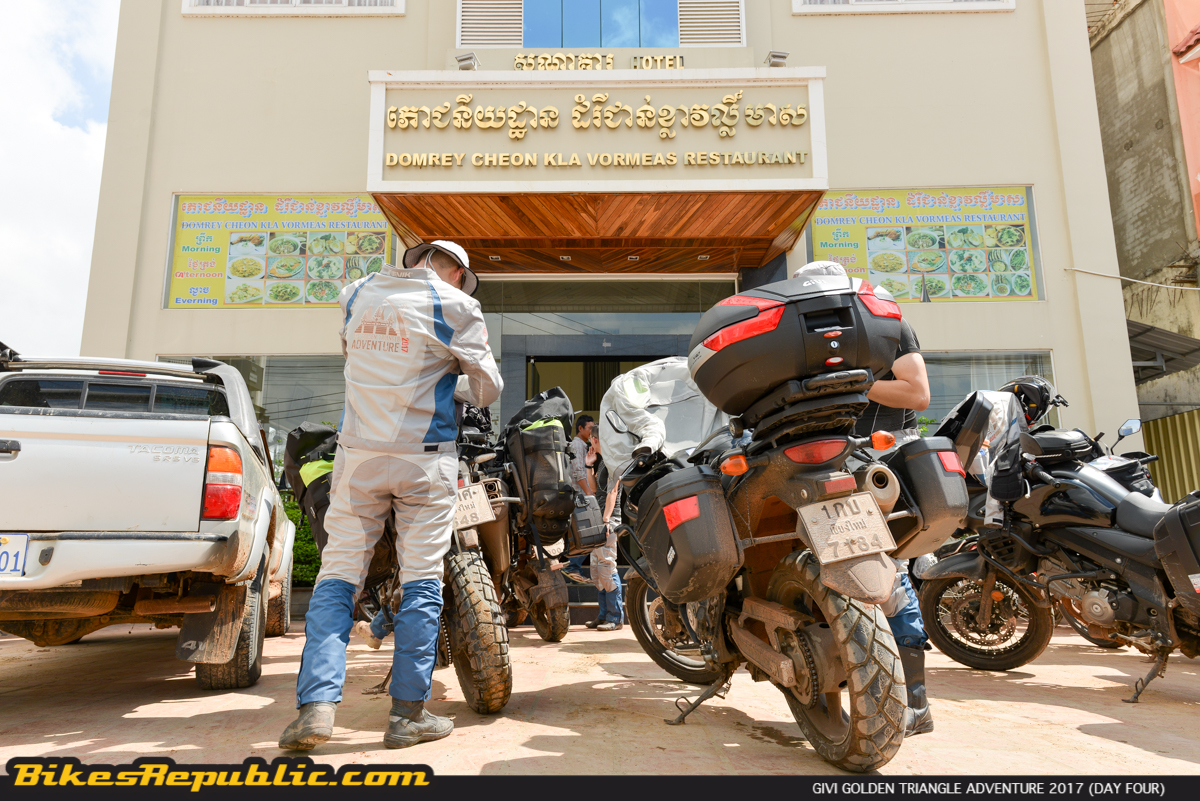
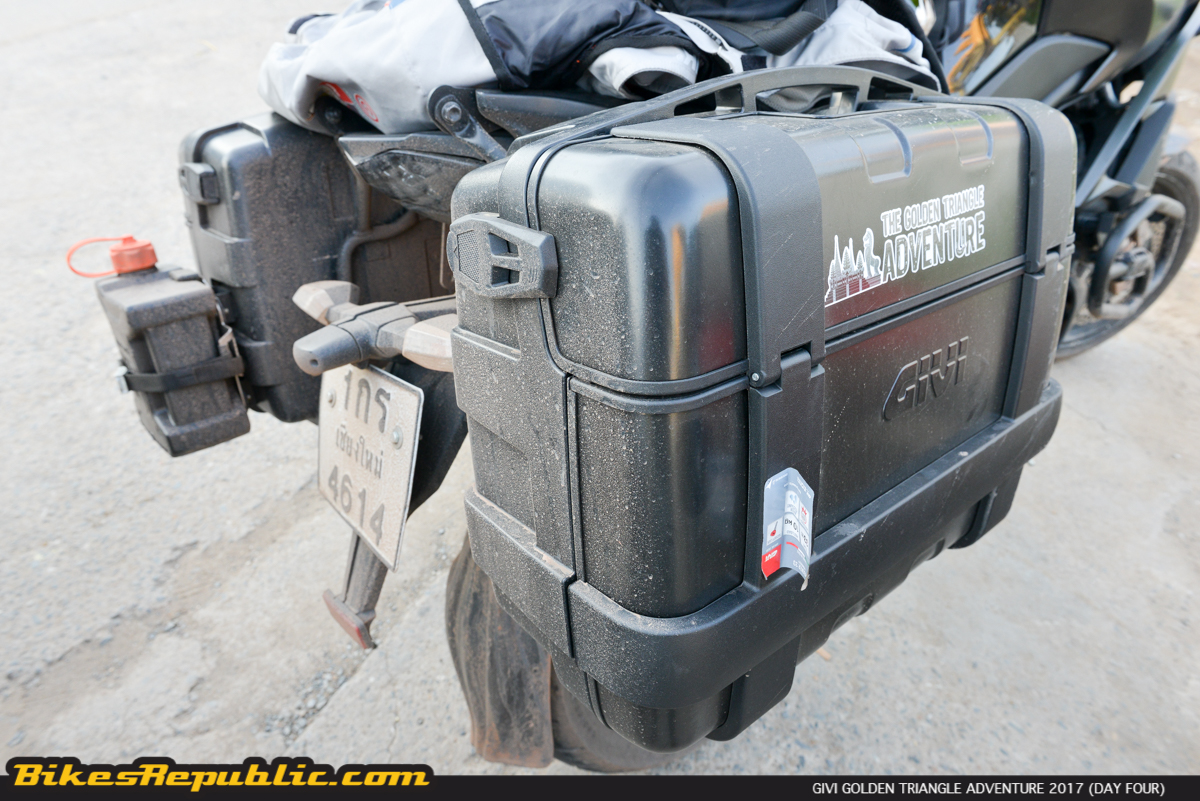
It was here that I saw how the GIVI cases looked like after riding through the weather. They were more or less encased in mud, but no water nor soil got in. Thank God, ‘cos my laptop’s in there!
A few Explorers took to the riverside for some nightlife while many chose to rest for tomorrow’s ride into Vietnam.
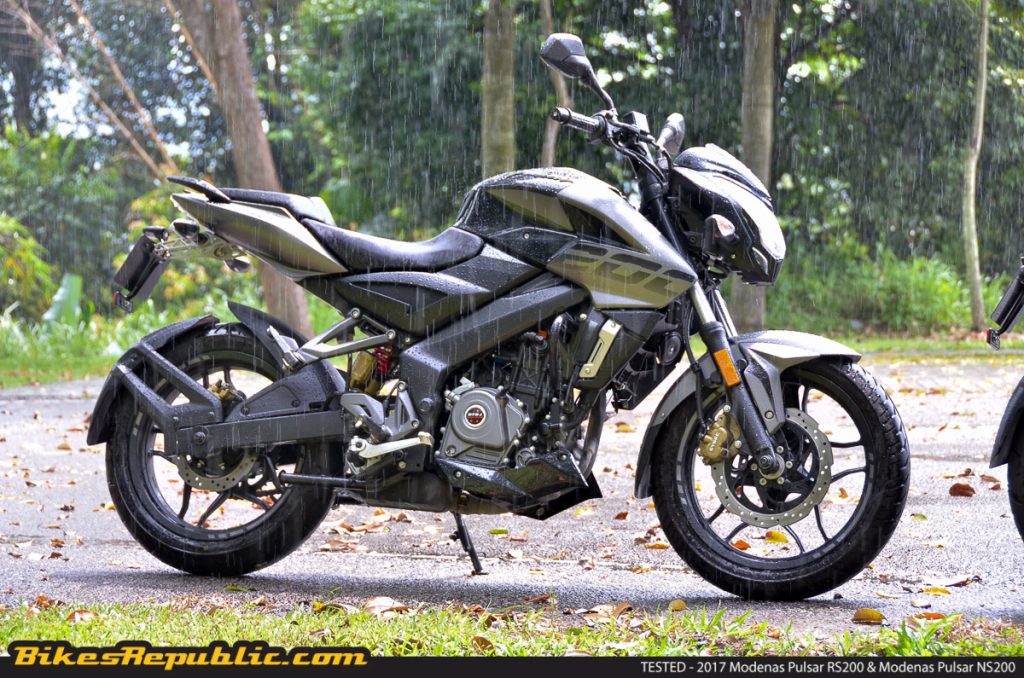
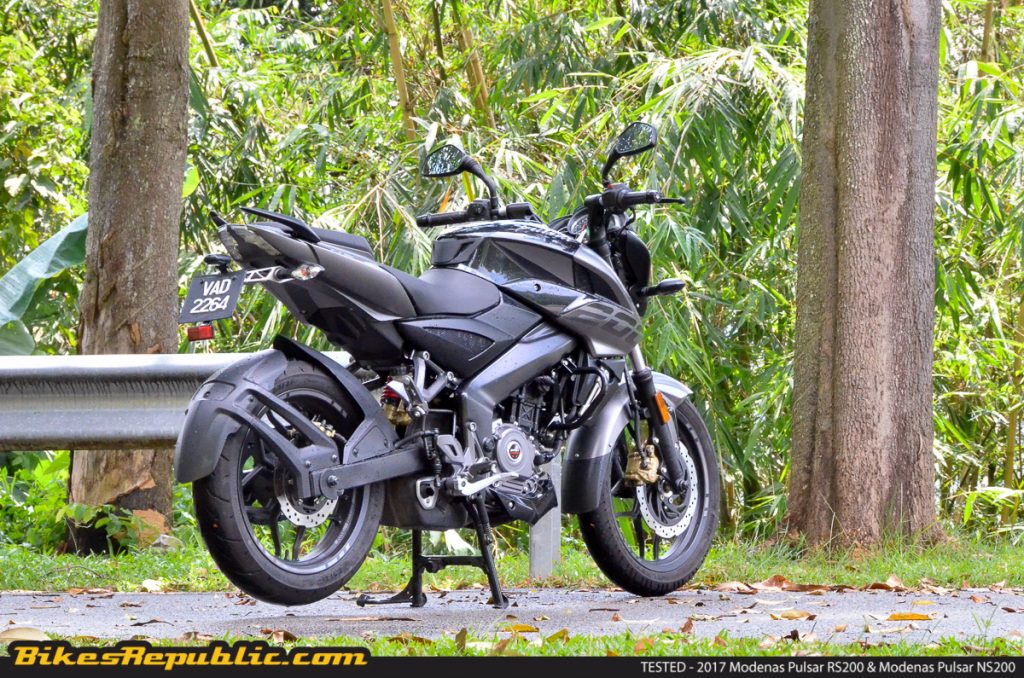
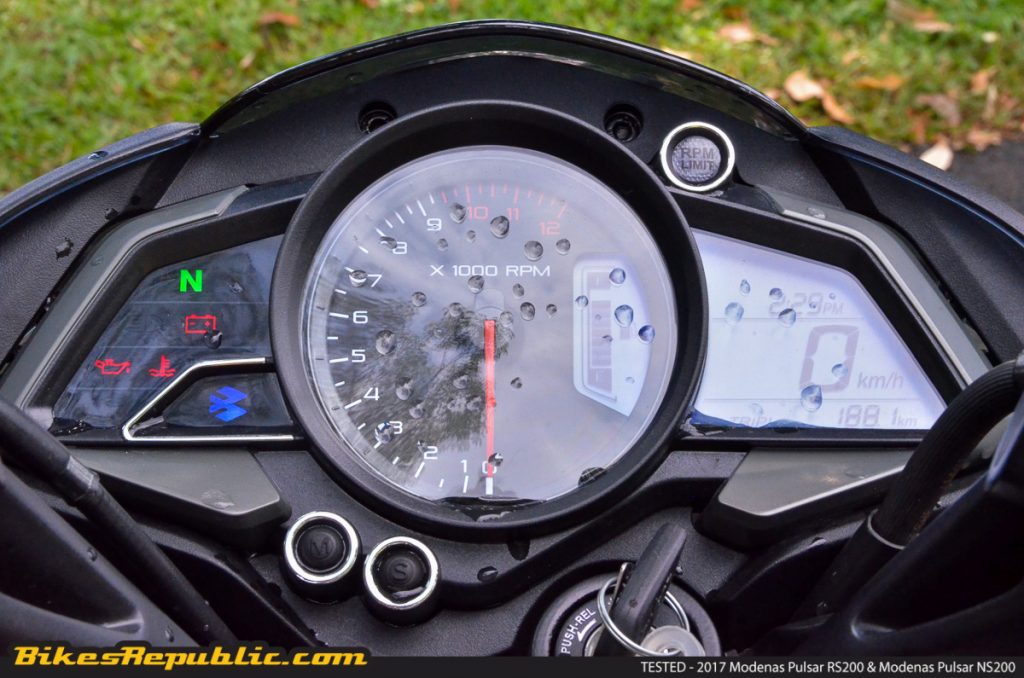
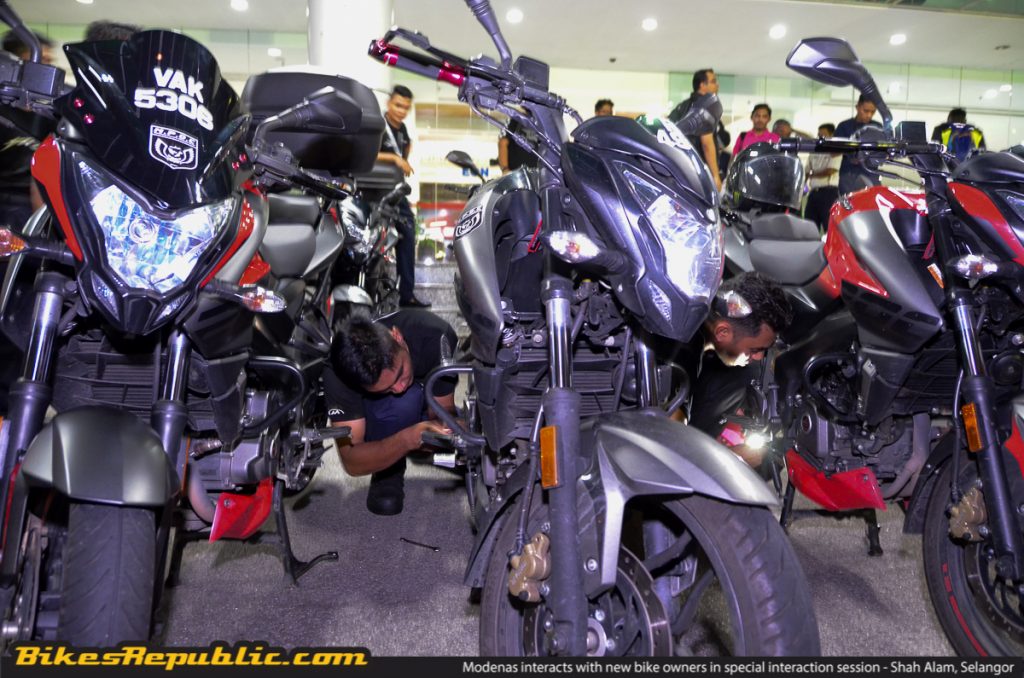
We’ve featured the review of the Modenas Pulsar NS200 and Pulsar RS200 recently (click here to read the story), and came away impressed with both bikes.
However, aside from the official tests, we at Bikes Republic would voice our opinions to one another about certain bikes we’ve tested.
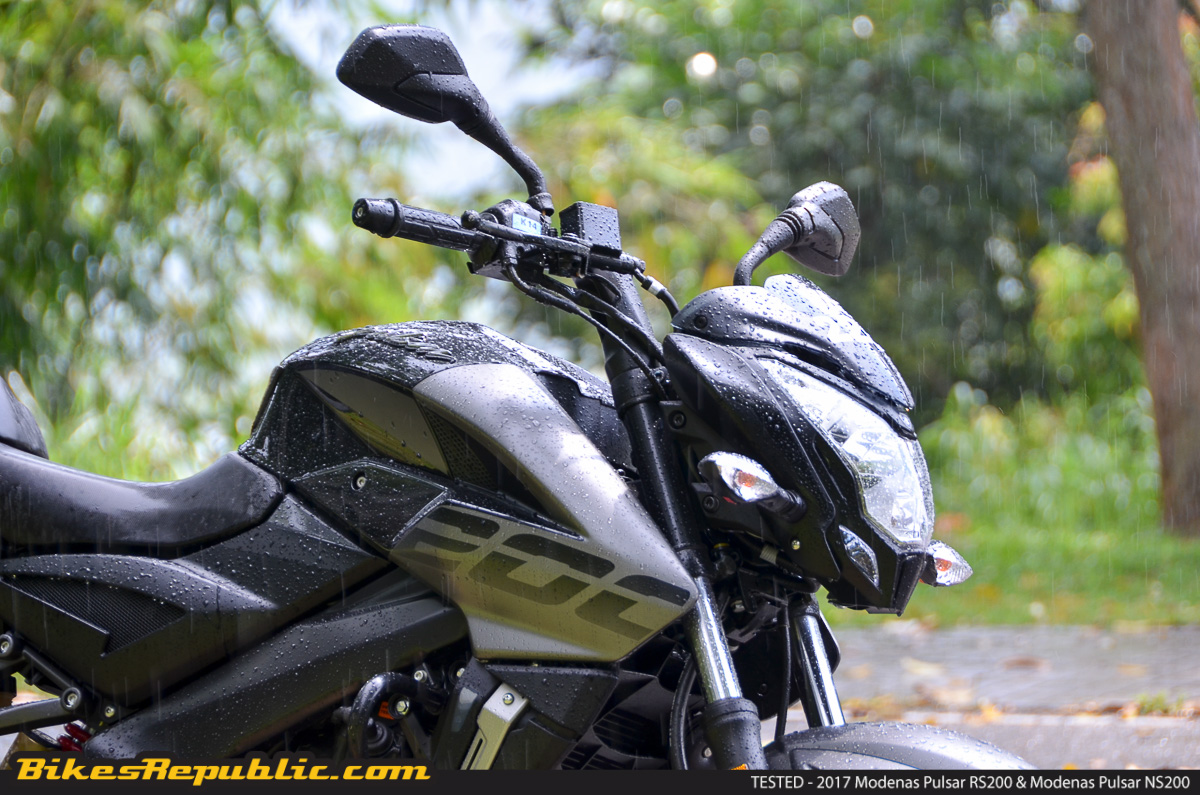
All of us love the Pulsar RS200 for its contemporary racy looks and presence, but truth is, our hearts are torn between both bikes. This writer however, fancied the naked Pulsar NS200 (stands for Naked Sports).
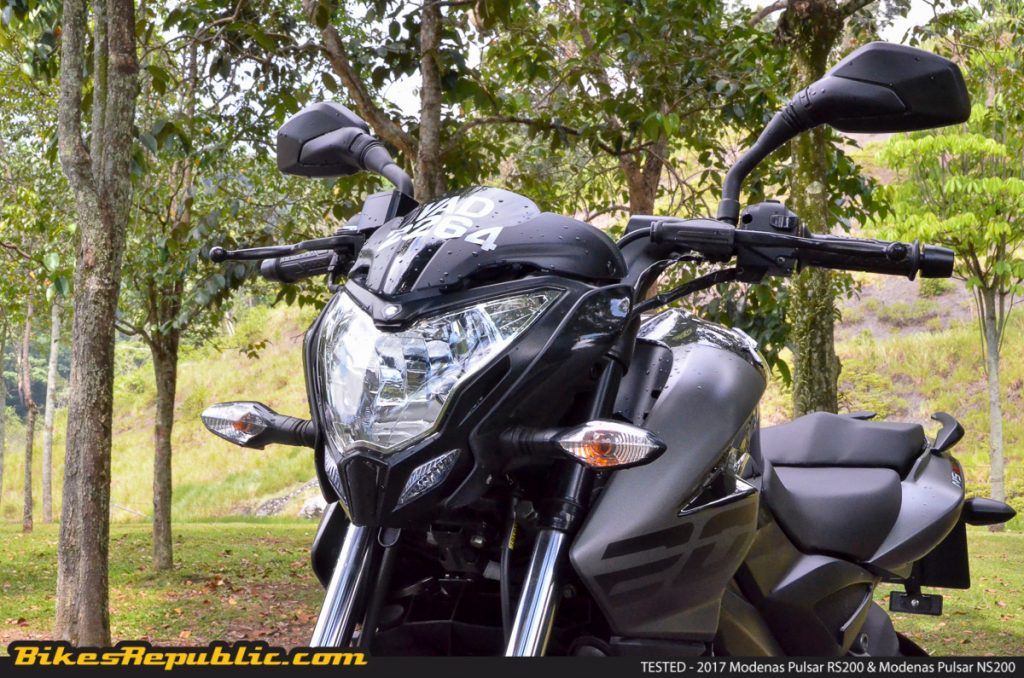
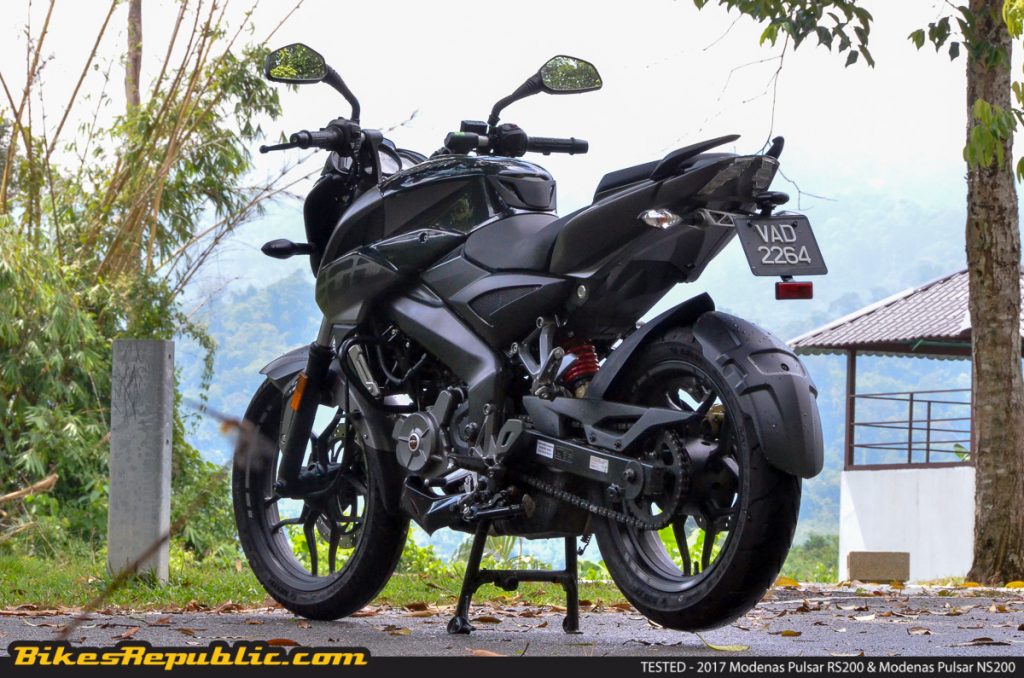
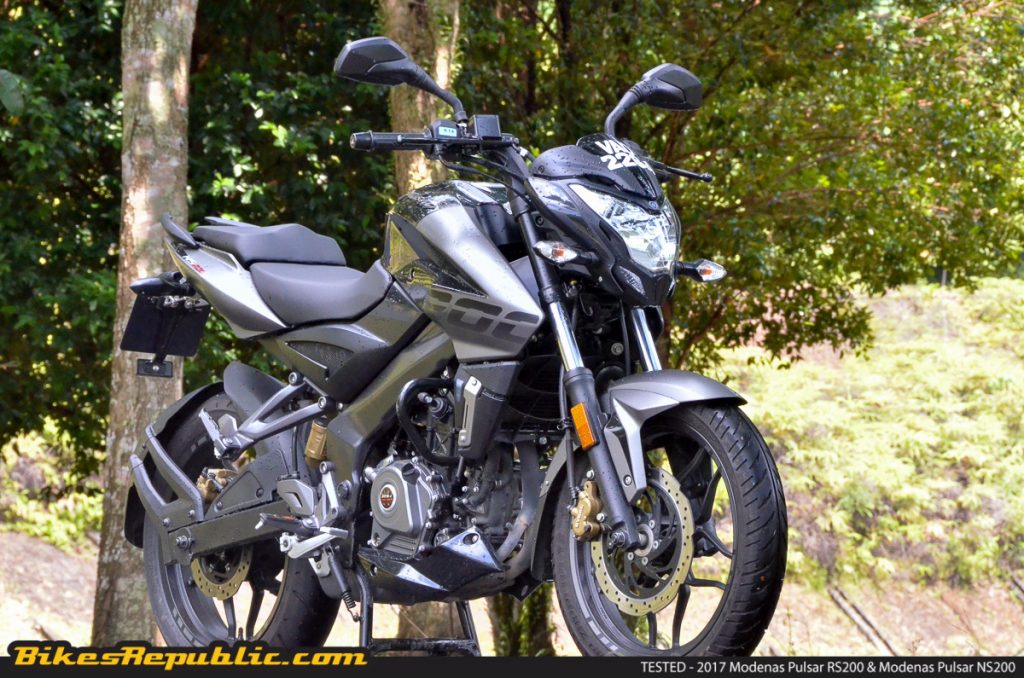
Sure, it looks Plain Jane next to the RS200, but that doesn’t mean it didn’t ooze its own appeal. On its own, the Pulsar NS200’s looks does hold its ground, especially when we looked at the riding shots.
Firstly, the rider figures more prominently on the naked bike. Strange as that sounds, but personally, a bike ought to emphasize that the rider and bike both make up as one entity when riding. You couldn’t have one or the other. Naked bikes, standards, streetfighters and classics have always appealed to me because of that.
Mid-life crisis? I don’t think so, as I’ve always loved the unadulterated looks of bikes that expose their mechanical parts since I was a kid.
Secondly, I personally figured that performing maintenance on the Pulsar NS200 is easier. I could get to the sparkplugs, oil filter, oil sump, front final drive sprocket, etc. so much easier because I don’t have to get around the bodywork of the Pulsar RS200.
Thirdly, and this is really my personal opinion, I’ve found out through time that motorcycles that don’t appeal to me on the basis of love at first look tend to have me liking them for a much longer period of time. The Pulsar RS200 truly looks great, make no mistake, however, the Pulsar NS200 has kept my attention longer, for some reason. It’s more like liking someone’s personality over looks.
Fourthly, there’s less cosmetic damage to concern about when you own a naked bike. That applies to either a crash or the accumulated abuse by careless mechanics when they removed and reinstalled the fairing. Not one fully-faired bike of mine has lasted its lifetime without missing fairing fasteners, causing them to flare open or even dropped a panel.
Fifthly, the naked Pulsar NS200 lends itself better to customization. It’s already a naked bike, so you don’t have to feel the pinch about having to store the fairings somewhere. A set of clip-on handlebars with bar-end mirrors, racing rearsets would make the bike look the proper streetfighter. Or go beyond conventions by stripping everything down and turning it into a bobber or a scrambler or a classic.
Sixthly, the Pulsar NS200 has a slimmer cross-section, which means it’s much easier to scythe through KL’s crazy traffic.
But, but, but! What about wind protection? Ah, that’s an easy fix. Just install a windscreen and you’re done!
So there you go, my own opinion on why I prefer the naked Modenas Pulsar NS200.
Oh and have you heard? Modenas is giving away free motorcycles for the Bakat Besi design contest. Stand a chance to win that and other amazing prizes, more information here.
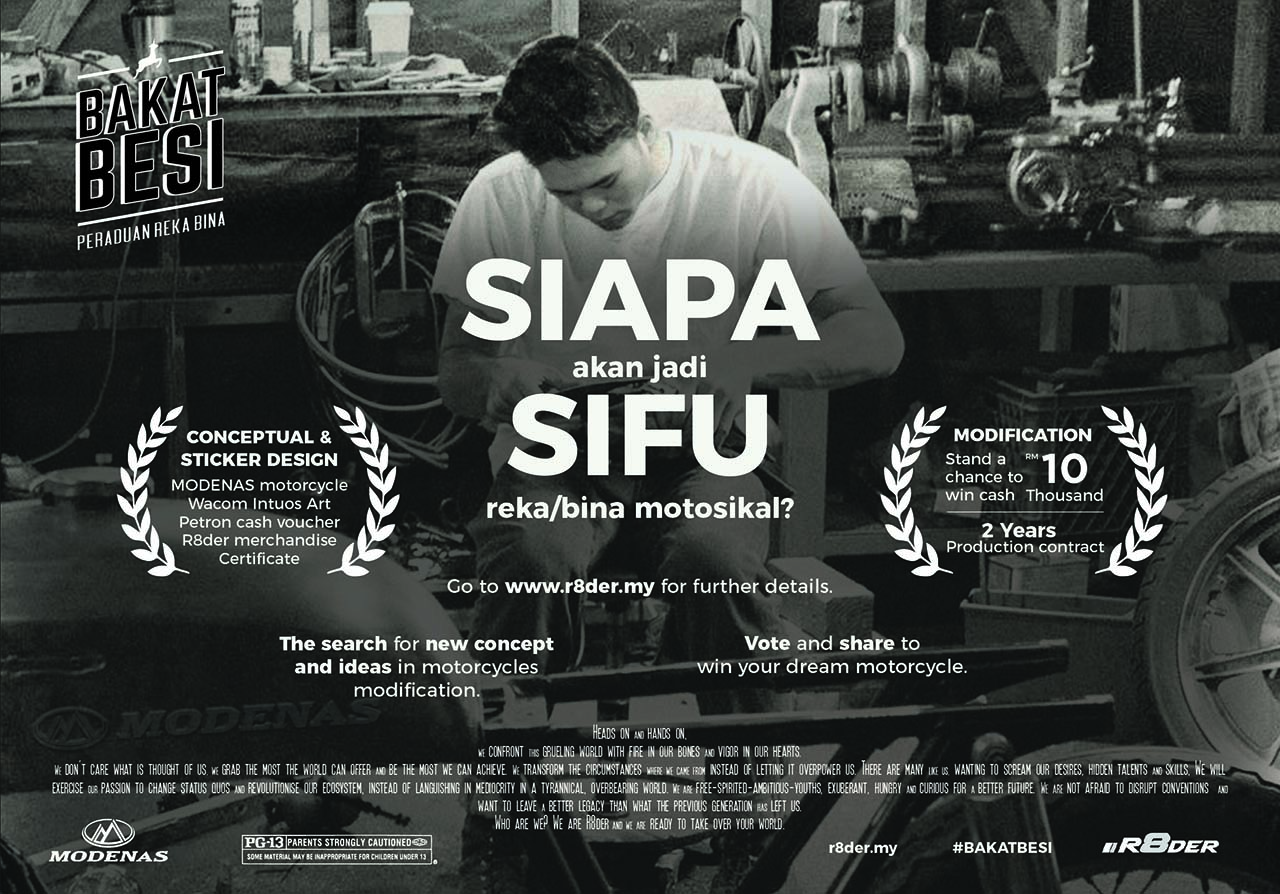
Modenas Malaysia had recently launched the Bakat Besi: Peraduan Reka Bina contest (translated vis-a-vis as Metal Talent), Malaysia’s inaugural talent search program for motorcycle design and engineering. (No, it’s not a talent show for heavy metal bands, sorry guys.)
Motorcycle builders, mechanics, students and enthusiasts standa chance to build a career out of their passion for designing and building motorcycles. The first instalment of the program is Bakat Besi: Peraduan Reka Bina (Metal Talent: Design and Build) which seeks to unearth the appropriate talents.
There has never been a lack of creative talents here in Malaysia. Instead, they are hidden from mainstream view due to either lack of continuous exposure or mainly just because these builders are driven by their passion alone.
But what Bakat Besi: Peraduan Reka Bina aims to do is to bring these talents to the fore, with the opportunity to put their motorcycle design and engineering skills on the table, and to ultimately build a source of income for themselves and seeding the creativity of the Malaysian motorcycle industry.
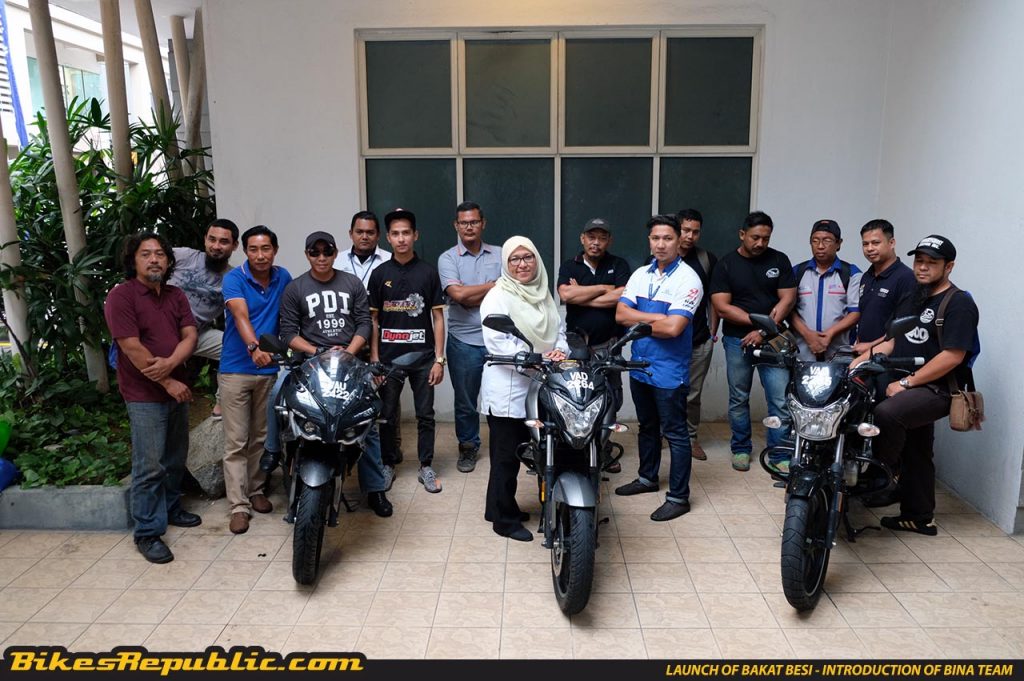
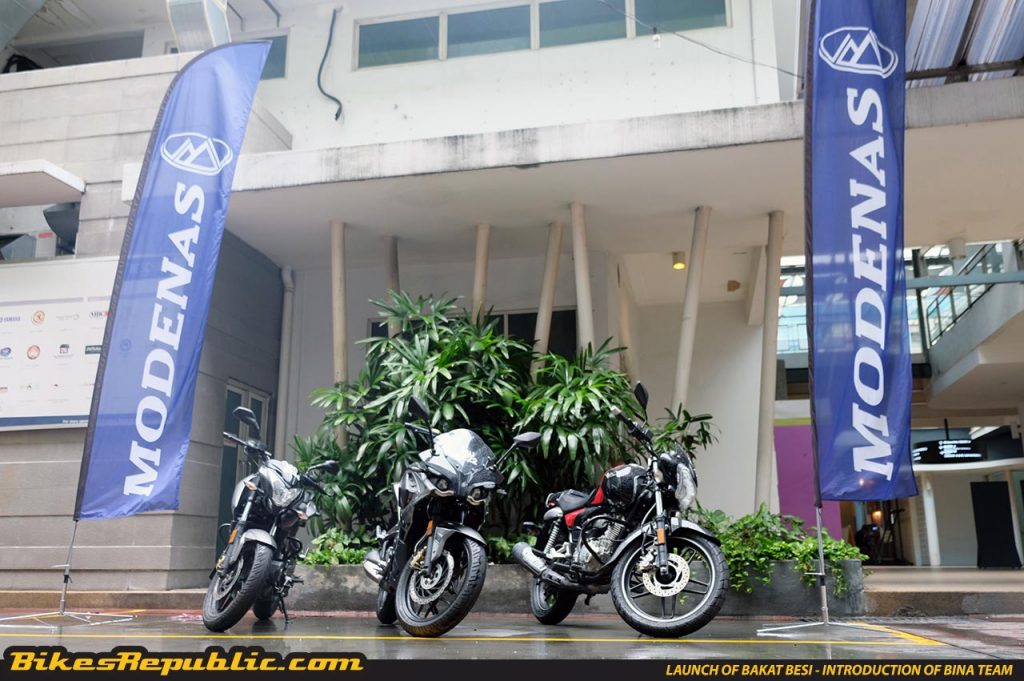
The contest is divided into two categories. The first, called Bina Sifu, groups of 12 top builders (shown above) in Malaysia to customise the latest Modenas V15, Pulsar RS200 and Pulsar NS200. Modenas is the main sponsor of the Bakat Besi: Peraduan Reka Bina and they are sponsoring those bikes.
The 12 participants will be divided into six teams, consisting of a builder and constructor in each, and an RM10,000 budget is allocated to each team for the build. Entries will be judged on the grounds of aesthetics, performance and commercial value. The winner will receive a cash prize, a new Modenas motorcycle, and perhaps most importantly a production contract.
In the second category called Reka Sifu, contestants will submit their conceptual designs of a Modenas motorcycle or sticker designs. The entries will be judged by a panel, besides the public on social media.
The panel of judges will score 60% of the total points, while the remainder will be determined by the public.
As the Bina contest will be filmed, the public will gain exclusive insights to the design and build processes. The series consists of nine episodes and will be aired on Modenas’ official YouTube channel.
For more information on the contest, please log on to www.r8der.my and follow Bakat Besi: Peraduan Reka Bina on R8DER’s Facebook page.
Watch the video below for more information regarding Bakat Besi!
The Kawasaki Test Ride Roadshow will visit Sungai Petani, Kedah from 1st to 3rd December 2017.
The location is at the Amanjaya Mall, Sungai Petani, from 10am to 6pm.
There are many activities besides the test rides to look forward to.
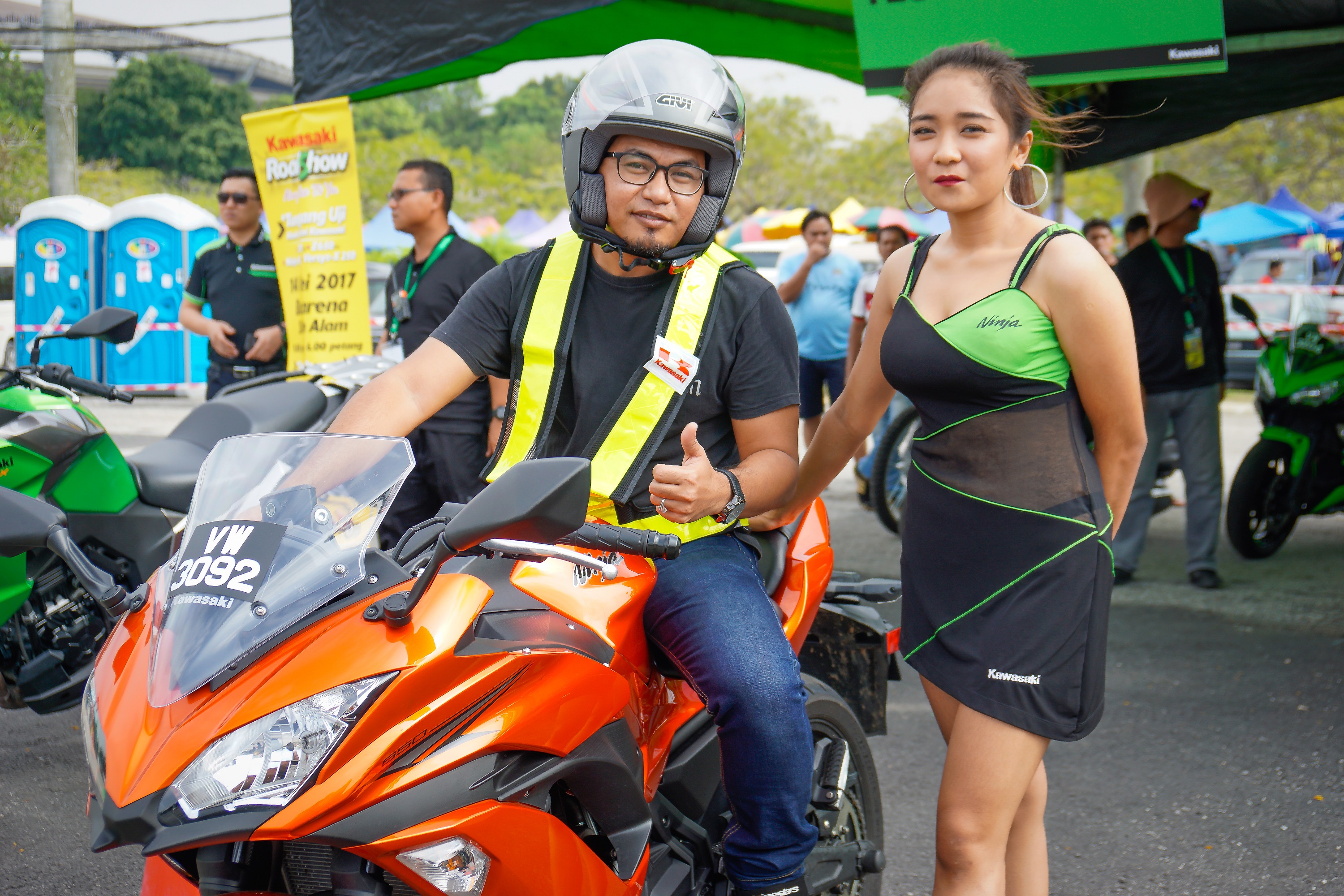
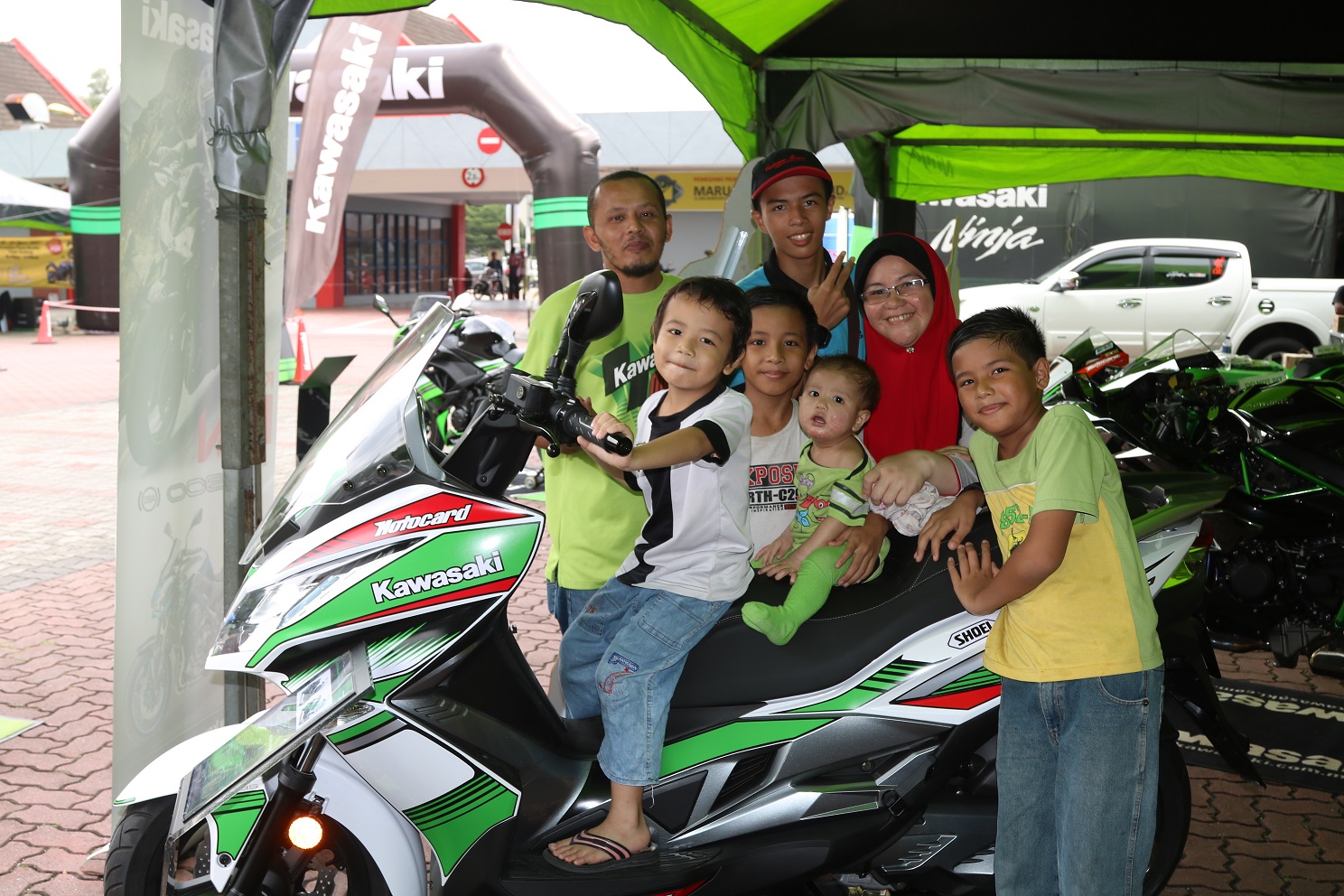
Fancy test riding your dream Kawasaki? The Kawasaki Test Ride Roadshow, dubbed Close to You, will visit Kedah from 1st December 2017 (Friday) until 3rd December 2017 (Sunday). The event will be held at the parking lot of Amanjaya Mall, Sungai Petani, from 10am to 6pm.
This is your best opportunity to test ride the wide range of Kawasaki’s superbike models, which include the fun and go-anywhere Versys-X 250, the high performance and fierce-looking Z900 Special Edition ABS, the revolutionary-styles Z650 ABS and the quick yet rider-friendly Ninja 650 ABS. The Kawasaki Test Ride Roadshow aims to share the unique experience of the performance, comfort and versatility of Kawasaki’s motorcycles firsthand with the general public. Who knows, you may discover a bike that best fits your style and be amazed by its performance.
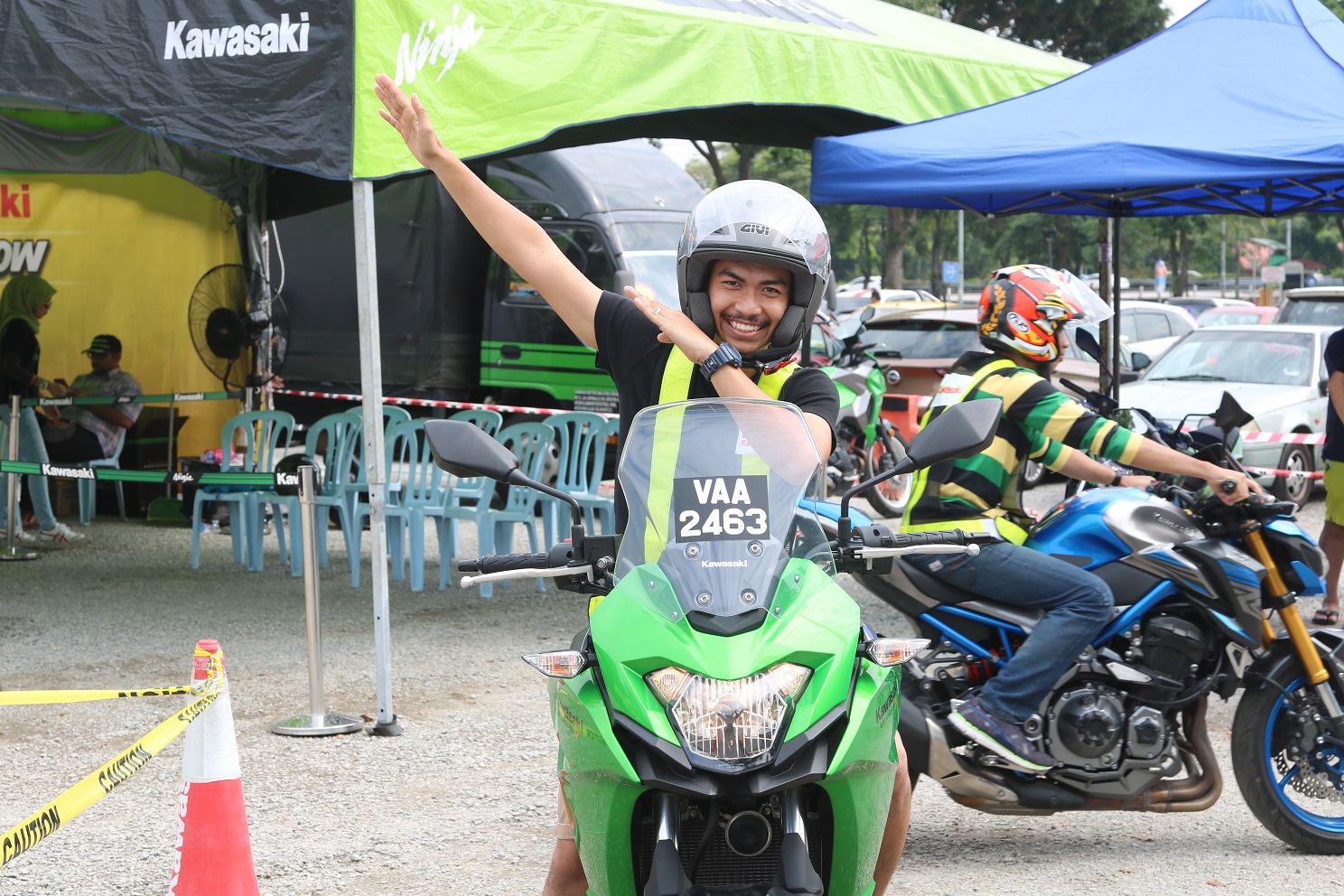
As with all Kawasaki Motors Malaysia’s (KMBS) programs, safety is the highest priority. Hence, riders must be aged 18 years and above, holds a valid motorcycle license. Please be dressed in long pants and closed shoes (slippers and sandals are not allowed) should you wish to test ride the bikes.
Each rider who test rode the bikes will also receive a lucky draw coupon (valid only for the corresponding day of the event) for a chance to win exciting prizes.
Apart from the test rides, KMSB has lined up many activities that will surely appeal to every visitor.
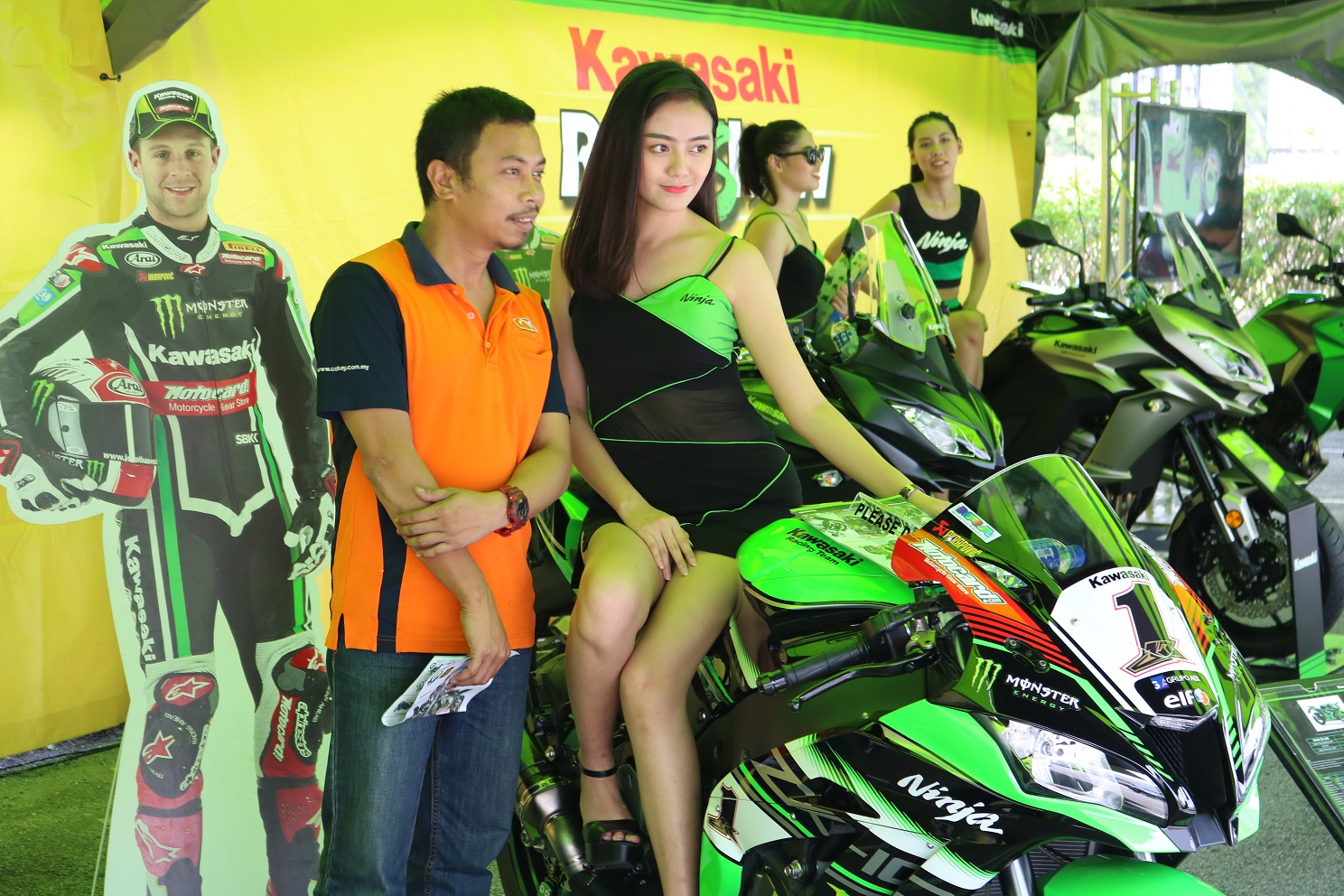
KMSB will also display a number of Kawasaki superbikes including a replica of the World Superbike Championship (WSBK) winning ZX-10R. It’s racing sister ZX-10R had won the WSBK in 2013, 2015 and 2016. (Kawasaki had also won the 2017 WSBK title but the replica is not present yet.) KMSB will also display the world’s fastest production motorcycle – the supercharged Kawasaki H2 – which has hit 400 km/h.
Besides that, Kawasaki superbike owners will enjoy the luxury of having their pride and joy inspected and services during the event. Highly trained Kawasaki Exclusive Service Centre (KESC) personnel will provide free consultation and advice.
Additionally, Bikers Gallery will be displaying and selling their latest range of products at great offers and packages during the event.
The Kawasaki Test Ride Roadshow is part of KMSB’s program ito reach out to Kawasaki’s new and existing customers, and the public at large. Visit the KMSB website and Facebook page for more information. Mark your calendar and let the good times roll!