Bikesrepublic

Latest News

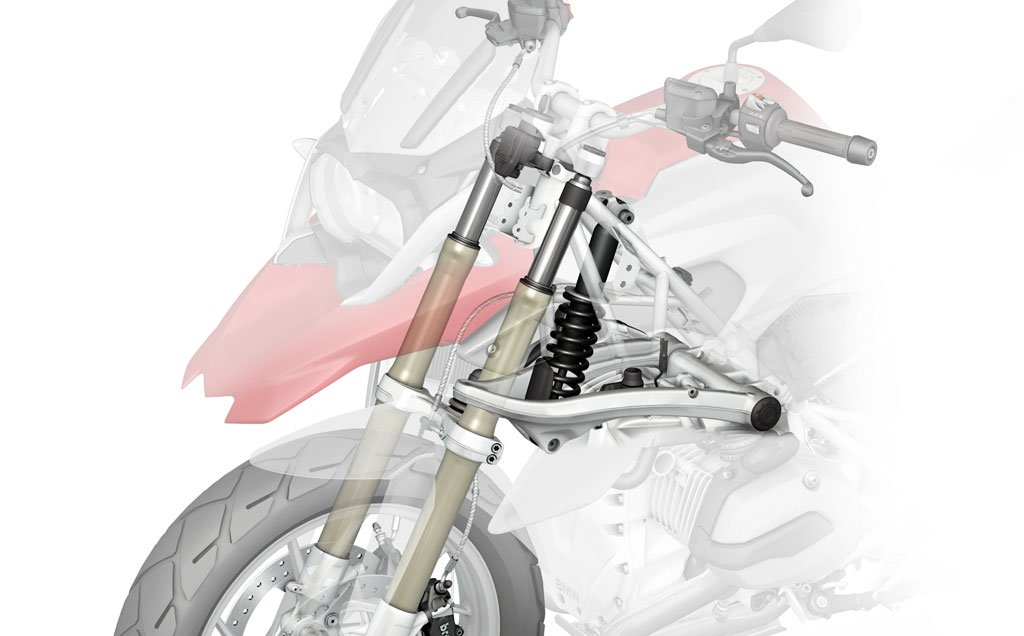
  • The BMW R 1200 GS uses the trademark BMW Telelever front suspension.

  • The system separates suspension forces from steering forces.

  • In doing so it provides superb manoeuvrability and comfort.

A newfound friend and I were chatting about bikes and more, of course but let’s keep it to bikes here since this is Bikes Republic and not the Sarawak Report.

He owns a 2016 BMW R 1200 GS Adventure, on which he had toured all the way to the Mae Hong Son loop and back a few times on it besides many other places.

2016 BMW R 1200 GS Adventure LC

Now, although I don’t own a GS, I’ve ridden one over quite some distance too. If you could recall the GIVI Golden Triangle Adventure in November last year, I had ridden a 2013 BMW R 1200 GS LC from KL to Pattaya and back, covering around 3200 km.
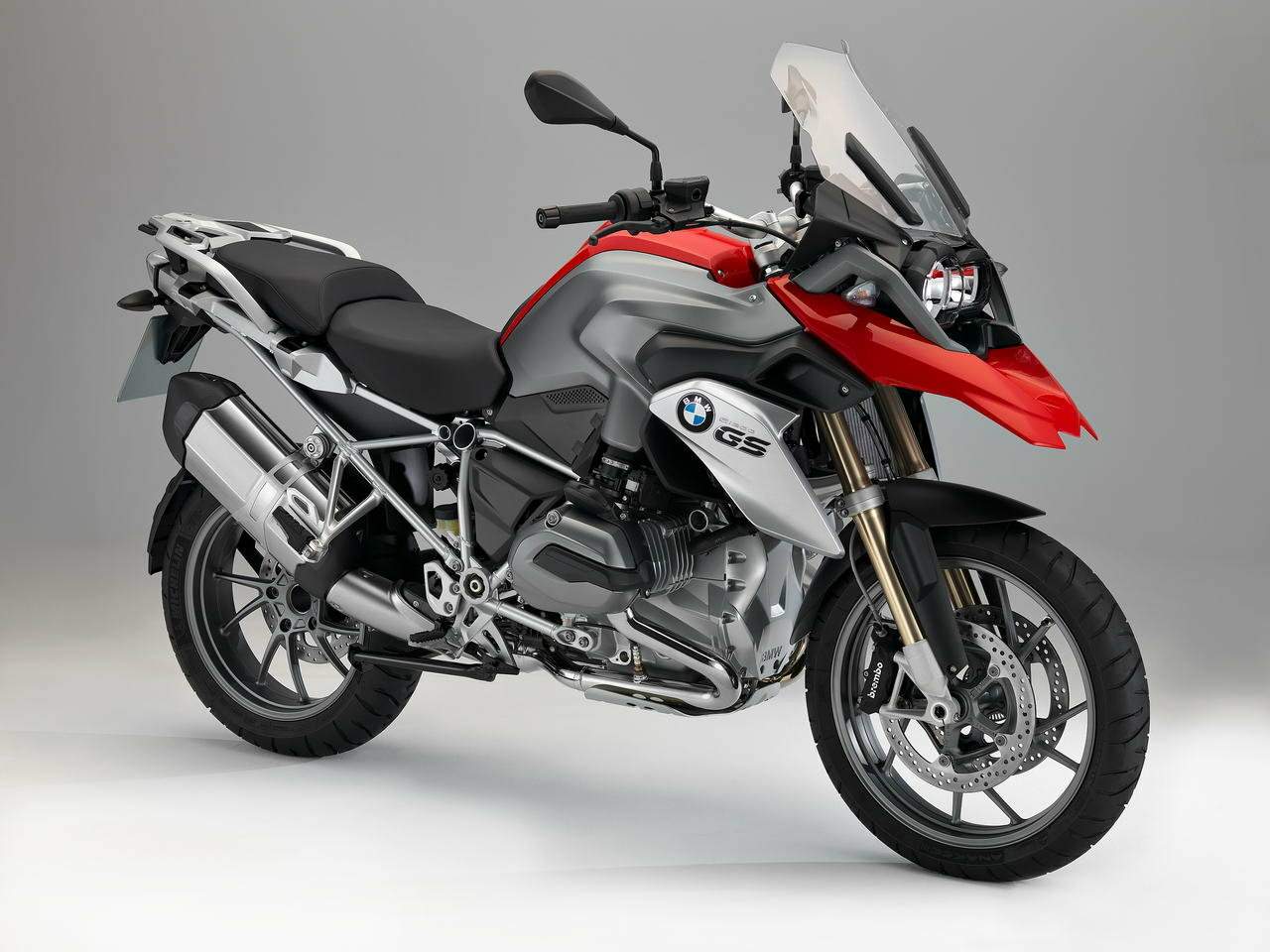
2013 BMW R 1200 GS LC

That trip firmly convinced me why BMW owners swear by it. It’s when you have to ride through treacherous conditions, or when your mind and body are exhausted, the R 1200 GS just keeps going. And going. And going.

A large part of that character is due to the bike’s Dynamic ESA /ESA II electronic suspension. It controls the damping electronically, removing bumps that would otherwise tire out the rider in a hurry.
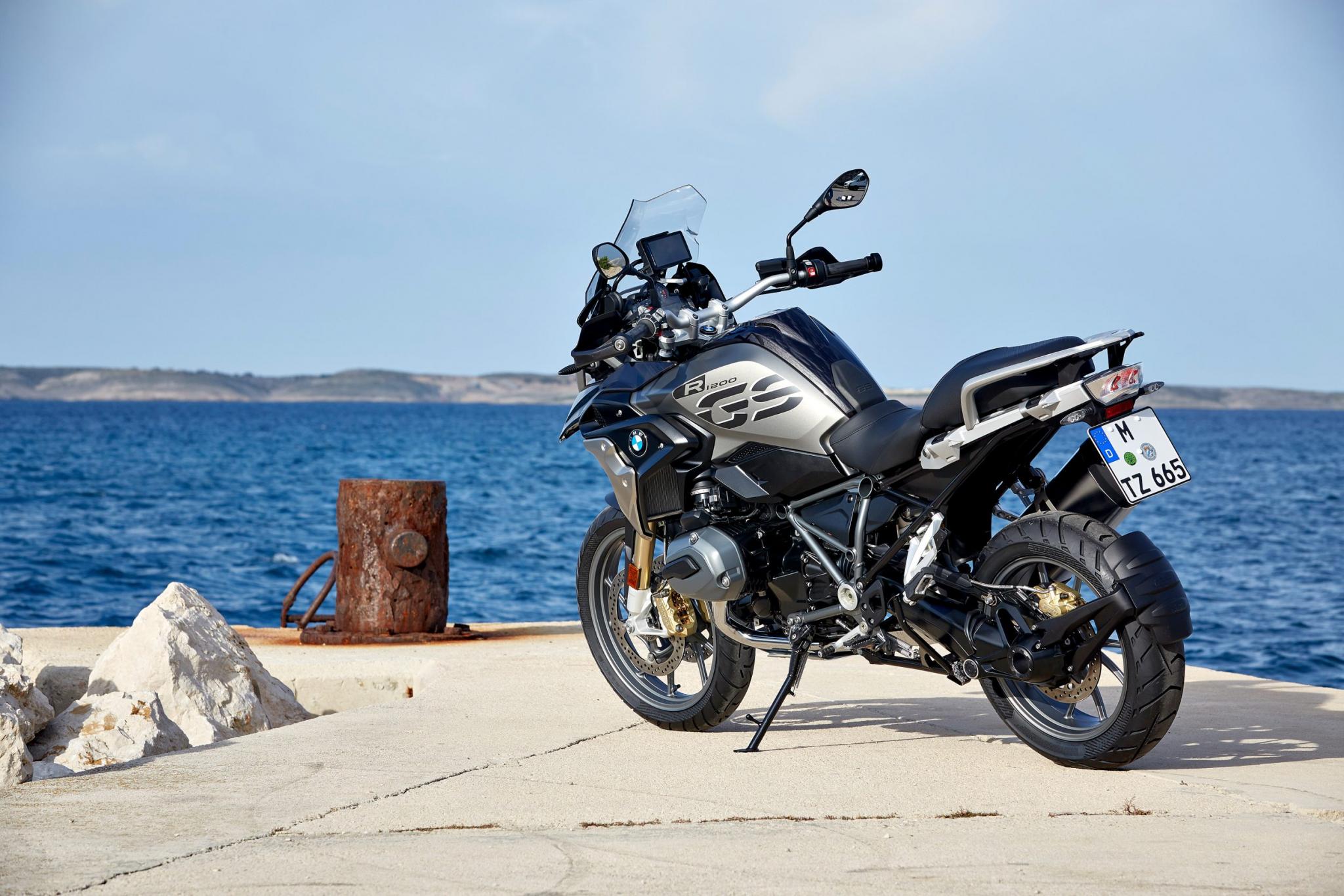
2017 BMW R 1200 GS

However, as much as having a “smart” suspension, there’s no going around the Telelever’s basic setup at the front. The spring and damper are moved out of the fork tubes and placed at a separate location. The spring and fork tubes are then connected via an A-arm, also known as a wishbone to the frame. BMW did this to separate the damping forces from the steering. We wondered why the set up isn’t used in performance bikes. A little research revealed some interesting answers.
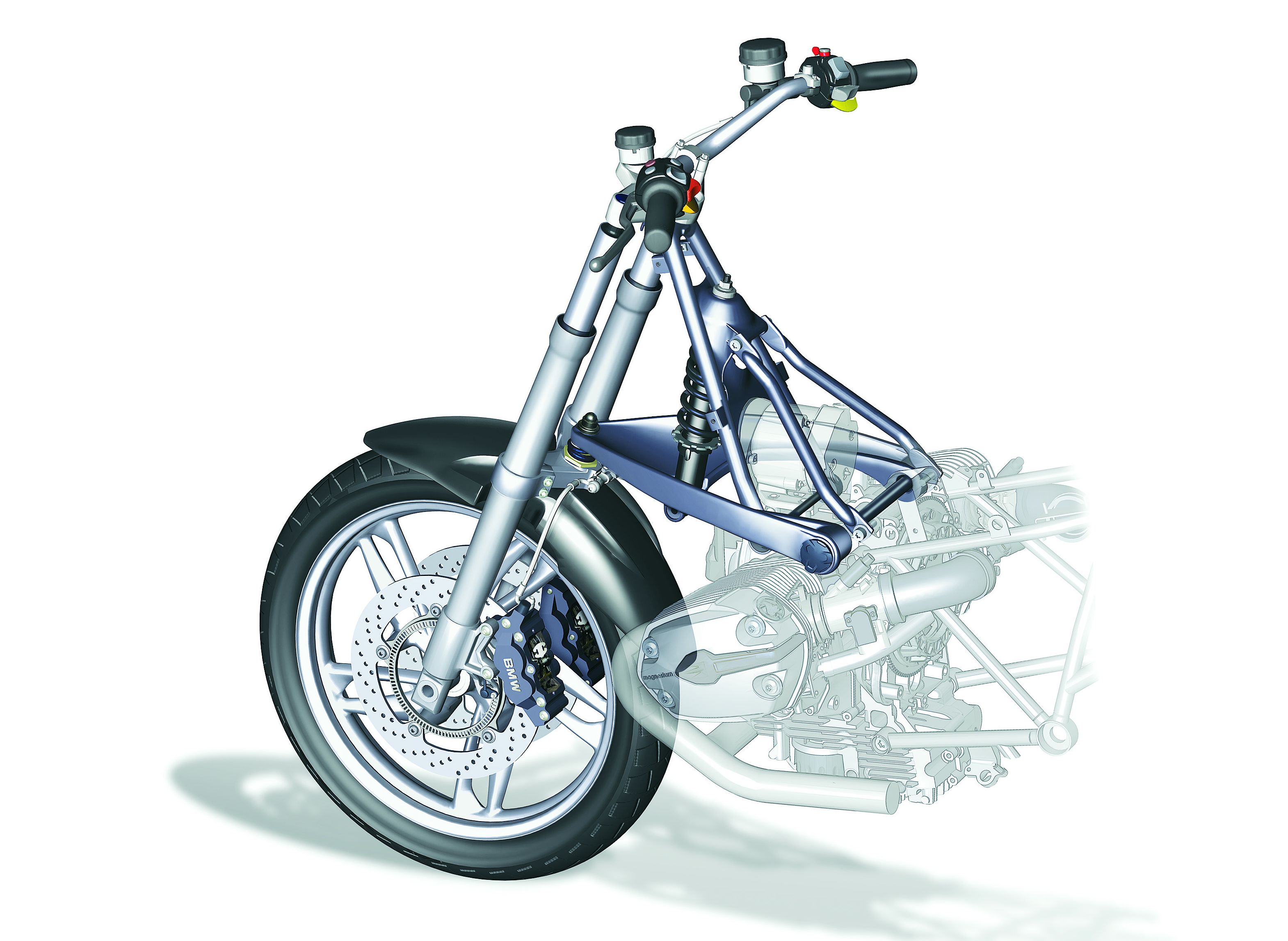
BMW R 1200 GS Telelever set up

The traditional telescopic forks, whether “normal” or upside-down, suspend and also steer the bike. Let’s take a look at the picture below.

The forks connect to the frame via the headstock and forms a triangle. This makes the headstock as the weakest point in this connection, yet the forks and frame transmit loads into it.
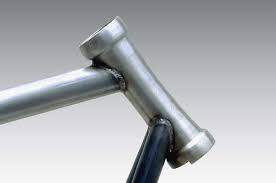
Motorcycle frame headstock. This belongs to a custom bike and is very simple

Imagine the forces pushing up into the headstock from the rear tyre when accelerating, and the forces pushing up the fork under heavy breaking. At the same time, consider the bike’s and rider’s weights squashing down from above. All these forces threaten to split the fork-frame triangle like Jean-Claude Van Damme right at the headstock. This is why the front fork and wheel assembly comes off in some heavy accidents.

While this is happening, the rider steers the bike using the exact same components that are transmitting the forces to the headstock, frame, etc. Yes, those very same forces that threaten to tear the forks off the frame.

BMW S 1000 RR frame

What that means is the forces you feel at the handlebar are the total, the sum, of all these forces acting in unison, plus the cornering forces such as camber thrust, weight, rolling drag torques, etc. That’s not necessarily a bad thing since that’s what riders call “front-end feedback.” The darker side, on the other hand, is when the rider lets off the throttle or applies the front brake abruptly in mid-corner, consequently transferring weight to the front and pushing the bike wide. That self-righting torque (the bike standing up) usually panics riders, causing them to think that they’ve run out of grip hence not forcing the bike back down to make the turn. This is why one overshoots a corner.
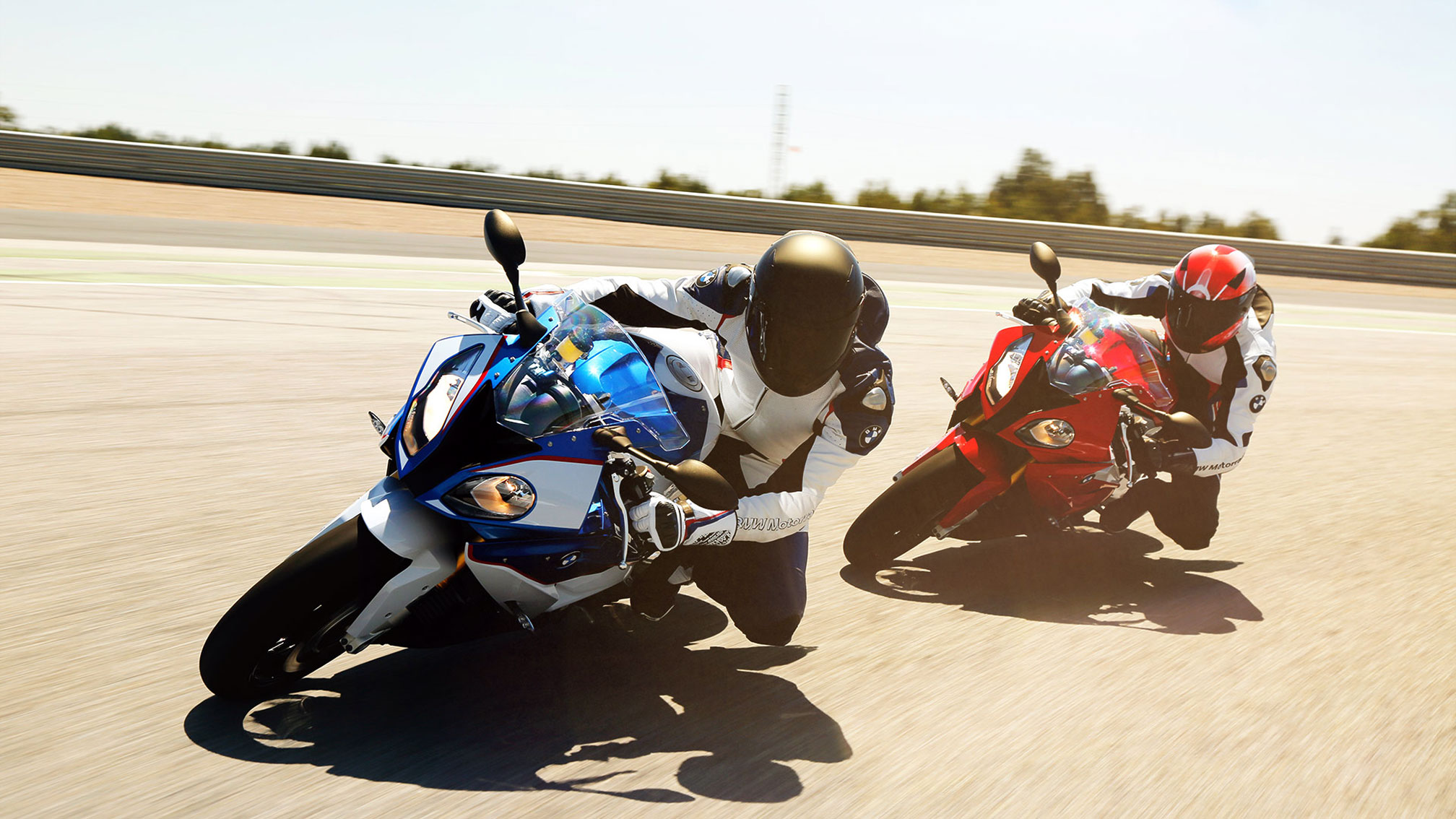
2016 BMW S 1000 RR

The Telelever and Duolever remove those forces from the steering; although the former still leaves some load through to the headstock and frame, while the latter completely isolates steering from suspension duties. The Telelever is the reason why the R 1200 GS is so easy to manoeuvre even extremely slow speeds, as exhibited by the tests in the GS Trophy. The Duolever system fitted to the K 1600 full-dress tourer line-up gives the bikes surprisingly light steering, despite their heft.

Duolever on K 1200

By if the Telelever is that good, why isn’t it used on performance bikes, much less in competition, say MotoGP? Part of the feedback is missing at full lean. It may be okay for road riding where speeds and tyre loads are much lower but not in racing where the rider needs to listen to the tyres.
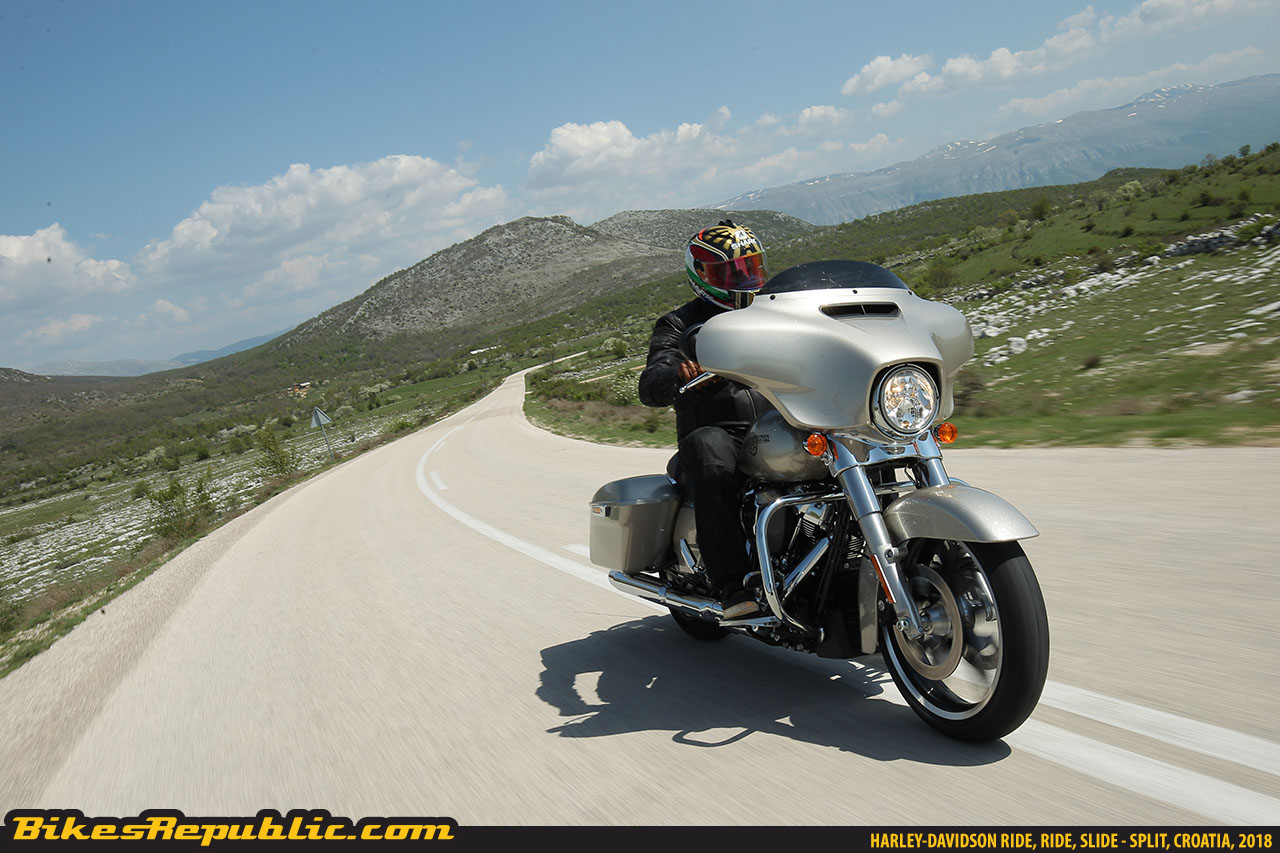
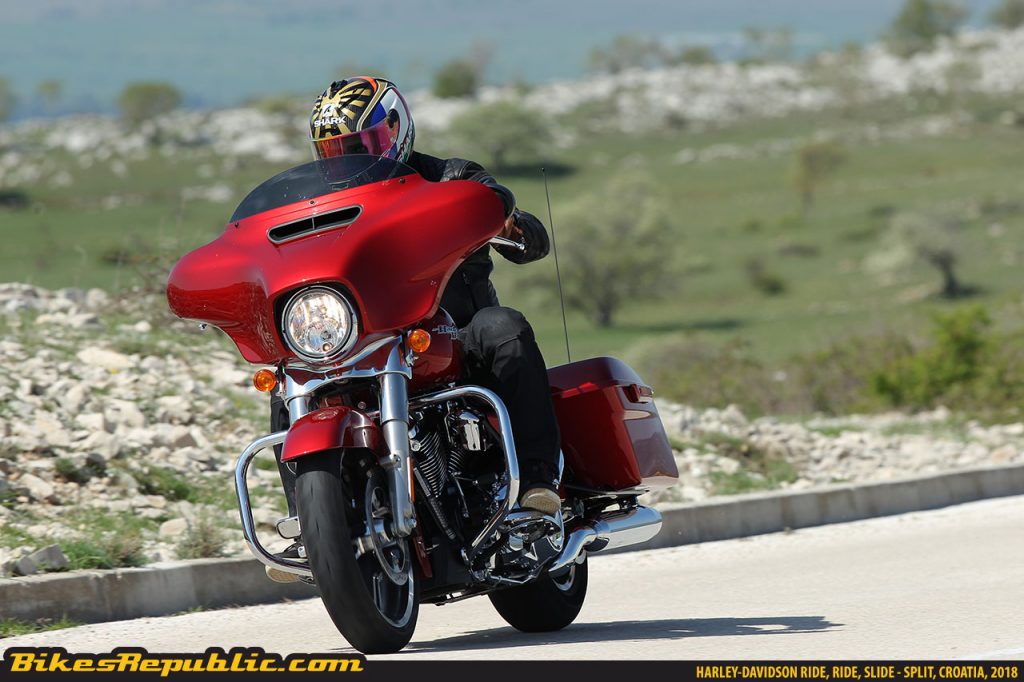
  • The Street Glide is the most popular of the Harley-Davidson touring models.
  • It is popular for its classic good-looks, especially that “bat wing” fairing.
  • Other than the design, the Street Glide is almost identical to the Road Glide.
  • But it seems to handle better than the Road Glide in corners.

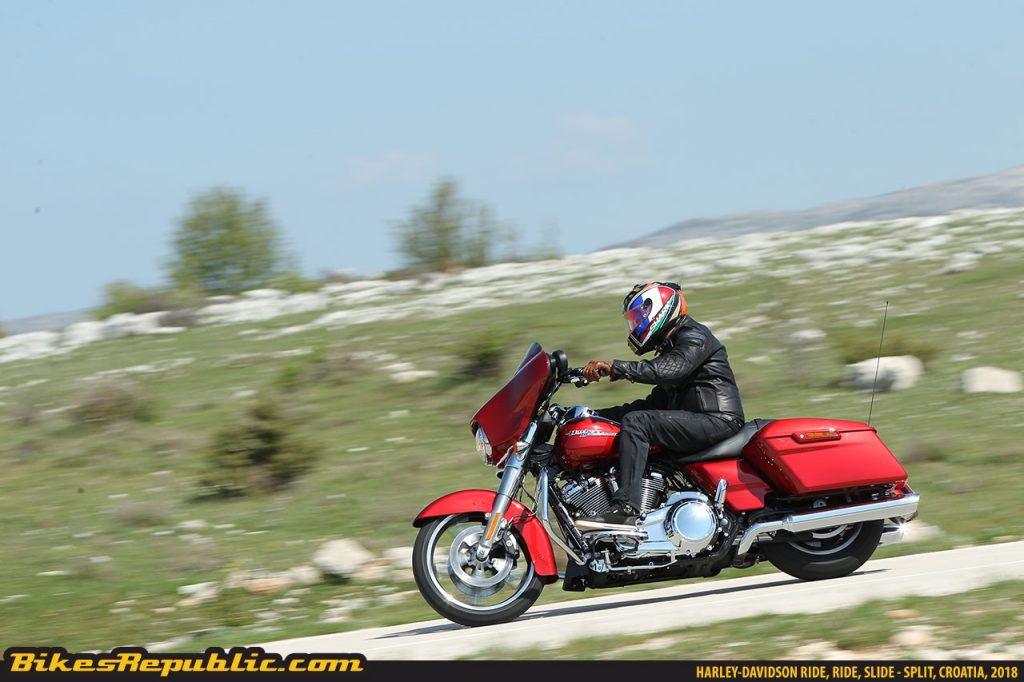
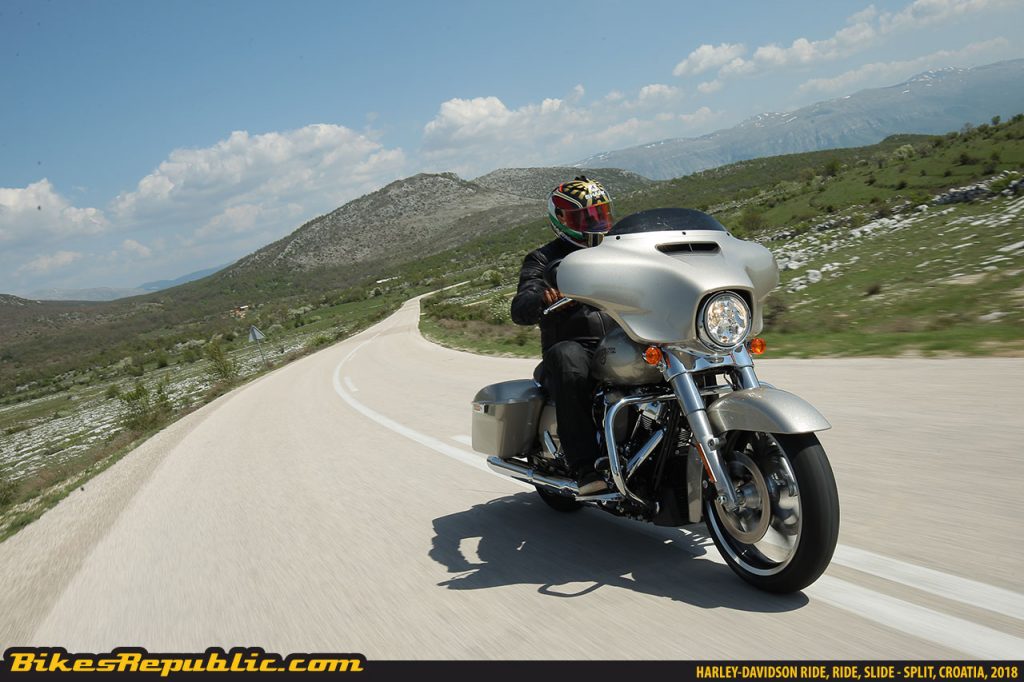
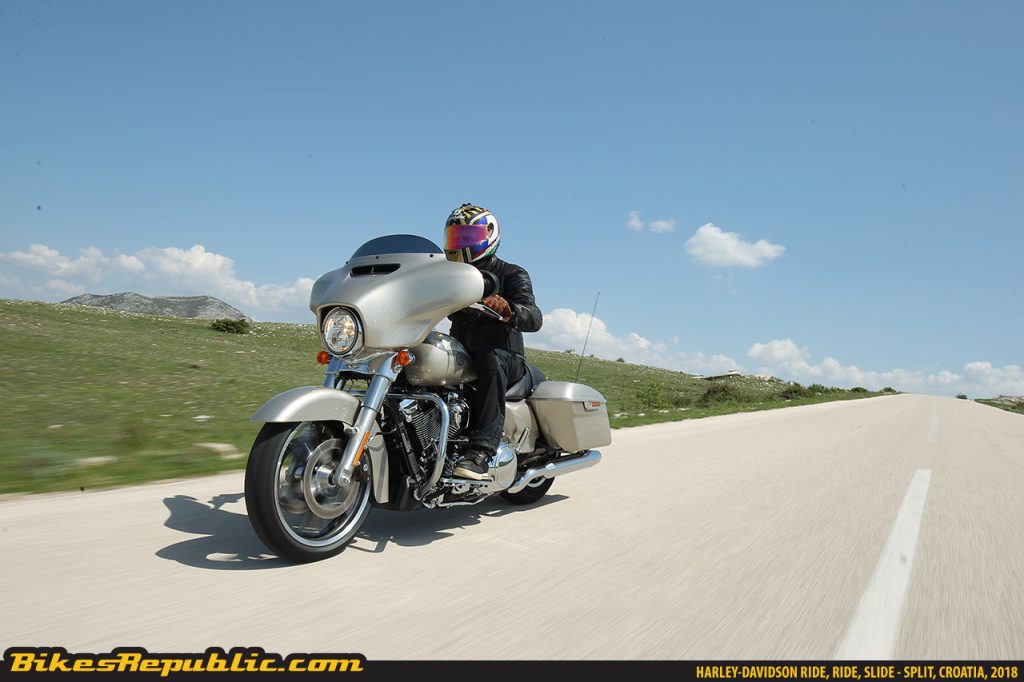
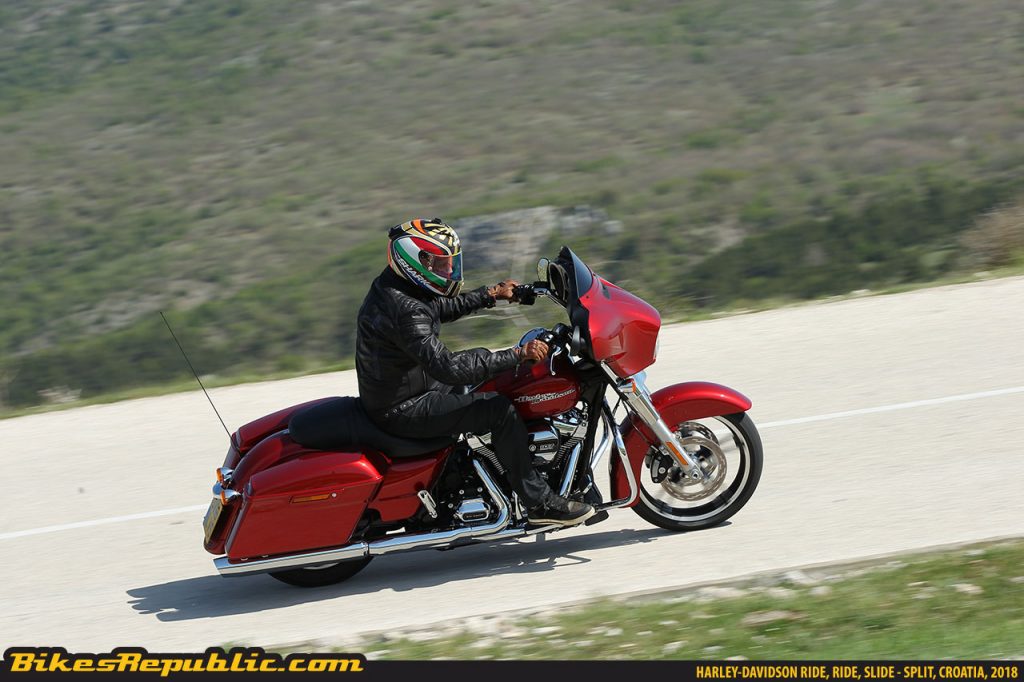
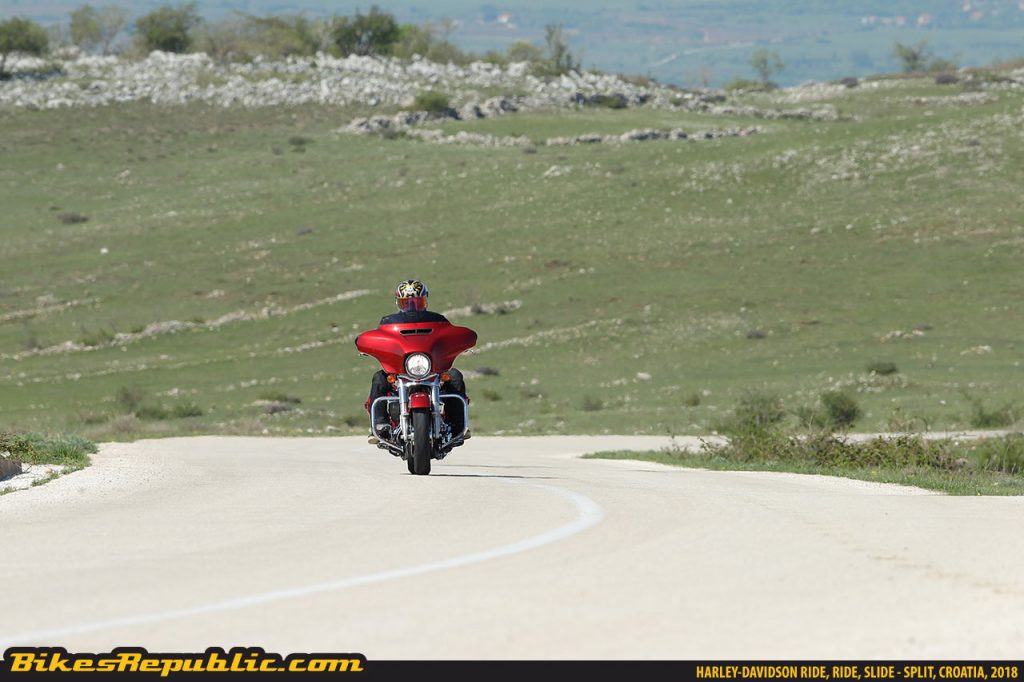
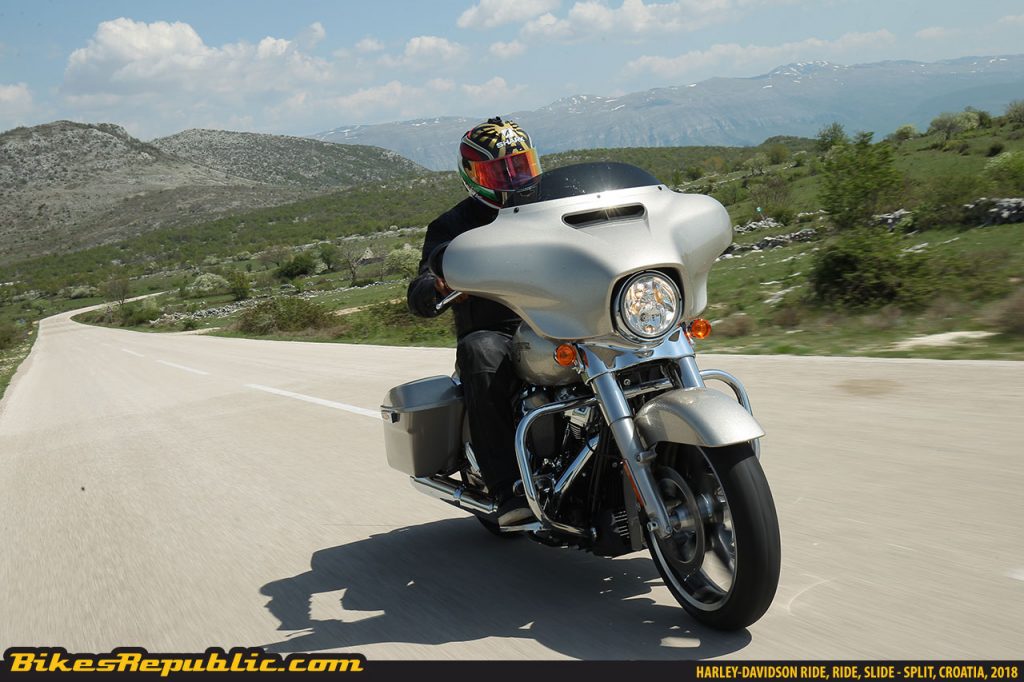
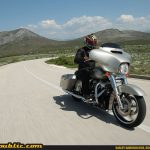
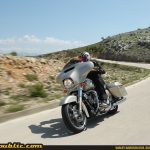
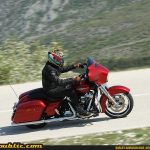
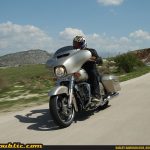
Jumping from the Road Glide to the Street Glide was a revelation of sorts. I have never been a fan of the latter, but have to admit that it rides pretty damn good. But before going forward, below is a video review of the bike.

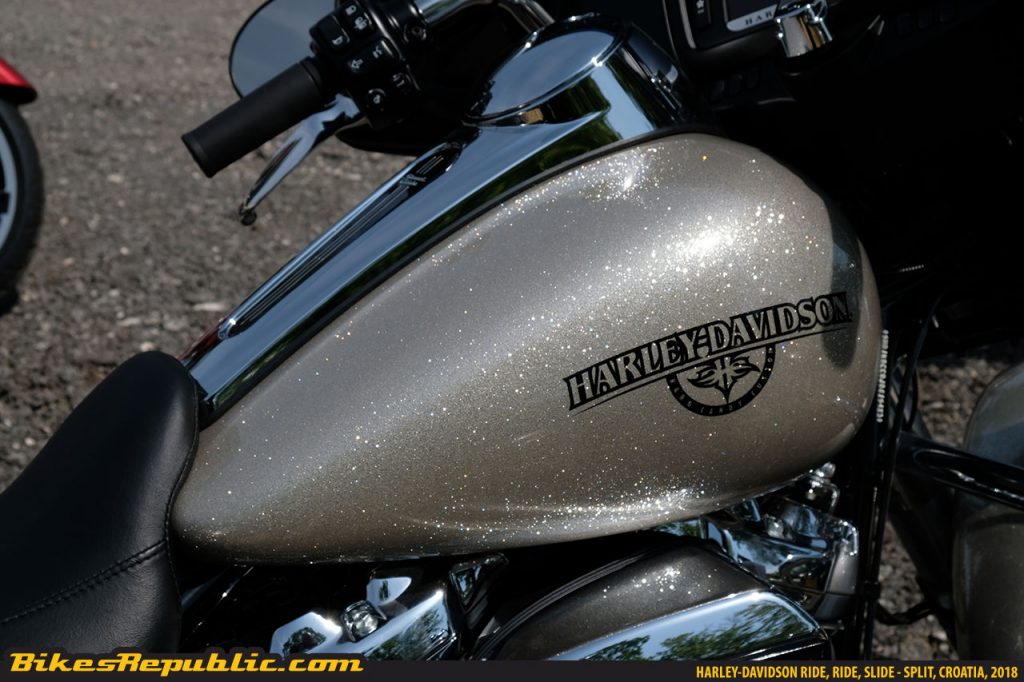
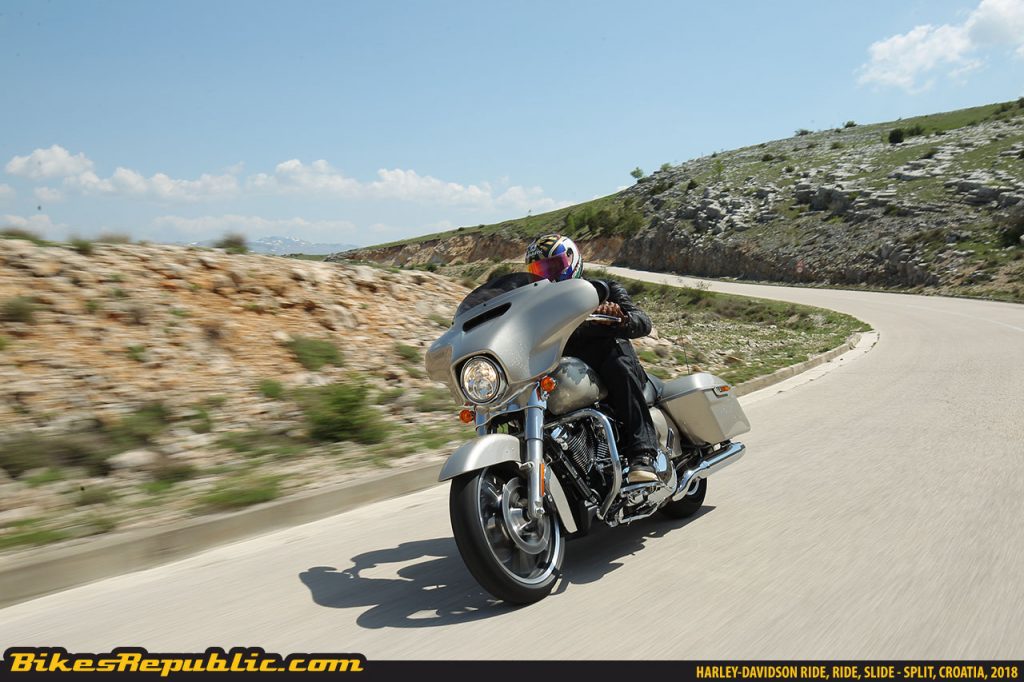
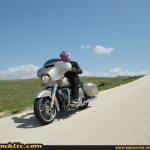
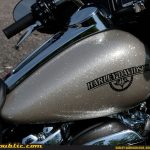
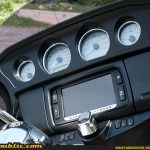
The classic rounded headlight together with the fork mounted fairings are almost unchanged since it was first introduced back in 1969. The fairing was and is still known as the “batwing”.

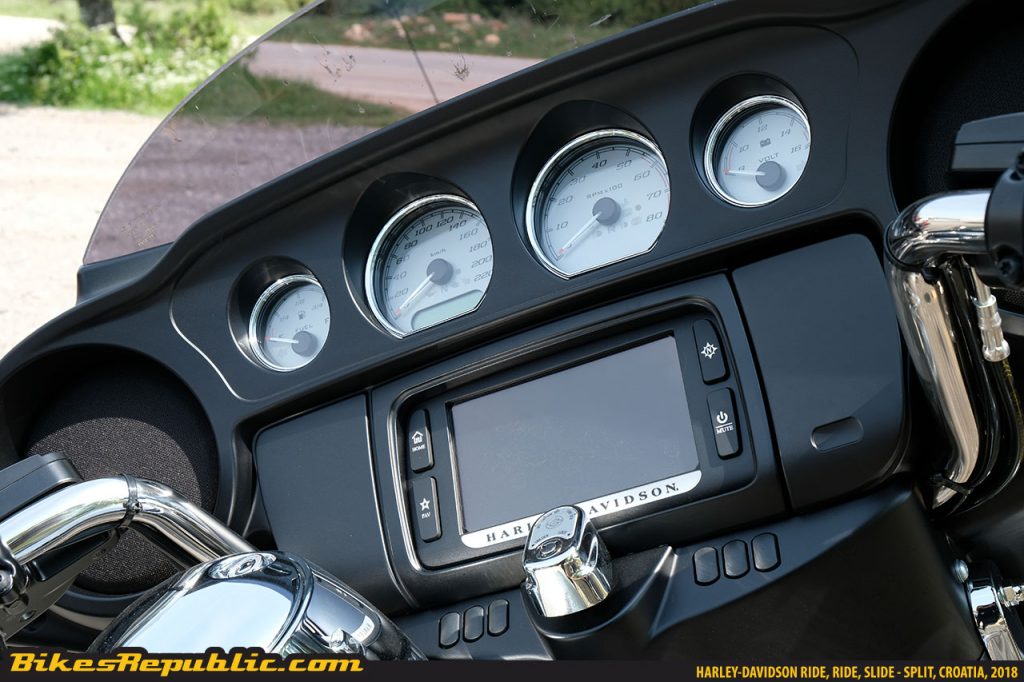
That fairing soon became iconic, and while earlier models were removeable, later versions were not as the all the necessary meters were moved onto the fairing, which is still the way it is now.

Good looks are subjective, “beauty in things exists merely in the mind which contemplates them” said someone smart named David. So even though I may prefer the Road Glide, it is the Street Glide that won the opinion of the day.

“It looks great and handles great as well,” were some of the opinions over dinner. Comments about the sitting position as well as the front end feel were shared during lunch and dinner. If you read part 1 of this review (you can read it here), you may remember that I have been a fan of the Road Glide.

And when it comes to appreciating the two Glides, there seems to be an accord of sorts that suggests you must choose either model, you may not like them both. Don’t believe me? Try looking up a forum on HD’s.

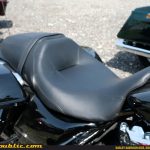
But I have a problem, I may be a fan of the RG, admittedly the Street Glide was a lot more confident in the corners. You sit more upright as compared to the RG, and your legs are closer to you. You’re generally in a more commanding sitting position than the Road Glide, which is more laidback and relaxed.

Another significant difference between the SG and the RG other than the sitting position is the fairing and the way it is mounted.

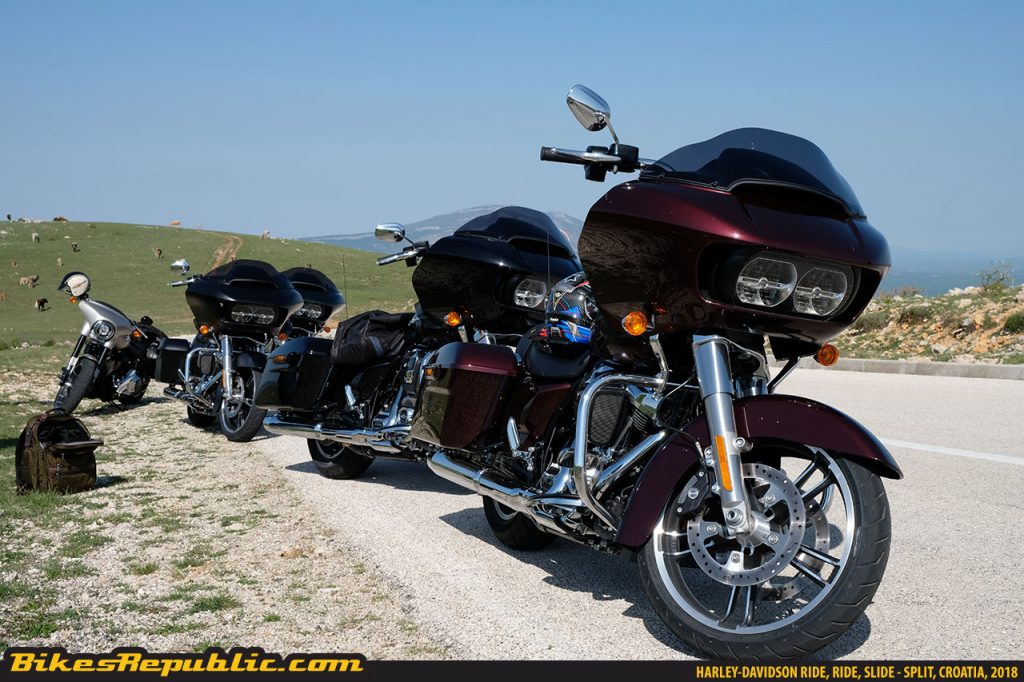
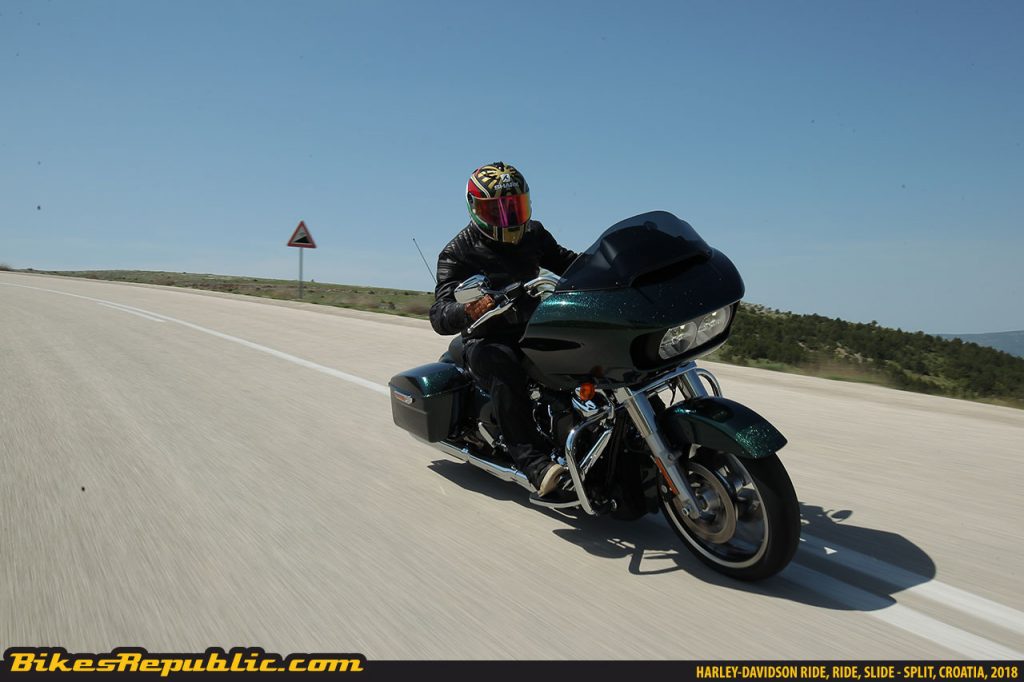
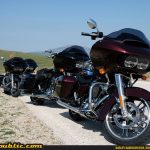
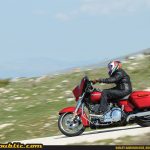
The RG has its fairing mounted onto the frame of the bike which then frees up the front end from additional weight, giving the front end a lighter feel, note how the lights point straight ahead though the wheel is turned (above).

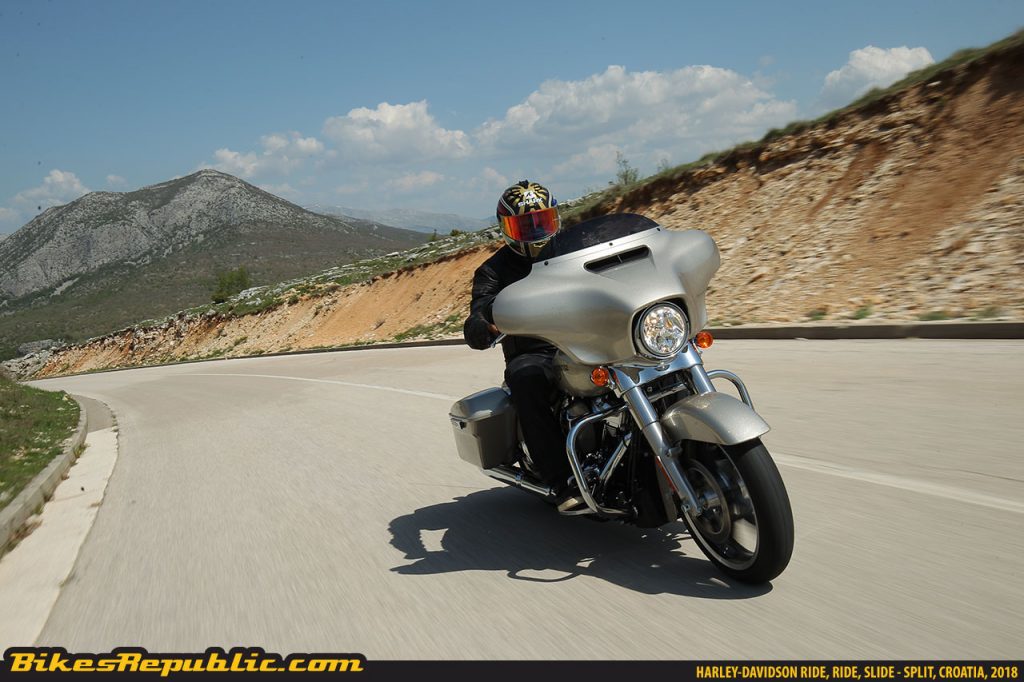
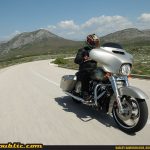
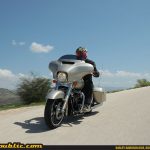
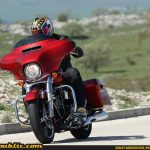
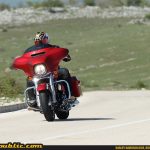
The SG on the other hand has its fairings mounted onto the forks. The weight of the fairings together with everything else like the meter panels and the entertainment system then bogs down the front end (above). Somehow, that works to the SG’s advantage as the front end feels more planted when throwing it into a corner.

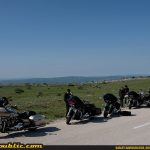
But truth be told, I did not spend as much time with the SG as I would have liked to. Before the ride, we were told that we could switch bikes at the first photo stop, but by then everyone had become so used to the bikes they started off with; phones synced to the entertainment system and their stuff comfortably in the boxes that the only time I ever rode the SG was for the photoshoot. I spent a few hours riding the RG but just a few minutes riding the SG, unfortunately.

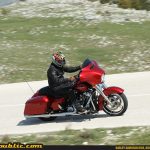
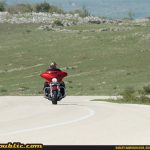
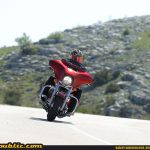
However, the purposeful handling of the SG is apparent from the moment you take off. And because our shoot location was riddled with corner after corner, fast and slow, it was perfect testing grounds for the SG.

It took just a few corners to tell that it is more obliging in corners, eager to lean in and braking felt better too. That is probably because the SG is lighter, but just by about 11kg. The handlebars are slightly different as well, but not enough to make a big difference in overall handling of the bike.

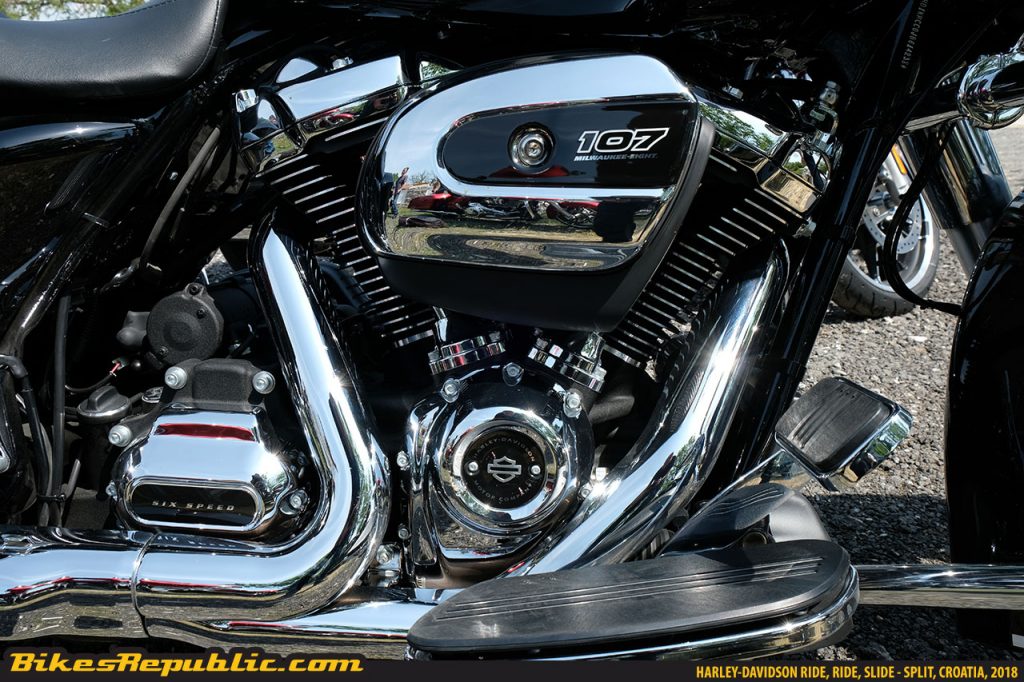
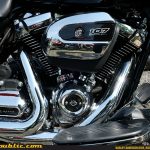
Even in the power department both bikes are the same. The SG too is powered by the same 1745cc Milwaukee-8 engine that produces the same 150Nm of torque from 3250rpm. And is mated to the same 6-speed gearbox.

So when it comes to picking one over another, the biggest difference is of course the design of the bikes. The handling is of course different, and that is because of the seating position and the way the fairings are mounted. Other than that, both are perfectly identical bikes (watch our video review of the Road Glide, above).
The RG feels a lot more planted and confident on the highways, and the bigger fairing does a better job at keeping the wind away from you as well. The SG feels better in the corners. Both have massive power. As for the overall feel, some people prefer the compact feeling which the SG provides, while others like me prefer a roomier feel with the meters placed further away, as is the case with the RG.
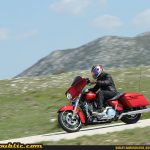
The roads we were riding on in Croatia seemed to be better suited to the SG, and there were moments where the RG was struggling to keep up. But if I had to choose, it would be the RG. If I wanted something fast and nimble in corners, I would get something better suited to corner carving, the Harley-Davidson touring models are suited for leisurely, comfortable riding and it is in that aspect that the Road Glide outshines the Street Glide.

The Street Glide is now available in Malaysia at RM174,700, which is the same price as the Road Glide.

Watch the highlights from our ride in Croatia in the video below:

SYM Malaysia has launched the updated 2018 Sym Sport Rider 125i ready with new graphics.

The new graphics scheme is available in three different colours; Red, Blue, and Yellow.

The 2018 Sym Sport Rider 125i is priced at RM5,542.20 (basic price with 0% GST).

SYM Malaysia has officially unveiled the latest 2018 Sym Sport Rider 125i which comes ready with a refreshed graphics scheme. Sym’s most popular cub has been updated and will be available in three different colourways; Red, Blue, and Yellow. (more…)

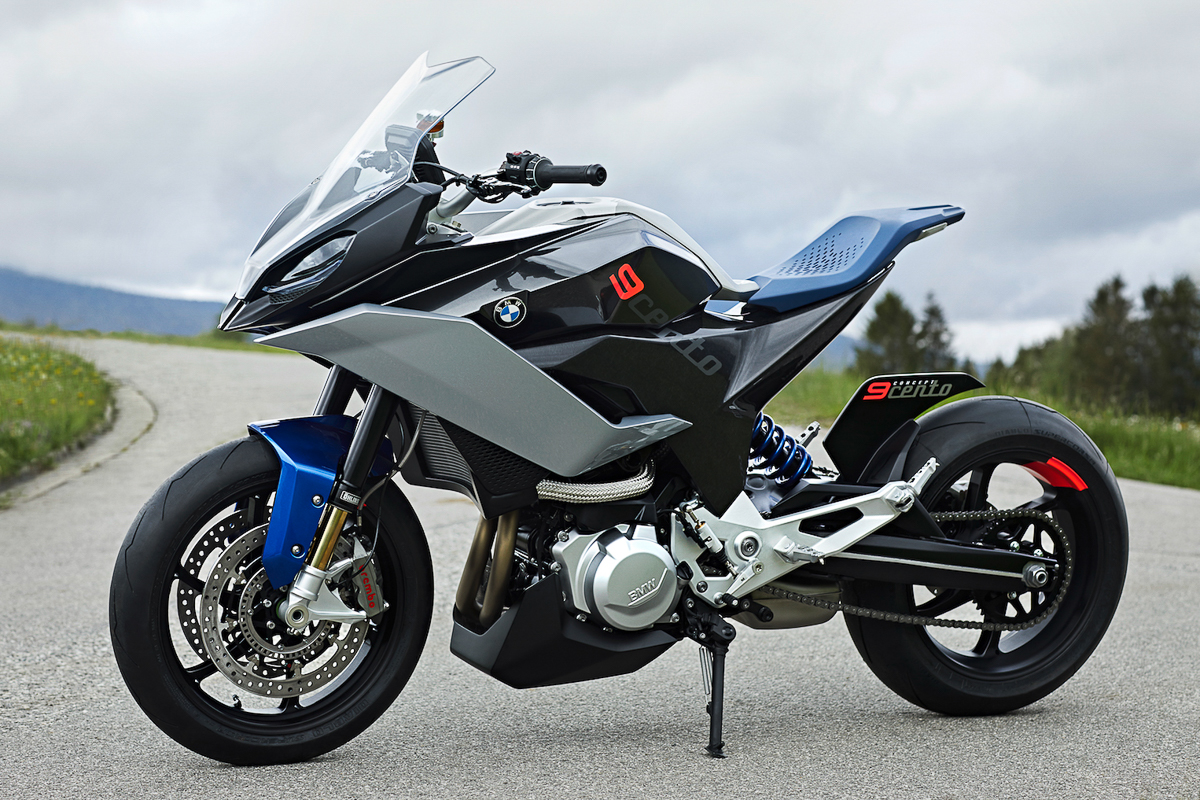
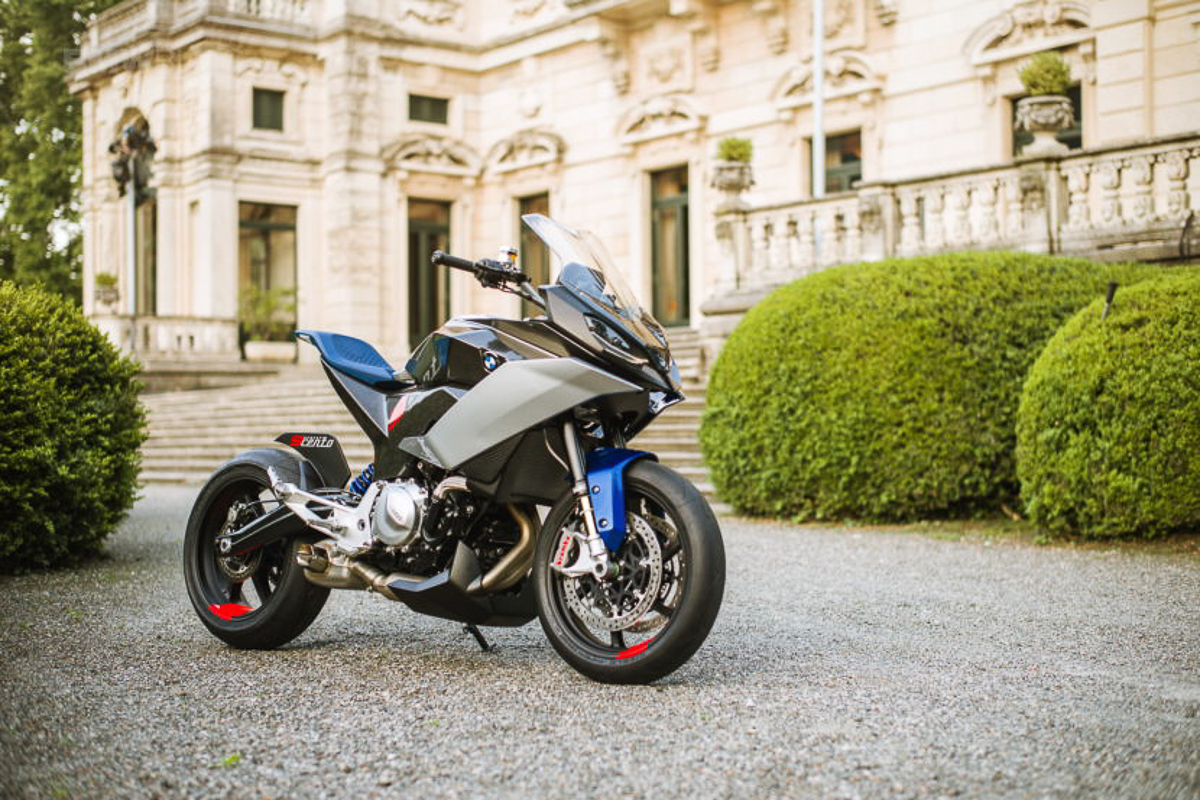
BMW Motorrad has introduced the BMW Concept 9cento middleweight sport-tourer.

The Concept 9cento is essentially a combination of the S 1000 XR’s looks and the F 850 GS’ engine.

A new middleweight sports-tourer is indeed something BMW Motorrad is planning to add to their line-up in the near future.

BMW Motorrad took things to a whole new level during the recent Bike Shed Show in London a couple days ago when they introduced a brand new BMW Concept 9cento. To put things into perspective, it’s like a combination of the BMW S 1000 XR and BMW F 850 GS into one awesome package. (more…)

  • TOC Automotive College has just signed an agreement with Malaysia Speed Festival.

  • The collaboration launches the MSF Motor Racing study course.

  • Students will learn about racing management and technical aspects in the 20-week course.

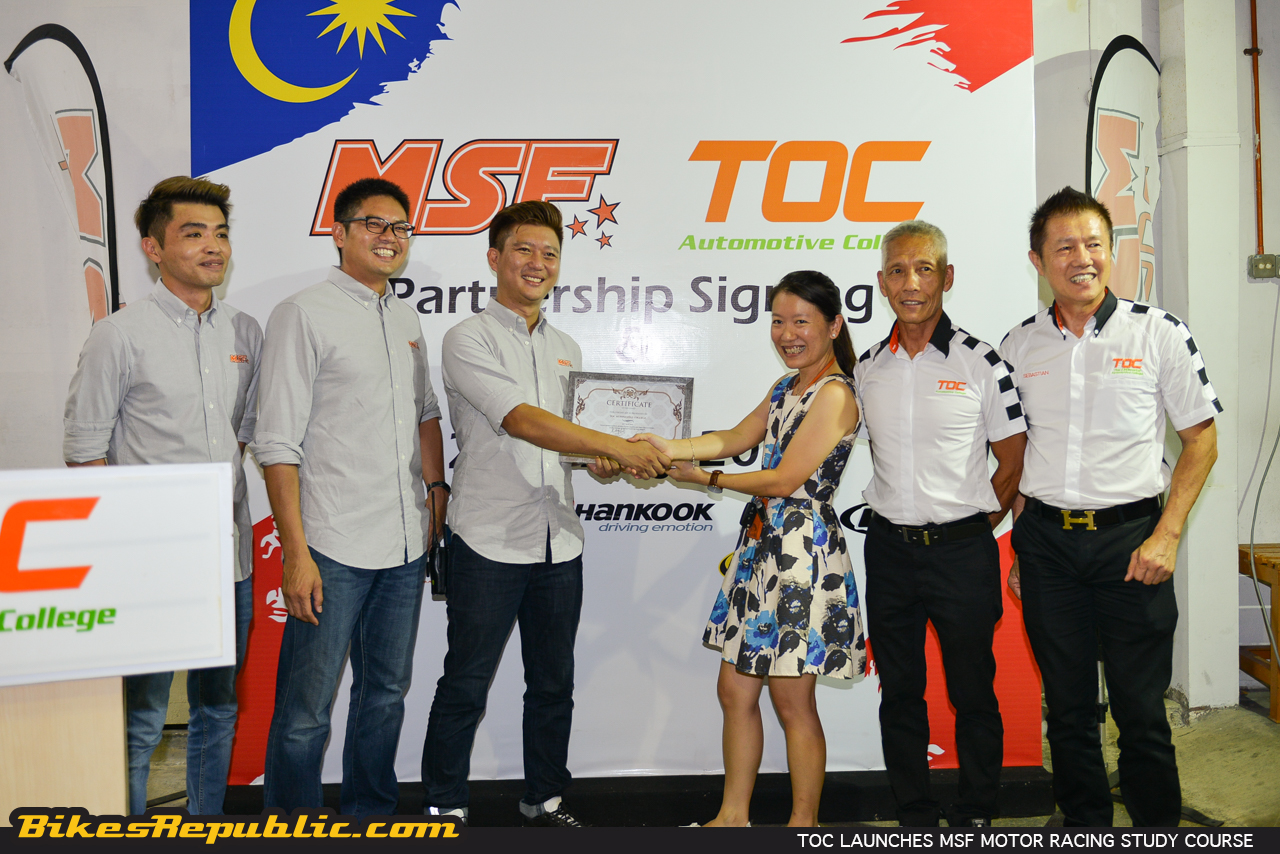
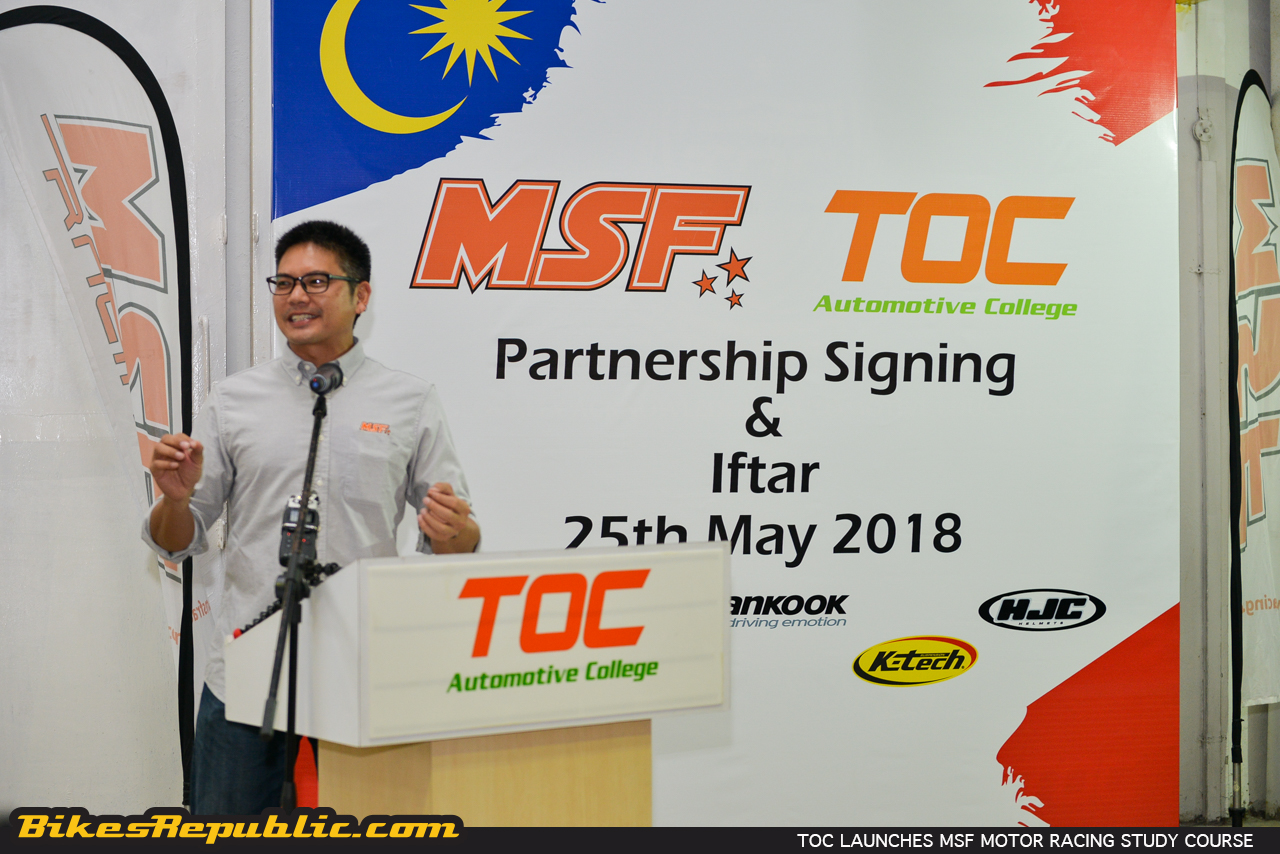
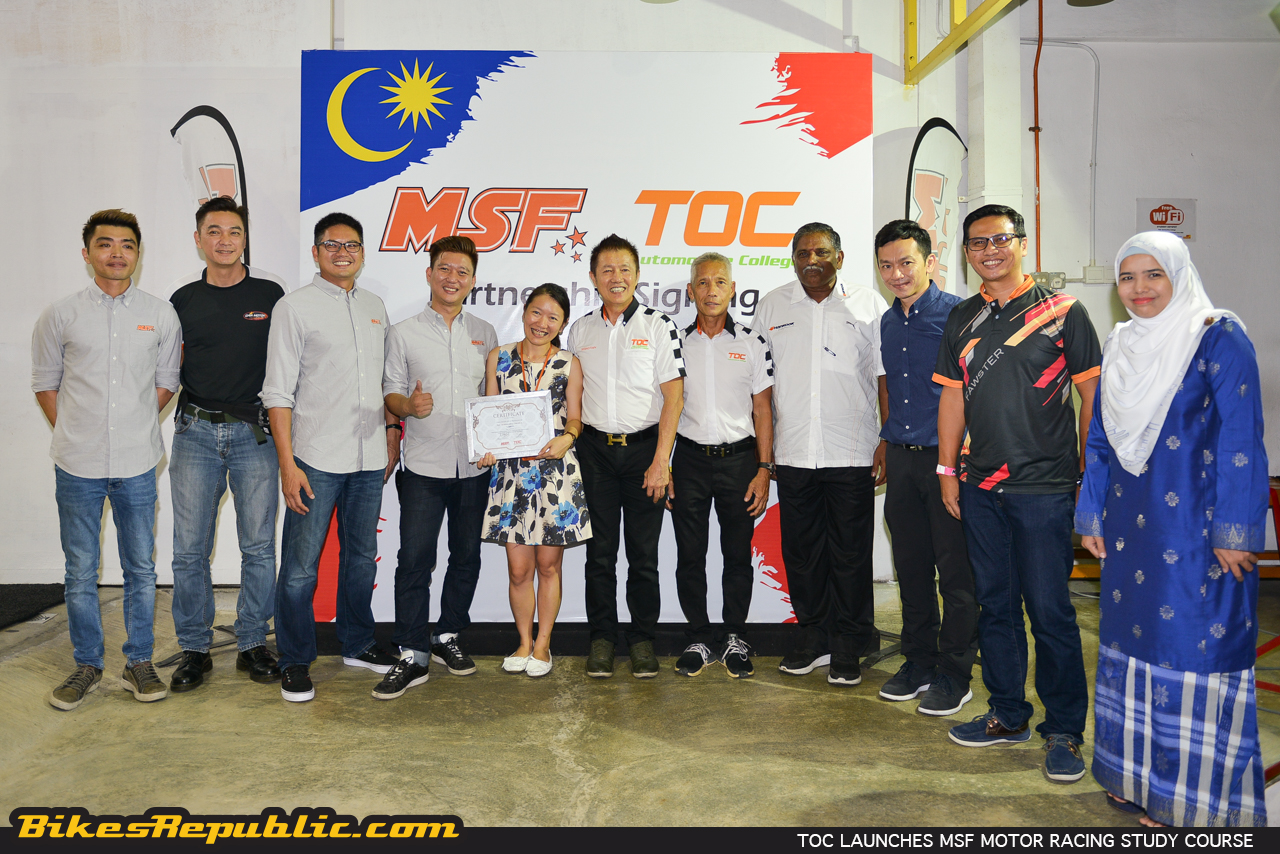
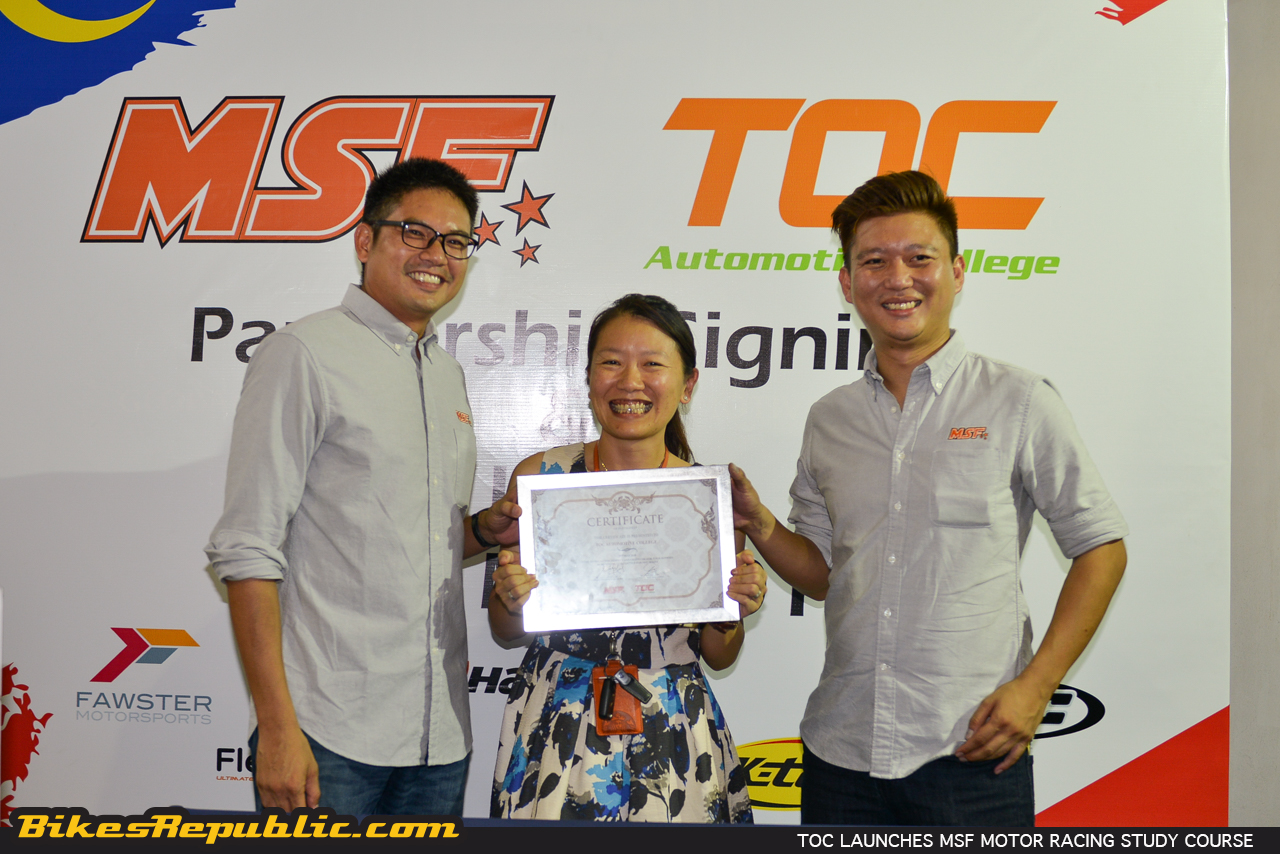
Hot on the heels of the launch of the TOC Superbike Technician Course, the TOC Automotive College (TOC) has signed another collaborative effort with the Malaysia Speed Festival (MSF) on 25th May 2018.

TOC Automotive College Launches Superbike Technician Course

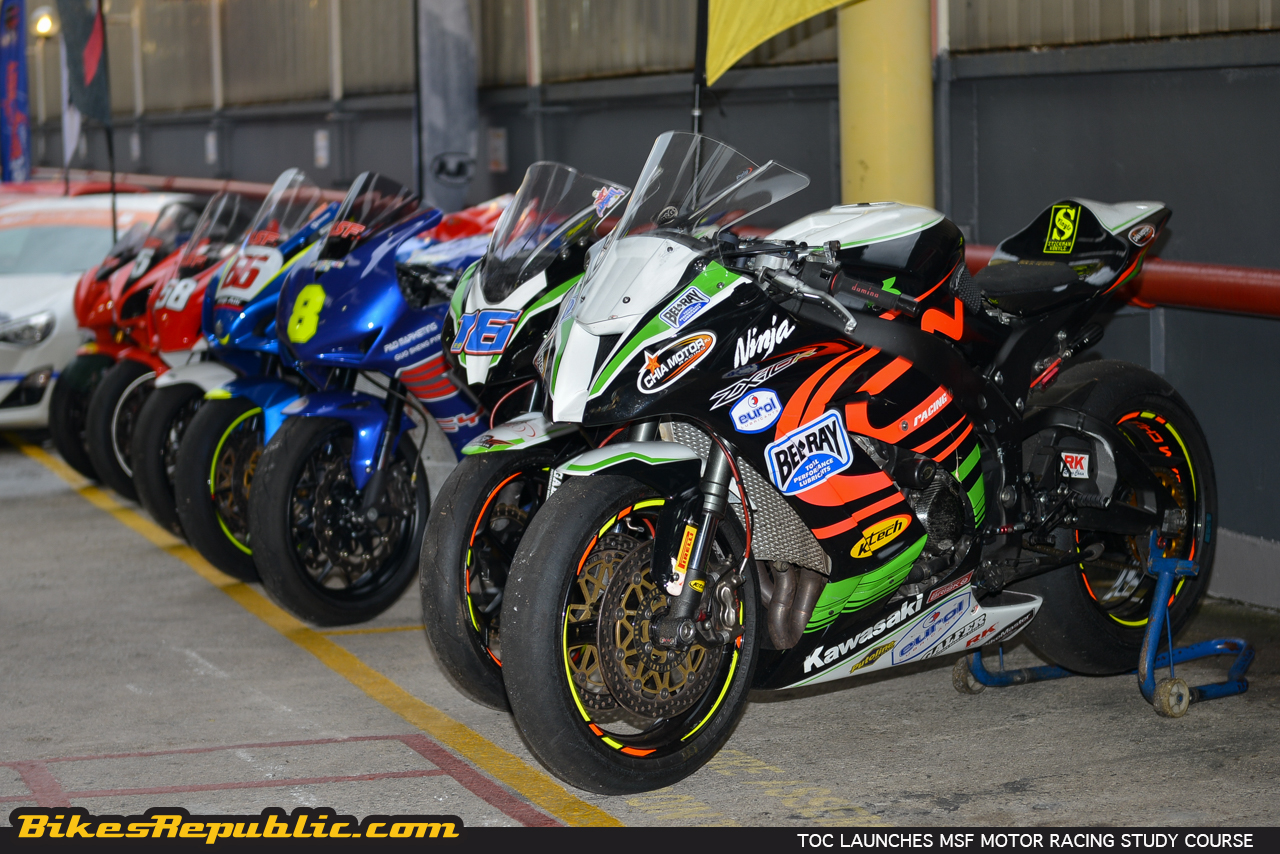
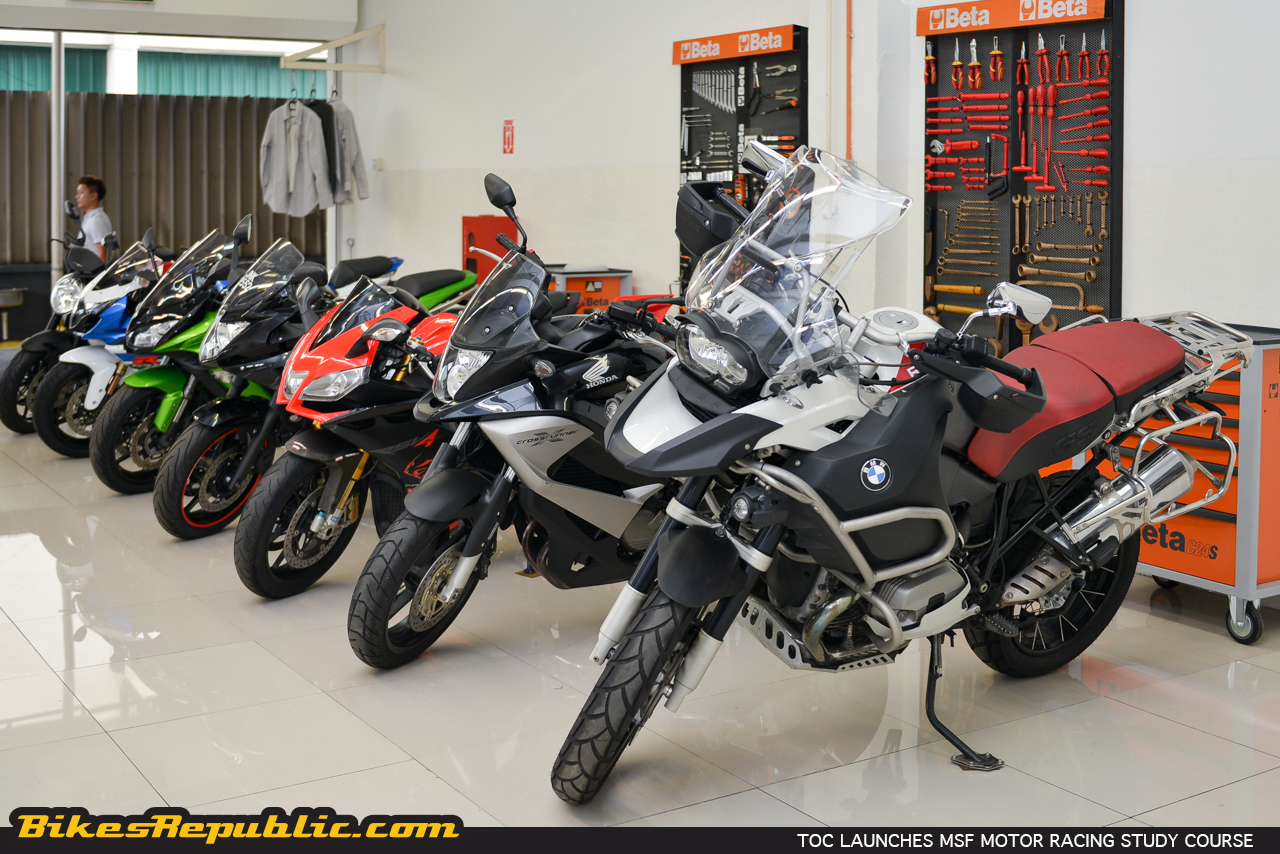
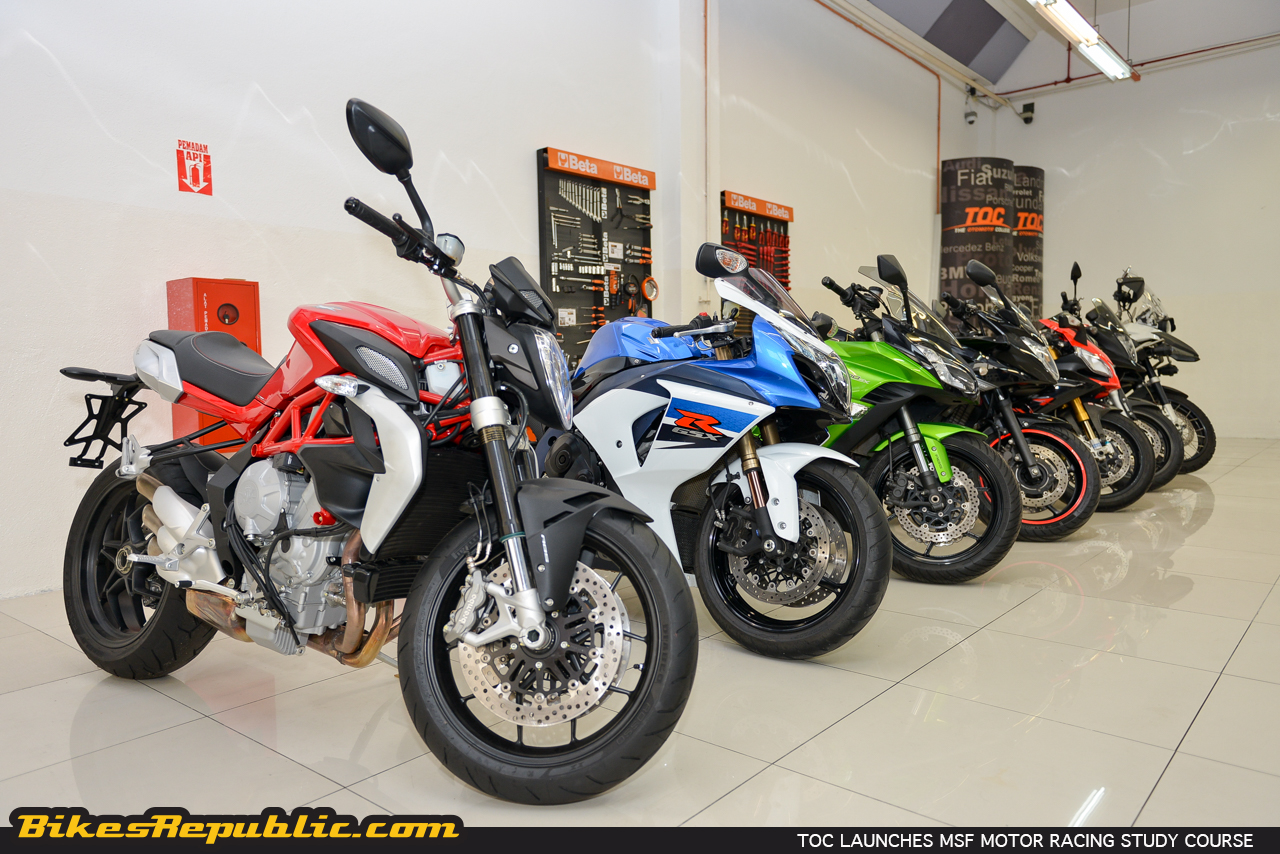
As we mentioned before, motorsports is the fast lane to a student’s real world experience. That is why the TOC Automotive College has a fully-equipped Motorsports Division, which caters to both auto and now motorcycle racing.

The partnership seeks to enhance the knowledge of TOC’s students in the cutthroat world of motorsports before they hit the workforce. More specifically, this collaboration with train a select group of TOC students as future leaders and workers in Malaysia’s motorsport industry through the new “MSF Motor Racing” study course.

In Adian Yein, MSF’s Principal’s speech, it was revealed that while the motorsport industry is still small in terms of budgets compared to the international team, it was still worth RM 2 million a few years ago. As such, there exists a need for more new blood to take part. Besides that, it ought to be time to concentrate not only on the drivers and riders, but also those in the background.

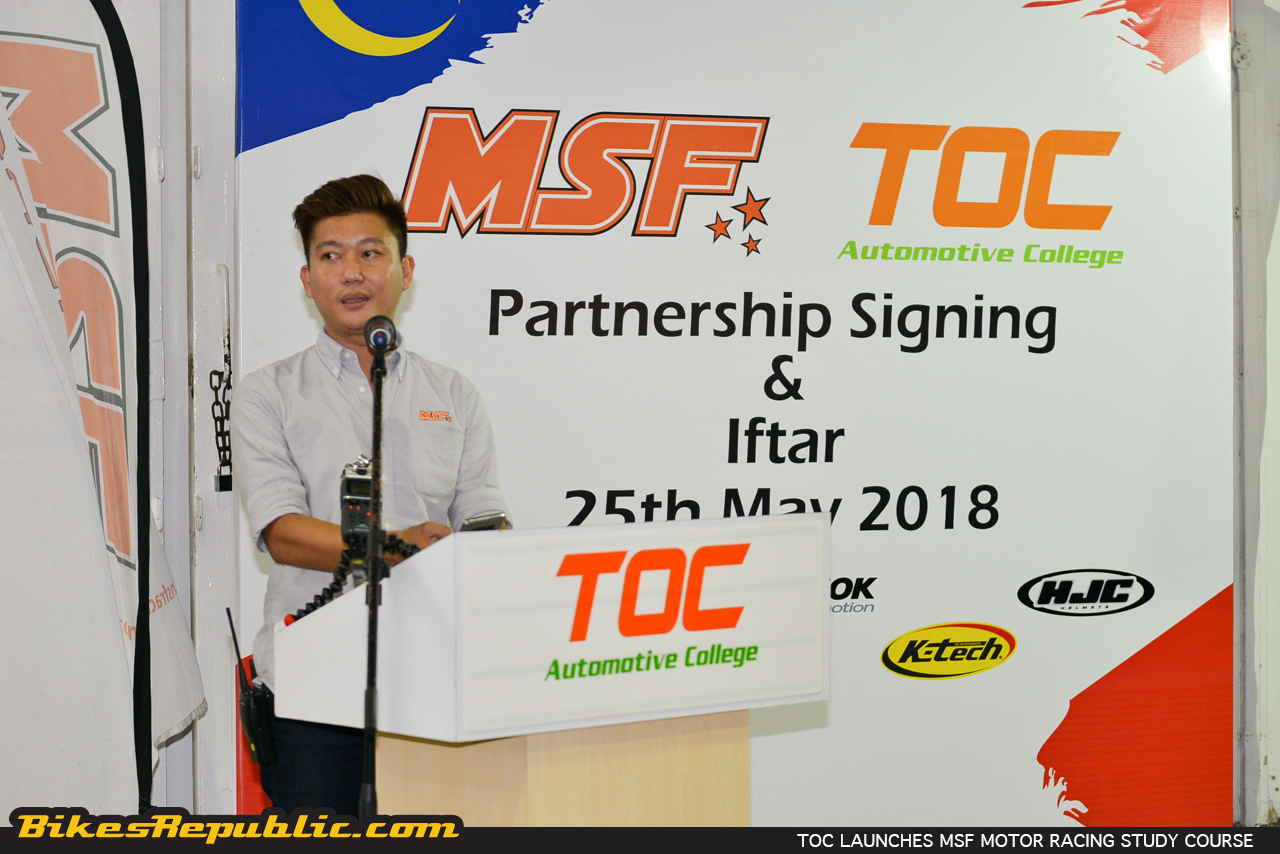
Mr. Liew Chin Hooi, MSF Superbike Representative, iterated in his speech, “The technical portion of motorsports has traditionally been relegated to the blue-collar status. We aim to change that through the tie-up with TOC.”

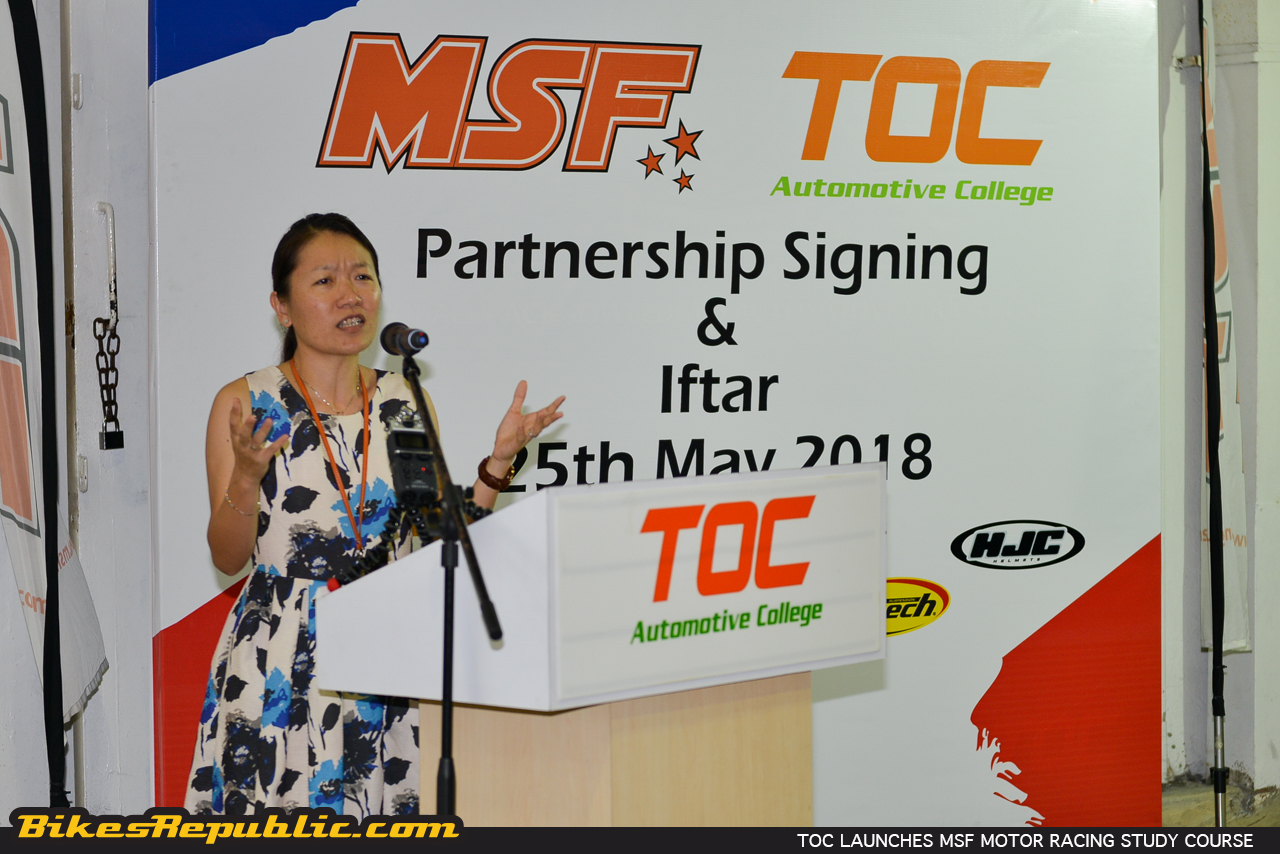
Ms. Adelaine Foo, Founder and CEO of TOC Automotive College, added that, “Everybody knows who the drivers and riders are, but what TOC has done is to bring a lot of focus to the people who made the machine for the drivers and riders to drive and ride. There is no Lewis Hamilton if there’s no technicians.”

“It’s about bringing respect to the people behind the scenes,” she added.

The topics covered in the 20-week course are:

WEEK TOPIC OUTLINE
1 Introduction to Motorsports and MSF Racing ·      Introducing MSF.
·      Overview of the motorsports industry: Worldwide, US, Australia, Britain, Malaysia.
·      Importance of regulations and safety.
2 Race technical operations – Registration and Scrutineering ·      Registration – license checking, sign in.
·      Scrutineering – safety checks, technical compliance.
3 Race Technical Operations – Race Control, Timing and Gridding ·      Timing and gridding – results, labelling, gridding.
·      Race Control – race diary, incidents reporting.
4 MSF 2018 Round 3 ·      Event duties.
5 MSF Race Car Body Preparation and Safety Items ·      Body lightening.
·      Body straightening.
·      Installing safety items.
6 MSF Race Engine Preparation – Top-end Modifications and Improvements ·      Improving breathing and volumetric efficiency.
·      Improving ignition.
7 MSF Race Engine Preparation – Bottom-end improvements and Building ·      Improving compression
·      Lightening
·      Building the bottom end
8 Race Technical Operations – Revision for all groups ·      Briefing of responsibilities and revision.
9 MSF 2018 Round 4 ·      Event duties
10 Chassis and Suspension (Cars) ·      Basic chassis and suspension design.
·      Understanding suspension.
11 Suspension – Basics and Setup (Cars) ·      Introduction to vehicle dynamics.
·      Understanding damping.
·      Basic vehicle set up.
12 Suspension – Basics and Setup (Bikes) ·      Introduction to bike suspension.
·      Understanding bike chassis dynamics.
·      Basic superbike set up.
13 Race technical operations – Revision for all groups ·      Briefing of responsibilities and revision.
14 MSF 2018 Round 5 ·      Event duties.
15 Aerodynamics ·      Understanding air pressure and movement.
16 Drivetrain ·      Gearbox and gear ratios.
·      Flywheel and clutch.
17 Race Strategy and Testing ·      Tyre and fuel strategy.
·      Effect of weather.
·      Communicating with the driver.
·      Objectives of testing and understanding the data.
18 Race Technical Operations – Revision for all groups ·      Briefing of responsibilities and revision.
19 MSF 2018 Round 6 ·      Event duties.
20 Assessment

Industry players in Malaysia will also give talks from time to time. Confirmed partners are Fawster Suspension, K-Tech Suspension, Hankook Motorsports Malaysia and Proton-R3 Motorsports.

As you could see, TOC and MSF want to breed race team engineers or race officials that are intelligent with solid technical backgrounds, instead of mere grease monkeys.

You may refer to TOC Automotive College and Malaysia Speed Festival Facebook pages for more information on the MSF Motor Racing study course. You may also visit TOC Automotive College’s website.

PICTURE GALLERY

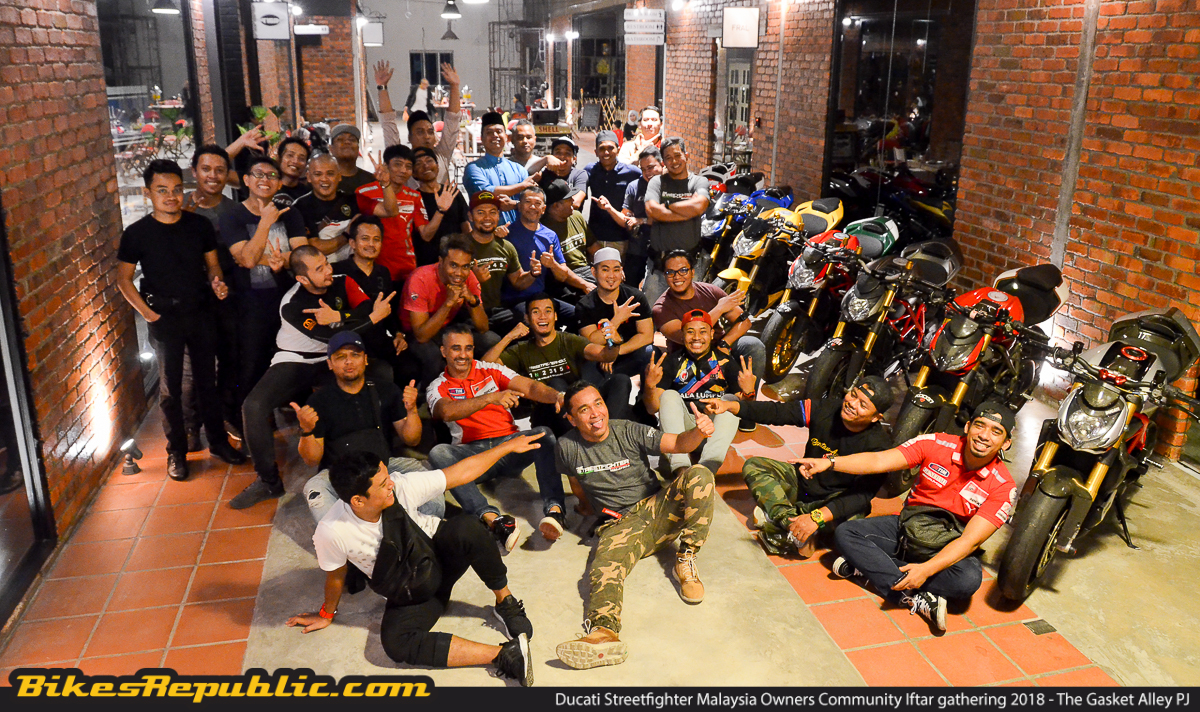
The Ducati Streetfighter Malaysia Owners Community or ‘Streetfighterholic’ organised a simple yet brilliant Iftar gathering last night.

Held at the Gasket Alley PJ in front of the TIGA Supply Company, around 40 Ducati Streetfighter owners gathered for a laid back breaking of fast.

These great folks also managed to collect a small amount of cash donation to be donated to the less fortunate for tonight’s DOCM Iftar event in Genting.

Around 40 members of the Ducati Streetfighter Malaysia Owners Community or more popularly known as the ‘Streetfighterholics’ gathered at the Gasket Alley, Petaling Jaya yesterday for a laid back Iftar session with good friends and family. (more…)

Archive

Follow us on Facebook

Follow us on YouTube